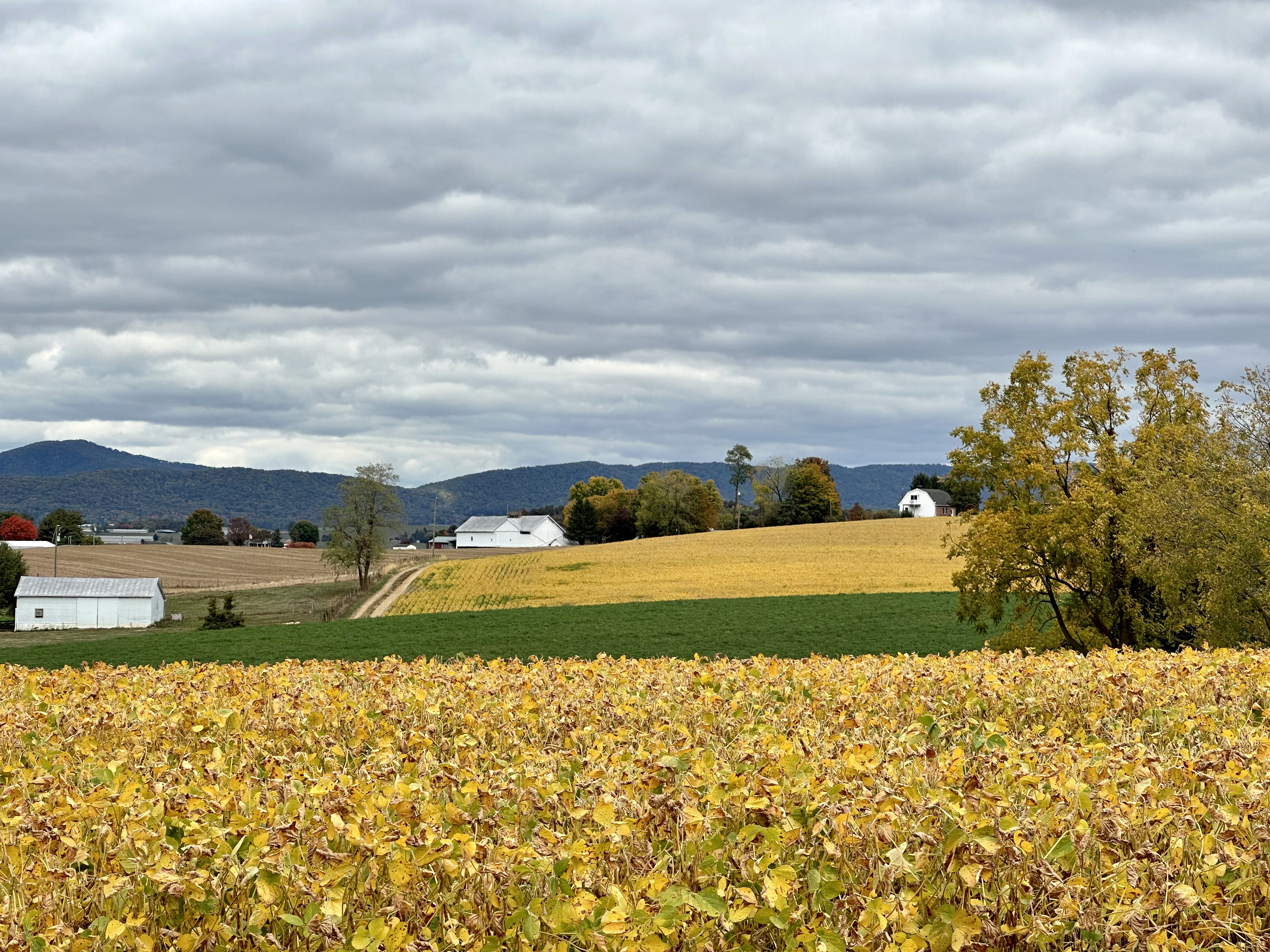
Autumn in the Shenandoah Valley

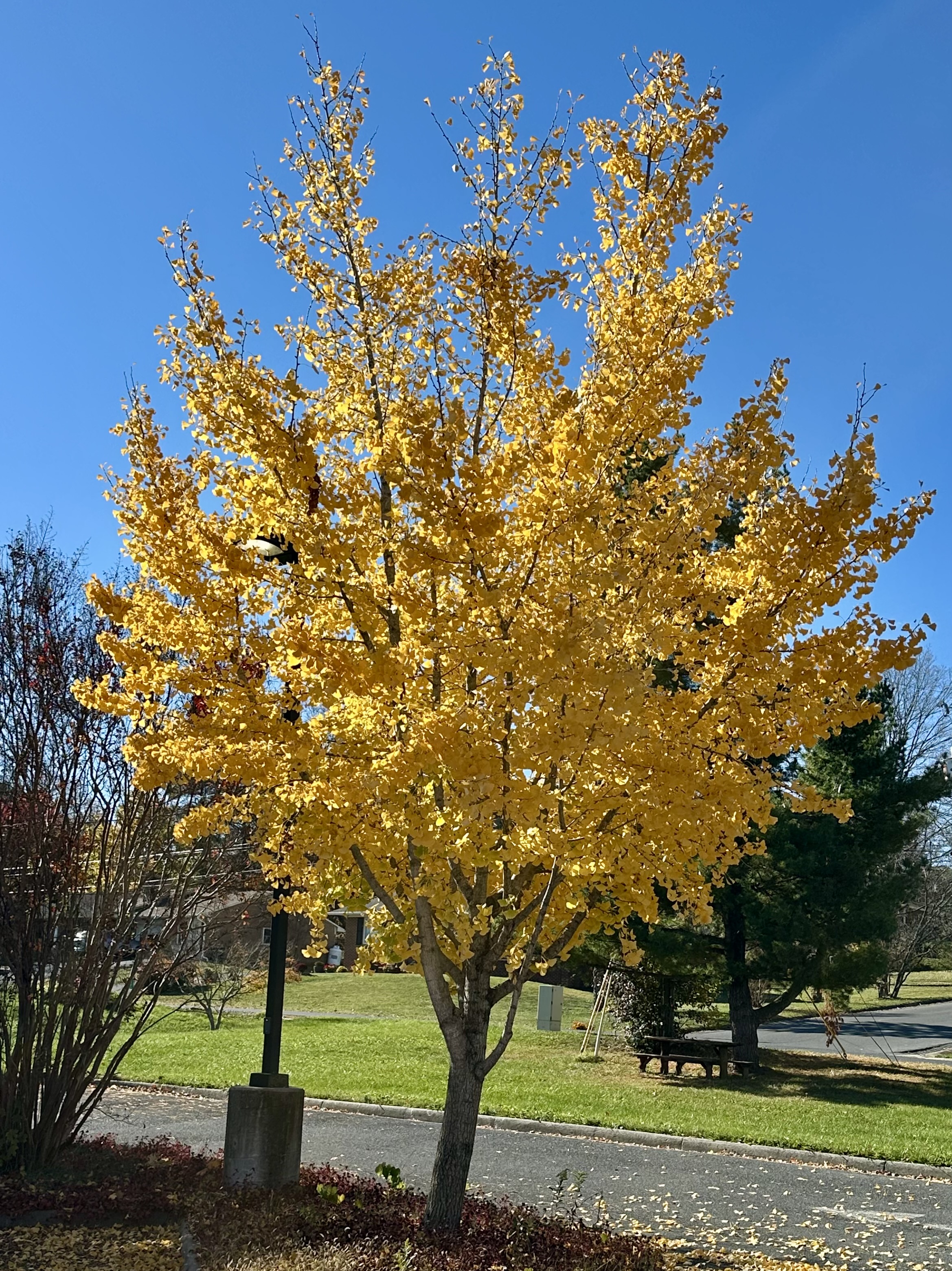
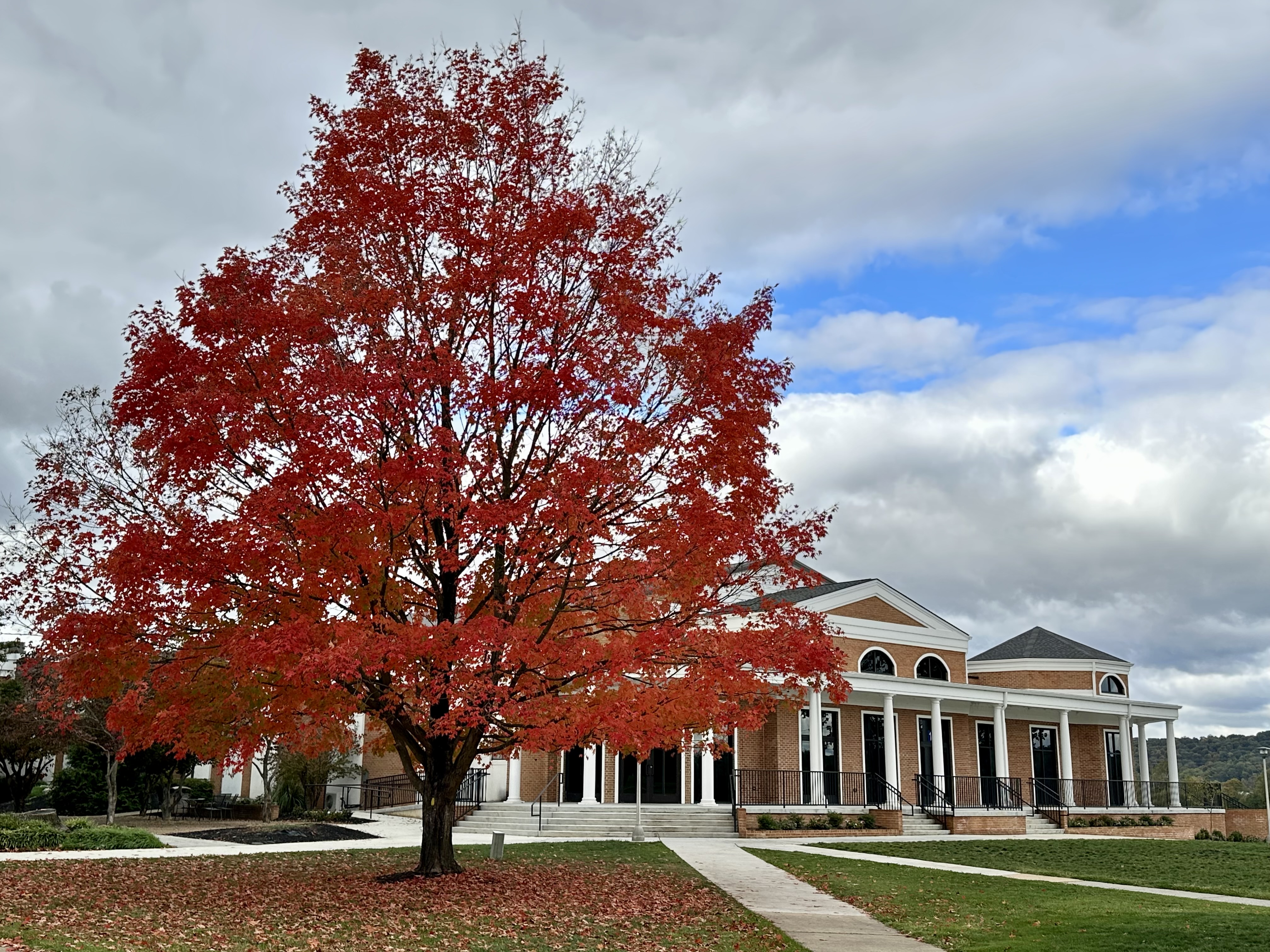
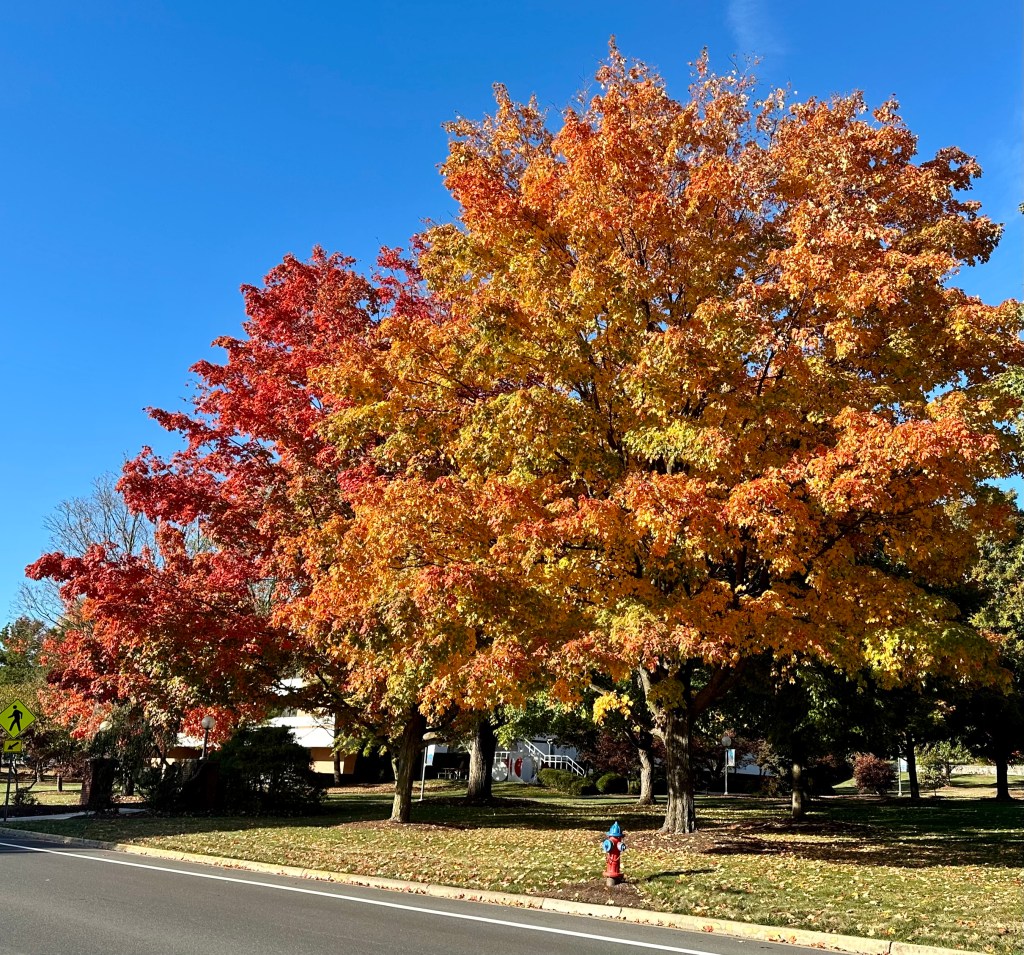
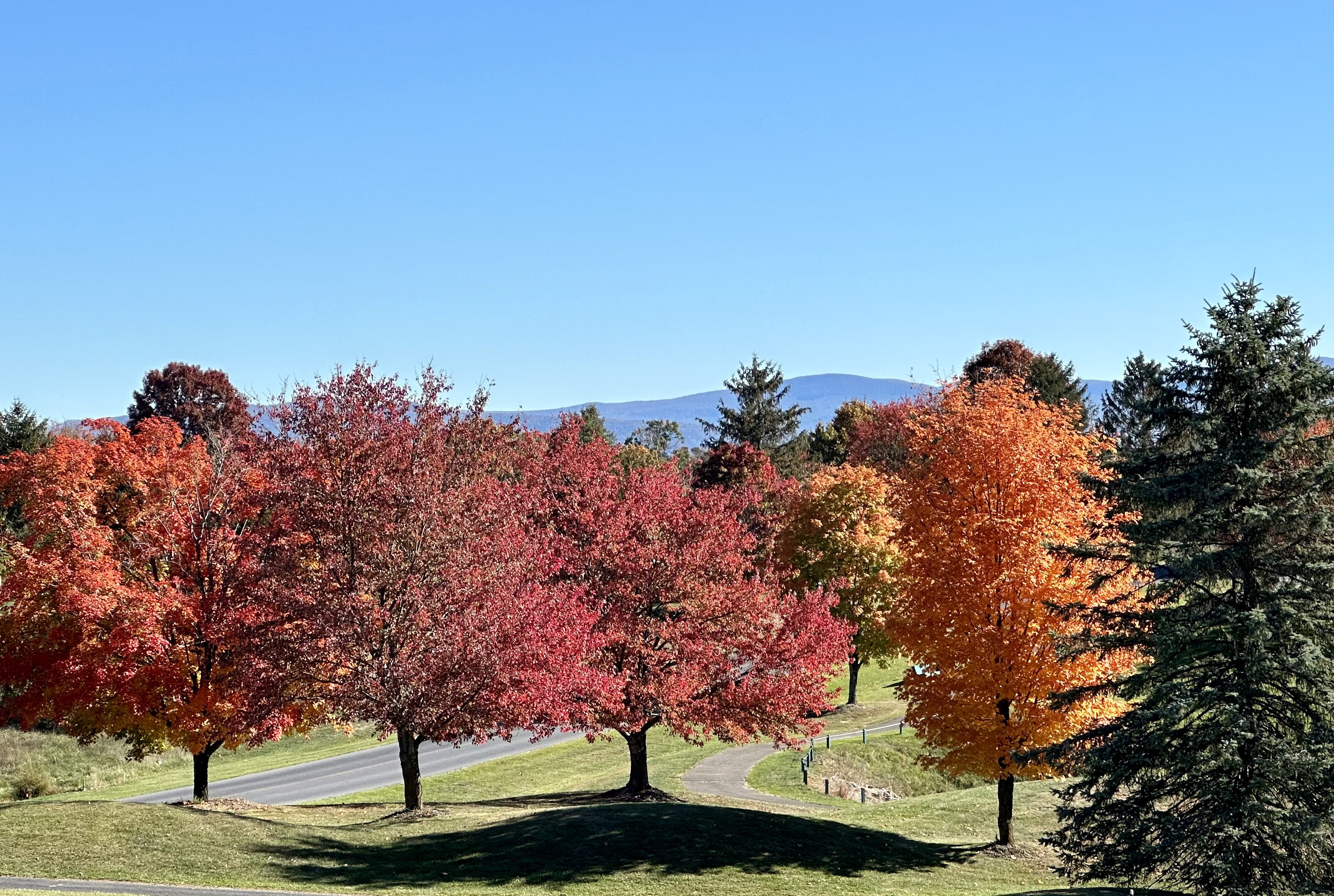
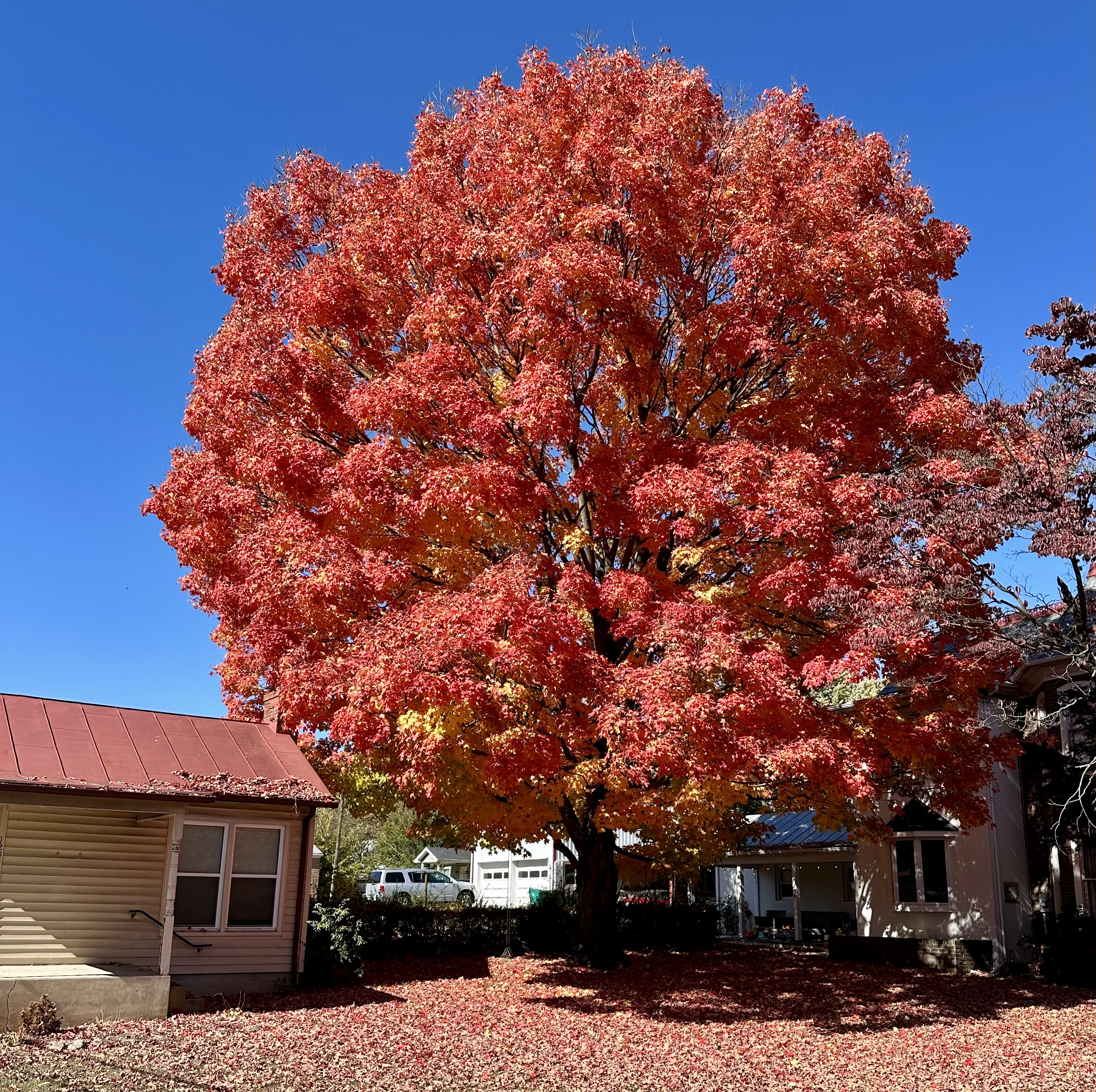
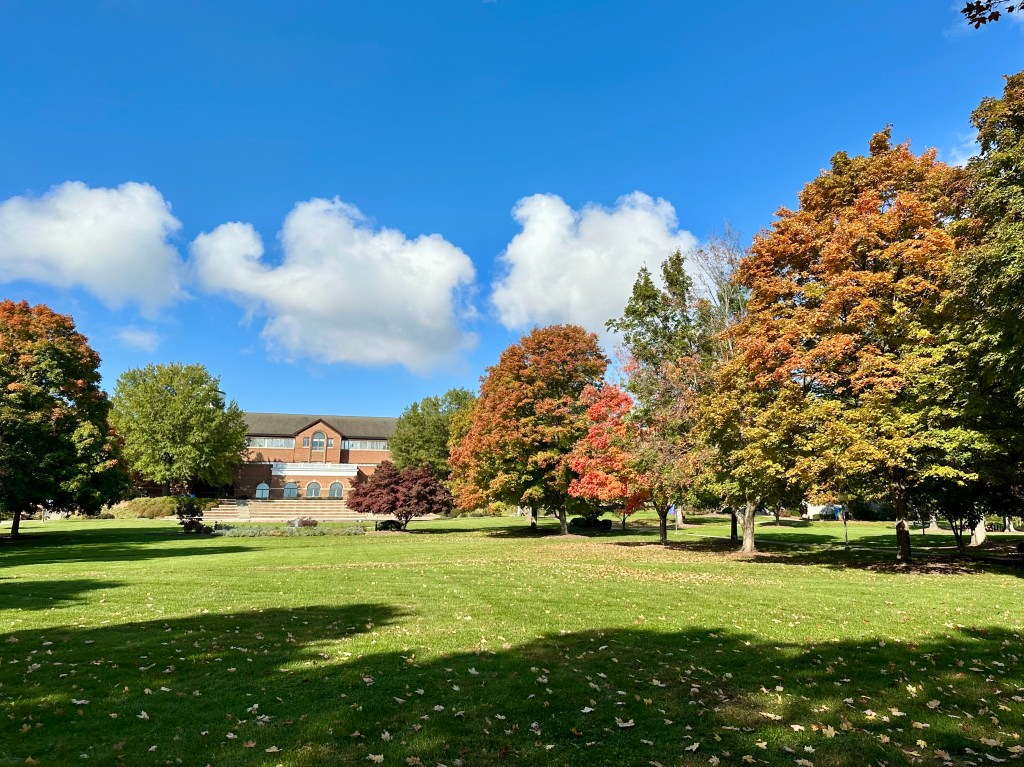
The geen at Eastern Mennonite University, Harrisonburg. Photo by Bruce Stambaugh

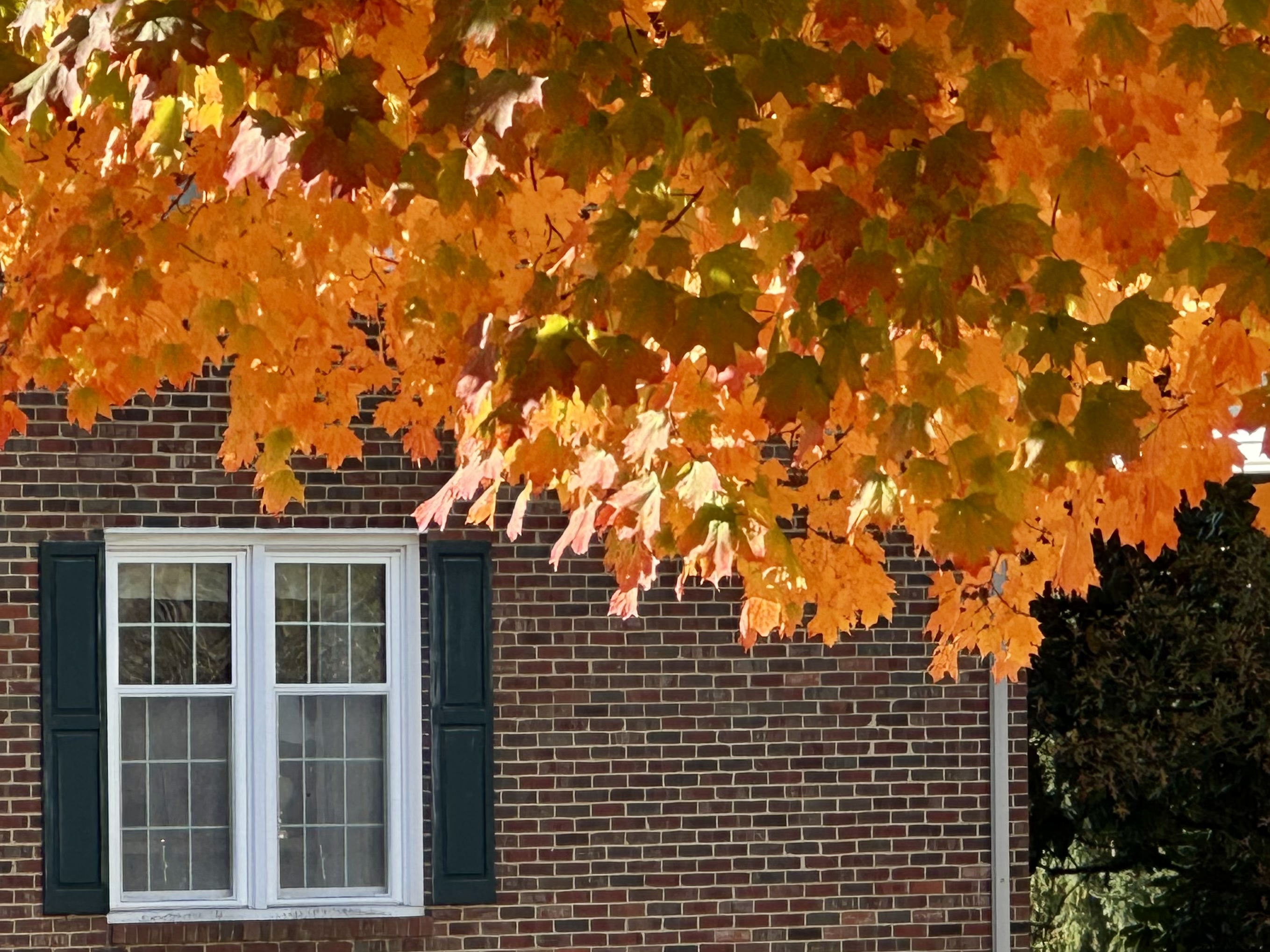
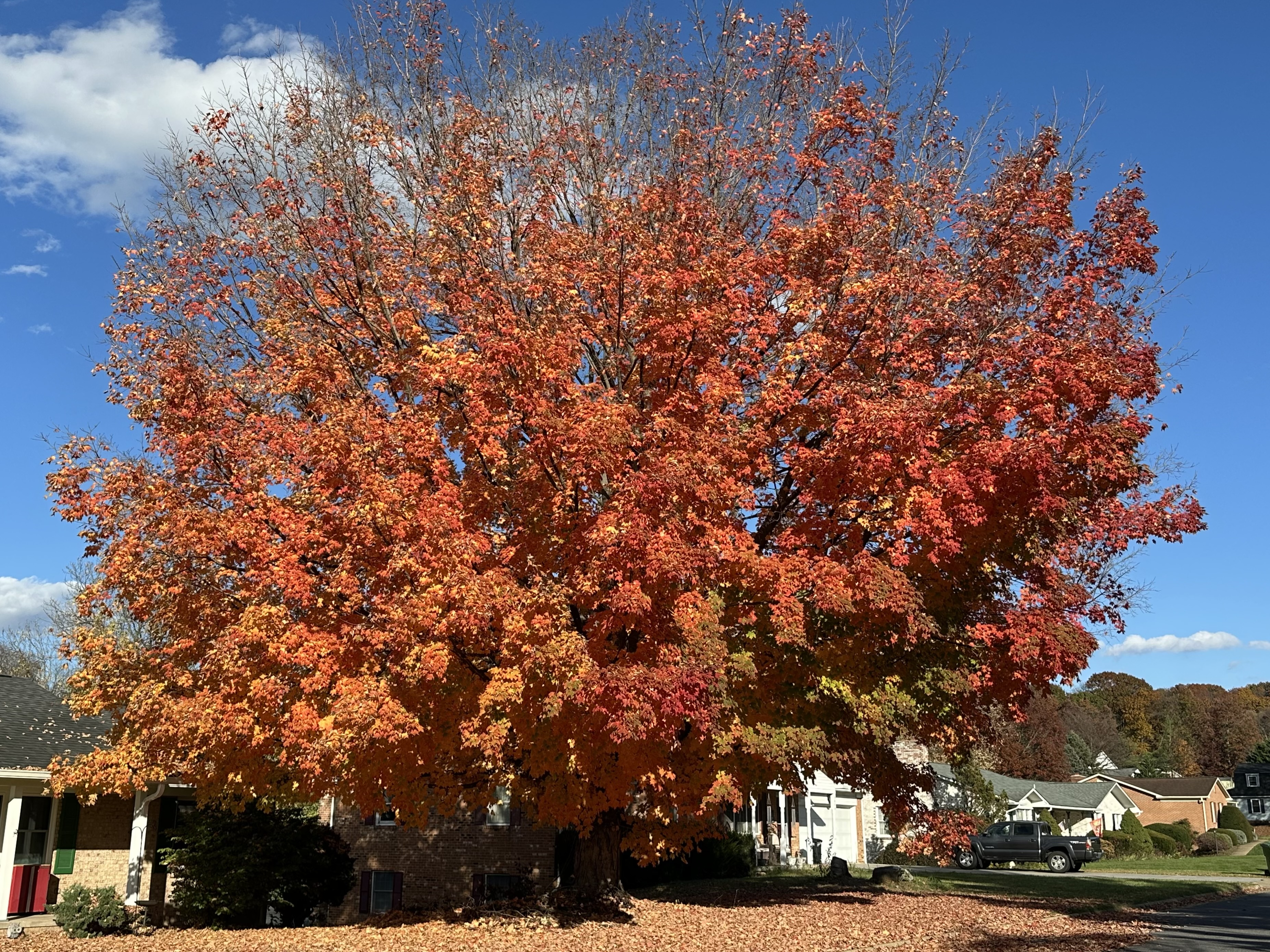
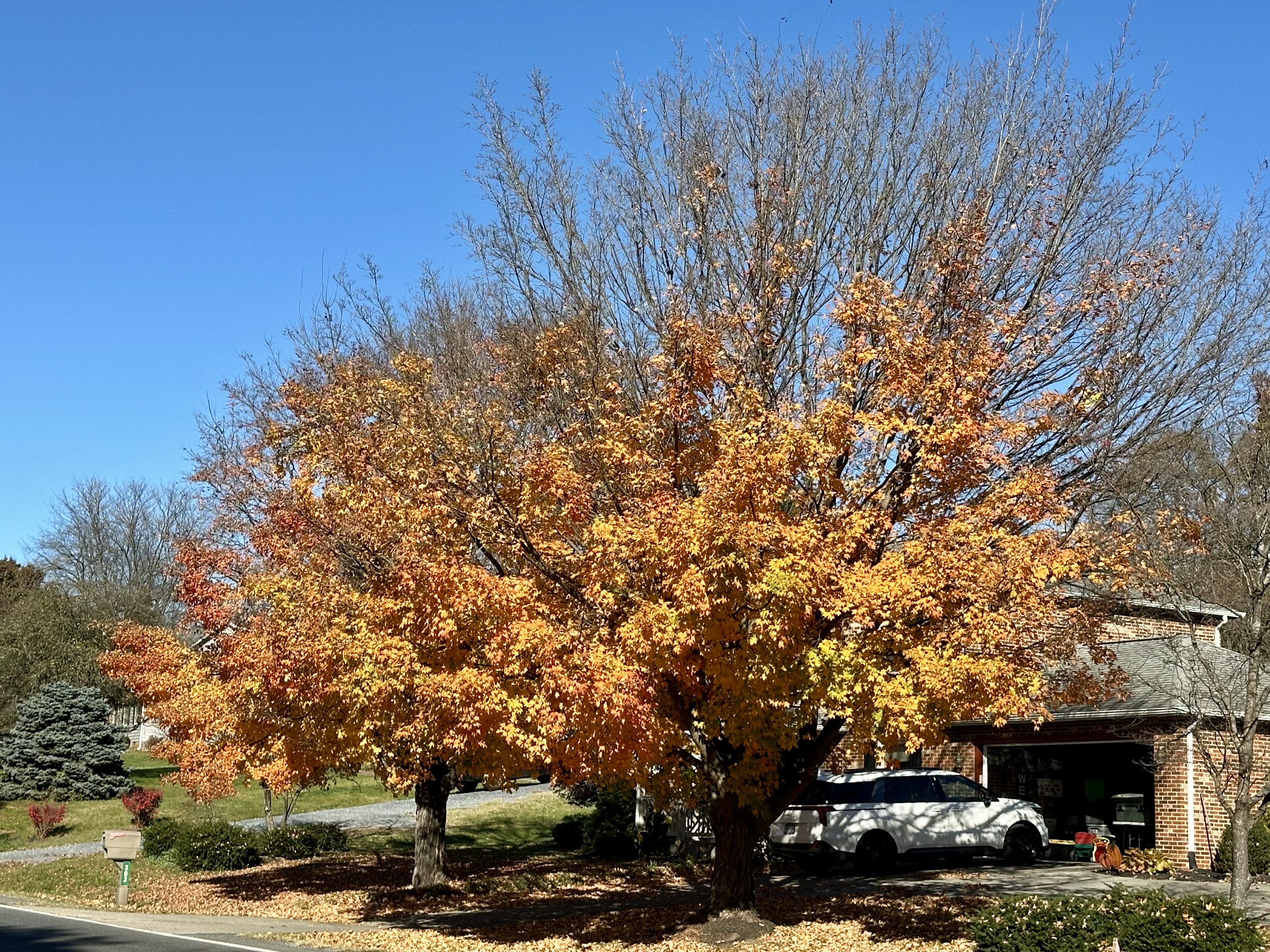
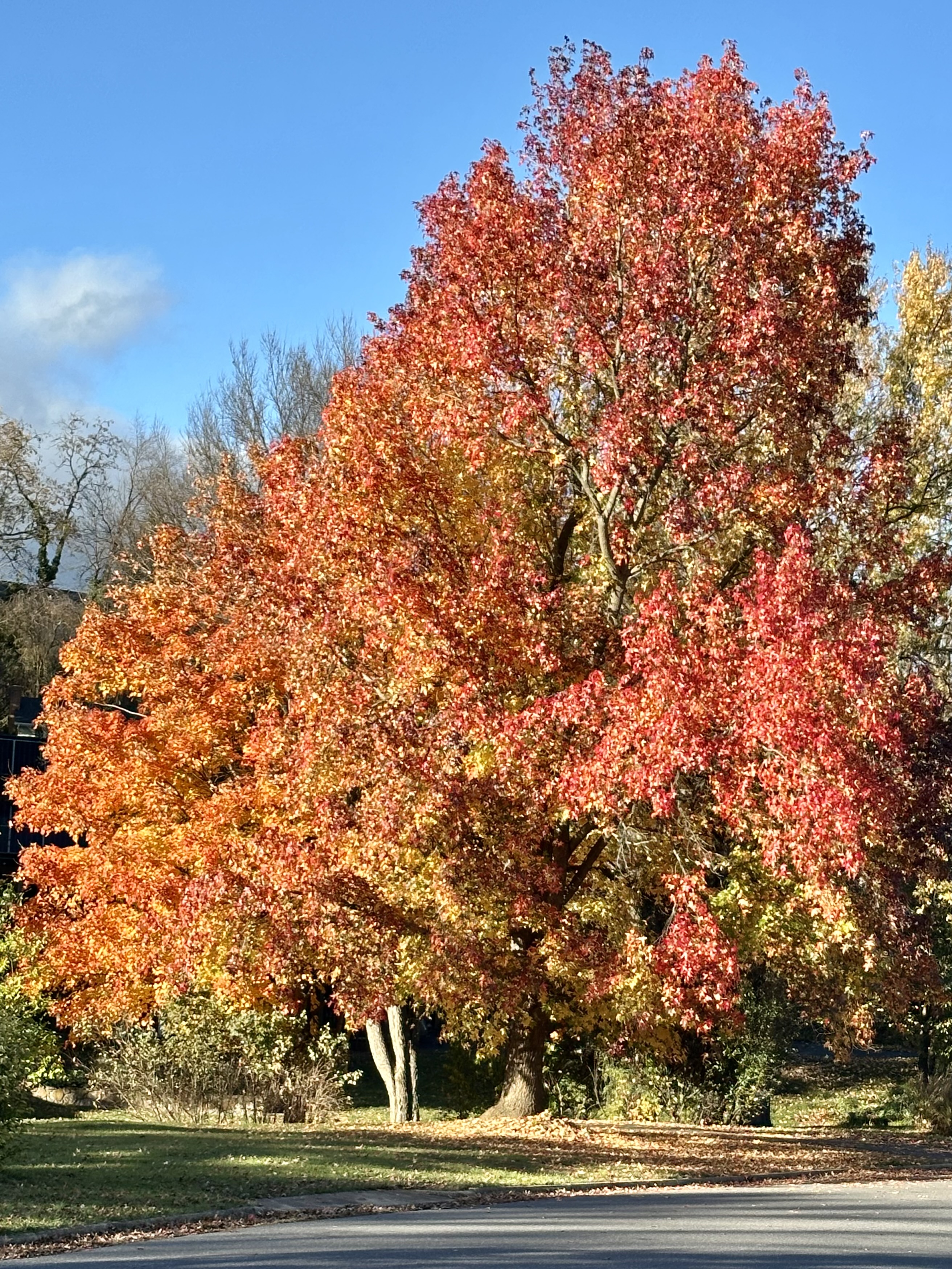
Fall in Virginia’s scenic Shenandoah Valley is always a treat for those who truly embrace the slow transition from summer to winter. Like most locales, however, autumn is hardly the same from year to year.

Summer and early-fall weather strongly influence how vibrant the leaves’ colors are. For much of the summer, the entire Shenandoah Valley was in an extreme drought.

By Labor Day, I wasn’t very hopeful about getting the rich hues of autumn that paint the agricultural valley in a kaleidoscope of warm tones. Then the rains and cool weather arrived, apparently just in time.
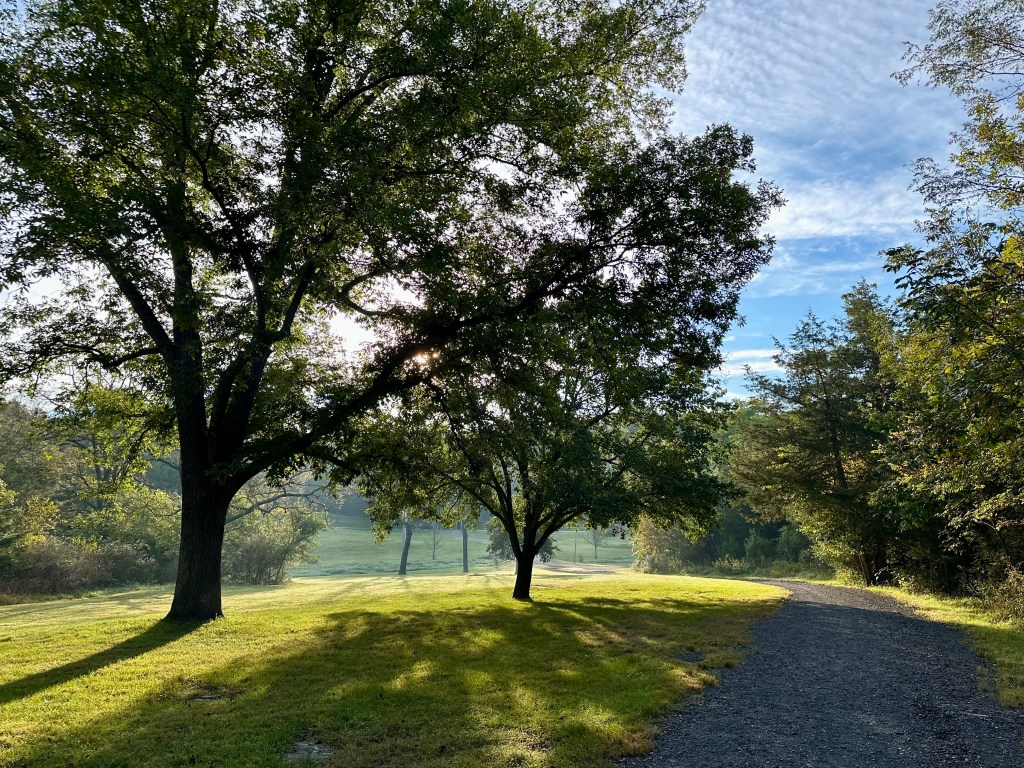
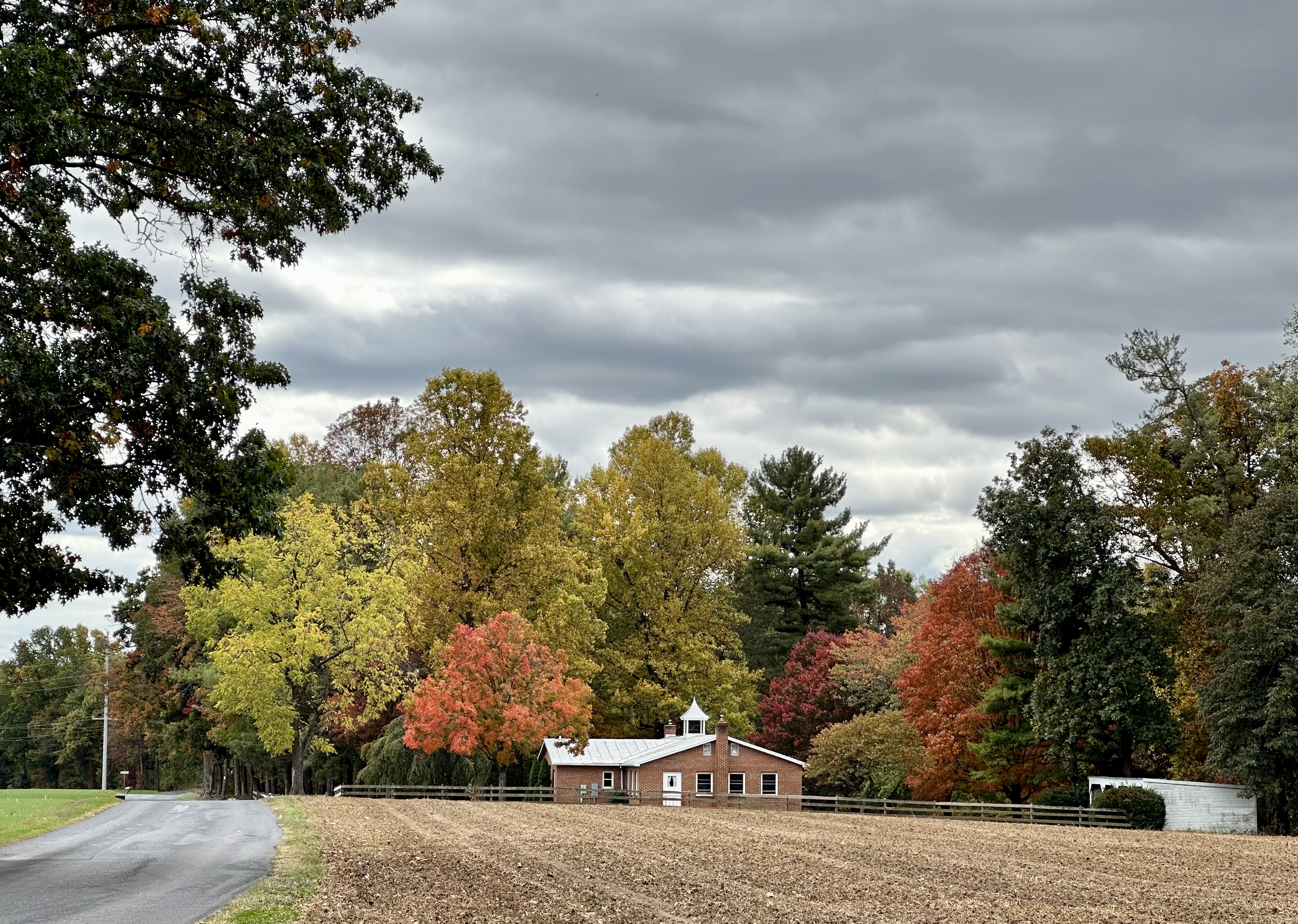
The leaves were still green when October rolled around. Photo by Bruce Stambaugh

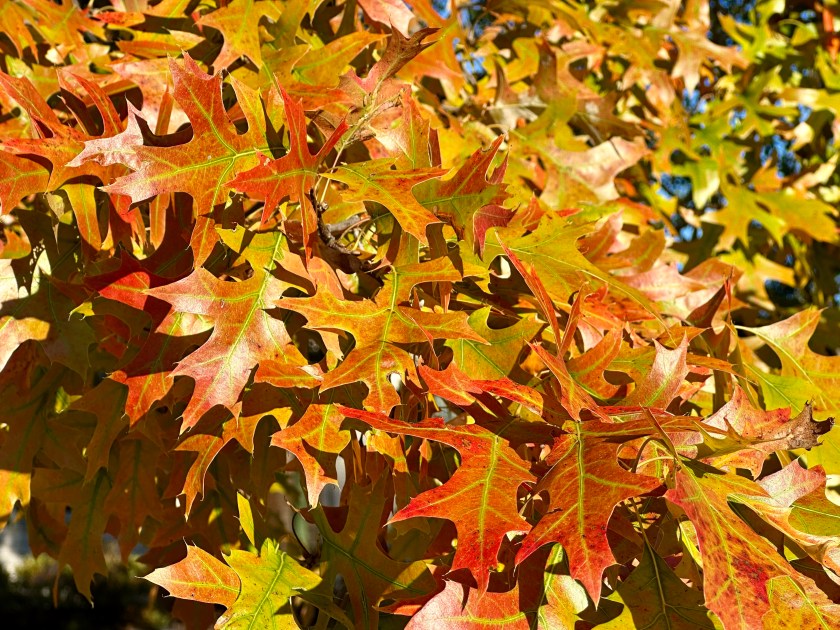
The leaves changed colors slowly, as if teasing us until the real show arrived. Impatient, I went looking for any splashes of color I could find.

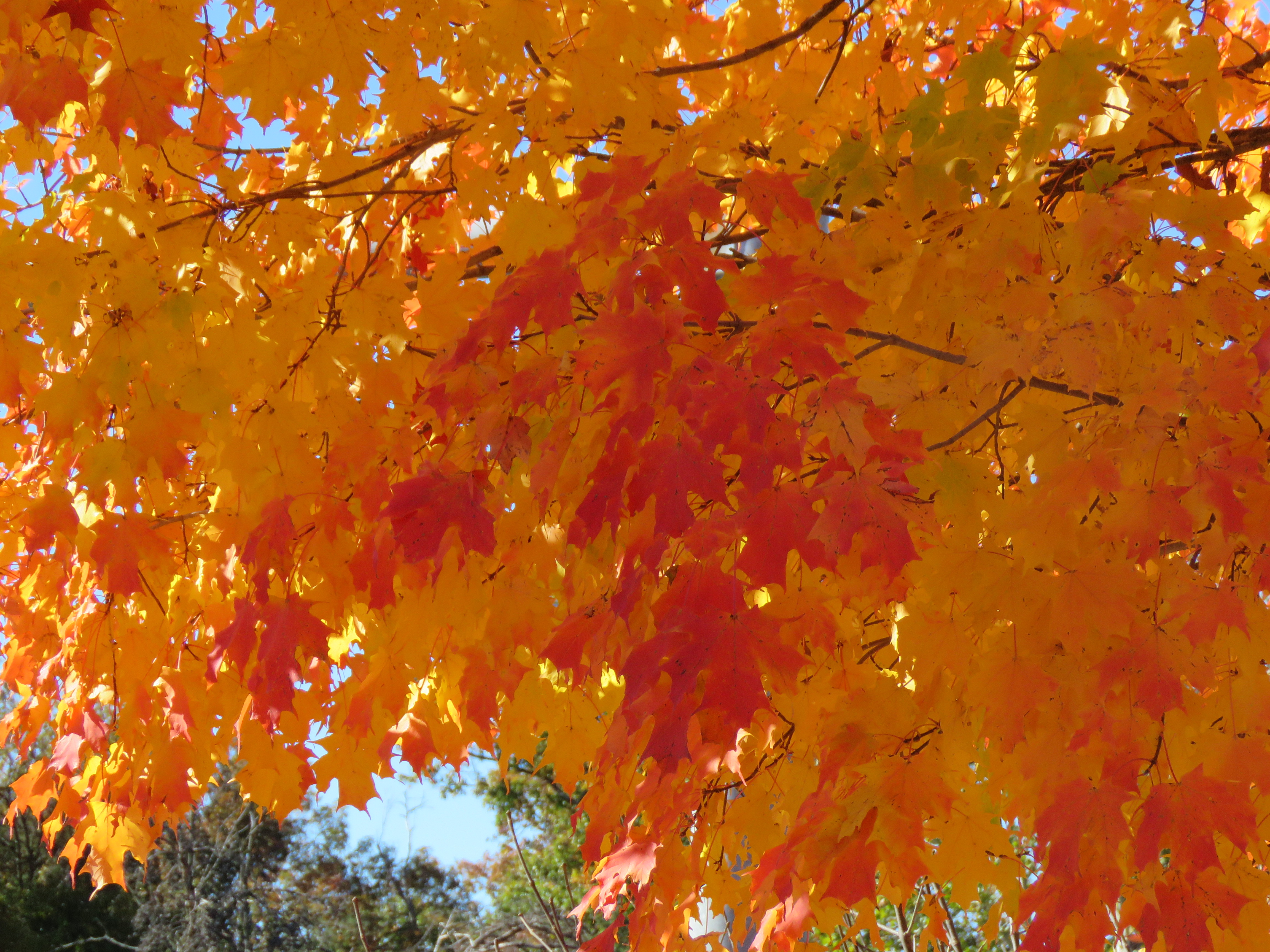
As the damp weather gave way to sunny and more seasonal temperatures, the natural art show began. I didn’t have to go far to capture the vivid transformations. But that quickly changed.

Unfortunately, acute bronchitis interfered with my plans. Loaded with medication and no longer contagious, my wife and I headed to upstate New York to visit our son, his wife, and our four-year-old grandson.

On the way north, we experienced firsthand the metamorphosis from bright colors to past prime as we reached north-central Pennsylvania, where entire mountainside forests stood naked, ready for winter’s onslaught.

The colors in and around Rochester were right at their peak, which, hopefully, you saw in my previous post. So, five days later, I wasn’t sure what we would find back in the valley. Nature didn’t disappoint.
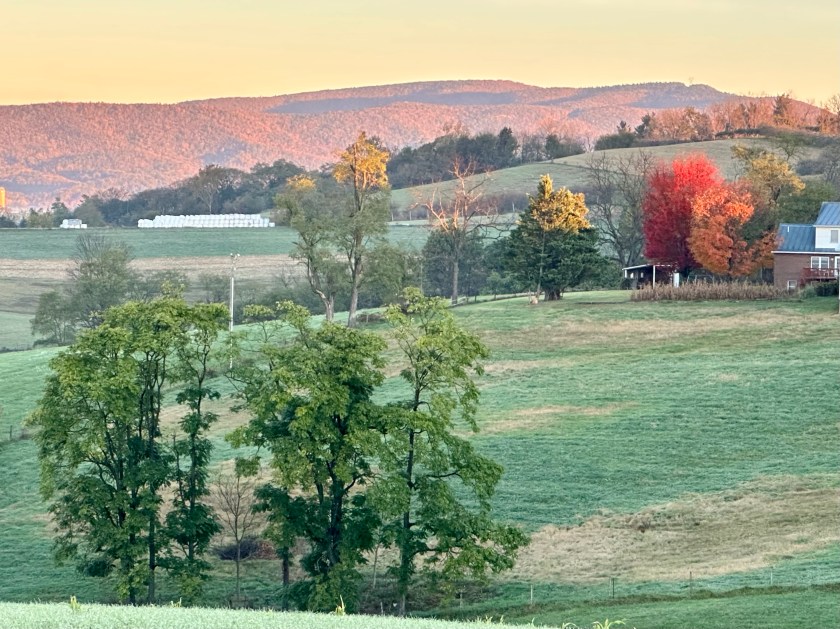
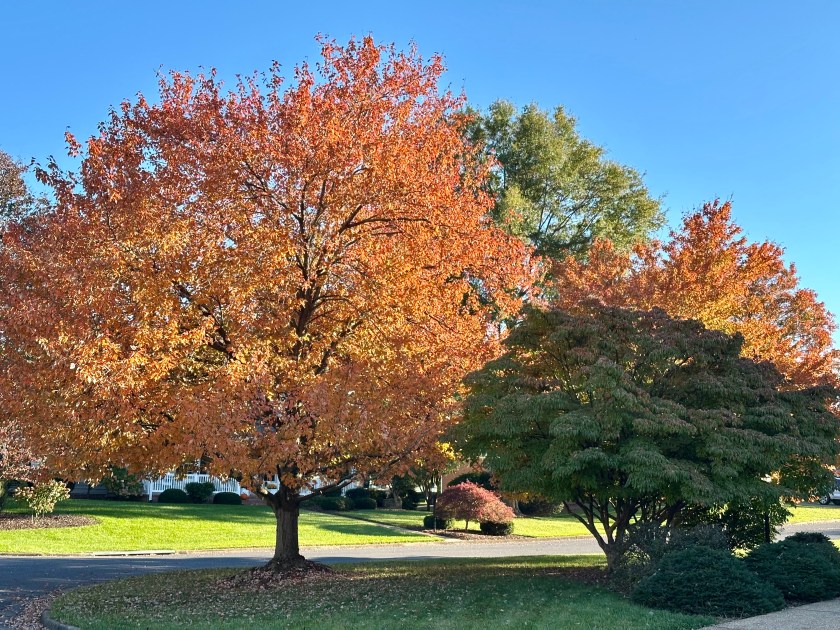
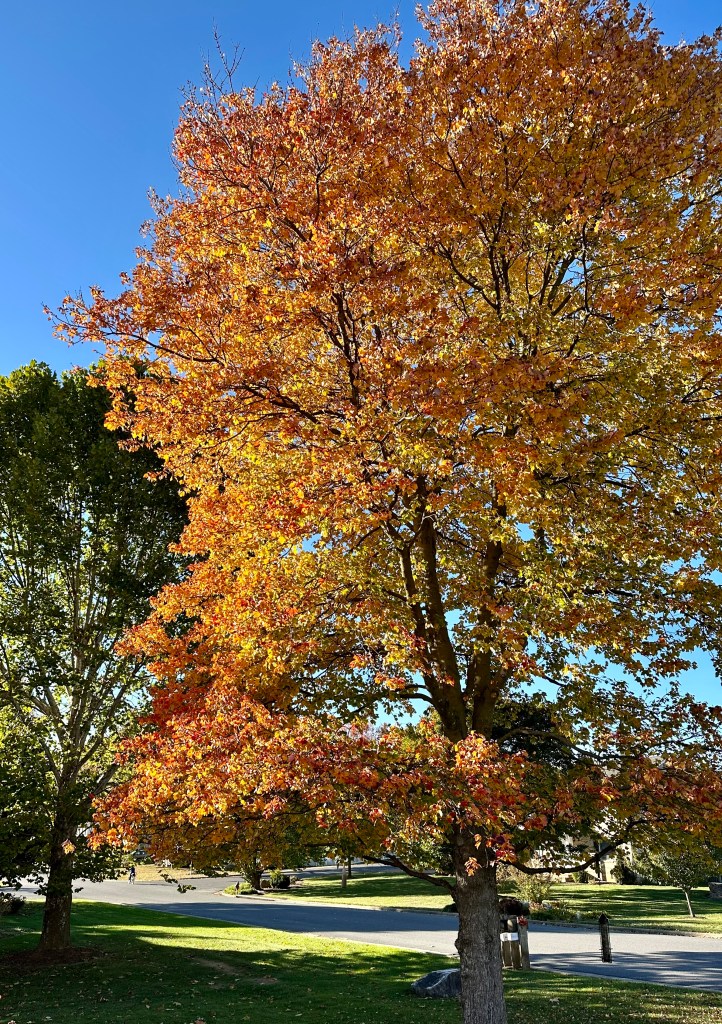
The colors in the higher altitudes of the mountains east and west had faded, but all around the valley, colors popped. On my daily neighborhood walks, I marveled at the overnight changes in the same trees.

While retrieving the mail, I noticed the contrasting leaves of a pair of seedlings in our front flowerbed. One was bright red, the other school bus yellow, both from the same red maple.
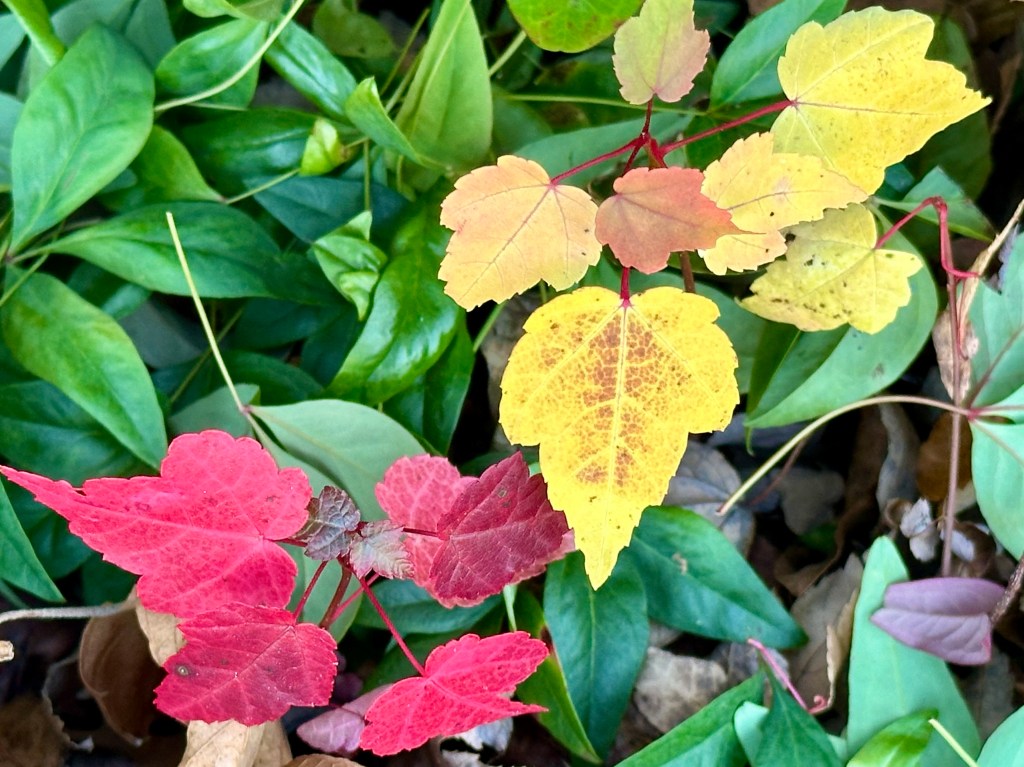
The Red Maple seedlings that found root in our flowerbed. Photo by Bruce Stambaugh

How the trees lost their leaves intrigued me as much as their colors. Most ginkgo trees dropped their leaves all at once, though a few were exceptions.

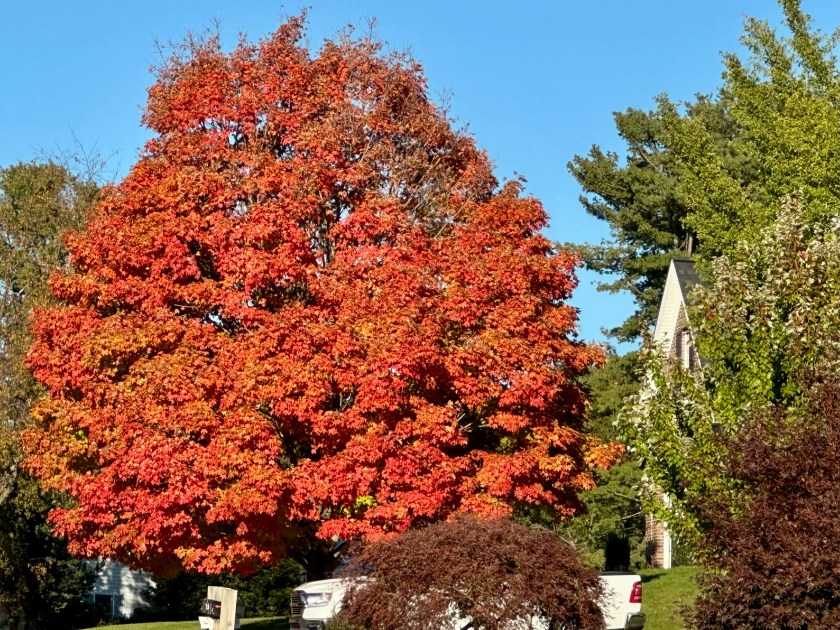
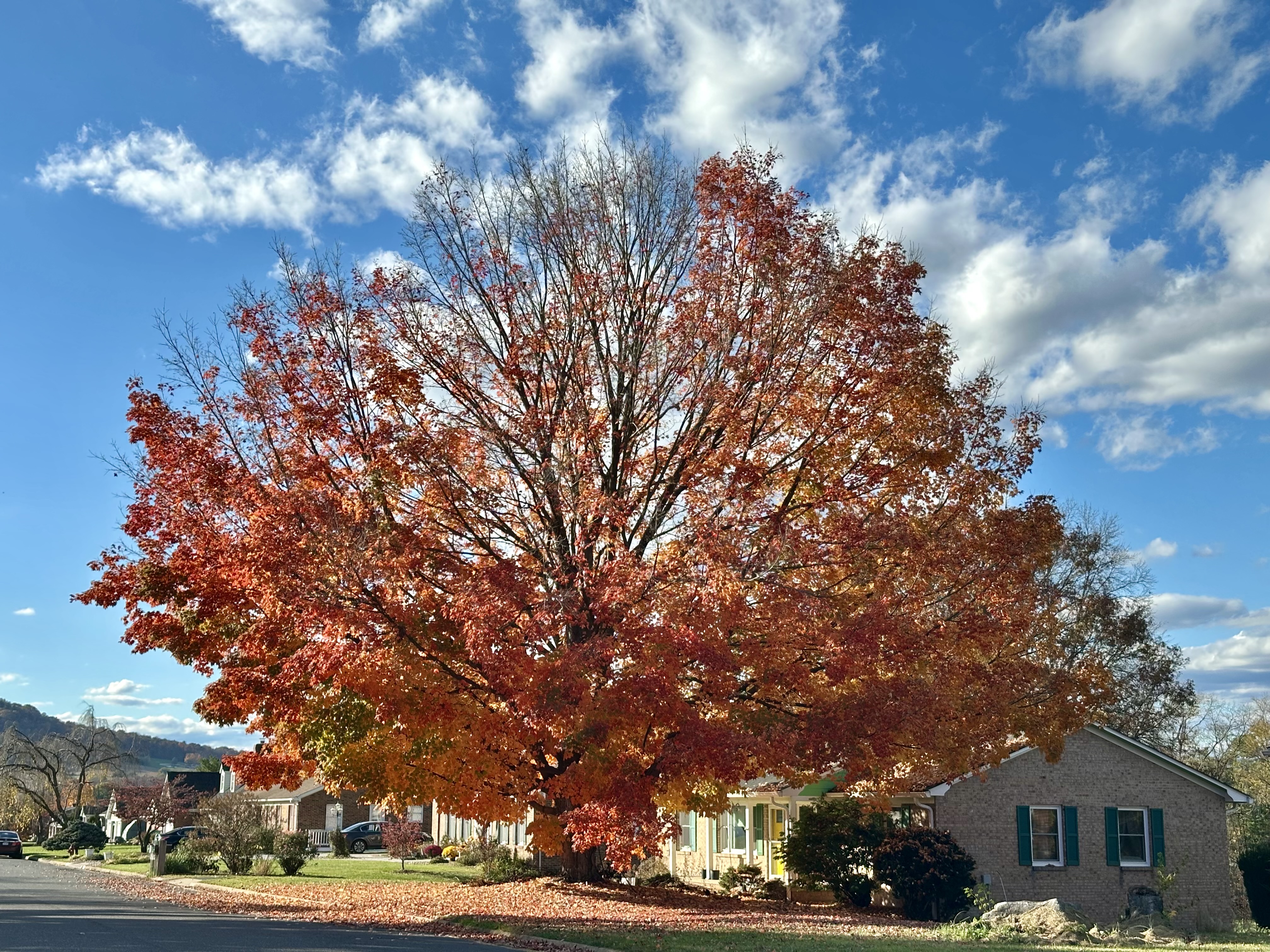
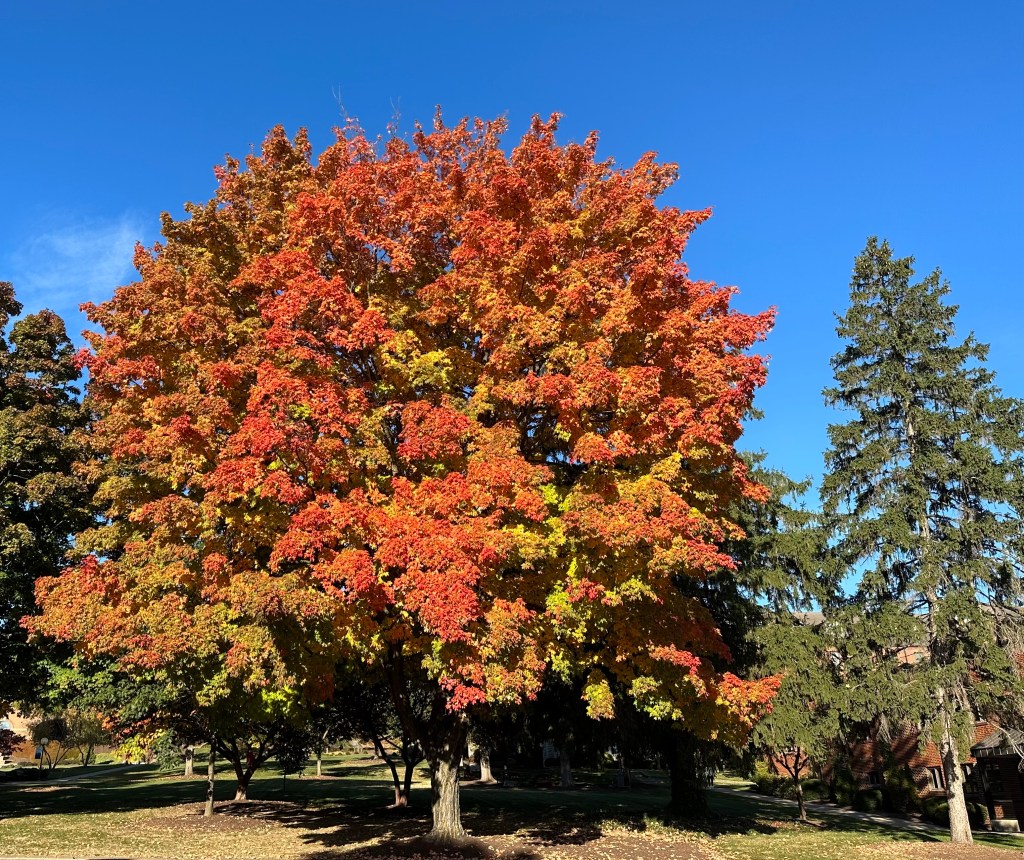
The tops of the sugar maple crowns seemed to fall first, while the lower branches held tight to their leafy offspring. Of course, those eventually fell too, especially when a cold front blew in with windy, rainy conditions. Overall, the trees never had a chance.

With November’s arrival, bright leaves only appear here and there. Most have faded, while countless others have finally fainted from their hard summer’s work and dropped to the forest floor, or are mulched or raked by homeowners picky about their landscape.
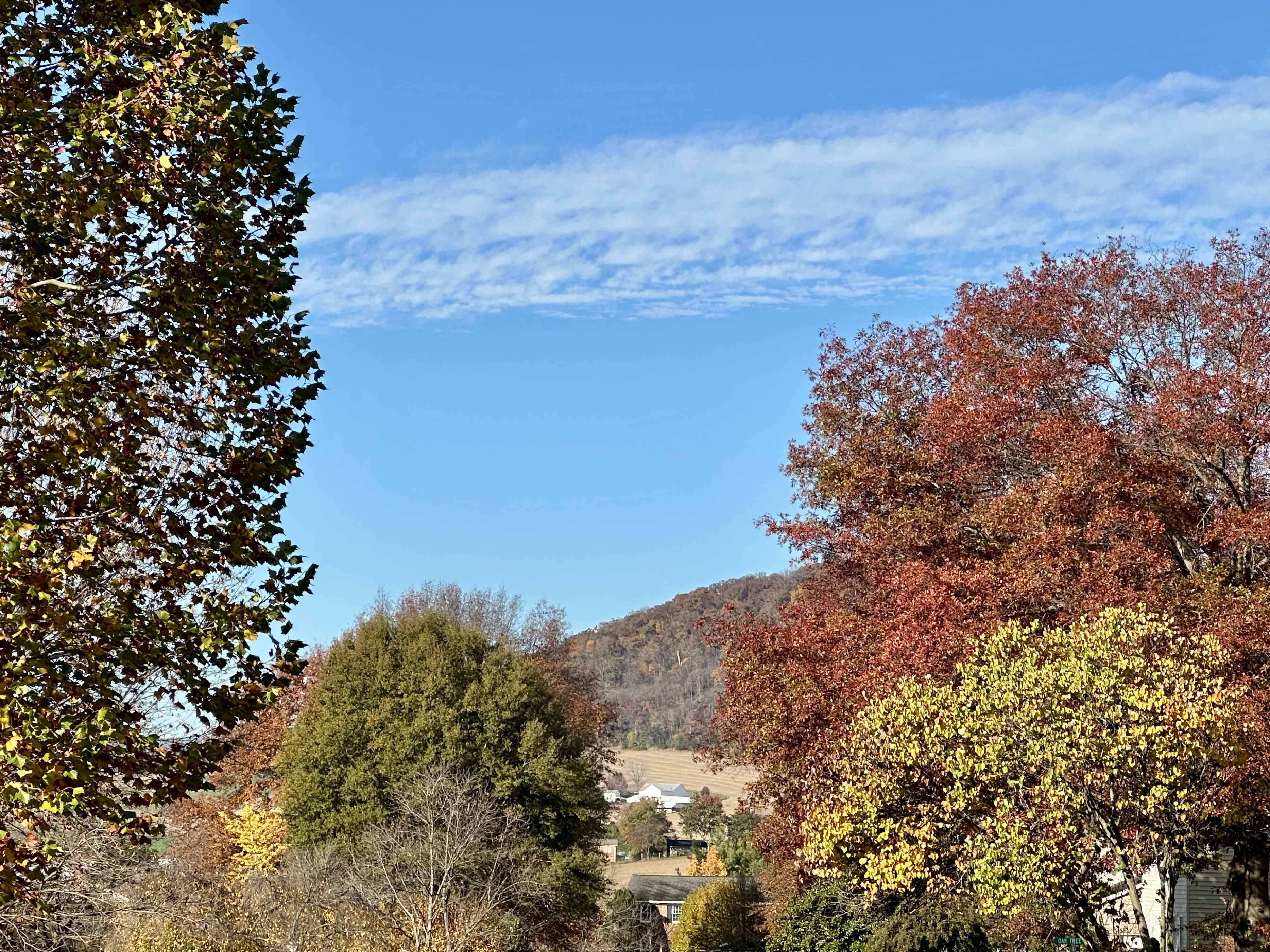
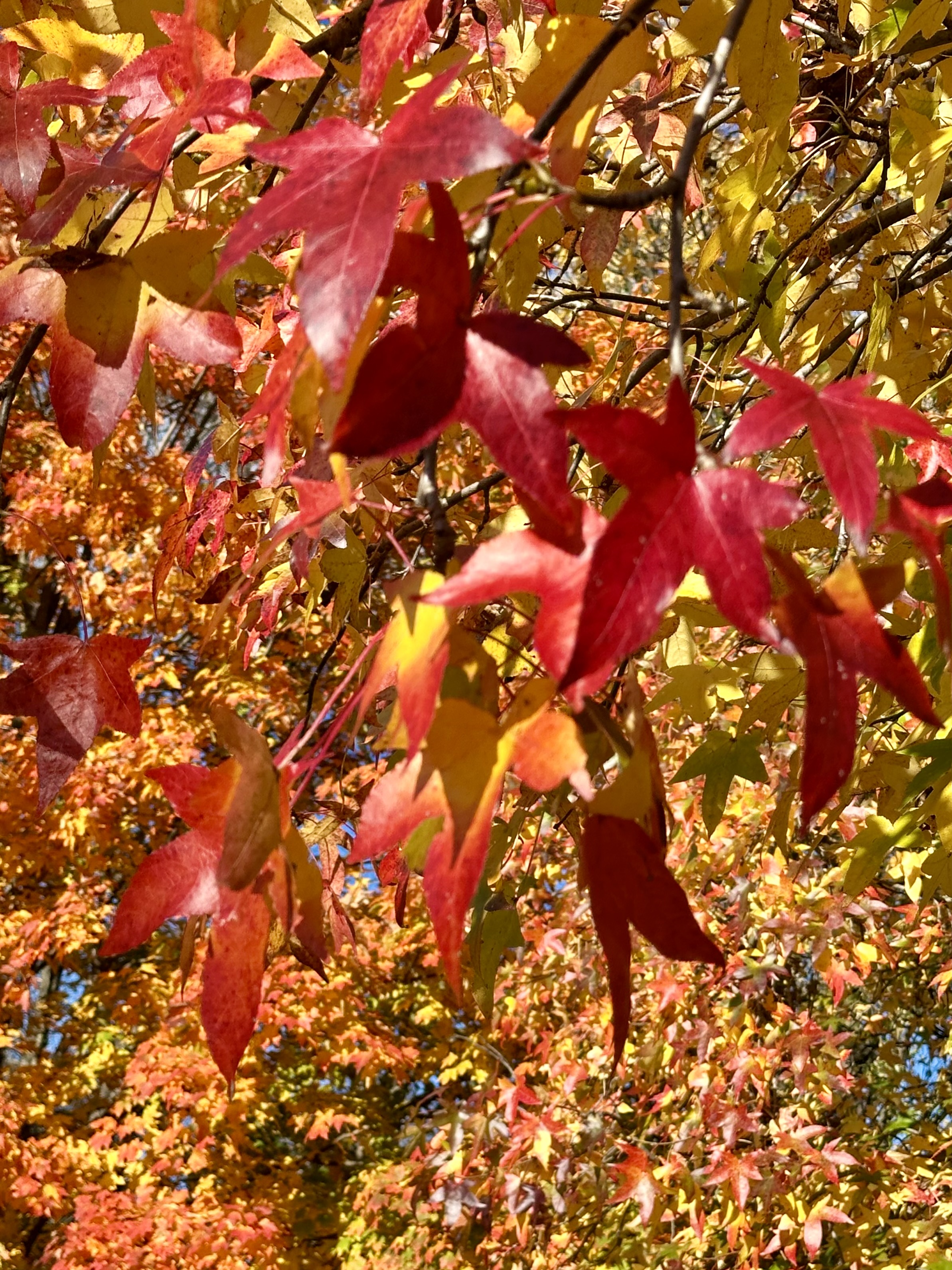
The fragrance of leaves burning in more rural areas, not bound by open-burning restrictions, conjures childhood memories of our smoke-filled neighborhood from decades ago. I’m happy just to hear the rustle of leaves being raked or the shrill of children jumping into leaf piles before they are bagged and recycled as cover for gardens. (The leaves, not the kids.)

Despite my doubts, autumn delivered a most beautiful, living postcard. I couldn’t be happier.
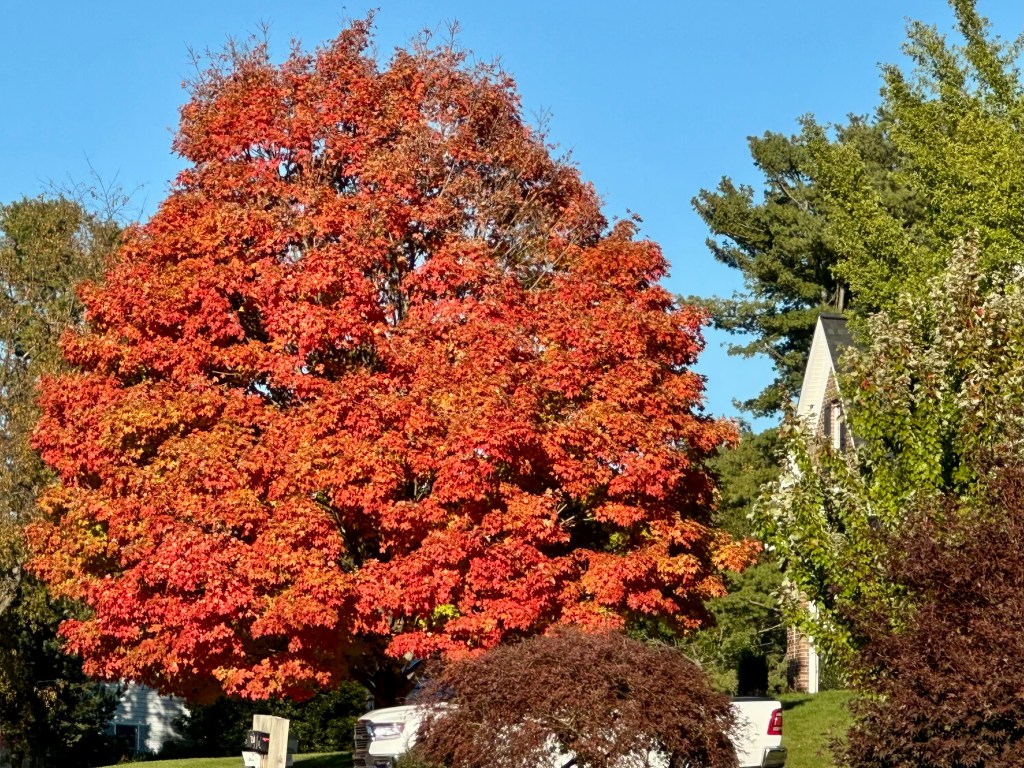
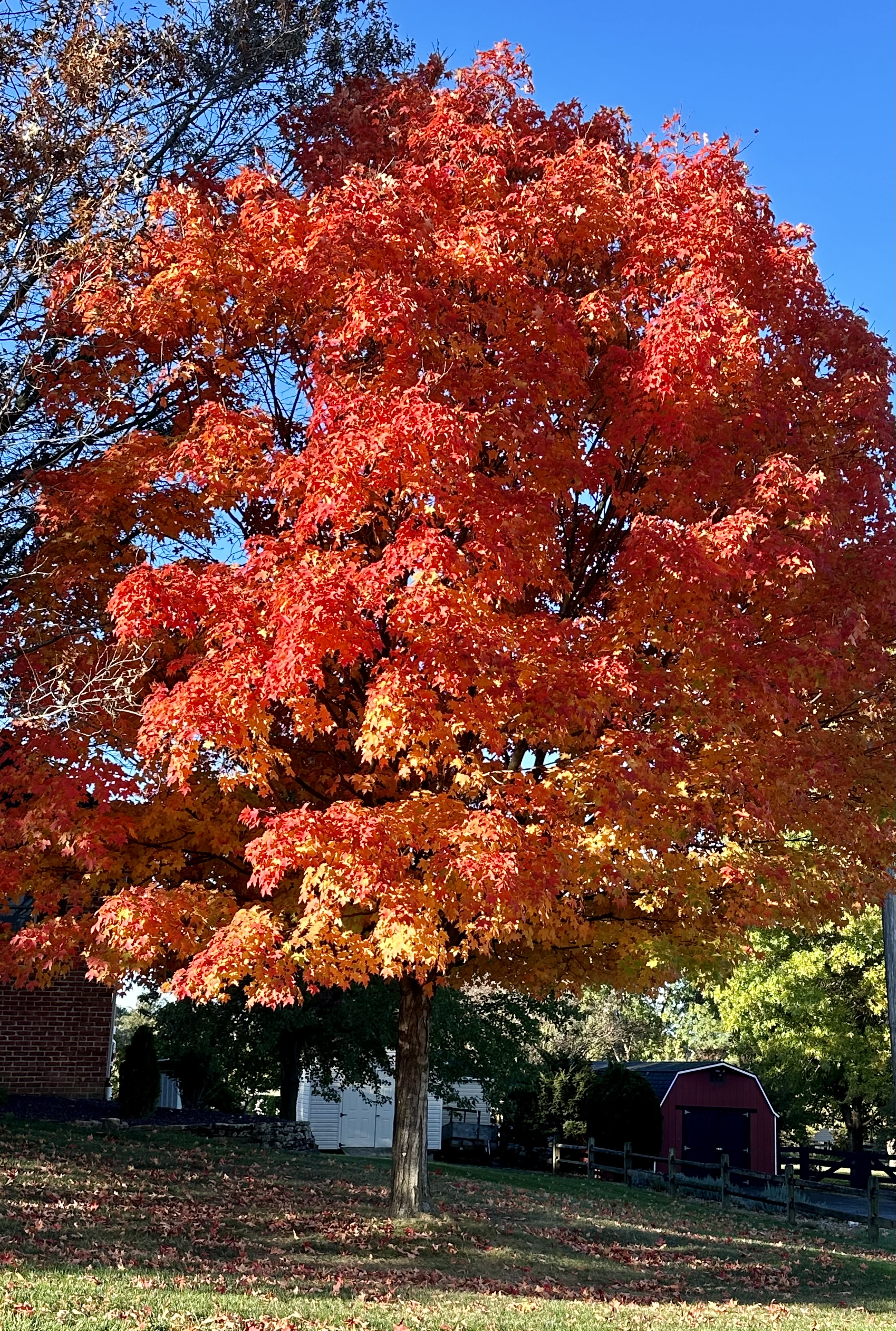
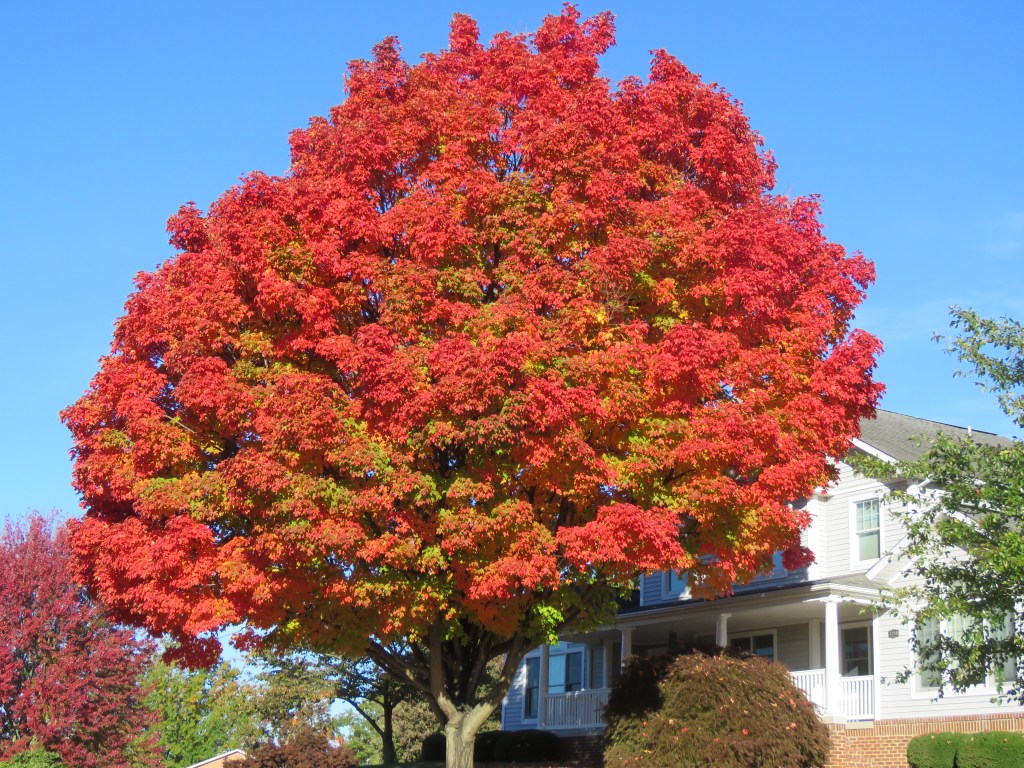
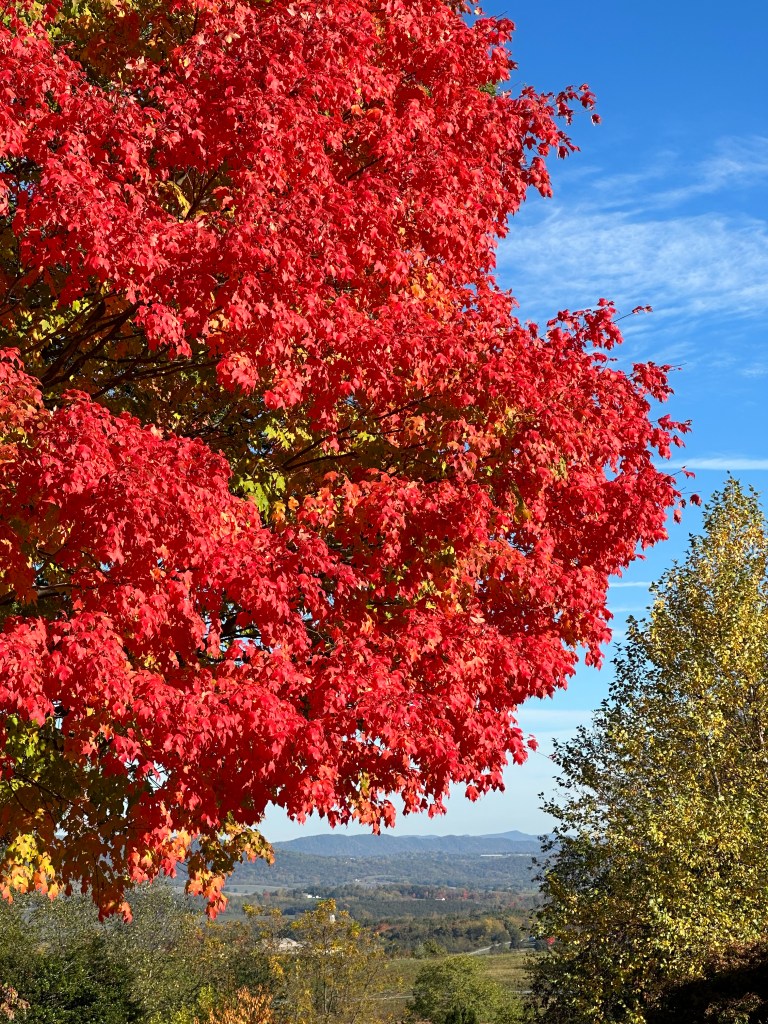
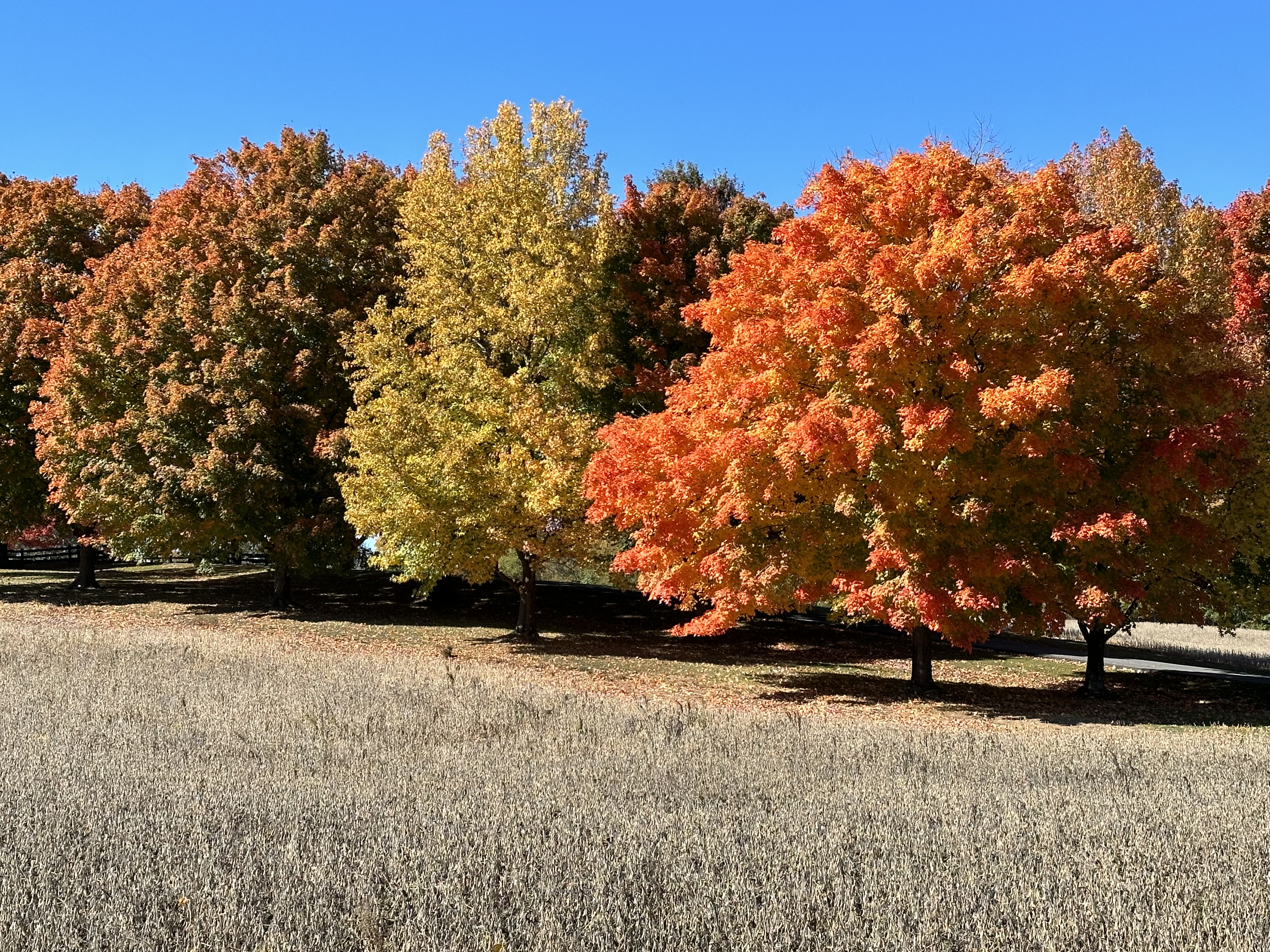
A brilliant Sugar Maple. Photo by Bruce Stambaugh

© Bruce Stambaugh 2026

The Seven Sisters

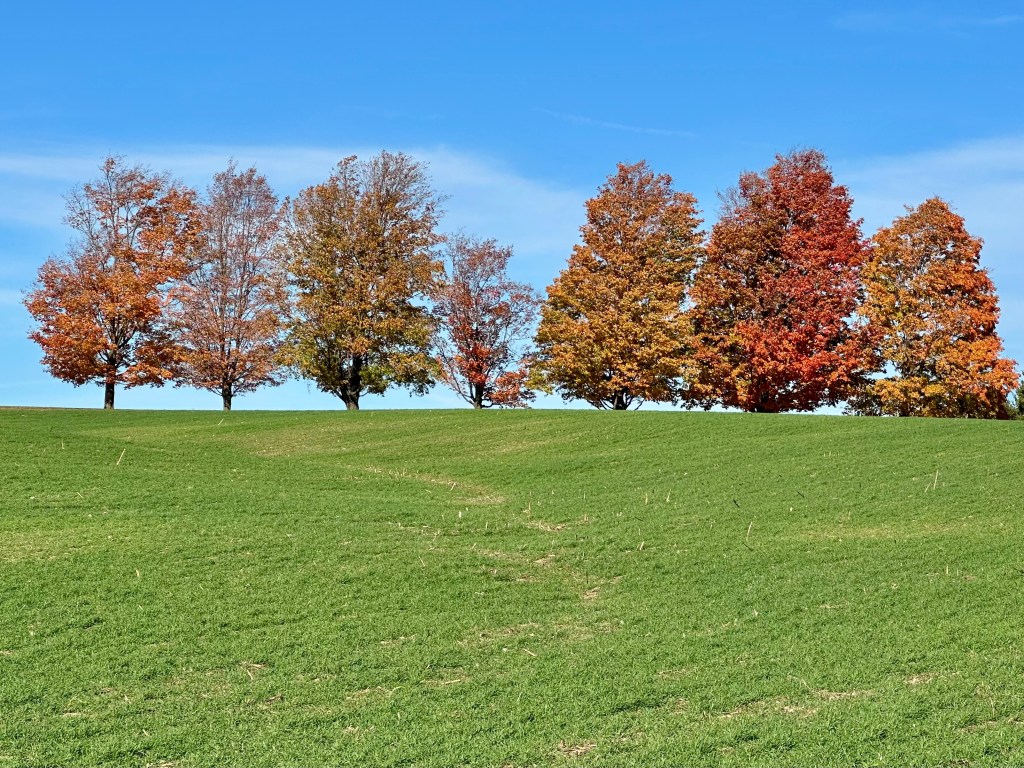
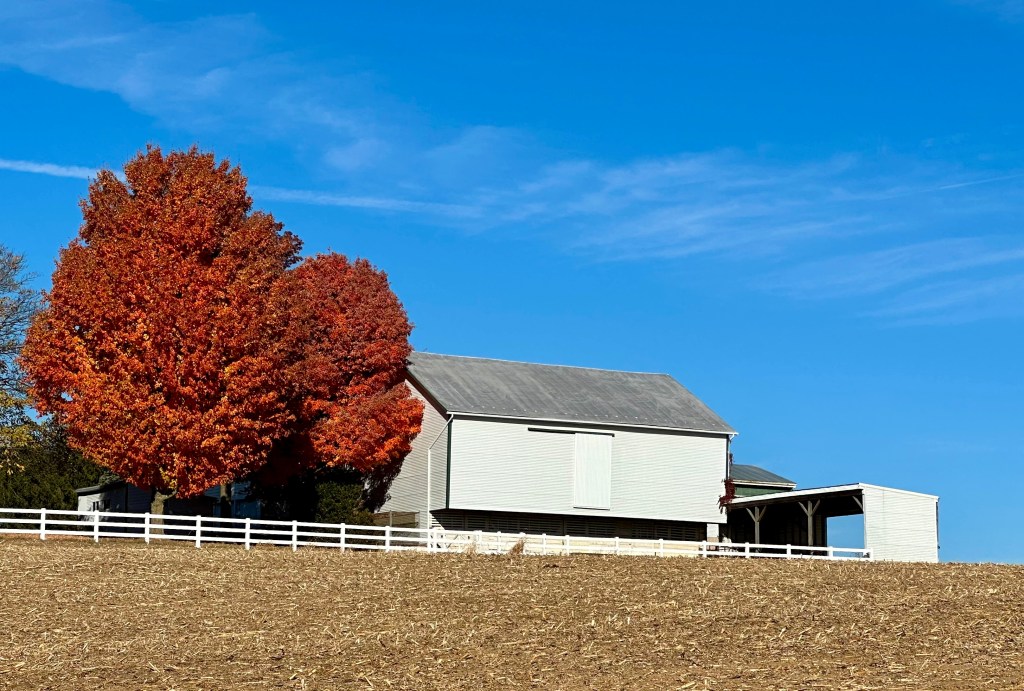
Every fall, I drive by this line of sugar maple trees that mark the driveway to a brick ranch home. They stand atop this knoll and oversee a grain field.

This year’s crop was field corn, already harvested for silage to feed cattle. When I stopped to take this photo from Switchboard Road, the winter wheat was already peeking through the rich soil.

I drive this road regularly, and these trees always catch my eye. But autumn is the season when these Seven Sisters, as I like to call them, really stand out. They consistently paint a colorful scene, but no two are exactly alike.

As for the road’s unusual name, the house that contained the first telephone switchboard for the City of Harrisonburg, Virginia, stands on the east side of the roadway.

The Seven Sisters look down at that historic building, now a resident’s home.

The Seven Sisters. Photo by Bruce Stambaugh

© Bruce Stambaugh 2026

Autumn’s Amazing Colors – Part 2

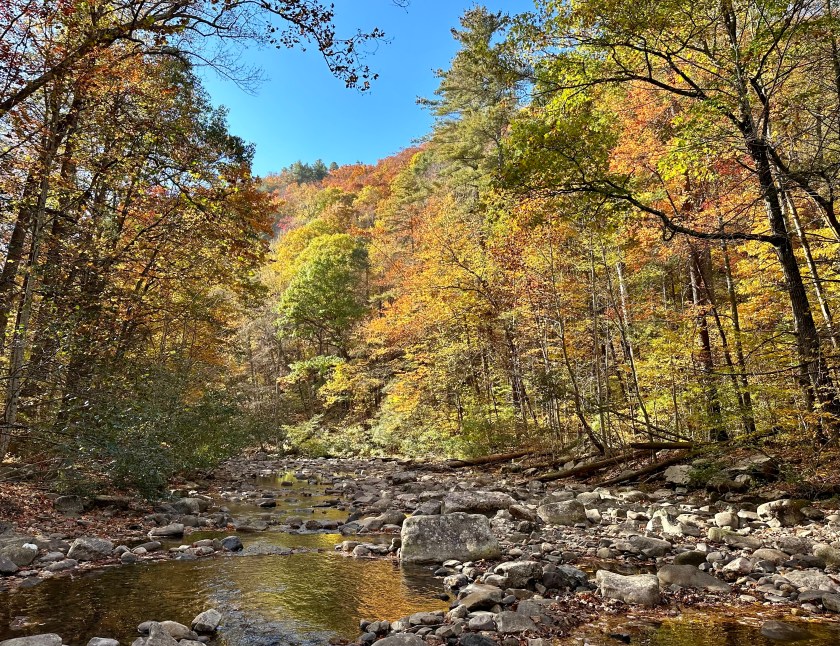
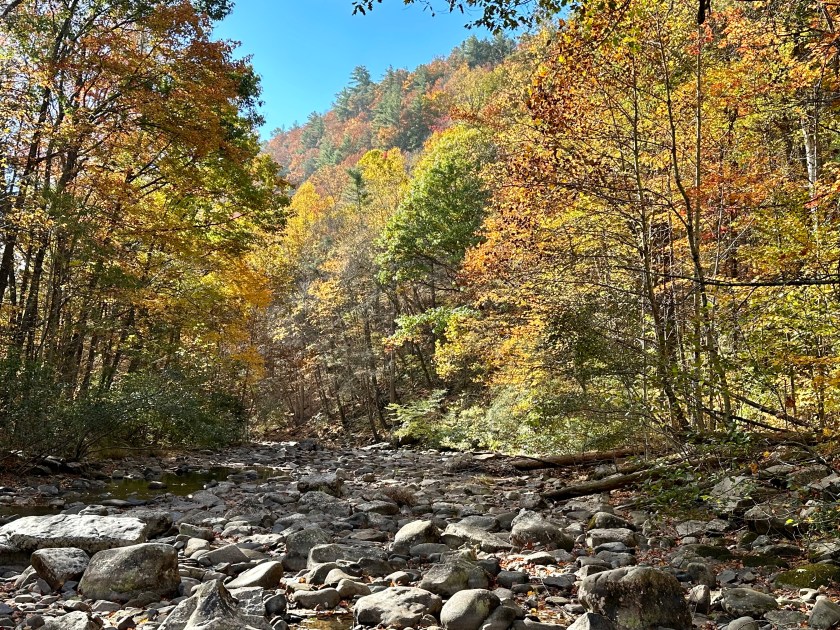
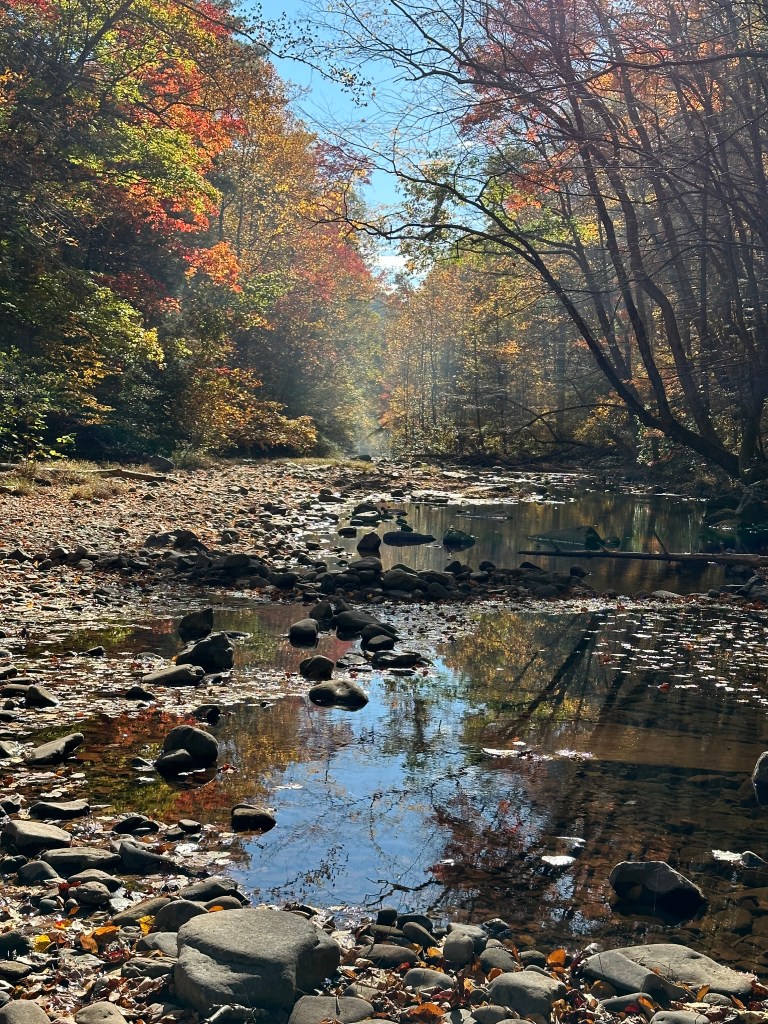
The Dry River in western Rockingham County, Virginia.

My quest to capture fall’s unique colors continued. The weather was incredible for taking photos. The blue skies, unseasonably warm temperatures, and the desire to get outside and enjoy creation spurred me on. Plus, my wife was more than happy for the time to spruce up the house with me out of the way.

I originally had planned to go to Shenandoah National Park at the eastern end of Rockingham County, Virginia’s second largest in square miles. Instead, Shenandoah Mountain on the western edge of the county called my name.

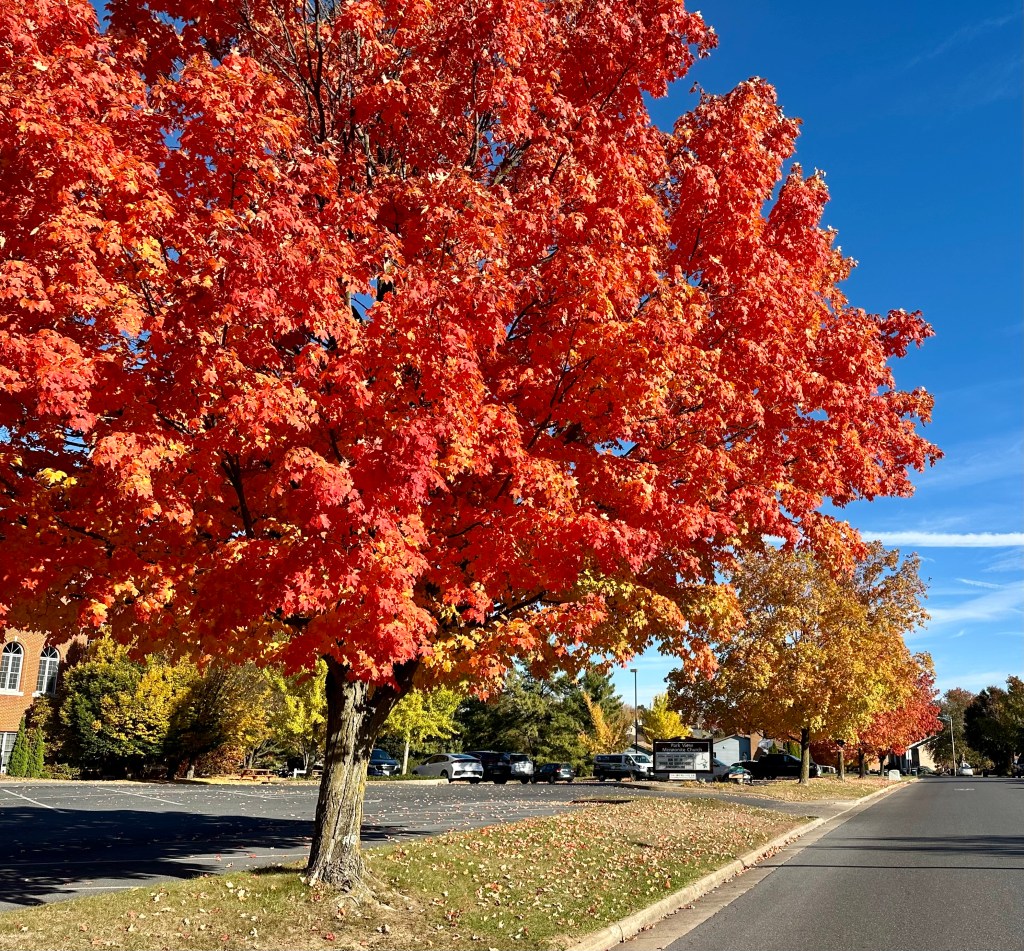
Sugar maples at Pleasant View Old Order Mennonite Church.

I first returned to the Old Order Mennonite Church to capture more photos of the radiant sugar maples in the morning light. They had a funeral the previous day, and out of respect, I didn’t want to interfere, so I only took a few photos.

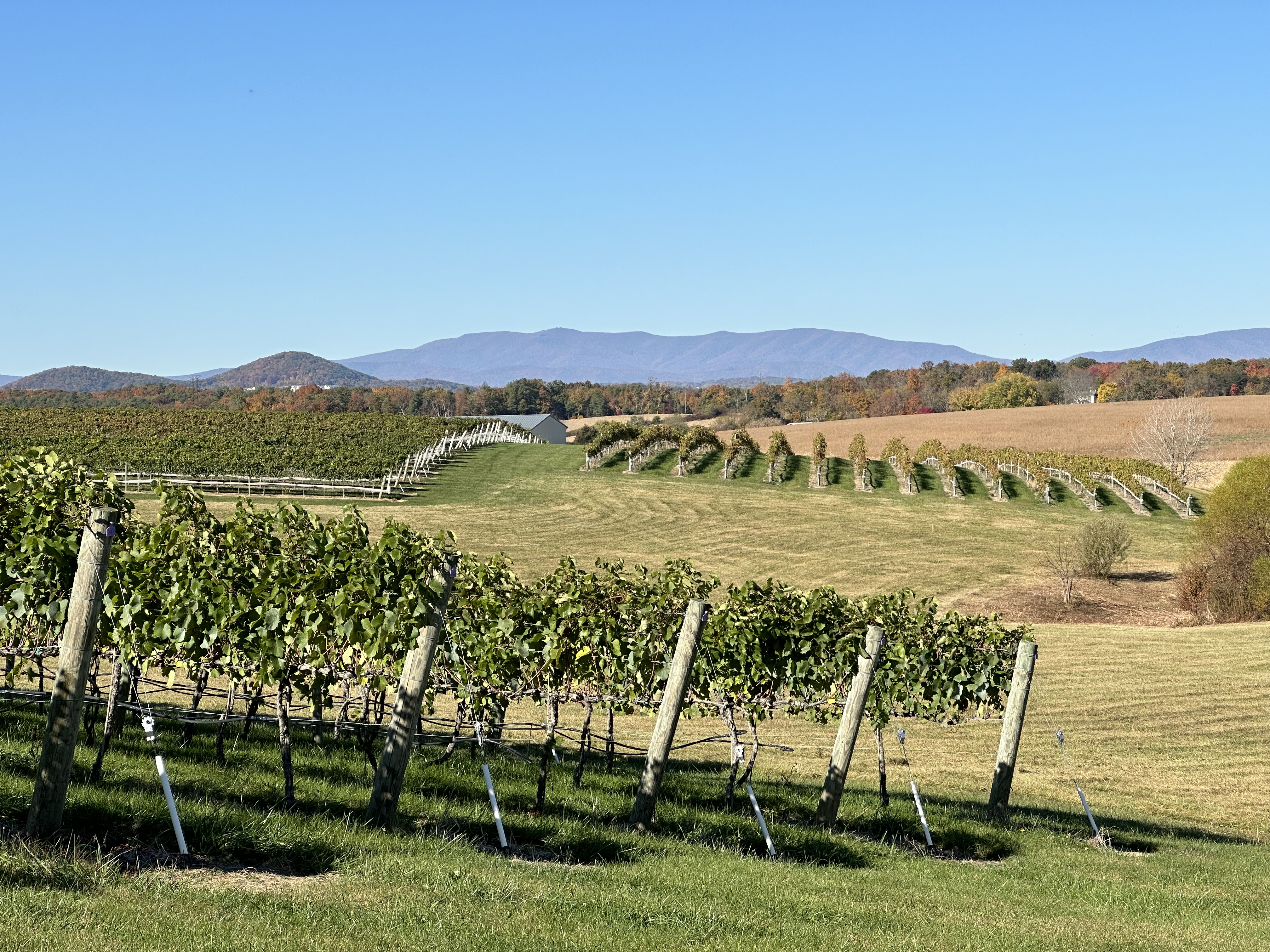
I wound my way towards the Allegheny Mountains, first stopping at Riven Rock Park, maintained by Harrisonburg Parks and Recreation, even though it is 13 miles west of the Friendly City. Despite the buzzing insects, it was the right decision.

Because the area has been in a moderate to severe drought for weeks, the Dry River was indeed nearly dry. The rising sun sparkled what water was there and drew a light fog from the forest. A few lucky leaves bathed in the sun’s rays in the narrow gap between the steep foothills.

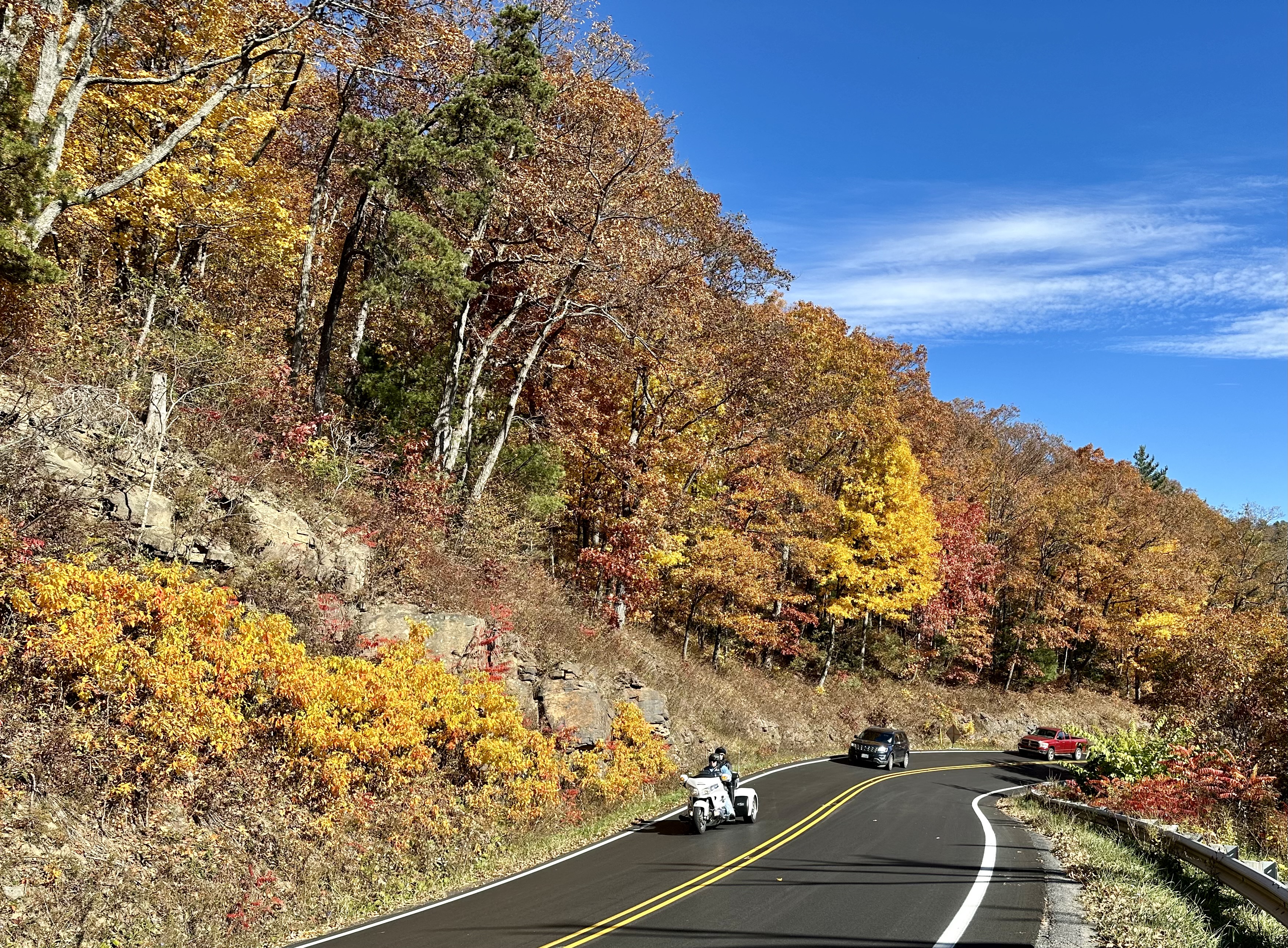
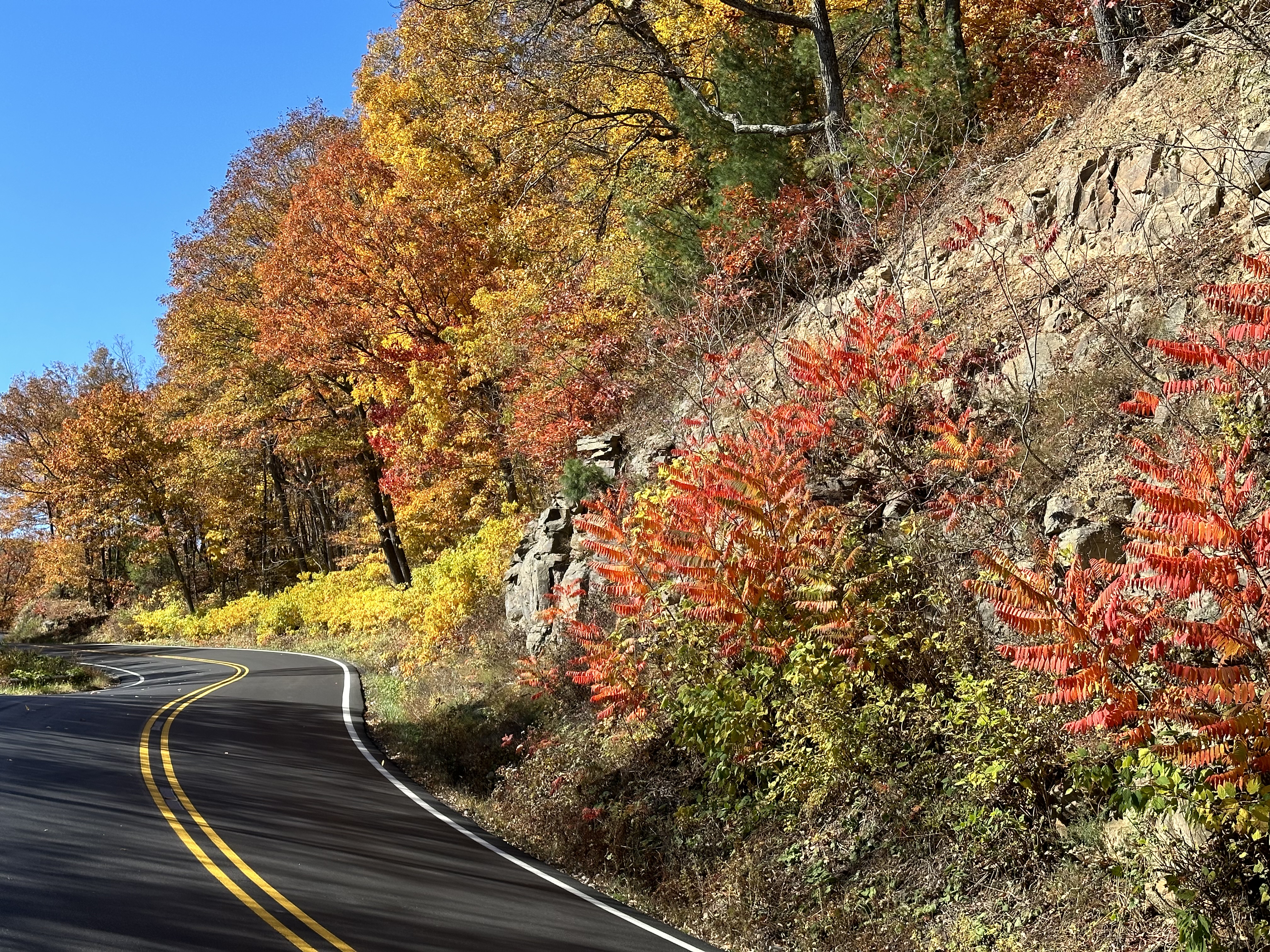
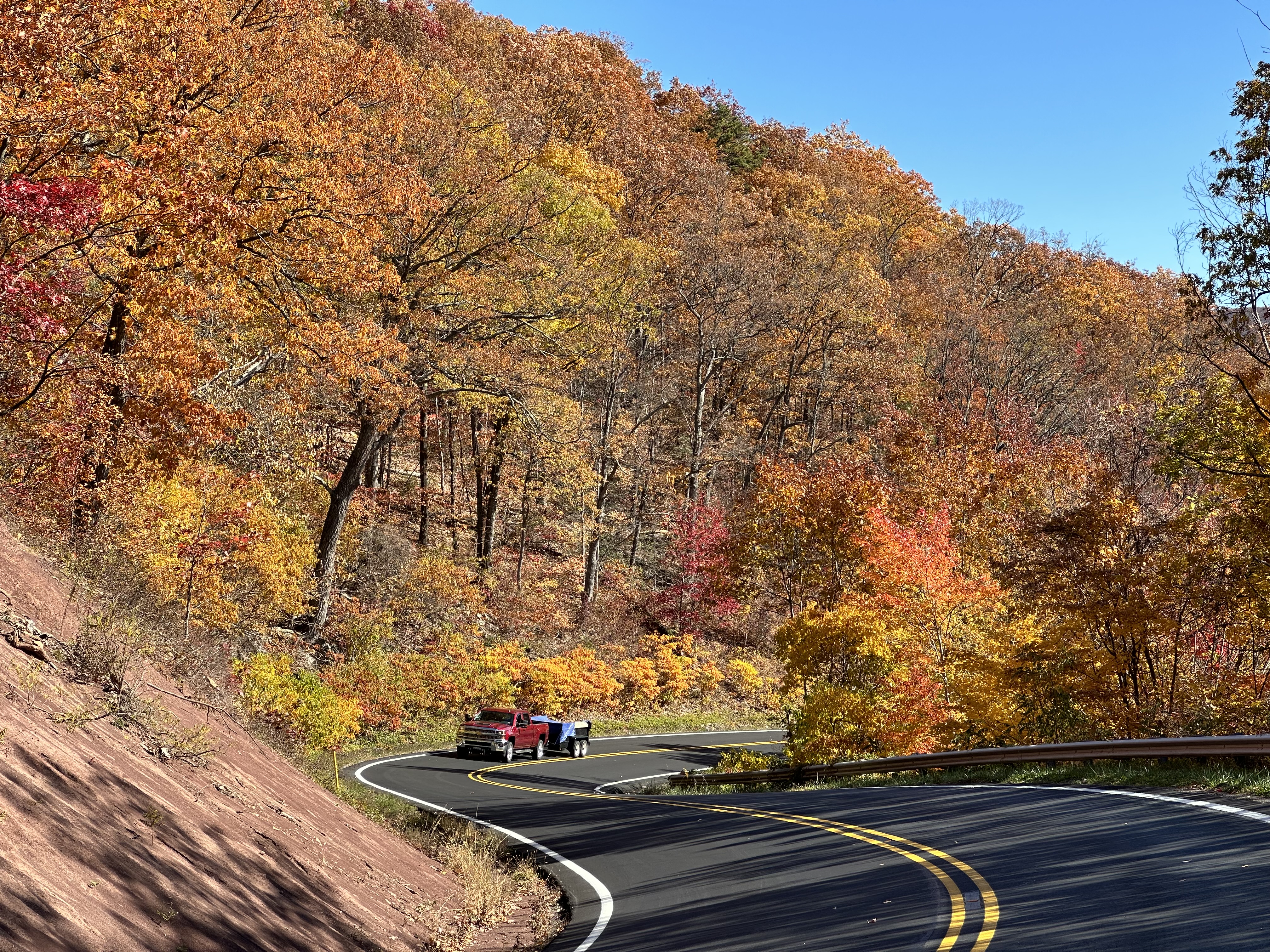
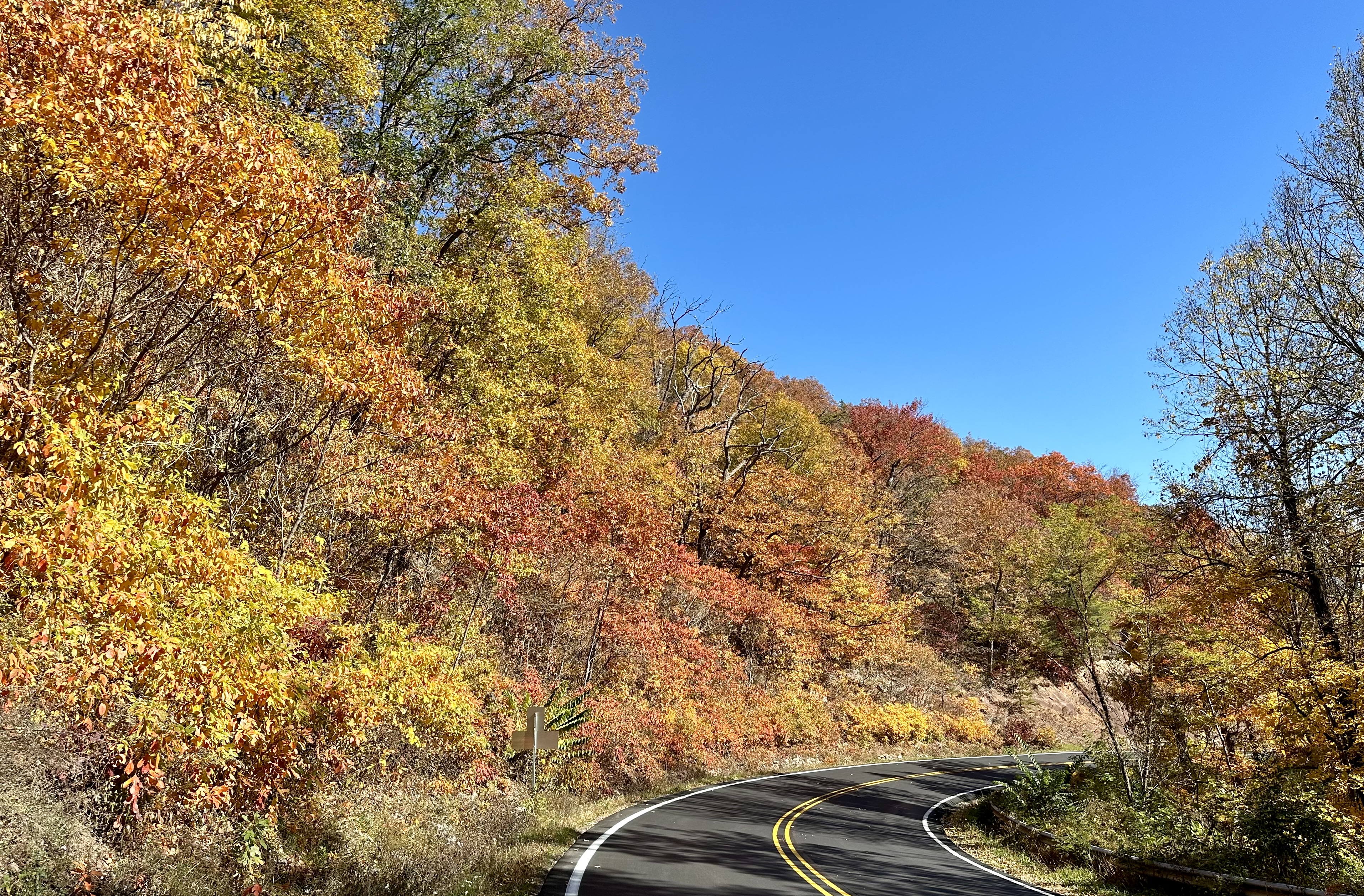
I snapped a few photos and continued through the tunnel of trees of the George Washington National Forest. In a couple of miles, U.S. Route 33 instantly transforms from an arrow-straight highway to a zigzagging assembly of switchbacks for four miles to the peak of Shenandoah Mountain.

I noted several photo opportunities on the way to the mountaintop, as the state line between Virginia and West Virginia. I watched for places to pull off the winding, narrow roadway, too.

Within a quarter mile of my turn-around destination, traffic stopped. West Virginia Department of Transportation was doing some roadwork. Experience told me that it would be a while sitting in the line of vehicles since WVDOT uses a “Follow Me” pilot vehicle in construction zones. That is especially true in the mountains. It’s all for safety’s sake.

Once the line began moving, I pulled into the parking lot for Hightop Mountain Trail, which runs south along the state line to an old fire tower. Once all the cars behind me were gone, I headed back down the mountain. The look on the flagger’s face said, “Where in the heck do you come from?” I just smiled and waved until I reached my first safe pull-out.

I stopped several times, all the while being mindful of traffic from both directions. I often take photos with vehicles in the roadway for perspective and depth.

The next day, I chose to return to the Park View neighborhood of Harrisonburg and continue photographing the many beautiful trees there. I knew it would only be a matter of time before the trees would all be bare.

The sugar maples and the ginkgo trees complement one another.

© Bruce Stambaugh 2023

Autumn’s Amazing Colors

The colors of Massanutten Mountain, Massanutten, Virginia. Photo by Bruce Stambaugh.

With our travels to Greece and Rome during the first two weeks of October, I thought we might miss autumn’s peak colors. I need not have worried.

My wife and I could readily see on our drive home from Dulles International Airport to our home near Harrisonburg, Virginia, that most trees still held their leaves, which were only now turning their true colors. I was glad we hadn’t missed the peak.

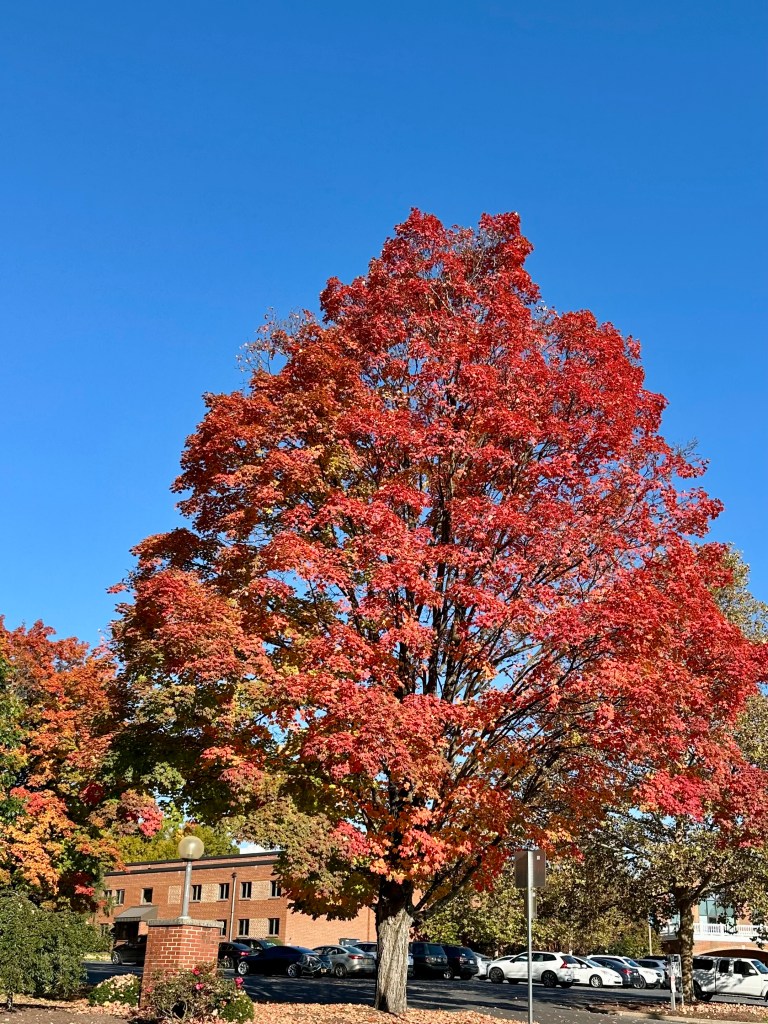
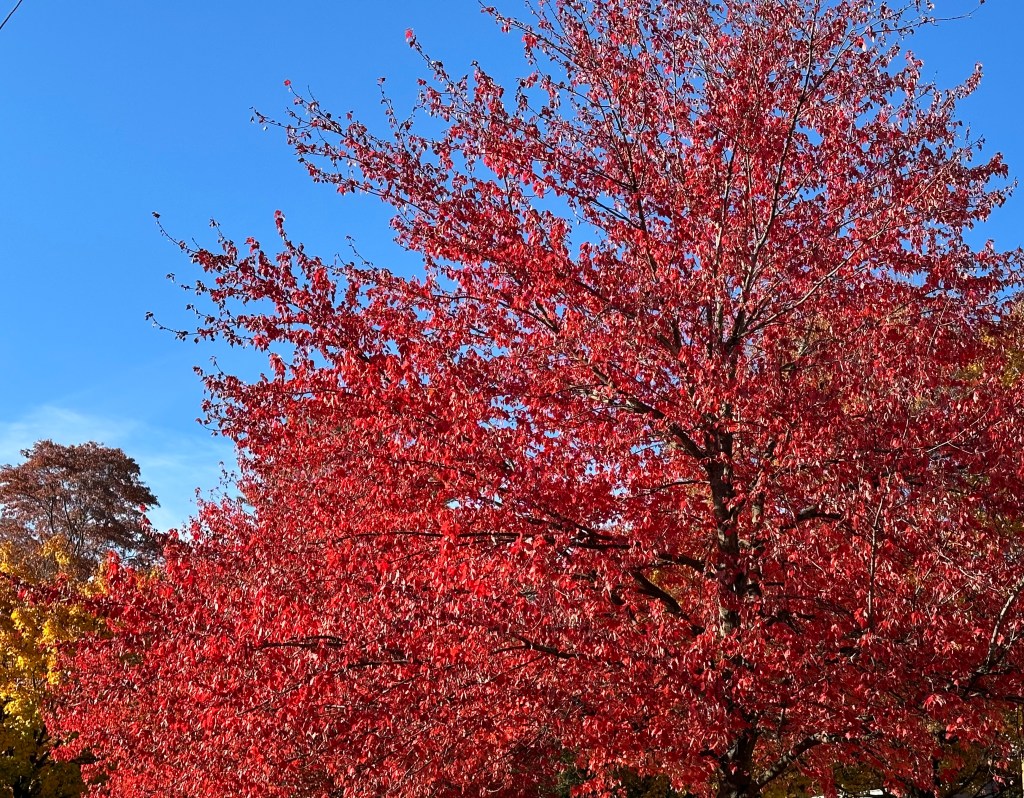
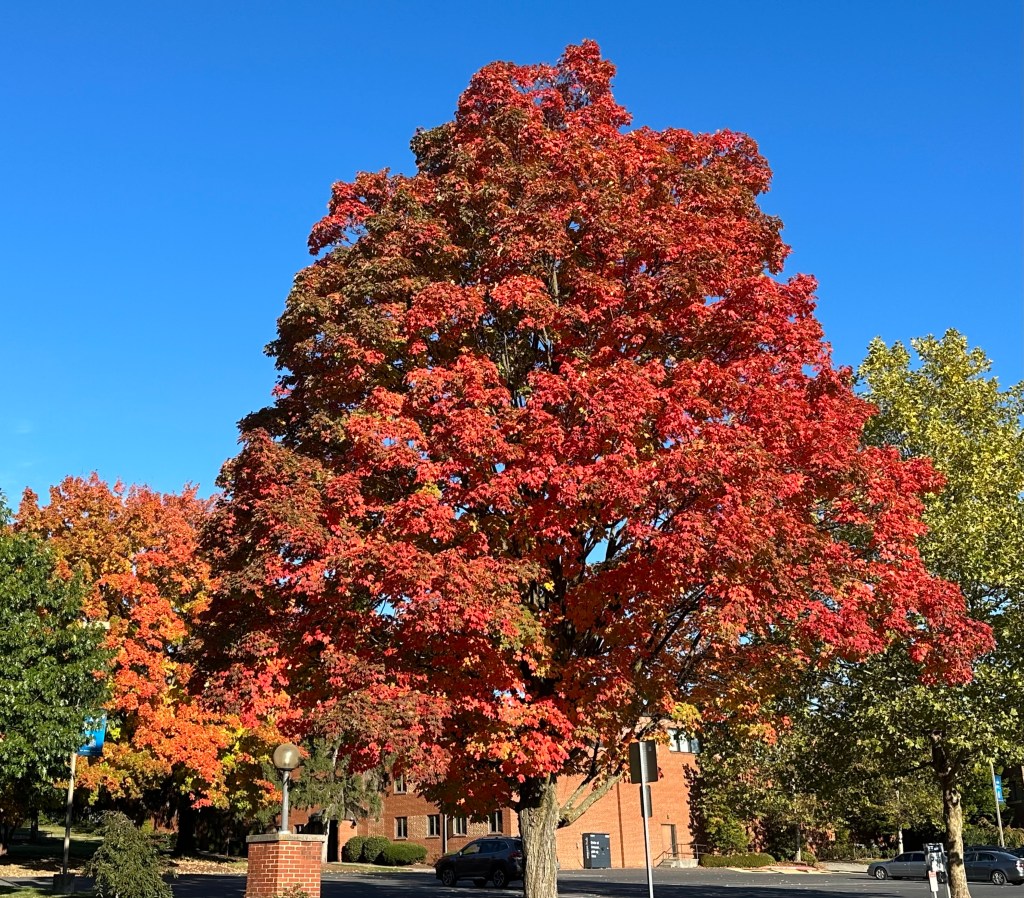
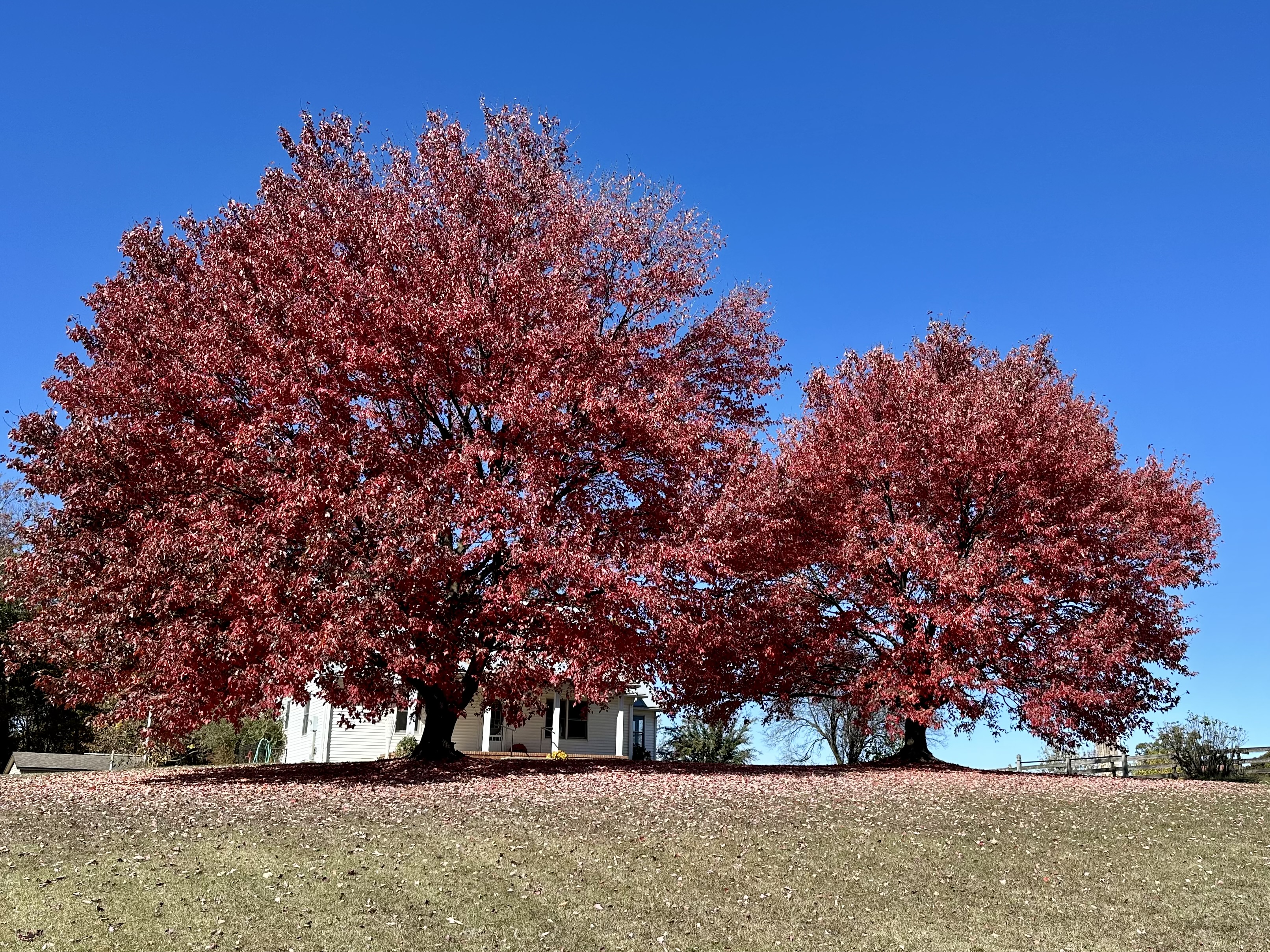
As we exited the Interstate highway at New Market, Virginia, a red maple caught my eye. I stopped to photograph the striking tree that stood center stage on a private school campus. It wouldn’t be my last photograph of the annual changing of the leaves.

A red maple in New Market, Virginia.

I feared that with the ongoing drought, the leaves would be dull and simply fall off out of sheer fatigue. Strangely enough, this has been the most colorful fall yet of the seven autumns we have resided in Virginia’s lovely Shenandoah Valley. In fact, several valley natives told me that this has been the most colorful fall in years.

I delved into why that was. I discovered that the weather indeed influences the intensity of leaf colors. The combination of sunny, warm days and cool (but not freezing) dark nights help create the brilliant colors we have experienced here in the valley. From photos posted by friends on social media, I know the fall colors have been equally vivid in other locales.

Ironically, I found many of the brightest and most colorful trees in and around the neighborhoods of Harrisonburg. The colors of the trees and shrubs of both the Allegheny and the Blue Ridge Mountains appeared more uniform and consistent in color. Perhaps the lower valley elevations had more extreme temperature differences between the days and nights.

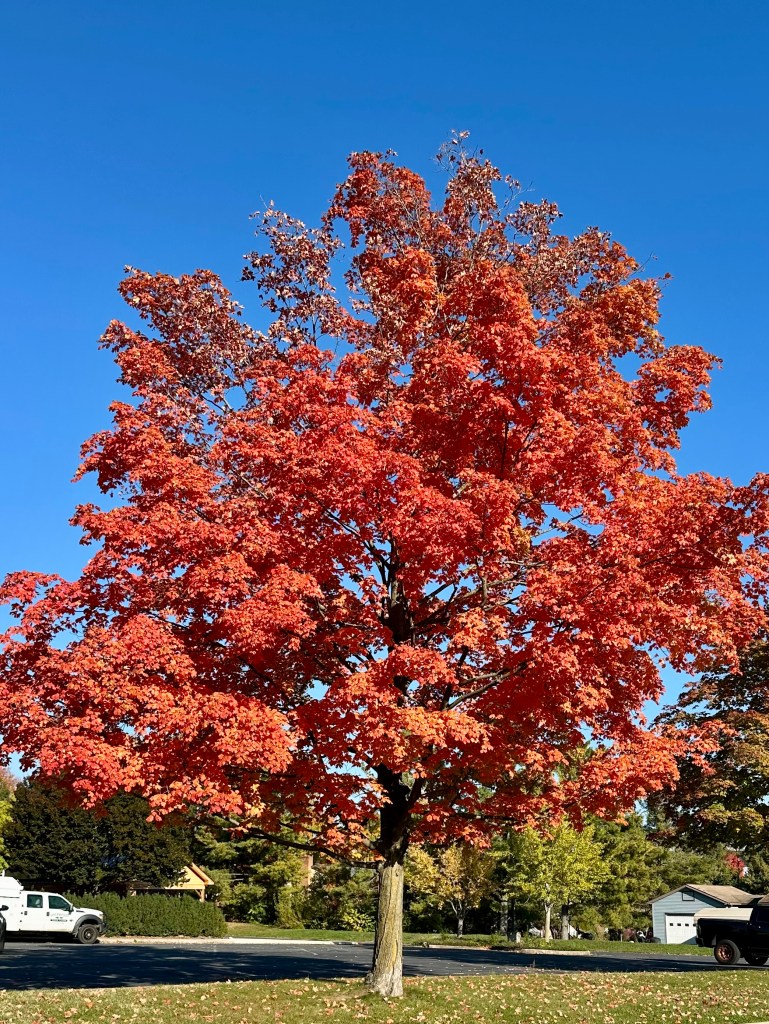
Here, then, are a few of my favorite tree photos I’ve taken between October 17 and October 24. Photos from Shenandoah National Park and Augusta County will follow in a subsequent post.

October 17

October 18 – 21

October 23

October 24

© Bruce Stambaugh 2023

Signs of Fall

How many can you see?

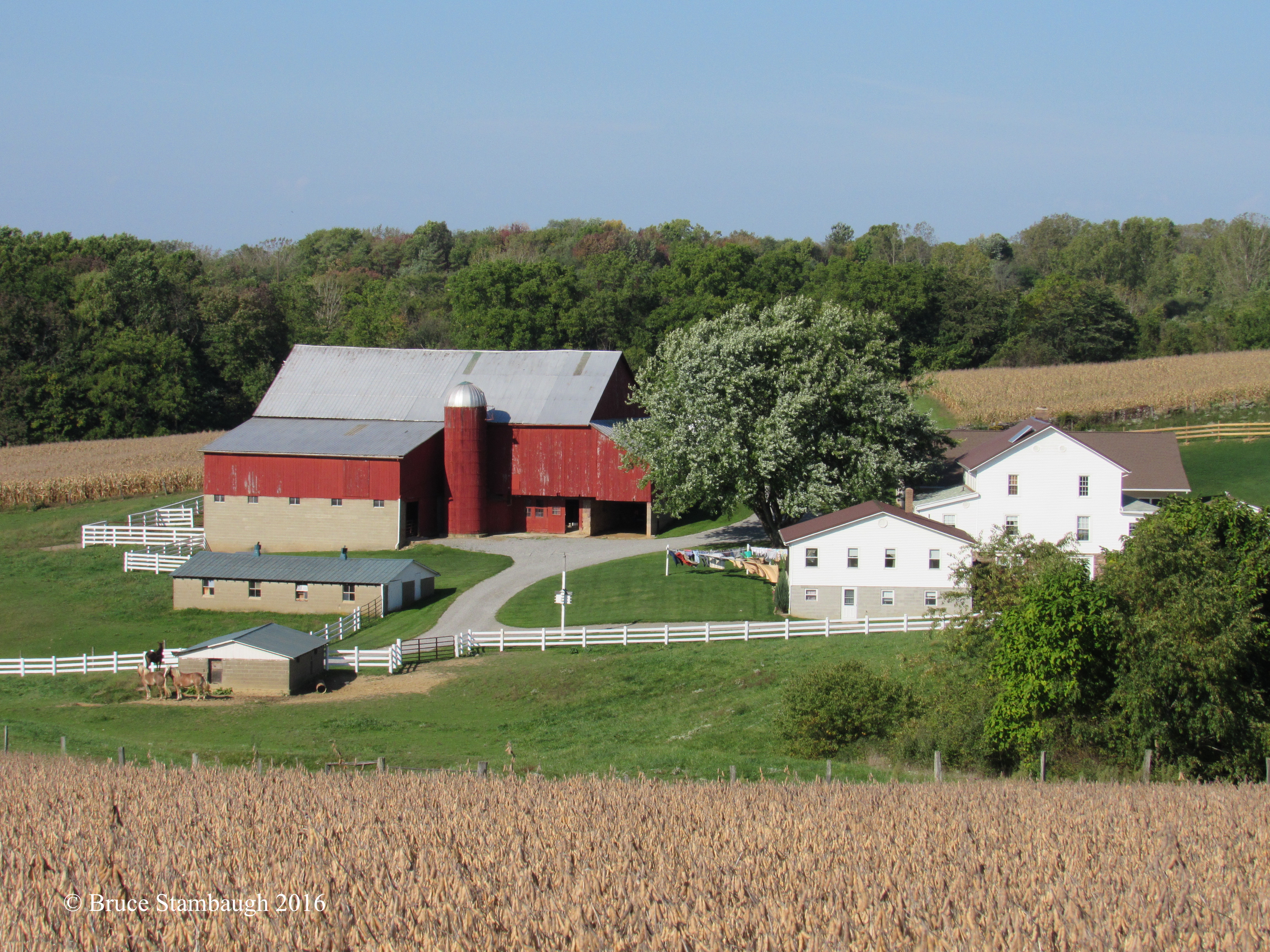
Signs of fall are everywhere in this photo of an Amish farmstead that I took five years ago while living in Ohio’s Amish country. The standing corn still waiting to be picked, either by hand or horse-drawn corn picker, is the most obvious. In the background, the tops of the deciduous trees had started to turn red and orange. In the center of the photo, the purple martin house has been lowered for the season, the birds long-parted for Central and South America.

Can you find other signs of fall in this photo?

“Signs of Fall” is my Photo of the Week.

© Bruce Stambaugh 2021

October is the nostalgic month

A typical fall scene in eastern Holmes Co., Ohio.

If the calendar has a nostalgic month, October is it for me.

As a child, our father would load his brood of five into the old cream-colored Chevy, and we would head southwest out of our blue-collar steel town to the wonders of Holmes County, Ohio. Oh, the things we would see and encounter.

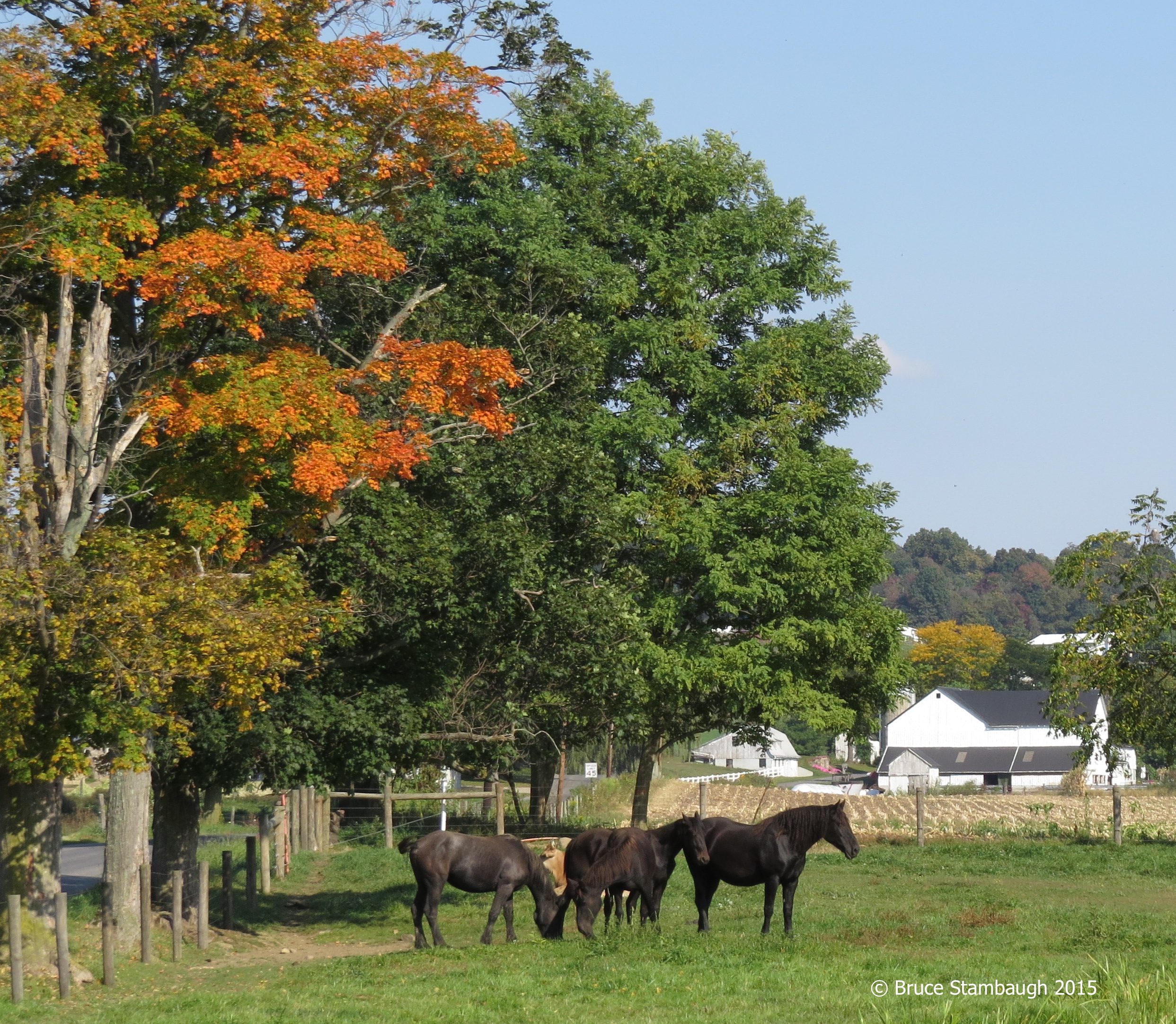
We’d stop along the windy way of U.S. 62 to sample cheese. We watched horse-drawn black buggies clop along, marvel at the corn shocks standing in rolling fields, and gape at long farm lanes that led to large white houses with big red bank barns. The real show, however, was in admiring woodlot after woodlot ablaze with every shade of orange, red, and yellow.

Dad would photograph the most colorful of the scenes. I couldn’t have imagined that as an adult that I would spend the best years of my life in that setting, among those people.

If I had to pick an ideal month and place to paint an iconic picture of our life, it would have to be October in Holmes County. My wife and I reared and raised our children there. We fulfilled our careers there and made life-long friendships.

During the first decade of our life together, my wife and I lived in the western hills of Holmes County. In October, there was no prettier drive than the road from Killbuck to Glenmont with its seven hills all dotted gold, russet, and yellow. It was a landscape artist’s paradise.

We built our first home on a bluff facing into that lovely valley. The view was always gorgeous in October.

When we moved to the eastern section of the county, our directional orientation and views changed but were equally splendid. Facing east, many gorgeous sunrises greeted us. The brilliant sunsets we enjoyed from the back yard were similarly lovely.

Our Ohio October view.

The bucolic scenes of corn shocks drying in fields surrounded by blushing sugar maples, rusting oaks, and yellowing ash and tulip poplars were commonplace, but no less appreciated. I drove back many of those long lanes to converse with the inhabitants of those white houses, and the keepers of those red barns. It was like those childhood visions had become actuality. That’s because they indeed had.

But October served as a double-edged sword of sorts for me. I didn’t mind the changeable weather. If an early-season Canadian clipper arrived, the snow seldom stuck, and if it did, the fluffy whitewash merely enhanced the already glorious countryside.

It wasn’t the weather or even the stinging scent of burning leaves that concerned me, though. Early Halloween pranks brought us volunteer firefighters out at 3 in the morning to douse some of the corn shocks that had been set on fire for pure orneriness.

On more than one occasion, town squares resembled barnyards. Temporary pens of goats and sheep were surrounded by hay bales and relocated corn shocks that blocked the traffic flow.

The good news was that the farmers usually got their livestock back safe and sound. Fortunately, that tradition has waned with the advent of security cameras and alarms.

We haven’t experienced such shenanigans during our two-year stint in Virginia’s Shenandoah Valley. With consecutive dry summer and fall months, the autumn leaf colorations can’t compare to those of our former home either.

I suppose that is what in part drives my pleasant autumn nostalgia for those bygone Holmes County days. October does that to me.

© Bruce Stambaugh 2019

Autumn on the Farm

farmstead, Rockingham Co. VA, Shenandoah Valley
Autumn on the Farm.

The morning sun broke through the layer of cumulus clouds to perfectly highlight this hillside farm west of Harrisonburg in Virginia’s Shenandoah Valley. Even though they were past their peek coloration, the sun-drenched buildings of the farmstead nicely accentuated the leaves of the mixed hardwoods.

“Autumn on the Farm” is my Photo of the Week.

© Bruce Stambaugh 2018

Is October the best month?

Maryland Mountain, fall color
Changing leaves.

By Bruce Stambaugh

Everybody has favorites. From favorite ice cream to a favorite sports team, we humans tend to quantify and qualify most everything.

Months of the year are no different. I’m as guilty as the next person in this category. October is far and away my favored month.

I’m likely not alone in stating the primary reason for liking October so much. The ever-changing color schemes fascinate me. Living all of my life in areas where mixed hardwoods warm the landscape with vivid, fiery colors makes that choice easy.

I hope I never take that annual beautification for granted. That’s because no two autumns are alike. So many factors go into just how colorful the trees will be. Half the fun is anticipating the intensity of the leafy rainbows.

We wonder what effect the persistent wet weather of the summer will have on the colors. Will they be bright or will they be dull? Will the leaves even last long enough to fully color, or will they succumb to gravity’s inevitable tug and prematurely tumble to the ground?

I know that may sound like a silly question. But my wife and I have already noticed that the leaves of the red maples in our yard in Virginia’s Shenandoah Valley began falling days ago. Last year they hung on red and green until well after Halloween.

Holmes Co. OH, autumn leaves, sugar maple
Changing colors.
If we pay close attention, nature sometimes offers us a sneak preview. Certain sections of particular trees begin to turn long before the rest of their foliage. Sugar maples are especially prone to this phenomenon. Could it be the compounding effect of the day after day absorption of the sun’s intense first rays during September and October mornings?

Trees aren’t the only canvas on which nature paints though. Fall also displays her colors among the agricultural harvest in the waning days and weeks of the growing season. The warm hues of gourd and squash varieties rule produce stands and supermarkets everywhere.

Those yellows, oranges, and crimsons contrast nicely with their hosts’ rich greens. Mums and sunflowers testify to the validity of these facts, too. The array of fruits and vegetables available also join the splashy seasonal show.

Restaurant menus highlight the food of fall with autumn entrees and beverage offerings alike. However, I’ve not joined the pumpkin-spice-flavored-everything club. I’m happy with my wife’s homemade gluten-free apple crisp washed down with a glass of delicious and locally produced apple cider.

Milder and less humid air is a welcome change from the steady heat and humidity that filled summer and early autumn days, especially here in Virginia. As I have unfortunately discovered in my first year of living in the Commonwealth, invisible pollen particles fill the air awakening allergies I didn’t know I had. So for selfish reasons, I look forward to the first killing frost.

I realize that the end to the growing season means we are closer to the cold and dark of winter days. But the earth still turns on its axis and rotates around the sun. Without winter there can be no spring.

Perhaps I am too taken with the overall aura of October itself. Our North American society has made October a festive month with one community celebration after the other. Consequently, food truck operators work overtime to meet all the demands for their tasty treats.

All in all, October is fall’s time to shine. With the harvest in full swing, October is a celebratory time. For me, that is excuse enough to elevate the tenth month above its jealous siblings.

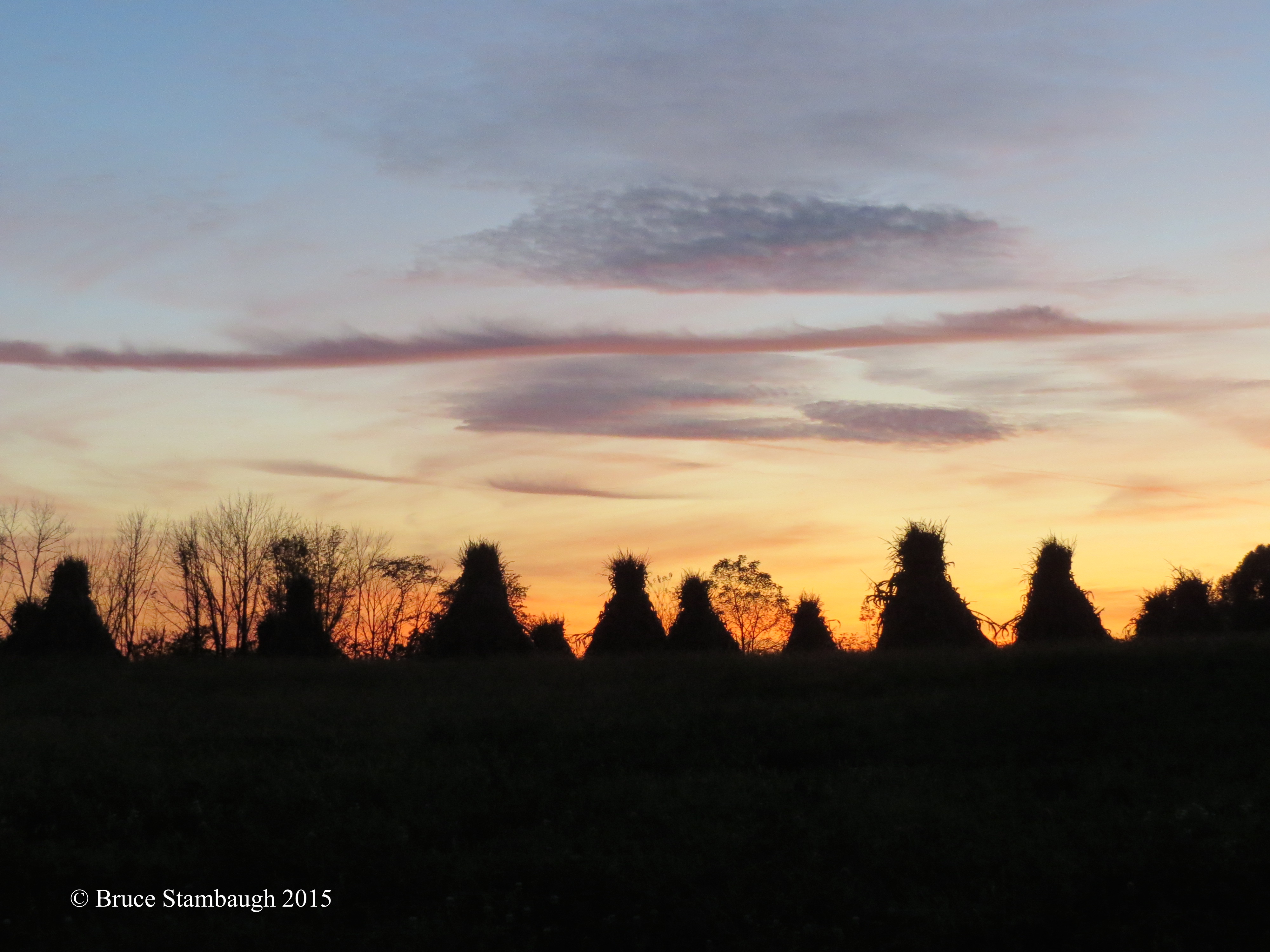
Corn shocks at sunset.

© Bruce Stambaugh 2018

The sights and sounds of summer’s end

goldenrod, rural scene
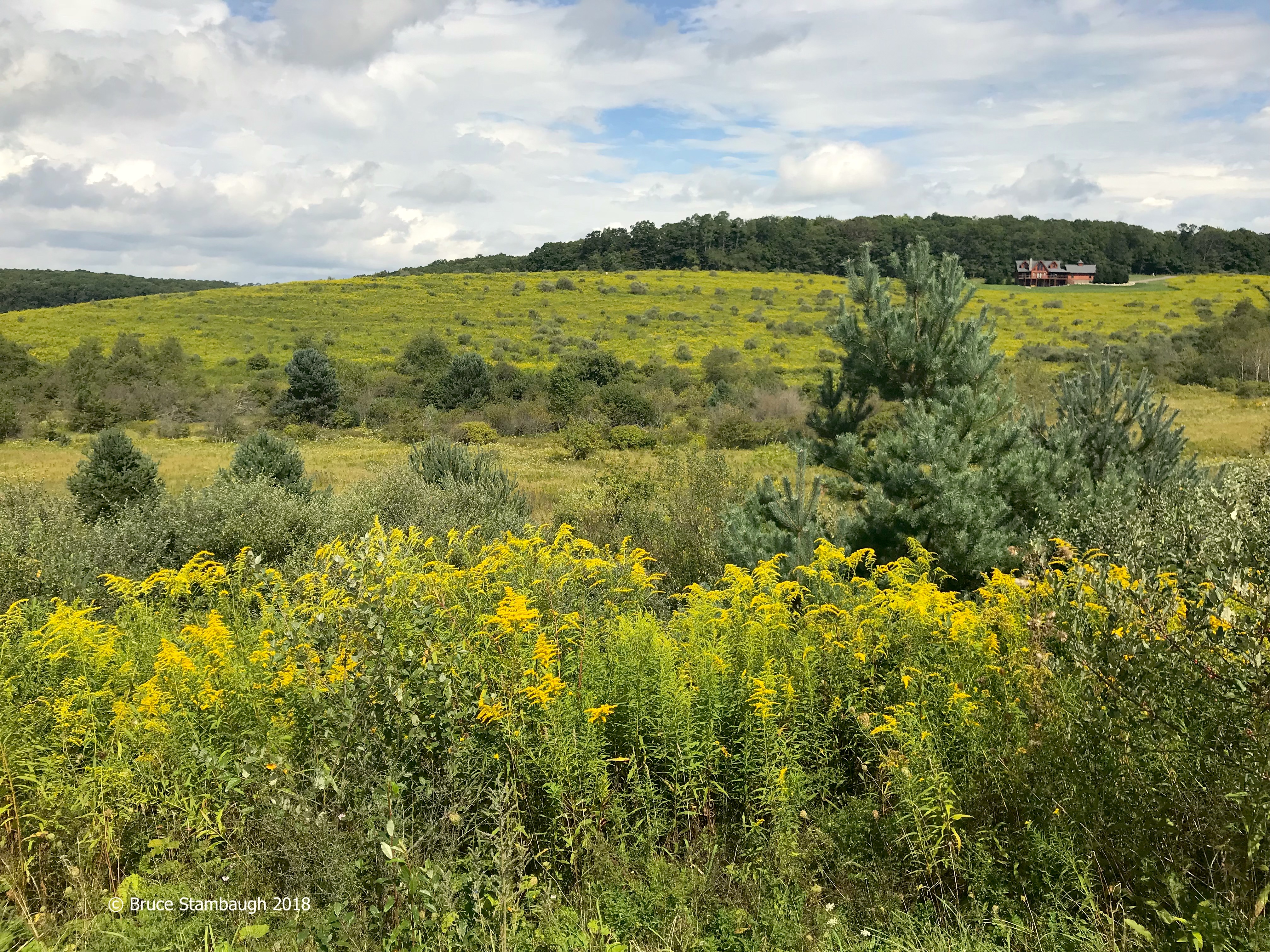
A field of goldenrod.

By Bruce Stambaugh

My wife and I sat on our back porch enjoying a light lunch. A gentle breeze sifted through the backyard as monarch and skipper butterflies flitted about, buoyed by the day’s brightness and coaxed on by instincts humans have yet to understand fully.

The rhythmical hum of neighborhood lawnmowers joined in concert to drown out the hypnotic cadence of the cicadas and katydids. As if they were following instructions, the leaves of red maples and sugar maples were beginning to blush just a tinge of their real color hidden all spring and summer by the chlorophyll.

Try as it might, Daylight Savings Time can’t delay the inevitable. The sun and the moon, the stars and the planets, work their seasonal magic, triggering an unstoppable unfolding of goodness and allergies alike.

Even in the noontime heat and humidity, senior citizens and expectant mothers walk their dogs on the broad neighborhood streets. In some cases, it’s the other way around, leashes fully extended, human arms straining to keep control and still chat on their cell phones.

Dragonflies dart here and there, somehow avoiding being lunch for some hungry migrating birds. Black and turkey vultures circle overhead, letting the convection vortexes carry them higher and higher.

White and yellow Sulphur butterflies zigzag their way past my window as if imitating fallen leaves being blown through the yard. A few grasshoppers jump from one blade of grass to another in short flights like so many commuter planes.

This slideshow requires JavaScript.

Summer’s full corn moon has come and gone in one cool weekend, a pleasant relief from the storms and heat. But come Monday, the late summer swoon returned, ushering in more warm and muggy weather all across the eastern United States.

So intense was the dreaded combination of atmospheric siblings heat and humidity, some schools mercifully canceled or dismissed early. Without air conditioning, students and staff swelter, unable to conduct the proper learning processes.

That weather, however, eventually ends. Sooner or later, September’s customary, soothing elements do return. Blue-sky days precede comfortable evenings followed by starry nights. Unless infiltrated by tropical storm remnants, thunderstorms come and go without catastrophic consequences.

That’s what makes September the jewel in fall’s seasonal crown. It quietly but most assuredly melds August’s stubborn temperament into October’s Technicolor Dreamcoat landscape.

Until the first killing frost, September is the pollinators’ paradise. Squadrons of bees, flies, ants, butterflies, hummingbirds, and hummingbird moths follow the sweetness from fall bloom to fall bloom.

The mums’ warm colors have replaced the showy bubblegum petunias as the go-to domesticated floral display. Melons, gourds, pumpkins, and squash take center stage at produce stands. Thorny thistles and goldenrod populate the rural roadsides until they meet their sickled doom.

The furry critters must note the changes as well. The squirrels and chipmunks are bolder, more aggressive in their foraging, which is only appropriate. Their lives likely depend on the amount they stored if they can remember where they put their cache.

The morning and evening chatter at the backyard bird feeders is diminished to Song Sparrows and Northern Cardinals, with the Carolina wren making an occasional soliloquy. Now and then the northern mockingbird will chip in a few bars, too.

Once the winter migrants show up in a month or so, that scenario will change. Until then, we’ll enjoy the spontaneous choruses of the crickets, katydids, and cicadas. We’ll joyfully anticipate autumn’s arrival while summer’s pleasantries still linger.

Baker WV, West Virginia
A late summer thunderstorm.

© Bruce Stambaugh 2018

Say goodbye to summer, hello to fall

Silver Lake, Dayton VA
On Silver Lake.

By Bruce Stambaugh

It’s another quiet morning in Virginia’s Shenandoah Valley. The warming sun has climbed high above Massanutten Mountain to begin evaporating the valley fog and mist wisp by wisp.

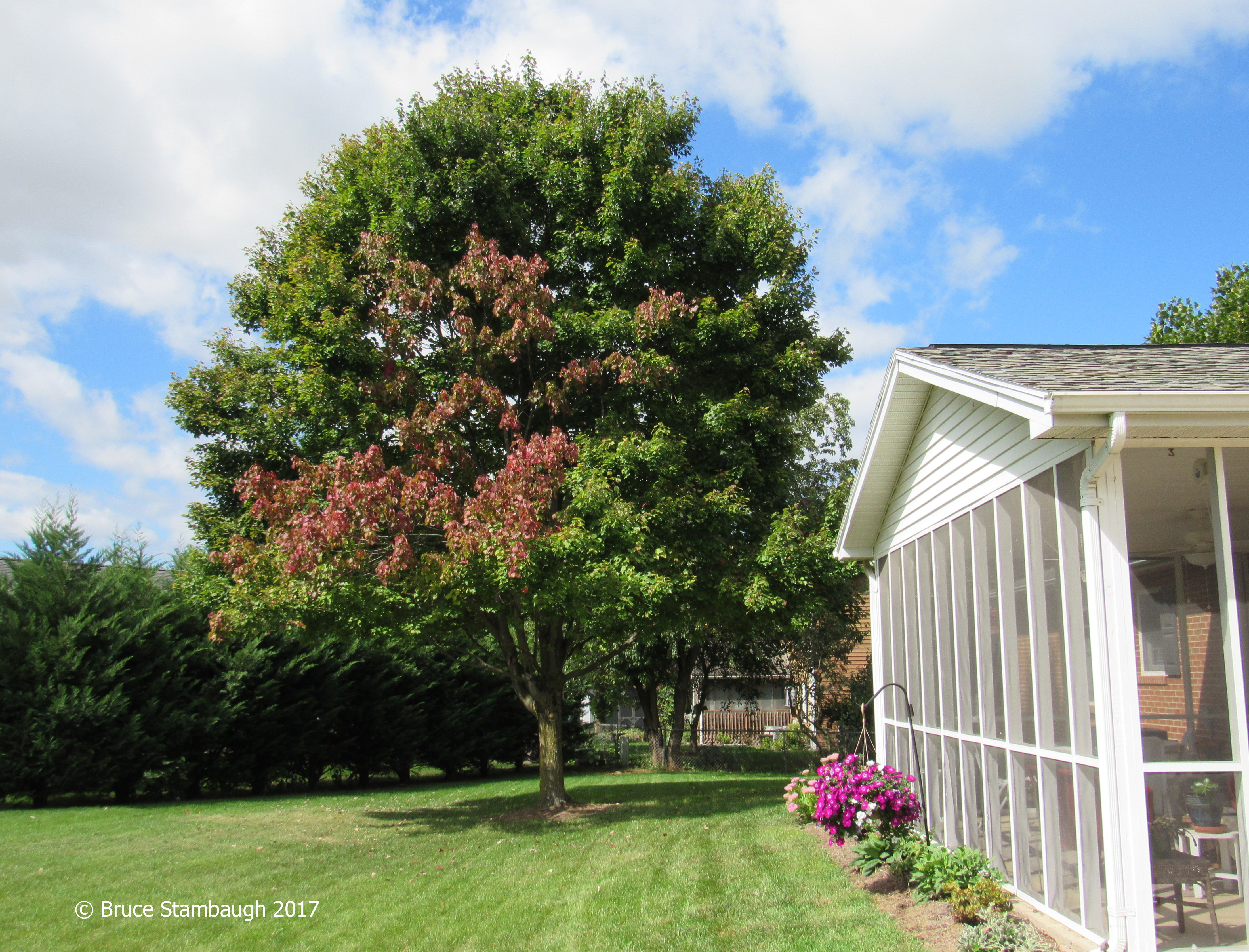
The leaves of the red maples in our yard have started their annual process of revealing their true colors and the reason for their designated nomenclature. Even before they fully blush, a few tumble one by one onto the still luscious grass beneath.

red maple tree, turning leaves
Green to red.
The school buses have already made their morning rounds. It’s quiet now, with only the sound of blue jays squawking in the distance. My wife is her busy self, the washing machine already spinning its first load. Still, I can hear the soft sound of the dry mop gliding over the oak floor. Neva is in her realm.

Orange and brown wreaths have replaced the sunny summer ones on neighbors’ front doors. Pumpkins and pots of yellow and scarlet mums beckon visitors from their sidewalk setting.

The signs of autumn’s arrival have been overlapping with those of summer’s waning for weeks now. The outer rows of massive cornfields have long been cut and chopped into harvest bins. The rest will soon follow until the silos are full. The Old Order Mennonites drive horse and buggies to church. They wheel huge tractors down narrow country roads into their sprawling farm fields with no thought of contradiction.

Shenandoah Valley farm, large farm equipment
Old Order Mennonite farm.

It was a pleasant summer, our first as residents of the Commonwealth of Virginia. Folks kept saying that this wasn’t a normal one for Virginia. With intense hurricanes brewing and massive wildfires sweeping the west, is there such a thing as normal weather anymore?

The chimney swifts that called our neighbor’s flue home for the summer disappeared days ago. Ohio friends have reported flocks of common nighthawks winging south. Shorebirds, some rather rare, made pit stops in the Funk Wildlife Area, Killbuck Marsh, and Beach City backwaters to the delight of novice and hardcore birders alike. Those, too, are sure signs of fall’s arrival.

Starlings, northern cardinals, and cedar waxwings have already obliterated the bright red dogwood berries even before the trees’ curling leaves have completely transitioned from green to crimson. The Carolina wrens provided the soundtrack to the feeding frenzies.

Old Order Mennonite horse and buggy, Dayton VA
Down the road.
Just as we did the summer, we anticipate with wonder whatever our first Virginia fall delivers. Neva will continue to play chief cook and bottle washer for our daughter’s household until the volleyball season subsides in early November. Just like all the other seasons, I’ll continue to do whatever I’m asked or told to do. Usually, it’s the latter.

Seasons come and seasons go. Life marches on. We embrace each moment of each day with joy no matter the silliness, pettiness, and egotistical disposition of those in more powerful positions than the rest of us.

That, my friends, is the way it is. We must keep on keeping on no matter the season, the situation, and the circumstances in which we find ourselves.

Rake leaves with a smile on your face. Stop and talk with your neighbors who are likely doing the same chore. Share your abundant tomato harvest or a freshly baked apple pie with others. The results will be delicious.

Enjoy the pleasant fall weather, the changing of the leaves, the foggy mornings, the brilliant sunrises, the stunning sunsets, and each moment in between. In the process, autumn will fall most graciously upon you and yours.

Rockingham Co. VA, sunset
September Shenandoah sunset.

© Bruce Stambaugh 2017

Bay Photos by Donna

Wildlife Photos From The Chesapeake Bay Region

ROAD TO NARA

Culture and Communities at the Heart Of India

K Hertzler Art

Artist and nature journalist in the Shenandoah Valley of Virginia.

Maria Vincent Robinson

Photographer Of Life and moments

Gabriele Romano

Less Noise. More Meaning

Jennifer Murch

Art is the only way to run away without leaving home. -Twyla Tharp

Roadkill Crossing

Writing generated from the rural life

ANJOLI ROY

writer. teacher. podcast cohost.

Casa Alterna

El amor cruza fronteras / Love crosses borders