Technology is always around us. Computers, laptops, tablets, smartphones, AirPods, hearing aids, and the list goes on and on. It can be dizzying at times, and I didn’t even mention AI.
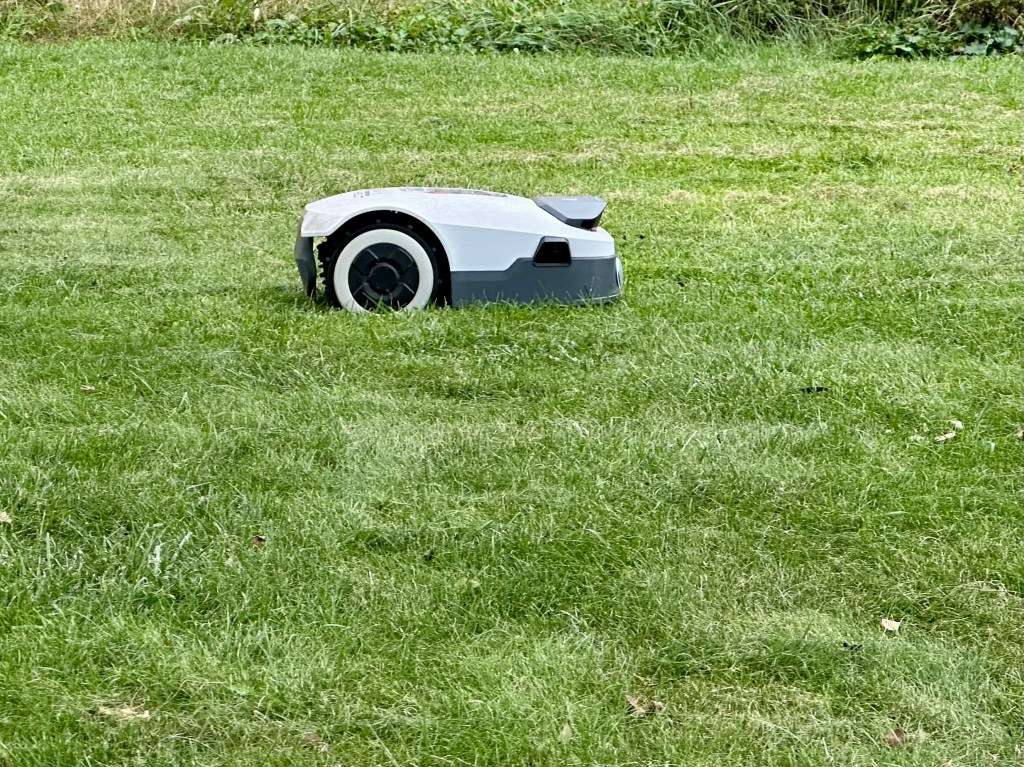
Recently, while walking in the neighborhood, I encountered my first robotic lawnmower. To be honest, I didn’t even know remote-controlled lawnmowers existed. That probably says more about my naiviete than it does about technology.
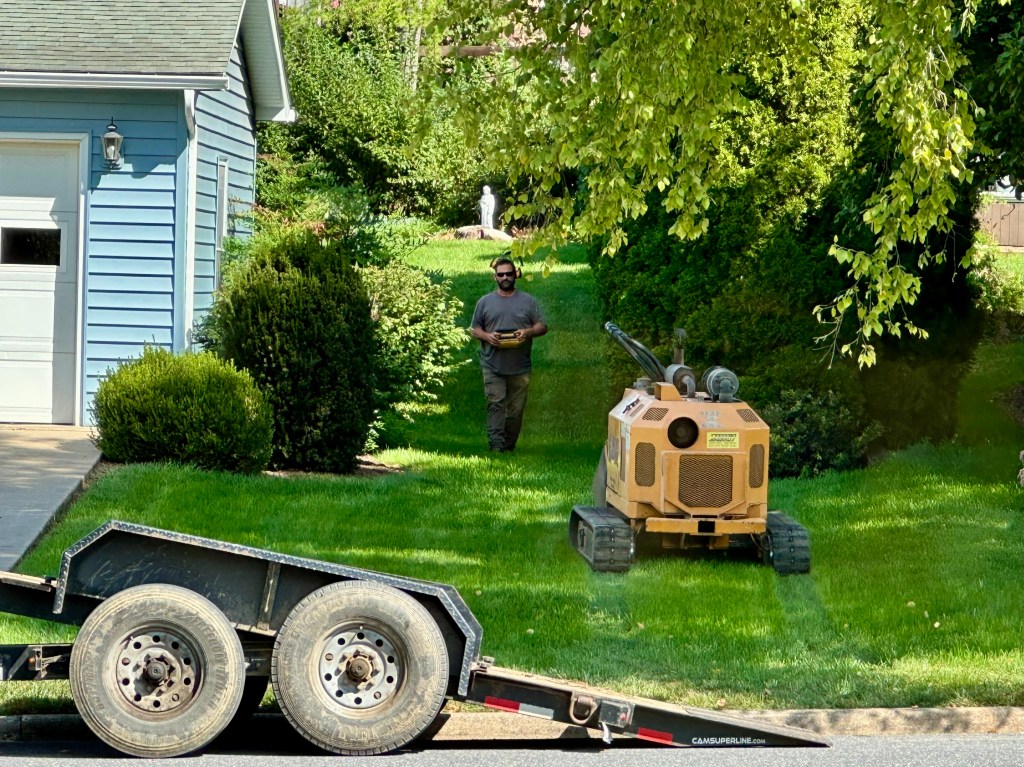
When I arrived home, I encountered yet another robotic piece of equipment. A local landscaping business was replacing some older shrubbery for the neighbor across the street.
A robotic excavator. Photo by Bruce Stambaugh
One of the workers arrived with a machine he unloaded with a remote control device. He guided it to the backyard, where I assume it did quick work of whatever shrub needed to be extracted.
Soon the man and his machine returned to the trailer, onto which the robotic excavator was quickly loaded. The worker did his job without even breaking a sweat.
I suppose that’s the same reason expressed in the use of the robot mower.
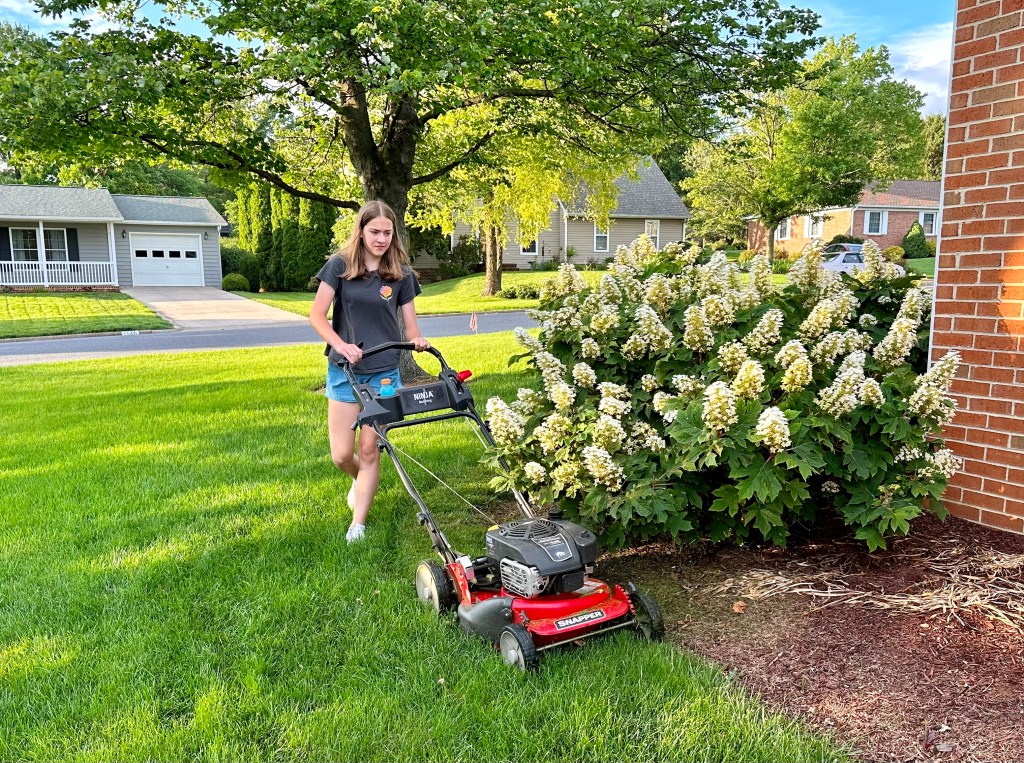
As for me and my house, we’ll keep paying our granddaughter to cut our yard.
Nearly 80 years of living have taught me how valuable strong, wholesome relationships are. As a youngster, I learned that family comes first, followed by close friends.
Growing up in a neighborhood of baby boomers taught me the importance of having caring, trustworthy pals. The importance of proper socialization stuck with me.
I’ve tried to carry those lessons throughout my life and into retirement. Healthy bonding relationships create a twofold effect for me. I feel better physically and emotionally.
As we age, we need nurturing relationships that sometimes require a certain vulnerability. It’s important to be open to every opportunity to connect and reconnect. That can happen through planned meetings or a spontaneous encounter at a restaurant, or even on vacation.
For me, it means incorporating my gifts and abilities with those of others. I enjoy writing, so I facilitate a monthly Zoom writing group with creatives in their 70s, 80s, and 90s. We each read a piece, and the listeners offer supportive comments and share ideas for improvement, or even suggest taking the story in a different direction. We also laugh a lot, and sometimes cry.
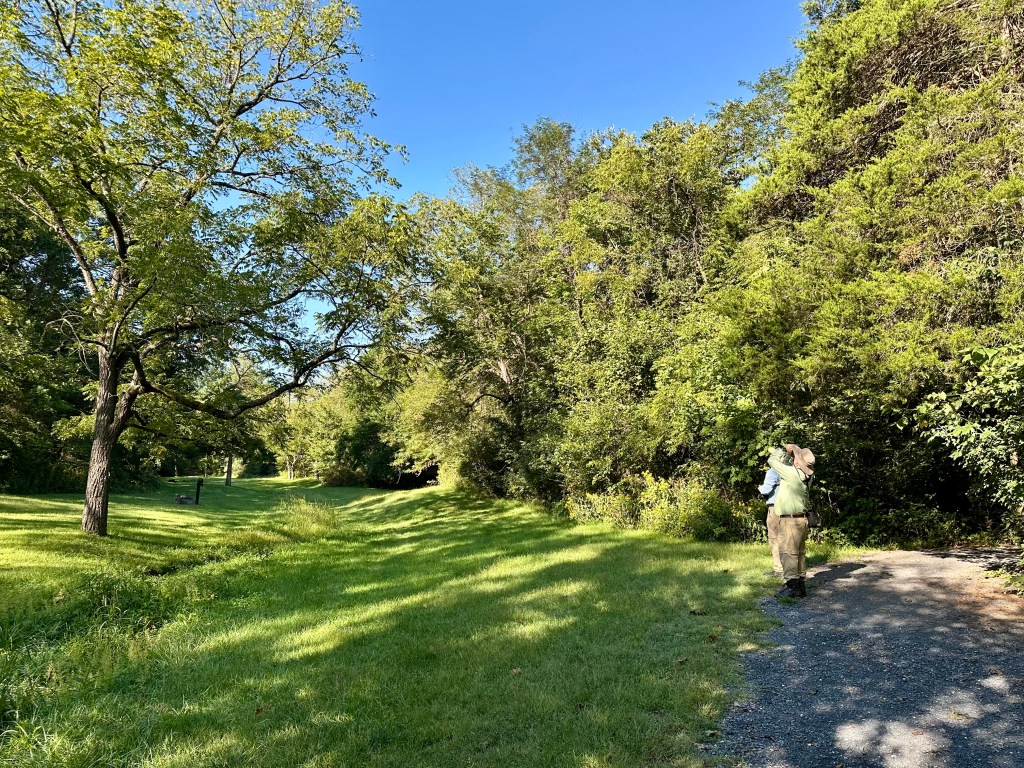
Surrounding yourself with like-minded people, especially as you age, is critical for retirees. An occasional nature walk in a local arboretum with folks who share my interests keeps me refreshed and uplifted.
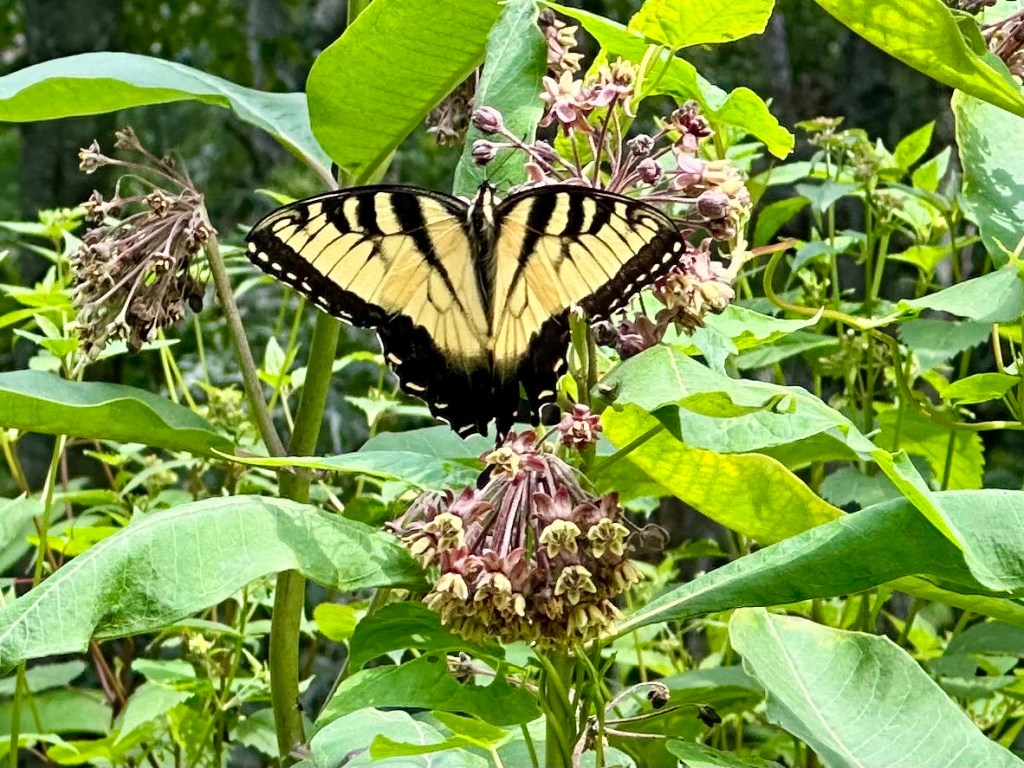
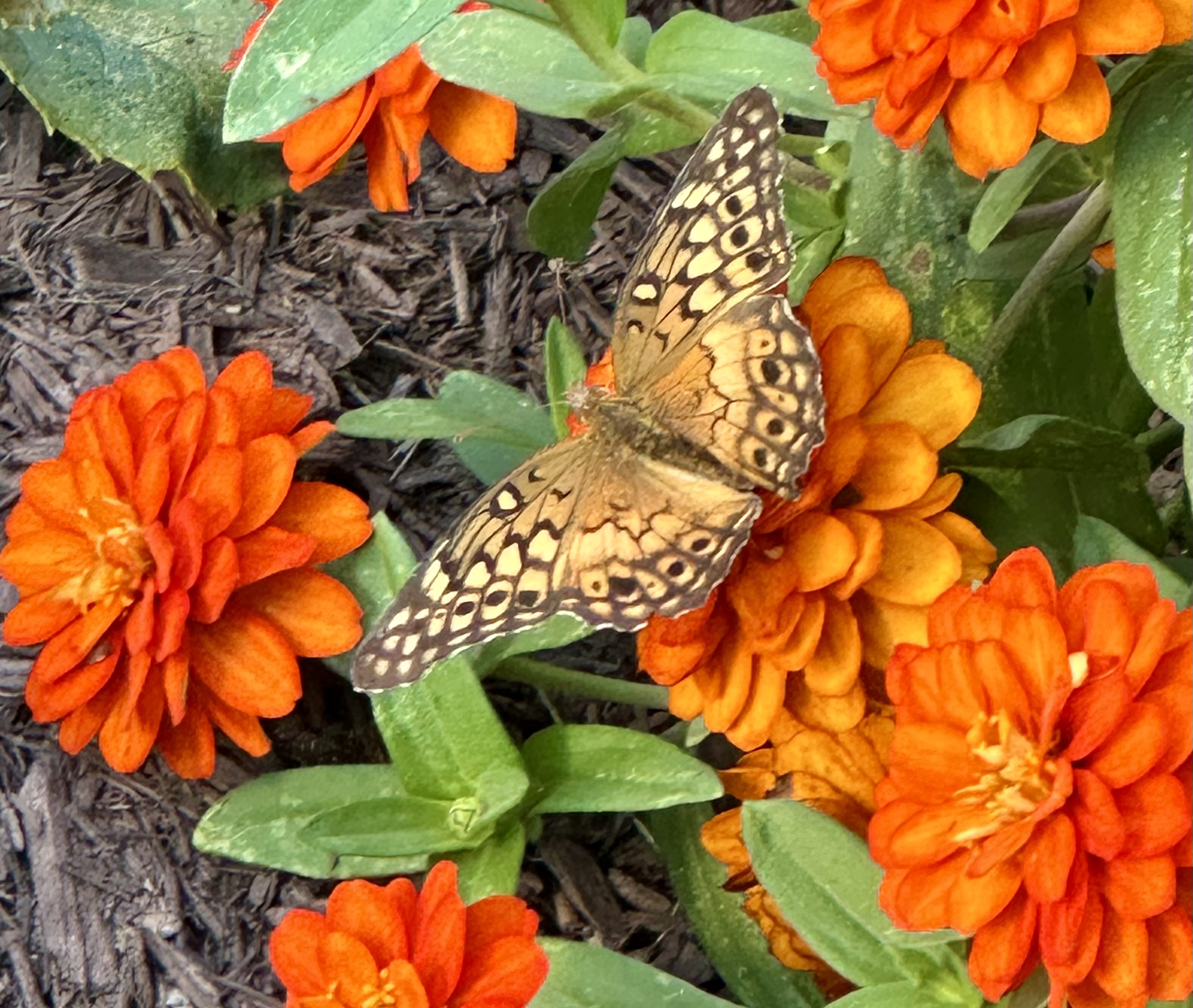
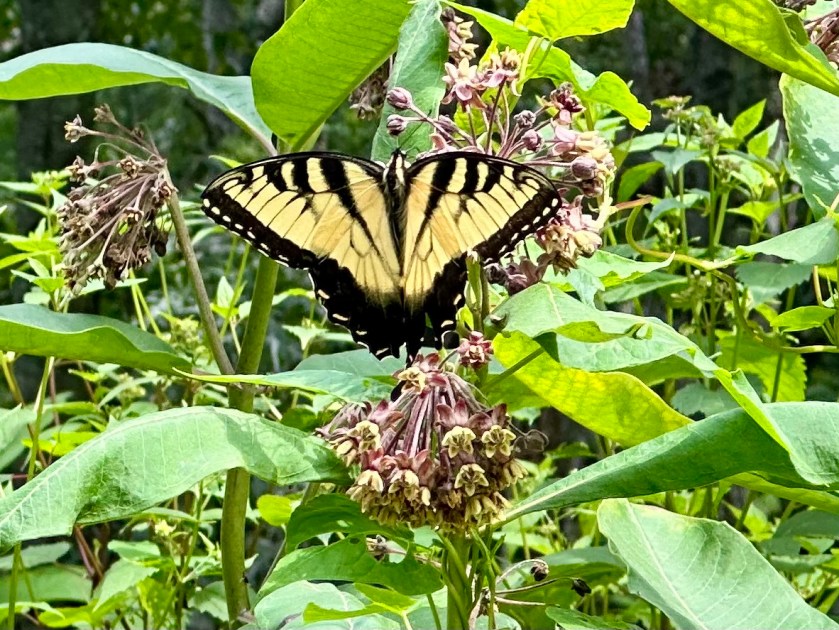
A Tiger Swallowtail butterfly along a hiking trail. Photo by Bruce Stambaugh
Even as older folks, using our five senses lets us keep learning and growing. I try to listen more than talk. I enjoy hearing others’ stories and how they handled situations similar to what I’ve experienced.
I belong to a local birding club that holds regular outings. I attend as often as I can, not only to find migrating birds, but also to learn techniques for properly identifying bird species. Fall warblers, dressed in their drab colors, are difficult for me to identify. My birding friends eagerly show me how to tell a fall Cape May Warbler from a Bay-breasted one.
My wife and I belong to three different small groups, two of which meet monthly and always with food. We take turns hosting, and everyone contributes to the modest feast. One group is intergenerational, with ages ranging from infants to grandparents.
Two of the three groups are both comprised of seniors. It’s easy to share our latest aches and pains as we age, but once the simple meal is finished, we get down to business by answering a pre-assigned prompt individually. We discuss current events, memories from our formative years, and issues we need advice on. Serious or playful, the conversations are rewarding.
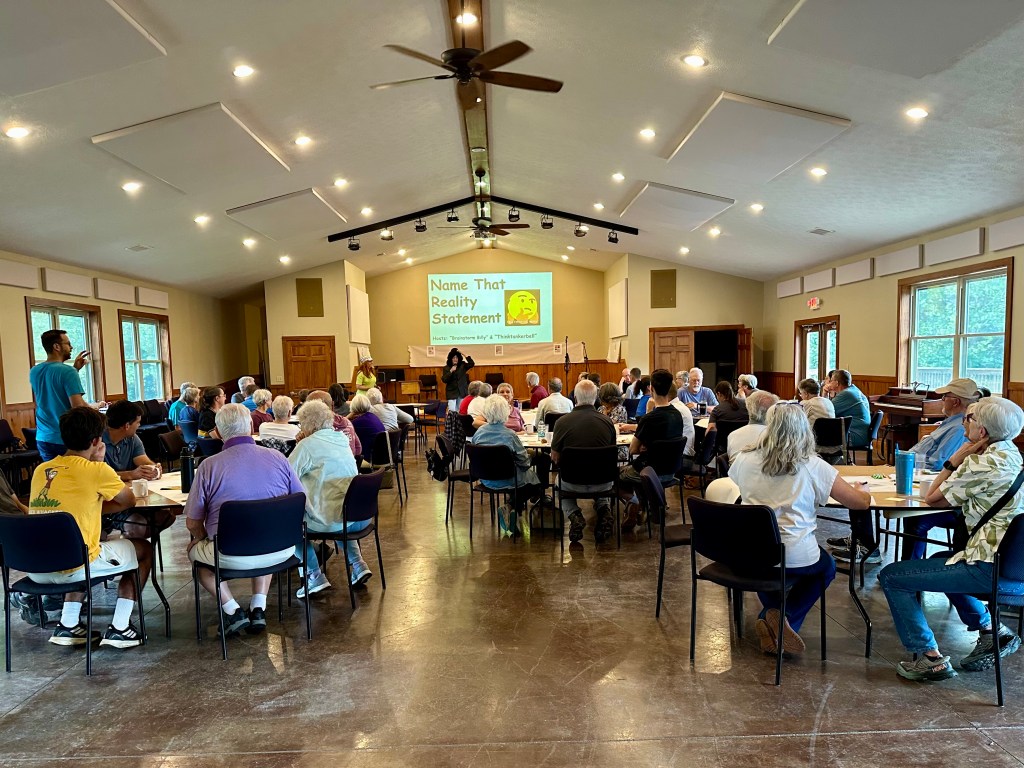
At a church retreat. Photo by Bruce Stambaugh
Hearing others’ experiences and perspectives broadens my thinking. It helps me better understand a point of view different from my own. That enhances and nurtures my life.
During the COVID-19 restrictions, we Zoomed every other week with my wife’s sister and four cousins, who were like brothers and sisters growing up. We enjoyed the camaraderie so much that we’ve continued monthly Zooms, since we live in different states.
My wife also Zooms monthly with college friends, all of whom graduated in the early 1970s and are scattered across the country. Those strong connections have led to in-person gatherings and even vacations together.
My wife and I spent a few days in Maine last summer with one of those lifelong college friends. The sound of ocean waves crashing lulled us to sleep while the pastel light of the rising sun awakened us at 4:30 a.m. We walked along the shore at low tide and ate fresh lobster on the dock in a quaint cove.
Weeks later, we visited the same friend in Baltimore, Maryland. She was a perfect host. On the hottest day of September, we toured a massive second-hand store and then a railroad museum. In the evening, we attended a baseball game at Camden Yards. We enjoyed our time together despite my Cleveland Guardians’ loss.
My wife of 55 years has many useful and creative gifts, but the greatest is hospitality. She loves hosting friends, family, and new neighbors for meals and fellowship. A young couple moved next door from New Mexico. Of course, my wife invited them for dinner, and they stayed for four hours. The conversation freely flowed, and they soon returned the favor.
Friends occasionally visit us from other states, especially from our home state of Ohio. They are enchanted by Virginia’s bucolic Shenandoah Valley, where we moved nearly a decade ago to be close to our daughter and her family.
We enjoy escorting visitors around our small city and the surrounding agricultural countryside. Shenandoah National Park borders our county to the east, and each visitor finds the park as remarkable and awe-inspiring as I do.
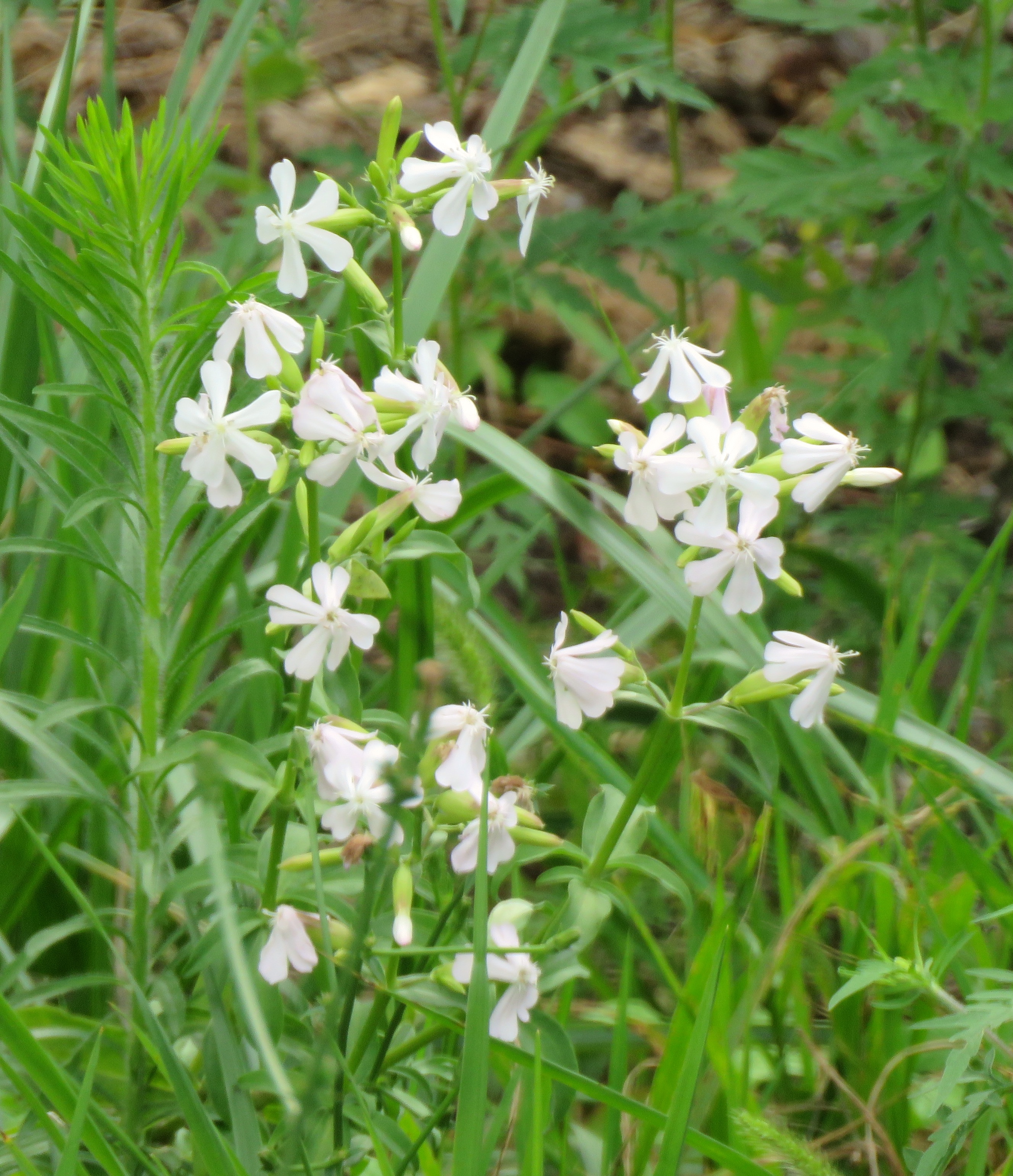
On one recent visit by Ohio friends, we met another couple who helped us locate and identify tiny but beautiful flowers we would have missed. The pesky gnats and cloud-enshrouded mountains couldn’t diminish our pleasant adventures.
The same results occur when we visit our son, his wife, and their young son in upstate New York, or when we return to our beloved Holmes County, Ohio, where we lived among the Amish for nearly four decades.
We moved to Virginia’s Shenandoah Valley to be close to our daughter and her family. Those 10 years have flown by as we watched our grandchildren grow and mature. We followed them from T-ball to college baseball, attended piano recitals, band concerts, high school musicals, and volleyball games.
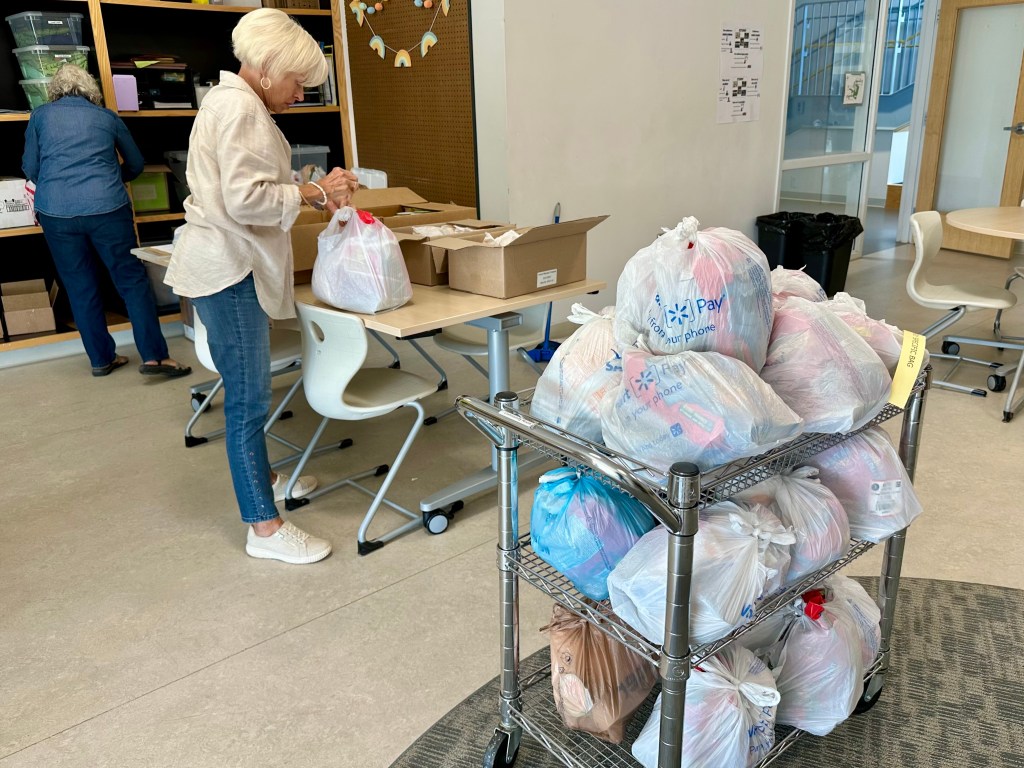
Packing bags of food for children. Photo by Bruce Stambaugh
We find great comfort and connection with others as we not only worship, but also participate in activities that involve community members. My wife volunteers at a thrift store once a week, and we both help pack and distribute food for food-insecure families at a local elementary school.
Of course, life challenges us physically as we age, so we exercise regularly and are mindful about what we eat and how much we eat. We make regular checkups with doctors and appointments with physical therapists as needed.
At our age, hardships occur too often for friends and family. Empathy and compassion help soothe the emotional pain we encounter.
Traveling has been an eye-opener for us, and we wish we had done more when we were younger. But we can only move forward in life and enjoy and learn from the trips we do take, whether by car, plane, or cruise.
My wife and I feel most grateful for our families and the many friends we have. Their love and support shower us with kindness and appreciation, whether they live next door or in another state or country.
Relationships flourish when we nurture them with compassion and openness. Their unconditional inclusion keeps us engaged and going.
In all of this, if I have learned anything in life, it’s that we are all one human family. Even amid differences, accepting others doesn’t mean agreeing with them. Instead, heartfelt connections count.
At this age, that’s exactly how I desire my life experiences and human interactions to add up.
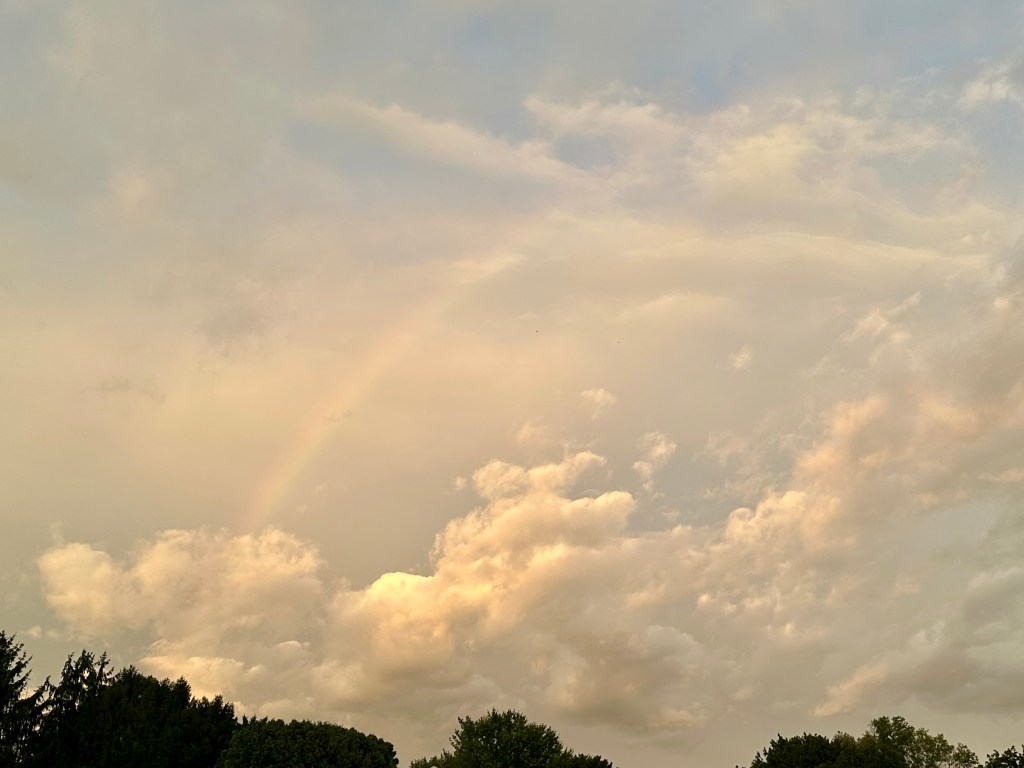
A faint rainbow at sunset. Photo by Bruce Stambaugh
The weather forecast didn’t call for it, but last night the westernmost edge of the significant nor’easter covered Virginia’s Shenandoah Valley just before sunset.
My wife and I were watching Major League Baseball when I noticed an eerie orangeish color in the northern sky. I rushed outside and spotted a faint rainbow in front of thick clouds in the eastern sky.
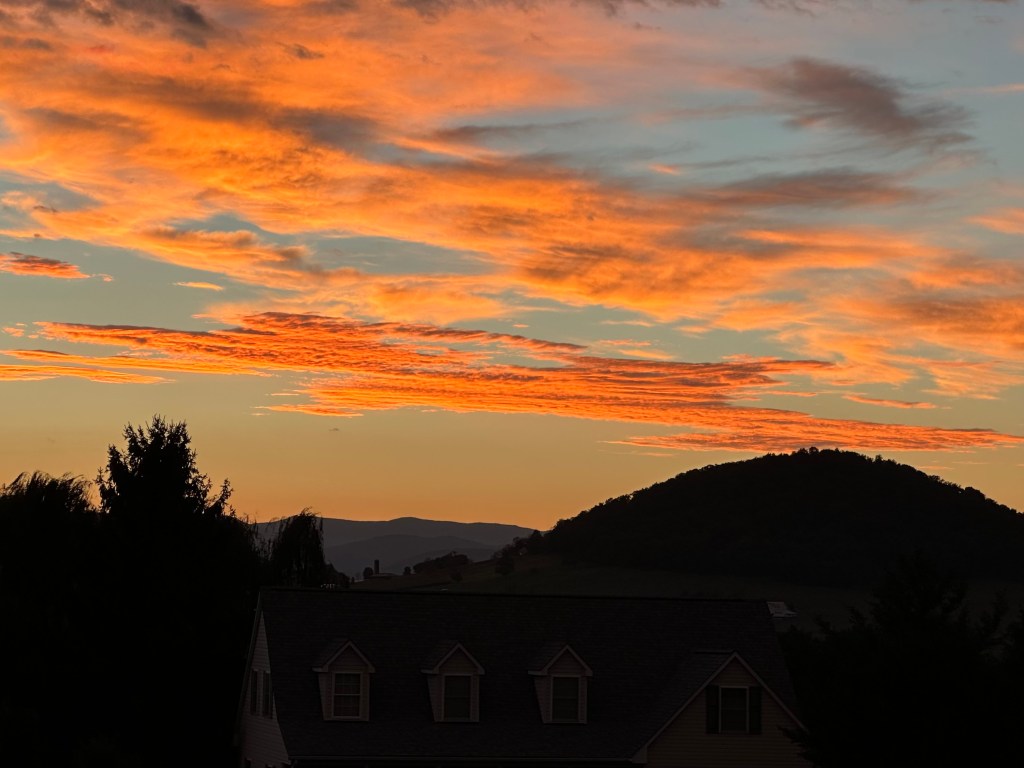
I grabbed my camera and headed to a farm with a clearer view to the west. The sun had already set behind the Allegheny Mountains, illuminating a few rogue clouds.
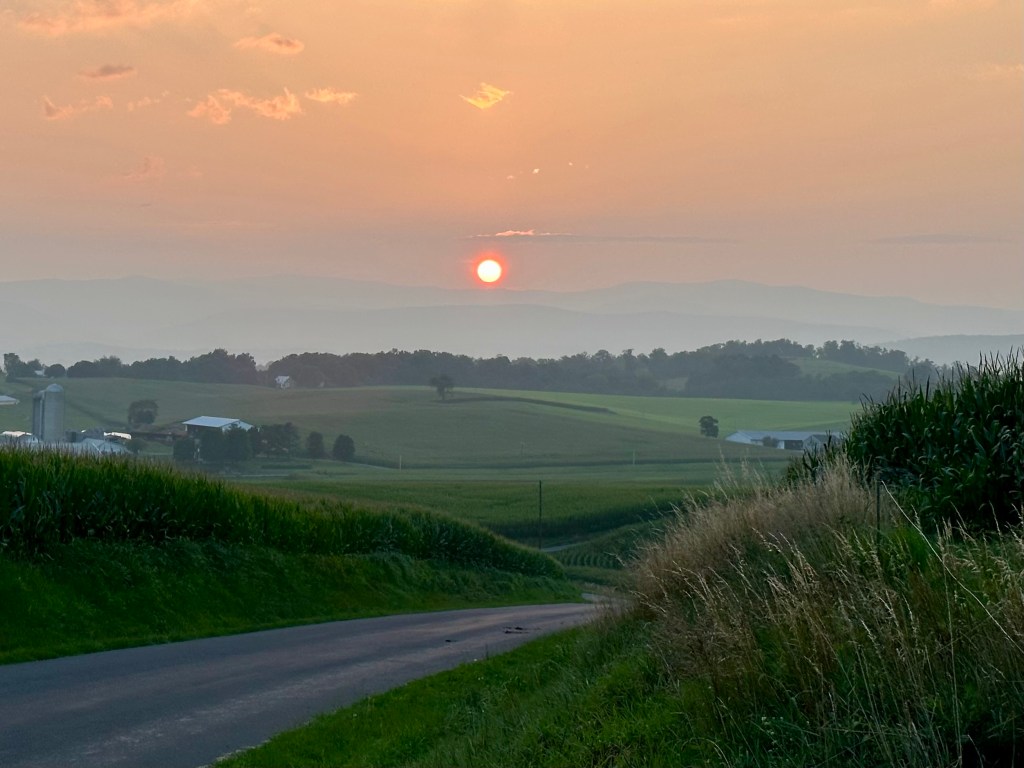
The autumnal equinox arrives at 8:05 p.m. EDT. This means the sun will set due west this evening. In the U.S., tomorrow begins the first full day of fall.
Many people believe that the equinox brings an even amount of daylight and darkness, but that is a myth. This year, that occurs on Saturday, September 26, and is called equilux. The word is drawn from Latin equi (equal) and lux (light).
As hot as it was early on, summer has flown by. Welcome autumn.
The sun sets due west on the autumnal equinox. Photo by Bruce Stambaugh
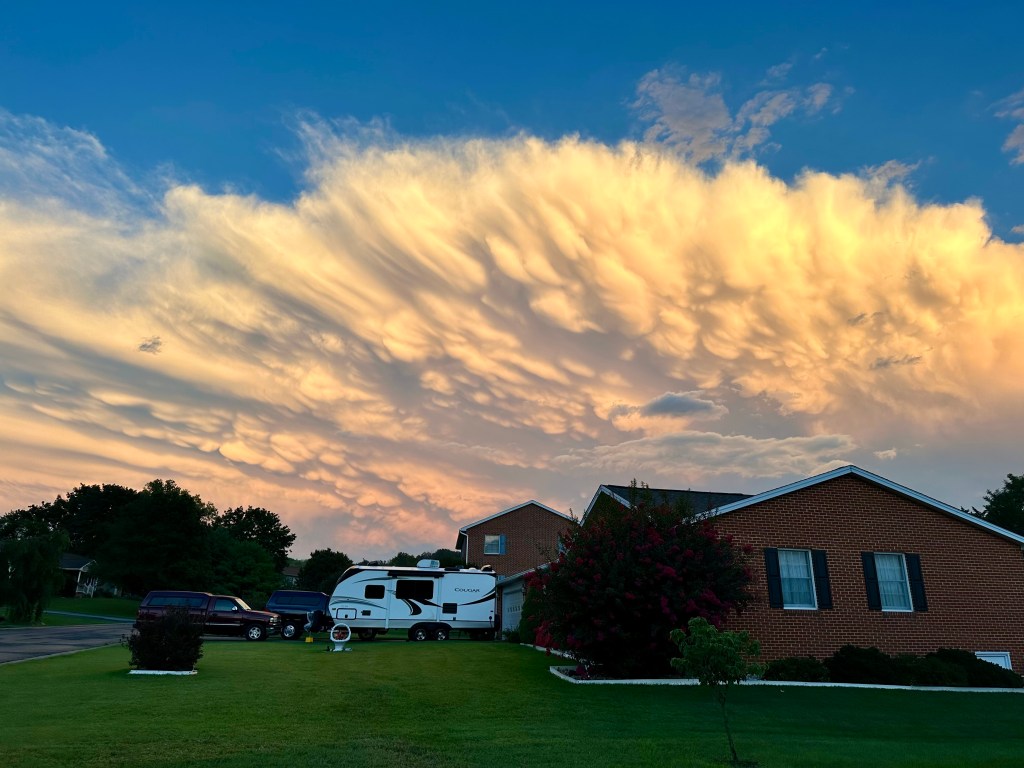
The backside of a severe thunderstorm. Photo by Bruce Stambaugh
After last evening’s storm passed, I stepped out the back door to check my rain gauge when this amazing scene stopped me in my tracks.
We had yet another storm, but it clearly had intensified as it approached the Blue Ridge Mountains and Shenandoah National Park, which serve as the eastern boundary of Rockingham County, Virginia, where we live.
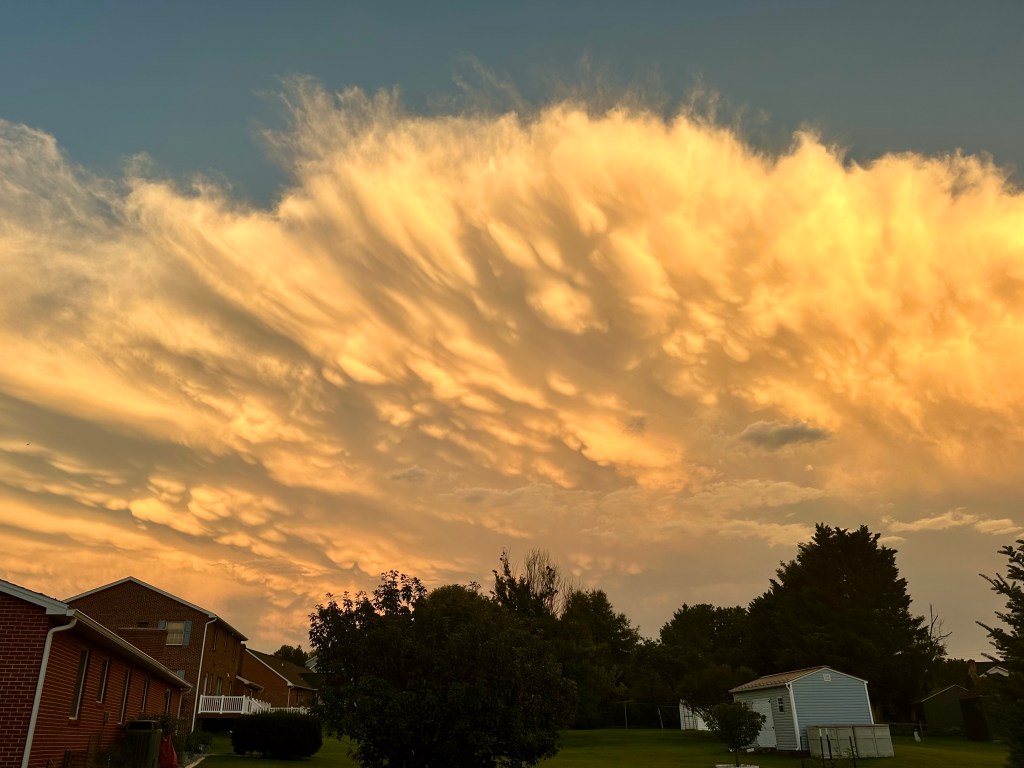
The view of the mammatus clouds from my driveway. Photo by Bruce Stambaugh
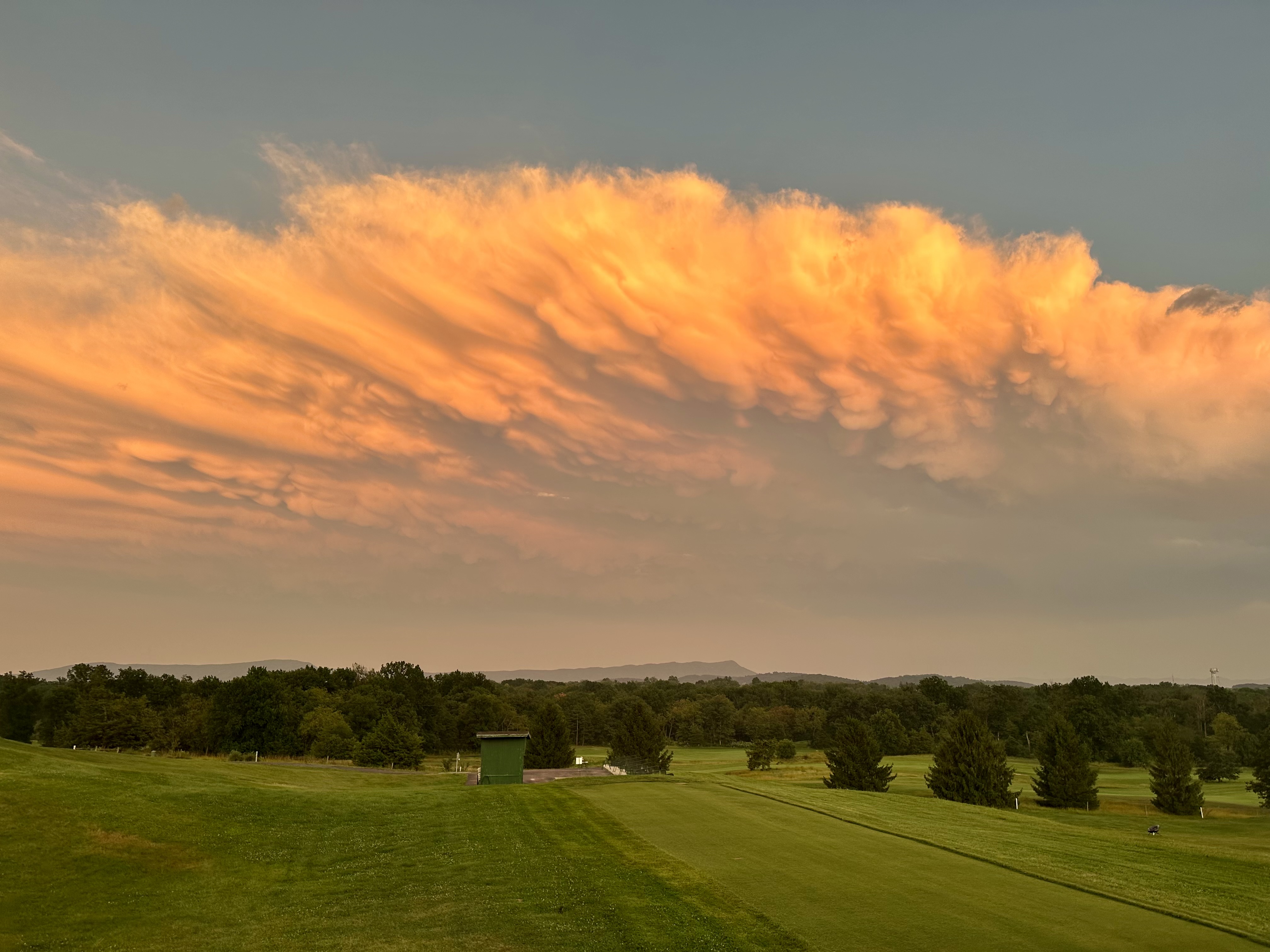
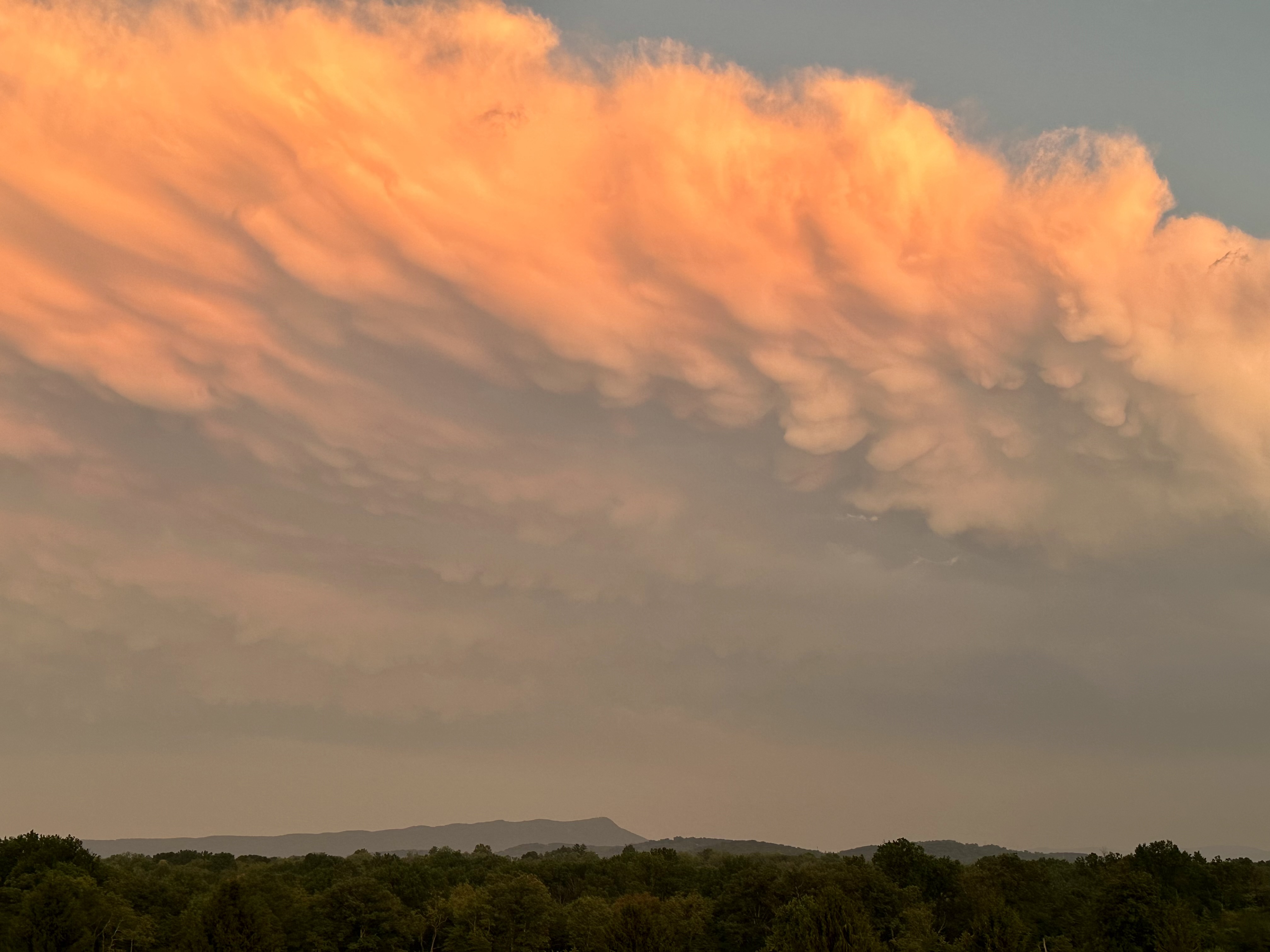
The setting sun dramatically illuminated the eastward-moving thunderstorm. The pouch-like clouds are mammatus clouds, formed when colder air aloft sinks into warmer air below.
Mammatus clouds almost always occur either at the lead of a severe thunderstorm or at the rear of the anvil-shaped thunderstorm crown. For meteorologists and those who appreciate and study clouds, spotting mammatus clouds is a rarity.
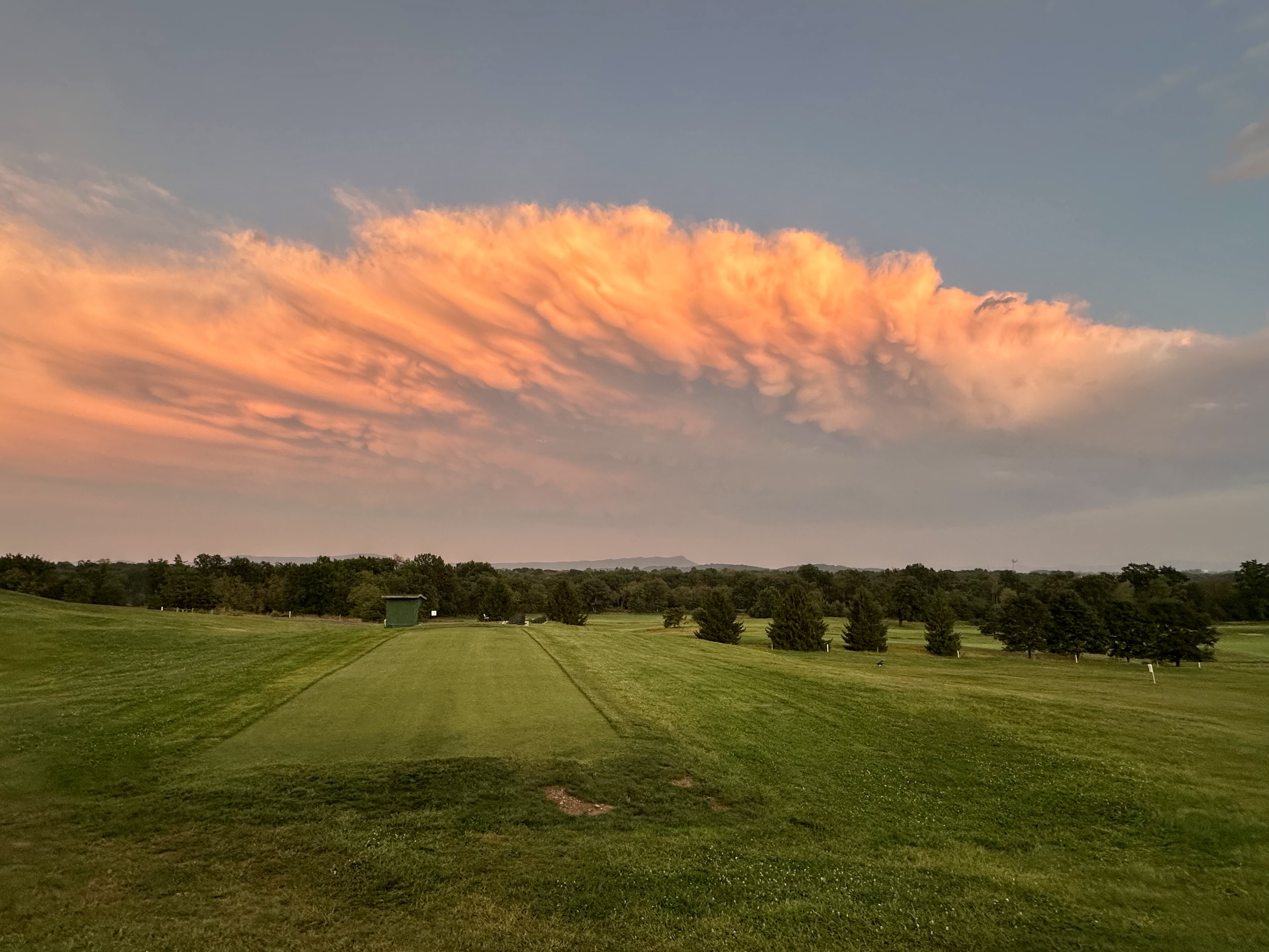
Since such clouds don’t last long, I wanted a view with a better line of sight. So, I headed to nearby Heritage Oaks Golf Course, behind an elementary school, which gave me an unobstructed view of the fast-moving storm.
As you can see, the turbulent clouds had already changed in the five minutes it took me to arrive at the golf course. Plus, the sun had set behind the Allegheny Mountains 30 miles to the west, changing the intensity and direction of its rays. Consequently, the colors of the clouds mellowed to more orange than white and yellow.
Please click on the photos to enlarge them.
Still, I was ecstatic to capture these shots, so much so that I never did check the rain gauge.
An ally for all things wild, wonderful, and of nature died yesterday at his home in Port Royal, Kentucky. Wendell Berry was 92.
I didn’t know him personally, but a writer friend of mine did. Wendell even occasionally stayed in a cabin on my Amish friend’s farm in Holmes County, Ohio.
In honor of this great writer and activist for justice, I am posting his most noted poem, “The Peace of Wild Things.”
Rest in true peace, Wendell.
The Peace of Wild Things
When despair for the world grows in me and I wake in the night at the least sound in fear of what my life and my children’s lives may be, I go and lie down where the wood drake rests in his beauty on the water, and the great heron feeds. I come into the peace of wild things who do not tax their lives with forethought of grief. I come into the presence of still water. And I feel above me the day-blind stars waiting with their light. For a time I rest in the grace of the world, and am free.
A puffy white cloud August day. Photo by Bruce Stambaugh
When I rose for my morning walk around the neighborhood, it was 47 degrees outside. On August 25!
As I walked in the early morning coolness, I thought more about how this August had been so different in the eastern U.S. The eighth month of 2026 here in Virginia’s lovely Shenandoah Valley has been anything but normal weatherwise.
August behaved normally the first nine years of living here after moving from Ohio’s Amish country. Year after year, August’s sun beat down, and the humidity overwhelmed you.
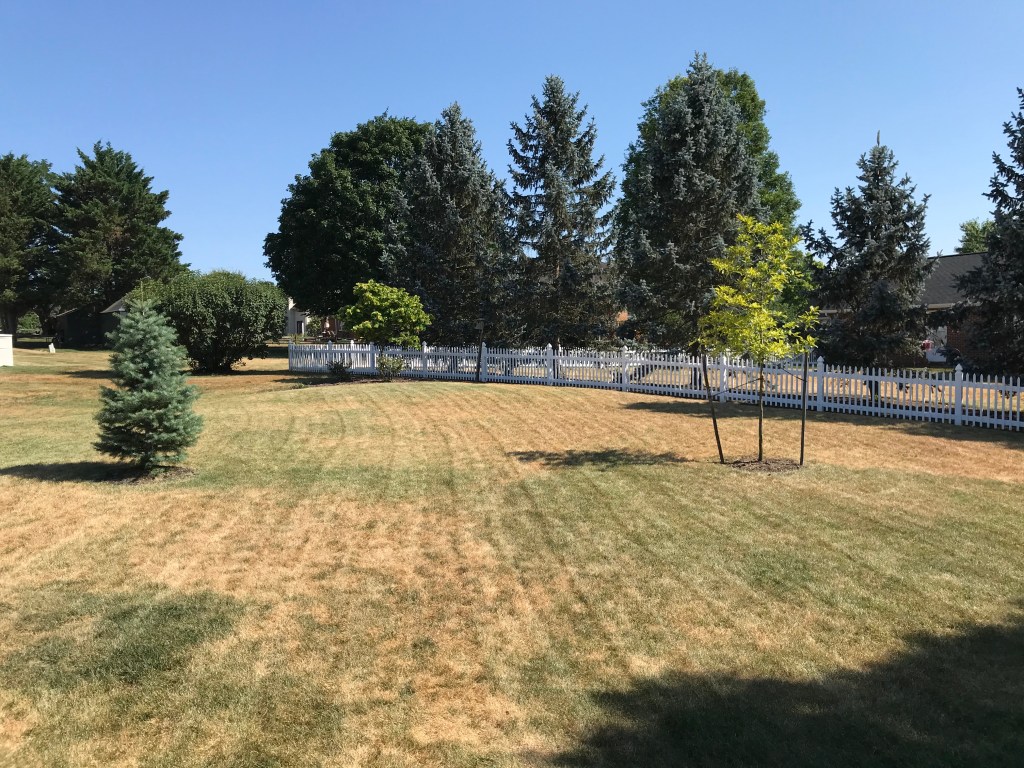
Usually, large cracks in the hardened, red soil zigzagged like spider webs. The parched grass crunched beneath your feet, devoid of any moisture for days, even weeks on end. Not this year.
Our burned-out backyard in 2020. Photo by Bruce Stambaugh
Apparently, August masqueraded as April. A few spring flowers bloomed again. With storm after storm, some locales measured inches of rain. A few areas even experienced tornadoes, a rarity in Virginia, with property damage and power outages. Fortunately, no injuries or deaths were reported.
Even then, the area remains abnormally dry, according to the U.S. Drought Monitor. That’s how dry the early weeks of summer were.
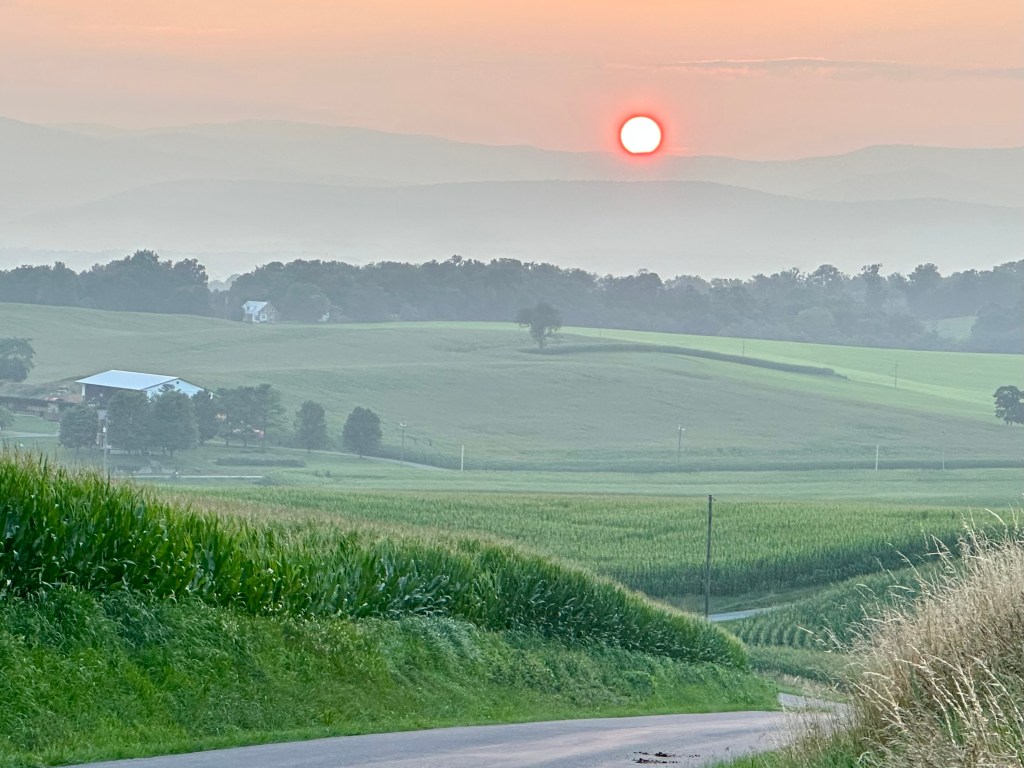
Though we didn’t realize it at the time, summer’s dog days fell in June and July. Haze filled the bucolic valley, significantly obscuring the view of the mountains to the east and west.
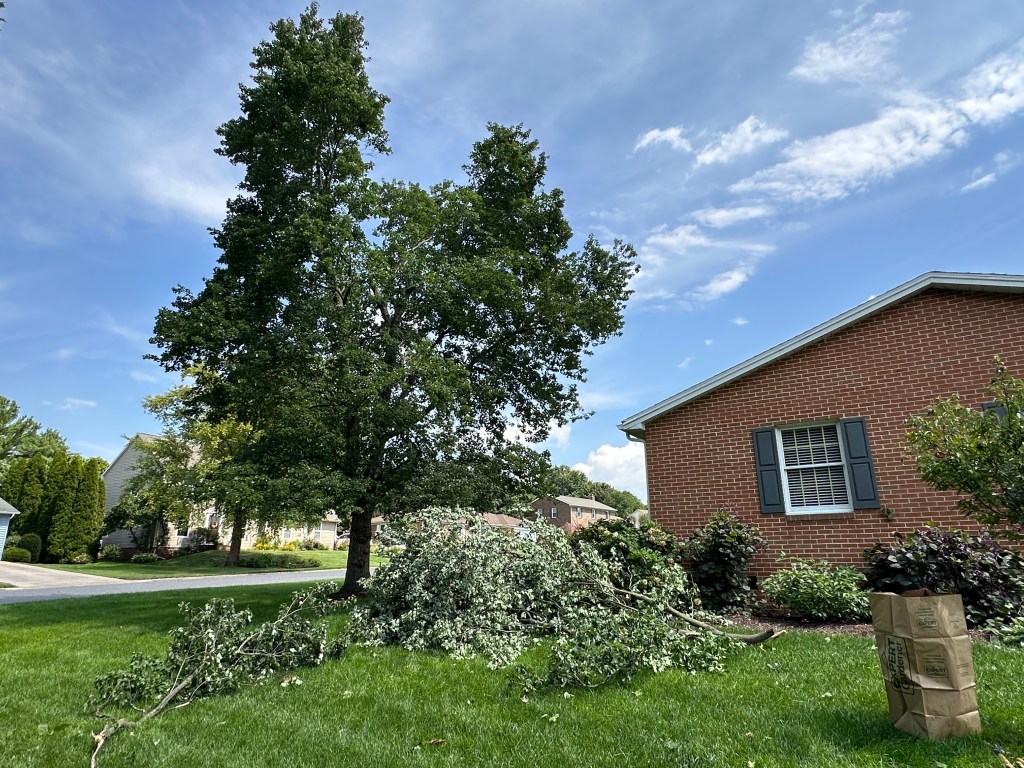
Strong winds in a severe thunderstorm damaged our Red Maple tree. Photo by Bruce Stambaugh
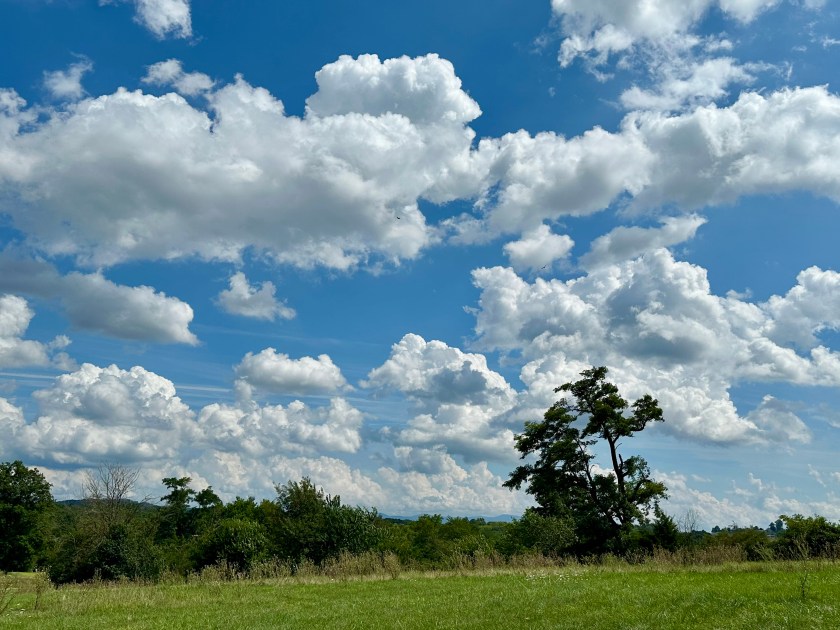
With August’s arrival, puffy white clouds sailed through deep blue August days. When school began again, students donned jackets while waiting for the school bus. They still wore shorts, however.
Instead of parched yards, lawns grew and grew, sometimes requiring mowing twice a week. It was a cash cow for high schoolers mowing lawns.
Unfortunately, the states to the south and west, clear to the Pacific Ocean, blazed and baked under record-high temperatures, extreme heat warnings, and massive wildfires. High winds spread small fires into thousand-acre conflagrations in minutes.
It wasn’t just the U.S. either. Europe and Canada shared in the record heat, dryness, and wildfires. Homes were destroyed, and firefighters were hard-pressed to contain the raging wildfires. The fires spread so rapidly around Las Vegas, Nevada, that residents escaped with only the clothes they wore. Passengers on European river cruises were inconvenienced by having to deboard for buses because the water was so low.
August’s weather has been a double-edged sword. Upper-level winds carried wildfire debris far from the fires’ origins, resulting in air quality issues for millions of folks. That also created glowing, golden sunrises and sunsets as a trade-off for the undesirable smoky smells.
A hazy sunset over the Allegheny Mountains. Photo by Bruce Stambaugh
At the same time, people appreciated the coolness, especially in the morning. Those on their daybreak exercise in my neighborhood have been wearing jackets and sweatshirts instead of T-shirts.
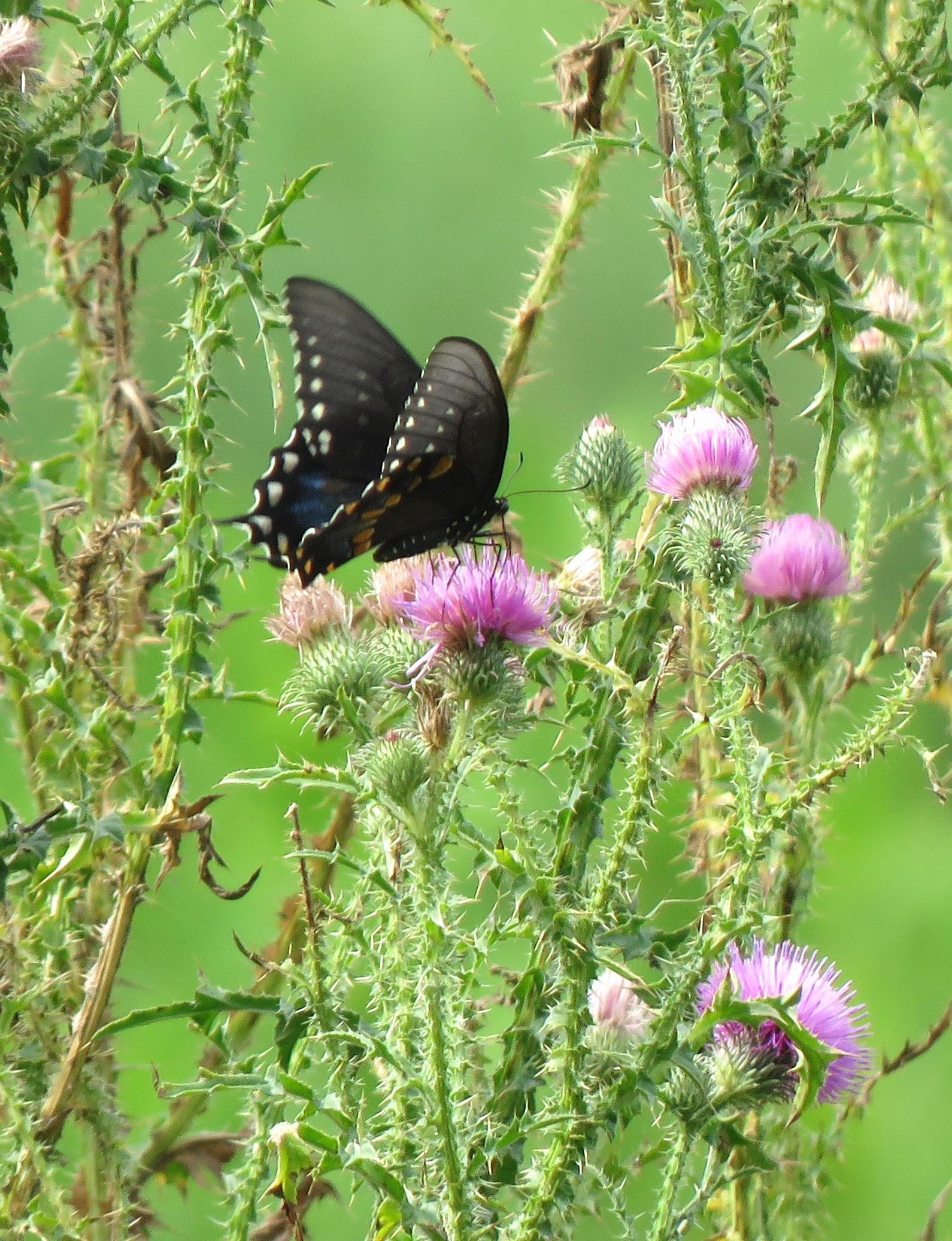
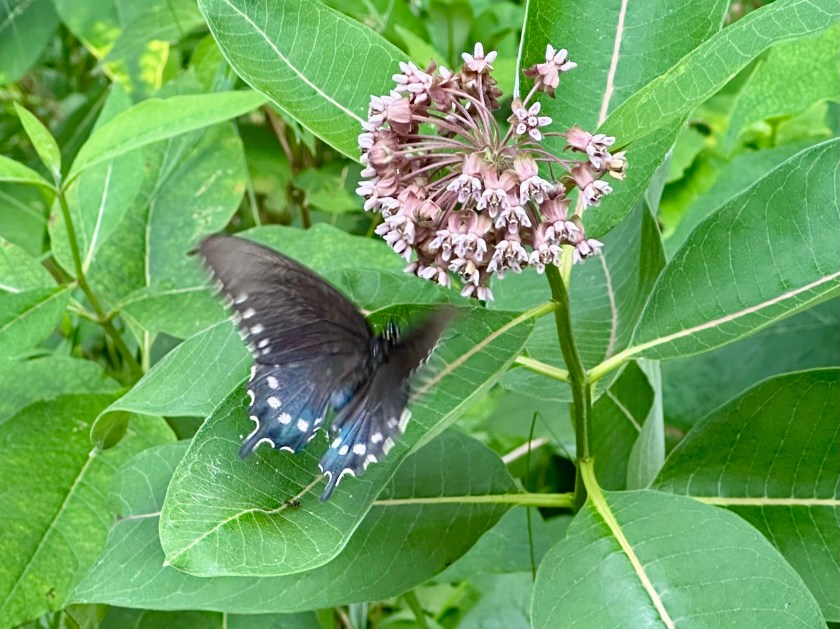
Of course, the regularities of August are still with us no matter the weather. Crickets and katydids lull us to sleep. Monarch, Tiger Swallowtail, Spangled and Variegated Fritillaries, and Pipevine butterflies flit from flower to flower, occasionally stopping for a photo op.
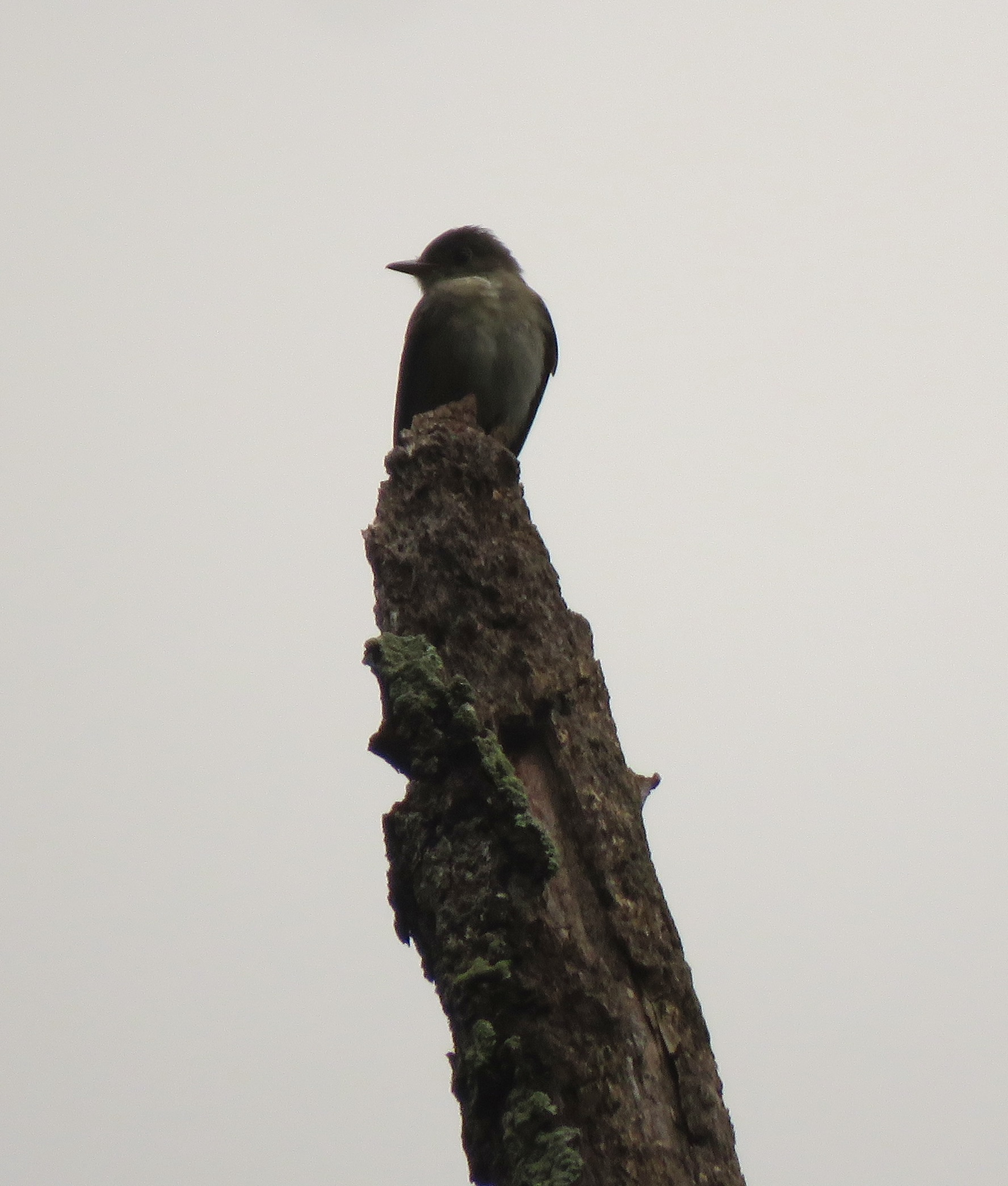
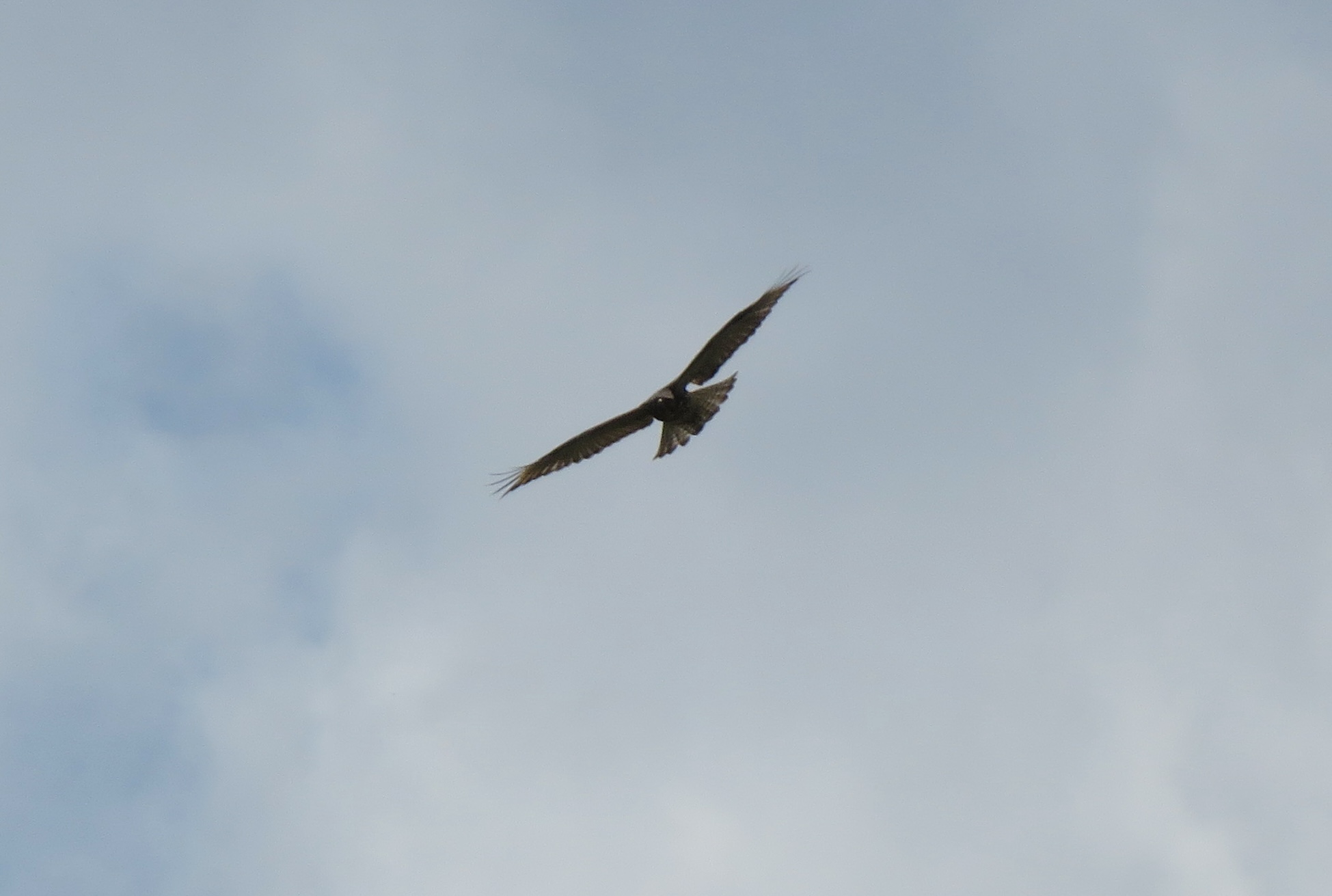
The avian fall migration has begun in earnest. I’ve successfully chased Swallow-tailed Kites and Mississippi Kites, both species far north of their normal range. Warblers and other songbirds have joined them in their quest for appropriate food absent in northern climes in the colder fallow seasons.
Conversely, folks in the southwestern U.S. have been baked in consecutive 100-degree-plus days, weeks in some places. Those are abnormal temperatures for August, even for those areas.
Clearly, geographic location has played a major role in the weather one has experienced this August. That’s the way weather rolls.
Despite the storm-damaged maple tree in my front yard, I’m very thankful we were in the cooler zone of August’s many vagaries.
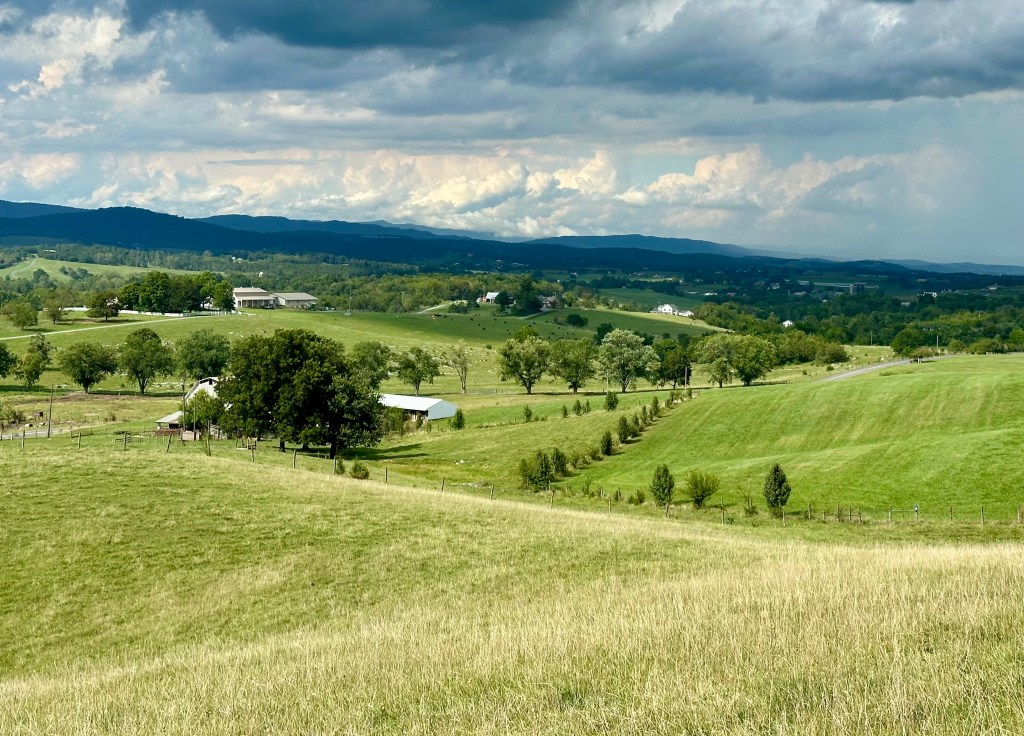
The bucolic Shenandoah Valley. Photo by Bruce Stambaugh
I went out in search of some rare birds for the Shenandoah Valley: Mississippi Kites. Unfortunately, a storm front quickly moved across the Appalachian Mountains and into the valley.
Fortunately, as the storm clouds built, they were north of me a few miles. Unfortunately, that’s where the birds had been sighted. The sun beat upon my back as I trudged through the farm field for a better view of the small valley below me.
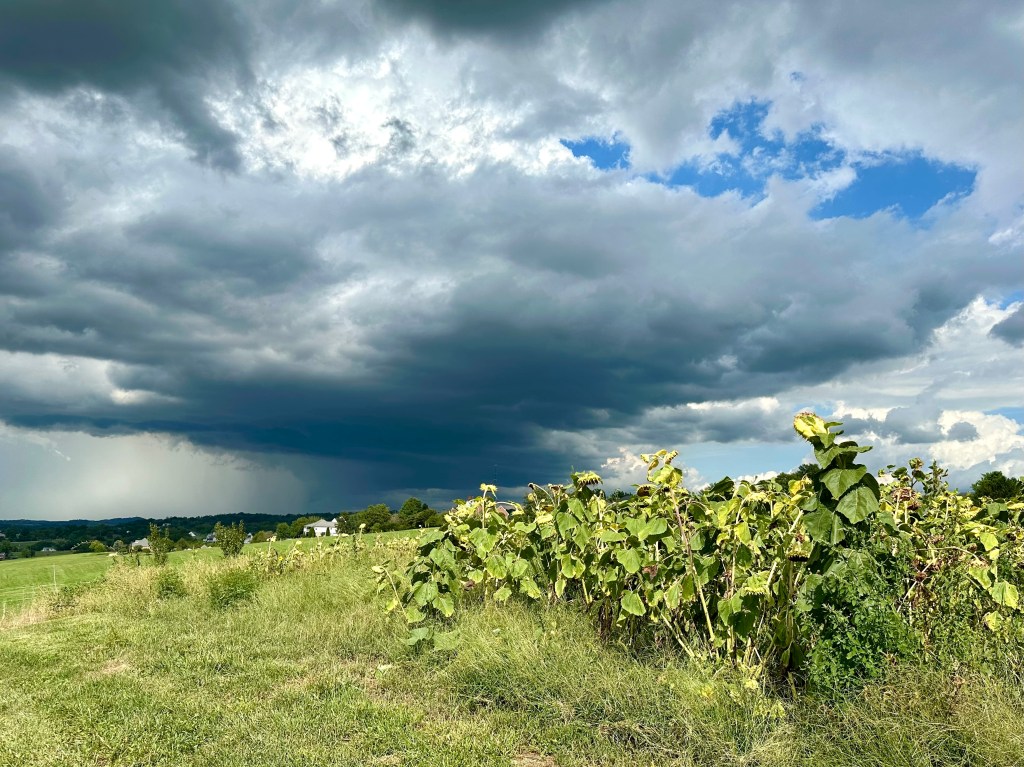
With the Kites nowhere in sight, I turned my attention to the cumulonimbus clouds moving rapidly northeast. The late afternoon sun brightly illuminated them. Shortly after taking this photo, the National Weather Service issued a Severe Thunderstorm Warning for those in the path of the storm.
That’s the way of bird watching. You go in search of one thing, and end up photographing something entirely different, but equally inspiring.
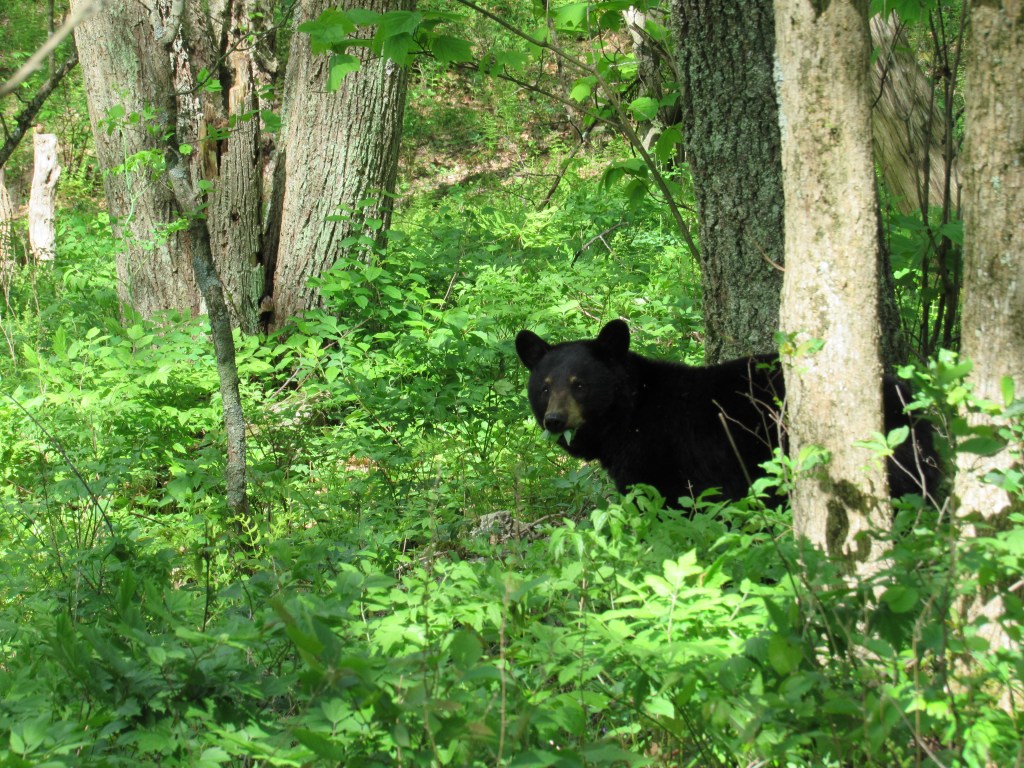
You never know what you’ll happen upon in nature. Photo by Bruce Stambaugh
We live in a stress-filled world with lots of artificial noise, annoying distractions, societal expectations, and short deadlines. There are ways to escape the madness, even if only temporarily.
In my almost 79 years of living, I have made a habit of escaping much of life’s static by getting away. Even in retirement, I feel life’s stresses.
Hiking and bird watching are two excellent ways to forget all of the activities that clutter our lives, especially with 21st-century technology constantly hounding us. Combining exercise with enjoyment helps strengthen my body, foster mindfulness, and recharge my spirit for living.
I add in a third complementary hobby: photography. Snapshots of my outings document where I have been and what I have seen. Then I can share the treasures I have found with others, which only enhances the joy of the experience.
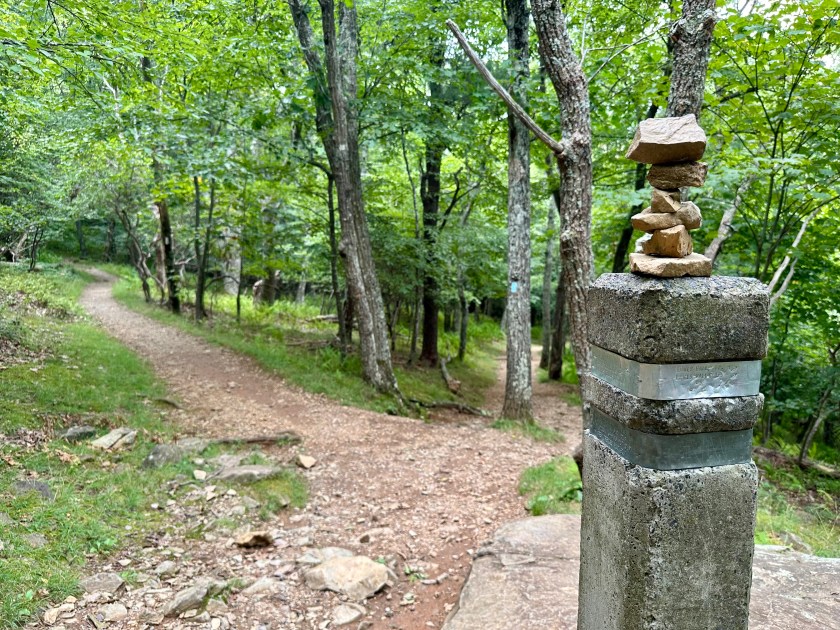
Poet Mary Oliver taught us to “pay attention, be astonished, tell about it.” During my treks, I put this poetic advice into practice. I marvel at a pair of Swallow-tailed Kites foraging for insects over a recently mown field. Walking through a tunnel of blooming Mountain Laurel along the Appalachian Trail stops me in my tracks.
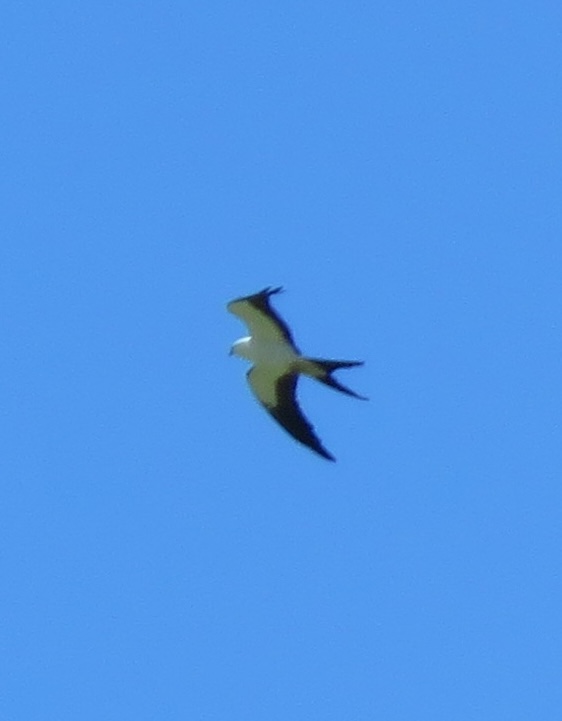
A Swallowtail Kite. Photo by Bruce Stambaugh
A blogger friend of mine who frequents Georgia’s Okefenokee National Wildlife Refuge does so for solitude and renewal by kayaking among alligators. Finding renewal in nature is a personal preference. Making the effort to enjoy the outdoors is what counts.
Recent studies have proven what author Wendell Berry has always known: “For a time, I rest in the grace of the world, and am free.” One study “found evidence for associations between nature exposure and improved cognitive function, brain activity, blood pressure, mental health, physical activity, and sleep.” Another research paper focused on the health benefits of nature in urban areas.
These studies show that everyone, everywhere, should commune with nature. It can be a morning walk in your neighborhood or a long-distance bicycle ride. I walk frequently in our suburban neighborhood in Virginia’s Shenandoah Valley. The melodious bird calls and the fragrance from well-attended flower gardens combine to energize my steps.
I find Berry’s grace under the shady canopy of towering trees, among stands of colorful wildflowers, while viewing wildlife big and small, and in forever mountaintop vistas. So, whether with friends or solo, I enjoy nature in her many forms. Being retired allows me to do so as time allows.
I keep a steady pace until I spot something pretty or intriguing. I pull out my smartphone and photograph it. That documents the time and place to reinforce my memory. It might be another opportunity to share it as well.
I belong to a local bird club, so I can follow up on any rare bird alerts as I can. I don’t always find the bird in question, but I’m not disappointed. I often encounter other birders in search of the same species. We commiserate and share other birding adventures we’ve had. New friends are made in the process.
I’ll occasionally join a scheduled bird hike in a city park or even in Shenandoah National Park 40 miles away. Having multiple pairs of eyes scanning the sky and peering through thickets and woodlots enhances all our chances of seeing a special bird.
I have the privilege of mentoring a high school junior from our church. He also happens to enjoy bird watching, so we occasionally venture out with small groups or another mentor-mentee pair to enjoy the hiking, camaraderie, and all we encounter along the way.
Impatient with our septuagenarian pace, the trustworthy teens forge ahead, exploring on their own. Once, they encountered an unfamiliar rock scramble and rushed back to us, realizing they had missed the turn.
I am most free to enjoy the flora and fauna when I go alone. I travel at my own leisure, stopping to photograph bees and butterflies on flowers, unusual rock formations, and birds if I can spot them in the dense foliage.
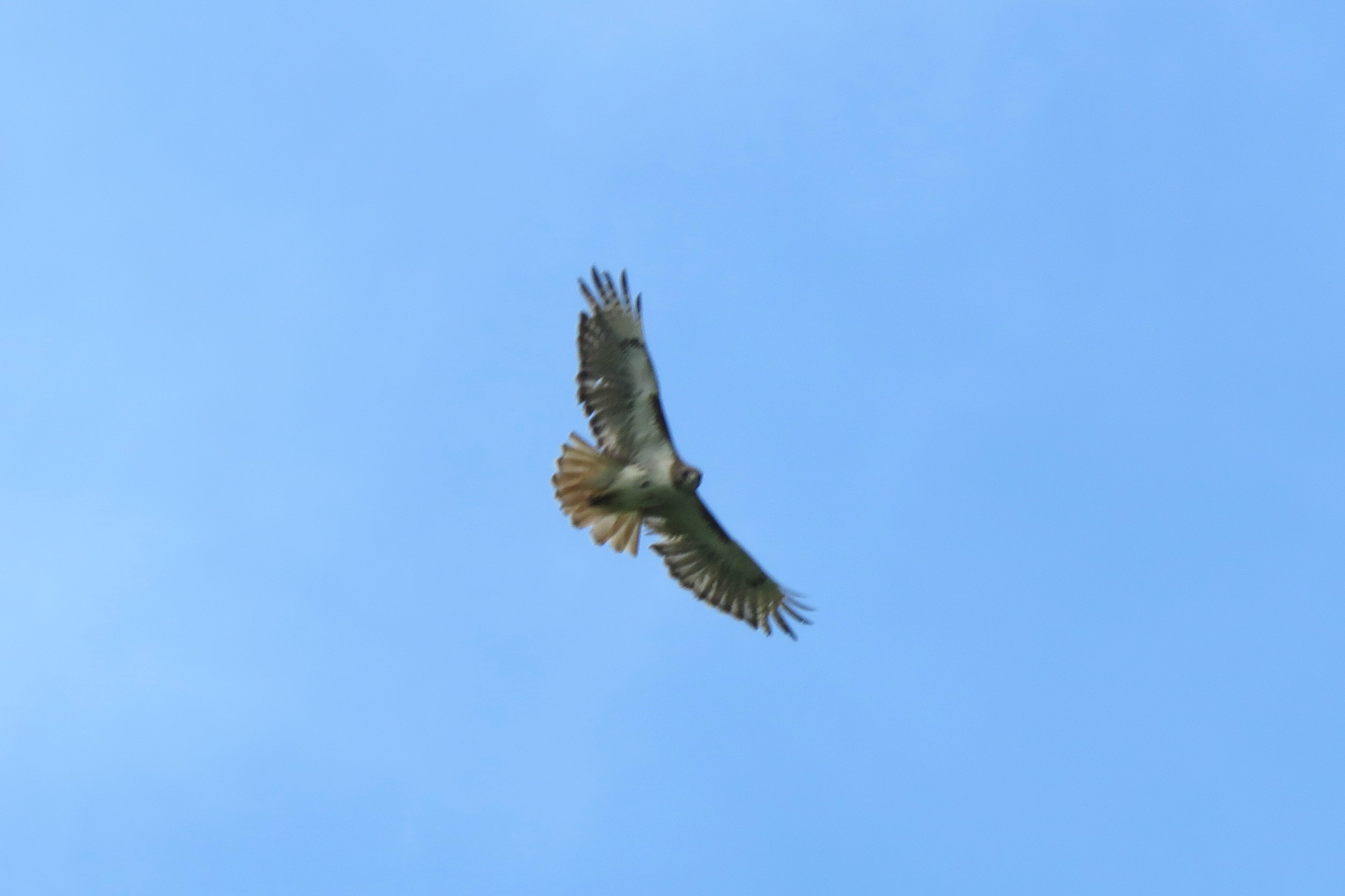
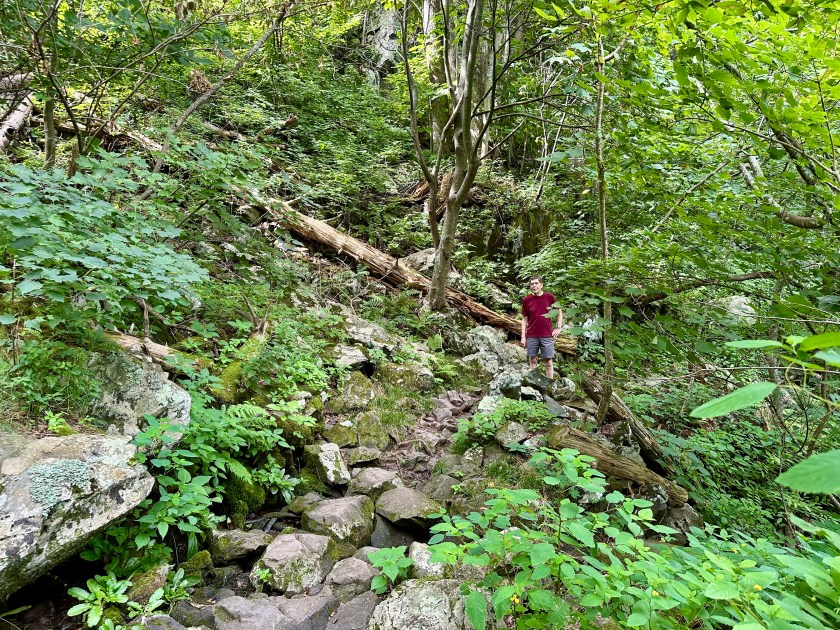
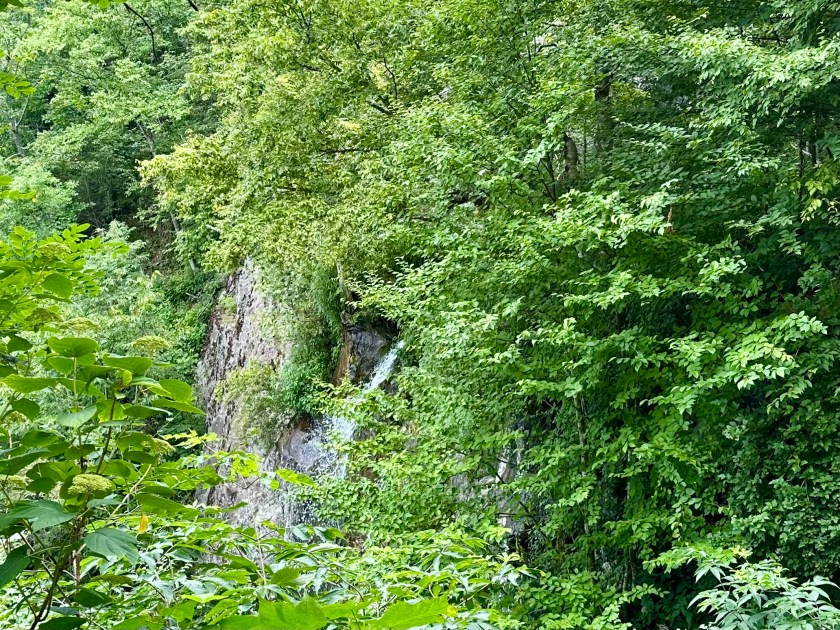
After hiking to a majestic overlook in the Blue Ridge Mountains, I rest a spell, partly to regain my energy and catch my breath, but mostly to inhale the view. The quiet has its rewards: a doe grazing with her fawn, Red-tailed Hawks and Turkey Vultures soaring on thermals with puffy white clouds sailing high overhead in the cerulean sky, a Timber Rattlesnake soaking in the sun on a limestone outcropping.
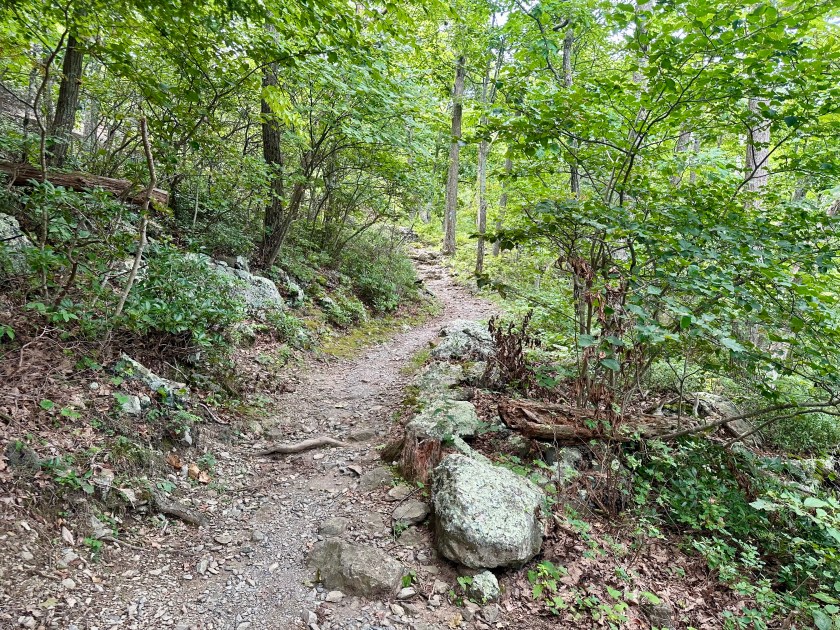
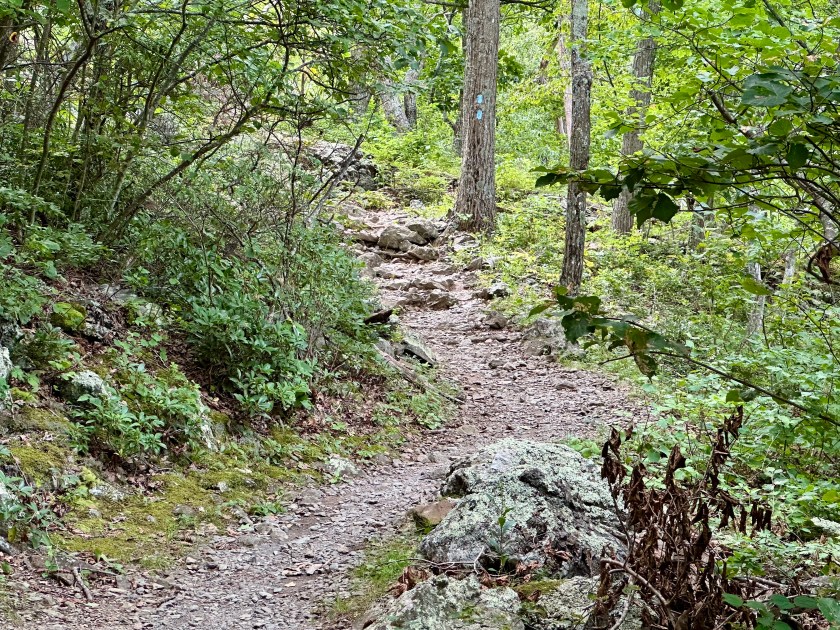
Hydration and nourishment with water and snacks are essential, especially when hiking at higher altitudes. With binoculars hanging from my neck and a camera slung on my shoulder, a pair of walking sticks keeps me steady even on the rockiest of terrain.
Spending time in nature provides many benefits, especially for seniors as we age. It helps improve cardiovascular health and sleep, and reduce inflammation in the body, according to this study by the Elder Care Alliance. My family physician tells me “to keep moving,” so I do.
The essence of being in nature with the wild things gives me all the peace I need. With no signal in remote areas, the cellphone never interrupts.
We often hear about the harbingers of spring, but seldom do we speak of those of autumn. Yet, they certainly exist.
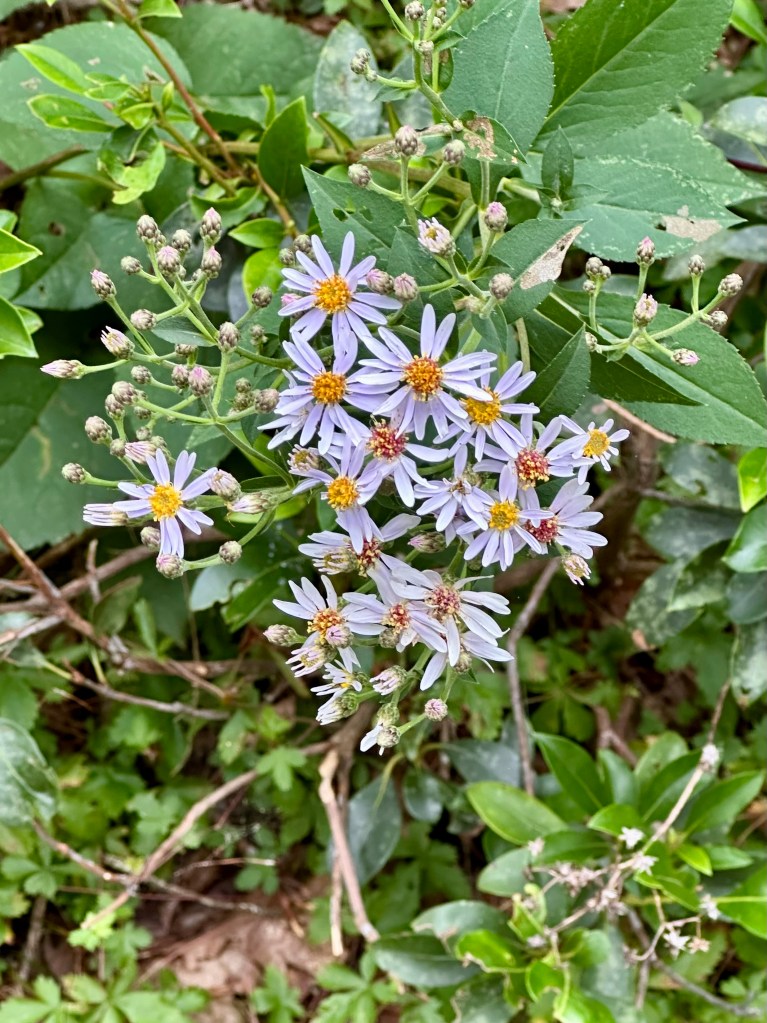
If we look closely, the signs have begun to appear. The vegetation and animals are already giving us hints of what is to come in fall. After all, the Autumnal Equinox is only six weeks away.
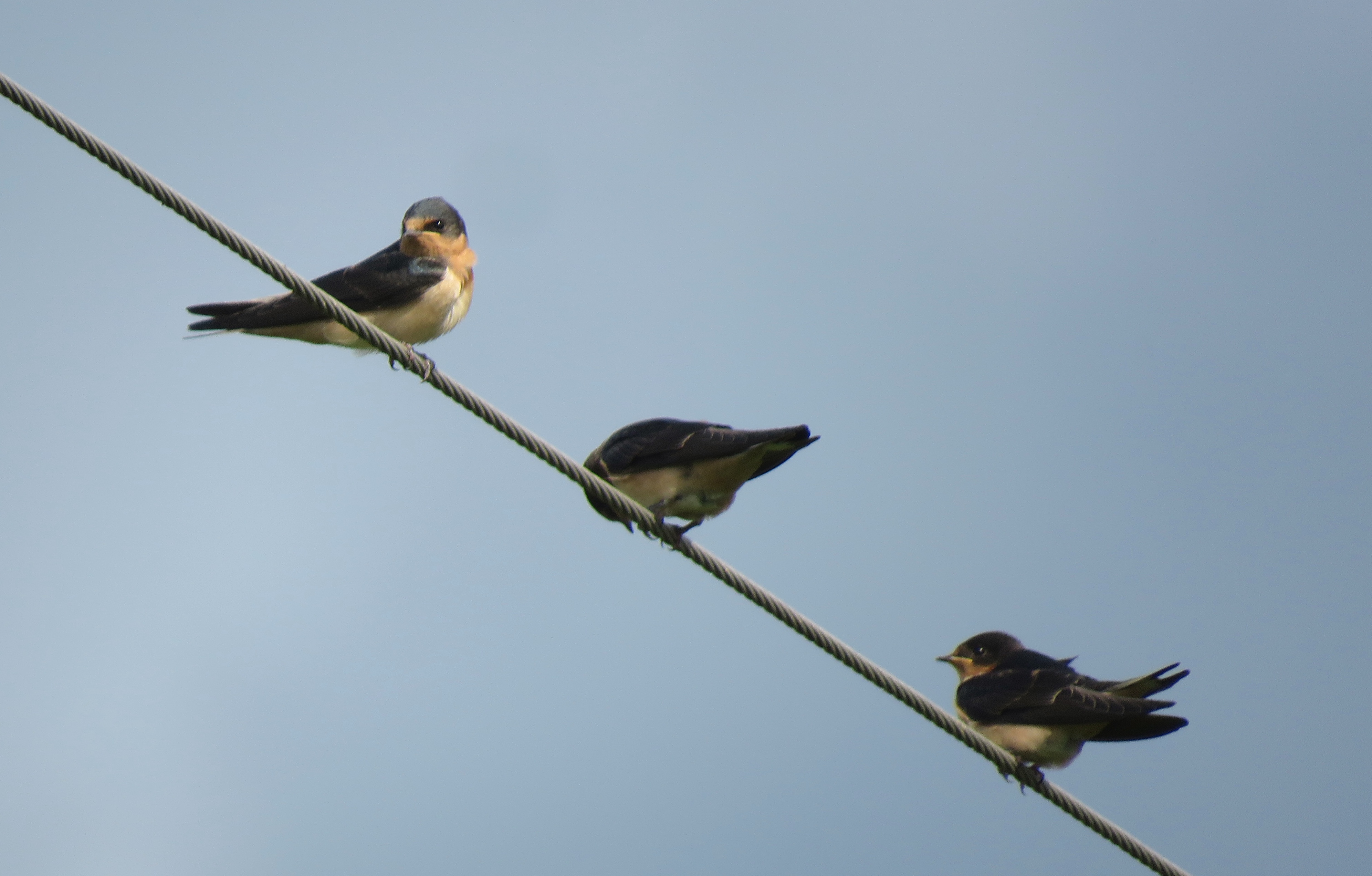
Fall migration has already begun for some of our aviary friends. Those with bold spring mating colors now appear much duller and are harder to identify.
If we take time to notice, some leaves of deciduous trees and climbing vines have already begun to change. Maybe the hot, dry summer we had here in Virginia’s Shenandoah Valley had something to do with the early signs of fall.
Whatever the reasons, the gradual transition helps to accept that autumn is just around the corner.
Some leaves on a Virginia Creeper vine have already turned red. Photo by Bruce Stambaugh










You must be logged in to post a comment.