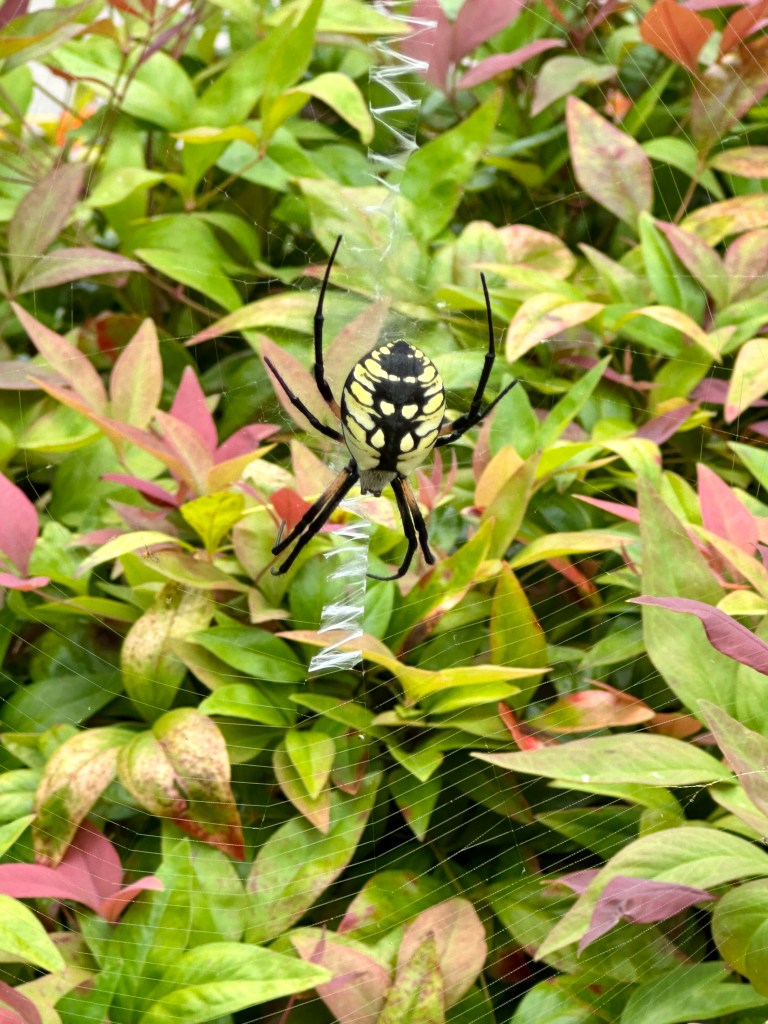
The Yellow Garden Spider on its web. Photo by Bruce Stambaugh
I’m not sure how long the Yellow Garden Spider had been there. Friends visiting from Ohio spotted it one morning as we headed out to explore our area of the Shenandoah Valley.
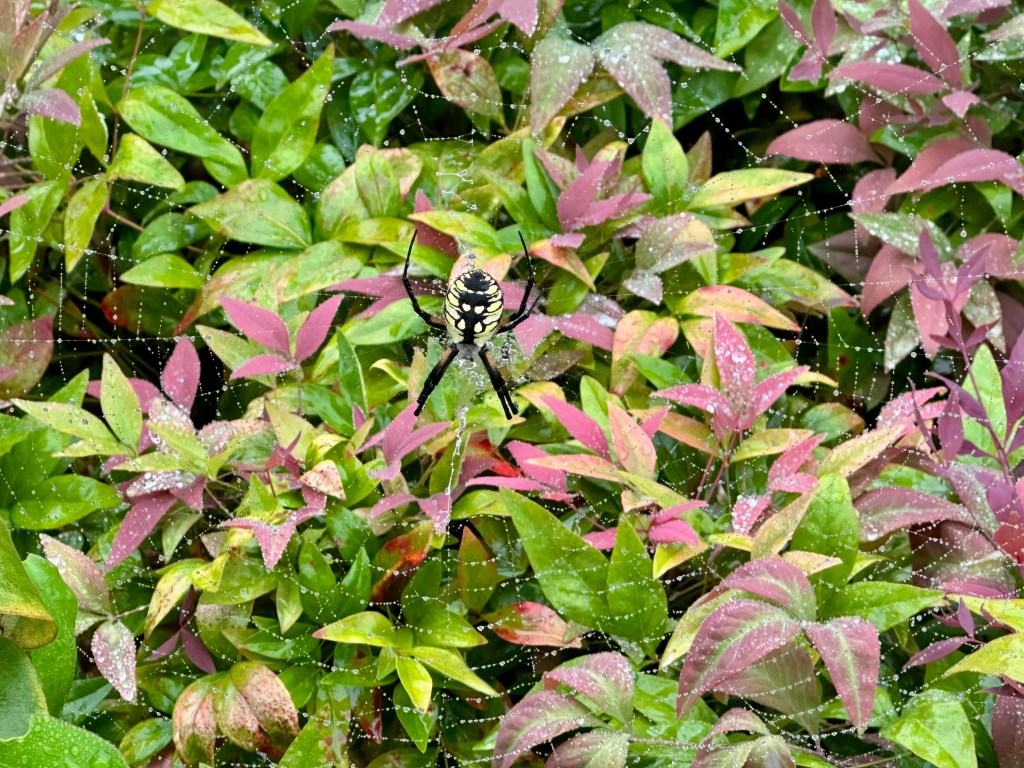
On a foggy morning, I found the spider’s intricate web dotted with dewdrops large and small. The sparkling display surrounded the arachnid like stars in the night sky. The spider, also known as a Black-and-yellow Argiope, was a giant, one of the largest the four of us had ever seen.
The spider’s web hung from the lamppost over the nandina bushes at the end of our front sidewalk. Several wrapped-up victims accompanied the sparkling dewdrops.
It was a fun way to start our day.
The Yellow Garden Spider. Photo by Bruce Stambaugh
Nearly 80 years of living have taught me how valuable strong, wholesome relationships are. As a youngster, I learned that family comes first, followed by close friends.
Growing up in a neighborhood of baby boomers taught me the importance of having caring, trustworthy pals. The importance of proper socialization stuck with me.
I’ve tried to carry those lessons throughout my life and into retirement. Healthy bonding relationships create a twofold effect for me. I feel better physically and emotionally.
As we age, we need nurturing relationships that sometimes require a certain vulnerability. It’s important to be open to every opportunity to connect and reconnect. That can happen through planned meetings or a spontaneous encounter at a restaurant, or even on vacation.
For me, it means incorporating my gifts and abilities with those of others. I enjoy writing, so I facilitate a monthly Zoom writing group with creatives in their 70s, 80s, and 90s. We each read a piece, and the listeners offer supportive comments and share ideas for improvement, or even suggest taking the story in a different direction. We also laugh a lot, and sometimes cry.
Surrounding yourself with like-minded people, especially as you age, is critical for retirees. An occasional nature walk in a local arboretum with folks who share my interests keeps me refreshed and uplifted.
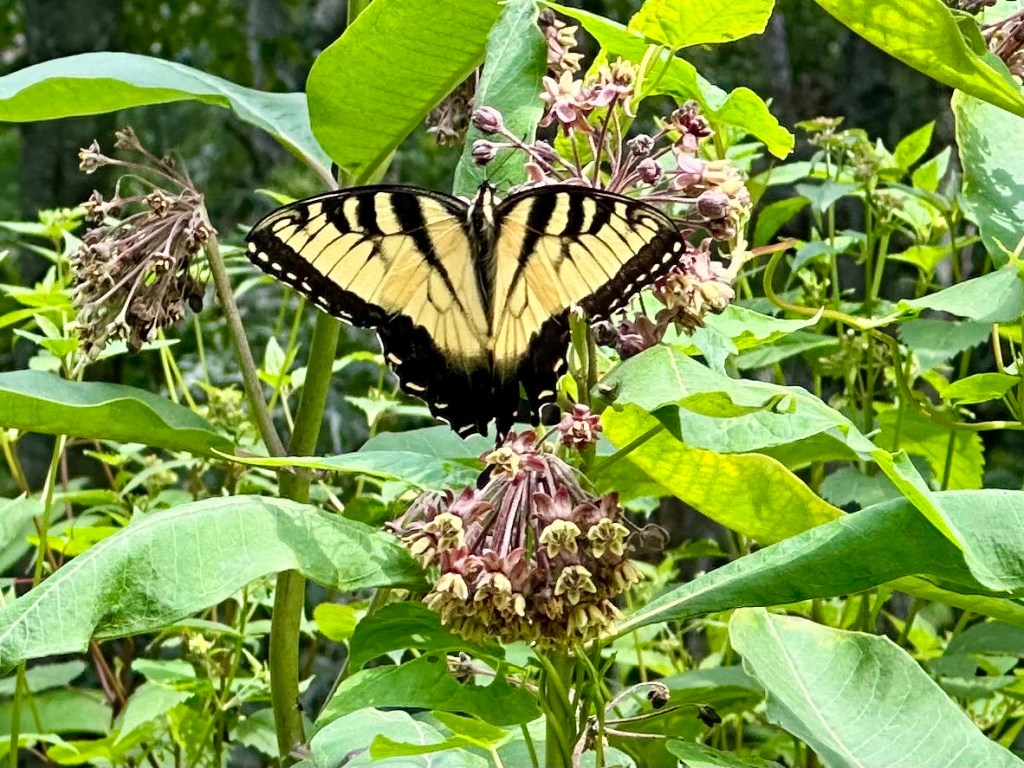
A Tiger Swallowtail butterfly along a hiking trail. Photo by Bruce Stambaugh
Even as older folks, using our five senses lets us keep learning and growing. I try to listen more than talk. I enjoy hearing others’ stories and how they handled situations similar to what I’ve experienced.
I belong to a local birding club that holds regular outings. I attend as often as I can, not only to find migrating birds, but also to learn techniques for properly identifying bird species. Fall warblers, dressed in their drab colors, are difficult for me to identify. My birding friends eagerly show me how to tell a fall Cape May Warbler from a Bay-breasted one.
My wife and I belong to three different small groups, two of which meet monthly and always with food. We take turns hosting, and everyone contributes to the modest feast. One group is intergenerational, with ages ranging from infants to grandparents.
Two of the three groups are both comprised of seniors. It’s easy to share our latest aches and pains as we age, but once the simple meal is finished, we get down to business by answering a pre-assigned prompt individually. We discuss current events, memories from our formative years, and issues we need advice on. Serious or playful, the conversations are rewarding.
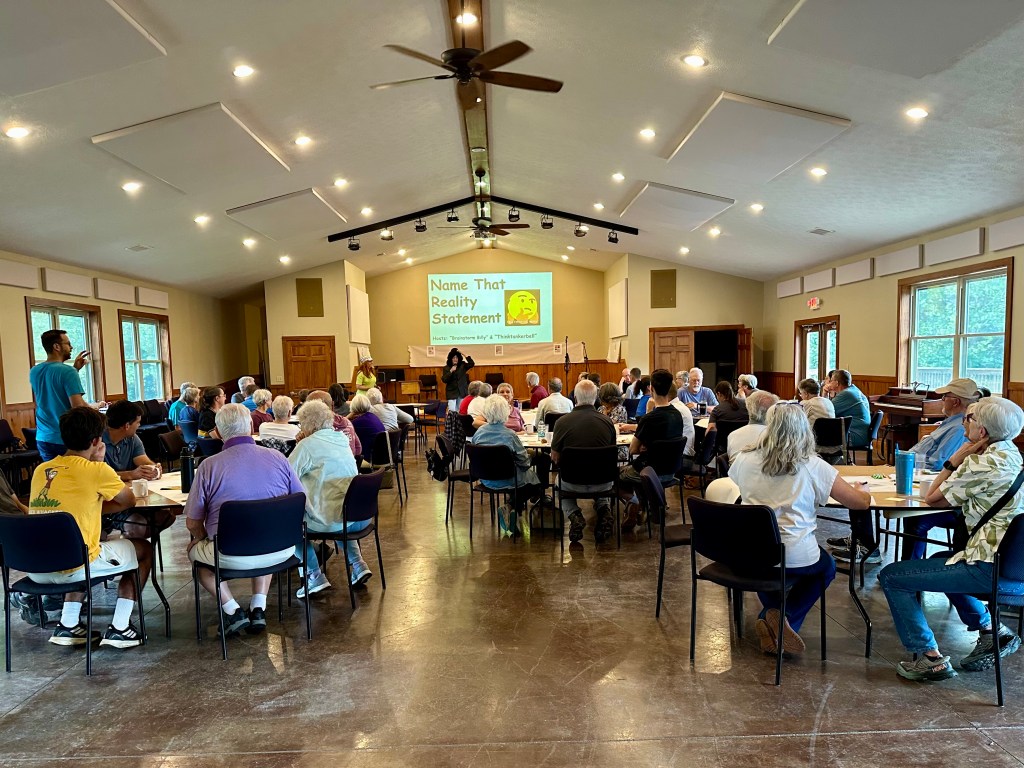
At a church retreat. Photo by Bruce Stambaugh
Hearing others’ experiences and perspectives broadens my thinking. It helps me better understand a point of view different from my own. That enhances and nurtures my life.
During the COVID-19 restrictions, we Zoomed every other week with my wife’s sister and four cousins, who were like brothers and sisters growing up. We enjoyed the camaraderie so much that we’ve continued monthly Zooms, since we live in different states.
My wife also Zooms monthly with college friends, all of whom graduated in the early 1970s and are scattered across the country. Those strong connections have led to in-person gatherings and even vacations together.
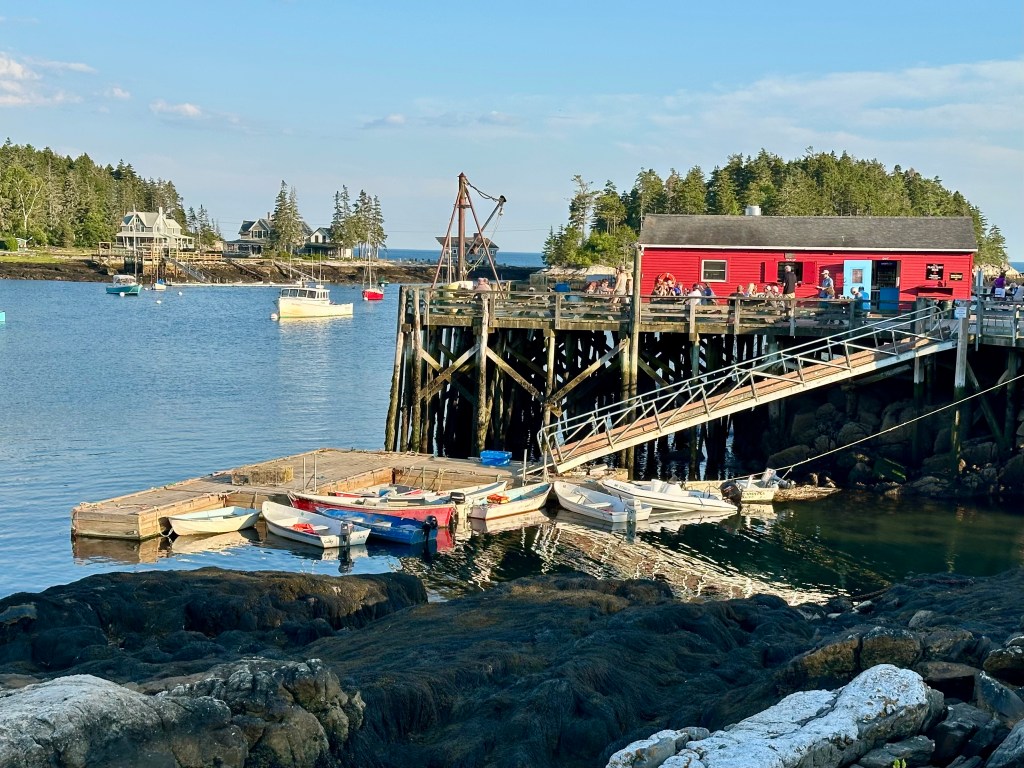
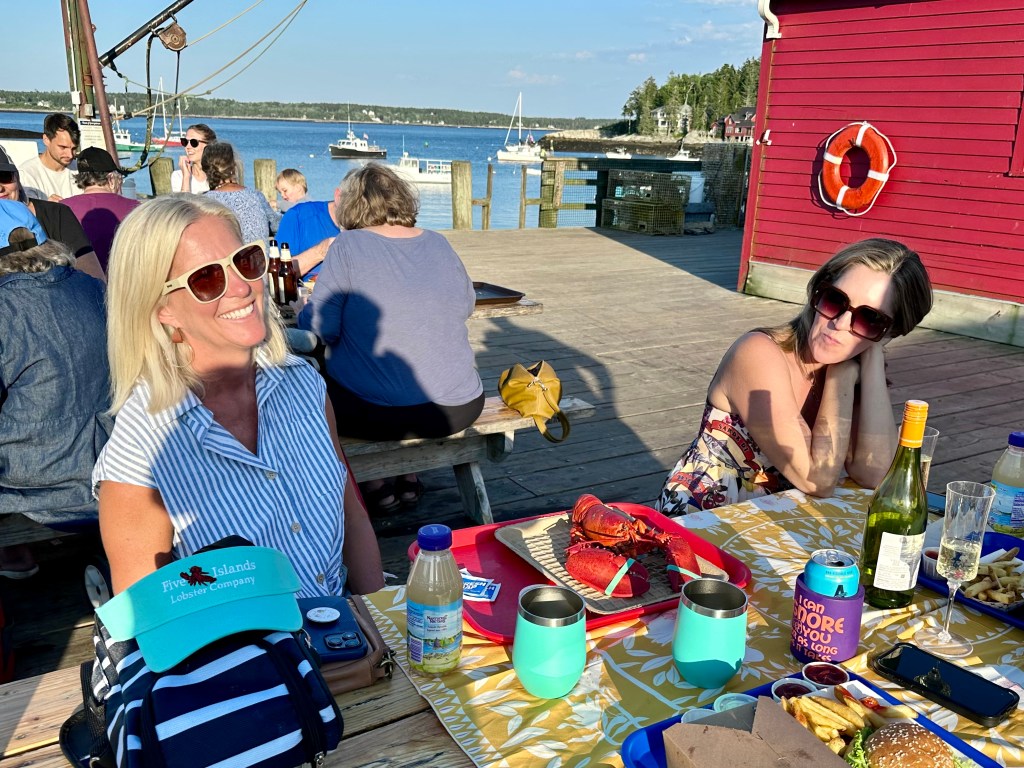
My wife and I spent a few days in Maine last summer with one of those lifelong college friends. The sound of ocean waves crashing lulled us to sleep while the pastel light of the rising sun awakened us at 4:30 a.m. We walked along the shore at low tide and ate fresh lobster on the dock in a quaint cove.
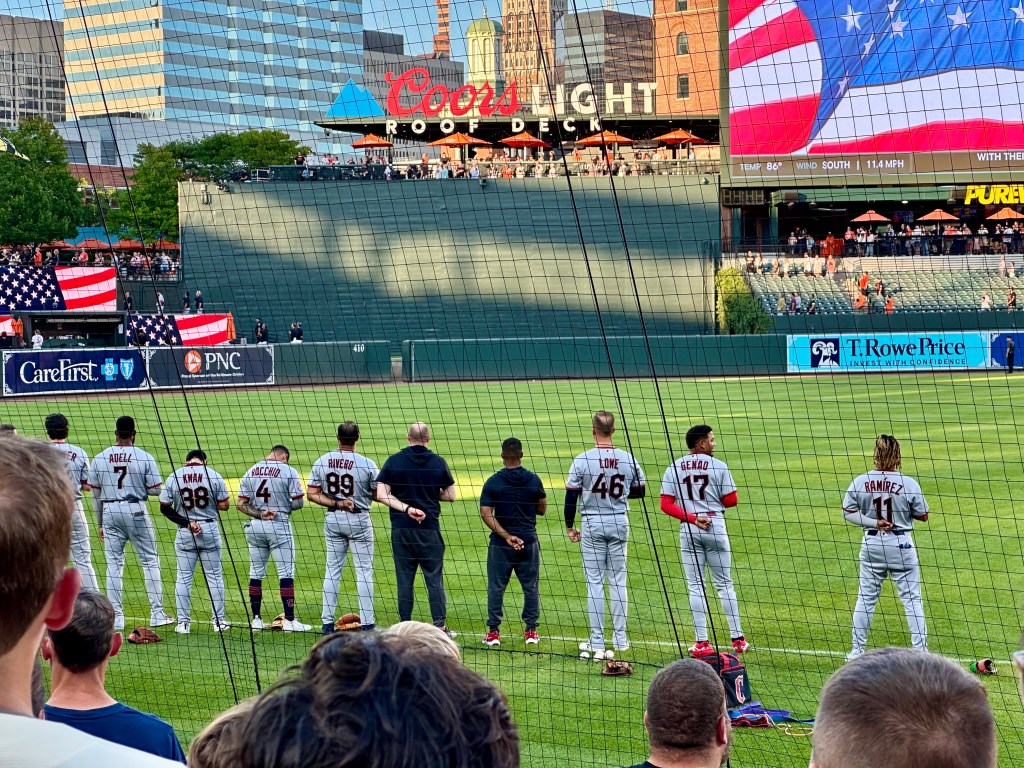
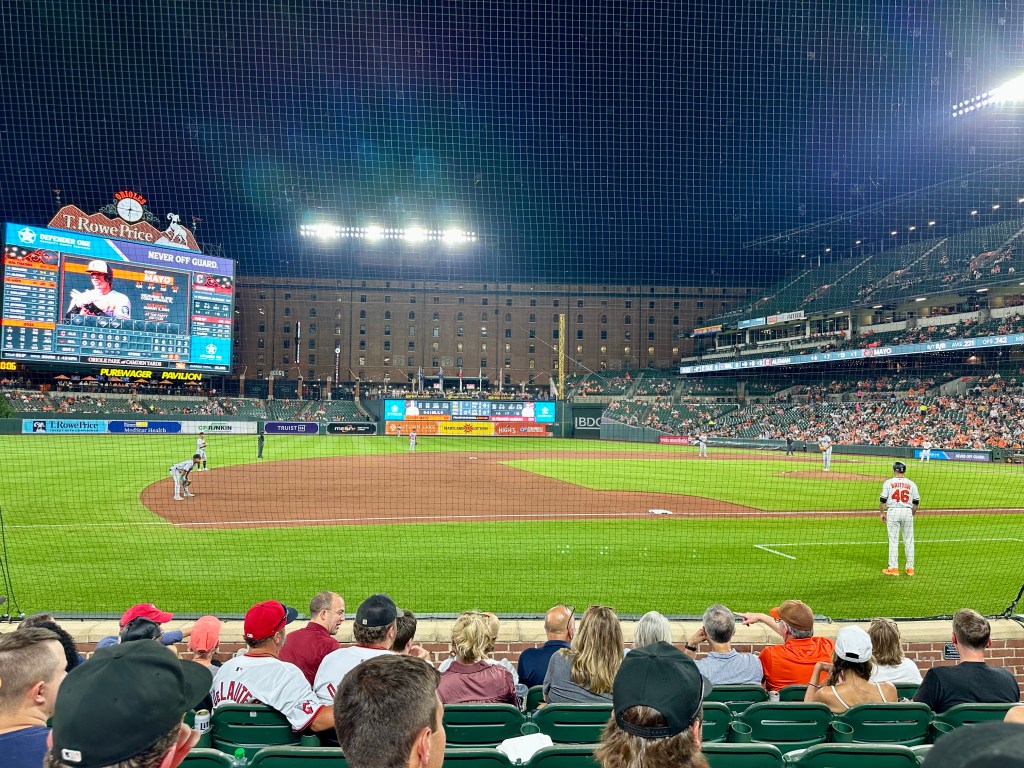
Weeks later, we visited the same friend in Baltimore, Maryland. She was a perfect host. On the hottest day of September, we toured a massive second-hand store and then a railroad museum. In the evening, we attended a baseball game at Camden Yards. We enjoyed our time together despite my Cleveland Guardians’ loss.
My wife of 55 years has many useful and creative gifts, but the greatest is hospitality. She loves hosting friends, family, and new neighbors for meals and fellowship. A young couple moved next door from New Mexico. Of course, my wife invited them for dinner, and they stayed for four hours. The conversation freely flowed, and they soon returned the favor.
Friends occasionally visit us from other states, especially from our home state of Ohio. They are enchanted by Virginia’s bucolic Shenandoah Valley, where we moved nearly a decade ago to be close to our daughter and her family.
We enjoy escorting visitors around our small city and the surrounding agricultural countryside. Shenandoah National Park borders our county to the east, and each visitor finds the park as remarkable and awe-inspiring as I do.
On one recent visit by Ohio friends, we met another couple who helped us locate and identify tiny but beautiful flowers we would have missed. The pesky gnats and cloud-enshrouded mountains couldn’t diminish our pleasant adventures.
The same results occur when we visit our son, his wife, and their young son in upstate New York, or when we return to our beloved Holmes County, Ohio, where we lived among the Amish for nearly four decades.
We moved to Virginia’s Shenandoah Valley to be close to our daughter and her family. Those 10 years have flown by as we watched our grandchildren grow and mature. We followed them from T-ball to college baseball, attended piano recitals, band concerts, high school musicals, and volleyball games.
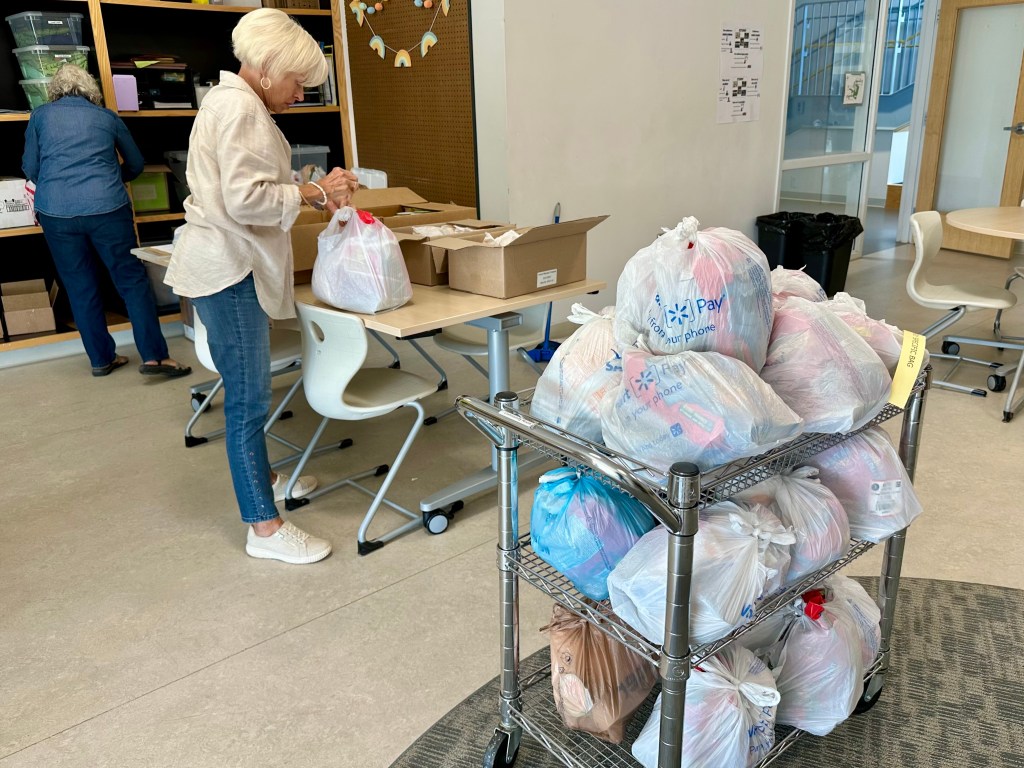
Packing bags of food for children. Photo by Bruce Stambaugh
We find great comfort and connection with others as we not only worship, but also participate in activities that involve community members. My wife volunteers at a thrift store once a week, and we both help pack and distribute food for food-insecure families at a local elementary school.
Of course, life challenges us physically as we age, so we exercise regularly and are mindful about what we eat and how much we eat. We make regular checkups with doctors and appointments with physical therapists as needed.
At our age, hardships occur too often for friends and family. Empathy and compassion help soothe the emotional pain we encounter.
Traveling has been an eye-opener for us, and we wish we had done more when we were younger. But we can only move forward in life and enjoy and learn from the trips we do take, whether by car, plane, or cruise.
My wife and I feel most grateful for our families and the many friends we have. Their love and support shower us with kindness and appreciation, whether they live next door or in another state or country.
Relationships flourish when we nurture them with compassion and openness. Their unconditional inclusion keeps us engaged and going.
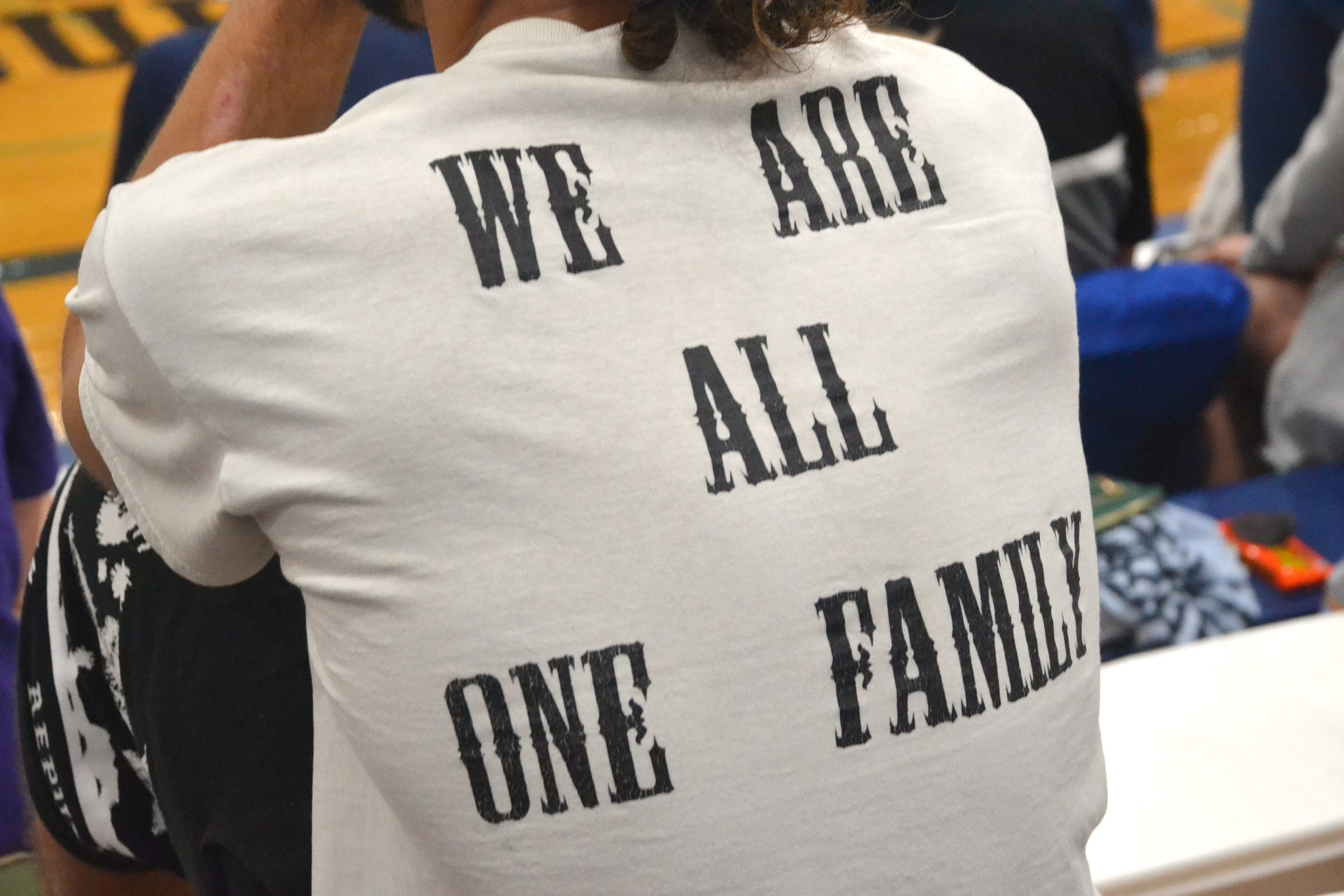
In all of this, if I have learned anything in life, it’s that we are all one human family. Even amid differences, accepting others doesn’t mean agreeing with them. Instead, heartfelt connections count.
At this age, that’s exactly how I desire my life experiences and human interactions to add up.
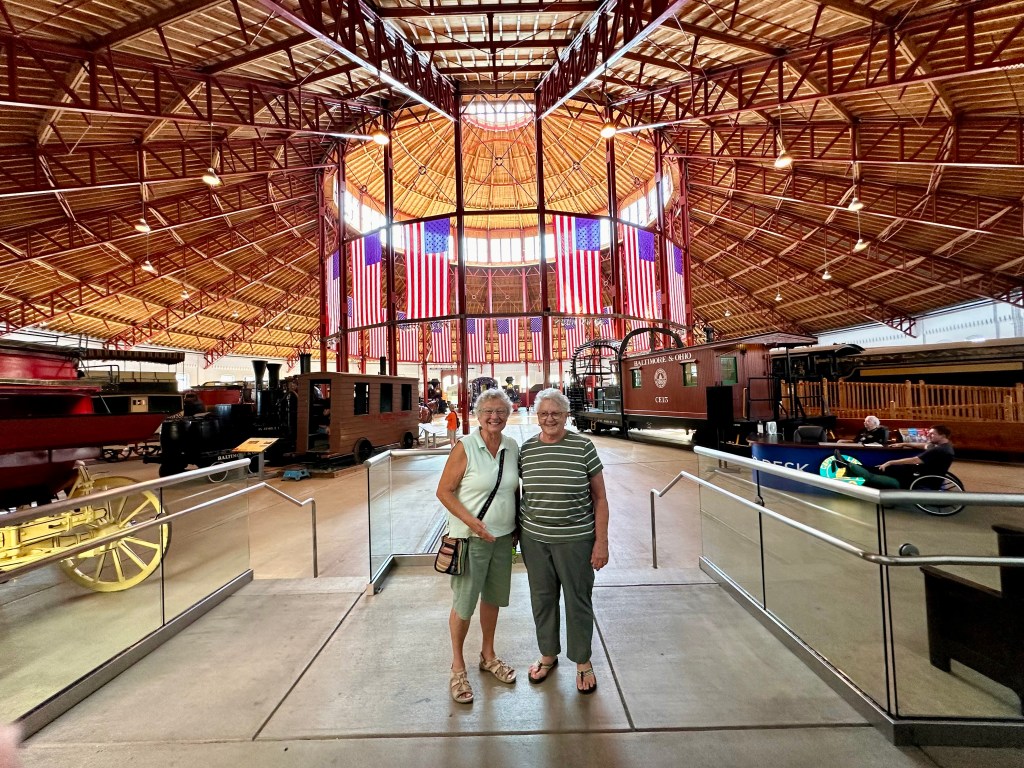
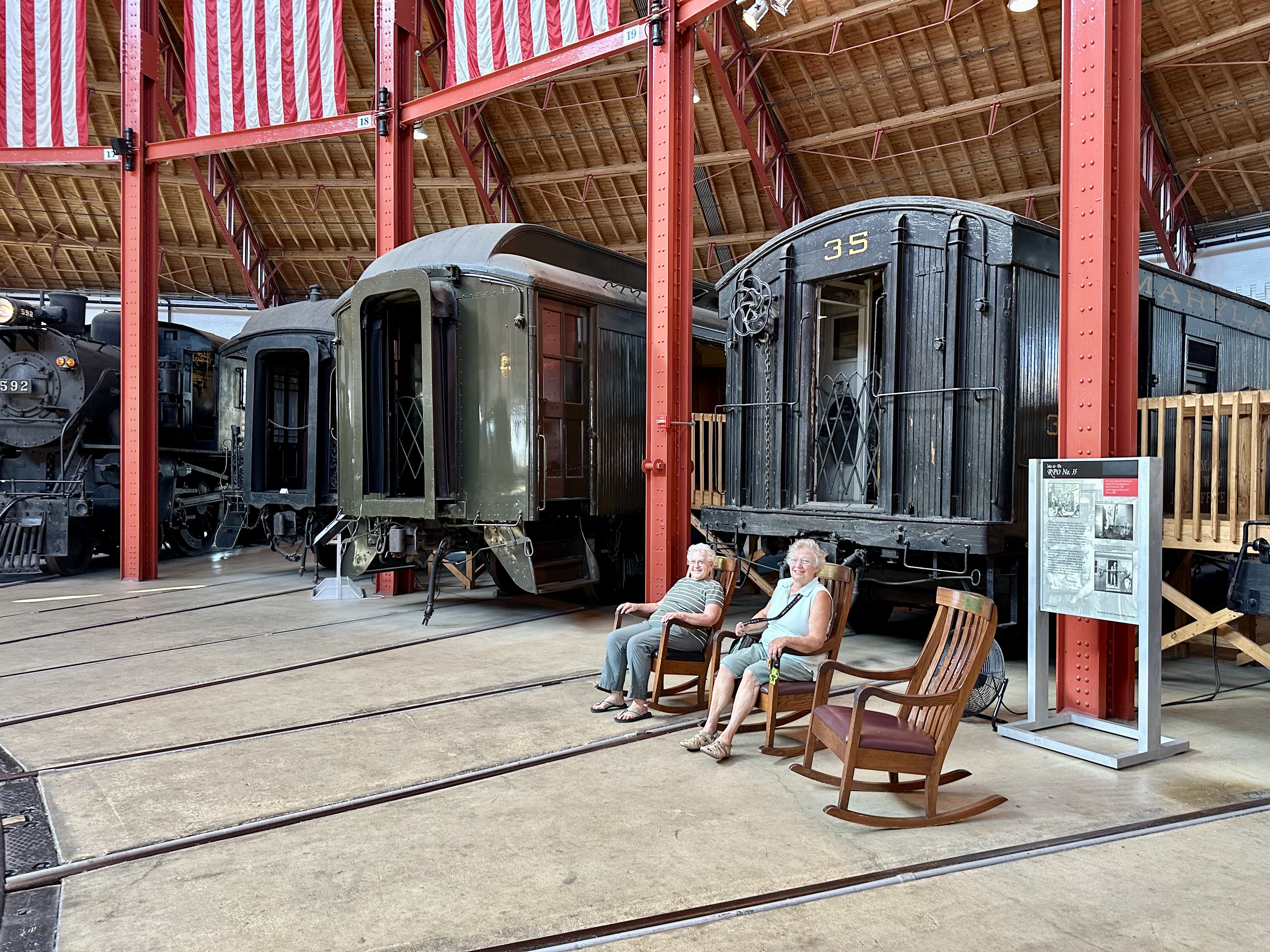
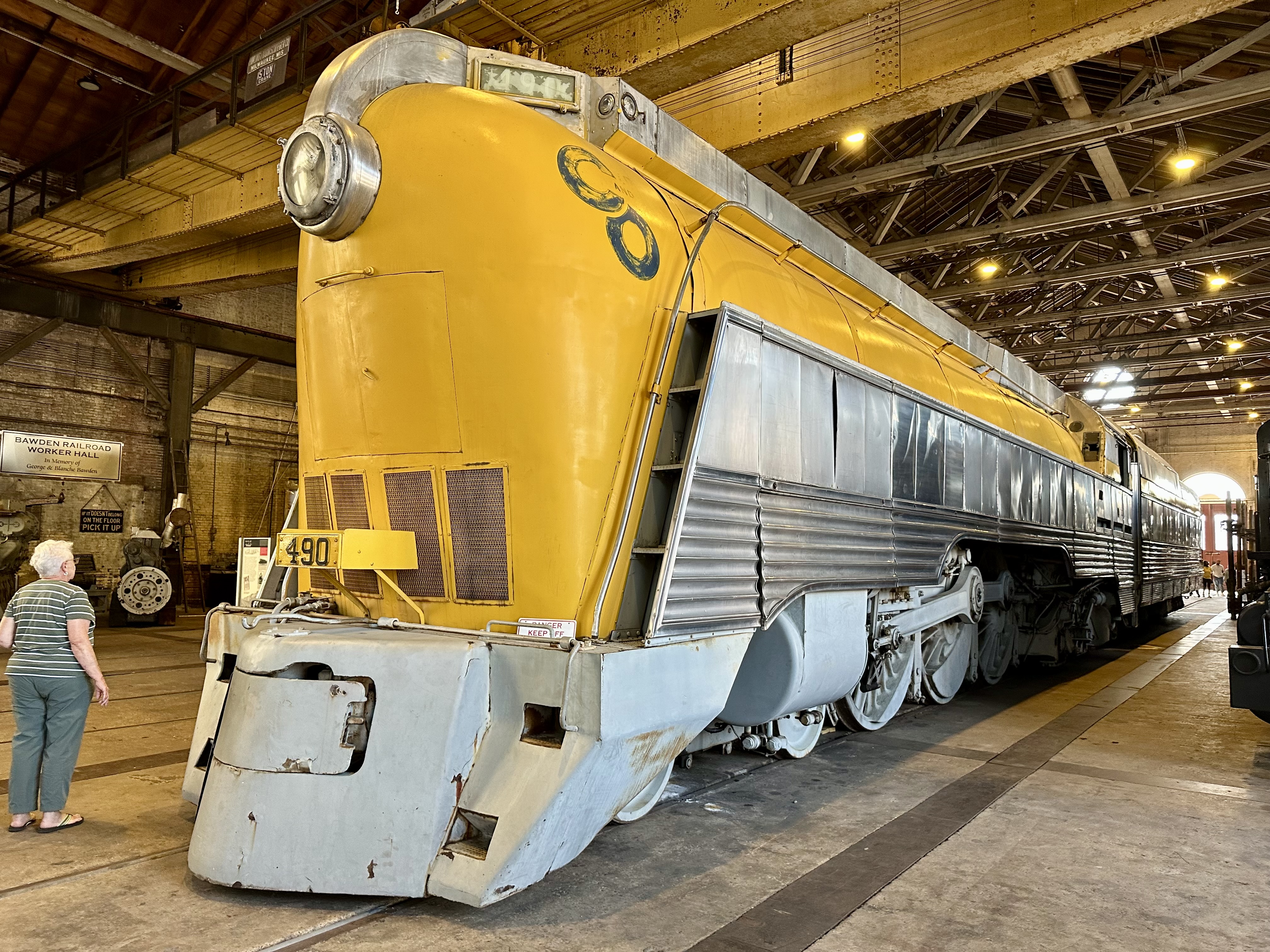
Our friend, Diana, and Neva at the Baltimore Railroad Museum. Photo by Bruce Stambaugh
Thanks to our host, my wife and I crammed a lot in on an overnight trip to Baltimore, Maryland. We went there to watch the Cleveland Guardians play the Baltimore Orioles. Diana, our host, had other ideas.
If the traffic behaves, it’s a three-hour trip to Baltimore from our home in Virginia’s Shenandoah Valley. We arrived right on schedule.
After a lovely summer lunch, we headed out into near 90-degree heat to visit a couple of venues Diana thought we would like. She was spot on.
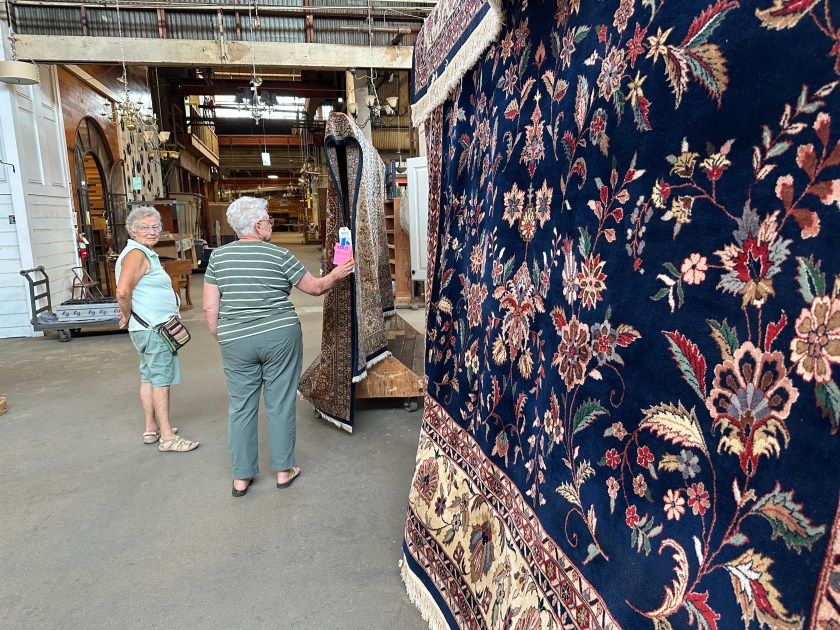
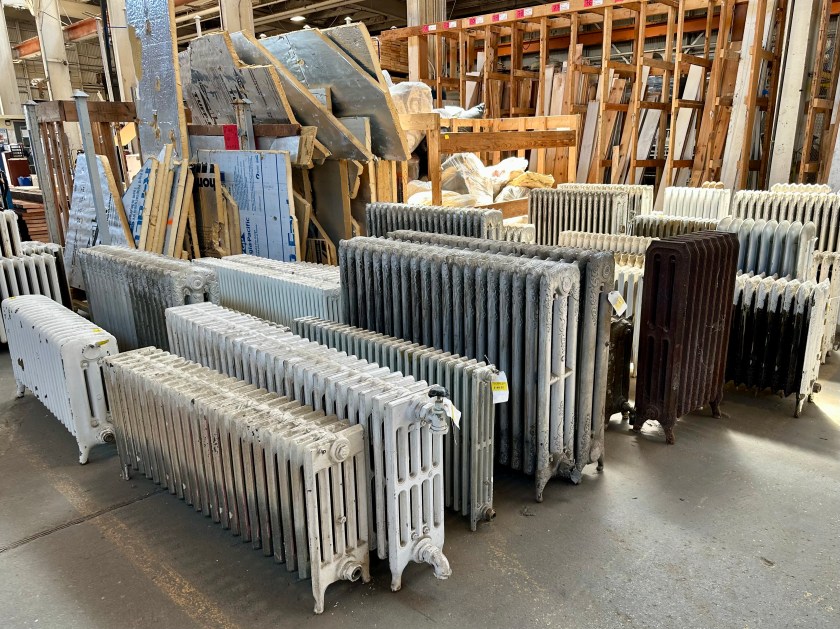
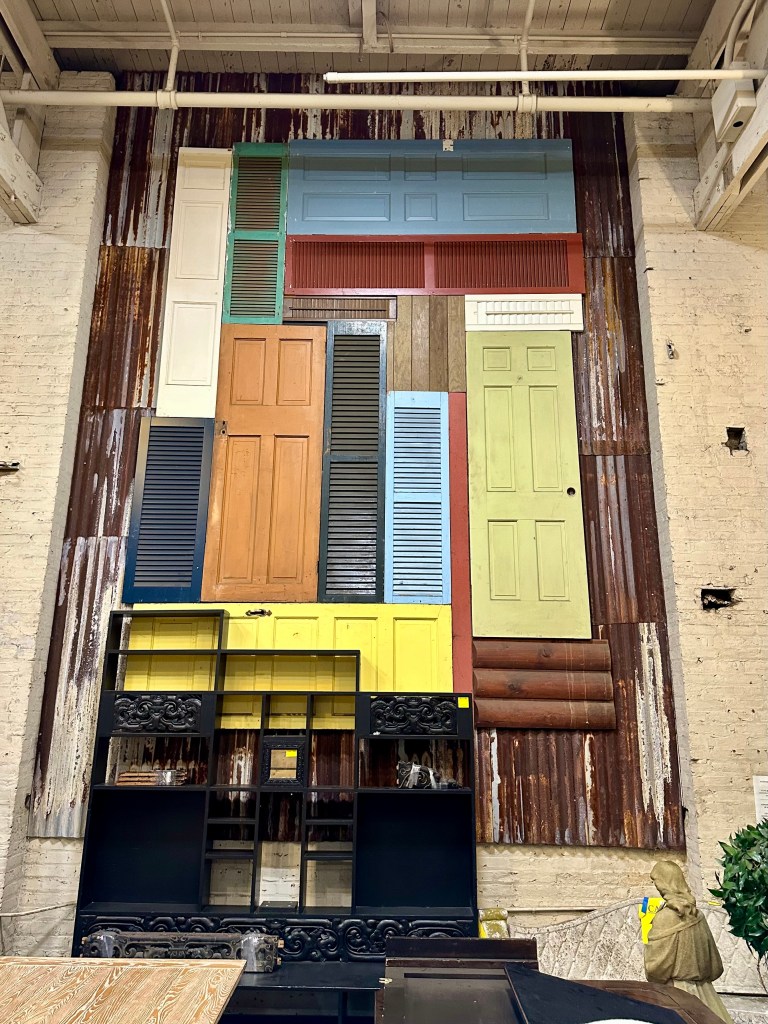
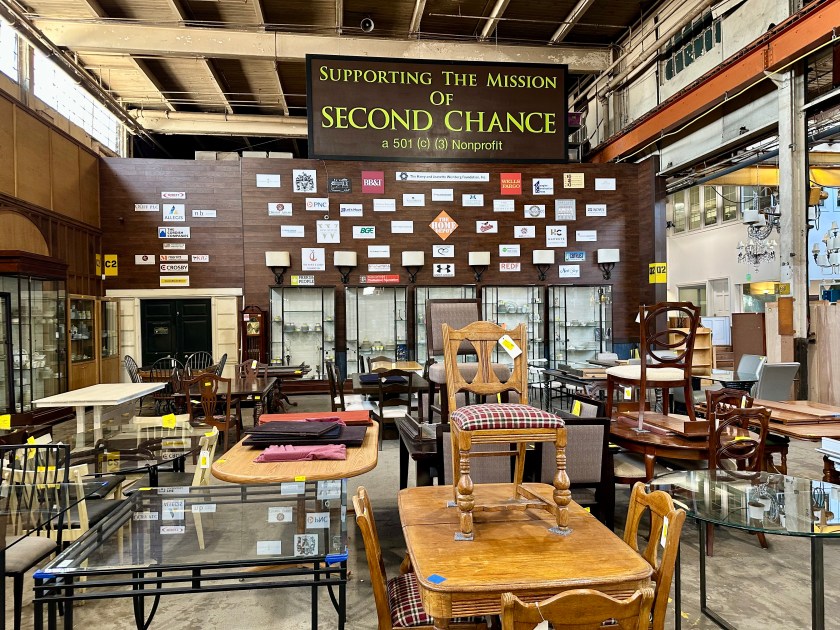
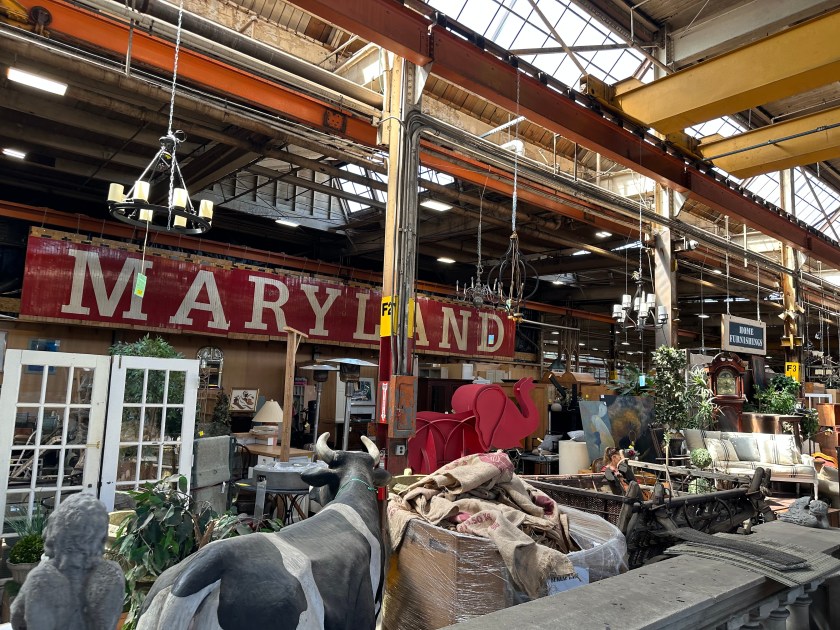
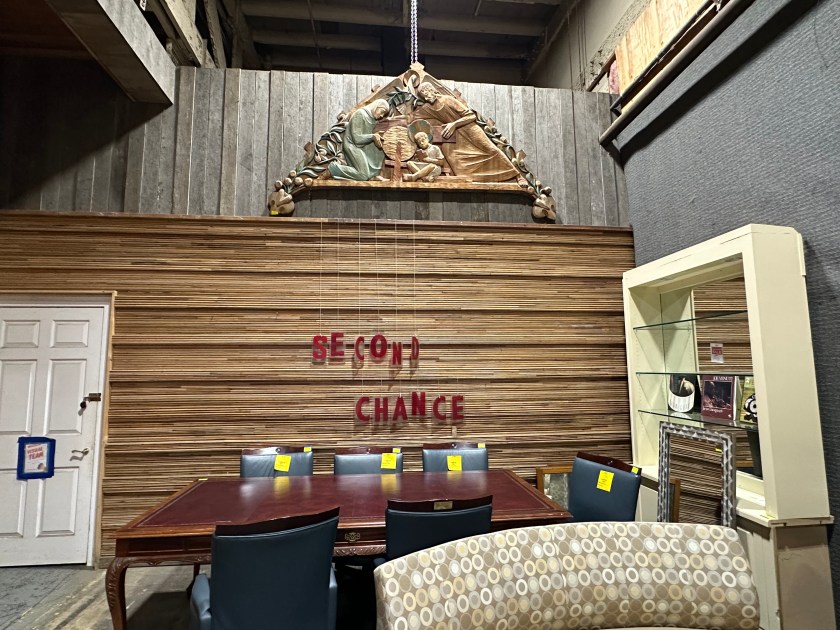
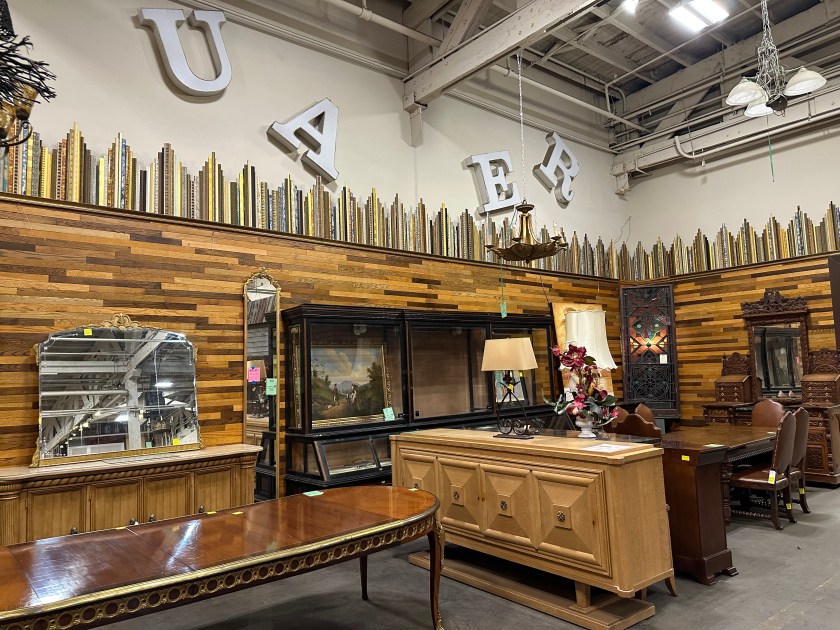
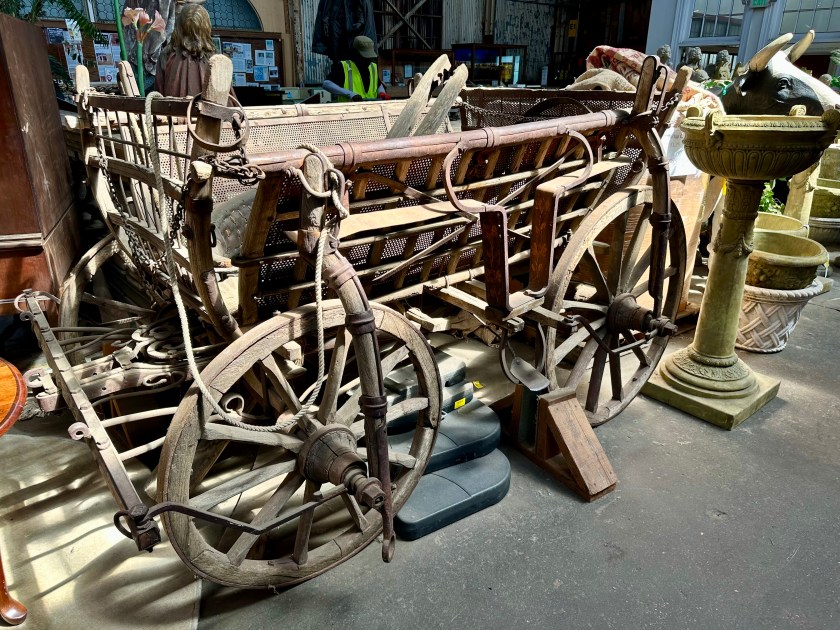
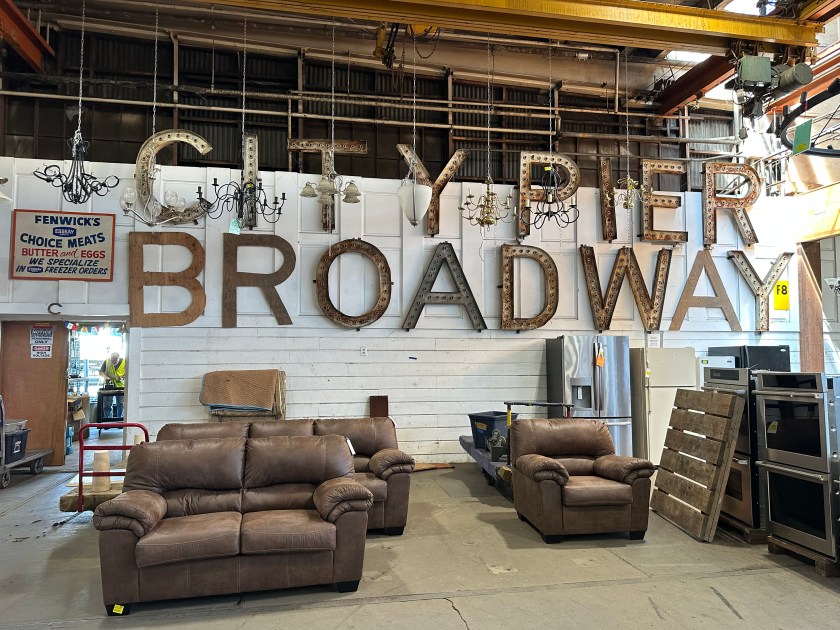
First up was the perfectly named Second Chance warehouse, where used goods of all kinds are for sale to individuals and contractors alike. The place was massive. Customers can buy good used items, from furniture to radiators to old-growth lumber to vintage signs.
We wandered from aisle to aisle browsing the thousands of items available. Of course, the former steel manufacturing plant wasn’t air-conditioned, so we headed for the second spot when we got too hot.
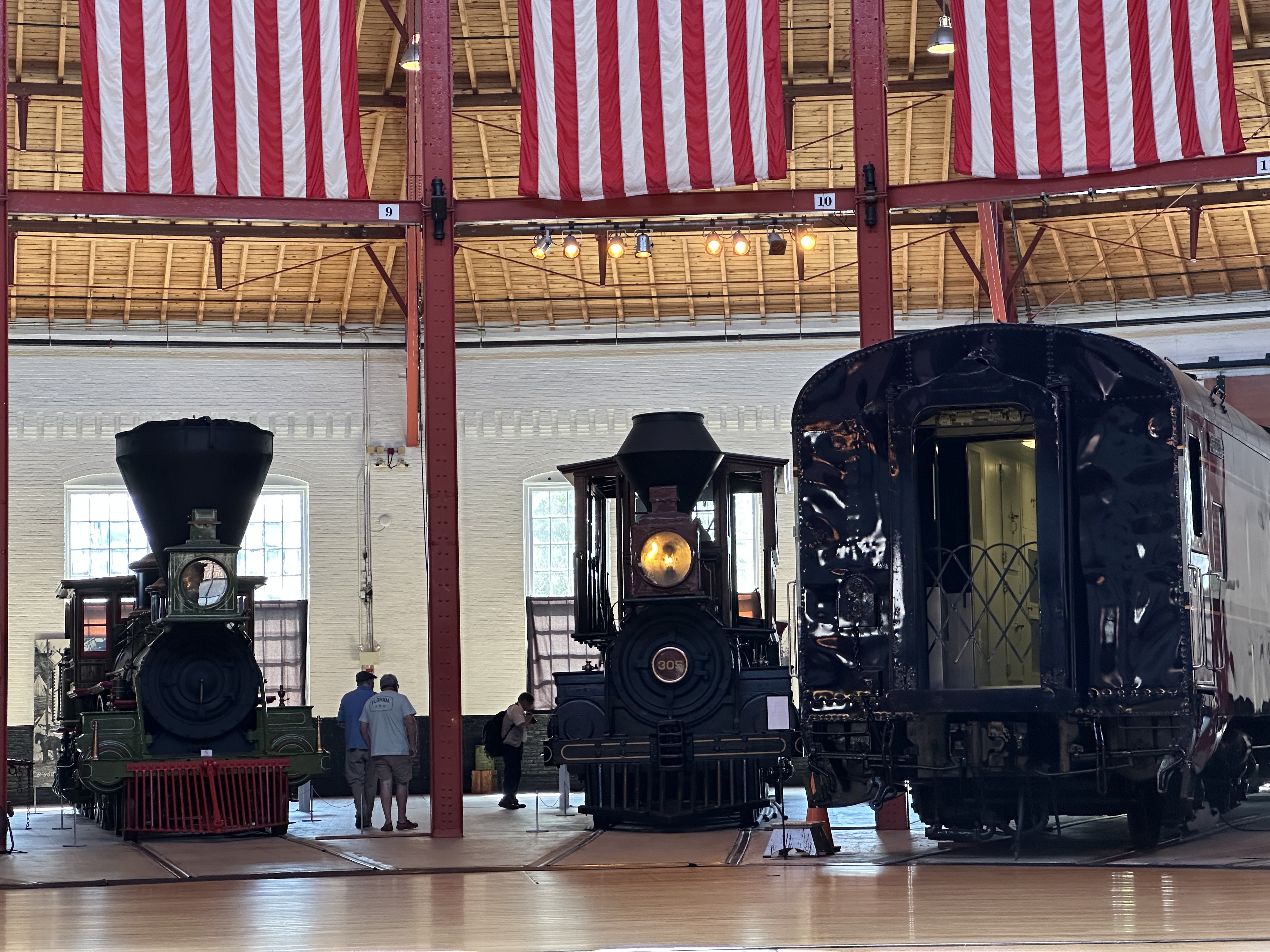
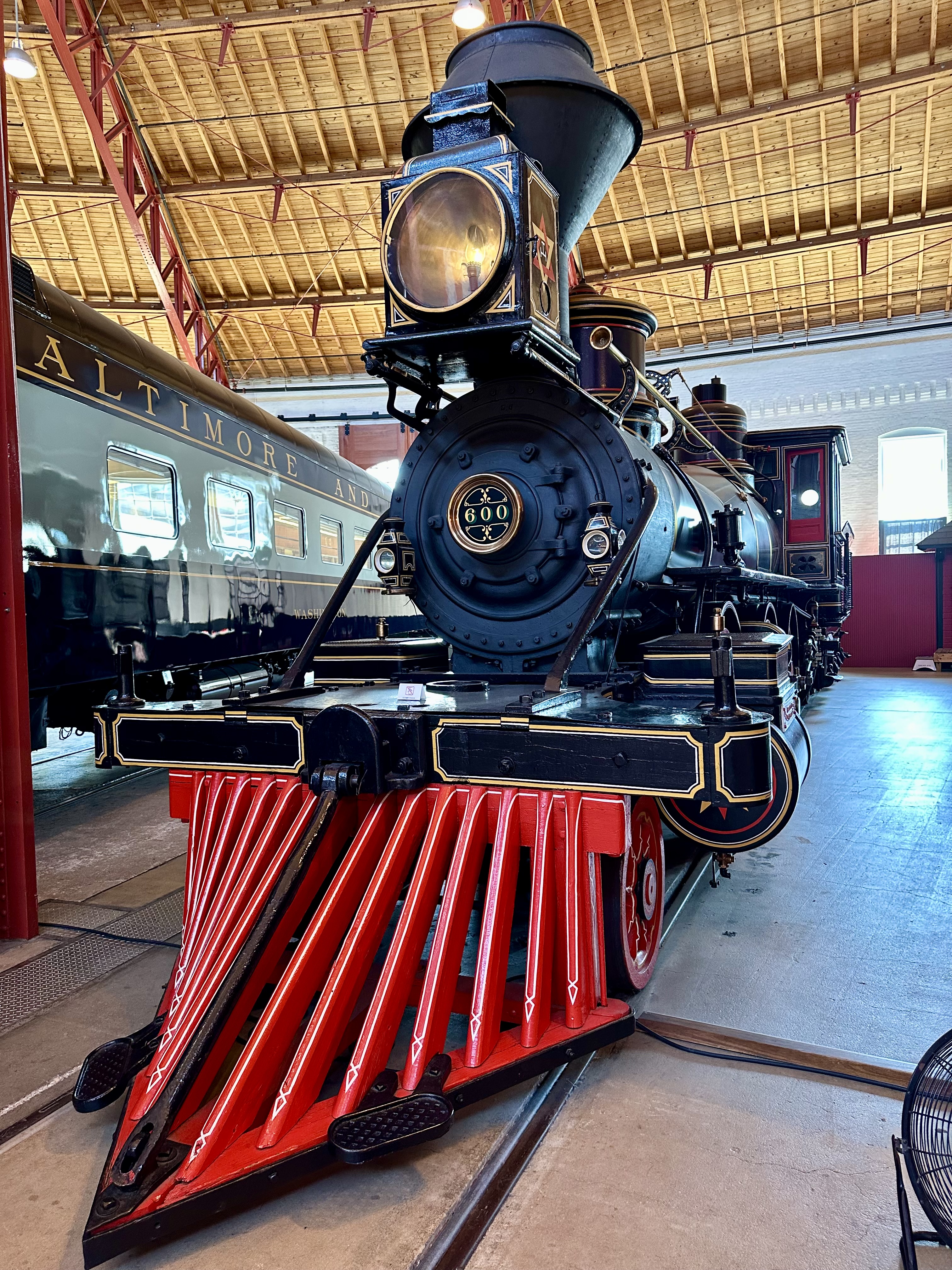
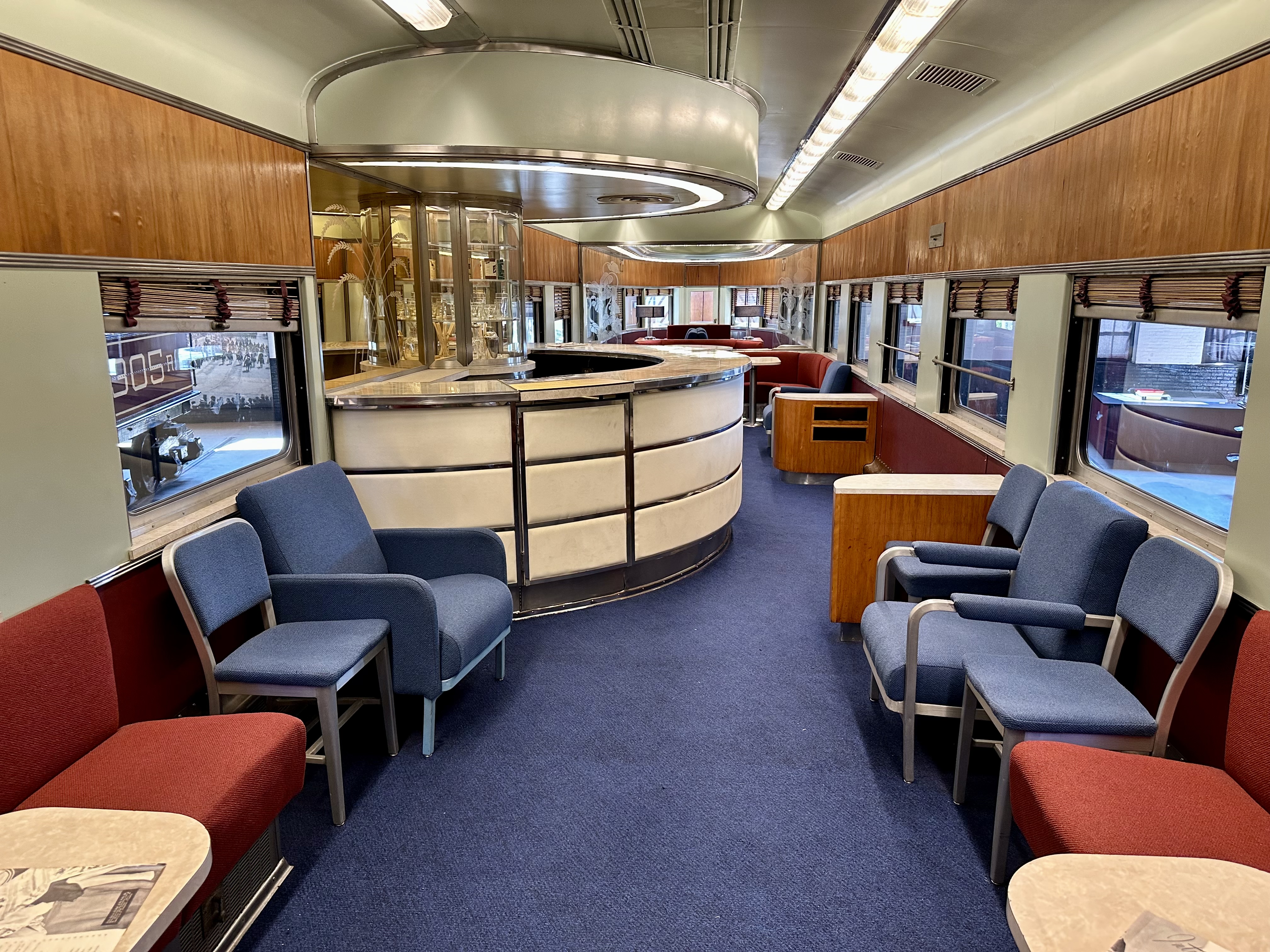
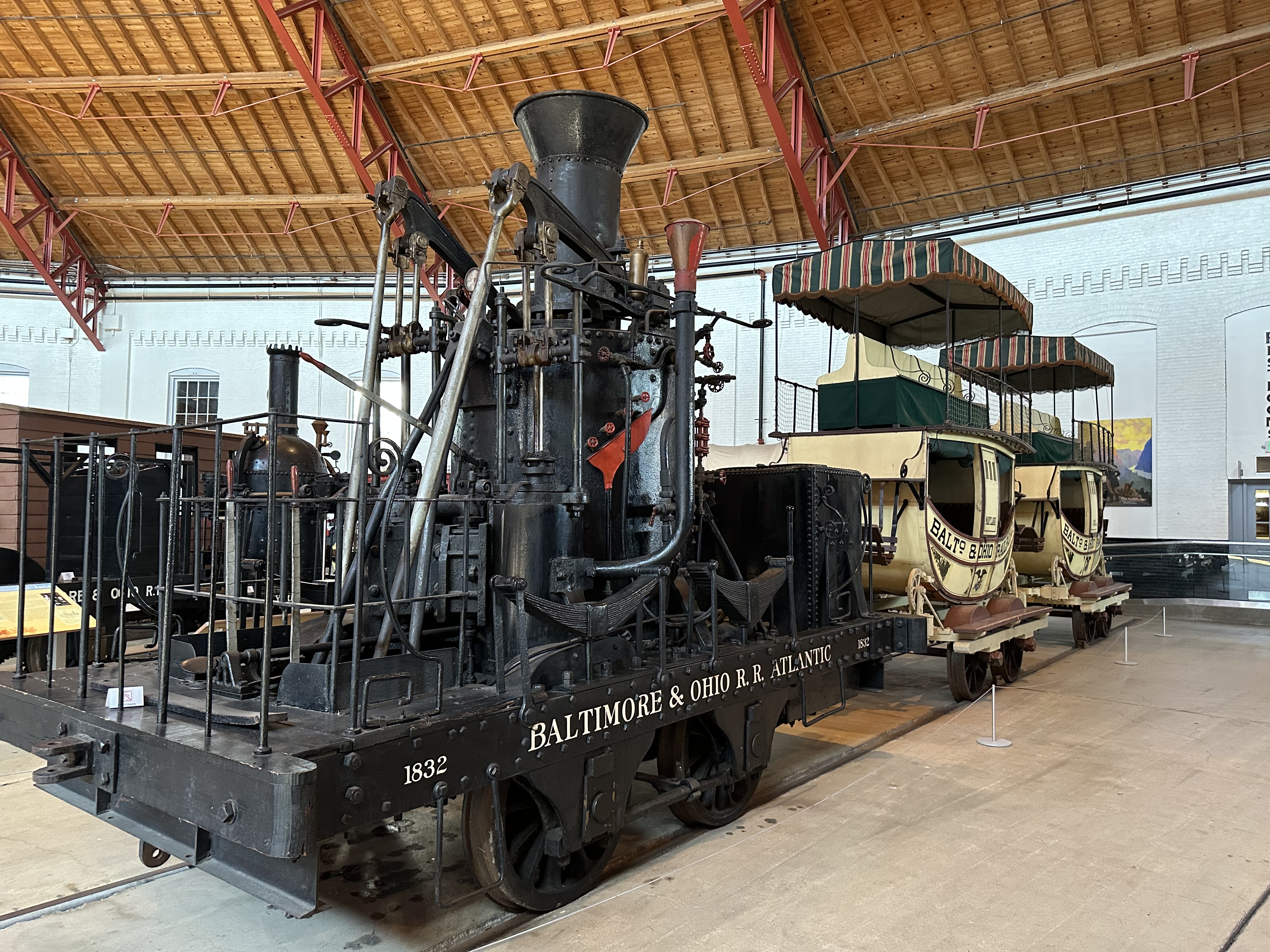
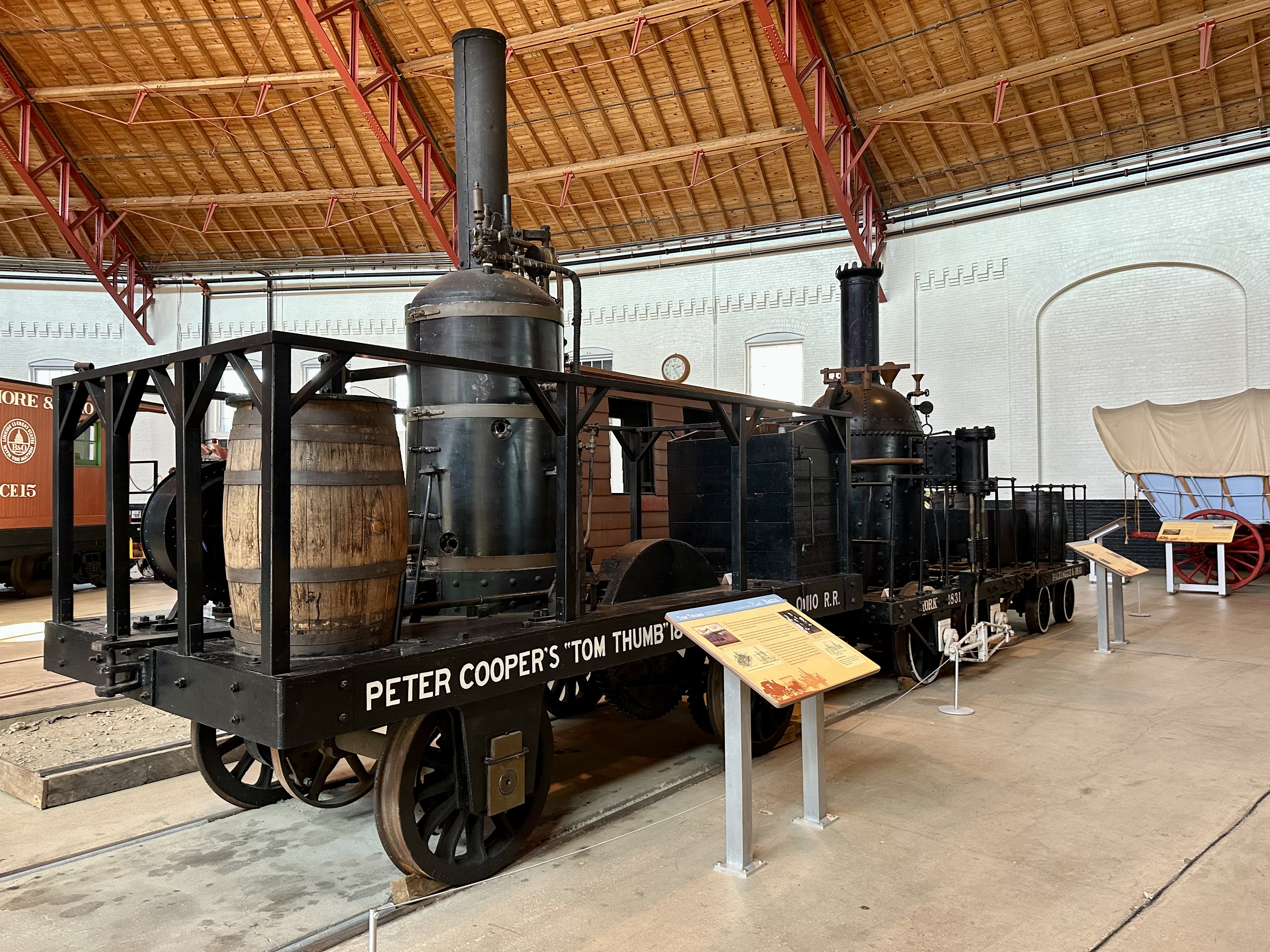
The National Museum of Railroad History and Innovation was just around the block. We visited the air-conditioned history section to cool off and learn about railroad history. The museum recently changed its name from the Baltimore and Ohio Railroad Museum to better represent the full scale of railroading.
We found the roundhouse to be the most interesting part. While Diana and Neva sat in rocking chairs in front of a fan, I wandered from old steam engines to diesel engines and passenger cars. I learned a lot.
Once a month, an engine is brought into the roundhouse pulling a coach to demonstrate how the roundhouse works. A 60-foot turntable rotates with 19th-century engineering.
The weight on the turntable rests on a highly efficient pivot center filled with massive ball bearings. Staff and sometimes visitors push long wooden levers to rotate the engine or car, perfectly balanced on the turntable.
After I made my rounds exploring the old engines and passenger cars, we headed back to Diana’s to rest and have another delicious meal. We left for the baseball game an hour before game time. With the heat, we decided not to walk and hitched a ride with Diana’s daughter.
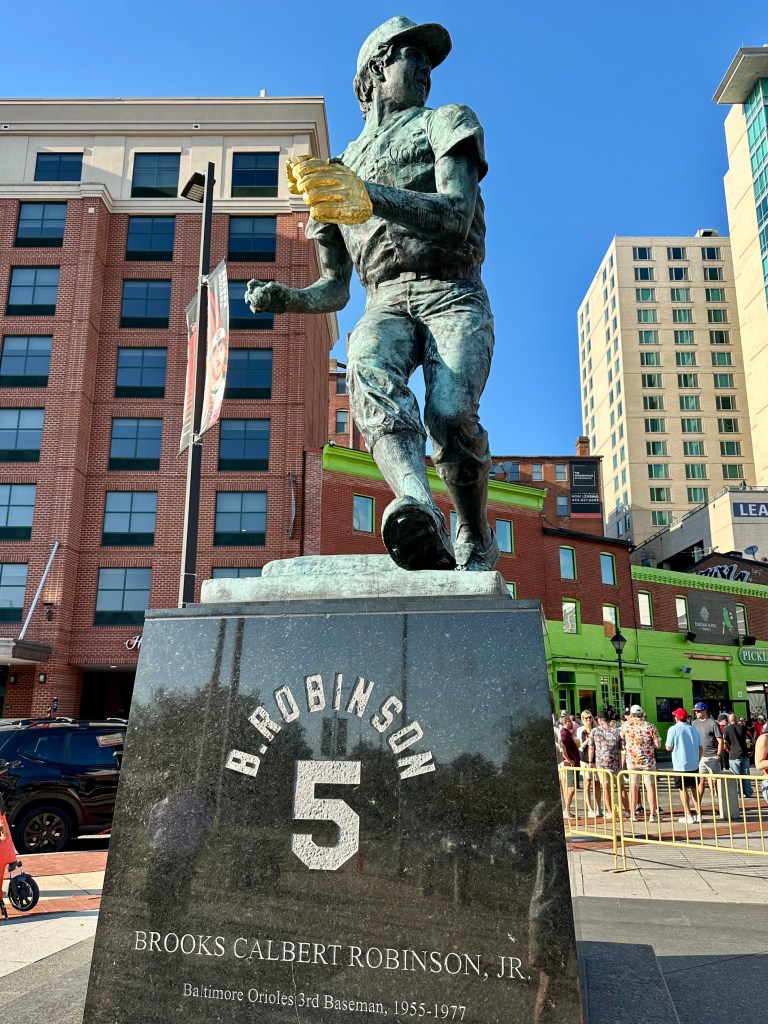
We walked past the statue of my all-time favorite third baseman, Brooks Robinson, who played his entire career for the Orioles. Brooks was a human vacuum sweeper at the hot corner, and he certainly deserved to be voted into the Baseball Hall of Fame.
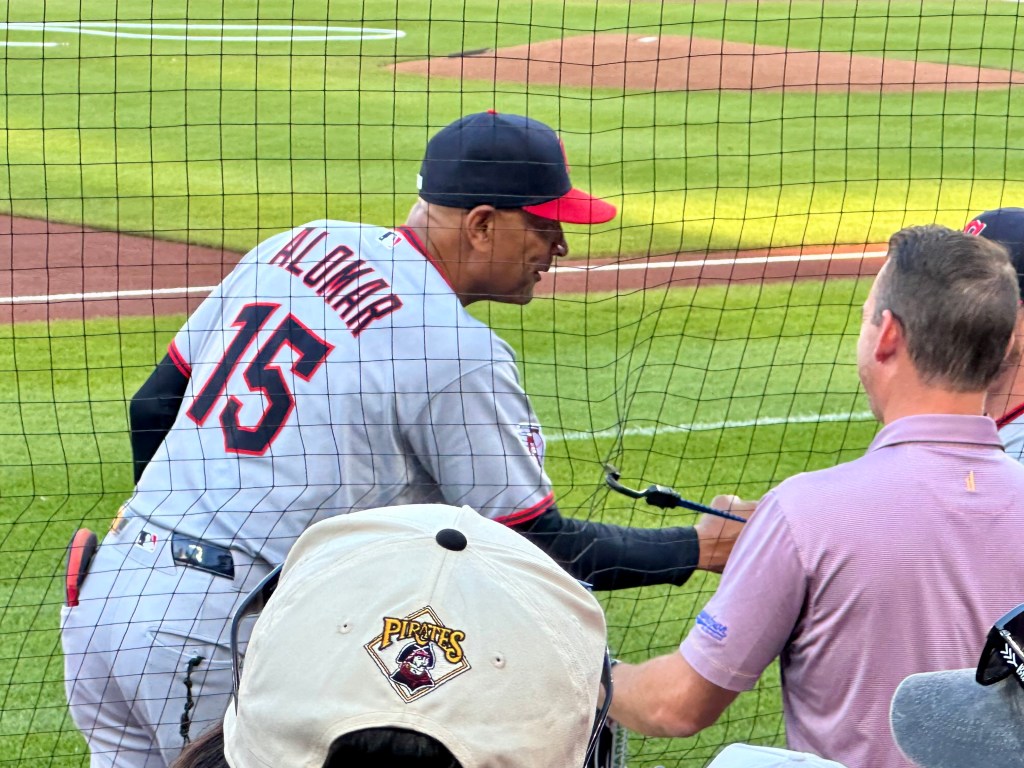
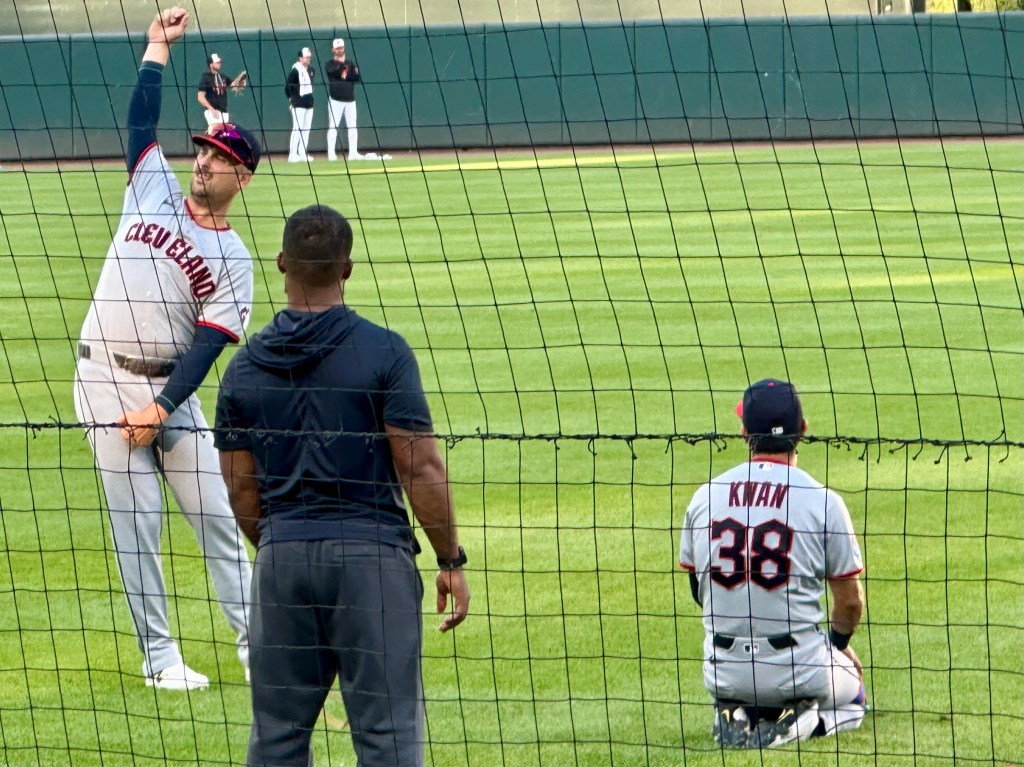
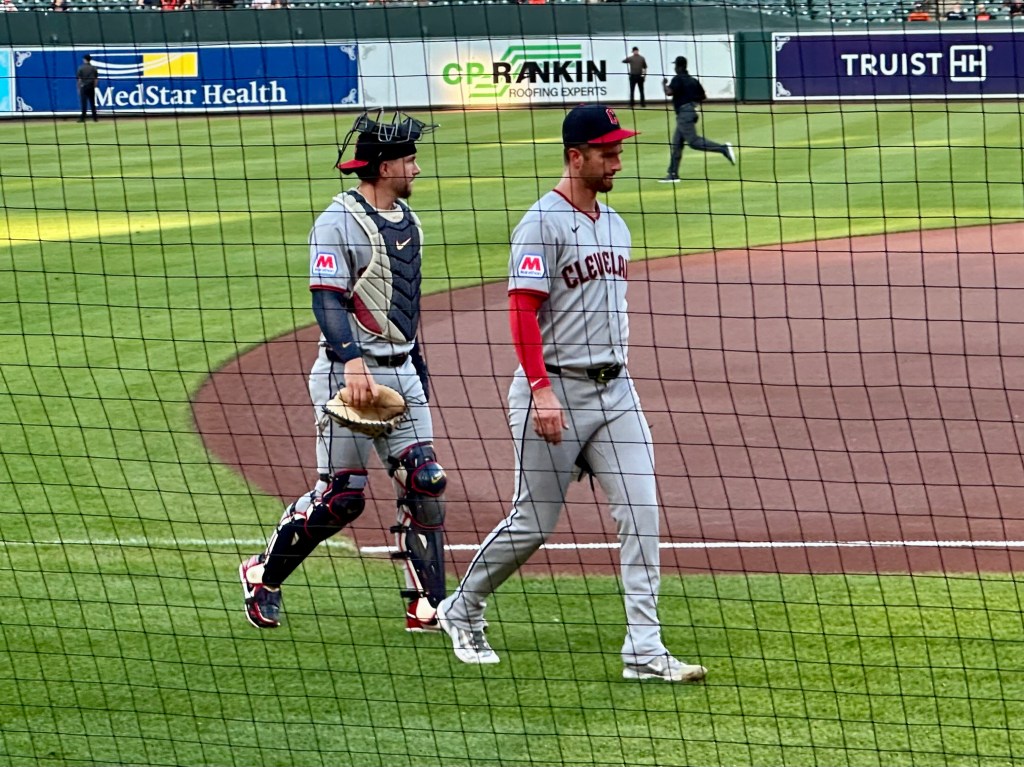
We found our seats near the Guardians’ dugout on the third-base side of the diamond. We had excellent views of the Cleveland players as they stretched and warmed up before the first pitch.
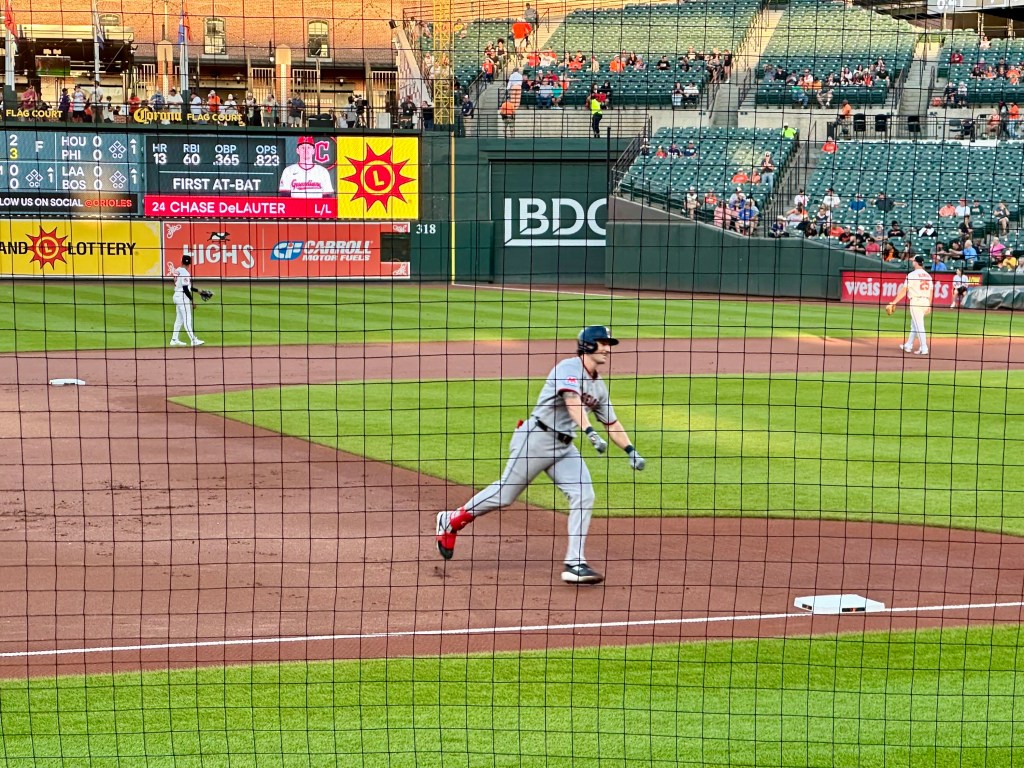
The game started out right for my Guardians. Rookie Chase DeLauter hit a two-run homer to give Cleveland the early lead. It didn’t last long. The Orioles had their way with Cleveland pitchers, and we left before the game ended.
The evening had cooled as we waited on our ride back to Diana’s. After our long day, we all slept well.
Despite the Guardians’ loss, I was glad we had come to Baltimore, a city with a lot to offer. We had a wonderful host who showed us only a snippet of this East Coast city.
I grew up in the 1950s and 60s, when a lot was happening in the U.S. and global society. Much of the action mirrored today’s unfortunate interactions.
The one burgeoning element in my adolescent years was the development of shopping malls. “Build it, and they will come” was certainly true in those turbulent years of Vietnam and the civil rights movement.
People flocked to the malls. If they wanted to, shoppers could park in one spot in the massive parking lots that surrounded the indoor malls and shop to their heart’s content. They could even have lunch in the food court.
Of course, those massive malls proved to be the doom of city downtowns all across the country. Mom-and-pop stores that provided goods and services for generations eventually closed. Storefronts shuttered, and city centers decayed.
But look at many of those malls today. Like the urban stores, the malls have also closed one by one. Big box stores and Amazon have been their demise.
The efficiency of technology, which we all use, has been the death knell of in-person shopping for the most part. It’s also stifled human interactions, if only in casual passing. If the malls remain open, they often have been converted to government service centers with a few scattered retail stores.
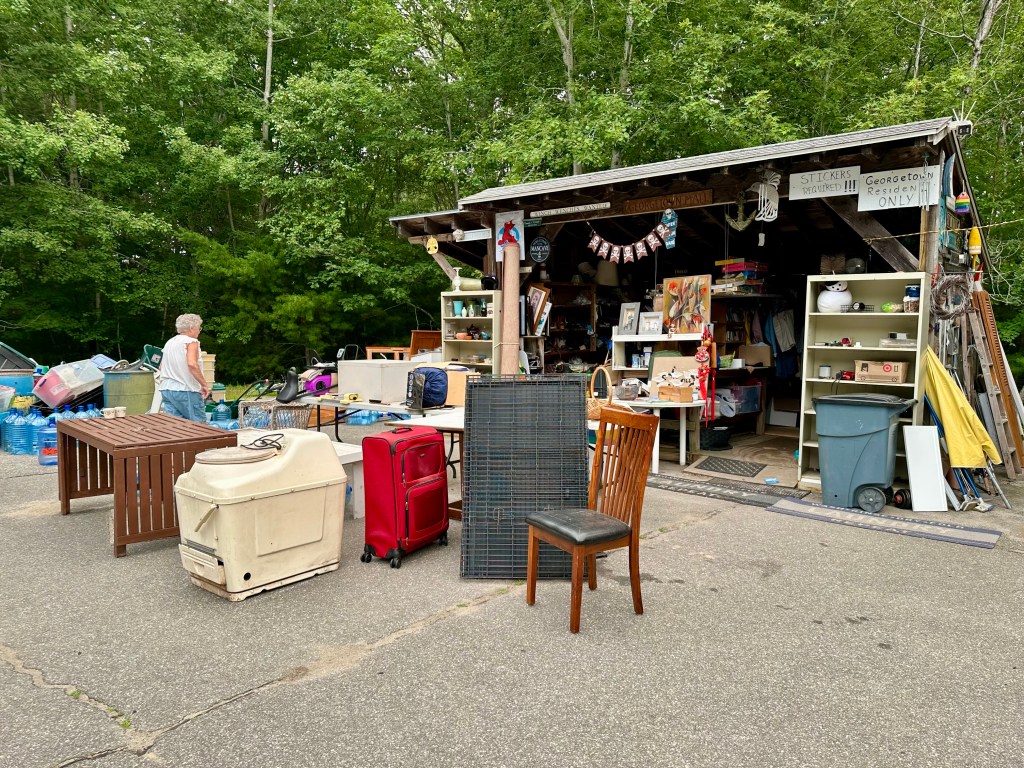
Imagine my surprise when our friend and host where we stayed on the Maine Coast announced that we were going to “the mall.” We loaded the SUV with the garbage and recycling, and drove to the Georgetown Island, Maine, recycling center.
So, how can a recycling center be a mall? Leave it to Mainers. “The mall” stands in the far corner of the property. Residents bring items that are still usable and place them among the other items on the shelves that already hold tea sets, paintings, toys, and decorations.
Used clothing is hung on racks just like a thrift store. Bigger items like furniture, suitcases, and fans sat on the concrete. There was even a used composting toilet. So, if it’s still usable, Mainers pass it on for others who might want it.
The best part of this mall: Everything is free. If you like it and can use it, it’s yours, no questions asked. After all, it is a recycling center.
Though we were in Maine, we felt the oppressive summer heat like the rest of the U.S. and even globally. We even had a day of smoky skies from the wildfires. The only reprieve was our host’s cabin, where the ocean breezes kept the temperatures tolerable.
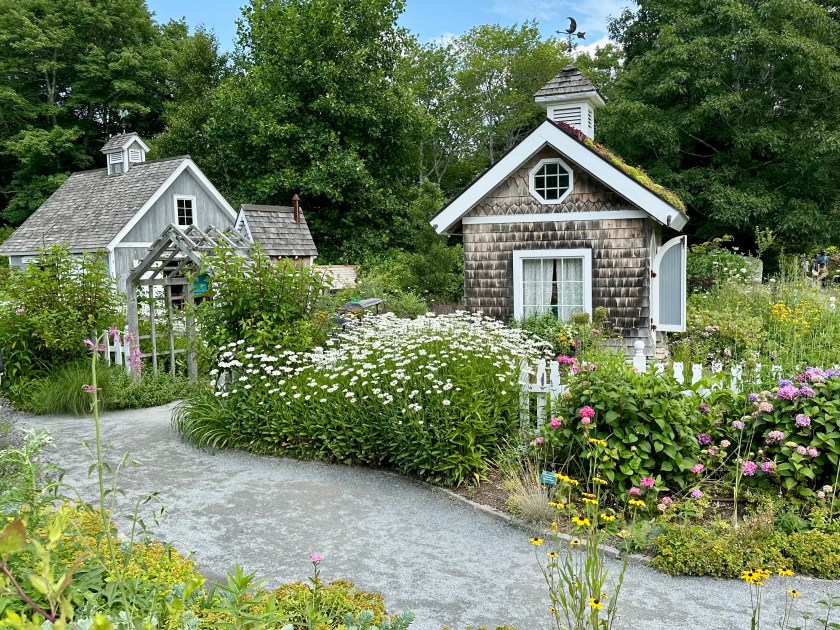
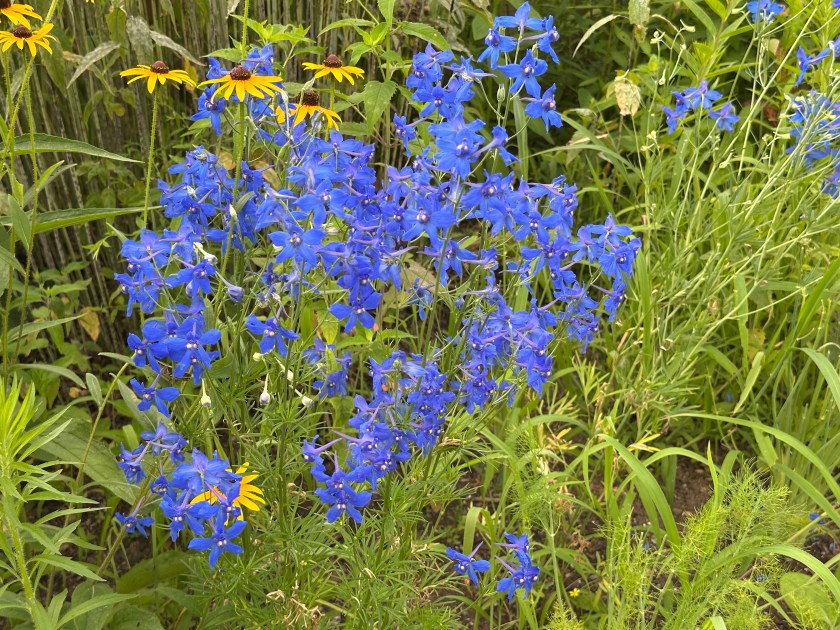
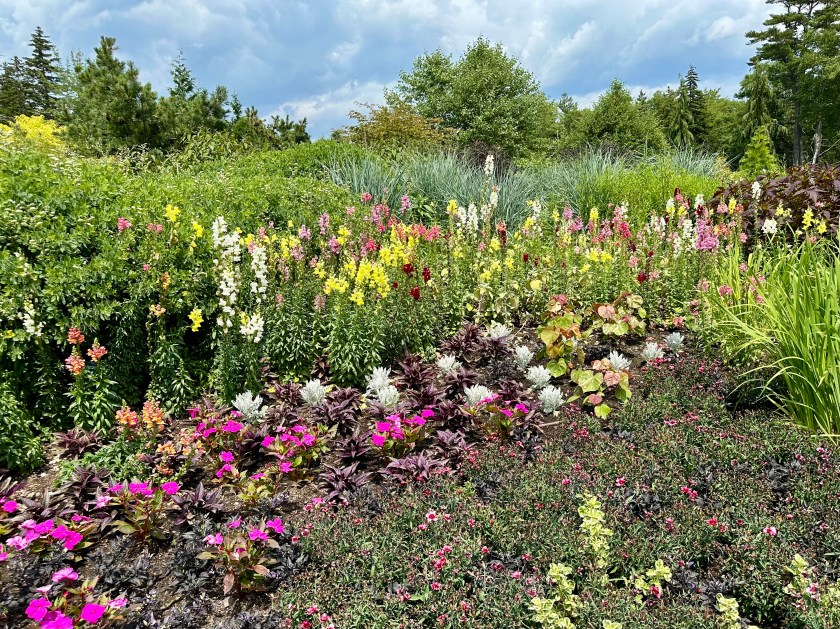
Nevertheless, we wanted to see other attractions, so we headed out despite the heat. Unfortunately, we chose the warmest day of our stay to venture to the Coastal Maine Botanical Garden in Boothbay, Maine.
We toured the many lovely gardens, but not all of them. Elder folks that we are, we wilted under the heat and humidity. We sought shelter at lunchtime in the air conditioning of the garden’s cafe.
We continued our walking tour until we found a shuttle cart that drove us into the far reaches of the popular destination. I would have loved to walk those shaded paths down to the ocean, but I wasn’t sure I would make it back. So, our brief riding tour completed our time there.
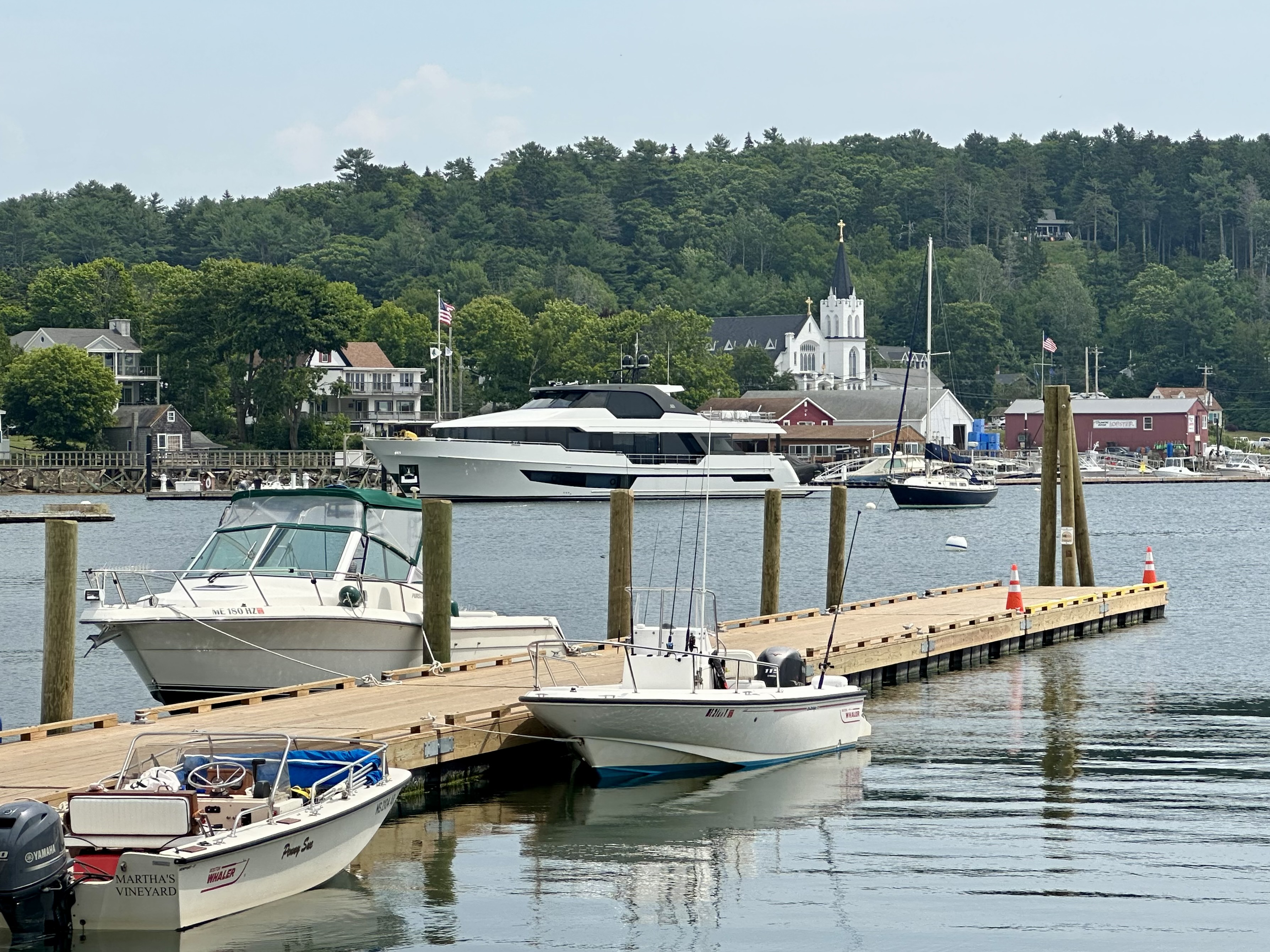
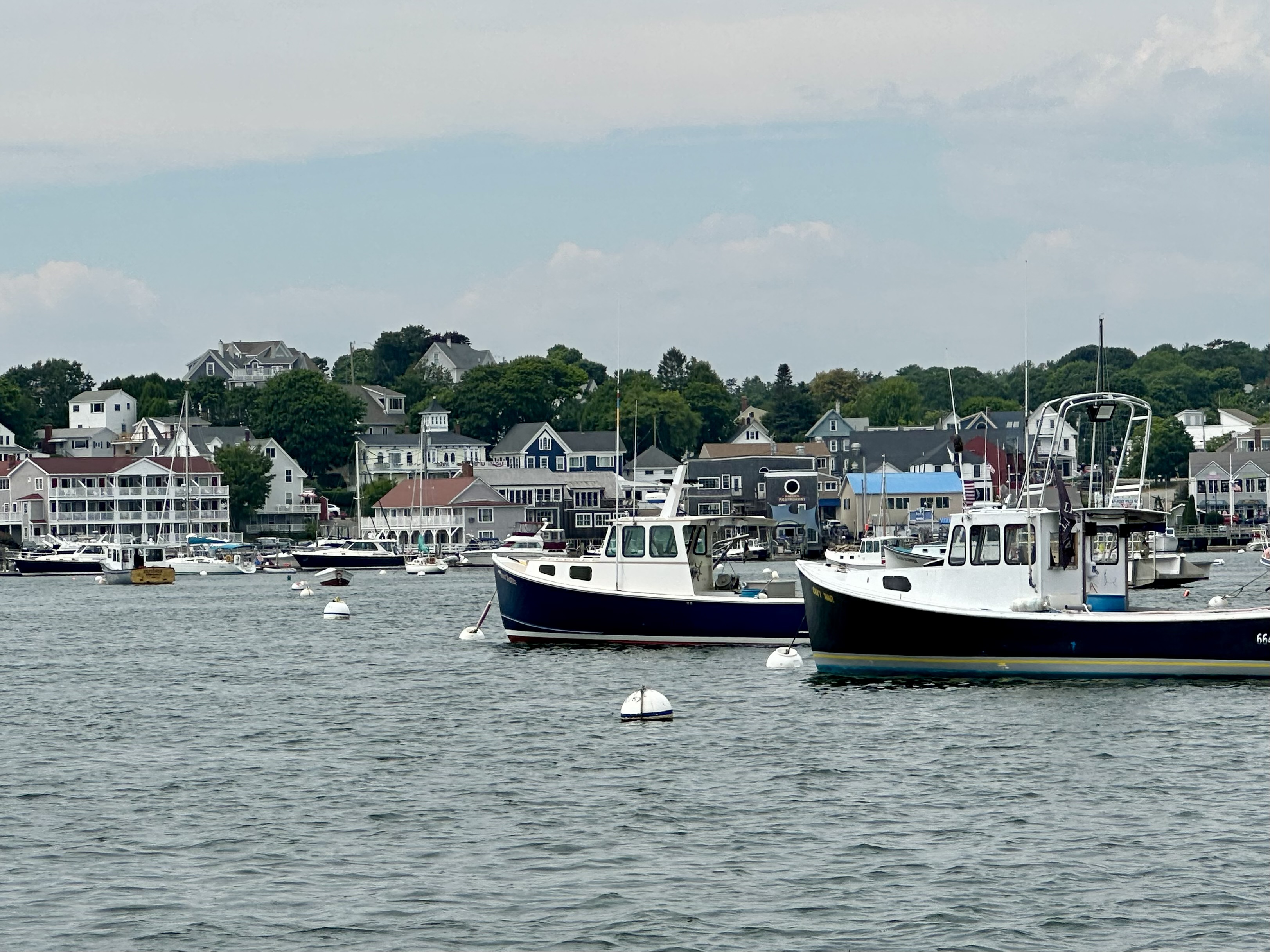
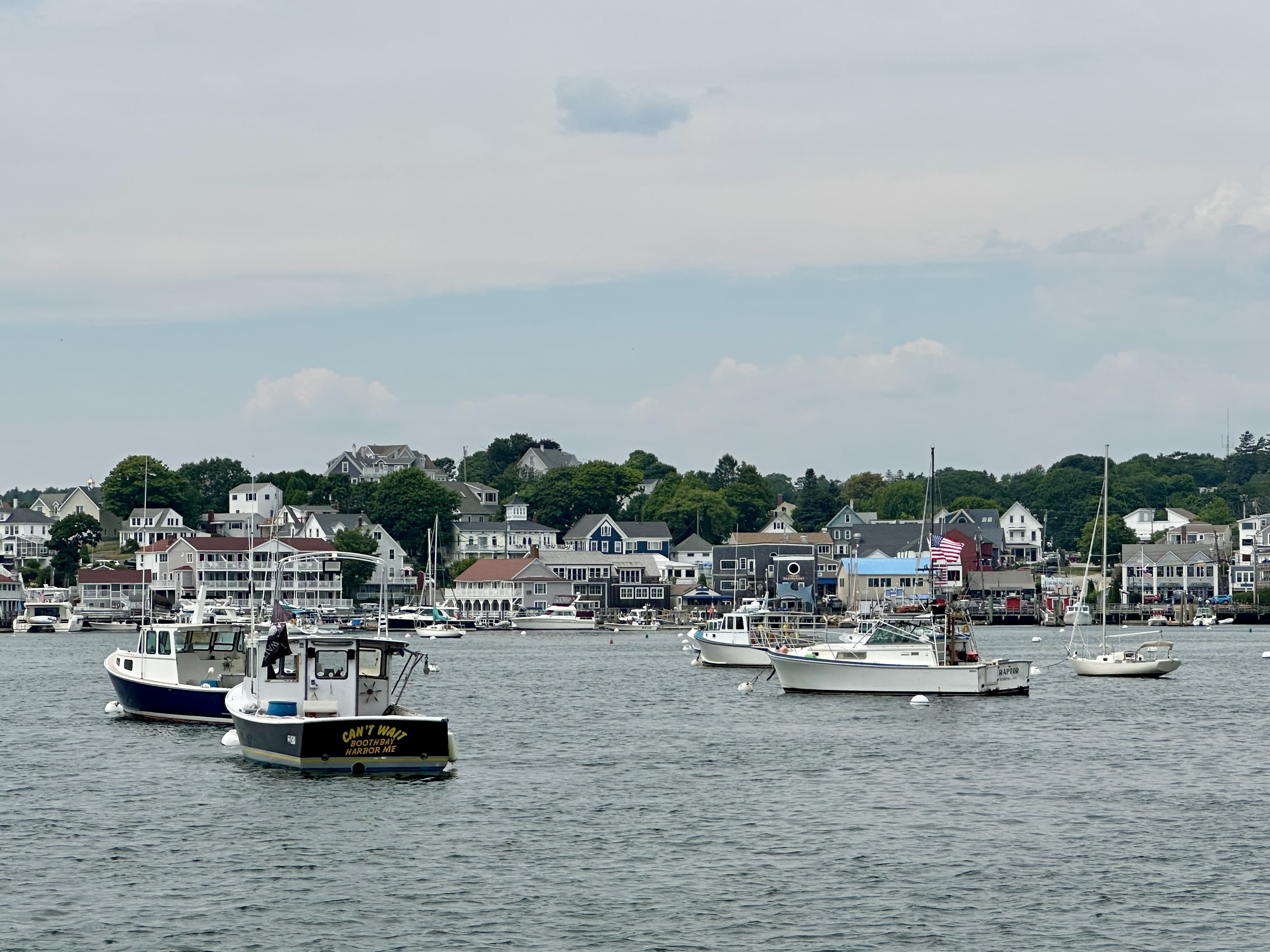
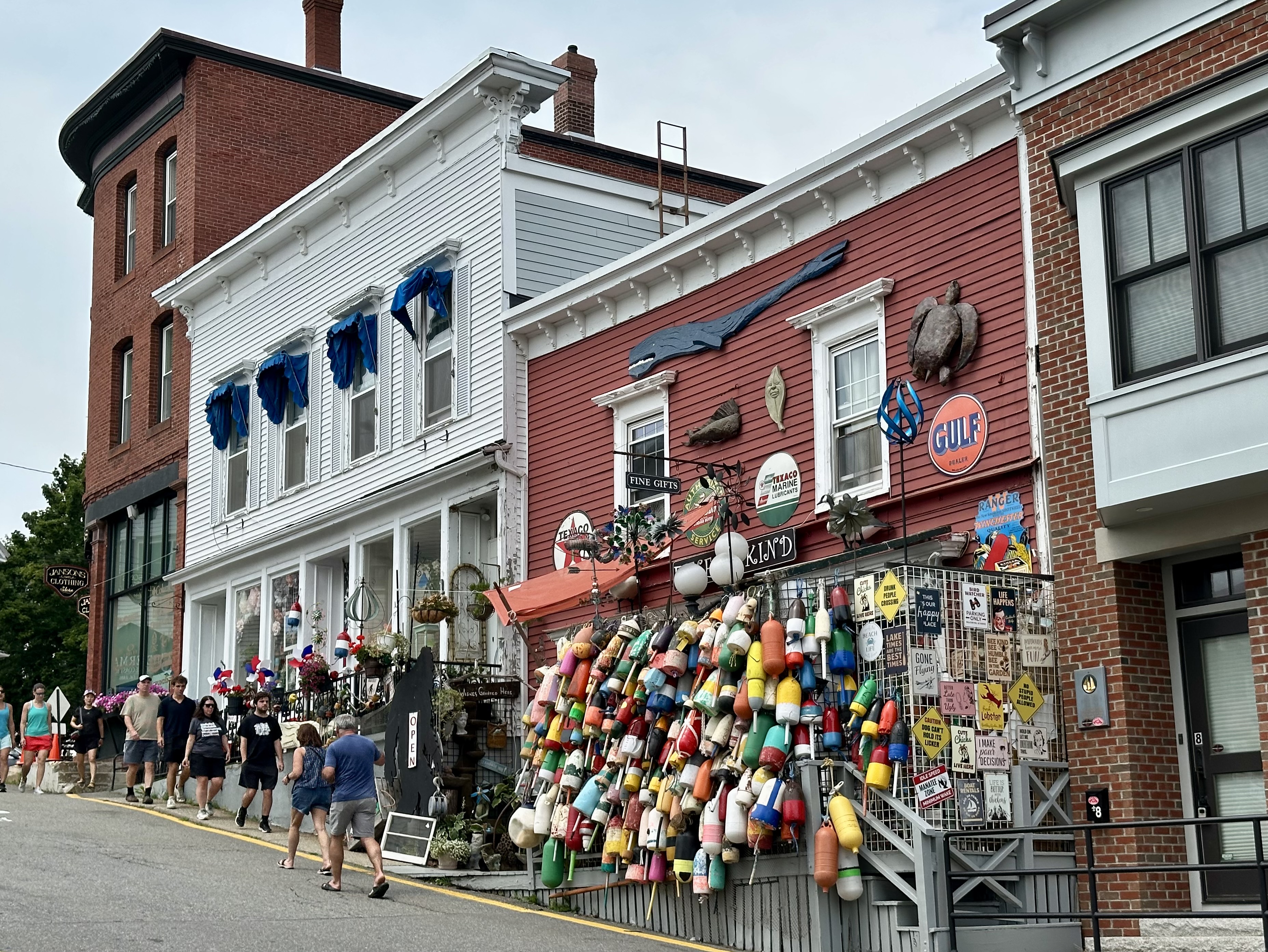
A short drive south brought us to the tourist-popular Boothbay Harbor. Given the crowd, I was fortunate to find a parking spot. We walked along the harbor’s edges where we could until we found an ice cream shop. It was the pause we all needed.
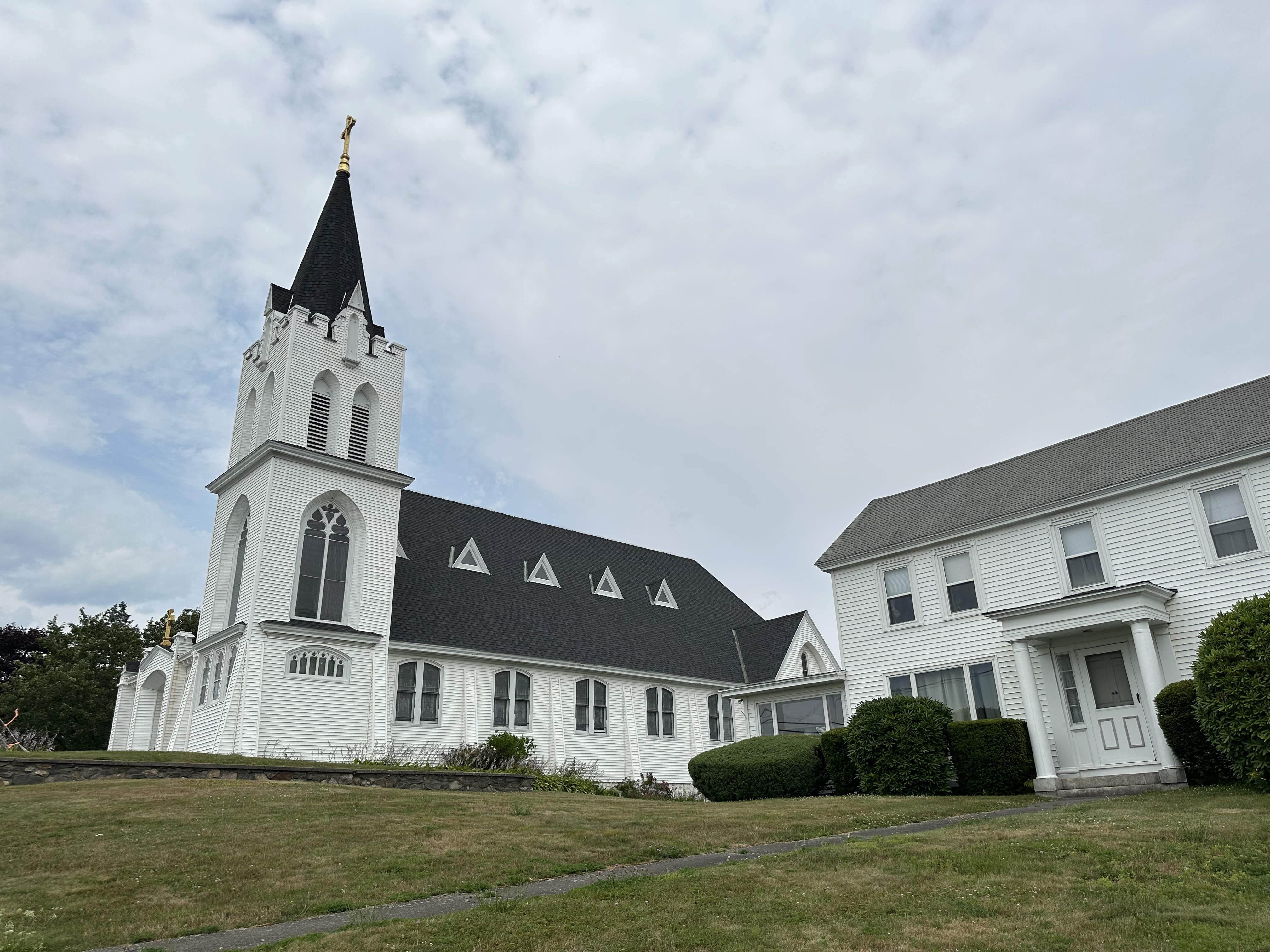
I had spied a large white church across the bay, so we drove around the bay so I could photograph the church and the bay from that location. An engaging dock worker permitted me to enter the private dock to take my photos, but only at my own risk. With a smile, he said he would rescue me if I fell in. I didn’t.
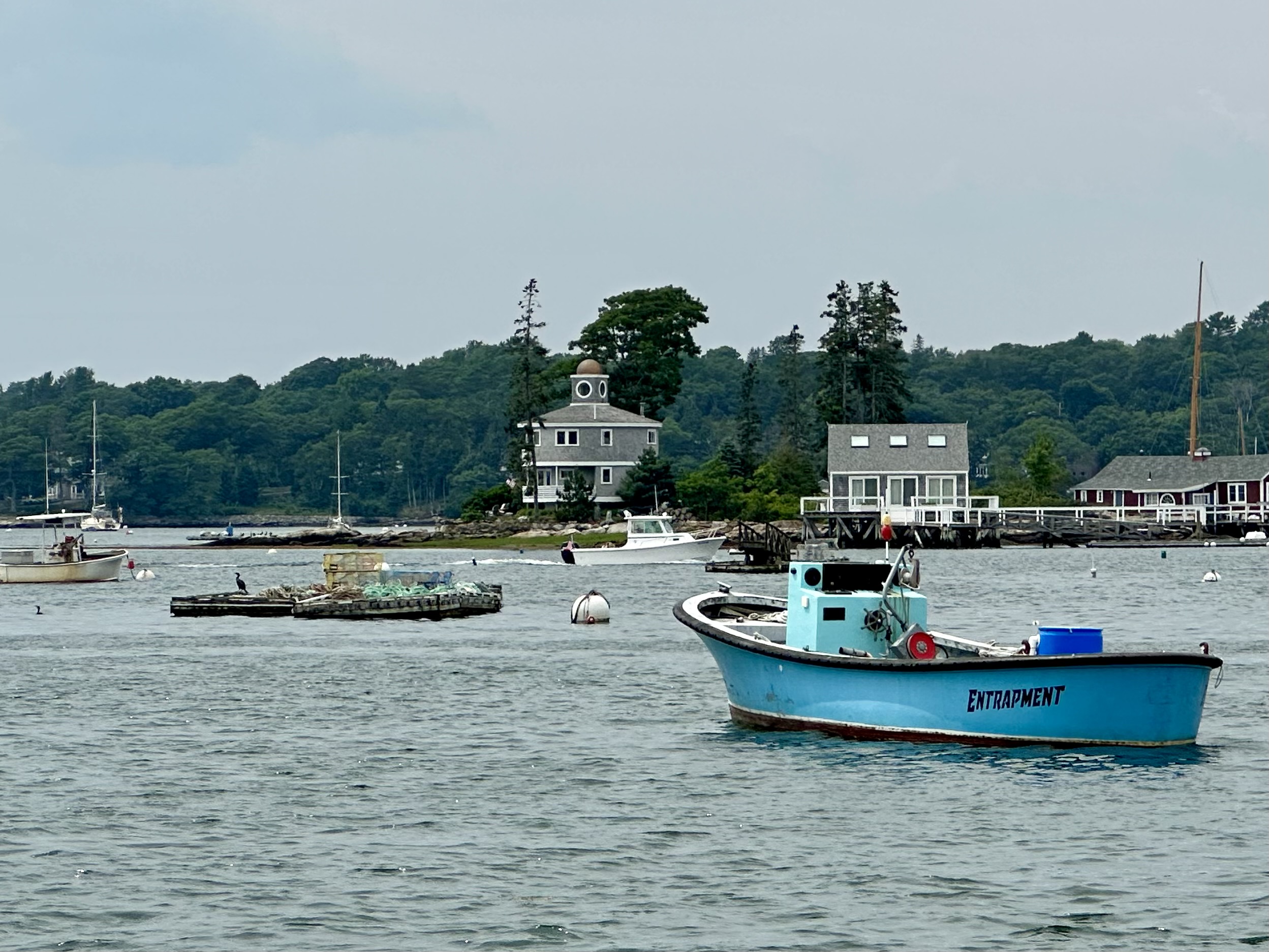
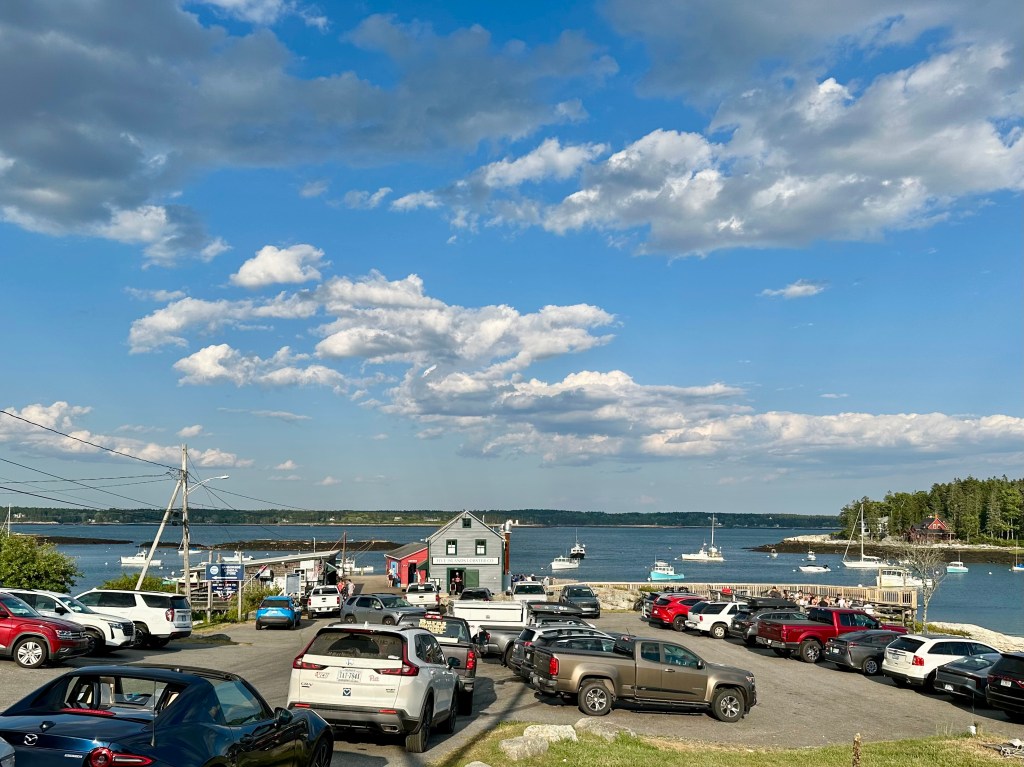
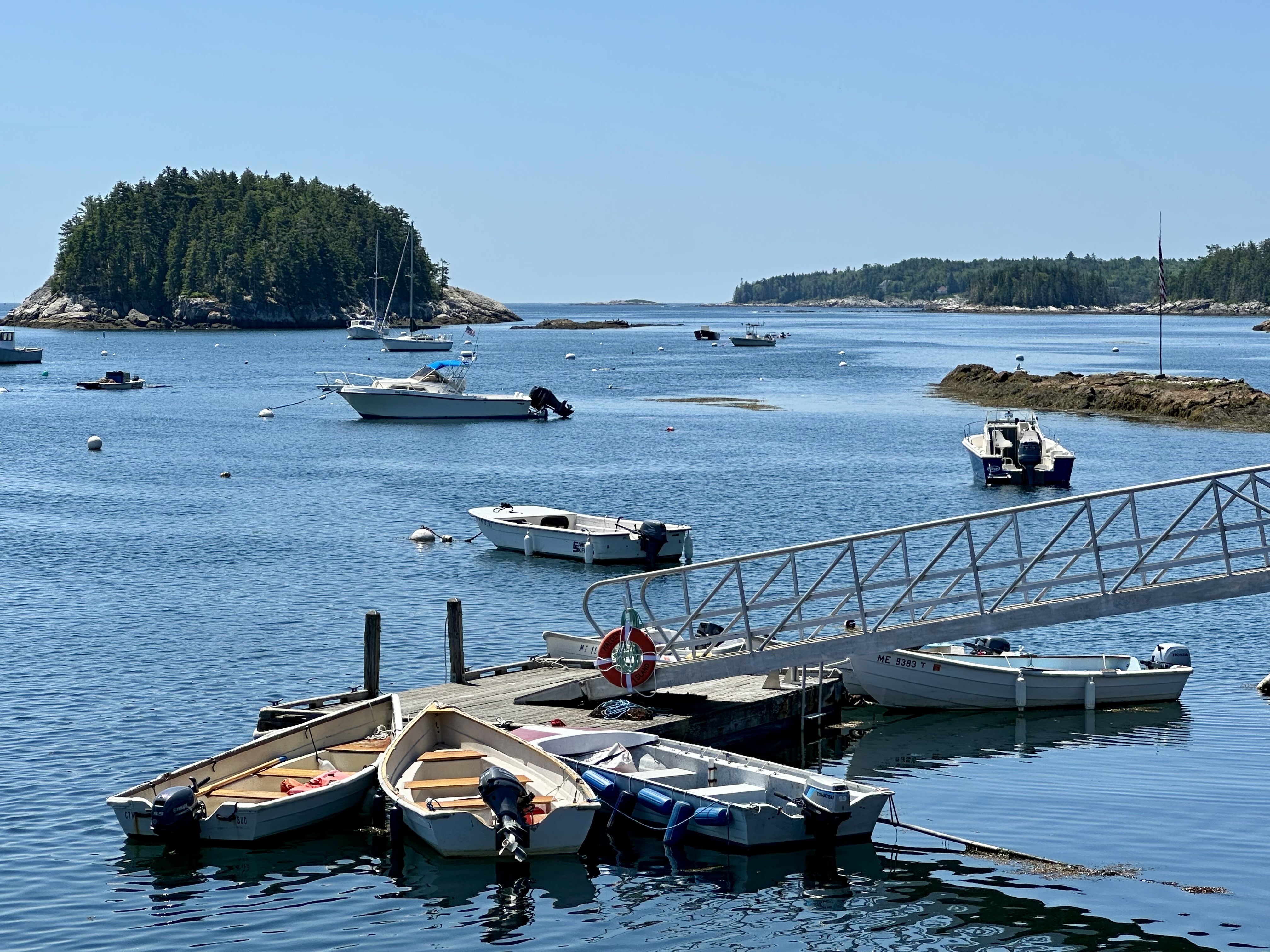
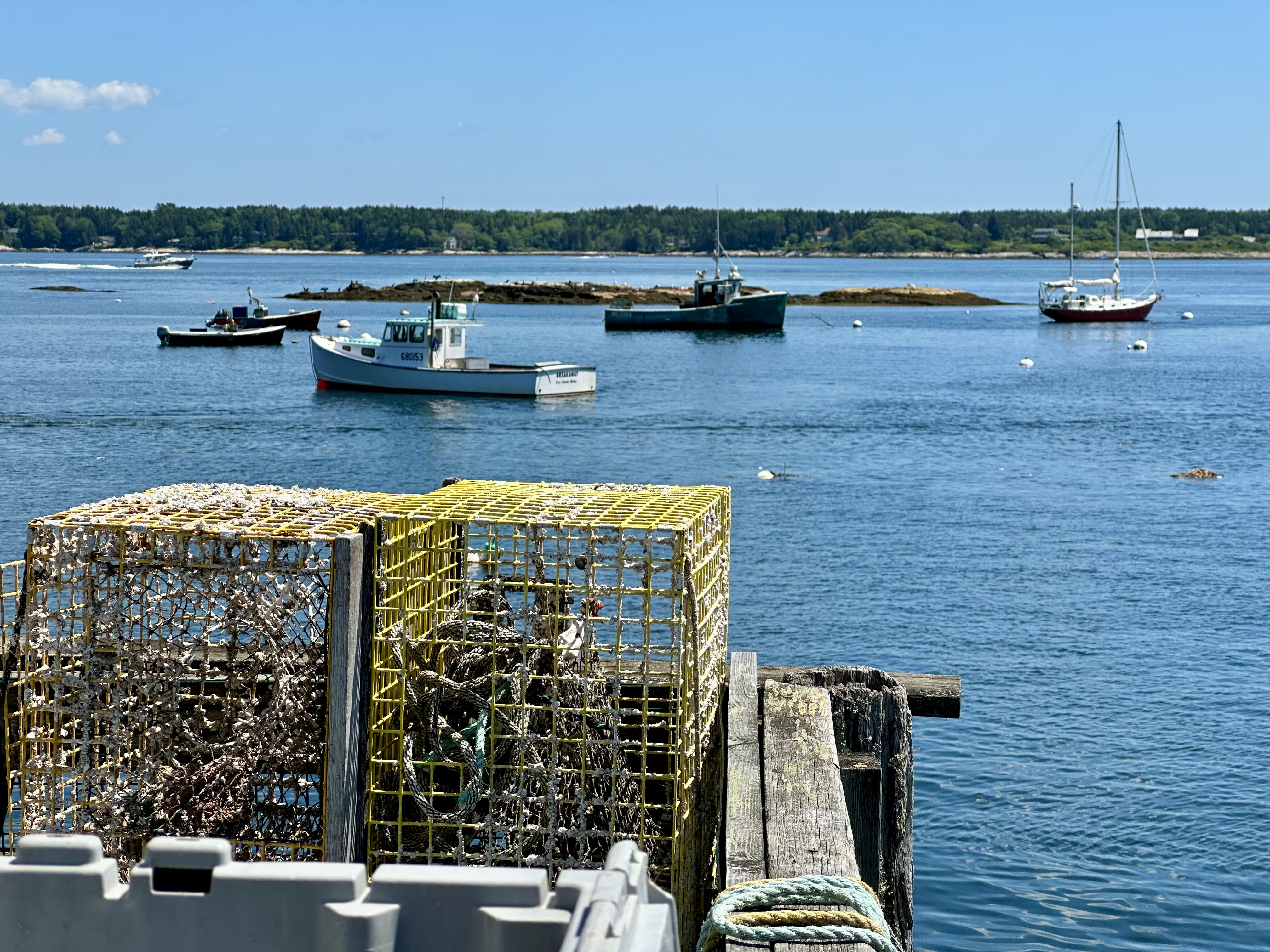
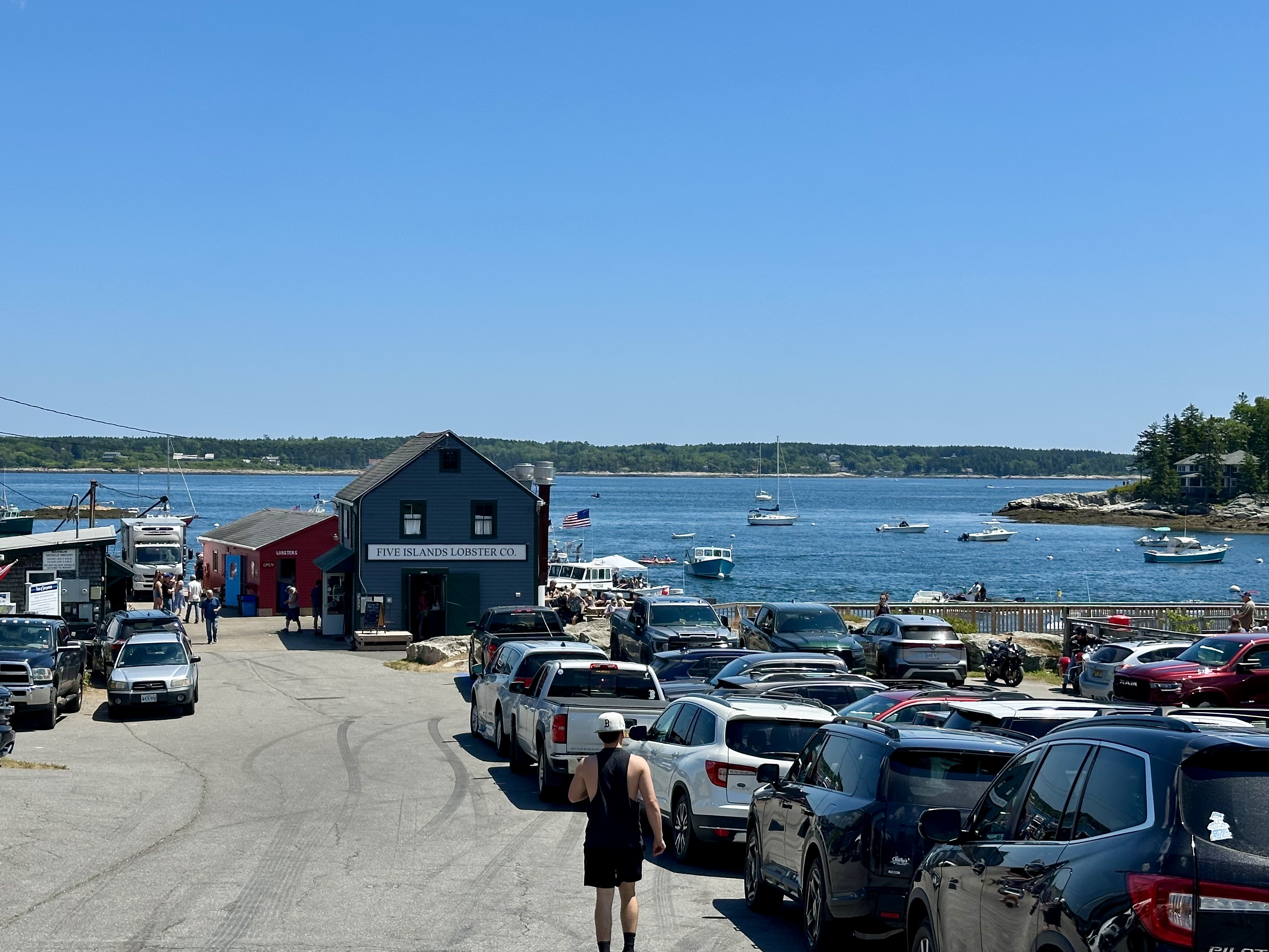
In the evening, my wife and I drove back to Five Islands for another lobster roll before we had to leave in the morning. With the sun’s angle just right, I was more interested in capturing photos of the boats moored in the harbor and near the surrounding islands.
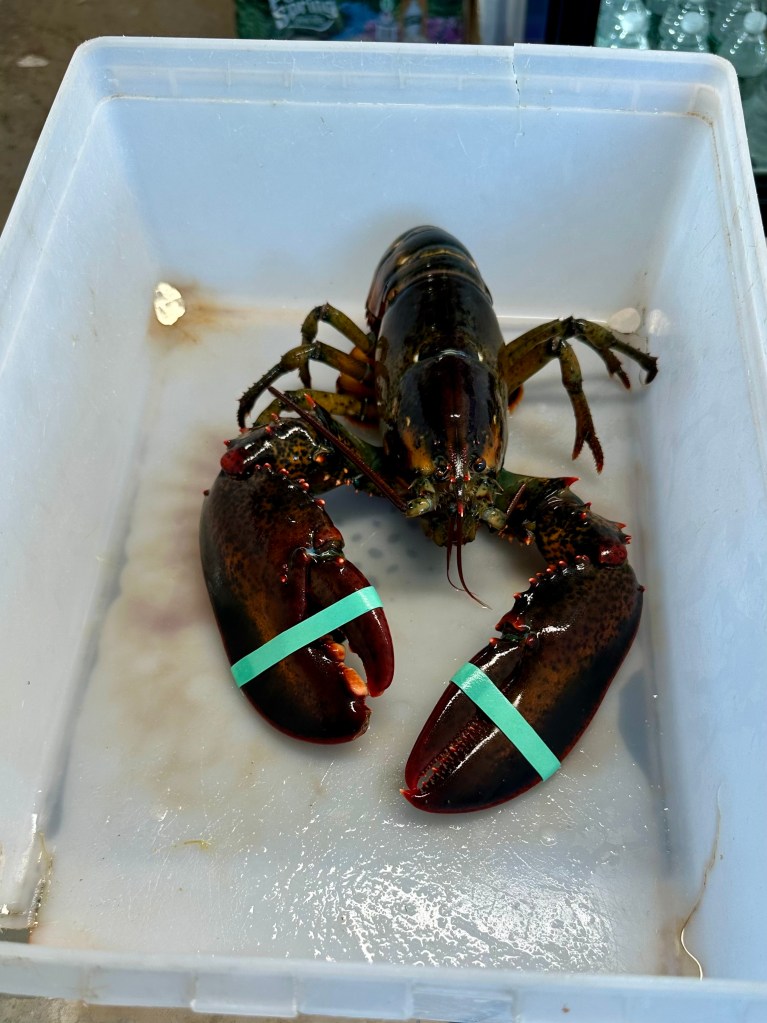
When I ordered our food, I noticed a live lobster, with its claws taped shut, resting in a box on the counter. Perhaps it had been ordered for a cook-it-yourself take-out.
When I returned to our table, two other couples had just sat down with their seafood dinners. They kindly allowed me to photograph a boiled lobster. Clearly, the cooked lobster was much more appetizing than the live one.
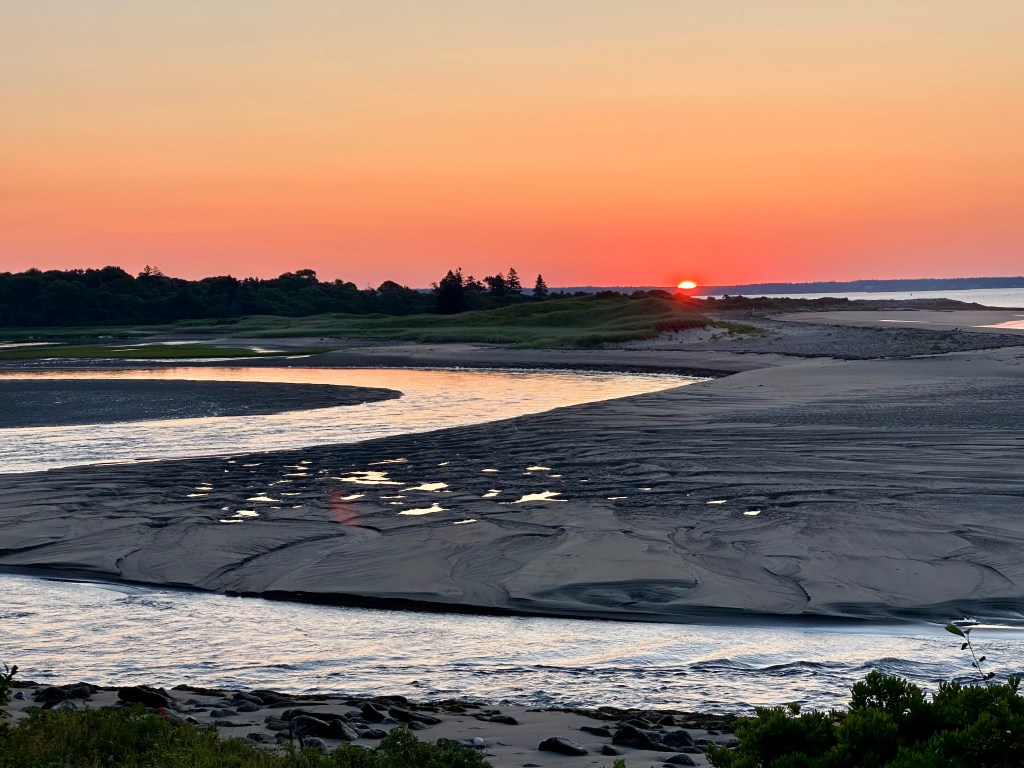
We greatly enjoyed our vacation with family and friends, meeting new people, and exploring new places. The bird outings were fun, too. The next morning’s sunrise served as a nice send-off.
The sunrise served as a lovely send-off for us. Photo by Bruce Stambaugh
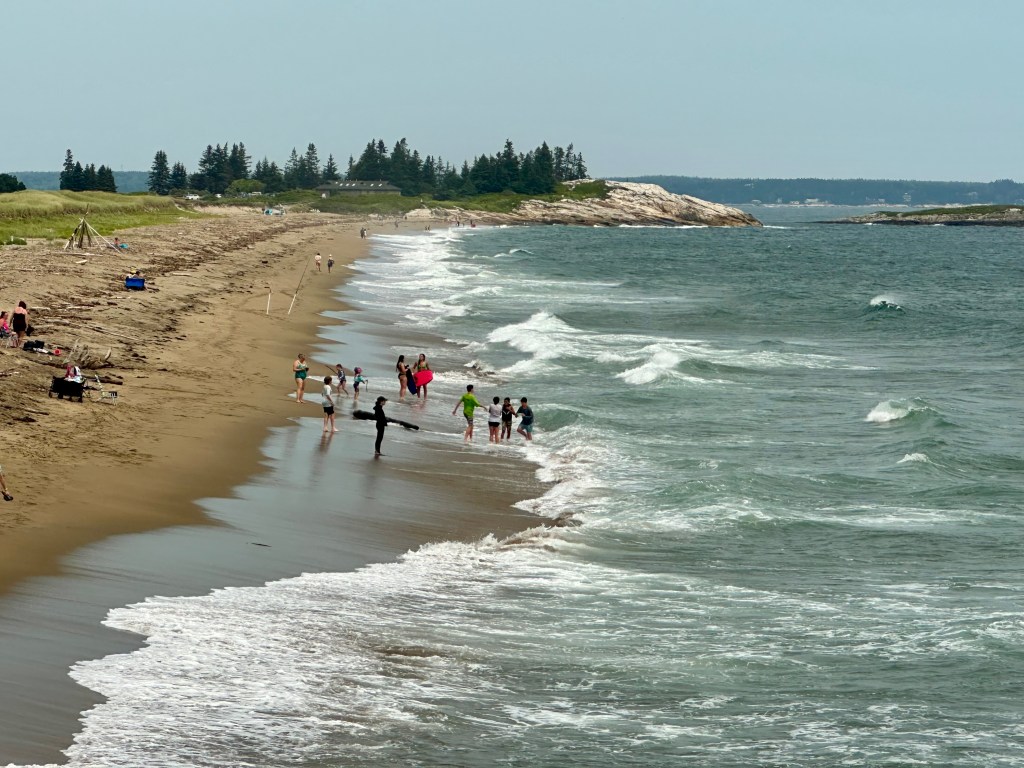
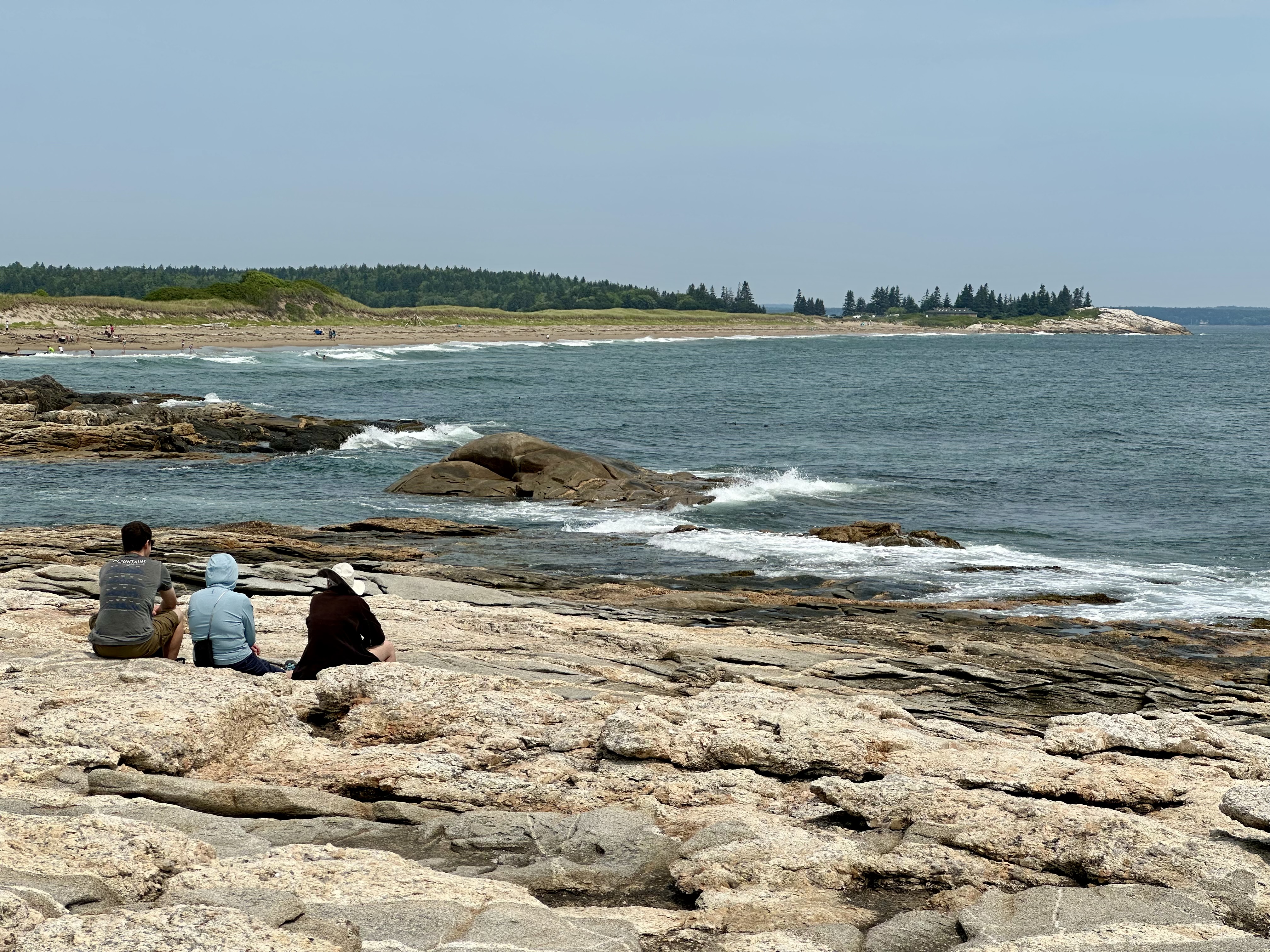
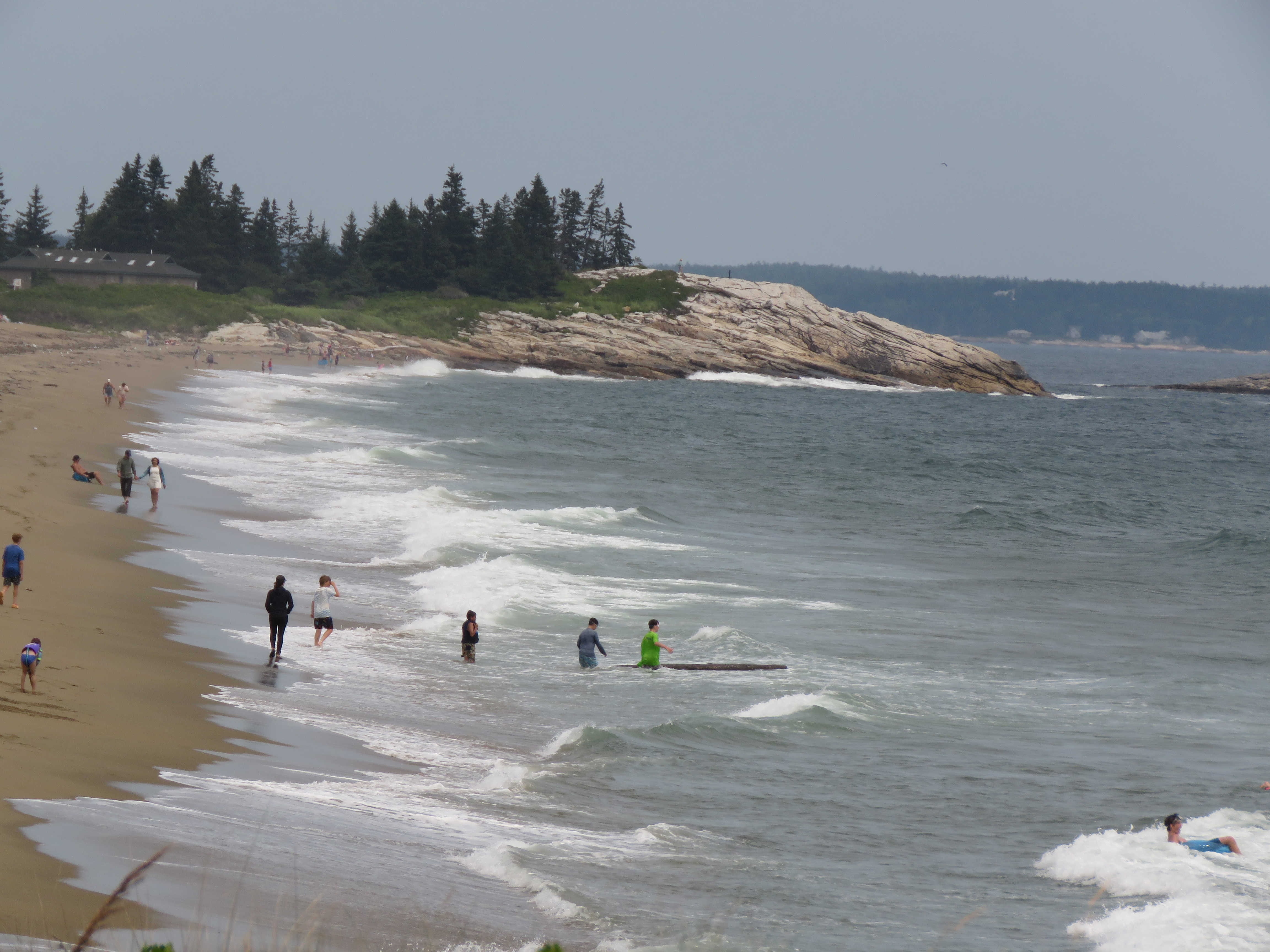
One of the beaches at Reid State Park, Georgetown, Maine. Photo by Bruce Stambaugh
Reid State Park lies a mile across the bay from the cottage where we stayed. To get there by car, we drove seven miles.
The park serves as an access to the ocean for the general public. It also stands as a stark reminder of Mainers’ desire to preserve and protect their precious and lovely coastline from too much commercial development.
Diana, our host, wanted us to experience the park the way other visitors do. It was also an opportunity for a wider perspective of the Atlantic Ocean than what we could see from her cottage in the woods across the way.
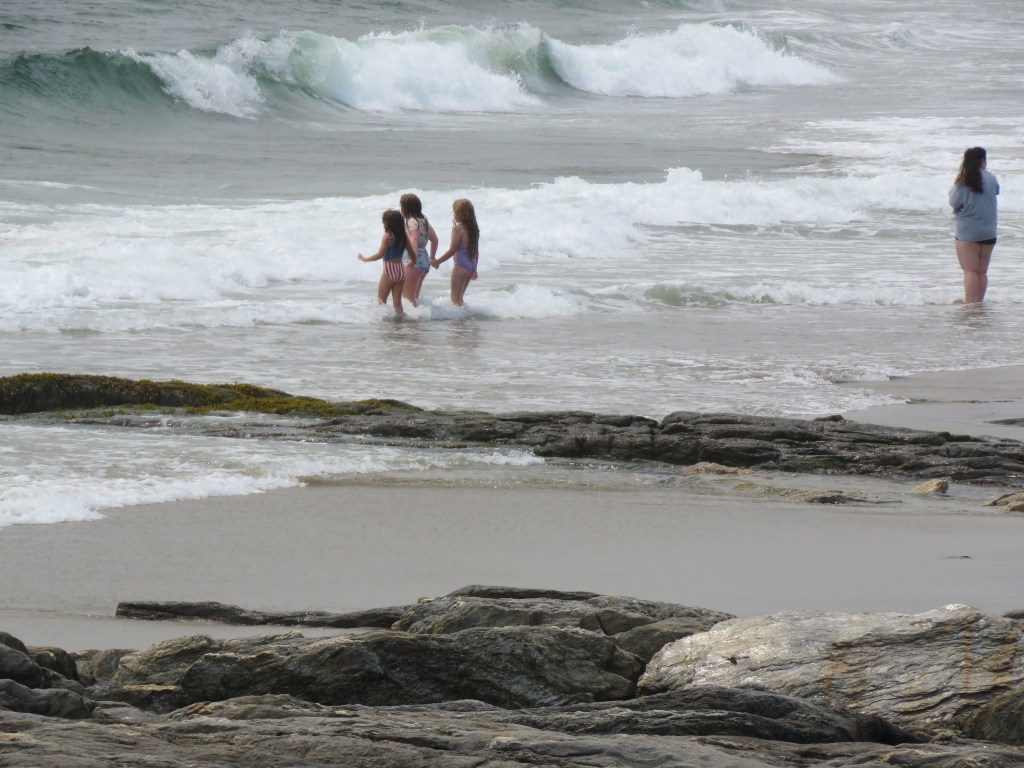
Young girls braved the waves. Photo by Bruce Stambaugh
With the tide high, the waves rolled in to the joy of the water lovers of all ages. Young girls braved the strong waves, trying to stay erect against the crashing force. Their mother stood on alert where the waves turned to foam.
Wanting to try to ride the larger waves ashore, teenagers snagged a driftwood log and walked it bravely into the breakers. I was afraid to watch further.
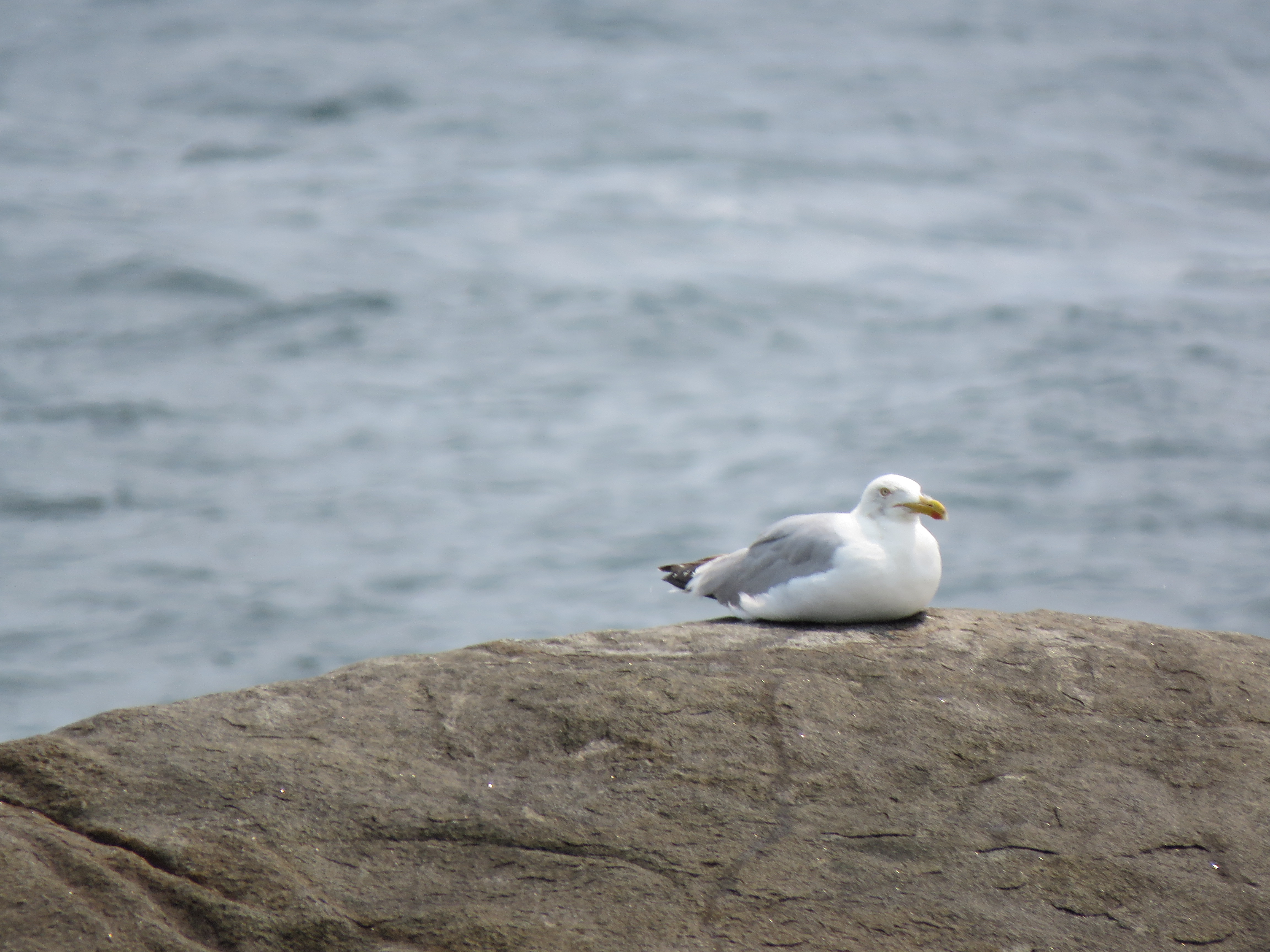
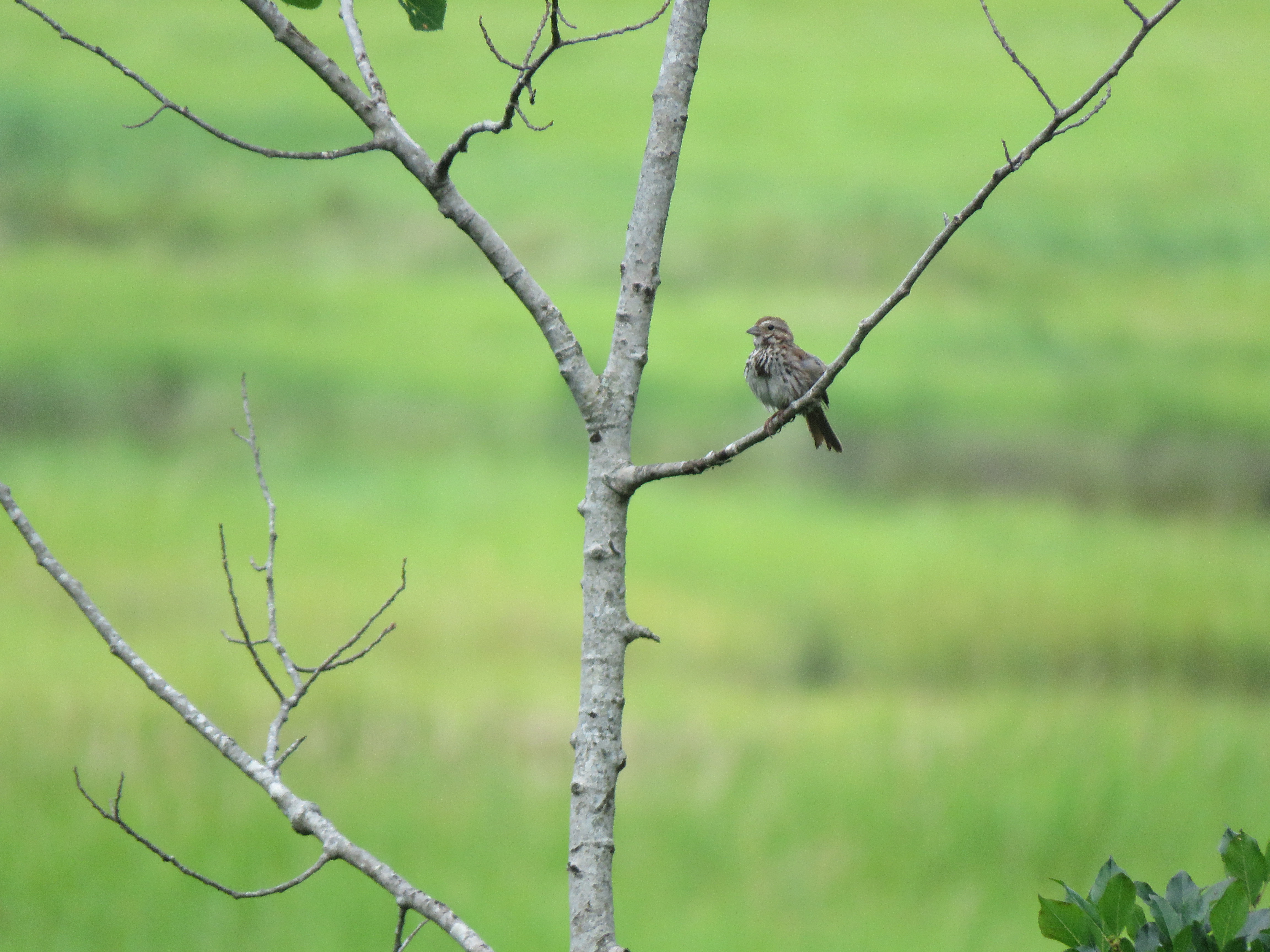
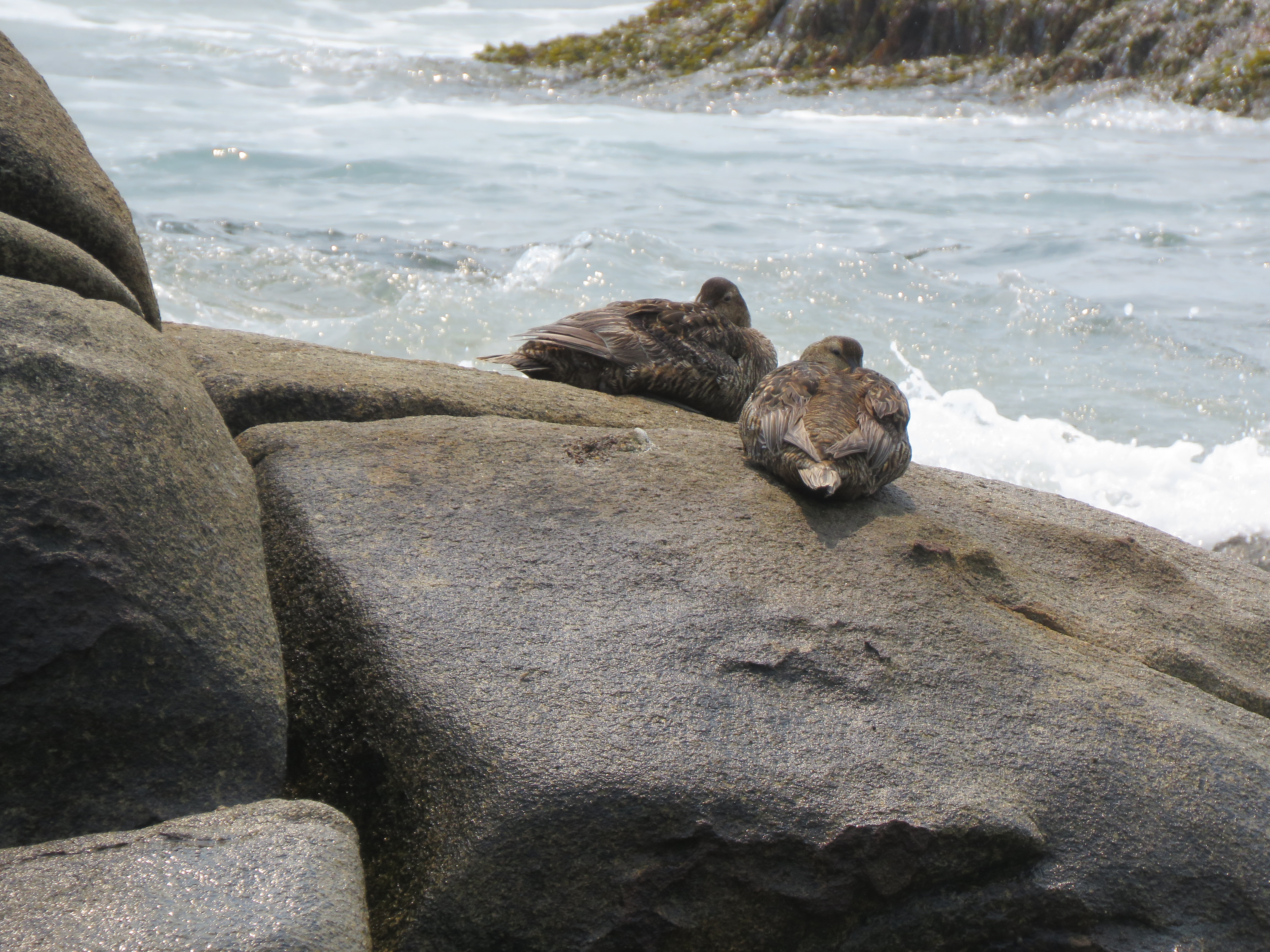
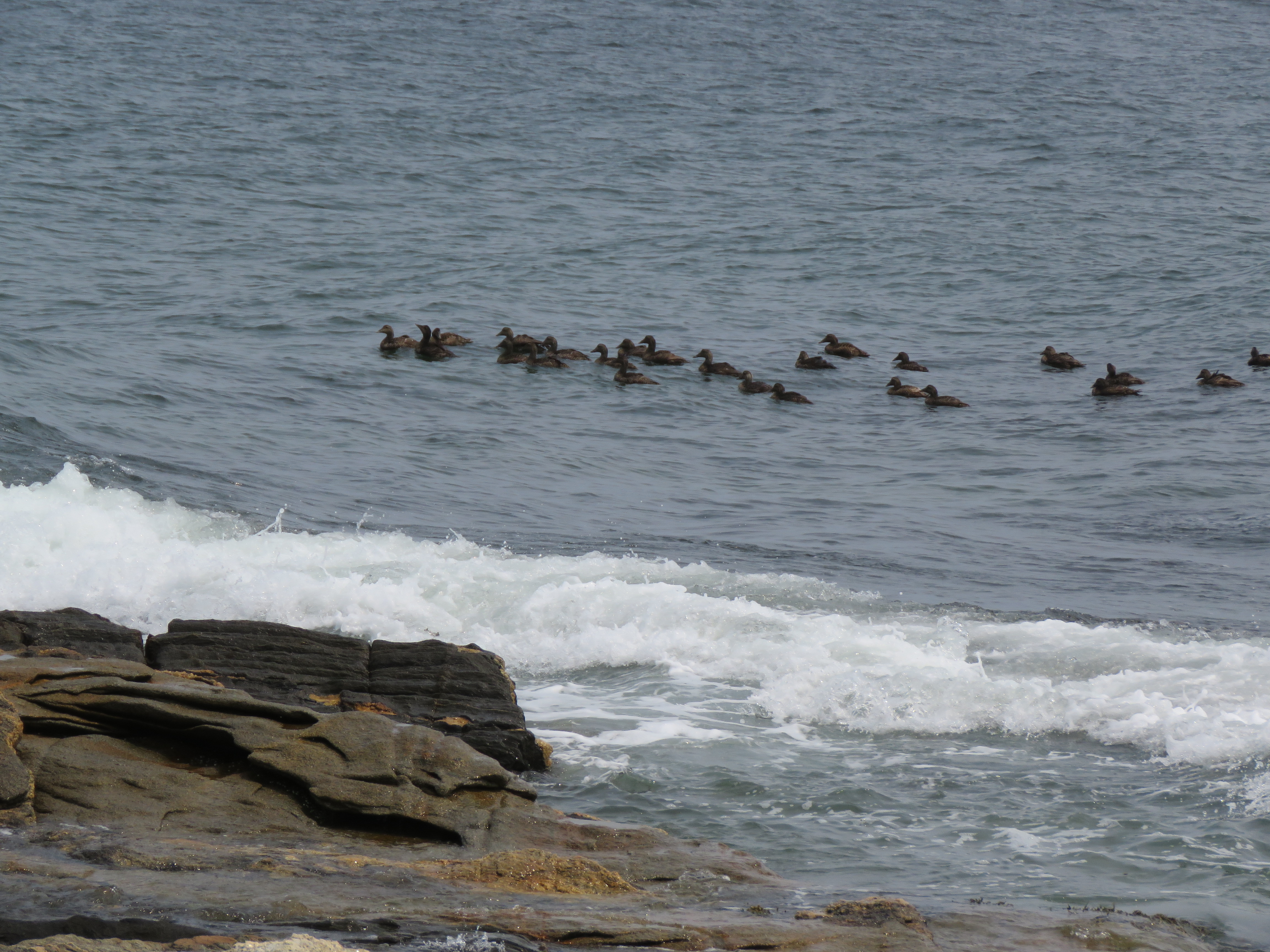
Ducks also rode the waves close to shore and out of the wind. Gulls perched on rocks or pestered picnickers for any discarded scraps. Song Sparrows darted from scrubs to sea oats in search of proper food. I stood on the giant metamorphic rocks for an elevated view of all the action.
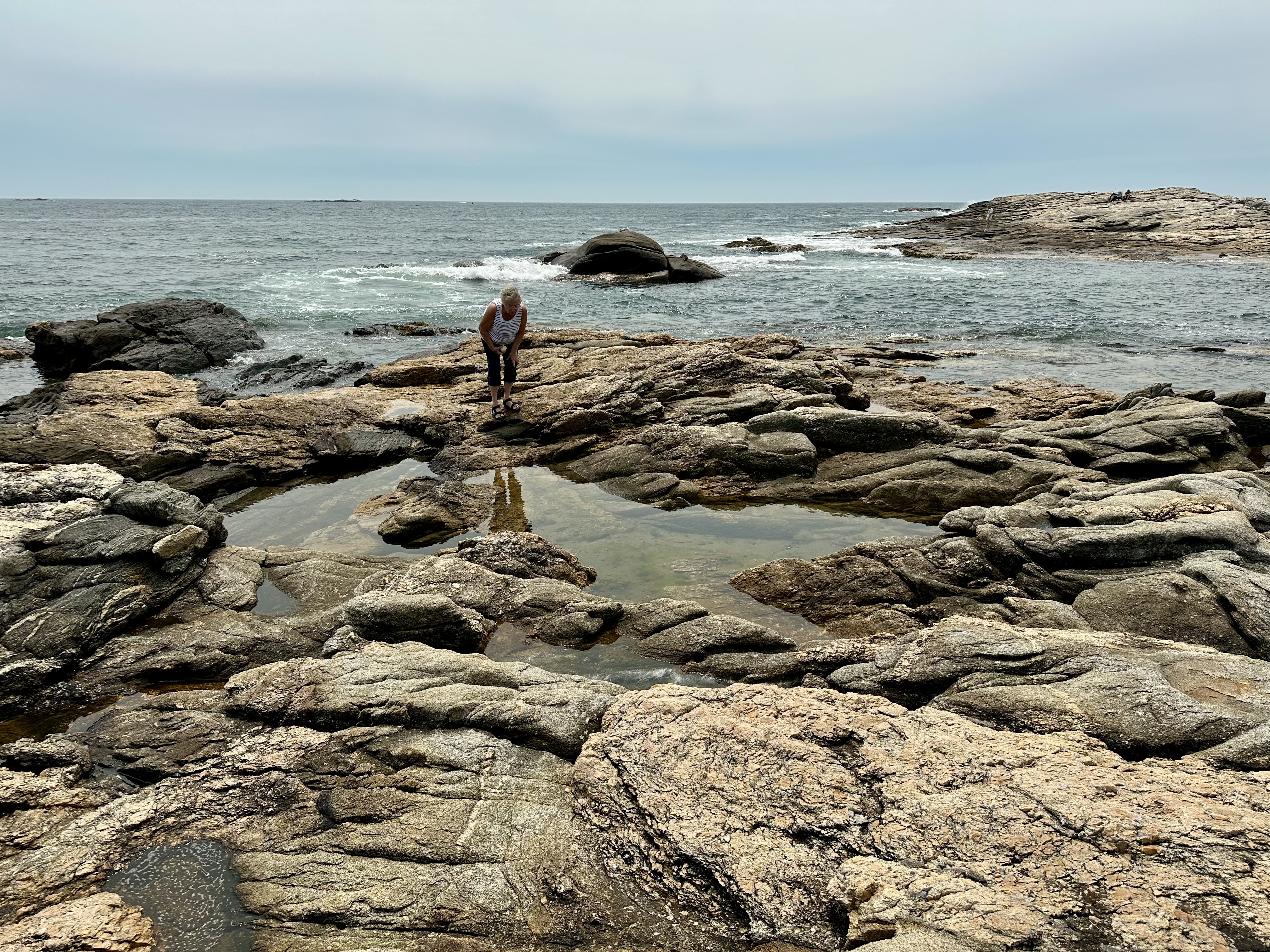
People searched the tide pools in the rocks for any trapped fish and starfish. The park featured no water slides or swimming pools. The purpose was to enjoy all that nature offered, from water-worn boulders, sandy beaches, and birds and butterflies.
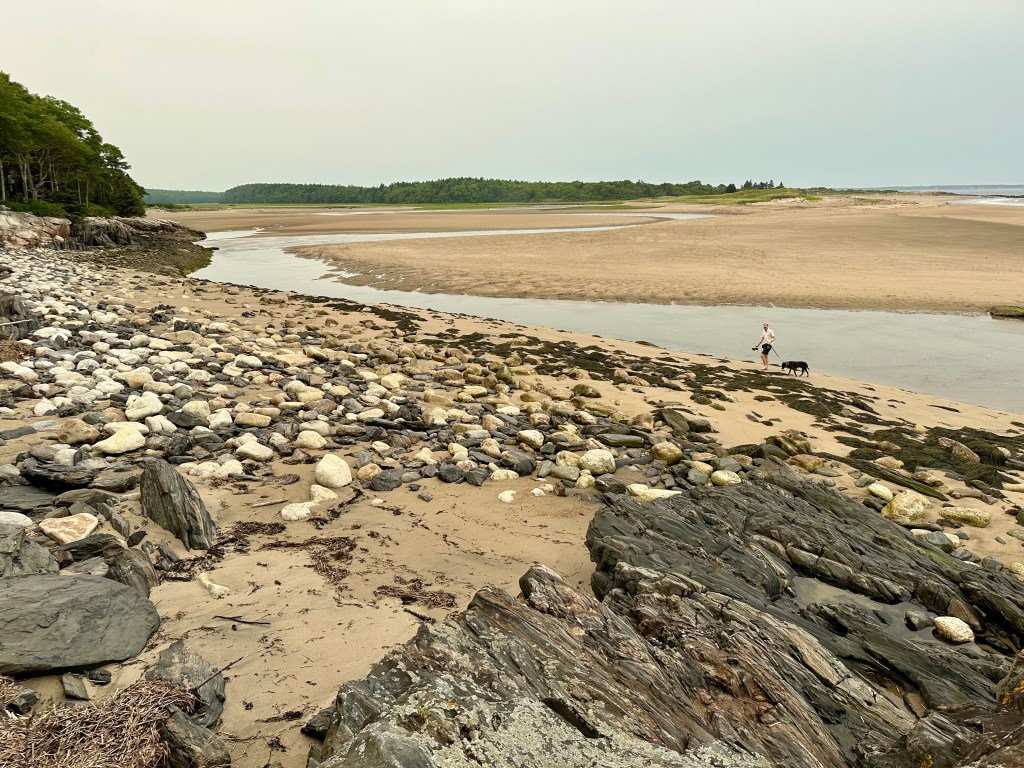
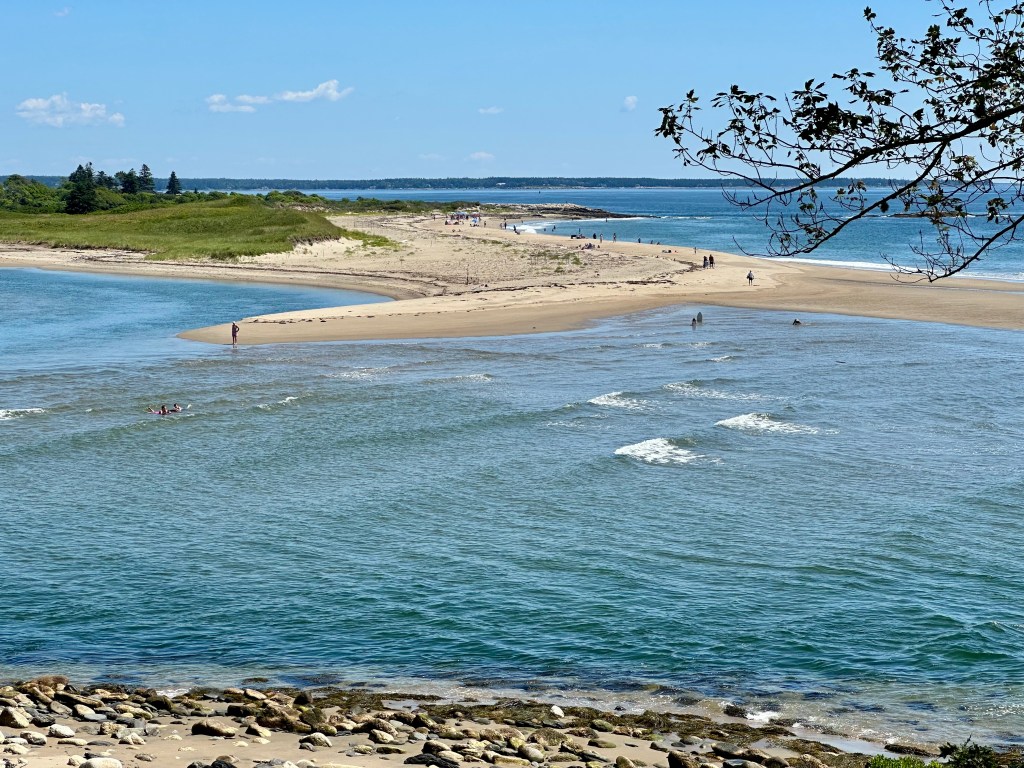
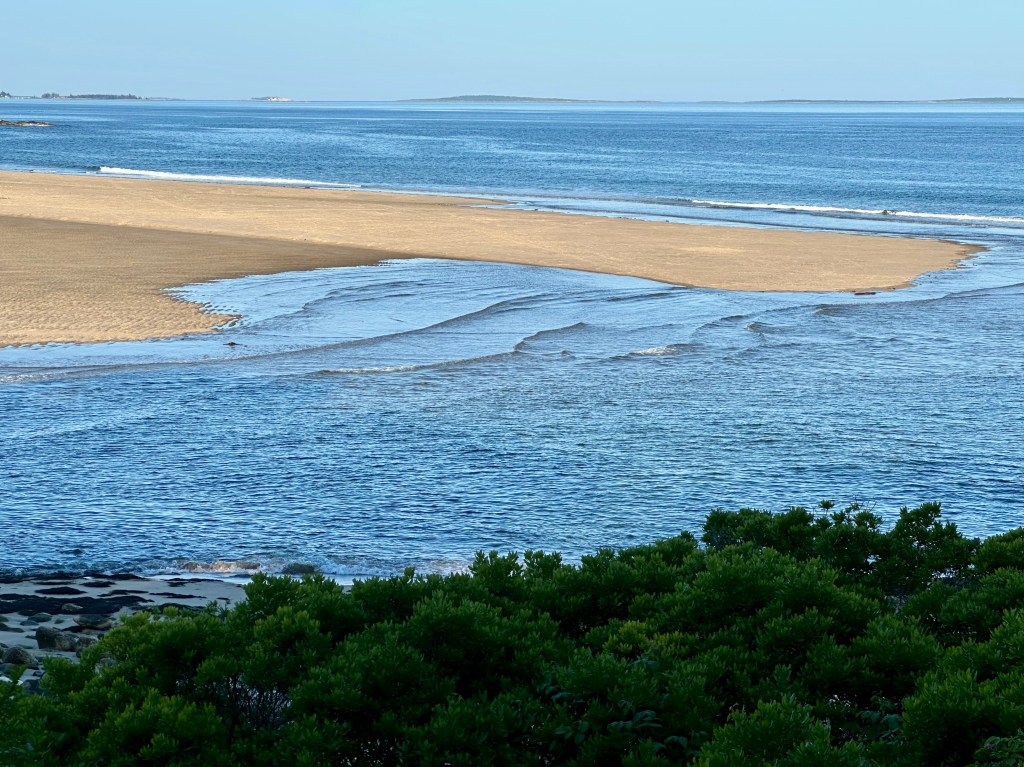
When we returned to the cottage, low tide revealed the tidal flats of sweep sand for all to enjoy in the park and beyond.
Low tide expands the park’s “beach” exponentially. Photo by Bruce Stambaugh
Our first look at the ocean from the cottage where we stayed in Maine. Photo by Bruce Stambaugh
Without realizing it, my wife and I drove through rural Maine toward our destination on the road we needed to take to our friend’s cottage. We had the road’s name but not the state route number.
We needed to stop at a grocery store to pick up butter and eggs. Since the country highway went through no towns, there were no stores to be found.
I was shocked when we came to US 1, the highway that runs southwest to northeast, essentially paralleling the Maine coast. We headed into Bath to buy the needed foodstuffs. It’s a 30-minute drive from the cottage to the closest grocery store in Bath. So, our stop was required.
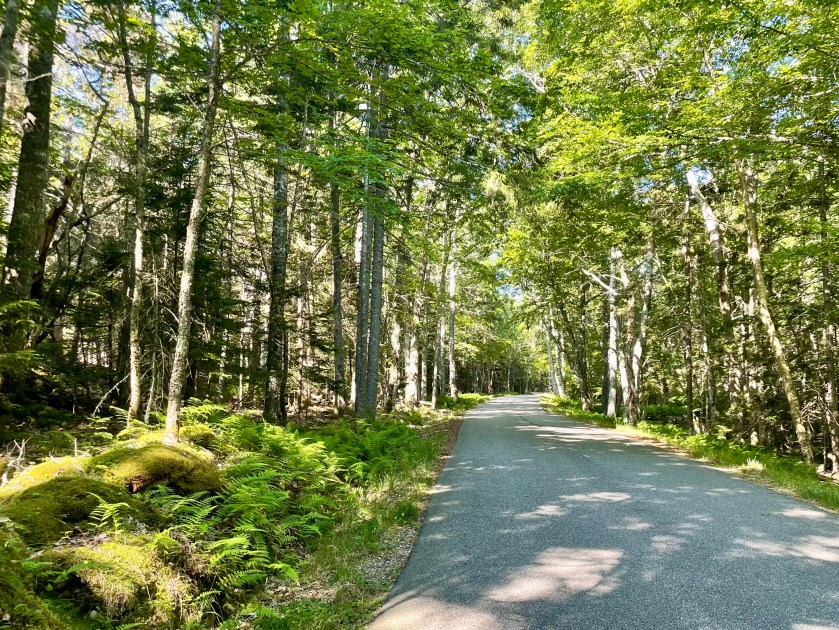
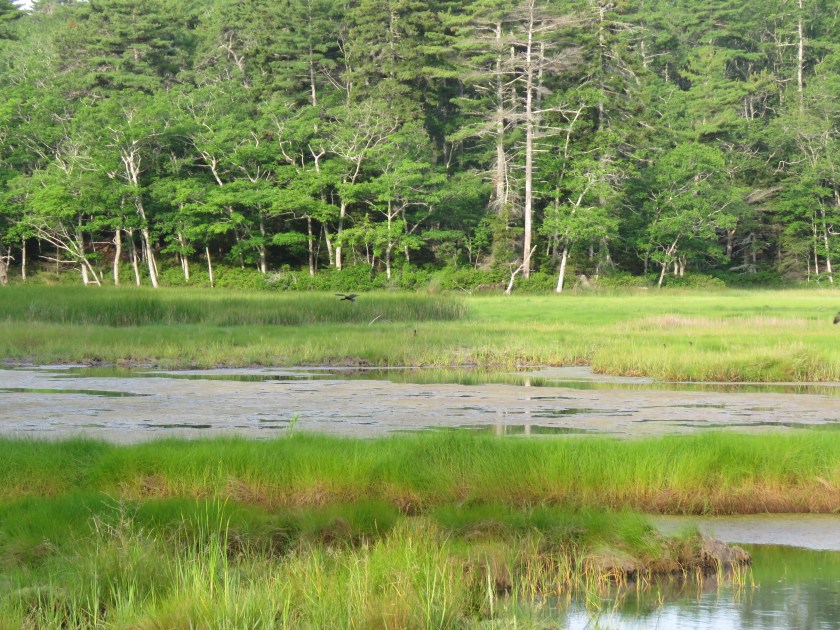
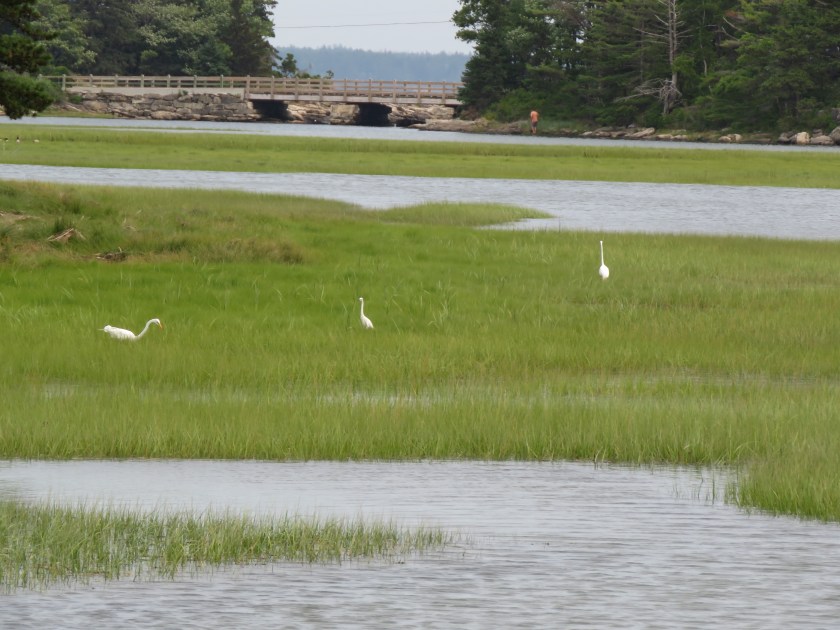
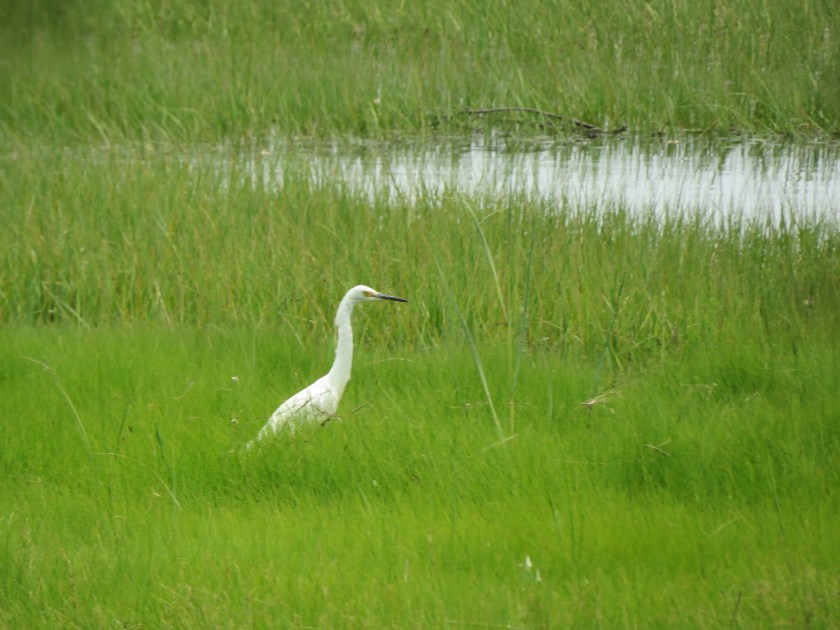
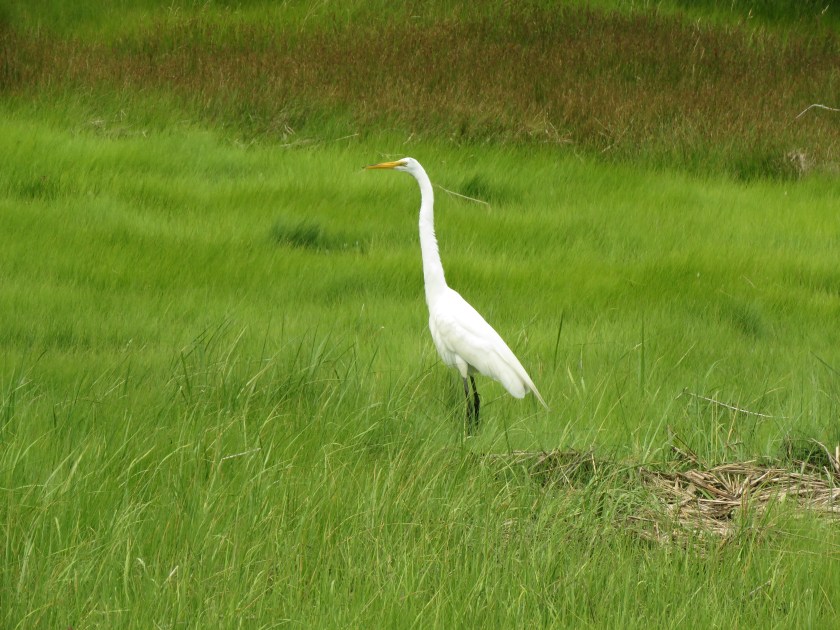
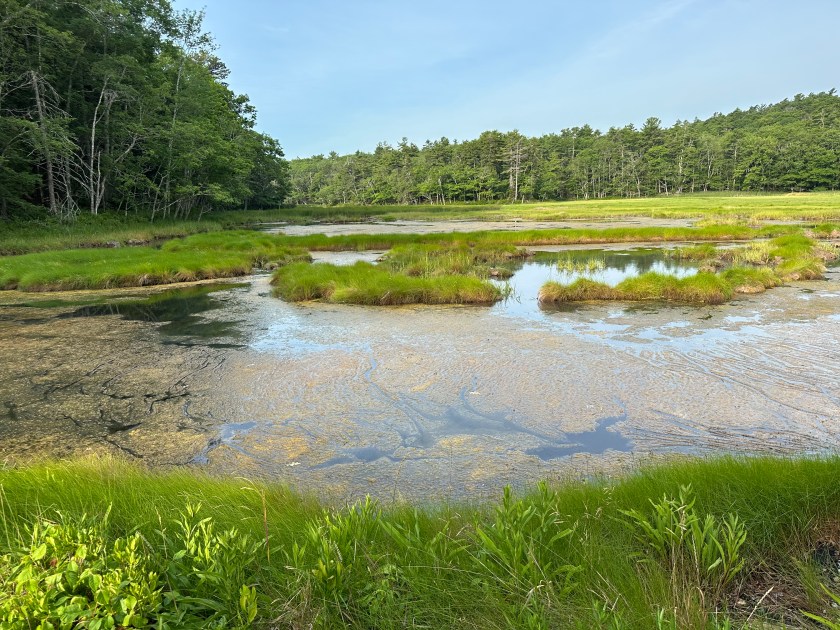
Heightened anticipation propelled the drive south to the island. The ubiquitous birches, maples, and evergreens line the gently winding road to the cottage, only interrupted by bridges across inlets and streams, and marshes and ponds where Great Egrets and Snowy Egrets probed among the reeds and rushes.
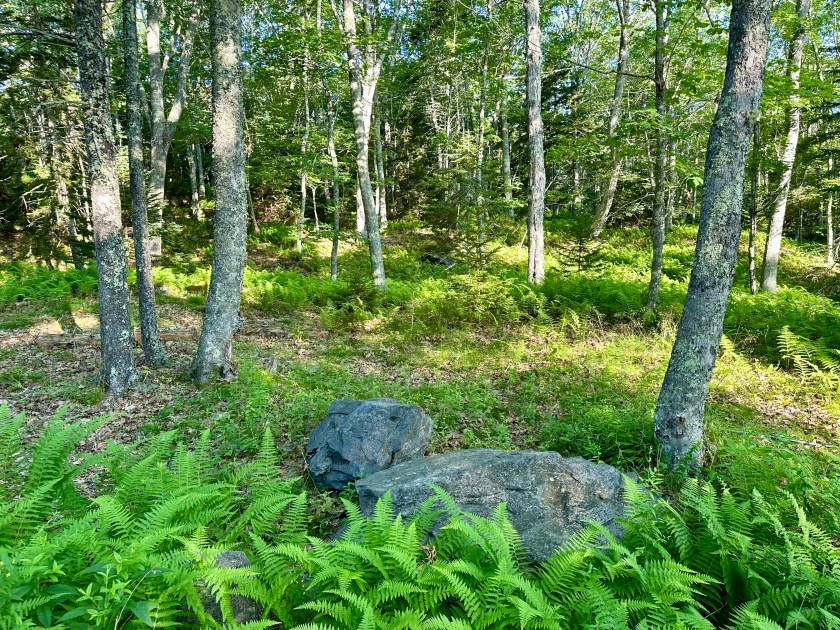
When we turned onto the narrow road to the cottage, fiddlehead ferns, balsams, and birches welcomed us. So did our host when we finally arrived.
The refreshing ocean breezes, the roar of the waves, the scent of the pines, and the familiar birdsongs offered a welcoming chorus, too. Never had settling in been so easy.
An hour later, we stood on the dock at Five Islands, Maine, for the annual blessing of the boats. The name comes from the five islands in the harbor. A local pastor said a patriotic prayer for safety and a successful lobster season, and the lobstermen and their friends and families gathered on their boats. Other moored boats provided picturesque opportunities.
As soon as a memorial wreath had been tossed into the water in remembrance of those hardy fishermen who had passed on, we found a picnic table that sheltered us from the stiff wind and enjoyed our sack lunches.
Most lobstermen powered up their boats and headed out to ply their well-hewn skills. Others, on bigger boats, stayed to party the afternoon away.
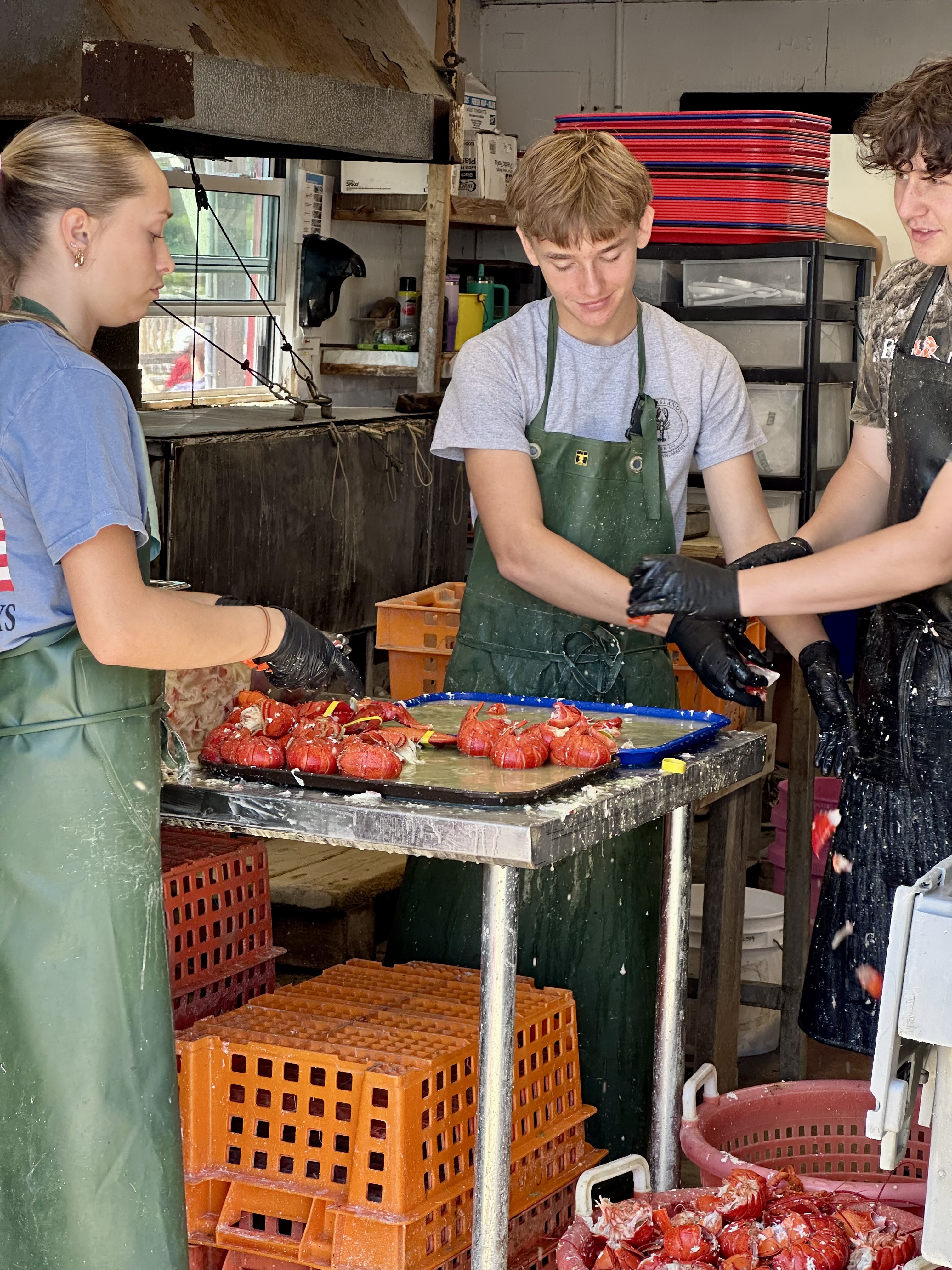
Teenagers separated the luscious lobster meat from its hard gray shell. They provided the crucial step between the marine crustacean and the delicious $30 lobster rolls. I hoped they were paid well.
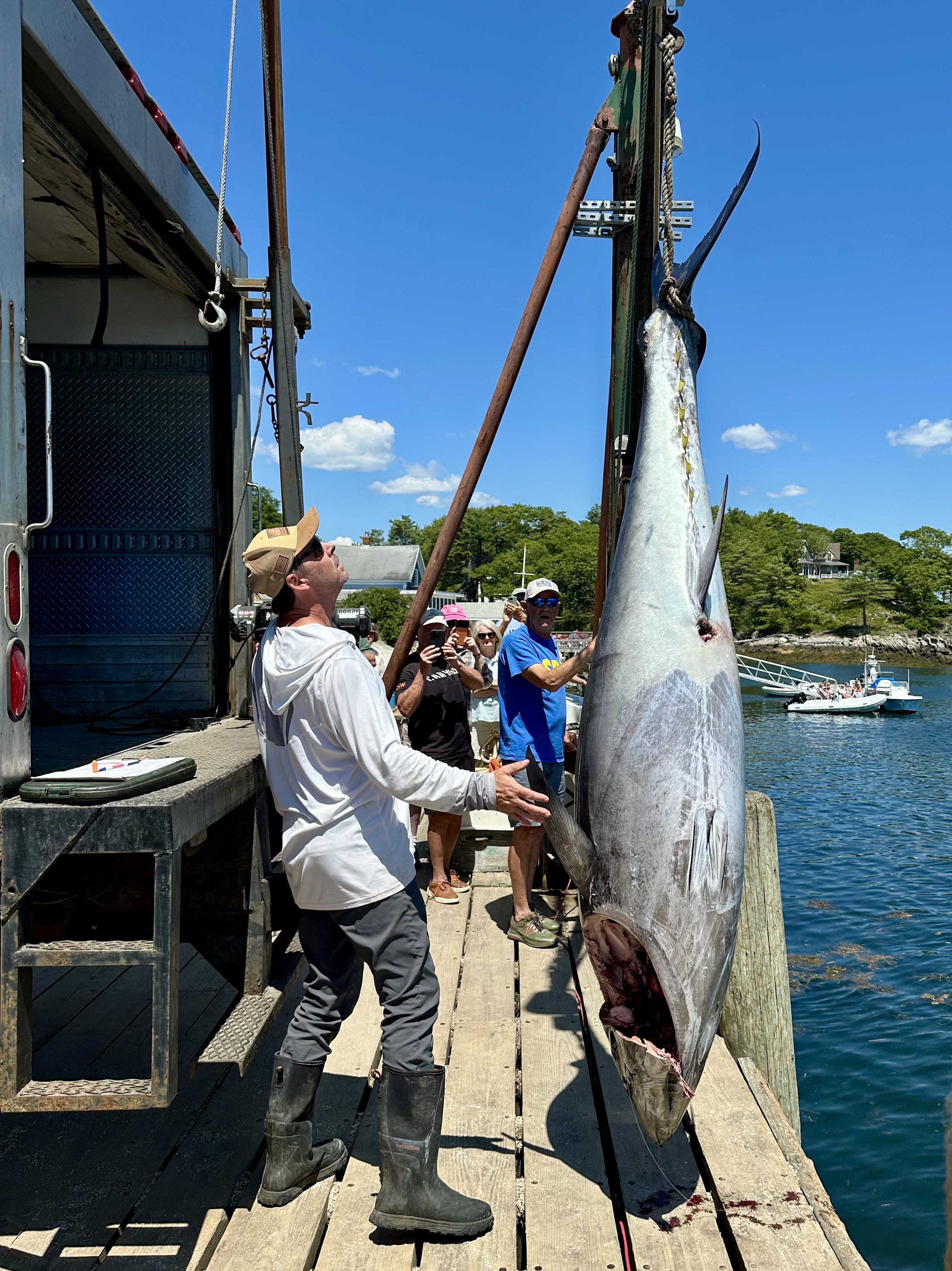
Soon, a box truck backed onto the dock, and a 450-pound Bluefin Tuna was hauled up, prepared for market, and trucked off. It was fascinating to watch the efficiency and cooperation of people who knew what they were doing and were doing it well.
As we walked back to the car, I couldn’t help but notice the orange lichens painting the rock retaining walls by the steep embankments. The wood-shingled cottages sat askew overlooking the harbor.
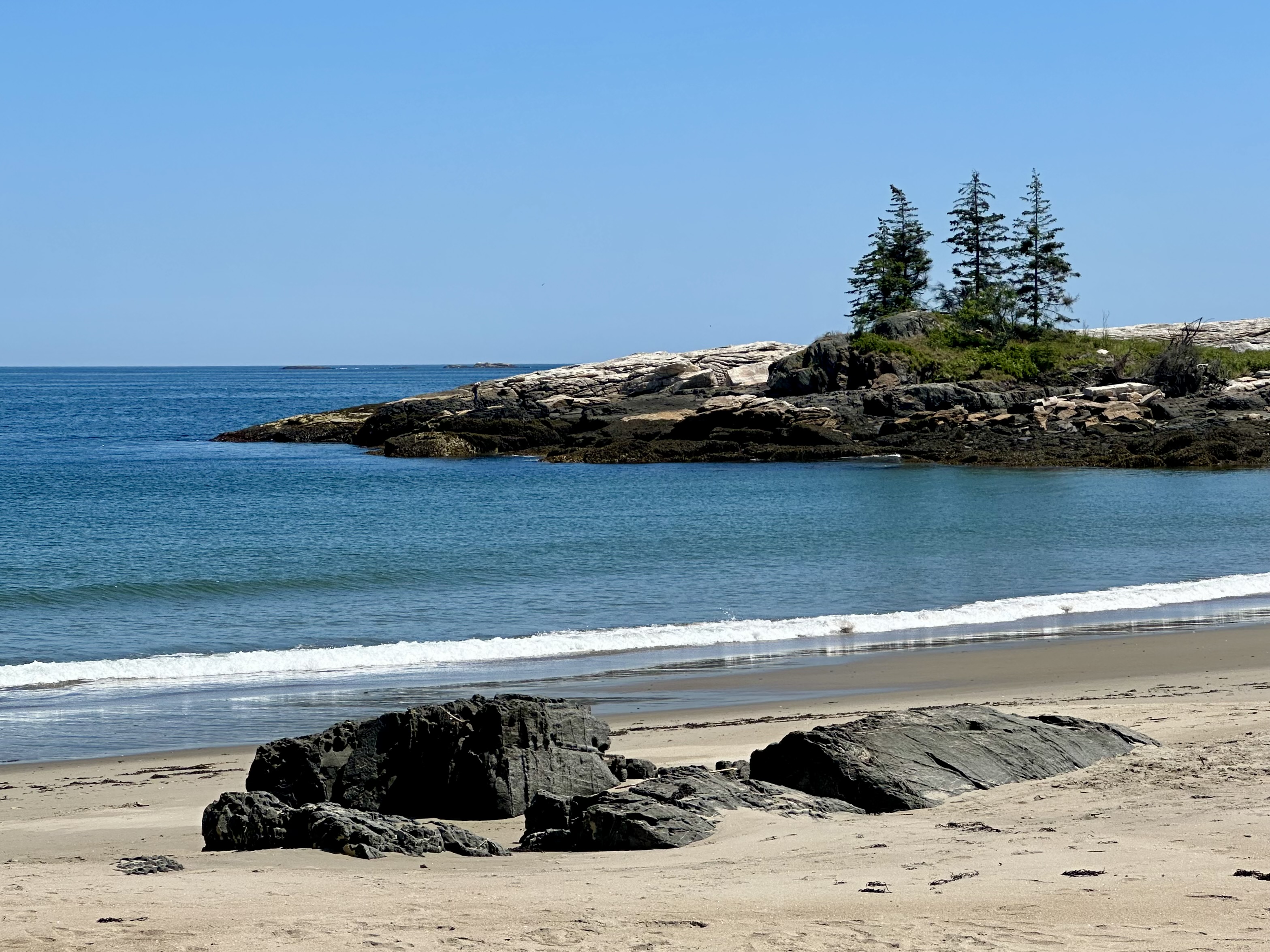
By the time we returned to the cottage, the low tide had revealed the sandy beach hidden by the ocean at high tide. The sand expanded wider and wider as it approached the receding Atlantic.
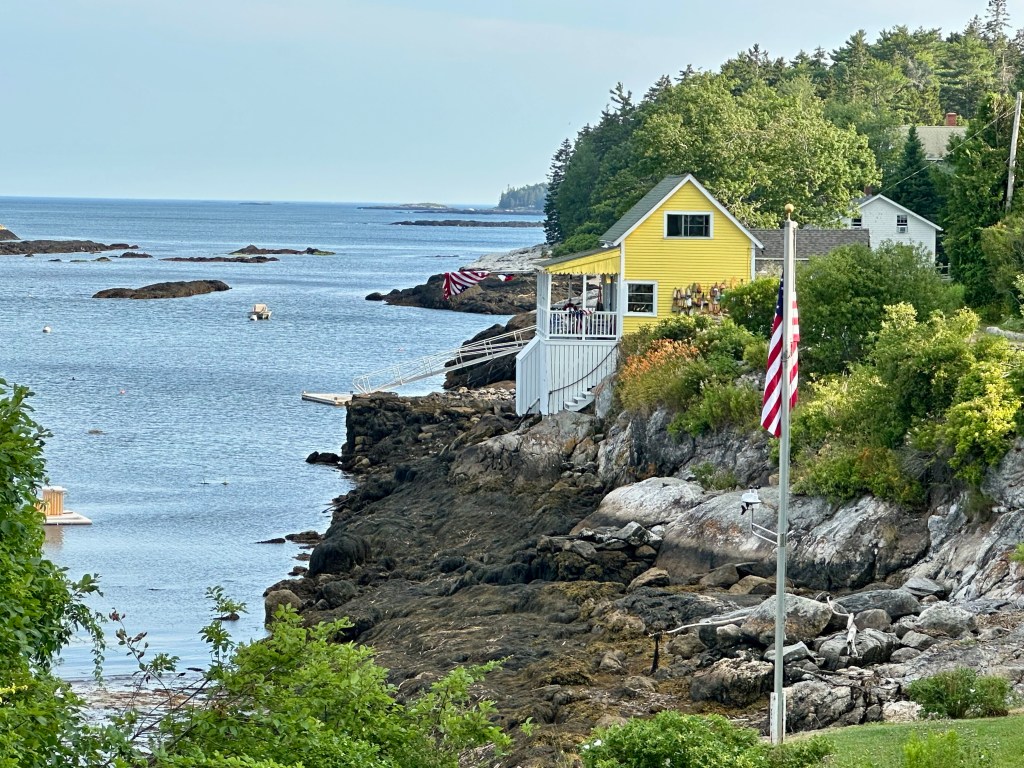
It drew me down like a moth to a porch light. I was mesmerized by the giant granite boulders that line the embankment in front of the cottage. I stepped lightly, making sure this septuagenarian didn’t allow his curiosity to override his common sense.
I explored the broadness of the sand and photographed other cottages hanging high above the temporary beach. Three hours later, the sea once again filled the bay, and the sound of the waves crashing and the cool onshore breeze ensured a night of restful, undisturbed sleep.
The world’s tallest filing cabinet, Burlington, Vermont. Photo by Bruce Stambaugh
When friends in Ohio learned we would be staying overnight in Burlington, Vermont, they suggested we check out an oddity.
After a smooth drive from the Pocomos to Burlington, my wife and I went looking for a good place for dinner. Our Ohio friends said we should check out the world’s tallest file cabinet. So we did.
I’m not sure how they knew about this unusual landmark, because no signs mark the way to it like other touristy places. There’s not even a sign explaining why, how, or when this “monument” was installed.
Thanks to Google Maps, we found it with ease. This amazing structure stands like an unmarked grave in the corner of the parking lot of a nondescript local business.
Best of all, the restaurant we chose was right next door. I enjoyed my monster smash burger and Vermont maple lemonade to wash it down.
My wife and I are in the last leg of our vacation. Yes, retired people take holidays, too.
We started our two-week trip off with a bang. We gathered with our son and his family, our daughter and her husband, and our granddaughter in a cottage on a lake in Pennsylvania’s Pocono Mountain region on July 4.
The community where we stayed shot off its fireworks display from the dam of the lake we stayed on. Of course, neighbors around the lake preempted the real show with their mini-pyrotechnic displays. They couldn’t hold a candle to the sponsored ones, however.
At 9:45 p.m., the fireworks began despite the overcast skies and intermittent drizzle. The show must go on, especially on the country’s 250th celebration of independence.
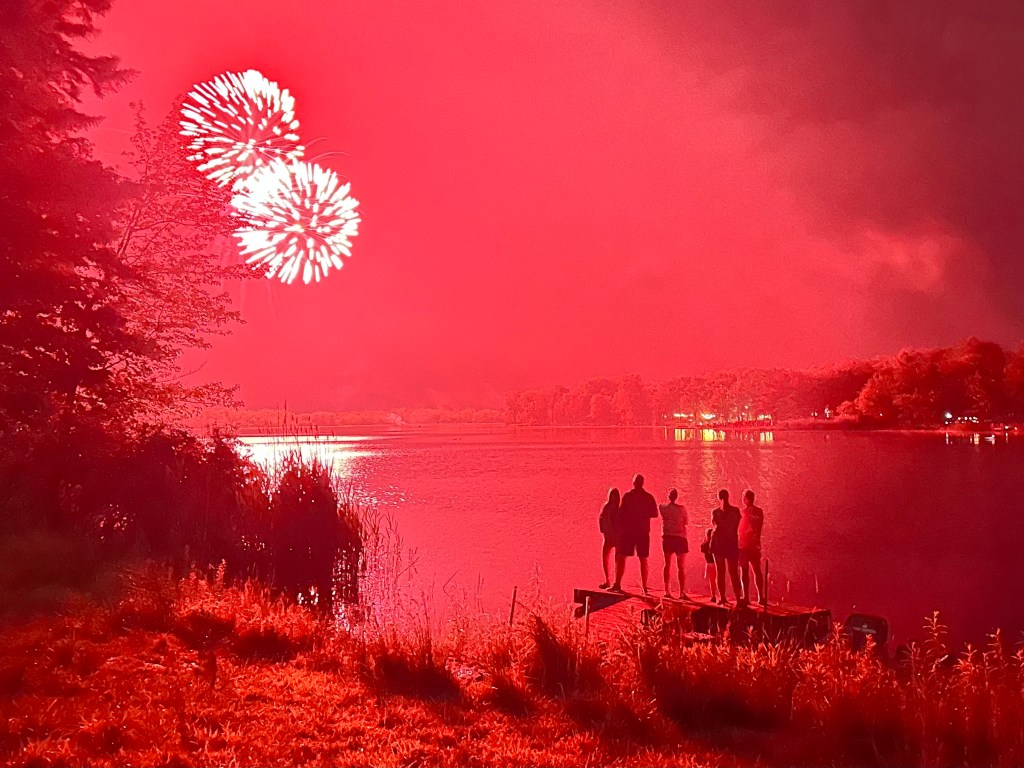
I stood back and captured our families watching the fireworks. With the low clouds and the misty haze, the sparkly colors echoed off of the atmospheric elements.
In this photo, the brief time-lapse created a glowing red glow all around just as the second burst flashed brilliantly white with a double boom. It was a great way to initiate our time with family and friends on our jaunt into New England.
Fireworks in the Poconos. Photo by Bruce Stambaugh
It was a simple, mundane task that turned into a celebration of connections.
I needed gasoline for the lawnmower since our granddaughter said she would come the next day to mow our yard. The gas can for the mower was empty, so I drove to the local gas station to fill it and my vehicle, a process I gave little thought to.
A pickup with a huge water tank in the truck’s bed blocked most of the pumps. I was able, however, to back into the one pump that had the non-ethanol fuel I needed.
I went to insert my credit card and noticed a black one had been left in the slot to pay for the gas. I pulled the card out and wondered what I should do with it. The office at the rural station had already closed.
If it were my card, I would want someone to retrieve it and try to contact me. So, I put the card safely in my wallet, turned my attention to paying for gas with my own card, and returned home.
I Googled the lady’s name on the card and quickly found her address and phone numbers, both landline and cell phone. I called the mobile line first and left a message. I tried the landline, but it rang a rapid busy signal, a sign that it was no longer a working number.
I figured I would get a quick response to my message, but I was wrong. When I still hadn’t heard anything by the next day, which was a Saturday, I called the 911 center’s non-emergency number to see what I should do with the card. The dispatcher told me to drop it off at the police station. I decided to wait until Monday to do that and hope the lady would follow up with me before I went.
That’s exactly what happened when shortly before 9 a.m. Monday, the lady called. The number where I had left the message was actually her son’s phone, and he didn’t let her know until just before she called me.
To say she was giddy to know her card was safe would be an understatement. But there was more to it.
The lady explained that when she realized she had misplaced her card, she checked her latest transactions with it online. Purchasing the gas was the last charge.
She drove to the station to see if she could find her card. A truck with a large water container on the back was at the pump. The man driving the truck saw her looking around the pump we had used and asked if she needed help.
“I left my credit card in the pump yesterday,” she explained.
The man asked, “Was it black?”
“Yes!” she exclaimed. “How did you know?”
“I was here yesterday, and I saw a guy take the card out of the pump,” he said. It was the same man and truck I had seen. He told the woman that he buys a lot of gas there.
“I think he took the card up to the office,” he told her. Of all the details, he got that one wrong.
Then came the real shocker of the phone conversation.
“Are you Maren’s grandfather?” she asked.
“Yes,” I said. “How did you know?”
“I am Maren’s mentor at church,” she replied. “I recognized your last name because of your daughter.”
I thought, “What a small world.” But that wasn’t all.
The kind woman was a cousin of a dear friend of mine who had recently died unexpectedly. I chuckled to myself about the multiple overlapping connections we had.
Darlene arrived at my home a couple of hours later to retrieve her credit card, which she had put on hold to prevent misuse. In return, she thoughtfully handed me a carton of fresh strawberries.
We stood on the front porch and chatted for a long time about the happenstances that had led to the return of her card and the serendipitous connections we had discovered.
The more we conversed, the more common relationships we discovered. It was a joyous first meeting, and more than a fair trade of strawberries for a wayward credit card.









You must be logged in to post a comment.