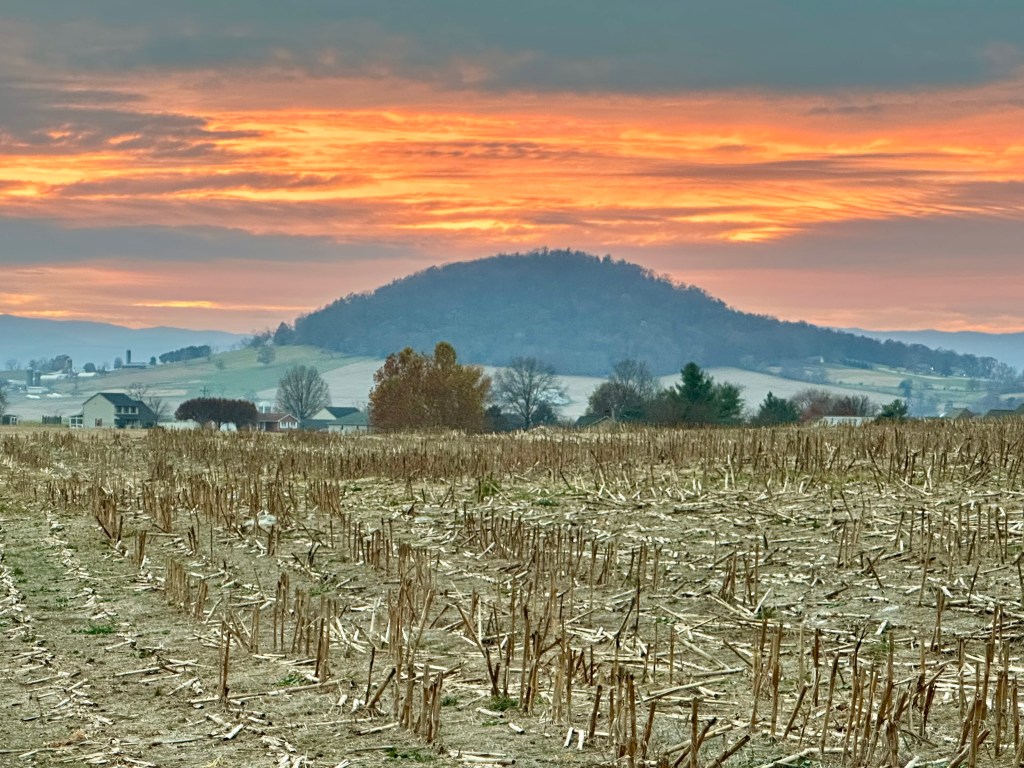
When I photographed this lovely sunset, I didn’t see the geometric juxtaposition. I only saw quickly changing beauty in the November sky.
It wasn’t until I uploaded the photo to my laptop that I realized the sunset’s radiance over Mole Hill mirrored the Shenandoah Valley’s landmark like an upside-down reflection. The technical term for this phenomenon is an inversion, thus the title of this photo essay.
This inversion is not to be confused with the meteorological inversion. That is when a layer of warmer air traps cooler air below it.
Mole Hill isn’t just another bump in the valley’s floor. It’s an extinct volcanic lava core that was last active 47 million years ago.
Since my wife and I live two miles east of Mole Hill, we aren’t taking any chances. We have earthquake insurance on our house.
Some people consider November a drab month. They have their reasons.
Most of the colorful leaves have fallen. The trees stand as silhouettes across the landscape. Farmers have stored their year’s harvest. Daylight diminishes, and average daily temperatures cool.
At the start of the fallow season, I still search for beauty in nature. Even in the calendar’s eleventh month, the golden hour of sunrises and sunsets bathes the landscape in softer tones.
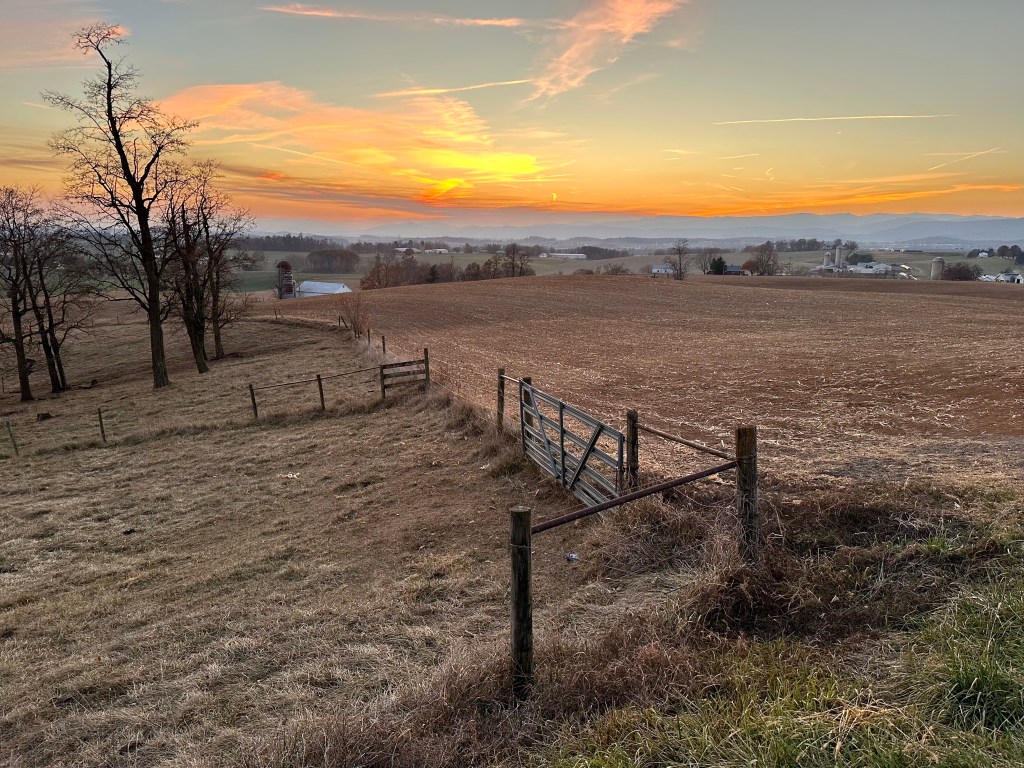
The air is crisp and clean. No humidity obscures the distant mountains. Though the sun sets far to the southwest, beauty abounds.
The fields may be bare, the pastures wilted from multiple frosts, but the sharpness of the details remains visible to all. The contrast between the corn stubble and the dark soil reveals where the rows of towering cornstalks once waved in the wind.
Far beyond North Mountain, the ancient Alleghenies draw a squiggly line on the horizon. Even hidden behind high, thin clouds, the sun closes the day with its glorious glow.
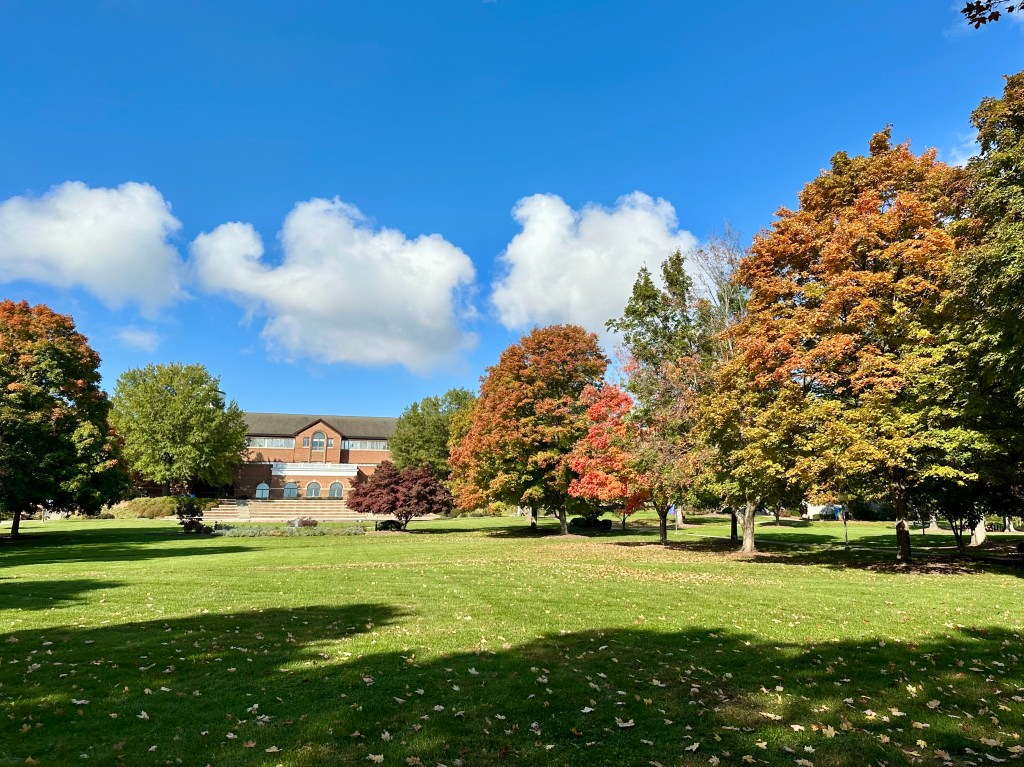
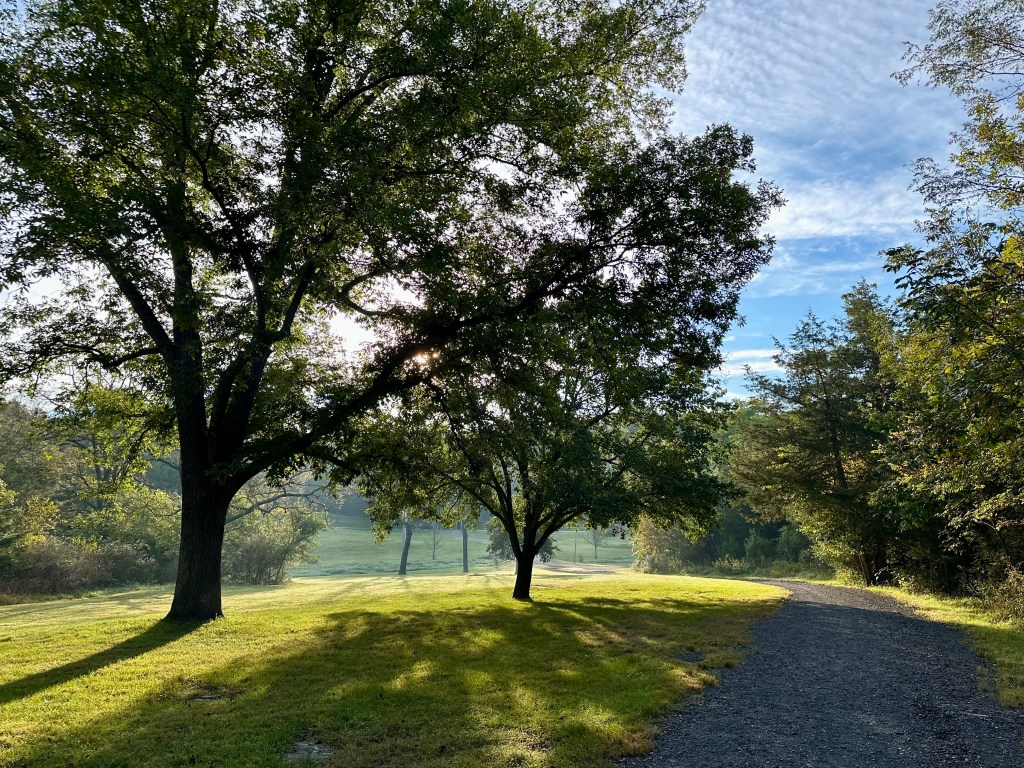
The geen at Eastern Mennonite University, Harrisonburg. Photo by Bruce Stambaugh
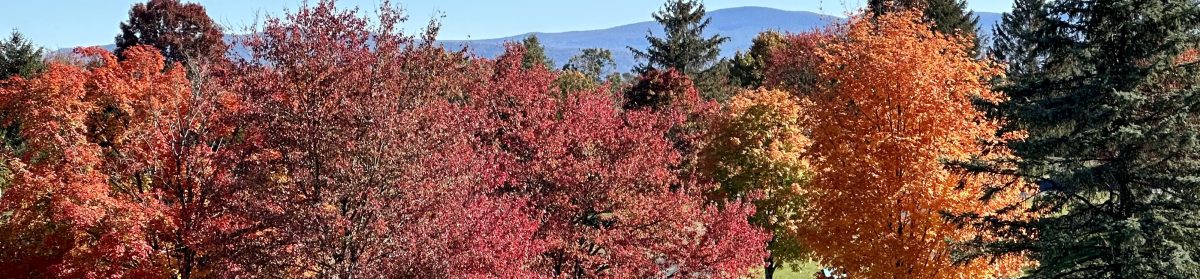
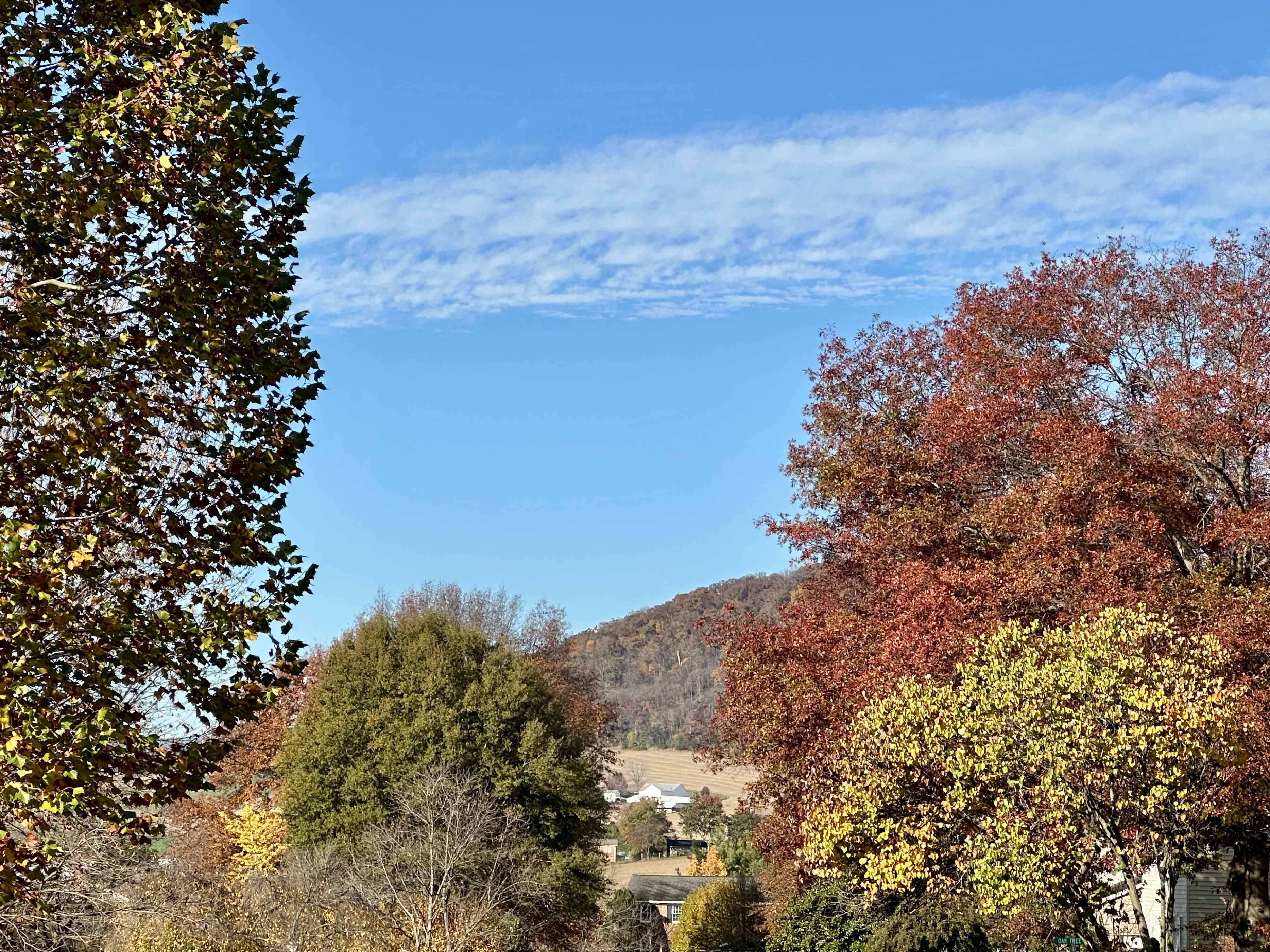
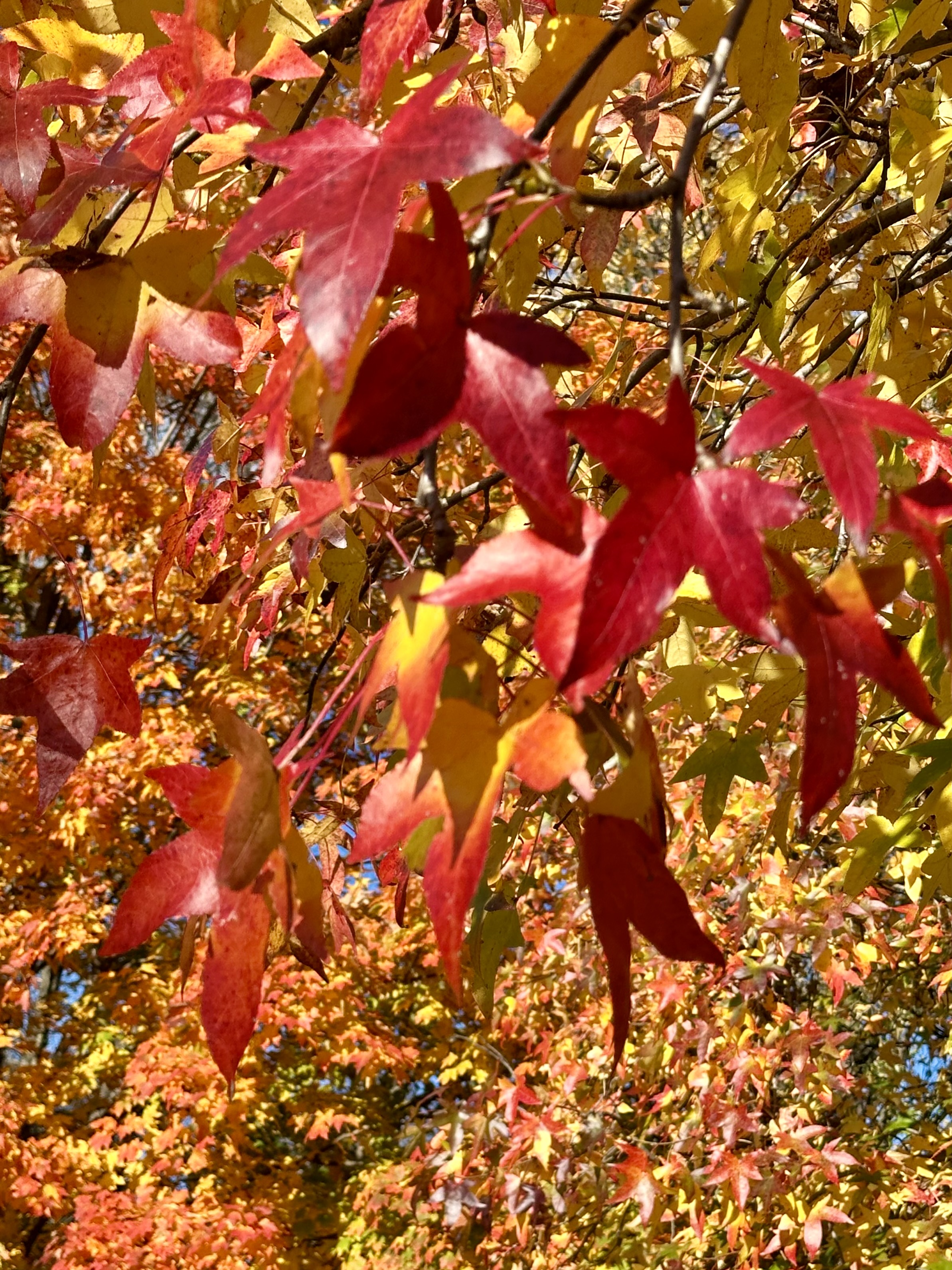
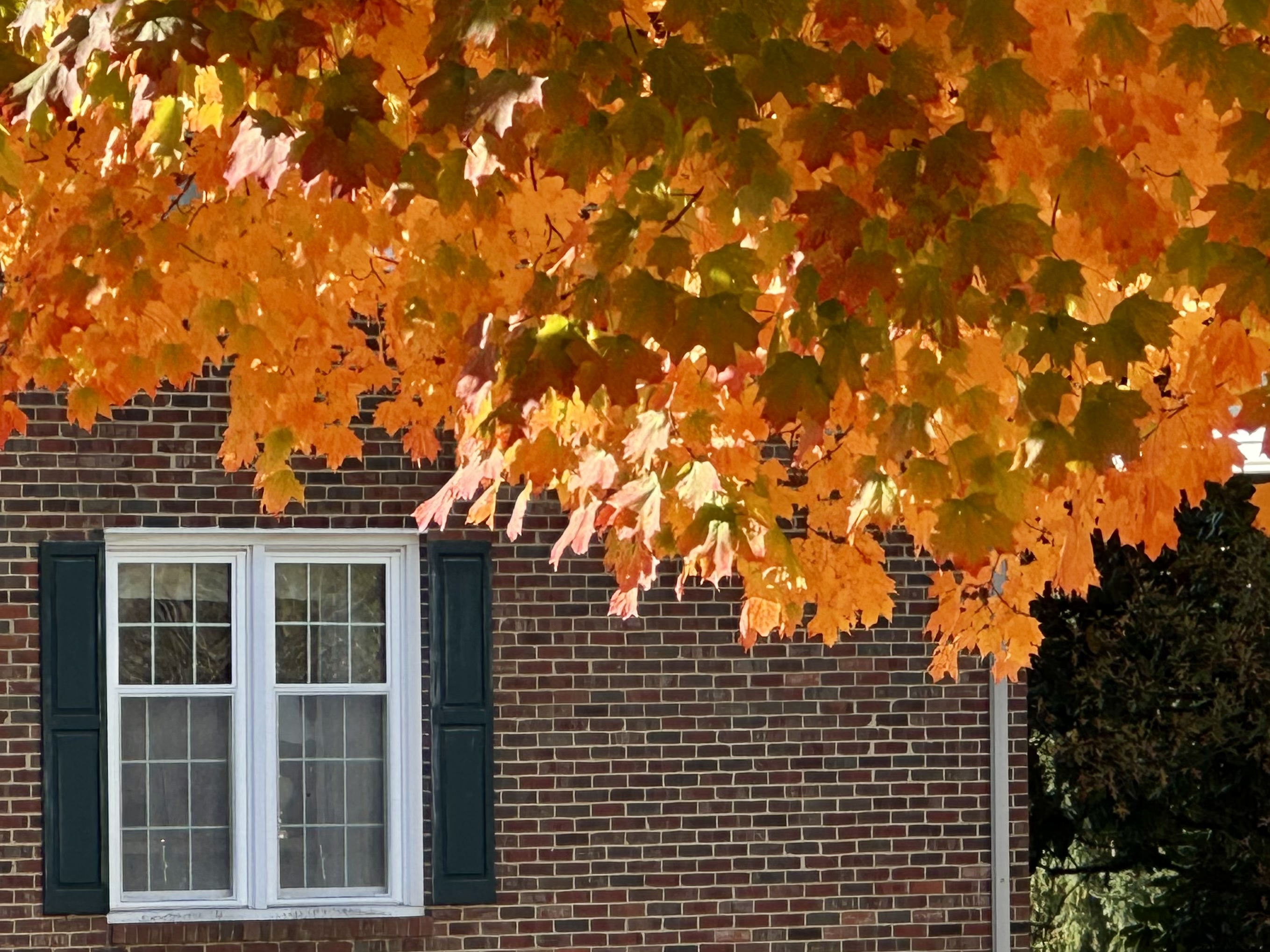
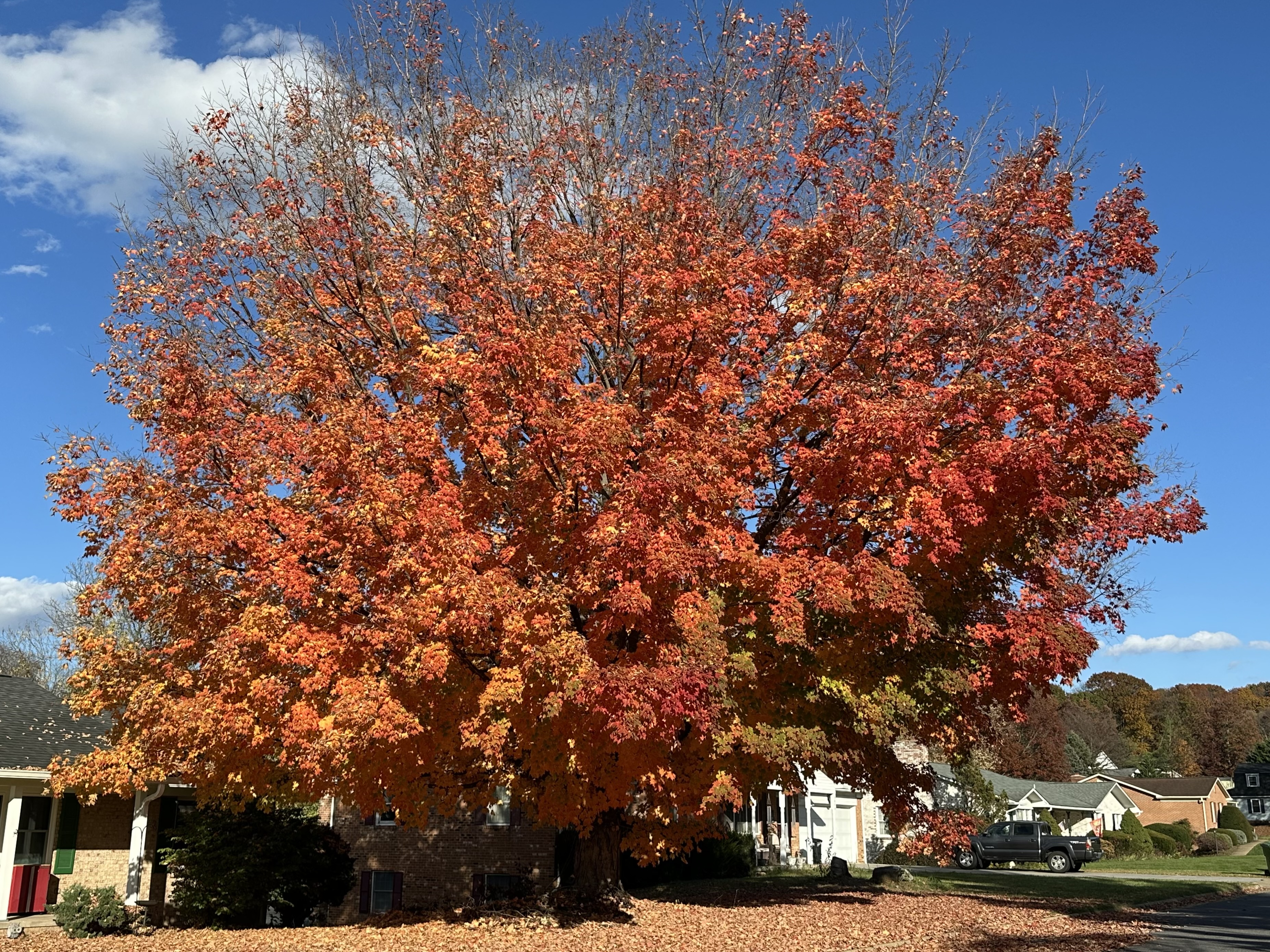
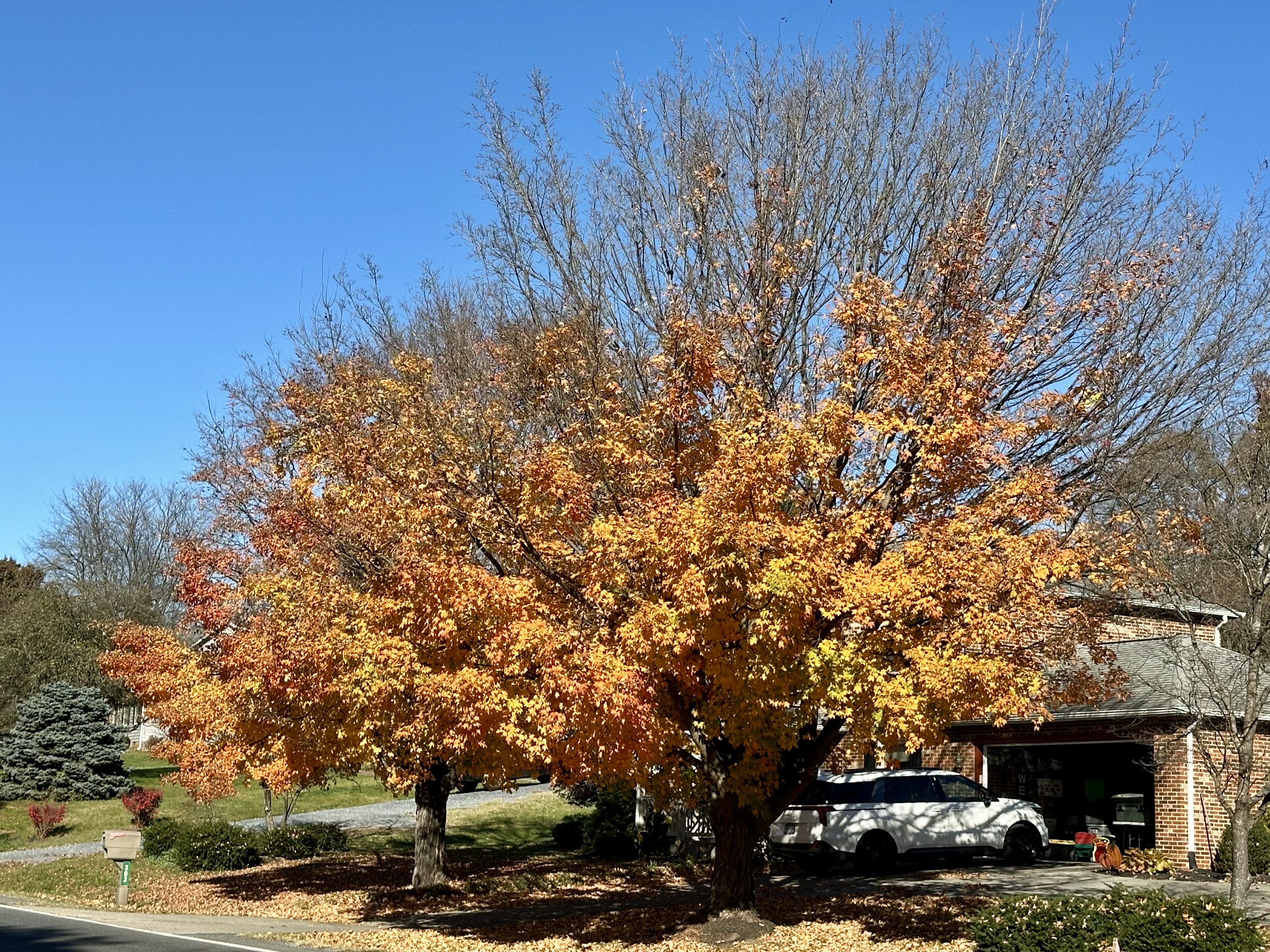
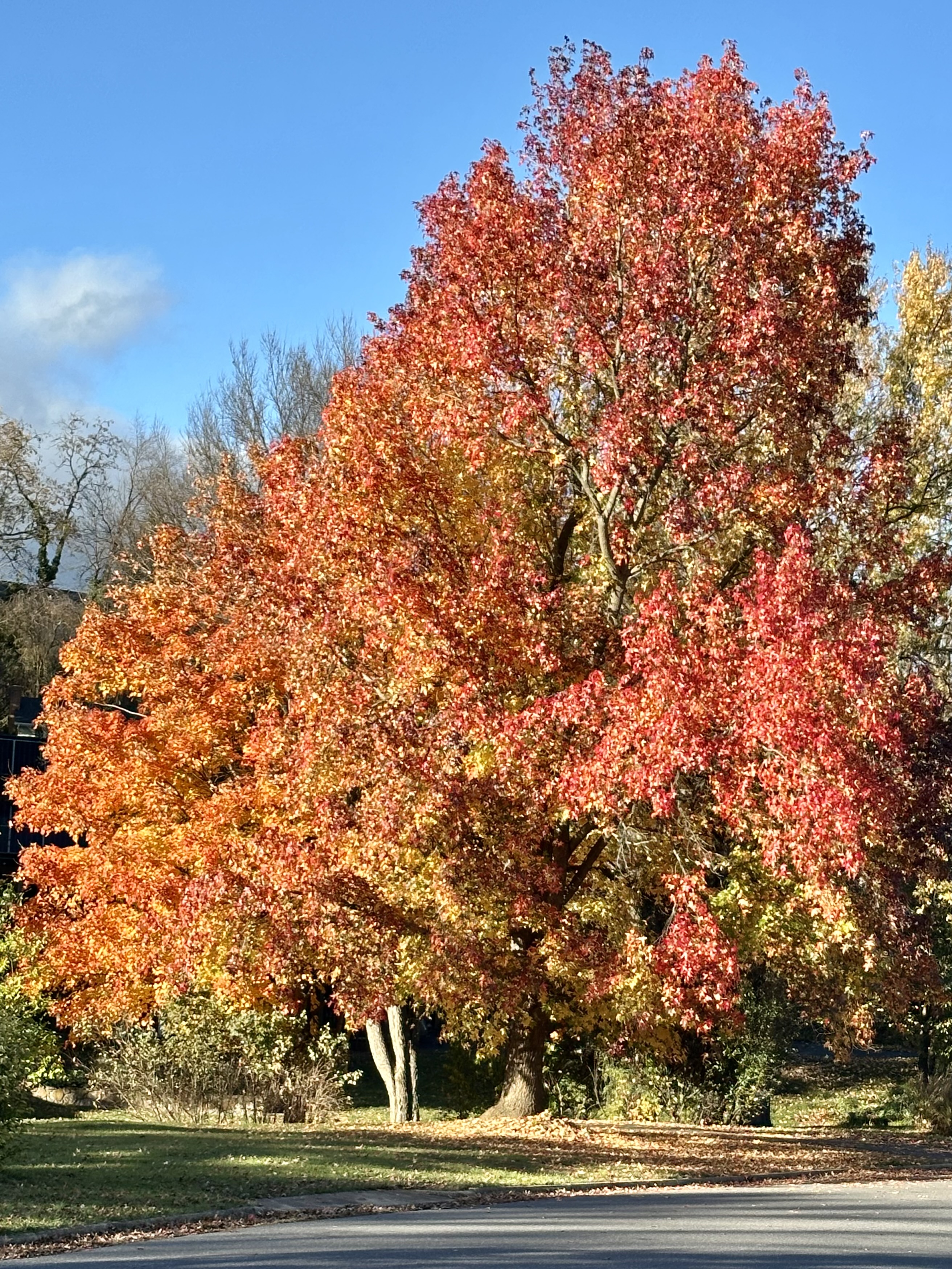
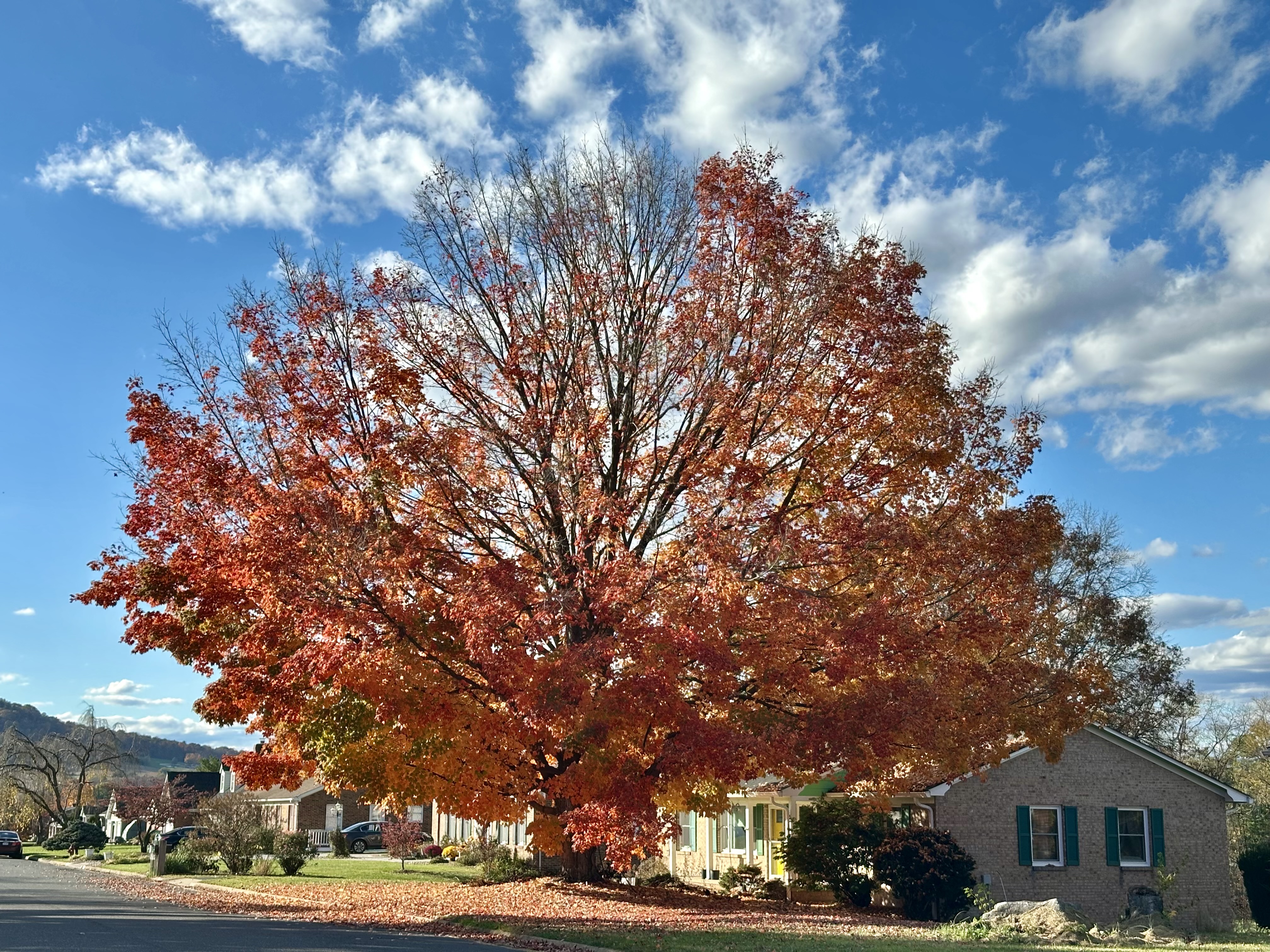
Fall in Virginia’s scenic Shenandoah Valley is always a treat for those who truly embrace the slow transition from summer to winter. Like most locales, however, autumn is hardly the same from year to year.
Summer and early-fall weather strongly influence how vibrant the leaves’ colors are. For much of the summer, the entire Shenandoah Valley was in an extreme drought.
By Labor Day, I wasn’t very hopeful about getting the rich hues of autumn that paint the agricultural valley in a kaleidoscope of warm tones. Then the rains and cool weather arrived, apparently just in time.
The leaves were still green when October rolled around. Photo by Bruce Stambaugh
The leaves changed colors slowly, as if teasing us until the real show arrived. Impatient, I went looking for any splashes of color I could find.
As the damp weather gave way to sunny and more seasonal temperatures, the natural art show began. I didn’t have to go far to capture the vivid transformations. But that quickly changed.
Unfortunately, acute bronchitis interfered with my plans. Loaded with medication and no longer contagious, my wife and I headed to upstate New York to visit our son, his wife, and our four-year-old grandson.
On the way north, we experienced firsthand the metamorphosis from bright colors to past prime as we reached north-central Pennsylvania, where entire mountainside forests stood naked, ready for winter’s onslaught.
The colors in and around Rochester were right at their peak, which, hopefully, you saw in my previous post. So, five days later, I wasn’t sure what we would find back in the valley. Nature didn’t disappoint.
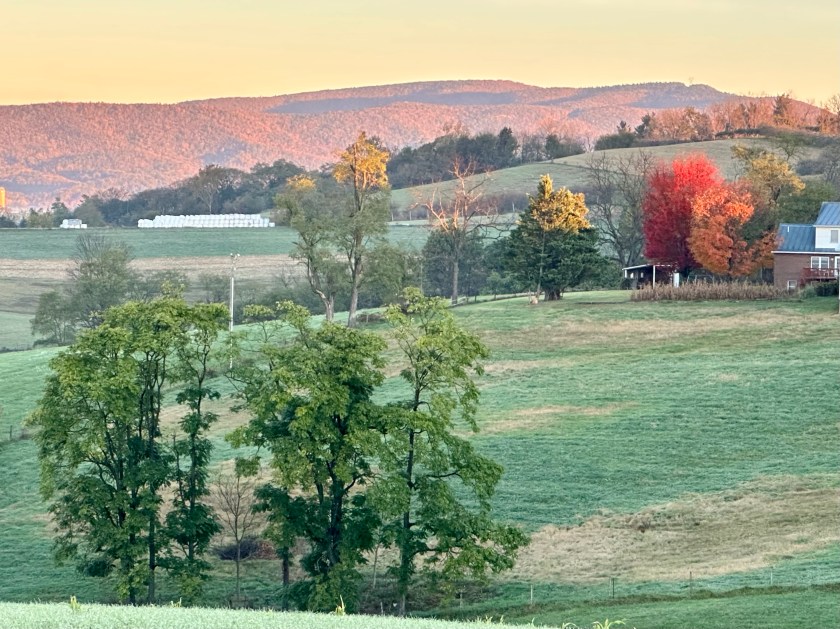
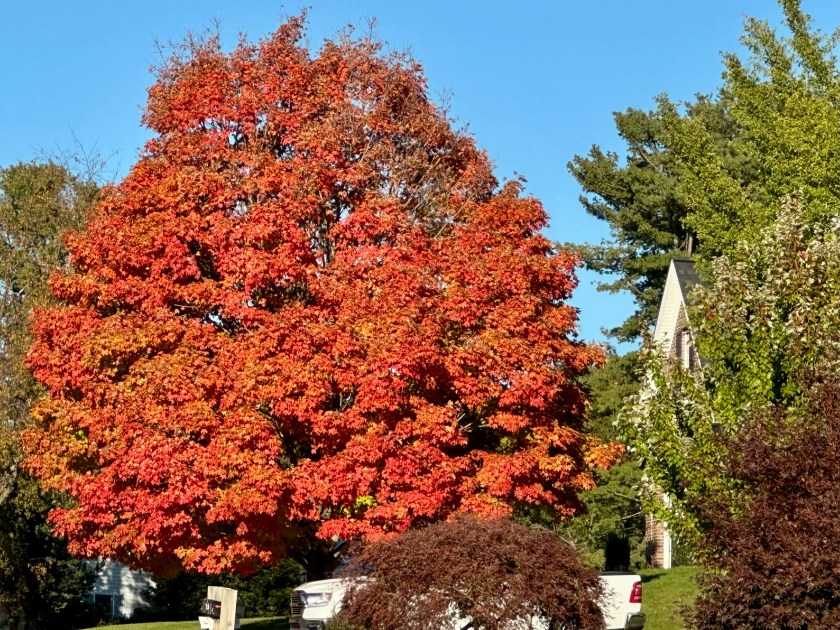
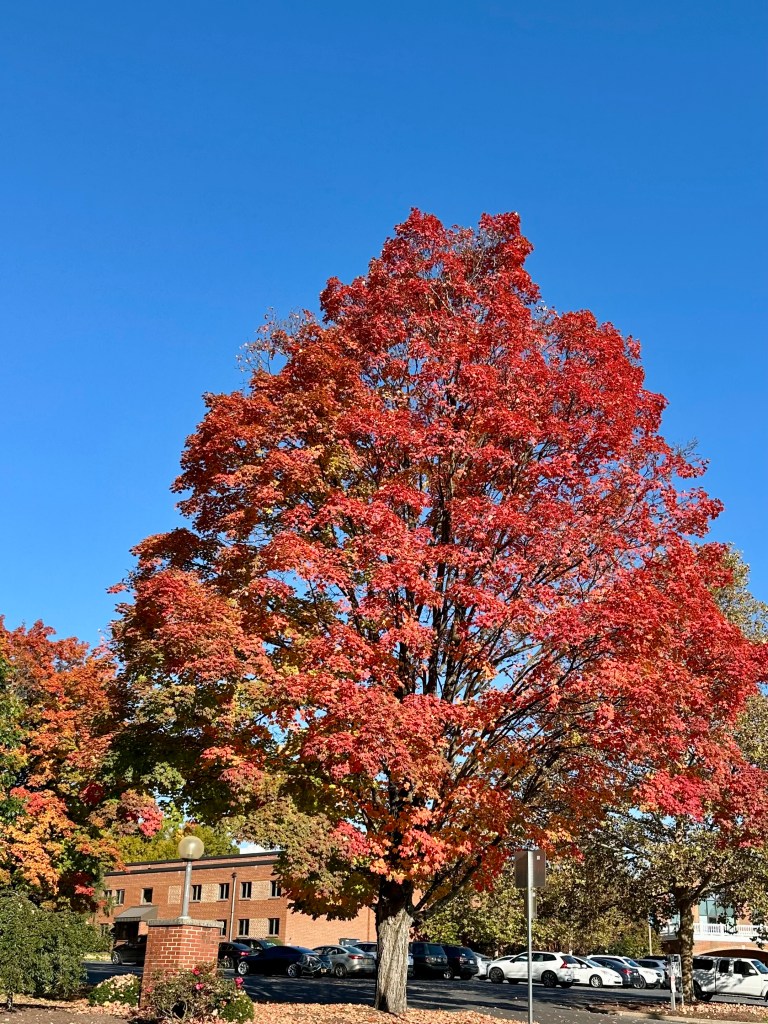
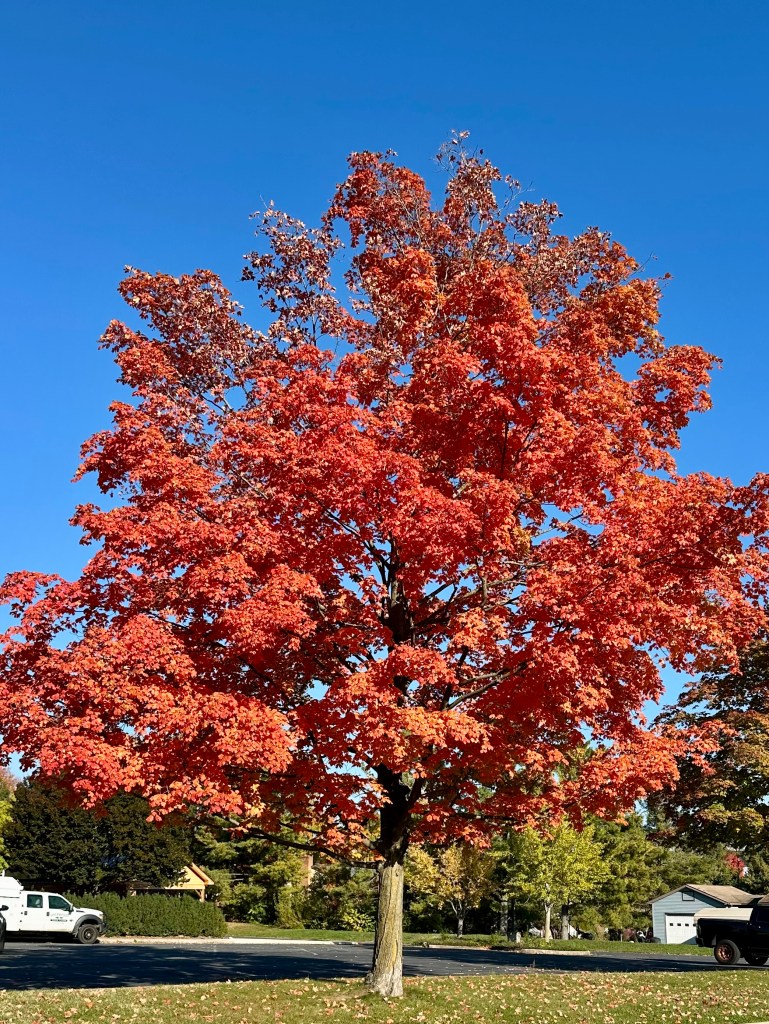
The colors in the higher altitudes of the mountains east and west had faded, but all around the valley, colors popped. On my daily neighborhood walks, I marveled at the overnight changes in the same trees.
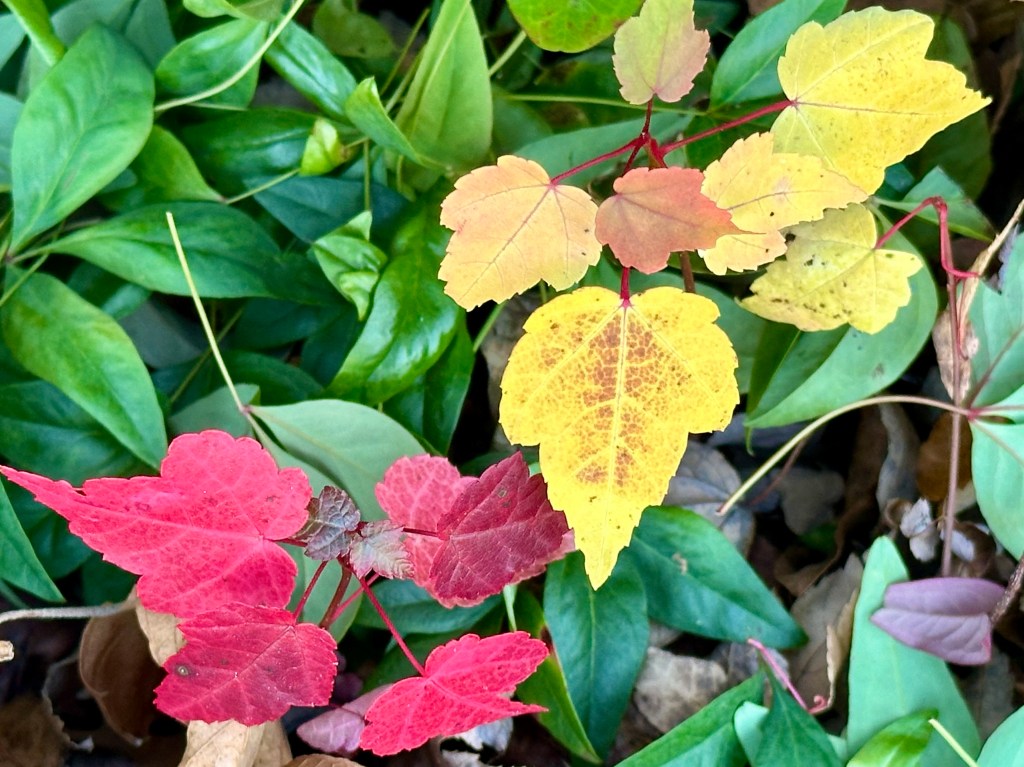
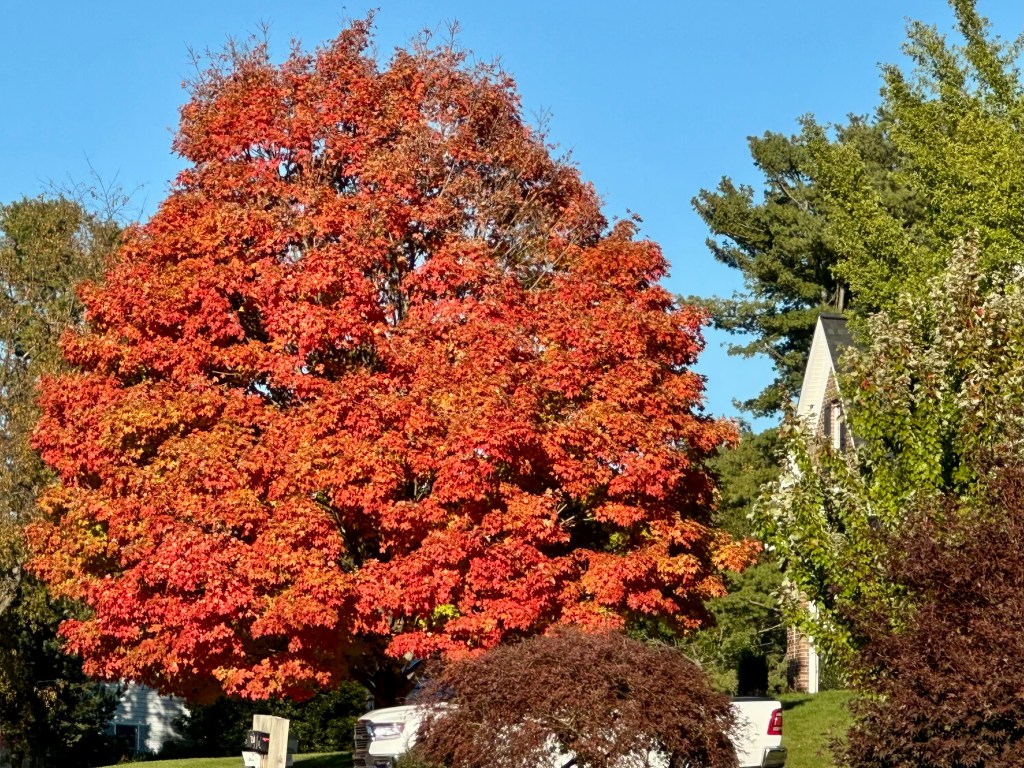
While retrieving the mail, I noticed the contrasting leaves of a pair of seedlings in our front flowerbed. One was bright red, the other school bus yellow, both from the same red maple.
The Red Maple seedlings that found root in our flowerbed. Photo by Bruce Stambaugh
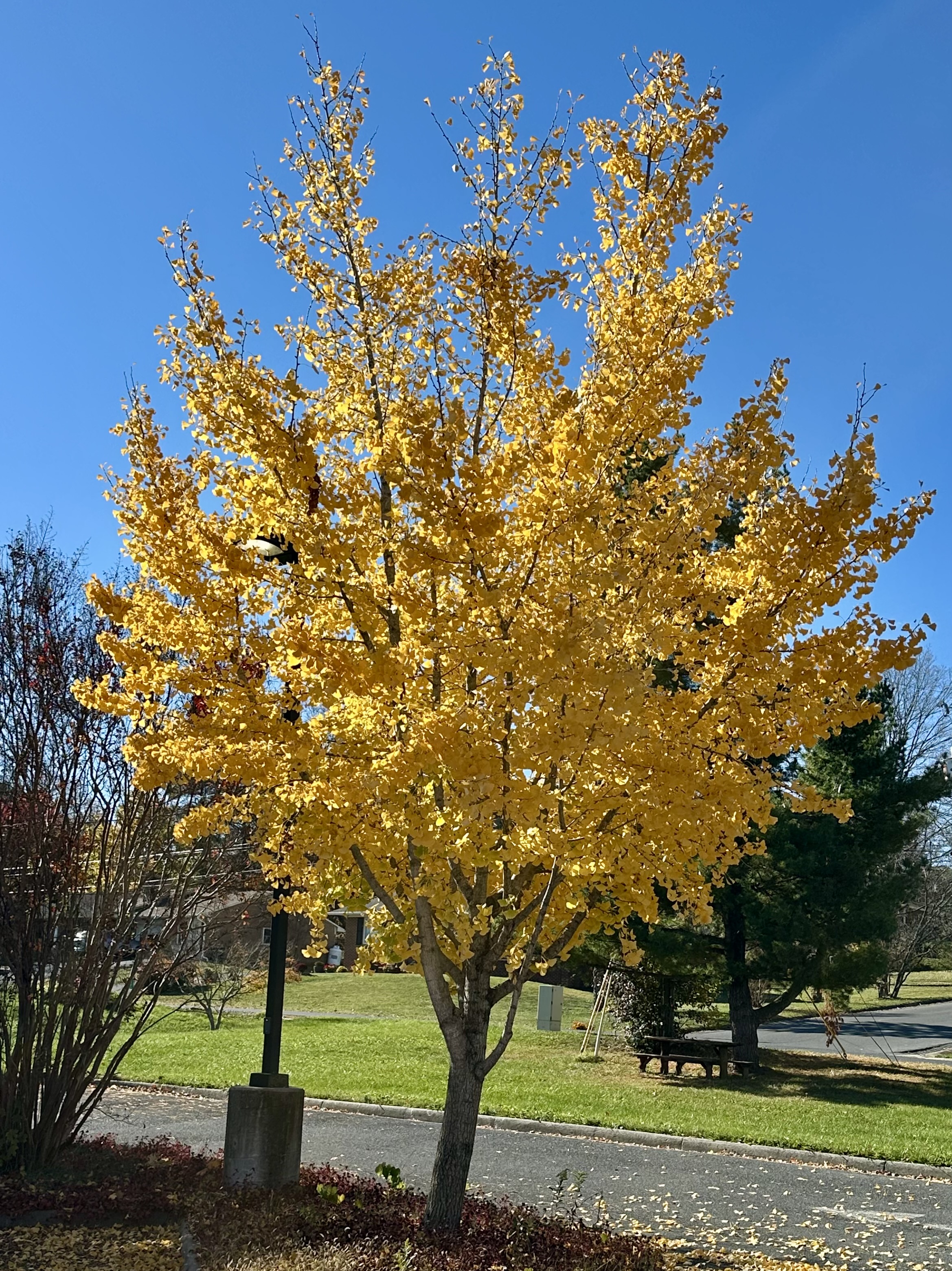
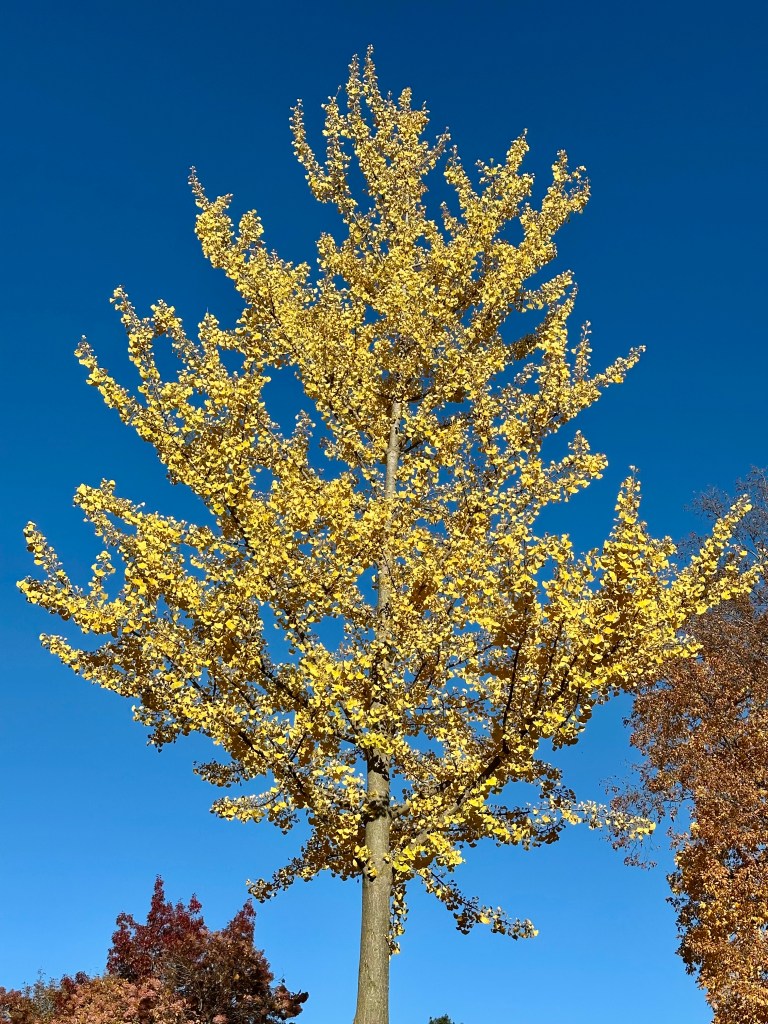
How the trees lost their leaves intrigued me as much as their colors. Most ginkgo trees dropped their leaves all at once, though a few were exceptions.
The tops of the sugar maple crowns seemed to fall first, while the lower branches held tight to their leafy offspring. Of course, those eventually fell too, especially when a cold front blew in with windy, rainy conditions. Overall, the trees never had a chance.
With November’s arrival, bright leaves only appear here and there. Most have faded, while countless others have finally fainted from their hard summer’s work and dropped to the forest floor, or are mulched or raked by homeowners picky about their landscape.
The fragrance of leaves burning in more rural areas, not bound by open-burning restrictions, conjures childhood memories of our smoke-filled neighborhood from decades ago. I’m happy just to hear the rustle of leaves being raked or the shrill of children jumping into leaf piles before they are bagged and recycled as cover for gardens. (The leaves, not the kids.)
Despite my doubts, autumn delivered a most beautiful, living postcard. I couldn’t be happier.
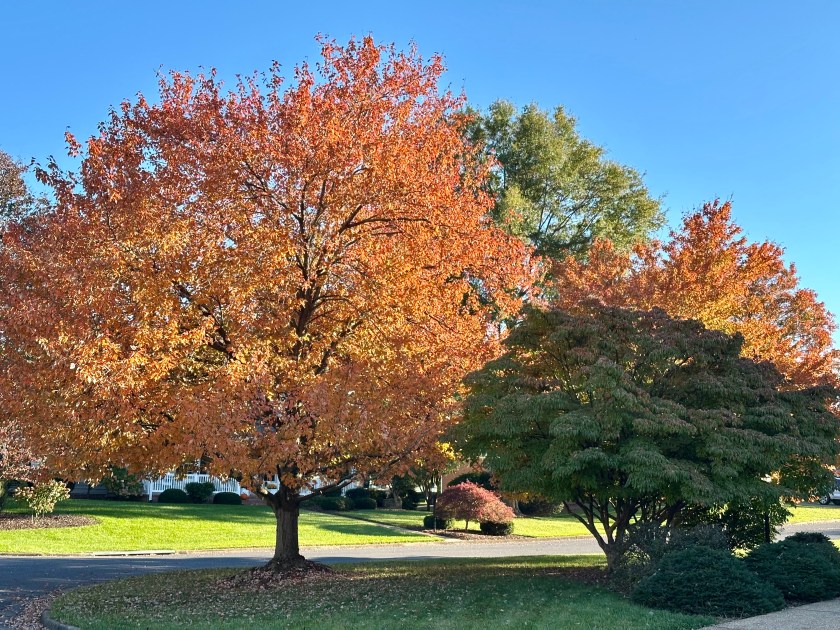
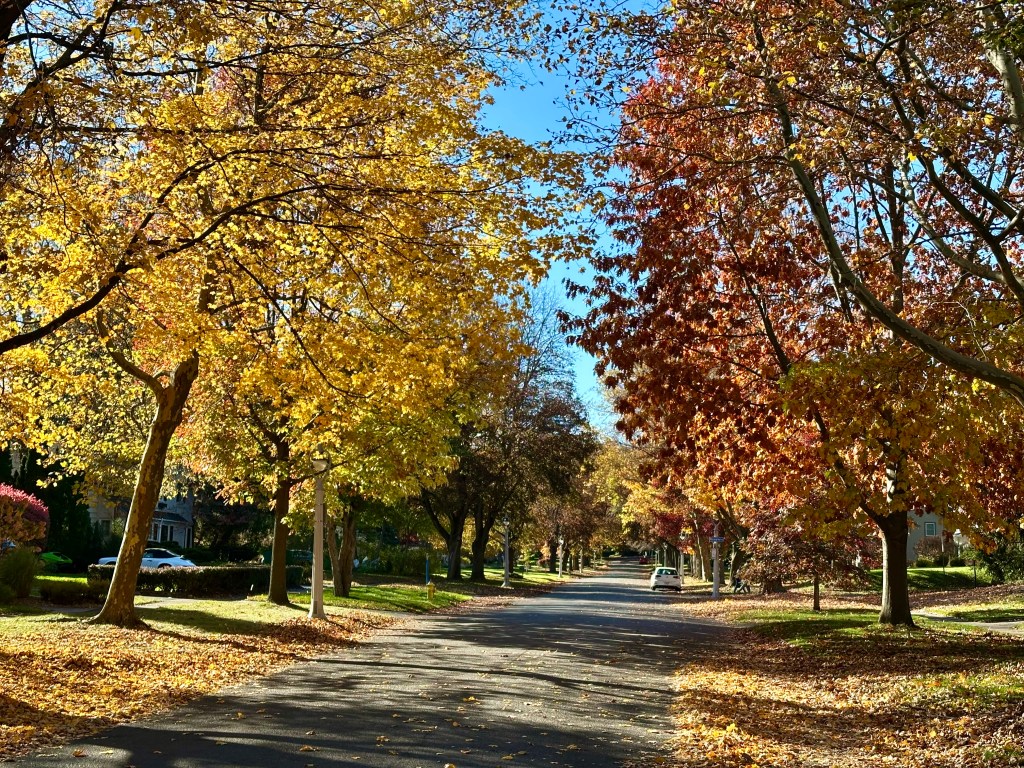
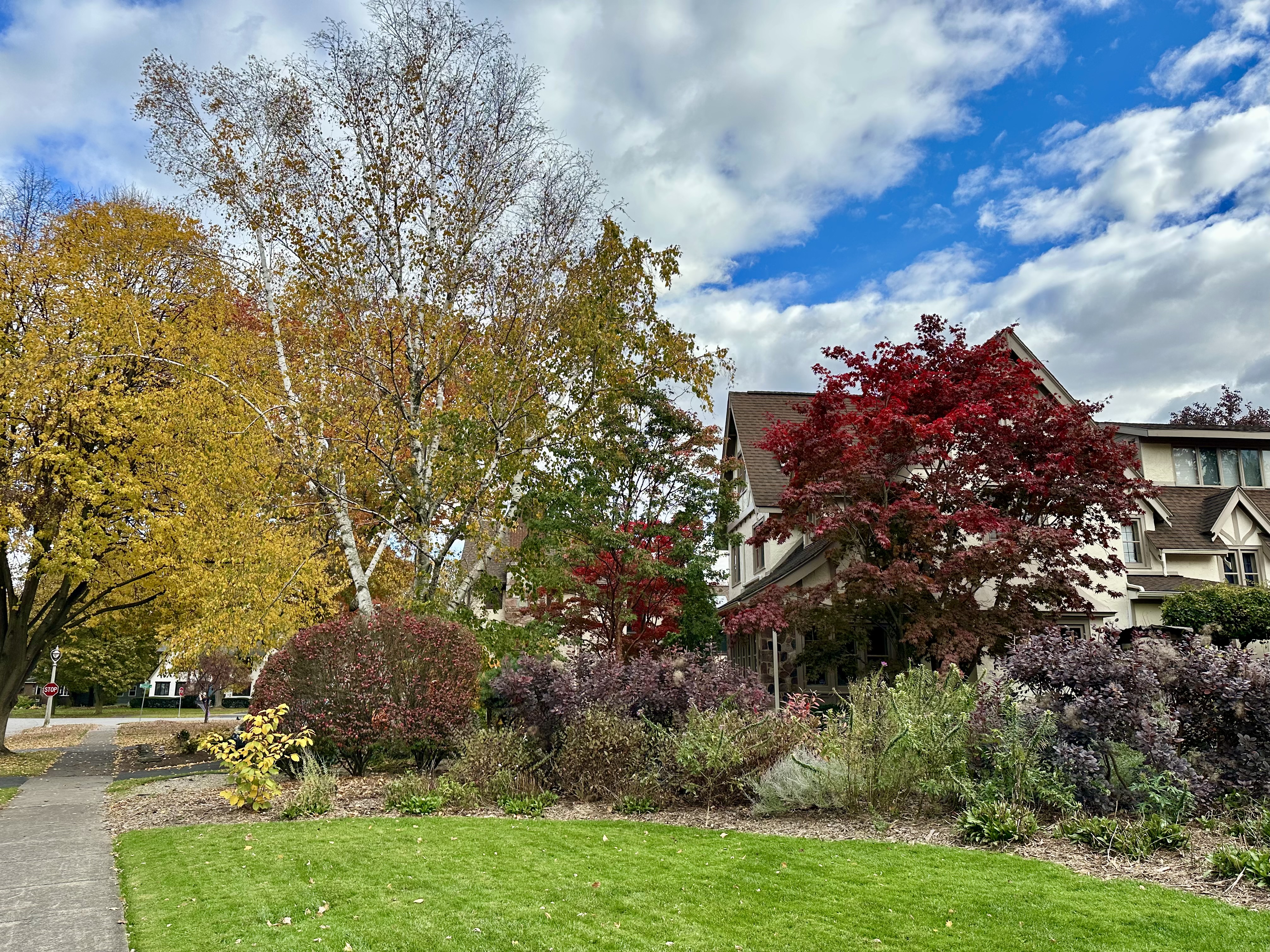
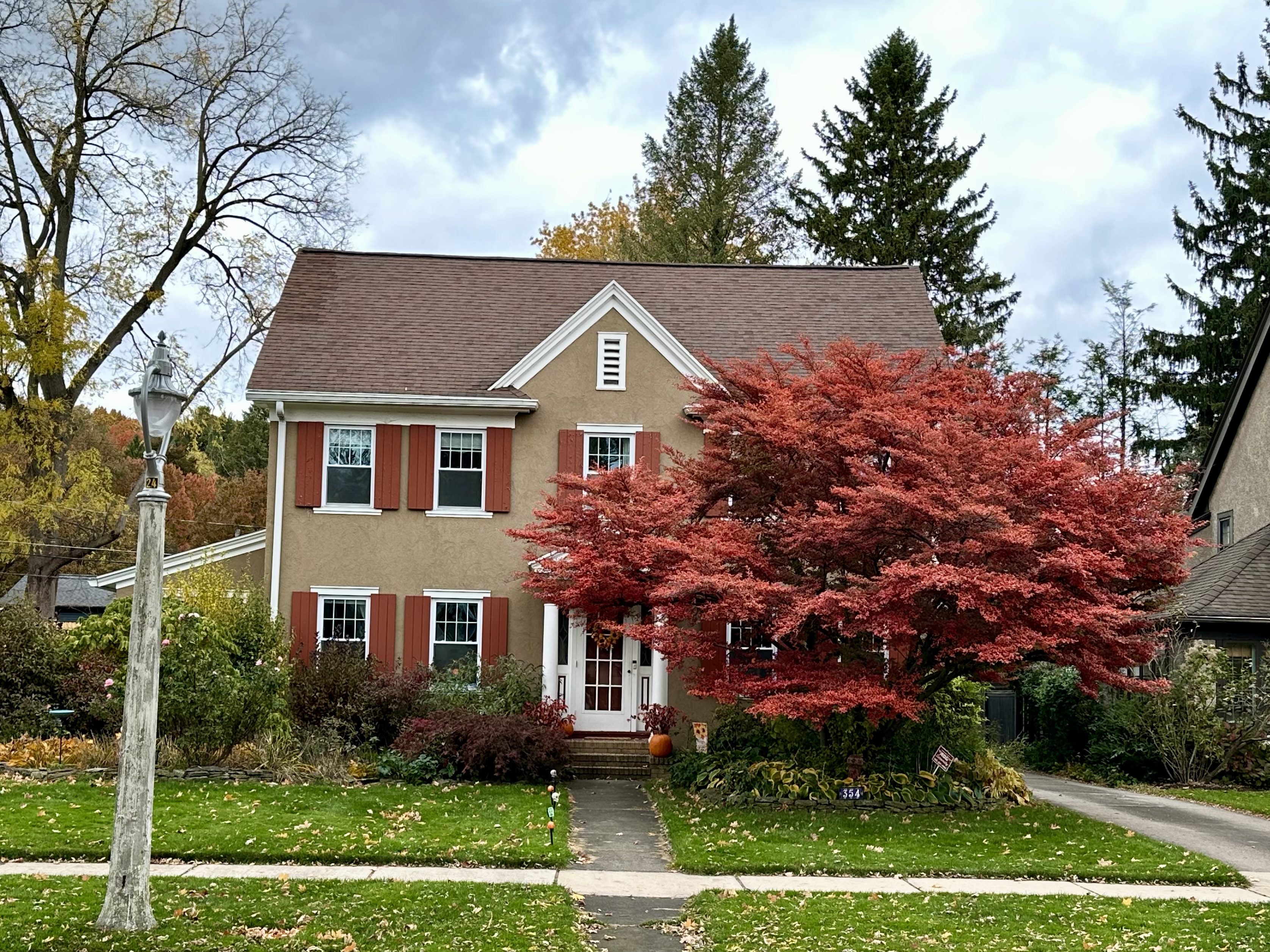
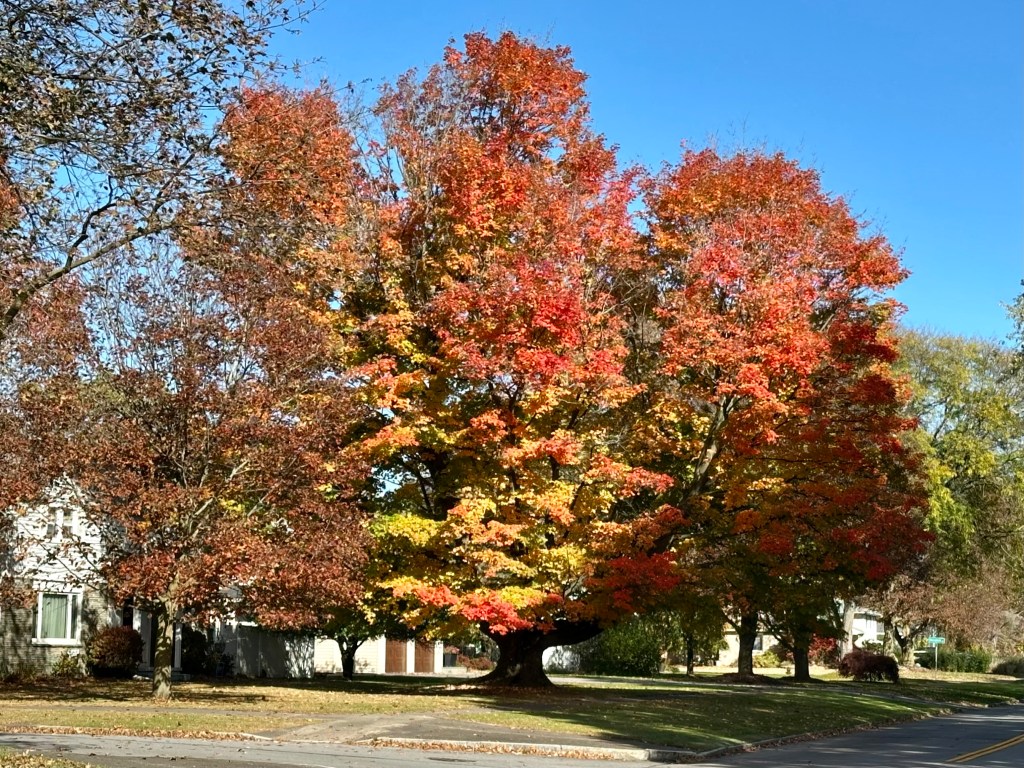
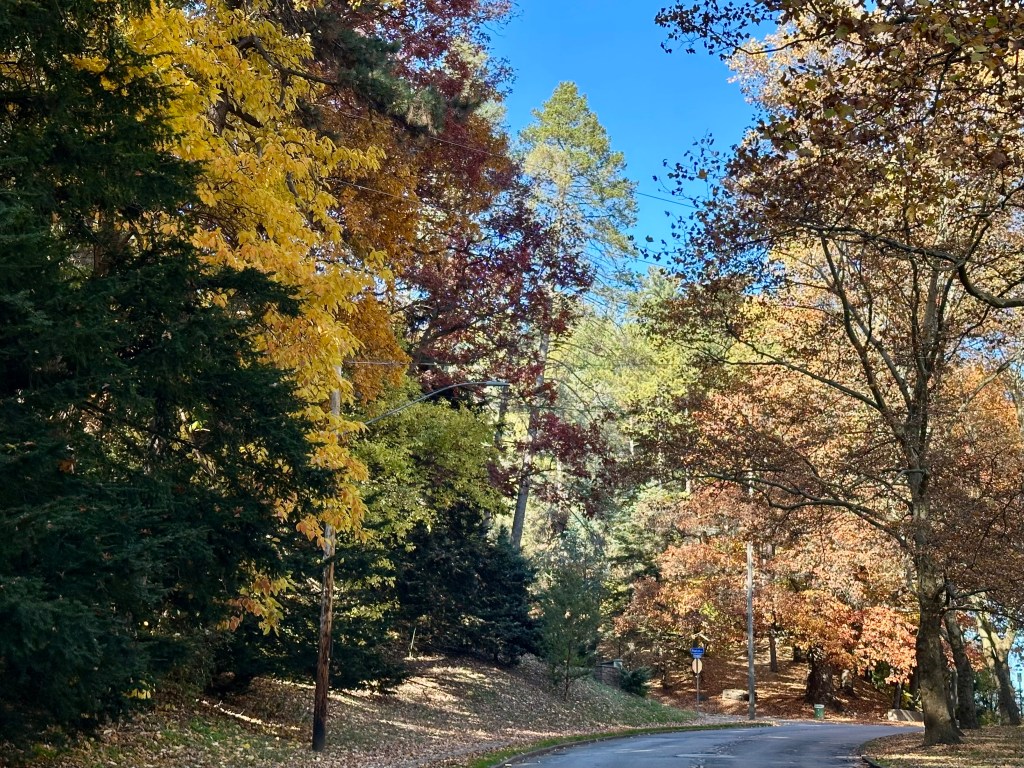
A residential street in Rochester, New York. Photo by Bruce Stambaugh
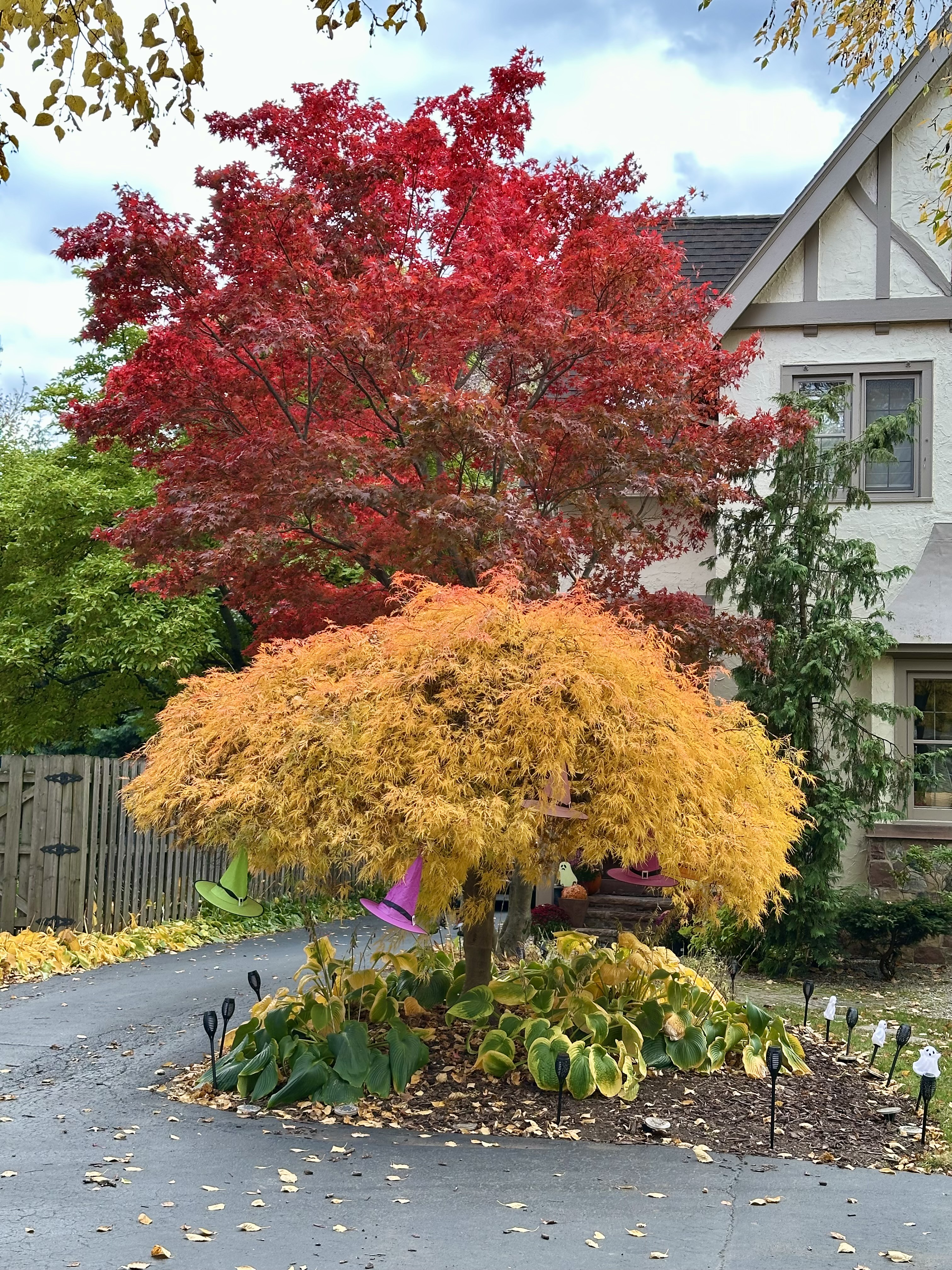
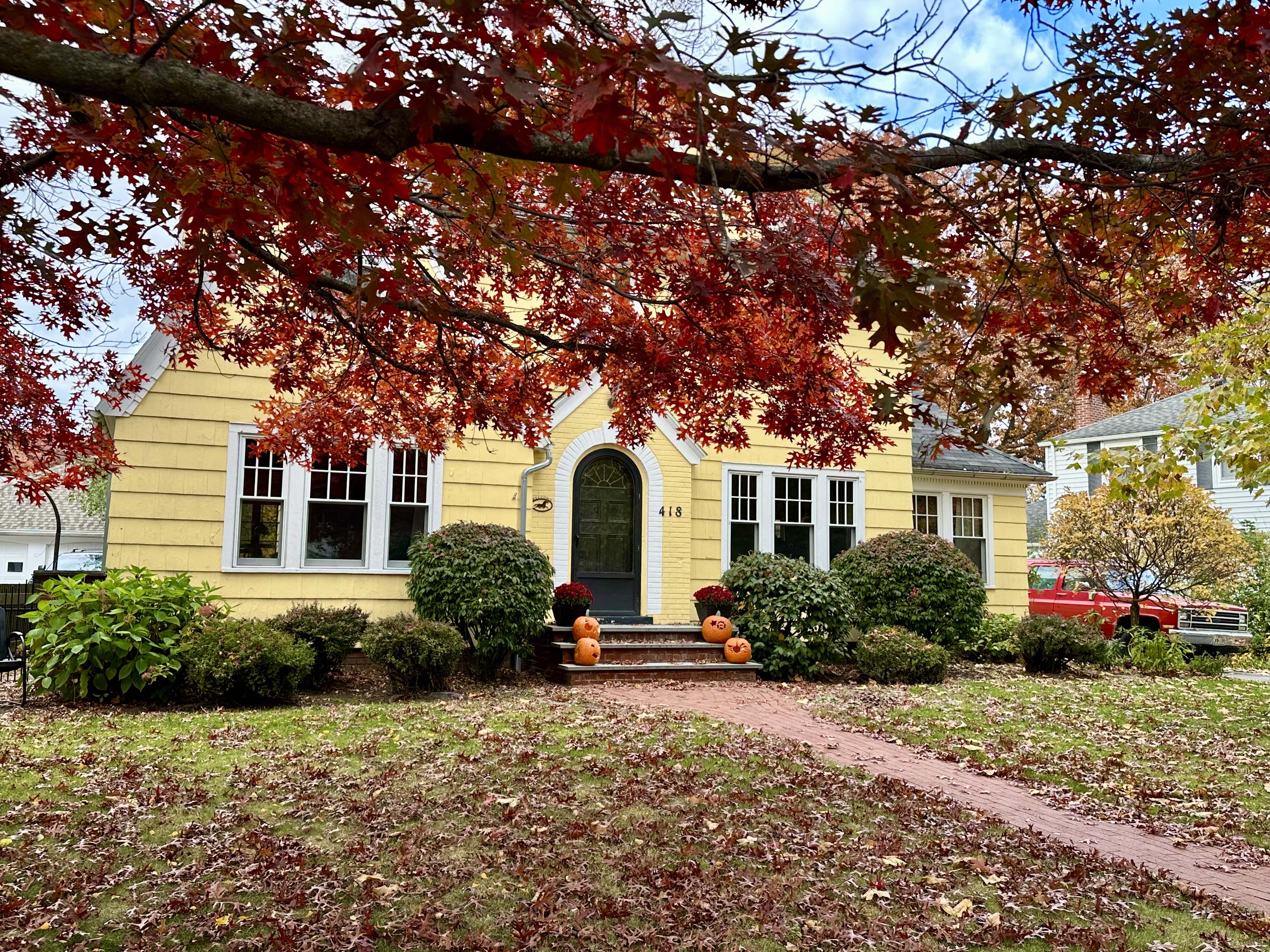
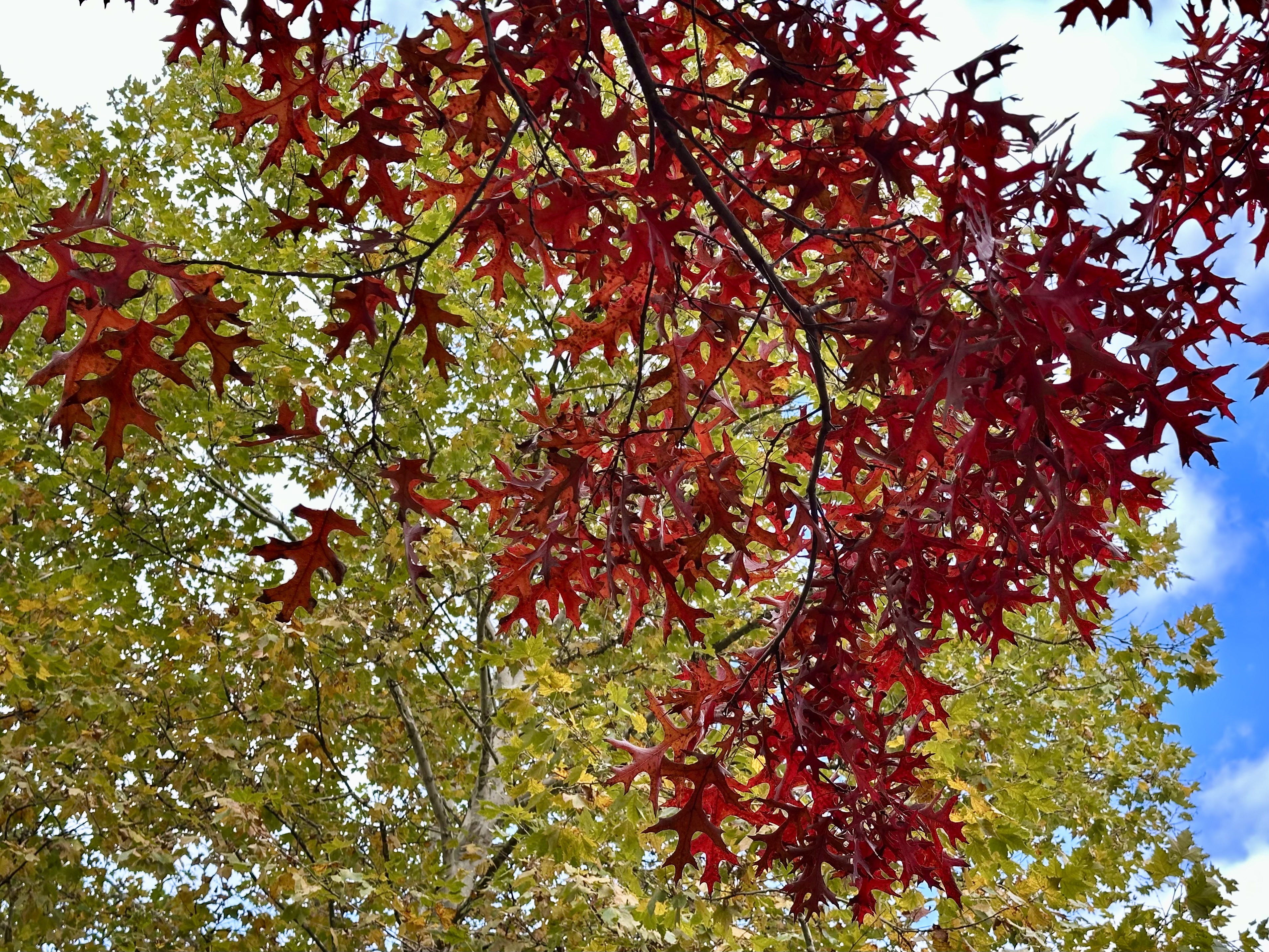
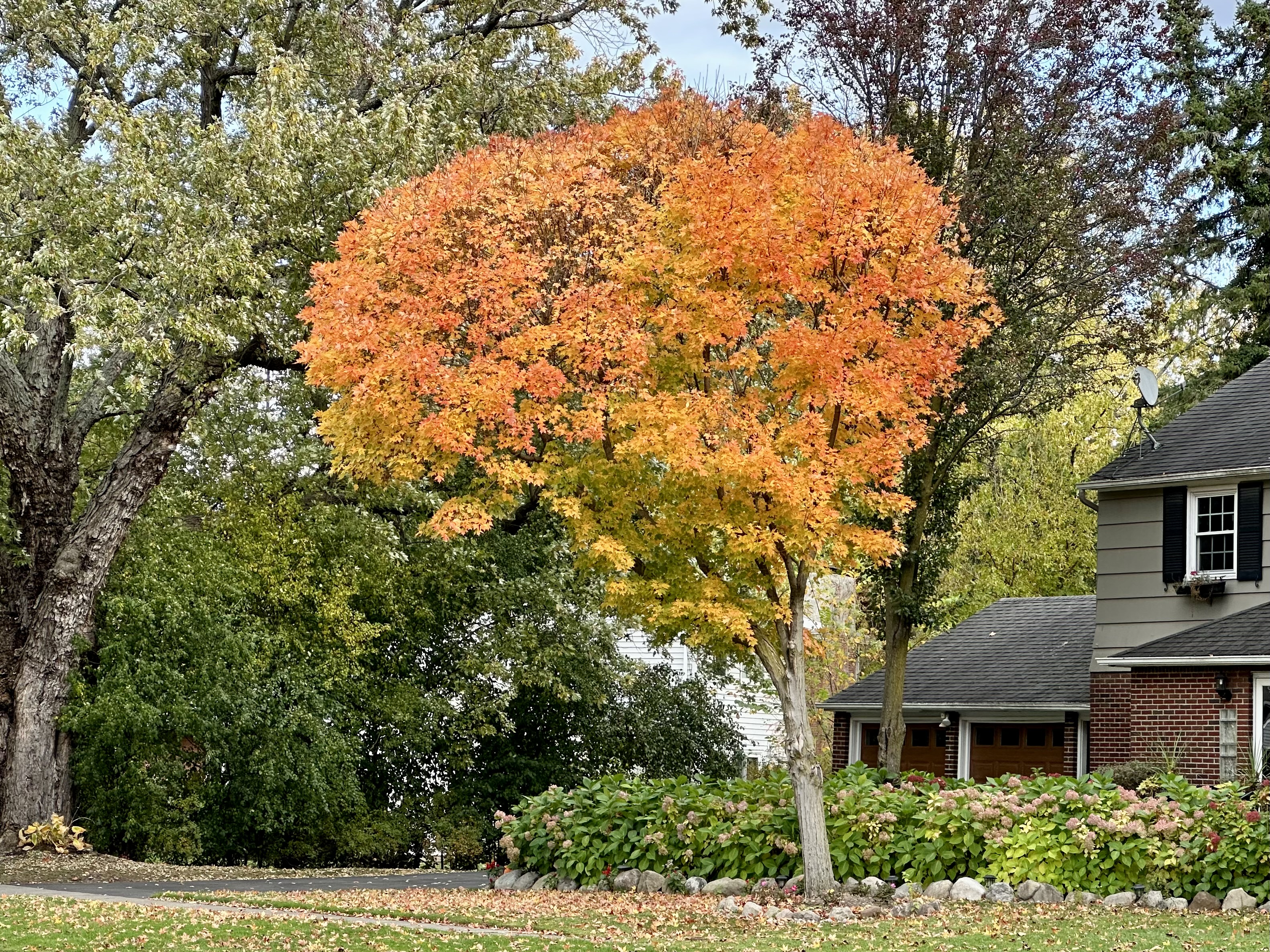
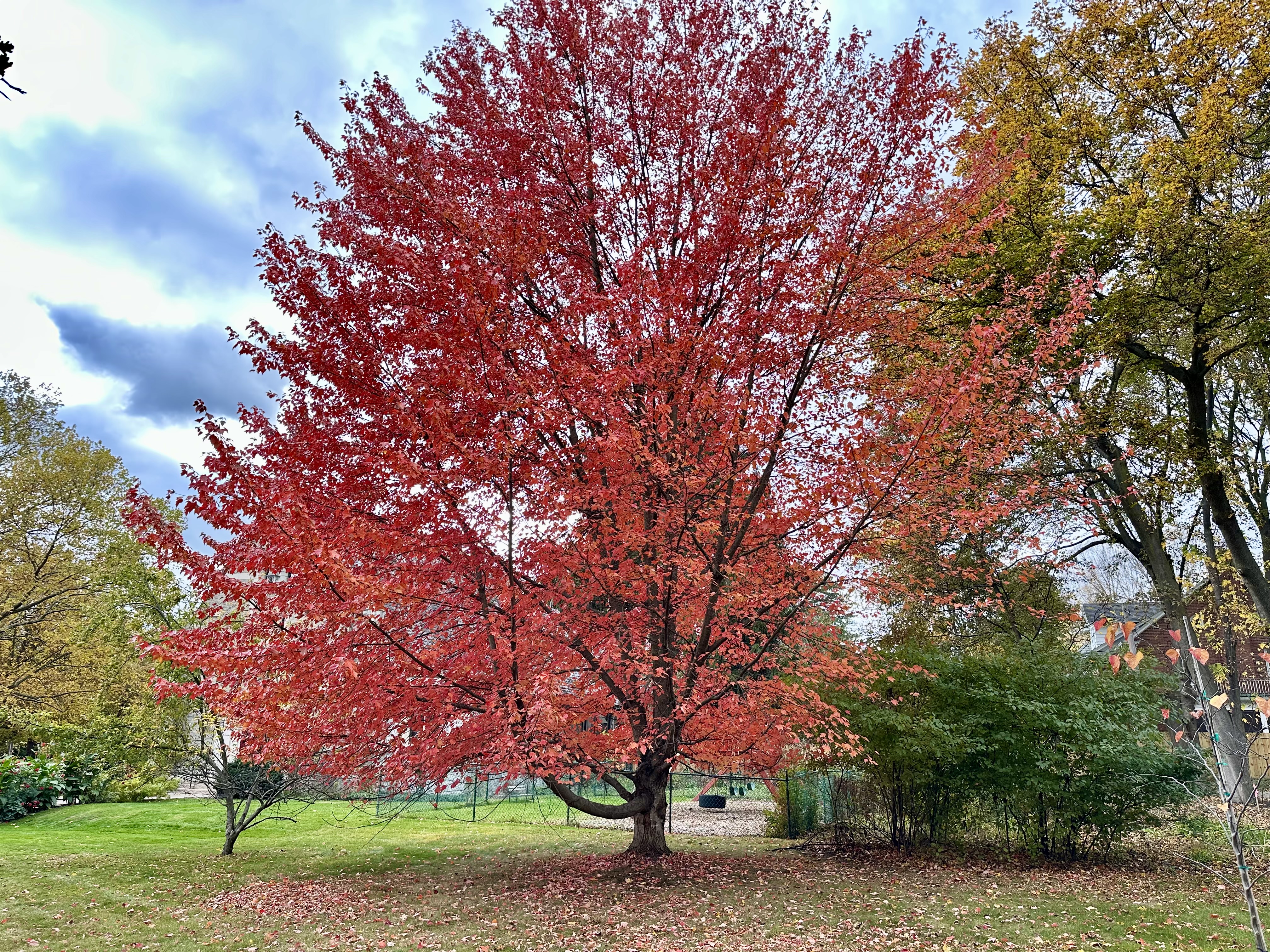
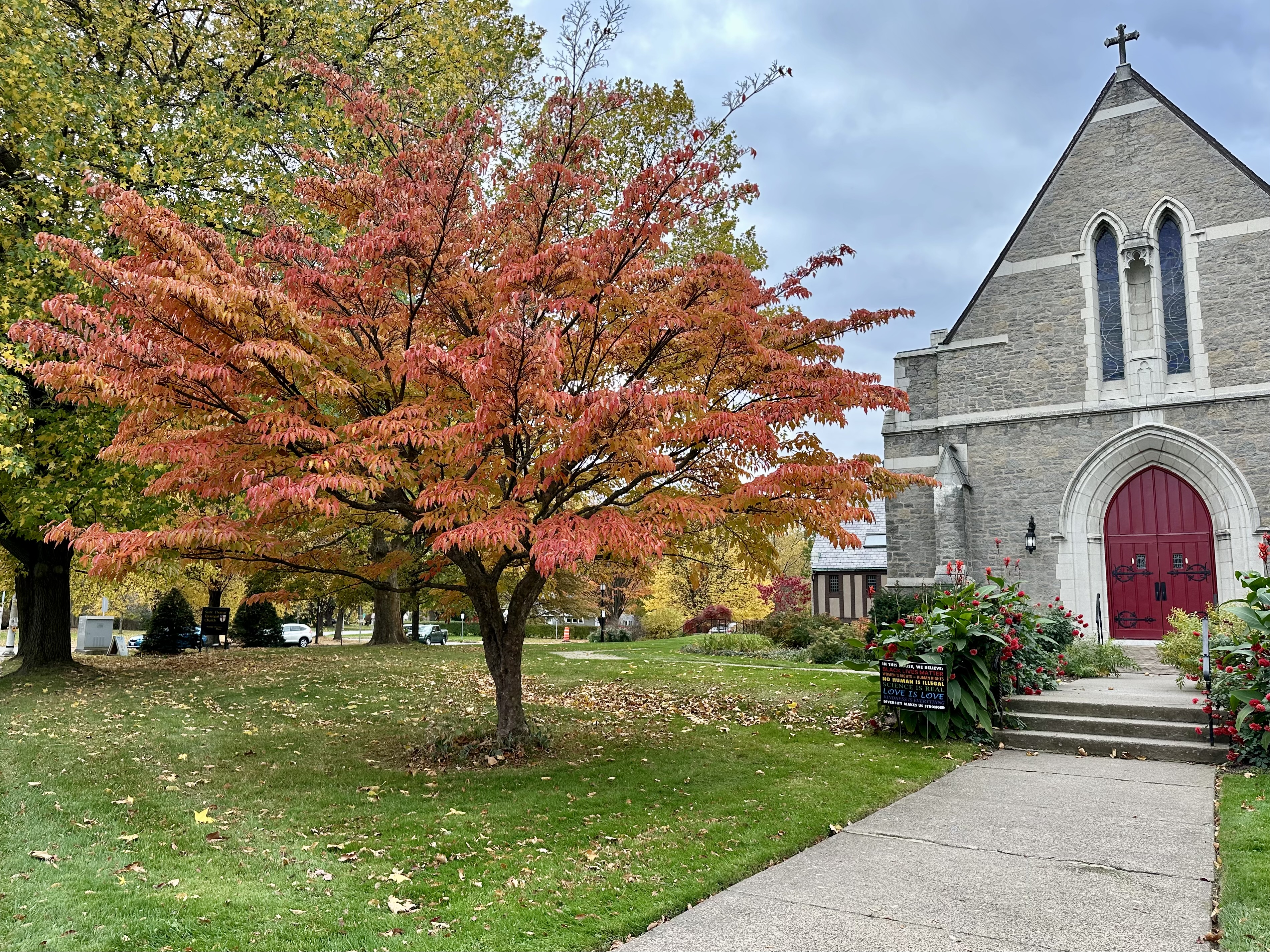
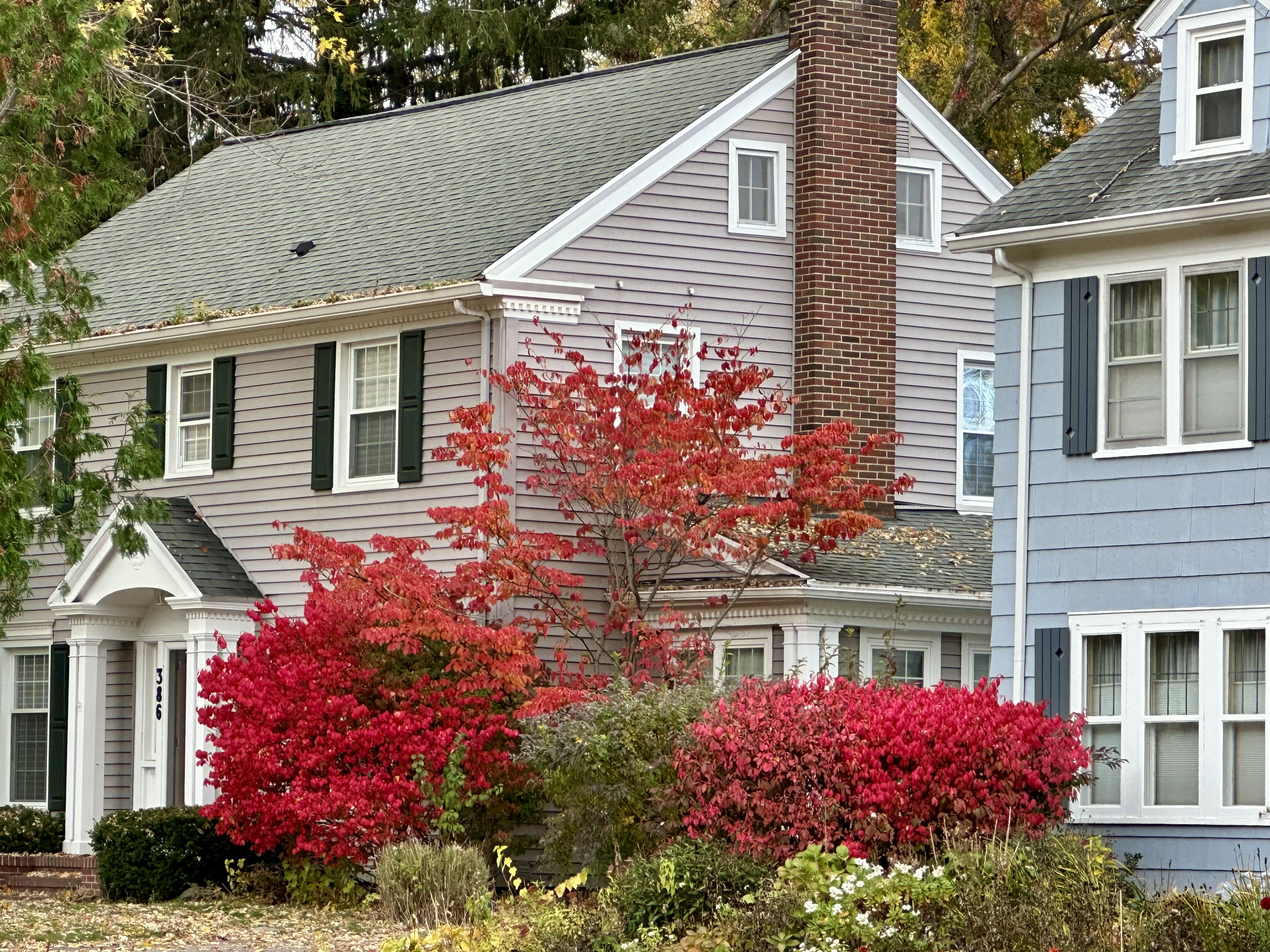
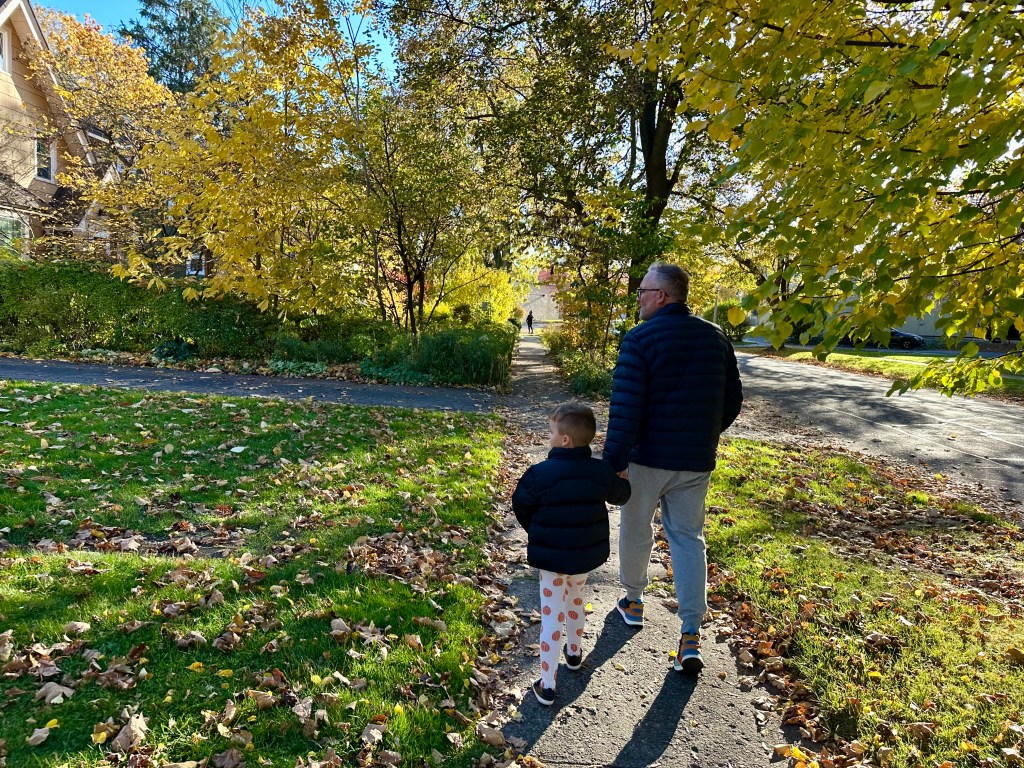
My wife and I finally visited our grandson Teddy and his parents over the Halloween weekend. The trees in and around Rochester, New York, where our son and his family live, were at peak color.
While four-year-old Teddy attended preschool in the morning or napped at home in the afternoon, I explored streets and parks for any colorful trees I could find.
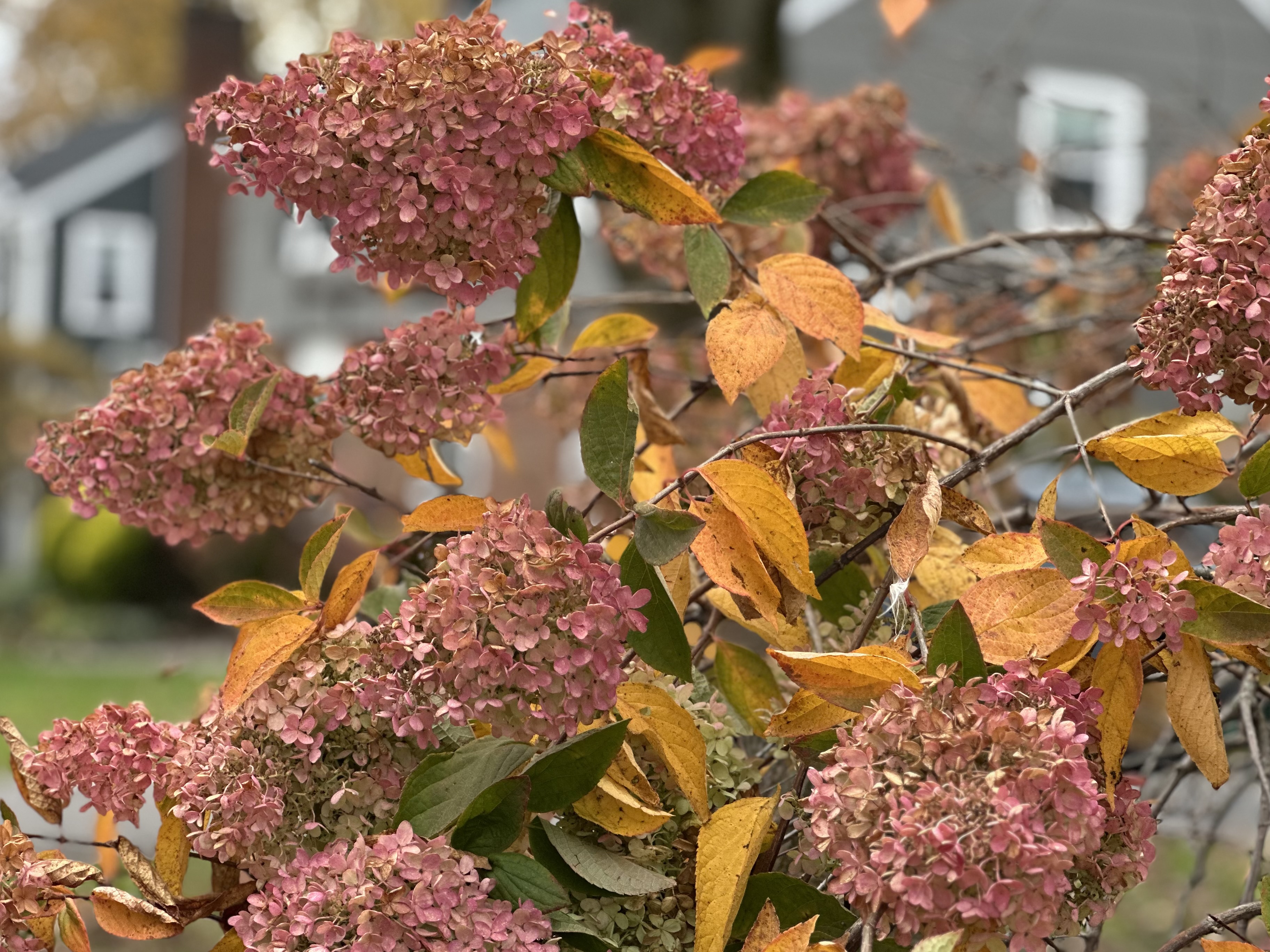
I didn’t have to go far. A walk around their neighborhood provided plenty of autumn splendor.
Click the photos to enlarge them.
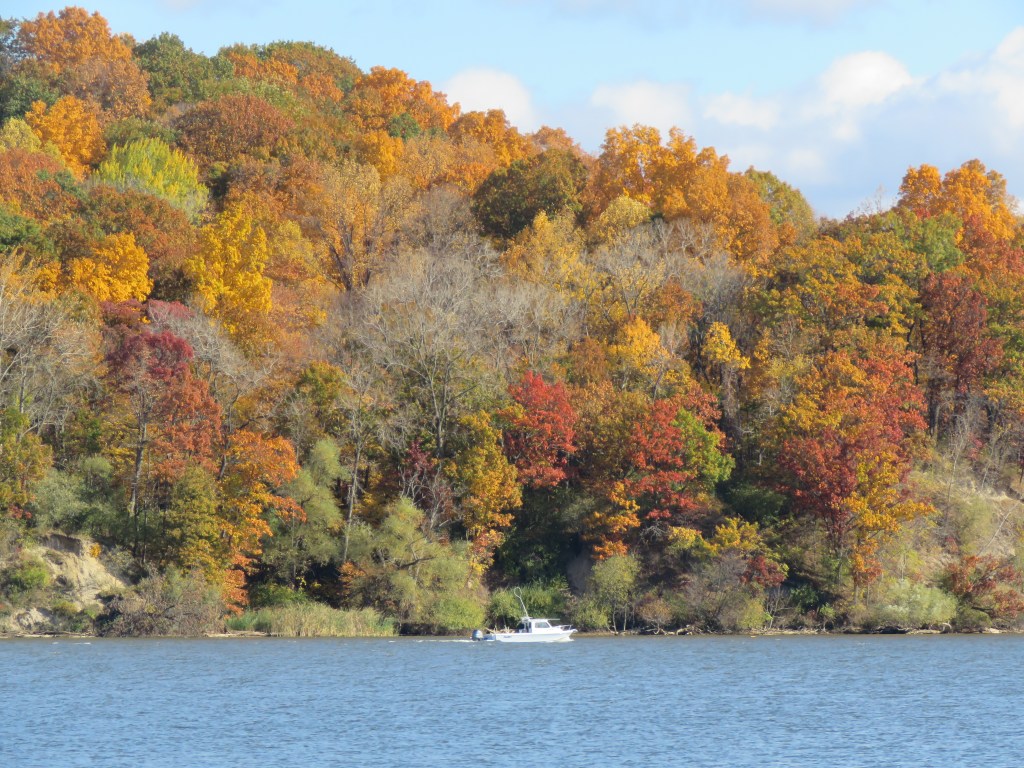
I also headed to Irondequoit Bay to do some birding. I spotted a few birds, but the colorful trees became my priority. So, I snapped away.
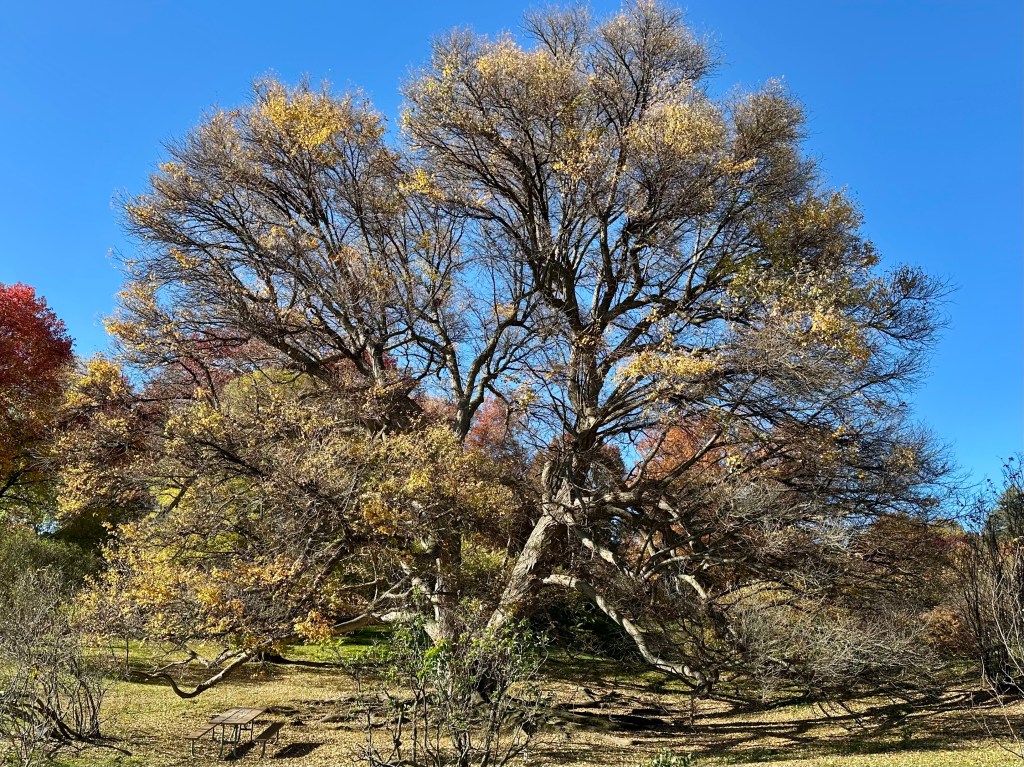
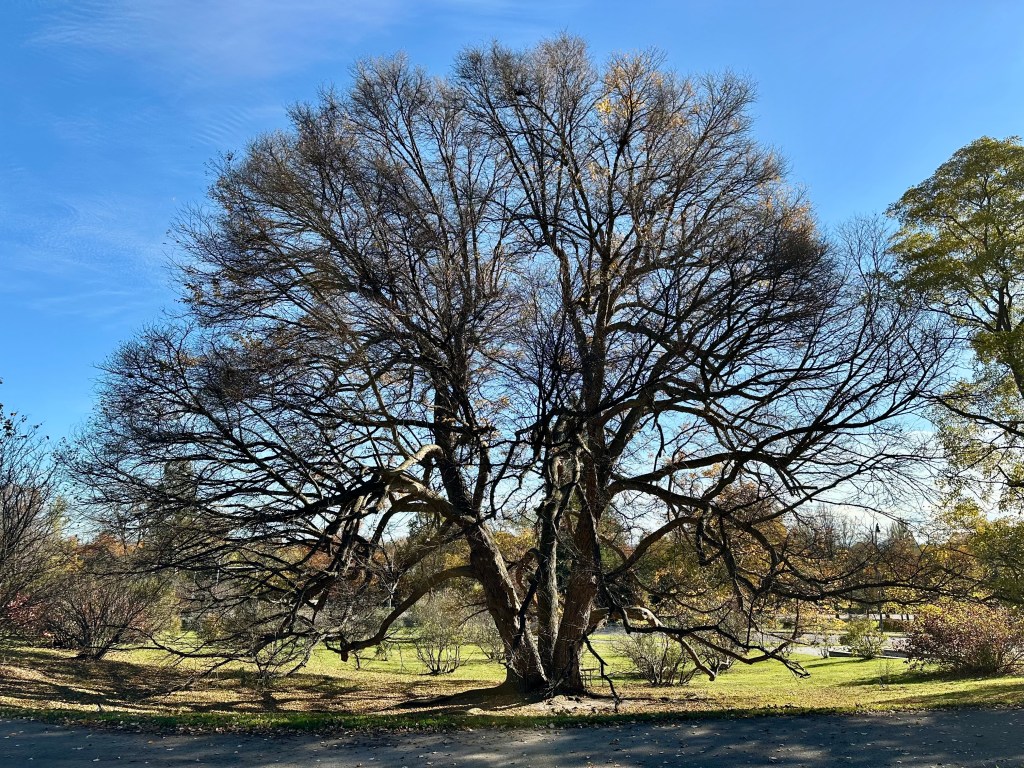
My wife and I easily found the famous Katsura Tree in Highland Park. This native Japanese giant is a 100-year-old specimen and the largest in New York State. Go at the right time, and the tree smells like cotton candy. No wonder it’s a favorite of visitors.
The 100-year-old Katsura Tree in Rochester, NY. Photos by Bruce Stambaugh
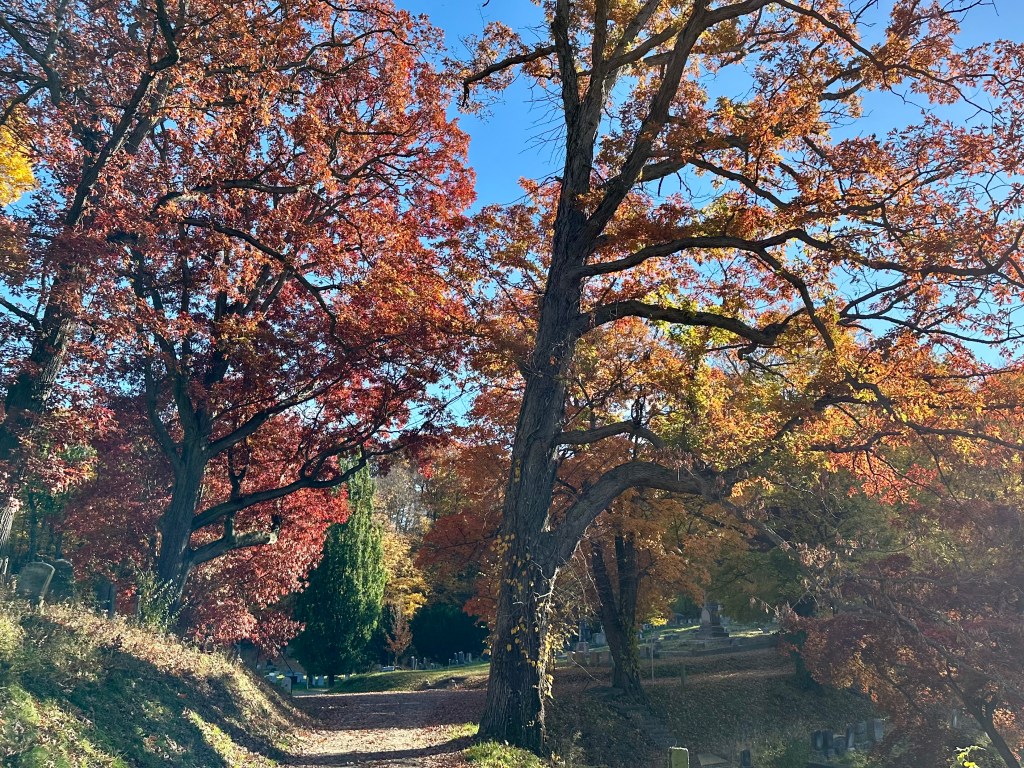
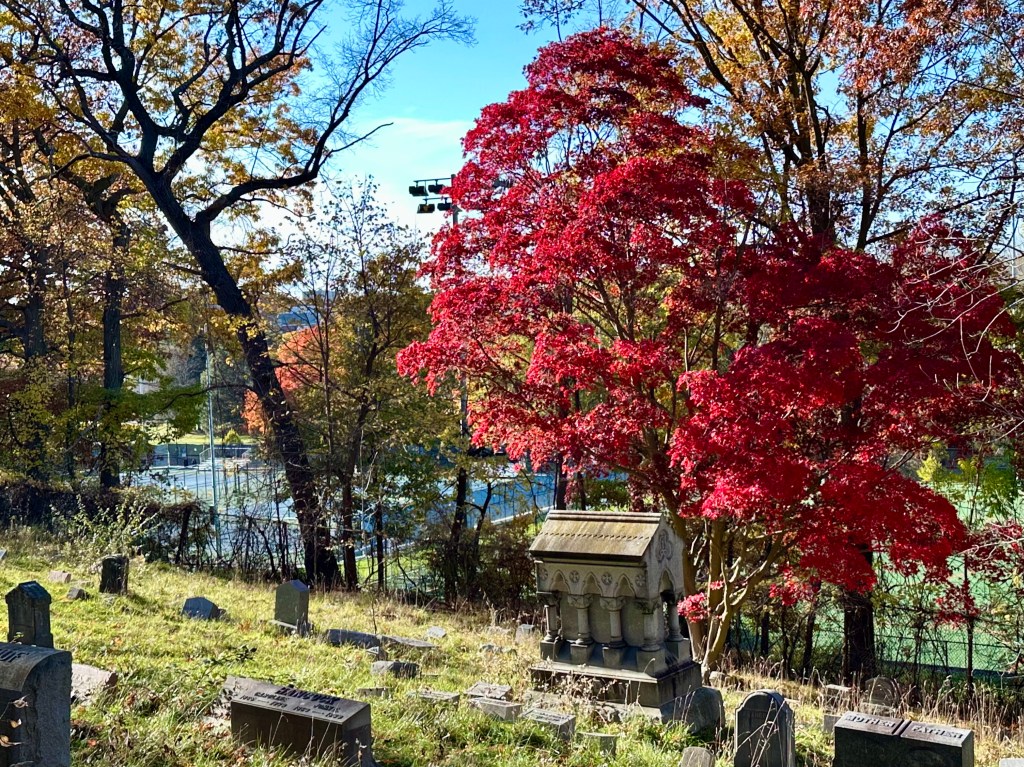
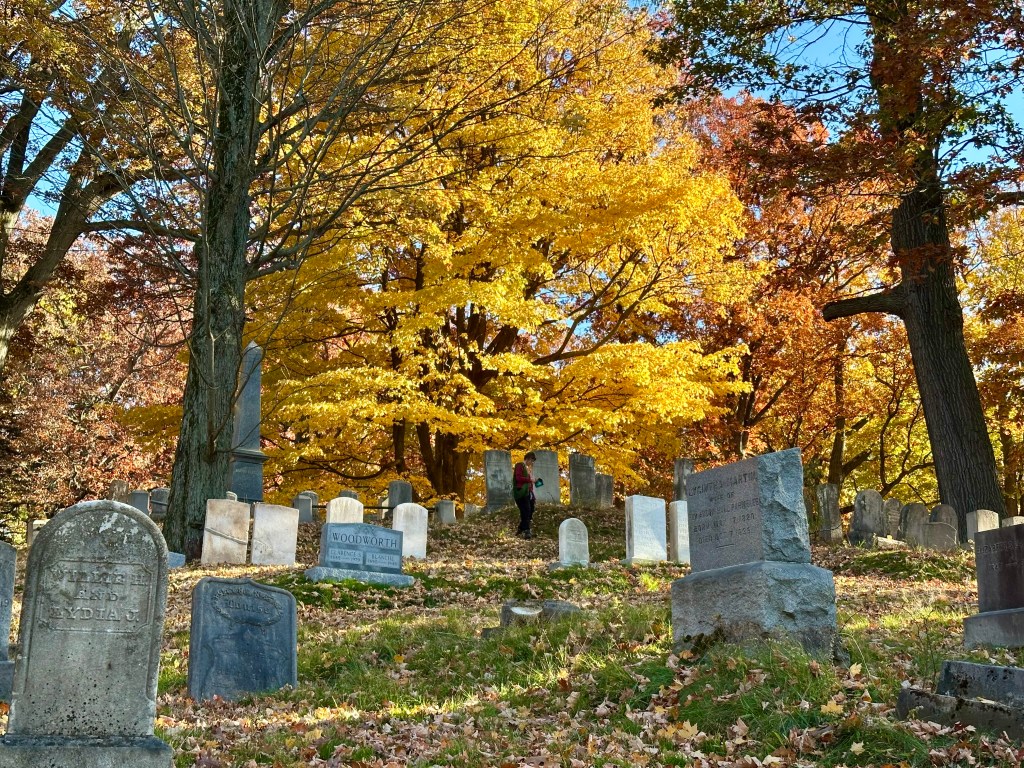
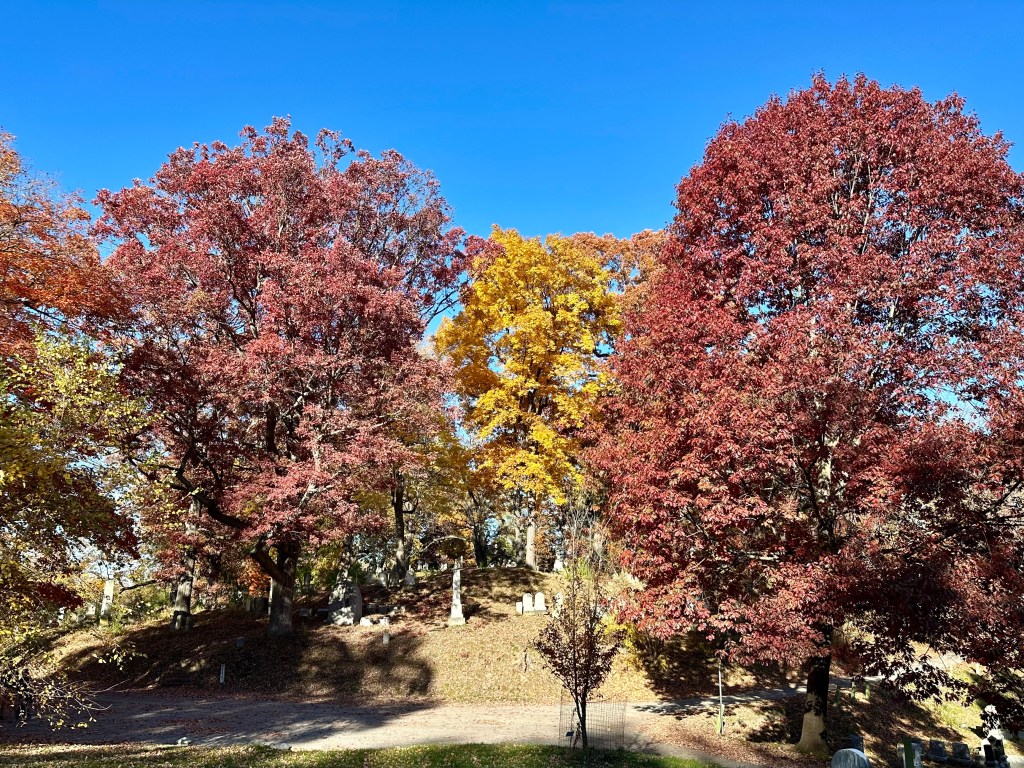
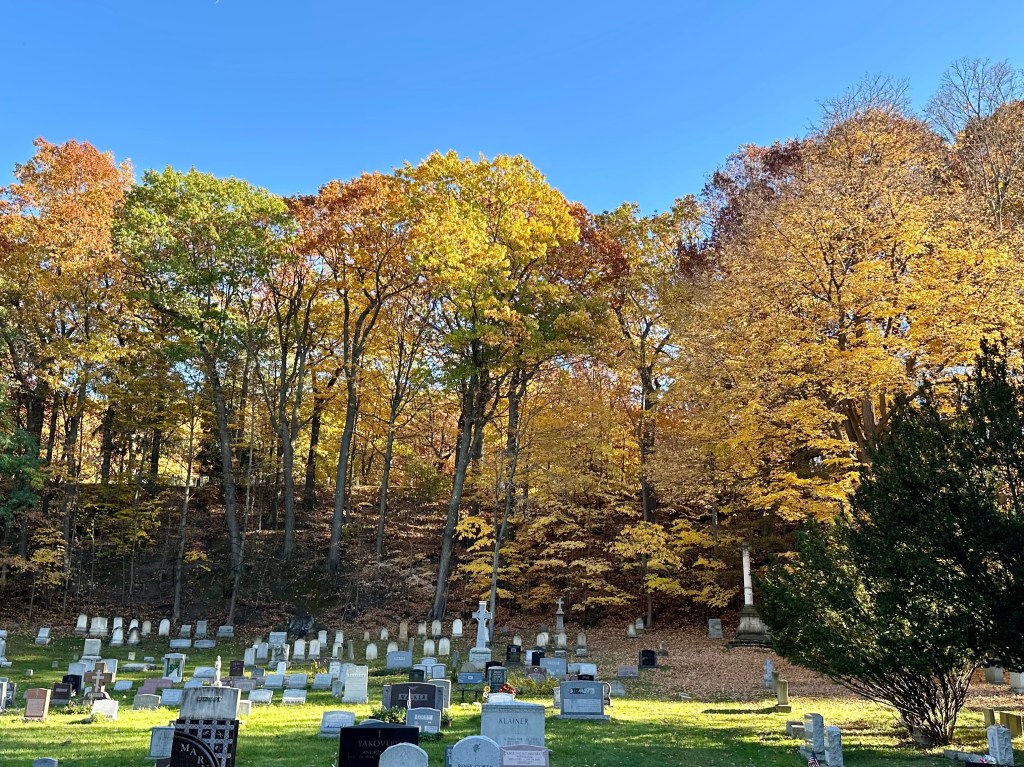
From Highland Park, we drove to Mt. Hope Cemetery in Rochester, where Susan B. Anthony and Fredrick Douglass are buried. There, too, the afternoon light played through the trees, highlighting their magnificent colors.
We also enjoyed watching Teddy march around in his preschool’s Halloween parade. Teddy dressed as a magician, and even pulled a rabbit out of his top hat.
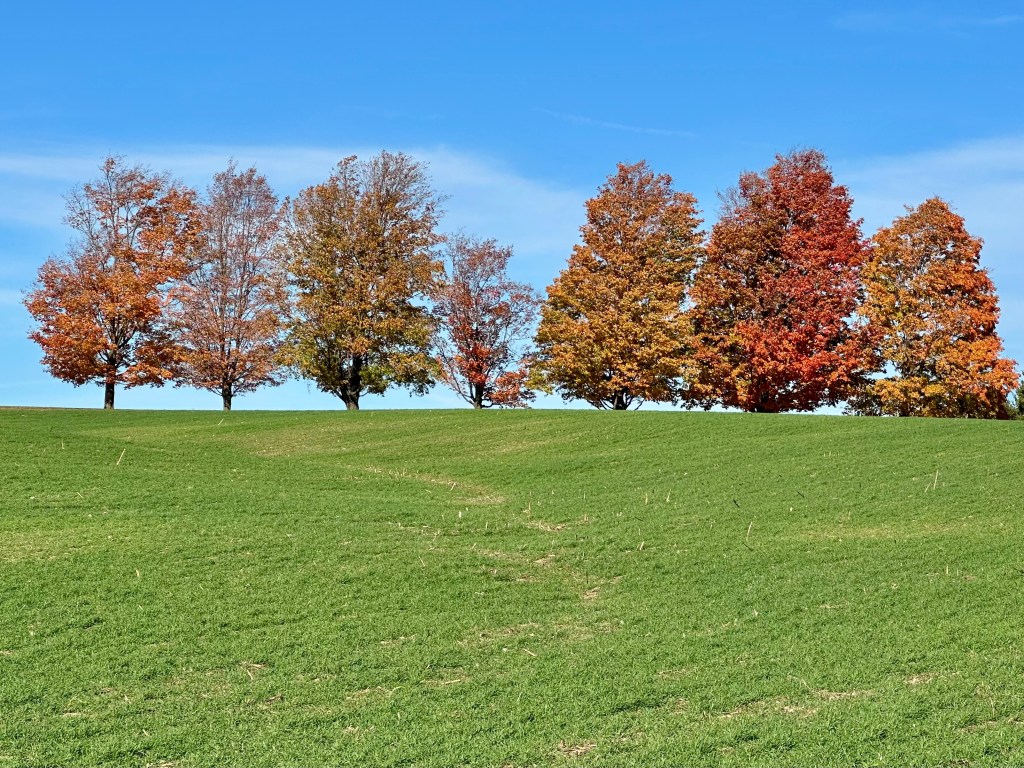
Every fall, I drive by this line of sugar maple trees that mark the driveway to a brick ranch home. They stand atop this knoll and oversee a grain field.
This year’s crop was field corn, already harvested for silage to feed cattle. When I stopped to take this photo from Switchboard Road, the winter wheat was already peeking through the rich soil.
I drive this road regularly, and these trees always catch my eye. But autumn is the season when these Seven Sisters, as I like to call them, really stand out. They consistently paint a colorful scene, but no two are exactly alike.
As for the road’s unusual name, the house that contained the first telephone switchboard for the City of Harrisonburg, Virginia, stands on the east side of the roadway.
The Seven Sisters look down at that historic building, now a resident’s home.


You must be logged in to post a comment.