Harvest Moonrise and Moonset: A Celestial Interplay of Light

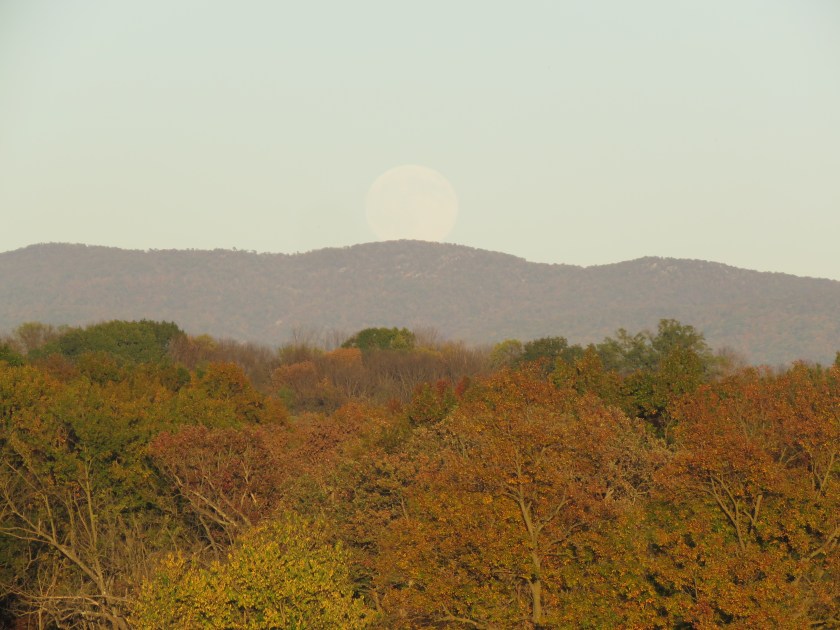
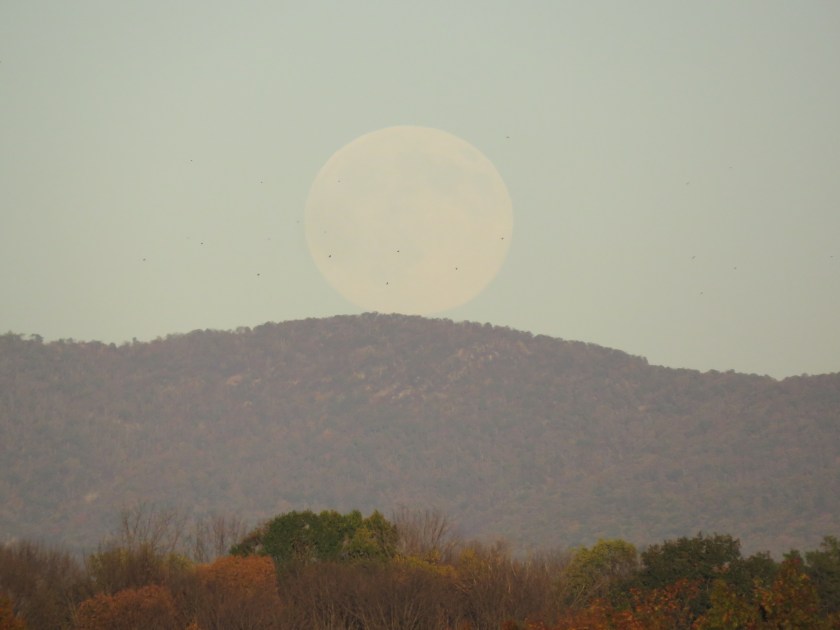
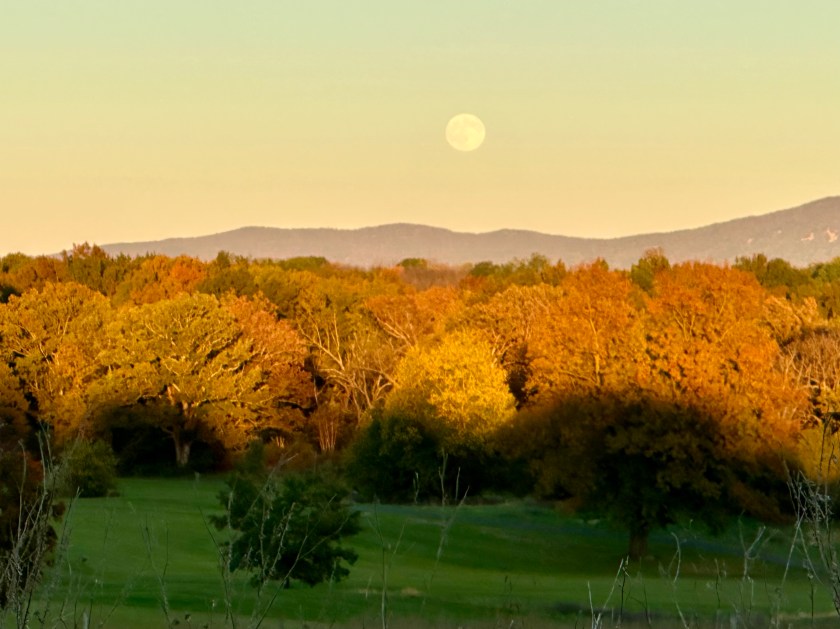
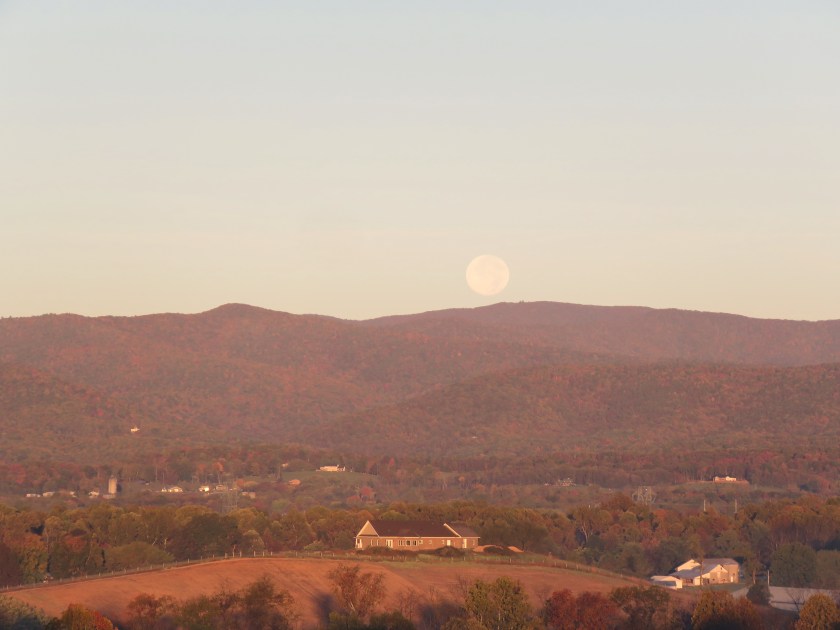
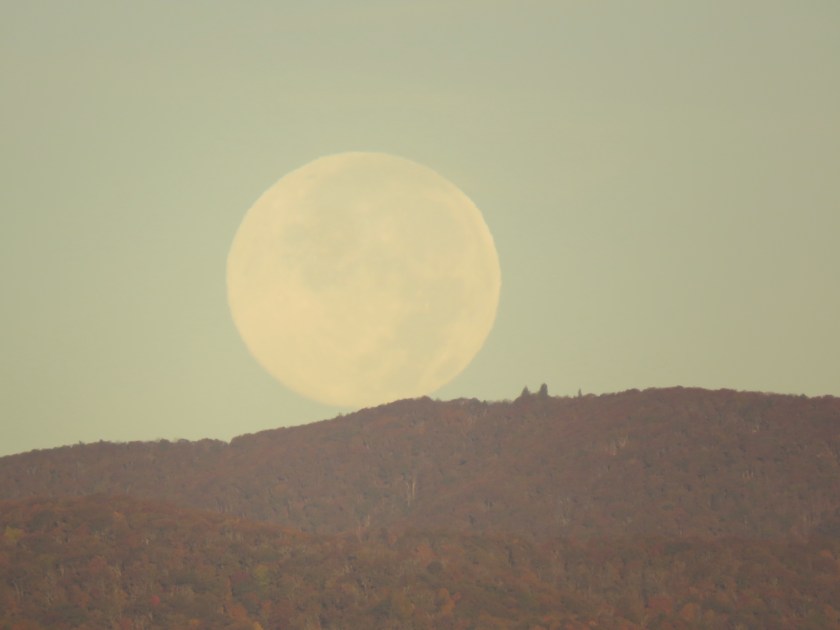
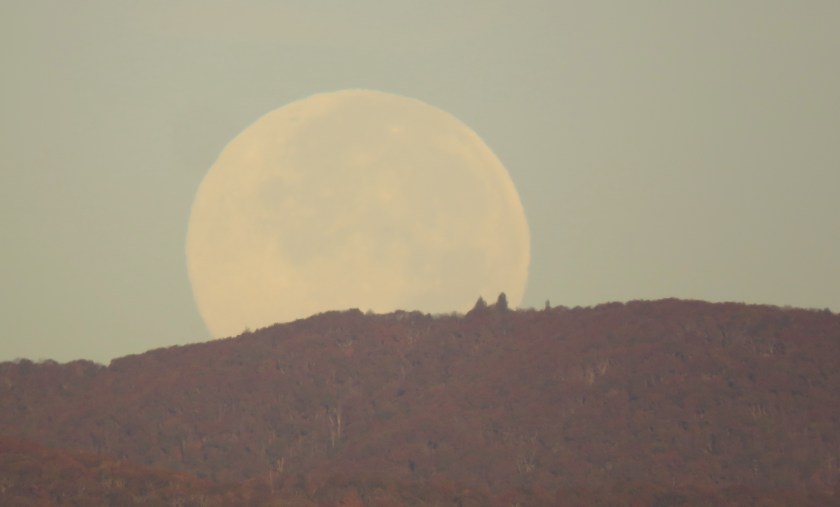
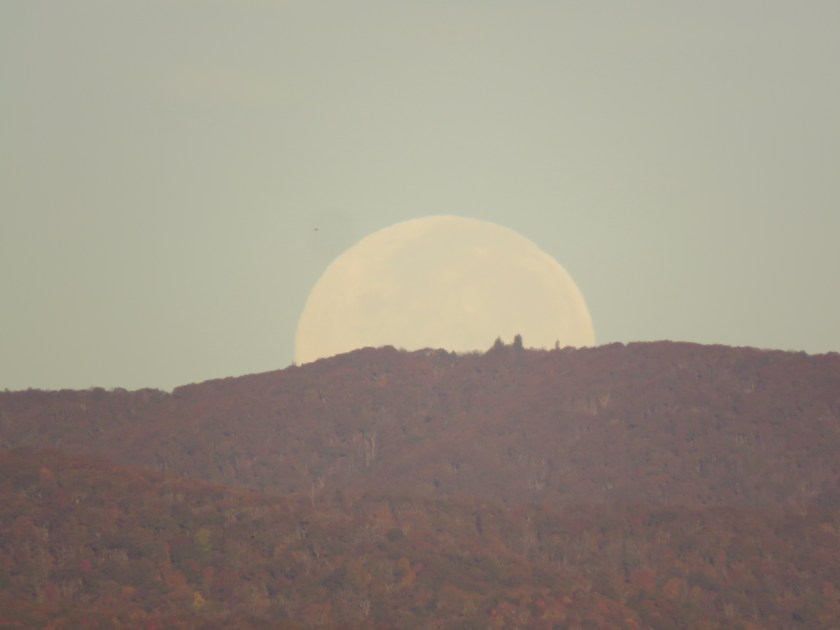
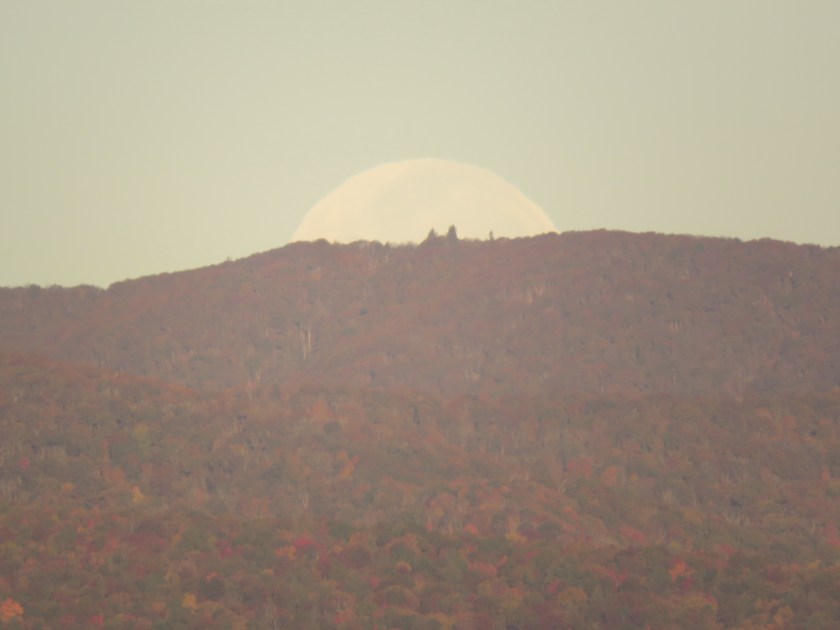
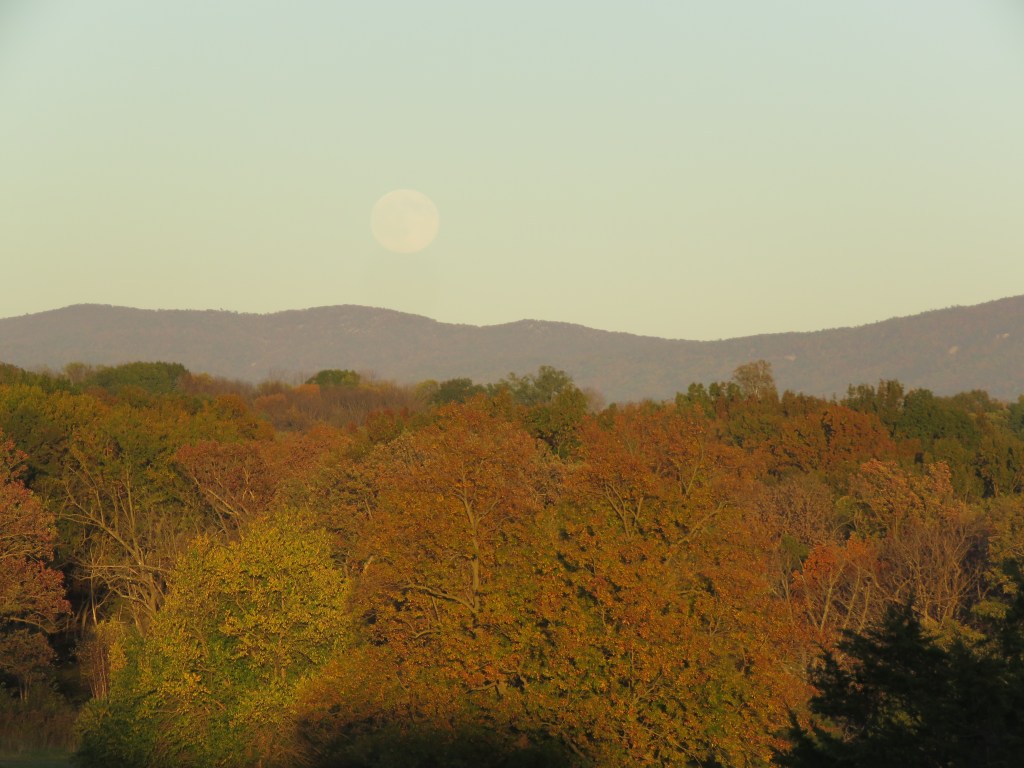
The Harvest Moon rose over Massanutten Mt. on October 25, 2026. Photo by Bruce Stambaugh

Virginia weather finally cooperated this month, giving me opportunities to photograph the rising and setting of October’s Full Harvest Moon. In previous months, the weather had been cloudy and wet during the full moon cycle.

So, I checked the times for both events and planned accordingly. I chose Harrisonburg’s city Heritage Trail beside Bluestone Elementary School, a five-minute drive from our home, to shoot the full moon rising over Massanutten Mountain. The mountain’s southernmost terminus is a few miles east of the city, and it runs about 50 miles north and south through the center of the historic Shenandoah Valley.

The valley’s floor undulates between the Blue Ridge Mountains, home to Shenandoah National Park, to the east, and the Allegheny Mountains to the west. An elevated point just southeast of the school overlooks the trail, the city golf course, and a city park. It provides an excellent view of Massanutten.

Before leaving home, I checked a chart to estimate when the moon would rise above the mountain. The official time listed 5:50 p.m., but that assumes a flat horizon. That’s not the case in the Shenandoah Valley.

Since the moon would appear just before sunset, the sky would be pale, making it a bit difficult to spot the rising moon. Fortunately, a high-pressure system had settled over the valley, clearing the air of hazy humidity.
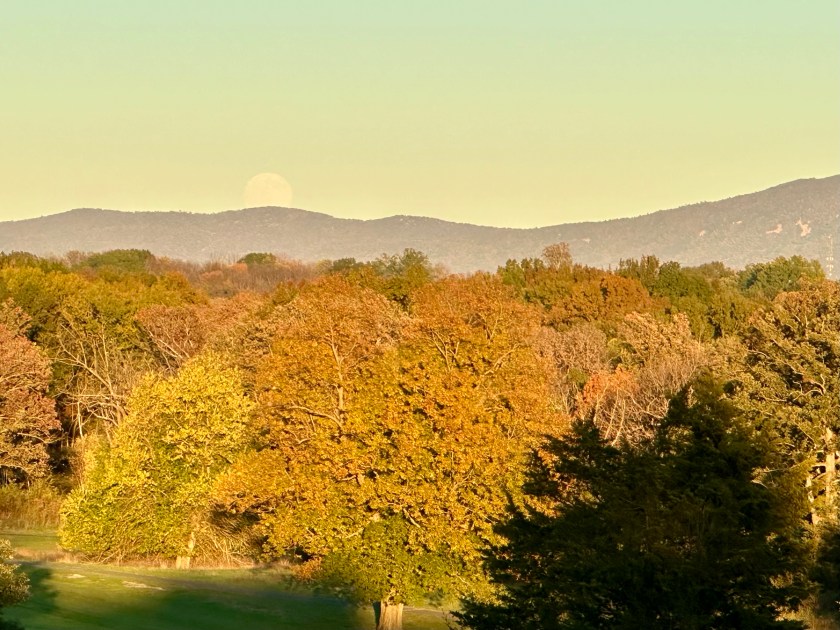
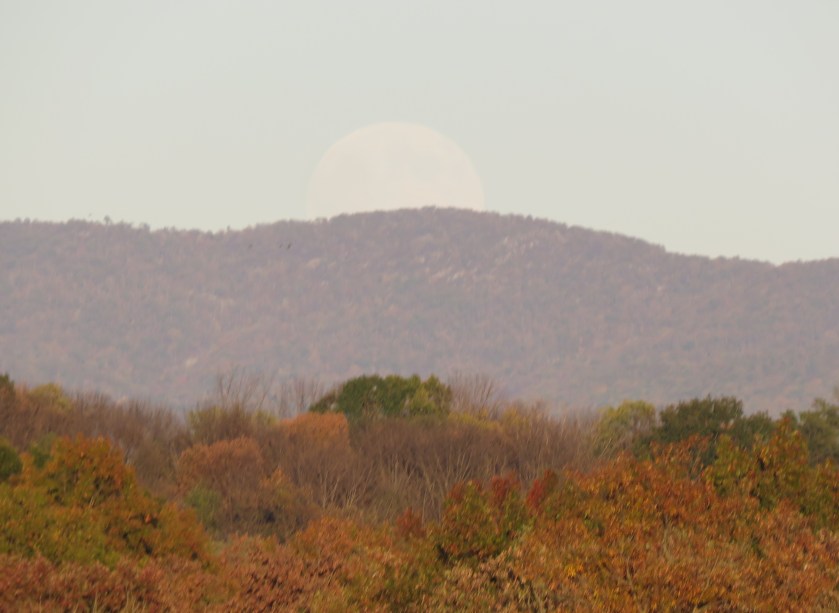
At exactly 6 p.m., the moon just peeked over Massanutten’s ridge northeast of Harrisonburg. I snapped away as the celestial beauty rose higher above the mountain and the sky grew darker.

Hikers and dog walkers passed by, and I gladly shared the Harvest Moon with them. Those not walking with their heads glued to their smartphones already shared a moment of mutual admiration with me.
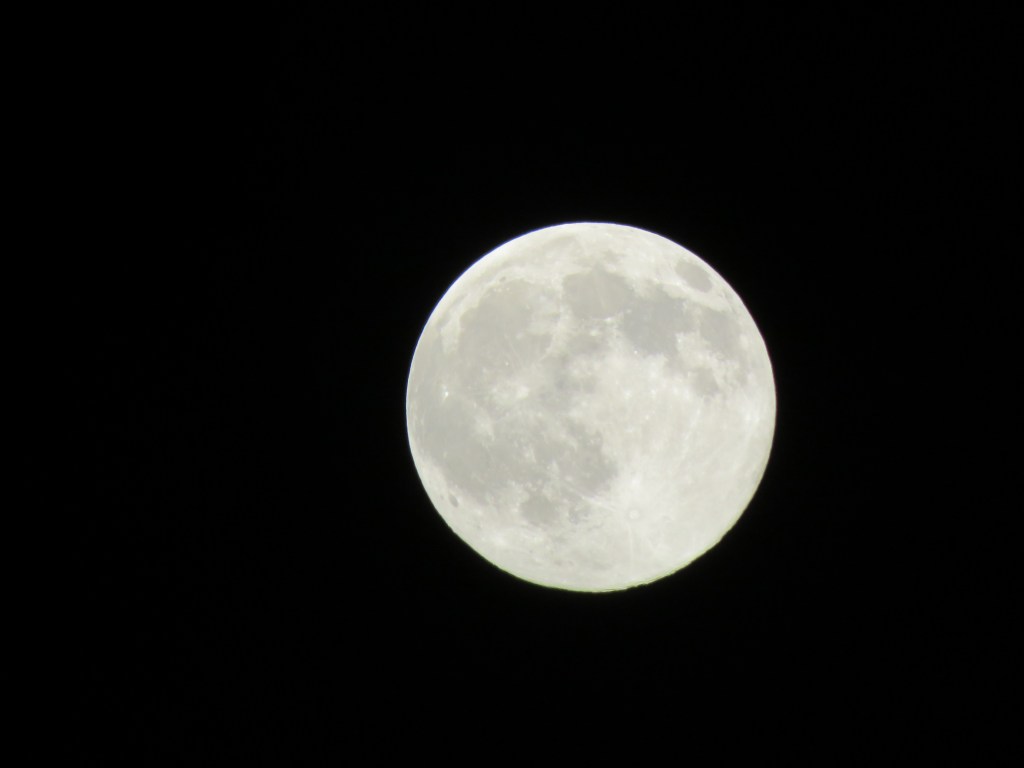
The typical Full Harvest Moon shot. Photo by Bruce Stambaugh

Before bedtime, I snuck out and captured the typical photo of the bright full moon against its home in the velvety black sky. Filled with awe, I planned my morning sunrise adventure to document the full cycle of the setting Harvest Moon.

I had no trouble finding the moon that morning. I snapped a photo of it hanging just above my neighbor’s trees. I headed to Mole Hill, my mainstay for sunset photography, though I wasn’t sure it was the best location since the moon would settle in the north-northwest.
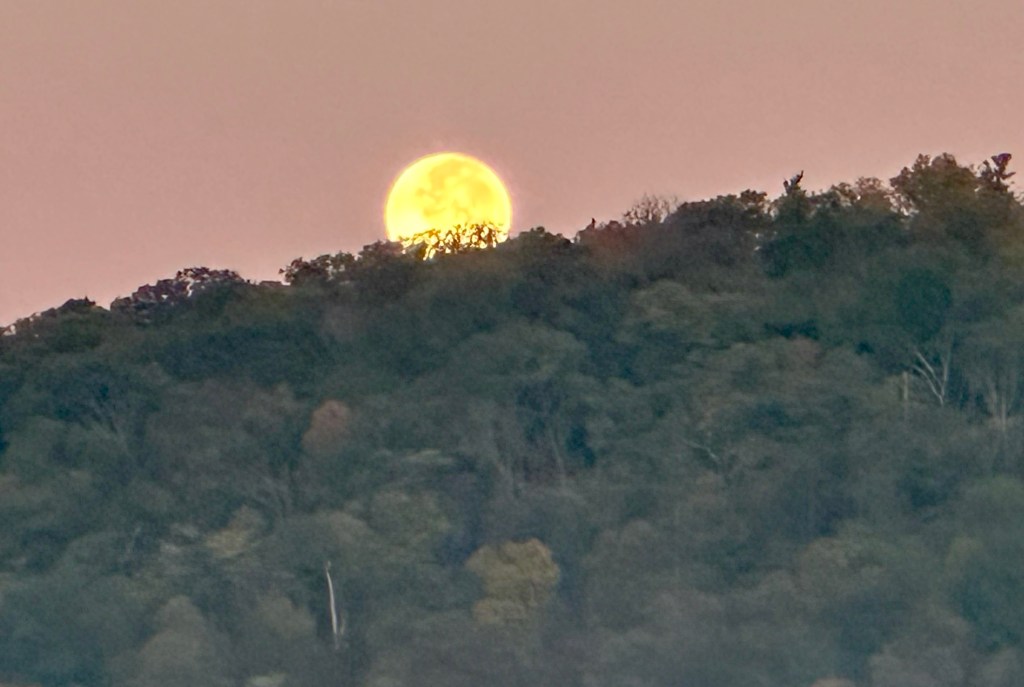
The full Harvest Moon over Mole Hill. Photo by Bruce Stambaugh

Another frost glistened in the intertwined light of the silvery moon and the slanting, blinding rays of the rising sun. Fortunately, Mole Hill, an ancient volcanic core, helped block the harshness.

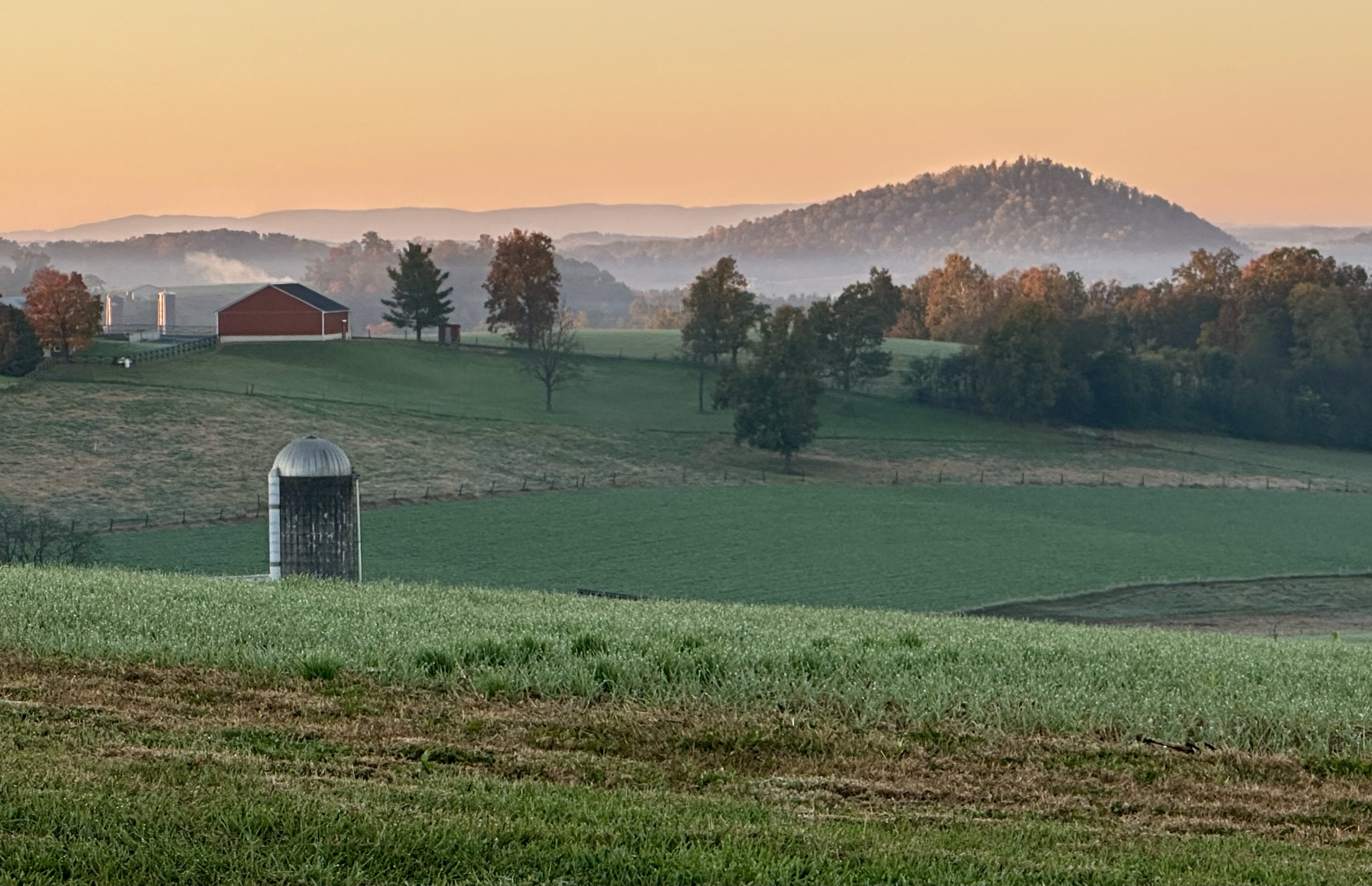
Still, the moon view wasn’t quite what I wanted. I drove west a mile to Majestic View Road, and what a panorama it was. Scanning south to north, farm after farm joined together like a carefully assembled quilt.

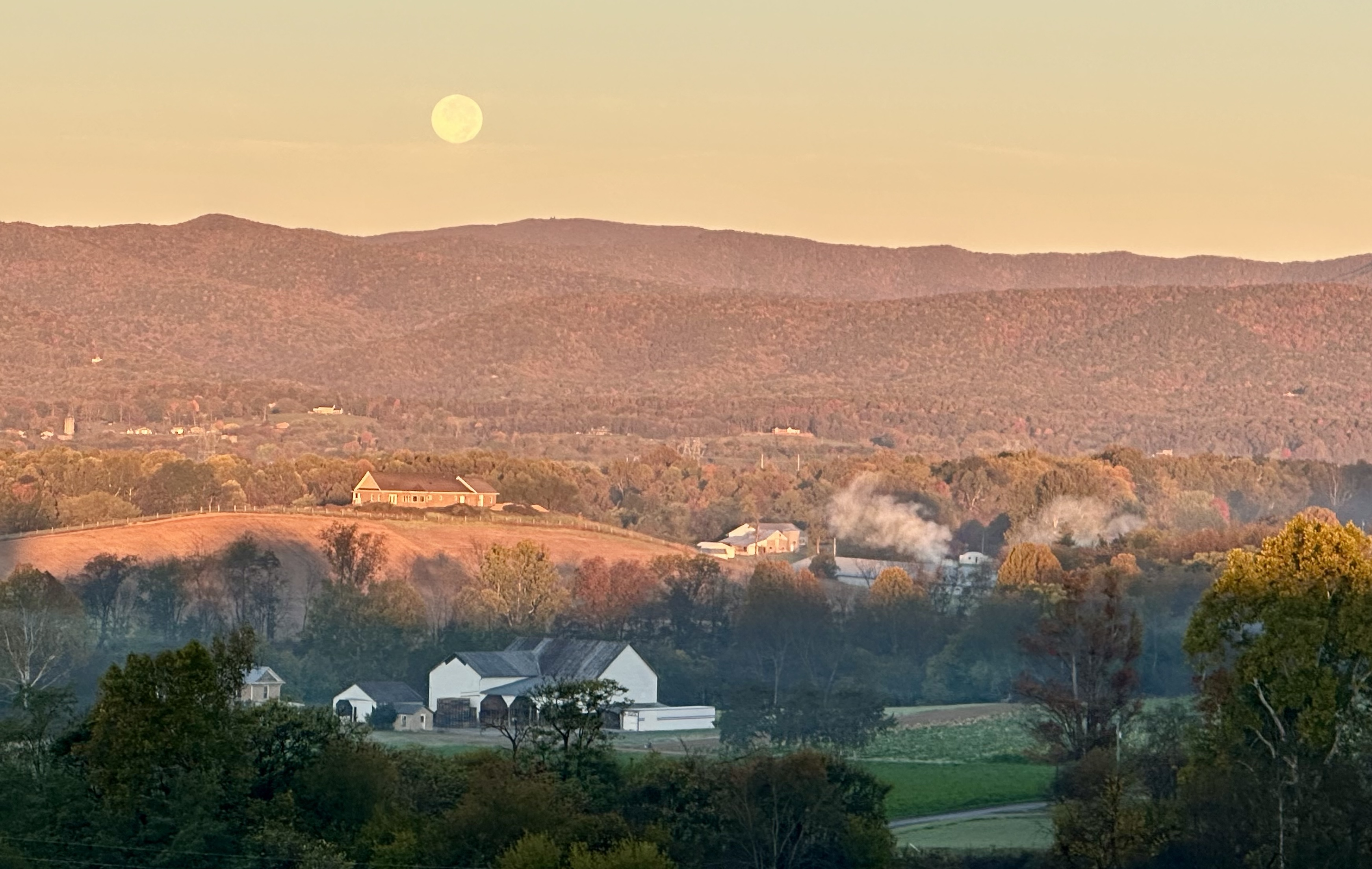
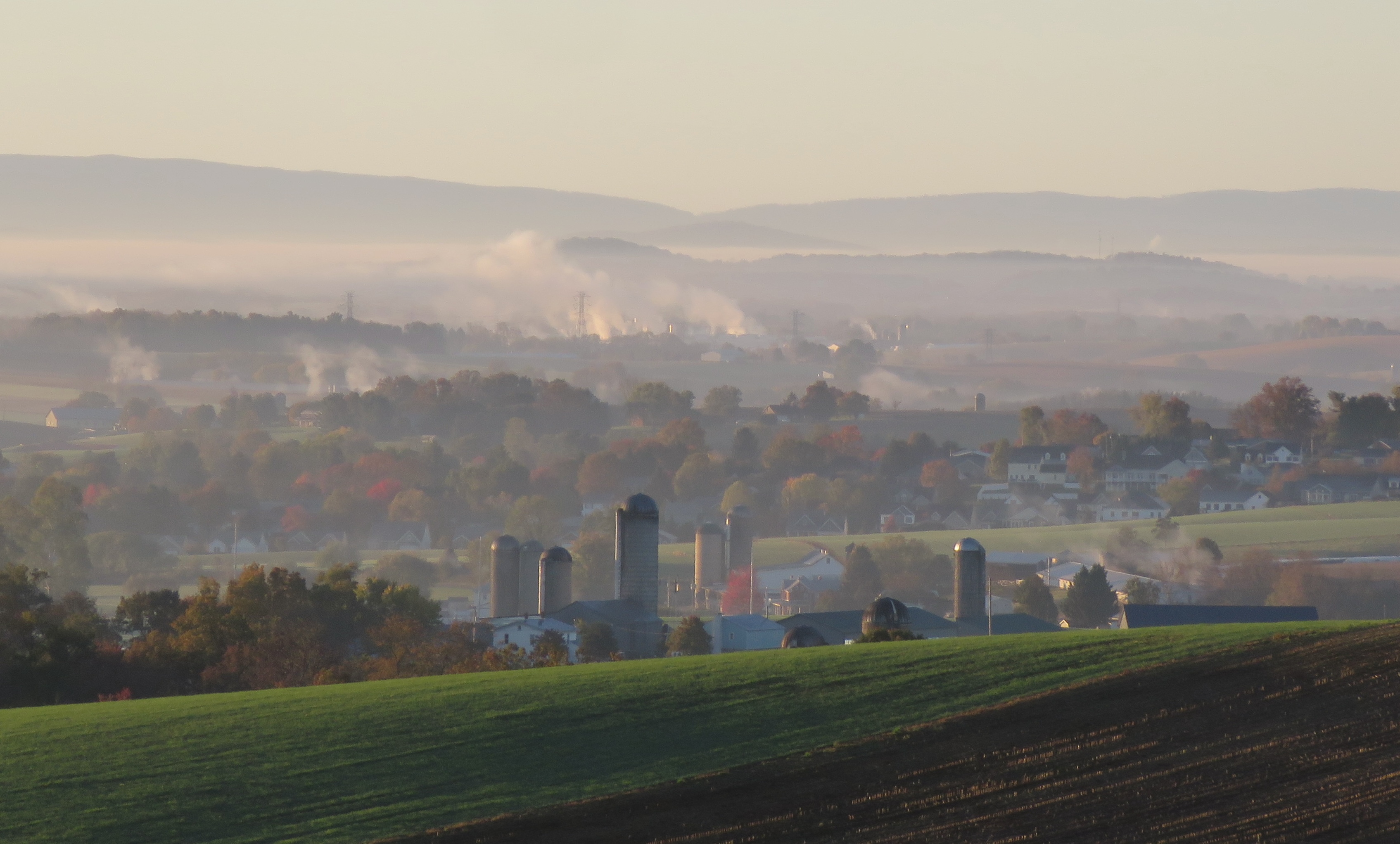
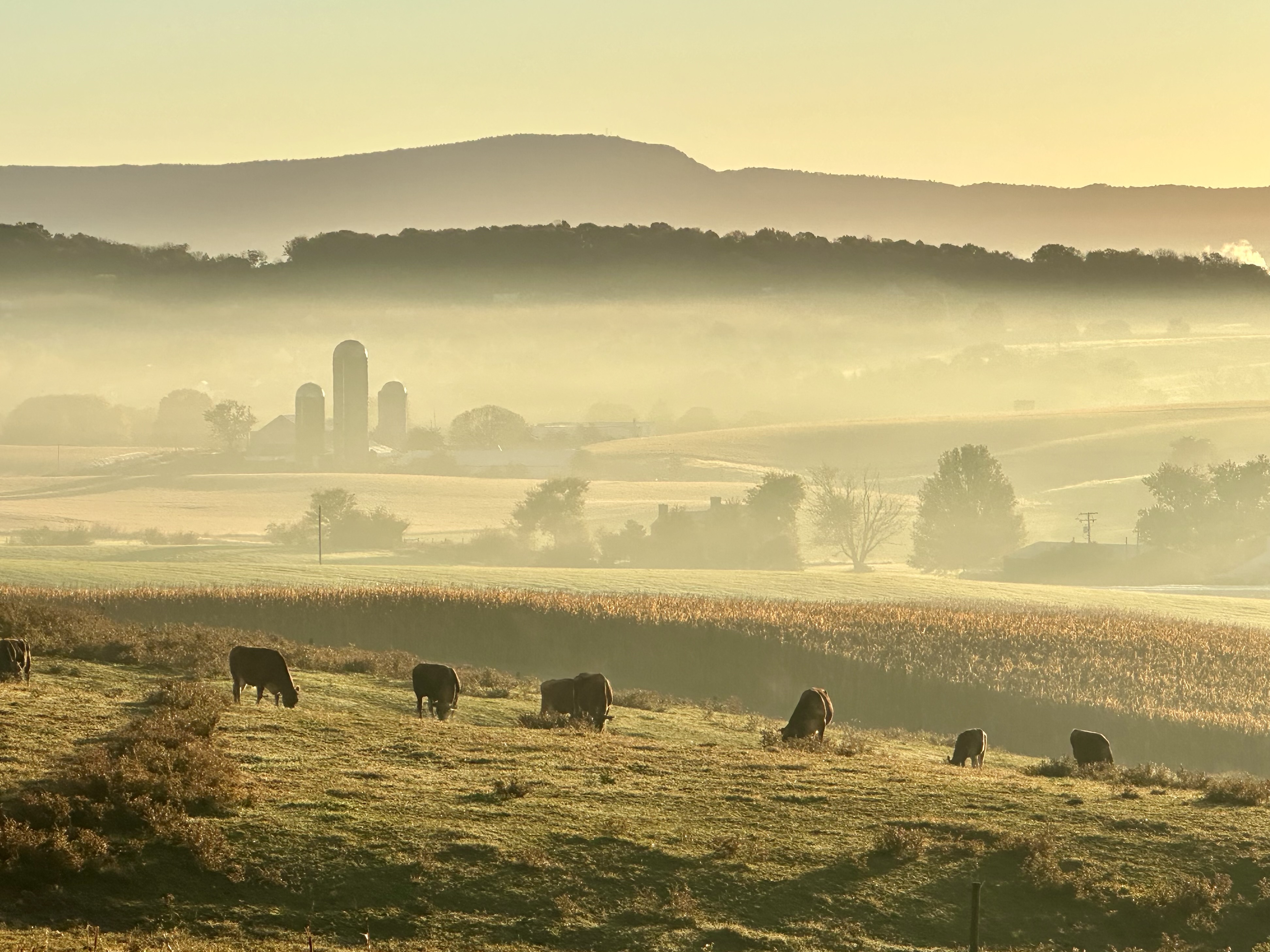
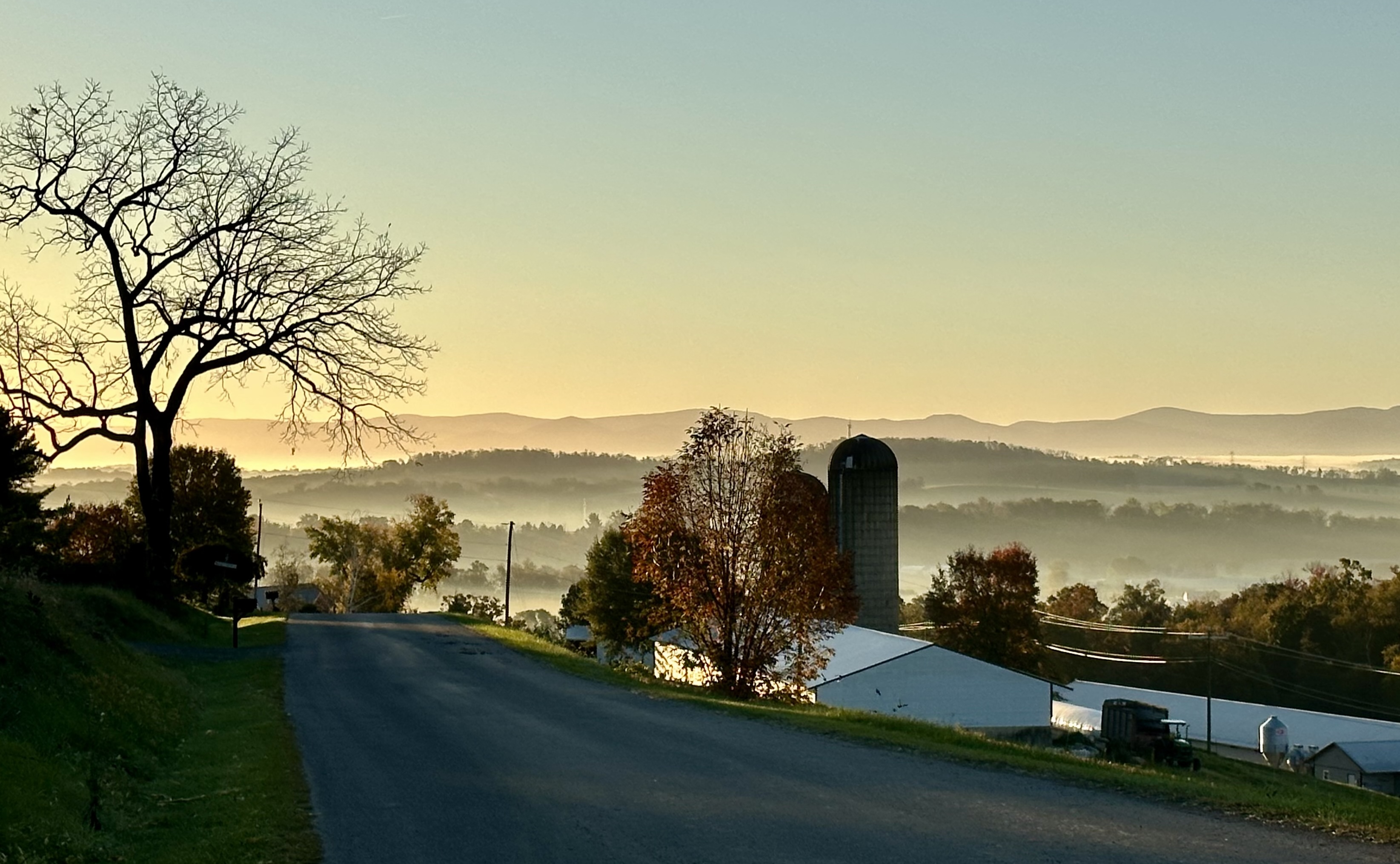
Fog lifted out of the agricultural Dry River Valley. Water still flowed down from mountain rains, and the cool air condensed the river’s surface into a feathery cloud of mist that lifted ever so slowly over the blanket of farmsteads. The metal tops of their tall grain silos reflected the sunlight.
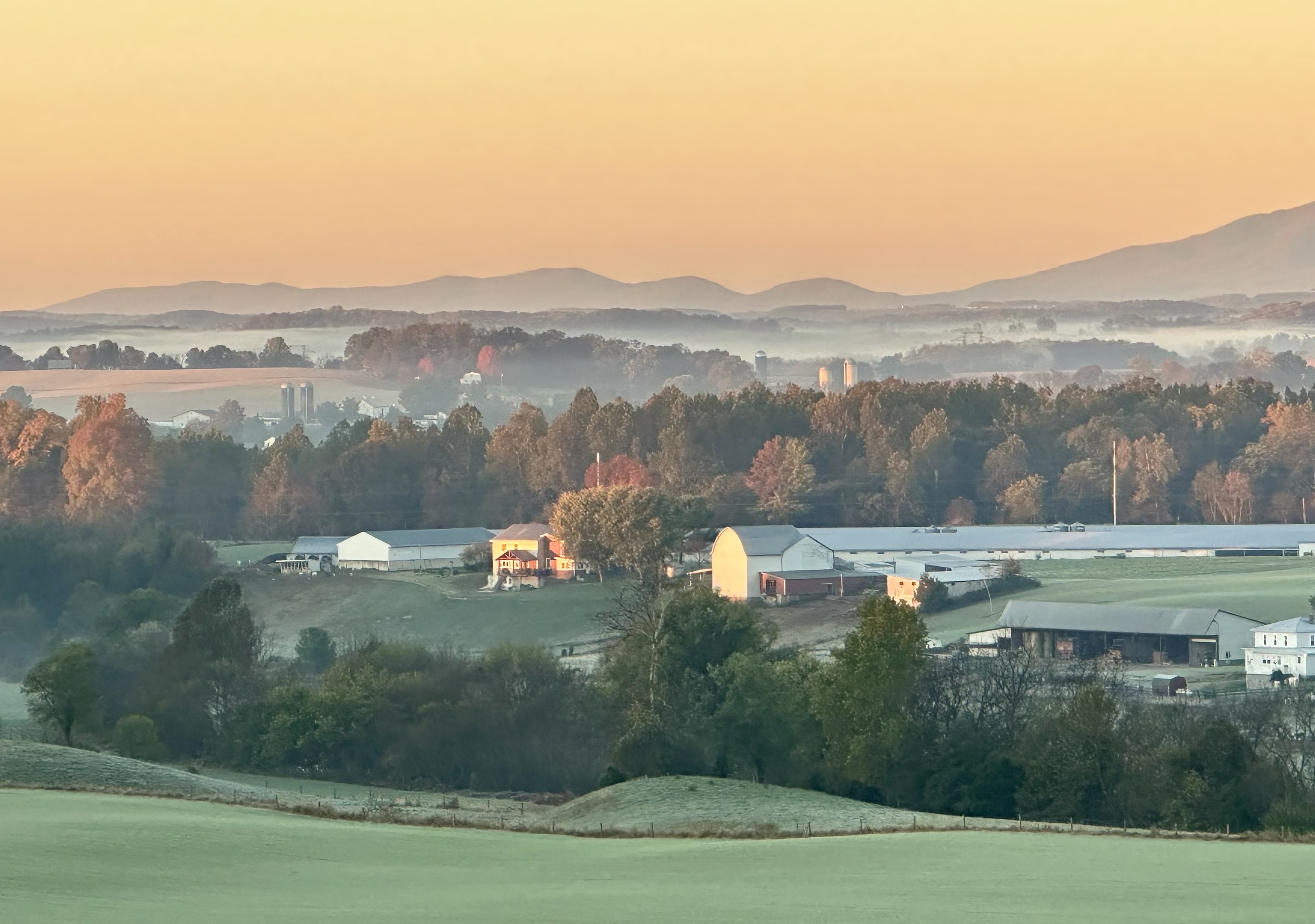
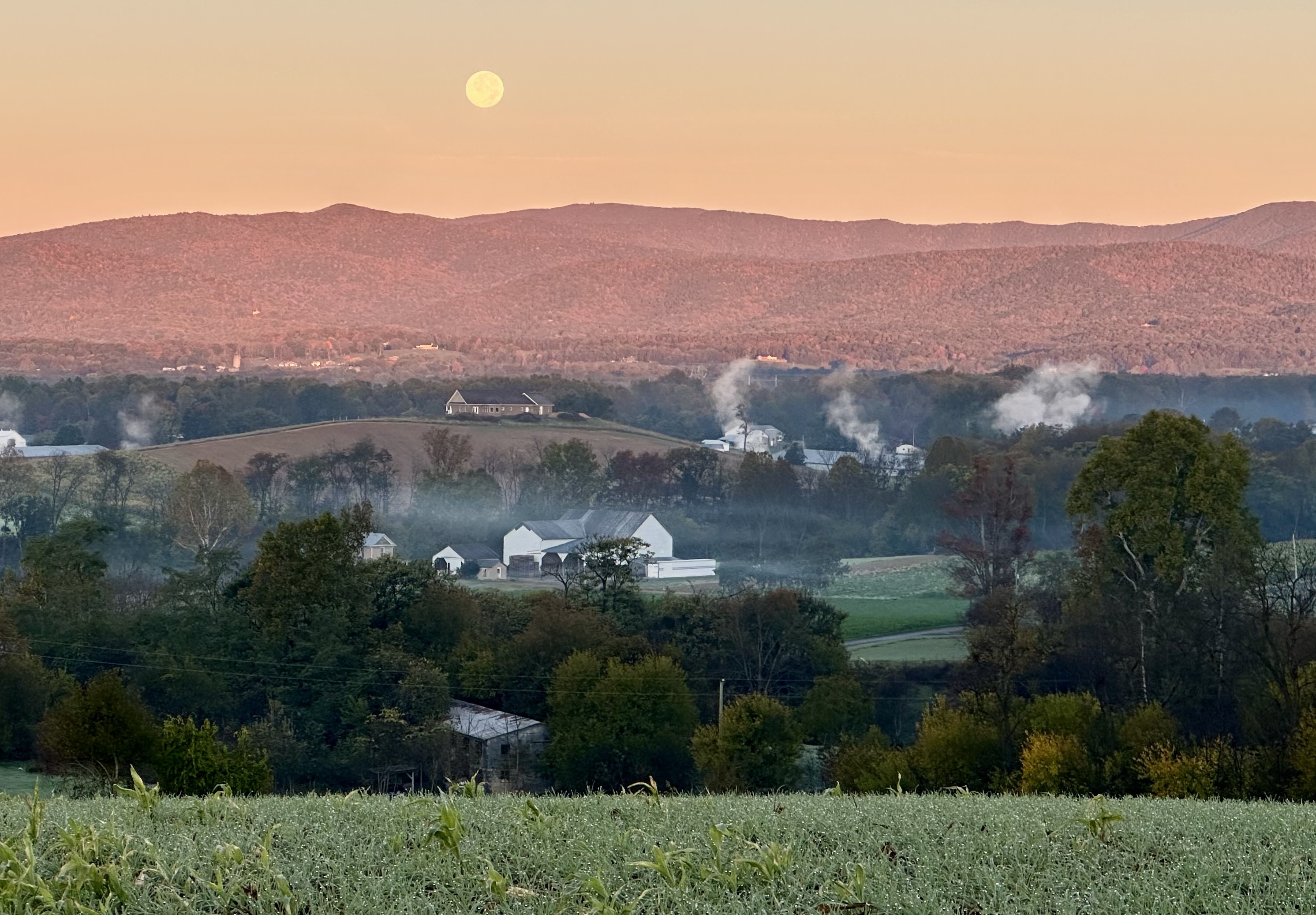
Please click on the photos to enlarge them.

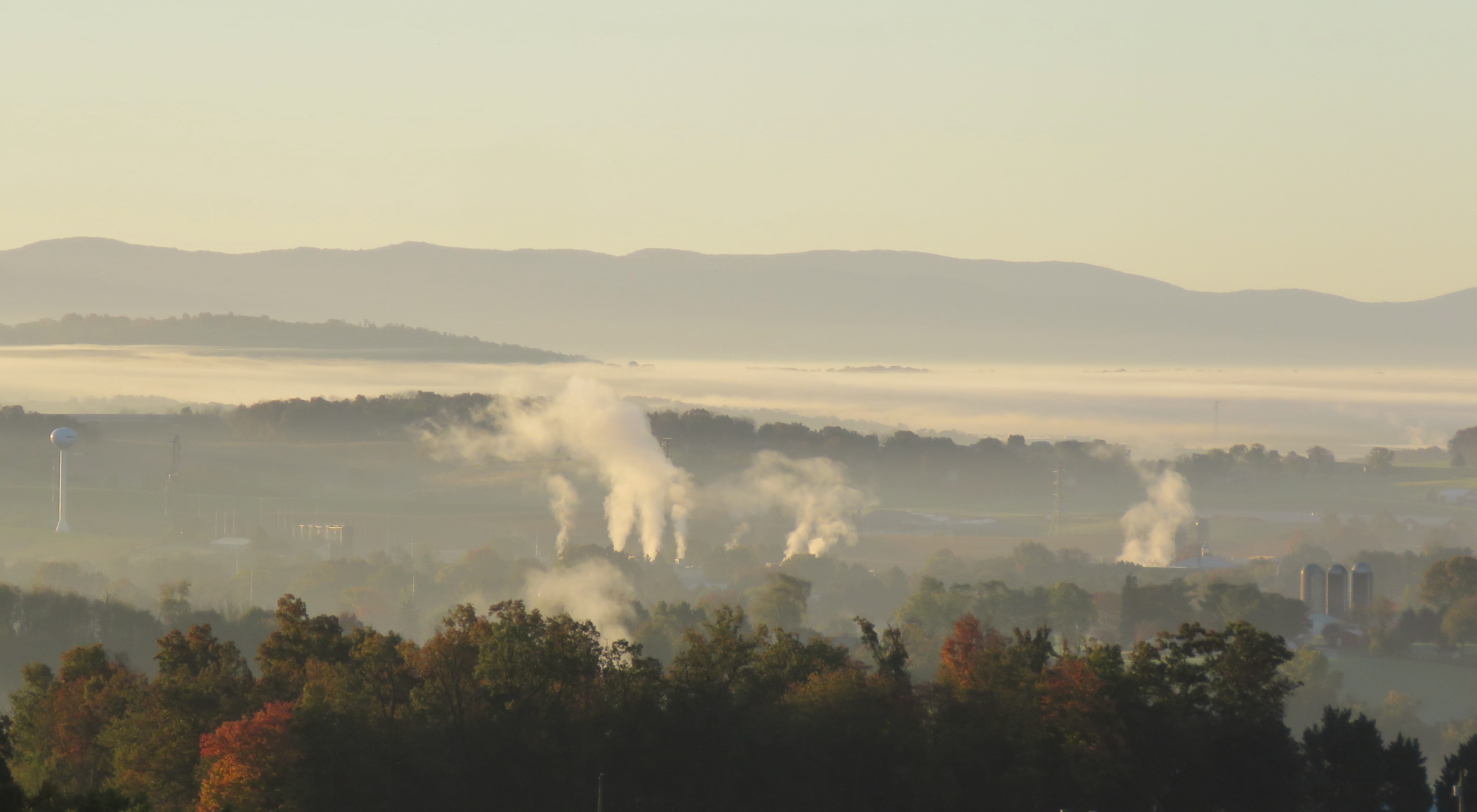
Fog wasn’t the only element shimmering over the valley. The cold morning forced homemakers, farmers, and cottage industry employees to fire up dozens of wood stoves. Smokey pillars rose straight up until they hit a layer of colder, heavier air, then turned sharply south.

The hair on my arms rose, not from cold, but from exhilaration. I couldn’t have imagined such spontaneous, coordinated choreography between humankind and almighty nature.
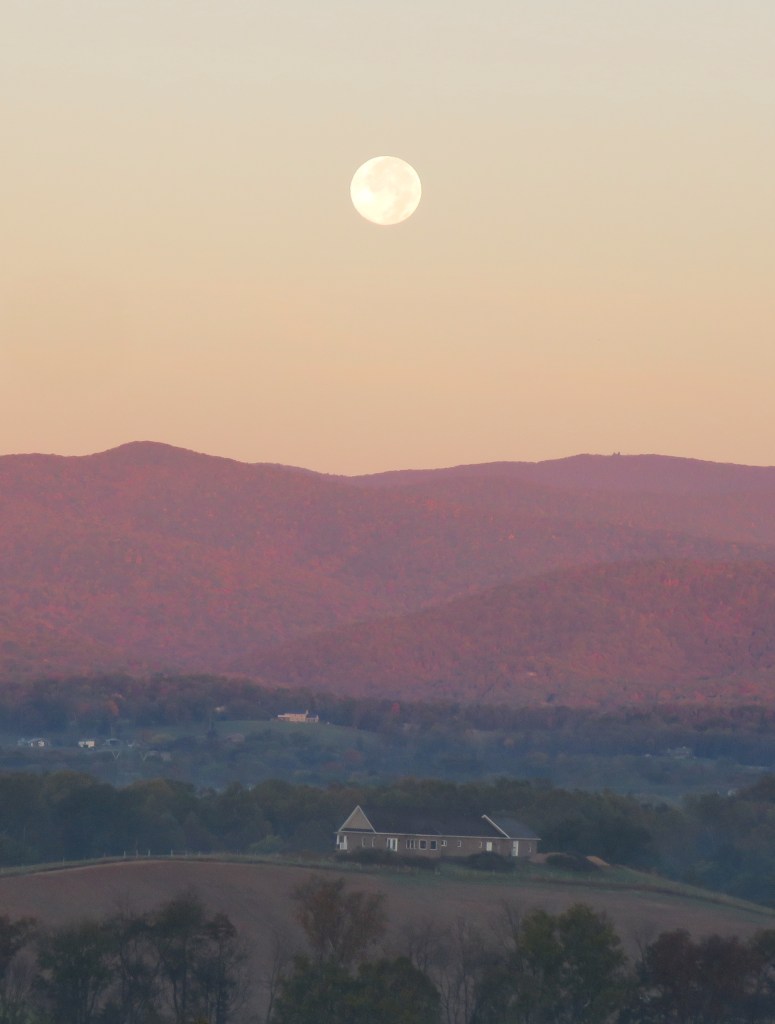
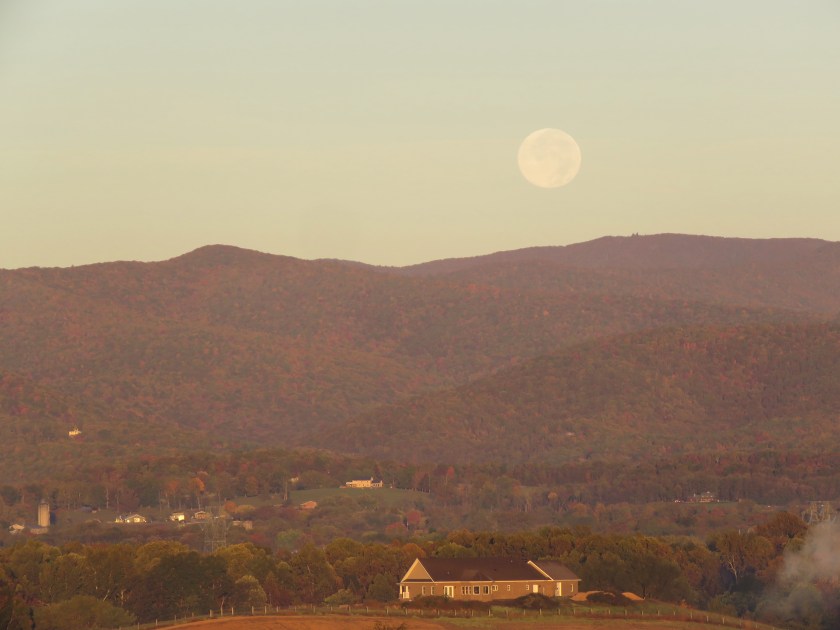
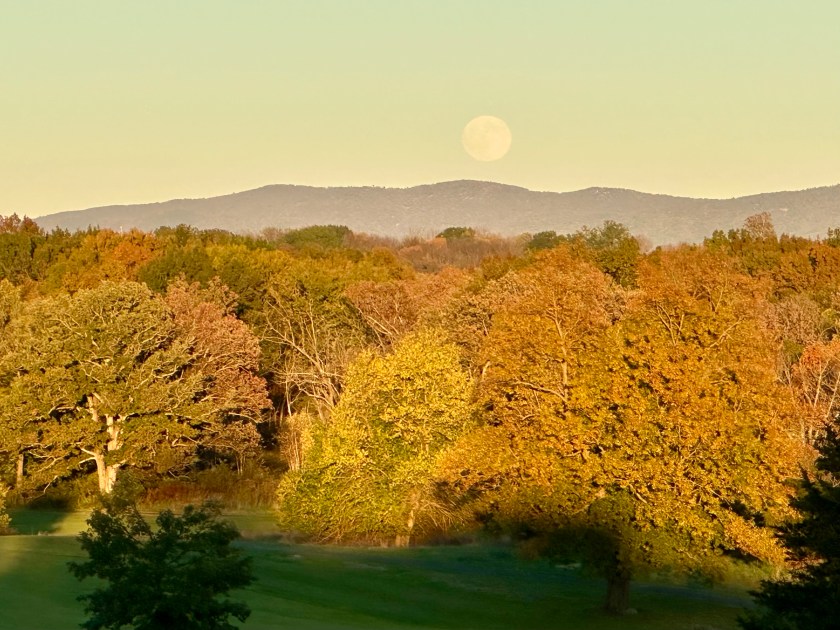
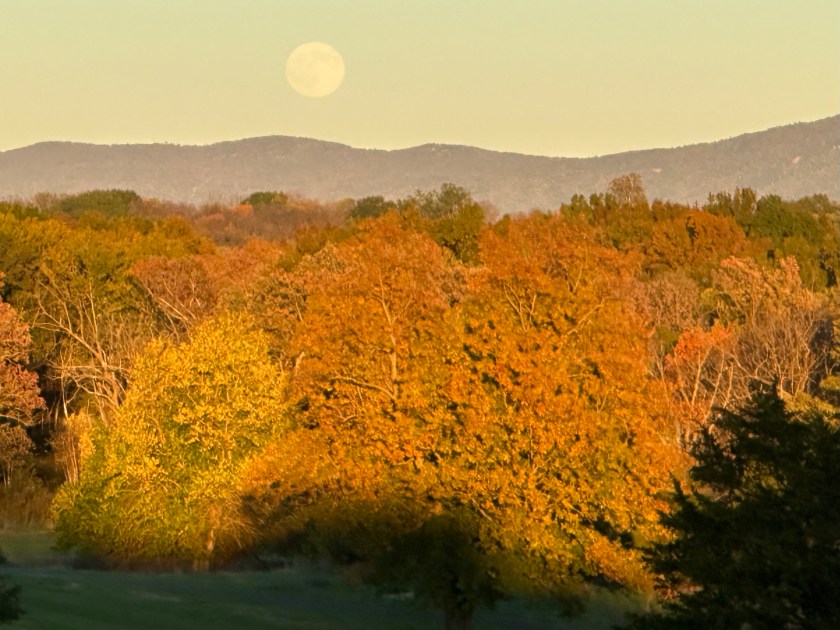
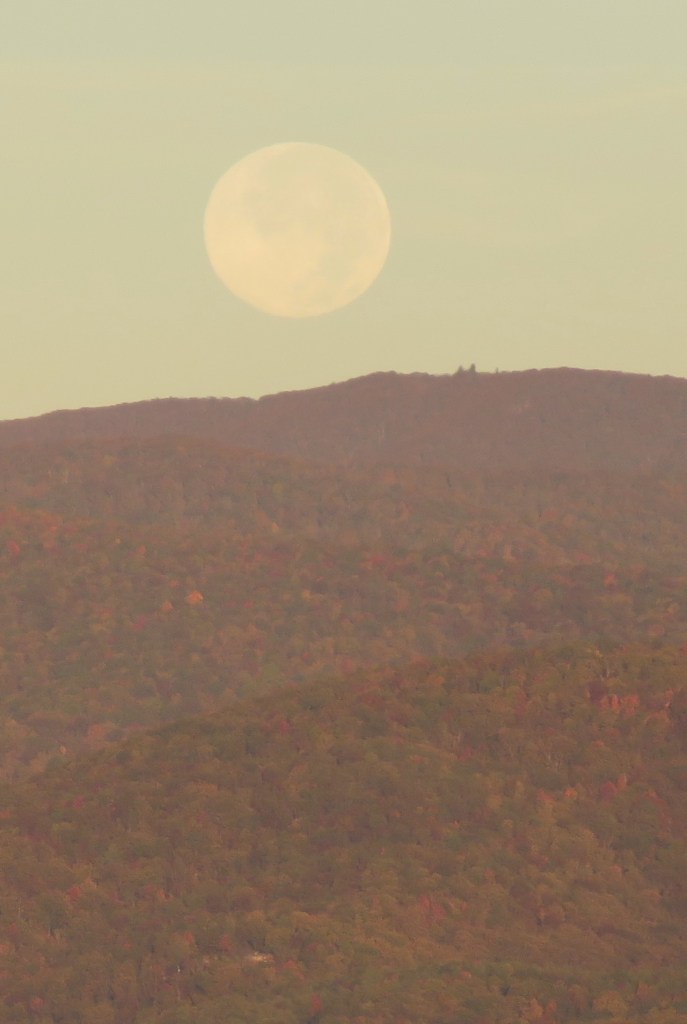
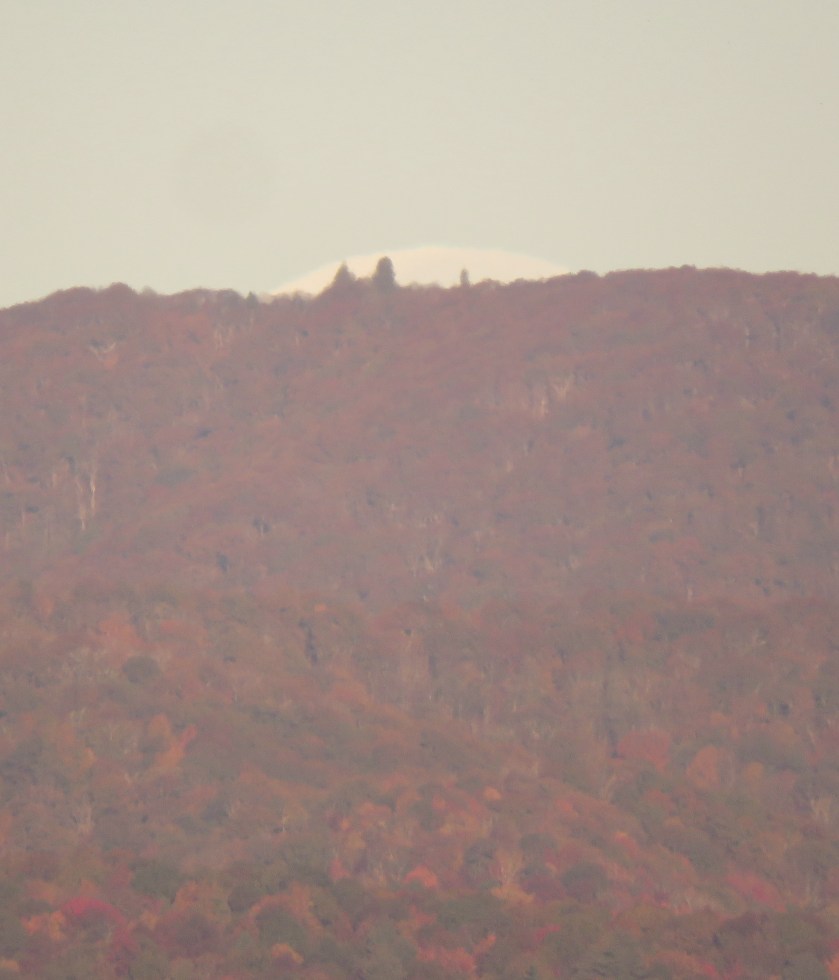
I returned my attention to the setting moon as it neared the summit of Shenandoah Mountain, the eastern front range of the Alleghenies. The moon angled toward a pair of tall evergreens on the ridge of the old folded mountain, easily seen even with the naked eye.

I clicked and clicked until the moon finally slithered below the mountaintop. I picked out a landscape shot with the moon over the mountain and texted it to my family. Joy is meant to be shared, not hoarded.

I headed east the way I had come, but soon stopped on the southeastern side of Mole Hill. The scene south resembled a monochrome factory town from a hundred years ago. One after another, chalky columns rose until colliding with the colder air and sharp sunrays. I stood transfixed.
Please click on the photos to enlarge them.

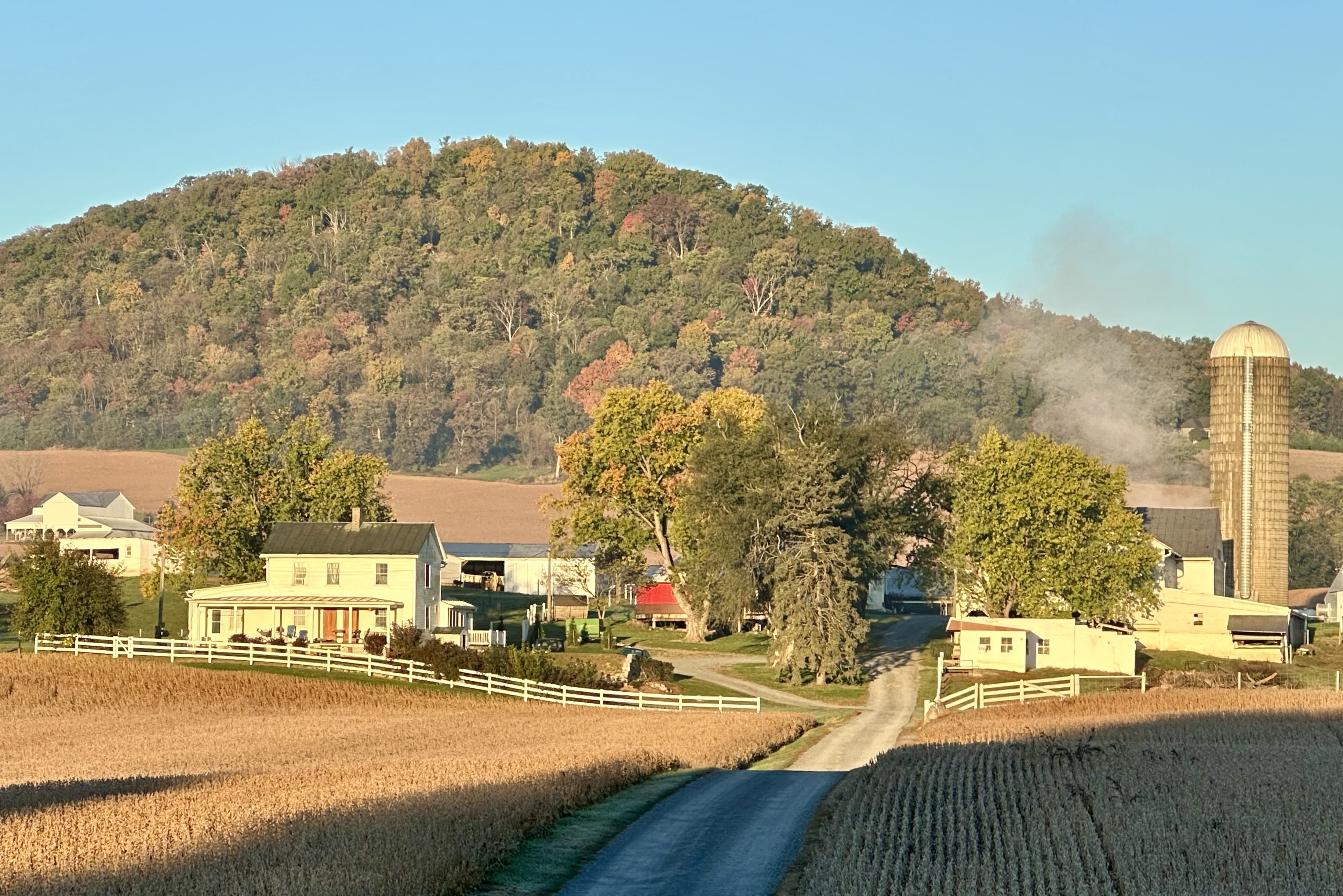
An American Robin flew onto a branch of the black walnut tree just above me, shaking my spell. Again, I drove downhill, but didn’t get far. More unbelievable scenery unfolded before me. I only had minutes to capture what the farmer whose lane I had parked in must see every sunny day.

As I shot different angles, I stood amazed, grateful, inspired, and fulfilled. If the farmer had observed me, I’m sure he had his own form of fun as well.
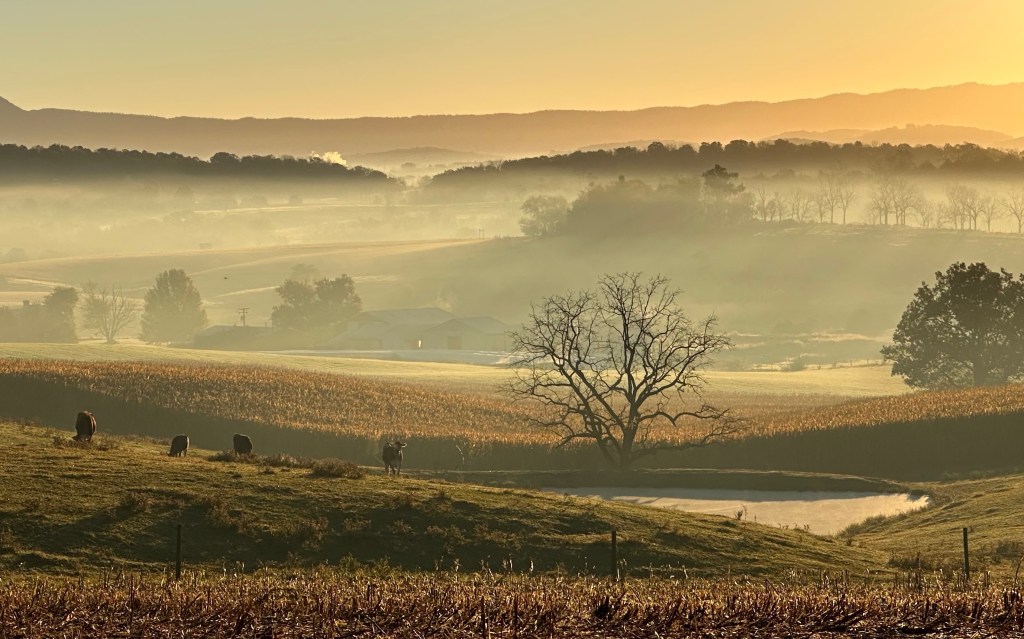
The view from the farmer’s lane. Photo by Bruce Stambaugh

© Bruce Stambaugh 2026

Morning Mist at the Lake

The shots I love most aren’t the ones I expect to take. They are the spontaneous ones that appear suddenly, unexpectedly, and often only for a moment.

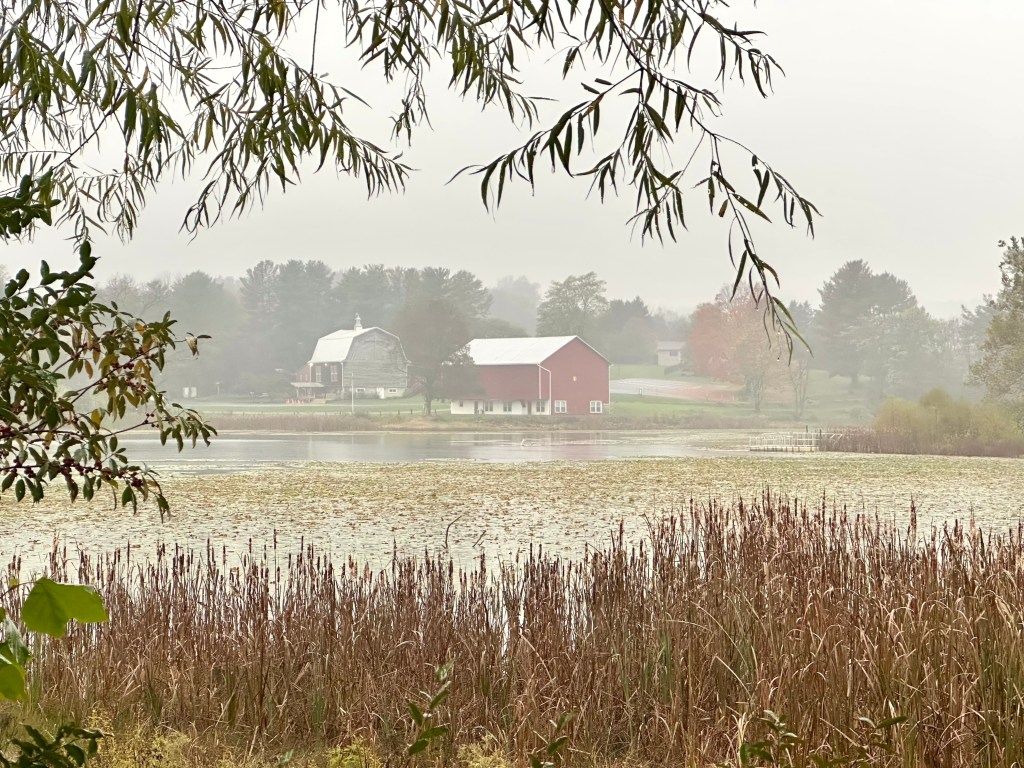
This scene appeared as I walked back to my vehicle in the rain after photographing the American White Pelican, the shot I wanted. After crossing a short footbridge at the west end of the lake, I stood in disbelief.

There it was, the opportunity I didn’t expect. A red barn across the lake, an orange sugar maple to its right, mist muting their color’s intensity. A carpet of weathered water lily leaves spread out across the shallows of the lake in front of a stand of burnished cattails.

On top of all that, a tree’s branch framed the surreal setting. Click.

© Bruce Stambaugh 2026

Good Reason, Bad Decision

I really shouldn’t have taken this photograph. But when an alert came in that a lone American White Pelican had landed on Lake Shenandoah, I had to go see it and take some photos.

Given the results, I’m glad I did, but I wish I hadn’t. I was diagnosed with acute bronchitis the previous day and was prescribed four different medications. I took them as directed and slept well.

When the rare bird alert appeared just after 8 a.m., my birding adrenaline kicked in. I finished my meager breakfast, checked the radar, and found no rain.

So, I headed east six miles to the state-owned lake. It misted all the way. The closer I got to the lake, the more menacing the sky appeared. I hadn’t walked 20 yards from my vehicle when the rain began in earnest.

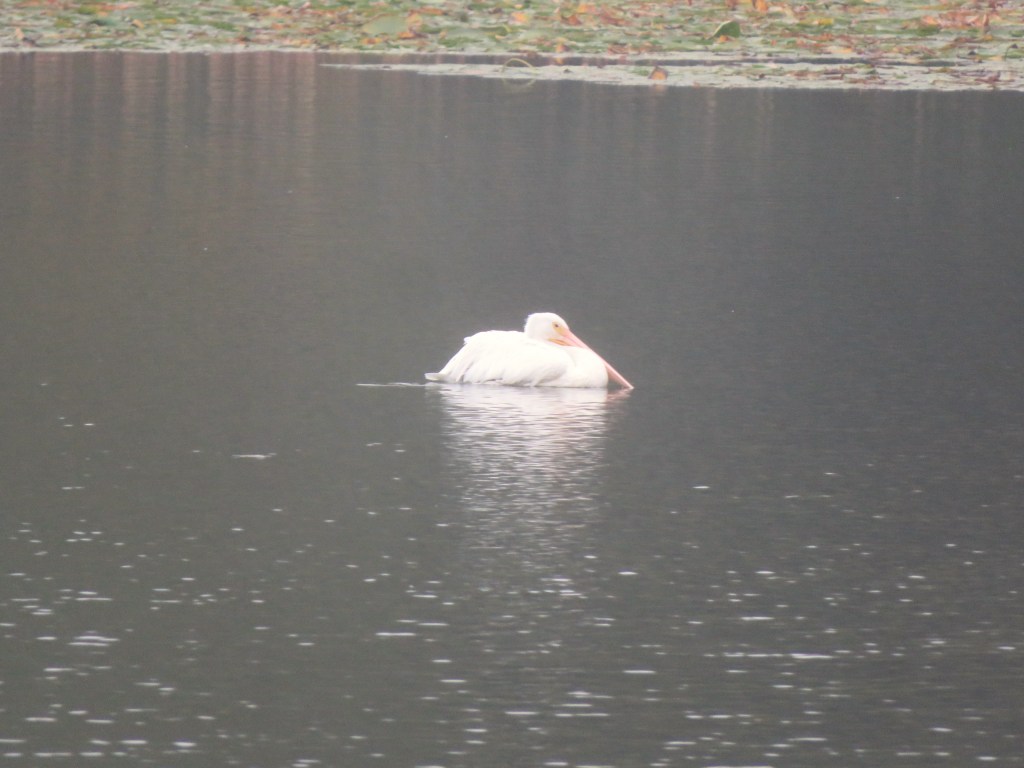
I passed another birder friend who said the pelican was just floating in the middle of the lake. So, I hustled to the fishing dock, and there it was. But the fog and rain made it difficult to photograph.

Still, I got several shots, but being a typical photographer, I wasn’t happy with the results. I should have turned back to my SUVs and headed home. Instead, I stayed, got wetter by the minute, and took photo after photo.

This is the best one of the series.

American White Pelican. Photo by Bruce Stambaugh

Why this bird was here alone, no one knows. American White Pelicans usually migrate from northern climes this time of year in large flocks to southern locations. This individual clearly got lost.

Today is a beautiful, warm autumn day when I should be out taking photos of the annual changing of the leaves. Instead, having learned my lesson, I’m behaving myself and staying put.

© Bruce Stambaugh 2026

Splish, Splash, I Was Taking a Bath

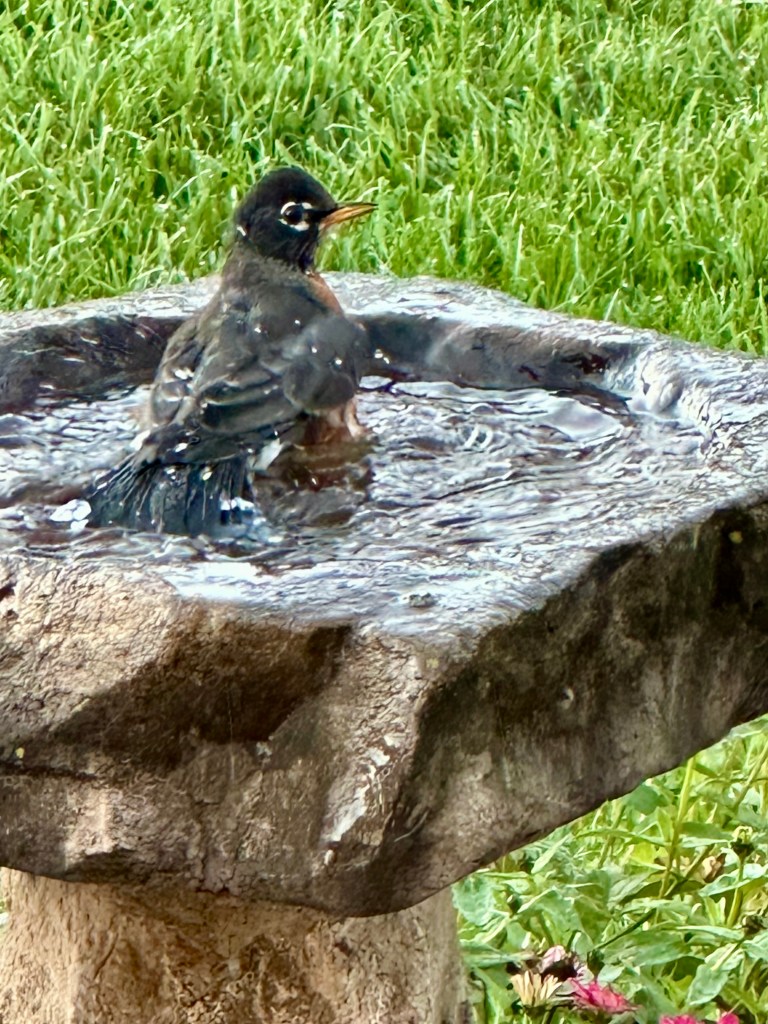
When I saw this American Robin splish-splashing one morning in a backyard birdbath, I thought of Bobby Darin’s 1958 hit “Splish, Splash.” I hadn’t heard that song in a long, long time.

The rock and roll song reached number three on the US Billboard Charts. Bobby, whose real name was Walden Robert Cassotto, wrote the song along with Murray Kaufman.

Click the link if you want a musical trip back in time.

American Robin taking a morning bath. Photo by Bruce Stambaugh

© Bruce Stambaugh 2026

Rising From the Rubble

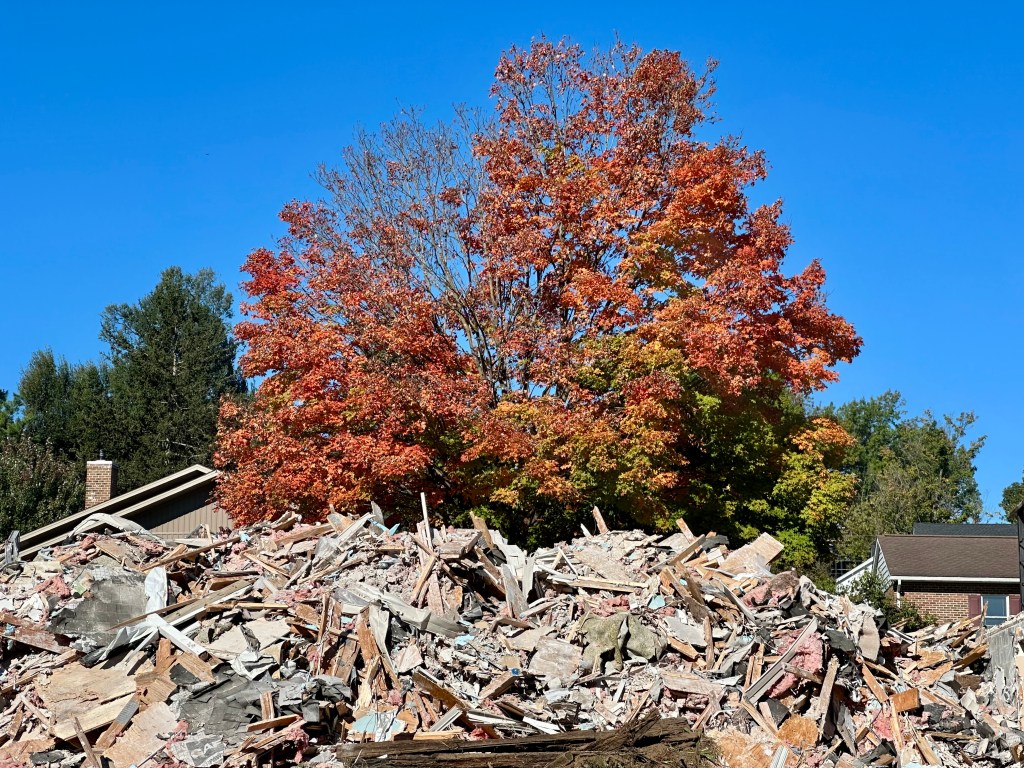
I was out and about looking for photo opportunities of trees changing color in Virginia’s Shenandoah Valley when I came upon this scene.

The morning sun highlighted both the orange leaves of the sugar maple and a huge pile of rubble from duplex apartments being demolished because of faulty foundations.

The contrast between nature’s beauty and human destruction, even though it was needed, perfectly defined juxtaposition.

Beauty above the rubble. Photo by Bruce Stambaugh

© Bruce Stambaugh 2026

The Yellow Garden Spider

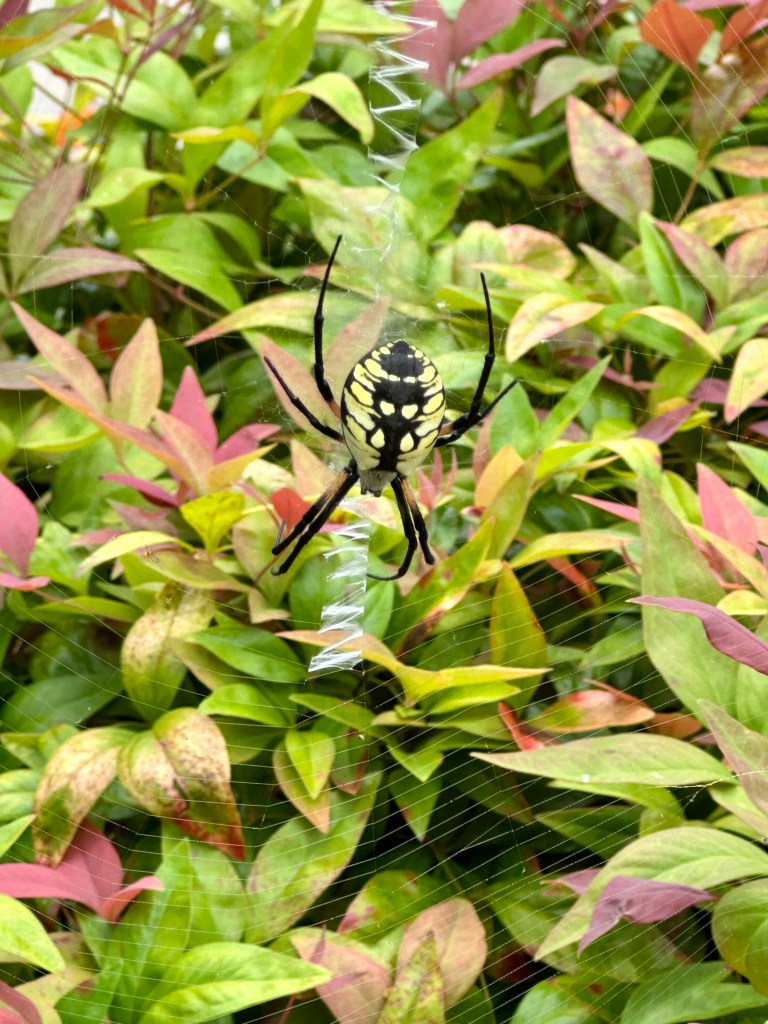
The Yellow Garden Spider on its web. Photo by Bruce Stambaugh

I’m not sure how long the Yellow Garden Spider had been there. Friends visiting from Ohio spotted it one morning as we headed out to explore our area of the Shenandoah Valley.

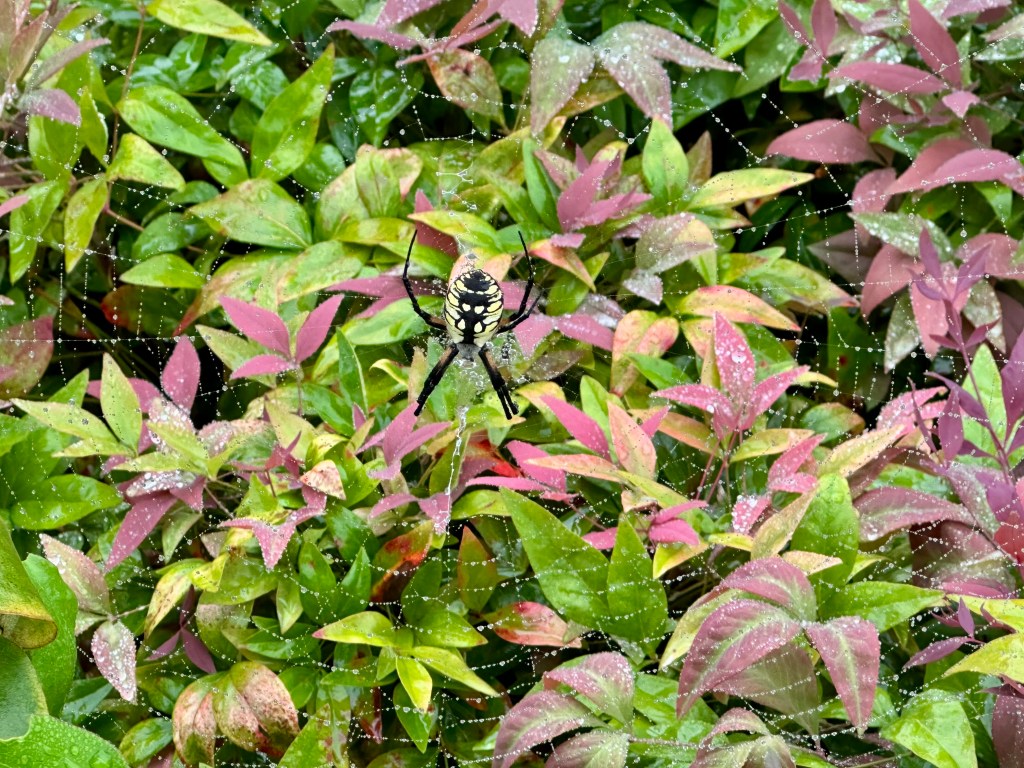
On a foggy morning, I found the spider’s intricate web dotted with dewdrops large and small. The sparkling display surrounded the arachnid like stars in the night sky. The spider, also known as a Black-and-yellow Argiope, was a giant, one of the largest the four of us had ever seen.

The spider’s web hung from the lamppost over the nandina bushes at the end of our front sidewalk. Several wrapped-up victims accompanied the sparkling dewdrops.

It was a fun way to start our day.

The Yellow Garden Spider. Photo by Bruce Stambaugh

© Bruce Stambaugh 2026

Bay Photos by Donna

Wildlife Photos From The Chesapeake Bay Region

ROAD TO NARA

Culture and Communities at the Heart Of India

K Hertzler Art

Artist and nature journalist in the Shenandoah Valley of Virginia.

Maria Vincent Robinson

Photographer Of Life and moments

Gabriele Romano

Less Noise. More Meaning

Jennifer Murch

Art is the only way to run away without leaving home. -Twyla Tharp

Roadkill Crossing

Writing generated from the rural life

ANJOLI ROY

writer. teacher. podcast cohost.

Casa Alterna

El amor cruza fronteras / Love crosses borders