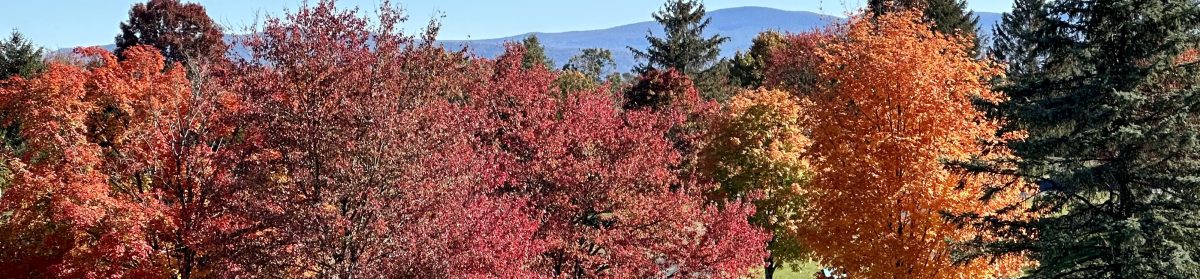
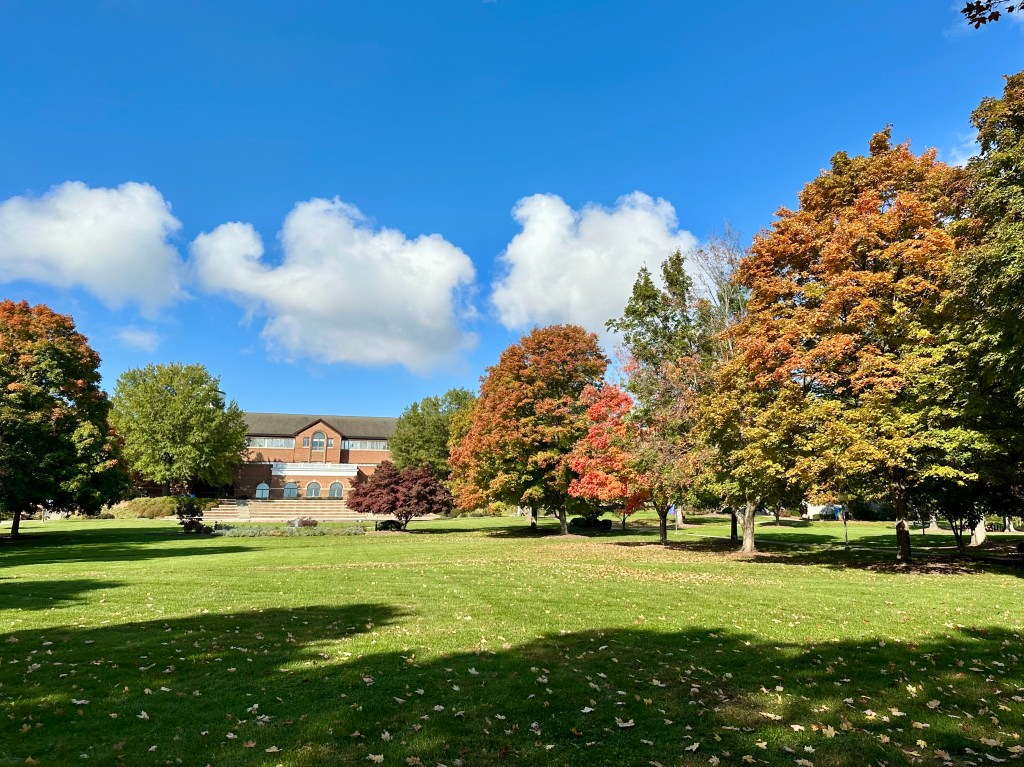
Fall in Virginia’s scenic Shenandoah Valley is always a treat for those who truly embrace the slow transition from summer to winter. Like most locales, however, autumn is hardly the same from year to year.
Summer and early-fall weather strongly influence how vibrant the leaves’ colors are. For much of the summer, the entire Shenandoah Valley was in an extreme drought.
By Labor Day, I wasn’t very hopeful about getting the rich hues of autumn that paint the agricultural valley in a kaleidoscope of warm tones. Then the rains and cool weather arrived, apparently just in time.
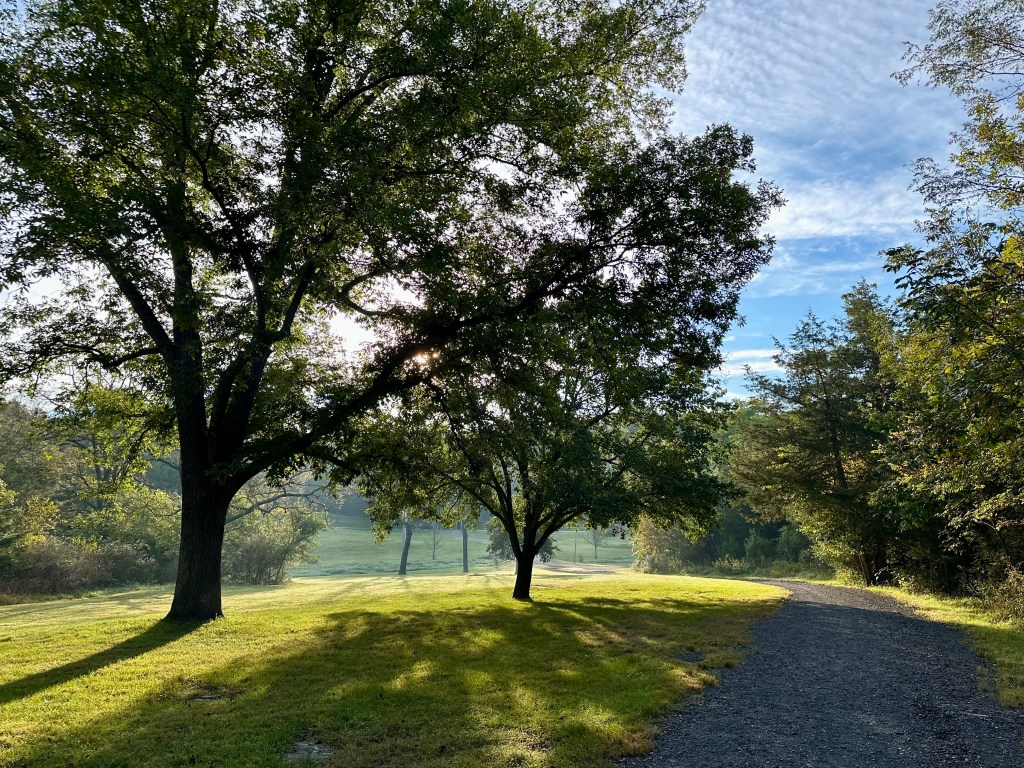
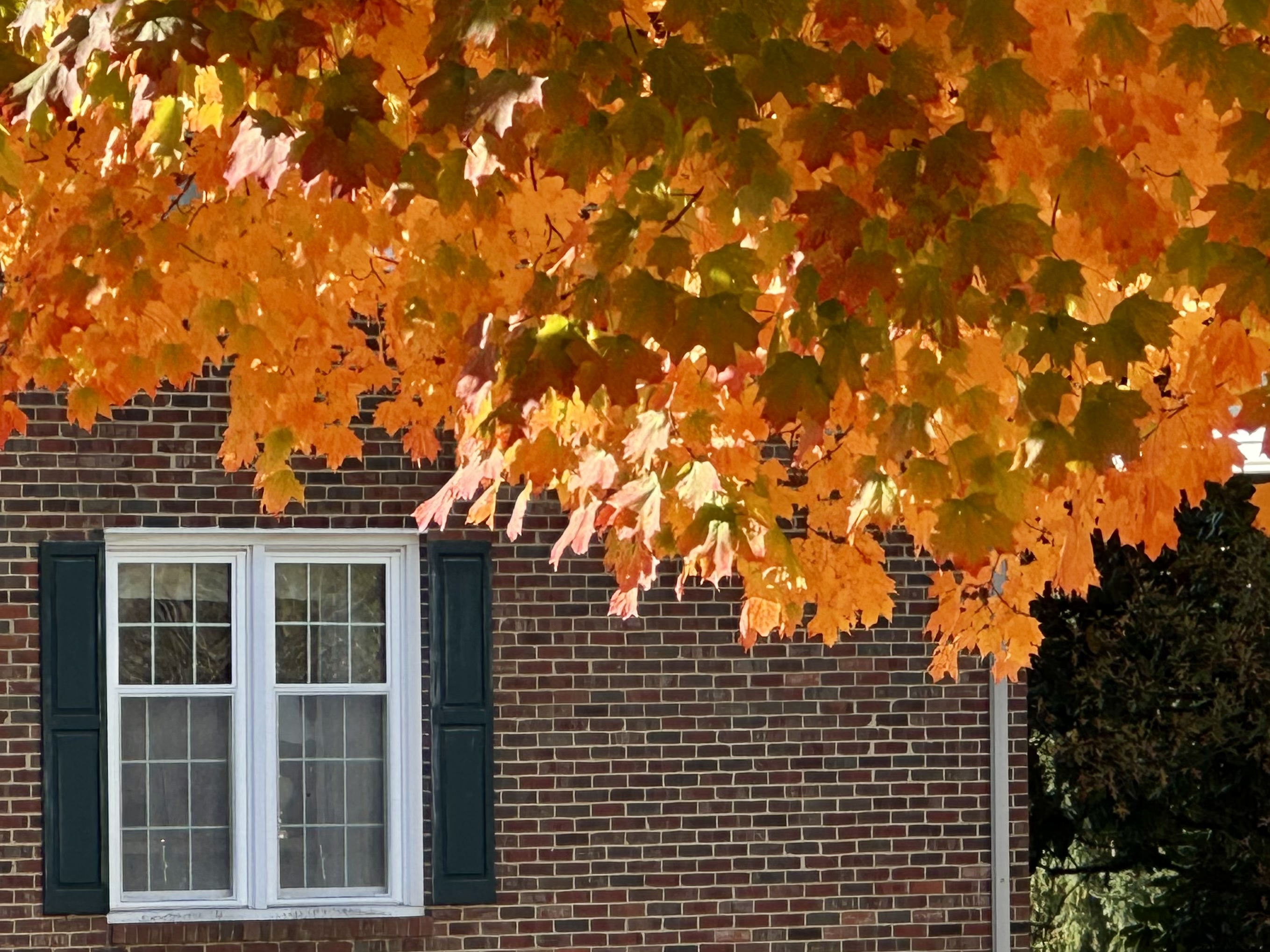
The leaves changed colors slowly, as if teasing us until the real show arrived. Impatient, I went looking for any splashes of color I could find.
As the damp weather gave way to sunny and more seasonal temperatures, the natural art show began. I didn’t have to go far to capture the vivid transformations. But that quickly changed.
Unfortunately, acute bronchitis interfered with my plans. Loaded with medication and no longer contagious, my wife and I headed to upstate New York to visit our son, his wife, and our four-year-old grandson.
On the way north, we experienced firsthand the metamorphosis from bright colors to past prime as we reached north-central Pennsylvania, where entire mountainside forests stood naked, ready for winter’s onslaught.
The colors in and around Rochester were right at their peak, which, hopefully, you saw in my previous post. So, five days later, I wasn’t sure what we would find back in the valley. Nature didn’t disappoint.
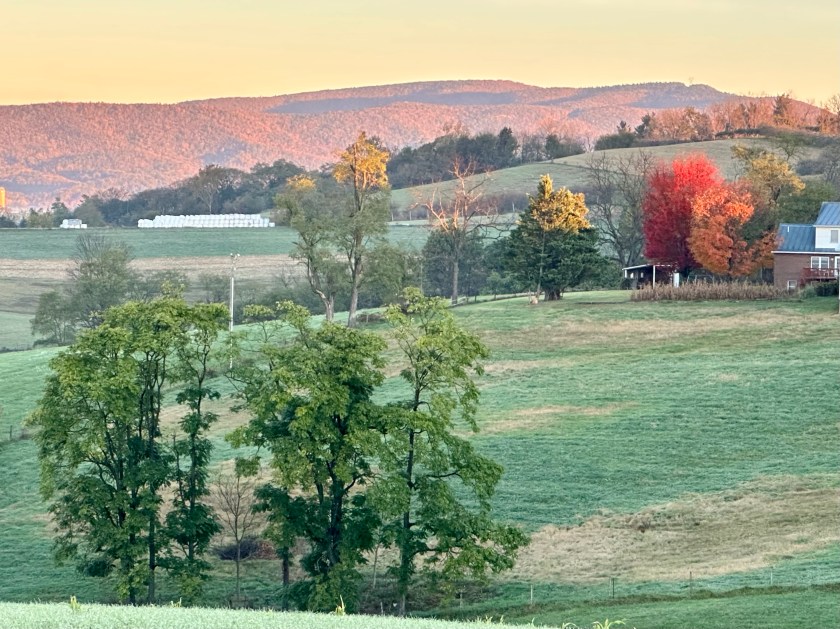
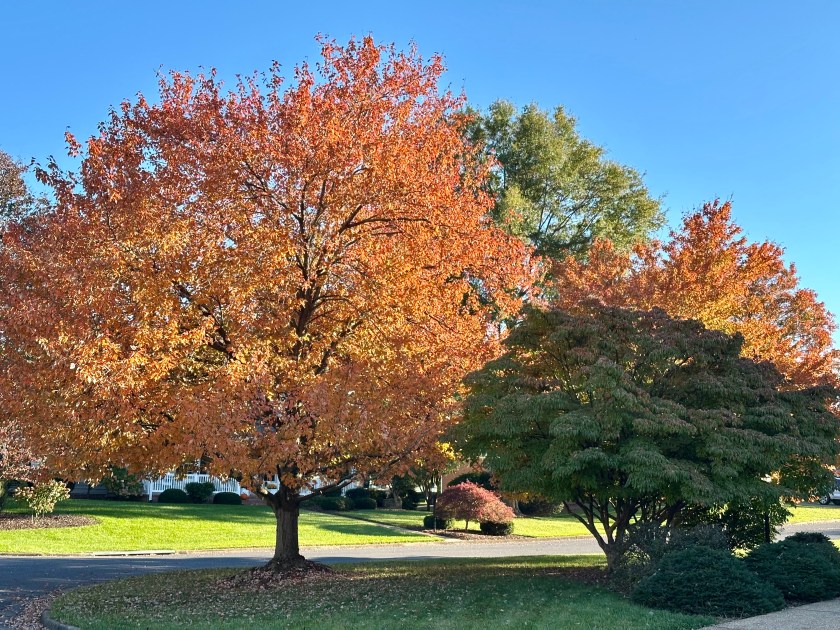
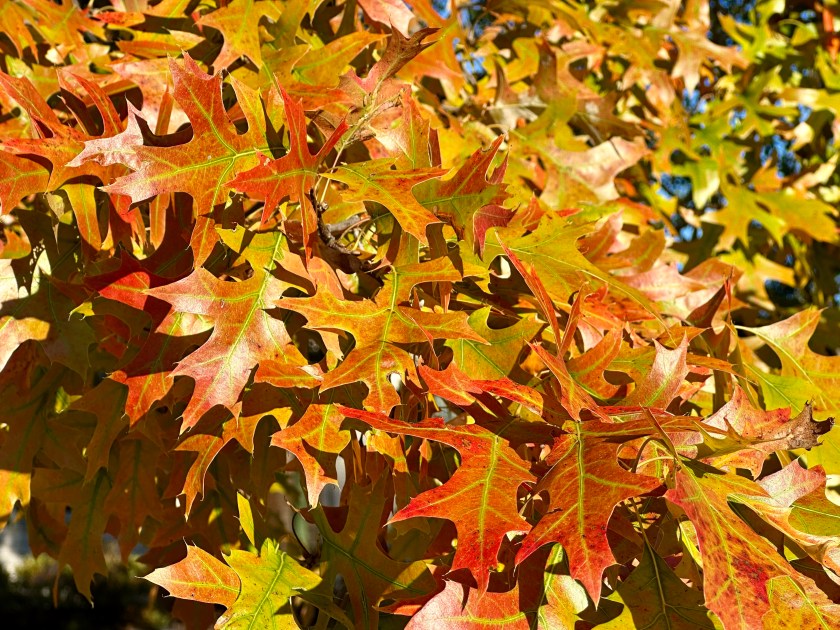
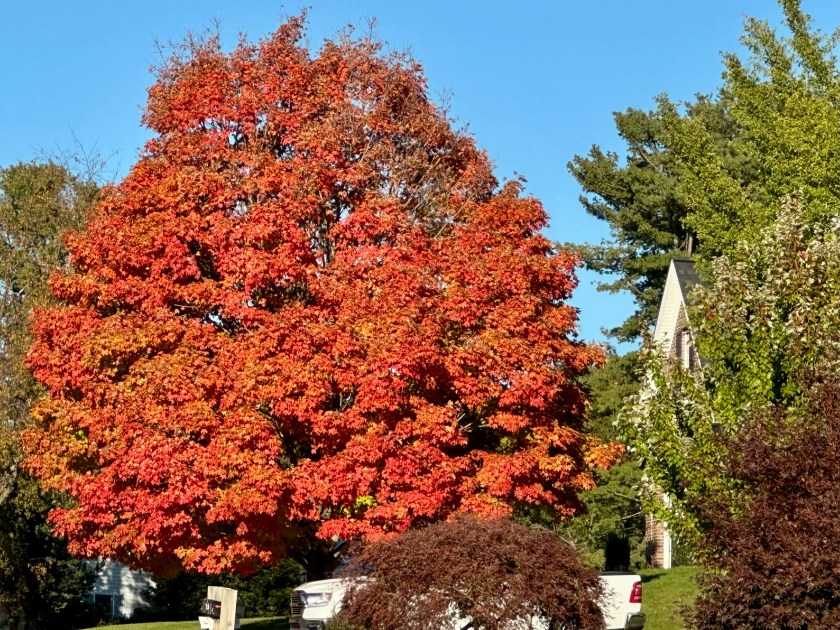
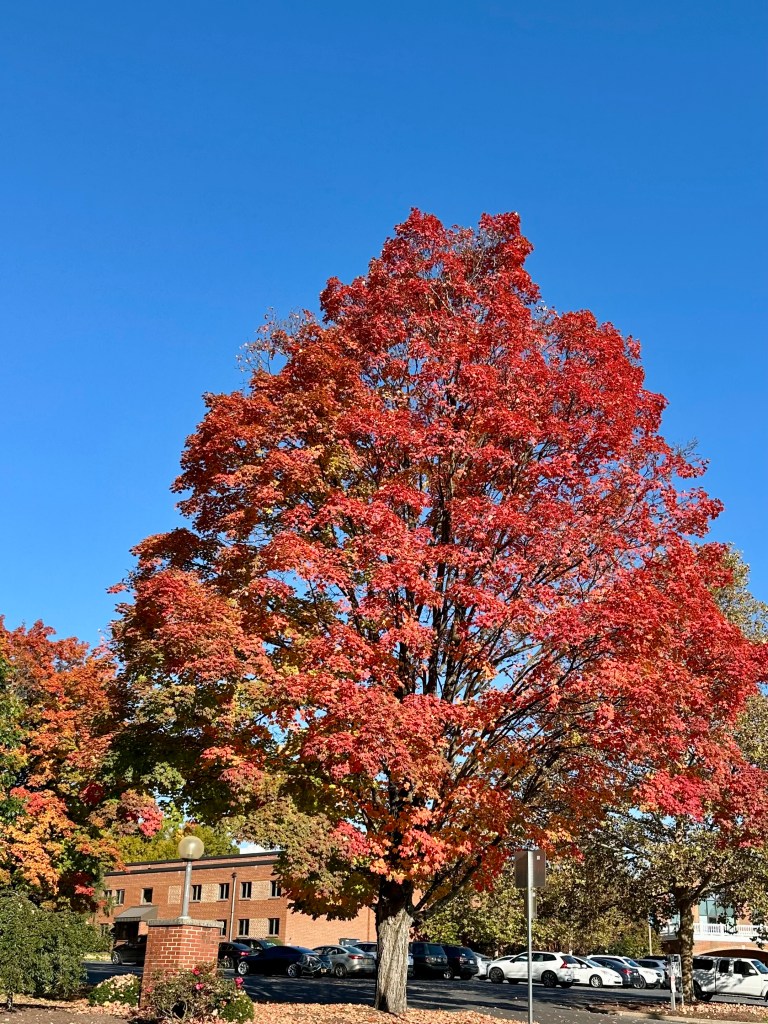
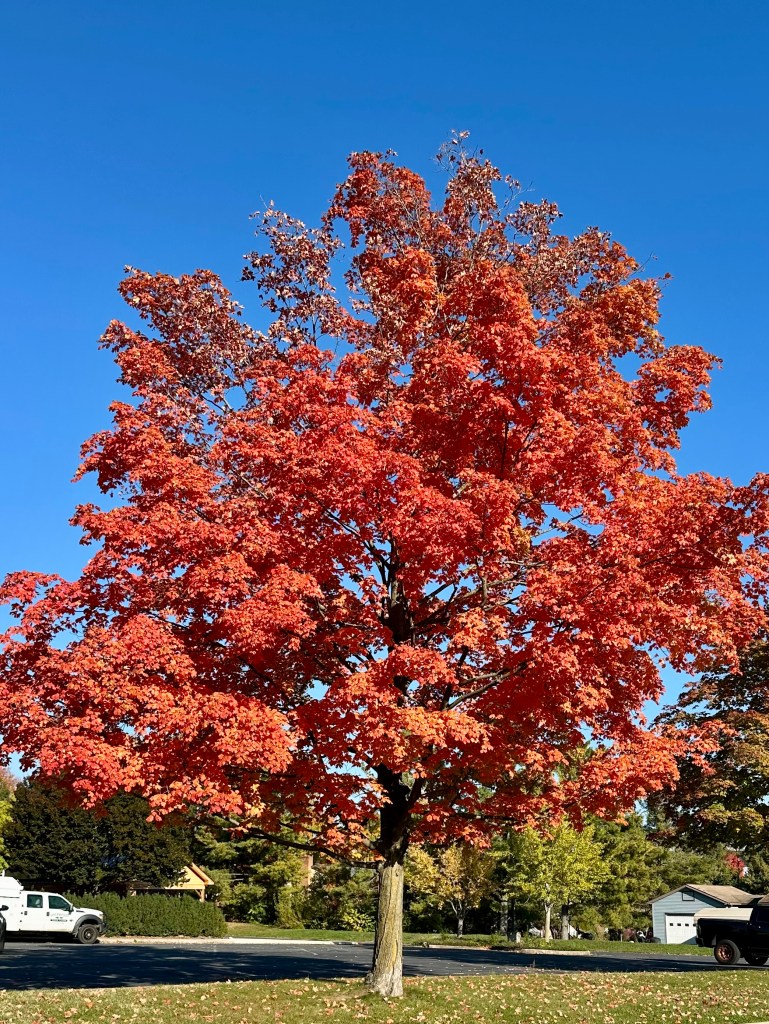
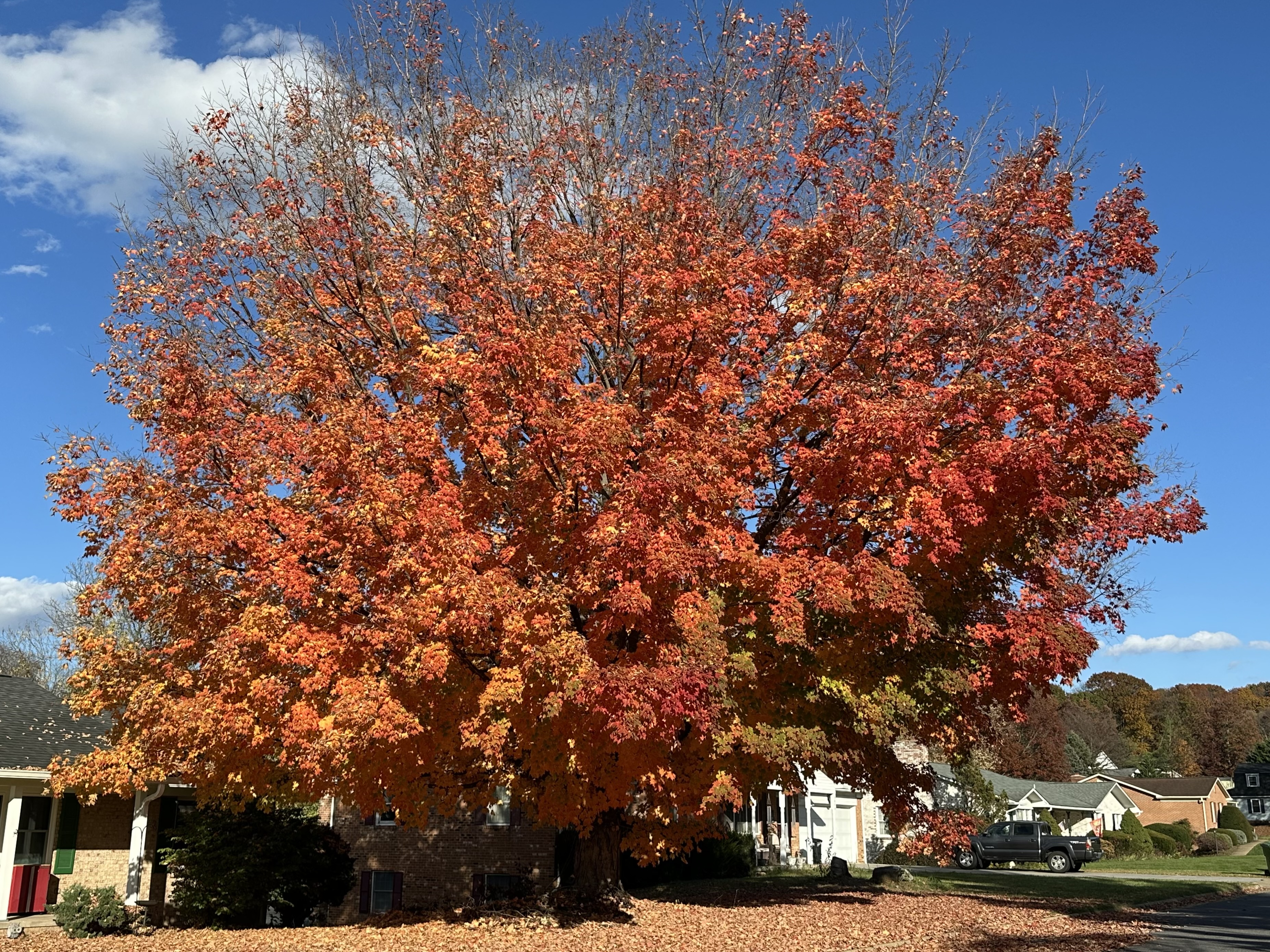
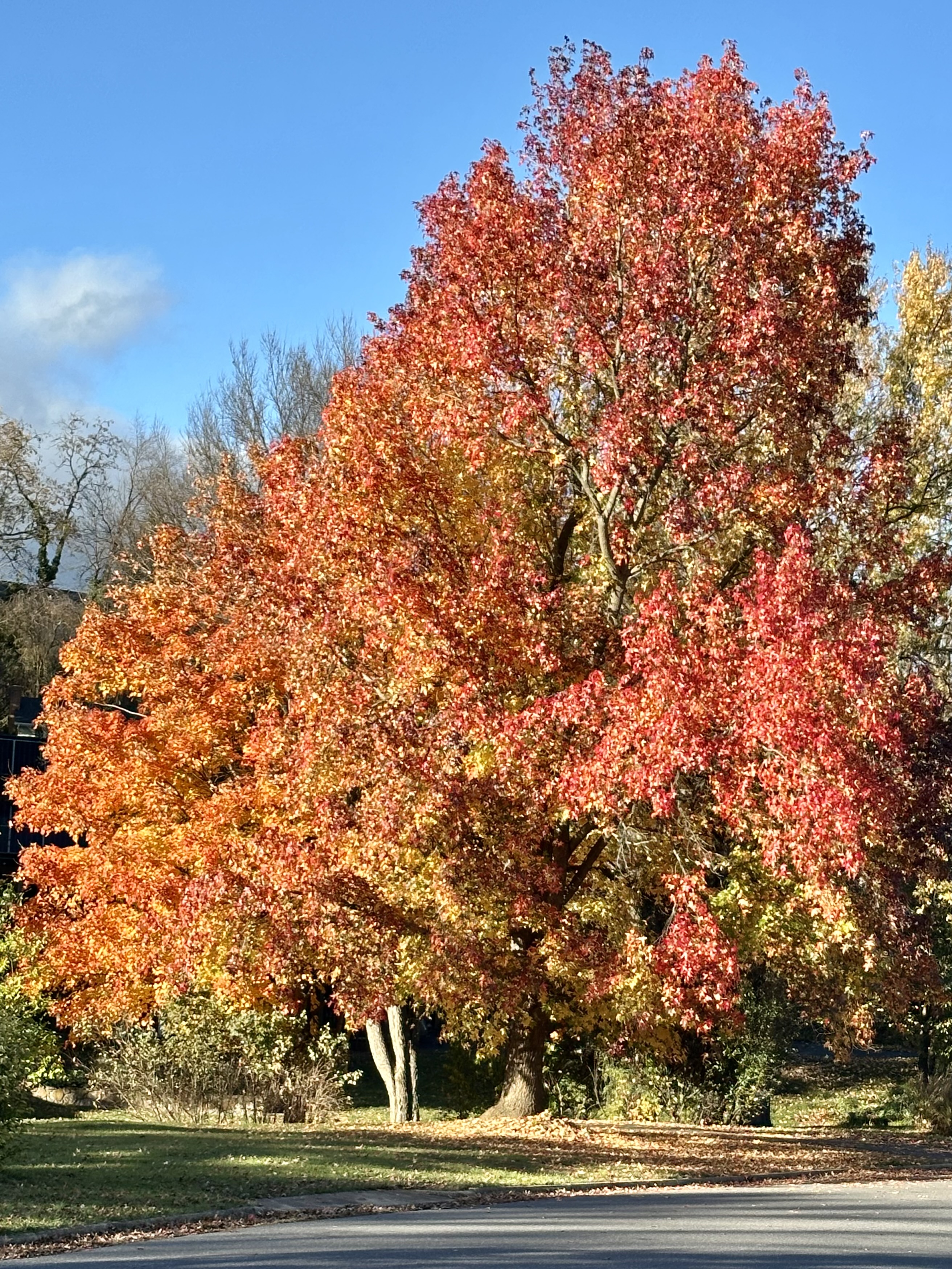
The colors in the higher altitudes of the mountains east and west had faded, but all around the valley, colors popped. On my daily neighborhood walks, I marveled at the overnight changes in the same trees.
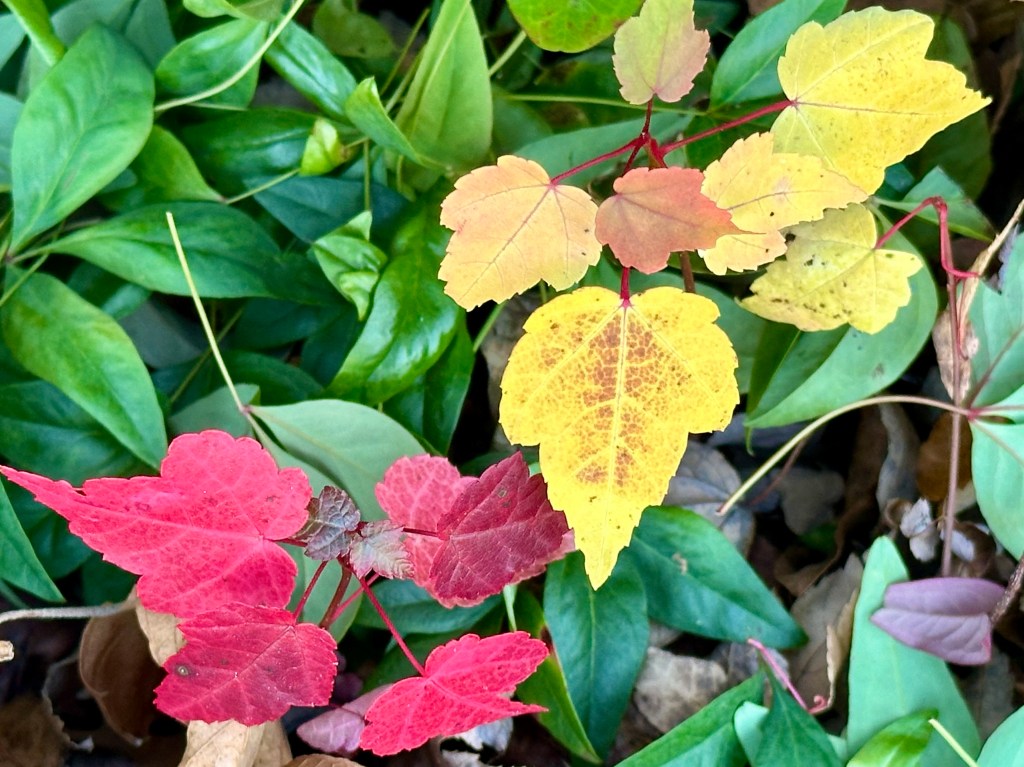
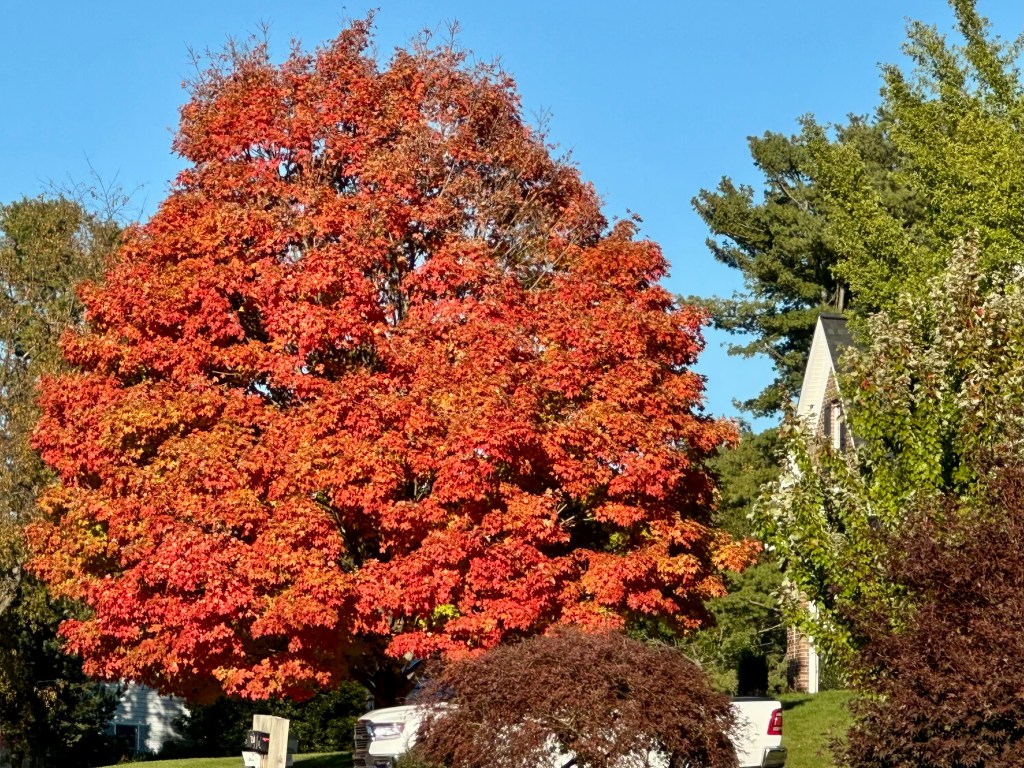
While retrieving the mail, I noticed the contrasting leaves of a pair of seedlings in our front flowerbed. One was bright red, the other school bus yellow, both from the same red maple.
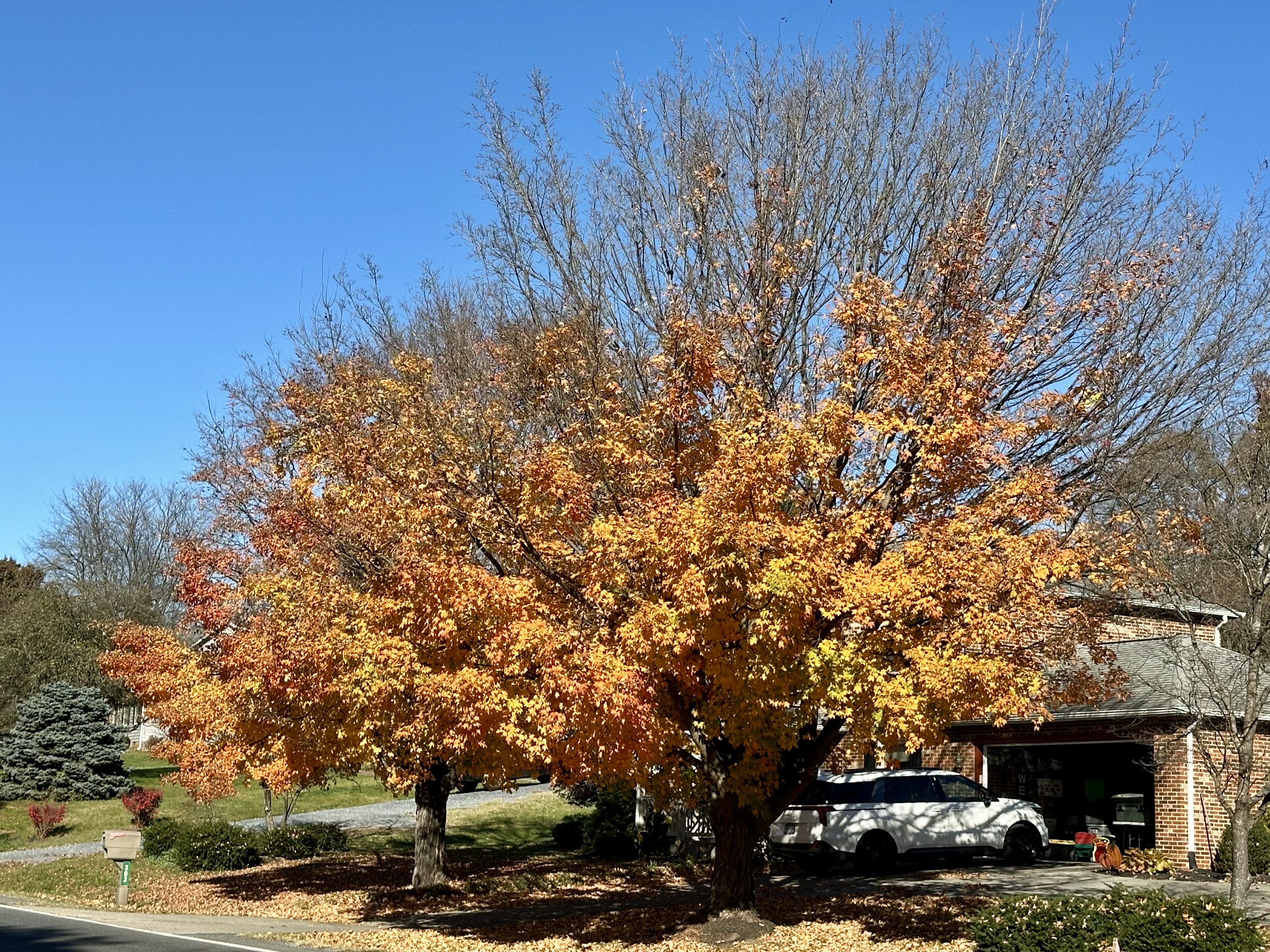
How the trees lost their leaves intrigued me as much as their colors. Most ginkgo trees dropped their leaves all at once, though a few were exceptions.
The tops of the sugar maple crowns seemed to fall first, while the lower branches held tight to their leafy offspring. Of course, those eventually fell too, especially when a cold front blew in with windy, rainy conditions. Overall, the trees never had a chance.
With November’s arrival, bright leaves only appear here and there. Most have faded, while countless others have finally fainted from their hard summer’s work and dropped to the forest floor, or are mulched or raked by homeowners picky about their landscape.
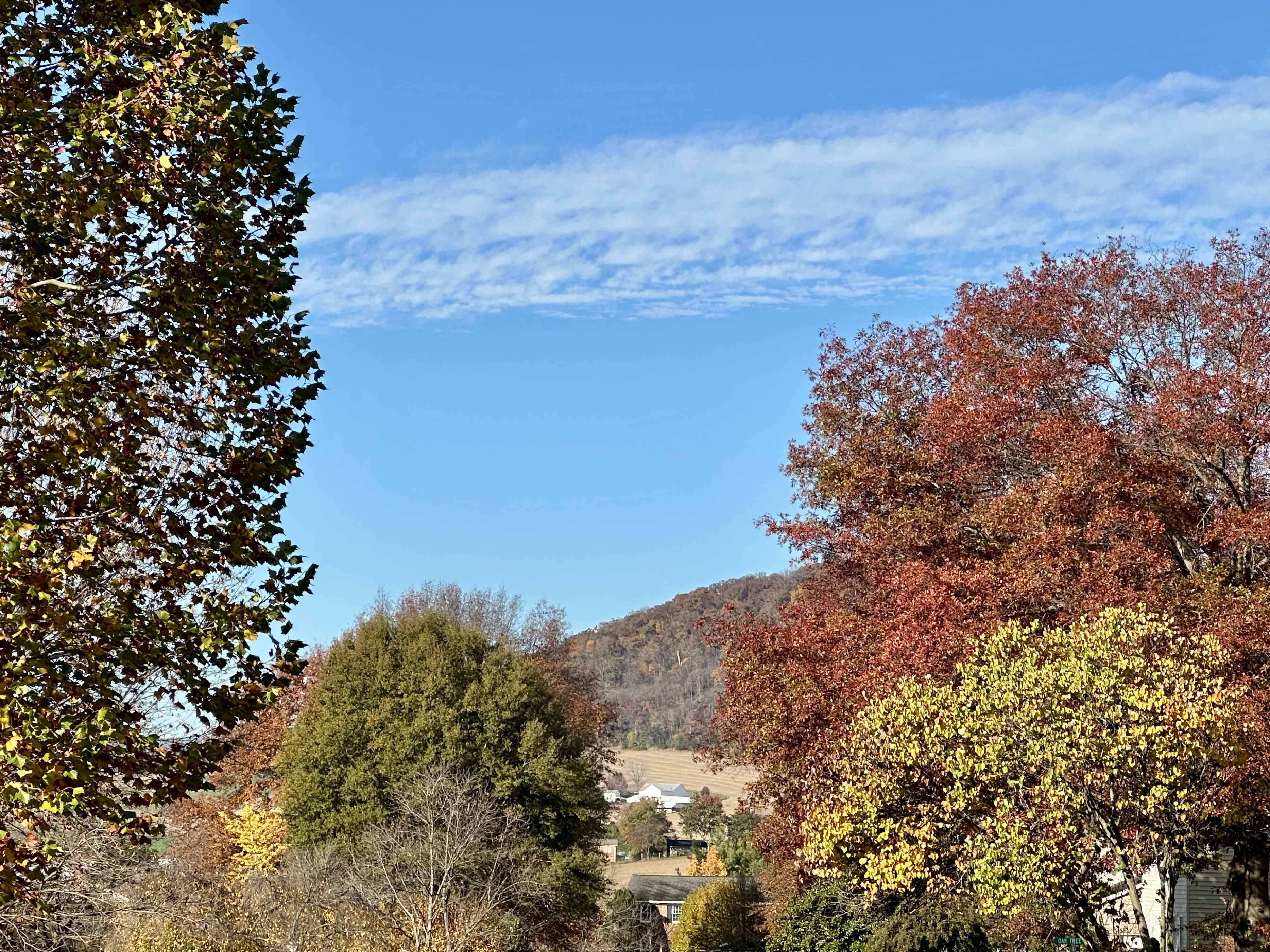
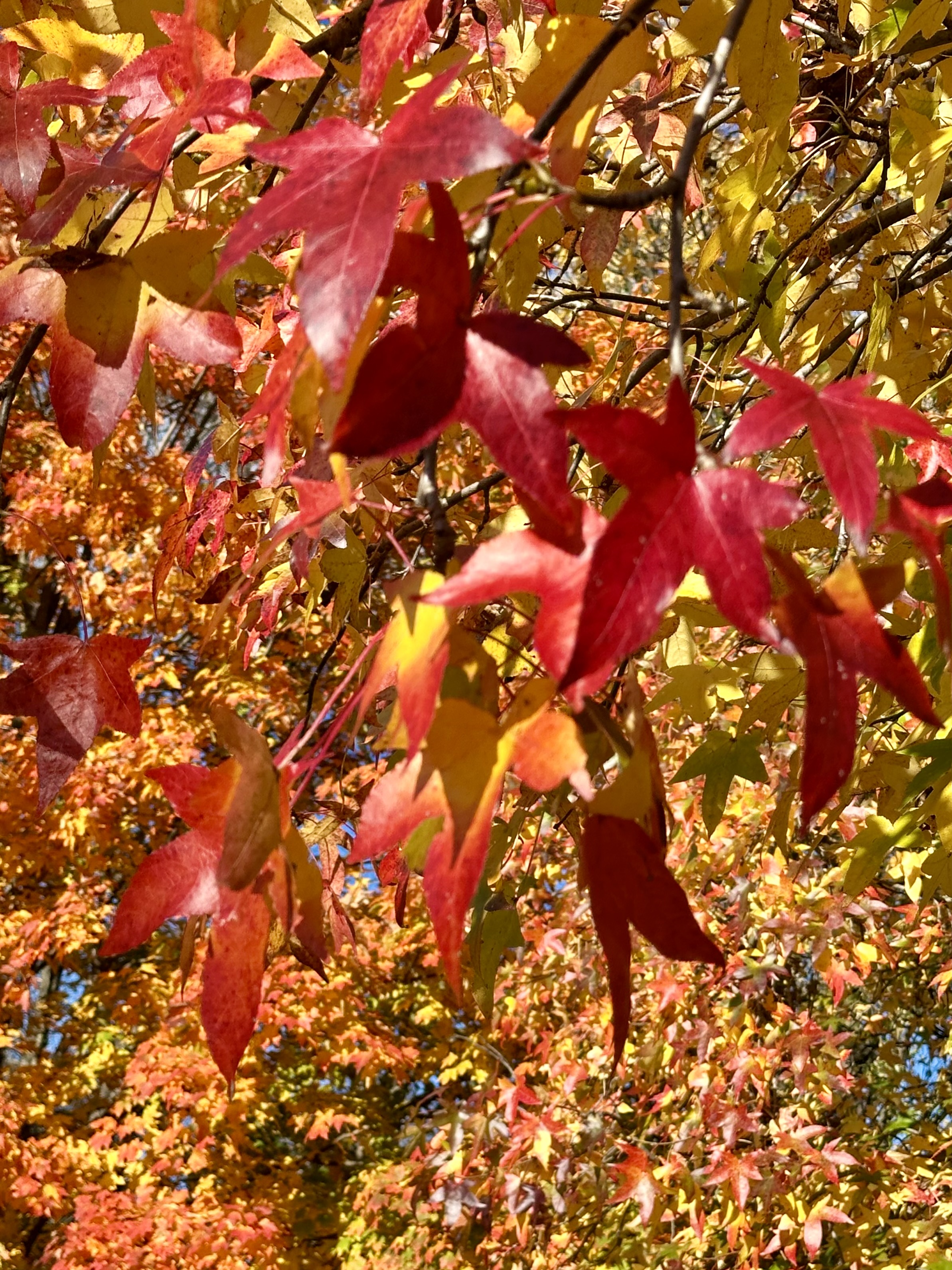
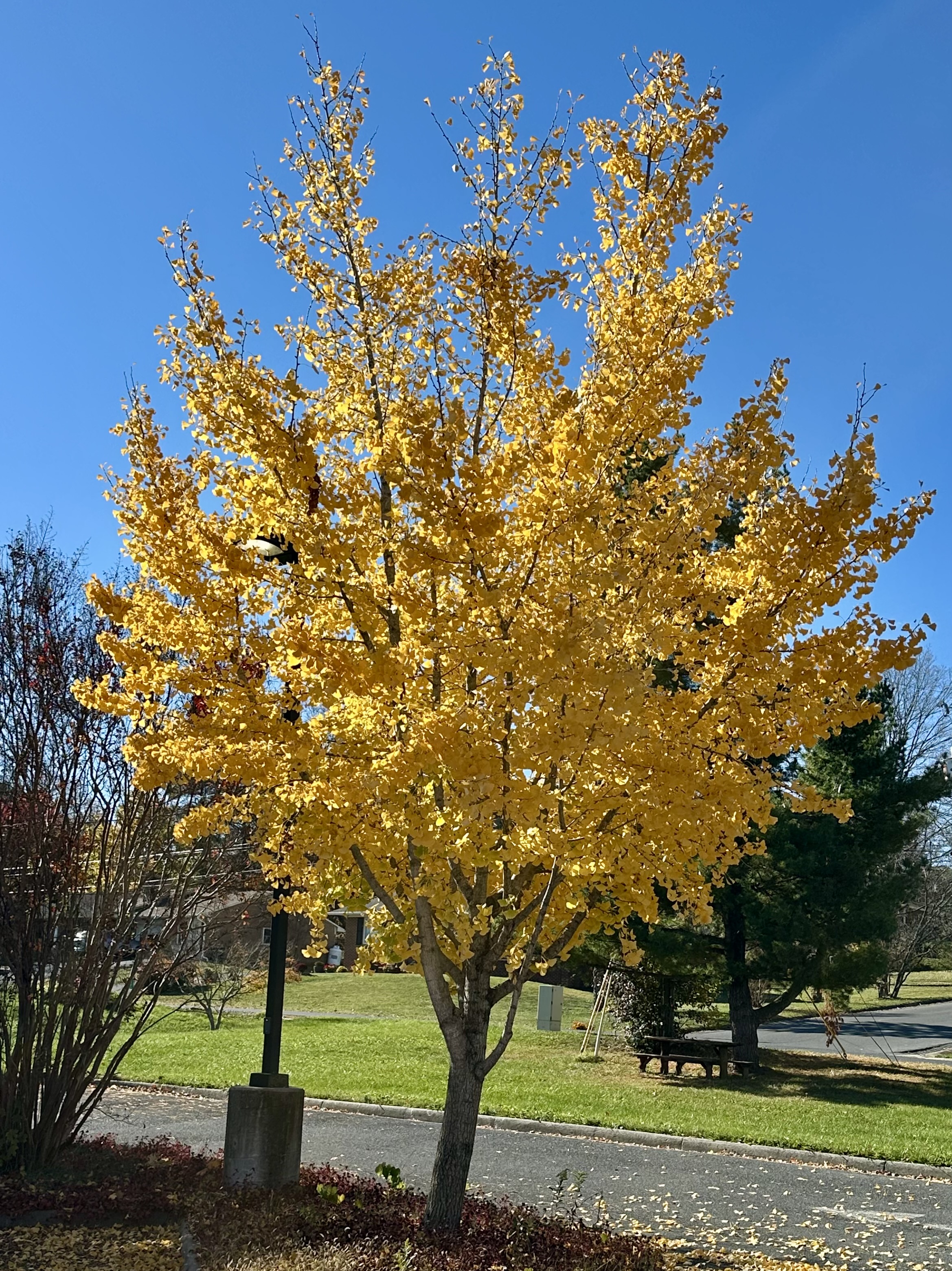
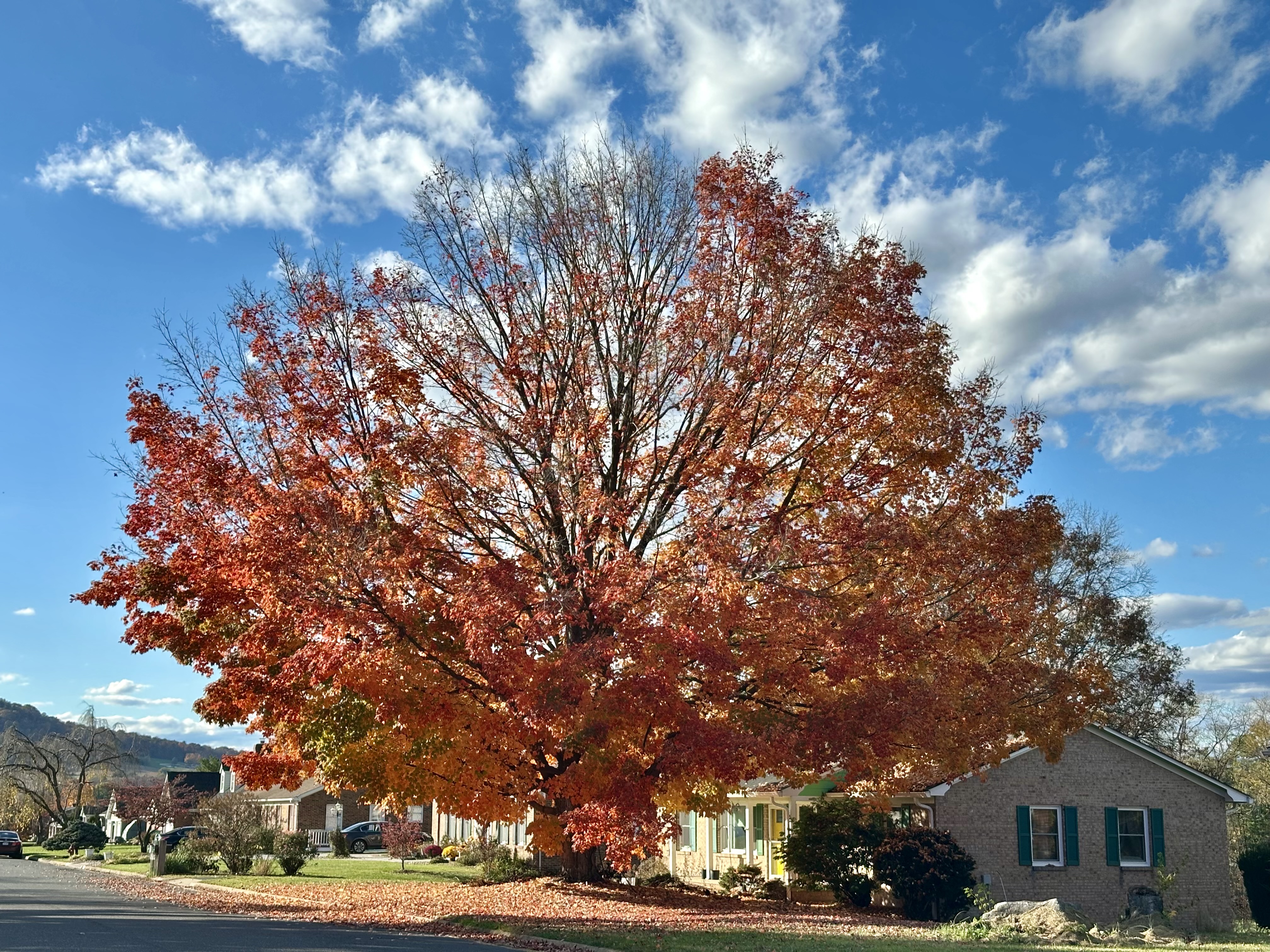
The fragrance of leaves burning in more rural areas, not bound by open-burning restrictions, conjures childhood memories of our smoke-filled neighborhood from decades ago. I’m happy just to hear the rustle of leaves being raked or the shrill of children jumping into leaf piles before they are bagged and recycled as cover for gardens. (The leaves, not the kids.)
Despite my doubts, autumn delivered a most beautiful, living postcard. I couldn’t be happier.
© Bruce Stambaugh 2026


You must be logged in to post a comment.