My wife and I are still exploring Rockingham County, Virginia, where we have lived for seven years. That may sound hard to believe, but Rockingham is the third-largest county in Virginia. It covers 853 square miles, so there’s a lot of area to see.
We recently toured with friends an area of the mostly rural, agricultural county that we had never seen before. They were as curious as we were.
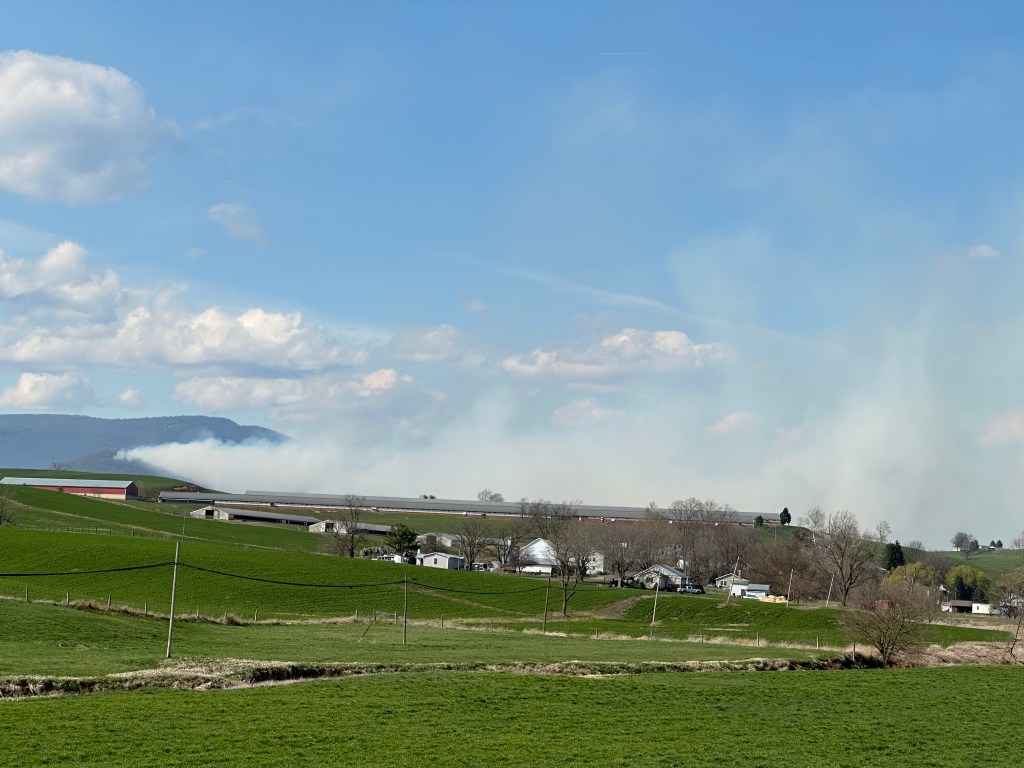
We chose the remote northwest section, where wildfires scorched thousands of acres of mountainous terrain in the George Washington National Forest during the first week of spring. We were pleasantly surprised with what we found.
Recent rains have greened up most of the area, with only a few burned spots visible from roadways. Thanks to firefighters’ efforts, an abandoned cabin was the only structure burned.
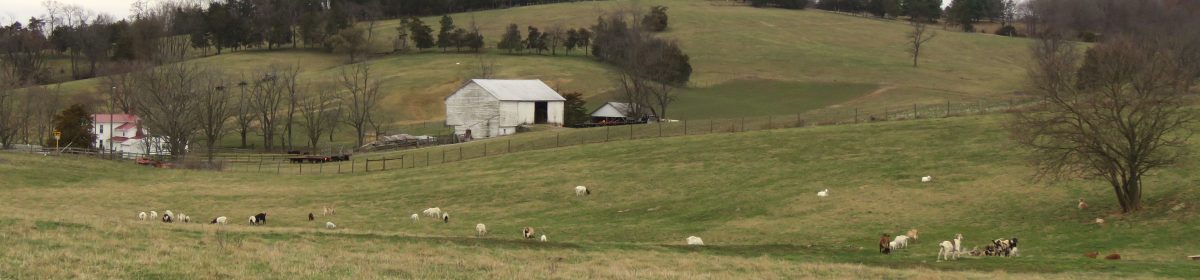
The areas of Bergton and Criders are set in a wide-open, fairly flat valley floor surrounded by mostly deciduous forests. It was a lovely scene.
The background of wooded hillsides and the building storm clouds behind this abandoned schoolhouse made an idyllic landscape portrait. It was one of many finds of the day.
My wife and I have been cleaning the house item by item for longer than I can remember. And we’ve been married for 53 years.
She has always been ahead of me in the disposing game. I’m finally beginning to understand the joy of discarding items I have clung to for far too long.
Gone is the brown felt stetson cowboy hat my daughter’s family gave me as a gift years ago when they lived in Texas. It was a striking hat, but I seldom wore it. So, why should I keep it?
To be considerate, I asked my daughter if she cared if I gave the hat away. She just smiled and said, “It’s your hat. You can do whatever you want with it.”
Of course, I knew that, but I wanted to be sensitive to her since she had purchased the thing. I could have donated it to a thrift store, but I didn’t.
Guess where the stetson ended up? Back in my daughter’s household. Her second son, 17, jumped at the chance to own it. He hopes to have a hatter stretch it so it fits him.
Knowing that the hat has a familial home has instilled as much pleasure in me as having received it in the first place. Isn’t that the point of decluttering your life, especially when you’re 76?
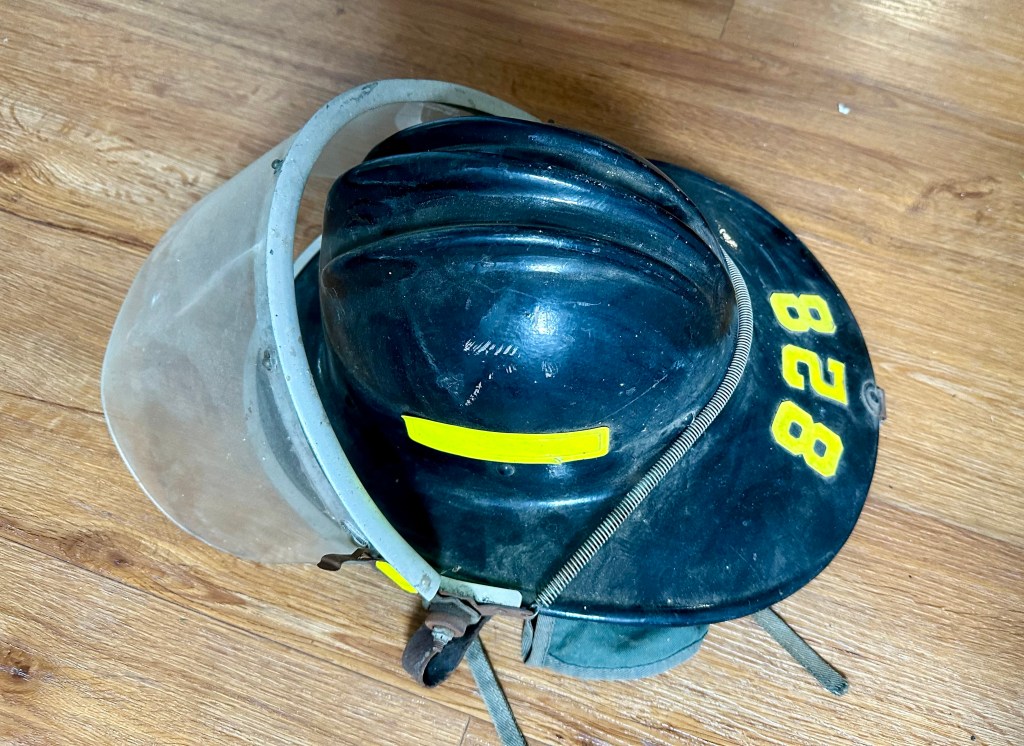
Our two-year-old grandson loves to dress up as a firefighter, among other wholesome job roles. I kept my old helmet from my volunteer firefighting days. The black fiberglass headgear, long lacking necessary safety standards, still has my uniform number, 828, emblazoned on it.
When I offered it to his parents for their son, they declined. I wasn’t either surprised or disappointed. The thing has too many places for tender little fingers to get pinched or cut.
So, the same grandson who confiscated the cowboy hat will also own my helmet. I don’t know what he will do with it, but when I hand it over, I’m sure he’ll ask questions about emergencies to which I responded. I have a storehouse of tales to tell him.
My old fire helmet. Photo by Bruce Stambaugh
Our teenage granddaughter didn’t hesitate when I offered her a t-shirt from a favorite burger place on the island where we wintered in Florida. Our daughter’s family joined us for a few days a couple of times, and the grandkids loved that restaurant, too. Many snowbird memories passed to her in that faded shirt.
When our son and daughter were young, I brought out my old model train set at Christmas and continued that through the toddler years of the grandchildren. Now, our son has it to entertain his son. I don’t have to be there to know and sense the joy of a child and his father connecting one track segment to another until the oval is complete. Just mentally picturing that scene is enough.
A teen I mentor enjoys birding but needed a bird guide. Over the years, I have collected many books on birds, so it was no sacrifice to give this enthusiastic youngster a field guide I cherished so that he could, too.
I have an old black-and-white photo of four of the 28 fourth-grade students from my first year of teaching. I will send it to the one Amish boy in the picture, knowing he would revere it more than me. He will remember and tell his grandchildren when his fourth-grade class created a radio station.
I discover new items daily that equally resurface loving and sad memories. If I don’t need the apparel, souvenirs, or keepsakes, I gladly pass them on to the younger generations for posterity. I’ve already had mine.
Colors galore as a wildfire burned in the valley below last fall. Photo by Bruce Stambaugh
This is the last in a series celebrating National Park Week.
Autumn is often the best time to visit a national park. The annual coloring of the leaves attracts millions of people to many national parks, including Shenandoah National Park in Virginia.
The Park Service staff do an excellent job of keeping the public informed about the status of the changing of the leaves. From websites to social media to webcams, patrons of the parks can plan their trips accordingly.
Of course, everyone wants to hit the peak colors. The problem is that many factors play into trying to time the peak of coloration. Elevation, weather, temperature, tree species, longitude and latitude, and the sun’s angle all assist the color transformations. People’s schedules add to the leafy puzzle.
Living near a national park makes timing less risky. I closely monitor the weather, social media group photo posts that specialize in leaf watching in Shenandoah National Park, and the park’s weekly livestreaming. When it’s time to go, I head east and am seldom disappointed.
This past fall, much like this spring, was relatively dry. Fire conditions lasted several weeks, and fires did break out. The photo shows smoke from a fire near the Rappadan Camp that started outside park boundaries but quickly burned into the park’s forest.
The fire’s smoke starkly contrasted with the vibrant colors of the ashes, sassafras, hickory, oaks, and poplar trees. It subdued the usual exuberance for the park’s universal beauty.
Over nearly a week, firefighters finally got the upper hand as the leaves began to rain down. Eventually, fall storms helped quench the blazes and brought down the last leaves.
Despite the fire, park visitors still enjoyed the beauty of the changing leaves along Skyline Drive, from overlooks, and walking the trails that remained open.
Given nature’s multiple colors, it’s a good bet everyone left the park with lasting memories and photos to brag about.
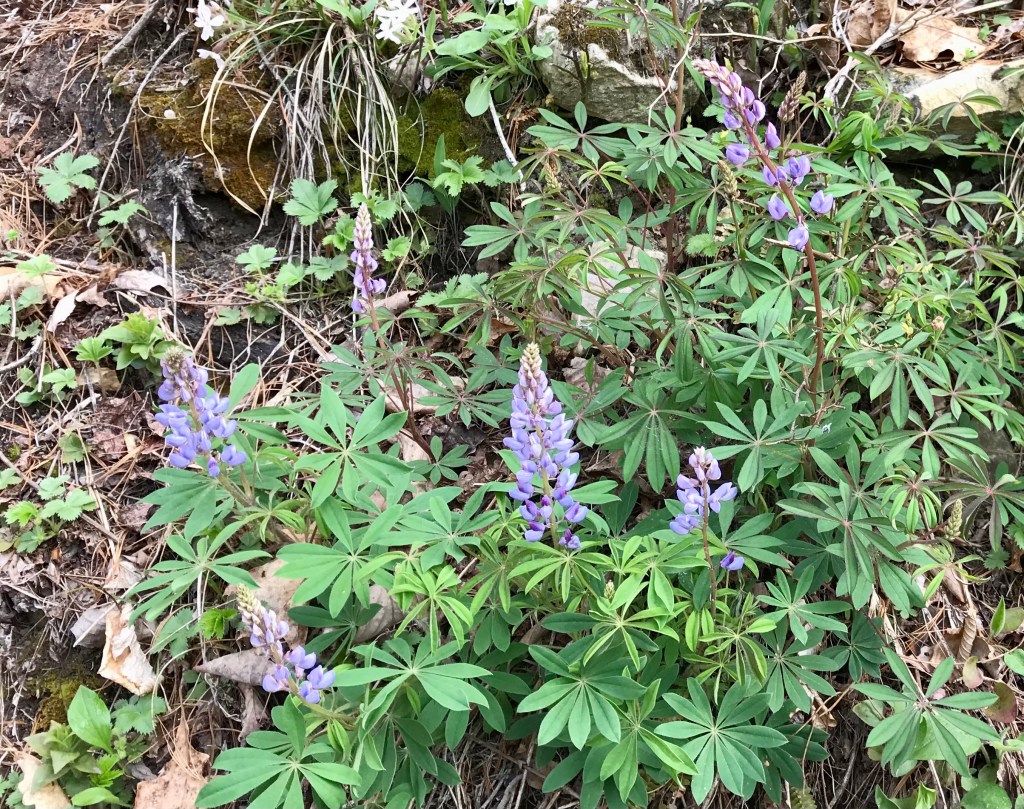
Wild Lupine growing along a fire road in Shenandoah National Park. Photo by Bruce Stambaugh
This is the fifth post in a series celebrating National Park Week.
When you are in a national park, don’t forget to look down. You don’t want to miss the many wildflowers prolific in all but the winter. Even Death Valley is currently having a superbloom. I would love to see that sometime.
In the meantime, spring is the perfect time to look for wildflowers in national parks. I photographed the wild lupines along a fire road in Shenandoah National Park.
Wildflowers bring beauty to the park and attract other beauties, too. When I first visited Shenandoah National Park seven years ago, I was pleasantly surprised at the number and variety of butterflies I found in the park, even in the forests. The colorful blooms also drew bugs, bees, and, of course, Ruby-throated Hummingbirds.
So, when I visit any national park to bird, hike, and photograph birds and wildlife, the wildflowers also are on my agenda. The lovely lupines are the proof.
Little falls upstream form the main event. Photo by Bruce Stambaugh
This is the fourth in a series of posts celebrating National Park Week.
It is an understatement to say that people are drawn to waterfalls. Big or small, they are simply mesmerizing.
It’s one thing to see a photo or video of a waterfall, but it’s something else entirely to be standing next to one. The roar and the beauty transfix their observers. Even cascades of water over rock, then a crystal clear pool, then more white water entrances children and adults alike.
Shenandoah National Park officially has 36 named waterfalls. However, numerous others are in the park depending on the water flow. The photo above demonstrates that.
It’s one of many mini-falls above Lewis Falls, near the Big Meadows area. On a chilly November day, I hiked the Lewis Falls Trail in a group, and the many rapids and little falls upstream of the main event impressed us all.
It’s easy to be swayed by the impressive Yosemite Falls or Bridalveil Falls. I love them both. But romantic that I am, I am just as happy crisscrossing rapidly falling streams that form white water all the way to the cliff’s edge.
So, big or small, let’s praise the falling water in our national parks, which brings joy to everyone.
Teens learning about Big Meadows in Shenandoah National Park. Photo by Bruce Stambaugh
This is the third installment of a series celebrating National Park Week.
I often hike alone. But occasionally, I enjoy sharing my love of nature with others.
The church I attend has a mentor/mentee program for youth. A friend and I each serve as mentors for two teenage boys. Knowing we all enjoy the outdoors, we took them for a day trip to Shenandoah National Park last summer. We had a riot.
These energetic young men enjoyed every aspect of the trip. They loved the hikes and the enthralling views. They also identified birds, flowers, and rocks and occasionally pestered one another. A pair of fawns grazing at the edge of Big Meadows startled us as we walked along the union of the meadow and the forest.
We rested on a rock outcropping overlooking the always lovely Shenandoah Valley. The boys loved scrambling over the ancient rock formation and resting in the warm sunshine, basking in all nature’s glory. Given our generational spans between teens and septuagenarians, I marveled at our common contentment.
But that, in part, is what national parks are for. People of all ages, races, religions, backgrounds, and interests feel at home in our nation’s beautiful national parks.
Our excursion was a perfect example of how to celebrate National Park Week.
The opportunity I had hoped for. Photo by Bruce Stambaugh
This is the second in a series celebrating National Park Week.
On the afternoon of May 23, 2018, I decided to finish my day in Shenandoah National Park by hiking the Rock Spring Cabin trail. According to the park map, the trail wasn’t long, and I was curious to see the cabin.
So, off I went, binoculars around my neck and camera across my shoulder. I soon reached the point where the trail joined the Appalachian Trail (AT), and I hiked on. I could hear birds chirping and singing all around me, but the lushness of the forest prevented me from seeing or photographing most of the birds.
As the AT wound west and north around a hillside, the Rock Creek Cabin trail veered left and down a fairly steep slope. I passed the hiker’s shelter, saw the spring gurgling from beneath giant boulders, and hiked back up the incline to the cabin owned by a local hiking club.
My fascination satisfied, I returned to the skinny dirt incline toward the AT. Just before I arrived at the iconic trail, a pair of Common Ravens croaked and chattered noisily overhead. Their deep-throated gurgling echoed through the dense landscape as they bounced from tree branch to tree branch in my direction.
Thinking I was the intruder who initiated the ravens’ commotion, I started down the trail at a slow pace. I didn’t want to disturb the birds any more than I already had.
The strange thing was, though, that they didn’t really seem to pay me any heed. They swooped lower to another tree ahead of me but continued their conversation.
So, I swallowed my ego and began to pay better attention to what was bothering the birds. A short distance down the AT, I discovered their concern. A young but large black bear was foraging on the lush, green forest floor.
I readied my camera and saw my chance. The bear was approaching a small cluster of trees that separated us. So, I quickened my pace to try to photograph this beautiful creature as it emerged from behind the trees.
I stood quietly on the trail for the bear to appear. I didn’t have to wait long. I aimed and clicked the camera just as the bear spotted me. That one simple noise sent the bear racing headlong down the hill and quickly out of sight.
I got one shot and only one shot of the bear. I was as happy as the bear was scared. I had my first photo of a bear in the wild.
That day, I learned an important lesson: Pay attention and use your senses to see all that a national park offers.
Hiking the Appalachian Trail in Shenandoah National Park. Photo by Bruce Stambaugh
This is National Park Week in the United States. In celebration of our 63 beautiful national parks, this is the first of a series of photos I have taken in Shenandoah National Park.
Shenandoah National Park has a storied and somewhat troublesome history, given how farmers and their hired hands were removed from the park before it was developed starting in late 1935.
Though the land was rugged and steep in many places, over 2,000 folks lived, farmed, and worked on the 198,000 acres that became the first national park in the eastern part of the U.S. Landowners were paid an assessed rate for their property, which the federal government purchased via eminent domain.
Of course, many of the people were tenants who cared for the land, while the property owners lived in the Shenandoah Valley or elsewhere. The tenants received nothing for their inconvenience. Consequently, some of their descendants still have grudges against the government.
Nevertheless, Shenandoah National Park is a popular place to visit since millions of people live within a day’s drive. Plus, the Appalachian Trail (AT) stretches 101 miles through the park, drawing day and overnight hikers. The AT weaves along the crest of the Blue Ridge Mountains, crossing the Skyline Drive several times.
I enjoy day hikes in the park, which often involve hiking sections of the AT to spur trails that lead to waterfalls, rigorous climbs, and scenic overlooks. I especially appreciate the flora and fauna that I encounter.
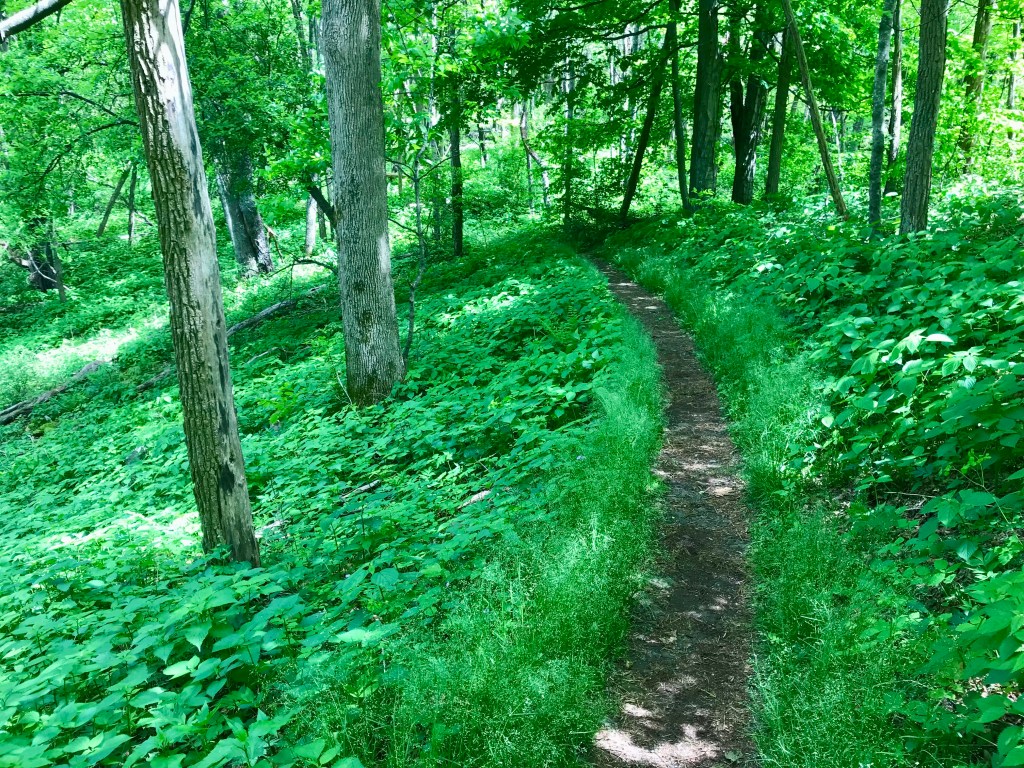
This photo, taken in late May 2018, represents the lusciousness of the park’s greenery, from ground cover to towering trees. The photo was not altered to enhance the green.
Tomorrow, I’ll post what I saw to the left of where this photo was taken.
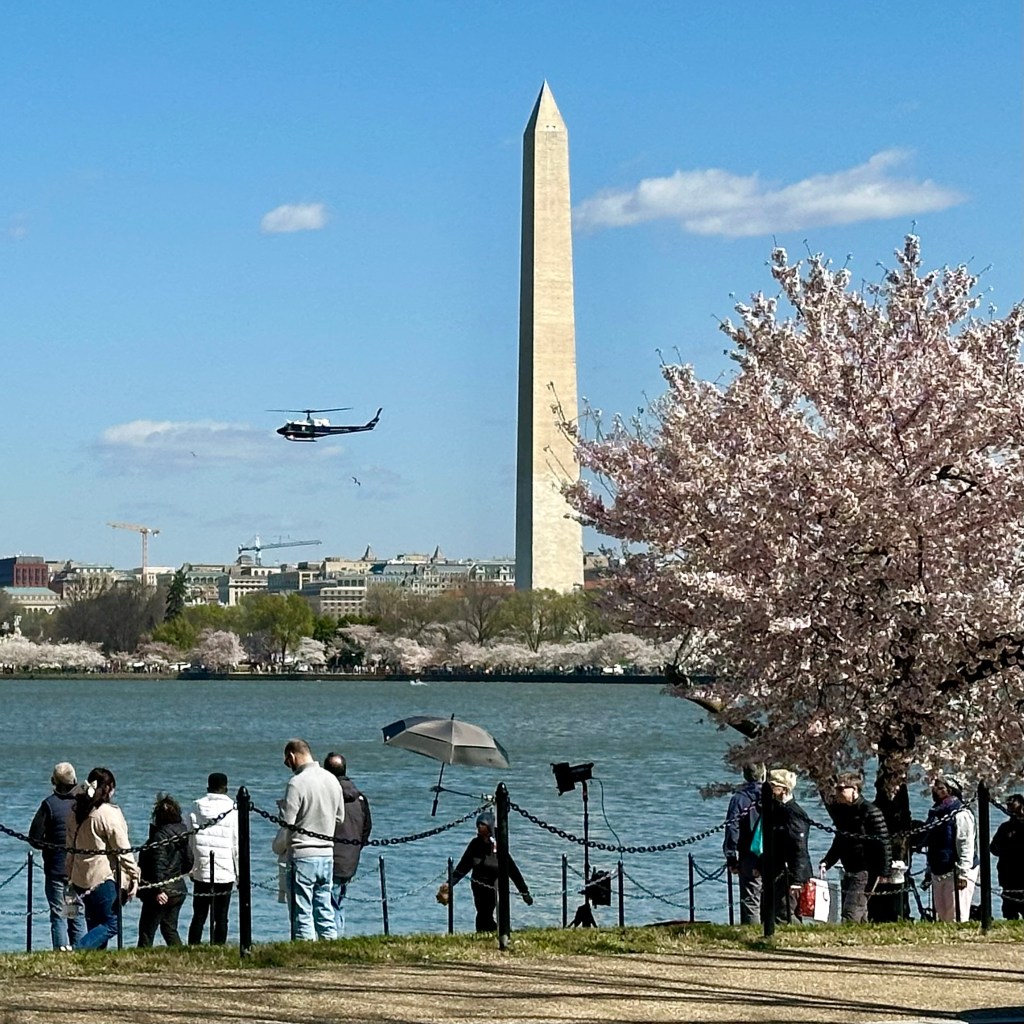
On the first full day of spring, I experienced a couple of lifetime firsts. In the nation’s capital, nature’s beauty thrilled me. Hours later, on the way home, it dismayed me.
The morning could not have gone better despite the heavy rush hour traffic. I had arrived at the Tidal Basin later than planned. Still, the crowds admiring the cherry blooms in peak bloom were much smaller than anticipated.
Cherry blossoms around the Tidal Basin, with the Martin Luther King, Jr. Memorial in the foreground and the Lincoln Memorial in the background. Photo by Bruce Stambaugh
I trekked the arch from the Jefferson Memorial to the Martin Luther King, Jr. Memorial for over two hours, shooting photos of the beautiful trees with monuments in the background. As I walked and captured the iconic scenes seen on calendars in my youth, everyone I met was friendly.
People attired formally for wedding and graduation portraits, while others dressed as they pleased. Middle-aged folks in casuals while walking their dogs, youth in shorts and funny hats, and joggers in flashy running outfits. Me? Blue jeans, a comfy hoodie, and hiking shoes proved sufficient.
Funny hats.A formal gown.Engaged?Along the Tidal Basin.Taking it all in.
When clouds rolled in shortly before noon, I headed home. The farther west I drove on I-66, the windier it got. I knew the National Weather Service had posted a Red Flag Warning for extreme fire weather in northern Virginia, but I somehow missed the High Wind Warning in my excitement to capture my first blossom shots.
When I turned south off the interstate, I sensed trouble lay ahead. Strong winds scattered tree limbs, big and small, across the two-lane highway. I proceeded cautiously, primarily when trees lined both sides of the roadway.
I love the picturesque country route that parallels Shenandoah National Park to the east and the meandering South Fork of the Shenandoah River to the west. But with debris from the gusting winds on the roadway, I concentrated on driving.
I crested a hill north of the picturesque town of Luray, and my heart quickened. Though I was alone, I issued an audible “Uh-oh!” A haze of smoke blew toward the Blue Ridge Mountains.
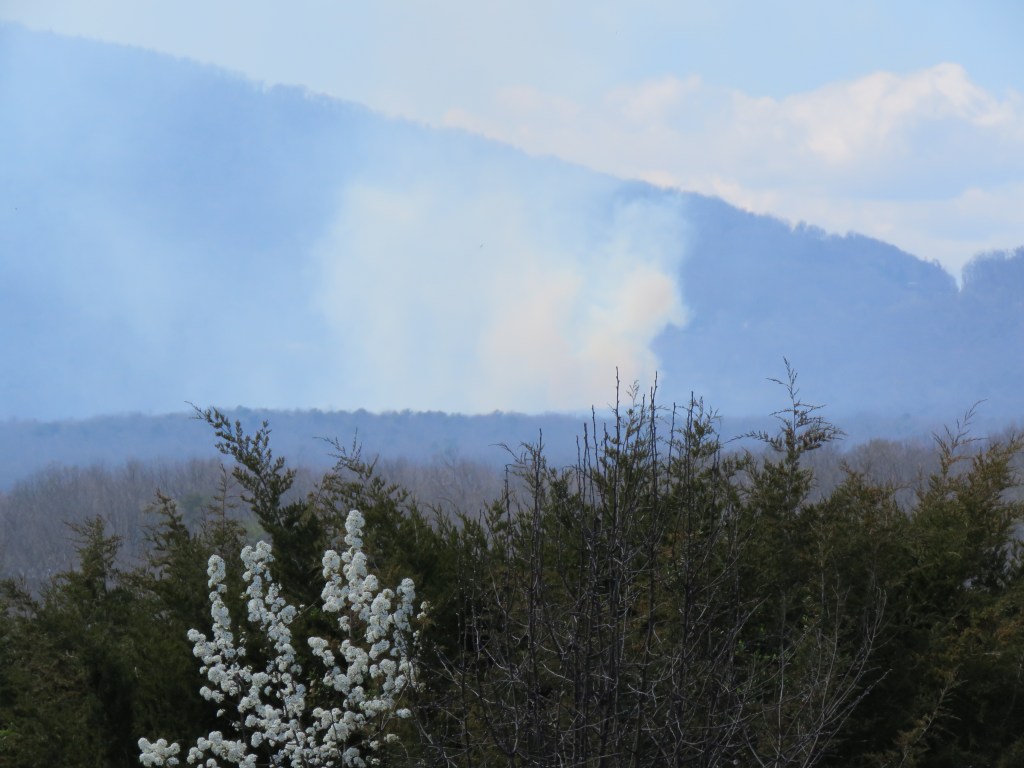
Having been a volunteer firefighter in Ohio for 27 years, I instinctively knew what that meant: wildfires. Smoke surrounded the touristy town. I stopped west of the village to get photos of the billowing smoke. Smokey pillars to my north, east, and west billowed from multiple wildfires. The Shenandoah Valley was on fire!
A wildfire north of Luray.
A second fire near Luray.
The fire west of Luray that I would drive by.
In my years of firefighting, we had woods and grass fires in Ohio, but nothing to this extent. Farm fields and pastures helped contain those brush fires even on windy days. Now, wind gusts of 60 miles per hour only worsened the situation.
When I shot the photo of the smoke in the west at the base of Massanutten Mountain, I had no idea I would drive right beside the fire. But that’s what happened.
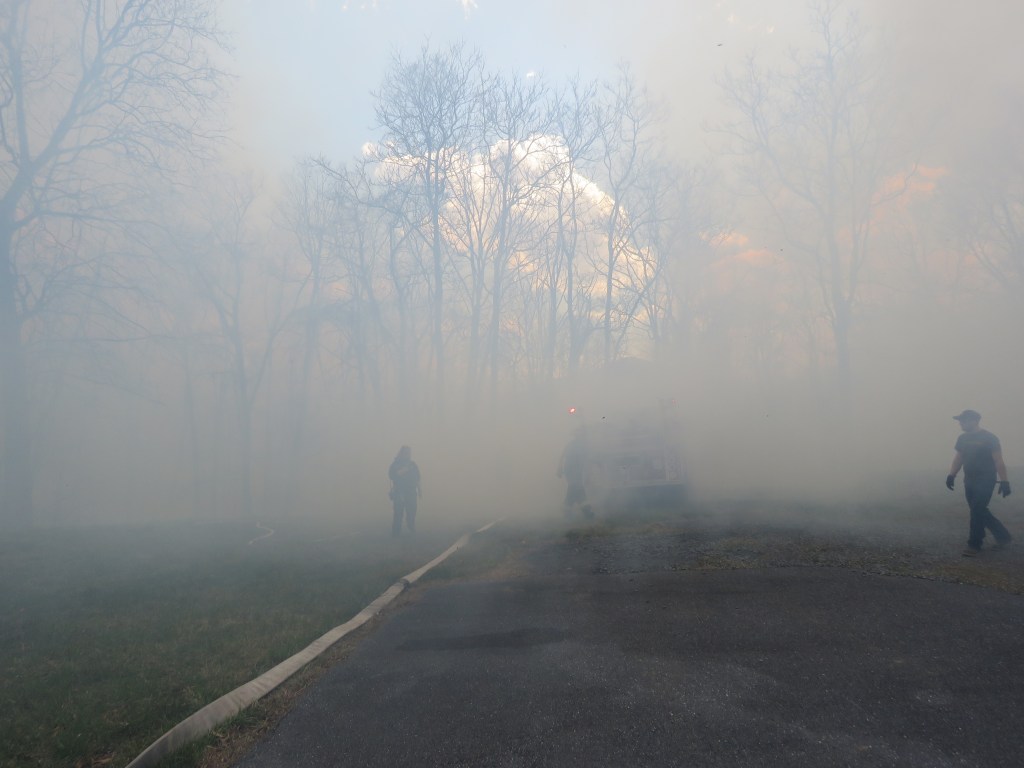
Through the blankets of swirling smoke, an ambulance raced ahead of me. It soon stopped at the fire’s seat. A fire engine with a handful of volunteers stood within feet of the burning forest.
With no cell phone service, I stopped to report a developing fire I had spotted. A young firefighter glanced at a photo I had taken of the small fire at the top of the mountain northeast of their location. I wanted to ensure the fire had been reported since there was no cell phone service. The young man replied, “I think it has been reported.” His lackadaisical response told me the poor guy was already overwhelmed by the unfolding calamity.
The fire truck was barely visible through the thick smoke. Photo by Bruce Stambaugh
A sudden wind gust enveloped us with thick, acrid smoke. The fire truck, which was only 30 feet away, had vanished. Common sense told me to get out of their way.
I headed up the mountainside on the winding U.S. route. When I reached the New Market gap, I turned right onto a narrow mountain lane. I was familiar with this area, having walked Storybook Trail a mile north several times.
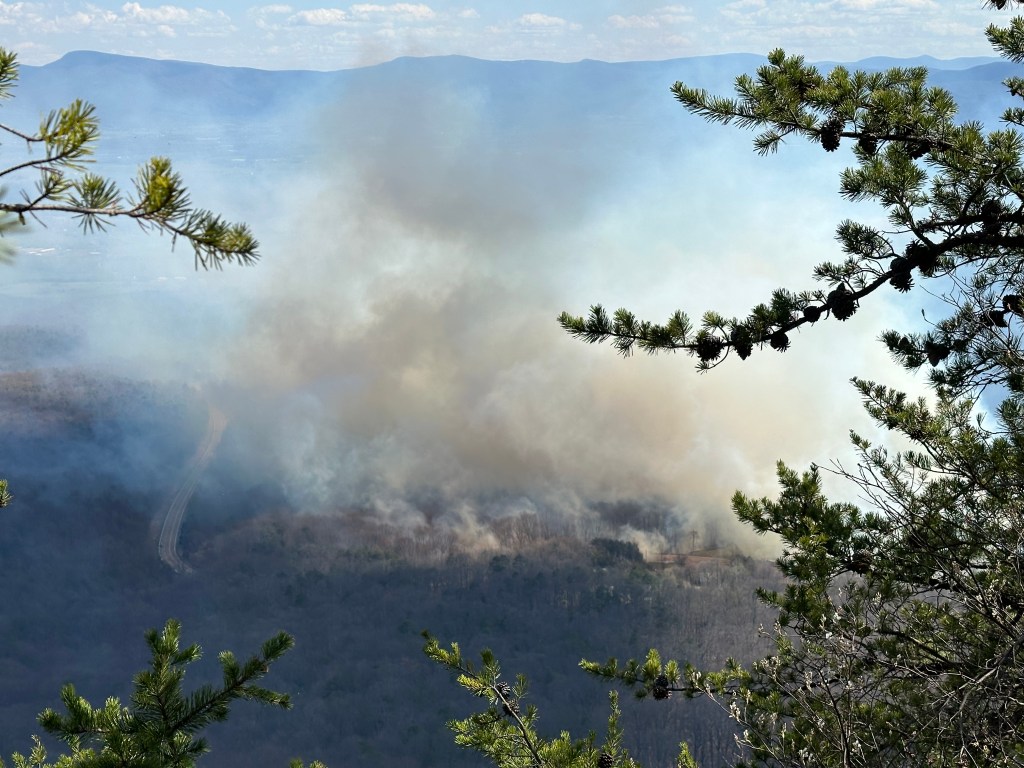
I hustled up the half-mile trail as best a 76-year-old could. When I reached the overlook, the scene below shocked me. The fire raged on, doubling in size in that short time. This was no storybook tale. Days later, officials pronounced the fire contained, with 6,200 acres burned.
I took a few photos and a brief video of the raging fire. When it jumped the highway, I hurried back to the car.
The view from the overlook.A series of photos showing how quickly the fire spread.When the fire jumped the road.
Please click on the photos to enlarge them.
A state trooper had closed the main road. He instructed vehicles to return west down the mountain, and I followed them. But once in the Valley, smoke from several more fires burning forests west of I-81 filled the air. No wonder no help was coming for the firefighters I had seen. All area departments were busy with their own difficult blazes.
As I crossed the county line, hazy smoke also filtered the afternoon sun in Rockingham County. Multiple fires burned. Fortunately, firefighters kept most of them to a few acres.
But two wildfires, both on the eastern slope of the Allegheny Mountains in the western sections of the county, burned relentlessly. In a remote section of the county, the biggest one forced several residents to evacuate their rural homes.
I detoured to one fire a few miles west of my home to take photos. Like the other fires, this one was also on a steep, forested mountainside. After a couple of shots, I turned the vehicle towards home.
The wildfire closest to our home.
In my adrenaline rush from seeing all these fires, I didn’t notice how smokey I smelled. When I exited my car at home, my wife was waiting at the door.
“You reek of smoke,” she exclaimed as I approached her. She was used to the smell from my past firefighting days.
I quickly summarized the paradoxical events of the strange day: the excitement at viewing the lovely cherry blossoms, the joy of interacting with the international mix of friendly folks at the Tidal Basin, and, of course, the fires.
My wife of 53 years kindly listened to my encounters, then said, “Once a firefighter, always a firefighter.”
A reflective sunset in the eastern sky in Rockingham Co., Virginia. Photo by Bruce Stambaugh
No two sunsets are alike. That should be no startling revelation. Each sunset has its unique evolution, however. Some last just seconds with only a hint of orange, while others splash the western sky with a painter’s palette’s worth of colors.
Sometimes, a sunset defies both stereotypes and logic. That’s when a photographer’s fun begins.
Our home in Virginia’s verdant Shenandoah Valley faces north. Consequently, I need to check the western sky well before dusk for the ingredients for a decent sunset. If I spot puffy clouds hovering over the Allegheny Mountains, I get ready to head west.
I often gather my camera gear and drive a few miles southwest to a ridge overlooking a fertile valley dotted with Old Order Mennonite farms. Only the Dry River splits the gently rolling farm fields. Its tree-lined banks make its southward path easy to spot.
A favorite photo location for a mountain view is the aptly named Pleasant View Old Order Mennonite Church. Look west from its grounds, and the aged, rolling ridgeline of the Allegheny Mountains endlessly fills the horizon. Look east, and Massanutten Mountain dominates the landscape, with the Blue Ridge Mountains 40 miles beyond.
The western view.The view north.Massanutten Mountain to the east.
Please click the photos from the church to enlarge them.
There are no guarantees with sunsets, of course. Atmospheric conditions play good cop bad cop with the sunsets’ outcomes. I’ve been fooled and disappointed too many times to have high expectations. I set out with the joy of simply being able to witness whatever develops.
As a septuagenarian, I have learned to be patient with sunsets. I have headed home long after sunset’s time had expired, only to see a blooming garden of pastels fill the western horizon in the rearview mirror. So, even if the initial stages of the evening glow are less than spectacular, I persevere. Too often, I leave disappointed. Still, my time wasn’t wasted. I enjoyed the fresh air and American Robins and Eastern Bluebirds singing as they settled into their nighttime roosting positions.
Such was the case recently when I spied a patchwork of clouds hovering over the Alleghenies. When I arrived at the old church, the sun was nearly hidden behind those old, weathered peaks. Still, I snapped a few shots and then moved lower into the valley to hopefully catch a colorful reflection in a roadside farm pond or the Dry River, which had plenty of running water from recent rains.
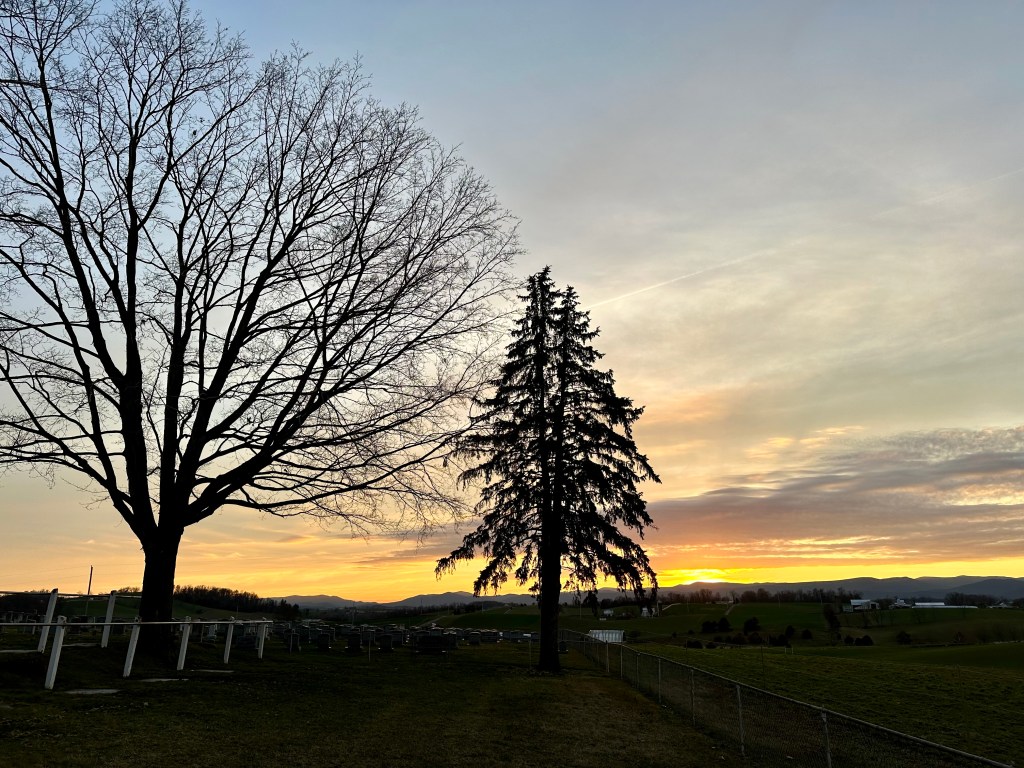
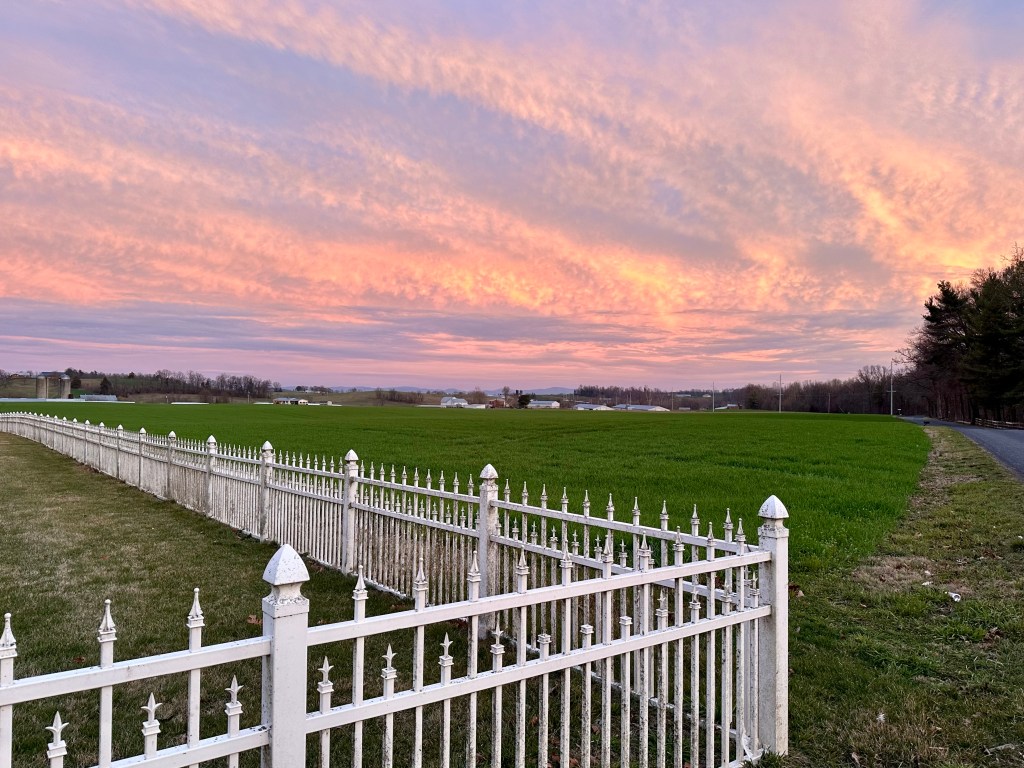
The western glow perfectly silhouetted the lines of trees along the river banks. I stopped my vehicle by the cemetery of a historic country church. As I exited my car, my eyes were drawn southeast. I was stunned. The beautiful blues and pinks of a prized sunset flooded the eastern sky. I snapped away from different angles as quickly as possible, knowing the colorful array before me wouldn’t last long.
My first view of the reflective sunset in the east. Photo by Bruce Stambaugh
I couldn’t believe my good fortune. Had I not stopped for a photo looking west, I would have missed the glorious beauty as far as I could see north to south. As a photographer, it always pays to look over your shoulder before putting away your camera. Satisfied with the many eastern-facing shots, I turned to the tree line and got my intended but less colorful photos.
The view southeast.The view east.The view northeastAn Old Order Mennonite school south of the church.
Then, I remembered Slab Road, a quarter of a mile away. Rural road names in Virginia are about as practical as they come. Instead of a bridge over the Dry River, the highway department poured a narrow two-lane cement surface over the riverbed since the river was indeed dry more often than wet.
I stopped short of the river and quickly exited to catch the last light of the day reflecting on the water dammed up by the slab. The scene was breathtaking but not nearly as dramatic as the sunset reflected against the eastern clouds over Shenandoah National Park.
The Dry River flows over Slab Road. Photo by Bruce Stambaugh
A milk truck with a shiny, 3,000-gallon stainless steel tank forged through the running water over the slab. I followed, hoping to capture one more decent landscape shot. But my prime time was up, and I came away with a bland photo of a farmstead with powerlines running through the sky.
Nevertheless, the evolution of this sunset couldn’t have played out better. My heart overflowed with joy and gratitude for a beautiful ending to another precious day on earth.
The tree line that marks the Dry River. Photo by Bruce Stambaugh




















 Roadkill Crossing
You must be logged in to post a comment.