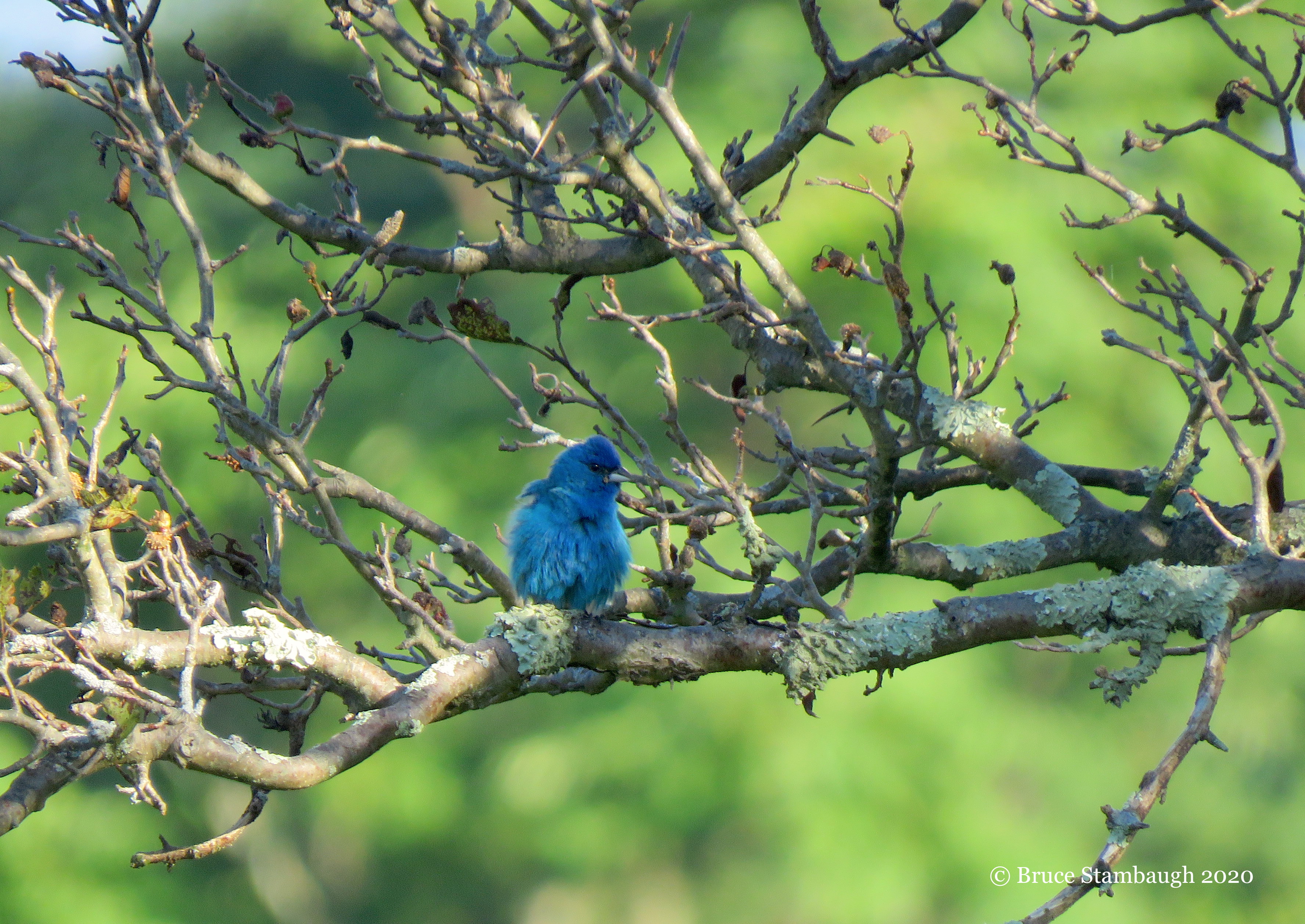
I caught this male northern cardinal chowing down on safflower seeds that I had set out for the few birds that will eat them. European starlings and common grackles won’t touch the seeds. So if they are hogging the other feeders that contain black oil sunflower seeds, the cardinals and other songbirds help themselves to the bleach-white offerings.
March snow in the mountains.
March is famous for its variable weather. After all, the familiar saying, “In like a lion, out like a lamb” references the month of March.
There’s a good reason for that. It’s easy to imagine our log cabin ancestors being more than ready for spring after enduring snowstorm after snowstorm. However, pioneer-era folklore was based more on hope than meteorological compilations.
They professed that if March began with yet more lion-like elements, then it had to end with gentler, calmer, warmer, more welcoming weather. Who could blame them?
It’s only natural to want more appealing weather than another cold spell. In animalizing weather, it’s much safer to deal with a lamb than a lion, especially if you were a 19th-century settler with a bad case of cabin fever.
Likely, there was more to it than that. Those hardy people believed in a balance of life. Aristotle’s “moderation in all things” was their mantra. So, they logically applied that theory to the weather as well. If March was harsh in the beginning, it should be mild by month’s end.
Unfortunately, the weather doesn’t work that way. We take what we get, and given what we have gotten in the past, March’s weather could be a doozy. A lot of factors come into play.
Welcome to March, 2013.
Shoveling.
During the storm.
A foot.
Snow bed.
Building the snowman.
Those expressions!
March’s normal weather, whatever normal is these days, has historically played hijinks with global societies. March is known to deliver every variety of weather in its 31 days, and not always where or when you might think.
My family has personal experience with March’s fickleness. Seven years ago, we traveled from Ohio to Virginia’s Shenandoah Valley to babysit our three grandkids, then ages eight, six, and three. Their parents went on a much-needed vacation to Florida.
Shortly after we arrived, a strong cold front moved through the eastern U.S. causing chaos. While Florida froze, the storm dumped a foot of heavy, wet snow on us. Babysitting was never so much fun as we frolicked in the winter wonderland. Sled riding, building snow forts, and snowmen filled much of our time.
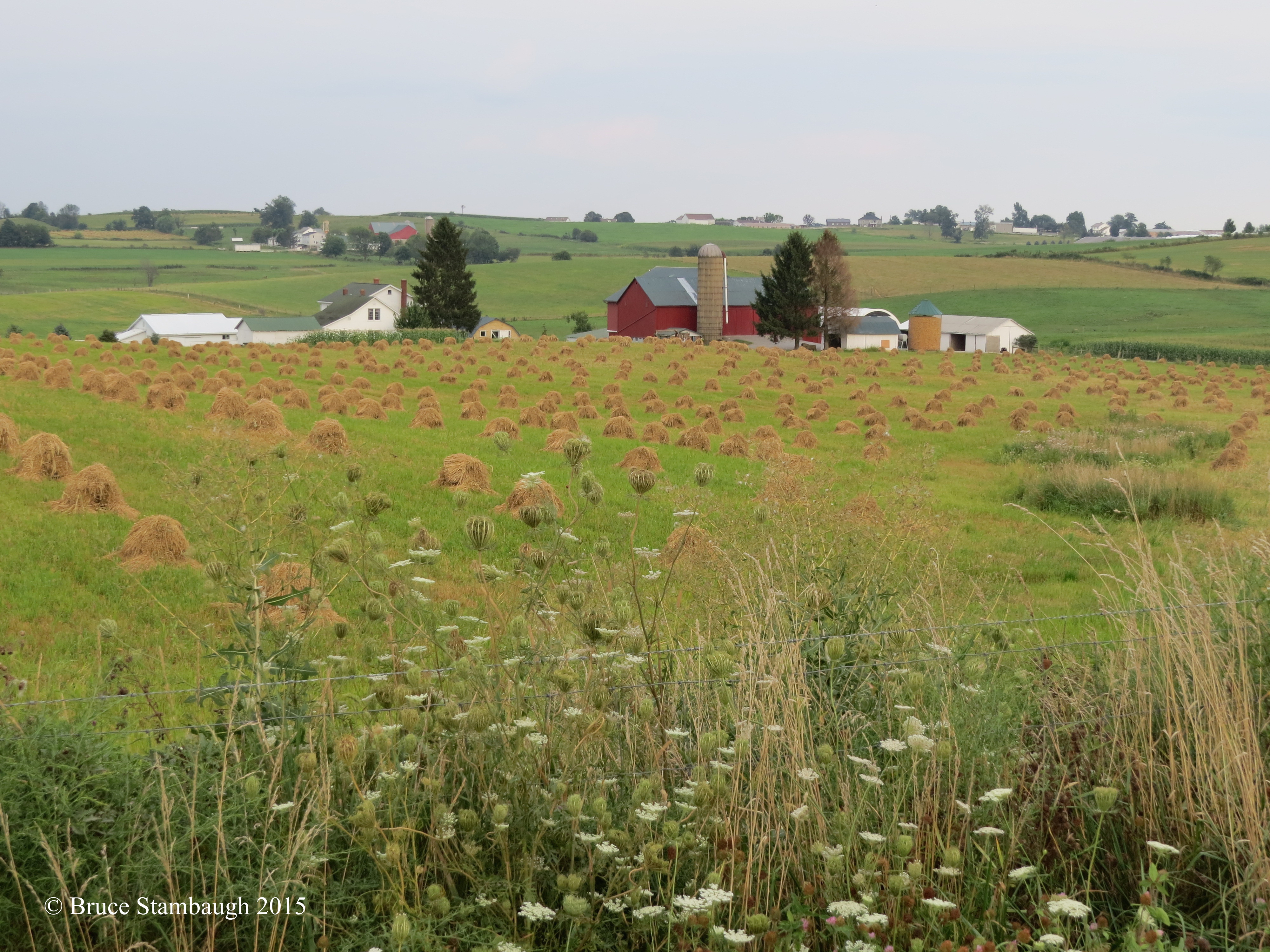
When we returned home a week later to Holmes County, Ohio, the weather was dreamy. Under sunny skies, Amish farmers were plowing fields with horses. Now those seem like the good old days. When we arrived home.
It’s easy to be nostalgic about March. I always thought of the third month as the bridge between winter and spring. Hoes and rakes replaced sleds and ice skates. The snow on the daffodils never lasted long.
It’s much harder to face the reality of the Marches of the 21st century. Now, severe storms are occurring more frequently and are much stronger than in previous times.
More than a hundred years of industrialization have drastically changed global climate patterns. Tropical areas that usually receive regular rains have been drought-stricken, resulting in catastrophic wildfires. Think Australia and California.
Globally, the last 10 years have produced nine of the warmest years on record. In fact, this January was the warmest ever. That could explain in part why many skiers, ice skaters, and ice fishermen far and wide had to feel abandoned by the nearly winterless winter weather.
That said, March will still be March. It just might be wilder than in olden years. Our forebearers rhymes may have had some wishful reasoning to them. The reality in the early 21st century may deliver more dramatic climatological results.
Looks can be deceiving. This second-year alligator appears to be warding off any potential threats to its mother and siblings. In reality, momma and her crew were merely warming themselves in the the afternoon sunshine in Egans Creek Greenway, Fernandina Beach, Florida.
Still, I thought the young alligator’s pose was worthy of being my Photo of the Week. “Defending Momma” is just that.
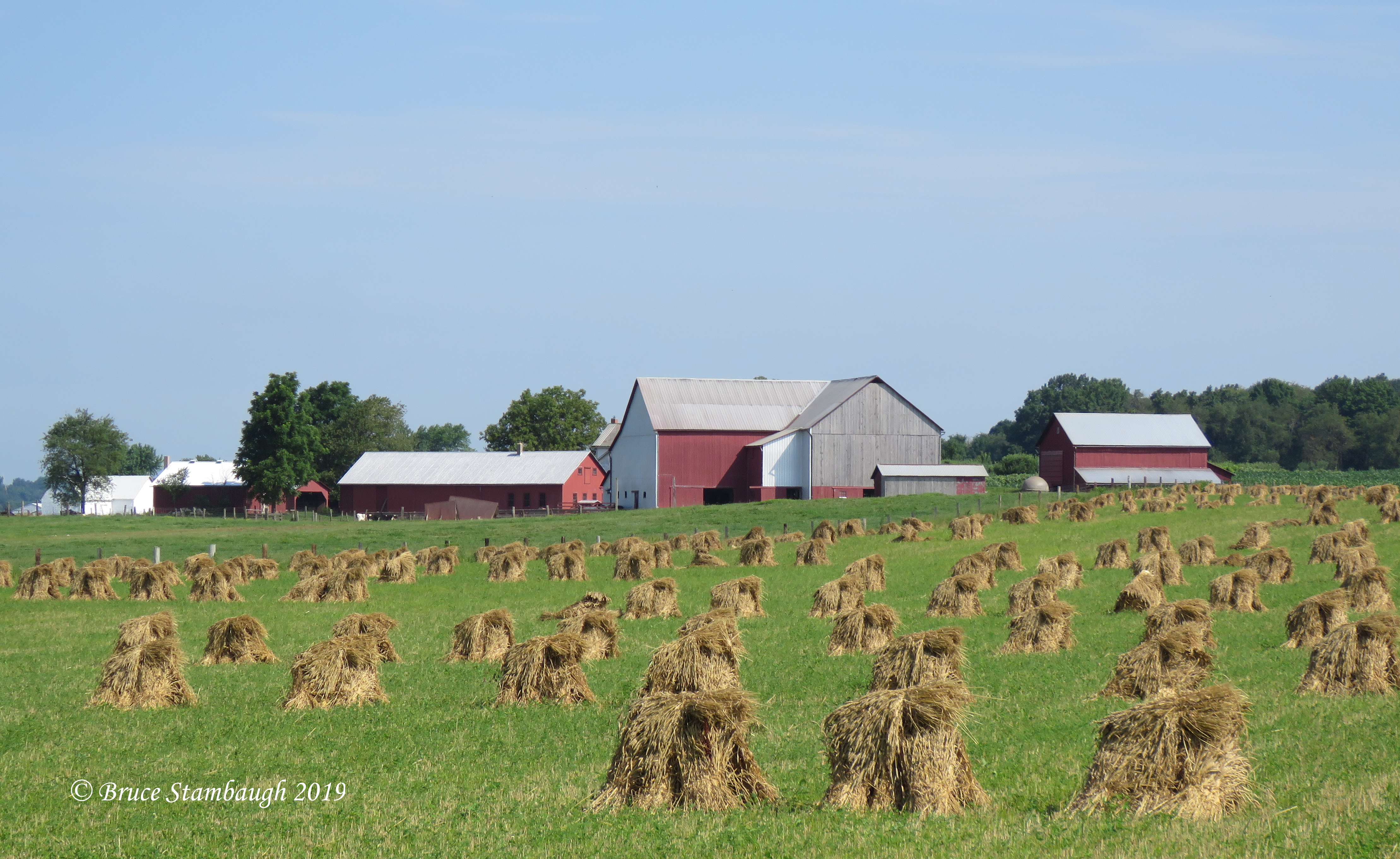
A new day dawns in Ohio’s Amish country.
Home. It’s a four-letter word that conjures up both good and sad emotions. It all depends on one’s circumstances.
I was fortunate. Returning home has always been a rewarding, meaningful experience for me.
I have no recollection of living in my first home on a channel of a lake near Akron, Ohio. But I recall many stories told to me in my adolescent years. I still get chided for grinding up coal cinders from the driveway. Apparently, I thought they tasted good.
My earliest childhood recollection was when I was about four years old. My father handed me a cold Coca Cola while I sat overhead on a rafter of the house my folks were building.
I spent my formative years in the little red-brick bungalow in Canton, Ohio. Baby boomer families like ours filled that middle-class neighborhood. Pick up Whiffle ball, baseball, and football games were commonplace, along with hide and seek sessions that went long into warm summer evenings.
That modest home was always a welcome sight returning home from college. Though the house was sometimes filled with shouting and disagreements, I always felt safe there. It was my home and my family, after all.
All of that changed once I graduated and started teaching in Killbuck, Ohio. I met and married my wife, and we built our own home just out of town next to an old cemetery. My school principal built right next to us. I loved to tell people that at least we had good neighbors on one side of our home.
We spent 10 incredible years there. It’s where our daughter and son learned to walk, talk, and play. Oh, the stories I could tell of those good old days in that hardscrabble town. For now, it’s best to let them remain dormant.
After I became a principal in East Holmes Local Schools, we moved to near Berlin, Ohio. The house we bought was on an Amish farm, and all of our neighbors spoke Pennsylvania Dutch as their primary language. That wasn’t a hindrance at all.
Just like when I grew up, our daughter and son had plenty of children to play with. They often met at the giant old black oak tree across the road from us. It was a joy to be able to watch them interact and quickly solve any squabbles without an adult having to intervene.
We lived there for 38 years, longer than any other place, including our childhood homes. Our neighbors were friendly and helpful. Amazing sunrises and sunsets enhanced the already beautiful views that we enjoyed.
Despite our deep roots in the community, we decided it was time to be nearer to our three grandchildren, who were growing all too fast. We found a home only five miles away from them in Harrisonburg, Virginia.
We bought and remodeled a little ranch house amid nearly 500 other homes. Just like their owners, each one has a personality all its own. Instead of being in the heart of Ohio’s Amish country, we now live in the heart of the beautiful Shenandoah Valley.
We can watch our high school grandson strike out batters in a baseball game. We enjoy a middle school concert in which our other grandson plays the French horn. We watch and listen with pride as our granddaughter sings in a prestigious children’s choir.
In the words of Maya Angelo, “I long, as does every human being, to be at home wherever I find myself.”
The timing couldn’t have been better. With the late afternoon sun shining brightly, this shrimping trawler headed for port to unload the day’s fresh catches. Clearly, the boat and its crew weren’t alone.
An assortment of gull species, Northern Gannets, and other sea birds followed along, hoping for an easy meal as the crew pitched unwanted catches overboard. It was unusual for the trawler to be close enough to shore to zoom in for a decent shot.
Everyone needs a sanctuary. Recent research shows that connecting with nature helps humans in multiple ways.
Nature helps heal, soothe, and restore individuals from pain, stress, and depression. We all need a place to escape, if only temporality, from the pressures and madness of the world.
When my wife and I winter in Florida, we are fortunate to have just such a place. Egans Creek Greenway is the first spot I visit after my wife and I get settled into our rental.
Egans Creek Greenway is an island inside an island. Covering more than 300 acres, the greenway is a city-run park on the north end of the 13-mile long Amelia Island, a barrier island northeast of Jacksonville.
The greenway is not your typical sanctuary, but it’s mine for many reasons. I get needed exercise walking its grassy trails. A variety of wildlife is in abundance. I can practice my photography hobby shooting landscapes and nature’s flora and fauna.
Please click on the photos to enlarge them.
Egans Creek winds its way through the two main sections of the greenway. A saltmarsh dominates the northern half. It teems with wading birds, birds of prey, songbirds, furry mammals, and intriguing reptiles. The Atlantic Ocean tides keep its waters brackish.
The southern section is part maritime forest and part freshwater ecosystem. The creek runs along the eastern side while a grid of manmade ditches from previous farming attempts crisscrosses elsewhere.
Mixed vegetation creates a habitat for a wide variety of creatures. Pileated woodpeckers fly their noisy flight high above momma alligator and her baby brood while a barred owl hoots from a branch of a giant live oak tree.
Scores of yellow-rumped warblers dart from the underbrush to palm trees, chip-chipping all the way. A red-shouldered hawk watches for lunch from high on a dead snag. A freshly hatched monarch butterfly flaps its damp wings on a Florida holly bush.
A reunion of soft-shelled turtles suns on the steep banks of the creek. A honeybee gorges on a clump of newly blossomed marsh-pink.
This slideshow requires JavaScript.
Where the creek runs along the west side of the greenway, an osprey hovers before diving for an unsuspecting fish. In the process, large shorebirds are flushed. A great egret, wood stork, and a beautiful roseate spoonbill all take flight.
I am not alone in appreciating this preserve. Students stroll through on their way home from school. Seniors ride bicycles or walk in the sunshine of gorgeous days. Middle-aged joggers hustle by. This passive recreation is part of the park’s plan.
Strangely, concentration is essential to appreciate all the greenway has to offer. Surrounded by streets, houses, and businesses, the greenway is a quarter of a mile from the ocean. Horns, sirens, and roaring engines compete with the clacking call of the clapper rails.
So, too, to do the helicopters flying back and forth to the Mayport Naval Station 20 miles to the south. Commercial airliners, private jets, and noisy single-engine planes fill the air space overhead as they approach the local airport and Jacksonville International.
Besides a sanctuary, the greenway serves as an outdoor classroom. People stop to ask what I’m looking at or to tell me of a bird they saw. I love their smiles when they spot the eastern bluebirds devouring cedar berries.
I enjoy the greenway all the more when others accompany me. Multiple pairs of eyes and ears trump singular old ones. We help each other find and admire all the greenway’s splendor.
Why are people drawn to the edge of the sea? It’s not a frivolous question.
Spending the heart of the winter at a rented condo on the beach, I have observed the ocean lure people of all ages to her shore. There seems to be something magical, magnetic to where frothy waters lap at sandy beaches.
People young and old seek that seemingly sacred spot that wavers with every collapsing wave. Even the shorebirds covet that undulating, elusive line in the sand.
The tiny and swift sanderlings poke and prod the moist sand for nutritious crustaceans on the shore’s surface or just below. They always scurry ahead of the washing water as if they are afraid of getting their feet wet.
Willet.
Sanderling.
The larger willets saunter along probing for the same bounty with their sturdy black bills. They, too, avoid the ebb and flow as if their lives depended on it. Perhaps they do, instinctively knowing the consequences of being swept away.
Humans of all ages, however, take a wide variety of approaches while at the shore. Throwing caution to the sea breezes, children rush squealing to the water’s edge. Whether in street clothes or swimsuits, the youngsters wade right in, much to the horrors of their adult overseers.
Jogger at dawn.Are they lulled by the rhythmical sound of the waves? Does the foamy surf beckon them to come to see the sea? Do they thrill at the sensation of surviving the rushing, rolling water?
I suspect all of that and more. Unlike most parents, the children have no fear of undertows or rip currents. The adults quickly catch up and take charge, even at the expense of getting their own feet wet, shoes, or no shoes.
Teens, of course, don’t care. They, too, wade or rush or plunge right in, regardless of attire, or the water’s temperature. In February, it may match the chilly air temperatures, made cooler still by the persistent winds.
The adults also are intrigued by the sea, each in their own way. Some jog while others walk along the water’s edge for exercise and fresh air.
Conversely, the snowbirds take their time. They have earned it, after all. They relish being away from the cold and snow up north. Retirees prefer to traverse the firm, moist sand closest to the water for its support.
This slideshow requires JavaScript.
Many walk with their heads bent forward, searching for colorful shells or sharks teeth. A few long for treasures of a different sort. They sweep the sand with metal detectors seeking what others have lost.
Some beachcombers spend many minutes inspecting one spot before they slowly move on. Others are content to stroll more for the exercise than the shells. All, however, are careful to mind the lapping sea, especially if the tide is coming in.
Other beach walkers have another purpose in mind. Their canine pets demand to be taken on their necessary jaunts. Dogs of all shapes, sizes, and breeds head to the shoreline.
A few folks are content to simply sit and enjoy all their senses in one spot. They watch, read, sleep, or chat with companions for hours.
Hardy souls ply their skills at fishing. I think the dolphins, ospreys, and terns are more successful.
Like all the others, I also answer the sea’s siren call. I join them in their multi-faceted love affair with the seaside.
At dawn, I let my camera document all the unfolding radiance. Nothing beats a dazzling sunrise, except sharing it with others.
Though the sky wasn’t the most colorful as sunsets go, the setting certainly was. These palm trees stood on a bluff over the Amelia River in Old Town Fernandina Beach, Florida. They nicely provided that tropical look as the sun sank in the west.
Here’s some color to brighten any winter dullness that might be fogging your mind as January comes to an end. I spotted this Gulf Fritillary butterfly on Egans Creek Greenway in Fernandina Beach, Florida, where we spend our snowbirding days.
You must be logged in to post a comment.