The Colorful Week That Was

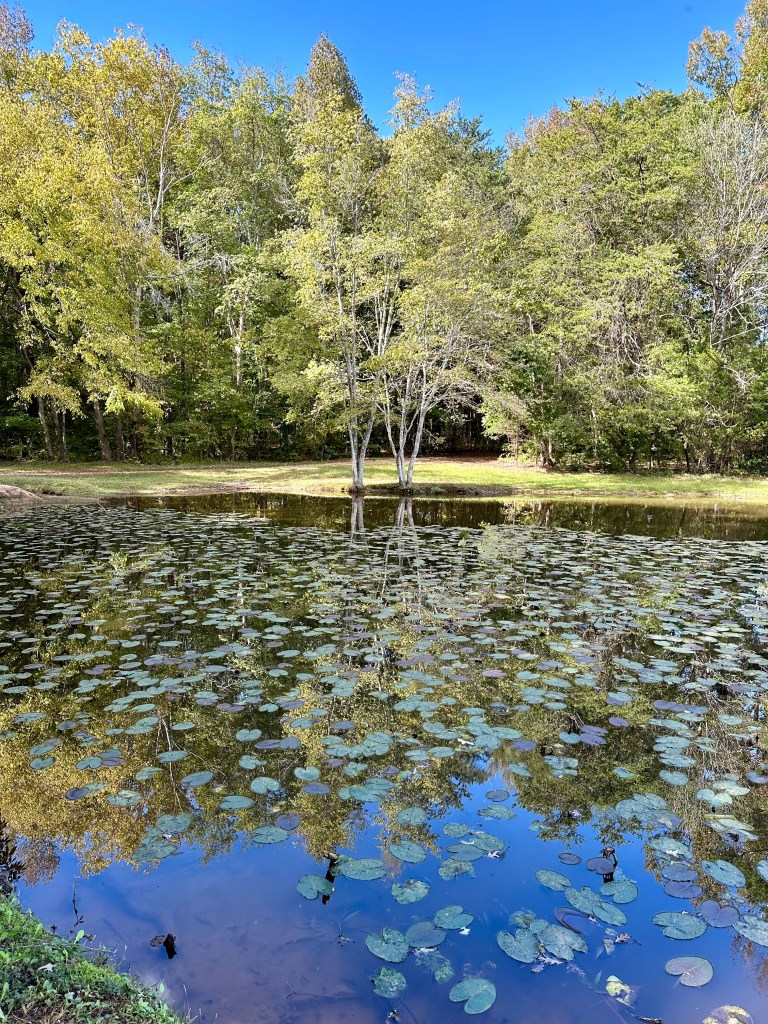
My wife and I were busy last week. Everywhere we went, we saw color, literally and metaphorically. Color dominated, from flowers to birds to people to landscapes to food to sunsets.

Here are a few samples of the vivid, muted, and impressive hues we encountered as we traveled from Virginia’s Shenandoah Valley to the Piedmont of North Carolina and back.

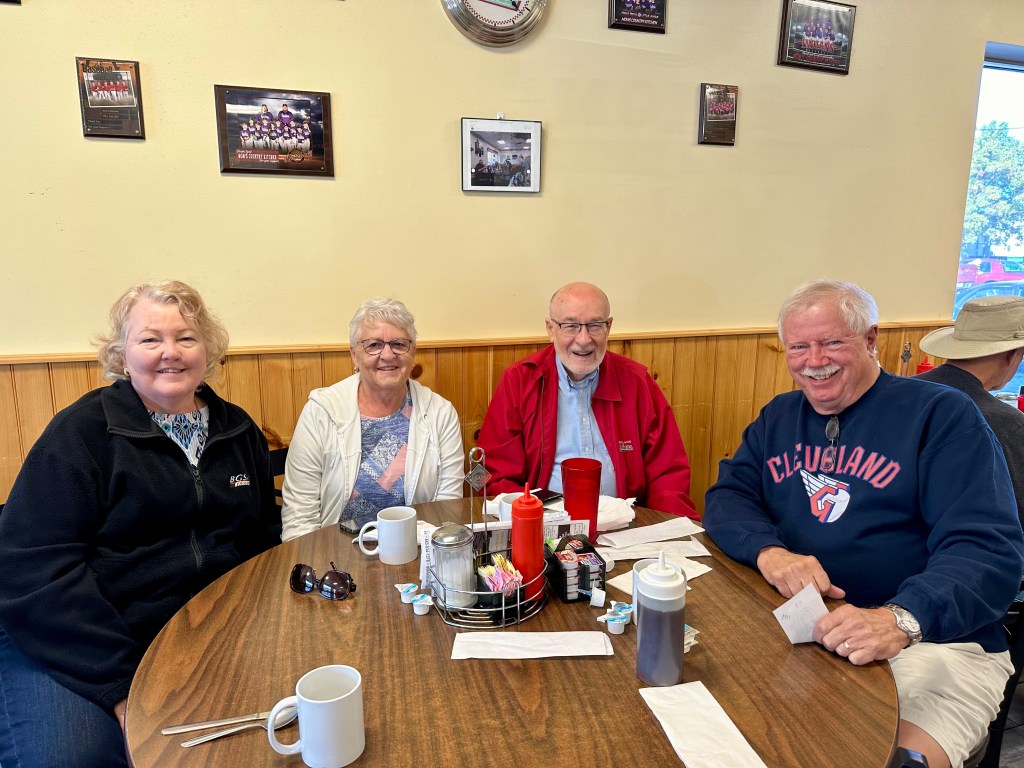
We met good friends from Ohio for breakfast in Front Royal, Virginia.
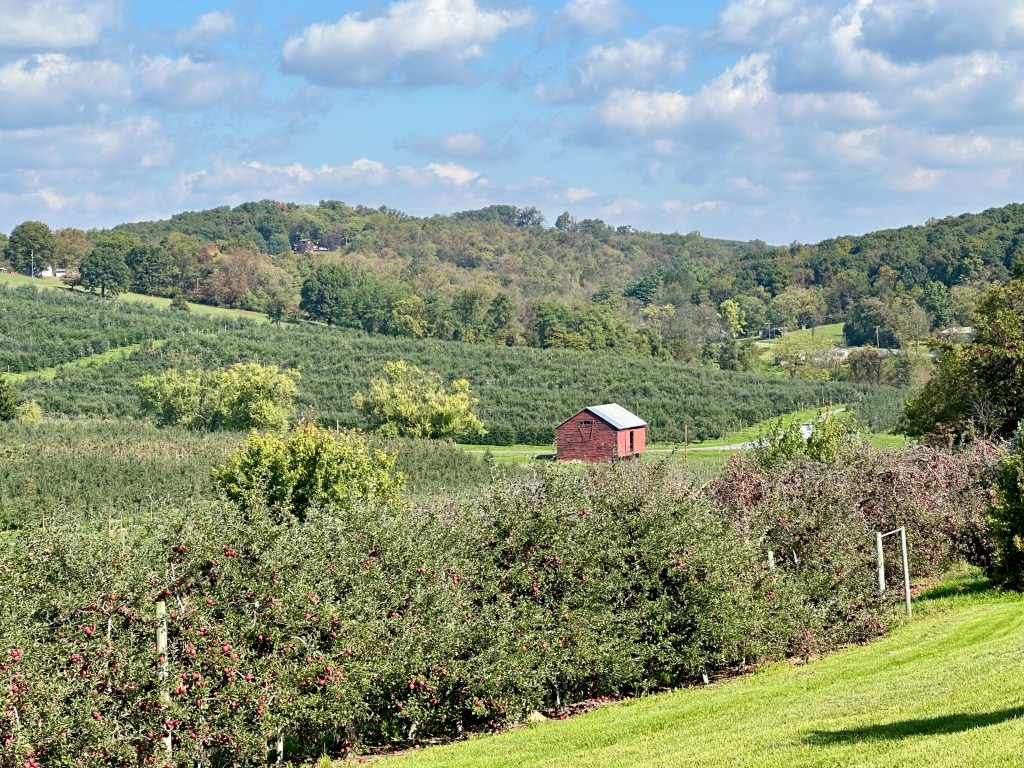
We bought apples and fresh cider at a local orchard.
We enjoyed lunch with cousins from California and North Carolina.

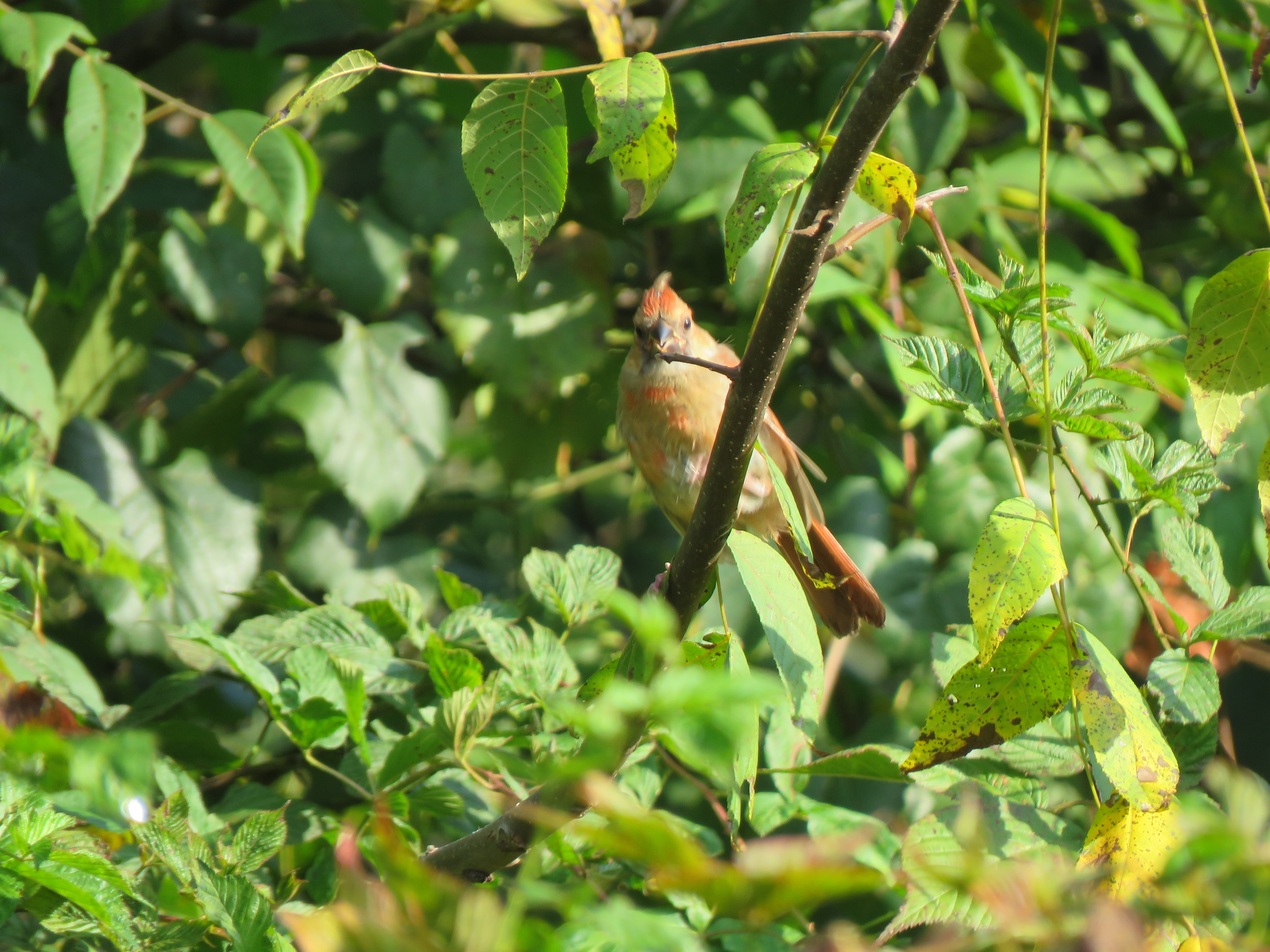
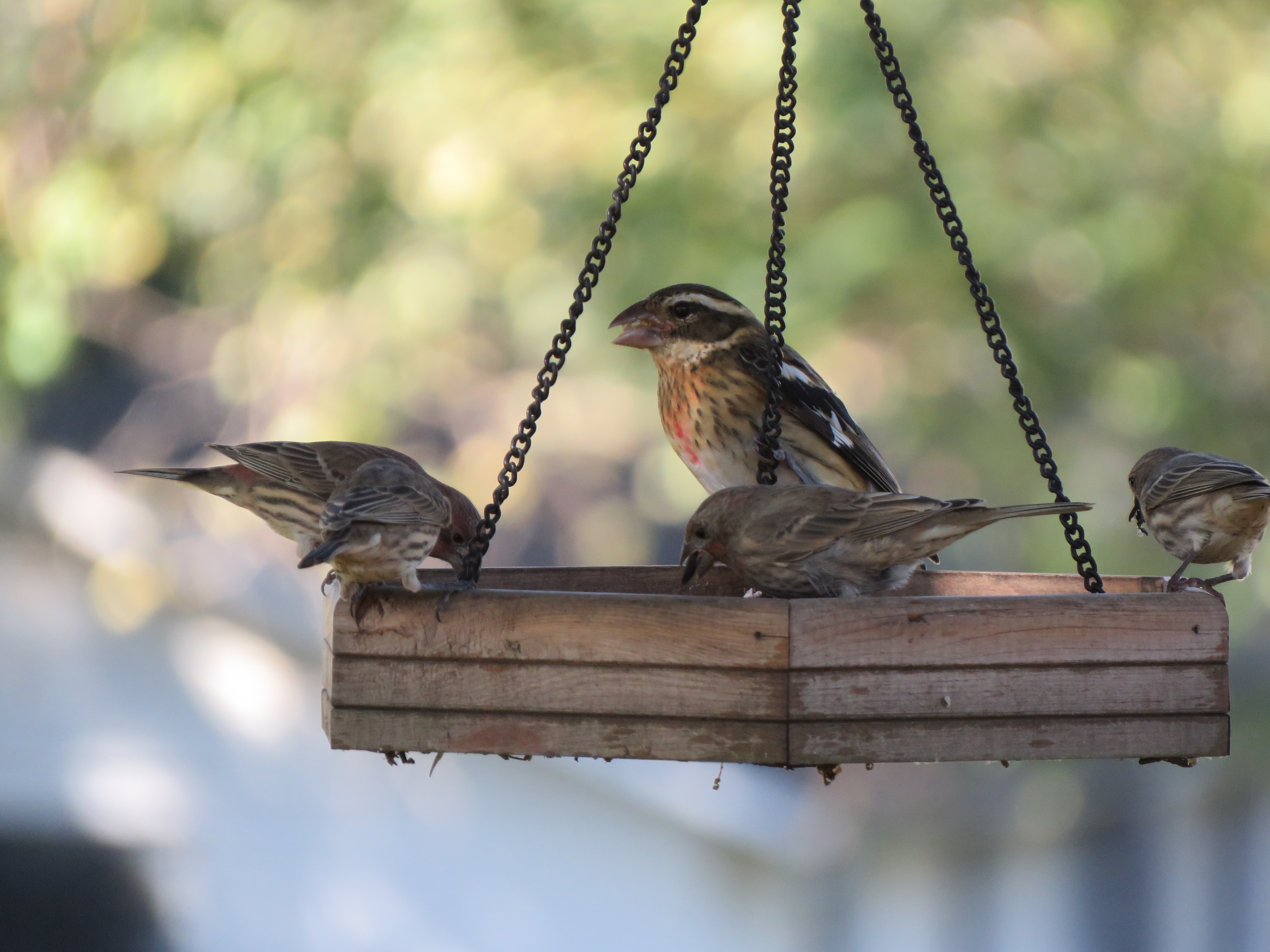
Dan Nicholas Park wasn’t the only place we saw birds. We sat in the shade and chatted while various species of birds visited our hosts’ backyard feeders.

Please click on the photos to enlarge them.

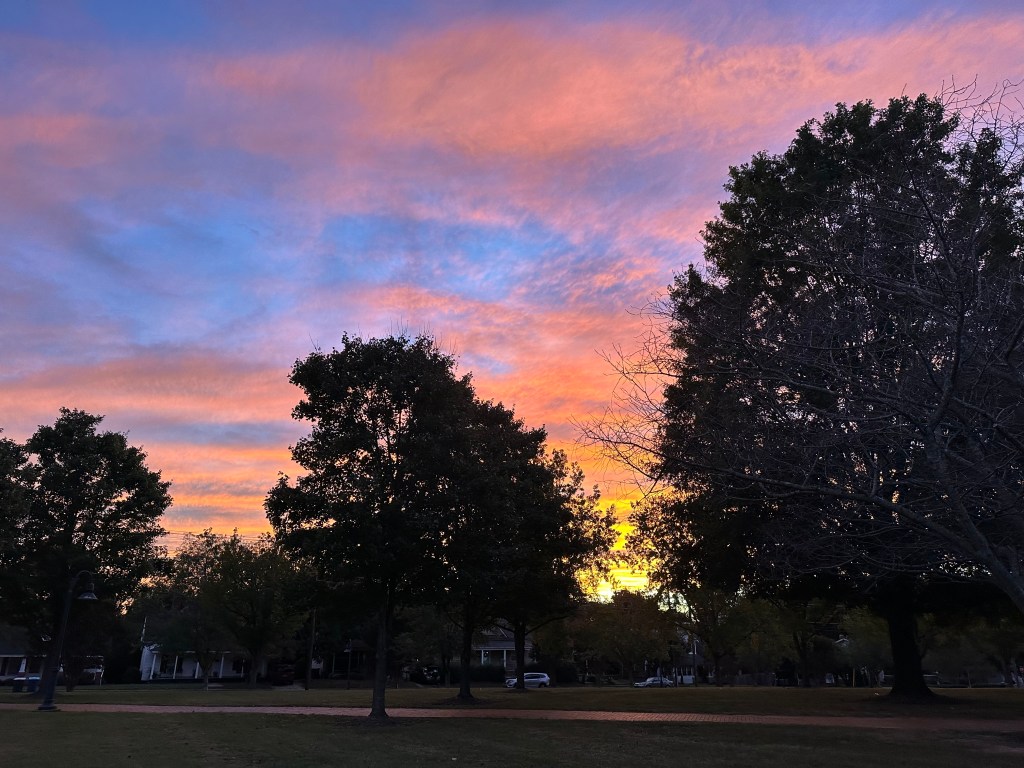
Of course, I had to include a sunset from Cannon Park in Salisbury, North Carolina.

Please click on the photos to enlarge them.

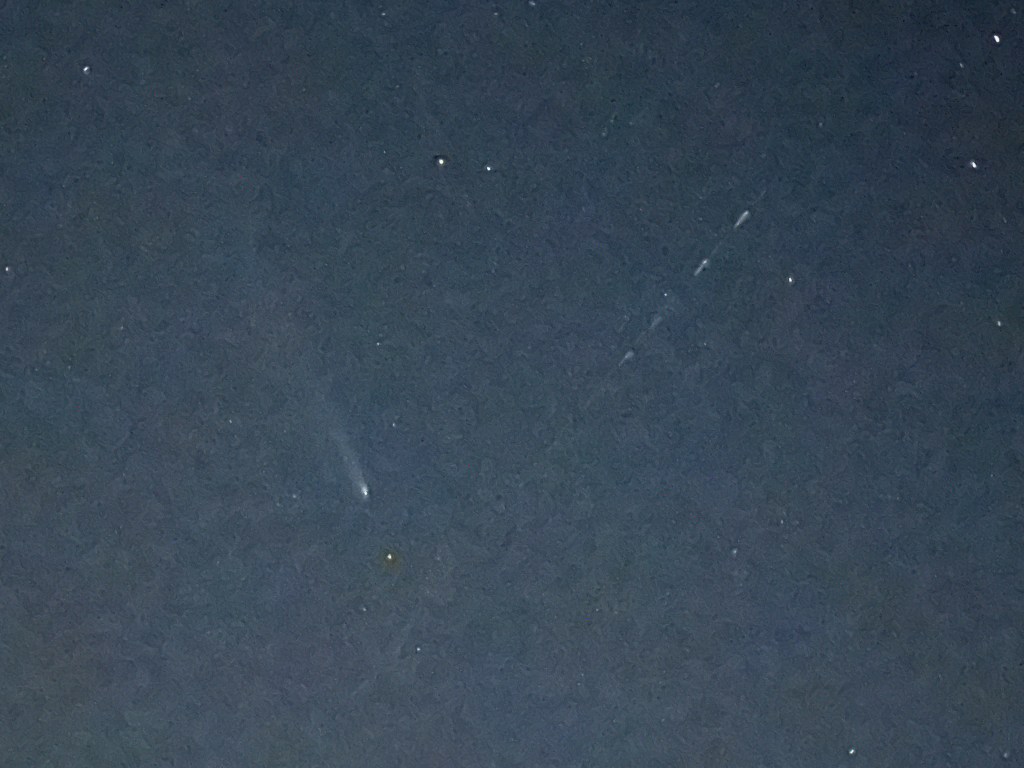
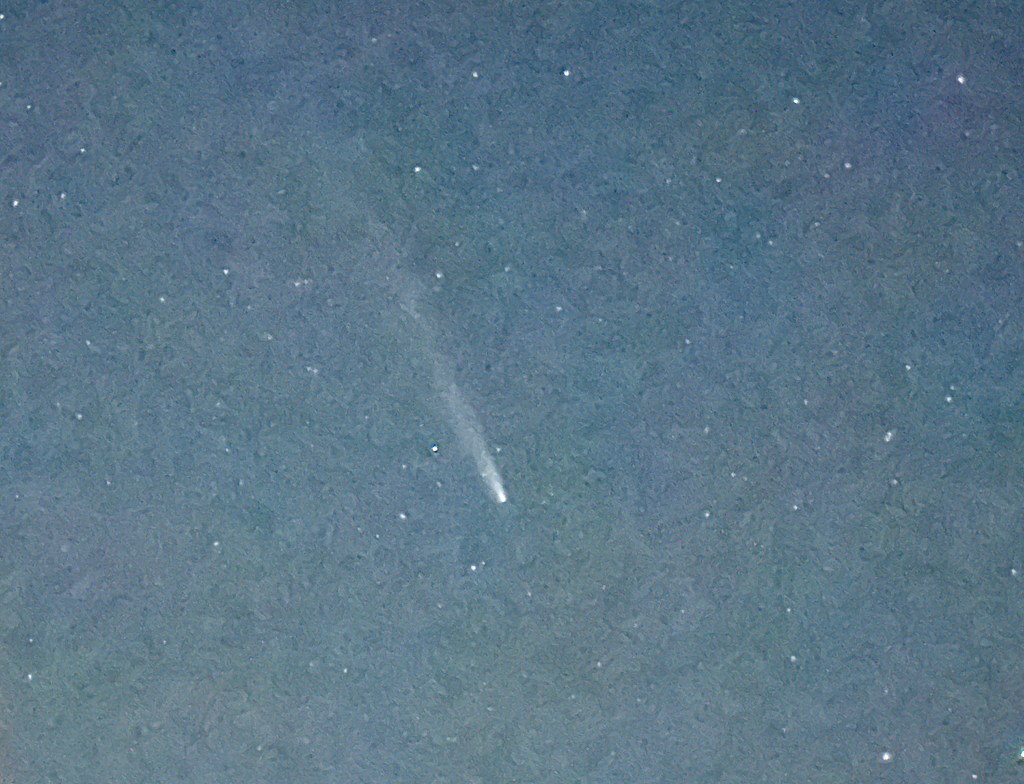
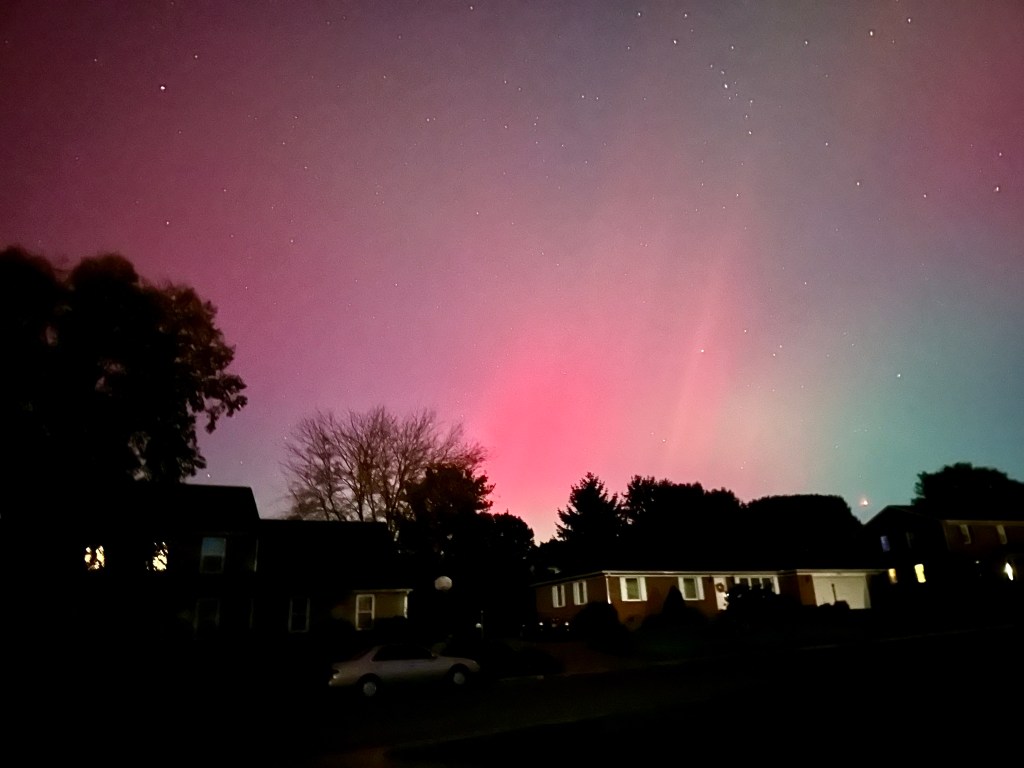
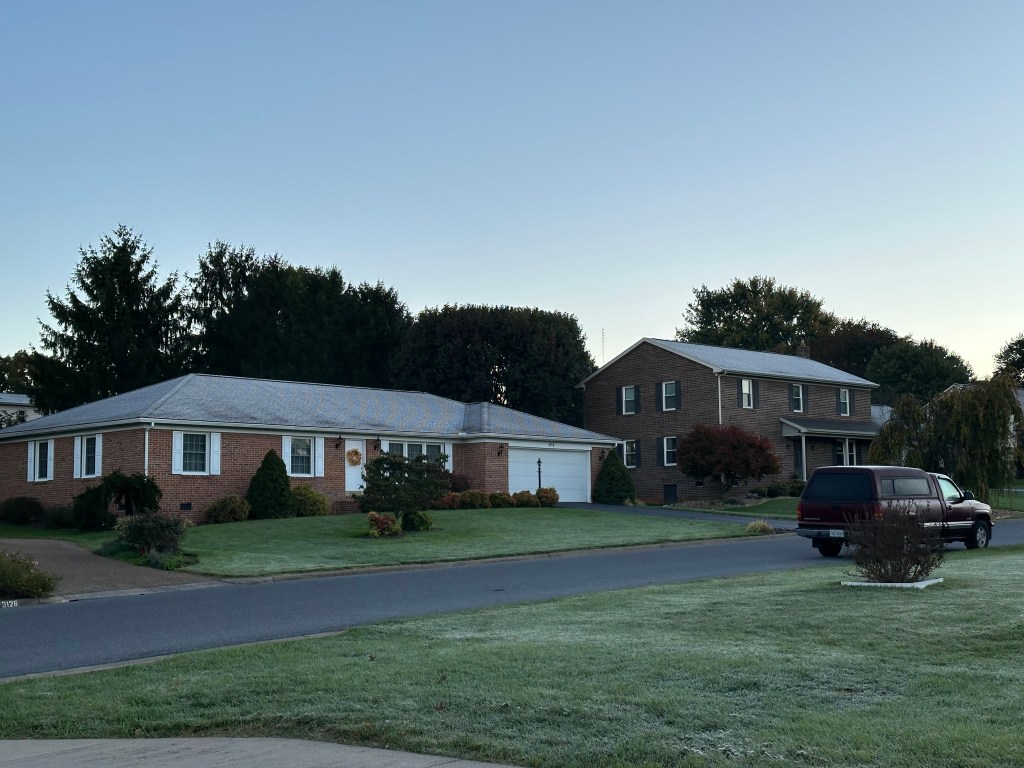
The evening we arrived home in Harrisonburg, Virginia, the aurora borealis brightened the night sky. The following morning, we had the first frost of the season.

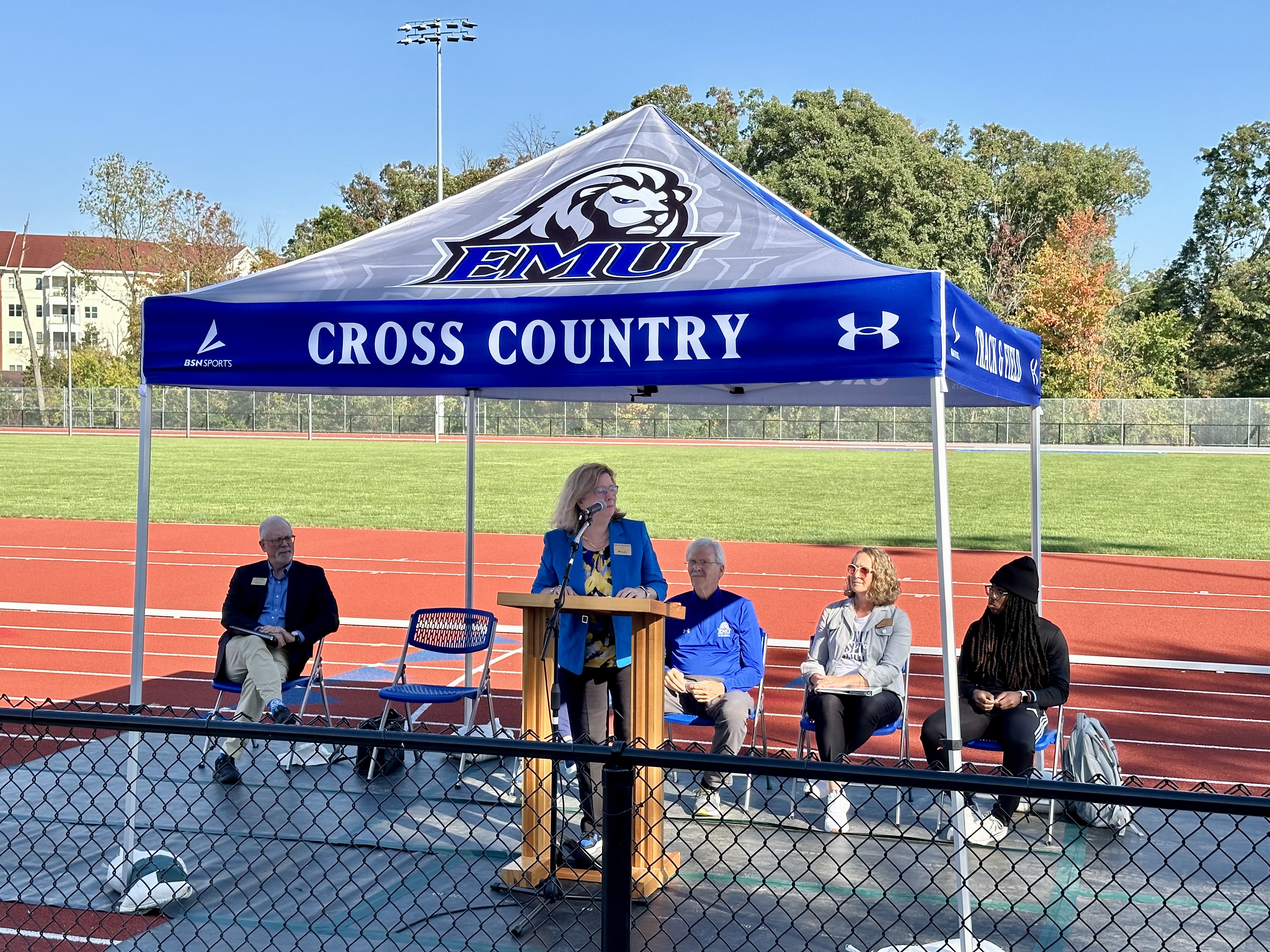
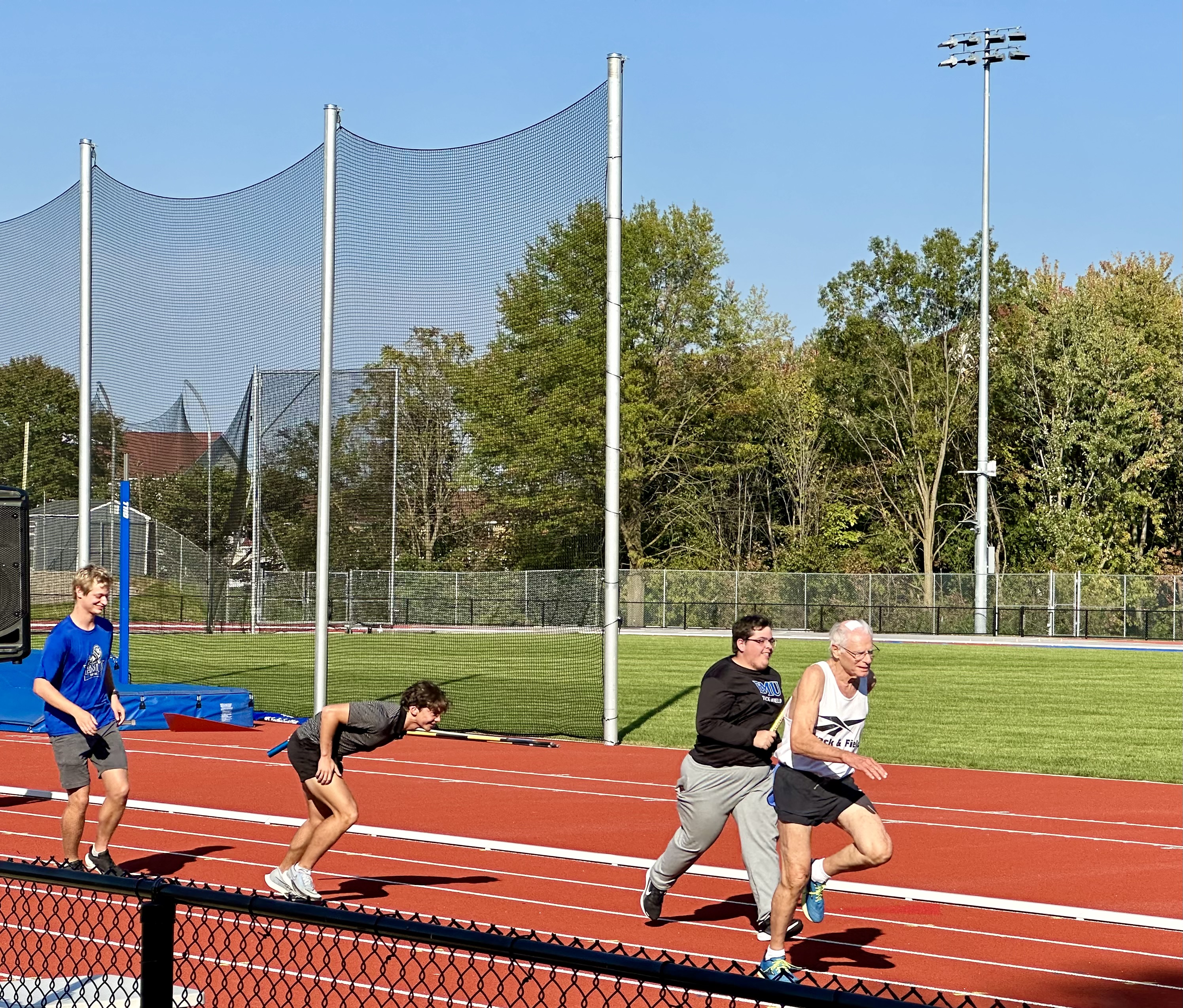
On Saturday, we hustled from one event to another. It was Homecoming at Eastern Mennonite University, where our daughter is the athletic director. The highlight for us was the dedication of the new state-of-the-art track. The ceremonies culminated with a ceremonial lap around the track by significant donors, former track members, and current track members. The oldest participant to run was in his 80s. He runs every day.

Please click on the photos to enlarge them.

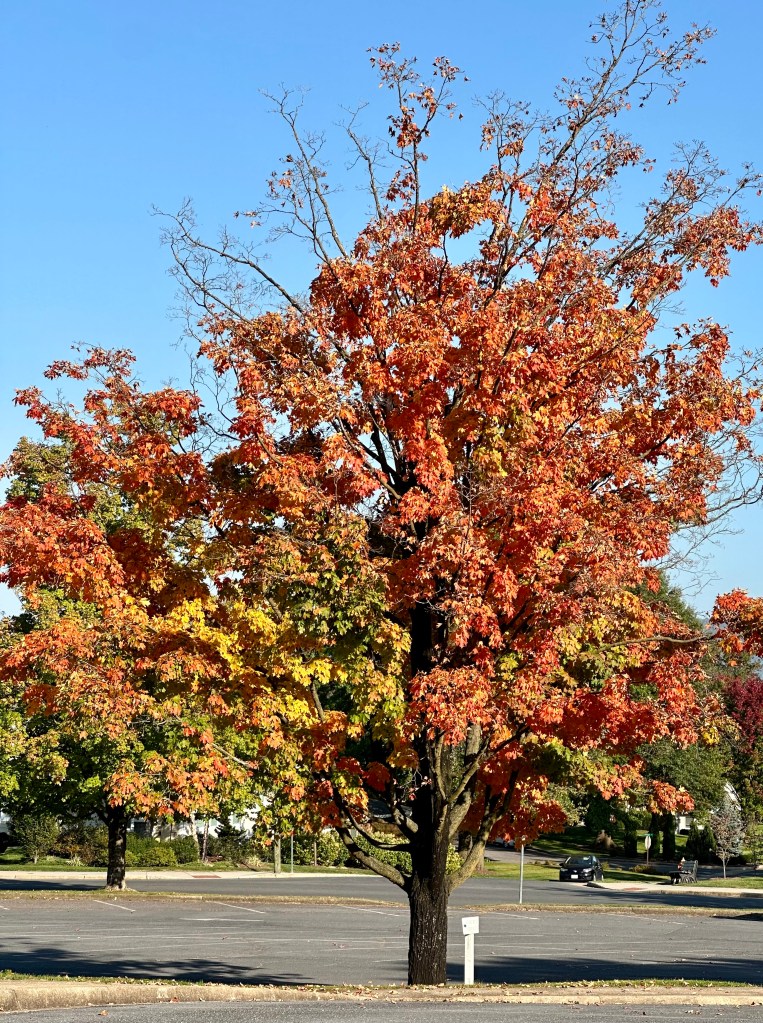
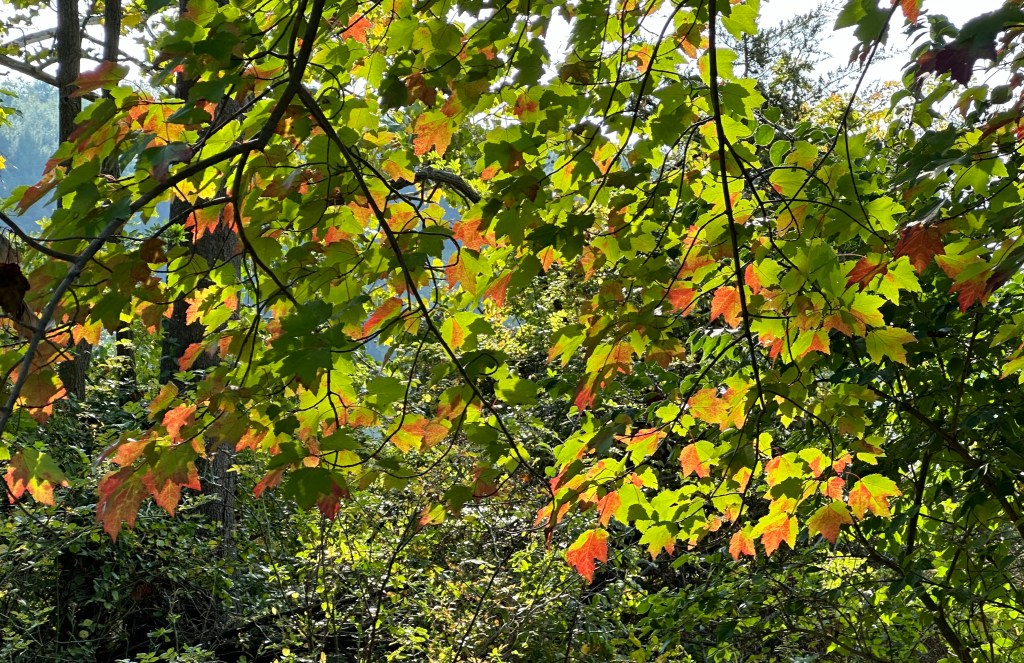
Sugar Maple leaves are peaking.

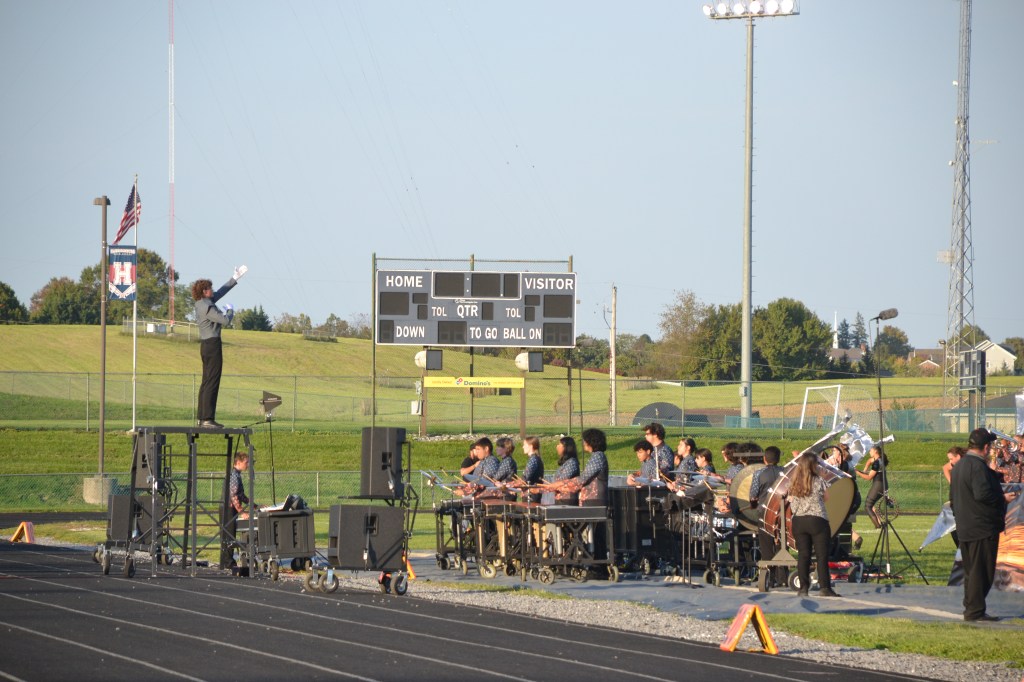
That evening, we watched our grandson lead the Rock City Regime as the drum major at a high school band competition.

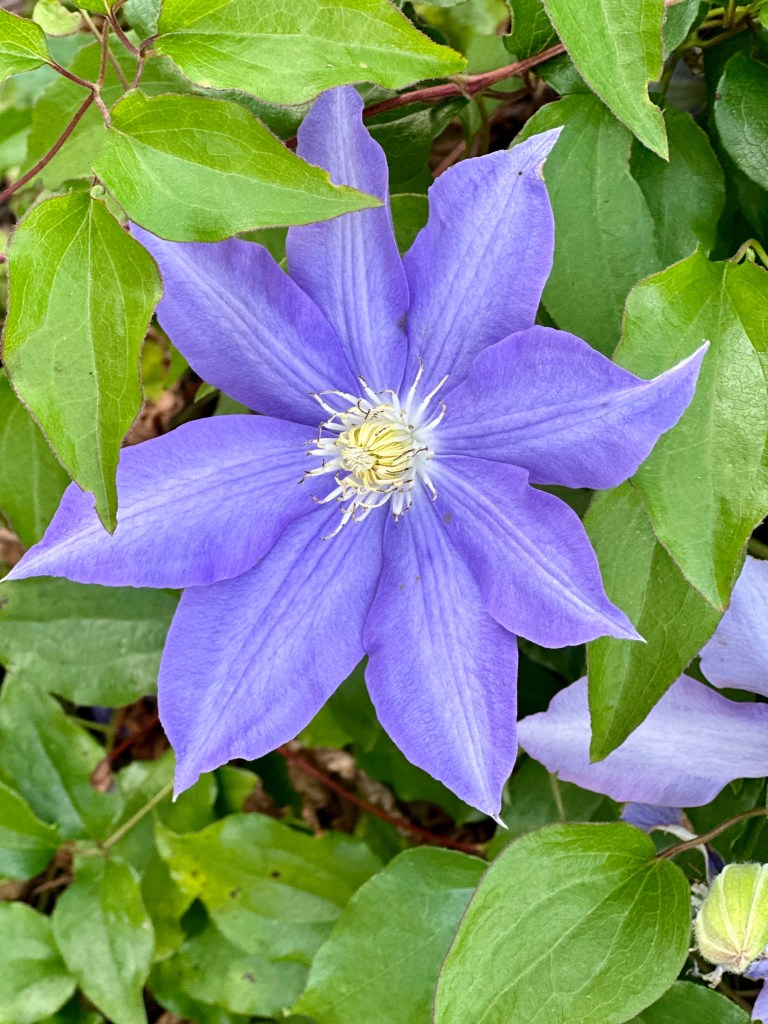
The colorful week ended with a welcome home by late-blooming clematis.

© Bruce Stambaugh 2024

A Birder’s Dream Come True

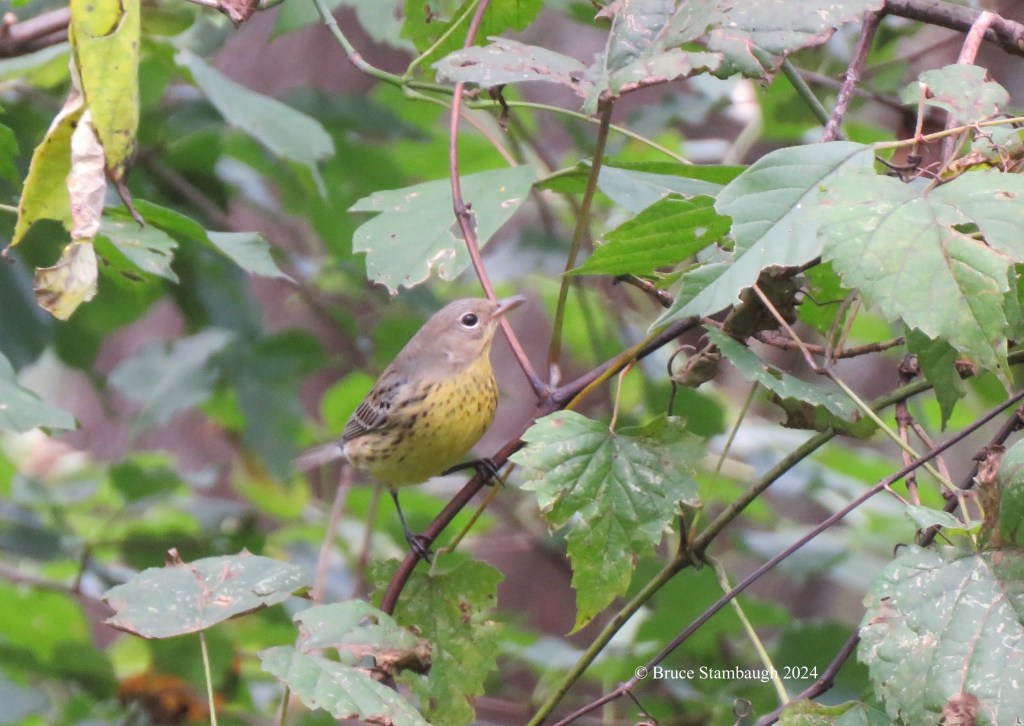
Kirtland’s Warbler, Waynesboro, Virginia. Photo by Bruce Stambaugh

When I opened the email from the birding listserv this morning, I knew I would pursue this rare bird. Fall bird migration was in full swing, and it’s a real rarity when a Kirtland’s Warbler is spotted. Experts estimate that only 1,500 of this species remain today.

It turned out that this bird was in a park only a mile from the wildlife rescue center where I took the injured Cape May Warbler last week. I had never been to the park where the Kirtland’s had been spotted.

My wife and I headed southwest toward Waynesboro, taking familiar back roads. Crossing over I-81 told us we had made the right decision. The busy highway was nearly bumper to bumper in both north and south lanes.

The GPS took us right to the park. The small parking lot was full, but fortunately, a space opened up right after we pulled in. Another birder arrived right after us and wondered where the bird was. I had no idea until we saw a small group emerge from the trees and thicket carrying binoculars and cameras with baseball bat-sized lenses.

They stopped and pointed their cameras and bins toward the thicket as we joined them. They spotted the bird immediately, and as good birders are want to do, they helped newcomers like us find the bird.

My wife had the rare bird in her binoculars before I did. Once it popped into the open, I saw the bird through my binoculars and then tried to capture images on my camera. Documentation is essential in birding, especially rare birds.

The bird darted up and down, in and out of the jungle of vines, saplings, and mature trees. It foraged on insects and berries. The bird finally popped into my viewfinder, and I got this photo and a few other less desirable ones.

Seeing a Kirtland’s Warbler is always exciting, especially if it is a life bird, meaning the first time you have seen the elusive bird. It’s a birder’s dream come true. Indeed, this bird was a lifer for several in the cooperative group.

Birding is all about finding and sharing, which Neva and I experienced today. On our way home, we celebrated with a delicious late lunch at our favorite burger place.

© Bruce Stambaugh 2024

When A Little Bird Brought Me Joy

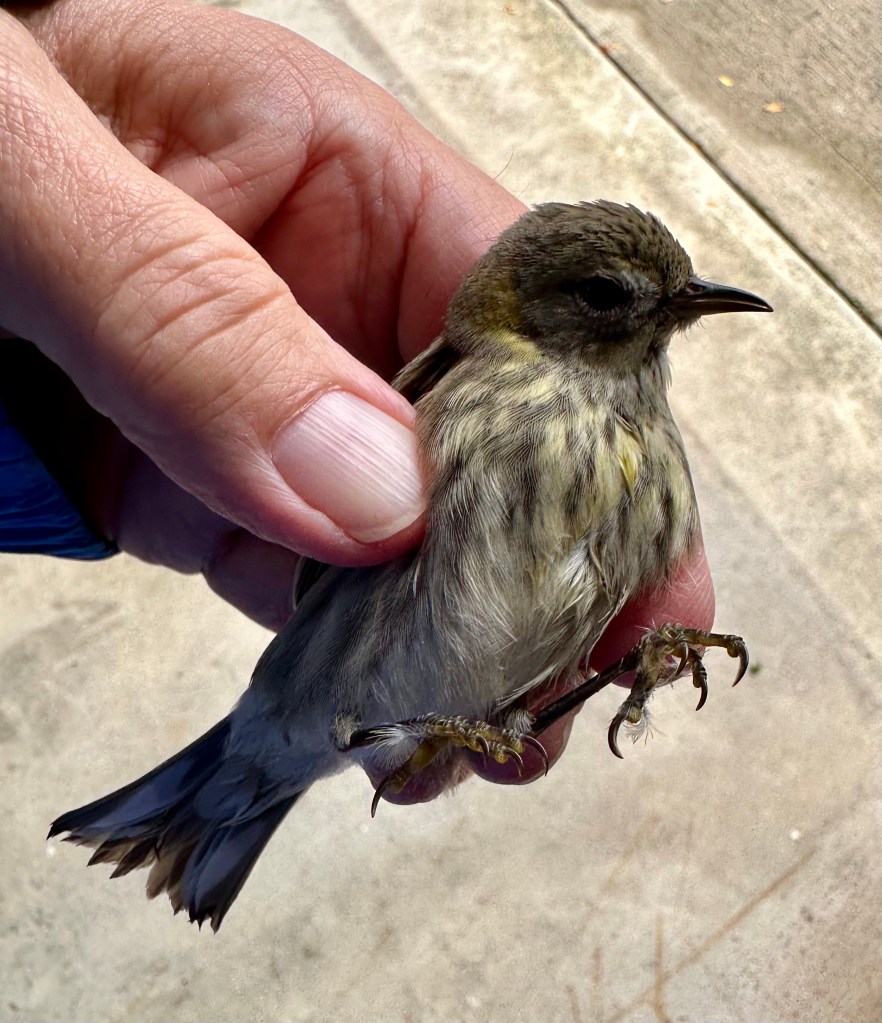
The Cape May Warbler after it hit a window. Photo by Bruce Stambaugh

I had lots to do. My first destination was the pharmacy, where I was to pick up a couple of prescriptions. As I started inside, a little bird stopped me.

The bird lay on the sidewalk upside down, twitching. I looked up and saw a large plate glass window. Another bird strike, I thought to myself.

I decided to leave the bird there. If it were still there when I returned after getting my prescriptions, I would see if I could help the poor critter. The other items on my to-do list could wait.

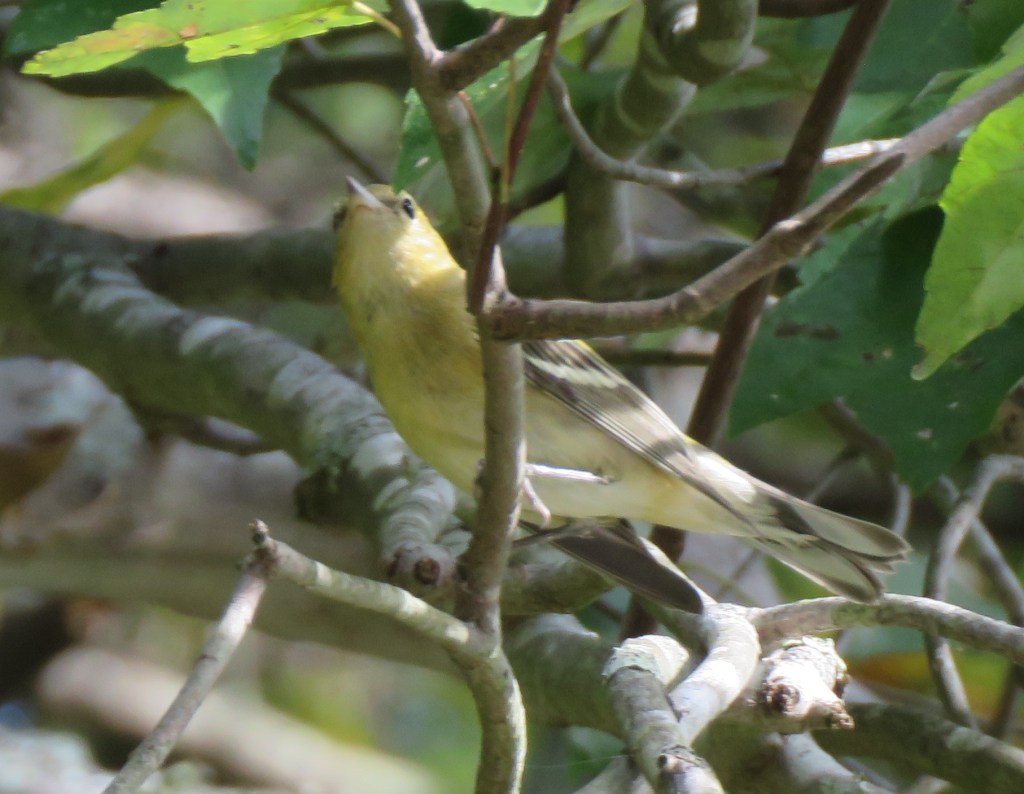
The tiny bird was still in the same spot in the few minutes I was away. It had managed to flop onto its feet but gave every sign of being injured. I bent down and gently picked it up. I thought the stripes on its belly and a faint yellow color indicated a Pine Siskin. I shared a photo of the bird with better birders than me and was happy to learn it was a Cape May Warbler.

This bird’s coloration would be much brighter in springtime, dressed in its mating attire. It was fall migration, and Cape May Warblers, like many other songbirds, turned dull for protection on their way to the Caribbean Islands from their summer nesting grounds in the far north’s spruce forests.

I returned to my vehicle and placed the stunned bird in the only thing I had: a grocery store tote bag. I called the nearest bird rehab center and was instructed to put the bird in a small box with airholes and secure it to keep it in place.

Back home, I found an appropriate box, laid a hand towel in the bottom, and placed another smaller box with slits over it so the bird could breathe. I headed for the rehab center 40 minutes away.

A mile from the rehab center, more rain from the remnants of Hurricane Helene began to fall. This wildlife hospital was in a mountainside woods outside a small city in Virginia’s Shenandoah Valley. I pulled up to the front door, and a volunteer soon arrived. Because I had called, they were waiting for me.

Just like a human hospital, I had forms to fill out. I wrote down my contact information and specific details on where and when I had found the bird. I was handed a card with the patient’s number on it to use should I inquire about the bird’s status. And just like that, I was on my way home.

I emailed the rehab center to correct my misidentification, but I didn’t hear back until two days later when I received a phone call. They thanked me for taking the time to bring them the warbler. The lab tech confirmed that the bird injured itself by hitting the window.

It was having trouble breathing and had internal inflammation. The rehabbers gave it oxygen, water, food, and the proper medication. The bird responded to the expert treatment and was ready for release, and their protocol requested that it be set free close to where it was found.

The caller wanted to know if I would pick up the bird and take it to a park near where I found the warbler. Without hesitation, I again cast aside my plans for the afternoon and gladly drove down to pick up the bird and release it at the park.

Returning with my healed patient, I wondered what my reaction might be. I was glad the bird had recovered, but emotionally, there was more to it than that. As a long-time avid bird watcher, I had found many birds dead from window strikes. I would freeze their bodies until I could take them to a local wilderness education center. The carcasses would be preserved and put on display for schoolchildren to inspect. As a birder and a retired educator, that gave me satisfaction.

But this case was different. I checked both the rescuer and transporter boxes on the form I filled out at the rehab center entrance. I felt joy for the bird and the rehabbers’ successful efforts. As for me, I rejoiced that I had forgone those errands to save the dainty bird.

I wasn’t any avian hero. Still, I was thrilled when I opened the box. After a brief hesitation, the recovered Cape May Warbler beautifully flew into the woods nearby, never to be seen again. I couldn’t stop smiling.

The Cape May Warbler quickly flew to a stand of trees nearby. Photo by Bruce Stambaugh

Golden Hour in Berlin, Ohio

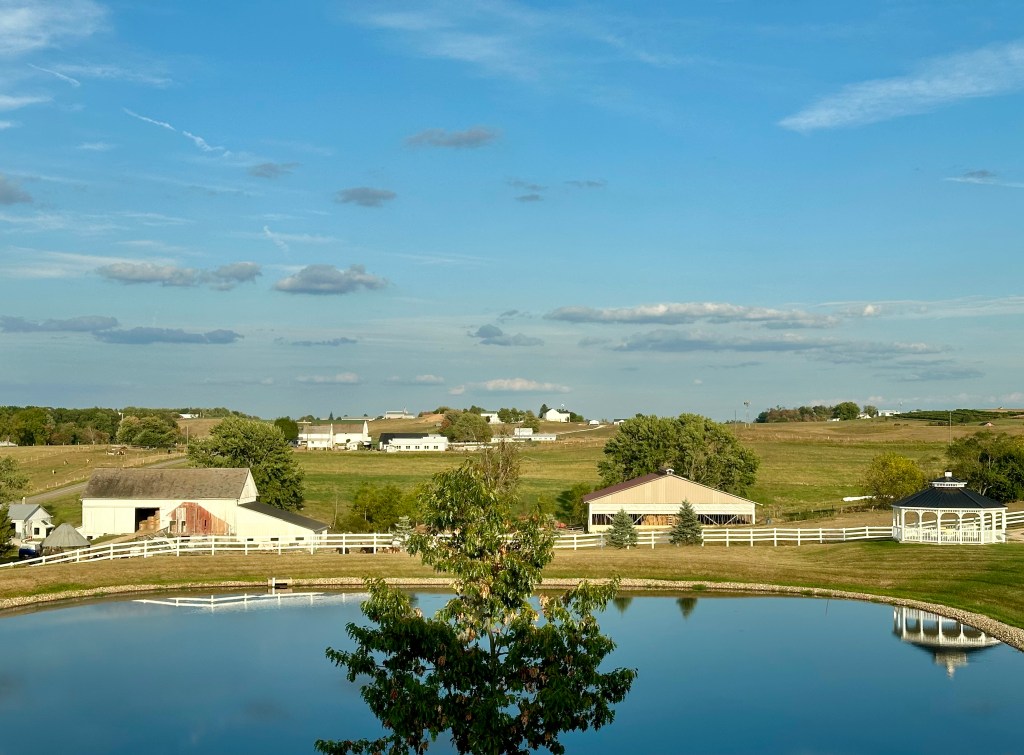
Looking east during the Golden Hour in Berlin, Ohio. Photo by Bruce Stambaugh

This scene caught my attention as my wife and I arrived in Berlin, Ohio, at her sister’s place. The white of the Amish homes and barns glowed in the Golden Hour light.

© Bruce Stambaugh 2024
Enshrouded Mountain

Low clouds covered much of Massanutten Mountain. Photo by Bruce Stambaugh

Rain finally came to the Shenandoah Valley when summer turned to autumn. It was a pleasant and much-needed transition.

Folks in Virginia’s Shenandoah Valley endured one of the hottest and dryest summers on record. We had so little rain that our yard wasn’t mown for nine weeks. Then came the autumnal equinox and downpour after downpour.

No one was complaining. The rain was a blessing, though a bit too late for most farmers to benefit.

We went from sunny, hot, and humid days to gloomy, wet ones. Clouds loaded with moisture that so often detoured around the parched valley in summer found the lovely valley to their liking. Day after day started and ended with rain. Occasional storms brought wind damage and large hail.

Most of all, the cloud decks were low, hiding the views in every direction. After a rain, fog banks sometimes rose from river valleys and enshrouded nearby mountains beneath the looming, nearly stationary rain clouds.

Though the scenes became regular, their eeriness remained. Fortunately, so did the rains.

© Bruce Stambaugh 2024
Summer’s Last View

A lazy Sunday late summer afternoon. Photo by Bruce Stambaugh

My wife and I were enjoying a scrumptious brunch with friends of ours. The conversation was as delicious as the fare.

Not having been to this winery before, I was focused on the menu and the venue. Then I noticed the view.

Beyond the old farmhouse with its red brick chimney, the blooming crepe myrtle, and the leaves of the hardwoods waiting to transform into golds, russets, and bronze stood the stoic Massanutten Mountain range. It’s one of the shortest mountain ranges in the world, covering 50 miles from near Front Royal south to Harrisonburg, Virginia, in the Shenandoah Valley.

The scene gave me hope. It was an excellent way to bid summer adieu and envision a fall full of color and coolness.

© Bruce Stambaugh 2024
Signs of Autumn Abound

Morning sunshine tinted Sugar Maple leaves. Photo by Bruce Stambaugh

The signs of fall are everywhere in Virginia’s Shenandoah Valley. Whether hiking in a park, walking around the neighborhood, or taking a country drive, hints of autumn’s imminent arrival catch people’s attention.

Impatient warm colors tint the once vibrant green of sugar maple leaves. Other maples blush reds on one branch and greens on the rest of the canopy. Scan hillside woodlots, and it’s clear autumn’s rapid approach has infringed on the once variety of hues of greens.

Some of the dulling and browning result from the severe summer drought. Rain has been sparse. Large and small trees continue to be stressed, some to the point of no return.

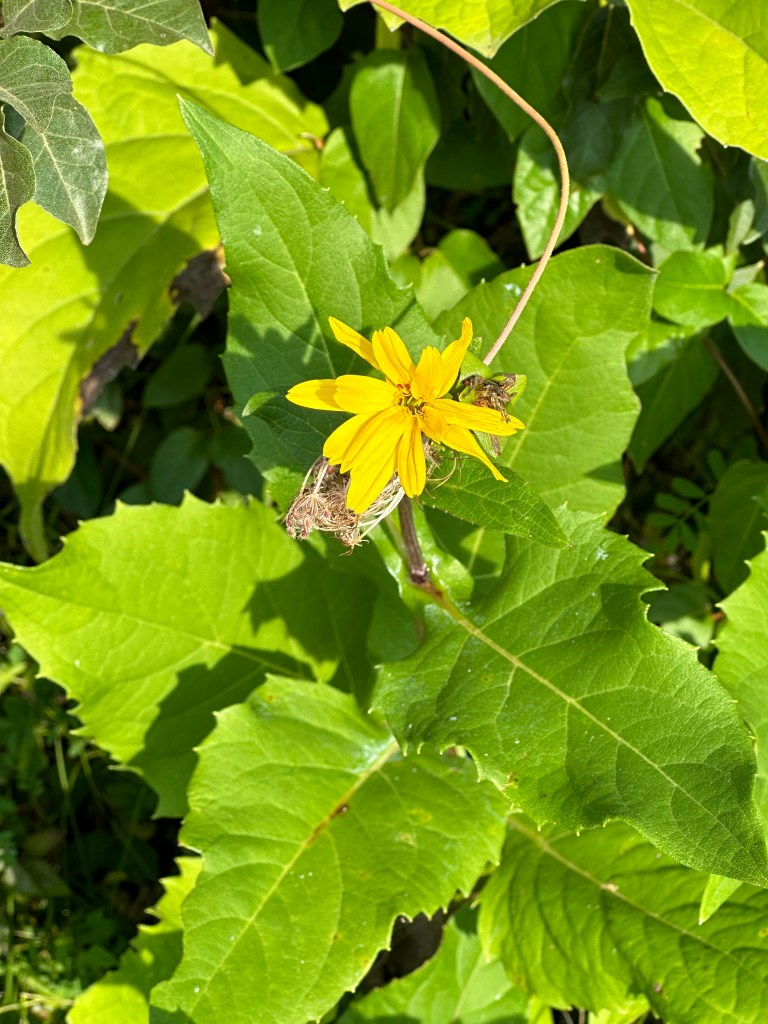
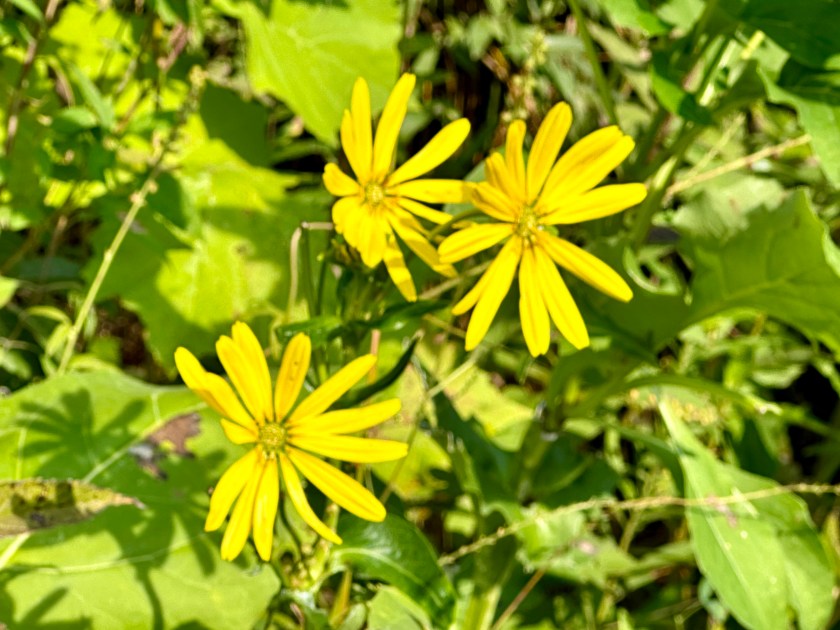
The wildflowers seem bedraggled, save for multiple stands of goldenrods waving in the wind. Still, blossoms persist despite the dryness and display their showy blooms.

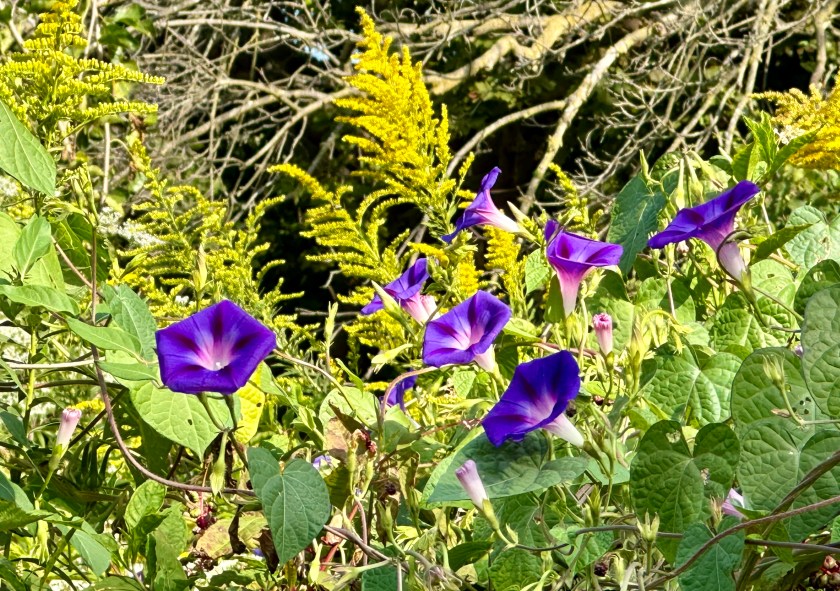
The deep purple of wild morning glories contrasts beautifully with the ubiquitous goldenrod blooms. Different species of wildflowers display various versions of yellow only feet apart.

Sunsets come too soon. Even on cloudless days, the western horizon glows golden. Unfortunately, particles from wildfires hundreds of miles away, carried by the jetstreams, subdue the grateful human emotions.

The heat and dryness, not the season’s first frost, have stunted too many stands of cornstalks and singed their long, drooping leaves. Going consecutive weeks with little to no precipitation has that effect.

A hazy sunset. Photo by Bruce Stambaugh

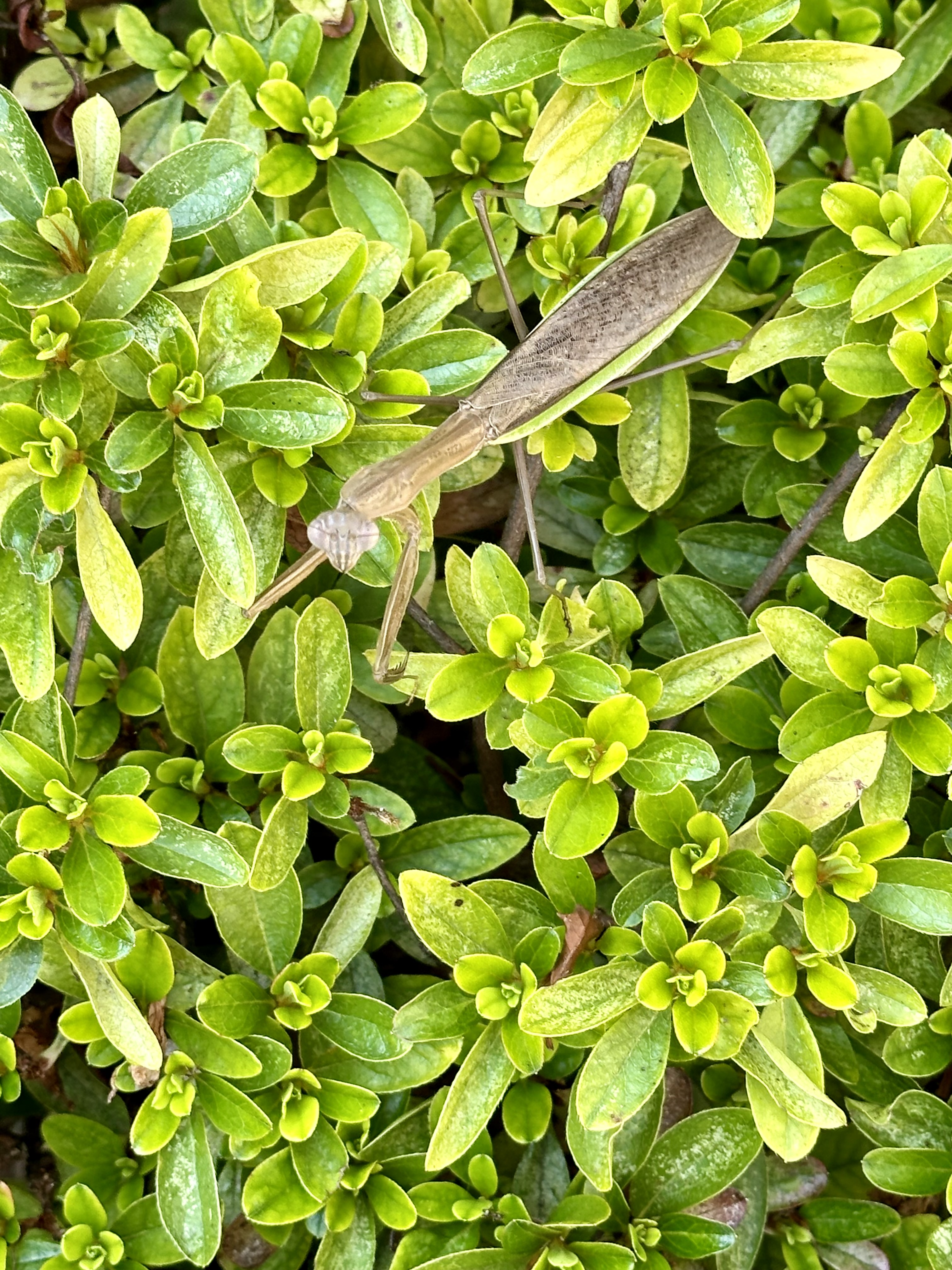
Insects also make their annual fall appearances. Caterpillars gorge on their host plants to prepare for the next phase of the metamorphosis. Praying mantis look for any opportunity to dine among the garden foliage.

The heavy dews of cool mornings reveal the stealthy spider webs with their glistening moisture. As the dew evaporates from the warming air, butterflies search for nector, powering up for their southern journies.

Scores of warbler species dressed in duller, non-breeding colors migrate to their southern haunts. Other species, including singers and shorebirds, also flee for more moderate climes.

It won’t be long until northern snowbirds, primarily the gray-haired versions, follow behind them in cram-packed cars and campers of all shapes, sizes, and colors. Warmer weather attracts all kinds of birds.

Of course, the turning of the leaves, the blooming wildflowers, the trimming of daylight, and cooler temperatures is as it should be. Fall is officially around the corner. The autumnal equinox is Sunday, September 22, at 8:47 a.m. EDT.

Red Maples turning red. Photo by Bruce Stambaugh

© Bruce Stambaugh 2024
September’s First Week in Photos

The first week of September brought a variety of photographic opportunities and emotions. I’ll let the week’s activities play out in the photos and captions.

My wife and I spotted this hot air balloon sailing over our neighborhood on our regular morning walk. Photo by Bruce Stambaugh
We celebrated communion at church. Photo by Bruce Stambaugh
A storm front brought much-needed rain Sunday evening, leaving a rainbow spawned by the setting sun’s rays. Photo by Bruce Stambaugh
Sunday’s sunset exploded with a multitude of texts and colors. This photo was taken on Sunny Slope Farm. Photo by Bruce Stambaugh
Mole Hill, an extinct volcanic core, always makes an excellent foreground for the sunset over the Allegheny Mountains. Photo by Bruce Stambaugh
Fog rose from the Dry River in western Rockingham County that Sunday evening while grays and mauves dominated the southwestern sky. Photo by Bruce Stambaugh
The sky’s drama continued as I drove home on September 1. Photo by Bruce Stambaugh
The backyard Hyacinth bean plant was in full bloom in the morning sunshine on September 3. Photo by Bruce Stambaugh
Evening clouds splayed over Silver Lake near Dayton, Virginia, on September 3.
Photo by Bruce Stambaugh
The evening’s thin cirrus clouds made it seem like old Mole Hill was erupting.
Photo by Bruce Stambaugh
On the west side of Mole Hill, the soft sunset seemed to emmite striated clouds.
Photo by Bruce Stambaugh
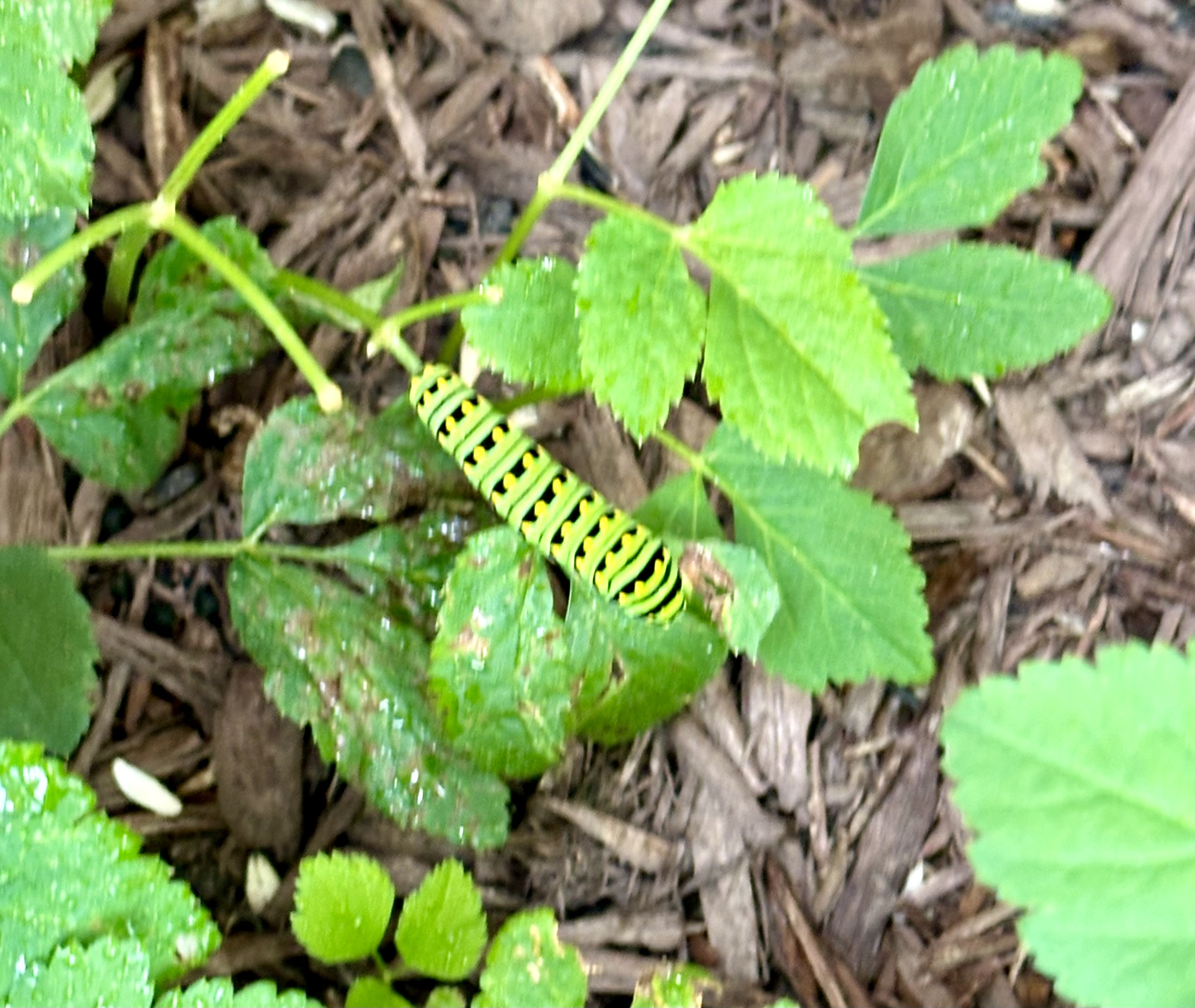
As I watered our thirsty flowers, shrubs, and trees the following evening, I spotted a Black Swallowtail caterpillar. Photo by Bruce Stambaugh
I attended an excellent lecture and gallery preview by photojournalist and filmmaker Morgan Heim at Eastern Mennonite University on Friday morning. Photo by Bruce Stambaugh
We ended the week by attending our church’s annual retreat at a camp at the base of Massanutten Mountain northeast of Harrisonburg. Photo by Bruce Stambaugh

© Bruce Stambaugh 2024

Hiding in Plain Sight

A female Ruby-throated Hummingbird. Photo by Bruce Stambaugh

We had a lovely and much-needed inch of rain yesterday and overnight. Much of the lawn greened up right away.

This morning, I was fortunate to catch this female Ruby-throated Hummingbird resting on a shepherd’s hook. The hook holds the hummingbird feeder below the ant mote at the center bottom of the photo.

As I cropped the photo, I realized all the various greens helped hide the little hummingbird. It was like the bird was hiding in plain sight. That’s the way nature works!

© Bruce Stambaugh 2024
Under Summer Skies

A summer evening clouds over Massanutten Mountain, Harrisonburg, Virginia.
Photo by Bruce Stambaugh

It’s been a long, hot, dry summer in Virginia’s Shenandoah Valley. Even after Tropical Storm Debby dropped over five inches of rain, the National Oceanic and Atmospheric Administration kept the valley in the extreme drought category.

Each summer has become hotter and dryer in the seven years we have lived in Virginia. This summer has been the worst. We haven’t mowed our yard for nine weeks. Brown is the new green.

Watering our plants, shrubs, and trees became a daily necessity as the dry days morphed into drier weeks. The trees we planted when we moved look particularly dire.

Our regular morning walks happened just around sunrise when the temperature was tolerable, or they didn’t happen at all. During those early morning strolls, I couldn’t help but notice the beauty above me. Each day, the sky provided an ever-changing array of patterns and colors, heat or no heat.

The sky is easy to take for granted. Too often, we focus on our personal or professional busyness and fail to notice what’s overhead. Our frequent walks helped me appreciate the sky, cloudy or clear, more and more. The heat and humidity often created hazy, overcast days, but even cloudy days brought no rain except for a few teasing five-minute showers.

Then there were the days when white, puffy cumulus clouds floated across the pale blue sky like towering cotton sculptures. They took my mind off the extreme temperatures that brought heat advisories and extreme heat warnings.

I didn’t have to leave my house to enjoy the remarkable sky. A peek out the windows sufficed. I even found the overcast days bearable. Occasional breaks in the clouds brought momentary flashes of bright sunshine.

A five-minute shower. Photo by Bruce Stambaugh

At sunsets, crepuscular rays streamed down from the heavens. My late father would tell his children that the sun was drawing water. I now smirk at the unfounded folklore but not at my gregarious father.

Living in one of the top agricultural areas in Virginia, I felt for the farmers. They labored under both the heat and the anxiety of no rain. In their prayers for moisture, I wondered if the farmers saw the beauty above them as they chopped fields of corn for silage to feed their livestock. Stressed by the drought, the stunted cornstalks curled, their floppy leaves singed brown, and many bore no ears at all.

Field corn struggled to grow in the drought. Photo by Bruce Stambaugh

The farmers who lived along the valley’s many streams and rivers irrigated their crops before the waterways dried up. Then, along came Debby with her drenching rains and ensuing flood warnings. A day later, the streams’ water levels diminished rapidly, and they returned to being braided again, their tumbled-smoothed rocks sending what water remained every which way.

Because of the summer’s heat, we kept our vehicular trips to a minimum. But when we were out, I admired the sky’s variety of moodiness. From clear to cloudy, partly cloudy to mostly cloudy, the heavens revealed all their emotions and, except for Debby, kept the rain for other geographic regions.

From dawn to dusk, nature’s color palette was on full display despite the persistent heat. To view the artistry, we just needed to look up. 

Scalloped clouds at sunrise. Photo by Bruce Stambaugh

© Bruce Stambaugh 2024
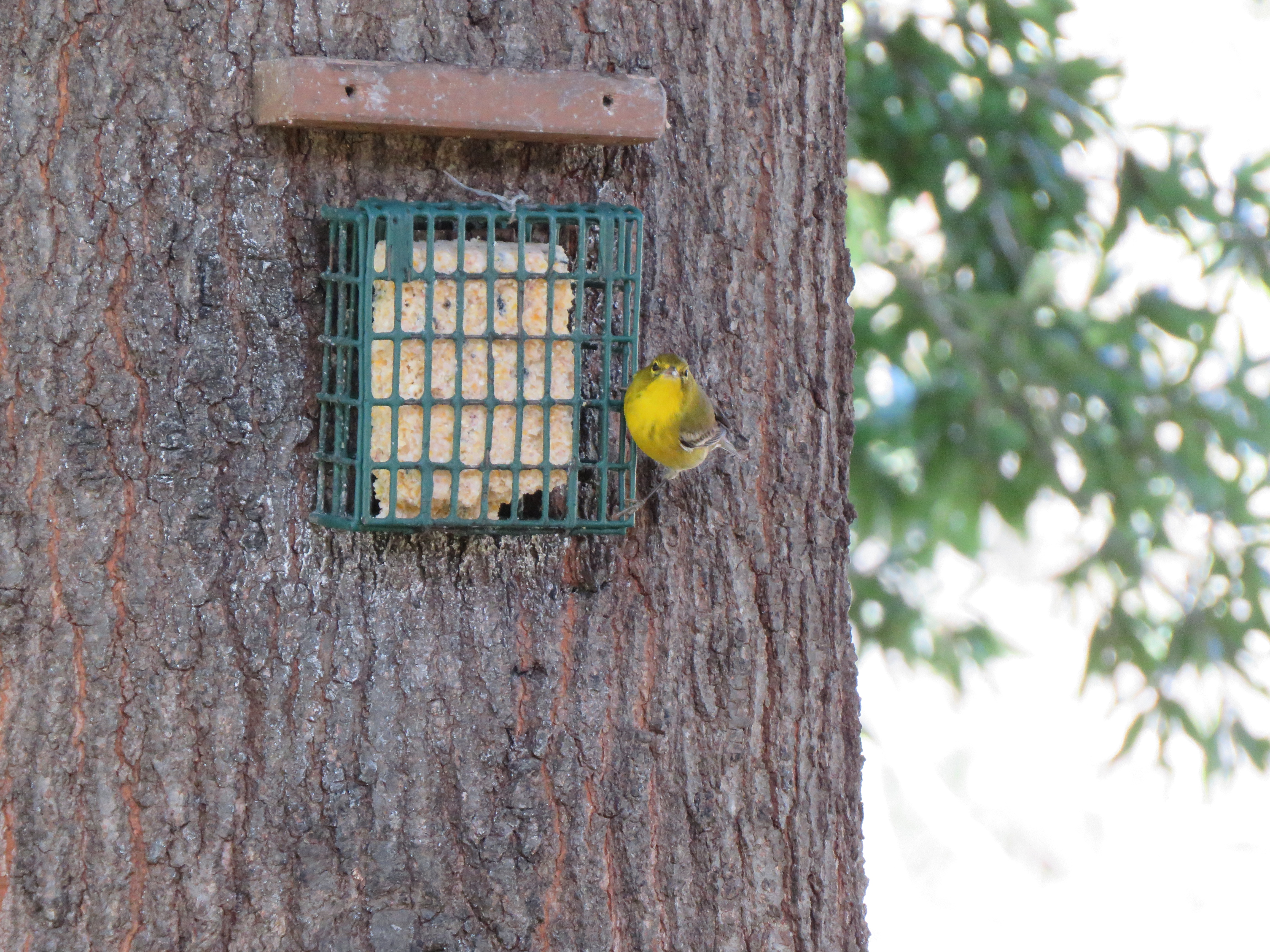
Bay Photos by Donna

Wildlife Photos From The Chesapeake Bay Region

ROAD TO NARA

Culture and Communities at the Heart Of India

K Hertzler Art

Artist and nature journalist in the Shenandoah Valley of Virginia.

Maria Vincent Robinson

Photographer Of Life and moments

Gabriele Romano

Personal Blog

Jennifer Murch

Art is the only way to run away without leaving home. -Twyla Tharp

Roadkill Crossing

Writing generated from the rural life

ANJOLI ROY

writer. teacher. podcast cohost.

Casa Alterna

El amor cruza fronteras / Love crosses borders