Make October a Month to Remember

While still remembering those of the past

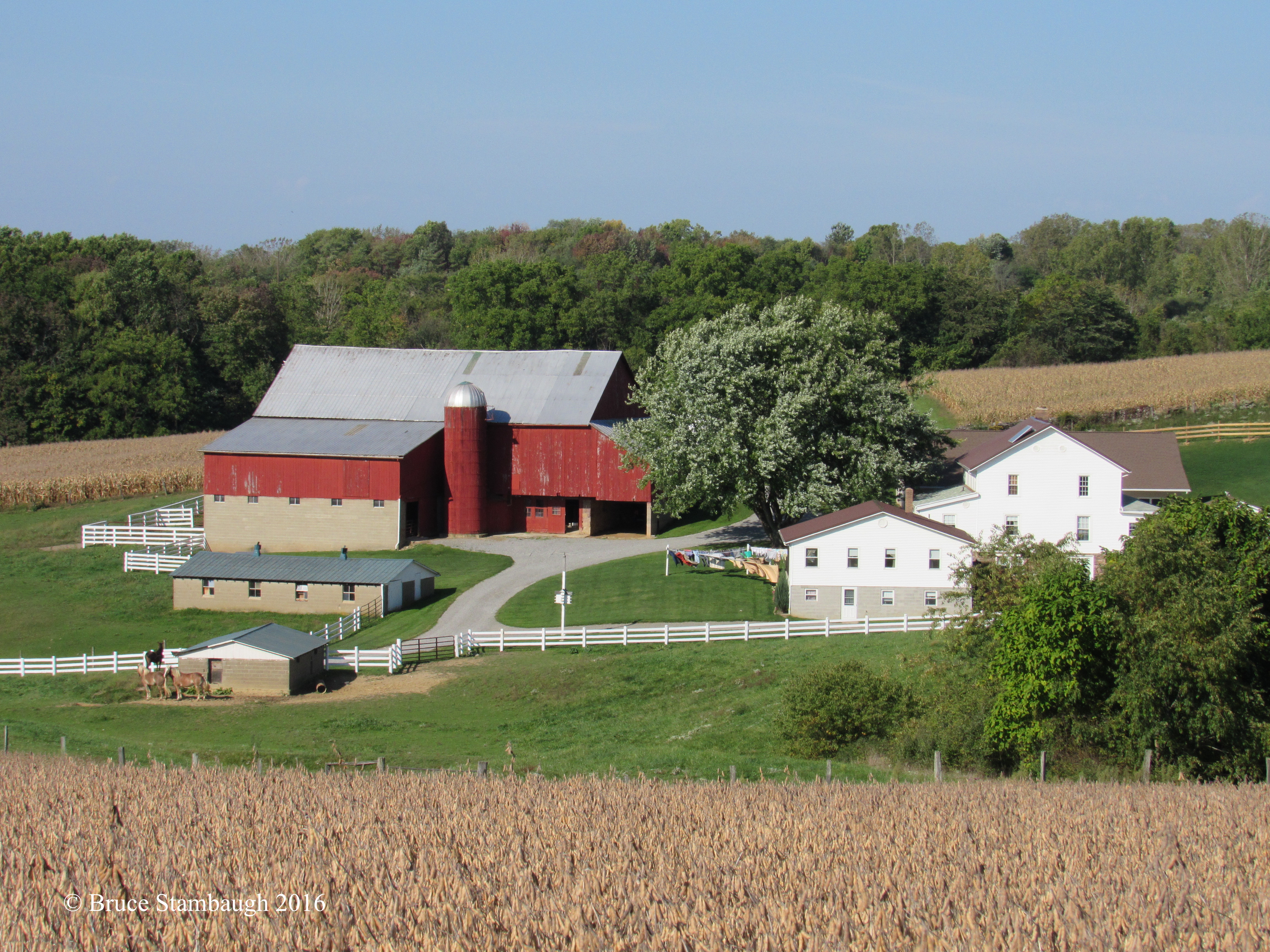
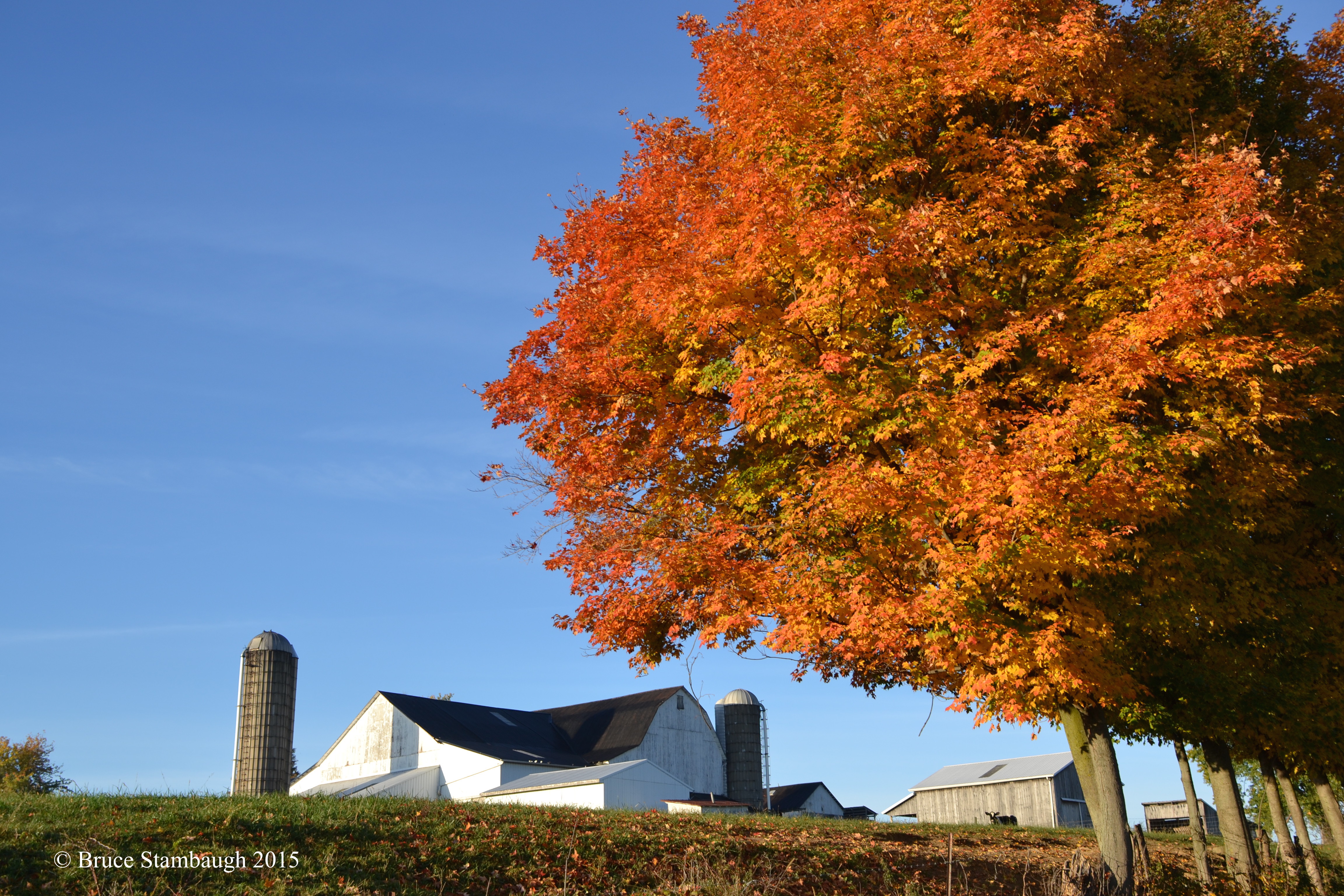
Fall comes to an Amish farmstead in Ohio’s Amish country.

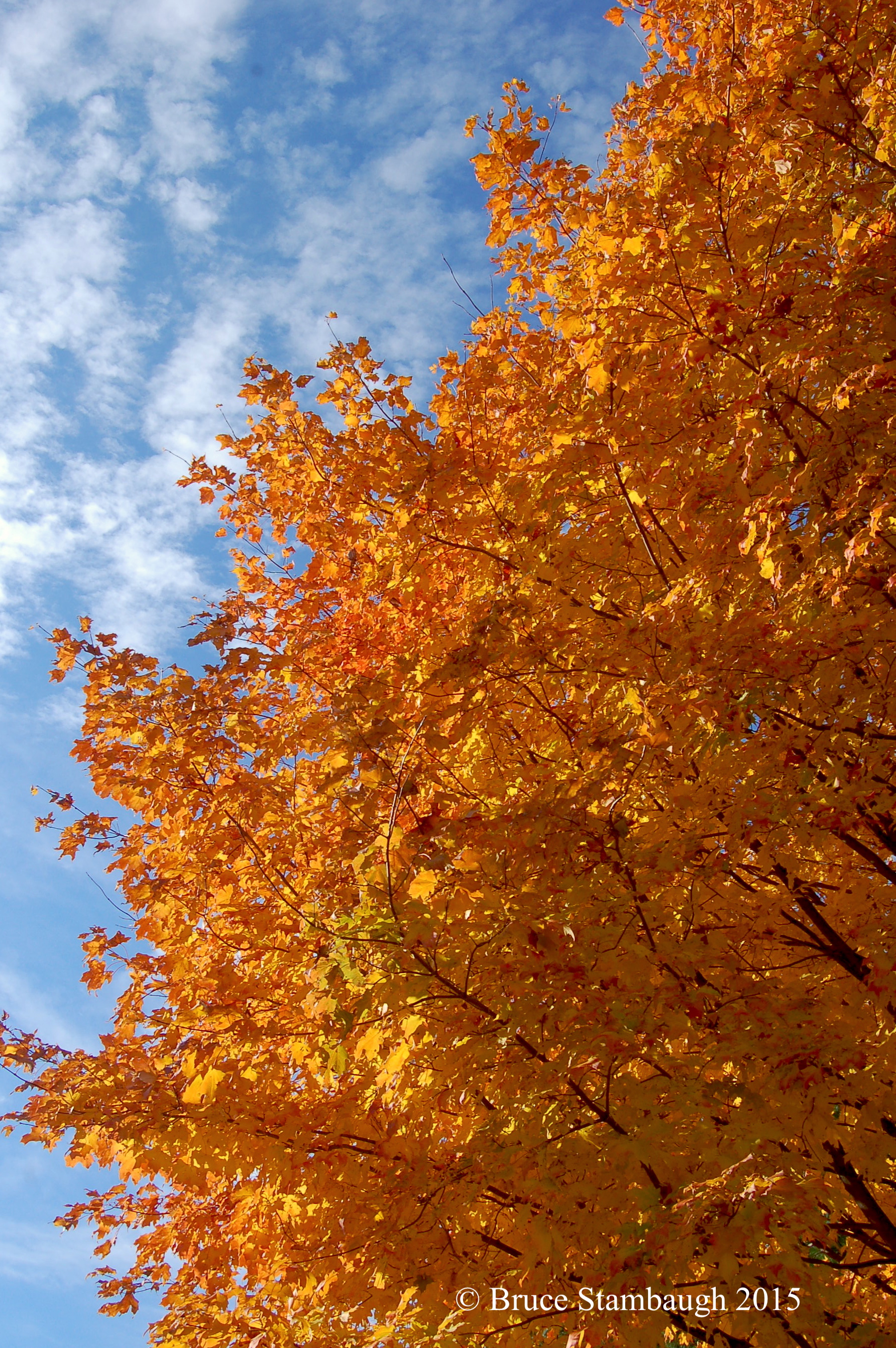
By its very nature, October holds a storehouse of memories for people. It’s a month on nostalgia steroids.

Who doesn’t remember raking leaves into giant piles in the yard and then jumping into them? Guilty as charged.

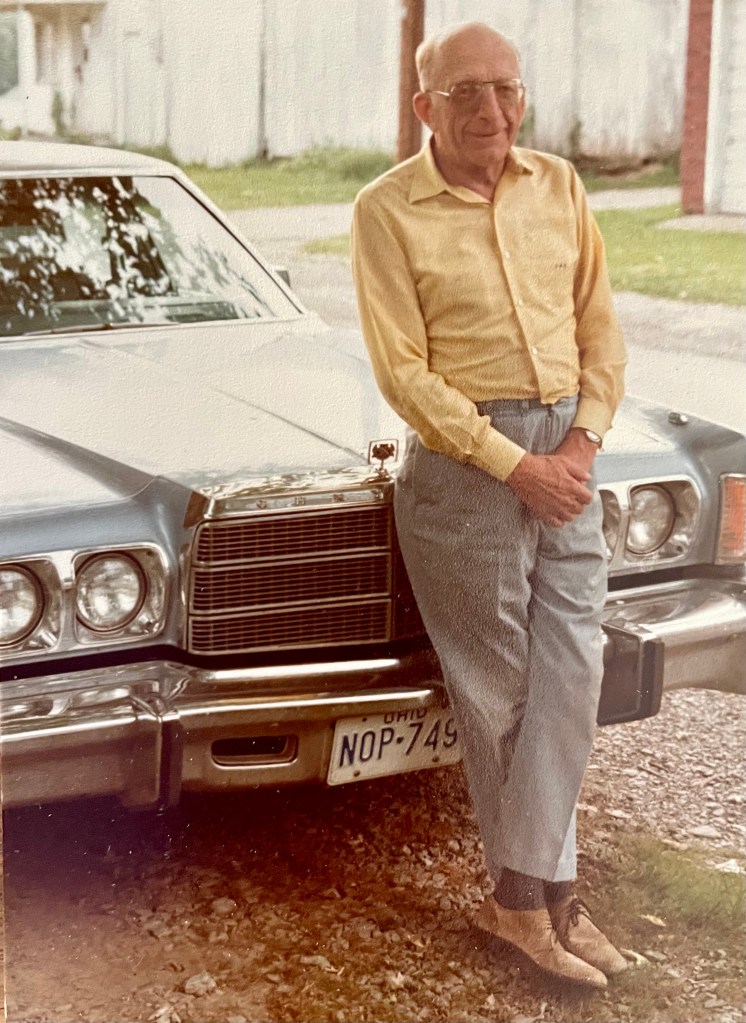
I have fond memories of our father loading his brood into the family station wagon and heading southwest along the winding, hilly roads to Holmes County, Ohio. That was before the state eliminated the undulating curves between Berlin and Millersburg.

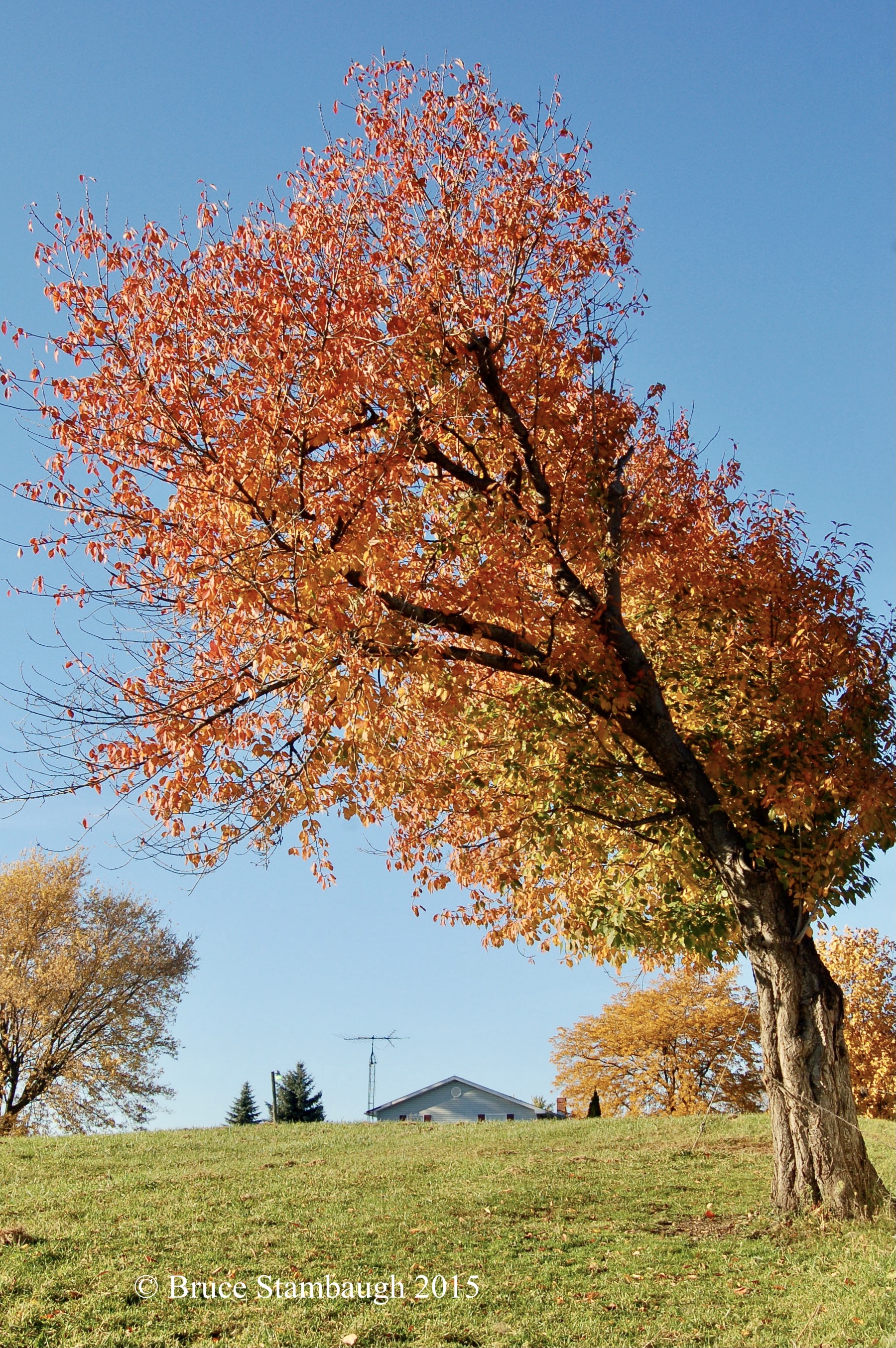
I distinctly remember stopping along the road on the east side of Millersburg at Briar Hill Golf Course to view the vibrant colors of the changing leaves. Dad especially loved a giant sugar maple’s warm oranges and reds.

Years later, when I found myself teaching in Holmes County, I ventured out after school to explore the backroads for scenic views myself. It was a two-fold way to enjoy the colorful landscape and learn my way around.

I always found the hills around Glenmont to be stunning when the leaves were exceptionally bright. I also found them difficult to scale as a volunteer firefighter when a passing train sparked a woods fire up a remote and steep pass.

I remember standing on schoolhouse hill overlooking Killbuck, where I taught. Billowing smoke from burning leaf piles filled the valley from one end of town to the other. My eyes watered from the fragrant stinging. Fortunately, outdoor burning like that is no longer permitted.

Once my wife and I moved to the county’s eastern end, I found the trees were just as beautiful as in the west. Rows upon rows of corn shocks enhanced the bucolic scenes all the more.

When my wife retired 15 years ago, we were freer to explore October’s natural wonders far beyond our limited Holmes County horizons. We discovered our beloved county wasn’t the only pretty place on earth.

Friends invited us to share a condominium with them in Arizona in early October. In locales like Sedona and the Grand Canyon, we discovered vibrant autumn colors in rocky ridges and spires instead of leafy trees. It was gorgeous, just the same.

Of course, October offers more than brilliant colors. I remember hayrides down Panther Hollow with our church youth groups on dark and chilly nights. Hot cider and fresh donuts at the outing’s conclusion sealed the spooky experience.

Not to let nostalgia carry us away, October often brought the first frost and the first snow. I recall embarking on a conservation field trip with a busload of underdressed fifth graders. By the end of our farm tour, we all were tromping through inches of snow.

October highlights come in so many flavors and textures. Various festivals abound celebrating harvest time, including cheese, wine, pumpkins, and apples. It’s all about socializing.

Produce stands and greenhouses hold customer appreciation days before they close for the season. Dodging the yellow jackets can be as challenging as bobbing for apples.

October is in the middle of fall migration for many birds species. Shorebirds and birds of prey use sunny day solar thermals to aid their southern journey. The last of the Monarch butterflies wing it to Mexico.

Halloween, though, seems to overshadow all of the beautiful interactions between humankind and our environment. Entire towns decorate for Halloween comparable to Christmas. I’m not against that, but I simply prefer the daily unfolding natural beauty.

October provides plenty of opportunities to get outside and enjoy the crisp air, golden sunsets, and changing foliage. Consequently, October stirs lots of emotions.

Perhaps the best October memories are the ones we make today.

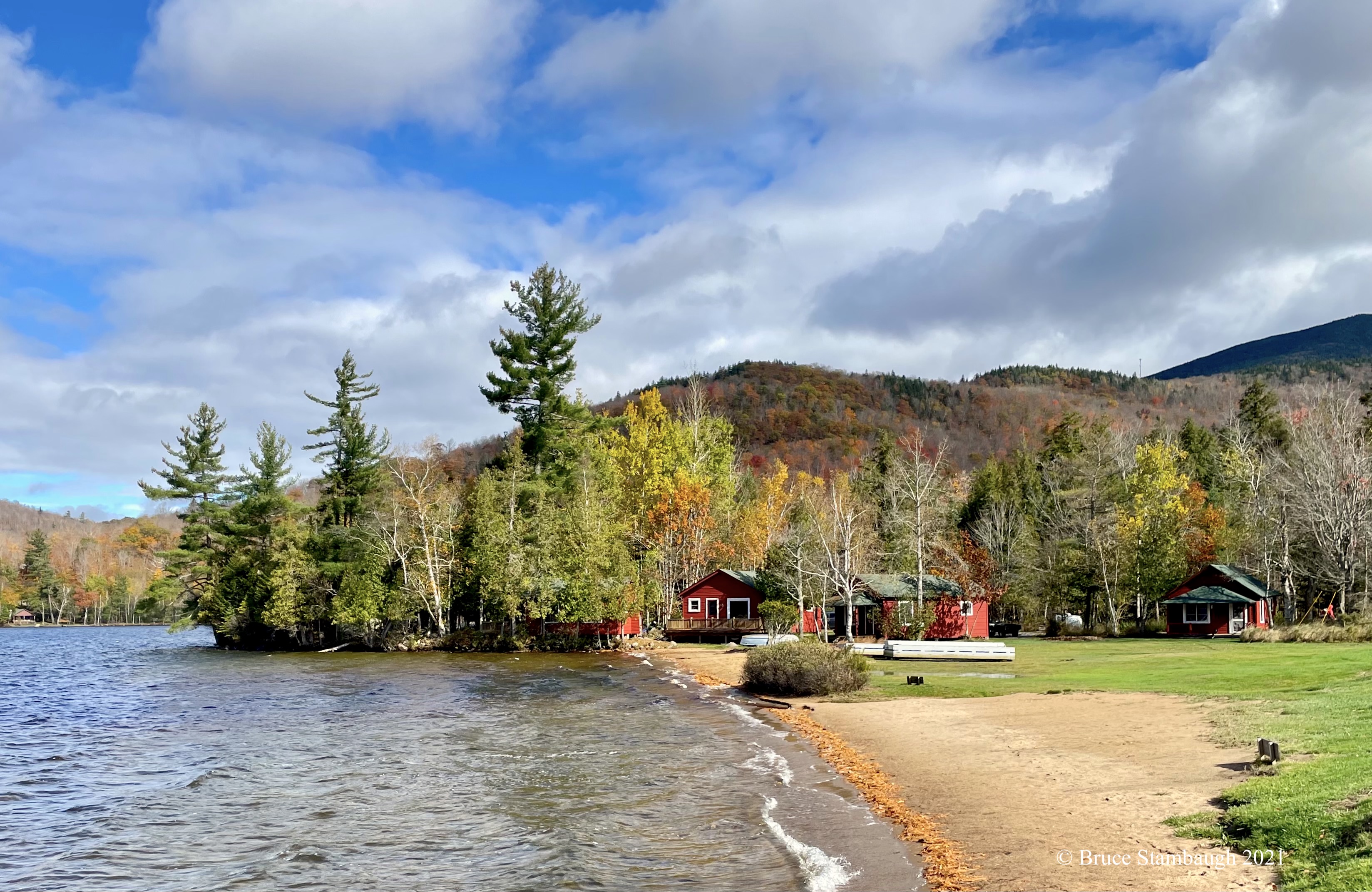
October’s blue and orange.

© Bruce Stambaugh 2021

Signs of Fall

How many can you see?

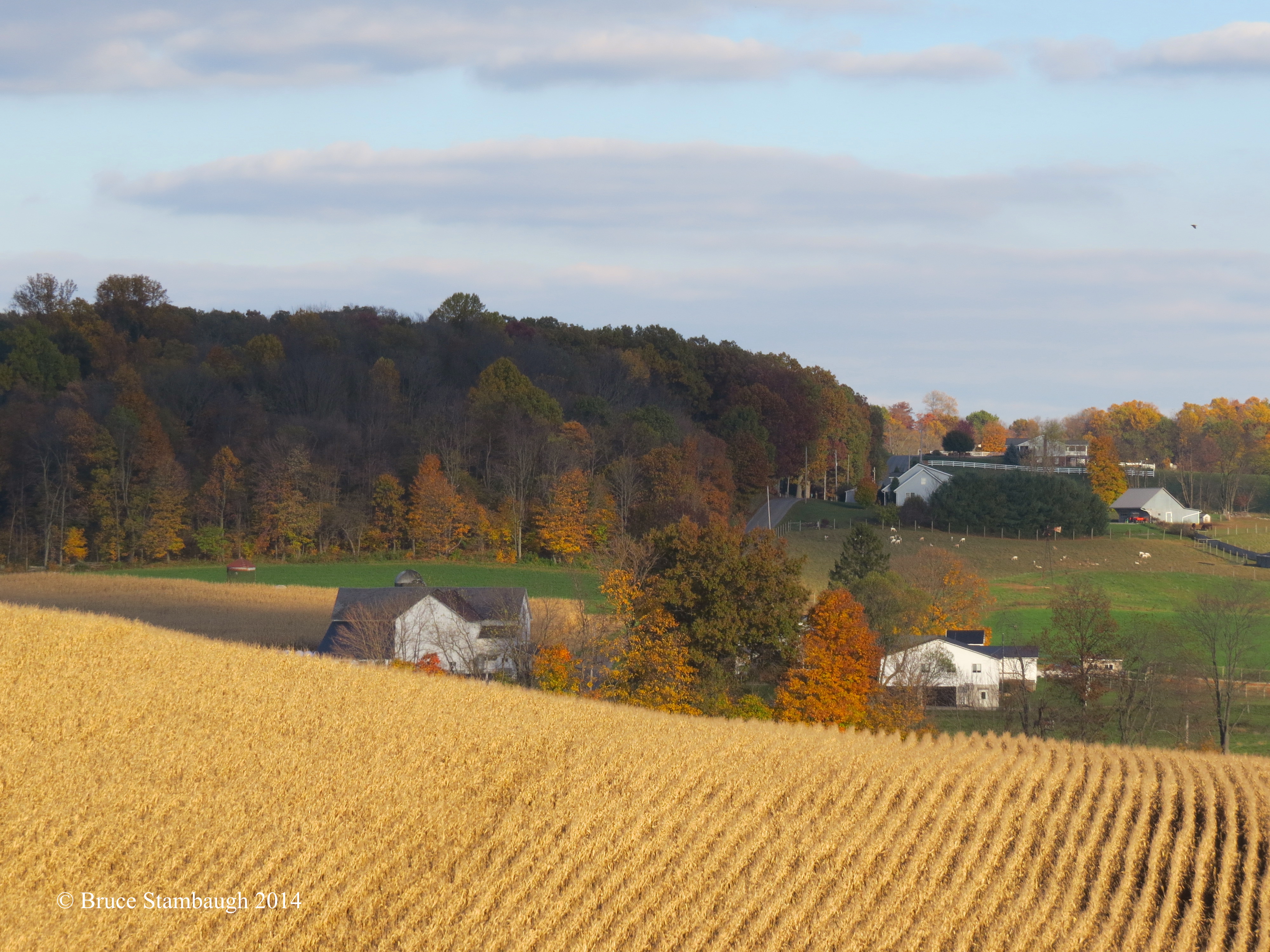
Signs of fall are everywhere in this photo of an Amish farmstead that I took five years ago while living in Ohio’s Amish country. The standing corn still waiting to be picked, either by hand or horse-drawn corn picker, is the most obvious. In the background, the tops of the deciduous trees had started to turn red and orange. In the center of the photo, the purple martin house has been lowered for the season, the birds long-parted for Central and South America.

Can you find other signs of fall in this photo?

“Signs of Fall” is my Photo of the Week.

© Bruce Stambaugh 2021

Fire Prevention Is Important

For me, it’s always been personal

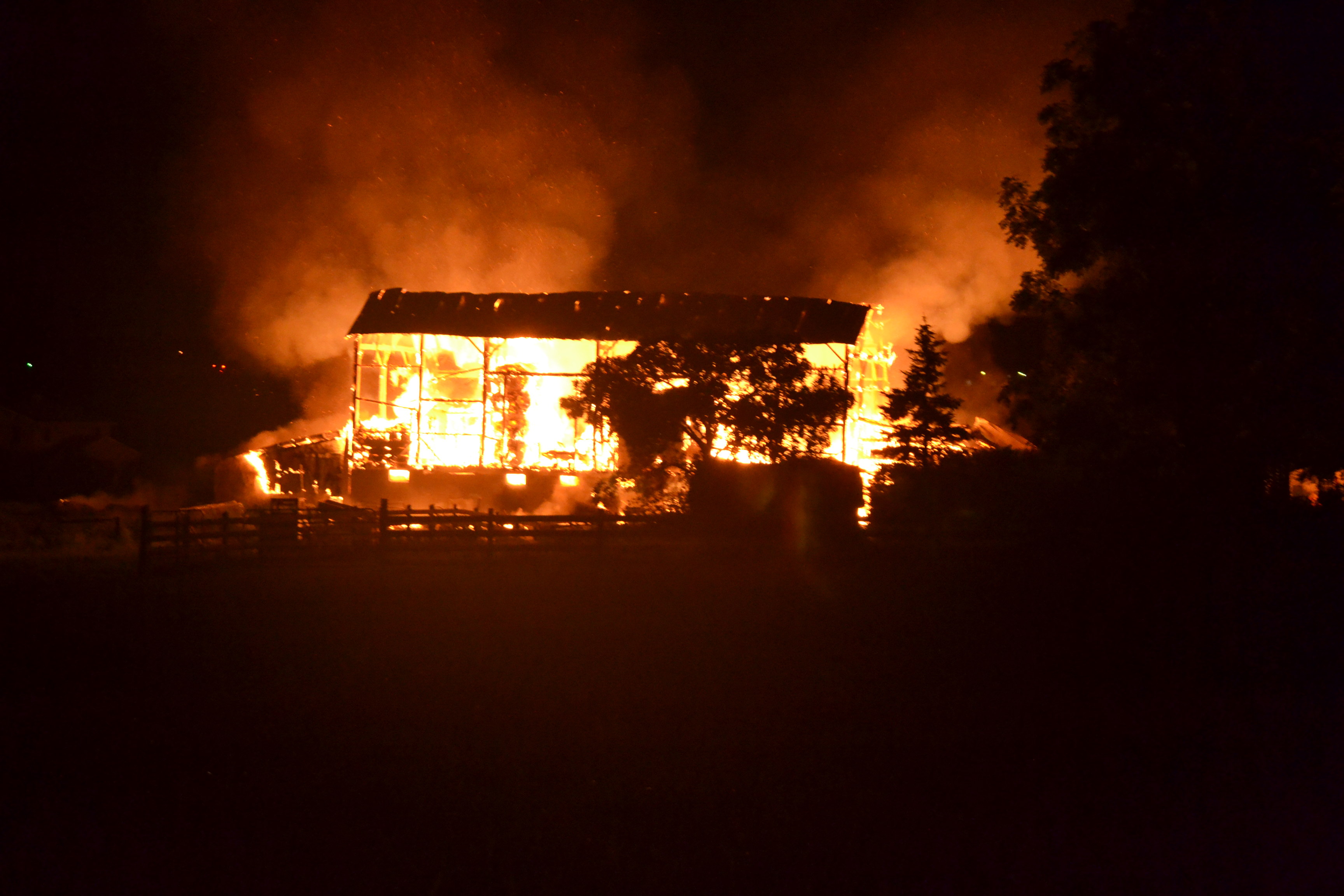
Fighting a barn fire in Holmes County, Ohio.

Fire Prevention Week, the first week of October, always had a special place in my heart. Belonging to the local volunteer fire department likely had a lot to do with that.

I remember, though, that that affinity began long before my firefighting days. I grew up three blocks from a fire station. When the siren sounded for the volunteers to respond, I was out our front door and at the end of our sidewalk, watching to see which way the trucks would go.

Students paid attention to when firefighters came to school for presentations in the post-World War II days before the internet, cell phones, pagers, boomboxes, and color television. We appreciated the coloring books and leaflets they gave us on what to do in case of a fire in our homes.

In response, I designed an exit plan for every room in our house. Fortunately, we never had to use it.

Ironically, the fire department mounted the fire siren on the roof of our elementary school. In the sixth grade, it was right over our classroom. When the siren rang, teaching and learning both stopped until the loud wailing subsided.

With that background, it’s no wonder I became a volunteer myself for 27 years in Holmes County, Ohio. When Fire Prevention Week rolled around, I combined my educator and firefighter knowledge with the students.

A fully involved barn fire in Holmes County, Ohio.

Other local firefighters came to the schools to share information and handouts, drawing me back to my youth. I asked my students to draw up an emergency exit plan the way I had done when I was their age.

Imagine my surprise when the house of one of my students caught fire during the night. Everyone got out exactly as Russell had planned, and the fire department extinguished the fire without extensive damage. I was proud of that young man.

I also remember a time during fire prevention week when I got another rude awakening. Wanting to surprise the students and me, the fire chief and a few firefighters held an unannounced fire drill at school.

When the fire alarm sounded, students began exiting, following their practiced routes until they couldn’t. Firefighters had blocked some of the exits, telling the students and staff that they had to use another door because a “pretend” fire blocked the way.

I remember it so well because I happened to be in the faculty lounge bathroom at the time. I got deservedly ribbed at the next fire meeting.

After I became a principal, firefighters enhanced their fire prevention lessons considerably. They brought a fire truck to school, and the students got to inspect it and even wear the firefighter’s turnout gear.

That approach greatly pleased the students. Besides the pamphlets, coloring books, and sitting in a fire truck, distributing candy to the kids didn’t hurt either.

Unfortunately, I responded to fires at the homes of some of those students, too. Besides helping douse the flames, I hoped that some of the education presented also helped minimize damage and injuries.

Of course, that wasn’t always the case. Barns, homes, shops, and outbuildings burned due to various causes. Some injuries occurred, too, along with one death that I can remember.

Perhaps that is the reason again to reemphasize the importance of fire prevention. Have a plan of evacuation with alternate routes and a prearranged reporting location outside the home. Change the batteries in smoke detectors at least twice a year and have the sensors adequately placed on all levels of your home.

I know personally that fire prevention helps to save lives, even if you’re in the bathroom.

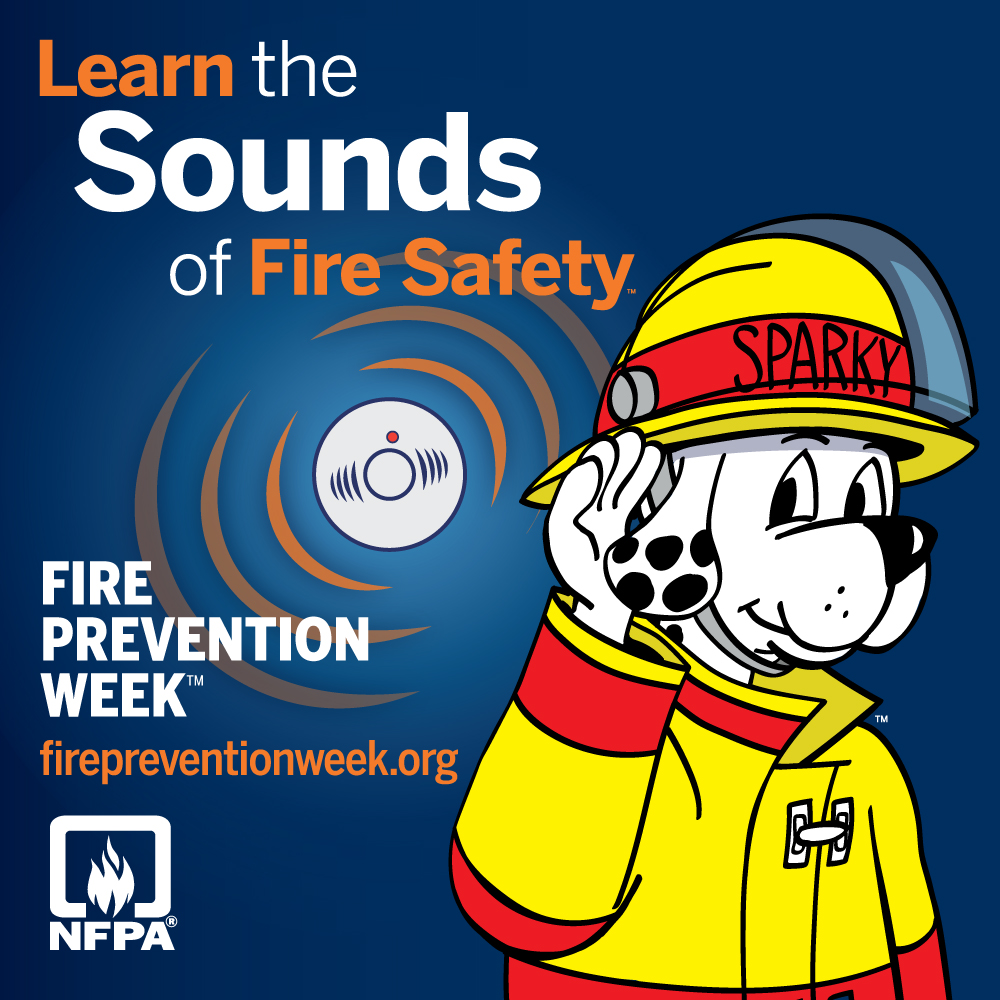
This year’s Fire Prevention Week theme.

© Bruce Stambaugh 2021
Behind the Preacher’s Back

Photo by Bruce Stambaugh 2021
The guy playing the piano really is a preacher. Larry is my wife’s first cousin, and while he played a church hymn, our niece planted a loving kiss on her husband’s cheek. The couple had driven down to surprise us at a long-delayed family reunion. I really went to capture Larry in action when Rachel created a cute diversion worth sharing.

“Behind the Preacher’s Back” is my Photo of the Week.

© Bruce Stambaugh 2021

Celebrating Being Cancer-free

Anniversary flowers.

Anniversaries of momentous events are generally worth celebrating. Even though we kept it low-key, our 50th wedding anniversary earlier this year was a memorable milestone.

Birthdays fit the bill, too, especially if they end in zero or five. That’s our western culture for you.

Even the anniversary of a loved one’s death needs to be remembered, reverently, openly, and most certainly emotionally. My dear mother would have been 100 on June 22. I can still hear her comforting voice, soft and clear.

Some anniversaries, however, give me pause. I always feel that way each year I get the all-clear pronouncement from my urologist.

I have been cancer-free for 10 years post-robotic prostate cancer surgery. My PSA continues to be immeasurable, meaning no detectable cancer.

When I posted those results on social media, I did so with hesitancy. I hesitated because I know too many people who have not made it through their cancer journey or are currently struggling with the disease.

I am a sensitive old guy, and posting about my good fortune could be tantamount to rubbing it in. I certainly didn’t want to come across with that attitude.

Research shows that such a mindset stems from survivor’s guilt, also called survivor’s remorse. It’s a circumstance where a person survives while others in the same situation don’t, and you feel conflicted, guilty, and remorseful about your outcome versus theirs.

It might seem irrational, but the condition applies far beyond dealing with cancer. People who survive motor vehicle wrecks or a military conflict while others are maimed or killed exhibit survivor’s guilt.

A friend of mine survived the bombing of the Marine base in Beirut, Lebanon, in 1983. He happened to be away from the barracks at the time of the explosion. Guilt and anger ebbed and flowed throughout my friend’s life.

I empathized with him at the time but didn’t fully comprehend his feelings until I went through my own traumatic experience. When I met other prostate cancer patients who didn’t have the same successful outcome as me, I understood my Marine friend’s agony more fully.

Despite my reluctance, I am glad that I shared my decade of good fortune on social media. I credited my skillful surgeon and expressed thanks for the excellent medical insurance that got me through physically and financially.

A few of the comments in response to my post drew my attention and perhaps sent me over the hump of the lingering compunction. One particularly caught my eye. A former student shared about her current struggle with cancer.

She thanked me for sharing my good news. She said that seeing that others make it through the Big C gives her and other patients like her hope. Reading that brought me great joy.

Signs of hope in nature.

Her response deeply touched me because she has already been through the cancer medical mill with her husband. As a young man, he fought the good fight and won. His humility concealed his challenging journey.

Now his wife is traveling down the cancer highway. I wish her and her family all the best and will endeavor to stay in touch.

Society can easily be dismissive of others without really knowing their unique situations, hardships, and achievements. Friends need to pay attention.

Venezuelan visual artist Carlos Medina captured my sentiment with this quote, “A soul that carries empathy is a soul that has survived enormous pain.”

We can empathize by recognizing and being with the hurting, listening to their stories, or simply holding them in prayer. In those encouraging actions, there is no remorseful guilt. 

© Bruce Stambaugh 2021

Welcome to Autumn!

Welcome to autumn for those of us who live in the Northern Hemisphere. Today is the Autumnal Equinox, where summer rolls into fall without much autumnal fanfare.

I took this photo during a partial solar eclipse. I was standing atop a hill near Charm, Ohio, in the heart of Ohio’s Amish country in late October 2014. The eclipse occurred close to sunset, which created an eerie glow in the air. If you click on the photo to get a closer look, you can see that the sun’s rays made tiny rainbows in the hundreds of spider webs blown straight out from the barbed wire fence by a strong westerly wind. The coloration of the leaves in the background accentuate the fact that fall had indeed arrived.

“Welcome to Autumn!” is my Photo of the Week.

© Bruce Stambaugh 2021

Never Give Up on Hope

The first rain after weeks of drought in the Shenandoah Valley. Photo by Bruce Stambaugh.

I remember standing on our back porch watching an approaching thunderstorm. It was the middle of July 1988, and we hadn’t had any substantial rain for weeks. Ohio and adjoining states were in a severe drought.

Temperatures were consistently in the 90s, sometimes reaching 100. The humidity was oppressive, yet we had no rain.

I stood there watching the lighting in the west, hoping that the rain would reach us. But it wasn’t to be. The storm fizzled out that night, and my heart sank.

A storm that fizzled.

That exact scenario occurred here in the Shenandoah Valley this summer. June turned warm and dry after a chilly, wet spring, and July followed the same pattern. Even if it did cool down for a few days, no rain came.

Crops withered. Lush cornfields turned ugly with curled, stunted, sickly-looking cornstalks. Farmers reported small ears of corn or none at all. The times seemed desperate, hopeless even.

And then there is the awful wildfire situation out west and in some Canadian provinces. Millions of acres of land have been burned, along with hundreds of buildings that included two entire small towns. The resultant injuries and deaths only added to the catastrophe.

In these trying times, it’s easy to give up hope. People are at their wit’s ends. Emotions and frustrations can run as high as the hot temperatures.

Instead, what I have observed here is farmers making the best of a bad situation. They made fodder out of the cornstalks while some green remained. Farmers harvested the outer edges of cornfields and sometimes entire fields of standing corn, chopped it, and filled their silos for livestock feed.

A withered cornfield in the Shenandoah Valley.

What they will do for field corn remains to be seen. But from my lifetime of observations, hope is a necessary prerequisite for farming.

The dictionary defines hope as a feeling of expectation and a desire for a sure thing to happen. In other words, hope points to the future, not the past.

Hope puts us all in the present moment, observing, touching, participating, listening, learning from all around us. We absorb it all and look to tomorrow, hopeful that the life we are experiencing will improve no matter our situation.

Just like I had anticipated rain that Ohio night long ago and was disappointed, I continued to hope. Ironically, a few days later, the rains arrived in torrents.

We had over six inches in less than two hours, and flash floods ensued. In that space of time, we went from no water to too much too soon.

And just like those former Ohio days, a similar pattern happened here in Virginia this summer. It didn’t rain for weeks, and then the heavens opened up multiple times in a few days. Later came the remnants of Hurricane Ida, and we had even more rain.

For some of the crops, it was too late. Late ripening varieties drank up the moisture. Lawns went from crunchy brown to lush green. A few brown spots still linger, but hope and patience won out.

Perhaps there is a lesson here for all of us. We must hang on to hope. Hope keeps us going. Hope inspires us to focus on the future while still acknowledging our current situation, whatever that may be.

Just when you think you are at the breaking point, hope will come. Much like the rain, hope will find a way for you. Though we cannot see it on the horizon, the rain will eventually arrive, filling our hope to overflowing.

As summer yields to autumn, hope shines forth regardless of the weather.

No matter what comes your way.
There is hope on the horizon.

© Bruce Stambaugh 2021

Pollinator at Work

This bumblebee worked these lovely New England Aster blossoms for all they were worth. When I cropped the photo, I realized that the bumblebee had a spectator. On one of the flower’s petals to the right of the pollinator is a small, greenish spider. Perhaps it was the owner of the web behind the blossom.

“Pollinator at Work” is my Photo of the Week.

© Bruce Stambaugh 2021
September Is a Moody Month

Enjoy what comes your way

A hazy sunrise in Ohio’s Amish country.

September is underway, and she has already walked on the wild side. Hot, steamy days evolved into torrential rains and flooding, mainly thanks to the remnants of Hurricane Ida.

Cool, refreshing days immediately followed. Bright morning sunshine sparkled dew-laden lawns. Blue skies filled the day from sunrise to sunset.

The cooler evenings made for pleasant sleeping. For that reason alone, September is a favorite month for many folks. I’m a card-carrying member of that crowd.

I will confess, however, that I didn’t fully appreciate September’s many personality traits until I retired from my education career. Sure, I enjoyed the pleasantries that September offered. But I did not truly comprehend the many moods of her 30-day span.

As a youngster, September meant school, and that garnered most of my attention. It wasn’t that I didn’t appreciate the month. I just wanted to enjoy the pleasant evenings by playing after school. Homework? What homework?

I was too preoccupied during my college years to embrace September’s temperaments fully. Working full-time during the day and attending night school for two years left little leisure time. Then, it was all campus life once I became a “real” student.

After graduating, my educational career demanded my utmost attention as the school year unfolded in September. Still, I managed to roam the hills and dales of Holmes County, Ohio if only to get acquainted with my new surroundings.

Now, decades later, I am replicating that experience by exploring the Shenandoah Valley. September’s fairer weather spurs day trips to historical locales up and down the valley and into its adjoining alluring mountains.

It’s one of the blessings of being fully retired. You truly get to enjoy each day without the pressures of study or labor. September and retirees seem made for one another.

September isn’t always gracious, of course. As already noted, the damaging, drenching, and deadly consequences of Ida bear witness. Fortunately, September’s blissful days usually outnumber her unruly ones.

September serves as a monthly measuring stick. Her moods lull us while she melds summer into autumn in the northern hemisphere. The autumnal equinox occurs on September 22 at 3:20 p.m.

To fully appreciate all that September offers, it’s best to rise early. Fog-shrouded sunrises spread sunbeams across the morning sky. Like the dawn, those scenes fade quickly.

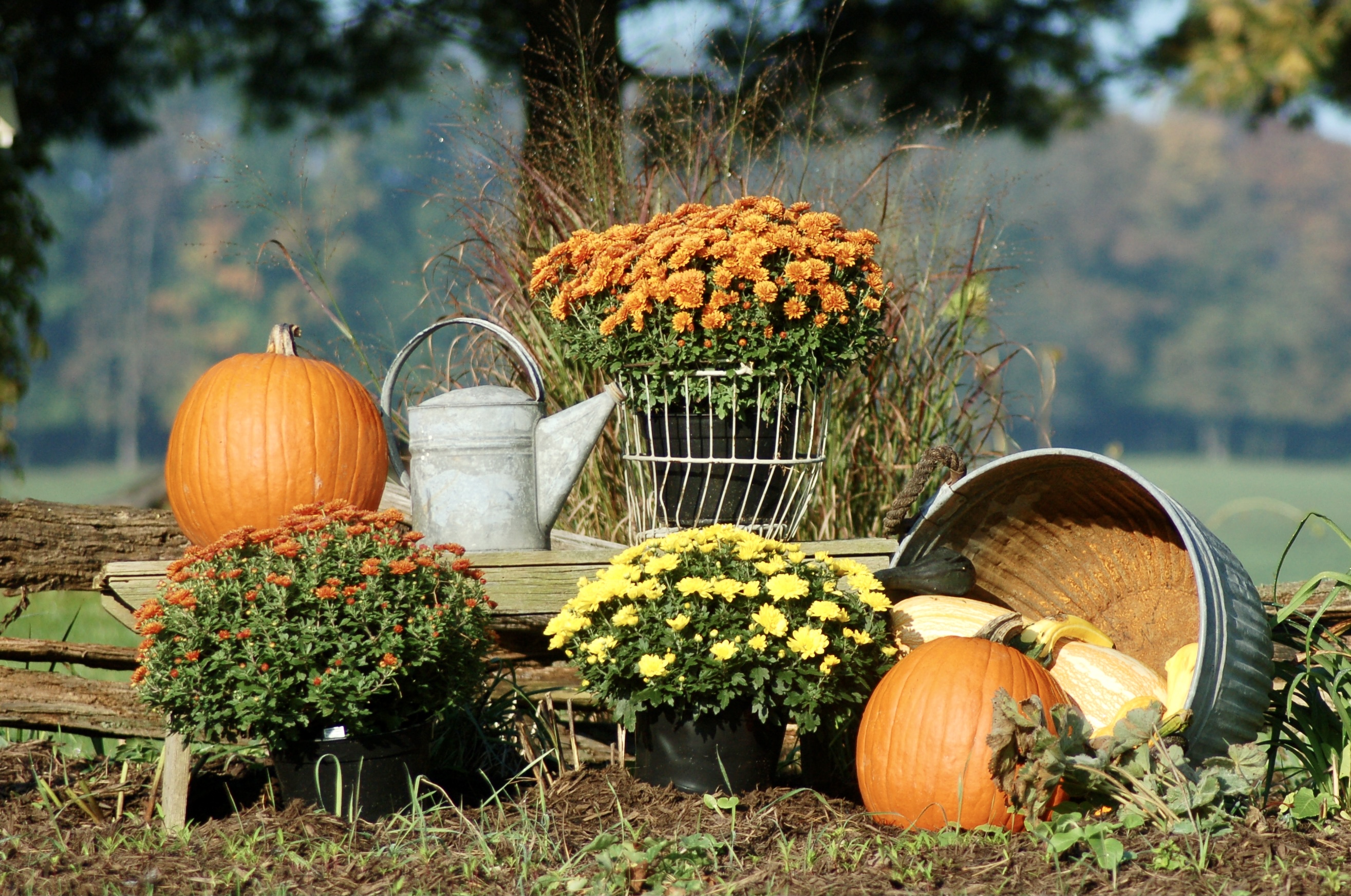
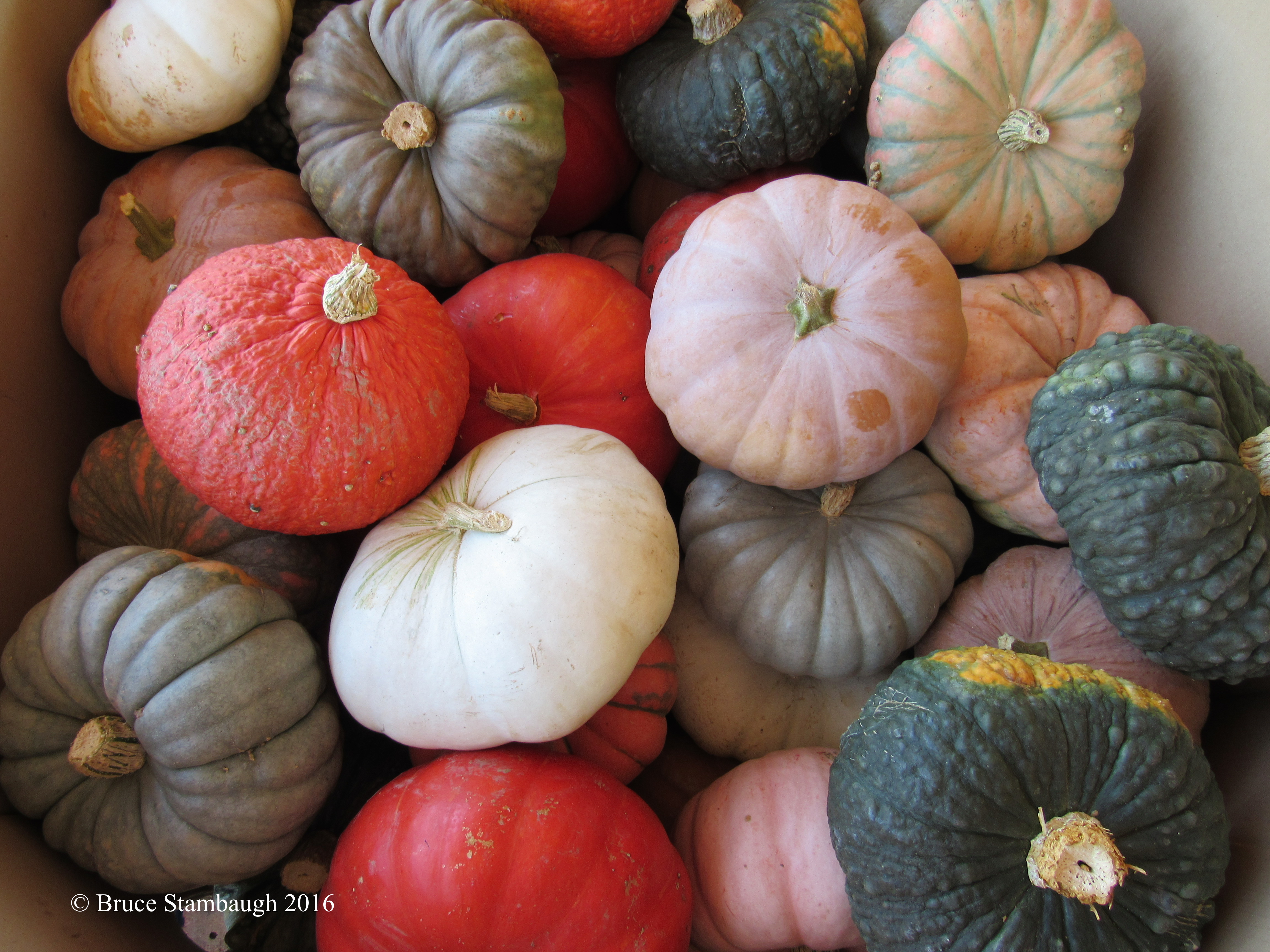
Long before that, however, September always gives us hints of things to come. The first frost, changing leaves, golden mums, plump pumpkins, and flocks of migrating birds all weave their way into September’s algorithms.

My morning walks in Holmes County verified that fact. Overnight fog dappled the landscape opaque, with millions of dewdrops revealing the once invisible spider webs intricate artistry.

Once emerald poison ivy vines blushed crimson capturing weather-worn fence posts like kudzu. Eastern bluebirds sat cooing in an already leafless walnut tree. Crunched by passing cars, trucks, and tractors, the tree’s tarry fruit stained black splotches on the rural road’s chip and seal surface.

I see similar signs of September’s power on my morning strolls here in Virginia. Vibrant succulents brim with luscious heads of pink flower heads. Pollinators squabble for their nourishing nectar.

Sensing fall’s onslaught, we humans pack artificial gatherings into our already busy days. However, street fairs, lawn parties, and backyard barbeques are no match for September’s natural wonders.

In these intermittent days that transform summer into fall, September allows us to catch our collective breath. As September days thrill us with her majestic magistery, our senses absorb her offerings.

Will we stay still enough to observe, hear and appreciate them? How we each respond to September’s opportunities reflects our joy.

A September evening in the Shenandoah Valley.

© Bruce Stambaugh 2021

Hanging On!

This female American Goldfinch prepared to join the rest of the flock after feeding on these dried up Black-eyed Susan seedpods. The cluster of still-blooming Black-eyed Susans in the background gave depth to the photo. I was grateful that the bird hung on long enough for me to get this shot. As soon as I clicked the shutter, she flew.

“Hanging On!” is my Photo of the Week.

© Bruce Stambaugh 2021
Bay Photos by Donna

Wildlife Photos From The Chesapeake Bay Region

ROAD TO NARA

Culture and Communities at the Heart Of India

K Hertzler Art

Artist and nature journalist in the Shenandoah Valley of Virginia.

Maria Vincent Robinson

Photographer Of Life and moments

Gabriele Romano

Personal Blog

Jennifer Murch

Art is the only way to run away without leaving home. -Twyla Tharp

Roadkill Crossing

Writing generated from the rural life

ANJOLI ROY

writer. teacher. podcast cohost.

Casa Alterna

El amor cruza fronteras / Love crosses borders