Breathe in breathe out, a routine too easily forgotten

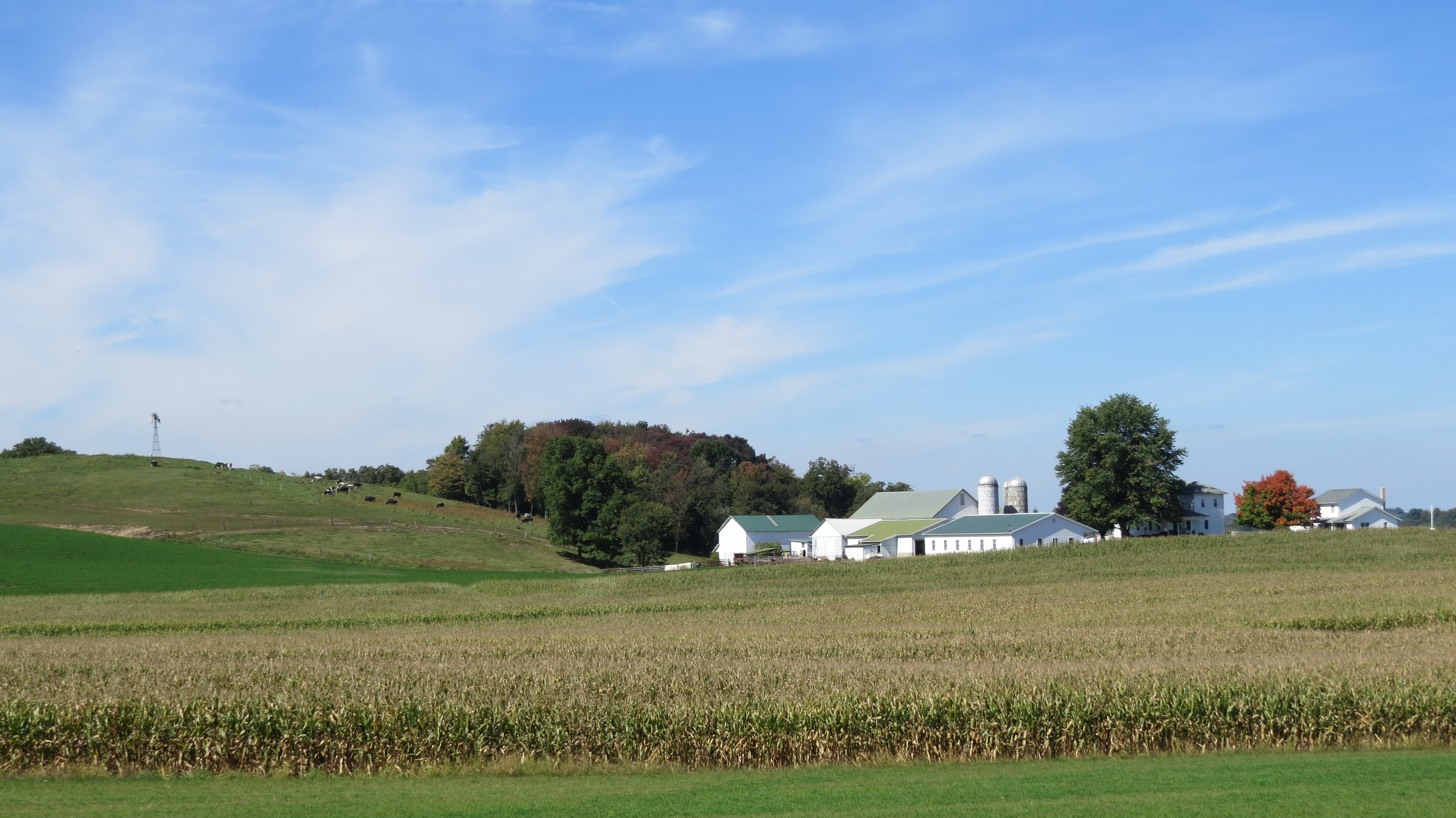
autumnafternoonbybrucestambaugh
Autumn afternoon. © Bruce Stambaugh 2014.

By Bruce Stambaugh

I sat in the warm sunshine on the back porch steps, eating my simple lunch, taking in all that transpired around me. I basked in the awesome day itself, one of several that we had as summer morphed into autumn.

Typical of fall days in northern Ohio, the day started cool, and took its time warming up. But thanks to skies bluer than my grandchildren’s eyes, the sunshine strengthened to enhance the day to beyond beautiful.

The air warmed, and the wind gently swirled in all directions. Compared to the quiet dawning of the day, everything seemed alive, moving, and vibrant. It was a glorious day, Rosh Hashanah, the Jewish New Year, the Day of Awe.
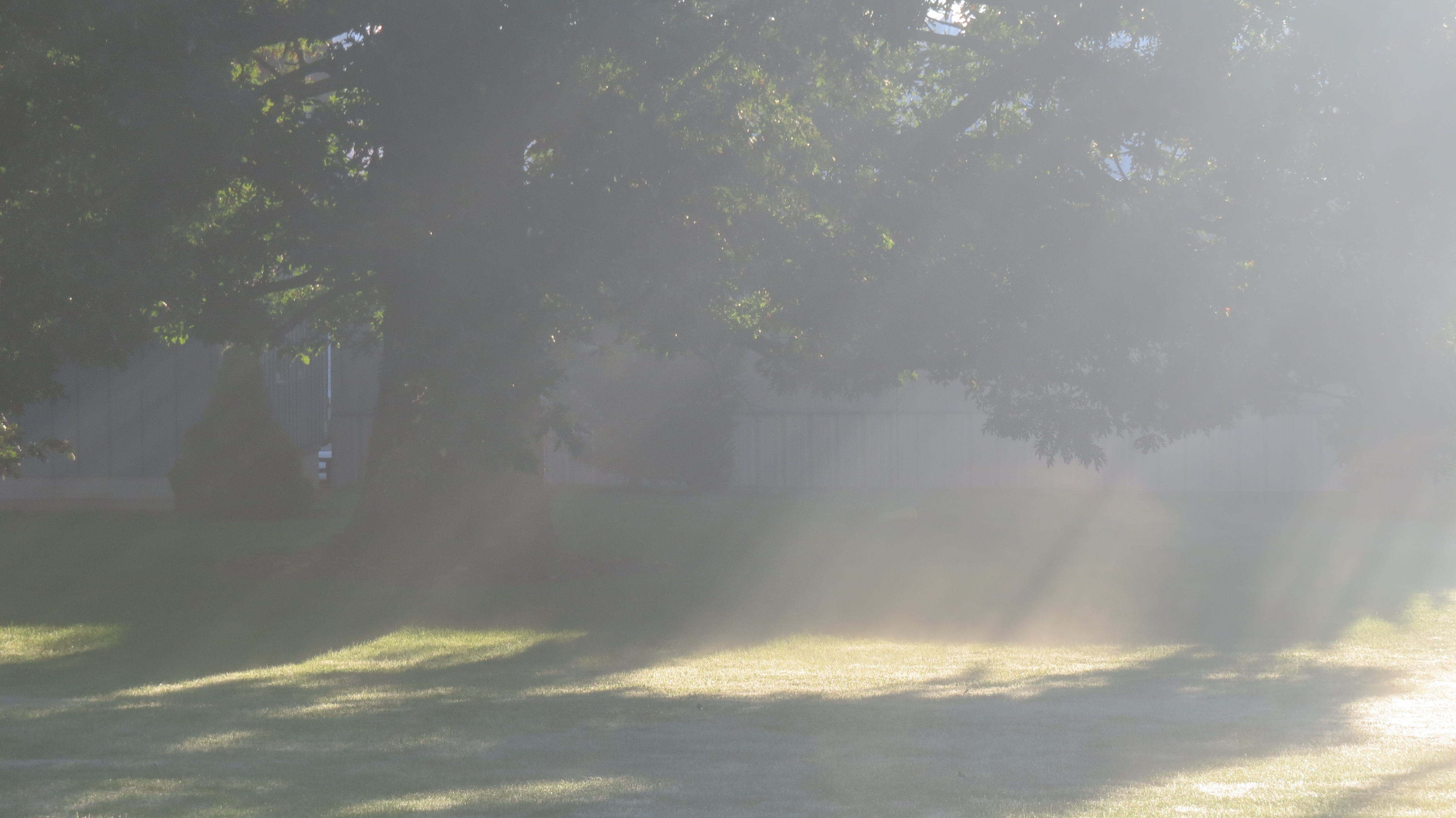
Sunrays streaming by Bruce Stambaugh
Day of Awe. © Bruce Stambaugh 2014.
I’m not Jewish, but I certainly was in awe. I had just returned from my weekly yoga lesson, where the students were again reminded to breathe in, and breathe out. It’s a way to encourage each of us to be conscious of just how important breathing can be.

Given our hustle, bustle lifestyles fueled by instantaneous updates from the outside world through our addiction to our electronic gadgets, we sometimes forget life’s simplest lessons. Breathing is one of them.

So there I was, enjoying my wife’s homemade hummus with crunchy gluten free crackers, a homegrown tomato, homemade refrigerator pickles, some fresh turkey breast and locally made cheese, washed down with homemade mint tea, breathing in, breathing out the beauty of the day. I felt ecstatic, really.

Dogwood berries by Bruce Stambaugh
Dogwood arsenal. © Bruce Stambaugh 2014.
My presence had chased away the Starlings and the American Robins, who were at war over the bright red, ripe dogwood berries. Like most conflicts, it seemed neither side won. In the fracas, most of the berries dotted the ground beneath the trees, their leaves growing more and more crimson.

I breathed in, and saw a family of Chimney Swifts skimming the fields behind our home, and circling over and through our stand of trees. I exhaled with a smile, overjoyed to see the friendly birds again. The ones that occupied our chimney had gone missing a few days prior, likely on their way south, like these chattering brothers and sisters were as they devoured every airborne insect they could.

My solitary picnic didn’t bother the ever-present American Goldfinches, now in their duller decor. They ate right along with me as long as I didn’t breathe too hard.

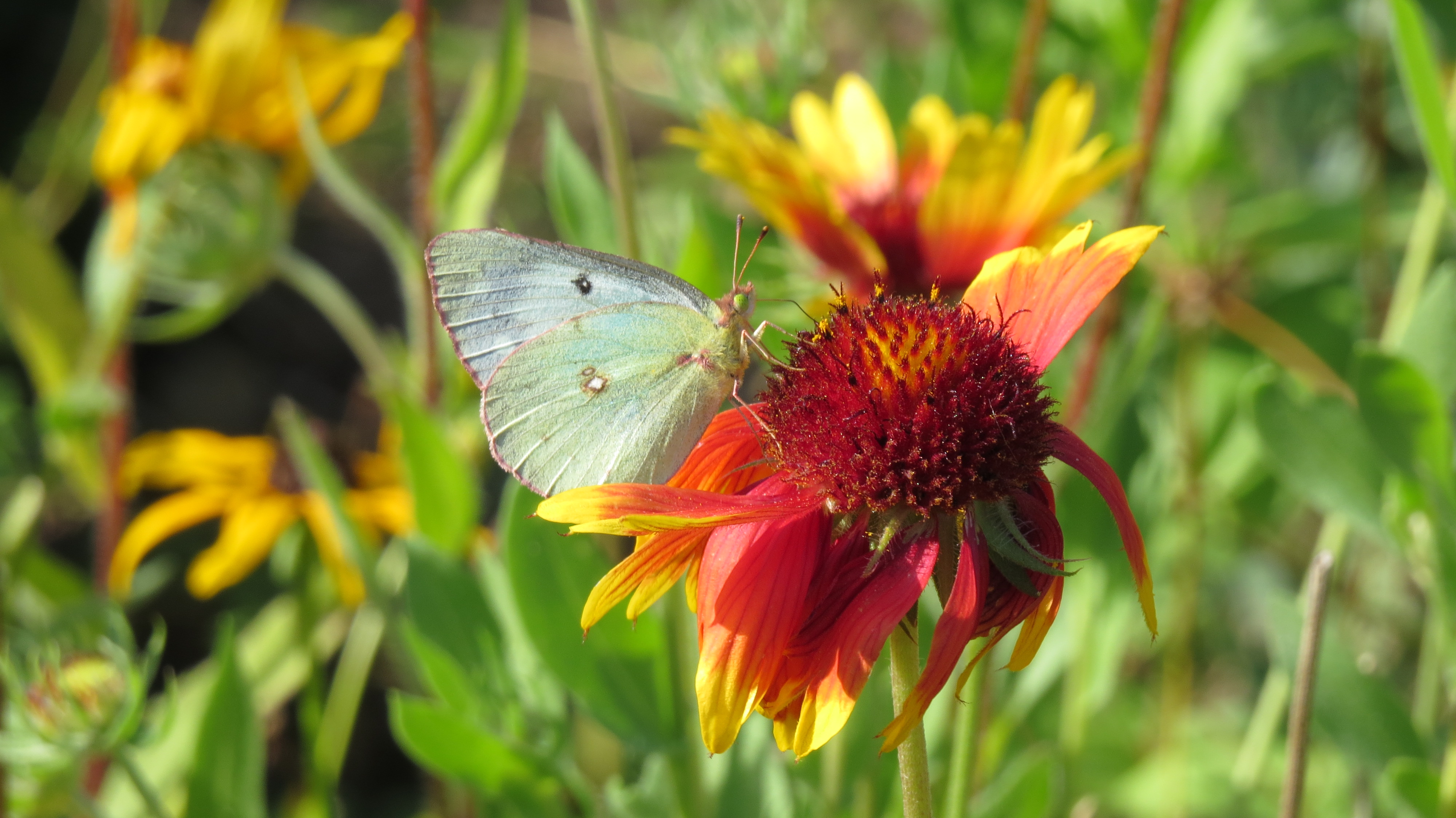
Clouded Sulphur butterfly by Bruce Stambaugh
Clouded Sulpher. © Bruce Stambaugh 2014.
At the front of the house, I breathed in another pastoral scene. Clouded Sulphur butterflies and bumblebees flitted about the fall blossoms, especially enjoying the blue salvia and bubblegum petunias my good wife had planted in early June. I breathed out a hearty thanks to them and to her for these special, significant insignificancies.

That’s just one of the tenants that I have learned from six months of yoga. Yoga is much more than physical exercise. Your movements, your thoughts, and especially your breathing need to be congruent. I think the pros call it mindfulness.

I don’t know if it was my breathing, the gorgeous day, my tasty lunch, or that combination that put me in such a peaceful mood. I just know that I want to keep breathing in and breathing out as long as I can.

With that, my mind wandered to too many friends I know locally and globally who would love to love this day, yet who have little opportunity to do so. Illnesses and real wars prevent their abilities to breathe in and breathe out the way I was.

I’ll just have to do it for them.
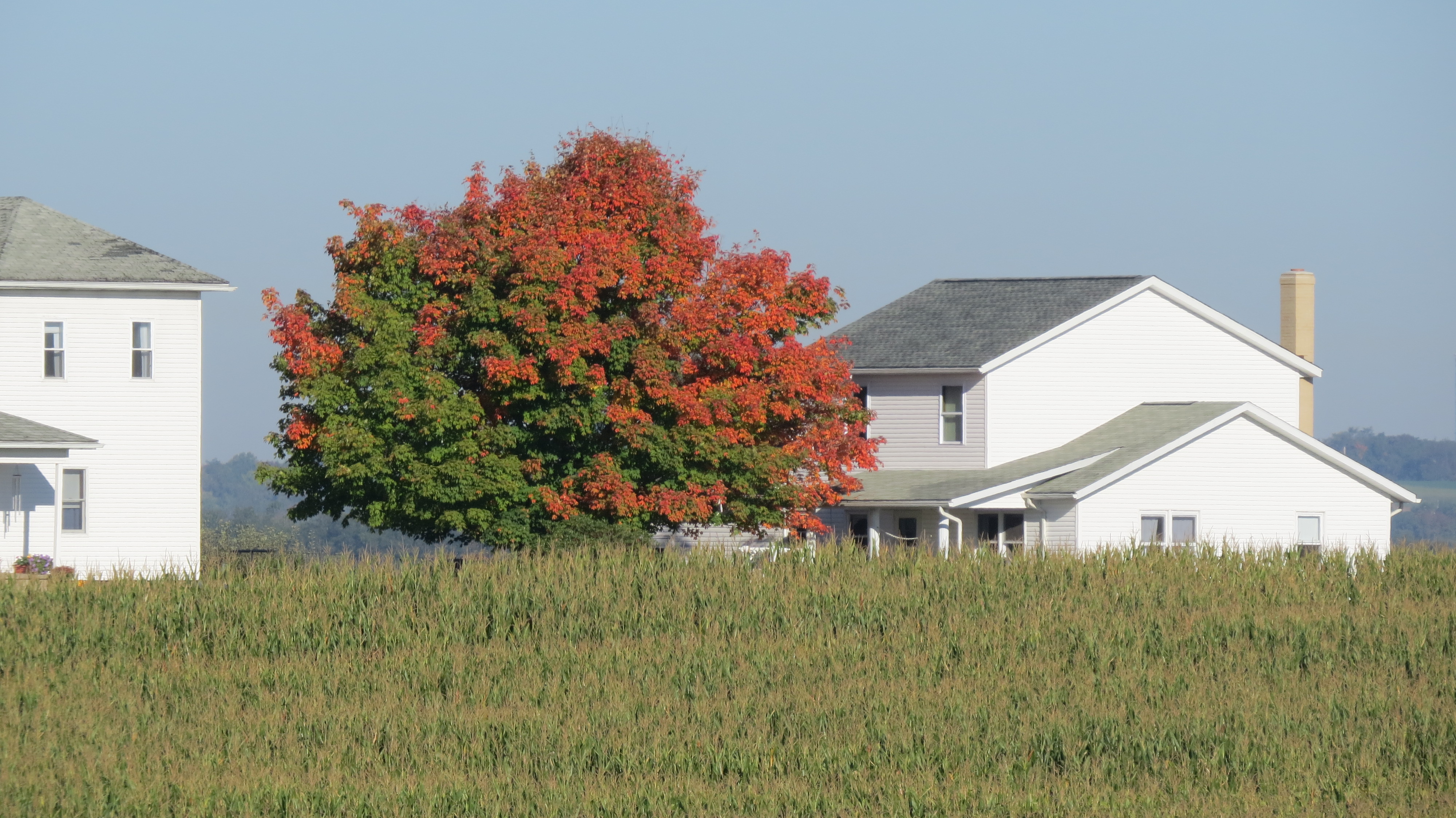
Changing leaves by Bruce Stambaugh
Turning red. © Bruce Stambaugh 2014.

© Bruce Stambaugh 2014

Fall has arrived, but we already knew that

attheproduceauctionbybrucestambaugh
At the produce auction. © Bruce Stambaugh 2014.

By Bruce Stambaugh

Ready or not, fall has arrived. It is an understatement to even say that the signs of autumn are all around us.

Even so, I couldn’t be happier. I love almost everything about fall. The colors, the cooler, less humid weather, the crispness of the air, the foggy mornings followed by clear, lustrous skies, the lulling sounds of crickets, and the rich, airy fragrances all captivate me.

verdantfarmsbybrucestambaugh
Verdant farms. © Bruce Stambaugh 2014.
On one recent morning, when the fog filled the lowlands long before dawn, I decided to take a drive around the countryside. I wanted to see what I could see, read autumn’s early signs like so many billboards. They weren’t hard to miss.

By the time I began my trek, the strengthening sun had melted the mist away, revealing a cloudless, deep blue sky, the kind you see in paintings, but seldom take note of when it’s right overhead. I wanted to put my busyness aside, and truly absorb all this glorious day had to offer.

It offered much. I rejoiced that I had traded my time for her blessed offerings.

If I looked close, butterflies zigzagged around the abundant autumn blossoms. They adored domesticated gardens and roadside wildflowers indiscriminately.

Lush fencerows of oaks, maples, ashes and sassafras seemed a tad thinner, losing single leaves with every pulse of the morning breeze. A few trees showed signs of succumbing to the shorter and cooler days. They blushed while their neighbors held fast, verdant.

Commercial businesses joined the celebration, too. Showy seasonal displays of mums, corn shocks, and pumpkins bedecked old vehicles or wagons or wheelbarrows in front of stores. Nature’s natural marketing had friendly competition.

Along roadways, streams and farm fields, remnants of summer’s floral display stood stark and brown, even before a killing frost. Winged insects and assorted animals would munch the seeds of this unsightly bounty.

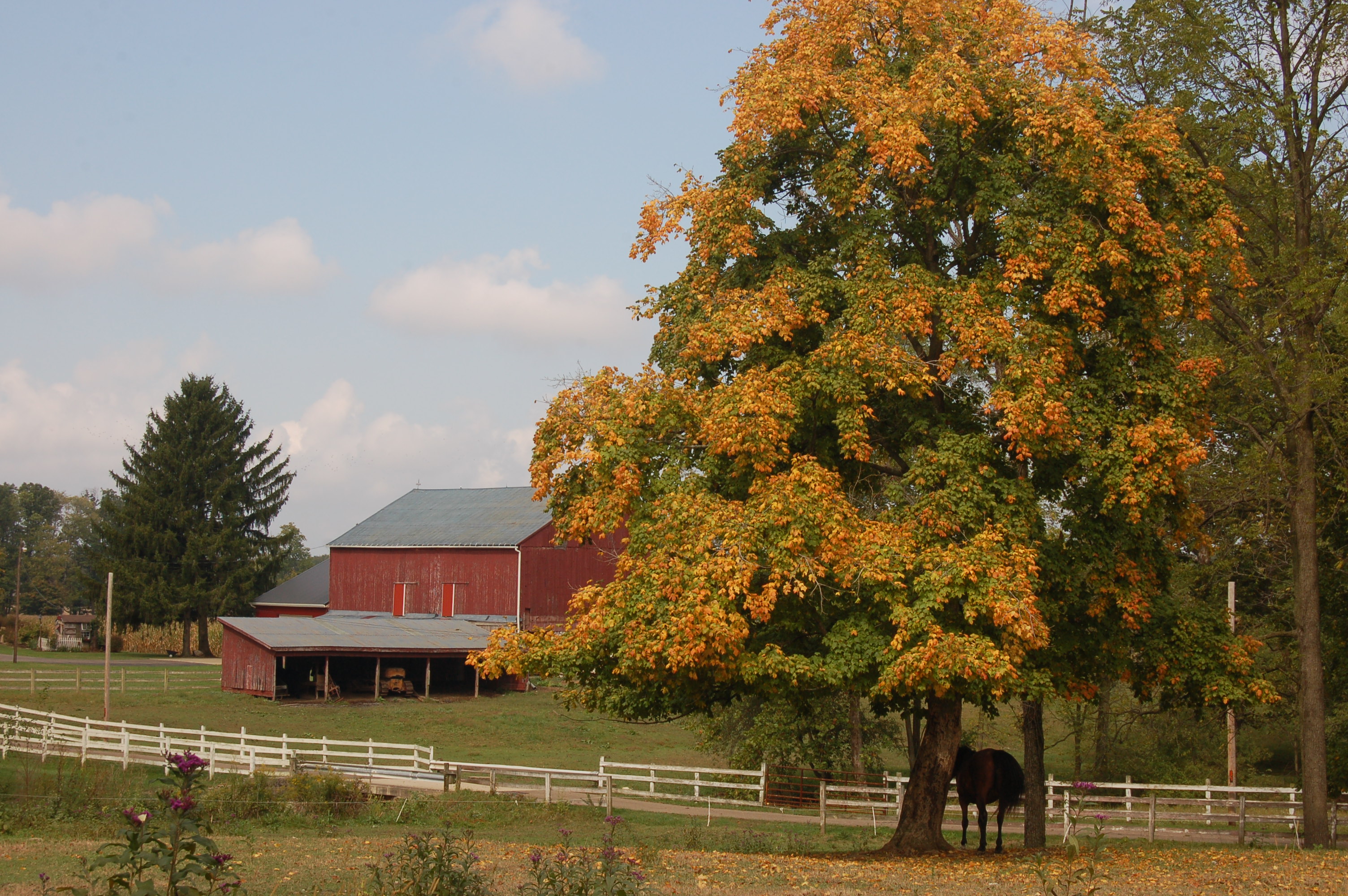
The rays of the late morning’s sun created beautiful landscapes. Bright red barns, though not newly painted, boldly contrasted with the green, green pastures that surrounded them.

Many a farmer outside our area would love to see such a scene given their parched situations. Years of drought have taken their toll. I am grateful we have been under the extended cooling care of the polar vortex since last winter.

Like giant puffy marshmallows, large, round hay bales covered in white plastic rested side by side along outbuildings and edges of fields. It’s just one more reminder of how productive the hay harvests have been this year. It’s also good to know that the plastic covering can be recycled.

This slideshow requires JavaScript.


Migrating birds fall out of the morning sky to feed and rest in freshly mown hayfields, or in marshy woodlots. They’ll be off with the next weather front or a favorable north wind to help speed them on south.

Prudent caretakers have lowered and cleaned Purple Martin houses, and covered them for the season. Come the Ides of March, they’ll be spruced up and hoisted for their tenants return.

That may seem like a long time away with the fall only just begun, and dreaded thoughts of winter pondered. However, the older I get, the faster time seems to fly.

That’s why I wanted to spend this morning just seeing what I could see, before October’s steely clouds rush low overhead, spitting fat flakes. That thought alone makes me shiver.

If fall has a fault, that’s it. It leads to winter. Until then, I’m going to enjoy every minute of everyday fall sends our way.

How about you?

nutritionandbeautybybrucestambaugh
Nutrition and beauty. © Bruce Stambaugh 2014.

© Bruce Stambaugh 2014
Loving fall: Let me count the ways

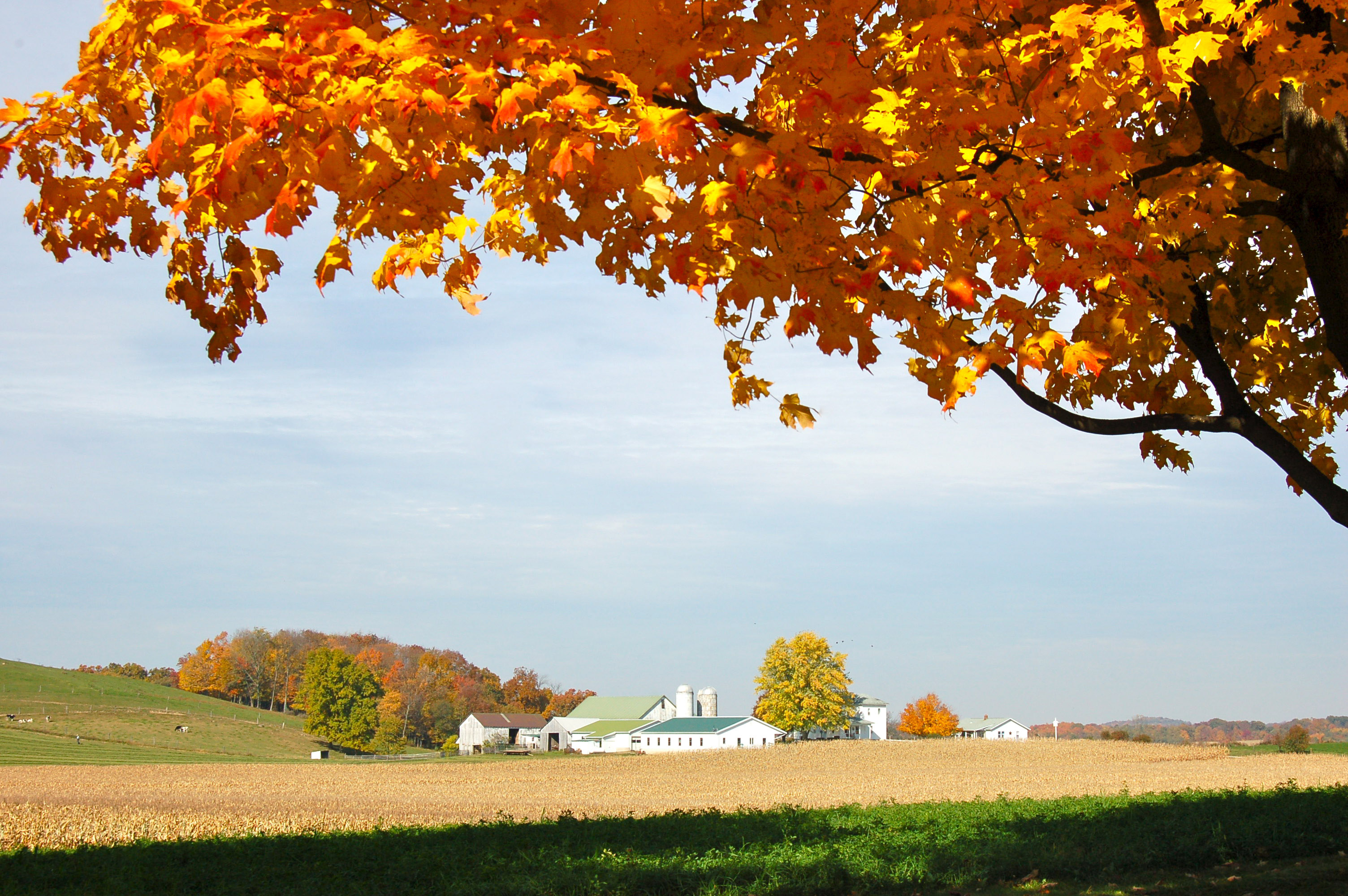
fallinamishcountrybybrucestambaugh
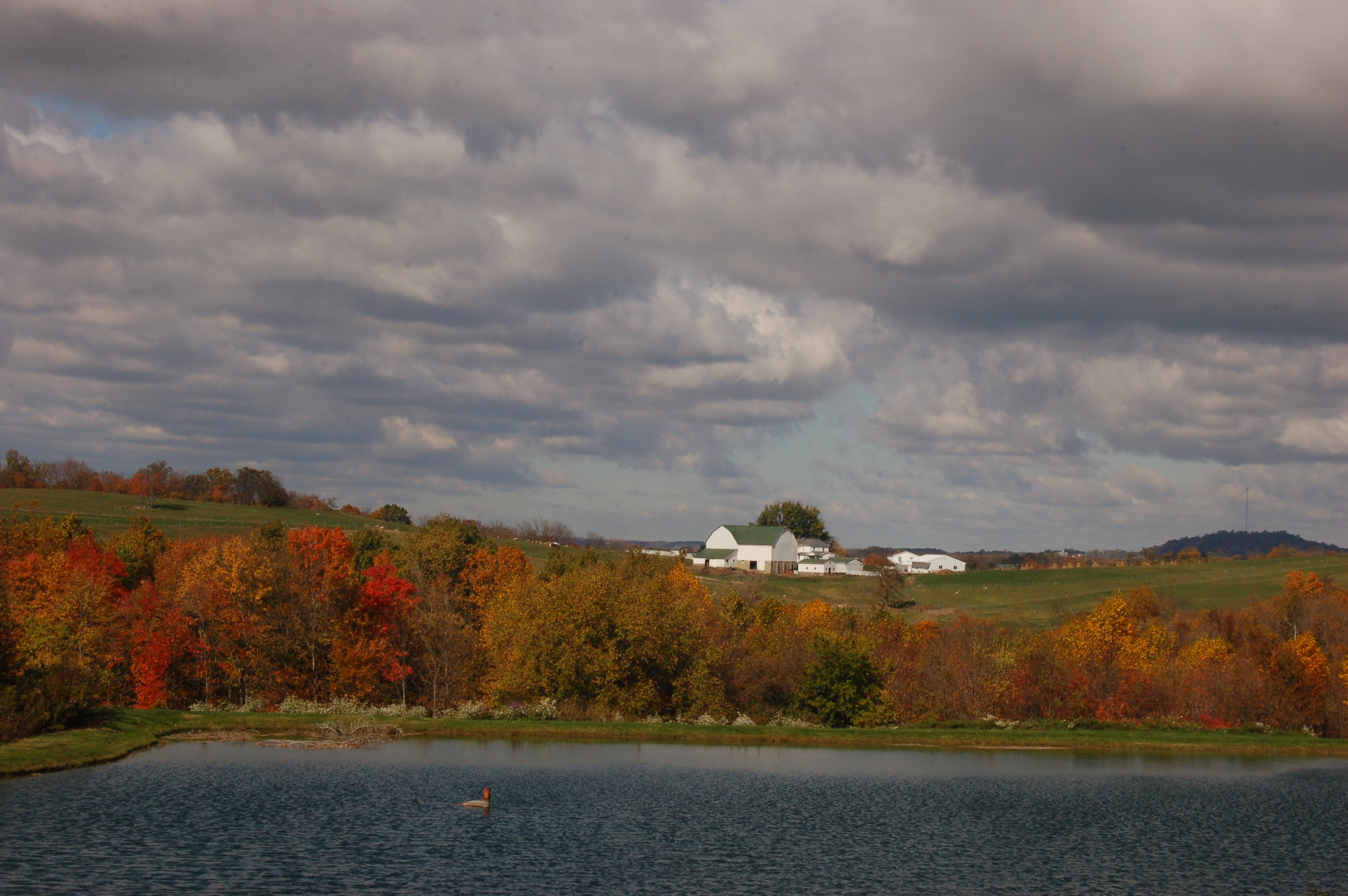
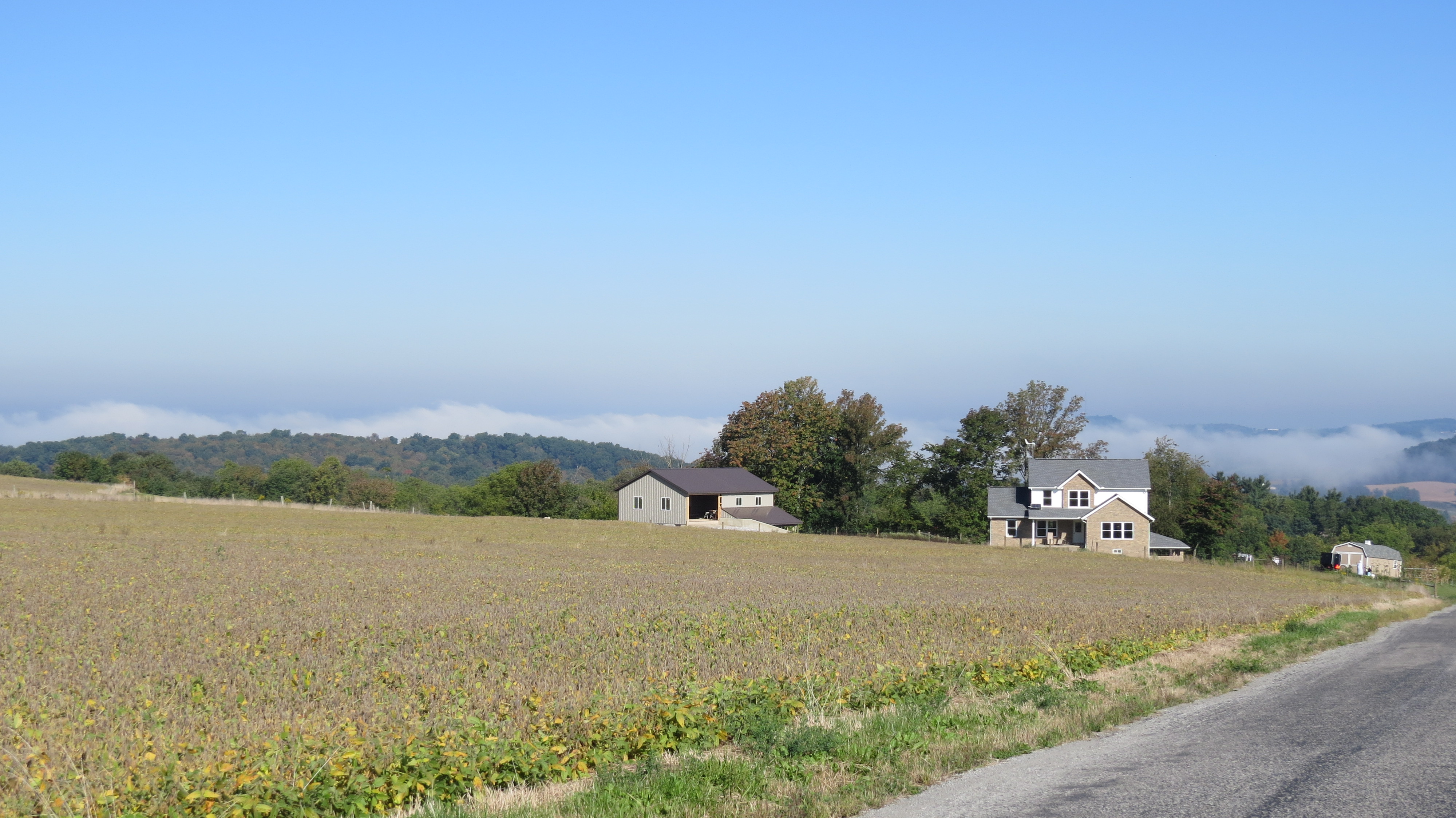
A typical fall scene in Ohio’s Amish country.

By Bruce Stambaugh

Plain and simple, autumn has her way with me. I’m in love with fall for so many reasons. Let me count the ways.

The dazzling leaves mesmerize me. I could sit and ponder the various color patterns and striations of a single leaf for hours on end, but only if my wife isn’t home.

I am captivated by how rapidly the leaves on some trees alter their colors, while the same species nearby stands pat as if it were still July. Still others give up the ghost altogether, and simply shed all of their leaves within hours. It’s both a marvel and a mystery.

mixedresultsbybrucestambaugh
Leaves at various stages of color in Ohio’s Amish country.

Neighbors have a lovely sugar maple shade tree that holds a majority of its leaves verdant well into October. The rest blush blotches of fire engine red as if the tree’s perfect canopy had chicken pox. In the end, all the leaves succumb, temporarily covering the ground below with a warm blanket of red, yellow and orange.

The usually boisterous and bossy Blue Jays fly stealthily in pairs from one hardwood grove to the next. Back and forth they go in pairs, uncommonly silent. Are they storing acorns for the winter ahead? They wouldn’t say.

Not so with a gang of American Robins, long absent from our yard. They suddenly reappeared, chirping and chasing one another from treetop to yard to creek bank like it was spring again. I enjoyed their little entreaty even though, like the Blue Jays, I had no idea what they were up to.

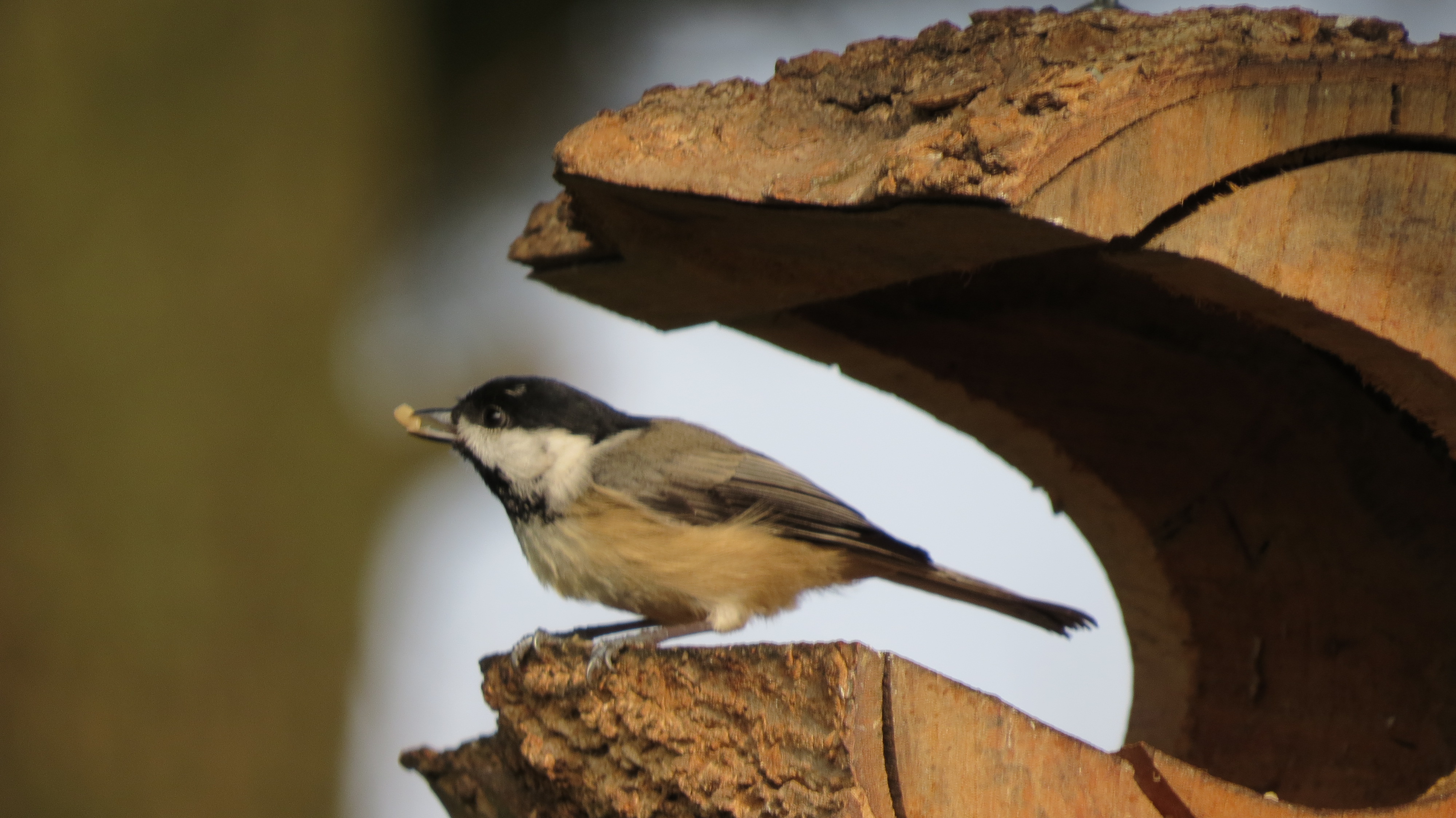
blackcappedchickadeebybrucestambaugh
Black-capped Chickadee with sunflower heart.
I’m content to sit on the porch during fall’s balmy weather, watch the American Goldfinches, Black-capped Chickadees and White-breasted Nuthatches devour the expensive sunflower hearts. So doing enhances my daydreamer image.

With windows open on temperate nights, the crickets and the luscious coolness lull me to sleep until my wife pokes me to stop the snoring, or the Screech Owl startles me from the backyard pines. I note both admonitions, roll onto my side and dream on.

The grass is spring green one week and dull and prickly the next. Blessed fall rains ensure the difference.

Fox squirrels and chipmunks scurry to find whatever they can to hoard for the coming cold. I wish they had better memories. Next May dozens of red oak and black walnut saplings will verify the varmints’ mental lapses.

canadageesebybrucestambaugh
Canada Geese on the wing.

Flocks of Canada Geese sail in imbalanced V’s over burnished treetops, cackling their way from one farm pond to the other. Lore says that near-sighted and neurotic Puritans imagined them as witches flying on broom handles. It’s ironic that the religious runaway paranoia inadvertently created a very successful commercial Halloween tradition.

cobwebsbybrucestambaugh
Heavy morn dew reveals overnight cobwebs.
Foggy mornings bring cool moisture that transforms secreted spider’s webs into glistening gems. The stunning natural artistry leaves me speechless, which may be for the best.

A sudden gust blows through the fragile leaves of a poplar tree, cascading a golden shower onto an emerald carpet that had only been raked hours before. Eventually, heavy rains or perhaps an early snow will bring them all down, ringing in the barren times once again. It’s a necessary part of life’s endless cycle.

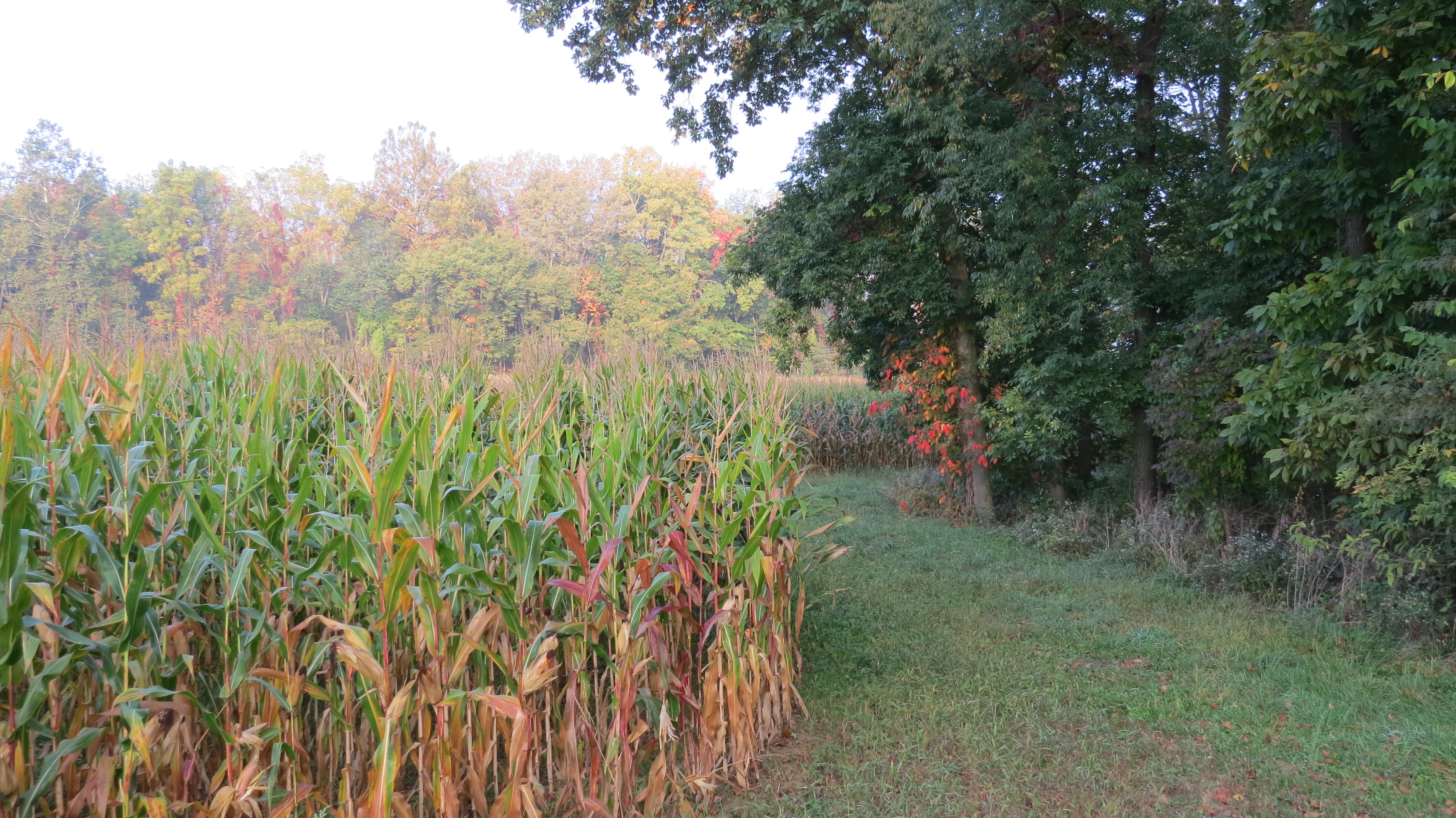
Fields of corn, once huge waves of tasseled emerald, now show more brittle brown. Corn shocks already dot fields farmed by those who distain machinery.

Hungry birds have devoured all of the bright red berries of the dogwood trees. In protest, the dogwoods’ crimson leaves have one by one fluttered to the ground.

I’m in love with fall. Can you tell?

fieldcornbybrucestambaugh

© Bruce Stambaugh 2013

Autumn is upon us in more ways than one

foggymorningbybrucestambaugh
Foggy morning.

By Bruce Stambaugh

Fall is definitely in the air here in northern Ohio. The telling signs of autumn are everywhere.

A drive through our luscious countryside or a leisurely hike or ride along the Holmes County Trail or just a peek out a window all sing the same song. Fall has arrived.

The leaves have begun to change. Dense morning fog magically gives way to bright, sunny days, only to reappear the next morning to begin the misty process anew. The days cool, warm and cool again in alluring rhythm.

I marvel at nature’s humor.

I bask in the warmth of the morning sun high on a rural road. To the west, residents have to feel socked in. A thick, cottony cloud stretches the full length of the Killbuck Valley. The morning’s colder, heavier air spreads the wet blanket over the precious marsh teeming with its mix of migrants and year-round residents.

foginthevalleybrucestambaugh
Fog in the valley.

Fields of golden rod and patches of wild daisies bring a warming brilliance to the once verdant landscapes. The lessening sunlight and cooler temperatures tell the foliage it’s time to morph into the secreted richer colors. Once emerald stalks fade fast from a sickly yellow to a dormant brown even before the first frost of the season.

Wildlife sense nature’s urgings, too. Small flocks of Eastern Bluebirds, still flashing their azure brilliance, congregate, searching for both sustenance and winter cover. A few Cedar Waxwings still buzz from the tops of their favorite playgrounds, while the chatty Chimney Swifts have already checked out for the season.

changingleavesbybrucestambaugh
Changing leaves.
Despite having access to calendars and electronic device reminders, humankind seems to be in denial. Men and women clad themselves in t-shirts and shorts as if it were still July. Are they naïve or hopeful that fall will imitate summer? I’ll give them the benefit of the doubt.

No matter my activity, I dress in layers or carry extra apparel with me. I suspect it’s more me than the weather. I’ve noticed that the older I get the colder the days seem, even though the temperatures remain near their seasonal norms.

Further reflecting tells me that I am entering the October of my life as well. Transitioning from the long summer of busy workdays mingled with family meals and overlapping activities have evaporated like those morning mists. My good wife seems to have made the adjustments better than me.

waningmoonbybrucestambaugh
The waning Harvest Moon.
I enjoyed my career as an educator. In the 30 years of serving youngsters and cajoling adults, I learned a lot. I embraced my second career in marketing and writing with equal zeal.

Now reality is finally setting in for me. My parents are gone. My wife’s parents are gone. Friends from the Greatest Generation are fading fast, not to mention acquaintances from my own generation. I must ready to face the fall.

This certain transition hasn’t been easy. At times I have emotionally struggled with entering life’s October time. Yet facts are facts. My diminished hearing, loss of nimbleness and achy knees tell me that my autumn has arrived, too.

However long I have, I want to live life out with zest, energy and productivity. Fall is in the air. The harvest full moon is waning.

Whatever your age, together let us greet each day with a song and a smile. Let us celebrate the goodness that surrounds us regardless of whatever circumstances or personal season we encounter.

© Bruce Stambaugh 2013

Viewing the leaves in Ohio’s Amish country

Fall from my backyard by Bruce Stambaugh

By Bruce Stambaugh

Ohio’s Amish Country, particularly Holmes County, is a great place to be when the autumn leaves are at their finest. With its many stands of mixed hardwoods throughout the area, the colors can be spectacular if all the conditions are right.

The leaves are usually at their colorful peak by mid-October. Though the summer’s drought may have caused some trees to already change, they seem to be on a normal timetable for coloration. Now through the next two weeks will provide marvelous viewing.

Several great routes can be driven to see the rainbow of leaves. Just consider the rolling hills, rows of corn shocks, grazing cows, romping horses, Amish buggies and silvery streams as backdrops to the main event.

Fall farm by Bruce Stambaugh

Simply traveling the main highways that lead into the Holmes County area and crisscross the county will guarantee beautiful scenery. That’s especially true in the fall.

Trees and shocks by Bruce StambaughState Route 39 cuts Holmes County in half east to west. In many places, the road roughly follows the terminal moraine of the Wisconsin Glacier. To the south, hillsides loaded with maple, oak, walnut, beech and hickory trees are steeper than their counterparts on the opposite side of the road. The glacier filled in the valleys on the north side 10,000 years ago, leaving a gently undulating geography, with rich soil that farmers pamper for excellent crops and lush pasturelands. Stands of woodlots and tree-studded fence lines create magnificent leaf viewing.

Yellow and red by Bruce StambaughState Route 83 bisects Holmes County in half north to south. You will be dazzled by the vistas that change seemingly at every curve. Both north and south of Millersburg, the county seat, the route hugs the eastern edge of the Killbuck Valley. Impressive slopes with ample forests east and west nestle golden marshlands teeming with wildlife in between.

U.S. 62 runs diagonally across the county. From the northeast, pastoral views are aplenty, meandering through Amish farmland on each side. Because the wood industry surpassed agriculture as the number one employer in Holmes County a few years ago, trees are treasured and properly cared for.

Fall scene by Bruce Stambaugh

Follow U.S. 62 from Millersburg southwest toward Killbuck and on to Danville in Knox County and you might think you are in the foothills of the Appalachian Mountains. In truth, you are. The road follows the area’s main waterway, Killbuck Creek, and then climbs the hills into the Mohican River watershed.

Woods and hills by Bruce Stambaugh

The lesser traveled state, county and township roads provide equal opportunity viewing when it comes to autumn leaves. State Route 520 from Killbuck through Glenmont’s seven hills and on to State Route 514 especially provides a pretty show if the timing is right.
In the east, State Routes 241, 515, 557 and 643 all are winding, hilly and gorgeous in the fall. Farmsteads with white houses and coffin red barns are the norm in any direction on these roads.

Red barn red tree by Bruce Stamaugh

For those who desire more than just riding and looking, the area has plenty to offer. At the Wilderness Center off of U.S. 250 west of Wilmot, you can hike through prairie grass and virgin forests, and explore an education center, where there is fun for all ages.

Mohican State Park near Loudonville affords numerous trails with incredible overlooks to the steep Mohican River gorge. The greens of the thousands of white pines nicely compliment the colorful mixed hardwood forest.

For bicyclists, the Holmes County Trail offers 16 miles of lovely trials from Fredericksburg to Killbuck. Hikers are welcome, too. The trail runs along the Killbuck through the center of the county until it turns southwest toward Killbuck. The wildlife, birding and leaf viewing can all be consumed simultaneously. A note of caution, however. Horse and buggies also use the trail on one side while bikers and hikers are on the other.

Everyone has their favorite spot to view the changing leaves. You’ll enjoy finding yours.

Fall in Amish country by Bruce Stambaugh

This article appeared in Ohio’s Amish Country magazine.

© Bruce Stambaugh 2012

Fall is upon us in every way

Pumpkins and buggies by Bruce Stambaugh

By Bruce Stambaugh

Officially it’s still summer for a few more days. Reality says otherwise.

Fall is upon us. The signs are everywhere. They have been for sometime now.

Warm, pleasant days give way to cooler, quiet evenings. Only a few remaining crickets and an occasional Screech Owl break the night’s silence.

The morning wake up call suddenly switched from a chorus of American Robins to cheery Carolina Wrens. The effect is still the same.

Morning fog by Bruce Stambaugh

Dense fog quickly lifts from valleys, giving way to white cottony clouds highlighted pink, peach, gold and gray by the strengthening sun. Morning mists betray the garden spiders’ artsy trap. The miniature droplets soon yield to the day’s brightening warmth.

While most show a slight tinge, some entire trees have already had their leaves turn a dull orange or dirty yellow. No doubt the stress of this summer’s oppressive heat and extreme dryness forced this premature metamorphosis. Some leaves seemed to go green to brown overnight. The deepening blue sky offsets these anomalies, making them almost acceptable.

Tinted tree by Bruce Stambaugh

Fall is not a time to quibble. It’s a time to appreciate, to work and to reorient yourself and the world as we have come to know it.

Dewy web by Bruce StambaughScholars head to school, each in their own way. Young boys, red and white lunch buckets swaying by their sides, walk in groups, tan straw hats bobbing rhythmically. Smart girls wearing pastel dresses glide by on mute bicycles. They left home later than yet arrived simultaneously with the boys.

Bumblebee painted buses inch past the pedestrians until the next stop. Somewhere behind sheer curtains, home-schooled children take it all in.

The hum of school seems to settle society, put it back in sync. Family vacations end. The students, though not likely to admit it, enjoy the familiar routine, save for a handful of frequent flyers who already know the path to the principal’s office.

At the produce market, giant pumpkins now outnumber the red, plump tomatoes and the ubiquitous zucchini. Despite the protests of the regal morning glories, crimson and gilded mums are the flowers of choice and the season.

Field corn by Bruce Stambaugh

Despite the drought, farmers are smiling, assuming they indeed have crops to gather. They live for the harvest. It’s their bread and butter, their paycheck, their livelihood. They relish the work and consider comparing their bushels per acre numbers as an exercise in status. If their neighbor needs help, however, they’ll be the first to respond.

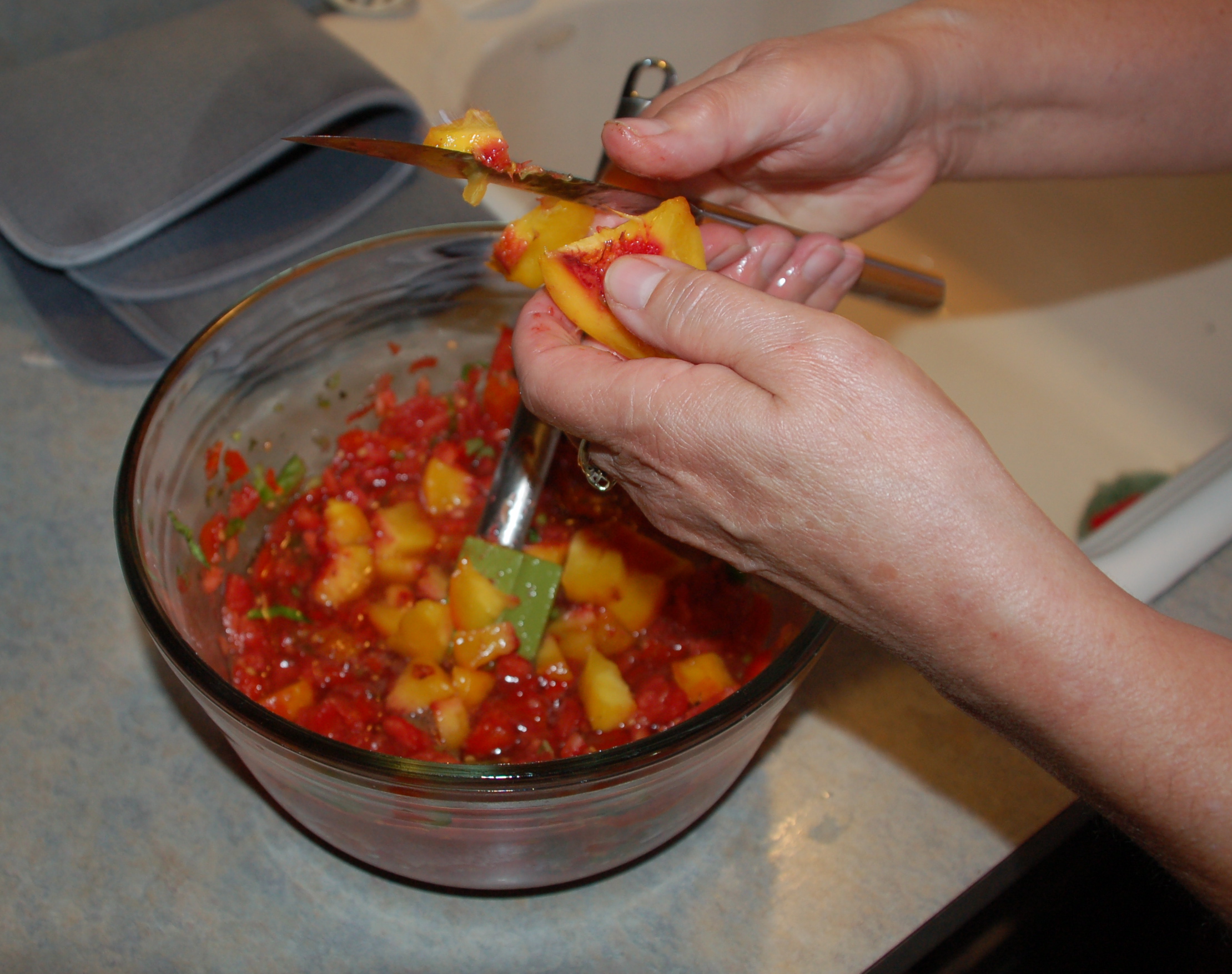
Kitchens fill with the aromas of snappy salsa, and pickles and vinegar. Canning shelves are replenished with jars of winking peaches and cherries, sandwiched by rows of golden corn and tart applesauce.
Peach salsa by Bruce Stambaugh
Life in the fall in the rural Midwest in mid-September is as fulfilling as it gets. Pride and gratitude are the human harvest for rural folks. No blue ribbons, even if bestowed, can provide the same satisfaction. Those ancillary awards politely confirm what we already believe.

Where coloring stands of hardwoods mingle with fencerows and cornrows, life is good. We acknowledge our connection to creation and to one another. We also sense the real and urgent necessity to care for mother earth as we prepare for whatever winter brings our way.

Fall is upon us. Stop, look, listen, inhale and enjoy. The rest of life will take care of itself. It is an equal opportunity seasonal transition we all need whether we know it or not. I humbly thank autumn for the abundant and timely cues.

Amish scholars by Bruce Stambaugh

This column appeared in The Bargain Hunter, Millersburg, OH.

© Bruce Stambaugh 2012

It’s the plum time of year

Fall sunset by Bruce Stambaugh
The sunsets in the fall are truly amazing.

By Bruce Stambaugh

For those of us fortunate to live in North America’s temperate zone, this is the plum time of year. I mean that literally and figuratively.

The literal part is that locally grown plums are at the peak of their ripeness. I’m just plum crazy for plums.

I remember traveling with my grandfather, who knew as many people in the world as my gregarious father did. Grandpa Merle loved to stop at roadside produce stands, especially where he knew the proprietors. If they had ripe plums, he always bought a peck or two.

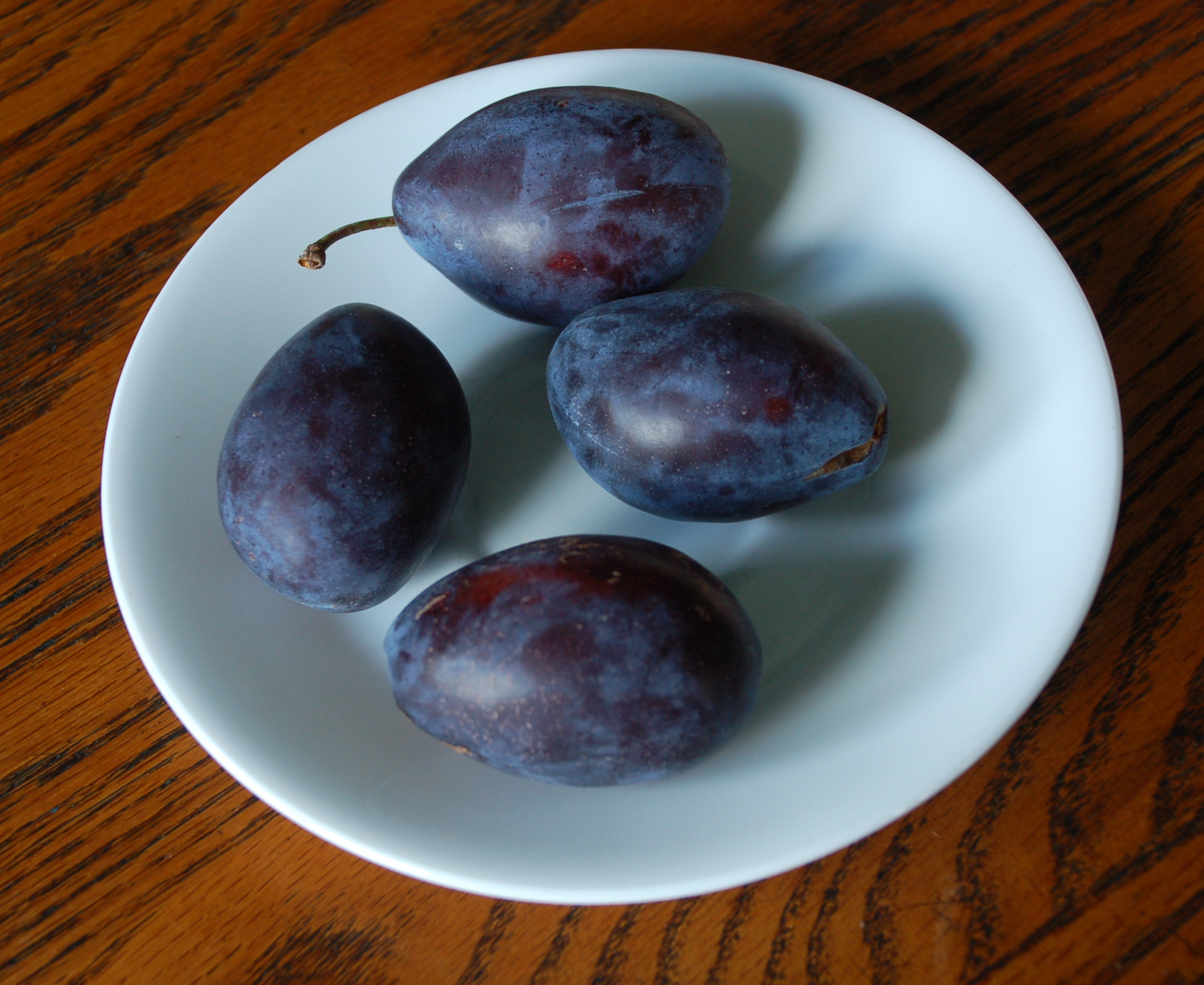
I loved everything about them, their simple size, their football shape, their blue violet sheen, their light greenish-yellow flesh, their sweet tart taste, and even the pit.

Sugar plums by Bruce Stambaugh
The variety of plums locally referred to as sugar plums.

I liked the size because, especially for a kid, they weren’t too big, which meant we could usually eat more than one. I liked their oblong shape because it was easy to bite in to.

I found the plum’s color inviting. The moist sweetness with the tart aftertaste was both delicious and curious. I liked the texture of their meat and the fact that, unlike other fresh fruit, you could bite into them without having juice run down your arm and drip off your elbow.

Much to my mother’s chagrin, I often plopped a whole one in my mouth. My mother highly discouraged my poor manners to no avail. I often eat the lovely plums the same way today.

Once devoured, that left the seed. I didn’t eat it of course. For whatever reason, I tucked the pit, which mirrored the shape of its fruit, into my left cheek and sucked on it for hours. I could play an entire baseball game with a plum seed nestled between my cheek and gum. It seemed to help keep my mouth moist. Besides, it was better than the usual baseball alternative, snuff.

All those memories resurfaced for me when my wife brought home some plums from the local produce stand. They were accompanied by Bartlett pears, squash, zucchini and preserved sugar beets, too. The fall harvest was on, one of the primary symbols of the season.

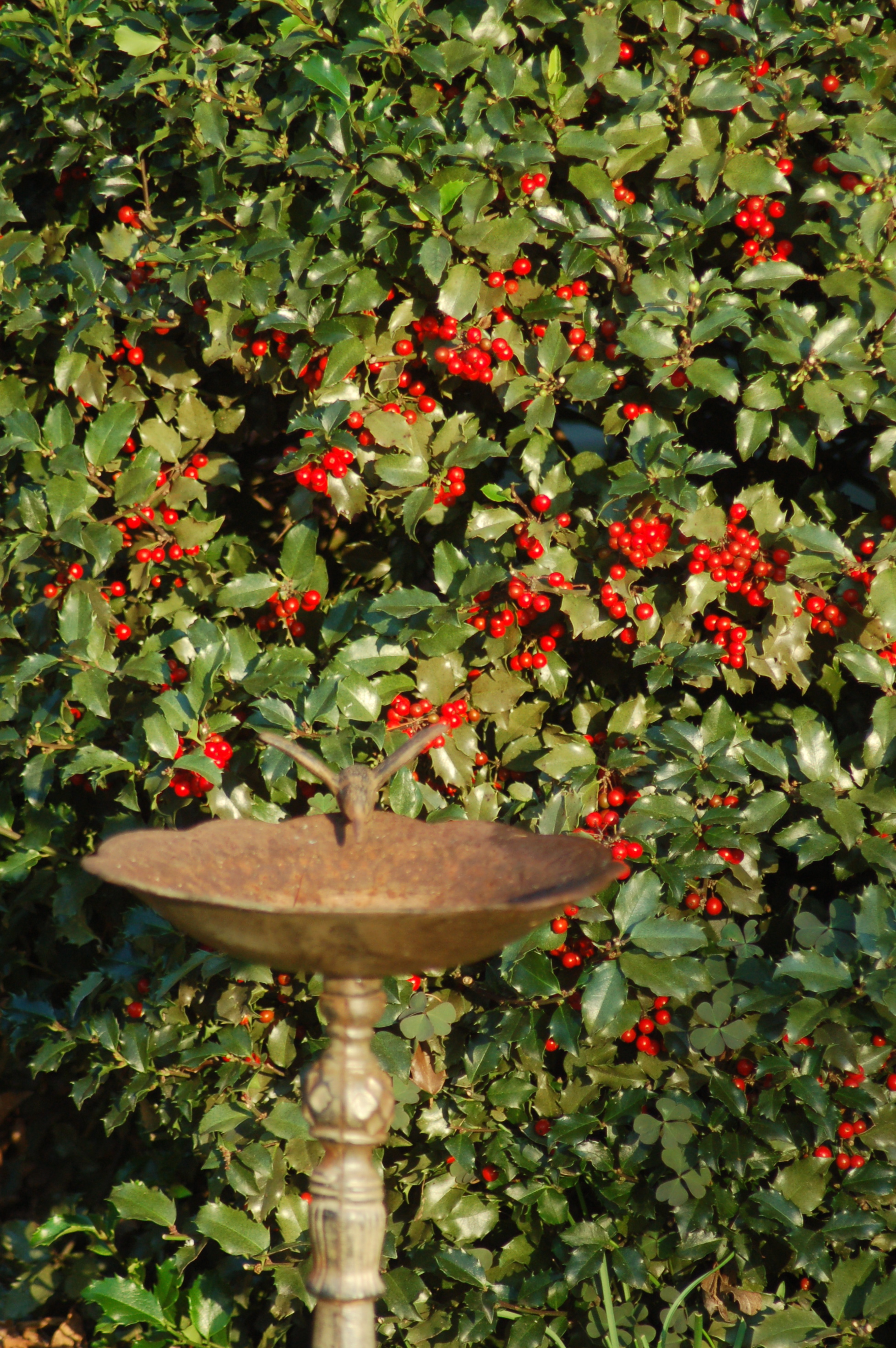
Holly berries by Bruce Stambaugh
The holly berries have turned bright red, a nice contrast against the bush's prickly green leaves.

We are enjoying an abundance of tomatoes that have seemed to ripen in our modest patch all at once. There isn’t one heirloom I don’t enjoy, and they can be eaten in so many different ways, right off the vine, fresh salsa, in sandwiches, sauces, and with pasta.

Our neighbors added to the feast by insisting we help them out by accepting and consuming a sampling of the last of their bumper crop of sweet corn. It was amazingly sweet for this late in the growing season.

The days have grown shorter and cooler, both daytime and night. The leaves on the deciduous trees have begun to turn. They started falling shortly after Labor Day.

The webs of black and yellow garden spiders catch the frequent morning mist and then sparkle diamonds in the sun’s rays. The sunrises and sunsets are breathtaking, each one picture perfect.

Golden rod by Bruce Stambaugh
Though weed that it is, golden rod brightens even the haziest of mornings.

The dogwood and holly berries are bright red. Yellow jackets are everywhere. Unkempt fields, once purple with ironweed blooms, have morphed to mustard with thousands of goldenrod heads bending from their fullness. Wild tickseed sunflowers brighten the dustiest roadside.

Autumn has arrived. Either metaphorically or realistically, transitioning from summer to fall in northern Ohio is a plum time of year.

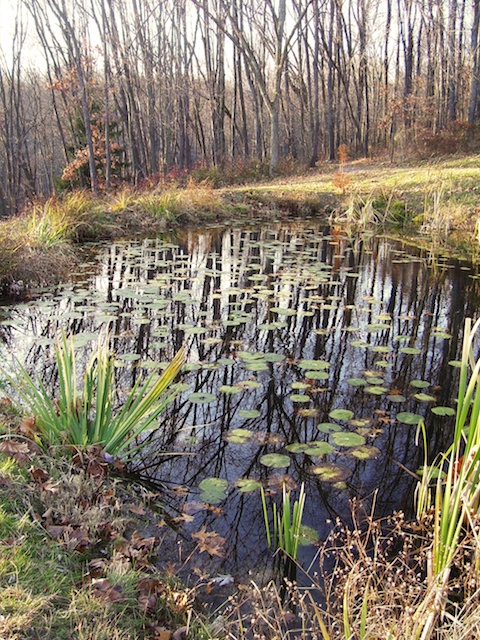
Autumn pond

Fall pond (for Bruce Stambaugh)
The pond that inspired the haiku. (Photo by Melissa Neiderhiser)

Fallen leaves, brown reeds,
Floating on the black water,
lilly pads yet green.

Bruce Stambaugh
Dec. 3, 2010

A practical way to give thanks

By Bruce Stambaugh

It was only appropriate that for a full week after the first snow of the year that we experienced a perfect Indian summer here in Ohio.

The extended summer-like days, which seemed to actually improve chronologically until the rains came, served as a picturesque bridge between a superb fall and an inexplicit winter yet to come.

We can only wonder what winter will be like. Will it be as harsh and record breaking as the last? We hope not. Clearly we have no say in the matter.

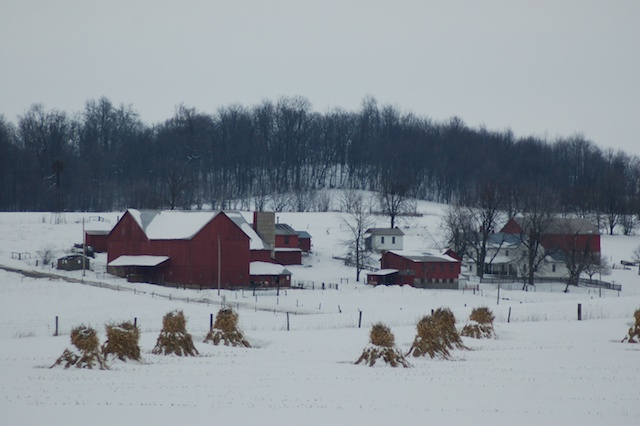
Snowfall in Ohio's Amish country by Bruce Stambaugh
Snowfall in Ohio's Amish country totaled three feet in February 2010.

Every fall the National Weather Service issues a long-term guesstimation of what winter will bring. But even the scientists hedge their prognostications on percentages, casino like.

In the end, we have no choice but to take what we get. Hushed by the holiday clamor, a certain question lingers unspoken. Will we appreciate what we receive? In truth, that question can and should be applied far beyond the realm of weather.

I remember well the winter of 2004-2005 when the infamous ice storm nailed our area. The accumulating ice snapped giant trees, brought down power lines, halted commerce, interrupted communications, and thinned traffic to emergency purposes only for days.

Those of us who were on the electrical grid were hit hard. Fortunately, an Amish friend saved my family and me with the use of a generator to at least keep the gas hot water heat on. Without the generator’s assistance, the pipes in our home would have frozen and burst, causing extensive damage. Thankfully that did not happen, due to the unconditional generosity of my friend.

All the while, with our communication to the outside world cut, thousands upon thousands of people were caught in the wake of a horrific earthquake and subsequent tidal waves that killed scores of people.

In sorting through an overflowing basket of mishmash the other day, I came upon some handwritten notes I had made about the catastrophe. Apparently, I did so while listening to a battery-operated radio. In reviewing my scribbling, I was reminded that the inconvenience of living without electricity for five days paled in comparison to the plight of millions of fellow human beings halfway around the world.

A sampling of my jottings, dated Dec. 26, 2004, relived the calamity: Banda Ache, 60-foot wave, two miles inland, 30 mph, eight-12 feet deep flood; deaths, 200,000 in Indonesia alone, 400,000 injured; no system to alert people in Indian Ocean rim; 9.3 magnitude earthquake, the world’s deadliest tsunami. Unfortunately, those initial notations proved accurate.

Once power was restored the horrible scenes unfolded on television. I was appalled for the victims, thankful for my family that we had only lost power and a few trees in the yard. Compared to the widespread wreckage and unbelievable totals of death and injuries of so many innocents, we had been fortunate.

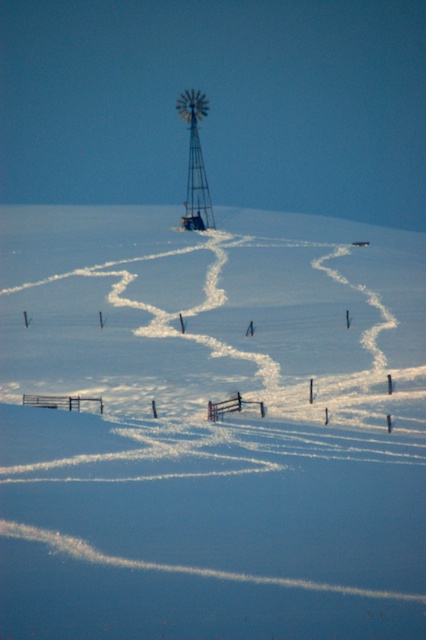
Tracks in the snow by Bruce Stambaugh
Horses made serpentine tracks in the heavy snow last Feb. in Holmes County.

Since then, infinite natural and man-made disasters, including the sluggish global economy, have occurred. Others will likely continue to develop as time progresses. Nevertheless, as we begin this holiday season in North America, we still have so much for which we can be thankful no matter our personal situation.

This Thanksgiving perhaps we can express our gratitude by simply helping the less fortunate. We may not have to look clear to the Indian Ocean rim for those opportunities either.

Maybe, just maybe, a proactive generosity can be an Indian summer bridge to brighten someone else’s rainy day life. That would be a practical, productive and prudent Thanksgiving.

It’s beginning to look a lot like fall already

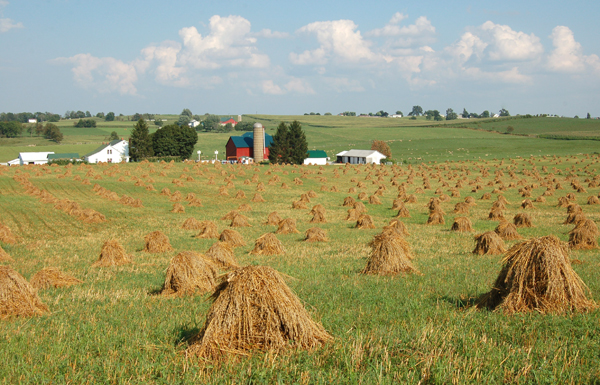
Oats shocks by Bruce Stambaugh
A field full of oats shocks before being gathered for the thrasher near Berlin, Ohio.

By Bruce Stambaugh

With Labor Day upon us, autumn will be right around the corner. In fact, if you look closely, signs of fall are already evident.

Some of the indicators are obvious, others more subtle. Some are predictable with still others seemingly a bit premature.

The days, often the nicest of the summer, have a sly, natural flaw. Day by day, minutes of daylight are silently subtracted from the previous day’s total. By month’s end, daily darkness will outnumber daylight once again.

The sun itself is moving more towards the center of the horizons at sunrise and sunset. Those driving true east and west running roads have already begun to frequently use their sun visors. The fall fogs, too, have clouded crisp mornings, the consequence of cool nights following warm days.

In the fields, the harvesting has begun. My Amish neighbors have long since gathered up the standing army of oats shocks and wheeled them off wagon load after wagon load to the thrasher.

Now it’s the corn’s turn. The field corn seems to have taken on drought status, drying up almost overnight. Brown has overtaken green as the predominant color in the standing sea. Smart farmers have already begun to cut their supply of silage to replenish the silos.

Fall webworms by Bruce Stambaugh
The homes of fall webworms shine in the sun.

In the woods and along highways, once glossy, emerald leaves have dulled and drooped. Some have already begun to drop without even changing color. Now and again a black walnut can be found standing stark naked, save for the cache of fall webworm nests it has involuntarily collected.

In the gardens, the picking of produce is a daily chore. Cucumbers, onions and tomatoes have hit their peek. Kitchens are cluttered with utensils for canning and freezing. The ripened fruits and vegetables that aren’t consumed at the dinner table find their way into jars and containers.

Even the sounds of the season have changed. Only a few American Robins continue to sing, and most likely they are sophomores practicing for next year’s prom. Instead of gathering nesting materials and snagging worms and insects, parent birds lead their fledglings to watering holes for liquid refreshment and necessary bathing.

Well-worn butterfly by Bruce Stambaugh
A well-worn tiger swallowtail butterfly took advantage of some wildflowers.

The volume and frequency of the cicada and katydid songs have lessoned considerably. Even the crickets have quieted down.

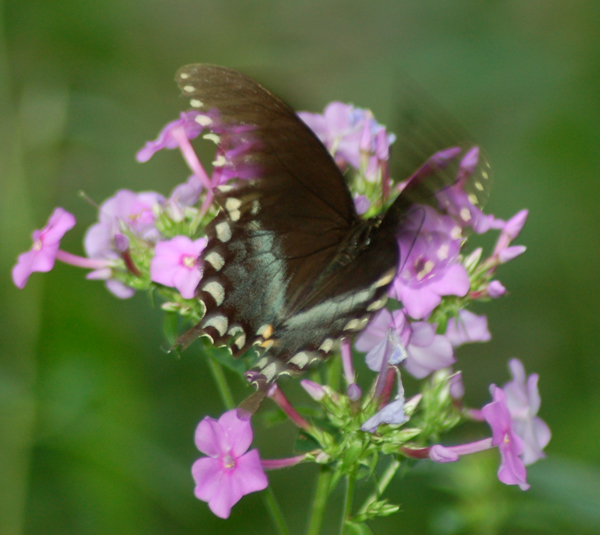
Butterfly on phlox by Bruce Stambaugh
A butterfly enjoys late blooming phlox.

Butterflies of all sizes and colors squeeze whatever nutrients they can out of the fading cornflowers and black-eyed susans. The humming birds, too, seem to sense an urgency to store up extra energy for their upcoming southern vacation travel.

Squirrels are in their glory, cutting as many beechnuts, hickory nuts and walnuts as they can. Thrifty creatures that they are, they also bury future meals for harder times ahead. Only they can’t always remember where they put their stash.

Next spring, when the saplings begin to appear, we will learn just how forgetful the squirrels were. But between now and then, many pleasant days lay ahead, and probably some less than desirable ones, too.

There is yet one more indicator that fall is knocking on our door. Campaign signs have already begun to litter urban, suburban and rural roadsides. They are as prolific and unsightly as the ugly webbed homes of the worms.

The obnoxious yet gaudy campaign posters are a human-induced reminder of what nature is about to bring. Autumn will be here before we know it, and there is little we can do about it except to enjoy the ever-changing colorful show.

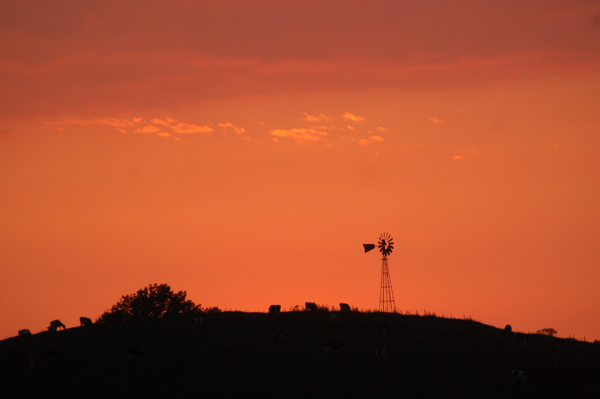
Cows grazed at sunset by Bruce Stambaugh
Cows grazed on a hillside at sunset.
Bay Photos by Donna

Wildlife photos from the Chesapeake Bay region

ROAD TO NARA

Culture and Communities at the Heart Of India

K Hertzler Art

Artist and nature journalist in the Shenandoah Valley of Virginia.

Maria Vincent Robinson

Photographer Of Life and moments

Gabriele Romano

Personal Blog

Jennifer Murch

Art is the only way to run away without leaving home. -Twyla Tharp

Roadkill Crossing

Writing generated from the rural life

ANJOLI ROY

writer. teacher. podcast cohost.

Casa Alterna

El amor cruza fronteras / Love crosses borders