Breaking a long tradition for a heartfelt reason

cuttingthechristmastreebybrucestambaugh
The perfect tree.

By Bruce Stambaugh

My wife and I made an impromptu, important decision. We broke a long-standing tradition for the perfect reason.

For the last 40 years, we have always had a live Christmas tree grace our home. That won’t happen this year.

The live tree always stood centered in front of the living room windows for most of December. This year an attractive, used artificial tree retrieved from a local thrift store fills that spot.

Our first live trees weren’t cut either. They still had their roots bound in burlap. After Christmas, we transplanted the trees in the yard of our first home we built four years after our marriage. When we moved to our present home 36 years ago, we switched to live, cut trees.

Christmas tree, opening gifts, family
Christmas morning.

Both my wife and I had grown up with fresh cut trees in our homes for the holidays. My family often took excursions to select just the right tree. Dad used the saw, and us kids would help carry the piney prize back to the car.

We continued that Yuletide tradition with our children. We loved the family experience, the exhilaration of the nip in the December air in Holmes County, Ohio.

My favorite Christmas trees growing up were the Scotch pines. I loved their long, soft needs as opposed to the stiff, prickly ones of the Colorado blue spruce species.

In recent years, my wife and I tried Fraser, Douglas, and Concolor firs. They all kept their needles longer than other species and filled the house with a pleasant, conifer fragrance. Their soft, bluish-green coloration added a festive flair, too.

With all of these positive traits, why would we change now? The truth is, we hadn’t intended to switch.

We went looking for a Concolor that would serve a dual purpose. We would again get a balled tree first to serve as our Christmas tree. After the holidays, we would plant it to replace a mature blighted blue spruce removed from our side yard last summer.

Concolor, memorial tree
The Jenny tree.

We found a small, balled Concolor at our first stop. It was hardly three-feet tall, much smaller than we had in mind.

Then we got an idea. We bought the little tree and planted it where the stately blue spruce had been. We chose this lovely fir to serve as an evergreen memorial to our dear friend, Jenny Roth Wengerd, who died on Sept. 11 from a brain hemorrhage at age 47.

The tree was about the size of Jenny when we first met her at age three after her adoption from South Korea. Neva and I witnessed her naturalization as a U.S. citizen.

We often cared for Jenny and her siblings while their parents were away. She and her family stayed in our house the day their home burned down. We mourned with the family when Jenny’s brother, Steve, died of cancer at 25.

We had been through a lot together.

Jenny was as beautiful and compassionate as a human could be. She radiated love and joy to all who knew her. Planting a tree to her memory only seemed fitting.

Only a single ornament adorns this extra special Christmas tree. A simple, translucent angel watches over this dedicated evergreen.

We will celebrate Christmas with a fake tree this year just as joyfully as if it were a fragrant, beautiful fir. Outside our Jenny tree will sink its roots into the earth, a living memorial to our gregarious friend who died much too soon.

Paul Roth family
The Roth family.

© Bruce Stambaugh 2015

Reflections on a rare sunny fall day

Amish farm, wash day
Wash day.

By Bruce Stambaugh

I couldn’t resist. I had plenty of inside chores to complete, but the golden brightness of the glorious fall day drew me outside. With the sun dazzling in the clear blue sky, it would have been sinful not to soak it in. So I did.

Sunny days in late fall in northeast Ohio are rare. November and December are historically our cloudiest months. I wanted to take advantage of the beauty. I soon discovered that I wasn’t alone.

Of course, preparations for the holidays ahead already had people out and about. Folks seemed to double down on this beauty of a day. Traffic of all types kept the byways busy.

Amish buggy
Going home.

It was a day of contradictions. I passed an Amish man eating an ice cream cone while cruising along in his black buggy. It wasn’t even 10 a.m. It was 47 degrees Fahrenheit, proving once again that temperature is not a prerequisite for enjoying yummy ice cream.

Congestion reigned at the square in Mt. Hope, not an uncommon sight on sale day at the livestock auction. The sun spotlighted a farmer on a tractor chatting on his smartphone. The conversation must have been agreeable. He grinned like a Cheshire cat.

sheep grazing
Grazing sheep.
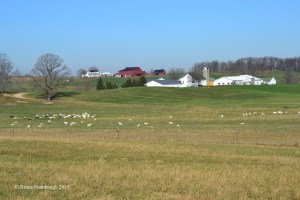
Up the road a piece, a flock of sheep grazed in the hollow of a broad, bowl-shaped field. The wooly coats glistened against the straggly spent vegetation that still stood above the close-cropped grass of the pasture.

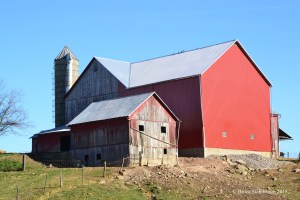
Amish farmsteads turned uncharacteristically patriotic. A curtain of Navy blue sky served as the backdrop for the starched white clapboard houses and coffin-red barns.

faded barn
Faded and not.
The sun bathed everything everywhere. Even long-neglected faded siding begging for a proper coat of paint stood out. Rusty windmill blades glinted in the brightness.

A pair of Red-tailed Hawks circled and soared low over a woodlot and disappeared. Pigeons claimed barn roof ridges, white and gray backs to the radiant warmth.

By afternoon, sunbeams streamed in on a factory office desk. The busy boss himself beamed in the glory of the day’s beauty.

A pair of Amish preschoolers, probably brother and sister, fearlessly coasted their wooden wagon down the gently sloping township road. It may have been late November, but their joy said summer.

An Amish worker skillfully wrapped a finished piece of machinery in clear plastic to protect its fresh coat of paint during shipping. He was more than glad it wasn’t snowing.

Windows on a passing school bus were all down where the students sat. I doubt the jolly driver cared.

Downy Woodpecker
Downy Woodpecker.
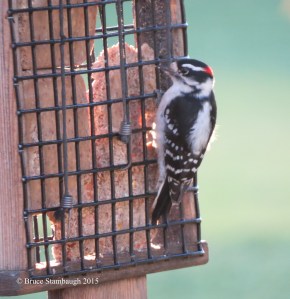
Near dusk, a stand of hilltop trees filtered the southwestern glow. Nevertheless, the sun’s strength still outlined a downy woodpecker’s fine feathers like an angel’s halo. The usually nervous bird seemed to relish the moment unless it simply wanted to pose for a cameo photo.

The sun set too soon and unspectacularly. On the opposite horizon, November’s frosty moon rose full. Its soft illumination stunningly highlighted thin wispy clouds, a pale but dramatic imitation of sunrise.

By day, the sun radiated more than welcomed warmth. It energized humans, Holsteins and wallowing hogs. By night, the recycled solar rays washed the earth in a rich beauty not often seen without a sparkling snow cover. I hated to do it, but I had no choice. I pulled the bedroom drapes.

I wasn’t shutting out the light so much as keeping the bright beauty of the day internal. Its brilliance still burned within me, an immeasurable, lustrous love that lulled me to sleep.

frosty full moon
Frosty full moon.

© Bruce Stambaugh 2015

Reflections along a mountain stream

autumn leaves, back lighting
Backlit leaves.

By Bruce Stambaugh

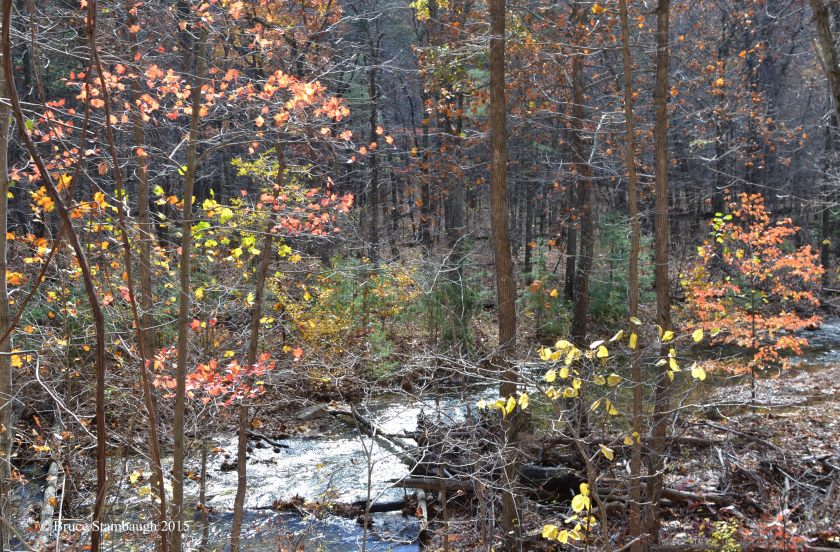
Recent rains made the sparkling mountain stream joyfully sing its way through the sylvan hollow to the broad valley below. The late morning sun’s reflection shimmered as the cold water rushed over and around ancient boulders.

I had driven to this little paradise on the advice of my daughter. She recently had hiked with her family a trail that crossed the creek and scaled one of the precipices of the old, rounded Blue Ridge Mountains. I wasn’t that ambitious.

I was content to drive the 22 miles out of Virginia’s Shenandoah Valley to the end of Port Republic Road to enjoy a morning stroll. I took the much easier firebreak road that shadows the meandering stream.

Stepping stones across the usually placid braided stream broke the trail my daughter took. Today the stream roared rather than lapped its way into the valley.

The native brown trout had to be happy to play in other pools for once. I was happy, too.

This slideshow requires JavaScript.

The temperatures warmed as the sun rose higher above the foothills. The shedding oaks, maples, dogwoods, sycamores and quaking aspens filtered the sun’s splay. Sunrays backlit the remaining colorful leaves. They glowed against the drab earth tones of tree trunks, ferns, and long shadows.

The creek drew me down from the road to its shallow banks. Sapling undergrowth made the way tricky, but not hazardous. I was surprised by both the speed of the stream’s flow and the water’s clearness, especially after recent steady rains. Weeds and reeds normally rustled by the wind swayed submerged.

In the shade, the cooler creekside temperatures chilled me. I didn’t linger there for long.

I returned to the more inviting sunny, well-maintained service road. At times, the stream ran against the narrow berm. In other places, the road curved slightly north while the creek twisted south and out of sight, but never out of earshot.

No car horns, no train rumbles, no jake brakes, no jetliner noise overhead, no boom boxes interfered with the numerous natural sounds. A fox squirrel skittered from the road to the safety of a tree trunk as I approached. It barked at me, and I shot it with my camera.

Click on the photos to enlarge them.

Up ahead, birds flew across the firebreak. To keep my load light, I had left the binoculars in the vehicle. Fortunately, the birds sat still even as I quietly approached.

I smiled at sighting my first of the year Dark-eyed Juncos, freshly arrived from the Canadian tundra. The flash of their outer white tail feathers against their slate-colored revealed their identity.

The mountain’s granite core stood exposed from time to time. Whitish-gray outcroppings reflected the morning sun both at manmade cuts and in natural talus slopes. I wouldn’t want to be anywhere near the latter if the massive rock pile decided to slide.

Soon hikers a decade older than me approached from the opposite direction. We bid each other adieu, and I asked them how far the road reached.

“Ten miles,” they said, “But it’s an easy walk to the top,” referencing the mountain. The road ended at the Skyline Drive. I took their word for it.

A few trails flared off in either direction. I was content to stay the course for a while before returning to the car for lunch under the noonday sun.

The earthy fragrances, the laughing stream, the vibrant colors pleasantly seasoned my simple fare, which was only right. It had been a sumptuous morning in every aspect.

mountain stream, Shenandoah NP
Sparkling stream.

© Bruce Stambaugh 2015

Painting stirs fond memories

autumn in Virginia, landscape
Virginia in the fall.

By Bruce Stambaugh

I haven’t been to my maternal grandmother’s family farm in southern Virginia for years and years. When I arrived in the state’s Shenandoah Valley recently to rejoin my wife, she had a pleasant surprise for me.

The watercolor landscape of Grandma’s family farm hung in the hallway of the apartment we had rented for the fall. We were in Virginia to help our daughter and her family on the home front during the fall. She had loaned the painting to decorate our temporary quarters.

My late mother had painted the landscape of the farm years ago. Dad framed it with well-weathered barn siding he scavenged and repurposed from the farm. There was nothing abstract about this rendering.

I can’t help but smile every time I pass by the farm scene. It brings back such pleasant memories for me.

Growing up in northeast Ohio, we seldom visited the Virginia homestead. It was just too far for a budding young family to travel. Back then it was a three-day drive without the expressways of today.

My grandmother’s two unmarried sisters, Evie and Gertrude, lived on the farm their entire lives. Like many in the south in the 1950s, they worked in a textile mill.

I keenly remember the one trip we did make to the farm when I was a youngster. With no air conditioning, the summer trip south was long and hot.

Signs I had never seen before confused me. As a youngster, I couldn’t fully comprehend “blacks only” notices pointing to the back entrances of businesses. Clearly and thankfully, those were different times.

The farm lane from the highway to the old homestead was little more than two tire tracks that twisted up and around the tree-lined hill to the house. We must have bounded out of the car like a bunch of freed puppies from a cardboard box.

As you can imagine, Grandma’s sisters were gracious hosts. But I could tell having children clamor about their house and property interrupted their normal life. I felt their constant gaze.

Family heirlooms filled the comely old home. Large photos of our great, great grandparents hung in antique oval frames on the living room wall.

The weathered tobacco barn stood behind the house. The two shed-like sides leaned away from the barn’s higher center where the tobacco was hung to dry.

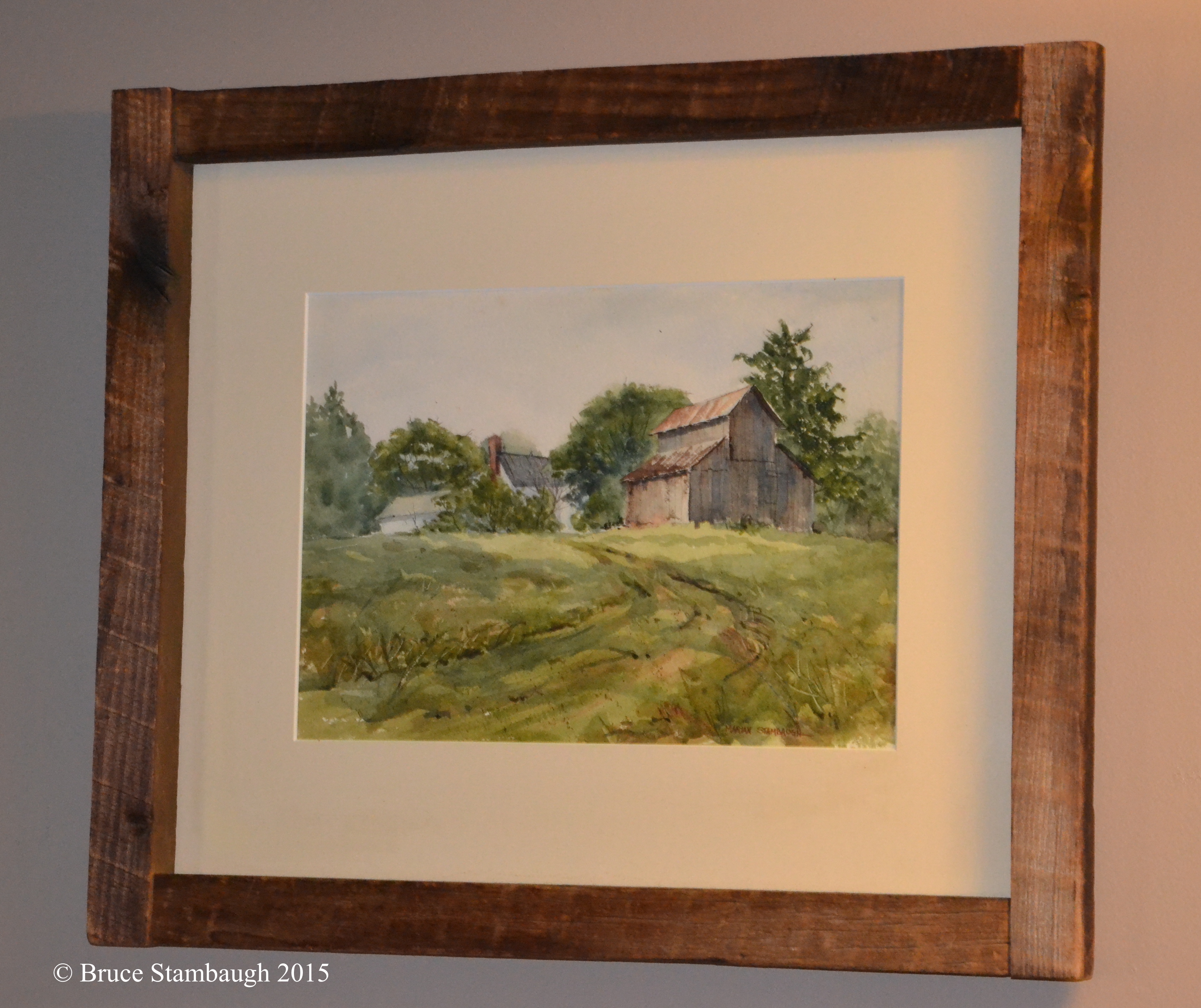
Virginia family farm. watercolor
My mother’s watercolor of the Virginia family farm.
Mom made the barn the centerpiece in her watercolor. The white clapboard farmhouse peeked out from behind.

Mom painted from the perspective of the narrow path that ran down the hill to the spring that supplied the house with water. I had walked that very way with Dad to check the water level to assure our gracious hosts that we would not drain the cistern.

The highlight of the trip for me surely had to be the sumptuous Sunday dinner these two elderly ladies prepared for us. Of course, southern style fried chicken and mashed potatoes served as the main course.

Dessert is what I remember the most, however. It was the first time I had ever had German chocolate cake.

I can still taste that made from scratch layered masterpiece, slathered with yummy brown sugar frosting sprinkled with sweet coconut. I don’t know if it was the heat or by design, but that frosting just oozed down the cake’s sides.

My mother’s painting perfectly captured the Virginia farmstead. The watercolor is both a work of art and a precious timepiece of family history.

© Bruce Stambaugh 2015

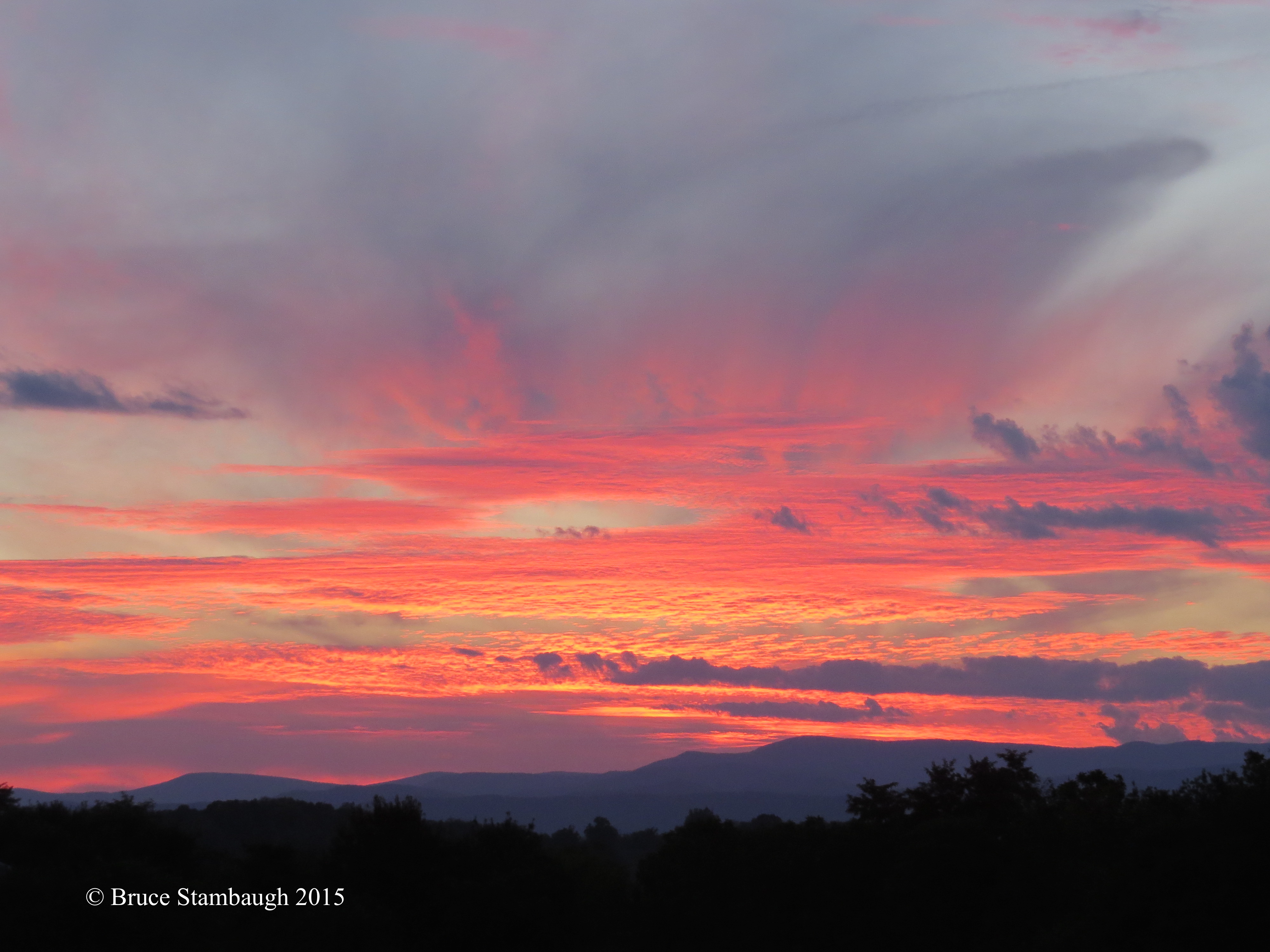
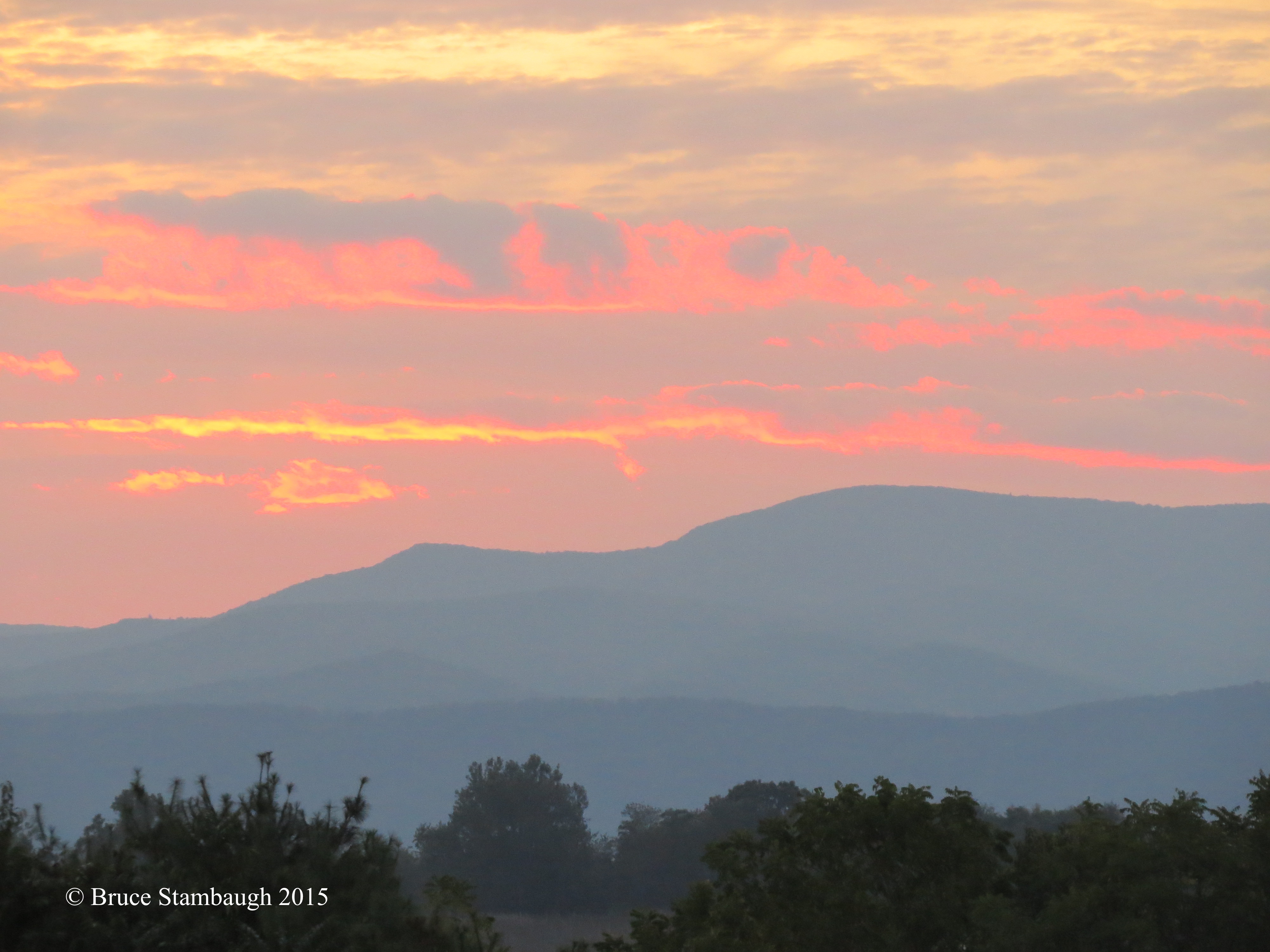
In search of a sunset, I found serenity, too

City sunset
View from the city.

By Bruce Stambaugh

I drove away from the city to get a country view of a Shenandoah sunset. I came away with so much more than picturesque photos.

I had taken several sunset shots near our daughter’s home in the Virginia valley that is the result of ancient geologic folding. I wanted a different backdrop. I decided to head for a friend’s childhood home.

After I had dropped off my oldest grandson at baseball practice, I drove a few miles south and west of the city that is rapidly sprawling far beyond it’s historic downtown. My friend, Ava, had moved to Ohio last year. She said she remembered people stopping to take pictures of the views opposite her home.

Veiw west
On Ava’s family farm.
Ava had given me perfect directions to her old place. I found it well before sundown, which gave me time to check out the area, and take a few photos first.

Ava was right. The panorama alone was stunning. This high spot on a gently rolling ridge opened up nicely to the west. The sun glowed above the Alleghenies miles away.

I sent her a text with a photo of the evening’s western landscape. Ava’s reply caught me by surprise.

Despite all the years she had lived there, Ava didn’t have a sunset photo from that perspective. Her family’s religion forbade owning a camera. I didn’t know that, however.

In her words, Ava said it was a precious vista that hemmed the western range of her formative years. It was the scene she saw as she walked to the school bus, gather the mail and drove the buggy to church. The foothills, valleys, and mountains served as a geographic security blanket for her.

Ava profusely thanked me for the photos that brought back so many poignant memories. Capturing and sharing that setting generated a heartwarming story that dearly warmed me far more than the fiery sunset.

Tractors whizzed in and out the long lane of the family farm. Wagonload after wagonload of chicken manure got spread on the sloping fields while the sun blazed away behind the distant foothills and aged mountains.

My senses were conflicted. What I saw thrilled me. What I smelled I just endured until dark.

Dancing sunset
Dancing rays.
As I was about to leave, a young man on one of the tractors stopped on his return trip to the barn. A young boy and younger girl flanked the ruddy driver. The farmer wanted to know if I was taking the photos for my own use.

I nodded in the affirmative. He seemed startled when I asked him if this was the old Shank place. He confirmed what I already knew.

We chatted some more, and I told him that I knew Ava. Likely cautious of a stranger, he just smiled broadly and nodded in return without saying that Ava was his aunt. She told me that later. Ava was as thrilled that I had met one of her kin as she was with the photos I had sent.

I had gone in search of a friend’s homestead and a different view of the sunset. I succeeded on both counts. But that’s not what made the evening extraordinary.

Every sunset is different of course. By making these unexpected, long distant connections between an aunt and her nephew, this sundown dazzled me with more than shimmering red and orange rays.

This serendipitous interaction brought me a personal, soothing satisfaction. It was a moving encounter no camera could ever capture.

Allegheny sunset, Shenandoah sunset
Ava’s evening view.

© Bruce Stambaugh 2015

Past and present meet at the strangest places

By Bruce Stambaugh

The past and present sometimes intersect in the strangest places.

I had lazily let scores of previously read email messages in my inbox pile up for much too long. Never mind how many there were. Let’s just say it was the equivalent of a very messy desk.

rainy day, Shenandoah Valley
Rainy day.
While waiting for the chilly rain to quit in Virginia’s beautiful Shenandoah Valley, I took action to remedy the situation born of my procrastination. I spent several hours over parts of two days, but I finally cleared all the old emails away.

What took so long? Well, I had to read some of them of course.

The variety of clutter I discovered I had left shocked me. Messages from sales people, church folks, friends, family, businesses, and people I didn’t even remember tickled my brain cells.

I deleted most of the emails. A few were rather important, and I was surprised that I had just left them hanging there like those infamous Florida chads. Rereading several of the messages reawakened good and bad emotions long.

newborn baby
At the hospital.
When I reached the ones from early October 2009, I was pleasantly transported back in time. Long forgotten electronic correspondence between family members and myself got my old heart racing.

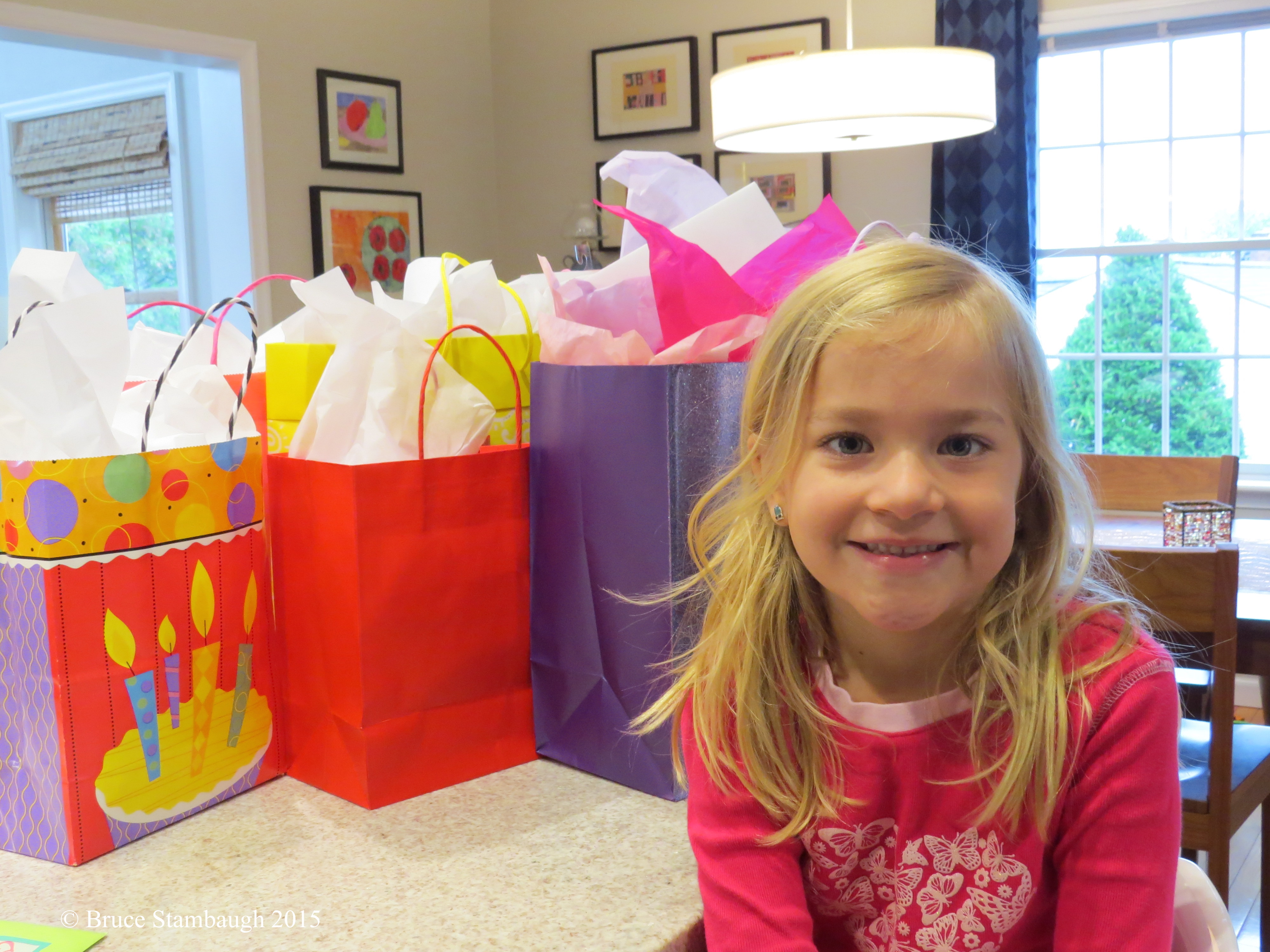
The birth of our granddaughter, Maren, was the main topic. How timely I thought. We were in the midst of preparing for her sixth birthday party. Reading those notes from friends and family brought back fond memories.

I found updates from my wife about how our daughter felt as she approached delivery, and what Nana was doing to entertain the grandsons in Texas, where they lived then. I was still in Ohio.

Now our daughter and her family live in this sprawling valley cradled between the Blue Ridge Mountains to the east and the Alleghenies to the west. They have settled in nicely. Texas is but a memory, much like my uncovering the orphaned emails.

Occasionally it’s good to look back, to remember, to recollect the past, to resurrect old feelings of joy. The birth of a baby is always a celebration, especially if it’s your granddaughter.

I was glad Nana was there to help with the grandsons, Evan and Davis. They were only five and three at the time. They needed her.

newborn baby
One week old.
I arrived a few days later to hold my newborn granddaughter. Maren was as beautiful as her name, a derivative of Marian, which was my mother’s name.

As I revisited those old emails, Maren’s birth seemed like yesterday. Here we were celebrating her sixth birthday. Where in the world had the time gone?

One day she is swaddled in diapers surrounded by stuffed animals and curious brothers. Today she is an active, self-assured kindergartner learning to speak Spanish.

I chuckle at her impressive English vocabulary alone. Maren rattles off words like “actually,” “random,” “responsibility,” and “unrecognizable” in the proper contexts. The days of cooing are long over.

Next thing you know, she’ll be going out on her first date. But let’s not rush it.

Nana and I enjoyed Maren’s little birthday party. She just reminds us of her mother when she was six, only Maren persists with all things pink.

For now, Nana and I enjoy watching our three grandchildren grow, mature, fight, play ball, do gymnastics, and interact with their peers, parents and friends.

I’ll cherish these moments as best I can. Keeping a clean inbox is a good way to start.

birthday presents
Ready for presents.

© Bruce Stambaugh 2015

Baseball’s playoffs have begun, minus Cleveland of course

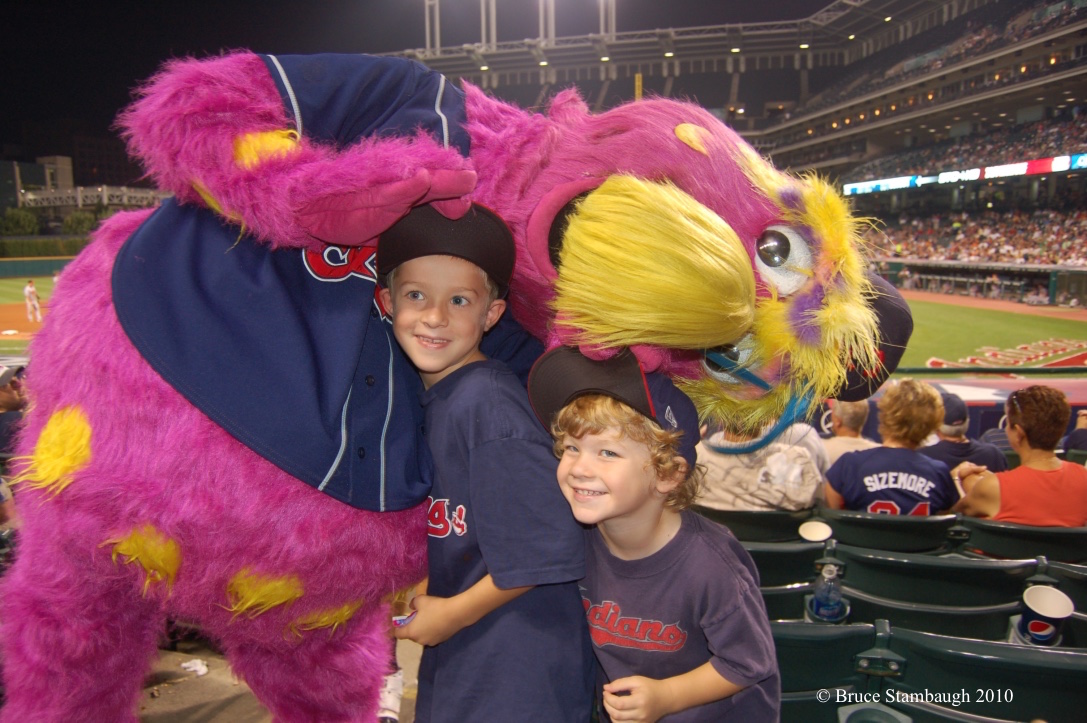
former Cleveland Indians
The glory days.

By Bruce Stambaugh

Another Major League Baseball regular season is over. The playoffs have begun.

My favorite team won’t be playing in the postseason again this year, despite the extended playoff schedule. The Cleveland Indians have packed it in once again. Even the most casual baseball fan knows it’s not the first time.

The Indians have been in this position for most of their existence. The Cleveland club has only won the World Series twice. They came close in 1997. But 18 years later, it’s still too painful to recall.

Yes, I am a diehard Cleveland Indians fan, though I do wish they would change their mascot. We have the Cincinnati Reds. How about the Cleveland Blues? That name would appropriately represent the feelings of Cleveland’s fans this time every year.

Terry Francona, Rocky Colavito
Terry Francona and Rocky Colavito.

I would love to see the Indians win the World Series just once. To be fair, I was alive the last time the Indians won it all. Not that I remember it. I was a year old.

Like most other kids, I collected baseball cards growing up. In those days, we had to buy them one pack at a time and hope the flattened stick of bubblegum wasn’t too stale. I spent a lot of nickels saving those cards.

I wish I still had them. The cards accidentally got pitched while I attended college.

My favorite Cleveland Indians were Rocky Colavito, Minnie Minoso, Herb Score, Bubba Phillips, and of course Lou Klimchock. He led the Indians in hitting in 1969 with a whopping .287 average.

I’d stay up late at night listening to Jimmy Dudley call the games on the radio. For some strange reason, he always seemed more excited at the beginning of the season than at the end. I think I know why.

I remember going to a doubleheader game on Father’s Day against the dreaded and perennial powerhouse New York Yankees. The Indians had won the first two games of the series. We sat out in the left field stands in old Municipal Stadium. A standing room only crowd packed the cavernous place.

Hall of Famers like Whitey Ford, Mickey Mantle, Roger Maris and the late Yogi Berra filled the Yankee roster. Cleveland won both games and swept the series. Our spirits were high.

baseball fan, Cleveland Indians
Typical fan?

It seemed like every year the Tribe played their hearts out and built hope against hope that this might finally be the year. But once the Fourth of July rolled around, the Tribe did their annual swan song. By season’s end, the Yankees were the American League champions. The Indians? Well, take a guess.

Keep in mind those were the days when the team that won the pennant in each league went to the World Series. It was all or nothing. It’s been zip for Cleveland for too long.

Hopes rose again when Cleveland built a new stadium, affectionately called The Jake, now corporately named Progressive Field. Unfortunately, the Tribe still hasn’t made much progress toward winning it all.

The Indians have gone to the playoffs a few times in the last two decades. But some of those winning teams were filled with shining stars bloated with egos and steroids. No names mentioned, however.

Since that era, the season has usually ended right on schedule for the Tribe. When that happens, just like this year, all faithful Cleveland Indians fans know what to say.

“Wait until next year!” We always do.

Slider, grandsons
Better than a World Series win.

© Bruce Stambaugh 2015

Where did summer go already?

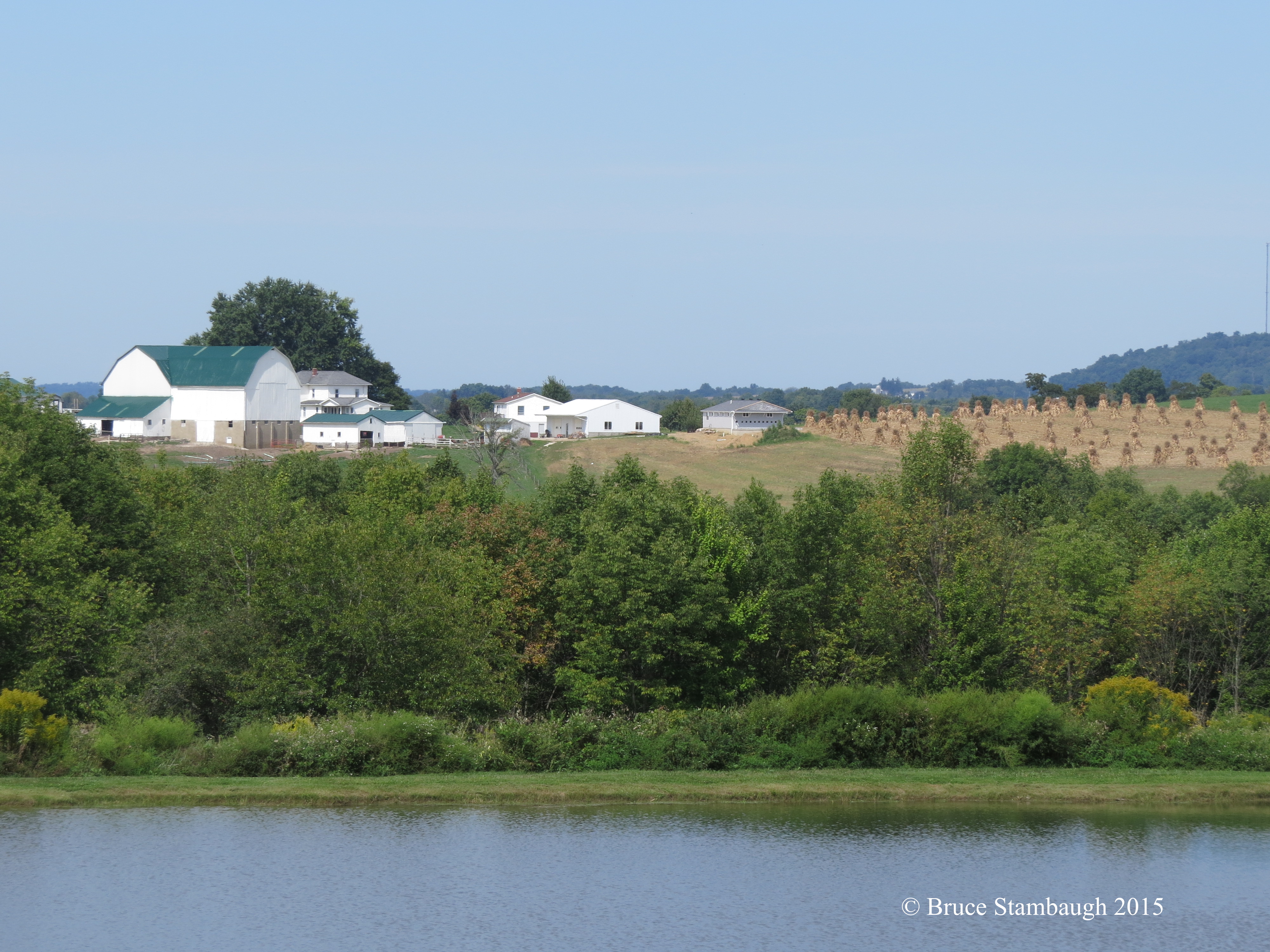
corn shocks, Holmes Co. OH
Corn shocks already.

By Bruce Stambaugh

It seems like only yesterday that we were asking ourselves, “When will summer arrive?” I think that was in June when it was still cool and very wet.

Well, a lot has changed since then. It seemed like the summertime months turned on themselves. It was a Jekyll and Hyde summer to be sure.

The persistent rains of early summer suddenly ceased. After the deluge that created localized flash flooding in Holmes County on July 14, regular rains were scarce. We lapsed into a dry spell that lasted too long to help the corn kernels swell with sweetness.

July flash flooding, Holmes Co. OH
Flash flooding.
Initially, truck patches struggled with mildew, mold and rot in the chilly dampness of early summer. Later, though, as crops matured, their unquenched thirst did them in. They ripened ahead of schedule, withered on the vine or failed to produce the desired yield.

So here we are, the autumnal equinox upon us, and we’re wondering, “Where did summer go already?” As humans, we can be as fickle and contrary as Ohio’s crazy weather. It’s in our nature, and we have the grievance gene working overtime.

Therefore, now that September is waning, it seems only fair to wonder what happened to summer. My best answer is, “I don’t know.” I do know, however, that the signs of summer’s end have shown for some time.

School started weeks ago for many students, always a sure omen of summer’s demise. Summer flies other white flags, too.

Spurred on by the early rains, rows and rows of field corn sprouted lush and fertile, growing taller than tall. Without regular August rains, they have withered and turned brittle brown overnight. It’s been a long time since I remember seeing cornstalks standing like mustered soldiers this early in the harvest time.

(Click on the photos to enlarge them.)

Fireflies faded, and crickets increased amid the dryness. Our feathered friends have dawned their duller wardrobe for safety sake. Their luxurious singing has muted with their habitat’s colors.

Migration is in full swing for birds and butterflies alike. Look quickly. They won’t stay. They have long, challenging journeys ahead.

Another obvious indication of summer’s passing is just how soon sunset seems to arrive each evening. And that’s after the sun was late in rising daily.

With the reduction in daylight hours, the air has cooled considerably overall. Of course we’ll still have some splendid days ahead. But day-by-day, week-by-week, the evening and morning coolness forces us to dress in layers to adjust to the daily variables.

Summer has gradually been waving goodbye in a very colorful fashion for weeks now. Deciduous leaves have been slowly changing from their summer greens into fall’s warmer fashionable trends of crimsons, yellows, and russets. Many leaves have just simply fallen off.

Healthy stands of goldenrod bend and recoil with the slightest breeze. Wild sunflowers separate highways from pastureland. The American Goldfinches couldn’t be happier, gorging on their fresh fruit.

Funny how we humans too often seem to want what we don’t have, and when it does arrive, we long for something else. I think that pretty much sums up summer and answers our rhetorical questions about summer’s arrival and departure.

We can’t control the weather or the seasons. We can only enjoy them whatever weather they bring. The key is to embrace the moment at hand, so we don’t have to look back and wonder where the time went.

Summer is about to depart. Let’s send her out with joy, as we usher in the harvest season with gladness and thanksgiving.

summer sunset, Holmes Co. OH
Goodbye summer.

© Bruce Stambaugh 2015

A strong work ethic is a universal trait

Amish produce stand
Produce stand.

By Bruce Stambaugh

I’ve been working since I was eight years old. To earn a little spending money of my own, my first job I went door-to-door selling seed packets. I’ve been working ever since, and that’s a very good thing.

There is great satisfaction in earning money through hard work. That was especially true as a youngster who grew up in a family that had pittance left over for life’s extravagances. We weren’t poor, but we weren’t rich by earthly standards either.

Rather, our wealth came in the joy of working together as a family and learning to enjoy work’s energy and accomplishments, whether we earned money or not. If it benefited others, payment was received in ways that far exceeded any monetary gain.

If my siblings and I earned money helping others at businesses or homes, you could be sure we used the profits for wise choices. The candy store was just five minutes away. Of course, our folks taught us the advantages of saving and giving, too.

I have my parents and grandparents, and likely generations before them, to thank for instilling work as a personal core value. Dad worked 43 years for the same company as a tool engineer. Mom was a household engineer before the profession was so christened.

Living in Holmes County, Ohio, all of my adult life, I have come to appreciate the community’s emphasis on exercising a robust work ethic. I marvel at seeing it played out every day.

This slideshow requires JavaScript.

I only have to observe my neighbor’s family gathering crops. Three generations are often literally bringing in the sheaves.

That should be no surprise. Having a strong work ethic is common and a highly valued principle here. It’s one of the reasons our region consistently has one of the lowest monthly unemployment rates in Ohio.

County residents pride themselves on enthusiastically employing their work ethic. That’s ironic for a society that holds humility in equally high esteem. Folks manage to balance that apparent contradiction for self and others successfully.

The method to instilling the work ethic to the next generation is simple. Folks here both model and include younger generations in work. In other words, the adults give the youngsters responsibilities that result in projects completed.

Children on farms help with chores. Feeding the livestock, gathering eggs, walking the dog all count as productivity. Drive around and you’ll likely see children including work in their play.

I always get a chuckle when I see Amish children playing horse and buggy. A couple of toddlers sit in a wagon while an older sibling plays the horse. A short piece of rope serves as the reins.

Amish children playing
At play.
From time to time as a principal, I would get a note from home asking that Johnny be permitted to visit the local store to buy some grocery items needed for that evening’s supper. I usually approved the request by driving to the store and letting the sixth grader do his deed.

At the produce stand we frequent, the entire family chips in to make the business go. From time to time, a request is made for an item not available on the shelf. Junior will gladly fetch the requested item from the field to accommodate the customer.

It’s all in a day’s work. Of course, the work ethic extends far beyond our insulated world. Working and earning are universally esteemed characteristics.

I’m glad we have Labor Day to remind us of that fact.

© Bruce Stambaugh 2015

August’s end means new beginnings

walk to school, Amish boys
Back to school. © Bruce Stambaugh 2015

By Bruce Stambaugh

A Belted Kingfisher flew furiously over the fresh mown hay towards a neighbor’s pond. Breakfast was likely on its mind.

My farmer neighbor hitched his workhorses and teddered the hay to help it dry. The Barn Swallows, Tree Swallows, and Cliff Swallows circled the productive locomotion and devoured every insect the man, the machine and his faithful team dispersed.

A refreshing north wind eased the day’s early humidity. No need for a calendar. All signs pointed to August’s end.

A few trees had already begun to transition from their chlorophyll green to their disguised shades. Even before the berries on the dogwoods blushed bright red, the trees’ leaves curled and revealed hints of crimson and lavender.

blooming hydrangea
The hydrangea. © Bruce Stambaugh 2015
My energetic wife had already deadheaded the once lovely hosta blooms that adorned the leafy plants in her luscious flower gardens. The Ruby-throated Hummingbirds, hummingbird moths, and various butterflies, bees, and other pollinating insects had completed their instinctive work.

The hydrangea bush bloomed full and pure against the garden shed. It demanded daily watering in August’s heat and dryness.

Juvenile birds, Red-headed Woodpeckers, Song Sparrows and Blue Jays among them, found the feeders and the birdbaths on their own. Another aviary generation will forge into fall and winter without knowing what lies ahead as if any of us do.

American Goldfinch on sunflower
Eating fresh. © Bruce Stambaugh 2015
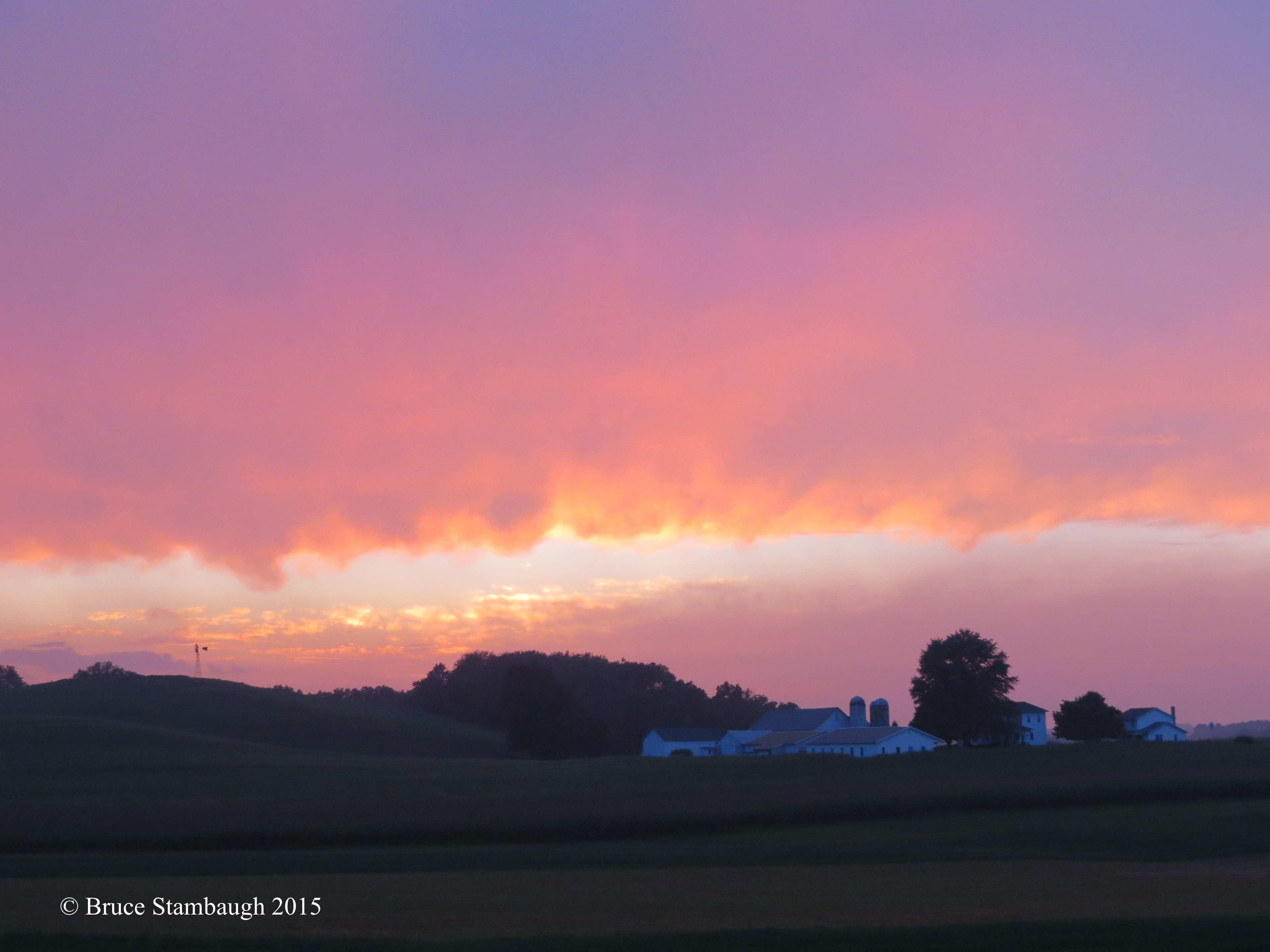
The acrobatics of the American Goldfinches provided free entertainment as they worked over the volunteer sunflowers that sprouted from bird feeder droppings. Fresh food is not just a human preference.

The big yellow school buses began carting anxious and enthusiastic children alike to and from school. I waved to the drivers as they passed me on my walk.

People often ask me if I miss those days; if I don’t have some innate longing to return to my first career. The short answer is, “No, I don’t.”

I loved the children, whether teaching or being their principal. I greatly enjoyed the interactions of parents and staff members, even when we disagreed. I have no resentments or regrets. Neither do I have any wish to reenlist.

oat shocks
Straw soldiers. © Bruce Stambaugh 2015
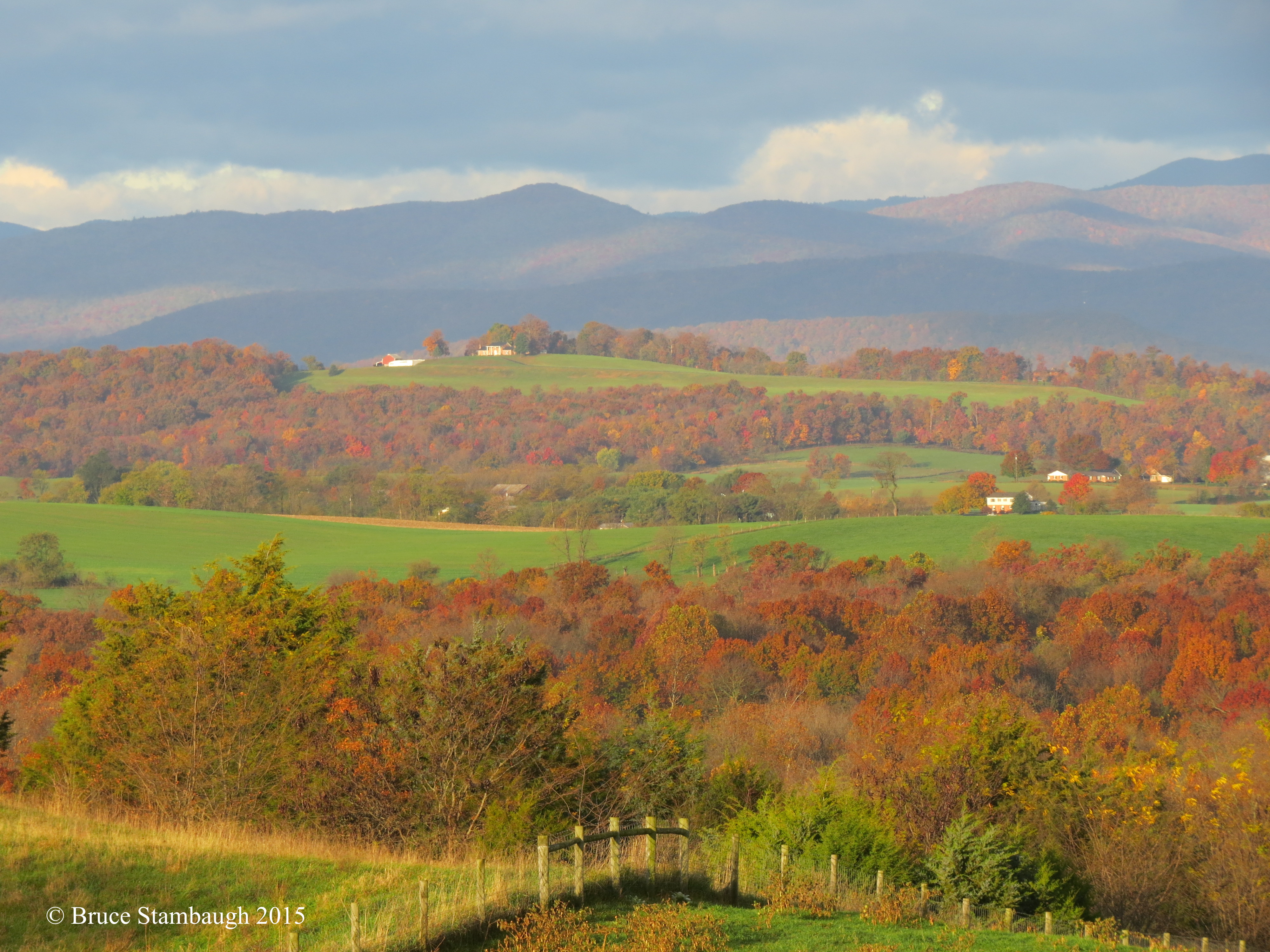
My life has moved on. I am the same person, just at a different place in my turn at life’s cycle. I have fond, fond memories of my teaching days and principal days. But now I have neither the desire nor energy to compete in today’s educational whirlwind too often driven by politics instead of common sense.

I would rather sit on my back porch, as I am now, taking in the world as each moment flashes by. I don’t want to miss anything. I want to rise each day to enjoy the sunrise and bid farewell to the evening light that dims all too soon.

fluffing hay, teddering hay
Teddering the hay. © Bruce Stambaugh 2015
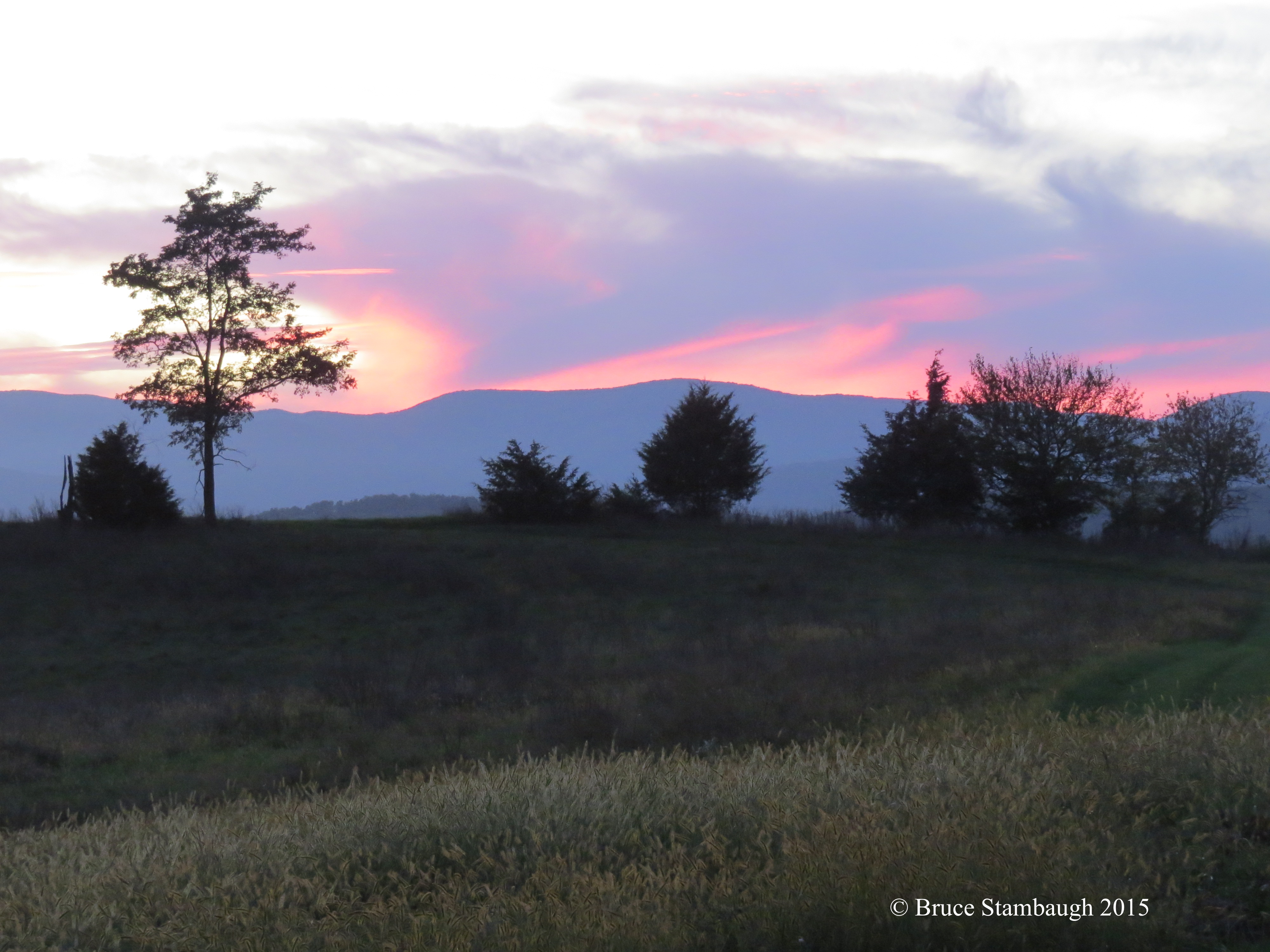
Each day is an opportunity to live, to be alive, to help others, to listen, to look, to breath, to pray silently, to work diligently for peace in a troubled world. That is my challenge now.

August has come and gone, always too fast, always too hot and dry. August melds into September.

We can only embrace it, for there are marvelous days ahead. I’ll watch for them whether from my back porch or wherever I might be, knowing that too many in the world will not have the pastoral view or luxuriousness of trusting neighbors that like mine.

It’s my duty to share goodness and joy with others as my life, too, passes from August into September. Isn’t that the real responsibility of all of us at any age?

August, sunset, Holmes Co. OH
August sunset. © Bruce Stambaugh 2015

© Bruce Stambaugh 2015
Bay Photos by Donna

Wildlife Photos From The Chesapeake Bay Region

ROAD TO NARA

Culture and Communities at the Heart Of India

K Hertzler Art

Artist and nature journalist in the Shenandoah Valley of Virginia.

Maria Vincent Robinson

Photographer Of Life and moments

Gabriele Romano

Personal Blog

Jennifer Murch

Art is the only way to run away without leaving home. -Twyla Tharp

Roadkill Crossing

Writing generated from the rural life

ANJOLI ROY

writer. teacher. podcast cohost.

Casa Alterna

El amor cruza fronteras / Love crosses borders