Spontaneity spices up every trip

I thought the scenery couldn’t get any better than this. I was wrong.

Over the years, my wife and I have found one travel tip to be uniquely useful. As much as you plan, leave room for spontaneity.

We didn’t read that any place. We learned it when traveling with our parents. Both families tended to go in the same mode. Too often, they had precious little time or money for vacations. When they did take one, they each drove from point A to point B regardless of what was in between.

When Neva and I began to travel as a couple, we tried to always leave room for the unexpected. It’s a habit we have happily maintained.

We do a lot of planning for our trips. We research places we want to see in the areas where we are traveling. That includes leaving time for discovery along the way. Of course, now that we are retired, we can really take our time. We often avoid interstates and expressways if at all possible.

Pointing the way.
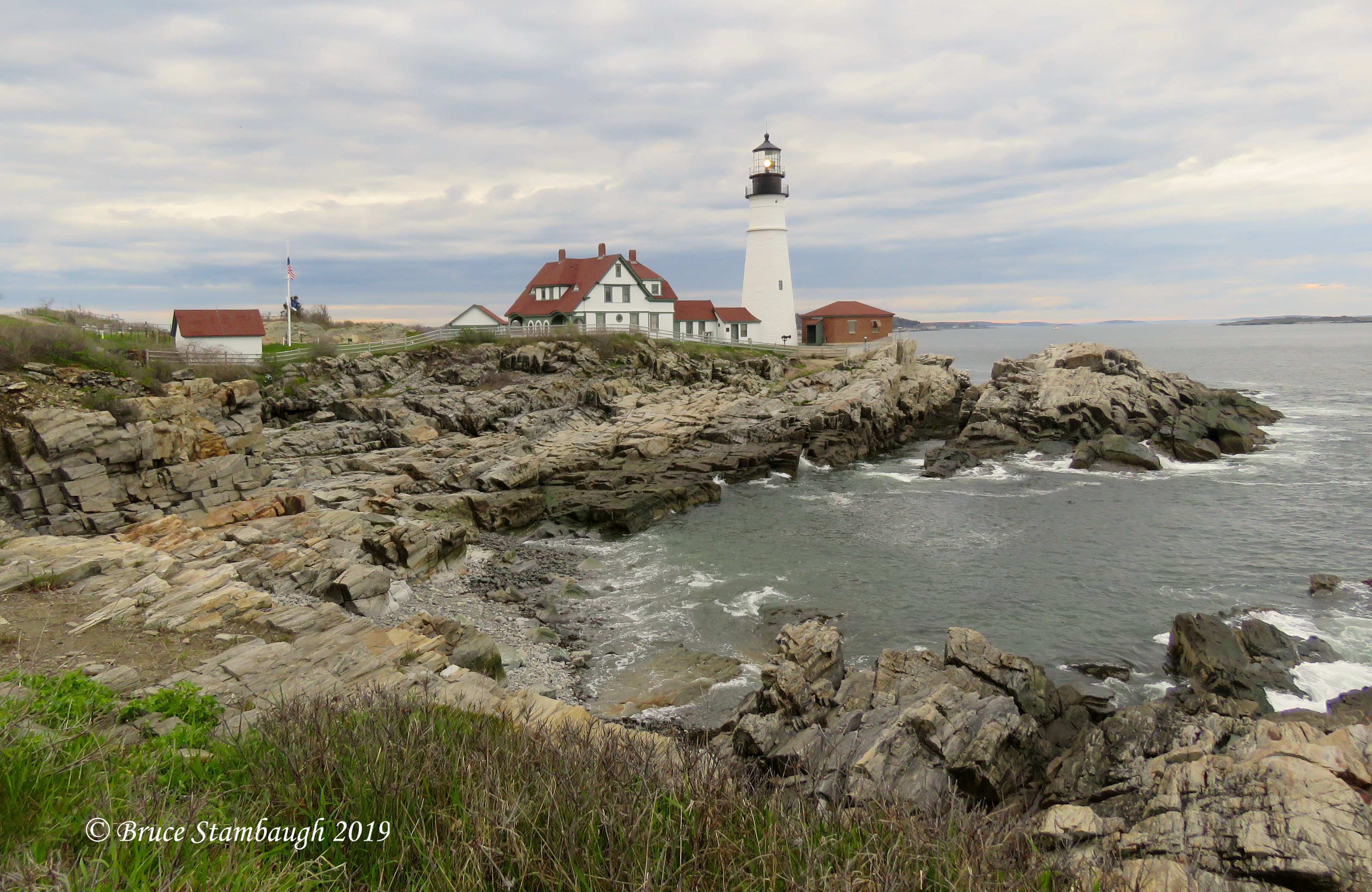
On a recent trip to New England, we were traveling on U.S. 1 along the Maine coast when Neva had an idea. Friends had a summer home somewhere in Maine, so she decided to text her college friend to find out how near we were to their vacation place. It turned out we were really close.

Since I was driving, Neva read aloud the text replies. Our friend said they turn right at the Dairy Queen. I looked up and low and behold there was the DQ. We had to seize this moment that seemed meant to be.

I turned the van around and headed down the road. Meanwhile, Neva was getting the address and specific instructions to their house. They were perfect.

Even in the rain and fog, the sights along the way were breathtaking. We wound our way down the peninsula toward the sea, passing trees, houses, local businesses, streams, marshes, and estuaries.

Along the way, we found calendar-worthy real-life scenes. I noted places I wanted to photograph on the way back to the highway. Our first priority was to find their home. It wasn’t hard. Decorative homemade signs tacked to a tree got my attention, and pointed the way to Little River Road.

This slideshow requires JavaScript.

We had seen photos of the lovely seaside home and its vista before. Even though fog limited our view, we were immediately entranced. Surrounded by birds singing, gulls calling, waves crashing, the mingled fragrance of pines and ocean, we were smitten.

Neva stayed on the deck while the sea drew me down the slight hill. From the rocky beach, I spotted a small flock of common eiders floating offshore. Greater and lesser black-backed gulls claimed a sandy point across the way. It was the place our friends walked to at low tide.

I couldn’t have wiped the smile off my face if I had wanted to. A sense of peace and longing overcame me, and I gladly embraced it. Standing there in person I felt like Walt Whitman.

I didn’t want to leave, but we had no other choice. I stopped several times as we headed back north. I photographed boats moored waiting for their owners, canoes cast aside long ago but resting as if their occupants had stopped for lunch. Forsythia bloomed bright against the fog and reflected mirror-like in the positively calm waters.

I was ecstatic, electrified at the surreal wonderland all around me. I was so glad we had played our hunch and made that U-turn.

Driving a scenic highway was one thing. Spending a little time surrounded by this unexpected beauty was quite another. Once again, spontaneity rewarded us with a sweet, memorable encounter.
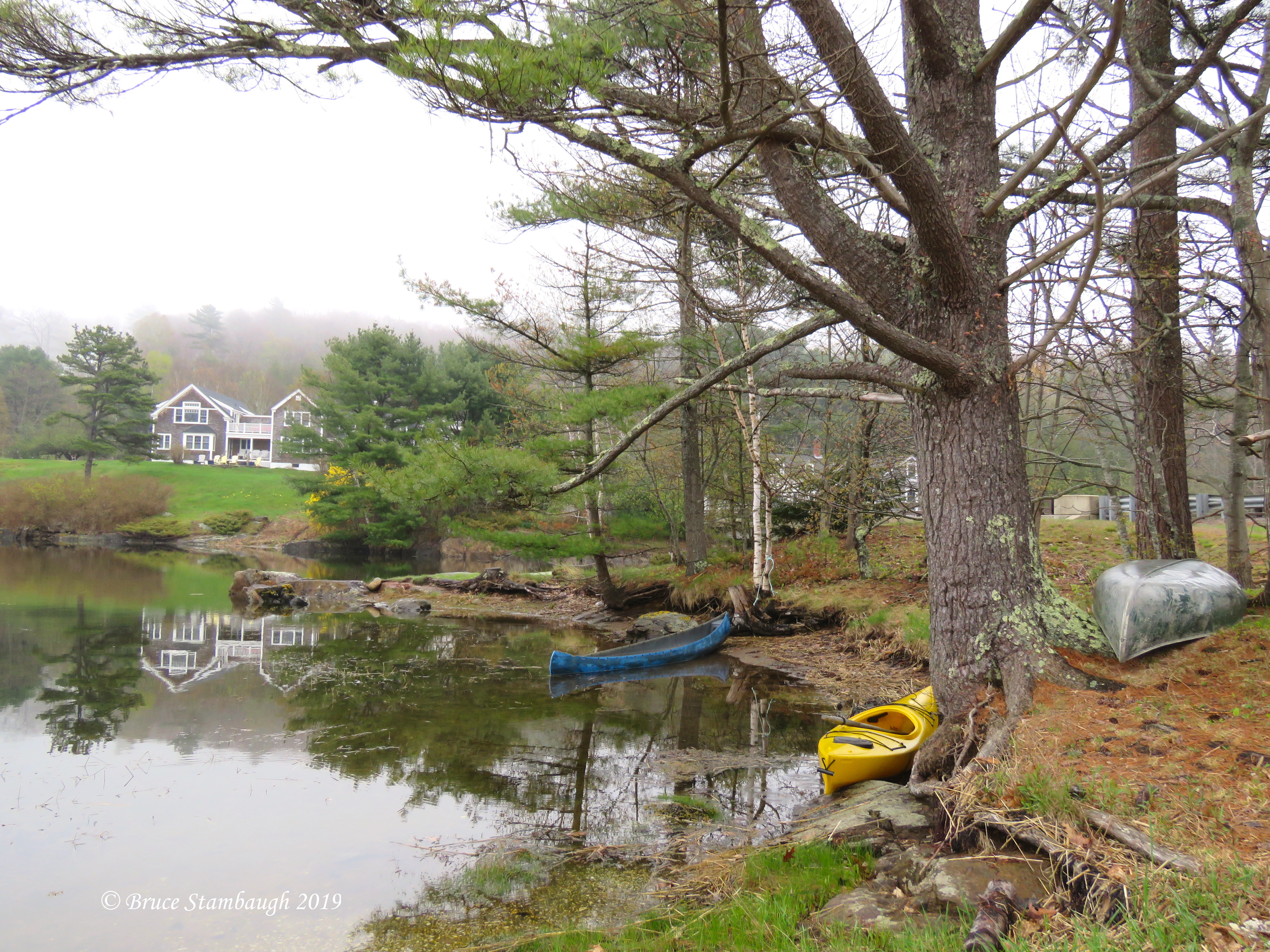
Right where they were left.

© Bruce Stambaugh 2019

Reflections on being a father

As I reflect on my seven decades of living, it is only now that I realize just how much I have enjoyed the role of helping to raise a son and a daughter. I recognize that I made many mistakes as a father. I also believe my wife and I got a few things right.

Being a father is a huge responsibility. For me, I didn’t fully appreciate parenting’s magnitude. I flew by the seat of my pants, using others as models. For good or ill, my father was my chief influencer.

Dr. Benjamin Spock aside, us baby boomers basically were on our own when it came to being parents. After all, neither the Internet nor Google had been born.

We were offspring of the silent generation. Even with other parents as role models, not counting Ward and June Cleaver, I heavily relied on common sense and practicality in being a father.

I understand that we didn’t parent alone or in isolation. My wife and I had much help from friends, family, teachers, and the very organizations in which we served.

My wife and I tried to be on the same page when it came to parental decisions, though we weren’t always consistent. Still, together, we managed to raise two healthy youngsters from diapers to diplomas into adulthood, and then let them fly on their own.

As parents, we tried not to alter our lifestyles significantly once our children arrived. We took them to concerts, calling hours, museums, baseball games, and family picnics. We visited cities, state and national parks, hiked and fished, and generally enjoyed showing them the breadth and depths of life, as we knew it.

Being the father of adult children is a whole different ballgame than when they were youngsters. It is difficult to watch them make decisions similar to what their mother and I had done and not say anything unless asked.

However, being a grandfather has given me a clearer perspective on fatherhood. We live in a global world today, just as we always have. Only I didn’t connect those dots then. I do now, and I am so glad to see that both our son and daughter comprehend how interconnected the world in which we live is.

As mother and father, we imperfectly tried to teach and model the precepts of service, humility, fairness, justice, and mercy. Now, as a senior citizen, I am so grateful for the opportunities to observe our “children” in their daily, imperfect walk to make this rough and tumble world a better place.

I have cherished my role as a father. Now I find great joy in listening, observing, and reflecting as I watch our grandchildren grow all too quickly. It’s like being a parent all over again, only without the direct primary responsibility or the tax deductions.

If I had it to do over again, I would work diligently to explore far beyond my own life space, beyond my own comfort zone. I realize, too, the duplicity of my community involvement. Frequently other activities took precedence over that of my family. I also know that participation set examples of service to others for them.

It is gratifying to watch your adult children successfully employ the precepts you labored to teach them. It is equally uplifting to be there when they need assistance in doing so.

I am grateful that our daughter and son have developed into successful, productive, and caring adults. What more could a father want?

© Bruce Stambaugh 2019

At long last, summer!

Breaking through the morning fog.

Summer! Having endured this seemingly eternal winter, that sunny, heart-warming word just rolls off of your tongue with glee and jubilation. It’s June, after all.

The official start of summer is still a couple of weeks away. But North American society can’t wait. Summer it is! As proof, many schools have already dismissed for the year or soon will. Family vacations are being planned.

After a long, damp spring, the weather warmed up rather quickly over a large geographic area in the U.S. In fact, the National Weather Service in two New England states issued weather statements cautioning the public about swimming in streams and ponds with water 20 degrees colder than the air temperature. Hypothermia was the primary concern.

Lawn mowing has become a regular task.
Summer’s fresh fragrances have already caressed most of us. Not only that, it looks like summer, too. Here in the Shenandoah Valley, the deciduous trees are all leafed out, their tender new shoots having turned from their infant lime green to a more vibrant, darker fullness. Shade trees can once again shelter hammocks.

Despite the wet spring, the first big round bales of hay stand rolled up in fields and ready to be hauled to storage. Farmers and suburbanites alike are planting crops and backyard gardens. We’ve already enjoyed fresh, crisp lettuce courtesy of our kind neighbors.

Given the warm days and nights and the frequent rains, lawn mowing has become a full-time profession. The grass is growing that fast.

People walking their dogs have exchanged their coats and stocking caps for shorts and t-shirts. Instead of leading their masters, the canines are lagging behind, tongues dangling.

Anglers have begun to ply their skills in rivers, ponds, lakes, and the oceans wherever and whenever they can. Don’t forget the sunscreen and mosquito spray.

The Knockouts.
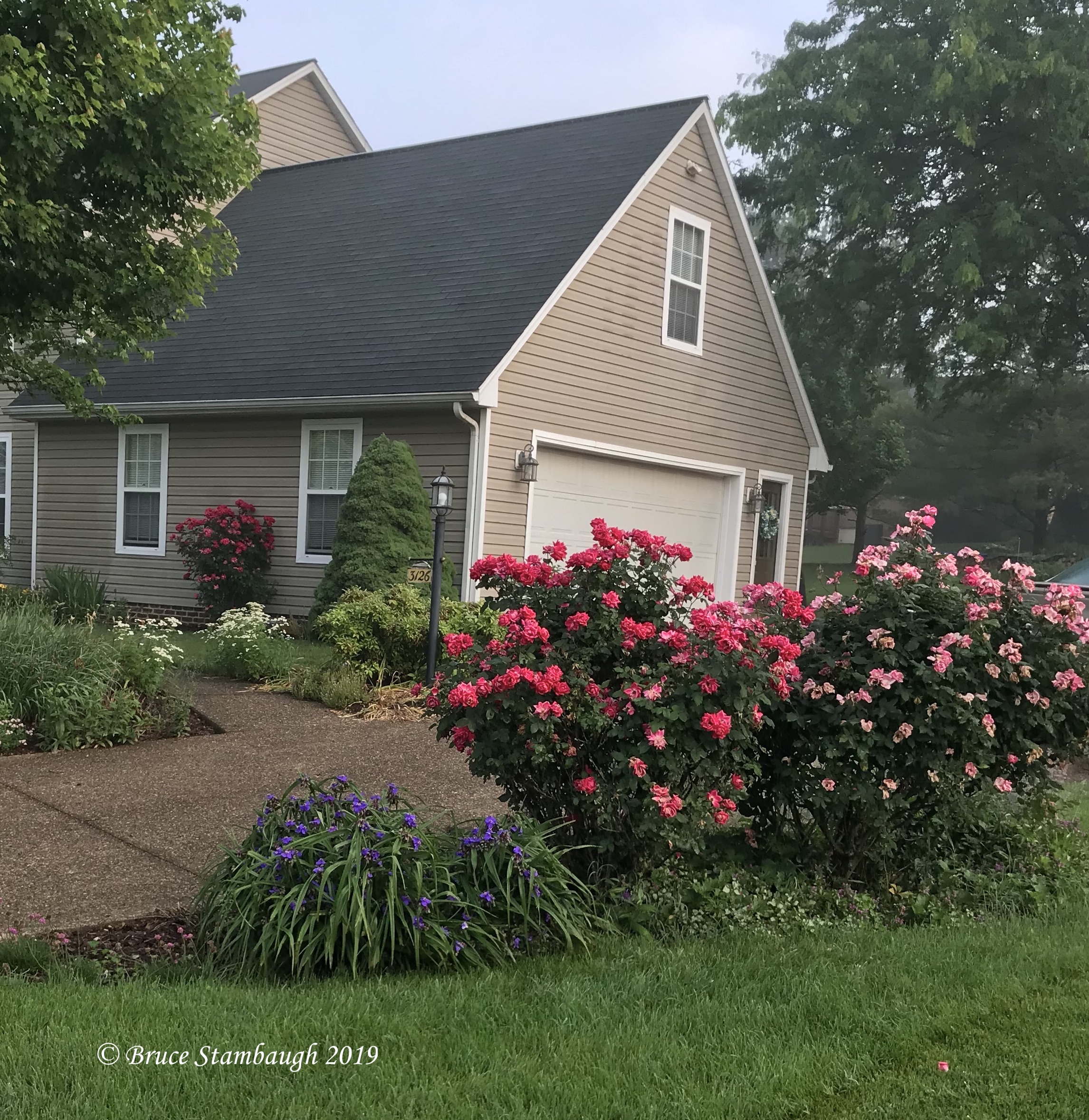
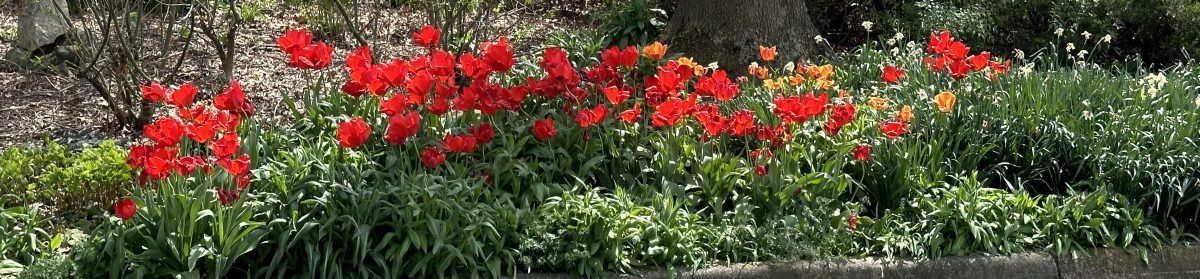
Daffodils, tulips, irises, and lilacs have all had their show. Gaillardia, larkspur, coral-bells, and blue sage have taken their places. Loaded with bright, showy blossoms, the knockout roses really are knockouts.

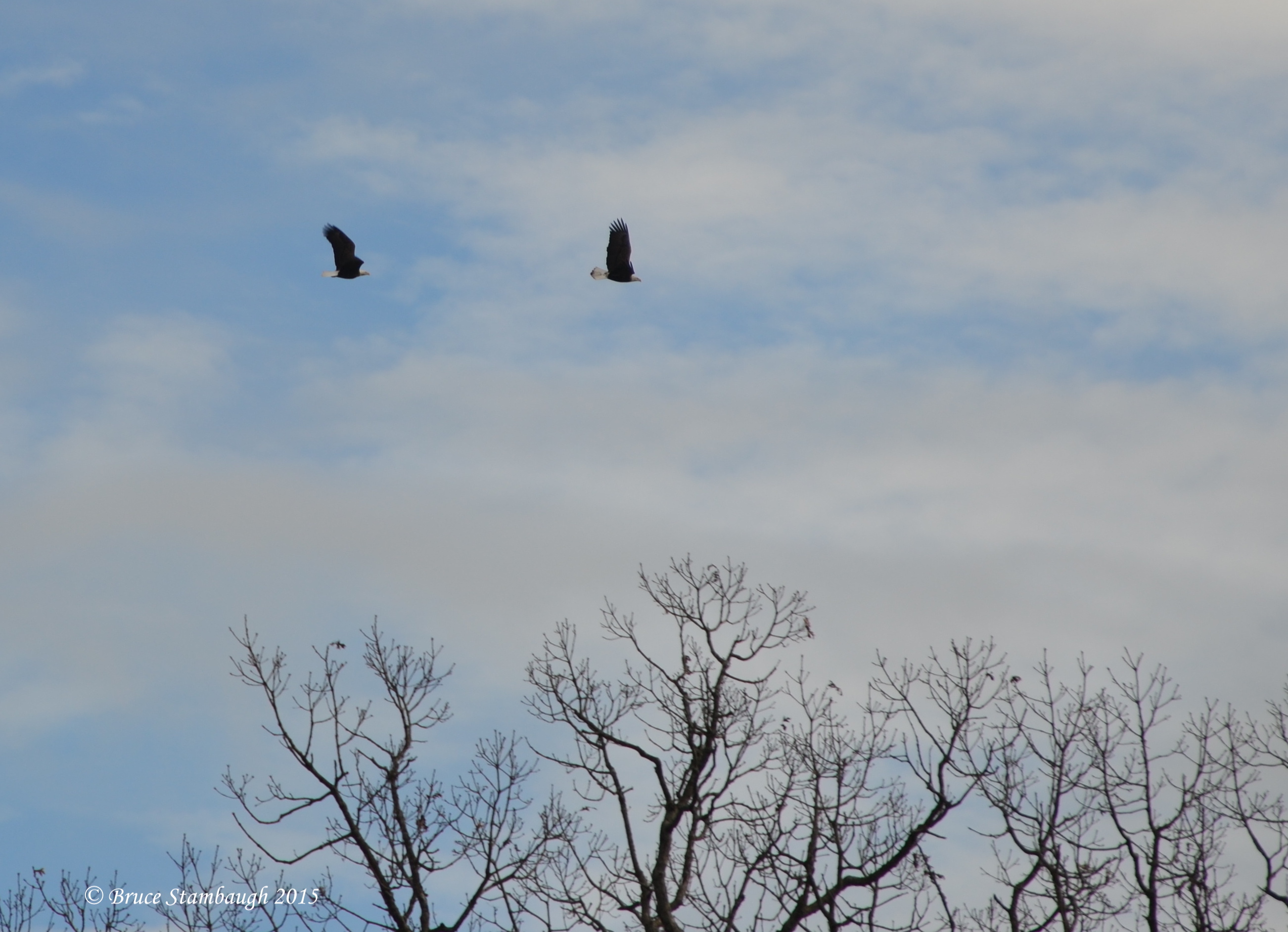
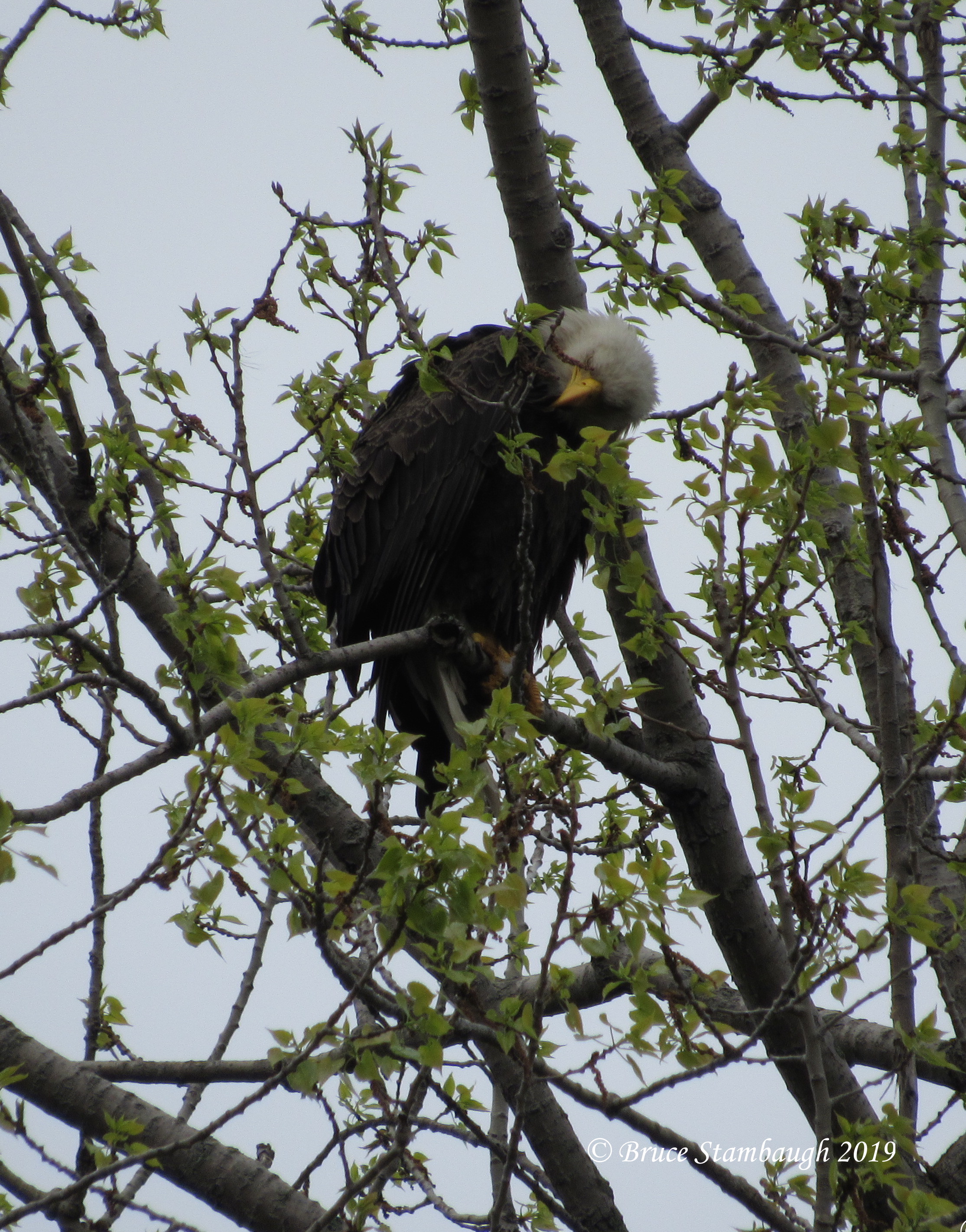
American robin, eastern bluebird, common grackle, song sparrow, pileated woodpecker, and bald eagle chicks have all fledged their nests while other bird species are just now building theirs. The adults are doing their absolute best to protect the youngsters.

Strawberries have come and gone already in the Shenandoah Valley. Further north, folks are just now beginning to stuff themselves with the luscious redness. They are the only fruit with the seeds on the outside. My resourceful wife even made a strawberry pie for her birthday topped with real whipped cream.

Summer’s emergence doesn’t necessarily guarantee smooth sailing. Witness the frequent severe storms that have already brought death and destruction via tornadoes and flooding.

Cutting fresh strawberry pie.
Another negative is the abundant pollen filling the air from oaks, cottonwoods, and maples. Those with grass allergies have had a tough time of it as well. That being said, I can endure fits of sneezing for those rosy summer sunrises and sunsets.

Road construction zones are more numerous than dandelions. Having just driven nearly 2,700 miles on vacation, my wife and I can affirm that U.S. infrastructure definitely needs the repairs.

Summer picnics and reunions will soon occur along with organized and pickup baseball games for young and old. I can satisfyingly attest to the fact that grilling season has definitely begun.

Soon fireflies will begin their annual light display. Small town festivals and big city extravaganzas with outdoor concerts will commence. Festive parades and fundraising races have already started.

Relax on the back porch with a refreshing glass of mint tea and the first of several captivating reads. It’s summer, after all. Let’s all enjoy it together.

© Bruce Stambaugh 2019
Sensing a bit of home wherever we go

Catskill farmstead.

My wife and I enjoy traveling.

Planning for travel sometimes takes longer than the trips themselves. We prioritize the places we want to see, activities we want to do, and connect with any friends we can visit along the way.

We leave plenty of room for flexibility. Spontaneity spices up every trip. We also try to include some downtime, opportunity to recharge and reflect. As much as we travel, I never know when and how that time will arrive.

For me, travel is a multi-task opportunity. I bird, photograph, explore, meet the locals, and record the highlights. Occasionally, like on this trip, bad weather interferes with the plans we have made. We adjust accordingly.

Steady rain and low-hanging clouds obscured the mountains around us, which kept me inside. We were in New York’s Catskill Mountains, where we caught up to spring’s emergence. Coltsfoot and lady slippers bloomed.

I birded by window watching. Five deer emerged from the newly leafing trees to graze in the grassy meadow that served as a yard around the house that we had rented. A pair of common yellow-throated warblers fed and frolicked in the dampened branches of a nearby bush.

This was so much like home, both our former Ohio home and our newer home in Virginia’s Shenandoah Valley. Together the mountains, forests, rushing streams from too much spring rain, and the wildlife made it feel like home.

This slideshow requires JavaScript.

Yet, it wasn’t home, either Ohio or Virginia. We were transients, merely passing through, seeing the sights, and taking in the grandeur of the fabled Catskills.

That afternoon, my wife and I drove around the countryside despite the dreariness and the constant rain. No cell signal rendered our GPS useless. The perpetually winding roads hugged the bases of the mountains like a child clinging to his mother’s apron. Steep wooded hillsides on one side, roiling waters raced over boulders on the other. In the summer, these would be braided streams, more rocks than water.

With the low clouds, the mountains all scrunched in around us, a myriad of curves on the rural roads. Road signs, either numbered or named, were few and far between. Priding myself on knowing directions, I had lost my bearings.

We stopped at the local post office for directions to our desired destination. Just then, a customer arrived and told us to go to the stop sign and turn right. The way he pointed and his casualness about turning at the stop sign renewed my hope. Reality set in. The stop sign was five miles away. I made the right-hand turn, and I regained my orientation.

In Holmes County, Ohio, we had rolling hills, and expansive woodlots, abundant agriculture, valleys carved by old-aged streams, and helpful people. The same was valid for Virginia, only mountains east and west dwarfed the valley hills and farmlands. In the Catskills, farmland is confined to hillside and floodplain pastures. Gardeners erect six-foot high messed wire fences in small truck patches to abate the deer.

One particular quirk became obvious. Everywhere we went scores of roadside, no trespassing signs warned people to stay away. Apparently, property owners and hunting and fishing clubs control access not only to the land but also the water flowing through. Places for public access to the alluring trout streams were far and few between.

The legalistic signs unsettled me and softened my comparison to the mores of our former and current home. However, they in no way spoiled our appreciation for all the natural beauty and genuine human kindness we encountered along the way.

Despite the dreary, wet weather, we felt right at home with scenes like this.

© Bruce Stambaugh 2019
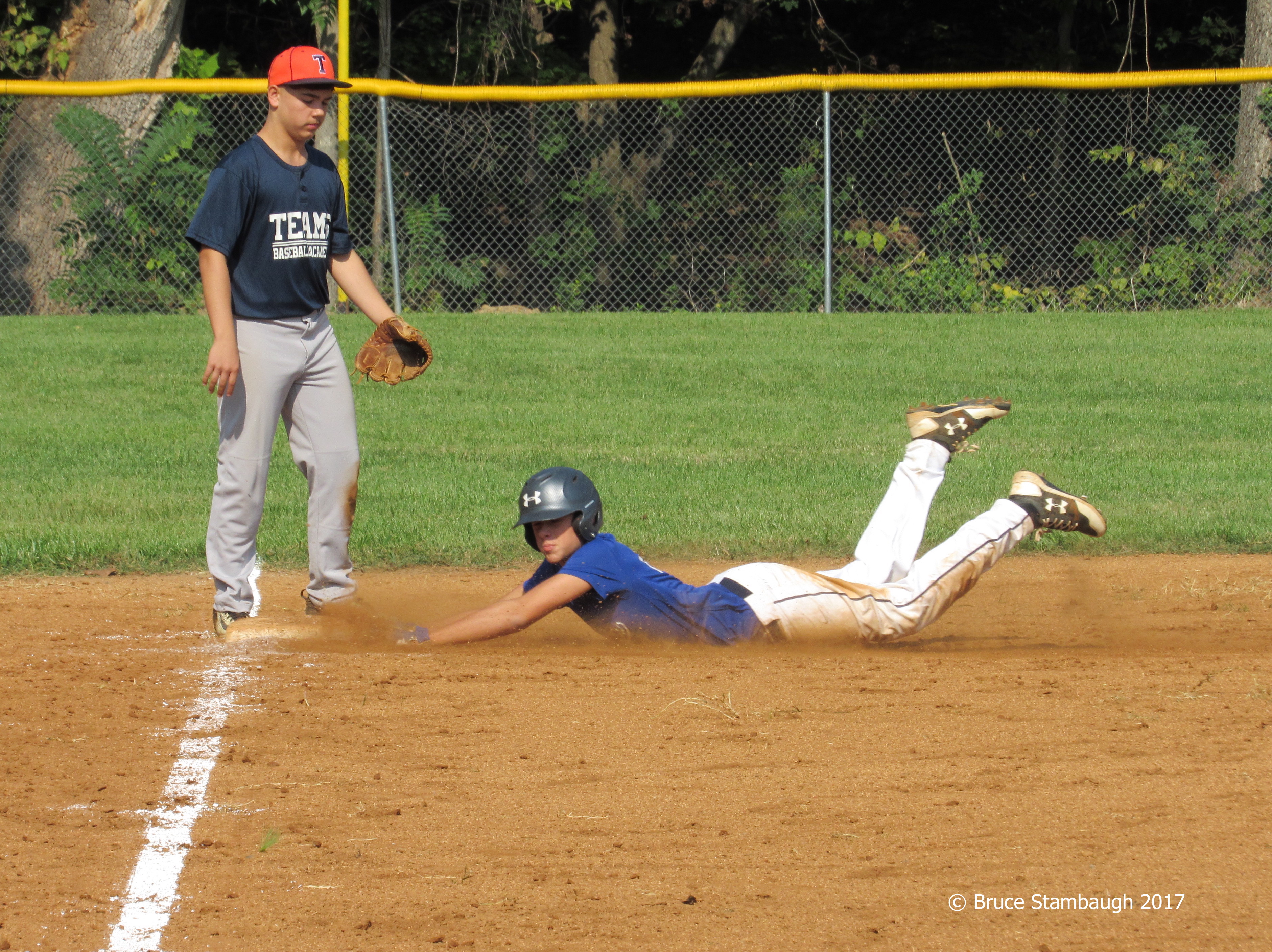
Seeing my baseball dreams come true

Grandson at bat.

As a kid, I always wanted to play third base for the Cleveland Indians. Bubba Phillips was my hero.

I know. I could have picked a more respectable team like the dreaded New York Yankees. But I was born in a blue-collar steel town in northeast Ohio. Cheering for any other team was tantamount to treason.

I began playing baseball at age seven. Right away I had a strong inclination that I wasn’t major league baseball material. A one-hopper hit me square in the mouth loosening a few front teeth.

Still, I kept at it until my college days where I watched the Kent State University baseball team. A couple of years later the team’s catcher, the late, great Thurman Munson and fellow Cantonian, would become an all-star backstop for the Yankees.

Thurman lived my dream, just in a different position, although I spent most of my Little League and Hot Stove baseball days behind the plate as well. I never took one in the mouth though. Wearing a catcher’s mask helped with that.

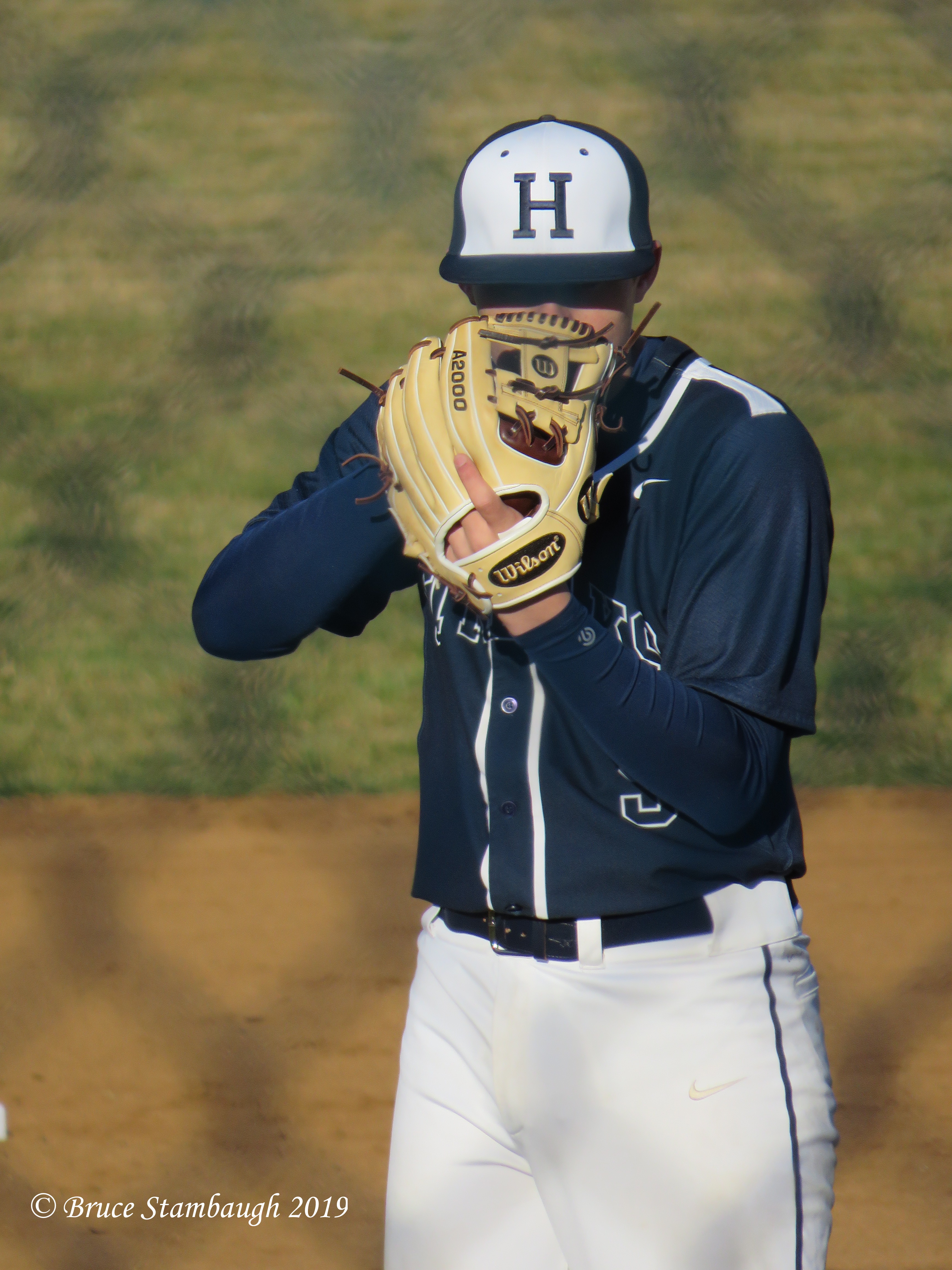
Before the pitch.
Imagine my joy when our oldest grandchild took to baseball like a duck to water. He was a natural from little on up. Now he’s 15, a high school freshman, and pitching for the varsity baseball team. Did I mention that he also plays third base, and shortstop, too?

Like other youngsters, Evan started with t-ball and kept playing until he progressed to the varsity squad. Nana and I couldn’t be more proud.

I try to let the coaches do the instruction. I do share stories with Evan from my playing days, usually some of my own baseball bloopers. With my talent, what else do I have to say? Evan always politely listens, often without comment. His parents have taught him well.

At the games, I focus on capturing photos of Evan pitching, hitting, and fielding. It’s harder to yell at the umpires with a camera in your face.

My wife and I have enjoyed this baseball journey with Evan and his family so far. We take in as many games as possible. That means huddled up in winter coats and blankets in the spring to keep warm. In the summer’s scorching Virginia sunshine, we share any available shade and try to stay hydrated.

And the pitch.
Evan goes all out in the sport he loves, sometimes much to his mother’s chagrin. I feel her pain when he slides headfirst into a base. A cloud of red dust rises around him from the powdery Virginia infields.

But the uniform always is ready for the next game, just like the young man who wears it. Win or lose, it is pure joy to watch him play. I don’t mind sharing my dreamy baseball romanticism with Evan at all.

I’m overjoyed that our grandson shares my passion for the game. I am even more grateful that he has had many opportunities to play and performs well, whether in the field, on the mound, or at bat. Sure he makes errors, gives up hits, or strikes out. But he is improving, gaining confidence, learning the game, and living his dream and mine.

Even as a grandfather, I still envision playing third base or perhaps pitching for the Cleveland Indians. Lord knows they could use some decent pitchers right now.

My dream is and was a fantasy. I knew that from the time the ball bloodied my lip decades ago. My grandson’s aspiration, however, is just now unfolding. I’ll let you know when he takes the mound for the Cleveland Indians.

Safe at third.

© Bruce Stambaugh 2019
My mother’s gifts were her legacy

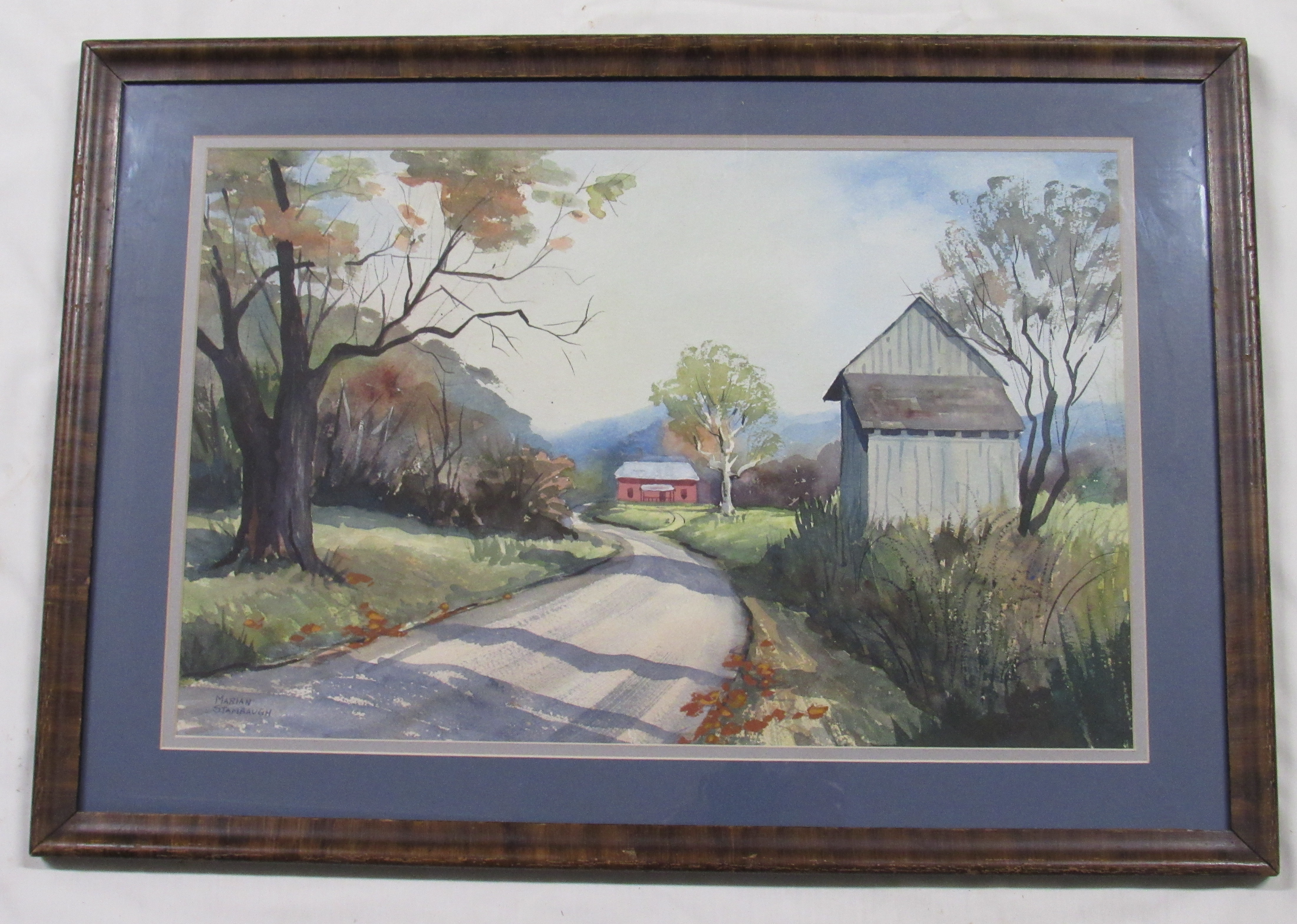
Rural road.

My mother was a very talented woman. If she were still living, Mom would likely deny the obvious. She was modest, too.

My siblings and I would have plenty of evidence to support our case. Our mother was multi-talented. She had to be to raise five children while Dad was off working or fishing or hunting or going to meetings.

Many others would also affirm Mom’s gifts, especially her artistic talents. Mom would likely shake her head in dismay about all of the fuss about her beautiful paintings.

Our father was an outdoorsman. Mom, on the other hand, brought the outdoors indoors through her lovely creations. She painted most often in watercolors and preferred doing landscapes. She created hundreds of them.

Mom seldom seemed happy with the results, however. She sold many paintings in her life, much too cheaply in my biased opinion. Mom even won several awards in local art shows around northeast Ohio.

Marian Stambaugh.
It wasn’t that Mom was a perfectionist. She lacked self-confidence even though encouraged by our doting father and her artist friends and mentors.

If Mom wasn’t satisfied with a painting, she at times painted another scene on the reverse side of the watercolor paper. If such a painting sold, the buyer got a two for one deal.

I suppose other artists derogated their own works, too, whether painters, sculptors, or even writers for that matter. Mom wasn’t overt about her discouragement. She would just toss a nearly finished painting in what she called “the junk pile” and began again.

After Mom died seven years ago, my brothers and sisters and our spouses discovered the treasure trove of incomplete watercolors. As we sorted through them, we agreed that “junk pile” definitely was a misnomer.

We pulled some real gems from that stockpile of rejected paintings. We made sure grandchildren and other relatives and friends could choose the pieces they liked for posterity.

As we delved deeper into her things, we discovered drawings and etchings and paintings from her high school years. Mom showed much promise even as a teenager.

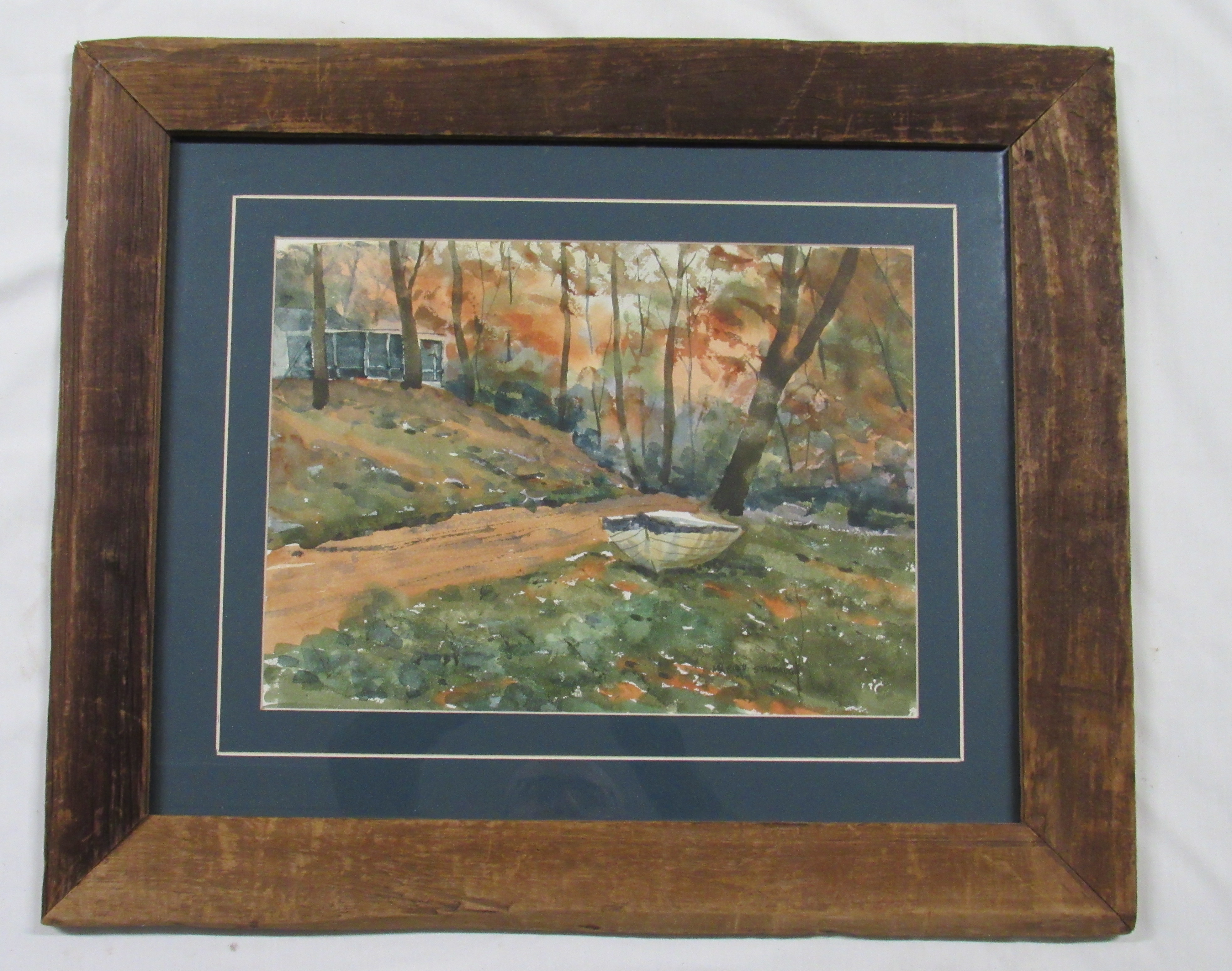
One of Mom’s many watercolors.
After high school, Mom wanted to attend art school. But in those days, that seemed an extravagance to her parents. They insisted business school a better fit for a young woman who eventually would marry and have children.

That’s pretty much what happened, too. However, with our father’s encouragement, Mom began art lessons with some noted local professional artists. Our mother blossomed as an accomplished artist.

Those classes taught her a lot and created lifetime friendships. Mom and Dad even attended weeklong workshops out of state. Mom would paint while Dad scoured local farm fields for Indian artifacts with the farmers’ permission of course.

Though they had their moments, our parents made a good team. Dad passed on to us the love of all things nature, and Mom imprinted that love in colorful works of art.

Our mother was a very gifted woman far beyond being an artist. Marian Stambaugh was a devoted wife to a fault, a fair, loving mother, a proud grandmother, and a friend to many.

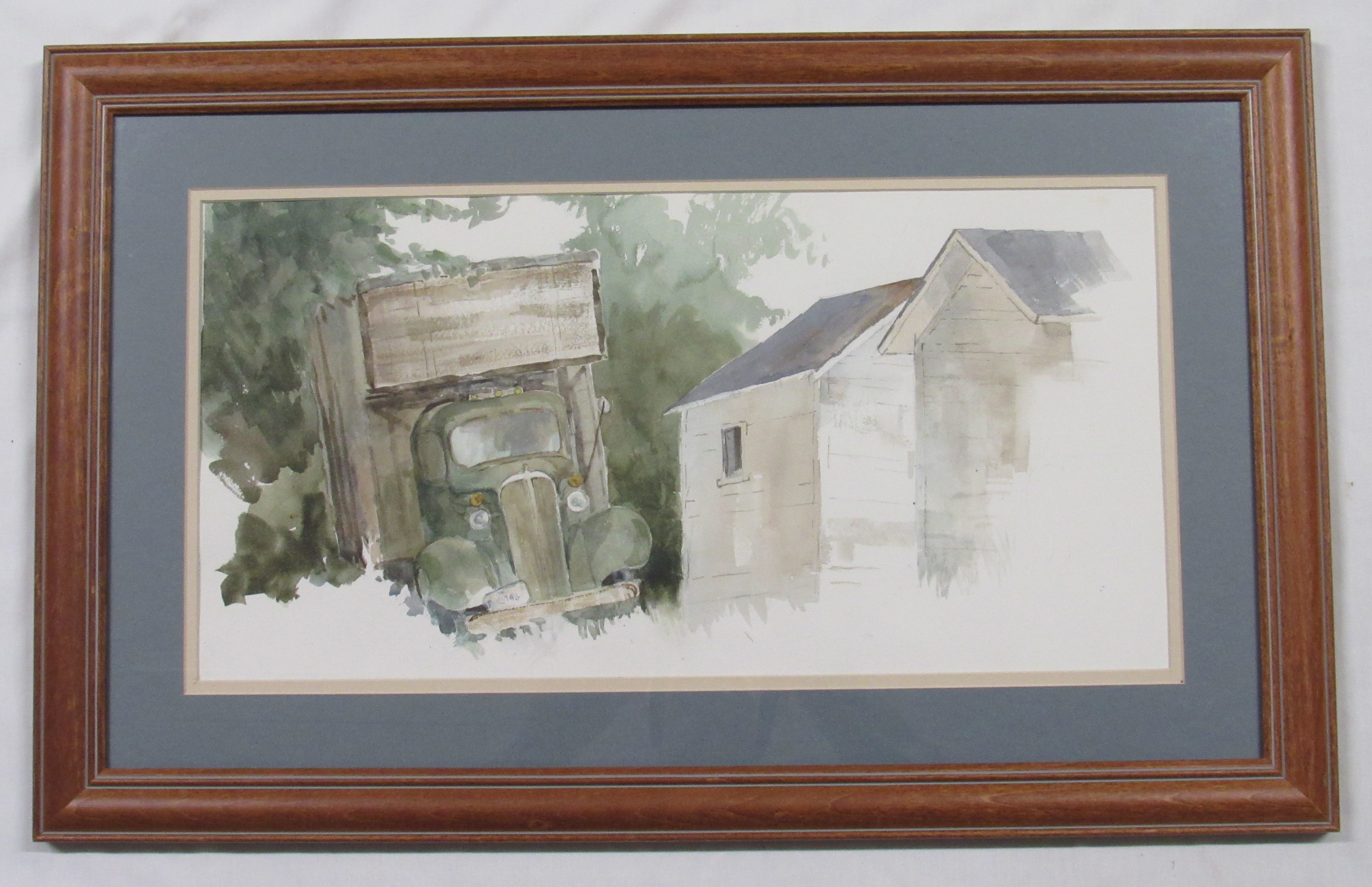
Her legacy, however, will be her inspiring paintings. Landscapes, still life, and renderings of old barns and vehicles adorn the walls of family, friends, and her art connoisseur customers.

Our mother captured life as she saw it, and she saw it well. The rest of us are the beneficiaries of her most ardent talent. Her many paintings will display her skills, and proclaim the glory of nature for decades to come.

Old truck, one of Mom’s unfinished gems.

© Bruce Stambaugh 2019

May is for the birds

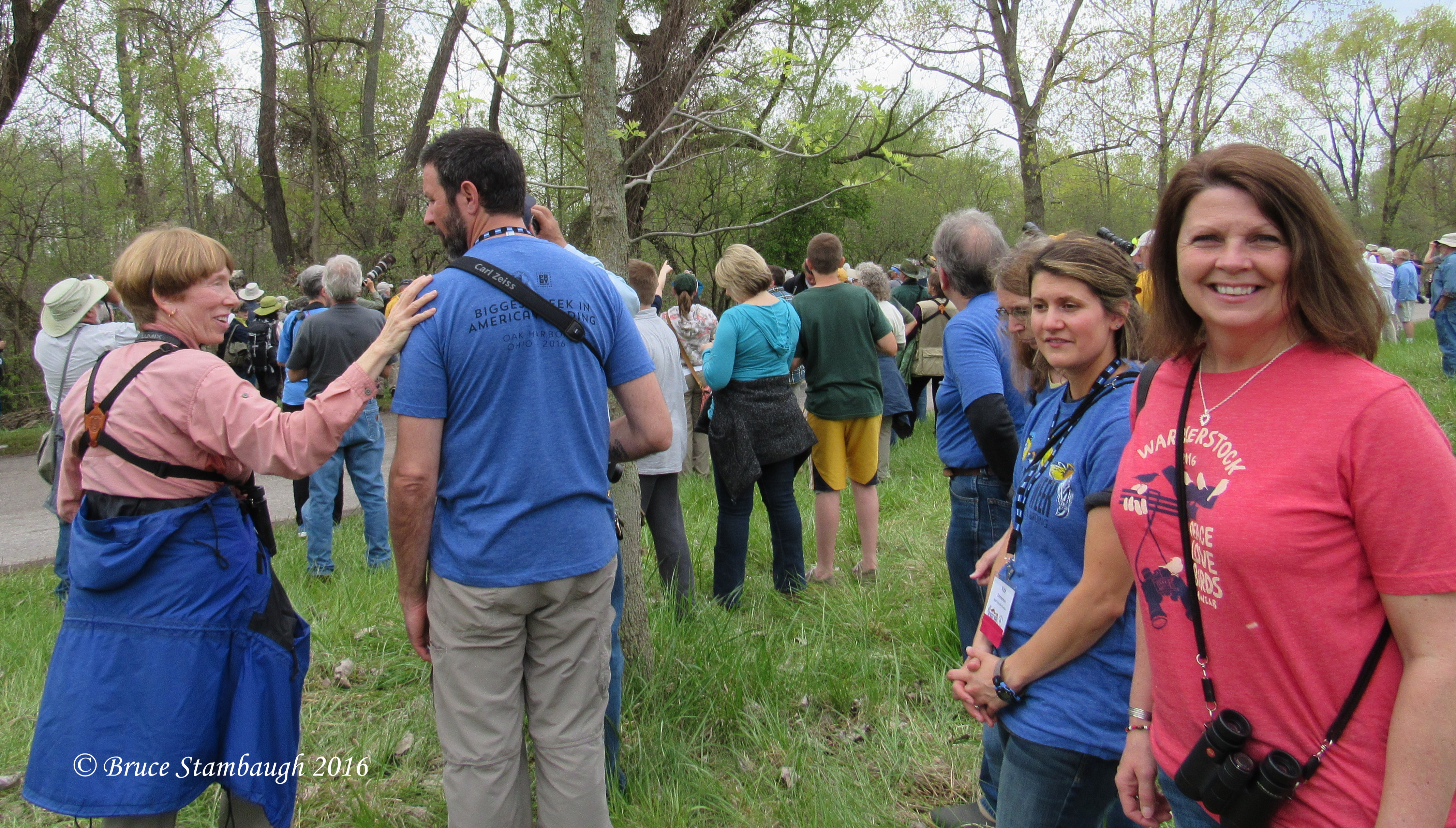
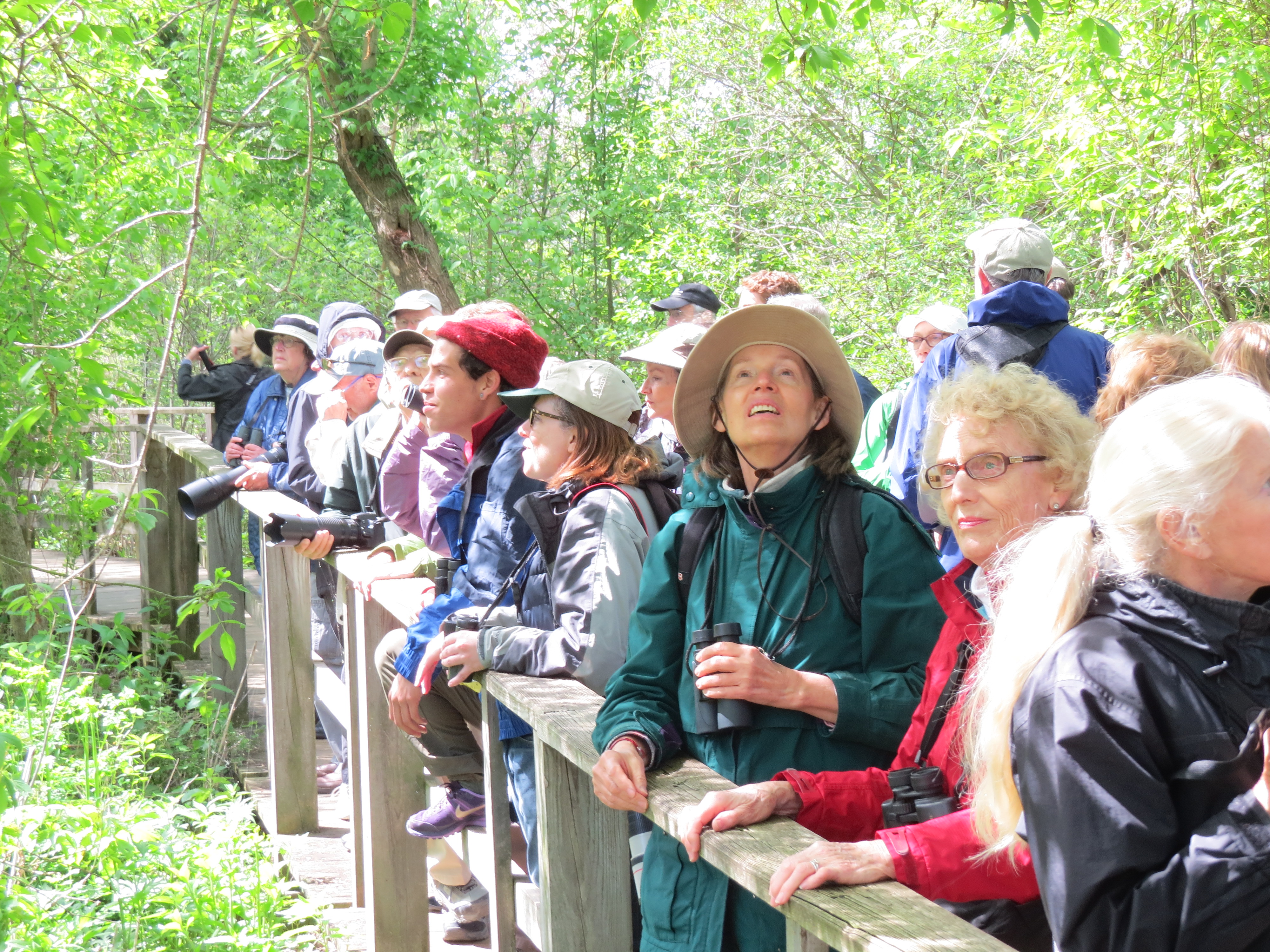
Birders at Magee Marsh Wildlife Area.

May is for the birds. Thousands of bird lovers young and old clearly would understand what I mean.

Birders live for spring migration. Birds large and small that headed south for warmer winter climes return north to their annual breeding grounds. May is the peak month for such movement.

Where the boardwalk begins.

Birders clamor for any and every chance to find rare birds or to compile as many species as they can see or hear in a day or week or month. There is no better place in North America to do that than a small state-managed wildlife area in northwest Ohio called Magee Marsh. Birds and birders both flock to the estuaries, marshlands, and small woodlots that abut Lake Erie’s southwestern shore.

Even if you don’t count yourself among the aviary flock, it’s worth a trip just for the experience. Cruise through the expansive parking lot, and you’ll find vehicles of all shapes and sizes with license plates from across the country and Canada. Human participants even fly in from foreign countries for the spectacular migratory happening.

Part of the draw is an organized and orchestrated event tabbed “The Biggest Week in American Birding,” sponsored by a little non-profit known as the Black Swamp Birding Observatory.

The “week” is actually multiple days in early May. This year it’s May 3-12. Many species of birds, especially warblers, use Magee Marsh and surrounding protected wetlands as rest stops before winging it over Lake Erie into Canada. The first landing spot for many is Point Pele near Leamington, Ontario, just across the lake.

This slideshow requires JavaScript.

The colorful songbirds sometimes hang like Christmas tree ornaments from tree branches. Birders ogle from boardwalks that wind their way through the trees and along ponds and wetland habitats.

Workshops and lectures are also held to inform interested parties about the latest findings on bird populations, behaviors, and dwindling habitats. Guided field trips are also available. Of course, you can also buy birding supplies, books, and equipment.

But it’s the birds that matter. Youngsters and oldsters, groups and individuals ply their skills at searching for the latest arrived species. Word of a Canadian warbler, a secretive bird with a quiet call, spreads quickly among the birders. Just locate the crowd with spotting scopes and binoculars aimed in search of the prize.

If by chance a real rarity shows, like the endangered Kirtland’s warbler, the crowd suddenly shifts to add to their life list of seeing this worshiped species. Only a small number still summer in the jack pines of the Lower Michigan peninsula.

Yes, that is a Kirtland’s Warbler, and another one was spotted there yesterday, May 3, 2019.

Of course, northwest Ohio is not the only migration hotspot on the continent. Cape May, New Jersey, southern Arizona, the coastlines of Florida and California to name a few also host migrating birds and curious birders. Coastal regions and contiguous topography with natural waterways, ponds, and habitat provide flyways for the returning birds.

Sleepy.

Birds need cover, food, water, and safe spaces to rest and refuel to continue their journey and reach their destination. In the fall, they’ll repeat the process in reverse, only dressed in more camouflaged colors.

In many species, it’s the flashy colors that birders love to view, if only for a few precious seconds. Some of the species call northern Ohio home for the summer.

School groups, church groups, family groups, young birder groups, birding clubs, and just curious individuals celebrate these early spring days searching for any shorebirds, songbirds, waterfowl, and birds of prey that happen to be passing through.

It’s spring migration after all when May really is for the birds.

Kim Kaufman (right) and her dedicated staff make the Biggest Week in American Birding happen.

© Bruce Stambaugh 2019
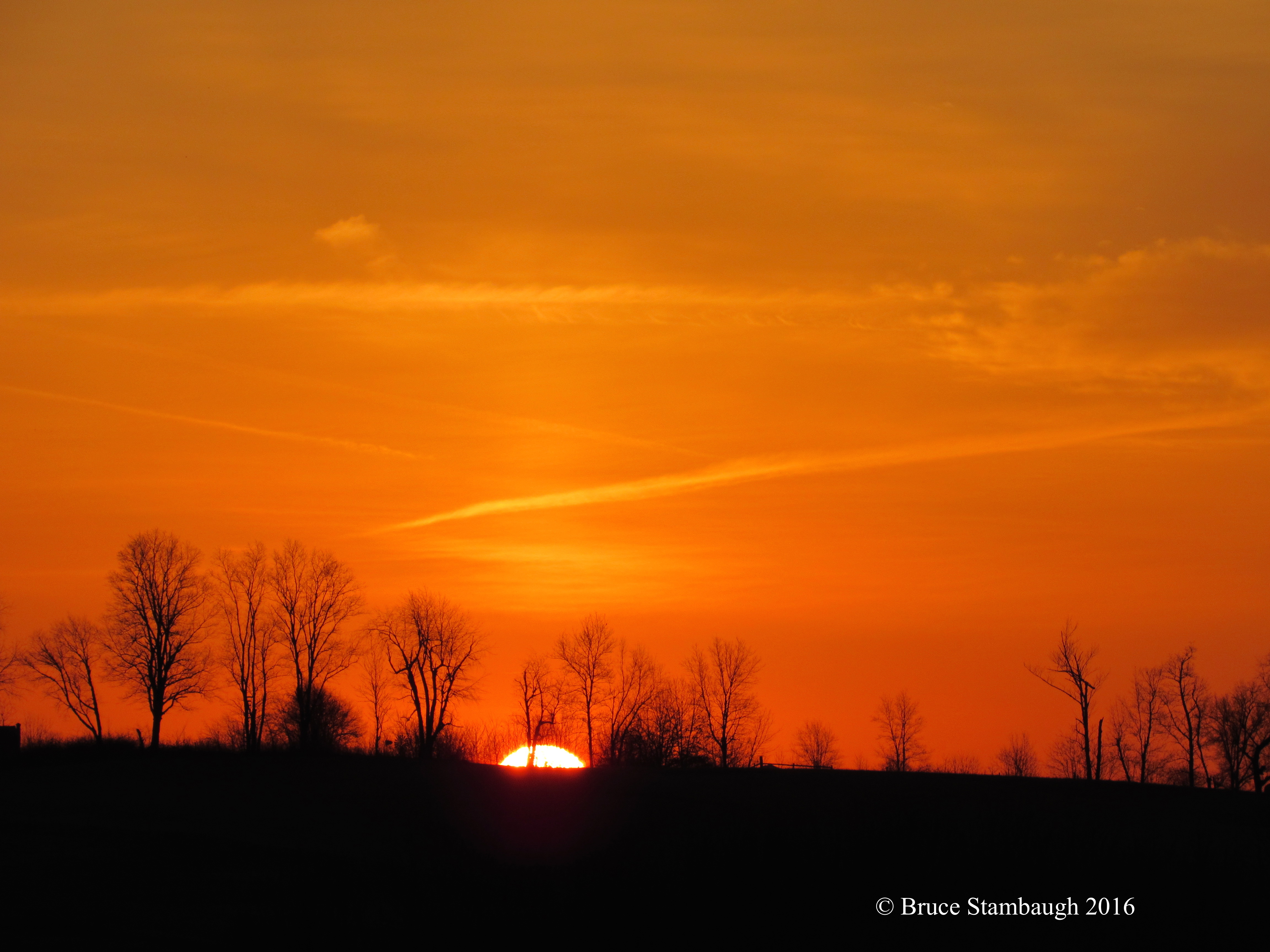
Red in the morning


I spend a lot of time at my desk writing and working on photos. From that vantage point, I can look out a front window and watch the day unfold in our little corner of the world. That includes watching birds come and go at the front yard feeders that hang from the red maple tree 20 feet from the house.

Of course, my binoculars and cameras are at the ready when needed. When this male Northern Cardinal perched on a limb in the morning sunshine, I grabbed my camera and clicked away. This was the only shot where the bird was not partially concealed by the unfolding red maple seeds. I felt fortunate to capture the moment, especially shooting through a double-paned window.

Such encounters help brighten each day. “Red in the morning” is my Photo of the Week.

Enjoy each moment

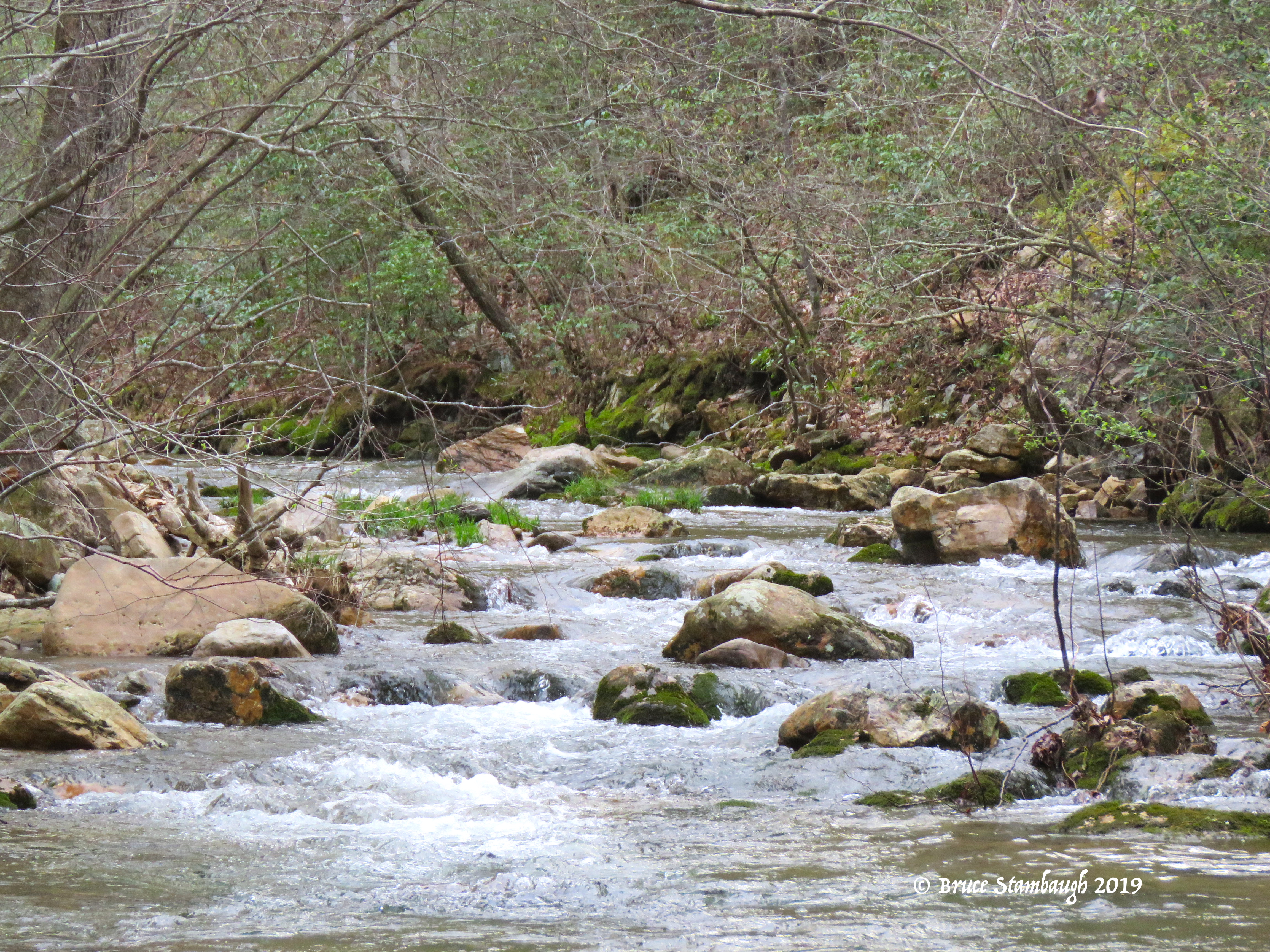
The roaring stream.

Though my quirky back was acting up again, I ventured out to hike on a lovely spring morning to enjoy all the out-of-doors had to offer. I soon learned that included a few unexpected showers. Partially sheltered by the unfolding forest canopy, I managed to survive the spritzing.

Wanting to literally catch the early birds, I arrived at the trailhead an hour after sunrise. As soon as I exited my vehicle, I knew I was in trouble when it came to hearing the alluring calls of the warblers and other songbirds I sought. The nearby stream was running full force, roaring off the Blue Ridge Mountains eager to make the confluence of the majestic Shenandoah River only a couple of miles away.

The “easy” path.

I had chosen the trail for its undemanding topography. It was actually a fire and service road for the National Park Service. I knew the path would be relatively easy on my aching back unless I chose to venture off on more rugged terrain.

You can guess what happened. Though the road afforded me plenty of opportunities to view many blooming wildflowers and see and hear various birds on the wing, Madison Run called my name.

With my diminished hearing, the noisy stream drowned out most bird sounds for me. I didn’t complain. The variety and beauty of the many wildflowers more than made up for the lack of bird activity or my ability to find them.

This slideshow requires JavaScript.

For eons, the stream has slowly eroded its winding path to the Shenandoah. Wearing down ancient limestone bedrock all those centuries, the watercourse relentlessly carves its way. Gravity is its master.

Madison Run has created its own flood plain, often wide, undulating lowlands laden with second growth oaks, wild cherry, maples, and tulip poplar. Mountain laurel, native hemlock, dogwoods, and redbuds predominate the undergrowth. In other spots, the rock-filled stream barely squeezes between the narrow mountain gaps it helped form long, long ago.

Pink, blue, and white phlox prettied the forest floor and outcroppings along the road. Blue and yellow violets dotted the roadside as well. The redbuds and dogwoods dabbed their lavender and white among the tender green shoots of the hardwoods below the broken gray cloud cover.

Tree swallows sailed overhead, dining on insects pollinating the incalculable blooms. Higher up, a lone raven glided silently above the treetops.

A particular birdsong again drew me off the trail towards the rushing water. Careful with my steps, I knew the bird was close, but I could not find it. The lilt of the Louisiana waterthrush more than compensated for my weak eyesight.

Further upstream, water rolled over a long-ago toppled ash, creating a mini-low-head dam. Here the generally shallow stream held pools of clear, deep water. Stones once part of the mountainside now served as river bottom and rocky shelves akin to sandbars.

I enjoyed whatever each moment brought me. In the few hours of my adventure, plenty of moments caught my attention. Therein was the secret of my success. The din of the world couldn’t reach me in this sacred place, this natural sanctuary.

Spring moments like these won’t last long. You can’t ask the spring beauties. They have already made their exit after their showy but all too brief appearance.

The great novelist P.D. James once penned: “We can experience nothing but the present moment, live in no other second of time, and to understand this is as close as we can get to eternal life.”

Standing in that forest surrounded by wildflowers, birdsong,
and the din of rushing waters, I graciously concurred.

A lovely setting.

© Bruce Stambaugh 2019
A different approach to Easter

Maybe after all of these years, I’m finally getting the point of Easter.

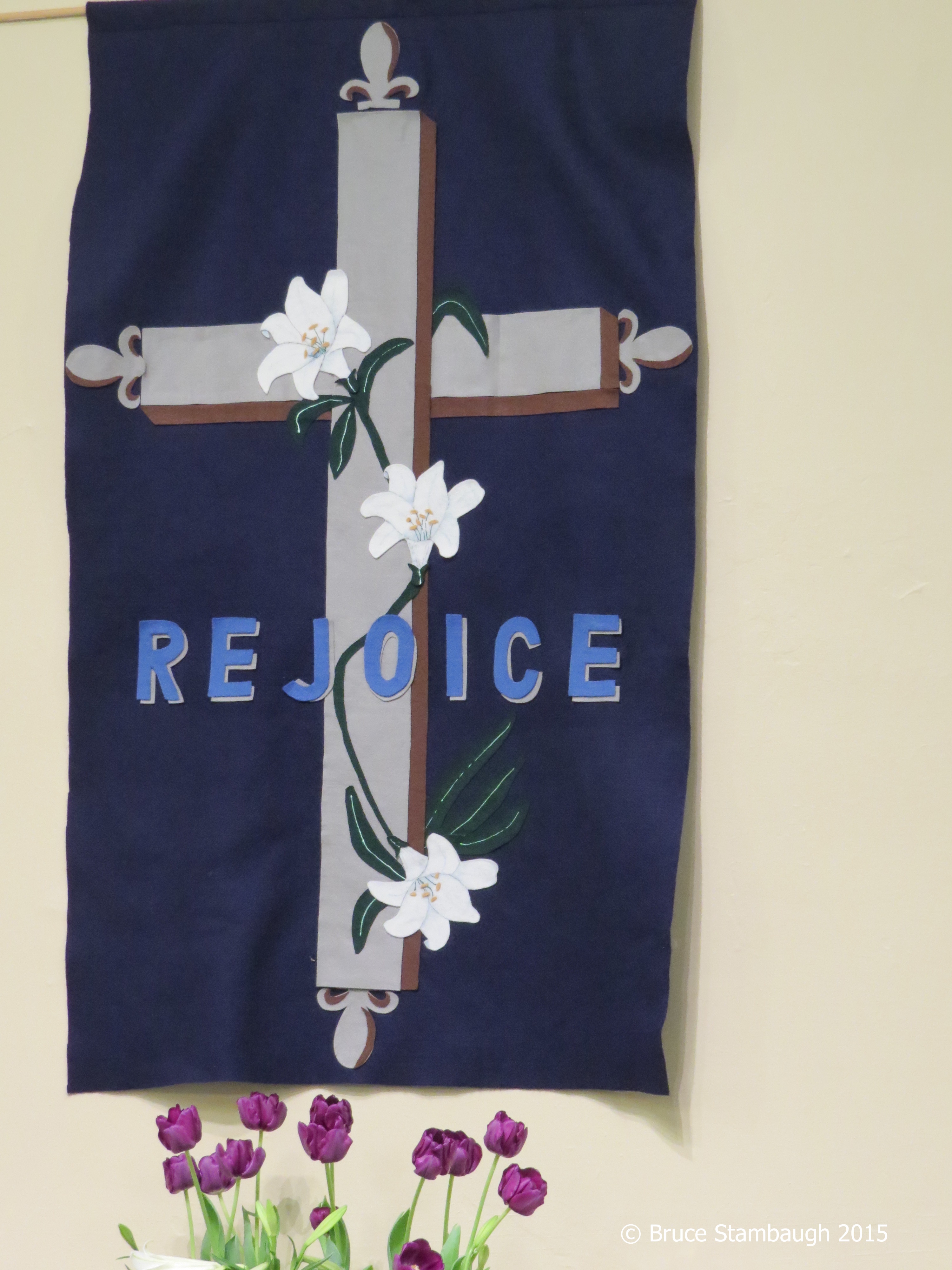
The holiest of holy days in the Christian tradition, Easter’s resurrection coincides with spring’s rejuvenating renewal. That I always understood, even as a child.

Of course, as a youngster, that spiritual message became overshadowed by other Easter traditions. Hunting for our Easter baskets loaded with chocolaty treats and boiled eggs we had previously colored was a priority.

After all the baskets and colored eggs were found, we enjoyed a breakfast with hot crossed buns. That, too, was always an Easter treat obtained from the neighborhood bakery where our grandmother worked.

Buying an Easter lily for our loving mother was also deemed a must. Of course, we all gussied up in our Sunday best and headed off to church with scores of other baby boomer families.

My wife and I continued some of those traditions as we, too, had children of our own. Helen, our children’s adopted Killbuck, Ohio grandmother, often hosted us after church. I would hide the eggs outside while Helen and Neva prepared their typical delicious meal.

We have continued that tradition with our grandchildren, although that varies according to their busy schedules. We’ll hold our own egg and Easter basket hunt, all the while recording the unfolding events with my camera. Nana usually fixes a scrumptious dinner to complete the secular celebrating.

Church, of course, is still a central element in our Easter celebration. It has to be. Without Easter, there would be no church, as we now know it. Perhaps therein lies my senior moment with this holiday.

As much as I enjoy the candy and the children’s excitement, I can’t shake loose the days that led up to this most consecrated day. In retrospect, they occur in logical succession that actually creates Easter’s real significance.

Triumphant Palm Sunday followed by the solemnity of Maundy Thursday, and the stark realization of Good Friday mirror my own ambivalence of the season. I am too much aware of personal grieving, death of loved ones and friends, injuries and unexpected illnesses of innocent little ones, the bigoted injustices of society toward the least, the last, and the lost.

Altogether, it seems too much to tolerate, too much to absorb, too much to accept amid the social and global daily inequities by those in power who twist the truth to their advantage. Bullies become victims and victims made the bullies, no matter the facts.

I struggle to reconcile a glorious day like Easter with the reality of the daily dynamics of a troubled world, of people in pain and mourning.

It is then that I remember that is the way of the world and the very reason for Easter itself. Christians are to model that self-sacrifice in their daily lives, not take advantage of those who have less or nothing at all.

Easter isn’t only a holiday. For those who believe, renewal is to be a daily way of life. That is a tall measure to live up to, but it is the only measure that matters.

“Love the Lord your God with all your heart, mind, body, and soul. And love your neighbor as yourself.” That is the greatest commandment to follow, and the hardest.

That precept, that lifestyle can only be achieved if we acknowledge our own imperfections, our Creator, and our responsibility to help others moment by moment, breath by breath.

That Easter hunt doesn’t come in colored eggs or decorated baskets. It must be resurrected daily, individually, unselfishly, and unconditionally. If not, there is no Easter morning.

© Bruce Stambaugh 2019
Bay Photos by Donna

Wildlife Photos From The Chesapeake Bay Region

ROAD TO NARA

Culture and Communities at the Heart Of India

K Hertzler Art

Artist and nature journalist in the Shenandoah Valley of Virginia.

Maria Vincent Robinson

Photographer Of Life and moments

Gabriele Romano

Personal Blog

Jennifer Murch

Art is the only way to run away without leaving home. -Twyla Tharp

Roadkill Crossing

Writing generated from the rural life

ANJOLI ROY

writer. teacher. podcast cohost.

Casa Alterna

El amor cruza fronteras / Love crosses borders