Technology can be a pain in the neck

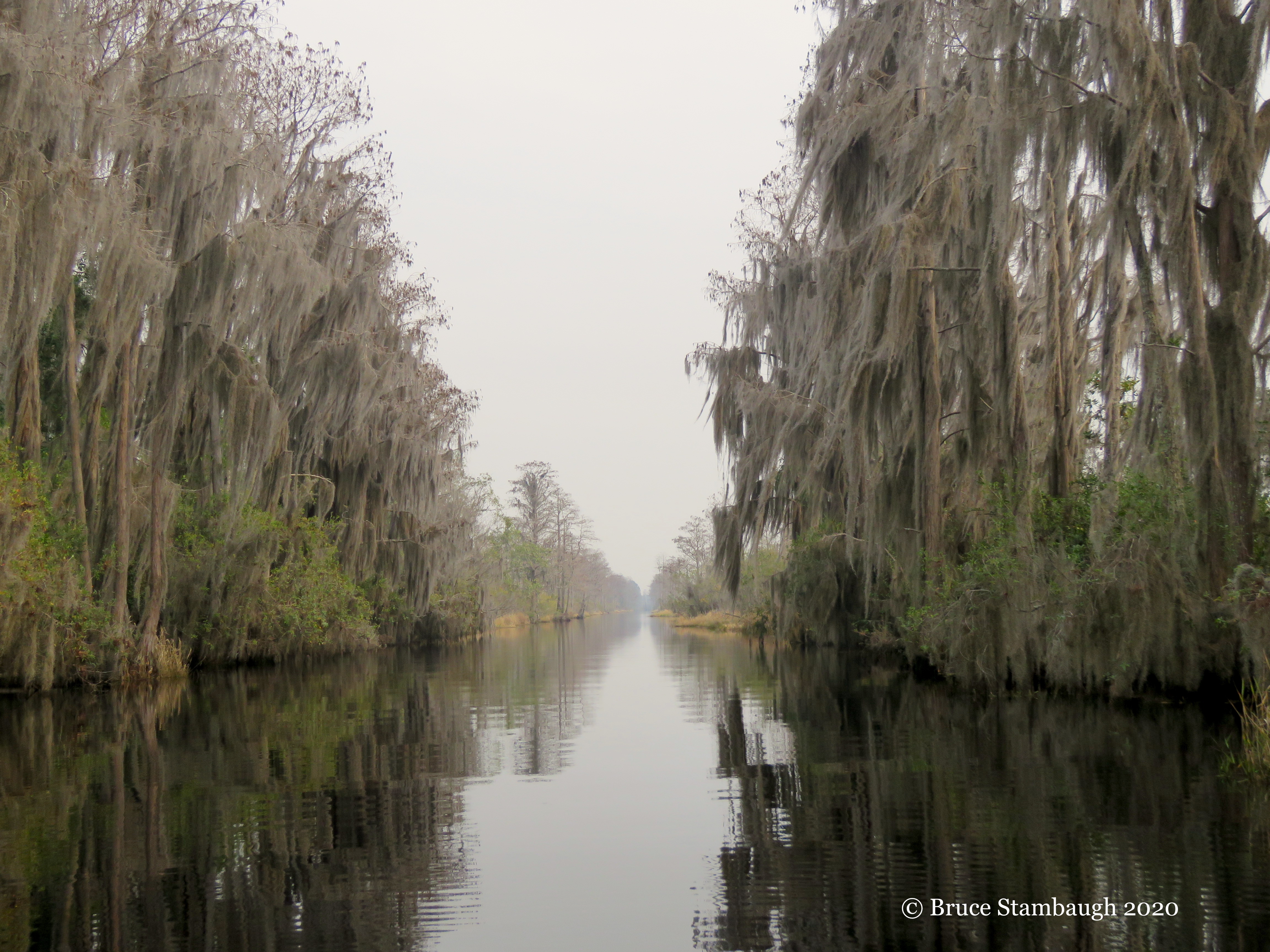
The view from my Florida “office.”

For good or for ill, technology has impacted nearly every aspect of our lives.

Robots began to invade the workforce assembly lines when I was a youngster. Never could I have imagined how far they would be integrated into our daily lives. Technology is advancing so rapidly that as soon as you buy a new cell phone, for example, it becomes obsolete.

We are so dependent on technology that we become exasperated when it doesn’t always work. If the power source goes out, we are stymied. Our electronic gizmos seem to be controlling us rather than the other way around.

For all of the promises of making life simpler, easier, and more rewarding, technology can be a pain in the neck. In my case, the pain was real.

I recently took my laptop computer in for its annual checkup. I believe that it’s good to have a trained technician clean up your technology every now and then. That assumption turned problematic.

The railroad’s version of a pain in the neck.

Skipping all of the gory details, let’s just say the guy pushed the wrong buttons on my keyboard. Consequently, a newer operating system unintentionally replaced my old one. I was unaware of the far-reaching ramifications.

When I began writing in the word processor, I found myself typing in the cloud, wherever that is. Thousands of my photos disappeared along with hundreds of research bookmarks.

The techs were baffled. My mind raced, fearing all the negative possibilities. The good guys at the computer shop felt just as bad.

They said they would uninstall the new system and reinstall the old one using the info backed up on my external drive. The techs thought that would restore my lost data and photos. It didn’t quite work out that way.

Which cloud was I in?

I silently implemented my meditation breathing skills to stay calm. Apparently, I need more practice. I woke the next morning with a stiff and painful neck. I attributed the previous day’s stress as a likely cause.

I realize technology has done wonders for global societies. Thanks to solar power developments, remote third-world villages can generate power for their community water well. That ensures local residents have safe, clean drinking and cooking water.

Where would the medical field be today without the technological advances in equipment and practices that have simplified radical surgeries? Technology also allows medical personnel to communicate remotely, saving time, money, and, more importantly, lives.

Firefighters, emergency medical technicians, and police depend on high tech equipment to help them do their jobs better, more efficiently, and more safely. Thermal imagining cameras, for example, help first responders locate trapped or lost people.

Smartwatches and smartphones allow society to instantly communicate person to person or group to group. People once geographically isolated from world events now follow global news as it happens.

There are drawbacks as well. Universities have to paint warning signs on sidewalks for students to look up when they come to a crosswalk at a street corner. Why? Because nearly all of them are walking and talking on their cell phones, oblivious to their surroundings.

Don’t get me started on the misuse of social media, phone apps, or even the Houston Astros.

My world improved when the technicians were able to reinstall the new operating system and updated word processing software. I once again began typing on my computer instead of somewhere out there. Most of my photos were restored as well.

However, the irritating pain in my neck remained. I’m still working with technicians of a different sort to get that repaired.

© Bruce Stambaugh 2020

It’s always good to be home

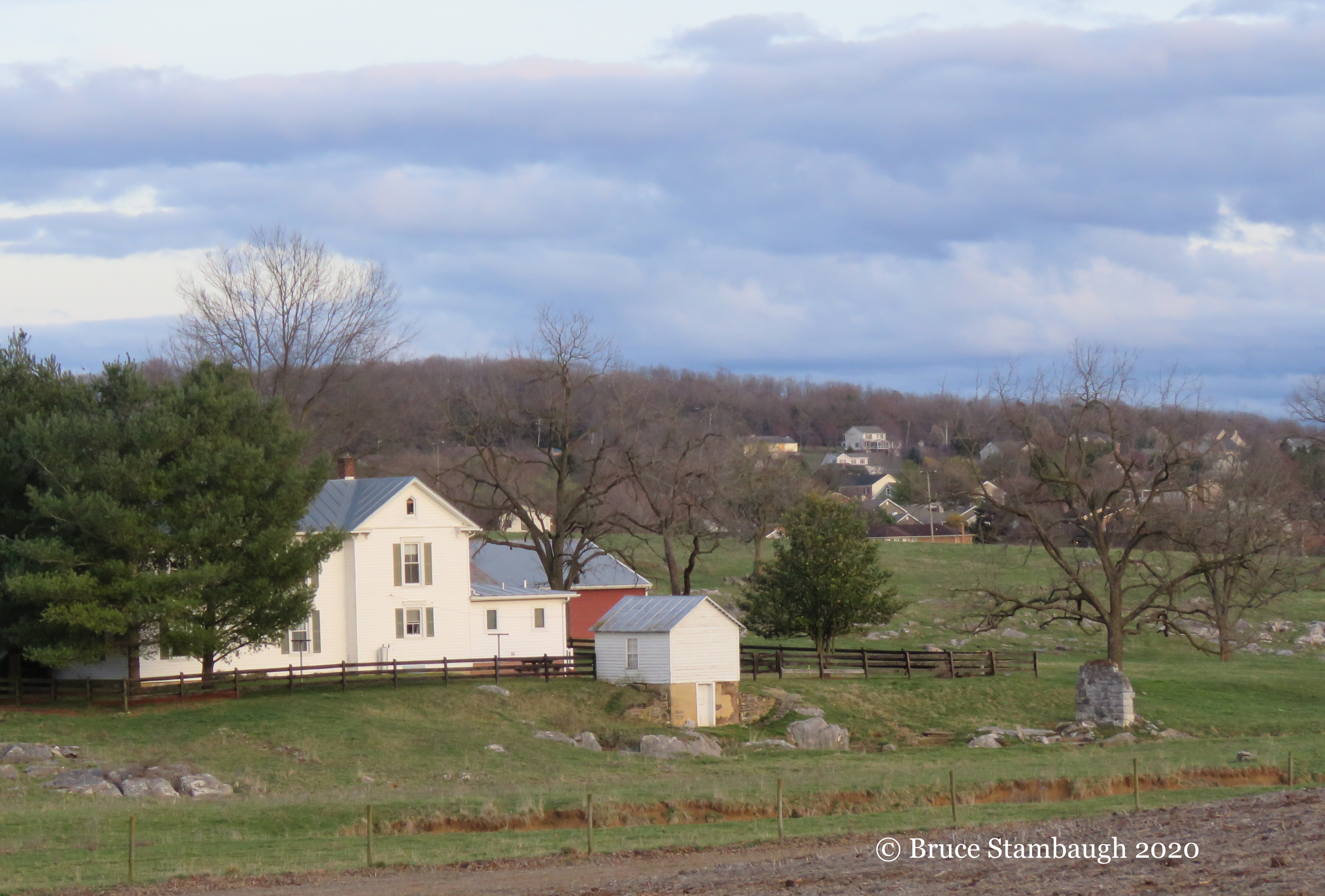
A new day dawns in Ohio’s Amish country.

Home. It’s a four-letter word that conjures up both good and sad emotions. It all depends on one’s circumstances.

I was fortunate. Returning home has always been a rewarding, meaningful experience for me.

I have no recollection of living in my first home on a channel of a lake near Akron, Ohio. But I recall many stories told to me in my adolescent years. I still get chided for grinding up coal cinders from the driveway. Apparently, I thought they tasted good.

My earliest childhood recollection was when I was about four years old. My father handed me a cold Coca Cola while I sat overhead on a rafter of the house my folks were building.

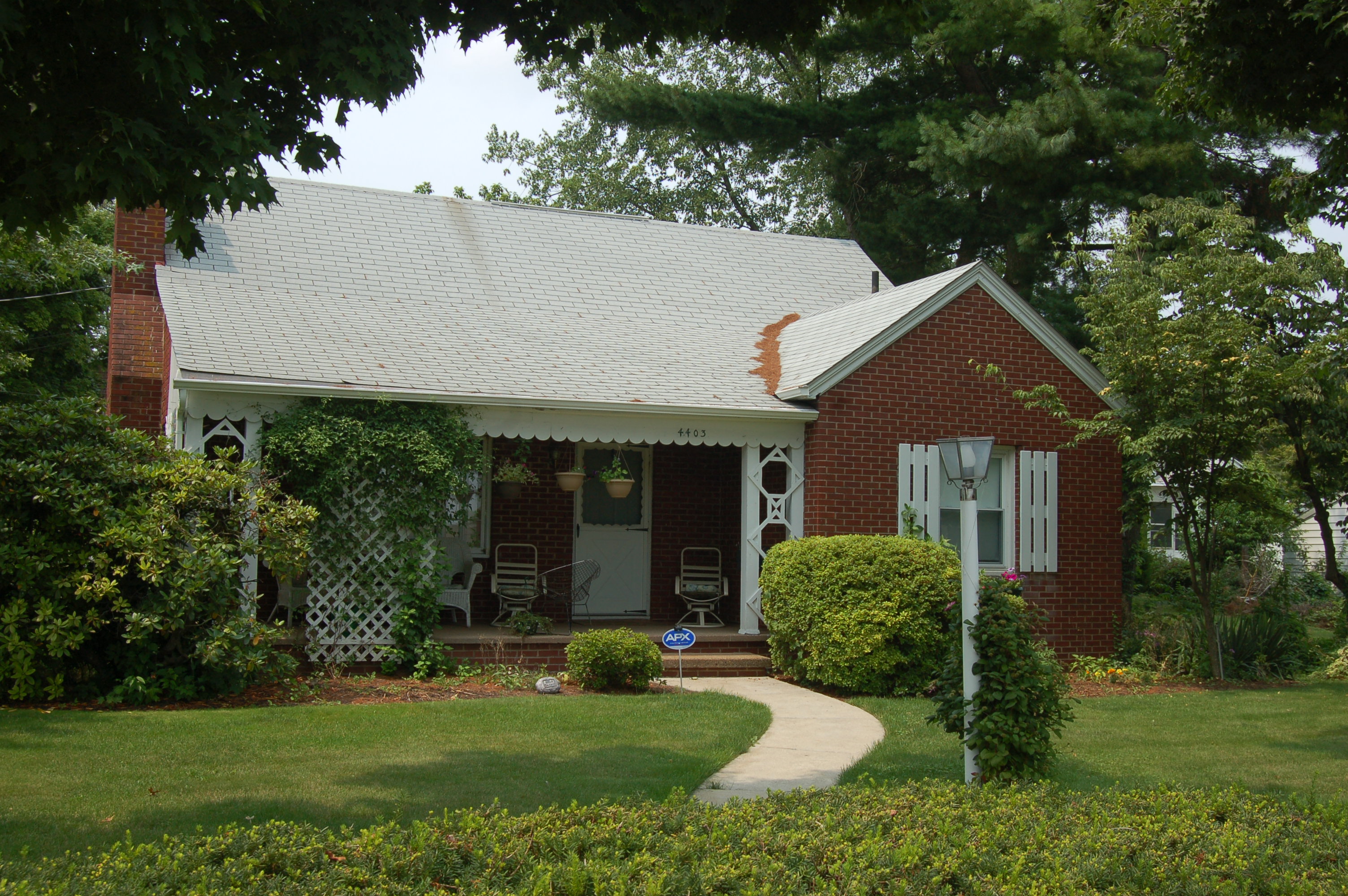
I spent my formative years in the little red-brick bungalow in Canton, Ohio. Baby boomer families like ours filled that middle-class neighborhood. Pick up Whiffle ball, baseball, and football games were commonplace, along with hide and seek sessions that went long into warm summer evenings.

That modest home was always a welcome sight returning home from college. Though the house was sometimes filled with shouting and disagreements, I always felt safe there. It was my home and my family, after all.

All of that changed once I graduated and started teaching in Killbuck, Ohio. I met and married my wife, and we built our own home just out of town next to an old cemetery. My school principal built right next to us. I loved to tell people that at least we had good neighbors on one side of our home.

We spent 10 incredible years there. It’s where our daughter and son learned to walk, talk, and play. Oh, the stories I could tell of those good old days in that hardscrabble town. For now, it’s best to let them remain dormant.

After I became a principal in East Holmes Local Schools, we moved to near Berlin, Ohio. The house we bought was on an Amish farm, and all of our neighbors spoke Pennsylvania Dutch as their primary language. That wasn’t a hindrance at all.

Just like when I grew up, our daughter and son had plenty of children to play with. They often met at the giant old black oak tree across the road from us. It was a joy to be able to watch them interact and quickly solve any squabbles without an adult having to intervene.

We lived there for 38 years, longer than any other place, including our childhood homes. Our neighbors were friendly and helpful. Amazing sunrises and sunsets enhanced the already beautiful views that we enjoyed.

Despite our deep roots in the community, we decided it was time to be nearer to our three grandchildren, who were growing all too fast. We found a home only five miles away from them in Harrisonburg, Virginia.

We bought and remodeled a little ranch house amid nearly 500 other homes. Just like their owners, each one has a personality all its own. Instead of being in the heart of Ohio’s Amish country, we now live in the heart of the beautiful Shenandoah Valley.

We can watch our high school grandson strike out batters in a baseball game. We enjoy a middle school concert in which our other grandson plays the French horn. We watch and listen with pride as our granddaughter sings in a prestigious children’s choir.

In the words of Maya Angelo, “I long, as does every human being, to be at home wherever I find myself.”

Indeed, it’s good to be home, wherever that is. I hope that’s true for you as well.

At home in Virginia’s Shenandoah Valley.

© Bruce Stambaugh 2020

Everyone needs a sanctuary


Everyone needs a sanctuary. Recent research shows that connecting with nature helps humans in multiple ways.

Nature helps heal, soothe, and restore individuals from pain, stress, and depression. We all need a place to escape, if only temporality, from the pressures and madness of the world.

When my wife and I winter in Florida, we are fortunate to have just such a place. Egans Creek Greenway is the first spot I visit after my wife and I get settled into our rental.

Egans Creek Greenway is an island inside an island. Covering more than 300 acres, the greenway is a city-run park on the north end of the 13-mile long Amelia Island, a barrier island northeast of Jacksonville.

The greenway is not your typical sanctuary, but it’s mine for many reasons. I get needed exercise walking its grassy trails. A variety of wildlife is in abundance. I can practice my photography hobby shooting landscapes and nature’s flora and fauna.

Please click on the photos to enlarge them.

Egans Creek winds its way through the two main sections of the greenway. A saltmarsh dominates the northern half. It teems with wading birds, birds of prey, songbirds, furry mammals, and intriguing reptiles. The Atlantic Ocean tides keep its waters brackish.

The southern section is part maritime forest and part freshwater ecosystem. The creek runs along the eastern side while a grid of manmade ditches from previous farming attempts crisscrosses elsewhere.

Mixed vegetation creates a habitat for a wide variety of creatures. Pileated woodpeckers fly their noisy flight high above momma alligator and her baby brood while a barred owl hoots from a branch of a giant live oak tree.

Scores of yellow-rumped warblers dart from the underbrush to palm trees, chip-chipping all the way. A red-shouldered hawk watches for lunch from high on a dead snag. A freshly hatched monarch butterfly flaps its damp wings on a Florida holly bush.

A reunion of soft-shelled turtles suns on the steep banks of the creek. A honeybee gorges on a clump of newly blossomed marsh-pink.

This slideshow requires JavaScript.


Where the creek runs along the west side of the greenway, an osprey hovers before diving for an unsuspecting fish. In the process, large shorebirds are flushed. A great egret, wood stork, and a beautiful roseate spoonbill all take flight.

I am not alone in appreciating this preserve. Students stroll through on their way home from school. Seniors ride bicycles or walk in the sunshine of gorgeous days. Middle-aged joggers hustle by. This passive recreation is part of the park’s plan.

Strangely, concentration is essential to appreciate all the greenway has to offer. Surrounded by streets, houses, and businesses, the greenway is a quarter of a mile from the ocean. Horns, sirens, and roaring engines compete with the clacking call of the clapper rails.

So, too, to do the helicopters flying back and forth to the Mayport Naval Station 20 miles to the south. Commercial airliners, private jets, and noisy single-engine planes fill the air space overhead as they approach the local airport and Jacksonville International.

Besides a sanctuary, the greenway serves as an outdoor classroom. People stop to ask what I’m looking at or to tell me of a bird they saw. I love their smiles when they spot the eastern bluebirds devouring cedar berries.

I enjoy the greenway all the more when others accompany me. Multiple pairs of eyes and ears trump singular old ones. We help each other find and admire all the greenway’s splendor.

I am grateful for this island sanctuary, and that it reinforces the scientific evidence about nature.

© Bruce Stambaugh 2020

Drawn to the seashore


Why are people drawn to the edge of the sea? It’s not a frivolous question.

Spending the heart of the winter at a rented condo on the beach, I have observed the ocean lure people of all ages to her shore. There seems to be something magical, magnetic to where frothy waters lap at sandy beaches.

People young and old seek that seemingly sacred spot that wavers with every collapsing wave. Even the shorebirds covet that undulating, elusive line in the sand.

The tiny and swift sanderlings poke and prod the moist sand for nutritious crustaceans on the shore’s surface or just below. They always scurry ahead of the washing water as if they are afraid of getting their feet wet.


The larger willets saunter along probing for the same bounty with their sturdy black bills. They, too, avoid the ebb and flow as if their lives depended on it. Perhaps they do, instinctively knowing the consequences of being swept away.

Humans of all ages, however, take a wide variety of approaches while at the shore. Throwing caution to the sea breezes, children rush squealing to the water’s edge. Whether in street clothes or swimsuits, the youngsters wade right in, much to the horrors of their adult overseers.

Jogger at dawn.
Are they lulled by the rhythmical sound of the waves? Does the foamy surf beckon them to come to see the sea? Do they thrill at the sensation of surviving the rushing, rolling water?

I suspect all of that and more. Unlike most parents, the children have no fear of undertows or rip currents. The adults quickly catch up and take charge, even at the expense of getting their own feet wet, shoes, or no shoes.

Teens, of course, don’t care. They, too, wade or rush or plunge right in, regardless of attire, or the water’s temperature. In February, it may match the chilly air temperatures, made cooler still by the persistent winds.

The adults also are intrigued by the sea, each in their own way. Some jog while others walk along the water’s edge for exercise and fresh air.

Conversely, the snowbirds take their time. They have earned it, after all. They relish being away from the cold and snow up north. Retirees prefer to traverse the firm, moist sand closest to the water for its support.

This slideshow requires JavaScript.


Many walk with their heads bent forward, searching for colorful shells or sharks teeth. A few long for treasures of a different sort. They sweep the sand with metal detectors seeking what others have lost.

Some beachcombers spend many minutes inspecting one spot before they slowly move on. Others are content to stroll more for the exercise than the shells. All, however, are careful to mind the lapping sea, especially if the tide is coming in.

Other beach walkers have another purpose in mind. Their canine pets demand to be taken on their necessary jaunts. Dogs of all shapes, sizes, and breeds head to the shoreline.

A few folks are content to simply sit and enjoy all their senses in one spot. They watch, read, sleep, or chat with companions for hours.

Hardy souls ply their skills at fishing. I think the dolphins, ospreys, and terns are more successful.

Like all the others, I also answer the sea’s siren call. I join them in their multi-faceted love affair with the seaside.

At dawn, I let my camera document all the unfolding radiance. Nothing beats a dazzling sunrise, except sharing it with others.

Why are people drawn to the seashore? For all the right reasons.

© Bruce Stambaugh 2020

The shortest month packs a punch

reading, reading to grandkids
Even in Leap Year, February is still 2020’s shortest month. That doesn’t deter it from packing a lot into its 29-day effort.

The mini month has so many designated days that I’ve had to pick and choose which ones to highlight. I apologize in advance if I fail to mention your favorite.

February 1 is Read Aloud Day. I highly support this idea, especially if you happen to have young grandchildren.

I’m pretty confident that day will be overshadowed by the events of February 2, however. February 2 just wouldn’t be complete without the human-induced appearance of Punxsutawney Phil on Ground Hog Day.

The good citizens of the little Pennsylvania town know how marketing works. The organizers get more than their 15 minutes of fame out of the annual silliness of speculating on winter’s dallying.

This year, however, Super Bowl LIV will give old Phil a run for his money since it’s on the same day. Phil will have to be exceptionally creative to grandstand the pregame football ballyhoo hoopla.

I’m not sure if there is a connection or not, but February 3 is the first primary election of the 2020 presidential campaign. Iowans take to their caucuses to express their personal preferences. The next day is World Cancer Day, an international effort to save lives and raise awareness.

I couldn’t live with myself if I didn’t mention that February 5 is the annual National Weatherperson Day. It’s designed to recognize all of the professionals who forecast the weather in this crazy climate era in which we find ourselves.

Friday, February 7 is National Wear Red Day. You would think this should be a week later. However, this day is dedicated to raising awareness about heart disease, indeed a worthy reason to don the supportive color.

Sunday, February 9, marks three different occasions. Tu Bishvat is the Jewish New Year for trees and marks the day to set aside tithes for the poor. For movie buffs, it’s also Academy Awards night and conveniently National Pizza Day.

February 13 is International Friends Day and National Cheddar Day. That sounds like an opportunity to invite your friends over for toasted cheese sandwiches and tomato soup.

No reminder is needed for February 14, Valentine’s Day. But just in case, consider this your cue to order the candy and flowers and make those dinner reservations.


Of course, Monday, February 17, is Presidents Day, the day to honor our first president George Washington. His birthday was actually February 22, while Abe Lincoln’s was February 12. Once again, the madmen of marketing persuaded Congress to squish the two birthdays together into one countrywide sale event on everything from mowers to mattresses.

February 18 is National Drink Wine Day. We need a day for that?

February 20 hosts two designations: National Love Your Pet Day and World Day of Social Justice. Both are worthy causes.

International Mother Language Day is Friday, February 21. It rightly promotes linguistic and cultural diversity, along with quality education, unity, and international understanding.

It’s no coincidence that Mardi Gras falls on February 25, also known as Fat Tuesday. The day also recognizes Strove or Pancake Day, which honors the world’s oldest widespread food.

Ash Wednesday is February 26. For Christians, it marks the beginning of the liturgical season of Lent in preparation for Easter.

The shortest month is stuffed with a variety of celebrations, some fanciful, others sedate. Given that, February serves as a metaphor for life. It makes each day count. So should we.

© Bruce Stambaugh 2020

January dreaming


As a youngster, I remember those cold, blustery January days of sitting as close to the living room heat register as possible. I would grab the latest seed catalog that had arrived in the mail, and while myself away with luscious visions of warmer days ahead, corn on the cob, and fresh lima beans.

My brothers and sisters would sometimes join me in this communal dreaminess. We couldn’t wait to be harvesting our own fresh-picked pickles, ripe red tomatoes, and those buttery-colored ears of sweet corn. Of course, a lot of time, hard work, and patience would have to pass before all that deliciousness happened.

grandkids sled ridingBesides, we would often get interrupted when one of the neighbor kids arrived at our doorstep to ask us to go sledding. Kids being kids, we usually traded future pleasantries for present ones.

With the advent of technology and electronic interconnection, emails seem to have replaced those slick, thick printed advertisements. The contents have changed, too.

Smart marketers know most baby boomers now prefer discovery to husbandry, although I have plenty of peers who still love to get their hands dirty. It’s usually on a much smaller scale than 30 years ago, however.

My wife and I gave up gardening for the most part when we moved to Virginia. For a woman who loved her flower gardens, Neva furrows her forehead at any mention of planting a patch of wildflowers on our little slice of America.

Maybe the marketers have seen that expression, too. That could explain why we don’t get those tempting seed publications anymore. Travel brochures, invitations, emails, booklets, and yes, catalogs have replaced their agrarian counterparts, promoting fun-filled cruises, exciting explorations, and exotic destinations.

There’s a good reason for that. Since most boomers are retired or semi-retired, a majority of us apparently like to travel. Besides the printed and electronic information, television and computer pop up ads besiege us with romantic places to go.

That’s all right with us. Neva and I both like to travel, and since we fit the retired category, we try to visit as many places as we can as time and money allow.

This slideshow requires JavaScript.


We also have to consider our age, our station in life, and our health, not necessarily in that order. We both know we are fortunate when it comes to our overall physical fitness. We also know that that may not last. So we must get in as much travel as possible while we still can.

Neva and I both enjoy learning about new places, cultures, languages, traditions, history, geography, and enticing locales. We also like familiarity, which is why we keep returning to our beloved Lakeside, Ohio, every summer.

Traveling allows us to enrich ourselves in all those subjects and much more. We know we aren’t alone because many of the offers we receive fill up quickly.

The land and ocean cruise we took to Alaska and the Yukon last summer was proof of that. Boomer-aged trekkers predominated at every stop and venue of the trip. In our group, only one young millennial couple dared to join our silver-haired entourage. Poor things, they were even on their honeymoon.

Because traveling is now so trendy and relatively easy, despite the security screening delays, cruises and group traveling are often planned a year or more in advance. You can dream in January, but if you don’t book right away, you may get shut out.

My touristy point comes full circle with personal disclosure. This January, I’m writing from Florida.

© Bruce Stambaugh 2020.

Basking in nature’s unexpected gifts

Raining over the ocean.

I stood on the shoreline alone in joyous disbelief. This wasn’t supposed to be happening, and yet, it was, it did.

“This” was no ordinary sunrise. Our snowbird rental on the Atlantic Ocean northeast of Jacksonville, Florida, affords us striking views, especially at dawn.

The sea mirrored the sky as the celestial kaleidoscope slowly revolved from violets to pinks to oranges to gold to grays. I willingly allowed those siblings of earth and atmosphere to kidnap me.

My initial urge was to shout for joy, but that seemed irreverent, uncouth, and even sacrilegious. For once in my life, I stayed silent, sedated by the aura that engulfed me.

A renegade cumulonimbus cloud hovered miles offshore. Sheets of rain cascaded into the sea.

My eyes drew heavenward. The risen sun, hidden by clouds over the Gulf Stream, illuminated the universe, at least the part that I could see. It was heavenly, indeed.

With each degree that the sun rose into the clouds, the refracted rays altered the colors. As if someone had flipped a light switch, the violet hue transformed into orange, bathing everything it touched.

The scene was surreal. I felt like I had been pulled above the beach, the foamy waves no longer lapping at my feet.

It was then that I more fully appreciated the ocean’s contribution to this original, living painting. The gently swelling sea reflected both the water’s depth and the sky’s variable palate.

This slideshow requires JavaScript.


Dabs of puffy clouds scalloped the sky. The ocean’s choppy undulating created a more linear composition. It was cottony above, corduroy below.

Though the consistencies remained the same, the colors continued to change. The wind scurried the dazzling clouds east while the ocean rolled west.

An instantaneous golden glow ensued when the sun finally peeked through the distant clouds hanging above the horizon. Overhead, the rain clouds just as suddenly converted the gold to gray unapologetically.

With the sky now spritzing droplets, I turned to retreat to the condo. And then I stopped to behold another divine marvel.

A brilliant double rainbow arched above our suntanned building complex. Once again, I was awestruck. I motioned for my wife to go look at the rainbow. She only waved back from the balcony. Desperate, I pointed to the sky, mimed a bow with my right hand, and pointed up.

This time Neva understood and rushed to the back of the condo. She returned before I could even begin to clean the sand from my shoes. Her radiance from seeing the double promise equaled that of the sky, which made me even happier.

By the time I made it back to the condo, the sky had darkened, and the rain pelted down. The morning’s free art exhibit was now washed out.

Other than the rain, none of this was expected. The official forecast had called for precipitation to overrun the northern Florida east coast overnight. But with the rain’s delayed arrival, we were treated to this transformative experience.

This ecclesiastical event seemed to last an eternity. However, the timestamp on the scores of photographs that I took showed only 10 minutes had elapsed.

The magical scene had changed so rapidly that I couldn’t take in all of the finite details as they occurred. A review of my photos revealed the dramatic, atmospheric sequence of changes in that short window of opportunity.

Appreciative is too small of a word to describe my gratitude for having viewed the wondrous display. But most grateful I am.

© Bruce Stambaugh 2020

Mowing snow while mulching leaves

Before the leaves fell.

This time it wasn’t my fault. Every time I went to mulch the accumulation of leaves that covered much of our yard, something or someone else thwarted my good intentions. We all know where that road leads.

First of all, I wanted to wait until all of the red maple leaves in the backyard had fallen. For some reason, they clung like flies to flypaper. The leaves of the front yard red maple had all tumbled weeks earlier.

When the weather was sunny and warmish, which wasn’t that often in the late fall of Virginia’s Shenandoah Valley, we were gone. When we were home, it was too wet, or other commitments kept me from doing the job.

Even with a couple of gusty windstorms, the leaves clung fast to the tree. Meanwhile, the rest of the neighborhood’s assortment of dead foliage swirled around and landed in our yard like it was a leaf magnet.

The turkey.
It was nearly Thanksgiving before the leaves finally succumbed. Even then, it took almost a week before most of them lay on the ground. The leafy blanket was so thick I could hardly see the grass in spots.

Finally, the timing and weather seemed just right. However, because of a heavy frost, I waited until after lunch to make my move. I shouldn’t have.

I had just started the leaf blower when our yardman arrived. Rain was forecast for the next day, and he wanted to get the year’s last organic fertilizer on the grass despite the carpet of leaves.

He assured me that the rain would wash the fertilizer off the leaves and into the ground. I yielded the yard to him. It rained for three days.

After the rain subsided, it turned cold, freezing the leaves in place. I continued to wait and watch the forecast. It was now early December.

A skiff of snow caused another delay. Most of it melted, except for the snow in the north-slanting shadows of our backyard neighbor’s evergreens and the front of our north-facing house.

A storm with freezing rains was approaching. It was now or never to mulch the leaves.

A few of the neighbor’s leaves.
I set the mower to its highest level so that only the tallest growth of grass would be clipped. I donned my insulated coveralls, put on my waterproof shoes, and cranked up the mulching mower.

Around and round I went, reversing course with each completed trip of the yard’s parameter. The piles of dried leaves that I had blown out of the flowerbeds and shrubbery into the grass easily shredded to bits. The backyard leaves were a different story.

A messy mix of chewed up leaves and dirt began to stick to the wheels. The messiness increased when I hit the patches of thin snow. The pulverized blend of icy moisture and leaves turned to sludge. I stubbornly mulched on.

By the time I had finally finished, the poor mower looked like it had endured a motocross mud run. Brown muck covered much of the mower’s bright red body. The wheels were caked in a sticky mixture of chopped leaves and residue of red clay that poses as Virginia topsoil.

Shreds of green grass clippings topped off the muddy mess like colorful sprinkles on an ice cream cone. It was so sad and ugly that I couldn’t even take a picture of it.

But the mulching was done, and I was a happy man. The unusually difficult task of mowing my lawn had become an existential saga. And then the sun came out.

Not this much snow.

© Bruce Stambaugh 2020

This year I’ll focus on clarity over certainty

Growing up, 20/20 meant perfect vision. Later, it was the title of a television news show. Now it’s the year 2020.

At the start of a new year, it’s only natural to wonder what will happen. Will this year be better than last, however “better” is defined? Given that 2020 is a presidential election year, I’m not optimistic.

Recently a quote by Allen Lokos caught my attention: “We have no idea what tomorrow will bring, but today is filled with potential.” I like that practical advice.

This year, I intend to apply it more personally. I better get busy helping today anyway I can. There may not be a tomorrow.

I don’t mean that to sound morbid. Instead, I take it as a personal challenge, a positive reminder that the present moment is the only one that matters. Regardless of our position, power, or influence in life, try as we might, we can’t control life’s events. For good or ill, things just happen.

Humans crave certainty, the idea of knowing exactly what will happen. That is not the way life works. Sureness is better viewed in the rearview mirror. We know what did happen. Even then, people can’t agree on the truth. Some persons still don’t believe we landed on the moon.

Another problem is that we too often apply certainty to the future. Life interjects options we just don’t expect, some positive, others not so much.

We want to control with certitude our lives and the lives of those for whom we care. In reality, that is impossible. We can plan our lives all we want, and still, things go askew.

When I was a building principal, I used three by five note cards to plan my day. I usually had a handful of items that I wanted to accomplish. By day’s end, my list had often grown into double figures, and the few things that had initially been listed never got checked off. With that personal history, I struggled with the conundrum of certainty and clarity.

Enter the three wise men. They saw a star with clarity and sought its origin. They left their kingdoms, uncertain as to what the celestial sign meant. Nevertheless, they followed the star’s clarion call, sensing its significance without knowing exactly where it would lead.

The three wise men wanted to be there, wherever there was. And when they finally arrived gift-laden for a new kind of king, they saw their Epiphany. January 6 annually marks that event.

With that in mind, I’ve decided to focus more on clarity than certainty. Clarity is the vision of where you want to go. Certainty is the route you took.

The bible puts it this way: “We live by faith, not by sight” (2 Corinthians 5:7). Clarity is tantamount to faith, while sight equates with certainty.

I’ve never been a New Year’s resolution kind of guy. I do set expectations for myself, however. This year I’m going to focus all my being on the clarity of living. Much too often in our busy, technologically driven lives, we clamor for certainty.

We live in an uncertain world. We try to direct what we can to make it more precise. Sometimes, though, the more effort we put into controlling actions, the more they unravel.

If we are clear about what is essential in our lives, the little everyday details that we too often worry so much about will simply take care of themselves. In 2020, I’ll strive to depend on clarity to live my life.

Does anyone care to join me?

© Bruce Stambaugh 2019

Noteworthy news that didn’t make the headlines in 2019


Well, we made it. You and I have traveled yet one more year around the sun. True to form, 2019 was full of wonder, mistakes, successes, and a smorgasbord of conundrums and craziness.

As usual, I kept track of a few of the lesser but still extraordinary events and findings during the year.

January 20 – A meteorite was recorded striking the surface of the moon during the Super Full Blood Wolf Moon total lunar eclipse.
January 22 – According to a report from nonprofit Oxfam, the world’s 26 wealthiest people are worth the same amount of money as the world’s poorest 3.8 billion.
January 30 – The temperature dropped to -48 degrees with a wind chill of -65 in Norris Camp, Minnesota, making it the coldest place in the lower 48 states.

Early morning sky, January 31.

February 1 – The BBC reported that January was the hottest month on record in Australia and that five days were among the top 10 on record for the warmest.
February 7 – NASA reported that the last five years have been the hottest since records began being kept in 1880, with 2018 the fourth warmest year.
February 13 – NASA announced that it had declared the Mars rover dead after being unable to communicate with it following a massive dust storm on the red planet.
March 25 – A British Airways flight bound for Dusseldorf, Germany, instead accidentally landed in Edinburgh, Scotland, because the company filed the wrong flight papers.
March 26 – UPS began an experimental delivery system using drones in North Carolina.
March 27 – Airbnb, the online home-sharing site, surpassed Hilton Hotels in annual sales.
April 11 – A standup comedian in England died halfway through his comedy routine, only the audience thought it was part of his act.
April 19 – A 10-year-old Fredrick, Maryland girl born without hands won a national handwriting contest.
April 22 – The BBC reported that 23 million people use 123456 as their password for private online accounts, with 123456789 as the second most popular password.
May 22 – The last known ship to bring slaves to the U.S., the schooner Clotilda, was discovered in a remote branch of Alabama’s Mobile River.
May 23 – Longtime Marietta, Georgia, mail carrier Floyd Martin retired, and on his last route, residents decorated their mailboxes and held a block party after he finished his deliveries.
May 31 – After 20 rounds and running out of hard words, the National Spelling Bee in Washington, D.C., crowned an unprecedented eight co-champions.
June 5 – Tom Rice, 97, of Coronado, California, reenacted his pre-D-Day 1944 jump into Carentan, France, as part of the 75th anniversary of the Allied invasion at Normandy.
June 11 – Kraft announced that it was selling salad frosting, which was French dressing disguised in a colorful bottle to get kids to like it.
June 19 – A survey by YouGov reported that 39 percent of Americans between the ages of 18 and 24 hadn’t used deodorant in the last 30 days.
July 3 – The American Automobile Association estimated that a record 49 million people would be traveling the U.S. highways on the Fourth of July holiday.
July 12 – A report on British roadkill showed that badgers were the mammals most likely to meet their end on the highway, although pheasants led the animal roadway mortality rate.
July 22 – Officials near Sandpoint, Idaho removed turtle crossing signs because thieves kept stealing them as soon as the unique warning signs were replaced.
August 14 – A 12-year-old boy attending a family reunion found a rare Ice Age wooly mammoth tooth by a creek near the Inn at Honey Run near Millersburg, Ohio.
August 15 – A new study released by the U.S. Geological Survey showed that 90 percent of rainwater samples in Colorado included microplastic shards, beads, and fibers.
September 6 – A new international study showed that 90 percent of the time eyewitnesses would assist someone assaulted in public.
September 7 – Miami Marlins pitcher Brian Moran struck out his young brother, Colin, pinch-hitting for the Pittsburgh Pirates.
September 21 – When a car fell on his neighbor pinning him, Zac Clark, a 16-year-old high school football player from Butler, Ohio, rushed over and lifted the 3,000-pound auto, saving the neighbor’s life.
One of my proudest moments.

October 7 – After falling at his home in Plains, Georgia the previous day, former President Jimmy Carter, 95, with a bandage above his left eye and a visible welt below, still helped build a Habitat for Humanity home in Nashville, Tennessee.
October 18 – NASA astronauts Christina Koch and Jessica Meir performed the first all-female spacewalk when they ventured outside the International Space Station for five and a half hours to replace a faulty battery charger.
October 30 – Firefighters in Simi Valley, California successfully saved the Ronald Reagan Presidential Library from a wildfire with assistance from a herd of goats brought in earlier in the year to eat away the brush surrounding the library.
November 3 – When midnight shift workers didn’t show up at a Birmingham Waffle House restaurant, several customers jumped behind the counter to help the lone employee serve 30 other customers.
November 8 – The last survivor of the Hindenburg Disaster, Werner Gustav Doehner, died in Laconia, New Hampshire, at age 90.
November 18 – Police in Goddard, Kansas, discovered a camel, cow, and donkey wandering along a rural road.
December 9 – A New York City man removed and ate a banana from a Miami, Florida art exhibit that had sold for $120,000.
December 10 – A 43-year-old Monroe County, Louisiana man, was arrested for fixing the bingo game he was calling so his relatives could win.
December 20 – Emily Williams, a wildlife ecologist in Alaska, was late for work because a moose was licking the salt off of her car.

Here’s hoping 2020 will give us both a better year and better eyesight in all that is happening around us.

Happy New Year!

© Bruce Stambaugh 2019

Bay Photos by Donna

Wildlife Photos From The Chesapeake Bay Region

ROAD TO NARA

Culture and Communities at the Heart Of India

K Hertzler Art

Artist and nature journalist in the Shenandoah Valley of Virginia.

Maria Vincent Robinson

Photographer Of Life and moments

Gabriele Romano

Less Noise. More Meaning

Jennifer Murch

Art is the only way to run away without leaving home. -Twyla Tharp

Roadkill Crossing

Writing generated from the rural life

ANJOLI ROY

writer. teacher. podcast cohost.

Casa Alterna

El amor cruza fronteras / Love crosses borders