September Is a Moody Month

Enjoy what comes your way

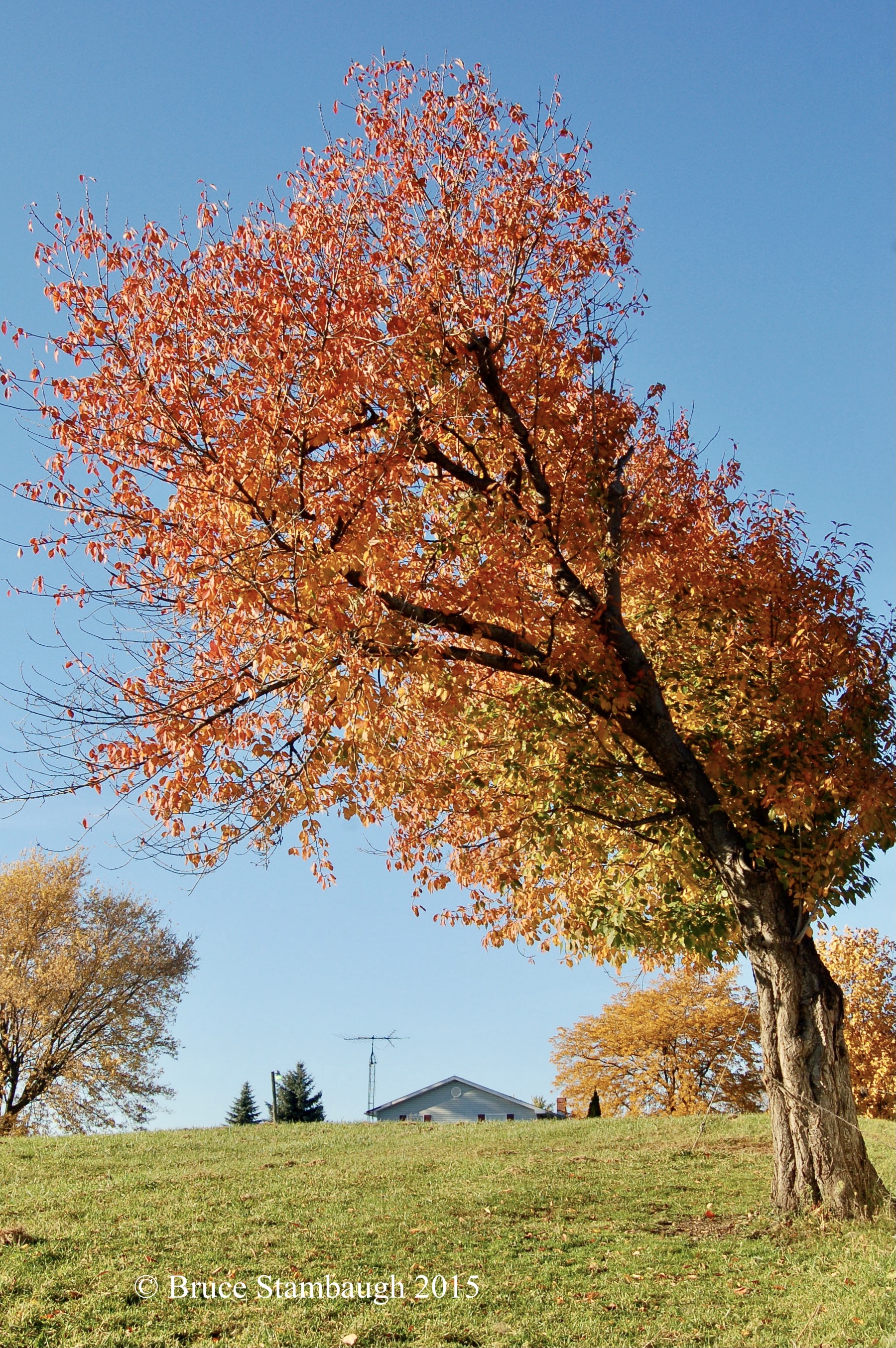
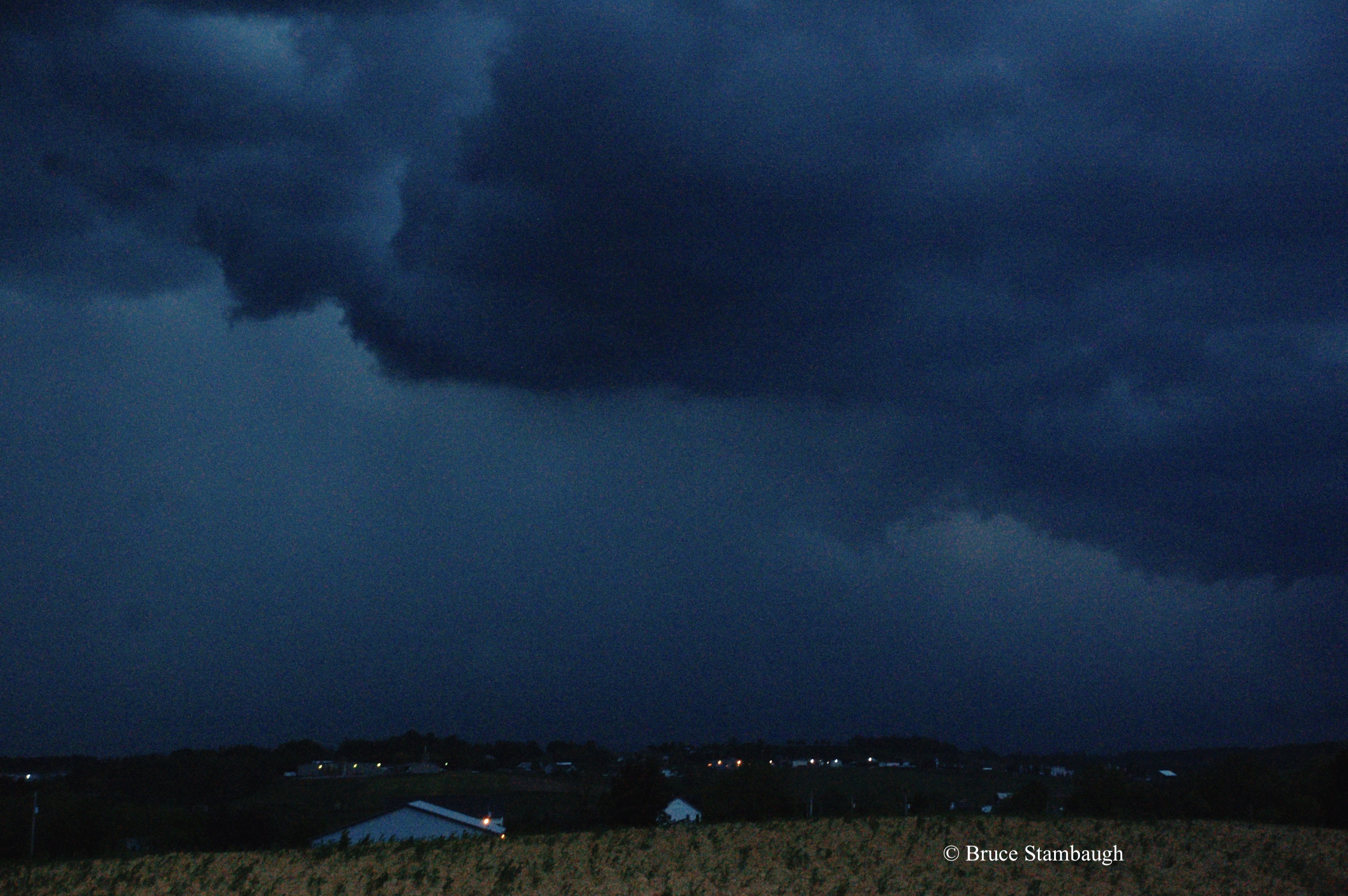
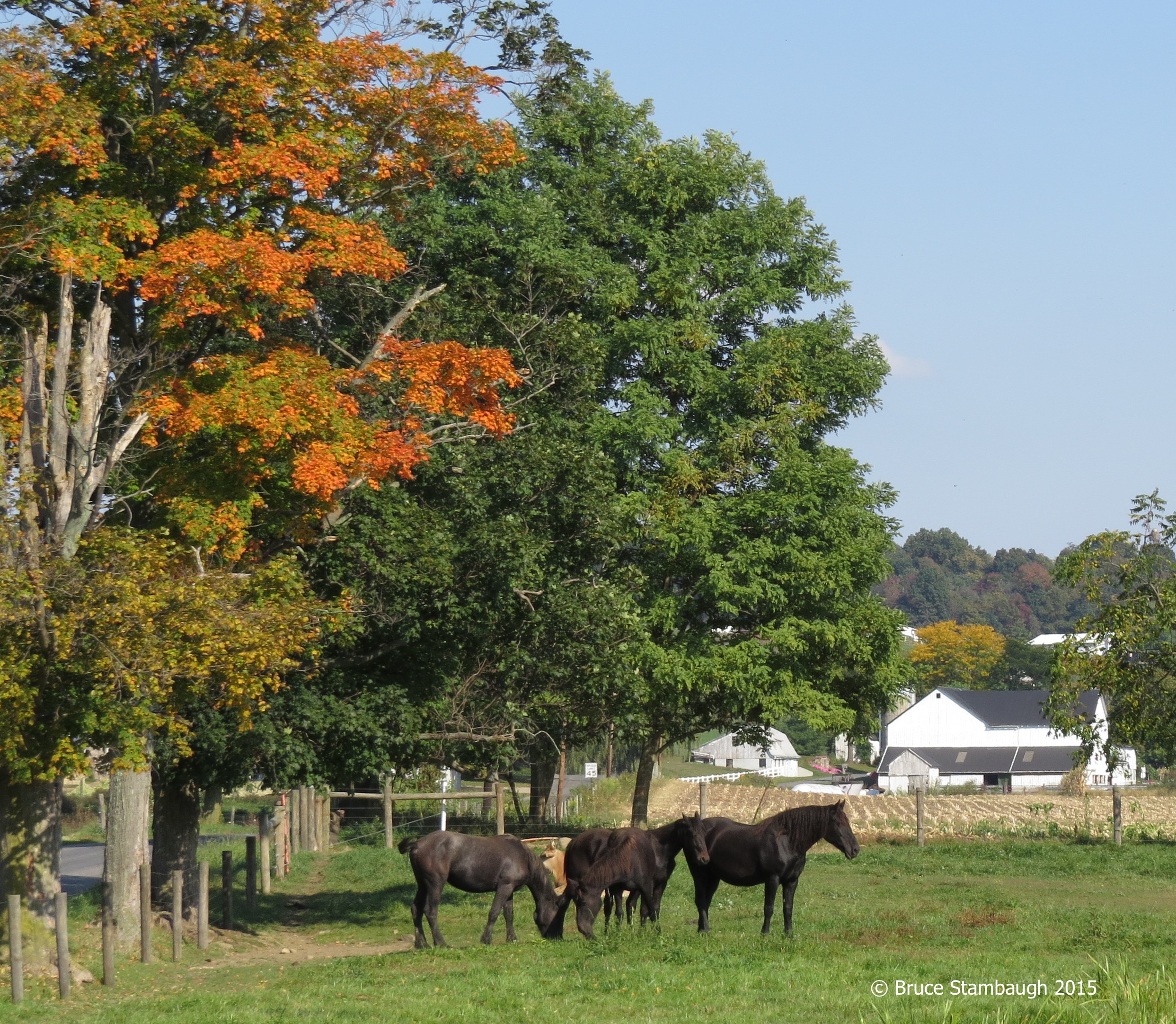
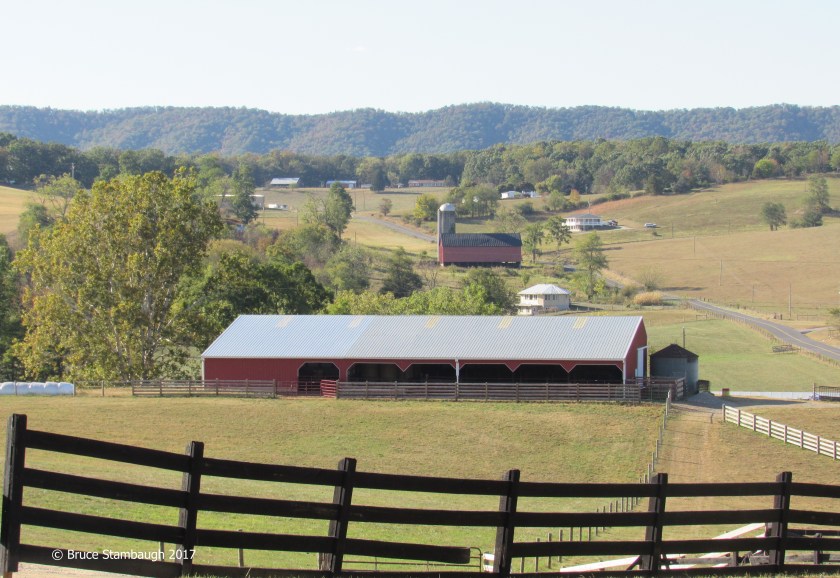
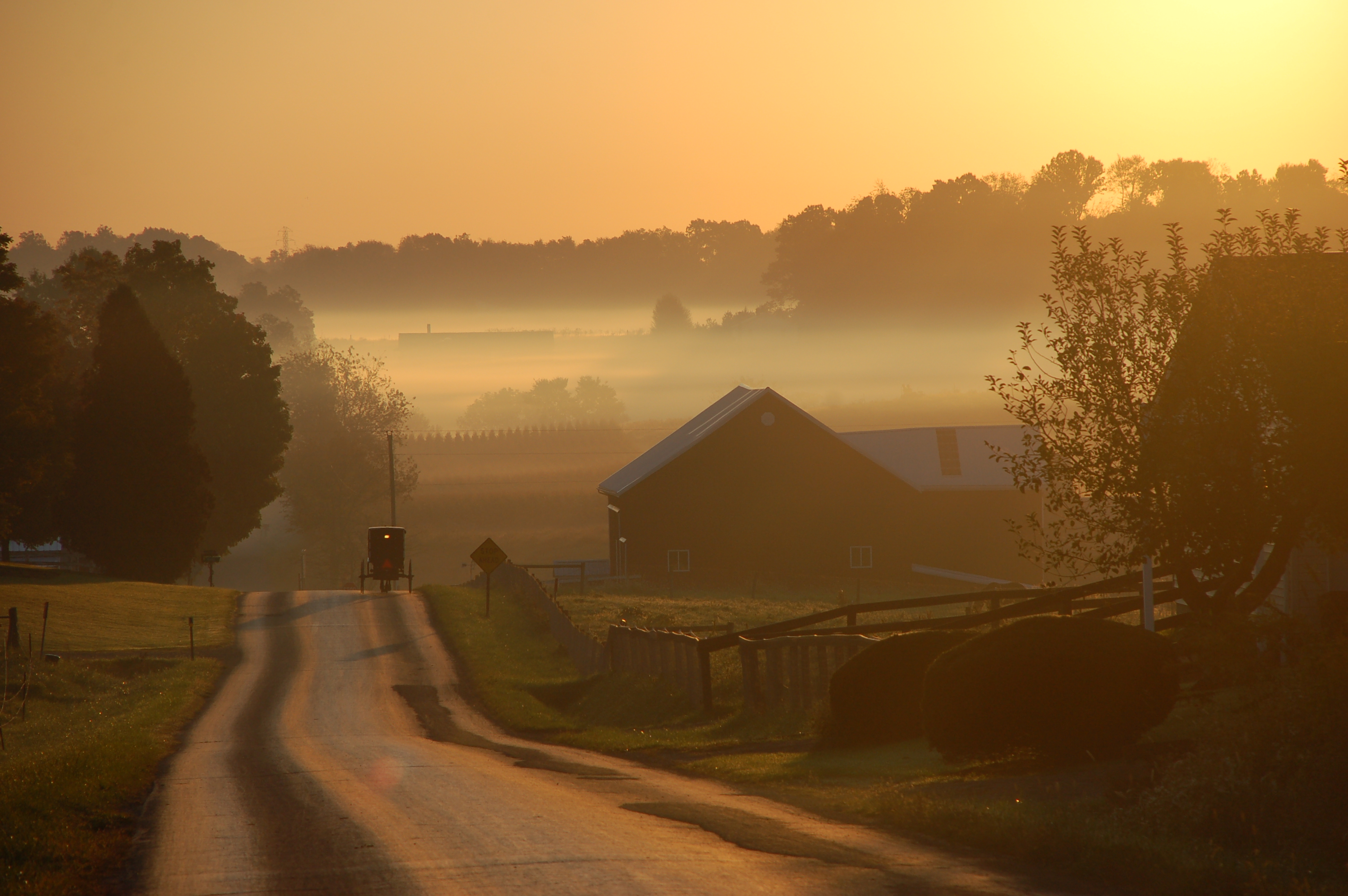
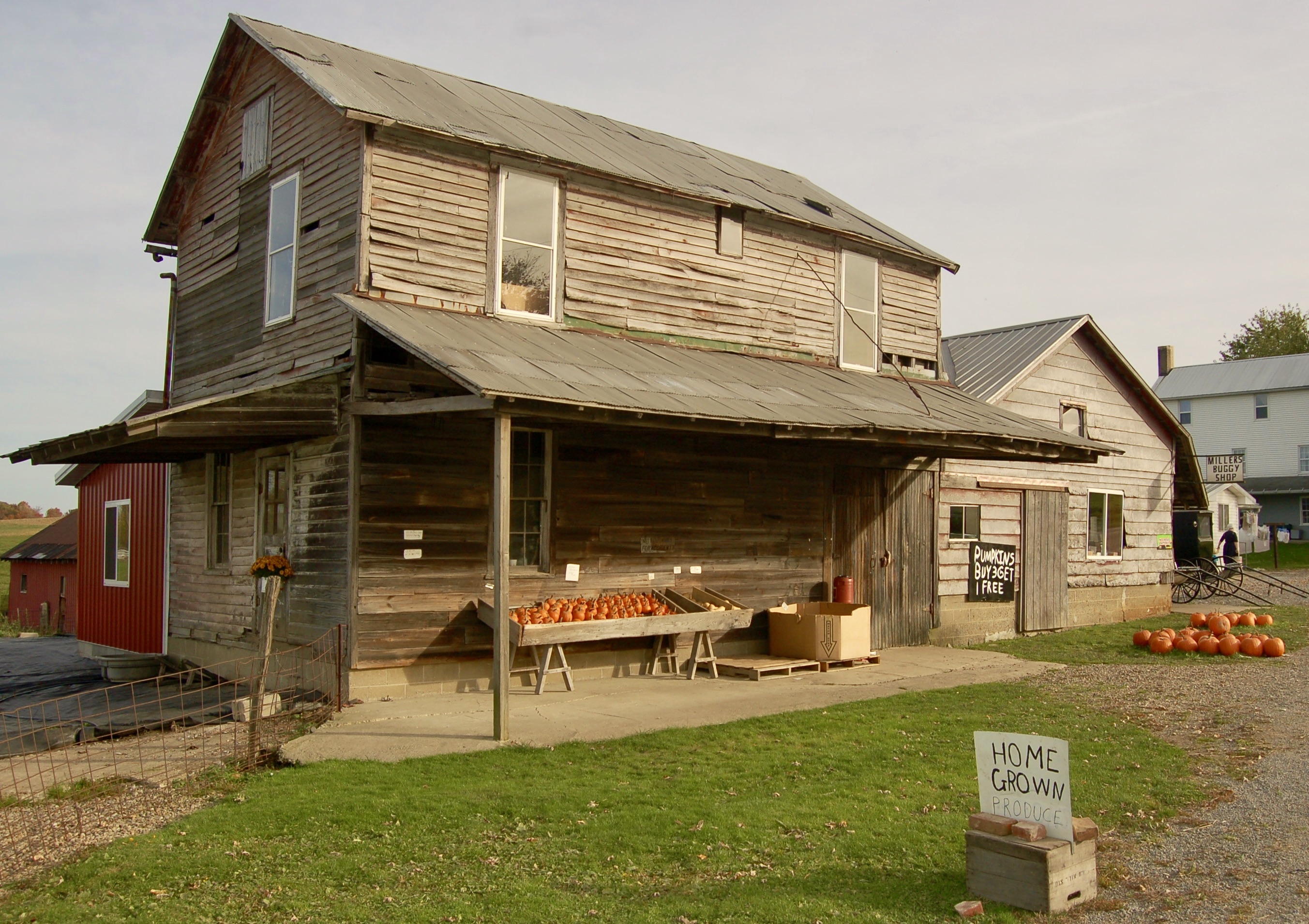
A hazy sunrise in Ohio’s Amish country.

September is underway, and she has already walked on the wild side. Hot, steamy days evolved into torrential rains and flooding, mainly thanks to the remnants of Hurricane Ida.

Cool, refreshing days immediately followed. Bright morning sunshine sparkled dew-laden lawns. Blue skies filled the day from sunrise to sunset.

The cooler evenings made for pleasant sleeping. For that reason alone, September is a favorite month for many folks. I’m a card-carrying member of that crowd.

I will confess, however, that I didn’t fully appreciate September’s many personality traits until I retired from my education career. Sure, I enjoyed the pleasantries that September offered. But I did not truly comprehend the many moods of her 30-day span.

As a youngster, September meant school, and that garnered most of my attention. It wasn’t that I didn’t appreciate the month. I just wanted to enjoy the pleasant evenings by playing after school. Homework? What homework?

I was too preoccupied during my college years to embrace September’s temperaments fully. Working full-time during the day and attending night school for two years left little leisure time. Then, it was all campus life once I became a “real” student.

After graduating, my educational career demanded my utmost attention as the school year unfolded in September. Still, I managed to roam the hills and dales of Holmes County, Ohio if only to get acquainted with my new surroundings.

Now, decades later, I am replicating that experience by exploring the Shenandoah Valley. September’s fairer weather spurs day trips to historical locales up and down the valley and into its adjoining alluring mountains.

It’s one of the blessings of being fully retired. You truly get to enjoy each day without the pressures of study or labor. September and retirees seem made for one another.

September isn’t always gracious, of course. As already noted, the damaging, drenching, and deadly consequences of Ida bear witness. Fortunately, September’s blissful days usually outnumber her unruly ones.

September serves as a monthly measuring stick. Her moods lull us while she melds summer into autumn in the northern hemisphere. The autumnal equinox occurs on September 22 at 3:20 p.m.

To fully appreciate all that September offers, it’s best to rise early. Fog-shrouded sunrises spread sunbeams across the morning sky. Like the dawn, those scenes fade quickly.

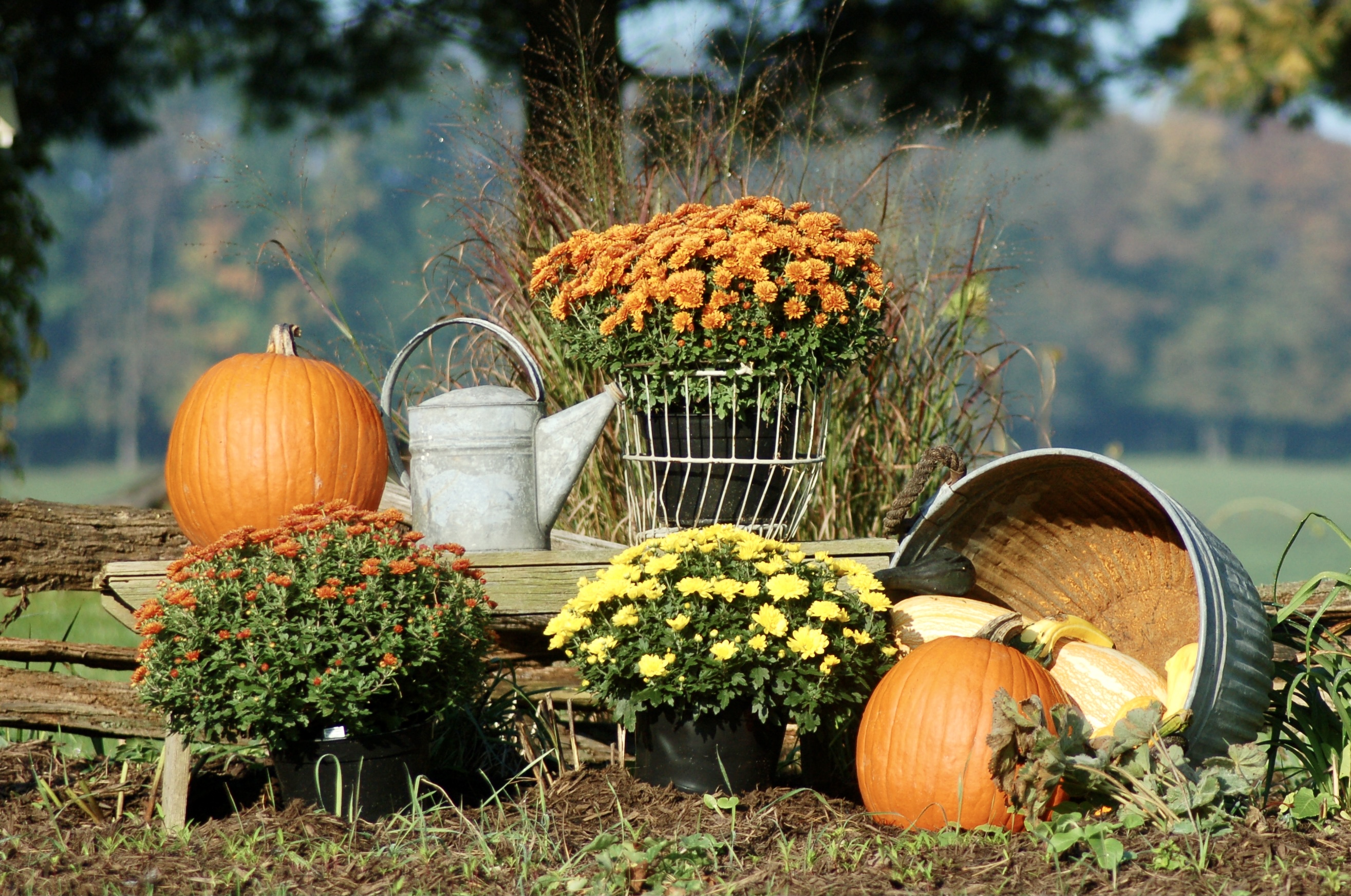
Long before that, however, September always gives us hints of things to come. The first frost, changing leaves, golden mums, plump pumpkins, and flocks of migrating birds all weave their way into September’s algorithms.

My morning walks in Holmes County verified that fact. Overnight fog dappled the landscape opaque, with millions of dewdrops revealing the once invisible spider webs intricate artistry.

Once emerald poison ivy vines blushed crimson capturing weather-worn fence posts like kudzu. Eastern bluebirds sat cooing in an already leafless walnut tree. Crunched by passing cars, trucks, and tractors, the tree’s tarry fruit stained black splotches on the rural road’s chip and seal surface.

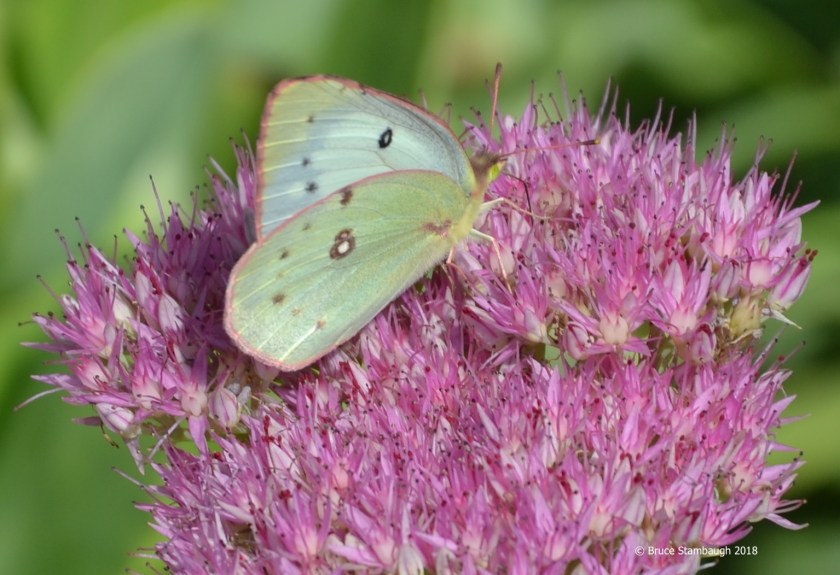
I see similar signs of September’s power on my morning strolls here in Virginia. Vibrant succulents brim with luscious heads of pink flower heads. Pollinators squabble for their nourishing nectar.

Sensing fall’s onslaught, we humans pack artificial gatherings into our already busy days. However, street fairs, lawn parties, and backyard barbeques are no match for September’s natural wonders.

In these intermittent days that transform summer into fall, September allows us to catch our collective breath. As September days thrill us with her majestic magistery, our senses absorb her offerings.

Will we stay still enough to observe, hear and appreciate them? How we each respond to September’s opportunities reflects our joy.

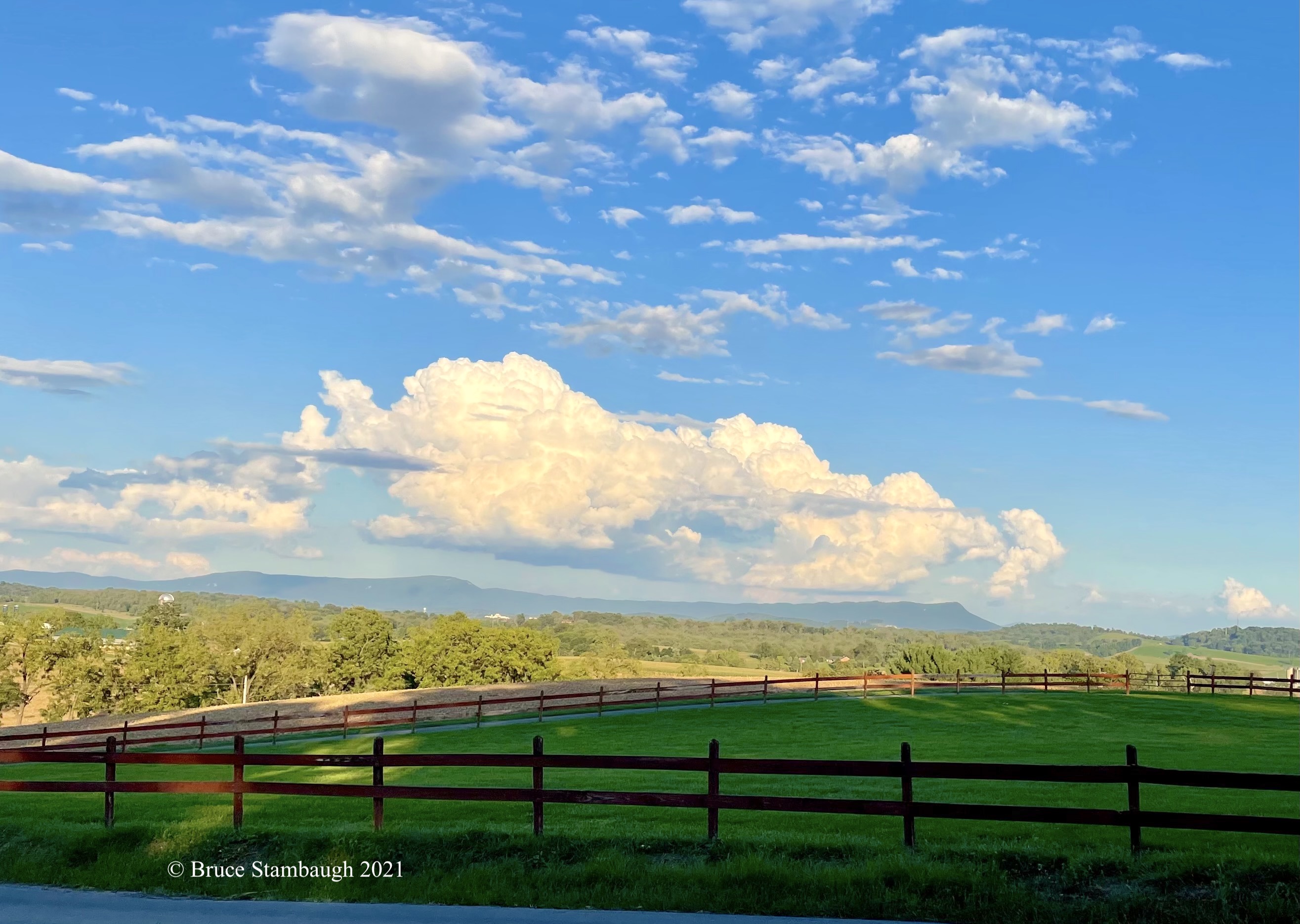
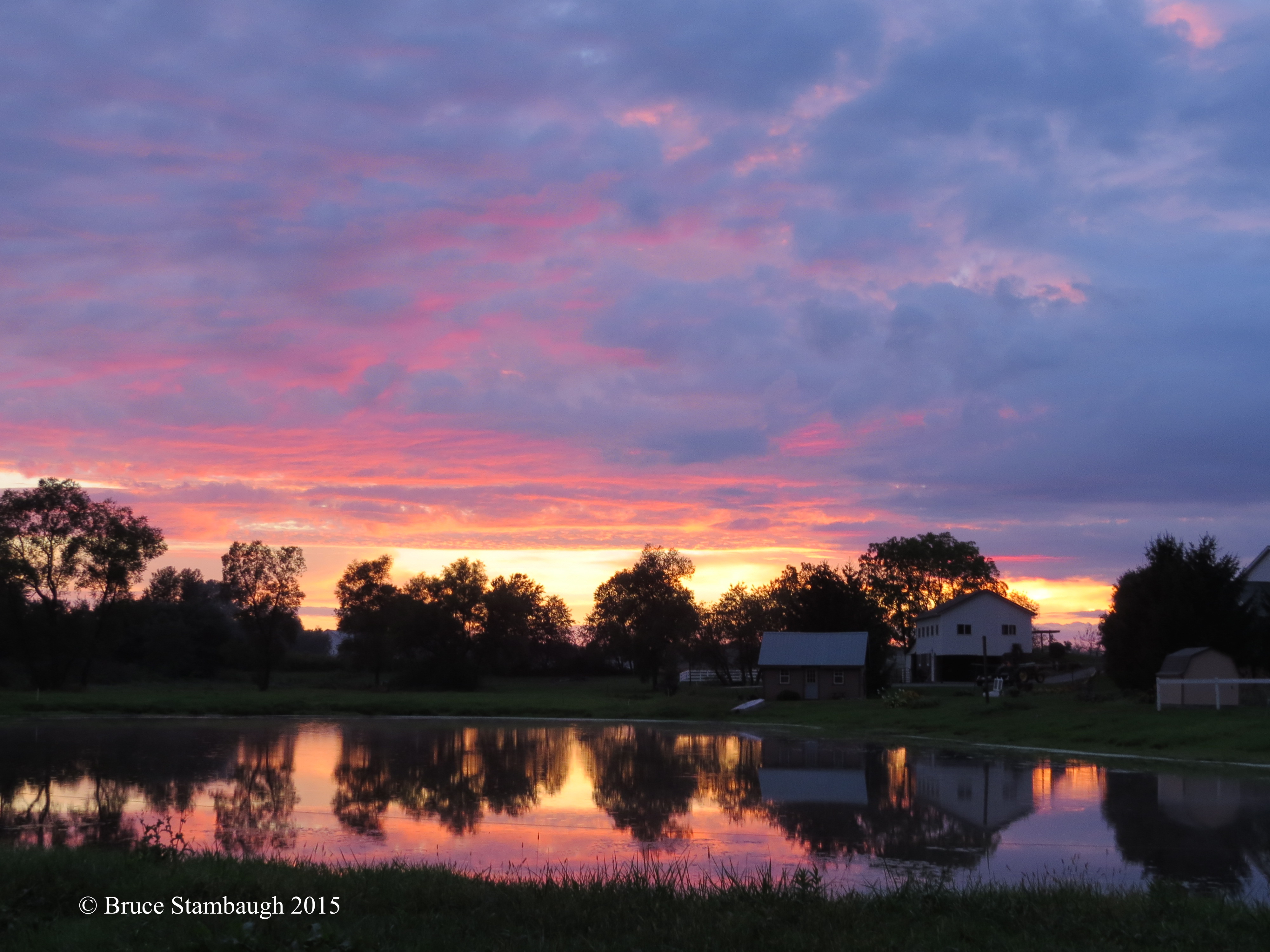
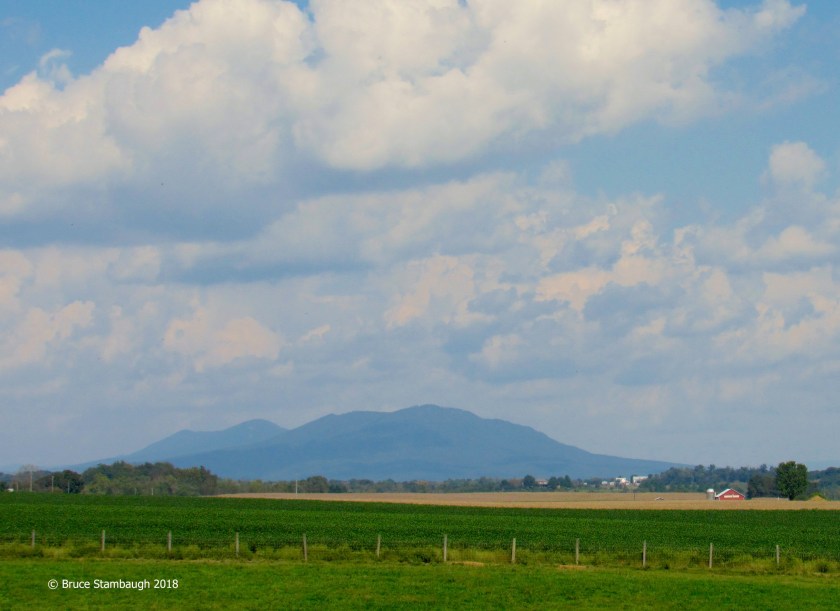
A September evening in the Shenandoah Valley.

© Bruce Stambaugh 2021

Recalling Sept. 11, 2001

A personal reflection

September 11, 2001, dawned beautifully. The morning air was cool, as September mornings in Ohio tend to be. A light ground fog scattered the rising sun’s rays, delicately bathing everything they touched.

The morning’s beauty entranced me so that I lollygagged my way into the retirement community where I worked. There was no way to know then what the world was in store for on this glorious morning.

Before the clock struck 9, the day grew dark despite the bright sunshine and the clear blue sky. The day’s rapidly unfolding sequence of events changed the world. We know the sordid details and the global consequences all too well.

The events of that infamous day significantly impacted and altered our lives universally and personally. Our son Nathan worked near Times Square in New York City, nearly five miles from the World Trade Center. Would there be more attacks?

Before sitting down in my office that day, I had a phone call that tied me up for several minutes. Before that conversation ended, my second phone line blinked an incoming call.

However, that call went to voicemail before I could answer. It was Nathan. He wanted to know what was going on in the city. All the local TV and radio stations were off the air for some reason.

I immediately tried calling him back without success. I switched on the radio just after a commercial jetliner had crashed into the Pentagon. When I learned that a plane had hit one of the Twin Towers, I knew the worst was happening.

I rushed to the nearest TV and saw the devastation of both the towers. All was chaos. I tried calling Nathan repeatedly. All I got was a busy signal.

Soon came the report of a plane crash at Shanksville, Pennsylvania. No one knew if the attacks were over. The fear for our son and our nation intensified.

Then a miracle happened. Nathan had somehow managed to get a call through to me. Even 20 years later, I remember much of what we said in those few precious minutes.

Most of New York City’s communication antennas had been atop the Twin Towers. So, I quickly gave him the details of what I knew. Nathan said no one could leave Manhattan. The rest of the conversation focused on making an emergency plan if he had to stay overnight in his office.

I rushed up the hill to the elementary school where my wife taught and filled her in on what I knew. Other family members and friends kept calling the office to see if our son was all right.

The day dragged on with no further word from our son. Unknowingly, Nathan was on the first train out of the city, slowly making his way back to his Brooklyn apartment about the time my wife and I returned home.

What typically was a 20-minute ride to his subway stop took two-and-a-half hours. We were glad to know he was safe. Too many others couldn’t make that statement.

The trauma of this day forever etched these memories into our souls, and probably yours, too. The anniversary of this globally tragic event always revives them.

A wise counselor told us to keep on loving and communicating with those nearest and dearest to us affected by the day’s events. We have humbly tried our best to comply and have also redoubled our energies outward to those most in need by helping and giving wherever we can.

Keep on loving and communicating. Isn’t that good advice for all of us every day we walk this sacred earth?

© Bruce Stambaugh 2021

Words Mean Something

Use them carefully

Photo by Brett Jordan on Unsplash.

As a writer, words are essential to me.

The words we use reflect our values, our soul, or who we are. Words mean something, whether spoken or printed in a story, letter, text, email, or comment. When strung together in sentences and sentences into paragraphs, the sequence of words reveals our true meaning.

Before speaking or writing, we need to ask ourselves: will our words enhance or hurt, build up or tear down? I recall too many times in my own life when I wish I would have considered the consequences of my words before I used them.

Actions may speak louder than words. But words reveal our hearts’ desire. How we use words, the tone in which we say or write them guides our actions for better or worse.

In this day and age of on-demand communication, mostly from our mobile devices, words are more potent than ever. Whether spoken or printed, words convey meaning. That’s the point of communicating.

Words have the power to build up or tear down. Free will bestows on us the choice to affirm or deflate others.

Our world seems to be spinning out of control. Our words can either slow or accelerate that spiral.

Consequently, before we speak or write, we need to be mindful of the power and importance of our words. Will they result in caring or harming?

My siblings and I knew the consequences of using foul language or lashing out towards others. There are no tasty soaps.

My public school teachers, elementary through high school, were just as strict about our English language, only in an instructional mode, of course. I am very thankful for their insistence on learning to diagram sentences properly and knowing the parts of speech.

I revered my 11th grade English teacher despite her highfalutin language. She used words I had never heard before, and I am so glad that she did. She whetted my appetite for writing.

Learning and using new words stirs our curiosity and expands our horizons. We shouldn’t be shy, ashamed, or hurt that we don’t know or use a particular word correctly.

Applying words to describe our everyday life is the way we commune. It connects us one with another.

A necessary means to expanding our vocabularies is through reading, and what we read influences what we think. What we believe often tumbles out in the terminologies we use.

Shouldn’t our communication with and toward one another be used judiciously? As author Anne Lamott suggests, one word is better than two.

Words can sting, heal, incite hate, and spread love and understanding.

Words come from humans. Humans have choices. Let the words we use be for better and not for worse. Let us be kind to one another in speaking the truth.

Likewise, let us be patient with one another if we disagree. The words we use should always reflect our virtue and simultaneously respect the other’s dignity. Otherwise, we might find ourselves in a war of words rather than at a peaceful center point.

I recognize times in my past when I have not lived up to my established expectations. I have used the wrong words at the wrong time with unpleasant results.

Consequently, I have also learned that sometimes, especially in times of deep despair, the best words are no words at all. Simply being present speaks louder and more comforting than any articulated vocabulary.

So, when it comes to words, let humility, curiosity, and grace be our guideposts.

© Bruce Stambaugh 2021
Starstruck at Heavenly Wonders

A mountaintop experience

The Milky Way and Perseid meteors. Photo by Michael Mancewicz on Unsplash.

When was the last time you went out and sat under the stars and just enjoyed the evening?

We used to do that as kids regularly. But as adults, not so much. Come 10 p.m. or sooner, it’s lights out for this baby boomer.

Of course, enjoying and appreciating life often occurs outside our comfort zones. When my wife and I received an invitation to view the Perseids meteor shower on its peak night, we couldn’t refuse.

Our friend Edgar asked us to accompany him to his mountaintop cabin to watch the meteoric show. We left early to take in all that nature had to offer on Shenandoah Mountain.

The 30-minute trip was worth the drive alone. We traveled U.S. 33 west through a forested tunnel of hardwoods and pines, crossing the Dry River multiple times as it winds its way down into the Shenandoah Valley.

With a moderate drought in full swing, the rocky riverbed indeed was dry. We passed parks and gated lanes into the George Washington National Forest and zigzagged our way up the mountain slope.

Before reaching the summit, we turned a hard right into the private road that led to Edgar’s cabin. He unlocked the gate, and we began our rock and roll ascent on the two-lane drive, one track for right tires and the other for the left.

Soon the incline smoothed to wave-like rolling. We stopped at Big Hill, Shenandoah Mountain’s summit. My GPS read precisely 3,800 feet in altitude.

I was surprised to find that much of the rounded old mountain top was a meadowland full of wildflowers and butterflies despite the lack of rain. The verdant views in every direction were hazy but still impressive.

The best was yet to come. After a light dinner in Edgar’s cabin, we talked the evening away. When our daughter sent a text that she had seen a meteor from the city’s high school parking lot, we hightailed it outside.

We didn’t stay long. Residue clouds from afternoon thunderstorms lingered over the mountain ridges.

We retreated inside to continue our enlightening conversation. Edgar related the cabin’s history and how his wife’s family had acquired the property and built the place. Once they became owners, Edgar and his late wife remodeled it. The view from the deck was incredible.

At 10:30, we turned out the lights and headed outside. The three of us sat in the sloping yard and looked northeast. We knew the peak time of the meteor shower was yet to come.

We hoped for some early meteors, and we weren’t disappointed. Our lively conversation quickly filled in the gaps between the intermittent flashes in the night sky.

Crickets and katydids waged a surround-sound insect symphony. Soon an out-of-tune screech owl grated their nocturnal harmony.

A singular cry interrupted the concert from the tree line that marked the Virginia/West Virginia boundary 30 yards to our west. Several meteors later, the bobcat bid farewell from much farther down the ridge.

Even if there had been no meteors, the night sky’s sparkling diamonds captivated us. The clouds had dissipated, and stars, planets, constellations, and the Milky Way served as our canopy. Both the Big Dipper and the Little Dipper shone brightly as the mountain coolness enwrapped us.

The meteors put on a splendid show for this trio of grandparents. Some streaked long and brilliant, others short and dull. Grateful for one last bright burst from the heavens, we headed home, full of grace and in awe of nature’s wonders.

My wife and I felt honored to be under the spell of the starry universe and Edgar’s gracious hospitality.

© Bruce Stambaugh 2021

The view to the east from the cabin as the setting sun reflected off of clouds.

Loving people who care for the environment

Conservation is important

A scarlet tanager sits atop a tree.

It was a double-your-pleasure moment.

We were all standing on the deck of the cabin when my wife spotted a bright red bird at the top of a tree 40 yards away. Through the binoculars, I quickly found the bird. Its jet black wings nicely contrasted with its radiant red body.

Upon hearing the description, the property owner was ecstatic. “I’ve been hoping the scarlet tanager would return,” he said with glee.

I got as much kick out of Rice’s reaction as I did seeing the distinctly marked bird. After all, this was a big, middle-aged man, not some youngster seeing this beauty for the first time.

I love it when people love nature. Their company becomes all the more enjoyable.

I shouldn’t have been surprised by our host’s excitement. My wife and I were there as guests to tour his expanse of property high on one of the seven hills of Glenmont in southwestern Holmes County, Ohio.

Our connection with this enthusiastic young man and his partner Liz goes back decades. My wife was Rice’s kindergarten teacher. We’ve known Liz since she was born and her baby boomer parents even longer.

When our children were children, they played together. We were as close as close friends can be. Neva and I felt privileged to explore this restored property that was all about conservation.

The scarlet tanager was only one of the highlights of our visit. Inside the cabin, an old property plat map hung framed on the wall. I’m a sucker for maps, and it called my name.

When I look at a map, one of the first things I do is find the legend. It tells me how to read the map. The descriptions of the property boundary markers caught my attention.

A large solid blue dot represented stone markers, which European settlers used when they claimed the land not long after Ohio became a state in 1803. Different icons identified more conventional boundary markers like standard iron pins.

Out on the large porch of the restored cabin, we spotted more than the scarlet tanager. Barn swallows swooped low over a trio of small ponds, skimming the water’s surface for a drink on the fly. A pair of young eastern bluebirds watched the show from perches on a dead ash tree. Painted turtles sunned themselves on an old snag angled into the water.

Sensing my intrigue, our hosts piled my wife and me into a Cadillac version of an all-terrain vehicle (ATV), and off we went to tour the rolling, mostly forested acreage. Of course, I wanted to find those unusual stone markers, too.

Our friends had cleared and maintained paths that wound up, down, and around the hilly landscape. We were in for a real treat.

We crossed a tree line in the ATV and spied a young buck with velvety spiked antlers. We stopped to view an open, rolling field planted explicitly with crops for the wildlife. Conservation is Rice’s practical goal.

As we continued over the undulating trails, our host pointed out trees he specified to be left by loggers who thinned the woods three years earlier. He walked with the loggers to ensure only the designated ones were cut.

High above the cabin, we came upon one of the old stone markers. It was too easy to find. A surveyor had recently spray-painted its top fluorescent red.

I appreciate people who care for the land. When they express their excitement openly at seeing the fruits of their labor, everyone is rewarded, including the wildlife.

Reflections of a painted turtle.

© Bruce Stambaugh 2021

August came early this year

The calendar didn’t change, but the weather sure did.

Wheat shocks glow in the evening sun in Holmes County, Ohio.

August came early this year. The calendar didn’t change, but the weather sure did.

The three H’s customarily associated with August, hot, humid, and hazy, have been around off and on since this June. Unfortunately, the dreaded trio has been mostly “on” all across the continent and beyond.

The results haven’t been pretty or even healthy. Record high temperatures fed massive wildfires, more typical for the fall months. The fires have been burning all across the West and in several Canadian provinces. A wildfire completely obliterated the small town of Lytton, B.C.

The wildfires have fed the brilliant sunrises and sunsets in recent days. Brisk winds aloft have spread soot particles eastward, creating that giant orange ball in the sky that we usually can’t look at directly. The August haze is extra heavy from Maine to Florida.

A wildfire-enhanced sunset.

August’s weather seemed both more predictable and tolerable a half-century ago. Global warming and climate change weren’t household phrases back then. They are now.

In those days, the school year ran from the day after Labor Day until Memorial Day weekend. The school district seldom used up the permitted allotment of snow days. So, we knew we had the whole summer season to enjoy.

As a youngster, I always welcomed August even though it was the last month of school vacation. The neighborhood gang of baby boomers took the hot, hazy, and humid weather in stride.

You are never too young to help husk corn.

We were content to sit beneath giant shade trees and play cards and board games instead of more strenuous adventures. We saved our more energetic shenanigans for cooler evenings. I’ll skip the details since the statutes of limitations haven’t expired. No harm to life or property occurred, however.

August always gave us suburban kids pause. August was our reality check. It forewarned us to use our last remaining days of freedom wisely. We usually didn’t.

A few of us, of course, had jobs associated with youth, like paper routes and mowing lawns. My older brother and I both delivered newspapers. In those days, I had ink on my fingers and not in my veins.

County fairs and street fairs began in earnest. Our county fair was always the last week of August and ended on Labor Day. When the fair closed, the schoolhouse doors opened.

Our father usually grew a garden well away from our suburban home. After supper, my siblings and I crowded into the family car, and off we would go to help hoe, weed, and hopefully pick my favorite vegetable, sweet corn.

If we had a bumper crop, we headed to a strip mall parking lot, popped the trunk, and sold our excess at a dollar a dozen. Dad usually threw in an extra ear for free, the gardener’s equivalent of a baker’s dozen.

Back home, our dear mother had the pressure cooker ready. All we had to do was husk the corn. It’s another job that I still relish. My wife says I will be applying that apt skill as soon as the bi-colored corn is ripe.

Occasionally, Dad would also load the family into the car, and we headed to Holmes County. I always admired the platoon of golden wheat shocks standing at attention in the fields of Amish farmers.

I had no idea then that I would be spending most of my adult life living there. It served as a foretaste of many good things to come for me.

I look back on my lifetime of Augusts with pleasant memories. None of the three H’s can bake, wilt, or obscure them.

An August sunrise in Ohio’s Amish country.

© Bruce Stambaugh 2021
Family and friends overshadow any vacation destination

Beauty and exercise go hand-in-hand at Lakeside, Ohio.

My wife and I could hardly wait for our Ohio vacation to arrive. It wasn’t so much the destination as it was the people we would see.

After 50 years of marriage, relationships are everything to us. With all of the interruptions caused by the pandemic restrictions and safety measures, the sheer desire to see friends and family members drew us back to our home state.

Sure, we wanted to visit our old rural Ohio stomping grounds, Holmes County. Before that, though, would come a much anticipated week at our beloved Lakeside, Ohio. It’s the Buckeye State’s most beautiful mile.

We have relaxed there each July since 1987, minus last year’s pandemic summer-sequestering. We looked forward to enjoying all of the resort town’s amenities.

We longed to stroll along the Lake Erie shoreline to view the colorful collage of flowers. We looked forward to playing dominoes with other baby boomer friends on the porch of our hospitality house. Most of all, we anticipated reuniting with fellow Lakesiders.

First, we connected with a couple of my siblings on the way. My youngest brother and his wife greeted us with their new Britney Spaniel puppy in tow. Our sister soon joined us, and we caught up with news of children and grandchildren around a table of finger foods.

To help further break up the long drive from Virginia, we stayed overnight with a lifelong friend. Glad for our company, she went overboard to accommodate us, sharing deep conversations that resulted in laughter, tears, and lots of delicious food. Our reunion holiday was off to a good start.

Beautiful summer weather welcomed us to the Chautauqua on Lake Erie. Lakeside was still Lakeside.

However, a powerful night-time cold front arrived, drowning out many of our outdoor Lakeside plans. The weather remained wet and chilly, more so than the forecasts had foretold.

Still, we were at our favorite family resort, and that was all that mattered. The on-again-off-again rain couldn’t dampen our reconnecting with old friends and meeting new ones.

As a photographer, I always enjoyed rising early for gorgeous sunrises over the lake. Clouds and fog foiled that, too. The sun still rose. We just couldn’t see it.

The traditional stroll to the dock for sunsets even became iffy. A bagpiper serenaded the sundown to the joy and amazement of the adoring crowd at one of the few sunsets that we did see.

Summer flowers brightened cottages, homes, and even businesses thanks to the dedication of the hardworking Lakeside staff and volunteers. We enjoyed the many flashy floral displays.

Despite the weather, the Lakeside days slipped away. Saturday came too soon, and we bid farewell to our Lakeside friends. We headed southeast for dinner with my two brothers and their spouses.

Then it was off to the heart of Ohio’s Amish country, Holmes County, where we had spent most of our adult lives until moving to the Shenandoah Valley to be close to our grandchildren four years ago. We were amazed at the continued new construction, primarily commercial buildings.

On Sunday, we returned to the church where we worshiped for 46 years. More friends shared hugs and smiles both before and after the service.

We stayed with dear friends and watched the sun glint off of the newly restored courthouse dome. It was hard to believe the many changes of the last four years as our gracious hosts drove us around the county.

As we headed back home, we made one more important stop. Breakfast with my wife’s sister and husband and a close cousin and his wife, all baby boomers, too, served as an appropriate send-off.

Spirited conversations and genuine fellowship with family and friends marked the pinnacle of our Ohio vacation. Soggy weather couldn’t swamp that.

A friend’s house adorned by daisies.

© Bruce Stambaugh 2021

How do you mid-summer dream?

A mid-summer, multi-colored flowerbed.

How do you mid-summer dream? It’s something we all do but may not recognize it as such. I’m not necessarily channeling Shakespeare’s classic comedy either.

Mid-July is the time of year when we find ourselves drowsing. We can thank the month’s long days of heat and humidity for that. I’m not complaining, mind you.

Summer’s lush and contrasting colors are at their peak before August’s dog days wither and fade them. There is no better time than the present to commune with the out-of-doors. It is summer, after all.

It’s a dreamy time of year. Nature gives us plenty of opportunities to while away our time by gazing at the many varieties of vibrant and verdant scenes that surround us. City, suburban, or country, all we have to do is notice the abundant bold beauty.

There are plenty of options for all ages. Venues like the Wilderness Center offer multiple choices for summer dreaming. Stroll the many trails or take a seat on a bench or a log and just sit and absorb whatever you encounter. Mosquitoes don’t count.

Put on your best summer muse. It could be the initial quiet moments of the dawning day or the cool of the evening as Venus glimmers brightly low in the western sky.

Sit on a porch swing and watch the fireflies flicker in the late evening haze. Cast a keeper-hook into a bed of blooming water lilies and gently reel and wait for that expectant tug on the line.

Swim in a farm pond with your teenage friends, or just lounge on a dock and bask in the ensuing laughter. Sit around a campfire, listening to the snap, crackle, pop, and watch the sparks skitter higher and higher until they fizzle.

Stand at your garden’s edge, and smile at the success of your persistent efforts to keep the weeds at bay. Watch a sunset over a lake or stream. Be awed as the orange, golds, and reds magically meld into pinks and blues as dusk becomes nightfall.

Silently follow a family of chimney swifts as they swoop in wide loops overhead, busily chattering before suddenly dropping into a nearby smokestack. Sit high in a mountain at a scenic overlook for hours and savor the ever-changing view.

Don your skis and skip wave after wave behind a speeding motorboat, laughing in the glorious moment. Share a homemade sour cherry pie with generous scoops of vanilla ice cream with your grandchildren.

Even Britain’s Queen Elizabeth has embraced the dreaming. She recently opened up the Buckingham Palace lawns to the public for picnic lunches. Take your own food, of course.

Studies have shown that spending time outdoors can improve your health. A mere 20 minutes outside three times a week could make a huge difference for you physically and mentally. By month’s end, you will have spent five hours recharging in nature.

Think back on all that has transpired in the last year and a half. Think ahead about what might yet be. Most significantly, dream, observe and appreciate all the goodness around you at this midway spot in our calendar year.

We all have endured a great deal, some more than others. There may be more to come. That’s all the more reason to take time to find a special place of respite outside, a spot where you can reflect and dream.

We can’t change the past, and we can’t know what lies ahead. We can, however, enjoy the moment at hand.

There is no better place to do that than your favorite open-air space. Happy mid-summer dreaming.

Summertime lushness in Ohio’s Amish country.

© Bruce Stambaugh 2021

Hugs worth the wait

A pandemic inconvenience

Sodus Point Lighthouse, Sodus Point, NY. Photo by Bruce Stambaugh

My wife and I had waited two years for these hugs. When we finally embraced our son and his wife, all seemed right with the world again.

We knew we were not alone. Necessary health restrictions continue to keep millions of global people apart.

So, we felt fortunate to travel from central Virginia to upstate New York finally. The scenery was magnificent. The traffic not so much.

The road to Rochester, New York, was a long and winding one. With the heatwave, it was a hot one, too.

Though the city is due north of our home in the Shenandoah Valley, there is no easy way to get there. We can thank the old, folded Appalachian Mountains for that. The lush, forested mountains contrasted with the ripening grain fields we saw.

One highway closely followed the picturesque Susquehanna River part of the way. We even passed through central Pennsylvania’s Amish country. Hand-painted signs advertising quilts and produce reminded me of our beloved Holmes County, Ohio, home of the world’s largest Amish population, and where we used to live.

Upper left to right; The Sam Patch tour boat on the Erie Canal; Williamsport, PA; 100-acre pond; Male Eastern Bluebird; a hike on a hot and humid day.

For us, the mini-reunion was especially sweet. Unable to travel in June 2020, we had to watch our son’s street wedding on Zoom. It wasn’t what we wanted, but what we had to do.

Since the specifics of each state’s pandemic policies and restrictions were unique, we had to be patient to see our son and his bride in person. According to the guidelines, they couldn’t come to us from New York State, and we couldn’t visit them from Virginia.

That all changed once the vaccines became available. Our son and daughter-in-law got vaccinated just as we did. With both states relaxing restrictions due to declining infection numbers, we finally set a date to trek north.

Our daughter-in-law teaches middle school English, and her academic year didn’t end until the last week of June. That worked out perfectly for us. We may have missed their wedding, but we would be there to help celebrate their first anniversary.

And celebrate we did! With the heatwave in progress, however, we scaled back the planned outdoor activities. Still, we enjoyed a pleasant boat ride on the Erie Canal and took anniversary photos at a quaint lighthouse on Lake Ontario.

Food enthusiasts that they are, Nathan and Jess, arranged meals at some excellent restaurants. We were even able to eat outside in the evening’s shade. We savored the food and conversation and watched people stroll along city sidewalks.

We visited a park and toured a wildlife rehabilitation center. A refreshing breeze cooled us as we sat on benches overlooking a 100-acre pond. Before we left, we hugged some more.

Yes, we were inconvenienced all those months by the pandemic and the health restrictions needed to deter it. But with those embraces, all of the pent-up stress evaporated into the steamy air.

Yet, there was more. With each hug, I had to think about all those who haven’t yet had the same opportunity. I also thought about all those thousands upon thousands of mourning folks who would never be able to hug their lost loved ones taken by the pandemic’s virulence.

My wife and I were more than rewarded by merely being with our son and his wife. We were most grateful.

As I drove home, it hit me that the long and winding road to Rochester served as a metaphor for the horrific pandemic. The approaches and responses to the coronavirus have taken many twists and turns since its emergence in December 2019.

Hopefully, science will straighten those pandemic curves soon. Meanwhile, I’ll cherish every hug I get.

Tioga River Valley, Tioga, PA. Photo by Bruce Stambaugh.

© Bruce Stambaugh 2021
Why does summer go so fast?

Why does summertime always seem to go so fast? It’s July already!

Once Memorial Day passes, and school dismisses, it’s on to summertime fun. With the warmer, more pleasant, consistent weather and longer daylight hours, we fill our days with the most enjoyable activities we can.

That’s easy for school children and retirees to do. We have all the time we need to enjoy each moment of each day if we so choose. However, most people who still work have to squeeze in as much outdoor time as possible.

Home improvement projects, gardening, lawn-mowing, fishing, hiking, biking, painting, and grilling are just some of the “ing” activities that fill the hours before and after work. But, from what I can tell, most folks do a fine job of making these precious days count.

Of course, critical social interactions like vacations and weddings also chip away at summer’s beck and call. But, hopefully, all of the planning time and money spent will make the events worthwhile. Usually, the smiles provide proof.

However, summer’s waning is especially noteworthy given all that we have endured during the ongoing pandemic. We here in the United States are most fortunate to have the vaccines so readily available. They allow us to shake off the doldrums of the prolonged, unexpected, and unwanted coronavirus ramifications.

Too many global citizens aren’t as fortunate, though I am glad to see that our country is coming to their aid. But the number of world’s people desiring the shots far outnumber the available vaccines at this point.

On the beach.

Still, Americans are taking to the highways and byways, packing national parks, baking on beaches, and celebrating the opportunities to do so. It’s a joyous feeling. We will continue our travel plans, but we will still be cautious.

My wife and I ventured out on our first out-of-state trip to visit her cousin and spouse in North Carolina. It was nice to be on the road again, even if the Interstates became parking lots from time to time due to accidents or construction.

We didn’t do anything special. The weather put a damper on that. But it was simply a joy to be together again, playing cards, reminiscing, watching TV shows, and enjoying dining out once again.

Another transition back to normalcy also lifted our spirits. We began to attend in-person church services, still with distancing and masks. Words alone can’t express my gratitude.

My wife and I got to see our son and his wife for the first time in nearly two years. We had watched their wedding via Zoom, but we made up for our absence by celebrating their first anniversary with them.

Last summer the pandemic interrupted our annual trip to our beloved Lakeside Chautauqua on the shores of Lake Erie. We hadn’t missed a summer there since we started going as a family in 1987.

We look forward to renewing friendships and making new ones, which is always easy to do in the summertime resort. I’ll rise to catch the break of dawn and head to the dock each evening to capture the sunset along with scores of other memory-makers.

We’ll play dominoes on the porch, stroll the shoreline sidewalks lined with lilies and hollyhocks. I’ll sit on a bench and watch the boats sail away, and enjoy the lake breezes.

I’m glad it’s summer, and I am thrilled to be able to travel again. However, the joy of reconnecting relationships far overshadows any exotic destinations.

With all of these interactions, perhaps that answers my question as to why summer seems to be already speeding along.

A summer sunset in Ohio’s Amish country.

© Bruce Stambaugh 2021

Bay Photos by Donna

Wildlife Photos From The Chesapeake Bay Region

ROAD TO NARA

Culture and Communities at the Heart Of India

K Hertzler Art

Artist and nature journalist in the Shenandoah Valley of Virginia.

Maria Vincent Robinson

Photographer Of Life and moments

Gabriele Romano

Personal Blog

Jennifer Murch

Art is the only way to run away without leaving home. -Twyla Tharp

Roadkill Crossing

Writing generated from the rural life

ANJOLI ROY

writer. teacher. podcast cohost.

Casa Alterna

El amor cruza fronteras / Love crosses borders