Behold summer’s sights and sounds

Summer sunrise.

By Bruce Stambaugh

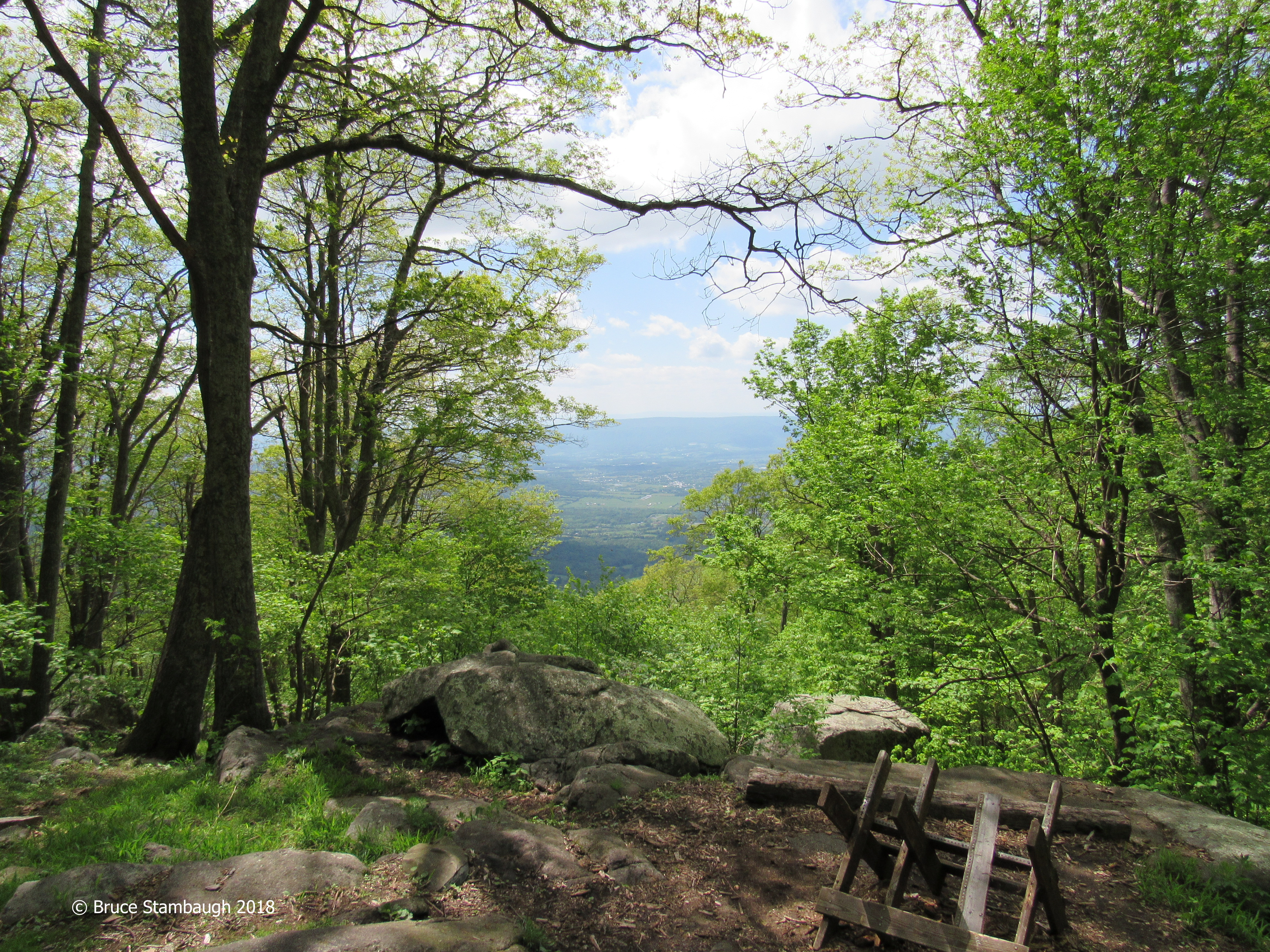
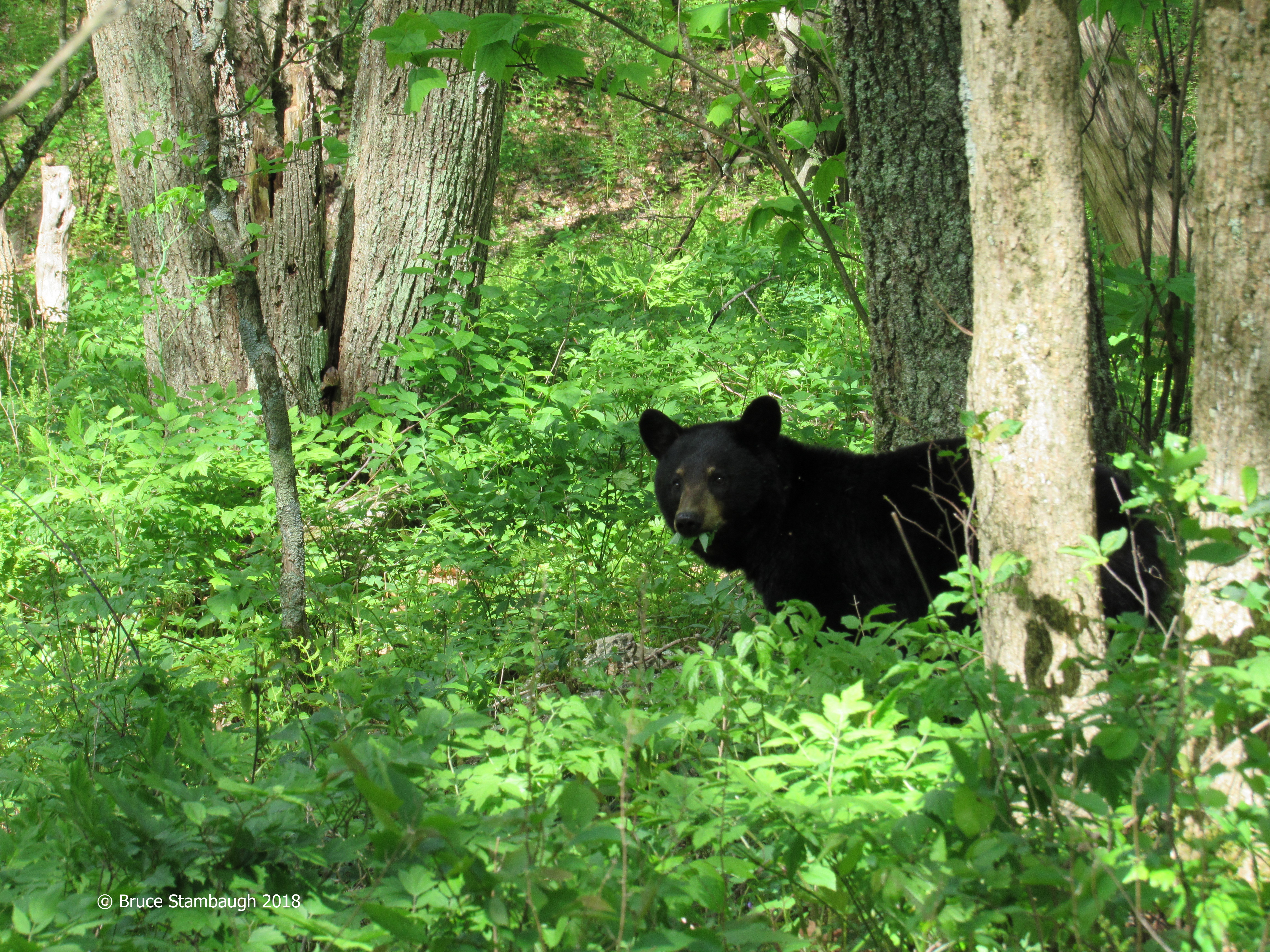
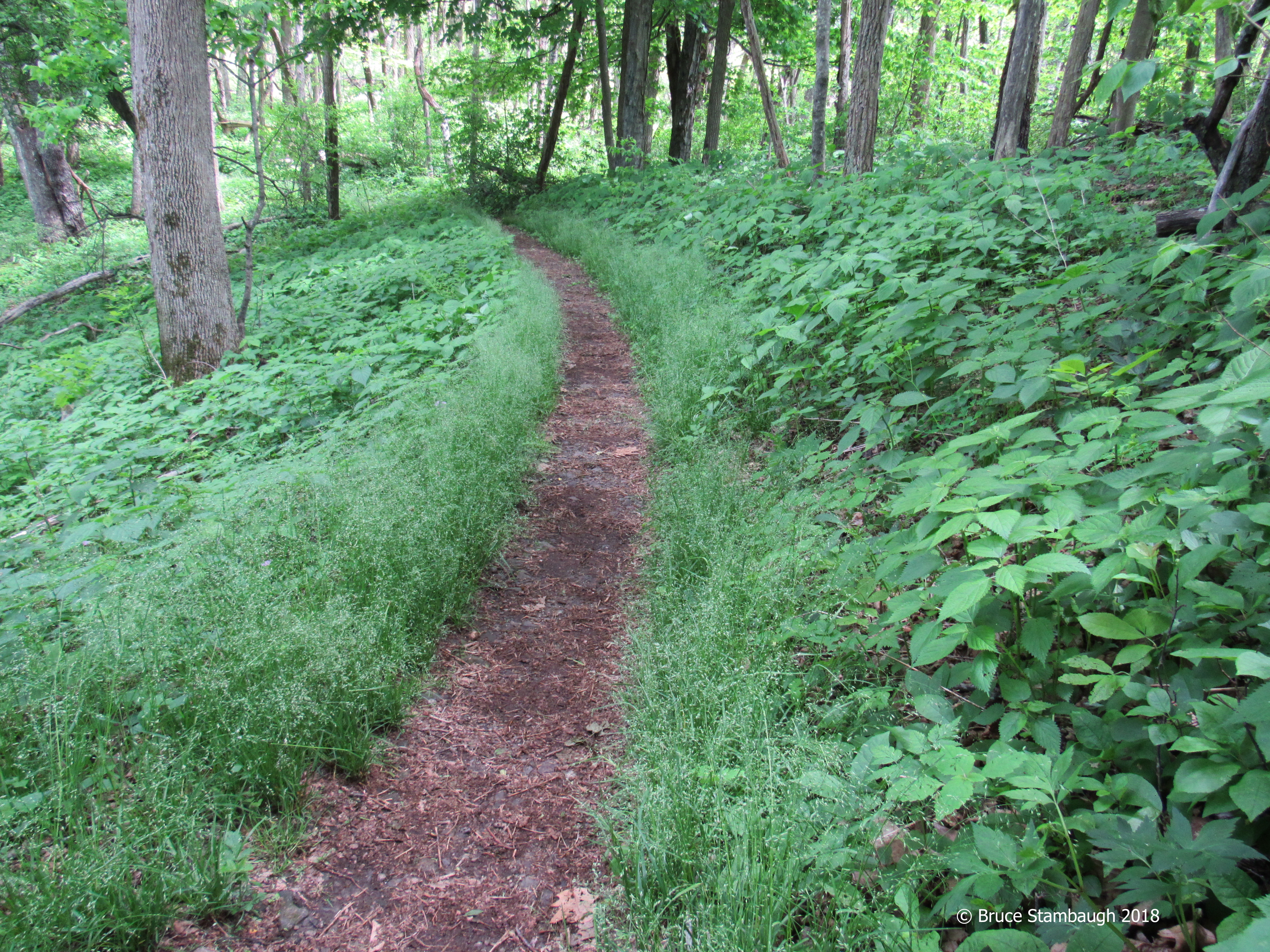
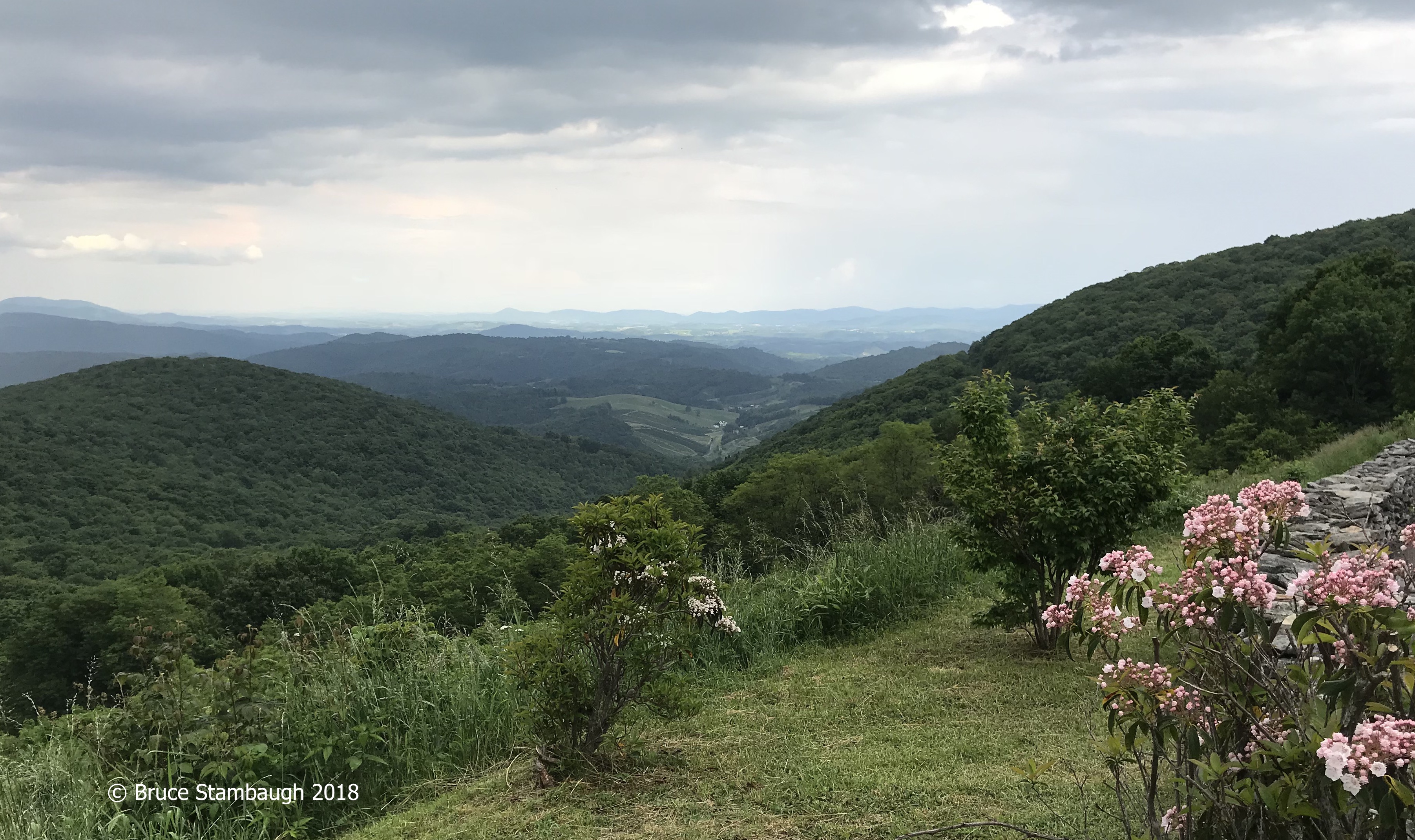
Memorial Day has come and gone. You know what that means? It’s the traditional but unofficial start to summer in the United States.

Public swimming pools will open to the sounds of laughter and joyous splashing by youngsters fresh out of school. They are the envy of those still laboring over mandated tests and counting the days until they, too, can roam free.

Church camps and scout camps and Bible schools will open their floodgates and let the children pour in. Snipe hunts and dreaded memorizations will commence just to get to the real treasures, homemade snacks.

The warning chirps of robins disturbed from their nests resound until inattentive humans continue on their way. The first broods of fledglings squawk and beg for their parents to feed them despite being nearly as big. If a brown-headed cowbird has snuck into a song sparrow’s nest, the scene can be grotesque.

At the feeder.
Lawn mowers, riding mowers, weed eaters, and leaf blowers join the summer society’s songfest, mostly off key. Those willing and able to expend the energy on their hands and knees for hours at a time do less intrusive weeding. Their rewards come in more than tidy flowerbeds. They enjoy the bees and butterflies flitting from bloom to bloom.

Ruby-throated hummingbirds zip from flower to flower, too. They supplement their diet with long sips at the local sugar water fountain to the delight of dedicated bird watchers everywhere.

Many times the best show is when the tiny birds chase one another high and low, zigzagging at light speed after one another even though there are plenty of places to perch and feed. Those in charge of refilling the feeders applaud the performances.

At night, the summer breezes diminish. Fireflies rise up out of the grasses and fields and light up the evening skies blinking their romantic messages. Overhead, commercial jets sail beneath the stars and planets that twinkle brightly.

This slideshow requires JavaScript.

On the horizon, faint yellow flashes children like to label heat lightning interrupt the nighttime play. In reality, storms a hundred miles away had already driven other children indoors long before dark.

The next day, the sunrise blazed crimson and orange, signaling a fabled warning to sailors and civilians alike that rain was on its way. Sure enough, a squall line raced through, bending trees to the stress point. A few sacrificed a limb to save the whole.

Lightning flashed and crashed, and hailstones pelted the ripening strawberries to the dismay of both growers and customers. In suburbs and cities, torrents rutted gardens and sump pumps ran overtime.

Those were minor issued compared to the storms that others endure. All of this romanticizing and reminiscing about summer pales in comparison to those whose nights are peppered with gunshots and emergency sirens.

Summer in the city is filled with garden plots, swimming pools, day camps, and library readathons, too. Picnics in the park and taking in a baseball game, Major League or Little League, are also part of the warm weather entertainment.

Bicycling along picturesque country roads or designated bike paths hits its peak. Helmets are always a safety requirement.

Isn’t everything merely a matter of perspective and geography and circumstances?

We still have nearly three weeks until the summer solstice, the scientific start of fun in the sun. It’s also the day with the most daylight, giving us plenty of opportunities to enjoy the sights and sounds of summer yet to come.

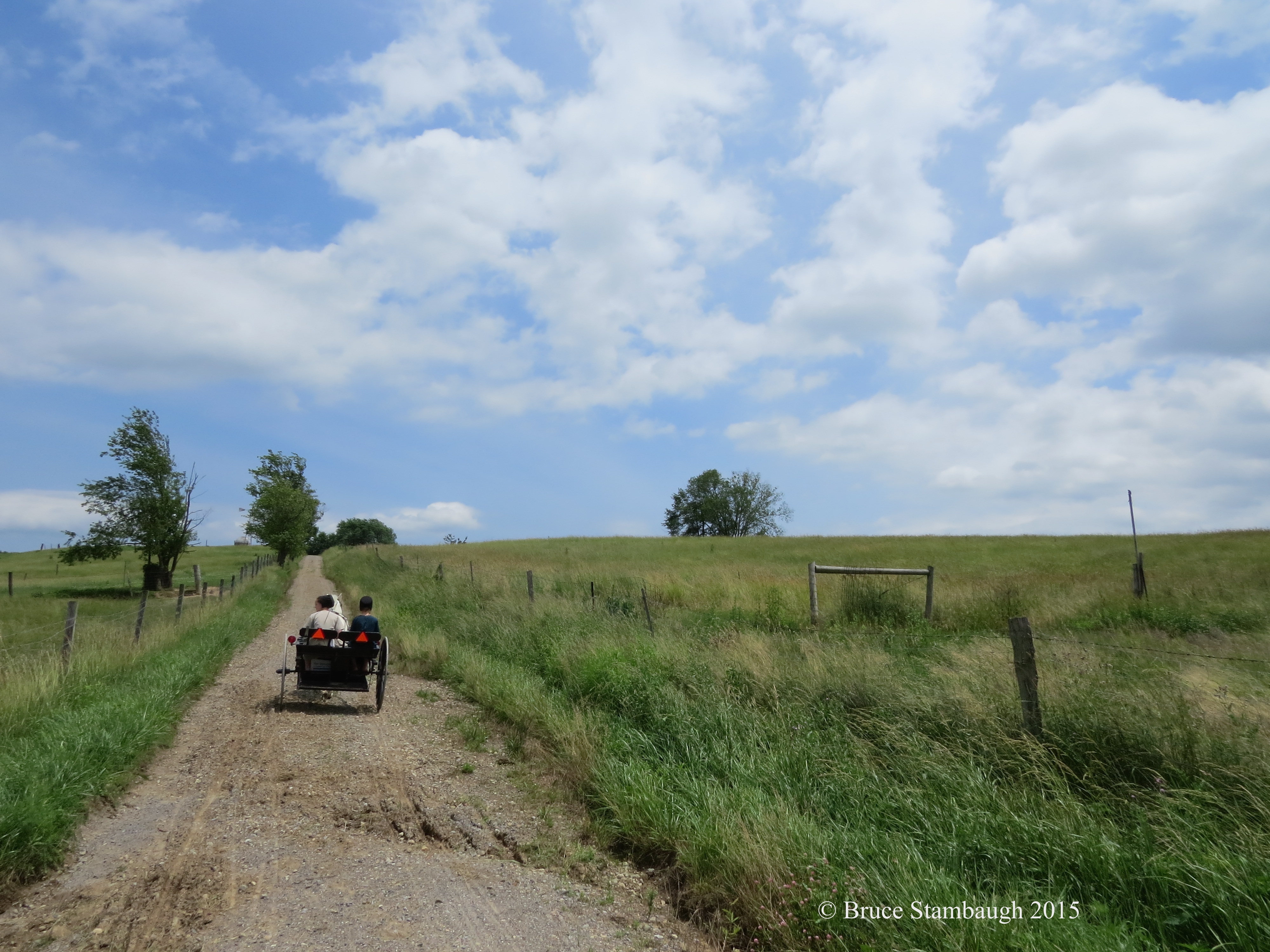
Amish girls, Holmes Co. OH
Enjoying a summer’s day.

© Bruce Stambaugh 2018
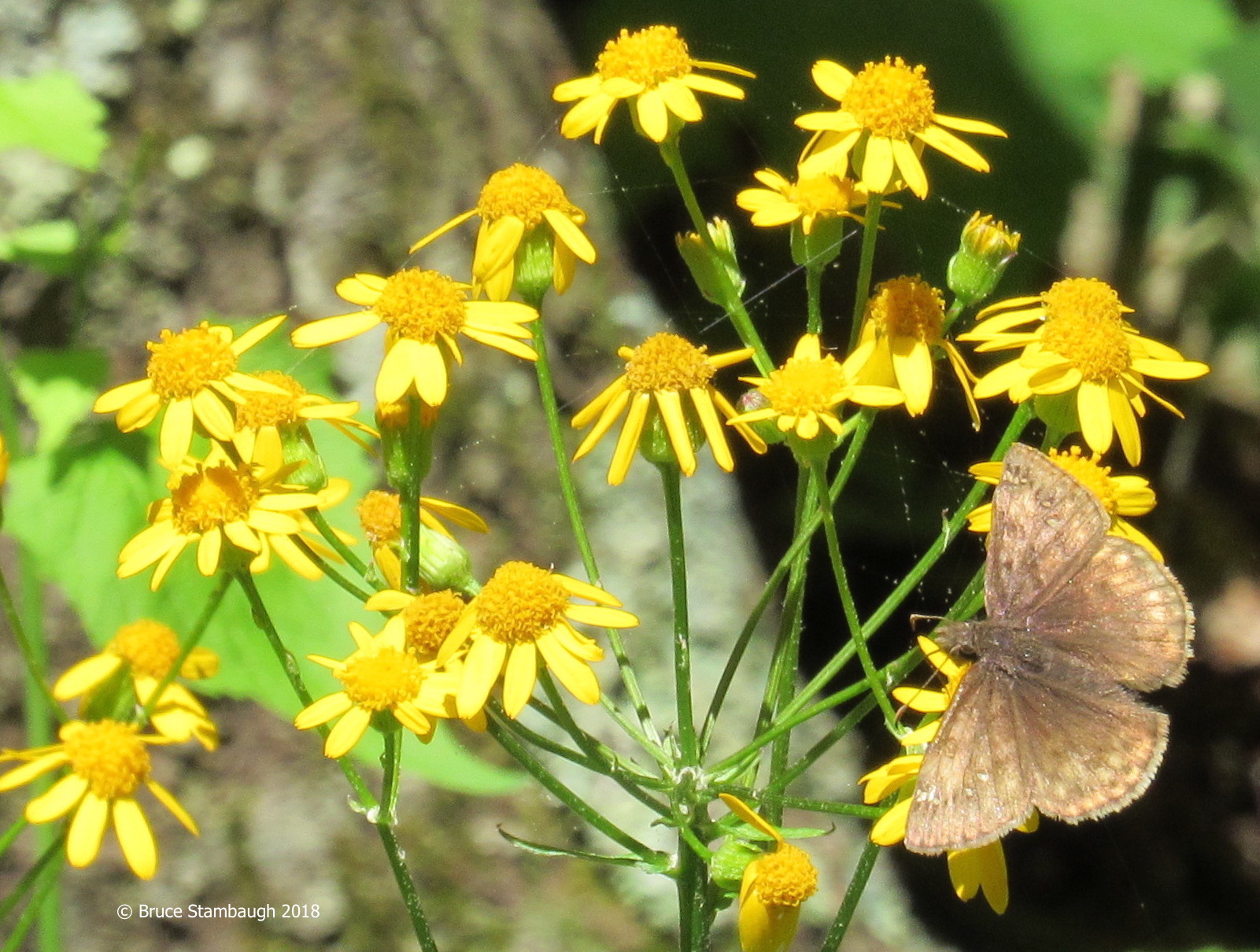
Brown on Yellow and Green

Confused Cloudywing, Golden Ragwort
Brown on Yellow and Green.

Butterflies and flowers are made for one another. On a recent hike in Virginia’s Shenandoah National Park, many wildflowers were in full bloom, and from their joyous, creative aerial dances the butterflies couldn’t have been happier.

Little skipper butterflies were most abundant. I found this one, which I believe to be a Confused Cloudywing, flitting from bloom to bloom on this patch of Golden Ragwort, a daisy-like flower.

The afternoon sun nicely illuminated this invigorating scene. “Brown on Yellow and Green” is my Photo of the Week.

© Bruce Stambaugh 2018

When is a chimney more than a chimney?

memorial chimney, Shenandoah NP
The memorial chimney at Elkton, VA.

By Bruce Stambaugh

When is a chimney more than a chimney? I know that sounds like a strange question. The answer, however, might even be more so.

A chimney is more than a chimney when it no longer serves as a chimney. Now, I know you must be really confused. I can gladly explain.

When the Shenandoah National Park was first being conceived decades ago, hundreds of folks lived and farmed the land along the mountain ridges where the park was to be formed. They would have to move to make the park a reality. That became an issue.

In most cases, the government compensated landowners within the designated park boundaries for their property and buildings according to market value in the 1930s. Others received less than they thought they should. However, tenants operated many of the farms and received no reimbursement.

This slideshow requires JavaScript.

Some of the displaced were resettled in nearby towns. Most were on their own, leaving behind fond, treasured memories and subsistent livelihoods.

Adding insult to injury, many of the abandoned homes, having been condemned, were either burned or demolished in developing the new national park. For those displaced folks, more than walls went up in smoke.

Year after year, families returned to where they used to live if only to view the ruins and pay their respects at nearby family cemeteries. In many cases, only the chimney of their former dwelling remained.

fireplace, Virginia
Where memories were made.
Memories of sitting by a warm fire in the dead of winter, of a mother preparing a family meal using the fireplace, and of looking up from working in the nearby garden and seeing smoke curling out of the chimney were all recalled. Together, the fireplace and the chimney served as the sources of survival.

Knowing that resentment still lingered in local families after all these years, grassroots efforts were begun to help quell that ire. Local non- profit organizations, community volunteers, college students, descendants of those who were displaced, city, and county officials worked collaboratively on a memorial project. They decided to establish monuments in honor of those removed from the parkland.

The chimney was chosen as the most logical symbol to memorialize those on the harsher side of the history of creating the park. To date, six memorials have been built. Two more are planned, which will complete the circuit of all eight counties that have land within the boundaries of Shenandoah National Park.

For its part, the National Park Service created an informative, inclusive and accurate exhibit of the history of Shenandoah National Park at the Byrd Visitors Center at Big Meadows. Chimneys play a prominent role in retelling that story.

The latest of the chimney memorials was just dedicated in Rockingham County’s town of Elkton at the foot of the Blue Ridge Mountains where the Skyline Drive snakes through the park. Volunteers built these chimney memorials using native limestone and granite rocks. I imagine a little blood, a lot of sweat, and tears of both sadness and joy flowed in the process.

With the remaining people who were displaced now in the 90s, the memorials were built to keep the story alive through education about the park’s history, including its dark side. In truth, these chimney memorials serve a more significant, more admirable purpose. These chimneys also help heal those long-held hurts of personal injustices.

When is a chimney more than a chimney? When it serves as both an emotional symbol of history’s good and evil that can’t be changed, only remembered and respected, and one that reconciles.

Ironically, this cabin, complete with a local stone chimney, was built by the National Park in 1936, after many of the original homes were destroyed.

© Bruce Stambaugh 2018

Patterned Path

Shenandoah National Park, hiking, Virginia
Patterned Path.

When I happened upon this scene yesterday, I had to stop for practical and aesthetic reasons. Crews were working on the Limberlost Trail in Shenandoah National Park. Recent heavy rains had washed out and badly rutted sections of the handicapped accessible trail. To avoid some of the construction at the trailhead, I walked the trail loop backward.

As I rounded a curve near the trail’s end, I stopped. Because this spot was where the repair was being done, I wasn’t sure if I should proceed. No signs indicated that the trail was closed, however. The rolled, finely crushed limestone looked more like freshly-poured cement. Once my eyes adjusted to the canopy-filtered light, I realized that the speckles were nothing more than leaf shadows created by the intense afternoon sun.

I thought the dappled effect stunningly artsy. “Patterned Path” is my Photo of the Week.

© Bruce Stambaugh 2018

Putting lifelong learning into practice

Old Order Mennonites, Shenandoah Valley
Sunday morning at Pleasant View Old Order Mennonite Church.

By Bruce Stambaugh

Exploring has always been in my blood. Curiosity has coursed through my veins all of my life.

The move from Ohio to Virginia’s Shenandoah Valley merely whetted my appetite to become familiar with my new surroundings. A myriad of opportunities abound, either spontaneously or scheduled, to explore this beautiful, historic setting.

The view from Pleasant View Old Order Mennonite Church.
Many of my junkets have been self-started. A lazy afternoon’s drive around the rolling, scenic countryside brings new people and places into my life. The Shenandoah Valley region is rich in history, a personal favorite subject. I needed more.

I joined scores of other retirees who were also eager to still learn a few things in life. James Madison University, located in Harrisonburg, offers a Lifelong Learning Institute to that end.

I just completed my second class, an overview of Mennonites in the valley.
Phil Kniss, the pastor of Park View Mennonite Church in Harrisonburg, taught the class. He is an astute student of Mennonite history, so I knew I’d learn a lot.

The first session served as a historical survey of Mennonites, tracing their beginnings to the 16th century Reformation. Because of their steadfast beliefs, many Mennonites endured persecution to the point of martyrdom.

Consequently, many moved from their European homelands to the New World, where they hoped for a new chance to live peaceably. Unfortunately, conflicts followed them right into the 18th century as they settled in Virginia’s Shenandoah Valley. They tried to live in peace farming the fertile soil, but war found them again.

Armed with that information, class field trips sent us into the lives and history of the many sects of Mennonites in the valley. A small choir enthralled us with their magnificent singing at the local Mennonite high school that is celebrating its 100th year.

This slideshow requires JavaScript.

At the Old Order Mennonite elementary school, I flashed back to former Ohio days of living among the Amish with their own private schools. The horse and buggy Old Order Mennonites are spiritual cousins to the Amish.

At the unassuming Old Order Mennonite church, a devoted preacher succinctly explained the scriptural basis for their simple way of living. Like all other Old Order men, he was clean-shaven but spoke Pennsylvania Dutch, an anomaly among his people.

This slideshow requires JavaScript.

At the buggy shop, we laughed and learned through the wisdom of the father-son combo that so efficiently ran the business so necessary to the Old Order way of life. The elder’s humor kept us on our toes.

In an Old Order Mennonite home, we gave thanks and feasted on a scrumptious home-cooked meal. The sparkle in our host’s eyes twinkled her delight in our contentment.

This slideshow requires JavaScript.

At Bank Mennonite Church, we learned of an orchestrated church split with genuine intent to agreeably disagree on specific theological applications while continuing a parallel spiritual path. Congregates dressed and lived like Conservative Mennonites in Holmes County, Ohio with a notable exception. Again, the men had no beards.

At the final class at Crossroads Heritage Center, we explored a type of living museum. Guides explained pioneer life as we wound through original, relocated old houses and various other buildings.

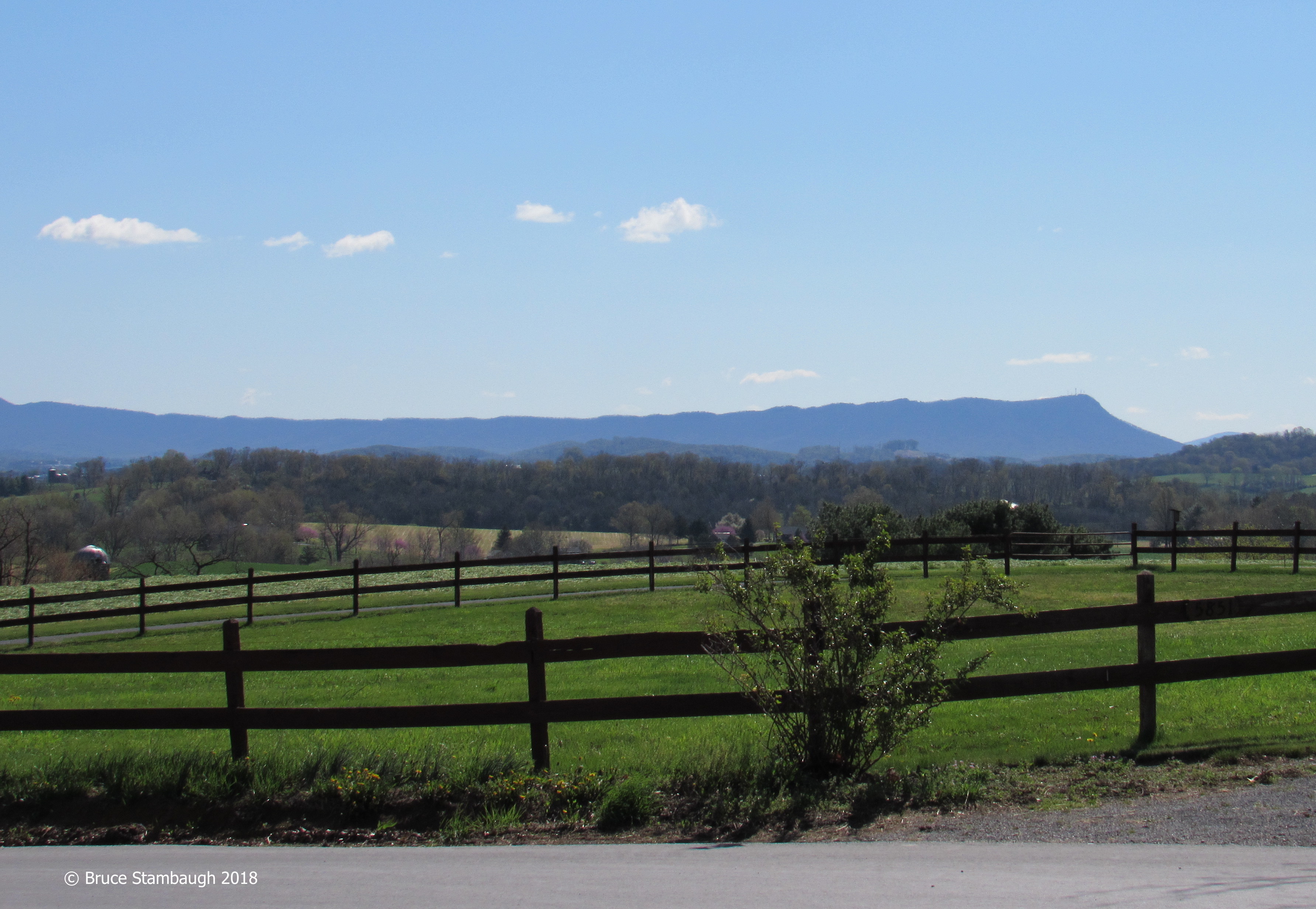
It was a fitting location for the last class. From high on a hill, the valley played out below us. The city bustled beneath the hot morning sunshine. Yet, the farmland’s still earthy springtime fragrances enveloped us.

From that vantage point, I imagined the struggles, the heartache, the determination and the desire to live their lives in community together through productivity, and finding peace and satisfaction in weaving their daily lives together.

Strangely and marvelously, I felt right at home.

View of the valley from the garden at Crossroads.

© Bruce Stambaugh

Beautiful bird, beautiful song

Dickcissel, Shenandoah Valley
When a friend posted on social media audio of Dickcissels singing at dusk, I wanted to see the birds. Dickcissels are rare here, according to birding records and range maps. Dickcissels are listed as scarce for Virginia’s Shenandoah Valley breeding maps.

With my morning and early afternoon tightly scheduled, I knew I had a small window of opportunity to find this beautiful bird with an even more beautiful song. Severe storms were forecast for the area for the early evening. I headed north 10 miles as soon as I could. When I reached the intersection where the birds’ song had been recorded, I immediately heard them upon exiting my vehicle. Finding them was a different story.

I had seen my first Dickcissels in similar habitat in Ohio. Unfortunately, they are drawn to alfalfa fields dotted with weeds like ironweed that grow taller than the legume the farmer planted. Sure enough, using my binoculars, that’s where I spotted the first male Dickcissel. I felt pressured to photograph the birds. Thunder rumbled in the distance near the Allegheny Mountains 20 miles west.

To my surprise, a Dickcissel rose out of the thick foliage and flew directly towards me, landing on a tree branch right above my head. As I raised my camera to capture the bird up close, it took flight and perched on an ironweed plant nearly a football field away. I clicked away anyhow.

I scanned the field in the direction of other Dickcissels that I heard. I found a pair about 50 yards south of my location. Just as I started to walk south, a male and female flew to the woven-wire fence that surrounded the hayfield.

I immediately stopped and found a place to brace myself to steady the camera. Even before I could get off my first shot, the female flew, leaving the male to sit along, singing eloquently. I clicked away hoping for some decent results. A light rain had already started obscuring the sun, which gave me less light to work with.

Finally, when a car approached from the south, the beautiful bird flew in the direction of its mate. I headed for the car, happy to have witnessed both the bird and its enchanting song.

“Beautiful bird, beautiful song” is my Photo of the Week.

© Bruce Stambaugh 2018

Singing in the sunset

Shenandoah Valley, sunset
Singing in the sunset.

One of the joys about being in the out-of-doors is experiencing the unexpected. Nature’s ways never cease to pleasantly surprise me.

Such was the case recently when I went out to photograph the sunset. Doing so is always an adventure. You never know what the results will be. When I arrived at my chosen destination not far from our home near Harrisonburg, Virginia, I had a feeling my quest would be disappointing. I was wrong, not in the sunset so much as the aura of the setting.

I parked at the entrance of a nearby farm that doubles as an event center. I could see a thick bank of clouds hovering over the Allegheny Mountains 20 miles to the west. Usually, that means that the sun’s rays will be blocked from reflecting off of the congregation of cumulus clouds hanging in the evening sky. But I’ve learned that when it comes to sunsets, patience is a valuable virtue.

So while I waited, I watched the steers grazing in the sweeping, limestone-studded pasture. Other than the lone bull, they paid me little heed.

Soon, my attention was diverted to another source. An Eastern Meadowlark was belting out its evening song. At first, I had a hard time locating the bird. Just as the sunset reached its color peak, I spotted the bird high atop a deciduous tree whose leaves were in their infancy of unfurling. The song mesmerized me. It was as if the bird were serenading the setting sun. I have included a link to give you an idea of what I heard here.

If you can’t spot the Eastern Meadowlark, please click on the photo to enlarge it. Look for the bird center-right at the very top of the tree.

“Singing in the Sunset” is my Photo of the Week.

© Bruce Stambaugh 2018

Full Moon Rising

pink moon, full moon, Harrisonburg VA
Full Moon Rising.

Precisely at 8:05 p.m. on April 29, 2018, the full moon rose over the Massanutten Mountain range just east of Harrisonburg, Virginia. I stationed myself atop a hill behind Eastern Mennonite University on the city’s northwest side to ensure I had a clear vantage point to view the moonrise. I wasn’t disappointed as the moon peeked right at a change in elevation in the landmark mountain ridge. Massanutten runs through the center of Virginia’s Shenandoah Valley from Harrisonburg northeast to near Strasburg.

I was fortunate that the evening was clear and the humidity was low, which allowed for a perfect view of the full moon. “Full Moon Rising” is my Photo of the Week.

© Bruce Stambaugh 2018

Finding happiness where least expected

backyard birds, Harrisonburg VA
Male Rose-breasted Grosbeak and Male House Finch.

By Bruce Stambaugh

I had high hopes for attracting backyard birds to our Virginia home. I hung feeders from the two maple trees on our property almost as soon as the movers had unloaded our household goods from the moving trucks nearly a year ago.

Well, maybe it wasn’t that quick, but still, the feeders went up, one in the front yard and one in the back. I also erected a jelly feeder for the Baltimore Orioles and a sugar water feeder for the ruby-throated hummingbirds.

I was excited about starting our retirement years anew in Virginia. The grandkids were paramount in deciding to relocate. Birding came a little farther down the priority list.

Still, I wanted to see just what birds I would attract. To my surprise, it didn’t take very long for some prized yard birds to appear. Northern cardinals, rose-breasted grosbeaks, American goldfinches and other species found the feeders right away. Tufted titmice, and black-capped and Carolina chickadees made occasional appearances, too. I was ecstatic.

Ohio backyard birds.

The results nevertheless were mixed. The numbers and species, however, were much fewer than what I had seen in Ohio. Back in the Buckeye State, orioles gulped grape jelly by the jarful. Hummingbirds zipped to my feeder by the kitchen window. At least seven woodpecker species visited my feeders, including pileated woodpeckers that brought their young to gorge on peanut butter suet.

Songbirds were abundant and frequent visitors, too. Showy white-crowned sparrows were favorites. I especially enjoyed the eastern bluebirds. They brightened any dull Ohio day with both their brilliant springtime feathers and their sweet lullaby calls.

In Virginia, daily drama cropped up around the bird feeders. Large, bossy, and noisy common grackles consistently scared the more desirable species away. They also drained the feeders once they brought their young. In addition, scores of squirrels munched their way through the feed they could reach. The more sought-after birds didn’t have a chance, so I took the feeders down for the summer. In Ohio, I fed the birds year-round.

I rehung the feeders in the fall. With the pest birds elsewhere, the better backyard birds returned. I was happy for that, and even more pleased when the dark-eyed juncos and white-throated sparrows arrived for the winter.

Virginia backyard birds.

This slideshow requires JavaScript.

It’s not that I expected Virginia to be Ohio. They were two different locales with entirely different habitats altogether. For bird watching, habitat is crucial.

We no longer lived in a rural flyway like we did in Ohio. The habitat of our suburban neighborhood in no way remotely resembles the bird-inviting one we had in Ohio. It is also wholly unfair to compare one year in Virginia to a lifetime of appreciating Ohio birds.

I photographed all the various birds I saw in Ohio. I have hundreds, perhaps thousands of digital shots. Reviewing them revives fond memories for me. But as much as I would like to, I can’t linger there.

Now, I take pleasure in the natural springtime wakeup calls of the white-throated sparrows, song sparrows, and cardinals. I pay more attention to the gregarious American robins that I once took for granted. I chuckle at the effervescent northern mockingbirds that frequent our neighborhood.

I miss those Ohio birds to be sure. However, the recent appearance of a migrating pine siskin sparked an epiphany.

That little bird brought home a valuable life lesson for me that is apropos far beyond the birding world. Be happy with what you have.

Harrisonburg VA
Where I feed the backyard birds.

© Bruce Stambaugh 2018

Patience and a warm coat required

spring, Virginia, Shenandoah Valley
What spring should look like in VA.

By Bruce Stambaugh

It’s been a long winter. That’s true whether you live in Minnesota, where winter seems eternal, or here in Virginia’s Shenandoah Valley, where consistent spring weather should have arrived long ago.

When it comes to weather here, there are no guarantees. Put another way, if you don’t like the weather, just wait a while. It will change.

I’ve heard people say that about the weather in Ohio, Virginia, Pennsylvania, Colorado, and Florida to name a few locations. Regardless of the state of residence, they are all correct. Apparently “here” is a relative place. Weather in many areas is even more fickle than politicians or used car salesmen.

That seems especially apt now when winter seems determined to hold her icy grip on the good folks in many states. Just when we think spring has arrived with a lovely warm day, the next day brings cold and wind and too often more unwanted snow.

snowstorm, Virginia
An early spring snowstorm blanketed Virginia’s Shenandoah Valley.

People mumble about the unseasonable cold, impatient to get outside in shorts and t-shirts and work or play in decent weather. Excavators, contractors, and landscapers make promises they can’t keep to customers, and then justifiably blame the lousy weather for the delays.

Temperatures far and wide are 20 degrees Fahrenheit or more below average for April. It isn’t the first time, however, that the weather has played havoc with people’s springtime schedules. Record lows are in the teens from bygone years long forgotten.

I can remember a frost on June 2. My wife recalls snow on her birthday, May 27. Our young son once endured a nine-mile ride home in a four-wheel drive fire truck from a friend’s house during an April snowstorm that dumped 20 heavy, wet inches on Holmes County.

This slideshow requires JavaScript.

Of course, two days later, the only remaining evidence of the storm was the snow piles from parking lots being plowed. The weather did warm up. It will warm up again, eventually.

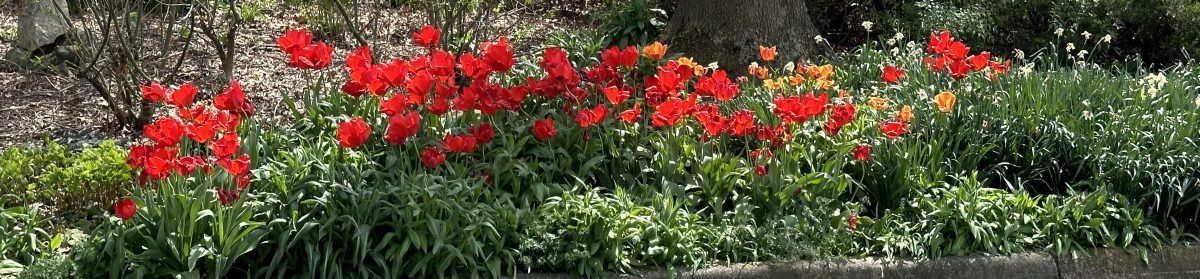
After all, haven’t the daffodils bloomed? Aren’t the tulips ready to show their bright colors? Aren’t the tree buds swollen or even already unfurling? Has your lawn been mowed? Aren’t the robins calling out their territorial cacophonies? I bet the answers are mostly in the affirmative to that little springtime quiz.

Yes, it’s been a long, cold, wet winter, but nothing that we haven’t seen before and will likely see again. It’s just that we are so anxious for warming sunshine and frolic outside that we often lose our perspective. No matter what state of residence, we forget that all of this has happened before, not in the same order perhaps, but with the same frustrating results.

white-throated sparrow, Virginia
A handsome male White-throated Sparrow.
The other day I observed a brief, hopeful moment in my backyard that exactly proves my point of this year’s overlap of winter and spring. Side-by-side, a white-throated sparrow jumped and scratched for seed on the ground while a chipping sparrow pecked at the same offerings like a couple on a dinner date. The latter may stay, while I’ll soon miss the former’s magical song.

Seeing those two species together served a not so subtle reminder. Life goes on, just not at the pace or with the climatological conditions we humans desire. But eventually spring will indeed out-muscle winter, the weather will warm, and we’ll soon be complaining about having to mow the lawn twice a week.

Humans, you see, can be as capricious as the weather. In truth, the annual transition of hibernation to rebirth will find closure. Just be patient and keep a warm coat handy.

© Bruce Stambaugh 2018

Bay Photos by Donna

Wildlife Photos From The Chesapeake Bay Region

ROAD TO NARA

Culture and Communities at the Heart Of India

K Hertzler Art

Artist and nature journalist in the Shenandoah Valley of Virginia.

Maria Vincent Robinson

Photographer Of Life and moments

Gabriele Romano

Personal Blog

Jennifer Murch

Art is the only way to run away without leaving home. -Twyla Tharp

Roadkill Crossing

Writing generated from the rural life

ANJOLI ROY

writer. teacher. podcast cohost.

Casa Alterna

El amor cruza fronteras / Love crosses borders