At this age, I appreciate every step I take

Main Beach Fernandina Beach FL, beach walking, beach bike
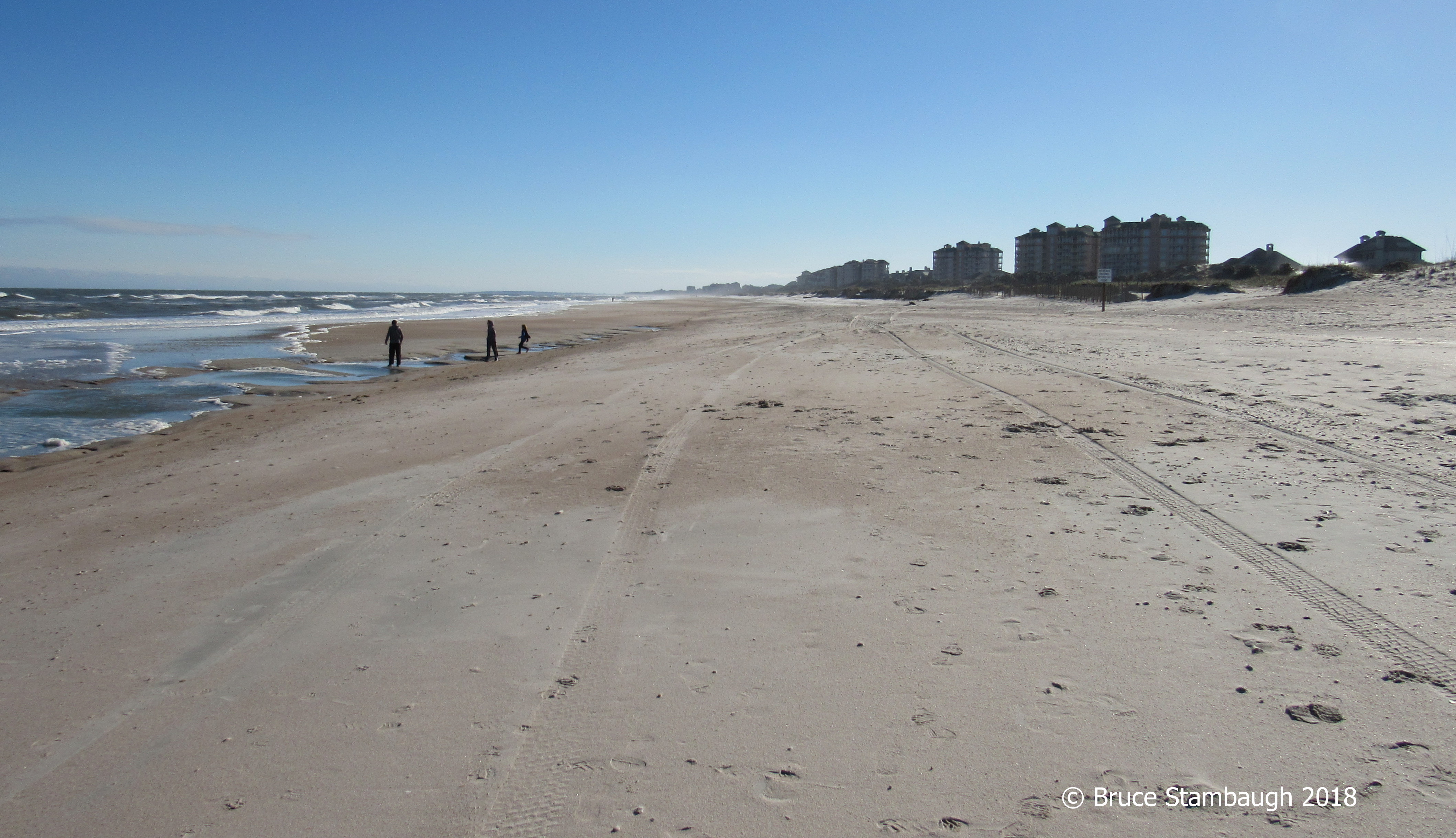
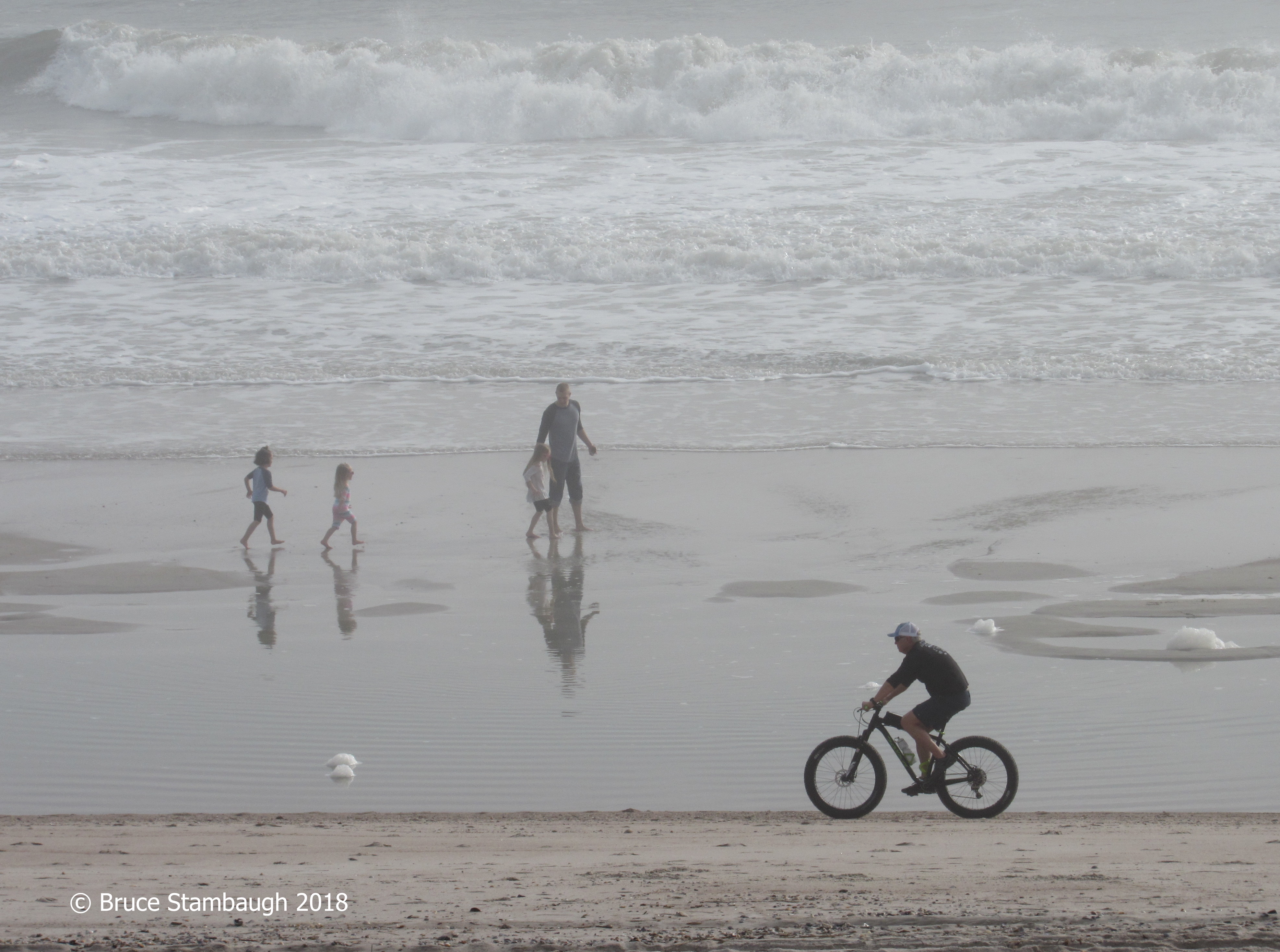
The beach where we walked.

By Bruce Stambaugh

Aging can be a pain.

By the time my wife and I had returned from our winter’s stay in northern Florida, we both had unintentionally joined the ranks of the walking wounded. It was as uncomfortable as it was annoying.

I love to walk. It’s one of the few times I can actually multitask. I can walk and talk, walk and listen, walk and learn, walk and think, walk and snap pictures. Walking is an easy exercise for young and old alike.

There’s only one catch. If you are physically ailing, walking isn’t so much fun. Towards the end of our two-month Florida stay, my wife and I both began having problems getting around.

In my wife’s case, walking has long been a chore for her. Arthritis in your feet tends to do that to you. Since Neva’s left foot was particularly touchy, our walks on the beach together were shorter and less frequent than in previous years.

This slideshow requires JavaScript.

Soon, I began to feel discomfort, only in my right foot. I thought it was the hiking boots that I had brought along. They weren’t new, but I actually hadn’t worn them regularly until we got to the Sunshine State. I figured they would be useful to tromp around Egans Creek Greenway where I love to bird, hike, and take too many photos of birds, landscapes, people, alligators, and any other critters I encountered.

I also wore those clunkers on the beach when we first arrived. The weather was chilly and often foggy. The high-topped boots steadied me in the soft sand and kept my feet dry when the tide suddenly surged further onshore than anticipated. The longer I wore them, the more my right foot hurt. So I switched to my gym shoes, which seemed to lessen the pain.

That didn’t last long. The pain in my right foot increased substantially no matter what I wore. As we packed the van to return home, I noticeably limped.

When you live on an island that’s only 13 miles long and two miles wide, vehicular trips are usually of short duration and caused me no discomfort. As we headed north on the interstate, it didn’t take me long to realize just how much pain I was in. By the time we reached Charleston, South Carolina, my foot was numb and pain shot up my right leg.

Fortunately, an urgent care facility was just up the road from our hotel. When I described my symptoms, the kind physician’s assistant said, “You don’t have a foot problem. You have a pinched nerve in your back.” Lab tests affirmed the diagnosis.
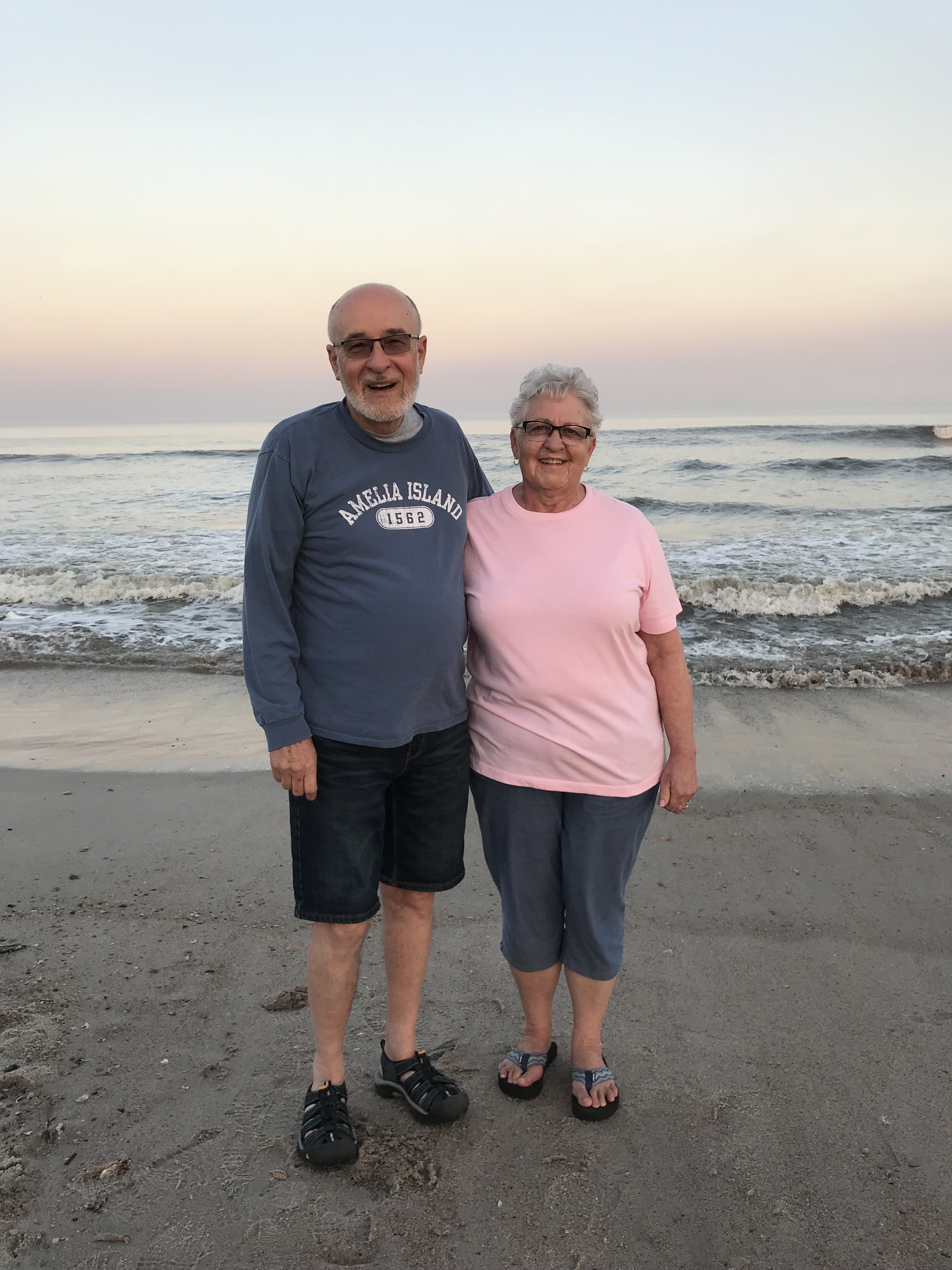
evening on the beach
Smiling through the pain.
I had already made an appointment with my podiatrist in Virginia. Neva took that spot while I visited my family doctor. Neva had reason to complain. She had a hairline fracture in her foot and exited the doctor’s office with a walking boot. She had no recollection of when she might have incurred the injury.

My doctor prescribed muscle relaxers and sent me to physical therapists. For a month now, expert therapists have worked their magic, and my pain has subsided.

Neva got the all-clear after wearing the walking boot only three weeks. She still wears it if the pain returns. We’re just thankful she is finally finding some relief.

With the limp and pain eliminated, I’ve begun short walks to get back into shape. Given our age and these experiences, we more than appreciate every step we take.

shorebirds, beach
Worth the pain.

© Bruce Stambaugh 2018

Give thanks for springtime

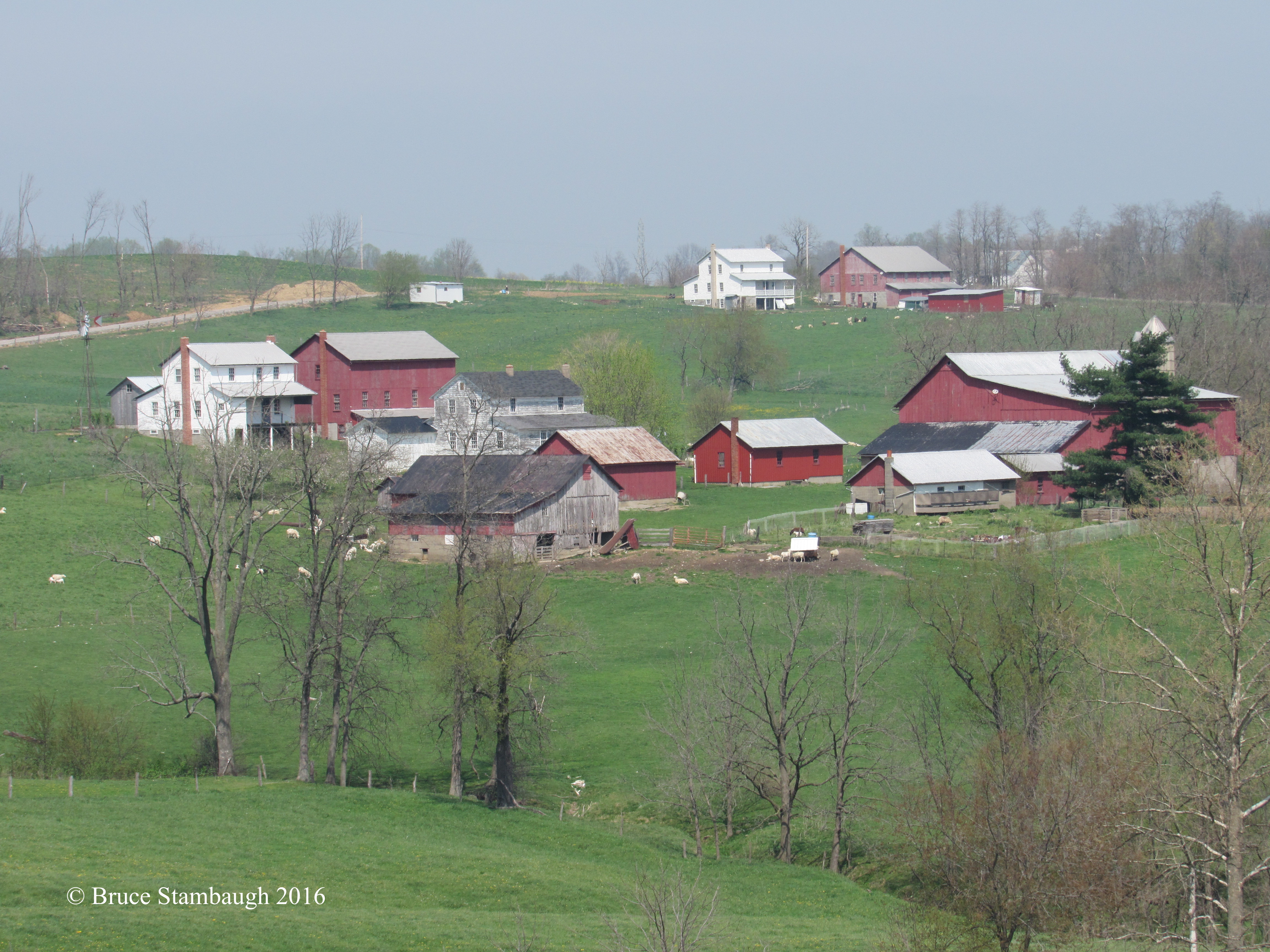
Amish farm, sheep, green fields
Springtime in Ohio’s Amish country.

By Bruce Stambaugh

Spring! It’s a word that rolls off our tongues with joy and passion. I give thanks for this vibrant, vernal season, especially after the long, cold winter too many of us had to endure.

This past winter surely tested our patience. But patient we must be. As much as we welcome springtime into our lives, she, too, can be fickle and bring mixed messages. Much like fall, springtime weather can embody all four seasons. Still, let’s give thanks for springtime.

I realize that in our North American society, Thanksgiving is reserved for the fall. Canadians annually celebrate their Thanksgiving on the second Monday of October. U.S. citizens wait until the fourth Thursday in November.

The Thanksgiving holidays acknowledge all that we have. The reflective focus is on the harvest, glad to have reaped the benefits of all the hard labor used to produce the yield. But we also need to be thankful for the spring. There are no apples without the blossoms and the pollinators.

I’m grateful for springtime even though some years, like this year, she takes her good old time making her presence known. Still, I say, let’s all express our thanks for spring’s debut.

Spring’s arrival creates a variety of reasons to rejoice often based on where you live and what activities ensue. Much action has an agricultural bent. Suburbanites will gas up their lawn mowers for the first of many rounds around the yard. City dwellers will pot tomatoes, peppers, and petunias to baby on their balconies.

More ambitious gardeners with sufficient plots of land will plant their seeds and seedlings, always keeping a wary eye on any frosty forecast. Flowerbeds will be mulched, windows washed, and if time allows, neighborly visits will resume right where they left off last fall.

This slideshow requires JavaScript.

Songbirds fill the twilight with concertos. Dormant lawns, long browned from winter’s sting, green up from an overnight shower. Azaleas, daffodils, dogwoods, redbuds, and forsythia brighten the awakening landscape. Shouts of children riding bicycles or skateboards echo through neighborhoods regardless of setting.

For all of this, I am thankful. Why not? It is the season of renewal, and after the winter that wouldn’t end we all need a breath of fresh air, we all need to inhale those sweet fragrances, we all need to enjoy each moment as the bees, birds, and butterflies reappear.

No matter how long spring takes to settle in to fit our particular comfort level, we should be most thankful that the season of hope and renewal is upon us. In keeping with that regeneration, it’s good to express our thanks to others each and every opportunity we can. Share your joy with others the way a mother robin cares for its young. Spouse, plumber, daughter, son, grandkids, stranger, receptionist, parents, waitress, checkout person, or whomever you meet will do.

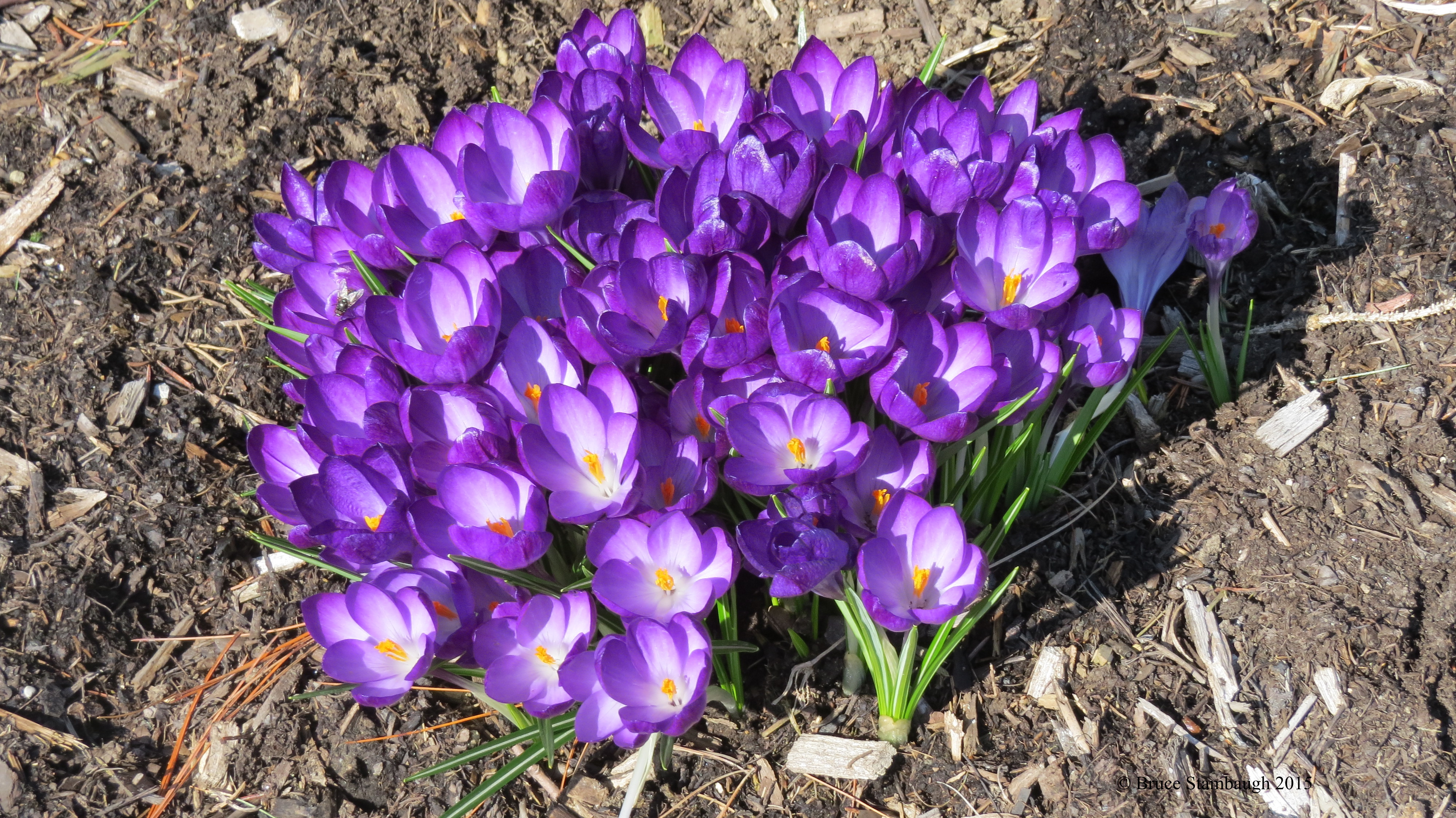
Life is in a constant state of change. Spring is that reminder to us to embrace not just the new season, but life itself. The message of the purple crocuses is to put away your fears. Spring is here. Life is good.

Without the season of renewal, there can be no harvest. At this sacred time of year, let our thankfulness replicate our gratitude for life itself, the life we have lived, are living, and the experiences yet to come.

I’m thankful for spring’s freshness, its vibrancy, virility, brightness, and renewed blessings. Life’s eternal cycle of renewal has returned once again. Let’s rejoice and be glad in it!

blooming crocuses
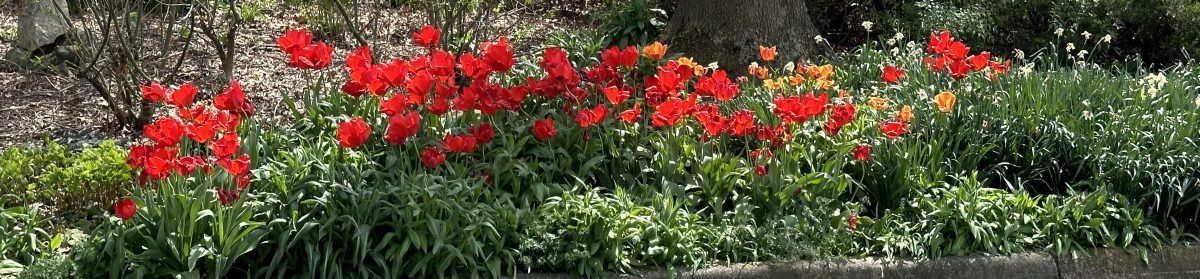
Rejoicing in the sun.

© Bruce Stambaugh 2018

There really is no place like home wherever that may be

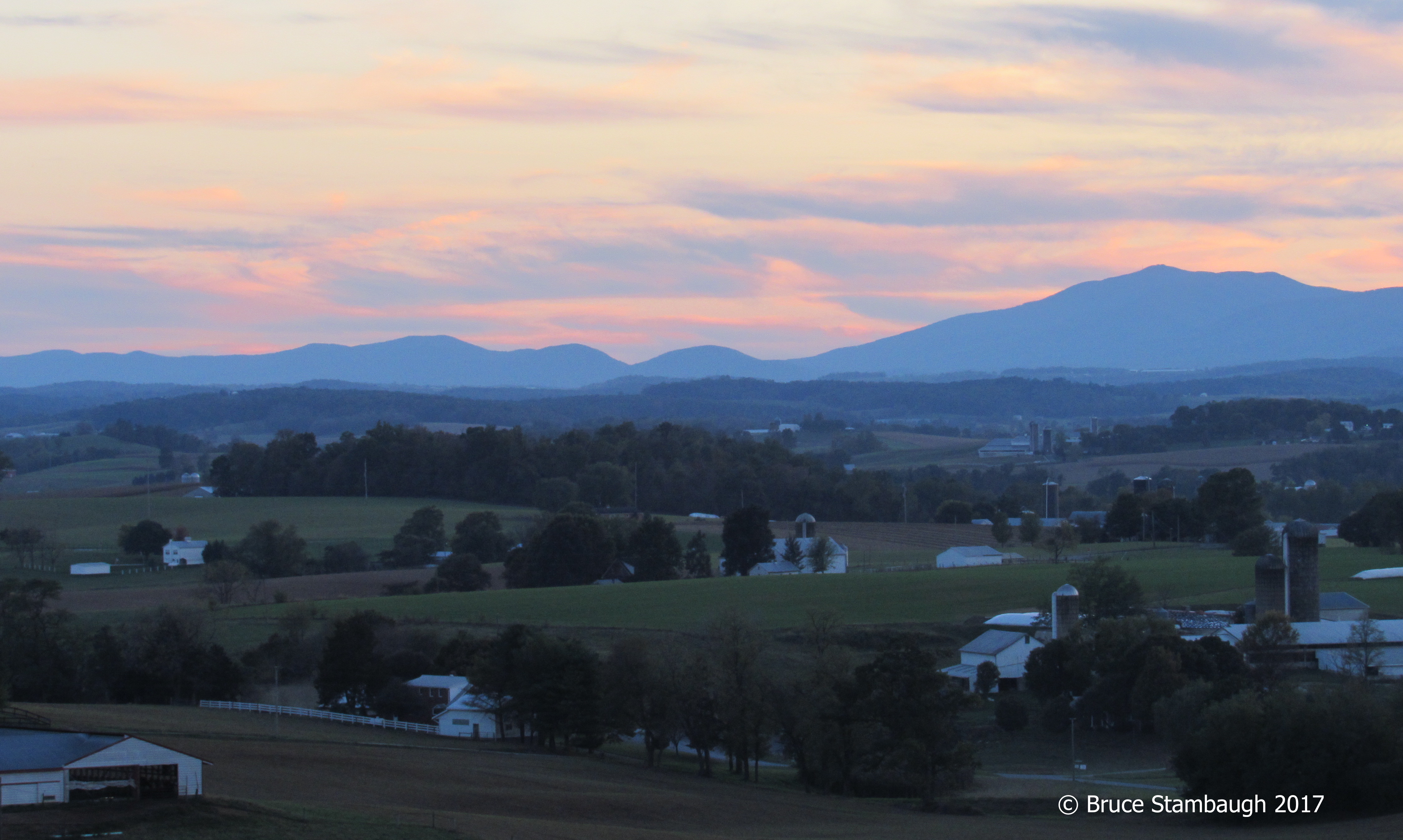
Holmes Co. OH, sunset, Ohio's Amish country
Holmes Co. hills at sunset.

By Bruce Stambaugh

My wife and I were returning from our winter hiatus on Amelia Island, Florida when I first spotted a glimpse of familiar mountains. We were still well south of Martinsville, Virginia in the folding foothills of North Carolina’s Piedmont region.

As much as we had enjoyed our time in the Sunshine State, we were glad to see those Blue Ridge Mountains that would guide us home. They earned that name long ago with the shadowy, bluish hue they cast from a distance. Their western cousins, the Allegheny Mountains, do the same.

We wound our way through south-central Virginia. We passed my maternal grandmother’s homestead and cruised through Roanoke, a city surrounded by those ancient, rounded ridges. From that point, the primary objective was to stay alive amid the bobbing and weaving strings of traffic on the always congested and dangerous I-81, which dissects the lovely Shenandoah Valley.

Holmes Co. OH, Amish farm
Holmes Co. farmstead.
It was the last stretch that led us home. Less than a year ago, our home was among the lesser but equally charming hills of Holmes County, Ohio. Ironically, they are the westernmost foothills of the Appalachian range that includes both the Blue Ridge and Allegheny Mountains.

Neva and I had spent all of our adult lives living in Holmes County. We had resided in both the county’s western and eastern sections. In west Holmes, the valleys were broader and hills steeper than those in the more gently rolling landscapes of the east that were dotted with Amish farms and family-owned cottage industries. We loved our times in both the east and west.

After a lifetime of arriving home in Holmes County, my emotions felt conflicted, from incongruity to tranquility as we approached our newest county of residence near our grandchildren. Still, we shared the familiar feelings of comfort and security as we approached our Virginia home.

That amalgam of thoughts flooded my mind as Massanutten Mountain came into view. It’s the geographic landmark that juts through the center of Rockingham County and looms to the east of our new hometown, Harrisonburg.

Mole Hill, Harrisonburg VA
Mole Hill.
Exiting the interstate, I pointed the van west towards an even more iconic landmark, Mole Hill. It’s alleged to be a long-dormant volcano, now sprinkled with stands of mixed hardwoods, fertile farm fields, and homey farmsteads. Mole Hill appears to be at the end our street. In reality, it’s a couple of miles west the way the crow flies. Viewing that satisfying scene brought smiles to our faces.

Because we were so deeply rooted in the Holmes County community through schools, church, and local service organizations, it has taken us a while to indeed settle into being Virginians. This return trip from Florida personally sealed the deal.

Please click the photos to enlarge.

I never thought I’d consider any place but Holmes County home. I was wrong. As much as we enjoyed our time in Florida, it was reassuring to be back in the Shenandoah Valley.

A few minor complications arose, however. I couldn’t remember where the cereal bowls were, the bathroom light switch was, and that the wastebasket was under the kitchen sink. The weather also forced us to wear winter coats again.

I have a friend Ava who was born and raised just a few miles from our suburban Virginia home. She now lives in Ohio, and always celebrates returning to these “blue, blue mountains,” as Ava refers to them.

Neva and I now know that same exhilarating feeling. With no disrespect to Holmes County, it was good to be home.

Allegheny Mountains, sunset, Shenandoah Valley VA
Blue at sunset, too.

© Bruce Stambaugh 2018

Be the good in life

Florida sunrise, rays of hope
Morning rays of hope.

By Bruce Stambaugh

Our lives are filled with bad news almost daily. Much of it is minor, insignificant. Too much, however, is horrific. News of flooding, earthquake, or another school shooting dominates the feeds on our electronic devices all too often.

Every now and then, however, a piece of good news manages to appear. It’s not always in the headlines of newspapers or featured on the trending social media of the day. Good news occurs nonetheless.

I believe that humans are still good by nature. A few prove me wrong, sometimes in a big way. However, adverse events can generate the best in people, often times spontaneously.

When two New York State Police officers working curbside at New York City’s LaGuardia Airport noticed a young woman sobbing after exiting her ride, they asked if she needed help. That’s when the good news story began to unfold.

Jordana Judson headed to the airport when she heard that a good family friend, Meadow Pollack, had been one of the 17 victims at the mass shooting at Marjory Stoneman Douglas High School in Parkland, Florida. Judson had graduated from that same school.

nature walk, mother and son
A mother hugs her son.
Judson wanted to fly home to attend a vigil for her friend. Only she was so distraught that she could hardly talk when the two officers, Thomas Karasinski and Robert Troy, approached her. Together they directed Judson to the proper counter to purchase her airline ticket.

When Judson was told that the one-way ticket would cost $700, she broke down again, exclaiming that she didn’t have that much money. Still crying, she tried to call her mother. In the process, Karasinski and Troy, who had never worked together before, each reached for their credit cards.

Judson tried to wave them off from making the purchase but was too late. The officers handed her the ticket. Judson said she didn’t know what to say about the officers’ exceptional kindness, but gave them each a hug before boarding her plane. Their instinctive act of kindness enabled Judson to attend the service for her deceased friend.

A spark of hope amid all the despair flickered when I read this marvelous story of compassion by the two police officers towards the distraught Judson. The story was so much more than the purchase of a plane ticket. The officers modeled what it means to be the good in life.

We should follow their lead, and we need not wait for a major tragedy to show kindness. Plenty of opportunities to be the good await us every day. We just need to be alert and respond when they present themselves.

Volunteer at a food pantry. Give your neighbor some flowers. Bake cookies for a friend. Buy coffee for a stranger in line behind you. Hug your spouse, your children. Be kind to yourself.

I was in the midst of writing this when a photographer friend in Florida shared with much excitement how her new day had begun. An anonymous person left a note of appreciation on her car door. Every morning Lea makes a point of photographing the ocean and seashore at sunrise, even if it is cloudy. She posts the results on social media for all her friends to see. Lea was effusive about the unexpected note. She concluded, “The greatest joy is giving joy to others.”

Lea is right. If we want to ensure that virtue occurs in the world, the awareness and compassion have to begin with each one of us.

sunrise, shorebirds, photographer
My friend Lea in action.

© Bruce Stambaugh 2018

Alice always made me smile

By Bruce Stambaugh

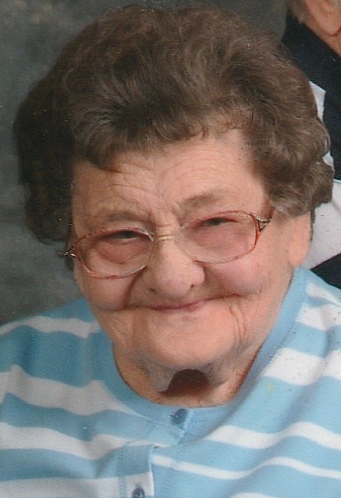
Alice.
Alice always made me smile. Oh, she could be annoying. Even when I’d kindly caution her to keep her voice down, that didn’t stop Alice from being Alice. Nor did that stop me from liking her.

I got to know Alice at our little church in Millersburg, Ohio. I can’t even remember how long I’d had the privilege of being Alice’s friend. She was a friend to many, to whomever she met really. Alice just had that kind of outgoing, unabashed personality.

Nothing held Alice back. If she wanted something or wanted you to know something that she knew, she’d share, any place, any time. Tact and appropriateness of timing were never part of Alice’s arsenal. Ironically, consideration of others most certainly was. It’s what motivated her, drove her, caused her to fearlessly blurt out her innermost feelings with no compunction.

Alice could be a pill, even a pest. If she had your number, especially your phone number, Alice would find any old excuse to call you. Alice often rambled on and on if you would let her. That’s how much she loved you.

Alice attended church whenever possible. Other good folks went out of their way to provide transportation for her.

Alice loved Helen Steiner Rice poems. She’d read them aloud every chance she got in church, often in honor of someone’s birthday. Of course, Alice did so long after other announcements had already been made. Spitfire that she was, Alice didn’t need a microphone. She would just shout out her comments, prayer requests, and recitations as the spirit moved.

Alice could pull this off because everyone knew her situation. It wasn’t toleration mind you. It was admiration for her unequivocal love for others and her fierce desire to share whatever was on her mind. Nearly 99 percent of the time, her thoughts and concerns were for others, not herself.

Alice receiving communion.
As Alice did her readings or made her proclamations, knowing smiles radiated from all around the congregation. Every worship leader graciously acknowledged her comments and the service continued without a hitch.

In addition to poems, Alice loved a good joke and prank. Though often silly and uncomplicated, Alice laughed her wicked laugh as she told and retold the punch lines. Once when our infant granddaughter squeezed Alice’s index finger and wouldn’t let go, Alice was in heaven. She joyously reminded me of that incident whenever she could. That was Alice.

Several years ago, I escorted Alice to Texas to visit her only living brother, whose health was failing. People thought I was crazy to take on that formidable task.

Though dependent on a wheelchair, Alice traveled with no problems. The further we got from Millersburg, the quieter she got. The return trip proved just the opposite.

Alice listened to my every instruction. Deep down, she and I both knew just how much this journey, paid for anonymously, meant to her. Witnessing Alice embrace her brother Floyd was one of my lifetime thrills.

Quixotic as she was, Alice married late in life on the most romantic day of the year, Valentines Day, Feb. 14, 1970. She and her husband Charlie lived right behind our church. In recent months, Alice was confined to a nursing home, substantially reducing her mobility. Alice recently died there at age 95.

Alice’s unbridled love for life was an excellent gift to us all. In her memory and in her honor, I hope that same devotion becomes an exemplary measure of living out our own lives.

© Bruce Stambaugh 2018

The Beach Lady’s lasting legacy

American Beach, Amelia Island FL
American Beach today.

By Bruce Stambaugh

In the United States, February has been designated as Black History Month for many years now. Some schools, libraries, and other institutions give the theme only cursory attention while others plan meaningful and memorable events, including art shows, lectures, and dramas.

When my wife and I discovered Amelia Island’s American Beach on one of our Florida snowbird retreats, our interest piqued. We quickly learned a lot about decades of injustices, discrimination, and intolerance of blacks in our society.

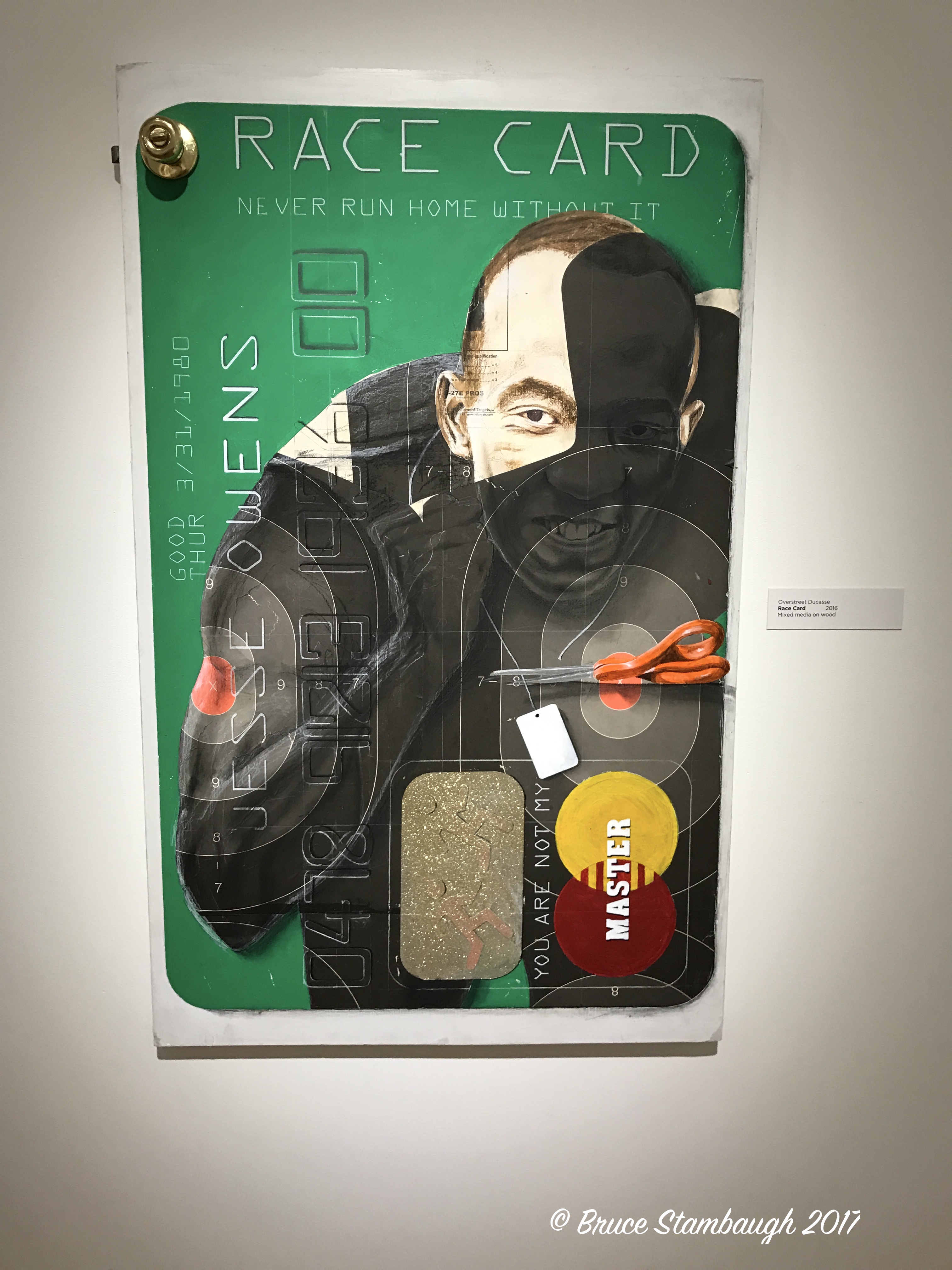
Black History Month art
Art for Black History Month.
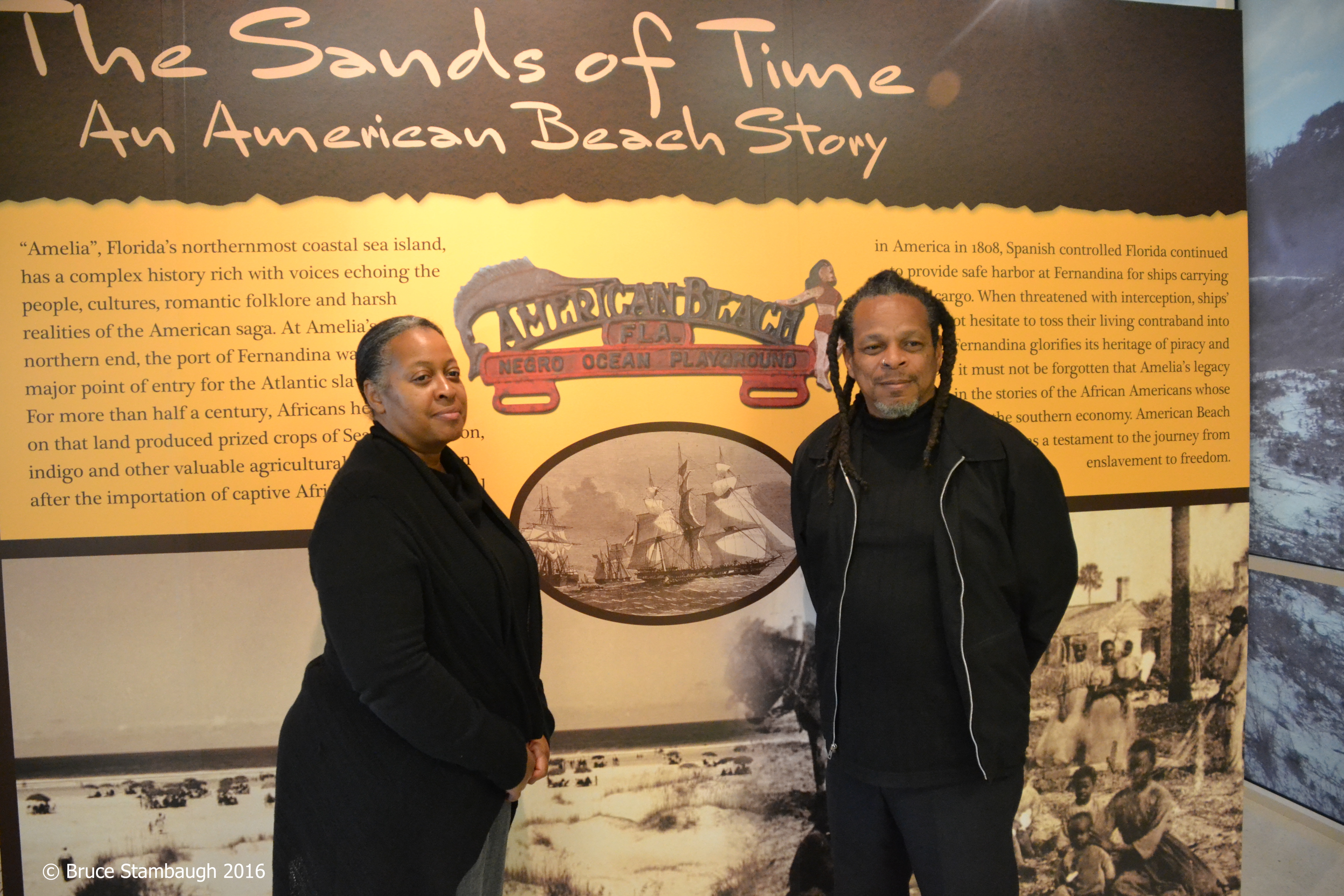
The American Beach Museum is a tidy, organized, and informative exhibition hall on Julia Street in a secluded historic district on the south end of this Atlantic Coast barrier island. The place may be tiny, but it is packed with facts, stories, relics, and photos that make your head spin trying to absorb it all. The volunteer guides are the most gracious people one would ever want to meet, and gladly help explain and amplify the historical information.

The short video featuring the Beach Lady, MaVynee Betsch, is the highlight of the tour. It makes you want to have been on that tour bus with her to hear her passionate stories of experiencing racism, discrimination, personal career success, her genuine love of nature, history, family, and the Creator who gave us the responsibility for caring for this marvelous earth.

In her case, the Beach Lady cut short a lucrative and professionally successful career as an opera singer in Europe to return to her beloved American Beach to ensure its preservation. She had her ups and downs in that endeavor. In the end, the Beach Lady’s efforts prevailed, even years after her death from cancer.

This slideshow requires JavaScript.

For her persistence and persuasive hard work, MaVynee left her mark everywhere around American Beach. The beach itself is the most obvious result. Its sand dunes are some of the highest in the state. The beach’s sands are white and smooth, much desired by island developers. However, due much in part to the Beach Lady, the National Park Service now supervises the 80 some acres of the area.

American Beach was the only one on which blacks were permitted on Amelia Island. That segregation lasted until 1970. American Beach was founded in 1935 by the Afro American Insurance Co. president A. L. Lewis, the Beach Lady’s grandfather. American Beach provided a place for recreation and relaxation without humiliation during the Jim Crow era. It offered a place of hope in a time of despair for dark-skinned people.

Ironically, the original 100 by 100 ft. plots of land were always integrated. Some of the original buildings still exist, though they are not in the best condition. Evan’s Hall, a gathering place for music and dance, is one of them. Today some of the beachfront houses are worth millions of dollars.

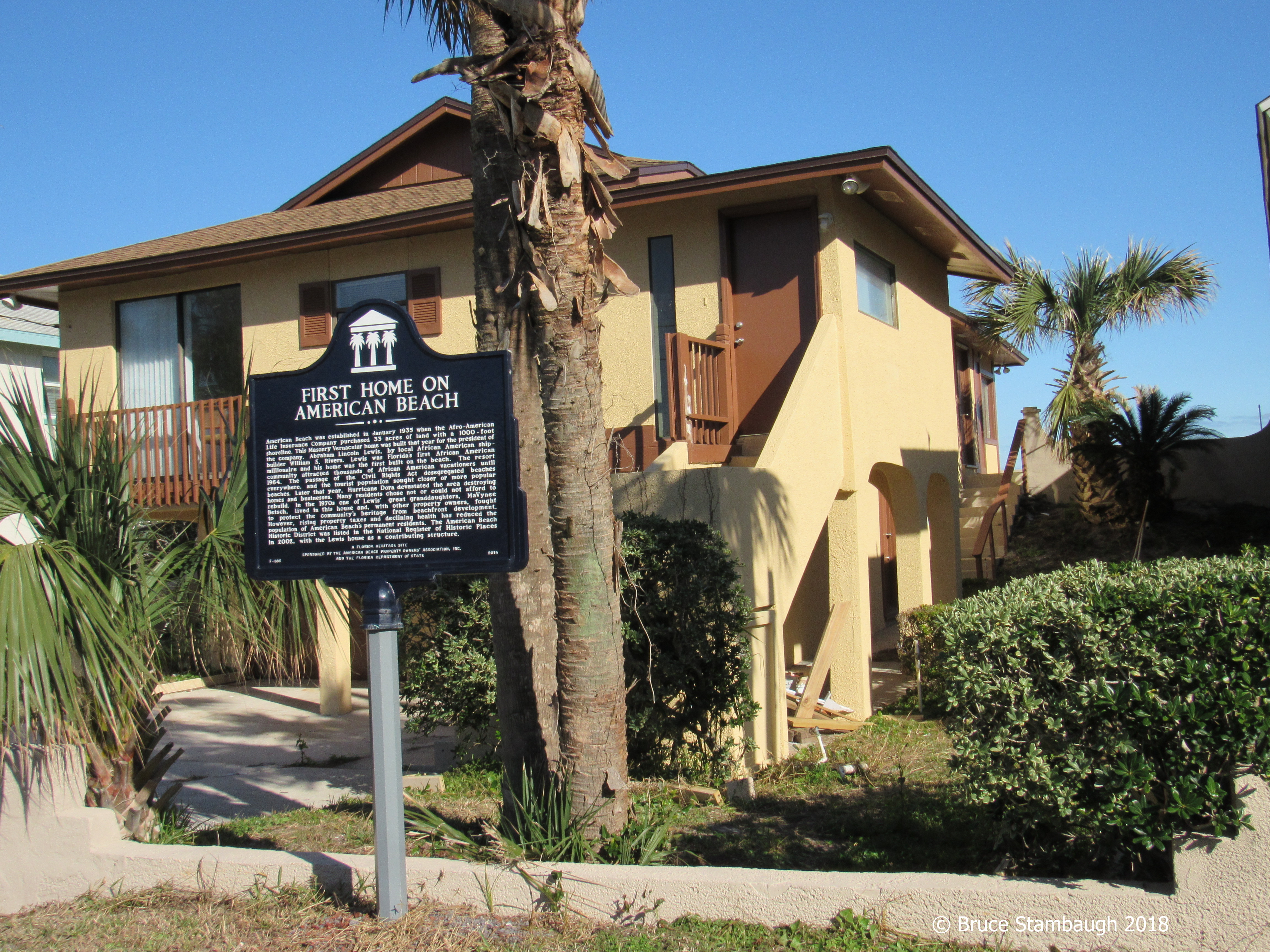
American Beach, Amelia Island FL
Historical marker.
The museum holds photographs, artifacts, and displays of the legacy of the Beach Lady, including her seven-foot length of hair. Some thought her eccentric. Others knew better. Her devotion to family, nature, and her beloved beach remains for all to see today.

Each winter, we always make a point of visiting the museum and American Beach itself. We do so as a personal reminder of segregation in this country, of those who worked so diligently to overcome it and the sacrifices they made in doing so. MaVynee, the museum, and American Beach are testaments to what was, is, and yet needs to be done to indeed guarantee equality for all in this great country of ours.

Amelia Island FL
Volunteer guides at the American Beach Museum.

© Bruce Stambaugh 2018

We can learn a lot from “old” people

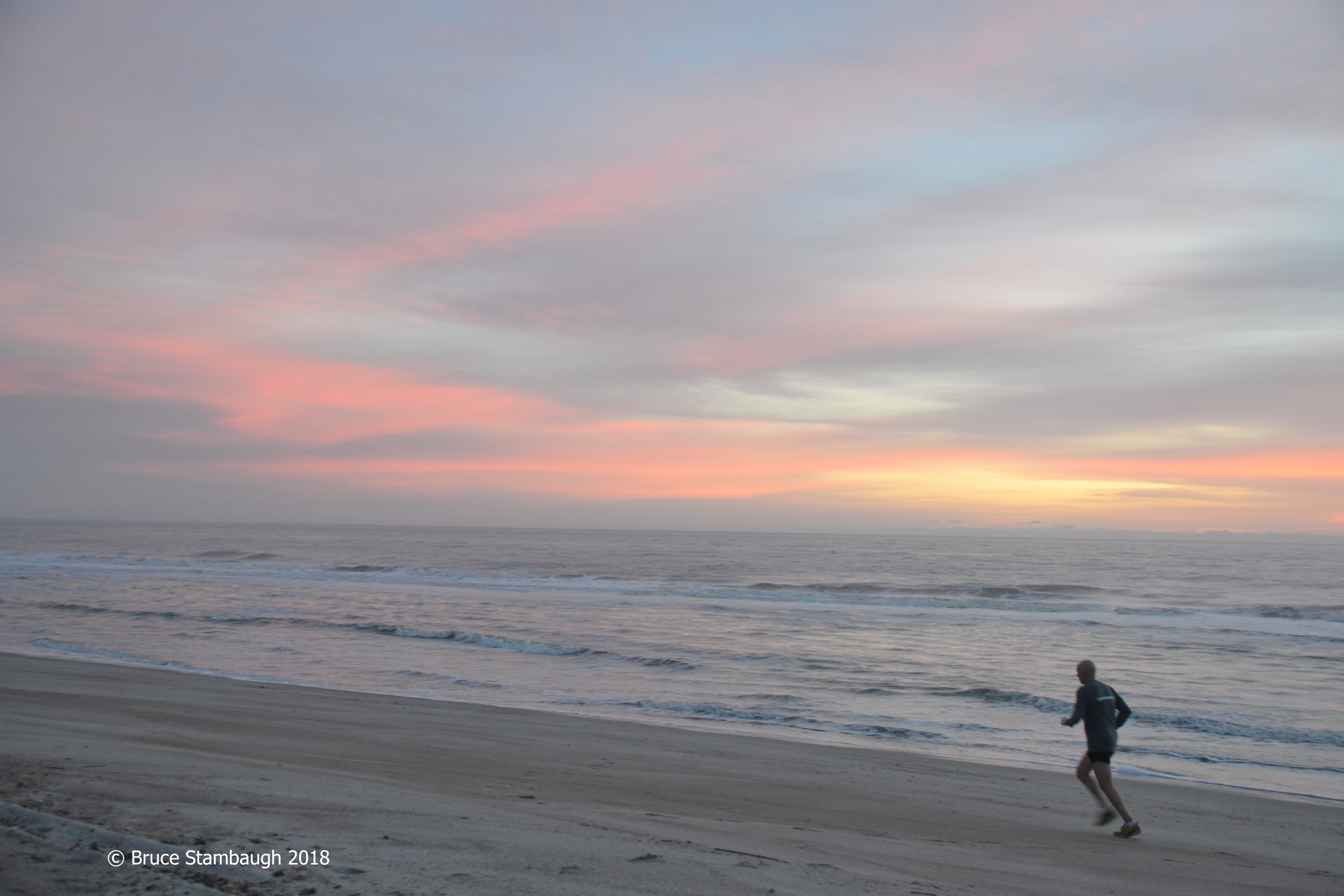
running on the beach, sunrise
It’s a new day. Get moving.

By Bruce Stambaugh

When I turned 70, I received lots of celebratory wishes and unsolicited advice. Like a 70-year-old needs advice.

One ditty was the seven and 70 rule. The idea is that seven-year-olds will say anything, and 70 year-olds have earned the right by default to espouse whatever they want. Clearly, I didn’t know or obey that tenet. Wanted or not, I’ve been offering my opinions my entire life.

Nevertheless, I’ve done a lot of thinking since hitting that personal milestone. I feel fortunate, grateful, honored, humbled as I review my life. I have many, many kind people to thank for giving me challenges I didn’t think I could meet, opportunities I never expected, and critiquing I didn’t want to hear but definitely needed. To steal a movie title, it’s been a wonderful life.

Best of all, life continues, but for how long? None of us really knows for sure. As the saying goes, embrace each day as if it were your last. It just might be.

That somber thought used to bother me, scare me even. As a teenager, I thought I’d live forever. I know that’s not going to happen. I read the obituaries every morning, and I find the life summaries of too many people my age or younger.

Death where is thy sting? Many a sermon has already been preached on that topic. I won’t add to that litany.

Instead, I want to share a purposeful phenomenon that seems to resonate with many seniors. Generally speaking, we’re not afraid of death anymore.

After I retired as a public educator, I began my second career in community relations and marketing at a retirement community near my former Ohio home. I wasn’t there long until a common philosophy became apparent among the residents. As they aged, they were happier in their lives, despite increased physical and mental afflictions, reduced agility, and less energy overall. I recently learned that gerontologists confirm these observations. As people’s bodies decline, instead of feeling worse about themselves, they feel better.

horse and buggy
What’s around the corner?
Given their settings and expected elderly ailments, logic would dictate the opposite. Why had death indeed lost its sting for them? In general, they needed less in life and from life. They had given their all and were genuinely happy for that. Also, they looked forward to what they called “going home.”

Regrets? Sure, they had a few, just as I do. But that alone could not deter their enthusiasm for whatever came their way. They still expressed anxiety about all of life’s catastrophes they saw on TV, in the newspapers, and online.

But these were folks who had survived The Great Depression, who knew the value of work, being thrifty, conserving for the future and for future generations. They may not have liked many of the social changes that flew in the face of what they believed. But for the most part, neither did they let that bother them or think less of those who behaved or felt differently than they did. Their knowledge and experience taught them that. In my book, that is the very definition of wisdom.

I admired their gumption, fortitude, love of life, and their focus on being in the presence of each moment. They were ready for whatever came next. I’m trying my best to model that attitude, too, to my wife, my family, my friends, my neighbors, to whomever I meet.

Like my octogenarian friends at the retirement community, I’m ready for the next chapter of my life to unfold, one day, one person, one event, one glorious sunrise, one breathtaking sunset at a time.

Florida, sunset, Amelia River
Even at life’s low tide beauty abounds.

© Bruce Stambaugh 2018

A glimpse into the past, hope for the future

living history, old stone house, Granite Quarry NC
Living history.

By Bruce Stambaugh

I parked the van on the 21st Century side of the road and walked with my wife and our host couple across the two-lane highway back to 1766. The combination of the cold winter air and the smoke from several campfires immediately invigorated our senses and drew us in like kids to candy.

It was Christmas 18th Century style at the Old Stone House in the appropriately named village of Granite Quarry, North Carolina. The massive stones that formed the large, two-story house had been quarried a short distance away. A cast of volunteers decked out in period attire for their chosen character roles held me spellbound at every station.

The ladies at the beehive oven kept producing fresh-baked goodies for visitors to sample. The cornbread was pretty tasty. Members of the Mecklenburg Militia caroused around quietly spinning yarns that spanned generations. Still, they did their duty. To my knowledge, no one was arrested for pilfering sweet bread or inciting unrest.

This slideshow requires JavaScript.

The militia’s cotton tents appeared flimsy and insufficient to keep out the cold for their camp over. Indeed, a spy told me they all intended to sleep in the comfort of the little log cabin outbuilding that housed a book sale for the event. Given the bite in the late afternoon air, I couldn’t blame them.

The old granite house stood proud and impressive, having been restored 50 years earlier. Its 22-inch walls kept the interior warm in the winter and cool in the summer.

We stepped into the living room to time-appropriate music as our guide rattled off detail after detail of what life was like three centuries ago. Though this house was large and elegant even by today’s standards, life was demanding. The family and their indentured servants and slaves always had plenty to do merely to ensure day-to-day survival.

The children in our group weren’t too impressed with the straw ticking that served as the mattress on the old rope bed. “Sleep tight and don’t let the bedbugs bite” took on a practical meaning to them. The guide demonstrated the sizeable wooden key for tightening the ropes that served as slats to hold the mattress. The herb tansy was interspersed with the straw to keep most of the bugs away. We all laughed when a stinkbug crawled out onto the ticking.

Upstairs was plain and noticeably cooler since the only heat came from the first-floor fireplaces. A slave squeezed into a wall space behind the massive kitchen fireplace to keep the fire going overnight.

Since the builder of the house had migrated south from Lancaster, Pennsylvania, he modeled his home after the ones he knew. The spacious clapboard kitchen was attached to the main house, wherein that era the kitchen was a separate building at most southern homes.

Old Stone House, Granite Quarry NC
Will the door to the past help guide us into a better future?
The kitchen was the engine that ran the household. Here everything from cooking to spinning to laundry to bathing took place. Since the youngest in the family got the last bath using the same water as the others, you didn’t want to “throw the baby out with the bathwater.” The guide mused how we still use sayings without knowing their real origin.

In warmer weather, bathing took place in the stream that ran through the deciduous woods behind the house. Likely there was no lingering in that outdoor bathing arrangement.

I marvel at this kind of living history. It allows us to stand in the present, glimpse the past, and long for a better life for all future generations everywhere.

© Bruce Stambaugh 2018

Resolve to listen in 2018

park, Harrisonburg VA
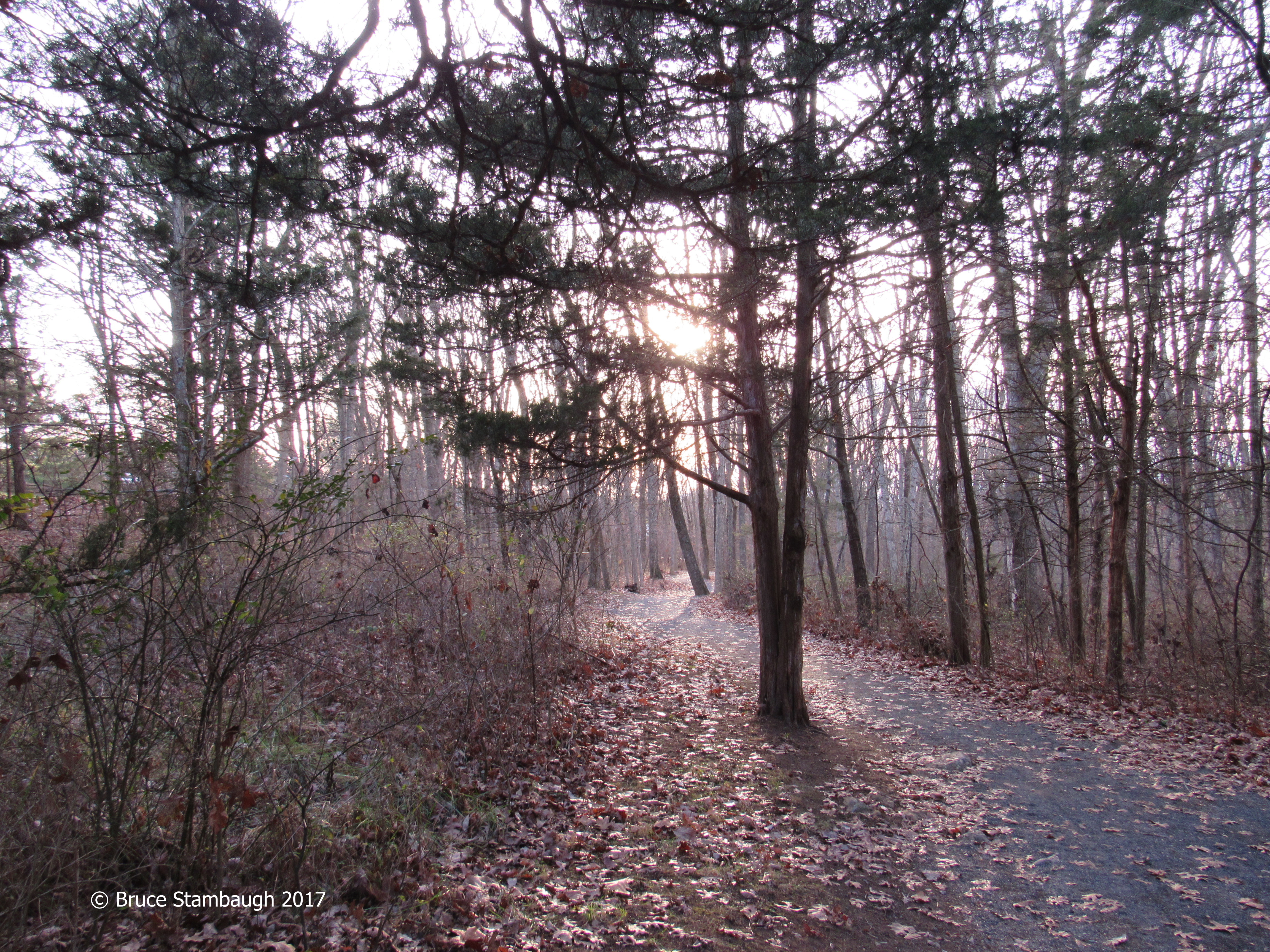
Like a walk in the woods, listening is good exercise.

By Bruce Stambaugh

I’ve never been one to make New Year’s resolutions. In general, I think they are just so much hype without much substance. For those who are serious about such resolutions, however, I wish you the very best at keeping and meeting those New Year challenges.

Not making resolutions doesn’t mean I don’t desire to improve the world and myself. I do with all my heart. I’ve discovered in my many years of living that it takes more than wishing.

Drive and desire are key ingredients to making the world a better place for all of us to live. And by all of us, I mean every single human being. In the eyes of the Maker, we all have equal worth. Those are His words, not mine.

With that in mind, I want 2018 to be the best year yet. Given the world’s troubles, that’s going to take the work of all of us to help make that happen.

That’s the thing with resolutions. They tend to be too individualized. However, working together creates a more substantial margin for success. If we want to improve the world, we have to help one another.

Let’s agree to make our surroundings more beautiful, peaceful, kind, inviting, welcoming. I can’t do it alone. I’ll need lots of help. You and you and you. Regardless of our political affiliations, religion, race, ethnic background, one by one we can together resolve to bring peace to this too troubled world.

We don’t all have to agree on how that gets done. Too often the details are what derail us from accomplishing anything good at all. Forget the details. If we are clear on the aim and outcome, a legitimate process is required. It doesn’t have to be complicated, however.

As ordinary citizens, we need to strive to do better than the ballyhooed politicians for our families, our communities, our country, our globe, and ourselves. It’s the least we can do for our children, our grandchildren, and all the generations to come.

conversation, listening
Listening requires full focus and attention of all our being.
What’s my grandiose plan for this noble goal of reconciliation and harmony? You and you and you, and me. Together we can help soften the rancor in the world if we only take time to listen to what others are saying, asking, claiming, even accusing. Yes. That’s it. Just genuinely listen to one another. It doesn’t have to be an inquisition, merely face-to-face listening. After hearing the other, ask clarifying questions to ensure understanding. And with that knowledge, we ask more delving questions.

I don’t intend noisiness. I mean sincere inquisitiveness that leads to a mutual understanding of each other. And yes, in the end, we may still respectfully disagree. But just because we may differ on how we see a given situation, listening should not lead to denigrating the other person or the belief they hold. Dialogue should lead to mutual respect for one another. Our integrity as human beings depends on it.

If we agree to focus on clarity of issues, truly listen to one another, and respond with personal respect and understanding, perhaps we can make not only our lives but also the lives of those we affect a tad better, conversation by conversation.

In 2018, can we all at least resolve to try to improve the world by listening without judging? Besides making the world a better, safer place, wouldn’t that also make each one of us better people, too?

I’m ready to listen. How about you?

Silver Lake, Dayton VA
Listening and understanding without judgement create a quiet beauty even on a cloudy day.

© Bruce Stambaugh 2018

Read all the news that wasn’t in 2017

windmills, WV, MD
Giant windmills line the crests of many mountain ridges in WV and MD.

By Bruce Stambaugh

Sometimes the truth is stranger than fiction. Stories that flew under the radar notably proved that maxim. Here are just a few factoids that escaped the 2017 headlines.

January 10 – Crested Butte Mountain ski resort in Colorado was forced to close because of too much snow.

January 13 – A report from the U.S. Dept. of Energy showed that solar energy employed more people than all of the gas, oil, and coal companies combined in 2016.

February 3 – March Tian Boedihardjo, an 18-year-old math prodigy, completed his Ph. D. and was hired as an associate professor at UCLA.

outdoor wedding, Blue Ridge Parkway
A lakeside wedding.
February 4 – A survey of 13,000 newlyweds who married in 2016 revealed the average cost of their wedding was $35,329.

March 9 – A report covering the years 1992 – 2012 showed that 84 percent of wildfires in the U.S. were human-caused.

March 21 – The rusty-patched bumblebee became the first bee species to be placed on the endangered species list.

April 6 – Scientists in Boston said in a study that the area’s cod population was at a historic low, 80 percent less than a decade ago.

April 9 – An eight-year-old East Palestine, Ohio boy drove his four-year-old sister to McDonald’s in their father’s work van because they both craved a cheeseburger.

April 22 – Police near the Australian mining town of Broken Hill stopped a sports utility vehicle driven by a 12-year-old boy who had been driving alone for 800 miles.

April 26 – Gift Ngoepe became the first player from Africa to play in a Major League Baseball game, and he singled in his first at-bat.

baby alligators,
“Did somebody say beer?”
May 28 – After posting photos on the social media Snapchat, two men in Ridgeland, South Carolina were arrested for forcing a baby alligator to drink a can of beer.

May 30 – Though ranked 12th in U.S. population, Virginia drivers claim 10 percent of the nation’s vanity license plates with more than 1.2 million personalized tags.

June 14 – A Eureka, California man was arrested after he used a flare gun to shoot another man with a shotgun shell stuffed with Rice Krispies.

June 25 – Ohio Highway Patrol Sgt. C.O. Smith halted a 10-mile chase of a driverless runaway Amish buggy by running alongside the horse and grabbing and pulling the dangling reins.

July 7 – Ray and Wilma Yoder of Goshen, Indiana, cut the ribbon of the new Cracker Barrel Restaurant in Lavonia, Georgia, giving them only one more location to visit of the chain’s 645 restaurants.

July 12 – A contractor working on an ATM machine in Corpus Christi, Texas became stuck in the device and was rescued after he passed a handwritten note through the receipt slot to a customer.

August 29 – Akron, Ohio’s Emily Mueller, who was due with her fourth child and is known as the Bee Whisperer, posed for photos with 20,000 honey bees swarming on her abdomen.

No Stupid People sign
No caption needed.
August 30 – A 24-year old Kenosha County, Wisconsin man was critically injured when he fell 25 feet onto an interstate highway after he had fled his crashed car in an attempt to elude police.

September 12 – The U.S. Census Bureau reported that the medium U.S. income reached a record $59,039 in 2016.

September 12 – A copperhead snake bit a woman customer in the foot as she sat down to eat dinner in a Longhorn Steakhouse in Fredericksburg, Virginia.

September 13 – A homeless man in Nashville, Tennessee was shot twice after he asked the driver of a Porsche SUV to move the vehicle so he could sleep on the sidewalk.

September 19 – Topless ladies from a Yuba County, California strip club raised $2,560 at a carwash for two sheriff’s deputies who were injured in a shooting at a marijuana farm.

October 23 – A Portsmouth, New Hampshire Salvation Army thrift store received a bronze urn donation that contained cremated remains.

October 25 – The City of Honolulu, Hawaii instituted a new law that banned texting while walking.

November 3 – A seven-month-old border collie in training herded nine sheep into its farmer’s home in Devon, England.

November 7 – As they left, robbers of a Houston, Texas donut shop handed out stolen donuts to terrified customers.

November 11 – To raise money for wounded veterans, Rob Jones, a 32-year-old Marine Corp vet who lost both legs in a landmine explosion in Afghanistan, completed his 31st marathon in 31 days in 31 different cities.

December 6 – A service dog belonging to an audience member attending the Broadway play, “Cats,” in New York City chased one of the actors dressed as a cat off stage during the opening musical number.

December 10 – A California cannabis grower teamed with a Los Angles-based florist to offer a Christmas wreath made with an ounce of sun-grown, artisanal marijuana.

December 17 – While watching “How the Grinch Stole Christmas,” five-year-old TyLon Pittman of Byram, Mississippi, called 911 to alert police to be on the lookout for “that little Grinch.”

Despite the 2017 shenanigans and light-hearted news notes, let’s hope 2018 is a better year for everyone. Happy New Year!

Despite the Grinch, Santa made it to town.

© Bruce Stambaugh 2017

Bay Photos by Donna

Wildlife photos from the Chesapeake Bay region

ROAD TO NARA

Culture and Communities at the Heart Of India

K Hertzler Art

Artist and nature journalist in the Shenandoah Valley of Virginia.

Maria Vincent Robinson

Photographer Of Life and moments

Gabriele Romano

Personal Blog

Jennifer Murch

Art is the only way to run away without leaving home. -Twyla Tharp

Roadkill Crossing

Writing generated from the rural life

ANJOLI ROY

writer. teacher. podcast cohost.

Casa Alterna

El amor cruza fronteras / Love crosses borders