Autumn is upon us in more ways than one

foggymorningbybrucestambaugh
Foggy morning.

By Bruce Stambaugh

Fall is definitely in the air here in northern Ohio. The telling signs of autumn are everywhere.

A drive through our luscious countryside or a leisurely hike or ride along the Holmes County Trail or just a peek out a window all sing the same song. Fall has arrived.

The leaves have begun to change. Dense morning fog magically gives way to bright, sunny days, only to reappear the next morning to begin the misty process anew. The days cool, warm and cool again in alluring rhythm.

I marvel at nature’s humor.

I bask in the warmth of the morning sun high on a rural road. To the west, residents have to feel socked in. A thick, cottony cloud stretches the full length of the Killbuck Valley. The morning’s colder, heavier air spreads the wet blanket over the precious marsh teeming with its mix of migrants and year-round residents.

foginthevalleybrucestambaugh
Fog in the valley.

Fields of golden rod and patches of wild daisies bring a warming brilliance to the once verdant landscapes. The lessening sunlight and cooler temperatures tell the foliage it’s time to morph into the secreted richer colors. Once emerald stalks fade fast from a sickly yellow to a dormant brown even before the first frost of the season.

Wildlife sense nature’s urgings, too. Small flocks of Eastern Bluebirds, still flashing their azure brilliance, congregate, searching for both sustenance and winter cover. A few Cedar Waxwings still buzz from the tops of their favorite playgrounds, while the chatty Chimney Swifts have already checked out for the season.

changingleavesbybrucestambaugh
Changing leaves.
Despite having access to calendars and electronic device reminders, humankind seems to be in denial. Men and women clad themselves in t-shirts and shorts as if it were still July. Are they naïve or hopeful that fall will imitate summer? I’ll give them the benefit of the doubt.

No matter my activity, I dress in layers or carry extra apparel with me. I suspect it’s more me than the weather. I’ve noticed that the older I get the colder the days seem, even though the temperatures remain near their seasonal norms.

Further reflecting tells me that I am entering the October of my life as well. Transitioning from the long summer of busy workdays mingled with family meals and overlapping activities have evaporated like those morning mists. My good wife seems to have made the adjustments better than me.

waningmoonbybrucestambaugh
The waning Harvest Moon.
I enjoyed my career as an educator. In the 30 years of serving youngsters and cajoling adults, I learned a lot. I embraced my second career in marketing and writing with equal zeal.

Now reality is finally setting in for me. My parents are gone. My wife’s parents are gone. Friends from the Greatest Generation are fading fast, not to mention acquaintances from my own generation. I must ready to face the fall.

This certain transition hasn’t been easy. At times I have emotionally struggled with entering life’s October time. Yet facts are facts. My diminished hearing, loss of nimbleness and achy knees tell me that my autumn has arrived, too.

However long I have, I want to live life out with zest, energy and productivity. Fall is in the air. The harvest full moon is waning.

Whatever your age, together let us greet each day with a song and a smile. Let us celebrate the goodness that surrounds us regardless of whatever circumstances or personal season we encounter.

© Bruce Stambaugh 2013

Walking with the grandsons generates more than exercise

davisandevanbybrucestambaugh
Grandsons Davis and Evan posed for a photo along the way.

By Bruce Stambaugh

Unlike their little sister, my grandsons, Evan, age nine, and Davis, now seven, wake early. No matter how late they stay up the previous night, they always rise with the cows.

On a recent visit from their city-situated home in Virginia to our Ohio rural one, I found the boys quietly playing in the living room as I prepared for my morning stroll.

I asked them if they wanted to walk with me. Davis said he would. Evan said not. So Davis changed his mind. As I headed for the front door, they both reevaluated the situation, likely based on previous walks with Poppy. They joined me after all.

Both are smart, observant boys, full of vim and vinegar. At their age, you never know what’s going to pop into their brains and tumble out of their mouths. They know that the saunter down the chip and sealed country road can resemble an amble in a zoo, with both domestic and wild animals appearing at various spots along the way.

checkingitoutbybrucestambaugh
The boys carefully checked out the dead Screech Owl along the roadway.
Practicing good safety habits, we walked single file. I took the lead on the initial stretch of the stroll along our busy county road. Most motorized vehicles seem to seldom adhere to the posted 45 m.p.h. speed limit.

That is particularly true of cars, vans and trucks heading north toward us down what we affectionately call the Number Ten Hill ski slope. Fortunately, in the quiet countryside, you can generally hear the acceleration approaching well before you see it. We stepped to the side until the traffic passed.

As we did so, we discovered a dead Screech Owl in the neighbor’s grass. It most likely had been hit overnight as it hunted for food. On the way home, I picked up the bird, placed it in a plastic sack and put it in the freezer until delivery could be made to the Wilderness Center in Wilmot where it would be preserved as a hands on educational tool for children like my grandchildren.

purplemartinsbybrucestambaugh
A family of Purple Martins perched high on the snag of a dead decidious tree at the beginning of our walk
We turned east on the township road and soon spied a family of Purple Martins perched high in the limbs of an old snag. Upon our arrival to their station, the gregarious birds greeted us by circling and chattering overhead.

Boys being boys, all things gross always intrigue them. The flattened brownish-green plops of horse manure left on the roadway drew their attention. Davis, the more scientific one of the two, wanted specific details of how it got there. I encouraged him to be patient, that maybe he would learn first-hand how that particular organic operation functioned.

At one homestead, I praised a meticulously manicured vegetable garden. Apparently too tame, the exploring boys barely gave it a glance.

wagonloadofwoodbybrucestambaugh
Always the exacting young man, Evan had to point to the wagonload of firewood to be sure that was the wood that would be delivered to the house.

Further down the road at our neighbor’s farm, I showed them the wagonload of chopped firewood that awaited delivery to our house. Their eyebrows shot up at the bulging cargo.

The mention of home seemed to trigger the fact that we had walked far enough, though we still had a quarter of a mile to go to complete my usual route. Not wanting to disturb the morning’s peacefulness, I relented. Knowing that breakfast awaited, the boys kept a steadier pace on the return trip, virtually ignoring the chestnut mares and Holstein heifers.

Though a horse drawn buggy did pass us, Davis must have forgotten his question, negating having to describe the unappetizing depositing process to their admiring sister. She’s a dainty enough eater as it is.

This slideshow requires JavaScript.

© Bruce Stambaugh 2013

Birds and birders: Two of a kind

boardwalkentrancebybrucestambaugh
The west entrance to the Magee Marsh boardwalk is a great place to begin the birding.

By Bruce Stambaugh

Birds and birders have a lot in common. This thought struck me on my latest trip to northwest Ohio’s birding mecca, Magee Marsh Wildlife Area.

Billed as the Greatest Week in American Birding, the event coincided with the peak of the spring warbler migration. Warblers, and other migrating birds, use Ohio’s airspace as their launching pad to their northern breeding grounds.

Before the birds cross Lake Erie, they tend to rest along its shores. There they replenish their strength by devouring insects that flit around the budding and blooming deciduous trees, shrubs and wildflowers. Shorebirds scour the marshes and shores for their nourishment.

woodcockbybrucestambaugh
This American Woodcock chose the median of the parking lot to make her nest.

As an amateur birder, I enjoy watching backyard birds and observing passers through with equal zeal. But if I want to see a multitude of colorful migrating birds packed into one location, Magee Marsh is the place to go.

The marsh and its 2,200 surrounding acres serve as a sprawling wildlife sanctuary with varied habitat types, including estuaries, marshes, scrub lands, woodlots, rocky areas, beaches and of course the lake itself. The area also provides sportsmen with seasonal controlled hunting and fishing.

birdhabitatsbybrucestambaugh
Magee Marsh has many habitats that attract several species of migrating birds.

During bird migration season, the only shooting of birds permitted is with cameras. Believe me, plenty of shots are fired in search of the perfect picture of the incredible songbirds, shorebirds, and birds of prey.

In my meandering around the boardwalk, trails and beach, I discovered something that should have been obvious. Birders have a lot in common with the birds they watch.

boardwalkbirdersbybrucestambaugh
Birders checked out warbler on the boardwalk at Magee Marsh

Like their feathered friends, birders come in all shapes, sizes and ages. Just like the birds, birders sport different hues and clothe themselves in a variety of colors, including camouflage, worn more to soothe the birds than hide from predators.

There are other comparisons, too. Some birders maneuver and forage in solitude for their targets. Others travel in organized groups. Most birders are quiet, but some let loose with an effusive chatter when a flashy warbler or rare bird is spotted.

When a shorebird captures a fish, it often finds itself quickly surrounded by others hoping to also steal a bite. When a birder discovers a coveted find, others gather around hoping to capture the image through their spotting scopes, binoculars, or cameras. Those without scopes are graciously invited to better view the often-concealed bird. Birders are genuinely kind people.

youngbirdersbybrucestambaugh
A young family took a break from their birding at Magee.
When a bird is located along the boardwalk at Magee, birders bob and weave, stretch and stoop to get just the right viewing angle. Birds do the same in search of food or checking out habitat. Most birders go in search of birds, like the many warblers that flit from limb to limb decreasing the insect population. Others sit and wait for the birds to come to them, like a Great Blue Heron patiently waiting for a fish to spear.

Camaraderie and sharing are normal in the sport of birding. Staunch birders make life lists, month lists, day lists, yard lists,

capemaywarblerbybrucestambaugh
This Cape May Warbler dined on insects before heading across the lake.
state lists, annual lists, and just about any other kind of list you might imagine. That’s how serious they take this popular sport.

If someone finds a bird they can’t identify, a more expert birder gladly assists in teaching how to properly confirm just what species it is. Teaching and learning are just as important as appreciating the birds and their habitats.

Perhaps that is why birding is one of the most popular sports in the world. During the Biggest Week in American Birding, global citizens flock to northwest Ohio in hopes of seeing a special species.

To hear the various lyrical birdsongs and behold the flashy mating plumages first hand is truly a treat. To see the smiles and satisfaction on the faces of the elated birders is equally rewarding.

happybirdersbybrucestambaugh
Birders tend to be pleasant, engaging people.

© Bruce Stambaugh 2013

The little things of spring are spring

springinholmescoohiobybrucestambaugh
After a long, chilly and wet winter and early spring, true spring has arrived in Ohio’s Amish country.

By Bruce Stambaugh

Finally, it really is spring! I was beginning to think we would never receive its blessings.

I for one am certainly glad to embrace May. In Ohio, it’s the calendar’s conduit between a long cold, wet winter and early spring, like we have experienced this year, and summer’s usual balmy offerings.

Springtime has much to offer nature lovers. She is especially mesmerizing. Spring lulls you to sleep with her vivaciousness, her lusty beauty and verdant perfumes.

unfurlingleavesbybrucestambaugh
Once the weather warmed and the days brightened, the leaves of the deciduous trees quickly unfurled.
However, you have to be alert, or you could miss a few of her best offerings. In our hustle and bustle to catch up to what we think is important we may miss her most amiable samplings.

May is one of the main accomplices to this annual transition from hibernation to horticulture. The month has a lot to offer.
We have to pay attention though to absorb it all because the transforming processes evolve so quickly. One day we notice the maple tree buds swelling. The next, it seems, the full canopy has unfurled. How and when did that happen?

To grasp the full measure of spring requires the honing of all of our senses. For those poor souls with pollen or grass allergies, no reminder is likely needed.

Spring, and especially May, is anything but quiet. The spring peepers are the first to break loose. Their noisy outbursts are their celebrative acknowledgements that spring has arrived. The amphibious cacophony is music to our ears.

wildvioletsbybrucestambaugh
Wild yellow and purple violets are in full bloom now in Ohio’s woodlots.

Just one sunny spring day beckons buttery coltsfoot and dainty spring beauties. They brighten dusky roadsides and carpet forest floors and spacious yard-lots alike. Yellow and purple wild violets and lacy trilliums soon follow in all their grace and glory.

Clumpy lawns have already been mowed, evening the emerald patchwork from one neighborhood to the next until the prodigious dandelions appear and reappear. Try as you might, there is no obliterating them. Overnight, their yellowy blooms turn to silky seedpods, which succumb to certain spring gales and find a home just around the corner.

malebaltimoreoriolebybrucestambaugh
The beautiful sights and calls of the Baltimore Orioles fill the woods and neighborhoods in Ohio’s Amish country in and around Millersburg, OH.
For avid bird lovers, this is prime time for migrating birds, especially songbirds. A whole host of magnificently colored wood warblers, Golden-winged, Yellow-rump, and Black and White among them, pass through our area on their way north. A few, like the convivial Yellow Warbler and gregarious Baltimore Orioles, will stay to nest and brighten the days with their vigorous choruses.

American Robins have already chosen their first nesting spots, and not always in the choicest locations. Mud-based nests on door wreaths or porch lights are only temporary inconveniences to those who enjoy their early morning wake up calls without setting the alarm clock.

The sooty Chimney Swifts have returned and chatter as they snatch dinner with spring’s first batch of insects. American Goldfinches seemingly changed to their day glow yellow and contrasting black overnight.

magnoliainbloombybrucestambaugh
For once the magnolias bloomed without fear of a killing frost in northern OH.
Native shrubs and ornamental flowering trees light up the landscape with their rainbow of colors. One day the neighbor’s giant Magnolia is bursting in pink bloom. The next, her Cinderella gown morphs into a colorful comforter spread on the ground beneath.

Just like a fast moving thunderstorm, the rubies of spring don’t last long. Will we grant ourselves the privilege to gather them in?

It pays huge personal dividends to be alert and watch as spring magnifies the hills and hollows with sights and sounds and fragrances for all to behold. Spring is here. Let’s enjoy it before it’s gone.

© Bruce Stambaugh 2013

Bluebirds make me anything but blue

bluebirdsandfishbybrucestambaugh
Eastern Bluebirds take turns getting a drink at the little waterfalls of the backyard garden pond with an orange audience.

By Bruce Stambaugh

Out of the corner of my eye, I caught a familiar blue flash. A male Eastern Bluebird had landed awkwardly on the wooden framed feeder that held peanut butter suet cakes.

That same scene had been repeated in my backyard many times over the years. Intended for woodpeckers, chickadees, nuthatches and titmice, Eastern Bluebirds and other avian species have also enjoyed the rich protein offerings.

The first time I observed the bluebirds attack the suet, I took special notice. Eastern Bluebirds dine on protein-rich insects and their larvae. Suet apparently helped fill the void when insects, or berries for that matter, were unavailable in Ohio’s cold season, which this year has lasted much too long.

maleeasternbluebirdsbybrucestambaugh
Even in the winter, the colors of male Eastern Bluebirds radiate.

In the springtime, the male bluebirds burst into an iridescent, radiant blue that glows in the morning sun. They are in their flamboyant mating plumage, brilliant on head, back, wings and tail feathers. Their orange breasts contrast nicely with the showy blue. A splash of white on their wing shoulders and a snowy fringe along the birds’ bottom feathers nicely accent the flashy ensemble.

femaleeasternbluebirdbybrucestambaugh
The female Eastern Bluebirds have a beauty all their own.
Even the more subdued and shyer females could hold their own in a bird beauty contest. Their dullness, of course, is for natural protection from predators. Bluebirds are beautiful to say the least, and their cheery chatter and lyrical calls only enhance their artistry.

Bluebirds are not designed to cling to a typical suet feeder the way woodpeckers do by bracing themselves with their firm tail feathers. I marvel every time I see the bluebirds lunching at the suet.

The bluebirds often land atop the wood-framed feeder with wire mesh sides designed for easy access to the nutritious food. They

bluebirdonsuetbybrucestambaugh
The bluebirds perch as best they can to steal a bit of peanut butter suet.
perilously cling to the sides or bottom brace of the feeder, flapping their wings wildly as they peck at the soft suet. Since they keep returning over and over, day after day, to the suet, I have to assume that they aren’t expending more energy than is gained in the tricky process.

As their main course, the bluebirds and other songbirds regularly down chipped sunflower hearts that are offered at other feeders. They apparently use the peanut butter suet as dessert, and then wash it all down with occasional visits to the little waterfalls of the garden pond.

A half dozen pairs of Eastern Bluebirds frequent my feeders, shrubs and trees in the yard. If they choose to inhabit some of the bluebird houses erected around the property, I rejoice and stay vigilant. It’s a never-ending battle with the pesky House Sparrows to keep the bluebirds nesting.

bluebirdnestbybrucestambaugh
The nests built by Eastern Bluebirds are usually made of soft grasses or pine straw, like this nest in progress.
In the spring, I check the boxes regularly. If I find a finely structured nest of soft grasses and pine needles, I know the bluebirds have won the battle. If the nest is disheveled and constructed with a junkyard of materials, I pitch it in hopes of discouraging the House Sparrows.

Often the bluebirds will perch in the large sugar maple in our backyard above the dangling suet feeder. After just a few bites of suet on this chilly April morn, this male bluebird instead took wing and swooped low across the wide stretch of open, freshly plowed farm fields, making a beeline for my Amish neighbors.

Were they using a different feed? Was the bluebird nesting in one of their boxes? The answers were really insignificant. What did matter was that the bluebirds were thriving for all to enjoy.

Watching that bluebird arch across those fields in the morning sunshine couldn’t have made me happier.

© Bruce Stambaugh 2013

Ohio Society of Bluebirds conference sets attendance record

thirstybluebirdsbybrucestambaugh
Eastern Bluebirds frequented a backyard water feature during a cold spell in Ohio.

By Bruce Stambaugh

Marcella Hawkins of Glenmont, Ohio has a passion for Eastern Bluebirds. That passion became productively evident Feb. 23 at the Ohio Society of Bluebirds (OSB) annual conference in Wooster, Ohio. Hawkins is the executive director of OSB.

From the record number of people who attended the conference held Feb. 23, Hawkins is not alone. More than 300 bluebird enthusiasts participated in the all day event, held at the Shisler Conference Center on the campus of the Ohio Agricultural and Research Development Center.

doorprizesbybrucestambaugh
Adrienne Hopson-Gaston of Mansfield, Ohio surveyed the door prizes available at the Ohio Bluebird Society conference.
The day was filled with exhibits, vendors, speakers and presentations, with only a few breaks. Experts and amateurs alike shared their research and experiences regarding some aspect of bluebirds, their predators and habitats.

Darlene Sillick, a conservationist and birder from Powell, Ohio, related her years of experiences with the Ohio Wildlife Center with owls. She explained that owls could turn their head 270 degrees because they have 14 vertebrate, twice the number of humans.

Sillick said owls depend on their keen sense of hearing and large eyes to track prey. She shared that it is the force of the owl’s talons that kills its prey.

Sillick introduced Matthew Wiese of Dublin, Ohio. Wiese, 17, did a nest box project on Safari Golf Club for his Eagle Scout badge. Wiese said he put in a total of 319 volunteer hours in planning, mapping and checking the numerous bluebird boxes he installed. He also learned to band the hatchlings in several of the boxes.

jasonmartinbybrucestambaugh
Jason Martin, head of Cornell’s Nest Watch project, answered questions from participants.
Roger Downer of Wooster, a retired entomologist from the OARDC, gave a presentation on moths. He said the important connection between moths and bluebirds are the caterpillars that serve as a food source for the bluebirds. Those that survive become moths, which other birds also use as food.

Chuck Jakubchak of Strongsville, Ohio gave a pep rally style presentation about how birds know when to migrate. In the case of Eastern Bluebirds, he proposed three scenarios. He said studies show that some bluebirds migrate to the southeastern states with habitat similar to what they have in Ohio. Others only partially migrate, going to warmer but closer states where they compete for food with non-migrating birds.

leucisticredtailedhawkbybrucestambaugh
Volunteers at the Medina Raptor Center displayed several species of injured birds at the conference, including this leucistic Red-tailed Hawk.
Jakubchak said the bluebirds seen in Ohio during the winter are non-migrating.

“They stay put, perhaps because they have had a successful breeding history,” he said. “But we really don’t know for sure, other than the fact that they choose to stay.”

Jason Martin of the Cornell Lab of Ornithology in Ithaca, N.Y., spoke on the importance of documenting Eastern Bluebirds by monitoring their nesting boxes. He invited participants to join his project, Nest Watch, by keeping track of what is happening inside the nesting boxes.

“Inside the boxes,” Martin said, “is where the action is.” The Nest Watch project began in 1960 and has progressed to online reporting of nesting activity from around the country.

gregmillerbybrucestambaugh
Noted birder Greg Miller from Sugarcreek, Ohio gave an autograph to Trevor Zook of Mansfield, Ohio.

Greg Miller of Sugarcreek, Ohio closed out the session with a spellbinding account of his Big Year experience. He especially focused on the time he spent as the bird consultant on the set of the movie, The Big Year. He told personal accounts of meeting the movie producers and stars, including Jack Black, who played Miller in the movie.

Allen and Nina Bower of Britton, Mich., received OBS’s Blue Feather Award for their effort in spreading the importance of proper nest boxes for Eastern Bluebirds. The group’s Wildlife Conservation Award went to Charlie Zepp of Dublin. Zepp has built more than 6,000 bluebird boxes with wood he gathered from refuge bins at construction sites.

After announcing several winners of donated raffle prizes, Hawkins thanked the volunteers and sponsors of the conference, which was free of charge for those who had preregistered.

© Bruce Stambaugh 2013

Winter wanes with March’s arrival

winterplowingbybrucestambaugh
A young Amish boy gets a head start on spring plowing with his a team of draft horses during a winter thaw.

By Bruce Stambaugh

On my way to dinner with a friend, a simple yet pleasant notice brought a smile to my face. As my car turned the sharp corner, I saw the sign in front of the volunteer fire station. It read, “Baseball sign up Saturday.”

With yet another wintry storm on the way, that was welcome news to me. Just the thought of those youngsters already registering to play baseball got me through the next day’s ugly weather.

pushingthroughbybrucestambaugh
Daffodils peep through March’s melting snow.
That’s what I like about March. It’s both winter’s last gasp and spring’s first breath. That posting was a clarion call for more than little leaguers. It was a sign of hope.

Once we reach March, I feel like a new person. I know winter’s icy grip is behind us, and that spring is peeping.

I’m also old enough to know not to get too giddy too soon. March often offers up some of winter’s heaviest snows. But with the days growing longer, not counting Daylight Savings Time, you know the snow will not last long.

marchsnowbybrucestambaugh
March is notorious for delivering some heavy snowstorms in Ohio’s Amish country.

In fact, March often delivers us a four-star package deal on weather. Wait. You had better make that a four seasons package. March is famous for thawing out winter’s clutch, teasing us with summer-like days, then bringing us back to reality with a fall-like cold front. One day we could enjoy a welcomed spring rain, and the next be dodging tornadoes. March can be as fickle as it is friendly.

eastersundaybybrucestambaugh
Easter Sunday is March 31 this year.
This year March brings us a Trifecta of joy. St. Patrick’s Day, Palm Sunday and Easter consecutively complete March’s Sundays.

There’s much more, too. Early migratory birds begin to make an appearance. The male Red-wing Blackbirds begin to scout out their territories. American Robins come out of hiding and begin their bob, bob, bobbing along.

americanrobinbybrucestambaugh
American Robins begin marking their territories in March.
The Song Sparrows pick their fence post perches, tilt back their striped heads, and let it rip. American Goldfinches brighten as they begin their lemony spring molt.

If the ground is dry enough, farmers begin their plowing in earnest. Crocuses and daffodils poke their pointy green shoots through the crystalized snow remnants and await the sun’s command to bloom.

We humans follow their lead. We shake off our cabin fever, and find any excuse we can to go outside. If we do have an early warm spell, dedicated gardeners will be sure to be planting their peas.

We check our property for any winter damage. Without complaint we pick up sticks deposited by winter’s frequent, fierce winds. We’re just happy to be breathing in the freshness of life, and exhale without seeing our own breath freeze in midair.

earlyridebybrucestambaugh
Bicycles are common on the Holmes Co. Trail on a decent March day.

Bicycles, motorcycles and fishing gear are all dusted off, even if they won’t be used right away. Winter’s smudge is washed off the windows on the first reasonably warm day. Of course, the boys of summer spend March warming up for their April to October baseball games.

High school and college men and women create excitement and celebration with their basketball March madness. We dutifully follow along even if we haven’t attended a game all year.

crocusesbybrucestambaugh
Much to the delight of honey bees, crocuses are often the first flowers to poke through winter’s litter.

As you might be able to tell, I’m ready for some consistently warmer weather. The fact that we have already opened March’s door confidently tells me that winter is well on the wane.

As if we had any say in the matter, March always has her way with us. I for one am ready to be under her seductive spell, and bid a fond farewell to her bully winter cousins.

marchmowingbybrucestambaugh
Last year our yard received its initial mowing on March 23.

© Bruce Stambaugh 2013

Anticipating one thing, finding many

predawnlightbybrucestambaugh
The predawn light at 6:38 a.m. on Feb. 1, 2013 on Main Beach, Amelia Island, FL.

By Bruce Stambaugh

I stood on the beach bathed in the pale pre-dawn light. I had gone there to photograph the sunrise over the ocean.

The air was chilly, but unusually still for the seashore. The Atlantic shimmered, uncharacteristically placid. With the tide in, the waves rolled gracefully onto the shell-strewn shore.

I wasn’t the only human on the beach at 6:45 a.m. A few other brave souls were also out before sunup. A silhouette jogged in front of me. Another walked the water’s edge towards me in a hitched gate.

earlyjoggerbybrucestambaugh
An early jogger zipped by me in the half-light along Main Beach, Amelia Island, FL.

All the while, I snapped away, capturing the thin orange line that divided the dark violet sea from the turquoise sky. I wanted to digitally document the gradual, subtle color changes of the new day’s sun.

We few humans weren’t alone as the sky slowly brightened along the beach.

Groups of first year shorebird chicks scurried at water’s edge, probing and pecking for food. Careful not to get their tiny feet wet, they darted at the ebb and flow of the frothy wavelets.

youngshorebirdsbybrucestambaugh
Young shorebirds feed at the ocean’s edge.

Not far off shore, Northern Gannets fished for breakfast in their dramatic style. They circled with their long pointy white wings marked black as ink at the tips, and then plunged into the seawater. Satisfied, they again ascended and started the process all over again.

A little further out a pod of dolphins arched in and out of the water. Their fins revealed their foraging path.

faceoffonthebeachbybrucestambaugh
A gull and a Willet faced off on Main Beach in the early morning light.
A lone Willet snagged a snail from beneath the sand. Seeing an opportunity for a freebie meal, a Ring-billed Gull unsuccessfully chased after the skinny-legged bird. The Willet swallowed the morsel before the gull could steal the bacon.

Flocks of Black Skimmers winged just above the ocean surface, their lower beaks breaking the water in their feeding. They were out of sight in seconds.

By now, the lady with the gimp caught up to where I had stood for 20 minutes. Seeing that I had a camera, she berated me for standing pat, and beckoned me to where the water lapped at the firm sand. It was there that the best color reflected in the receding water and against the few clouds in the northeast sky.

pastelskybybrucestambaugh
Clouds to the north beautifully reflected the rising sunlight.

As we admired the pastel radiance together, a whale broke the water. This unexpected find disappeared and our eyes searched until the first of many waterspouts blew high into the air.

humpbackwhalebybrucestambaugh
Birds circled above the Humpback Whale, making it easier to follow with the naked eye.
The blow spouts drew my attention to a congregation of gulls circling above the whale like an avian tornado. They simplified our whale watching. Just follow the birds, and glimpse the whale. I later learned that it was a Humpback Whale, my first ever whale sighting.

Amid all this activity, I continued to snap picture after picture of the ever-changing sunrise. Just as the sun finally peaked above the horizon, yet one last gem sparkled.

I would have missed it if it hadn’t been for the older lady from New York. She pointed out the sun’s low-angled rays glistening in the crest of the waves as they broke upon the shore. They were golden jewels in an aqua crown.

I remembered seeing the effect in paintings and thought the artists had overdone it. Now I knew they hadn’t. In precious minutes, the bejeweled waves disappeared, replaced by white-capped cousins. The sun was ablaze, bathing the seashore with its warming light.

I had gone to the beach to take pictures of the sunrise. I left enriched with so much more.

jewelsinthewavecrownbybrucestambaugh
The jewels in the crown of the waves made the sunrise even more spectacular.

© Bruce Stambaugh 2013

Birding through the bathroom window

fallsunsetbybrucestambaugh
Sunsets through the bathroom window are pretty anytime of the year. This was taken in early Nov. Photo by Bruce Stambaugh

By Bruce Stambaugh

This time of year, especially when inches of snow cover the ground, birds flock to my backyard feeders. Please excuse the pun.

I hope you won’t mind me telling you that I get the best view of the various and sundry species of birds through the bathroom window of our modest country home. The kitchen window is good for observing birds, too, but it can’t match the wider view from the bathroom.

cardinalbybrucestambaugh
A male Cardinal ate oil sunflower seeds on a recent snowy day. Photo by Bruce Stambaugh
I wouldn’t blame you if you thought this a bit odd. It’s not really. From the bathroom window, I get the best look at the several feeders stationed around the backyard.

The bathroom is on the main floor of the house and faces to the west, which is particularly advantageous on rare sunny winter days. The afternoon sun shines brightly on the birds, adding enhanced brilliance to their winter plumage.

From the restroom vantage point I can see most of the backyard, from the perennial wildflower patch at the south to the back porch at the north. In between and straight out from the window are the little garden pond and the mature sugar maple tree. Birds are attracted to both for different reasons, water and cover, respectively.

takingadrinkbybrucestambaugh
A pair of Eastern Bluebirds sip water at the garden pond. Photo by Bruce Stambaugh
An electric heater keeps the pond from freezing. The pump that creates the miniature waterfall runs year-round, serving as both an avian drinking and bathing station.

The maple tree, with its impressive crown, is king of the backyard. I can see all but the very top of the tree through the window. Songbirds and birds of prey perch on its welcoming outstretched branches. Its crinkled, exfoliating bark serves as a helpful tool for woodpeckers and nuthatches. They wedge sunflower seeds into the cracks and use their pointy beaks to hammer open the shiny black shells to reach the prized protein hearts.

A male Red-bellied Woodpecker frequents the suet feeder. Photo by Bruce Stambaugh
The platform feeder and hanging feeders are also visible from my unusual viewing spot. Like most birders, I keep a camera handy to record the antics of the many aviary visitors. I capture other critters, fox squirrels, opossums and groundhogs, at the pond and feeders, too. Please know that the ironic humor of keeping a camera in the bathroom doesn’t escape me.

The digital photos help me record the comings and goings of these valued visitors all year long. Wintertime is my favorite, however, especially when a good snowfall blankets the ground. I fill the feeders, and await the action, camera in hand. The birds seldom disappoint.

Occasionally I witness a special happening. A Sharp-shinned Hawk makes a sneak attack hoping for an afternoon snack. It zips by

sharpshinnedhawkbybrucestambaugh
A Sharp-shinned Hawk landed in the sugar maple in search of an afternoon snack.
Photo by Bruce Stambaugh
the kitchen window and lands in the maple. I rush to the bathroom window in time to click away at the red-eyed accipiter.

Timing is often everything in bird watching. I have been able to photograph Red-headed Woodpeckers and Baltimore Orioles feeding simultaneously from the same suet feeder. From the bathroom window, I have had the perfect angle to catch brilliant Eastern Bluebirds chowing down on chipped sunflower hearts.

I have also seen a dozen or more deer munching in the shaded meadow far beyond our yard. I’ve been fortunate to see the neighbor’s horses romp on hillside pastures beneath the old windmill. I have snapped inspiring sunsets in every season. The list could go on and on.

Birding is a sport that can be enjoyed anytime, anyplace, even from the bathroom. For those who know me really, really well, that shouldn’t come as a real surprise.

honeywagonbybrucestambaugh
The honey wagon cometh. Photo by Bruce Stambaugh

© Bruce Stambaugh 2013

My 2012 in pictures

During the course of a year, I take a lot of photographs, thousands to be exact. My son says I take too many, especially of the same thing. But I snap away for several reasons. My mother gave me her artsy eye to see the beauty in the world around me. She painted landscapes. I take pictures. Shooting pictures is also a way to document the year. In addition, I enjoy sharing the pictures I take, either through this blog, in magazines, on websites, or simply printing them out for people to enjoy.

With that introduction, this is my 2012 in review. With so many pictures, I didn’t want to bore you. Instead, I chose a picture a month, kind of like a calendar in reverse. I hope you enjoy my selections.

Happy New Year!

Bruce

sunsetsiestakeybeachbybrucestambaugh
Enjoying a beautiful sunset on America’s number 1 rated beach, Siesta Key, Sarasota, FL, was a great way to begin the year.
northernflickerbybrucestambaugh
I love birding. This Northern Flicker posed perfectly for this shot in Feb.
williamsburghatsbybrucestambaugh
My wife and I celebrated our 41st anniversary in March by visiting Williamsburg, VA. These hats caught my eye.
lakesidedaisybybrucestambaugh
Lakeside, OH is one of my favorite vacation spots. When the Lakeside Daisies are blooming, which they did two weeks early this year, the town is even prettier. These daisies only bloom on the Marblehead Peninsula, and this bee enjoyed the small patch of these special flowers on April 29.
rosebreastedgrosbeakbybrucestambaugh
I feel very fortunate to have Rose-breasted Grosbeaks frequent my backyard feeders. This male seemed fearless as he gorged on oil sunflower seeds in early May.
familyvacationbybrucestambaugh
I enjoyed capturing our grandchildren’s initial reaction to the surf at Sunset Beach, NC in early June.
droughtbybrucestambaugh
The end of July was the peak of the summer’s drought in Ohio’s Amish country, where my wife and I live.
sunburstbybrucestambaugh
Summer fog is not unusual in Ohio’s Amish country. I often take my camera along on my morning walk, and I was glad I had this late August morning.
amishballoonsbybrucestambaugh
A young Amish girl checked out the colorful balloons at the neighbor’s produce stand during their Customer Appreciation Day at the end of Sept.
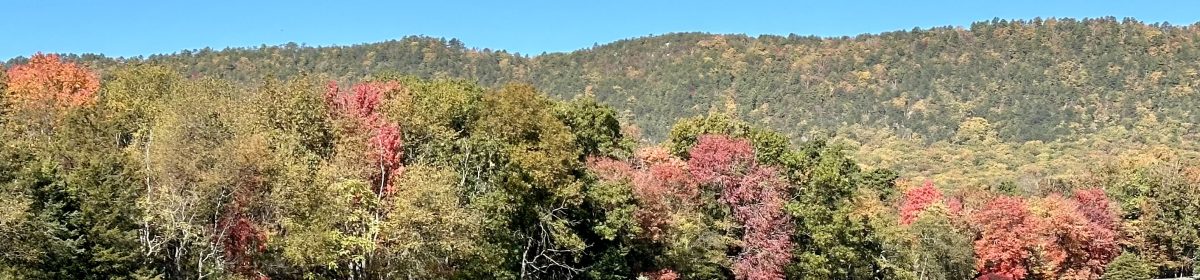
fallcolorsbybrucestambaugh
Laundry drying against the colorful leaves in mid-Oct. in Holmes Co., OH created a contrasting shot.
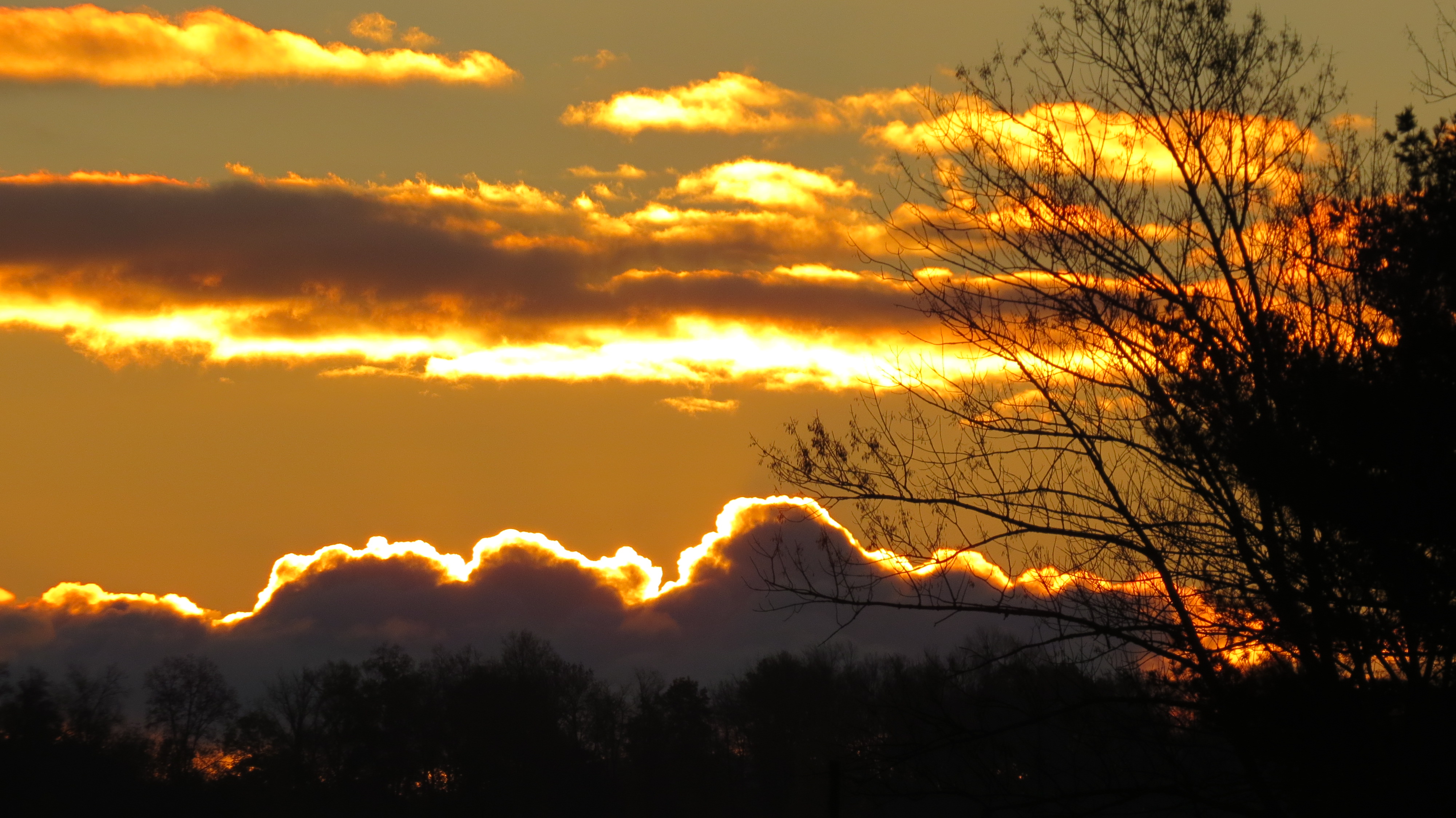
novembersunsetbybrucestambaugh
The silhouettes of the corncrib and tree against the Thanksgiving Day sunset made a stunning image.
snowfallbybrucestambaugh
Watching our grandchildren and their parents play in the snow the day after Christmas was as magical as the snow itself, and a wonderful way to end 2012.

© Bruce Stambaugh 2012

Bay Photos by Donna

Wildlife Photos From The Chesapeake Bay Region

ROAD TO NARA

Culture and Communities at the Heart Of India

K Hertzler Art

Artist and nature journalist in the Shenandoah Valley of Virginia.

Maria Vincent Robinson

Photographer Of Life and moments

Gabriele Romano

Less Noise. More Meaning

Jennifer Murch

Art is the only way to run away without leaving home. -Twyla Tharp

Roadkill Crossing

Writing generated from the rural life

ANJOLI ROY

writer. teacher. podcast cohost.

Casa Alterna

El amor cruza fronteras / Love crosses borders