
Our fifth day in Hawaii was filled with many wonders and one big downer. My wife woke up not feeling well. She encouraged me to go on the scheduled excursion to explore much of the Big Island. I did so, but reluctantly.
Our day trip had multiple stops, and the local bus driver added some of his favorites, making the exploration day a success. Our first stop wasn’t far from the hotel.
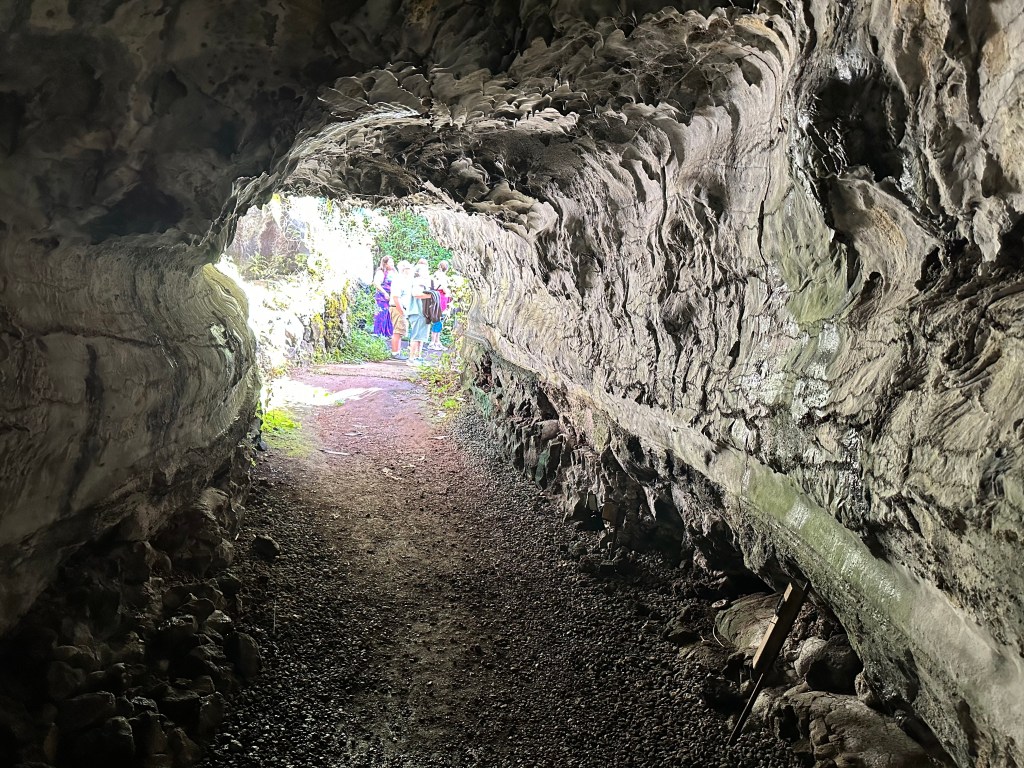
It was a tourist stop, but our guide wanted us to experience a geologic phenomenon. We explored a lava tube formed by molten lava flowing from a volcanic vent through existing lava rock that had solidified years before. Once the lava flowed out, only the outer shell of the flowing lava remained, leaving the tube-like feature. It was the first of several intriguing stops.
We drove south high above the ocean to our west. Lucious vegetation captured our attention as the bus maneuvered the two-lane highway on it wound its way up, down, and around the parameters of the island.
The island’s official name is Hawaii, and it is located in the county of Hawaii in the state of Hawaii. Consequently, the locals prefer Kona to avoid confusion, and I concur.
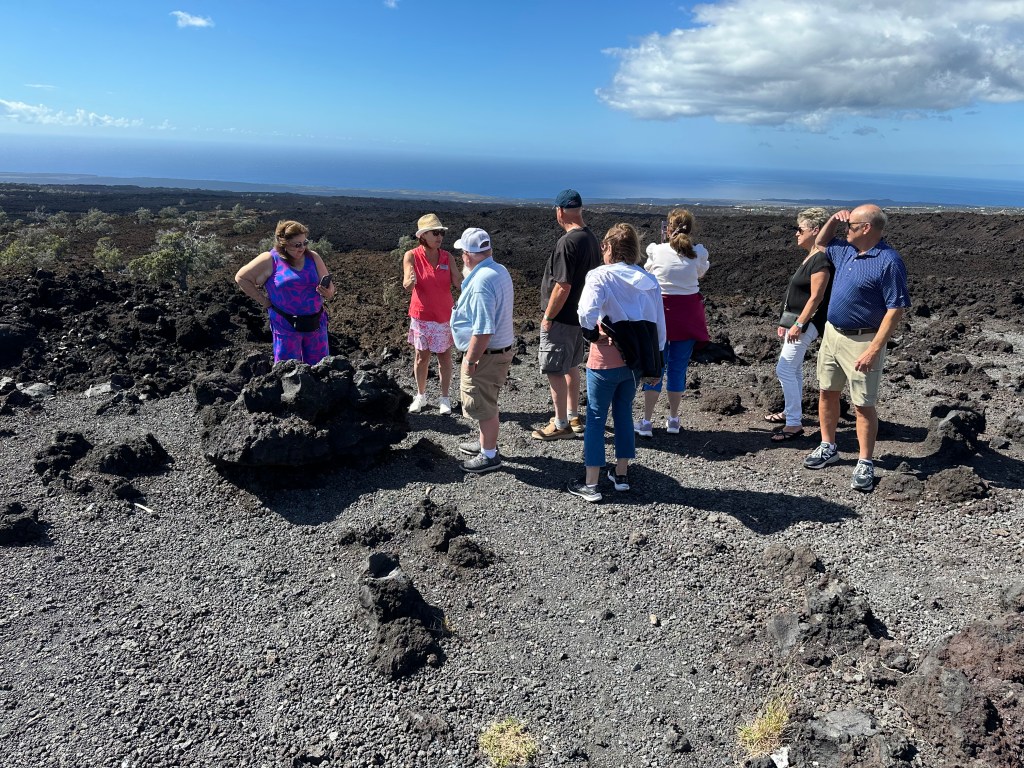
Near the island’s southern tip, an overlook affords splendid views of previous lava flows and the blue Pacific. Miles away, we could see the southernmost point of the US. Sorry, Key West. No haze, cell towers, or skyscrapers spoiled the view. Giant windmills turned in the tropical wind. From our vantage point, they looked like children’s pinwheels.



Please click on the photos to enlarge them.
I wished my wife could have seen this. I kept wondering how she was doing and hoped for a signal to check in with her. I would have to wait a while longer than I wanted.
The landscapes and foliage changed drastically as the bus driver adeptly navigated the undulating and winding curves. The land was either barren and chunked up black lava or many shades of green with pastures, shrubs, and trees of all shapes and sizes.
Every now and then, we saw another Hawaiian human-caused phenomenon. Because of the rural nature of the islands and the tricky terrain for motorized vehicles to maneuver, crashes are frequent. Instead of towing the wrecked cars, they are pushed off the roadway and over the hillside where they stay. This only applies to vehicles deemed not worth towing.
Many demolished cars, trucks, and vans were either stripped of their valuables, burned out, or both. They had been there long enough for young trees to grow through the tipped-over junkers. This practice seems to run counter to the nearly litter-free islands. Recycling is the norm in Hawaii, with old, crashed vehicles apparently exempted.
When we reached the tiny village of Naalehu, we stopped at the southernmost bakery in the US. The Portuguese donuts were scrumptious. I only ate one but took one back for my wife.
Too soon, we were back on the road, heading north. The ocean was on the right, and slush pastures dotted with windswept and stunted trees on the steep slope of a volcano on the left. This was the windward east side of Kona, where the prevailing winds bring ample rains compared to the western part of the island.
We arrived at Punalu’u Black Sand Beach Park and were pleasantly surprised. As we approached the beautiful beach, I noticed popup canopies, and many people stood around observing.
Our visit was well-timed. Scientists, professors, and marine biology students from the University of Hawaii were capturing, evaluating, and tagging Green Sea Turtles. In fact, a few large ones lay on the beach, absorbing the warmth of the noontime sun.
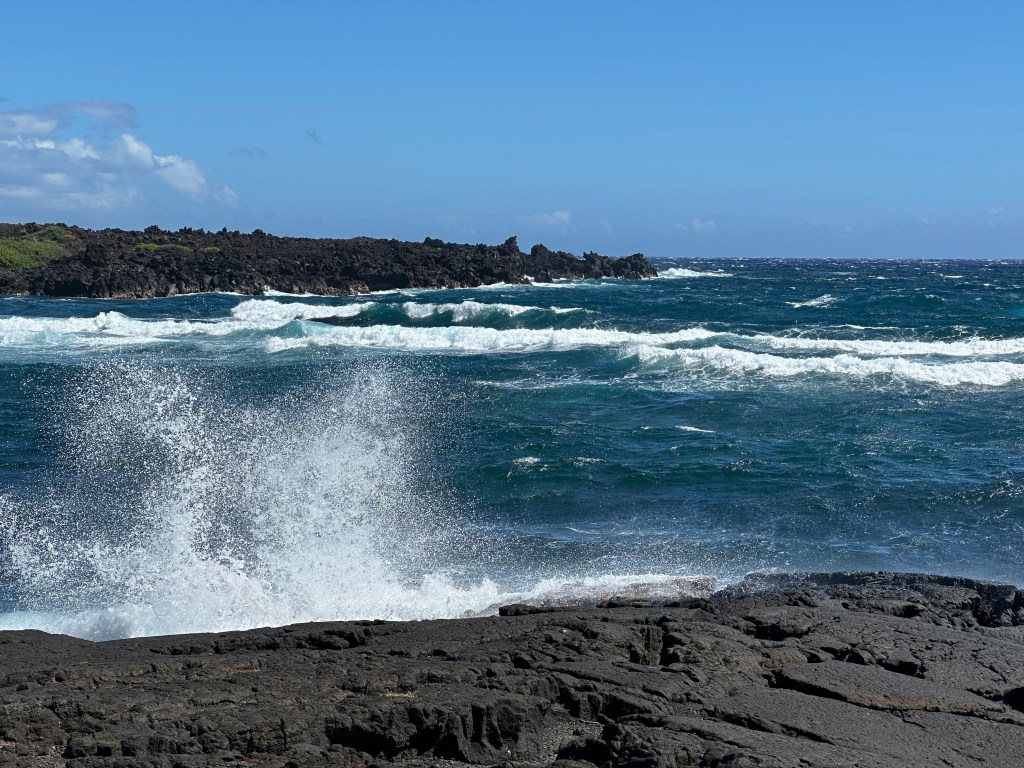
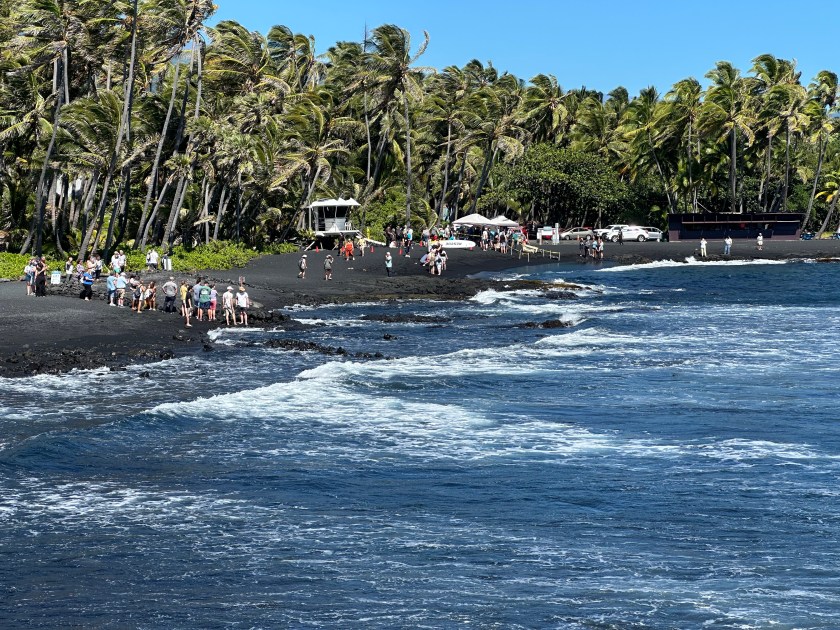
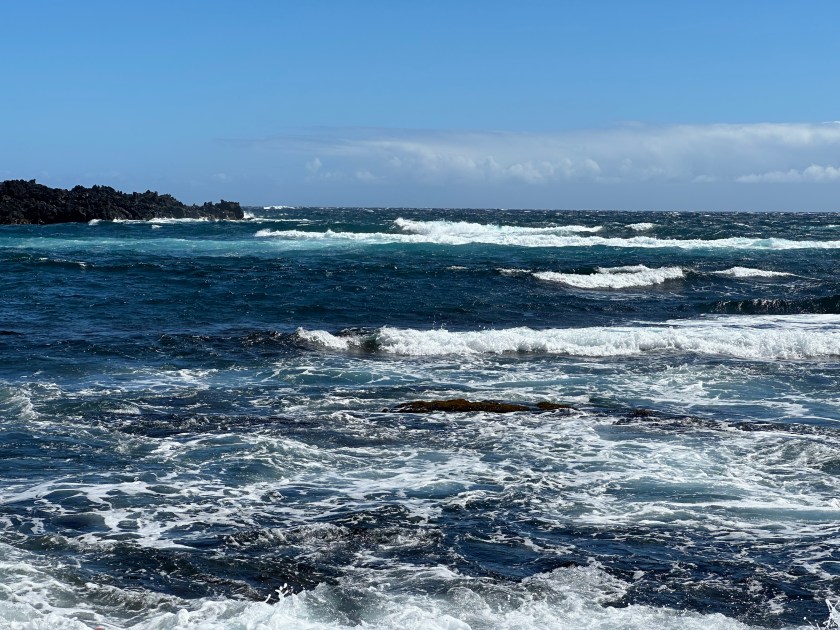
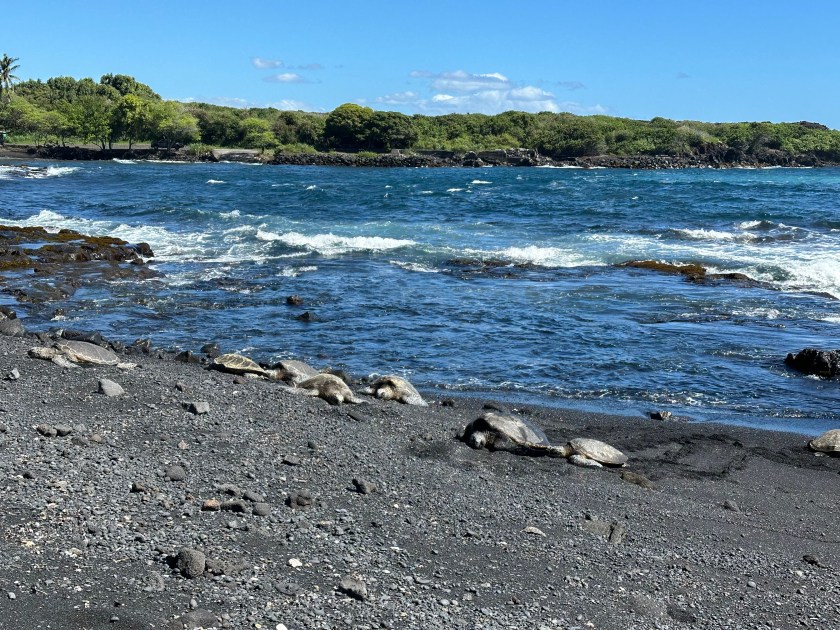

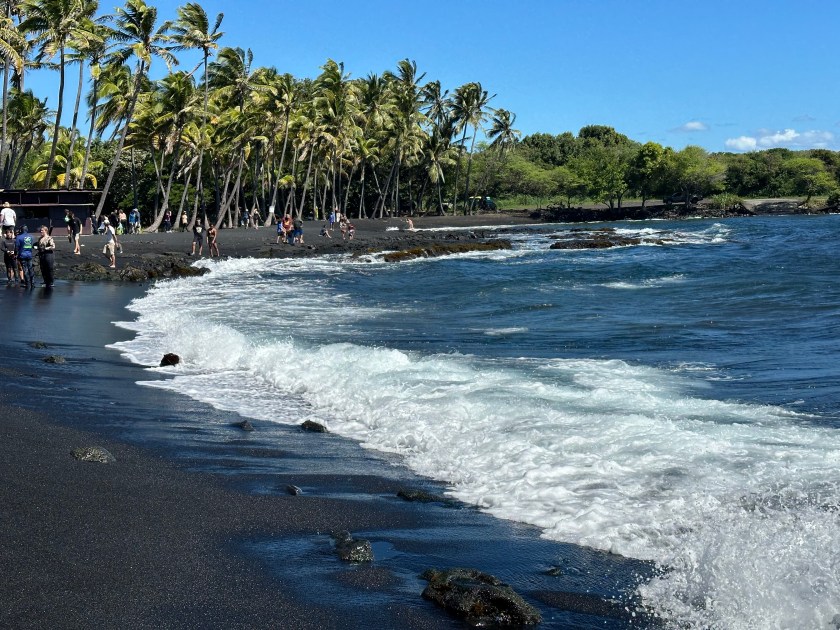


Since we had lunch reservations at our primary destination, our time on the beach was limited. The black sand is the product of lava being eroded and pulverized many times to form the beach.
The bus steadily climbed the gradual slope to the Hawaii Volcanos National Park’s visitors center, where a tasty lunch awaited us. After lunch, we joined our guide outside.
I was expecting a tall volcanic cone where we peered over the edge to look down into the crater. I underestimated the size and power of these massive domes. It was at least a half mile away. I think Manhattan could fit inside Kilauea’s gigantic crater.
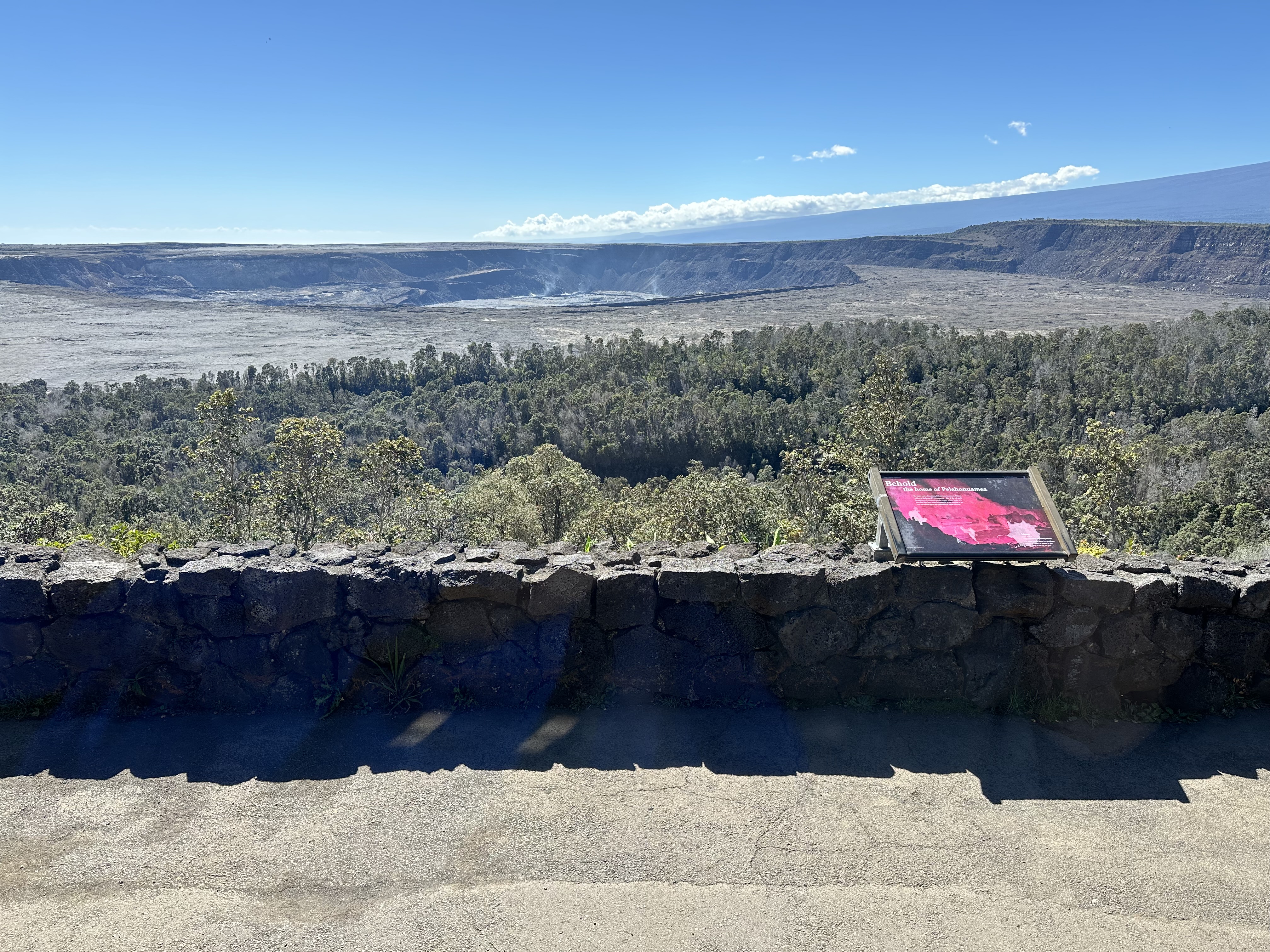


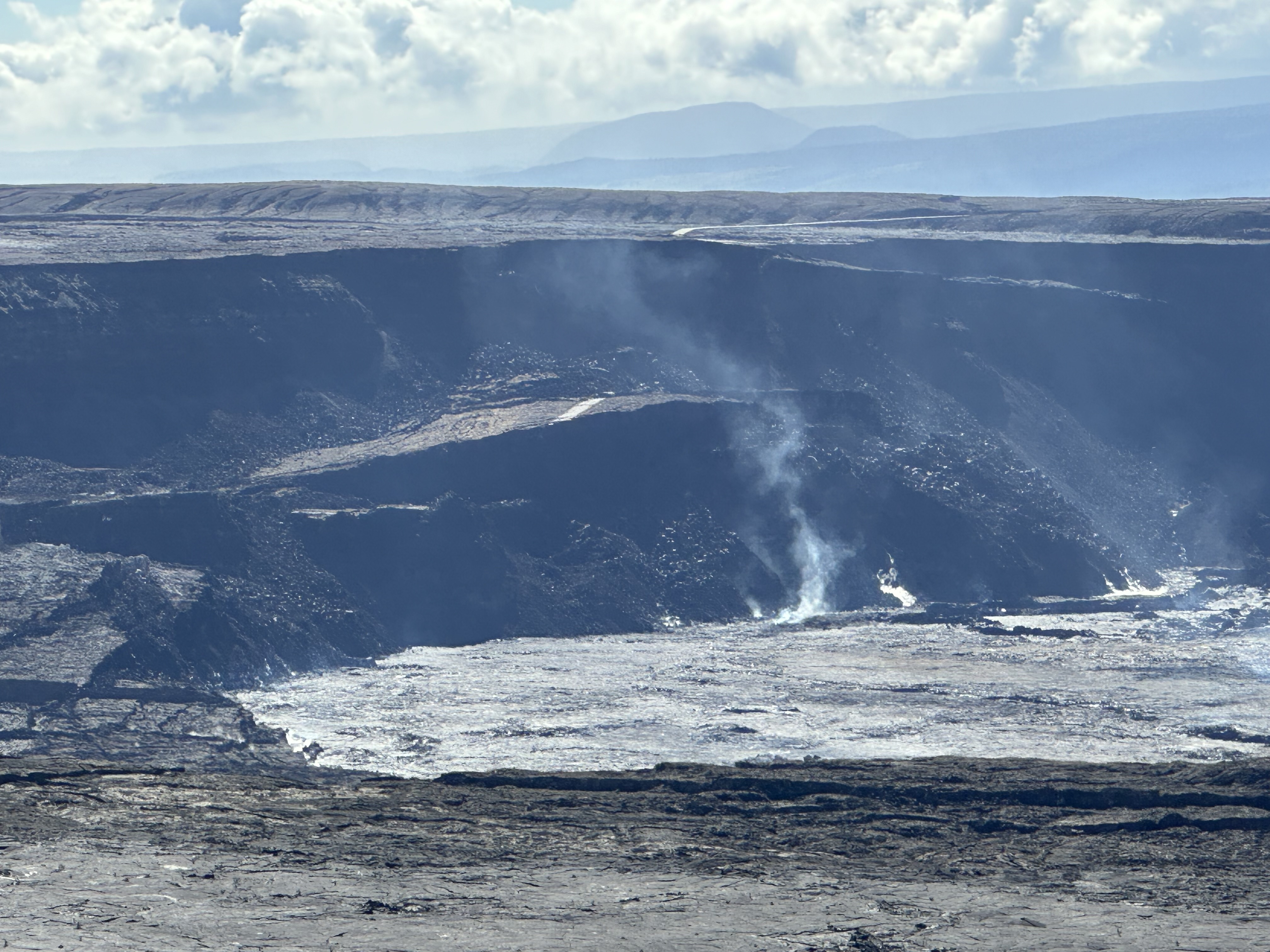
Please click on the photos to enlarge them.
I also expected strong odors to emit from the caldera. Instead, it mainly was steam from vents along the volcano’s sides, although the fumes from Kilauea’s center would have been noxious.
To get a closer look, some of the group walked with our guide along an abandoned highway about half a mile. We could more closely see the steam rising from the crater’s center.
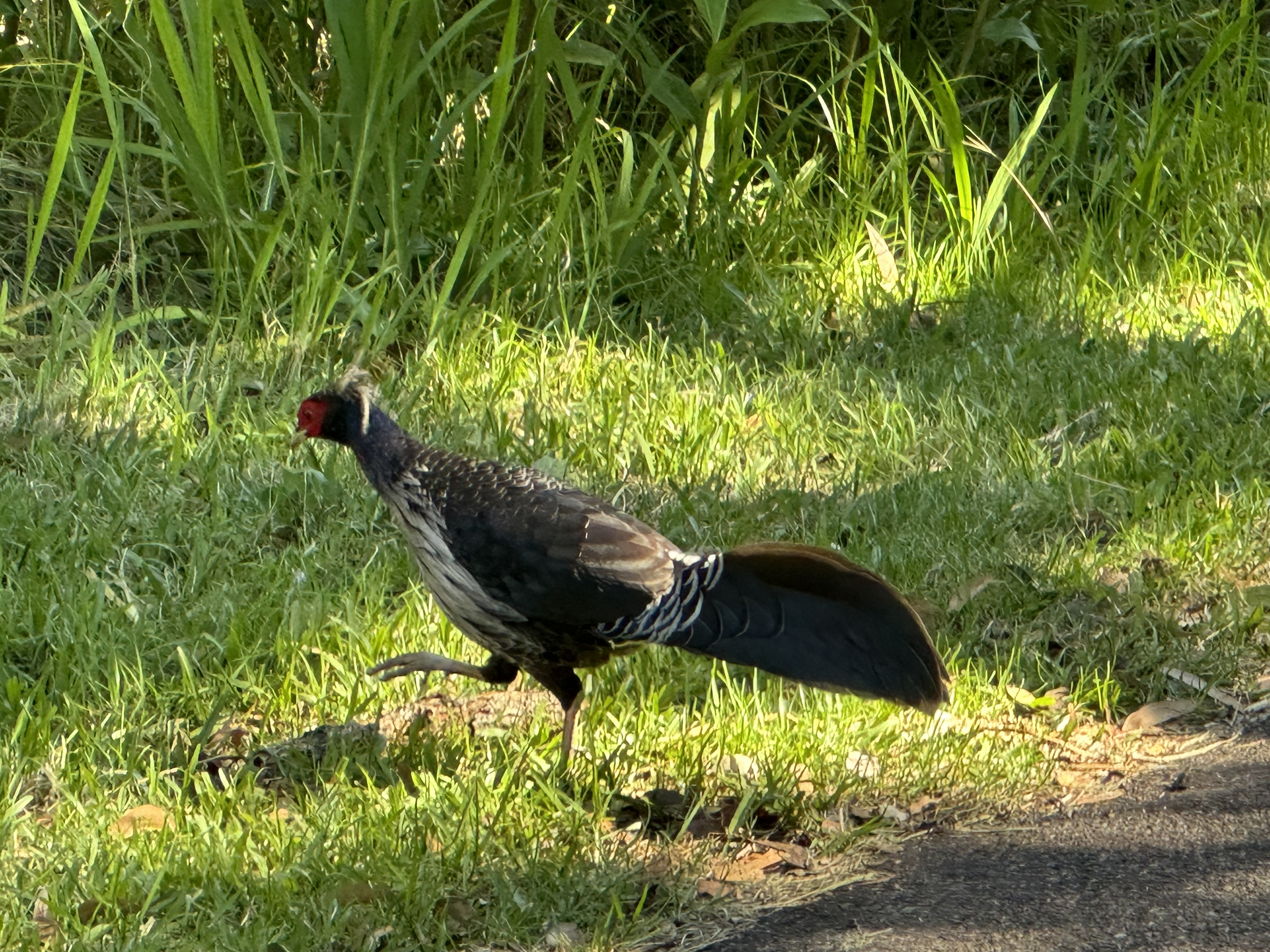
Several birds popped out before us on our way back to the bus. We headed back down the mountain, through the aptly named little burg of Volcano, and on to Hilo, the island’s largest town.
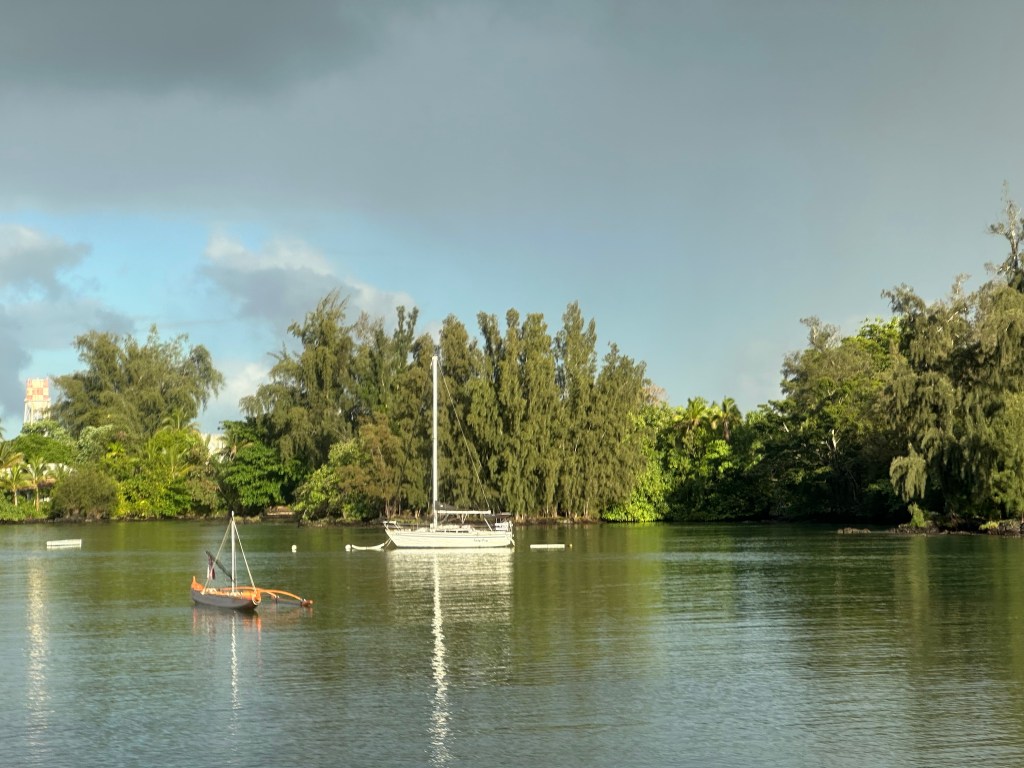
We stopped at Rainbow Falls in Wailuku River State Park, and I finally had a signal to contact my wife. She had Covid. Our guide jumped into action and tried to find an urgent care facility where Neva could be seen. However, all three were either closed or about to close, so my dear wife had to take a cab to the local hospital emergency room, where she spent four hours before being seen. All she wanted was a prescription for Paxlovid, which the ER doctor faxed to the local pharmacy.


Our guide assured us Neva and I could continue on the tour. She said the tour company treats COVID-19 like the flu. We would isolate on the bus and wear masks when around others. With only 14 people on the tour and riding a bus for 46 passengers, we could easily comply. I informed the other group members, and they were most understanding and concerned.
Darkness began to fall as we headed west up over a pass that took us past several volcano domes. The twilight gave them an eerie appearance. My poor wife didn’t arrive back at the hotel until 11 p.m.
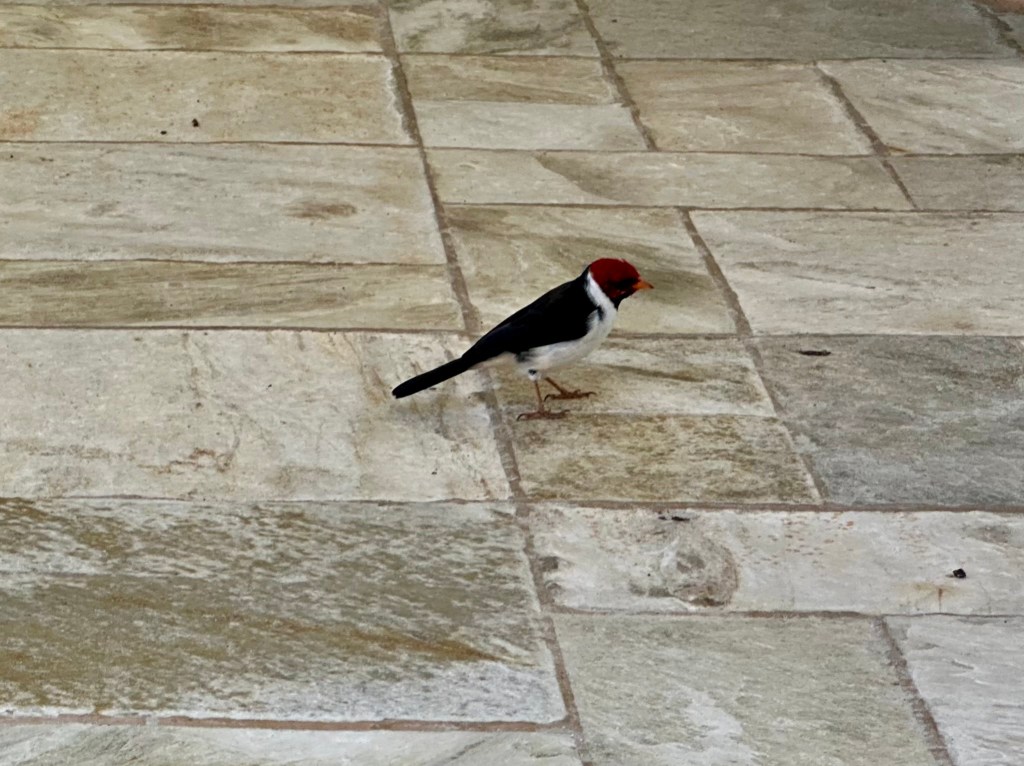
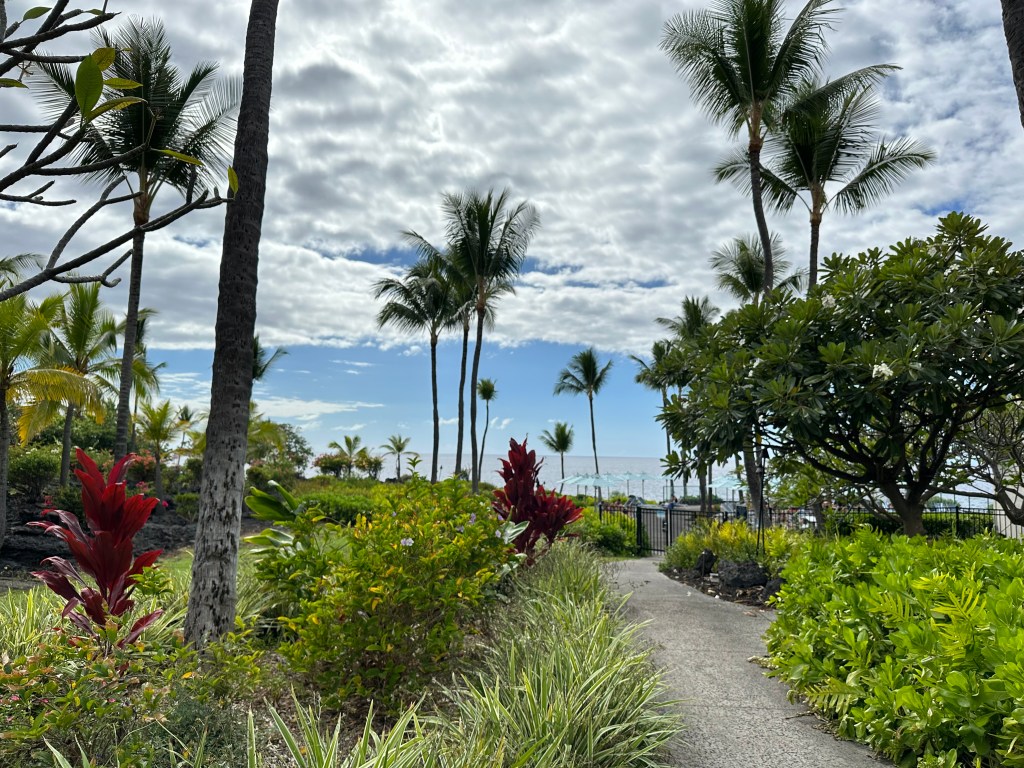


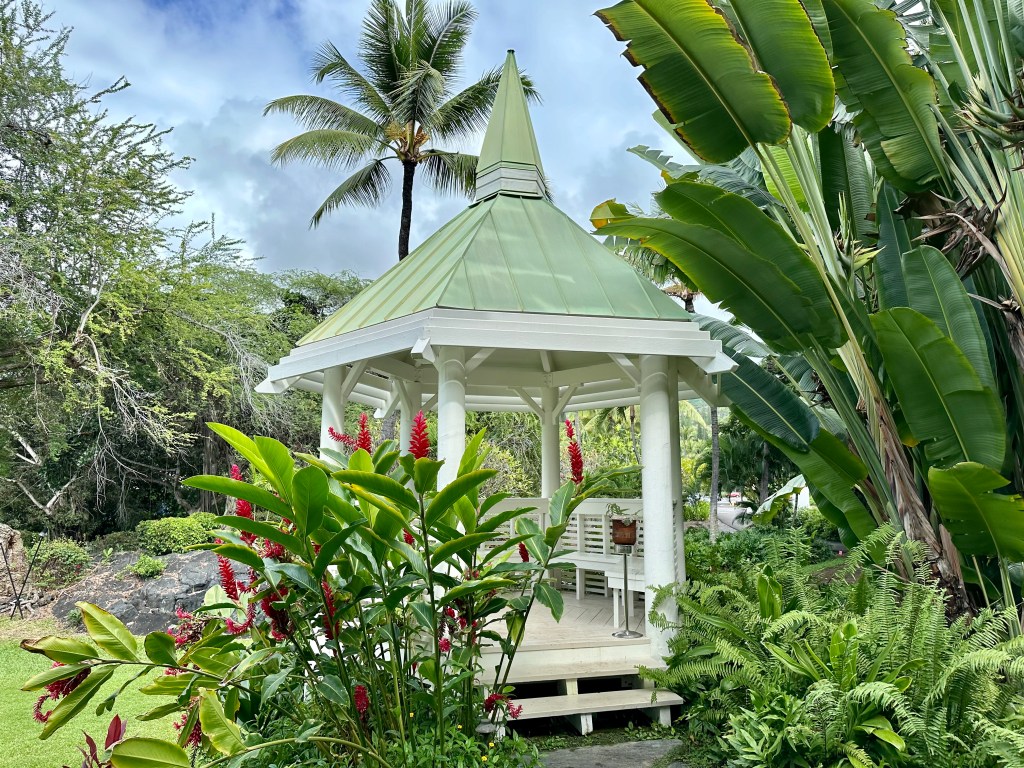


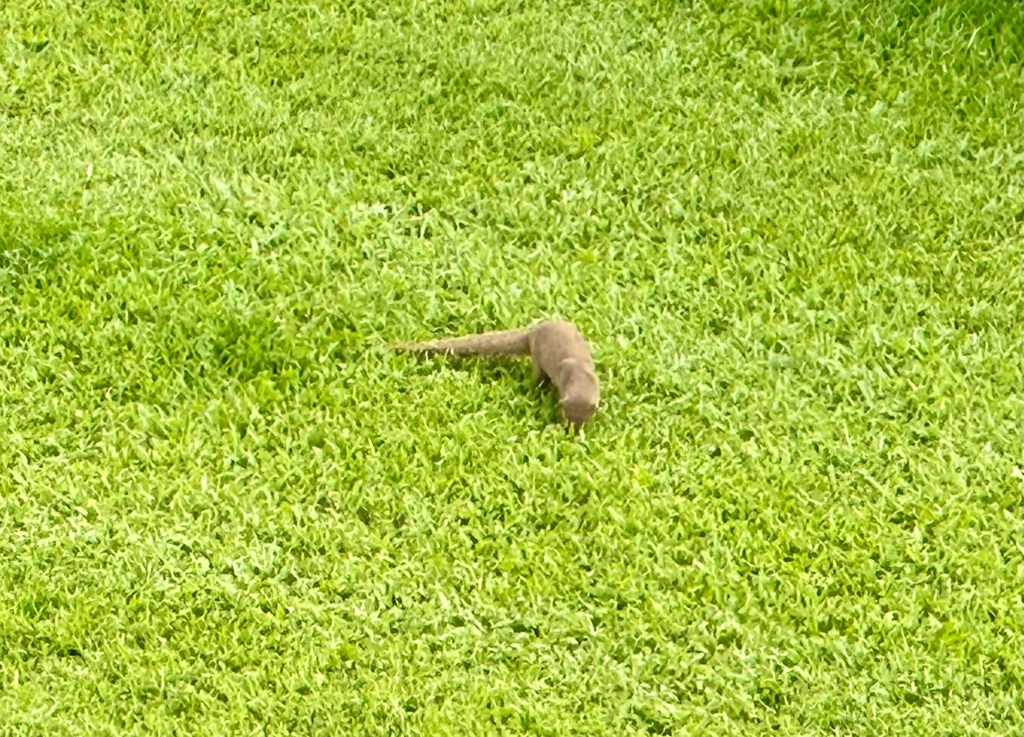

We spent the next day relaxing around the hotel after I retrieved Neva’s prescription. I did some birding and enjoyed exploring the nooks and crannies on the hotel property while my wife rested. We finished the day watching mantarays feed in the shallow waters along the lava rocks in front of the hotel.
The next day, it was off to Maui!
© Bruce Stambaugh 2025


































 Roadkill Crossing
You must be logged in to post a comment.