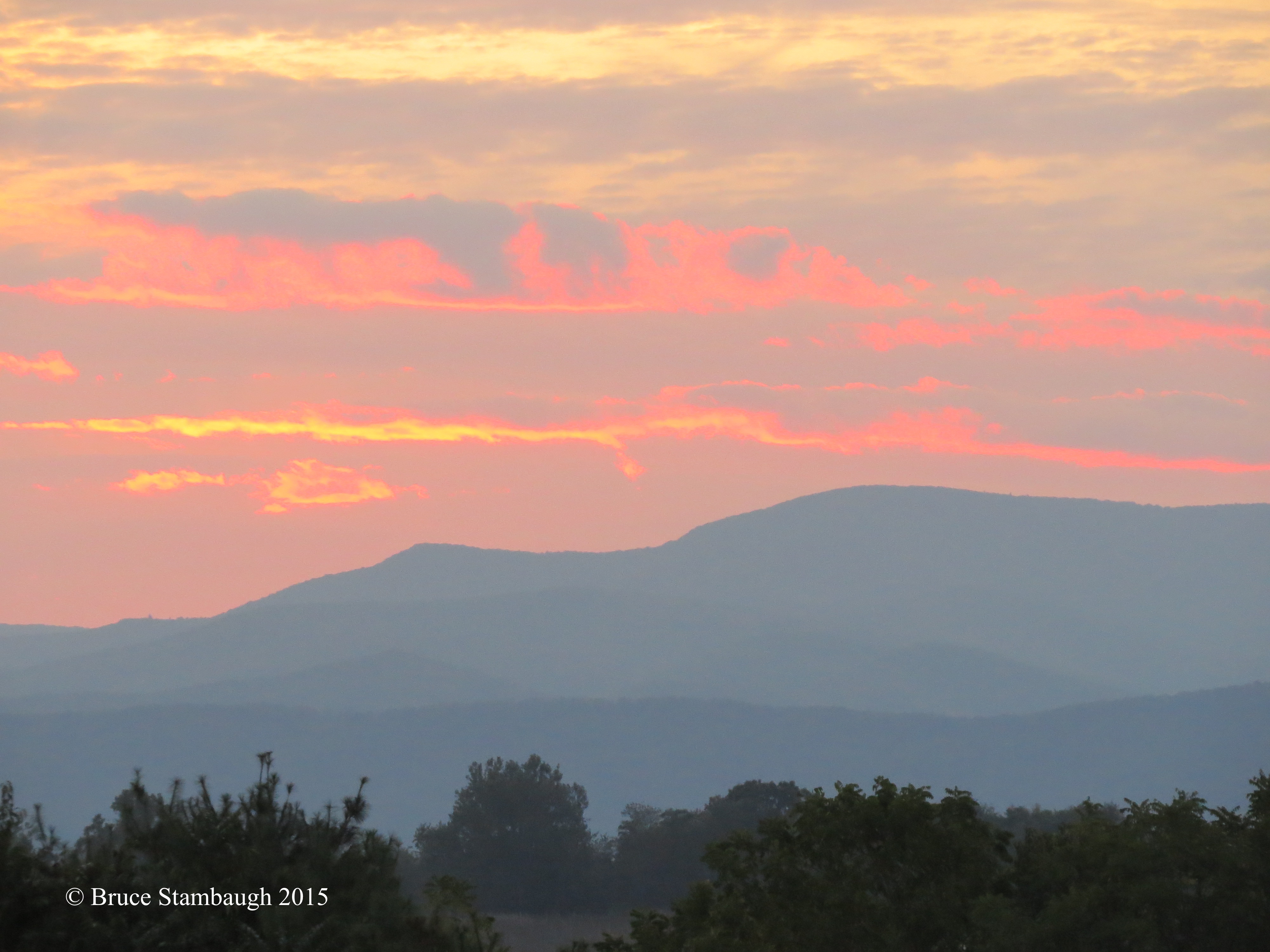
Where did summer go already?

corn shocks, Holmes Co. OH
Corn shocks already.

By Bruce Stambaugh

It seems like only yesterday that we were asking ourselves, “When will summer arrive?” I think that was in June when it was still cool and very wet.

Well, a lot has changed since then. It seemed like the summertime months turned on themselves. It was a Jekyll and Hyde summer to be sure.

The persistent rains of early summer suddenly ceased. After the deluge that created localized flash flooding in Holmes County on July 14, regular rains were scarce. We lapsed into a dry spell that lasted too long to help the corn kernels swell with sweetness.

July flash flooding, Holmes Co. OH
Flash flooding.
Initially, truck patches struggled with mildew, mold and rot in the chilly dampness of early summer. Later, though, as crops matured, their unquenched thirst did them in. They ripened ahead of schedule, withered on the vine or failed to produce the desired yield.

So here we are, the autumnal equinox upon us, and we’re wondering, “Where did summer go already?” As humans, we can be as fickle and contrary as Ohio’s crazy weather. It’s in our nature, and we have the grievance gene working overtime.

Therefore, now that September is waning, it seems only fair to wonder what happened to summer. My best answer is, “I don’t know.” I do know, however, that the signs of summer’s end have shown for some time.

School started weeks ago for many students, always a sure omen of summer’s demise. Summer flies other white flags, too.

Spurred on by the early rains, rows and rows of field corn sprouted lush and fertile, growing taller than tall. Without regular August rains, they have withered and turned brittle brown overnight. It’s been a long time since I remember seeing cornstalks standing like mustered soldiers this early in the harvest time.

(Click on the photos to enlarge them.)

Fireflies faded, and crickets increased amid the dryness. Our feathered friends have dawned their duller wardrobe for safety sake. Their luxurious singing has muted with their habitat’s colors.

Migration is in full swing for birds and butterflies alike. Look quickly. They won’t stay. They have long, challenging journeys ahead.

Another obvious indication of summer’s passing is just how soon sunset seems to arrive each evening. And that’s after the sun was late in rising daily.

With the reduction in daylight hours, the air has cooled considerably overall. Of course we’ll still have some splendid days ahead. But day-by-day, week-by-week, the evening and morning coolness forces us to dress in layers to adjust to the daily variables.

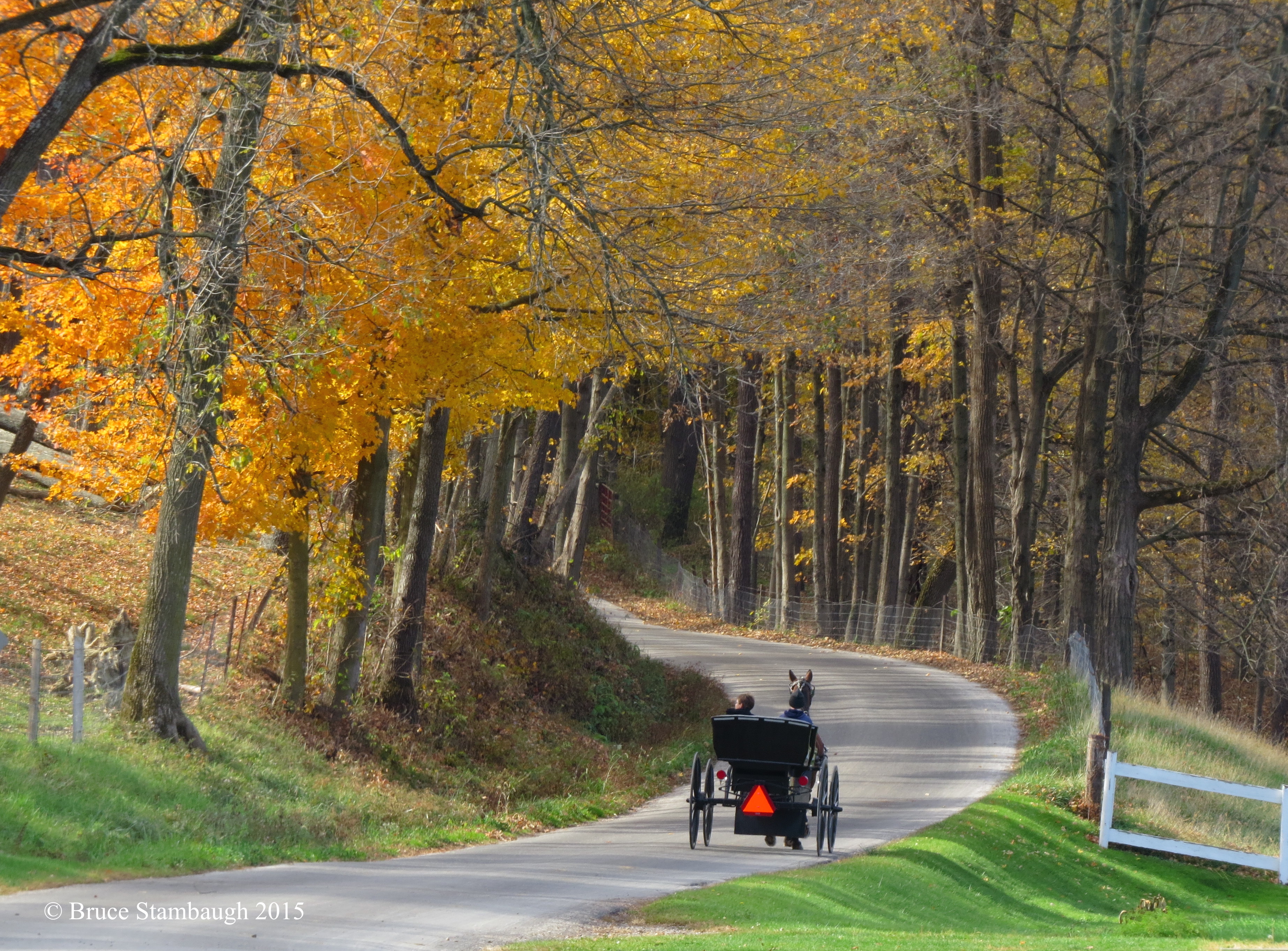
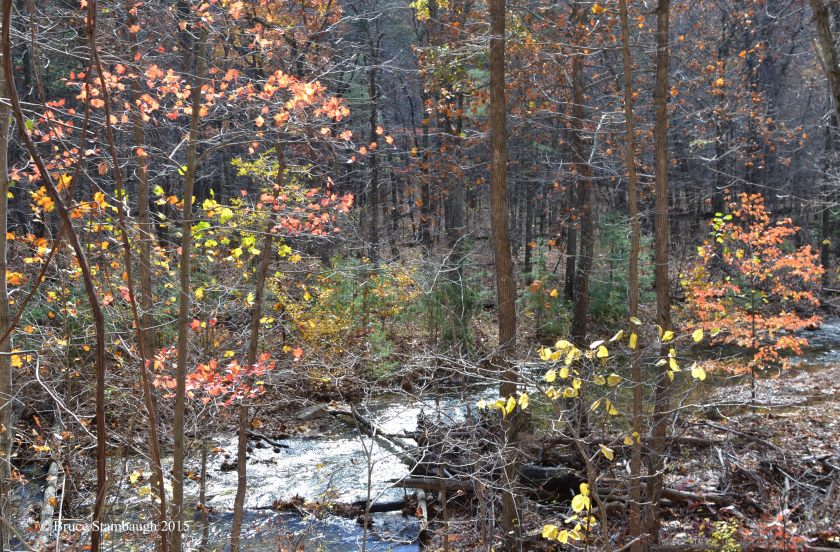
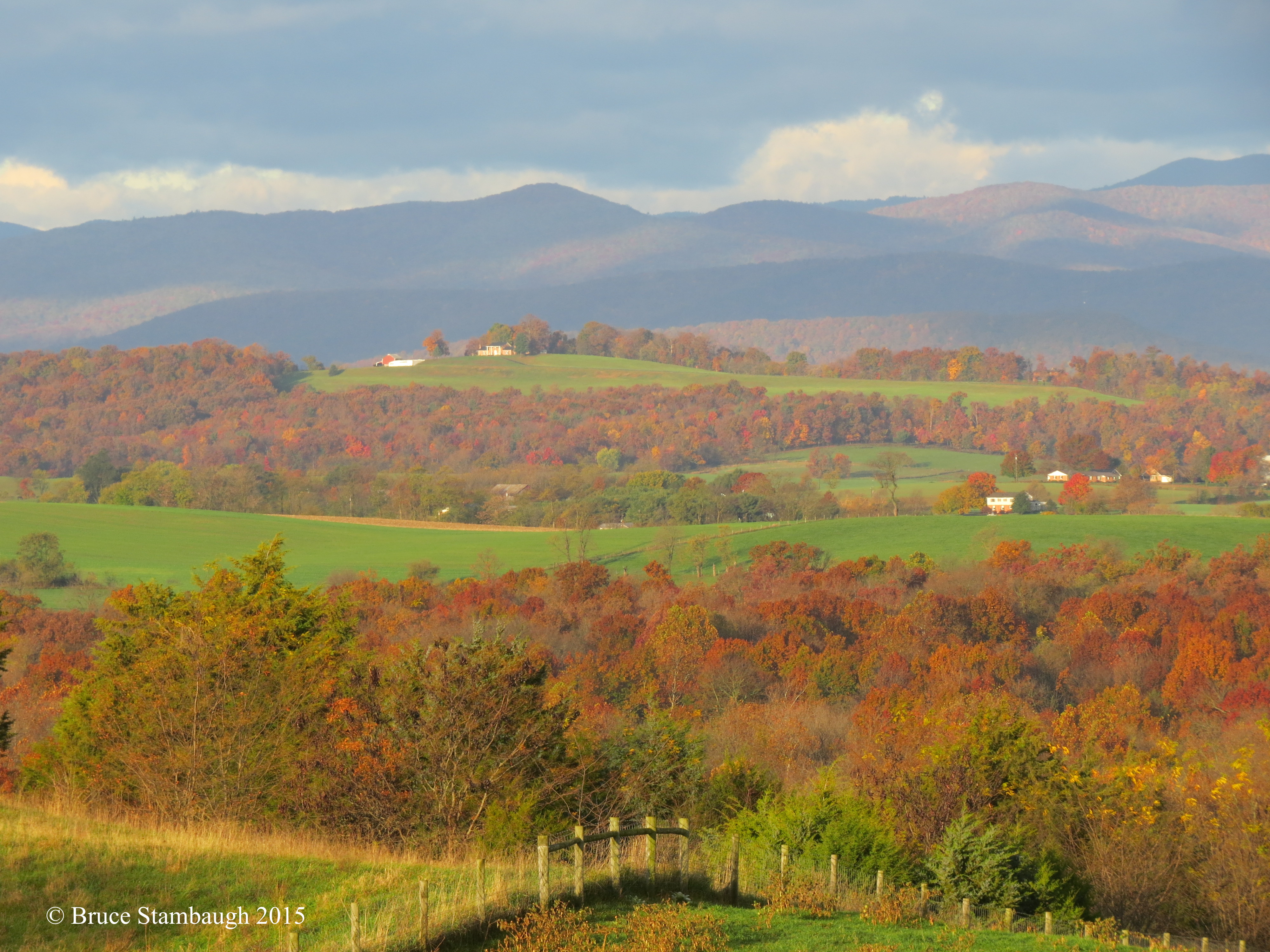
Summer has gradually been waving goodbye in a very colorful fashion for weeks now. Deciduous leaves have been slowly changing from their summer greens into fall’s warmer fashionable trends of crimsons, yellows, and russets. Many leaves have just simply fallen off.

Healthy stands of goldenrod bend and recoil with the slightest breeze. Wild sunflowers separate highways from pastureland. The American Goldfinches couldn’t be happier, gorging on their fresh fruit.

Funny how we humans too often seem to want what we don’t have, and when it does arrive, we long for something else. I think that pretty much sums up summer and answers our rhetorical questions about summer’s arrival and departure.

We can’t control the weather or the seasons. We can only enjoy them whatever weather they bring. The key is to embrace the moment at hand, so we don’t have to look back and wonder where the time went.

Summer is about to depart. Let’s send her out with joy, as we usher in the harvest season with gladness and thanksgiving.

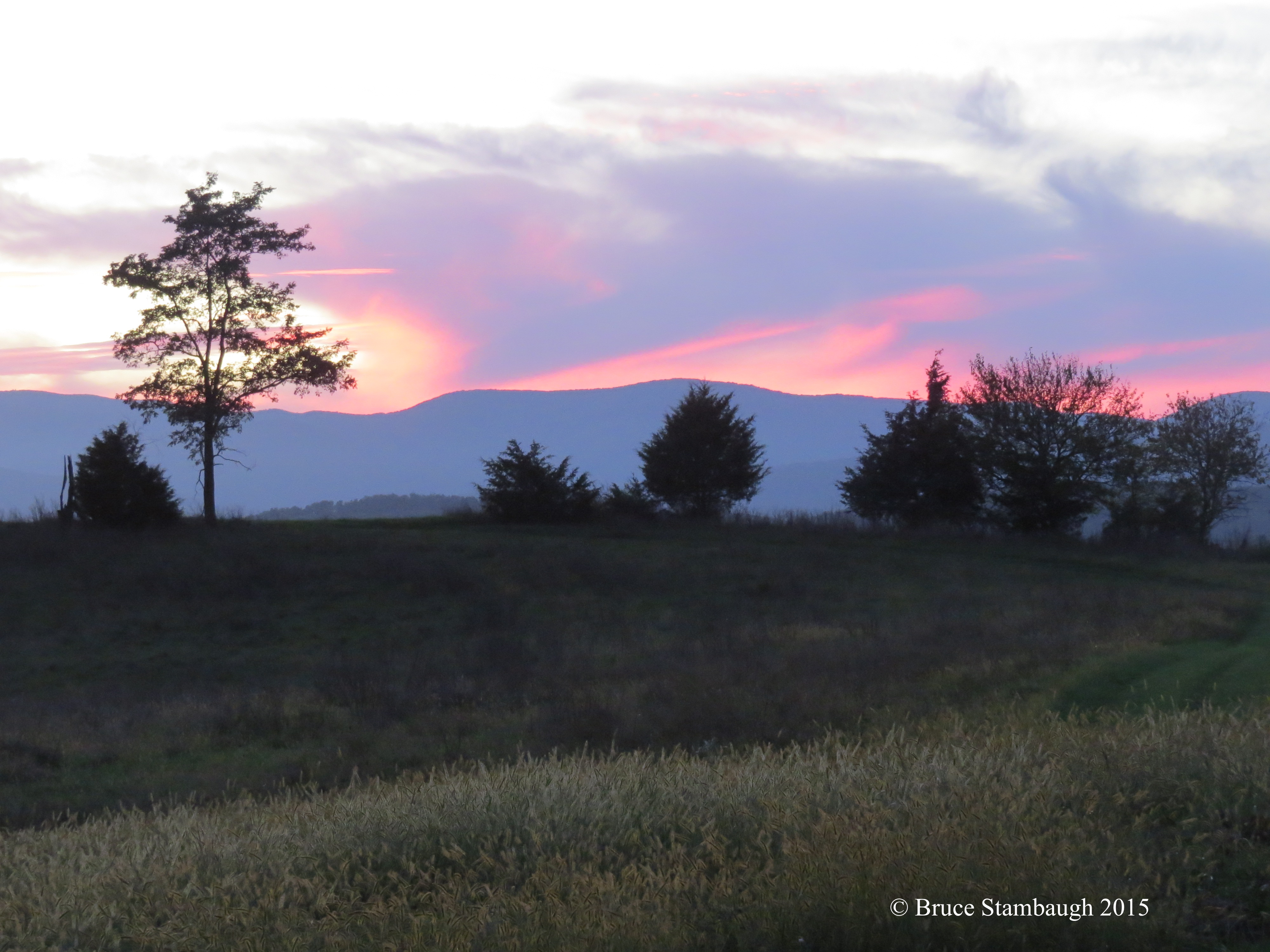
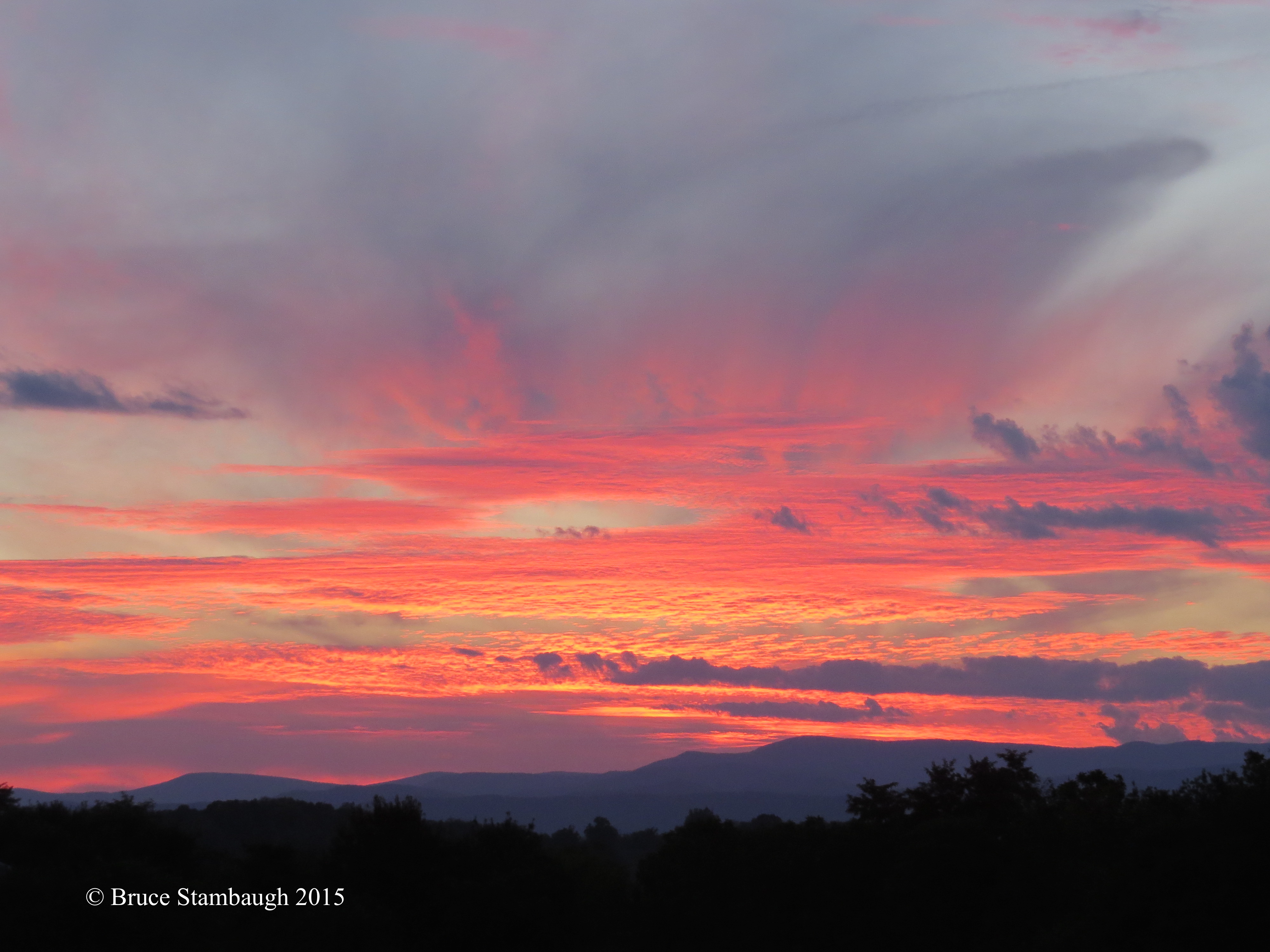
summer sunset, Holmes Co. OH
Goodbye summer.

© Bruce Stambaugh 2015

A strong work ethic is a universal trait

Amish produce stand
Produce stand.

By Bruce Stambaugh

I’ve been working since I was eight years old. To earn a little spending money of my own, my first job I went door-to-door selling seed packets. I’ve been working ever since, and that’s a very good thing.

There is great satisfaction in earning money through hard work. That was especially true as a youngster who grew up in a family that had pittance left over for life’s extravagances. We weren’t poor, but we weren’t rich by earthly standards either.

Rather, our wealth came in the joy of working together as a family and learning to enjoy work’s energy and accomplishments, whether we earned money or not. If it benefited others, payment was received in ways that far exceeded any monetary gain.

If my siblings and I earned money helping others at businesses or homes, you could be sure we used the profits for wise choices. The candy store was just five minutes away. Of course, our folks taught us the advantages of saving and giving, too.

I have my parents and grandparents, and likely generations before them, to thank for instilling work as a personal core value. Dad worked 43 years for the same company as a tool engineer. Mom was a household engineer before the profession was so christened.

Living in Holmes County, Ohio, all of my adult life, I have come to appreciate the community’s emphasis on exercising a robust work ethic. I marvel at seeing it played out every day.

This slideshow requires JavaScript.

I only have to observe my neighbor’s family gathering crops. Three generations are often literally bringing in the sheaves.

That should be no surprise. Having a strong work ethic is common and a highly valued principle here. It’s one of the reasons our region consistently has one of the lowest monthly unemployment rates in Ohio.

County residents pride themselves on enthusiastically employing their work ethic. That’s ironic for a society that holds humility in equally high esteem. Folks manage to balance that apparent contradiction for self and others successfully.

The method to instilling the work ethic to the next generation is simple. Folks here both model and include younger generations in work. In other words, the adults give the youngsters responsibilities that result in projects completed.

Children on farms help with chores. Feeding the livestock, gathering eggs, walking the dog all count as productivity. Drive around and you’ll likely see children including work in their play.

I always get a chuckle when I see Amish children playing horse and buggy. A couple of toddlers sit in a wagon while an older sibling plays the horse. A short piece of rope serves as the reins.

Amish children playing
At play.
From time to time as a principal, I would get a note from home asking that Johnny be permitted to visit the local store to buy some grocery items needed for that evening’s supper. I usually approved the request by driving to the store and letting the sixth grader do his deed.

At the produce stand we frequent, the entire family chips in to make the business go. From time to time, a request is made for an item not available on the shelf. Junior will gladly fetch the requested item from the field to accommodate the customer.

It’s all in a day’s work. Of course, the work ethic extends far beyond our insulated world. Working and earning are universally esteemed characteristics.

I’m glad we have Labor Day to remind us of that fact.

© Bruce Stambaugh 2015

August’s end means new beginnings

walk to school, Amish boys
Back to school. © Bruce Stambaugh 2015

By Bruce Stambaugh

A Belted Kingfisher flew furiously over the fresh mown hay towards a neighbor’s pond. Breakfast was likely on its mind.

My farmer neighbor hitched his workhorses and teddered the hay to help it dry. The Barn Swallows, Tree Swallows, and Cliff Swallows circled the productive locomotion and devoured every insect the man, the machine and his faithful team dispersed.

A refreshing north wind eased the day’s early humidity. No need for a calendar. All signs pointed to August’s end.

A few trees had already begun to transition from their chlorophyll green to their disguised shades. Even before the berries on the dogwoods blushed bright red, the trees’ leaves curled and revealed hints of crimson and lavender.

blooming hydrangea
The hydrangea. © Bruce Stambaugh 2015
My energetic wife had already deadheaded the once lovely hosta blooms that adorned the leafy plants in her luscious flower gardens. The Ruby-throated Hummingbirds, hummingbird moths, and various butterflies, bees, and other pollinating insects had completed their instinctive work.

The hydrangea bush bloomed full and pure against the garden shed. It demanded daily watering in August’s heat and dryness.

Juvenile birds, Red-headed Woodpeckers, Song Sparrows and Blue Jays among them, found the feeders and the birdbaths on their own. Another aviary generation will forge into fall and winter without knowing what lies ahead as if any of us do.

American Goldfinch on sunflower
Eating fresh. © Bruce Stambaugh 2015
The acrobatics of the American Goldfinches provided free entertainment as they worked over the volunteer sunflowers that sprouted from bird feeder droppings. Fresh food is not just a human preference.

The big yellow school buses began carting anxious and enthusiastic children alike to and from school. I waved to the drivers as they passed me on my walk.

People often ask me if I miss those days; if I don’t have some innate longing to return to my first career. The short answer is, “No, I don’t.”

I loved the children, whether teaching or being their principal. I greatly enjoyed the interactions of parents and staff members, even when we disagreed. I have no resentments or regrets. Neither do I have any wish to reenlist.

oat shocks
Straw soldiers. © Bruce Stambaugh 2015
My life has moved on. I am the same person, just at a different place in my turn at life’s cycle. I have fond, fond memories of my teaching days and principal days. But now I have neither the desire nor energy to compete in today’s educational whirlwind too often driven by politics instead of common sense.

I would rather sit on my back porch, as I am now, taking in the world as each moment flashes by. I don’t want to miss anything. I want to rise each day to enjoy the sunrise and bid farewell to the evening light that dims all too soon.

fluffing hay, teddering hay
Teddering the hay. © Bruce Stambaugh 2015
Each day is an opportunity to live, to be alive, to help others, to listen, to look, to breath, to pray silently, to work diligently for peace in a troubled world. That is my challenge now.

August has come and gone, always too fast, always too hot and dry. August melds into September.

We can only embrace it, for there are marvelous days ahead. I’ll watch for them whether from my back porch or wherever I might be, knowing that too many in the world will not have the pastoral view or luxuriousness of trusting neighbors that like mine.

It’s my duty to share goodness and joy with others as my life, too, passes from August into September. Isn’t that the real responsibility of all of us at any age?

August, sunset, Holmes Co. OH
August sunset. © Bruce Stambaugh 2015

© Bruce Stambaugh 2015

A simple but sacred sound

canning, strainer
The strainer. © Bruce Stambaugh 2015

By Bruce Stambaugh

It’s a simple sound, one that would go nearly unnoticed if it weren’t for all the work involved, and the anticipated joy on a cold winter day.

This time of year, the sudden, short, pleasing pop of canning lids sealing brings smiles to the faces and hearts of many folks young and old. It’s as sweet and lovely as the produce stored inside the glistening glass containers.

When I shared these thoughts on a Facebook post, I was pleasantly surprised at the immediate response from friends. Folks across several generations testified to the pleasure and joy this momentary, miniscule explosion instills.

Kelsie, said, “Just a tiny noise, but it implies so much.” Indeed, it does.

“It is the sound of successful accomplishment,” wrote Alexander from Russia. Exactly! That pop is the universal sound of delicious meals ahead. It is the announcement of another happy harvest.

“Love it!” Patty implored. “The sound of a job well done.” Knowing her family, Patty spoke from personal experience.

“Love that sound,” Vernon mused. His family history knows that blessed soothing sound, too.

“It’s always exciting and may be why I put up with the canning mess,” wrote Joanne. Professional, honest person that she is, Joanne pretty well nailed the harvest time celebration.

This slideshow requires JavaScript.

Canning does have its stresses, though. Just ask Cathy.

“Boy do I worry when I don’t hear one of them,” she commented. “It’s exciting times around here to hear those pops!”

Those weren’t frivolous exclamation points either. A canner experiences great relief upon hearing that barely audible sound above rushing traffic, ornery children, and televisions blaring. Though this tinny ping of a noise lasts but a millisecond, it represents the efforts of months of intensive work and hopeful patience. Ask any gardener.

A lot of planning goes into ensuring a productive, successful vegetable garden. From the time the first seed catalog arrives in the mail mid-winter, gardeners envision what, when and where they’ll plant their seeds and seedlings.

Those who follow the almanac or family tradition have their peas planted by the Ides of March. Given Ohio’s extended winters lately, I doubt those plans played out.

Nevertheless, those who love getting their hands dirty can’t wait to plant those first seeds or set the initial tomato and pepper plants. First, though, comes fertilizing and tilling the soil.

A lot more active verbs follow planning and planting. Collectively, buying, watering, weeding, pruning, husking, peeling, cleaning, cooking, pouring outline the ground to jar process.

For those with truck patches, it’s fun to spot the first ripening tomato. It’s horrid to discover a tomato worm, however. Like it or not, that’s all part of the natural growing process.

The hope for the cunning canner is that the sweet corn, tomatoes and apples won’t all come ripe in the same week. If they do, everything else gets set aside. When it’s time to preserve the canning and freezing commence.

With burners blazing, kitchens quickly heat up often in the warmest weather of the year. It’s a sweaty but necessary price to pay for such sweet rewards.

Jeanne summed up the preserving procedure with these questions and a one-word answer. “Tomatoes? Juice? Pickles? Yum,” she said.

Come January, I just hope I remember all that went into creating a healthy meal of tasty tomato soup, pickled beets, frozen Incredible sweet corn, spicy salsa, and homemade jam. Most of all, I don’t want to forget that satisfying sound that seals the deal.

© Bruce Stambaugh 2015

Rain or shine, I’m crazy about the weather

foggy sunrise
Foggy morning. © Bruce Stambaugh 2015

By Bruce Stambaugh

I’ll admit it. I’m crazy about the weather.

Rain or shine, stormy or clear, I love to watch the weather. From foggy sunrises to golden sunsets and any and all weather conditions in between, I’m on it like a tornado to a trailer park.

Yep. I’m stuck on the weather. I’ve always been fascinated by the variety of weather northeast Ohio has to offer spring, summer, fall and winter. I’m cool, however, with never having lived in Lake Erie’s snow belt.

My captivation with the climatological elements goes way back. When I was a kid and a thunderstorm roared I ran to the window, not the closet. The lightning and hail fascinated me the most.

I got a reality check, however, when I thought a 10-year old could outrun a thunderstorm for home. I couldn’t.

From then on, I took better notice of the weather and gave her all the respect she required. I took college classes that taught me much about climate and the weather.

Later, when I became a volunteer firefighter, I trained to be a severe weather observer. I’ve kept my spotter certification current.

One of the first things I do each morning is review the weather forecast. If severe weather is a possibility, I check the radar frequently for rapidly growing storms. For me, safety is a priority.

I remember the first tornado I ever saw. I was a skinny preteen. My father was driving the family car, and I spotted this white, spinning funnel cloud. I warned Dad, but he ignored me and drove right under it. When he heard the whirling noise and saw it pass overhead, Dad sheepishly said, “I guess you were right.”

With that, my amateur weather-watching career was born. When it rains, I record how much. When it snows, I measure the inches that fell. When it hails, I report the size and amount to the weather officials. The same goes for any wind-related damage.

This slideshow requires JavaScript.

There’s a purpose to my weather mania. I want others to be alerted so they too can be safe.

I’m not alone. Thousands of severe weather spotter volunteers are on call across the country. When the weather turns nasty, our adrenaline gets pumping.

Take the other day for example. As a severe thunderstorm moved over the county, weather radar indicated rotation in the storm.

Just as the National Weather Service issued the tornado warning, the power went out at our house. I scampered to be sure everything was secure, gathered my rain gear and camera, and out into the storm I went.

I hadn’t ventured down the road very far until I encountered flash flooding in several locations. I reported the flooding and kept an eye on the sky as best I could as I drove.

I followed the storm through torrential, swirling rain for 15 miles. I finally reached the back of the storm just as it exited into the next county. I relayed that no funnel was seen to the weather service and headed toward home, only to encounter even more flash flooding.

With muddy, debris-laden, bumper high water running rapidly across roadways, drivers still chose to risk it. Even a horse and buggy slogged through the floodwaters. The horse’s high leg kicks indicated that the horse was none too happy.

I’ve always said that if I believed in reincarnation, which I don’t, I probably would come back as either a chiropractor or a meteorologist. Given my penchant for the weather, you can probably guess which one I’d pick.

summer sunset, Holmes Co. OH
Brilliant sunset. © Bruce Stambaugh 2015

© Bruce Stambaugh 2015

Friends of friends become your friends, too

friends, birthday celebration
Friends Ruth, Don and Ken before Gail arrived for the surprise. © Bruce Stambaugh 2015

By Bruce Stambaugh

I contemplated the circuitous route of just how I happened to be sitting beneath a party canopy in this Ontario, Canada couple’s backyard. It’s a long but enjoyable story.

It all started when my wife was 14-years-old. Of course, Neva wasn’t my wife then. We married young, but not that young.

Neva accompanied her youth group to a church conference in Kitchener, Ontario, Canada in 1964. With hundreds of teenagers from around the U.S. and Canada attending, with the teens assigned to sleep in homes of local folks.

That’s where Neva met Ruth. Ruth’s family hosted Neva. Neva and Ruth connected right away, and they kept in touch. Seven years later, Ruth and her husband, Ken, attended our wedding in northeast Ohio.

They returned to Ontario. We set up shop here. We all began our careers and started families. We visited Ken and Ruth once when our daughter was just two. Now her youngest child is five. Time melts away, doesn’t it?

With the internet, texting, email, and online chatting science fiction, correspondence via regular mail diminished over time. Life got in the way of our long distance friendship.

About 20 years ago, that unexpectedly changed. Neva saw an advertisement for a tour. She called the toll-free number and guess who answered? Ruth.

friends meeting
Meeting place. © Bruce Stambaugh 2015
Their personal connection was restored. Ken and Ruth have visited us here in Holmes Co., and we’ve returned to their place in Kitchener. We even vacationed together once. Sometimes we meet in between.

When Ruth learned that Neva and I had become snowbirds to Florida’s Amelia Island, she mentioned that their across the street neighbors also wintered there. That’s where our life circle began to expand.

Ruth exchanged contact numbers with their neighbors and us, and the result was pure magic. In February 2014, we arranged to meet Don and Gail at a coffee shop in Fernandina Beach, the island’s only town.

Before the first sip of coffee, the four of us were yacking away as if we had been lifetime friends. Gail was born in England and still has that lovely disarming accent that is as genuine and gentle as she is. Don was from Bermuda and carries that notorious island swagger with him still, even though he’s been a Canadian now for years.

We chattered like teenagers at a soda shop. It didn’t take long to discover that both Don and I had been volunteer firefighters. As if that wasn’t enough to cement our friendship, photography and nature were also common hobbies.

Having been to Bermuda a couple of times ourselves, we knew many of the locales they mentioned. Don shared stories from his childhood until the present.

true friends
Gail and Neva. © Bruce Stambaugh 2015
Gail and Neva got along famously, too. While Don and I were off shooting too many photos, our wives were happy just to shop, browse thrift stores, or sit and share. They clicked like childhood friends.

A carpenter by trade, Don was intrigued to learn that the wood industry was king in our county. Over the next month, we would take day trips together, go out to eat, or just play dominoes. That pattern repeated last winter.

That brings me back to sitting under the canopy. We surprised both Don and Gail by crashing her surprise birthday party.

For that little coup, you can blame Ken and Ruth. That’s what lifelong friends do for one another. They help create other equally robust friendships.

That’s the thing about friendship circles. They enrich your life.

friends
Friends. © Don Brown 2015

© Bruce Stambaugh 2015

Watching the grandkids grow from afar

grandchildren, grandparents
The grandkids. © Bruce Stambaugh 2015

By Bruce Stambaugh

We love our grandchildren. No headline news in that statement, I know.

But since the oldest of the three was born 11 years ago, Nana and Poppy have watched the trio, Evan, Davis and Maren, grow up from afar. All three of our grandchildren were born in Austin, Texas. Nana made sure she was on scene to help at each birth. Poppy arrived once the excitement had waned.

It wasn’t easy having your grandchildren 1,450 miles away. But we managed. We visited as often as we could.

We went for birthday parties at fire stations, helped carve pumpkins at Halloween, and any other time we could manage. The physical changes in the kids between visits were visible.

grandkids, grandchildren
The Texans. © Bruce Stambaugh 2015
When our daughter announced five years ago that they were moving to Virginia’s beautiful Shenandoah Valley, we were elated. Now they were only 350 miles away. The overland trip still took six and a half hours.

We visit as often as we can, and we still marvel at how all three change, even if it has only been a few weeks since we last saw them. A recent visit drove home that stark reality for me.

Evan is now nearly as tall as Nana. As you might guess, he is as active as any 11-year-old can be. He is a sports fanatic, with baseball his first love. That should be no surprise. From little on up, Evan enjoyed anything that would roll, or he could throw.

Davis is a very inquisitive youngster. You can tell he’s left-handed. Now nine, Davis has a gift to explore and imagine. He’s as happy playing with a stick as he is with an electronic game. How can you not like a boy like that?

At five, Maren is our pink tomboy. She is a girly girl if there ever was one. She enjoys helping Nana bake cookies. She hustles at soccer and baseball, too, even if her long, golden locks occasionally block her vision.

I remember as a youngster how much I loved being around grandparents. Though he had little, Grandpa Merle often brought us candy. Our dentist loved him, too.

I can still hear the hint of that soft, lovely southern Virginia accent in my Grandma Frith’s voice. My lips still smack at the tart taste of her made from scratch lemon meringue pies.

memories with grandkids
Making memories. © Bruce Stambaugh 2015

Nana and I want to create those same memories with and for our grandkids, too. It’s just a bit harder with all those old age mountains between us. Still we do what we can.

I’ve always played a guessing game with all three of them. I hide an object in one of my fists, and the kids have to find which hand it’s in. During a recent visit, Maren guessed with such accuracy that I encouraged her to go buy a lottery ticket. Her response? “What’s that?”

It’s been a joy to see each gain confidence. Davis fearlessly dove off a swimming pool diving board. He asks more questions than even I have answers. To me, it seems just yesterday that he was poking holes in Texas fire ant hills.

As the oldest, Evan strives to ensure that he is not usurped of that position as if that were even possible. Still, he’s one smart kid when it comes to mathematics and board games.

It’s nice to see our grandkids progress from diapers to where they are today. I just wish those eight mountain passes weren’t in the way.

grandchildren on vacation
On vacation. © Bruce Stambaugh 2015

© Bruce Stambaugh 2015

Summer weather in Ohio is as variable as life’s events

flower garden
Summer bouquet. © Bruce Stambaugh 2015

By Bruce Stambaugh

After another wonderful summer day with partly sunny skies, pleasant temperatures, light breezes and little humidity, I’m watching the rain pour down.

It’s July. It’s Ohio. It’s the way weather happens here.

After the harsh winter and cool, damp spring, we were ready for an old-fashioned summertime. To be clear, that meant nothing but clear skies and warm sunny weather through September.

Of course, that never really has happened, never will. But we can dream can’t we?

The truth is we need to be honest with ourselves about summer weather in Ohio. We can have good days, better days, and then there’s the rest. Some of Ohio’s summer weather can be downright nasty, if not hazardous.

The consequential weather can be fearsome, and put a kink into your best-laid plans. A picture perfect day can morph into our worst nightmares. Tornadoes, hail storms, damaging thunderstorm winds are among the wicked weather menu options.

This slideshow requires JavaScript.

The July 1969 flood comes to mind. I didn’t live in Holmes County then. Still, the storm was widespread, and I saw damage and destruction. I was an intern reporter for The Plain Dealer in Cleveland. I headed to the Chautauqua Institution near Jamestown, New York for the holiday weekend.

I didn’t stay long. All the activities got rained out. On the way back to my apartment in a western Cleveland suburb, I passed several ConEdison power company trucks in New York heading west on the interstate.

I stopped at the newspaper on the way back and saw photos of boats being bashed against the rocky lakeshore. Power was out in much of the Cleveland area, including my neighborhood. In fact, one of those ConEdison trucks that I had passed was parked in front of my apartment.

Powerful winds drove the pouring rain right through the old, thick brick walls of our building. Huge trees snapped in a nearby park, and teenagers directed traffic at busy intersections.

Six weeks later I saw the damage done in Killbuck, my new home. Folks were still trying to recover from the devastating flood that touched nearly every building in the creekside town.

Weather is to be both appreciated and respected when it interrupts our human plans. When we hear thunder, we need to take cover. Avoid those treacherous floodwaters and find another way around.

Click on the photos to enlarge.

As a weather buff, I cringe when I hear of people being struck by lightning playing golf or baseball, and when I learn of youngsters being swept away playing in swollen streams. Those are sad stories that need not have happened.

Weather is a lot like life, isn’t it? A wise Amish farmer once told me, “We just have to take whatever weather comes our way.” I think that philosophy applies to other aspects of our lives as well.

How do we respond when one of life’s happenings strikes us like a lightning bolt?

A surprise medical diagnosis by the doctor, an unexpected budget-breaking bill, a broken relationship, the death of a loved one can all wash over our emotions like a flash flood.

It’s summer in Ohio. Not every day will be sunny, nor will everything that happens to us be fair. We can’t change the weather, and sometimes can’t even alter our personal circumstances.

What we can do is keep on hoping for sunny summer days. It won’t be all cloudy and miserable forever.

It’s July. It’s Ohio. It’s the way weather and life happen here.

Summer sunset
Summer sunset. © Bruce Stambaugh 2015

© Bruce Stambaugh 2015

Why I liked summer nights, and why I still do

Amish girls, Amish cart, Ohio's Amish county
Up the long lane. © Bruce Stambaugh 2015

By Bruce Stambaugh

When I was a youngster growing up in a suburb of a blue-collar steel town in northeast Ohio in the 1950s and 60s, I loved summer nights.

Let me be clear that the foremost reason for my affection for summer was that school was out. But it was so much more than that, and still is.

Sure, summer days filled with warm temperatures, fluffy white clouds sailing by and gaggles of my peers running loose made for riotous times. We’d play ball, ride bikes, and explore for hours on end along the little creek that snaked through a woods down over the hill from our brick bungalow.

However, we knew when to come home for lunch and supper, or we wouldn’t eat. It was that simple.

It was a crazy, wonderful era to grow up. Times were changing. Right after supper, we watched the world unfold before us on the nightly news on black and white television. I had trouble reconciling what I saw then with what I had seen just before dinner on the Mickey Mouse Club.

Sputnik
Sputnik.
That might have something to do with why I enjoyed and enjoy summer nights so much. Things got quieter after 10 p.m. or so. The noises of life subsided. I escaped into the refreshing darkness, unafraid, in awe of creation, and in search of anything that moved in the sparkling sky.

Since we were on summer vacation from school, my siblings and I were permitted to stay up later. I loved the evening’s coolness, a respite from the daytime heat and humidity. The nighttime air was our air conditioning.

I took full advantage of those cooler opportunities. I loved to view the night sky. Streetlights were scarce in our neighborhood then, allowing us actually to see the constellations and the countless stars.

My folks must have noticed that interest, too. I got a telescope, and that allowed me to examine the heavenly hosts up close. It was the beginning of the space age, and once I even was able to follow Sputnik, the first-ever man-made satellite launched by the Soviet Union.

Sputnik, headlines
Headlines announcing Sputnik’s launch.
Satellites were still so novel that newspapers published the time and flight path of their orbits. When I saw Sputnik, I couldn’t believe its simplicity, a round ball with four protruding antennae.

I liked simpler, natural things, too, like fireflies, the flash of heat lightning in distant storms, an owl hooting. Most of all, I embraced the solitude that summer nights afforded.

Here I am decades later, a grandfather instead of a grandson. I still love the quietness of early summer nights, before the crickets and katydids begin their concerts.

half moon
Half moon. © Bruce Stambaugh 2015
Living here in the country, I lie awake at night listening to distant sounds far from our home, dogs barking, horses whinnying, and jetliners cruising high overhead. It’s that calm. If I’m fortunate, a Whippoorwill will wake me from my daze, or a pair of coyotes will howl from the hilltop behind our home.

An American Robin will startle me awake long before dawn, perhaps herself startled from her nest. Was it a cat, a flying squirrel, an owl, or did one of her babies grow restless and try an early morning fledgling flight?

I still like the nights before the crickets start choir practice. I still prefer summer’s air conditioning to artificial. I am most appreciative that lightning bugs don’t crackle when they blink.

But wouldn’t it be neat if they did?

sliver moon, planets, night sky
Night sky. © Bruce Stambaugh 2015

© Bruce Stambaugh 2015

Some days are simply for the birds and more

Amish farm
The farm. © Bruce Stambaugh 2015

By Bruce Stambaugh

Some days are simply for the birds.

Recently, I had a couple of days that were exactly that. I helped out a friend by leading a few birding field trips to a local farm.

The target birds were young Barn Owls, a couple of fuzzy baby American Kestrels, and bubbly Bobolinks. In a rather rare situation, both Barn Owls and Kestrels had hatched their young in nesting boxes the farmer had erected in his old bank barn. The meadow across the road remained uncut so the tinkling Bobolinks could frolic and flourish.

The farmer and his family went out of their way to accommodate both the birds and us. Their farmstead was neat as a pin. Flower beds and gardens were nearly pristine. The three generations that called this place home welcomed us with open arms and hearts.

Both the farm’s setting and the intentional agricultural techniques employed accounted for the diversity of birds and other wildlife. Surrounded by rounded hills dotted with emerald woodlots, the land rolled away from the farm buildings more like waves than fields.

This slideshow requires JavaScript.

I imagined in a birdseye view a quilted panorama. Broad patches of variegated greens and tans from forested hills, alternating fields of pasture and croplands stitched together by brushy fencerows created a pastoral patterned effect.

Such a landscape also enhanced the desired habitats and food sources needed for the various avian species. It was obvious the farmer, typical of many in our area, understood the balance between conservation and productivity. Sad to say, some deem that approach as inefficient or even old-fashioned.

The days were precious in so many ways. Cottony clouds hung in salient skies over windswept grasses nearly as tall as the weathered wooden fence posts that delineated their boundaries.

The meadow’s high grasses mingled with seedy weeds, and wildflowers danced in the wind beneath while the Bobolinks, Eastern Meadowlarks, Song and Savannah Sparrows and Red-winged Blackbirds let loose. The birds’ melodious chorus easily drew the attention and appreciation of each group. All the birders, spanning three generations, thought the birds and their songs beautiful and luxurious.

(Click on the photos to enlarge them.)

Though he said he wasn’t a birder, the kind farmer had erected nesting boxes in his ancient barn for the owls. That is what attracted folks from near and far for this special chance to view the birds. It was indeed rare to have both owls and falcons nesting in the same barn.

Participants hailed from cities. Others lived nearby. Their ages ranged from preschoolers to octogenarians. A courageous woman on crutches in the midst of cancer treatments even ventured forth. I drew strength from their enthusiasm.

Atop wobbly ladders, we viewed the baby birds one by one through a pencil-sized peephole drilled in the plywood boxes made by students at a local vocational school. A small, square hole cut into the barn siding permitted the adults to enter and exit to feed their young.

Below, hushed conversations ensued in each group. Sunlight streamed through the intentional spaces between the horizontal clapboards. Still the barn was dark and steamy.

No one complained whatsoever. All realized what a privilege it was to view the birds and enjoy the genial hospitality of this marvelous family who welcomed all of God’s creatures.

These glorious days were definitely for the birds, obviously in a juxtaposed sense. The smiles on the faces of all the birders declared each visit a joyous success. None of us could have asked for more.

meadow, Amish farm
The meadow. © Bruce Stambaugh 2015

© Bruce Stambaugh 2015

Bay Photos by Donna

Wildlife Photos From The Chesapeake Bay Region

ROAD TO NARA

Culture and Communities at the Heart Of India

K Hertzler Art

Artist and nature journalist in the Shenandoah Valley of Virginia.

Maria Vincent Robinson

Photographer Of Life and moments

Gabriele Romano

Less Noise. More Meaning

Jennifer Murch

Art is the only way to run away without leaving home. -Twyla Tharp

Roadkill Crossing

Writing generated from the rural life

ANJOLI ROY

writer. teacher. podcast cohost.

Casa Alterna

El amor cruza fronteras / Love crosses borders