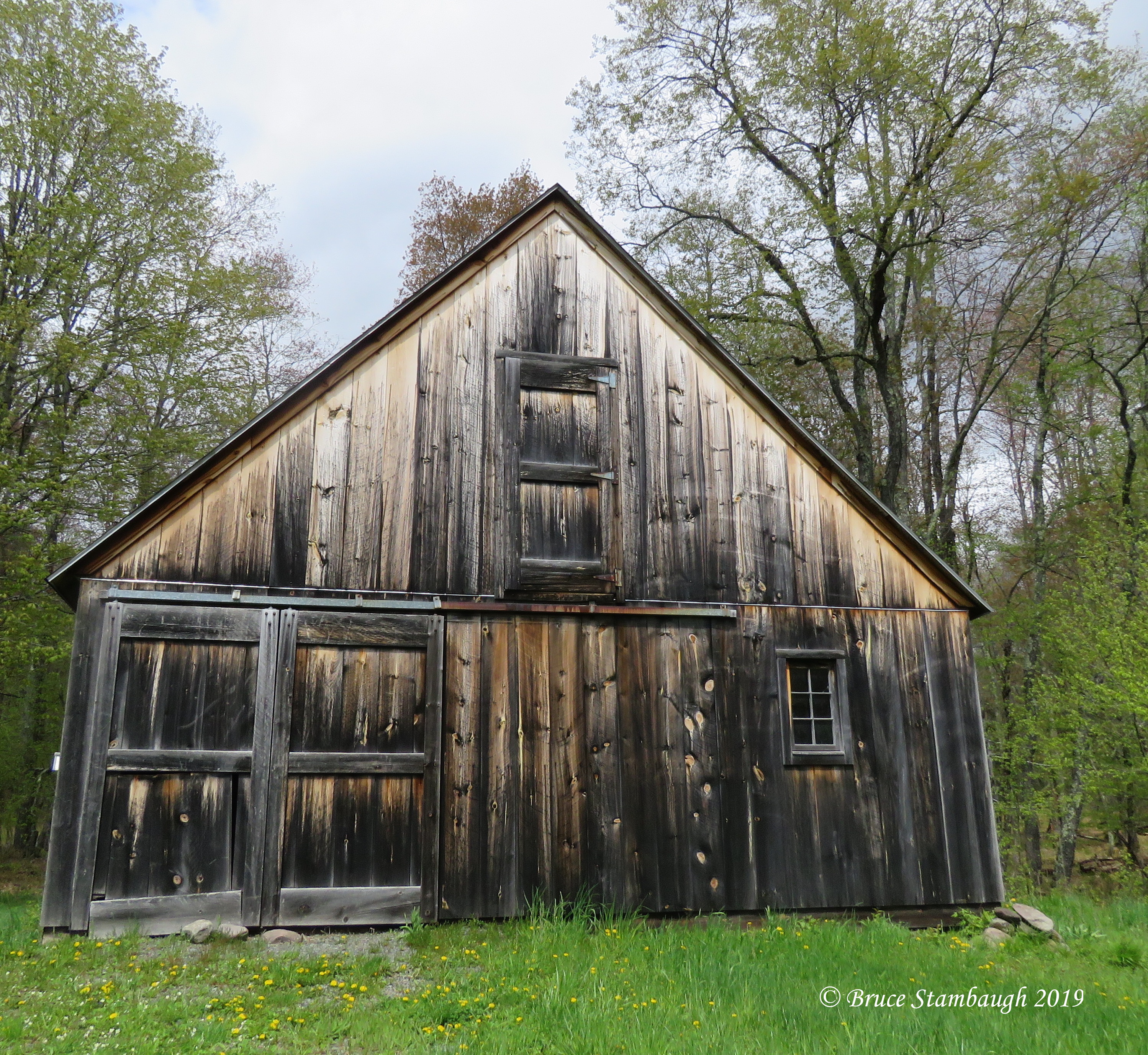
Thanks to the elements, this weathered barn is a work of art.
“Weathered barn” is my Photo of the Week.
© Bruce Stambaugh 2019
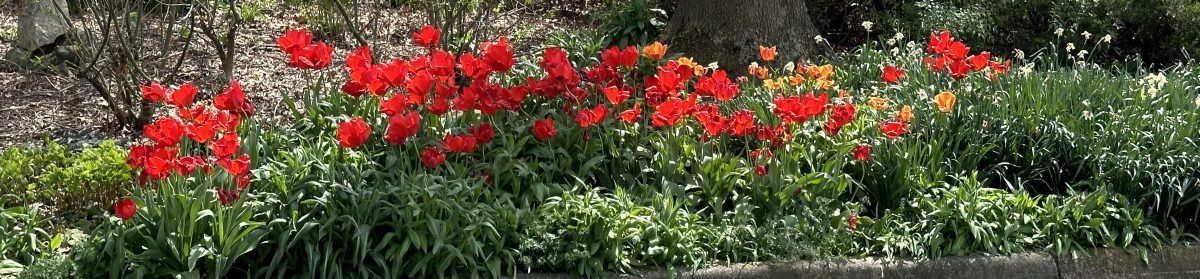
Thanks to the elements, this weathered barn is a work of art.
“Weathered barn” is my Photo of the Week.
© Bruce Stambaugh 2019
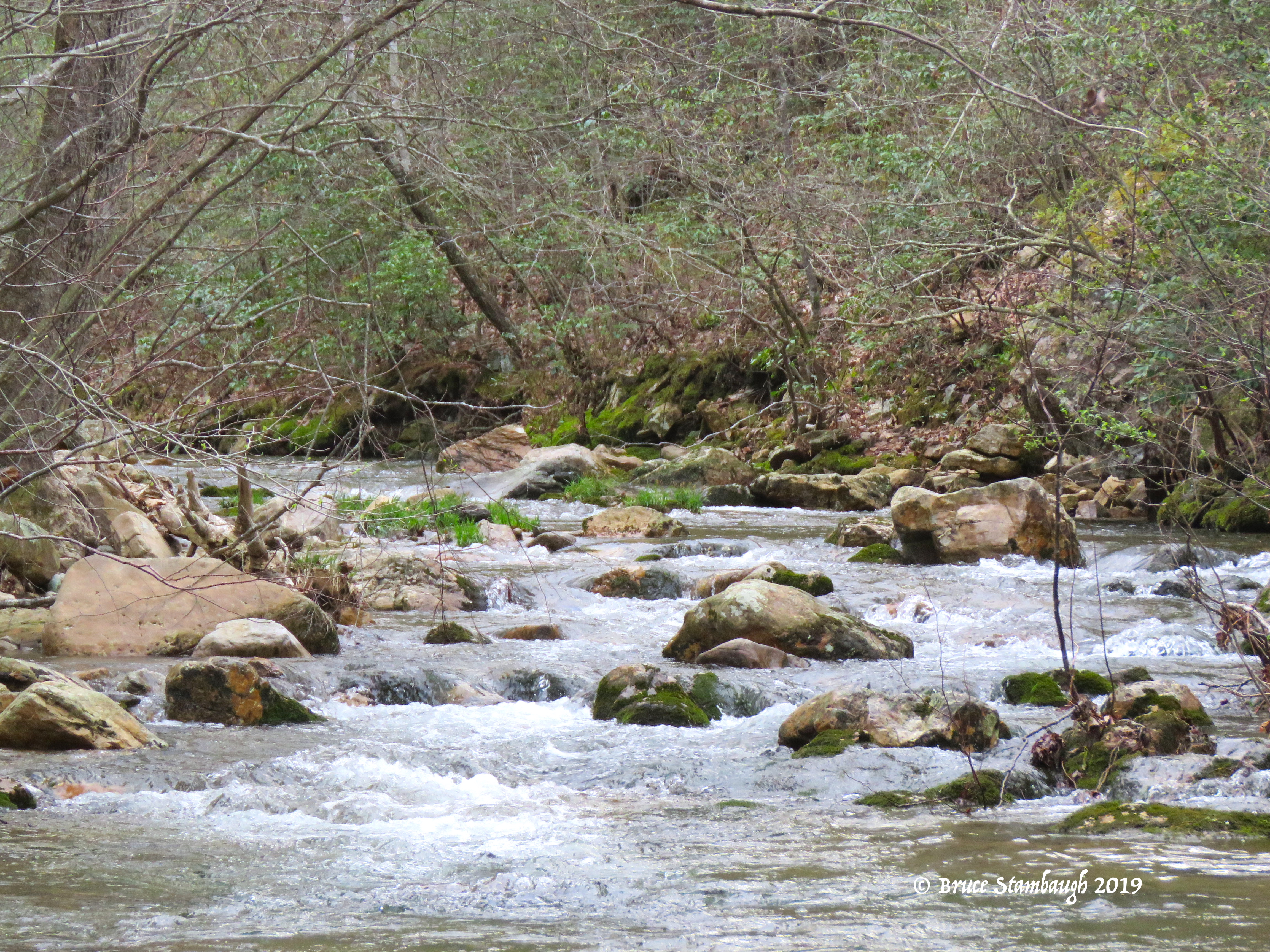
Though my quirky back was acting up again, I ventured out to hike on a lovely spring morning to enjoy all the out-of-doors had to offer. I soon learned that included a few unexpected showers. Partially sheltered by the unfolding forest canopy, I managed to survive the spritzing.
Wanting to literally catch the early birds, I arrived at the trailhead an hour after sunrise. As soon as I exited my vehicle, I knew I was in trouble when it came to hearing the alluring calls of the warblers and other songbirds I sought. The nearby stream was running full force, roaring off the Blue Ridge Mountains eager to make the confluence of the majestic Shenandoah River only a couple of miles away.

I had chosen the trail for its undemanding topography. It was actually a fire and service road for the National Park Service. I knew the path would be relatively easy on my aching back unless I chose to venture off on more rugged terrain.
You can guess what happened. Though the road afforded me plenty of opportunities to view many blooming wildflowers and see and hear various birds on the wing, Madison Run called my name.
With my diminished hearing, the noisy stream drowned out most bird sounds for me. I didn’t complain. The variety and beauty of the many wildflowers more than made up for the lack of bird activity or my ability to find them.
For eons, the stream has slowly eroded its winding path to the Shenandoah. Wearing down ancient limestone bedrock all those centuries, the watercourse relentlessly carves its way. Gravity is its master.
Madison Run has created its own flood plain, often wide, undulating lowlands laden with second growth oaks, wild cherry, maples, and tulip poplar. Mountain laurel, native hemlock, dogwoods, and redbuds predominate the undergrowth. In other spots, the rock-filled stream barely squeezes between the narrow mountain gaps it helped form long, long ago.


Pink, blue, and white phlox prettied the forest floor and outcroppings along the road. Blue and yellow violets dotted the roadside as well. The redbuds and dogwoods dabbed their lavender and white among the tender green shoots of the hardwoods below the broken gray cloud cover.
Tree swallows sailed overhead, dining on insects pollinating the incalculable blooms. Higher up, a lone raven glided silently above the treetops.
A particular birdsong again drew me off the trail towards the rushing water. Careful with my steps, I knew the bird was close, but I could not find it. The lilt of the Louisiana waterthrush more than compensated for my weak eyesight.
Further upstream, water rolled over a long-ago toppled ash, creating a mini-low-head dam. Here the generally shallow stream held pools of clear, deep water. Stones once part of the mountainside now served as river bottom and rocky shelves akin to sandbars.
I enjoyed whatever each moment brought me. In the few hours of my adventure, plenty of moments caught my attention. Therein was the secret of my success. The din of the world couldn’t reach me in this sacred place, this natural sanctuary.
Spring moments like these won’t last long. You can’t ask the spring beauties. They have already made their exit after their showy but all too brief appearance.
The great novelist P.D. James once penned: “We can experience nothing but the present moment, live in no other second of time, and to understand this is as close as we can get to eternal life.”
Standing in that forest surrounded by wildflowers, birdsong,
and the din of rushing waters, I graciously concurred.

© Bruce Stambaugh 2019

I’ll just let this photo of April’s full moon speak for itself.
“Balancing Act” is my Photo of the Week.
© Bruce Stambaugh 2019

Maunday Thursday is a solumn, sacred holy day in the Christian tradition. It is the Thursday before Easter, believed to be the day Christ shared His last Passover meal with the disciples.
The blood-orange tint of these clouds coupled with the dark, foreboding color of the foreground seemed an appropriate scene to set the stage for the historical trauma of Good Friday.
“Maunday Thursday Sunset” is my Photo of the Week.
© Bruce Stambaugh 2019
Yesterday was bright, warm, and sunny. Today it’s cooler, and a gentle rain soothes the parched landscape. Contrasting back-to-back days, yet my heart still sings.
We spent six weeks in Florida, but even felt the sting of this year’s too long winter there and in Virginia after we returned home. Spring arrived, and yet we still bundled up in layered clothing under warm coats and covered ourselves with blankets at our grandson’s high school baseball games. The north wind felt like it was straight off of Lake Erie. But this is Virginia’s Shenandoah Valley, not northeast Ohio.
For the longest time, the rural and suburban landscapes wore their dull winter coats of mixed gray woodlots and wind-burned grasses. The orangey-red clay fields even looked worn and tired in their weathered muted rusty browns. That stood to reason, given all that the earth had to weather enduring storm after storm. Usually full of sunshine, The Valley lingered in cloudy, foggy, gray day after day.
All of that is now history, thanks to real spring weather’s decision to stay in the Shenandoah Valley. Blossoms of all colors have brightened landscapes far and wide. For days, folks have been posting photos of wildflowers and cultivated garden flowers blooming brightly in points south of us. Now, finally, it’s our turn.
The passage of a strong cold front seemed to do the trick for the Old Dominion. Skies cleared, and the sun ruled for several consecutive days. Petals unfolded and poked through forest leaf litter. Honeybees, wasps, flies, and even a few butterflies celebrated in unison.


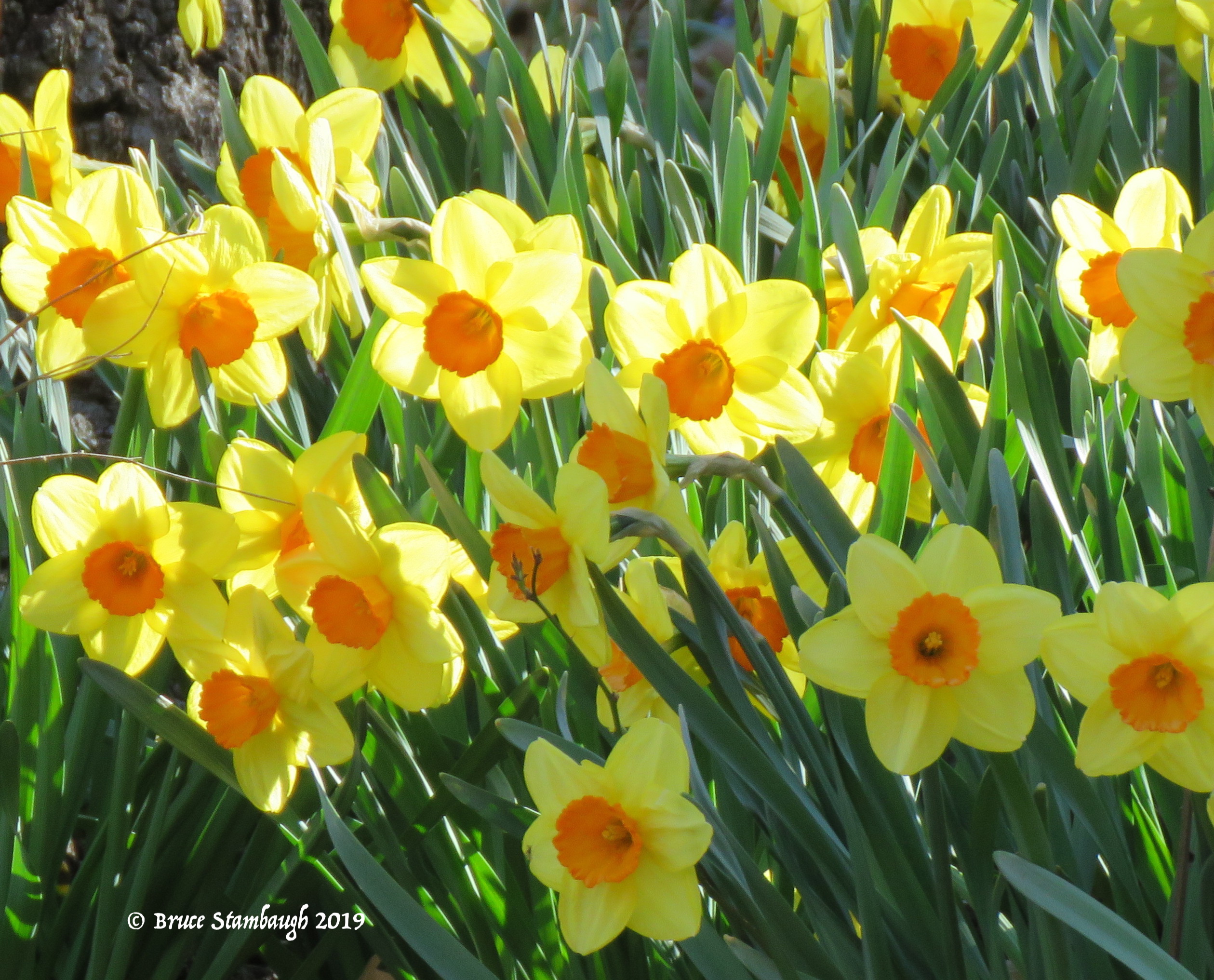
Crocuses, daffodils, maples, magnolias, wildflowers galore, all awakened the sleeping landscape. Fields of winter wheat and suburban lawns laid fresh green carpets at every turn and corner.
A single hyacinth flower was the first to emerge at our place. Sequestered in a corner where the house meets the screened in back porch, a single pale pink head trumpeted forth. As it matured, the flower blushed to heart’s passion pink.
Other pinks soon arrived. The redbud tree we planted last year popped tiny frilly buttons on every branch. Across the street, our neighbor’s magnolia took days to gracefully unfold her lacy pink blossoms. The wait was well worth it.
At a local arboretum, a naturalist escorted a group on a wildflower tour of early bloomers. The first had already dropped their petals, while many others were only now showing. More beauties were yet to come.
Various varieties of daffodils brightened the forest hillside floor. Dutchman’s britches were ready to wear. Pretty bloodroot flowers speckled the decaying browns with their white petals and yellow centers.
Ornamental weeping cherry trees fluffed their fragrant flowers to the delight of a host of pollinators. The bees also swarmed the crimson flowers of the red maples.
Rain or shine, the ubiquitous grey squirrels that came with the house romped amid the splashes of color. Were they celebrating or were the squirrels just being squirrels?
Song sparrows sat contentedly in the morning sunshine, singing their familiar, welcome melody. In our backyard, an American robin perched at a hanging seed feeder, a very unusual behavior. Below, a rusty red fox sparrow made a first-ever appearance as a yard bird.
All the color and warmth drew humans outdoors, too. Mowers hummed, mulchers mulched, pruners pruned, and gardeners gardened. It was a collaborative symphony and natural art show.
Yesterday was bright, warm, and sunny. Today it’s cooler, and a gentle rain soothes the parched landscape. Contrasting back-to-back days, yet my heart still sings.
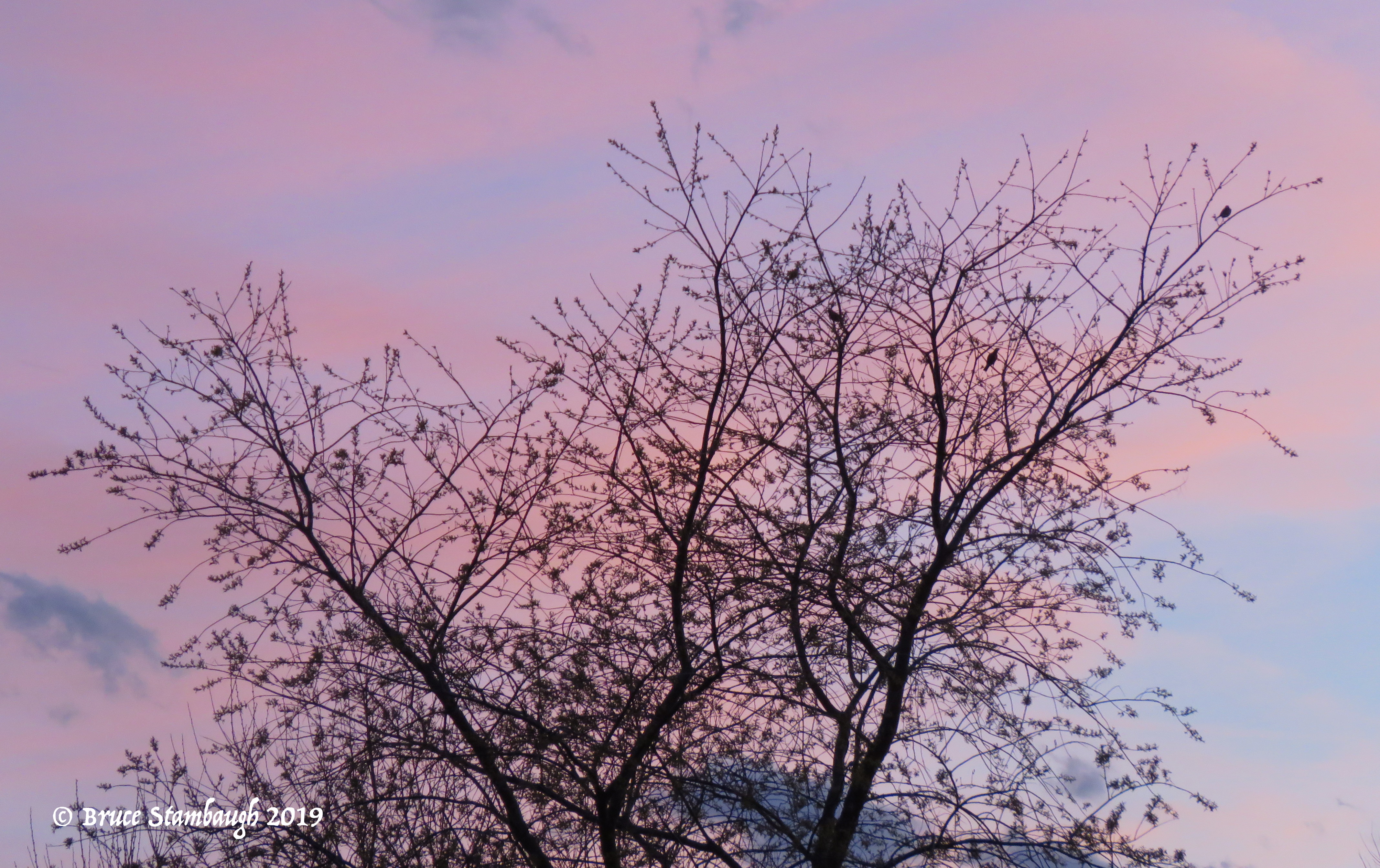
© Bruce Stambaugh 2019
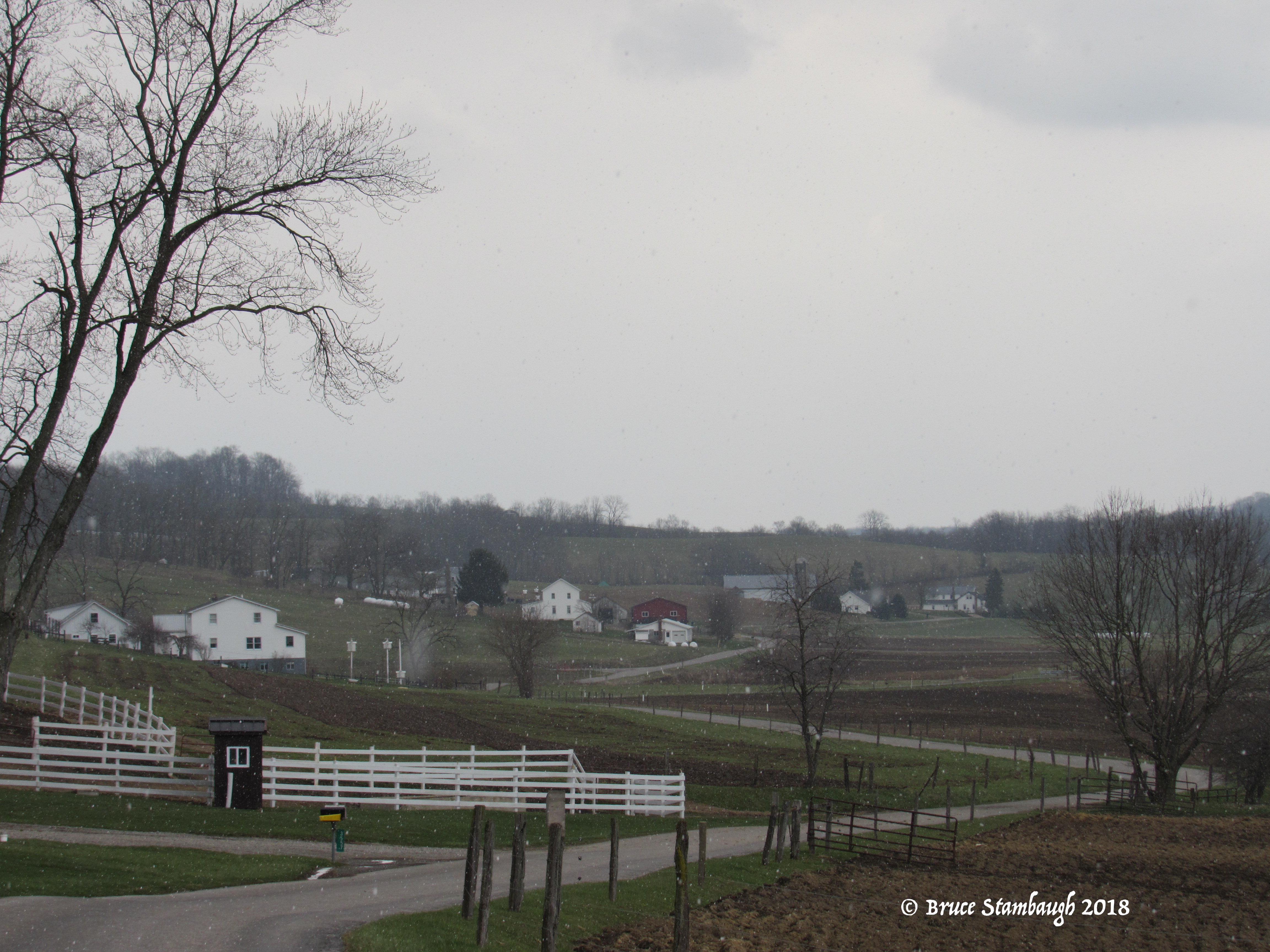
Compared to other months of the year, April is erratic when it comes to weather.
It’s not that the rest of the months don’t produce variable atmospheric conditions. They do, just not as consistently as April’s predictably unpredictable weather.
Our latest 10-day forecast was proof of that: Sunny, blue skies and 70-degree temperatures one day, and low 20s and snow flurries by week’s end. I’ll keep my birdbath heater going for a while.
That conjecture accurately describes April’s extremes. April uses her versatile weather wand to divulge her bipolar meteorological attributes.
In 30 days, the fourth month throws everything it has at us. Snow, sleet, glorious sunshine, pelting rain, lightning, tornadoes, flooding streams all are April possibilities, though not certainties.
Often the host for both Easter and Passover, April’s assortment of weather takes no holidays. Recall the twin tornadoes of Palm Sunday in April 1965? Do you remember the 20 inches of snow in early April three decades ago?

April’s weather plays games with us, teases us, infuriates us, and beguiles us to the point of hopelessness. Nearly at the breaking point, we relent and grudgingly accept whatever she has to offer. Do we have a choice?
A conciliatory attitude allows us to engage all of our senses into whatever the weather and activities are at hand. It enables us to pause long enough to enjoy the brilliance of forsythia’s yellows before the greening leaves override them.
I watched an American robin mightily tug at the remnants of last year’s plant residue, lying spent and browned in the flowerbed from winter’s bitter harshness. The robin pulled the lifeless strands taut.
I turned away for a second, looked back, and both the robin and the ideal nesting material were gone. Had I witnessed the natural lifecycle in action, the very hope of spring?

Deadened lawns seemingly turn dull green to emerald overnight. A heavy frost or soaking rain kills the temptation to even out the irregular grassy clumps posing as a front yard. First, however, winter’s gales and unwelcomed snows require leaf and limb removal before any lawn trimming.
The first dandelions compete with trumpeting daffodils while the last of the crocuses yield to showy tulips. Honeybees celebrate wildly at the cherry blossoms’ coming out parties. They even gorged on the crimson buds of red maples. The little creatures are a welcome sight and the constant humming a glorious symphony, especially given their recent biological life struggles.
Avid birders actually embrace April’s changeable weather. They know strong cold fronts bring more than severe storms or blinding snow squalls. Shorebirds, songbirds, and birds of prey are all on their various lists of birds to check off. They’ll brave April’s worst weather to chase a rare bird.
The good news is that April’s cold, wet weather won’t last long. That’s in keeping with its role as a transition month from winter’s dormant dullness to spring’s brimming vibrancy.
I’m always glad when April rolls around. From month’s beginning to end, she offers up a sampling of weather that’s sure to both please and disappoint most everyone. The challenge is to make the most of whatever comes our way.
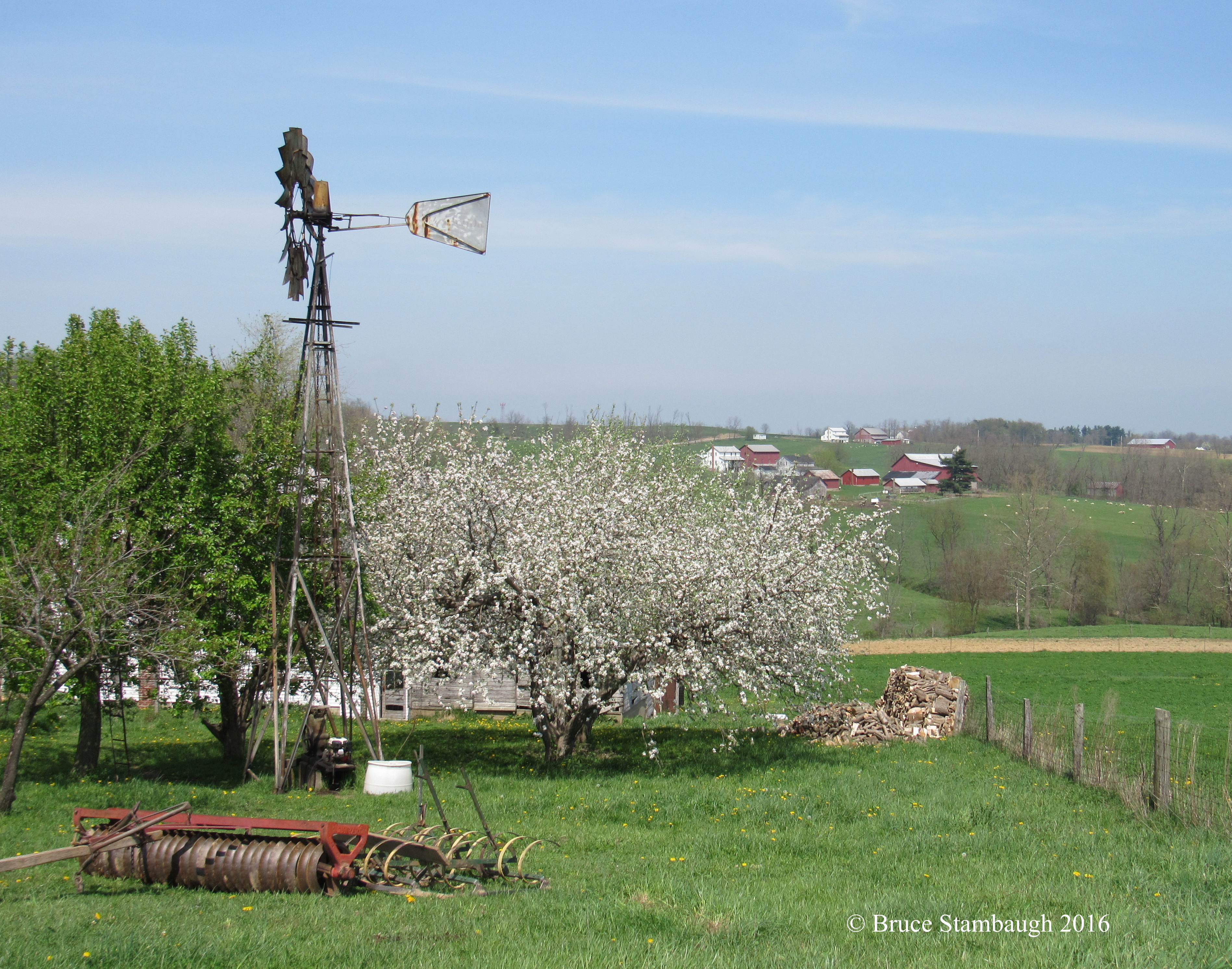
© Bruce Stambaugh 2019

What more evidence is needed that Spring is finally here? Daffodils blooming in a wooded hillside and a man sleeping on a park bench in the afternoon sunshine pretty much says it all. Spring has arrived indeed.
“Signs of Spring” is my Photo of the Week.
© Bruce Stambaugh 2019

My goal was to capture the vernal equinox sunset. Instead, I came away with a shot that resembled a Claude Monet landscape.
I positioned myself on a hill in northwest Harrisonburg, Virginia in hopes of getting photos of the Super Full Worm Moon rising over the Massanutten Mountains that run north to south in the middle of the Shenandoah Valley. Unfortunately, a layer of rain clouds blocked that attempt. With that foiled, I turned my attention to the setting sun on the first day of spring.
Hazy clouds filled the western horizon as well, though the sun did its best to burn through. Residue smoke from controlled burns in the Jefferson National Forest during the day fuzzed up the view all the more. Sunsets around the equinoxes are the shortest of the year. This one merely melted away behind the blue, blue folds of the Allegheny Mountains.
“Impressionistic sunset” is my Photo of the Week.
© Bruce Stambaugh 2019

I don’t know about you, but I’m more than ready for spring. It’s been a severe winter all around, and it’s not over yet.
Just last week on three consecutive days the National Weather Service issued Winter Weather Advisories for Virginia’s Shenandoah Valley. Winter assaulted us with an assortment of ammunition from her arsenal. Rain, freezing rain, sleet, and accumulating snow pelted down upon the usually lovely Shenandoah Valley. And then yet another arctic blast settled in.
It was even worse in the Deep South. Massive tornadoes marched across a broad landscape reaping incredible destruction and death. That devastation put our whining about the blustery weather into proper perspective. Still, I’m ready for spring.
When people learned my wife and I planned to move from Holmes County, Ohio to Virginia, we heard a common theme, “At least the weather will be better there.” Well, not necessarily.
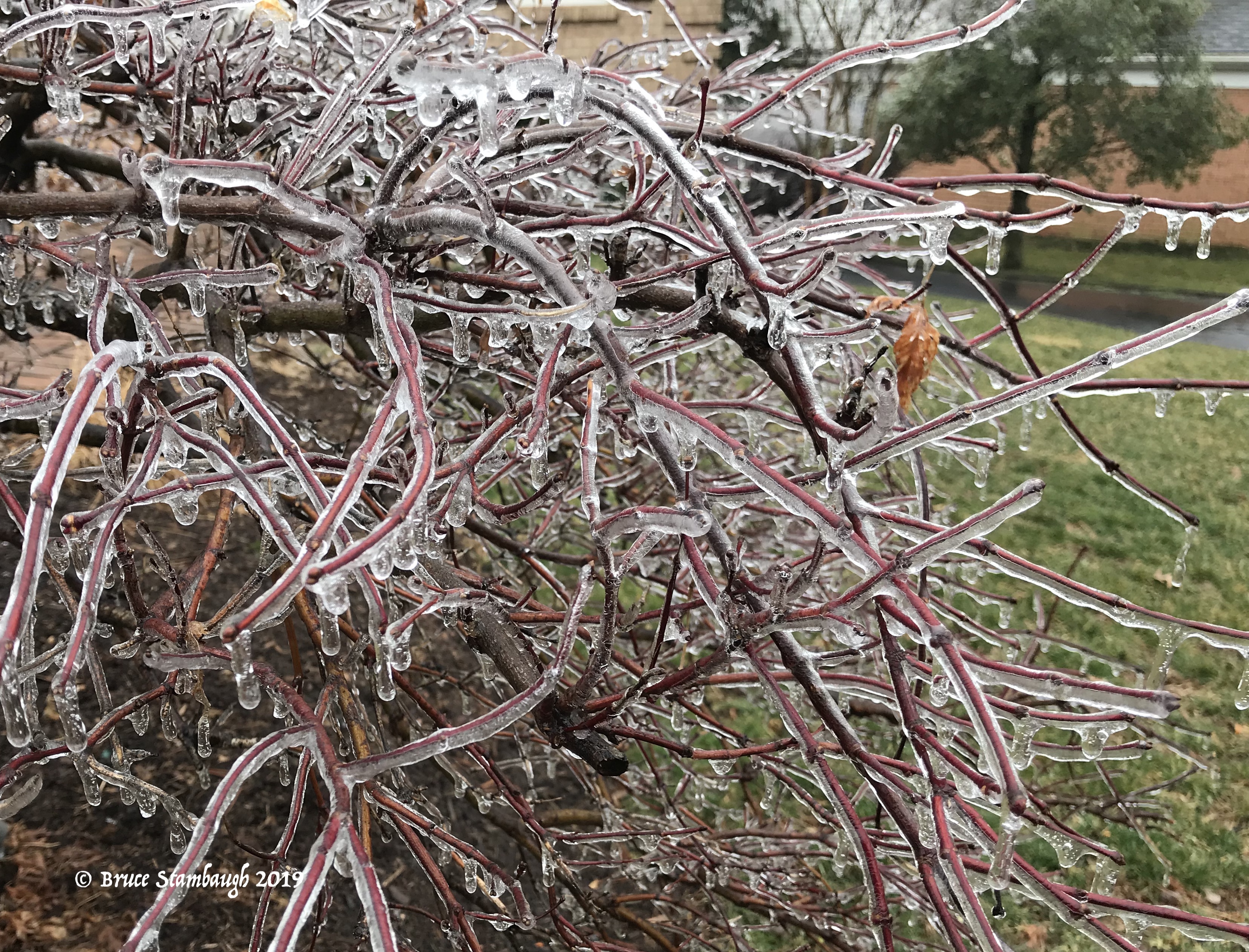
Of course, longitude, latitude, and altitude jointly play leading roles in the weather everywhere. Millersburg, Ohio, our former home, sits at 899 feet above sea level while Harrisonburg’s elevation is 1,325 feet despite being in The Valley.
Thanks to the dangerous combination of an El Nino and a wildly fluctuating northern jet stream, most folks in the United States share my winter weather fatigue. The El Nino off of California’s coast has incubated storm after storm that pounded the Pacific coast. With a rerouted jet stream, those storms have dumped heavy snows in places not accustomed to such stuff. Just ask the good citizens of Seattle, Washington, and Tucson, Arizona.
The jet stream speeds the storms along its southeasterly flow. That results in areas already hit by too much snow getting pounded again and again. If warm air did manage to mingle into the mess, flooding ensued. Rivers all across the country have run high most of the winter. Flood warnings have lasted days on end.
The wild weather hasn’t always been wet, either. Windstorms have caused havoc with power outages and buildings being damaged by downed trees. In Shenandoah National Park, 100 trees per mile were reported down along one section of the Skyline Drive.
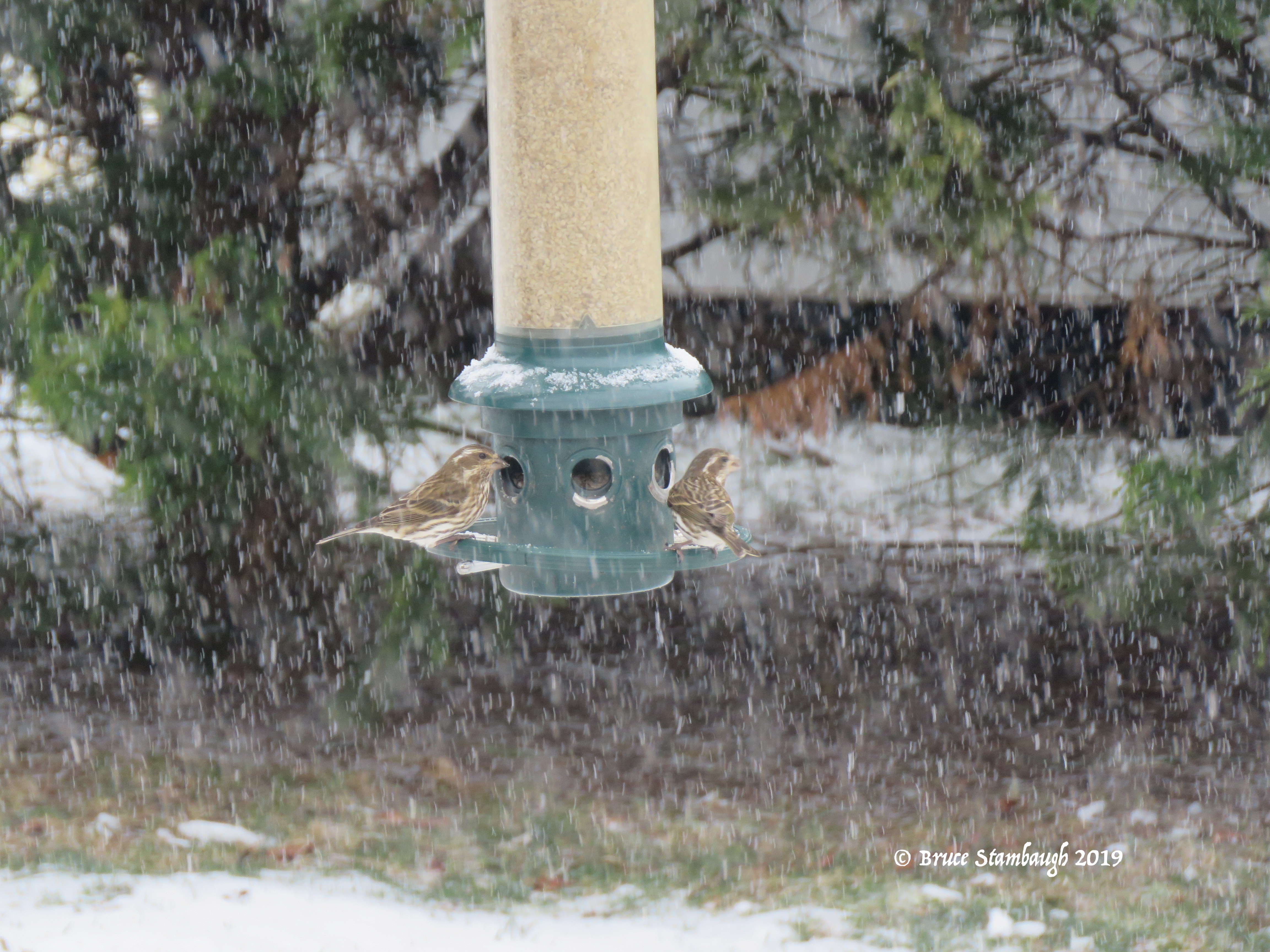
Despite the miserable weather, signs of spring have made themselves known. Birders are ecstatic that migrating birds are once again on the wing. Our neighbor’s forsythia is pushing its yellow buds in competition with trumpeting daffodils. Despite the ugly weather, photos of crocuses blooming flooded social media. Tree buds are ready to unfurl their hidden life.
We take for granted another sign of spring. Daylight hours are increasing daily, although we will “lose” an hour with the return of Daylight Savings Time.
Spring is officially just days away. March’s vernal equinox can’t come soon enough.
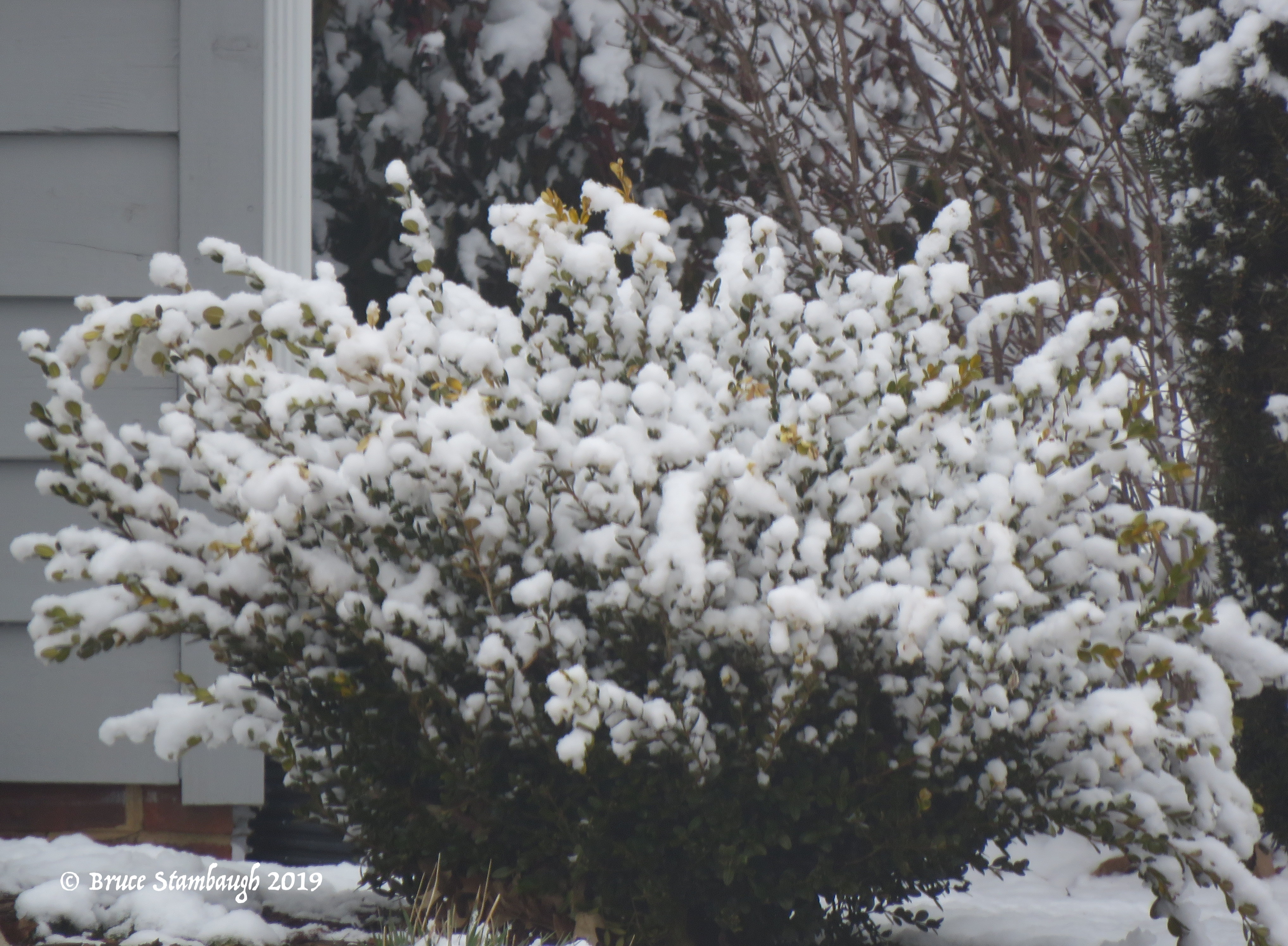
Why has this winter seemed never-ending? Perhaps it is so we will joyously welcome spring’s gentile weather with a renewed appreciation for its refreshing rebirth.
© Bruce Stambaugh 2019

Though cold for early March, bright sunshine bathed the landscape in Virginia’s lovely Shenandoah Valley. This farmer took advantage of the situation and spread a different kind of sunshine.
For those of you not familiar with rural lingo, “spreading sunshine” equals spreading manure. It’s a necessary and important job on a family farm that includes horses, cows, and other livestock. Winter weather, especially this wet winter’s weather, doesn’t always allow farmers to regularly “clean out the barn.”
When the opportunity presents itself, farmers waste no time in getting the job done. When crop fields are frozen enough to support heavy farm equipment, the manure spreaders are loaded with the fertile livestock waste and spread onto the frost-firmed ground.
It can be a stinky job, but someone has to do it. In fact, it is the smell that satirically coined the phrase “spreading sunshine.” When the ground is frozen, its time to rid the barns of all the manure that can be hauled while the conditions are right.
“Spreading sunshine” is my Photo of the Week.
© Bruce Stambaugh 2019
Wildlife Photos From The Chesapeake Bay Region
Culture and Communities at the Heart Of India
Artist and nature journalist in the Shenandoah Valley of Virginia.
Photographer Of Life and moments
Personal Blog
Art is the only way to run away without leaving home. -Twyla Tharp
Writing generated from the rural life
writer. teacher. podcast cohost.
El amor cruza fronteras / Love crosses borders
 Roadkill Crossing
You must be logged in to post a comment.