When I was a child, we loved to catch praying mantis. We would put them in a clear jar, punch holes in the top, catch other insects, and feed them to the mantis. Kids being kids, we were fascinated as we watched them devour their prey. Sadistic, I know. I cringe when I think about those bygone days of innocence and youthful mistakes.
While on a photoshoot with my grandson, we were thrilled when this praying mantis flew into the wildflowers beside us. The morning sunshine highlighted the setting. Had I not seen it land, we may not have discovered it at all given its effective camouflaged coloring. I could have stayed there longer just watching this incredible creature, but it was time to move on.
When we lived in Ohio’s Amish country, Sunday was a day of rest. It was a biblical concept that was actually put into practice.
Our house was built on an Amish farmstead. Few in our neighborhood mowed their lawns, washed their cars, or worked in their gardens. There were six other days of the week to do those tasks.
I wasn’t raised that way. Growing up, I knew nothing of Amish and Mennonite ways. Sunday was a day for worship and rest, but that didn’t mean I couldn’t wash and wax my car. I didn’t consider that activity to be work at all. In fact, I found cleaning my vehicle relaxing.
My Mennonite farm girl wife adhered to the Sunday day of rest tradition. I quickly swung to her custom of keeping the Sabbath after our marriage all those years ago. Sunday was church day and frequently involved hosting or visiting with others.
I haven’t looked back, and I haven’t been sorry.
Since we moved to Virginia’s Shenandoah Valley, those quiet Sundays aren’t so quiet anymore. By most standards, our neighborhood of family homes is somewhat subdued. However, the sound of lawnmowers, power washers, and weed eaters echo from street to street any day of the week, including Sundays. We clearly are not in Kansas anymore, Dorothy.
Never on Sunday.Still, several of our neighbors join Neva and me in holding to our principles. We mean no disrespect or ill will towards those who feel free to do yard work or some other Sunday chore. After all, working in the yard, garden, or flowerbeds can be therapeutic and therefore relaxing. Hiking, fishing, swimming, and other outdoor activities are equally satisfying.
It is vital that people who hold either view respect those who believe differently. It’s the only way we can successfully coexist as friends, neighbors, and viable society. In fact, others observe Sabbath on different days of the week.
That fact became clear to me while planning for our spring trip to New England. I have learned to plan ahead to avoid the stress of any kind of deadline, writing, or otherwise. That is a significant admission from a professional procrastinator. I sense great joy and accomplishment in getting things done correctly ahead of time.
I had several articles due to various publications for which I write around the time we were scheduled to leave. I made it a goal to complete them as thoroughly as possible before their due dates.
Doing so delayed much of the planning for the New England trip. Consequently, I had only done cursory research on places to visit.
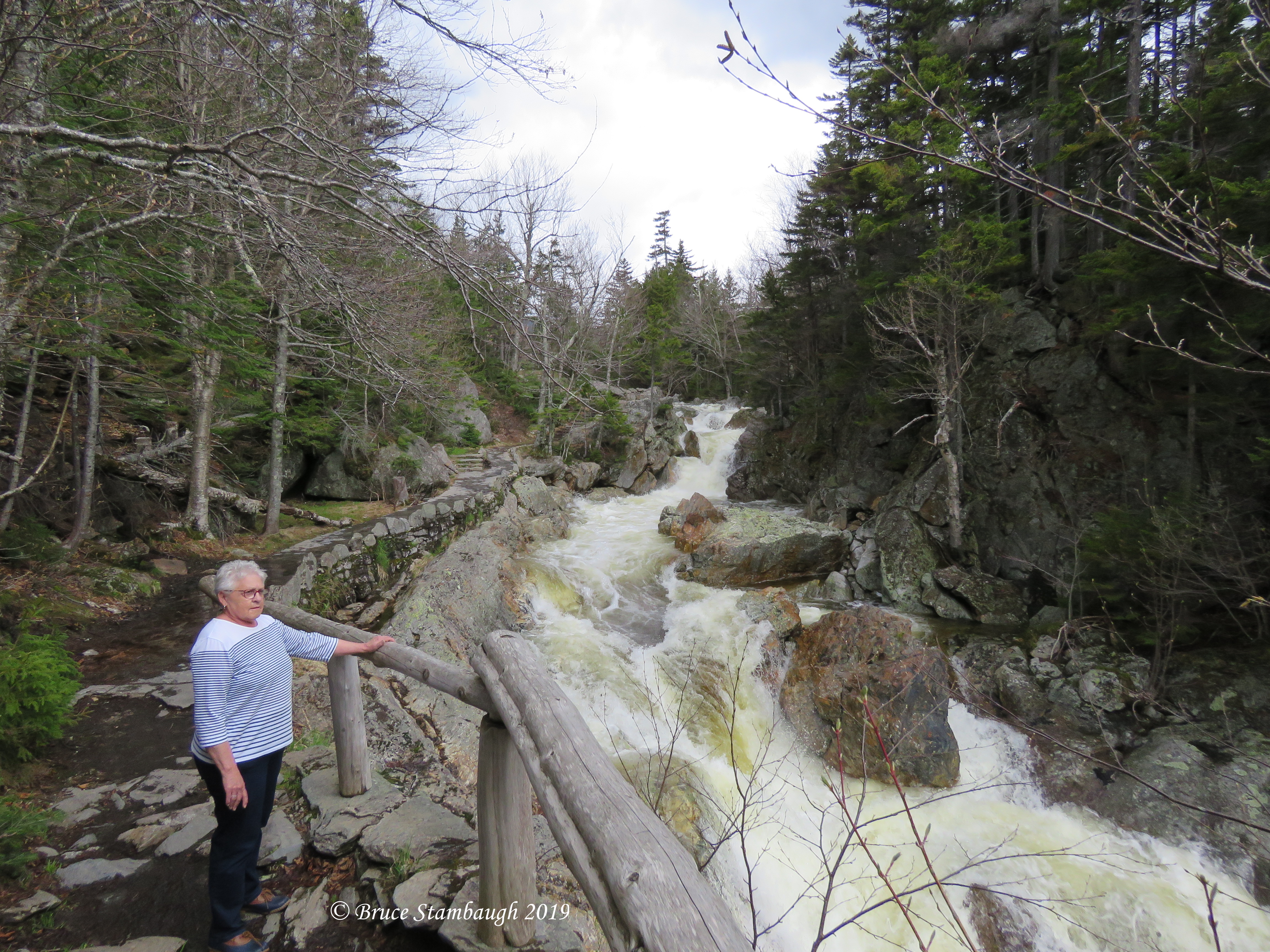
Glen Ellis Falls, Jackson, NH was just one of many recommendations to visit that friends made to us.Friends who had previously visited or lived in New England had given us excellent tips. I used those as the prologue to our itinerary. I scoured tourism websites, birding hot spot recommendations, perused multiple maps, both online and the physical hold-in-your-hand fold up kind.
Finally, I came to the realization that I only needed to compile an outline itinerary. The day-to-day details would unfold according to the notoriously wet and cool spring New England weather. We packed so we could dress in layers as the weather changed. We only set reservations for a few hotels and guided tours. We used the travel list of attractions as a guide, not an absolute must.
I felt immediate relief. It was 18 hours before we intended to leave, and everything was ready to roll. In my relaxed state, I realized just how important that was to me mentally and physically.
It felt like Sabbath Sunday, but only it was Thursday afternoon.
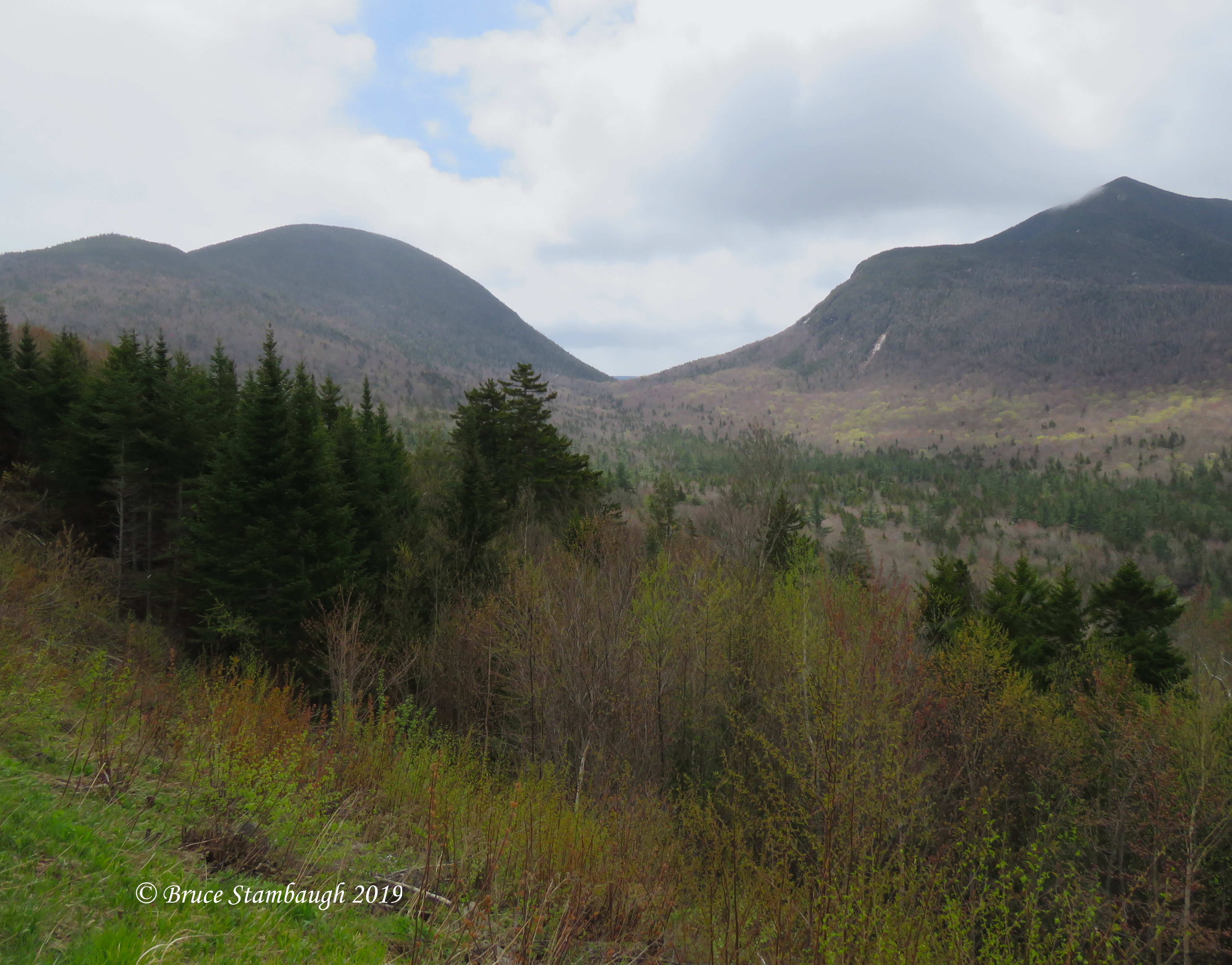
The view from the Kancamagus Highway in New Hampshire.
A pleasant June afternoon.
It was only 3 in the afternoon, and I felt like taking a nap.
I had slept well, gone to physical therapy for my cranky back and my bothersome tennis elbow and had my ouchie knee taped. When I got home, I took my morning walk around the neighborhood.
After a light lunch of leftovers, I got busy writing and met my deadline. I grabbed the book I had failed to crack on vacation and headed for the sun-drenched patio adjacent to our back porch. I took a glass of clear, cold water with me and plunked down in a lawn chair with my back to the warming afternoon sun.
Earlier that day, a friend in Ontario, Canada had posted a photo of herself wearing a winter jacket. It was early June. I just chuckled and went on about my day. I was exceedingly glad that yesterday’s front had cleared out the heat and humidity from Virginia’s Shenandoah Valley, giving us this glorious day.
Instead of sleeping, I wanted to take advantage of the pleasant weather. So there I was on the patio, book in hand, my focus elsewhere. The sky was the bluest blue, occasionally interrupted by fluffy cotton balls that lazily floated high overhead.
Backyard colorGiven the series of recent damp days, it was nice to sit outside without getting wet. However, at my age, I mind my dermatologist. I wear sunscreen and a broad-brimmed hat in the bright sunshine.
The northwest wind that had brought the below normal temperatures also waft intoxicating floral fragrances from an unknown source in the neighborhood. I knew it wasn’t me. I hadn’t yet showered.
The high-pitched humming of lawnmowers from three different directions buzzed in my ears, grating against the loveliness of the heavens and the sweet-smelling aroma. Life isn’t perfect, I rationalized.
Besides, those necessary but annoying mechanical noises had competition. Northern cardinals sang their repertoire of melodies. I can’t prove it, but I am pretty confident sound engineers mimicked the cardinal calls when they invented electronic emergency vehicle sirens. They just gave them strange, non-avian names like yelp, warble, and power call.
Still, the birds crooned and chased one another. It was nesting season after all, and birds follow their innate instincts to protect their territories and their young. Common grackles attacked a common crow that likely tried to steal one of their babies.
On the wire.That’s the only way I can explain why one would fly away with a baby rabbit dangling from its bill. Furthermore, the distraught mother bunny desperately hopped in feeble pursuit of the crow. I had recently witnessed the kidnapping unfold in our neighbor’s front lawn.
American robins joined the cardinal chorus as if it were dawn, not mid-afternoon. Chimney swifts twittered overhead. I wanted to reply, but unlike a certain important someone, I don’t tweet.
About then, an American goldfinch lighted briefly at the birdbath right beside me. It flew at my slightest first movement.
One by one, the lawnmowers ceased. Mourning dove coos lulled me back to my book. I read a chapter and headed back inside to take that nap.
It had been a busy day, and I didn’t even mention that I had made a morning trek to the county landfill to deposit yard clippings and recycling. While unloading the cardboard, I chatted briefly with a professional baseball player who lives in the county. He was gracious as usual, but I’ll admit to being mildly disappointed that he never mentioned my Cleveland Indians t-shirt.
It’s great to have fair weather, even if it’s only for a day or two. It’s better, however, to be retired to fully enjoy it.
Clouds hung low over the Blue Ridge Mountains dimming my hope of photographing June’s Strawberry Full Moon as it rose over Shenandoah National Park. A break in the clouds appeared as the moon rose about 30 degrees in the eastern sky. I turned my attention to other options. A farmer’s cornfield was nearby. I leaned against my vehicle and captured this hand-held shot of the moon, cornstalk leaves providing a contrasting foreground in place of old-aged mountains.
It wasn’t the shot that I had hoped for, but it is the one that I got. “June’s Strawberry Moon” is my Photo of the Week.
Summer! Having endured this seemingly eternal winter, that sunny, heart-warming word just rolls off of your tongue with glee and jubilation. It’s June, after all.
The official start of summer is still a couple of weeks away. But North American society can’t wait. Summer it is! As proof, many schools have already dismissed for the year or soon will. Family vacations are being planned.
After a long, damp spring, the weather warmed up rather quickly over a large geographic area in the U.S. In fact, the National Weather Service in two New England states issued weather statements cautioning the public about swimming in streams and ponds with water 20 degrees colder than the air temperature. Hypothermia was the primary concern.
Lawn mowing has become a regular task.Summer’s fresh fragrances have already caressed most of us. Not only that, it looks like summer, too. Here in the Shenandoah Valley, the deciduous trees are all leafed out, their tender new shoots having turned from their infant lime green to a more vibrant, darker fullness. Shade trees can once again shelter hammocks.
Despite the wet spring, the first big round bales of hay stand rolled up in fields and ready to be hauled to storage. Farmers and suburbanites alike are planting crops and backyard gardens. We’ve already enjoyed fresh, crisp lettuce courtesy of our kind neighbors.
Given the warm days and nights and the frequent rains, lawn mowing has become a full-time profession. The grass is growing that fast.
People walking their dogs have exchanged their coats and stocking caps for shorts and t-shirts. Instead of leading their masters, the canines are lagging behind, tongues dangling.
Anglers have begun to ply their skills in rivers, ponds, lakes, and the oceans wherever and whenever they can. Don’t forget the sunscreen and mosquito spray.
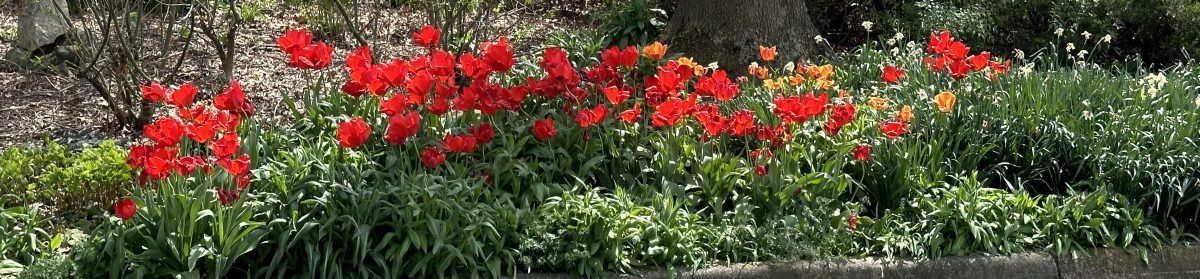
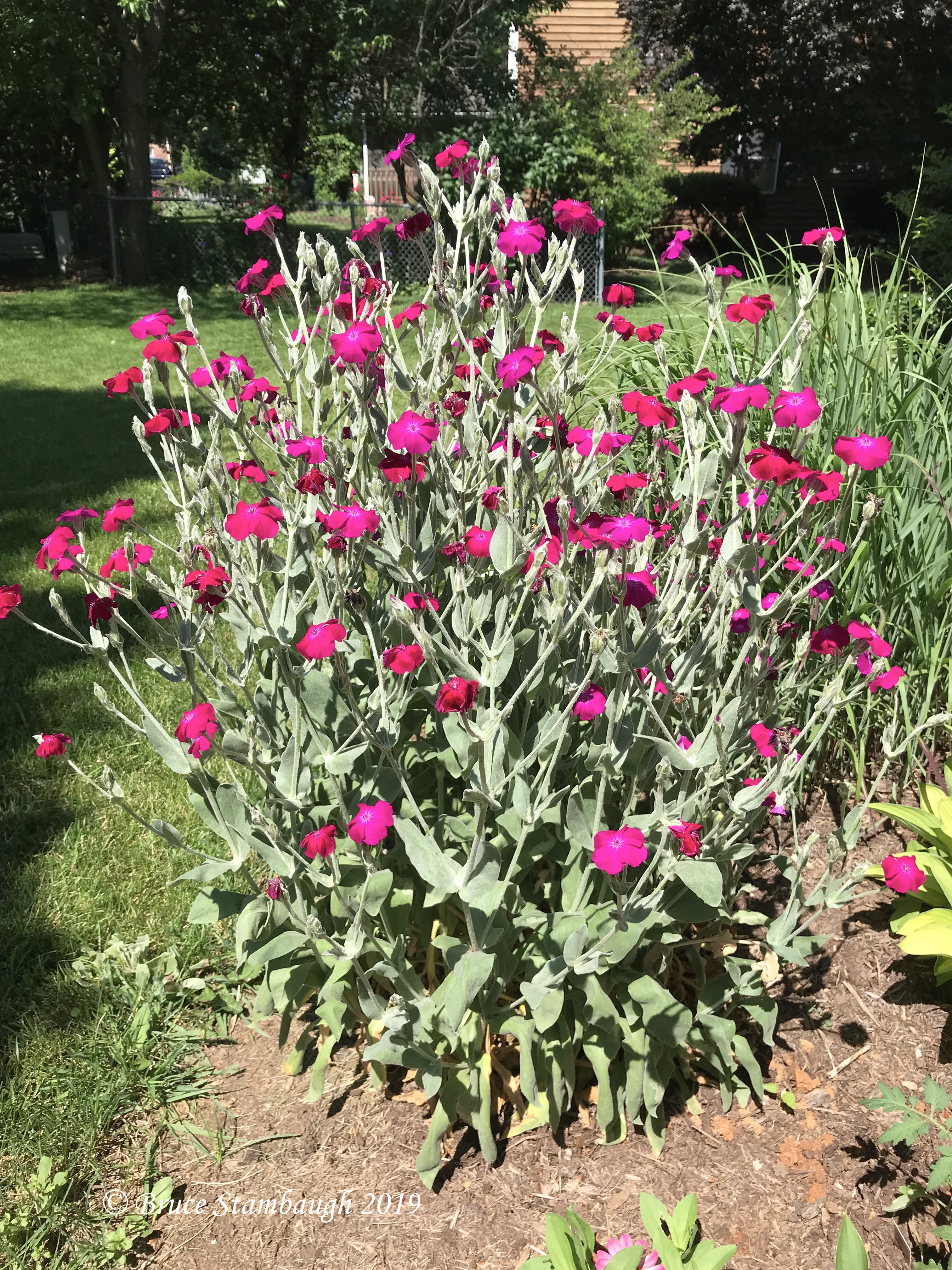
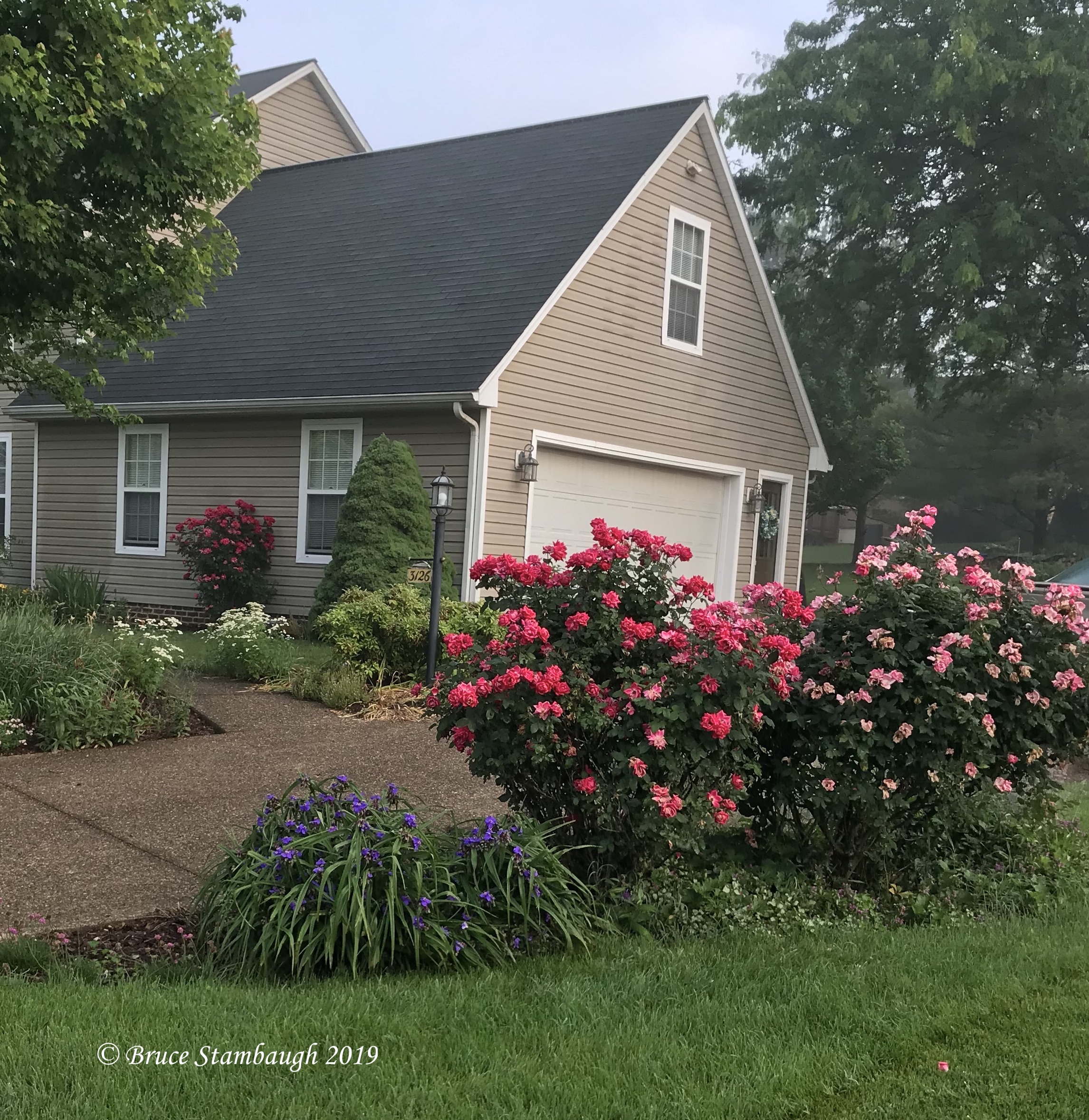
The Knockouts.Daffodils, tulips, irises, and lilacs have all had their show. Gaillardia, larkspur, coral-bells, and blue sage have taken their places. Loaded with bright, showy blossoms, the knockout roses really are knockouts.
American robin, eastern bluebird, common grackle, song sparrow, pileated woodpecker, and bald eagle chicks have all fledged their nests while other bird species are just now building theirs. The adults are doing their absolute best to protect the youngsters.
Strawberries have come and gone already in the Shenandoah Valley. Further north, folks are just now beginning to stuff themselves with the luscious redness. They are the only fruit with the seeds on the outside. My resourceful wife even made a strawberry pie for her birthday topped with real whipped cream.
Summer’s emergence doesn’t necessarily guarantee smooth sailing. Witness the frequent severe storms that have already brought death and destruction via tornadoes and flooding.
Cutting fresh strawberry pie.Another negative is the abundant pollen filling the air from oaks, cottonwoods, and maples. Those with grass allergies have had a tough time of it as well. That being said, I can endure fits of sneezing for those rosy summer sunrises and sunsets.
Road construction zones are more numerous than dandelions. Having just driven nearly 2,700 miles on vacation, my wife and I can affirm that U.S. infrastructure definitely needs the repairs.
Summer picnics and reunions will soon occur along with organized and pickup baseball games for young and old. I can satisfyingly attest to the fact that grilling season has definitely begun.
Soon fireflies will begin their annual light display. Small town festivals and big city extravaganzas with outdoor concerts will commence. Festive parades and fundraising races have already started.
Relax on the back porch with a refreshing glass of mint tea and the first of several captivating reads. It’s summer, after all. Let’s all enjoy it together.
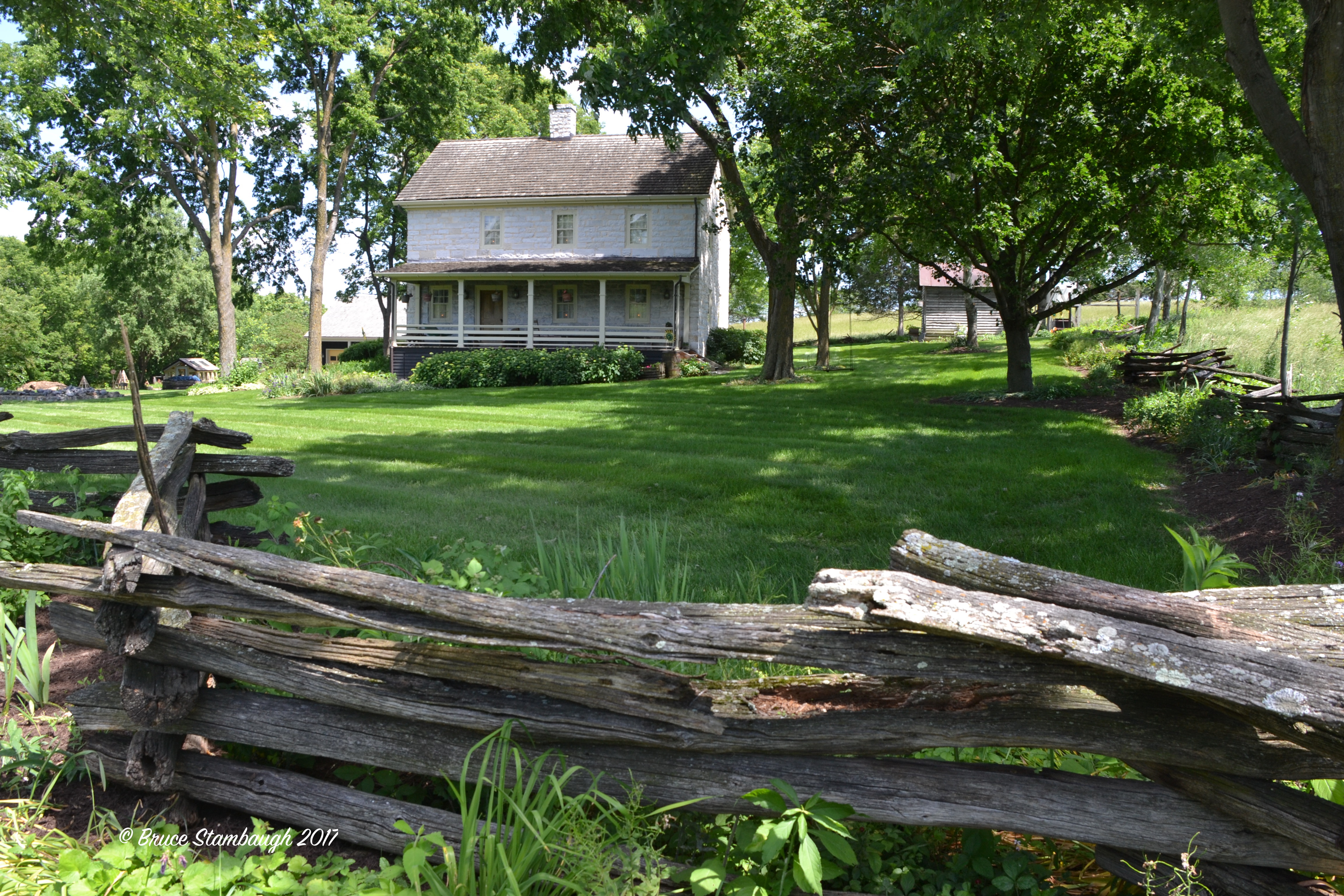
Catskill farmstead.
My wife and I enjoy traveling.
Planning for travel sometimes takes longer than the trips themselves. We prioritize the places we want to see, activities we want to do, and connect with any friends we can visit along the way.
We leave plenty of room for flexibility. Spontaneity spices up every trip. We also try to include some downtime, opportunity to recharge and reflect. As much as we travel, I never know when and how that time will arrive.
For me, travel is a multi-task opportunity. I bird, photograph, explore, meet the locals, and record the highlights. Occasionally, like on this trip, bad weather interferes with the plans we have made. We adjust accordingly.
Steady rain and low-hanging clouds obscured the mountains around us, which kept me inside. We were in New York’s Catskill Mountains, where we caught up to spring’s emergence. Coltsfoot and lady slippers bloomed.
I birded by window watching. Five deer emerged from the newly leafing trees to graze in the grassy meadow that served as a yard around the house that we had rented. A pair of common yellow-throated warblers fed and frolicked in the dampened branches of a nearby bush.
This was so much like home, both our former Ohio home and our newer home in Virginia’s Shenandoah Valley. Together the mountains, forests, rushing streams from too much spring rain, and the wildlife made it feel like home.
This slideshow requires JavaScript.
Yet, it wasn’t home, either Ohio or Virginia. We were transients, merely passing through, seeing the sights, and taking in the grandeur of the fabled Catskills.
That afternoon, my wife and I drove around the countryside despite the dreariness and the constant rain. No cell signal rendered our GPS useless. The perpetually winding roads hugged the bases of the mountains like a child clinging to his mother’s apron. Steep wooded hillsides on one side, roiling waters raced over boulders on the other. In the summer, these would be braided streams, more rocks than water.
With the low clouds, the mountains all scrunched in around us, a myriad of curves on the rural roads. Road signs, either numbered or named, were few and far between. Priding myself on knowing directions, I had lost my bearings.
We stopped at the local post office for directions to our desired destination. Just then, a customer arrived and told us to go to the stop sign and turn right. The way he pointed and his casualness about turning at the stop sign renewed my hope. Reality set in. The stop sign was five miles away. I made the right-hand turn, and I regained my orientation.
In Holmes County, Ohio, we had rolling hills, and expansive woodlots, abundant agriculture, valleys carved by old-aged streams, and helpful people. The same was valid for Virginia, only mountains east and west dwarfed the valley hills and farmlands. In the Catskills, farmland is confined to hillside and floodplain pastures. Gardeners erect six-foot high messed wire fences in small truck patches to abate the deer.
One particular quirk became obvious. Everywhere we went scores of roadside, no trespassing signs warned people to stay away. Apparently, property owners and hunting and fishing clubs control access not only to the land but also the water flowing through. Places for public access to the alluring trout streams were far and few between.
The legalistic signs unsettled me and softened my comparison to the mores of our former and current home. However, they in no way spoiled our appreciation for all the natural beauty and genuine human kindness we encountered along the way.
Despite the dreary, wet weather, we felt right at home with scenes like this.
I spend a lot of time at my desk writing and working on photos. From that vantage point, I can look out a front window and watch the day unfold in our little corner of the world. That includes watching birds come and go at the front yard feeders that hang from the red maple tree 20 feet from the house.
Of course, my binoculars and cameras are at the ready when needed. When this male Northern Cardinal perched on a limb in the morning sunshine, I grabbed my camera and clicked away. This was the only shot where the bird was not partially concealed by the unfolding red maple seeds. I felt fortunate to capture the moment, especially shooting through a double-paned window.
Such encounters help brighten each day. “Red in the morning” is my Photo of the Week.
Though my quirky back was acting up again, I ventured out to hike on a lovely spring morning to enjoy all the out-of-doors had to offer. I soon learned that included a few unexpected showers. Partially sheltered by the unfolding forest canopy, I managed to survive the spritzing.
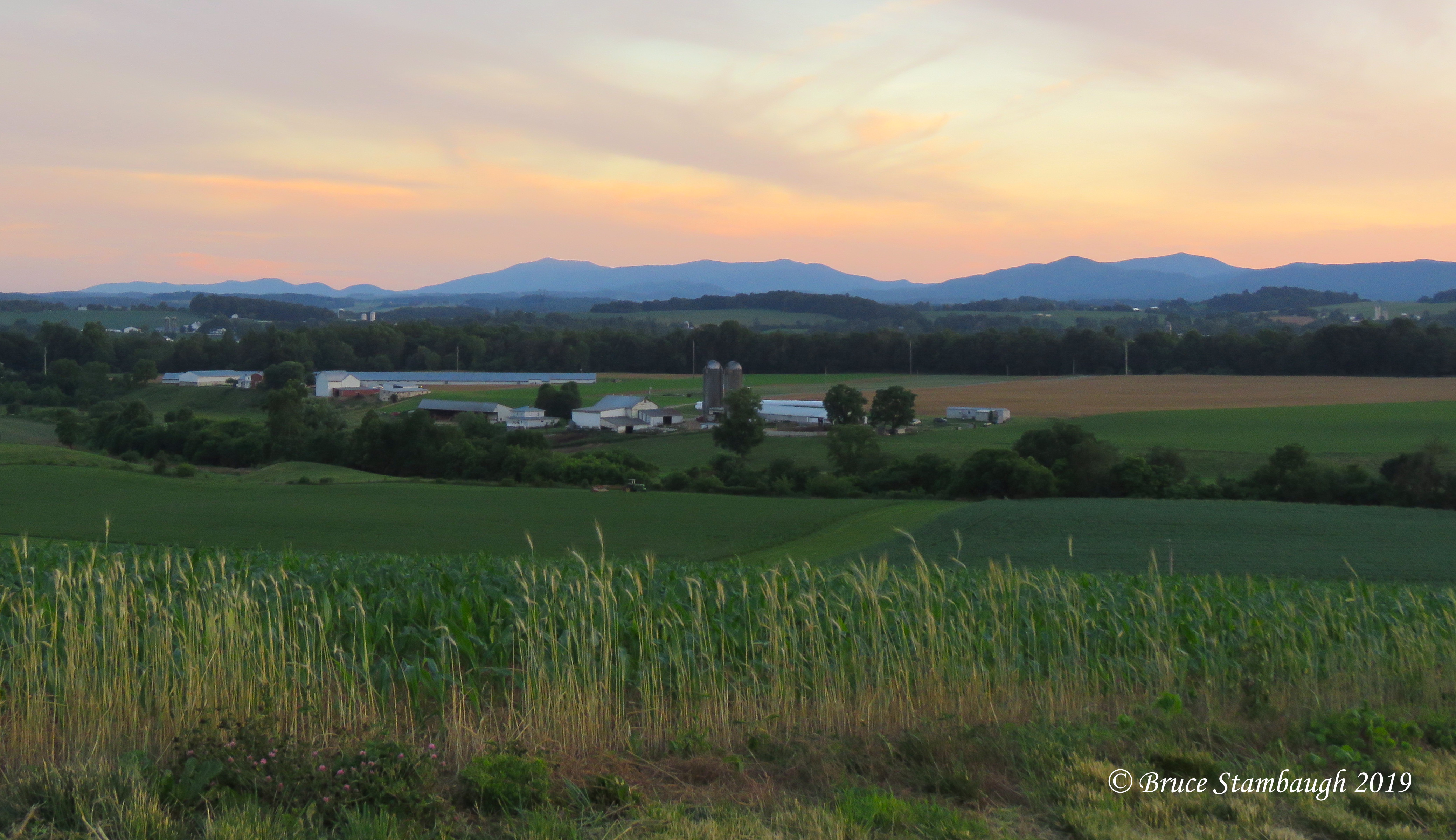
Wanting to literally catch the early birds, I arrived at the trailhead an hour after sunrise. As soon as I exited my vehicle, I knew I was in trouble when it came to hearing the alluring calls of the warblers and other songbirds I sought. The nearby stream was running full force, roaring off the Blue Ridge Mountains eager to make the confluence of the majestic Shenandoah River only a couple of miles away.
The “easy” path.
I had chosen the trail for its undemanding topography. It was actually a fire and service road for the National Park Service. I knew the path would be relatively easy on my aching back unless I chose to venture off on more rugged terrain.
You can guess what happened. Though the road afforded me plenty of opportunities to view many blooming wildflowers and see and hear various birds on the wing, Madison Run called my name.
With my diminished hearing, the noisy stream drowned out most bird sounds for me. I didn’t complain. The variety and beauty of the many wildflowers more than made up for the lack of bird activity or my ability to find them.
This slideshow requires JavaScript.
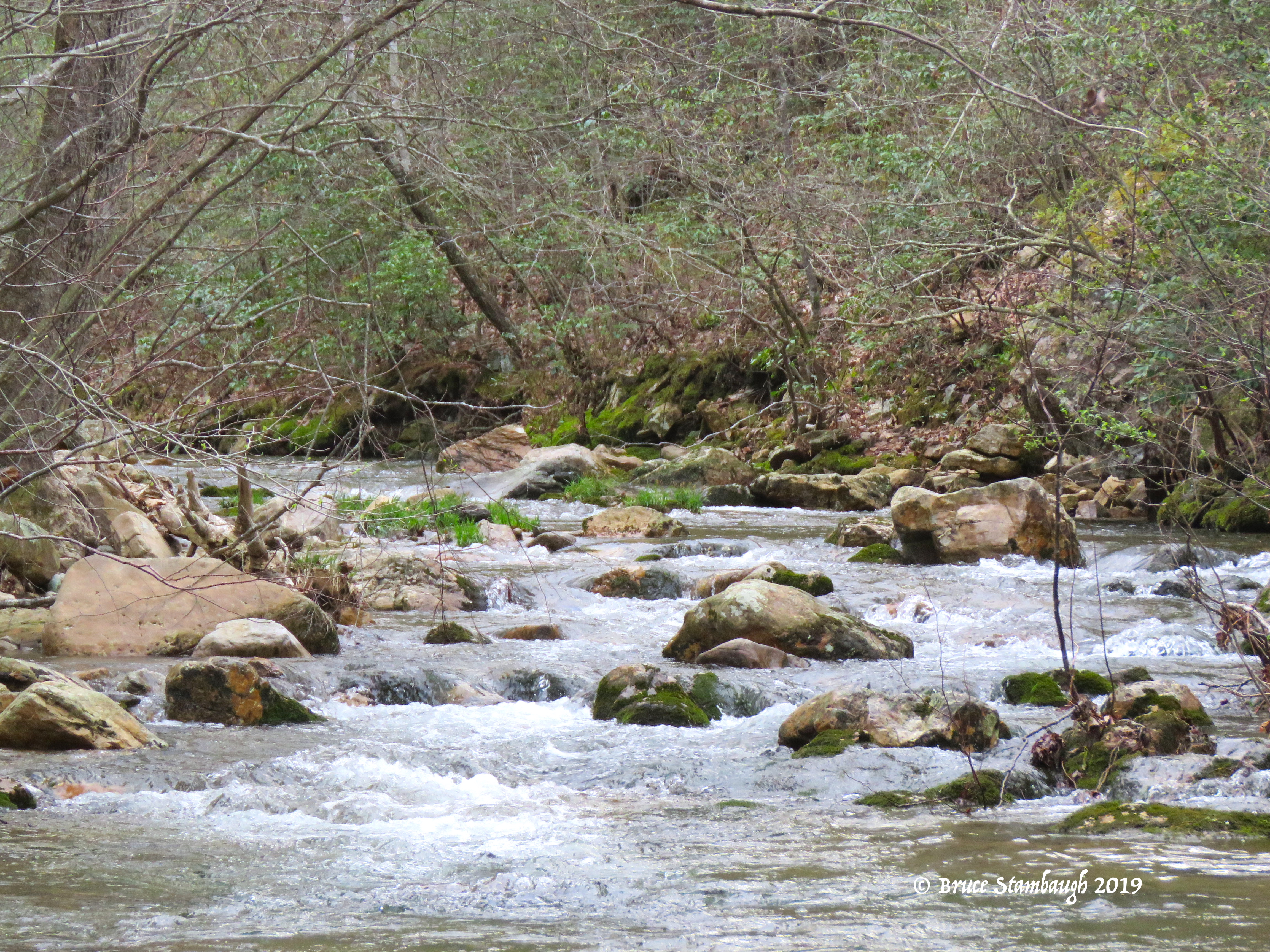
For eons, the stream has slowly eroded its winding path to the Shenandoah. Wearing down ancient limestone bedrock all those centuries, the watercourse relentlessly carves its way. Gravity is its master.
Madison Run has created its own flood plain, often wide, undulating lowlands laden with second growth oaks, wild cherry, maples, and tulip poplar. Mountain laurel, native hemlock, dogwoods, and redbuds predominate the undergrowth. In other spots, the rock-filled stream barely squeezes between the narrow mountain gaps it helped form long, long ago.
Blue, pink, & white.
Painting the forest.
VA Bluebells.
Lupines.
Spring beauties.
Pink, blue, and white phlox prettied the forest floor and outcroppings along the road. Blue and yellow violets dotted the roadside as well. The redbuds and dogwoods dabbed their lavender and white among the tender green shoots of the hardwoods below the broken gray cloud cover.
Tree swallows sailed overhead, dining on insects pollinating the incalculable blooms. Higher up, a lone raven glided silently above the treetops.
A particular birdsong again drew me off the trail towards the rushing water. Careful with my steps, I knew the bird was close, but I could not find it. The lilt of the Louisiana waterthrush more than compensated for my weak eyesight.
Further upstream, water rolled over a long-ago toppled ash, creating a mini-low-head dam. Here the generally shallow stream held pools of clear, deep water. Stones once part of the mountainside now served as river bottom and rocky shelves akin to sandbars.
I enjoyed whatever each moment brought me. In the few hours of my adventure, plenty of moments caught my attention. Therein was the secret of my success. The din of the world couldn’t reach me in this sacred place, this natural sanctuary.
Spring moments like these won’t last long. You can’t ask the spring beauties. They have already made their exit after their showy but all too brief appearance.
The great novelist P.D. James once penned: “We can experience nothing but the present moment, live in no other second of time, and to understand this is as close as we can get to eternal life.”
Standing in that forest surrounded by wildflowers, birdsong,
and the din of rushing waters, I graciously concurred.
Maunday Thursday is a solumn, sacred holy day in the Christian tradition. It is the Thursday before Easter, believed to be the day Christ shared His last Passover meal with the disciples.
The blood-orange tint of these clouds coupled with the dark, foreboding color of the foreground seemed an appropriate scene to set the stage for the historical trauma of Good Friday.
“Maunday Thursday Sunset” is my Photo of the Week.









 Roadkill Crossing
You must be logged in to post a comment.