Ambivalent about August

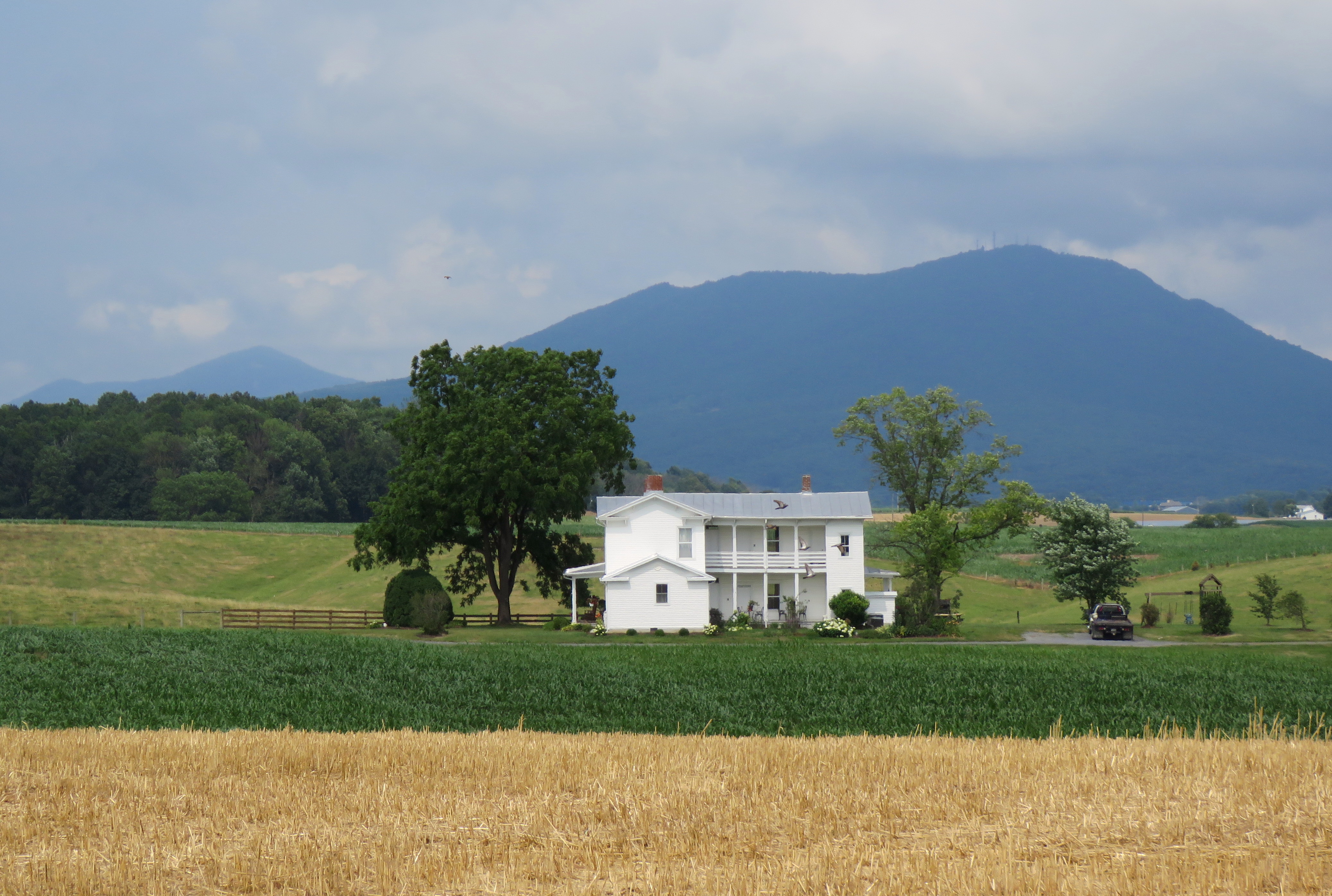
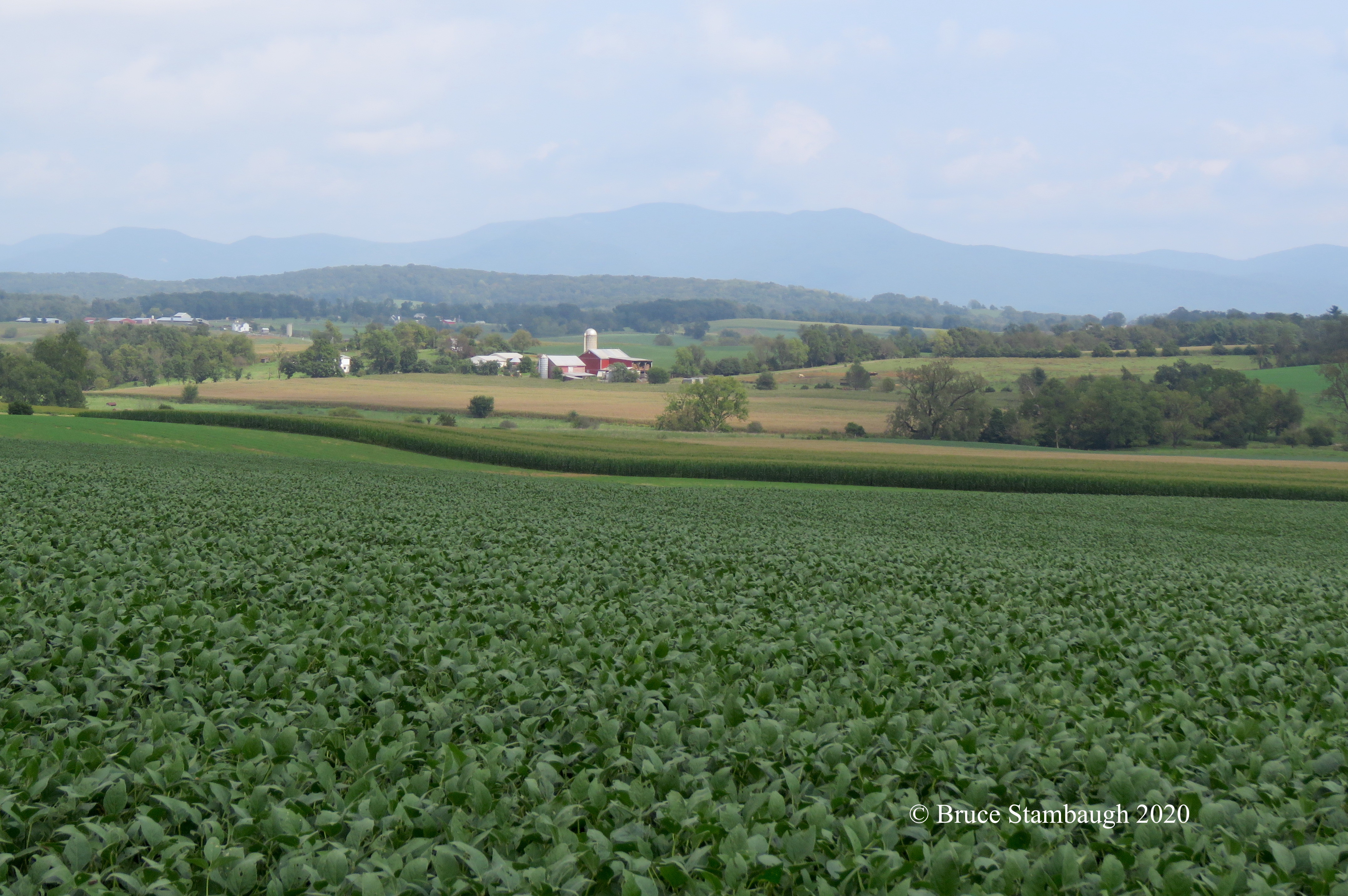
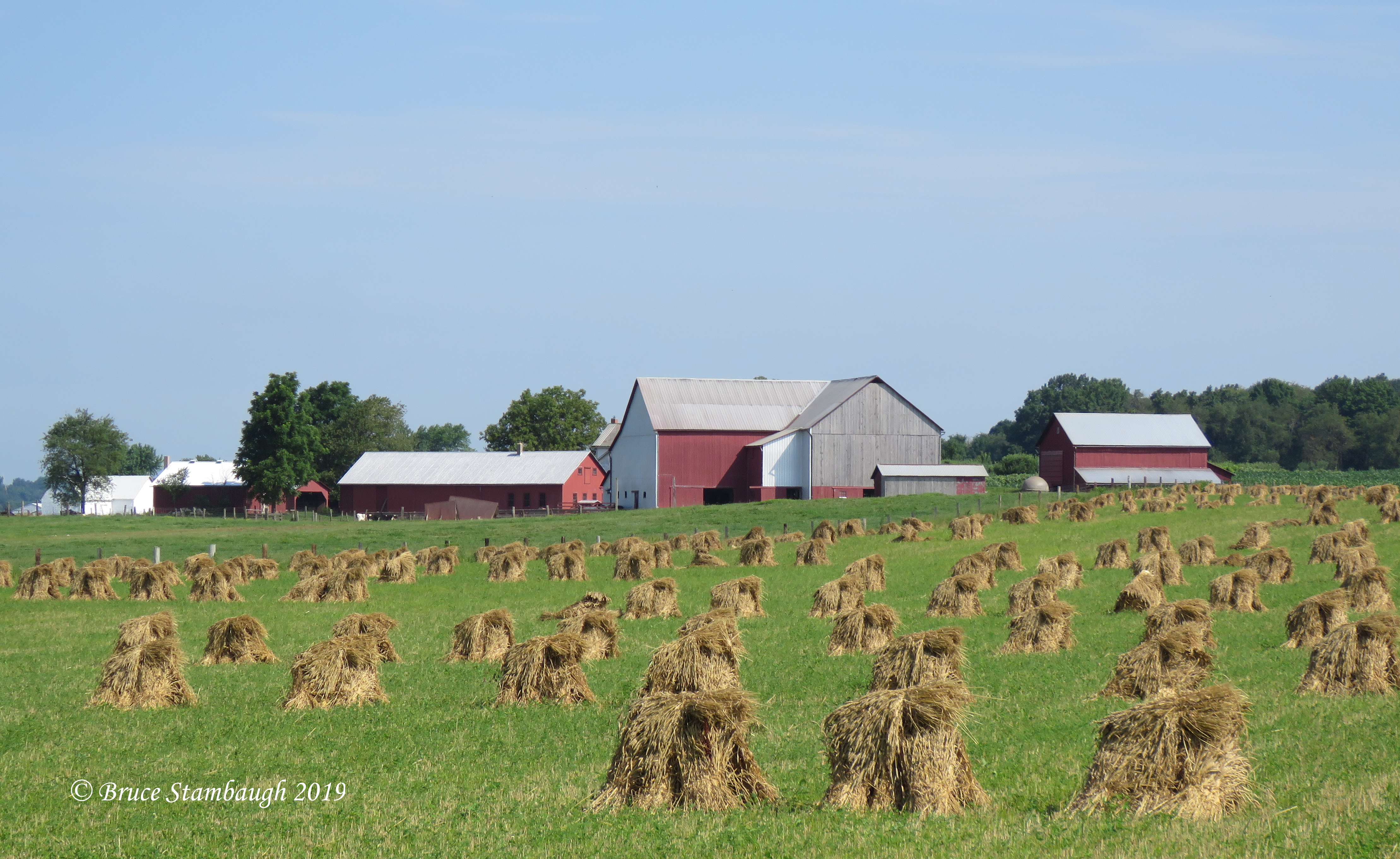
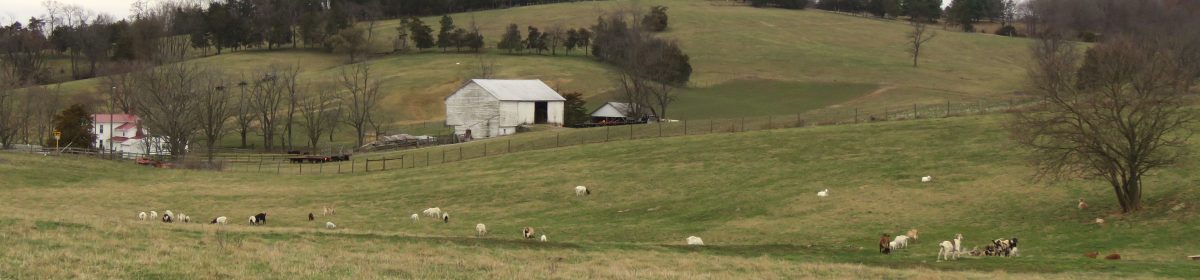
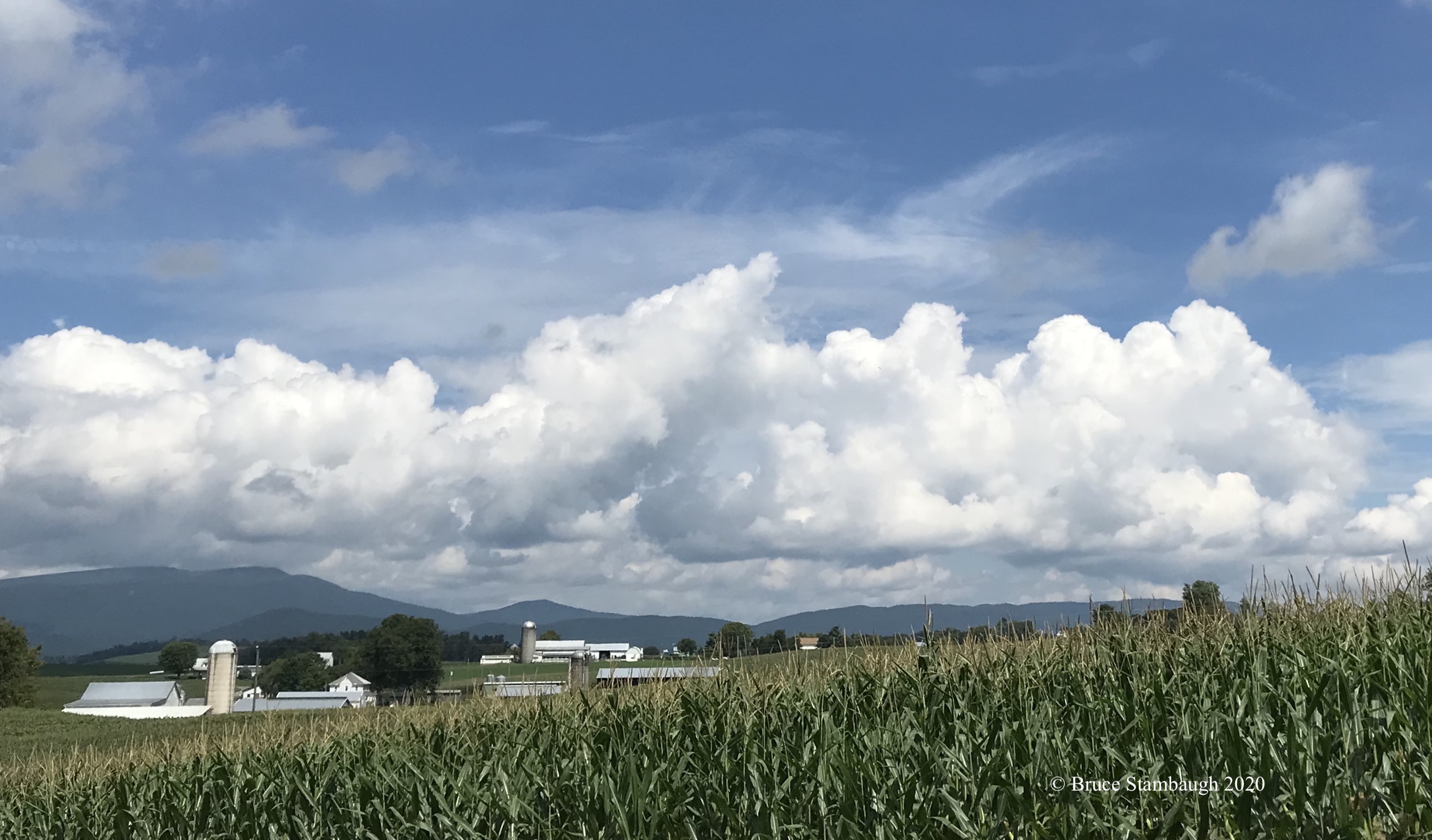
August in Ohio’s Amish country.

I’ve always been a bit ambivalent about August. I’m especially so this year, given all the ramifications of the ongoing pandemic.

When my wife and I lived in Ohio, August kept us busy as career public school educators. We each geared up for the start of a new academic year. As a principal, I created schedules and rosters and attended too many meetings. The excellent teacher that she was, my wife spent many hours preparing each classroom to be an inviting learning haven.

Canned peaches.
August also ushered in the food preservation season. We froze dozens of containers of sweet corn and apple sauce. We waited for the canning lids to sound the seal of approval with satisfying “pops” for the tomatoes, grape juice, beets, and peaches. Rainbows of goodness adorned our shelves.

Of course, we weren’t alone in these endeavors. After I retired, I savored sale mornings at the local produce auction. I loved the hustle and bustle of men and women unloading their trucks and horse-drawn wagons. The rhythmical cadence of the auctioneers barking out their persuasive banter was sweet music to my ears.

The growing season here in the Shenandoah Valley where we live now is a couple of weeks ahead of Holmes County, Ohio. So, we don’t have to wait as long to enjoy our first taste of locally grown veggies.

Farmers Produce Auction, Mt. Hope OH
Auction in action.

August is more than agriculture, though. The three H’s rule the eighth month: hot, hazy, humid. That’s not the main reason for my ambivalence, however. With the coronavirus continuing to run rampant, uncertainty abounds in everyone’s life.

The city schools where our grandchildren attend here were set to open with a combination of in-person and online instruction. The latest surge in COVID-19 has altered that plan. They’ll start the year learning remotely.

Mask-wearing is the norm, especially when entering stores or buildings. Neva and I have continued to be extra cautious about keeping our physical distancing. We truly miss the close socialization of friends and family.

Some states are doing better than others at slowing the virus. States that reopened with too few restrictions or where few people followed the guidelines are unfortunately paying the price.

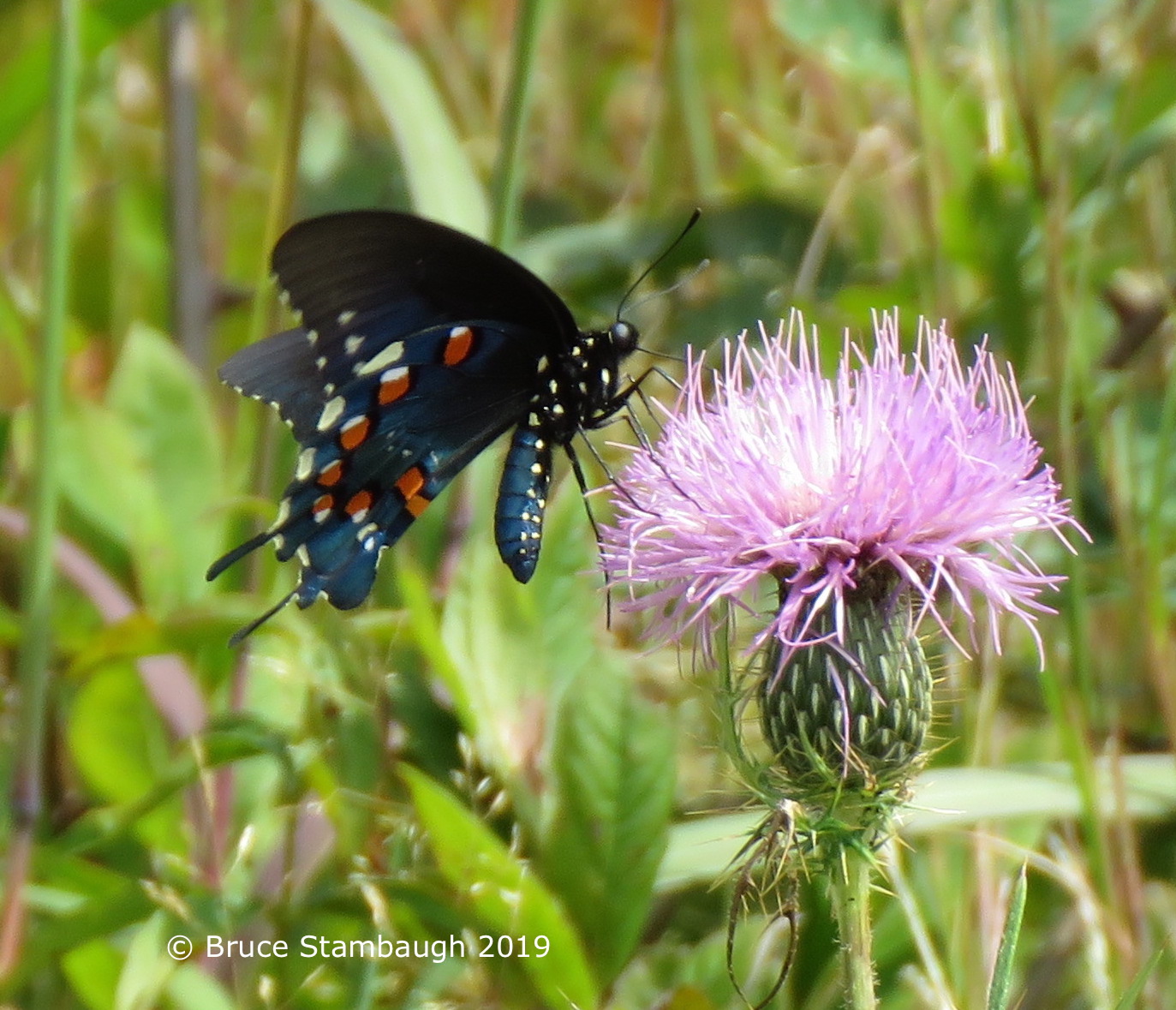
A migrating black tiger swallowtail butterfly.
Since the governors have had to take the lead in issuing orders and health guidelines, rules and suggestions vary significantly from state to state. In part, that’s what has fueled our consternation.

We haven’t seen in person our son and his wife, who live in New York State, in more than a year. We have friends and relatives who have tested positive, but fortunately, they have all recovered so far. Too many others weren’t as fortunate.

County and street fairs, high school football, band shows, concerts, vacations, have all been canceled. Major League Baseball is trying to play a shortened season with no fans in attendance.

Virus or no virus, August will be August no matter what. Golden sunsets will blaze away in the hazy evening skies. Migrating birds and butterflies will begin to wing their way south.
We’ll continue to meet with friends, relatives, and worship remotely through technology.

Under the current dire circumstances, it’s the best and safest we can do. We’ll continue to do our shopping curbside.

Even given all that, I know that my August ambivalence must yield to patience, and patience to resolve. We have to see this global health crisis through for however long it takes. I’ll continue to be cautious, careful, and diligent. I am not ambivalent about COVID-19.

My challenge is not to let my melancholy deter my joy for living, for sharing, for helping others, even if it is with an altered daily lifestyle.

An August sunset.

© Bruce Stambaugh 2020

Shining Through


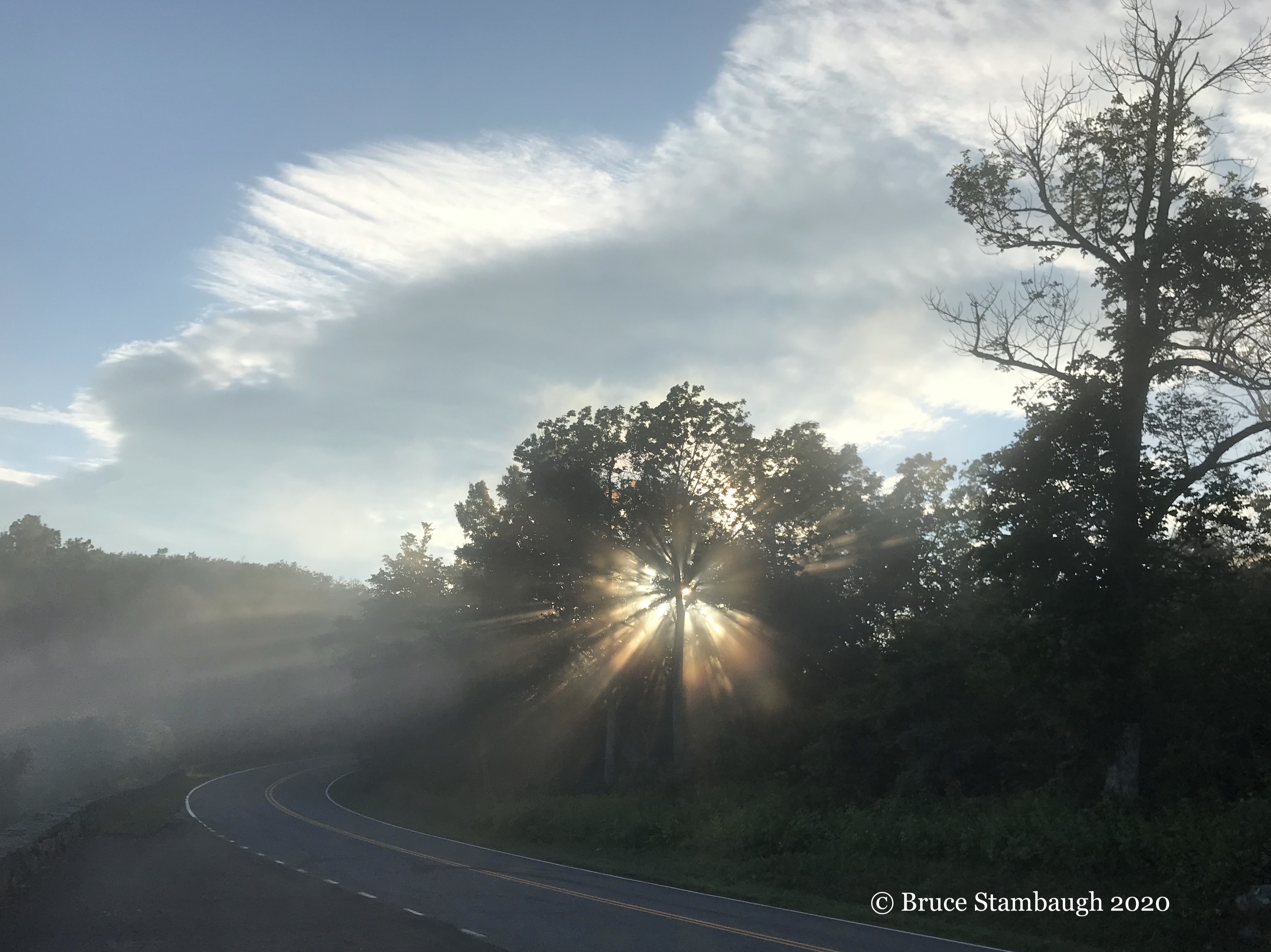
I was driving along the Skyline Drive in Shenandoah National Park early in the morning when I came upon this scene. Fortunately, the fog was rolling up the side of the Blue Ridge Mountains right at an overlook.

Watching the fog rise rapidly out of the Shenandoah Valley and up over the mountains was a treat. The sun was just peeking over the eastern ridge when I turned and caught this scene. The crown of the tree scattered the sun’s rays into the eerie fog, creating this spectacular scene. The high clouds perfectly framed my Photo of the Week, “Shining Through.”

© Bruce Stambaugh 2020

Cooling It!


Are you warm enough? It seems like the entire country is on fire right now. Record temperatures, Excessive Heat Warnings, and Heat Advisories have marched across the continental United States west to east.

We all could use a little cooling off. I thought this photo of a bush pilot flying just above the Knik Glacier near Palmer, Alaska, might bring a bit of refreshing relief from the oppressive heat and humidity most of us have been experiencing. I took the shot a year ago while visiting with friends in Anchorage.

We were standing on a terminal moraine facing the glacier when this tourist plane cruised low over the receding glacier. Our guide said the flight cost $600 per person for that brief thrill. I was just happy to be with friends, enjoying these beautiful sights, and crisp, clean air.

“Cooling It” is my Photo of the Week.

© Bruce Stambaugh 2020

Wear face masks for the common good


In conflict resolution, there’s a stage called “deciding to engage.” Instead of continuing to disagree, the parties agree to hear out one another. Wearing a face mask in a time of pandemic sends the same message.

My wife and I wear masks when we’re around other people. We don’t do it to protect ourselves. We wear masks to protect others.

Doing so is both a tangible and personal way to show that you care about others. When others return the protective behavior, I much appreciate it.

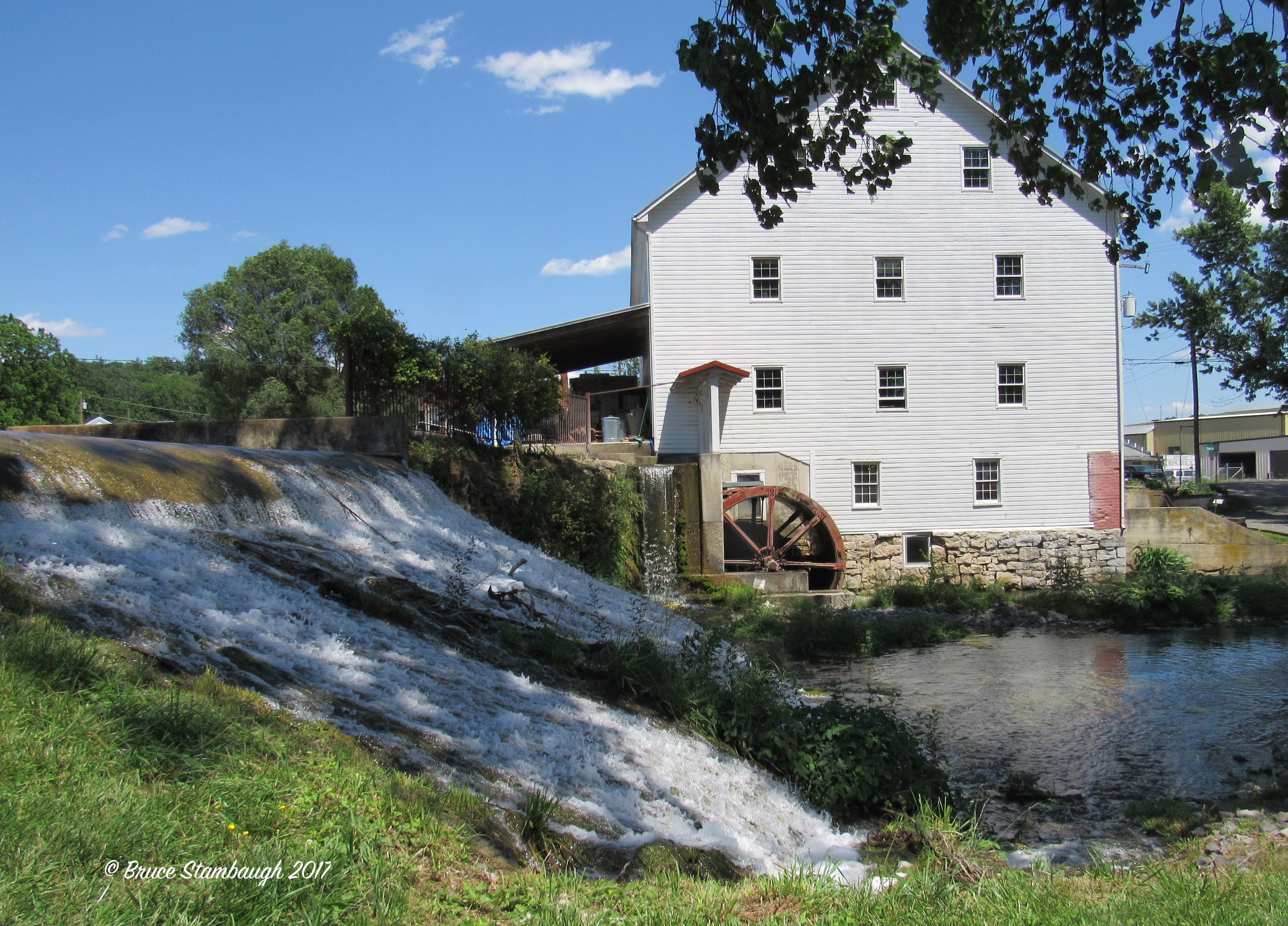
An old grist mill in Dayton, VA.

I took my bicycle to the repair shop in the little, historical town of Dayton, Virginia. When I pulled into the parking lot, everyone wore a mask. I was relieved.

I had no doubts whatsoever about entering the shop, only the third public building I had been in since mid-March. All the employees and customers wore masks. We were able to exchange the necessary information with no hindrance or delay at all.

From there, I drove to a favorite coffee shop. I had called in my order and sent a text message with the parking spot number when I arrived. In no time at all, the server brought the order to my vehicle.

We both wore masks and disposable gloves, she for me, me for her. In less than a minute, I had my coffee, she had her payment and tip, and we were both on our separate ways safely.

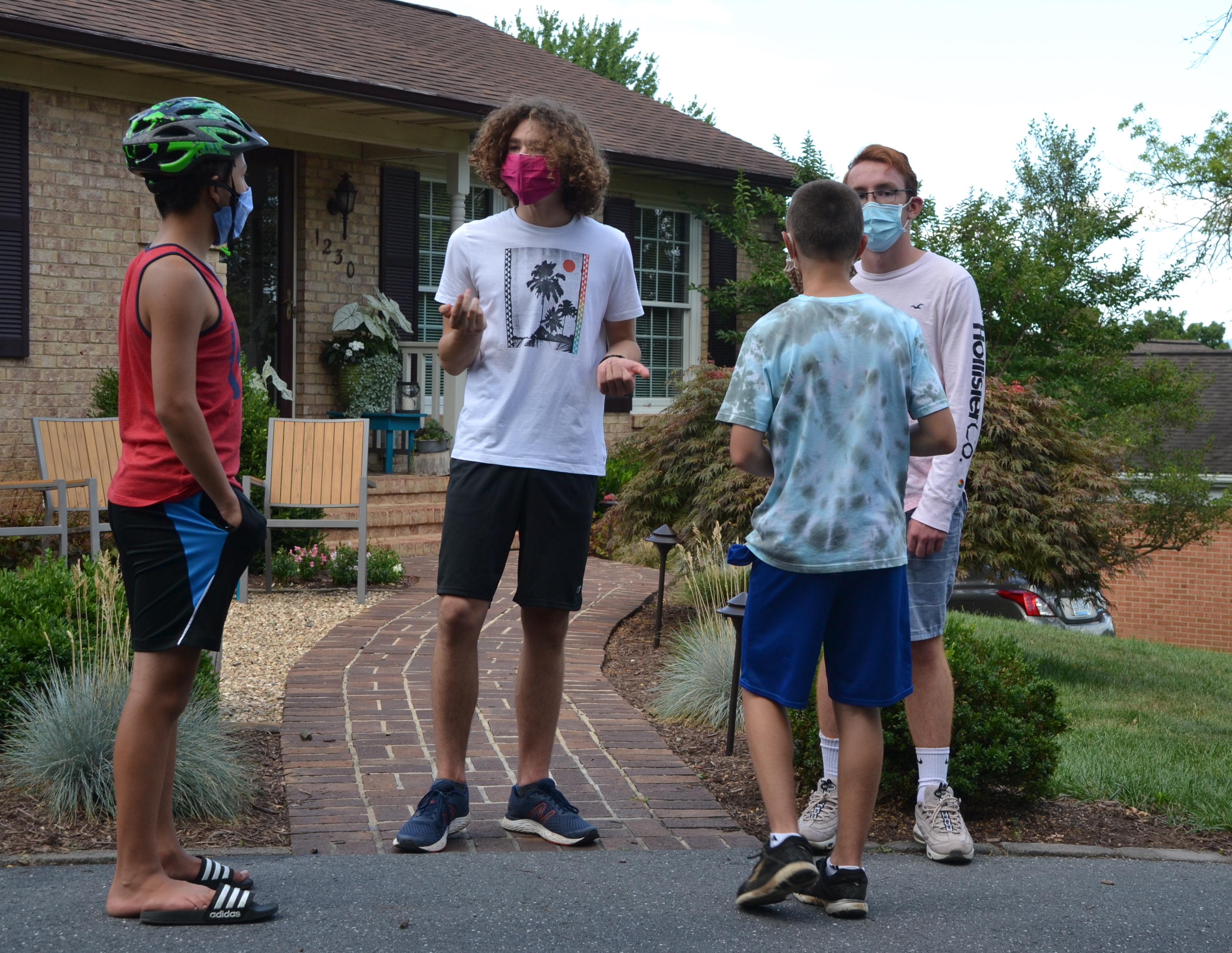
Our middle grandchild recently celebrated his 14th birthday in an unusual but safe manner. His organized mother requested in the email invitations that his friends could either drive or walk past their house at a designated time to surprise Davis.

Davis stood in his front yard, wearing a mask like everyone else. All kept a safe distance as they wished Davis a happy birthday. Their shouts of best wishes and the sparkle in their eyes were all the presents Davis needed.

The Commonwealth of Virginia has done an excellent job of flattening the curve. As the governor began to phase open businesses and other public places, wearing masks inside those establishments remained required.

Virginia’s success has been in part because so many folks have followed the recommended mask-wearing guidelines. My encounters at the bike shop, coffee shop, and our grandson’s birthday bash confirmed that commitment. I hope those trends continue.

To some, wearing a mask is an inconvenience. Still, it is a necessary one to slow and hopefully stop this invisible, prolific virus. Since a proven vaccine appears to be far in the future, it’s just common sense for the common good to follow the essential guidelines.

Mask wearing doesn’t interfere with one’s constitutional rights, either. Wearing a shirt and shoes into a store are required, and I hope you have pants or a skirt on, too. Buckling up seatbelts is another safety requirement. Safety is paramount with Covid-19, also.

I chatted with a friend about the concept of wearing face masks during the pandemic. He made a marvelous point. Even though a cover conceals their mouths, Steve said he can still tell that other people are smiling.

“They smile through their eyes,” Steve said. What a great concept. Focus on people’s eyes and notice if you see a sparkle radiating.

Let your heart’s love for life shine through bright eyes. That way, the necessary mask can’t hide your friendliness.

Wear your masks. Keep physical distance, and don’t forget to wash your hands. For now, that’s the best we can do for one another and the common good.

© Bruce Stambaugh 2020

Loving Shenandoah National Park

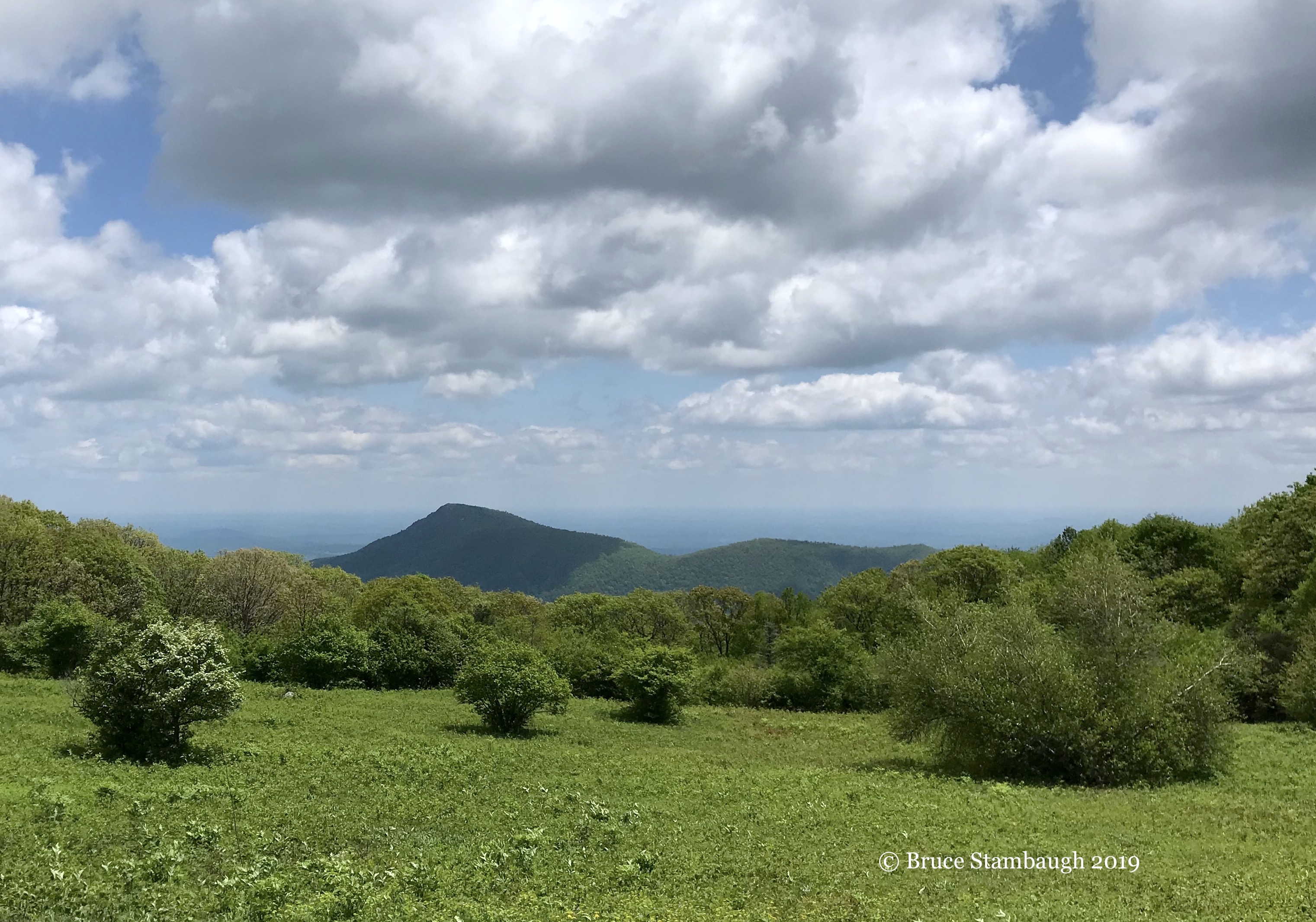
Old Rag is a popular hike in Shenandoah NP.

My wife and I have enjoyed Shenandoah National Park since we moved to Virginia three years ago. There’s a lot to love about the park, and it’s less than an hour away.

We’re not the only ones who appreciate it, of course. The estimates of annual visitors compare to those of Ohio’s Amish country, our former residence. Each location attracts millions of visitors a year.

Of course, the novel coronavirus pandemic has put a damper on tourist numbers everywhere. With the virus cases flattening out in Virginia, the park has mostly reopened.

When we want to break our stay-close-to-home routines, Neva and I head for the hills. Sometimes I will venture out alone, birding, hiking and shooting photos. It’s an enchanting place, a multi-sensory extravaganza.

This slideshow requires JavaScript.


I hear the beautiful song of an indigo bunting, and I raise my binoculars, scanning the area for the likely source of the melody. Novice that I am at identifying bird calls, I want to make sure I am matching the right species with the song. I’ve learned that, like human accents, bird calls of the same species vary geographically.

Once I find the bird, I switch to my camera to try to get a decent photo. With the trees in full summer canopy, that’s not easy to do. Now and then, I am fortunate to find a bird singing in the open, and I click away.

I catch a slight, silent movement out of the corner of my eye. Is it a doe with a fawn, or perhaps twins? Is it a black bear grazing before nightfall? One never knows. On warm days, keeping a lookout for a lounging timber rattler while scrambling on a rock outcropping is always a good idea.


The park is a great place to take sunset photos, too. But sunsets in the mountains can be problematic.

The expansive, rolling Shenandoah Valley is bordered on the east and west by mountain ranges. Sunsets can be as disappointing as they are stunning. Weather plus geography equals a formula for the unknown.

When we lived in Ohio, all we had to do was look out our windows to know the potential for a spectacular sunrise or sunset. We were spoiled.

Here in the breadbasket of Virginia, the rising and falling topography makes it iffy to predict what the eastern and western skies will do at dawn or dusk, respectively. You hope, pray, and go for it. Sometimes you are disappointed. Other times, you are speechless.

(Mouse over the photos for the captions)

It can be cloudy and raining in the valley. The view from the mountains of the park, however, might be spectacular if you wait long enough. Pick one of the many west-facing overlooks along the majestic Skyline Drive, and prepare yourself for come-what-may.

The elevation of the old, folded mountains ranges up to 2,500 feet higher than that of the valley. From the park, you can see the Allegheny Mountains that mark the boundary between the Commonwealth and West Virginia.

Patience, intuition, and good fortune can be the formula for bathing in a dreamland. Even with a thick cloud cover, the sun can still break through, turning drabness into beautiful in the blink of an eye.

I’ve learned to be ready for the unexpected as the sun slinks below the jagged horizon. Will the clouds refract the sun’s rays into pinks and blues, lavenders and oranges? Or will they merely steal away the sun without fanfare?

You don’t have to have a national park to enjoy heavenly landscapes. Wherever you are, just wait and watch, and let nature do the rest.

Sunset in Ohio’s Amish country.

© Bruce Stambaugh 2020

Spontaneity in a time of pandemic

The Blue Ridge Mountains in the distance mark the eastern boundary of Rockingham Co.

My wife and I have closely followed the stay-at-home coronavirus requirements since they began in mid-March. We hadn’t even been out of our county until just the other day.

Even though Rockingham is the second-largest county in square miles in Virginia, we stayed close to home nevertheless. We have taken the pandemic and the safety recommendations suggested by medical professionals seriously.

While waiting for the predicted rain to arrive, Neva and I went about our regular homebound routines. She sewed and read. I wrote and spent too much time on social media, including sorting my many daily emails. When our church’s weekly newsletter landed in my inbox, I got an idea after reading it.

Friends had recently visited Shenandoah National Park, which stretches 105-miles along the Blue Ridge Mountains. The mountains grace and mark the eastern boundary of Rockingham County. The mountain laurel bushes were in full bloom.

That’s all that I needed to read. With the afternoon half gone and the forecasted rain failing to appear, I suggested we head to the park, too. Neva gladly agreed.

Fog rolled in from the east.
We dressed for the cooler weather that we were sure to encounter in the higher elevations of the park. We were glad we did. Fearsome black clouds hovered over the mountains as we headed east.

We have lived here long enough to know that the mountain weather’s main characteristic is fickleness. The weather changes quickly in those blue mountains.

Sure enough, in the 25 miles we drove on Skyline Drive to Limberlost Trail, we dodged in and out of the sunshine, clouds, fast-moving fog, mist, and even a little rain. We kept going.

We were so glad we had. Only a couple of other cars were in the parking lot of the handicapped accessible trail. Limberlost is a 1.3-mile loop trail that is beautiful in every season.

I had never been on the trail in the spring when the mountain laurel bloomed. Neva had never been there at all. We were both in for an awe-inspiring treat.

This slideshow requires JavaScript.


We only had to walk a short distance before we encountered the beautiful blooming bushes. We were glad that we had dropped what we were doing and followed our friends’ advice.

Individual bushes and thickets of blooming mountain laurel flourished all along the circular path. They overwhelmed other, more subtle wildflowers that I almost missed.

This area of the park had burned several years ago. Many of the old-growth trees were gone, replaced by patches of spindly saplings. The trail ran through them, creating a fairy-like world. Colorful fungus grew out of tree stumps, and fallen timber left lying right where they landed.

Lush Christmas ferns carpeted the forest floor. The fragrant pink and white blossoms of the mountain laurel painted a lovely contrast to the emerald of the tree canopy above and the sea of ferns below.

We noticed no bees or butterflies, however. I later learned that this variety of rhododendron is toxic to both pollinators and humans. Look, but don’t touch.

A chorus of warblers, vireos, and other woodland birds serenaded us on our enchanting stroll. We were clearly in a national park, but it felt like paradise. Our spontaneity had certainly paid off.

The trail even featured an ancient basalt columnar outcropping.
I realize not everyone has a national park to hurry off to in less than an hour. But you likely have a special place that you have meant to visit, someplace you haven’t been since a child.

So, pack up the kids, the snacks, drinks, and don’t forget the hand sanitizer, masks, gloves, and your camera. You just might find paradise, too.

© Bruce Stambaugh 2020
Hope


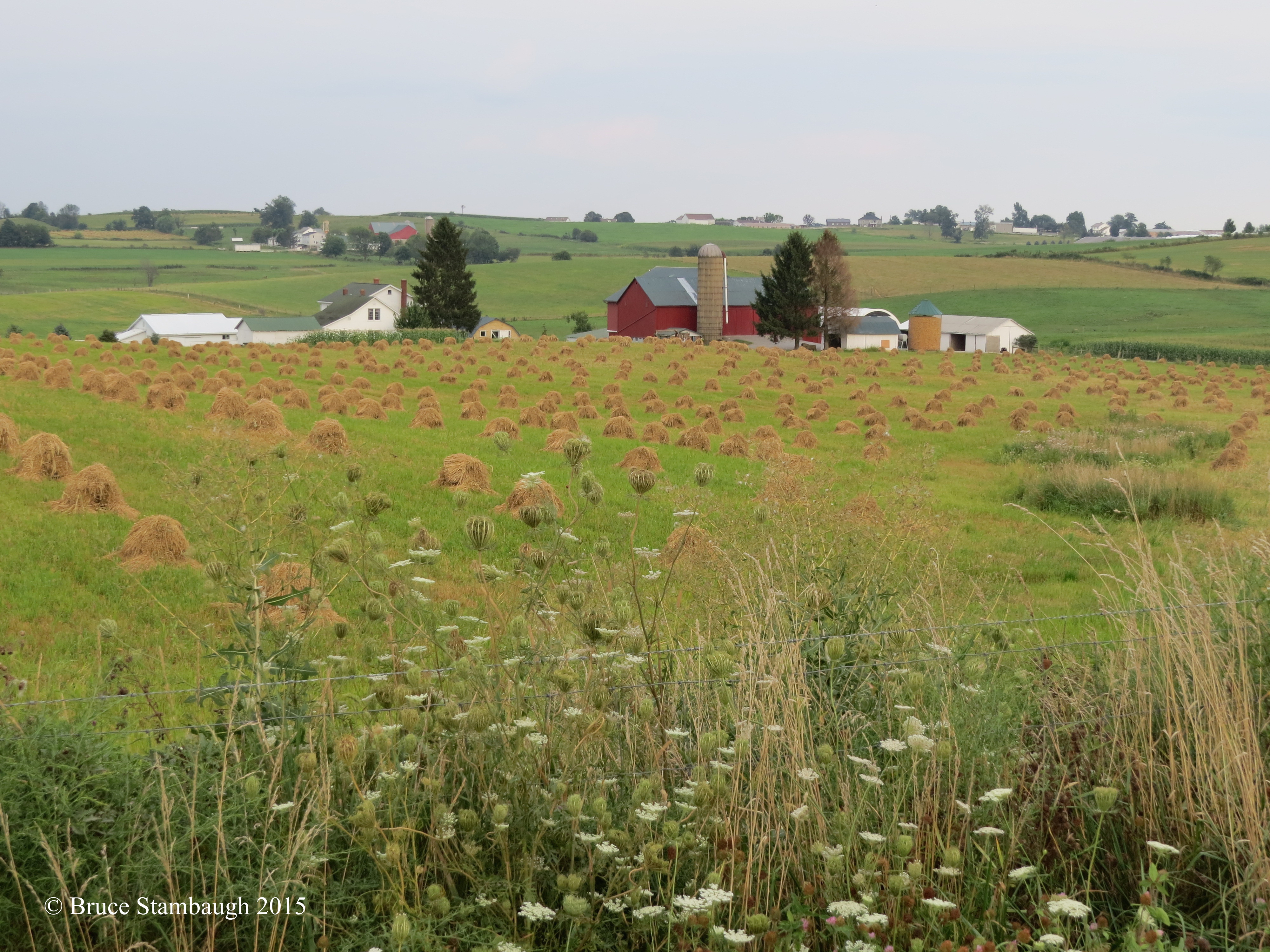
There is nothing particularly spectacular about this photo, although it is pretty. The photo’s details make for a diverse composition: The deflected sunset rays, the fog rising from the hollows of the Allegheny Mountain foothills, and the overall pastoral setting itself. Throw in the fact that this shot was taken on the 2020 summer solstice, and the landscape photo becomes even more meaningful.

So why the title “Hope?” I never expected to be able to take this shot. We had had a string of relatively chilly and cloudy days in the Shenandoah Valley. June 20, the date of this year’s summer solstice, continued that trend. However, after heavy rain moved through, pinks, yellows, and oranges began to appear in the evening sky. I grabbed my camera and headed to my favorite sunset spot, Mole Hill, an extinct volcano core that is a local landmark. It’s higher elevation affords an impressive view of the rolling valley, the foothills, and the mountains themselves.

Though this is not a particularly stunning sunset, it was one that I never thought that I would be able to capture. Consequently, “Hope” is my Photo of the Week.

© Bruce Stambaugh 2020
Unpacking boxes and memories

The kind of field my father hunted for artifacts.

After three years, my wife and I have finally unpacked all of the boxes since we moved from Ohio’s Amish country to Virginia. It’s another coronavirus sequestering accomplishment that we can check off our “to-do” list.

We weren’t negligent or procrastinating. We knew what those heavy cardboard boxes contained. We just didn’t have a place to display or properly store them. Now that they are unpacked, we still don’t.

My late father divided his extensive Native American artifact collection among his offspring and the grandchildren. He designated who got what primarily based on geography.

Dad marked where he found each artifact he considered “good.” Consequently, Neva and I ended up with the majority of the ones discovered in Holmes County, Ohio, and those from near my wife’s home farm east of Louisville, Ohio.

How Dad marked his finds.

I can’t tell you how many plowed fields Dad and those of us who joined him walked. With heads down and separated six-feet apart, we ambled one end of the field to the other. Yes, we socially distanced before it was even a thing. Doing so allowed us to cover an area more efficiently.

Dad delved deep into historic Native American cultures. His love for history and the near half-century he spent collecting made him a noted amateur archeologist.

As his knowledge and collection grew, Dad began to share what he learned and what he had found. He joined archeology groups. Professional archeologists even invited Dad to join digs to save Indian encampments that would be destroyed for various construction projects or by strip mining.

Dad even spent his lunchtimes on lovely days looking for surface finds near his workplace in Akron, Ohio. When his job required travel, Dad scoured fields in Arizona, California, and many other states.

Dad accompanied our mother on artists retreats to North Carolina. While the artists painted, Dad visited local farmers to inquire about hunting their fields.

The landowners often showed him what they had already found, and Dad would gladly identify and date the points and pottery shards for the farmers. For that, he gained access to their land, made new friends, and expanded his collection.

Our artist mother would occasionally return the favor by accompanying Dad on a dig. One of her paintings graced the book cover that documented one significant excavation.

Dad lecturing at the retirement home.

Dad lectured at schools, church meetings, service organizations, presented at historical society gatherings, and at the retirement home where he died. He even won a few awards for his displays at archeology shows.

I found one of Dad’s notecards that he used in his presentations. It was an impressive list of how indigenous peoples used natural renewable resources. Dad shared how the Indians used the entire animal that they had killed. They ate the meat, fashioned clothing and shelter from hides, and used bones for tools.

Ironically, Dad privately questioned why Native Americans, as intuitive and ingenious as they were, didn’t develop the country the way European immigrants did. With his Germanic linage, I sensed it was a rhetorical question.

I found it curious, even disconcerting that Dad admired and taught about a people and their cultures, and yet he didn’t comprehend their devotion to preserving the environment they so cherished. Nor did he address the horrendous treatment of indigenous peoples that even continues today. In retrospect, I should have pressed my father on those issues.

Marian and Dick Stambaugh. One of my mother’s paintings is on the wall behind her.
I loved my father, and I love that he bequeathed so many of his artifacts to the family. For me, they serve as tangible reminders to universally respect all peoples, no matter their color or creeds, then and now.

© Bruce Stambaugh 2020

When you know it’s June

A June sunrise in Ohio’s Amish country.

No calendar is needed to know what month it is. Doors and windows are flung wide open. Summer’s pleasing sounds and pleasant aromas waft in. It must be June.

Sit by a stream where the cottonwoods grow. A summer breeze stirs, and suddenly it’s a blizzard of cottony seeds drifting everywhere. The situation can be as aggravating as it is beautiful.

Once the dew dries, a cacophony of motorized humming ensues, seemingly lasting all day. All the neighbors want to get their lawns mowed before the anticipated rain arrives. It never does. At least the yards are manicured.

To protect their precious eggs, grackles and American robins perform Kamikaze raids on the backyard squirrels who are in search of lunch. The rabbits munch the tender grass undisturbed and unknowing nearby.

The leaves of the deciduous trees appear to have fully unfurled overnight. Contented with their newfound shade, grazing livestock swish their tails, flicking flies left and right, left and right.

Dinner tables brighten with outdoor bouquets brought indoors. Red roses, pink and white peonies, blue salvia, and lavender snapdragons proudly show their colors and intermingle their delicate fragrances.

On the stove, kettles of fresh-picked mint disperse organic menthol. Thirsty throats endure the wait, knowing lunchtime will bring refreshing minty sweetness.

Even the gray catbird pauses for a sip from the birdbath, having warbled all morning from the depths and darkness of the neighbor’s dense yew. The territorial northern mockingbird cuts short that respite, however.

Balmy mornings slip quietly into steamy afternoons. Cumulous clouds build and billow, dappling the landscape with their speeding, oscillating shadows.

By late afternoon, the cooling breezes have retreated. A sultry stillness is ubiquitous. Even the birds grow quiet in anticipation of the coming storms.

A line of darkness fills the western horizon. Soon thunder rumbles the squall line’s approach. Sweaty farmhands work faster still if that is even possible. Saving the first-cutting of hay becomes the day’s primary objective.

After the storm, a double rainbow temporarily shines in the east. Thankful for the cooler air, the rectangular bales stack the haymow higher and higher. Those abandoned in the flattened field will have to wait until they dry.

In the city, waitresses hustle to dry dampened outdoor tables and chairs, all spaced safely according to coronavirus standards. Soon, the customers return, jackets in hand as a precaution for the cooling evening.

In the Allegheny, the Blue Ridge, and the Massanutten Mountain ranges, plump little Louisiana waterthrushes fill the air with luxurious songs. They serve as soliloquies to the music of the rushing mountain streams.

Mountain laurel bushes are at peak bloom, while other wildflowers are only now appearing. The valley-to-mountaintop elevations allow June’s sweetness to thrive all month long.

Honey bees and bumblebees enjoy all the blooms, whether domesticated or wild. They are not picky. Ruby-throated hummingbirds zig and zag at sugar-water feeders to the delight of bird-lovers young and old.

House wrens continue their month-long chatter of courtship, nest-building, incubation, and non-stop feeding. Once the constant rattling goes silent, the brood has fledged, and the cycle begins anew.

We humans of the northern hemisphere enjoy the extended daylight June affords. We work and play all day.

When the sun yields its daytime dominion, the moon, the stars, and the planets light up the heavens. We can enjoy the sparkling show until the neighborhood skunk sends us inside.

Given all of this, it’s no wonder this month is the favorite among brides and grooms. In every aspect, June is a welcomed date.

Cottonwood seeds at the spillway.

© Bruce Stambaugh 2020

Whistling in June


I reached into my archives and found this lovely Eastern Meadowlark singing from an old wooden fence post. You can frequently hear these colorful robin-sized birds before you spot them.

I thought the shot was the perfect way to welcome you all to June. “Whistling in June” is my Photo of the Week.

© Bruce Stambaugh 2020
Bay Photos by Donna

Wildlife photos from the Chesapeake Bay region

ROAD TO NARA

Culture and Communities at the Heart Of India

K Hertzler Art

Artist and nature journalist in the Shenandoah Valley of Virginia.

Maria Vincent Robinson

Photographer Of Life and moments

Gabriele Romano

Personal Blog

Jennifer Murch

Art is the only way to run away without leaving home. -Twyla Tharp

Roadkill Crossing

Writing generated from the rural life

ANJOLI ROY

writer. teacher. podcast cohost.

Casa Alterna

El amor cruza fronteras / Love crosses borders