The best time to enjoy nature is now


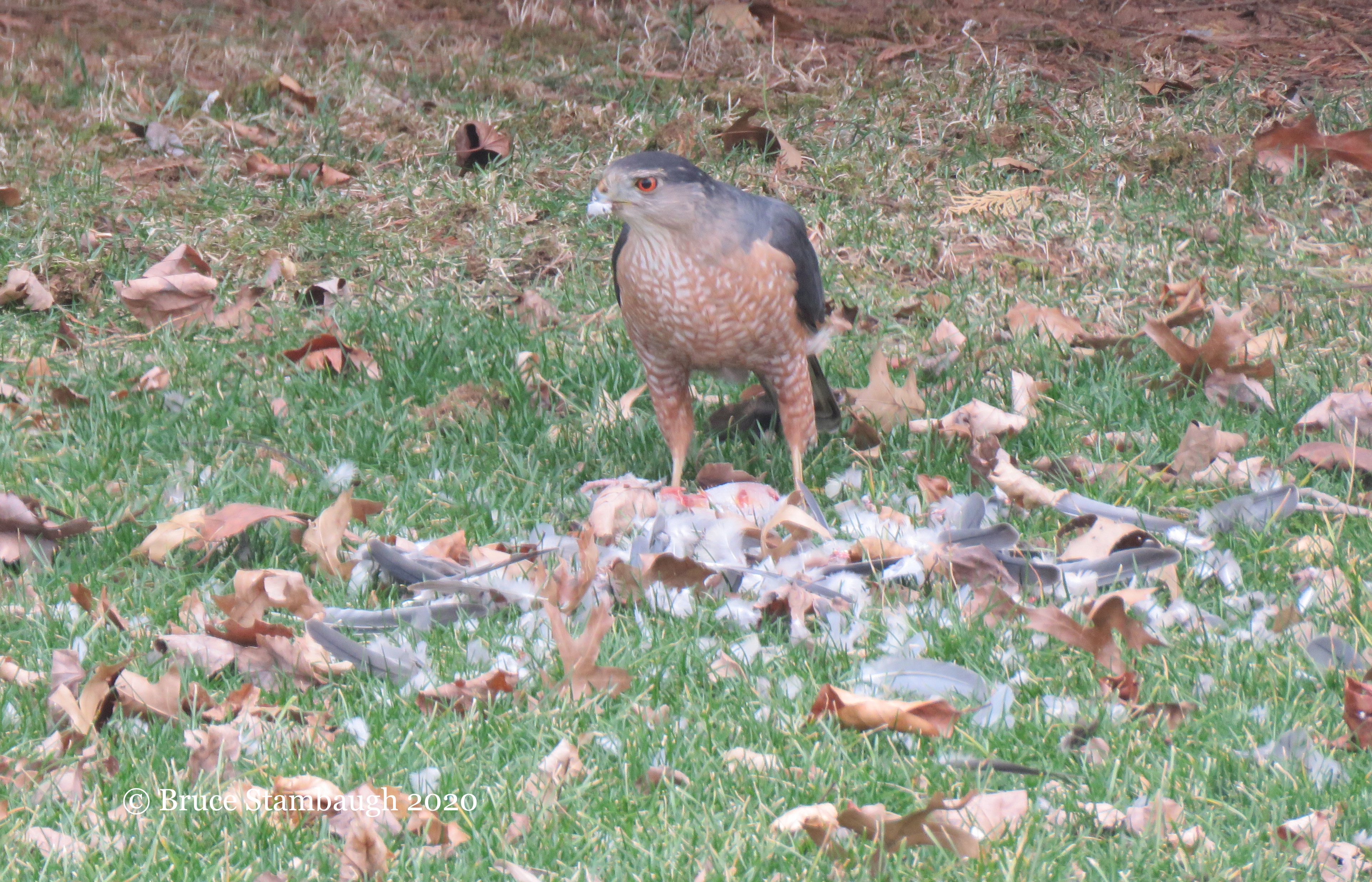
“There’s a hawk in the backyard,” my wife hollered from the other end of the house. I rushed to where she was. The bird was on the ground near the line of evergreens that divide our yard from a neighbor’s.

It was the neighborhood Cooper’s hawk. I had seen it before swooping low over homes in search of its favorite target, songbirds that frequented backyard feeders. I had briefly seen it in our backyard before.

The hawk’s blood-red eyes shown even from that distance without my binoculars. It was too big for another similar accipiter, the stealth sharp-shinned hawk. This beautiful Cooper’s had made a kill and was ripping it apart with its sharp, hooked bill.

I hurried to retrieve both my binoculars and my camera to watch the unfolding drama. I need not have rushed. The hawk remained in the same spot undisturbed, devouring its catch for nearly an hour.

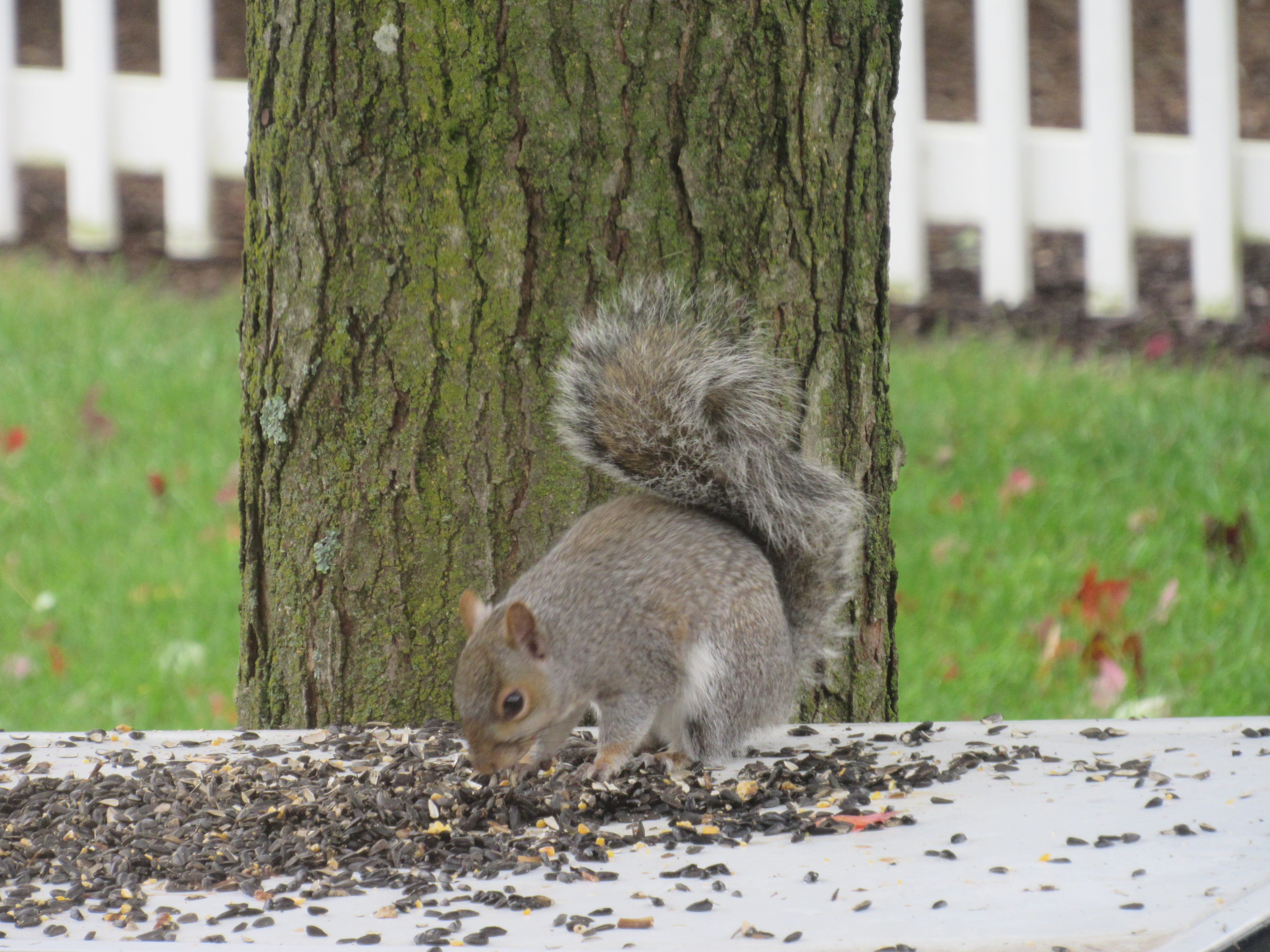
At first, I thought the Cooper’s had captured one of the many grey squirrels that frequent our yard in search of food or to drink from the birdbaths placed around the exterior of the house. As soon as I lifted the binoculars to my eyes, I knew it wasn’t a squirrel.

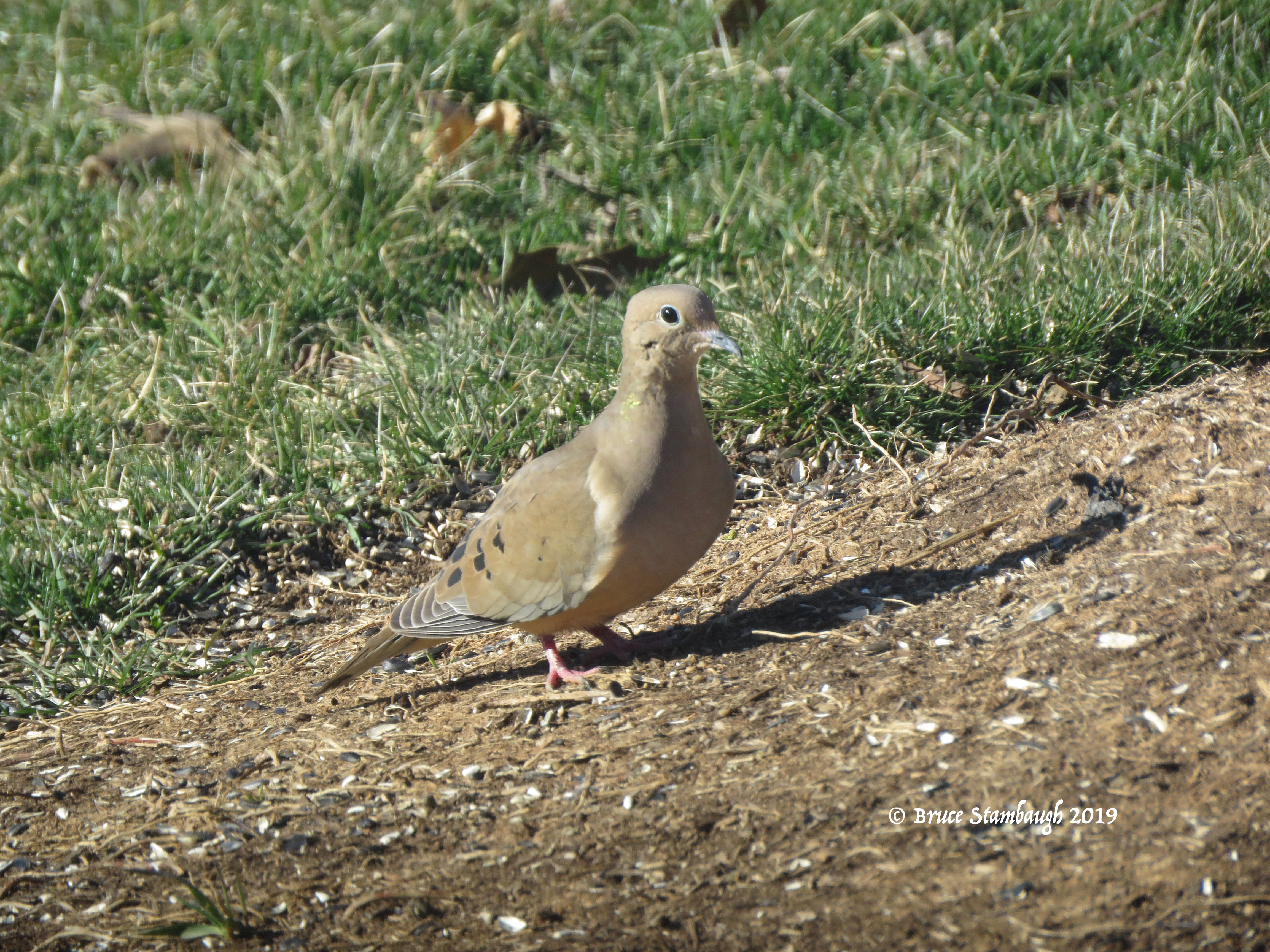
I could see feathers scattered on the ground around the hawk. It had captured one of the mourning doves that come to the feeders or roost in our trees.

I wasn’t sad, nor did I think the scene gruesome. Neva and I had witnessed the balance of nature in progress, “survival of the fittest,” as some refer to it. Just as the dove needed food, water, and shelter, so did the hawk. In this case, the dove was at the wrong end of the food chain.

Empath that I am, I felt a little sorry for the poor mourning dove, but not that sorry. After all, the Cooper’s hawk needed to eat, too. That’s the way of nature.

I try to not get too attached to birds and other wildlife that I encounter. Instead, I just try to enjoy them and their various antics. Each one seems to have a personality all its own, behaviors that set it apart from others of the same species. The riotous European starlings might be the exception to that observation.

I marvel at how nature unfolds, sometimes at her own expense. Once, while watching sandhill cranes walk toward me in Florida, I heard a commotion behind me. A bald eagle had snatched an American coot from a channel. The eagle landed in a large tree where black feathers flew as the eagle ripped apart its breakfast.

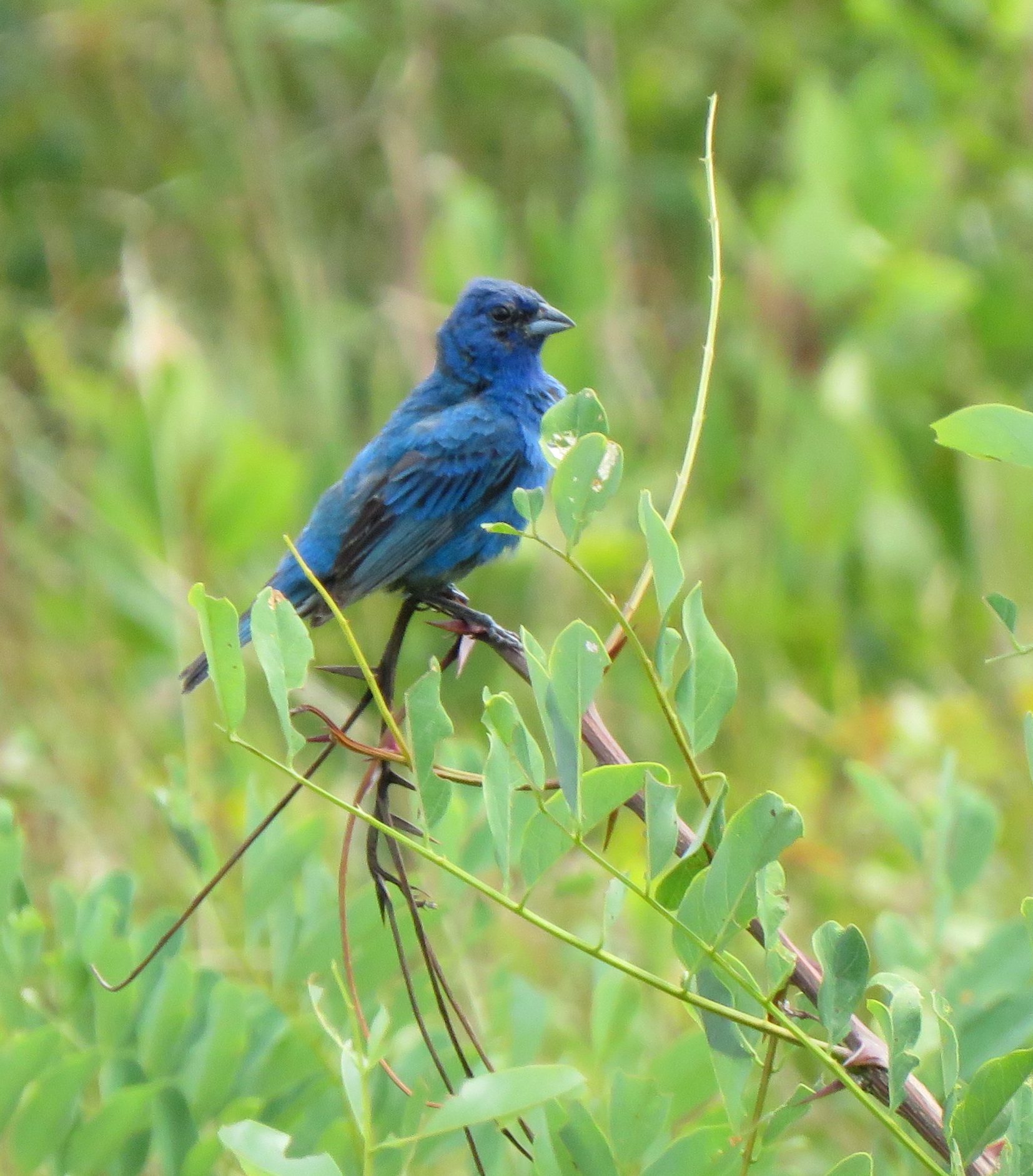
Songbirds like this Indigo Bunting devour weed seeds.
It’s important to remember the big picture when it comes to nature. Where would we be if birds didn’t eat insects or weed seeds or other animals? That alone is reason enough for humans to take better care of planet earth.

I watched the Cooper’s hawk off and on for the duration of its dining. It ate judiciously, pausing every now to check its surroundings. It would return to its meal, pulling sinew, flesh, and bones from the carnage.

After it flew off, I went out to inspect the crime scene. All that remained of the mourning dove were two circles of feathers. One fanned out where the dove was snagged, and the other only inches away from where the hawk dined. The hawk had eaten every other part of its victim.

That is the way nature works. It is a joy and an honor to admire her at each opportunity that she affords.

This slideshow requires JavaScript.


© Bruce Stambaugh 2020
Lunchtime


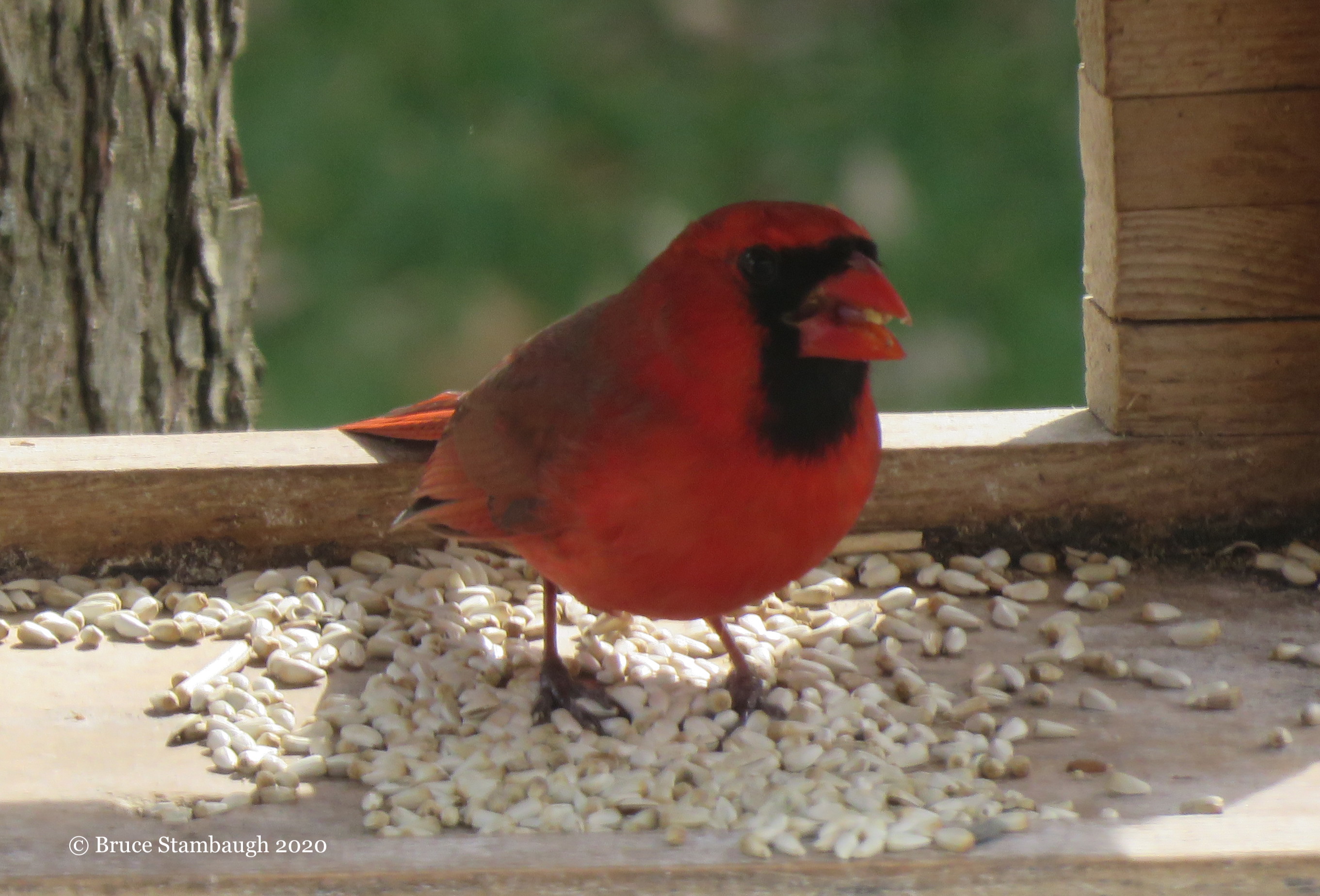
I caught this male northern cardinal chowing down on safflower seeds that I had set out for the few birds that will eat them. European starlings and common grackles won’t touch the seeds. So if they are hogging the other feeders that contain black oil sunflower seeds, the cardinals and other songbirds help themselves to the bleach-white offerings.

“Lunchtime” is my Photo of the Week.

© Bruce Stambaugh 2020
In like a lion, out like a lamb, or not

March snow in the mountains.

March is famous for its variable weather. After all, the familiar saying, “In like a lion, out like a lamb” references the month of March.

There’s a good reason for that. It’s easy to imagine our log cabin ancestors being more than ready for spring after enduring snowstorm after snowstorm. However, pioneer-era folklore was based more on hope than meteorological compilations.

They professed that if March began with yet more lion-like elements, then it had to end with gentler, calmer, warmer, more welcoming weather. Who could blame them?

It’s only natural to want more appealing weather than another cold spell. In animalizing weather, it’s much safer to deal with a lamb than a lion, especially if you were a 19th-century settler with a bad case of cabin fever.

Likely, there was more to it than that. Those hardy people believed in a balance of life. Aristotle’s “moderation in all things” was their mantra. So, they logically applied that theory to the weather as well. If March was harsh in the beginning, it should be mild by month’s end.

Unfortunately, the weather doesn’t work that way. We take what we get, and given what we have gotten in the past, March’s weather could be a doozy. A lot of factors come into play.


March’s normal weather, whatever normal is these days, has historically played hijinks with global societies. March is known to deliver every variety of weather in its 31 days, and not always where or when you might think.

My family has personal experience with March’s fickleness. Seven years ago, we traveled from Ohio to Virginia’s Shenandoah Valley to babysit our three grandkids, then ages eight, six, and three. Their parents went on a much-needed vacation to Florida.

Shortly after we arrived, a strong cold front moved through the eastern U.S. causing chaos. While Florida froze, the storm dumped a foot of heavy, wet snow on us. Babysitting was never so much fun as we frolicked in the winter wonderland. Sled riding, building snow forts, and snowmen filled much of our time.

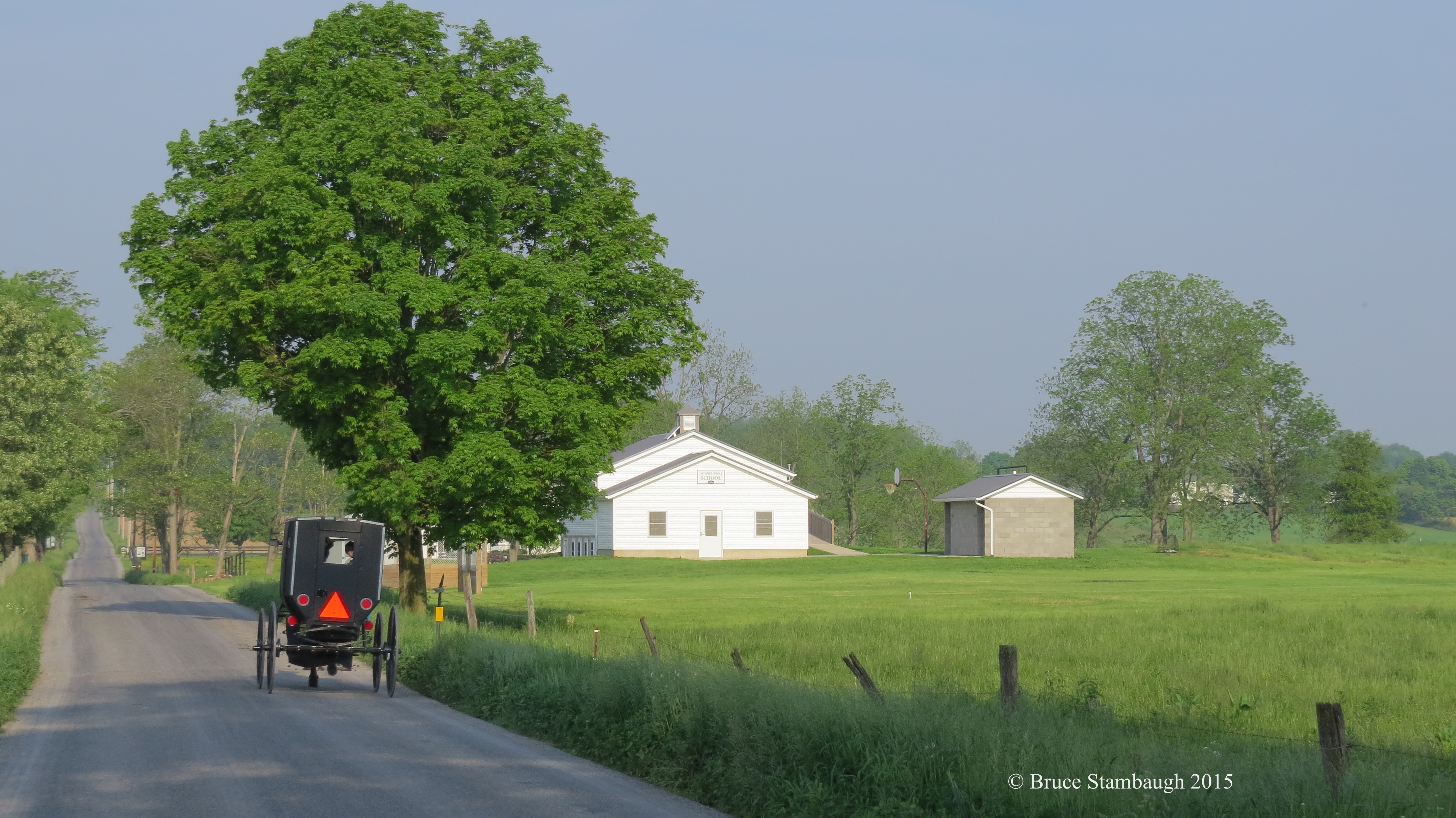
When we returned home a week later to Holmes County, Ohio, the weather was dreamy. Under sunny skies, Amish farmers were plowing fields with horses. Now those seem like the good old days.

When we arrived home.

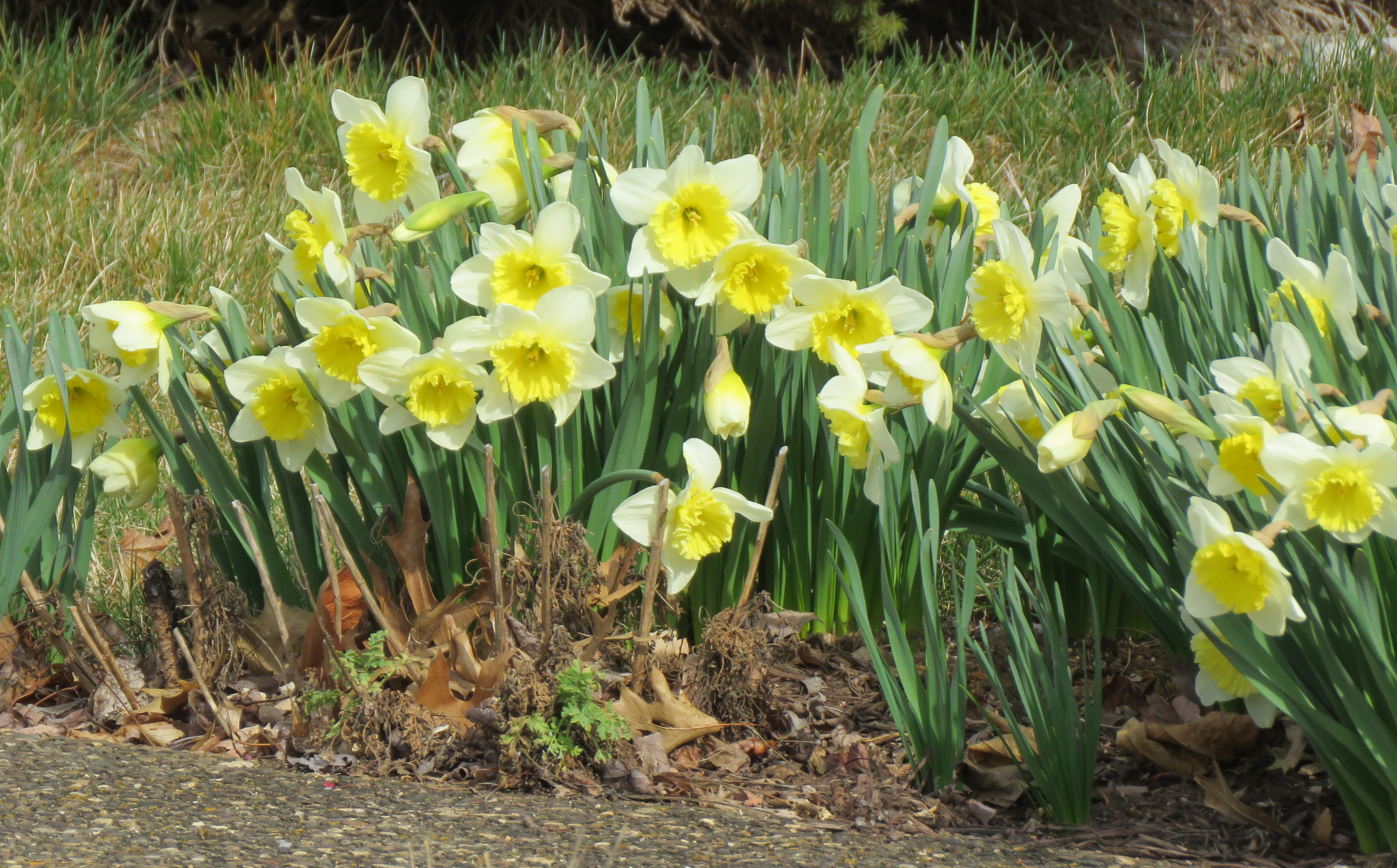
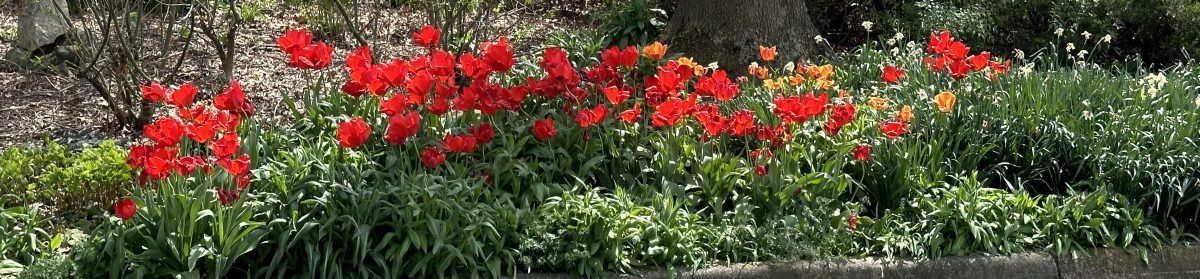
It’s easy to be nostalgic about March. I always thought of the third month as the bridge between winter and spring. Hoes and rakes replaced sleds and ice skates. The snow on the daffodils never lasted long.

It’s much harder to face the reality of the Marches of the 21st century. Now, severe storms are occurring more frequently and are much stronger than in previous times.

More than a hundred years of industrialization have drastically changed global climate patterns. Tropical areas that usually receive regular rains have been drought-stricken, resulting in catastrophic wildfires. Think Australia and California.

Globally, the last 10 years have produced nine of the warmest years on record. In fact, this January was the warmest ever. That could explain in part why many skiers, ice skaters, and ice fishermen far and wide had to feel abandoned by the nearly winterless winter weather.

That said, March will still be March. It just might be wilder than in olden years. Our forebearers rhymes may have had some wishful reasoning to them. The reality in the early 21st century may deliver more dramatic climatological results.

If we are fortunate, perhaps the meteorological lion and lamb will lie down together peaceably. That might bring spring weather of biblical proportions.

The signs say it all.

© Bruce Stambaugh 2020

It’s always good to be home

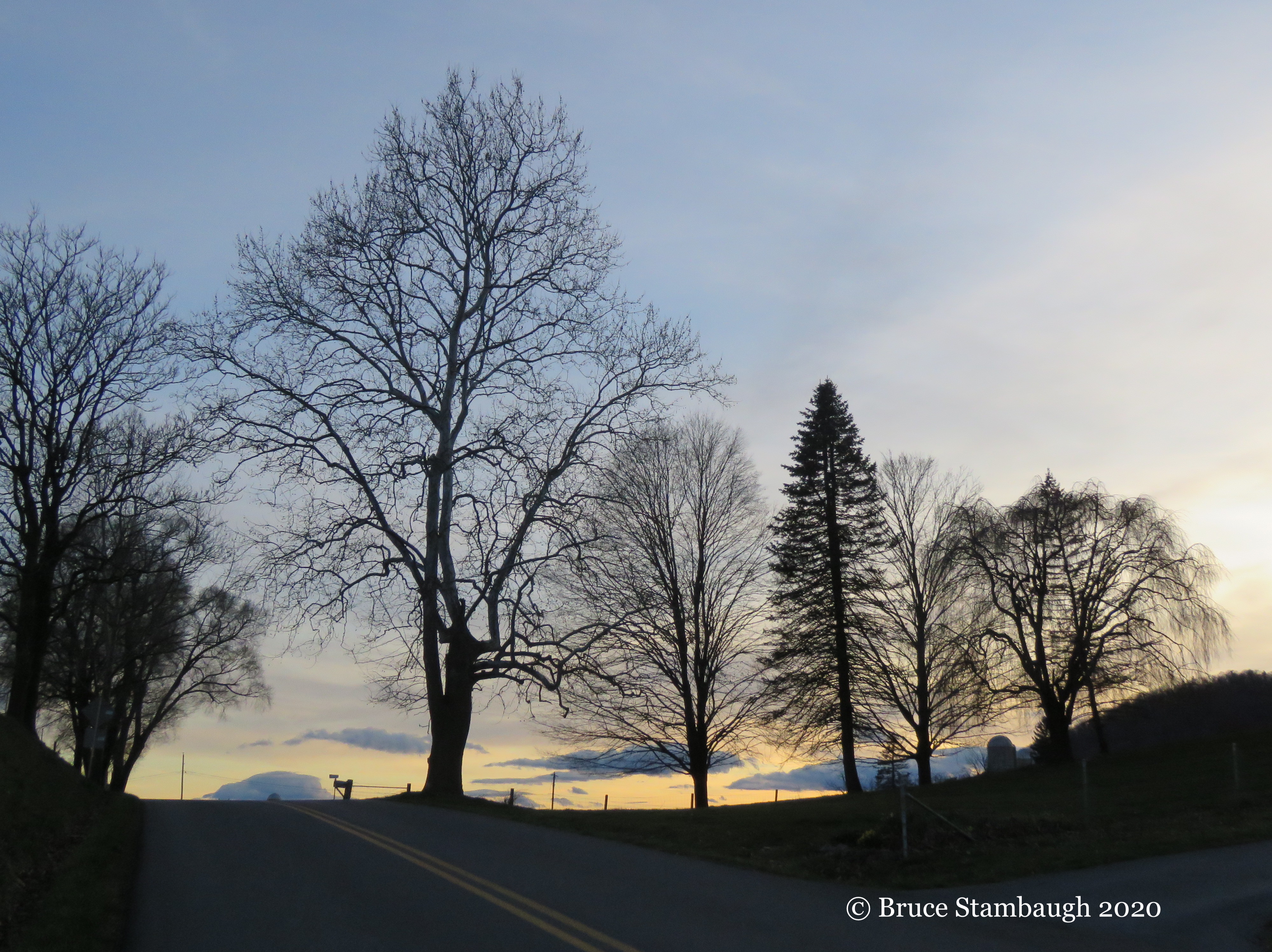
A new day dawns in Ohio’s Amish country.

Home. It’s a four-letter word that conjures up both good and sad emotions. It all depends on one’s circumstances.

I was fortunate. Returning home has always been a rewarding, meaningful experience for me.

I have no recollection of living in my first home on a channel of a lake near Akron, Ohio. But I recall many stories told to me in my adolescent years. I still get chided for grinding up coal cinders from the driveway. Apparently, I thought they tasted good.

My earliest childhood recollection was when I was about four years old. My father handed me a cold Coca Cola while I sat overhead on a rafter of the house my folks were building.

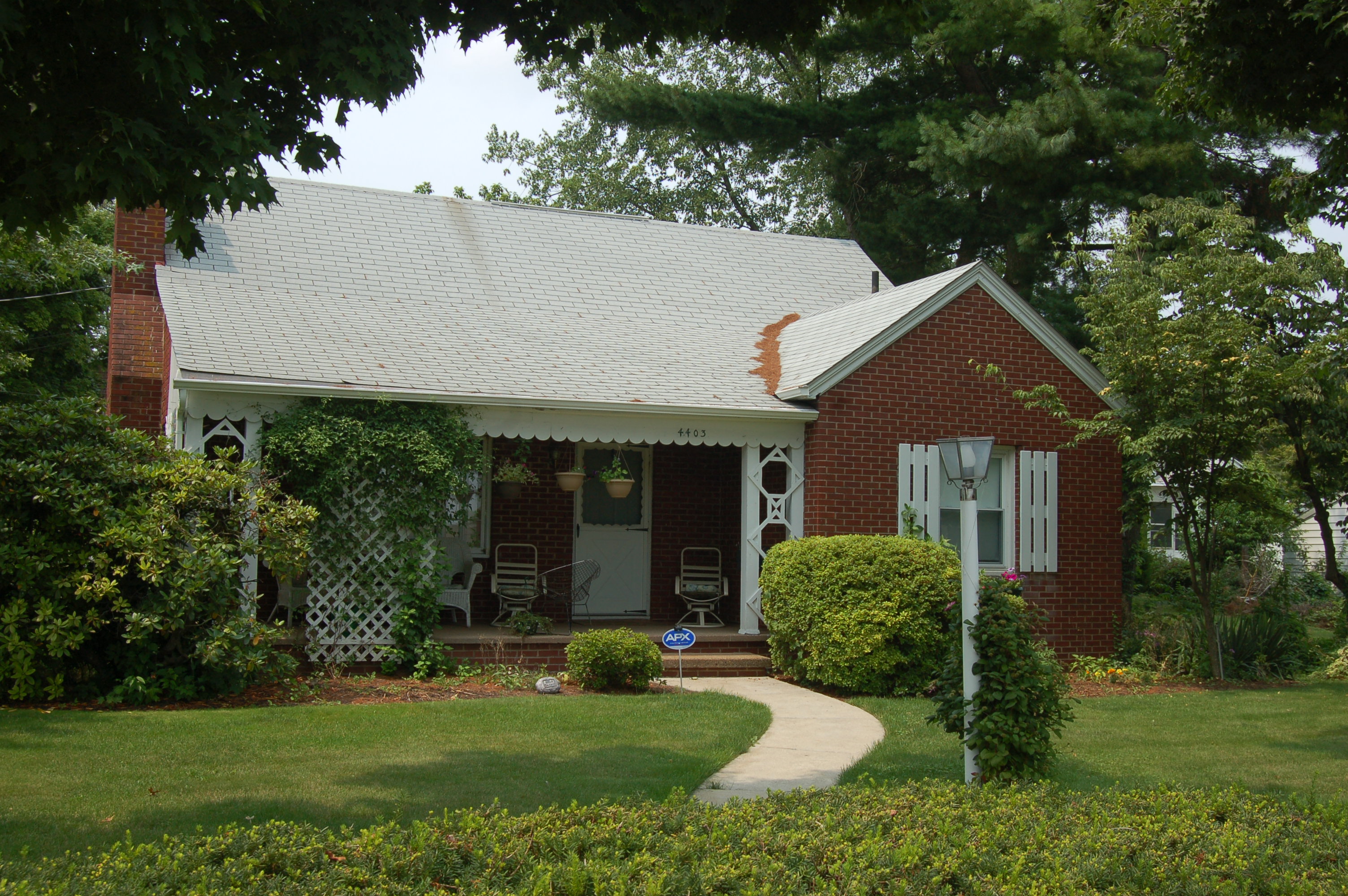
I spent my formative years in the little red-brick bungalow in Canton, Ohio. Baby boomer families like ours filled that middle-class neighborhood. Pick up Whiffle ball, baseball, and football games were commonplace, along with hide and seek sessions that went long into warm summer evenings.

That modest home was always a welcome sight returning home from college. Though the house was sometimes filled with shouting and disagreements, I always felt safe there. It was my home and my family, after all.

All of that changed once I graduated and started teaching in Killbuck, Ohio. I met and married my wife, and we built our own home just out of town next to an old cemetery. My school principal built right next to us. I loved to tell people that at least we had good neighbors on one side of our home.

We spent 10 incredible years there. It’s where our daughter and son learned to walk, talk, and play. Oh, the stories I could tell of those good old days in that hardscrabble town. For now, it’s best to let them remain dormant.

After I became a principal in East Holmes Local Schools, we moved to near Berlin, Ohio. The house we bought was on an Amish farm, and all of our neighbors spoke Pennsylvania Dutch as their primary language. That wasn’t a hindrance at all.

Just like when I grew up, our daughter and son had plenty of children to play with. They often met at the giant old black oak tree across the road from us. It was a joy to be able to watch them interact and quickly solve any squabbles without an adult having to intervene.

We lived there for 38 years, longer than any other place, including our childhood homes. Our neighbors were friendly and helpful. Amazing sunrises and sunsets enhanced the already beautiful views that we enjoyed.

Despite our deep roots in the community, we decided it was time to be nearer to our three grandchildren, who were growing all too fast. We found a home only five miles away from them in Harrisonburg, Virginia.

We bought and remodeled a little ranch house amid nearly 500 other homes. Just like their owners, each one has a personality all its own. Instead of being in the heart of Ohio’s Amish country, we now live in the heart of the beautiful Shenandoah Valley.

We can watch our high school grandson strike out batters in a baseball game. We enjoy a middle school concert in which our other grandson plays the French horn. We watch and listen with pride as our granddaughter sings in a prestigious children’s choir.

In the words of Maya Angelo, “I long, as does every human being, to be at home wherever I find myself.”

Indeed, it’s good to be home, wherever that is. I hope that’s true for you as well.

At home in Virginia’s Shenandoah Valley.

© Bruce Stambaugh 2020

Mowing snow while mulching leaves

Before the leaves fell.

This time it wasn’t my fault. Every time I went to mulch the accumulation of leaves that covered much of our yard, something or someone else thwarted my good intentions. We all know where that road leads.

First of all, I wanted to wait until all of the red maple leaves in the backyard had fallen. For some reason, they clung like flies to flypaper. The leaves of the front yard red maple had all tumbled weeks earlier.

When the weather was sunny and warmish, which wasn’t that often in the late fall of Virginia’s Shenandoah Valley, we were gone. When we were home, it was too wet, or other commitments kept me from doing the job.

Even with a couple of gusty windstorms, the leaves clung fast to the tree. Meanwhile, the rest of the neighborhood’s assortment of dead foliage swirled around and landed in our yard like it was a leaf magnet.

The turkey.
It was nearly Thanksgiving before the leaves finally succumbed. Even then, it took almost a week before most of them lay on the ground. The leafy blanket was so thick I could hardly see the grass in spots.

Finally, the timing and weather seemed just right. However, because of a heavy frost, I waited until after lunch to make my move. I shouldn’t have.

I had just started the leaf blower when our yardman arrived. Rain was forecast for the next day, and he wanted to get the year’s last organic fertilizer on the grass despite the carpet of leaves.

He assured me that the rain would wash the fertilizer off the leaves and into the ground. I yielded the yard to him. It rained for three days.

After the rain subsided, it turned cold, freezing the leaves in place. I continued to wait and watch the forecast. It was now early December.

A skiff of snow caused another delay. Most of it melted, except for the snow in the north-slanting shadows of our backyard neighbor’s evergreens and the front of our north-facing house.

A storm with freezing rains was approaching. It was now or never to mulch the leaves.

A few of the neighbor’s leaves.
I set the mower to its highest level so that only the tallest growth of grass would be clipped. I donned my insulated coveralls, put on my waterproof shoes, and cranked up the mulching mower.

Around and round I went, reversing course with each completed trip of the yard’s parameter. The piles of dried leaves that I had blown out of the flowerbeds and shrubbery into the grass easily shredded to bits. The backyard leaves were a different story.

A messy mix of chewed up leaves and dirt began to stick to the wheels. The messiness increased when I hit the patches of thin snow. The pulverized blend of icy moisture and leaves turned to sludge. I stubbornly mulched on.

By the time I had finally finished, the poor mower looked like it had endured a motocross mud run. Brown muck covered much of the mower’s bright red body. The wheels were caked in a sticky mixture of chopped leaves and residue of red clay that poses as Virginia topsoil.

Shreds of green grass clippings topped off the muddy mess like colorful sprinkles on an ice cream cone. It was so sad and ugly that I couldn’t even take a picture of it.

But the mulching was done, and I was a happy man. The unusually difficult task of mowing my lawn had become an existential saga. And then the sun came out.

Not this much snow.

© Bruce Stambaugh 2020

Christmas Morning in Amish Country


This is one of my favorite Christmas morning shots. It’s also very personal and sentimental. After 37 years in the same house, December 25, 2016 was our last Christmas here before we moved to Virginia’s Shenandoah Valley to be near the grandkids.

This photo shows our granddog, a Sproodle (English Springer Spaniel/Poodle mix), watching a horse-drawn Amish buggy trotting by the house. It was a familiar scene for us all those years. The clop, clop, clop of the horses’ hooves on the payment of the busy road on which we lived soothed our souls. We miss that a lot.

I suppose, in part, that is why I chose this peaceful Christmas morning photo to share. I took it in the calm of the blessed morning before the grandkids awoke one last time at our Holmes Co., Ohio, home.

“Christmas Morning in Amish Country” is my Photo of the Week.

© Bruce Stambaugh 2019

Go ahead and ring those bells!


Whenever I hear those old sleigh bells, I know it’s officially the holiday season.

It’s not hyperbole in describing those silver bells as old either. My wife’s grandfather used them on his horse-drawn sleigh. Their pleasing tinkle, tinkle, tinkle conjures up all that’s good and joyous about Christmastime. Visions of Rudolph and the rest of his reindeer team pulling jolly Old Saint Nick in his gift-laden sleigh danced in my head.

That enchanting tinkling sound returns every year as Neva gets the urge to decorate the house inside and out for the holidays. That usually happens on a whim, based on our busy schedules and the weather forecast. This year it was a few days before Thanksgiving.

The jingling of the bells is her unintentional announcement that the holiday display initiative has begun. Neva often completes the jolly decorating on her own, whether I’m home or not.

The sound of the bells, however, drew me away from a writing malaise to join in the fun. With the late November weather sunny and warmish, Neva already had the exterior decorating underway.

We had earlier agreed to simplify both the outdoor and indoor displays. Even then, our previous ones were modest by comparison.

Out came holiday quilted wall hangings, seasonal books, and Christmas candles. Up went the artificial holly wreaths and our late friend Helen’s ceramic Christmas tree upon her antique oak end table. The tree’s red lights stay continuously lit against its shiny green bows all tipped with white for snow.

With each completed display, the memories flowed. Barn wood-framed antique Christmas postcards hang near the front door, welcoming all for the holidays. My late father made the frame years ago.

No room goes untouched with Neva’s artistry. A rustic steel nativity scene adorns her grandmother’s china closet.

Dashes of snipped holly and boxwood grace the front porch and family room. A garland of shiny red beads and artificial greenery accompany the sleigh bells that surround the table lamp in the front window. It’s only appropriate that that string of bells take center stage.

Holiday candles and soap caddies gussied up the bathrooms. In the dining area, Christmas tree knickknacks serve as bookends to the candy dish, where red and white peppermint candies tempt me from atop the antique dry sink.

Salt and pepper shakers disguised as Mr. and Mrs. Snowman oversee the kitchen. Holly stenciled water glasses, festively decorated serving bowls, and platters all wait their turn in the cupboards to serve their cheerful purposes.

Neva already had completed most of this by the time the sleigh bells rang. I arrived in time to decorate the tall and skinny artificial Charlie Brown Christmas tree sequestered in the corner of the open spaced living area.

I enjoyed hanging an assortment of ornaments that represent nearly every year of our togetherness. Neva completed the adorning with thin, red-striped candy canes, also an annual tradition.

Next to the tree, strings of little white lights tactfully wind through stacked books resting on the wooden bench a friend had restored. Strings of green garland and white lights and Christmas tchotchke brightened both the back porch and the utility room.

I can’t overlook the subtle but most prominent and meaningful holiday symbol of all. By night, little battery-powered candles flicker from the windowsills. Their glow is small, but mighty, brightening the darkest December nights and the starriest.

That evening I took my tea in an oversized holiday mug. It’s hand-painted smiling snowman enjoyed every sip right along with me.

When it comes to Christmas, our welcome sign is out. My wife always makes sure of that.

© Bruce Stambaugh 2019

Happy Thanksgiving!

IMG_6396

What could be more appropriate than a photo of a roast turkey ready to be carved on Thanksgiving Day?

Happy Thanksgiving to one and all!

“Happy Thanksgiving” is my Photo of the Week.

© Bruce Stambaugh 2019

Red and Red

2019-11-18 12.47.59

I have lived long enough to know that photography is as much about timing as it is photographic skills. Had I not looked out the window at precisely the right time, I never would have seen this male northern cardinal feeding alongside this lone red maple leaf. The yellow of the scattered corn that attracted the bird served as a lovely, contrasting background for the shot.

“Red and Red” is my Photo of the Week.

© Bruce Stambaugh 2019

When the lost is found


During my morning devotions, I try to include a brief time of meditation. A recent theme focused on observing rather than reacting with anger, fear, or judgment to human interactions.

Little did I know then that before the day would end, I would personally apply that lesson.

The day was foggy in the Shenandoah Valley. Random openings in the haze allowed the morning sunshine to poke through. The Blue Ridge Mountains, however, were socked in. I wanted to go there for one last chance to capture the beauty of a Shenandoah fall.

With the hope that the sun would eventually burn off the overcast, I headed to Shenandoah National Park. By the time I arrived shortly after noontime, that is precisely what happened.

Driving along the park’s extolled Skyline Drive is a joy at any time of the year. It is an absolute privilege to experience the fantastic colors of the fall foliage.


The park burst with scarlet, red, yellow, orange, amber, russet, brown, and crimson. Each hue complemented the others. I drove in the fresh, moist mountain air with the moon roof open and the windows partially down, taking in the autumn’s sights, sounds, and pungent fragrances.

I made several stops to photograph the scenery and finally recognized my fatigue at Big Meadows, where I stopped for lunch. The combination of my emotional exhilaration and the numerous times of exiting and reentering my vehicle had tired me. It was a reminder that my leg still had healing to do.

I retraced my route. Fog still rolled up out of the hollows and dissipated before my eyes. I continued to pull into nearly every overlook to capture the gorgeous splendor.

At my last stop, I reached for my camera, but it wasn’t there. I quickly searched in the vehicle, but the camera was gone. I must have left it on a stone wall at the last overlook where I had paused for an afternoon snack.


This slideshow requires JavaScript.


In the five-mile backtrack, my thoughts ticked off the options. It could still be there. Someone may have turned the camera in, or it was gone.

For most of my life, I have been my own worst critic. I berate myself when I err or let my emotions control my mood because of a negative situation. Not this time.

Remembering the morning’s meditation, I mentally weighed the consequences of my lapse of concentration by leaving the camera. I also accepted the situation without self-judgment.

Where I lost my camera.

I had captured dozens of photos of the incredible scenery. Now, they could be lost. I still had the day’s experience, however. That would be serenity enough, camera or no camera.

When I arrived at the overlook, the camera was nowhere to be found. I used my best option. I returned to the Big Meadows visitors’ center and reported my camera missing.

I headed south again, making a couple of more stops before I arrived at the Swift Run entrance station, where I access the park. I asked the ranger if anyone had turned in a camera. To my amazement, she said a young woman had given her a camera only 30 minutes ago. It was mine!

Of course, I was ecstatic to have the camera back, but not as delighted as I was with my self-control. No anger, no negative thoughts, no self-blame had arisen.

It had been a fulfilling day. A morning lesson, time in nature, a senior moment, a trustworthy person, and a personal watershed breakthrough brought deep contentment. I could not have been happier.

© Bruce Stambaugh 2019

Bay Photos by Donna

Wildlife Photos From The Chesapeake Bay Region

ROAD TO NARA

Culture and Communities at the Heart Of India

K Hertzler Art

Artist and nature journalist in the Shenandoah Valley of Virginia.

Maria Vincent Robinson

Photographer Of Life and moments

Gabriele Romano

Personal Blog

Jennifer Murch

Art is the only way to run away without leaving home. -Twyla Tharp

Roadkill Crossing

Writing generated from the rural life

ANJOLI ROY

writer. teacher. podcast cohost.

Casa Alterna

El amor cruza fronteras / Love crosses borders