It’s been nearly a year now that my wife and I moved from Holmes Co., Ohio to Virginia’s Rockingham Co. One way I’m learning about the area, its people, its topography, its history, its culture, is just by driving around. Of course, I usually have my camera with me to document what I see and find.
Before we moved from Ohio, we would pass through a small burg named Cootes Store on our way to visit our daughter and her family in Harrisonburg. It was hardly more than a crossroads in the northwestern part of the county. I found the name intriguing and just assumed that once upon a time a real “Cootes Store” must have existed there.
On one of my discovery runs, I found Cootes Store. Its personality jumped out at me through all of the old, eclectic merchandise visible inside and out. This likely isn’t the original building, but it is all that remains of what once must have been a thriving business to have a town named for it.
You can read more about the history of Cootes Store here. “Cootes Store” is my Photo of the Week.
I had high hopes for attracting backyard birds to our Virginia home. I hung feeders from the two maple trees on our property almost as soon as the movers had unloaded our household goods from the moving trucks nearly a year ago.
Well, maybe it wasn’t that quick, but still, the feeders went up, one in the front yard and one in the back. I also erected a jelly feeder for the Baltimore Orioles and a sugar water feeder for the ruby-throated hummingbirds.
I was excited about starting our retirement years anew in Virginia. The grandkids were paramount in deciding to relocate. Birding came a little farther down the priority list.
Still, I wanted to see just what birds I would attract. To my surprise, it didn’t take very long for some prized yard birds to appear. Northern cardinals, rose-breasted grosbeaks, American goldfinches and other species found the feeders right away. Tufted titmice, and black-capped and Carolina chickadees made occasional appearances, too. I was ecstatic.
Ohio backyard birds.
Red-headed Woodpecker.
White-crowned Sparrow.
Male Downy and Male Pileated Woodpeckers.
Yellow-bellied Sapsucker.
Male Red-bellied Woodpecker
Chipping Sparrow.
Male Eastern Bluebird.
The results nevertheless were mixed. The numbers and species, however, were much fewer than what I had seen in Ohio. Back in the Buckeye State, orioles gulped grape jelly by the jarful. Hummingbirds zipped to my feeder by the kitchen window. At least seven woodpecker species visited my feeders, including pileated woodpeckers that brought their young to gorge on peanut butter suet.
Songbirds were abundant and frequent visitors, too. Showy white-crowned sparrows were favorites. I especially enjoyed the eastern bluebirds. They brightened any dull Ohio day with both their brilliant springtime feathers and their sweet lullaby calls.
In Virginia, daily drama cropped up around the bird feeders. Large, bossy, and noisy common grackles consistently scared the more desirable species away. They also drained the feeders once they brought their young. In addition, scores of squirrels munched their way through the feed they could reach. The more sought-after birds didn’t have a chance, so I took the feeders down for the summer. In Ohio, I fed the birds year-round.
I rehung the feeders in the fall. With the pest birds elsewhere, the better backyard birds returned. I was happy for that, and even more pleased when the dark-eyed juncos and white-throated sparrows arrived for the winter.
Virginia backyard birds.
This slideshow requires JavaScript.
It’s not that I expected Virginia to be Ohio. They were two different locales with entirely different habitats altogether. For bird watching, habitat is crucial.
We no longer lived in a rural flyway like we did in Ohio. The habitat of our suburban neighborhood in no way remotely resembles the bird-inviting one we had in Ohio. It is also wholly unfair to compare one year in Virginia to a lifetime of appreciating Ohio birds.
I photographed all the various birds I saw in Ohio. I have hundreds, perhaps thousands of digital shots. Reviewing them revives fond memories for me. But as much as I would like to, I can’t linger there.
Now, I take pleasure in the natural springtime wakeup calls of the white-throated sparrows, song sparrows, and cardinals. I pay more attention to the gregarious American robins that I once took for granted. I chuckle at the effervescent northern mockingbirds that frequent our neighborhood.
I miss those Ohio birds to be sure. However, the recent appearance of a migrating pine siskin sparked an epiphany.
That little bird brought home a valuable life lesson for me that is apropos far beyond the birding world. Be happy with what you have.
Being the photography nerd that I am, I always like to document family gatherings. That’s especially true when we gather for special occasions like birthdays.
Our oldest grandson recently turned 14, as you can surmise by the numerical candles in his marble birthday cake. I asked his siblings to join Evan at the table for a quick photo before the cake was cut. Knowing from past experiences that all three like to ham it up, I specifically asked Evan, Davis, and Maren for a decent shot. This is what they gave me. It was the only shot I took because their poses perfectly reflect their individual personalities. I couldn’t have asked for a more candid shot if I had wanted it. Welcome to the new definition of “decent shot.”
Sometimes the stars do line up for you. In this case, it was the moon and the sun. On the morning of January 31 precisely at sunrise, the first blue moon of 2018 began a total lunar eclipse. You can see the beginning of the eclipse at about 11 on the moon’s face. The moon sank below the horizon before the eclipse was total.
I was fortunate to be able to capture the extended but broken reflection of the moon in the Amelia River at Fernandina Beach, FL. Dawn’s first light illuminated the sailboat moored in the river.
I’m a weather nut, geek, groupie, whatever you want to call me. The weather has fascinated me since I was a child. My wife will verify that I get antsy in severe weather. I’ve tried to channel that excitement and energy into practical action. I’ve been a severe weather spotter for the National Weather Service since 1975.
Imagine my surprise when the fog rolled in off of the Atlantic Ocean while walking a beach near Mayport, FL one afternoon. I was surprised and thrilled to see this rare fogbow appear. I was extremely fortunate to be at the right place at the right time because fogbows don’t last long and are seldom photographed.
Fogbows are cousins to rainbows. Fogbows form from the sun reflecting in millions of tiny water droplets that make up the fog. Since it takes one million cloud droplets to make a single rain droplet, the fog droplets are too small to adequately refract the colors that create rainbows. Consequently, the fogbows shine bright white but only for a brief time. Because of their color, fogbows are also called ghost rainbows, white rainbows, or cloud bows.
You can get a feel for the size of the fogbow by comparing the people below the far left end of the weather phenomenon. “Fogbow” is my Photo of the Week.”
Spring! It’s a word that rolls off our tongues with joy and passion. I give thanks for this vibrant, vernal season, especially after the long, cold winter too many of us had to endure.
This past winter surely tested our patience. But patient we must be. As much as we welcome springtime into our lives, she, too, can be fickle and bring mixed messages. Much like fall, springtime weather can embody all four seasons. Still, let’s give thanks for springtime.
Spring one day…
…and the next.
I realize that in our North American society, Thanksgiving is reserved for the fall. Canadians annually celebrate their Thanksgiving on the second Monday of October. U.S. citizens wait until the fourth Thursday in November.
The Thanksgiving holidays acknowledge all that we have. The reflective focus is on the harvest, glad to have reaped the benefits of all the hard labor used to produce the yield. But we also need to be thankful for the spring. There are no apples without the blossoms and the pollinators.
I’m grateful for springtime even though some years, like this year, she takes her good old time making her presence known. Still, I say, let’s all express our thanks for spring’s debut.
Spring’s arrival creates a variety of reasons to rejoice often based on where you live and what activities ensue. Much action has an agricultural bent. Suburbanites will gas up their lawn mowers for the first of many rounds around the yard. City dwellers will pot tomatoes, peppers, and petunias to baby on their balconies.
More ambitious gardeners with sufficient plots of land will plant their seeds and seedlings, always keeping a wary eye on any frosty forecast. Flowerbeds will be mulched, windows washed, and if time allows, neighborly visits will resume right where they left off last fall.
This slideshow requires JavaScript.
Songbirds fill the twilight with concertos. Dormant lawns, long browned from winter’s sting, green up from an overnight shower. Azaleas, daffodils, dogwoods, redbuds, and forsythia brighten the awakening landscape. Shouts of children riding bicycles or skateboards echo through neighborhoods regardless of setting.
For all of this, I am thankful. Why not? It is the season of renewal, and after the winter that wouldn’t end we all need a breath of fresh air, we all need to inhale those sweet fragrances, we all need to enjoy each moment as the bees, birds, and butterflies reappear.
No matter how long spring takes to settle in to fit our particular comfort level, we should be most thankful that the season of hope and renewal is upon us. In keeping with that regeneration, it’s good to express our thanks to others each and every opportunity we can. Share your joy with others the way a mother robin cares for its young. Spouse, plumber, daughter, son, grandkids, stranger, receptionist, parents, waitress, checkout person, or whomever you meet will do.
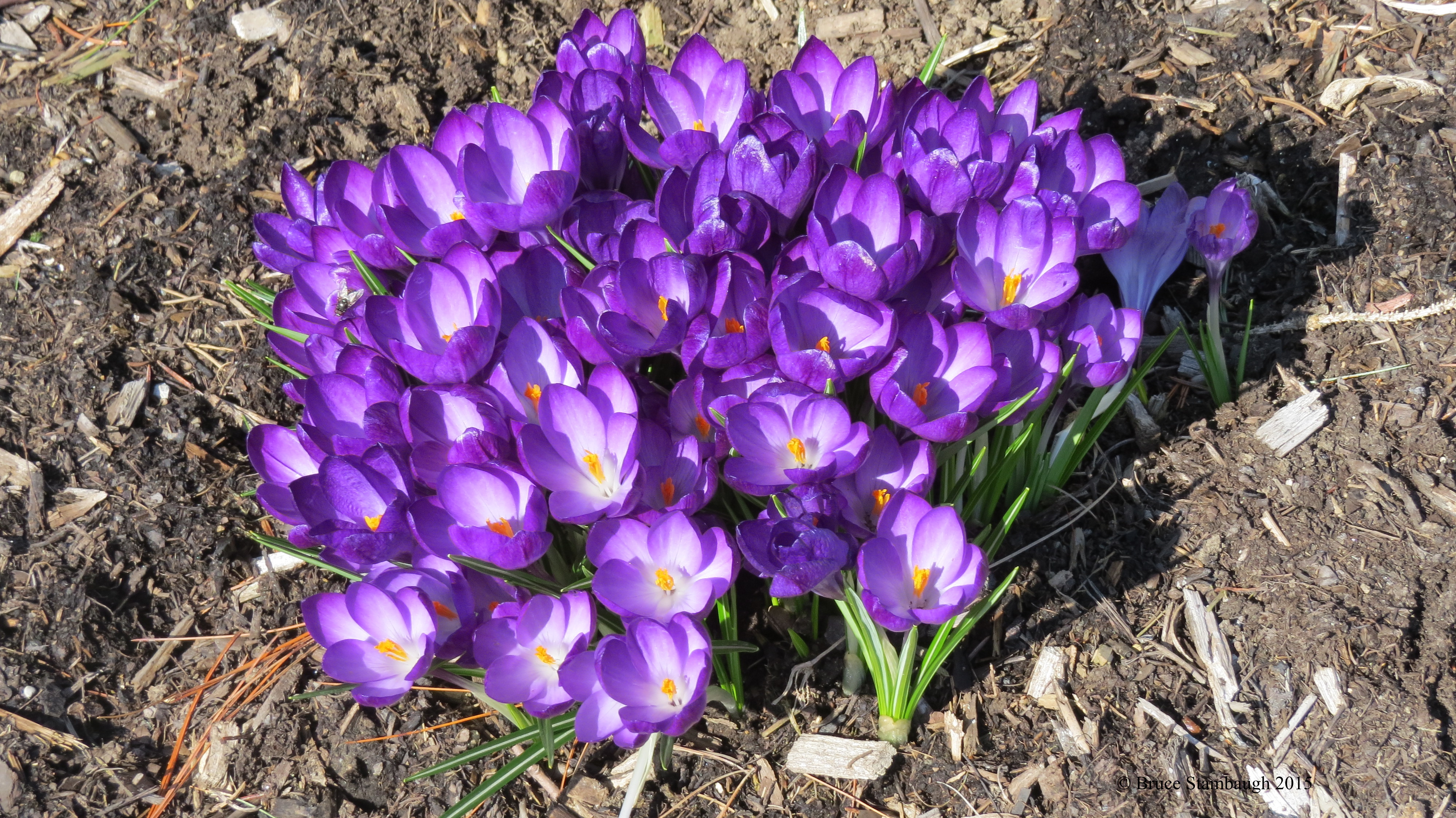
Life is in a constant state of change. Spring is that reminder to us to embrace not just the new season, but life itself. The message of the purple crocuses is to put away your fears. Spring is here. Life is good.
Without the season of renewal, there can be no harvest. At this sacred time of year, let our thankfulness replicate our gratitude for life itself, the life we have lived, are living, and the experiences yet to come.
I’m thankful for spring’s freshness, its vibrancy, virility, brightness, and renewed blessings. Life’s eternal cycle of renewal has returned once again. Let’s rejoice and be glad in it!
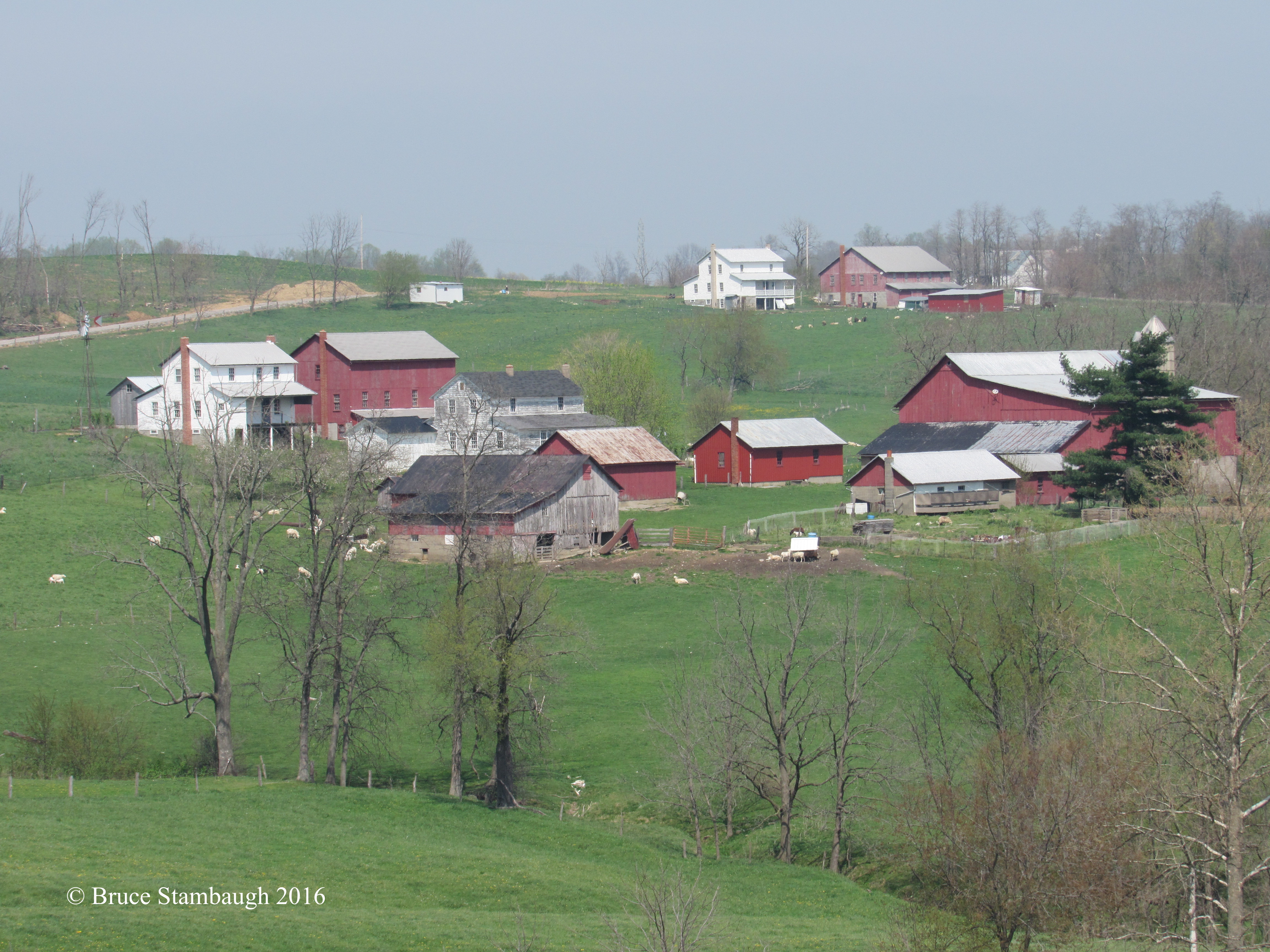
My wife and I had the privilege of living among the largest Amish population in the world for most of our adult lives in Holmes Co., Ohio. Scenes like this one were common. The Amish take their religious holidays seriously. Good Friday is one of the most solemn for them. They gather for church, often holding communion that would include foot-washing.
Amish churches are divided by districts and size. Since the Amish meet in homes or barns for their church services, the congregational size is usually kept at a manageable size for the hosting families. That is, each church group is about 100 to 120 people, including children.
Since the Amish rely on horse and buggy for their chief means of transportation, the distance to church is also an important consideration in forming each church district. As the buggies arrive at the home where the church is being held, Amish men will park the buggies, unhitch the horses, and put them in a pasture or barn depending on the weather. The service usually begins at 9 and lasts until 11:30 with a light lunch that follows.
St. Augustine, FL is a favorite destination for us.
By Bruce Stambaugh
My wife and I like to travel. We’re not world travelers by any stretch of the imagination. Mostly we embark on both long and short ventures to visit friends, explore new places, and revisit old haunts.
Given today’s complexity and expense of flying, road trips are our favorite. That means Neva and I spend lots of time together in our vehicle.
Our peers, other retired couples, do the same of course. Most report that they use the road time to chat with one another, plan future activities, and discuss ongoing world events. Not us.
When we travel by motor vehicle, Neva and I have a solemn, implicit pact. We seldom talk. It’s been that way almost from day one of our marriage. I suppose it’s just a habit that we quickly fell into. But we have made it work for us.
From my experience, most folks seem uncomfortable with silence. Neva and I take it in stride, each using the quiet time in different ways. Neva reads, stitches, does word puzzles, or plays games on her iPad. Me? As I drive, I observe, think, and plan. I know that sounds a bit boring, but I find the quiet time refreshing.
We can be spontaneous, though. We don’t necessarily travel from point A to point B. We like to stop if we see something that catches our eye. That’s especially true for me. I’ve even been known to turn around just to photograph a lovely landscape scene or an attractive old building or an eagle snacking in an open field.
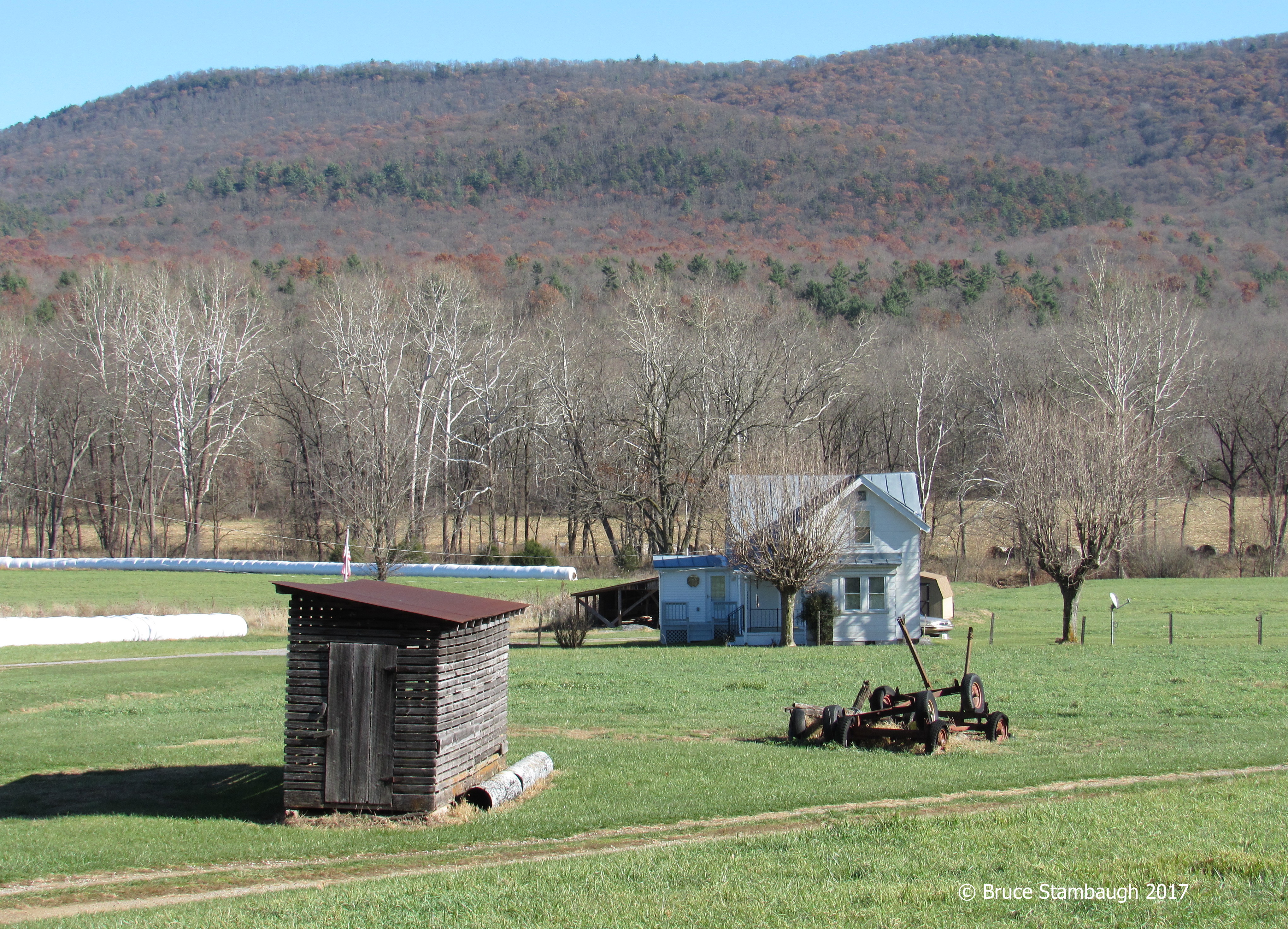
This farmstead in West Virginia is typical of the scenes I stop to photograph.
When we can, we drive the old surface routes, avoiding expressways and interstate highways, especially if we don’t have to be somewhere at a given time. Doing so makes life so much more interesting for us.
We also traveled with our son and daughter when they were young. That was before cell phones, iPads, iPods, and in-vehicle entertainment centers. We would have the typical family verbal interactions. But on long trips, Neva always had individual activities for the kids to fill the road time.
Those trips weren’t as peaceful as the ones we take now by ourselves. No one would have expected them to be, but our son and daughter weren’t rowdy either.
As we’re driving, every now and then I’ll think of something I meant to ask Neva but forgot. I seem to do that more and more these days. So I’ll ask on the go. She does the same with me. That question may lead to further discussion and a resolution to a dangling participle in our lives. Without long stretches of silence, that unresolved issue might not have even been discussed.
I also find sustained silence helpful in flushing out touchy topics I have avoided for fear of disagreement. After all these years together, we know that it’s better to lay all the cards on the table than secretly hold them to fester. Perhaps a moving vehicle keeps conversations progressing, too.
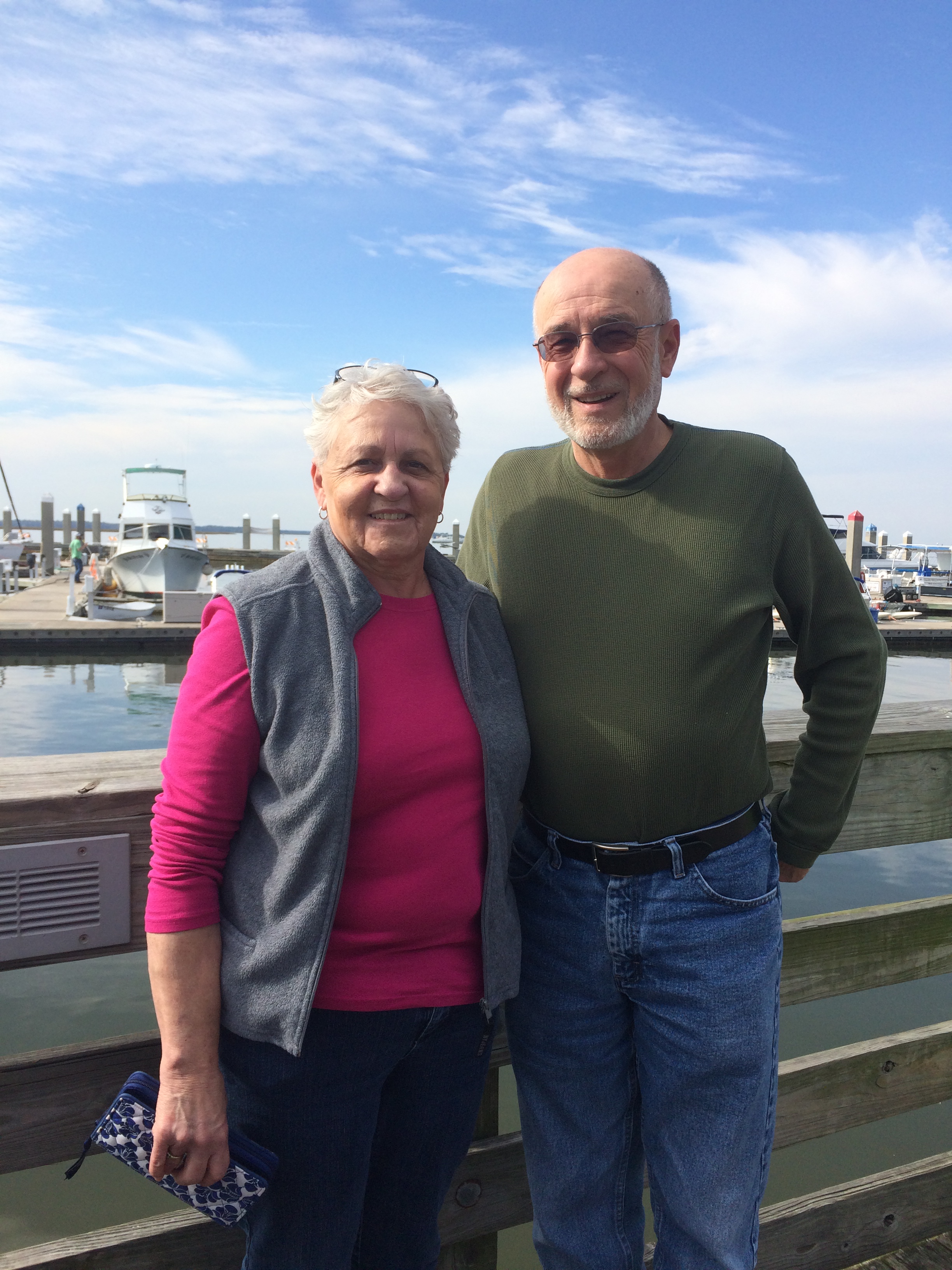
The happy coupleIn my younger years, I was a bit uncomfortable with silence when others were around. I tended to fill the space with words like I loved to hear myself talk. I didn’t. Experience has taught me that listening can be more valuable than speaking.
For Neva and me, sustained silence has strengthened our relationship. It’s a nonverbal equalizer where neither dominates, and we both can participate as we choose. In our specific case, it’s been an essential part of our wedding covenant for 47 years and counting.
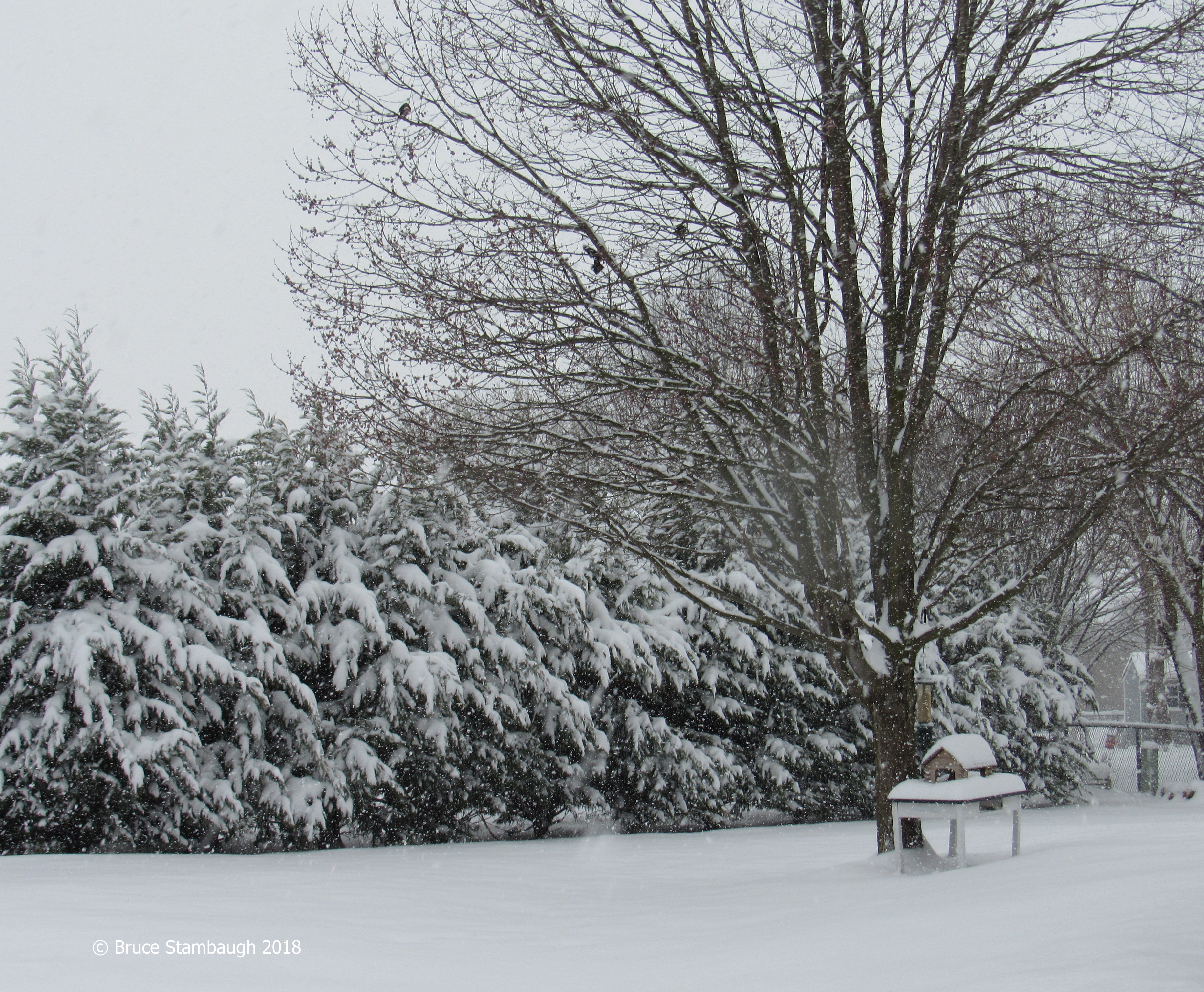
Nature ushered in springtime with a significant snowstorm in the eastern part of the United States. We received at least seven inches of heavy, wet snow in Rockingham Co in Virginia’s Shenandoah Valley. Though I would have preferred a warmer welcome to spring, the storm beautifully blanketed the landscape far and wide.
In this photo, the tree-studded Allegheny Mountains of eastern West Virginia show the stunning results of a substantial March snowstorm.
My wife and I were returning from our winter hiatus on Amelia Island, Florida when I first spotted a glimpse of familiar mountains. We were still well south of Martinsville, Virginia in the folding foothills of North Carolina’s Piedmont region.
As much as we had enjoyed our time in the Sunshine State, we were glad to see those Blue Ridge Mountains that would guide us home. They earned that name long ago with the shadowy, bluish hue they cast from a distance. Their western cousins, the Allegheny Mountains, do the same.
We wound our way through south-central Virginia. We passed my maternal grandmother’s homestead and cruised through Roanoke, a city surrounded by those ancient, rounded ridges. From that point, the primary objective was to stay alive amid the bobbing and weaving strings of traffic on the always congested and dangerous I-81, which dissects the lovely Shenandoah Valley.
Holmes Co. farmstead.It was the last stretch that led us home. Less than a year ago, our home was among the lesser but equally charming hills of Holmes County, Ohio. Ironically, they are the westernmost foothills of the Appalachian range that includes both the Blue Ridge and Allegheny Mountains.
Neva and I had spent all of our adult lives living in Holmes County. We had resided in both the county’s western and eastern sections. In west Holmes, the valleys were broader and hills steeper than those in the more gently rolling landscapes of the east that were dotted with Amish farms and family-owned cottage industries. We loved our times in both the east and west.
After a lifetime of arriving home in Holmes County, my emotions felt conflicted, from incongruity to tranquility as we approached our newest county of residence near our grandchildren. Still, we shared the familiar feelings of comfort and security as we approached our Virginia home.
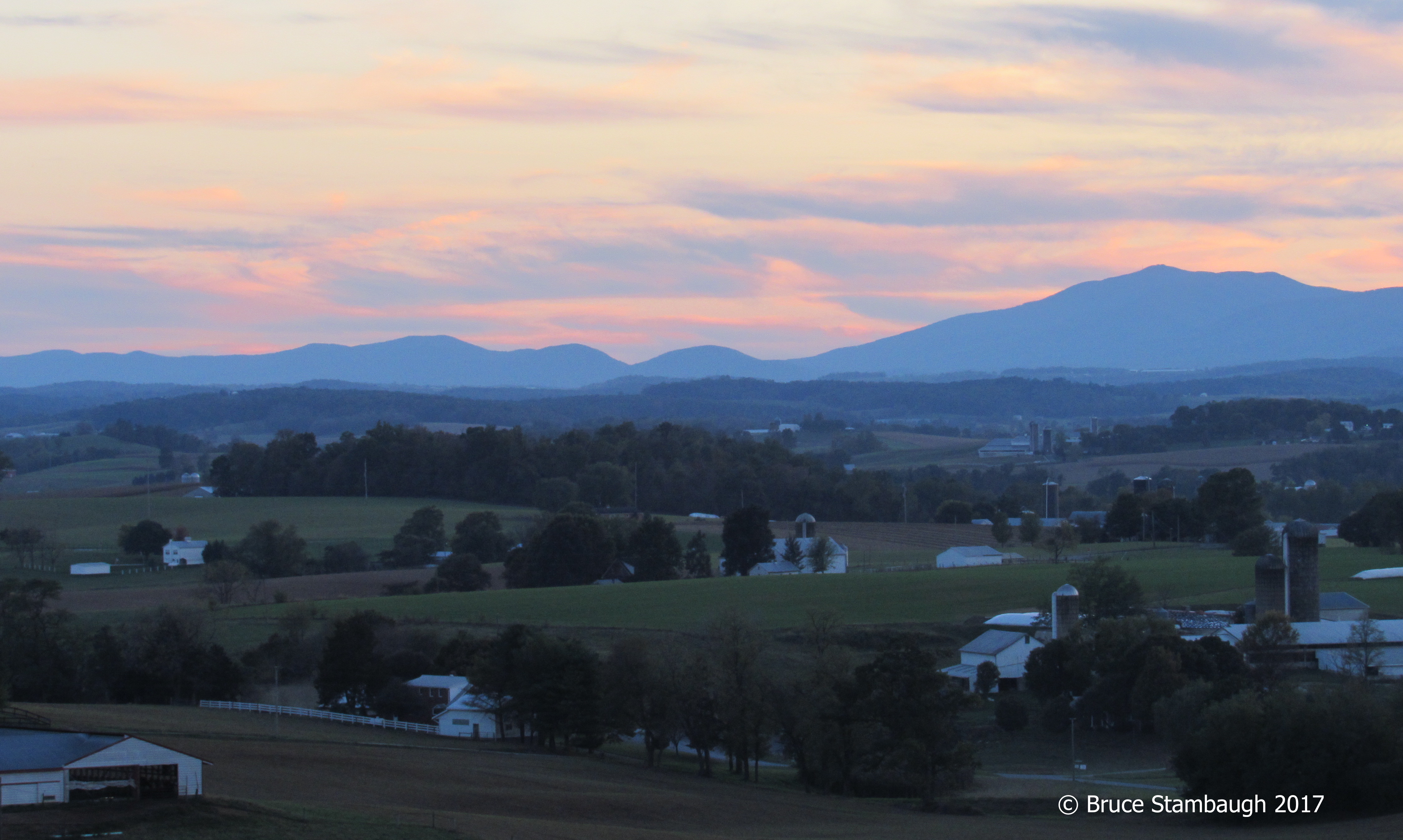
That amalgam of thoughts flooded my mind as Massanutten Mountain came into view. It’s the geographic landmark that juts through the center of Rockingham County and looms to the east of our new hometown, Harrisonburg.
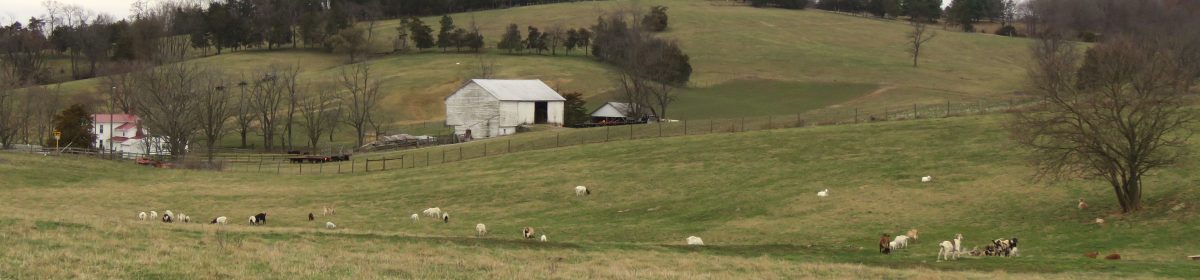
Mole Hill.Exiting the interstate, I pointed the van west towards an even more iconic landmark, Mole Hill. It’s alleged to be a long-dormant volcano, now sprinkled with stands of mixed hardwoods, fertile farm fields, and homey farmsteads. Mole Hill appears to be at the end our street. In reality, it’s a couple of miles west the way the crow flies. Viewing that satisfying scene brought smiles to our faces.
Because we were so deeply rooted in the Holmes County community through schools, church, and local service organizations, it has taken us a while to indeed settle into being Virginians. This return trip from Florida personally sealed the deal.
Dusk at Mole Hill.
Mole Hill reflection.
Massanutten from Heritage Village.
Orange and blue.
Massanutten Mt.
Mole Hill from Dayton.
Farms on Mole Hill.
Even the folds are blue.
Please click the photos to enlarge.
I never thought I’d consider any place but Holmes County home. I was wrong. As much as we enjoyed our time in Florida, it was reassuring to be back in the Shenandoah Valley.
A few minor complications arose, however. I couldn’t remember where the cereal bowls were, the bathroom light switch was, and that the wastebasket was under the kitchen sink. The weather also forced us to wear winter coats again.
I have a friend Ava who was born and raised just a few miles from our suburban Virginia home. She now lives in Ohio, and always celebrates returning to these “blue, blue mountains,” as Ava refers to them.
Neva and I now know that same exhilarating feeling. With no disrespect to Holmes County, it was good to be home.










 Roadkill Crossing
You must be logged in to post a comment.