Patience is a virtue. The exact origin of that proverb is hard to determine but about as straightforward in its meaning as can be.
In “Piers Plowman,” William Langland wrote about a man searching for faith in the 14th century. This work marked one of the earliest references to patience. A line in the poem reads, “patience is a fair virtue.”
What does that mean exactly? To me, it says that instead of rushing ahead on our own, we should pay attention to what is actually happening, no matter how weird or repulsive it may seem. The coronavirus fits that description.
In this case, patience requires us to depend on those who deal with such anomalies daily. Scientists, doctors, and researchers all belong in that category.
Throughout the pandemic, vigilance remains required. We continue to need to wear masks when we go out or visit others. We also need to keep our social distance and wash our hands. Those were and continue to be simple instructions that I embraced because they benefited others besides me.
Still, practicing patience is hard to do. The ongoing pandemic is proof positive.
Impatient people bolted ahead, behaving as if everything was as it had been in the world, when in fact, it wasn’t. Refusing to wear a mask, physically distance, or alter daily routines has prolonged the virus’s life.
Consequently, the pandemic is also a teacher, and we all are in the same classroom. Some pupils listen and learn, while others misbehave or fall asleep.
The pandemic has taught us a lot about people and their willingness to accept scientific facts, the reality of a new disease and the unknown, and realize the consequences of an infection run rampant.
It’s important to note that being patient has its benefits. The pandemic forced me to slow down, relax, notice, care, and listen. Since we were together even more than usual, my wife and I gave each other expanded personal space and time than we had previously.
First pitch of the 2016 World Series, Cubs vs. Indians.
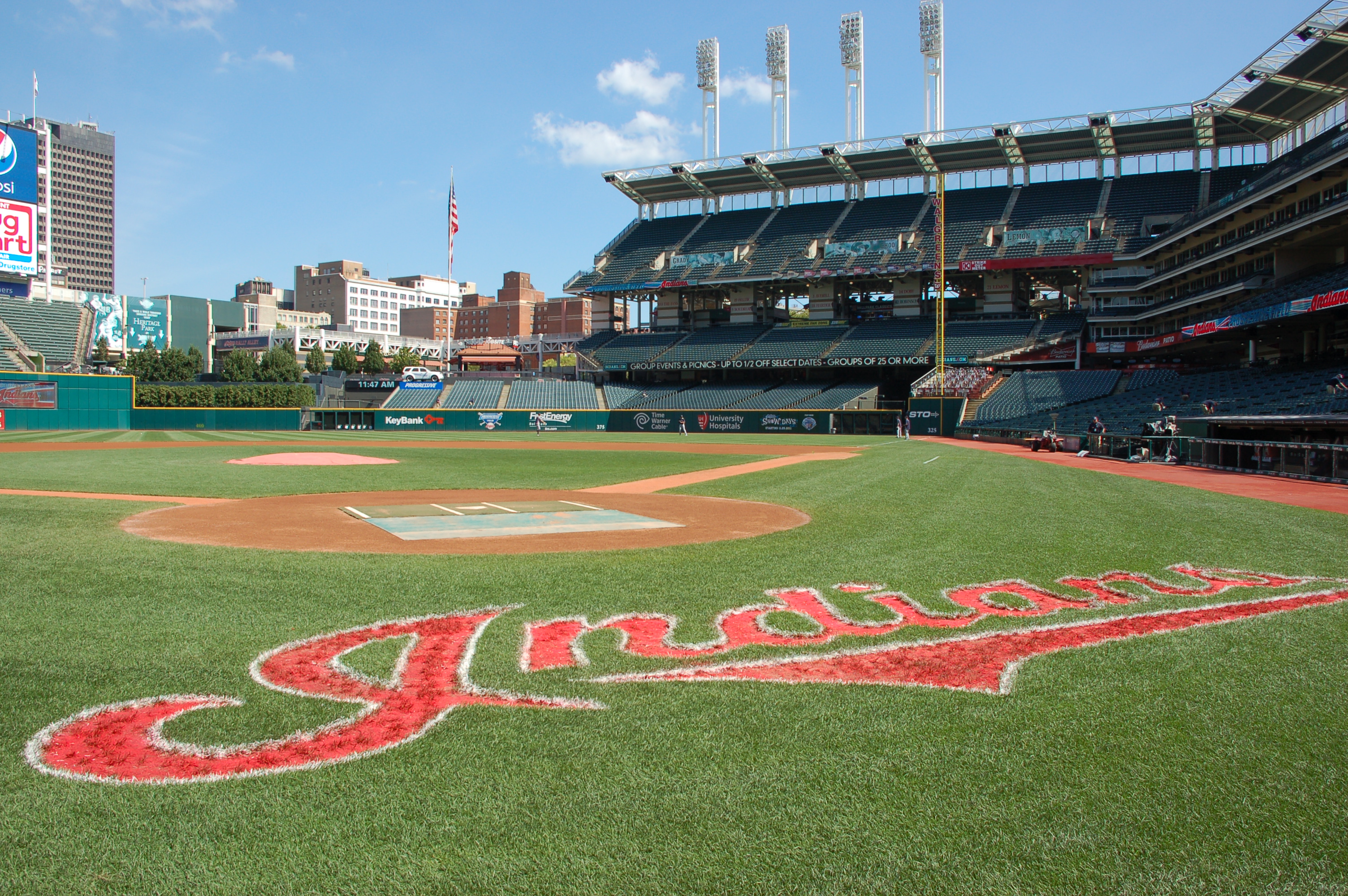
It’s not like I didn’t know patience before the pandemic. After all, the Cleveland Indians are my favorite sports team. It’s been 73 years since they last won the World Series. If following that team doesn’t require patience, I don’t know what does. I learned early on the mantra of “wait until next year.”
Well, it’s next year. A new baseball season is upon us. Perhaps this is Cleveland’s year. Only time will tell. Like enduring the pandemic, patience will be an essential virtue with this team and every aspect of life.
Patience requires us to stop, breathe, observe, sense, and move slowly. Patience is and will continue to be essential for mental, physical, and spiritual survival during the pandemic.
Ephesians 4:2 reads: “Be completely humble and gentle; be patient, bearing with one another in love.” I learned that it’s critical to apply that to myself, too. I realized that it was okay to feel down with all that the pandemic brought and about activities that we couldn’t do, especially with those we love.
Patience modeled.
We have waited patiently for an effective vaccine, and now it is here. People are receiving inoculations against this deadly virus. Still, we will continue to follow the crucial guidelines of wearing a mask, physical distancing, and washing our hands for 20 seconds or more. As Yogi Berra famously mumbled, “It ain’t over until it’s over.”
Patience became the watchword of the pandemic. It will continue to persevere until we all work together to conquer this unwanted virus. That will prove patience a valuable and vital virtue, indeed.
In one way, it’s hard to believe that a year has passed since we had to alter our daily routines drastically. In another, the time between then and now seems a blank.
One Sunday last March, I greeted people at the church door, welcoming them as they arrived for worship. A week later, state after state began issuing orders banning all large group assemblies, including church services. Officials directed additional guidelines as well, all for society’s well-being.
The coronavirus had instantly changed our lives. Since then, more than half a million have died of the virus in the U.S., and 2.5 million globally. That is the very definition of a pandemic. It has been an unwelcome global intrusion that affected all of us in one fashion or the other.
A change of regular routines became the norm universally. It was difficult to adjust so quickly, especially for those stricken with the virus. Given the circumstances, adjusting was all we could do to stay safe.
With our usual routines interrupted, the obvious choice was to develop new ones. So, that’s what my wife and I did.
If we went out, we wore masks that my industrious wife made. Throughout the pandemic, she sewed 1,200 and donated them to individuals, churches, non-profit organizations, schools, and medical facilities. She also knotted five comforts for a charity.
Instead of going inside to buy groceries, we ordered our staples online and picked them up curbside. We continue that process, along with ordering takeout from local restaurants. We like to support the mom-and-pop establishments as much as we can.
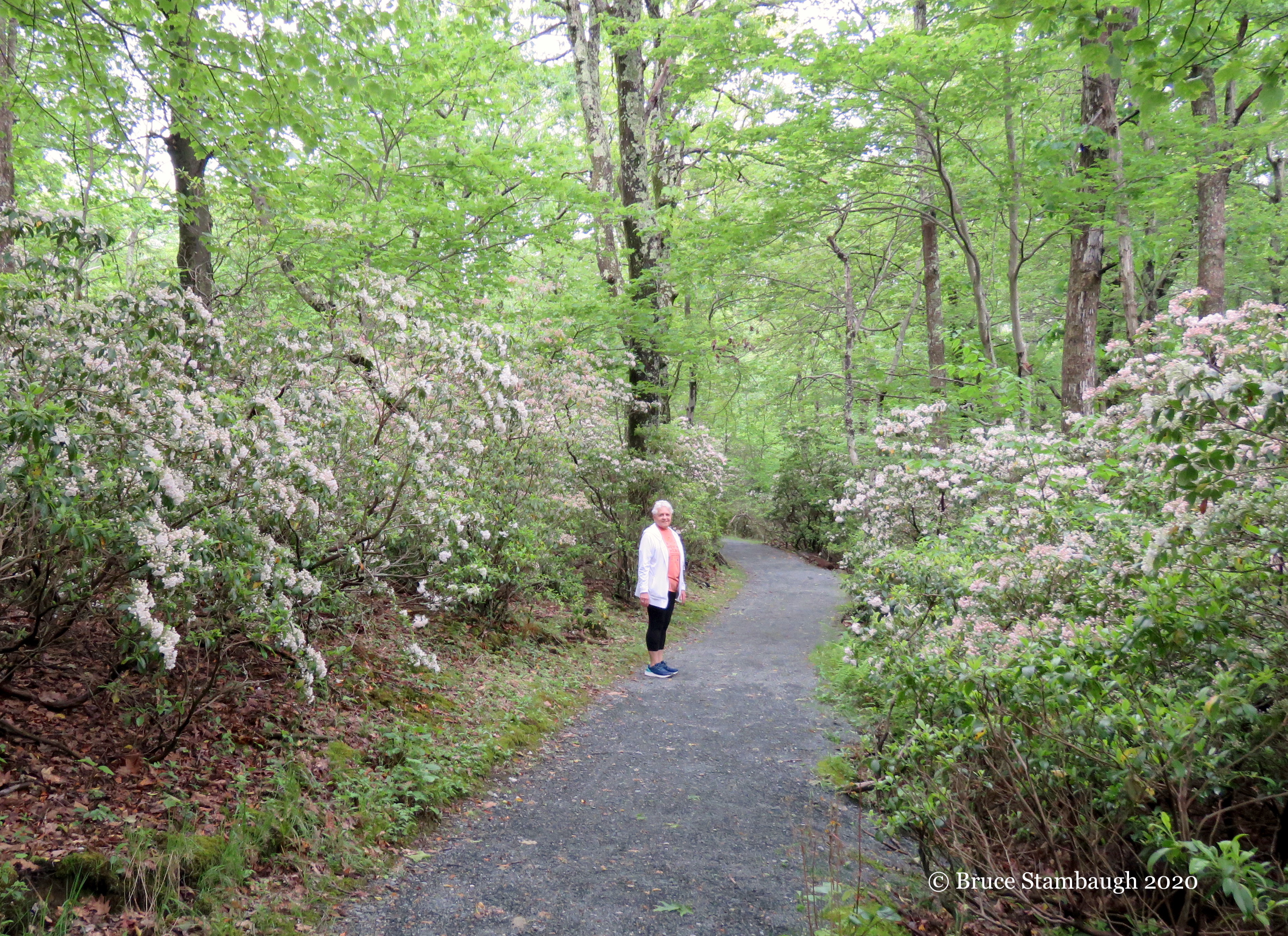
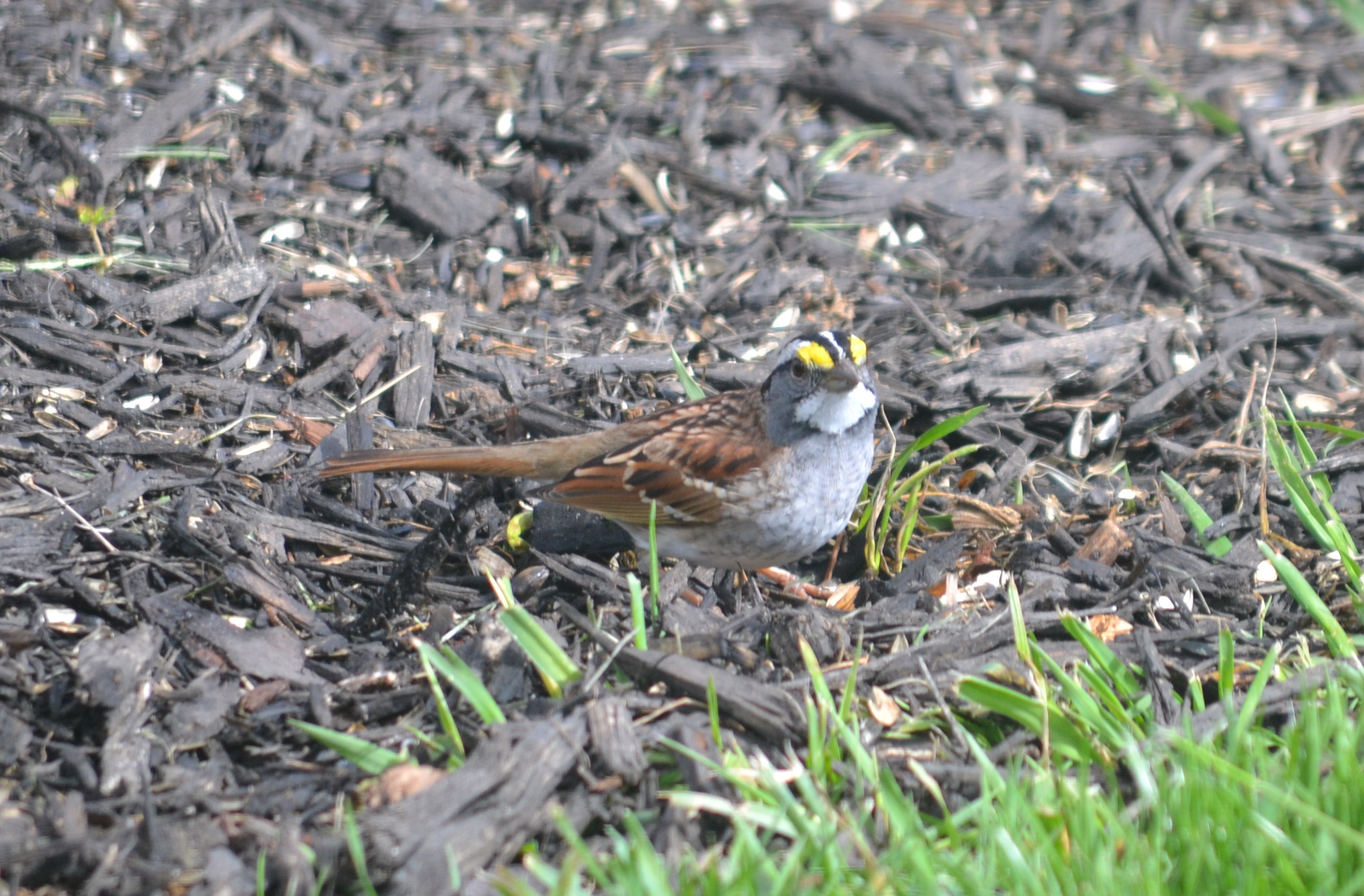
We took advantage of decent Virginia weather days in 2020 as much as possible, taking hikes, going birding, and meeting with family and friends in well-ventilated places. Of course, we always masked up and kept our physical distance.
Day trips to local, state, and national parks and arboretums replaced planned vacations. For the first time since 1987, we missed our annual respite at our beloved Lakeside Chautauqua.
My exercise program changed when gyms closed. I biked in the neighborhood, and I walked with Neva when the weather cooperated. We joined a twice-weekly yoga group via Zoom.
My wife and I started a new routine that we both enjoy. Nearly every morning, around 9:30, we take a coffee break and play cards. We’ve played hundreds of games, and I am exceedingly pleased that Neva hasn’t kept a running tally of wins and losses.
We loved hosting friends and family. With the necessary physical distancing guidelines still applicable, Neva magically transformed her gift of hospitality into taking food and meals to others.
Despite the sluggish snail mail, we have redoubled sending note cards to friends. We’ve also added more texts and actual phone calls to our repertoire of communication.
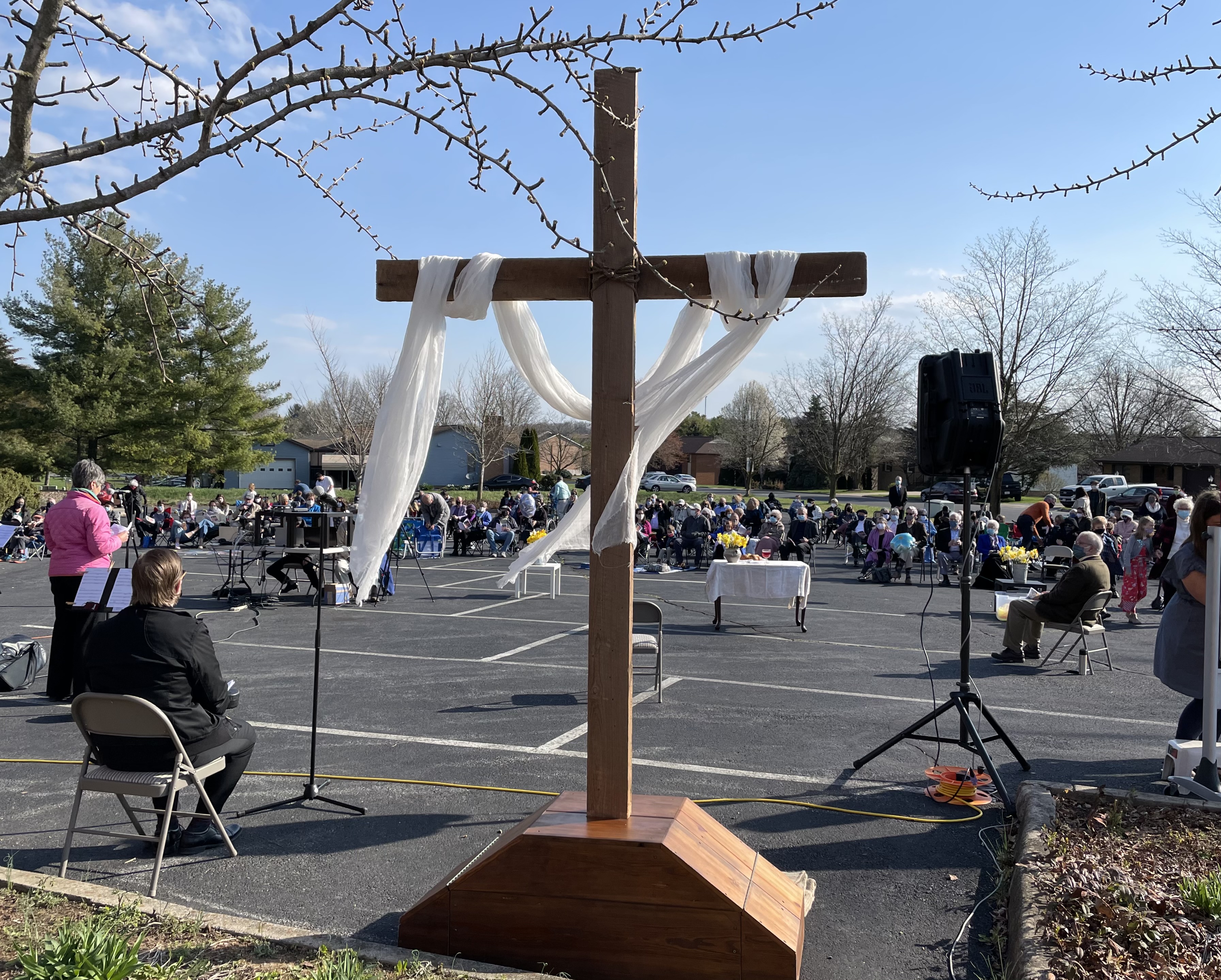
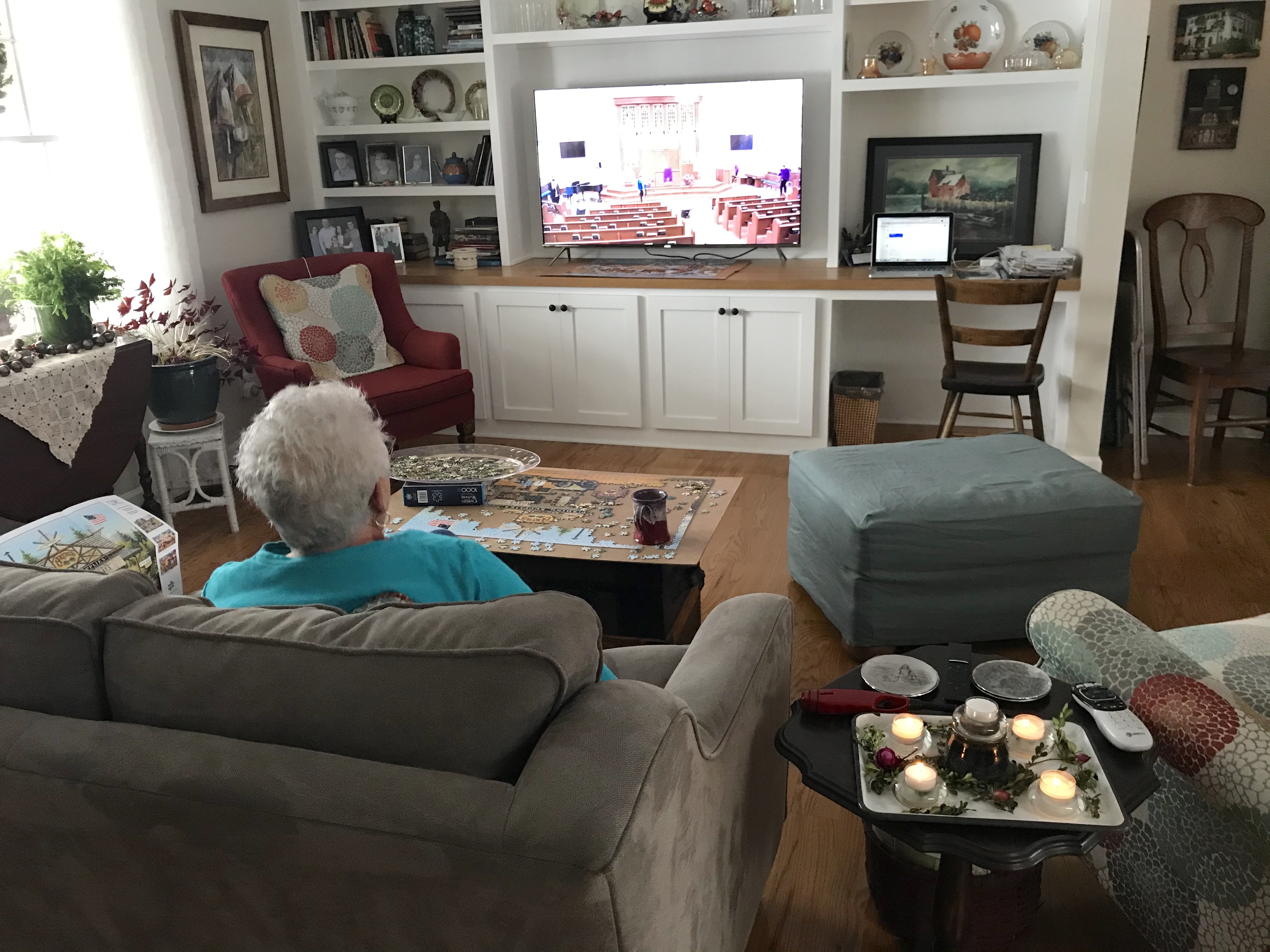
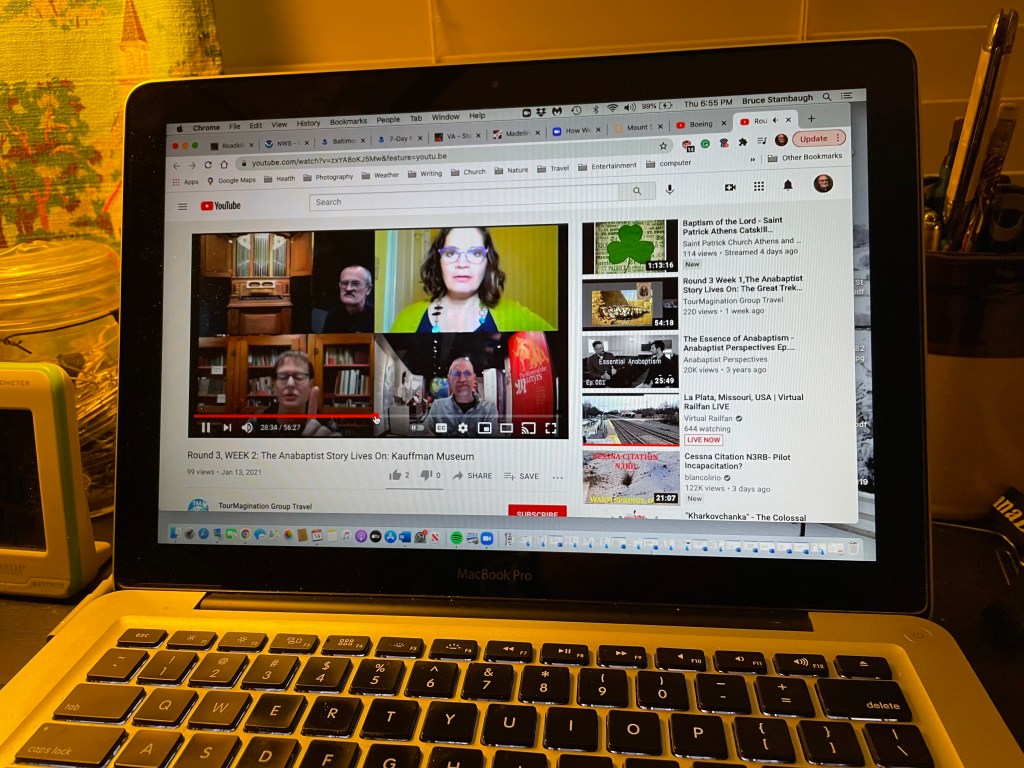
How we have attend church services for the last year.
Our church pastors and staff have done a yeoman’s job of keeping church services going via Zoom and YouTube. Thanks to them, we’ve only skipped that one Sunday.
We miss the joy of congregational singing. I have kept one custom, however. Despite worshiping remotely, I continue to dress for church. I felt compelled to continue that tradition if simply to confirm that it is Sunday.
When will we be able to return to our pre-pandemic routines? That question currently has no answer. Until then, we will continue to play it safe by maintaining our pandemic practices.
I do have a question about whenever we can return to worshiping safely in the church building again. Will I be allowed to take my recliner and drink my coffee during the service?
The epitome of how my wife watches college basketball. Photo by Bruce Stambaugh.
I married the right woman. There are many lofty reasons that I can cite. But during this long pandemic winter, there is one that stands out—college basketball.
I am truly fortunate that my wife enjoys sports as much as I do. In the winter, pandemic or no pandemic, basketball has always been our preferred entertainment.
I’m not sure what we thought when we picked the day for our wedding, however. It indeed wasn’t chosen around basketball. We were married on the night of Ohio’s annual state high school basketball tournament finals and the NCAA tournament’s regional games. Despite that, our fathers still attended the ceremony and not the games.
Over our 50 years of marriage, our basketball cravings evolved. When we were first married, we bounced from local high school games to college and even an occasional pro game.
When our daughter and son played in junior high and high school, those games became priority number one. We plowed our way through snowstorms to tiny crackerjacks box gyms in the middle of nowhere to holler our lungs out.
Before the pandemic, we watched our grandsons play basketball.
As empty-nesters, we settled in on snowy evenings and watched college basketball on TV. We’ve kept that habit to this day.
We were all geared up for another round of March Madness last year when officials abruptly canceled the tournament. We were a bit baffled then, but now we know it was the right decision.
We had no idea a year ago what the consequences of the coronavirus pandemic would be. We do now. Experience and knowledge tend to clear your vision and shake your doubts.
My wife and I have appreciated the NCAA and the college sports administrators’ approach to keeping this basketball season alive. It’s been a struggle at times, with teams canceling games and even halting practices for days on end due to the virus.
Limiting the number of fans in the stands ranging from zero to family members only to a few hundred has helped college basketball continue dribbling. That doesn’t count the multitude of cardboard cutouts of people and former players filling the seats. Even play-by-play announcers are often broadcasting remotely.
Nevertheless, college teams are playing basketball, and we couldn’t be happier. Watching the teams compete has helped shorten the long winter nights for us old folks.
After dinner, Neva and I plant ourselves in front of the television and watch our choice of games. She claims the love seat while I wear out the recliner. We’ll have an evening snack of tea and cookies or ice cream at halftime.
Neva multi-tasks, of course. She can assemble a jigsaw puzzle, read on her iPad, and watch the game simultaneously. However, my eyes are strictly glued to the TV, with the remote firmly in hand, ready to channel surf at commercial breaks.
Even after 50 years, I marvel at Neva’s knowledge of the game. She knows a charge from a block better than the referees.
Saturdays are even better than weeknights, with games often scheduled from noon to midnight. We pick and choose the ones we want to watch, of course. We’re basketball fans, not fanatics. I hope there is a difference.
We happily anticipate the start of March Madness this year. We’re hoping that the tourney will indeed go as scheduled. We’ll be cheering for our favorite teams. But if they don’t win, we’ll keep watching.
Following college basketball helps our evenings pass, and we don’t even have to leave the house or buy a ticket. Best of all, my wife is right there with me.
So far, this certainly has been an old-fashioned Ohio winter. The only problem with that statement is that we live in Virginia.
I was afraid this might happen since my wife and I decided to forgo our usual weeks-long hiatus to our beloved Amelia Island, Florida. It wasn’t always warm in our snowbird retreat there either, but at least it never snowed.
My preferred winter morning scene.
I don’t mind the snow so much. It’s the cold that gets to me. The older I get, the colder I get. My doctor blames that phenomenon on some of the medications that I take. Still, the results are the same.
My wife and I determined it best for us to stay close to home here in the Shenandoah Valley during the pandemic. We didn’t want to miss our chance at getting our virus vaccines since we were in a priority category to receive the shots.
We decided that it was better to endure the usually milder winters of Virginia than those of the Buckeye State we knew so well. This year there’s hardly been a difference.
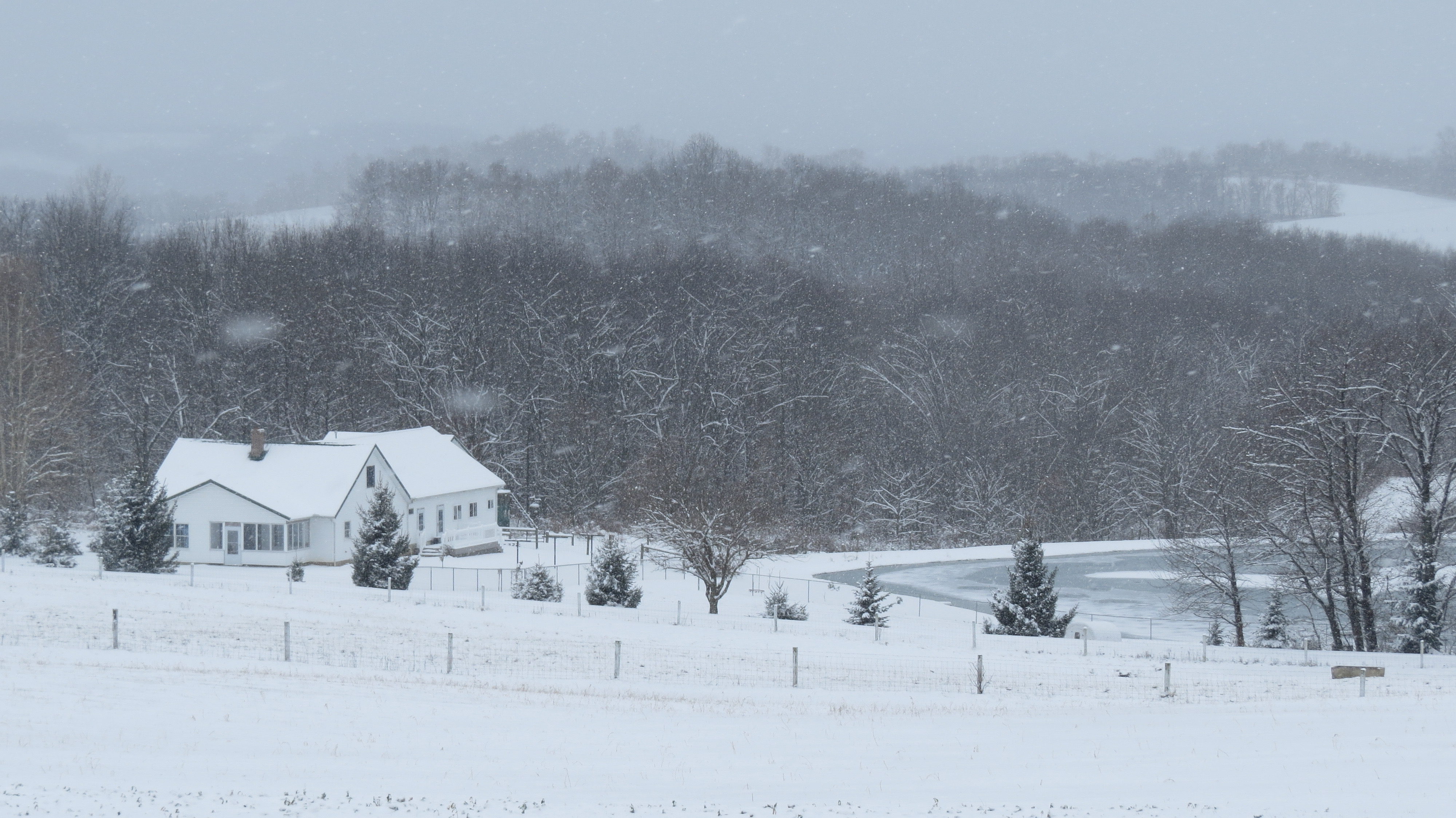
Scenes from Ohio winters.
We have had cold, windy, wet, snowy, and often gray winter days. It hasn’t been as bad as living in the northeast Ohio Snowbelt. But we still feel those cold Arctic northwest winds nevertheless.
The Allegheny Mountains to our west help block some of the storms, and their western upslopes receive much more snow than we do here in the valley. However, if a storm tracks east of the mountains, we get our fair share of the white stuff, too. Snow and cold have been the rule, not the exception this winter for us.
So far this winter, we have had multiple measurable snowstorms. Some even lasted for a couple of days. We are used to seeing more sunny days here than we did in Ohio. Not this winter. I miss my frequent doses of vitamin D.
There is one good thing about snow in Virginia. It shuts everything down, significantly decreasing the number of drivers trying to test their macho mettle.
In Ohio, severe winter storms also closed schools, businesses, and highways. But that didn’t stop hardy souls from enjoying the snow. In extreme storms, snowmobiles ruled the roads until the snowplows ruined the fun.
Friends have teased us about all the winter storms we’ve had so far this year. “I thought you moved south,” they jest. My rational reply always is, “Yes, just not far enough south.” For the record, we are at the same latitude as Cincinnati.
Of course, we moved here for the grandkids. I’m pleased that they also have sledding hills to conquer and snow forts to build, as we did as youngsters. I’m contented to hear about their fun rather than join in.
Scenes for Virginia winters.
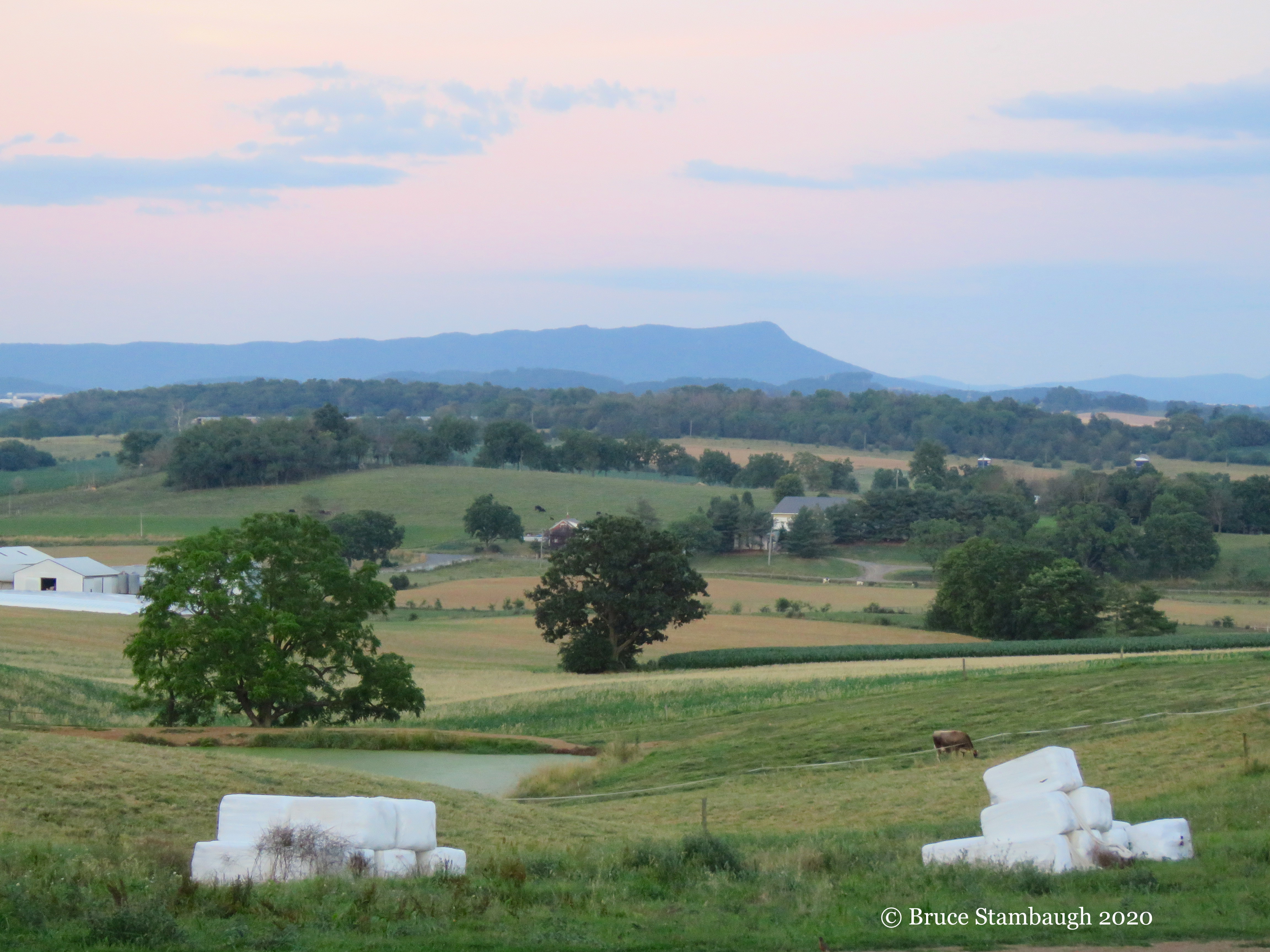
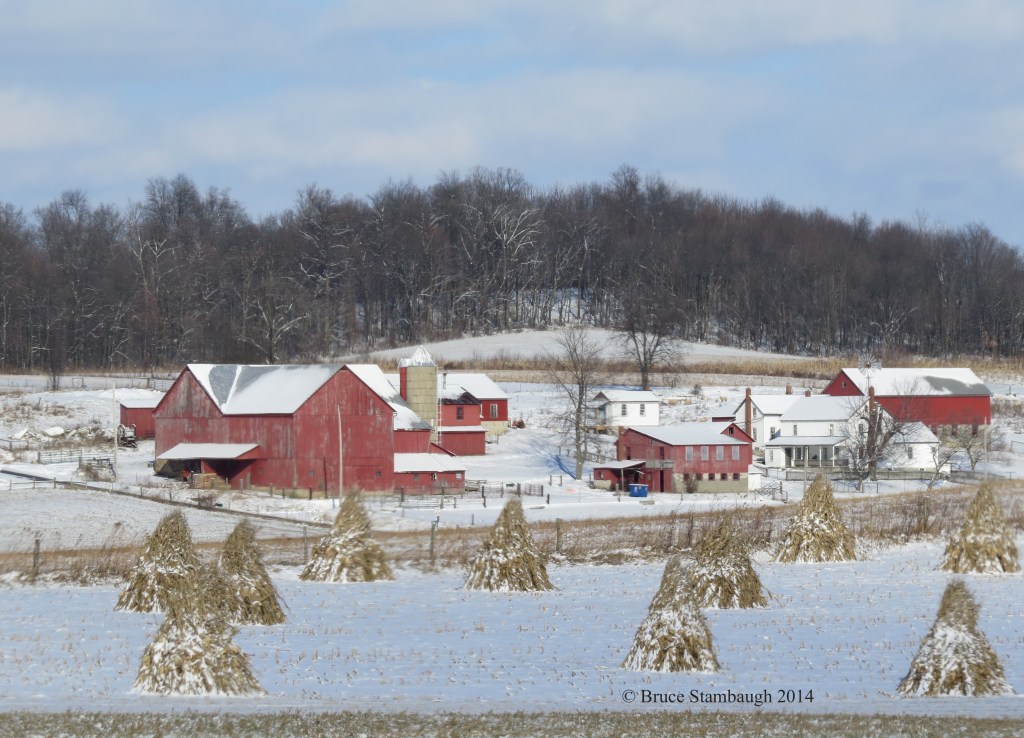
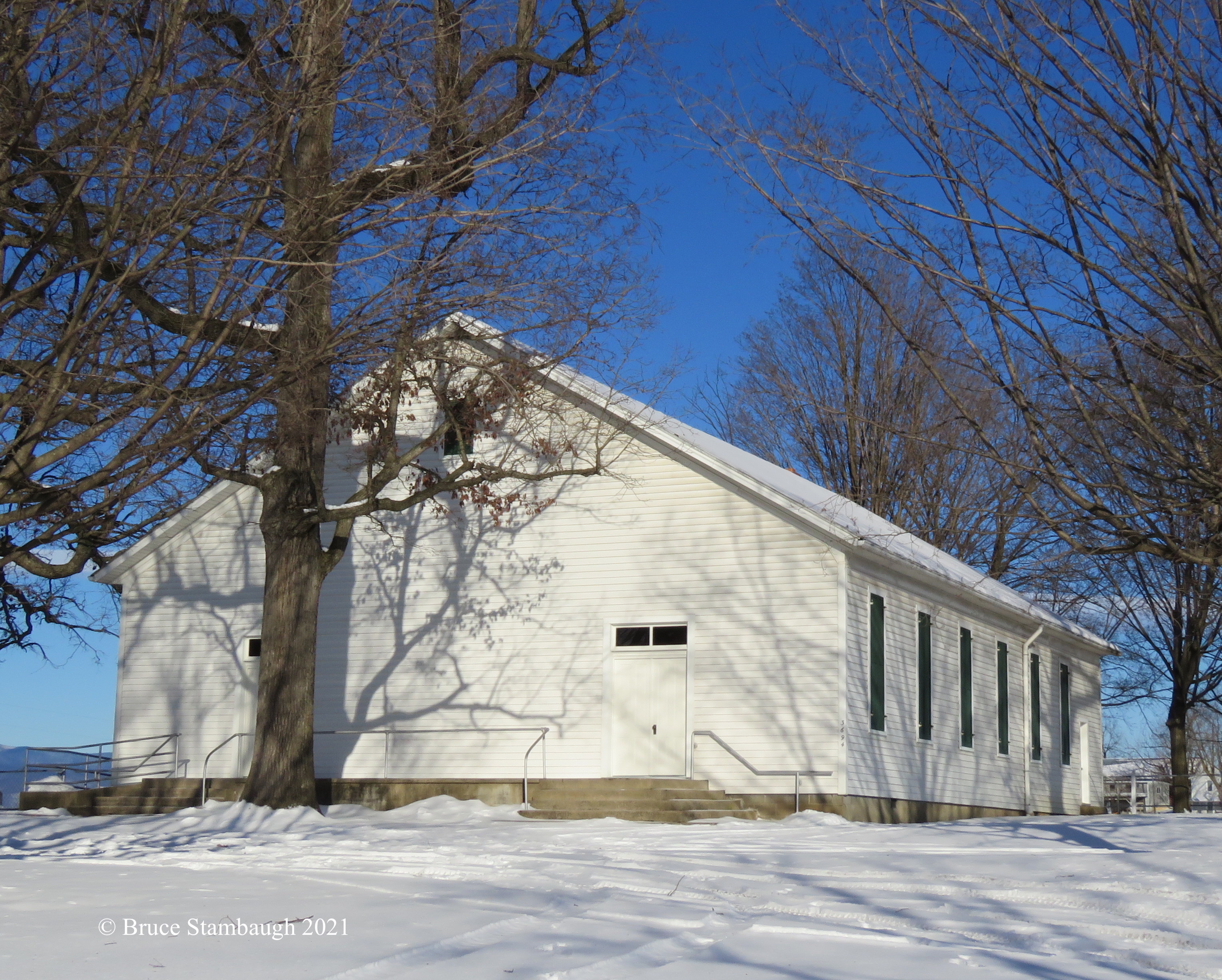
Snow brings more than recreation, though. The aesthetic results of valley snowstorms are a marvel. Like our former home, rolling farms dot the landscape of our expansive county. When blanketed with inches of snow, the already pastoral scenes turn majestic.
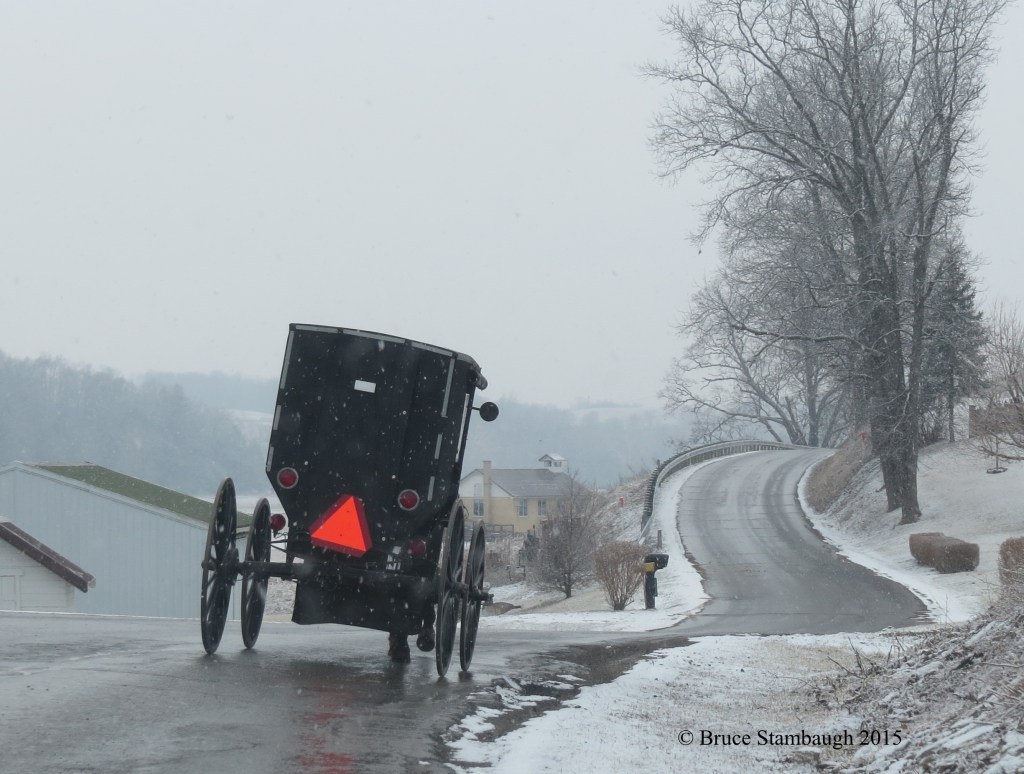
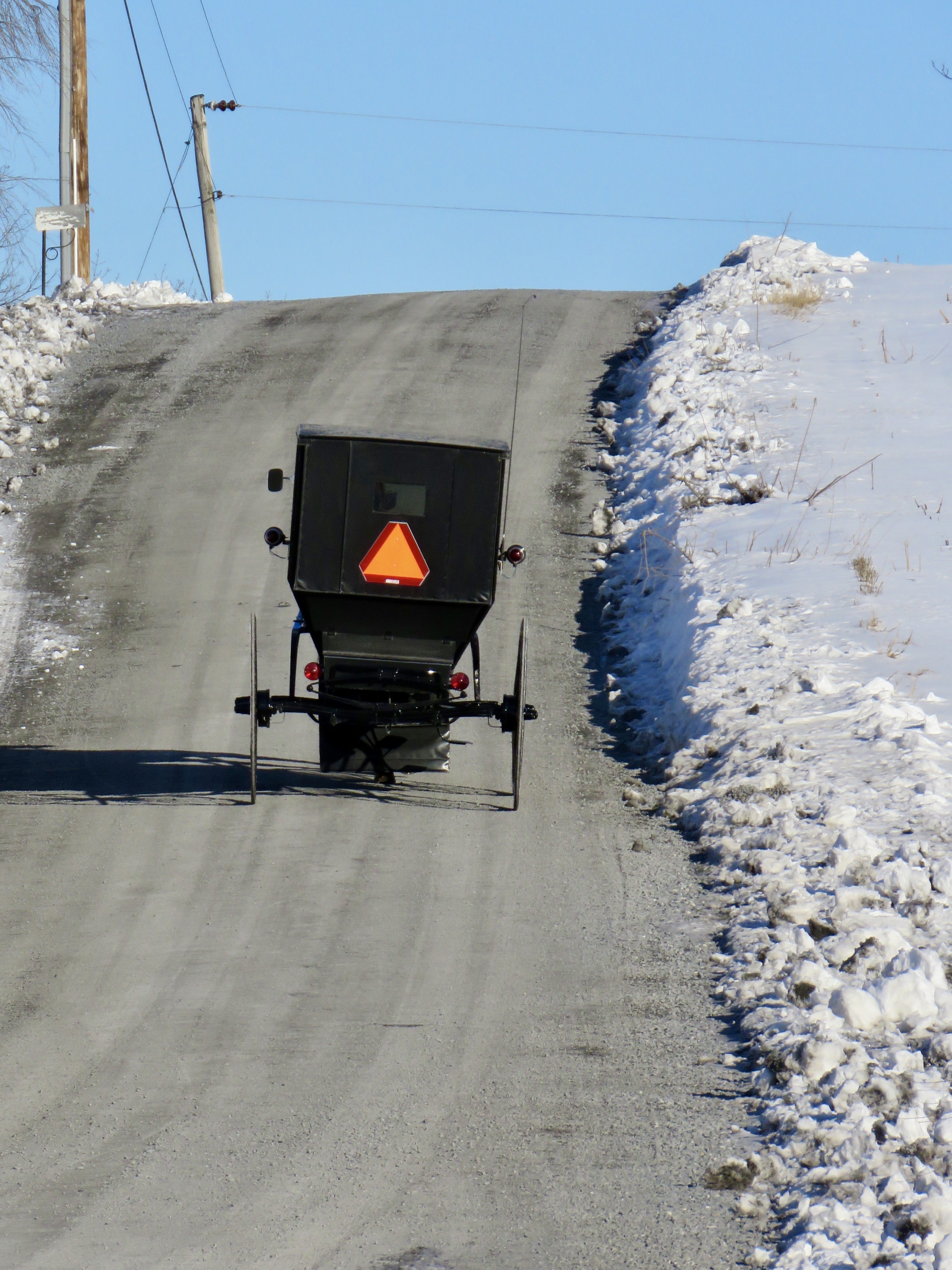
The mountainous landscapes become black and white panoramas of steeply sloped woods sprouting from white forest floors. Old Order Mennonites in buggies and on bikes don’t let the slippery stuff stop their endeavors. In that regard, it feels just like Holmes County, too.
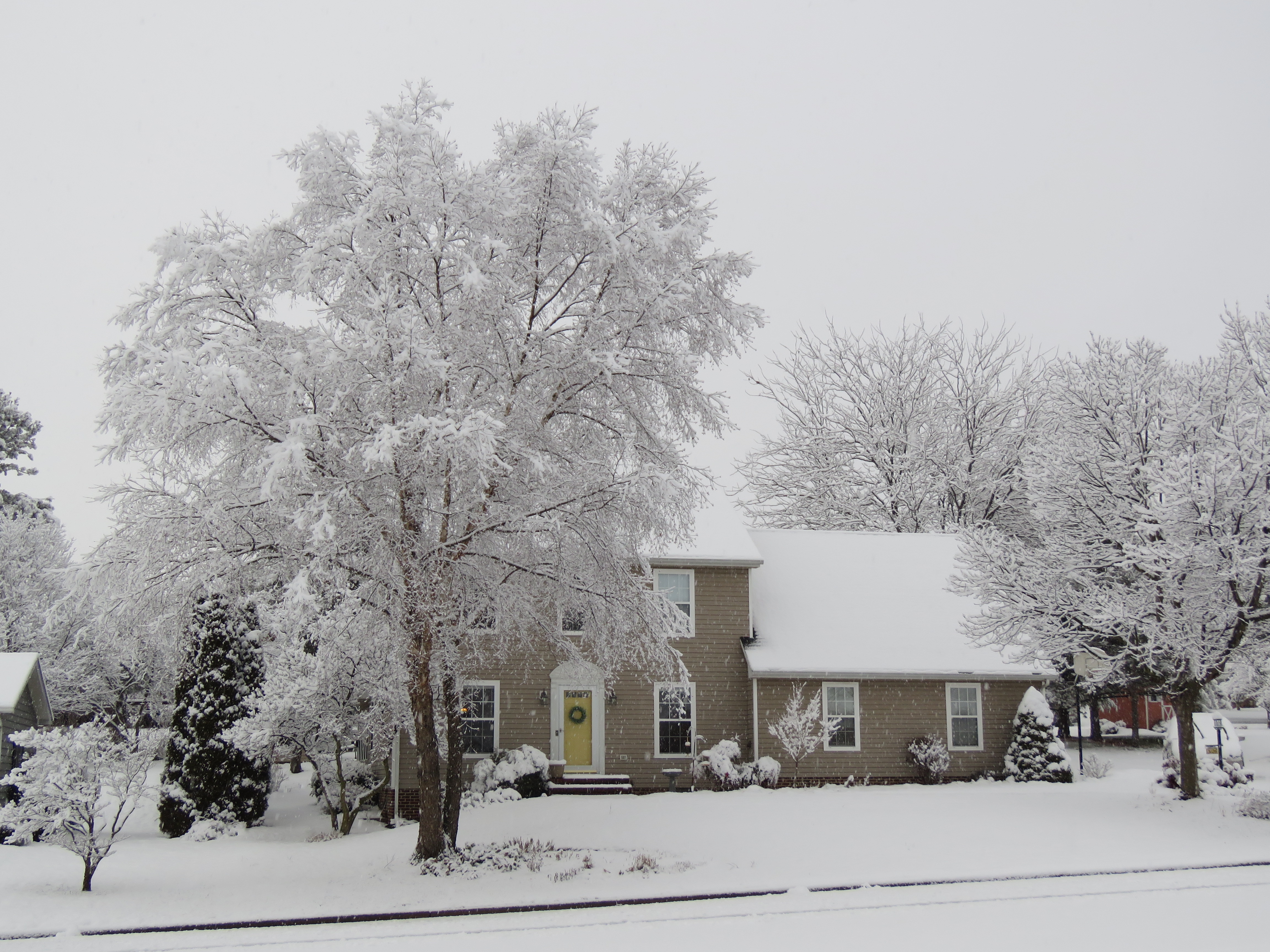
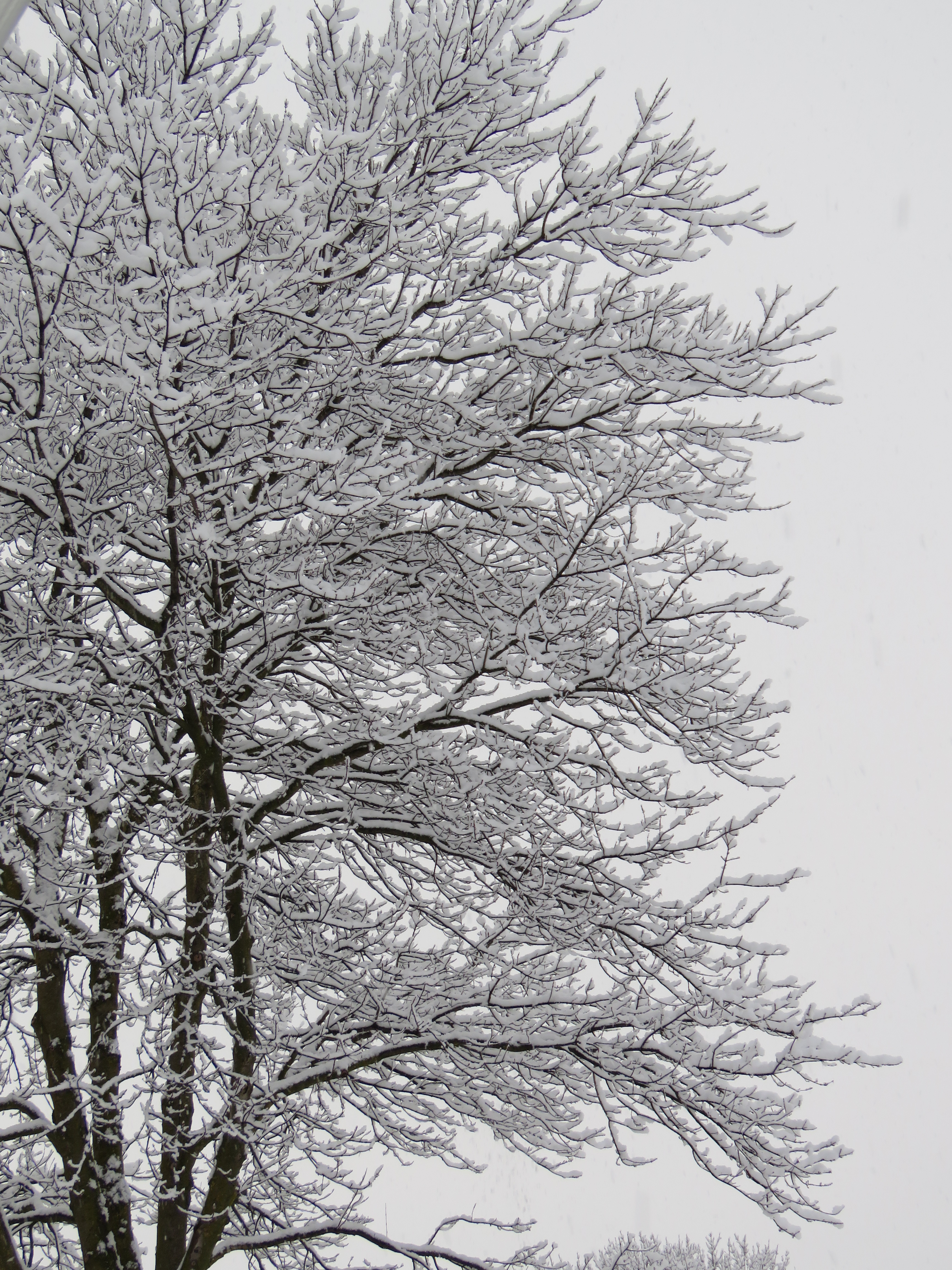
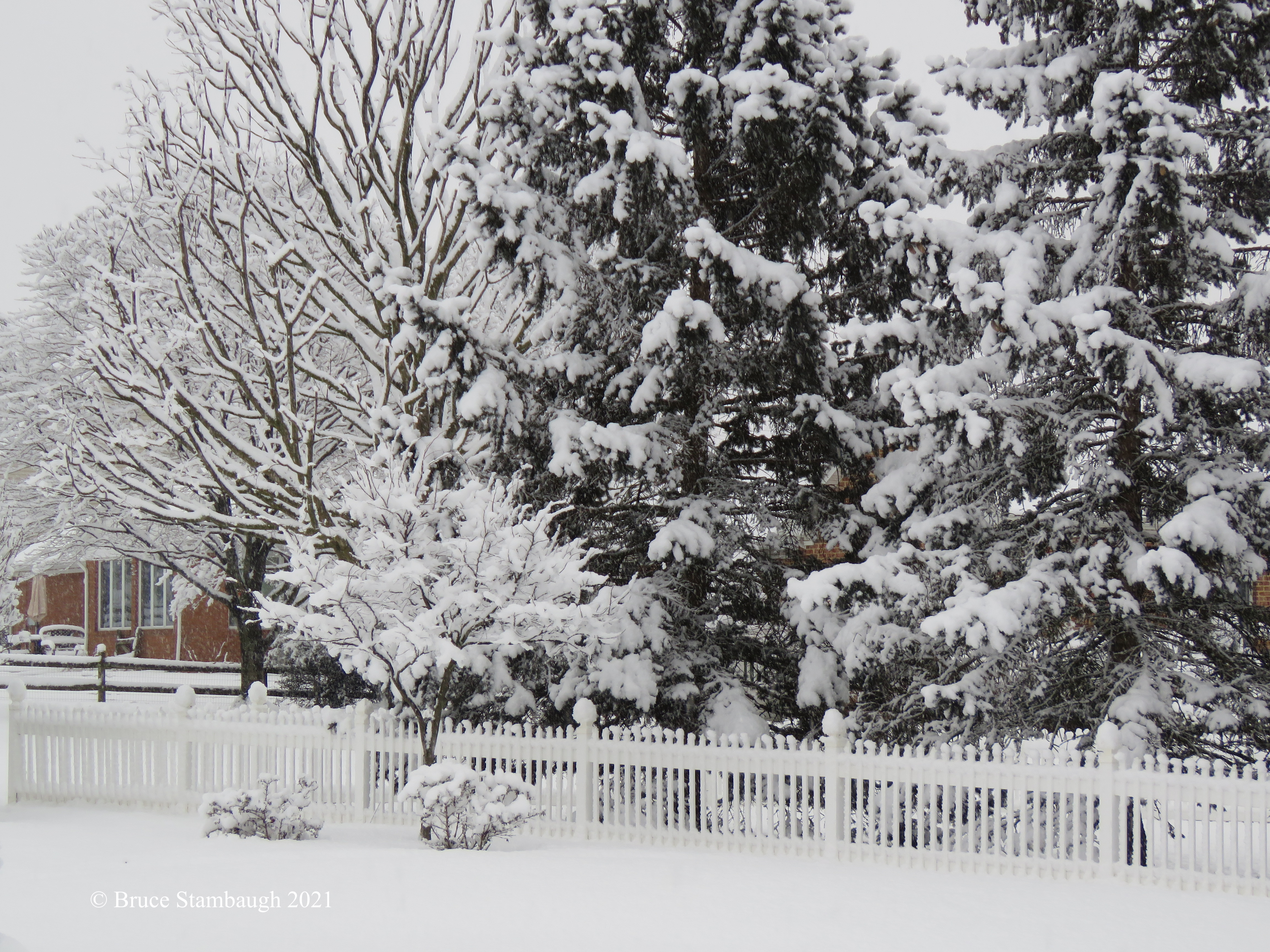
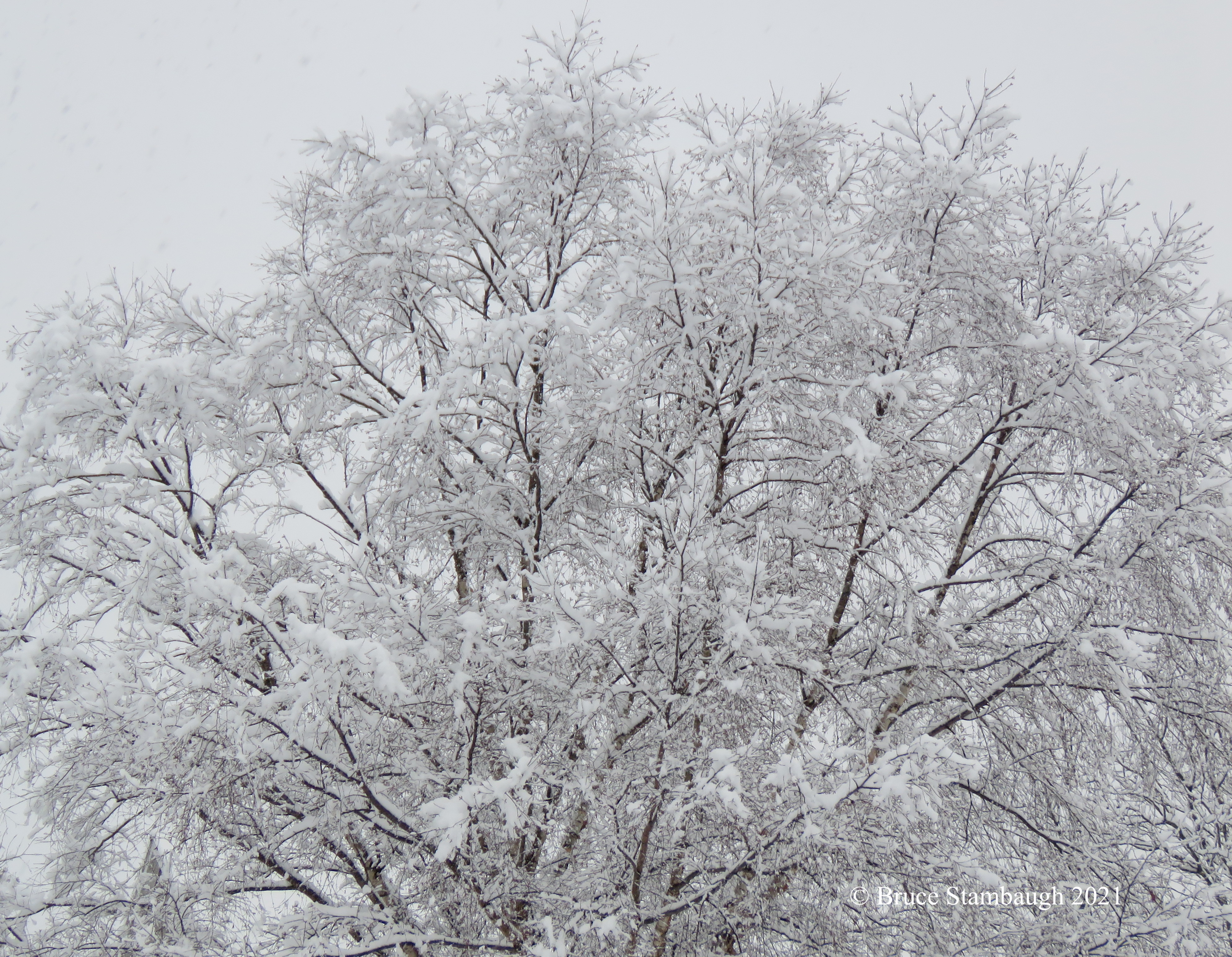
The nice thing is that we don’t have to leave our home to enjoy the snow-sculpted scenery. Frosted branches of the neighbors’ evergreens bend low from the wet, white weight. We miss the Florida sunshine, but Neva and I are enjoying the beauty of wintertime in Virginia just as much as we did in Ohio.
Snow-covered Old Order Mennonite farms at the base of the Allegheny Mountains.
Yes, it the day we inaugurated a new president of the United States. It was also the day our country passed a sobering, horrid milestone. The number of deaths in the U.S. from the COVID-19 virus surpassed the total number of U.S. military personnel killed in World War II.
That stark and mournful statistic sends a message more significant than its unfathomable number. More citizens have now died of a virus in a year than a four-year-war. What does that say about us as a people?
Indeed, the rest of the world is watching us. And, I can tell you that friends who live in other countries are shocked by what is happening with the spread of the pandemic in our great nation. It shouldn’t have been this way. But it is, and we all have to do something about it cooperatively.
Scientists, medical personnel, and researchers made great strides in developing COVID-19 vaccines in a short time. Of course, they were aided by the federal government with funds and expeditious approval of the vaccines. For that, I give great thanks.
But the facts are facts. To curtail this horrible pandemic, as many people as possible need to get the vaccines. Because of supply and demand, many of us will have to be patient and wait our turn.
Because we are a democratic republic, federal, state, and local authorities must now work together to distribute the vaccines. Consequently, when you get yours will depend on where you live and to which category you belong. Each state has set its particular priority classification requirements for immunization.
In part, that is why my wife and I decided not to be snowbirds this winter. We wanted to stay home for several reasons. Safety and getting the vaccines were high on the list.
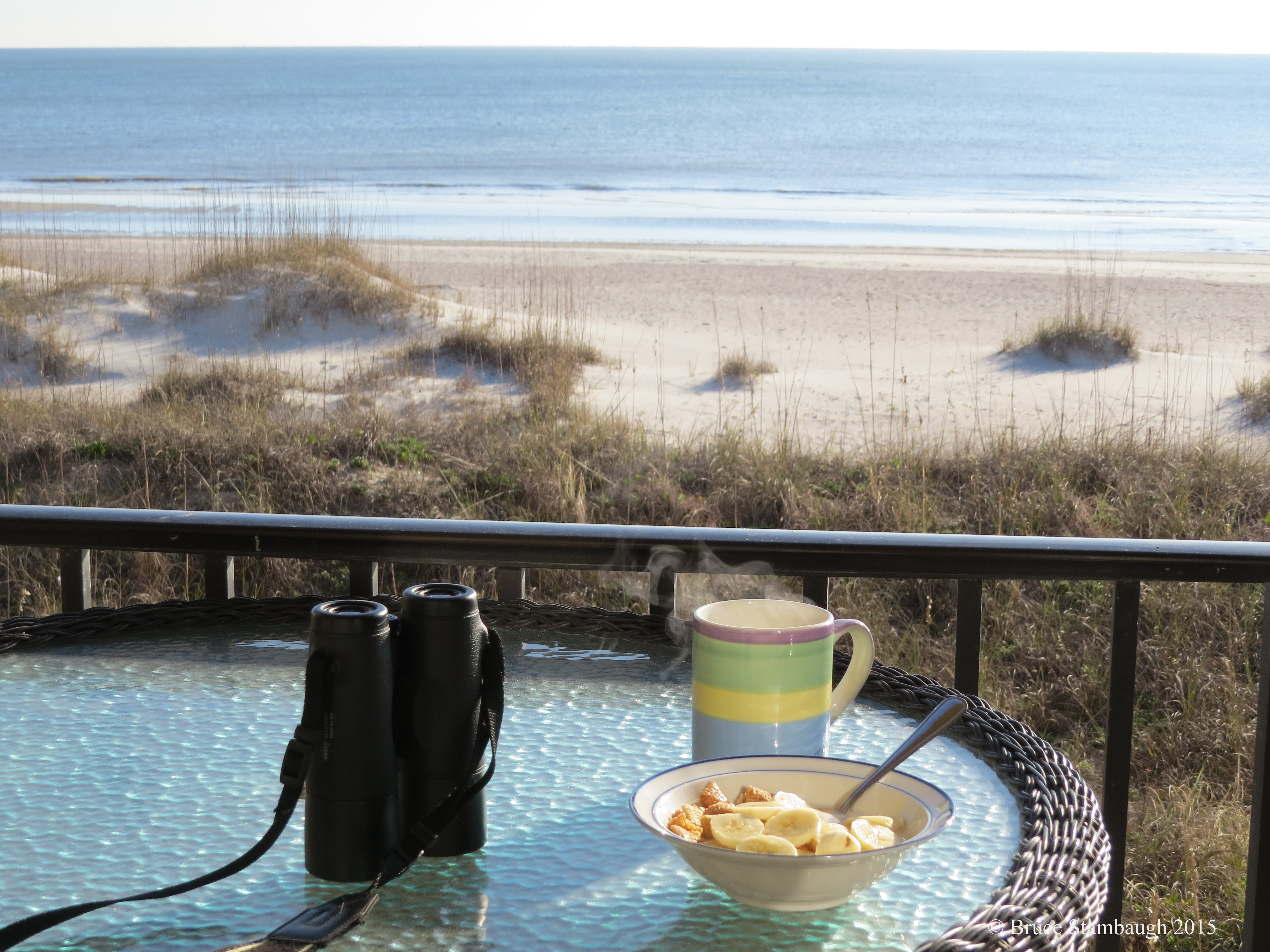
A snowbird breakfast.
Yes, we miss our friends and the crashing waves and warmer temperatures on our beloved winter paradise, Amelia Island, Florida. However, we were uncertain if non-residents would be able to be vaccinated in the Sunshine State.
This winter is our first full one in the Commonwealth, even though we moved here nearly four years ago from Ohio. It’s a lot like living in northeast Ohio, except we have more sunny days and less snow.
With all those years of living in much more severe conditions than we have in the Shenandoah Valley, Neva and I are making it through. We are also following all of the CDC guidelines as best we can.
We continue to stay close to home. We continue to do curbside grocery pick up. If we order a meal, we get it via curbside delivery. We much appreciate those services and tip accordingly to show our gratitude.
As for the coronavirus vaccine, we are still waiting.
We know that some people may be leery about being inoculated. We are not. We respect people’s rights not to, but we also expect them to follow the proper guidelines to keep the rest of the population safe.
The reality is that we must all do our part in dampening down this once-in-a-lifetime pandemic to ensure that it is quelled and does not reoccur. Getting the vaccine will go a long way to reaching that end.
We will also wash our hands, and wear masks and keep our physical distance when around others. We will continue to pray for the sick and all those who are working diligently with those infected.
Given the critical circumstances, it’s the best we can do.
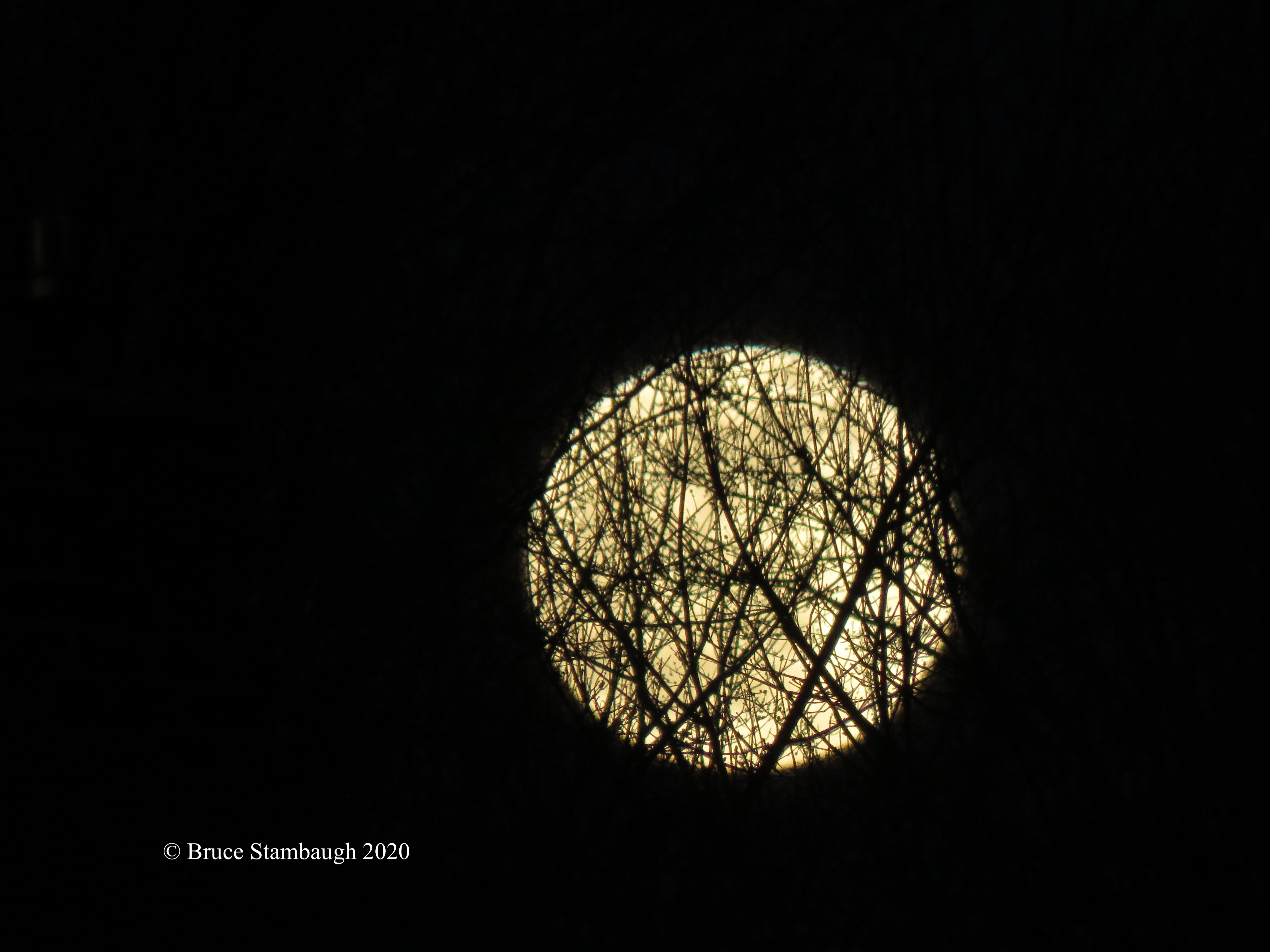
Though this might resemble a nearly empty ball of yarn, it’s actually December’s full moon rising behind some trees. I’m posting this as a reminder to watch for tonight’s Wolf Full Moon. Hopefully, it will be clear where you live so you can enjoy its splendor without any obstructions.
Because of the needed health restrictions, we stayed close to home for much of 2020. That didn’t keep us from visiting with family and friends, however.
We recognized that the issued restrictions were and continue to be for our own safety. So, we faithfully followed them.
Like everyone else, we missed our everyday human interactions with friends and family most of all. Then we discovered a satisfactory no contact substitute.
We Zoomed.
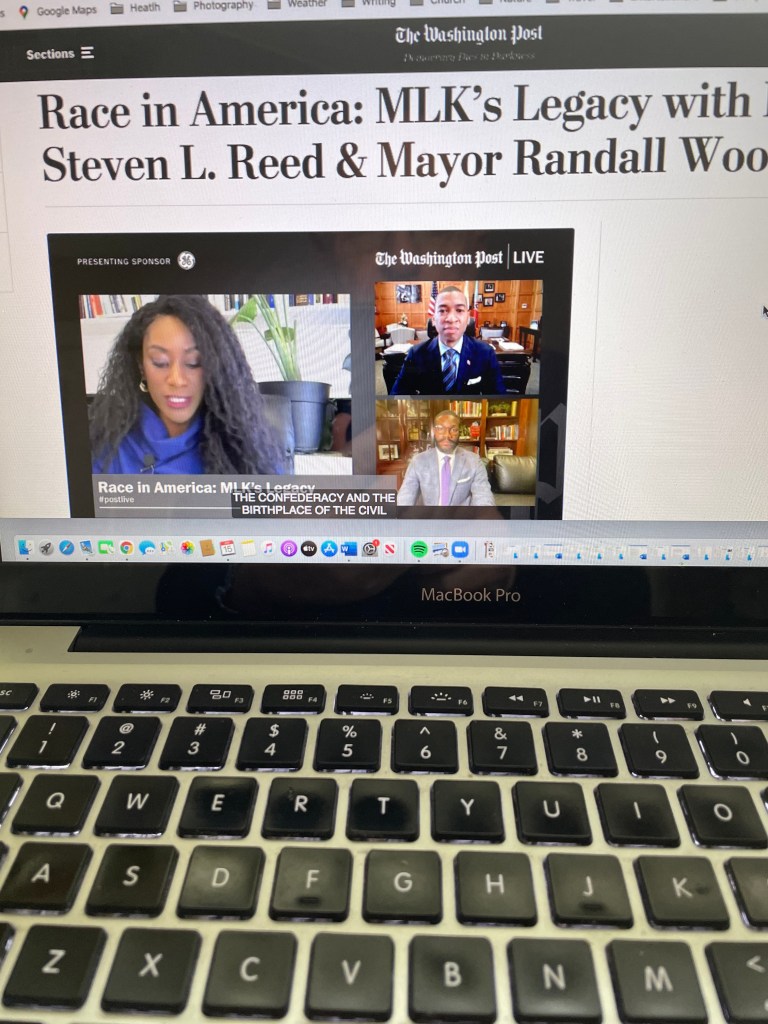
Zoom is a program that works on devices like laptops, smartphones, and iPads to share face-to-face. Many businesses and educational institutions use it to operate during the pandemic.
We enjoyed being able to interact with folks and see them, too. We attended lectures, joined college classes, and watched concerts remotely on our computers.
Impressed, I downloaded Zoom onto my laptop, figured out how to set up a meeting, and off we went. Of course, Zoom isn’t the only remote option around. It just seemed the most logical and straightforward to use, especially with groups.
The executives of Zoom are no dummies. Your first session is free with no time limit. After that, the program shuts down after 40 minutes.
I’m no dummy, either. I bought a subscription when it was on sale, of course, and we haven’t looked back.
Zoom helped save our social life without violating the physical distancing requirements. We set up meetings with friends and family far and wide, and we Zoomed away.
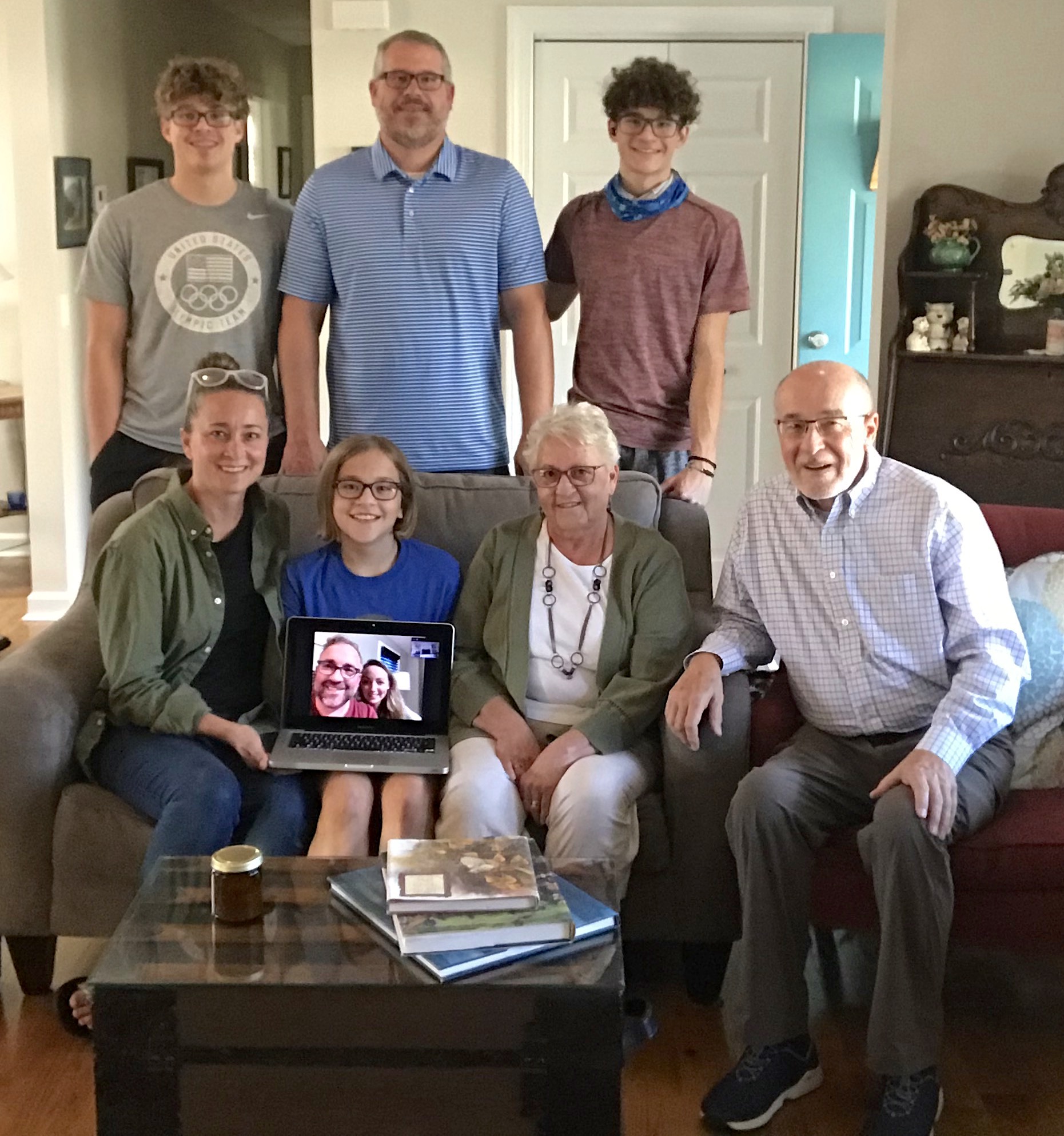
We Zoomed at Thanksgiving with our son and his wife in New York. Our daughter and her family were with us, and we managed a holiday family photo with our granddaughter holding her uncle and aunt on her lap. That’s what laptops are for, right?
Before the COVID-19 travel restrictions, we had scheduled a reunion with my wife’s cousins and spouses. We kept the date and met remotely via Zoom.
Everyone liked it so well that we met again two weeks later. We’ve kept that up ever since, with everyone making it a priority. One cousin remarked that we have met together more via Zoom than we had in-person all the years previous. Technology transcends state boundaries or mountain ranges or hundreds of miles.
We heard stories new and old. We laughed and laughed, especially at the play-by-play of a herd of wayward dairy cows. In these dark times, we need as much laughter as we can get.
I even took free Zoom classes to sharpen my hosting skills. I was one of the hundreds in the remote classroom, yet I never left home to learn. I didn’t have to raise my hand to use the restroom, either.
We Zoomed with friends and family in Ohio, North Carolina, and locally, too. My wife contacted some college friends and set up a Zoom meeting. The ladies enjoyed it so much that they also now regularly met.
They chat as if they were in a dorm room. After the classmates’ last Zoom gathering, their laughter carried out of my office clear to the great room.
We have also Zoomed for doctor appointments, church meetings, small groups, worship, and community service meetings. We have visited history museums and taken virtual field trips via Zoom.
Though we use other options to communicate remotely, Zoom is our go-to tool. For the record, I don’t own Zoom stock, and Zoom didn’t endorse my commentary.
Pandemic or no pandemic, we are glad technology has permitted us to continue our lives and personal connections and still stay safe and sound.
My wife and I are leaving the lights on for you. And, no, we’re not Motel 6.
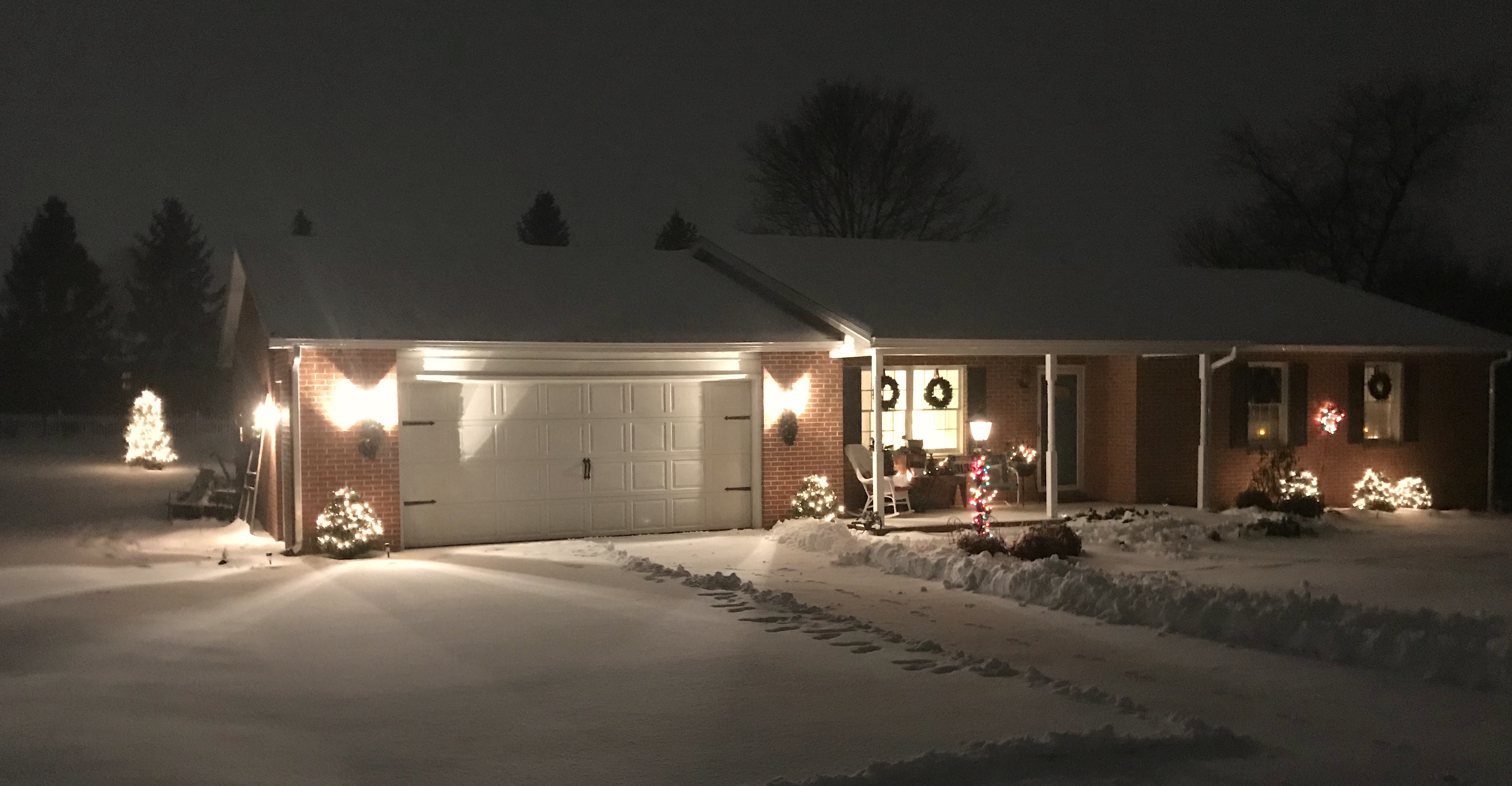
The year-end holidays may be over, but our modest festive light display is still burning brightly. We began our celebrative decorating early and are letting our lights shine well into the New Year.
We are not crazy, nor do we own stock in our electricity company. We have our altruistic reasons for letting the lights continue to shine.
Lighting up our homes inside and out runs deep in our linage. My wife’s family always brightened their cozy farmhouse with tactful holiday flare. Her frugal farmer parents wanted to share their holiday spirit, too.
Although my exuberant father sometimes got a bit too flashy for my taste, my family was no different. Nevertheless, Dad’s heart was in the right place. He wanted to bring joy to all who passed by our little brick bungalow on our busy suburban corner.
Dad’s enthusiasm seemed to progress with each passing year, however. He loaded the corner evergreen with strings of those big-bulbed multi-colored lights. Later, he outlined the front porch, then still later erected dangly white lights that imitated icicles around the roof’s edges.
Fortunately, our mother, the artist, had control over the creative interior decorating. The decked-out Christmas tree always stood in front of the living room’s picture window. Christmas cards covered the inside of the old wooden front door, and the fireplace mantel always said Happy Holidays!
My wife and I have a 49-year tradition of lighting up our home inside and out for the holidays. We credit our parents for that creative itch.
Given the world’s state in 2020, Neva and I decided to get a jumpstart on our holiday decorating. We had the time and opportunity since we tried to follow the stay close to home pandemic guidelines. So, that precisely is what we did.
We didn’t try to imitate my late father by any stretch of the imagination. We simply did our usual holiday festooning, only jumpstarted the holiday decorating just before Thanksgiving. The traditional commencement for our holiday decorating was the day after.
Our Jenny tree, a memorial for a friend gone too soon.
Now with Christmas come and gone, we packed away most of the interior decorations. But drive by our modest ranch home at night, and you’ll discover the exterior lights still brightly burning. They will continue to do so for a while.
What is our motivation? We are taking the idea of letting your light shine seriously. And why not? With the pandemic and continued social polarization, society is still bewildered and dismayed nationally and globally. The recent coup attempt in our nation’s capital only added to the nationwide angst.
Some might view our extended light display as simple-minded. We’re alright with that. It’s just our way of expressing gratitude for a new year and new opportunities to make things right in the world.
We also know that some might think our actions foolish. Our lights will shine nevertheless.
The multiple strings of little white lights combined won’t generate much real warmth. Instead, by letting the lights continue to glow, we hope that their presence, their shining on, countering the cold darkness of the world, will, in some small ways, warm a few hearts.
Like our late parents, our sincere hope is that this humble display simply helps brighten any passersby’s souls on any given chilly winter’s eve. We’ve noticed that we aren’t alone. Others continue to keep their holiday lights on, too.
Whether it’s a single glowing candle in the front window or a lighting extravaganza, that light radiates joy. That’s a commodity all of us need now and always.
The sun rises on a new year. (Photo by R. Craig Stambaugh, used by permission.)
It’s a new year, and I couldn’t be happier. I imagine you are right there with me.
It’s all too easy to remember the bad of 2020. Canceled vacations. Remote learning. Lockdowns, unfamiliar yet necessary health recommendations. Ubiquitous death and illness. Record global temperatures, wildfires, and hurricanes. Street weddings, street violence, racial prejudice, delayed funerals, and sports without fans in the stands. Those were but a few examples of last year’s upside-down waywardness.
A pair of intertwining events dominated nearly every aspect of our lives here in the United States. The coronavirus pandemic enwrapped presidential election news as if it were kudzu strangling a forest. You know the caustic results.
We can remember the good of 2020. Puzzle swaps, mask-making, thank you parades, individual acts of random kindness, curbside pickup, quilting, contemplation, prayer, silence, self-reflection.
However, as nostalgic as I can be, I have no desire to even look back on 2020. Learn from it? Yes. Reminisce, regurgitate, or even reflect, no!
An empty Progressive Field, Cleveland, OH.
Still, we will need to start this new year right where we left off. The wane of 2020 doesn’t mean dropping the safety standards instituted to quell the pandemic. If anything, we will need to be even more diligent and obedient to health officials’ directives.
We cannot afford to repeat the interpersonal degradations that occurred all too often last year. If we are to put this horrific human behavior behind us, we must be better than that as individuals, families, communities, and as a nation. Vaccines can’t inoculate us against hate.
We all will be better off as individuals, families, communities, and society to spend our efforts, energies, and opportunities by looking ahead and looking around us. We all need to put aside our prejudices, preferences, and prerogatives and be better citizens than we were last year.
Approaching the new year with a new attitude is the only way all of our lives will improve. There are no exceptions.
A bouquet of grace shows caring and compassion.
It won’t be easy, but if we grant each other even a sliver of grace, the world will improve for you and me. We need to silence our shouting and institute our listening.
We need to put our egos aside and truly hear what others are saying. If we disagree with the words, tone, and content, we need to ask for clarification, understanding, and sometimes forgiveness.
Looking inside our souls, our own beliefs, our priorities are always the right places to start each day. Be gracious toward yourself, and then offer the same measure of mercy toward others. You might be surprised by both the results and the rewards.
That is how we live in grace. Grace requires that we move with elegance and live with courteous goodwill towards all, including ourselves. Being gracious toward others makes you vulnerable. Nevertheless, vulnerability is the highway to change.
The responsibility to be compassionate and resilient resides in all of us. Vulnerability drives both of those human qualities.
Vulnerability requires courage, patience, and strength. In the words of author Brene Brown, vulnerability is not winning or losing. It’s having the courage to show up, be seen, and have no control over winning or losing.
So in 2021, be kind to yourself. Be kind to others. Be patient. Be generous, and the only way to do that is to be gracious and vulnerable. Do so in the right way at the right time with the right persons. When is that? Right now!
Can we be so bold, so humble, so passionate about compassion to answer in the affirmative? If we can, then 2021 will be a better year in every way than the previous one.
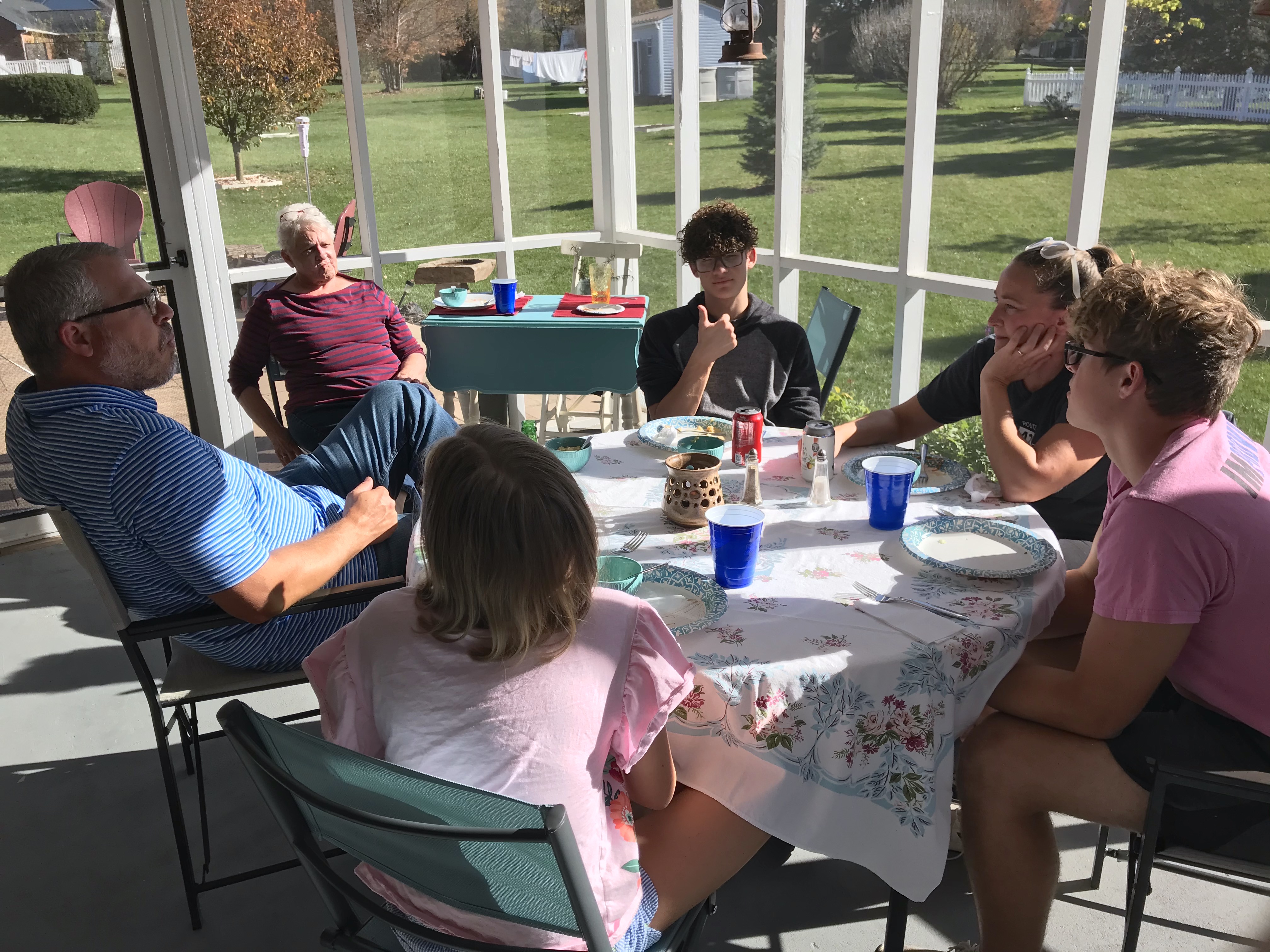
Quality family time serves as positive example of grace and compassion.
I’m glad this year we would all like to forget is coming to an end.
I know we still have a few days to go in 2020. I figured summing it up early would help us get a head start on the coming New Year.
As is my custom, I recorded some of the newsy pieces that didn’t make the headlines. Consequently, there is no mention of the U.S. presidential election.
January
1 – Soot from raging wildfires in Australia turned glaciers black in New Zealand
5 – The BBC reported that 4 million hectares or 9.9 million acres had burned in Australia’s New South Wales since July 1.
14 – NOAA reported that 2019 was the fifth consecutive year that the U.S. sustained 10 or more $1 billion weather and climate disasters, including fires, flooding, and hurricanes.
15 – NOAA and NASA jointly released a report that showed 2019 to be the second warmest globally since records have been kept in 1880.
16 – The San Francisco Giants became the first Major League Baseball team to hire a female as a full-time coach.
22 – It was so cold in southern Florida that the National Weather Service warned citizens to be alert for stunned iguanas falling from trees.
28 – A team of international scientists discovered four new species of sharks that use their fins to walk off the coast of northern Australia and New Guinea.
February
6 – The temperature in Antarctica reached a record high 65 degrees Fahrenheit, the warmest the continent has ever been.
10 – A scientist from Ohio State University reported finding byproducts of the Industrial Revolution in the Himalaya Mountains deposited long before anyone ever climbed that high.
17 – A pair of armed men robbed a delivery man in Hong Kong of hundreds of rolls of toilet paper due to the coronavirus.
21 – A published study identified a bird found in permafrost in Siberia as a horned lark that lived 46,000 years ago.
24 – After taking an 88-year-old Rochester, Washington man to the hospital with a broken hip, three Emergency Medical Technicians returned to the home and finished mowing the yard where the victim had fallen.
29 – Junior Heaven Fitch became the first female in North Carolina to become a high school state wrestling champion when she defeated seven boys to win the 106-pound division.
March
10 – A driver in Slidell, Louisiana pulled over for license plates that expired in 1997 told police that he was too busy to get them renewed.
12 – Snopes.com reported that the average American uses about 100 rolls of toilet paper a year, with most of it manufactured in Canada, Mexico, and the U.S.
13 – The Museum of the Bible in Washington, D.C. announced that all 16 fragments of scripture that they had on display were discovered to be modern forgeries based on independent research.
29 – Smash-and-grab robbers stole a priceless Van Gogh painting from a Dutch art museum.
April
2 – It was announced that a record 6.6 million people in the U.S. applied for unemployment benefits the previous week due to the coronavirus pandemic.
14 – The organizer of a challenge to sew 1 million face masks for workers on the frontline of the COVID-19 crisis reported that globally volunteers had sewn 20 million masks.
17 – NASA satellite images showed a 30 percent drop in air pollution during the three-weeks of stay-at-home orders on the U.S. east coast.
21 – A team of scientists sailing off the coast of Western Australia discovered the longest animal ever recorded, a 150-foot gelatinous siphonophore.
May
1 – The U.S. Census Bureau reported that one-third of Americans already felt some depression and anxiety from the pandemic.
8 – The U.S. Labor Department reported April’s unemployment rate at 14.7 percent, the highest since the Great Depression.
15 – A new study published in the journal Landscape and Urban Planning found that planting and caring for a garden boosts people’s mood as much as walking and cycling.
18 – Lawrence Brooks, the oldest living U.S. veteran of World War II at 110-years-old, was featured on the cover of National Geographic Magazine.
19 – A study published in Nature Climate Change showed a sudden 17 percent drop globally in greenhouse gases during the lockdowns due to the coronavirus.
June
2 – Irene Triplett, the last person still receiving benefits for being a dependent of a Civil War soldier, died.
3 – Scientists discovered the cleanest water in the world in the Southern Ocean, the body of water that surrounds Antarctica.
5 – A large asteroid swept by the earth closer than the moon is to our planet, and it wasn’t detected until two days later.
9 – Kathryn Sullivan, the first woman to walk in space as a NASA astronaut, became the first woman to reach the deepest part of the Mariana Trench.
11 – It was revealed that a Siberian power plant leaked 20,000 tons of diesel fuel into area rivers on May 29, turning the waters red.
21 – The temperature in Verkhoyansk, Siberia reached 100 degrees Fahrenheit, a record high reading.
24 – After being furloughed from her job because of the pandemic, Michelle Brenner, used her $1,200 stimulus check to buy ingredients to make 1,200 pans of homemade lasagna, which she gave to first-responders, hospital workers, strangers, and single parents.
30 – A report stated that Americans annually shoot off a pound of fireworks for every adult.
July
1 – People in Prague, Czech Republic, one of the first countries to require mask-wearing, celebrated the end of coronavirus restrictions by dining at a 1,600-foot -long table that wound its way through streets and across the Charles Bridge.
9 – Tropical Storm Fay became the earliest “F-named” storm ever recorded when it formed along the eastern Atlantic Coast.
15 – A research study published in Lancet revealed that the global fertility rate had dropped to 2.7 children per family in 2017.
17 – Queen Elizabeth II knighted 100-year-old World War II veteran Tom Moore for raising more than $40 million for National Health Service charities by doing laps in his backyard garden.
26 – Olivia de Havilland, the last surviving star of the classic film “Gone with the Wind,” died at age 104 in Paris, France.
August
3 – Mildred “Gerri” Schappals, 102 of Nashua, New Hampshire, survived COVID-19 after having also survived a severe flu during the 1918 pandemic, in addition to two bouts of cancer
14 – A report said that globally people use 200 billion plastic bottles annually, and most are not recycled.
16 – The National Weather Service in Reno, Nevada issued the first-ever Firenado Warning for a tornado caused by a firestorm near Lake Tahoe, California.
20 – A scientific report showed that Greenland lost 586 billion tons of ice from an extremely warm 2019.
22 – Researchers found pesticides and industrial compounds, likely from the U.S., in the snow atop four high-elevation pristine sites on the Norwegian archipelago, Svalbard.
28 – Guinness World Records declared Julio Mora Tapia, 110, and Waldramina Quinteros, 105, of Quito, Ecuador, as the world’s oldest married couple.
September
1 – Three different airline pilots reported seeing a man in a jetpack flying near their planes as they landed at Los Angeles International Airport.
3 – The production of a new Batman movie was shut down when the actor playing batman tested positive for COVID-19.
7 – A 33-year-old Arkansas man found a 9.07-carat brown diamond at Arkansas’ Crater of Diamonds State Park.
8 – The Pew Institute released a study that showed that for the first time since the Great Depression the majority of young adults ages 18-29 lived at home with their parents.
16 – The National Oceanic and Atmospheric Administration reported that summer 2020 was the warmest ever.
October
2 – The Irish Supreme Court ruled that the sandwiches made by Subway contain too much sugar to be legally considered bread.
5 – British Lincolnshire Wildlife Centre had to separate five gray parrots because they kept swearing at visitors.
14 – NOAA’s National Centers for Environmental Information reported that globally September was the warmest on record.
23 – For the second time, a Dutch researcher correctly guessed the password for President Trump’s Twitter account as “maga2020.”
24 – Anika Cherbrolu, a 14-year-old freshman at Independence High School in Frisco, Texas, discovered a compound that can bind the coronavirus, inhibiting its ability to infect people to win the 3M Young Scientist Challenge and $25,000.
26 – NASA scientists announced that they had discovered water in the form of ice on the moon.
November
2 – The driver of a train was saved from injury near Rotterdam, Netherlands, when the front carriage crashed through an end section of the elevated rails and landed on the tail of a giant whale sculpture.
10 – The National Hurricane Center reported that 2020 was the most active year ever for named tropical storms and hurricanes with 29 named storms.
16 – A 71-year-old Florida man was arrested for grand theft when he strapped a downed steel power pole to the top of his car and drove away, hoping to sell the pole for scrap metal.
18 – A Saw-whet owl, that apparently traveled from upstate New York in a large Christmas tree to midtown Manhattan, was rescued from the pine tree at Rockefeller Center in New York City and taken to a wildlife rescue center.
30 – A report showed that online spending on Black Friday jumped 22 percent from last year.
December
7 – The International Olympic Committee announced that beginning at the 2024 summer Olympics in Paris it would include breakdancing as a medal competition.
8 – Swedish retailer Ikea announced that after 70 years it would no longer print its annual catalog, which was the world’s largest.
9 – A humpback whale made quite a splash in the Hudson River, breaching in front of the Statue of Liberty and other New York City icons.
Here’s hoping that the New Year will be better than the old one in every way. How can 2021 not be?
You must be logged in to post a comment.