The idiosyncrasies of Daylight Saving Time

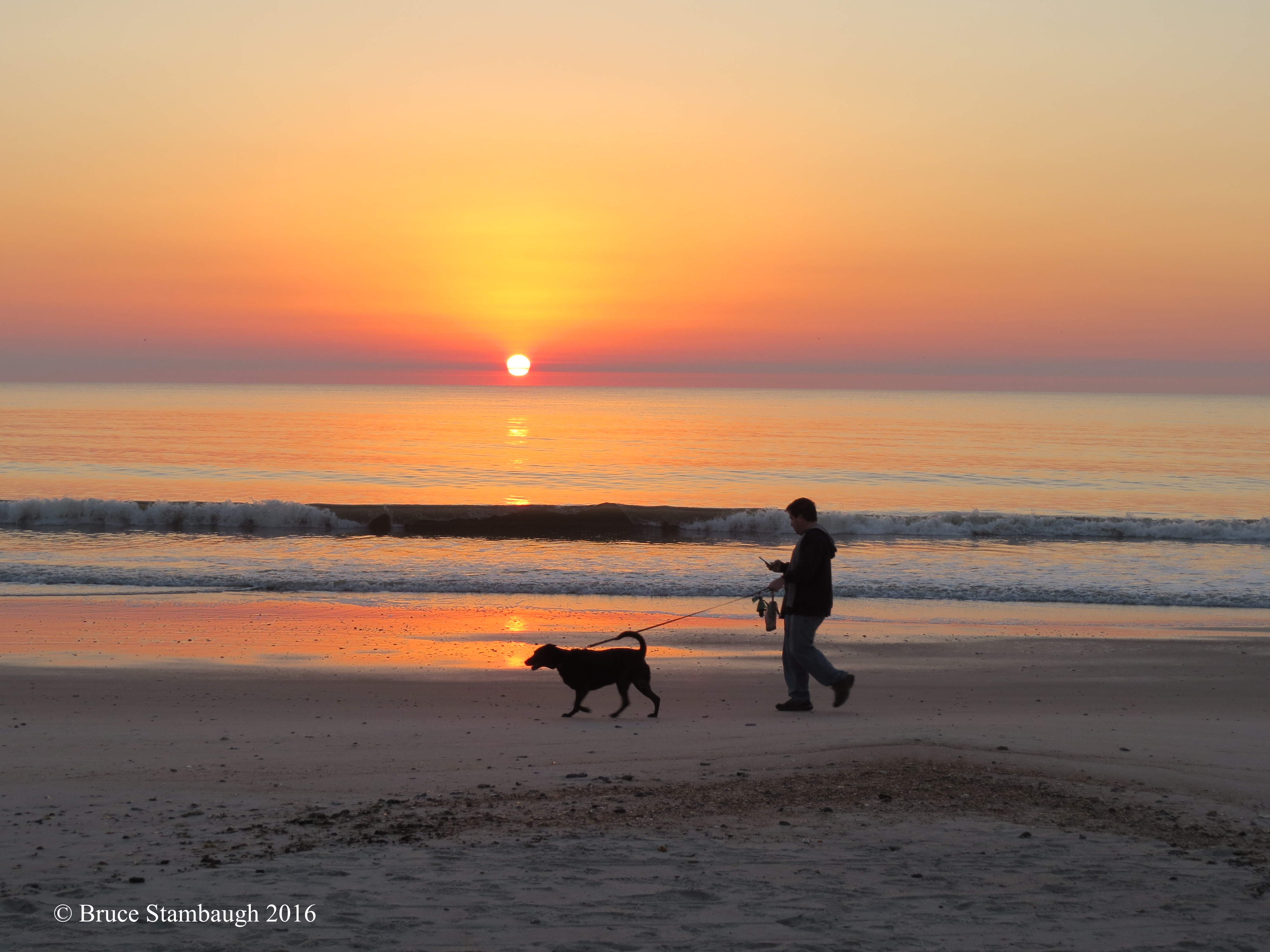
pink sunrise
Sunrise in pink.

By Bruce Stambaugh

As a kid, I loved when Daylight Saving Time (DST) arrived, mostly. At first, school days began in the dark. The upside was that we had more daylight time in the evening to play and do chores.

That seemed like a fair trade to me. Excuse the pun, but times have changed since the origin of DST. I’m not sure humanity has, however.

Believe it or not, DST originated in ancient times before clocks existed. Various civilizations adjusted their schedules, not their clocks, to the natural lengthening of warmer months.

Amish volleyball
Evening recreation.
Ben Franklin’s humor accidentally credited him with the suggestion of DST. When awakened by the sun at 6 a.m. in France in 1784, Franklin jokingly suggested in an essay that the French could save a lot of money by getting up earlier in the morning. That would result in fewer candles burned in the evening.

Folks in Thunder Bay, Ontario, Canada were the first to use DST in 1908. The idea didn’t catch on until the onslaught of World War I when Germany resorted to using DST to save fuel for the war effort. Great Britain soon followed suit.

The same thing happened when the United States entered World War II. To save fuel, DST ran from April 30 to Oct. 31. In one form or another, DST has been around ever since.

Today’s use of DST in the U.S. dates to the 1973 oil crisis in the Middle East. DST now runs from the second Sunday in March and ends the first Sunday in November. Altogether, 70 countries use some form of DST.

Despite its semi-annual adjustments, folks still get confused by the change of time. A simple rule is spring forward an hour in March and fall back an hour in November. Note the cheeky references to “spring” and “fall.”

Farmers often get the blame for initiating DST. In fact, the farmers I talk to hate it, especially if they milk cows.

Amish farmer, hay wagons
Late evening wagon train.
When I was an elementary school principal, I often made home visits. In some Amish homes, I noticed that the household clocks remained on standard time.

Others apparently used the art of compromise. Clocks were set back a half an hour. Perhaps these methods were mild forms of protest. Whatever the reasons, people always seemed to know what time it was regardless of what the clocks said.

That’s more than others could say. This simple idea led to some chaotic timekeeping. In 1965, the state of Iowa had 23 different start and end dates for DST. Even the Twin Cities of Minneapolis and St. Paul, Min. didn’t change time equally.

To bring order to all of the chaotic clocks, Congress passed the Energy Policy Act of 2005 making DST uniform. Well, mostly. Arizona and Hawaii still don’t use DST, along with several U.S. territories.

For good or for ill, the intent of this checkered history of playing with time was to save energy. Research has shown that concept is flawed.

I can see both sides. Earlier risers would just as soon avoid manipulating the clocks twice a year. Those who desire extra playtime after work or school are happy for the extended daylight.

That remains the justification for DST. It doesn’t save time. The tactic merely adjusts the clock to accommodate more daylight for more citizens.

My less than nimble fingers protest resetting the many digital devices that don’t self-correct. The child in my heart, however, still enjoys the adjusted daylight.

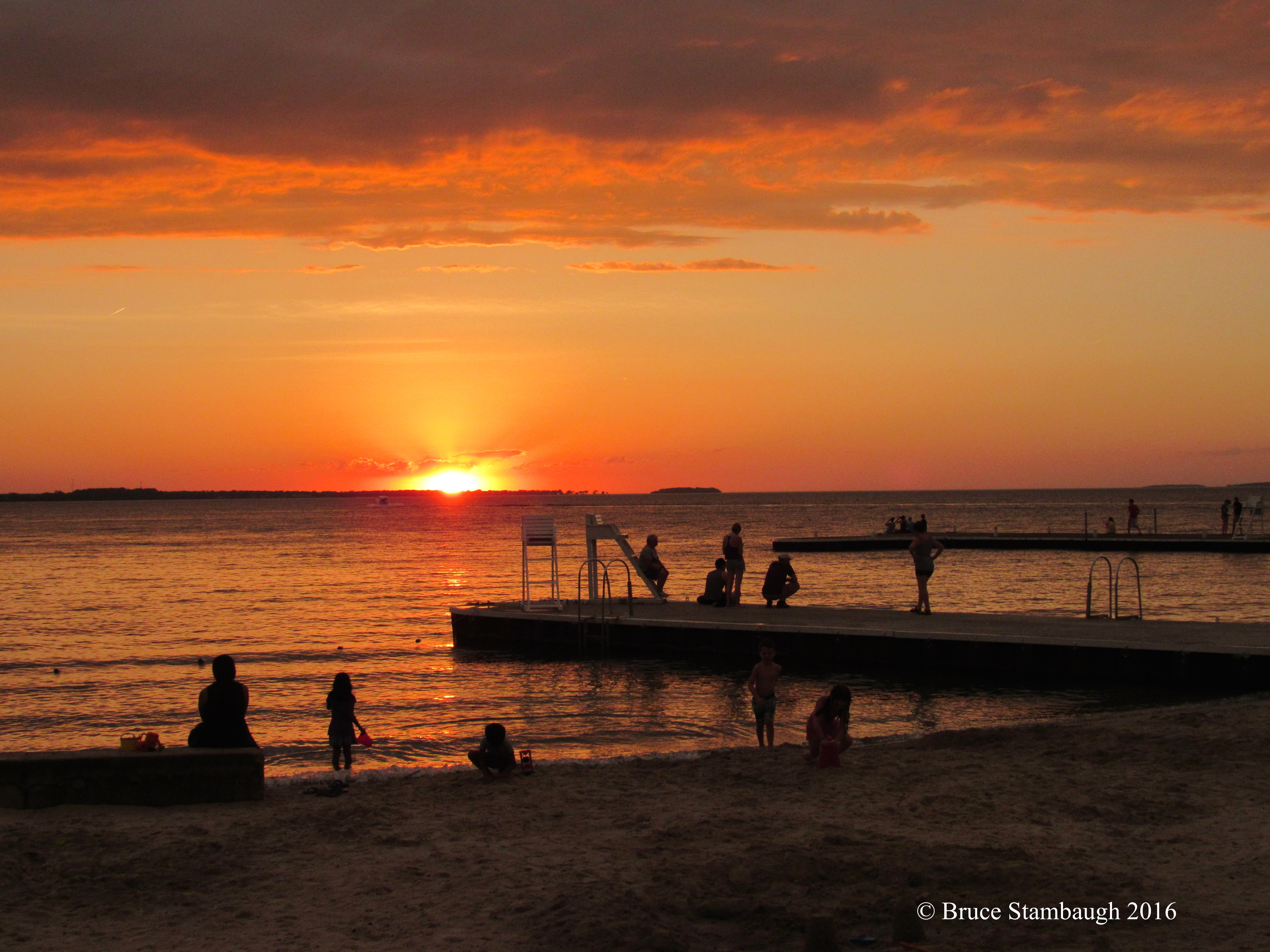
kids swimming, summertime
Summertime fun.

© Bruce Stambaugh 2016

Lavender Geese

Canada Geese, Ohio sunrise
Lavender Geese.

This pair of Canada Geese was none too happy about my early morning intrusion on their quiet solitude. Their harsh honking wasn’t the only thing that caught my attention. I couldn’t believe the color of the predawn sky’s reflection on the farm pond. The lavender and mauve beautifully accented these noisy birds.

“Lavender Geese” is my Photo of the Week.

© Bruce Stambaugh 2016

Renourished

sunrise, Atlantic Ocean
Sunrise with Sam.

By Bruce Stambaugh

I stood on the beach beside Sam enjoying another inspiring sunrise. Though I didn’t know it, the scene renourished me. I had never heard that word before.

Sam was a security guard for a beach restoration project that was ongoing on the barrier island where my wife and I have wintered for the last several years. He had just come on duty for his 12-hour shift.

hood mergansers, saltmarsh
Renourishment.
Sam couldn’t contain himself. In his strong southern drawl, he chatted while I snapped away with cameras to capture the unfolding beauty before us.

Sam said he had come to work early just to see the sunrise. He succinctly expressed the natural fringe benefits he received from just doing his job.

“I get to see sunrises, the full moon last night, the stars and planets, and a beautiful sunset over the island,” he said. I had found a kindred soul mate. Sam described in one sentence why my wife and I return year after year to this little paradise.

It’s not balmy by Miami standards, or even Sarasota for that matter. But we find the island’s winter weather much more agreeable than northeast Ohio.

From another glorious dawn to a spectacular sunset, this particular day served as a perfect example of how we recharge.

I couldn’t help but see the irony in
the beach reinvigoration.

This slideshow requires JavaScript.

The massive renourishment project was an engineering marvel. Involved were large freighters, tugboats, survey boats, an enormous pumping station, hundreds of 40-ft. long steel pipes sections, and a variety of heavy-duty excavating equipment.

Huge ships dredged the river inlet to maintain shipping lanes. Pumps recycled the sand through a miles-long piping system. A slurry of sand and seawater spewed back out onto the beach.

Giant bulldozers plowed a path to channel the excess water back into the ocean. Shore birds and sea birds reaped the benefits by feasting on the crawling critters caught up in the pressurized flush of sand and water.

Renourishment came in more natural ways, too. The salty spray, the sanguine setting of having an ocean for a front yard, the wildlife, the nearby marine forest and accompanying saltmarsh, and the friendly folks encountered during our extended stay combined to enrich our lives.

beach construction
Sam at work.
Sam and I lingered a long time on the beach, side-by-side, silent, soaking in the radiance before us. When the colors muted, he returned to his station at the end of the orange iridescent construction fence and took a sip of water.

I retreated to our rented condo to the company of my hospitable wife and our latest of many visitors. They were just as thrilled with the sunrise as I was. That, too, served as nourishment for my soul.

To be honest, I’m not a beach person. I’d much rather be hiking in mountains than lazing along the shore. But it’s cold in the mountains in winter, and though it’s not even subtropical here, we had a lot in common with Sam and the beach project.

The word renourishment, in fact, applies specifically to restoring damaged beaches. Standing beside Sam enjoying the sunrise brought a wider meaning of the word for me.

Neva and I were exceedingly grateful to be renourished by the marvels all around, and by the good folks who came calling. I was especially pleased when Sam asked to have a sunrise photo sent to him.

Even beaches need to be renourished from time to time. How and where are you replenished?

sunset, Fernandina Beach fL
Soft sunset.

© Bruce Stambaugh 2016
Greeting the Day

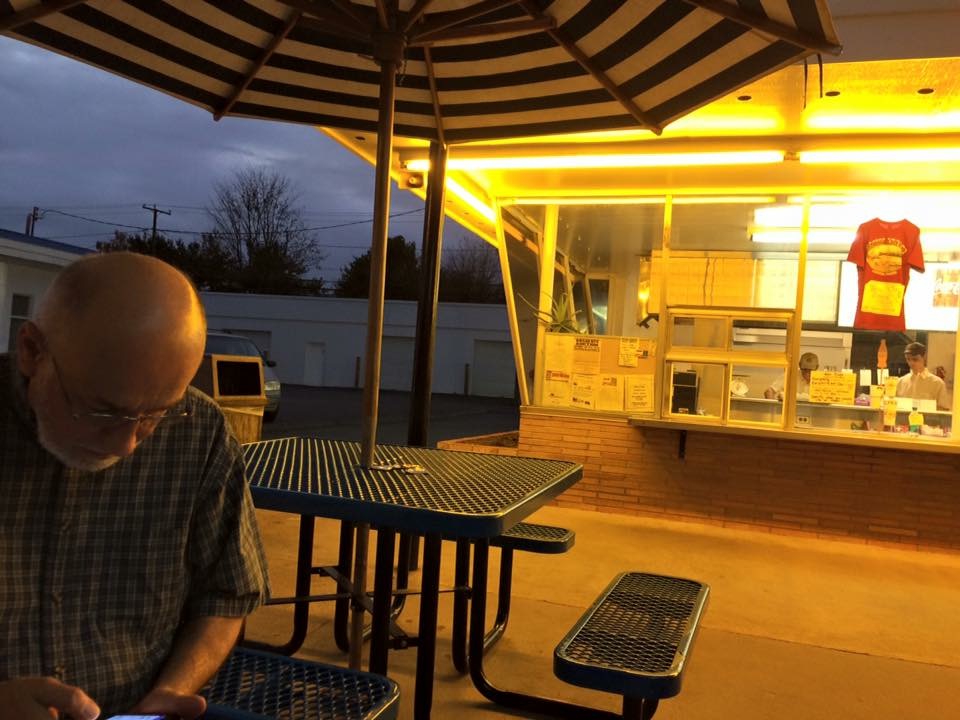
sunrise photo, family on beach
Greeting the Day.

This photo could be just another beautiful sunrise on the beach. But if you look close, a lot is going on in this scene.

Even in silhouette, you can see a man, his two daughters and the family dog. Look closer and you will notice that the girls are chatting, one with her back to the sun, just having burst over the ocean. The man is holding the dog’s leash, the doggie cleanup back, and his smartphone. In fact, you’ll note that he, too, is reading his phone rather than enjoying the gorgeous sunrise. (Click on the photo to enlarge it.)

Like it or not, perhaps that is truly how much of the western world welcomes in each day. We fixate on getting the day going on our own terms instead of simply greeting the day as it freely shines upon us.

“Greeting the Day” is my Photo of the Week.

© Bruce Stambaugh 2016
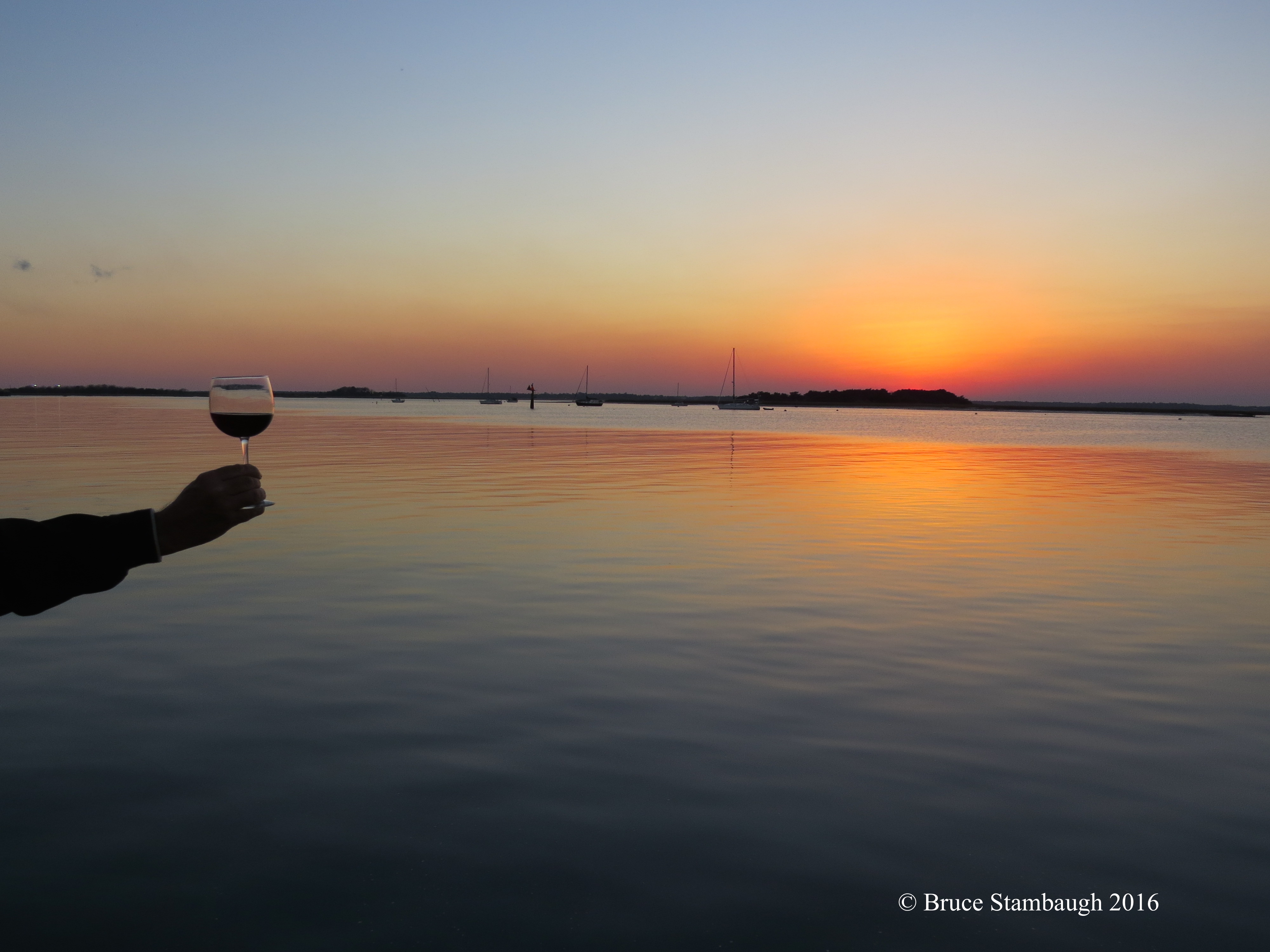
Under the Driftwood Arch

driftwood, art photography
Under the Driftwood Arch.

I could say a lot about this photo, its marvelous characteristics, angle, perspective, textures, aesthetics, how I came upon the scene, and the uniqueness of the barrier island beach. Instead, I’ll simply let the photo and the headline speak for themselves.

“Under the Driftwood” is my Photo of the Week.

© Bruce Stambaugh 2016

The magic in my life and yours

black skimmer, breaking waves
Magic in motion.

By Bruce Stambaugh

Do you believe in magic? I do, and I’m not channeling The Lovin’ Spoonful here either.

Whether we know it or not, we all have a little magic in our lives. It’s all around if we only take time and effort to notice.

I watched with joy and affection as the six-year-old tilted her head, gently flipped her long, blonde hair, batted her eyelashes, and put her index finger to her cheek contemplating her next move in dominoes. A mirror of her mother, I mentally catapulted back 35 years to when our daughter was the same age as Maren.

birding on the beach
Birder Bruce.
I knew my friend and his wife were passing through to visit. Just seeing him leaning into his camera on a tripod focusing on a flock of shorebirds on the beach gave me chills. The loving embraces of Bruce and Helen rekindled lifetime friendships.

I could hear the deep bass pulsate as the Swartzentruber Amish buggy approached from a quarter of a mile away. The dishes in our antique china closet rattled in harmony with the subwoofers syncopated vibrations as the buggy passed by the house.

Northern Gannets knifed into the ocean as a pod of dolphins played in the unusually calm Atlantic waters just off shore. These birds usually fished far from shore in churning waves, not placid shallows. We enjoyed the free show immensely.

Ft. Clinch St. Park, grandson
Getting the answer.
I observed the unabashed curiosity of the middle grandchild as he approached the reenactment soldier to ask a question about the Civil War fort. With the answer in hand, we trekked off to view the remnants of the old kitchen.

The melodic reverberations from the church’s old pipe organ grabbed me more firmly than a human handshake. I marveled at the introspective results, peace, joy, purpose, and compassion.

Antsy man that I am, I have at last learned to wait in one spot for the birds to come to me. I am seldom disappointed.

frosted produce field
After the frost.
After the first frost of the season, I waded into the rainbow of produce that littered the fertile field. The upbeat young farmer merely said a new season had begun.

In sadness, a friend told me that police arrested her young neighbor for writing threating notes to do public harm. The family can hardly afford to put food on the table let alone this. Her compassion moved me.

A small herd of deer leaped from the protection of the woods through my neighbor’s open field across a woven wire fence and into the next farm field. I watch with wonder their white tails bob in the dreary day until they bounded out of sight.

A friend sent me a note of appreciation. His expression of gratitude humbled me, drawing us closer than we were before.

wall hanging
Pastels.
The pleasing pastels of the wall hanging rested in my wife’s quilting frame. When completed, she gave the lovely piece to a friend who said the colors perfectly matched her décor. Karen’s smile was all the thanks Neva needed.

His family about to leave after their short visit, the oldest grandchild, 11 going on 21, climbed out of the back seat of the van. Evan gave Nana and Poppy another goodbye hug. We each teared up.

There might not seem anything magical about these everyday scenarios. But there was. The magic wasn’t pulled from a black hat or a shirtsleeve. Rather, life’s fleeting wonder is all around us all the time. It’s our duty to notice.

Real magic transcends illusionary tricks. It’s the ordinary moments in our lives that create extraordinary memories.

sunrise, Atlantic Ocean
Morning magic.

© Bruce Stambaugh 2016

Living the rural life and loving it

barn fire, Holmes Co. OH
Barn fire.

By Bruce Stambaugh

When fire destroyed my neighbor’s old bank barn a couple of years ago, all the firefighters could do was protect the outbuildings. The fully-involved structure burned to the ground.

A month later, blessed insurance arrived in the form of neighbors, family, friends and church members who raised a new building in a day. They started at first light and had the barn roofed and sided by evening. It’s the way of rural life here.

Amish barn raising
Barn raising.
I’ve happily lived my adult life in one of the richest agricultural areas in Ohio. That’s a bit ironic for someone born in a city and raised in a suburb.

My parents influenced my appreciation for the agricultural lifestyle. Dad introduced his five children to farm life early on. Being an avid sportsman, Dad loved to hunt and fish.

Dad knew the importance of building trust with the farmers to be allowed to tromp around their property. Dad listened to their stories, and they returned the favor.

sunset, Holmes Co. OH
Rural sunset.
Mom influenced me positively on farming, too. An accomplished artist, she painted lovely landscapes of farmsteads and their surroundings. The scenes Mom created closely resemble the ones I see every day.

My wife and I built our first house on a bluff overlooking two tributaries of the mighty Killbuck. Manicured farm fields fanned out to the west from our front yard. Thick stands of mixed hardwoods that glowed in the fall filled the surrounding, steep hillsides.

When Farmer Bob came around on a hot summer’s day fixing barbed wire fence rows, I ran out with a cold, clear glass of water just for a chance to talk to him. When it was time to till the garden, Farmer Jim came up from his field to do the job. I offered to pay, but he just winked and smiled and advised using Triple 12 fertilizer.

When we moved northeast 16 miles 36 years ago, we hoped to experience the same interactions. We did that and more.

Amish manure spreader
Spreading sunshine.
When I asked Farmer Levi for some manure for the garden, he delivered it on a bitterly cold February morning. By the time I had dressed to go out to help him, a steaming pile of natural fertilizer already sat atop the snow.

I thanked Levi and asked him how much I owed him for his trouble.

“Nothing,” he said. “I don’t have anything in it.”

That earthy attitude is only one of the reasons I’m wedded to this charming, inviting agricultural community. There are many others.

produce auction, Holmes Co. OH
Produce auction.
No one would ever mistake me for a farmer. Yet, I feel right at home whether in milking parlors, bank barns, farmhouses or pastures.

For more than four decades I have admired families and circles of friends gathering crops, and sharing equipment and smiles. They work long and hard in all kinds of weather for narrow profit margins.

Farming is no longer the dominant occupation it once was here. Less than 10 percent of the Amish farm today. The recent uptick of local produce truck patches has helped continue the family agricultural tradition. I’m glad they have produce stands and auctions to turn all their efforts into cash.

As I photograph sunrises on early chilly mornings or sunsets on sweltering evenings, my mind wanders to my mother and father. I’m forever thankful they taught me to appreciate the land and the good folks who cultivate it.

Rural living has more than made its mark on me. It has wholly and wonderfully enriched my life.

sunset, Ohio's Amish country
September sunset.

© Bruce Stambaugh 2016

Majestic Live Oak

live oak tree
Majestic live oak.

I love off-the-beaten-path kind of adventures, even if they lead to a dead end. There always seems to be something new to discover.

My wife and I were in search of a bird sanctuary on a sandy rural road near Jacksonville, FL. We learned three things on that jaunt. The bird shelter had closed more than a year ago. The road was indeed a dead end. But the canopy-covered path was gorgeous as the morning light played off of the Spanish moss and vegetation along the one-lane road.

I liked everything about this majestic live oak tree near the end of the lane. It’s limbs mostly flowed west over the road like a living awning. The textures of the ferns, palms, mosses, and lichens seemed to jump out of the shadows into the warming light.

“Majestic Live Oak” is my Photo of the Week.

© Bruce Stambaugh 2016
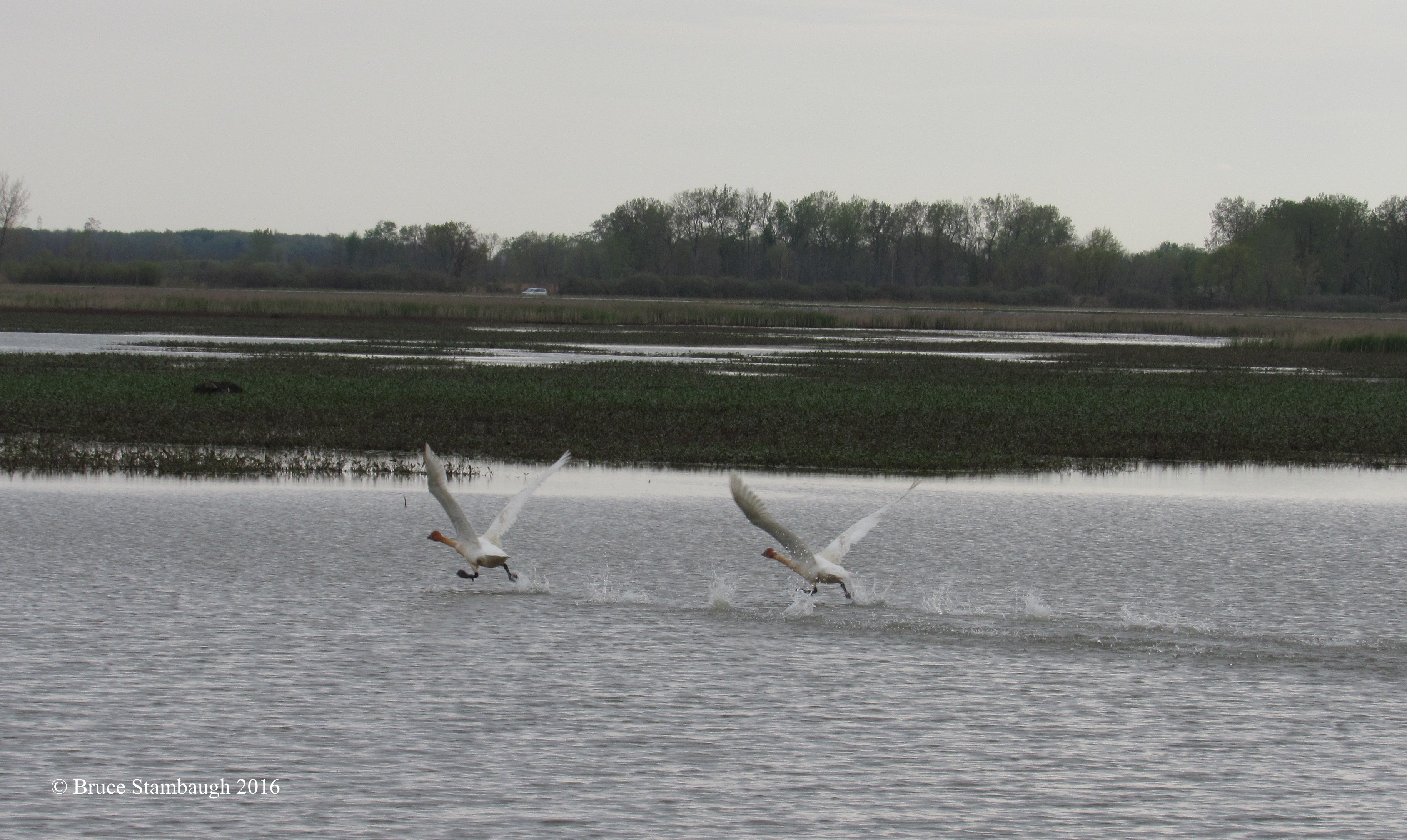
Staying healthy in the throes of winter

shoveling snow, Ohio
Finished shoveling.

By Bruce Stambaugh

February is upon us. Hopefully, winter in northeast Ohio is nearing its peak.

We don’t know what that means regarding the weather ahead. We simply long for milder days when we can be outdoors without the clumsiness of thick coats.

Most of us senior citizens avoid the nasty weather by staying inside or fleeing to warmer locales. In the process, we tend to overfeed February’s cabin fever. That’s not good for our health at any age.

I have a rather restricted diet due to some inherited genes I’d rather trade away. Of course, I can’t, so I am careful about what I eat. My loving wife goes out of her way to create the food that my body can handle.

For me, though, eating has never been a top priority. I’d rather be out and about, even in the harshest weather. After a measurable snow, you’ll likely find me outside pushing and shoveling the white stuff from the sidewalk and parking pad.

When I was younger, I’d take it as a personal challenge to shovel the entire driveway out to the county road. If the snow was heavy and wet, I took my time. Neva often joined me, along with our daughter and son, if they weren’t already off sledding with friends.

Amish buggy, snowy day
At rest.
Those days are long over. After this winter’s first measurable snowfall, I was out in it as usual. I bundled up in my typical fashion, hoodie, stocking cap, insulated coveralls, warm gloves and gumboots.

Snow removal isn’t a fashion show. It’s hard work, especially for someone pushing 70. For whatever reason, that thought blew into my head like the cold north wind. I remembered to take plenty of breaks and to pace myself.

During my frequent breathers, I observed crows sail through the still falling snow, and heard a state plow truck’s discordant rumble echo in the frosty air from a mile away. I stopped shoveling after I had cleared the sidewalk and turnaround.

I didn’t want to be a statistic, a seasonal casualty to stubbornness. I knew my limits and decided not to push them. When the snow is too deep, my good neighbor rescues me with his pickup’s snowplow.

The amount he charges is a whole lot cheaper than the negative consequences if I try to exert myself beyond my physical capacities. No one needs that heartache.

northern cardinal, snow, bird feeder
Beauty in the snow.
I’d rather pay the pittance charged than incur the repercussions. My inflated male ego has to take a backseat to my bodily well-being. It’s that simple.

I know I need the exercise, but braving winter’s harsh elements at my age can prove counterproductive. I look for other options to stay physically fit though some would question whether I have ever been in that condition.

I like to walk when I can, but that isn’t always a year-round option in northern climes. Other exercise options are easy to find.

My wife and I enjoy doing yoga regularly either in our home or at class. We have found it both physically and spiritually healing. The good Lord knows I need both.

I do simple stretches daily to ease my tennis elbow pain and to loosen my tight hamstrings. Those simple practices do wonders for me.

I’ll continue to be mindful of both what I eat and the portions I consume. I’ll continue to intentionally workout my body and mind daily.

Every new day is a gift. I must do my part to welcome another tomorrow.

farm lane, winter in Ohio
I’m glad my drive isn’t this long!

© Bruce Stambaugh 2016

Industrial sunset

2016-01-21 19.22.36

When shooting photographs, I usually try to exclude anything that might be distractive to the main subject of the photo. However, I do make exceptions from time to time. This sunset scene on the Amelia River in northeast Florida fit that bill.

The glowing lights of the active paper mill accentuated the warm and cool colors of the clouded sunset. The gray clouds matched the venting steam of the mill’s smokestack. The orange reflection of the security lights balanced that of the setting sun’s on the river’s quiet waters.

“Industrial sunset” is my Photo of the Week.

© Bruce Stambaugh 2016

Bay Photos by Donna

Wildlife photos from the Chesapeake Bay region

ROAD TO NARA

Culture and Communities at the Heart Of India

K Hertzler Art

Artist and nature journalist in the Shenandoah Valley of Virginia.

Maria Vincent Robinson

Photographer Of Life and moments

Gabriele Romano

Personal Blog

Jennifer Murch

Art is the only way to run away without leaving home. -Twyla Tharp

Roadkill Crossing

Writing generated from the rural life

ANJOLI ROY

writer. teacher. podcast cohost.

Casa Alterna

El amor cruza fronteras / Love crosses borders