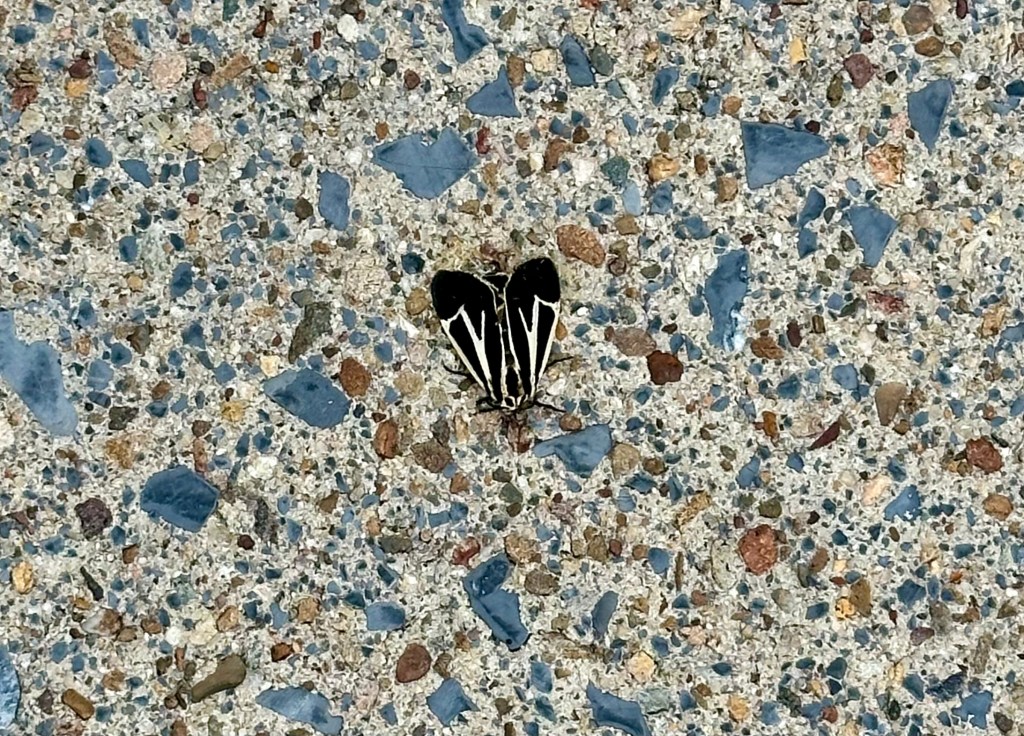
No bigger than a 25-cent piece, this moth caught my eye as I walked out to get the mail. Its contrasting black and yellow wings stood out from the marbled pattern of our decades-old, well-worn concrete driveway.
Yet, the deceased insect seemed to blend in with the drive’s mishmashed surface. Perhaps it was the moth’s yellowish stripes that complemented the beige of the hardened concrete. The famous hard, blue limestone of the Shenandoah Valley, coupled with the crushed browns and grays of the area’s river rock, formed a flat tombstone of sorts that honored the dead moth’s demise.
Then again, maybe I am romanticizing my good fortune in spotting the moth at all. According to Kenn Kaufman’s “Field Guide to Insects of North America,” Nais Tiger Moths are widespread east of the Rocky Mountains.
Therefore, I hope you can also see this ubiquitous little moth, and trust it will be alive.
Occasional rains and warm temperatures continue to be the norm in Virginia’s Shenandoah Valley. That combination has led to a continuation of summer’s bright colors.
From landscapes to sky to insects, to animals to flowers, wild and cultivated, a rainbow of colors has filled each day.
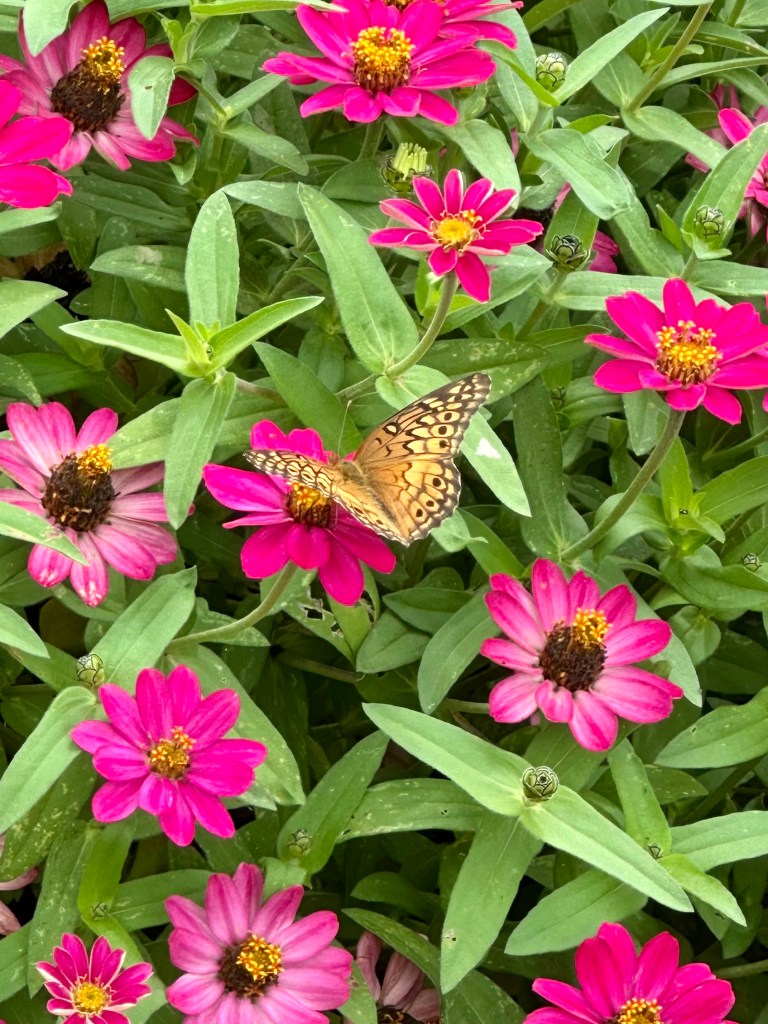
Variegated Fritillary butterfly on Zinnia. Photo by Bruce Stambaugh
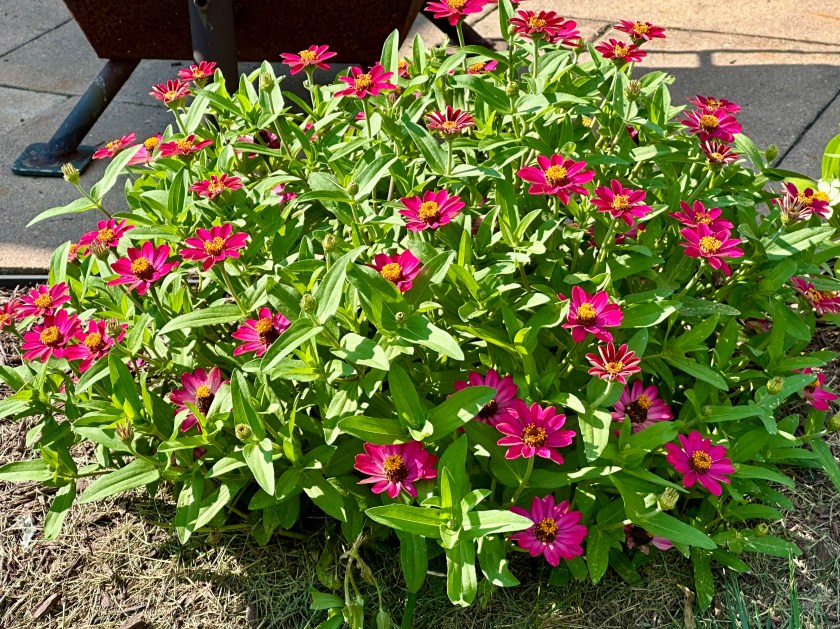
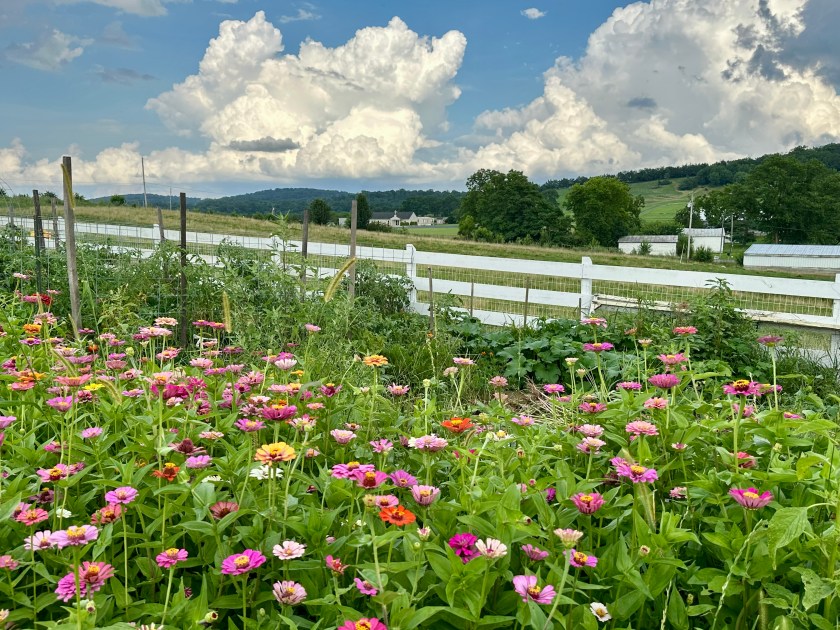
I was out taking photos of some flowers my energetic wife has cultivated around our home. This patch of Zinnias caught my attention.
Just as I was ready to take the photo, this pretty Variegated Fritillary butterfly landed on a fuchsia-colored Zinnia in the middle of the patch. The lovely photobomb was a welcome addition to these bright flowers and a new focus to the photo.
I was really looking forward to visiting the Halifax, Nova Scotia area. We had booked an excursion to the famous Peggy’s Cove. We never made it.
After another good night’s sleep on the Zuiderdam, I rose early to meet the bus for our tour. When I stepped with my left foot into the shower mat, the ship suddenly made a quick pitch in the opposite direction. Instantly, for a split second, I was Superman, until I wasn’t. I hit the sink, and then smacked the floor with a shocking thud.
At first, I lay there stunned, no pain, my only thoughts reserved for my chronic back issues. But the back felt fine. I tried unsuccessfully to get up, and that’s when the pain shot through the right side of my body.
My wife helped me to my feet, checked me over, and assured me I wasn’t bleeding anywhere. Now thinking about the lovely day ahead, I dismissed the pain and got ready for the day.
We headed to breakfast on the Lido deck. To be safe, I had an old man’s breakfast, hot oatmeal and four prunes on the side. As I stood up to leave, I could hardly walk. The rest of the boring details are in a separate, previous post here.
Our plans for the day were cancelled, and I received excellent treatment in the ship’s medical center. The staff was terrific. So, were the pain meds.
Fortunately, our comfortable cabin served as an excellent resting place. The only problem was that I couldn’t lie down. A month later, I still can’t. The ship’s X-ray machine showed one cracked rib. The CT scans at our local hospital, when we returned home three days later, revealed three.
I felt better standing, so I spent an inordinate amount of time on our veranda, which faced the harbor side. I watched the morning marine fog layer evaporate into a warm, sunny day.
Rest assured, I snapped too many photos of the same scene, only with different ships. A harbor lighthouse stood directly opposite us, and its bright while paint glowed in the afternoon sun. It made a perfect background. But how many times can you photograph ships with the same setting?
All categories of boats passed by. Fishing, ferries, sailboats, a Canadian Coast Guard cutter, trollers, a stately tall ship, and even tugboats escorting a huge freighter made time pass and filled my phone with hundreds of unnecessary photos.
The doctor told me to move around as much as I could without causing excessive pain. So, we went to lunch and dinner, sitting on padded chairs.
It wasn’t the way we had planned to see Halifax. But it was the best we could do.
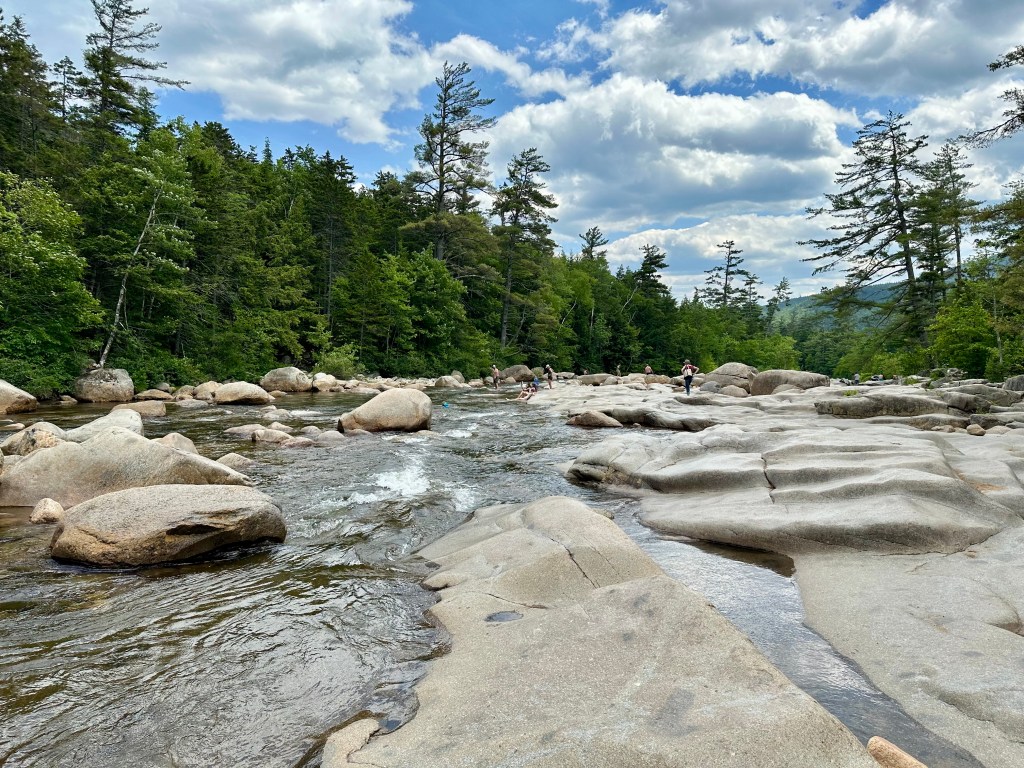
The Swift River along the Kancamagus Highway. Photo by Bruce Stambaugh
Our little tour group headed north out of Boston on the first full day of our land/cruise trip through parts of New England and into eastern Canada.
Looking at the itinerary, my wife and I realized that we would be seeing much of the same scenery that we had when we visited New Hampshire and Vermont six years ago. That didn’t deter our anticipation, however. We loved visiting both states and looked forward to new adventures.
We briefly visited Franconia State Park, and then drove eastward along the Kancamagus Highway that runs from Lincoln to Conway, New Hampshire. My wife and I drove it westbound in 2019.
It was much easier driving a personal vehicle than being a passenger in a large bus. I wanted to shout “stop” multiple times as we passed scenic overlooks and lovely White Mountain vistas. Of course, I didn’t do that.
The bus made two stops, both near the terminus of the famous scenic highway. Our first stop was at the Lower Falls on the Swift River that winds its way east toward Conway.
Because of the hot and humid weather, we weren’t alone at the falls. Families and couples, young and old, cooled off in the rushing waters of the aptly named river.
A boardwalk parallel to the river made it easy to observe the fun in the water. As a photographer, I sought a better angle near the refreshing waters, though I had no intention of joining the swimmers.
The above photo shows the majesty of Swift River and its gorgeous surroundings of lush evergreens and deciduous trees that climb the mountainsides. We were fortunate to have pleasant though warm weather.
I waited until the splashing went farther downstream before snapping this photo. The wavy boulders show the eons of wear and erosion from constant, fast-running water rushing down the valley.
Closer to Conway, where the terrain flattens out, the waters slow their pace and broaden their banks. Where the rapids and falls are is where the real action is. I was glad to see it again.
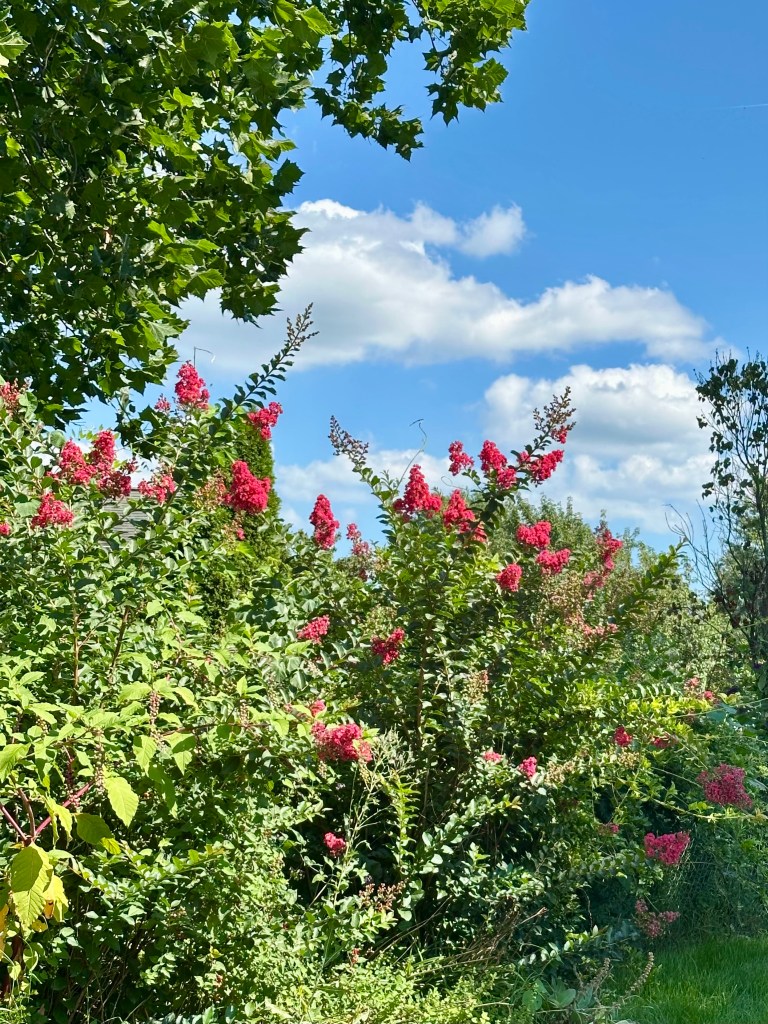
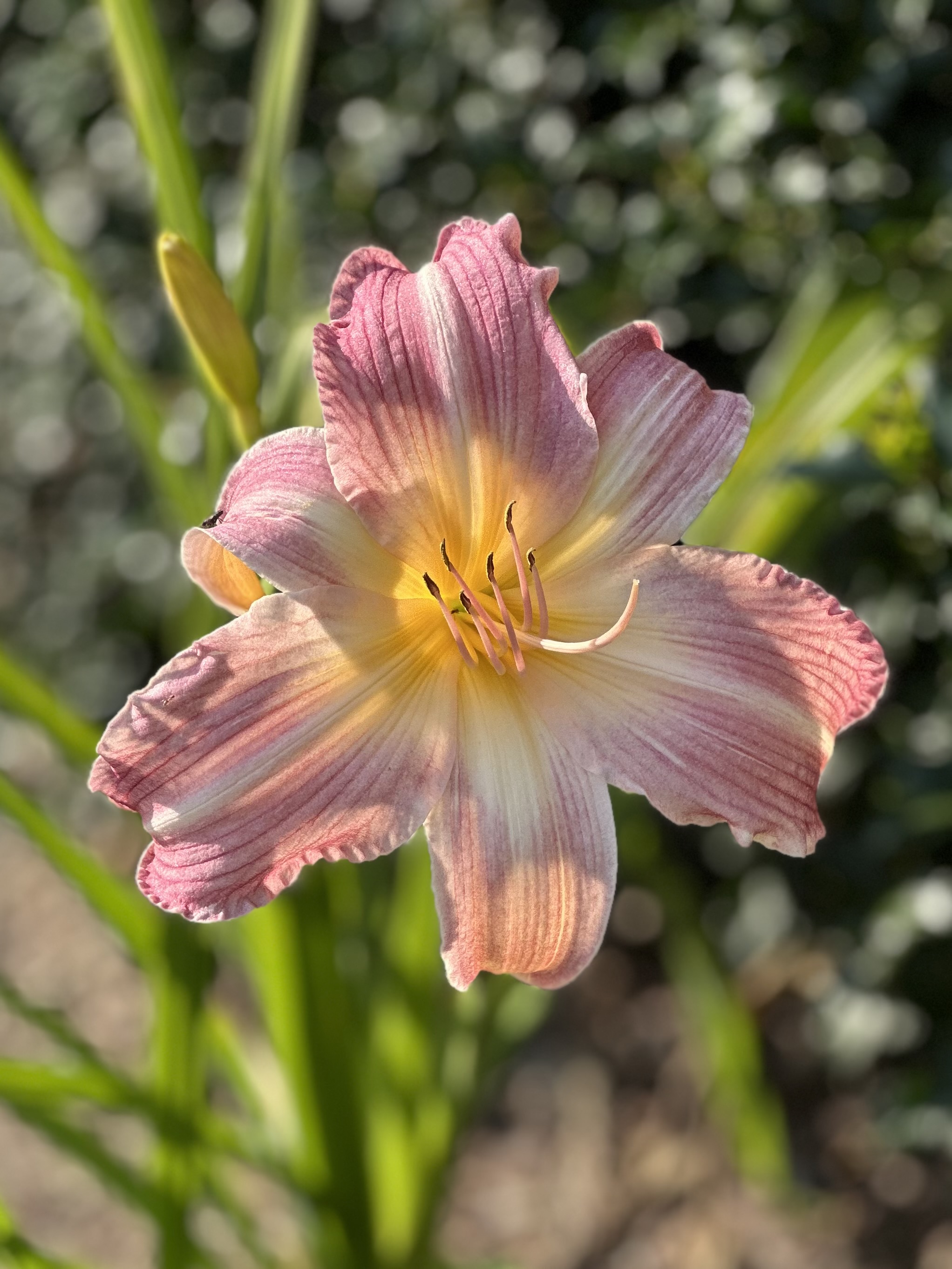
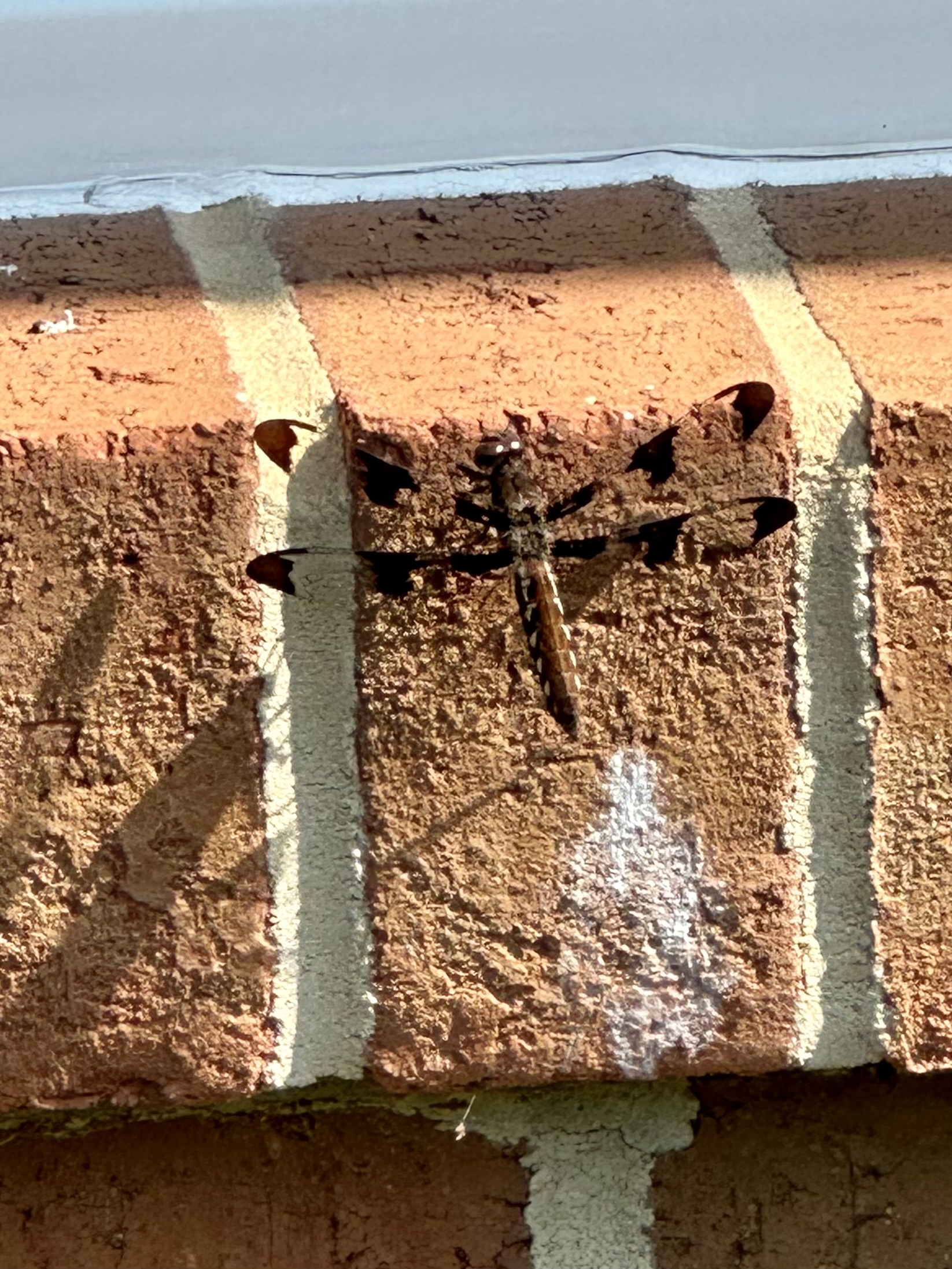
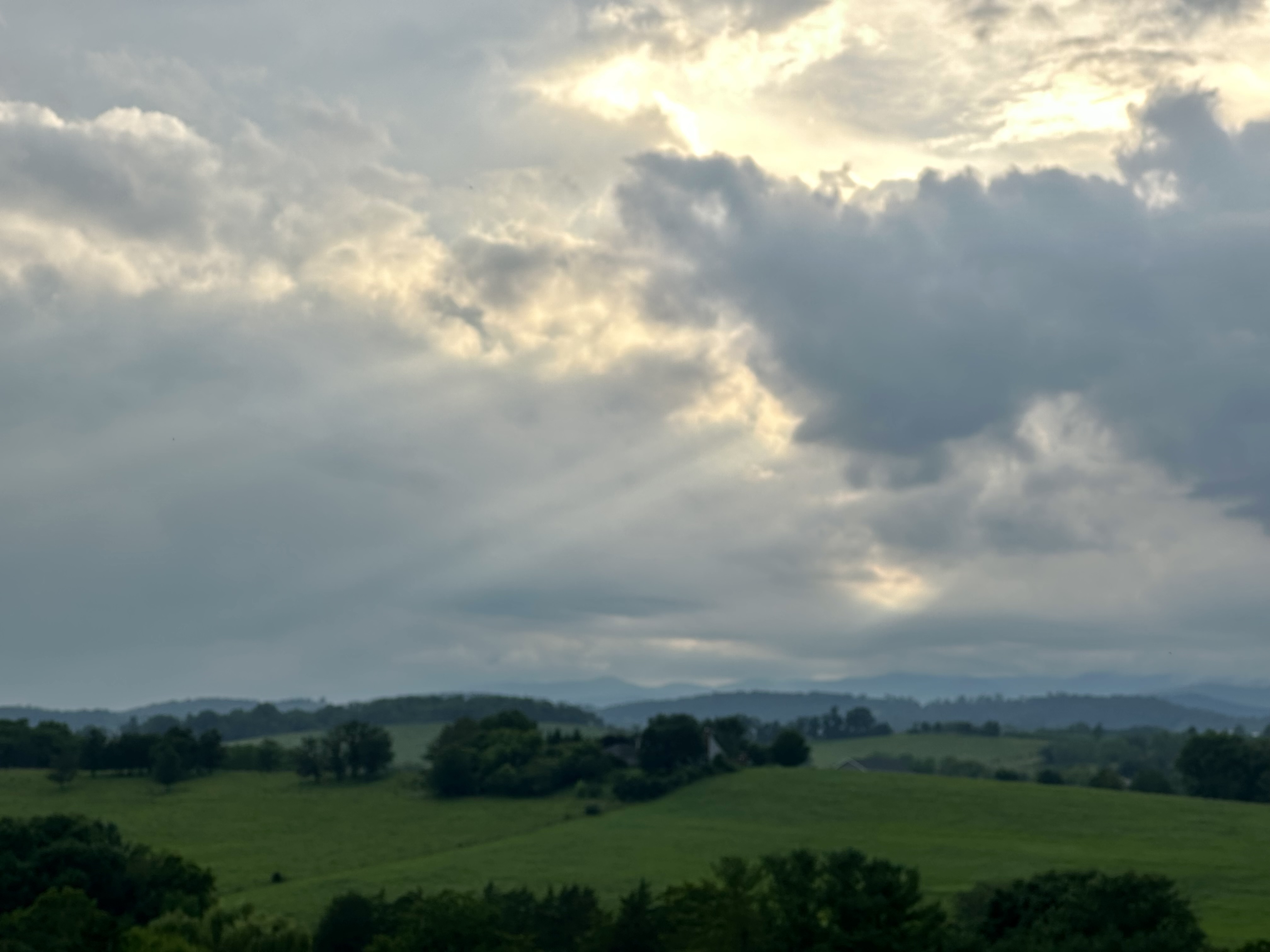
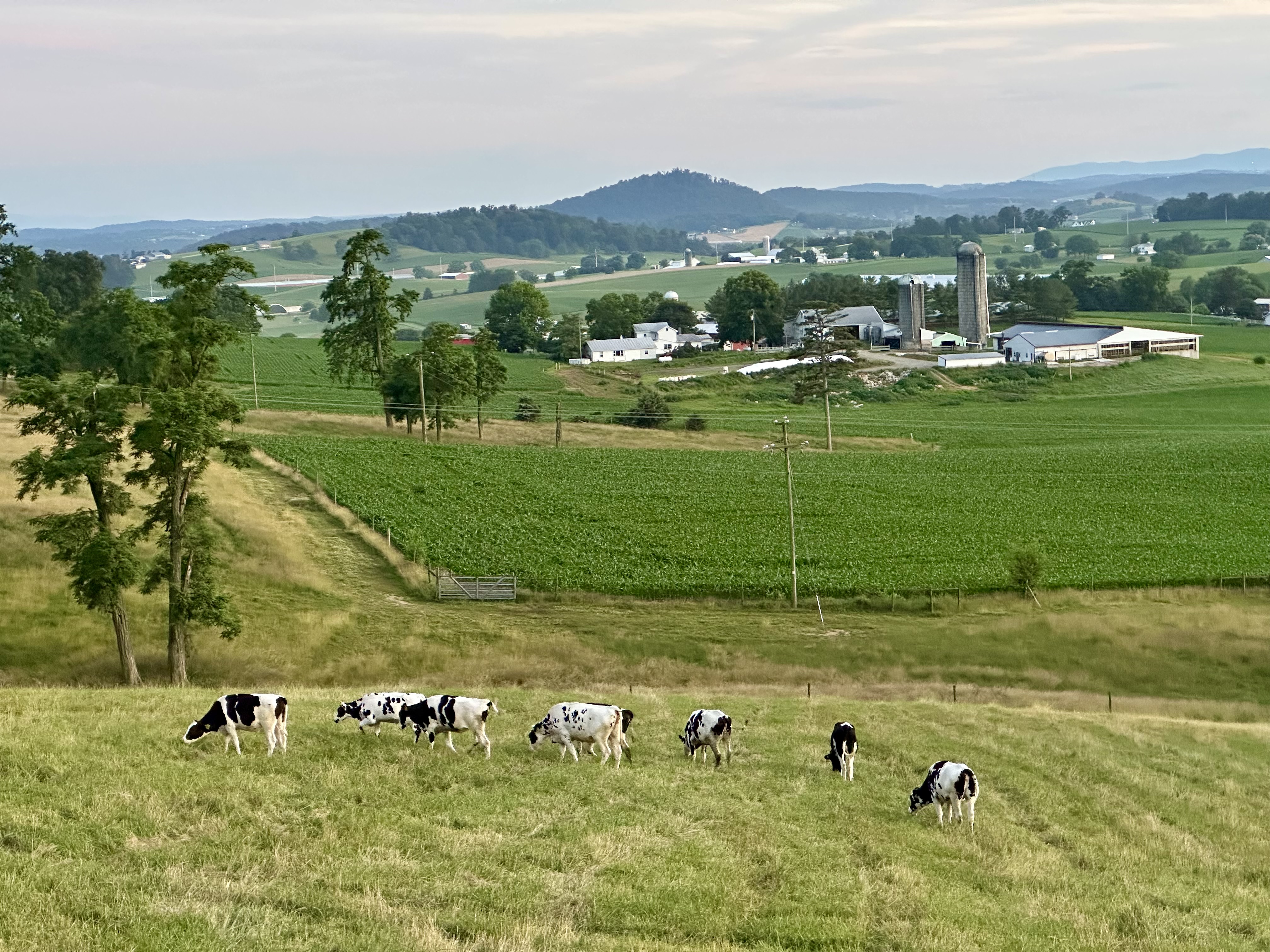
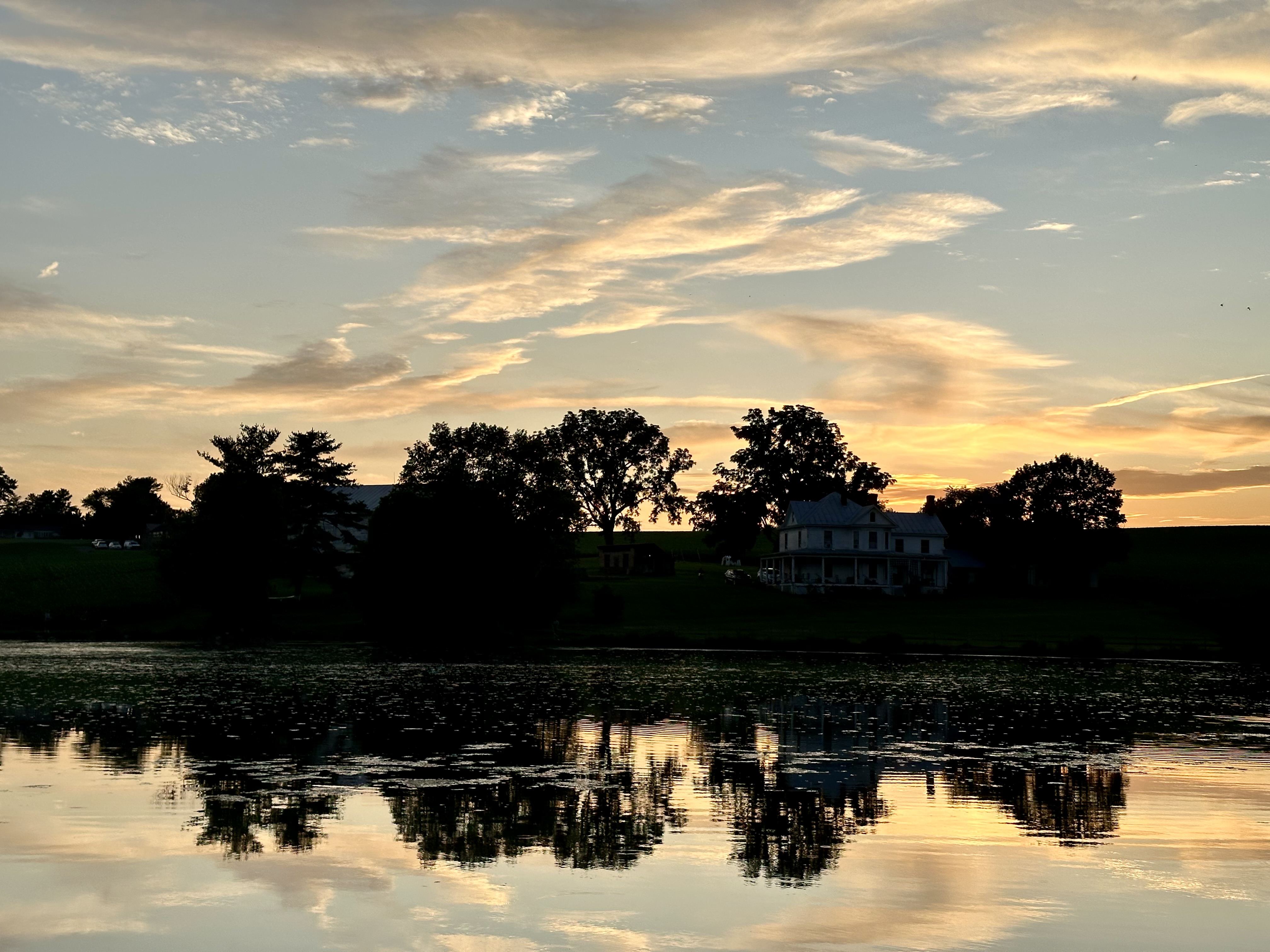
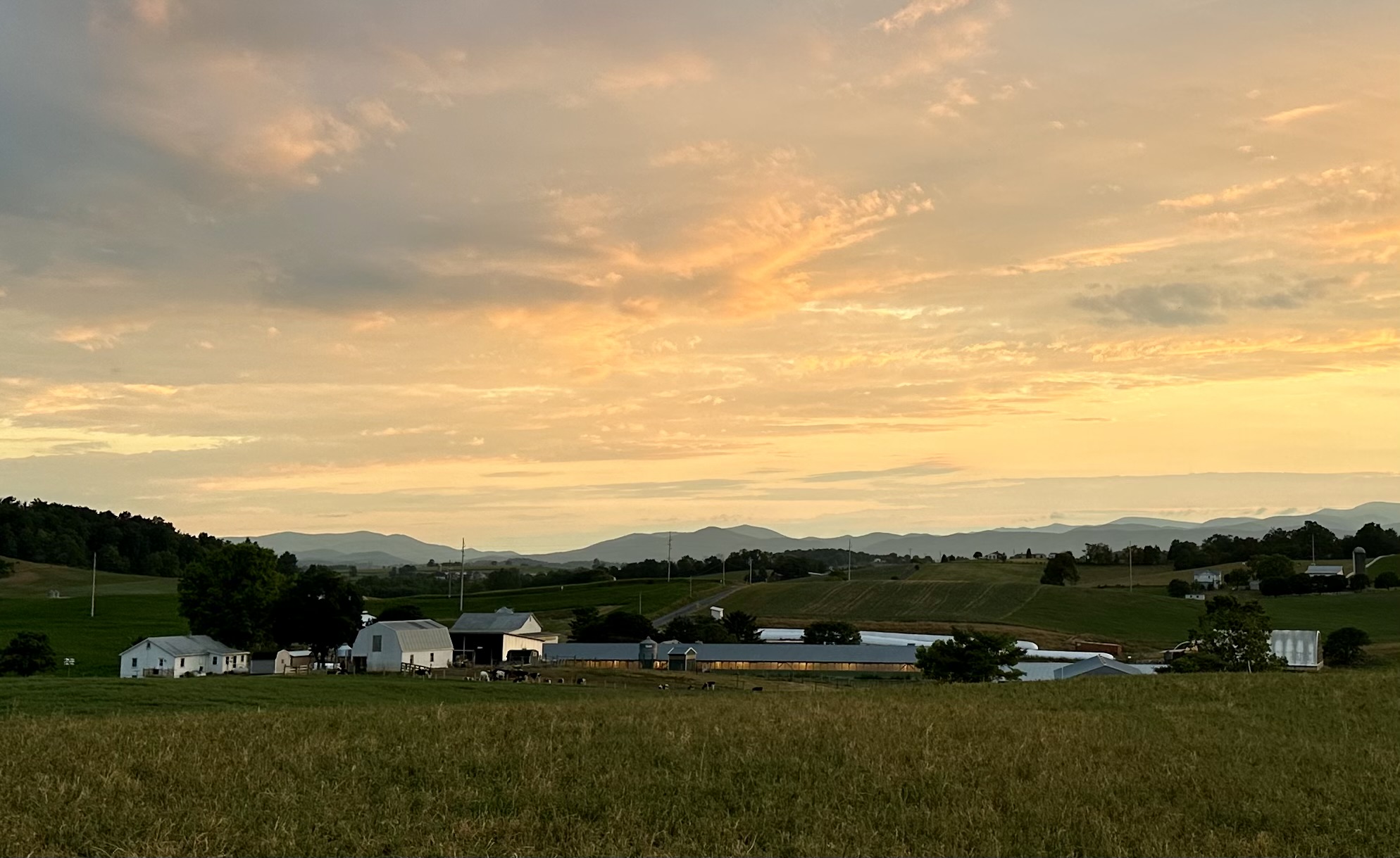
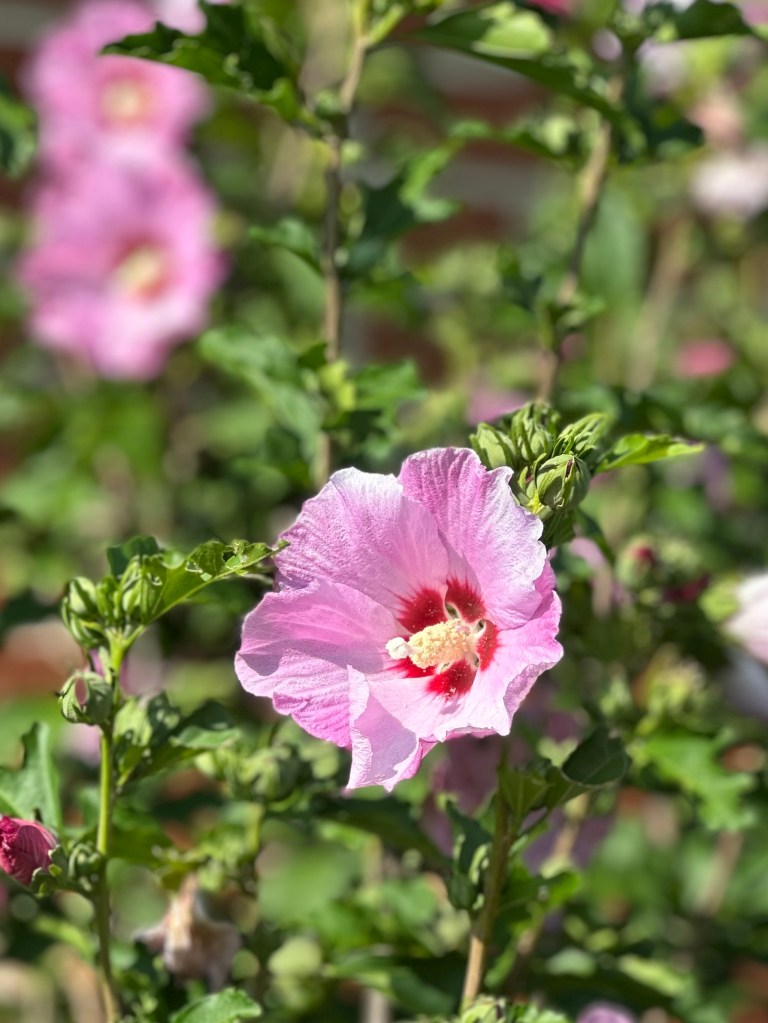
Summer 2025 colors have not disappointed so far. We are only a month into the summer season in the Northern Hemisphere, and there have been plenty of opportunities to photograph her vibrant palette of hues and tones.
Here are two sets of my favorite representations of this brilliant calidoscope.
Landscapes
Please click on the photos to view them in full size.
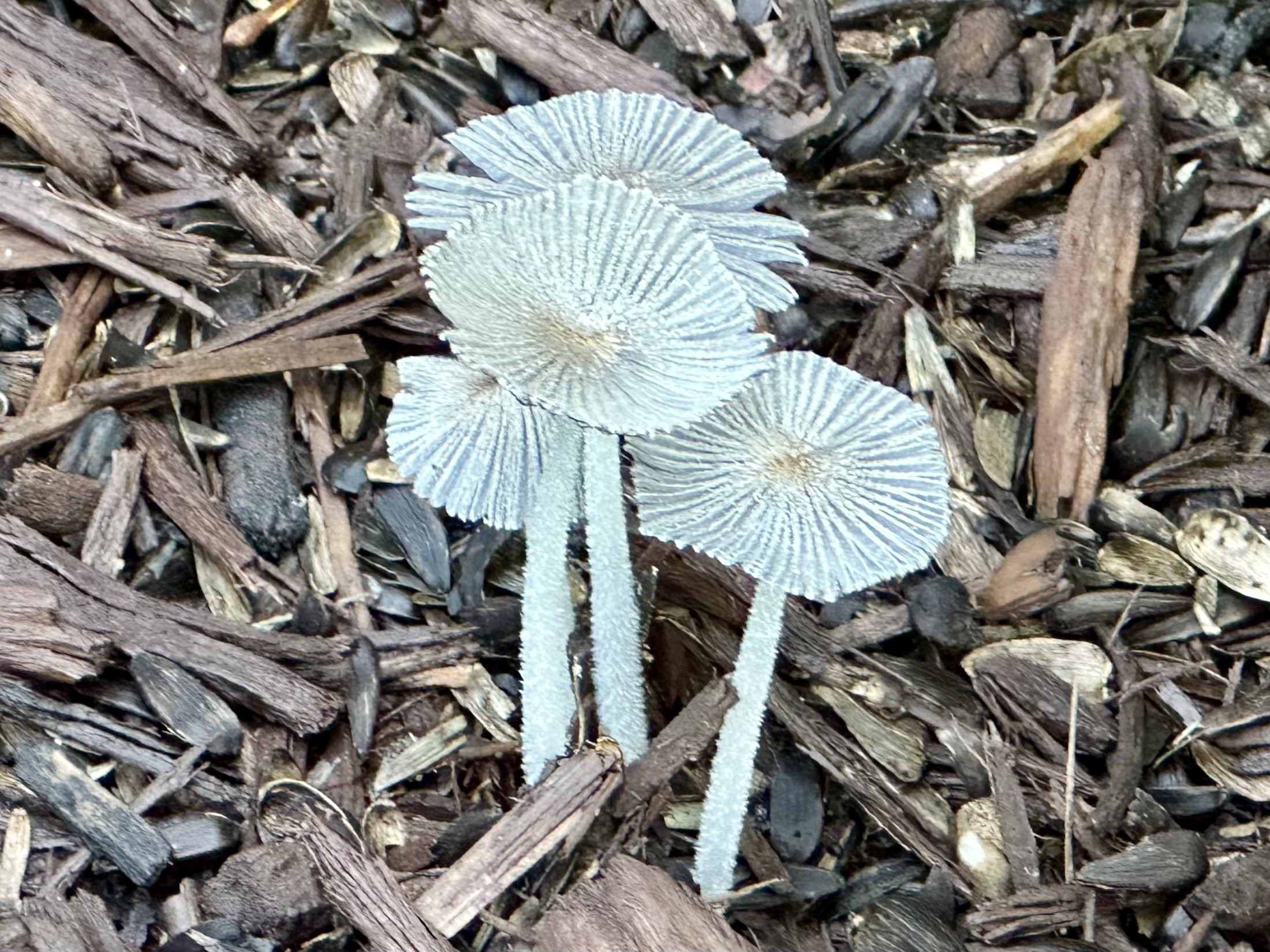
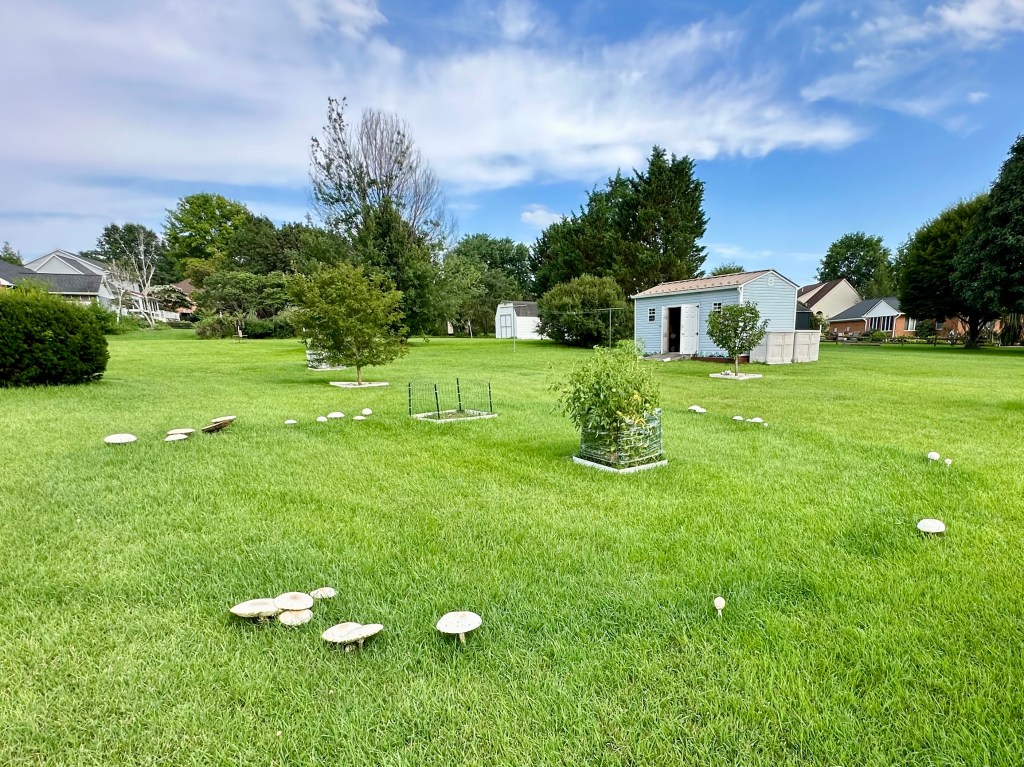
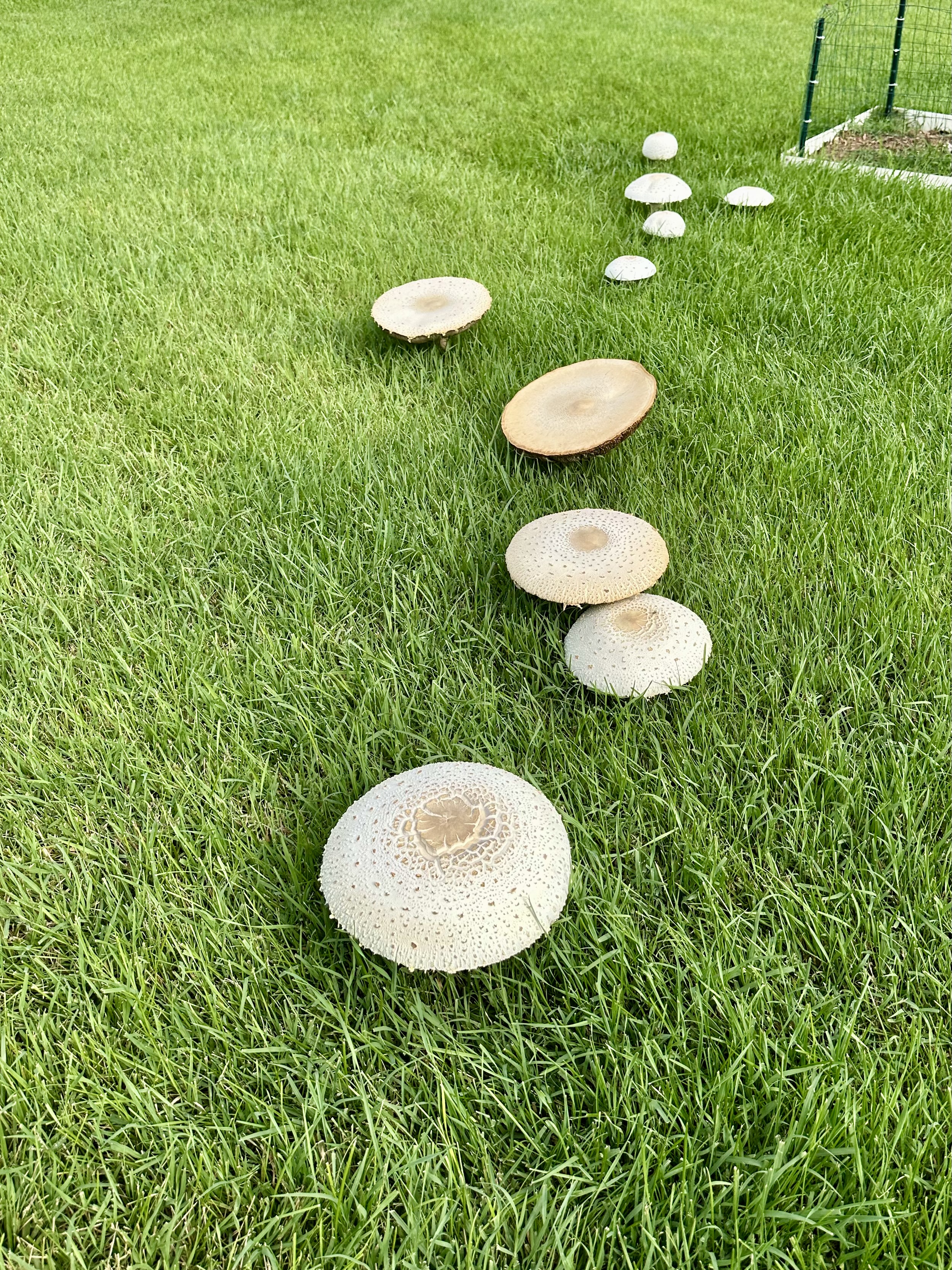
A fairy ring or circle in our neighbor’s backyard. Photo by Bruce Stambaugh
Each year, a fairy ring or circle appears in our next-door neighbor’s backyard. They often don’t get to see it since they go camping as often as they can.
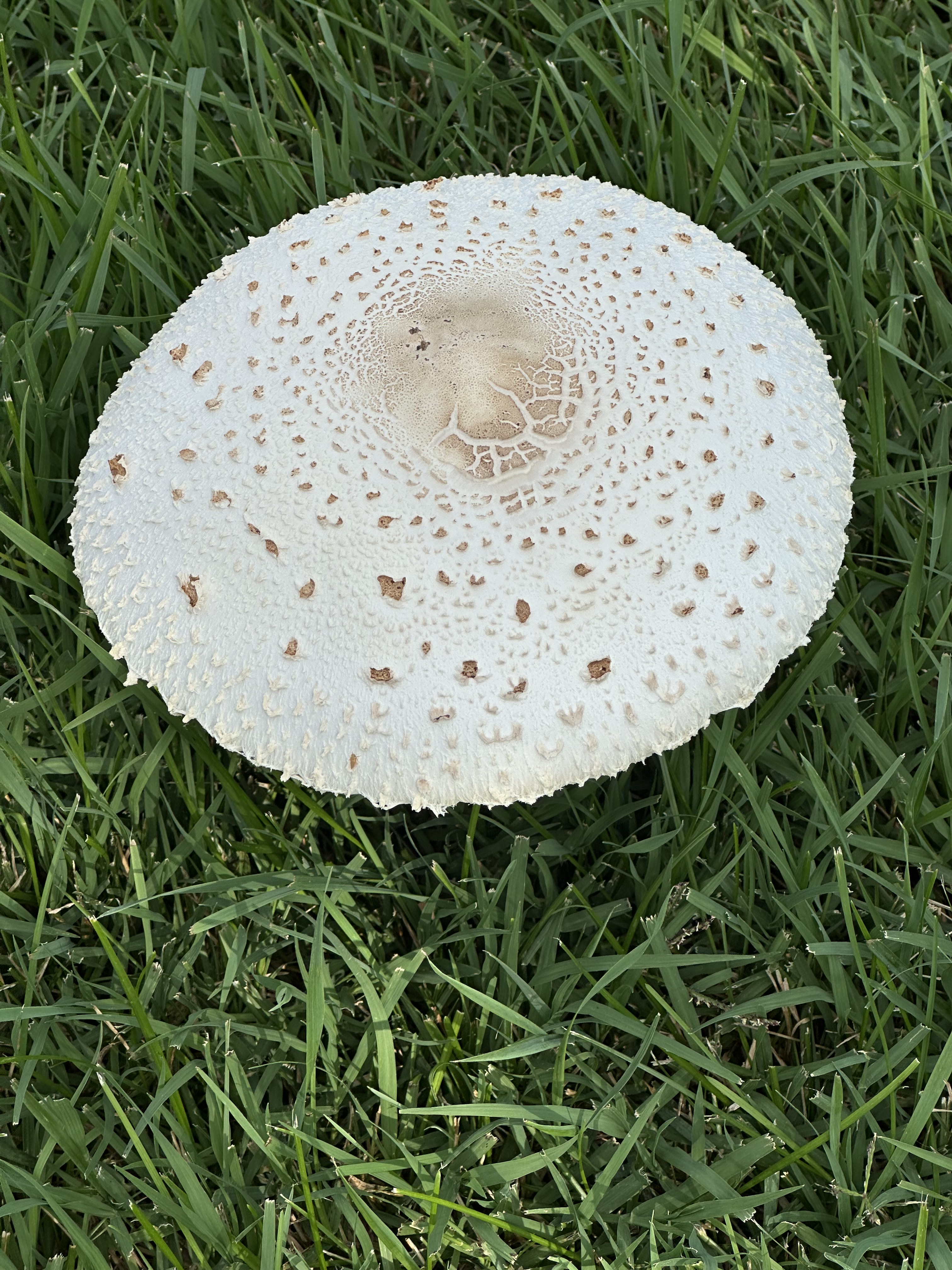
After several rounds of heavy recent rains, this circle of False Parosal fungi popped up. In the morning, only a couple of fungi appeared. By late afternoon, the fairy circle was nearly complete.
The circles are also known as an elf circle, an elf ring, or a pixie ring. They are naturally occurring rings or arcs of non-edible mushrooms. Some cultures consider these mushroom circles a bad omen, while others think they bring good luck.
This particular ring has occurred nearly every summer in the eight years we have lived in Virginia’s Shenandoah Valley. Shortly after taking these photos, the circle disappeared, not by some fairy’s magic trick, but by a lawnmower.
Have you ever seen circles like these where you live?
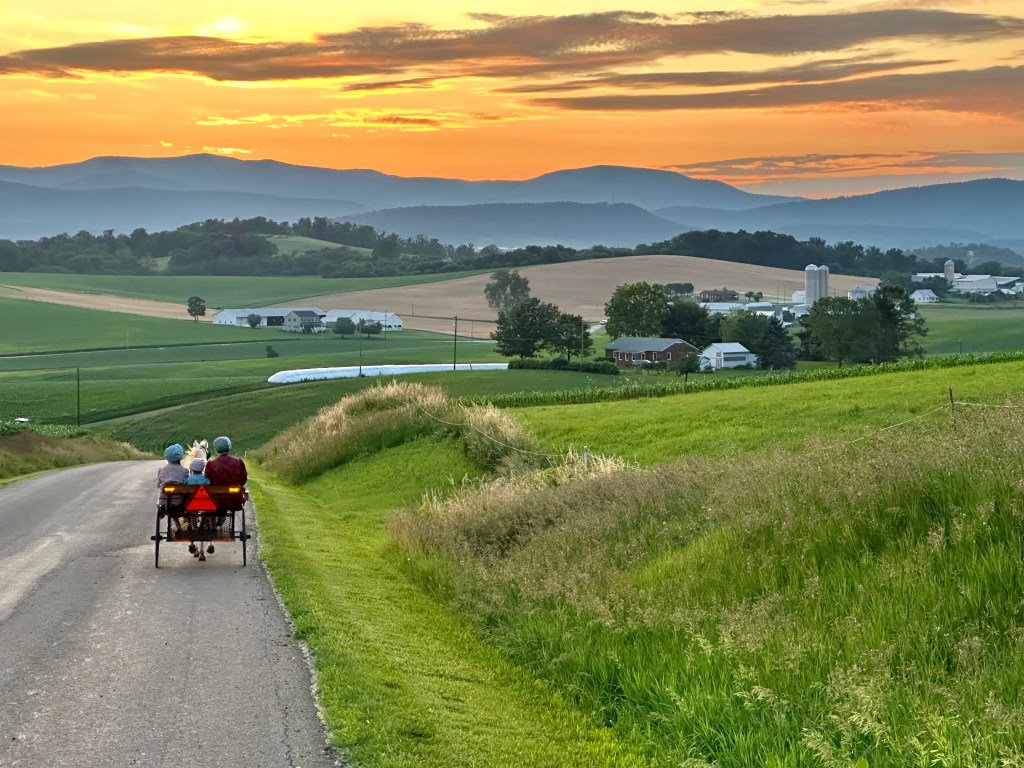
Sunset from Mole Hill, Dayton, Virginia. Photo by Bruce Stambaugh
Being at the right place at the right time is an essential part of photography. That’s what happened recently when I went to photograph the sunset from my favorite location, Mole Hill, near Dayton, Virginia.
When I arrived on the west side of Mole Hill, a noted area landmark, I discovered I was not alone. Several cars were stopped ahead of me on the gradual downhill slope. But once the sun sank behind the Allegheny Mountains, the vehicles continued on.
On my way up the road, I noticed a horse-drawn cart with an Old Order Mennonite young woman and two girls sitting on the wooden bench. They were parked beneath a walnut tree, admiring the various colors of the quickly changing landscape.
Imagine my surprise when I heard the clip-clop of horse hooves on the road’s surface. I turned around and saw the cart coming my way. I couldn’t believe my good fortune.
Out of respect to them, I waited until they were well past me before I took the photo. Like the Amish, Old Order Mennonites do not want their pictures taken for religious reasons.
Their little cart, with their yellow caution lights flashing, made this ho-hum sunset spectacular. I’m grateful I was there at the right time to capture the scene.
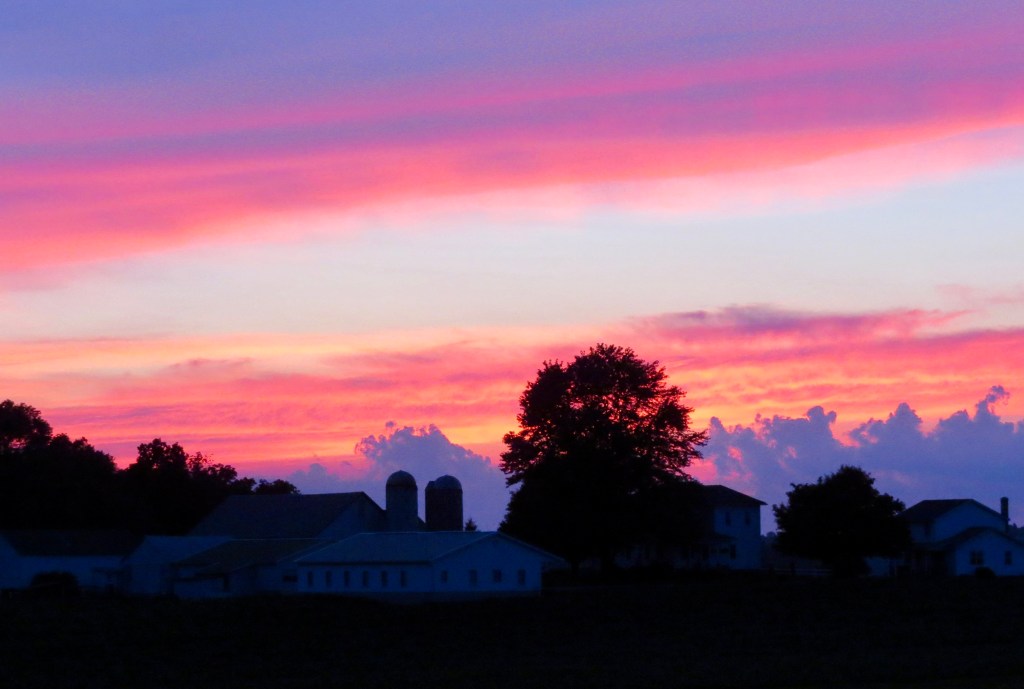
When I saw the high, thin clouds 30 minutes before sunset, I thought there might be a chance for spring to say farewell in color. As it turned out, it was more about the setting than spectacular sunset colors.
When I arrived at my favorite location to photograph sunsets, I wasn’t alone. Four other cars were ahead of me. However, they soon left, and I had the space all to myself, save for a passing horse-drawn cart with three young Old Order Mennonite ladies aboard.
We exchanged hellos, and I waited for the oranges that usually come when the sky is mostly clear over the Allegheny Mountains to the west. I wasn’t disappointed.
However, it was the big picture of the setting that got my attention. Below the glowing sky, another scene unfolded. The rolling, fertile farmland of western Rockingham County, Virginia, dotted by verdant woodlots, filled the foreground.
Beyond, mist rose from the valleys between forest-covered North Mountain and the higher Shenandoah Mountain. In the twilight, their iconic blue hues created a natural boundary between the golden sky and the farmsteads below.
Spring’s last sunset may have said goodbye, but it also set the stage for the joys of summer.


















 Roadkill Crossing
You must be logged in to post a comment.