I am fortunate that I can incorporate my three favorite hobbies into one outing. Whenever I go hiking, I always take my binoculars and camera. Every now and then, I am rewarded with an opportunity to capture the beauty of birds.
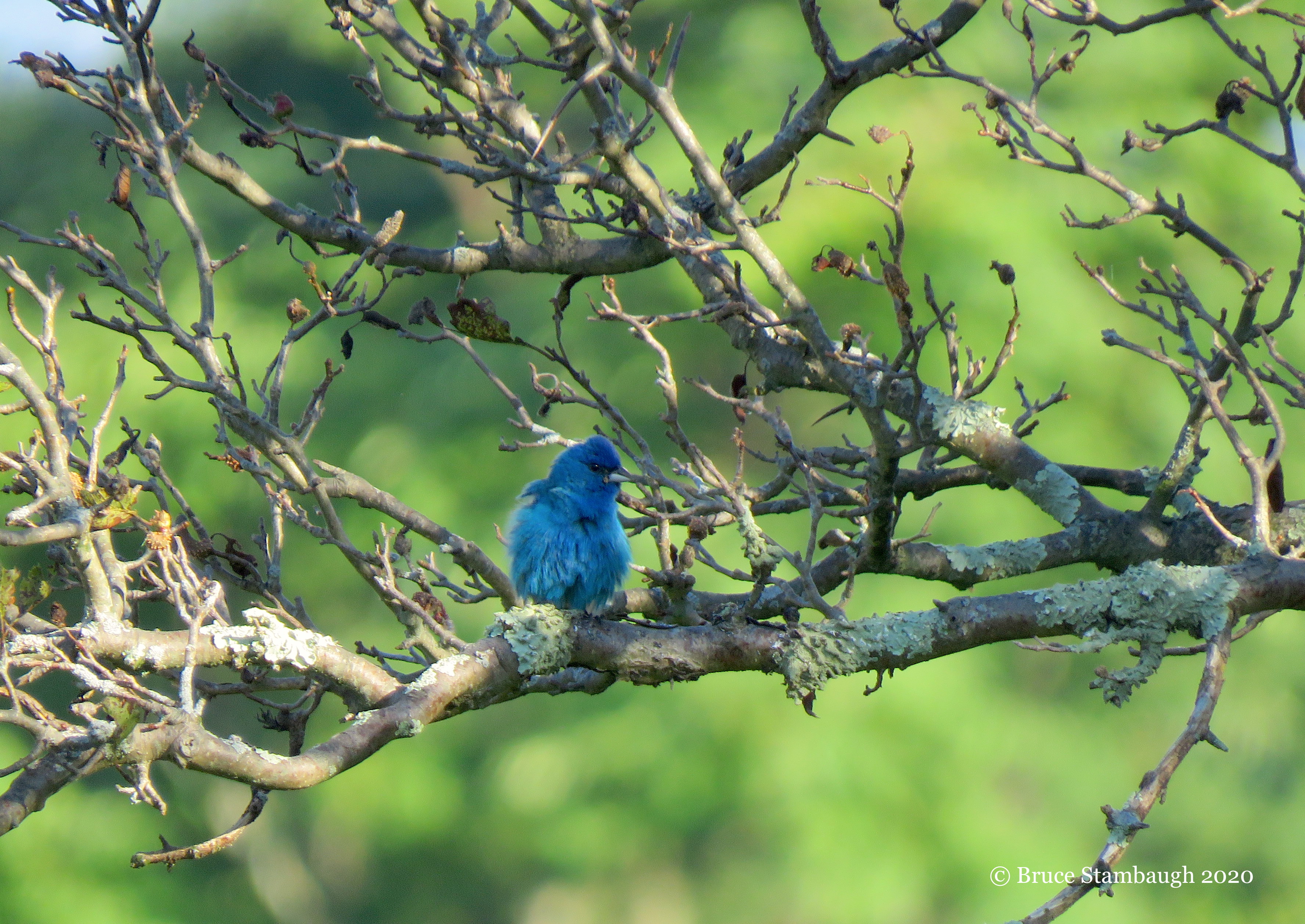
This male Indigo Bunting landed on this jumble of dead branches just out of the morning’s sunlight. Still, the ruffle of the striking bird’s feathers as it turned its head revealed several shades of blue. Indigo is the perfect name for this avian beauty.
I am happy to share my Photo of the Week with you, “The Blues Have it!”
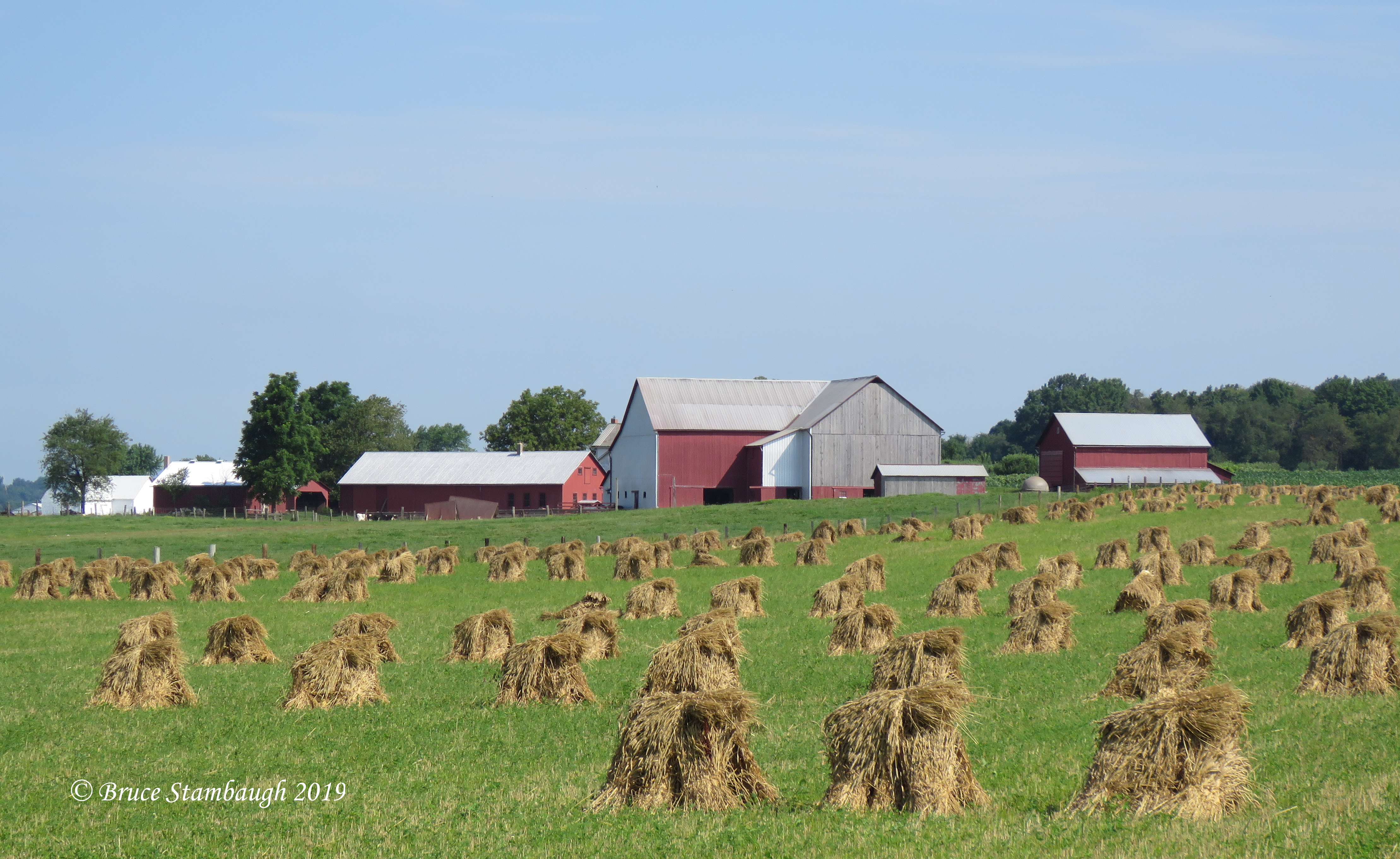
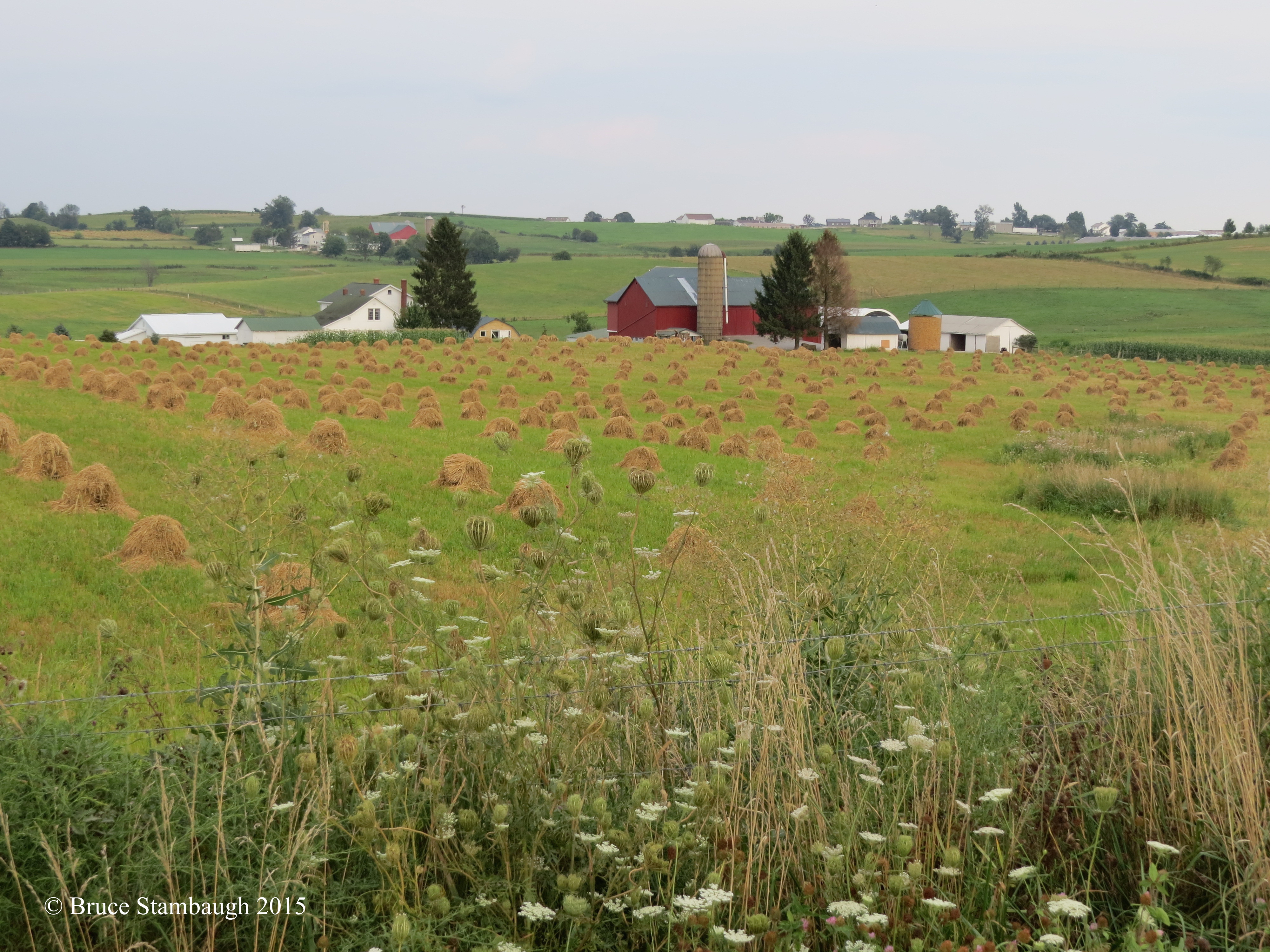
An Amish farmstead near Kidron, Ohio.
Jay Lehman was the kind of man that you might meet only once in a lifetime. He embodied the very values of the community in which he was born, lived, and worked.
Jay died recently at age 91. He was the founder of the old-time general store Lehman’s in Kidron, Ohio. I was fortunate to have known him as both a friend and a business leader. Scores of others can say the same thing about Jay.
Jay Lehman.That, however, is what impressed me so much about the man. We weren’t close as friends go, and we didn’t run in the same social circles. And, yet, whenever he saw me, he always went out of his way to call me by name, say hello, shake my hand firmly, and ask how I was doing. Jay was a good listener.
I got to know Jay the best through a cooperative marketing group that I facilitated. The original group included six Amish country, family-owned and operated businesses with a single location. Lehman’s was a founding member.
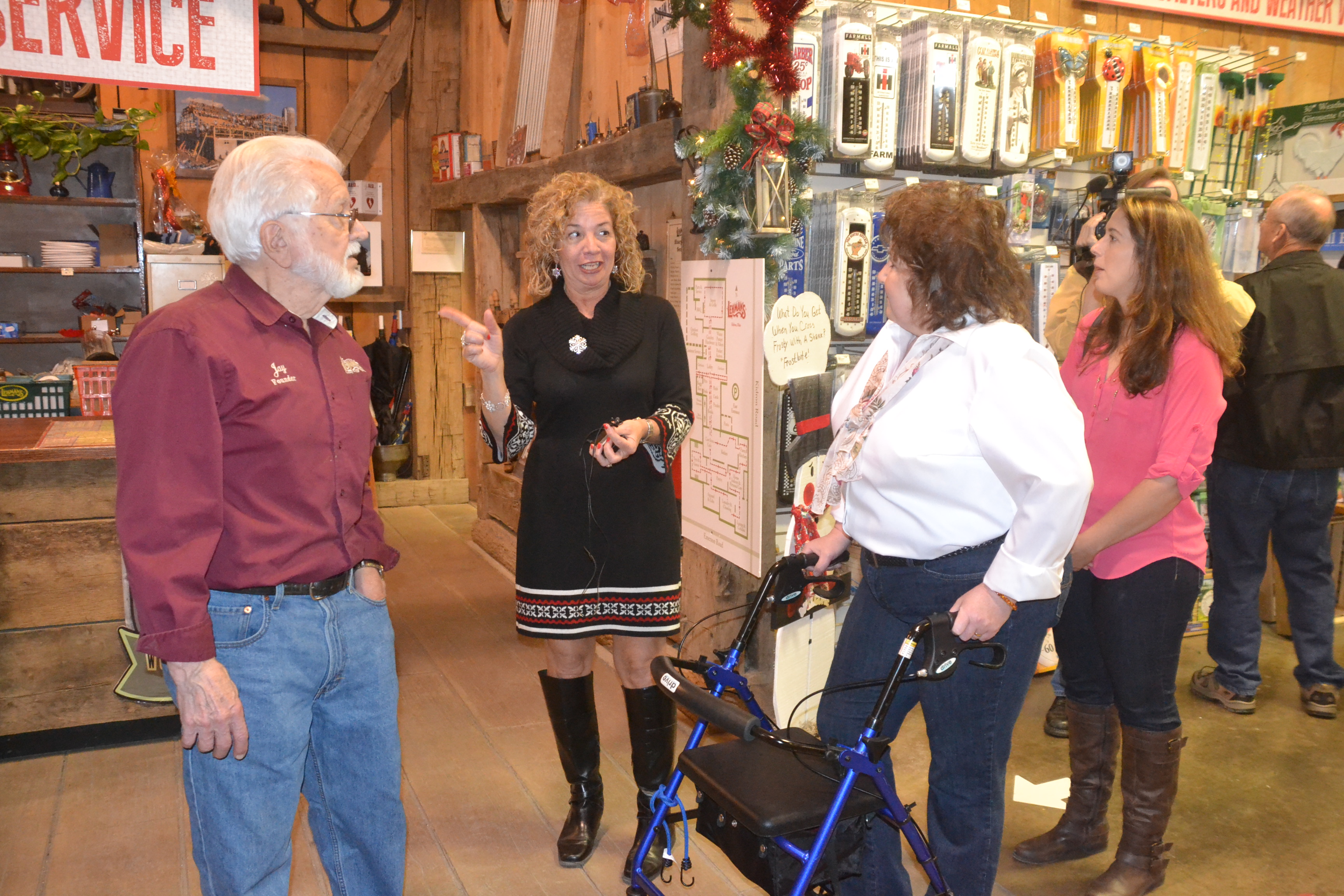
Jay pointing out one of the museum-quality pieces in the store he founded.Jay started his little hardware and household goods business in 1955 at the crossroads of his rural hometown village. His original purpose provided necessary lifestyle items for the Amish community that surrounded Kidron.
Over time, the store’s purpose ironically flipped, becoming more of a tourist destination in Amish country. Jay embraced that change without losing sight or letting go of his and the community’s core values.
Faith, family, community, and a strong work ethic fulfilled humbly reflected not only the area’s priorities but Jay’s, too. Jay modeled those qualities in his personal and business life. That’s what made both Jay and his company tick.
In that success, Jay honored those values. He lived his faith by supporting the church and charities that he cherished. Even in a crowd of hundreds at statewide church conferences, Jay would acknowledge people by name and ask how they were doing. It might have been years since he had seen them. He understood the worth of healthy relationships.
That, in part, is what drew folks to Jay. He possessed a quiet, confident demeanor, and yet humility formed the mantle of his character. Even Lehman’s tagline reflects that concept: “For a simpler life.”
Jay Lehman at Lehmans in Kidron, Ohio.Jay saw the future in the past. He preserved anything of locally historical value for posterity and education. A walk through the store reveals hundreds of antique relics that would have been lost were it not for Jay’s foresight. If you want, you can have lunch at Lehman’s while sitting in the old town jail.
Jay enjoyed the simple life, but he certainly was not a simple man. He loved a good “Rook” game with friends and family as much as he enjoyed traveling. Future generations were as vital to him as his Swiss ancestors, which he revered.
As the company grew and expanded, family members, friends from church and community joined in to help him run the store. When he reached retirement age, he passed the leadership on to the next generation. But he continued to be a dynamic presence at Lehman’s.
It was a joy to watch customers recognize Jay as he strolled around his much-expanded corner store. He was the living icon of Lehman’s, now an international business.
Jay’s legacy will live on through his successful entrepreneurship and his lifetime of kindness and generosity. Living those essential core values shaped that legacy.
His was a compassionate life. Jay lived not just for himself, but for all whom he so tenderly touched far beyond the little town of Kidron, Ohio.
Jay, shown with his daughter Glenda Lehman Ervin, often talked with visitors to the store.
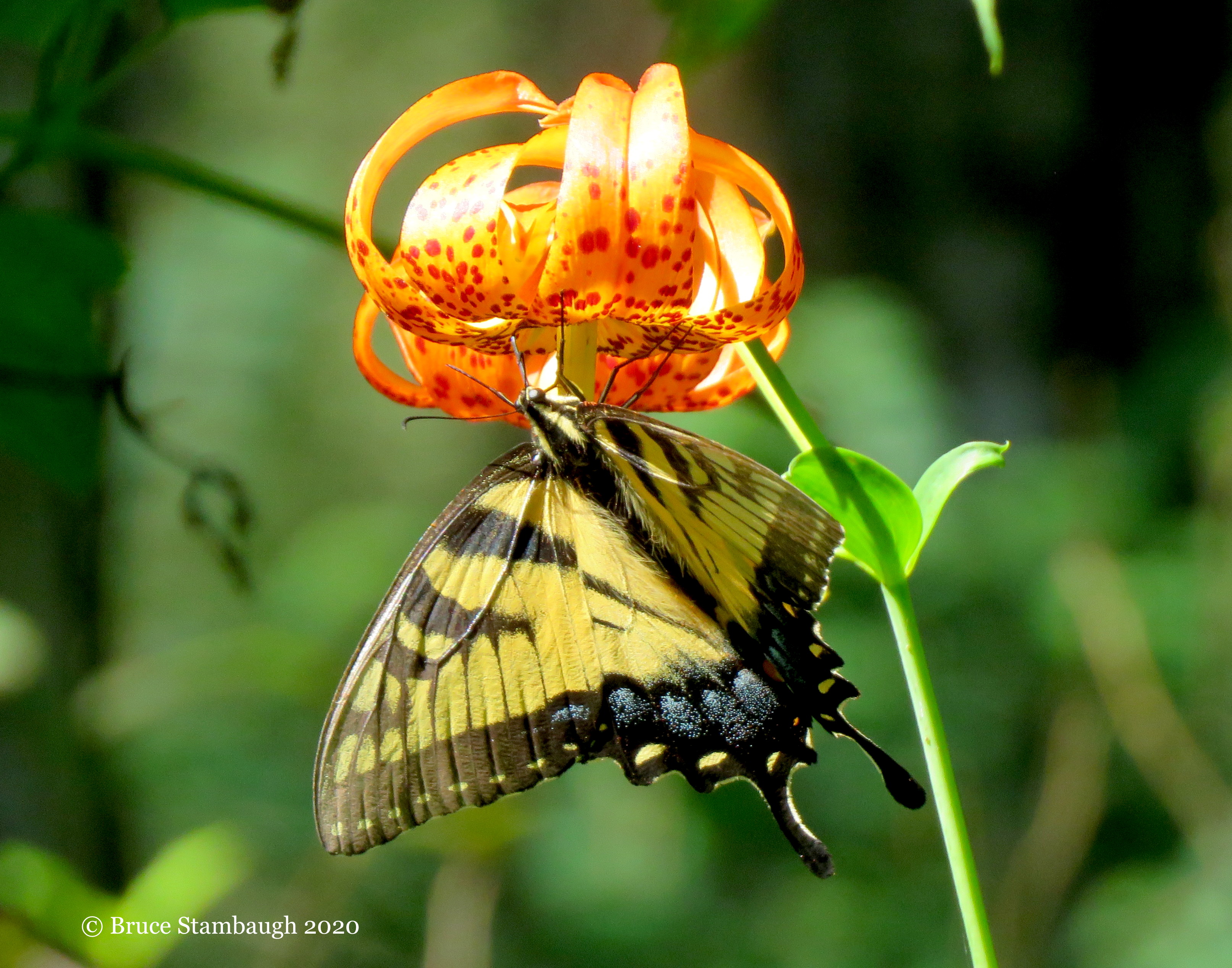
I easily spotted the small patch of Turk’s cap lilies as I finished my hike on a trail in Shenandoah National Park. The morning sun perfectly highlighted them against the forest green background. Since they stood high above other plants along the trail, I knew I could get a good shot of these nature wildflowers.
I took a few photos when this female Eastern Tiger Swallowtail butterfly suddenly attacked the flowers, flitting from one to the other. It was a very pleasant surprise. The beautiful butterfly moved around so much that it was difficult to get a good angle. As I snapped the last shot, which was this one, the butterfly fluttered off out of sight.
August in Ohio’s Amish country.
I’ve always been a bit ambivalent about August. I’m especially so this year, given all the ramifications of the ongoing pandemic.
When my wife and I lived in Ohio, August kept us busy as career public school educators. We each geared up for the start of a new academic year. As a principal, I created schedules and rosters and attended too many meetings. The excellent teacher that she was, my wife spent many hours preparing each classroom to be an inviting learning haven.
Canned peaches.August also ushered in the food preservation season. We froze dozens of containers of sweet corn and apple sauce. We waited for the canning lids to sound the seal of approval with satisfying “pops” for the tomatoes, grape juice, beets, and peaches. Rainbows of goodness adorned our shelves.
Of course, we weren’t alone in these endeavors. After I retired, I savored sale mornings at the local produce auction. I loved the hustle and bustle of men and women unloading their trucks and horse-drawn wagons. The rhythmical cadence of the auctioneers barking out their persuasive banter was sweet music to my ears.
The growing season here in the Shenandoah Valley where we live now is a couple of weeks ahead of Holmes County, Ohio. So, we don’t have to wait as long to enjoy our first taste of locally grown veggies. Auction in action.
August is more than agriculture, though. The three H’s rule the eighth month: hot, hazy, humid. That’s not the main reason for my ambivalence, however. With the coronavirus continuing to run rampant, uncertainty abounds in everyone’s life.
The city schools where our grandchildren attend here were set to open with a combination of in-person and online instruction. The latest surge in COVID-19 has altered that plan. They’ll start the year learning remotely.
Mask-wearing is the norm, especially when entering stores or buildings. Neva and I have continued to be extra cautious about keeping our physical distancing. We truly miss the close socialization of friends and family.
Some states are doing better than others at slowing the virus. States that reopened with too few restrictions or where few people followed the guidelines are unfortunately paying the price.
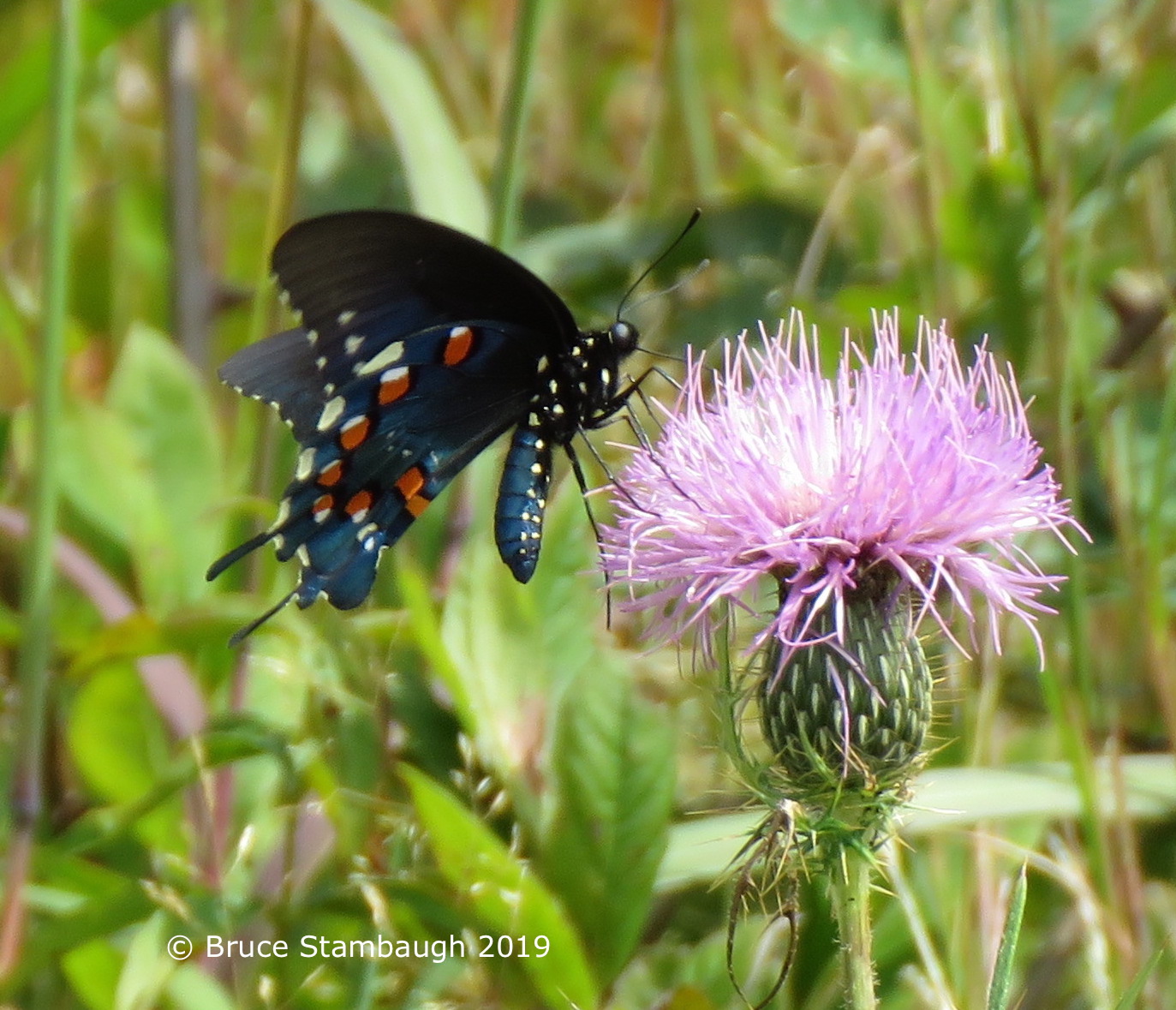
A migrating black tiger swallowtail butterfly.Since the governors have had to take the lead in issuing orders and health guidelines, rules and suggestions vary significantly from state to state. In part, that’s what has fueled our consternation.
We haven’t seen in person our son and his wife, who live in New York State, in more than a year. We have friends and relatives who have tested positive, but fortunately, they have all recovered so far. Too many others weren’t as fortunate.
County and street fairs, high school football, band shows, concerts, vacations, have all been canceled. Major League Baseball is trying to play a shortened season with no fans in attendance.
Virus or no virus, August will be August no matter what. Golden sunsets will blaze away in the hazy evening skies. Migrating birds and butterflies will begin to wing their way south.
We’ll continue to meet with friends, relatives, and worship remotely through technology.
Under the current dire circumstances, it’s the best and safest we can do. We’ll continue to do our shopping curbside.
Even given all that, I know that my August ambivalence must yield to patience, and patience to resolve. We have to see this global health crisis through for however long it takes. I’ll continue to be cautious, careful, and diligent. I am not ambivalent about COVID-19.
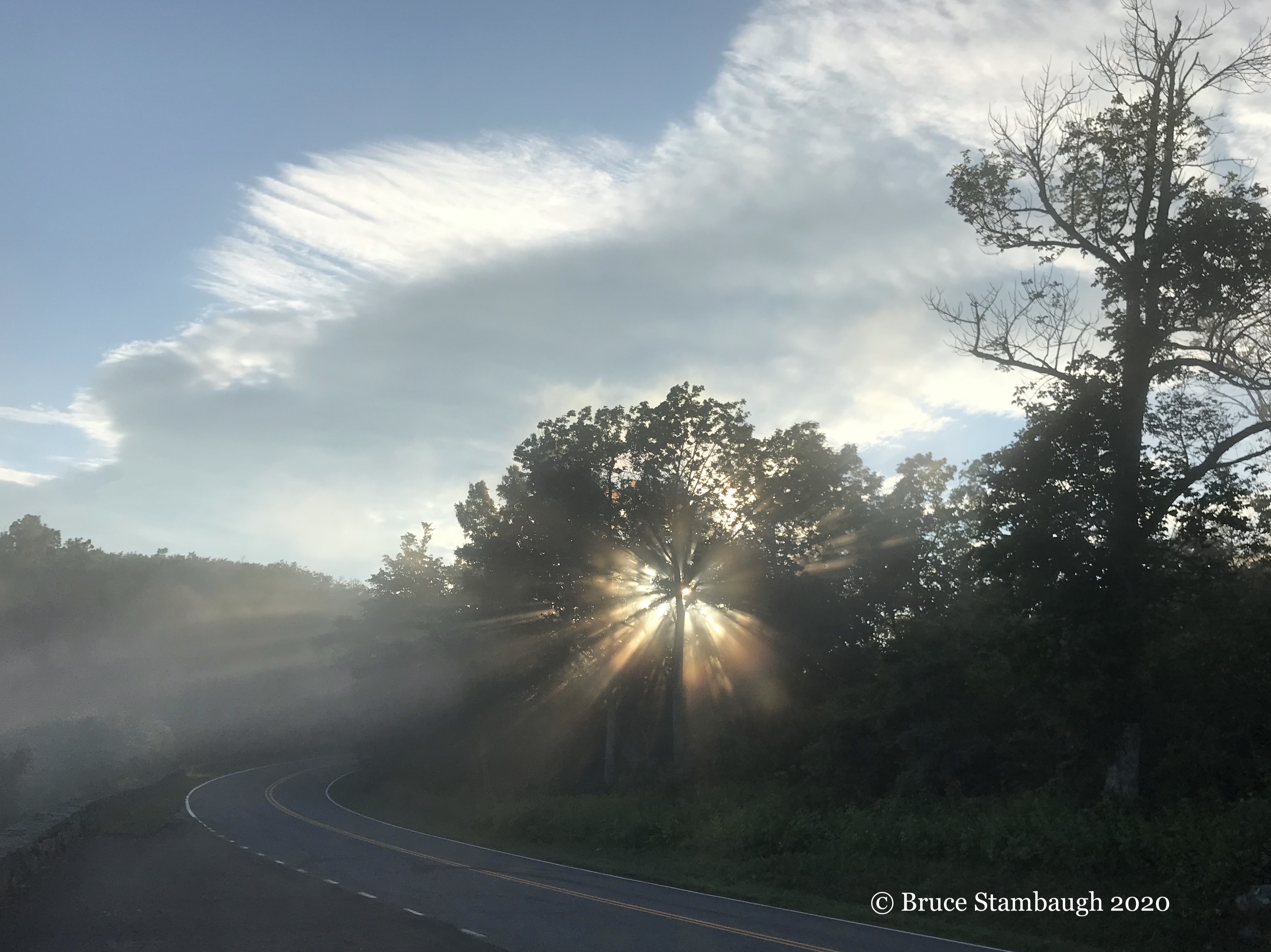
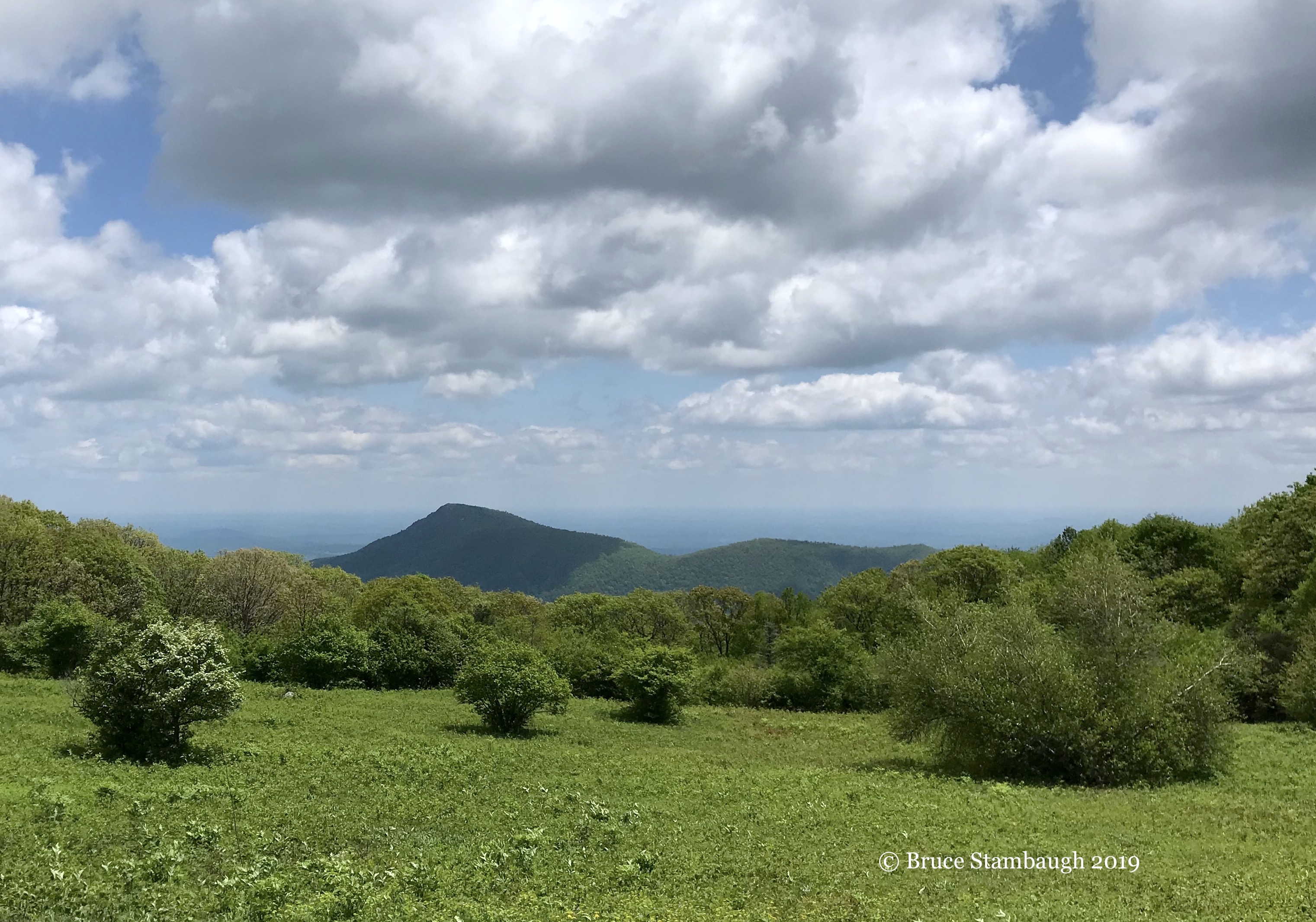
I was driving along the Skyline Drive in Shenandoah National Park early in the morning when I came upon this scene. Fortunately, the fog was rolling up the side of the Blue Ridge Mountains right at an overlook.
Watching the fog rise rapidly out of the Shenandoah Valley and up over the mountains was a treat. The sun was just peeking over the eastern ridge when I turned and caught this scene. The crown of the tree scattered the sun’s rays into the eerie fog, creating this spectacular scene. The high clouds perfectly framed my Photo of the Week, “Shining Through.”
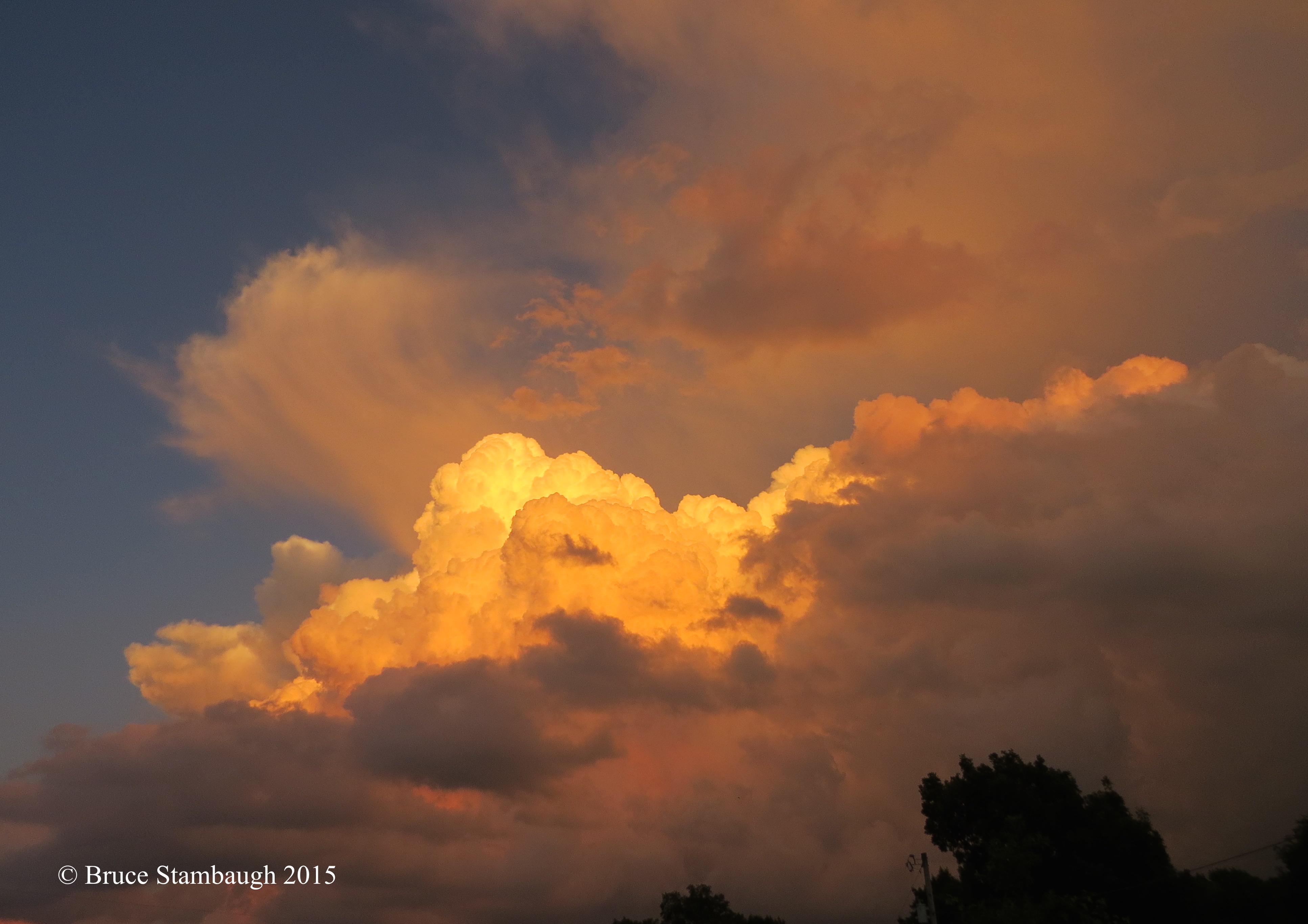
An evening thunderstorm over a neighboring county.
In case you haven’t noticed, we have entered those dreaded dog days of summer. It’s hot, humid, and dry almost everywhere across the country.
The Shenandoah Valley hasn’t been excluded from the stifling temperatures and muggy air. Rains have been sporadic, all or nothing events.
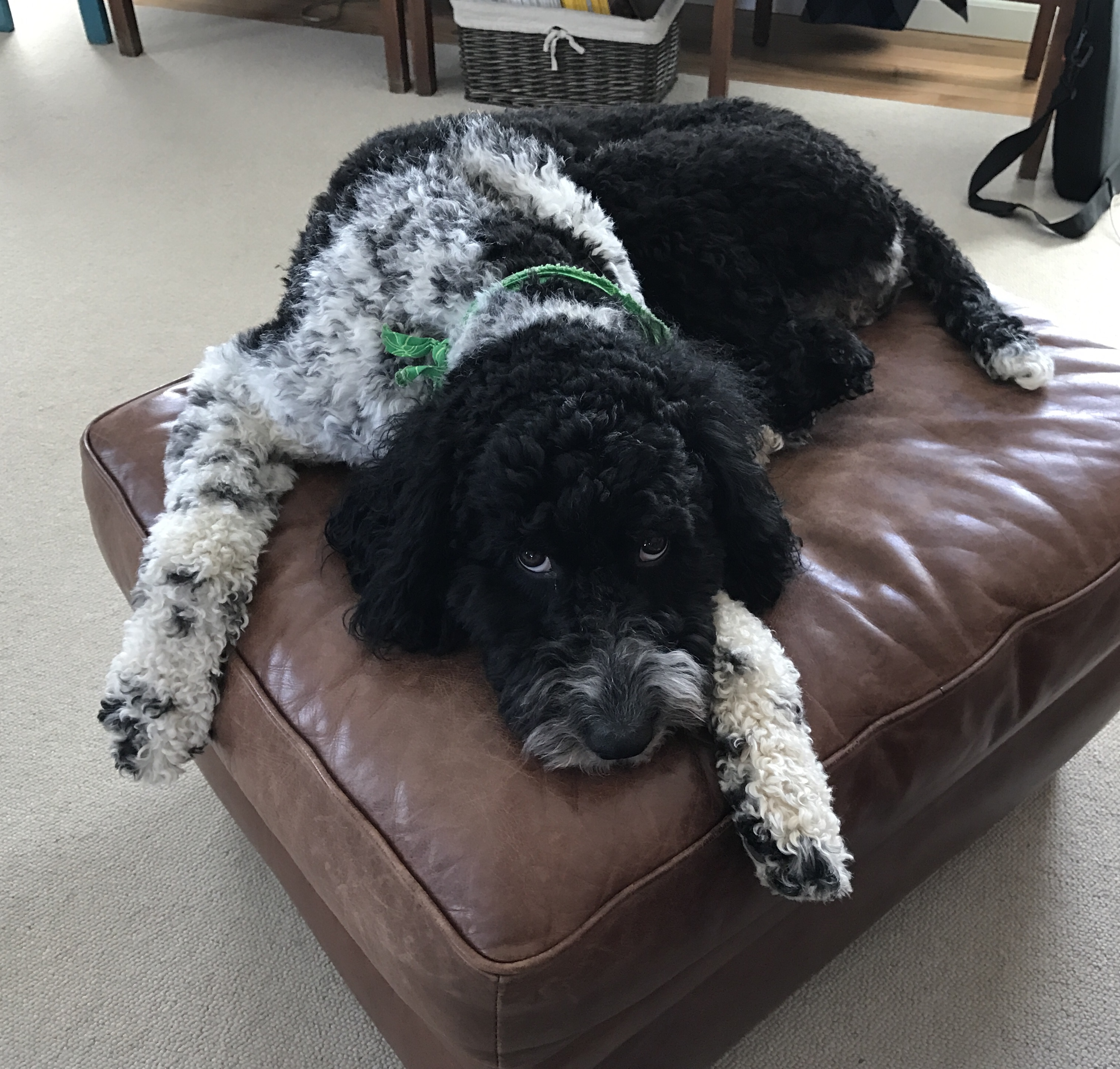
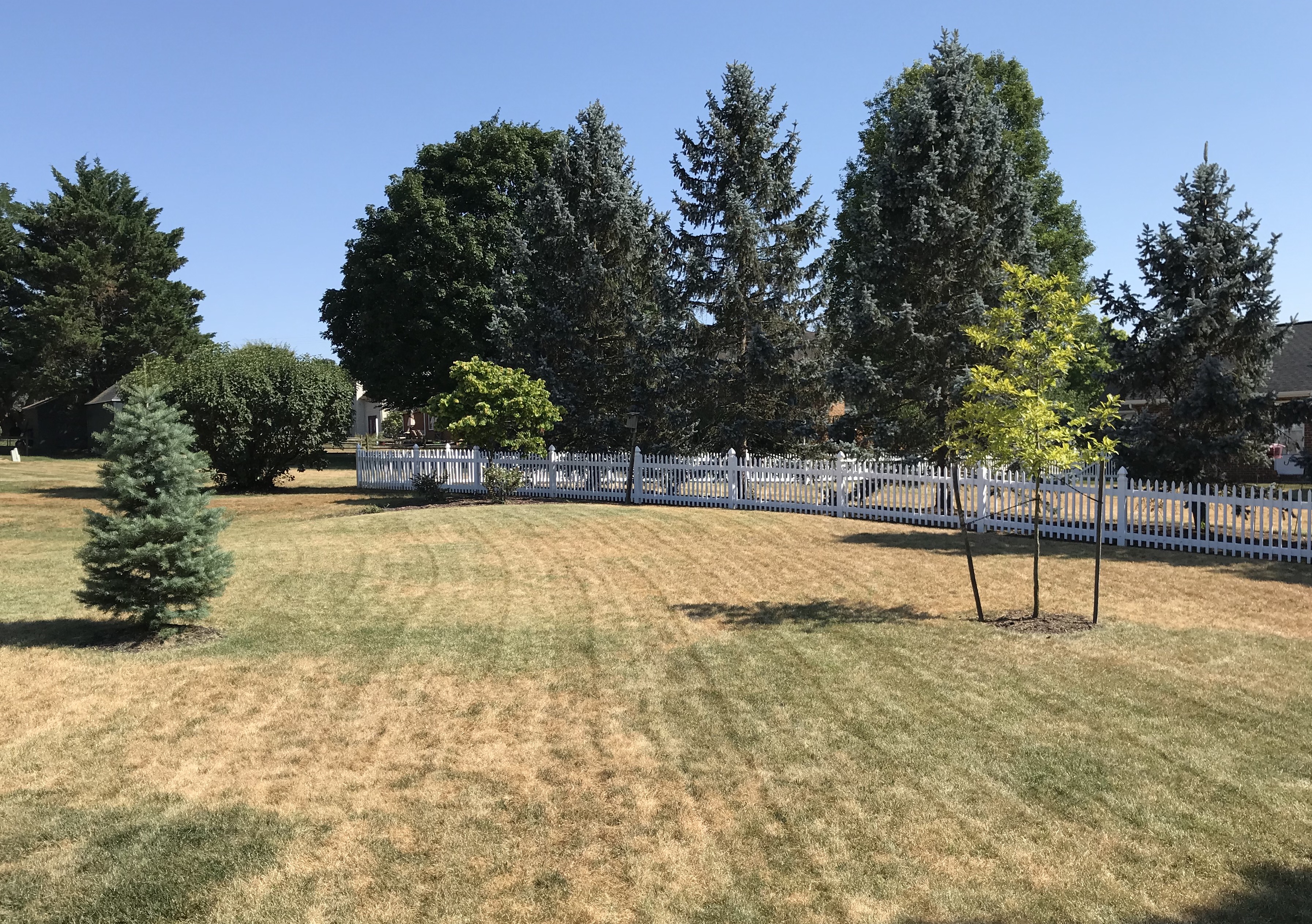
The look says it all.The few times it has rained at our place near Harrisonburg, I could have walked through the widely dispersed drops and not gotten wet. Our backyard is so brown that it resembles a beach more than it does a lawn. Only, the grass crunches rather than squishes beneath your feet.
I understood the meaning of dog days even as a child but also wondered where that term originated. I knew that when adults talked about the dog days, it meant sunny, hot, humid, and dry times.
The Amish still don’t have air conditioning.Those were days when the neighborhood kids would head for the woods or the creek down over the hill from our little red brick house. Mom wanted us outside playing, and with no air conditioning then, we were glad to oblige her.
But I sensed dog days meant something more profound than being so dastardly hot that the dogs wouldn’t whimper. Naturally, I Googled to find out the source of the saying. As simple as the phrase may sound, its origin is a bit complex.
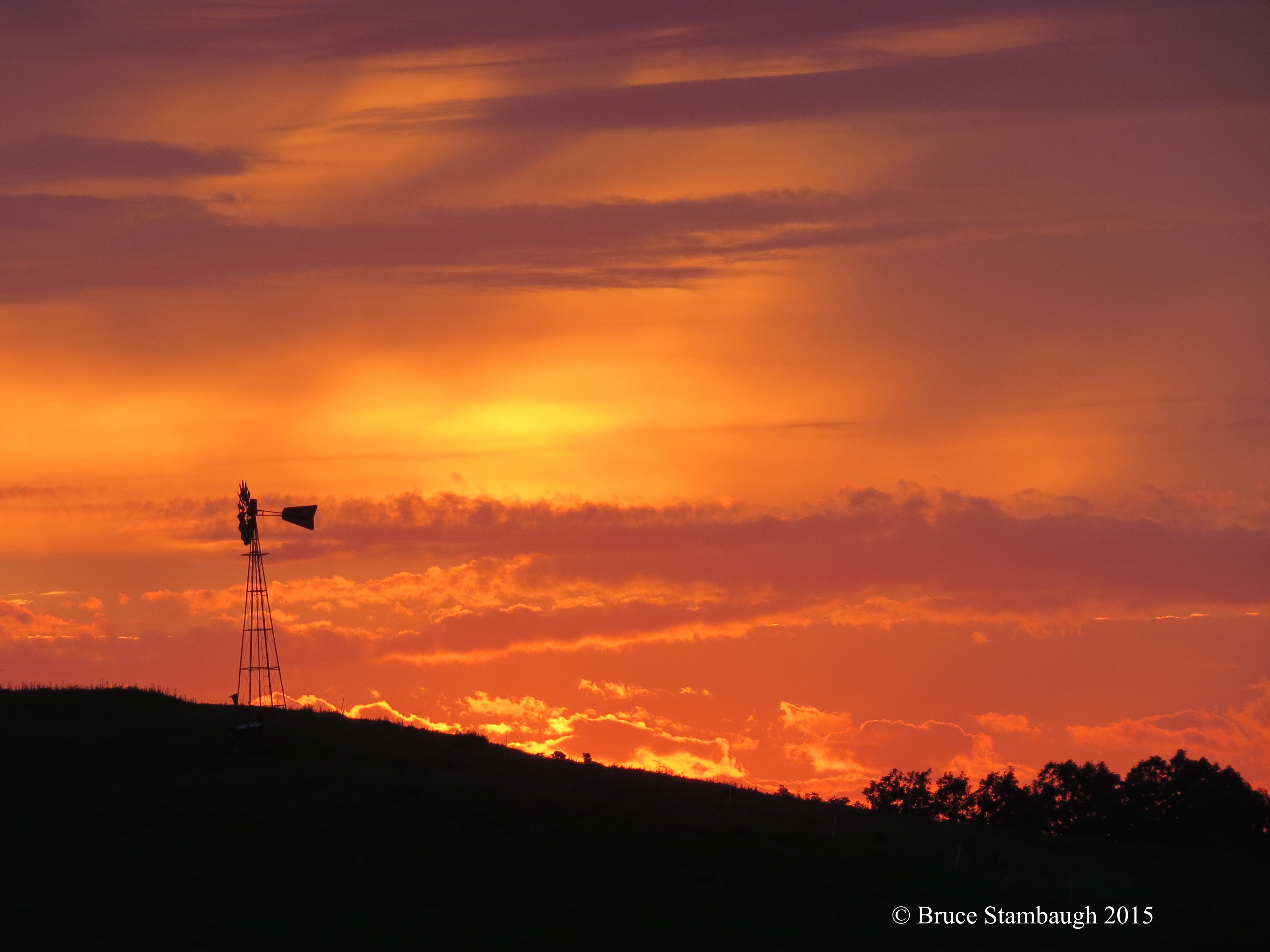
It turns out that the phrase had little to do with dogs panting or even the lazy, hazy days of summer. There was a muddled mix of astronomy and fantasy involved in bringing in the dog days, not necessarily a heatwave. A blazing dog day sunset in Ohio’s Amish country.
Dog days first referred to Sirius, the dog star. The appearance of Sirius in the early morning sky just before sunrise ushered in the dog days for the ancient Greeks and Romans. In their time, that occurred in late July.
Back then, sailors, travelers, and stargazers didn’t have to deal with light pollution. They worshiped the heavens, establishing names and stories for stars and constellations.
In Homer’s “The Iliad,” Sirius is referred to as Orion’s dog star. Then, the dog star brought wars and disasters of all sorts. I guess they had to blame something. It might as well be an imaginary culprit.
Still, I can just imagine families gathered around a fire long ago, staring skyward, as an elder told the story of the dog star. Today, of course, most of us couldn’t find Sirius even if we could see the stars.
Whatever tradition you acknowledge and expound, the dog days of summer are here. They have gotten off to a roaring start in more ways than the hot weather.
The comet Neowise has been thrilling people for a couple of weeks now. It should be at its brightest. If you haven’t taken time to check it out, all you need are some binoculars, some keen eyes, and be willing to enjoy the cooler evening air with a good view of the western horizon. You won’t be disappointed.
Summer’s dog days are also hosting the debut of the delayed Major League Baseball season. Even with a 60-game schedule, I’m not holding out much hope for my favorite team, the Cleveland Indians.
Authorities thought that the warmer months would slow the spread of the cursed Covid-19 virus. Instead, the number of U.S. cases and, unfortunately, coronavirus-caused deaths are both increasing as the summer steams along.
Are you warm enough? It seems like the entire country is on fire right now. Record temperatures, Excessive Heat Warnings, and Heat Advisories have marched across the continental United States west to east.
We all could use a little cooling off. I thought this photo of a bush pilot flying just above the Knik Glacier near Palmer, Alaska, might bring a bit of refreshing relief from the oppressive heat and humidity most of us have been experiencing. I took the shot a year ago while visiting with friends in Anchorage.
We were standing on a terminal moraine facing the glacier when this tourist plane cruised low over the receding glacier. Our guide said the flight cost $600 per person for that brief thrill. I was just happy to be with friends, enjoying these beautiful sights, and crisp, clean air.
Old Rag is a popular hike in Shenandoah NP.
My wife and I have enjoyed Shenandoah National Park since we moved to Virginia three years ago. There’s a lot to love about the park, and it’s less than an hour away.
We’re not the only ones who appreciate it, of course. The estimates of annual visitors compare to those of Ohio’s Amish country, our former residence. Each location attracts millions of visitors a year.
Of course, the novel coronavirus pandemic has put a damper on tourist numbers everywhere. With the virus cases flattening out in Virginia, the park has mostly reopened.
When we want to break our stay-close-to-home routines, Neva and I head for the hills. Sometimes I will venture out alone, birding, hiking and shooting photos. It’s an enchanting place, a multi-sensory extravaganza.
This slideshow requires JavaScript.
I hear the beautiful song of an indigo bunting, and I raise my binoculars, scanning the area for the likely source of the melody. Novice that I am at identifying bird calls, I want to make sure I am matching the right species with the song. I’ve learned that, like human accents, bird calls of the same species vary geographically.
Once I find the bird, I switch to my camera to try to get a decent photo. With the trees in full summer canopy, that’s not easy to do. Now and then, I am fortunate to find a bird singing in the open, and I click away.
I catch a slight, silent movement out of the corner of my eye. Is it a doe with a fawn, or perhaps twins? Is it a black bear grazing before nightfall? One never knows. On warm days, keeping a lookout for a lounging timber rattler while scrambling on a rock outcropping is always a good idea.
Male Indigo Bunting.
South River.
Beauty in any season.
Hike rewarded.
Ridge view.
Gold and black.
Pink and blue.
Peregrine Falcons.
The park is a great place to take sunset photos, too. But sunsets in the mountains can be problematic.
The expansive, rolling Shenandoah Valley is bordered on the east and west by mountain ranges. Sunsets can be as disappointing as they are stunning. Weather plus geography equals a formula for the unknown.
When we lived in Ohio, all we had to do was look out our windows to know the potential for a spectacular sunrise or sunset. We were spoiled.
Here in the breadbasket of Virginia, the rising and falling topography makes it iffy to predict what the eastern and western skies will do at dawn or dusk, respectively. You hope, pray, and go for it. Sometimes you are disappointed. Other times, you are speechless.
From this…
…to this dreamland sunset in a matter of minutes.
(Mouse over the photos for the captions)
It can be cloudy and raining in the valley. The view from the mountains of the park, however, might be spectacular if you wait long enough. Pick one of the many west-facing overlooks along the majestic Skyline Drive, and prepare yourself for come-what-may.
The elevation of the old, folded mountains ranges up to 2,500 feet higher than that of the valley. From the park, you can see the Allegheny Mountains that mark the boundary between the Commonwealth and West Virginia.
Patience, intuition, and good fortune can be the formula for bathing in a dreamland. Even with a thick cloud cover, the sun can still break through, turning drabness into beautiful in the blink of an eye.
I’ve learned to be ready for the unexpected as the sun slinks below the jagged horizon. Will the clouds refract the sun’s rays into pinks and blues, lavenders and oranges? Or will they merely steal away the sun without fanfare?
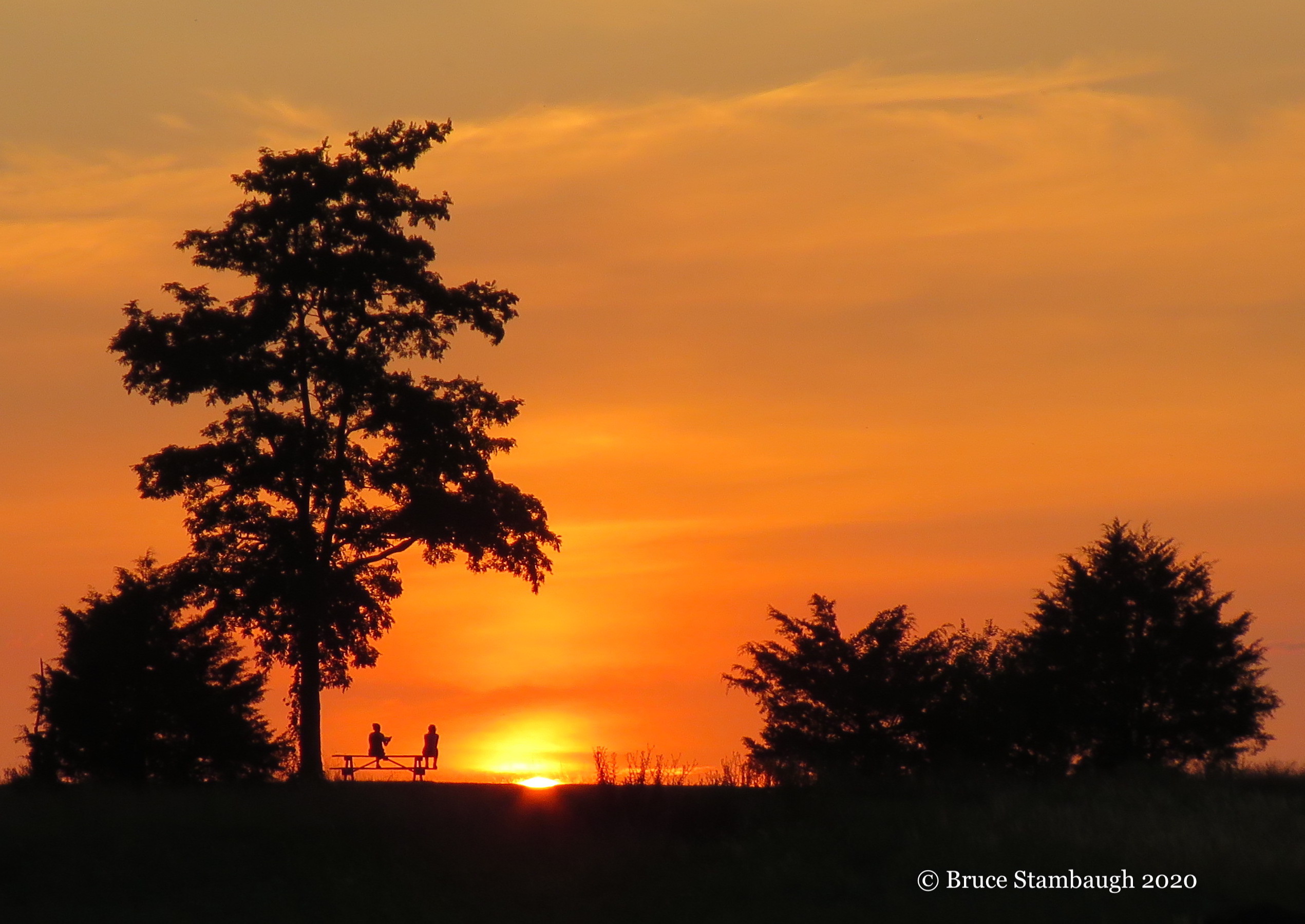
Sometimes a photogenic scene comes to you. In a way, that’s what happened in this photo. I was watching my grandchildren swim on a recent summer evening when the western sky caught my attention. With other adults present, I excused myself and walked to the only open spot on the property. The sky was rapidly turning orange with the sun nearing the tip of the Allegheny Mountains, which were beyond the little ridge before me.
I was entirely satisfied to let the tree and shrubs fill the foreground and let the sky do the rest. Out of the corner of my eye, I noticed two women walking towards the opening. They would provide the perfect scale for this frame if they stayed in view. Fortunately, they sat on the picnic table just as the sun disappeared below the ridge.
My subjects certainly had a better view of the sunset than I did. However, I was perfectly happy to capture this scene.
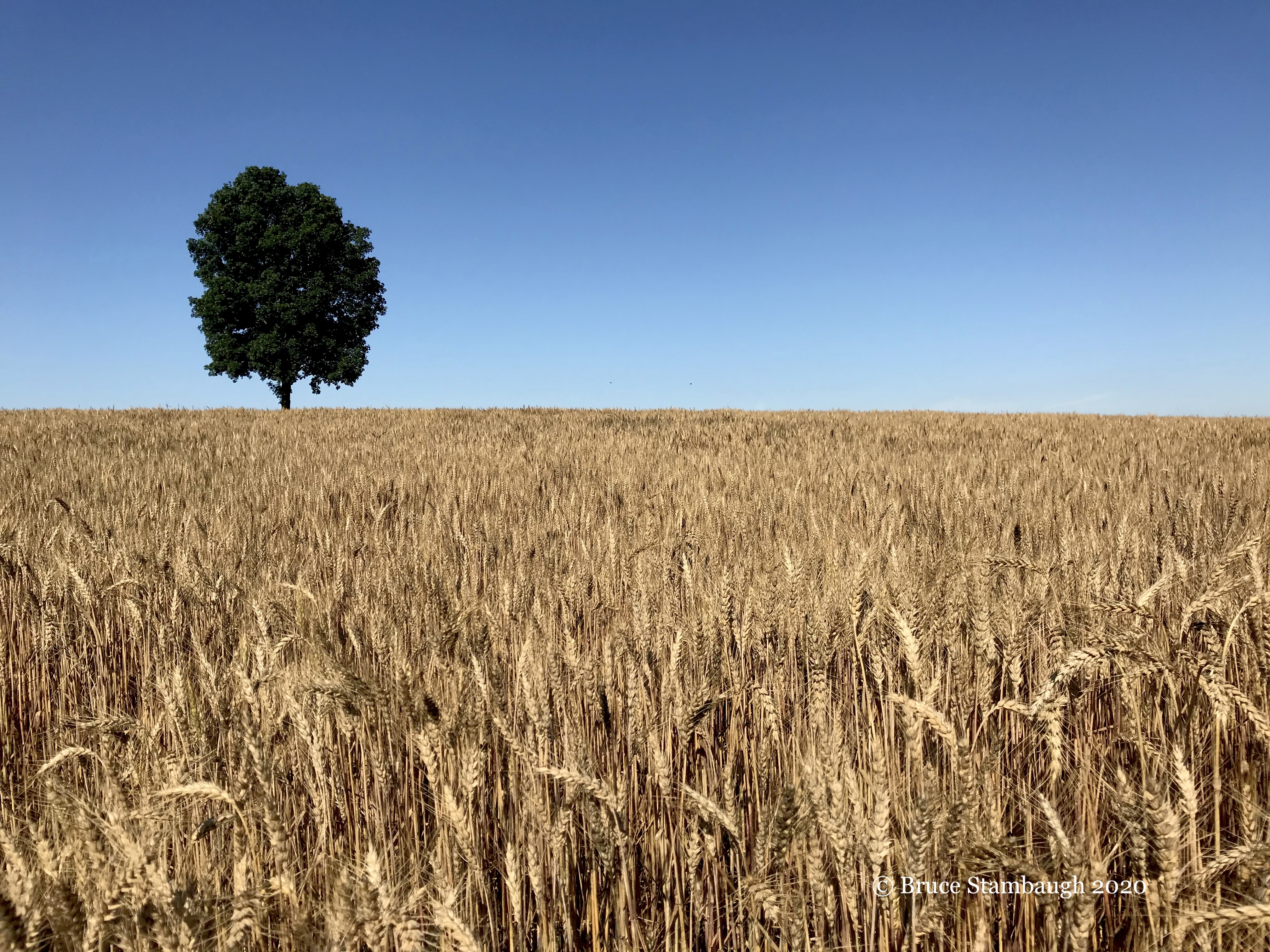
It must be July! The winter wheat is ripening to a golden brown here in the Shenandoah Valley, also known as the breadbasket of Virginia. Once the moisture count in the heads of grain reaches a low enough percentage, the combines will start to roll through the fields day and night.
I loved that this Old Order Mennonite farmer left the sugar maple tree to grow and that he planted his crops around it. “The Wheat Field” is my Photo of the Week.











 Roadkill Crossing
You must be logged in to post a comment.