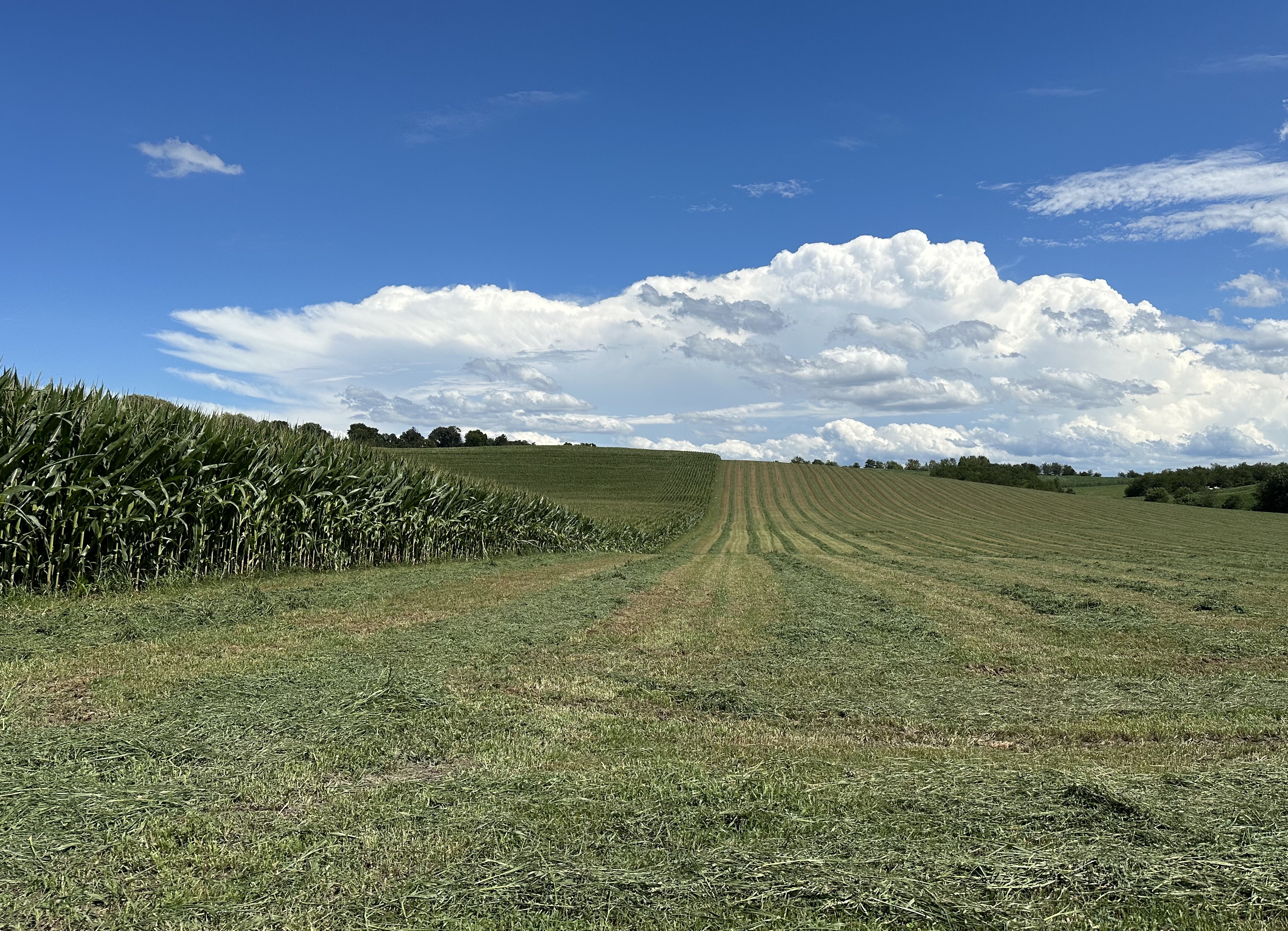
The windrows of the fresh-cut alfalfa and the dark green rows of cornstalks seem to reach to the sky, thanks to the rolling field’s topography. In actuality, the fluffy cumulous clouds rolled over the Blue Ridge Mountains 40 miles east of Harrisonburg, Virginia.
Those are the raw details. The scene’s stark beauty speaks for itself.
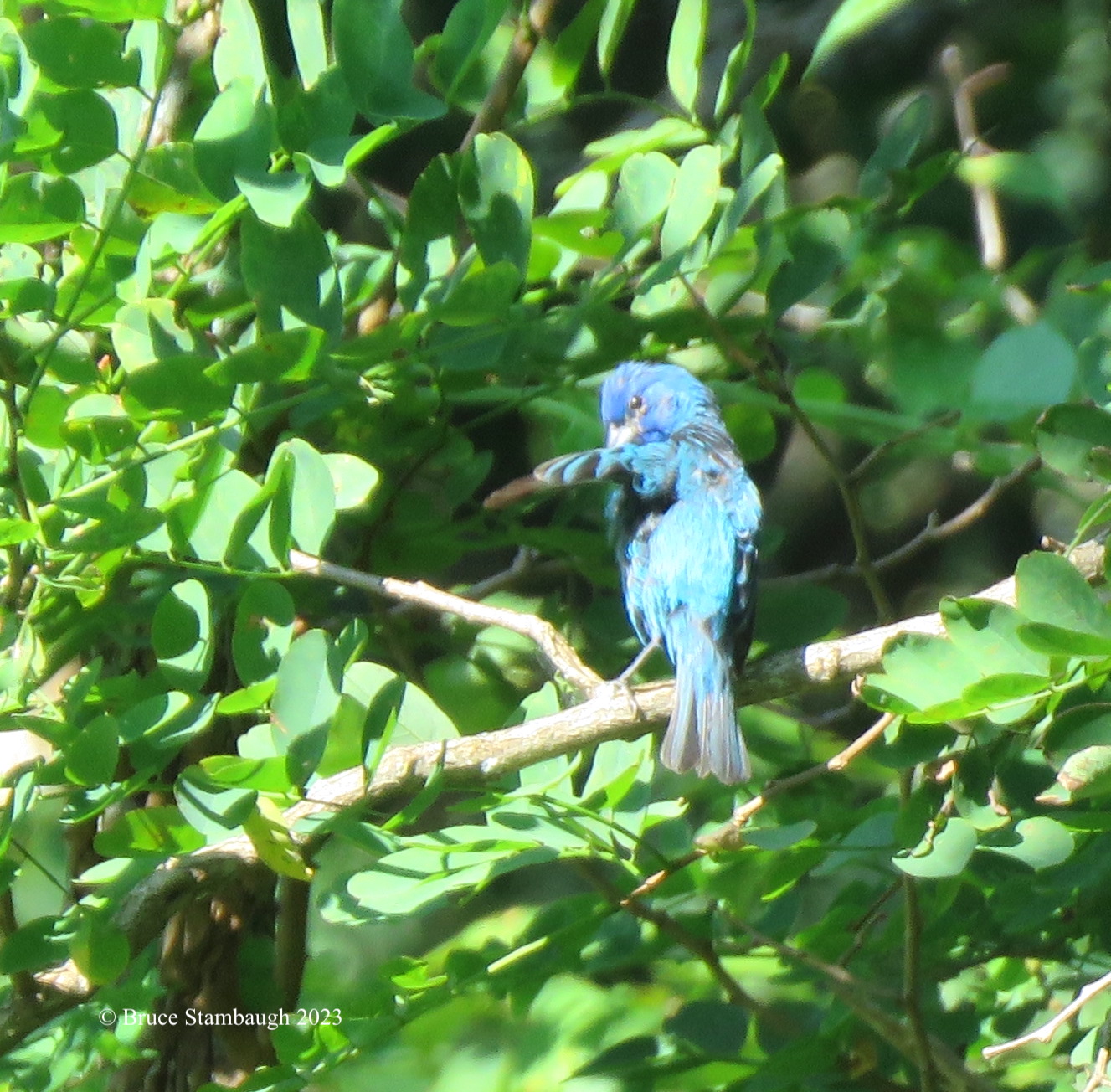
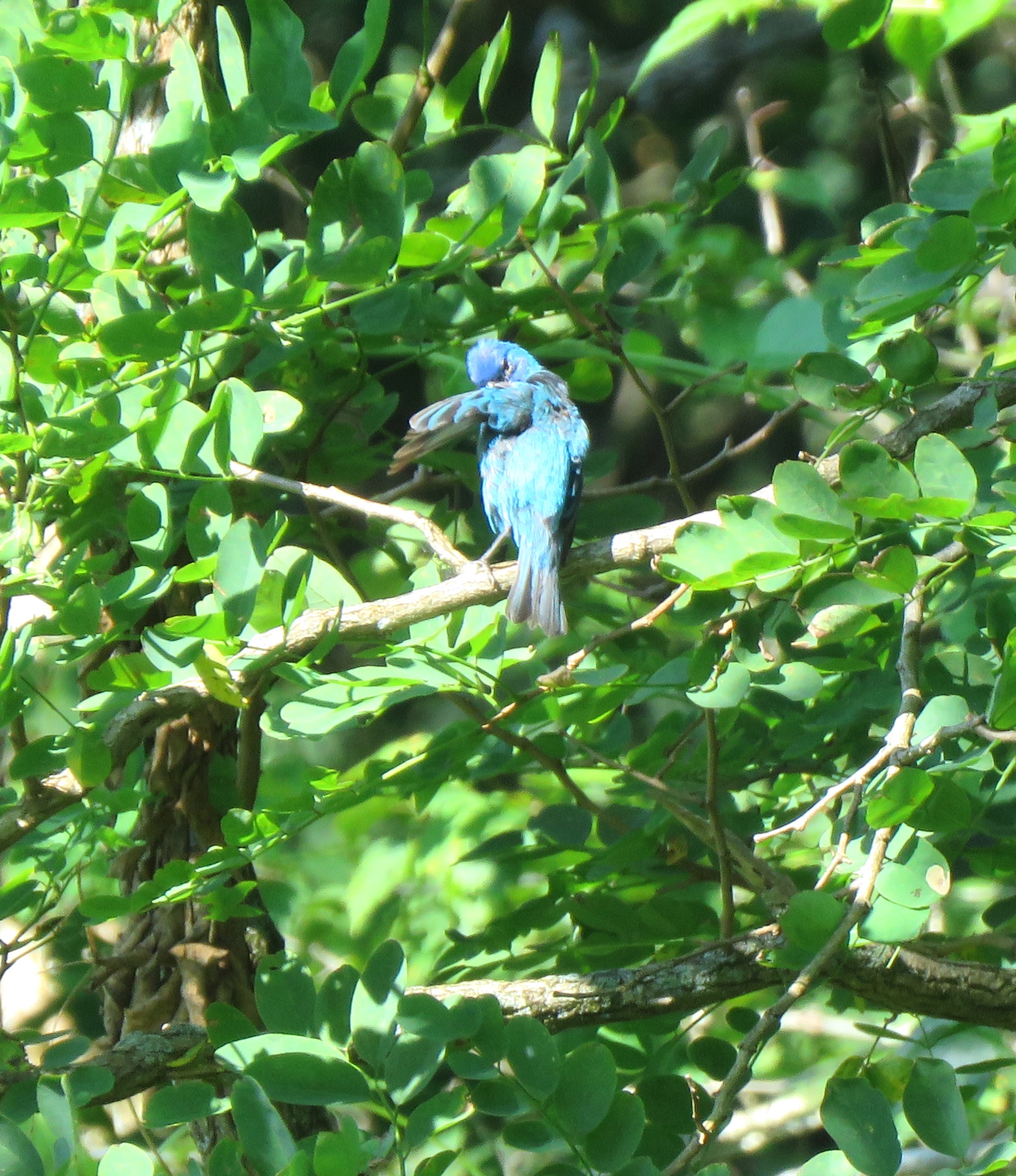
A male Indigo Bunting preening along the Appalachian Trail.
Whenever I go exploring, I can always expect the unexpected. It’s what drives me to get out of doors.
I headed to Shenandoah National Park to mainly photograph butterflies. I had seen photos from the park with Turks Cap Lilies blooming. Those lovely flowers are magnets for butterflies.
I knew a place in the park where I had previously seen butterflies flock to the beautiful lilies. It happened to be where the Appalachian Trail crosses Skyline Drive. The location also had a parking lot designed primarily for day hikers.
I pulled in and was immediately disappointed. No Turks Cap Lilies were to be found. Across the road, other wildflowers were blooming, so I started heading there.
When I go to the park, it should be no surprise that I multitask. My camera is strapped across my left shoulder for easy access, and my binoculars dangle around my neck for wildlife spotting, especially birds.
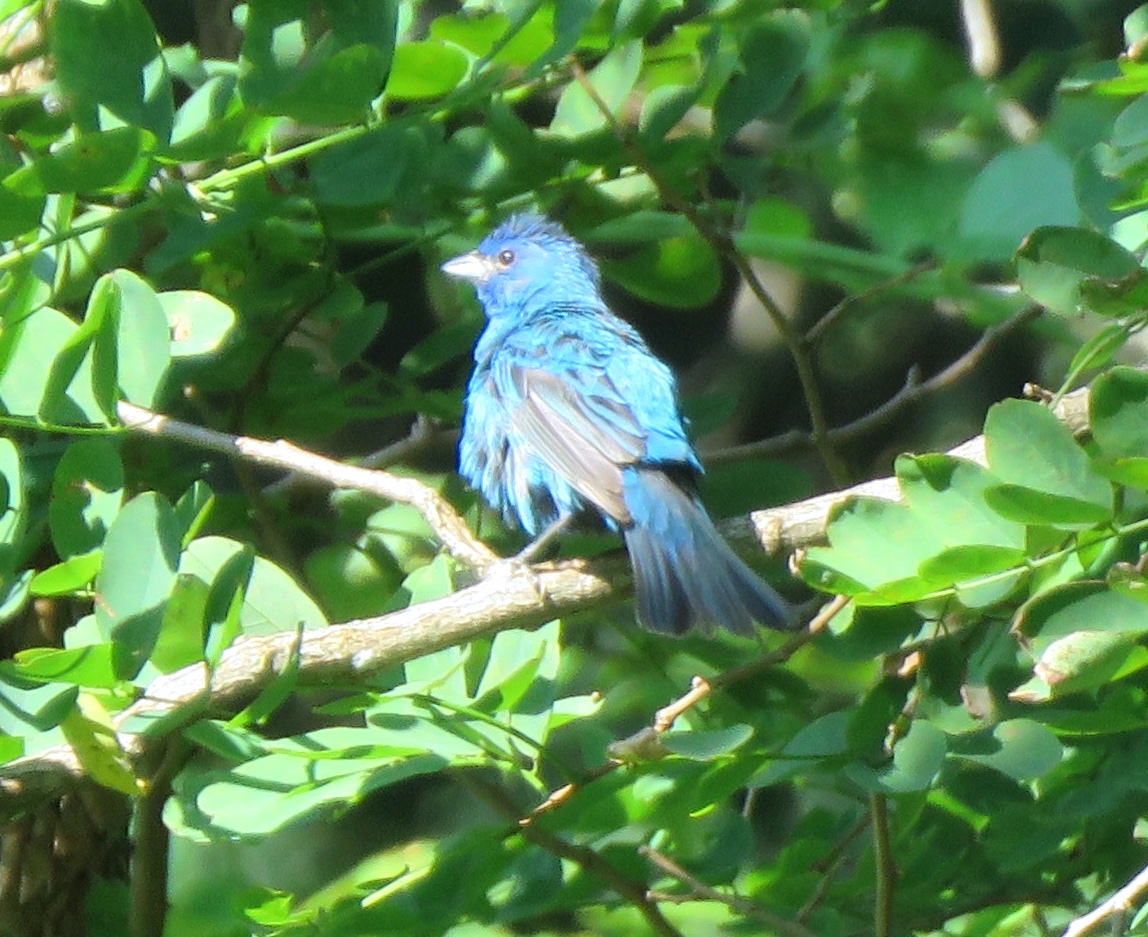
Just as I reached the crosswalk, a bird flushed out of the undergrowth to a dead tree limb at the forest’s edge. It was a male Indigo Bunting, always a beautiful bird to see.
I stopped, swung my camera around, aimed, focused, and clicked away. As I did so, this beautiful bird began to preen in the morning sunshine. The lighting was perfect, and the bird entertained me for several minutes before a passing car caused it to dive for cover.
Butterflies were few and far between as I checked in at different locations in the park. Nevertheless, watching this enchanting bird for those precious minutes made the trip worthwhile.
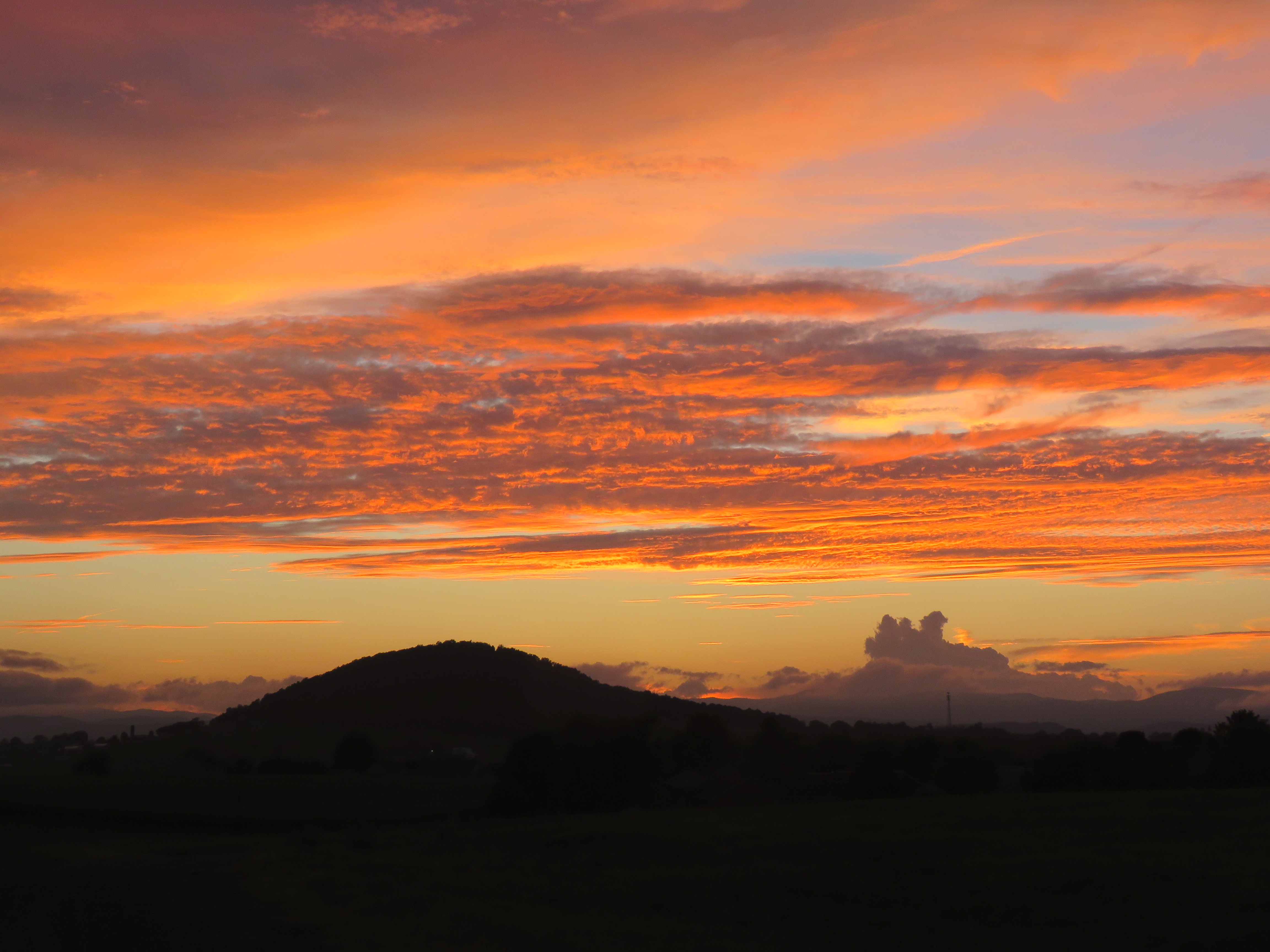
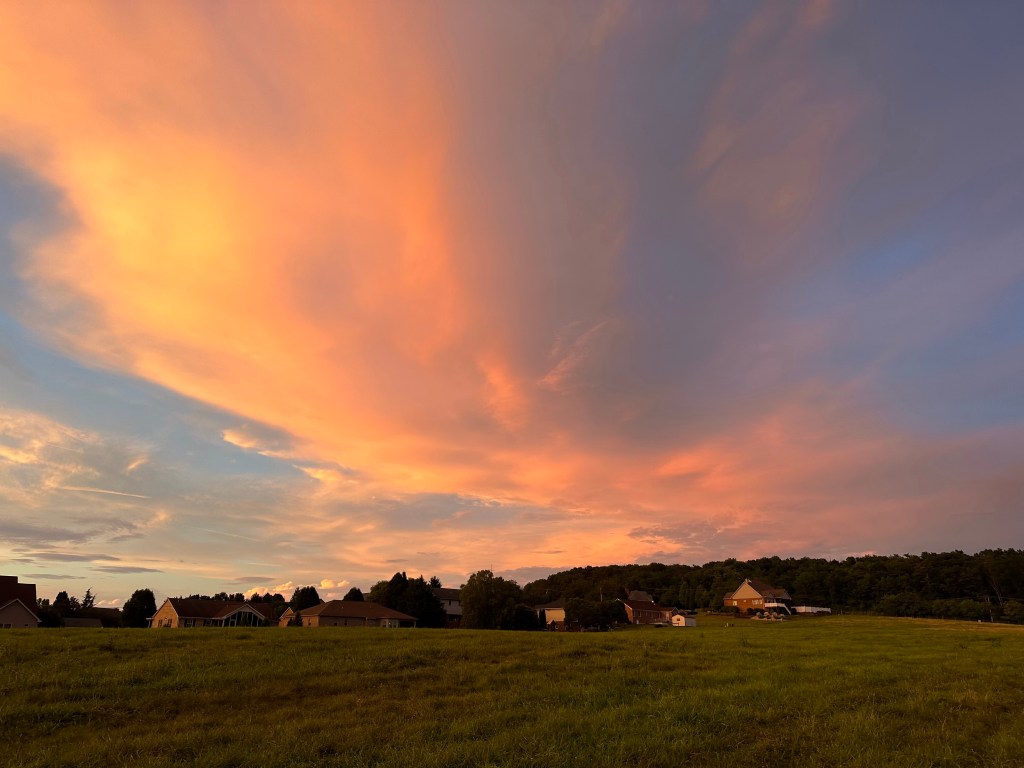
Since our home faces north, I always have to keep a sharp lookout for a lovely sunset. When I noticed the southern sky turned golden last evening, I grabbed my cameras and headed to a nearby farm pasture to get a good view to the west.
I couldn’t believe my eyes when I exited my car. The sky lit up in every direction with varying and rapidly changing intensities. I did my best to capture the unfolding beauty surrounding me.
The glow to the west was filled with a variety of warm colors. A large cloud curved and swirled overhead, reflecting the setting sun in many hues north and east. To the south, the sky was more pink than orange. Added altogether, I felt privileged to inhale the enveloping wonder.
The slideshow provides views from every direction.
On the last day of July, puffy white clouds floated lazily over Silver Lake in the tiny town of Dayton, Virginia. It was a fitting end to a crazy hot month with little rainfall here in Virginia’s Shenandoah Valley.
A gentle breeze ruffled the placid, shallow lake enough to seemingly digitalize the sky’s reflection. Its effect highlighted the heavenly scene above the old barn and farmhouse.
Today begins the dog days of August. It was pleasing to experience July’s cool exit, knowing the eighth month can often bring brutal temperatures and little precipitation in North America.
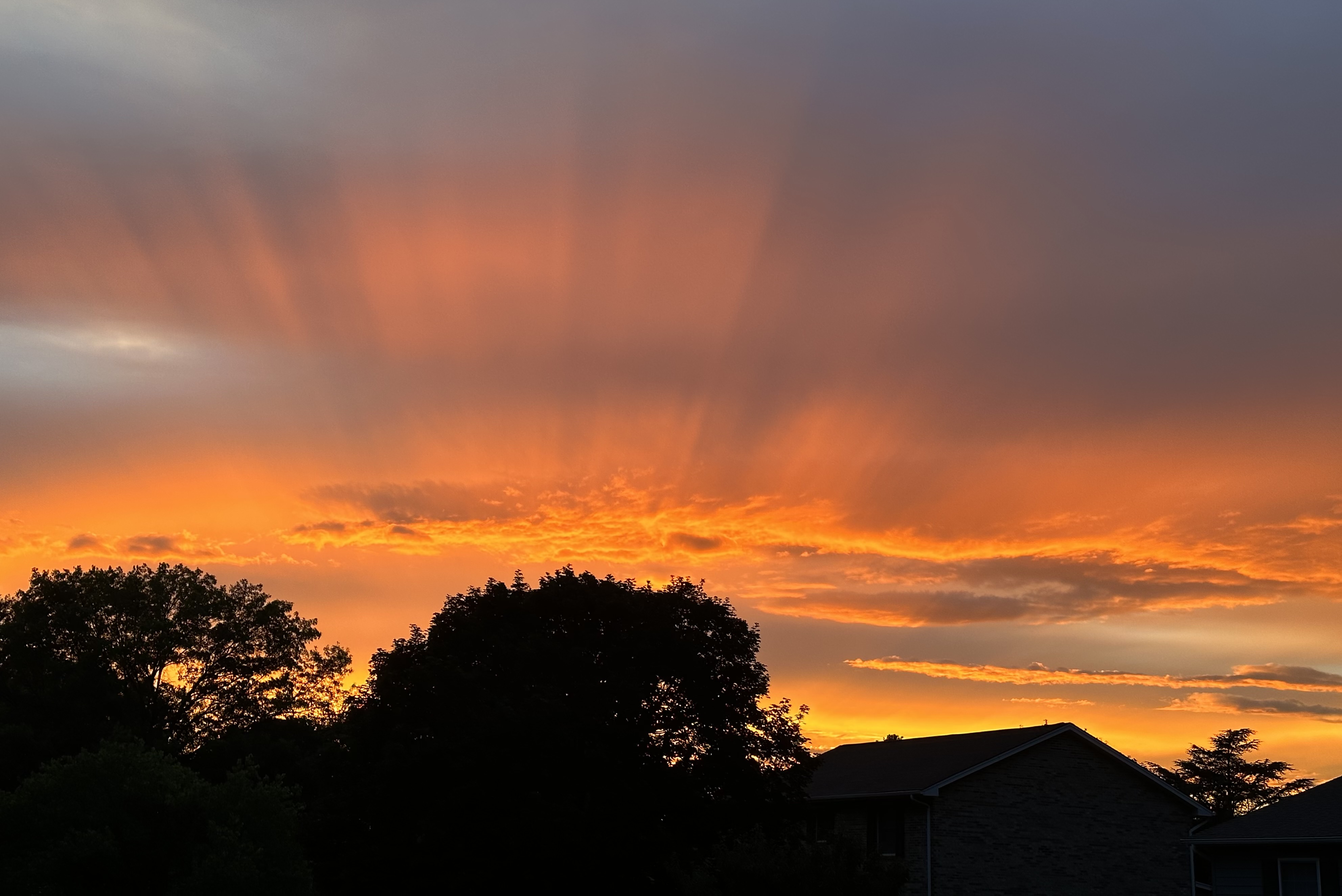
Soon after a severe thunderstorm blew through last evening, I noticed some pinkish clouds in the east. That usually is a sign of a beautiful sunset. I hustled out to the street and was treated to this beautiful scene.
Crepuscular rays radiated through the clouds as the sun sank behind the Allegheny Mountains to our west. I knew I wouldn’t have time to drive to higher ground, so I settled for this image from our front yard.
We live in a noisy world. It’s hard to find pure silence to simply listen, ignore the busyness of your mind, and relax without interruption.
When I saw an invitation to participate in a Contemplative Sit at the end of the daily devotion I received via email from Richard Rohr, I clicked on it. I instinctively knew I needed the 12-minute exercise to calm my mind, body, and soul. I didn’t realize how hard it would be.
The Reverand Dr. Barbara Holmes led the video presentation. The screen was a lifeless gray, with the title “Contemplative Sit” half grayed out. Once the single chime of a small bell rang to begin the exercise, I closed my eyes, thinking I could better concentrate on breathing in and out. It wasn’t to be.
I thought about last night’s sunset, the high gray clouds reflecting the sun’s warm glow. Our mother star had long since sunk below the Allegheny Mountains. I waited then for the warm beauty of the sky and now for a fulfilling silence.
I heard a crash from the video I knew wasn’t part of the meditation. I opened my eyes and saw the countdown to skipping another YouTube ad. I immediately clicked it away. Then I noticed the words, “We focus on the breath going in and out of the body.” I realized I needed to keep my eyes open to be fully engaged.
At that moment, however, I became acutely aware of all the noise around me. My neighbors across the street were mowing their yard in their usual father-and-son tandem. The sound of the two mowers competed with the tinnitus in my ears. I had buzzing external and internal competition to distract me.
Ironically, only then did I hear the video’s faint ebbing and flowing of wind rustling over a prairie, a desert, through tree limbs. I couldn’t tell, and it didn’t matter. I concentrated on my breathing. I unconsciously rubbed my hands on my thigh bones down to the knees and back to the hem of my kaiki shorts.
A single-engine plane flew a few hundred feet over the house, probably from the local private airport eight miles away. Its sturdy engine soon carried it out of earshot.
Was I failing this intentional time of contemplation? I let go of that judgment and refocused on my breathing. I spied a mother robin bobbing in the grass beneath the red maple tree in our front yard. She had speared an insect, likely to help feed her second brood of the summer.
My cell phone dinged. Another person in the group text commented on my friend Mike’s release from the hospital. I breathed a breath-prayer of thanks and gratitude.
A morning breeze rustled the leaves and bounced the smaller limbs of the maple outside my window. Still, I heard the wind’s faint rhythm coming and going from the video. Two Goldendoodles from the neighbors down the street barked, a regular occurrence. I continued breathing, letting go, and focusing on silence without self-criticism.
A pair of Northern Cardinals flew into the maple tree, and the video bell sounded the meditation’s end. I felt free, rooted, and ready to face the rest of the day.
I hadn’t planned on doing this meditation. But I have always enjoyed spontaneous activities that arouse my senses of the world around me. This morning’s experience was an unexpected but necessary infusion into another day of joyful living.
(I have included the link to the meditation if you are interested.)
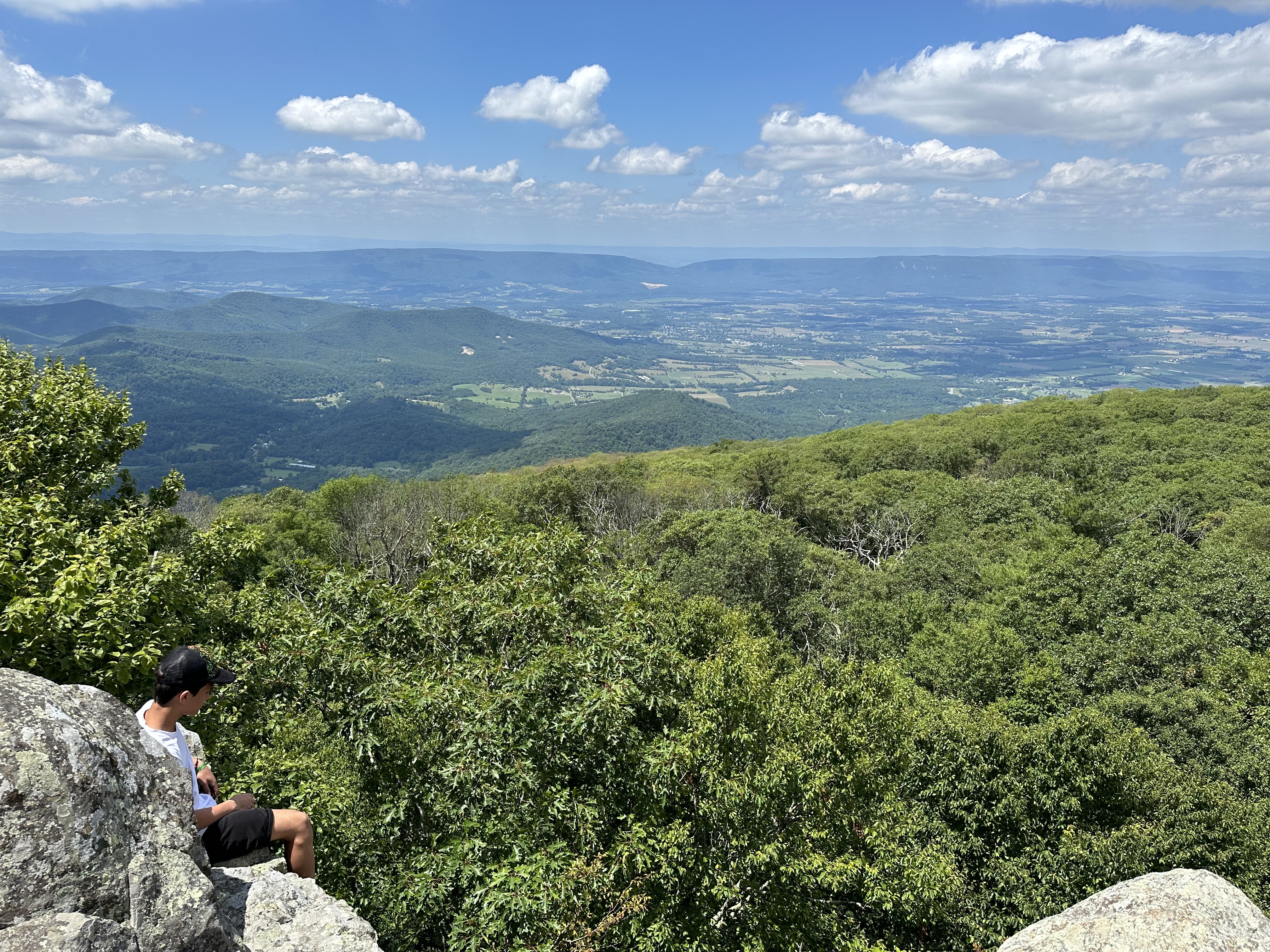
Viewing the Shenandoah Valley from an overlook in Shenandoah National Park.
Several recent studies have proved the obvious. Regularly spending time in and with nature dramatically enhances people’s mental health and appreciation for life.
That wasn’t news to me. Fortunately, I grew up in a family that spent time hunting, fishing, and vacationing in the great outdoors. I continued that pattern with my own family, minus the hunting. I prefer to shoot animals and everything else with cameras. It saves on taxidermy costs.
We moved to Virginia’s lovely Shenandoah Valley six years ago to be close to our grandchildren. Besides spoiling them, I also make regular trips to the nearby mountains. I multitask. On my hikes, I bird and photograph what I encounter.
Every outing, I discover new birds, wildflowers, and paths to explore. I often go alone, but I also enjoy sharing the fun with others. A group trip into the wild affords opportunities to explore nature together.
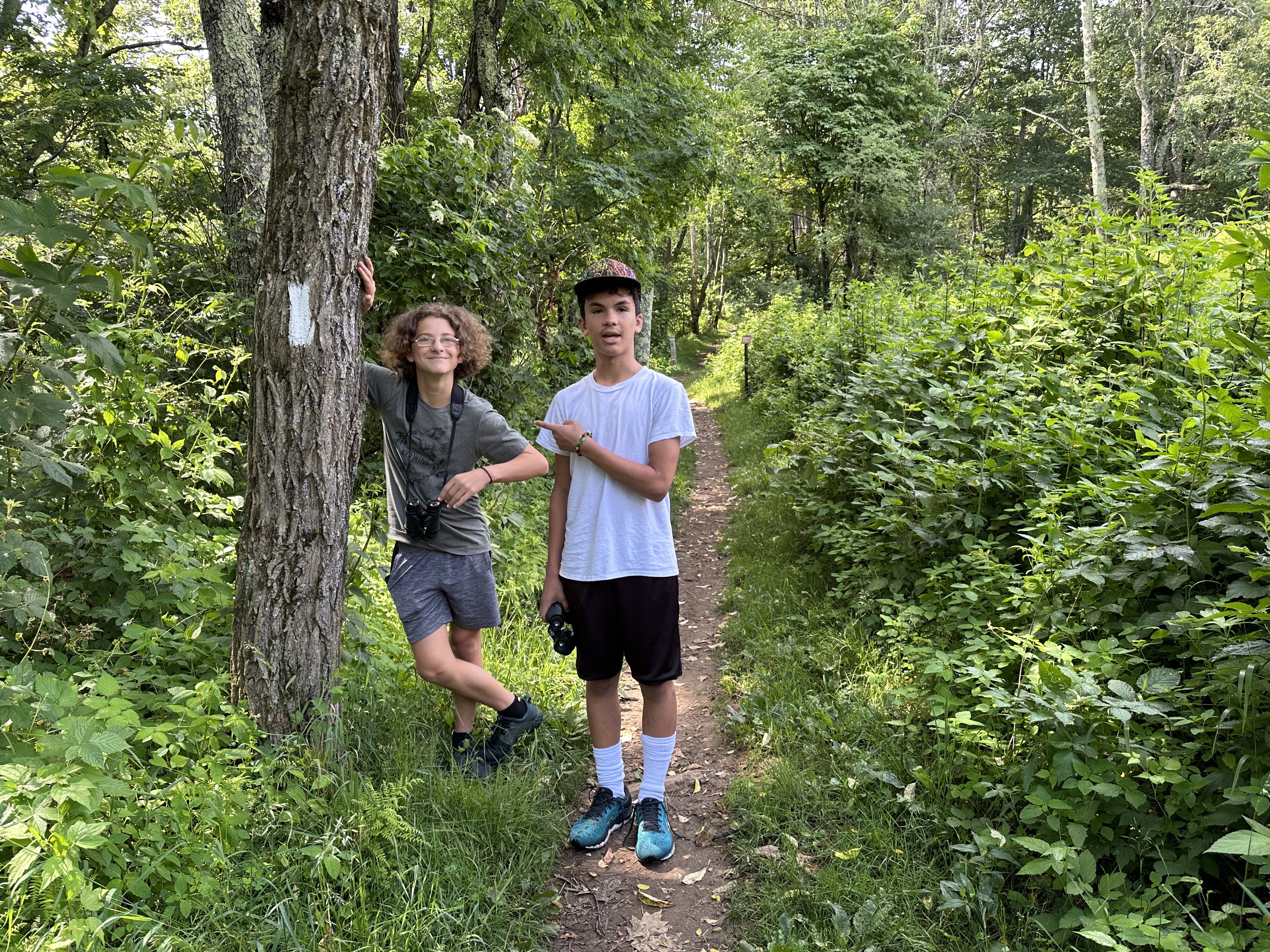
A recent outing to Shenandoah National Park with another senior friend and our teenage mentees from church allowed us to reengage with all the benefits of nature. I don’t know why the boys picked us, but we immediately hit it off. We all enjoy hiking and exploring, so the park was a natural destination for a day trip.
Once in the park, we veered off the famous Skyline Drive to Lewis Mountain Campground. I wanted to show the boys the only location in the park where Blacks were permitted during segregation. Even then, a few Whites complained that they should have access to the entire park.
At Big Meadows, we toured the exhibit of the park’s contentious founding at the Byrd Visitors Center. Not surprisingly, the youngsters showed more interest in the gift shop.
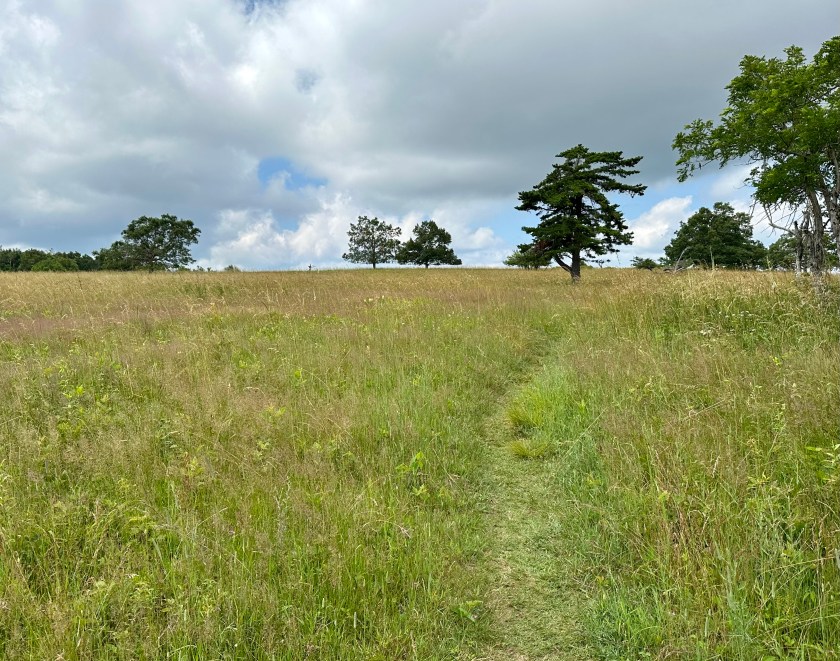
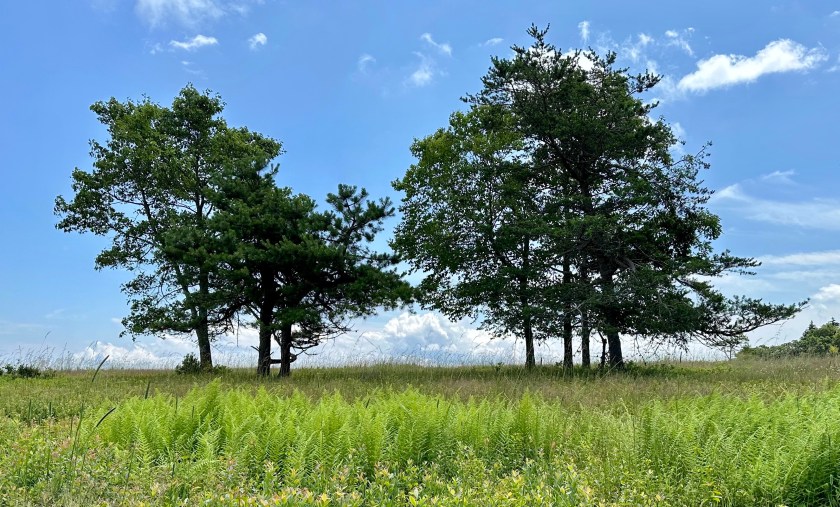
Then we got serious. We walked the southern parameter of the meadow. Its variety of habitats piqued their interest, from stands of trees to prairie grasses to artistic cairns. On the southernmost trail, the view of the Shenandoah Valley was spectacular.
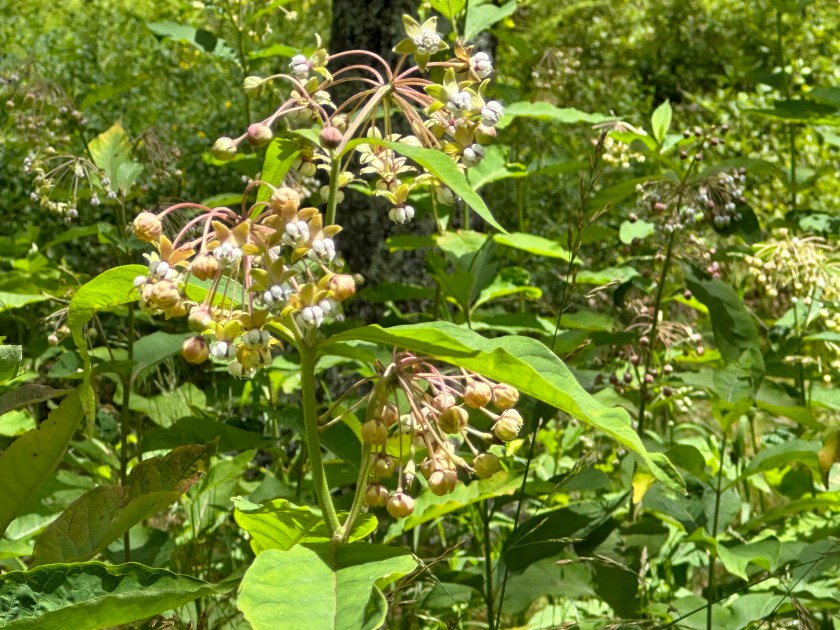
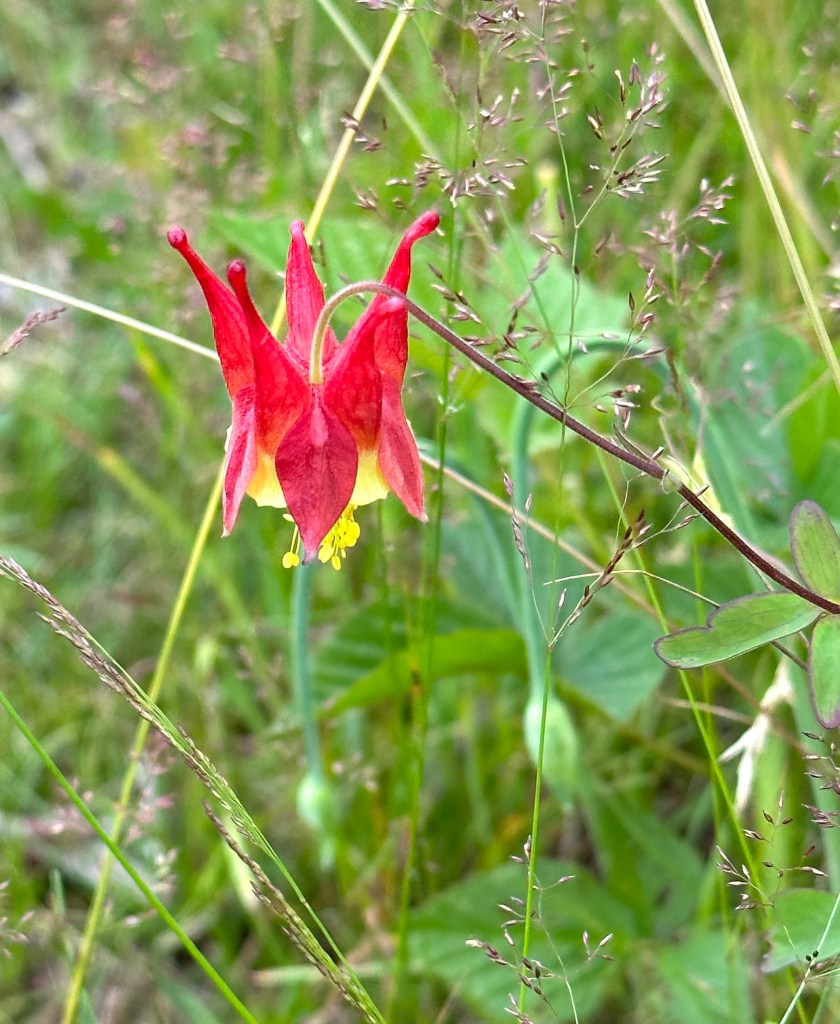
As we walked the cowpath-like trails, we encountered several bird species by sight and song and saw several butterflies that visited the wildflowers growing everywhere. Bright red wild columbines, vibrant woodland sunflowers, and common milkweed showed their colors and aired their fragrances.
Where the meadow met the forest, we spooked twin fawns. They only ran a short distance since they were foraging on shrub leaves. They seemed as intrigued with us as we were with them.
After a picnic lunch, we chose a short but magnificent trail. The Shenandoah Valley glimmered in the afternoon sunshine as we reached the summit and a massive rock outcropping. We basked in the comfortable, crisp 73 degrees of the Blue Ridge Mountains while the valley baked in the humid 80s.
It was good to commune with nature again, especially while sharing it with friends across generations. We breathed in cool, fresh air, were lulled by birdsong, enchanted by colorful flora and fauna, humbled by history, and energized by the needed exercise.
I was also glad we could personally verify the legitimacy of those extensive studies.
A memorial to those displaced when Shenandoah National Park was formed.
Summer days are full of light. From the early hours of predawn until the last glimmer of sunset, the warm days of summer brighten our world. That’s true even when thunderstorms darken the sky. They seldom last long and often offer a rainbow as they pass. Gray cloudy skies that bring all-day rains are few and far between here in Virginia’s Shenandoah Valley.
I enjoy the morning birdsong wake-up calls and their evening serenades. But it’s the glorious sunrises and sunsets that spellbind me. Their ever-changing color scheme spawns a breath prayer of gratitude.
As the lower dark clouds sailed north, the evening’s mist began to rise out of the valley at the foot of Shenandoah Mountain. Each curl of cornstalk captured a glint of the day’s last light. I was filled with wonder, awe, joy, and peace. Those are the everlasting gifts of sunsets.
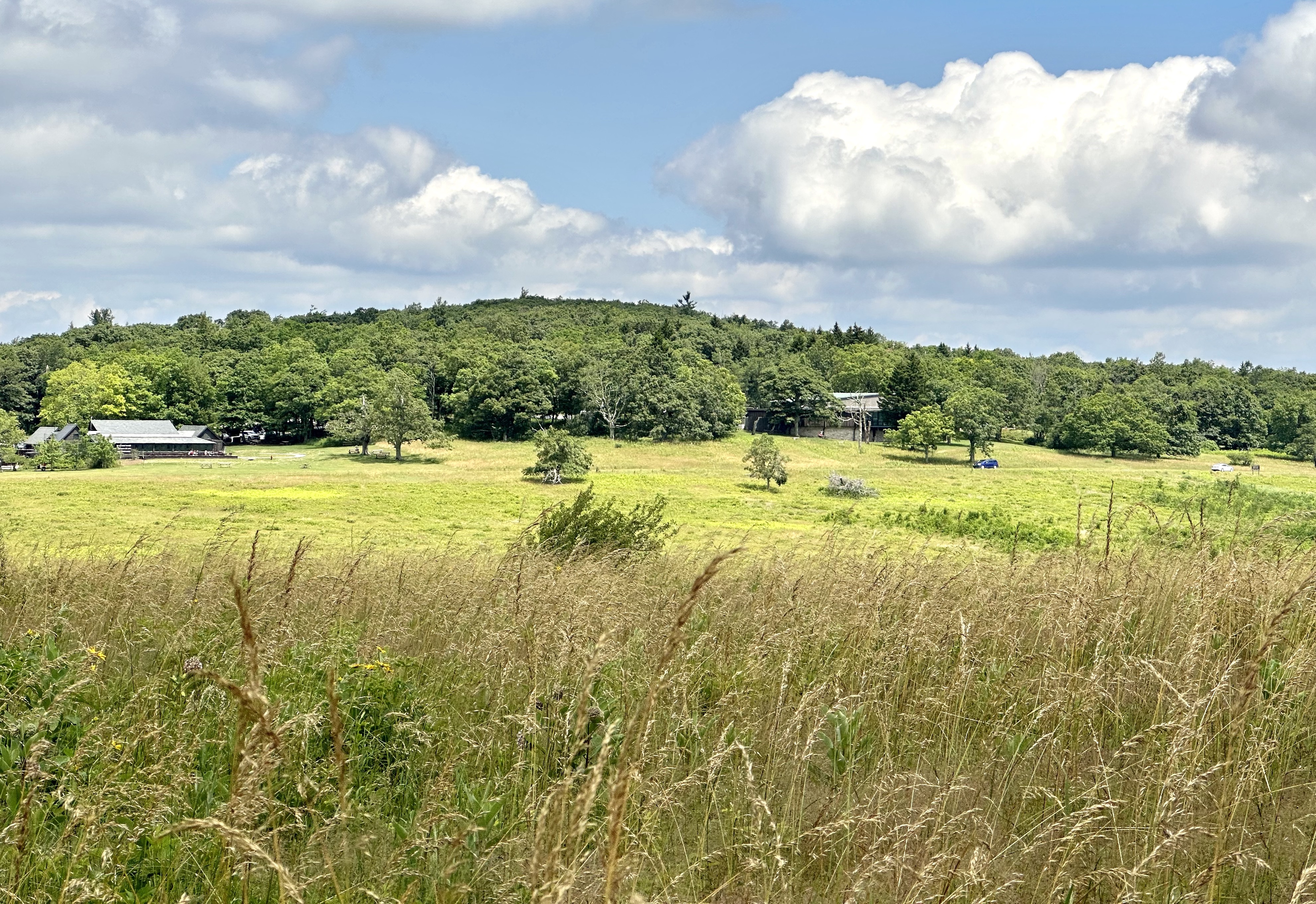
Big Meadows Wayside on the left and the Byrd Visitors Center on the right.
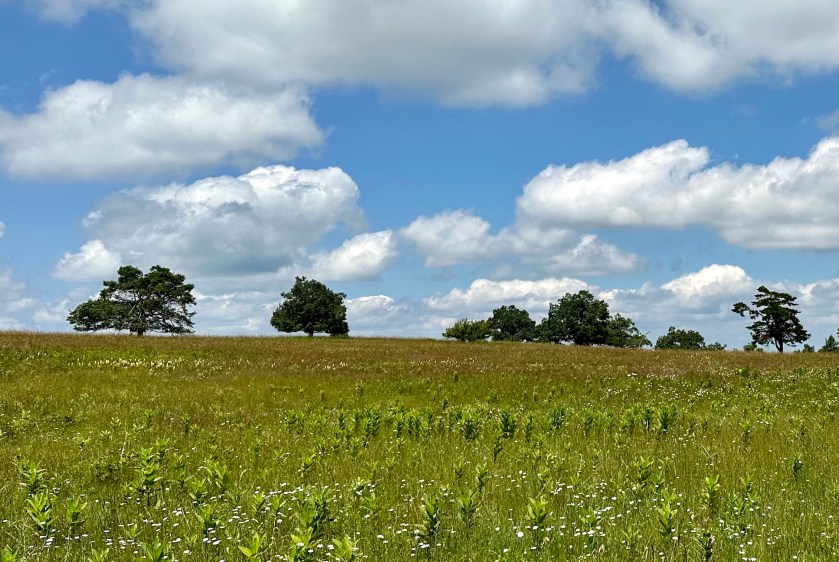
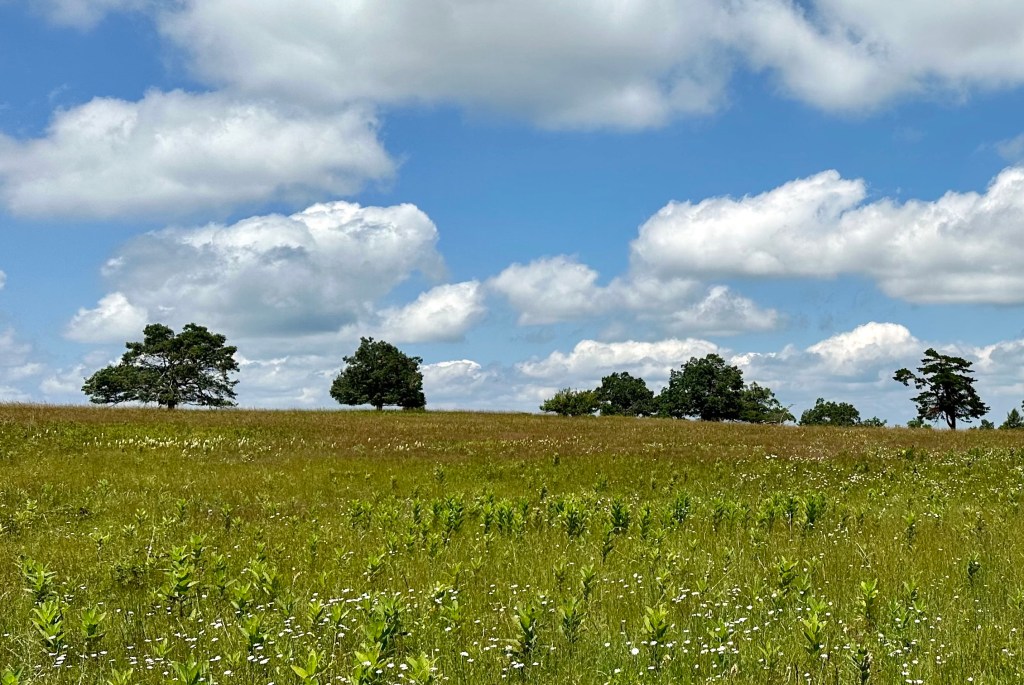
Big Meadows, an open, rolling, bowl-shaped landscape, features diverse plant, tree, and wildlife species. I consider it one of the most beautiful locations in Virginia’s Shenandoah National Park.
As evidence of its wonders, these photos from a recent visit exemplify its natural splendors.
Fawn at the meadow’s edge.Wild Columbine. Male Indigo Bunting.Woodland Sunflower.The land meets the sky.A ladybug on Fly Poison.





















 Roadkill Crossing
You must be logged in to post a comment.