How the pandemic has strengthened relationships

The old saying, “Absence makes the heart grow fonder,” has never been more apt than in the pandemic. It’s one of the realities of following governmental and health restrictions.

The ancient origin of this aphorism referred to lovers. Today’s version also applies to friends and family. My wife and I have missed the gracious person-to-person hospitality and warm congeniality of close friends and family members.

Since early March, Neva and I have taken great pains to follow the recommended health guidelines to avoid passing or contracting the lethal virus. Those precautions include avoiding entering buildings, including homes.

Following those procedures naturally means limitations. Regularly seeing friends and family has undoubtedly been one of the casualties. Relationships mean the world to us, so we have found coping alternatives.

We are fortunate to live nearby our daughter, son-in-law, and three grandchildren. We occasionally commune with them, mostly outdoors.

Physical distancing with our family early in pandemic.

We have visited and hosted friends, but again, always on patios or well-ventilated venues. With the weather growing colder by the day, that option may soon end.

We are unfortunate in not being able to visit in-person with our son and his wife, who live seven hours north of us in upstate New York. We haven’t physically seen them for a year and a half.

Our siblings, cousins, and close friends fit the same scenario. Virtual connectivity has replaced the real thing.

We so appreciate when folks make special efforts to connect. Unexpected cards, emails, texts, and phone calls from friends and family are great gifts.

Even better is when folks go out of their way to see us face to face. We’ll drive an hour or more to meet long-time friends who are passing through Virginia. We’ll gather at a coffee shop, sit around a table outdoors, and chat for hours about everything from baseball to the weather. We do the same with some local acquaintances monthly.

Though we want to, we don’t shake hands or hug. Elbow bumps and invisible embraces have respectfully replaced the more intimate contact, only for the sake of being safe for all concerned.

For now and the foreseeable future, that’s how we will continue to maintain friendships. Virtual and careful in-person contact will have to suffice until a proven vaccine is available to all. I wish we could do better than that, but that is the way it has to be.

Consequently, my wife and I have spent much more time together than if there were no pandemic. Yes, we still give each other space to breathe and do our own thing. But we also have settled into enjoyable daily routines of just being together quietly.

Am I saying that after nearly 50 years of marriage, I have a newfound and more profound appreciation for my spouse? Yes, I am, and yes, I have. It has taken me a long time to arrive at this station in our marriage. I especially appreciate Neva’s gifts of hospitality and creativity.

If the cautious semi-isolation of the past seven months has taught me anything, let it be this. I love my wife, my children, my grandchildren, my devoted friends more and more each day.

Enjoying quiet time together.

I do so because the pandemic has forced me to finally and fully be aware of each moment as it occurs. I try to minimize idiosyncrasies that I formally found irritating, and instead express my appreciation for those that make my life happier.

Committed and loving relationships with family and friends are critical to everyone’s quality of life. That’s especially true in a pandemic.

© Bruce Stambaugh 2020
Entering the October of my life

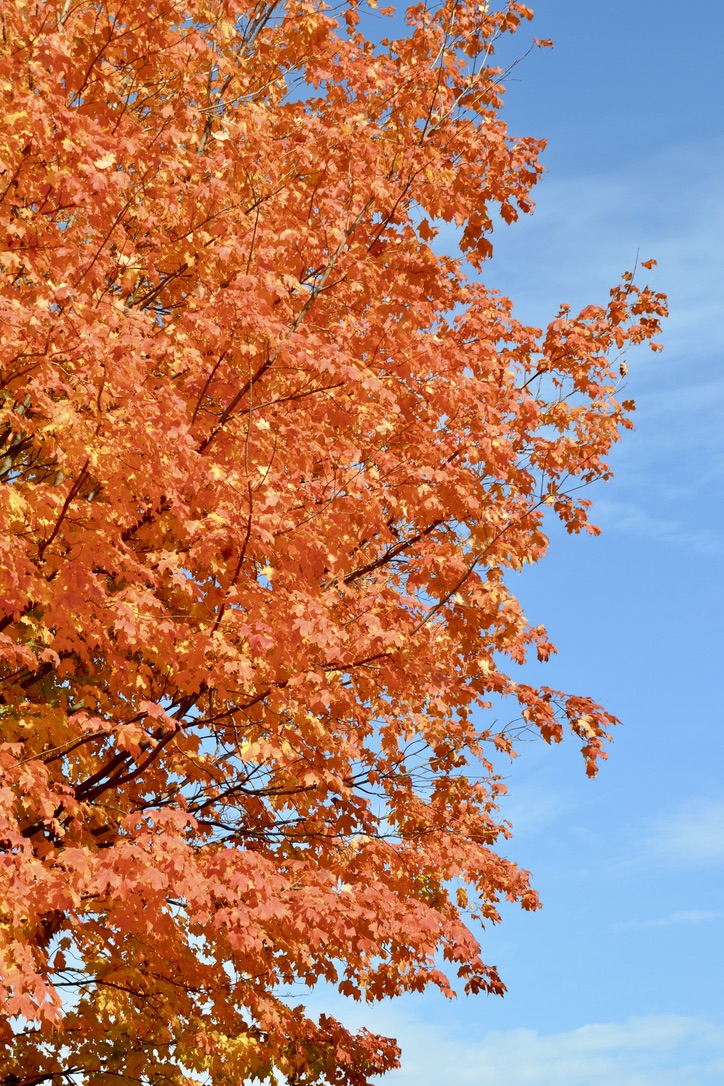
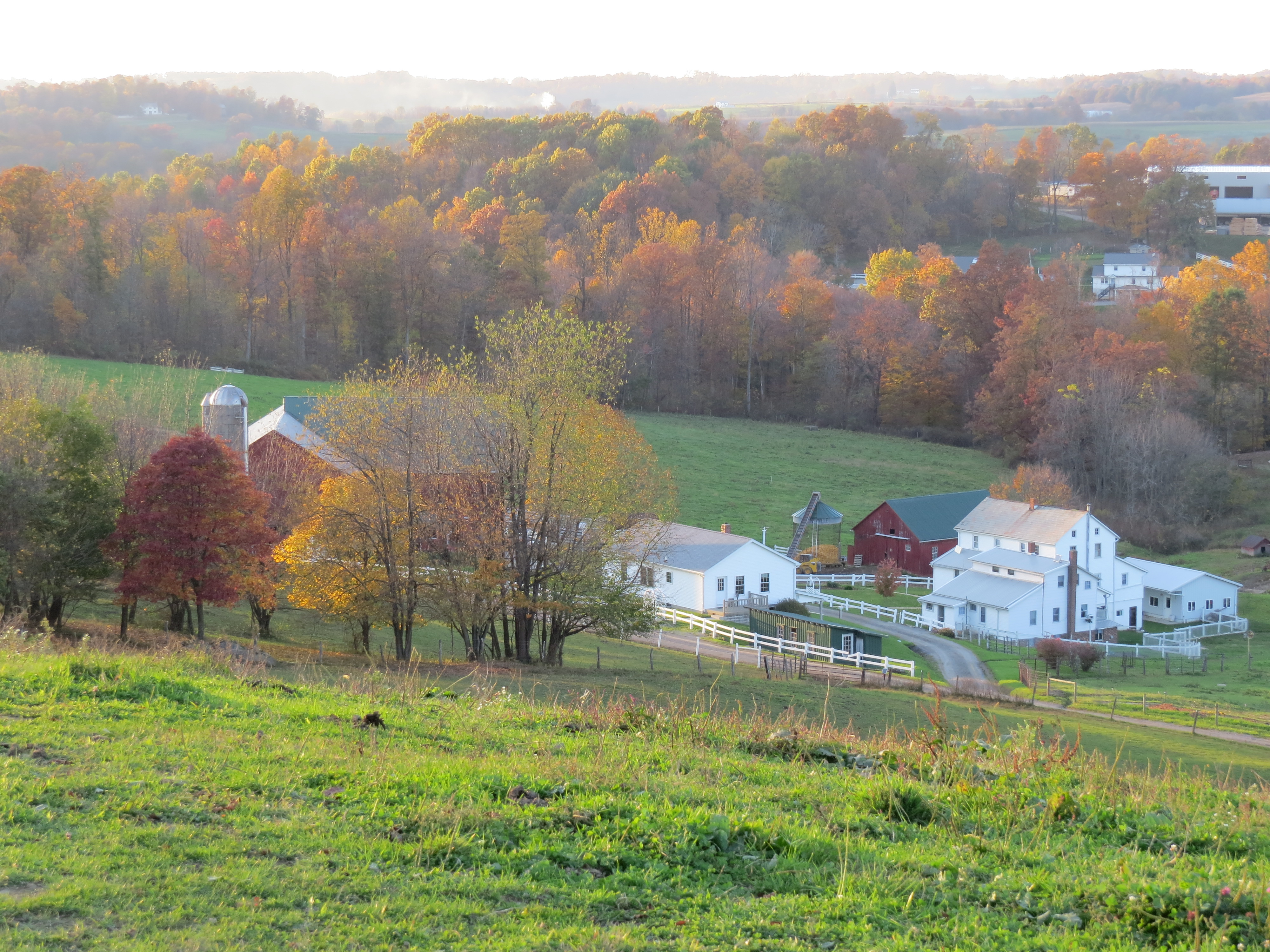
October in Ohio’s Amish country.

October offers up some of the year’s best weather. It often claims ownership of the year’s first killing frost, too, and the first snow. Sometimes it’s both.

October and I have a lot in common.

Weather is one of my favorite hobbies. I have satisfied that itch as a volunteer severe weather spotter for half a century for the National Weather Service. However, October is usually one of the quieter weather months unless a tropical storm plays havoc across the eastern U.S. Evidence 2012’s Superstorm Sandy.

The western edge of Superstorm Sandy exits Holmes Co., Ohio.

October tends to be the calendar’s buffer between fairer weather and the more barren, colder months that follow. In other words, the tenth month foretells the winding down of every year. There can be no better year than the present to draw to a close. I doubt that I need to elaborate or provide the gory details.

Enough of the quixotic shenanigans. October and I have much more in common than climatological conditions.

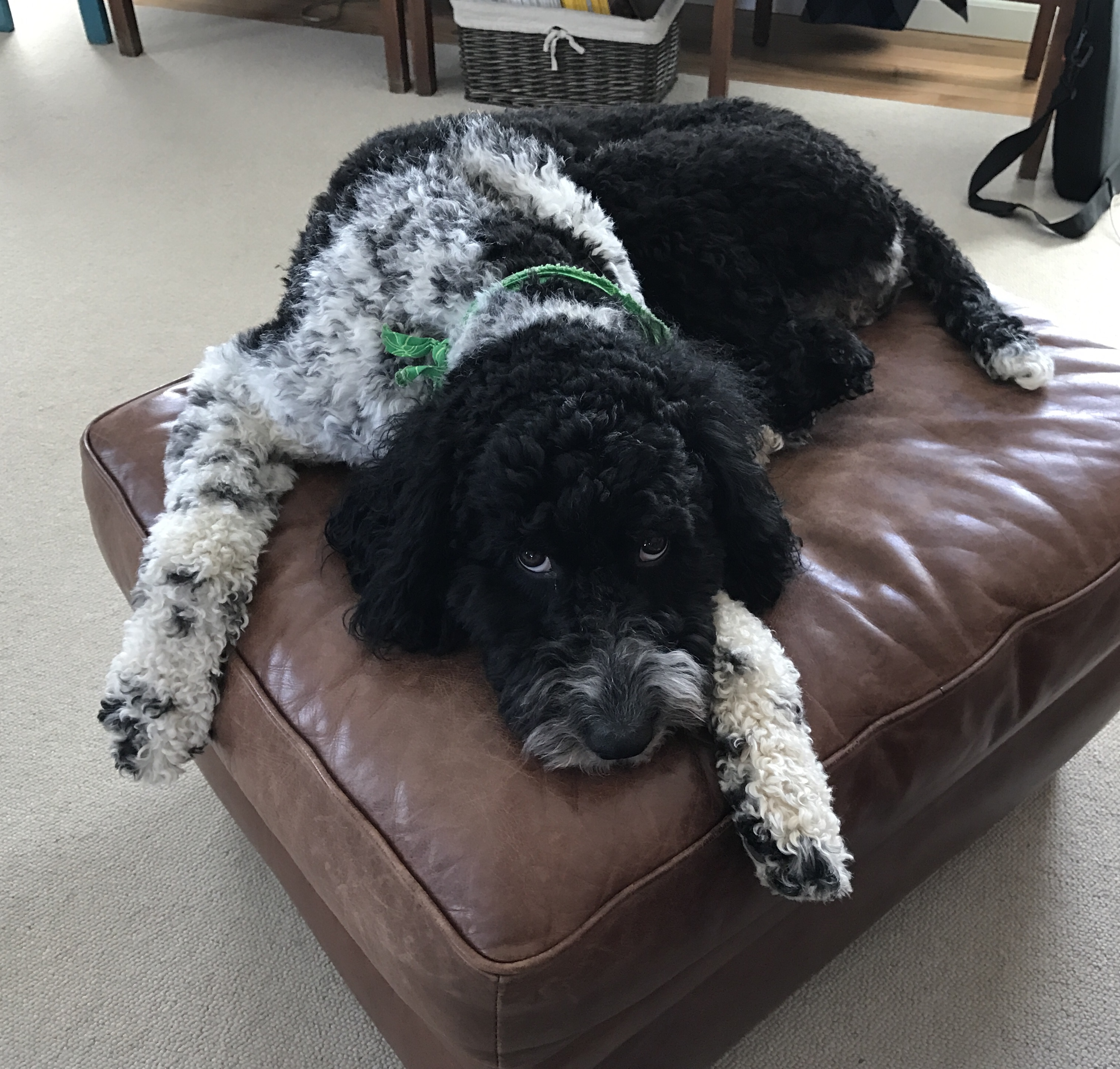
I’ve entered the October of my life. I stay as active as I can, but it’s pitiful to watch me throw a tennis ball for our granddog to fetch. Millie is so unimpressed that she often refuses to give up the retrieved ball I’ve thrown.

Millie.

Millie knows that my toss can’t compare to that of our oldest grandchild, the 16-year-old with a pitcher’s arm. Millie gets to run far beyond one of my feeble efforts.

Before and since my knee replacement a year ago, I have maintained a regular exercise routine. I also do yoga twice a week. I try to walk a mile every day. I ride my bike around and up and down our inclined neighborhood. To look at me, you wouldn’t know that I do any of that.

I have never been a muscular guy. But I usually could hold my own in most physical activities. Not anymore.

I am not ashamed to admit it. I’ve accepted where I am in life. I also kindly relent to any assistance from passersby when I’m toting multiple bags of mulch or birdseed, or anything heavier than a gallon of milk. I’m old, and I want to get older. So I quash my male ego and accept offers to help.

A few years ago, Walter C. Wright wrote a book, “The Third Third of Life: Preparing for Your Future.” It’s a workbook to help you ready for retirement and beyond. It’s an easy, practical read. The hardest part is accepting the fact that you are in that senior citizen-stage of life. For some, it comes sooner than it does for others.

When I was young, I’d spouted off that I would live until I was 100. I have longevity on both sides of the family to back that up. But I also have ancestors who never reached retirement age.

Like leaves on deciduous trees, I want to keep on hanging on as long as I can. However, the leaves, of course, eventually color, fade, and fall.

I also understand that that is where October and I differ. After the foliage tumbles, buds protrude for next year’s crop to unfurl, and once again nurture the growing tree with a thriving canopy.

Humans don’t have that option. We get one shot at life unless you believe in reincarnation. For the record, I don’t. But if I did, I would return either as a chiropractor or a meteorologist.

October is a fine month of the year. I have fond memories of her from childhood to the present. Here’s to many more nostalgic Octobers for everyone.

October on the line.

© Bruce Stambaugh 2020

What a year it’s been so far!

After the first year’s first sunrise, it has seemed all downhill from there.

Here we are at the end of August. Is it just me, or have these been the longest eight months ever?

With 2020 being a presidential election year, we knew things could be wacky. However, they quickly became excruciating with the arrival of the novel coronavirus pandemic.

The virus has drastically altered all of our lives, some in catastrophic ways. Hundreds of thousands of deaths, millions of cases, and both founded and unfounded fear have permeated our lives together on planet Earth.

We have all made changes in our lives, whether they be out of safety or fear, or perhaps both. Most health and government officials have done their best at providing direction and directives to keep us well against a previously unknown health threat.

Some of us have tried to follow the guidelines as best we can. Others have not.

Technology has helped relieve some of the tension of being faced with shutdowns, physical distancing, and other health guidelines by allowing us to share virtually. We have gathered remotely for school, worship, business, and community meetings rather than in-person.

My wife and I have participated that way with church services, yoga, college classes, doctor appointments, weddings, memorial services, and visiting with friends and family. Though we would prefer meeting in person, face-to-face via technology has had to suffice for now.

How long will it last? Las Vegas hasn’t even placed a bet on that one.

As a career public educator, I always looked forward to the start of school. I pity today’s teachers, administrators, and school support staff who have to make hard decisions that are for the best and safest for all.

Some schools, including colleges and universities, are starting with in-person instruction. Others will open with a hybrid version, alternating between in-person and online education. Still, others have chosen all remote learning.

I wish them all well, and the safest of school years. Likely, backup plans are in place if the COVID-19 numbers spike again as students gather.

Parents, grandparents, and other caregivers try to balance the worlds of work, household chores, and instruction for youngsters if schools are not entirely in-person. They need our sincere support.

Employment is another issue that has so far muddled 2020. Many people who were working have been laid off or furloughed. Ironically, some sections of the economy are going gangbusters, while others flounder.

First-responders, nurses, doctors, and all their helpers must take extreme precautions just to treat the sick. I try to be mindful of them every day.

I am most thankful that technology certainly has helped to keep society operating. This old guy even ordered groceries from an app on his cell phone.

Storm clouds have hung over most of 2020.
Of course, the pandemic isn’t the only life-changing event of the year. Historic wildfires have raged in the United States, Australia, and Siberia. Hurricanes and tropical storms have caused death and destruction in their path. Those storms are both more powerful and more frequent than in the past.

Professional sports aren’t the same, either. The NBA is holdings its playoffs in a Florida bubble, while MLB is playing a 60-game season with seats occupied with human cardboard cutouts instead of real paying fans.

I always welcomed September’s arrival with the hope of fairer weather and the sights and sounds of autumn’s appearance. But with the pandemic still raging and the presidential campaign heating up, a face mask won’t be the only accessory in my wardrobe.

A clothespin, a blindfold, and earplugs might also be warranted to reach 2021.

© Bruce Stambaugh 2020

Making the colors of summer last year-round

The colors of summer are as pretty as they are delicious and nutritious.

Just as I began to write about the colors of summer, a friend posted on social media about her visit to a local farmers market. In one digital photo, she succinctly summarized what I intended to say.

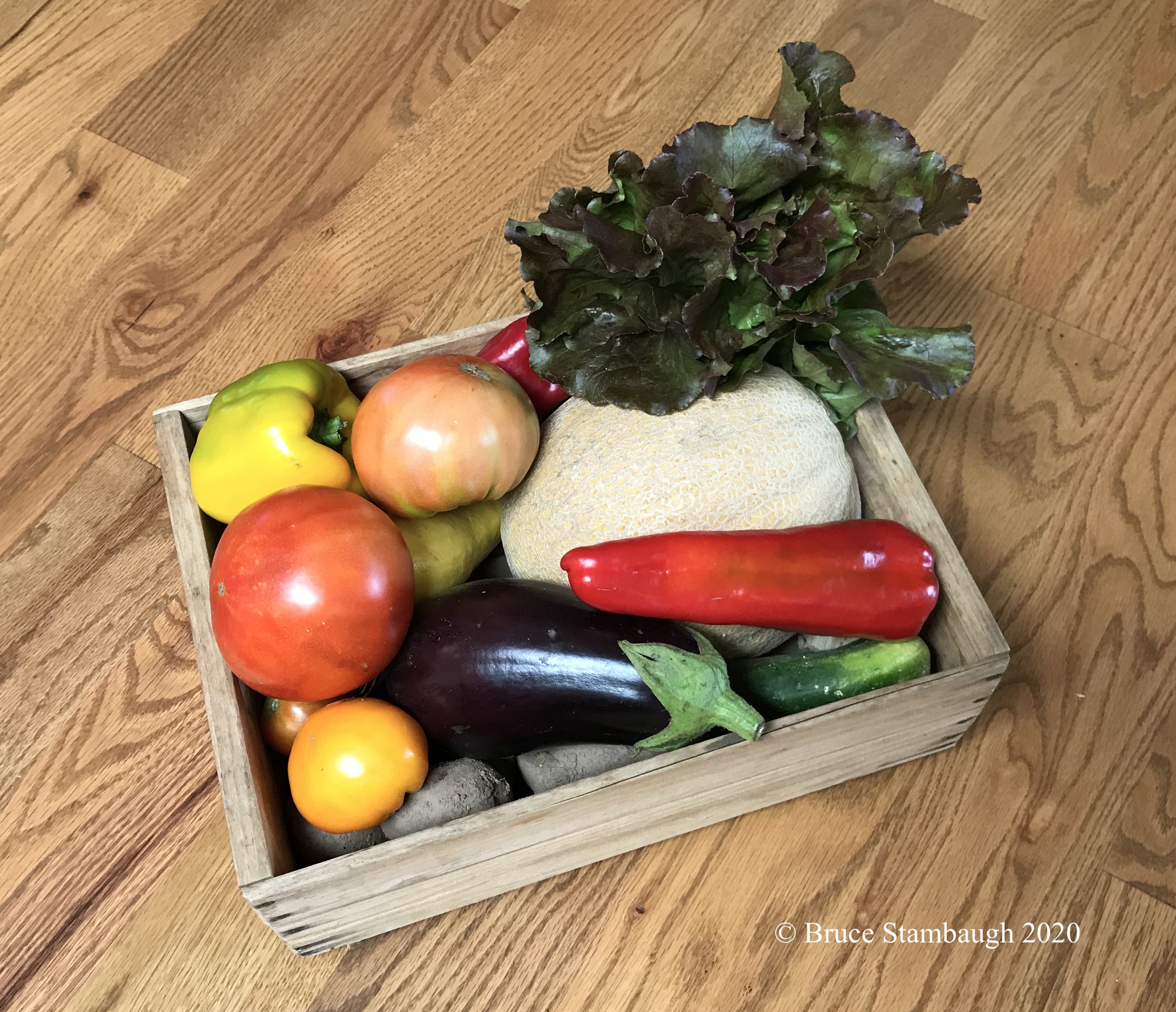
A cornucopia of vibrant colors from gardening harvests filled her photo. The variety of tomatoes alone captured nearly every hue of an artist’s paint pallet.

Ruby reds, luscious purples, warm yellows, and lime greens took center stage of their kitchen table. The light yellow of summer squash and the ribbed texture of a muskmelon represented the earthen tones.

A perfect emerald cucumber, the variegated rind of a watermelon, and a cluster of fresh basil leaves provided a generous sampling of the locally grown greens. The haul from your gardens, nearby produce stands, and farmers’ markets likely create similar still-life artistry.

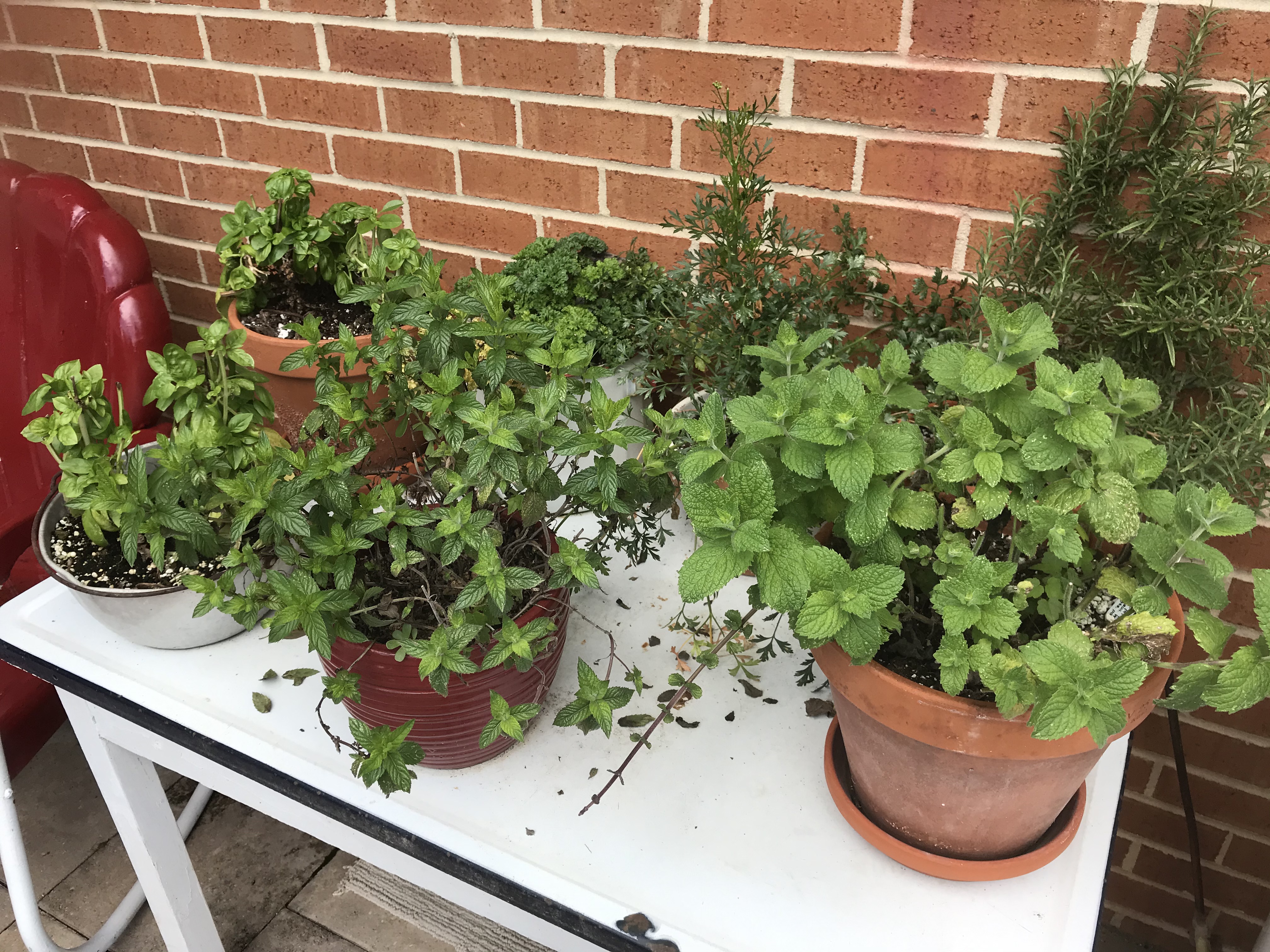
Our house is no different, despite not having a garden. My wife does pamper a half dozen potted herb plants sitting on the white enamel top of an inherited old table on our patio.

Our daughter supplies us with all the plump, juicy, and tasty tomatoes that we can use from her garden. Her blackberry plants have produced an abundance of delicious tartness, too.

The half-box of organic fruits and vegetables we get each Monday from our Community Supporting Agriculture program assures that we maintain a healthy, flavorful diet. We also frequent several local produce businesses, mostly operated by the Shenandoah Valley’s Old Order Mennonites.

It that regard, we are reminded of our Ohio home, where we knew many of the Amish and Mennonite vendors personally. Somehow that seemed to make their homegrown offerings all the tastier.

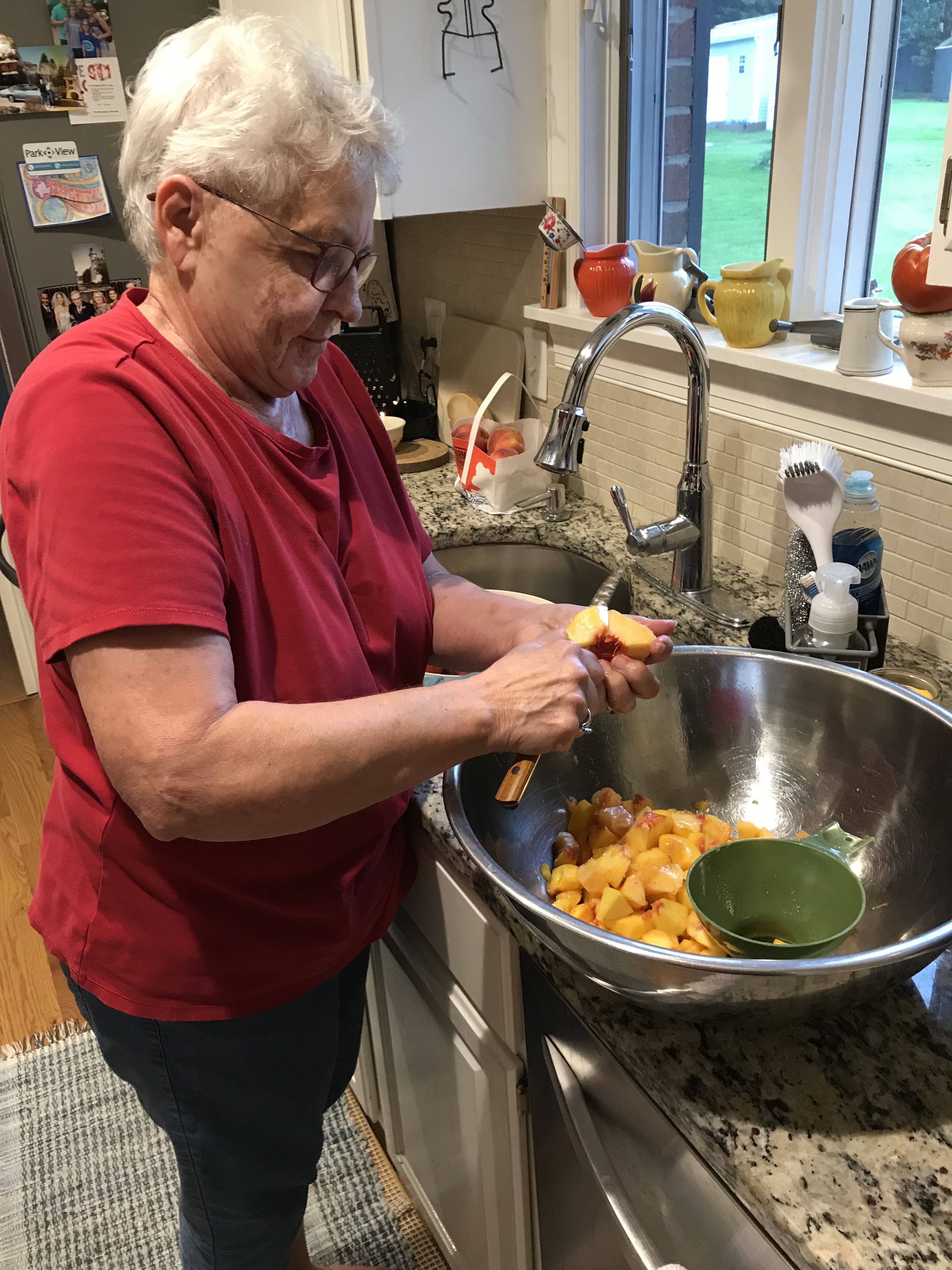
My energetic wife ensures that we celebrate the summer’s colorful bounty all year long. Canning and freezing are in her farmer genes.

When it comes to preserving the downhome goodness of food, we have noticed a difference between living in Ohio versus residing in Virginia. Instead of in spurts, everything seems to come ripe at once in the valley.

One day we are canning peaches and the next day tomatoes. Those jars have barely stopped popping their lids when the sweet corn comes ready, tender, tasty, and delicious. The varieties here are as delicious as our Ohio favorite, Incredible.

We’ve also learned a few new tricks living in a new culture in a new state. We husk the sweet corn, clean it, and cut the kernels straight from the cobs. Neva fills the plastic containers, and when we want fresh corn at Thanksgiving, that’s when it gets cooked and not before.

Apples are next on the list. The sweet tartness of the ginger golds more than satisfy our family’s taste buds. Neva freezes enough for the grandkids, who usually finish off their supply long before Nana can do another batch.

Of course, canning and freezing are a lot of hard work. Sterilizing the jars and lids, cleaning the fruit and veggies, and peeling when required, all take time and effort. Then there is enduring the sauna-like heat at the height of the canning process in our tiny galley kitchen.

The vent fan works overtime, expelling the heat and steam to help cool the temporary cannery. But in the long run, it’s all well-worth every drop of sweat.

Come the cold, dark, dull months of winter, and we will have summer at mealtimes in our household. Those yellows, reds, and greens of the harvest will brighten any dark day and table, and make all of the perspiring worth the effort.

© Bruce Stambaugh 2020

Feeling stressed, fearful? Head outside!

The misty morning view from the Skyline Drive.

Awash with news and information about COVID-19, it’s easy to feel tense, confused, irritable, fearful, or even bored. Due to the global pandemic, millions of people of all colors, religions, cultures, and languages are experiencing similar trepidations.

A sense of hopelessness can be emotionally overwhelming. There’s a way to help overcome that despair. Head outside!

Studies have shown that connecting with nature calms fears, and uplifts spirits. I embrace those findings as often as I can. I recently headed to my favorite get-away place, Shenandoah National Park.

Mine was a twofold mission. Besides going into the wild, this was my first hiking experience since my knee replacement surgery last September.

I started early to beat the heat and humidity. The sun hadn’t yet risen over the Blue Ridge Mountains as I approached the park on U.S. 33. I exit that road into the park at Swift Run Gap.

This slideshow requires JavaScript.


Rounding a slight curve on a typically hazy summer morning, I noticed a large dark object in the opposite lanes of the divided highway. I slowed and rolled past a massive black bear standing beyond the grassy medium.

The magnificent creature looked both ways and then bolted across the roadway. It promptly disappeared into the steep, wooded hillside before I could even grab my camera.

Buoyed by that encounter, I arrived at the trailhead in high spirits. Surely, anything that I would experience the rest of the day would be anti-climactic, unless I saw another bear on the hike. I didn’t.

I walked a few yards on the Appalachian Trail to where it intersected with the trail I wanted, the Mill Prong. It was all downhill from there until the return trip.

The forest was amazingly still. No birds sang, and no vehicles hummed along the nearby Skyline Drive. I took in every moment, the wildflowers, the ferns, brightly colored fungus conspicuously growing on dead trees. The distant sound of water gurgling its way down the mountainside lured me onward.

I heard or saw no one else. A gray catbird burst from a bush beside the trail. A feisty squirrel angrily scurried away, flapping its tail in disgust of the human disruption.

I rested at the shallow stream. The morning sun filtered through the forest canopy, sparkling the gently rippling water. I felt exalted.

Farther downstream, I sat on a large rock and just enjoyed the sound of water trickling over ancient boulders. On my return trip, I passed a few other hikers. Each one donned face masks as we passed on the trail. More gratitude and thoughtfulness mutually expressed.


Click on the photos to enlarge them.
When I reached the parking lot, the strengthening morning sun spotlighted some bright orange Turk’s cap lilies just off the trail. Their beauty drew me like a magnet. I snapped my camera’s shutter over and over, trying to preserve the glory I beheld perfectly.

Suddenly, a female tiger swallowtail butterfly alighted on the same flower that I was photographing. Again, delight and gratitude filled me to the full.

In the rest of the world, the pandemic raged. But in the wild, only the big black bear, the forest’s serenity, the kindness of other hikers, and this tango of floral and fauna mattered.

I was thankful for each magical moment, and for the skillful surgeon who had replaced my knee. Gratitude is appropriate anytime, but especially during this pandemic.

Connecting with nature does indeed do wonders for your soul. You can find peace and gratitude in a local park or even your backyard.

Get outdoors, follow the prescribed safety rules, and enjoy all that comes your way.

The splendor at trail’s end.

© Bruce Stambaugh 2020

A once in a lifetime man

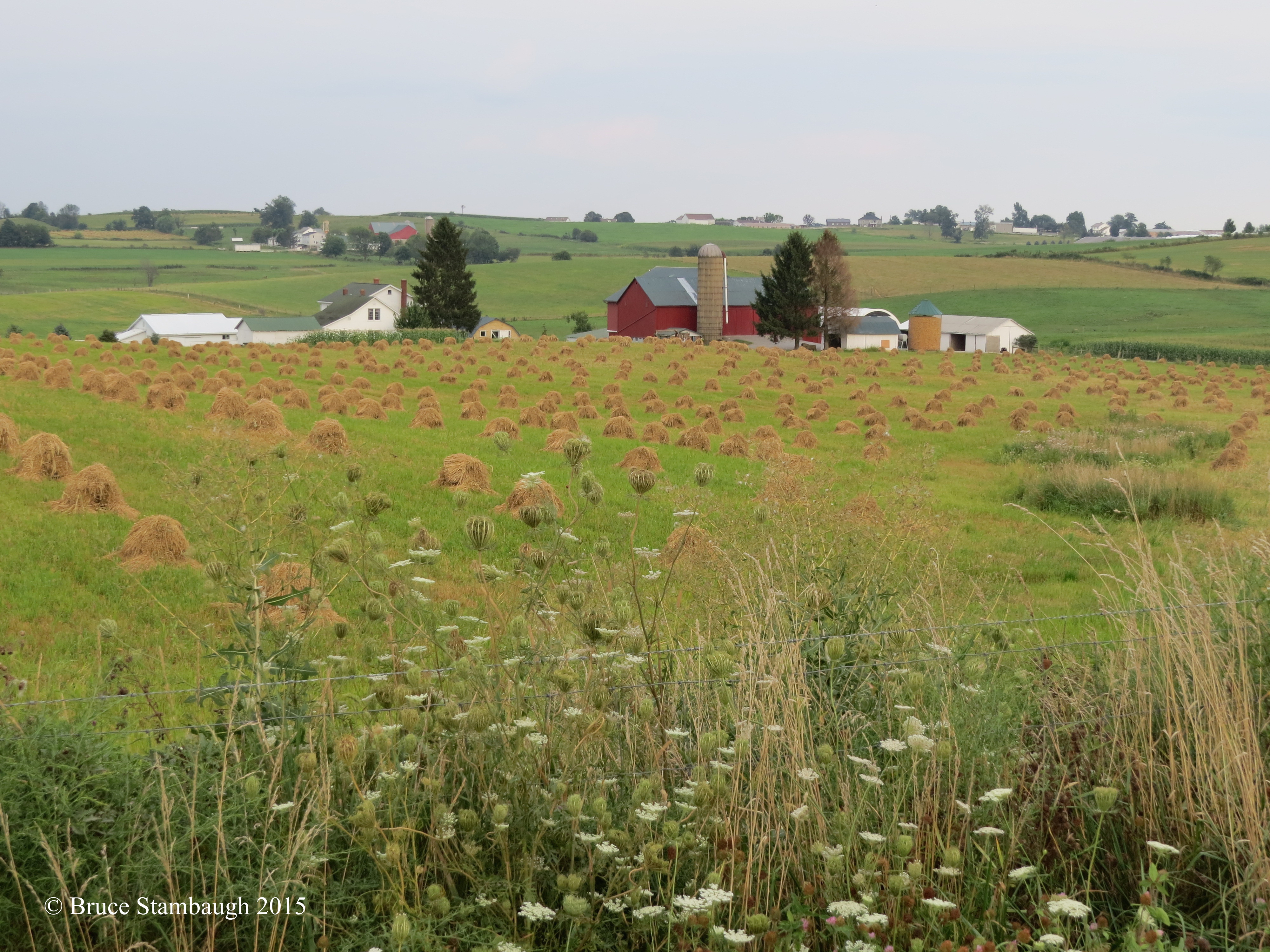
An Amish farmstead near Kidron, Ohio.

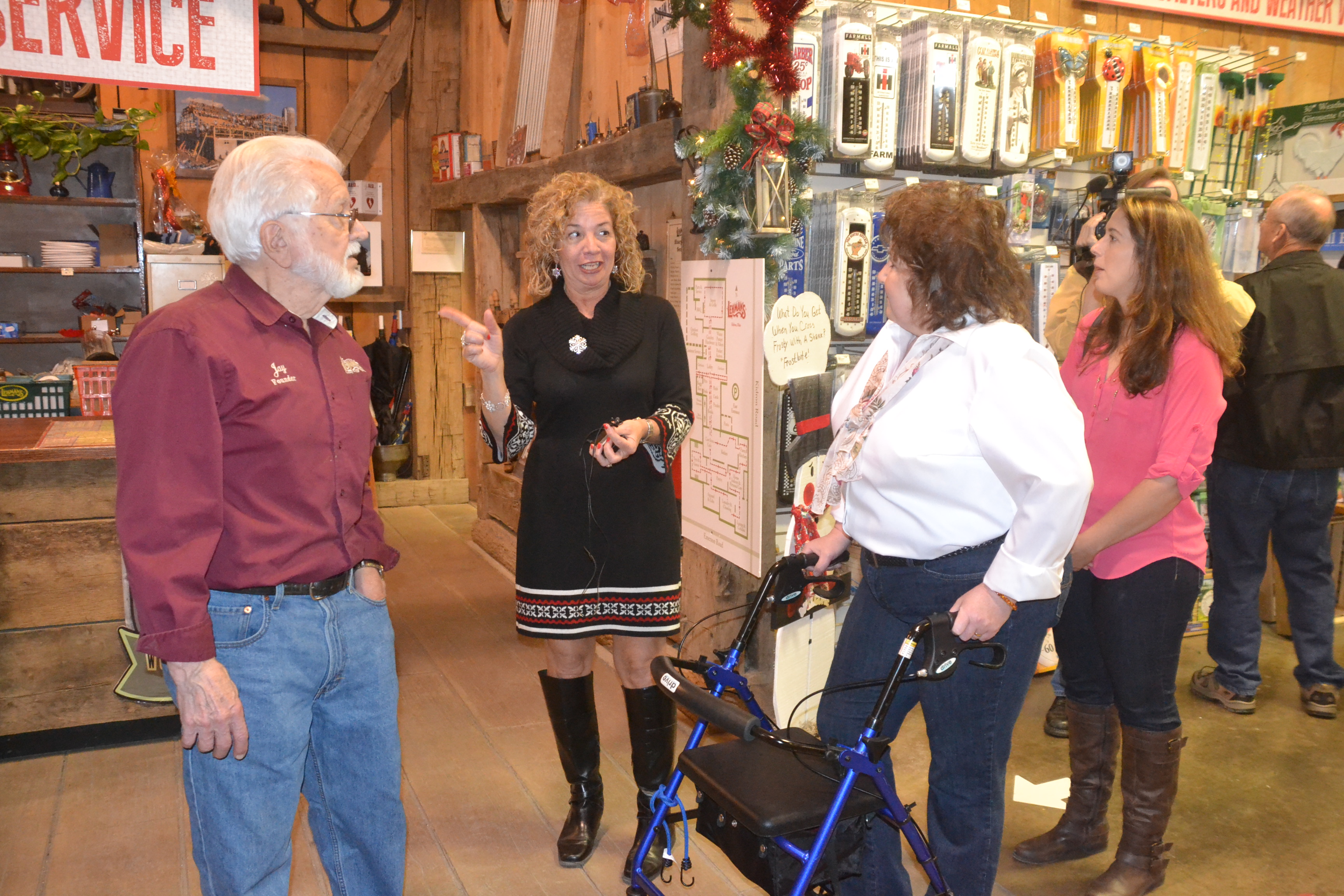
Jay Lehman was the kind of man that you might meet only once in a lifetime. He embodied the very values of the community in which he was born, lived, and worked.

Jay died recently at age 91. He was the founder of the old-time general store Lehman’s in Kidron, Ohio. I was fortunate to have known him as both a friend and a business leader. Scores of others can say the same thing about Jay.

Jay Lehman.
That, however, is what impressed me so much about the man. We weren’t close as friends go, and we didn’t run in the same social circles. And, yet, whenever he saw me, he always went out of his way to call me by name, say hello, shake my hand firmly, and ask how I was doing. Jay was a good listener.

I got to know Jay the best through a cooperative marketing group that I facilitated. The original group included six Amish country, family-owned and operated businesses with a single location. Lehman’s was a founding member.

Jay pointing out one of the museum-quality pieces in the store he founded.
Jay started his little hardware and household goods business in 1955 at the crossroads of his rural hometown village. His original purpose provided necessary lifestyle items for the Amish community that surrounded Kidron.

Over time, the store’s purpose ironically flipped, becoming more of a tourist destination in Amish country. Jay embraced that change without losing sight or letting go of his and the community’s core values.

Faith, family, community, and a strong work ethic fulfilled humbly reflected not only the area’s priorities but Jay’s, too. Jay modeled those qualities in his personal and business life. That’s what made both Jay and his company tick.

In that success, Jay honored those values. He lived his faith by supporting the church and charities that he cherished. Even in a crowd of hundreds at statewide church conferences, Jay would acknowledge people by name and ask how they were doing. It might have been years since he had seen them. He understood the worth of healthy relationships.

That, in part, is what drew folks to Jay. He possessed a quiet, confident demeanor, and yet humility formed the mantle of his character. Even Lehman’s tagline reflects that concept: “For a simpler life.”

Jay Lehman at Lehmans in Kidron, Ohio.
Jay saw the future in the past. He preserved anything of locally historical value for posterity and education. A walk through the store reveals hundreds of antique relics that would have been lost were it not for Jay’s foresight. If you want, you can have lunch at Lehman’s while sitting in the old town jail.

Jay enjoyed the simple life, but he certainly was not a simple man. He loved a good “Rook” game with friends and family as much as he enjoyed traveling. Future generations were as vital to him as his Swiss ancestors, which he revered.

As the company grew and expanded, family members, friends from church and community joined in to help him run the store. When he reached retirement age, he passed the leadership on to the next generation. But he continued to be a dynamic presence at Lehman’s.

It was a joy to watch customers recognize Jay as he strolled around his much-expanded corner store. He was the living icon of Lehman’s, now an international business.

Jay’s legacy will live on through his successful entrepreneurship and his lifetime of kindness and generosity. Living those essential core values shaped that legacy.

His was a compassionate life. Jay lived not just for himself, but for all whom he so tenderly touched far beyond the little town of Kidron, Ohio.

Jay, shown with his daughter Glenda Lehman Ervin, often talked with visitors to the store.

© Bruce Stambaugh 2020

Ambivalent about August

August in Ohio’s Amish country.

I’ve always been a bit ambivalent about August. I’m especially so this year, given all the ramifications of the ongoing pandemic.

When my wife and I lived in Ohio, August kept us busy as career public school educators. We each geared up for the start of a new academic year. As a principal, I created schedules and rosters and attended too many meetings. The excellent teacher that she was, my wife spent many hours preparing each classroom to be an inviting learning haven.

Canned peaches.
August also ushered in the food preservation season. We froze dozens of containers of sweet corn and apple sauce. We waited for the canning lids to sound the seal of approval with satisfying “pops” for the tomatoes, grape juice, beets, and peaches. Rainbows of goodness adorned our shelves.

Of course, we weren’t alone in these endeavors. After I retired, I savored sale mornings at the local produce auction. I loved the hustle and bustle of men and women unloading their trucks and horse-drawn wagons. The rhythmical cadence of the auctioneers barking out their persuasive banter was sweet music to my ears.

The growing season here in the Shenandoah Valley where we live now is a couple of weeks ahead of Holmes County, Ohio. So, we don’t have to wait as long to enjoy our first taste of locally grown veggies.

Farmers Produce Auction, Mt. Hope OH
Auction in action.

August is more than agriculture, though. The three H’s rule the eighth month: hot, hazy, humid. That’s not the main reason for my ambivalence, however. With the coronavirus continuing to run rampant, uncertainty abounds in everyone’s life.

The city schools where our grandchildren attend here were set to open with a combination of in-person and online instruction. The latest surge in COVID-19 has altered that plan. They’ll start the year learning remotely.

Mask-wearing is the norm, especially when entering stores or buildings. Neva and I have continued to be extra cautious about keeping our physical distancing. We truly miss the close socialization of friends and family.

Some states are doing better than others at slowing the virus. States that reopened with too few restrictions or where few people followed the guidelines are unfortunately paying the price.

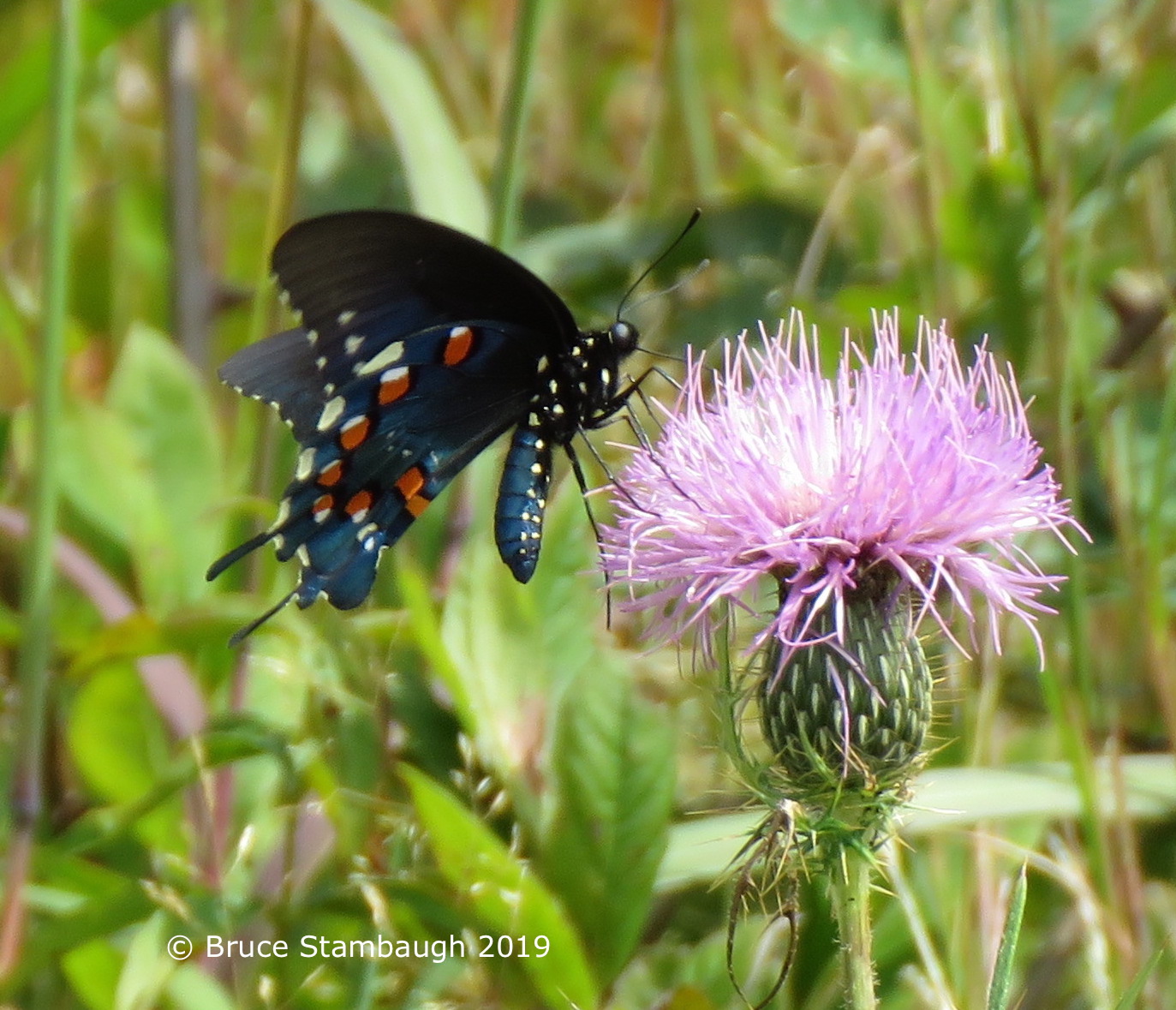
A migrating black tiger swallowtail butterfly.
Since the governors have had to take the lead in issuing orders and health guidelines, rules and suggestions vary significantly from state to state. In part, that’s what has fueled our consternation.

We haven’t seen in person our son and his wife, who live in New York State, in more than a year. We have friends and relatives who have tested positive, but fortunately, they have all recovered so far. Too many others weren’t as fortunate.

County and street fairs, high school football, band shows, concerts, vacations, have all been canceled. Major League Baseball is trying to play a shortened season with no fans in attendance.

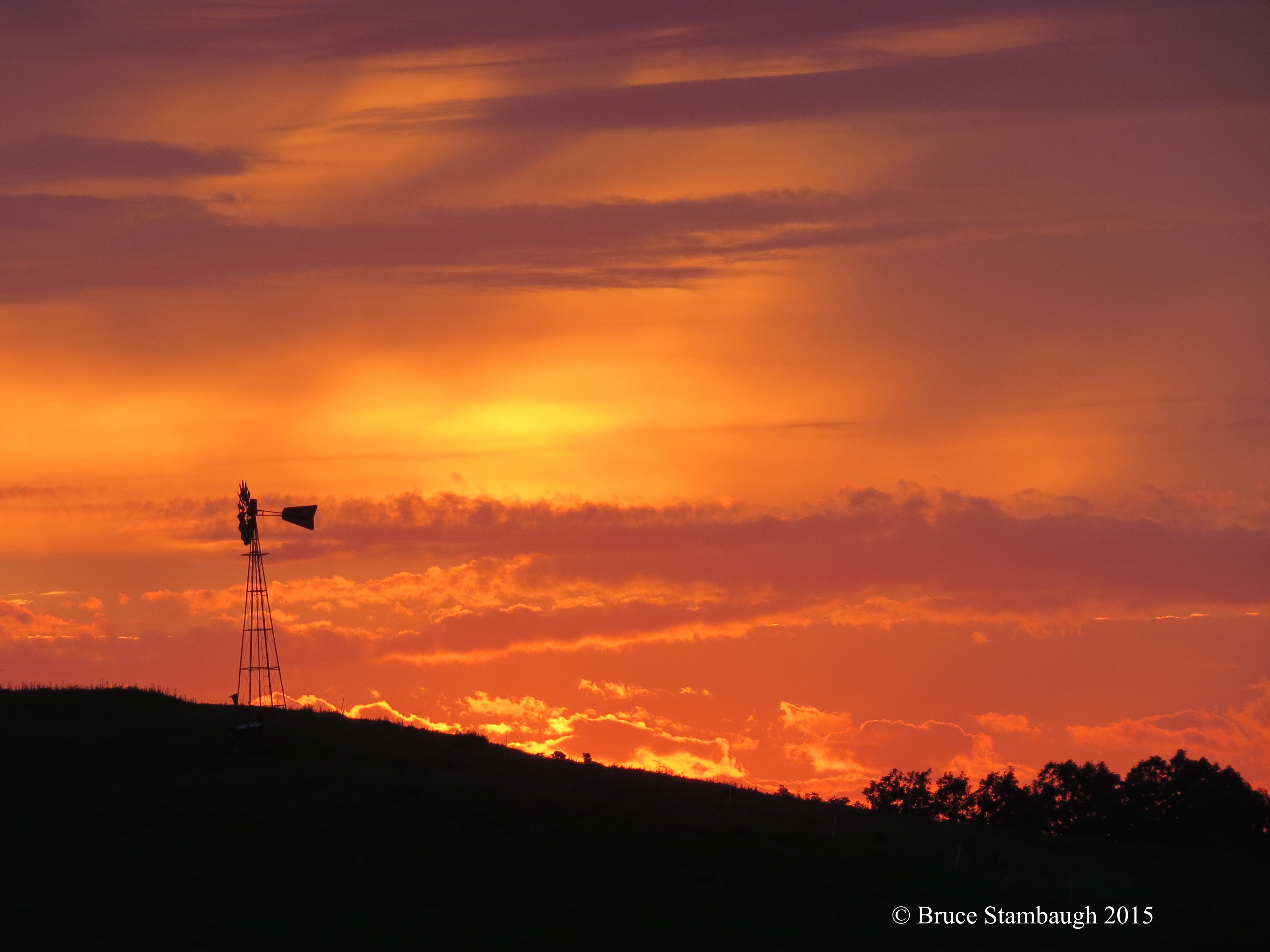
Virus or no virus, August will be August no matter what. Golden sunsets will blaze away in the hazy evening skies. Migrating birds and butterflies will begin to wing their way south.
We’ll continue to meet with friends, relatives, and worship remotely through technology.

Under the current dire circumstances, it’s the best and safest we can do. We’ll continue to do our shopping curbside.

Even given all that, I know that my August ambivalence must yield to patience, and patience to resolve. We have to see this global health crisis through for however long it takes. I’ll continue to be cautious, careful, and diligent. I am not ambivalent about COVID-19.

My challenge is not to let my melancholy deter my joy for living, for sharing, for helping others, even if it is with an altered daily lifestyle.

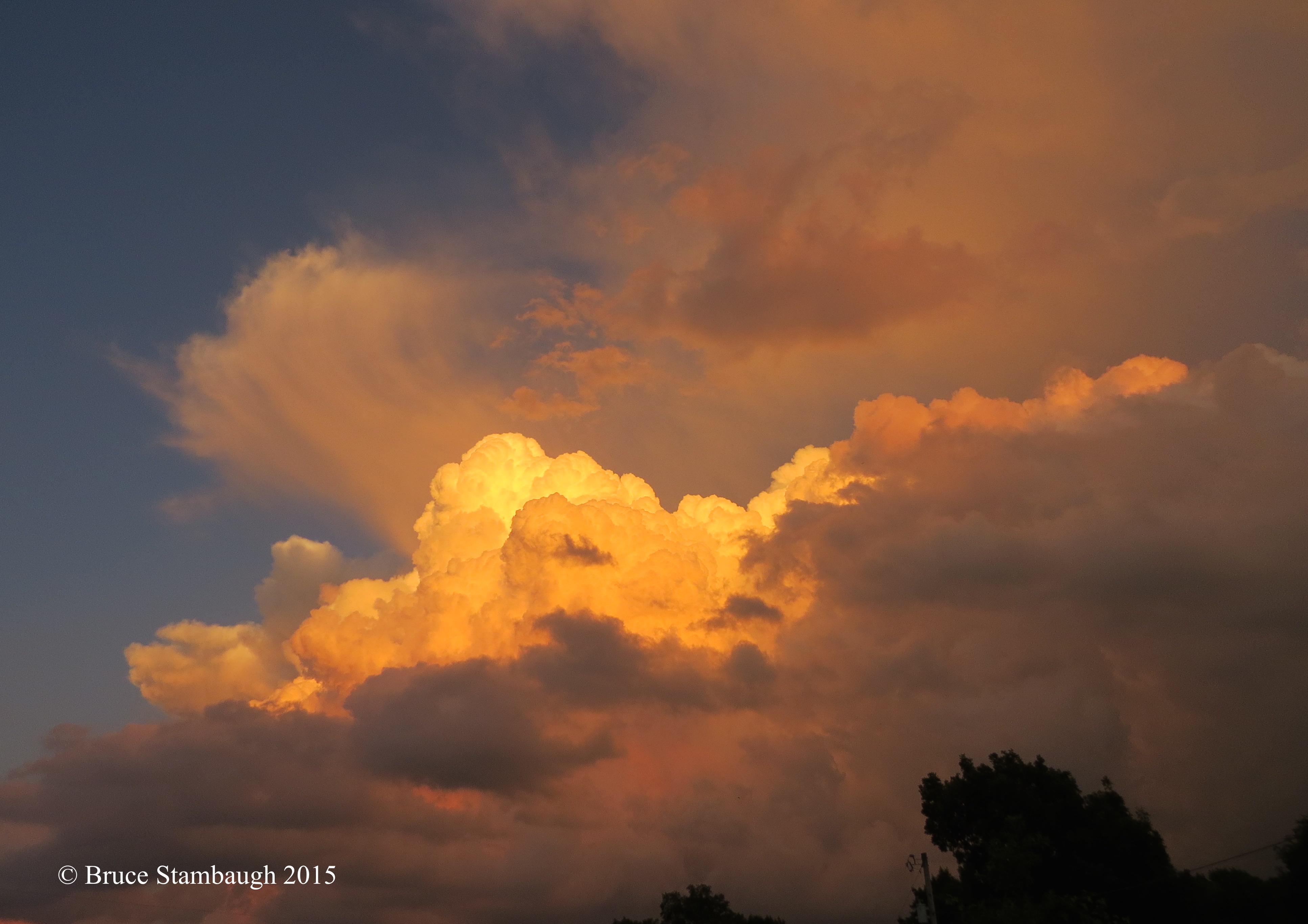
An August sunset.

© Bruce Stambaugh 2020

Welcome to the dog days of summer

An evening thunderstorm over a neighboring county.

In case you haven’t noticed, we have entered those dreaded dog days of summer. It’s hot, humid, and dry almost everywhere across the country.

The Shenandoah Valley hasn’t been excluded from the stifling temperatures and muggy air. Rains have been sporadic, all or nothing events.

The look says it all.
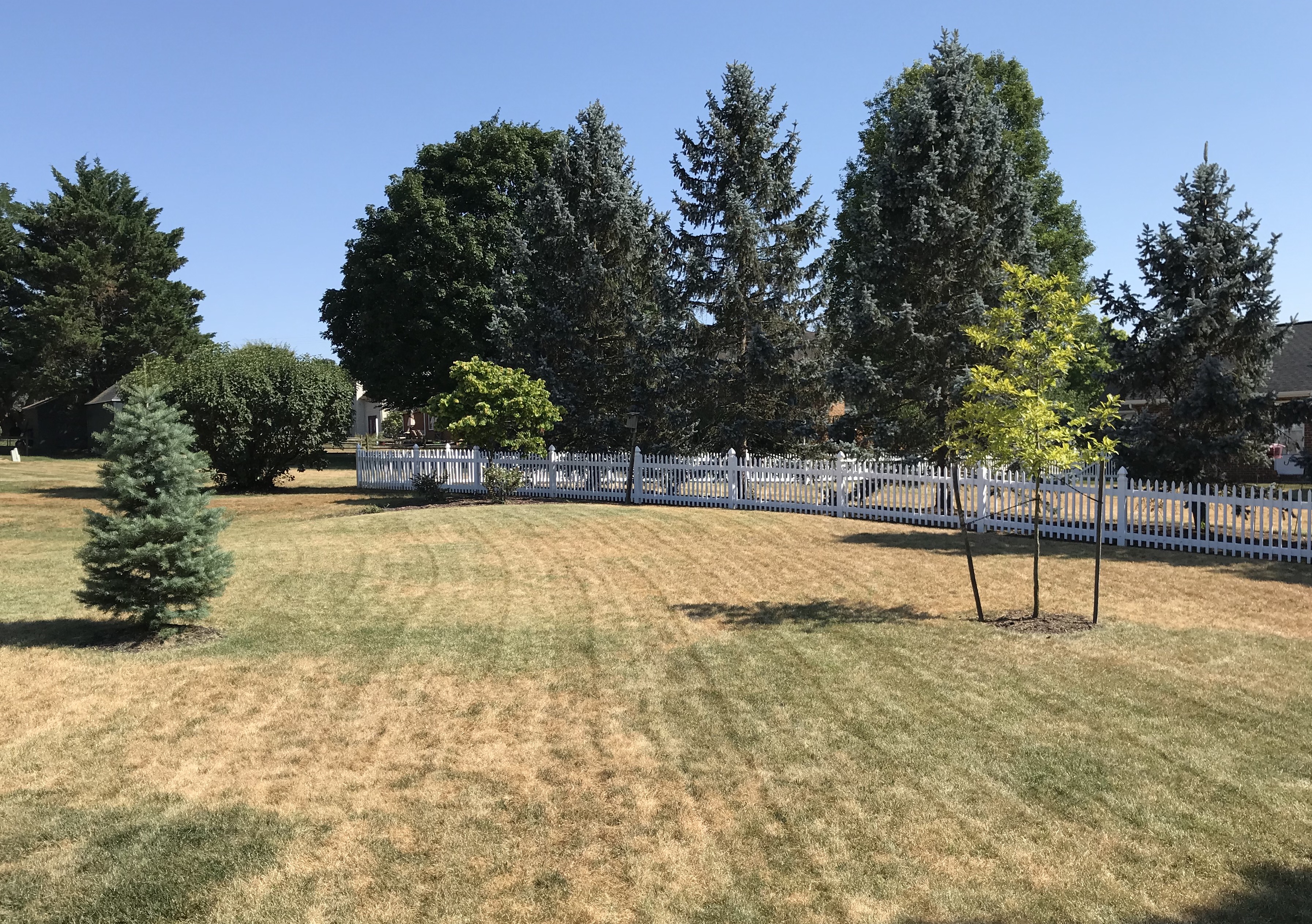
The few times it has rained at our place near Harrisonburg, I could have walked through the widely dispersed drops and not gotten wet. Our backyard is so brown that it resembles a beach more than it does a lawn. Only, the grass crunches rather than squishes beneath your feet.

I understood the meaning of dog days even as a child but also wondered where that term originated. I knew that when adults talked about the dog days, it meant sunny, hot, humid, and dry times.

The Amish still don’t have air conditioning.
Those were days when the neighborhood kids would head for the woods or the creek down over the hill from our little red brick house. Mom wanted us outside playing, and with no air conditioning then, we were glad to oblige her.

But I sensed dog days meant something more profound than being so dastardly hot that the dogs wouldn’t whimper. Naturally, I Googled to find out the source of the saying. As simple as the phrase may sound, its origin is a bit complex.

It turns out that the phrase had little to do with dogs panting or even the lazy, hazy days of summer. There was a muddled mix of astronomy and fantasy involved in bringing in the dog days, not necessarily a heatwave.

A blazing dog day sunset in Ohio’s Amish country.

Dog days first referred to Sirius, the dog star. The appearance of Sirius in the early morning sky just before sunrise ushered in the dog days for the ancient Greeks and Romans. In their time, that occurred in late July.

Back then, sailors, travelers, and stargazers didn’t have to deal with light pollution. They worshiped the heavens, establishing names and stories for stars and constellations.

In Homer’s “The Iliad,” Sirius is referred to as Orion’s dog star. Then, the dog star brought wars and disasters of all sorts. I guess they had to blame something. It might as well be an imaginary culprit.

Still, I can just imagine families gathered around a fire long ago, staring skyward, as an elder told the story of the dog star. Today, of course, most of us couldn’t find Sirius even if we could see the stars.

Whatever tradition you acknowledge and expound, the dog days of summer are here. They have gotten off to a roaring start in more ways than the hot weather.

The comet Neowise has been thrilling people for a couple of weeks now. It should be at its brightest. If you haven’t taken time to check it out, all you need are some binoculars, some keen eyes, and be willing to enjoy the cooler evening air with a good view of the western horizon. You won’t be disappointed.

Summer’s dog days are also hosting the debut of the delayed Major League Baseball season. Even with a 60-game schedule, I’m not holding out much hope for my favorite team, the Cleveland Indians.

Authorities thought that the warmer months would slow the spread of the cursed Covid-19 virus. Instead, the number of U.S. cases and, unfortunately, coronavirus-caused deaths are both increasing as the summer steams along.

I hope the dog days don’t bark too loud or long this summer. Given the state of world events, that would be some welcome news indeed, as soothing as a drenching rain.

Our brown backyard.

© Bruce Stambaugh 2020

Loving Shenandoah National Park

Old Rag is a popular hike in Shenandoah NP.

My wife and I have enjoyed Shenandoah National Park since we moved to Virginia three years ago. There’s a lot to love about the park, and it’s less than an hour away.

We’re not the only ones who appreciate it, of course. The estimates of annual visitors compare to those of Ohio’s Amish country, our former residence. Each location attracts millions of visitors a year.

Of course, the novel coronavirus pandemic has put a damper on tourist numbers everywhere. With the virus cases flattening out in Virginia, the park has mostly reopened.

When we want to break our stay-close-to-home routines, Neva and I head for the hills. Sometimes I will venture out alone, birding, hiking and shooting photos. It’s an enchanting place, a multi-sensory extravaganza.

This slideshow requires JavaScript.


I hear the beautiful song of an indigo bunting, and I raise my binoculars, scanning the area for the likely source of the melody. Novice that I am at identifying bird calls, I want to make sure I am matching the right species with the song. I’ve learned that, like human accents, bird calls of the same species vary geographically.

Once I find the bird, I switch to my camera to try to get a decent photo. With the trees in full summer canopy, that’s not easy to do. Now and then, I am fortunate to find a bird singing in the open, and I click away.

I catch a slight, silent movement out of the corner of my eye. Is it a doe with a fawn, or perhaps twins? Is it a black bear grazing before nightfall? One never knows. On warm days, keeping a lookout for a lounging timber rattler while scrambling on a rock outcropping is always a good idea.


The park is a great place to take sunset photos, too. But sunsets in the mountains can be problematic.

The expansive, rolling Shenandoah Valley is bordered on the east and west by mountain ranges. Sunsets can be as disappointing as they are stunning. Weather plus geography equals a formula for the unknown.

When we lived in Ohio, all we had to do was look out our windows to know the potential for a spectacular sunrise or sunset. We were spoiled.

Here in the breadbasket of Virginia, the rising and falling topography makes it iffy to predict what the eastern and western skies will do at dawn or dusk, respectively. You hope, pray, and go for it. Sometimes you are disappointed. Other times, you are speechless.

(Mouse over the photos for the captions)

It can be cloudy and raining in the valley. The view from the mountains of the park, however, might be spectacular if you wait long enough. Pick one of the many west-facing overlooks along the majestic Skyline Drive, and prepare yourself for come-what-may.

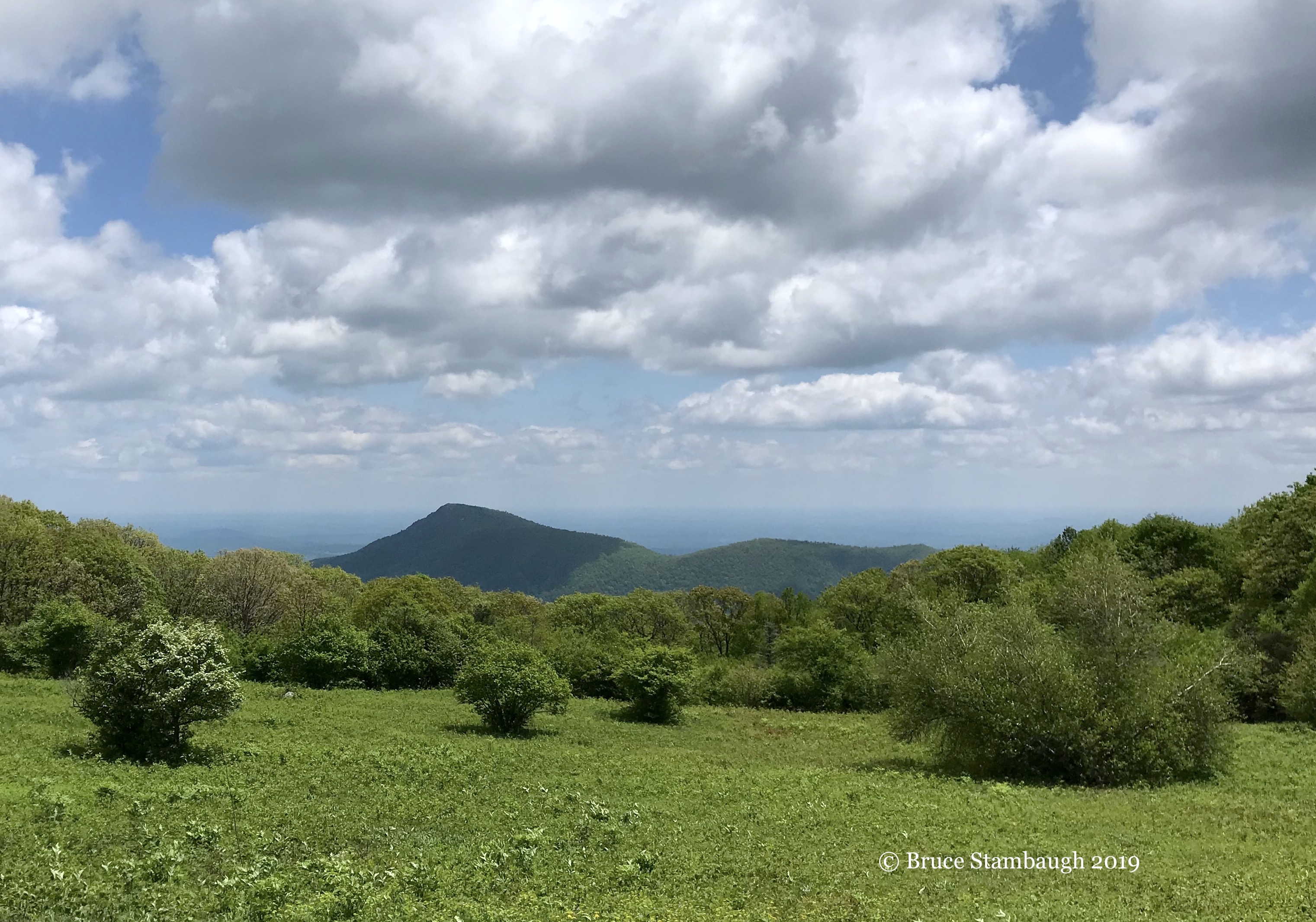
The elevation of the old, folded mountains ranges up to 2,500 feet higher than that of the valley. From the park, you can see the Allegheny Mountains that mark the boundary between the Commonwealth and West Virginia.

Patience, intuition, and good fortune can be the formula for bathing in a dreamland. Even with a thick cloud cover, the sun can still break through, turning drabness into beautiful in the blink of an eye.

I’ve learned to be ready for the unexpected as the sun slinks below the jagged horizon. Will the clouds refract the sun’s rays into pinks and blues, lavenders and oranges? Or will they merely steal away the sun without fanfare?

You don’t have to have a national park to enjoy heavenly landscapes. Wherever you are, just wait and watch, and let nature do the rest.

Sunset in Ohio’s Amish country.

© Bruce Stambaugh 2020

Celebrating July 4th, then and now

A Fourth of July parade in Lakeside, Ohio.

As a youngster, I remember having mixed emotions about the Fourth of July. It had nothing to do with my patriotism, and everything to do with my youth.

I joyously anticipated the fireworks displays, wherever and however we got to see them. The reality, though, was that this red, white, and blue holiday marked the halfway point of the year. More importantly, it meant in my young mind that we were already halfway through the summer. Schools would be starting before we knew it.

When my four siblings and I were young, we would gather on a starry July 4th night on the edge of the hill a block west of our brick bungalow. We would anxiously look south and wait for the sparkling pyrotechnic patterns.

On rare occasions, we talked our father into driving closer to Meyers Lake Amusement Park, where the fireworks were ignited to explode over the lake. To avoid the parking lot traffic jam, Dad chose a side street that afforded a decent view of the aerial show.

The fireworks tradition continued into my adulthood when my wife and I started our family. From our home on County Road 201, we could see fireworks from various towns north, east, and southeast.

The summer of 1988 may have been the best time for fireworks for our family of four. Flying back from a vacation in California, we left Chicago’s O’Hare airport right at dark for the last leg of our trip. We looked down from on high as multiple fireworks displays erupted until we landed an hour later at Ohio’s Akron-Canton airport.

Nature’s fireworks over Holmes Co., Ohio are just as impressive.

Years later, friends built a beautiful home high on a hill overlooking Millersburg. They had the perfect view of the fireworks shot from the safety of the former county fairgrounds location. Our friends made it a grand occasion, inviting one and all. A plate of food to share was the price of admission.

I enjoyed the fellowship of friends, former students, and some people I had only just met. We oohed and awed together once the colorful and noisy celebration began.

That’s one tradition we left behind when we moved to the heart of Virginia’s lovely Shenandoah Valley. Our city launches its fireworks display from a local park. We have enjoyed the show with our grandchildren on more than one occasion. Not this year.

A local resort, Massanutten, also holds a festival that features fireworks. However, like many locations across the nation, that won’t happen this year because of the pandemic. Officials were wisely concerned about keeping physical distances, which is much harder to do with crowds of people.

Massanutten Mountain, Harrisonburg, VA.

Some localities canceled everything, while others like Massanutten, canceled the festival. The fireworks will fly as usual.

These are the times in which we live. We need to accept that we are in the middle of the worst pandemic in a century. The viral repercussions range far beyond silent, darkened skies on the Fourth of July.

Declaration of Independence, U.S. ConstitutionOur Founding Fathers created the most daring democratic republic experiment ever attempted. It’s entirely up to each of us to make sure our democracy endures for all peoples to exercise each of their first amendment rights.

Whether watching fireworks live or on TV, let those symbolic rockets red glares and bombs bursting in the air be a rededication to life, liberty, and the pursuit of happiness. Can the sparks ignite a new fire of freedom for all the nation’s people regardless of race, color, creed, or religion? Isn’t that the intent of the First Amendment?

Only then can freedom truly ring.

© Bruce Stambaugh 2020
Bay Photos by Donna

Wildlife Photos From The Chesapeake Bay Region

ROAD TO NARA

Culture and Communities at the Heart Of India

K Hertzler Art

Artist and nature journalist in the Shenandoah Valley of Virginia.

Maria Vincent Robinson

Photographer Of Life and moments

Gabriele Romano

Personal Blog

Jennifer Murch

Art is the only way to run away without leaving home. -Twyla Tharp

Roadkill Crossing

Writing generated from the rural life

ANJOLI ROY

writer. teacher. podcast cohost.

Casa Alterna

El amor cruza fronteras / Love crosses borders