In Search of Warblers, Finding an Eagle

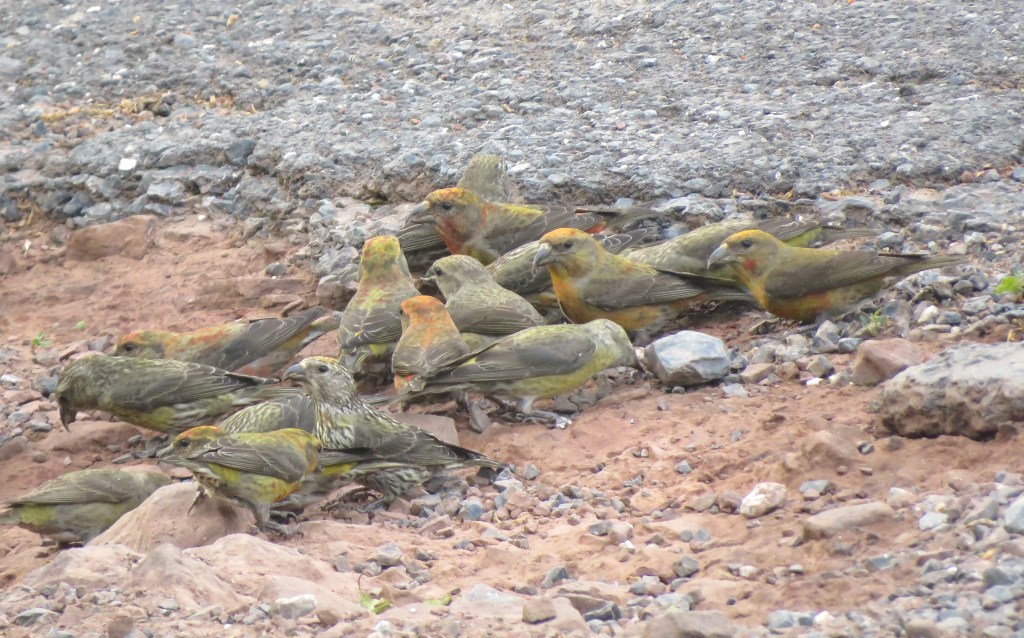
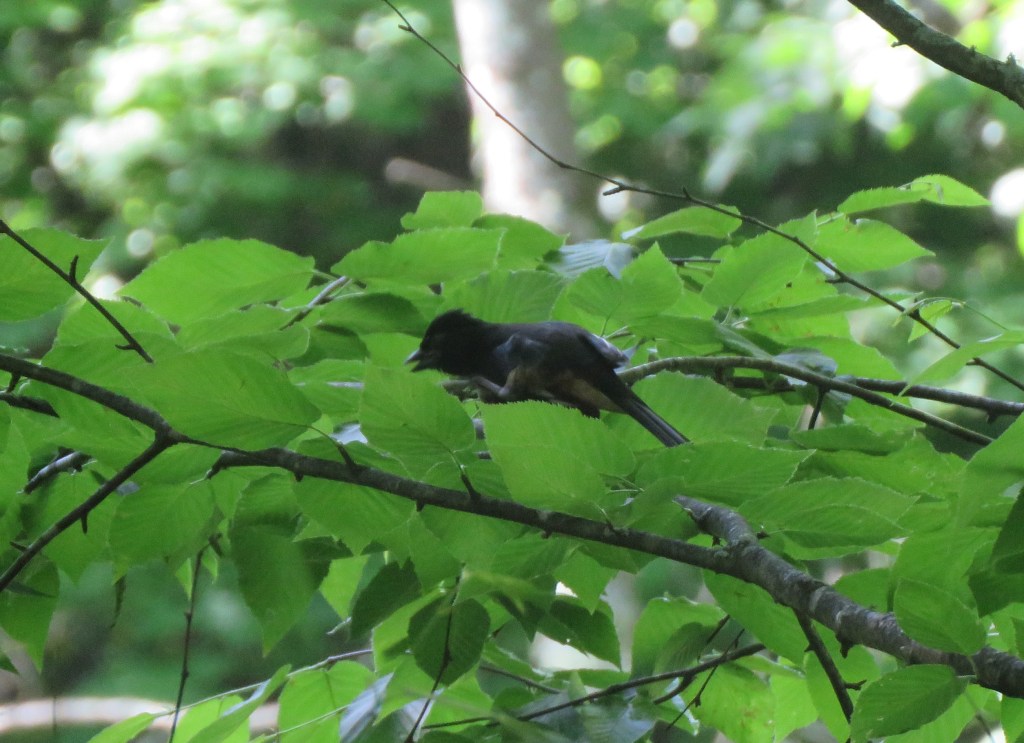
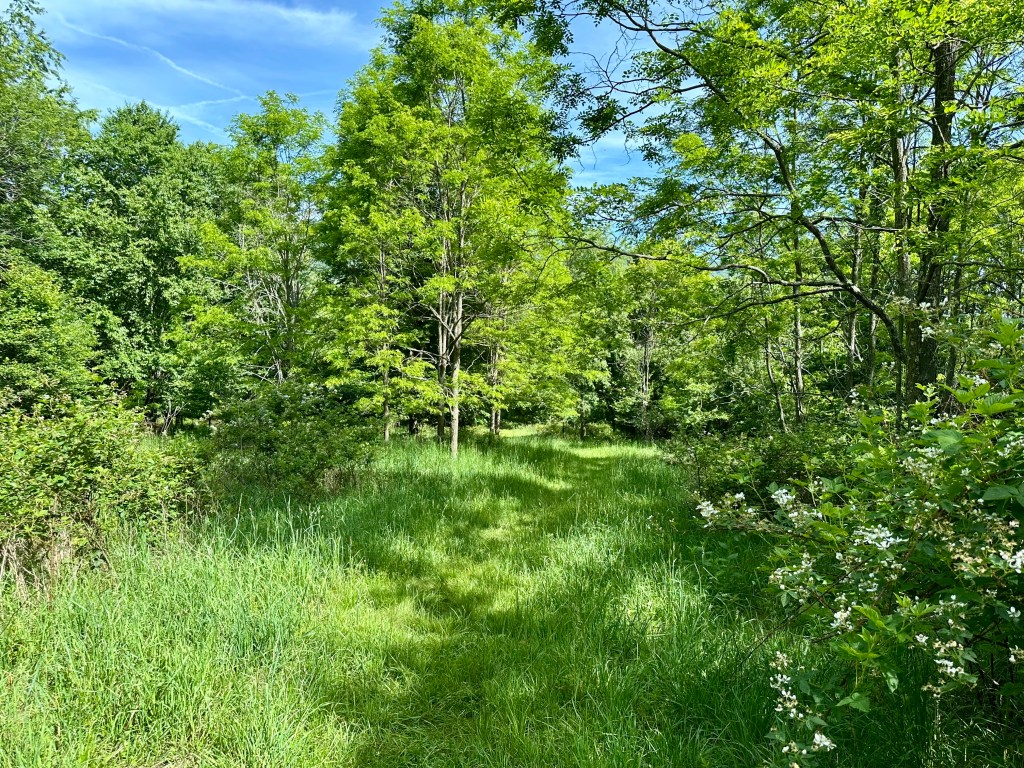
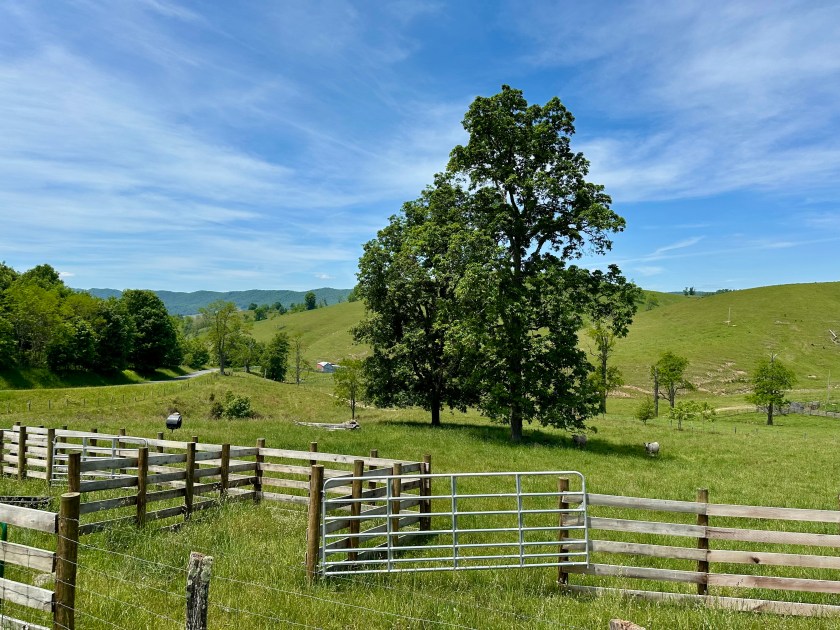
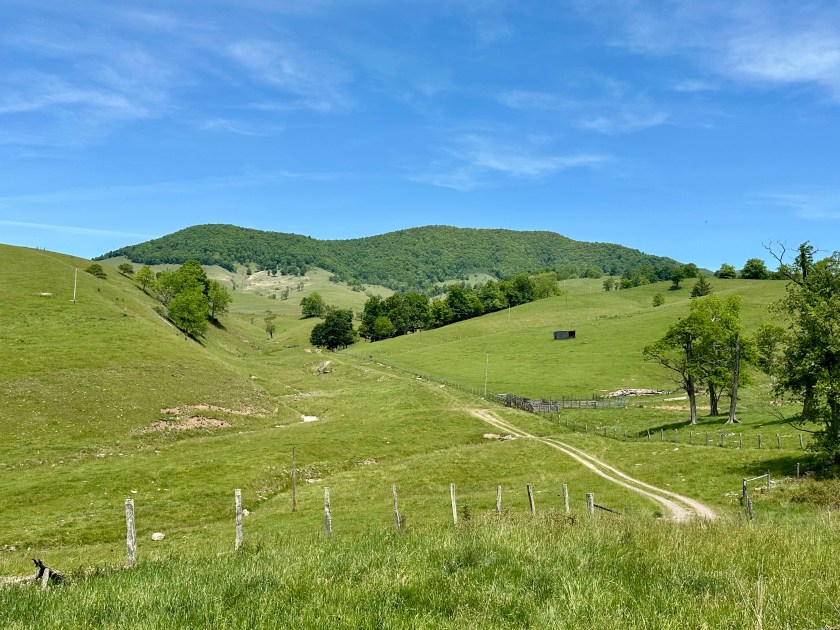
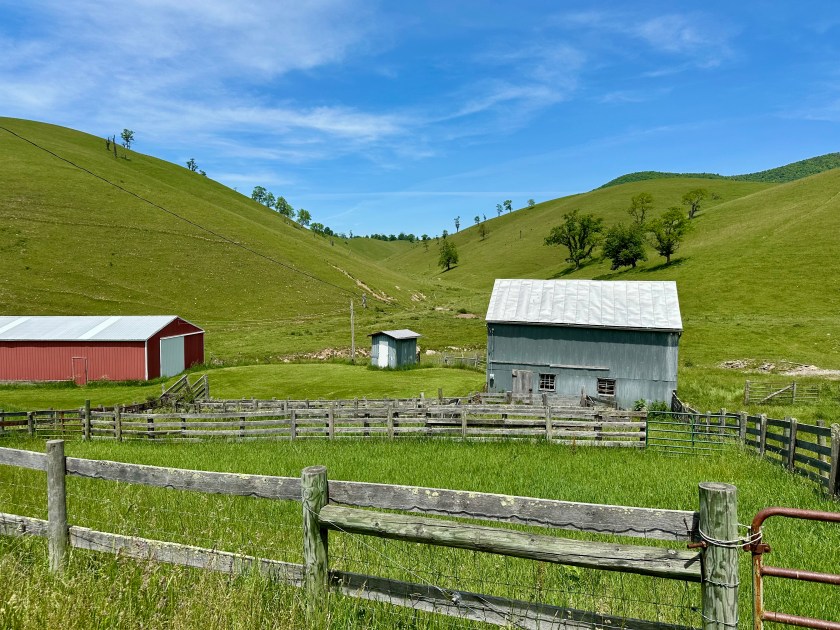
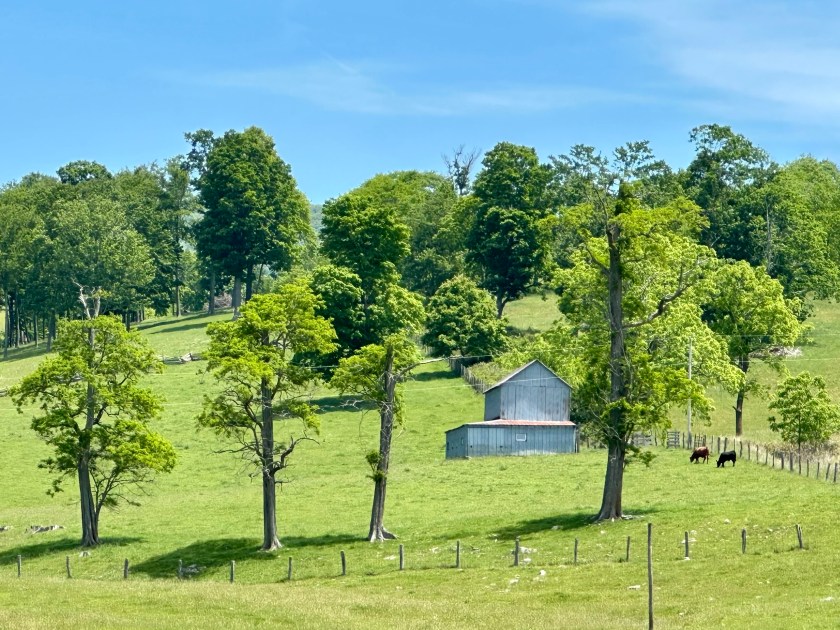
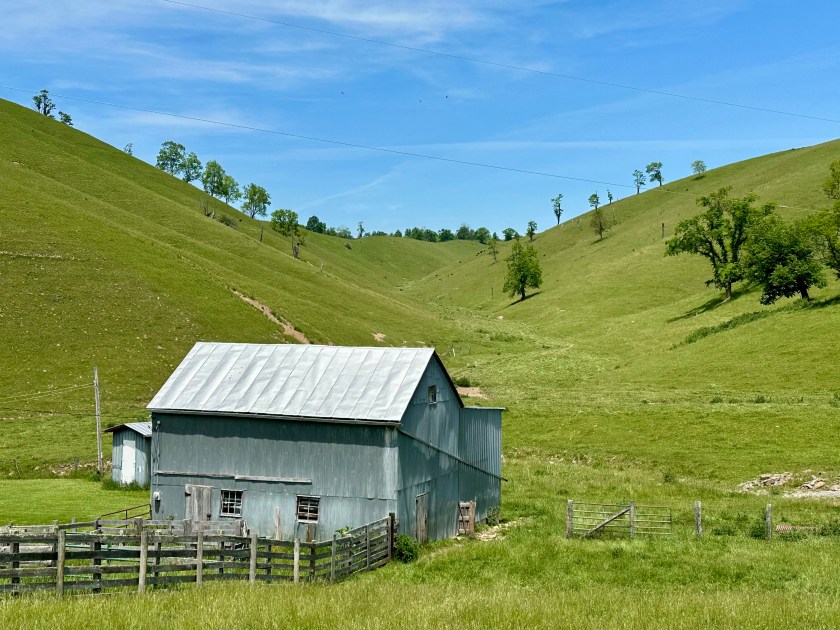
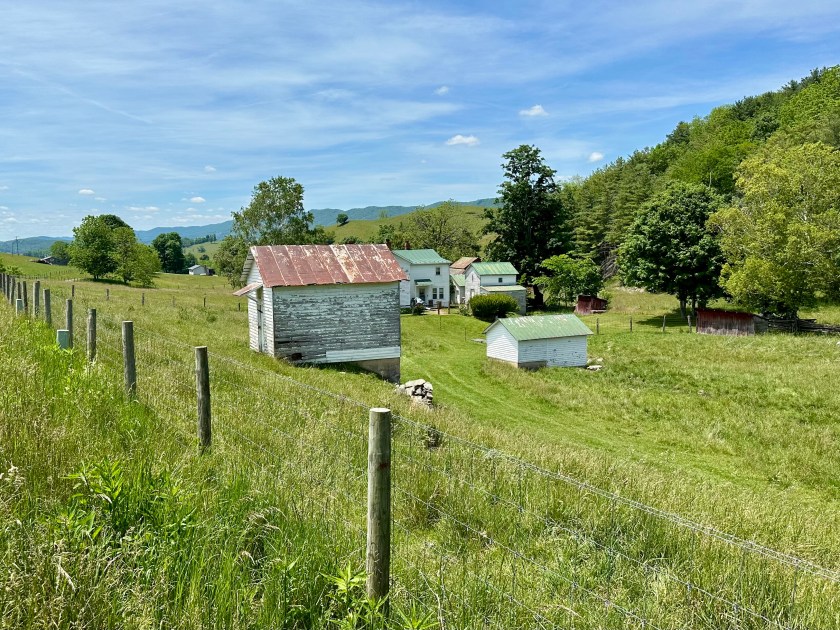
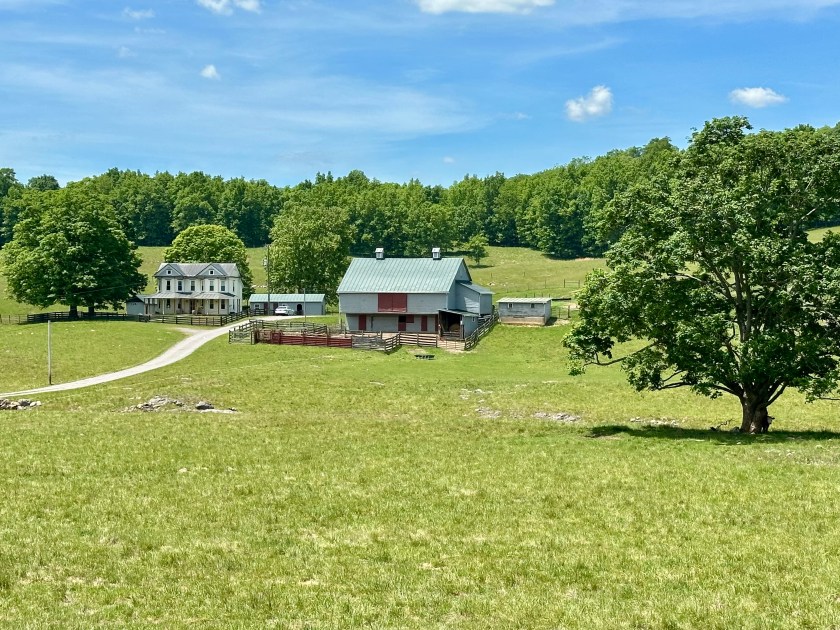
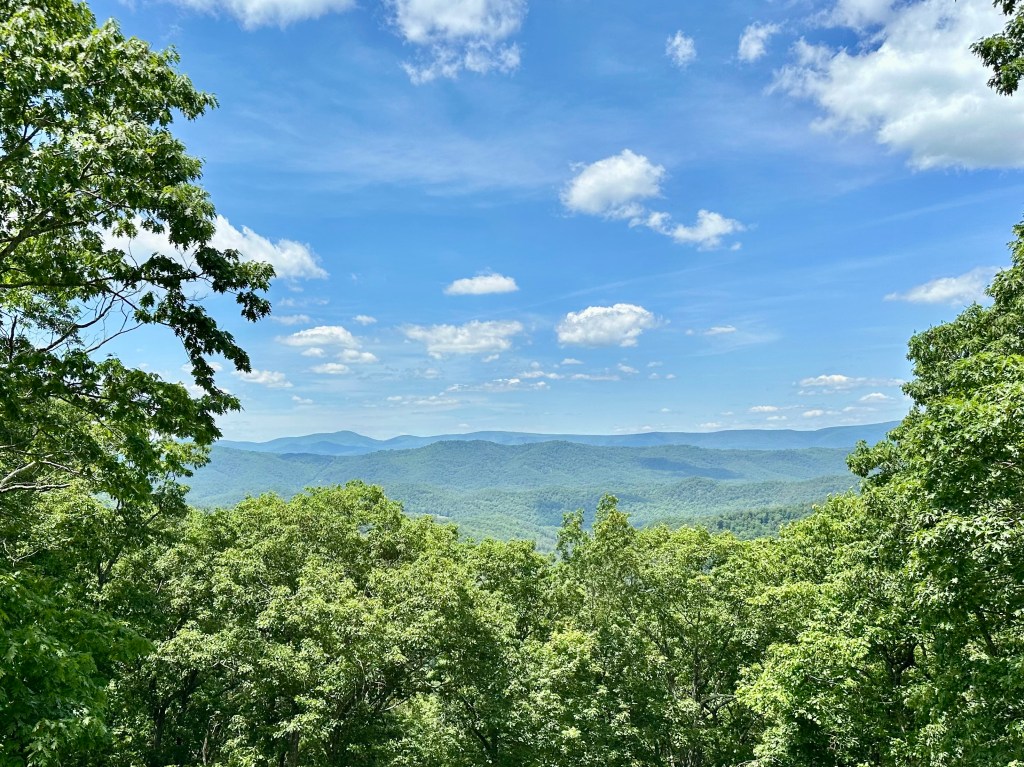
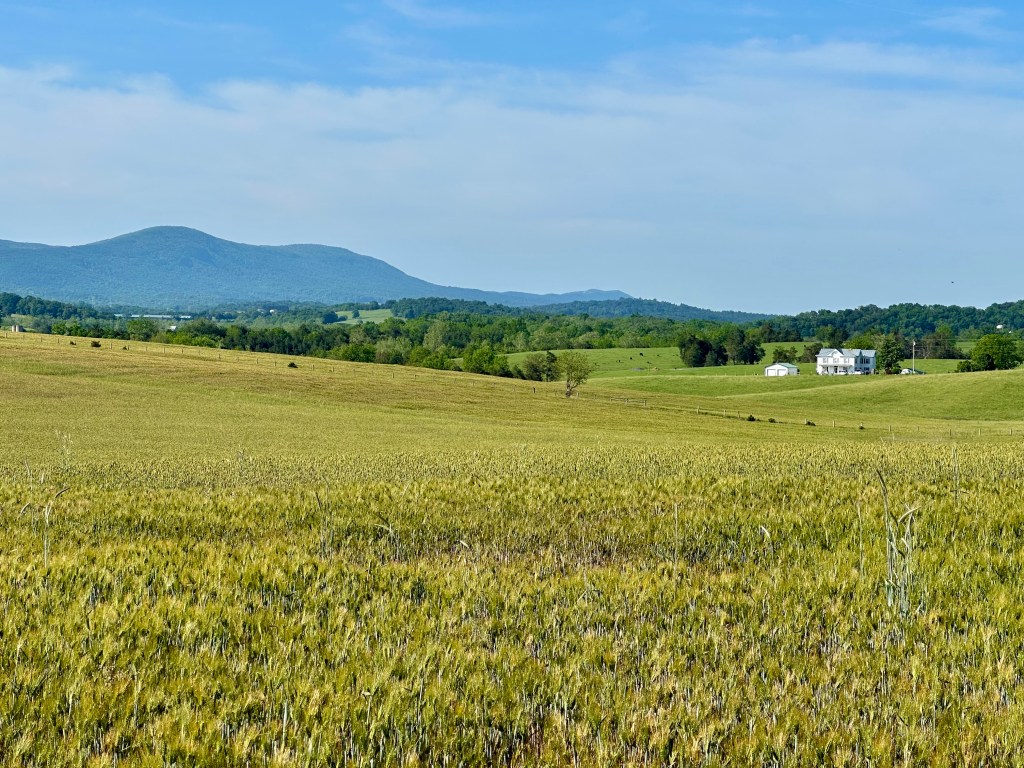
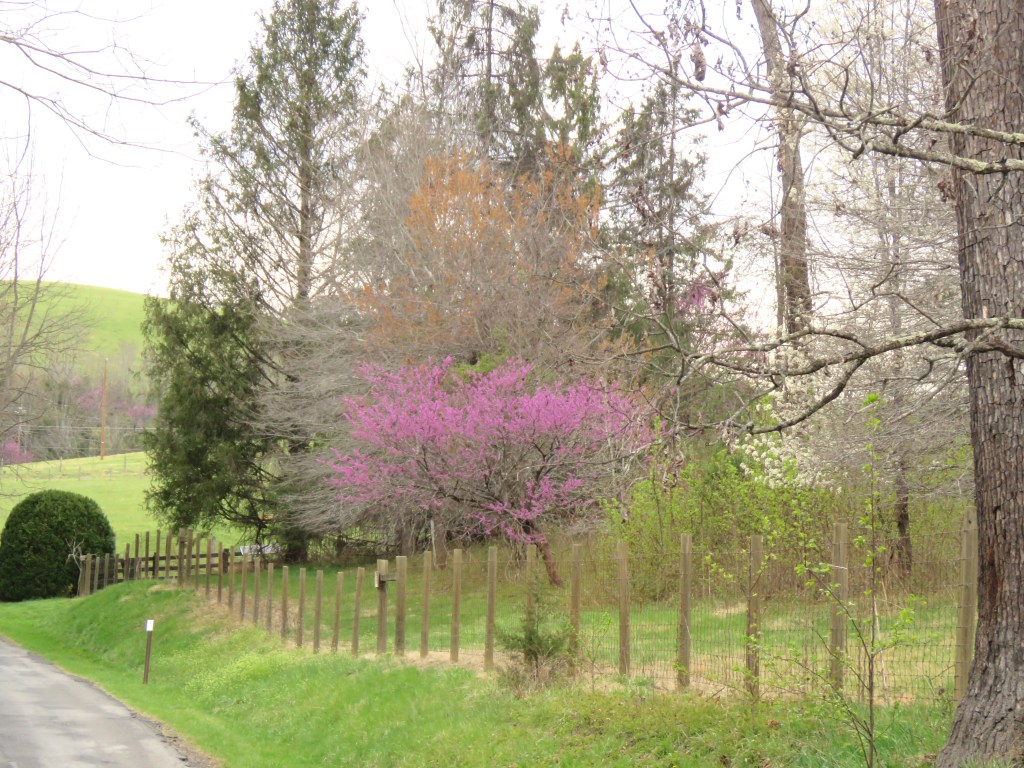
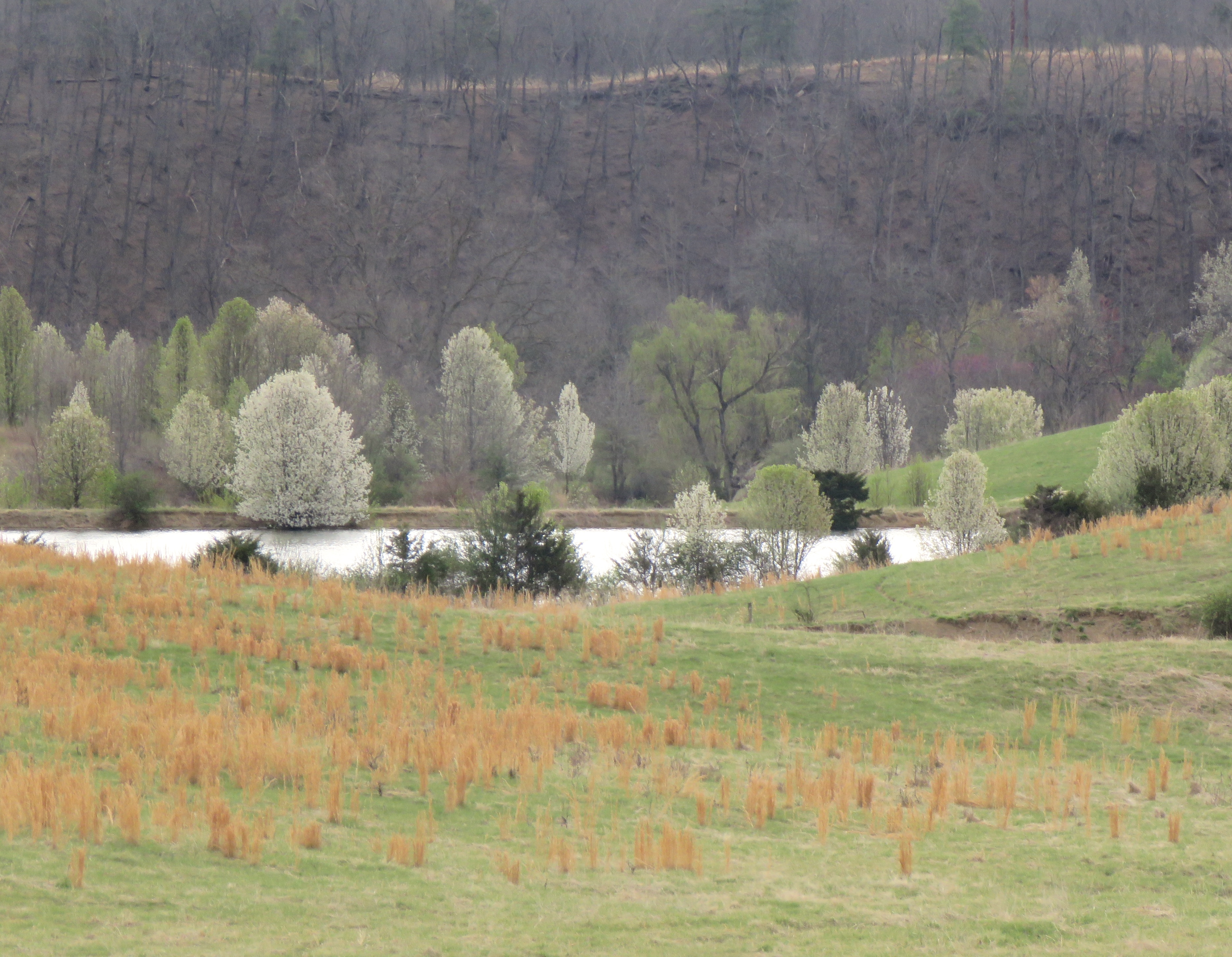
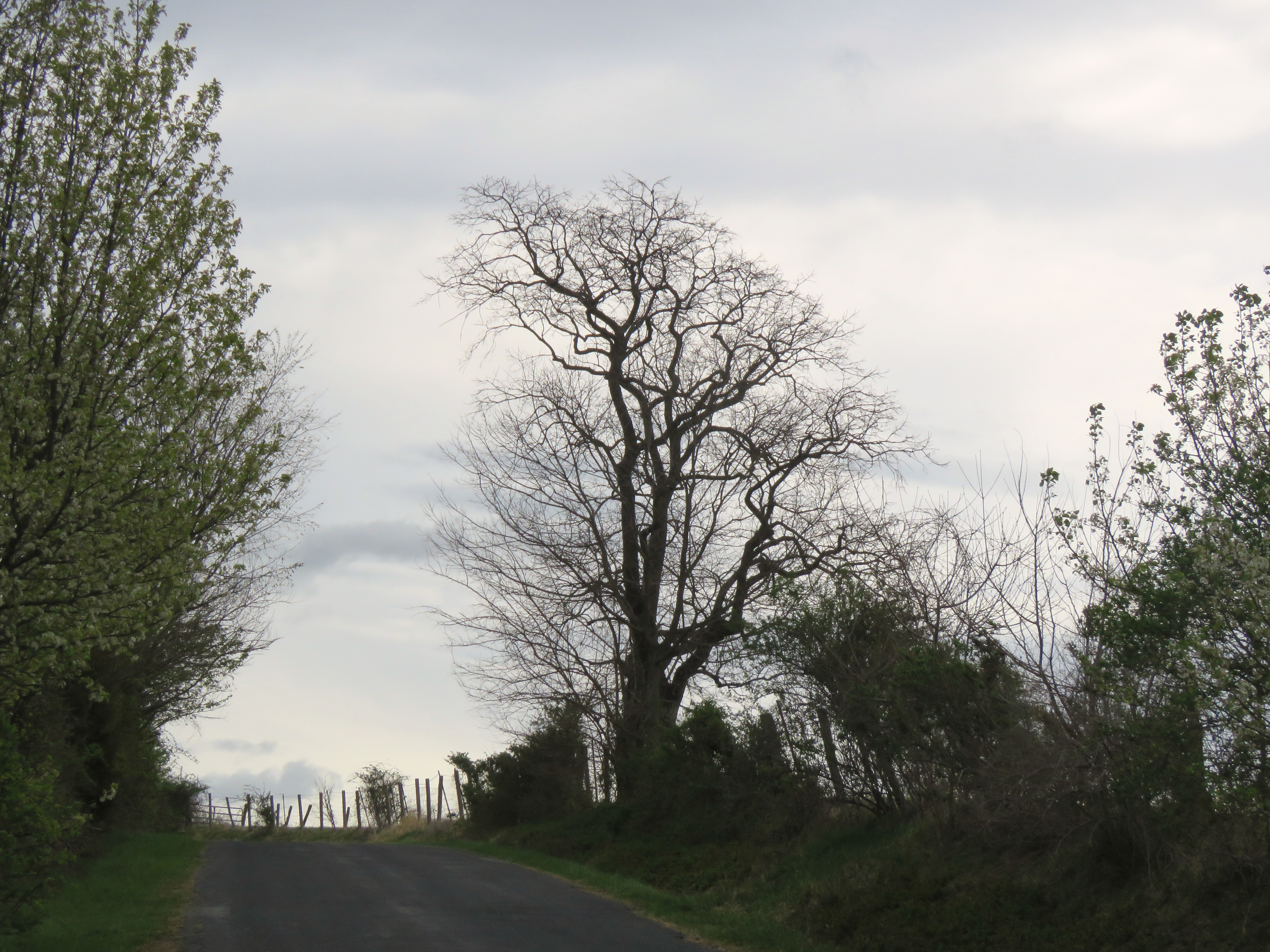
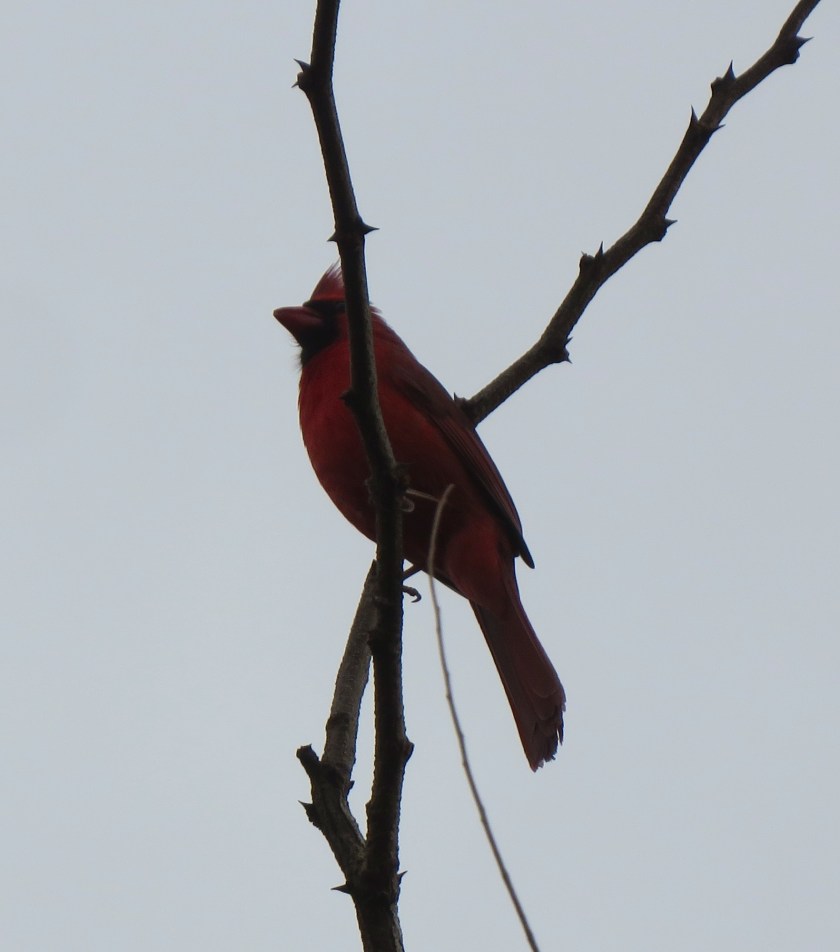
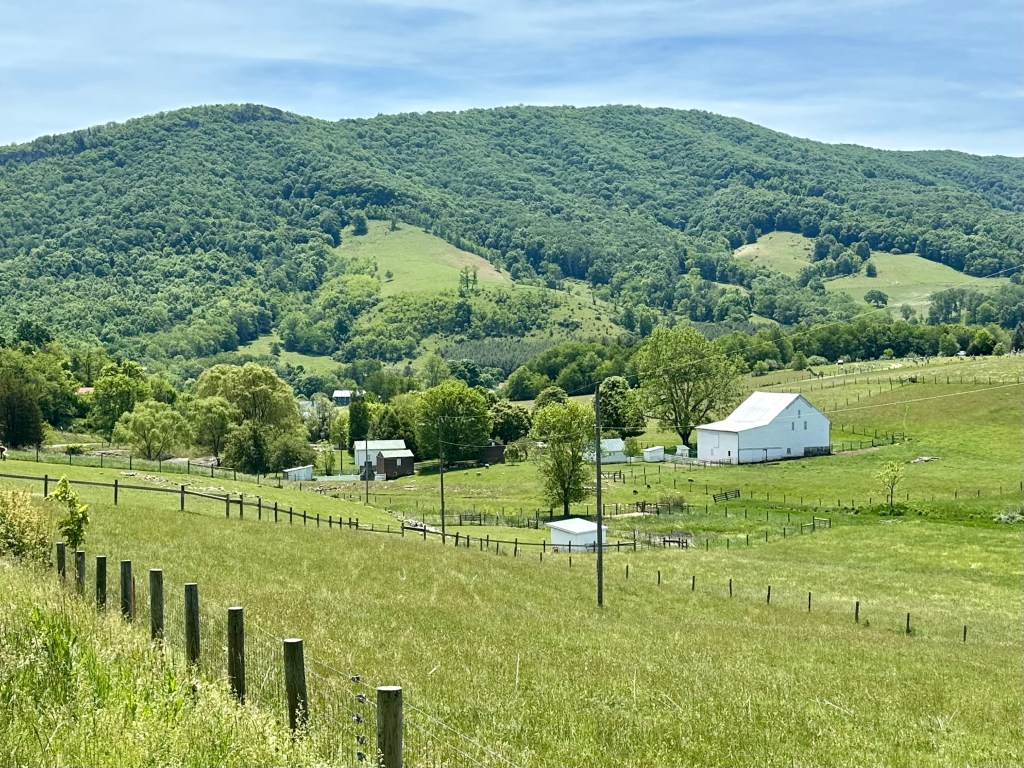
Where the birds were. Photo by Bruce Stambaugh

My wife and I spent the morning of our 55th wedding anniversary birding. That’s about as exciting as it gets for septegenarian celebrations.

Though spring bird migration had been ongoing for a month, the early warblers were only now beginning to be seen and heard in Virginia’s Shenandoah Valley. I wanted to see and literally hear those lovely, high-pitched songs. I know the term “literally” is overused, but this was my first bird outing with hearing aids.

I’m a very curious person, and I wanted to hear what I was missing in my latter years. Previously, I had to depend on the ears of younger birders to know, for example, that a Cape May Warbler was near. The bird’s thin, high-pitched “see, see, see, see” call was beyond my perception.

I knew March 27 was too early for the Cape May. But equipped with my hearing aids, perhaps I could catch the calls of other early-arriving warblers. So, off we went to a noted birding hotspot in Augusta County, Virginia, Bells Lane.

My wife occasionally accompanies me on my birding adventures, but she wouldn’t call herself an avid birder. I appreciate her company and enjoy showing her a particular species when I spot one.

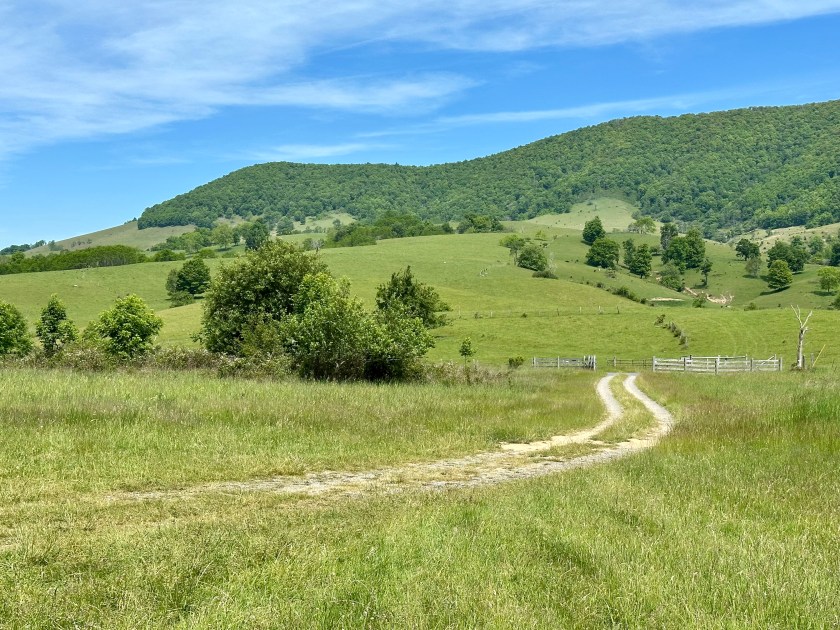
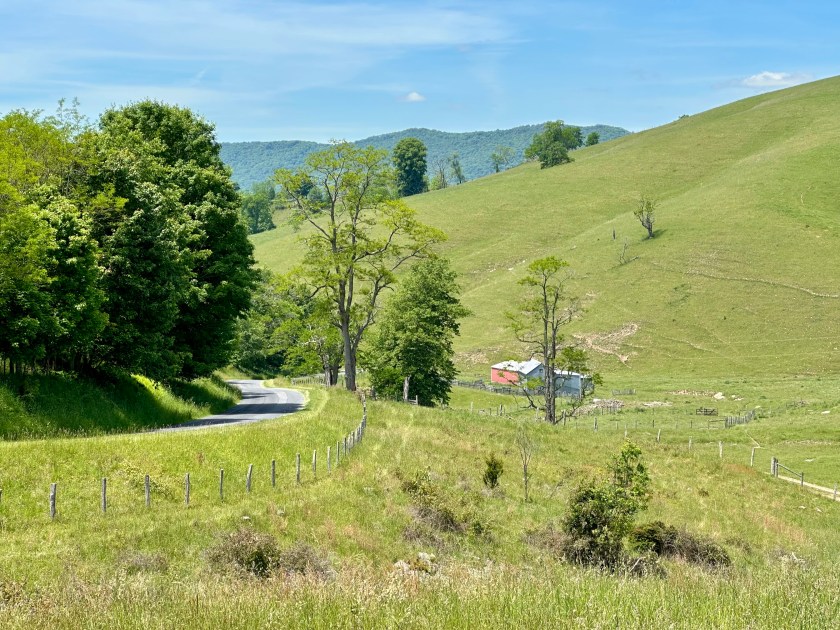
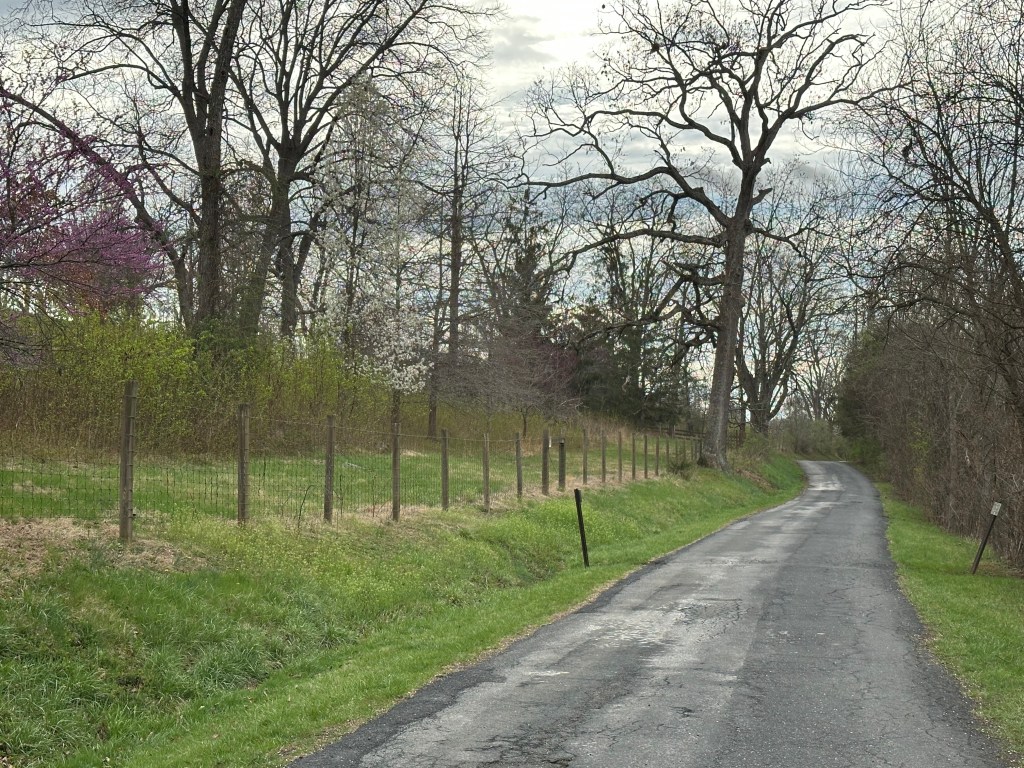
Even though Bells Lane is in the city limits of Staunton, its geography and topography shout country. The narrow road meanders up, down, and around hills and valleys from a US highway to a state road. From its zenith, traffic buzzes north and south along I-81, though the noise barely reaches the beloved birding location.

With its proximity to the city, people use Bells Lane for other reasons. With only a handful of residents along its winding two-mile stretch, the narrow pavement is a safe place to jog, bike, or walk your dog, in addition to birdwatching.

When I pulled off the main highway onto Bells Lane, I opened the moon roof and lowered the windows, and drove at a snail’s pace. The air was cool, but fresh with the scent of apple blossoms and birdsong. I smiled with great pleasure at hearing multiple birds singing, and used the popular Merlin app on my iPhone to confirm my suspicions.

Birders are happy with such technological advances that can affirm or alert you to nearby birds. However, the combination of common sense and location tempers emotions when a rare bird is indicated.

Using their amazing ability to imitate other birds, Northern Mockingbirds are notorious for setting off frenzied searches for birds that aren’t there. I almost got caught doing that this time.

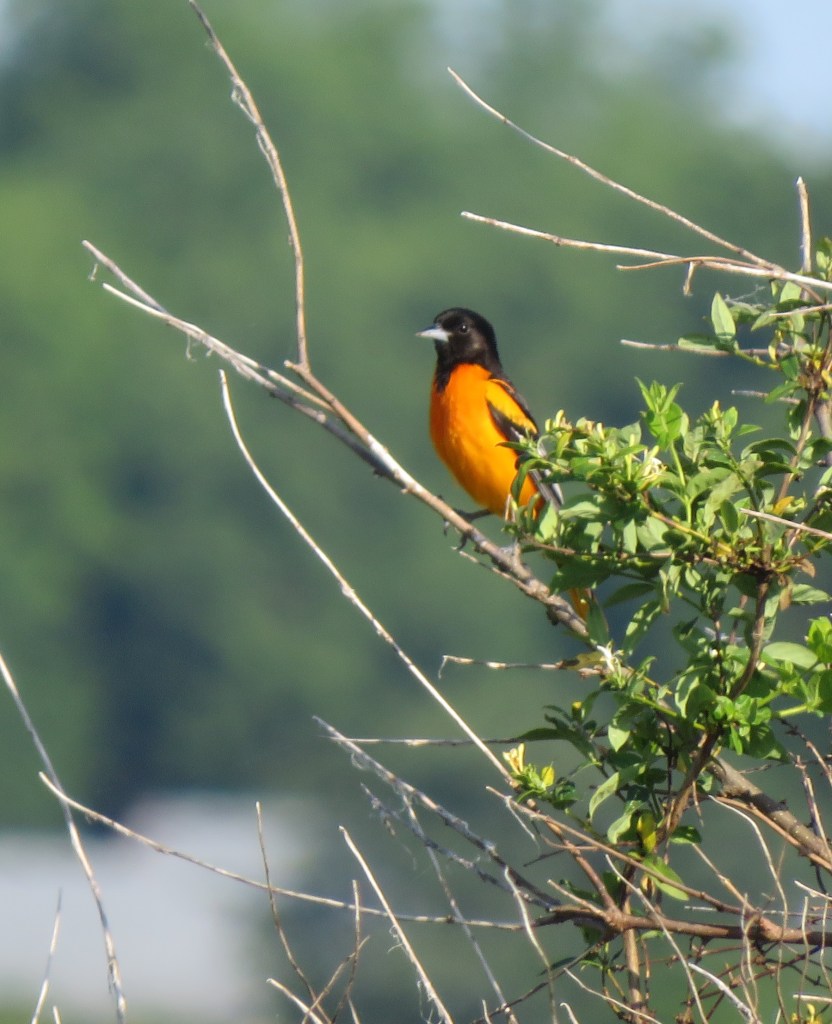
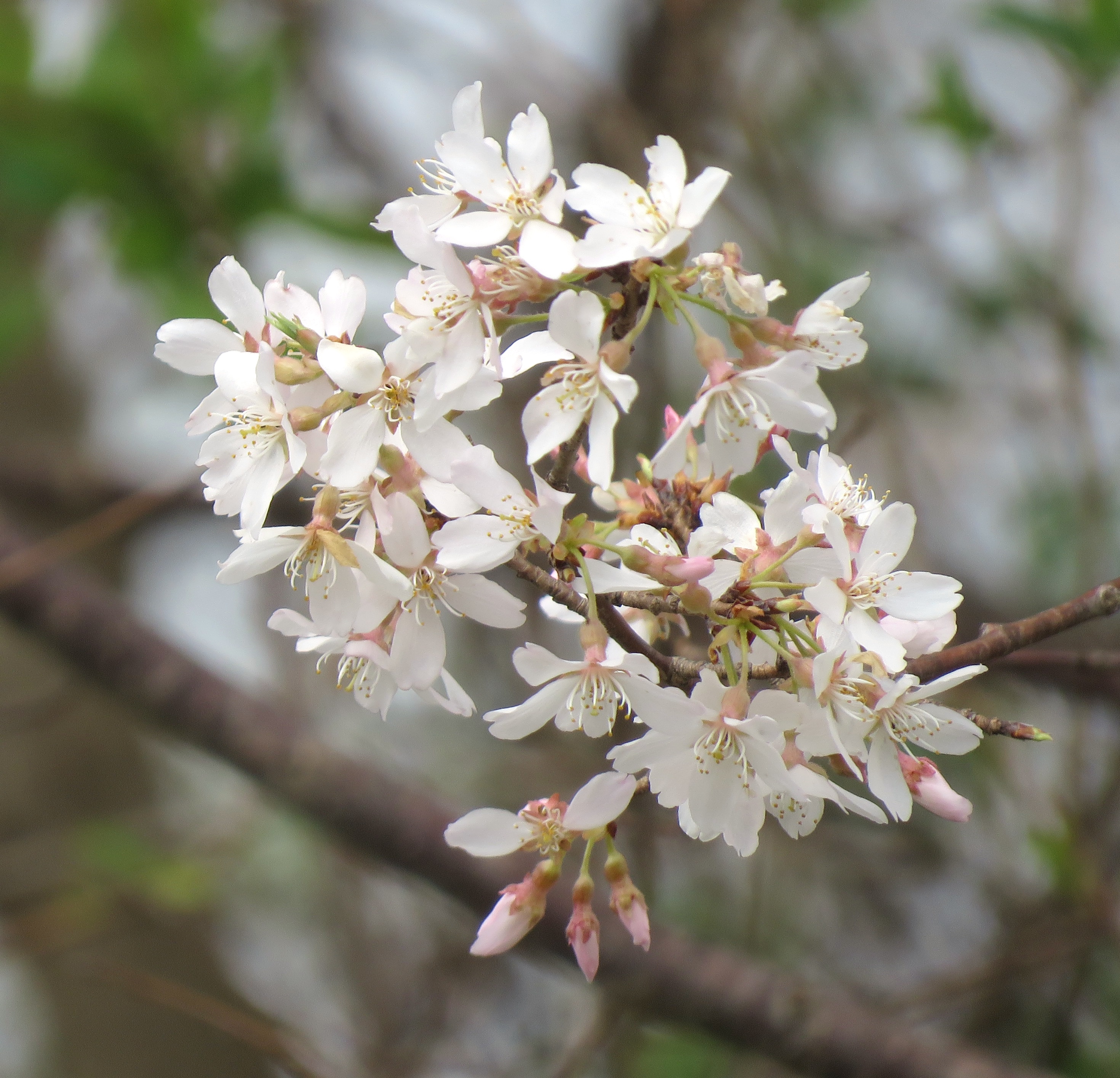
In the thicket of blooming redbuds and serviceberry bushes and old-growth trees, I caught a quick glimpse of a yellow and black bird zipping through the understory. An oriole, I thought, but which one? I didn’t see it long enough to identify it.

Much later on at the summit of Bells Lane, Merlin showed a Scott’s Oriole. I had never seen one, and wondered if that’s what I saw a half hour ago. That was unlikely, since a Scott’s Oriole’s territory is the southwestern United States.

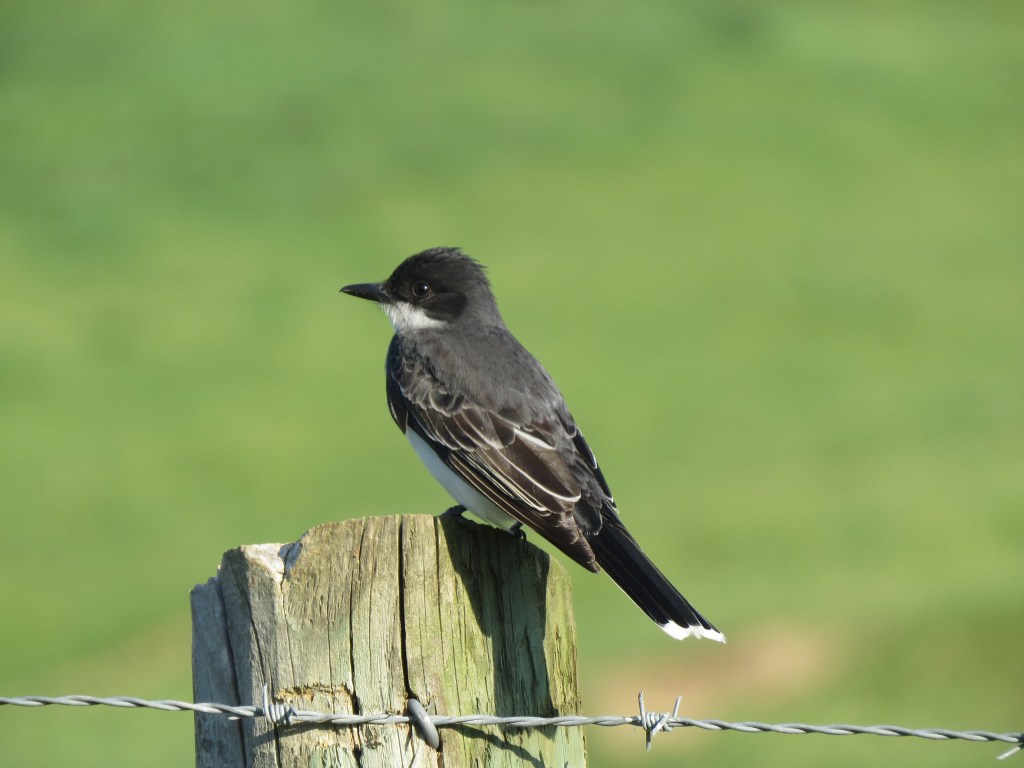
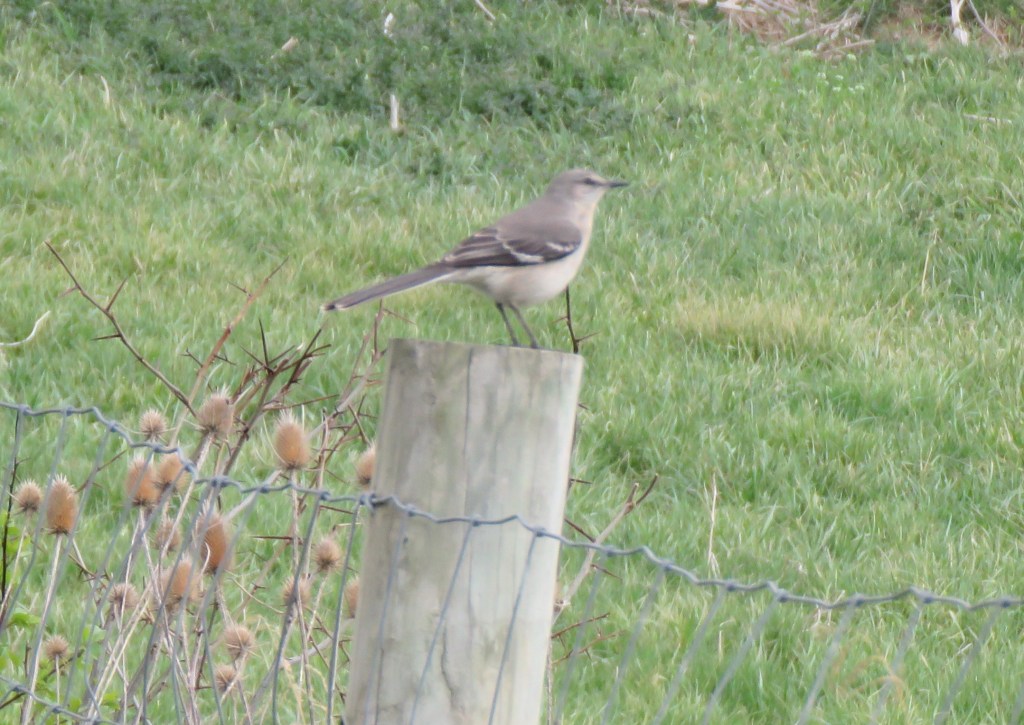
One of several Northern Mockingbirds we saw. Photo by Bruce Stambaugh

Then I saw it. A Northern Mockingbird sat atop a fence post, demonstrating its wide repertoire of songs. I immediately discounted the Scott’s Oriole sighting, but wondered how in the world the mockingbird knew the oriole’s song if it had never heard it.

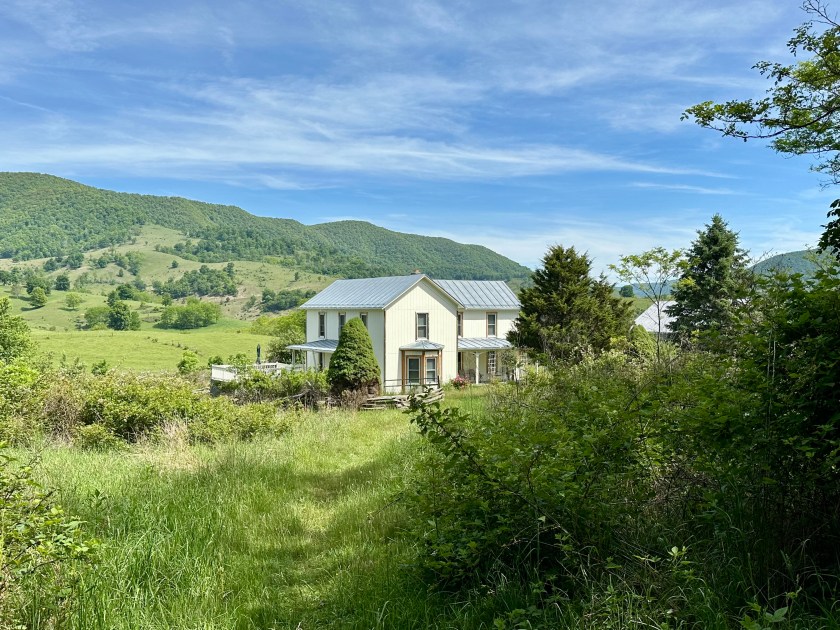
We saw several Northern Mockingbirds as we wound our way along the bumpy road, with horse and cattle farms dominating the rolling landscape. At one stop, I could only see the top of what appeared to be a rather large house, well situated behind a wooded hillside.

Between the road and the house, birdsongs rang out as clear as day. I stood in awe and joy at being present in that moment, finally able to hear those glorious songs so well.

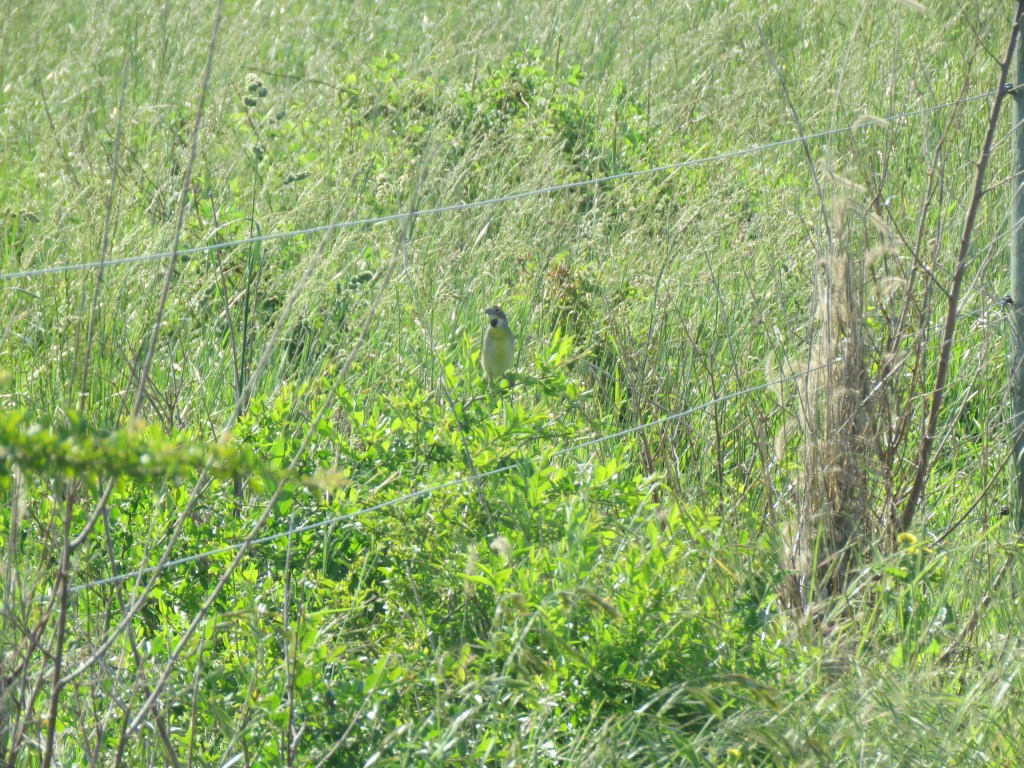
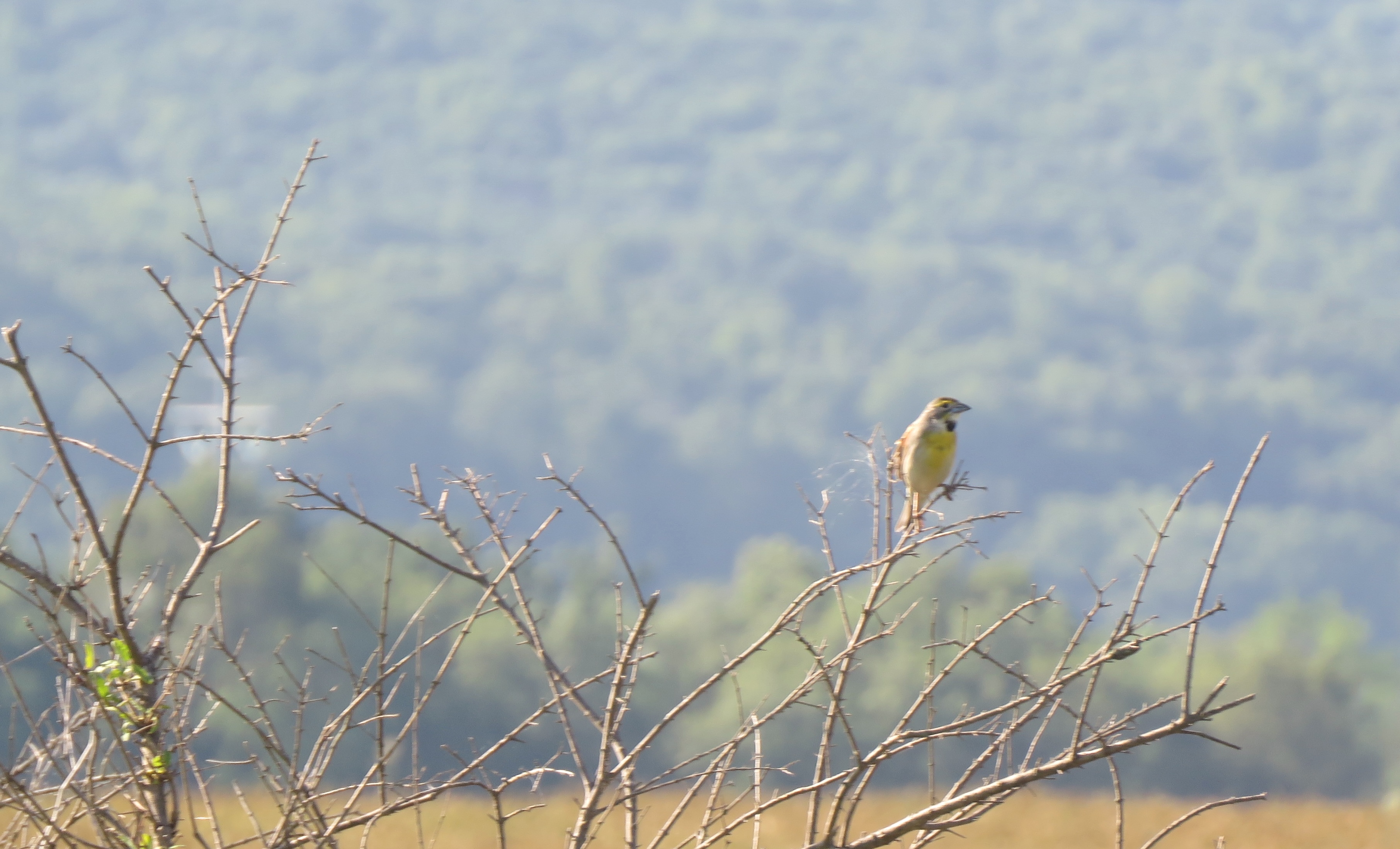
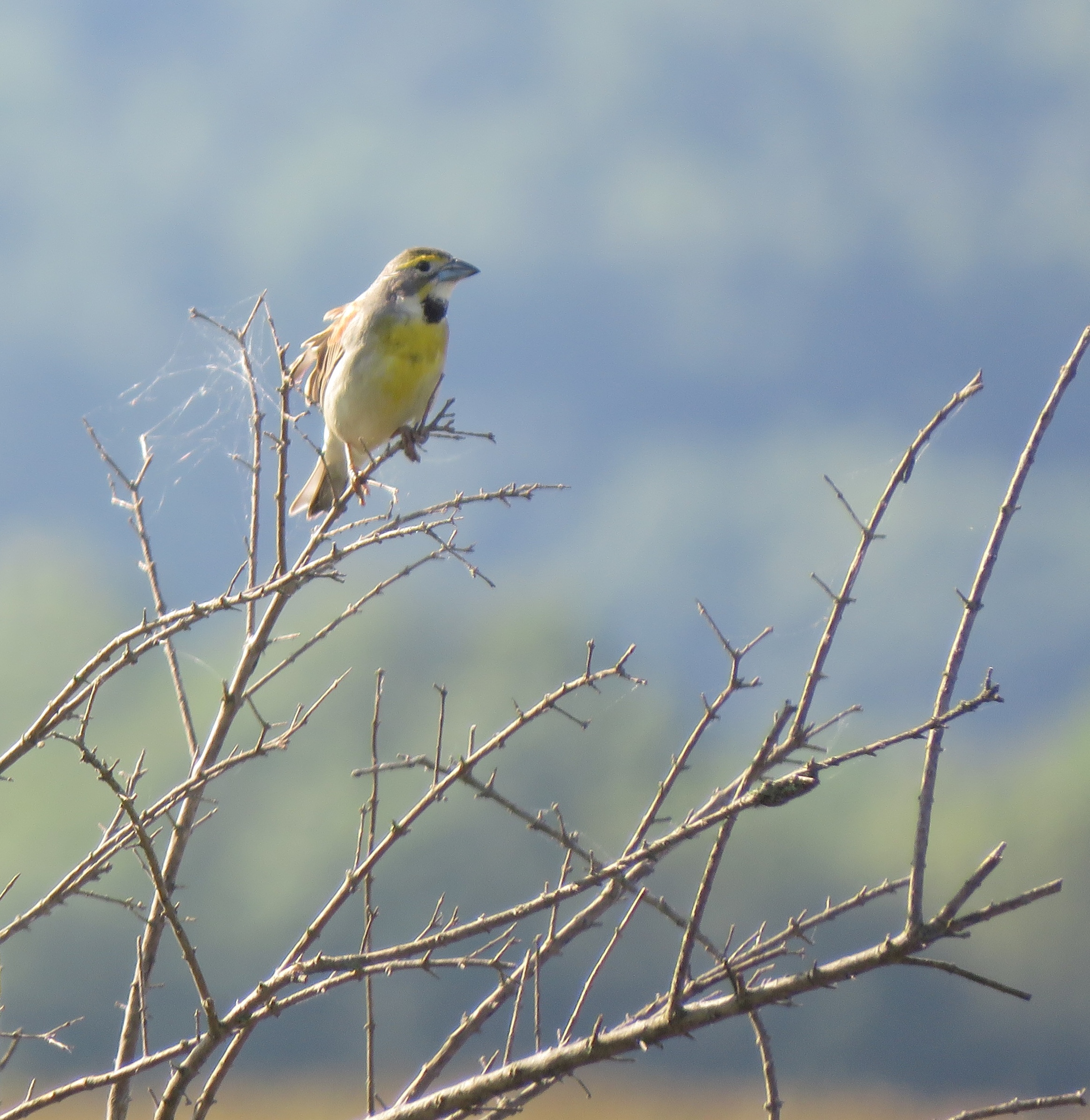
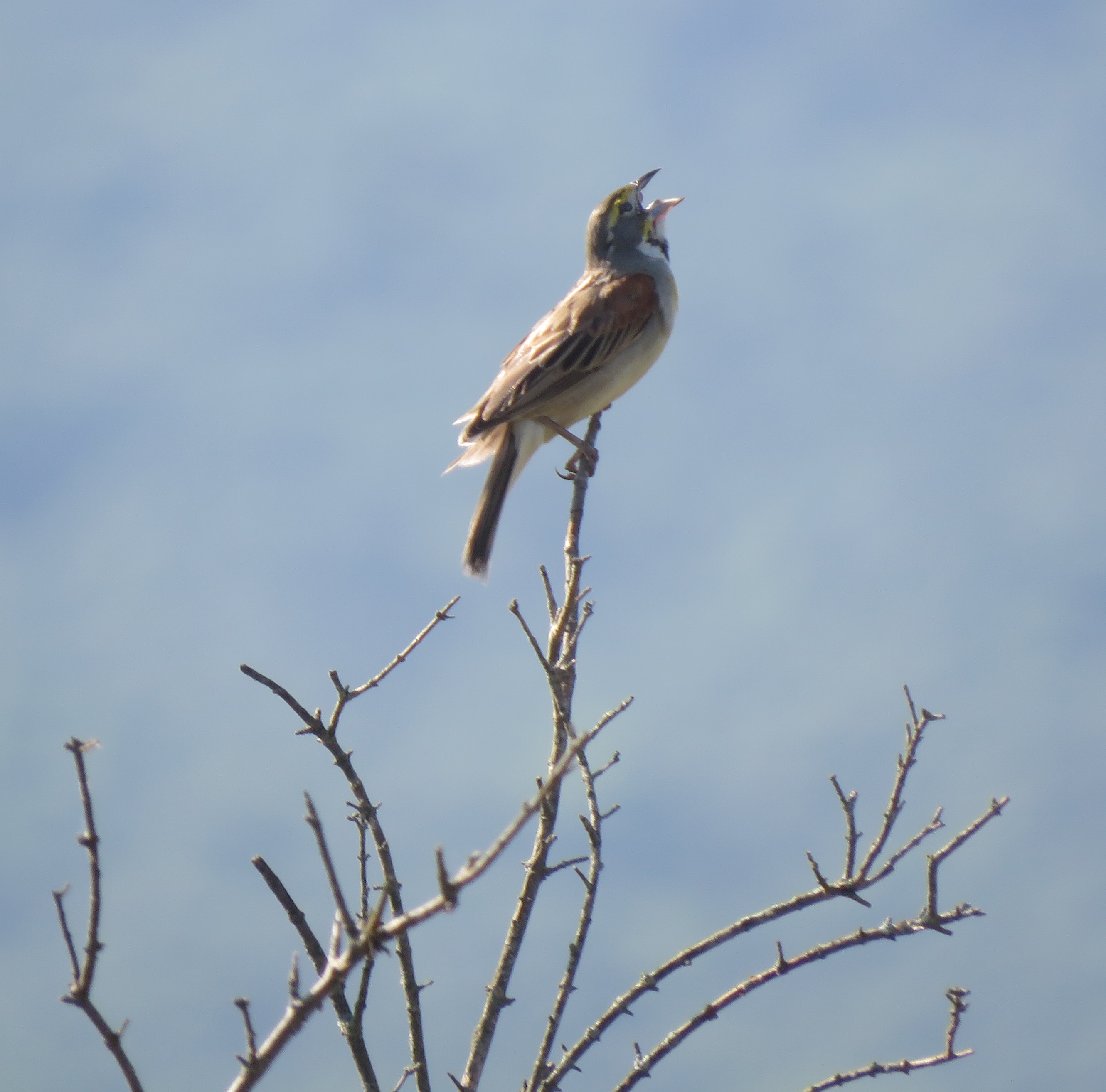
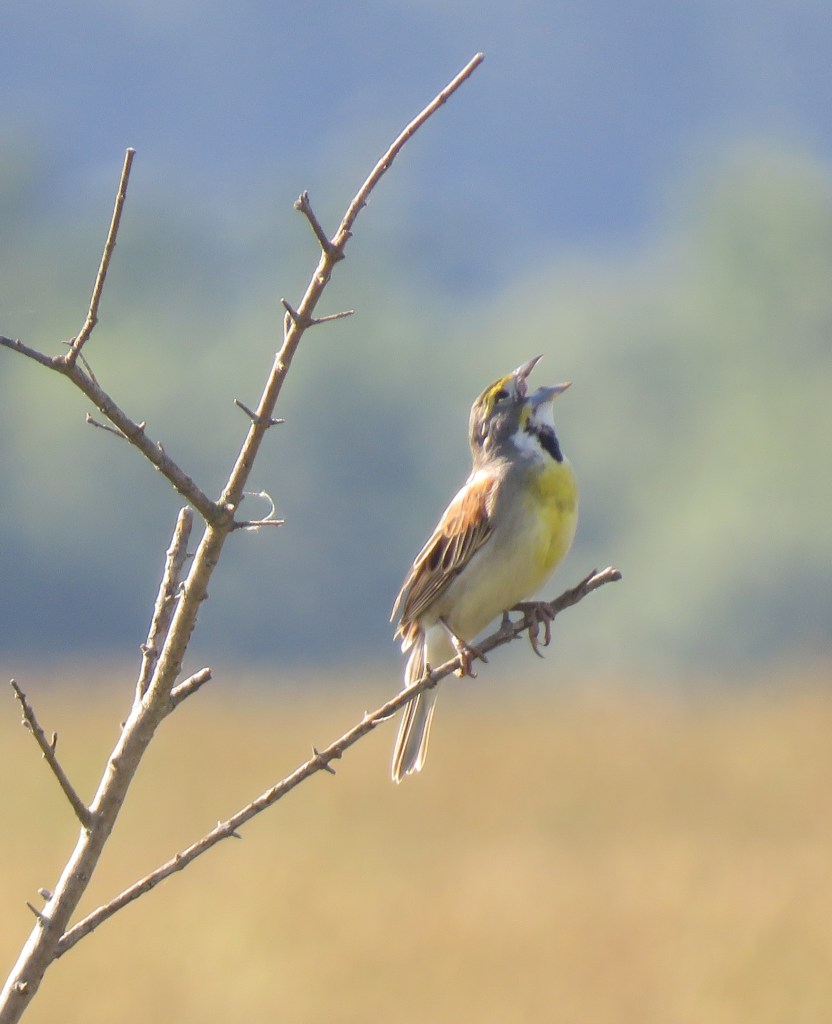
The underrated Field Sparrows dominated the avian chorus. Unfortunately, I couldn’t locate even one of the birds, though they had to be close to me. That’s the disadvantage of birding alone. My wife enjoyed the bird cacophony while reading in the SUV.

The low, gray clouds made photographing birds difficult.

Several times, I parked the vehicle and walked along the roadway. I met another birder who advised me that a flock of Ruby-Crowned Kinglets was foraging for insects 50 yards ahead on the left side of the road, where the underbrush thickened.

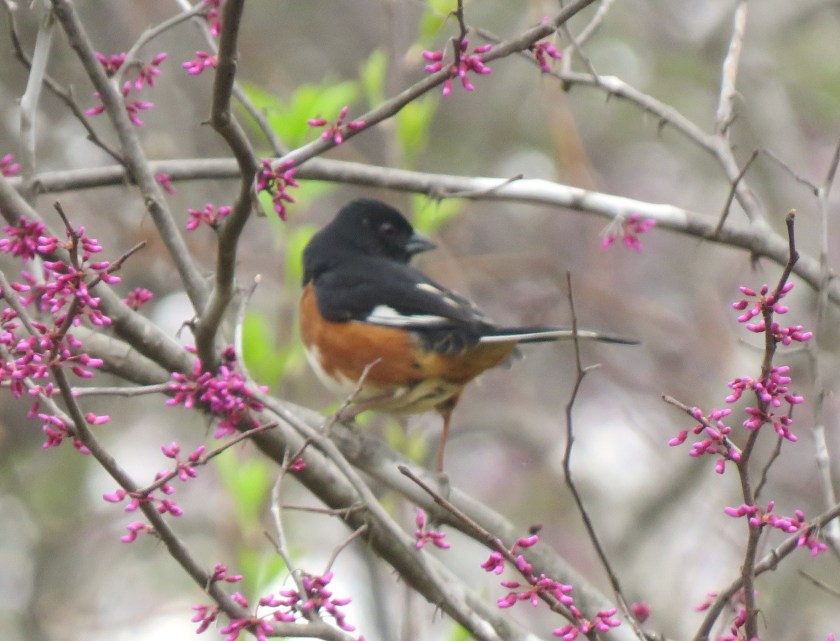
I quickened my pace, only to be stopped by the luxurious liquid sound of an Eastern Towhee. It was a male. The black hood with rusty sides and a white streak down its chest provided protective camouflage as it kicked and scratched among the dead leaves on the forest floor. I finally got a clear shot of it.

Farther up the road, I must have found a stray of the Ruby-crowned Kinglets. The lone bird flitted from limb to limb over my head, devouring insects.

Merlin showed a Pine Warbler calling, but I couldn’t find it. Pine Warblers are often among the first of their species to migrate back north after overwintering in the warmer southern states.

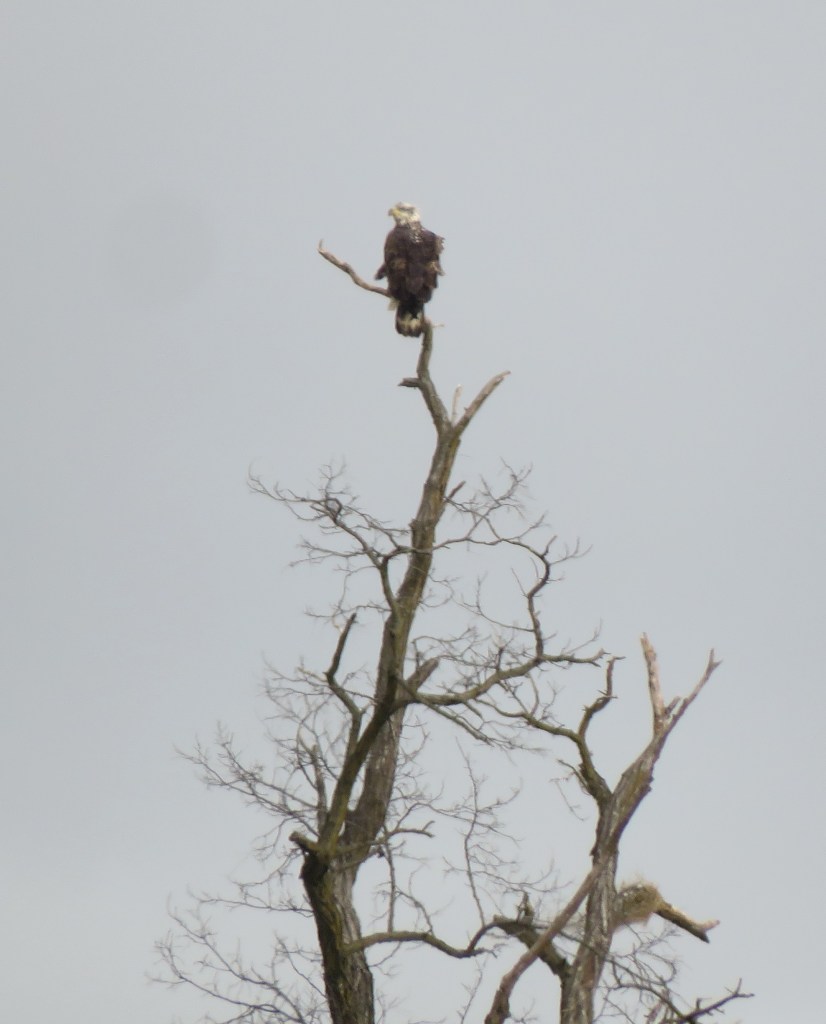
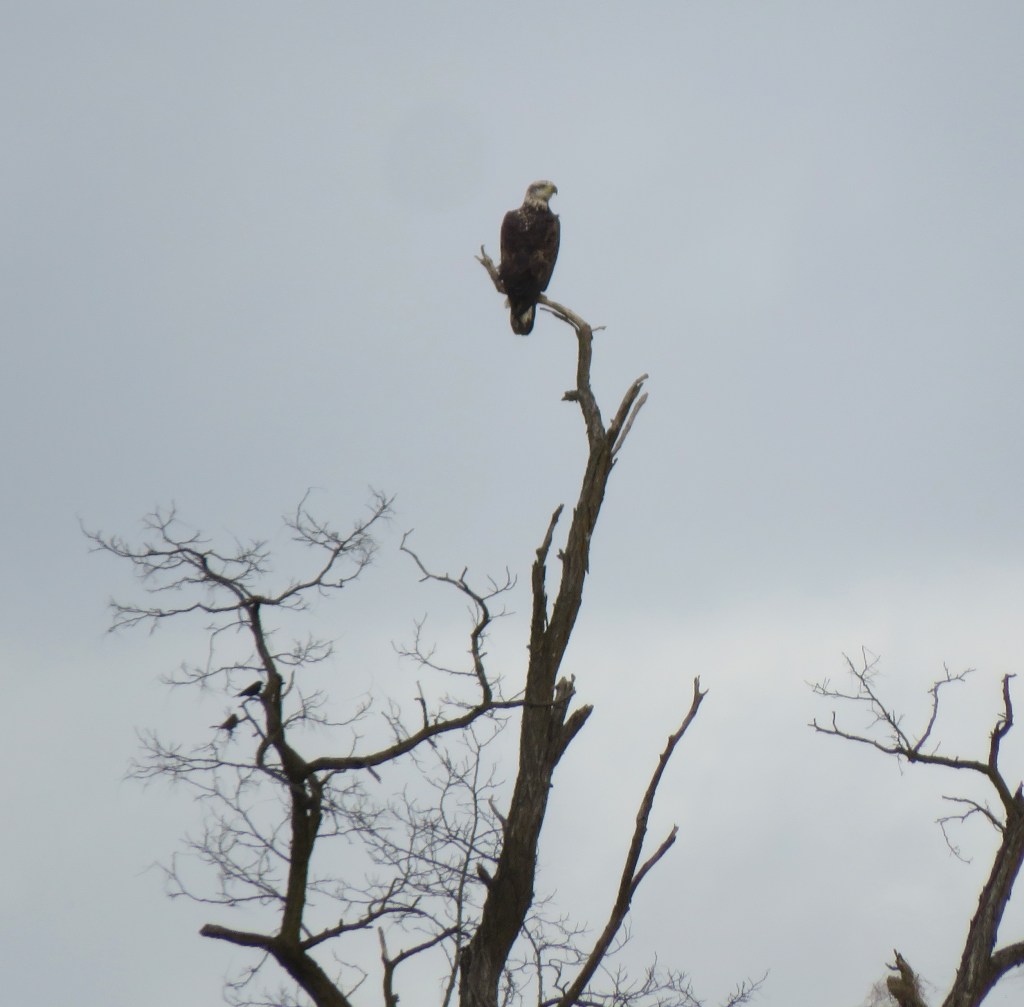
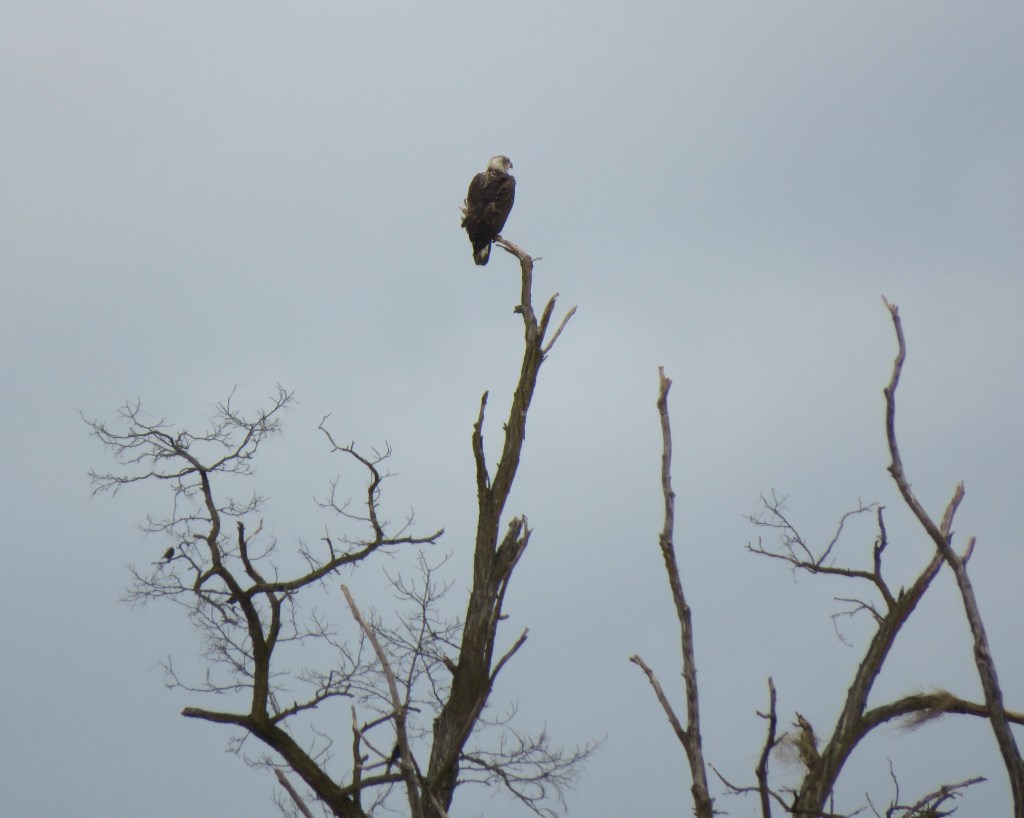
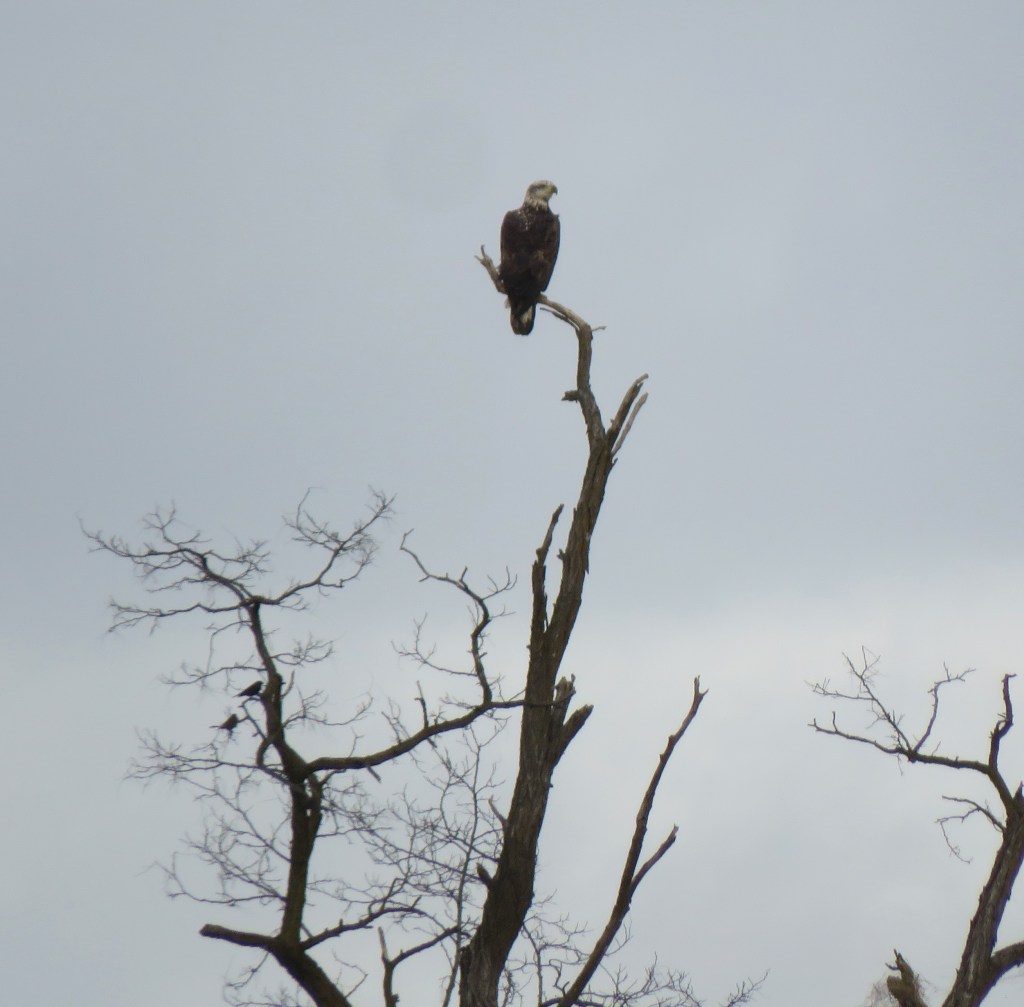
The young Bald Eagle on its perch. Photos by Bruce Stambaugh

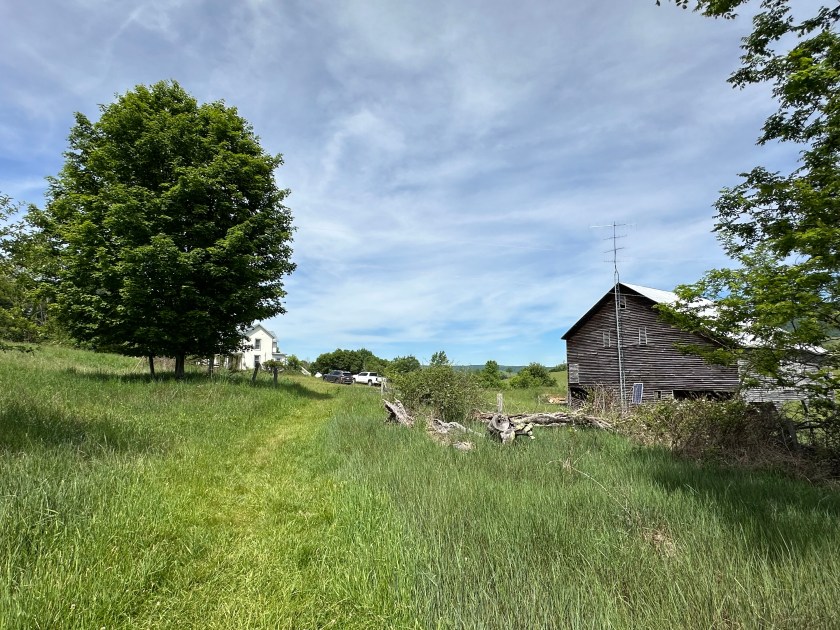
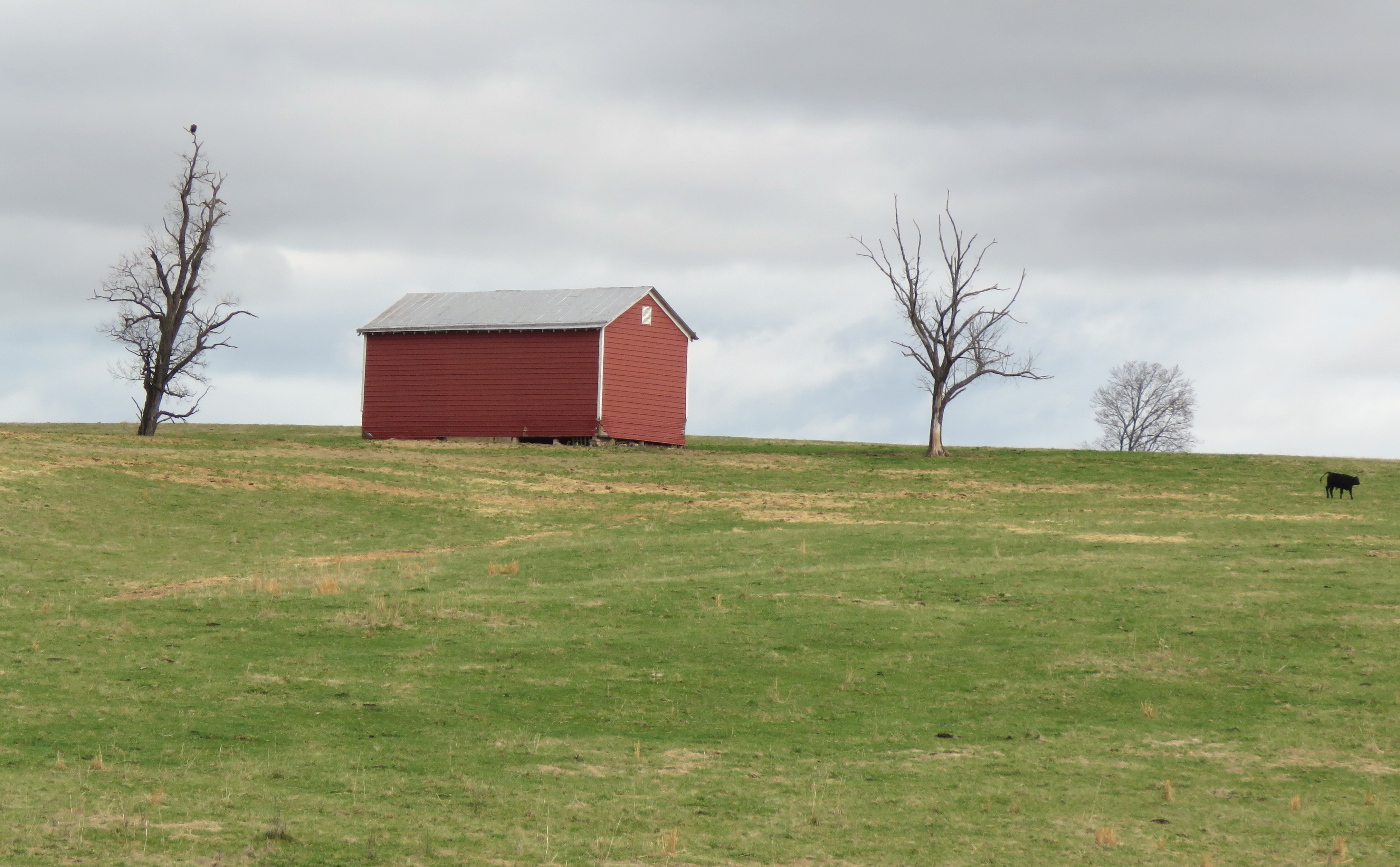
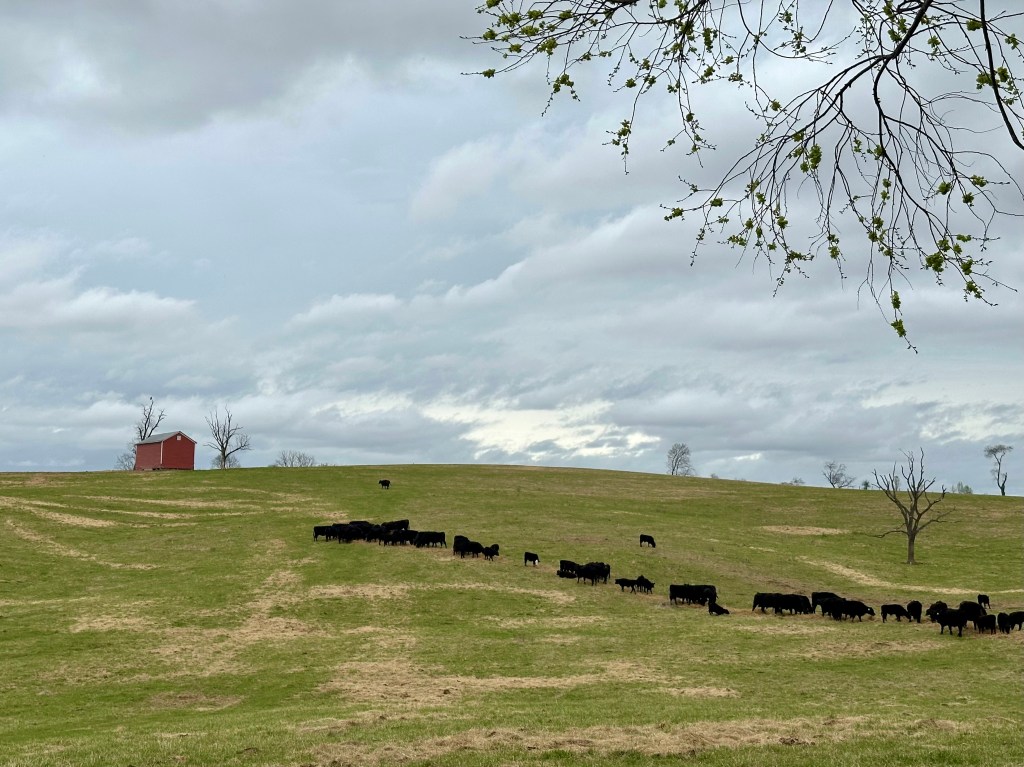
As we reached the halfway point, we were at the summit of the ridge. A line of black Angus steers lumbered away from a small red barn down the pasture toward the road.

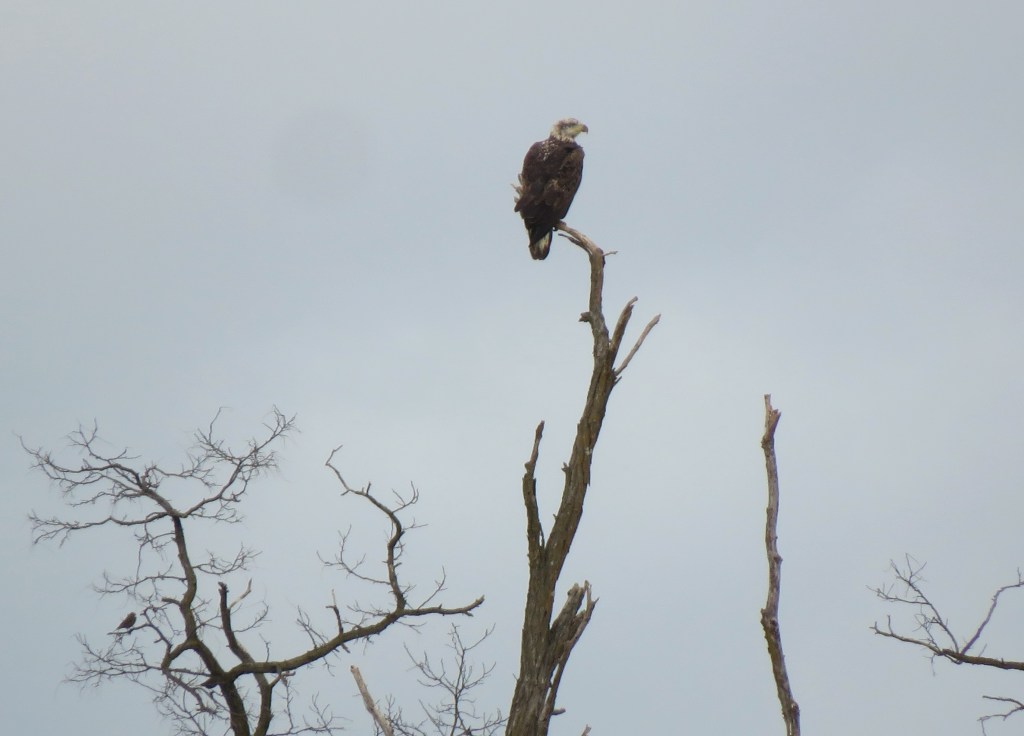
A snag of a tree stood just beyond the barn, and at the highest perch was a subadult Bald Eagle. Patches of white feathers against black revealed its age. It wasn’t a warbler, but I was thrilled to see it. The proud bird sat perfectly still, overseeing the valleys to its east and west.

Notorious for roosting in one location for hours on end, the young Eagle seemed oblivious to the cattle, the American Crows flying in the distance, and to me. I snapped away before retreating to my SUV.

The forecasted rain began to fall, gently at first and then more steadily. Our morning of birding had come to an end with perfect timing.

We headed back into town for lunch, having heard and or seen 43 bird species in a little over two hours. I anticipated warblers, but saw an eagle instead. It was an unexpected gift on our anniversary morning.

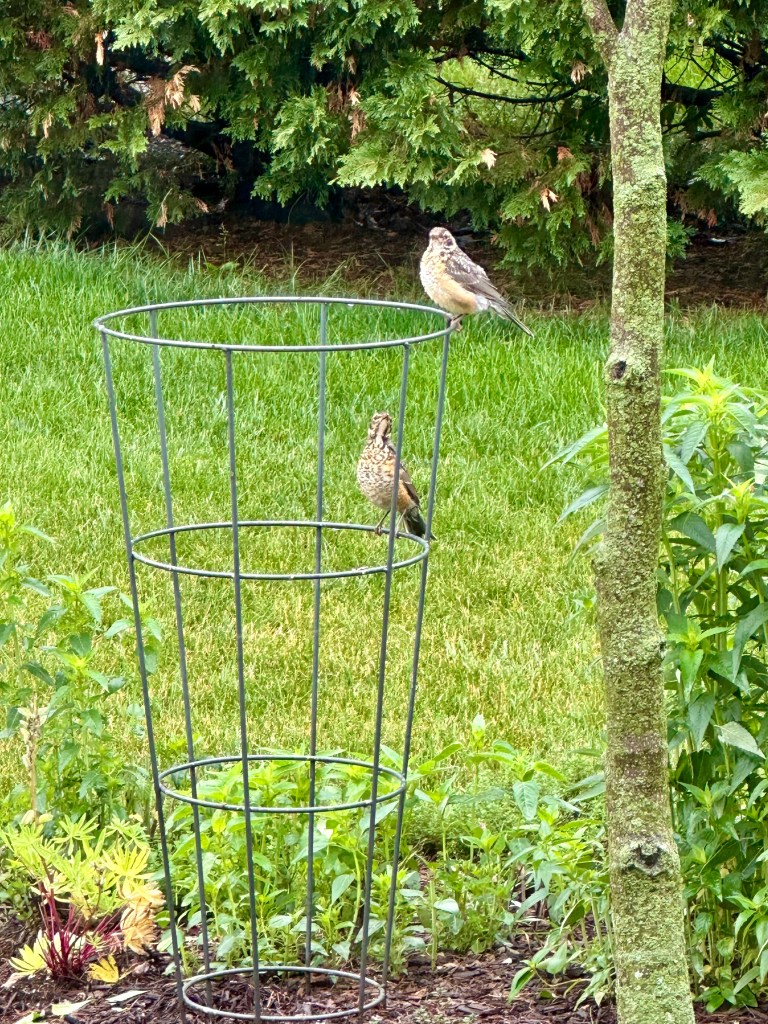
Two curious American Robins checked out the young Bald Eagle. Photo by Bruce Stambaugh

© Bruce Stambaugh 2026

Tree Swallows Have Returned!

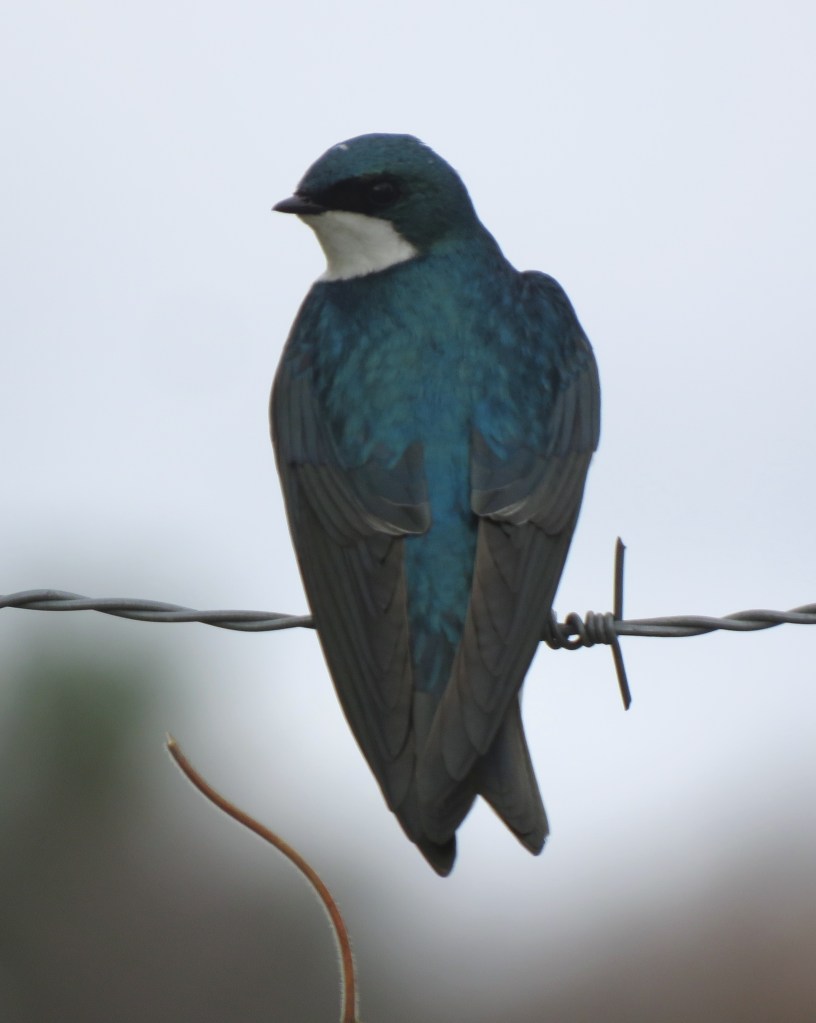
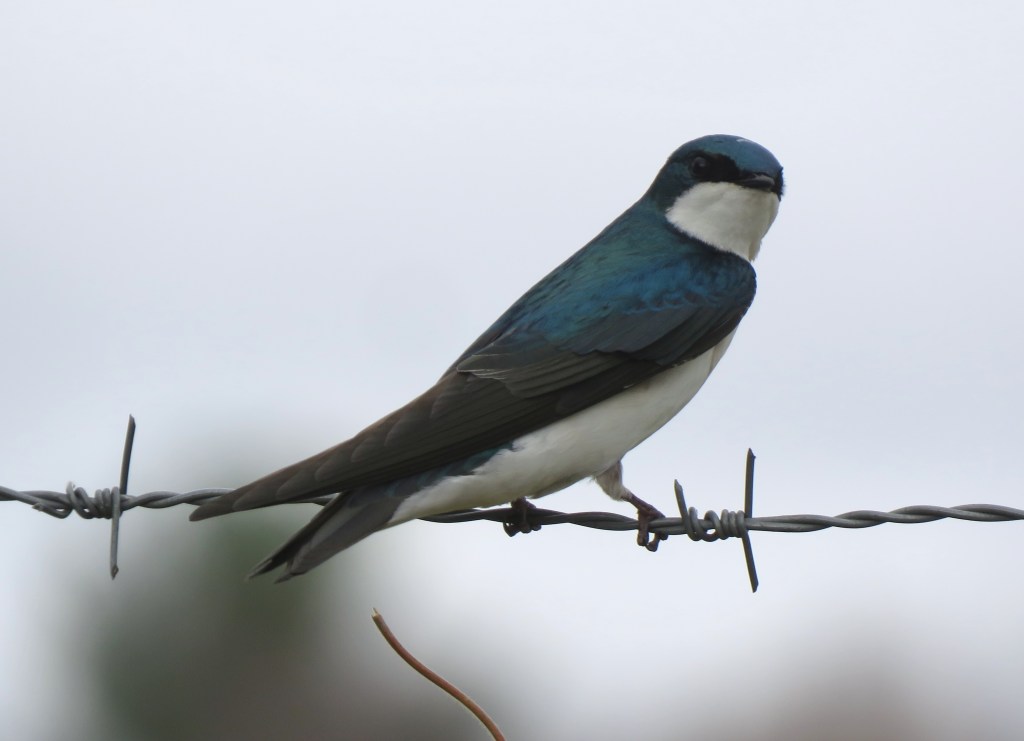
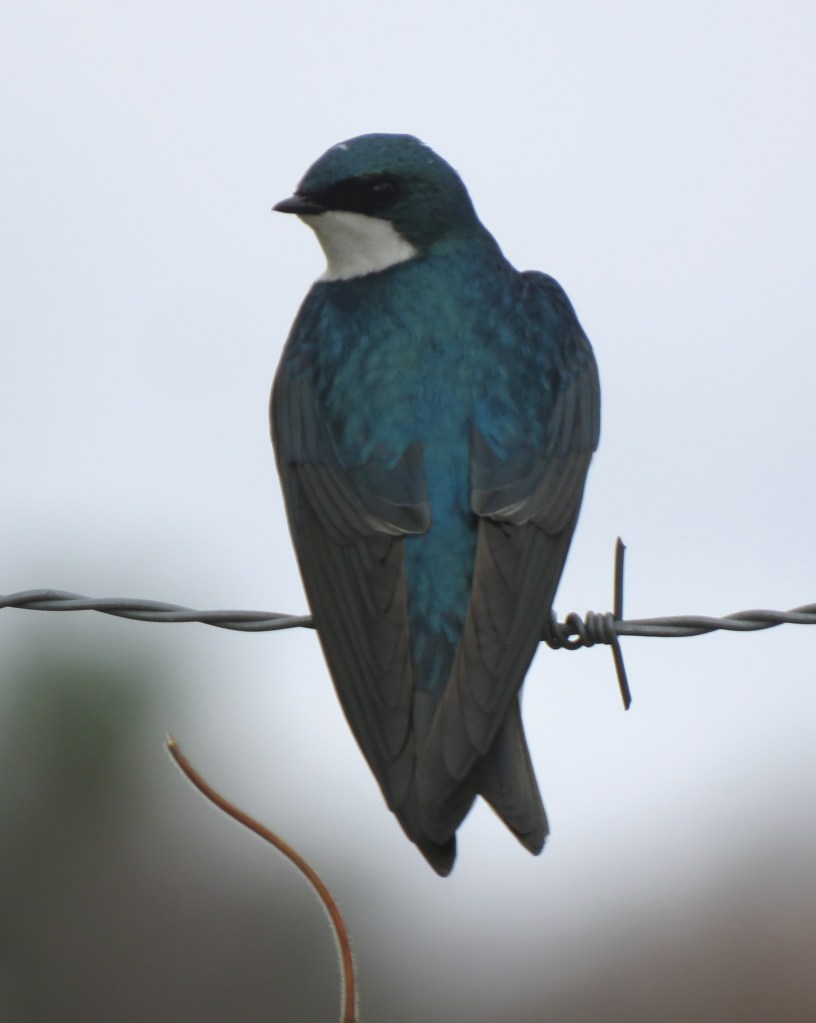
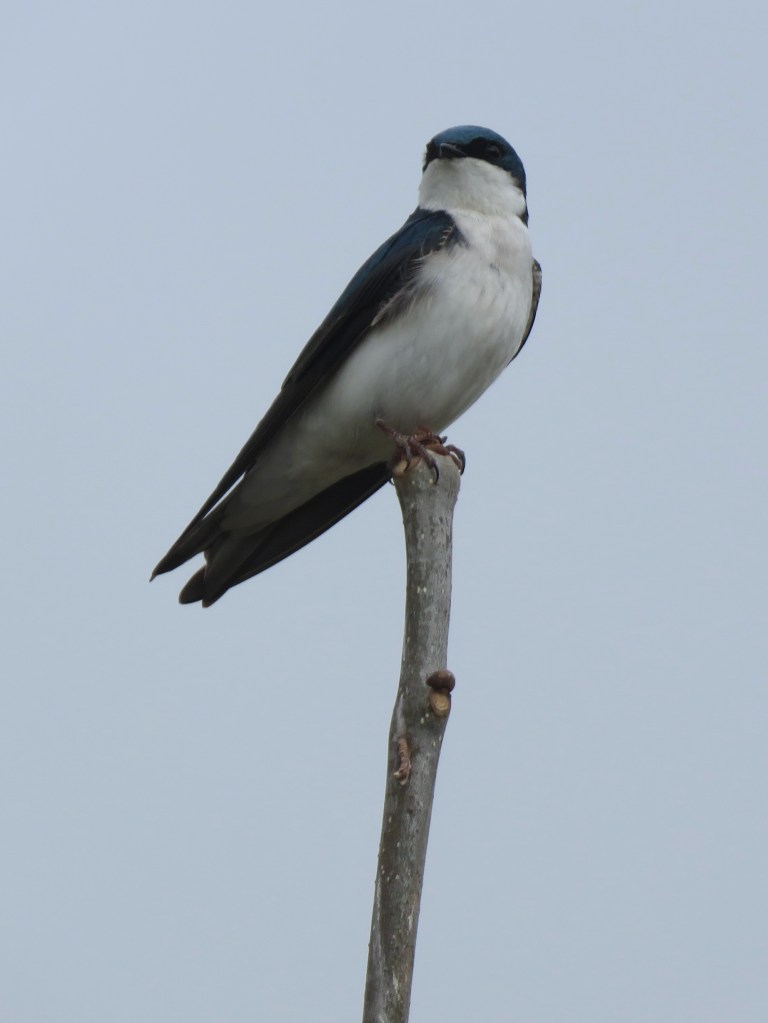
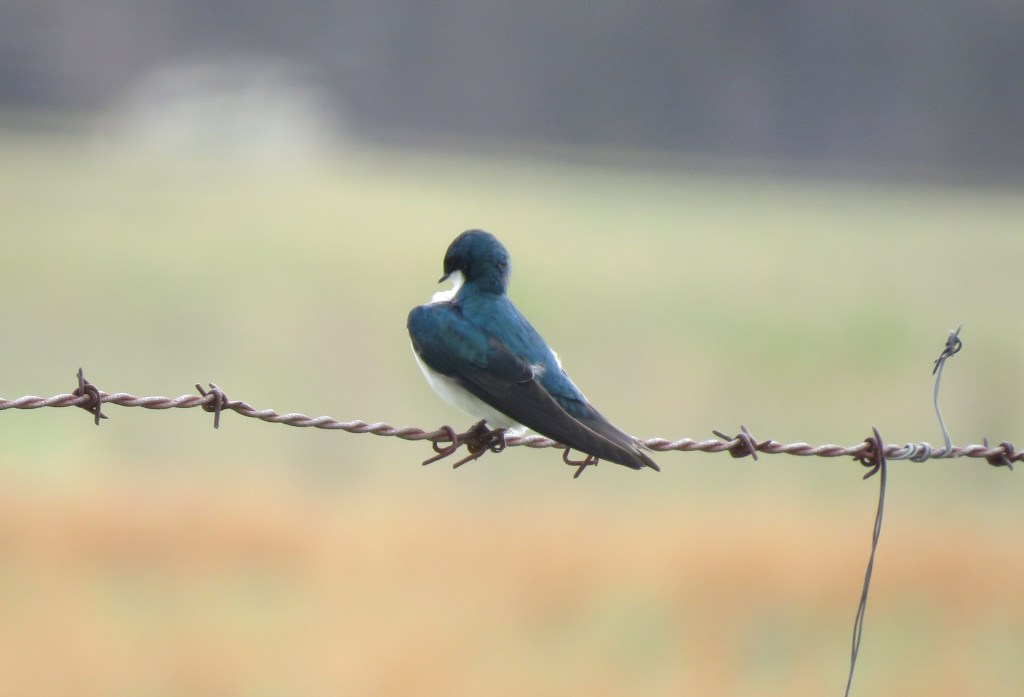
A Tree Swallow. Photo by Bruce Stambaugh

Tree Swallows are back! They are usually the first of the swallow family to return north.

With the spring migration in full swing, it’s a joy to see these beautiful, acrobatic birds once again coursing over fields and ponds in Virginia.

Tree Swallows benefit humankind by devouring thousands of insects as they dive and dart over farm fields and wetlands alike. Not only that, their iridescent deep-blue backs and clean, creamy front and undersides make them gorgeous to look at.

These aerolists twist and turn, chasing flying insects. They nest in tree hollows and nest boxes usually meant for Eastern Bluebirds.

Don’t let their beauty or their sweet, chirping sound deceive you. When nesting, Tree Swallows will divebomb anyone who comes close to a box where they are nesting. I can speak from experience.

While searching a local marsh with bluebird boxes fixed to roadside fence posts, I unintentionally got too close to one. Soon, a pair of Tree Swallows took turns buzzing my head. I quickly realized my mistake and moved away.

Tree Swallows are fiercely competitive, too. I once saw a pair of males battling over a hole in an old snag by a canal. The two birds faced off, screeching noisily as their wings flapped frantically.

Soon, one bird forced the other one down toward the canal’s surface, but didn’t stop there. The bird on top forced the upside-down bird underwater, drowning it in less than a minute.

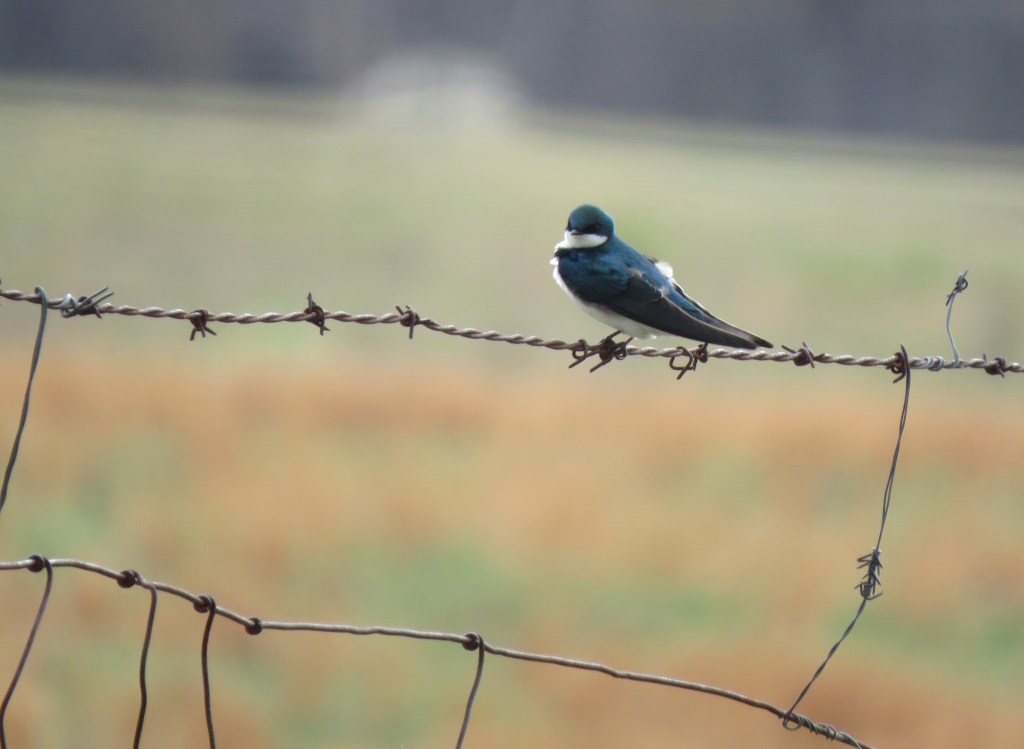
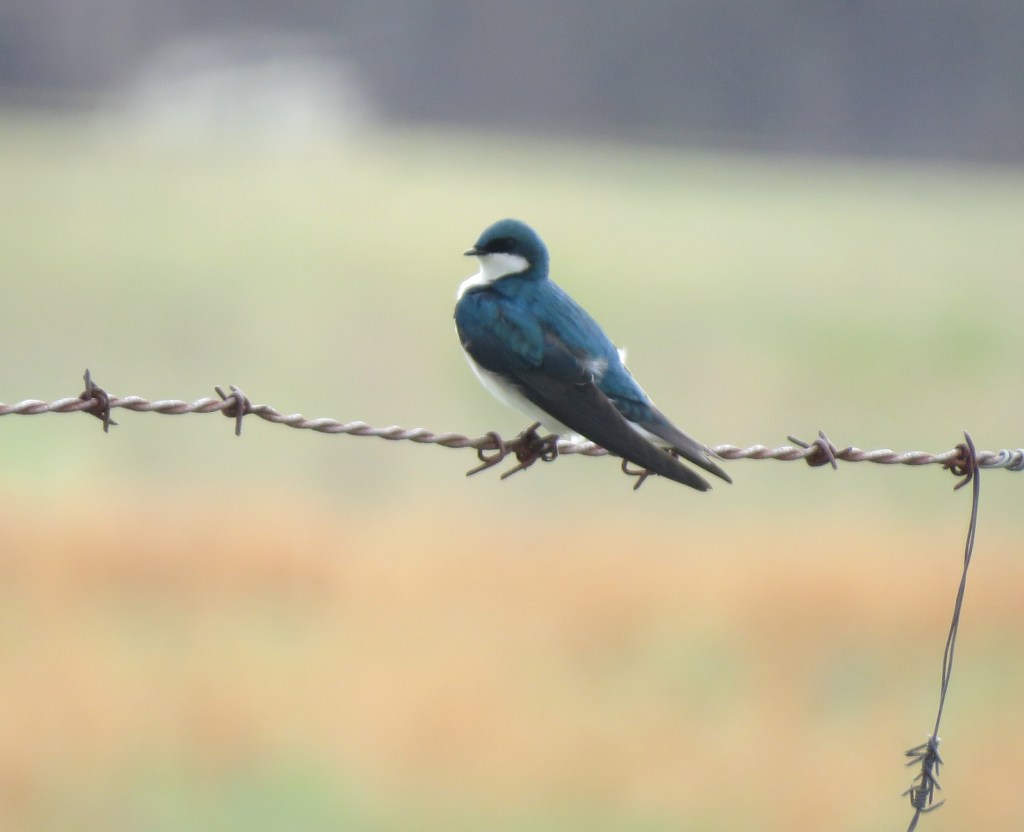
Tree Swallows perch in small to large groups on telephone wires and fence wires. From that perch, they launch into an attack on unseen prey.

During haymaking times, Tree Swallows join Barn Swallows in swooping high and low in circles around the farmer’s mowing machine. They feast on the fleeing insects as the farmer cuts the alfalfa or mows a pasture field.

Come June, Tree Swallows will have taken up nesting from the midsouthern states to near the Arctic tundras. They winter along the southern and western coastlines in the United States and throughout Central America.

So, take heart. If the flashy Tree Swallows haven’t reached your area yet, be patient. Migration continues through early June.

A Tree Swallow preening. Photo by Bruce Stambaugh

© Bruce Stambaugh 2026

Foggy Morning

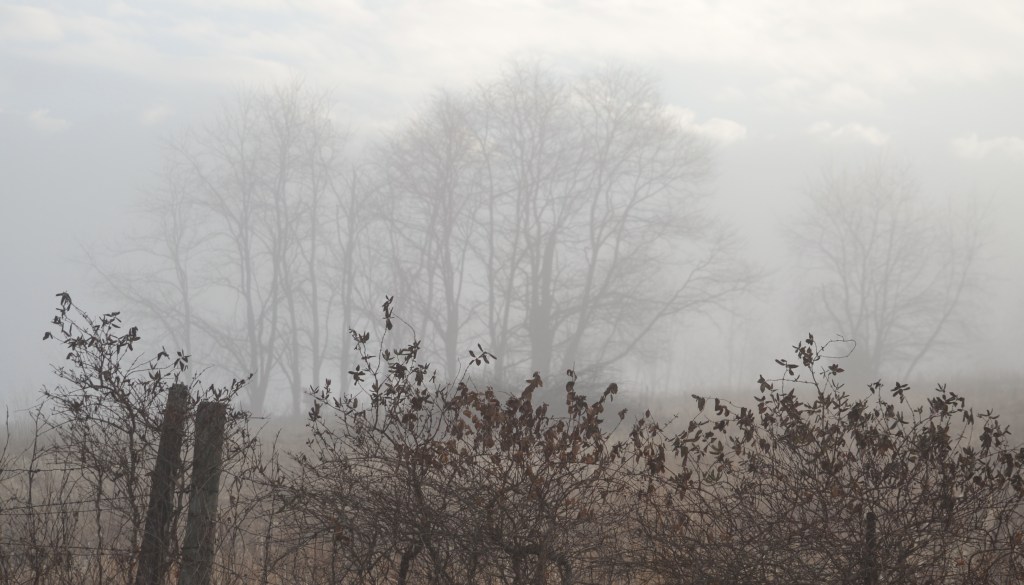
Photo by Bruce Stambaugh

It was a foggy morning to go birding. But this wasn’t any bird I sought.

For several weeks, a Crested Caracara, a bird common in Florida and Texas, had been seen off and on in the Broadway, Virginia, area. That was only a dozen miles from my home.

It wasn’t the first time I had tried for the bird. Then, it had flown off shortly before I arrived, where the Caracara had been spotted on more than one occasion.

I waited and waited, thinking the bird would return after the fog lifted. But it wasn’t to be.

While I had waited, however, I took a few photos of the landscape enveloped by the morning mist. The photo above shows both the fog and where the Caracara liked to perch.

The roadside fencerow in the foreground gave depth to the fog-enshrouded treeline in the background. I was happy with the image, even without my target bird.

© Bruce Stambaugh 2026
First Daffodil

Photo by Bruce Stambaugh

My wife and I enjoy visiting her cousin and spouse in the Piedmont of North Carolina. They return the favor by visiting us in Virginia’s Shenandoah Valley.

We all enjoy many of the same types of retirement excursions, including the local history of areas we visit. We like antiques and thrift stores. And we all enjoy watching birds.

We ventured out to a state park a few miles from their home. While looking for early songbird migrants, we walked a short loop through a woods with moslty second growth trees.

Sprinkled in among the woods were remnants of former residences and farm buildings. Near them, this clump of daffodils had sprouted up, a spontaneous memorial to the people who planted them.

After all the snow we had, it was a pleasure to find a single blossom in full bloom.

© Bruce Stambaugh 2026
The Snow Melt Begins

The daytime temperatures in Virginia’s Shenandoah Valley have been above freezing for the last few days. Consequently, the melting of several inches of snow that fell three weeks ago has begun.

I ventured out in the late morning recently to do some birding. However, I ended up taking more landscape photos because the birds weren’t as active as I’d expected.

I found the topography southwest of Staunton especially captivating, with its rolling landscape, country estates along winding, narrow roads, and the snow-covered North Mountain range as a backdrop to the west. Beauty surrounded me in every direction.

In one location, a Red-tailed Hawk perched on a limb, posture focused downward in hopes of spotting an unsuspecting rabbit, squirrel, or field mouse. In another, a light-phase Red-tailed Hawk soared in the afternoon sunshine, sailing on thermals rising from the warming farm fields below.

White-throated Sparrows and Song Sparrows fed along the exposed roadside grasses and road grit, but scurried for fencerow brambles as my SUV rolled by at pedestrian speed. In the rural areas, traffic was scarce, allowing me to take my time and enjoy the scenery all around me. I stopped several times in the space of a quarter mile to inhale the fresh air, absorb the warm sunshine, and scout for any birds.

I marveled at the patterns in the diminishing snow. Polka dots of grasses surrounded by inches of snowy white speckled south-facing hillsides. Tractor tracks among corn stubble created abstract paintings. Farmsteads stood silent, as if in awe of the February thaw, painting their own Currier and Ives.

A Northern Mockingbird played hide and seek with me, playing hard to get. Darting in and out of roadside thickets, I managed a few photos of the tricky bird. American Robins launched from treelines to forage in the high grasses of pastures still dotted with snow.

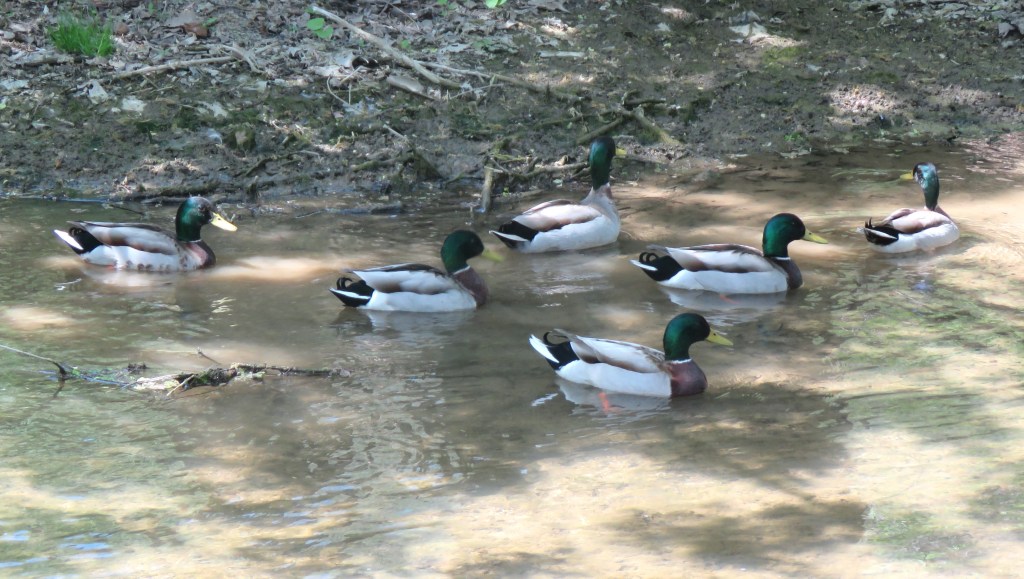
Canada Geese gleaned for food in a wide-open pasture as the ice on a bordering creek gave way to the welcome warmth. I spooked a pair of Mallards enjoying pockets of open water when I stepped out of my vehicle. The geese ignored their quacking.

On the way home, I stopped at a city park along the North River where Long-tailed ducks had been reported. Instead, I found a few humans less interested in patterns in snow or waterfowl than me.

I walked across a footbridge to approach the riverside. At the other end, three seniors my age laughed and shrieked with one another, ignorant of the flock of Common Merganzers floating nearby. The birds quickly took flight.

On the way to my SUV, a trio of young boys threw sticks and pinecones at a small flock of Mallards foraging in the river’s shallows. I advised the youngsters that it’s wrong to disturb wildlife. They hung their heads until I passed by, and then continued their barrage. However, they fled when I turned around and stared at them.

Ironically, the best birds were the closest to home. The thaw substantially diminished the ice on Silver Lake, and the waterfowl basked in the afternoon sunshine. Redheads, Canvasbacks, Buffleheads, and Pied-billed Grebes swam and dove for food.

Best of all, six Tundra Swans stood on the thinning ice, preening in the sun’s warmth. It was a glorious six hours spent in communion with Nature and all her blessings.

Preening Tundra Swans. Photo by Bruce Stambaugh

© Bruce Stambaugh 2026
The Defining Spot

A Tundra Swan. Photo by Bruce Stambaugh

This is an adult Tundra Swan. Tundra Swans can easily be confused with the larger Trumpeter Swans, especially since they often overlap in the winter migration locations.

Unless the two species appear together, it is hard to tell them apart. Adult birds are both white and have black bills. However, the bills of Trumpeter Swans are much larger, as are their bodies. Trumpeter Swans are the heaviest native North American bird.

There is one distinctive way to tell the difference between the two impressive birds. Tundra Swans sometimes have a small yellow spot at the base of the bill below the eye.

Note the small yellow spot just below the swan’s eye.

The problem is that not all Tundra Swans have this identifying mark. So, relying on expert birders to help make a defining identification is recommended. Using a reliable birding field guide should also help.

I hope you get to see both Tundra and Trumpeter Swans. If you do, I also hope they are together so you can tell them apart more easily.

© Bruce Stambaugh 2026
The Grace of Swans

The trio of graceful Tundra Swans on Silver Lake. Photo by Bruce Stambaugh

We were about ready for dinner when a text from a birding group reported three Tundra Swans at Silver Lake. My wife turned off the stove burner, we dressed for the super cold weather, and out the door we went.

Located on the north edge of the small town of Dayton, Virginia, Silver Lake is a few minutes’ drive from our home. I approached the drive from the north, which afforded a full view of the lake.

A flock of dark colored ducks floated near the lake’s shallow north end. Fortunately, no vehicles approached from either direction. I slowed and soon spotted the large white swans in the middle of the lake.

Because it has been so cold for so long after the six inches of snow and sleet, there was little room to pull over for photos. However, I managed to pull on the ridge of plowed snow along the road so I wasn’t blocking the southbound lane.

The Tundra Swans were about 30 yards away. The two adults and one juvenile swam gracefully on the placid water. The young one kept feeding by tipping its head into the water and foraging on the underwater vegetation.

Their closeness let me capture a few decent photos with both my camera and my iPhone before the light faded further. Given the precarious position of my SUV, I didn’t want to linger long.

Satisfied with the photos, we headed home, turned on the stove’s burner, and enjoyed a steaming bowl of soup. It completed a satisfying evening.

The juvenile Tundra Swan dipped into the water to feed several times. Photo by Bruce Stambaugh

© Bruce Stambaugh 2026
On Bells Lane

My wife and I planned to meet some friends for dinner at a restaurant in the town where they live, 30 minutes south of our home. On the way there, I wanted to check a birding hotspot where several nice bird species had been seen and photographed.

We veered off our route a mile and a half to drive the narrow, hilly, winding Bells Lane. The road wound up, down, and around for less than two miles. Yet, the habitat varied greatly in that short distance.

The Blue Ridge Mountains serve as the backdrop for Bells Lane. Photo by Bruce Stambaugh

As we climbed the first hill lined by brushy fence rows and trees, I spotted a small flock of Canada Geese foraging on the hilltop. Pastured hillsides with tuffs of tall grasses, dotted with a few large trees, roll away on either side of the roadway.

I didn’t dare drive too fast. There was too much to see. Tucked away in the swale of two hills, cattails ringed a small pond, perfect for shorebirds and waterfowl.

Since the day had been mostly cloudy and dusk was nearly upon us, I merely wanted to check out this popular birding spot. Still, I saw a Northern Harrier coursing over a rolling field heading away from us.

Of course, I stopped a few times to take photos of this stunning landscape, even in winter’s dormancy. Amber stocks of spent weeds infiltrated the rolling tan pasture fields. Dead thistle plants painted their own fencerow portraits.

Spent thistle. Photo by Bruce Stambaugh

White-crowned Sparrows and White-throated Sparrows flushed from the roadside into the safety of nearby bushes. A Red-tailed Hawk perched on a precarious limb over another fallow field.

What surprised us most were the old, plantation-like farms we found along Bell Lane. The farm lanes were so long and lined with unkempt trees and vegetation that we could hardly see the homes and outbuildings. The settings literally oozed history.

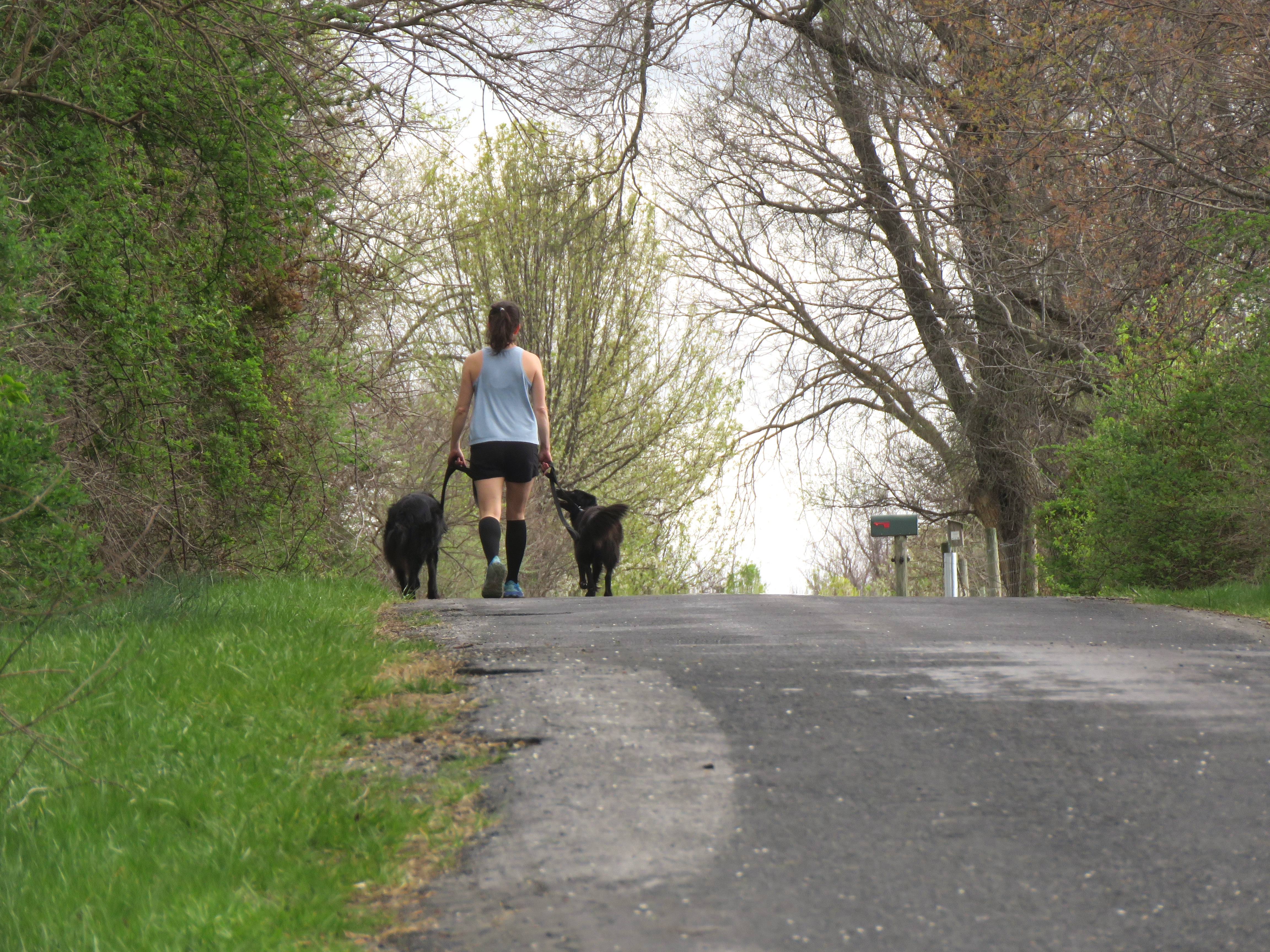
Rounding a curve, we passed a gray-haired lady walking her black lab. On the left, a small pond stood, nearly hidden by the vines threading their way through the saplings and the wire fence.

Please click on the photos to enlarge them.

We crossed a small stream and were soon at the intersection back at the main highway. I was mightily impressed with the opportunity this country lane provides for bird watchers.

Without question, I will be back to Bells Lane. I’ll search for the Sandhill Cranes, Short-earred Owls, and any other birds, big or small. I’ll see what stories this curious road reveals as well.

© Bruce Stambaugh 2026
On Golden Pond

I had company while taking photos of the spectacular sunset at Silver Lake in Dayton, Virginia. A lone female Bufflehead repeatedly dove in the calm, shallow water for food.

The diving duck did what it was supposed to do to survive. It dove and surfaced so frequently that small ripples created a corduroy effect across the southern section of the lake. The warm light of the setting sun transformed Silver Lake into a golden pond.

A female Bufflehead floated on Silver Lake. Photo by Bruce Stambaugh

© Bruce Stambaugh 2026
Sunrise, Sunset on the Same Day

After an early morning lab test at the local hospital, I drove a couple of miles to a favorite lake that often affords decent birding. I found the bird I hoped would be there, a lone Sandhill Crane, plus I got a bonus.

The small lake lay east and west, with an opening to the east where the spillway falls into a natural ravine. The Blue Ridge Mountains in Shenandoah National Park are visible in the far distance.

As I began my search for the crane, the sun broke through a layer of low clouds. It wasn’t much, and it didn’t last long, but the mauve and orange caught my eye. It was a stunning but subtle scene.

Sunrise at Lake Shenandoah, Harrisonburg, Virginia. Photo by Bruce Stambaugh

Once I found the bird and pointed it out to a trio of young birders, I headed home. I kept my eye on the sky in hopes of an even prettier sunset.

With high broken clouds, I decided to visit Silver Lake in the quaint town of Dayton, just a few miles from my home. I arrived with the sun still hanging low in the southwest.

At first, I wasn’t impressed. I was fearful that the clouds that often congregate over the Allegheny Mountains to the west in the evenings might spoil any chance of a nice sunset. However, I have learned to be patient after years of chasing sunrises and sunsets.

That’s been even more true here in the Shenandoah Valley. With mountain ranges to the east and west of the county, the sun takes its time to paint the sky. That’s exactly what happened.

Things were still dull in the west, but I looked behind me, and the clouds in the eastern sky blushed in warm tones. I drove to the other side of the lake to capture the reflections.

I no sooner arrived there when the western horizon burst with fiery hues. I returned to my original spot and snapped away.

I was most grateful for nature’s wondrous morning and evening displays that day. It pays to keep an eye on the sky.

A lone Sandhill Crane. Photo by Bruce Stambaugh

© Bruce Stambaugh 2026
Bay Photos by Donna

Wildlife Photos From The Chesapeake Bay Region

ROAD TO NARA

Culture and Communities at the Heart Of India

K Hertzler Art

Artist and nature journalist in the Shenandoah Valley of Virginia.

Maria Vincent Robinson

Photographer Of Life and moments

Gabriele Romano

Less Noise. More Meaning

Jennifer Murch

Art is the only way to run away without leaving home. -Twyla Tharp

Roadkill Crossing

Writing generated from the rural life

ANJOLI ROY

writer. teacher. podcast cohost.

Casa Alterna

El amor cruza fronteras / Love crosses borders