Hello darkness, my old friend

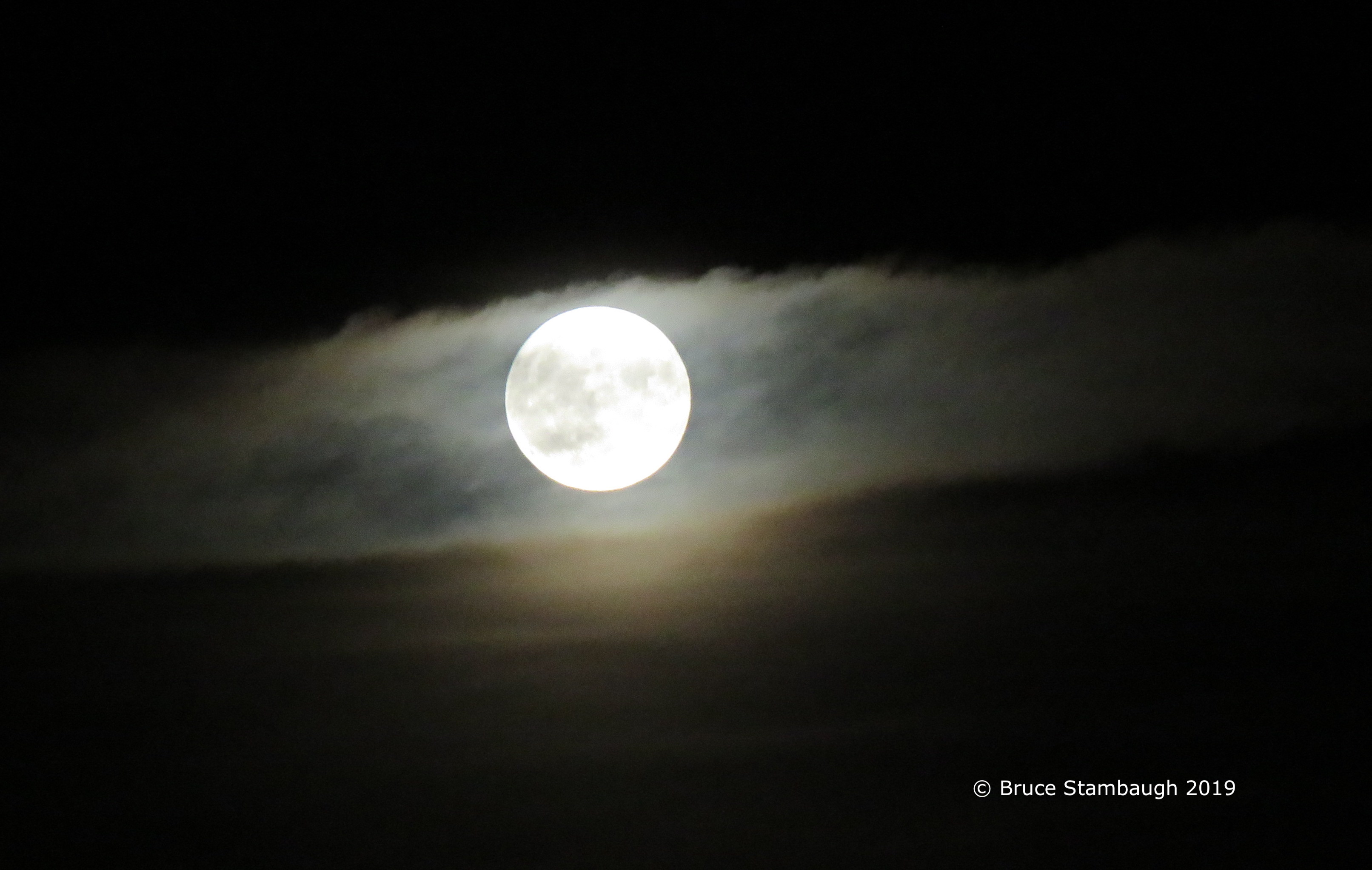
October’s Harvest Moon rises over Massanutten Mountain near Harrisonburg, VA.

Many moons ago, I remember clearly seeing the Milky Way for the first time in ages. I stood starstruck at the twinkling, gem-like brilliance overhead.

In the evening chill, I gazed transfixed, awestruck. Of course, the setting alone provided that opportunity. I had just stepped out of the historic El Tovar Hotel at the Grand Canyon’s edge in northern Arizona.

I felt like a child again, my mind racing back to forgotten summer nights when I would lay on my back in the coolness of the grass and watch the stars and planets. My family lived in a suburb of a blue-collar steel town in northeast Ohio. We could still see the heavens above.

Back then, light pollution was not an issue. Street lights were fewer, and their incandescent bulbs radiated soft light. I even remember being able to track satellites from our front yard.

Somehow, somewhere we North Americans became afraid of the dark. More and brighter street lights and security lights multiplied, all in the name of blotting out the darkness. Now, light pollution prevents 80 percent of the U.S. population from seeing the stars.

The evolution of lighting up streets, buildings, and entire cities has grown exponentially with urban sprawl. In today’s world, most people have to travel out into the country to see the stars.

Residents of cities like Jacksonville, FL, have little chance of seeing the night sky.

Seeing the night sky was one of the benefits of living in a rural area like Holmes County. The air was so clean that Amish buggies rode by at night with no lights on at all until they heard a vehicle coming. Though it wasn’t a safe thing to do, the point was that the horse and driver didn’t need lights to guide them.

We chose the house we now live in near Harrisonburg, Virginia, in the daytime. Being able to see the night sky on a clear night came as a bonus. Our expansive housing development has no street lights.

Light fills our modern night lives, too much of which is bright, blue illumination from all of our electronics. Cell phones, computers, and TV screens stimulate us rather than relax us before bedtime.

Humans need dark nights to get proper sleep. Some people have to use black nightshades to cover their windows to shut out external, artificial light to get some sleep. Sleep deprivation can lead to too many negatives for us humans.

Excessive night lighting disturbs wildlife, too. More than 60% of invertebrates and 30% of vertebrates are nocturnal. Each year, millions of migrating birds die by flying into urban windows illuminated at night long after employees have gone home.

Newly hatched sea turtles crawl to the brightest light, which used to be the stars and moon twinkling over the sea. Now, the turtles turn the wrong way and perish unless the artificial lighting is turned off.

Nighttime photos taken from space of urban areas may look pretty, but such massive lighting causes problems and is extremely expensive. Imagine the money and resources society would save by simply turning off all those unnecessary lights. Plus, too many of the lights point skyward instead of down.

We shouldn’t be afraid of the dark. Nighttime is good for our rest, our bodies, our souls, our ecosystem. As we enter the winter’s season of darkness, we should embrace it, not try to either eliminate or illuminate it.

Yes, darkness arrives early now and will continue to do so into the New Year. Until then, I’ll just steal an opening line from Simon and Garfunkel: “Hello darkness, my old friend…”

Halloween’s Blue Moon and Mars in the abstract, taken from my backyard.

© Bruce Stambaugh 2020

Halloween pranks then and now

We don’t need a calendar to remind us that Halloween is just around the corner, quickly followed by the U.S. presidential election. Do we get doubly spooked this year?

I can’t decide which is worse, all of the Halloween related commercials or the political campaign ads on television. Sometimes it’s hard to distinguish between the two.

Halloween has had a history of inspiring misbehavior, reference Ichabod Crane. Unfortunately, ghoulish nonsense gradually replaced good-natured orneriness over time.

When I was a youngster, a hooligan once stole a pumpkin right off of our front porch. My younger siblings and I happened to see the teenage culprit dashing down Winton Ave. with our jack-o-lantern still flickering with each stride the young man took.

Once we arrived back home after a two-hour trick or treat raid of the neighborhood, we forgot about the lowly pumpkin. Our childish attention turned to comparing who got the most and the best candy.

Our family dentist declared the winner at our next checkups. The one with the fewest cavities won.

Growing up in suburbia in the 1950s and 60s was mild compared to today, however. Usual Halloween tricks included throwing shelled field corn against people’s windows to scare them. Soaping windows was also a common prank. Those who traded soap for paraffin were considered mean.

I found out what real Halloween tomfooleries were when we moved to Holmes County, Ohio, in the heart of Amish country. Torching corn stalks in the middle of the night and burning tires on highways were major annoyances, not to mention illegal and dangerous. The county sheriff added extra patrols to try to quell the orneriness.

I remember one story, vividly. A sheriff’s deputy that I knew was driving his cruiser through dense fog late one night. An egg thrown from a passing Amish buggy hit his vehicle, and a short pursuit ensued. The black buggy with no lights quickly disappeared into the thick fog.

Teens took turns tormenting different towns. It would be Berlin one night, Mt. Hope the next. Then it was Benton, followed by Farmerstown, and on and on it went.

There never seemed to be any rhyme or reason to the order of towns adorned. Toilet paper streaming from trees and utility lines decorated each village. I hope that doesn’t occur during the pandemic, or they’ll be another shortage of toilet paper.

Pranksters would hoist farm equipment atop buildings and corral “borrowed” livestock in town squares. At least they provided hay and straw for the animals. The critters and buggies usually found their way back to the rightful owners.

Trick or treating was more controlled in the rural areas. Community organizations and volunteer fire departments hosted gatherings for children and handed out candy in pre-stuffed bags. Hundreds of costumed kids paraded before judges, who then awarded cash prizes for the funniest, the most creative, and the scariest costumes.

This year community-based parties like those that our children attended will replace trick or treating. With the pandemic still raging, many communities around the country are rightly canceling traipsing door-to-door.

But don’t worry. This year Halloween night has some extra special celestial treats for everyone. The night sky will scare up a Blue Moon. The October 1 Harvest Moon was the month’s first full moon.

There’s more. Mars won’t be this close to Earth again for a long time. The red planet will cozy up to the full Blue Moon on Halloween night.

Let’s hope for a clear sky so that we can enjoy the heavenly show. Just don’t gaze skyward too long. Someone might steal your pumpkin.

© Bruce Stambaugh 2020

Pure Gold

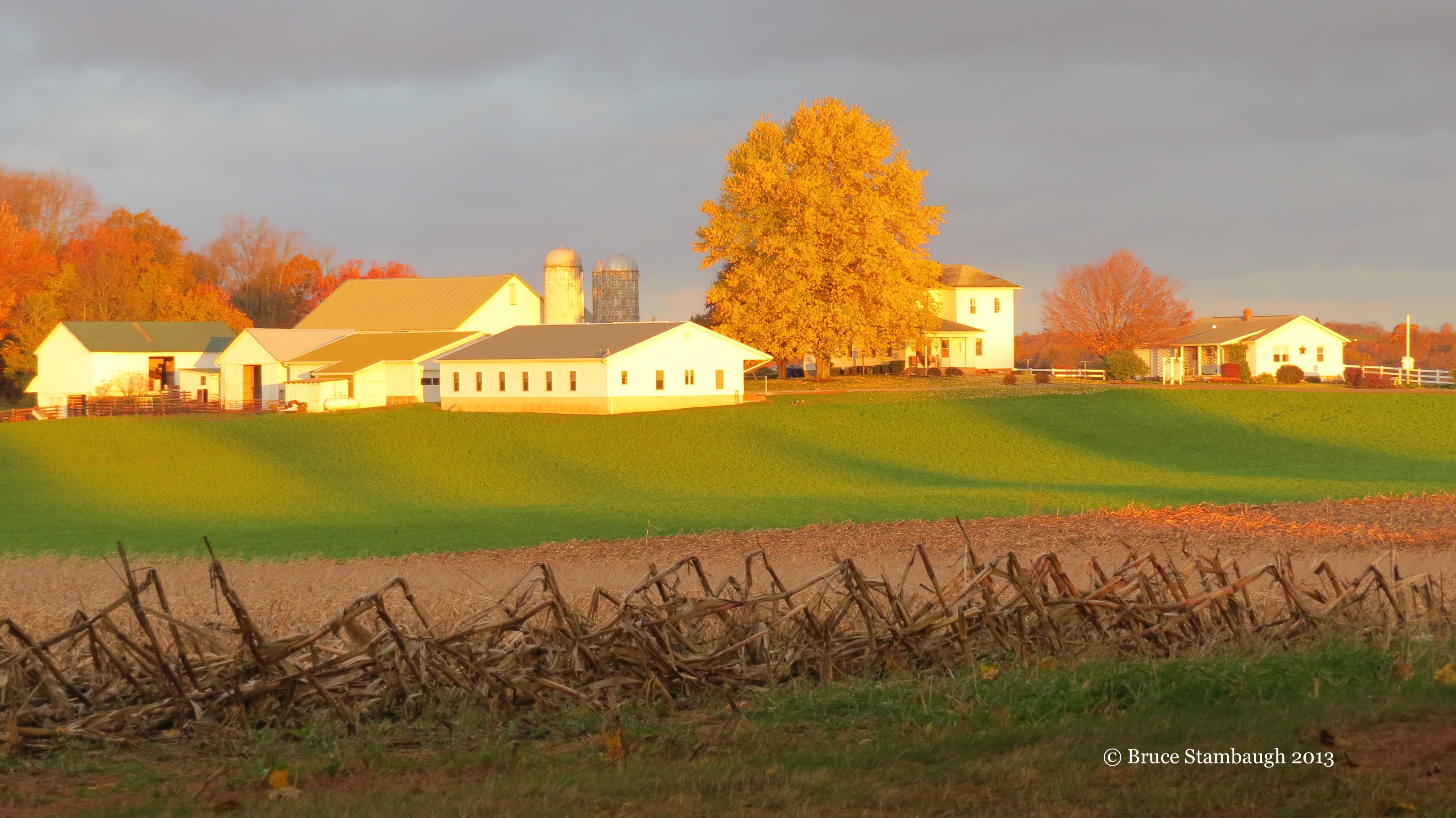
This was our view every fall when we lived in Ohio’s Amish country. I took this shot from our backyard. The sun had just risen above the hills to our east, bathing everything, including the already colorful leaves, in pure gold.

“Pure Gold” is my Photo of the Week.

© Bruce Stambaugh 2020

Entering the October of my life

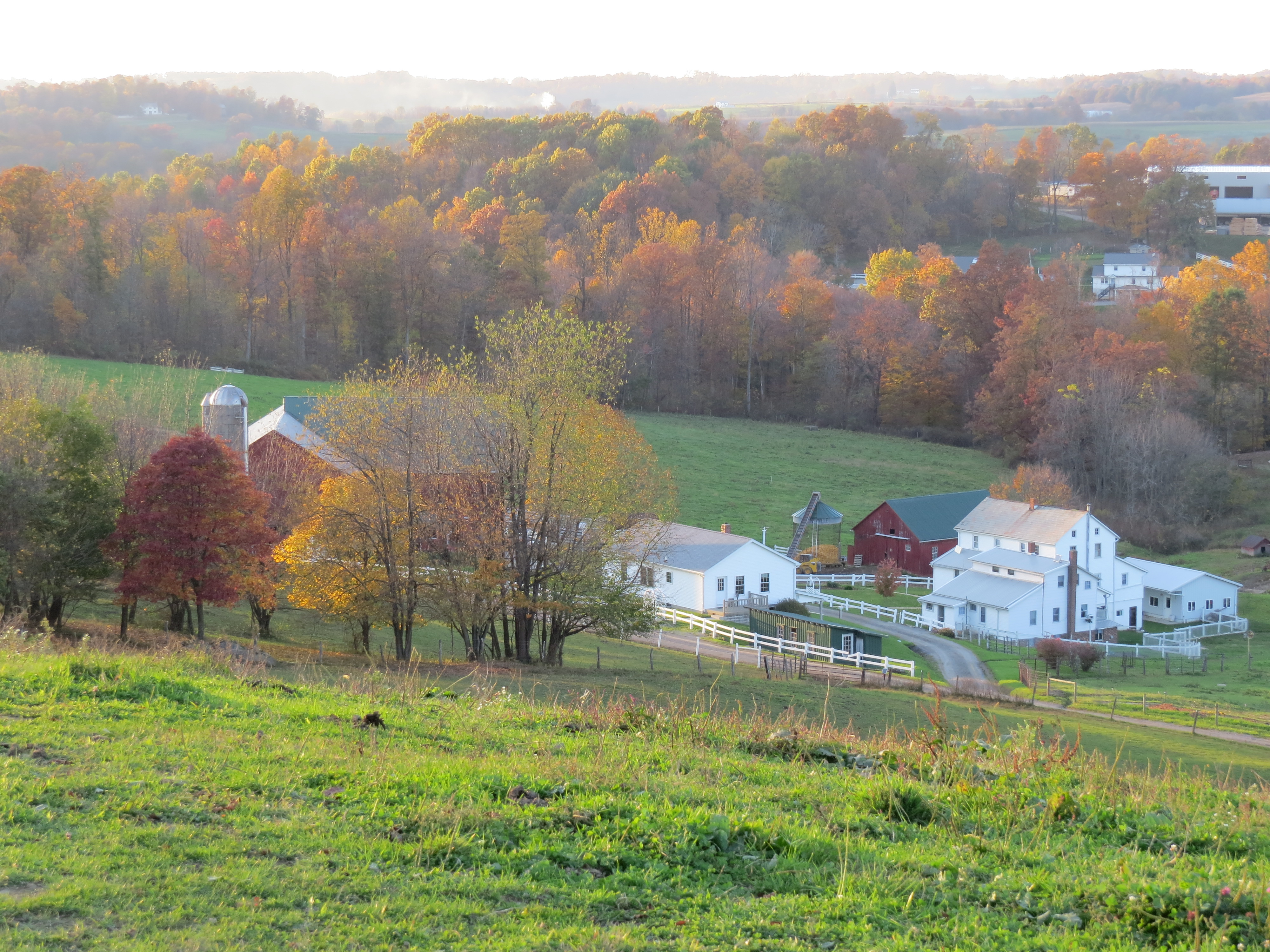
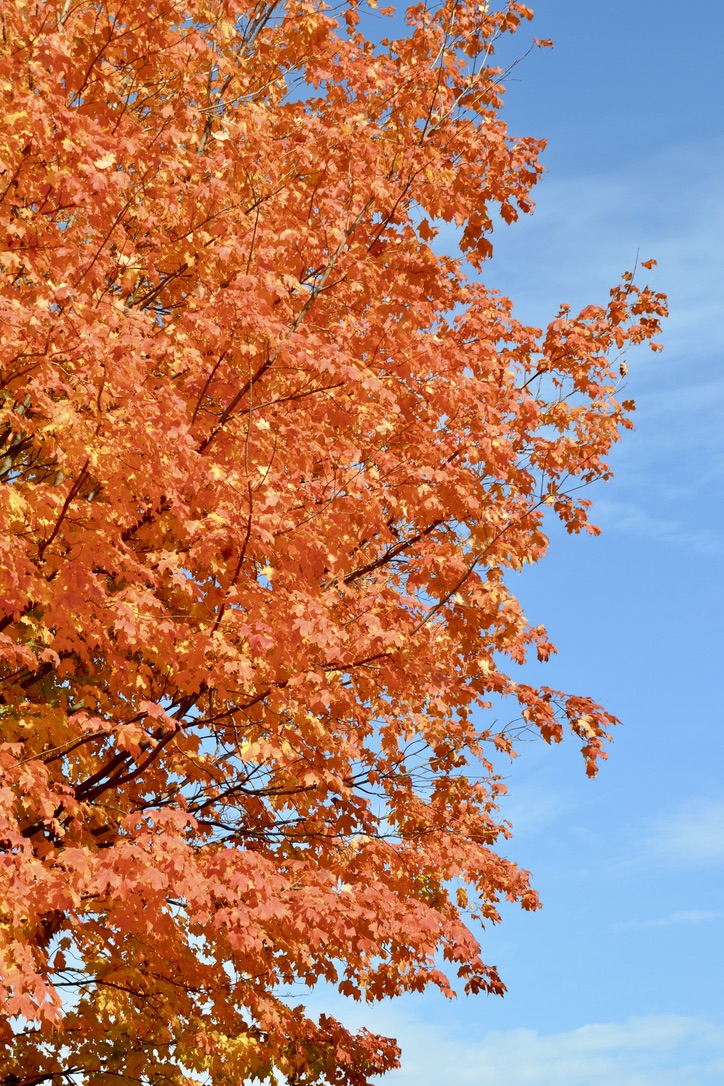
October in Ohio’s Amish country.

October offers up some of the year’s best weather. It often claims ownership of the year’s first killing frost, too, and the first snow. Sometimes it’s both.

October and I have a lot in common.

Weather is one of my favorite hobbies. I have satisfied that itch as a volunteer severe weather spotter for half a century for the National Weather Service. However, October is usually one of the quieter weather months unless a tropical storm plays havoc across the eastern U.S. Evidence 2012’s Superstorm Sandy.

The western edge of Superstorm Sandy exits Holmes Co., Ohio.

October tends to be the calendar’s buffer between fairer weather and the more barren, colder months that follow. In other words, the tenth month foretells the winding down of every year. There can be no better year than the present to draw to a close. I doubt that I need to elaborate or provide the gory details.

Enough of the quixotic shenanigans. October and I have much more in common than climatological conditions.

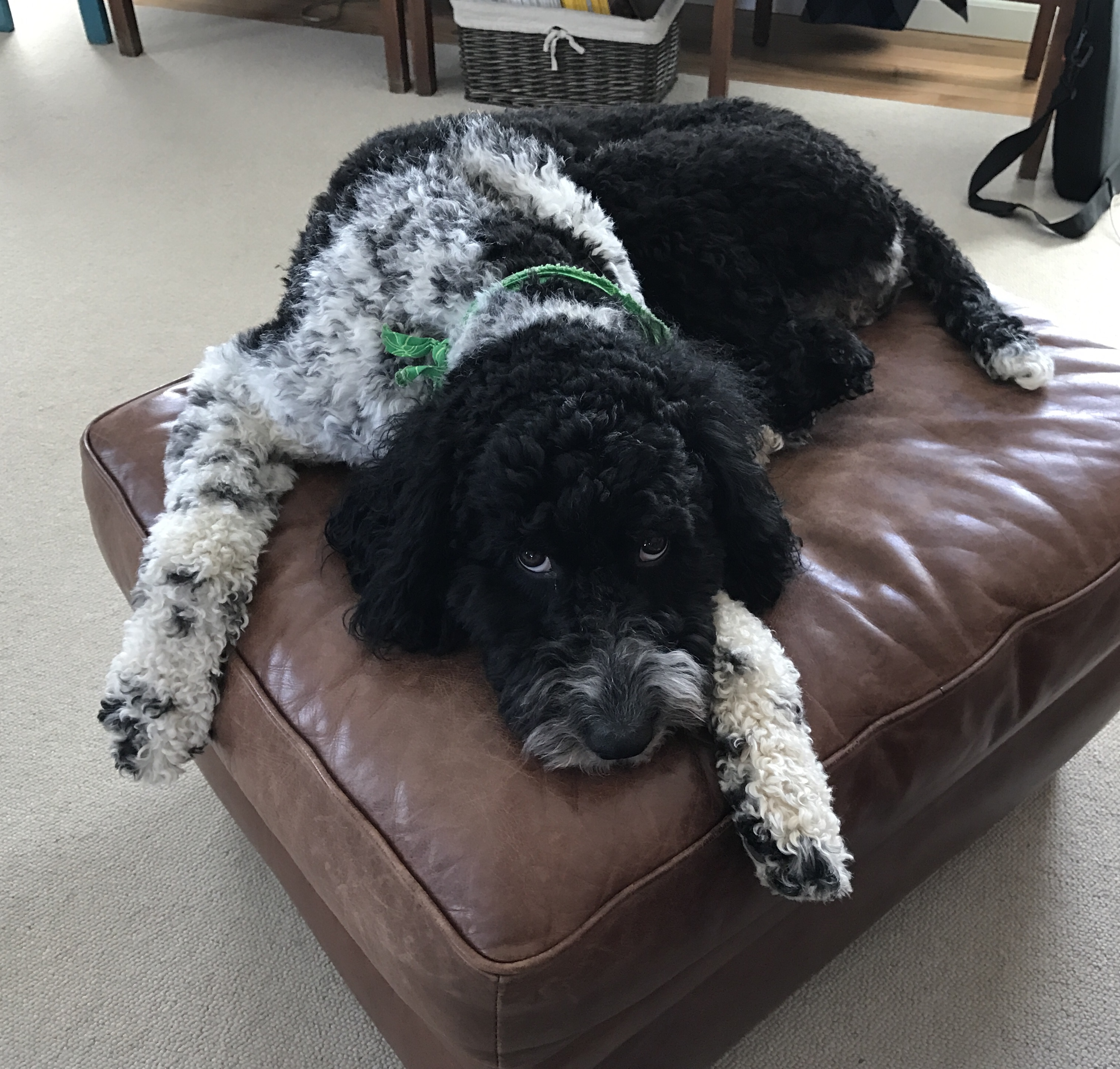
I’ve entered the October of my life. I stay as active as I can, but it’s pitiful to watch me throw a tennis ball for our granddog to fetch. Millie is so unimpressed that she often refuses to give up the retrieved ball I’ve thrown.

Millie.

Millie knows that my toss can’t compare to that of our oldest grandchild, the 16-year-old with a pitcher’s arm. Millie gets to run far beyond one of my feeble efforts.

Before and since my knee replacement a year ago, I have maintained a regular exercise routine. I also do yoga twice a week. I try to walk a mile every day. I ride my bike around and up and down our inclined neighborhood. To look at me, you wouldn’t know that I do any of that.

I have never been a muscular guy. But I usually could hold my own in most physical activities. Not anymore.

I am not ashamed to admit it. I’ve accepted where I am in life. I also kindly relent to any assistance from passersby when I’m toting multiple bags of mulch or birdseed, or anything heavier than a gallon of milk. I’m old, and I want to get older. So I quash my male ego and accept offers to help.

A few years ago, Walter C. Wright wrote a book, “The Third Third of Life: Preparing for Your Future.” It’s a workbook to help you ready for retirement and beyond. It’s an easy, practical read. The hardest part is accepting the fact that you are in that senior citizen-stage of life. For some, it comes sooner than it does for others.

When I was young, I’d spouted off that I would live until I was 100. I have longevity on both sides of the family to back that up. But I also have ancestors who never reached retirement age.

Like leaves on deciduous trees, I want to keep on hanging on as long as I can. However, the leaves, of course, eventually color, fade, and fall.

I also understand that that is where October and I differ. After the foliage tumbles, buds protrude for next year’s crop to unfurl, and once again nurture the growing tree with a thriving canopy.

Humans don’t have that option. We get one shot at life unless you believe in reincarnation. For the record, I don’t. But if I did, I would return either as a chiropractor or a meteorologist.

October is a fine month of the year. I have fond memories of her from childhood to the present. Here’s to many more nostalgic Octobers for everyone.

October on the line.

© Bruce Stambaugh 2020
Autumnal Equinox Sunrise


Fall in the Northern Hemisphere has officially arrived! I always welcome the fresher, cleaner air, less humidity, and cooler temperatures.

The first sunrise of autumn on September 23, 2013, brought all of that and more. As you can see, fall got off to a foggy start that day.

This photo was taken as the sun filtered through a typical September morning fog in Ohio’s Amish country, where I used to live. The wagon in the alfalfa field is a church bench wagon. It was parked there to provide seating for an Amish wedding.

“Autumnal Equinox Sunrise” is my Photo of the Week.

© Bruce Stambaugh 2020
Celebrating the universal work ethic

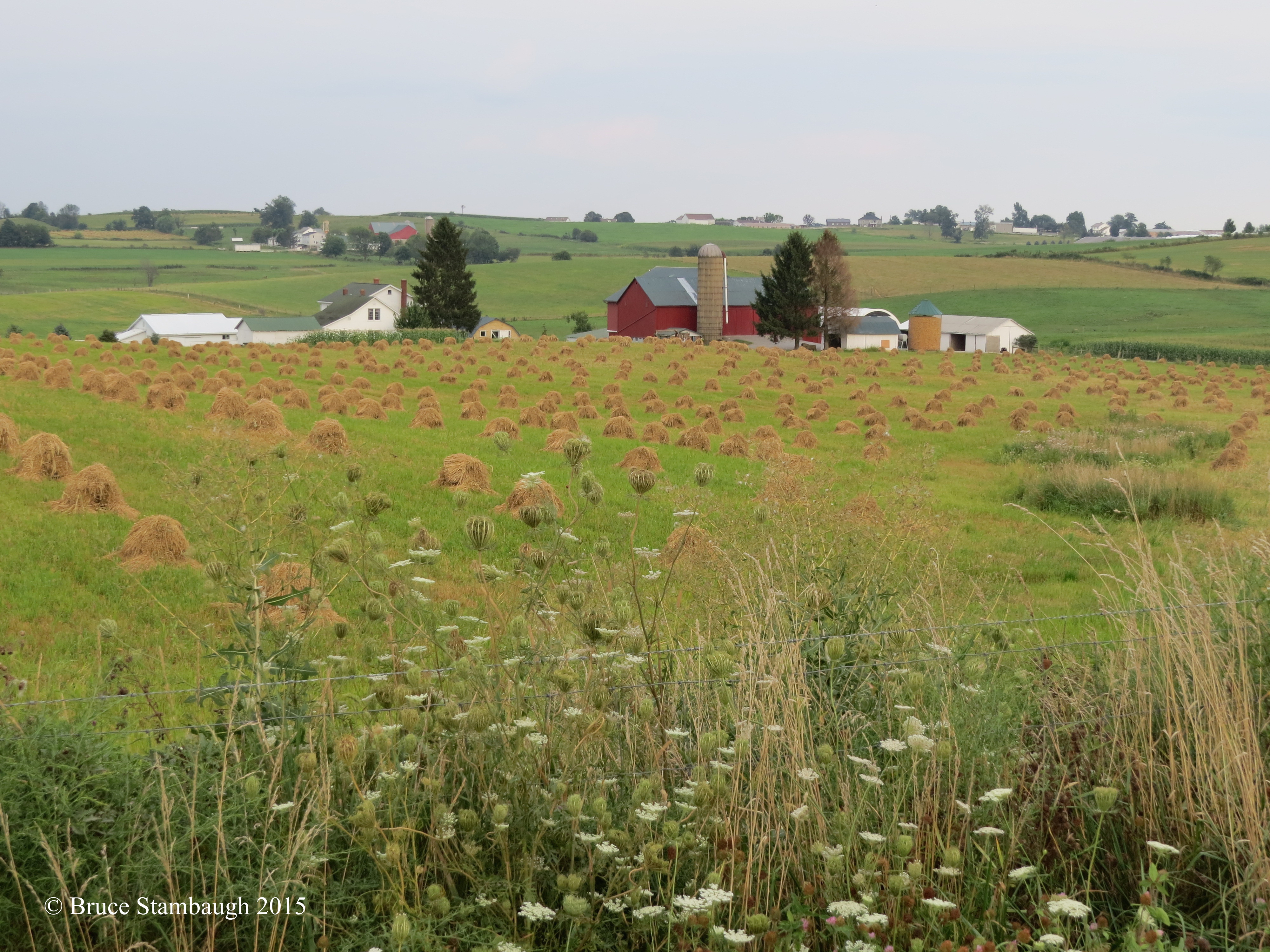
Old Order Mennonite farms dot the landscape in western Rockingham Co., Virginia.

Americans will enjoy yet another three-day weekend in the U.S. with Labor Day picnics and outdoor events of all kinds. However, this year’s activities likely will best be tempered with proper physical distancing and perhaps a dab of humility, given all the national chaos.

Labor Day became a national holiday when President Grover Cleveland signed a bill into law in 1894. It designated the first Monday of September as a day to honor all those who work. Several states had done so previously after labor strikes and deadly battles between workers and authorities. The ugly details, unfortunately, compare equally to today’s ongoing strife in the U.S.

Growing up in a blue-collar town in northeast Ohio, Labor Day served two purposes for the young. It was yet another three-day holiday weekend, and it marked the end of summer. A half-century or more ago, summer vacation from school ran Memorial Day to Labor Day.

As a youngster, I don’t recall being curious about why there was a Labor Day. As an adult, I now know that it was a hard-fought effort on the part of laborers for fair pay, decent work hours, and safe conditions.

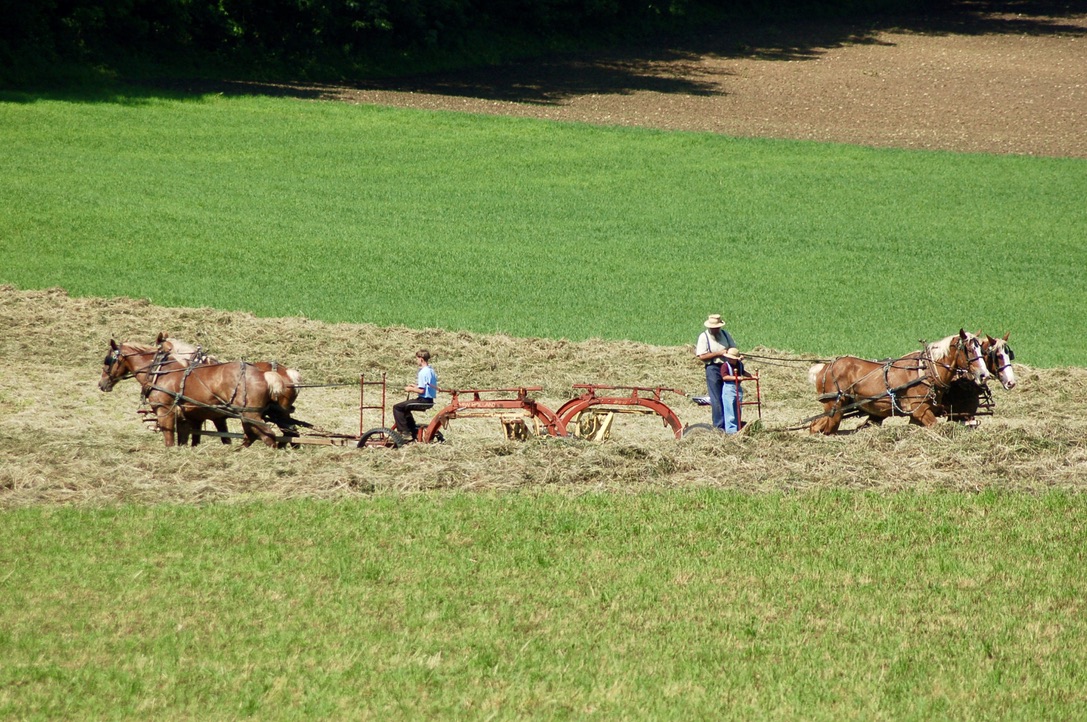
Amish children routinely help adults with chores, especially on farms.

Even in a pandemic, we can easily forget or ignore the efforts of others to make our lives more comfortable and enjoyable. In that regard, Labor Day might be the most under-appreciated U.S. holiday.

During the Industrial Revolution, machines created jobs, and people willingly and unwillingly filled them. Men, and too often children as young as six-years-old, worked long, grueling hours, sometimes half a day with no overtime pay.

The children, of course, were paid far less than the adults for the same amount of work time. Such treatment helped bring about our current child labor laws.

It only seems logical to have a holiday that celebrates work. A strong work ethic is valued in cultures worldwide. Too often, however, folks don’t see it that way. They imagine that they somehow have a grip on the virtue of work, while at the same time chastising others as lazy or preferring government handouts.

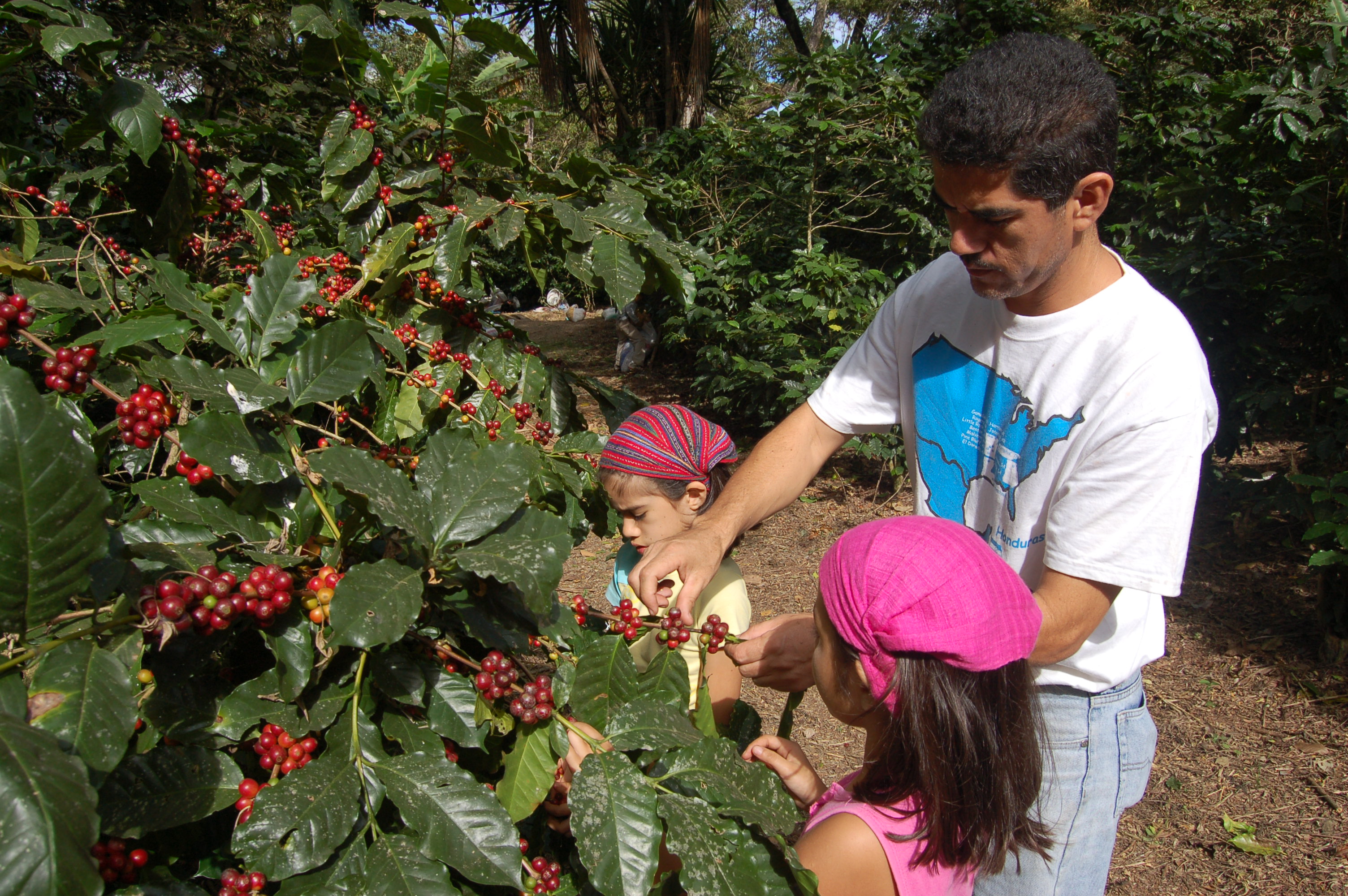
Harvesting coffee beans in Honduras is a family affair.
Multiple trips to Honduras helped me see through that divisive thinking. Hispanics like to work as well and as hard as any other culture. They also did so earning less than a dollar an hour for a day’s work in maquilas, or sweatshops, making brand name clothing for citizens of the western world to wear.

We are fortunate in this country to have had workers who banded together in the 19th and early 20th centuries to demand fair pay and safe working conditions. Today, however, say the word “union,” and it might be the end of a budding conversation.

The truth of the matter is that were it not for unions and strikers, we might not be enjoying an extra day off of work this weekend. Given our fast-paced, 24/7 online universe, many workers might rightly wonder, “what day off of work?”

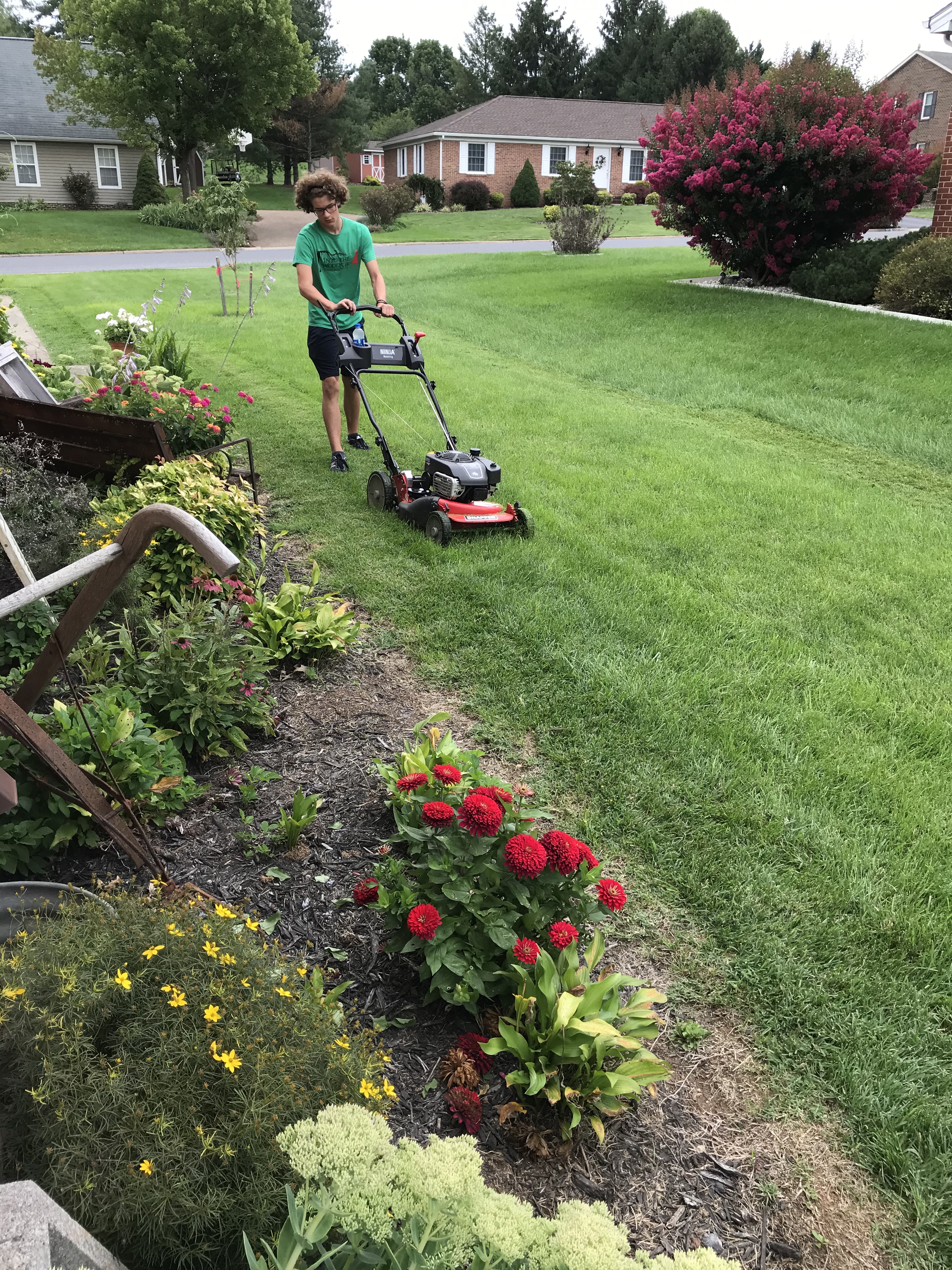
Our grandson mowing our lawn.
I much appreciate the influence of my parents, grandparents, and their peers in modeling the importance of having a strong work ethic. It helped my siblings and me in gaining an education, training, and extended careers.

Energetic peers surrounded my wife and me for all of our adult lives in Ohio’s Amish country, where work ethic continues to be revered. It’s equally so in the Appalachian and Old Order Mennonite cultures in Virginia’s Shenandoah Valley, where we now live.

This Labor Day, like every Labor Day, we will smile upon the generations of bold laborers who made it possible for us to work and play along life’s way.

© Bruce Stambaugh 2020

A once in a lifetime man

An Amish farmstead near Kidron, Ohio.

Jay Lehman was the kind of man that you might meet only once in a lifetime. He embodied the very values of the community in which he was born, lived, and worked.

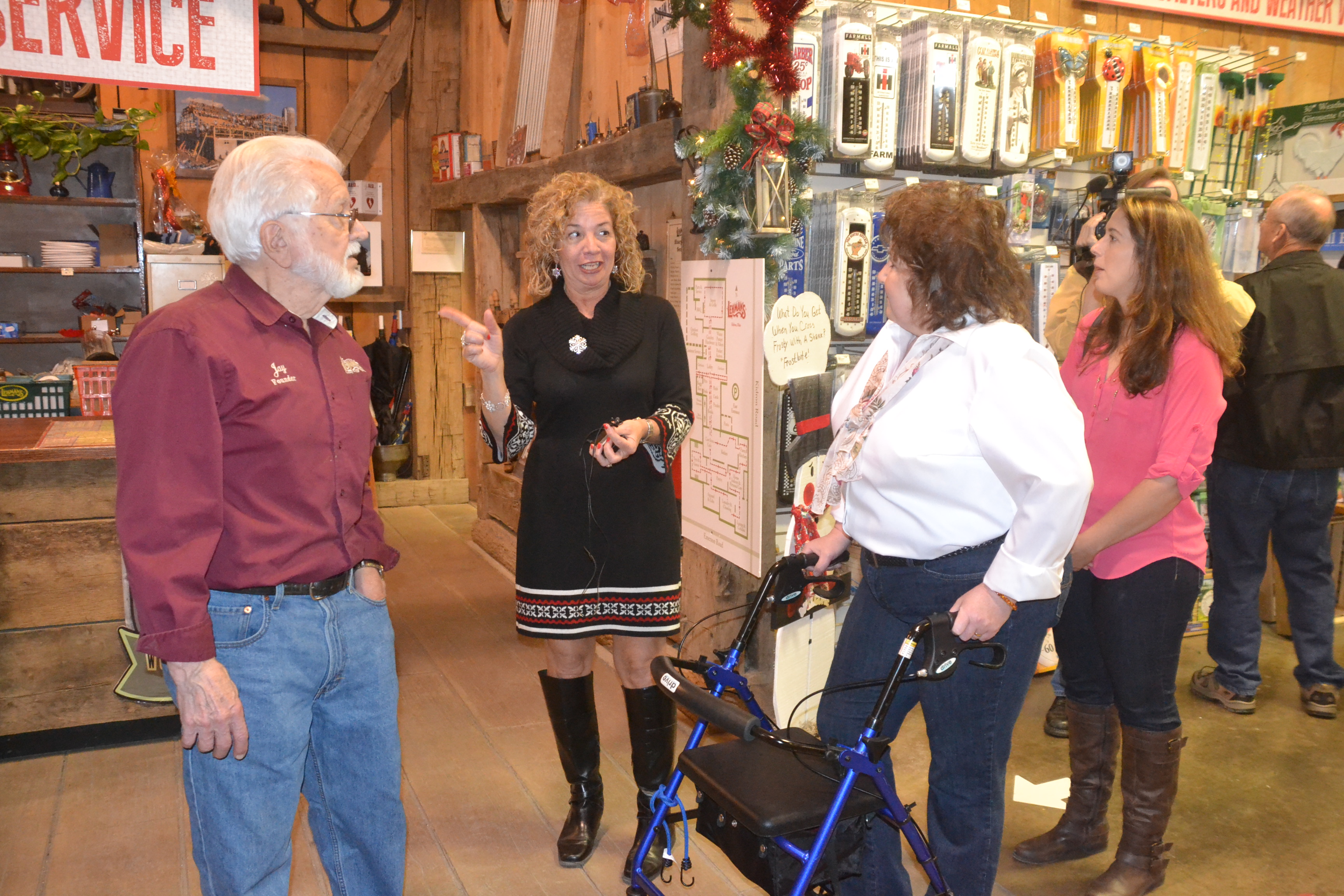
Jay died recently at age 91. He was the founder of the old-time general store Lehman’s in Kidron, Ohio. I was fortunate to have known him as both a friend and a business leader. Scores of others can say the same thing about Jay.

Jay Lehman.
That, however, is what impressed me so much about the man. We weren’t close as friends go, and we didn’t run in the same social circles. And, yet, whenever he saw me, he always went out of his way to call me by name, say hello, shake my hand firmly, and ask how I was doing. Jay was a good listener.

I got to know Jay the best through a cooperative marketing group that I facilitated. The original group included six Amish country, family-owned and operated businesses with a single location. Lehman’s was a founding member.

Jay pointing out one of the museum-quality pieces in the store he founded.
Jay started his little hardware and household goods business in 1955 at the crossroads of his rural hometown village. His original purpose provided necessary lifestyle items for the Amish community that surrounded Kidron.

Over time, the store’s purpose ironically flipped, becoming more of a tourist destination in Amish country. Jay embraced that change without losing sight or letting go of his and the community’s core values.

Faith, family, community, and a strong work ethic fulfilled humbly reflected not only the area’s priorities but Jay’s, too. Jay modeled those qualities in his personal and business life. That’s what made both Jay and his company tick.

In that success, Jay honored those values. He lived his faith by supporting the church and charities that he cherished. Even in a crowd of hundreds at statewide church conferences, Jay would acknowledge people by name and ask how they were doing. It might have been years since he had seen them. He understood the worth of healthy relationships.

That, in part, is what drew folks to Jay. He possessed a quiet, confident demeanor, and yet humility formed the mantle of his character. Even Lehman’s tagline reflects that concept: “For a simpler life.”

Jay Lehman at Lehmans in Kidron, Ohio.
Jay saw the future in the past. He preserved anything of locally historical value for posterity and education. A walk through the store reveals hundreds of antique relics that would have been lost were it not for Jay’s foresight. If you want, you can have lunch at Lehman’s while sitting in the old town jail.

Jay enjoyed the simple life, but he certainly was not a simple man. He loved a good “Rook” game with friends and family as much as he enjoyed traveling. Future generations were as vital to him as his Swiss ancestors, which he revered.

As the company grew and expanded, family members, friends from church and community joined in to help him run the store. When he reached retirement age, he passed the leadership on to the next generation. But he continued to be a dynamic presence at Lehman’s.

It was a joy to watch customers recognize Jay as he strolled around his much-expanded corner store. He was the living icon of Lehman’s, now an international business.

Jay’s legacy will live on through his successful entrepreneurship and his lifetime of kindness and generosity. Living those essential core values shaped that legacy.

His was a compassionate life. Jay lived not just for himself, but for all whom he so tenderly touched far beyond the little town of Kidron, Ohio.

Jay, shown with his daughter Glenda Lehman Ervin, often talked with visitors to the store.

© Bruce Stambaugh 2020

Ambivalent about August

August in Ohio’s Amish country.

I’ve always been a bit ambivalent about August. I’m especially so this year, given all the ramifications of the ongoing pandemic.

When my wife and I lived in Ohio, August kept us busy as career public school educators. We each geared up for the start of a new academic year. As a principal, I created schedules and rosters and attended too many meetings. The excellent teacher that she was, my wife spent many hours preparing each classroom to be an inviting learning haven.

Canned peaches.
August also ushered in the food preservation season. We froze dozens of containers of sweet corn and apple sauce. We waited for the canning lids to sound the seal of approval with satisfying “pops” for the tomatoes, grape juice, beets, and peaches. Rainbows of goodness adorned our shelves.

Of course, we weren’t alone in these endeavors. After I retired, I savored sale mornings at the local produce auction. I loved the hustle and bustle of men and women unloading their trucks and horse-drawn wagons. The rhythmical cadence of the auctioneers barking out their persuasive banter was sweet music to my ears.

The growing season here in the Shenandoah Valley where we live now is a couple of weeks ahead of Holmes County, Ohio. So, we don’t have to wait as long to enjoy our first taste of locally grown veggies.

Farmers Produce Auction, Mt. Hope OH
Auction in action.

August is more than agriculture, though. The three H’s rule the eighth month: hot, hazy, humid. That’s not the main reason for my ambivalence, however. With the coronavirus continuing to run rampant, uncertainty abounds in everyone’s life.

The city schools where our grandchildren attend here were set to open with a combination of in-person and online instruction. The latest surge in COVID-19 has altered that plan. They’ll start the year learning remotely.

Mask-wearing is the norm, especially when entering stores or buildings. Neva and I have continued to be extra cautious about keeping our physical distancing. We truly miss the close socialization of friends and family.

Some states are doing better than others at slowing the virus. States that reopened with too few restrictions or where few people followed the guidelines are unfortunately paying the price.

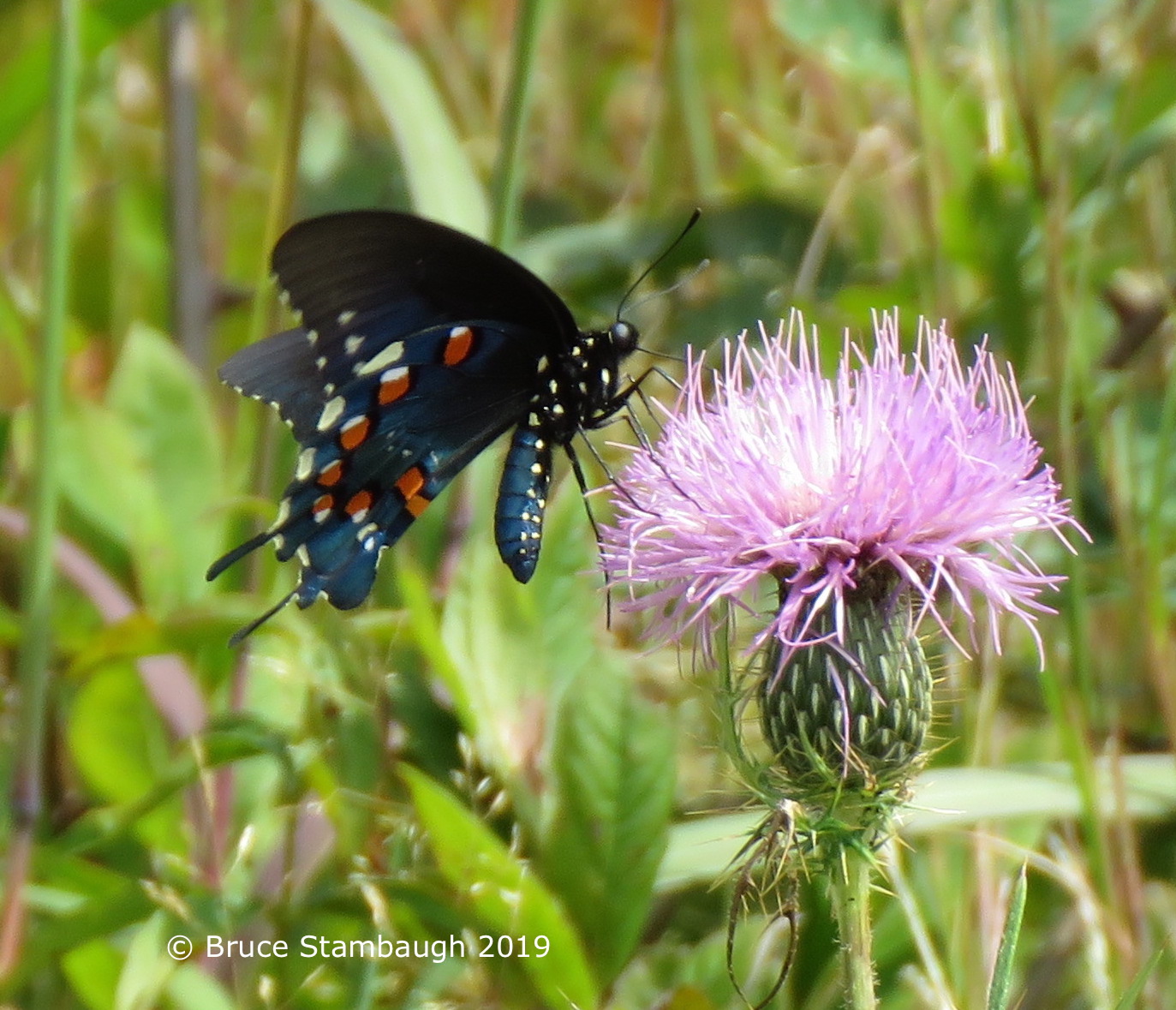
A migrating black tiger swallowtail butterfly.
Since the governors have had to take the lead in issuing orders and health guidelines, rules and suggestions vary significantly from state to state. In part, that’s what has fueled our consternation.

We haven’t seen in person our son and his wife, who live in New York State, in more than a year. We have friends and relatives who have tested positive, but fortunately, they have all recovered so far. Too many others weren’t as fortunate.

County and street fairs, high school football, band shows, concerts, vacations, have all been canceled. Major League Baseball is trying to play a shortened season with no fans in attendance.

Virus or no virus, August will be August no matter what. Golden sunsets will blaze away in the hazy evening skies. Migrating birds and butterflies will begin to wing their way south.
We’ll continue to meet with friends, relatives, and worship remotely through technology.

Under the current dire circumstances, it’s the best and safest we can do. We’ll continue to do our shopping curbside.

Even given all that, I know that my August ambivalence must yield to patience, and patience to resolve. We have to see this global health crisis through for however long it takes. I’ll continue to be cautious, careful, and diligent. I am not ambivalent about COVID-19.

My challenge is not to let my melancholy deter my joy for living, for sharing, for helping others, even if it is with an altered daily lifestyle.

An August sunset.

© Bruce Stambaugh 2020
Welcome to the dog days of summer

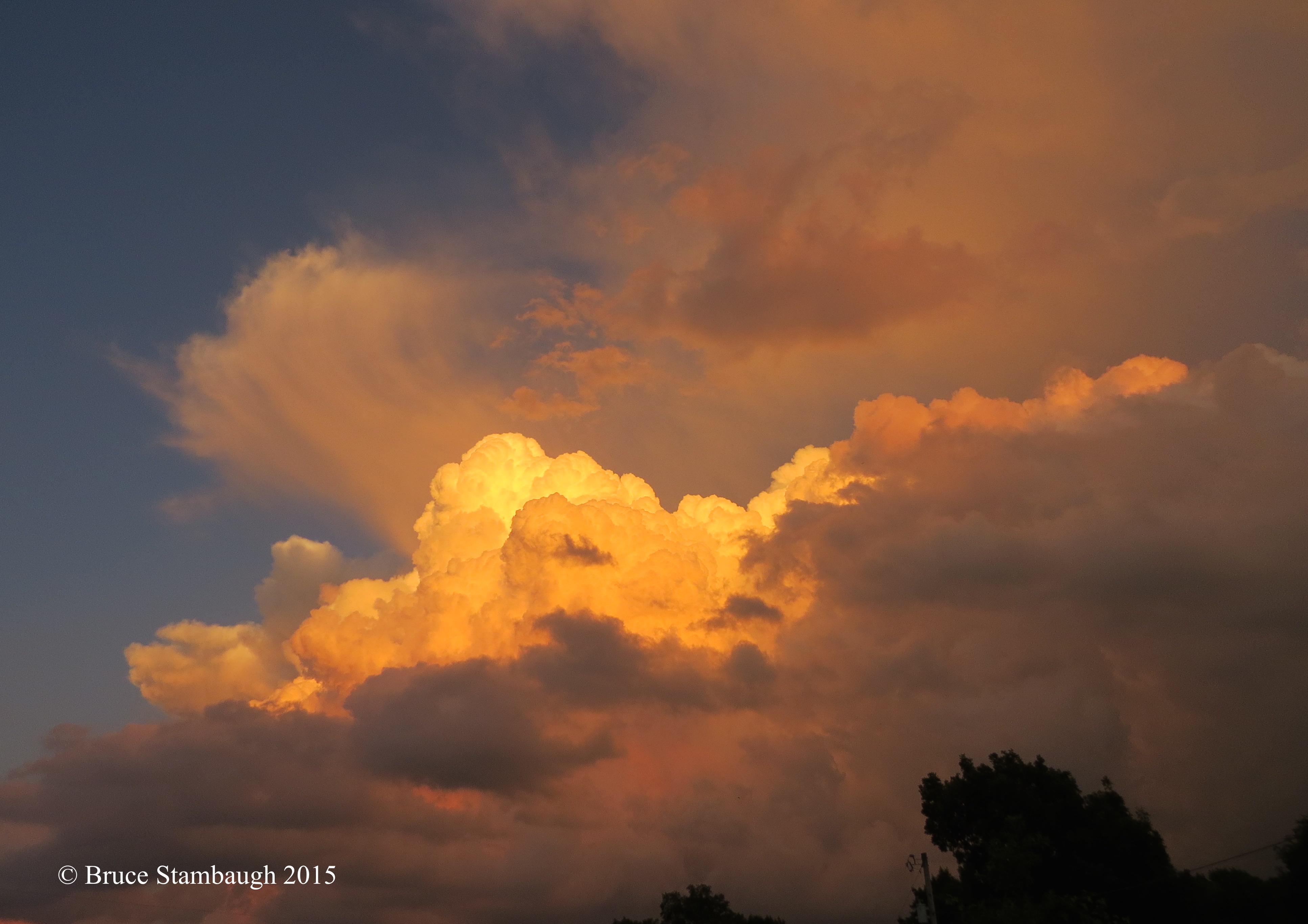
An evening thunderstorm over a neighboring county.

In case you haven’t noticed, we have entered those dreaded dog days of summer. It’s hot, humid, and dry almost everywhere across the country.

The Shenandoah Valley hasn’t been excluded from the stifling temperatures and muggy air. Rains have been sporadic, all or nothing events.

The look says it all.
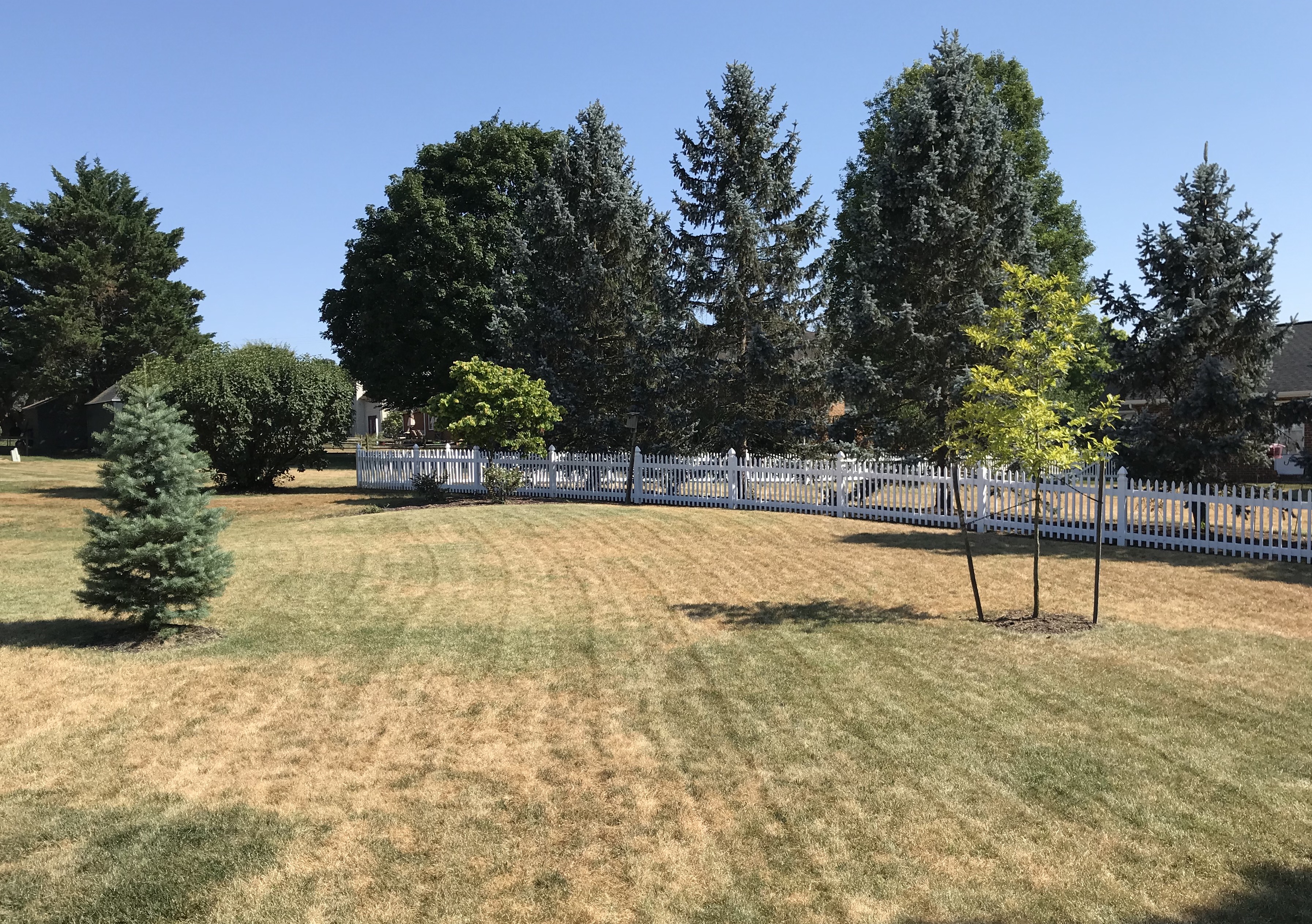
The few times it has rained at our place near Harrisonburg, I could have walked through the widely dispersed drops and not gotten wet. Our backyard is so brown that it resembles a beach more than it does a lawn. Only, the grass crunches rather than squishes beneath your feet.

I understood the meaning of dog days even as a child but also wondered where that term originated. I knew that when adults talked about the dog days, it meant sunny, hot, humid, and dry times.

The Amish still don’t have air conditioning.
Those were days when the neighborhood kids would head for the woods or the creek down over the hill from our little red brick house. Mom wanted us outside playing, and with no air conditioning then, we were glad to oblige her.

But I sensed dog days meant something more profound than being so dastardly hot that the dogs wouldn’t whimper. Naturally, I Googled to find out the source of the saying. As simple as the phrase may sound, its origin is a bit complex.

It turns out that the phrase had little to do with dogs panting or even the lazy, hazy days of summer. There was a muddled mix of astronomy and fantasy involved in bringing in the dog days, not necessarily a heatwave.

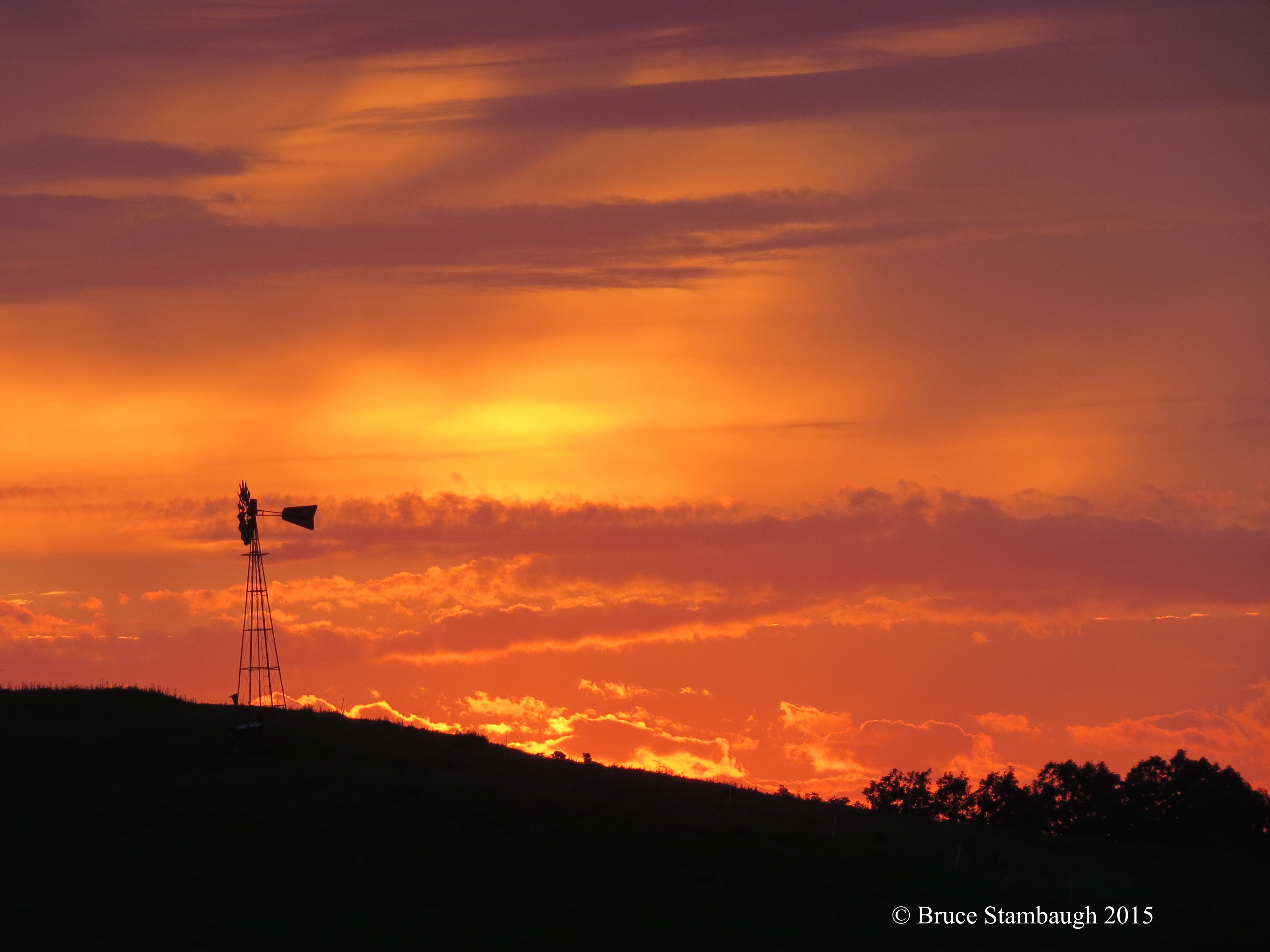
A blazing dog day sunset in Ohio’s Amish country.

Dog days first referred to Sirius, the dog star. The appearance of Sirius in the early morning sky just before sunrise ushered in the dog days for the ancient Greeks and Romans. In their time, that occurred in late July.

Back then, sailors, travelers, and stargazers didn’t have to deal with light pollution. They worshiped the heavens, establishing names and stories for stars and constellations.

In Homer’s “The Iliad,” Sirius is referred to as Orion’s dog star. Then, the dog star brought wars and disasters of all sorts. I guess they had to blame something. It might as well be an imaginary culprit.

Still, I can just imagine families gathered around a fire long ago, staring skyward, as an elder told the story of the dog star. Today, of course, most of us couldn’t find Sirius even if we could see the stars.

Whatever tradition you acknowledge and expound, the dog days of summer are here. They have gotten off to a roaring start in more ways than the hot weather.

The comet Neowise has been thrilling people for a couple of weeks now. It should be at its brightest. If you haven’t taken time to check it out, all you need are some binoculars, some keen eyes, and be willing to enjoy the cooler evening air with a good view of the western horizon. You won’t be disappointed.

Summer’s dog days are also hosting the debut of the delayed Major League Baseball season. Even with a 60-game schedule, I’m not holding out much hope for my favorite team, the Cleveland Indians.

Authorities thought that the warmer months would slow the spread of the cursed Covid-19 virus. Instead, the number of U.S. cases and, unfortunately, coronavirus-caused deaths are both increasing as the summer steams along.

I hope the dog days don’t bark too loud or long this summer. Given the state of world events, that would be some welcome news indeed, as soothing as a drenching rain.

Our brown backyard.

© Bruce Stambaugh 2020

Spring in Ohio’s Amish Country


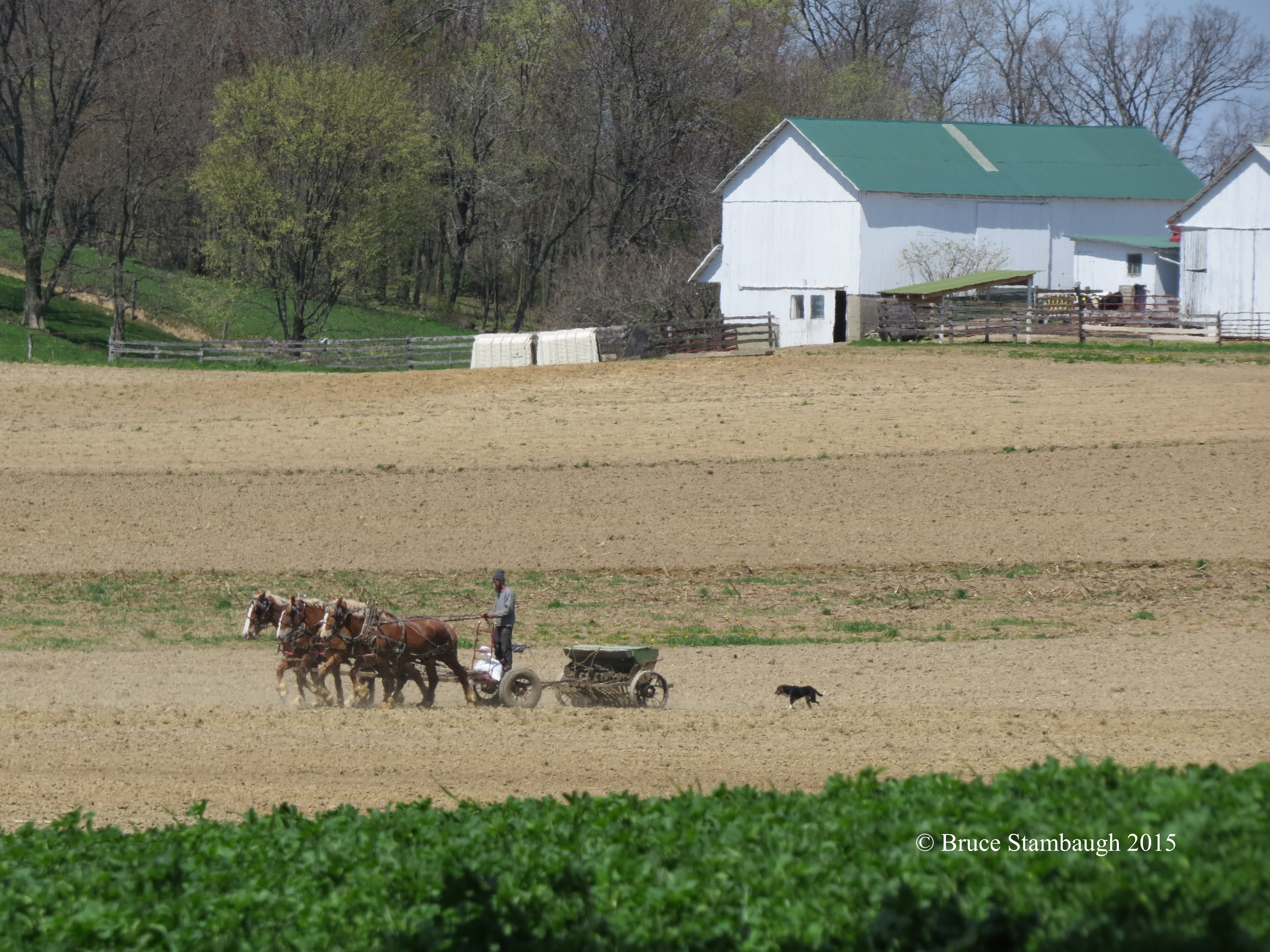
It was exactly five years ago today that I took this photo of our Amish neighbor planting corn in the late-April sunshine. Add in the faithful dog, and it’s an iconic spring scene in Ohio’s Amish country. A majority of the three to four million tourists who visit Holmes Co., Ohio, every year come for such nostalgic vistas as this. Horsedrawn plows and planters bring back fond memories for our most senior folks. It’s a way of life that is rapidly disappearing, even in the largest Amish population in the world. Today, fewer than 10 percent of Amish still farm.

“Spring in Ohio’s Amish Country” is my Photo of the Week.

© Bruce Stambaugh 2020
Bay Photos by Donna

Wildlife Photos From The Chesapeake Bay Region

ROAD TO NARA

Culture and Communities at the Heart Of India

K Hertzler Art

Artist and nature journalist in the Shenandoah Valley of Virginia.

Maria Vincent Robinson

Photographer Of Life and moments

Gabriele Romano

Personal Blog

Jennifer Murch

Art is the only way to run away without leaving home. -Twyla Tharp

Roadkill Crossing

Writing generated from the rural life

ANJOLI ROY

writer. teacher. podcast cohost.

Casa Alterna

El amor cruza fronteras / Love crosses borders