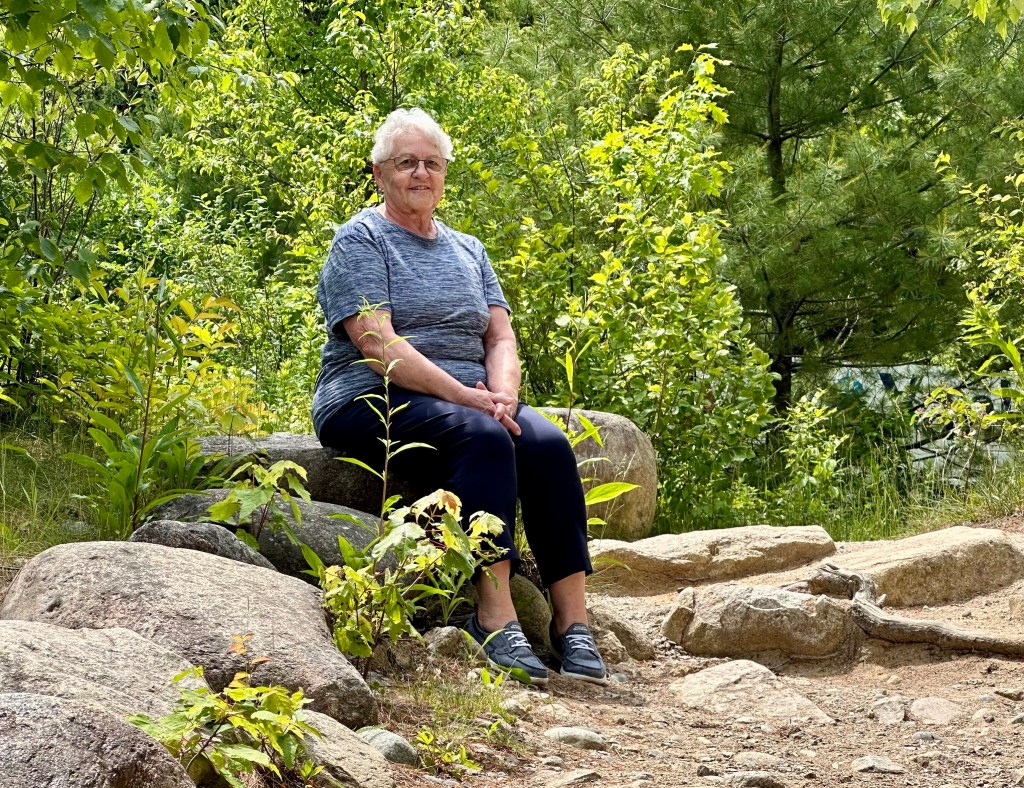
Tomorrow is our 55th wedding anniversary. I am most grateful to my lovely and loving wife, our son and daughter, and their spouses, to our extended families, and to our many friends we have made over all those years.
Neva and I wouldn’t be where we are today without their wonderful advice, support, and love. Happy 55th, Neva!
Neva, along the Kancamagus Highway in New Hampshire. Photo by Bruce Stambaugh
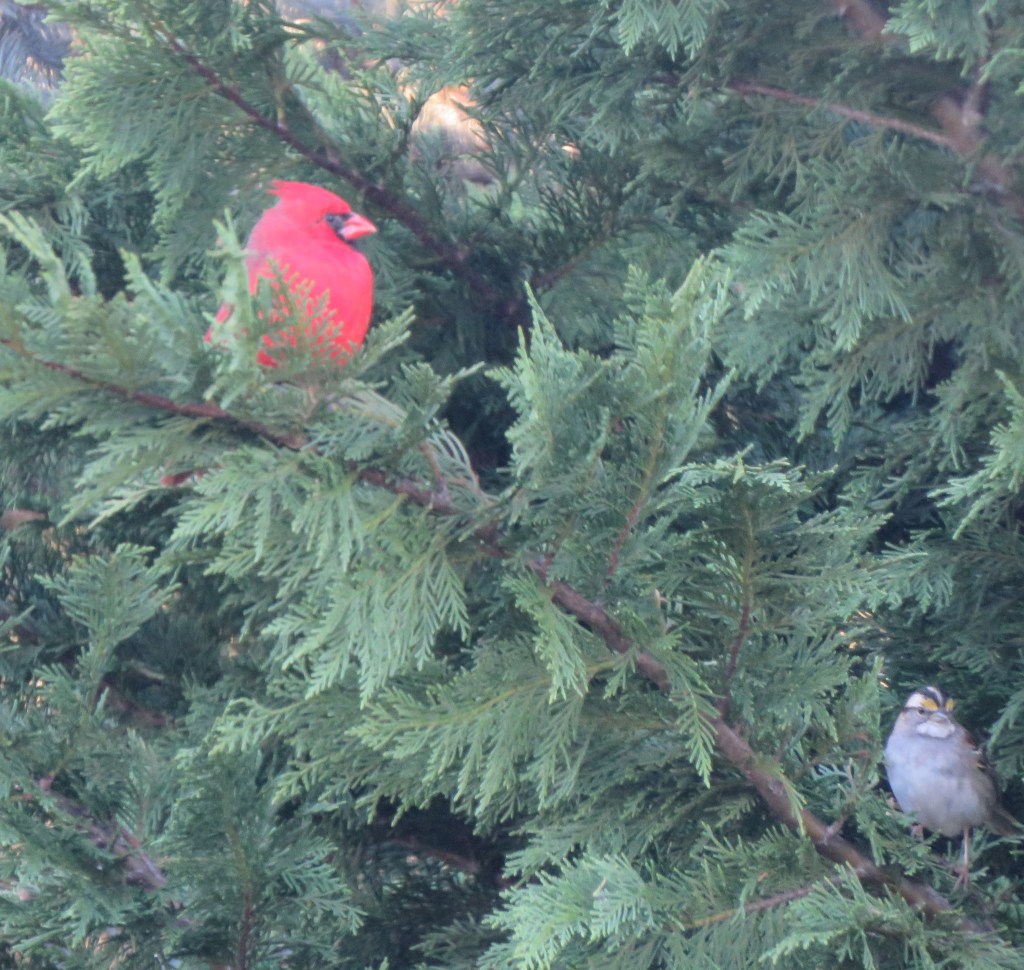
Sometimes photographers get lucky. I spotted this male Northern Cardinal perched in the evergreens behind our home. I took several shots as the bird turned and presented different poses.
When I uploaded the photos to my laptop, I had no idea that the White-throated Sparrow had popped out of the dense foliage. It wasn’t in any of the other photos. I cropped the photo because the sparrow is barely in the frame.
Photo by Bruce Stambaugh 2026
So, when I thought I was capturing an image of one bird, I ended up with two.
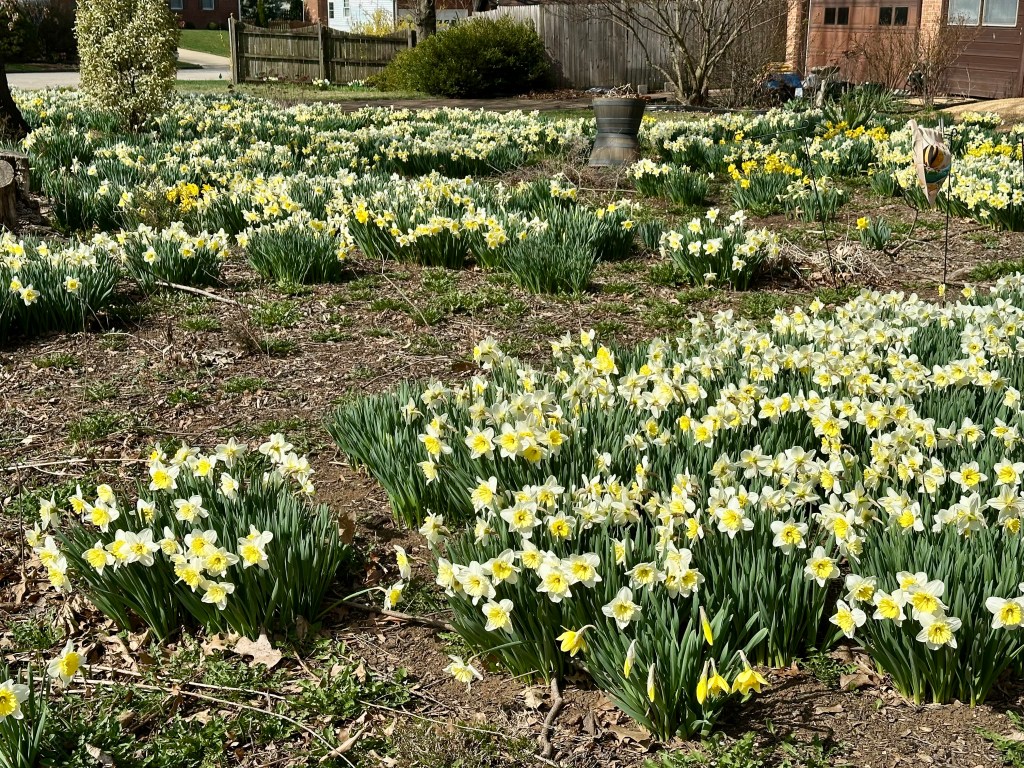
A carpet of daffodils means it’s springtime! Photo by Bruce Stambaugh
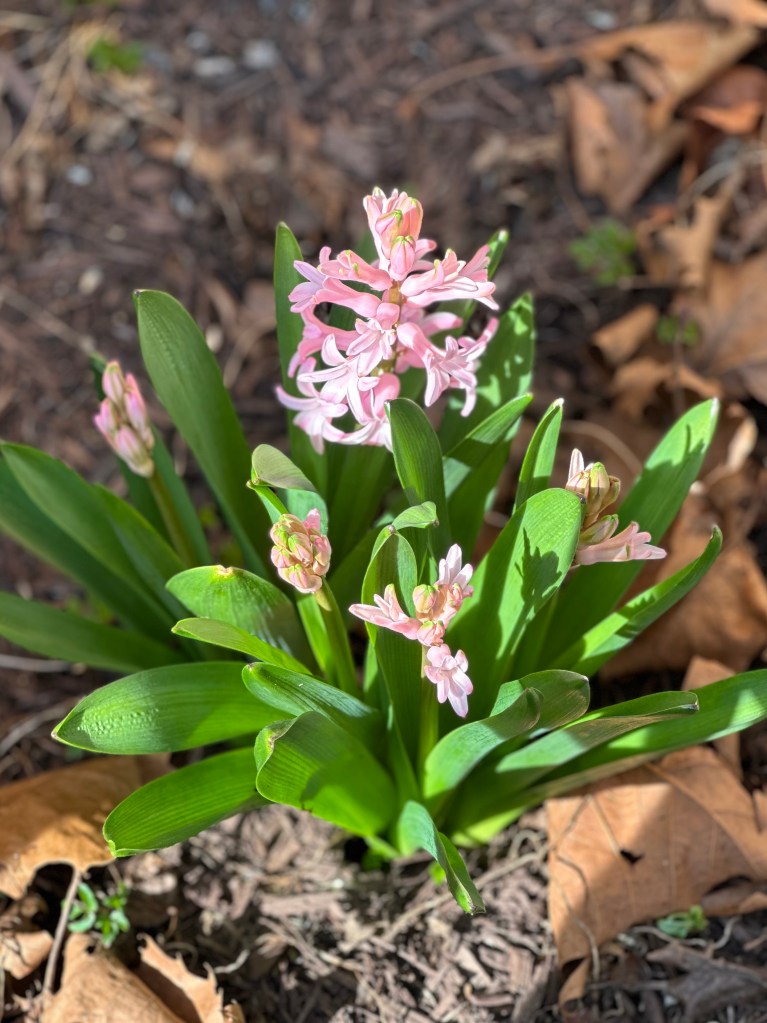
Spring officially arrives at 10:46 EDT this morning!
It’s been a long winter in many parts of the world. Virginia has been no exception. We gladly welcome springtime in the Shenandoah Valley. Bring on the warmer weather.
It was a foggy morning to go birding. But this wasn’t any bird I sought.
For several weeks, a Crested Caracara, a bird common in Florida and Texas, had been seen off and on in the Broadway, Virginia, area. That was only a dozen miles from my home.
It wasn’t the first time I had tried for the bird. Then, it had flown off shortly before I arrived, where the Caracara had been spotted on more than one occasion.
I waited and waited, thinking the bird would return after the fog lifted. But it wasn’t to be.
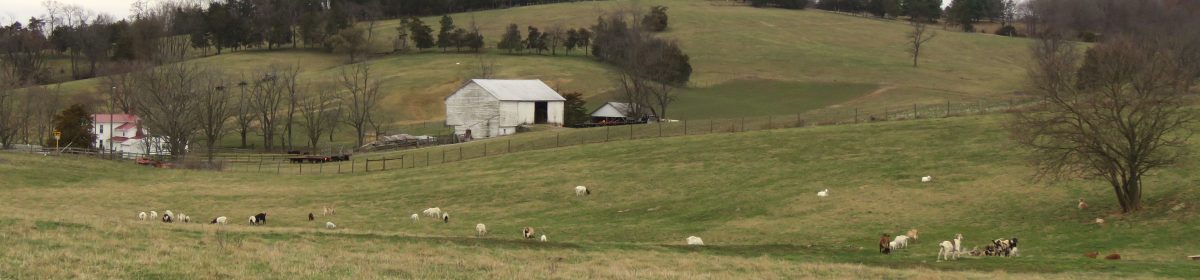
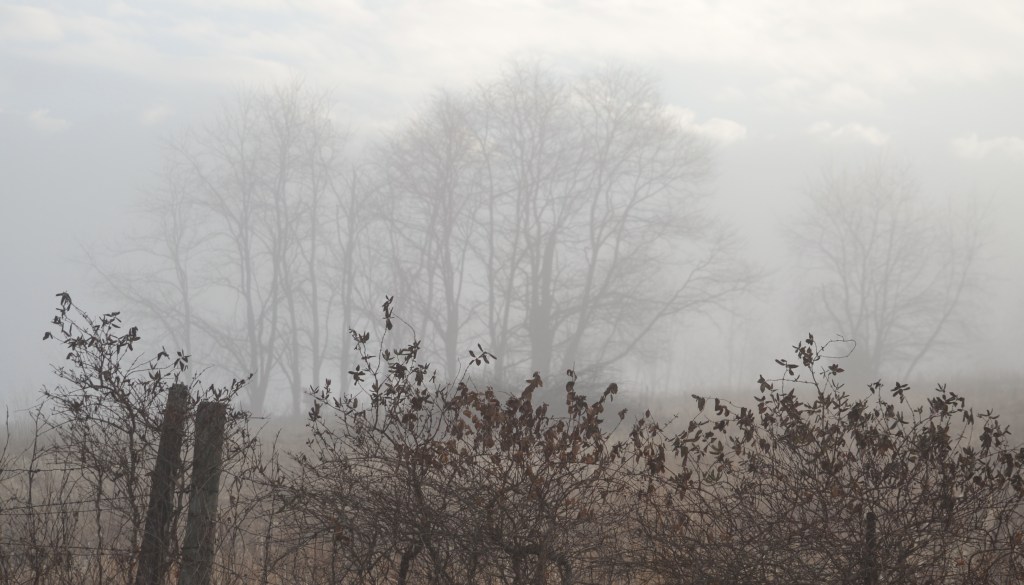
While I had waited, however, I took a few photos of the landscape enveloped by the morning mist. The photo above shows both the fog and where the Caracara liked to perch.
The roadside fencerow in the foreground gave depth to the fog-enshrouded treeline in the background. I was happy with the image, even without my target bird.
My wife and I enjoy visiting her cousin and spouse in the Piedmont of North Carolina. They return the favor by visiting us in Virginia’s Shenandoah Valley.
We all enjoy many of the same types of retirement excursions, including the local history of areas we visit. We like antiques and thrift stores. And we all enjoy watching birds.
We ventured out to a state park a few miles from their home. While looking for early songbird migrants, we walked a short loop through a woods with moslty second growth trees.
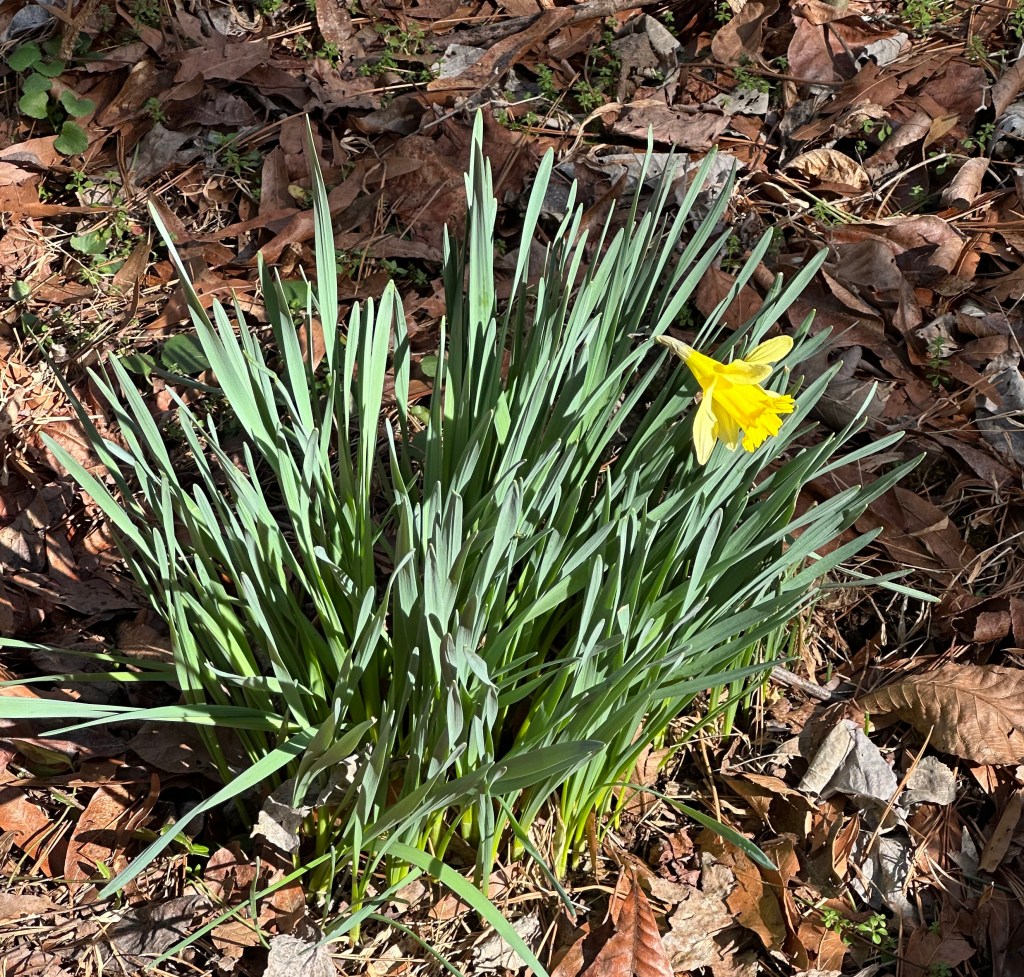
Sprinkled in among the woods were remnants of former residences and farm buildings. Near them, this clump of daffodils had sprouted up, a spontaneous memorial to the people who planted them.
After all the snow we had, it was a pleasure to find a single blossom in full bloom.
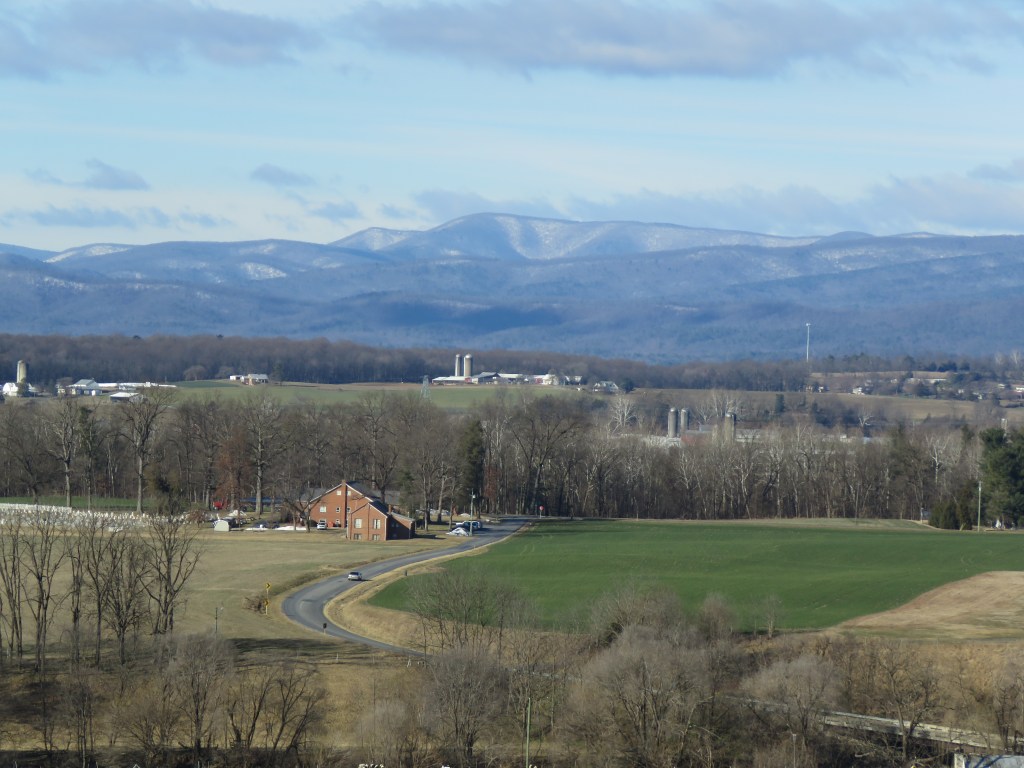
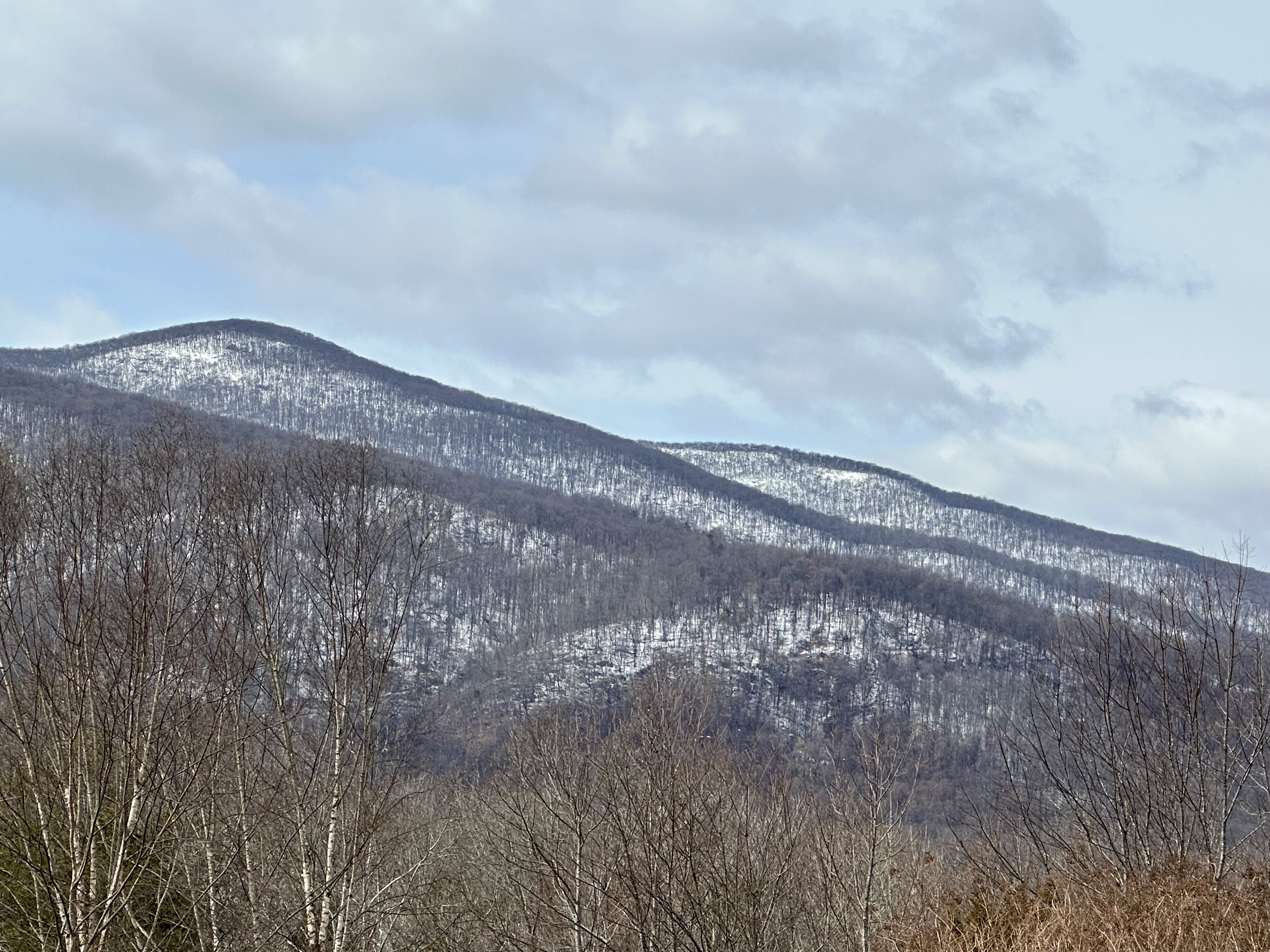
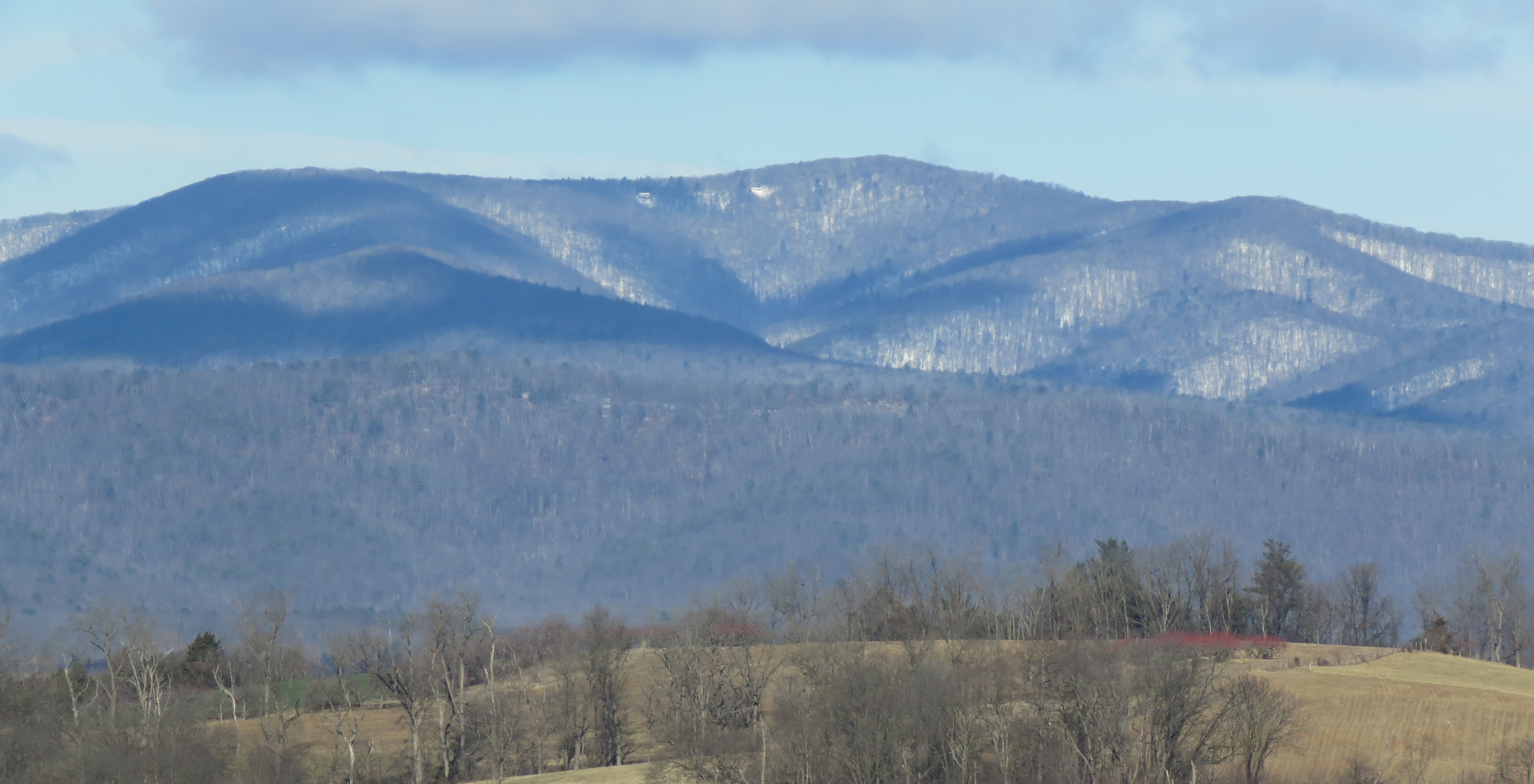
Shenandoah Mountain as seen from the rolling valley. Photo by Bruce Stambaugh
On Shenandoah Mountain, a miles’ long ridge that marks the boundary between Virginia and West Virginia, the snow glistened in the bright sunshine of a recent morning.
Far below, a majority of the snow cover in Rockingham County in Virginia’s Shenandoah Valley had melted into the moisture-starved landscape. A few days later, it snowed again.
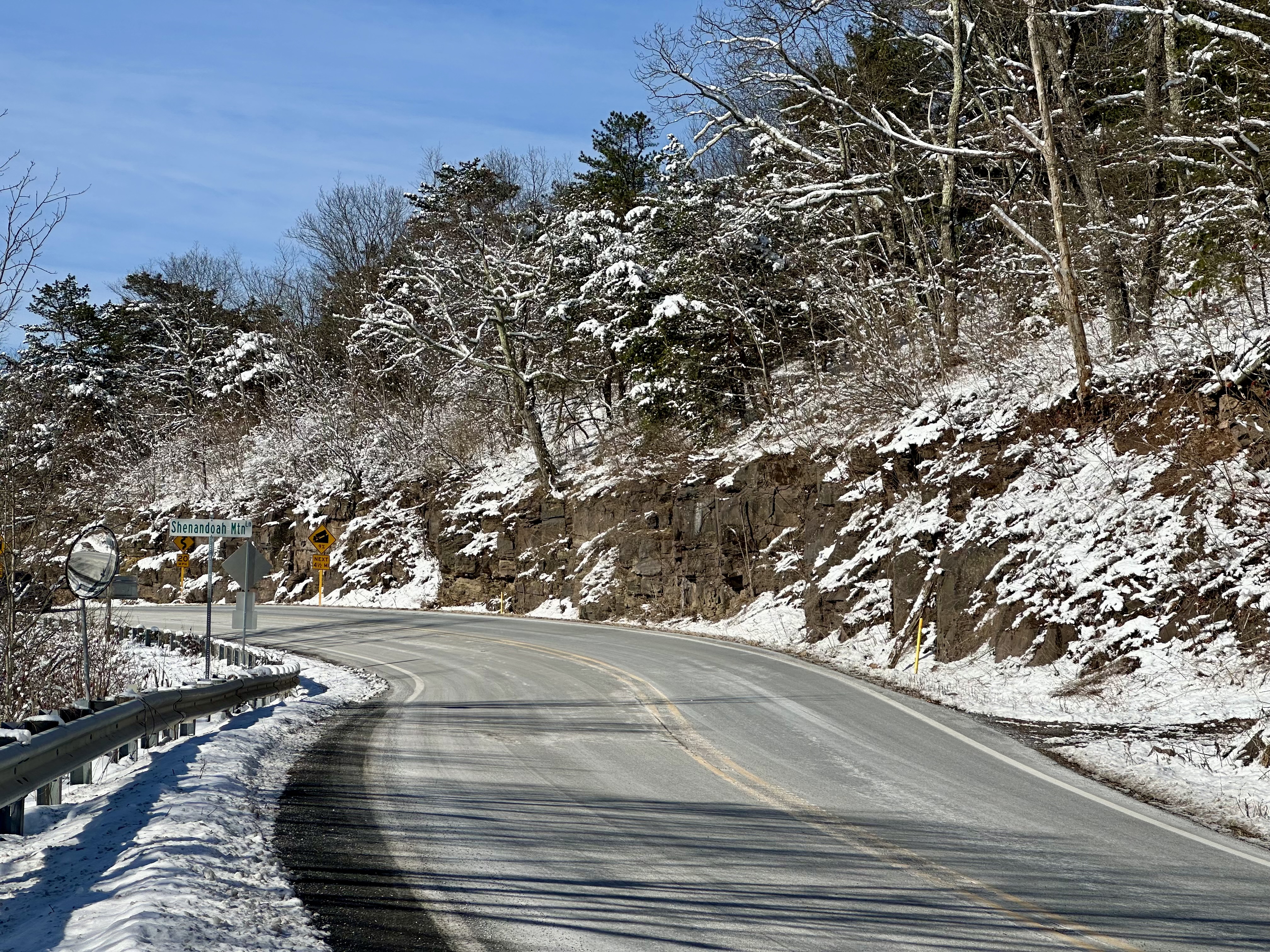
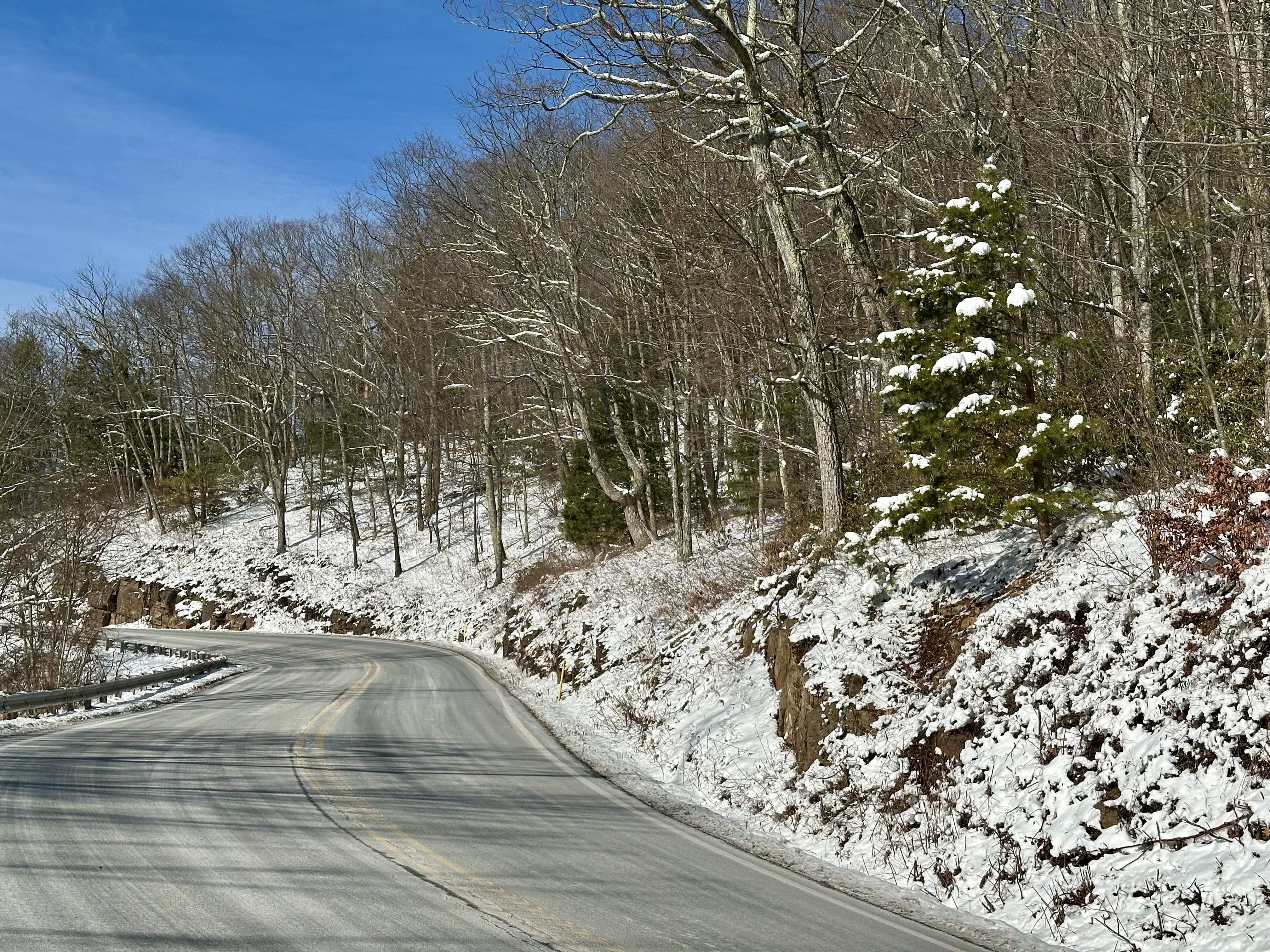
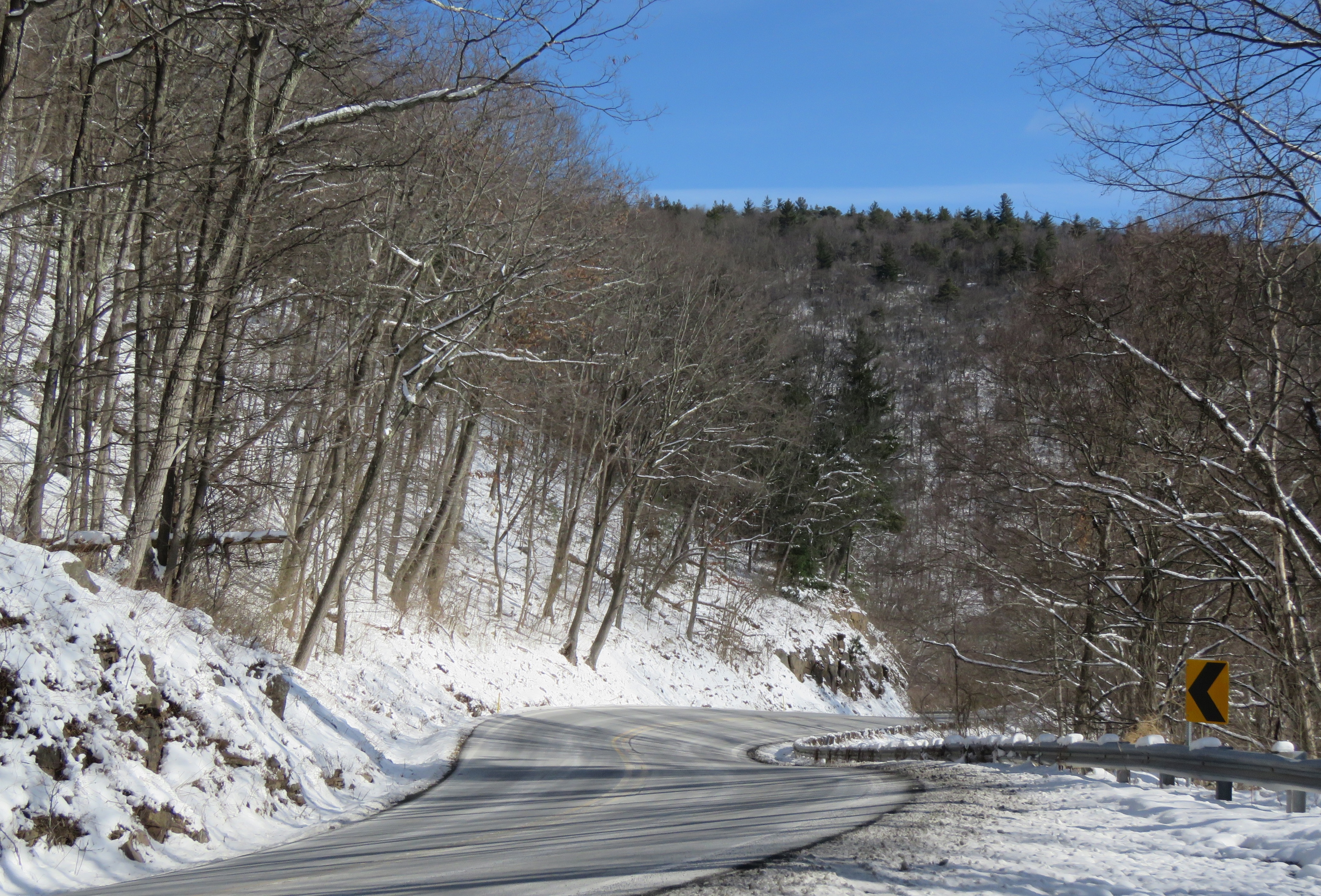
In the eight and a half years my wife and I have lived here, the serene winter scenery has drawn my admiration. Too often, though, snow still clung to the winding, switchback road to Shenandoah’s summit. So, I admired from a distance.
However, I took advantage of the glorious day and ventured out, hoping that days after the heavy snow fell, US 33 would be bone dry all the way to the West Virginia line. That’s just the way I found it.
Please click on the photos to enlarge them.
Shenandoah Mountain is a much-revered landmark to locals on either side of the famed mountain. The mountain is actually an entire range that runs southwest to northeast for 73 miles. The undulating ridge ranges from 3,500 to 4,397 feet in altitude at Elliott Knob.
Not to be confused with Shenandoah National Park at the eastern end of Rockingham County, Shenandoah Mountain serves as the eastern front of the Appalachian Mountains. It is a substantial part of the George Washington National Forest in both Virginia and West Virginia. Its extensive biodiversity includes alpine vegetation, flowers, and wildlife, which attract hikers and birders from afar.
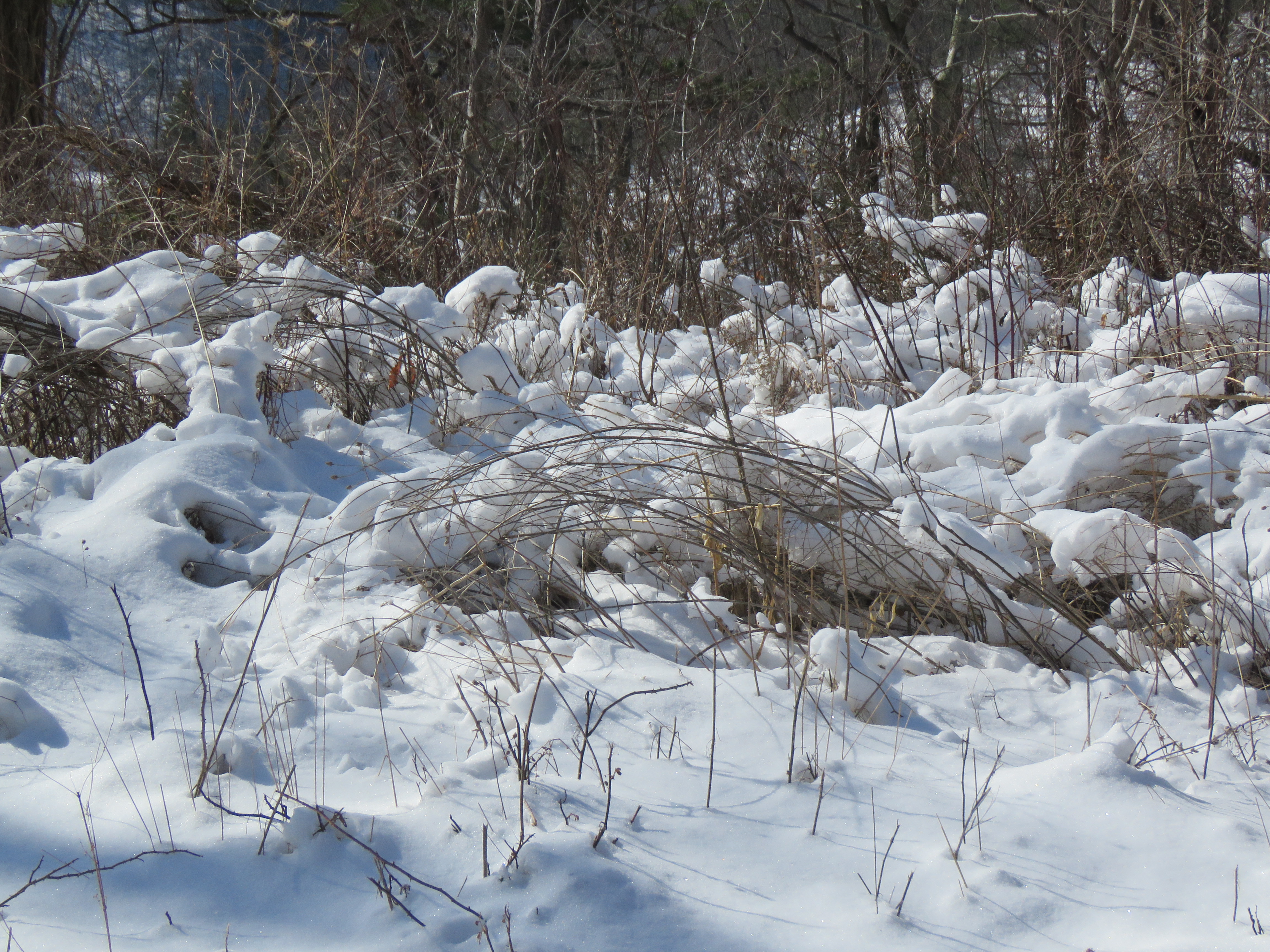
In the wintertime, I marvel at the contrast between the snow and the charcoal-colored stands of forest, dotted occasionally by the dark green of tall, twisted pines. The storied mountain draws me like a magnet.
As I drove up the curvy highway, the snow depth increased as I climbed higher and higher. I noted safe places to pull off for photos on the way back down. Though the sun shone brightly, the wind blew steadily. It was 29 degrees when I started the climb, and 19 at the peak. I was surprised that the wind rustling through the bare trees made the only sound I heard.
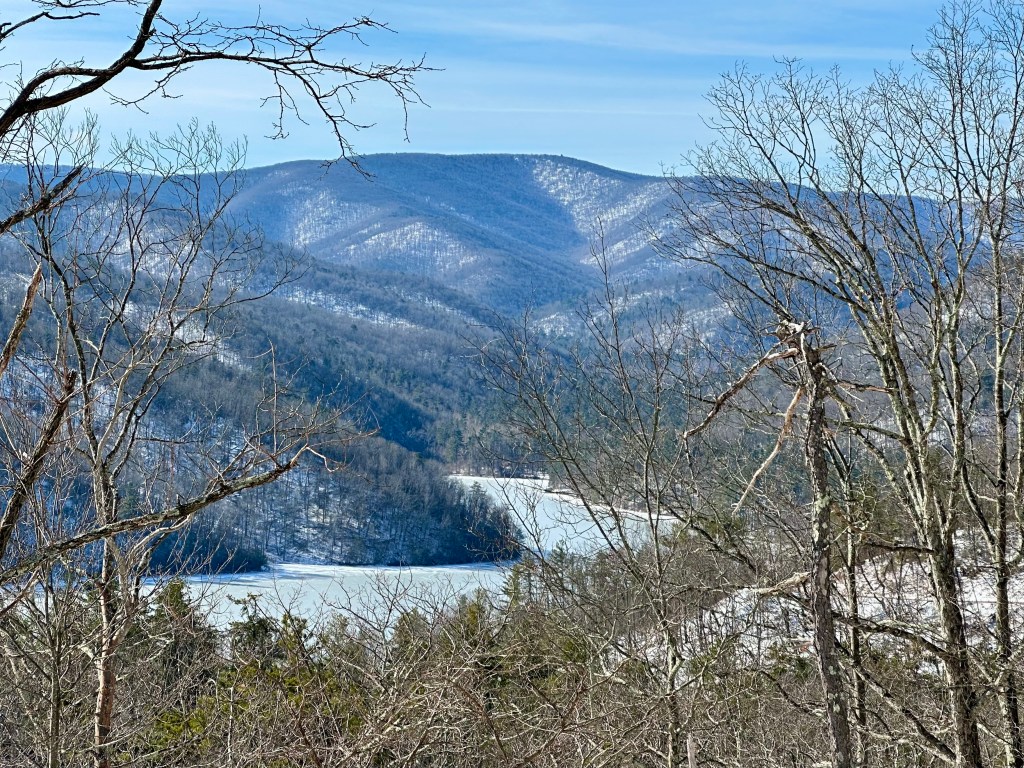
Switzer Lake viewed from US 33. Photo by Bruce Stambaugh
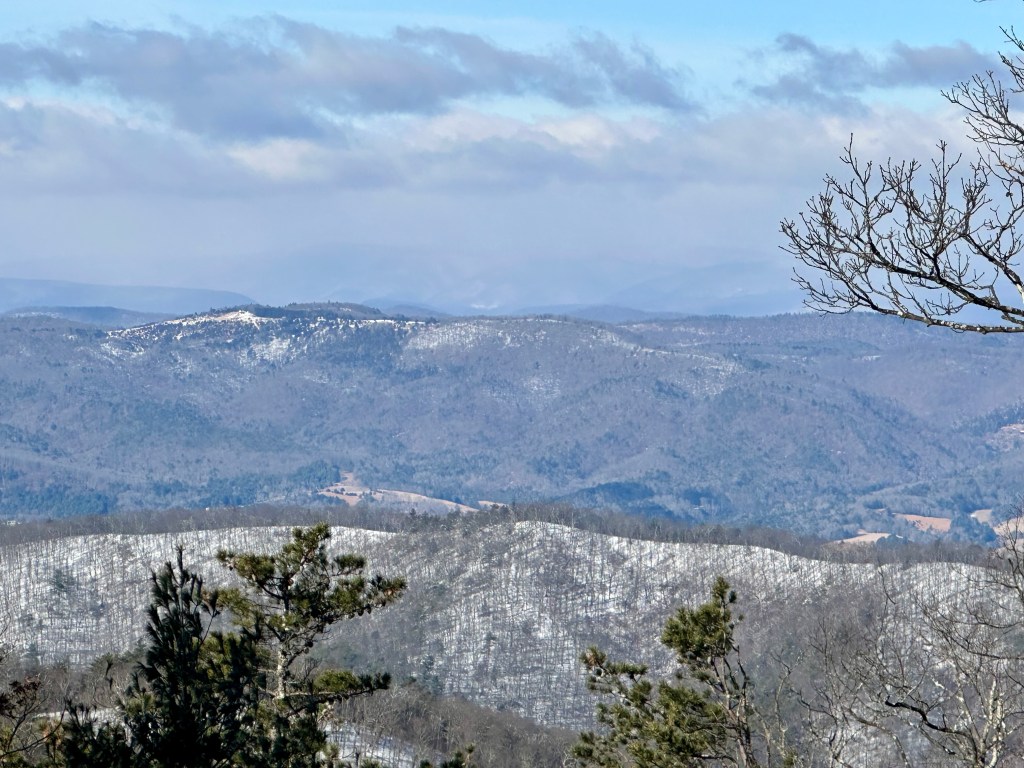
I expected more snow as I looked at the multiple mountain ranges of the Appalachians in the Mountain State’s interior. But apparently, this latest storm dumped an upslope snow, meaning most of the snow fell on the western slopes of the mountains as the winds blew eastward.
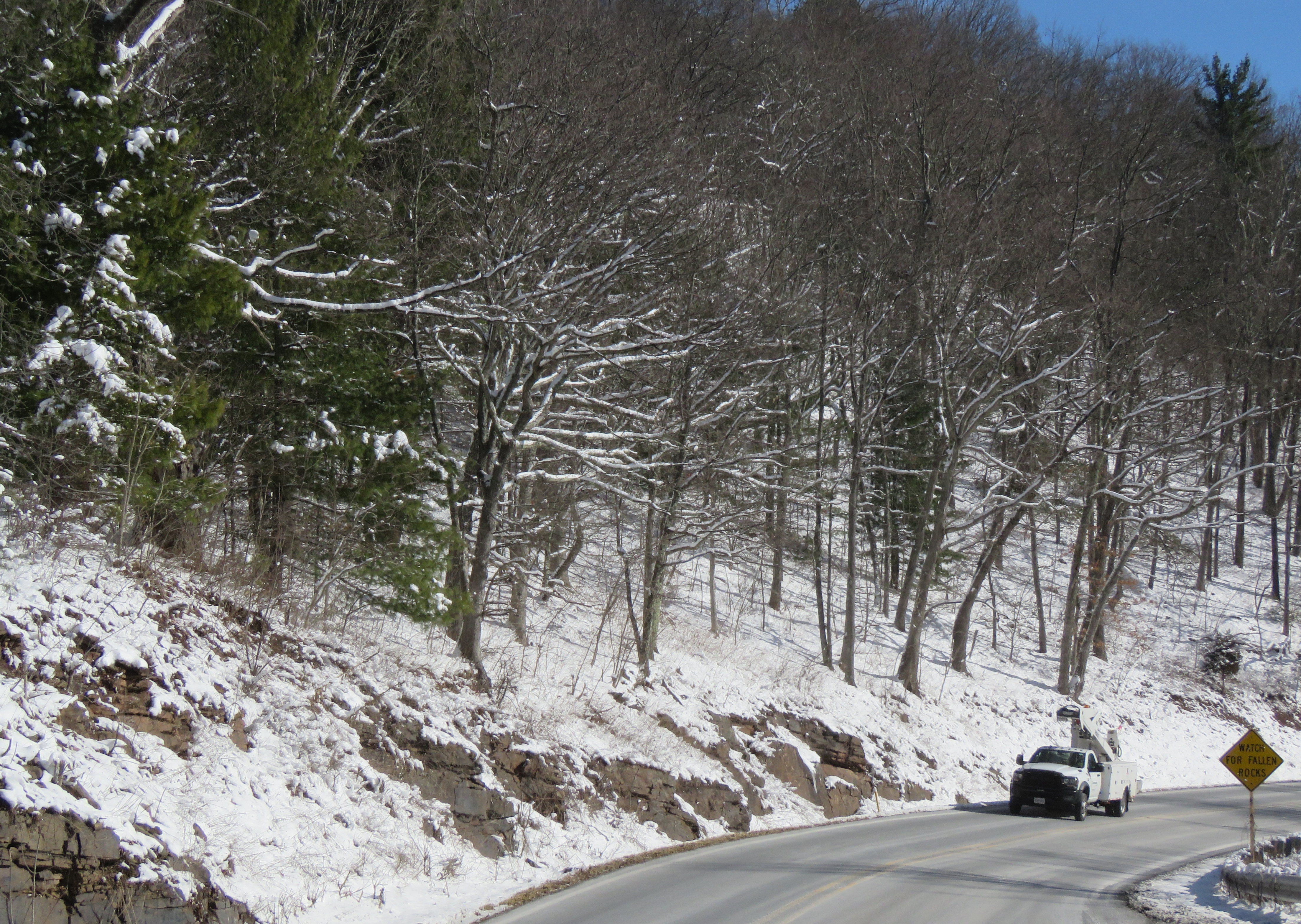
On the way back down to the valley, I stopped a few times where the state had made short breaks in the guardrails. At those spots, I pulled my vehicle completely off the road to capture a few photos. One man even slowed, lowered his window, and asked if I needed help. I thanked him and assured him I was fine.
Surrounded by all this beauty and quietude, how could I be otherwise?
The Appalachian Mountains in West Virginia, viewed from Shenandoah Mountain. Photo by Bruce Stambaugh
 Roadkill Crossing
You must be logged in to post a comment.