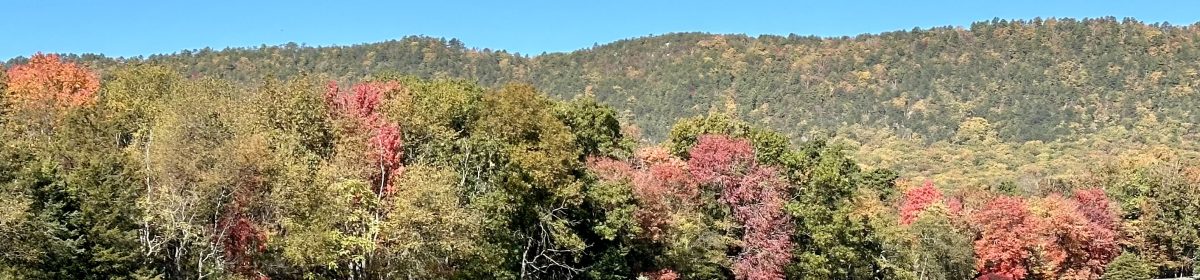
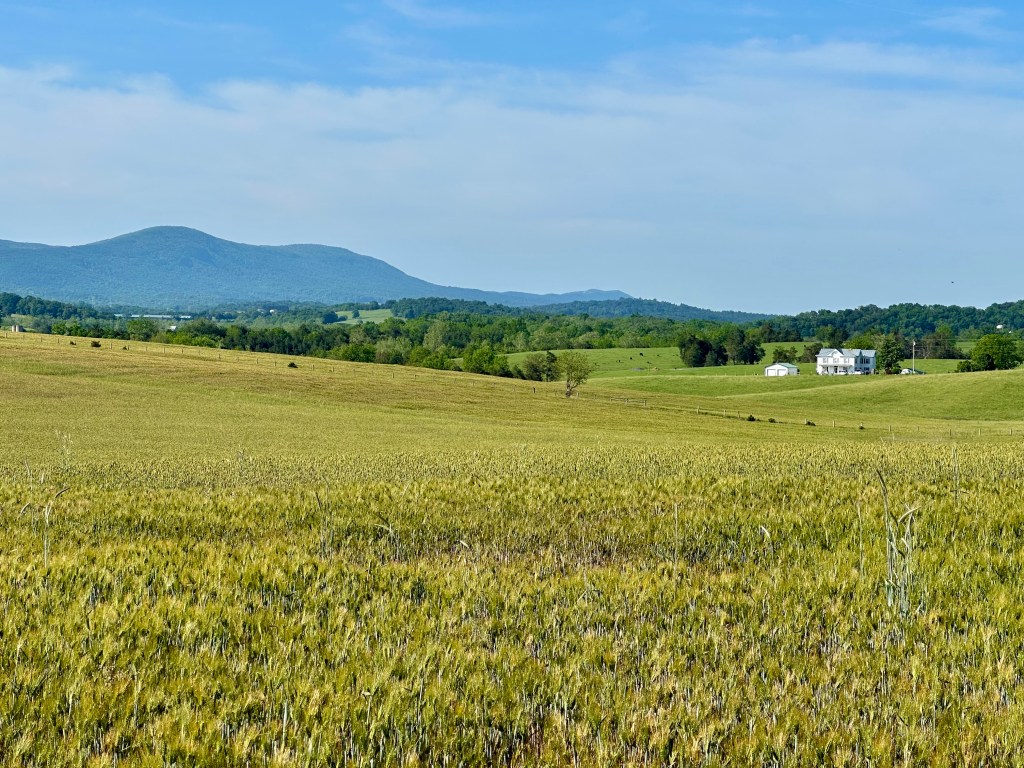
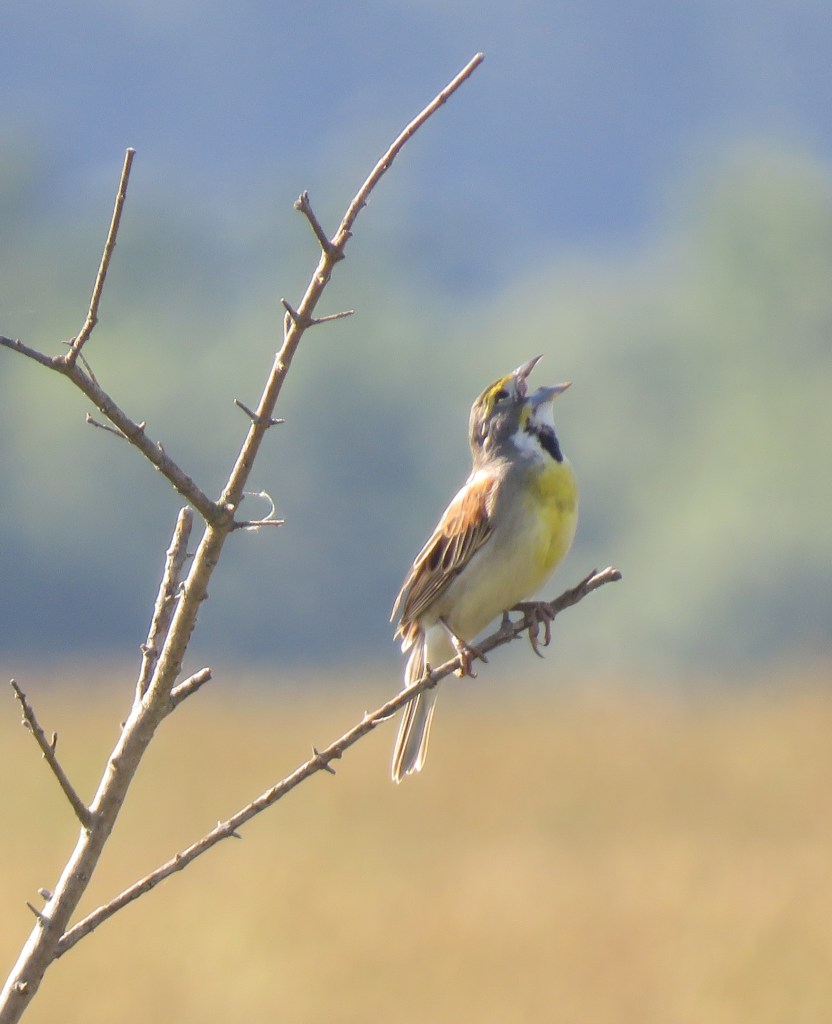
A birding friend of mine messaged me that he had found a Dickcissel singing on a fence post along Moores Mill Road, 20 miles from my home. I had to wait a day to chase the rarity in Virginia’s Shenandoah Valley.
Colored like a miniature Eastern Meadowlark, the chunky grassland bunting occasionally wanders east from its mid-American breeding habitat. I had seen Dickcissels before when we lived in Ohio, but this would be my first in Virginia.
The narrow country road cut through two farm fields, with wire fencing hugging both sides, making it easy to spot the wayward bird. I made sure I left early in the day to see this bird. As it turned out, there was more than one.
To get there, I drove most of the way on the Valley Pike, also known as US 11. The historic roadway was the main route up and down the storied valley until the interstate opened in the 1960s.
Both Confederate and Union troops moved up and down this highway and on May 15, 1864, fought a battle in New Market, only a few miles north of where the Dickcissels were. It was easy to envision soldiers marching along and cavalry horses kicking up dust on what was then a dirt road.
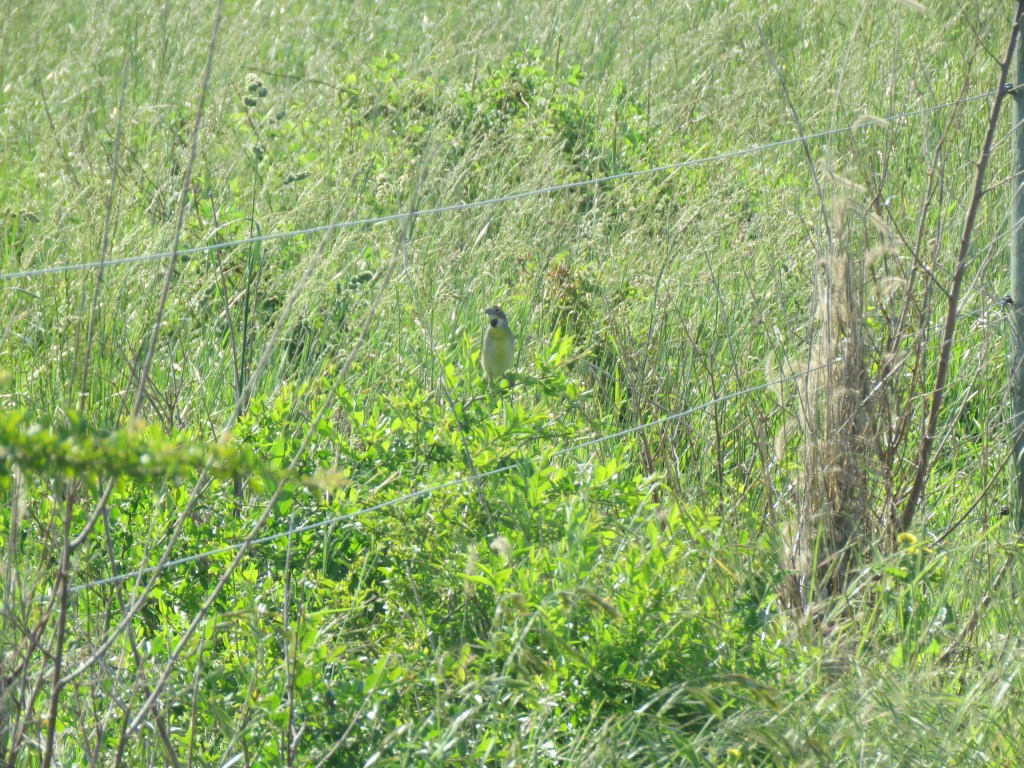
I turned east on Moores Mill Road, stopped a quarter mile off of US 11, stepped out of the car, and listened and looked for the short, buzzy song. AllAboutBirds.org describes the grassland bird’s song as “fairly short but hard to miss, a clicky buzzing dick-dick-ceessa-ceessa.” Thus the bird’s name.
Soon, I heard the bird, and then another calling on the opposite side of the road. One bird perched on a tall weed in a grassy field to the south. A Dickcissel on the north side sang a fence wire. I wasn’t sure which way to look.
I snapped a few photos before a car approached from the west and slowed. The birding vest I wore, the binoculars around my neck, and the camera in my hand were a dead giveaway to the driver about what I was doing.
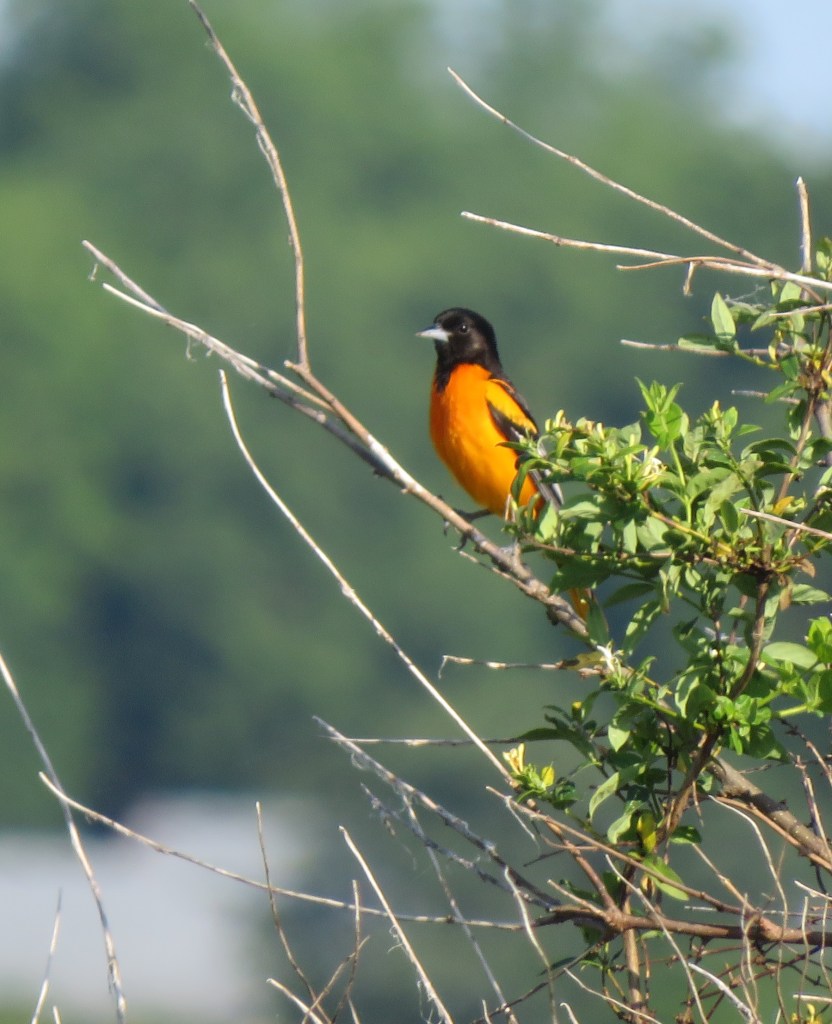
At first, I thought the vehicle would pass on by. Instead, it stopped. I had just snapped a photo of a Baltimore Oriole, which didn’t spook as the car passed by.
The driver stopped to see what I was up to. He was a man in his 70s, gaunt, and unshaven. With the driver’s-side window down to talk, I noted piles of clothes, used fast-food cups and wrappers, and other items filled his 10-year-old vehicle. Rather than judge, however, I asked if he lived nearby.
“No,” he said, “I live a few miles west of here. I’m on my way to get breakfast at one of the restaurants in New Market.”
In my head, I questioned why he was driving east when New Market was straight north. Still, the man wanted to know what kind of birds I was seeing.
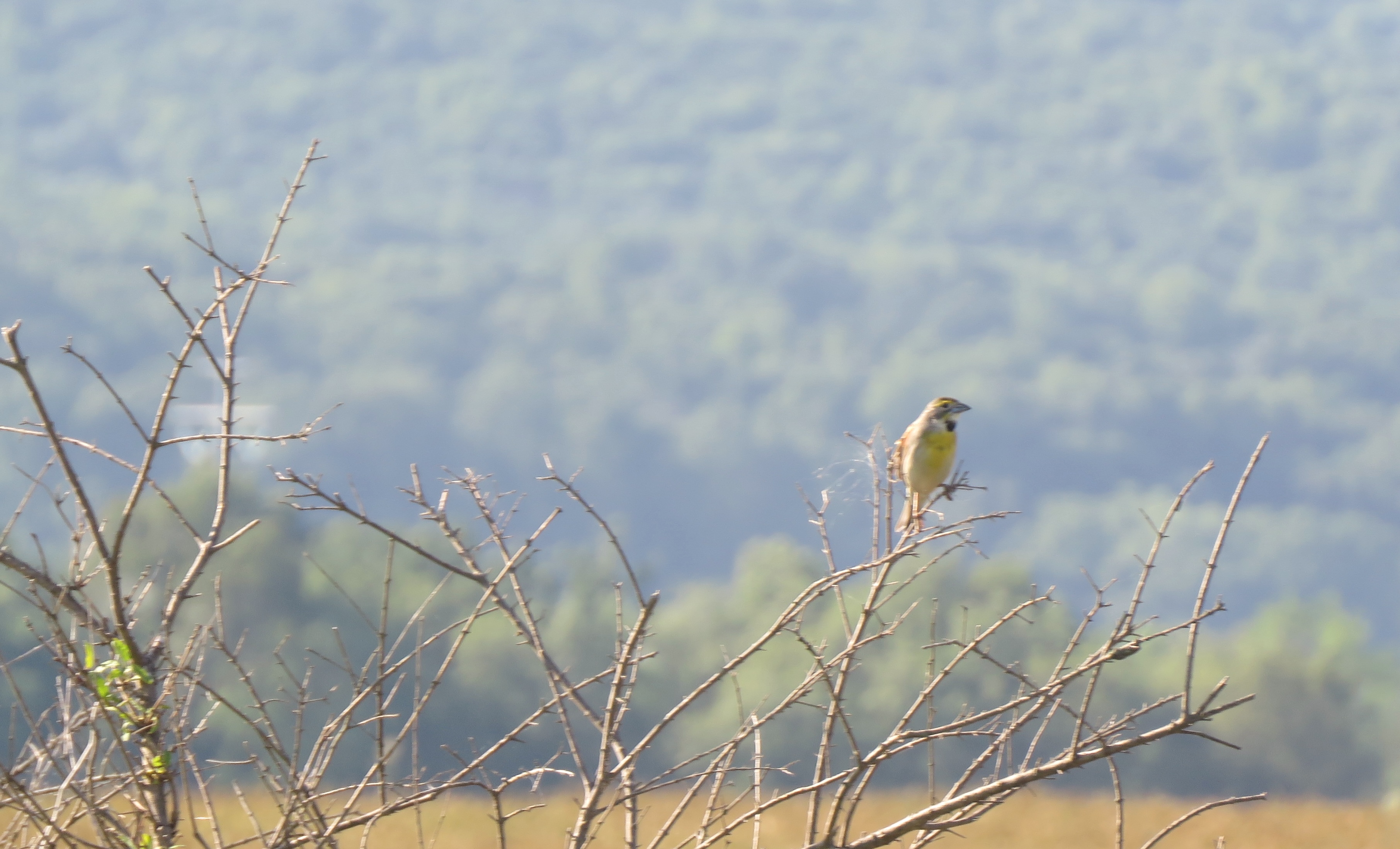
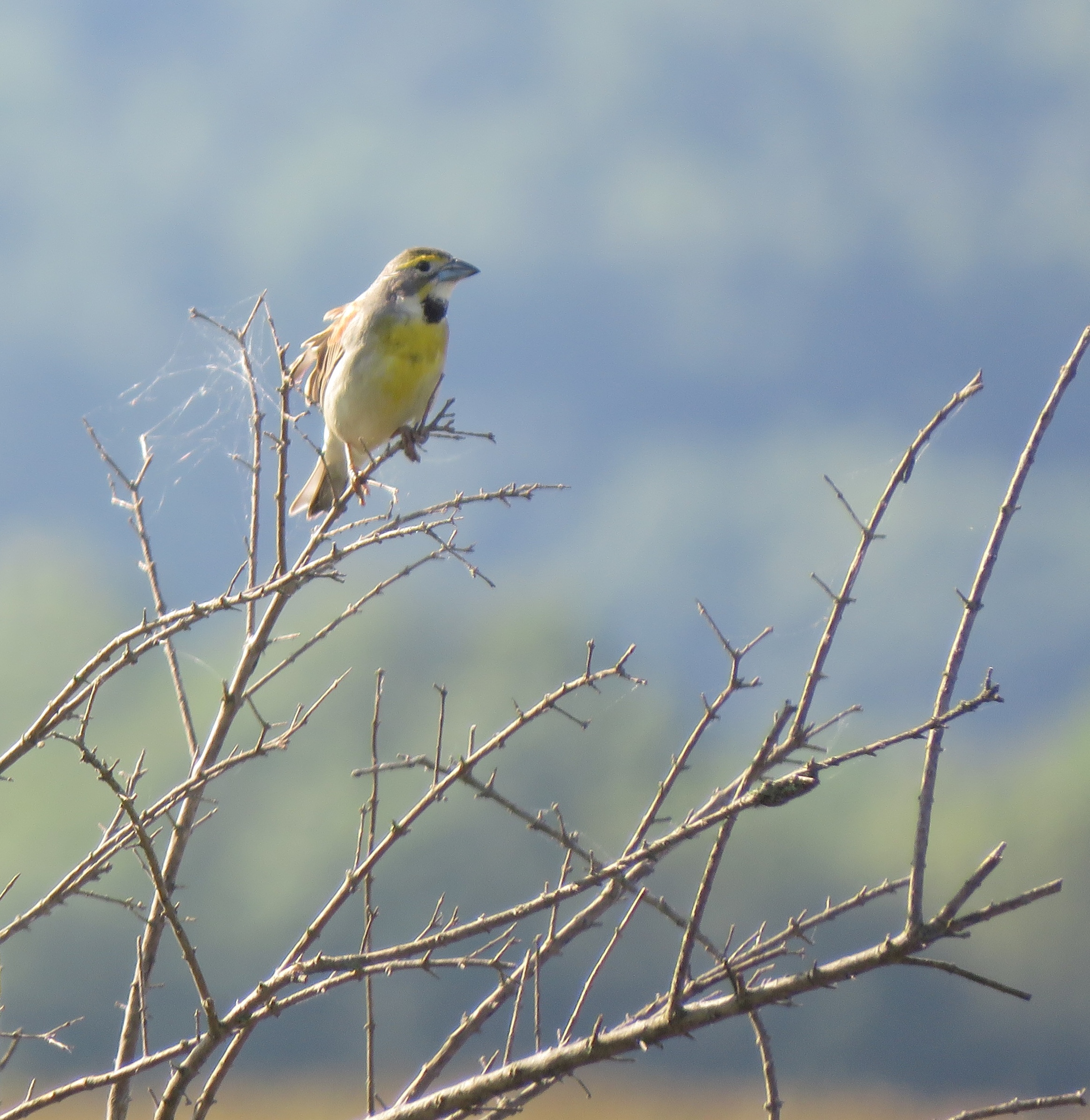
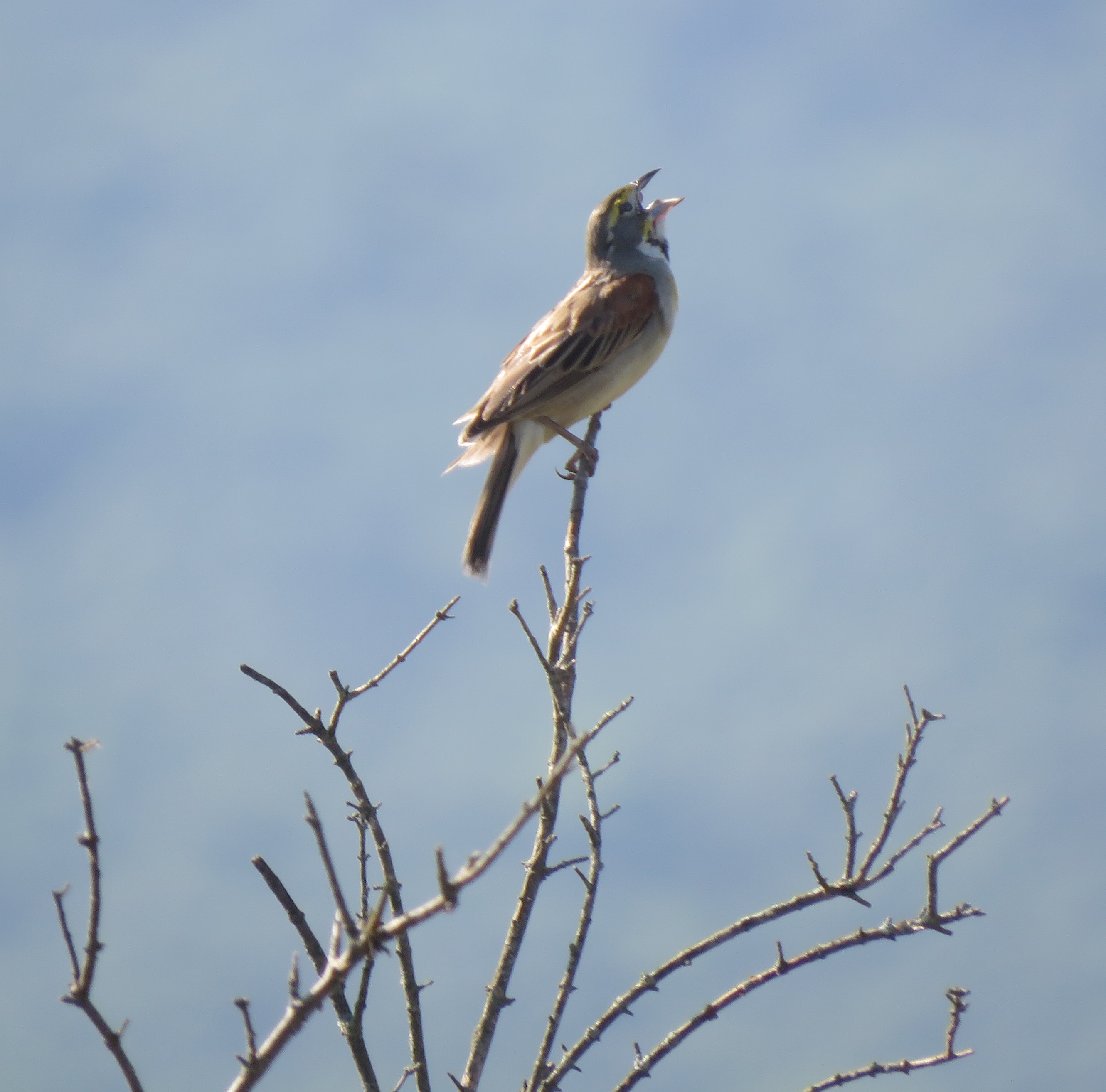
All the while, one of the Dickcissels had perched on a bare, thorny bush 50 feet in front of the car, and the oriole still sang from a tall, leafy bush 50 feet behind.
Not surprisingly, the man had never heard of a Dickcissel, but he perked up when I told him I had seen and heard a Baltimore Oriole.
“Man,” the guy exclaimed, “I haven’t seen one of those birds around here in a long time.”
Rather than pointing out the oriole singing in the bush behind him, I showed him a photo of the bird on the camera’s rear screen. He couldn’t believe it.
I asked him if he knew where the road got its name, and he immediately replied. “Well, a long time ago, a man named Moore owned the land on both sides of the road,” he said. “He had a grist mill on the creek about a quarter of a mile south of the bridge.” He pointed east toward the stream.
I thanked him for the information and, wanting to get back to birding, told him I didn’t want to keep him from his breakfast. He told me he appreciated my showing him the photo of the oriole and continued on his way.
I was intrigued by the man and wondered if he was actually homeless, given the interior of his vehicle. The 15 minutes I spent chatting with him hadn’t really been an interruption at all. I spotted birds even as he talked.
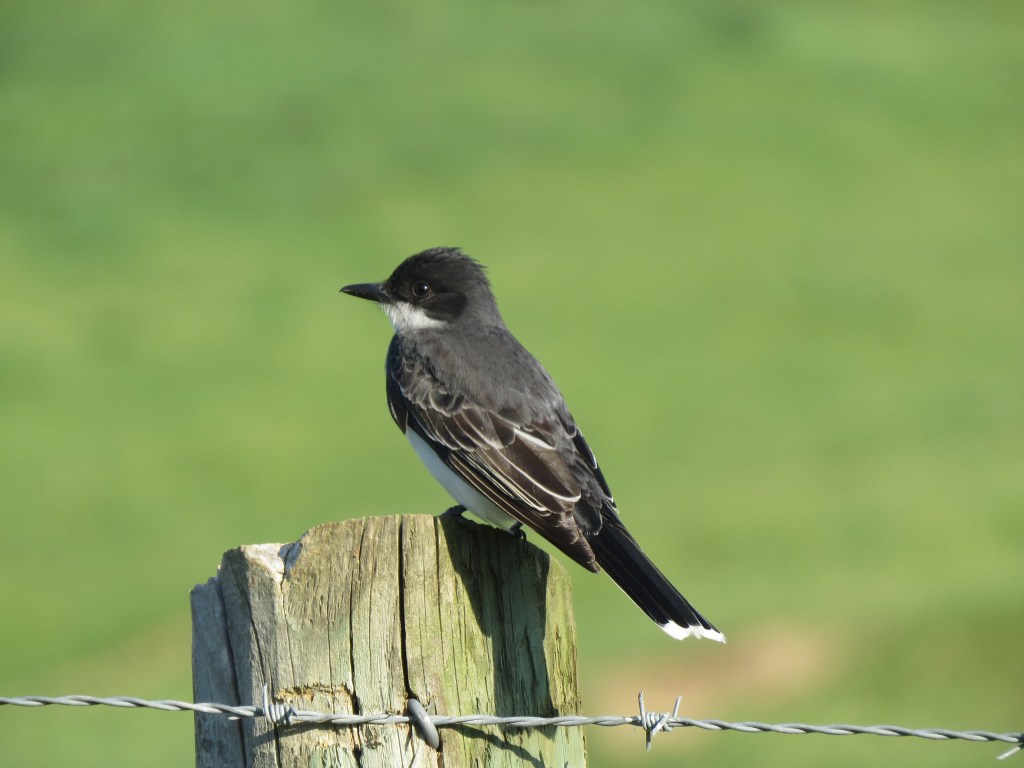
I continued birding and recorded several species typically found in this grassy habitat. An Eastern Kingbird gave me good looks right from my car. A Savannah Sparrow sang somewhere from the tall grasses. A Gray Catbird practiced its imitations of other birds before dashing for cover.
Curious, I drove east as the road descended to cross the creek. The man was right. The leaves on the sycamore trees growing along both sides of the creek banks obscured my view of the old mill’s remnants.
I turned around to head home when another car approached. Another birder wanted to add the Dickcissel to her yearly list. She already had photos of the birds by the time I stopped to share where I had seen them.
The Dickcissels could have simply been migrating. I’ll return to Moores Mill Road to see for myself. When I do, I’ll be surprised if that day can match the serenity of this morning.
© Bruce Stambaugh 2026


You must be logged in to post a comment.