During the course of a year, I take a lot of photographs, thousands to be exact. My son says I take too many, especially of the same thing. But I snap away for several reasons. My mother gave me her artsy eye to see the beauty in the world around me. She painted landscapes. I take pictures. Shooting pictures is also a way to document the year. In addition, I enjoy sharing the pictures I take, either through this blog, in magazines, on websites, or simply printing them out for people to enjoy.
With that introduction, this is my 2012 in review. With so many pictures, I didn’t want to bore you. Instead, I chose a picture a month, kind of like a calendar in reverse. I hope you enjoy my selections.
Happy New Year!
Bruce
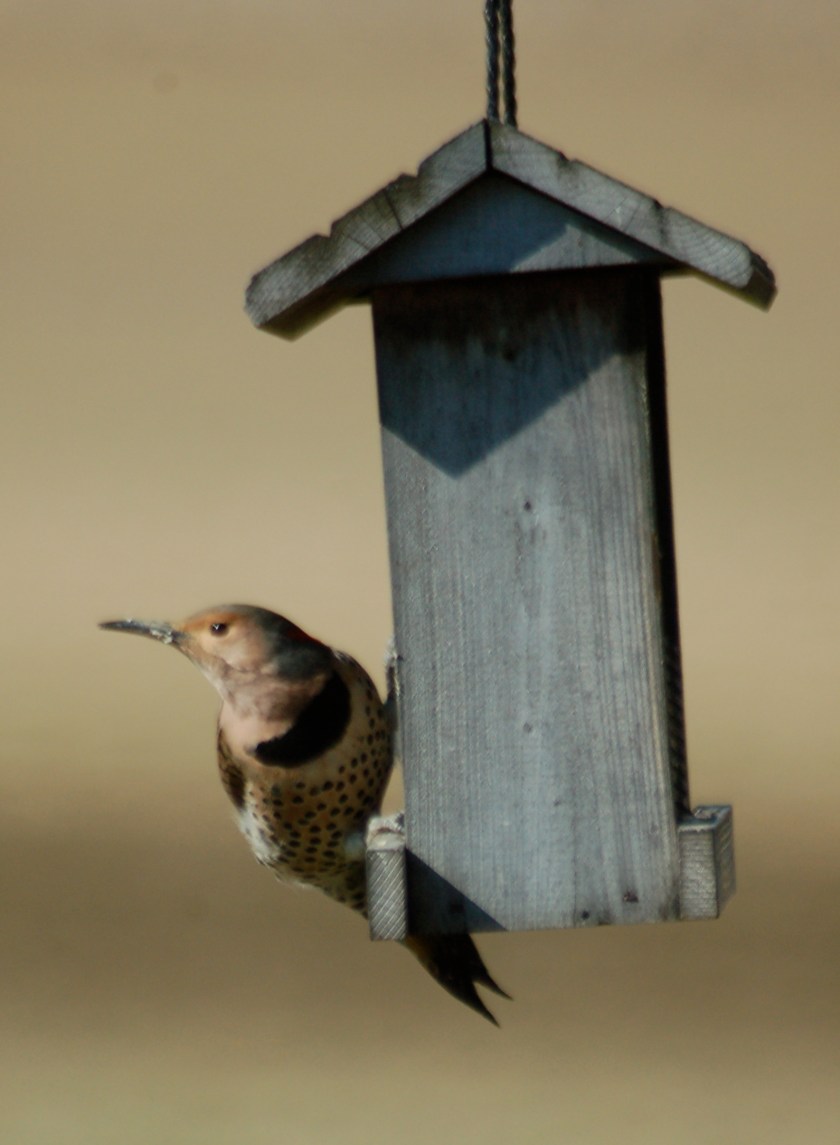
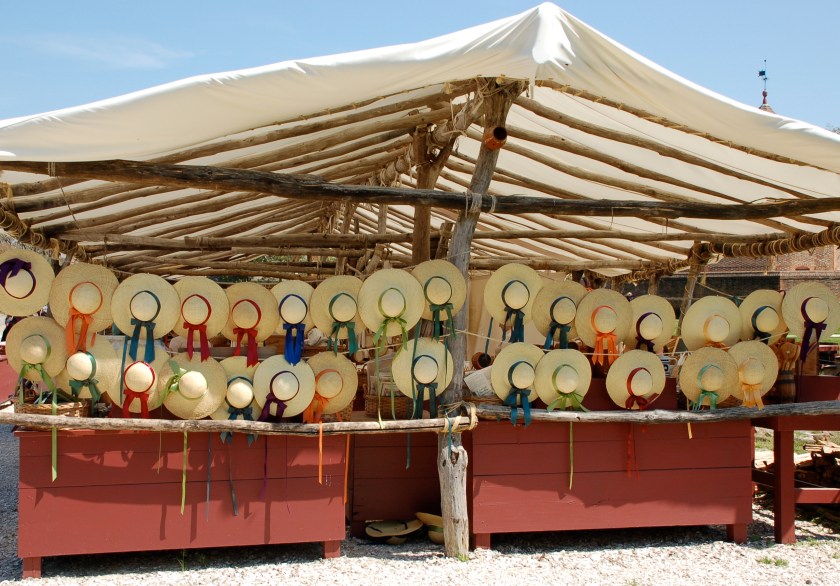
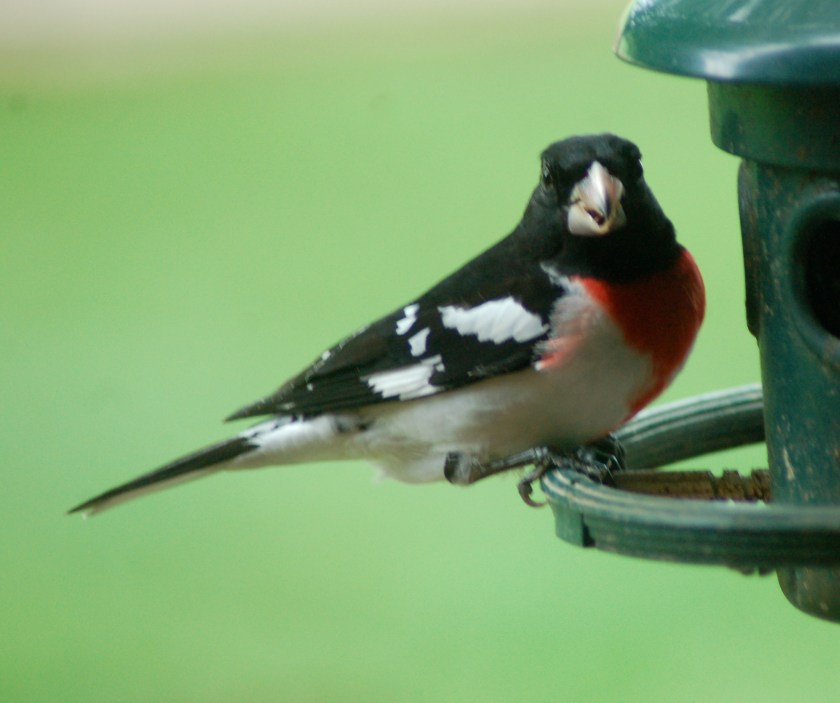
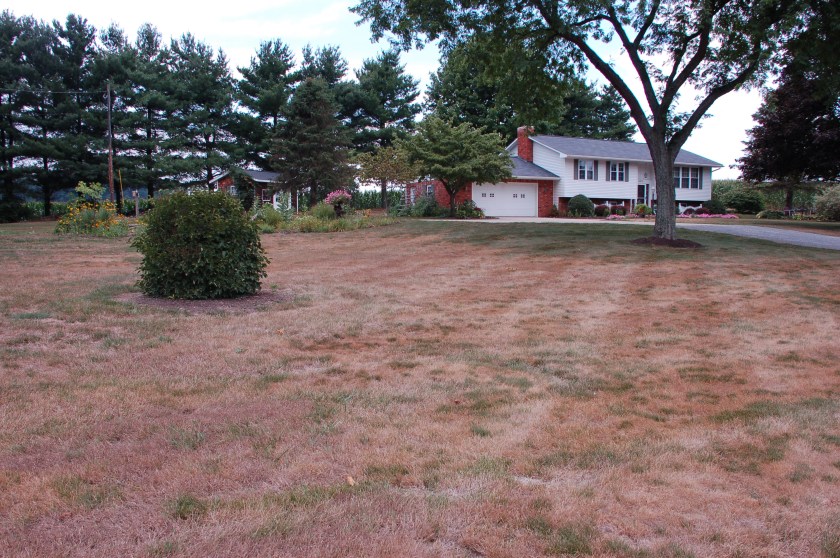
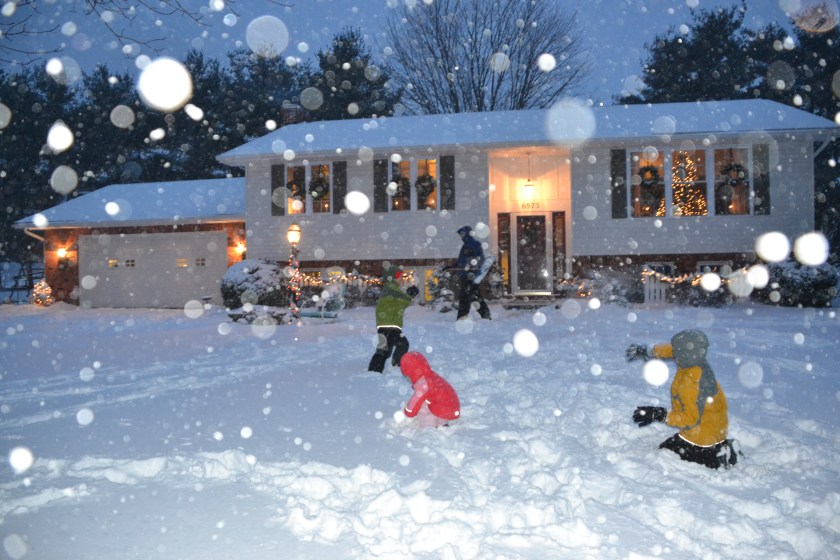
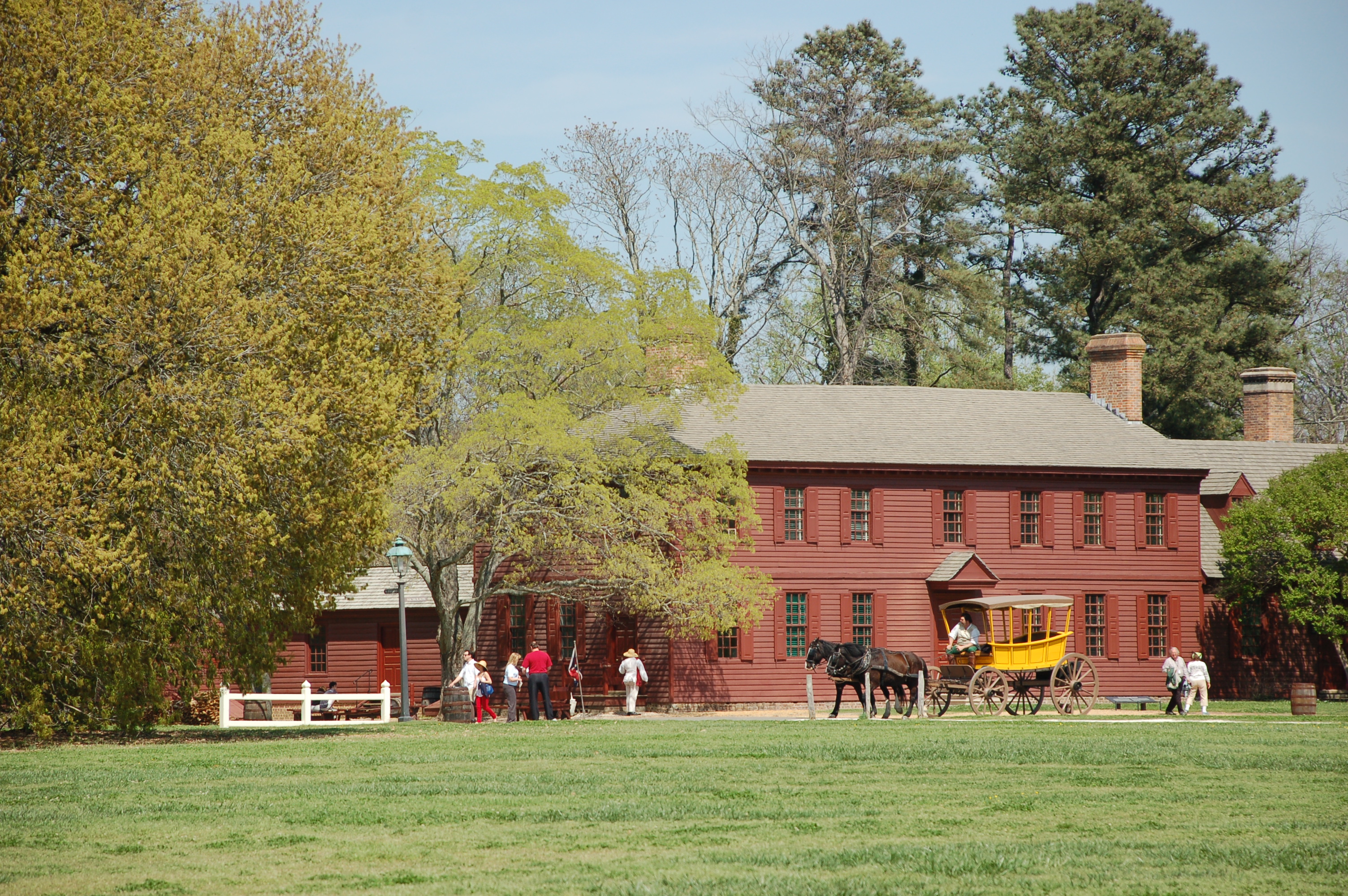
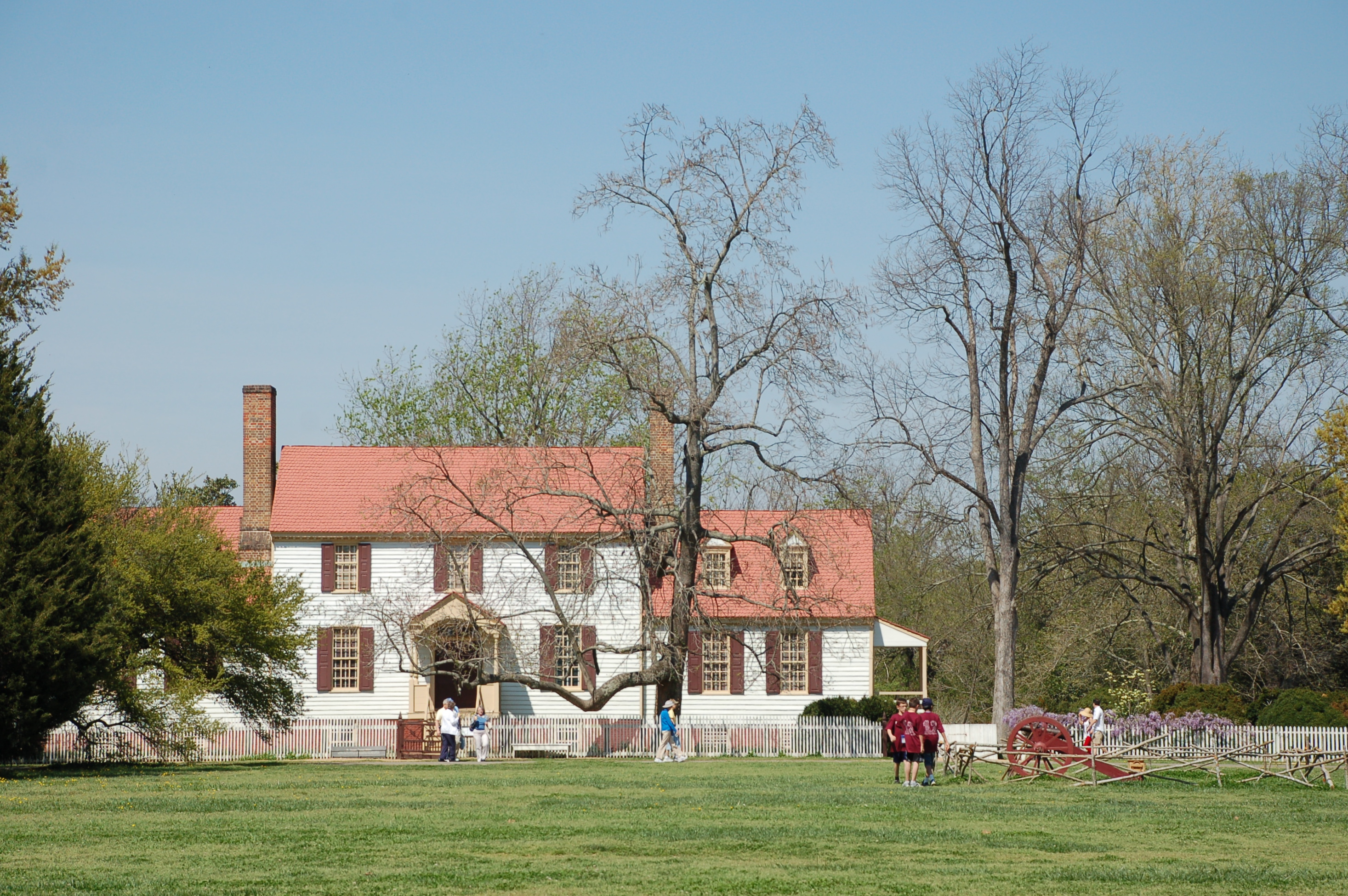
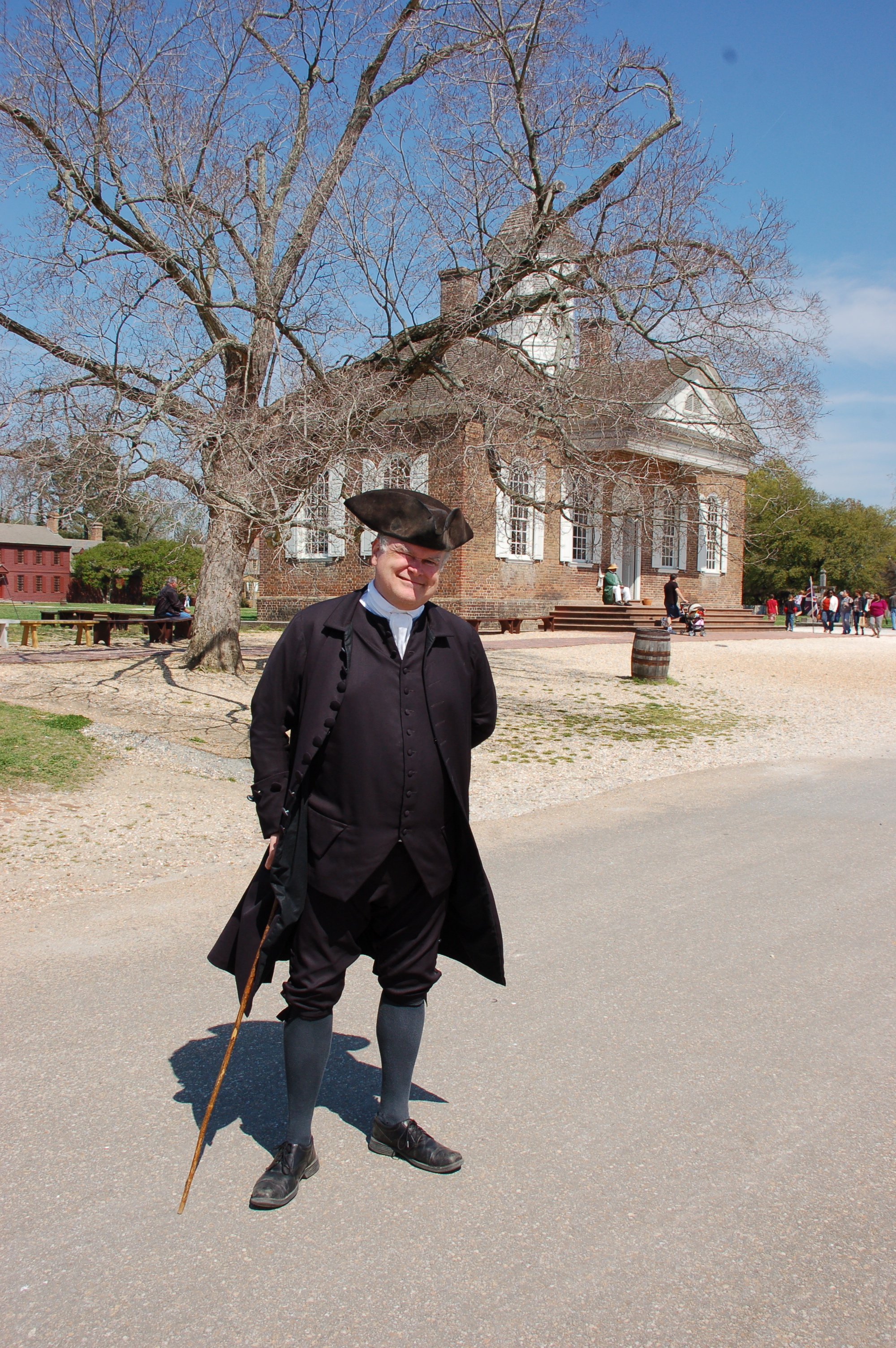
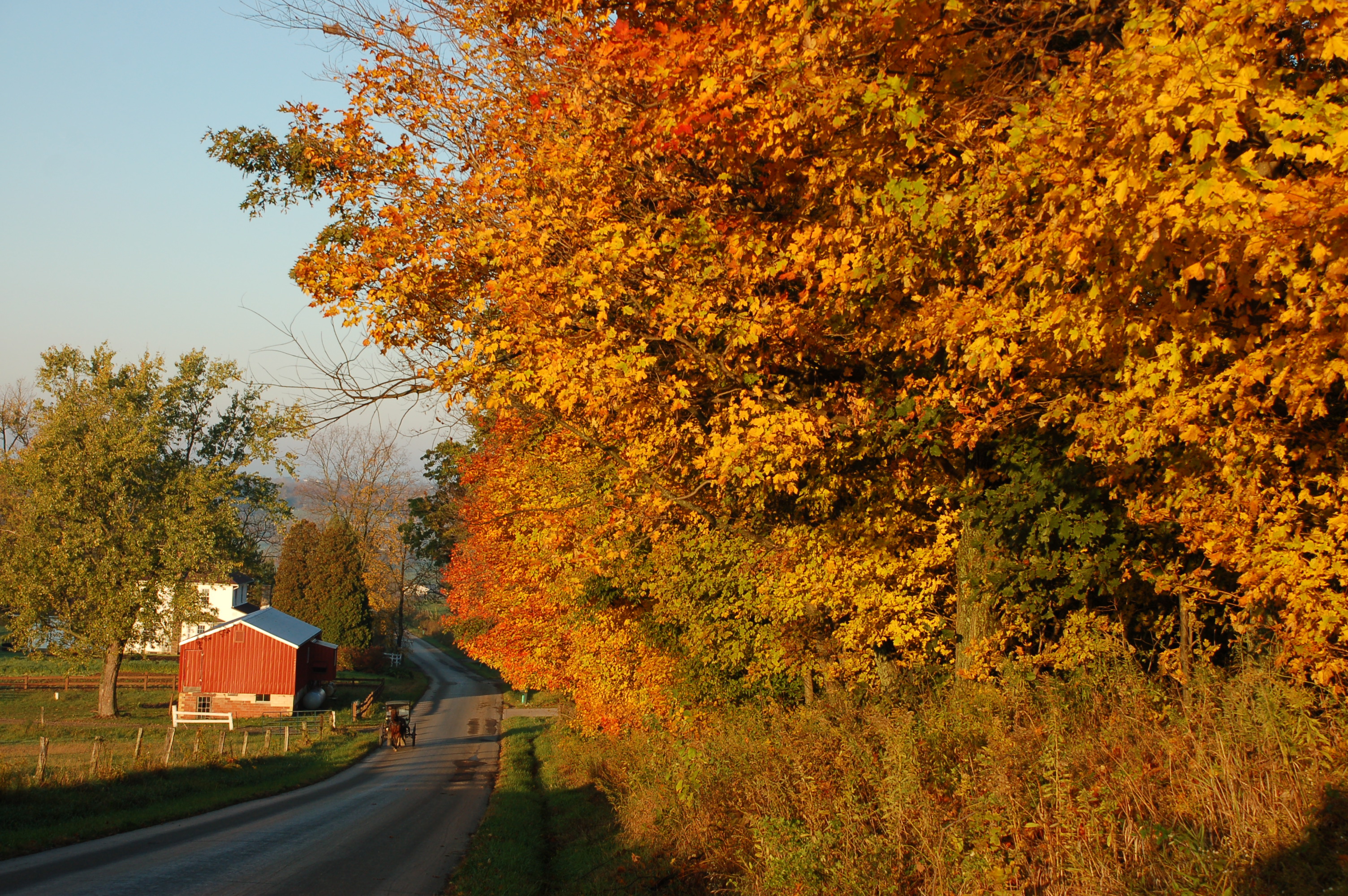
Enjoying a beautiful sunset on America’s number 1 rated beach, Siesta Key, Sarasota, FL, was a great way to begin the year.I love birding. This Northern Flicker posed perfectly for this shot in Feb.My wife and I celebrated our 41st anniversary in March by visiting Williamsburg, VA. These hats caught my eye.Lakeside, OH is one of my favorite vacation spots. When the Lakeside Daisies are blooming, which they did two weeks early this year, the town is even prettier. These daisies only bloom on the Marblehead Peninsula, and this bee enjoyed the small patch of these special flowers on April 29.I feel very fortunate to have Rose-breasted Grosbeaks frequent my backyard feeders. This male seemed fearless as he gorged on oil sunflower seeds in early May.I enjoyed capturing our grandchildren’s initial reaction to the surf at Sunset Beach, NC in early June.The end of July was the peak of the summer’s drought in Ohio’s Amish country, where my wife and I live.Summer fog is not unusual in Ohio’s Amish country. I often take my camera along on my morning walk, and I was glad I had this late August morning.A young Amish girl checked out the colorful balloons at the neighbor’s produce stand during their Customer Appreciation Day at the end of Sept.Laundry drying against the colorful leaves in mid-Oct. in Holmes Co., OH created a contrasting shot.The silhouettes of the corncrib and tree against the Thanksgiving Day sunset made a stunning image.Watching our grandchildren and their parents play in the snow the day after Christmas was as magical as the snow itself, and a wonderful way to end 2012.
I couldn’t help but sense the irony and wonder in it all. My wife and I were visiting my older brother and his wife near Williamsburg, Virginia.
We all were enjoying a pleasant spring evening on the back porch of their lovely home. My wife was using her iPhone. My sister-in-law toyed with her iPad. My brother and I each were surfing around on our MacBook Pro laptops.
The evening was dark and still, except for the occasional distant rumble of thunder. The only light on the porch was the glow from the screens of our electronic gizmos.
My brother and sister-in-law own a lovely home just minutes away from Colonial Williamsburg. Founded in 1654, Williamsburg played a significant role in the development of our country to say the least.
We had spent the heart of the day walking the streets of the historic town. If you have never been there, it’s a bucket list kind of place, beautifully restored and maintained with lots to do for children and adults alike.
Even though I had visited Williamsburg before, I again thrilled at just the thought of strolling the same streets that a young Thomas Jefferson once did. With so many guides and actors dressed in period attire, it was easy to imagine being back in time.
Plush carriages pulled along by noble teams of horses plied the once muddy streets, now paved for the comfort of the tourists and the convenience of the staff. The night before we had enjoyed a delicious meal in Shields Tavern, where we were careful to mind our Ps and Qs.
That old saying, still heard today, could very well have had Williamsburg roots. In those days, a tavern’s bartender simply kept a chalkboard ledger of what customers consumed. If they drank a pint, a P was lettered under their name. If a quart, then a Q was marked. At evening’s end, the bill was tabulated and the customers properly minded their Ps and Qs by paying their bill. Today it simply means to take care of your own business.
As the four of us sat quietly on the darkened porch, we could have been minding our own Ps and Qs by paying our bills online. With the rumbling thunderstorms growing closer, it seemed a bit surreal using our 21st century technology to check in with the world while sitting in the shadow of a bygone era. The town crier was definitely no longer needed to announce the time.
I thought about other familiar sayings we utter without knowing their origin. We derisively chatter about big wigs without contemplating the phrase’s original meaning. For the record, “big wigs” came from the 17th century society custom of wealthy people wearing expensive wigs made of human hair. The taller the wig, the more aristocratic you were.
You could say we went the whole nine yards at Williamsburg. That reference was attributed to a bolt of fabric, which equaled nine yards. Clearly I enjoy linking the past with the present.
As the line of storms hit our area, it rained cats and dogs, but not long. Even well before colonial times, superstitious persons believed cats symbolized the rain and dogs the wind; thus, the saying.
Back on the porch, we powered down for the night, thankful for both the generous hospitality and the opportunity to reconnect with the origins of our democracy. I wondered if somewhere, someplace Thomas Jefferson and Steve Jobs were both smiling.
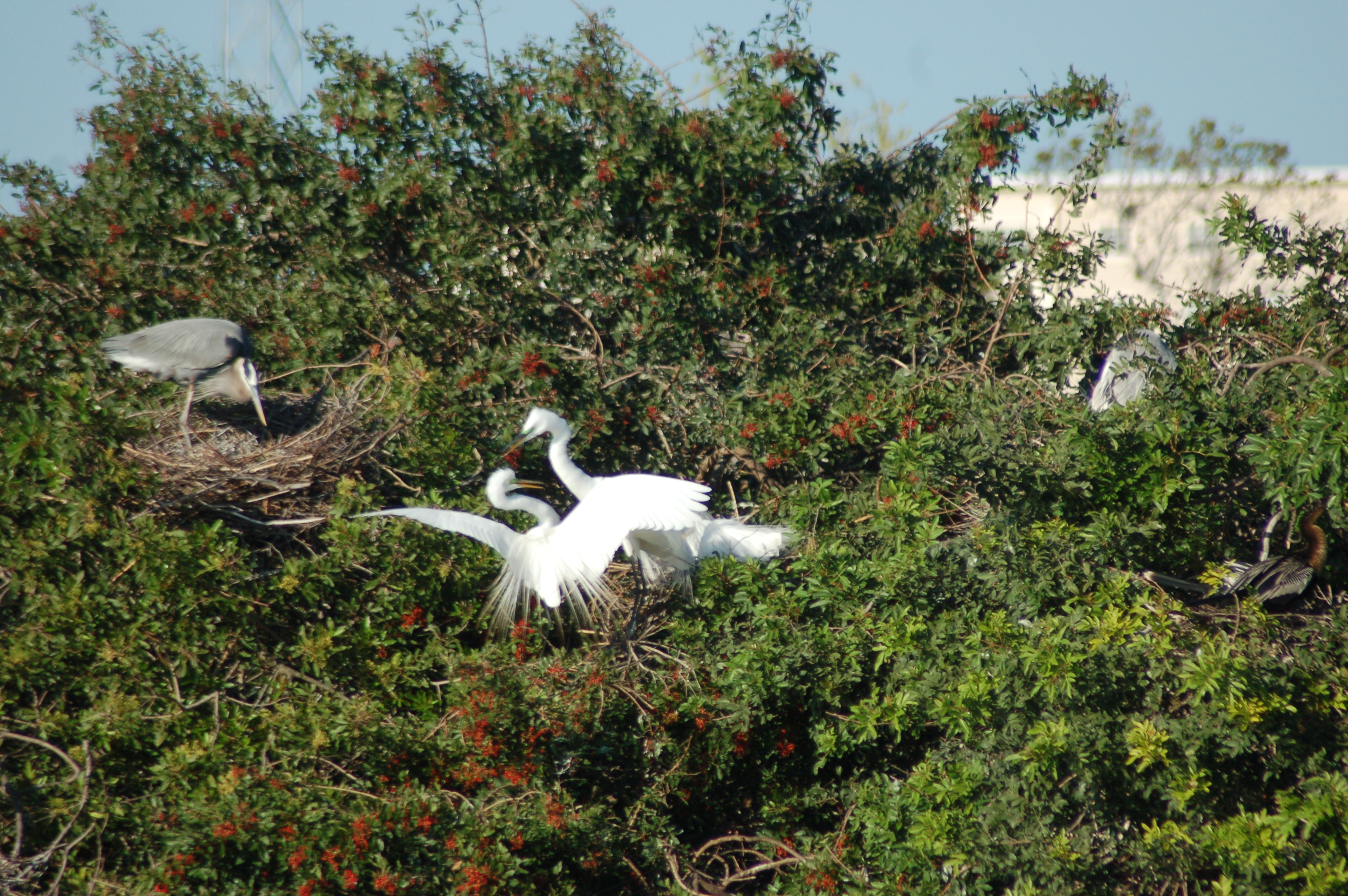
I caught this pair of Great Egrets in their courting ritual at the Venice, FL Rookery. The Great Blue Heron to the left didn't seem too impressed.
By Bruce Stambaugh
The weather was dreary and cold, with occasional snow flurries. It was just another winter’s day in Holmes County, Ohio as far as I was concerned. But it turned out to be so much more than that.
I drove the nine miles east to check on my mother, who lives in a local nursing home. I kept my visit short as usual, making sure I had refilled Mom’s bowl of jellybeans before I said goodbye.
As I was driving home a flash of white caught my attention to the right just east of Berlin, center of the world’s largest Amish population. Besides the color, the bird’s large wings, small head and short tail were all instantly noticeable.
I checked traffic and slowed my vehicle. The bird’s rapid, steady flight cut directly across my path right to left, giving me a full, close view for nearly a minute.
By its distinctive wingbeats, its size and color, I reckoned it was a Snowy Owl. Given my situation, I had no other choice. I had to keep alert driving, yet I tried to keep my eyes on this rare bird.
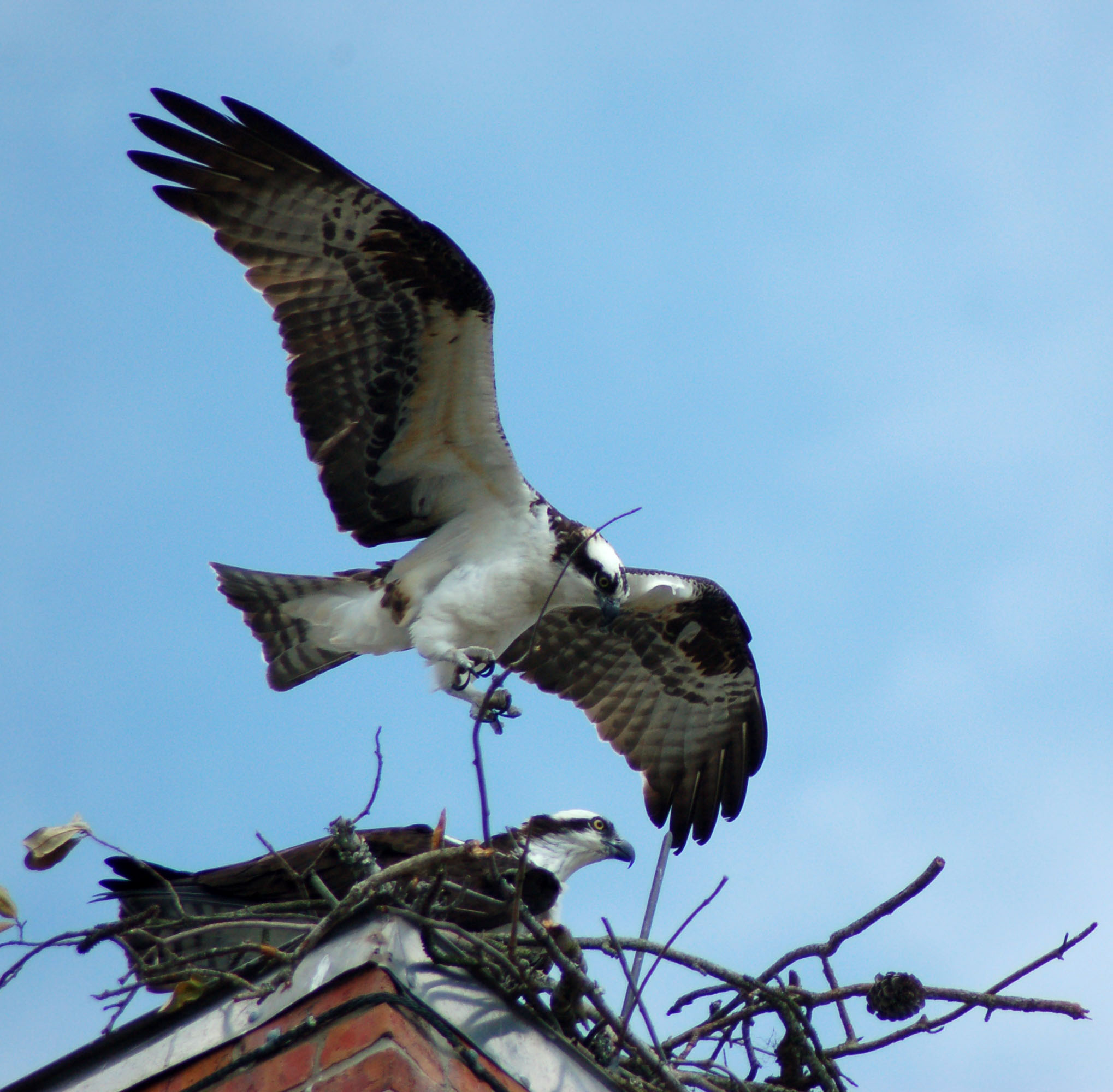
While vacationing in Corolla, NC, I happened upon this pair of Ospreys building a nest on a rooftop.I didn’t have either my binoculars or camera along. The only thing to do was to keep driving and hope that I could spot it again as I made my way west through town.
Snowy Owls recently had been reported all across the midwestern part of the country, including Ohio. This was far south of their normal winter range. Experts speculated that the owls came in search of food. Normally nocturnal, Snowy Owls will hunt in the daytime when stressed by hunger.
As I motored through two signal lights and the usual clog of traffic in the busy unincorporated village, I kept looking south. I spotted the bird off and on, and saw it gliding as if it was going to land southwest of town.
Once I reached the open area west of Berlin, I again found the white owl, this time flapping its large wings. As I headed down the hill colloquially dubbed Joe T. hill, I lost sight of this magnificent bird. I didn’t know if it had landed or flown out of sight.
My only option had been to observe every detail of the bird that I could while driving. In the birding world, that process is called reckoning, meaning noting the birds shape, size, flight pattern, and behavior.
To be sure of my sighting, I consulted several bird books when I got home. They confirmed what I had seen. I reported the sighting to the rare bird alert. That way others in the area might see the owl, too.
That’s the way birders are. Half the joy of watching birds is sharing what is seen with others.
Young Amish boys like these young men often will bike miles to go birding.Ohio’s Amish country is blessed with an abundance of excellent birders, many of them in their early teens. It is not uncommon for them to get a group together, and bike for miles to go birding for a day.
They keep track of what they see, species, numbers and locations. And if they happen to spot an unusual bird, the word gets spread quickly so others may enjoy the opportunity as well.
In this case, I couldn’t believe my good fortune to be at just the right place at just the right time to see a Snowy Owl. I considered myself extremely fortunate to have seen this rare bird.
When birding, like so many other situations in life, timing is everything.
When I moved to Holmes County, Ohio more than four decades ago, one of my initial purchases was a county road map. I wanted to learn my way around the ridges, valleys and hamlets of the area.
I drove both the highways and back roads in order to get to know the topography and citizenry of this place. Geography buff that I am, landscape variations between the glaciated and the unglaciated portions of the county greatly intrigued me.
I marveled equally at the steep wooded hills that defined the broad Killbuck Valley, and the rolling farmlands and rivulets in the county’s northern section. The common elements of picturesque scenery and practical people reoccurred despite the demographic differences.
All these years later I still drive the roads, still learn, still enjoy my bucolic and human encounters. I think about that often, especially when I inspect the roads for which I am responsible as a township trustee.
My main objective is to ensure safe road conditions, and check for potential problems like plugged culverts, leaning trees and slippery roads. I do those duties, but the pastoral vistas and the genial people I encounter along the way can easily distract me. I don’t mind in the least. The diversity of the countryside and characters in my township are truly remarkable.
My regular route takes me up hill and down vale, through densely wooded ravines with sharply slanting walls that rise abruptly on both sides. In several places road and stream are pinched with just enough room to navigate side-by-side.
In minutes, I can motor from forested valley to high, rolling fertile fields that surround coffin red bank barns and white farmhouses. Various shapes and sizes of purposeful farm buildings cluster around the intentionally unadorned agrarian castles.
It was inevitable that over the years the views would be altered. With the population regularly expanding and the land not, cottage businesses and manufacturing buildings sprouted up out of necessity. Many are Amish run and involve some aspect of the lumber industry. Other shops create products specifically for the benefit of the Amish lifestyle, like buggy shops and farriers.
The commerce is nice. The views and residents are better.
Near one of my favorite hilltops, the land falls away gradually, cascading toward the Killbuck lowlands. It is a sacred place for me, and yet it is at this precise spot where a new Amish country murder mystery novel is set. When I read about the book’s release, I wondered if the writer had ever met the good folks on the homestead he had impugned.
Last winter, during a fierce snowstorm, a semi-tractor trailer truck got stuck on the slippery incline in front of this very farmstead. The kind farmer cranked up his bulldozer, puttered out the long lane in blinding snow and pushed the teamster and his rig over the hill and on his way.
When it comes to beauty, seasons are really insignificant as I traverse my lovely township. Refreshing summer breezes flap wash lines loaded with pastel clothing. Gaggles of youth skate and play on frozen ponds. A Golden Eagle roosts on a chubby fence post. Leafy rainbows of the mixed hardwoods compete with those in post-storm skies.
Then, too, rounds from paintball guns plaster stop signs, runaway streams wash away road banks, and citizens rankle at impassible roads. Fear not. Repairs can be made, relationships mended.
Peace is restored to my Camelot, at least until my next dreamy drive.
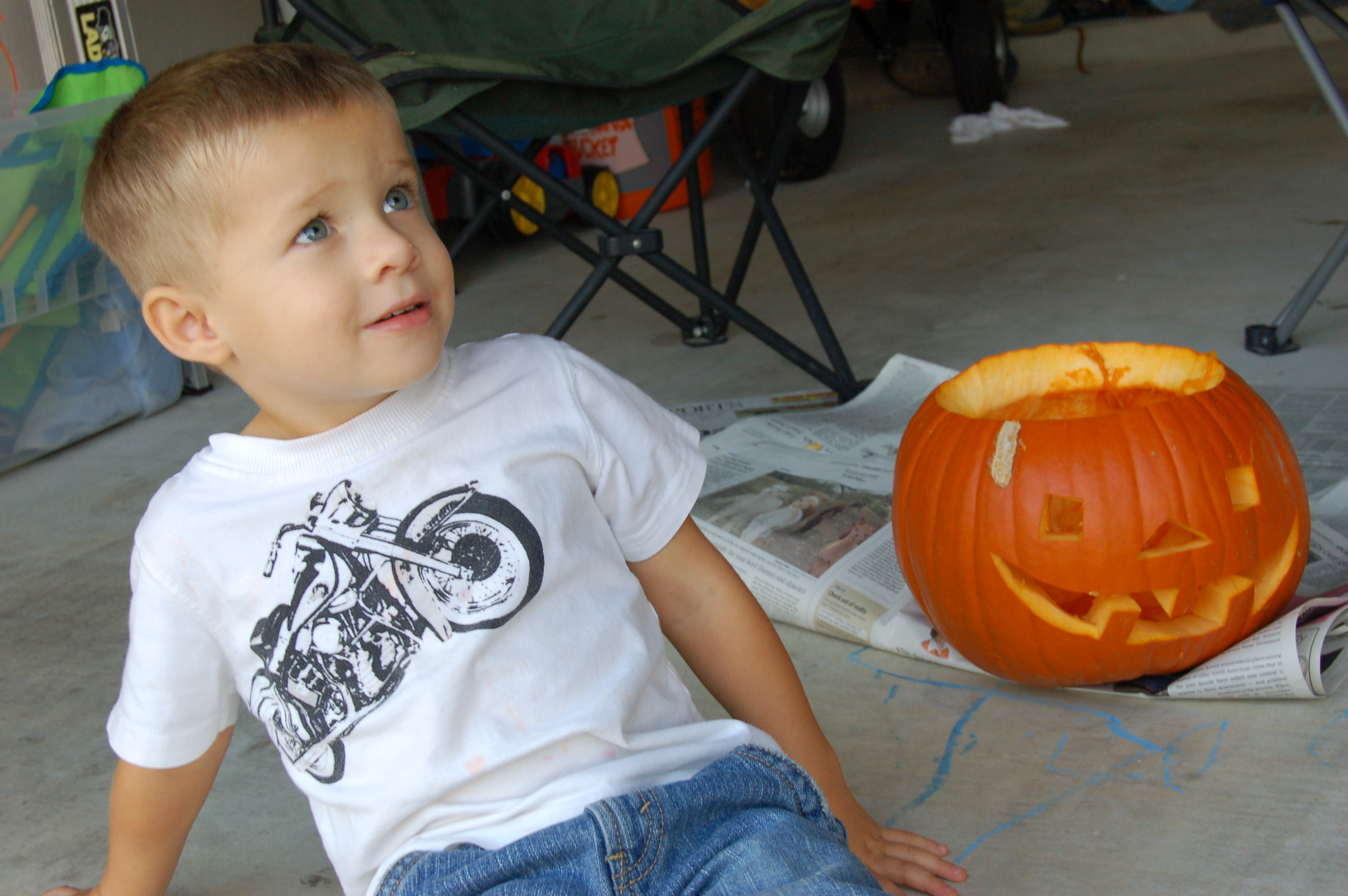
Halloween didn’t use to have such a bad reputation.
When I was growing up, us post-World War II youngsters looked forward to this benign, unofficial holiday. We just had fun.
Sure. There were mischief-makers, roughnecked teens that crossed the line. But they fortunately were in the minority. They certainly didn’t exhibit the violence and gore that we too often see associated with Halloween today.
I remember some bully stealing our carefully carved jack-o’-lantern off our front porch. When I spotted the costumed thief running away with our pumpkin, I yelled at him. The much bigger boy responded posthaste by threatening me. Fearful, I said nothing more. I didn’t want to lose my bulging bag of candy that I had so carefully gleaned from our burgeoning neighborhood.
Other Halloween hooligans would soap windows. The really nasty ones would use paraffin, which was much harder to get off the glass. A silly prank was to throw a handful of shelled corn against someone’s windowpane. That trick was used if you got no treat at the front door, which seldom happened.
Of course there were the unfounded scares of razor blades in apples and tampered with candy. We just took precautions and had a good time.
At school, Halloween parties were held in each classroom. All the kids would dress up, many in mundane outfits like cowboys, ghosts, witches, pirates, and princesses. Homeroom mothers would prepare snacks that usually included punch and homemade cookies.
Even our parents got caught up in the fun. I distinctly remember Mom and Dad going to a Halloween party dressed as outhouses, hers and his of course. They won a prize, which I think was a bag of corncobs.
My wife and I wanted those same experiences for our own children as they grew up. However, living in the country is much different than living in a suburb. There was and continues to be no Trick or Treat night in our sparsely populated neighborhood.
Local towns held Trick or Treat night, but we never felt comfortable having our children beg for candy at homes where they were not known. Fortunately, local civic groups, including the volunteer fire department, hosted a Halloween parade and a party with judging, games and treats for all area children at the elementary school.
Our son and daughter went one year dressed as a tube of toothpaste and a toothbrush. Maybe they thought that would counter the cavities they would develop devouring all of that sugary candy.
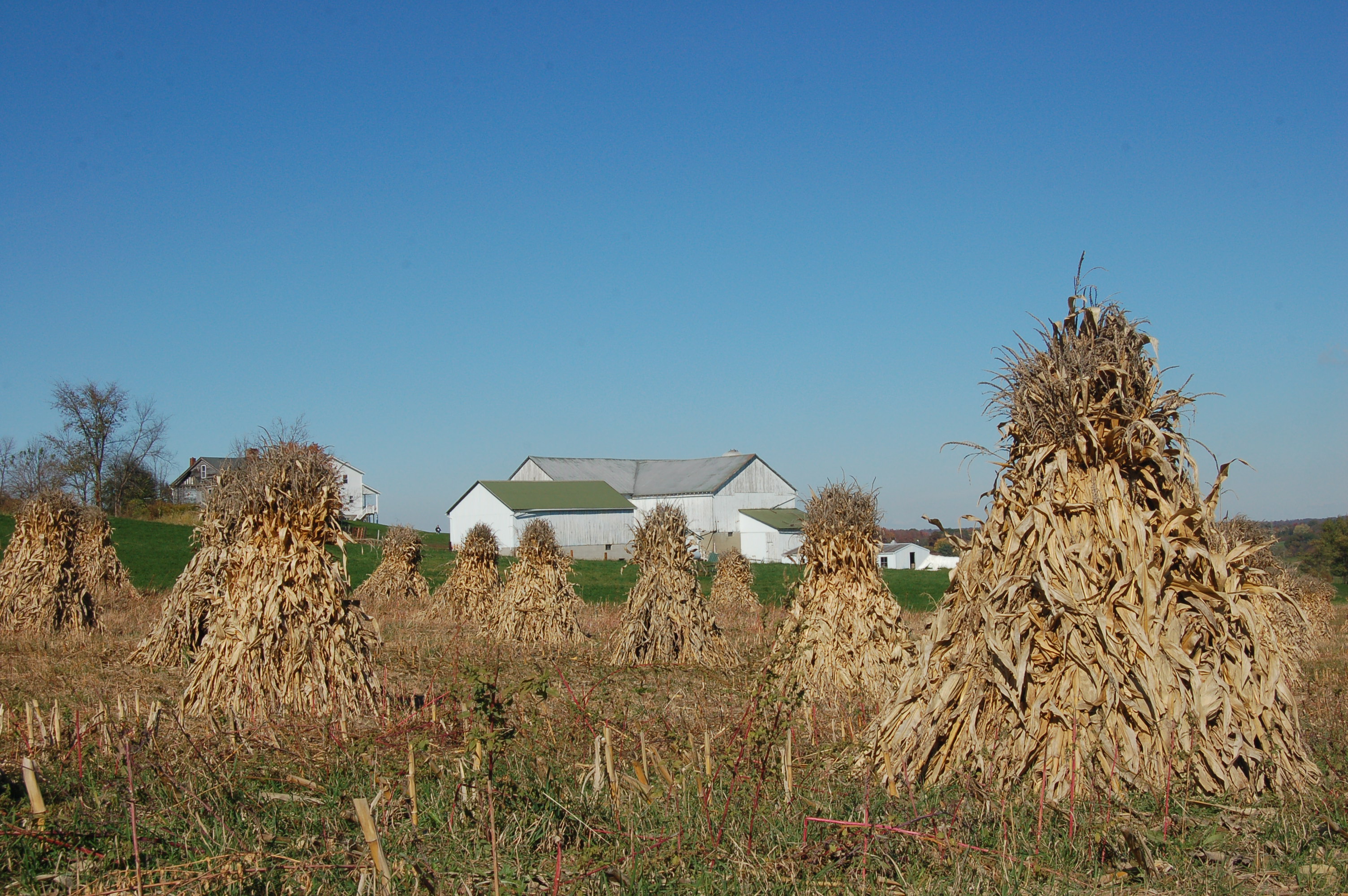
To be sure, there were and still are other downsides to Halloween in rural America, including Amish Country. Pranks include corn shocks burned or moved into the roadway, and extensive toilet papering. Dozens of rolls of toilet paper are unfurled on trees, utility lines, in yards and on town squares, creating a TP style blizzard.
In our hectic world, with an unlimited stream of electronic information vying for our attention 24/7, my nostalgic description of Halloween seems pretty blasé. People today seem to have the desire to be scared out of their wits and often pay good money for the privilege.
In this age of skepticism and trepidation, some see Halloween as a demonic plague on society. They claim there is just too much evil and violence connected with the frightful celebration.
Since I tend to avoid malevolence, I’ll not quibble with that assessment. I do wonder, however, whatever happened to the Halloween that once focused on fun instead of fear.
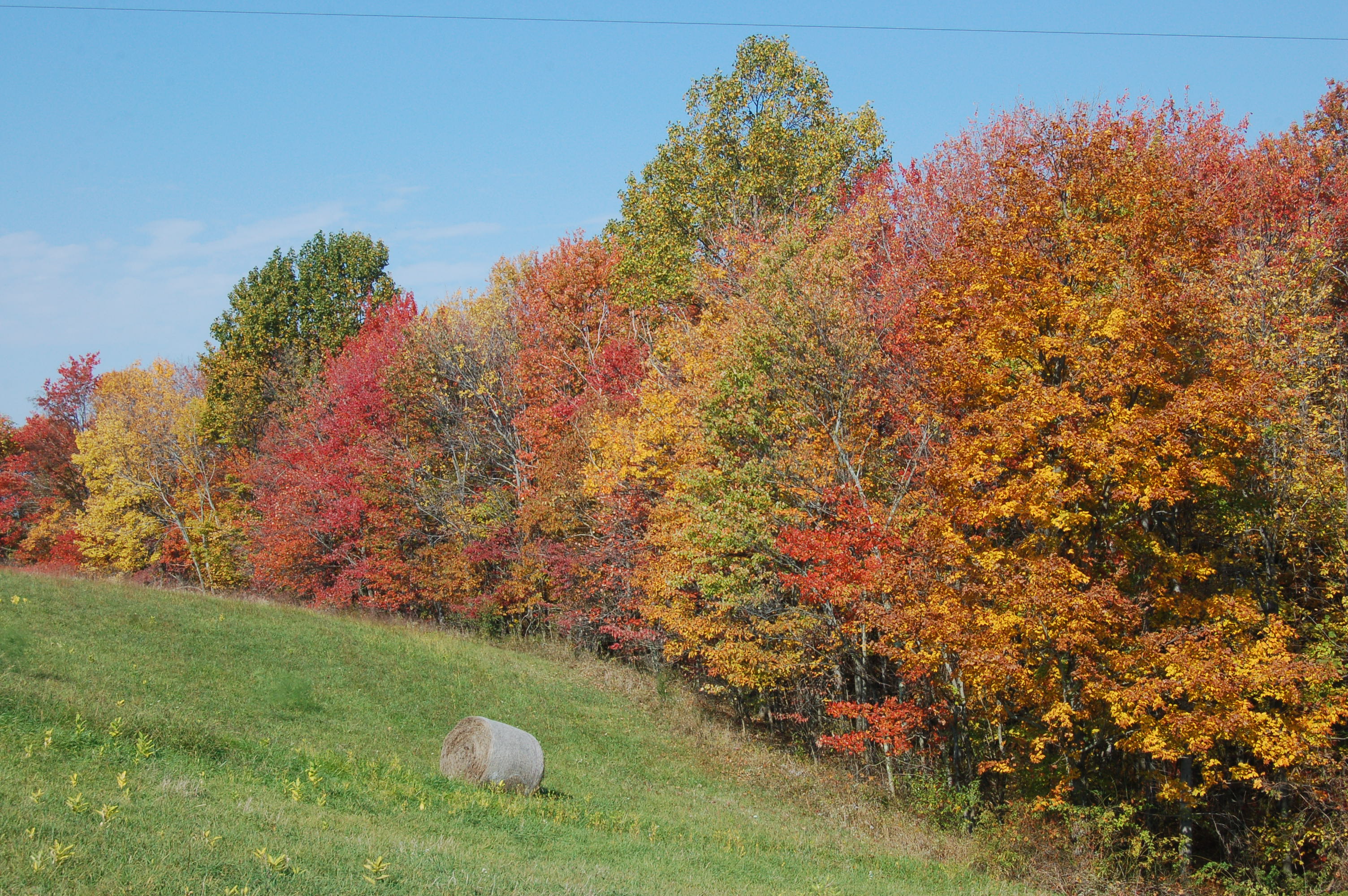
For those of us fortunate enough to live within proximity of giant stands of mixed hardwood trees, fall is a glorious time of year to observe life’s constant changes.
The annual autumn spectacular of the once lush leaves magically transforming the emerald landscape into magnificent warm rainbows carries us into nostalgic reflectivity. This year I couldn’t help but note a symbolic similarity in the recent death of the ingenious Steve Jobs, the guru who started Apple Computer. Fall's rainbow of colors on display.
The very first computer I ever used was an Apple. Just the name of the computer endeared educators to these amazing, easy to use personal computers. School systems across the country bought them for student and teacher use. The fact that Apple was wise enough to give teachers and school districts educator discounts on their purchases made them all the more attractive.
One of the schools where I was principal acquired an Apple computer for the library in 1989. Now obsolete floppy discs were inserted to boot programs or software for students to use. I have primarily used Apple computers ever since.
Shortly after hearing of Jobs’ death, the Internet was full of information about his life. I found many of the touching quotes and reflections via posts on Facebook.
One particular poignant clip greatly moved me. It was a 15-minute video of Jobs’ address at the 2005 Stanford University commencement. No one would have mistaken the pure genius that produced innovative personal electronic devises like the iPod, iPhone and iPad for Shakespeare. But his message was prophetic nevertheless.
His words were neither flowery nor convoluted. Like his multitude of popular electronic inventions, his exhortation was straightforward and concise. He had three simple points for the graduating class that day. Each was illustrated by personal stories from his humble yet incredible, creative life.
His final point was perhaps the most powerful and applicable. Just a year removed from having survived pancreatic cancer, Jobs told the sun-drenched audience “death is very likely the single best invention of life.” He told those gathered that if you live each day as if it were your last, someday you’ll be right. Jobs was as pragmatic as he was innovative.
Though he had hoped to live decades longer, Jobs emphasized that remembering that he would be dead soon was the most important motivator for him. He related that view even though he of course had no idea how long he would live. Jobs said no one wants to die, but death is the destination that we all share. Death clears out the old to make way for the new.
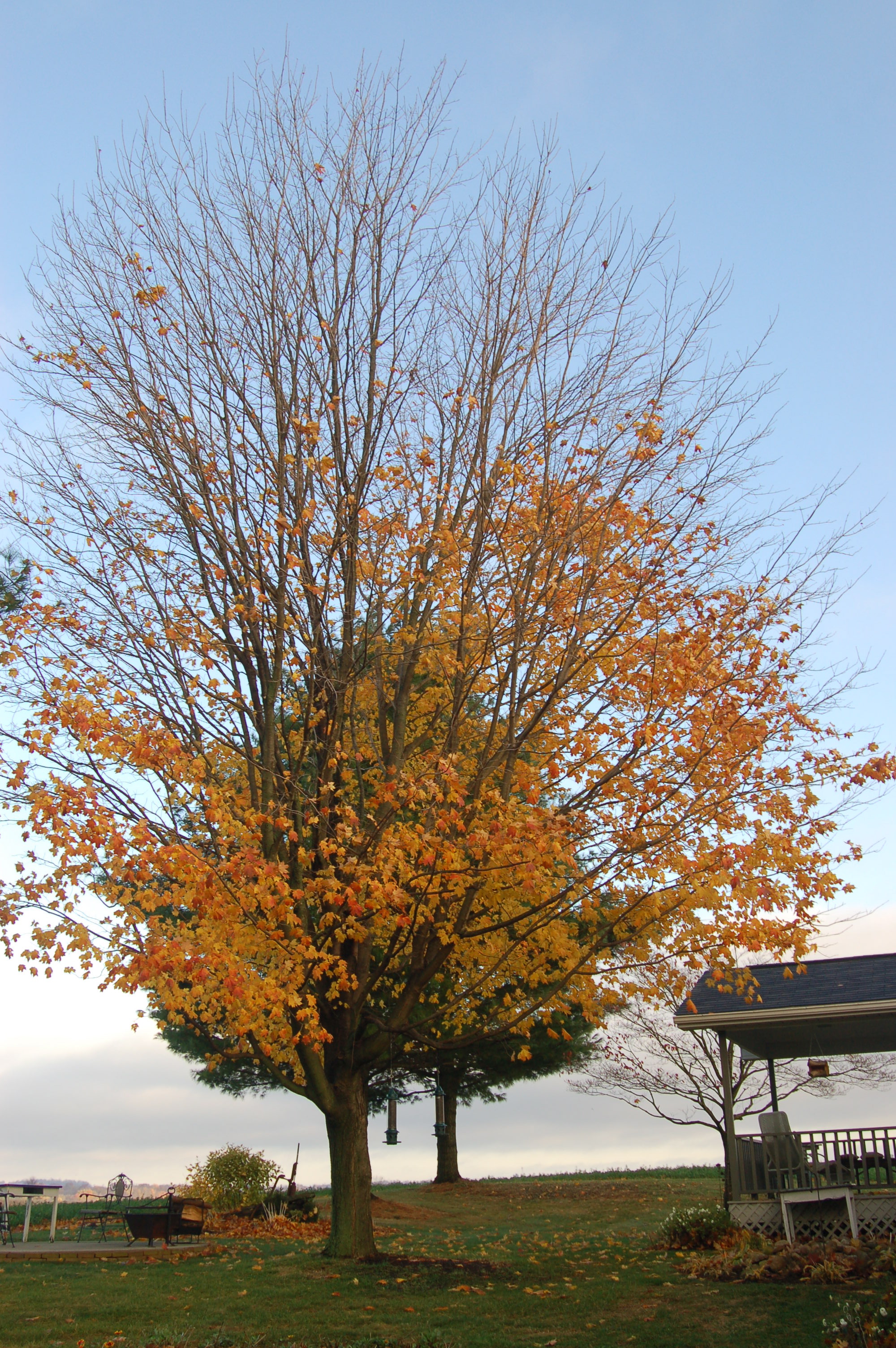
That’s the way it is with the leaves. They bud in spring, unfold overnight to lush, lovely green or crimson until their predictable fate in the fall. Having done their job of helping the tree thrive and grow another year, the leaves succumb to the inevitable.
The leaves unveil their natural, vibrant colors, keep us captivated for a few precious days, and then drop and wither. Left behind is a tiny bud that will become next year’s new foliage. The old give way to the new, returning to the earth from whence they came.
Our lives follow the same cycle, though most span more than a year. The colors of some leaves are more remarkable than others. In the same way, some lives shine brighter than others for humankind.
Steve Jobs was one of those brilliant leaves.
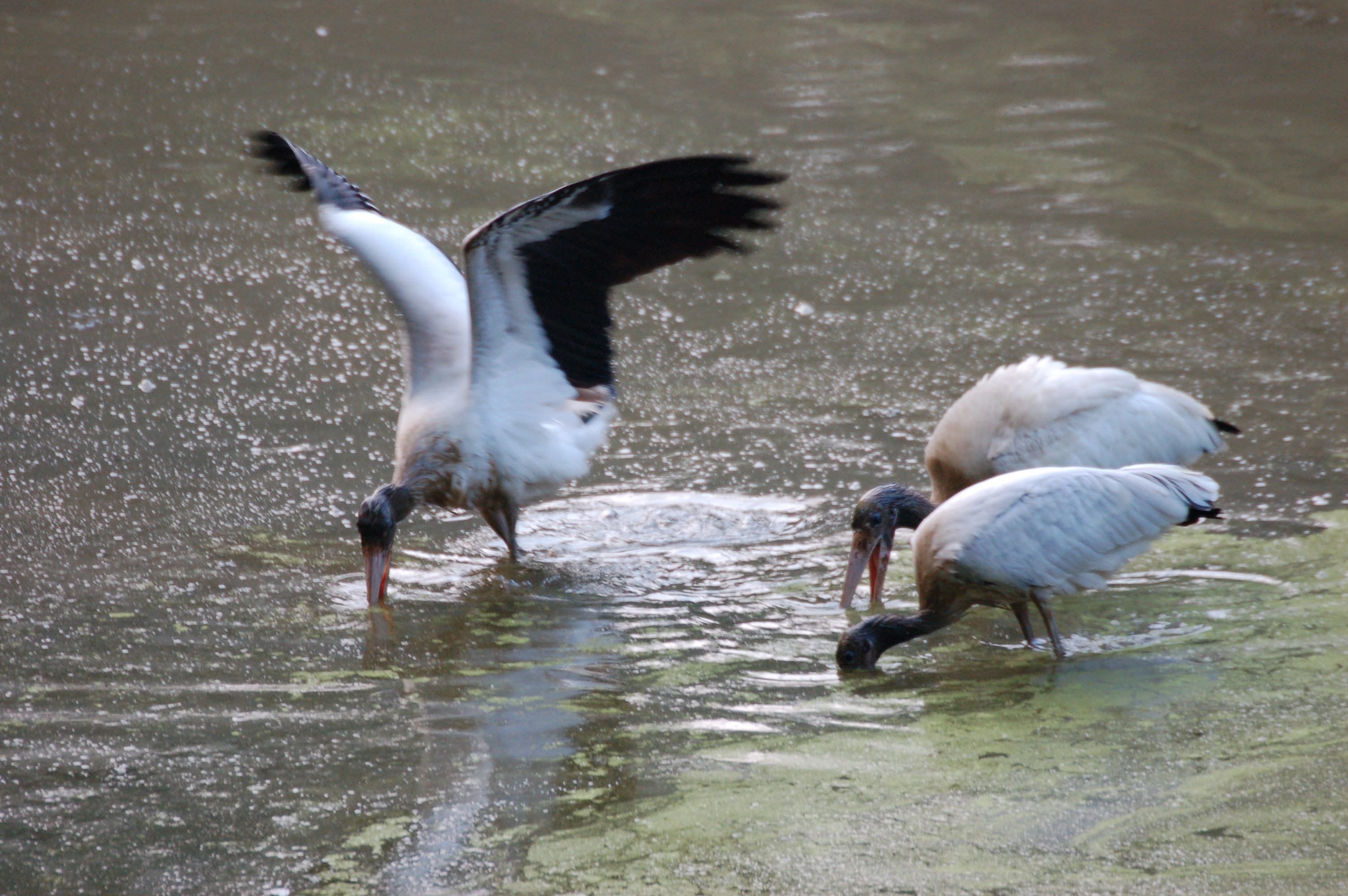
These Wood Storks appeared in a marshy area in Coshocton Co., Ohio in August 2008. They normally are coastal birds in the southern U.S. By Bruce Stambaugh
More often than not, birders take it on the chin just for being birders. Compared to football, American or Australian, it’s not exactly a contact sport, at least in the physical sense.
Birding is, however, very popular worldwide. That might be because of the many amenities that bird watching affords, and those that it avoids, like unnecessary roughness.
Why is birding so universal? Let me count the ways.
Birding is fun. Birding can be enjoyed by all ages. Birding doesn’t require a lot of expensive equipment, though you can spend big bucks if you so choose. Birding can be free. The birds come to you. The owners of this camper probably didn't expect to get this friendly with these Black Vultures.
Birding can be enjoyed year round. Birding is an inclusive activity. Birding can be enjoyed by persons of any age. In fact, it is not uncommon to find entire families enjoying the sport together.
Birding is addictive, turning that usually negative word on its head. Once you learn a little about birds, you intuitively want to know more.
Birding is interactive. Birds get to know you. You get to know the birds. I had the luxuary of observing this pair of young Green Herons from my back porch.
Birding can be done anytime anyplace, hiking, biking, sitting, traveling, on the beach, in the woods, on vacation, or while at work. All are good times to “bird.”
Birding not only introduces you to new species. You make new friends while enjoying an outing, too.
Birding is both personal and interpersonal. You make your own sightings, but immediately share the information with other birders to verify the identification. Others do the same for you. Birding it is both a sociable and a social sport. It is a whole lot more fun done with others than alone. Birding is a social sport, best enjoyed in the company of other birders, whether novice or experts.
Believe it or not, birding can and does get competitive, but in a good way. Many birders compile a life list, an accounting of all the bird species they have ever seen, which includes when and where.
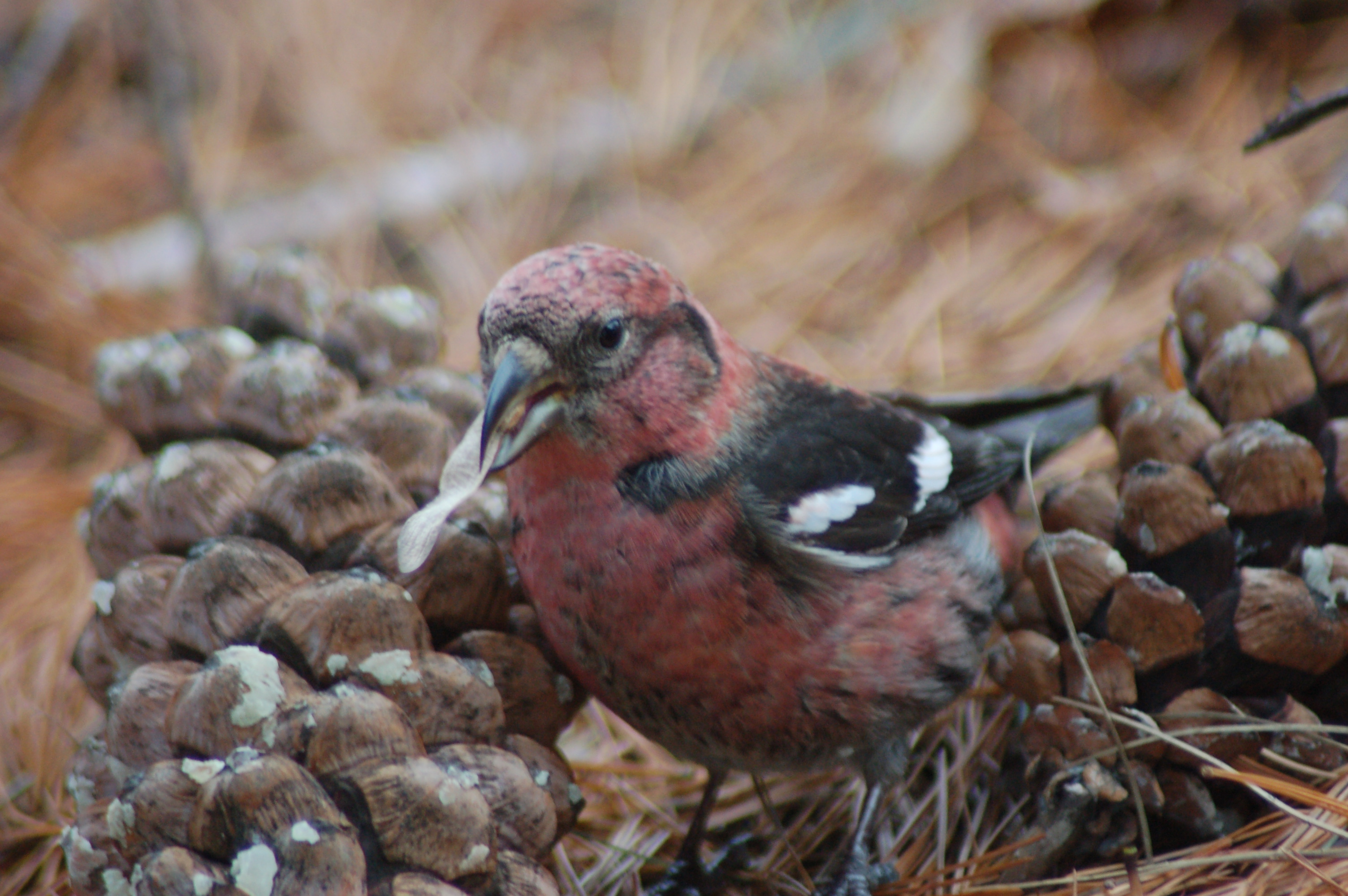
When a rare bird is spotted, birders shun selfishness. They call other birders or have it posted on a bird alert website. Soon scores of birders show up hoping to see the rarity for themselves. A flock of White-winged Crossbills spent a few days in the Holmes Co., Ohio area in March 2009. They migrated from pine grove to pine grove, including the one in my own backyard.
When a quartet of Wood Storks, birds usually found in Florida, appeared in Coshocton Co., Ohio awhile back, someone asked me if I had seen them. I hadn’t. They gladly gave me directions and I was ready to go. But I didn’t go alone. I filled my van with other birders, three generations who wanted to see the storks, too.
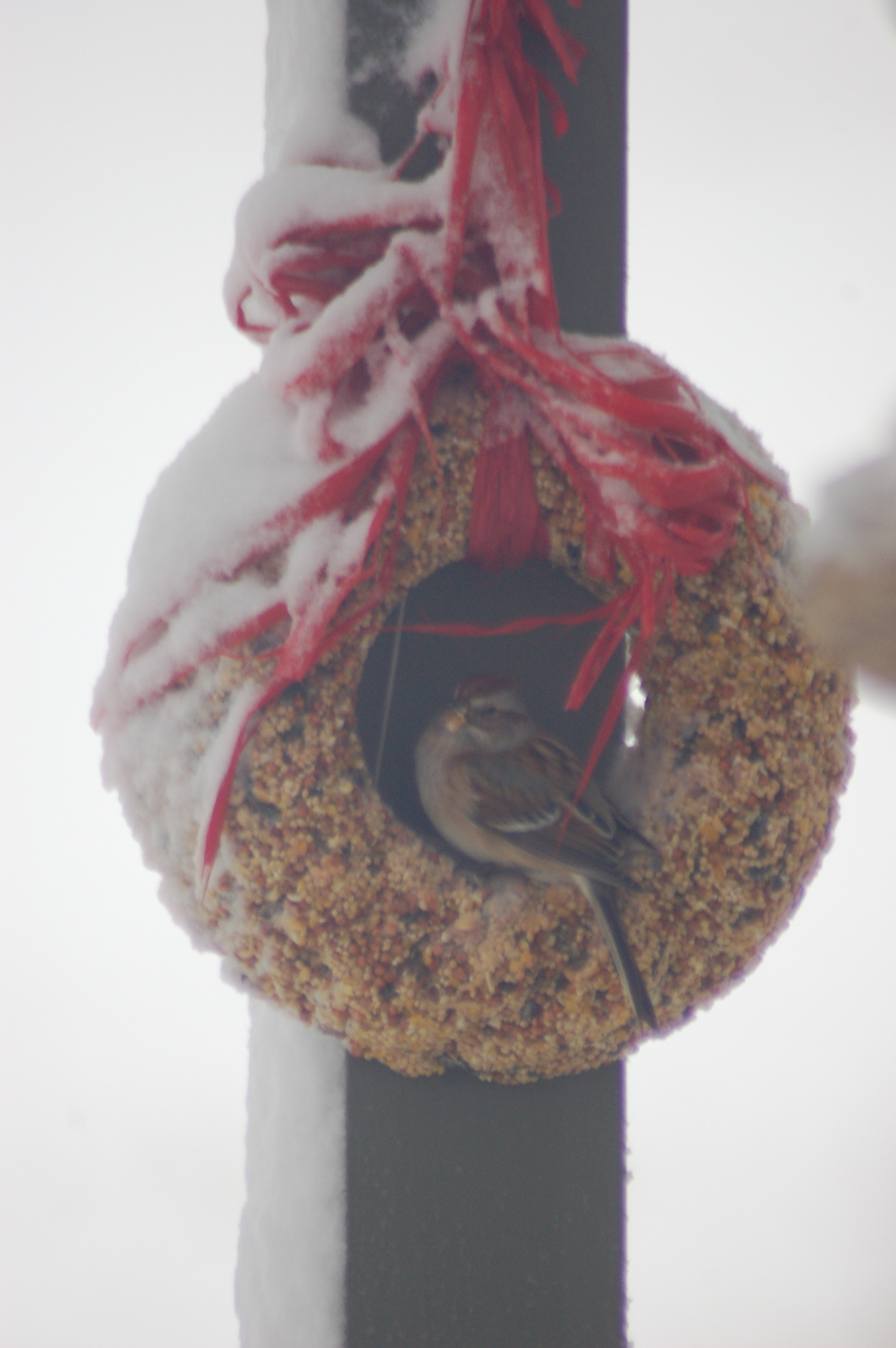
Birding leads to hospitality. You welcome birds by feeding them. You greet and meet other birders if you have a rare bird arrive, even having them sign their names and where they are from. That’s just common etiquette among birders. This Tree Sparrow found the perfect refuge from a harsh winter's storm.
Birding invigorates your senses. The range of songs and calls of birds are often heard before the birds are seen. The amazing array of bird plumage dazzles the imagination.
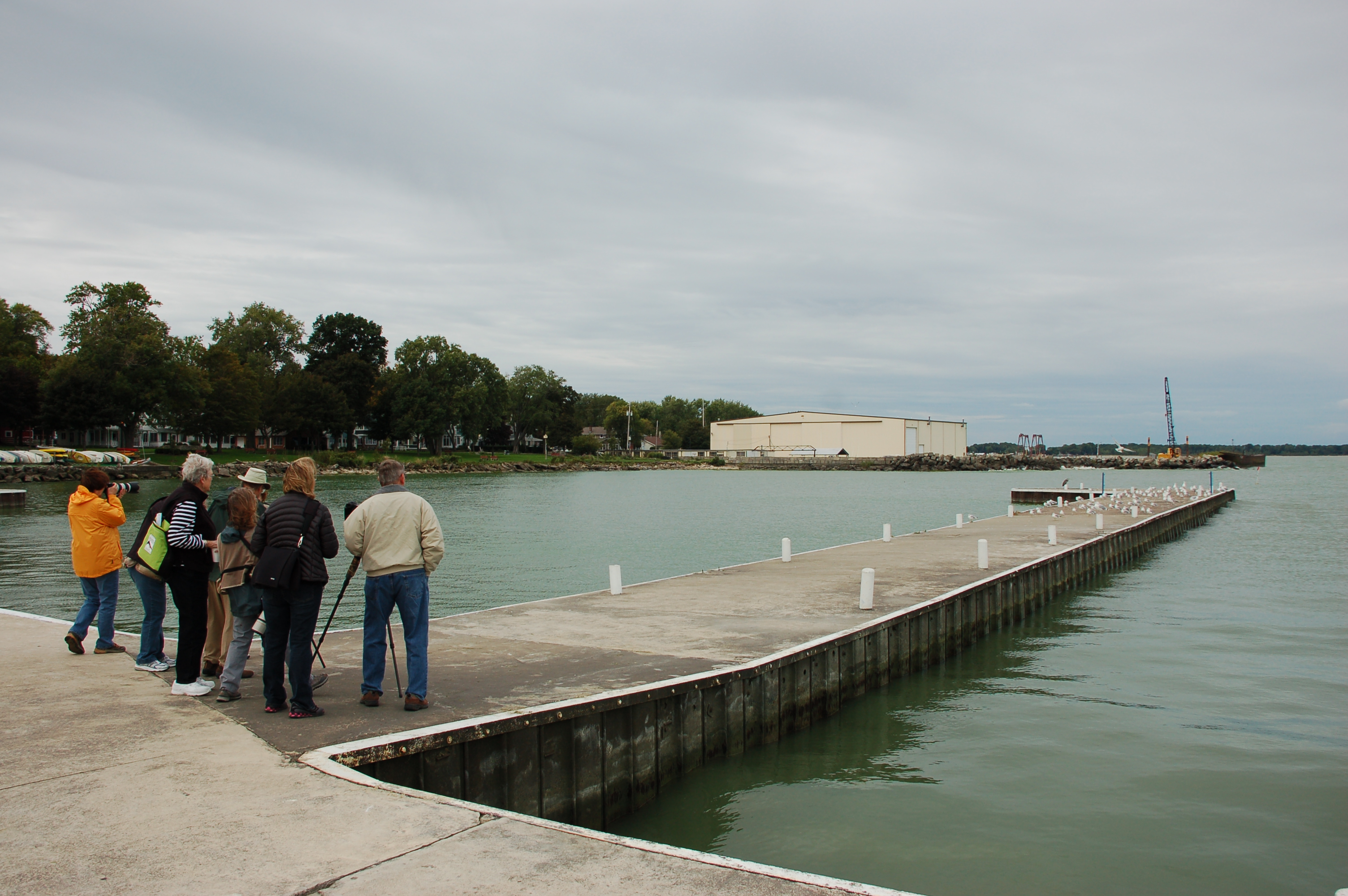
Birders are polite and follow directions. Hundreds of birders from 37 states and 10 countries attended the Midwest Birding Symposium recently in Lakeside, Ohio. A Lakeside resident was impressed that the birders actually stopped for stop signs.
Birders are clean and emphasize being green, preferring reusable water bottles to disposable plastic ones. Birders are nice to others and the environment.
Birders are teachers. They are happy to share what they know and see. This vanity plate leaves no doubt about the hobby of this driver.
Ornithology is the scientific study of birds. Given all their positive characteristics, the study of birders could be labeled “civility.” Birders clearly are their own special flock.
The sunsets in the fall are truly amazing. By Bruce Stambaugh
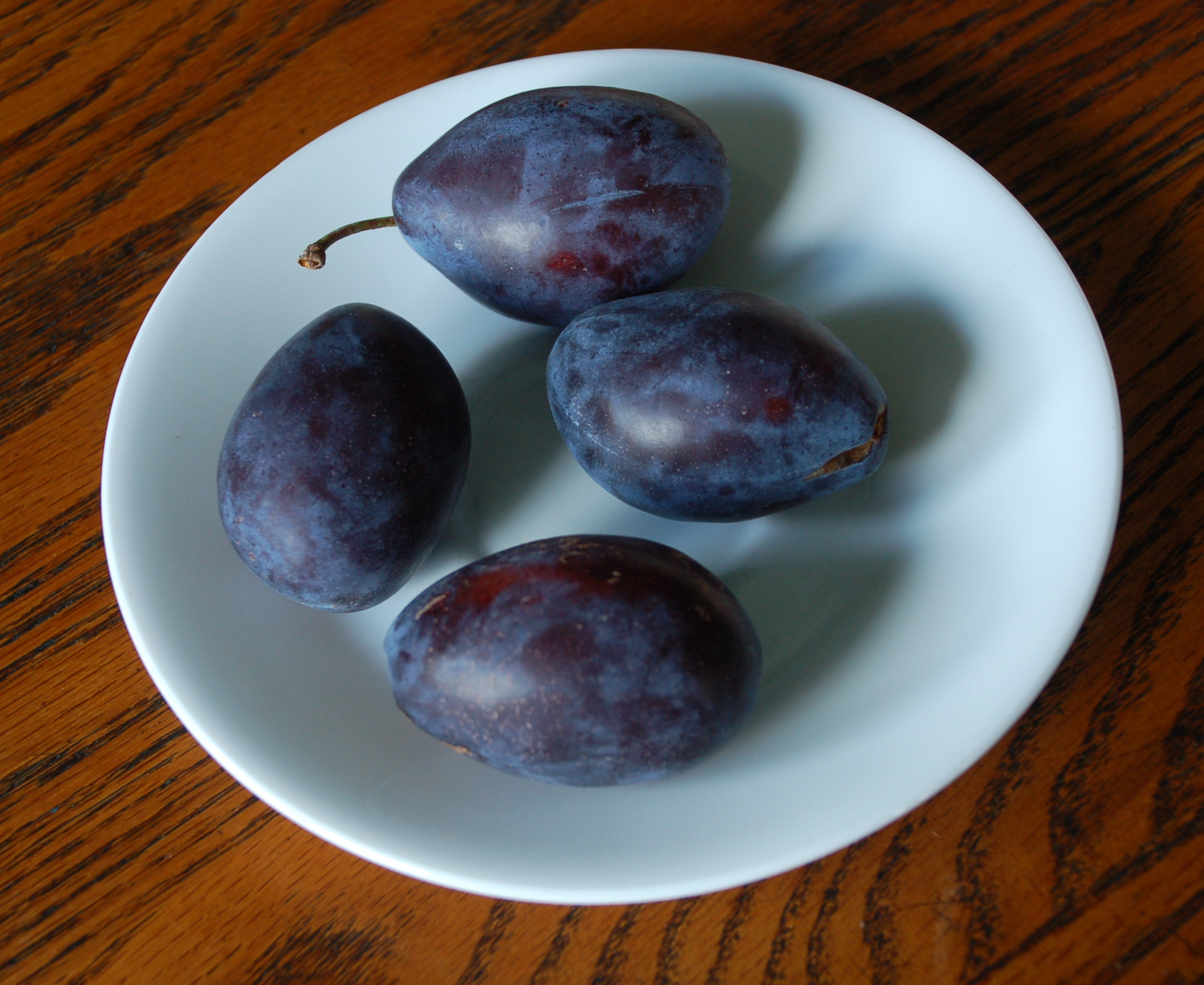
For those of us fortunate to live in North America’s temperate zone, this is the plum time of year. I mean that literally and figuratively.
The literal part is that locally grown plums are at the peak of their ripeness. I’m just plum crazy for plums.
I remember traveling with my grandfather, who knew as many people in the world as my gregarious father did. Grandpa Merle loved to stop at roadside produce stands, especially where he knew the proprietors. If they had ripe plums, he always bought a peck or two.
I loved everything about them, their simple size, their football shape, their blue violet sheen, their light greenish-yellow flesh, their sweet tart taste, and even the pit. The variety of plums locally referred to as sugar plums.
I liked the size because, especially for a kid, they weren’t too big, which meant we could usually eat more than one. I liked their oblong shape because it was easy to bite in to.
I found the plum’s color inviting. The moist sweetness with the tart aftertaste was both delicious and curious. I liked the texture of their meat and the fact that, unlike other fresh fruit, you could bite into them without having juice run down your arm and drip off your elbow.
Much to my mother’s chagrin, I often plopped a whole one in my mouth. My mother highly discouraged my poor manners to no avail. I often eat the lovely plums the same way today.
Once devoured, that left the seed. I didn’t eat it of course. For whatever reason, I tucked the pit, which mirrored the shape of its fruit, into my left cheek and sucked on it for hours. I could play an entire baseball game with a plum seed nestled between my cheek and gum. It seemed to help keep my mouth moist. Besides, it was better than the usual baseball alternative, snuff.
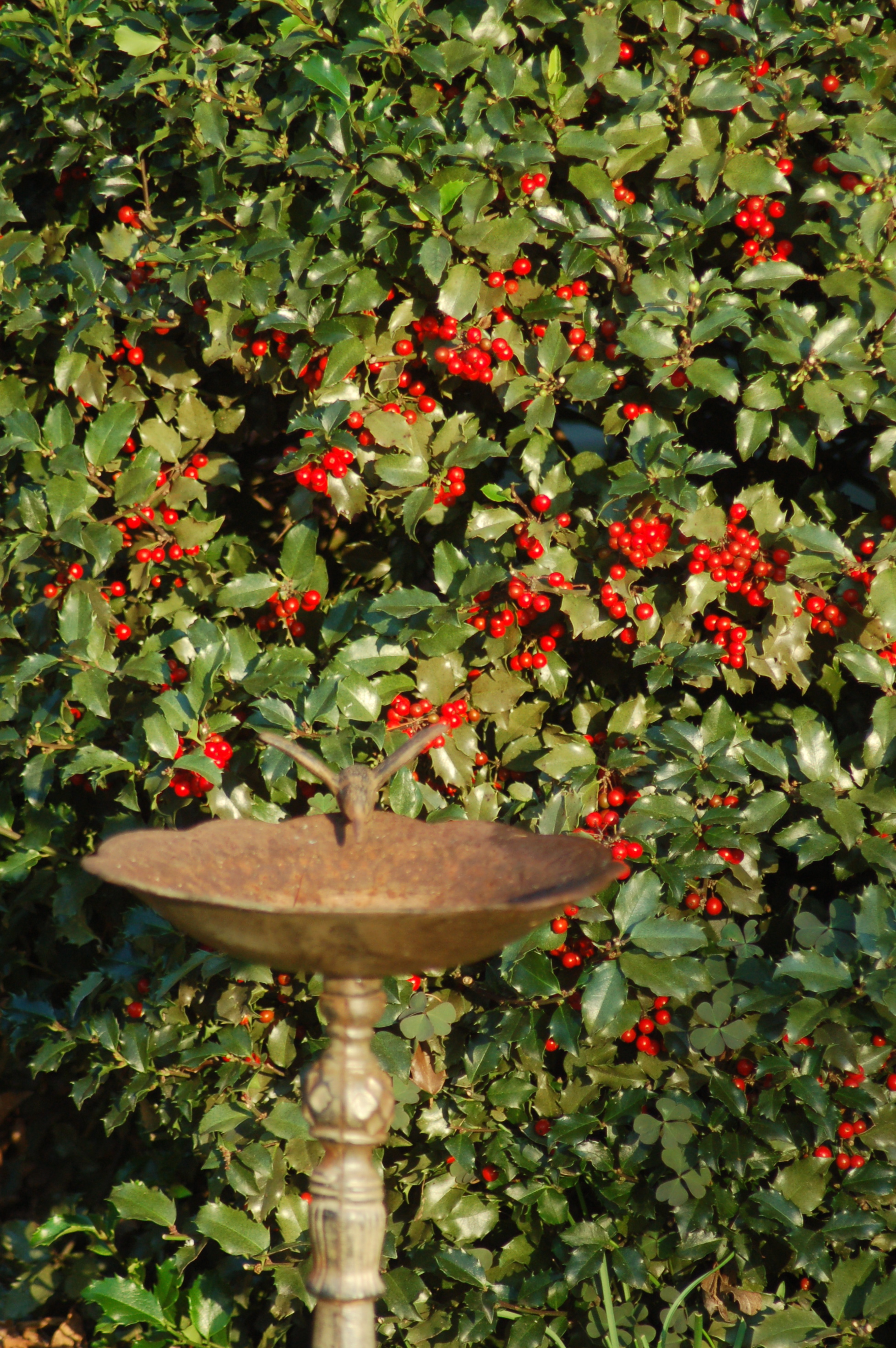
All those memories resurfaced for me when my wife brought home some plums from the local produce stand. They were accompanied by Bartlett pears, squash, zucchini and preserved sugar beets, too. The fall harvest was on, one of the primary symbols of the season. The holly berries have turned bright red, a nice contrast against the bush's prickly green leaves.
We are enjoying an abundance of tomatoes that have seemed to ripen in our modest patch all at once. There isn’t one heirloom I don’t enjoy, and they can be eaten in so many different ways, right off the vine, fresh salsa, in sandwiches, sauces, and with pasta.
Our neighbors added to the feast by insisting we help them out by accepting and consuming a sampling of the last of their bumper crop of sweet corn. It was amazingly sweet for this late in the growing season.
The days have grown shorter and cooler, both daytime and night. The leaves on the deciduous trees have begun to turn. They started falling shortly after Labor Day.
The webs of black and yellow garden spiders catch the frequent morning mist and then sparkle diamonds in the sun’s rays. The sunrises and sunsets are breathtaking, each one picture perfect. Though weed that it is, golden rod brightens even the haziest of mornings.
The dogwood and holly berries are bright red. Yellow jackets are everywhere. Unkempt fields, once purple with ironweed blooms, have morphed to mustard with thousands of goldenrod heads bending from their fullness. Wild tickseed sunflowers brighten the dustiest roadside.
Autumn has arrived. Either metaphorically or realistically, transitioning from summer to fall in northern Ohio is a plum time of year.
A pair of Rose Breasted Grosbeaks had frequented a backyard hanging feeder filled with sunflower seeds for much of the summer. Time and again they ferried nourishment to their young somewhere deep in the woods. When they were ready, the young fledged and flew the coop. The nest was empty. A male Rose Breasted Grosbeak at the oil sunflower feeder.
My wife and I knew early on in our child rearing that the day would come when our daughter and our son would both be gone. They would grow up and begin lives of their own. That’s as it should be.
The main role of parents is to raise your children the best you know how, imperfectly to be sure, and then let them go. They are adults. They can use their own wings to fly through this crazy world of ours.
Still, I have encountered parents who long for the days when their children were younger. They just can’t give them up, even though they are adults. The comments have not only come from newbie nesters, also known as helicopter parents, who hover over their college freshmen. Veteran parents whose “children” left long before our own also seem melancholy. No post about the empty nest would be complete without a picture of an empty nest, in this case a House Wren's nest in an Eastern Bluebird box.
Ideally, the child/parent relationship should go something like this. As infants, the children are totally dependent on the parents. As they grow and mature, they change from children to young adults, responsible for their own actions.
By their late teens, the kids may go off to college, like our children did, or simply leave home to begin life on their own. It is at this critical point in the family relationship cycle that parents need to freely release their offspring.
Unfortunately, given the current extended downturn in the global economy, jobs are harder to come by. The reality for some is that out of financial necessity adult children and sometimes grandchildren have had to move back in with parents and grandparents.
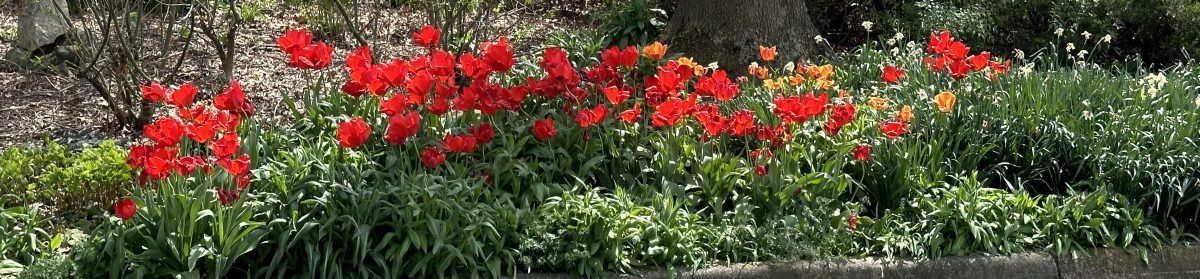
In the 16 years since our nest has been empty, my wife and I have had opportunities to travel without the constraints of busy teenagers’ schedules. More often, we have simply enjoyed our quiet times together. Of course we continue to interact with our grown children and the grandchildren as frequently as we can. But we have also learned to give them their own space. My wife gets many compliments on her beautiful flower gardens.
The empty nest has had another unexpected benefit. My wife and I have also rediscovered one another, and learned to enjoy our own hobbies and interests. Some we do as a couple. Others, like gardening for Neva and birding for me, we enjoy separately. We have gained individually and as partners.
I know humans have a higher calling than birds. Birds at least instinctively know that their role as parents is to sit on those eggs until they hatch, feed the chicks until they fly, teach them how to forage for food and to fear predators. After that, they are generally on their own.
For me, that’s where the comparison tilts to our advantage. We should strive for interdependence with our adult children, keeping in contact with them, always loving and communicating with them, without controlling or smothering them. Achieving that optimum goal can help combat the emptiness of the empty nest.
A healthy, nurtured interdependence between parents and adult children can result in the empty nest being a good thing for all involved, birds included.
You must be logged in to post a comment.