Without realizing it, my wife and I drove through rural Maine toward our destination on the road we needed to take to our friend’s cottage. We had the road’s name but not the state route number.
We needed to stop at a grocery store to pick up butter and eggs. Since the country highway went through no towns, there were no stores to be found.
I was shocked when we came to US 1, the highway that runs southwest to northeast, essentially paralleling the Maine coast. We headed into Bath to buy the needed foodstuffs. It’s a 30-minute drive from the cottage to the closest grocery store in Bath. So, our stop was required.
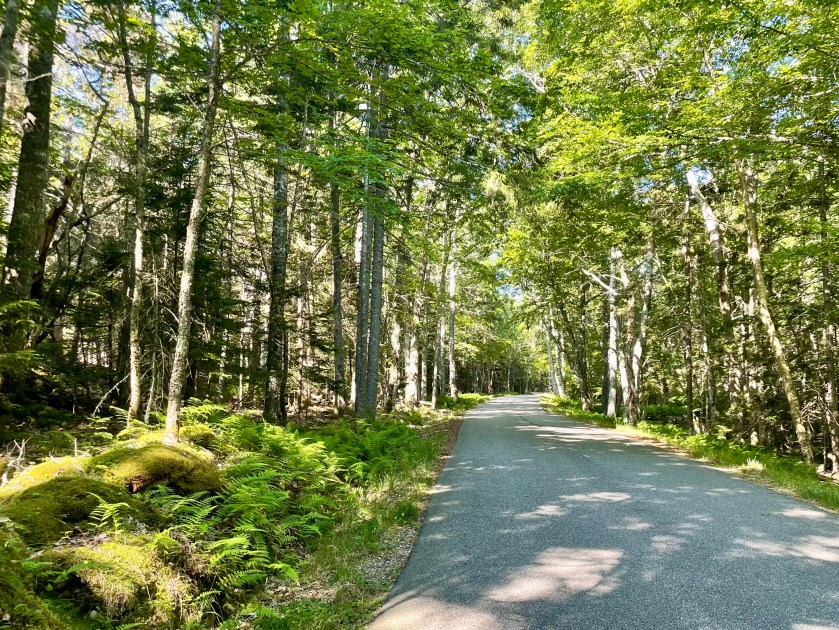
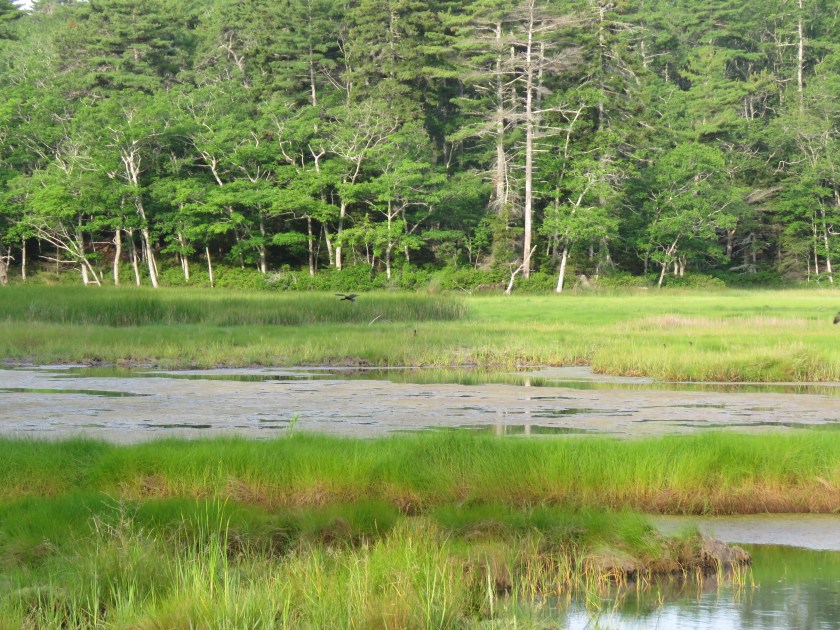
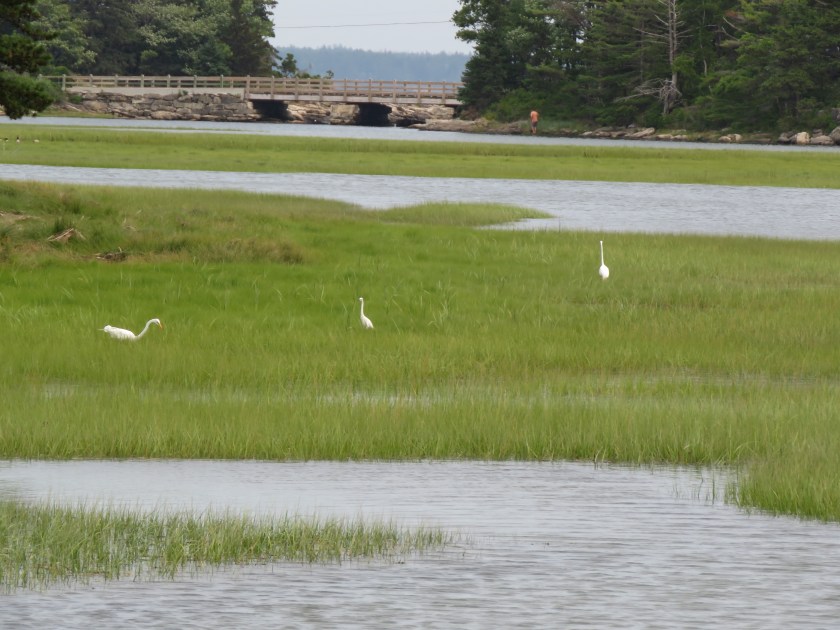
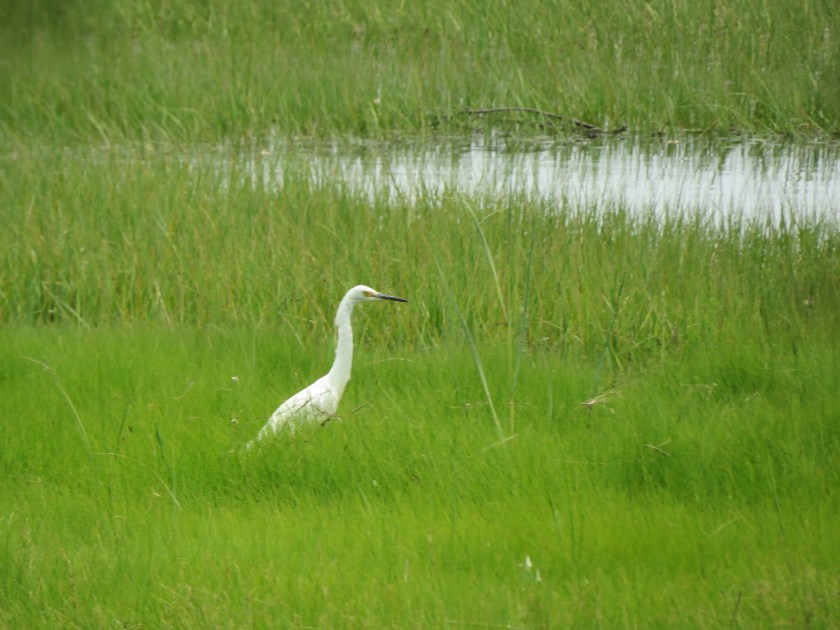
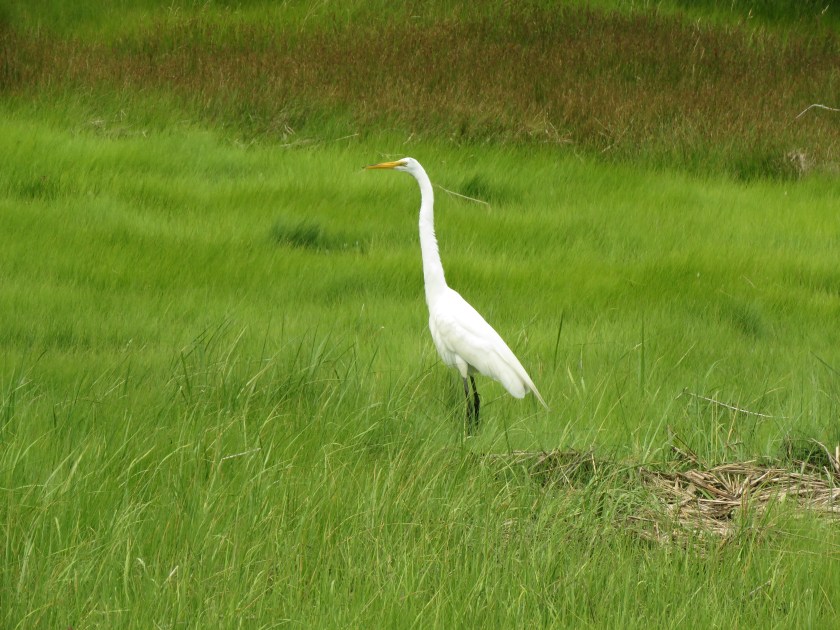
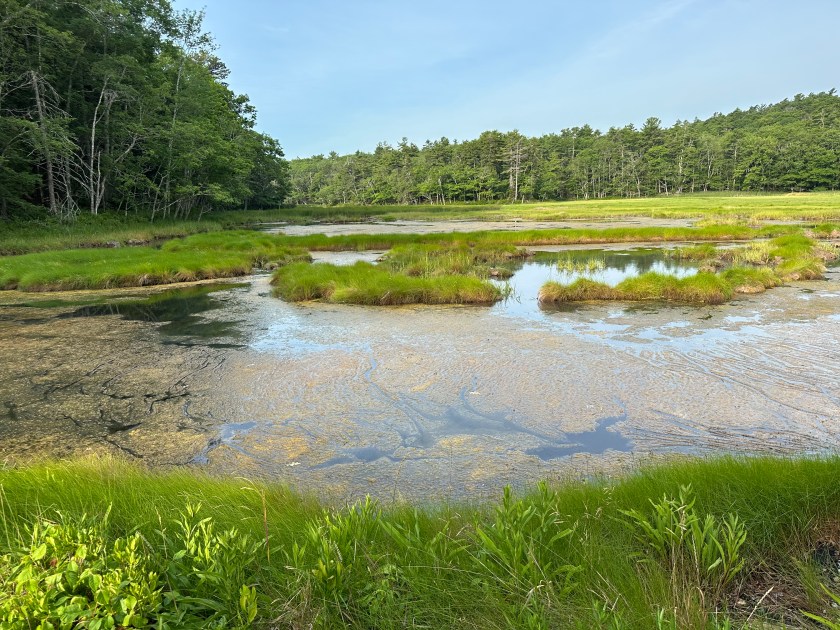
Heightened anticipation propelled the drive south to the island. The ubiquitous birches, maples, and evergreens line the gently winding road to the cottage, only interrupted by bridges across inlets and streams, and marshes and ponds where Great Egrets and Snowy Egrets probed among the reeds and rushes.
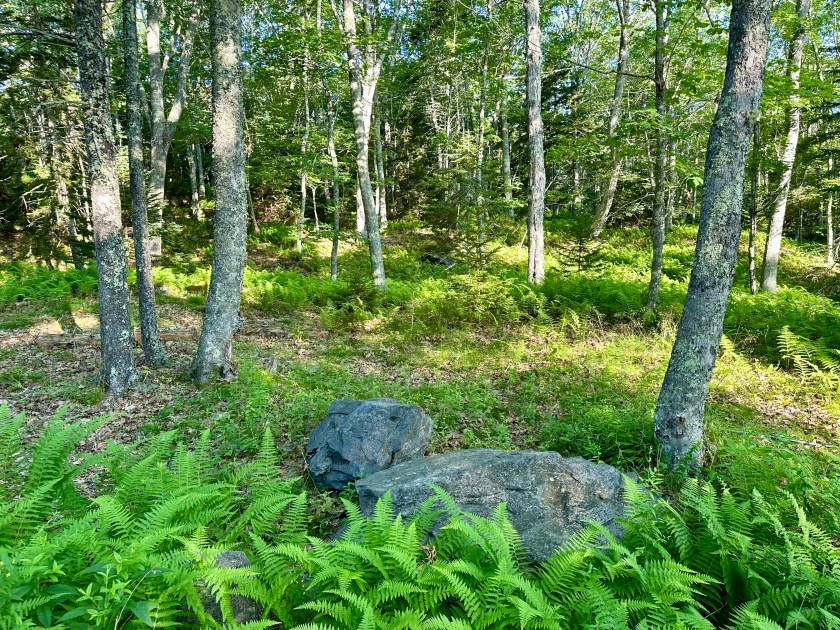
When we turned onto the narrow road to the cottage, fiddlehead ferns, balsams, and birches welcomed us. So did our host when we finally arrived.
The refreshing ocean breezes, the roar of the waves, the scent of the pines, and the familiar birdsongs offered a welcoming chorus, too. Never had settling in been so easy.
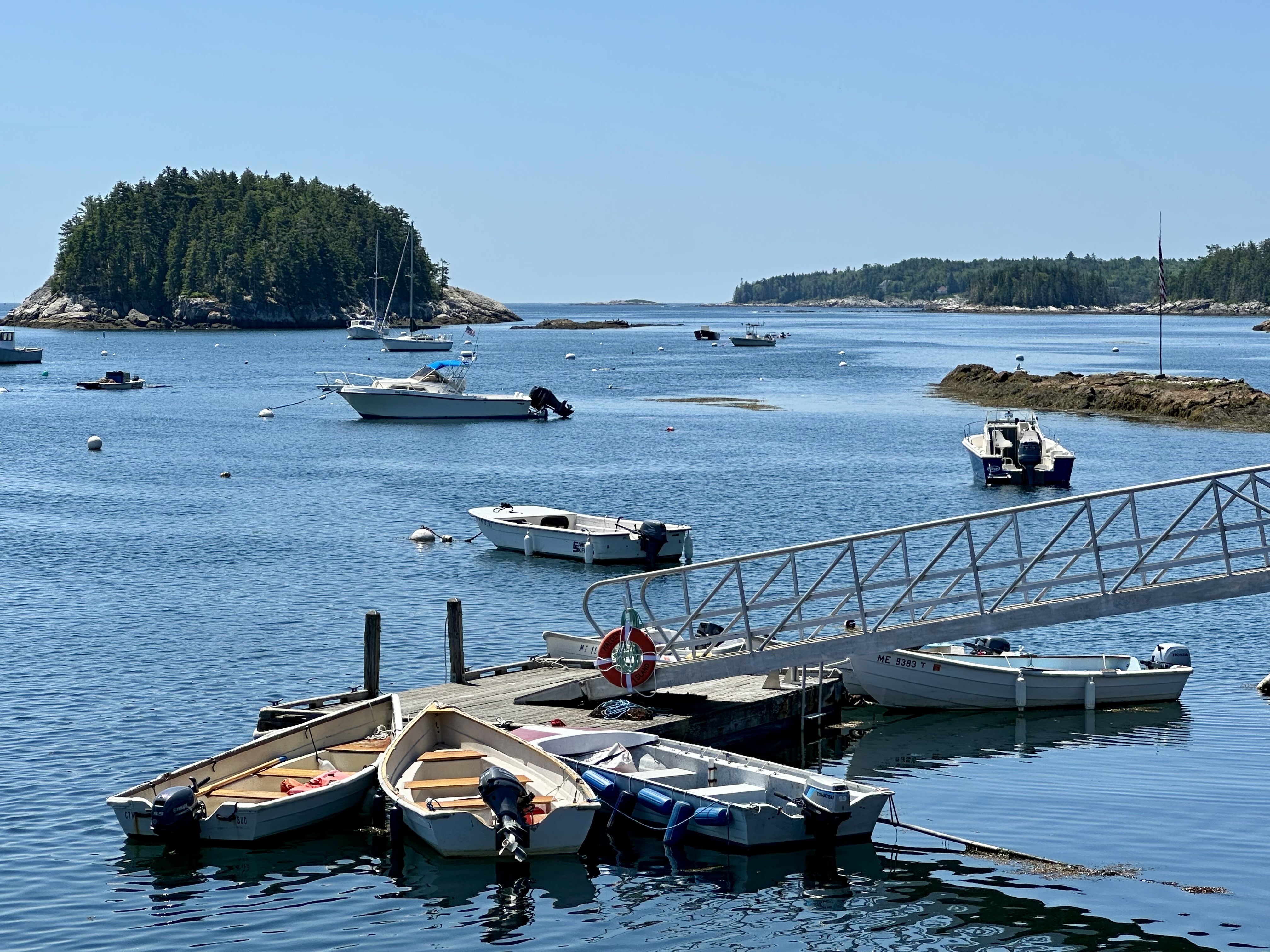
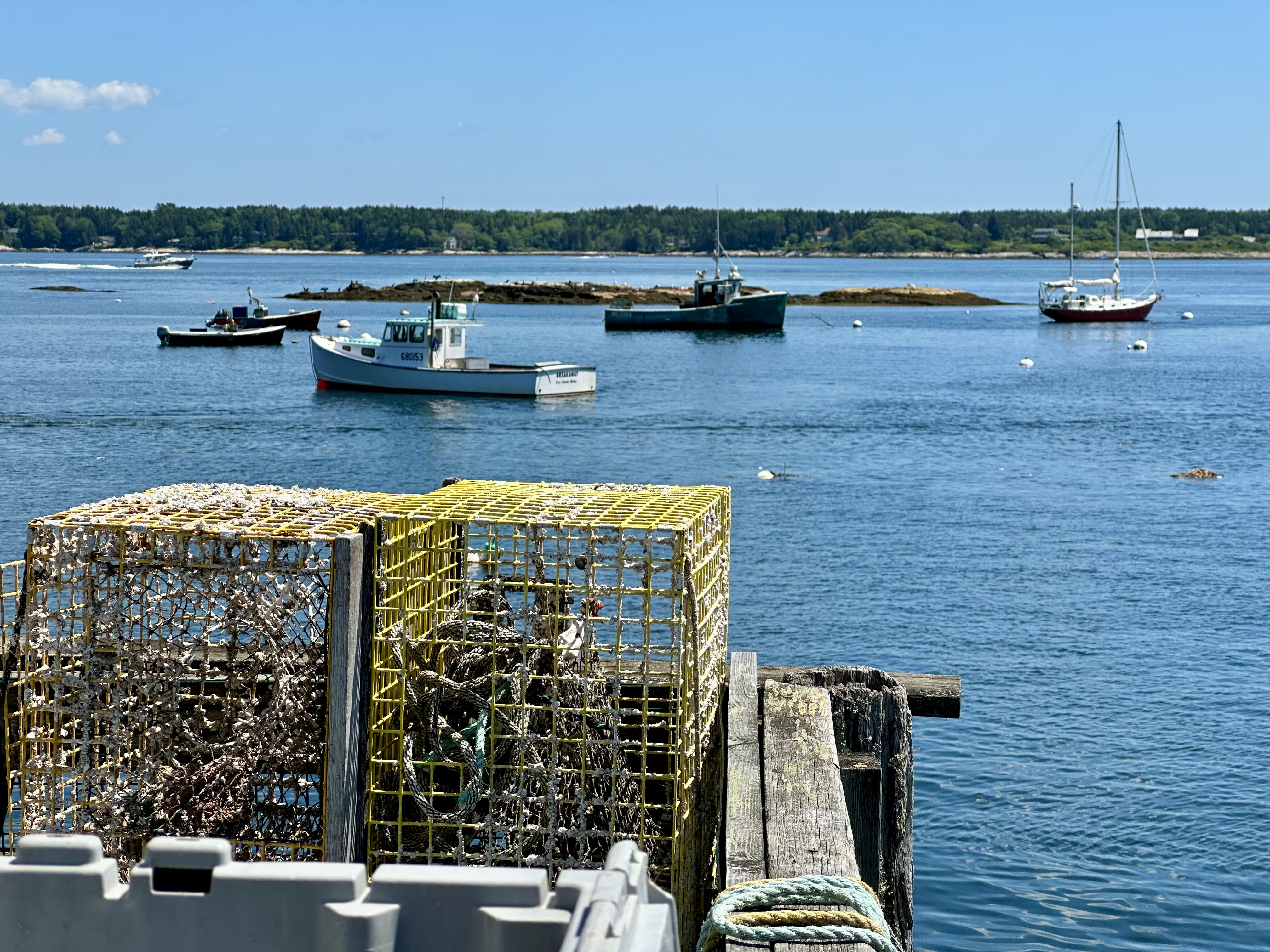
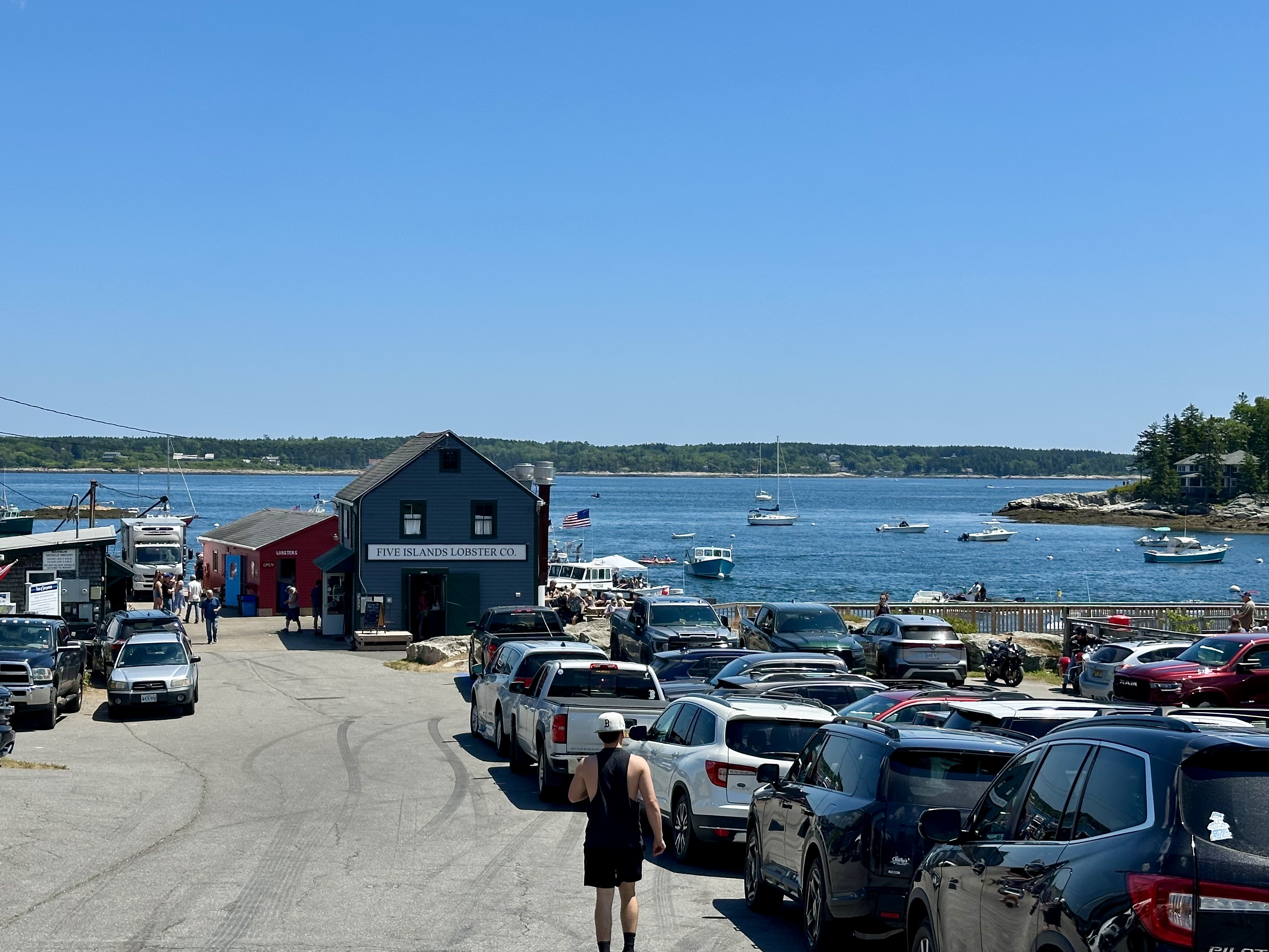
An hour later, we stood on the dock at Five Islands, Maine, for the annual blessing of the boats. The name comes from the five islands in the harbor. A local pastor said a patriotic prayer for safety and a successful lobster season, and the lobstermen and their friends and families gathered on their boats. Other moored boats provided picturesque opportunities.
As soon as a memorial wreath had been tossed into the water in remembrance of those hardy fishermen who had passed on, we found a picnic table that sheltered us from the stiff wind and enjoyed our sack lunches.
Most lobstermen powered up their boats and headed out to ply their well-hewn skills. Others, on bigger boats, stayed to party the afternoon away.
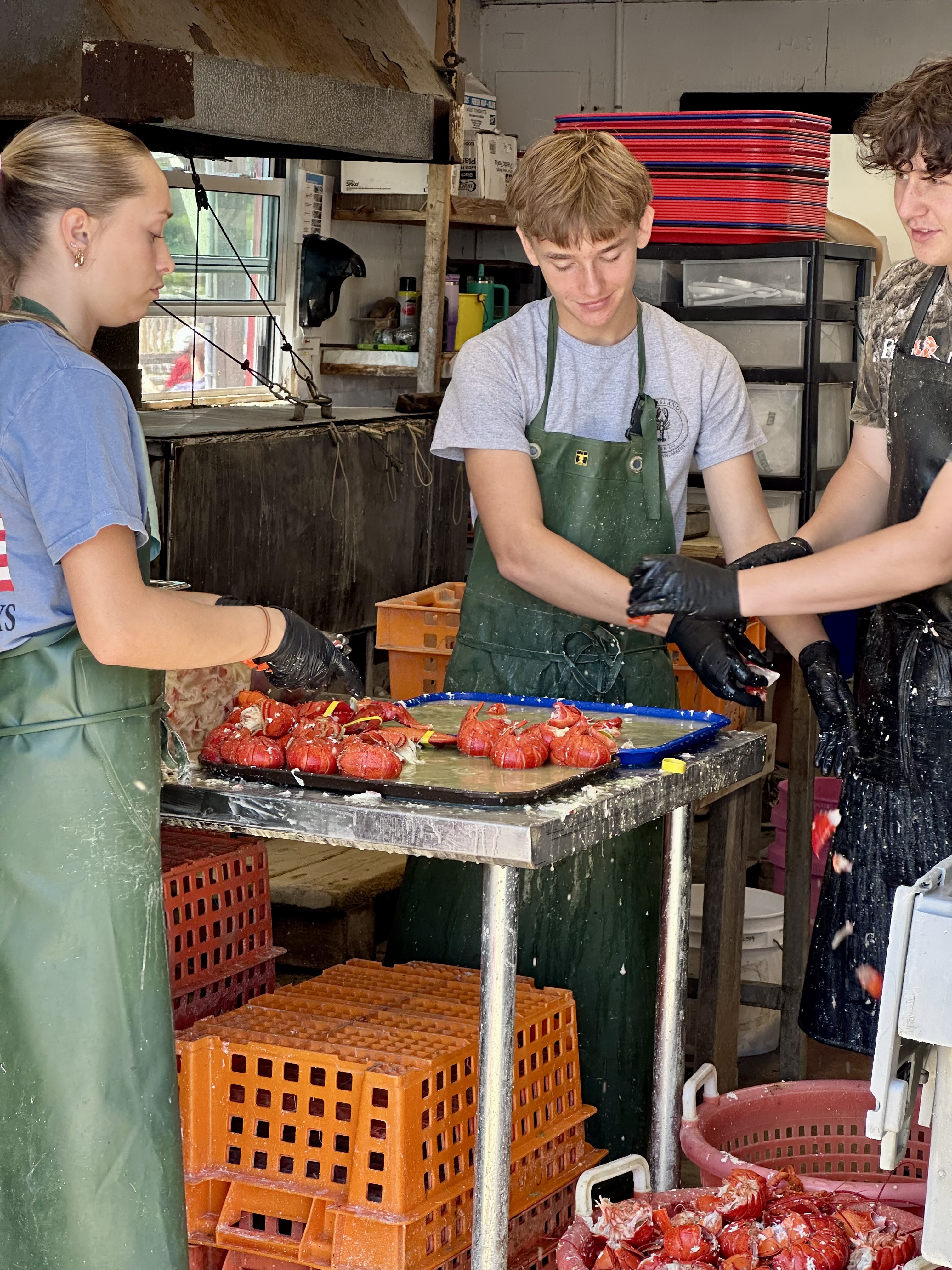
Teenagers separated the luscious lobster meat from its hard gray shell. They provided the crucial step between the marine crustacean and the delicious $30 lobster rolls. I hoped they were paid well.
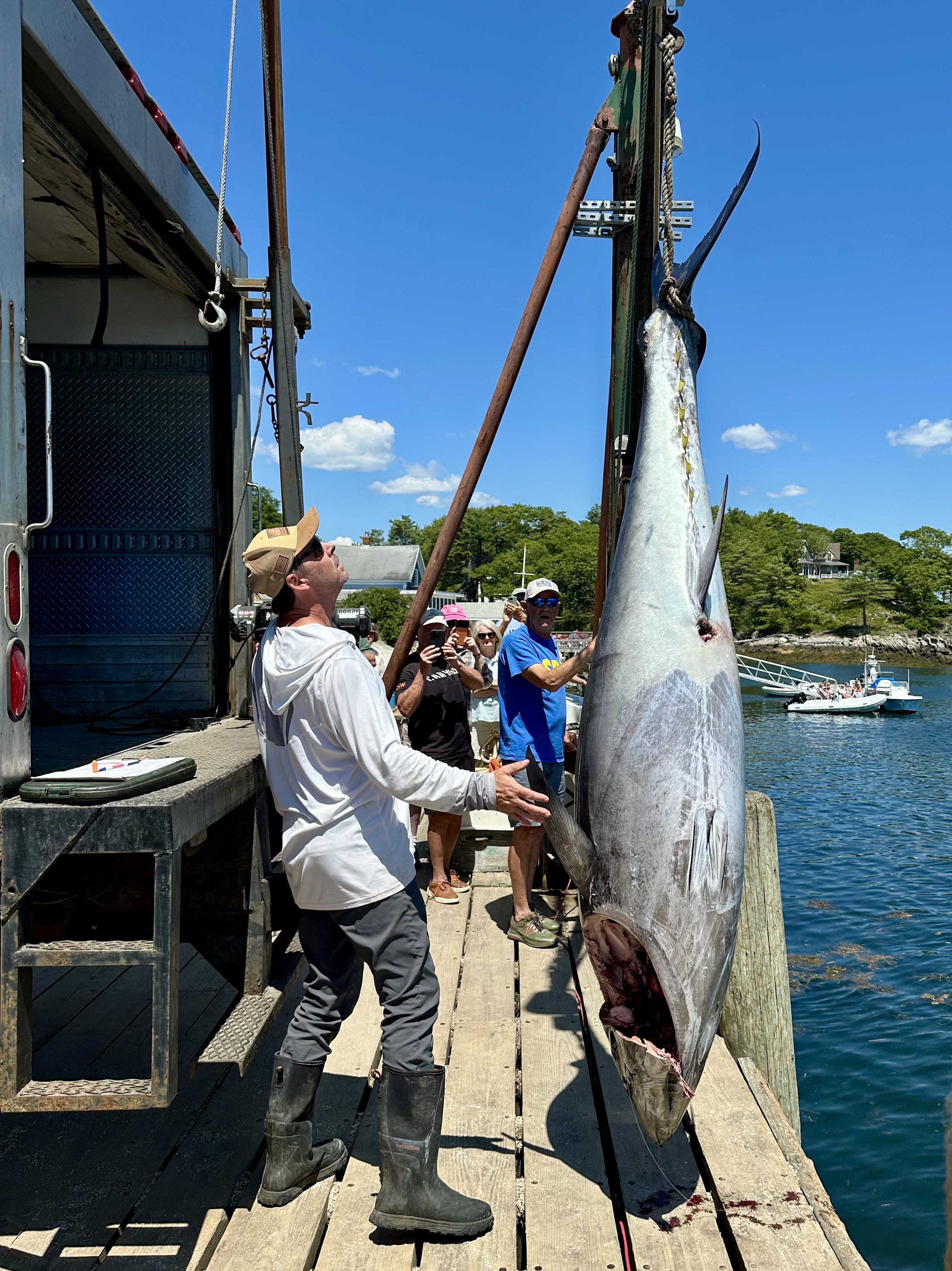
Soon, a box truck backed onto the dock, and a 450-pound Bluefin Tuna was hauled up, prepared for market, and trucked off. It was fascinating to watch the efficiency and cooperation of people who knew what they were doing and were doing it well.
As we walked back to the car, I couldn’t help but notice the orange lichens painting the rock retaining walls by the steep embankments. The wood-shingled cottages sat askew overlooking the harbor.
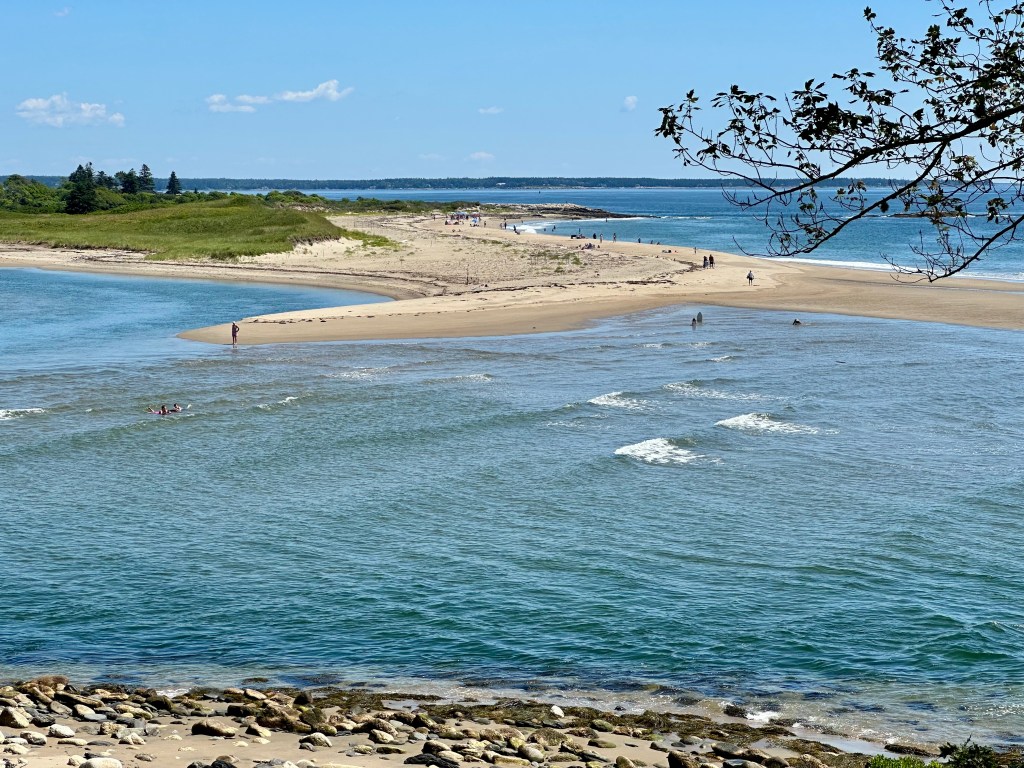
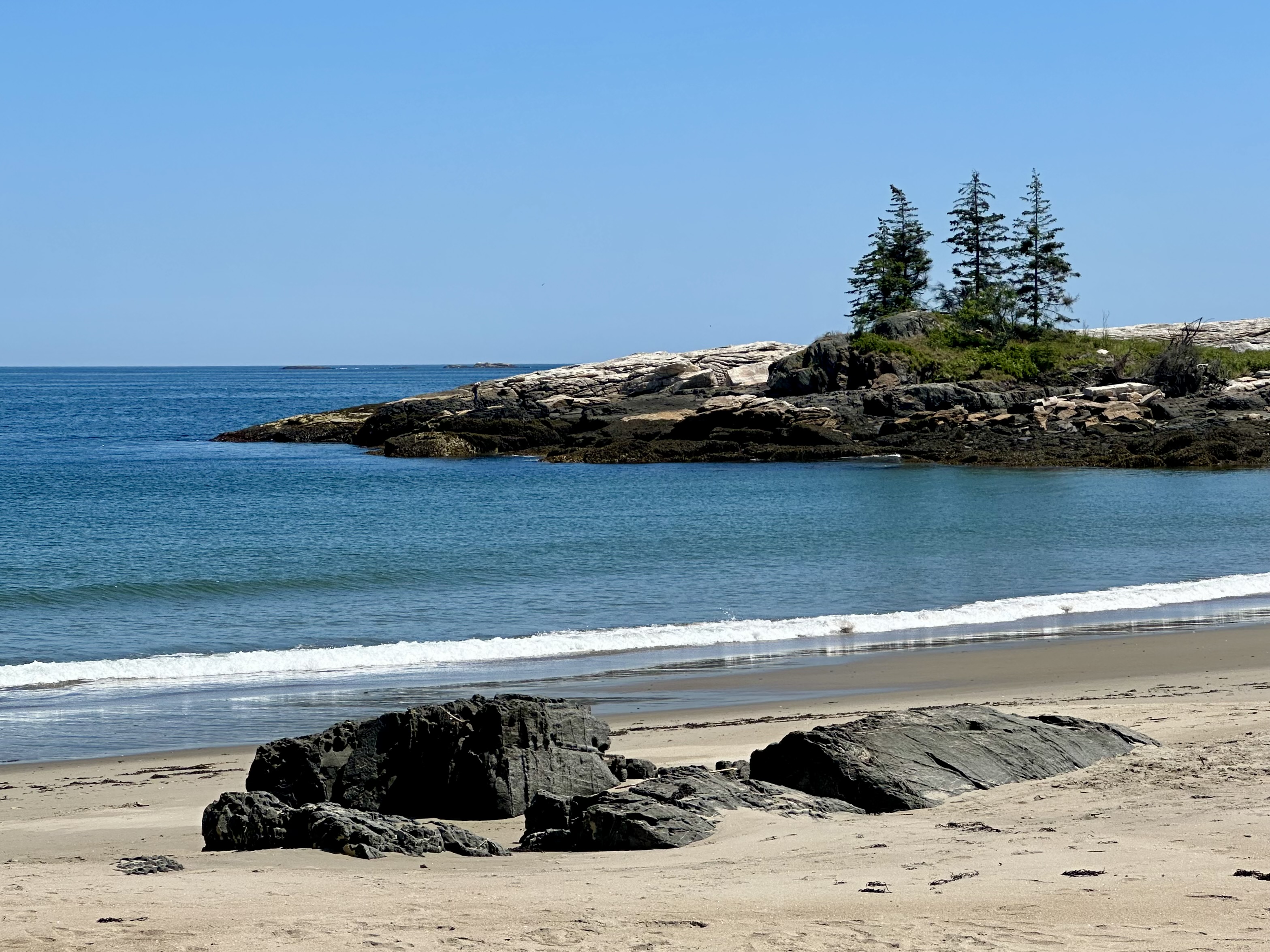
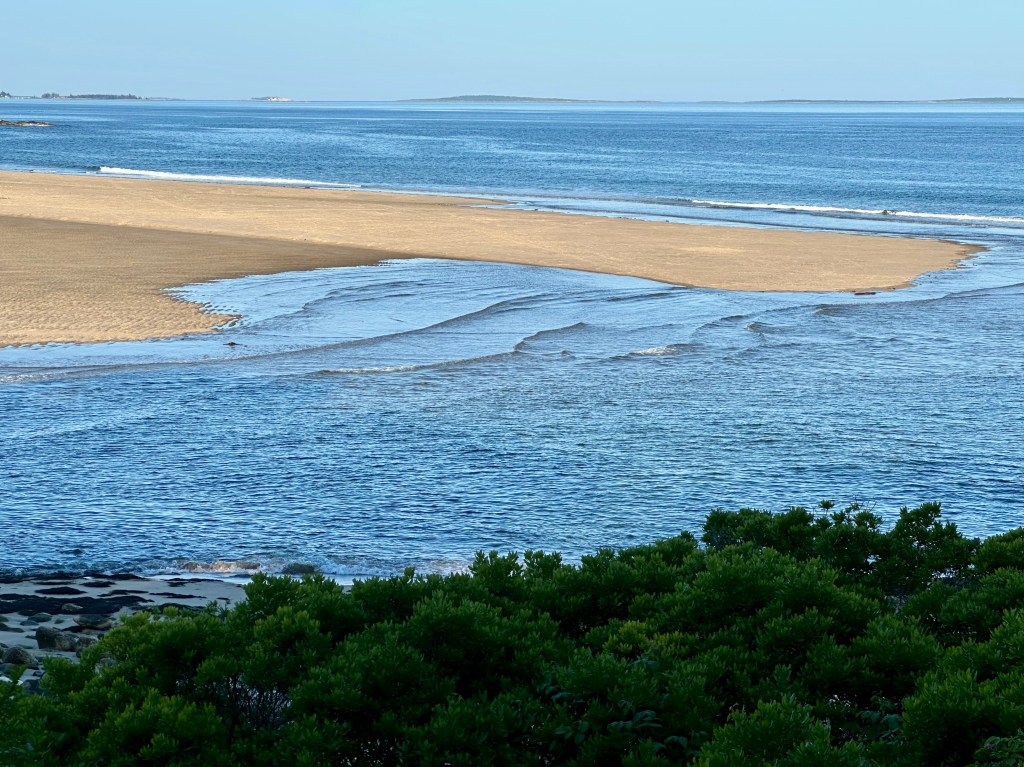
By the time we returned to the cottage, the low tide had revealed the sandy beach hidden by the ocean at high tide. The sand expanded wider and wider as it approached the receding Atlantic.
It drew me down like a moth to a porch light. I was mesmerized by the giant granite boulders that line the embankment in front of the cottage. I stepped lightly, making sure this septuagenarian didn’t allow his curiosity to override his common sense.
I explored the broadness of the sand and photographed other cottages hanging high above the temporary beach. Three hours later, the sea once again filled the bay, and the sound of the waves crashing and the cool onshore breeze ensured a night of restful, undisturbed sleep.
© Bruce Stambaugh 2026


You must be logged in to post a comment.