Keeping Memorial Day memorable during a pandemic


I am glad we have Memorial Day. Its intent is like no other U.S. public holiday.

There is no popping of champagne bottles, no chocolate bunnies, no fireworks, no unwrapping presents. Originally known as Decoration Day, Memorial Day was set to honor the Union soldiers lost in the Civil War.

Now, of course, Memorial Day has a much broader purpose. In 1968, Congress established the last Monday in May as Memorial Day to honor all who served. The legislation also created a three-day weekend for federal employees.
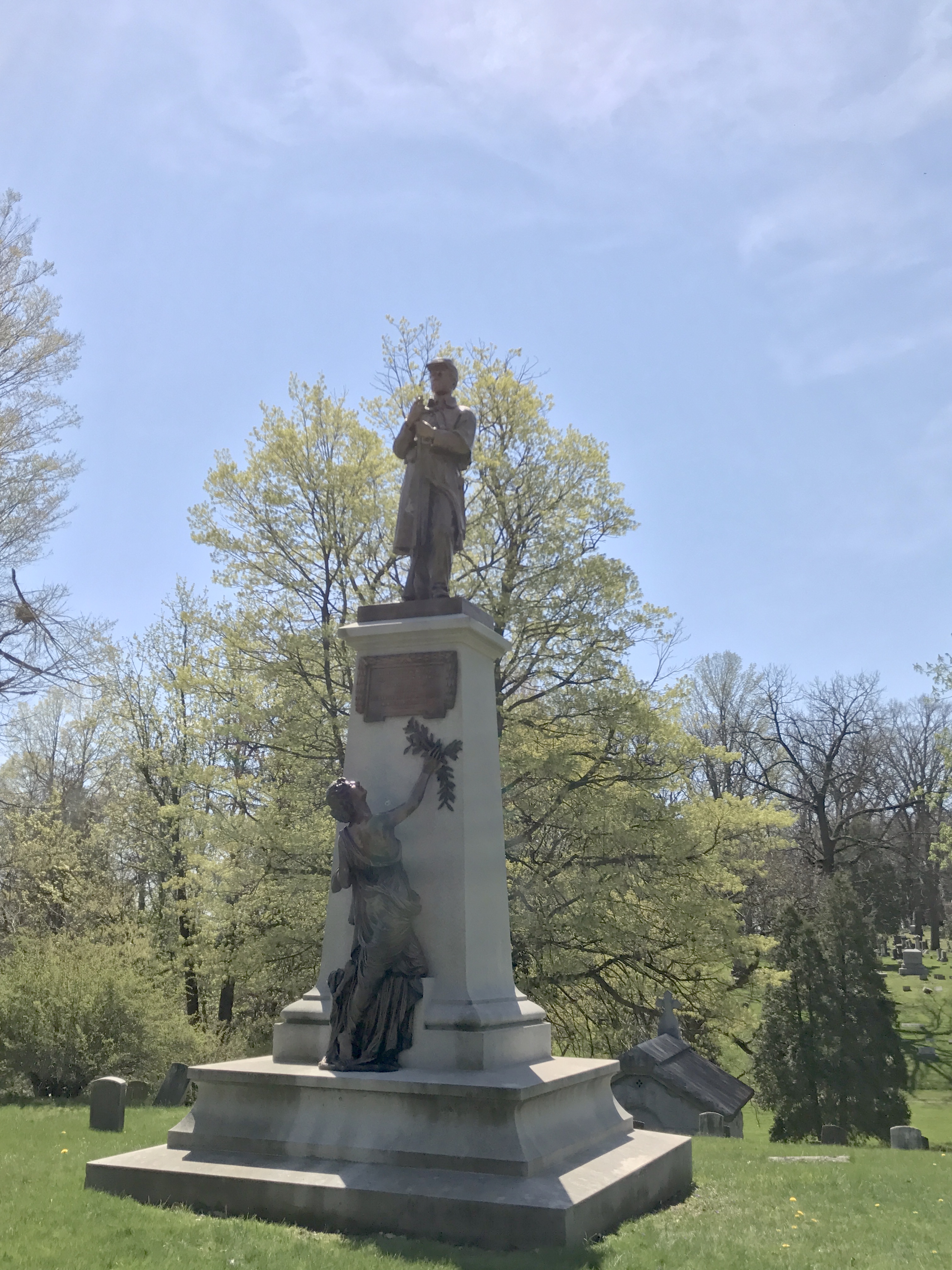
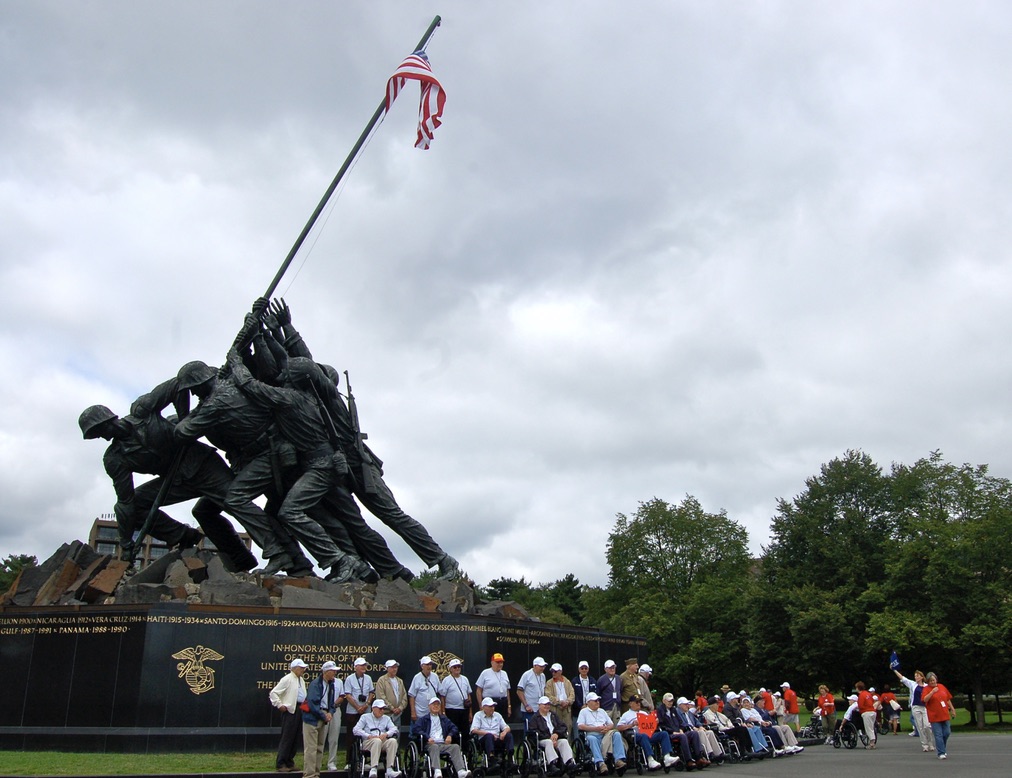
A Civil War monument.
Consequently, Memorial Day morphed into a long weekend with picnics, barbeques, family gatherings, patriotic parades, and other assorted gatherings. Miniature American flags mark the graves of veterans.

Memorial Day always meant a lot to my parents. They made sure fresh flowers were placed or planted at the graves of close relatives. It was a time of solemn, respectful remembrances.

I embraced that lesson. After Dad died, I took it upon myself to carry on the family tradition of commemorating family graves with flowers. By then, most cemetery rules had changed to only allow artificial arrangements and wreaths at headstones, and only for so long.

I suppose real or plastic floral displays weren’t the point. The act of remembering was what mattered.

Since we no longer live in Ohio, that physical act of remembering has ended for me. Like most everything else in our current COVID-19 world, I’ll do a virtual visit through my photo library to pay my respects and refresh my memories.

The pandemic will definitely make this a different kind of Memorial Day for most. Many parks and playgrounds will rightly remain closed as a necessary precaution against the spread of this invisible virus.

There will be no baseball games to attend or watch, no picnics to enjoy the fellowship of family and friends. Concerts and parades have been canceled. Nevertheless, we can still carry on the intended spirit of the day.

I will sit on our patio and contemplate the good times of the past. I will especially remember those who are gone. I’ll recall memorable family stories that my parents told about relatives that I never met. Grandpa Frith died from accidental electrocution six months before I was born. A thoughtless prank in a steel factory killed a great uncle. Every family has similar sad stories.

In many places, our western society views Memorial Day as the end of the school year and the unofficial start of summer. Both of those may be true, but the classes of 2020 won’t have the pomp and circumstance of traditional commencement ceremonies or the celebration of graduation parties.

As much as we would like to be out and about for such events, my wife and I will continue to play it safe. We will continue to social distance and mostly stay at home for the duration.

Vacations, weddings, celebrations, and sports activities, to name a few, have all been canceled, delayed, or postponed due to the spread of the deadly virus. Many may happen virtually using today’s innovative technology.

For that, I am happy. However, many will mourn either a recent loss or a loved one who died long ago. I will grieve, too.

Memorial Day is for remembering and honoring. For those who survive this momentous universal event, however long it lasts, I hope they look back to this Memorial Day in awe. I hope, too, the day will etch a more meaningful, profound, and indelible mental mark.

Wasn’t that the primary point of Memorial Day? Isn’t it still?
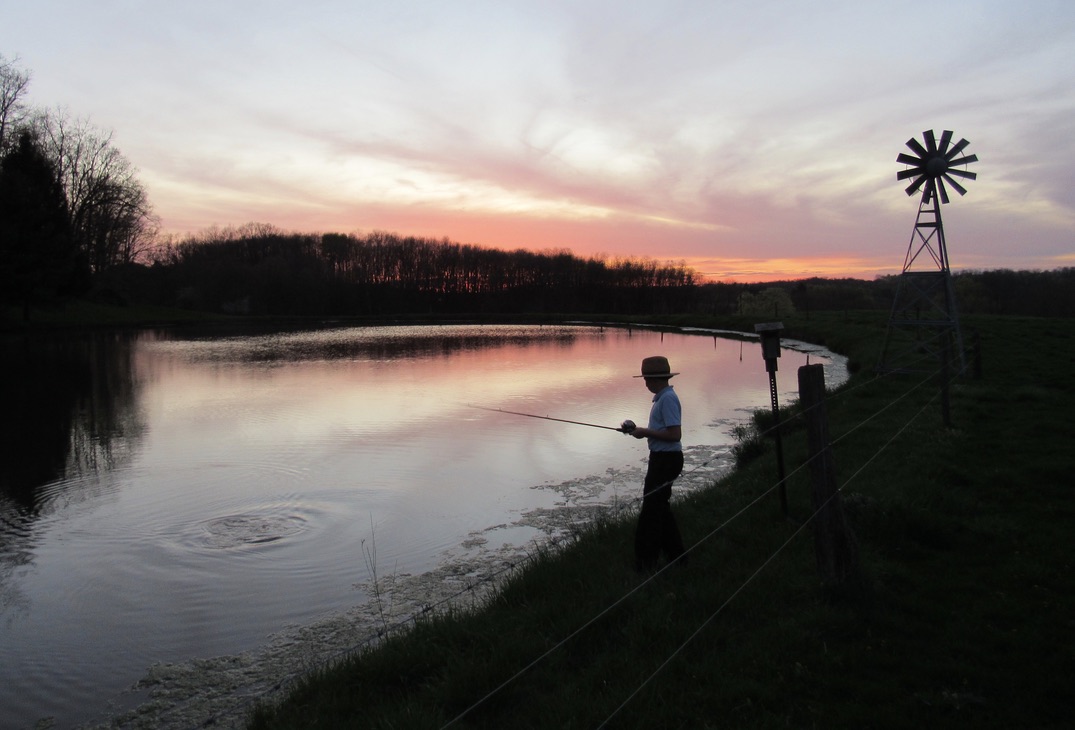
Making memories.

© Bruce Stambaugh 2020

The Jigsaw Puzzle


During these days of staying at home, my wife and I occasionally take short trips to break up our routines of being sequestered. Recently, we drove to the Edith J. Carrier Arboretum at James Madison University in Harrisonburg, Virginia, where we live.

We knew the many varieties of flowers and trees would be in bloom, and we wanted to take advantage of the beautiful day. We weren’t alone. Several other folks, young and old, had the same idea. So, we kept the proper social distancing as we strolled around the grounds. I was torn between birding and photographing the many beautiful flowers.

When I came to this scene, I snapped the photo based on its composition as much as its beauty. I loved the backlighting of the leaves and the lacy, delicate blossoms. I found the every-which-way intertangling of the intricate limbs striking. Plus, the tops of the tall pines and the bright blue sky in the background gave the photo the depth it needed.

Viewing the photo on my computer, I realized what a fantastic and challenging jigsaw puzzle this piece would make. So, I chose “The Jigsaw Puzzle” as my Photo of the Week.

© Bruce Stambaugh 2020

Finding a treasure while sequested

Our infant daughter sitting on a 105-pound pumpkin was just one of the old photos we found while sorting.
Whether by hook or by crook, our dynamic daughter models many of her mother’s positive qualities. Keeping things tidy and organized through sorting is just one of them.

Our daughter has been cleaning, discarding, donating, organizing, selling, and otherwise giving away items from her home during the pandemic. I suspect you all have to some extent as well.

My wife and I have followed that trend, too, since we have the time during this health crisis sequestering. So far, we have sorted old slides and photos, books, clothes, and files.

My wife and I chuckled at long-forgotten moments captured on slides and photos stuck in boxes buried deep in a closet. The feelings they evoked ran the gamut of emotions.

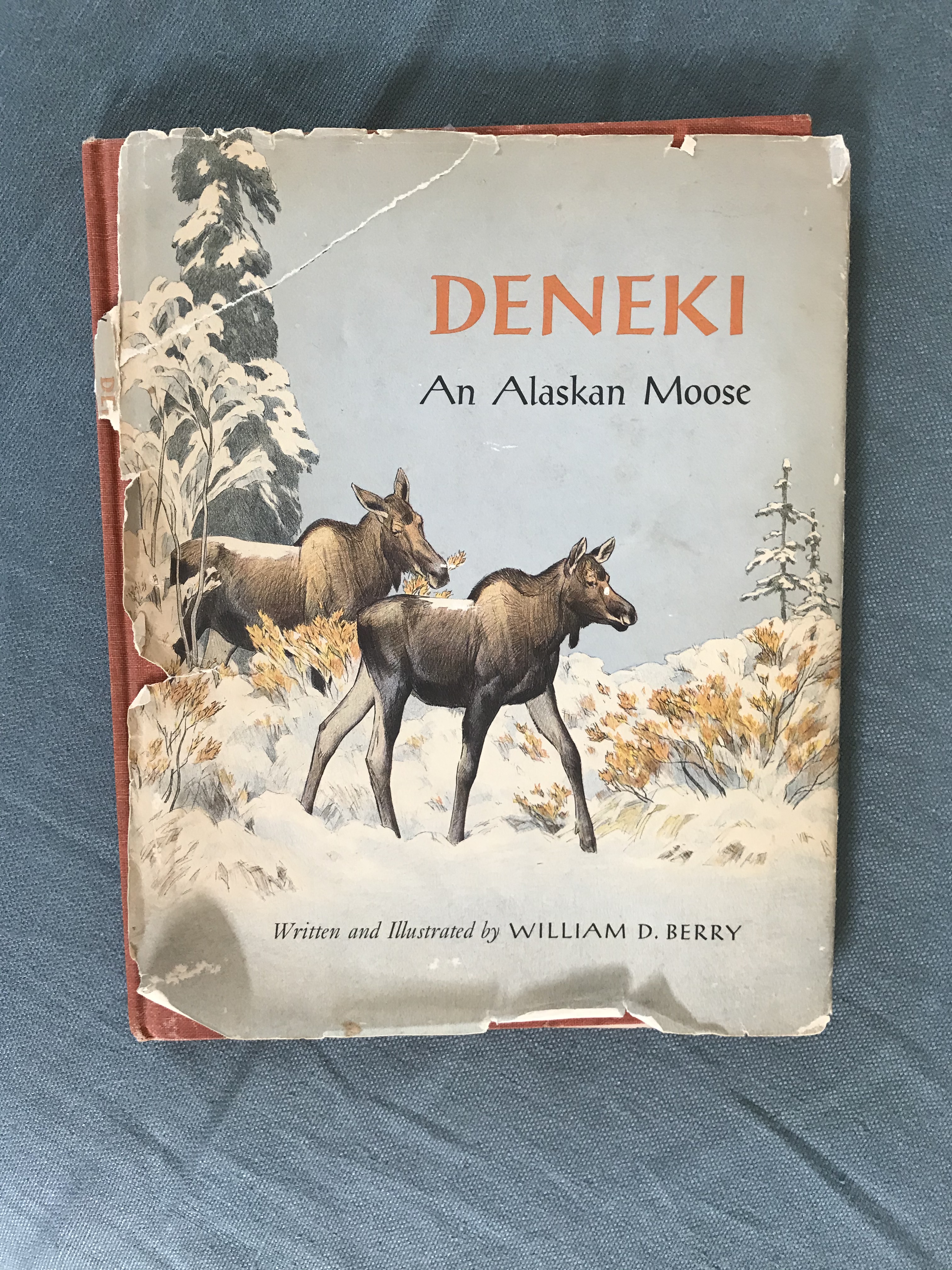
All of this reordering has stirred memories and even uncovered a mystery. Our daughter found a children’s book published 55 years ago. The author had even signed it.

Carrie couldn’t remember where the book came from but suspected we had given it to her as she began her elementary teaching. Of course, Carrie passed it on to us to contemplate. The book didn’t register with either my wife or me.

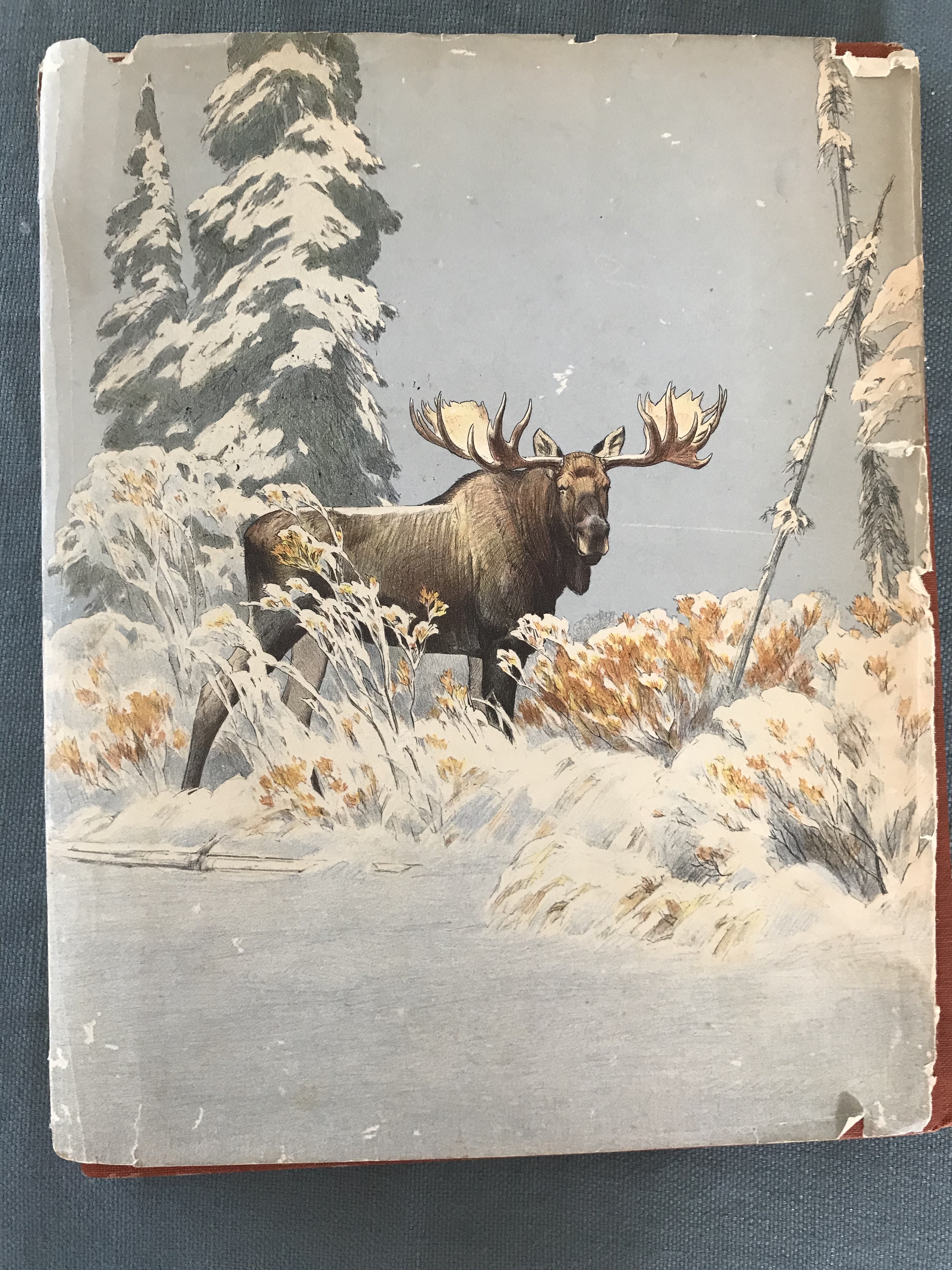
“Deneki: An Alaskan Moose” by William D. Berry had a nicely illustrated jacket cover, which was torn at the binding. I examined the skinny book for clues of its origin. The hardback cover and pages were well-preserved.

I read the enlightening story and enjoyed the many illustrations, also done by the author. The storyline revolved around the encounters of a yearling bull moose near Denali National Park.


It was a first edition book, and I found that Berry had autographed the book twice. One signature was on a card with a moose he had drawn and pasted on the inside right-hand cover. He also signed by his name on the author page.

Neither Neva nor I could remember the book, where we got it, or when. Carrie was sure we had given it to her. Since Neva and I were both educators, there were plenty of options. We just all drew blanks.

Berry’s writing was crisp, the story factual and informative, and his illustrations superb. A signed, first edition book was a treasure. The question was, whose prize was it?

I was intrigued. The setting was near one of the areas where Neva and I had visited last August on our tour of Alaska. I easily imagined the geography and topography the young moose and its mother traversed.

I Googled the author and found he had a studio in Alaska. I clicked on the website and discovered that William D. Berry had died in 1979. Berry’s son, Mark, and his wife Diane now ran the studio, located in Gustavus, Alaska.

I emailed them from their webpage, telling of the book’s discovery, and offered to donate it to them. By morning, I already had a reply.

Mark was thrilled to learn about the book. He said that the studio ironically never had a signed copy of “Deneki.” They had to buy one off of eBay for more than the book had earned in royalties in its initial year of publication.

Mark said he would donate the book to the University of Alaska, Fairbanks, once it reopens from the COVID-19 emergency closures. The university houses an archive of his father’s field sketches and other items.

The book arrived safely in Alaska by U.S. mail. It’s a treasure that might have remained hidden without the methodical house cleaning of our daughter and the foggy memories of her parents.

I reckon “Deneki” will be glad to be home, too.

© Bruce Stambaugh 2020

Full Moon Setting


May’s Flower Full Moon was the last of the three supermoons of 2020. I wanted to photograph the full moon rising over the Massanutten Mountain Range that runs through the heart of Virginia’s Shenandoah Valley. However, my plans changed due to the weather. Spring has been unusually cloudy here this year. With a predicted clear sky on May 7, I was determined to capture shots of the full moon setting over the Allegheny Mountains that serve as the border between Virginia and West Virginia in Rockingham Co.

I had a clear view of the moon from Mole Hill, an ancient volcano, and noted area landmark west of Harrisonburg. Dawn’s early light highlighted Old Order Mennonite farms that dot the landscape all the way to the Allegheny foothills. The rusty silo, the brick farmhouse, the rolling, fertile fields, and the sweeping mountain slopes all take your eye right to the setting moon.

“Full Moon Setting” is my Photo of the Week.

© Bruce Stambaugh 2020

Honoring a loving mother

mother and children
This photo of my our mother and my siblings and me was taken at Christmas 2011.

My brothers and sisters and I were fortunate. Our late mother was as loving and caring as we could have ever hoped.

Mom exhibited those endearing qualities for as long as I can remember until she died eight years ago. Even in her final months as Alzheimer’s took its toll on her memory, she remained pleasant. As her adult offspring, we embraced her goodness as often as we could.

As a gang of five youngsters, I’m sure we didn’t fully understand or appreciate just how kind our mother was. Still, each of us tried to express our love and affection for our kindly mother, especially at Mother’s Day.

As I recall, our elementary school teachers spurred us on with class projects that created gifts for our mothers. The fact that most of the teachers were mothers themselves likely influenced their desire to honor our mothers.
tulips, spring flowers
The art teacher helped with that cause, too. She had us make cards or draw flowers or paint a landscape for our mothers.

Ironically, my only male teacher in elementary school was perhaps the most resourceful. Mr. Bartley arranged for a local greenhouse to have a variety of violets for us to choose as Mother’s Day gifts. We walked from school to the nursery, picked our flower, and handed over the dollar bill that sealed the deal.

Our mother loved flowers, so I was most pleased with the teacher’s decision. It just so happened that the lovely plant that I had selected bloomed as a double-violet. Mom’s smile doubled, too, when she saw the frilly bloom.

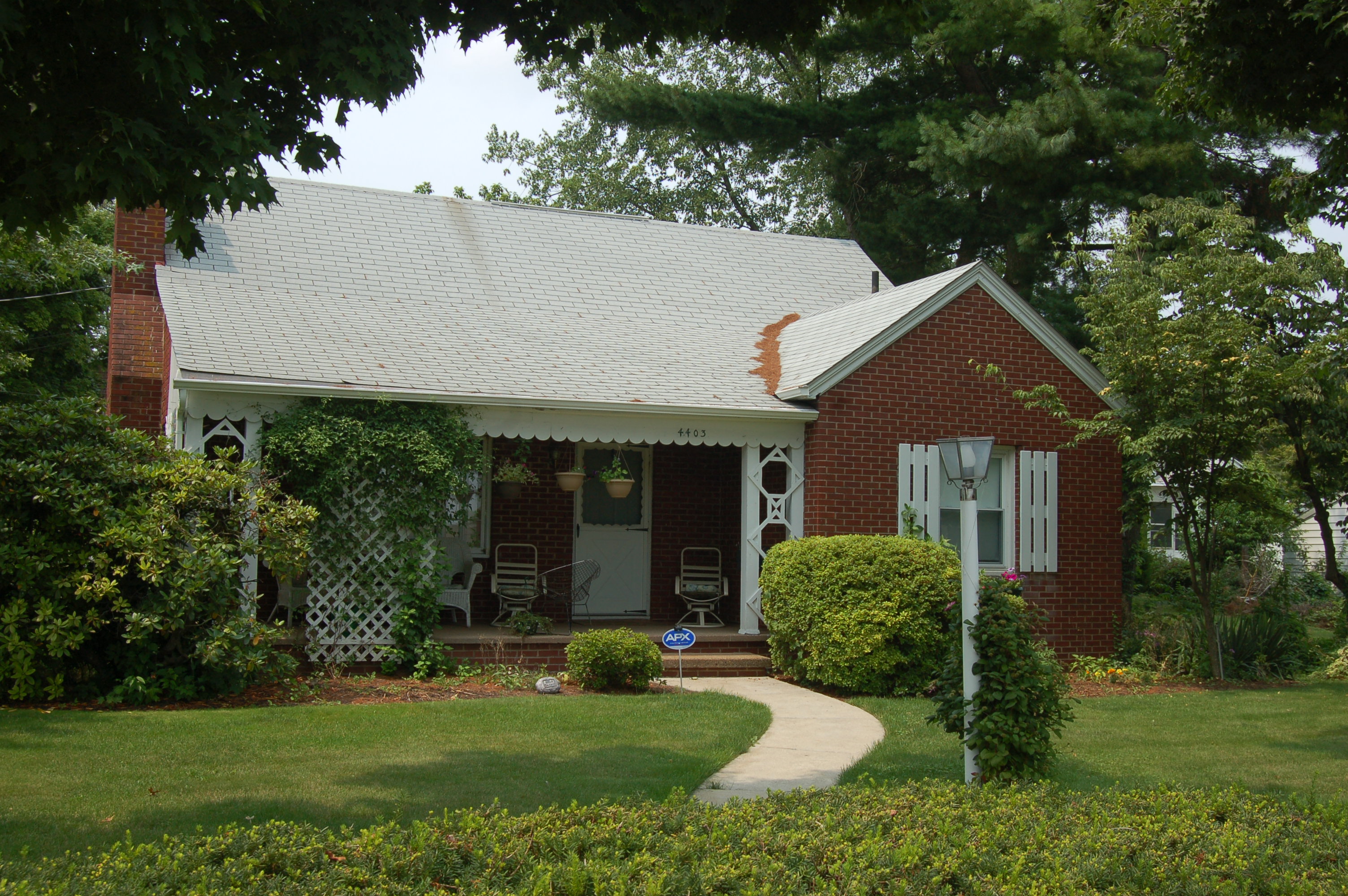
Mom cultivated flower gardens around the exterior of our red-brick bungalow. She loved the bright tulips, the white, yellow, and blue irises, and the showy roses.

I loved them, too. One particular red tulip stood out to me, and I wanted to share it with my teacher. Mom took time out of her busy household chores to carefully dig up the flower and place it in a terracotta flower pot for my teacher.

Not only did she grow flowers, but she also painted them, too. When my sister Claudia brought home a fragrant, bulging bouquet of lavender lilacs, Mom was moved.

She placed them in a pitcher and was so enamored by them that she also painted a stunning oil still-life that perfectly preserved that marvelous gift. Fittingly, my sister still has the painting that she inspired, “Claudia’s Bouquet.”

Mom did her best to feed her hungry flock on Dad’s meager salary. Supper was always ready by the time he arrived home from work. Her Sunday noon meals were the highlight of her culinary skills.

Besides being an artist and homemaker, Mom enjoyed sports, too. If my brothers weren’t available, Mom would take time away from her household chores and play pitch and catch with me. She threw straight and hard, too.

You can imagine with our brood that our mother’s patience could easily wear thin at times. She was never mean or harsh with her discipline, which I think made us kids feel even more guilty for whatever offense we had committed.

I’m glad there is a day designated to honor and remember mothers everywhere. I realize that not everyone had a happy and loving relationship with their mother. It’s all too easy to take a mother’s love for granted or to think that all mothers are as devoted as mine was. I wish they were.

I am glad that Marian Frith Stambaugh was a caring, loving person. And I am incredibly happy that kindness and creativity are her motherly legacies.

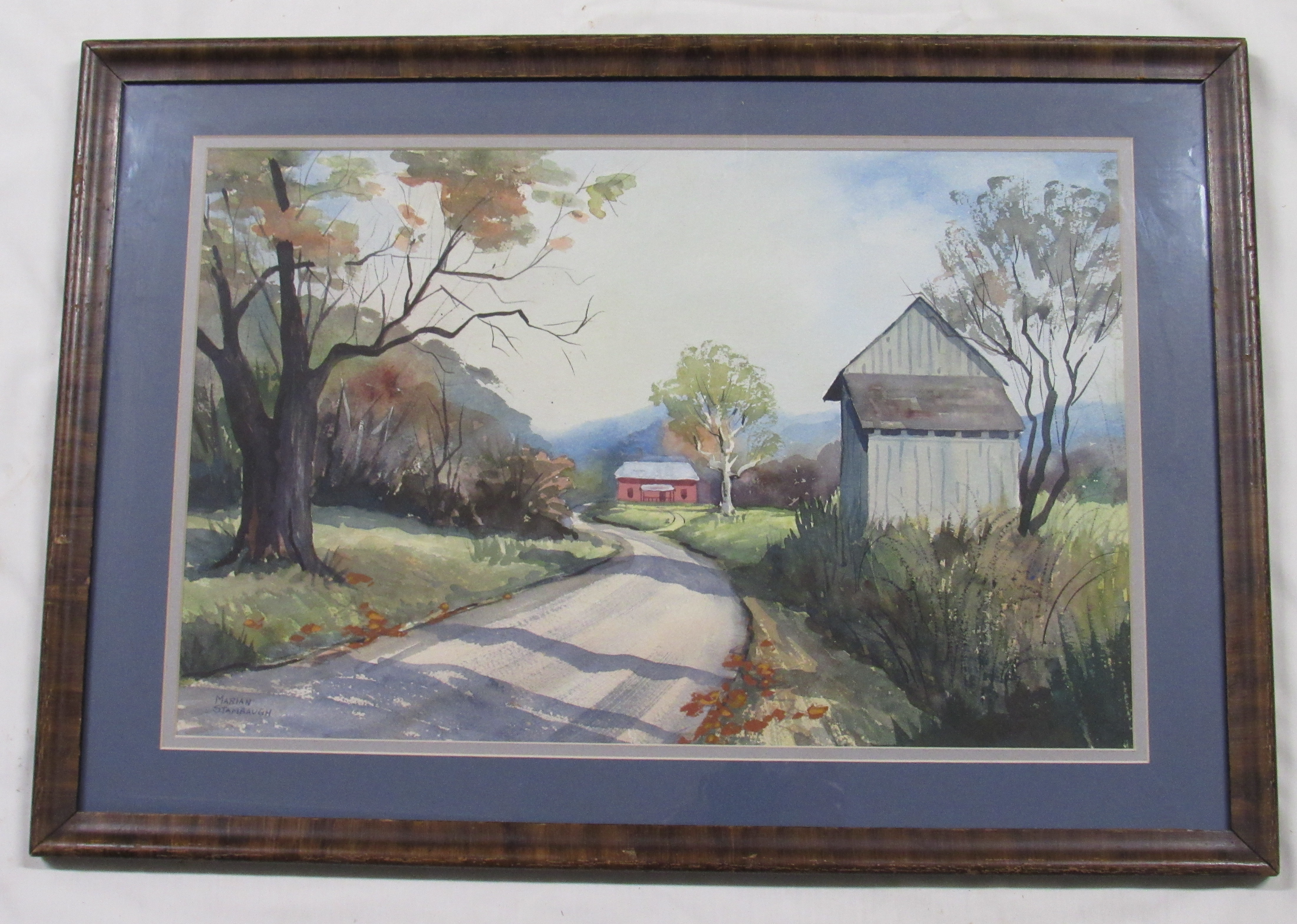
Rural road by Marian Stambaugh

© Bruce Stambaugh 2020

Subtle Beauty


The male Rose-breasted Grosbeaks usually get all the attention with the flashy rose-colored breast that is their namesake. The female is just as stunning with her variegated gray and brown feathers that beautifully accent her creamy whites. The eye-stripe is especially striking.

I hope you are fortunate enough to encounter both the male and female Rose-breasted Grosbeak as they migrate north to the nesting areas in the northeastern United States, around the Great Lakes states, and in the Appalachian Mountains.

“Subtle Beauty” is my Photo of the Week.

© Bruce Stambaugh 2020
Gratitude and concern during the pandemic


I am always happy when we reach May, especially this year. The beautiful blossoms and warming temperatures spur a sense of gratitude.

During the current COVID-19 pandemic, we all must remain grateful. Given the stealth-like nature of the coronavirus, it would be easy for fear and despair to overwhelm us.

We must not let that happen. Those negative feelings can transition into depression unless we come to accept the ugly situation for what it is.

Now, the COVID-19 condition may not be as dire where you are as it is in other parts of the world. Here in Virginia’s lovely Shenandoah Valley, the deaths and confirmed cases are spiking. That, in part, is due to more accurate testing and proper reporting.

Of course, my wife and I have taken the necessary precautions as recommended by state and local leaders. We are grateful for their specific directives in this uncertain time.

I am also thankful that my niece and friends who live in New York City remain safe. Some of them are treating those infected. I am both grateful and concerned for frontline staff and first-responders everywhere who take extraordinary risks in merely doing their daily jobs.


We can’t take for granted public utilities like electricity, water, and sewer that remain consistent and safe. Having power has permitted us to communicate remotely with family, friends, church members, and even doctors if needed.

I am grateful for local businesses that have prevailed in the face of potentially devastating economic conditions. I appreciate both their curbside and home deliveries. The indefinite length of the closure orders for them, however, is disconcerting for their financial well-being.

I am thankful for people’s resilience, creativity, and patience during their unplanned sequestering. It can’t be easy trying to work from home while teaching active, restless children and simultaneously trying to complete household chores. This perspective became more apparent to me when a friend found her son’s homework in the refrigerator.

I am grateful for our daughter and her family, who regularly check in on us via text messages and with social distancing visits. We celebrated our oldest grandchild’s 16th birthday via FaceTime. Evan seemed as pleased as if we were all actually eating ice cream and cake around their dining room table.

I am also glad our son and his fiancée are both safe and well in another New York hotspot, Rochester.

I am thankful for the garbage workers who continue on their regular routes, not knowing what precisely it is they are hauling. I pray for their continued safety.

I am thankful for people who show their love by sending us notes, text messages, emails, and making phone calls. Doing so keeps us connected and uplifted, even if it is only remotely.

I am thankful for the universal generosity of people who share their gifts most graciously. Using their talents to make personal protective products for strangers who need them is priceless.

I am grateful for a safe and secure home and neighborhood where my wife and I can both hunker down and walk for exercise among nature’s artistry. However, I am most uneasy about those who are not as well-off. More critically, this terrible virus is attacking the poor and minorities at a much higher rate than the rest of the population.

On a personal note, I am grateful for the opportunity to share with all of you. I hope you are well and can find ways to be genuinely thankful, too.

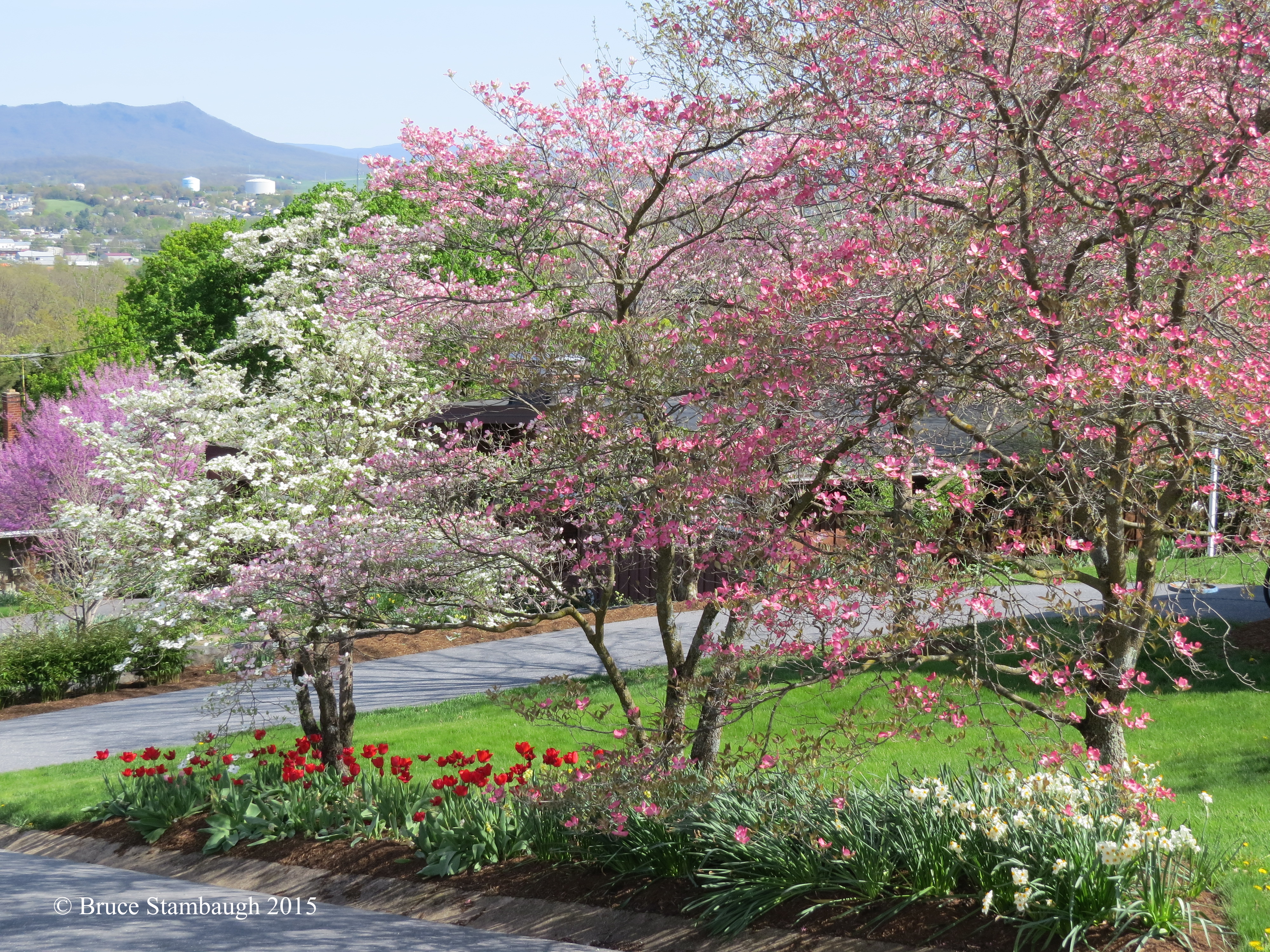
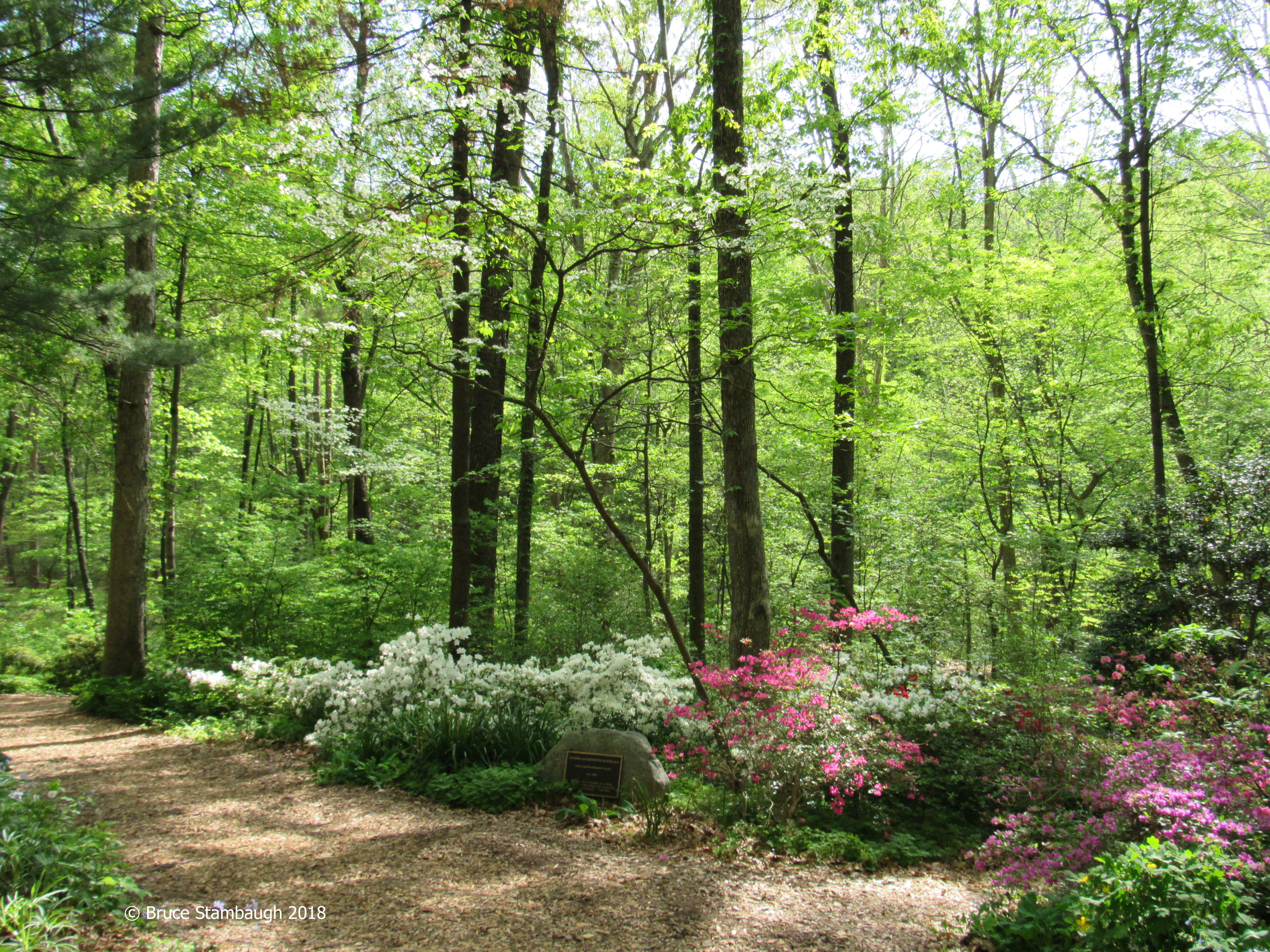
May in the arboretum.

© Bruce Stambaugh 2020
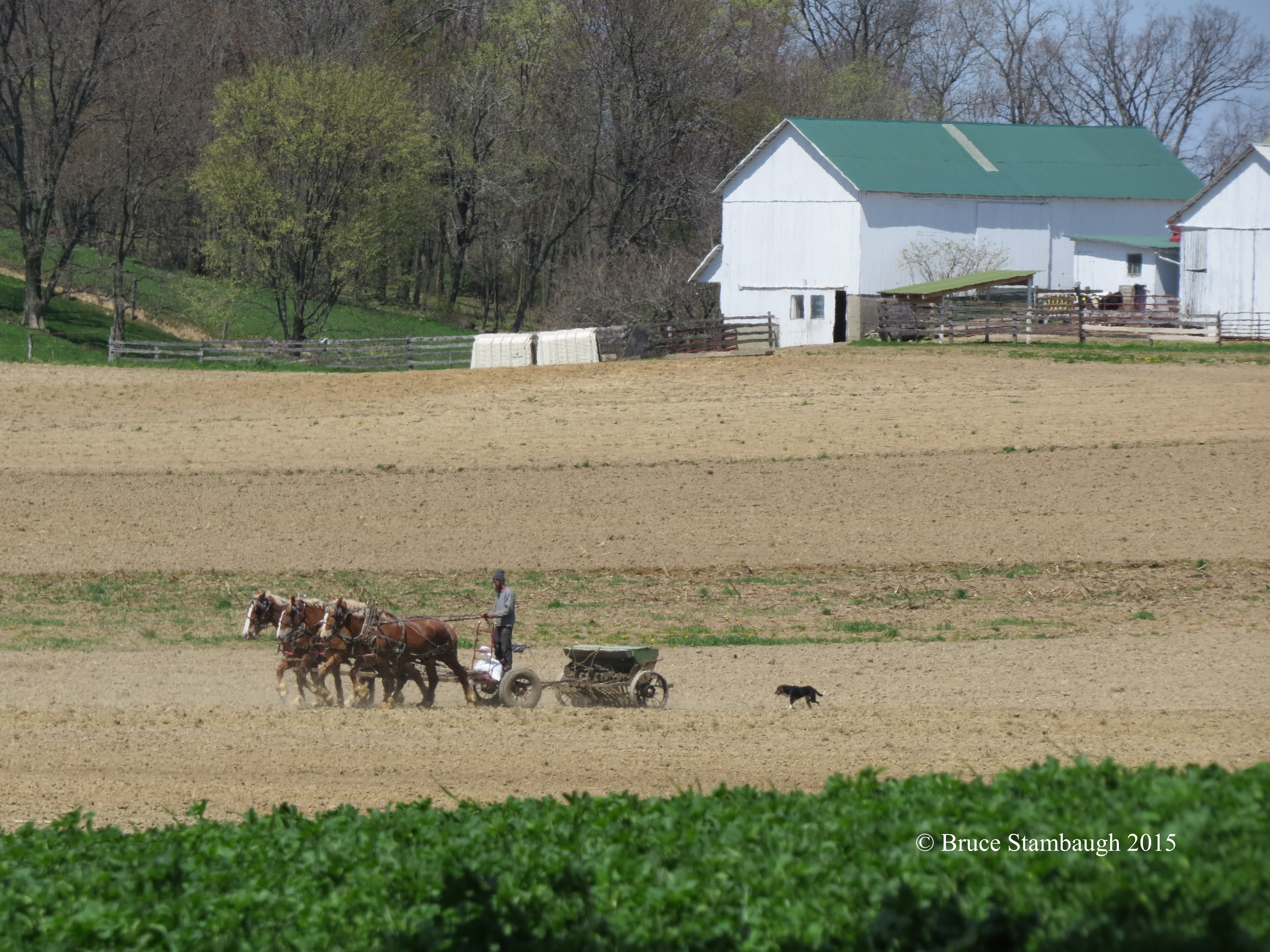
Spring in Ohio’s Amish Country


It was exactly five years ago today that I took this photo of our Amish neighbor planting corn in the late-April sunshine. Add in the faithful dog, and it’s an iconic spring scene in Ohio’s Amish country. A majority of the three to four million tourists who visit Holmes Co., Ohio, every year come for such nostalgic vistas as this. Horsedrawn plows and planters bring back fond memories for our most senior folks. It’s a way of life that is rapidly disappearing, even in the largest Amish population in the world. Today, fewer than 10 percent of Amish still farm.

“Spring in Ohio’s Amish Country” is my Photo of the Week.

© Bruce Stambaugh 2020

Social distancing before it was required

Reflections at the alligator pond.

My wife and I were social distancing before we knew there was such a thing.

Before the coronavirus pandemic hit the U.S., I made an all-day social distancing trip to Okefenokee National Wildlife Refuge. It was a mere hour’s drive from our winter hideout on Amelia Island, Florida.

I invited my lovely wife to accompany me. Having already visited there briefly with friends, Neva declined. Her aversion to snakes and reptiles made that an easy decision. However, I wanted to explore the place more thoroughly.

I didn’t mind going solo at all. We each believe that doing our own thing has contributed to the longevity and quality of our marriage. There’s a metaphor in there somewhere.

You might know the refuge by its more colloquial name, Okefenokee Swamp. That is what the locals call it. Take a tour, however, and you will quickly learn that Okefenokee isn’t a swamp at all.

This slideshow requires JavaScript.


Native Americans gave the sprawling area the name centuries ago. In English, Okefenokee means “land of the trembling earth.” The moniker fits. In the less disturbed marshy areas, the land beneath reverberates with each step you take.

Okefenokee has been a national wildlife refuge since 1937. It was designated a World Heritage Site in 1974.

Much more than a shallow blackwater swamp, the 403,000 acres that comprise Okefenokee are a beautiful blend of hammock forests, creeks, wetland prairies, and cypress groves. Altogether, they serve as the headwaters for both the Suwannee River and the St. Mary’s River, which marks the Florida/Georgia boundary.

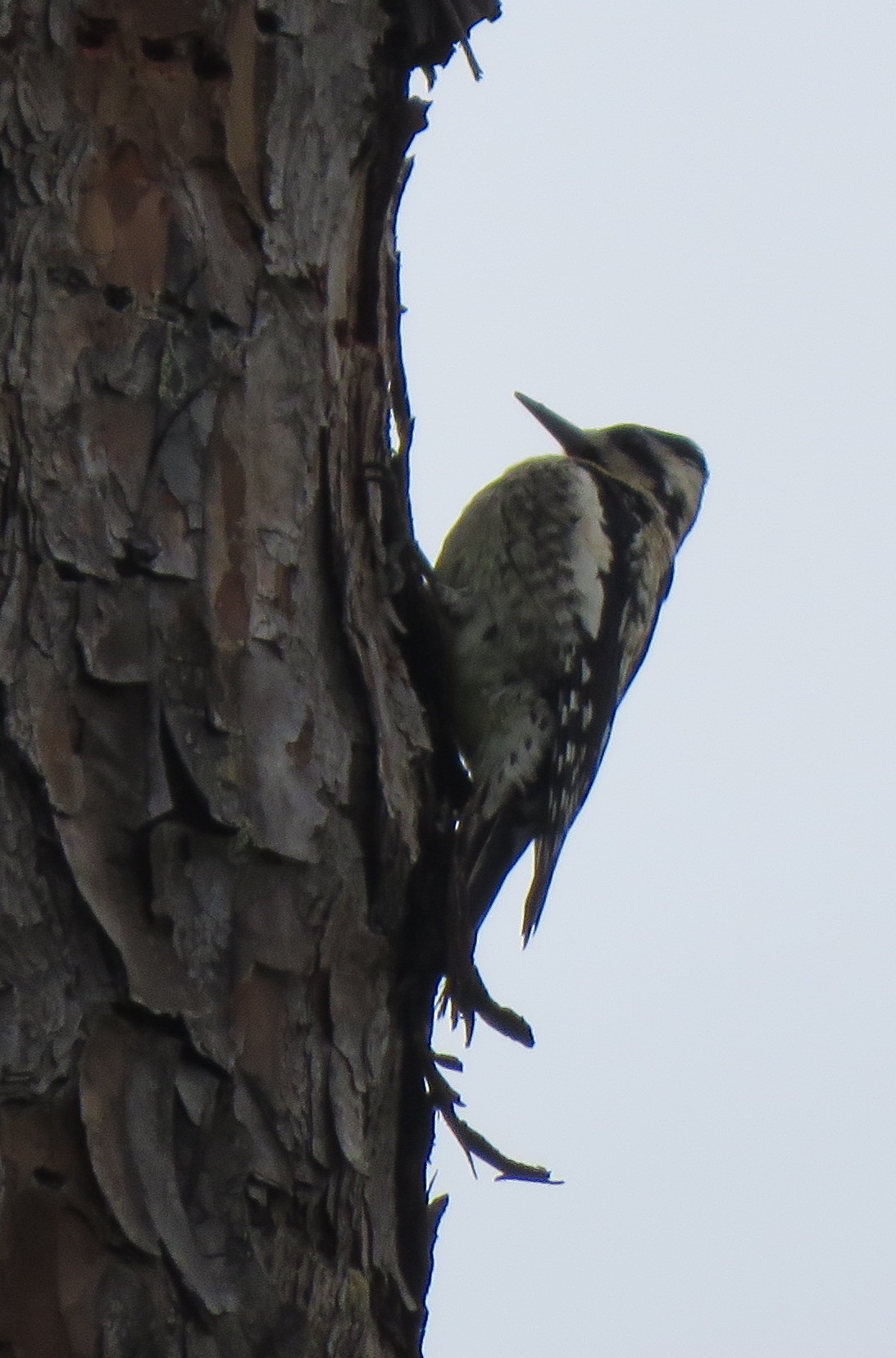
My heart jumped when I saw this woodpecker land on the trunk of this longleaf pine. It was a yellow-bellied sapsucker.
I arrived mid-morning under hazy, smoky skies in early February. My main objective was to find the elusive and rare red-cockaded woodpecker. Okefenokee is one of the last remaining sanctuaries for the endangered bird.

I drove down the eerily lovely Swamp Island Drive in search of the woodpecker. I had never seen one, and after spending the morning trying, I still haven’t. I did see plenty of nest holes high up in the longleaf pine trunks.

I wasn’t disappointed. Just being among all the beauty and the sounds and earthy fragrances of nature was sufficient.

Hundreds of sandhill cranes cackled unseen in the wetlands beyond the pines that surrounded a small pond. An alligator laid like a fallen log on the pond’s far lip. A brown-headed nuthatch foraged on a tree trunk only four feet from me.

Bigger alligators rested roadside along shallow ditches. I found it surprising how much the vegetation changed at the slightest rise or dip in elevation. The scenery was stunning despite the gray overcast sky and smoke from a nearby forest fire.


Only a few feet from the boardwalk trail, alligators absorbed whatever warmth the day offered. Neva would not have approved. By the time I reached the observation tower, the sandhill cranes had quieted and were out of sight.

I learned much more about Okefenokee on the afternoon boat tour. Our guide explained that the deepest water was only four feet. The vast geologic basin was filled with peat, which is why it quivered when stepped upon.

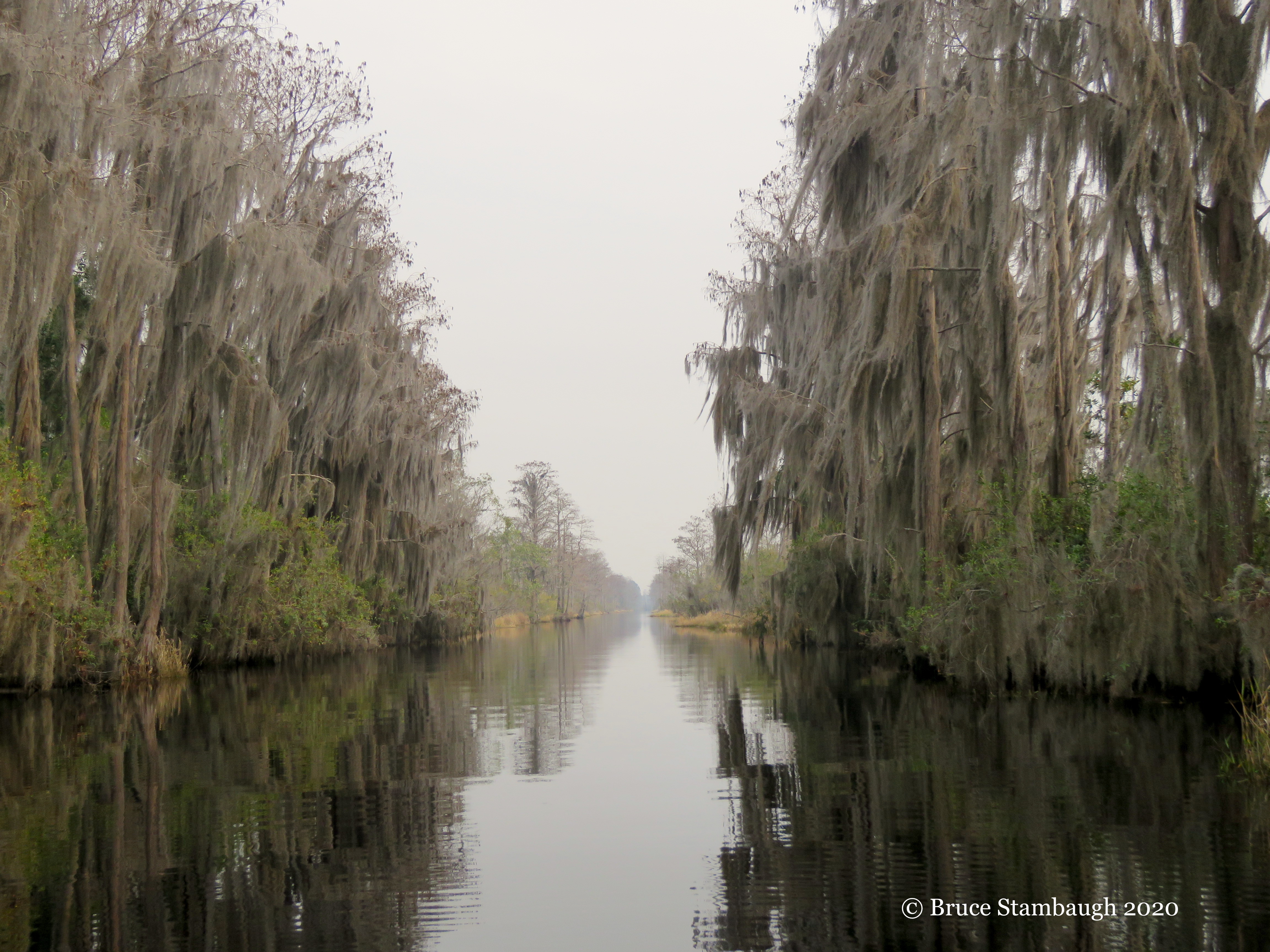
Our small flat-bottom boat cruised between stands of cypress graciously draped with Spanish moss, which isn’t a moss at all. Huge alligators lounged along the way, while a highly venomous water moccasin soaked in the filtered sunshine. Red-shouldered hawks screeched from high perches on old snags.

As I headed back to our condo, I savored the day that had buoyed me. For Neva and me, that style of social distancing helps enrich both our individuality and our affinity.

A cypress grove along the Suwannee Canal.

© Bruce Stambaugh 2020
Earth Day


Today is Earth Day’s 50th Anniversary. As we celebrate this milestone, let’s remember the reason we mark the day. Together we all need to admire, enjoy, and care for Creation.

“Earth Day” is my Photo of the Week.

© Bruce Stambaugh 2020

Bay Photos by Donna

Wildlife Photos From The Chesapeake Bay Region

ROAD TO NARA

Culture and Communities at the Heart Of India

K Hertzler Art

Artist and nature journalist in the Shenandoah Valley of Virginia.

Maria Vincent Robinson

Photographer Of Life and moments

Gabriele Romano

Personal Blog

Jennifer Murch

Art is the only way to run away without leaving home. -Twyla Tharp

Roadkill Crossing

Writing generated from the rural life

ANJOLI ROY

writer. teacher. podcast cohost.

Casa Alterna

El amor cruza fronteras / Love crosses borders