The little things of spring are spring

springinholmescoohiobybrucestambaugh
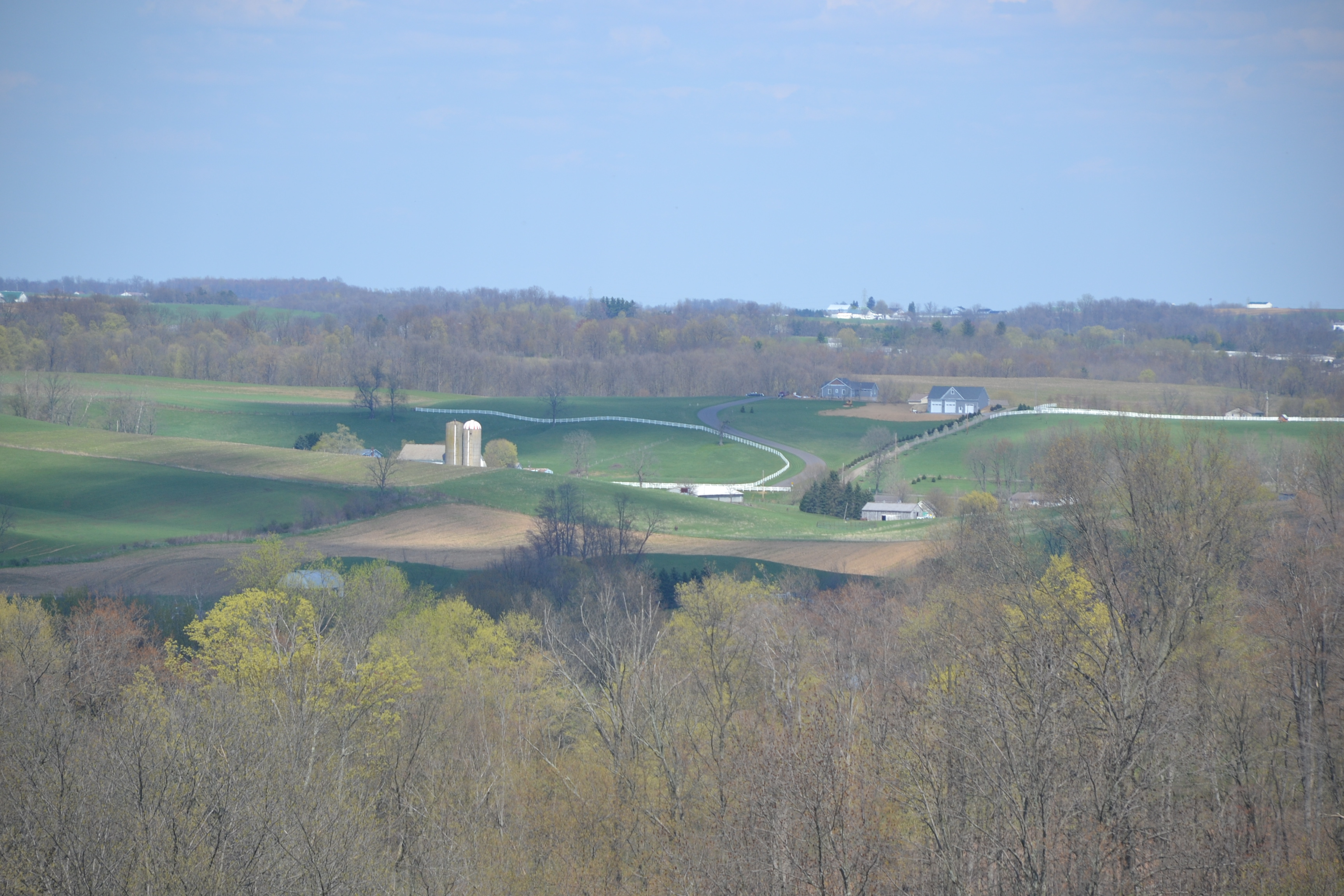
After a long, chilly and wet winter and early spring, true spring has arrived in Ohio’s Amish country.

By Bruce Stambaugh

Finally, it really is spring! I was beginning to think we would never receive its blessings.

I for one am certainly glad to embrace May. In Ohio, it’s the calendar’s conduit between a long cold, wet winter and early spring, like we have experienced this year, and summer’s usual balmy offerings.

Springtime has much to offer nature lovers. She is especially mesmerizing. Spring lulls you to sleep with her vivaciousness, her lusty beauty and verdant perfumes.
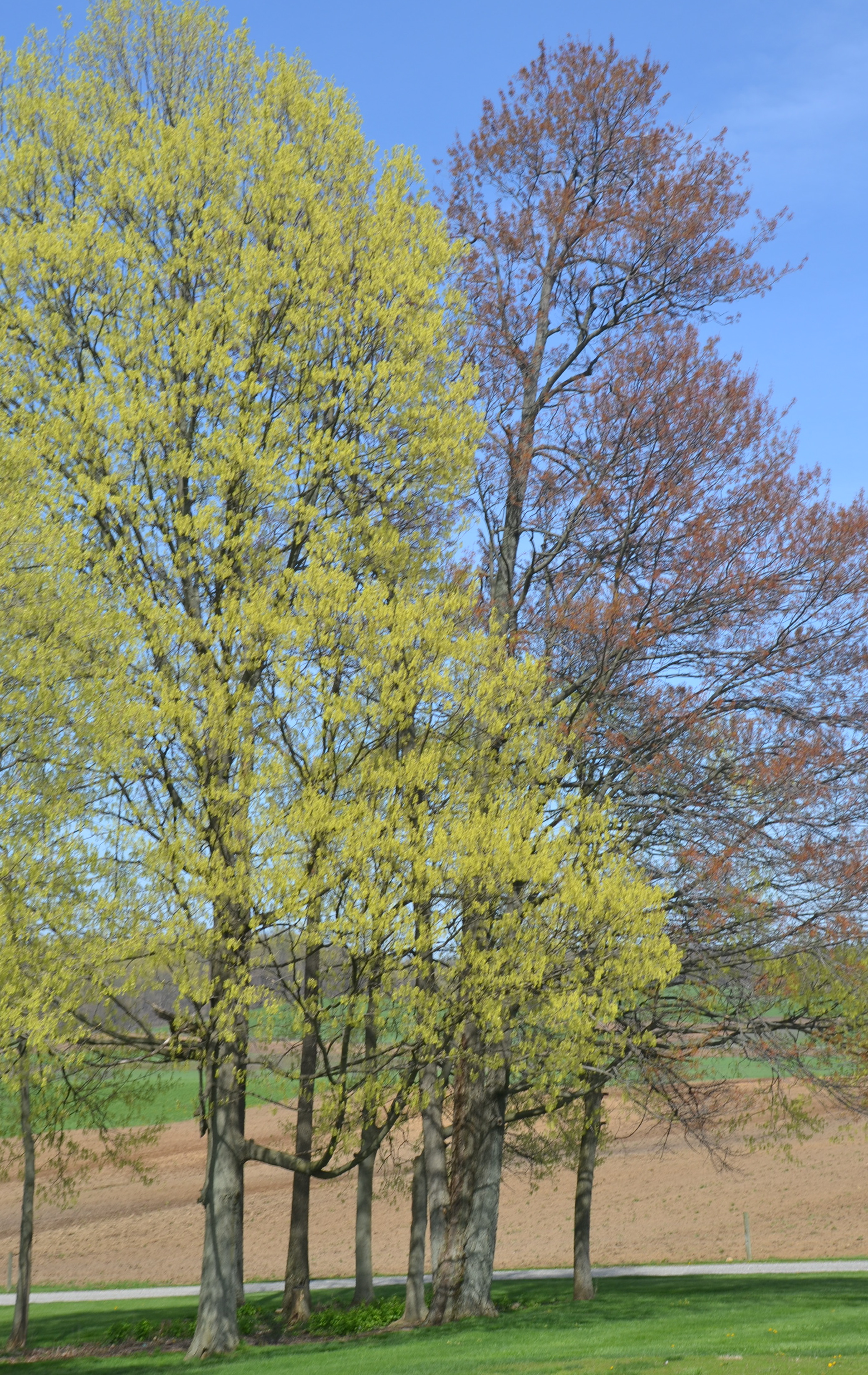
unfurlingleavesbybrucestambaugh
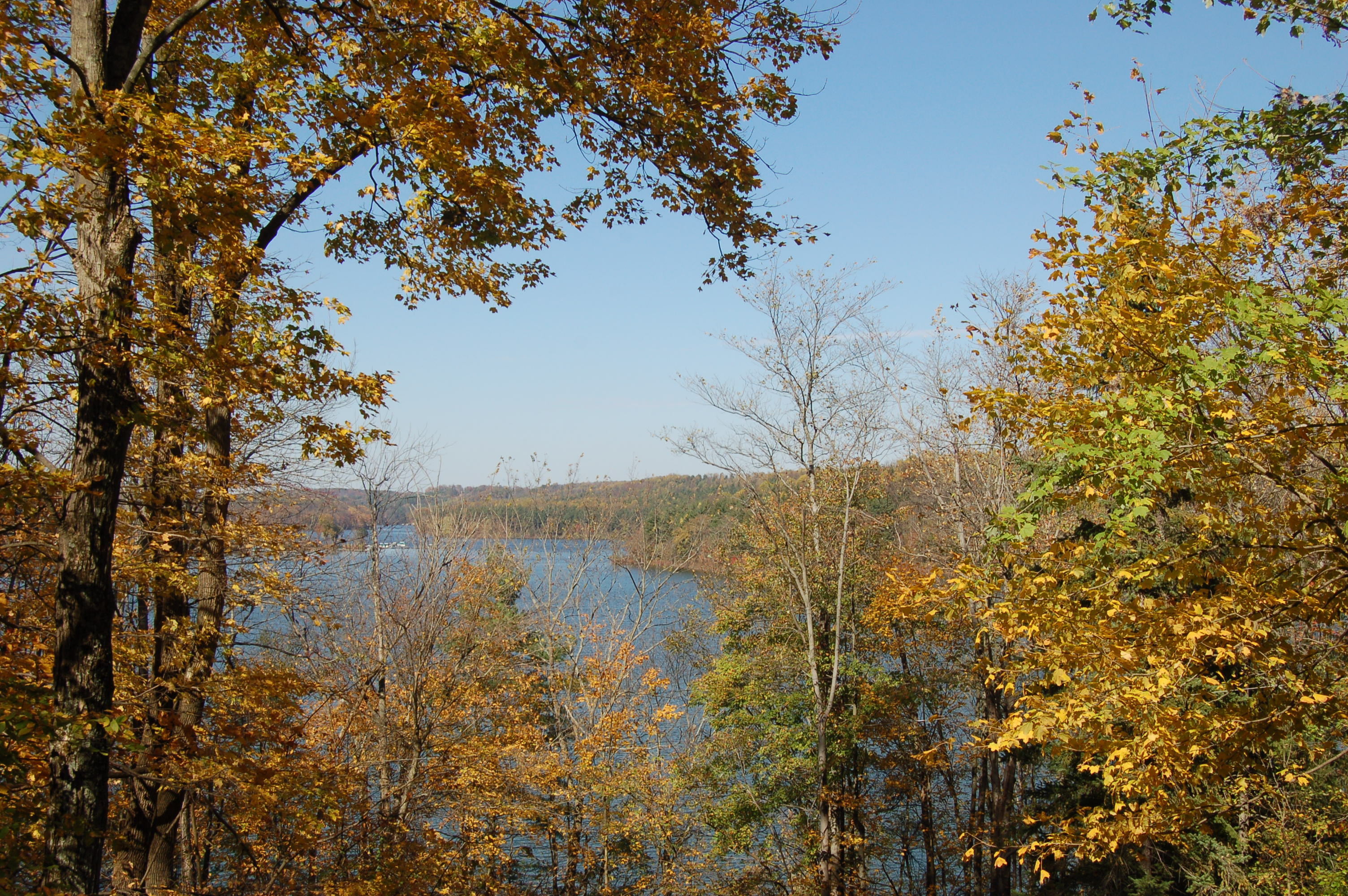
Once the weather warmed and the days brightened, the leaves of the deciduous trees quickly unfurled.
However, you have to be alert, or you could miss a few of her best offerings. In our hustle and bustle to catch up to what we think is important we may miss her most amiable samplings.

May is one of the main accomplices to this annual transition from hibernation to horticulture. The month has a lot to offer.
We have to pay attention though to absorb it all because the transforming processes evolve so quickly. One day we notice the maple tree buds swelling. The next, it seems, the full canopy has unfurled. How and when did that happen?

To grasp the full measure of spring requires the honing of all of our senses. For those poor souls with pollen or grass allergies, no reminder is likely needed.

Spring, and especially May, is anything but quiet. The spring peepers are the first to break loose. Their noisy outbursts are their celebrative acknowledgements that spring has arrived. The amphibious cacophony is music to our ears.
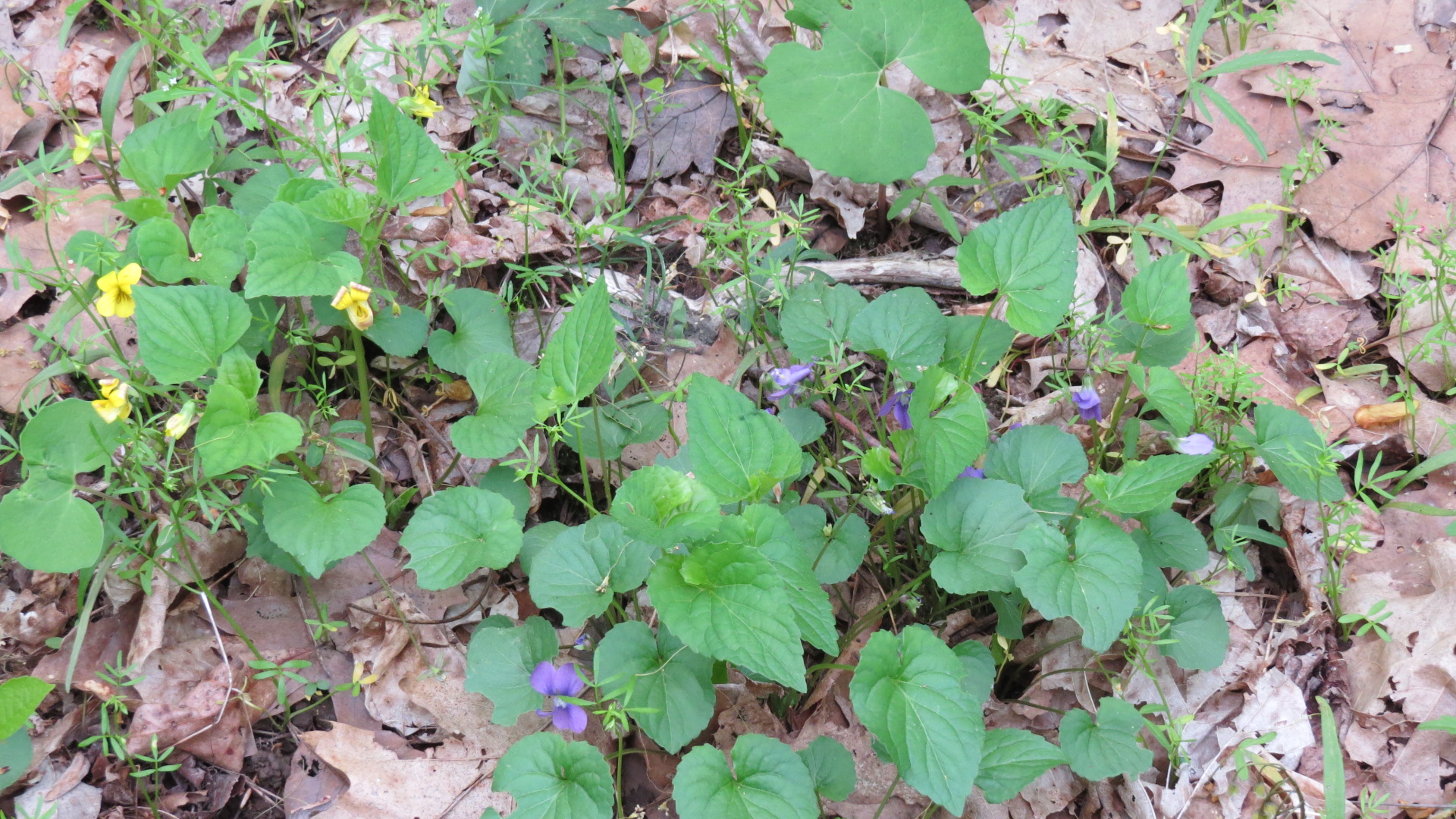
wildvioletsbybrucestambaugh
Wild yellow and purple violets are in full bloom now in Ohio’s woodlots.

Just one sunny spring day beckons buttery coltsfoot and dainty spring beauties. They brighten dusky roadsides and carpet forest floors and spacious yard-lots alike. Yellow and purple wild violets and lacy trilliums soon follow in all their grace and glory.

Clumpy lawns have already been mowed, evening the emerald patchwork from one neighborhood to the next until the prodigious dandelions appear and reappear. Try as you might, there is no obliterating them. Overnight, their yellowy blooms turn to silky seedpods, which succumb to certain spring gales and find a home just around the corner.

malebaltimoreoriolebybrucestambaugh
The beautiful sights and calls of the Baltimore Orioles fill the woods and neighborhoods in Ohio’s Amish country in and around Millersburg, OH.
For avid bird lovers, this is prime time for migrating birds, especially songbirds. A whole host of magnificently colored wood warblers, Golden-winged, Yellow-rump, and Black and White among them, pass through our area on their way north. A few, like the convivial Yellow Warbler and gregarious Baltimore Orioles, will stay to nest and brighten the days with their vigorous choruses.

American Robins have already chosen their first nesting spots, and not always in the choicest locations. Mud-based nests on door wreaths or porch lights are only temporary inconveniences to those who enjoy their early morning wake up calls without setting the alarm clock.

The sooty Chimney Swifts have returned and chatter as they snatch dinner with spring’s first batch of insects. American Goldfinches seemingly changed to their day glow yellow and contrasting black overnight.

magnoliainbloombybrucestambaugh
For once the magnolias bloomed without fear of a killing frost in northern OH.
Native shrubs and ornamental flowering trees light up the landscape with their rainbow of colors. One day the neighbor’s giant Magnolia is bursting in pink bloom. The next, her Cinderella gown morphs into a colorful comforter spread on the ground beneath.

Just like a fast moving thunderstorm, the rubies of spring don’t last long. Will we grant ourselves the privilege to gather them in?

It pays huge personal dividends to be alert and watch as spring magnifies the hills and hollows with sights and sounds and fragrances for all to behold. Spring is here. Let’s enjoy it before it’s gone.

© Bruce Stambaugh 2013

When an ill wind blows, persevere

sunnybutcoldbybrucestambaugh
Even sunny days that looked warm were chilled by persistent winds.

By Bruce Stambaugh

The cold and wet of winter and early spring seemed to be unrelenting. The constant breezes made already cold days seem even more so, and damper than they really were. It felt like the wind had blown nonstop since Thanksgiving.

To paraphrase John Heywood, who first penned the words in the 16th century, “It’s an ill wind that blows nobody any good.” That’s the way I thought of the many persistent gales that delivered us storm after storm for four months.

We here in northeast Ohio have endured a variety of weather elements for too long. Snow, sleet, freezing rain, ice, fog, torrential rains, flooding, and bone chilling temperatures have all been part of our weather menu. However, it has been the relentless wind that has been the most bothersome. It made even a sunny spring day seem like February all over again.

Day after day the icy wind seemed to go right through you. It was that bad. As much as I love weather, I had about had it with the unyielding gales.

coldplowingbybrucestambaugh
Amish farmers have had some raw days to do their field work this spring.

I am glad, however, that the wind does aid farmers by drying out the mushy soil so planting can begin. But I pity the many Amish farmers who have had to spread, plow, harrow, and plant in the endless blusters. They and their trusty draft horses had to be freezing.

There’s another hazard to wind. Wildfire danger increases when steady breezes dry out already brittle dormant foliage and grasses. That’s one reason why spring’s quenching rainfalls are so welcome, even if they are accompanied by nasty winds.

On a recent trip to visit friends in Leamington, Ontario, a steady wind buffeted our van on the trip north. Along the Ohio Turnpike we spotted a Bald Eagle soaring against the northwest wind over an open field in search of prey.

windyyardworkbybrucestambaugh
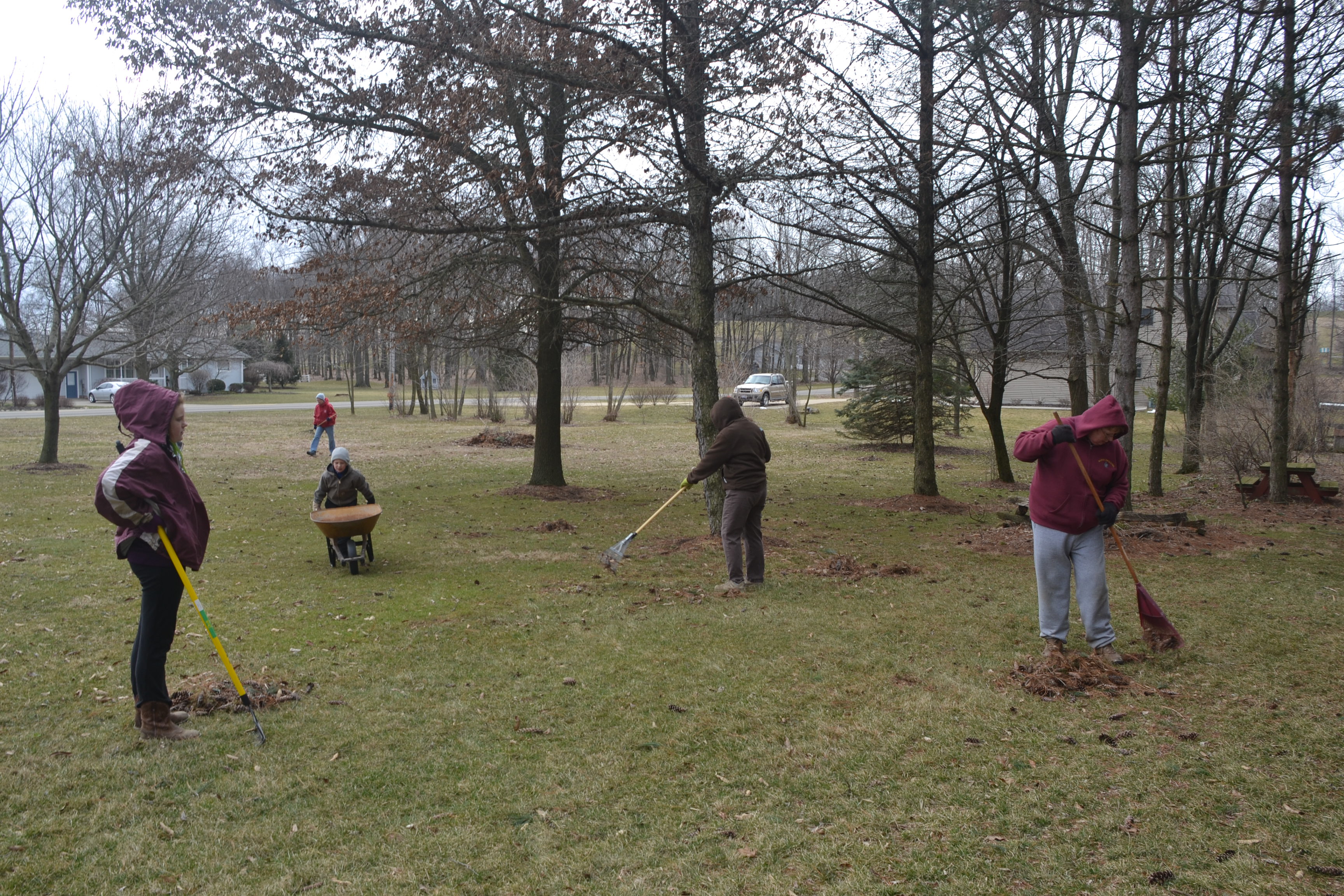
Brisk yard work of cleaning winter’s deposits of debris still required coats and gloves in Ohio this spring.

We discovered that the weather in Ontario, including the wind, hadn’t been any better than ours. Indeed, we wore sweaters and jackets during the extended weekend.

The only exception was our last day there, Monday, April 15. That day dawned in beauty and quiet. The sun shone brightly as we said goodbye to our friends.

By afternoon as we reentered the U.S., the wind had once again picked up. At least it helped push us homeward as we traveled.
I was glad to see the sun, and feel its welcome warmth. Perhaps the stubborn winter weather systems that brought the chilling blustery northwest winds had finally been broken.

Shortly after 4 p.m. I turned on the van’s radio to listen to the news. From the announcers’ demeanors we knew that something serious had happened, only neither my wife or I were clear as to what the problem was. As we listened, we learned of the bombings in Boston.

Like most good people of the world, we were horrified. It was an ill wind no good citizen could ever have anticipated.

Tolerating a persistent cold wind is one thing. Enduring a terrible, intentional act of violence is another concern altogether.

We must live our lives as best we can, embracing each new day with gusto, hope and a fearlessness that no harsh wind, natural or man-made, can destroy.

hopefulsunrisebybrucestambaugh
© Bruce Stambaugh 2013

Pre-release special price on Fifty Shades of Grace

I am pleased to announce that I have a chapter in a newly published book, Fifty Shades of Grace, by Herald Press, Harrisonburg, Virginia and Waterloo, Ontario. The book will be released May 1.

fiftyshadesofgraceAs a special introduction, Herald Press is offering a 30% discount on the book until May 9. The book sells for $12.99. To order the book, contact MennoMedia at 800-245-7894 or click this link, MennoMedia.

The book is a collection of true inspirational stories about experiencing God’s grace in the midst of everyday life. Each of the fifty essays explores what grace looks like in action—even in a world jaded by violence and unforgiveness—and how grace can triumph over tragedy, or the daily annoyances of family life.

The chapter I wrote, entitled “Testing my Peace Stance,” tells about accompanying my late father, Richard, on an Honor Flight for World War II veterans. Stories are also included from noted writers Jim Wallis, John Powell, John Perkins, Lovella Schellenberg, Christopher Kennedy Lawford and many others, mostly from the Mennonite/Anabaptist tradition.

In his foreword, Donald Kraybill says, “The stories compel, mesmerize and strike again and again with wonderment for the many colors of God’s lavish love. These contemporary stories of grace all rub against the grain of popular culture. They offer a redemptive counterpoint to the darkness and oppression lurking in the shadows of bestseller Fifty Shades of Grey.” Kraybill, an authority on Anabaptist groups, is a co-author of Amish Grace: How Forgiveness Transcended Tragedy and author of many other books.

©Bruce Stambaugh 2013

Everyday should be Earth Day

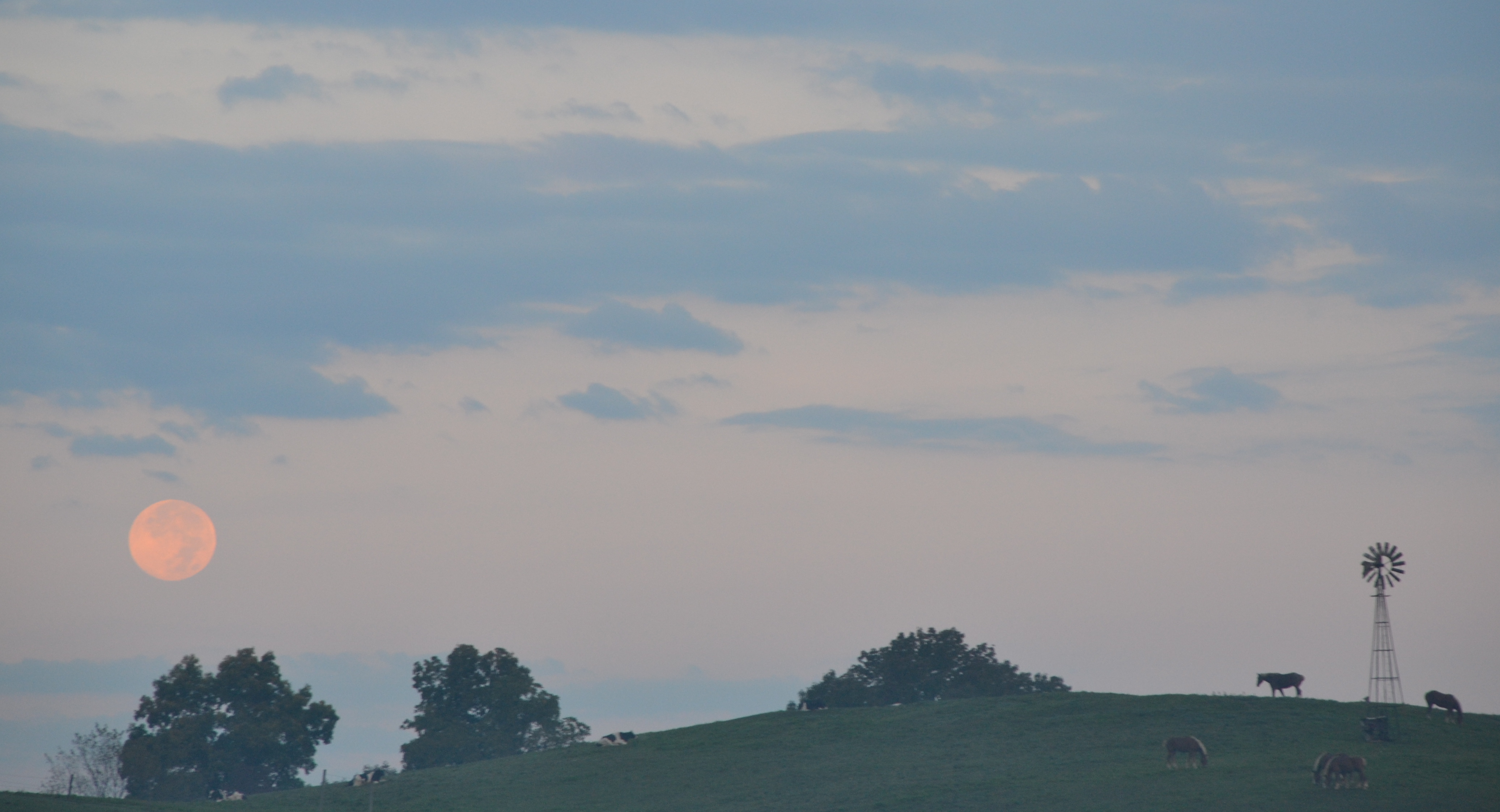
fullmoonsettingbybrucestambaugh
I learned the love of nature from my late father and the discerning eye to capture it from my late mother.

By Bruce Stambaugh

As far as I’m concerned, everyday should be Earth Day.

I got that attitude from my late parents. They weren’t environmental activists to be sure. But they appreciated nature, each in their own way. They respected the environment and taught their five children to do the same.

Dad loved to hunt and fish. As we grew up, he had each of his three sons tag along while he hunted. I don’t know why he didn’t involve our two sisters. I remember Dad once being so keen-eyed that he caught a cottontail rabbit with his bare hands. No buckshot was every fired.

momanddadbybrucestambaugh
The late Marian and Dick Stambaugh at the cottage they built in southeast Ohio.

When we were old enough, we joined him hunting pheasants, squirrels, rabbits and grouse. Dad saw the benefits of hunting, being outdoors, bringing home game, teaching his children about wildlife and conservation.

Since I tended to be a fair-weather sportsman, I preferred fishing. Problem was, when you went fishing with Dad, it was an all day deal no matter whether the fish were biting or not.

tyingupbybrucestambaugh
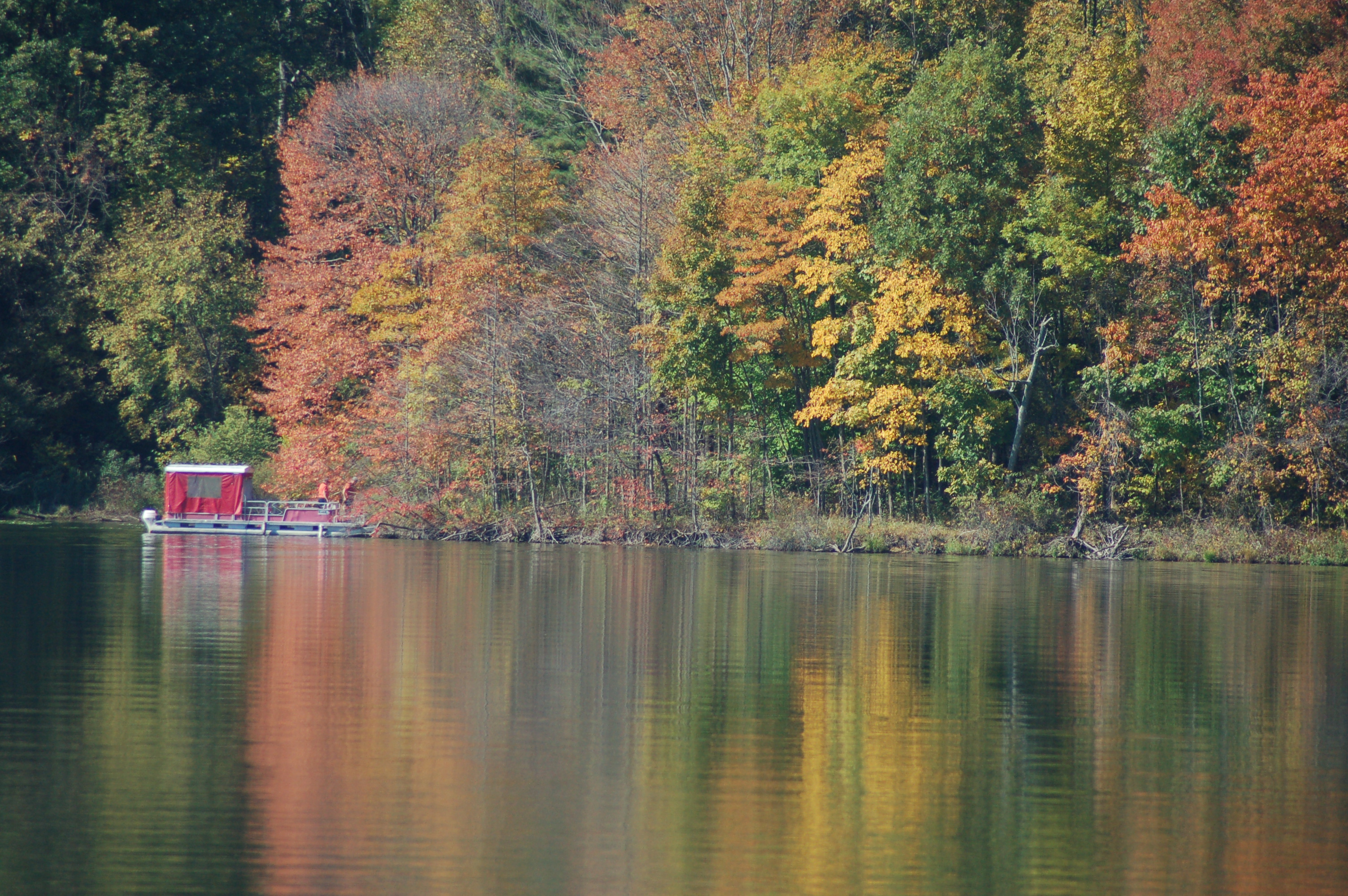
A pontoon boat on Clendening Lake in southeast Ohio.

Dad loved to take his grandchildren on lazy cruises on his pontoon boat on his favorite fishing lake, Clendening. He would motor up Coleman’s Run to one of the many giant, sandstone outcroppings, and tie up. It didn’t matter if we caught much or not. We lounged in the warmth of the afternoon sun and the fellowship.

There was just something about being out in the fresh air, taking in the natural beauty all around. One time we even heard a black bear scratching its claws on a tree trunk.

Our gentle mother gave us a more cultured look at caring for and appreciating the earth. She was an accomplished artist, and loved painting landscapes, usually in watercolor.

Using both vibrant and soft colors, Mom perfectly captured nature in her many seasonal moods. There is a sparkling stream cutting through a dormant, snowy pasture, a gently curving country road that leads your eye past a vernal woods on the left and a Victorian farmstead on the right, and a glowing array of blazing Holmes County, Ohio fall foliage, and a thousand more.

lonehunterbybrucestambaugh
Mom painted Dad walking through the woods, shotgun over his shoulder.
Mom even captured Dad on canvas. He is a mere silhouette, shotgun over shoulder, walking back to their cabin, empty handed as usual. Dad admired that painting in part because his lovely wife chose him as the subject. He also loved it for the scene, a lone hunter hiking through a shaded glen, the glassy lake shimmering in the background. It certainly reflected Dad’s child-like spirit of simply enjoying the invigorating experience of nature.

As a youngster, I remember helping Dad plant hundreds of tree seedlings on a steep, abandoned farm field overlooking Clendening. Thrusting those sprigs into the loamy earth was much more than a kind act of conservation. It was a true lesson in hope.

colorsalongthelakebybrucestambaugh
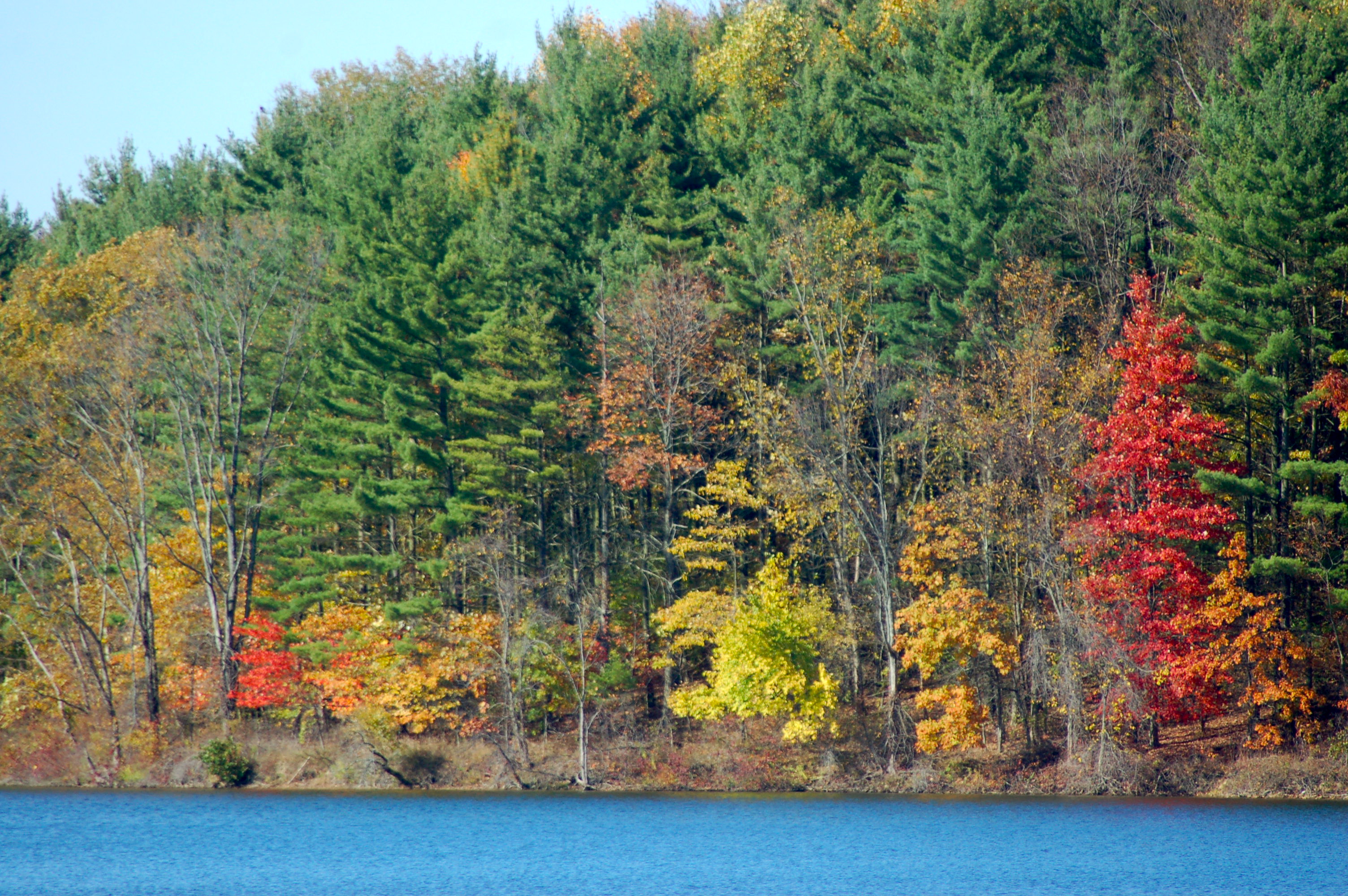
The pines I helped to plant have grown tall along the lakeshore.

I say that because now I enjoy the view from the porch of the cottage that the folks built. My wife and I bought and remodeled it and use it in much the same way as Mom and Dad. We enjoy sharing the same woodsy lushness, the forest creatures, the starry nights, and the quiet calm as Mom and Dad.

Just like Dad did with his children and grandchildren, I can stand on the porch, point across the lake to the grove of tall pines and tell a story about when they once fit in the palm of a young boy’s hand.

Thanks to my savvy parents, Earth Day doesn’t just happen in April.

viewfromtheporchbybrucestambaugh
The view from the cottage porch.

© Bruce Stambaugh 2013

Bluebirds make me anything but blue

bluebirdsandfishbybrucestambaugh
Eastern Bluebirds take turns getting a drink at the little waterfalls of the backyard garden pond with an orange audience.

By Bruce Stambaugh

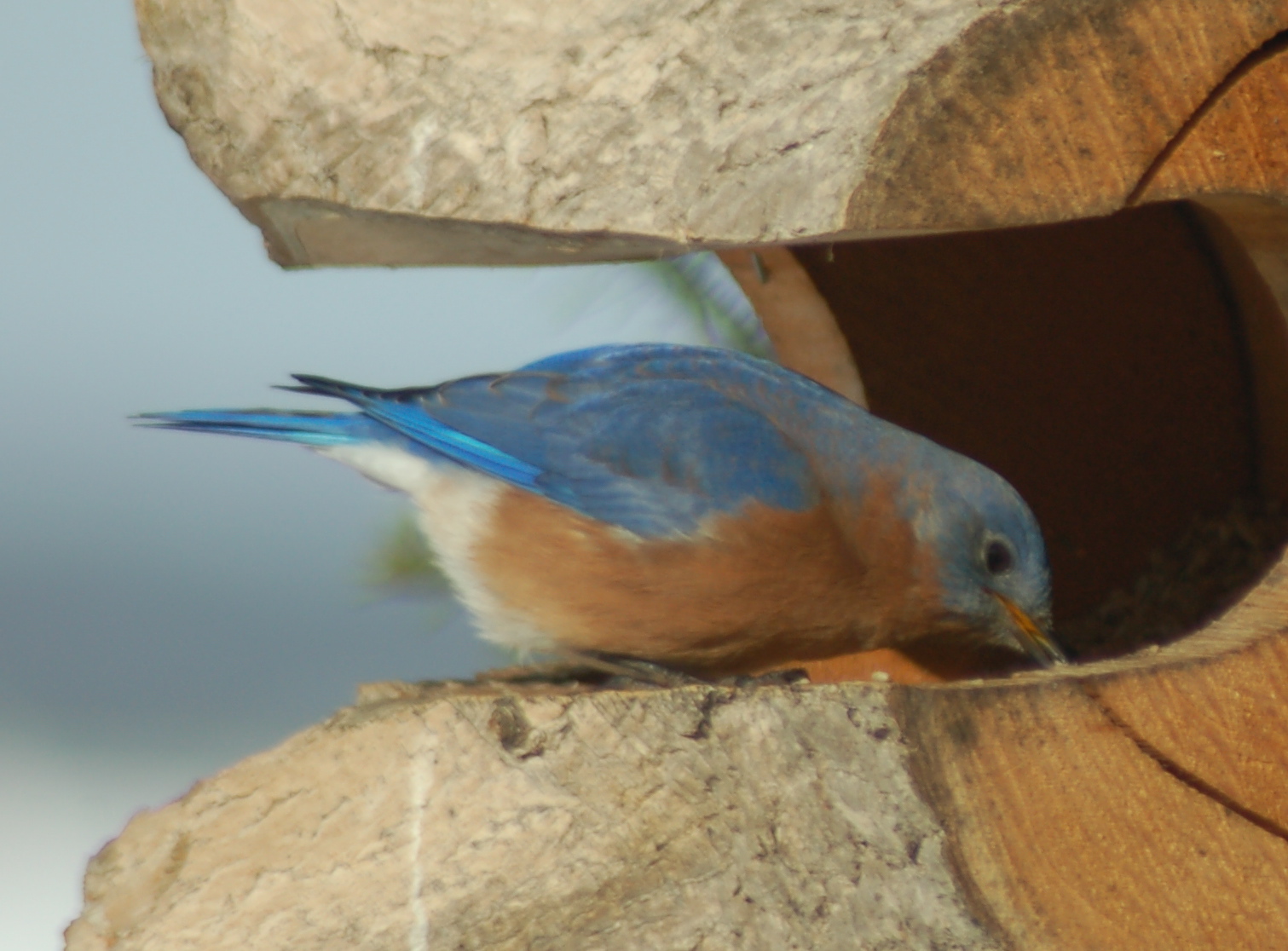
Out of the corner of my eye, I caught a familiar blue flash. A male Eastern Bluebird had landed awkwardly on the wooden framed feeder that held peanut butter suet cakes.

That same scene had been repeated in my backyard many times over the years. Intended for woodpeckers, chickadees, nuthatches and titmice, Eastern Bluebirds and other avian species have also enjoyed the rich protein offerings.

The first time I observed the bluebirds attack the suet, I took special notice. Eastern Bluebirds dine on protein-rich insects and their larvae. Suet apparently helped fill the void when insects, or berries for that matter, were unavailable in Ohio’s cold season, which this year has lasted much too long.

maleeasternbluebirdsbybrucestambaugh
Even in the winter, the colors of male Eastern Bluebirds radiate.

In the springtime, the male bluebirds burst into an iridescent, radiant blue that glows in the morning sun. They are in their flamboyant mating plumage, brilliant on head, back, wings and tail feathers. Their orange breasts contrast nicely with the showy blue. A splash of white on their wing shoulders and a snowy fringe along the birds’ bottom feathers nicely accent the flashy ensemble.

femaleeasternbluebirdbybrucestambaugh
The female Eastern Bluebirds have a beauty all their own.
Even the more subdued and shyer females could hold their own in a bird beauty contest. Their dullness, of course, is for natural protection from predators. Bluebirds are beautiful to say the least, and their cheery chatter and lyrical calls only enhance their artistry.

Bluebirds are not designed to cling to a typical suet feeder the way woodpeckers do by bracing themselves with their firm tail feathers. I marvel every time I see the bluebirds lunching at the suet.

The bluebirds often land atop the wood-framed feeder with wire mesh sides designed for easy access to the nutritious food. They

bluebirdonsuetbybrucestambaugh
The bluebirds perch as best they can to steal a bit of peanut butter suet.
perilously cling to the sides or bottom brace of the feeder, flapping their wings wildly as they peck at the soft suet. Since they keep returning over and over, day after day, to the suet, I have to assume that they aren’t expending more energy than is gained in the tricky process.

As their main course, the bluebirds and other songbirds regularly down chipped sunflower hearts that are offered at other feeders. They apparently use the peanut butter suet as dessert, and then wash it all down with occasional visits to the little waterfalls of the garden pond.

A half dozen pairs of Eastern Bluebirds frequent my feeders, shrubs and trees in the yard. If they choose to inhabit some of the bluebird houses erected around the property, I rejoice and stay vigilant. It’s a never-ending battle with the pesky House Sparrows to keep the bluebirds nesting.

bluebirdnestbybrucestambaugh
The nests built by Eastern Bluebirds are usually made of soft grasses or pine straw, like this nest in progress.
In the spring, I check the boxes regularly. If I find a finely structured nest of soft grasses and pine needles, I know the bluebirds have won the battle. If the nest is disheveled and constructed with a junkyard of materials, I pitch it in hopes of discouraging the House Sparrows.

Often the bluebirds will perch in the large sugar maple in our backyard above the dangling suet feeder. After just a few bites of suet on this chilly April morn, this male bluebird instead took wing and swooped low across the wide stretch of open, freshly plowed farm fields, making a beeline for my Amish neighbors.

Were they using a different feed? Was the bluebird nesting in one of their boxes? The answers were really insignificant. What did matter was that the bluebirds were thriving for all to enjoy.

Watching that bluebird arch across those fields in the morning sunshine couldn’t have made me happier.

© Bruce Stambaugh 2013

Enamored by names

I am honored to report that today I received the University of Akron’s Wayne College Regional Writers Award for non-fiction. Since I’m naturally too modest to say much about myself, friends and colleagues encouraged me to share this winning essay with you.

By Bruce Stambaugh

I have always been enamored by names.

By names, I mean the title affixed to something, someone or someplace that transcends the given moniker of the object, the person or the place.

When I moved to Holmes County, Ohio many moons ago, I immediately picked up on the custom of speaking in this sort of colloquial code that was neither an accent nor a dialect.

People spoke of names for places as if the entire world knew to what and where they were referring. Often times, most of those names could not be found on any official document, including a county map.

Still, people used the names as reference points, meeting places and settings for stories, imaginary and true. With apologies to Stephen Colbert, the “truthiness” of the tale didn’t really matter.

In my teaching days, my elementary students matter-of-factly offered up perfect examples of what I mean. When I asked the students where they lived, I got answers like “on French Ridge” or “next to Dingle Brown” or “ beside Blackbird Croskey.”

Once I caught on to this provincial name-dropping, I tried turning the tables on the kids through the lessons. They found it down right sacrilegious to learn that Glenmont had once been Napoleon and Killbuck was first Oxford.

Nor did they believe me when I told them that Fort Fizzle had really been a fort, and the cause of its rebellious caretakers actually did fizzle. It was an insignificant skirmish in the American Civil War. But it was our own.

The cute terminology wasn’t confined to the schoolhouse either. Once, when I reported to the fire station after the alarm had sounded, I found the first two trucks gone and the station empty. I checked the chalkboard where the type of run and its location were hastily scribbled. “Grassfire, Baddow Pass” was all it said.

I was stumped. I had no idea where that was, and had to wait until another volunteer showed up to find out which way we should go.

The name game even spilled over to church. When the youth group wanted to go on a hayride to Panther Hollow, I again had to ask about the exact location. When we got there, it was so spooky I thought it should be named Ghost Hollow. But I soon learned that was actually on the north side of the nudist camp. And no, I am not making up any of this.

When I moved to the eastern part of the county, I discovered the local names just as prolific, if not more so. Amid the Amish and Mennonite culture, several people have the same name. But there was only one Bicycle Dan and one Toothpick Andy.

We had our church picnic in Troyer’s Hollow. The Stink Plant sits on Weaver Ridge. Good friends live on Joe T. hill.

In the western, more Appalachian area of the county, the hills are steeper and the valleys are wider. In the east, with its more gently rolling hills, the tranquil valleys are referred to as bottoms.

A young woman was once talking with a small group of people about what each valley was called. She said she lived in Bulla (or Bull) Bottom, and that the valley on the north side of Walnut Creek was called Genza (or Goose) Bottom.

She promptly turned to a young man who lived over the next ridge, and innocently asked him, “And what is your bottom called?”

Like I said, I love these earthy, rural names rich in traditions and full of life, goodness and virtue.

© Bruce Stamabaugh 2013

The extraordinary benefits of a beneficial Saturday

sunrisebybrucestambaugh
Benefit Saturday began with a beautiful sunrise.

By Bruce Stambaugh

This was to be benefit Saturday for my wife and I. I simply couldn’t have projected just how beneficial it would end up being.

Before dawn a delightful aroma wafted across the landscape from the Amish farmstead behind our rural Millersburg, Ohio home. A congregation of people was barbequing chicken on portable grill wagons. A generator cast a harsh, artificial light upon the busy group, creating predawn silhouettes.

The benefit barbeque was for a couple that needed financial assistance due to extreme medical bills. She had cancer, twice. He had had surgery that kept him off of work for six months. To help out, we ordered six quarters of chicken to be picked up after 11 a.m.

mongolianhutbybrucestambaugh
A Mongolian hut is called a ger. (Photo by Kim Kellogg)
That was but one of three different fundraisers in which we participated that day. The first began at 7 a.m. with sausage, ham and pancakes. My wife ate the meat. I ate the pancakes. The breakfast was held to raise money for a mission project in Mongolia. An authentic, completely furnished Mongolian ger, a felt lined hut, had been erected in the church fellowship hall for all to inspect.

As tasty as the food was, the fellowship that buzzed around our table was even better. We reminisced with old friends about how our lives had intersected during the ups and downs of life. Breakfast doesn’t usually come with dessert, but that’s what this conversation ended up being.

Though the chicken cooking was literally in our back yard, we had to pick up our order at a residence a mile up the road. For lunch, Neva and I each downed a quarter of the flavorful hinkel, as the Amish refer to it. We enjoyed the chicken so much I returned to buy more, only to be told that they only had enough to fill the presale orders.

barbequingchickenbybrucestambaugh
Our Amish neighbors hosted the grilling of the barbequed chicken.

I drove back my neighbors’ long graveled lane to where the chicken was being grilled. I got the same answer there, but discovered the full measure of devotion of this gracious act of charity.

More than 80 friends, family and extended family members gathered to do the chicken. A total of four tons or nearly 8,500 quarters of chicken had been barbequed to sell on behalf of this family in need. The charcoal was lit at 5 a.m. The grilling began at 6 a.m. and finished up at 2 p.m. It was an all day deal.

From the looks on the workers faces, they were both elated at the success of their selfless efforts and fatigued from their long hours of hanging around the smoky grill pits. A total of 36 Amish churches helped sell the chicken, and they indeed sold it all. They may have barbequed lots of chicken, but in the process they also cooked up a liberal batch of compassion.

honeytownbybrucestambaugh
The band, Honeytown, performed at a local coffee shop to help raise money for our church youth group.

In the evening, Neva and I headed into town for a concert by a renowned, local quartet. Honeytown sang and played as a fundraiser for our church youth group. The kids were raising funds to attend a church wide conference in Arizona this summer. Only Mennonites would hold a gathering in the desert in July.

Each of these three benefits had a specific purpose, and each achieved success. Love comes in many shapes, sizes, and means, pancakes, barbequed chicken, and inspirational song among them. Though independent of one another, a common purpose and generous acts of human kindness bound the benefits as one.

We had been thrice blessed. Beneath an umbrella of golden sun and cloudless coral sky, this benefit Saturday had truly been extraordinary.

© Bruce Stambaugh

So many questions, so few answers

By Bruce Stambaugh

Some time ago I listed several questions over a wide range of topics that I had accumulated. Most of my musings were unanswerable.

Well, since I’m an inquisitive fellow by nature, I’ve done it again. My inquiring mind wants to know, and I thought April Fools Day might be a good time to ask. Should we let the questions begin?

northcoastbybrucestambaugh
The North Coast of Ohio is really the south shore of Lake Erie.

Why is the south shore of Lake Erie called the North Coast in Ohio?

Why do people feel compelled to yell “In the hole!” after a pro golfer hits a shot?

Are there East of Chicago pizza places west of Chicago?

Why do fans in line with the TV camera at baseball games wave and wave and wave once they realize they are on TV?

easterfullmoonbybrucestambaughBeside the letter “r,” what’s the difference between the word “wiggle” and “wriggle?”

If lights attract moths, why don’t these nocturnal winged insects come out in the daytime?

Do they serve Cuban sandwiches in Cuba?

What kind of wine goes with honey barbequed potato chips?

Why are the natives of the Philippine Islands called Filipinos and not Philipinos?

Why is it that when a teacher says the test will be simple, it will always be hard?

someassemblyrequiredbybrucestambaugh
Some assembly required.
Why is it that when directions say, “Some assembly required,” it usually is a lot?

Did you know there is a right way and a wrong way to hang a roll of toilet paper?

Do you know which is the right way to hang a roll of toilet paper?

Did you know that Easter always falls on the Sunday after the first full moon after the vernal equinox?

Did you know the emergency number in Australia, the country down under, is 119?

If tornadoes in the northern hemisphere spin counter-clockwise, and tornadoes in the southern hemisphere spin clockwise, which direction would a tornado on the Equator spin?

Did you know that in Ohio it’s a law that motorized vehicles have to have their headlights on if their windshield wipers are operating?

How do bullfrogs know when the air is warm enough for insects to fly in early spring?

Did you know that the only direction you can travel from the North Pole is south?

When you sneeze, why do people say, “God bless you?”

hotdogsbybrucestambaugh
You won’t find these hot dogs at McDonald’s or any other fast food restaurant for that matter.

Have you ever tried to order a hotdog at McDonalds?

Where did the idea of the Easter Bunny originate?

Is Allstate Insurance really available in all states?

Have you ever wondered who your doctor’s doctor is?

Why is baseball the only professional sport where the manager and coaches have to wear uniforms like the players?

Why is it when you are following a slow moving vehicle in a no passing zone, you don’t pass any oncoming cars, but as soon as it is all right to pass you can’t because there is oncoming traffic?

What is the difference between a day being “partly sunny” or “party cloudy?”

partlysunnybybrucestambaugh
Partly sunny or partly cloudy?

Why do emergency vehicles proclaim “Dial 911” when we no longer have rotary phones?

Why do we still say we’ll carbon copy an email, for example, when we no longer use carbon paper?

Do they serve French toast in France?

americanrobinbybrucestambaugh
In good weather or foul, American Robins still have orange breasts.
Why do people refer to the red, red Robin when the American Robin’s breast is orange?

Why do donuts have holes in the first place?

Why does it seem colder at 27 degrees in April than it does when it’s 27 degrees in January?

Why do we celebrate April Fools Day anyhow?

© Bruce Stambaugh 2013

My best friend for 42 years

thestambaughsbybrucestambaughBy Bruce Stambaugh

March 27, 1971 was a beautiful Saturday. It was warm, the sun was shining, and spring was definitely in the air. The field next to the church had just been sprayed with liquid manure.

I remember it well, the wedding, not the smell. It was the day I married my best friend. Of course, I didn’t know she would become my best friend. My best friend was my best man. I married Neva to be my wife, or so I thought. It has turned out so much more than that naïve 23 year-old groom could have imagined.

We soon discovered that we had a lot in common besides amorous affection. We both liked travel, adventure, antiques, nature and Milky Way candy bars.

The summer after our wedding we lived on a mountain with no communications, no electricity or running water. As part of a church sponsored summer service project, we hosted hikers at a camp about halfway up Pikes Peak in Colorado. I chopped the firewood and Neva prepared our meals over either a woodstove or an open fire.

homewithaviewbybrucestambaugh
We never tire of the view behind our rural home in Ohio’s Amish country.

That experience helped set the stage for all that was to transpire in the next 42 years. Through thick and thin, in sickness and in health, we strived and thrived as individuals and as a couple. It hasn’t all been pretty or perfect, but we have endured, much the way we did on the mountain.

We each spent a career in public education, something we both dearly believe in for the good of our own children, our community and our country. It was an honor to serve in that capacity.

We built one new home and completed another. Both had excellent views and wonderful neighbors.

snugglingwithnanabybrucestambaugh
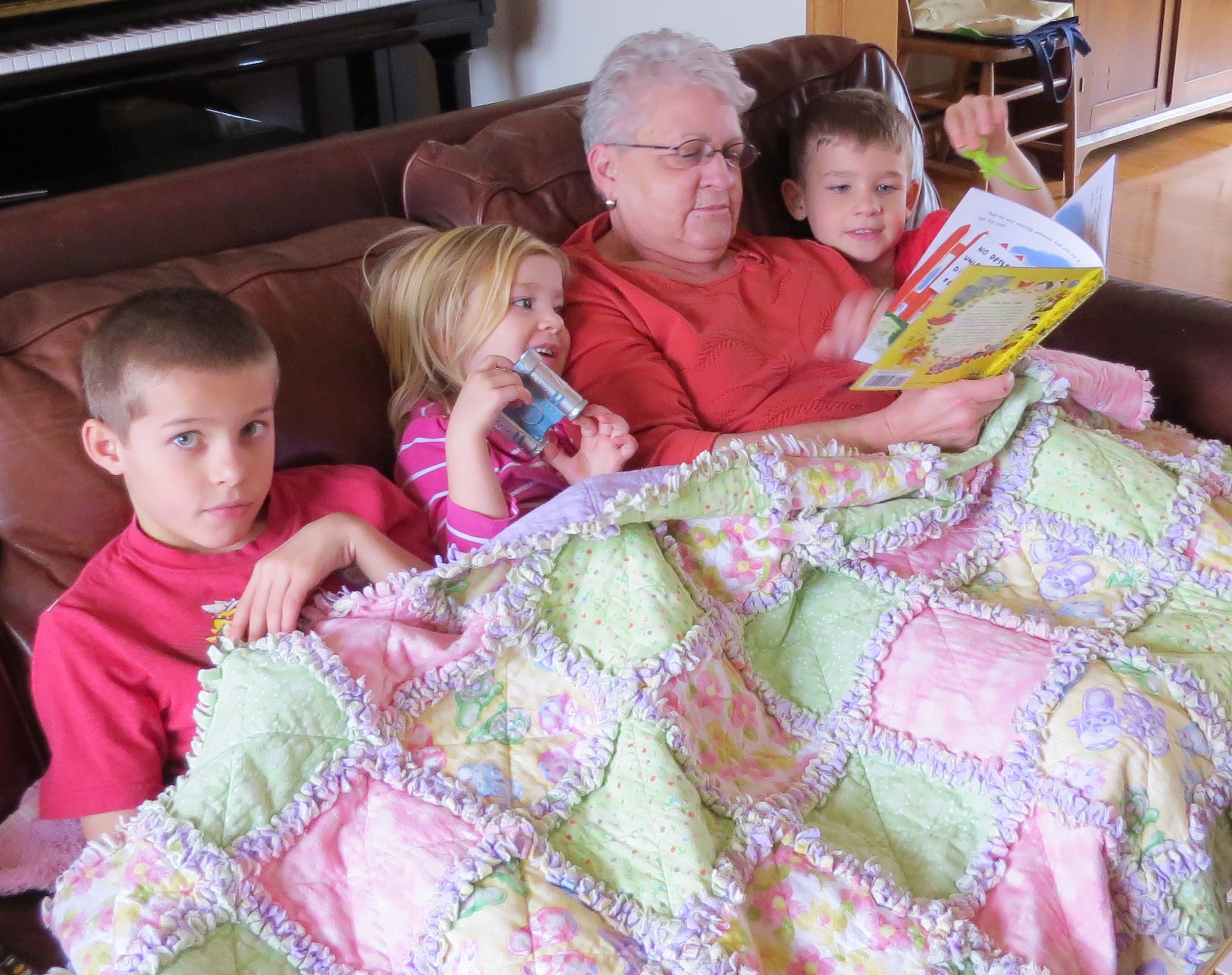
Our grandchildren snuggle under a blanket as Nana read a book to them on a cold winter’s night.
We raised two beautiful children, who each have an amazing spouse of their own. It’s a joy to watch them all blaze their trails through life, positively affecting others. Of course, we adore our three grandchildren as precious gifts, too.

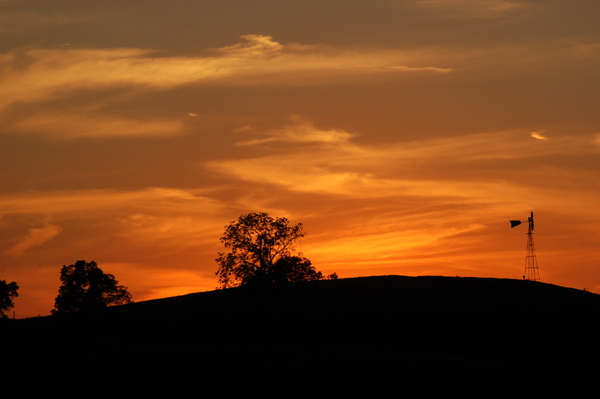
Our similarities and differences have balanced, renewed and enriched our lives, and have helped cement our marital friendship. Neva loves helping at the local thrift shop. I enjoy photographing sunsets. She quietly quilts or sews while I write.

augustsunsetbybrucestambaugh

The length and strength of our marriage can be attributed to our many common interests, and the recognition that we try to allow space for our own wants, wishes, talents and abilities. We complement one another, and we compliment one another.

babyquiltbybrucestambaugh
Neva made this baby quilt for our granddaughter.
After 42 years of marriage, Neva and I have reached a new phase in our relationship. We love being grandparents, and seize each opportunity to host, visit or vacation with the grandkids. Being mostly retired allows us to do that.

It also gives us pause to ponder how we have made it through the good and bad that life has thrown at us. All I can determine is that we have survived for two main reasons. We have many faithful friends and family members who have unwaveringly stood by us, and we have each other.

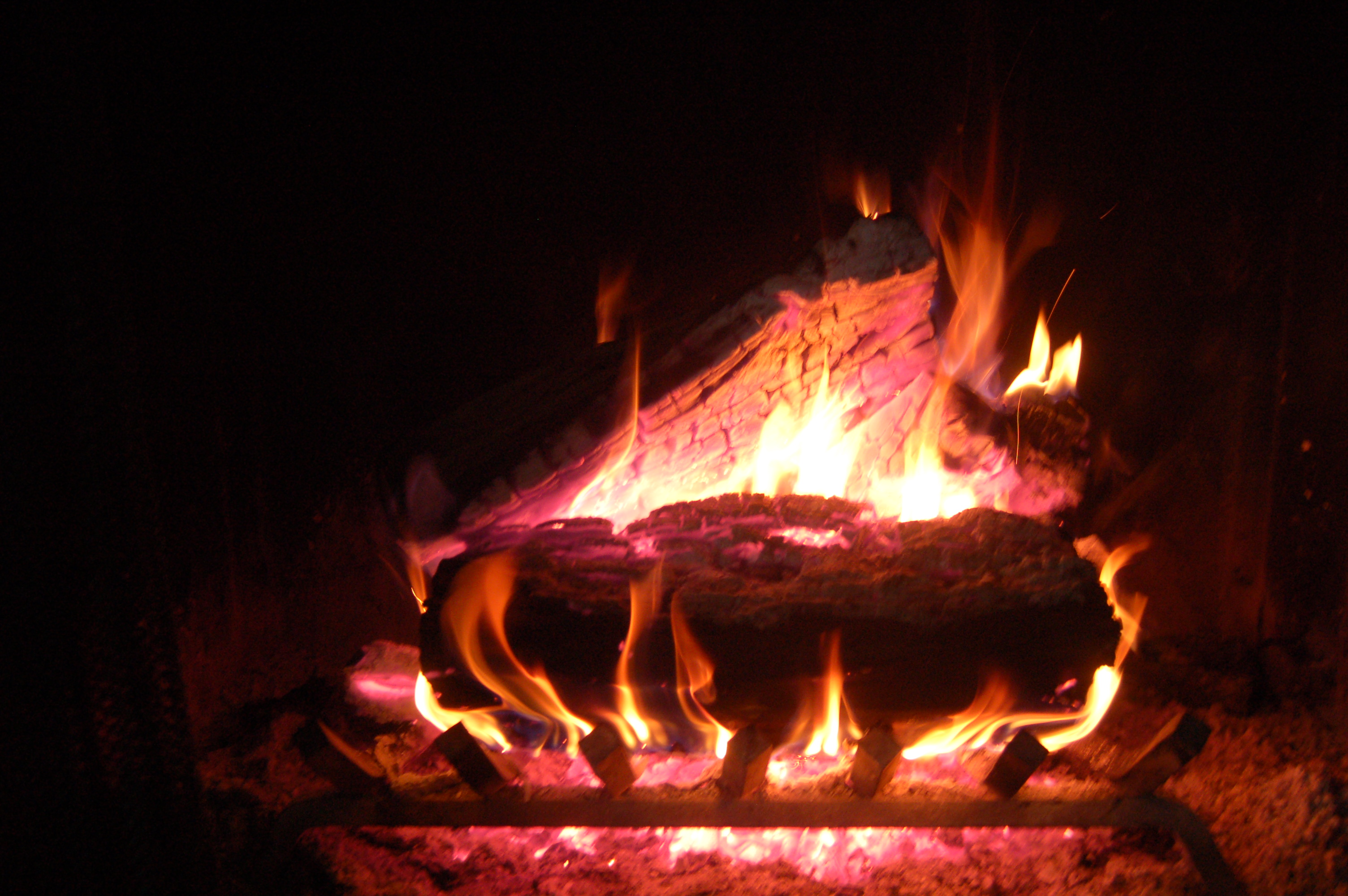
With a mesmerizing fire in the fireplace, a cup of coffee and some of Neva’s delicious homemade cookies, we spend many winter evenings together enjoying college basketball games on TV. It doesn’t take much to make us happy.

We are still close friends with our best man and his gregarious wife. But as I look back on our life together, it is obvious that Neva and I are more than wife and husband. We indeed are each other’s best friends.

roaringfirebybrucestambaugh
The fire still burns.

© Bruce Stambaugh 2013

Who knew being grandparents would be so much fun?

grandkidsbybrucestambaugh
Nana engaged our grandsons while our granddaughter entertained herself.

By Bruce Stambaugh

“Who knew it would be so much fun?” That was an email reply to me from a grandparent friend. Indeed, who knew?

Though we have always lived many miles apart, we have tried to be involved with our three grandchildren as much as time and distance allowed. First it was Texas, and now Virginia.

Our daughter, whose husband works for a university in Virginia’s lovely Shenandoah Valley, asked if we would care for her trio of children while they spent the school’s spring break in Florida. We didn’t hesitate. We rearranged our schedules and headed 350 miles southeast.

Like her mother, our daughter is extremely organized. She had the week’s agenda outlined day by day. Of course, life has a way of upsetting the best of plans.

littleshovelerbybrucestambaugh
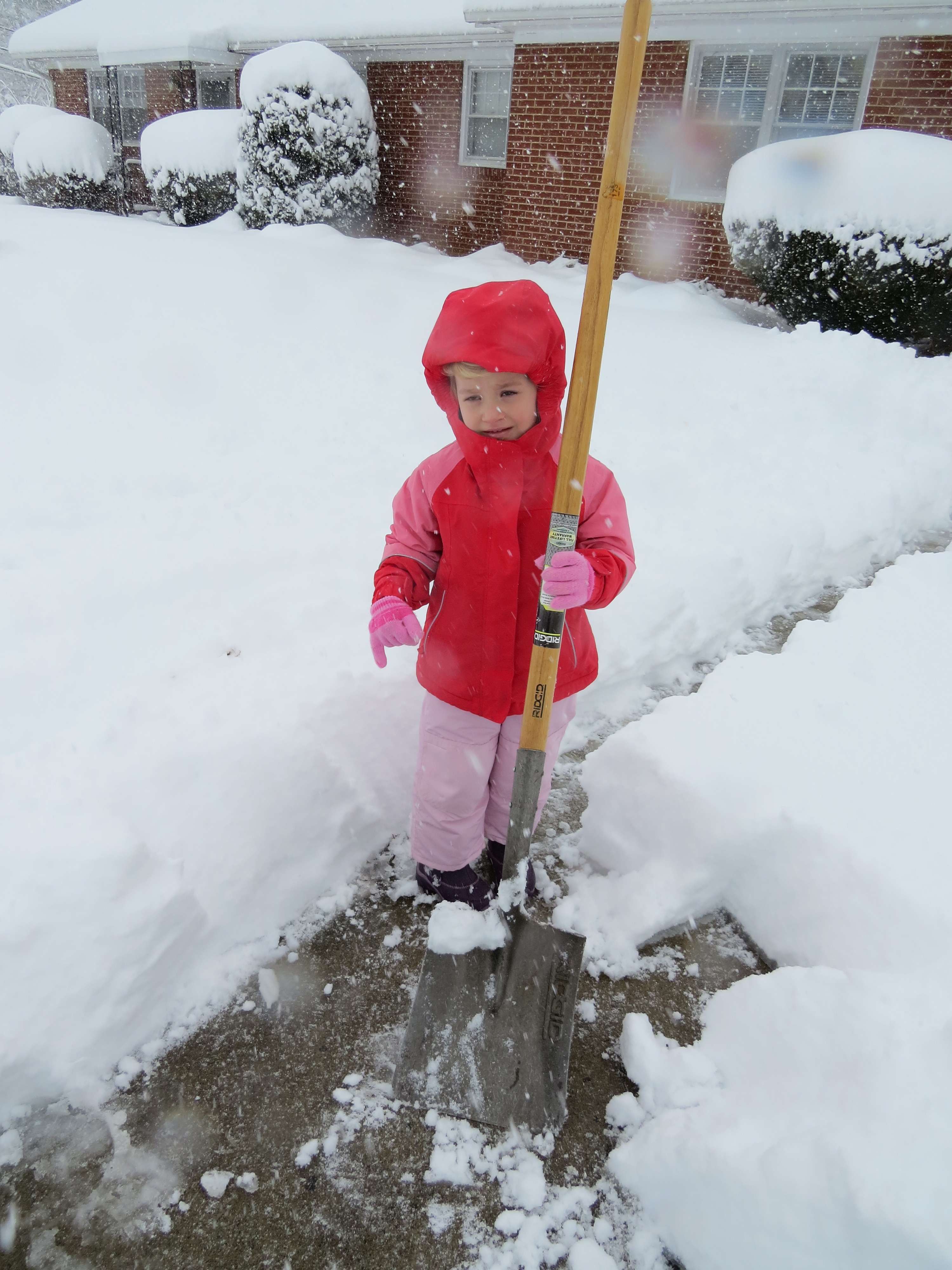
Even little Maren wanted to help shovel snow.
The upheaval began not long after our daughter and her husband headed south. During the night Davis, the six year old, got sick. Monday it was his big brother’s turn. At first we thought Evan just missed his parents. When the school called to say Evan was ill, we realized he wasn’t just being overly sensitive. The next night little sister, Maren, woke up sick, too.

With the weather cooler than norm for The Valley, we kept the woodstove stoked overnight. Once, though, the smoke detector suddenly screamed. The woodstove apparently was a little too stoked, its temperature needle reaching the danger zone.

multitaskingbybrucestambaugh
Garbage trucks were converted into snowplows to help clear the roadways.
Halfway through our weeklong mission a major winter storm stirred. Harrisonburg became the bull’s eye on the official snow accumulation chart. A total of 15 inches of heavy, wet snow piled up, cancelling school for two days, with a delay the third. Retrofitted garbage trucks morphed into snowplows to help clear the roads.

Fortunately, the sicknesses lessened as the snow depth increased. Sledding and snowman building became the focus of activity. Neighbors loaned slippery sleds that zoomed the bundled up kids down the steep hill behind their father’s office building. They were fearless in their swooshing, especially the youngest.

During down times between sledding excursions Maren kept us busy with her favorite activity, playing a memory card game. No matter how many pairs of cards we laid out, she skunked us all. To watch her consistently recall where the matching cards were, and hear her glee at winning was worth the licking Nana and I took.

We also made good use of the snowy elements. Nana whipped up a yummy batch of snow ice cream using nothing more than vanilla, heavy cream, sugar and snow.

hideandseekbybrucestambaugh
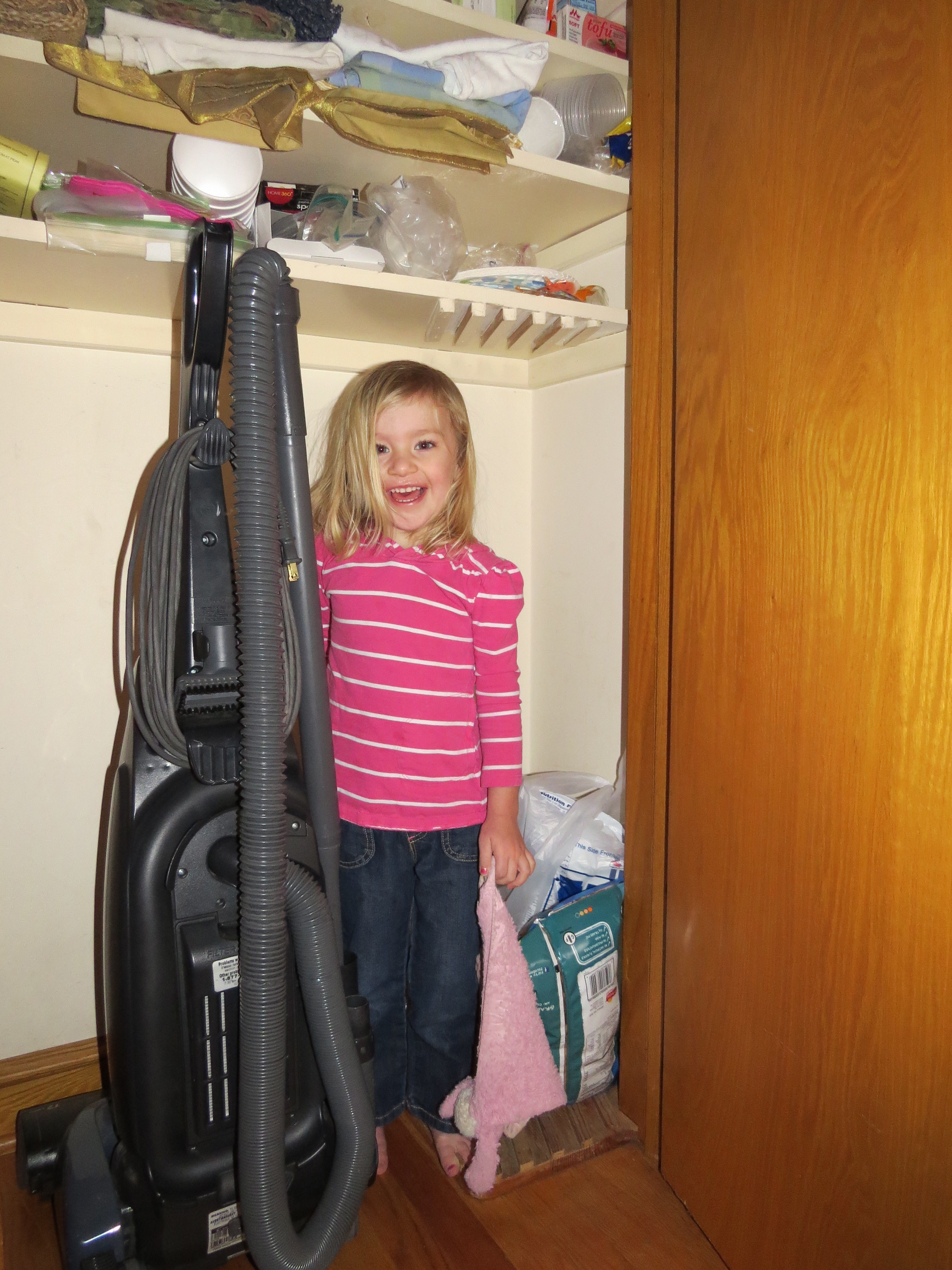
Maren found “hiding” behind the sweeper.
Maren kept us all entertained playing hide and seek her way. She would tell us where she was going to hide, and then insist we close our eyes and count to 10 before beginning the imaginative search.

Sweet Maren had to keep track of her folks, too. At least three times a day she followed the route her parents took from their home to Sarasota on a Google map I had created on my computer. After a while, I merely pointed the curser, and she recited the travel log.

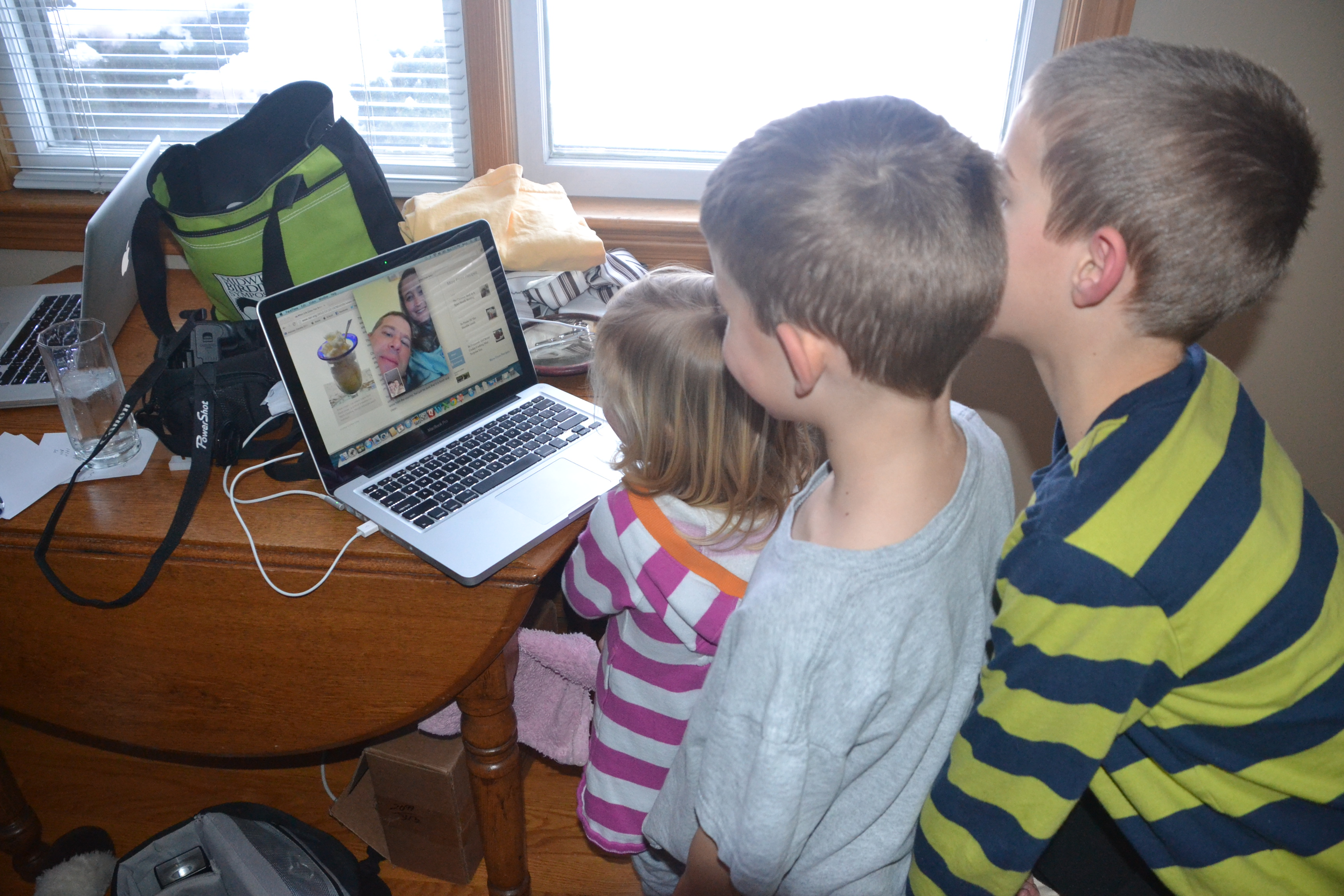
The grandkids enjoyed seeing their parents a few times via Face Time using Nana’s computer on our end and a smartphone in the Sunshine state. Those opportunities seemed to allay any apprehensions the grandkids had about their extended separation from

facetimebybrucestambaugh
Technology helped soothe the distance between the grandkids and their parents.
their loving parents.

For Nana and I, this was one more chance for quality time with our creative and energetic grandchildren. Who knew it would be so much fun?

© Bruce Stambaugh 2013

Bay Photos by Donna

Wildlife Photos From The Chesapeake Bay Region

ROAD TO NARA

Culture and Communities at the Heart Of India

K Hertzler Art

Artist and nature journalist in the Shenandoah Valley of Virginia.

Maria Vincent Robinson

Photographer Of Life and moments

Gabriele Romano

Personal Blog

Jennifer Murch

Art is the only way to run away without leaving home. -Twyla Tharp

Roadkill Crossing

Writing generated from the rural life

ANJOLI ROY

writer. teacher. podcast cohost.

Casa Alterna

El amor cruza fronteras / Love crosses borders