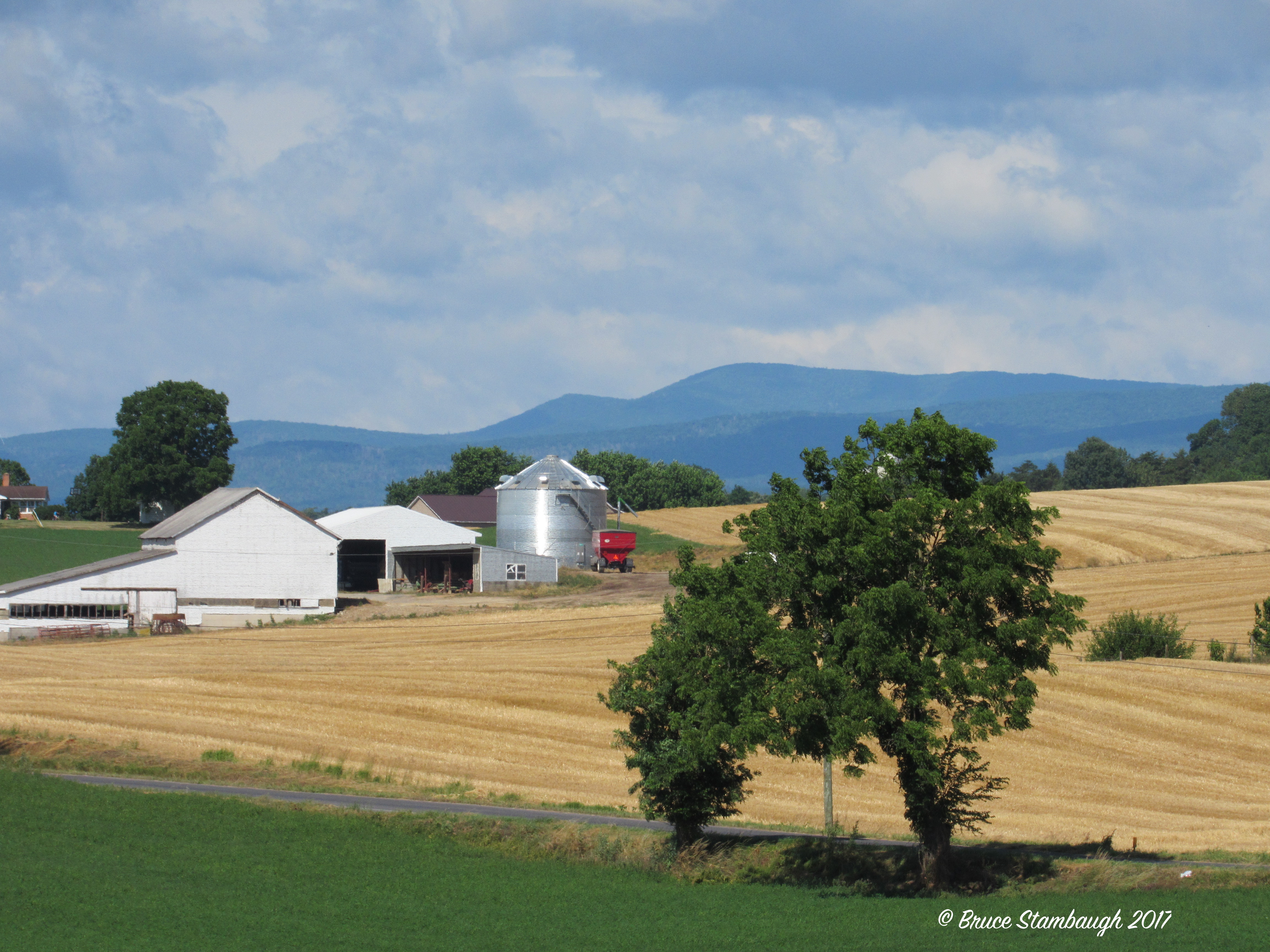
The mid-morning summer sun brightly illuminated
the freshly harvested grain fields.
Alternating light and dark strips of stubble
recorded the back-and-forth path
the huge combine took to do its deed.
The culprit, however, had already left the scene.
The only hint of any harvest machinery
was the bright red grain wagon resting
quietly by a squatty silver grain silo
that glistened in the warm sunshine.
The bold wagon’s fire engine red mocked the
lush greens of the alfalfa and the shade trees.
The sun showed off the barn and family
of outbuildings with equal zest.
A herd of fluffy cumulus clouds
floated shadows that danced upon the distant
mountain slopes dappling dark splotches
across the forest canopy and fertile farm fields.
Exhausted from hauling its multitude of heavy loads,
the grain wagon took no notice.
I’m not sure what took me so long to figure it out. It’s not like I hadn’t heard the concept before. I just never seriously applied the principle that less really is more.
When my wife and I became annual Florida snowbirds, we learned to live with a lot less than we did back home. Since we hunkered down in a condo on the Atlantic Ocean northeast of Jacksonville in January and February, we had to plan for four seasons of weather. Winter weather is uncertain at best that far north in Florida.
Cool morning, hot afternoon.
We shared just one closet smaller than each of our own clothes closets at home. That meant taking fewer clothes to Florida, combinations that could be layered. If it was chilly in the morning and we were going out for the day, we dressed warmly in outer coats, jackets, or sweaters, shedding layers as the day warmed.
With less selection, we just got dressed for the occasion, whether it was for church, dinner out, a walk on the beach or a photo outing. Sometimes we did a combination of activities.
Clothes weren’t the only items that were less in volume than we were used to. We lived in a much smaller space and with far fewer “things.” We had less furniture, fewer dishes, cookware, and almost no storage space. And yet we always had an enjoyable time. There was a lesson to be learned there.
When we purchased a house in Virginia that was substantially smaller than the house we had lived in for nearly four decades, we had important decisions to make. We had to evaluate and prioritize everything we owned. Would we need it in Virginia? Where would we put it? We truly had to downsize. We took our time, but we started early.
We sorted mementos from our school careers. Photos, drawings, grade books, and old textbooks were tossed, given away, or donated to thrift stores. Family heirlooms were distributed to any takers. We said goodbye to travel souvenirs, photos, tools, quilts, chainsaw, and camera gear, even bird feeders.
Besides finding homes for valued family and personal items, we held a garage sale and donated items to Save and Serve Thrift Store in Millersburg, Ohio. Because we spread out this process over several months, we were able to sleep at night.
Springtime in Ohio’s Amish country.
By moving from the place where Neva and I spent the best years of our lives, we gave up everything. The familiarities that became so routine, the incredible sunrises and sunsets, the friends, neighbors, family members. We miss all of them, all of that.
Making old new again.In a way, it was like starting over. Sure, we knew folks in our new setting, we knew places, but it wasn’t the same. By doing so though, we realize we have gained by living with less. We actually have more. The real benefit of living with less is that it has brought us more joy.
As we enter our retirement years, it feels good to have de-cluttered our lives. We feel alive in finding new adventures, making new friends, renewing old friendships, exploring new places, seeing new sunrises and sunsets from new locales, on new farms, and from cityscapes.
For us, less has become more. We have shed ourselves of the excess, and strive to enjoy each moment, each day, each person we encounter, whether at the hardware store, grocery store or serving at the local food pantry.
Downsizing has enriched our lives. We are ever so thankful to heartily say that less truly is more.
Empathy and compassion are two admirable human qualities that seem to be in short supply in today’s politically polarized world. Each one of us can change that tone if we try.
As the Independence Day holiday approaches each year, I reread the Declaration of Independence and the U.S. Constitution. This time I mainly focused on the First Amendment. Here’s what it says.
“Congress shall make no law respecting an establishment of religion, or prohibiting the free exercise thereof; or abridging the freedom of speech, or of the press; or the right of the people peaceably to assemble, and to petition the government for a redress of grievances.”
When written, the freedoms of religion, speech, assembly, and petition were paramount to the effectiveness of not only the Constitution but to the life of the young Republic itself. That is why they are listed first.
In that straightforward paragraph is the recipe for freedom for the country’s population without hindrance from the government, as the founders and the people they represented had personally endured. They remembered too well the frustration of pleasing a king and conforming to a state-endorsed religion. Here, all were, are, and should be free to practice their religion or no religion, speak openly, gather freely, and petition their leaders unhindered by any authorities.
I see more than several sacred freedoms listed in these hallowed and cherished documents. I detect both empathy and compassion intentionally interwoven into the tapestry of documents that formed our great country.
Empathy is a teachable tool for compassion. If I am to be tolerant of others despite obvious differences, I have to listen to what their priorities, requests, and suggestions are. In that manner, I learn to be empathetic towards others no matter how I personally feel about the issue.
Mind you, I’m no expert on American history, the Constitution, or even empathy and compassion for that matter. I’m sharing from the viewpoint of my own personal experiences, both in receiving and giving of those two admirable traits. No more. No less.
Our national emblem.
The Founding Fathers knew that this budding nation needed structure so that all who entered its borders would be treated equally. That concept wasn’t entirely accurate when the Constitution was written. Permitting slavery was an obvious exception. That’s why we have amendments, to change with the times, and like it or not, the times always bring change. Witness the 13th Amendment abolishing slavery after the Civil War.
The Founding Fathers devised our government with three separate but equal branches. The President and his appointees comprise the Executive Branch. Congress is the Legislative or law-making division. The Supreme Court is the third element of the federal government, the Judicial Branch.
What path will we take?
None of the three branches has any more power over the other two branches of government. Historically, their influences tip, like a farmer milking on a three-legged stool. But when the job is finished, the stool returns to balance. That is by design.
As our country and its citizenry again approach this Fourth of July holiday in celebration of being a free democratic republic, we have important questions to answer. Can we, will we honor the wishes of our Founding Fathers by actively and intentionally living out the ideal they created? Can we be compassionate and empathetic to all persons we meet?
How we express our freedoms individually will shape the path and tenor collectively that this great nation takes. The question at hand today is this: Will compassion and empathy continue to be the thread that connects these precious First Amendment rights?
Summertime. That luscious word rolls off my tongue just as smoothly as butter melting on a steaming ear of sweet corn.
Officially, summer only recently arrived. The summer solstice just slipped by, technically ushering in the season we’ve already been enjoying. In other words, the citizens of the Northern Hemisphere have entered the sacred stretch of long days and slow sunsets.
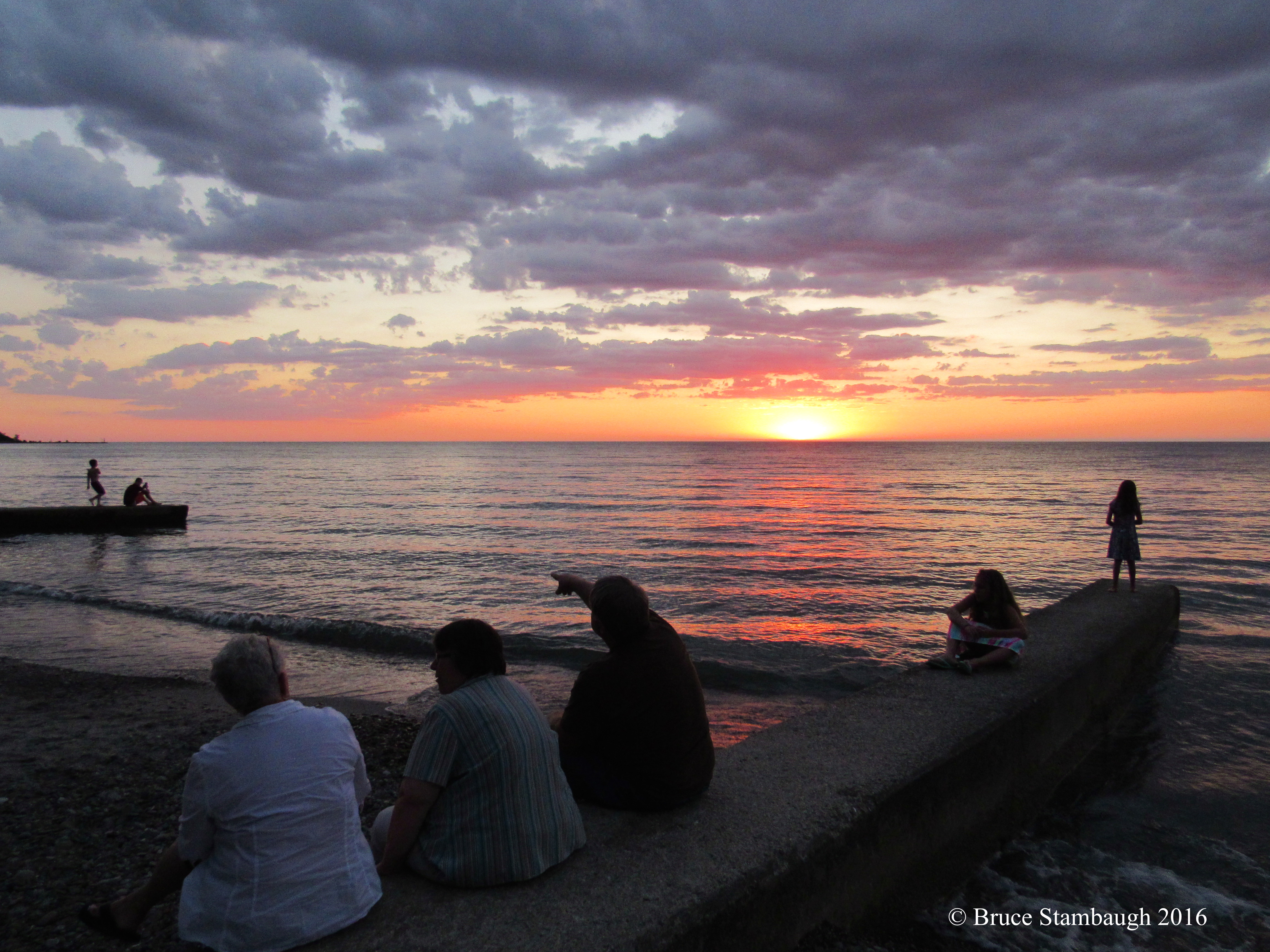
Fun by the lake.The sunsets really do linger longer than those occurring in other months of the year. Around the solstices, the farther the sun sets from due west, the shallower the angle of the setting sun. We reap the positive consequences with slower, magically glowing sunsets. How much longer? A full, beautiful minute. The same is true at December’s solstice.
That extra minute of bliss is but one of the bonuses of summer. There are plenty of others.
School children have been celebrating summer’s arrival for days. Consequently, lifeguards at swimming pools have already worn out their pool whistles. Lawn mowing, weeding, and gardening are old hat to dedicated growers. The outdoor supply inventories at big box stores and local nurseries alike have dwindled, causing latecomers to scrounge elsewhere or wait until next year.
This slideshow requires JavaScript.
Big round bales, the regular rectangular ones, and even haymows prove first cutting successes. Row upon row of field corn stalks desperately tries to catch up to their sweet corn cousins. Tomato plants are simultaneously blooming and showing their first fruits in various shades of green, yellow, pink, and red.
Summer baseball, softball, and golf leagues have long been underway. Seasonal resorts are booming, welcoming newcomers and veterans alike. Multi-generations crowd miniature golf courses to enjoy the sunny days and exotic, extended evenings.
Is it just me or have the backyard bunnies multiplied exponentially this year? They’re everywhere in all sizes. I’ll let you explain that to the kids. Baby birds have long fledged, leaving the nest to begin life on their own. Several species are in the process of constructing their second nests.
It didn’t take me long to fully appreciate the shade produced by a fulsome crown of established maples in our Virginia yard. Either it’s hotter here, or the shade is thicker and cooler. Either way, I’m glad for the fully leafed trees.
Scorpionfly on raspberries.Lightning bugs by the billions light up lawns and fields and forests alike. It’s one of the treasures of summer to watch those signals flash while sipping the waning day’s last glass of iced tea. I’ll take decaf, please.
Folks who make their living outdoors, of course, love the summer weather. Road construction workers, farmers, carpenters, excavators, surveyors, delivery personnel, mail carriers, tree trimmers, garbage collectors, and landscapers bask in the sunshine. A rainy day or two gives them a break from the non-stop outside work that beckons to be completed before the fair days falter.
In the meantime, we all reap the benefits of those hazy, crazy days of summer. Fresh bouquets don our dinner tables, along with fresh fruit and vegetables. Shoot. There’s freshness all around.
Spaced somewhere in between all of these pleasantries are family vacations. Some go north to fish. Some go south to visit Minnie and Mickey. Others stand at the rim of the Grand Canyon and just gape.
Scientists, astronomers, and amateur sky gazers may mark these longest days of the year in mere minutes. But the rest of us know better. We count our blessings in buckets of laughter, bushels of berries, and baskets of blooms.
Summertime is here. Let’s enjoy these long days and slow sunsets while we can.
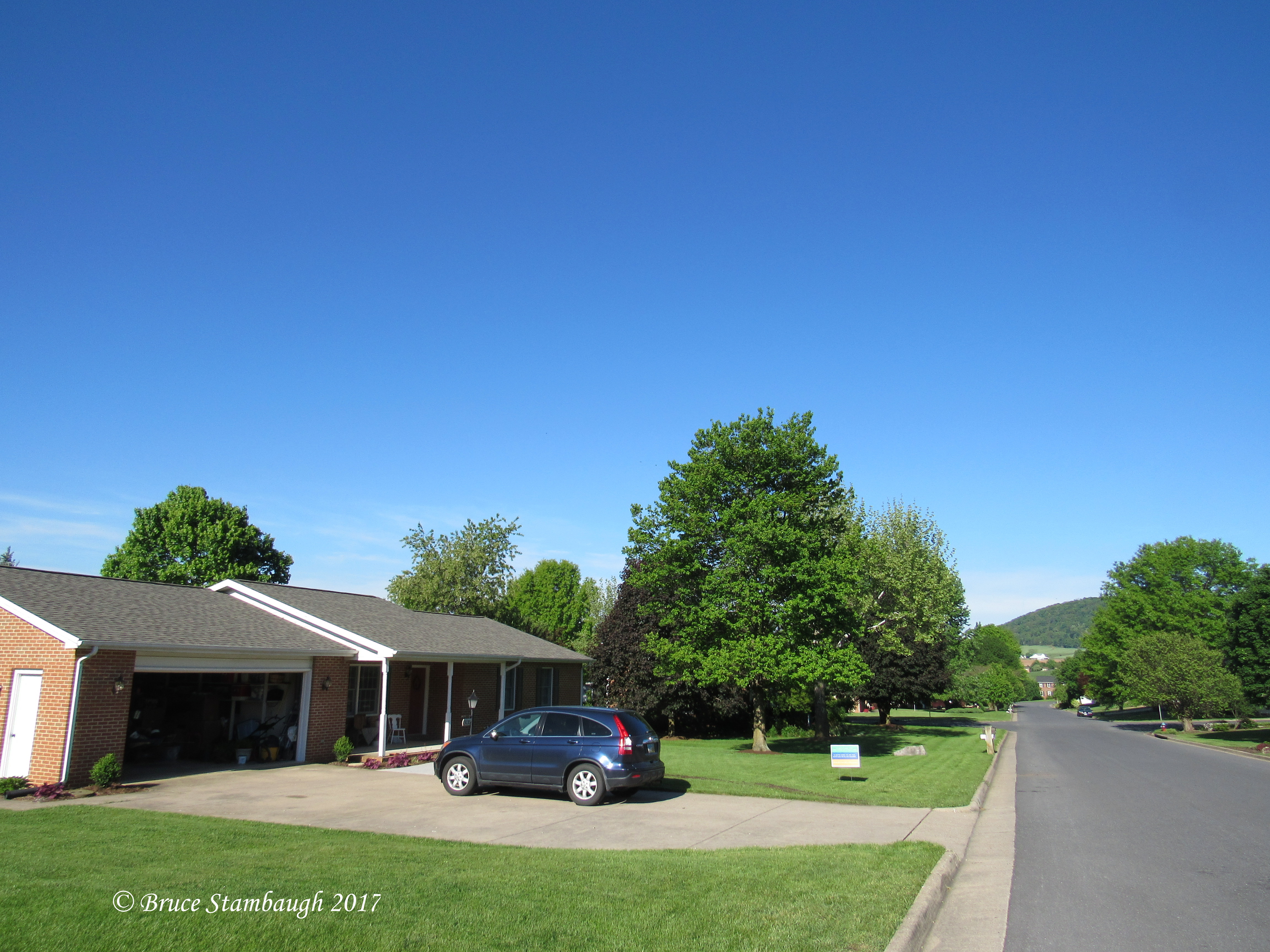
It’s been a little more than a month since we moved from our beloved home in beautiful Holmes County, Ohio to our new place of residence in Virginia’s lovely Shenandoah Valley. We knew there would be similarities. We just didn’t know they would abound.
We learned to know the area long before we moved. Our daughter attended college at Eastern Mennonite University in Harrisonburg. She met her husband there. Now the school employs both of them, Carrie as a coach and Daryl as part of the administrative team.
In the few weeks that we’ve lived here, we have learned first-hand just how similar Holmes County is to Rockingham County. Those likenesses transcend the beauty of each locale.
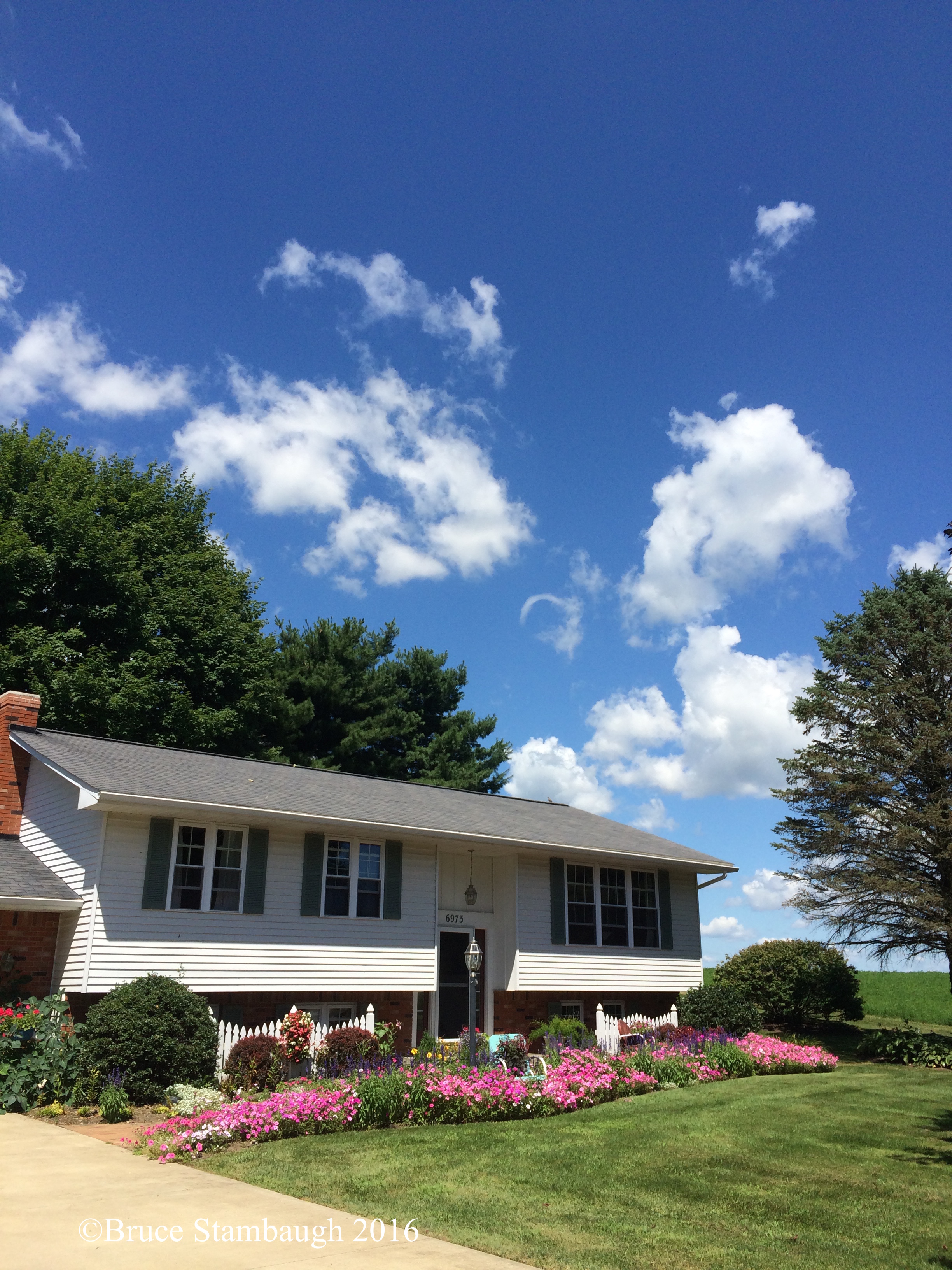
The old place.Both have wooded rolling hills. Numerous creeks snake through luscious, productive farmland. Not surprisingly, the same staple crops are grown here, which makes sense since we are in the same growing zone. Field corn, alfalfa, wheat, oats, and soybeans create a patchwork of verdant colors. Produce stands dot the countryside here, too.
Livestock includes dairy cows and beef cattle, pigs, sheep, and goats. Long, silver poultry houses can be found high and low across the rural areas of Rockingham County. In Holmes County, they’re mostly white. My guess is that turkeys far outnumber humans in The Valley given the number of those barns I’ve seen. Agriculture is a major economic force for both locations.
Consequently, every now and then when the wind is right we get an acrid whiff that reminds us of home. However, we don’t need a breeze to inform us when the barns have been cleaned.
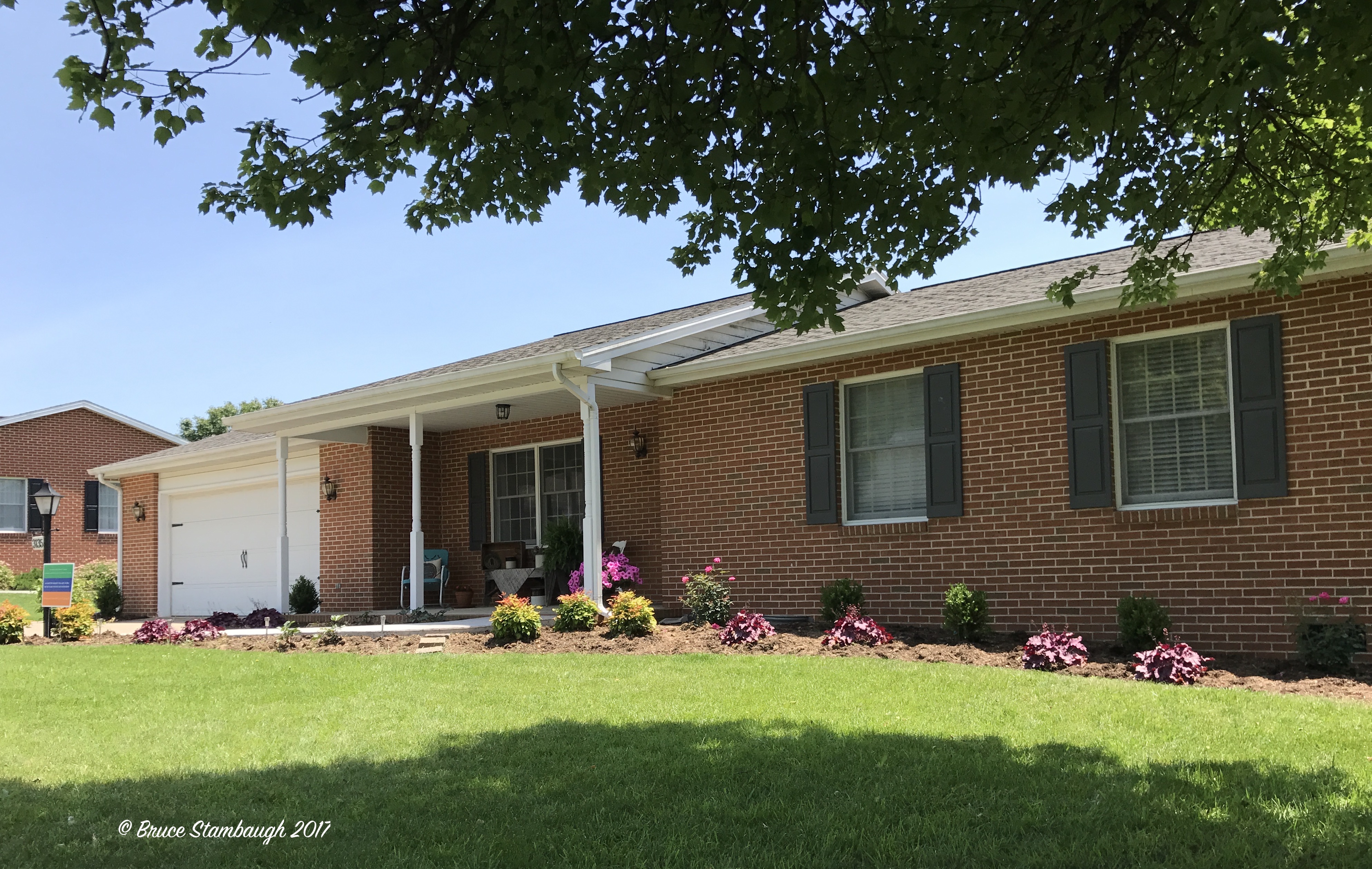
Just like in Ohio, our house is built on what was once farmland. Only instead of a few neighbors, we have many. We are one of nearly 500 households in our development. Mature trees and manicured lawns predominate around well-maintained homes. People take pride in their property here with equal zest.
Our new place.In Ohio, airliners sailed regularly over our home on final approach to Akron-Canton Regional Airport. In Harrisonburg, we have the same effect only more frequently. Jets fly overhead, only higher, on approach to Dulles International Airport.
Unlike our old home, all of the utilities in our housing development are buried underground. There are no streetlights, though. On a clear night, we can actually see the stars better here than we could at our former home.
There are other obvious differences of course. Rockingham County is twice the size of Holmes County in both square miles and population. The boundaries of Rockingham County boast the Allegheny Mountains on the west and the Blue Ridge Mountains to the east.
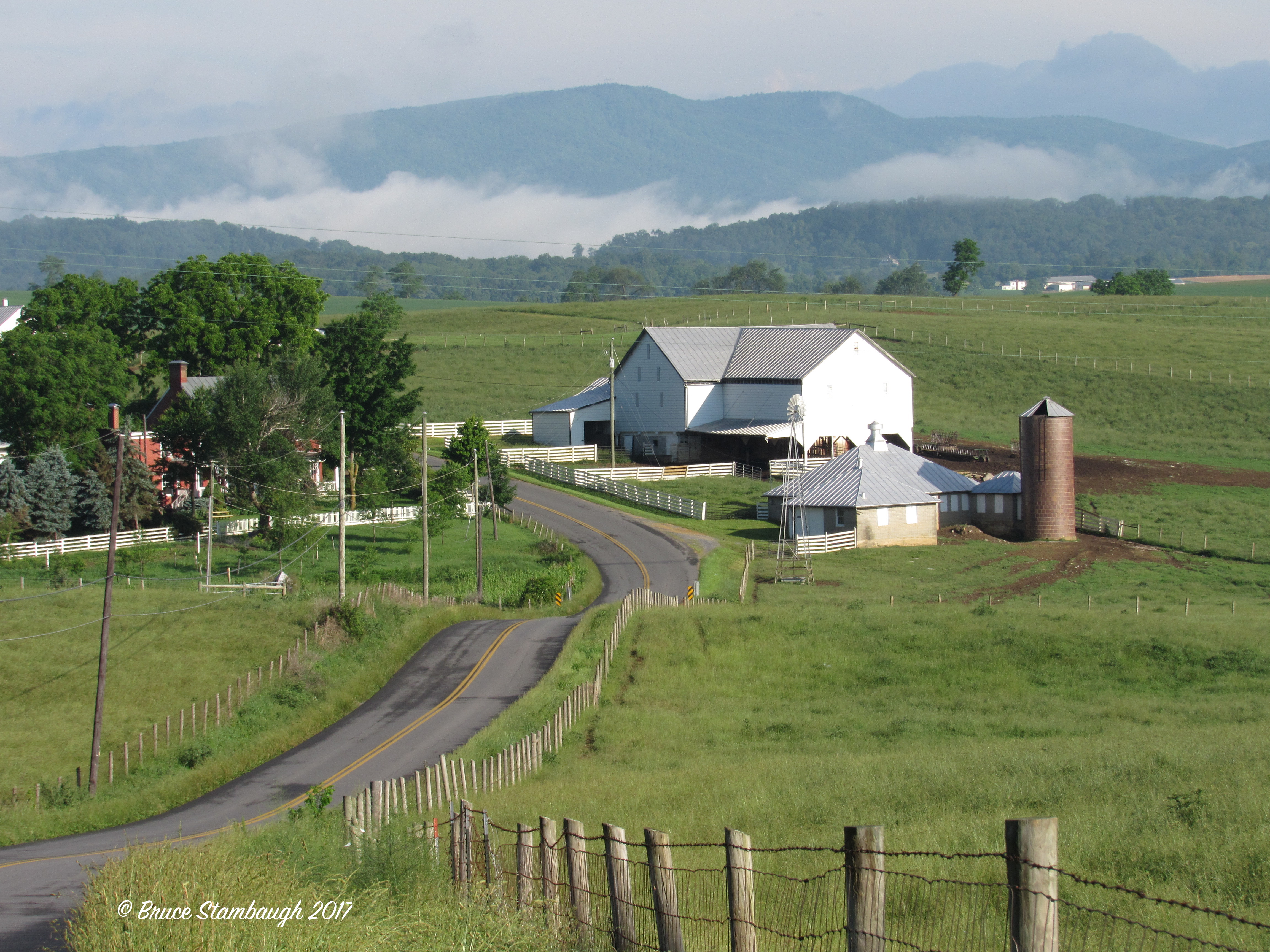
Massanutten Mountain.The Massanutten range runs north to south through the center of the county, stopping east of Harrisonburg. It should be noted that the hills of Holmes County are actually the western foothills of the Allegheny Mountains. So we are literally geologically connected.
Once outside the city, the roads of Rockingham County are as narrow, windy, and hilly as those of Holmes County. With Old Order Mennonites thriving in the fertile valley, horse and buggies are nearly as common as in Holmes County.
The culture, local mores, and values are similar as well. Our neighbors exemplify that daily with their friendliness.
Purchasing our home here foretold the familiarity. At the bank, we got our house loan from Julie Yoder. Emily Miller led the house closing. Jayne Schlabach was our realtor. There’s even a Joe Bowman car dealership. In Holmes County, he’d likely be selling buggies.
Just like home, we have the same cell phone carrier with the same quality reception. I have to go to the front porch so you can “hear me now.”
No need to feel sorry for us. We feel right at home in Virginia.
I sat on our screened-in back porch eating a light lunch with my wife and our granddog, Millie. Neva and I were dog sitting while our daughter and her family were away for the weekend. The dog duty was in the fine print of our moving contract.
As I nibbled at the delicious egg salad Neva had prepared, a mockingbird called from the crest of a roof three houses away. Not to be outdone, a northern cardinal sang its springtime repertoire from a neighbor’s lilac bush.
As I picked at my lunch offerings, I thought about a comment I had heard a couple of hours earlier. “It’s been a long week,” the man said. That caught my attention.
Anticipating a bit of bad news or perhaps a string of events that bore him negative consequences, he instead spoke far beyond himself and his own life experiences. He mentioned those in the world who lacked basic human needs, food, shelter, water, love. Every week is a long week for them.
I marveled at his keen sense of compassion, his devotion to looking and living outside his own situation, his own desires, his own problems no matter how big or small. Instead, his concern was for those in dire straits. His urging was to be observant, considerate, and helpful to those we meet in our daily comings and goings.
That hit home for me. Here we were, only a month in our new home, still trying to establish some semblance of a new routine in our new state.
Not surprisingly, Neva was ahead of me in that regard. She had already begun to volunteer once a week at a local thrift store doing what she loves. Helping others regardless of their station in life or their background or their creed is in her DNA. She had also already helped pack groceries at a local food pantry.
I’ve been slower to engage in such activities. After spending my entire adult life in the public eye one way or another, I wanted my new routine to be more personal, more private. I want my actions to continue to be purposeful, useful, and productive for others in this new life we have chosen for ourselves.
Granddaughter on the move.Participating in the lives of our active grandchildren and their parents tops our lists. We’ve already begun to do that, Millie being Exhibit A.
My intentions are to cultivate the activities that I love besides my family of course. I’ll find some birding buddies. I’ll go hiking and biking. I have books to write and photographs to publish. But as the man mentioned, I needed to reach beyond myself, too.
I’ll have plenty of opportunities with three universities nearby, the community’s focus on arts, the multi-cultural demographics, and the rich historical and natural geographical features the Shenandoah Valley offers.
But as I sat on our porch with Neva and Millie, lazily eating, listening, pondering, I considered those in the world who have long weeks every week. I need to incorporate the lame, the lost, the least into my newly unfolding routine as well.
I’m not exactly sure how that will play out. I just want to step outside my comfort zone, my familiarities. It seems the right thing to do, especially given the horrors in today’s complex and interconnected world.
I’ll begin by meeting people right where they are. Spontaneous or planned, it must be done. Perhaps then their week and mine will feel a little shorter than their previous one.
When I saw this man setting up his flag for Memorial Day, I stopped and asked to take his photo. He gladly obliged.
The assignment was to write about an object of our choosing located in this sterile college classroom. Typical for a writing workshop, the prompt was designed to get the participants to use sensory descriptors to illustrate the object.
I chose the pencil sharpener affixed to the wall by the only doorway in this institutional setting. The sharpener stood out for me because it seemed so out of place in this 21st century technologically driven global society of ours.
An old pencil sharpener.I wondered what in the world an old-fashioned pencil sharpener was doing in this classroom in 2017? Did anyone even use pencils anymore? I thought college students recorded everything on smartphones, iPads and laptop computers.
The answer to my silent wondering became evident as I scanned this bland environment. Everything in this classroom screamed 1977.
Boring blue-gray paint covered the cement block walls on three sides. Strange, random circular insets pockmarked the poured cement west wall. Front and back white boards with telltale scribbling from previous lessons served as classroom bookends. Parallel rows of the old-style fluorescent lights emitted a familiar faint buzzing sound. The textured tile of the suspended ceiling held the lights captive. The well-worn Formica tabletops told their age. I wiggled in the uncomfortable hard plastic molded seats riveted to shiny steel supports that were the student chairs.
My eyes kept returning to the pencil sharpener. It engaged my mind, generating pleasant, personal flashbacks to my teaching days now long past. Nostalgia washed over me as I studied the sharpener and rapidly scrawled my notes. I pictured my classroom setting.
Keen, evocative thoughts flooded my brain bringing a smile to my face. This pencil sharpener was situated exactly where all of the others in my elementary classrooms had been, right by the door and hung conveniently above a wastebasket.
The sights, sounds, smell, and textures associated with sharpening a pencil mentally filled my senses. I fixated on the circular dial with holes on the sharpener’s face. It accommodated various pencil sizes, the bulbous container that held the shavings, and the crank handle. The sharpener possessed me.
Where I was principal for 21 years.
To keep the custodian happy, I often emptied the pencil sharpeners of their spent contents myself. Students occasionally managed to somehow miss the wastebasket, spilling the shredded pencil shavings and pulverized lead and graphite residue onto the floor.
The pencil sharpener was the office water cooler of the elementary classroom. If a line formed, I instinctively knew students had more than pencil sharpening in mind.
Some students made a game out of it. They would stand quietly and crank the sharpener’s handle, grinding the poor pencil to a pulp.
Despite my obsession, the sharpener’s reservoir often overflowed its ground up contents. The intermingled woody, metallic scent of the shavings invigorated my senses. That pungent freshness helped compromise the curious blend of 30 human body odors. I’ll let your imagination fill in the details.
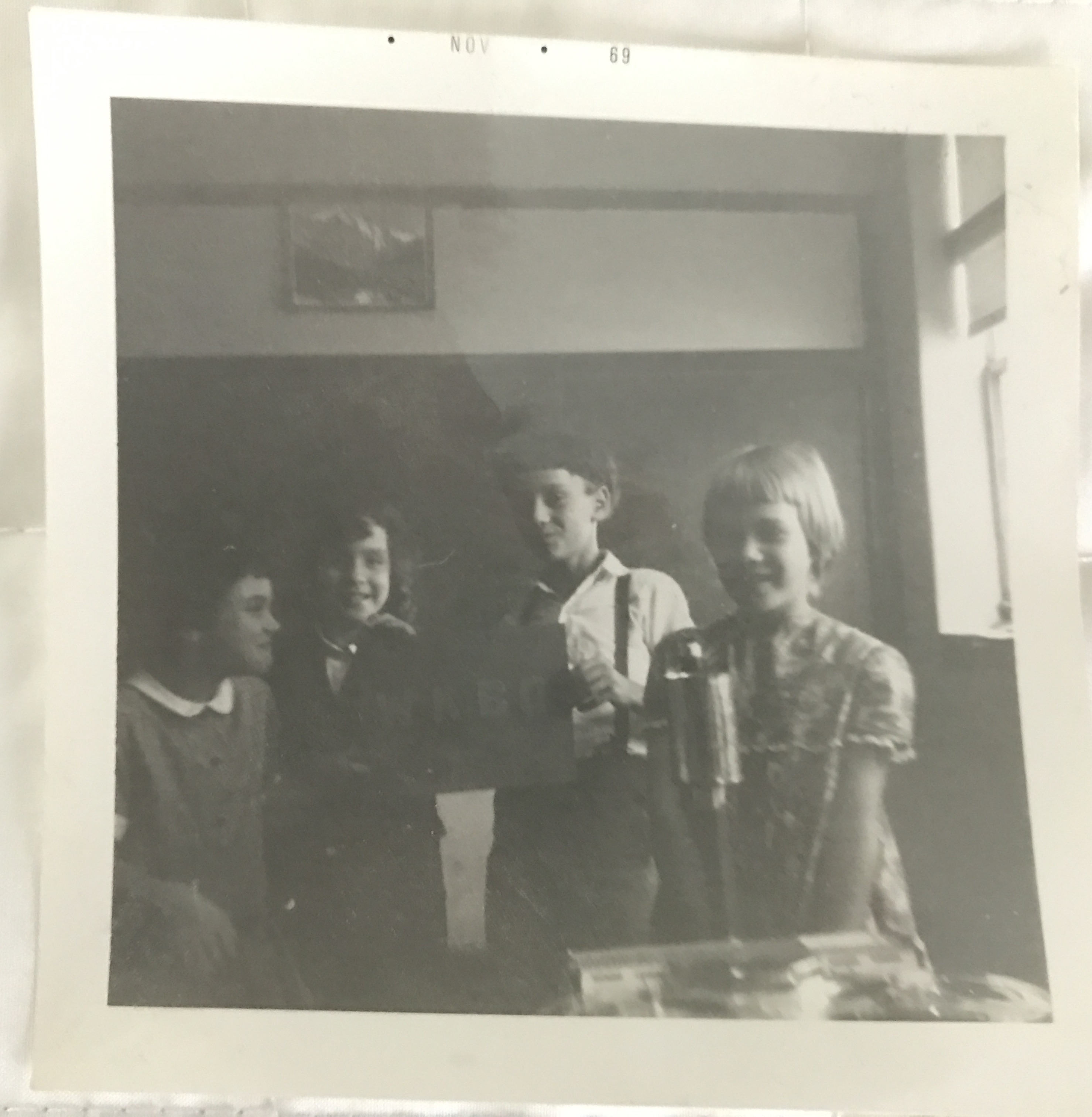
Some of my first students.With the students studying at their desks, I quietly emptied the sharpener’s mutilated remains into the wastebasket with several quick shakes back-and-forth to ensure all the grindings found their mark. I replaced the sharpener’s rounded case with a metal-against-metal clink and returned to my instructional duties.
I was both surprised and elated by how this unique, unsophisticated classroom mechanism had spawned such poignant recollections for me. This writing assignment triggered treasures long forgotten, aromas and delightful textures resurrected from my 30-year career as a public school educator.
I wouldn’t trade them for anything, not even an electric pencil sharpener.
Moving is said to be one of life’s most stressful events. It hasn’t turned out to be that way for my wife and me. Taking a year and a half to make the transition from Ohio to Virginia likely took some of the pressure off of us. We are so glad we took our time.
We love everything about our new home, our new setting, and our situation so far. Please don’t misunderstand. It wasn’t easy leaving home, community, church, relatives, and friends that we were so attached to for all of our adult lives. Tears were shed to be sure.
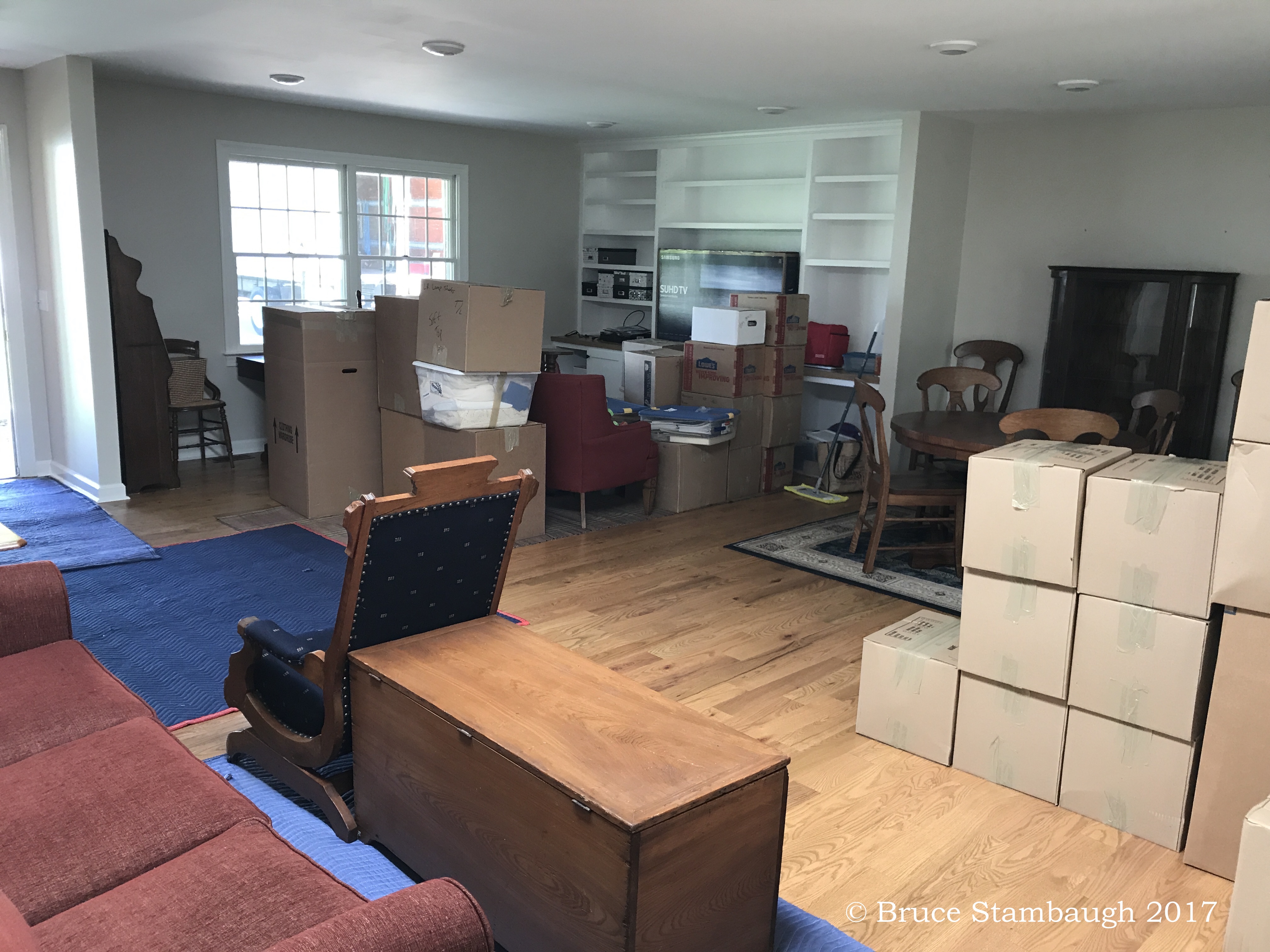
For now, Neva and I have been busy arranging our new household inside and out. It’s been both a chore and a joy. Others who had experience moving advised us to take our time.
Moving in.Sort one box at a time they said. And for the most part, that’s about the pace we have gone. Our expert movers helped make that happen by carrying and setting up all of the weighty and cumbersome furniture.
Our daughter’s family visited us a lot, helping us to unpack and put things away. Our IT son-in-law got us up and running with the internet, email, and the new smart TV he so kindly purchased for us with our money of course. I’m sure he’ll be over often to ensure that it’s working.
Most of our close neighbors introduced themselves, too. They all are as friendly as can be. One even brought homemade rolls and the best strawberry jam I ever tasted. That alone almost made the move worthwhile.
Of course, we moved to be near our grandchildren. Besides visiting us several times already, we’ve jumped right into their activities, too, sometimes simultaneously. Like when we attended our granddaughter’s violin recital. Her big brother was playing baseball two hours away. We covertly watched the action in animation on a smartphone.
We arrived in time to help our daughter celebrate another birthday. That’s something we haven’t had a chance to do in a long, long time.
We kept the unpacked boxes in the garage so as not to clutter the house. And did I mention that we love our downsized, one-story retirement home? We do, very much.
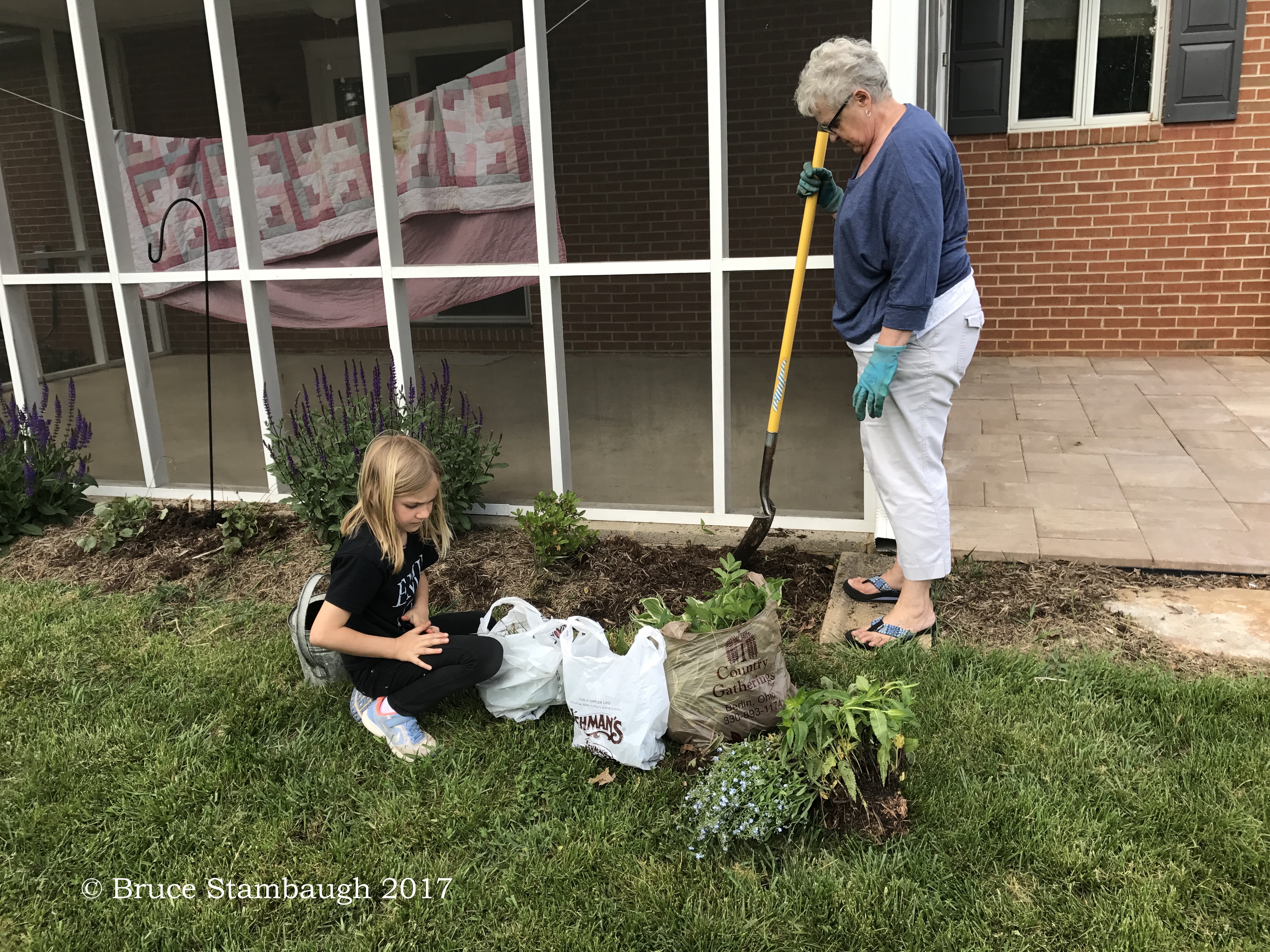
Help with transplanting.In fact, neither Neva nor I can stop smiling we are so pleased with how everything seems to be fitting into place. We rightly purged our belongings before we left. We are also glad we made the physical changes to our place that we did. It’s still a work in progress, especially the landscaping.
Most importantly, our new house feels like home. I didn’t think I would say that this soon after the move. But I did, and it does.
The day after we moved in we took a break to attend a May Day event at the elementary school where the two younger grandkids are students. It was a fun time even if it was a bit chilly.
Our creative daughter helped arrange a design for our new landscaping. We had the old, overgrown shrubs pulled for more palatable, harmonious plants. Spring rains made them easier to plant in the thick, sticky Virginia clay they call topsoil.
After the house was nearly put together, I set up my bird feeders. It didn’t take long for the usual suspects to find the free food. Rose-breasted Grosbeaks, Northern Cardinals, House Finches, Mourning Doves, and the ubiquitous House Sparrows are some of the species so far.
Our feathered friends appear to be settling in much the way we are. It’s good to be at home this far away from home.
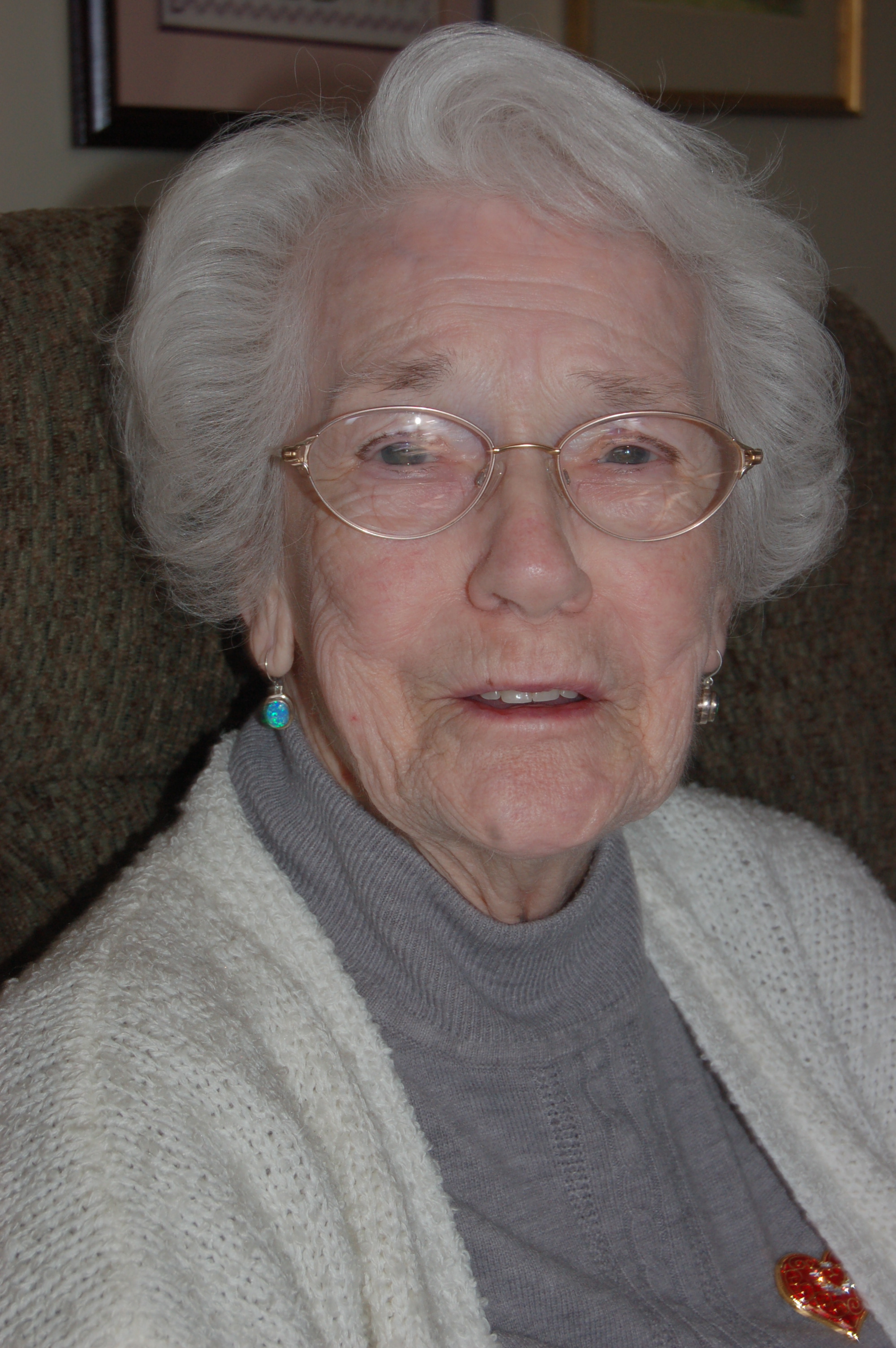
My late mother was very creative. She expressed it so many ways in the long life that she led. She did so through her versatility as a woman, a wife, a mother, a sister, an aunt, a daughter, and an artist.
When Mom died five years ago, Alzheimer’s disease had removed her far from the woman I remember as a youngster and as an adult son. Her eyes no longer had that sparkle of awareness of the beauty she had seen in everyday life, the joy she recreated in her vibrant landscape and still life paintings.
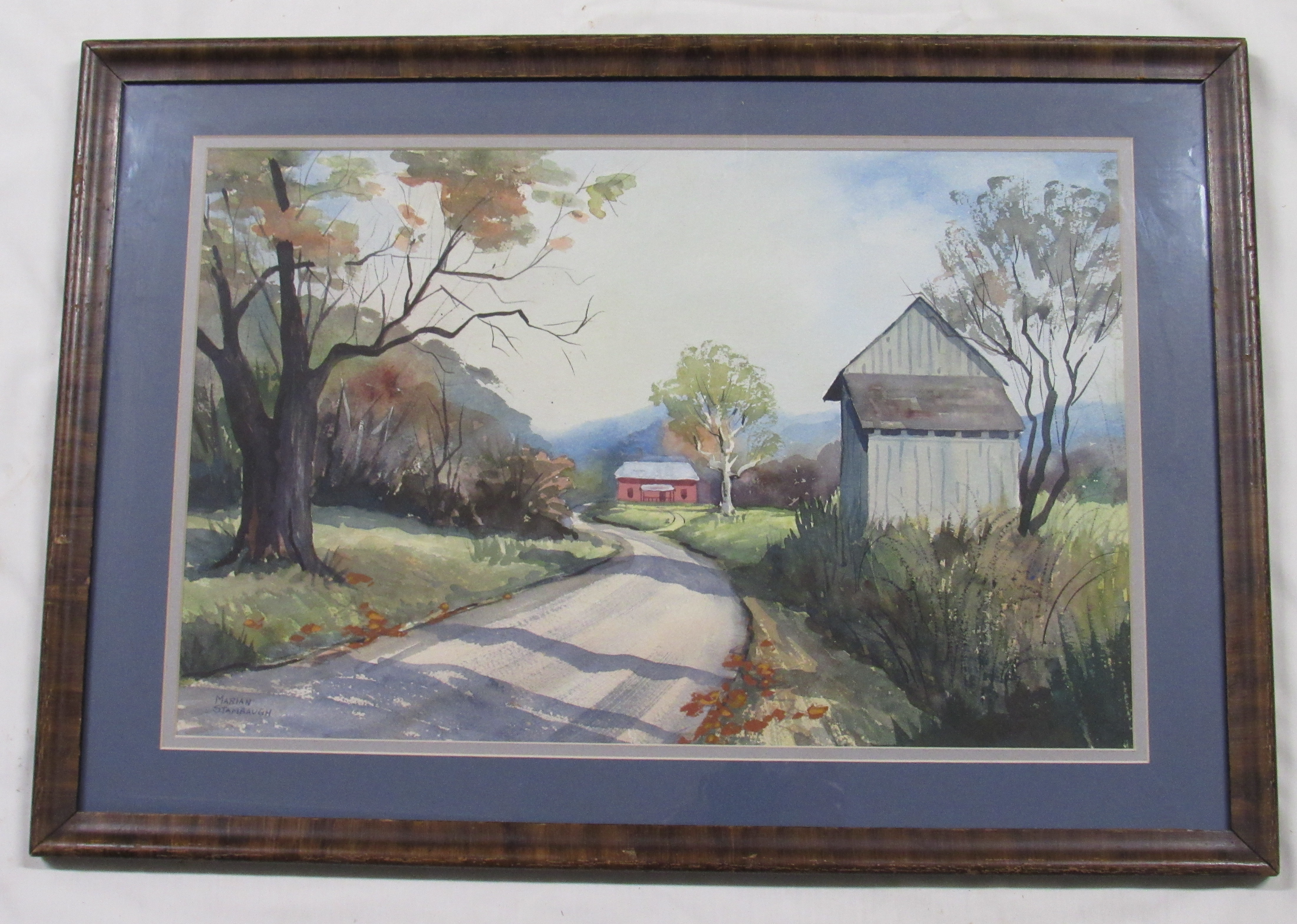
Mom.Those paintings reflected her very being and the beauty she brought to life. Mom painted hundreds, perhaps thousands of renderings, mostly watercolors. But many of those paintings were left unfinished.
Mom was a perfectionist when it came to her paintings. If she felt she couldn’t get it right, she left the picture partially finished, hidden away. Going through her things, the family found stacks of incomplete paintings. To others, the paintings looked fine. Mom only saw the flaws.
Mom was too self-critical when it came to her paintings. She felt they just didn’t measure up to the works of her peers. The attitude of Mom’s dominating father perhaps influenced that lack of confidence at a young age. Mom wanted to go to art school. Instead, she was sent to business school to help her prepare for a job should one be needed.
In those pre-World War II days, women were to work until they married and then raise any and all children that came along. That’s just the way it was, and in many respects, still is in today’s global society.
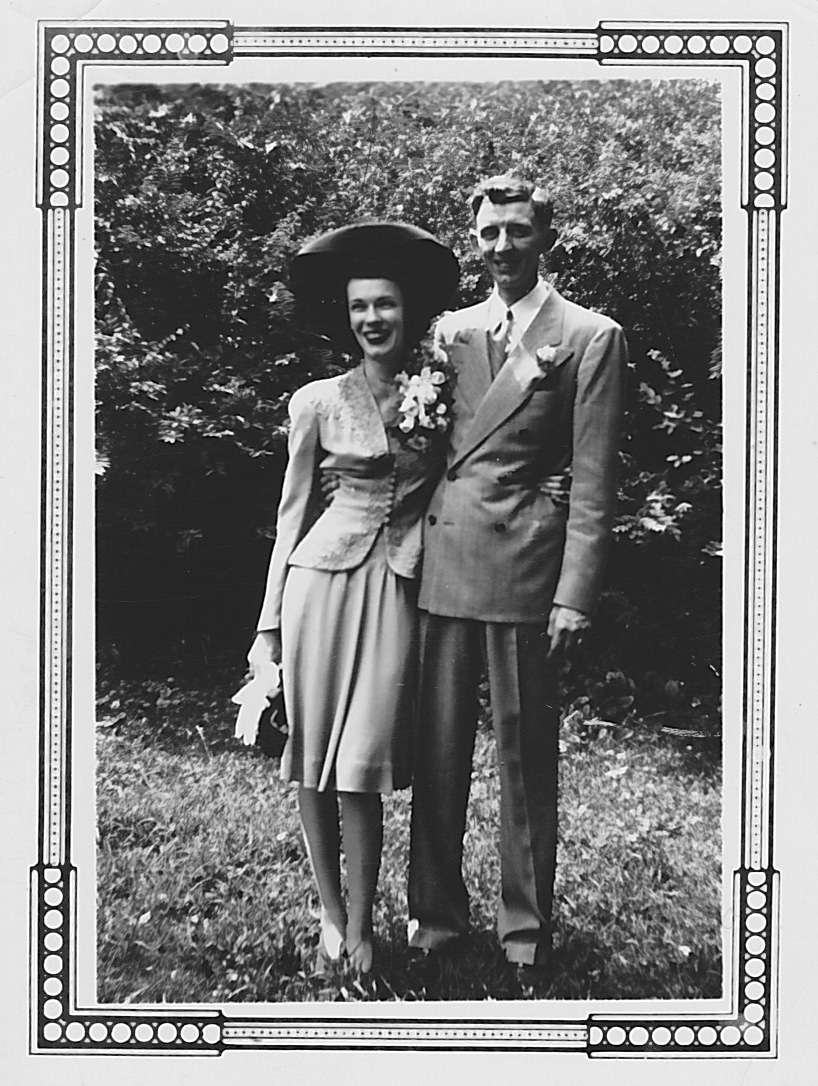
Our father, himself a controlling man in his own right, saw both Mom’s physical comeliness and the beauty within. He loved almost to a fault this kind, generous, creative woman who was our mother. And he saw her talent in recreating the beauty all around her through her early drawings and paintings.
This slideshow requires JavaScript.
Dad must have also sensed Mom’s lack of confidence in revealing this creative side. So Dad encouraged Mom to take private painting lessons given by established, prominent artists, and at the Canton Art Institute.
Thanks to her cohorts and mentors, Mom painted prolifically. Using mostly the medium of watercolor, her still life and landscape scenes were usually vivid, real, inspiring, eye-catching.
Again prodded by Dad, Mom entered art contests. She did so reluctantly, but also successfully. Mom won several awards, including the Peoples’ Choice Award on more than one occasion. Mom modestly accepted the accolades.
Mom’s creativity extended beyond brush and easel. She dressed splendidly but not opulently. She couldn’t afford to do that if she had wanted. Mom simply made do with the wardrobe she had.
Mom’s creativity remains alive through her realistic paintings and in our pleasant memories of her loving motherhood. More than that, the artistic genes of her children, grandchildren, and great-grandchildren will continue to contribute to life’s magnificence in various means, manner, and places.
Mom’s passion for painting taught us all to appreciate our surroundings, look for the beauty in everything, and generously share that splendor. That is Marian Stambaugh’s legacy of creativity.
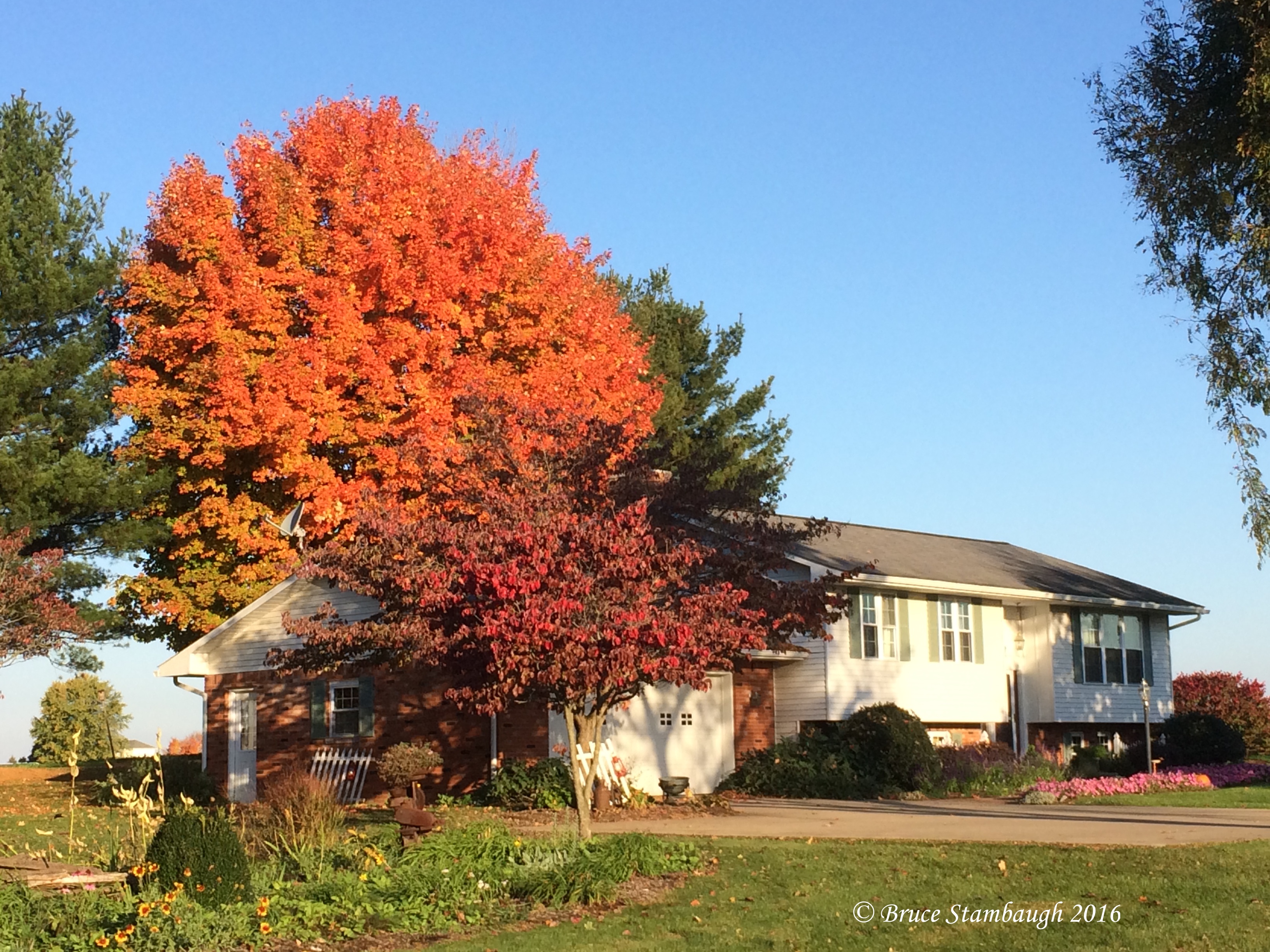
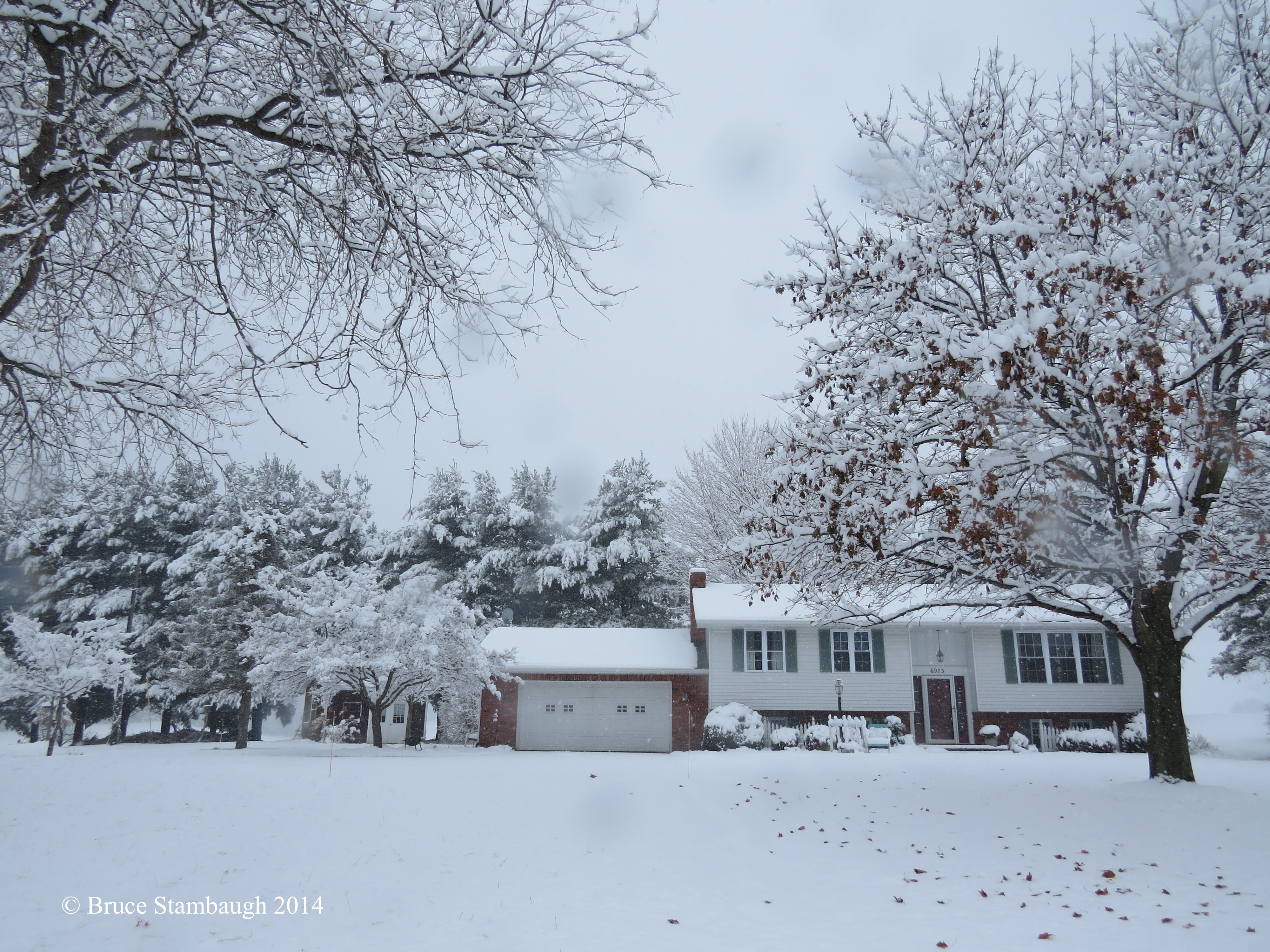
By the time you read this, my wife and I will be settling into our new old home in Virginia’s Shenandoah Valley. We’re excited about the change as we enter the autumn of our lives.
We’ll do our best to keep in touch with our friends and relatives in Ohio and elsewhere. They have been the fibers that helped stitch our lives together.
Of course, we will miss our old home, too. It served us well for 38 years. That’s a long time by today’s standards where Americans move on average of 11 times.
When we bought our home in eastern Holmes County, it was as young in housing as we were in parenting. The house was unfinished and budding, like our two and four-year-olds. Neva and I had been married eight years.
That old house helped us raise our daughter and our son from toddlers into productive young adults. It served as ground zero for my amazing wife to hone her effusive hospitality skills.
Our former home holds more memories good and bad than I can recall. But it knows. The house’s walls harbor nearly four decades of our personal saga.
This slideshow requires JavaScript.
The house has a beautiful setting that we so enjoyed. We had excellent views of our Amish country surroundings. We could see five miles north to Wayne County. To the east, explosive sunrises stirred our bodies and our souls into another day. To the west, sunsets often thrilled us far beyond their beauty. To the south, our road still looked like an Olympic ski slope as it curved up, then flattened out, and then quickly back down past our house.
The property itself was a sanctuary. People often complimented Neva on her annuals and perennials that kept the old place bathed in colors spring to late fall.
The many trees and shrubs I planted matured, providing habitats for wildlife I never could have imagined. The skunks and raccoons could have found other homes though. The many birds, however, were always welcome.
The old house endured many storms over all the seasons and years as Nature used her full arsenal. Deep snows, large hail, six different lightning strikes, damaging winds, earthquakes, and the severe ice storm of late December 2004 pounded away. They all altered the property but could not subdue it.
The most memorable events though weren’t earth shattering at all. They were the everyday, common occurrences. Crackling fires in the fireplace on a cold winter’s night; sleepovers; the productive, magical hum of Neva’s sewing machine; both planned and impromptu visits from friends, neighbors, and church youth groups, and the whoosh of chimney swifts that rattled the glass fireplace doors only begin the recollections.
None of those, however, can hold a candle to the memories of the grandkids. They were mesmerized by the clop, clop, clop of horse and buggies trotting by, rosy-cheeked from snowball fights and sled rides, giddy with wonder and excitement on Christmas morning.
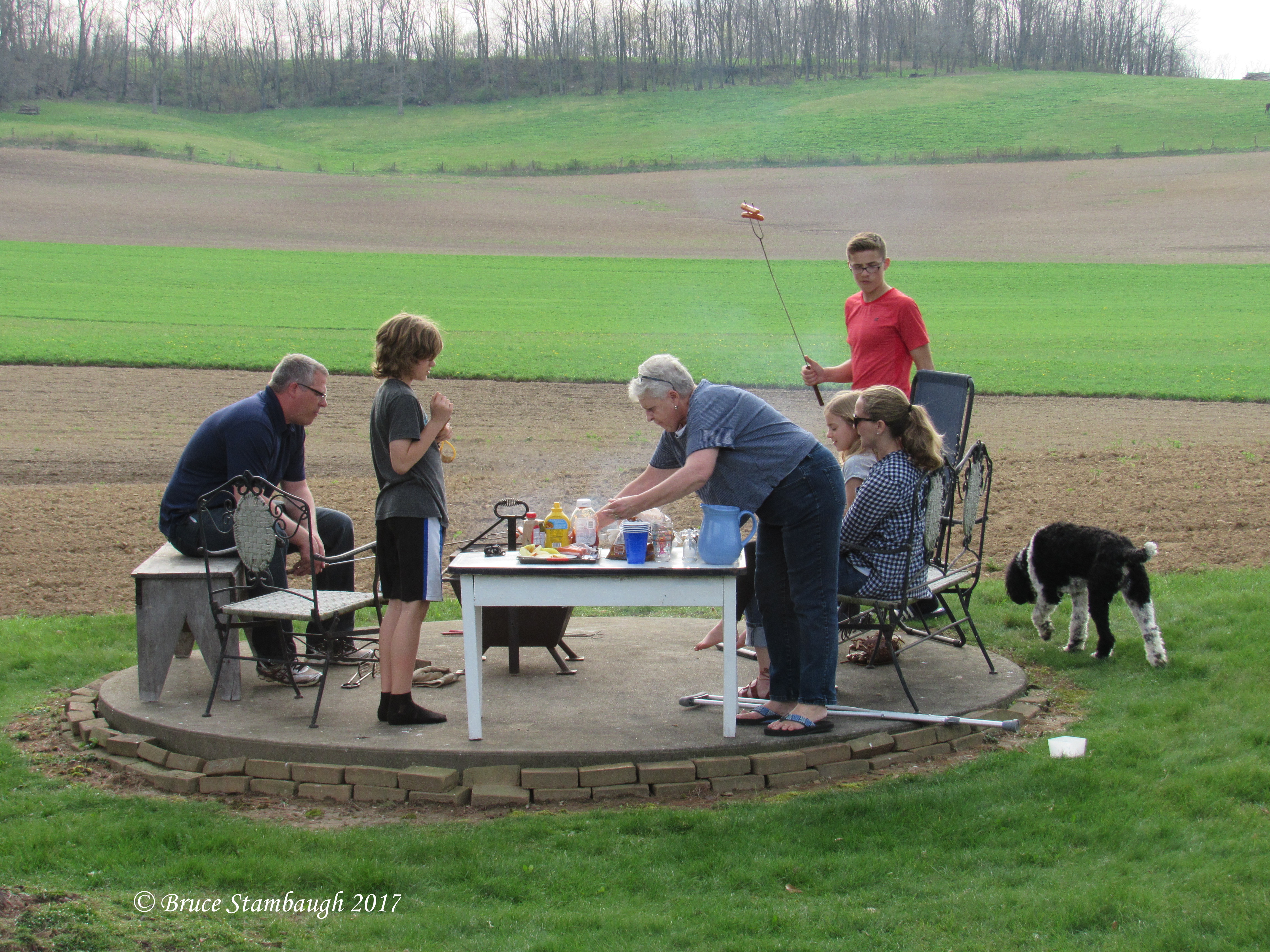
Hotdog roast.After all, the grandchildren are the main reason we uprooted ourselves from all that we have been. They are the reason we will settle into new routines, new roles, and our new home in the picturesque Shenandoah Valley.
Time is short. Neva and I have chosen to fill our elder days with the activities, joys, and disappointments, competitions and achievements of our progeny’s children.
Those will be the sights and sounds, fragrances and satisfactions of all our days ahead, however many or few they may be. Perhaps those memories will be just as sweet, if not sweeter than those generated by that old Holmes County house we called home.
They will not, they cannot replace them.
We wish the new owners well and hope their memories are as fruitful, meaningful, and lasting as ours.











 Roadkill Crossing
You must be logged in to post a comment.