Viewing the leaves in Ohio’s Amish country

Fall from my backyard by Bruce Stambaugh

By Bruce Stambaugh

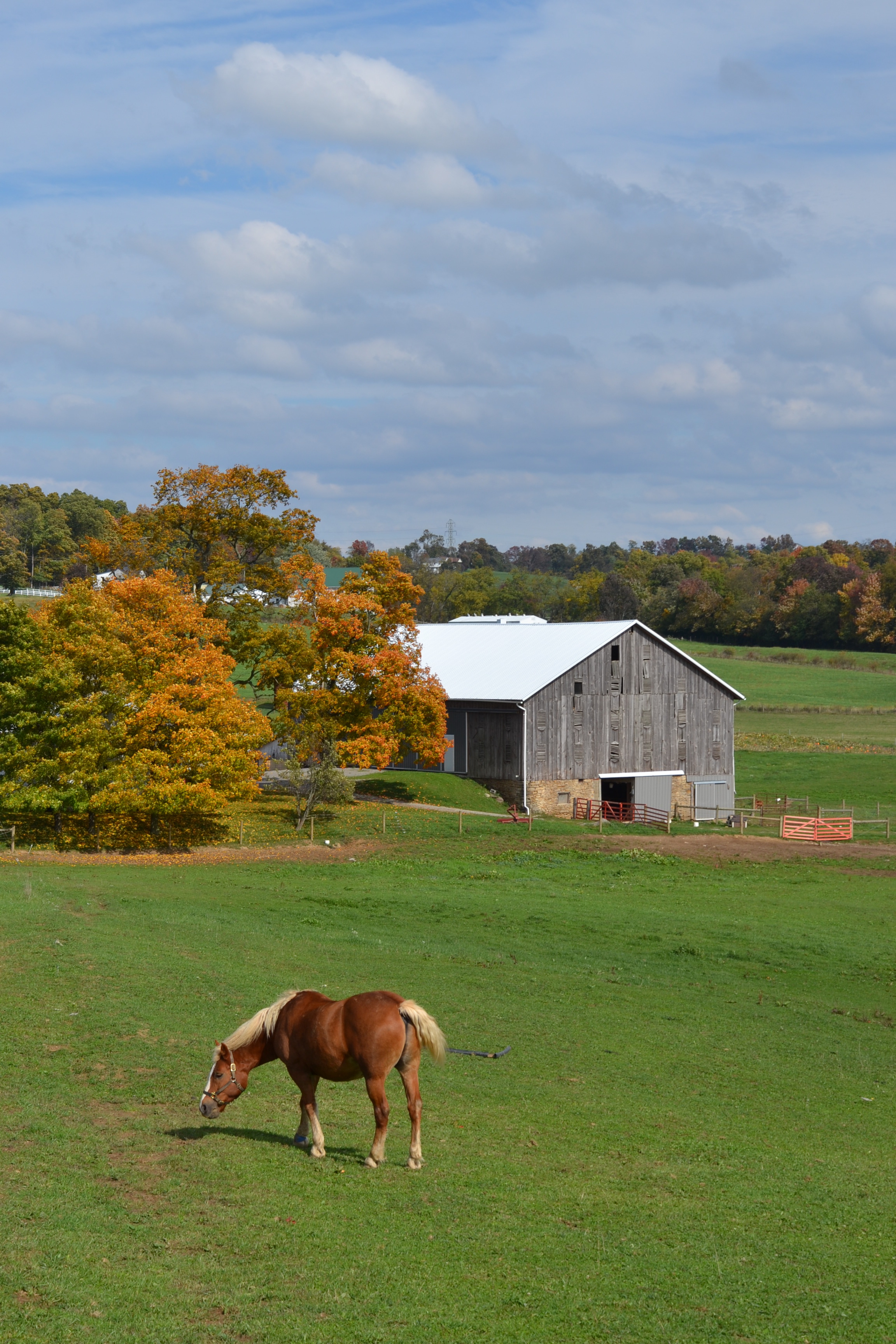
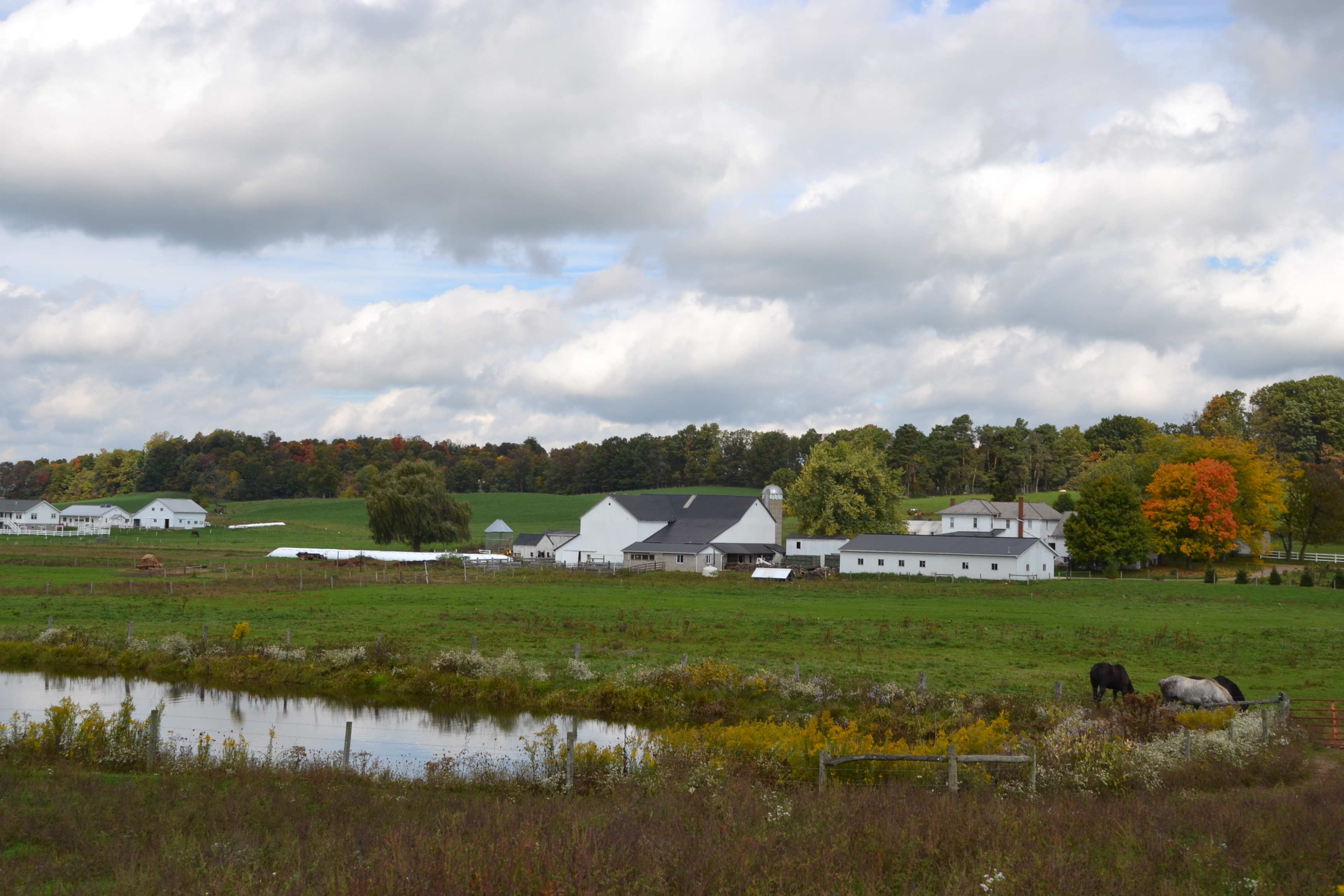
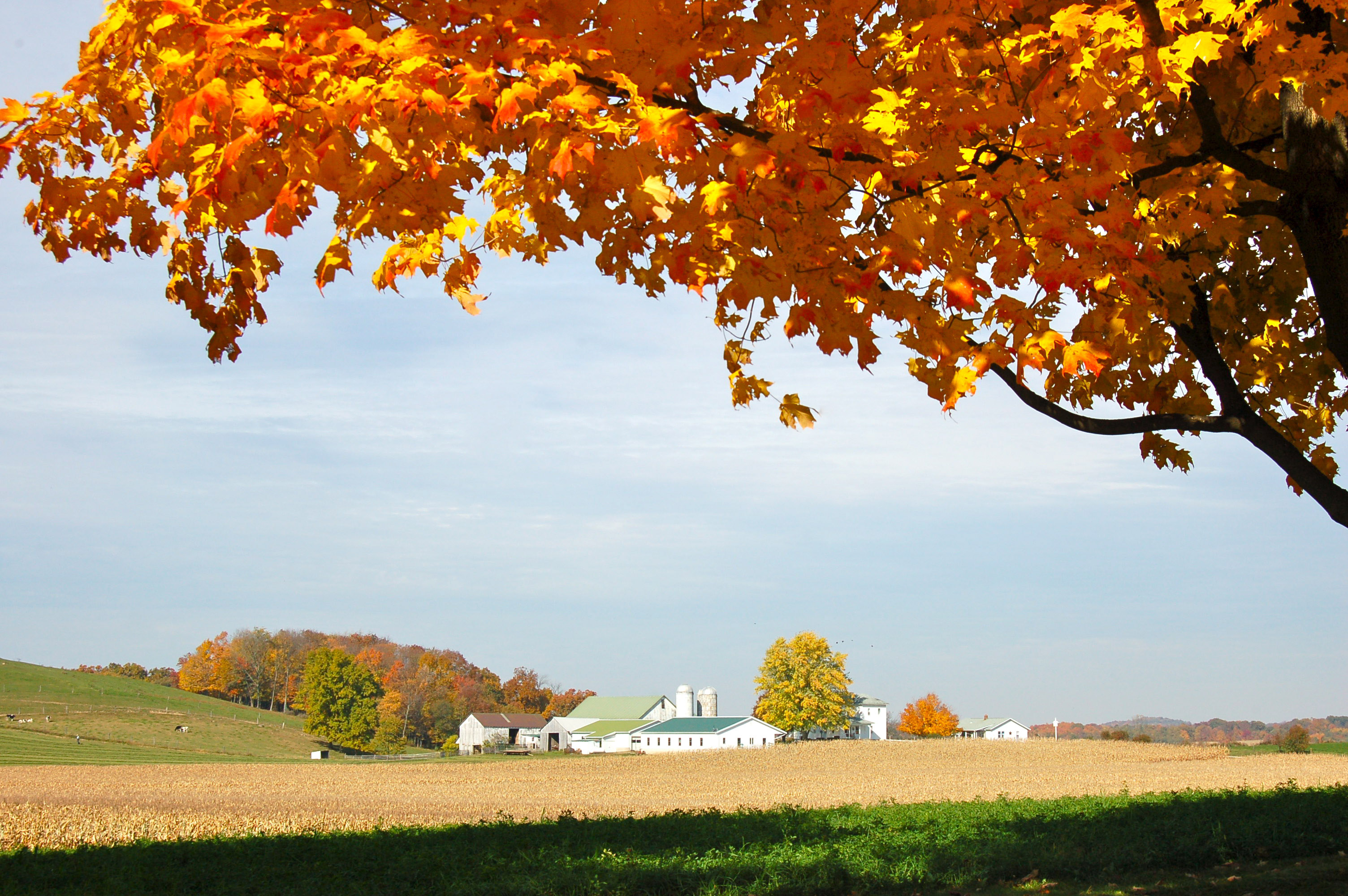
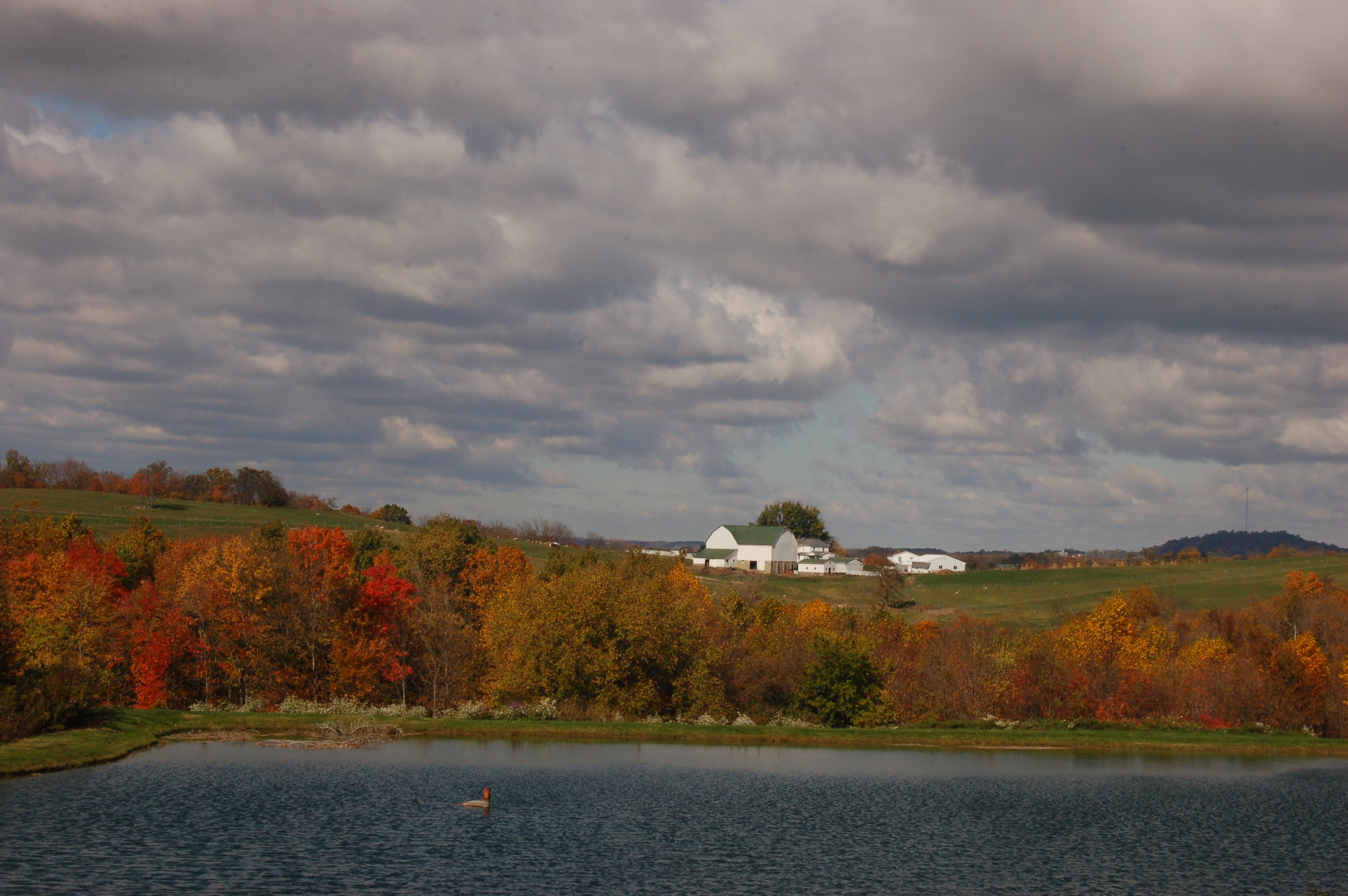
Ohio’s Amish Country, particularly Holmes County, is a great place to be when the autumn leaves are at their finest. With its many stands of mixed hardwoods throughout the area, the colors can be spectacular if all the conditions are right.

The leaves are usually at their colorful peak by mid-October. Though the summer’s drought may have caused some trees to already change, they seem to be on a normal timetable for coloration. Now through the next two weeks will provide marvelous viewing.

Several great routes can be driven to see the rainbow of leaves. Just consider the rolling hills, rows of corn shocks, grazing cows, romping horses, Amish buggies and silvery streams as backdrops to the main event.

Fall farm by Bruce Stambaugh

Simply traveling the main highways that lead into the Holmes County area and crisscross the county will guarantee beautiful scenery. That’s especially true in the fall.

Trees and shocks by Bruce StambaughState Route 39 cuts Holmes County in half east to west. In many places, the road roughly follows the terminal moraine of the Wisconsin Glacier. To the south, hillsides loaded with maple, oak, walnut, beech and hickory trees are steeper than their counterparts on the opposite side of the road. The glacier filled in the valleys on the north side 10,000 years ago, leaving a gently undulating geography, with rich soil that farmers pamper for excellent crops and lush pasturelands. Stands of woodlots and tree-studded fence lines create magnificent leaf viewing.

Yellow and red by Bruce StambaughState Route 83 bisects Holmes County in half north to south. You will be dazzled by the vistas that change seemingly at every curve. Both north and south of Millersburg, the county seat, the route hugs the eastern edge of the Killbuck Valley. Impressive slopes with ample forests east and west nestle golden marshlands teeming with wildlife in between.

U.S. 62 runs diagonally across the county. From the northeast, pastoral views are aplenty, meandering through Amish farmland on each side. Because the wood industry surpassed agriculture as the number one employer in Holmes County a few years ago, trees are treasured and properly cared for.

Fall scene by Bruce Stambaugh

Follow U.S. 62 from Millersburg southwest toward Killbuck and on to Danville in Knox County and you might think you are in the foothills of the Appalachian Mountains. In truth, you are. The road follows the area’s main waterway, Killbuck Creek, and then climbs the hills into the Mohican River watershed.

Woods and hills by Bruce Stambaugh

The lesser traveled state, county and township roads provide equal opportunity viewing when it comes to autumn leaves. State Route 520 from Killbuck through Glenmont’s seven hills and on to State Route 514 especially provides a pretty show if the timing is right.

In the east, State Routes 241, 515, 557 and 643 all are winding, hilly and gorgeous in the fall. Farmsteads with white houses and coffin red barns are the norm in any direction on these roads.

Red barn red tree by Bruce Stamaugh

For those who desire more than just riding and looking, the area has plenty to offer. At the Wilderness Center off of U.S. 250 west of Wilmot, you can hike through prairie grass and virgin forests, and explore an education center, where there is fun for all ages.

Mohican State Park near Loudonville affords numerous trails with incredible overlooks to the steep Mohican River gorge. The greens of the thousands of white pines nicely compliment the colorful mixed hardwood forest.

For bicyclists, the Holmes County Trail offers 16 miles of lovely trials from Fredericksburg to Killbuck. Hikers are welcome, too. The trail runs along the Killbuck through the center of the county until it turns southwest toward Killbuck. The wildlife, birding and leaf viewing can all be consumed simultaneously. A note of caution, however. Horse and buggies also use the trail on one side while bikers and hikers are on the other.

Everyone has their favorite spot to view the changing leaves. You’ll enjoy finding yours.

Fall in Amish country by Bruce Stambaugh

This article appeared in Ohio’s Amish Country magazine.

© Bruce Stambaugh 2012

Fall is upon us in every way

Pumpkins and buggies by Bruce Stambaugh

By Bruce Stambaugh

Officially it’s still summer for a few more days. Reality says otherwise.

Fall is upon us. The signs are everywhere. They have been for sometime now.

Warm, pleasant days give way to cooler, quiet evenings. Only a few remaining crickets and an occasional Screech Owl break the night’s silence.

The morning wake up call suddenly switched from a chorus of American Robins to cheery Carolina Wrens. The effect is still the same.

Morning fog by Bruce Stambaugh

Dense fog quickly lifts from valleys, giving way to white cottony clouds highlighted pink, peach, gold and gray by the strengthening sun. Morning mists betray the garden spiders’ artsy trap. The miniature droplets soon yield to the day’s brightening warmth.

While most show a slight tinge, some entire trees have already had their leaves turn a dull orange or dirty yellow. No doubt the stress of this summer’s oppressive heat and extreme dryness forced this premature metamorphosis. Some leaves seemed to go green to brown overnight. The deepening blue sky offsets these anomalies, making them almost acceptable.

Tinted tree by Bruce Stambaugh

Fall is not a time to quibble. It’s a time to appreciate, to work and to reorient yourself and the world as we have come to know it.

Dewy web by Bruce StambaughScholars head to school, each in their own way. Young boys, red and white lunch buckets swaying by their sides, walk in groups, tan straw hats bobbing rhythmically. Smart girls wearing pastel dresses glide by on mute bicycles. They left home later than yet arrived simultaneously with the boys.

Bumblebee painted buses inch past the pedestrians until the next stop. Somewhere behind sheer curtains, home-schooled children take it all in.

The hum of school seems to settle society, put it back in sync. Family vacations end. The students, though not likely to admit it, enjoy the familiar routine, save for a handful of frequent flyers who already know the path to the principal’s office.

At the produce market, giant pumpkins now outnumber the red, plump tomatoes and the ubiquitous zucchini. Despite the protests of the regal morning glories, crimson and gilded mums are the flowers of choice and the season.

Field corn by Bruce Stambaugh

Despite the drought, farmers are smiling, assuming they indeed have crops to gather. They live for the harvest. It’s their bread and butter, their paycheck, their livelihood. They relish the work and consider comparing their bushels per acre numbers as an exercise in status. If their neighbor needs help, however, they’ll be the first to respond.

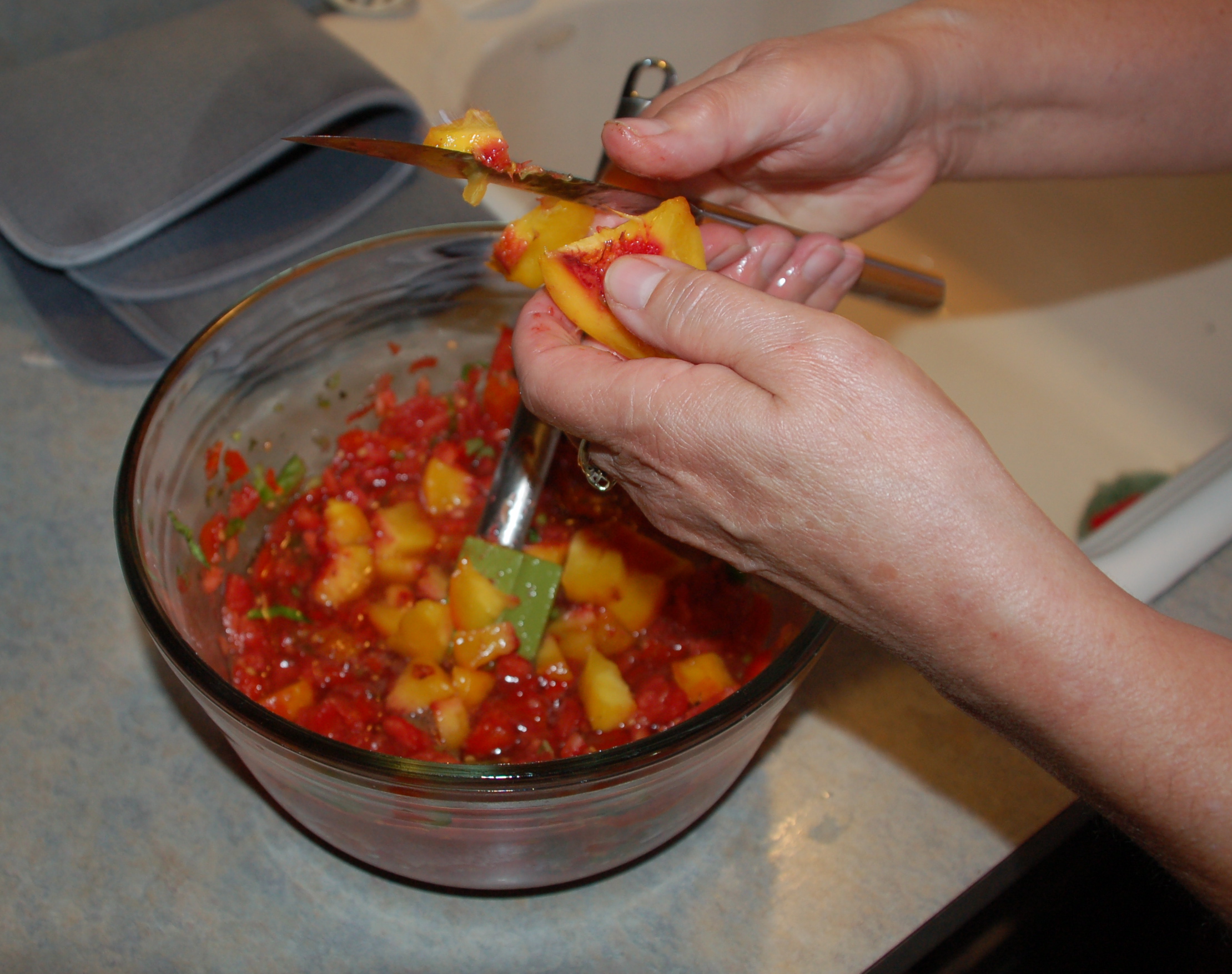
Kitchens fill with the aromas of snappy salsa, and pickles and vinegar. Canning shelves are replenished with jars of winking peaches and cherries, sandwiched by rows of golden corn and tart applesauce.
Peach salsa by Bruce Stambaugh
Life in the fall in the rural Midwest in mid-September is as fulfilling as it gets. Pride and gratitude are the human harvest for rural folks. No blue ribbons, even if bestowed, can provide the same satisfaction. Those ancillary awards politely confirm what we already believe.

Where coloring stands of hardwoods mingle with fencerows and cornrows, life is good. We acknowledge our connection to creation and to one another. We also sense the real and urgent necessity to care for mother earth as we prepare for whatever winter brings our way.

Fall is upon us. Stop, look, listen, inhale and enjoy. The rest of life will take care of itself. It is an equal opportunity seasonal transition we all need whether we know it or not. I humbly thank autumn for the abundant and timely cues.

Amish scholars by Bruce Stambaugh

This column appeared in The Bargain Hunter, Millersburg, OH.

© Bruce Stambaugh 2012

After this June and July, do we really need August?

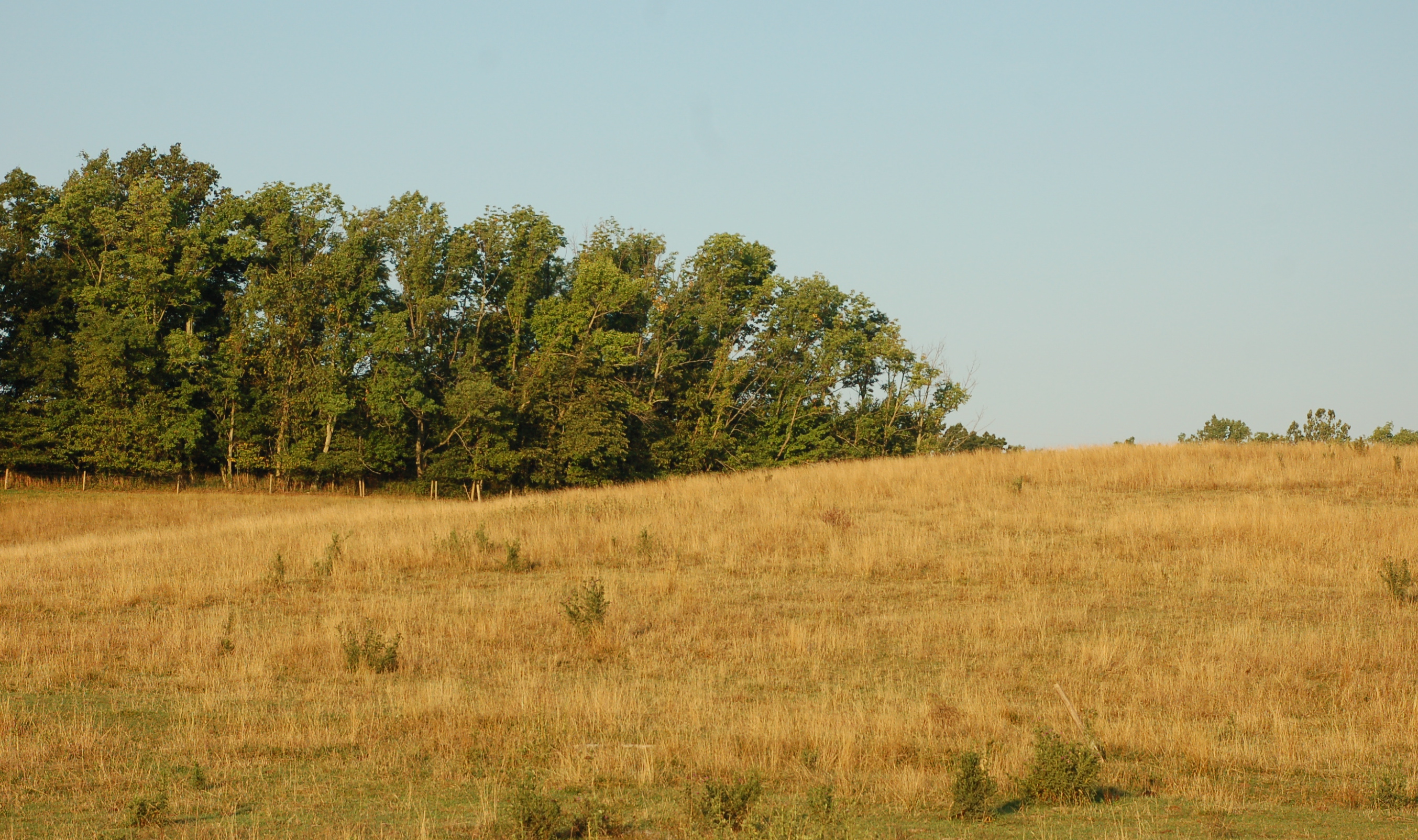
Ohio chaparral by Bruce Stambaugh
Parched pastures in Ohio more resembled California chaparral.

By Bruce Stambaugh

The dog days of August are upon us. The month is notorious for hot, humid and mostly dry weather. Haven’t we already experienced enough of that without adding to the enduring misery?

Once June arrived, the lovely spring weather we had enjoyed literally evaporated. The weather turned unusually warm and dry, not just in Ohio, but also across much of North America. Many record high temperatures were recorded. Geographic areas that had been moist quickly joined other regions that have had ongoing, long-term drought conditions.

Artesian well by Bruce Stambaugh
This artesian well normally runs steady year-round. It dried up by the end of July.
Water became a precious commodity. Wells were taxed. Perpetual springs slowed to a trickle. Local streams, normally gurgling with water from occasional rains, displayed more creek bed than flow.

I pitied those who had to work outside for a living. Many businesses had their employees arrive early to take advantage of the morning coolness, and then let them leave mid-afternoon at the height of the heat.

National Weather Service offices all across the country regularly posted heat advisories and excessive heat warnings. In the cities, where concrete and steel intensified the heat, people sweltered.

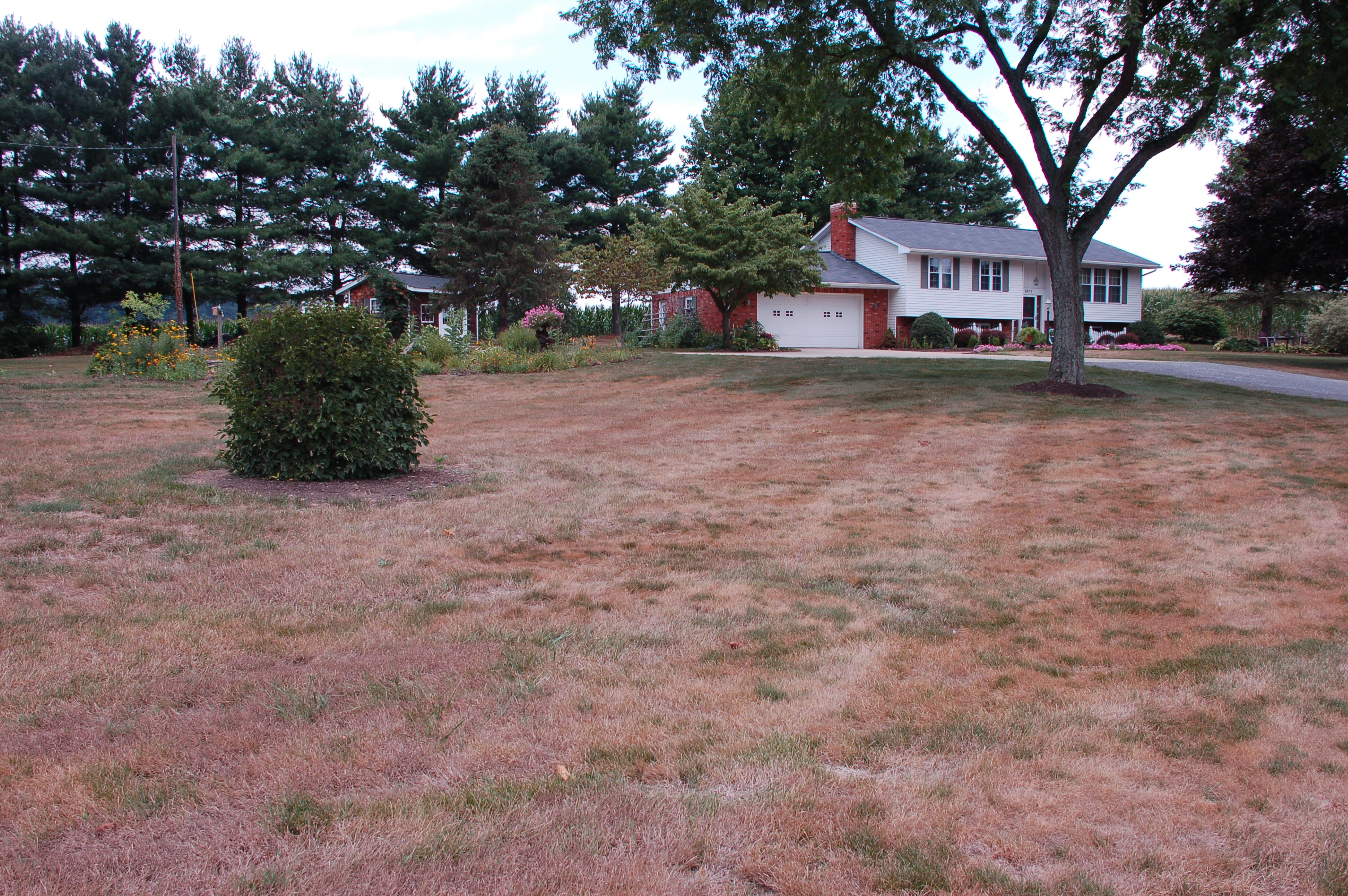
It was bad enough here in the country. Lawn care services, usually swamped for work or used to rushing to beat the rain to complete their jobs, simply lost business. They were used to mowing green, not brown. Indeed, there was no need to do so.

Brown lawn by Bruce Stambaugh
Lawns that were mowed short took a beating from the heat.

Farmers watched helplessly as their corn curled and parched pastures more resembled California chaparral. In America’s breadbasket, farm animals were sold off since feed and hay prices soared. By July’s end, two-thirds of the country was in some stage of drought.

Wild animals sought cooler climes, too. Groundhogs abandoned their normal burrows in hayfields and ranged outside their normal habitat for scarce food and water. A young one dug a hole under our back porch for protection from predators. It munched on our herbs and flowers, and boldly drank from our little garden pond in broad daylight.

Curled corn by Bruce Stambaugh
Field corn was so stressed from the heat and drought that it curled.

A pose of raccoons was more cautious. Being nocturnal, they regularly fished and splashed at night. The groundhog and seven of the masked bandits were captured in live traps baited with a gourmet meal of apple slices and marshmallows.

What really stood out though was how people seemed to adjust to the oppressive conditions. Sure complaints were lodged to nobody in particular. The only moisture to fall on some farmland was from farmers’ tears. Still I found people overall to be as congenial as ever. They seemed determined not to let the heat get the best of them.

One exception to that was on the highway. Drivers appeared more aggressive than usual, perhaps incited by the blazing sun and warm car interiors. In my various road trips, I noticed an unusually high number of vehicles, large and small, abandoned along highways or sitting with their hoods up. Their operators peered into the engines or talked on cell phones while waiting for help to arrive.

Brown grass by Bruce Stambaugh
Burned out lawns and parched flowerbeds like these were common all across the midwest part of the United States.

Trees and flowers, too, were stressed. Leaves turned yellow or brown. Some gave up the ghost altogether. When I walked to the mailbox to get the mail, the grass crunched beneath my feet like snow. Right now, I’d rather have the snow. Can’t we just skip the dog days of August and sashay right into a normal fall?

Given such a notion, maybe the heat has gotten to me after all.

This column appeared in The Bargain Hunter, Millersburg, OH.

© Bruce Stambaugh 2012

Lakeside daisies are in early bloom

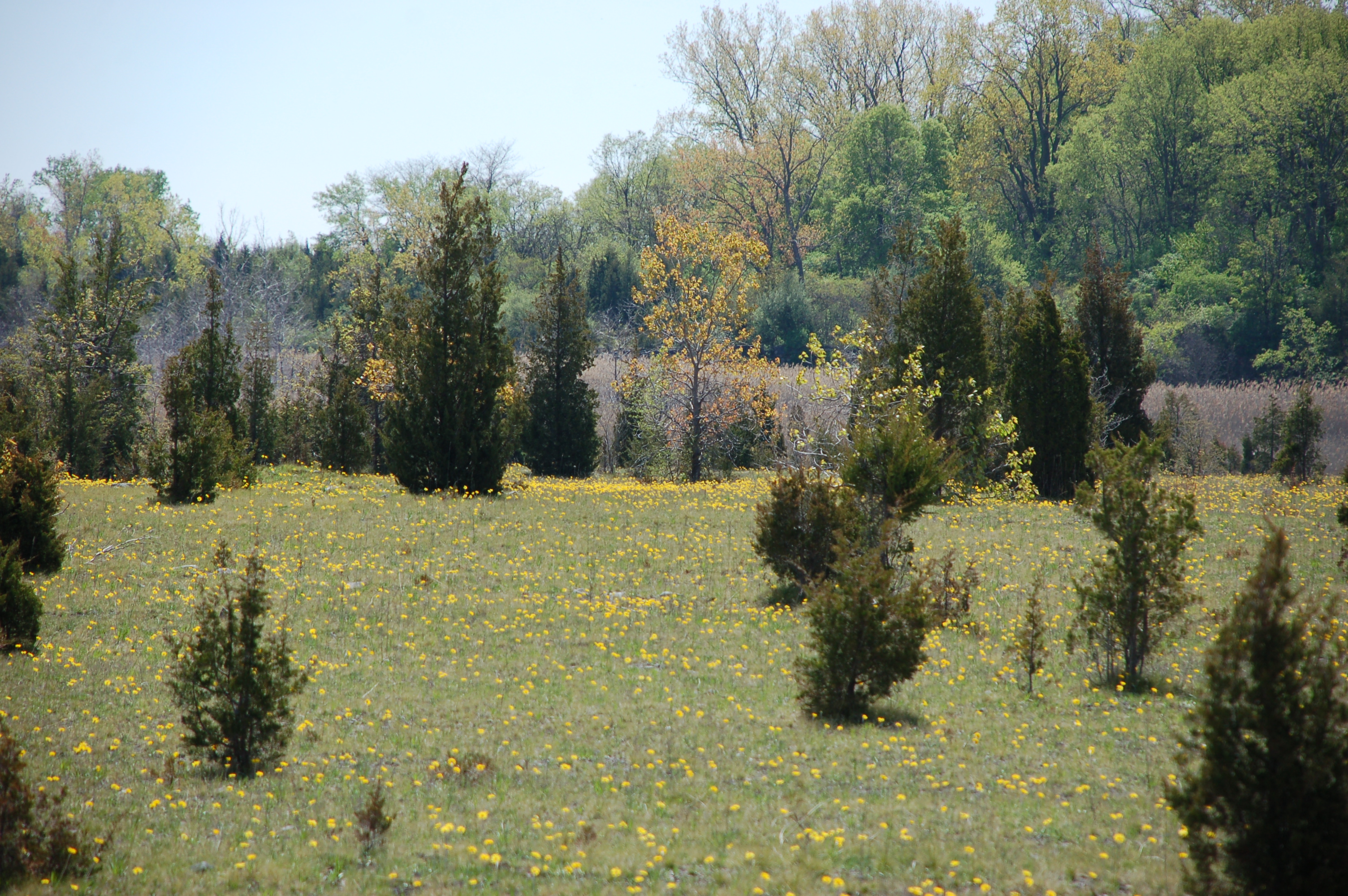
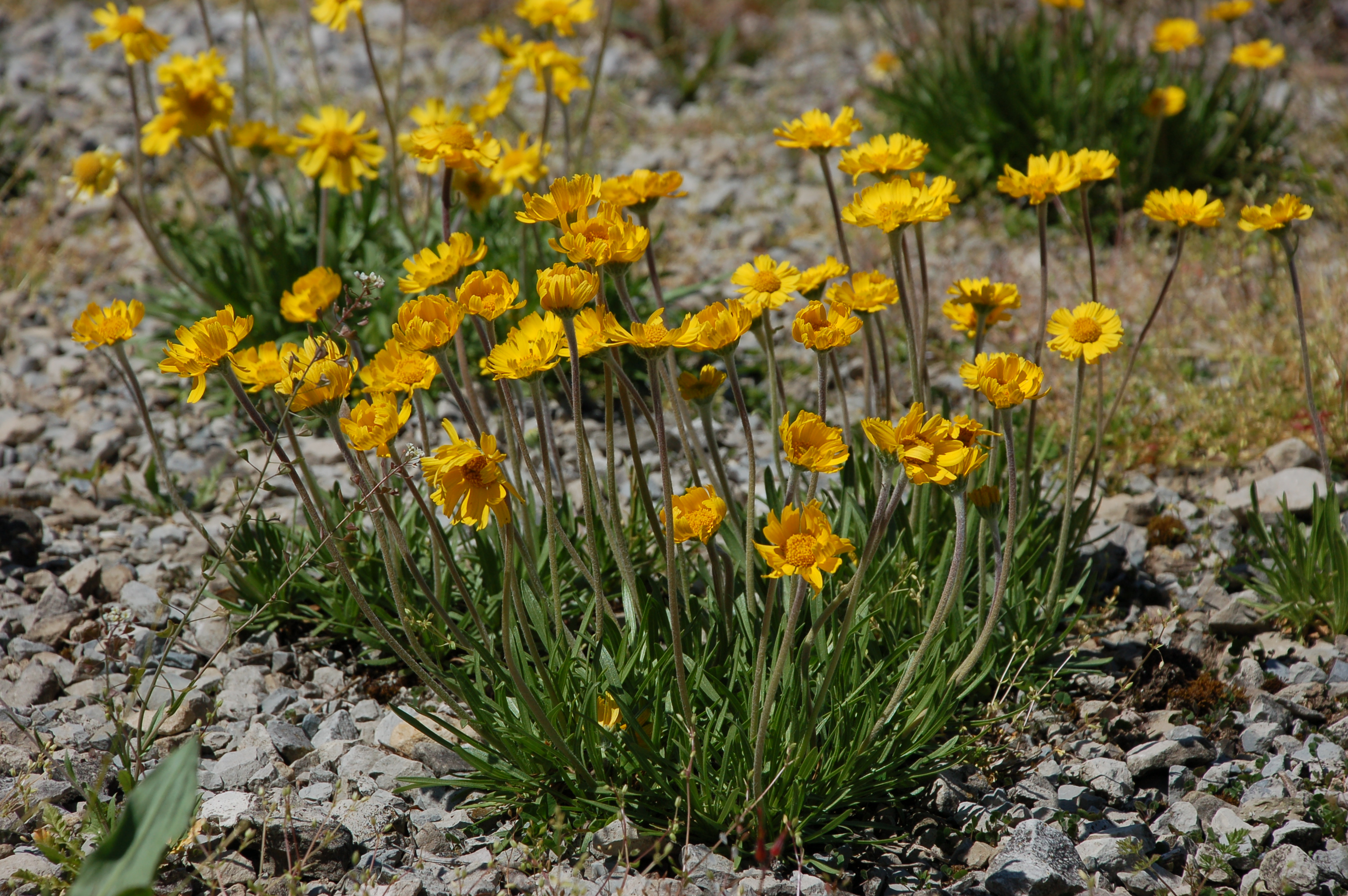
Lakeside Daisy Nature Preserve by Bruce Stambaugh
Daisies in full bloom at the Lakeside Daisy Nature Preserve near Marblehead, OH.

By Bruce Stambaugh

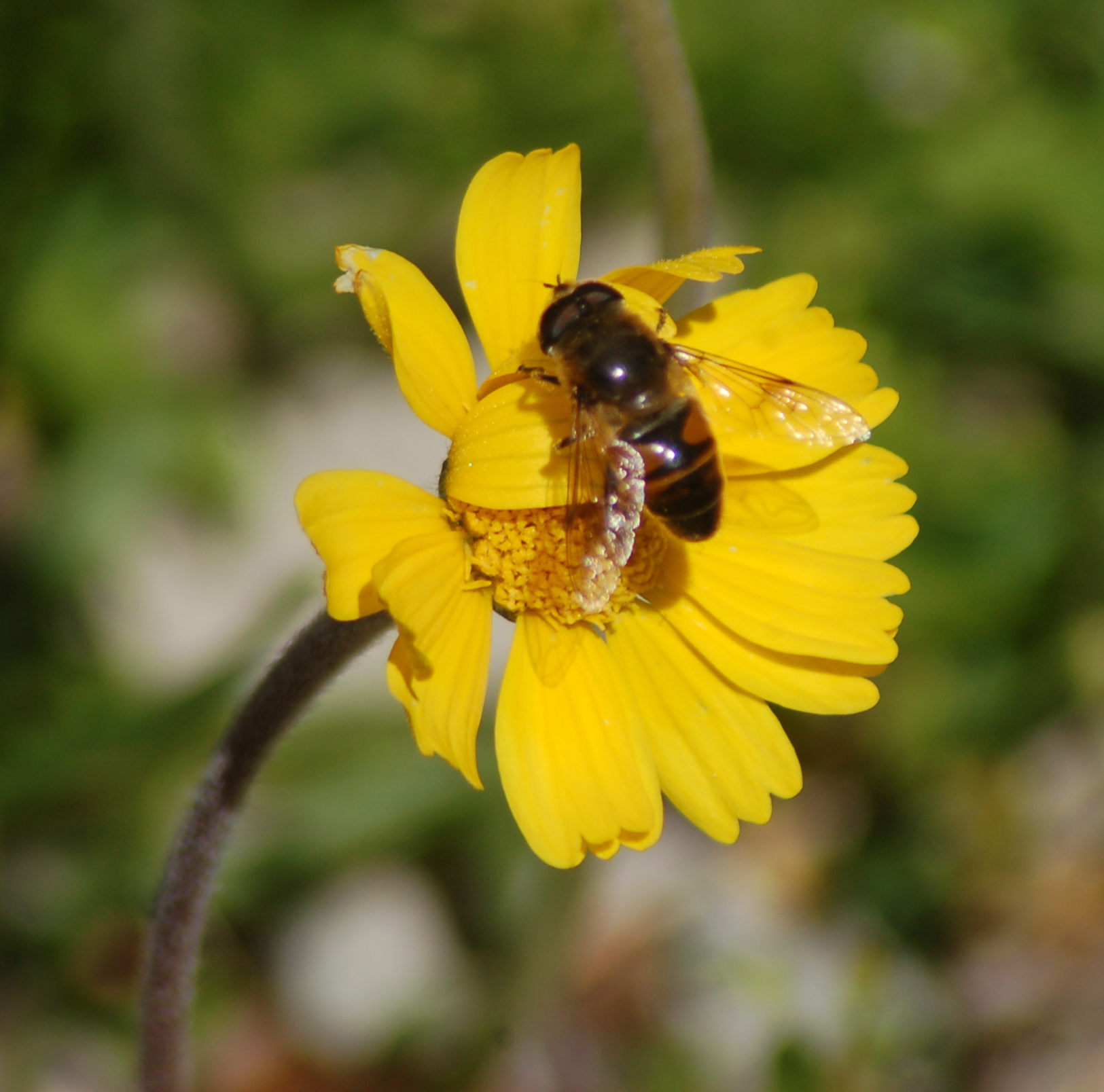
Bee and daisy by Bruce StambaughThe Lakeside daisies are in full bloom. That may not sound like earth-shattering news. But apparently due to the unusually warm winter here in Ohio, the daisies, like most other flowers, plants and trees, are blooming early. Plus, if you are a lover of all things nature, and especially wildflowers, you don’t want to miss this yellowy exhibition.

The Lakeside daisies are particularly special. They only bloom in a limited number of locations on or near the Marblehead Peninsula in northwest Ohio. In addition, their buttery blooms only last a week before they begin to fade. If you want to see them in person, you had better make tracks to the Lakeside Daisy Nature Preserve near Marblehead. My wife and I were there Sunday, and the preserve was a splash of yellow against the dull limestone gray ground.

The daisies growing in a small patch inside Lakeside were beautiful, too. They’re located right along the Lake Erie shore at the east end of Lakeside near Perry Park.

Lakeside daisies by Bruce Stambaugh
A bee enjoys one of the daisies in a clump of Lakeside daisies in a small preserve in flower’s namesake, Lakeside, OH.

Unfortunately it looks like the blooms will be gone before Marblehead’s annual Daisy Days scheduled for Mother’s Day weekend. Naturalists will lead walks through the preserve, so you can still learn a lot about the lovely little flower even if they aren’t blooming.

The Lakeside daisy (Hymenoxys herbacea) has been listed as an endangered species by Ohio since 1980. If you can’t make it to see this beautiful flower in person, enjoy the photos I took Sunday. If you look closely, you’ll notice some of the petals on the flowers are already starting to wilt.
Nature Preserve sign by Bruce Stambaugh

Lakeside Nature Preserve blooms by Bruce Stambaugh

Clump at Lakeside by Bruce Stambaugh

Daisies at Lakeside by Bruce Stambaugh

Daisies at Lakeside, OH by Bruce Stambaugh
© Bruce Stambaugh 2012
At winter’s end, it wasn’t much of one

Cold creek by Bruce Stambaugh
By Bruce Stambaugh

Here we are at winter’s end. Spring officially arrives March 20.

In reality, winter here in our area has hardly been winter at all, especially when compared to the past two. In case this mild winter has dulled your memory, the winters of 2009-2010 and 2010-2011 were bears, both fit more for polar bears than humans.

All of Ohio, and much of the Midwest for that matter, got dumped on. We measured snow by the foot instead of inches. Schools were closed, factories shut, roads declared impassable.
Patriotic snow by Bruce Stambaugh
Several snowfall records were set all across the Great Lakes region. They were winters of which children can only dream, and adults refer to, accurately or imaginatively, as snows like “when I was growing up.”

The snows were relentless. Once the snow from one big storm was cleaned up, another and sometimes bigger snow buried us again. Those winters never seemed to end. They began in November with below normal temperatures and above average precipitation and lasted into April.

Frozen crocus by Bruce StambaughEven the springs that followed were damp and cold. It really wasn’t until we had reached June in northeastern Ohio that spring’s fair weather had begun in earnest.

This winter, on the other hand, was indeed a different story. Old man winter never really showed his face. Yes, we had snow, but only a few times did it deposit enough to measure in inches, and even then, it was often a half an inch here and a quarter of an inch there.

Records were broken for precipitation this winter. The moisture was mostly rain, driven along by strong winds.

Those who cherish the winters of the previous two years had to hate this one. Snow skiing, ice skating, sled riding were all shelved for the most part. In Wisconsin, the vehicles of desperate ice fishermen sunk into a lake because the ice was so thin.
Birds galore by Bruce Stambaugh
The previous two winters brought birds galore to backyard feeders. This year, the birds were far and few between, preferring their natural foraging to human offerings. Sure the usual faithfuls appeared, but not in the numbers or frequency of harsher winters.

earlycrocusesbybrucestambaughThis winter was so mild that the first crocuses bloomed in February instead of March. The long slender stems of the weeping willow trees showed their pencil yellow early too. I even heard of one woman who planted sweet potatoes in February.

All the rain kept the dull, ugly brown of dormant yards at bay. Instead, lawns stayed some shade of vibrancy all winter long. From the looks of things, moles may have enjoyed the winter most of all. Their unsightly mounds dotted the prettiest of landscapes indiscriminately throughout the area.

Busy bee by Bruce StambaughAt my age, I was ready for an easygoing winter, although a weeklong cold snap would have been nice to help keep the insects in check. I’m fearful of the buggy consequences of not having a sustained cold spell. Perhaps the flycatchers, swifts and swallows will thrive if such an outbreak does occur.

I hear people saying that we may pay for the mild winter with a cold and snowy spring. That could happen, although the National Weather Service has forecast a warmer and wetter than normal March through May.

We’ll have to wait and see. In the meantime, we can rejoice that winter’s end is near, and that spring, whatever she may bring, is at hand.

2012 calendar looks to be a bit on the crazy side

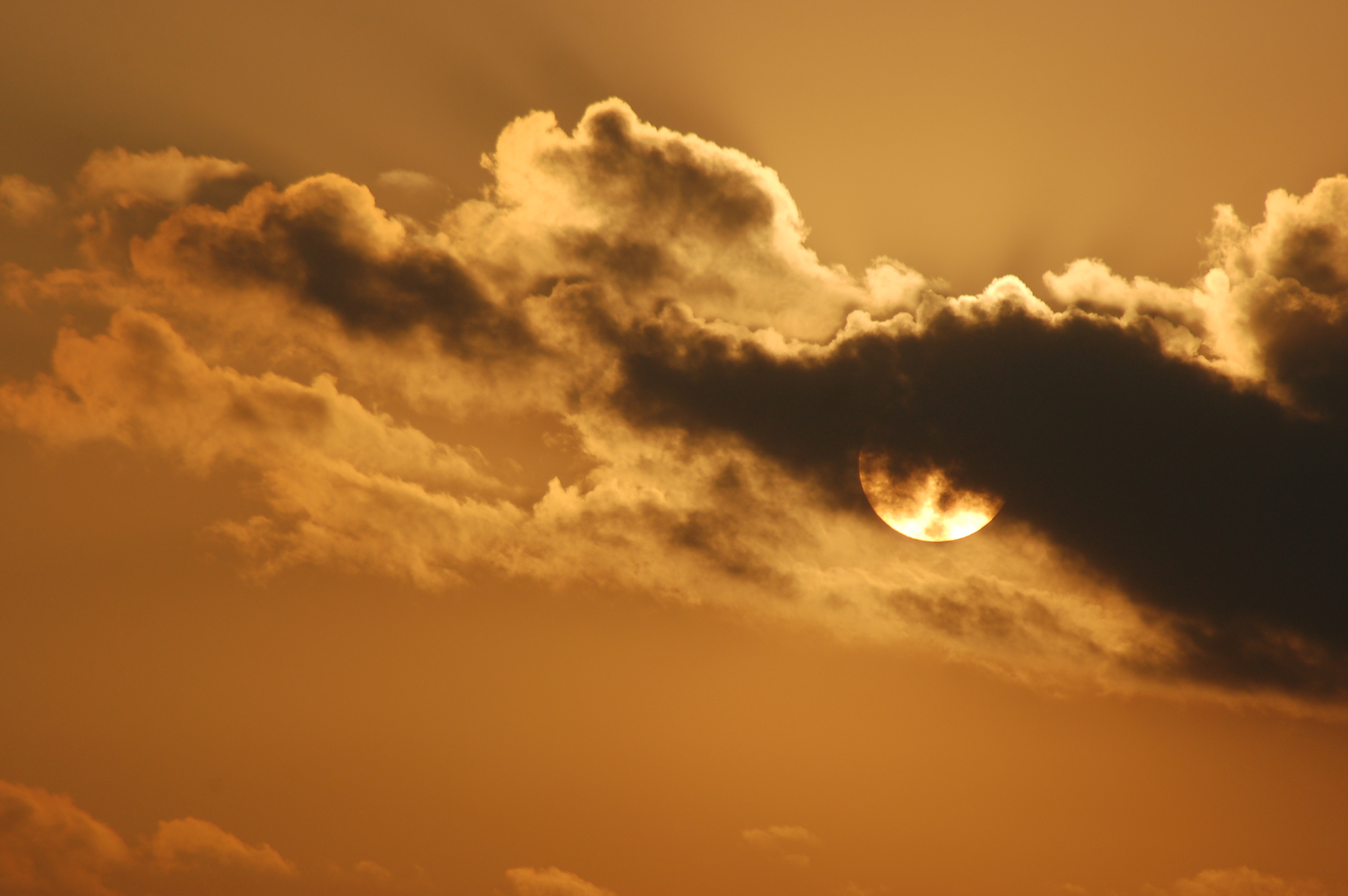
Eerie sunset by Bruce Stambaugh
By Bruce Stambaugh

We were having a right nice 2012 until January 13th arrived. Of course, it was a Friday, the day the first disruptive snowstorm of the season hit the northeast Ohio area.
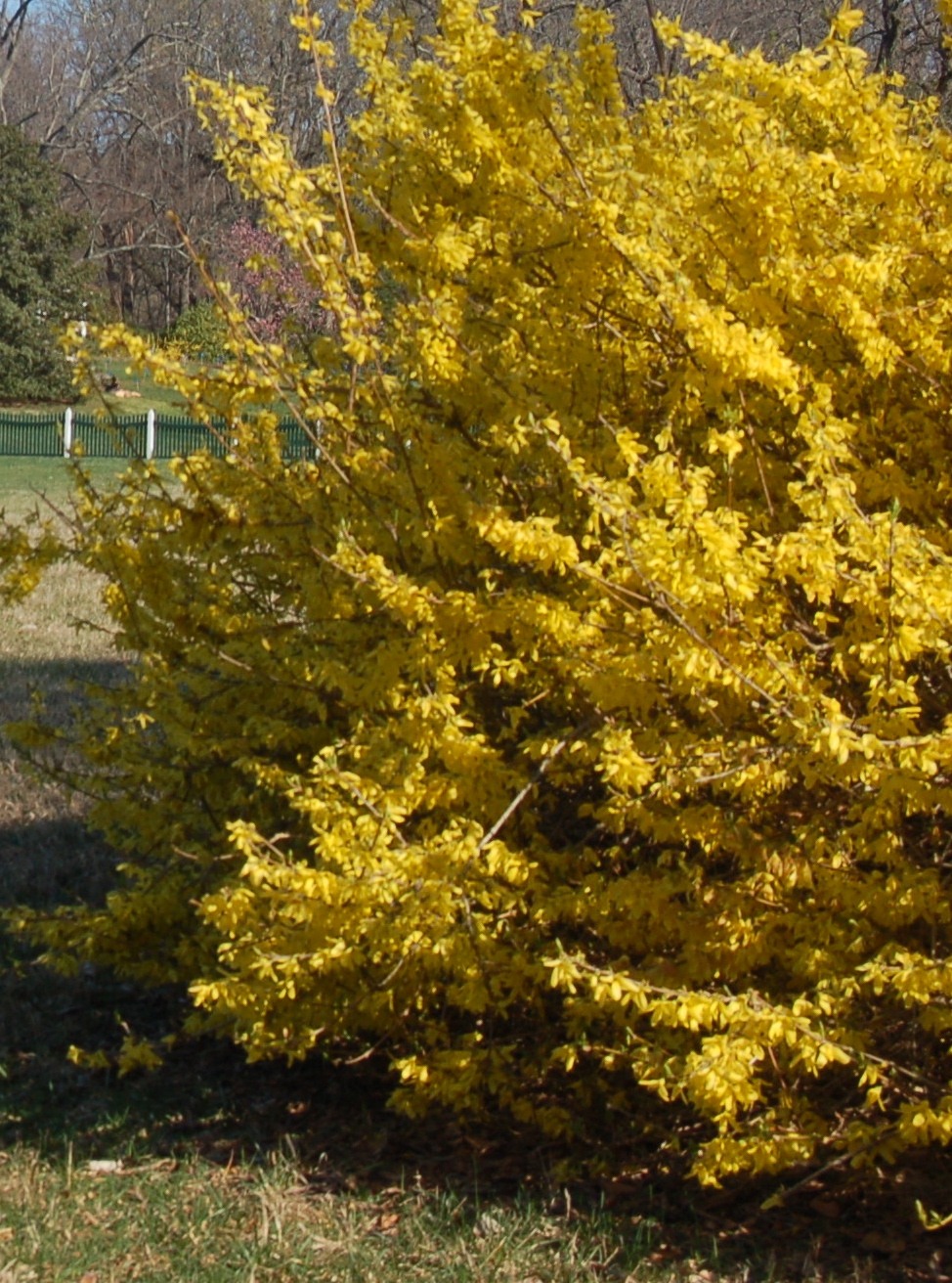
Forsythia by Bruce StambaughUntil then, the winter weather had been more like early spring. People reported dandelions and forsythia blooming. I even saw a pussy willow bush ready to open. One person bragged about mowing the lawn at the end of December.

Then along came Friday the 13th. Please don’t misunderstand. I’m not blaming the snowstorm on that supposedly superstitious day. In fact I’m not even superstitious, knock on wood.

I had to wonder though if this was going to be the first of several goofy events, either natural or human induced, to occur in 2012. I’m only thinking this because of the way the year’s universal calendar plays out.

Besides the Friday the 13th snowstorm, this is also a leap year. People born on February 29 will finally get to celebrate their Birthday by Bruce Stambaughbirthdays again. February, the shortest month of the year even with Leap Day, has five Wednesdays this year. September has its usual 30 days, and five of them are Sundays.

Of the 12 months, three begin on a Sunday, one on a Monday, one on a Tuesday, two on a Wednesday, two on a Thursday, one on a Friday and two on a Saturday. I think we can thank the Leap Year phenomenon again for making sure no day got ignored.

Other oddities include Washington’s Birthday and Ash Wednesday coinciding. April Fools’ Day and Palm Sunday share the same date. A full moon occurs on Good Friday. August is the only month that has two full moons, August 2 and 31. September’s full moon also occurs on the last day of the month.

Unless you have been hiding in a cave, you have long figured out that 2012 is also a presidential election year. Given the candidates performances so far, that alone would make 2012 a bit tilted.
Flag and bunting by Bruce Stambaugh
To add to the calendar party, we have to mention the Mayan calendar references December 21 as being the day the world ends. That day just happens to be this year’s winter solstice. Maybe we won’t have to worry about winter anymore.

Of course, as we learned last year and a thousand times before, the Mayans can’t claim title to announcing the end of time. Harold Camping still has some explaining to do from last year’s fruitless end-times predictions.

Playing off the fears of an already unsettled global society, the goofiness goes on. For instance, one claim for this year is that a previously unknown planet will hit Earth. Right, and the Cleveland Indians will beat the Chicago Cubs in the World Series thanks to an assist by Steve Bartman.

Another oddball prediction has the Earth’s magnetic poles switching places, sparked by a series of solar storms. Better stock up on sunscreen before the prices go up.

Number 13 by Bruce StambaughThere is yet one more piece of information that just might sway you to cash in all your stocks, sell your property and give the proceeds to a respectable charity. Of course it involves Friday the 13th. There are three of them in 2012, January 13, April 13 and July 13.

That in itself may not be so statistically unusual until you hear what my friend, Mic, discovered. The three Friday the 13ths are each 13 weeks apart.

To quote my good friend, “Be forewarned.”

The year in pictures

By Bruce Stambaugh

I had the grandiose idea to post photos I had taken in 2011 in four categories, people, floral and fauna, scenery and weather. As I sorted through the nearly 4,000 imagines I had taken this year, I quickly realized that the task was too daunting, especially given the limited time I had.

Instead, I chose to select a picture for each month of the year. Most were taken near my home near Millersburg in Ohio’s Amish country. Others were shot while on vacation or out of our area. What I assembled turned out to be an eclectic collection that ends up serving both as a through the lens summary of my year and a representation of each of the original categories.

Here, then, are my pictures of the month for 2011.

January

American Goldfinch by Bruce Stambaugh
Bird lover that I am, I enjoy feeding and photographing birds. This female American Goldfinch posed nicely for me on a porch post while waiting for an opening at a feeder.

February

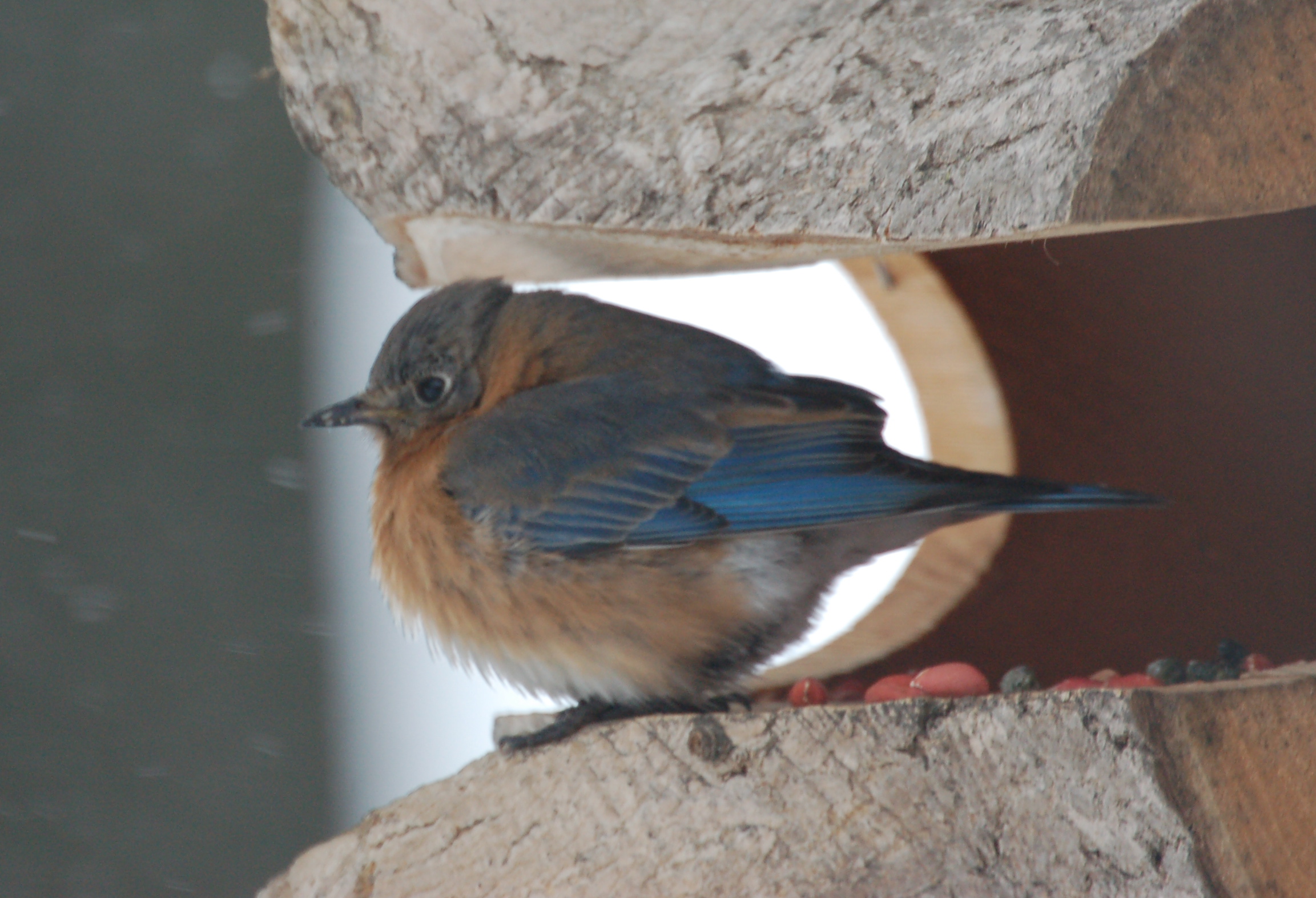
Eastern Bluebird by Bruce Stambaugh
Though this shot is of another bird, this chilly female Eastern Bluebird served as model for both the birds that I love and the weather that I watch. With the stinging, horizontally blowing snow on a late February day, she sought food and shelter and found both in the hollowed out log peanut feeder that hung on our back porch.

March

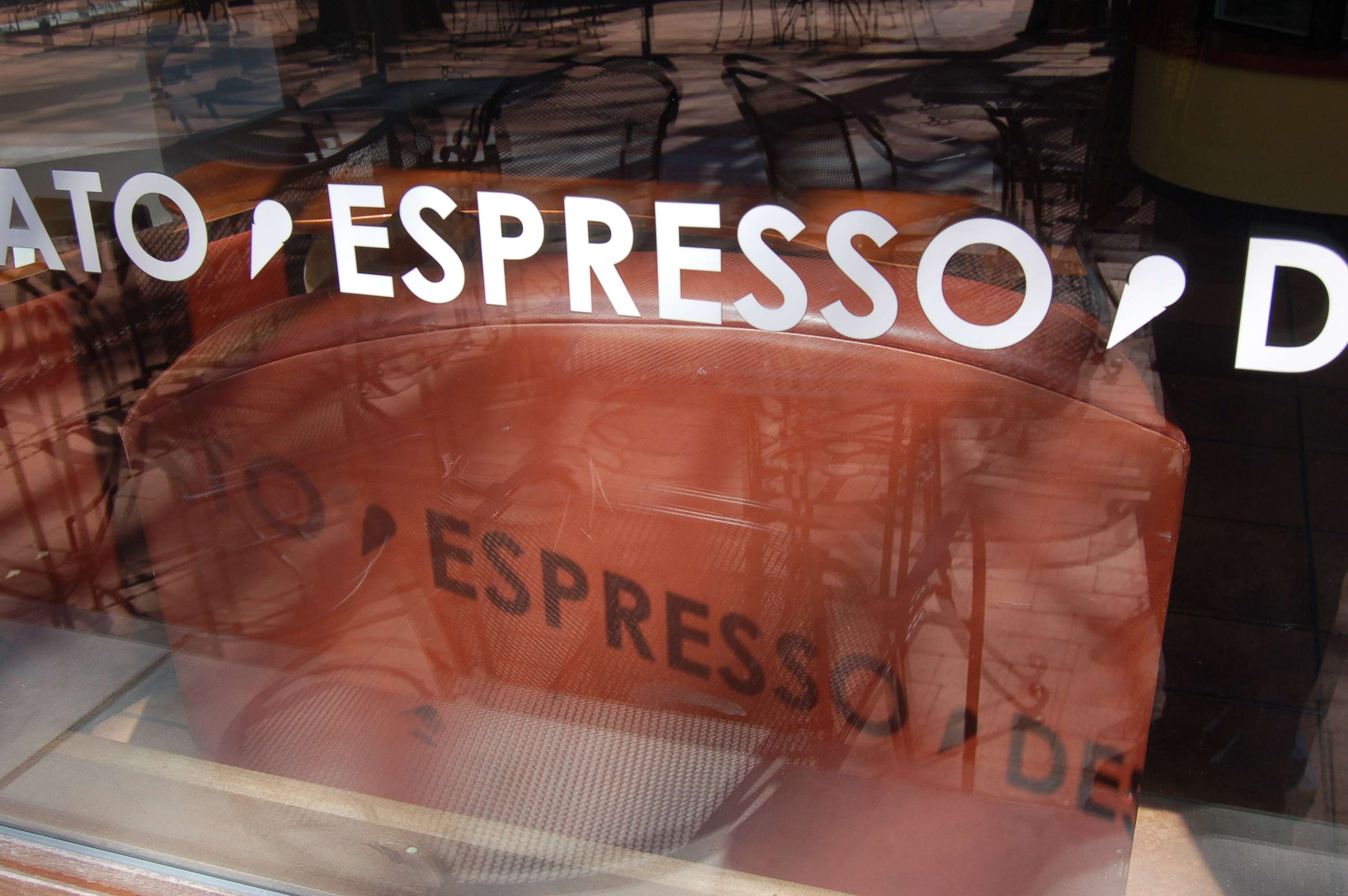
Espresso art shot by Bruce Stambaugh
I chose this shot as a symbol of how the year unfolded. Taken outside a café in downtown Charlottesville, Virginia, I couldn’t help notice the irony of the dark gray shadow of the white window lettering on the back of the chair inside the shop. The rest of the picture is busy and blurred with multiple reflections, much like my 2011 life experience.

April

Family photo by Bruce Stambaugh
Inscribed on my grandfather Stambaugh’s tombstone is the simple yet profound phrase, “He liked people.” Well, so do I, especially family. Whenever family gathers, like my daughter’s family did at Easter with us, we try to get a family photo. But with young children, getting a perfect picture is a challenge. I thought this imperfect one to perfectly represent that point. The middle child, the long-haired lefty on the left, distains set up shots about as much as me. His older brother enjoyed Davis’ tantrum while the boys’ father tried to settle number two. The granddaughter ignored the silliness and played with a toy, while our photogenic daughter stayed focused on the camera as best she could.

May

Two birds by Bruce Stambaugh
Yep, another bird picture. It wasn’t the subject matter as much as the color that made this the May pick. Plus, it’s a rarity to have a male Baltimore Oriole and a male Red-headed Woodpecker on a suet feeder at exactly the same time. Fact is, neither seemed to mind the other since they continued to feed for several minutes.

June

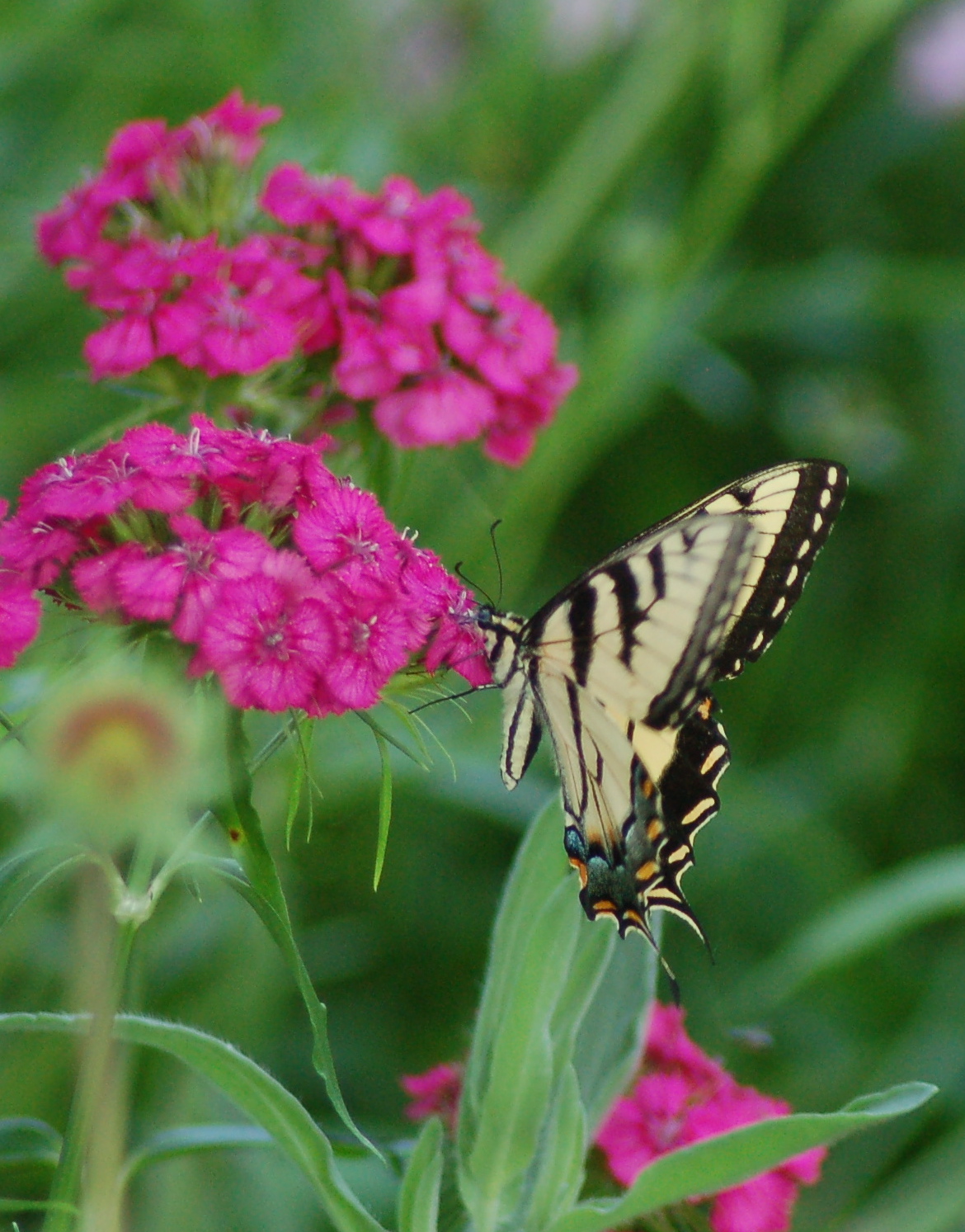
Floral and fauna by Bruce Stambaugh
June was a beautiful month, save the occasional severe weather. After a long, chilly, wet spring, June’s warmth and sun brought out beautiful flowers and insects, like these Sweet Williams and this Tiger Swallow-tail butterfly.

July

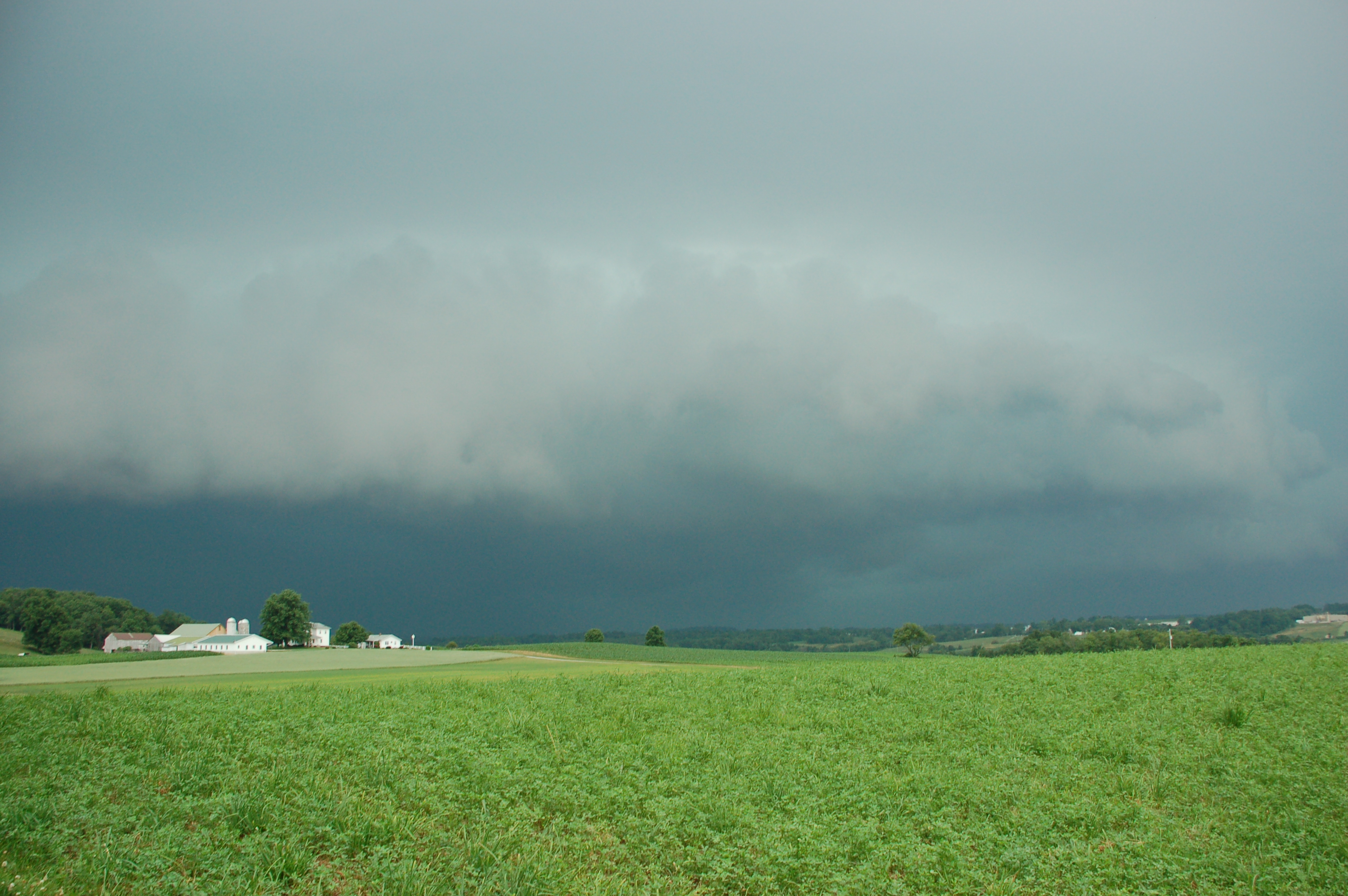
Shelf cloud by Bruce Stambaugh
I felt this picture embodied the year we had in northeast Ohio as much as any photo I shot. Precipitation records were broken throughout the state in 2011. Severe thunderstorms, like this one with its foretelling shelf cloud, pelted northern Ohio all spring and well into the fall. Flooding, damaging tornadoes and microbursts, hail and blinding snowstorms were all a part of the year’s complex weather.

August

Lush harvest by Bruce Stambaugh
Notorious as a hot, humid and often dry month, August fooled us this year. As lovely as June was, August was even nicer. I thought this shot of my Amish neighbor cutting golden oats between lush alfalfa and emerald field corn best represented the month’s congeniality.

September

Sept. 11 sunset by Bruce Stambaugh
Like millions of other global citizens, September 11 is a special day for me. Mostly out of the desire for peace, I consider this day personally sacred. I tend to use the day for reflection and prayer. I thought the sunset on the 10th anniversary needed no words of explanation as to why it was September’s choice.

October

Fall sunrise by Bruce Stambaugh
Every photographer knows when he or she has taken the shot. On a foggy fall morning, I was fortunate enough to capture this shot two miles east of our home. I still smile when I see it.

November

Benefit auction by Bruce Stambaugh
Our church community is an important ingredient in my life. On the first Saturday in November, Millersburg Mennonite Church held a benefit auction for two couples in our congregation who either have adopted or are in the process of adopting children. Of course, the cost of that process is high. All the items in the auction were donated. Needless to say, the auction was an all-around success.

December

Christmas Bluebird by Bruce Stambaugh
We began this venture with a bird. I figured we might as well end it that way, too, especially when this male Eastern Bluebird came calling at the sunflower heart feeder and basked in the Christmas Day afternoon sun.

People, floral and fauna, scenery and weather all play important parts in my life. I feel fortunate to be able to regularly photograph shots representing each category. If I just happen to stumble upon some scene, bird, flowers, cloud or person that requires that I shoot a shot, I consider myself a happy and blessed person.

Happy New Year everyone!

Bruce

An empty nest is a good thing

By Bruce Stambaugh

We humans can learn a lot from bird behavior.

A pair of Rose Breasted Grosbeaks had frequented a backyard hanging feeder filled with sunflower seeds for much of the summer. Time and again they ferried nourishment to their young somewhere deep in the woods. When they were ready, the young fledged and flew the coop. The nest was empty.

Rose Brested Grosbeak by Bruce Stambaugh
A male Rose Breasted Grosbeak at the oil sunflower feeder.

My wife and I knew early on in our child rearing that the day would come when our daughter and our son would both be gone. They would grow up and begin lives of their own. That’s as it should be.

The main role of parents is to raise your children the best you know how, imperfectly to be sure, and then let them go. They are adults. They can use their own wings to fly through this crazy world of ours.

Still, I have encountered parents who long for the days when their children were younger. They just can’t give them up, even though they are adults. The comments have not only come from newbie nesters, also known as helicopter parents, who hover over their college freshmen. Veteran parents whose “children” left long before our own also seem melancholy.

Empty nest by Bruce Stambaugh
No post about the empty nest would be complete without a picture of an empty nest, in this case a House Wren's nest in an Eastern Bluebird box.

Ideally, the child/parent relationship should go something like this. As infants, the children are totally dependent on the parents. As they grow and mature, they change from children to young adults, responsible for their own actions.

By their late teens, the kids may go off to college, like our children did, or simply leave home to begin life on their own. It is at this critical point in the family relationship cycle that parents need to freely release their offspring.

Unfortunately, given the current extended downturn in the global economy, jobs are harder to come by. The reality for some is that out of financial necessity adult children and sometimes grandchildren have had to move back in with parents and grandparents.

In the 16 years since our nest has been empty, my wife and I have had opportunities to travel without the constraints of busy teenagers’ schedules. More often, we have simply enjoyed our quiet times together. Of course we continue to interact with our grown children and the grandchildren as frequently as we can. But we have also learned to give them their own space.

Flower garden by Bruce Stambaugh
My wife gets many compliments on her beautiful flower gardens.

The empty nest has had another unexpected benefit. My wife and I have also rediscovered one another, and learned to enjoy our own hobbies and interests. Some we do as a couple. Others, like gardening for Neva and birding for me, we enjoy separately. We have gained individually and as partners.

I know humans have a higher calling than birds. Birds at least instinctively know that their role as parents is to sit on those eggs until they hatch, feed the chicks until they fly, teach them how to forage for food and to fear predators. After that, they are generally on their own.

For me, that’s where the comparison tilts to our advantage. We should strive for interdependence with our adult children, keeping in contact with them, always loving and communicating with them, without controlling or smothering them. Achieving that optimum goal can help combat the emptiness of the empty nest.

A healthy, nurtured interdependence between parents and adult children can result in the empty nest being a good thing for all involved, birds included.
Family by Bruce Stambaugh

August is the quiet month

August sunset by Bruce Stambaugh
A typical August susnet in Ohio's Amish country.

By Bruce Stambaugh

I have always thought of August as a transitional month, the days between busy, boisterous July and the revitalizing September.

August is the stepping-stone from summer’s onslaught of activities into a pre-fall mentality. Vacations wind down for most people. It’s back to school and back to work.

If we take time to halt our busyness, our clamor to re-ready ourselves for the new school year at hand, we can take note of this calendar bridge from tilling to harvest, from clamor to order. In its intermediary mode, August seems to quietly take it in stride.

The songbirds no longer need to announce their territory or impress their mate. The young have flown the coop, or more properly stated, the nest, and bird life has returned to seeking daily subsistence. The American Robin precisely models the point.

From April to July, the Robins paired off, warbled their luxurious choruses almost continuously sunup to sundown. They pecked on windows, noisily flitted off their nests when disturbed and faithfully fed their young.

The Robins were ubiquitous in both presence and song. People often comment when they see their first Robin of the spring.

First Robin by Bruce Stambaugh
People often remark when they spot their first Robin of the spring.

Now, in late August, the Robins have all slyly retreated to their preferred nomenclature. They are more than content to while away the day searching for food deep in the recesses of the shade and forest.

Think about it. When was the last time you either heard or saw a robin? They simply and silently slipped away unnoticed.

If they haven’t already, other bird species will soon be disappearing from the area altogether. The Purple Martins, Barn Swallows and Common Nighthawks all heed their interior instinctive urgings and vanish unseen much like the Robin. We under-appreciate their massive consumption of insect protein until it’s too late to thank them.

Just as quietly, the multiple greens of fields and pastures have grown taller, richer. Chameleon-like, they have morphed into emeralds, tans and russets with hardly a rustle.

August harvest colors by Bruce Stambaugh
The colors of August change from day to day.

Farmers have taken in their wheat and most of their oats matter-of-factly, and now tolerantly wait the drying of the later cash crops, corn and soybeans. There is no mechanized clanking in patience.

Song Sparrow by Bruce Stambaugh
A Song Sparrow sings away.
The Song Sparrow still belts out an occasional composition, but nothing as regular as it had been earlier in the season. The House Wrens, once so noisy they approached annoyance, have taken to the underbrush, giving their last brood endurance lessons.

August’s atmosphere also has been quieter than the previous months, save for a couple of late night thunderstorms. The brilliant flashes and deep, rolling booms shattered my sleep like Civil War cannon fire might have. Midnight imaginations run wild when deafeningly jolted.

The few sounds of August we can count on are more monotonous and so commonplace we may not even notice their calls. Cicadas and crickets signal day and night. With windows thrown open to catch the unusual August twilight coolness, the insect symphony has helped humans settle in for sound sleeping.

Every now and then a ranging coyote howls from atop the neighbor’s pastured hill, if for no other reason than to drive the tethered neighborhood canines crazy. The feral call is one thing. The domesticated is another.

Now that school years in most locales begin well ahead of September, the playful echoes of children rollicking at recess again fill the air. It’s a timbre I love to hear over and over again, even if it does break August’s amazing silent spell.
Amish school by Bruce Stambaugh

Response to disaster defines community

Buggy charm by Bruce Stambaugh
A horse and buggy rolled by some snapped off trees north of Charm, Ohio.

By Bruce Stambaugh

If anyone ever wanted a snapshot of what defines this community, the beehive of activity in the aftermath of the storm that recently hit the Charm, Ohio area would perfectly frame that picture.

No sooner had the trees plummeted onto homes, buildings and roadways, than residents were out and about checking on one another. With the good fortune of finding no injuries, the cleanup began in earnest.

Helping hands by Bruce Stambaugh
Neighbors pitched in immediately to help clean up the debris left by the severe thunderstorm.

Four-wheelers, tractors, Bobcats, track hoes, and even monster skid loaders ran up and down skinny township roads. Their drivers and passengers stopped to assist wherever help was needed.

A man driving through the area just happened to have his chain saw in his pickup. With trees in his way, he did the logical thing. He cranked up his chain saw and began cutting. Drivers of a trio of semitrailers lined up behind him exited their cabs and joined in. He sawed. They pulled the limbs aside.

That proactive scenario was repeated a multitude of times throughout the Charm area. The volunteers weren’t asked to do this important work. They simply did so because it needed to be done, and they had the tools and the talent to do it. More than that, the desire to assist their neighbors in need drove them into action.

This was no time to feel sorry for yourself. Those receiving the aid worked side-by-side with the volunteers.

The response to this latest calamity in Holmes County was immediate and spontaneous, as it always seems to be no matter where the misfortune happens. Whether it’s a fire, devastating illness, serious flood or a severe thunderstorm, citizens come to the aid of others. Time and again people automatically go above and beyond the call of duty.

Barn destroyed by Bruce Stambaugh
My friends' barn roof was ripped off by the microburst.

My wife and I got caught up in the flurry of activity in Charm. We went to check on the property of friends who live near Charm but were on vacation. The 80 mph microburst winds ripped the roof off their small barn and scattered anything not nailed down for hundreds of yards.

What we witnessed as we made our way to and from the farmstead was truly amazing, though not unexpected. In disasters like this, citizens in Holmes County by and large do the right thing. No police supervision was needed.

Road crews by Bruce Stambaugh
Residents, neighbors and road crews pitched in to clear roadways.

An hour and a half after the storm, roadways had been cleared of giant trees and other debris strewn by the incredible hurricane-force, straight-line winds. Houses, too, were already being repaired.

Everywhere we went people and machines were working to clean up the mess. They didn’t call the fire department. They didn’t wait on road crews, though at least one township had its personnel out clearing roads.

People saw the needs, and their inherent work ethic simply kicked in. The cleanup was on. Strangers helped strangers. Friends helped friends. It was a marvelous operation to observe and be a part of.

House damage by Bruce Stambaugh
This house sustained heavy damage from the large pines blown onto it.

One particular setting ideally modeled both the community spirit and gracious gratitude. Hands that had cut up a large severed pine gathered around a picnic table. Grateful hands placed offerings of nourishing food for the thoughtful helpers. Together they shared a simple meal. Kindness is contagious.

By any definition, that is how a community is supposed to work and commune. That scene has been duplicated many times in the past, and most likely will be again in any future adversity that hits our rural haven.

Bay Photos by Donna

Wildlife Photos From The Chesapeake Bay Region

ROAD TO NARA

Culture and Communities at the Heart Of India

K Hertzler Art

Artist and nature journalist in the Shenandoah Valley of Virginia.

Maria Vincent Robinson

Photographer Of Life and moments

Gabriele Romano

Personal Blog

Jennifer Murch

Art is the only way to run away without leaving home. -Twyla Tharp

Roadkill Crossing

Writing generated from the rural life

ANJOLI ROY

writer. teacher. podcast cohost.

Casa Alterna

El amor cruza fronteras / Love crosses borders