October is the nostalgic month

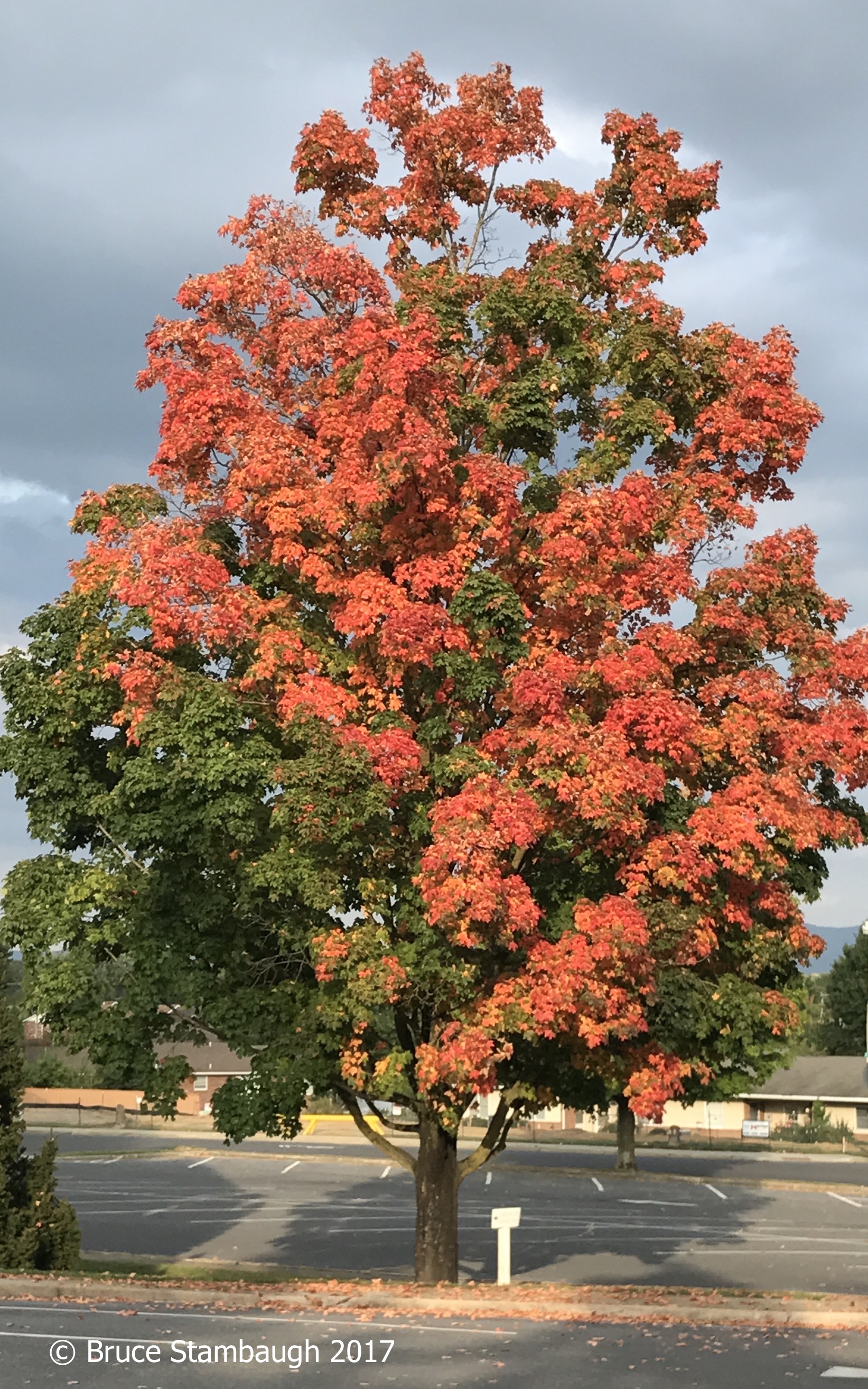
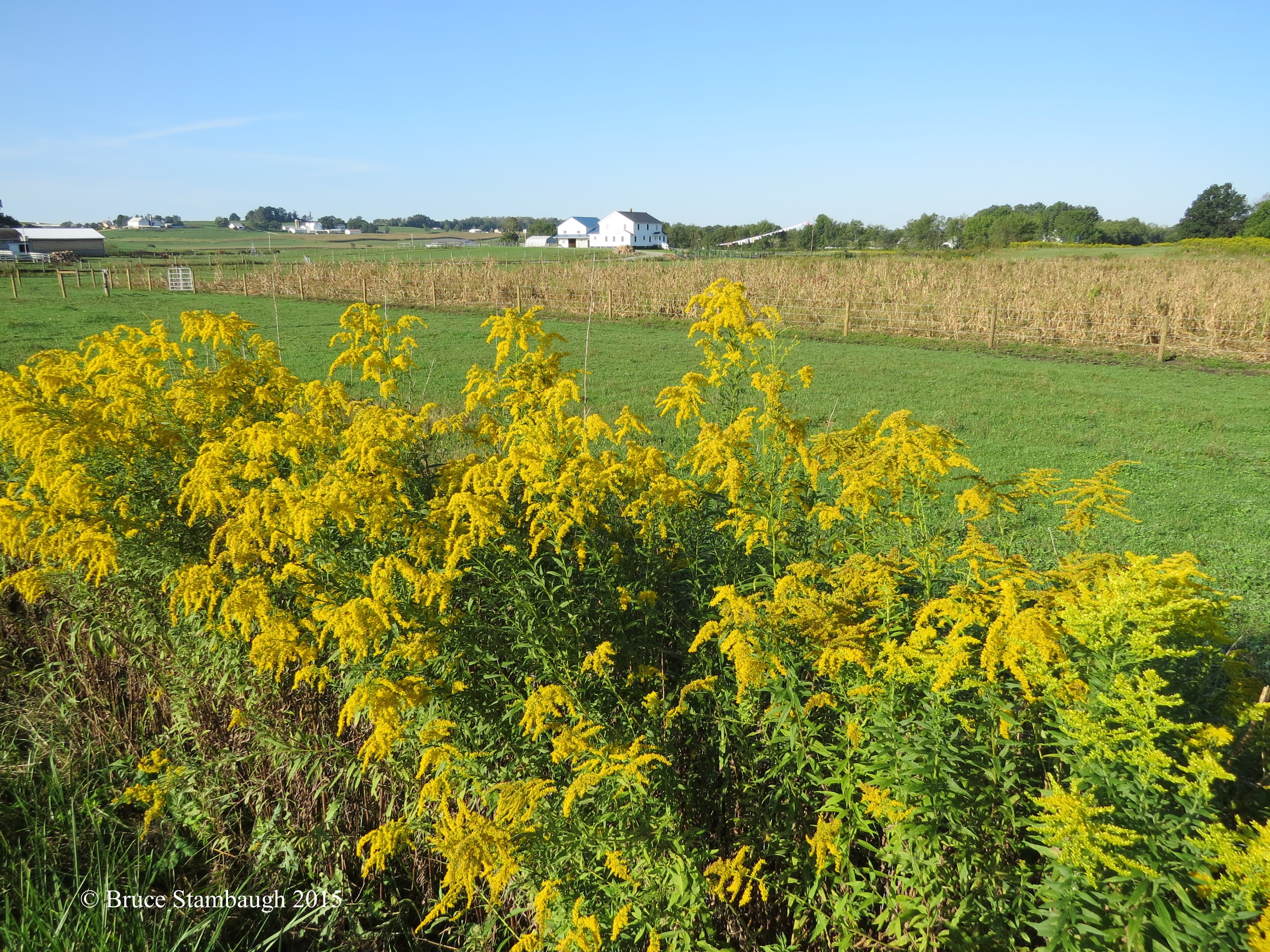
A typical fall scene in eastern Holmes Co., Ohio.

If the calendar has a nostalgic month, October is it for me.

As a child, our father would load his brood of five into the old cream-colored Chevy, and we would head southwest out of our blue-collar steel town to the wonders of Holmes County, Ohio. Oh, the things we would see and encounter.

We’d stop along the windy way of U.S. 62 to sample cheese. We watched horse-drawn black buggies clop along, marvel at the corn shocks standing in rolling fields, and gape at long farm lanes that led to large white houses with big red bank barns. The real show, however, was in admiring woodlot after woodlot ablaze with every shade of orange, red, and yellow.

Dad would photograph the most colorful of the scenes. I couldn’t have imagined that as an adult that I would spend the best years of my life in that setting, among those people.

If I had to pick an ideal month and place to paint an iconic picture of our life, it would have to be October in Holmes County. My wife and I reared and raised our children there. We fulfilled our careers there and made life-long friendships.

During the first decade of our life together, my wife and I lived in the western hills of Holmes County. In October, there was no prettier drive than the road from Killbuck to Glenmont with its seven hills all dotted gold, russet, and yellow. It was a landscape artist’s paradise.

We built our first home on a bluff facing into that lovely valley. The view was always gorgeous in October.

When we moved to the eastern section of the county, our directional orientation and views changed but were equally splendid. Facing east, many gorgeous sunrises greeted us. The brilliant sunsets we enjoyed from the back yard were similarly lovely.

Our Ohio October view.

The bucolic scenes of corn shocks drying in fields surrounded by blushing sugar maples, rusting oaks, and yellowing ash and tulip poplars were commonplace, but no less appreciated. I drove back many of those long lanes to converse with the inhabitants of those white houses, and the keepers of those red barns. It was like those childhood visions had become actuality. That’s because they indeed had.

But October served as a double-edged sword of sorts for me. I didn’t mind the changeable weather. If an early-season Canadian clipper arrived, the snow seldom stuck, and if it did, the fluffy whitewash merely enhanced the already glorious countryside.

It wasn’t the weather or even the stinging scent of burning leaves that concerned me, though. Early Halloween pranks brought us volunteer firefighters out at 3 in the morning to douse some of the corn shocks that had been set on fire for pure orneriness.

On more than one occasion, town squares resembled barnyards. Temporary pens of goats and sheep were surrounded by hay bales and relocated corn shocks that blocked the traffic flow.

The good news was that the farmers usually got their livestock back safe and sound. Fortunately, that tradition has waned with the advent of security cameras and alarms.

We haven’t experienced such shenanigans during our two-year stint in Virginia’s Shenandoah Valley. With consecutive dry summer and fall months, the autumn leaf colorations can’t compare to those of our former home either.

I suppose that is what in part drives my pleasant autumn nostalgia for those bygone Holmes County days. October does that to me.

© Bruce Stambaugh 2019
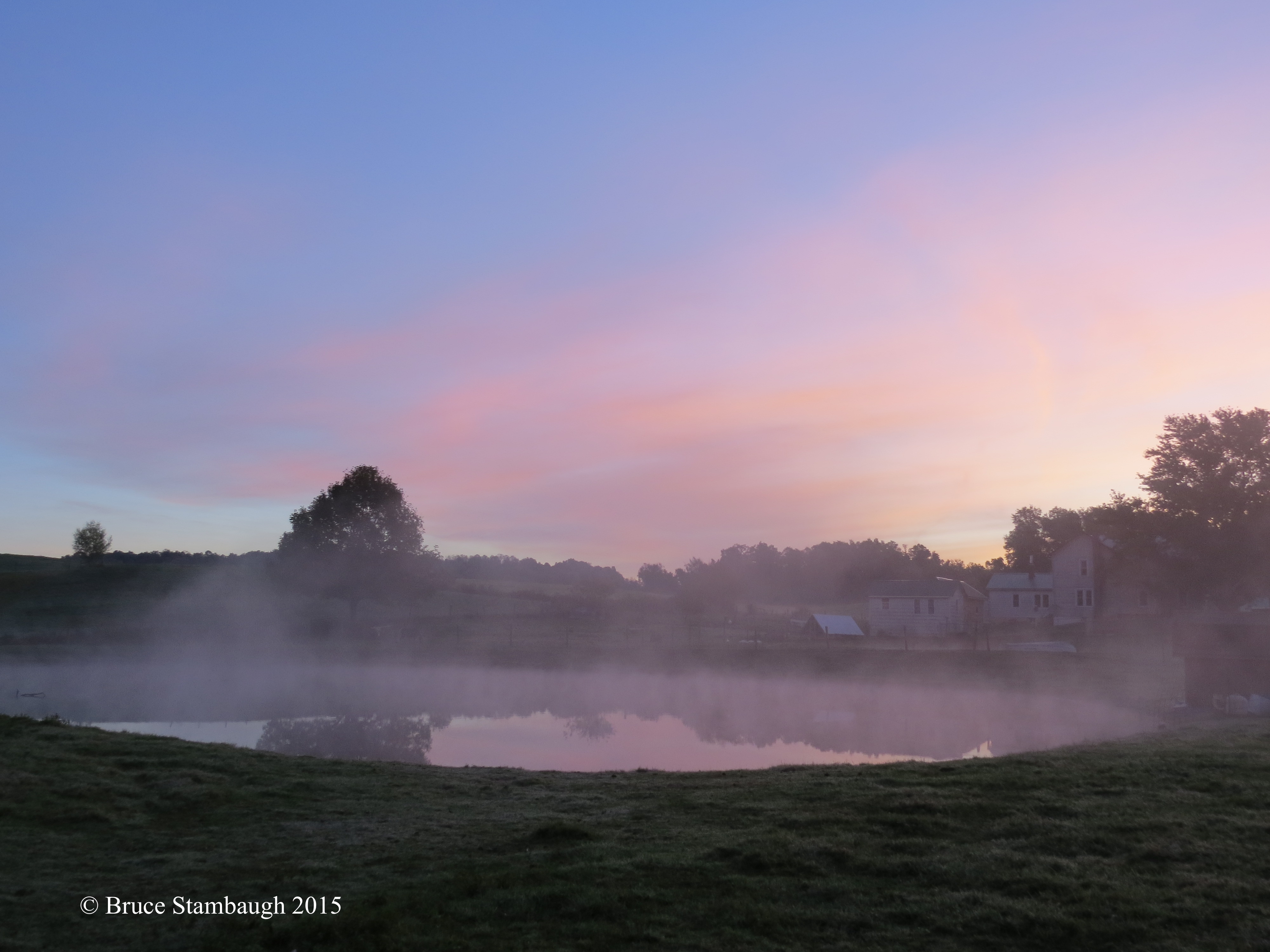
Purple Haze


I sincerely doubt that this is what Jimmie Hendrix had in mind with his song “Purple Haze.” But if there ever was a photo of purple haze, this surly has to be it.

It was a chilly morning several years ago in Ohio’s Amish country about this time in October. The mist coming off of the farm pond caught the twilight’s first light. I also doubt that the residents of this Amish farmhouse ever heard of Jimmie Hendrix. But they do know what purple haze is.

“Purple Haze” is my Photo of the Week.

© Bruce Stambaugh 2019

Recognizing the virtue of September’s silence

Listen. Did you hear it? If not, there’s still time. In a few short days, September’s most significant gift will be gone.

The changing leaves too often get all the attention, especially the gorgeous sugar maples. I have no argument with that whatsoever. September merely sets the stage for Nature’s colorful artwork.

Inexplicably, that wondrous, warming rainbow leaves leafy trails to this September virtuous quality. Can you guess what it is?

In the pondering, we uncover this gracious gift the world is too often too busy to unwrap. September’s silent specialty is all around us. Do you hear it? That rhetorical question is no joke.

Silence is golden as the saying goes, and from beginning to end that silence is never more so than in September. Listen again to see if you agree.

September gives us ample opportunity to embrace her unique child. Her silence never sleeps. She is as still as still can be 24-hours a day.

At every dawn, September’s stillness is broken not by the sun, but by humankind winding up for another day of work. Unnatural sounds break the silence and intrude upon our slumber.

The morning train whistles reverberate up and down the valley warning of its impending crossings. Even with the house windows closed, we can hear it from miles away.

Tires hum on the variegated macadam where country and city roadways meet. On occasion, sirens tell a tale of disrespect, distress, or disorder that further disturbs September’s sacredness.

With the initial rush over, my wife and I settle on the back porch for a simple breakfast. Too fascinated with the month’s hush, we seldom interrupt it or one another’s thoughts.

Thinking the coast is clear, mourning doves swoop in for morning refreshments at the birdbaths. One slight movement by either of us and the spell is broken. The ripple of wind that propels them to safety in the neighbor’s blue spruce tickles my neck.

A rabbit nibbles freely at the fibrous greenery. Its oversized eyes sparkle in the sunshine, its floppy ears twitch without disturbing the quietude.

We take up the same positions at lunchtime. Migrating ruby-throated hummingbirds squawk their arrival at the nearby feeder. Too much like humans, they spend more energy chasing each other away rather than learning to share the nourishing liquid nectar.

The leaves and needles of the neighborhood trees hang limp and still. Even if a slight afternoon breeze gently bounces them around, they remain faithful to the code of September silence. They hit the ground inaudibly.

Beneath those shady limbs, lawnmowers roar back and forth, back and forth. When the last blade is cut, the glorious silence returns. Does anyone hear it?

If not, the ubiquitous gangs of bellowing blue jays are sure to enforce it with their host of calls and cries. Their intentions are righteous; their methods are inadequate and contradictory, to say the least. Still, once gone, September’s silence is palpable.

Twilight may be the best time to catch a glimpse, a snippet, a pocketful of September’s hush. With the day’s work done and supper over, the last of the season’s crickets sing the silent song into the night.

Overhead, the Milky Way, dim as it is in the potentate sky, twinkles its approval of the welcome stillness. The day is done. Though many have tried sunup to sundown, September’s silence has thankfully prevailed.

Much like the rest of us, September’s days are numbered. Listen for her calming silence while there is still time.

© Bruce Stambaugh 2019

Horses in the morning mist


I caught these horses grazing in the morning mist at a September dawn a few years ago. The photo was taken in the heart of Ohio’s Amish country in Holmes Co., Ohio.

“Horses in the morning mist” is my Photo of the Week.

© Bruce Stambaugh 2019

Why September is the golden month

September in the Shenandoah Valley.

My wife caught the moment perfectly. We sat on our back porch enjoying our usual simple Sunday supper.

“It’s really still,” Neva said. In response, I looked up. I am not sure why, because silence can’t be seen.

As usual, though, she was right. For no dogs barked, no lawnmowers purred, nor were any voices heard.

An unusual phenomenon caught my attention. A light breeze blew through the back yard, rustling the red maple leaves. Though they quivered steadily, they, too, were silent. I found that both eerie and fascinating.

I relaxed in the uplifting and refreshing quietude. Such an instance enables you to see the moment itself as it is, not as you want it to be.

Turning.
Here we were only on the first day of the month, and already September issued forth one of its many golden moments. If the ninth month kept to its course, there surely would be many more, hurricanes notwithstanding.

The stillness seemed to be the day’s crown jewel, adorning a crest of many arches already naturally appointed. I noted a few of the maple’s eastern-facing leaves had already tinged.

On my morning walk around the neighborhood, I had noticed that other trees also had begun to transform their leaves. A giant sugar maple showed reds and orange where the morning’s first light peeks over the eastern hill that separates the city from the country.

A helter-skelter pattern of blotchy brown infested the fringes of the pointy leaves of a mighty pin oak. I had to wonder if it was seasonal change, blight, insects, or a combination of those causes.

Overhead, a disorganized flock of Canada geese winged it south. I heard the honking long before I saw the birds. Someone or something must have disturbed their foraging in a nearby farmer’s field to be out of formation.

Not the usual V-pattern.

On social media, birders in Ohio and Virginia alike shared photos of western sandpipers, red knots, and other gorgeous birds visiting local mudflats and waterways on their return trip. Birds know when it’s time and September gladly greets them.

The summer’s heat had taken its toll on flowers, whether wild or cultivated. Even recent decent rains couldn’t revive them.

On the way home from church, I had noticed the once lush leaves of the soybean fields had dulled to pale green. Interspersed flecks of diluted yellow appeared randomly, much like the pin oak’s disorderly display.

In contrast, fields of sunflowers glowed golden, a living symbol for the month itself. September is notorious for being the gilded sibling among its peers. Could jealousy be why August stirs and spins its tropical trouble into its September sister?

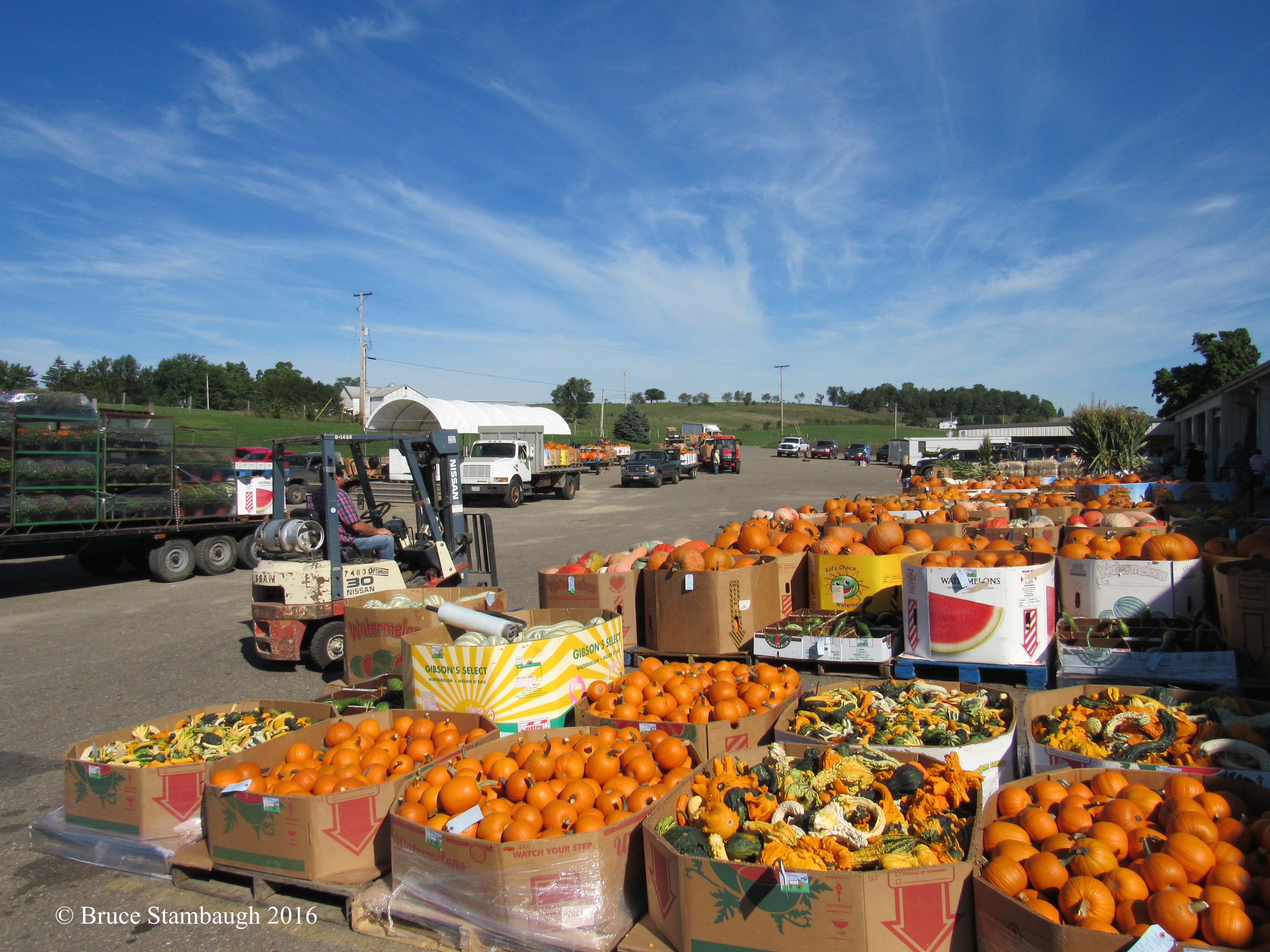
September relishes its title. It shows off its stuff at county fairs, produce stands and in supermarkets. The honeyed tones of summer squash, cantaloupes, the last of the season’s sweet corn, and the early ripened gourds and pumpkins prove the point.

Pumpkins galore.

I suppose that is only appropriate since stores are already pushing fall sales and Halloween merchandise. If they haven’t already done so, primary classroom windows will mimic the fall colors with a run on yellow, red, and orange construction paper.

Of course, with the flip of a mental sports switch, our attention has turned from baseball to football. High school, college, and pro scores dominated the front pages of Saturday morning newspapers, at least the ones that still publish.

Crickets trading musical text messages woke me from my muse. September is here, and I intend to enjoy every moment the fair-haired month has to offer. I hope you can as well.

© Bruce Stambaugh 2019

This picture really is worth a thousand words

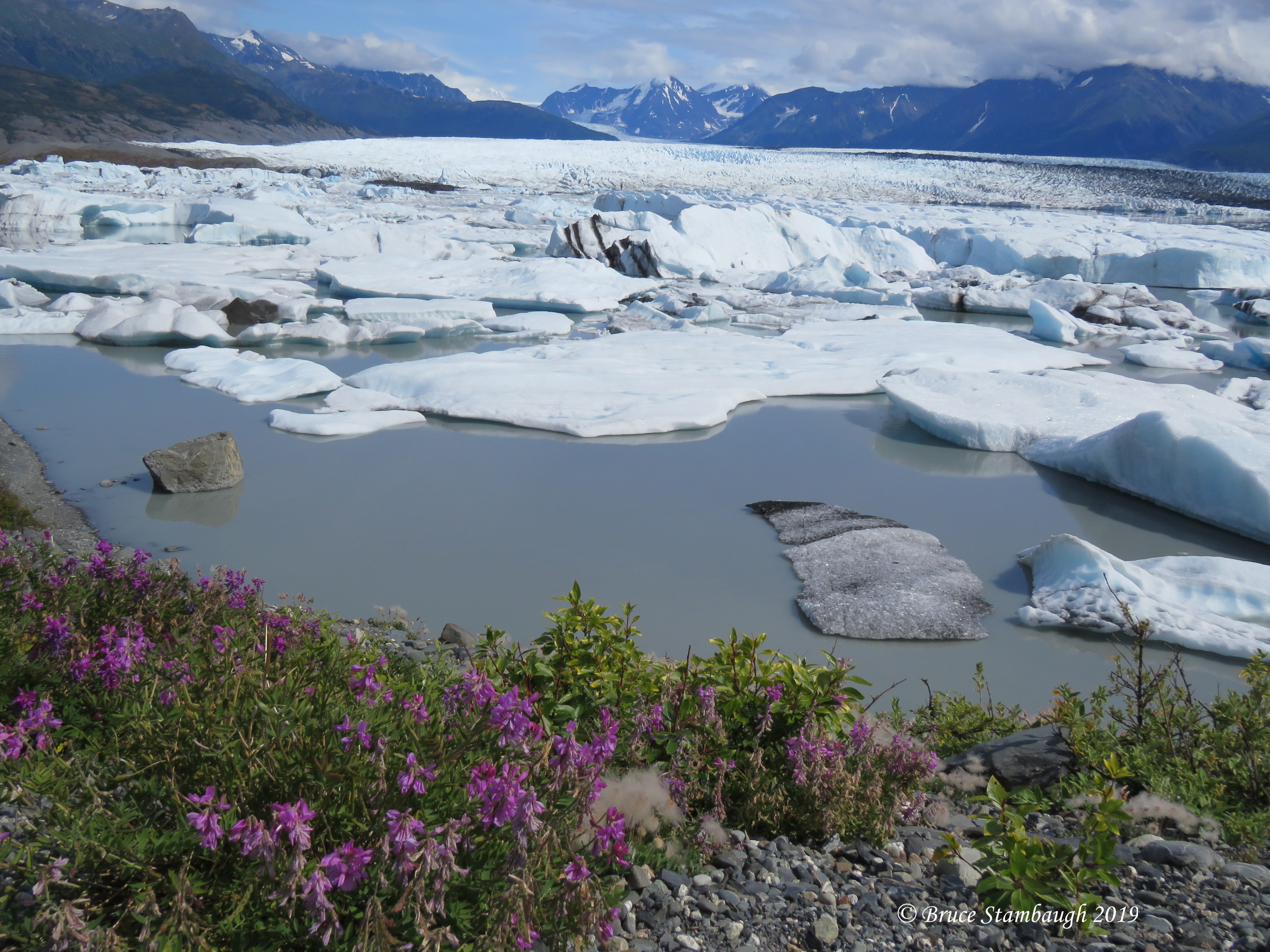
Overlooking the icebergs in front of the Knik Glacier, Palmer, AK.

Of the more than 2,000 photos that I took on a recent two-week trip with my wife, one single photo stands out for me. It wouldn’t win any photo contests, but it best represents the sentiment of our journey to Alaska and Canada’s Yukon Territory.

The picture could have been of the ubiquitous and colorful fireweed blanketing a misty alpine meadow. During our visit, I captured the brilliant pink flower in every stage of blooming. But that’s not it.

I could have easily chosen one of several digital landscapes of the Knik Glacier. Our friends Doug and Rosene took us there on our very first day in the 49th state. The views were stunning, the experience exhilarating. But, no, that’s not my favorite photo.

The early morning view from Flat Top Mountain overlooking Anchorage, Alaska could certainly qualify, too. I could faintly see the grand mountain Denali through the morning haze. That wasn’t it either.

Other possibilities were the many snapshots of caribou grazing in meadows in Denali National Park and Preserve. For shooting at some distance through the window of a refurbished school bus, I thought the photos turned out pretty well. However, none of those shots could compare to my favorite.

This slideshow requires JavaScript.

I had hoped to see a bull moose while on our trip. As we approached the end of our Denali tour, we spied one lumbering through the brush 100 feet from the bus. Even my first bull moose pictures couldn’t match the one that touched me most.

We much enjoyed our walk around the frontier town of Dawson City, Yukon. With its dirt streets and eclectic set of residential and commercial structures, it looked like a set right out of a John Wayne movie. As lovely as that assortment of Dawson photos was, they couldn’t measure up to my pick.

You should see Emerald Lake, a beautiful body of water worthy of its colorful name in the Yukon. Surrounded by mountains dotted with forests and meadows, the shots I got are some of my favorites, but not the favorite.

Shortly after that, we stopped at the quaint village of Carcross, built on a spit of land between two sparkling lakes. I captured a flock of ducks twisting and turning in the sky over Lake Bennett. As ecstatic as I was, those pictures can’t compare to my most precious shot.

Please click on the photos to enlarge them.

The narrow-gauge train trip down the mountain gap from the Canadian border to Skagway, Alaska was breathtaking. With a clear sky and divine mountainous scenery, the shot of the train crossing the trestle over a river is calendar-worthy. Nope. That’s not the one either.

I had high expectations for getting shots of several different glaciers in Glacier Bay National Park. Sea, air, and light conditions made for perfect shots. But as you likely have surmised, they aren’t my choice either.

I was fortunate to capture memorable photos of gorgeous scenery, thrilling wildlife, spectacular glaciers, and eye-catching architecture. Yet, none qualify as my shot of shots. What is?

My favorite photo of our dream vacation is one of the best I have ever taken of my wife. Neva is standing at the stern of our cruise ship as it slowly eases out of port to begin our brief voyage.

The smile on her face is both precious and priceless. As she looks back at the camera, Neva’s radiance lights up the dim evening setting. It wasn’t the anticipation that created that glow. It was the pure pleasure of being there together.

© Bruce Stambaugh 2019

Shenandoah Sunset


Given the crazy assortment of weather we have had in the Shenandoah Valley this summer, photographic sunsets have been hard to comeby. Any hint of a possible colorful evening sky, and I headed to my favorite sunset spot. Too often it was to no avail.

Recently, however, that changed, even with few cumulous clouds to reflect the setting sun. I was glad for this recent sunset, and I am happy to share it with you.

“Shenandoah Sunset” is my Photo of the Week.

© Bruce Stambaugh 2019

Down on the Farm


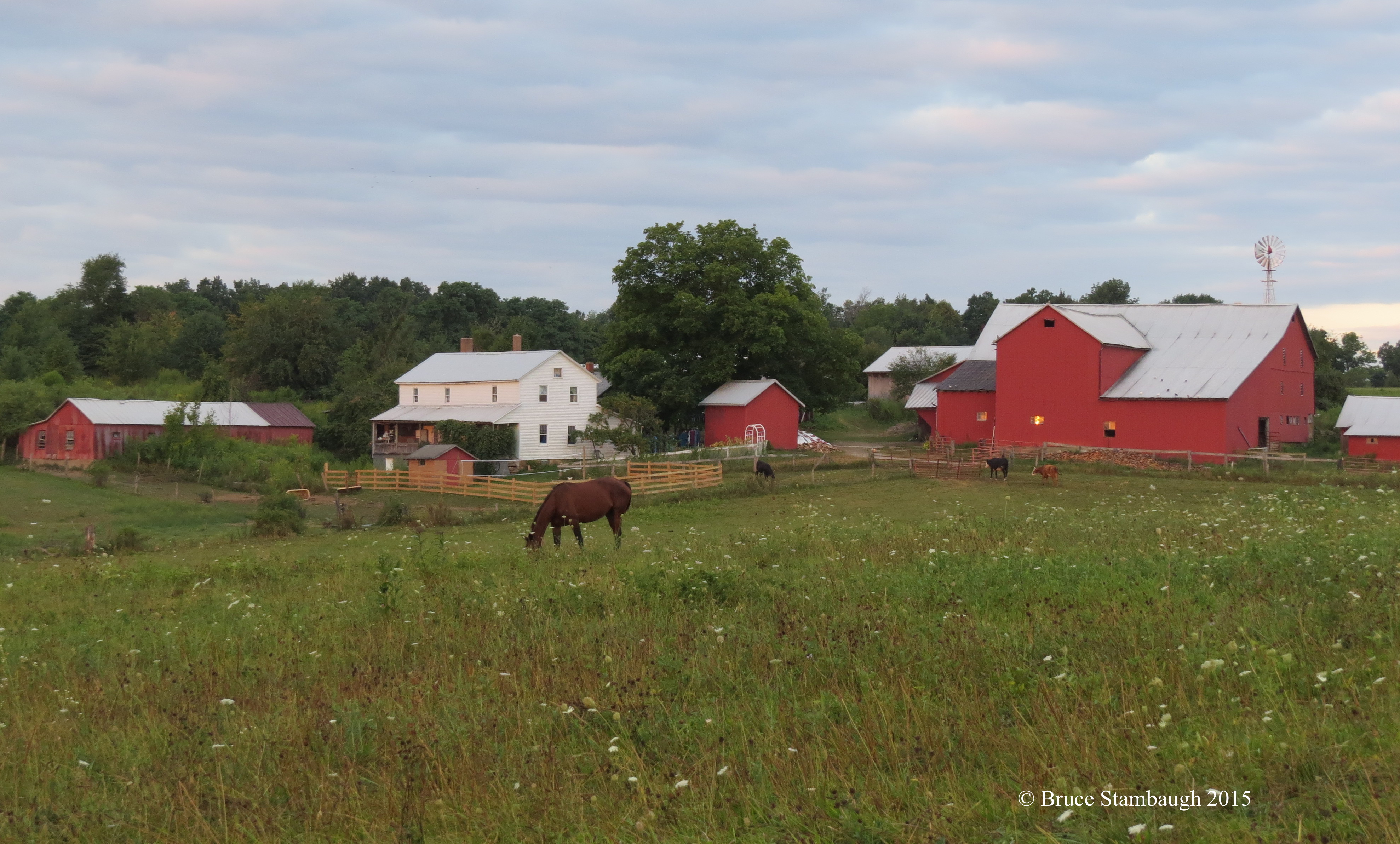
The early morning sunlight is glinting off of the coffin red barn’s windows. The soft rays temporarily paint the white house pink. The laundry is hanging on the washline to dry. The cows are heading back to the pasture. The buggy horse is grazing among the Queen Anne’s Lace. Altogether, it is another August morning down on an Amish farmstead in Holmes County, Ohio.

“Down on the Farm” is my Photo of the Week.

© Bruce Stambaugh 2019

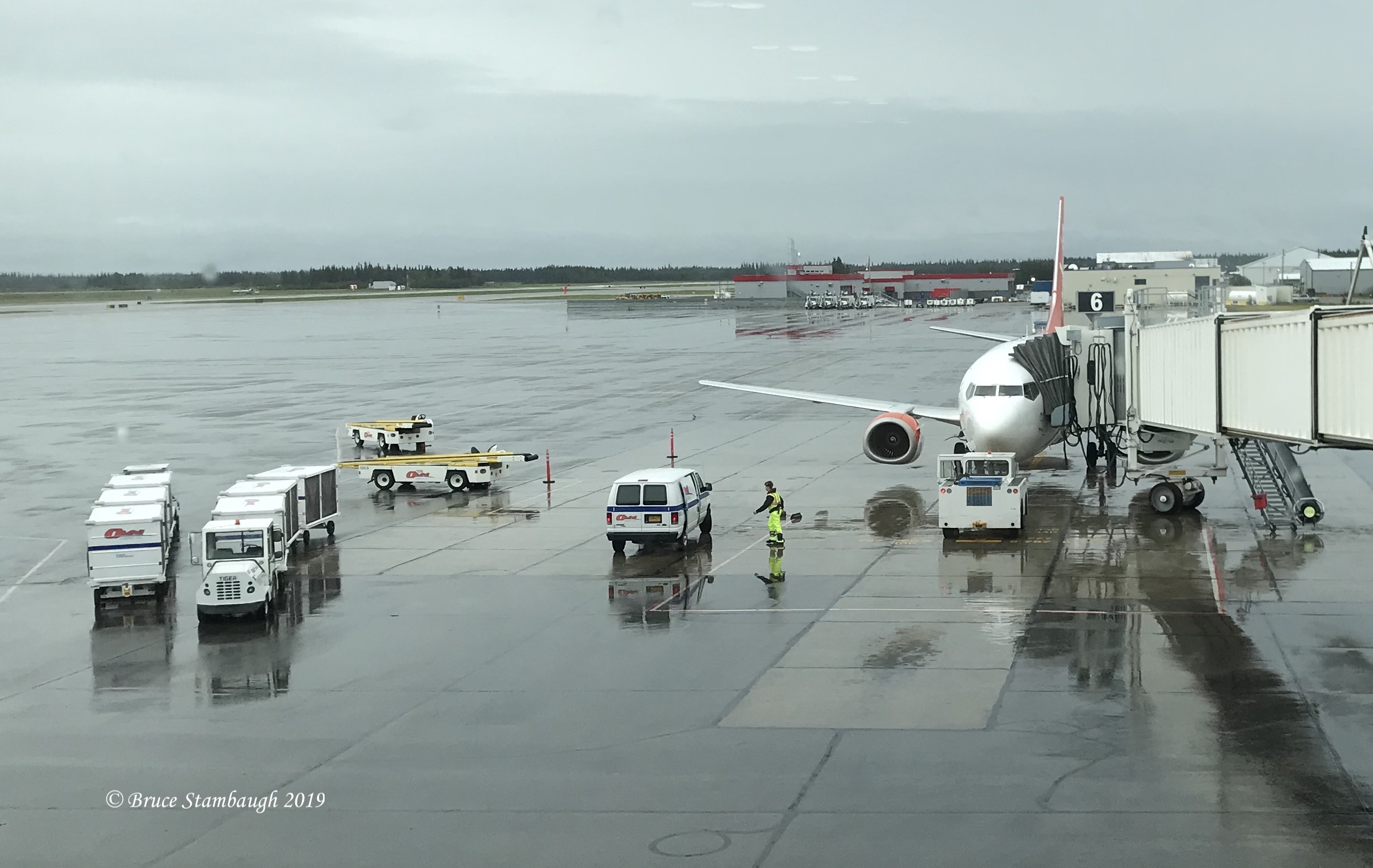
It was a cloudy day all across the U.S.

On the tarmac.

It was a cloudy day all across the United States. My wife and I flew five hours from Vancouver, British Columbia, Canada, to Dulles International Airport near Washington, D.C.

A blanket of gray covered the entire area of the northwestern United States and southwestern Canadian provinces. On liftoff, it didn’t take long for the jetliner to punch through the clouds, and quickly climb above them.

As the plane leveled out at its cruising altitude, splotches of brown and green peeked through the gray and puffy white clouds. Were we over Washington, Idaho, Montana? I didn’t know, and it didn’t matter.

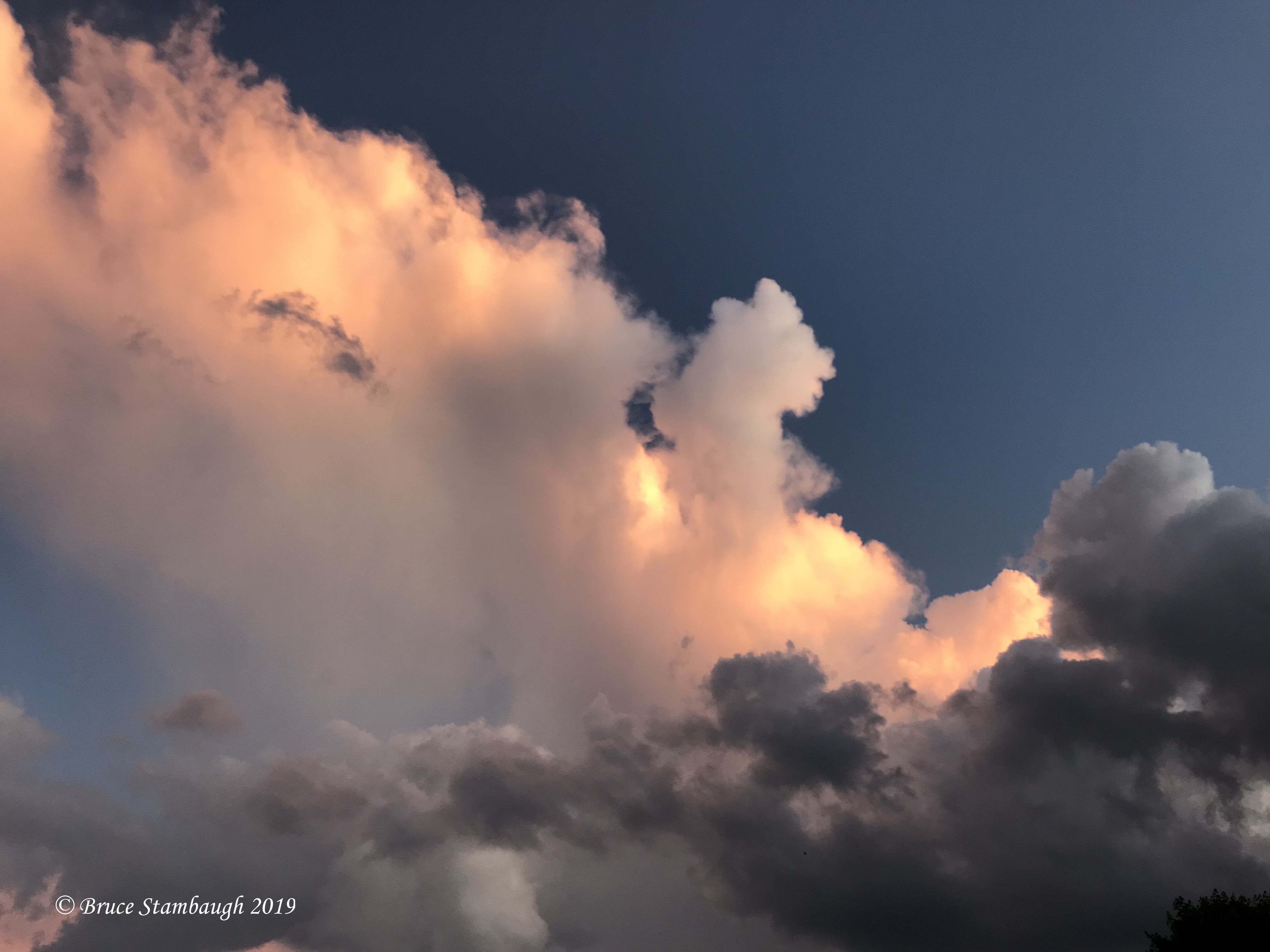
Evening clouds.
We were winging it home after a two-week stint of sampling nearly every type of transportation imaginable. On our extended trip, we hopped on planes, trains, buses, cars, vans, SUVs, boats, old Army troop trucks, ships, and even repurposed school buses. We walked a lot, too. Now we were back on a jet heading home.

It was Alaska or bust for us this time. Unlike too many of the old gold prospectors of long ago, the 49th state was no bust for us. Neither was the Yukon Territory, which geographically mirrored much of Alaska’s towns, mountains, and inland rivers.

We had crossed back and forth between the two countries several times. But now in the sky, borders were insignificant, indefinable. They were unrecognizable as God meant them to be until man intervened and contrived invisible boundary lines. Bees, butterflies, grizzly bears, bald eagles, and migrating birds deemed them meaningless.

The clouds thinned over America’s breadbasket. Their charcoal shadows indiscriminately cast jigsaw-like puzzle pieces onto croplands and the Badlands alike.

Evening clouds.
From the jetliner, more ominous storm clouds appeared, and the earth again disappeared. We flew south of the sharp anvil-shaped thunderheads that towered 20,000 feet higher than the 37,000 feet we reached.

Once clear of the storms, I saw the mighty Mississippi River turn and twist beneath the haze as the plane began to bounce in the turbulence ahead of the weather front we had breached. Fastened seatbelts kept us in place until the skies smoothed and summer’s famous white, fluffy clouds steered us eastward.

The clouds were broken enough for me to finally distinguish details on the ground seven miles below. Jagged rows of giant windmills sprouted in the quilt-patterned patches of midwestern agriculture. I wondered if the farmers regretted or relished the decision to take the money and let the monsters run.

Directly to the north, I could see an airport and a city butted up against the end of a large lake. It had to be Duluth, Minnesota at the western tip of Lake Superior.

East of the Big Muddy, clouds blanketed the states like one continuous unrolled sheet of quilt batting gone ballistic. Then the cottony layer transitioned into cotton balls. I could see Michigan’s western shoreline, even the little inlet to Traverse City.

The plane began its gradual descent. Lake Erie appeared through the summer haziness, then Columbus, and then the squiggly Ohio River. In West Virginia, rows and rows of hundreds of windmills towered above lush hardwood forests on old, folded mountain ridges. John Denver played in my head.

As the sun waned, the plane drew lower and lower. We crossed the Appalachians, the Shenandoah Valley, and the Blue Ridge Mountains, all in less than a minute. Through the haze, we landed with a gentle bounce.

We had had a marvelous trip, but it was good to be home under a cloudless sky.

Home.

© Bruce Stambaugh 2019

Explosive Sunset


The setting sun backlit this thunderstorm over Sugar Grove, West Virginia just as the top of the storm was being blown apart by upper level winds. I shot the dramatic scene from a ridge in western Rockingham Co., Virginia.

“Explosive Sunset” is my Photo of the Week.

© Bruce Stambaugh 2019

Bay Photos by Donna

Wildlife Photos From The Chesapeake Bay Region

ROAD TO NARA

Culture and Communities at the Heart Of India

K Hertzler Art

Artist and nature journalist in the Shenandoah Valley of Virginia.

Maria Vincent Robinson

Photographer Of Life and moments

Gabriele Romano

Personal Blog

Jennifer Murch

Art is the only way to run away without leaving home. -Twyla Tharp

Roadkill Crossing

Writing generated from the rural life

ANJOLI ROY

writer. teacher. podcast cohost.

Casa Alterna

El amor cruza fronteras / Love crosses borders