I had to wonder, when I saw this on the side of a panel truck, what happened to Mel? Was he bought out of the company? Did he move? Was he fired? Did he walk the plank?
Whatever happened and wherever Mel is, Happy April Fools Day!
The initial stop on the Sugar Trail at New York’s Genesee Country Village and Museum.
I didn’t really know what to expect when our son and his wife informed us that we were going to a maple sugar festival. I knew that our daughter-in-law was super excited, which was enough incentive for me. Besides, what choice did I have? They had already purchased tickets, and it was a rain or shine event.
So, off we drove southwest from Rochester, New York, to the Genesee Country Village and Museum. We arrived in less than an hour, and it was clear from the crowded parking lot that we weren’t alone on this adventure.
We checked in and were directed to the Sugar Shack, where the modern method of boiling maple sap down to create maple syrup was explained. In New York, it takes about 39 gallons of sap to make a gallon of maple syrup. I thought back to my Ohio days when I visited various sugaring operations. The general rule there was 52 gallons of sap to create a gallon of maple syrup. I wondered if the latitude had anything to do with the difference.
From there, it was on to sugar snow. That’s where maple syrup is poured over snow for a special tasty treat. In the absence of snow, crushed iced served the same purpose. We enjoyed it just the same.
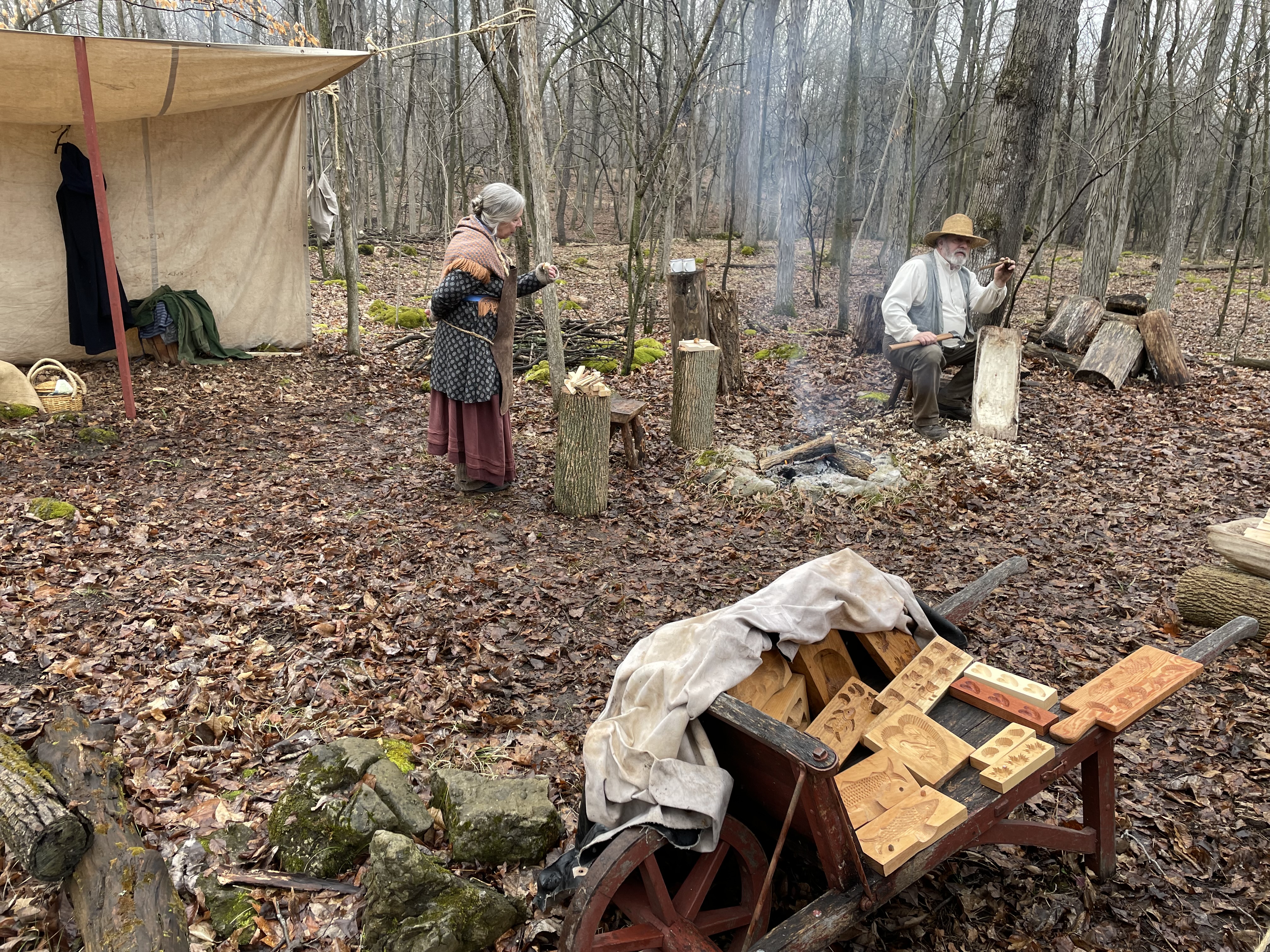
Wooden molds like pioneers used for maple sugar candy.
When the docent tells you that the sap in the bucket is full of bugs and bacteria.
The modern way of tapping maple trees, but don’t use the same spot as you did last year.
Tasting sugar snow.
Soon, we were on the Sugar Trail, where volunteers in period costume explained the maple sugaring evolution one station at a time. Our umbrellas went up before we even stepped foot on the trail.
The wet weather didn’t dampen the spirits of either our gang of six or the knowledgeable folks at each stop. They knew their stuff and shared how both Native Americans and white settlers took advantage of the sap run during February and March.
We learned a lot along the way. The walk was equally a figurative and literal stroll through the woods dominated by sugar maple trees. We followed the signs from stop to stop, ending up at how maple sap is currently gathered by most successful sugaring operations.
Plastic tubing is strung from tree to tree with plastic inserts that are tapped into the tree. Gravity carries the sap to the main collecting barrel instead of going from tree to tree emptying individual buckets full of the sweet stuff. In truth, only 2% of the water collected is sugar, thus the boiling of the water. Workers have to gauge the proper heat to avoid burning the syrup. Despite the mechanization, it’s still a tedious process.
By trail’s end, we were ready for lunch. A brief stop at an on-sight eatery got us going again. That’s when the real surprise came.
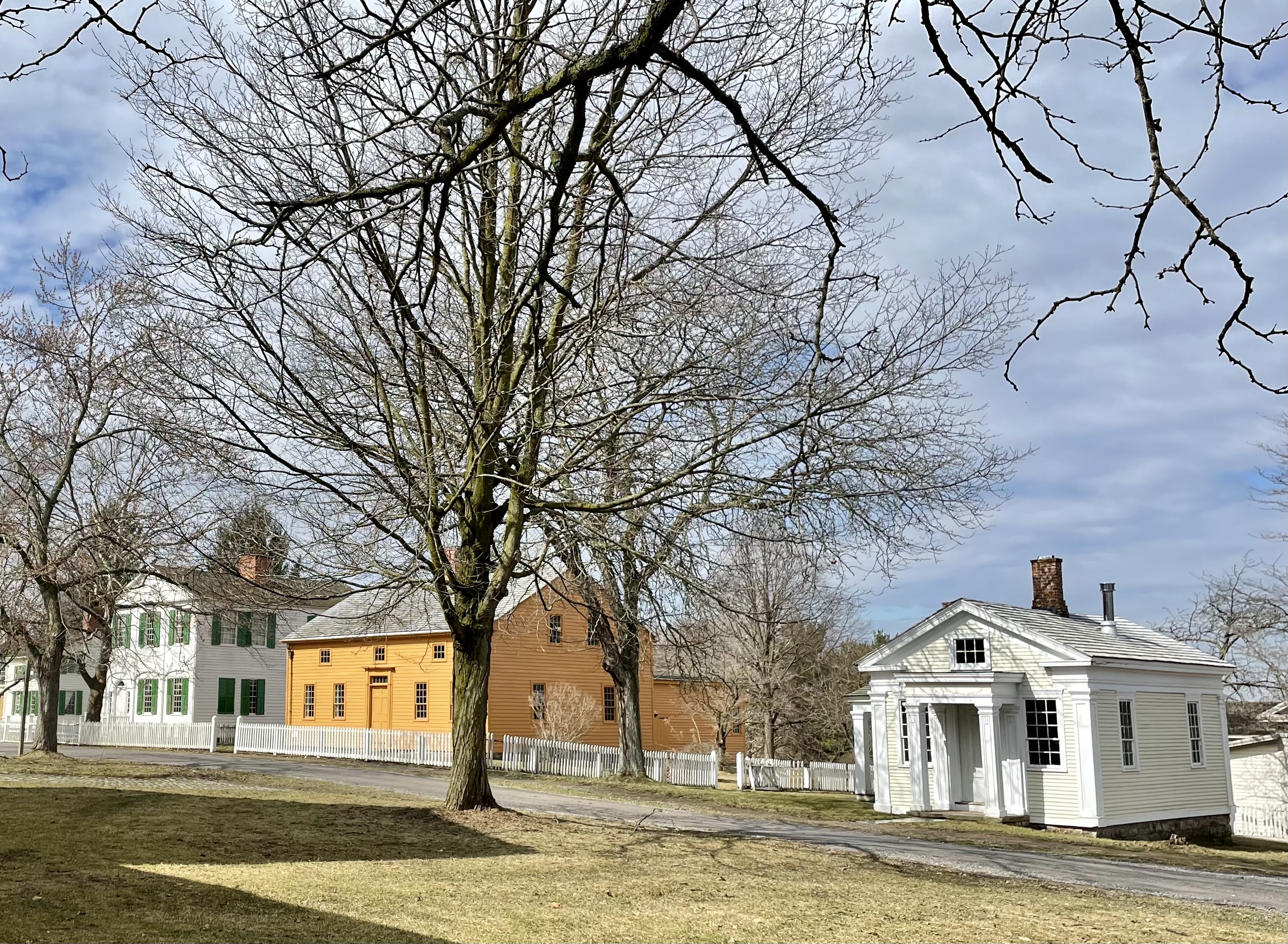
Genesee Country Village and Museum is a collection of historical buildings brought to the site for educational purposes. George Eastman’s boyhood home is in the village. Eastman was the founder of Eastman Kodak Company.
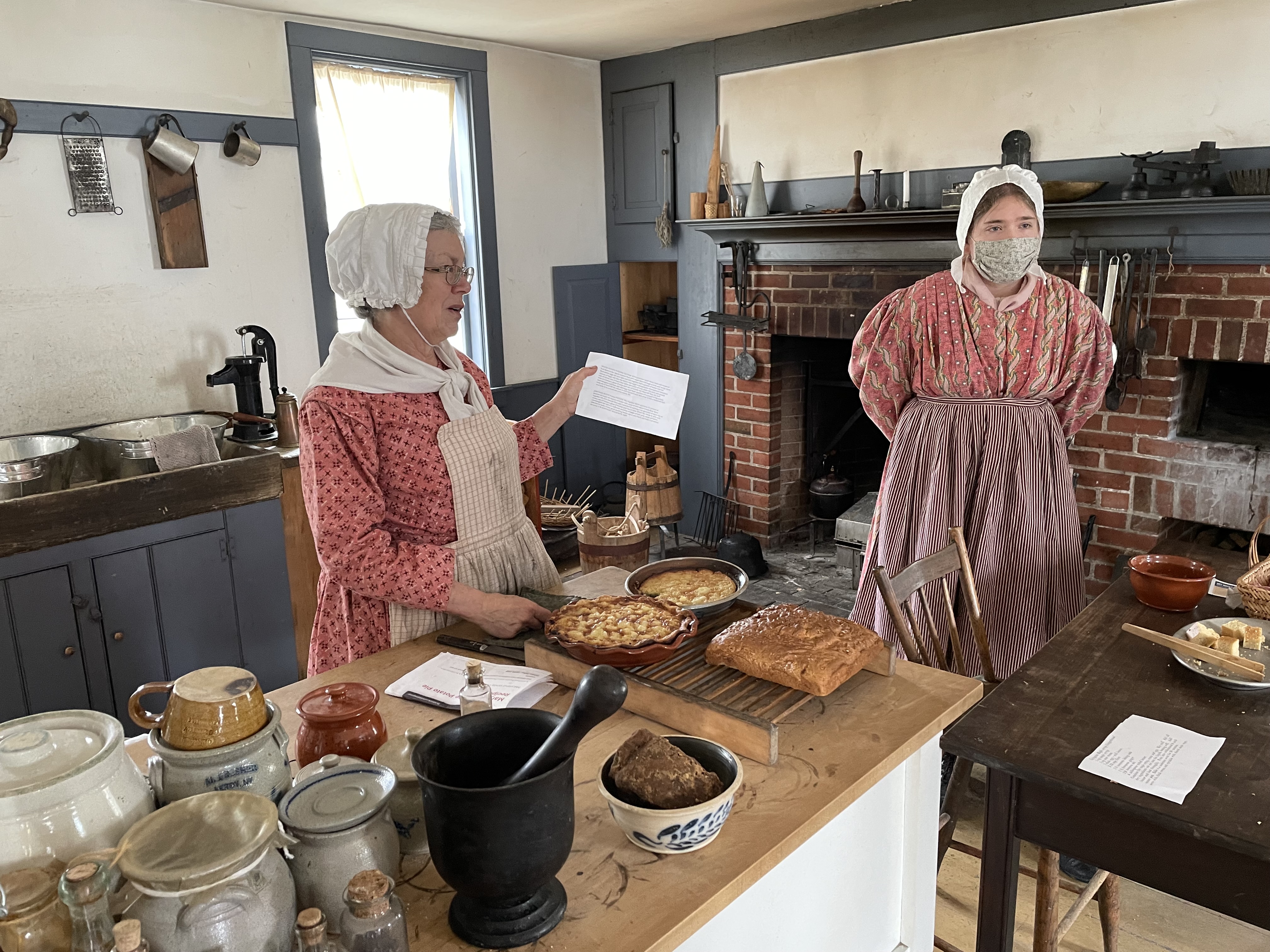
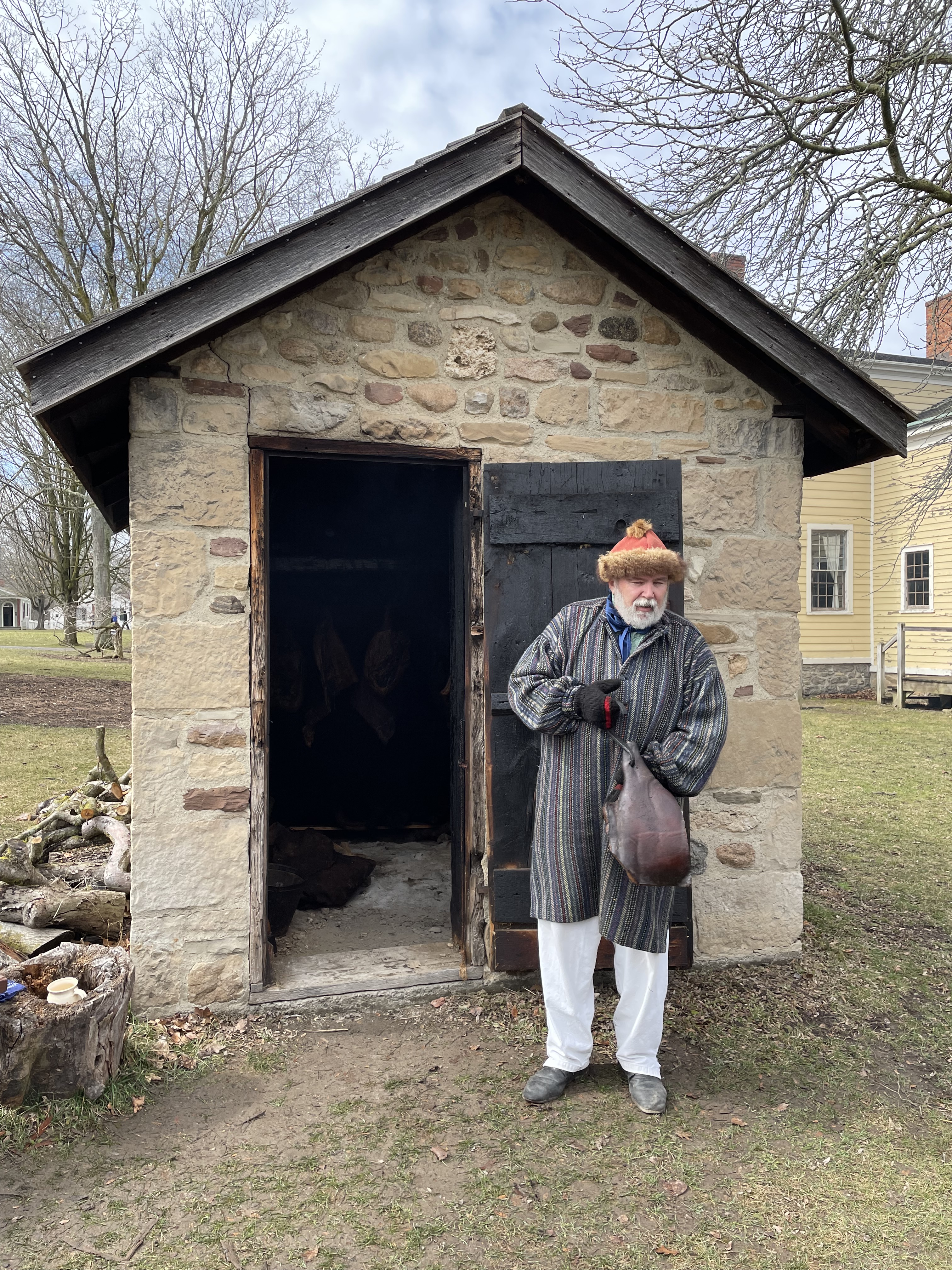
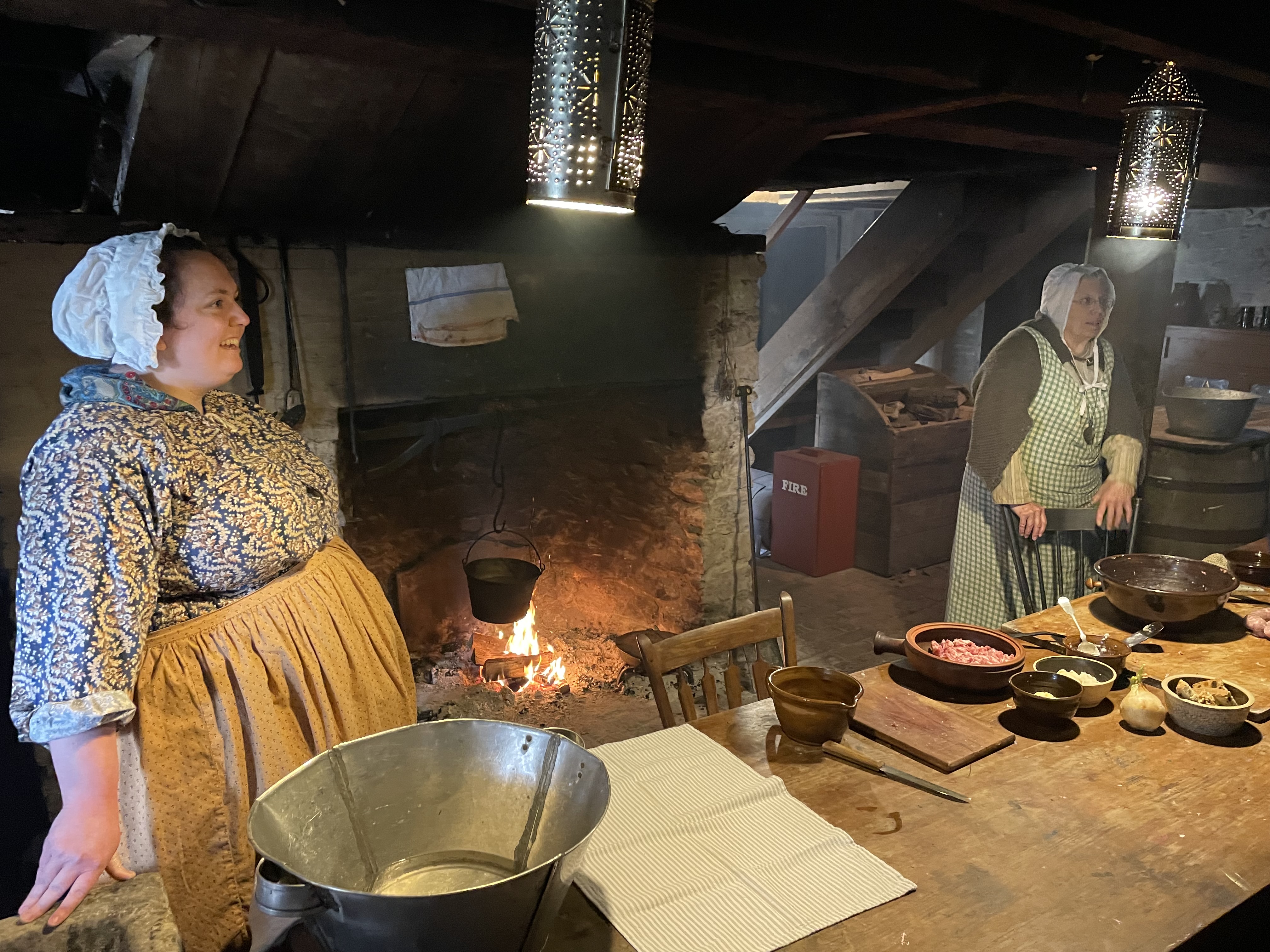
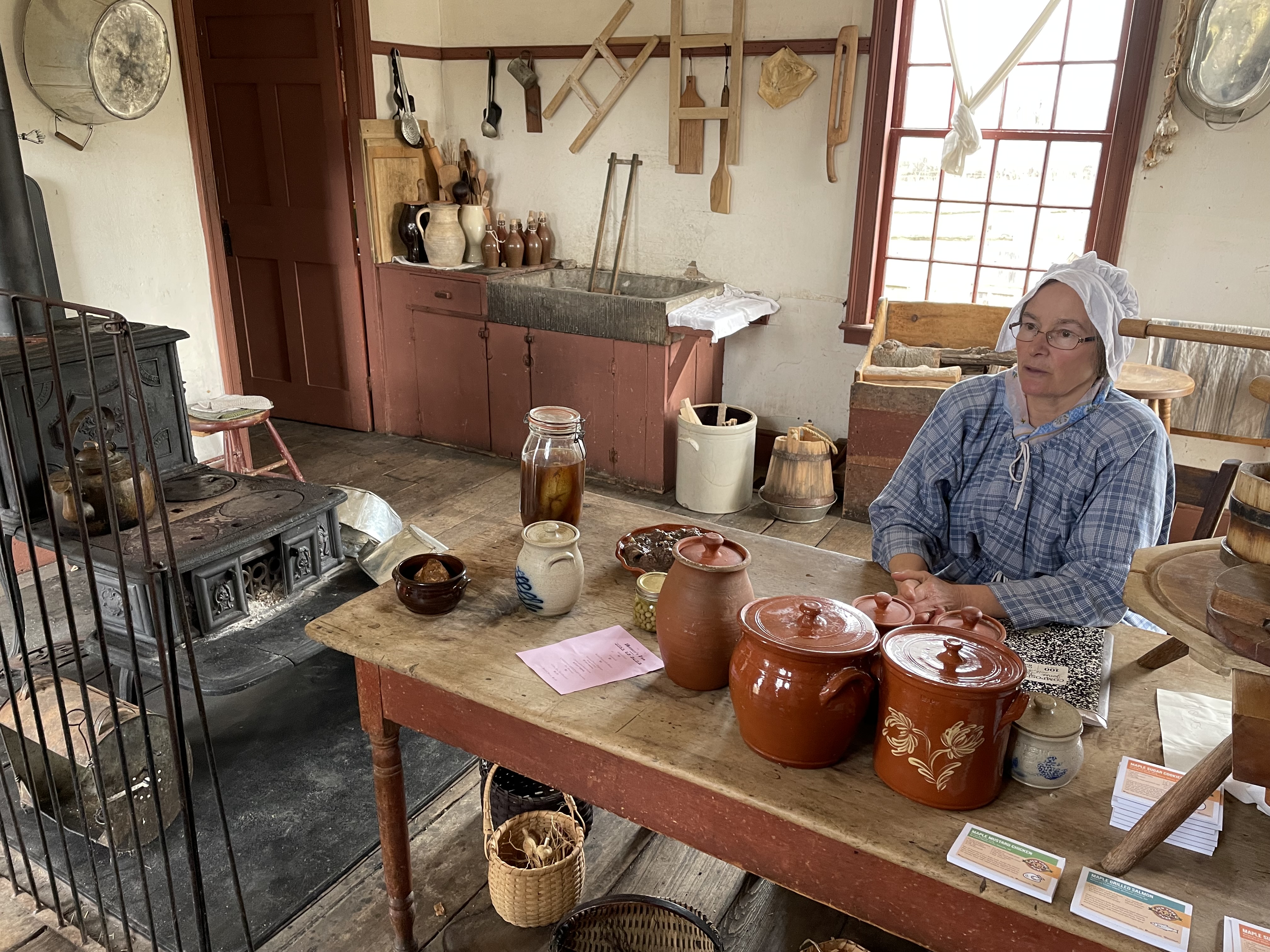
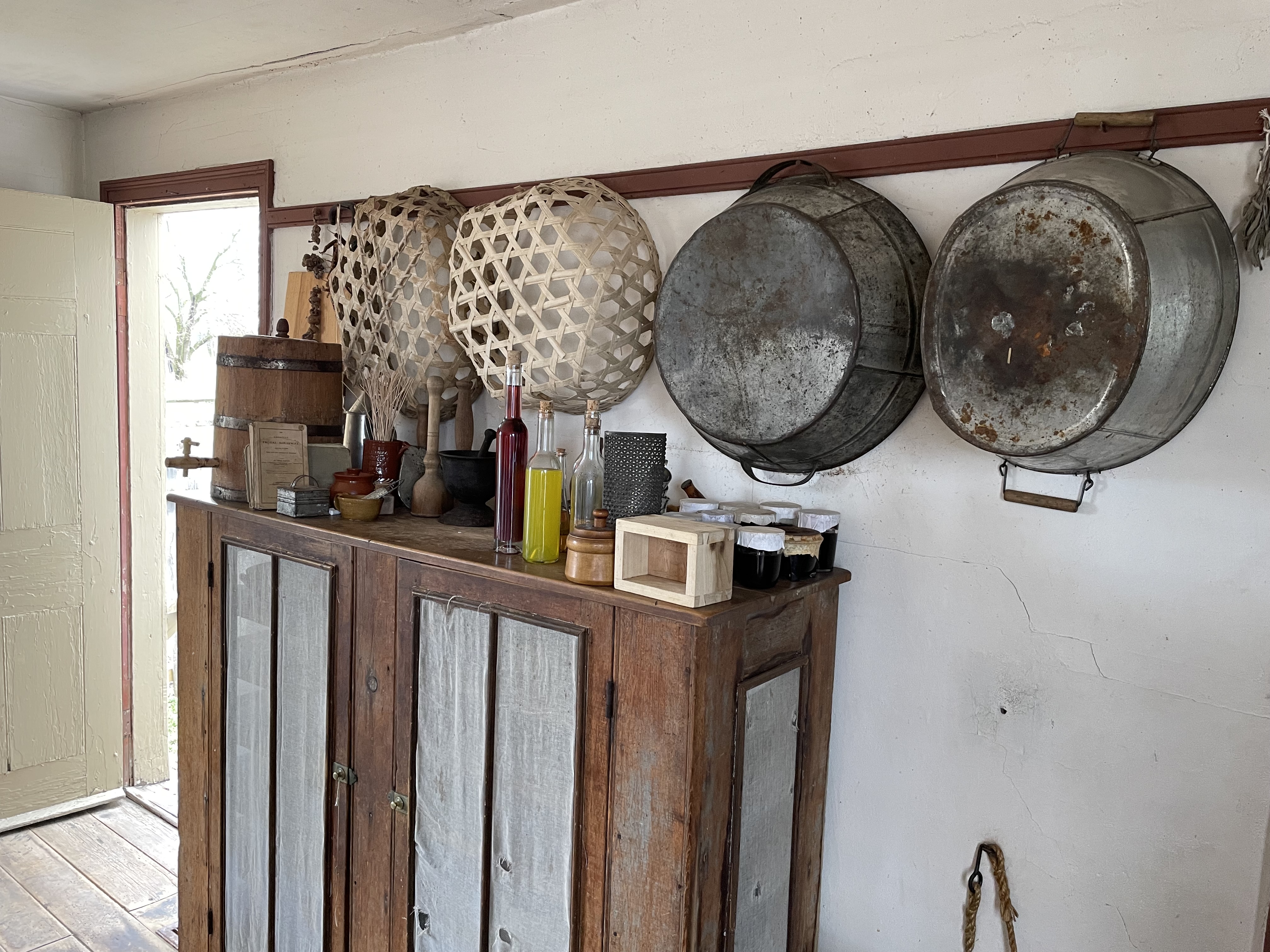
The village is divided into sections to represent the various architectural structures of the late 18th century into the early 20th century. Some of the buildings, like the Hosmer’s Inn and its smokehouse and the Jones Farm had guides in period outfits to give a brief description of the way life used to be in those particular times. We also enjoyed maple flavored goodies from the bakery.
The sun came out, and the temperature warmed, making our afternoon even more delightful. Most of all, it was a joy to spend these precious moments with family.
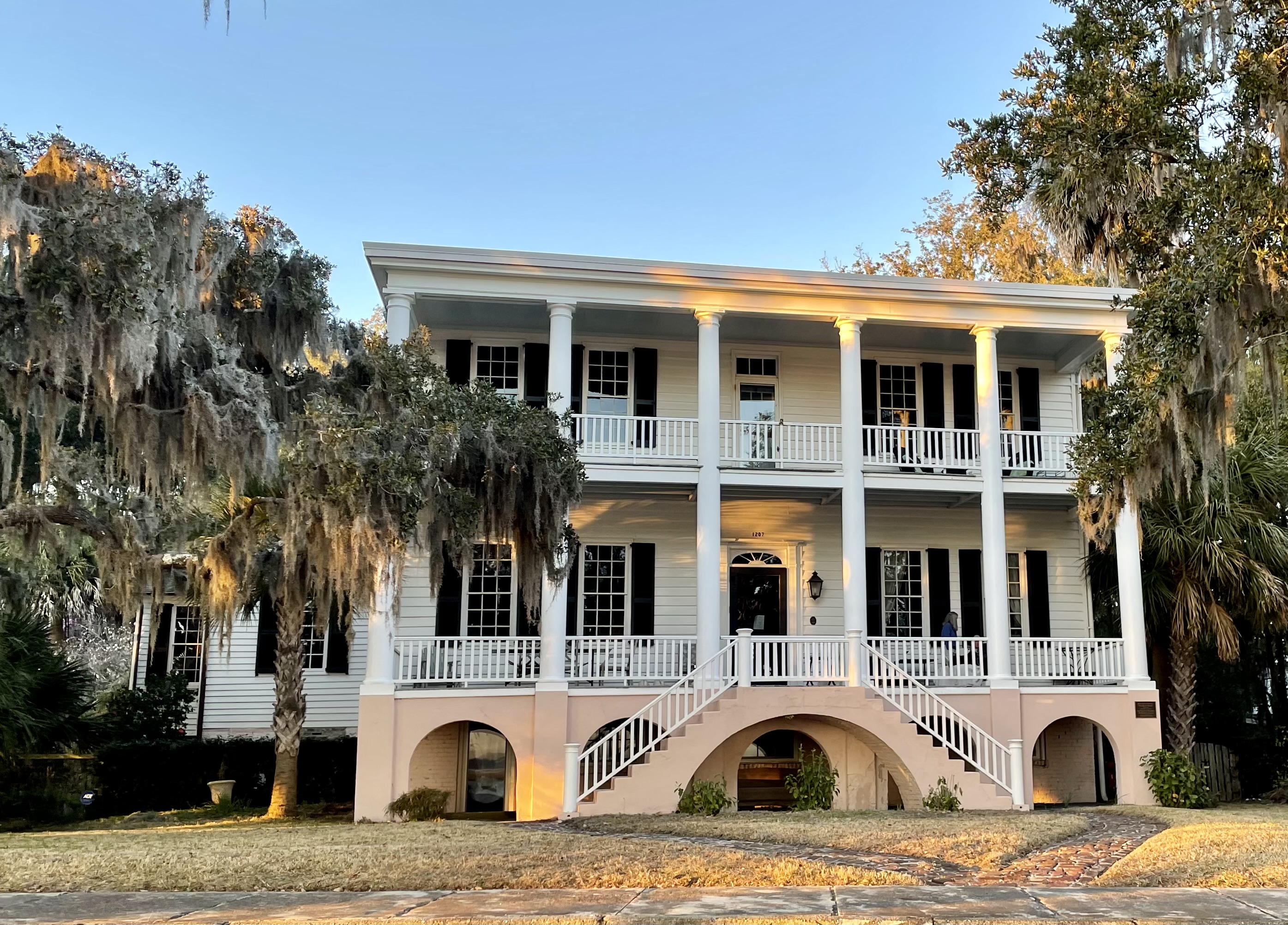
The Tabby Manse House, Bay St., The Bluff, Beaufort, SC.
As much as I enjoy wildlife, especially birds, history and architecture also rate high on my list. In Beaufort, South Carolina, you can have it all.
After spending a month on Florida’s Amelia Island northeast of Jacksonville, my wife and I weren’t ready to head back to the northern winter climes. We rented an Airbnb for a few days with another couple. My wife did an expert job of choosing our place. It was located only three blocks north of the historic waterfront area of the quaint and bustling downtown section.
Beaufort (as in beautiful) is indeed beautiful. Its city planners clearly understood the importance of maintaining the town’s long history while making the scenic waterfront attractive and available to all, locals and tourists alike.
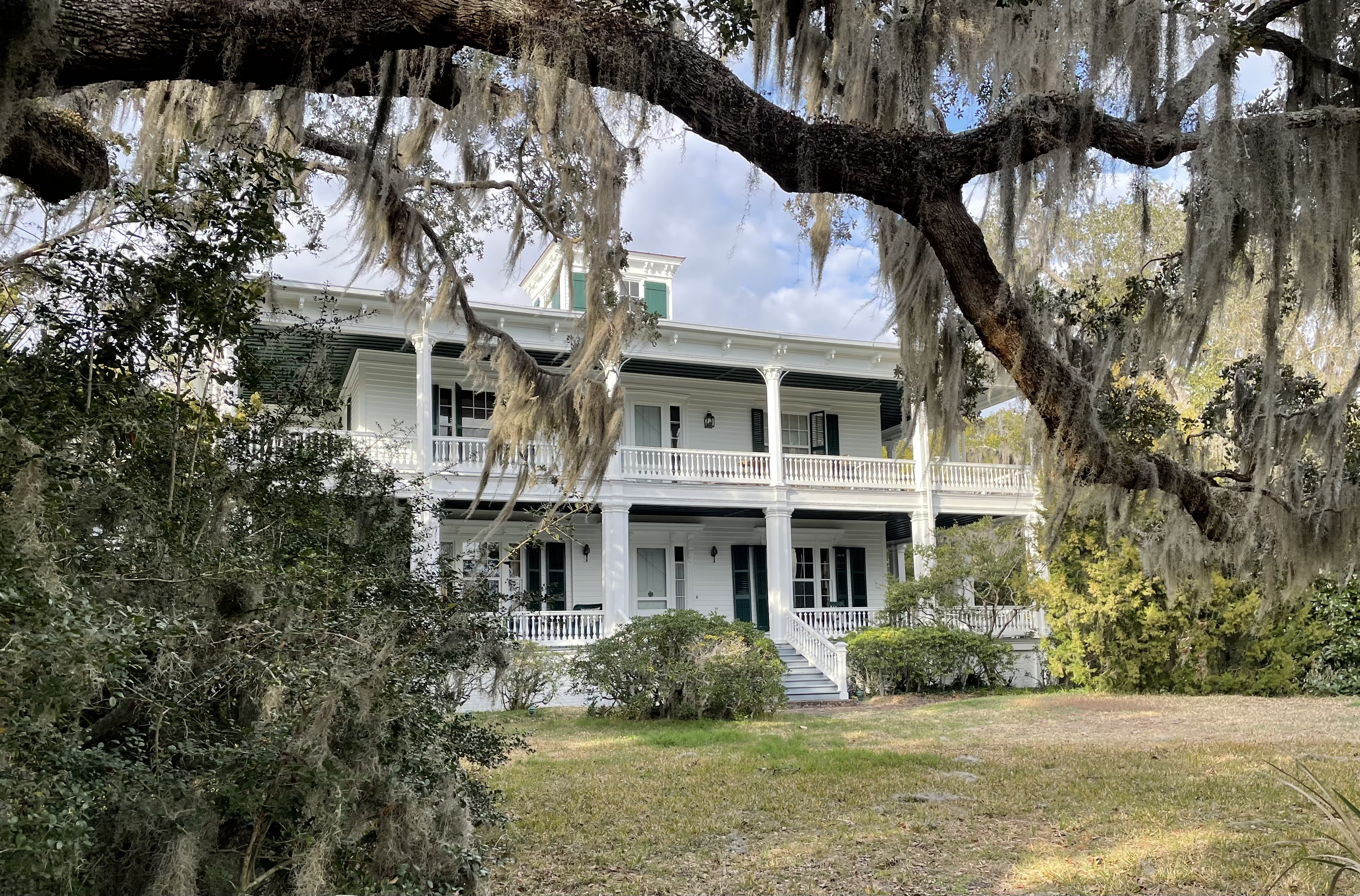
We had been to Beaufort before, but my wife and I never tire of seeing the old antebellum mansions surrounded by stately old live oak trees dripping with Spanish moss. The more famous ones are located west of downtown on The Bluff along Bay St. They overlook the marina on the Beaufort River where shorebirds mingle with sailboats.
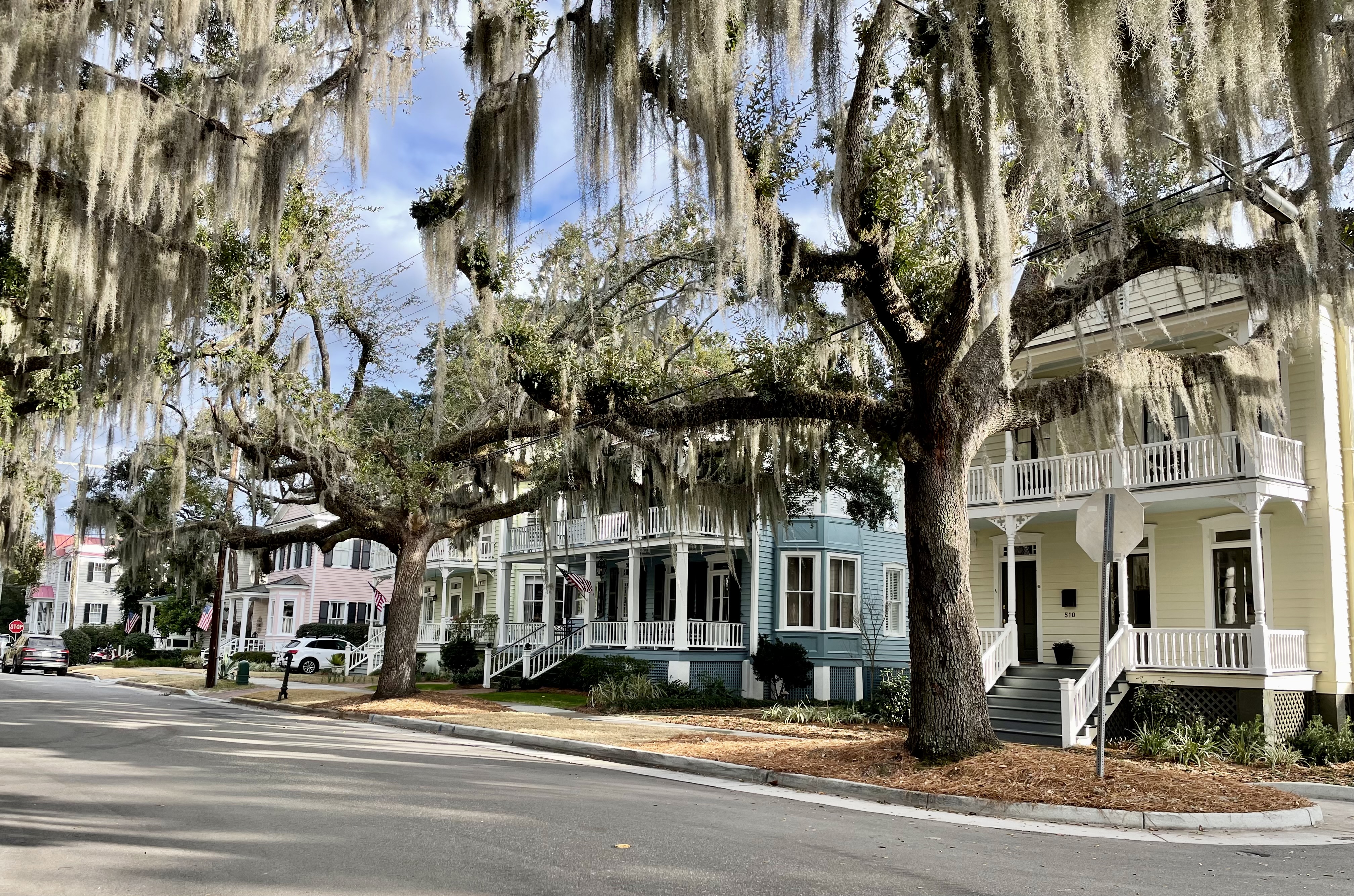
They aren’t the only beauties to be found, however. We prefer to drive around on our own, stopping at our leisure to photograph historical architecture, lovely scenery, and whatever wildlife we happen upon. We meet friendly locals out walking their dogs on an evening stroll in the process.
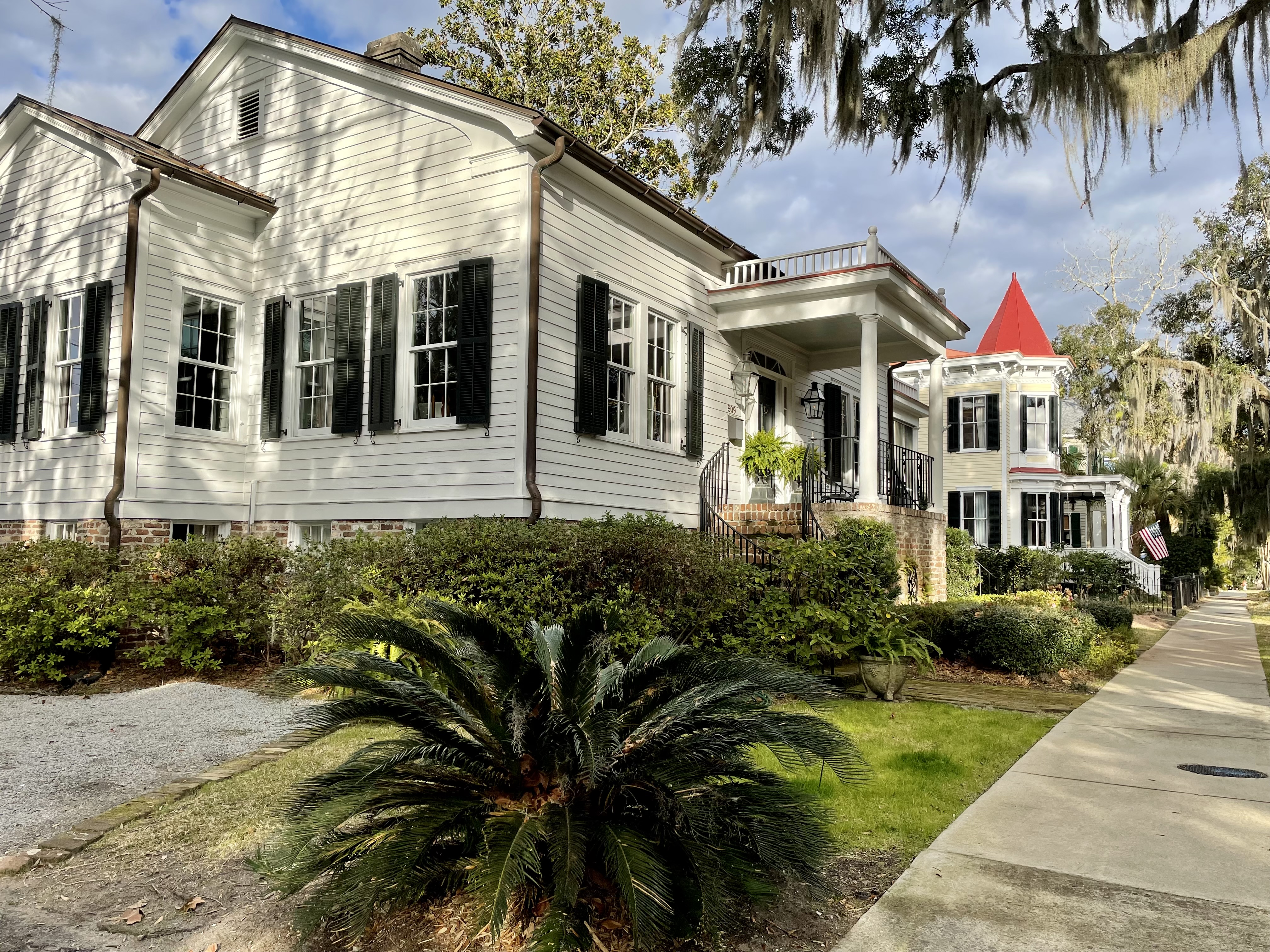
The homes and historic buildings grabbed our immediate attention every time we turned the corner. Some were newer, built to fit into Beaufort’s style. Most, however, were well-maintained residences or upscale inns, where customers could sit on expansive front porches and enjoy the evening, tea, and genuine conversation.
Beaufort is a town steeped in history. Its iconic mansions shout that loud and clear.
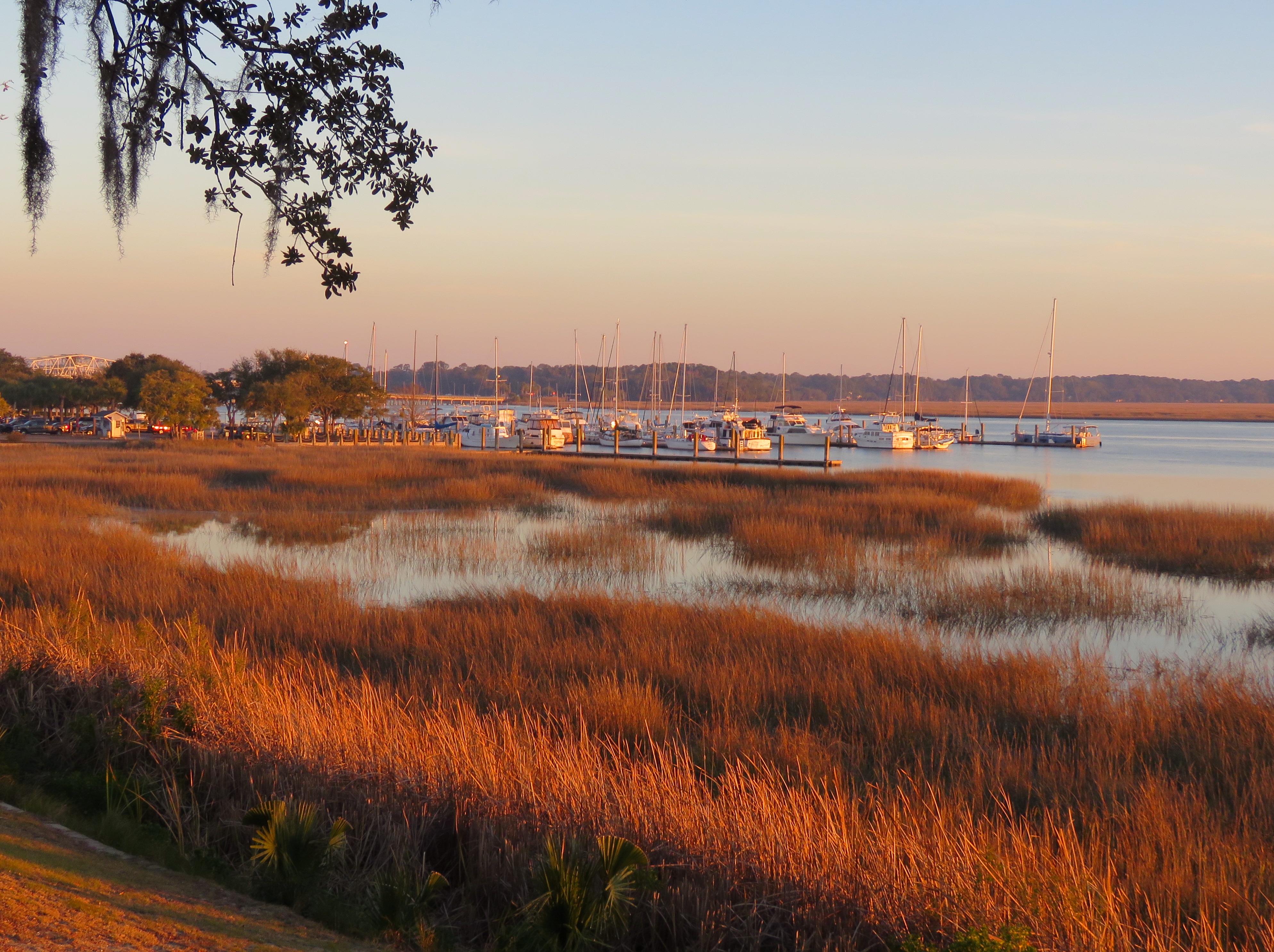
Dusk highlighted the Beaufort, SC marsh and marina area with the Woods Memorial Bridge visible above the trees at the west end of the Henry C. Chambers Waterfront Park.
I wouldn’t have seen this hidden treasure if it hadn’t been for another photographer. My wife, some friends of ours, and I were driving into Ft. Clinch State Park at the north end of Amelia Island, Florida, when we noticed a woman with a huge lens on a tripod aimed at a tree.
That could mean only one thing: she was photographing a bird. I parked and exited the van, eager to know what her subject was. She had me look through her long lens. This beautiful Great Horned Owl stared back at me.
I quickly pointed my camera at this beautiful bird and carefully snapped away. I quietly thanked the woman for graciously sharing her find with me. Thanks to her, I was also able to view this superb owl resting in the fork of a live oak tree.
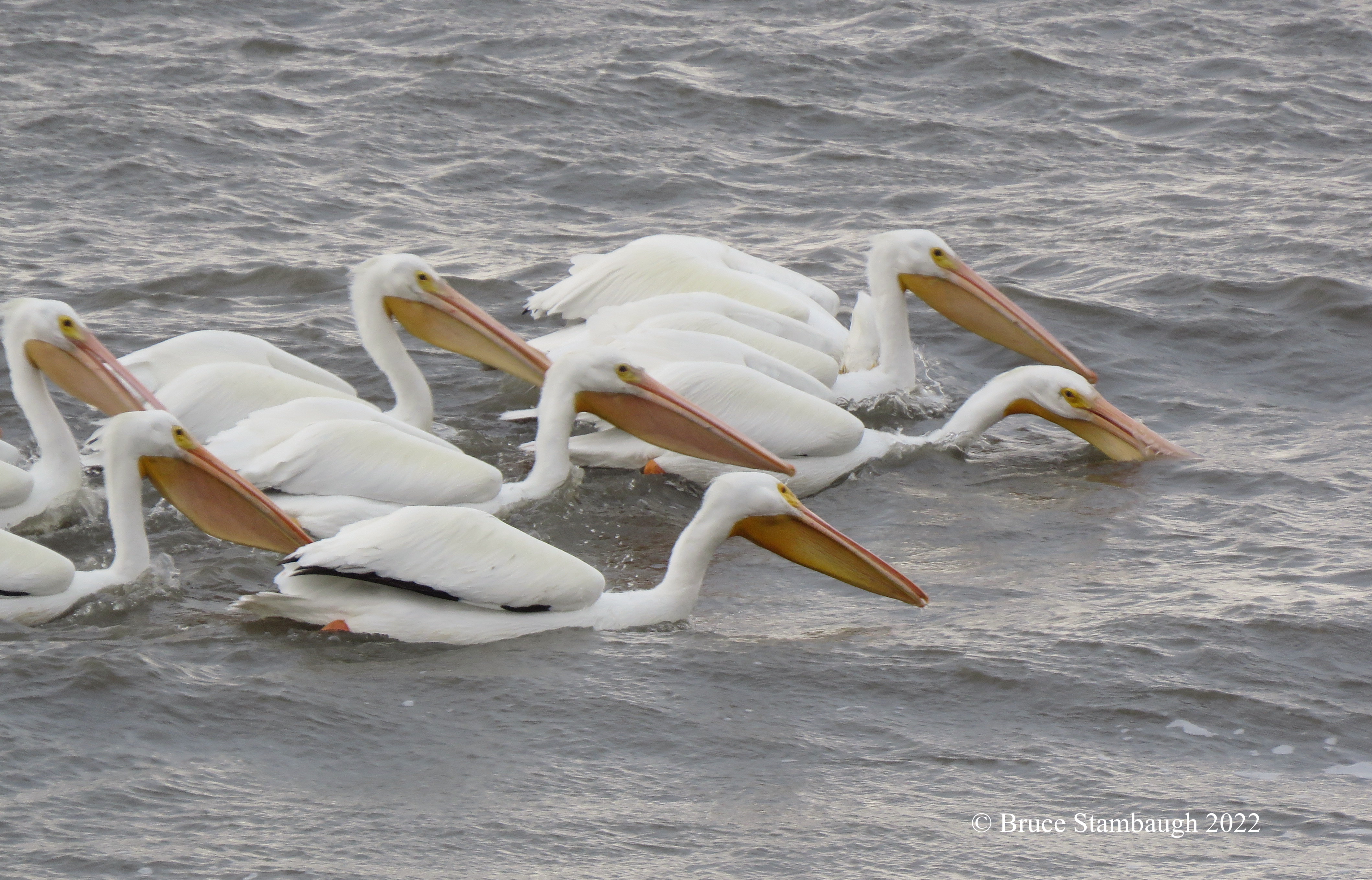
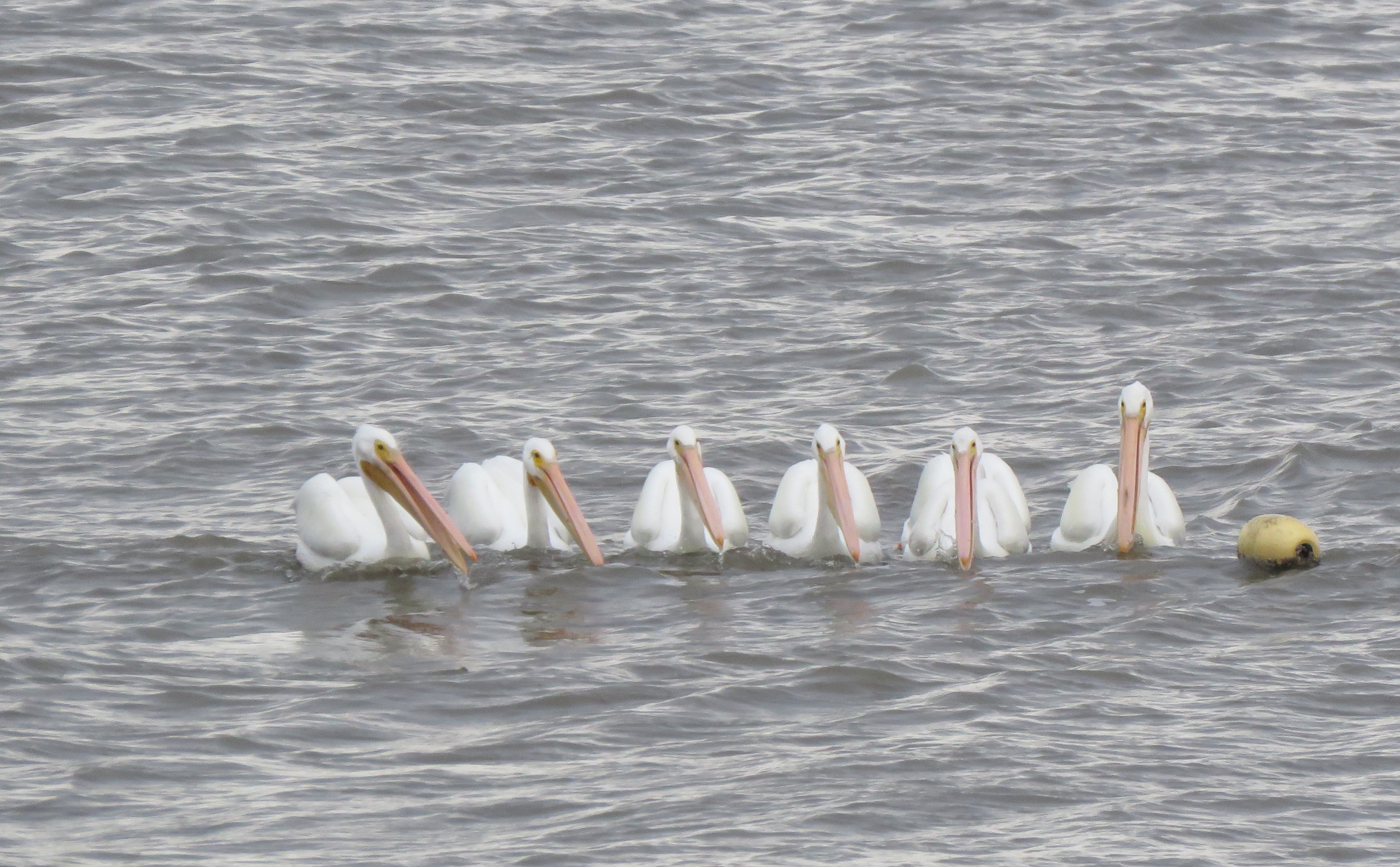
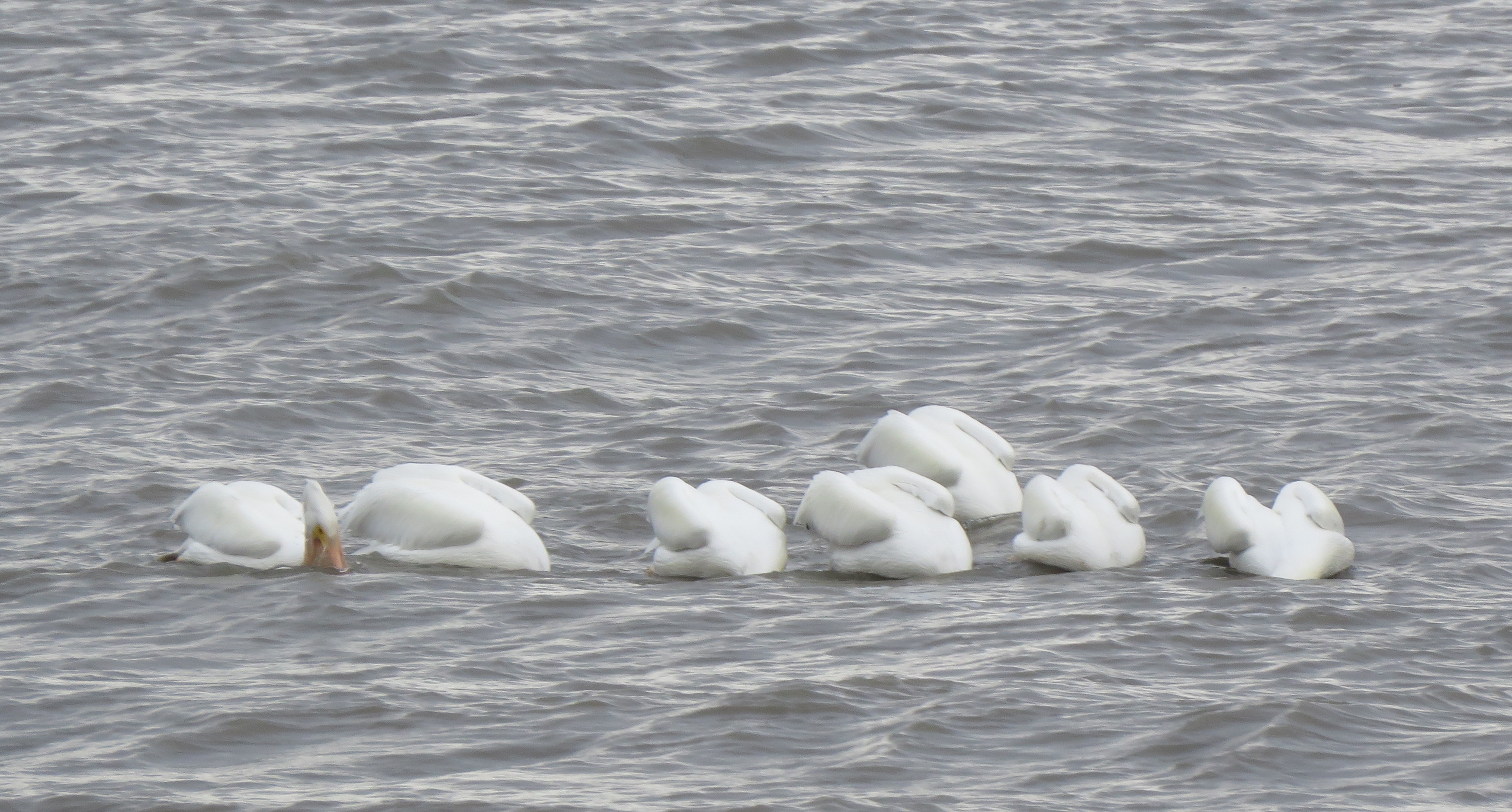
American White Pelicans on the Amelia River, Fernandina Beach, Florida.
My wife and I showed a couple visiting us from Ohio around our favorite winter retreat, Amelia Island, Florida. We drove to Old Town Fernandina Beach, where lots of history has occurred. A small square, Fernandina Plaza Historic State Park, marks the site of a colonial massacre of Indigenous peoples and some French trappers.
We drove to the small parking area overlooking the Amelia River on a bluff. Soon, our attention was drawn away from history to the present moment. A small flock of American White Pelicans had landed along the river’s edge at the park’s base.
The beautiful birds formed a floating wedge of sorts and immediately began to forage in their unique synchronized fashion. We witnessed a ballet on the water, as the video shows.
Seeing these elusive migrators was one thing. Observing their feeding ritual was something else altogether.
These were the first arrivals. The photos were taken five seconds apart.
American White Pelicans migrate to the coastal areas of California, Central America, and the Gulf Coast States for the winter. They nest in the Midwest and western states, as well as the Canadian prairie provinces.
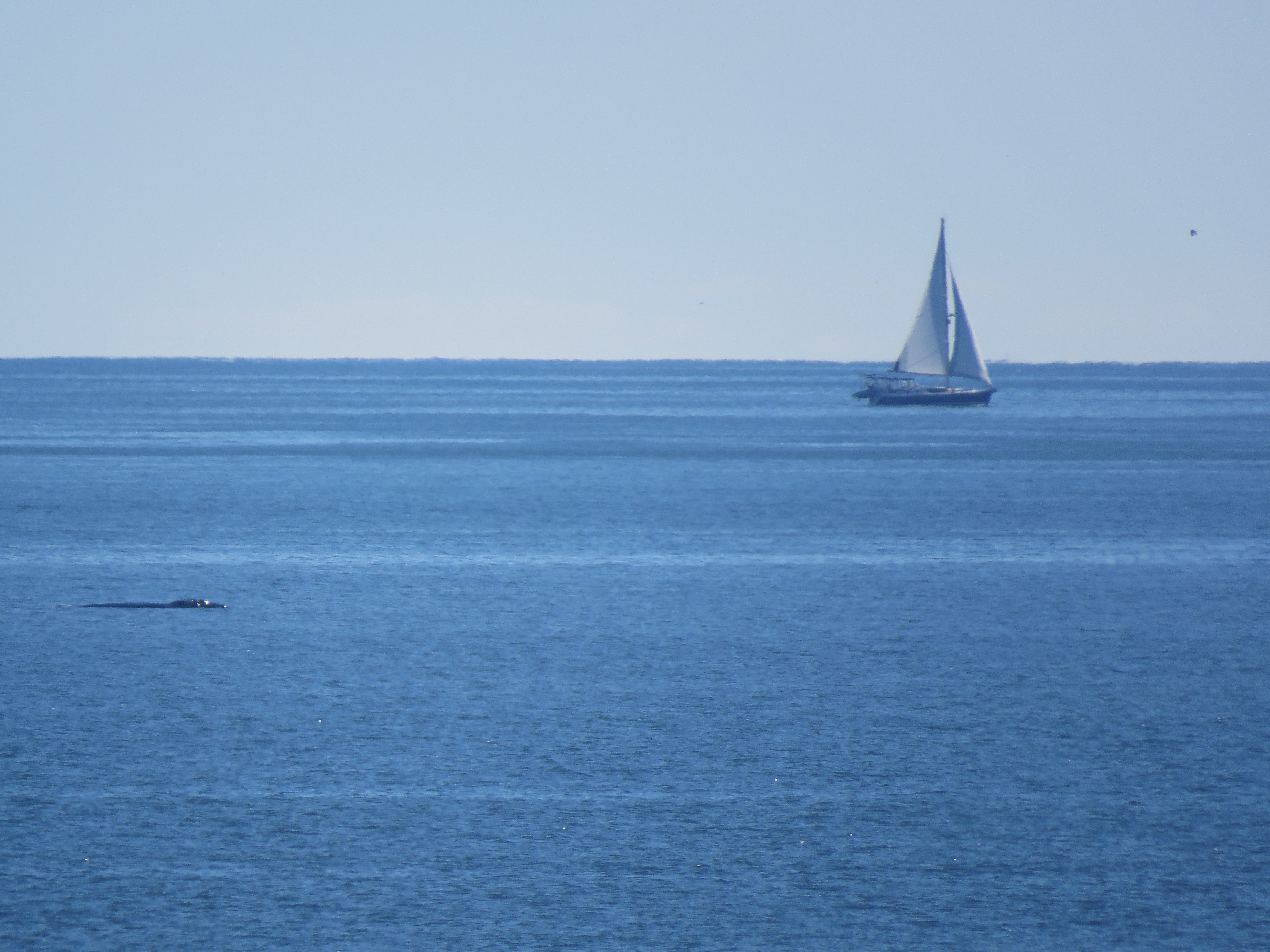
I was sitting one recent morning at my desk that faces the Atlantic Ocean when I noticed a sailboat passing by at least a half-mile offshore. When I went to take a photo of it, I spotted something else in the water. I snapped a picture, ensuring I got both the boat and the unknown object in the frame.
I switched to my binoculars and couldn’t believe my eyes. The long dark object appeared to be a whale. The morning sunshine reflected off of its face. I had never seen a Right Whale before, but I was pretty sure that’s what it was. I took a couple more shots and then Googled the phone number to report the sighting.
Earlier, I had noticed a red and white airplane circling over the ocean just to the north of our rented condo. As I found the number, I put two and two together. Because they are an endangered species, most Right Whales are tracked by various science organizations, including the National Oceanic and Atmospheric Administration. I figured the plane must have been verifying the whale’s presence.
Because Right Whales are protected, the public is asked to notify authorities of any sightings. Right Whales migrate more than 1,000 miles south from the Canadian and New England coasts to warmer waters off the Carolinas, Georgia, and Florida’s east coast. It is there that they calf their young.
Scientists estimate that less than 400 Right Whales still exist. Protecting them and their young is critical to the whale’s survival. Consequently, the requests to report their sightings.
My call went to voicemail at the North Atlantic Right Whale Project, a Florida Fish and Wildlife Conservation Commission division. It wasn’t long before I received a call back from one of their agents asking when and where I had seen the whale. When I told the person that a red and white plane had drawn my attention, enabling me to spot the whale, I was told it was one of the project’s aircraft.
The agent told me that what I saw was actually a mother and her calf and asked me to send my photos to them to help support the plane’s sighting. I gladly cooperated.
I looked closer at my photos. I could see two separate facial reflections, one large and another much smaller. I was ecstatic. The images aren’t top quality since the whales were a half-mile from me. I was glad for the sighting and more than happy to help identify this Right Whale mother and her baby.
Sunrise over the Atlantic Ocean, Fernandina Beach, FL.
My wife and I are on our winter vacation on Florida’s Amelia Island northeast of Jacksonville. We try to retreat here during winter’s coldest time. Though it’s not balmy here like southern Florida, we don’t have all that snow folks do up north right now.
There are a great many things to like about Amelia Island. The sunrises and sunsets top my list, closely followed by the wildlife, especially the many species of birds.
Our rented condo is right on Main Beach in Fernandina Beach. Unless it’s cloudy, sunrises are a daily treat. No two are alike.
We don’t have far to go for sunsets either. We drive to various spots along the Amelia River that afford marvelous views of the setting sun. Of course, not every evening offers up a golden sky, but we have seen many glorious sunsets in our several visits to this unique isle.
I enjoy photographing as many sunrises and sunsets as possible. I love sharing them with you all the more.
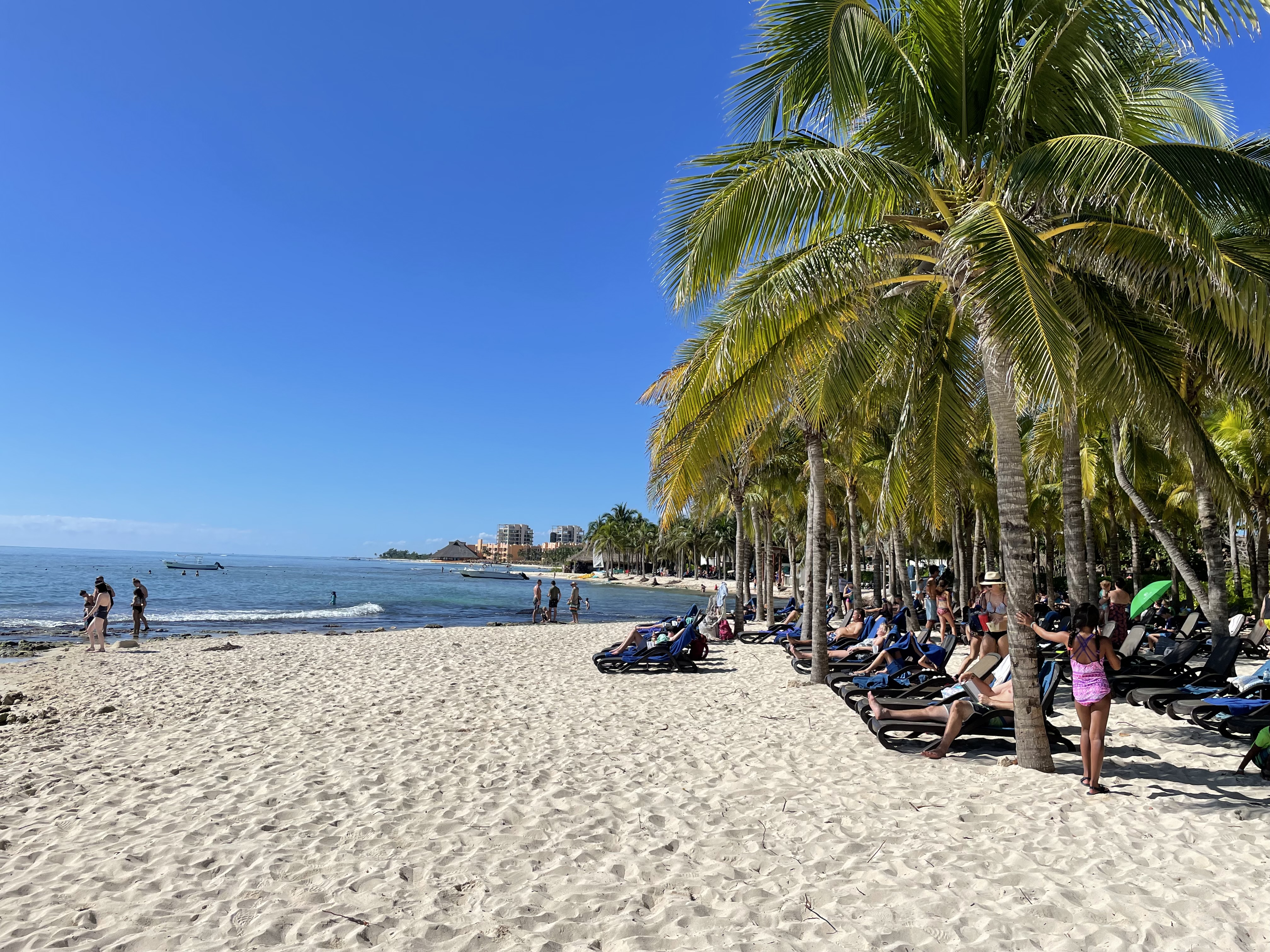
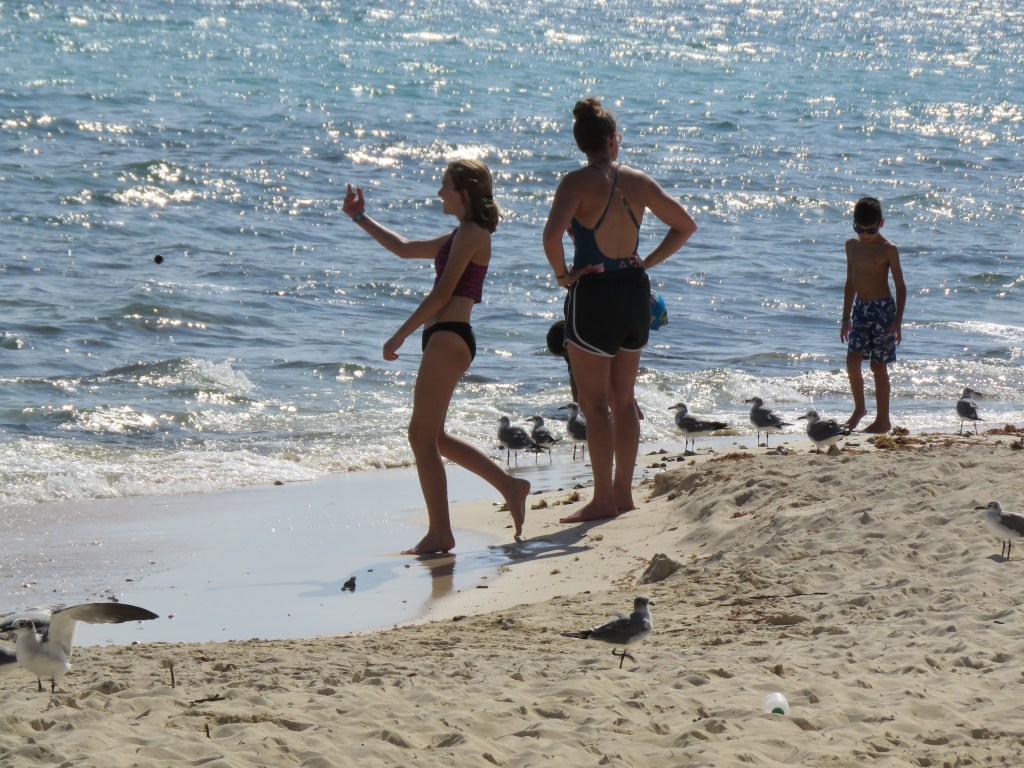
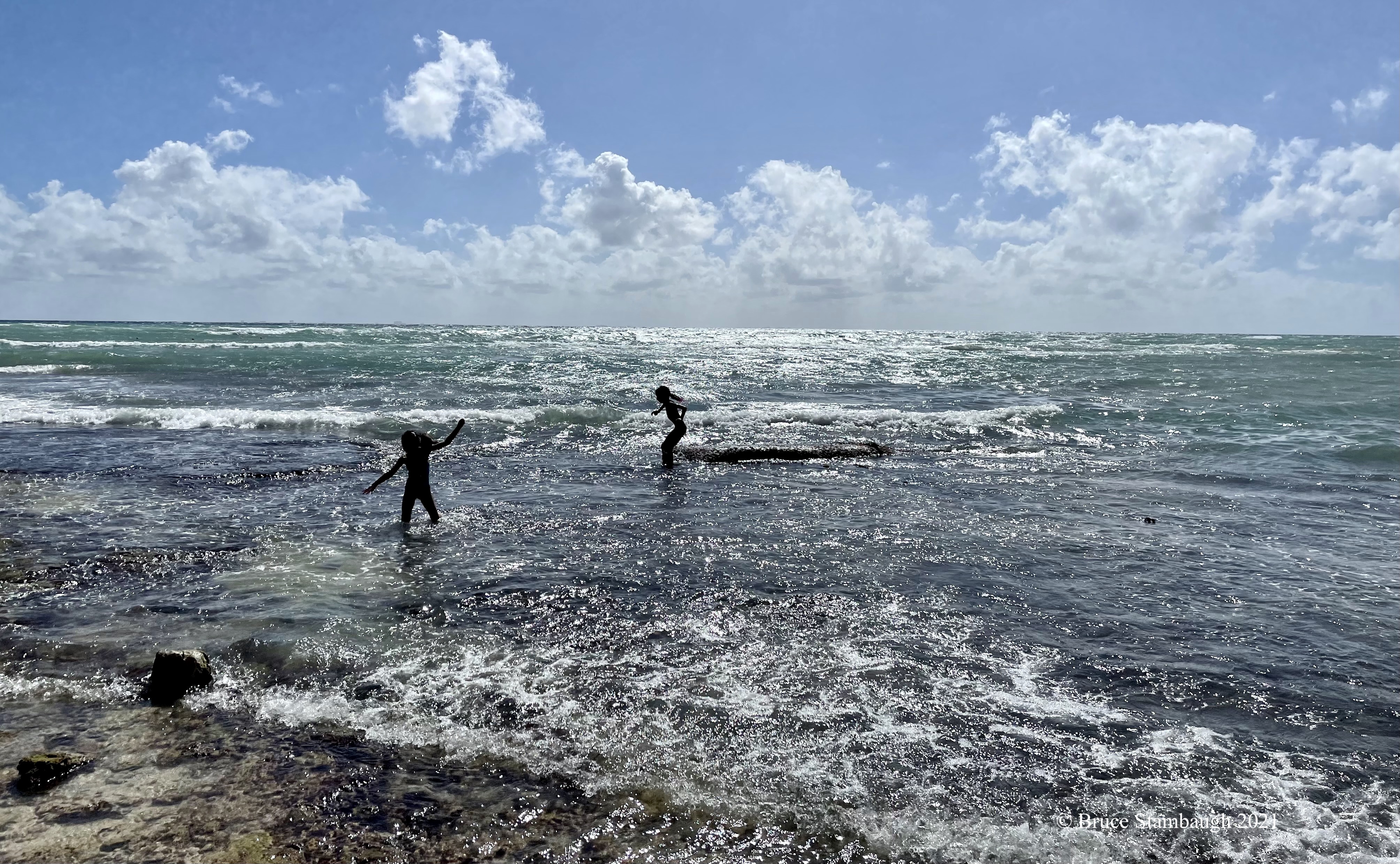
The beach along the Gulf of Mexico at the resort where we stayed.
My wife and I wanted to wrap up our 50th anniversary year with the entire family in someplace warm. It didn’t quite work out that way.
Since our son’s career is in hospitality, we let him make the reservations. He found a family-friendly, eco-friendly resort south of Cancun, Mexico. However, it ended up that he and his wife couldn’t join us after all. Their doctor wouldn’t let her travel out of the country due to her high-risk pregnancy.
So, our daughter and her family, and my wife and I headed to Cancun without them with their blessings. We left Christmas Eve and returned on New Year’s Eve.
It was great to lounge in 85-degree weather on the beach with our three grandchildren and their mother and father. They enjoyed the waterpark, too, since the shoreline was rocky and uneven. We relaxed with them, chatting and teaching them card games.
Our reservations were made in early October, well before the omicron variant reared its ugly head. We double-checked with the airlines and the resort regarding their COVID-19 protocols. We were assured that all precautions would be taken, and that is what we experienced. We always felt very safe.
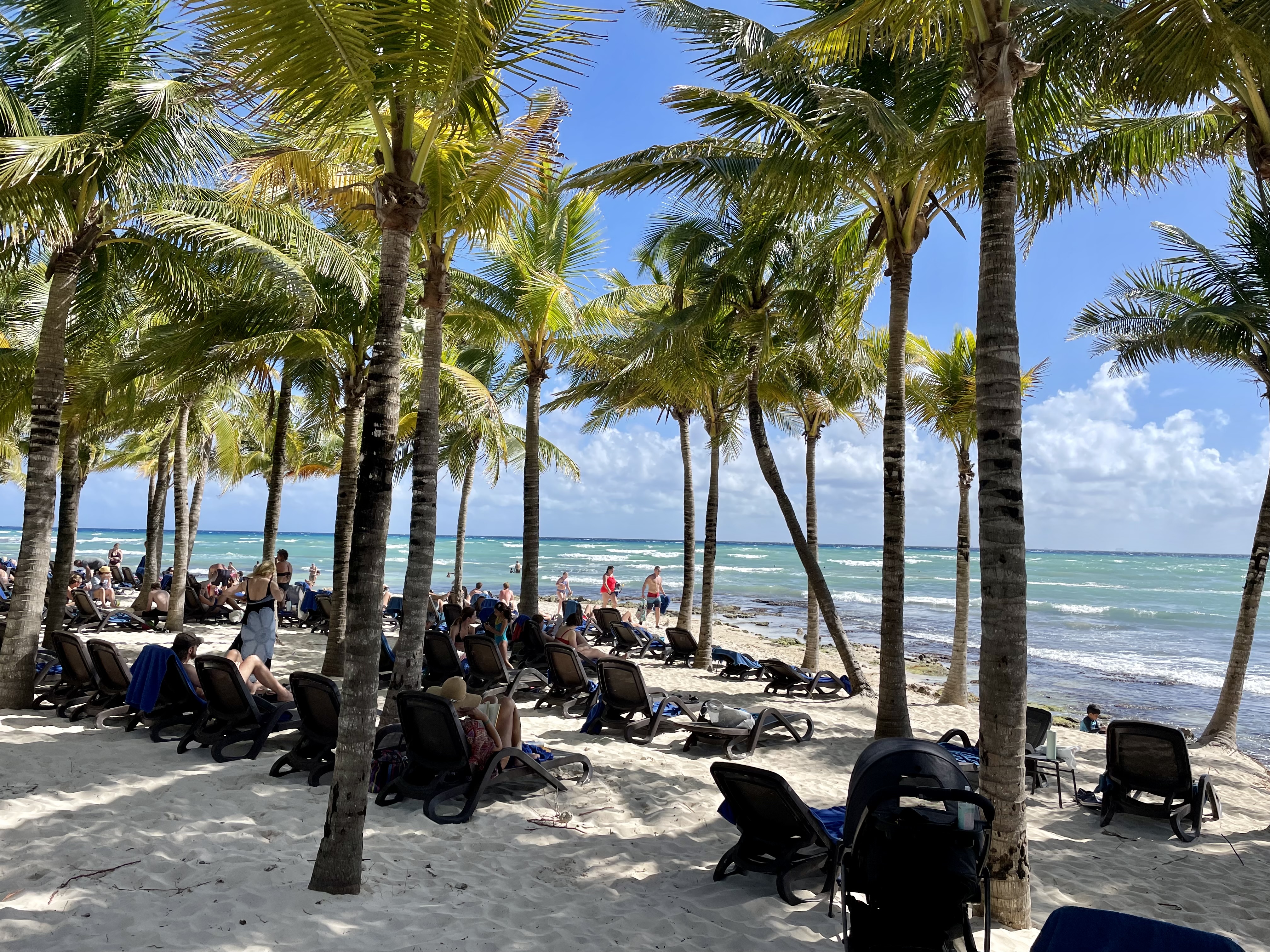
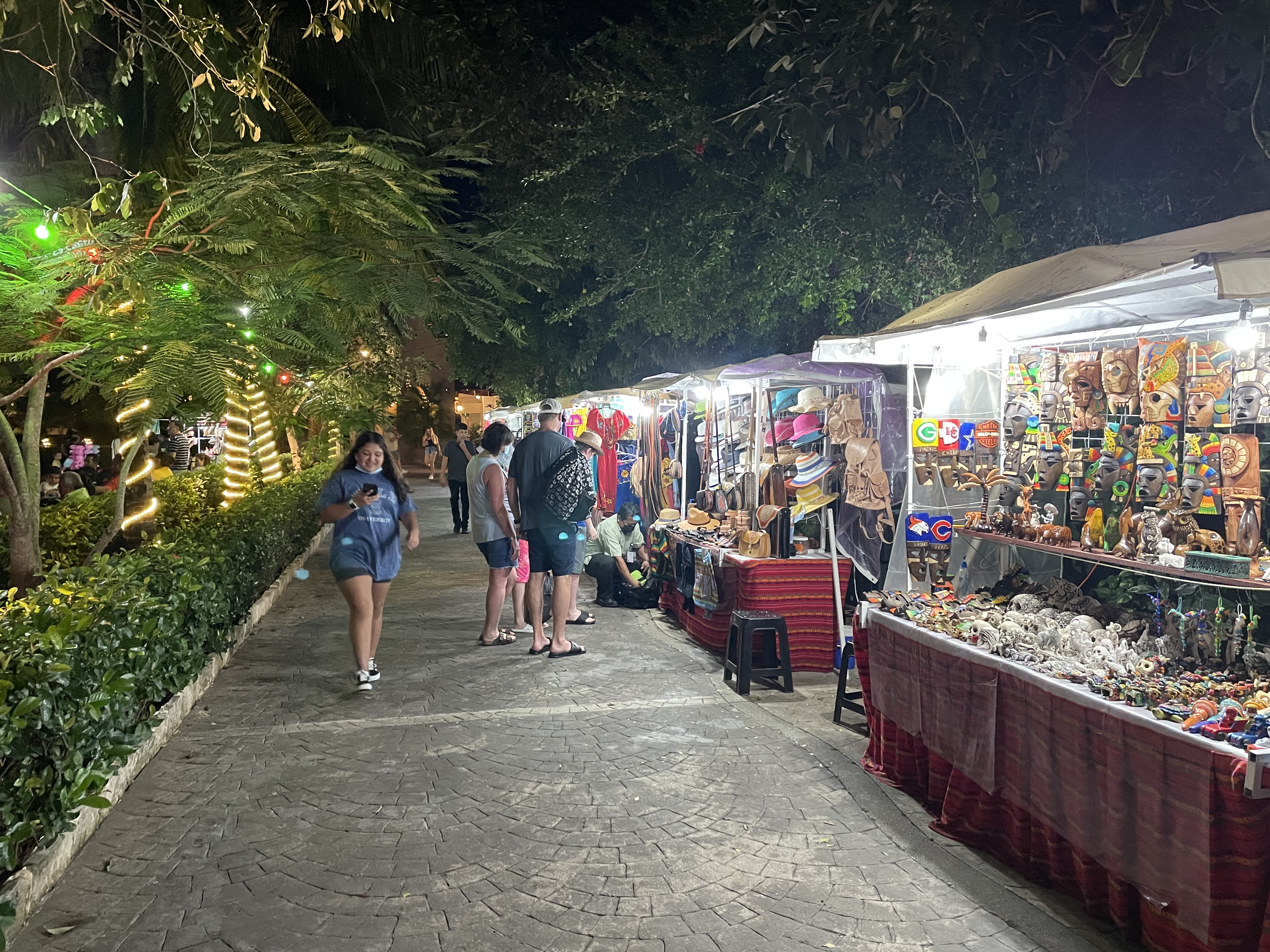
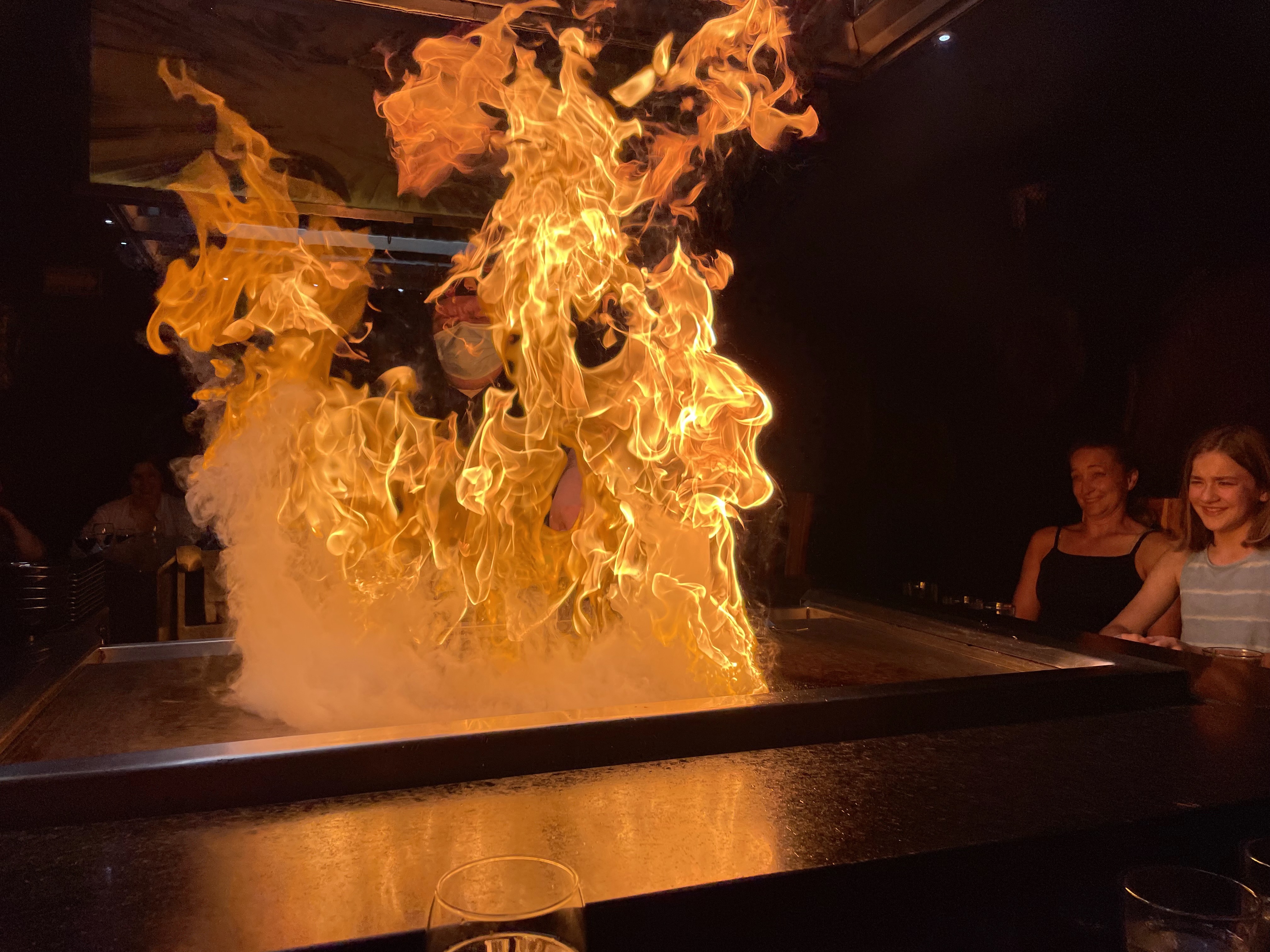
Here are some representative photos of our week-long experience at Sandos Caracol Eco Resort, Playa del Carmen, Mexico.
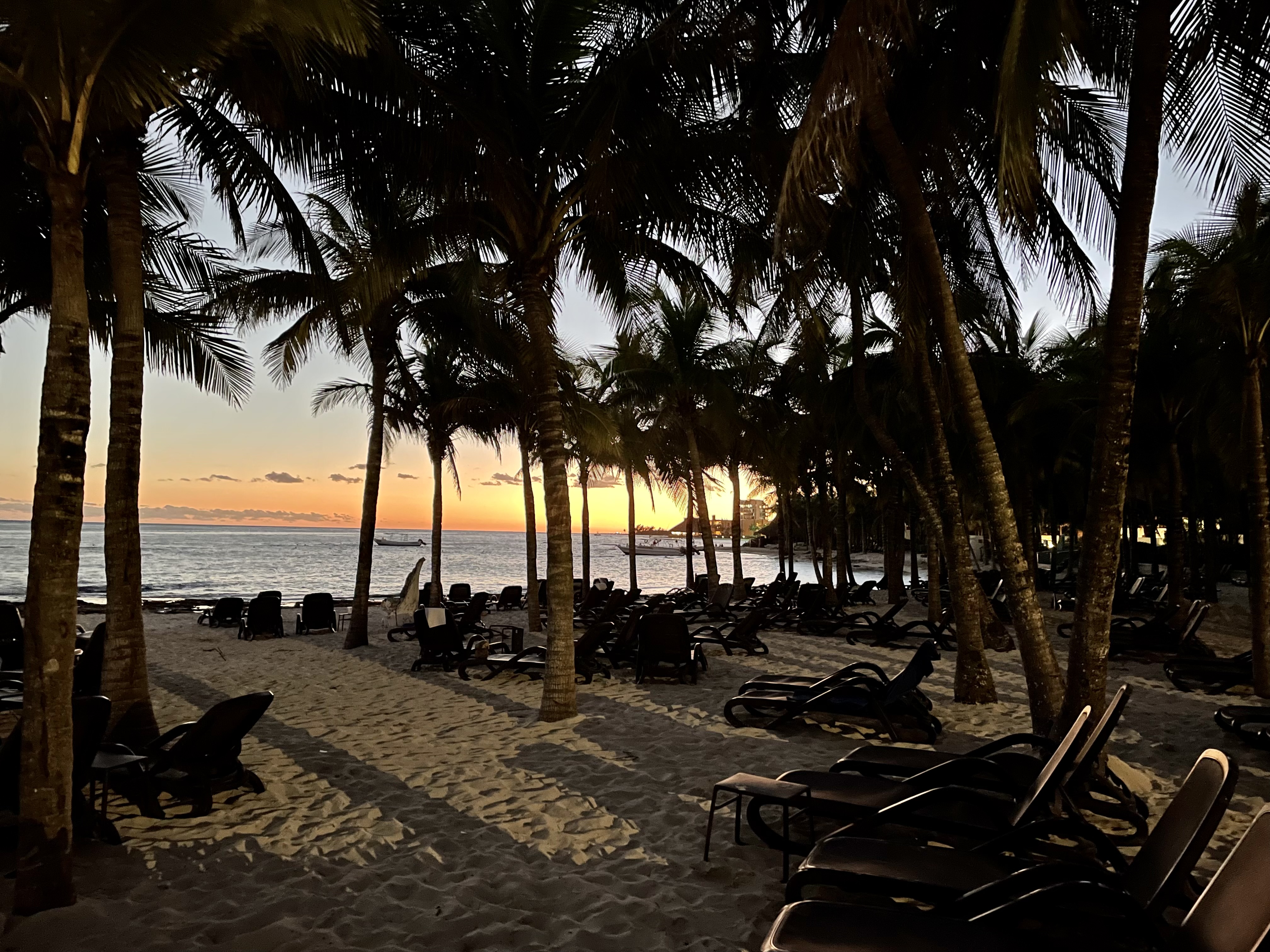
We traded Christmas trees for palm trees.
Palm trees provided plenty of shade for us, non-sun worshipers. The beach was lovely, but there were more rocks than sand under the water, which required water shoes to be worn to stay safe.
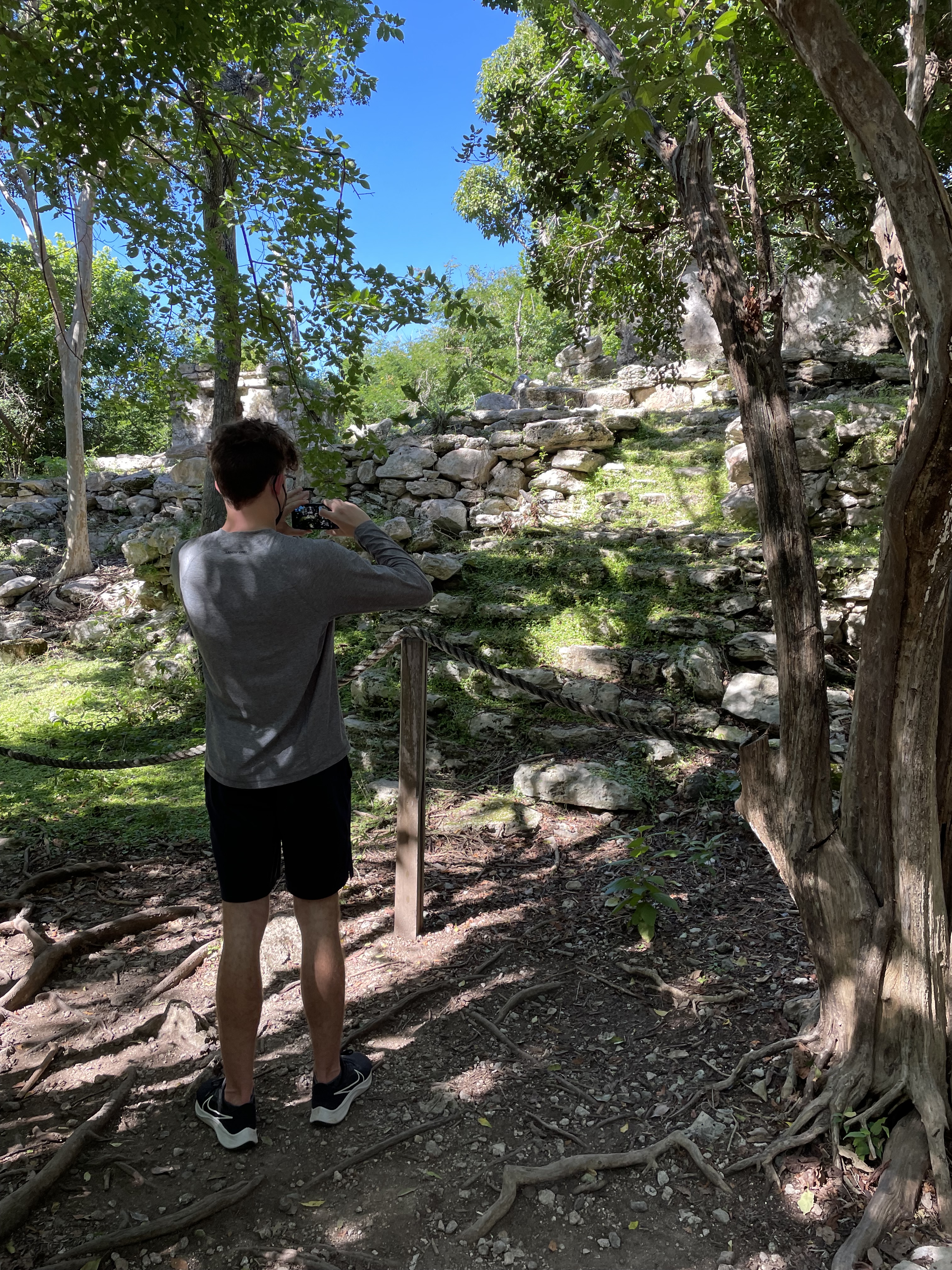
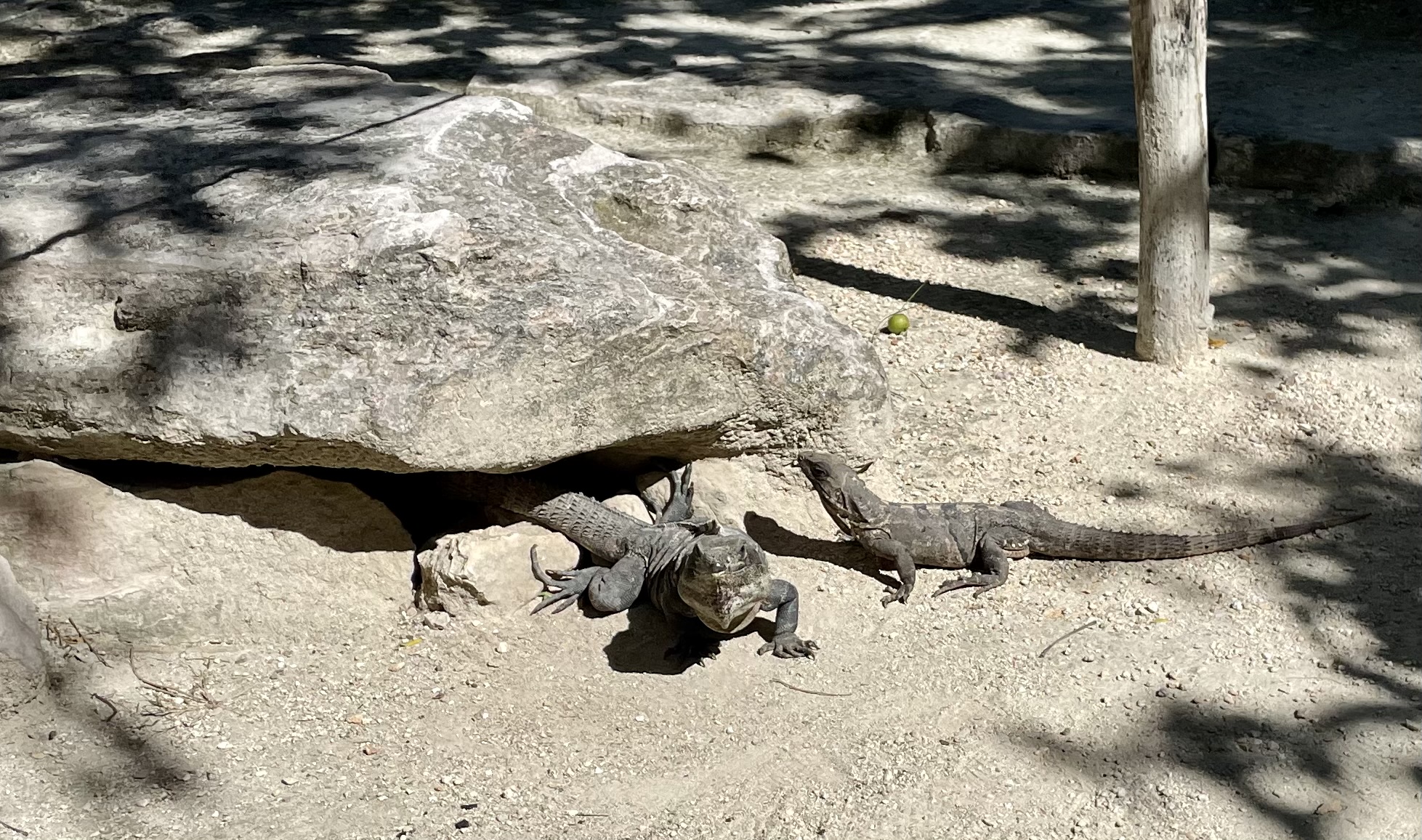
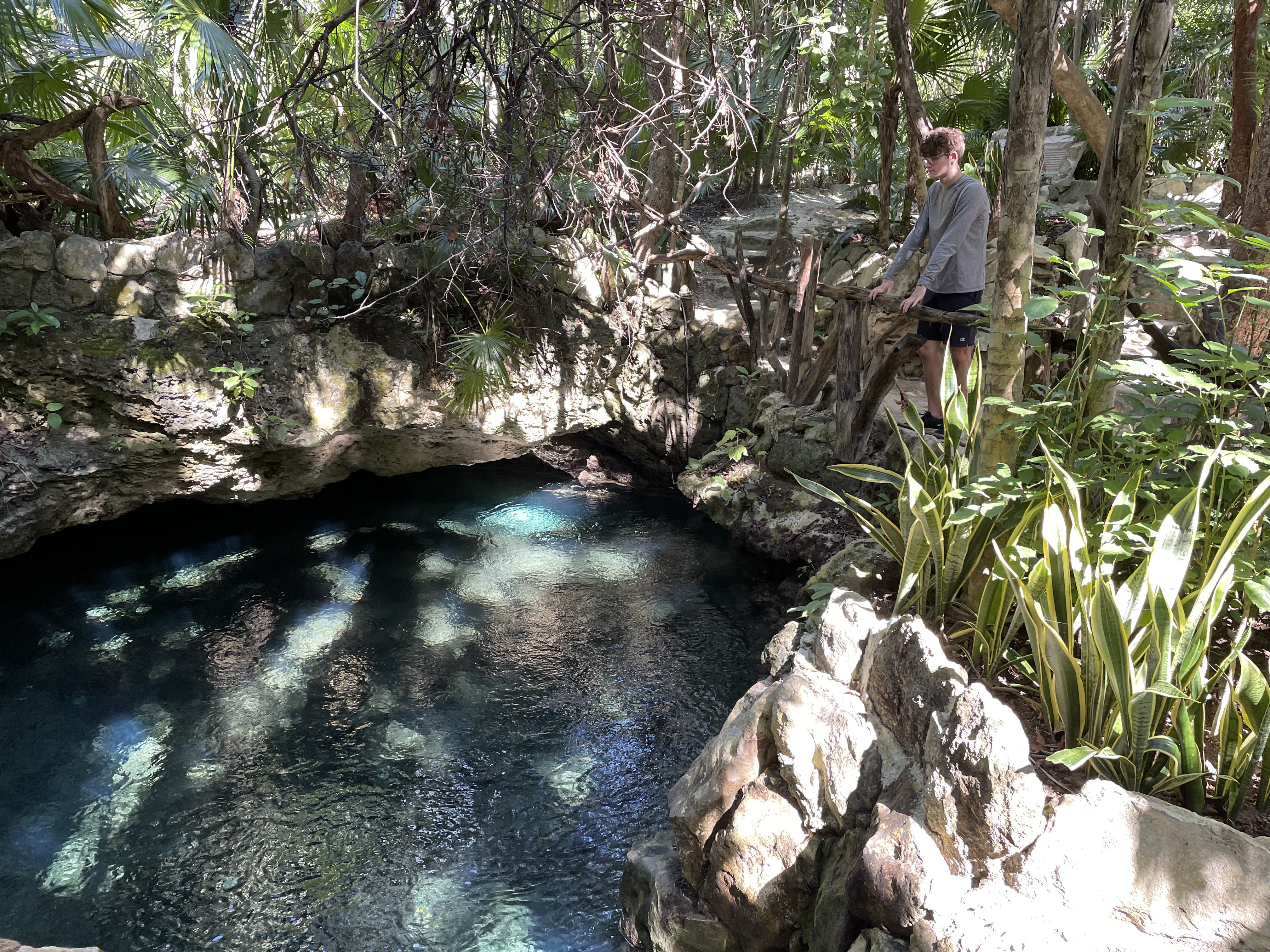
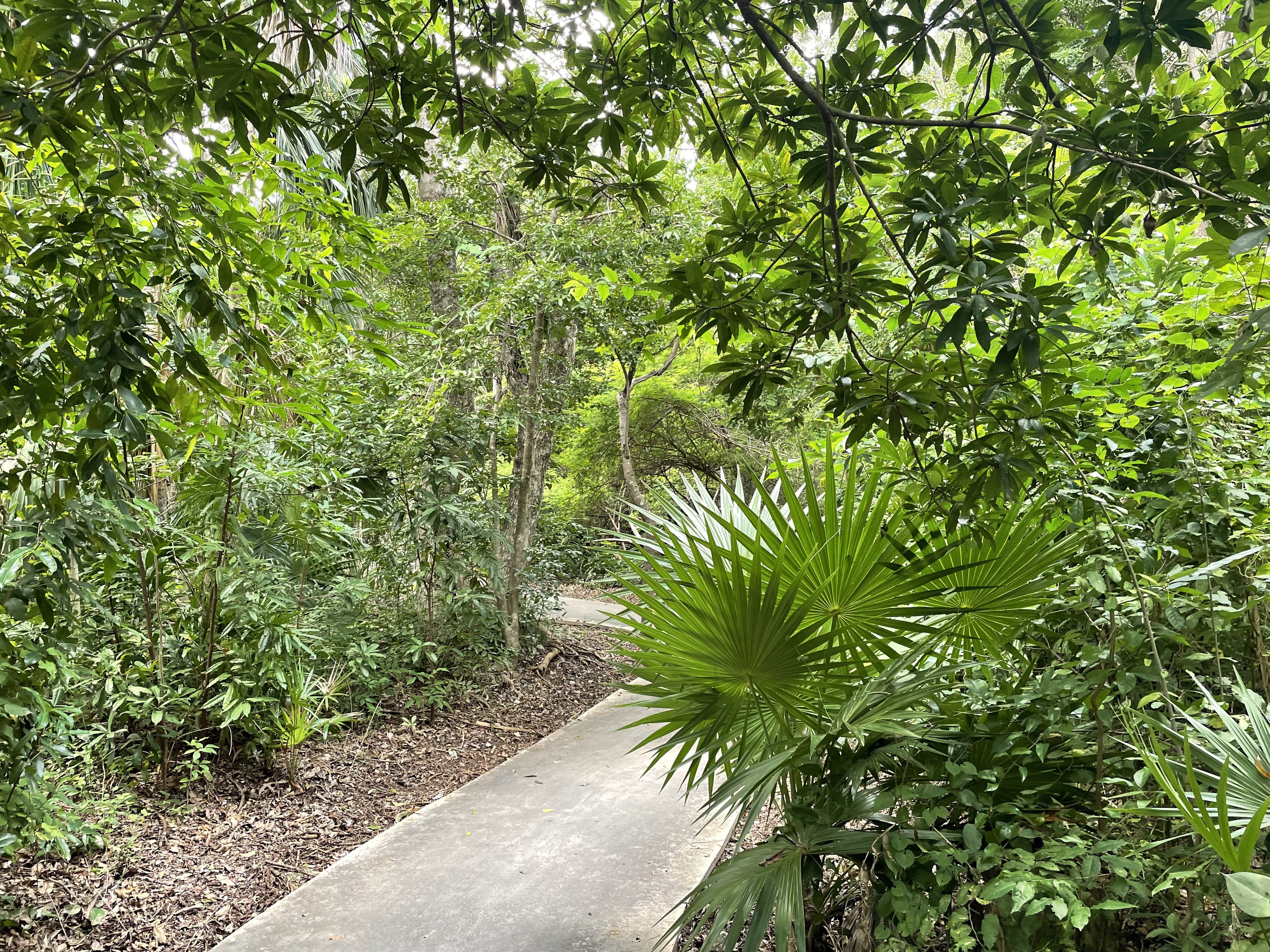
We spent Christmas Day getting acquainted with the resort. One of our grandsons and I explored the Mayan ruins on the resort property. We saw several giant iguanas, enjoyed a meal at one of the resort’s restaurants, saw the sunset, and watched a reenactment of a Mayan fire ceremony.
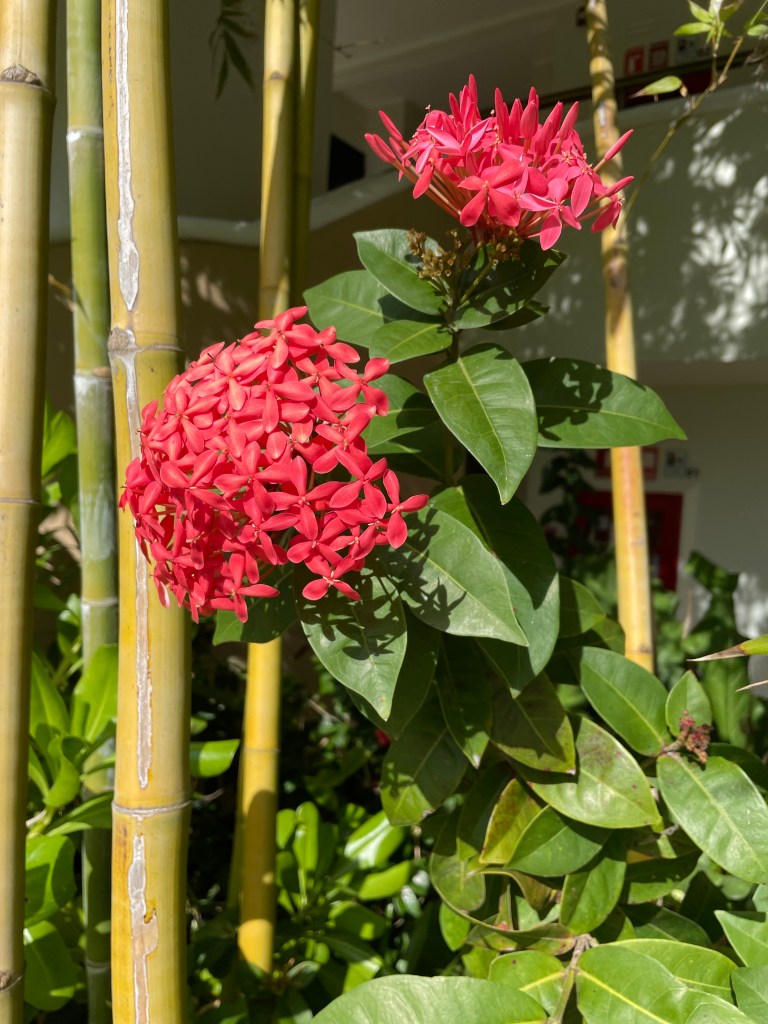
Of course, our oldest grandson and his dad had to try the jet skis while the rest of us watched from the shore. We also enjoyed the beautiful flowers and greenery that were all around us.
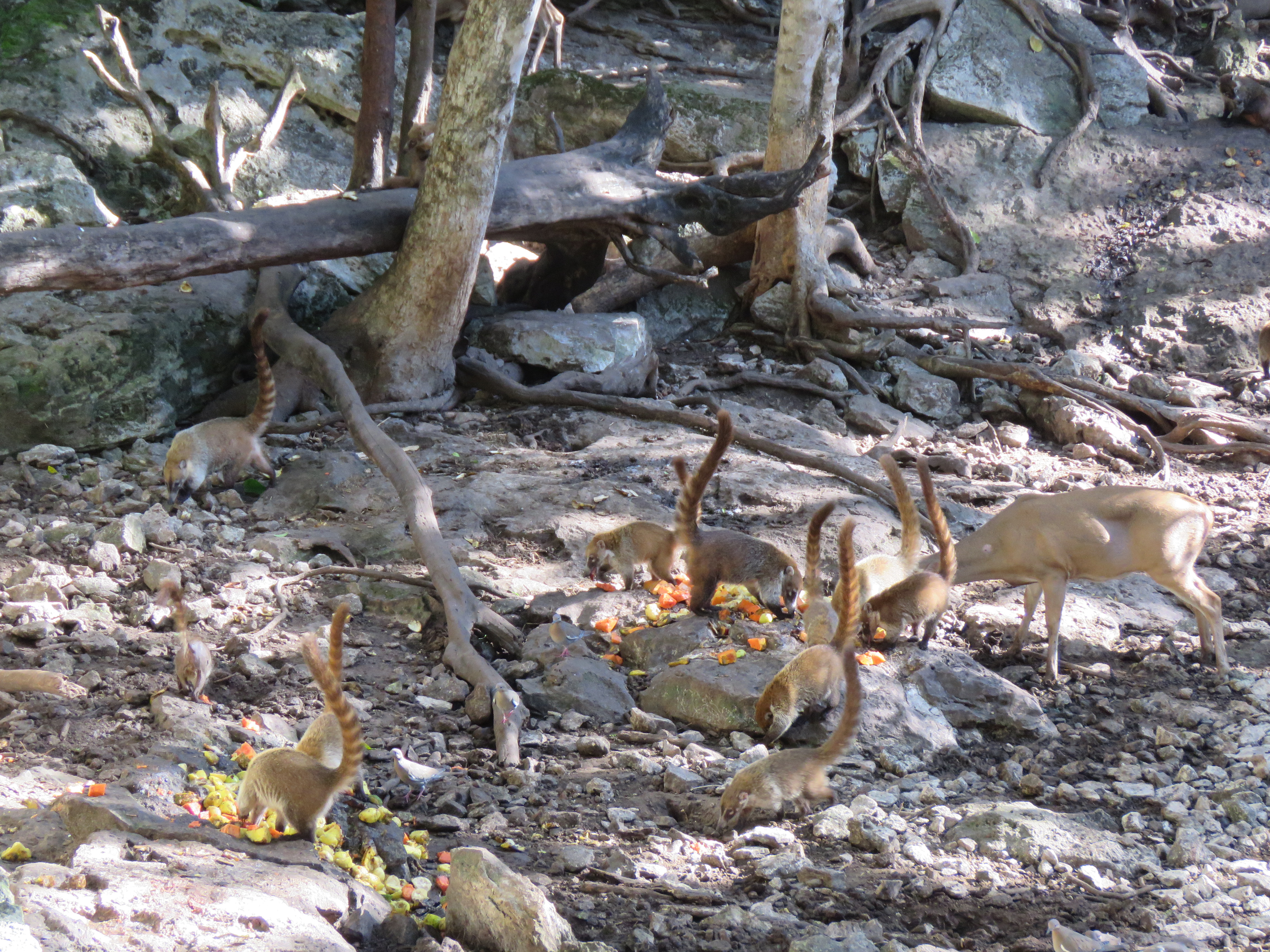
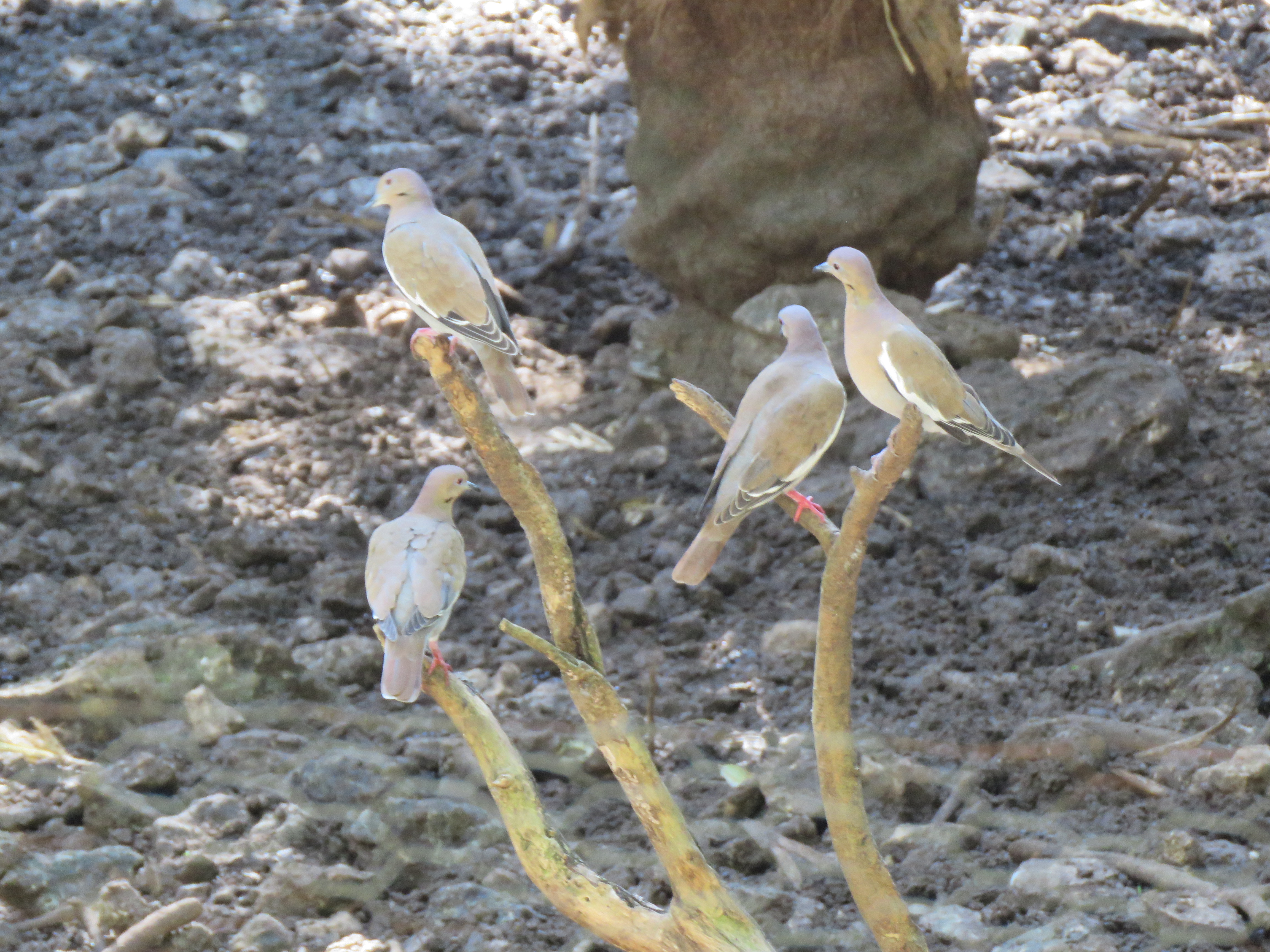
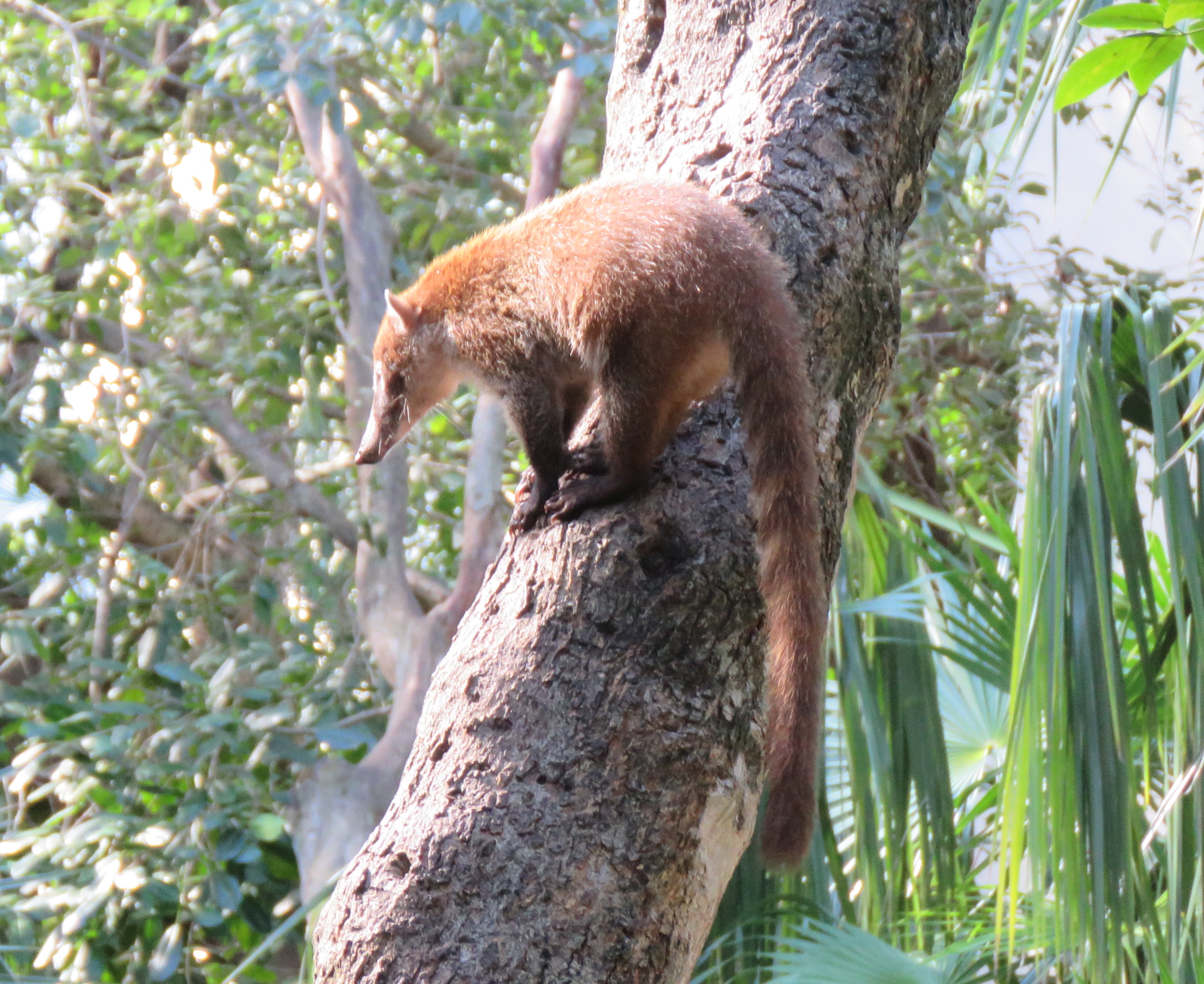
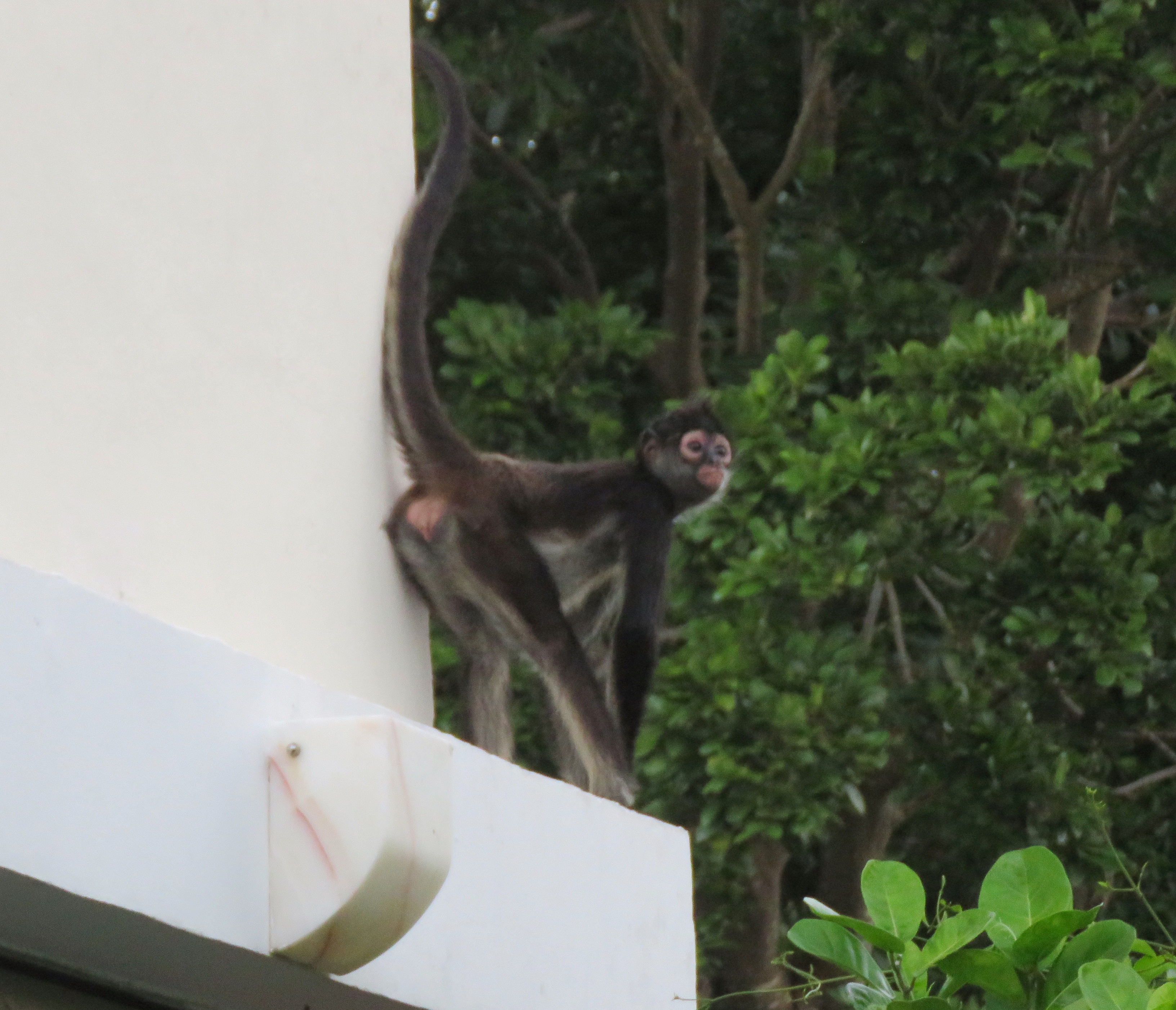
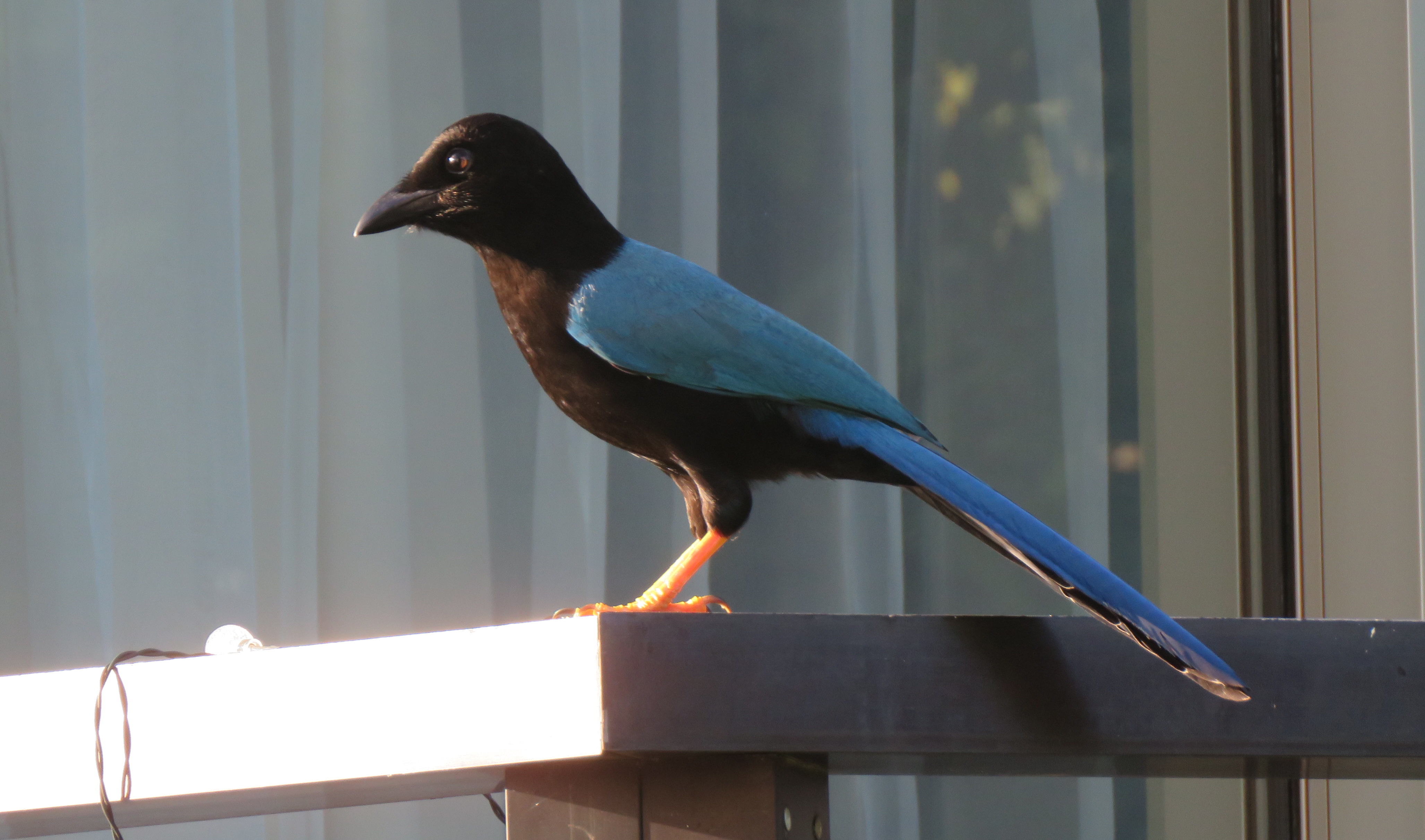
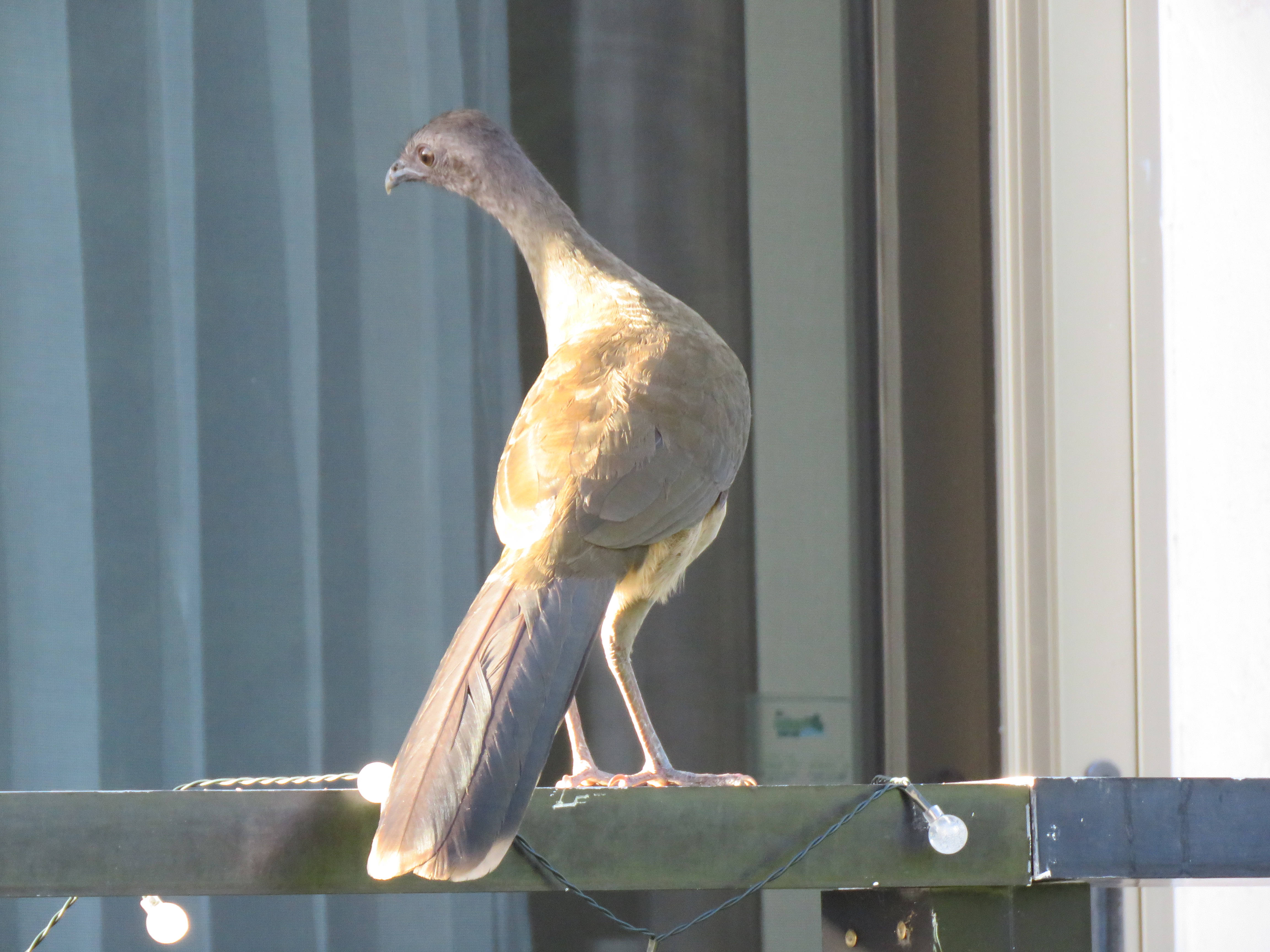
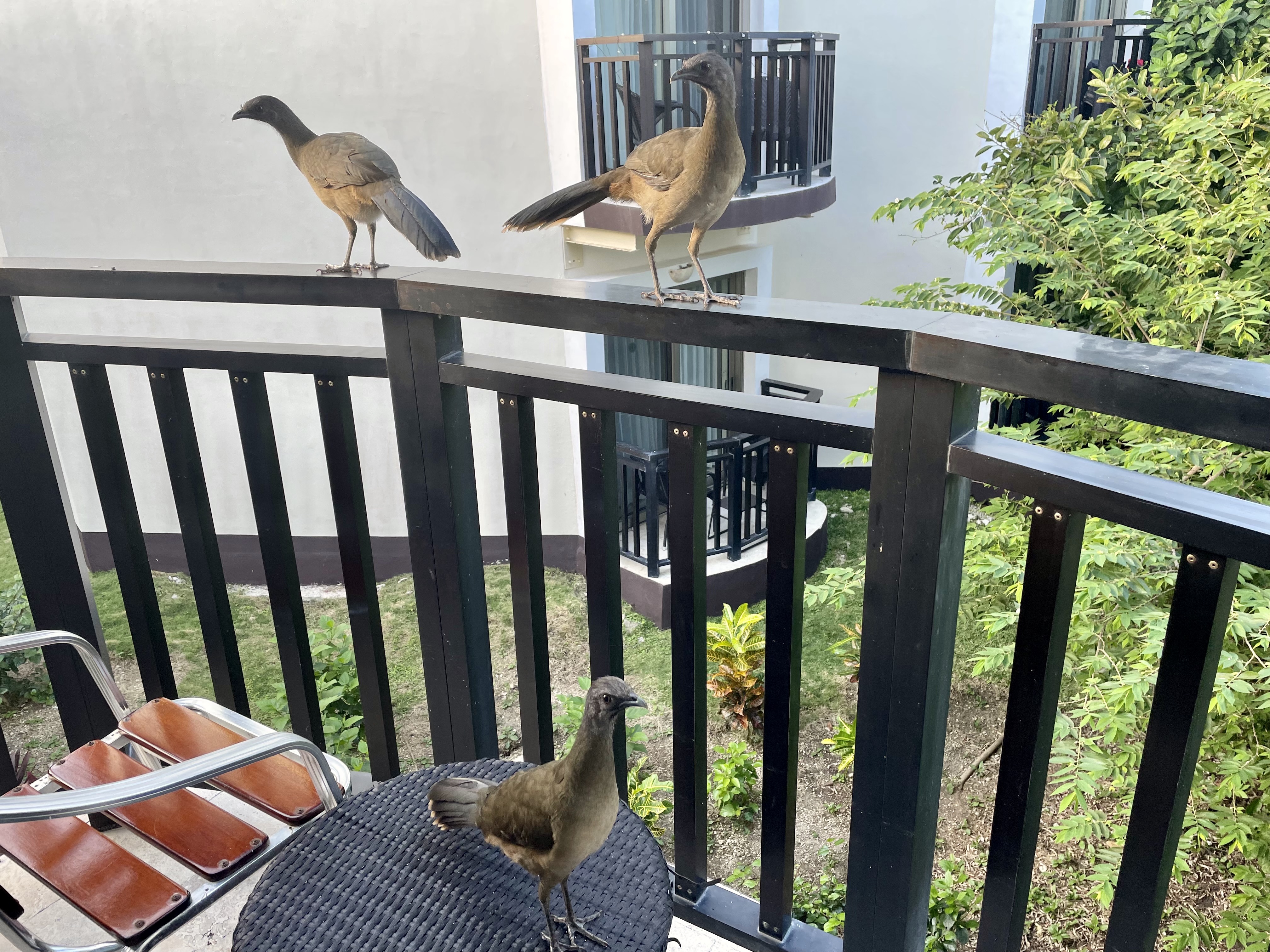
Because the resort is built in a jungle, we didn’t have to go far to find wildlife. Often, the critters came to us, mainly because people ignored the “Do Not Feed the Animals” signs. So, it was prudent to not leave anything on your balcony or your sliding door open. As a birder, I was pleased to see a variety of bird species. Some were life birds for me.
We enjoyed our time at the resort. Patience was paramount given that, like most everyplace else, the resort was short-staffed due to COVID-19. Being flexible enhanced our overall enjoyment of the Sandos Caracol Eco Resort.
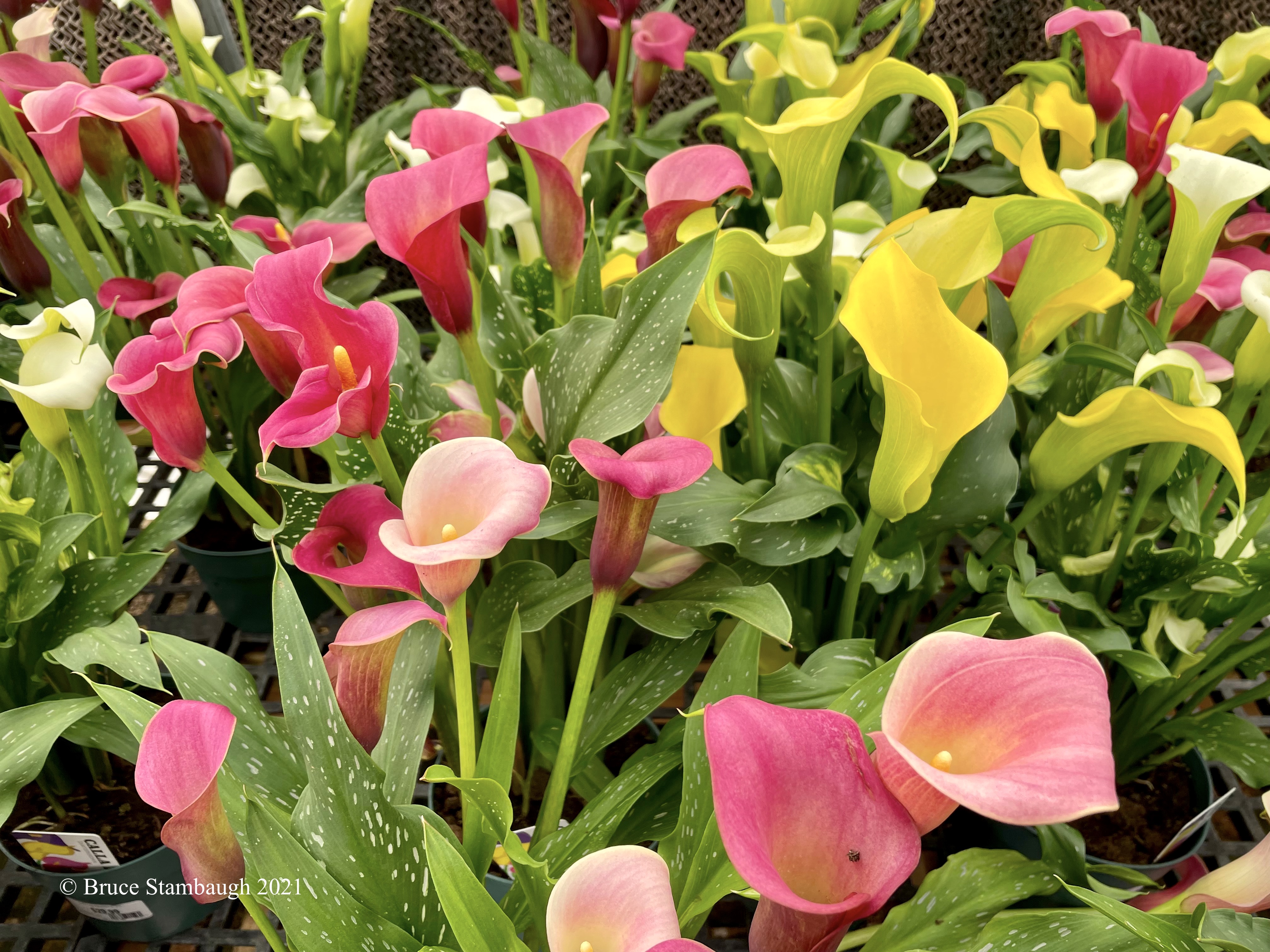
My wife and I and another couple toured a greenhouse in the Shenandoah Valley for their Christmas Open House. I was expecting Christmas wreaths and lots of poinsettias. They had those, but these festive calla lilies dressed in their many holiday colors really caught my eye.
Even beyond peak, the colors were bright in spots in the Adirondack Mountains.
Believe it or not, fall is half over already.
For a while, we thought summer would never end with the oppressive heat and humidity and the lack of sufficient rain in many regions of the U.S. and globally. But clearly, autumn has now settled in for the duration.
The first widespread frosts and snows for the northern climes have yet to occur. Tinder dry conditions in the western U.S. began early in the summer and continued far into fall. Thankfully, a record-breaking rainstorm helped put an end to much of the drought.
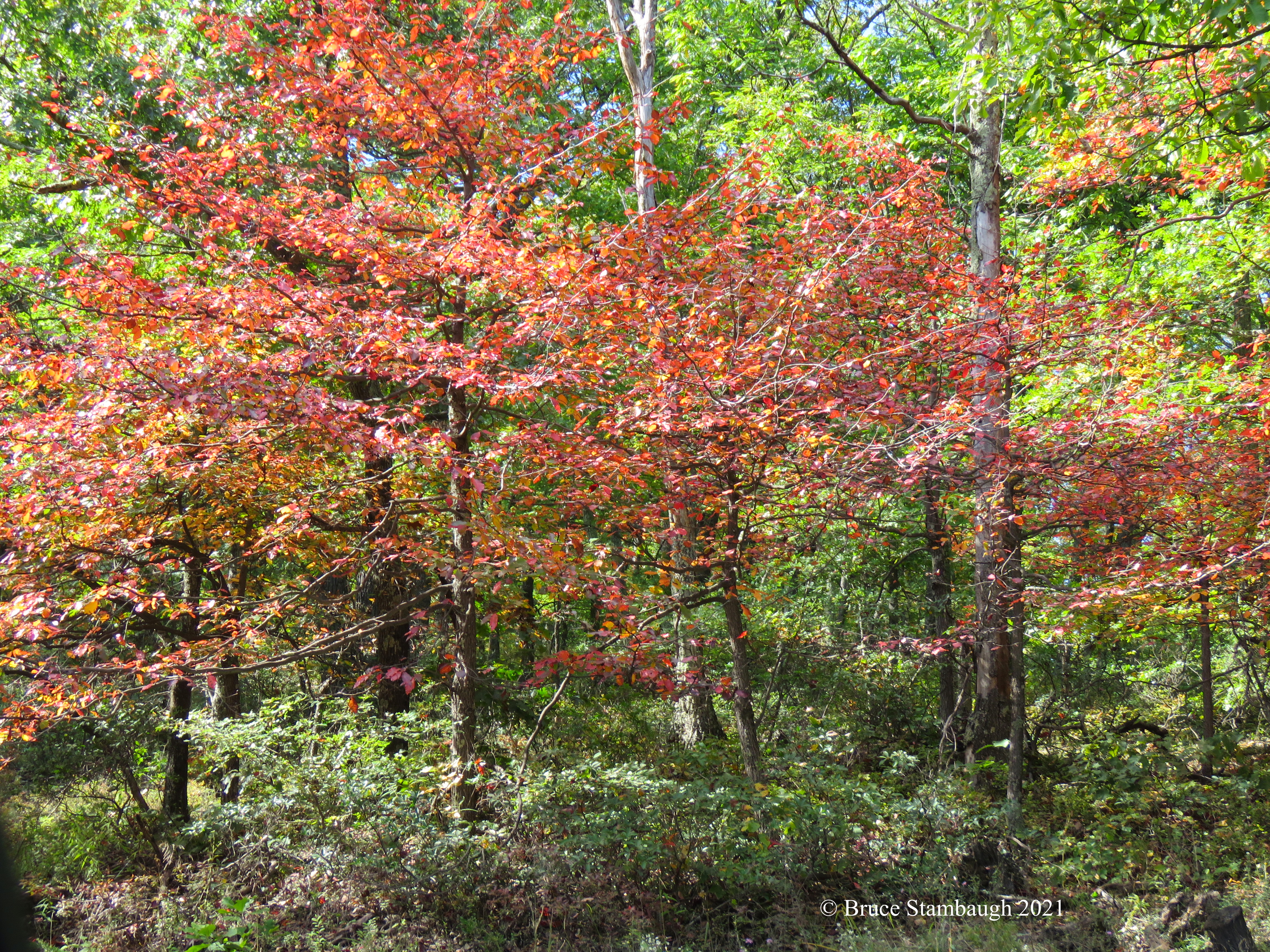
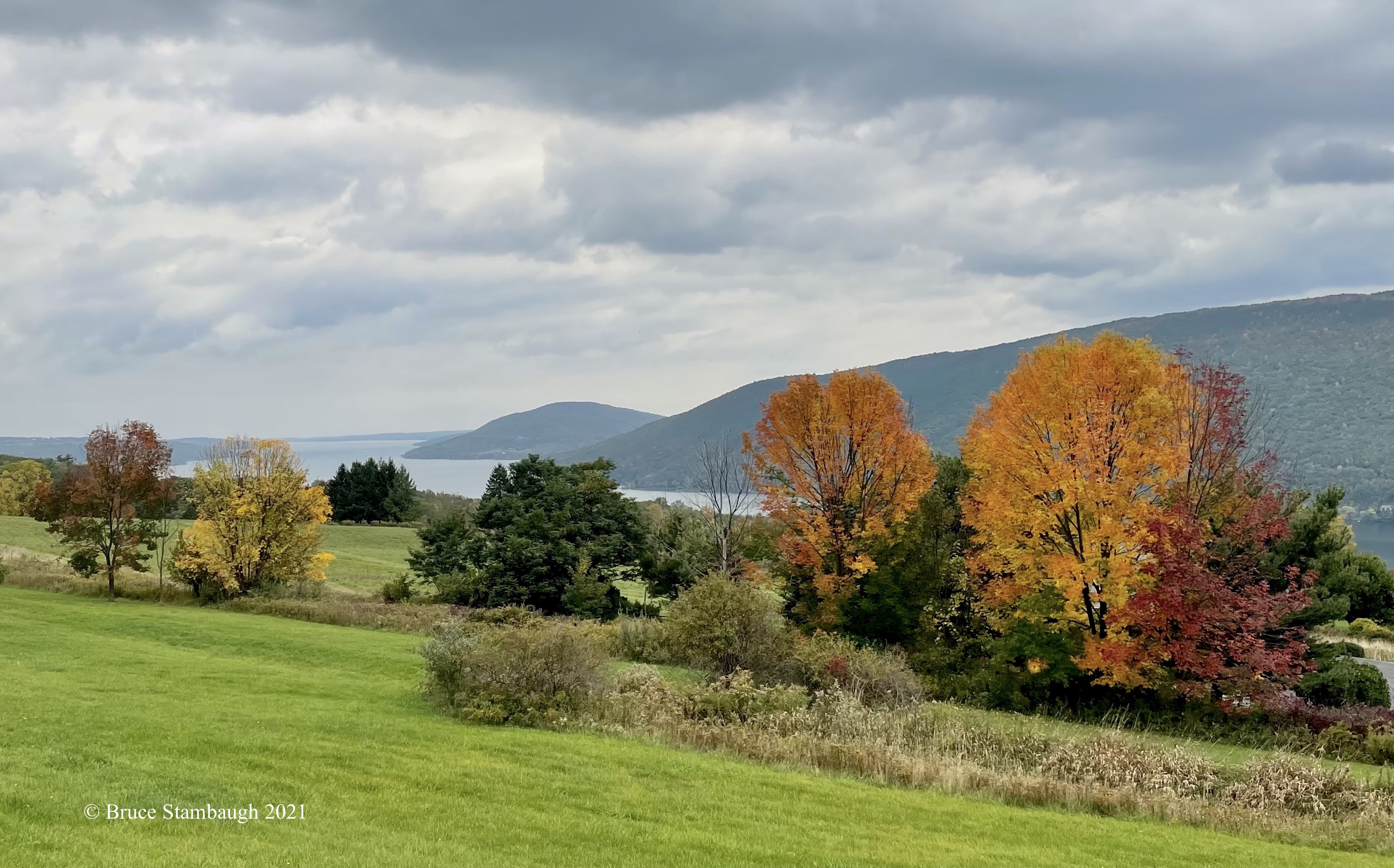
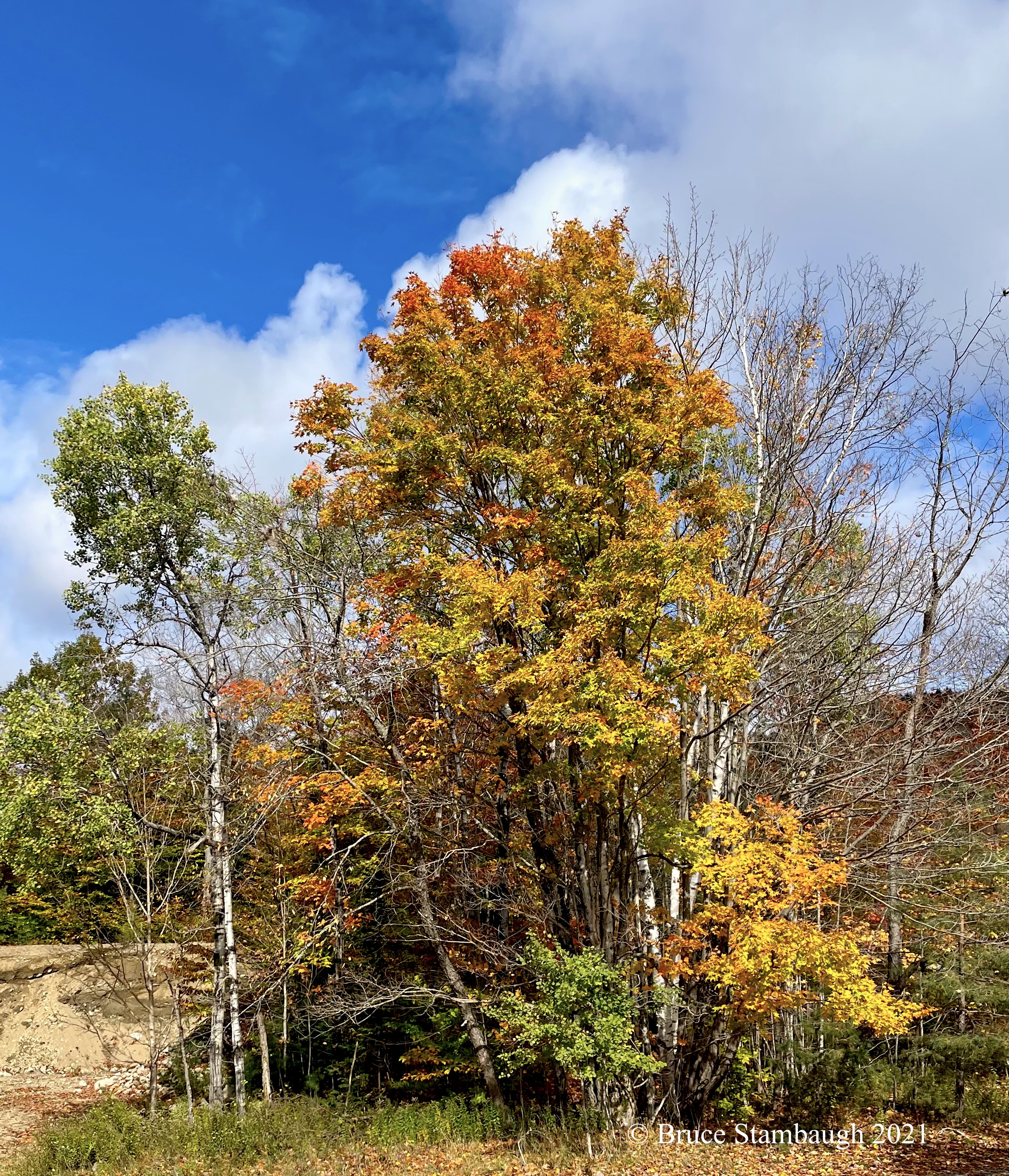
The primary anticipated autumn event for us humans is the changing of the leaves, which has turned out to be much later than usual. In many places, it has also been much shorter in duration than in previous years.
Fall is a favorite season for us photographers. The migrating birds, the changing leaves, the glorious sunsets and sunrises, and the autumn bounty of flowers create plenty of photographic opportunities. Plus, the weather is cooler and generally more pleasant.
I watched weekly updates from the qualified rangers at Shenandoah National Park, my go-to place for taking pictures. The reports kept saying the peak had yet to arrive.
Fall foliage maps created by tourist bureaus offered hope even though green seemed to be the dominant color within my range of vision. When one such map showed the adjacent counties west of us in West Virginia to be near peak color for leaves, I headed out.
Once over the first range of the Allegheny Mountains, I could see that the map and reality didn’t jibe. That didn’t deter me. It was a beautiful day, so I headed to Dolly Sods Wilderness, a noted photographer’s spot. I had never been there, and I wanted to get a lay of the place, if nothing else.
I was pleasantly surprised that the mountaintop wilderness preserve provided many colors, despite the lack of large deciduous trees. I snapped away and enjoyed my short stay.
A few days later, my wife and I drove north to upstate New York to visit our son and his wife and then turned east to the Adirondack Mountains, another new venue for me. We took four days on mostly state routes through Virginia, West Virginia, Pennsylvania, and the Empire State.
Though it was typical peak leaf-peeping time, the colors on the maples, ash, hickories, and others mainly remained green or dull in color. In the Adirondacks, we were a bit late but saw splashes of brightness between multiple rainstorms.
On our trip home, only in central Pennsylvania did we see the expected reds, yellows, golds, crimsons, and oranges of the fall. Since we were on the interstate, we enjoyed the views without being able to stop for photos.
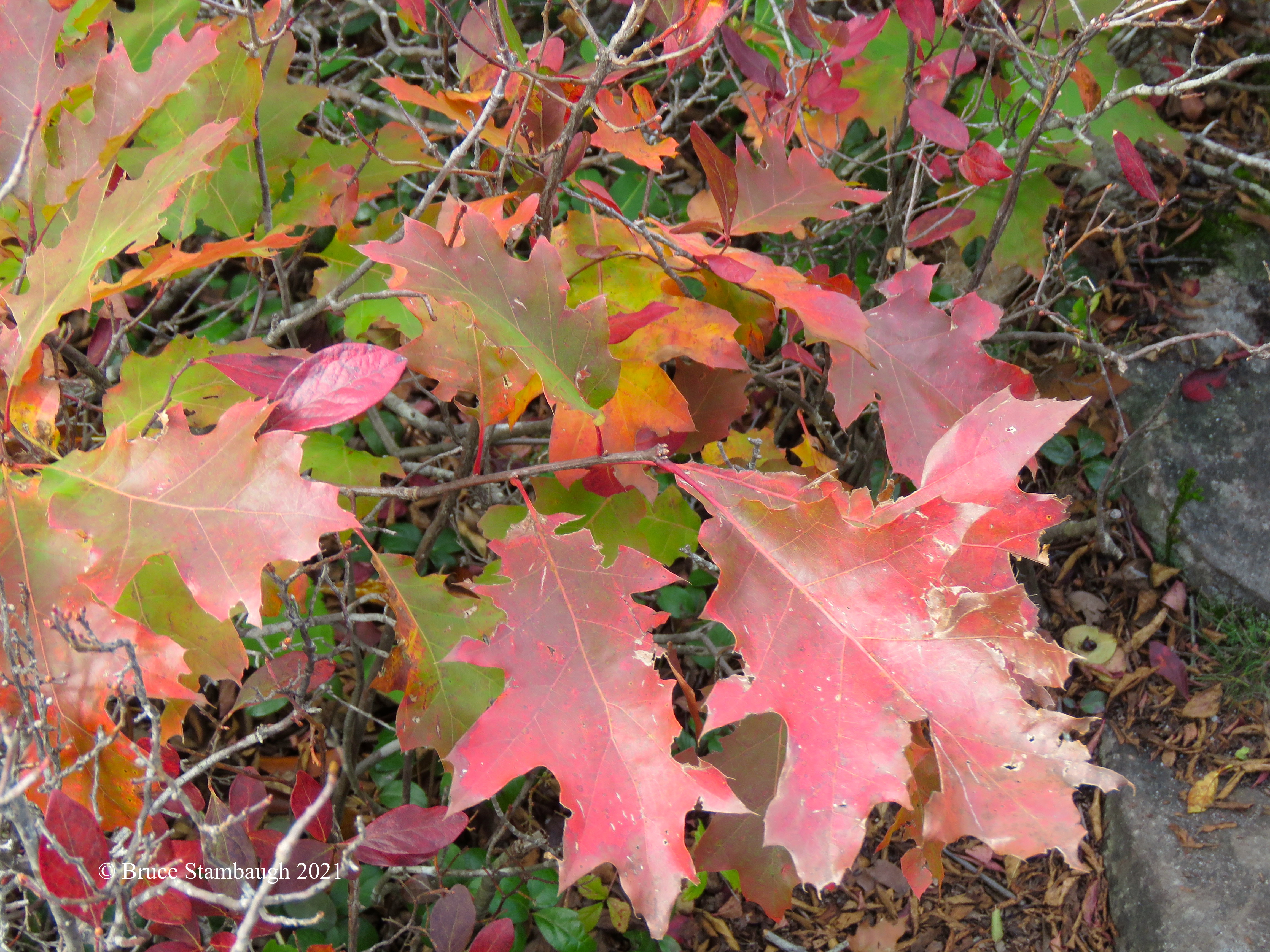
The leaves have finally begun to turn here in the Shenandoah Valley. Spots of colors dot cityscapes, landscapes, hillsides, and mountain forests. But as multiple cold fronts moved through with winds and rains, many leaves came tumbling down.
Like usual, nature had some life lessons to teach us. Natural wonders happen in their own time.
We learned or were reminded to be patient. The leaves did turn like we knew they would, just not when we had expected.
We learned to look for the beauty in whatever we found. It could be a single speckled leaf lying on the ground or a spider’s web adorned with morning dew drops like dazzling pearls on lacy strings.
We learned, too, to be grateful for all the beauty around us, not just in colorful leaves.
The rainbow of colors at Dolly Sods Wilderness in WV.





































 Roadkill Crossing
You must be logged in to post a comment.