My wife and I recently returned from a two-week trip to Greece and Rome. I will share our experiences through a series of photo essays beginning today.
The trip’s theme was to follow parts of the Apostle Paul’s three trips between Jerusalem and Rome. Our guides were Linford and Janet Stutzman.
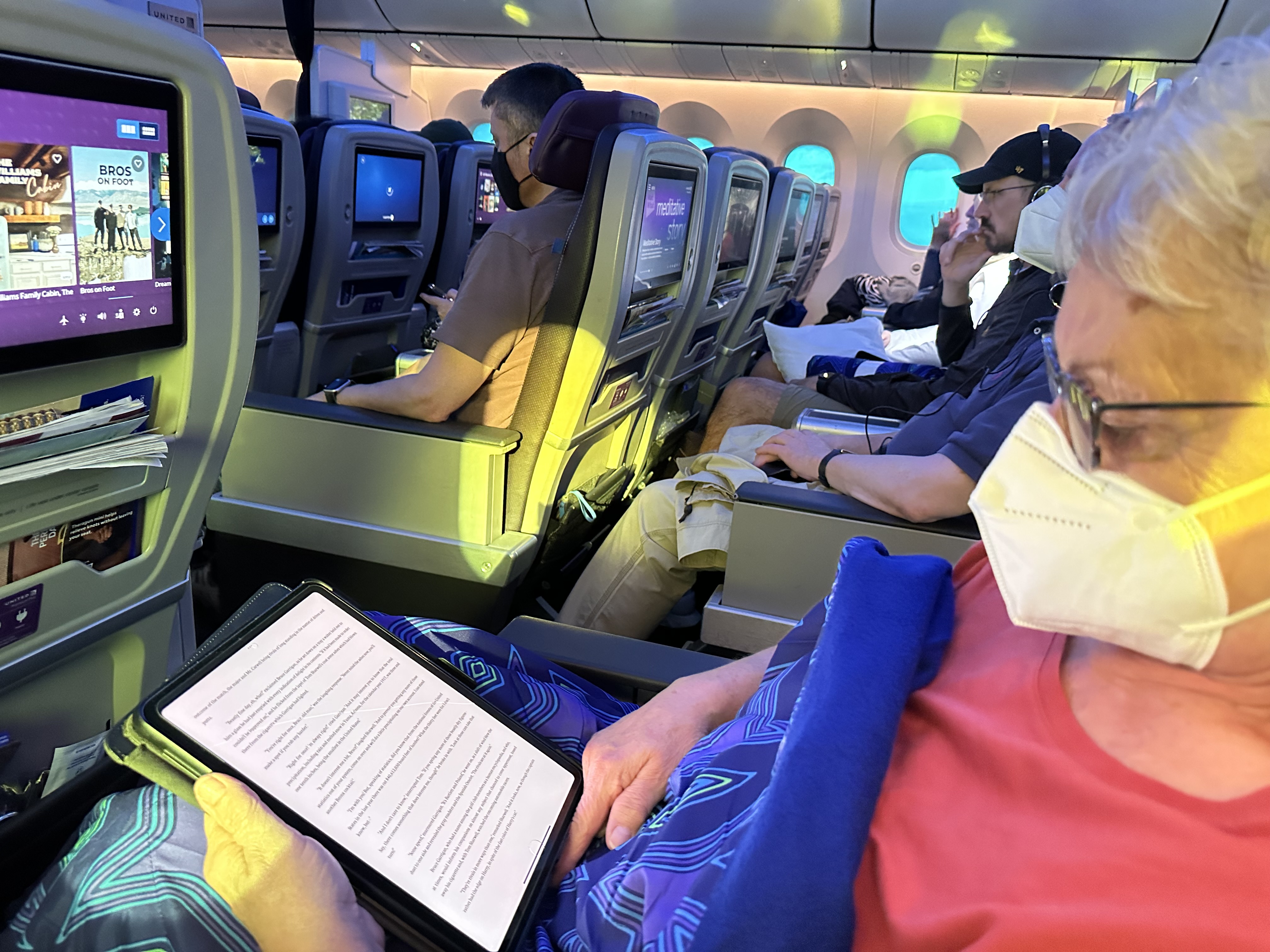
My wife spent part of the nearly 10-hour flight reading.
In 2004, Linford and Janet bought an old sailboat in Greece, fixed it up, and sailed the paths and ports of Paul while on sabbatical from Eastern Mennonite University, where Linford was a professor of religion. Their epic trip led to Linford writing an excellent book about their adventures, SailingActs.
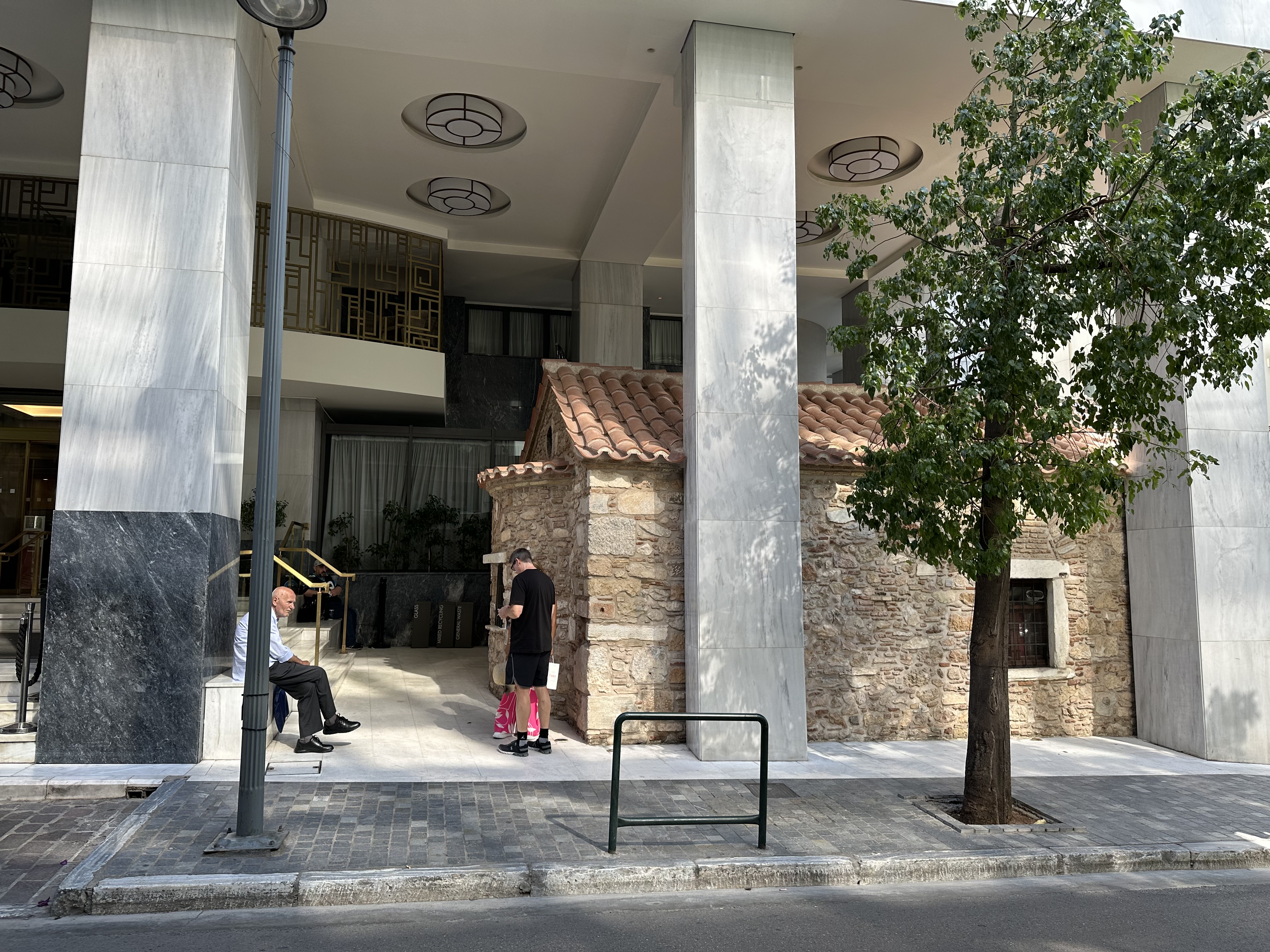
Our itinerary began in Athens, where Paul preached a sermon on Aropagus Hill, just south of the Acropolis and the Parthenon. But first, we had to wait for all 24 group members to arrive, which they did by nightfall.
Consequently, our first day of the trip was spent traveling by air from Washington/Dulles International Airport to Athens. Once on the ground in Greece, our taxi took a circuitous route from the airport to the hotel due to a race for a cancer cure near the Acropolis. Many streets were blocked off for the 40,000 race participants.
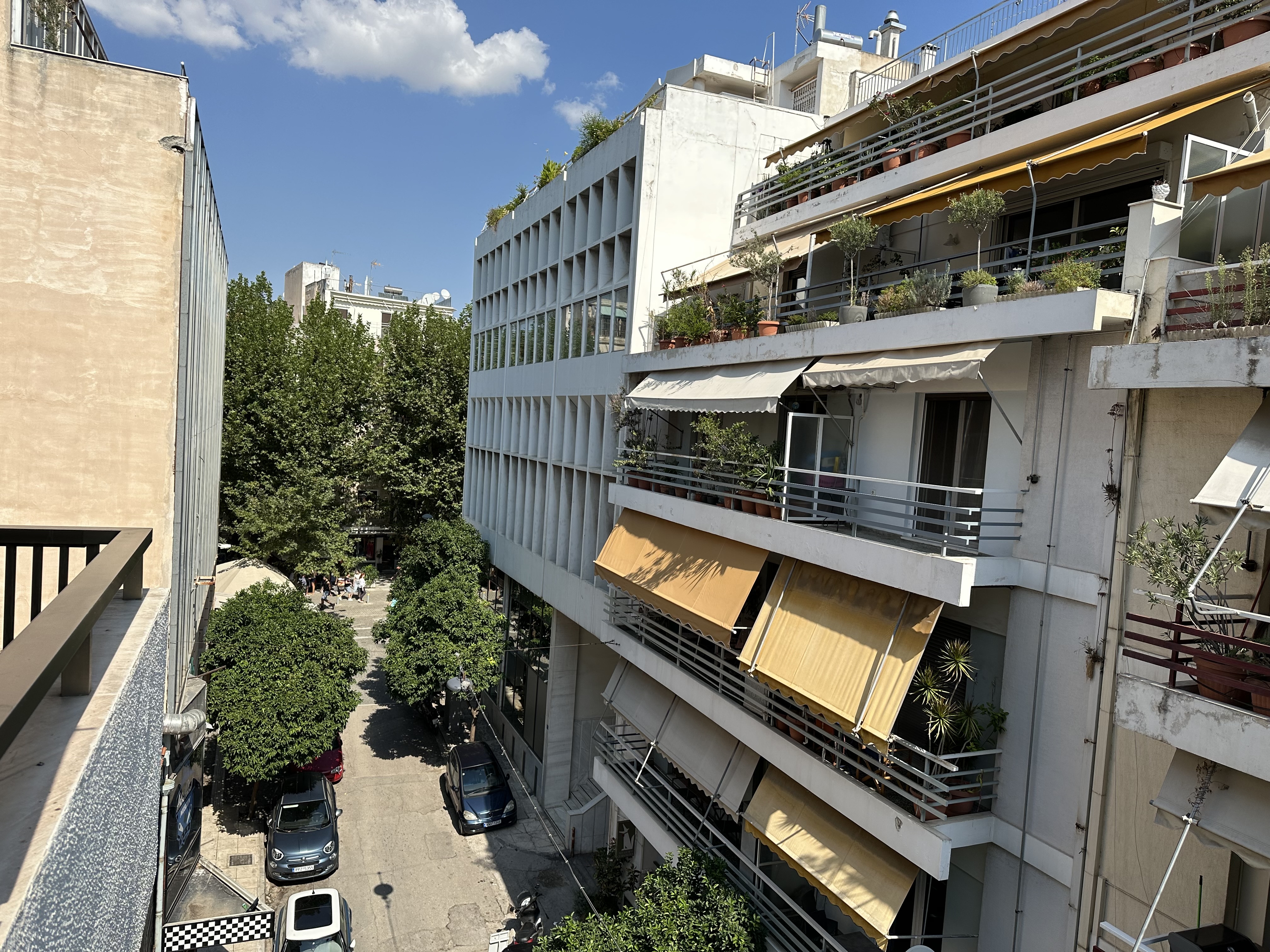
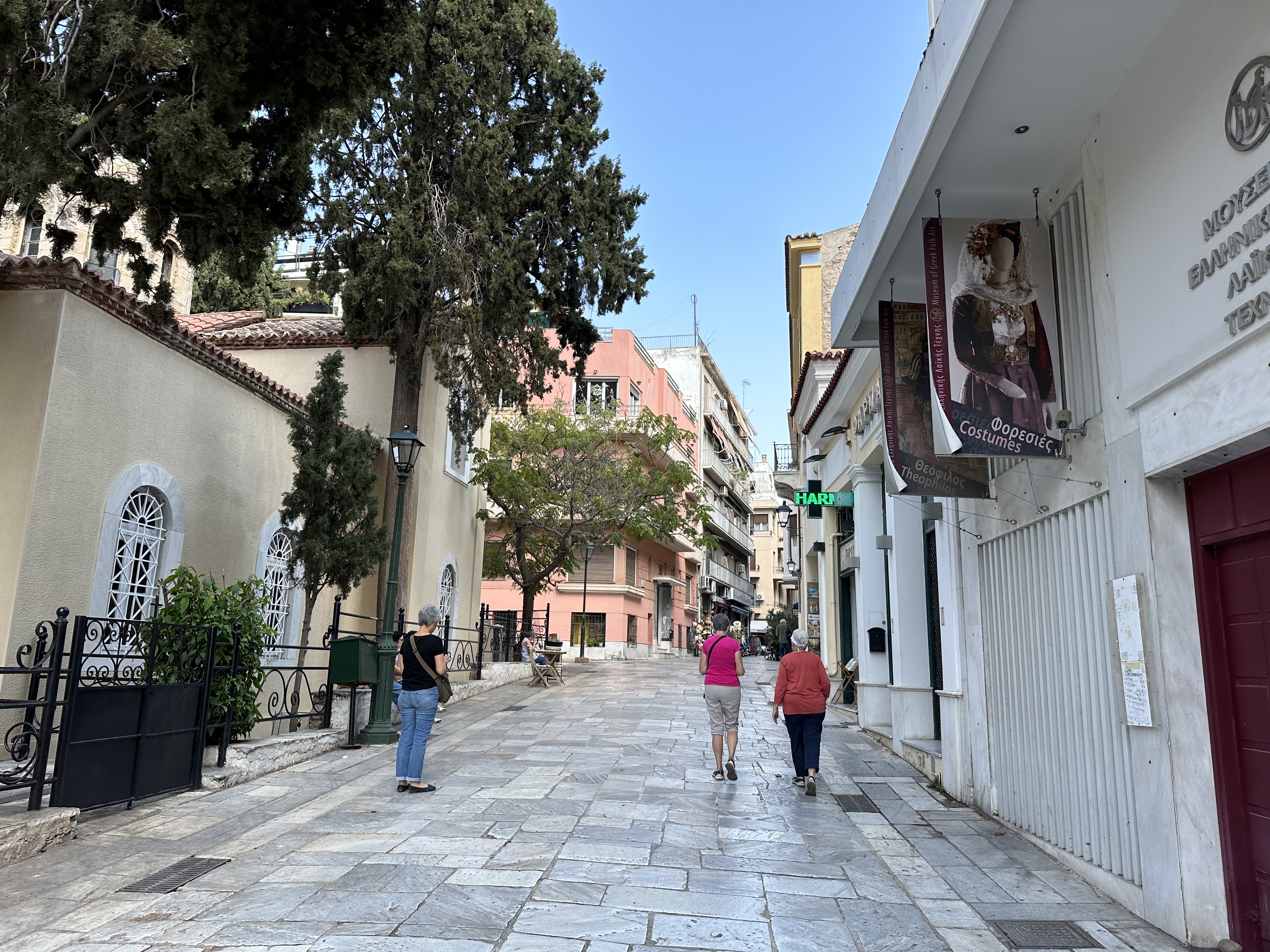
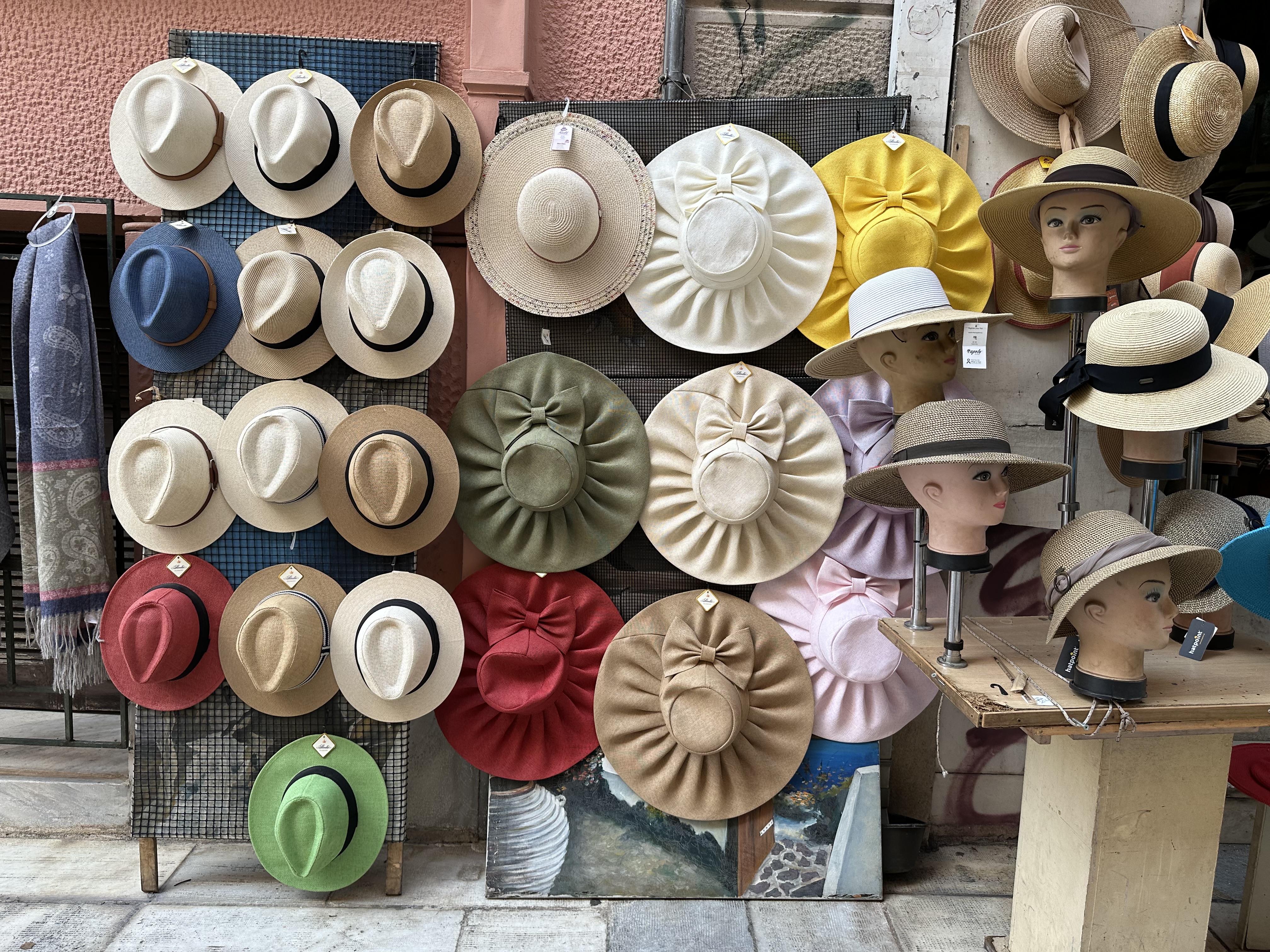
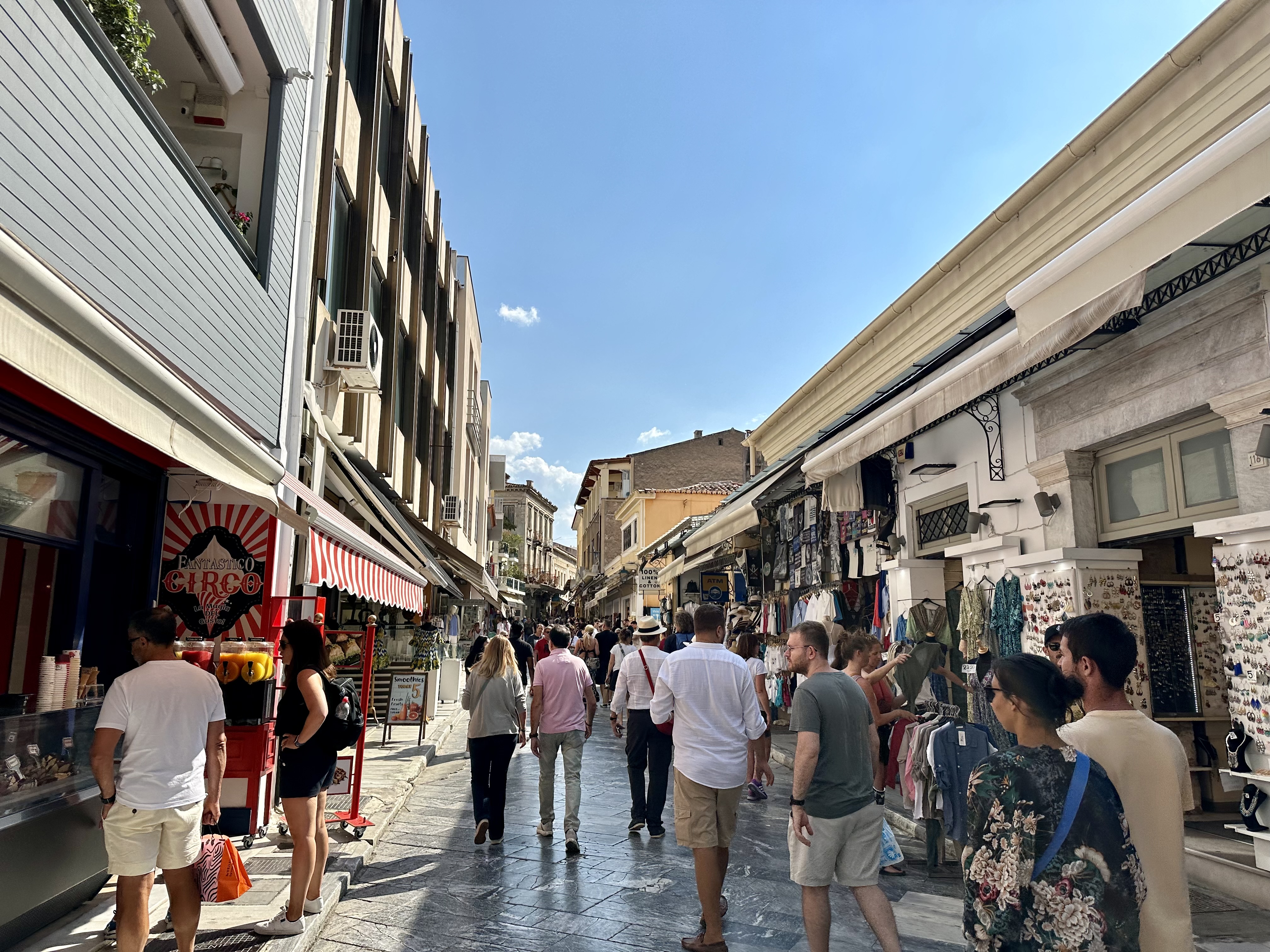
We spent the evening familiarizing ourselves with the area and shopped in the Plaka, a market/restaurant area between the Acropolis and our hotel. On our stroll around the area, we did get our first glimpse of the Acropolis.
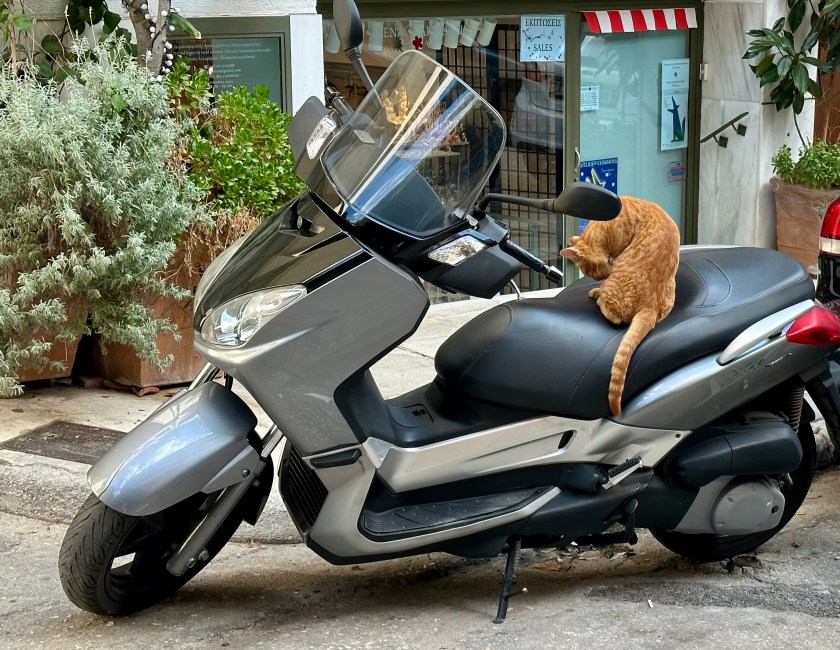
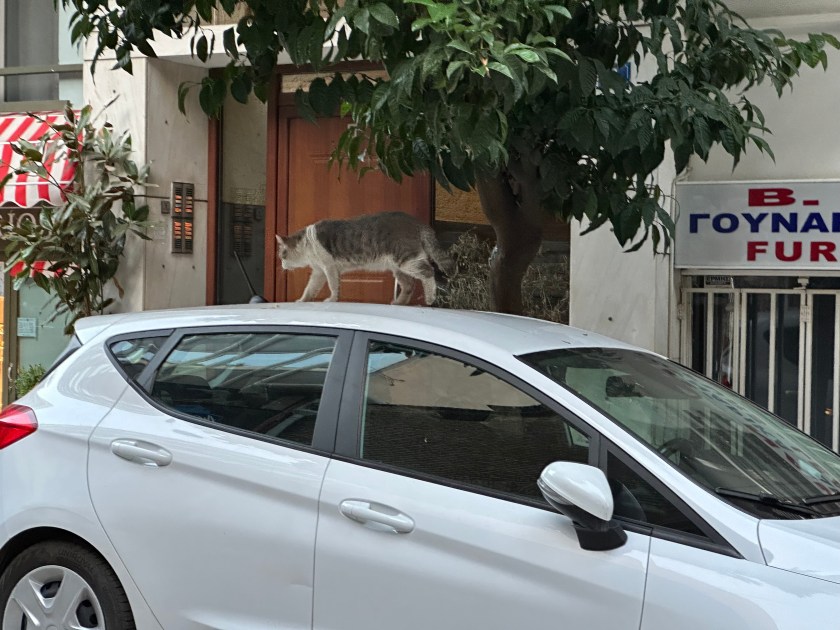
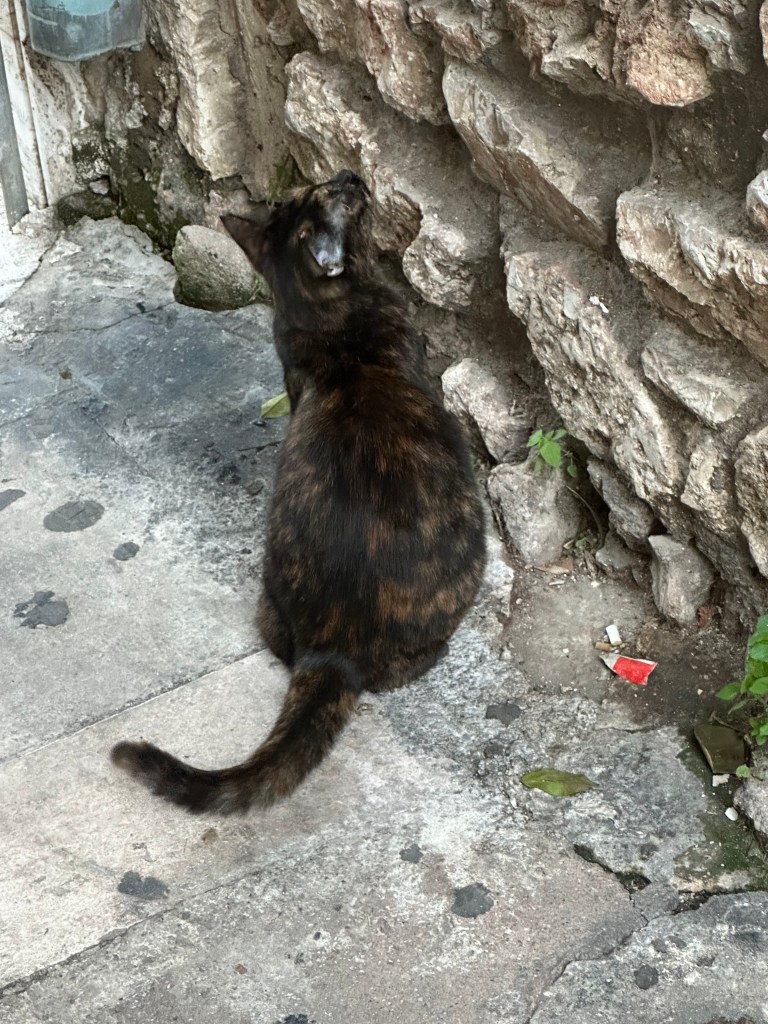
I was surprised to see so many cats running loose in the city. Apparently, felines are revered in Athens and likely help keep the critter population down. Many cats roamed the narrow streets, businesses, apartment buildings, and restaurants.
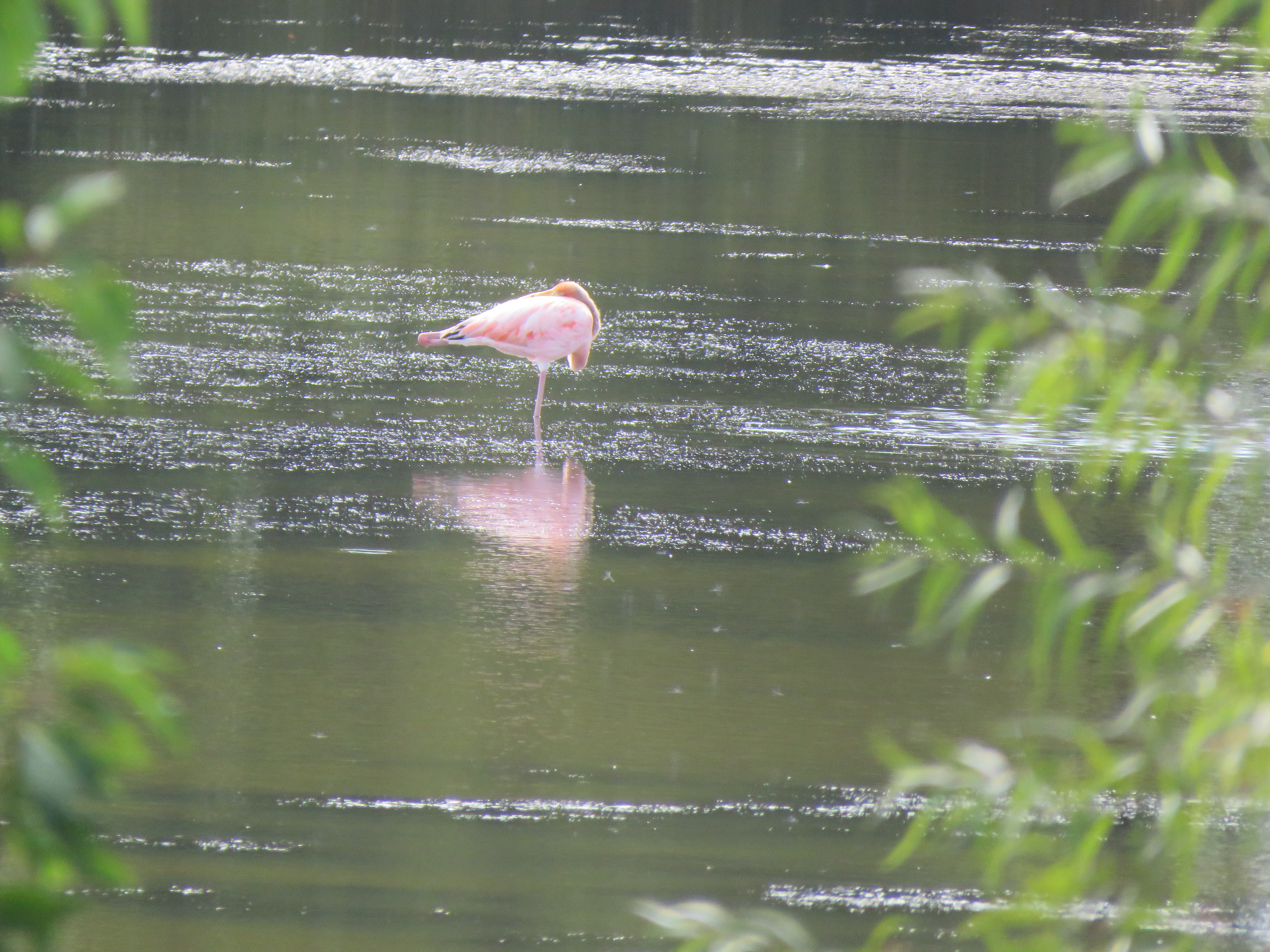
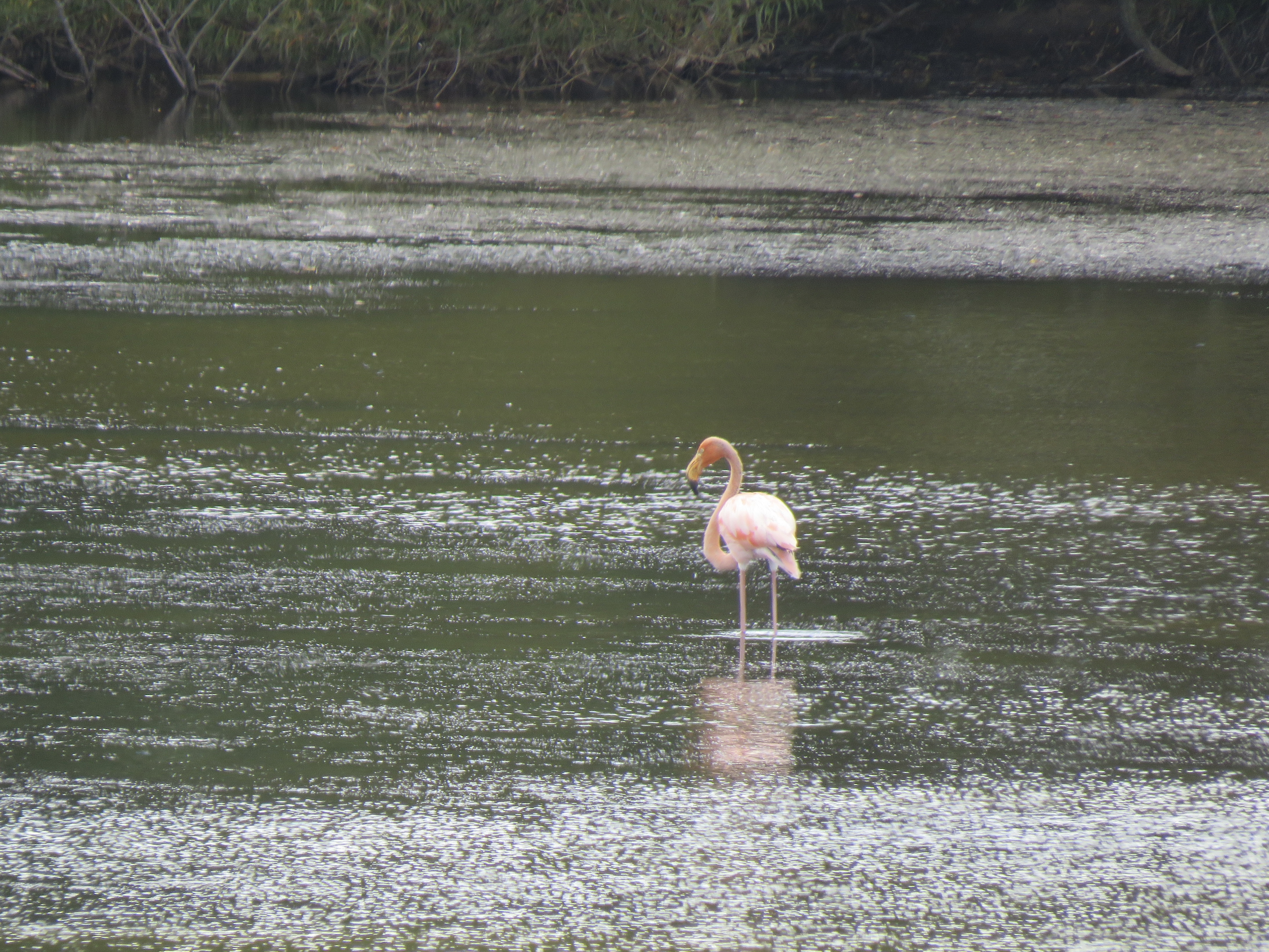
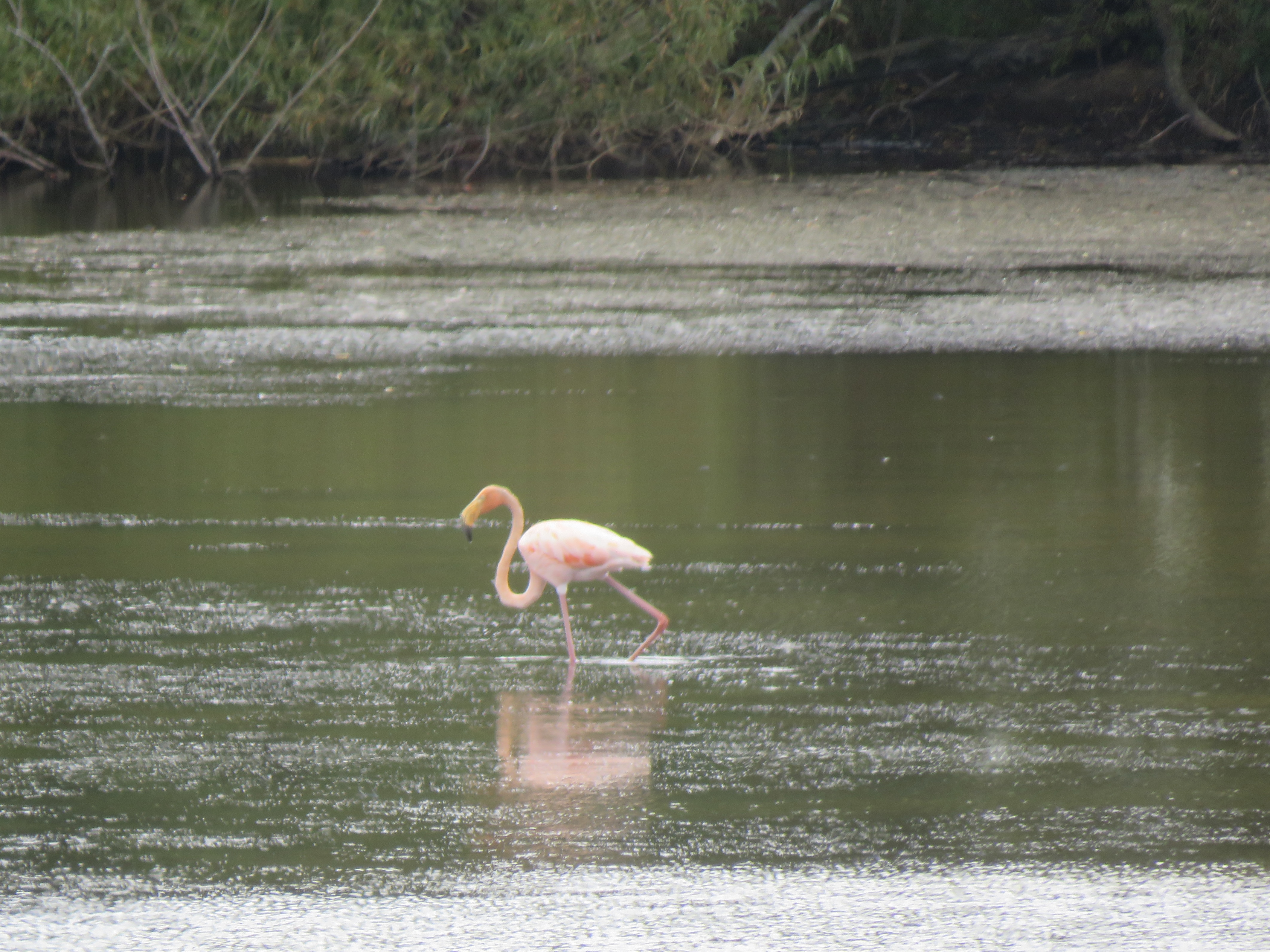
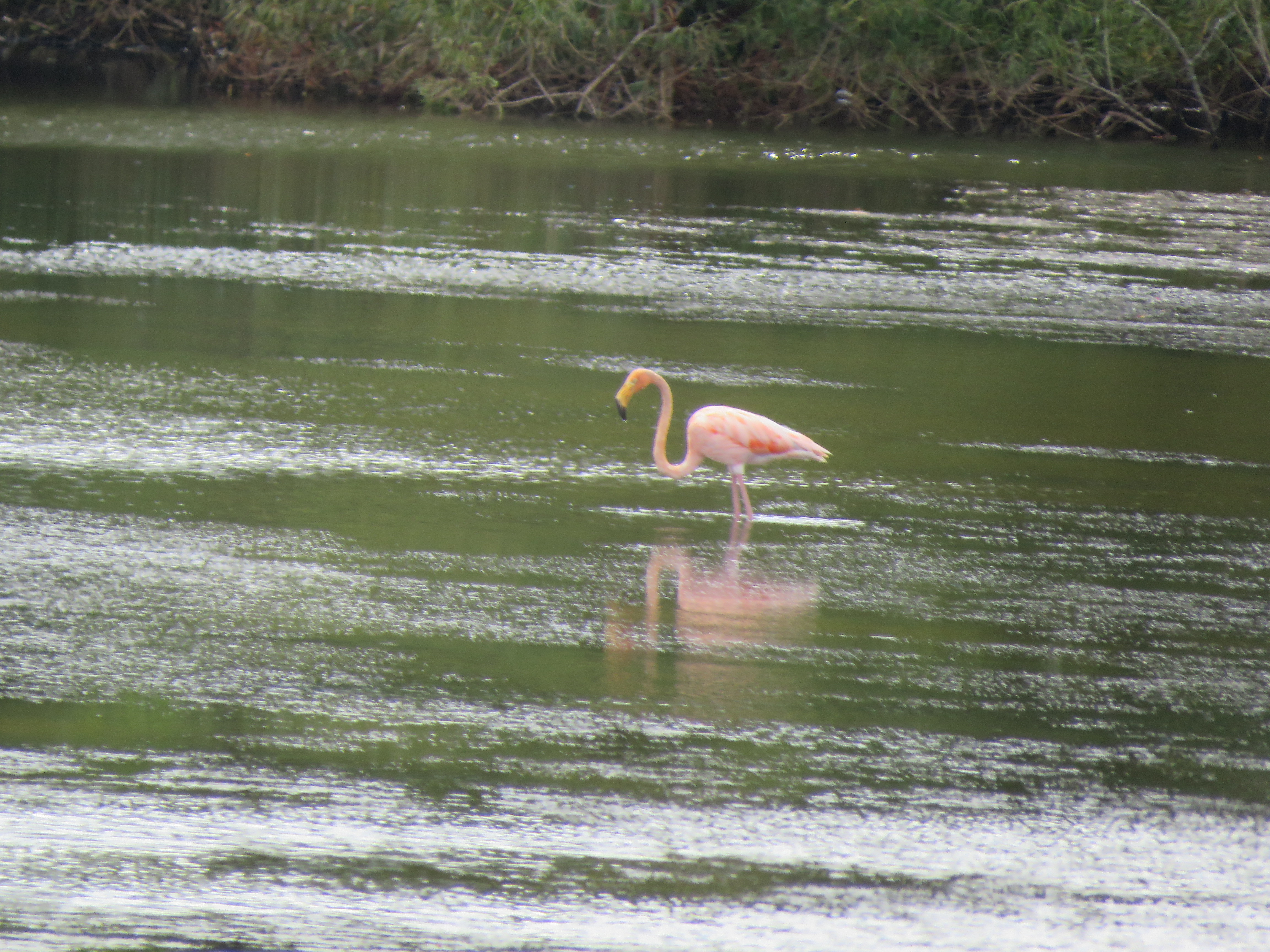
One of two American Flamingos near Chambersburg, Pennsylvania. Photo by Bruce Stambaugh.
This is how birding works. Just before my wife and I left to visit our 16-month-old grandson and his parents in Rochester, NY, a friend in Florida posted on social media about American Flamingos being spotted in a farm pond in south-central Pennsylvania.
I knew we couldn’t stop on the way up, but I hoped beyond hope that the birds would still be there when we left for our home in the Shenandoah Valley on Monday. I checked the American Birding Association’s rare bird alert daily as we enjoyed visiting with our son and his young family.
On Monday morning, the birds were still there and reportedly very easy to see. In all my years of birding, I’ve heard that before, only to arrive five minutes after the birds flew off into the sunset. In the birding world, that’s called “dipping.”
It was a six-hour drive from Rochester to St. Thomas Township, Franklin County, Pennsylvania. When we left Rochester, the day was partly sunny. By the time we reached the state line of the Keystone State, it started to rain. I kept my mind on my driving. I wanted to see those birds, but we had to get there first. So, I drove carefully.
The ABA rare bird alert included the GPS coordinates, so I figured we would drive right to the farm pond, which we almost did. We had Waze plugged into the car’s GPS system while I used my Google Maps for backup. I wasn’t taking any chances.
I am so glad I did because Waze said we had arrived when all we had were fields on the right and a line of houses on the left. My Google Maps saved the day, and we circled around and found Pond Lane.
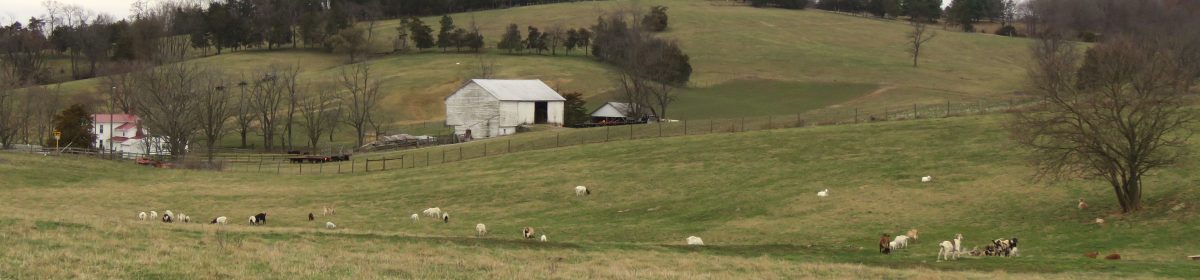
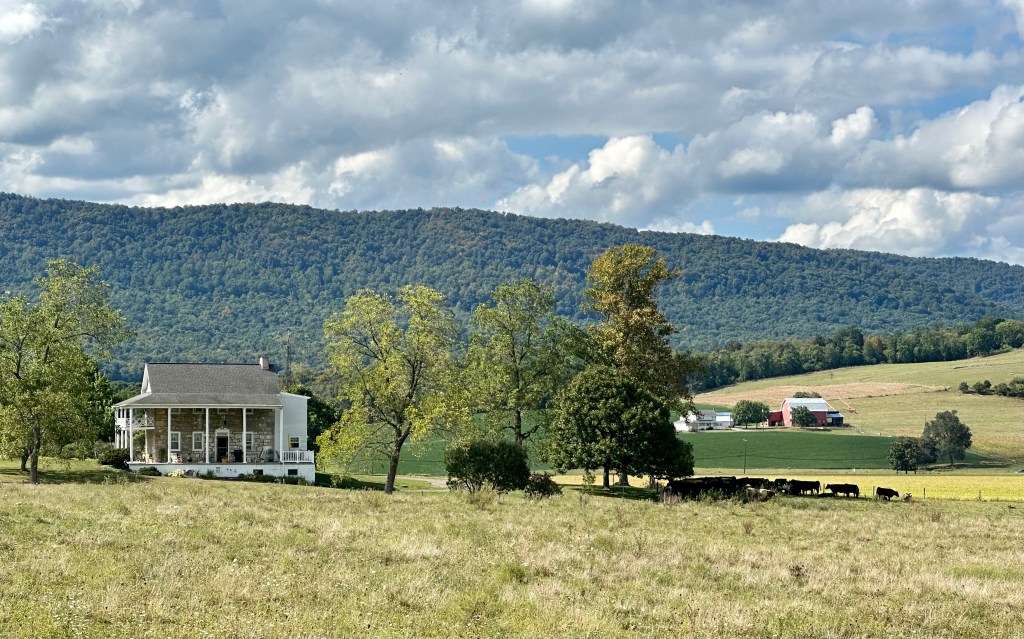
The countryside was gorgeous. Puffy white clouds floated by in a bright blue sky. The large, rolling fields of soybeans served as a two-tone yellow and green carpet below. Fieldstone farmhouses and red barns dotted the landscape.
Soybeans beneath a late summer sky.
Sweeping fertile fields.
The old homestead.
Fields, forests, and mountains.
The old stone house and Black Angus in the shade.
A mountain in the backyard.
As we approached from the west, I smiled because I could see a string of cars parked along the road and birders on the opposite side looking through spotting scopes and binoculars. As I slowly approached the scene, my wife shouted, “I see one!” I parked the car in the first space on the north side of the road and raced to the spot where my wife saw the flamingo.
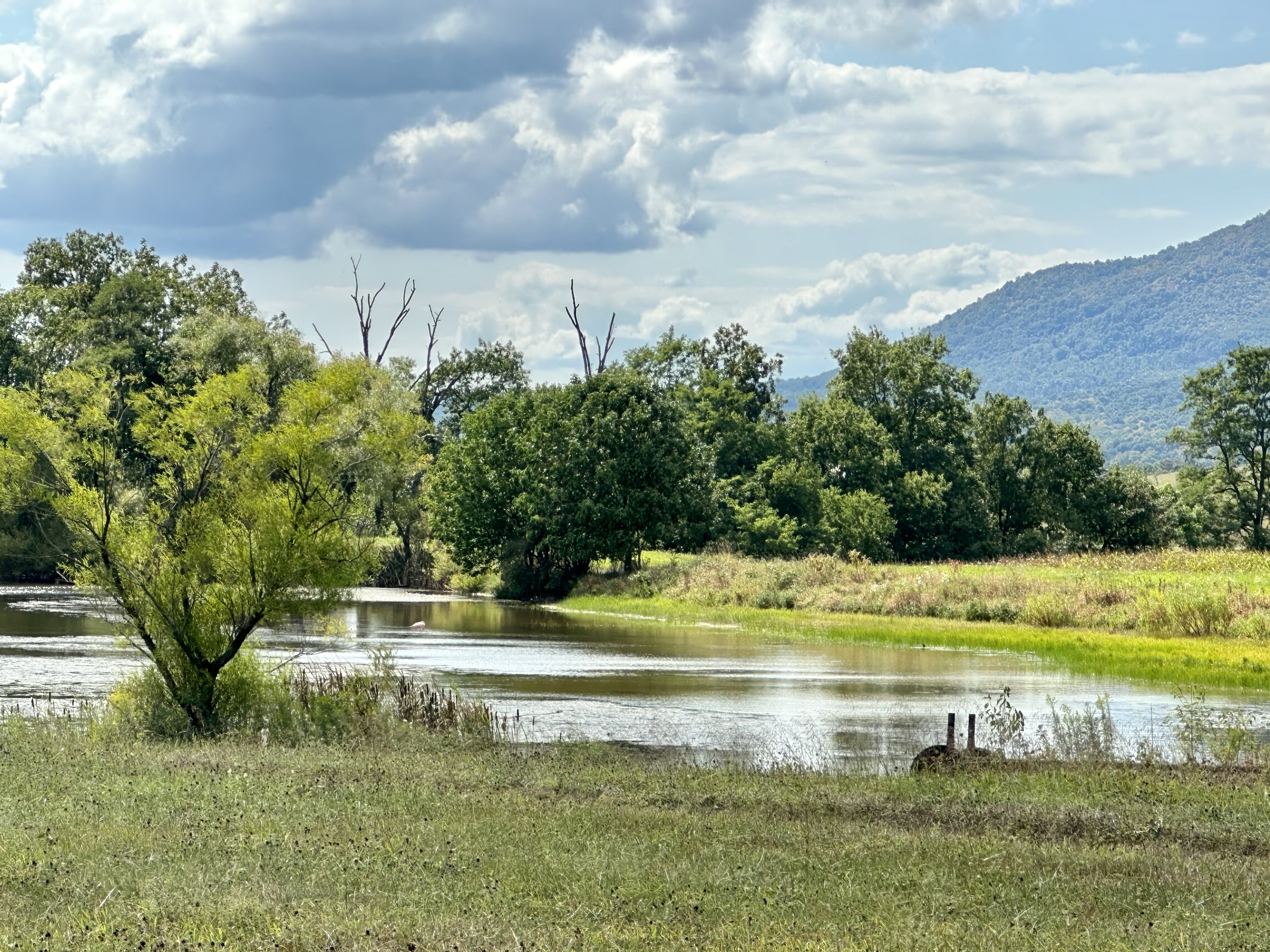
Sure enough, there it was. The beautiful pink bird was standing on one leg in the middle of the shallow pond. It had its head tucked under its left wing, sleeping. I got a quick photo between two trees and then walked up to where most birders stood with an unobstructed view. It was a little farther away, but we could see it clearly through the binoculars and my camera’s viewfinder.
My wife helped steady me in the warm wind rushing over and down the nearby Appalachian Mountains to the west. Once the bird awoke, it waded, fed, and preened in the afternoon sun. I asked another birder where the second flamingo was. I didn’t like the answer.
Please click on the photos to enlarge them.
In the early morning hours after sunrise, a snapping turtle bit the other flamingo in the leg, injuring it. A wildlife rehab center was notified, and personnel arrived and captured the injured bird. Surgery was performed to fix the broken leg. It still remains in their care.
The other flamingo continued to thrill birders who arrived from near and far. How did birds that should be in the Bahama Islands and the Florida Keys get to Pennsylvania? The most plausible answer is that Hurricane Idalia blew them north.
That is the accepted answer because American Flamingos were located in 10 states, some well inland like these birds. Birders from other states were chiming in on the social media conversations, wishing for the flamingos to be found in their states, too.
Why such fuss over the flamingos? Well, in every state except Florida, the sighting of the flamingos was a record first for each of those states. Birders take their hobby seriously. Consequently, they keep many lists and records by recording the bird species, where it was seen, the date(s), and times. The Cornell Laboratory in Ithaca, New York, is the official state and national records compiler.
I had seen flamingos in Florida and Texas before, but seeing this beautiful bird so far inland was extra special. And it was all thanks to a hurricane.
The farm pond in Pennsylvania where the American Flamingo was observed. The bird is just right of the willow tree in the foreground. Photo by Bruce Stambaugh.
The view from Grandview Point. Photo by Bruce Stambaugh.
Located east of Beckley, West Virginia, New River Gorge National Park and Preserve is a gem of a place. My wife and I recently visited there for two days. Our goal was to see the New River Gorge Bridge. We experienced much more than that. Also, I finally learned an important life lesson.
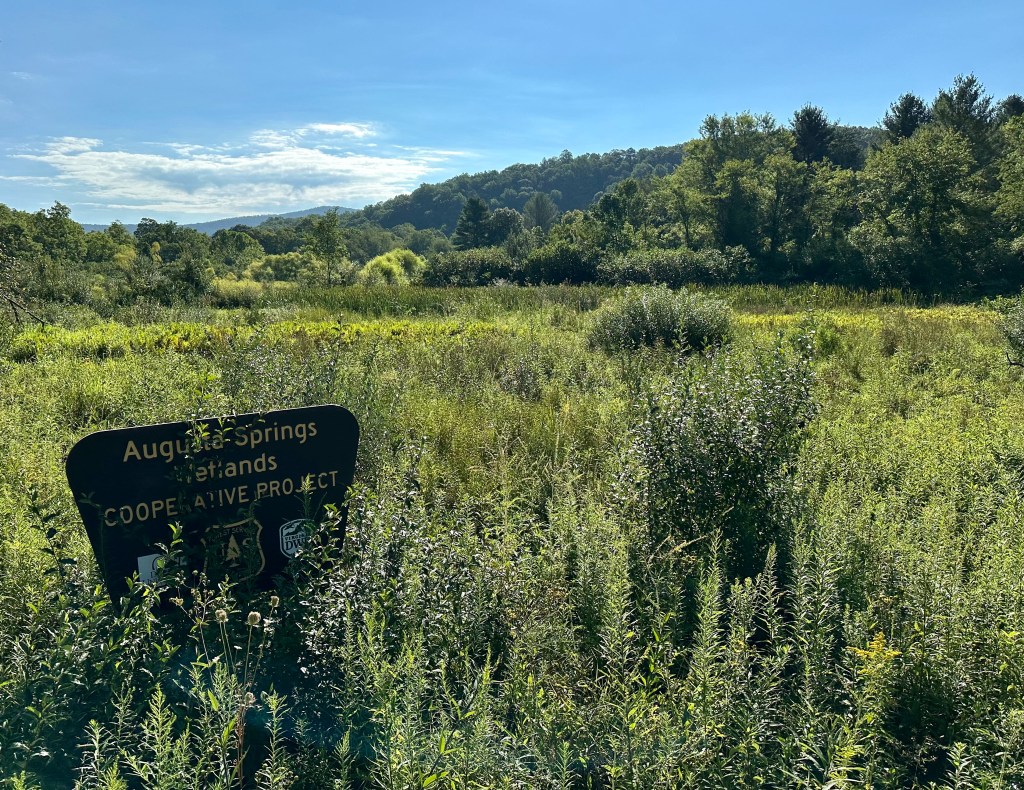
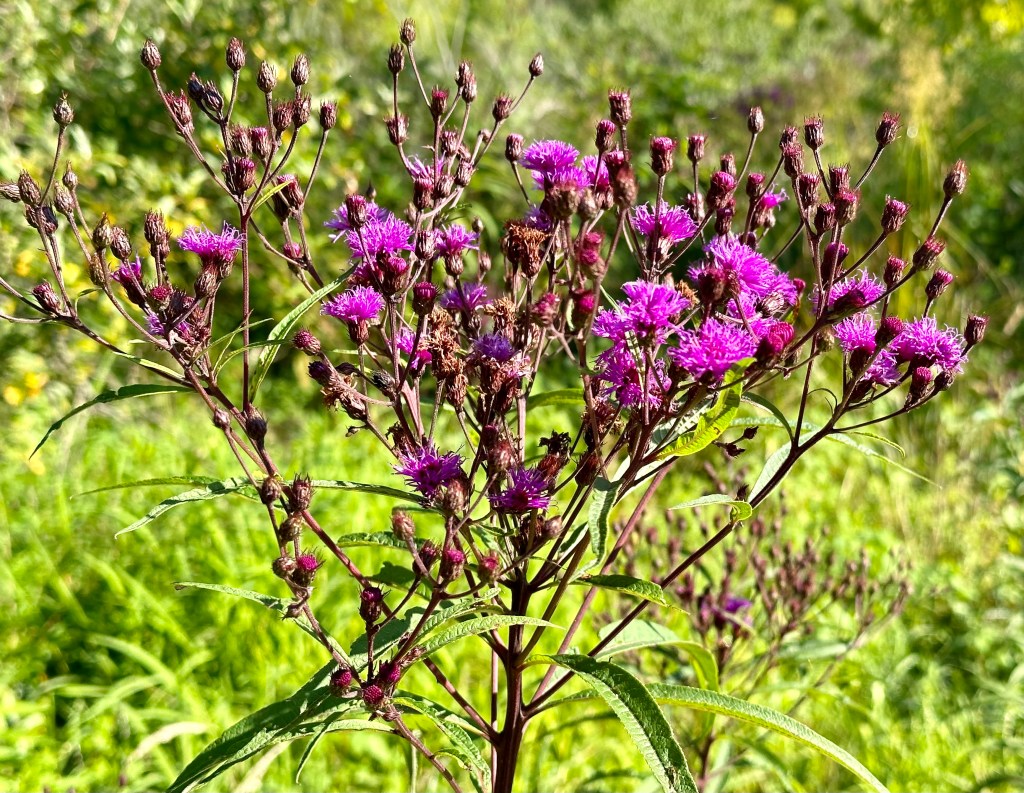
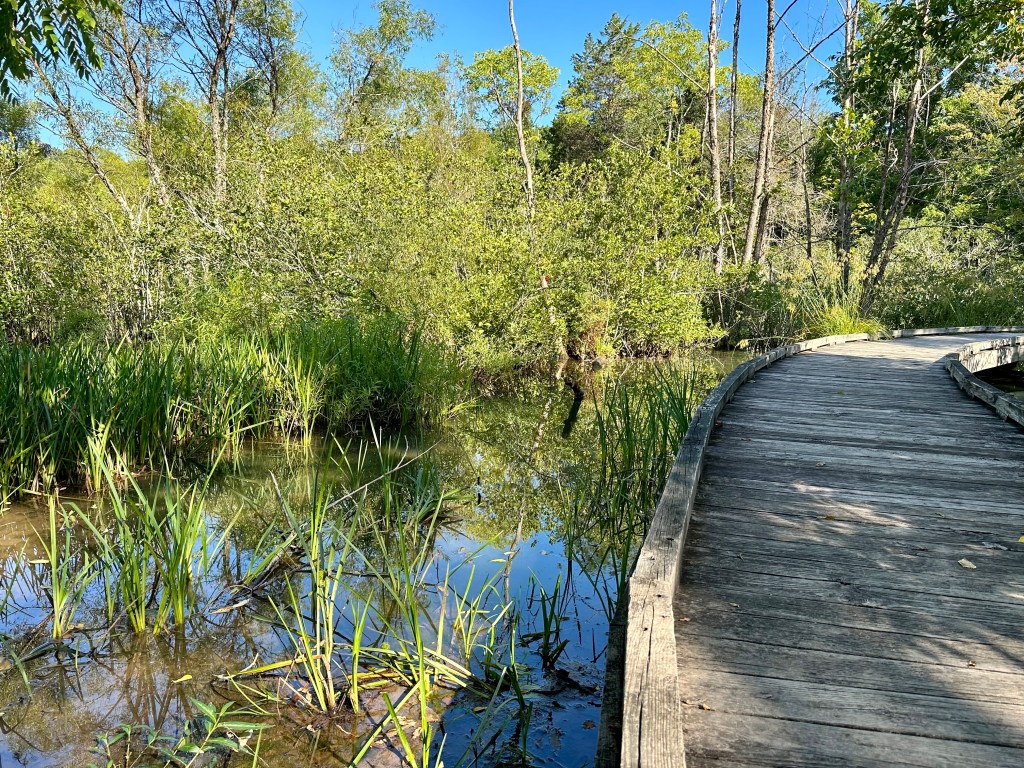
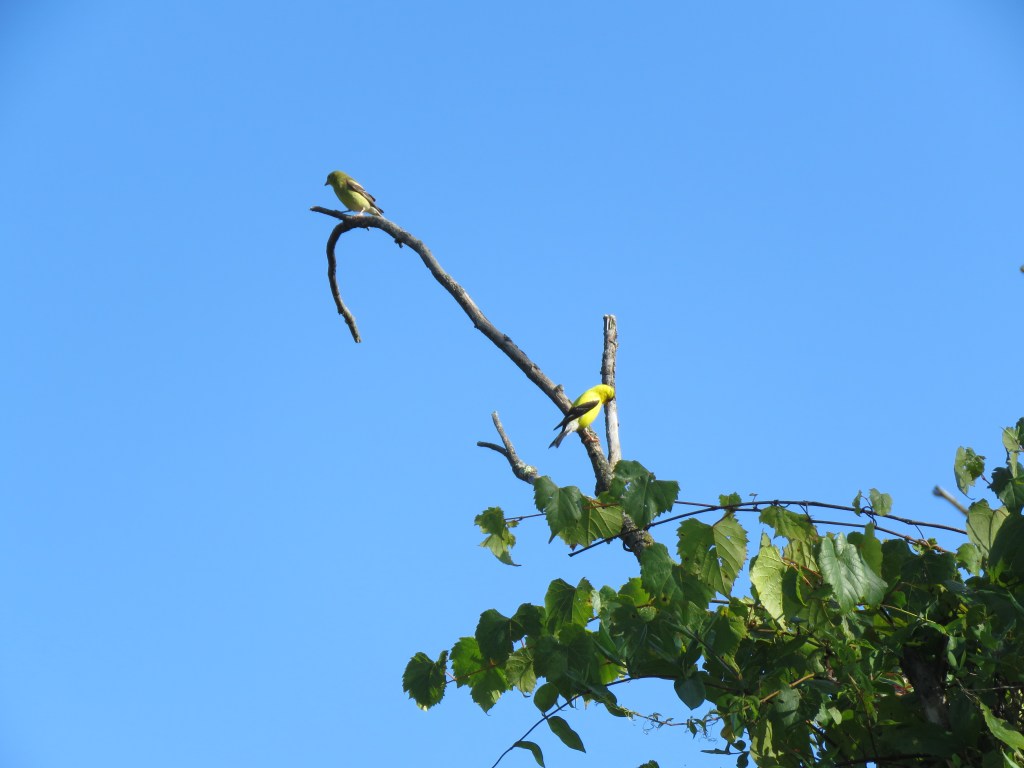
Because we usually avoid driving on I-81, we took Virginia 42 southwest through the Allegheny Highlands’ beautiful hills, valleys, small towns, and mountain gaps. We stopped at Augusta Springs Wetlands to bird along the boardwalk. We saw a number of lovely wildflowers and 21 species of birds. The next stop was the Humpback Covered Bridge west of Covington, Virginia.
Humpback Bridge.
Interior of the Humpback Bridge.
Humpback Bridge
But it was the national park we wanted to see most. The park has four visitor centers because of its mountainous terrain and steep gorge. Sandstone Visitor Center was our first stop just off I-64. The helpful ranger gave us excellent advice on the roads to travel and what to expect.
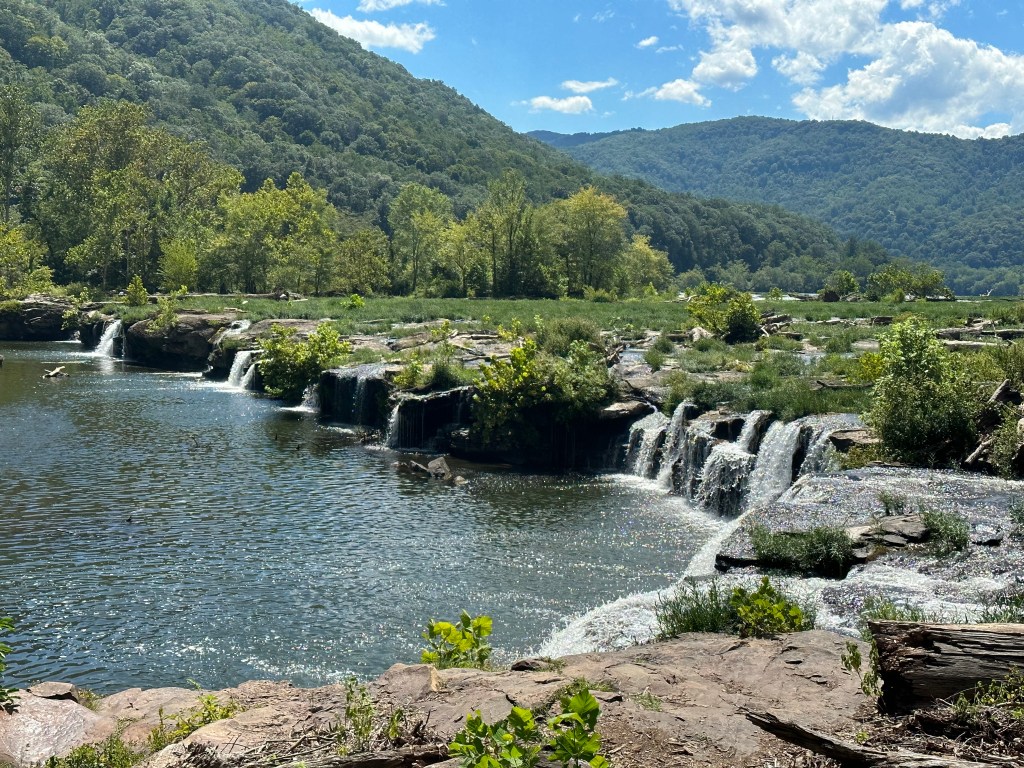
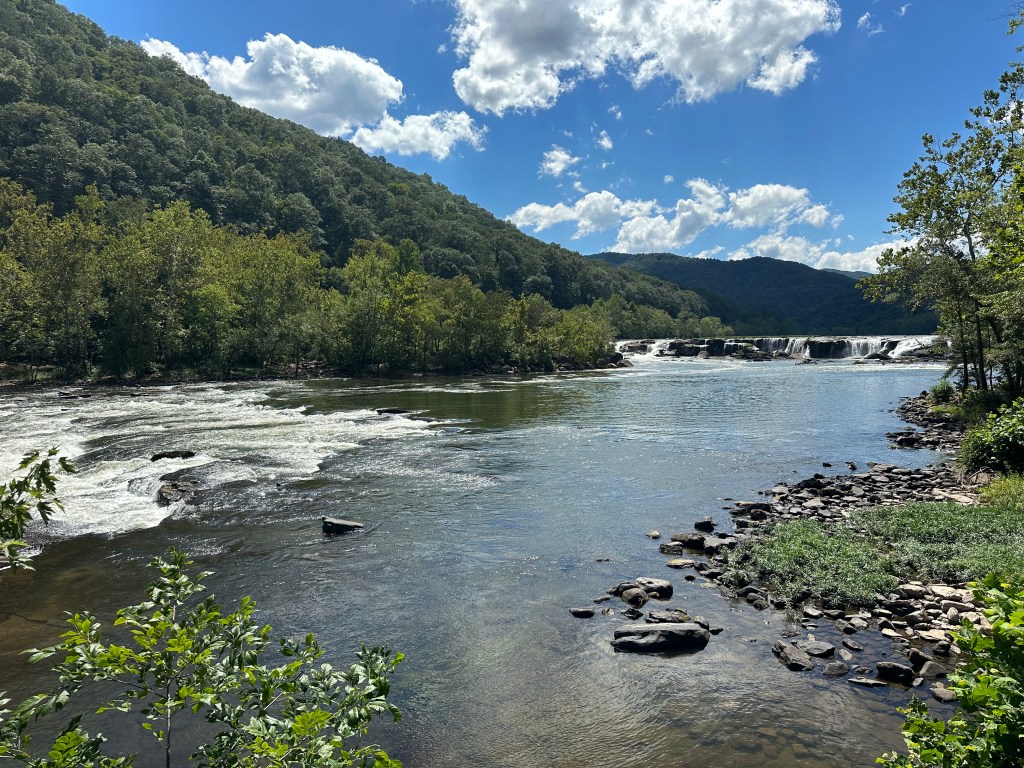
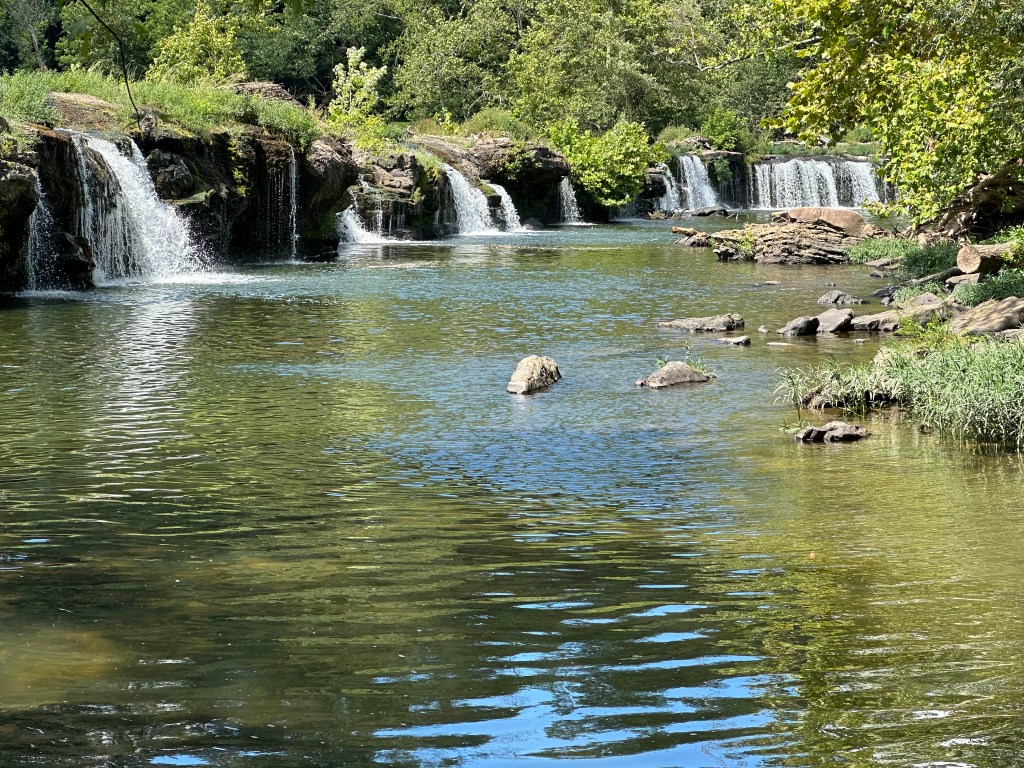
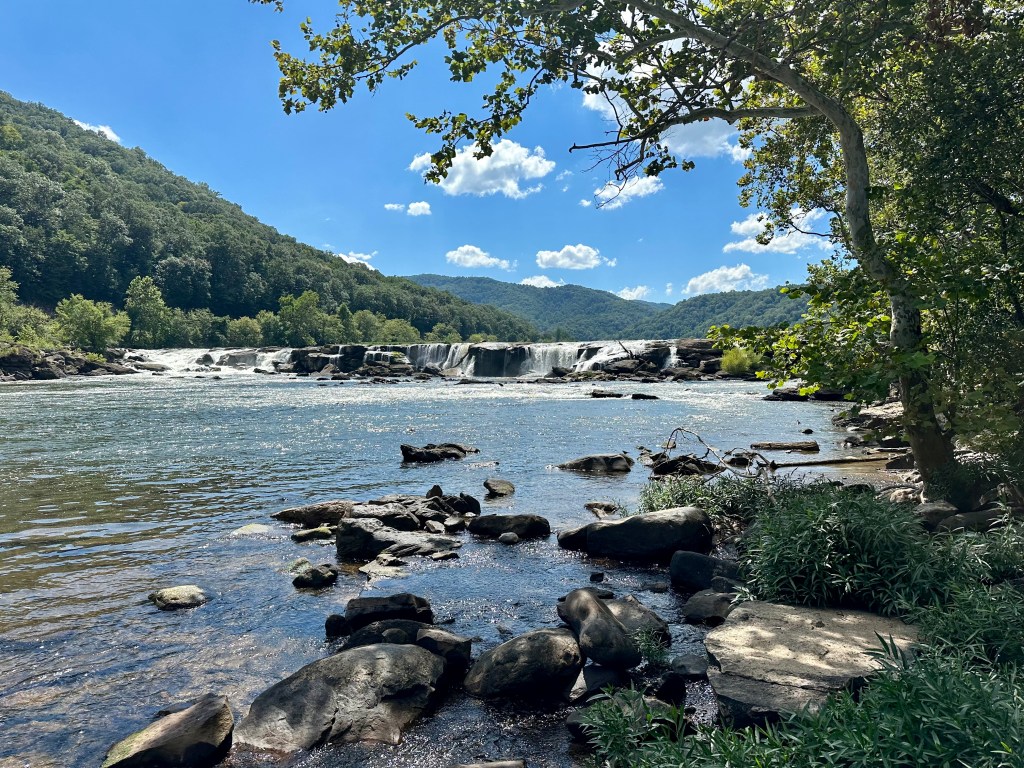
Our first stop was the observation area of Sandstone Falls. They were as beautiful as advertised, but the falls weren’t running at full force with so little rain this summer. We drove along the railroad tracks to the quaint town of Hinton, where we crossed to the west side of the New River. We drove north a few miles to reach the boardwalk that took us near the river’s main flow.
Eastern section of Sandstone Falls.
Rapids and Sandstone Falls.
Eastern side of Sandstone Falls.
Spicebush Swallowtail on Cardinal Flower.
The western section of Sandstone Falls.
Western section of Sandstone Falls.
The fastest flow.
I wanted to get a closer shot, so I headed across an island of ancient debris of huge boulders smoothed by years of flowing water. Scattered among the rocks were large trunks of trees, their bark long scoured away. It finally hit me that I shouldn’t have attempted this trek. I eased my way over rocks and rivulets to the shore of the river’s main course. I got the shots I wanted and returned to the boardwalk via an easier route.
Our next stop was Grandview, and what a view it was. We looked down 1,000 feet to see one of the horseshoe bends of the New River. The sun bathed the hillside forests and illuminated the riverside train tracks.
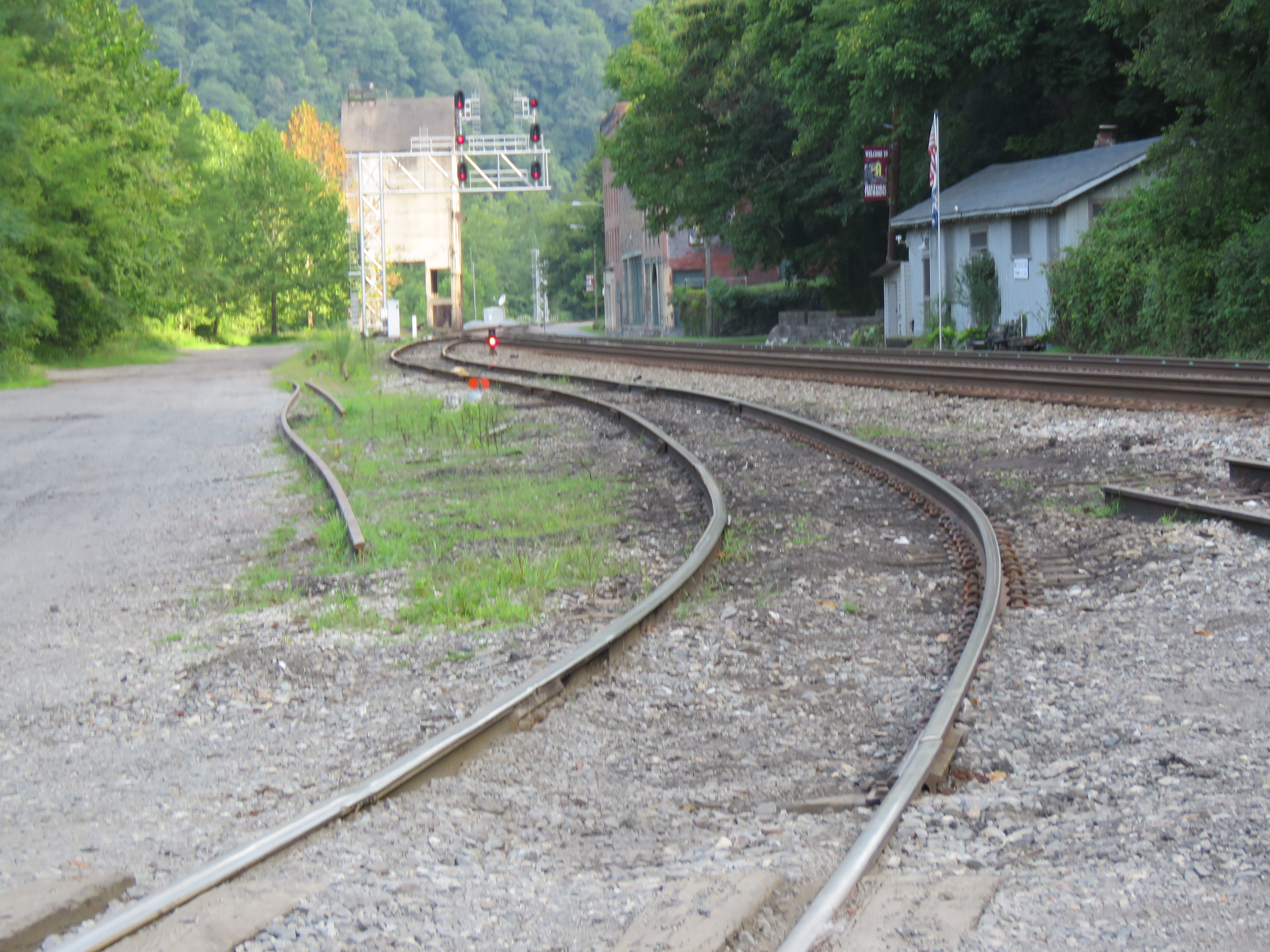
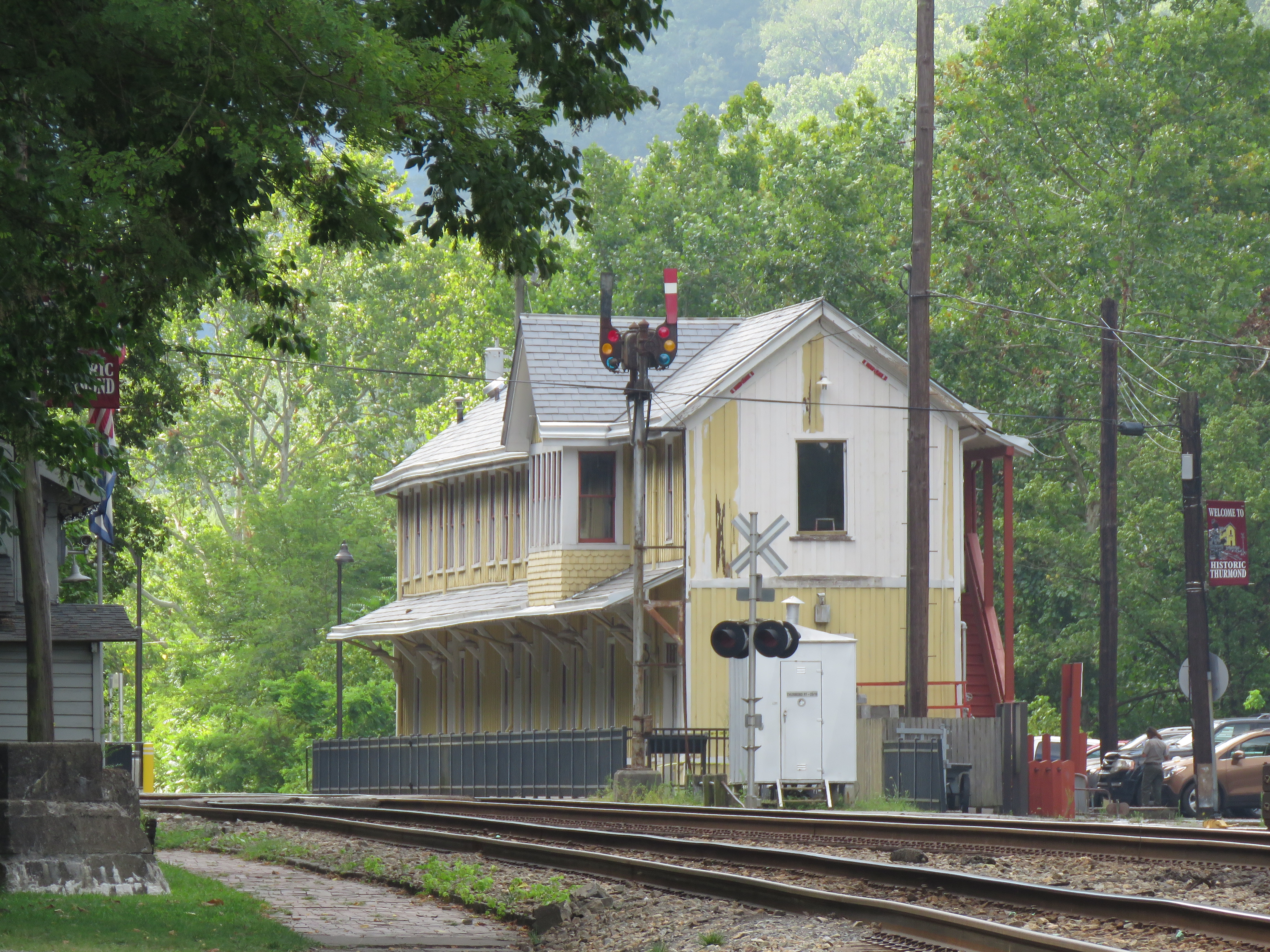
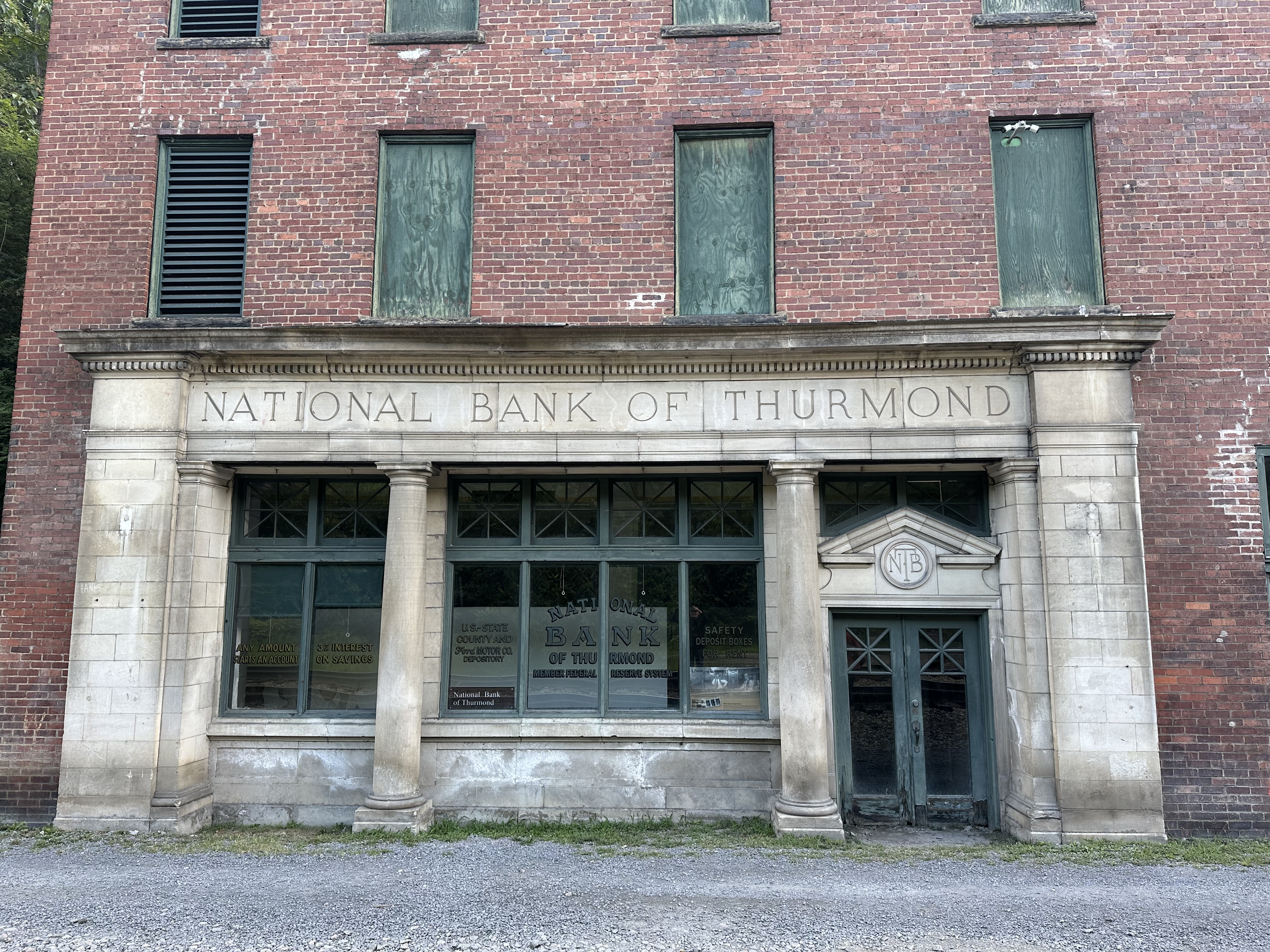
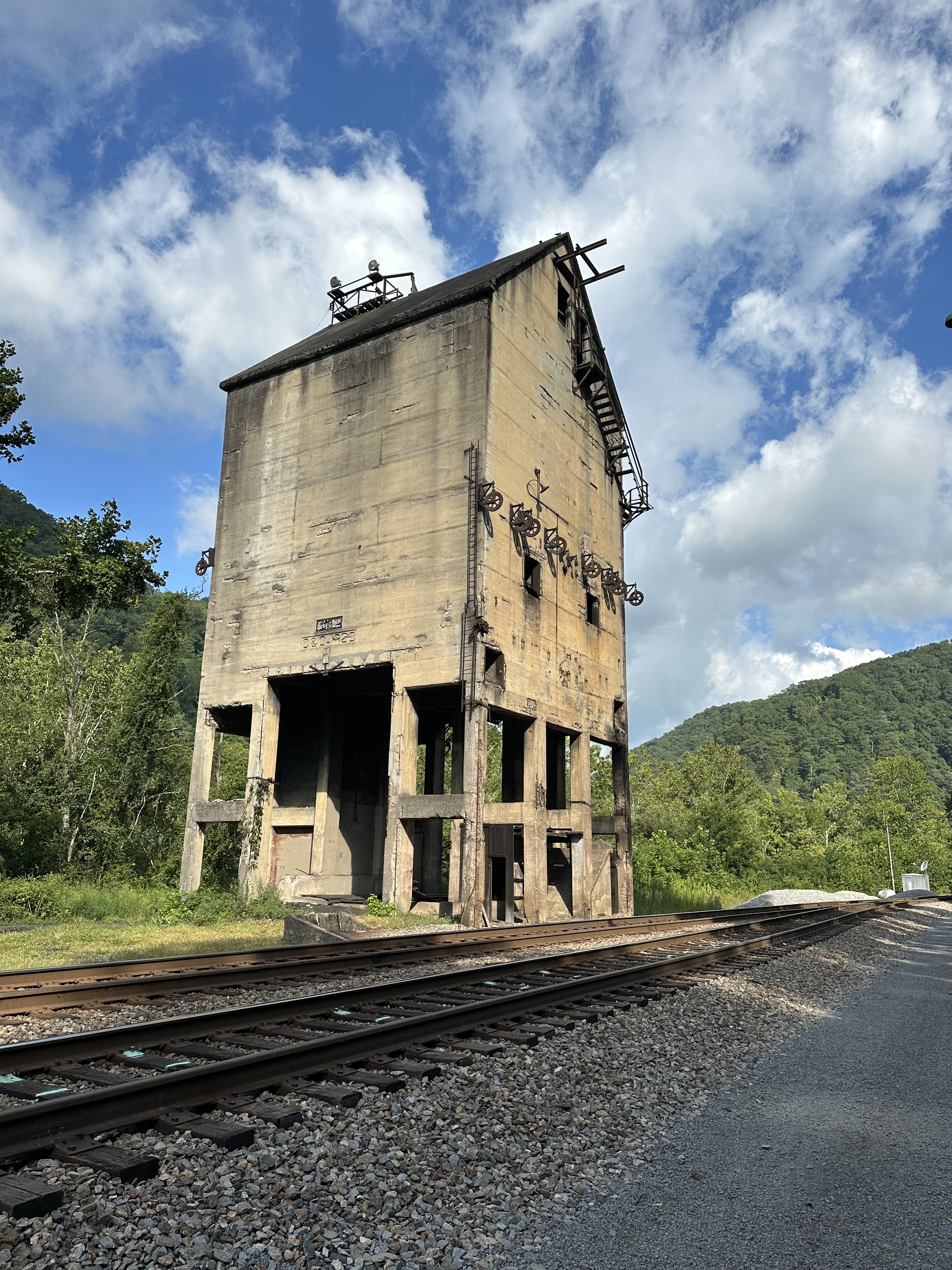
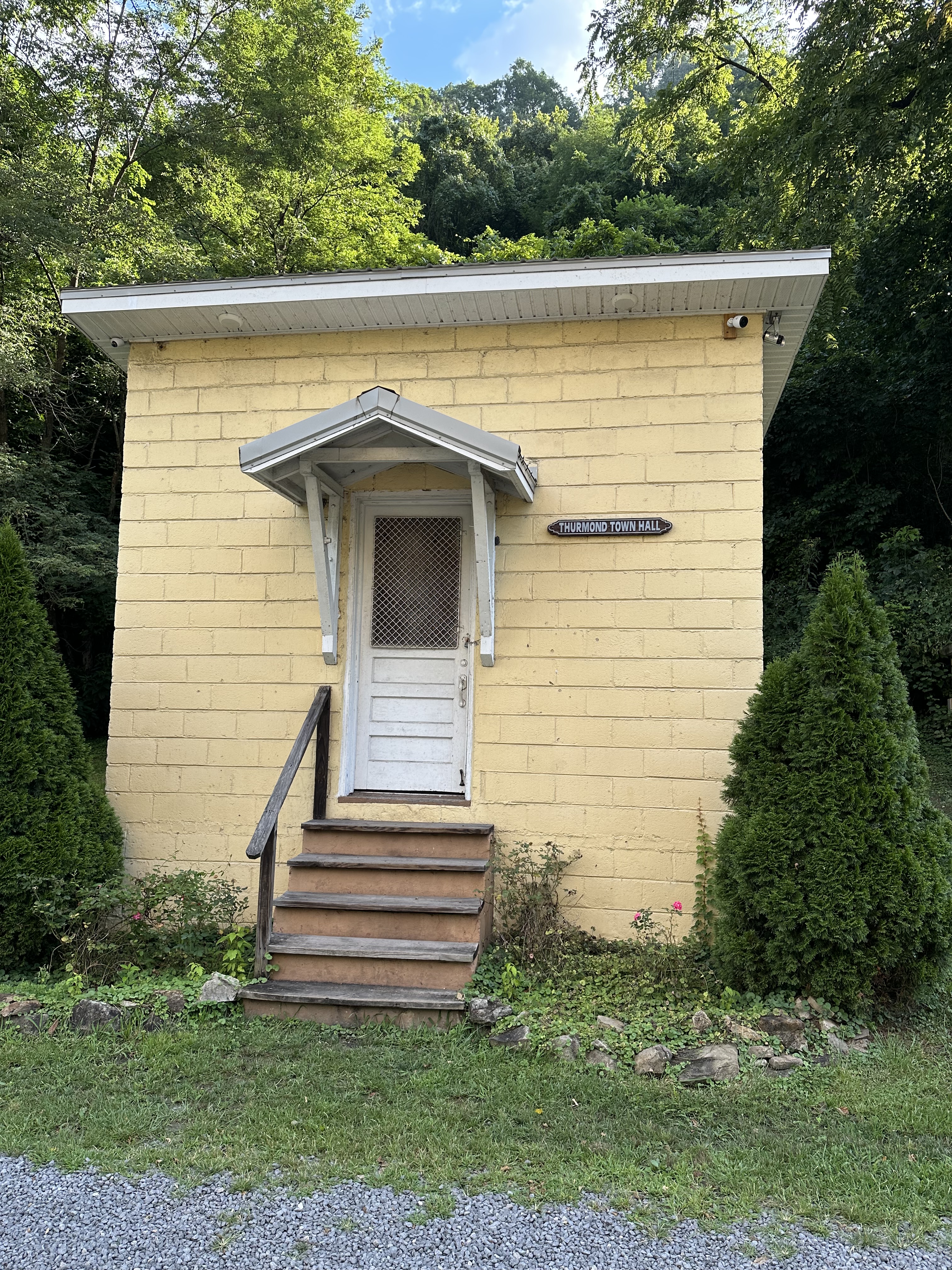
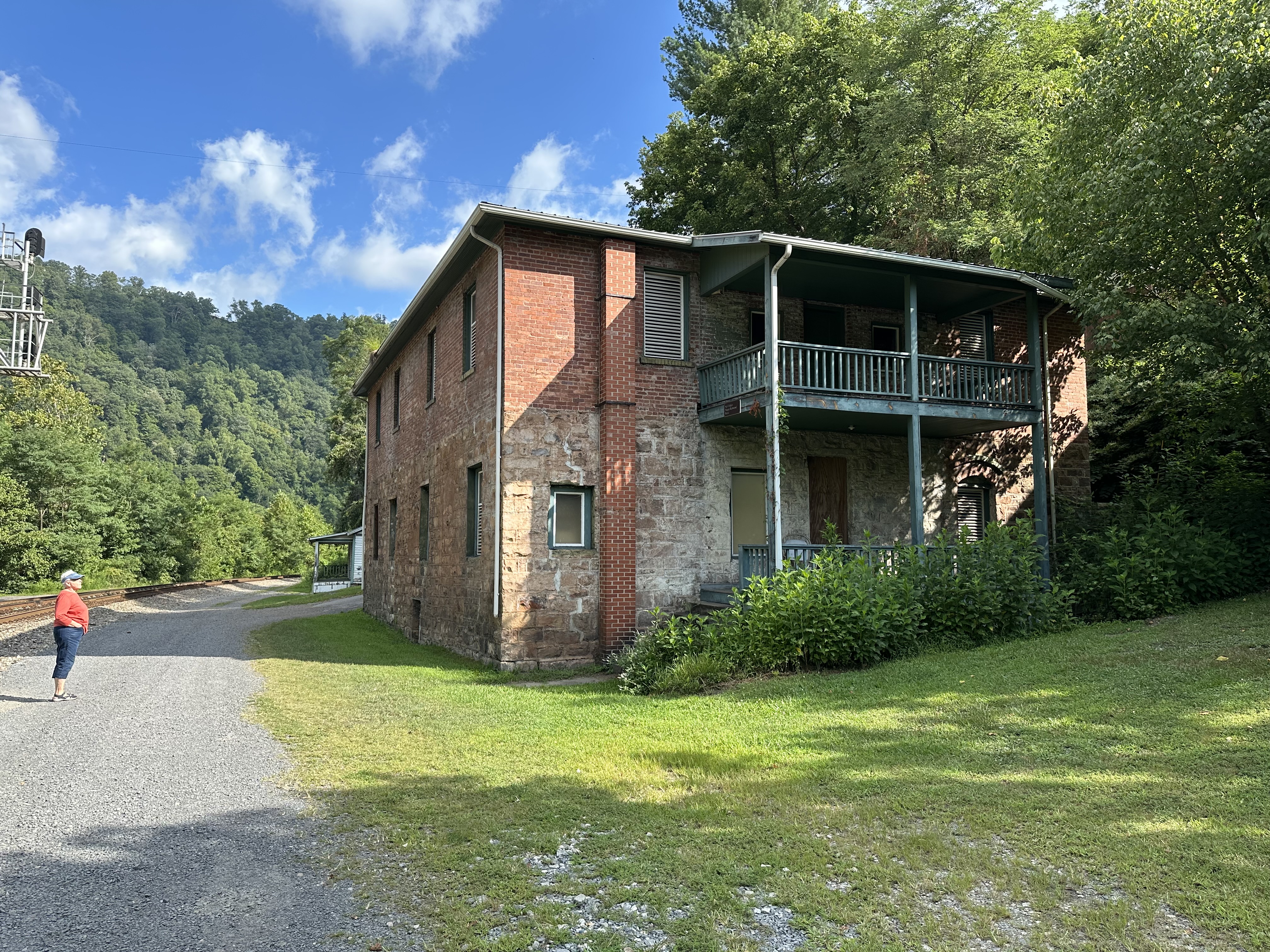
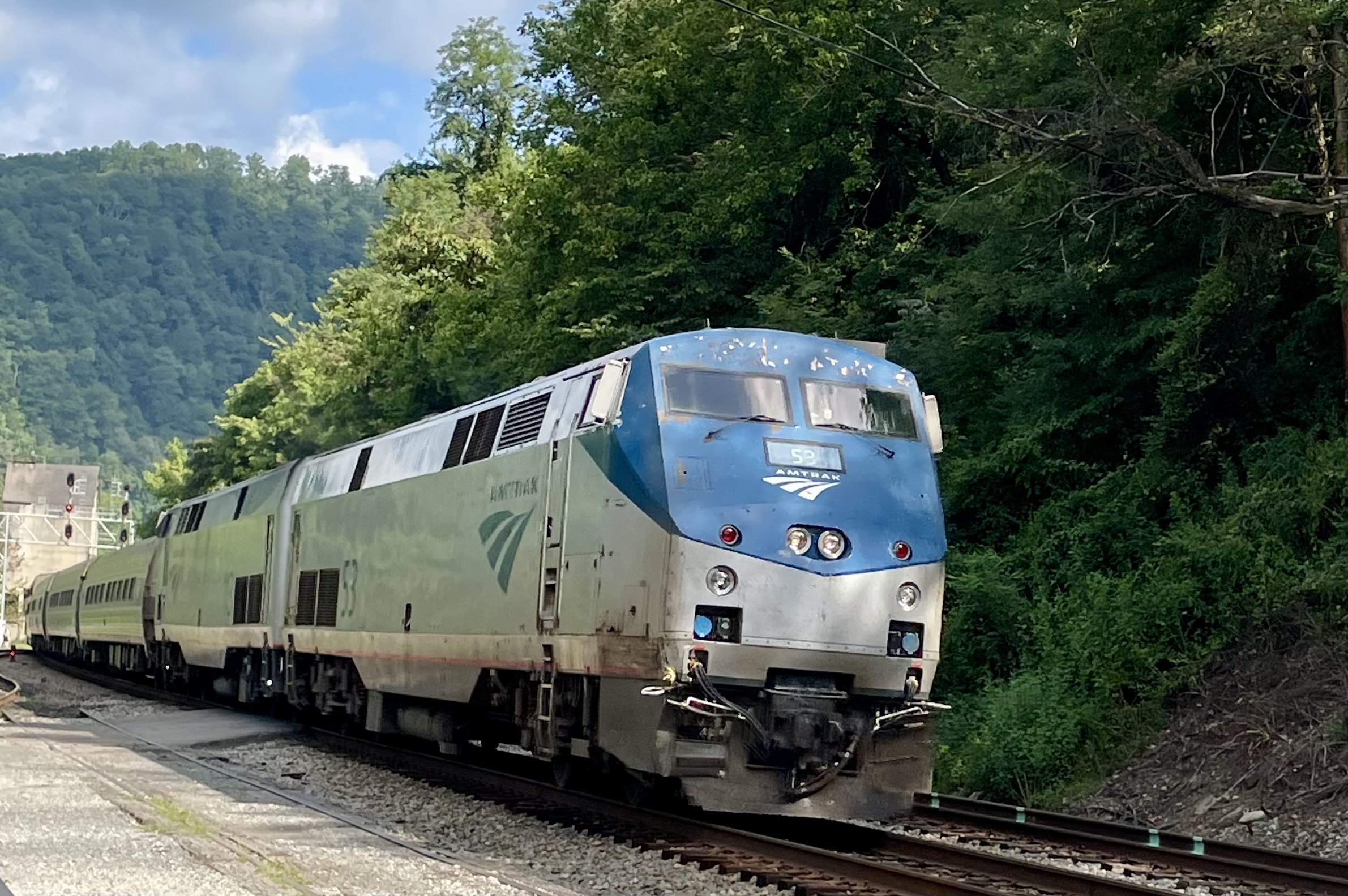
On the second day, we headed to the nearly abandoned town of Thurmond, a boomtown in the coal mining heydays. Today, only five folks live there. They all serve on the town council. One is the mayor, one is the secretary and the other three serve as council members. It was fascinating to walk the town of the once thriving businesses. Fortunately, the daily Amtrak train stopped to pick up a lone passenger while we were there. As the train pulled away, I realized a freight train had stopped on the mainline, allowing the Amtrak train to pass. It was a double treat for this train enthusiast.
On the way out of Thurmond, the road snaked along Dunlop Creek and a train track. Because of the steep descent of the topography, the creek had many rapids and small waterfalls. The sun broke through the thick tree canopy to highlight one of the falls.
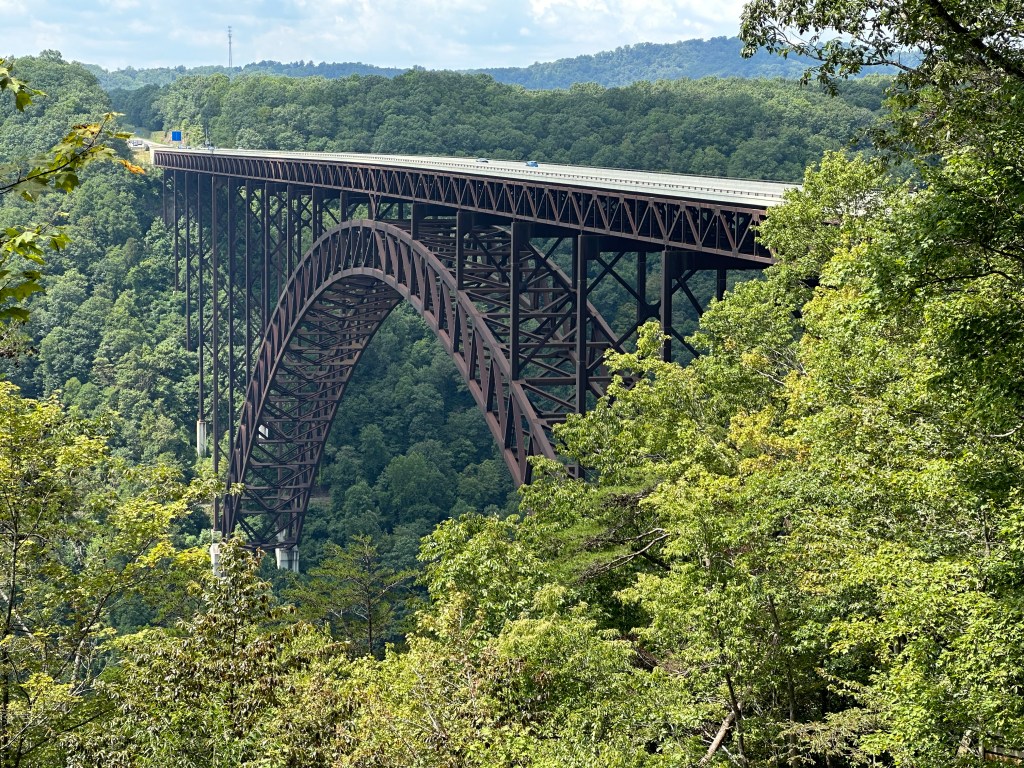
Finally, we took in the magnificence of the historic New River Gorge Bridge. The bridge carries U.S. 19. Consequently, the visitor center and the observation boardwalks were much more crowded than the other locales.
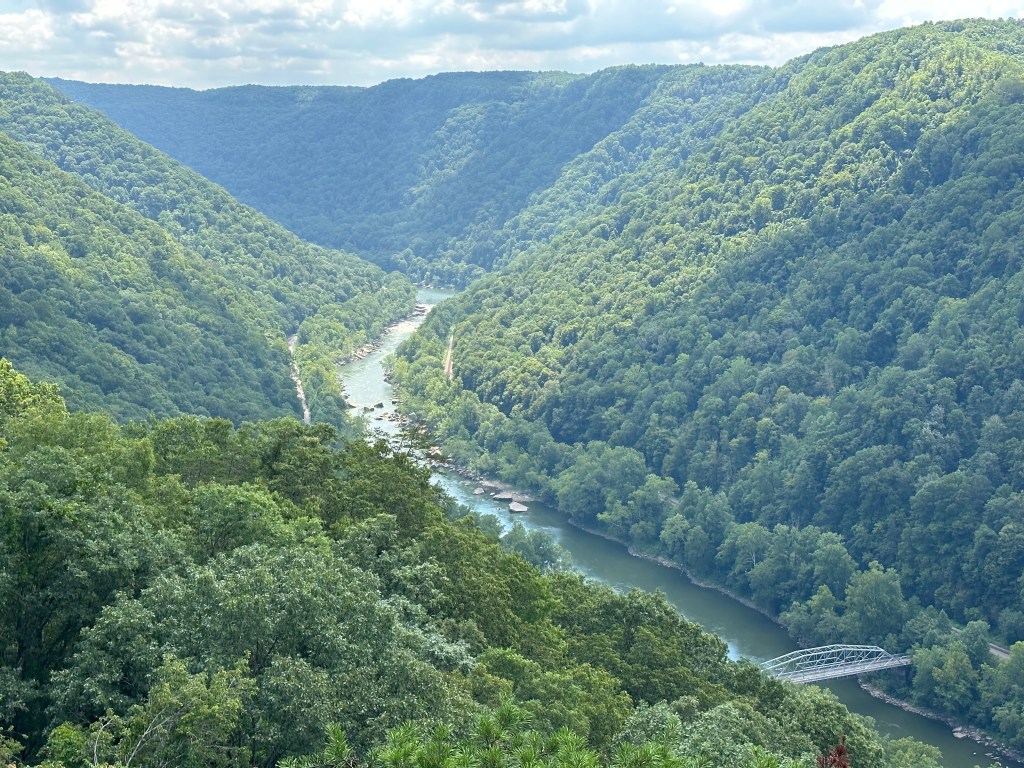
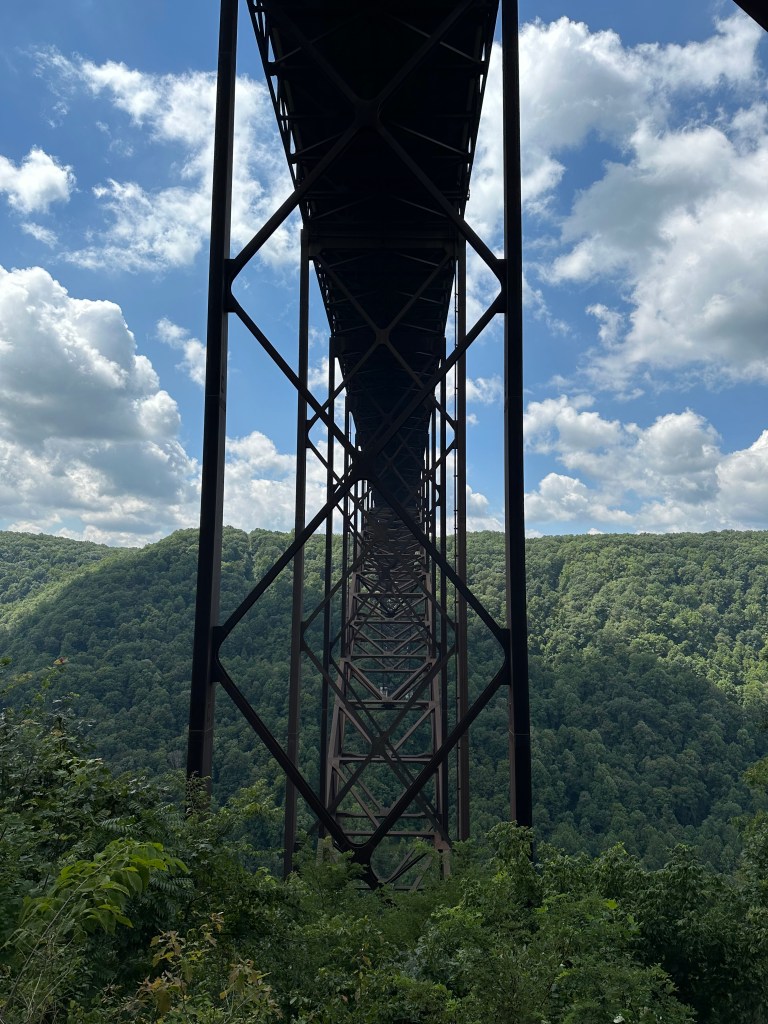
I wanted to get a photo of the bridge from the river view. The only way to do that was to wind our way down narrow roadways with several sharp switchbacks. There were a few places to stop along the way, including one right under the famous bridge.
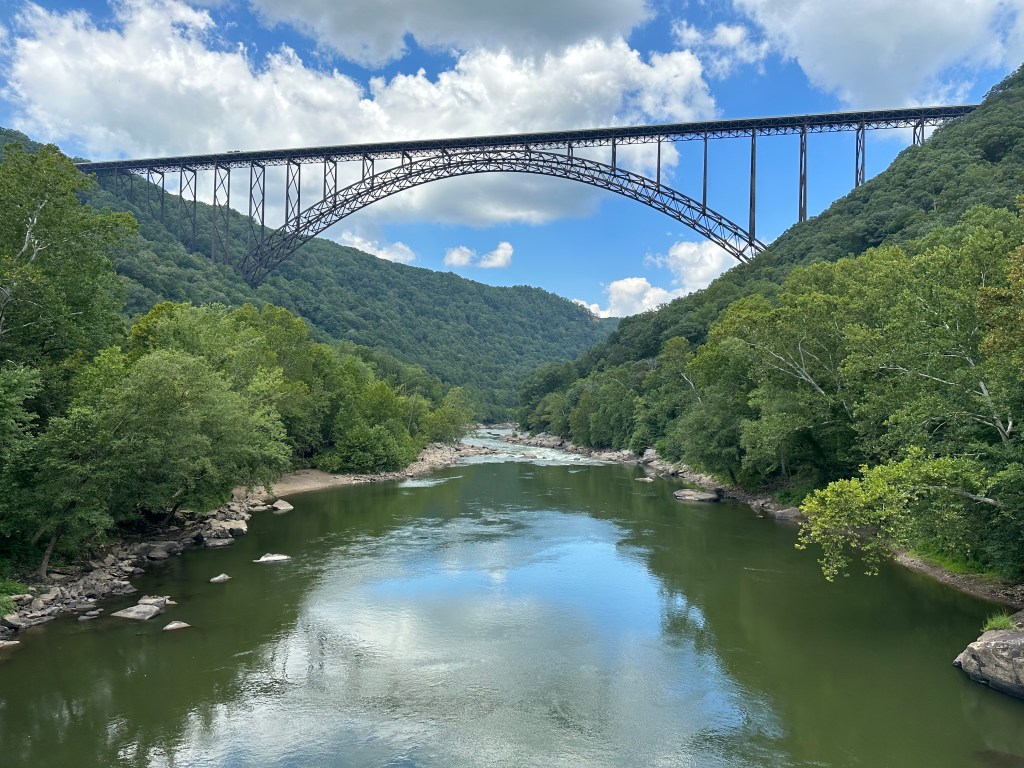
We continued down the twisting road, the river’s rapids on the right, bearing their white teeth. Soon we made a sharp, right-hand turn and drove across the old bridge to the designated parking lot. I told my wife I was heading to the bridge we had just crossed to photograph the New River Gorge Bridge, which spans 3,030 feet across the New River Gorge and is 876 feet above the river. The bridge is the longest single-span arch bridge in the world.
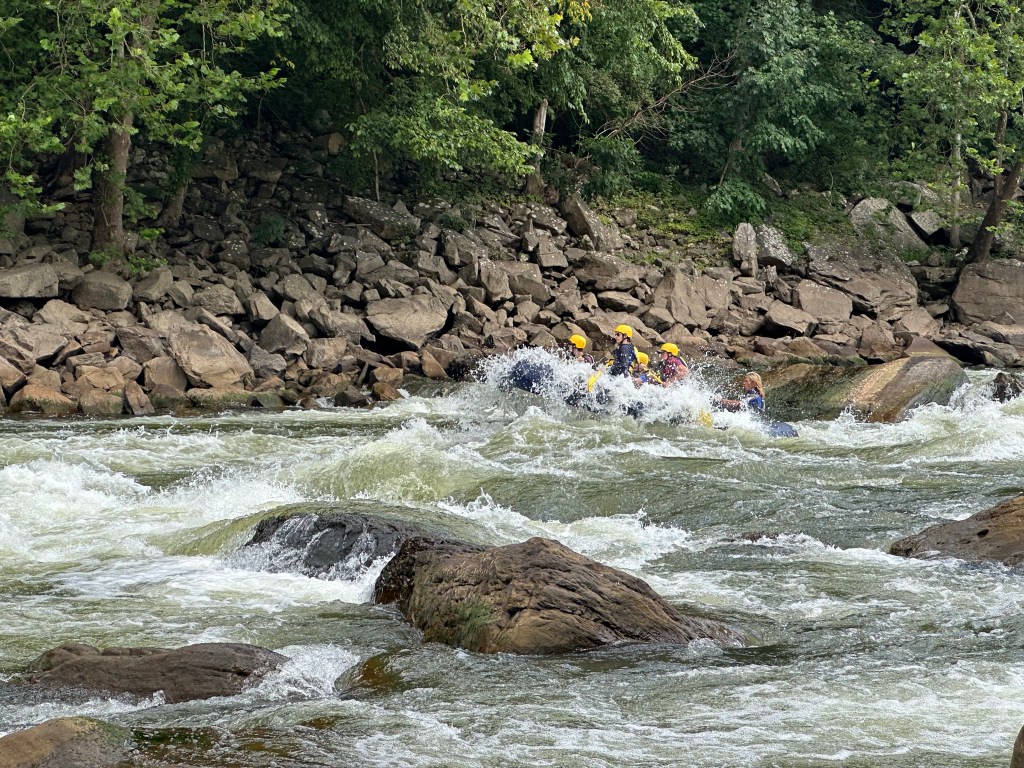
Rafters about to hit the rapids.
The New River Gorge Bridge.
The New River Gorge with the old bridge in the lower right.
Under the bridge.
Rafters and the old bridge.
The size of the boulders and the old bridge.
Running the rapids.
The New River Gorge Bridge taken from the old bridge.
However, I got distracted. I first heard and then saw whitewater rafters running the rapids with others waiting their turn. So, I hustled toward the water’s edge only to discover even bigger boulders than I had at Sandstone Falls. Wanting close-up shots, I scrambled across the rocks as carefully as I could. But the rafters were faster than this 75-year-old grandfather with a bad back and weak knees. Though only 50 feet from the water, I knew I should stop for safety’s sake. I got a few photos, including one lone kayaker who got turned around and bounced through the whitewater backward, just missing a giant rock. As soon as he hit calm water, he headed to the eastern shoreline to compose himself. I was doing the same in preparation for meeting my wife since I had been gone long enough to take the bridge photos and be back already.
After 52 years of marriage, I knew that look when I told her what I had done. I confessed that I should not have gone down there alone on those large slippery rocks. I hustled to get the coveted New River bridge photos. We drove back under the bridge on the switchback narrow roadway until we reached US 19.
The thrills I got from these two days easily could not block out my aches and pains. We learned a lot about the newest national park. And finally, after seven and a half decades, I realized I wasn’t 25 anymore.
In recent years, I have noticed many Subaru vehicles plastered with stickers of all kinds, mostly on their back windows. Some of the decals promote conservation, some politics, and some are head-scratchers.
I figured I would document my observations when I came upon this one.
Please click on the photos to enlarge them.
What do you think? Have you seen Subarus covered with multiple decals like these? And for full disclosure, my Forester only has two such stickers. And yes, they are on the rear window.
Viewing the Shenandoah Valley from an overlook in Shenandoah National Park.
Several recent studies have proved the obvious. Regularly spending time in and with nature dramatically enhances people’s mental health and appreciation for life.
That wasn’t news to me. Fortunately, I grew up in a family that spent time hunting, fishing, and vacationing in the great outdoors. I continued that pattern with my own family, minus the hunting. I prefer to shoot animals and everything else with cameras. It saves on taxidermy costs.
We moved to Virginia’s lovely Shenandoah Valley six years ago to be close to our grandchildren. Besides spoiling them, I also make regular trips to the nearby mountains. I multitask. On my hikes, I bird and photograph what I encounter.
Every outing, I discover new birds, wildflowers, and paths to explore. I often go alone, but I also enjoy sharing the fun with others. A group trip into the wild affords opportunities to explore nature together.
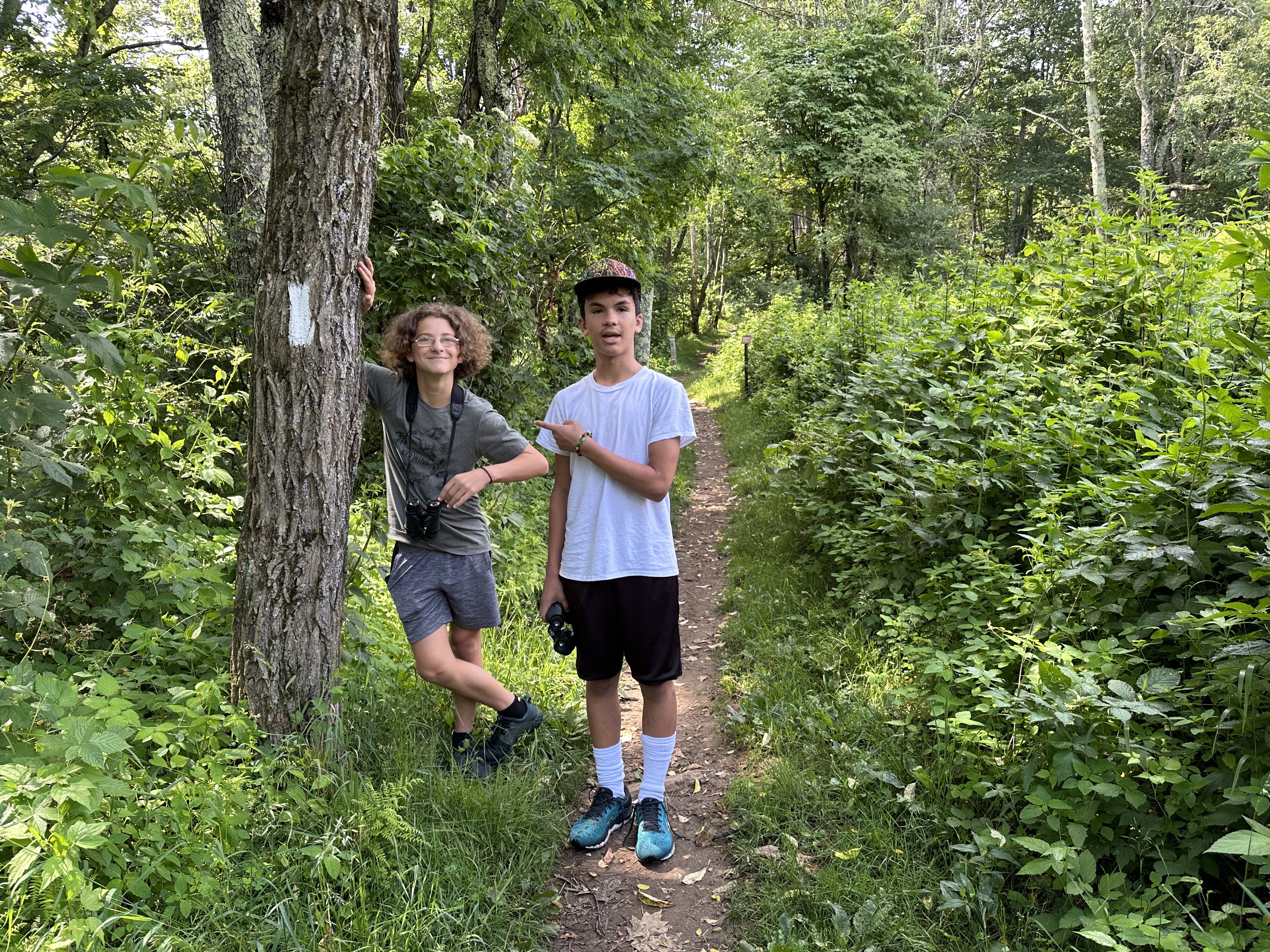
A recent outing to Shenandoah National Park with another senior friend and our teenage mentees from church allowed us to reengage with all the benefits of nature. I don’t know why the boys picked us, but we immediately hit it off. We all enjoy hiking and exploring, so the park was a natural destination for a day trip.
Once in the park, we veered off the famous Skyline Drive to Lewis Mountain Campground. I wanted to show the boys the only location in the park where Blacks were permitted during segregation. Even then, a few Whites complained that they should have access to the entire park.
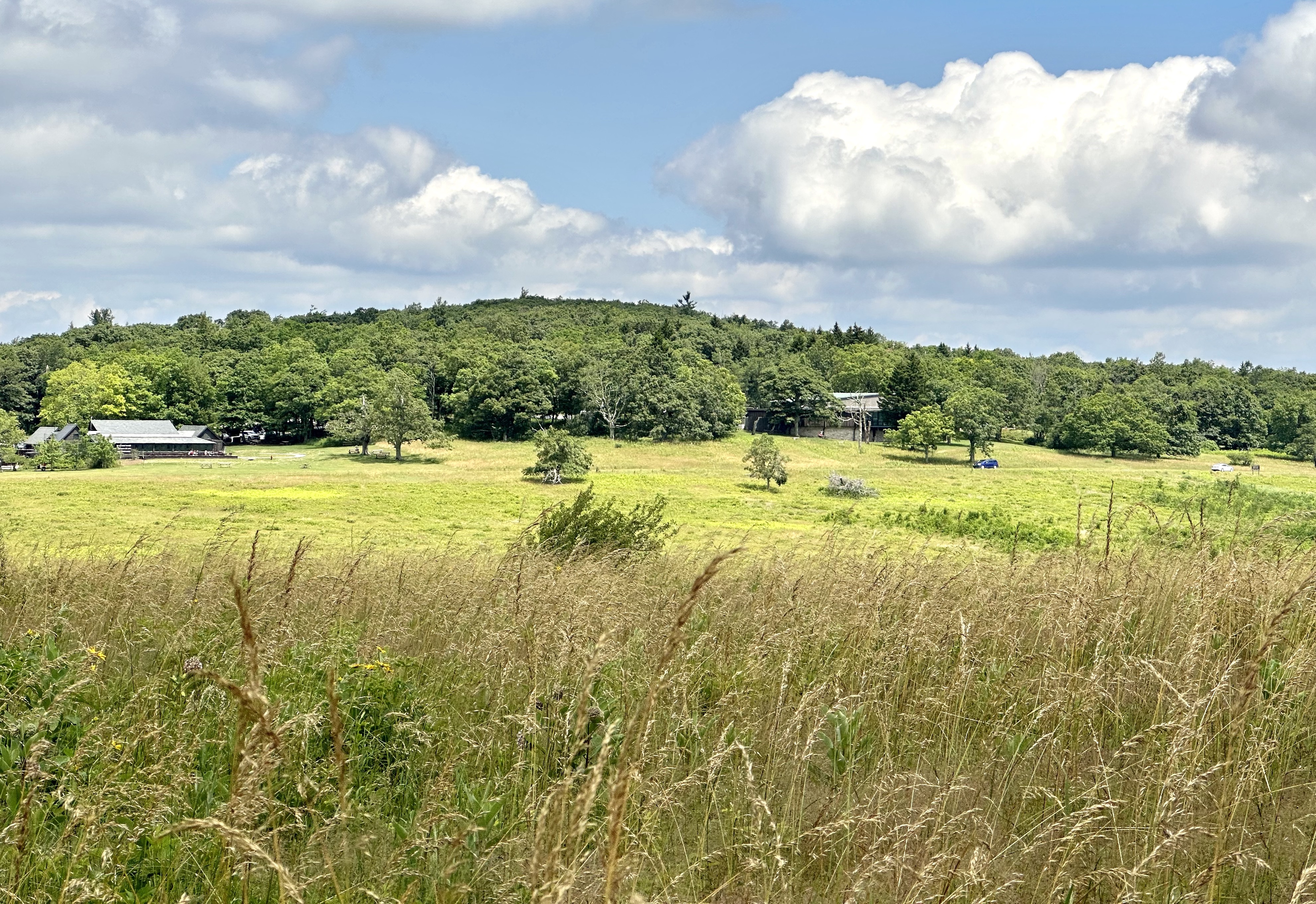
At Big Meadows, we toured the exhibit of the park’s contentious founding at the Byrd Visitors Center. Not surprisingly, the youngsters showed more interest in the gift shop.
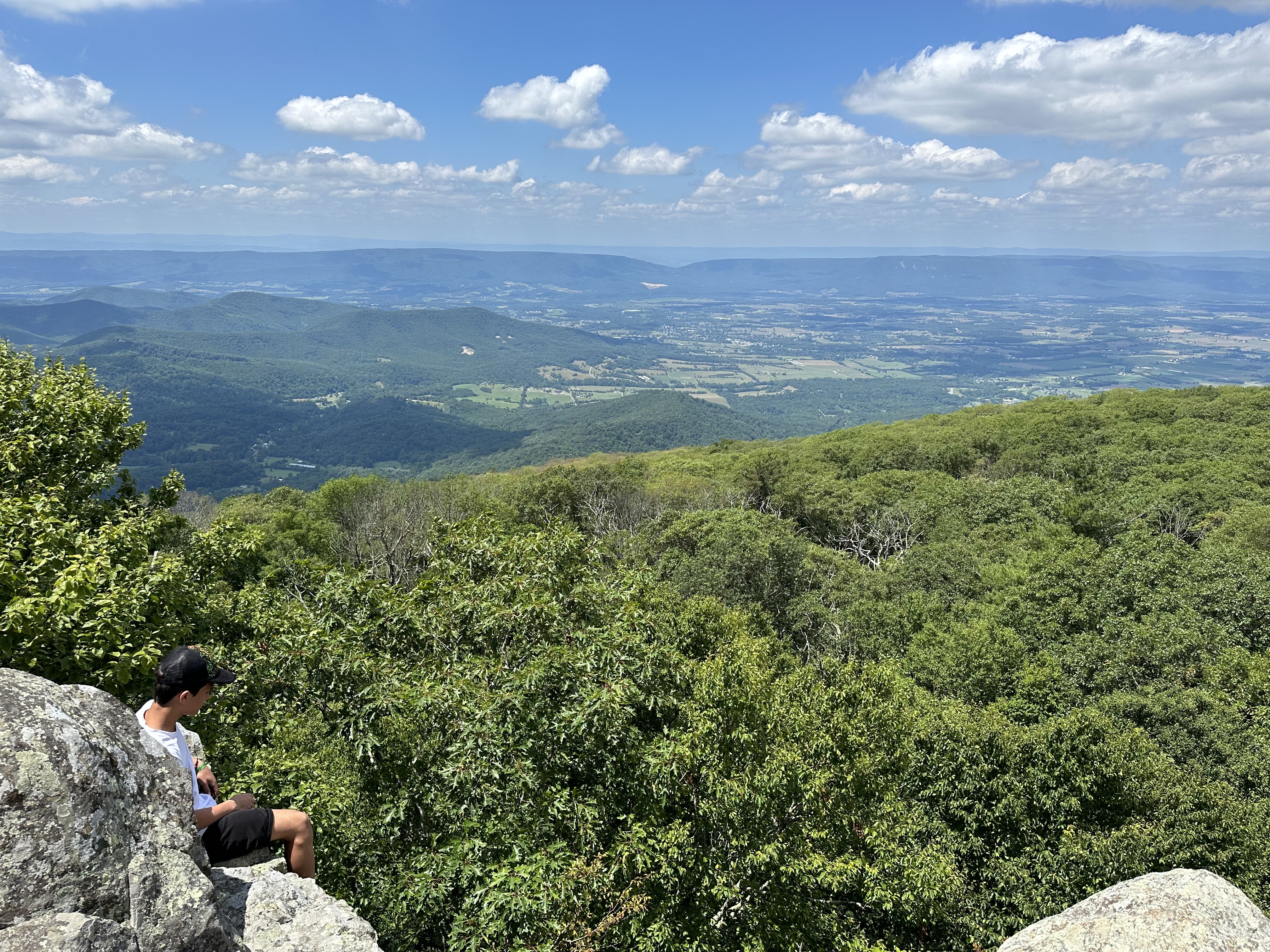
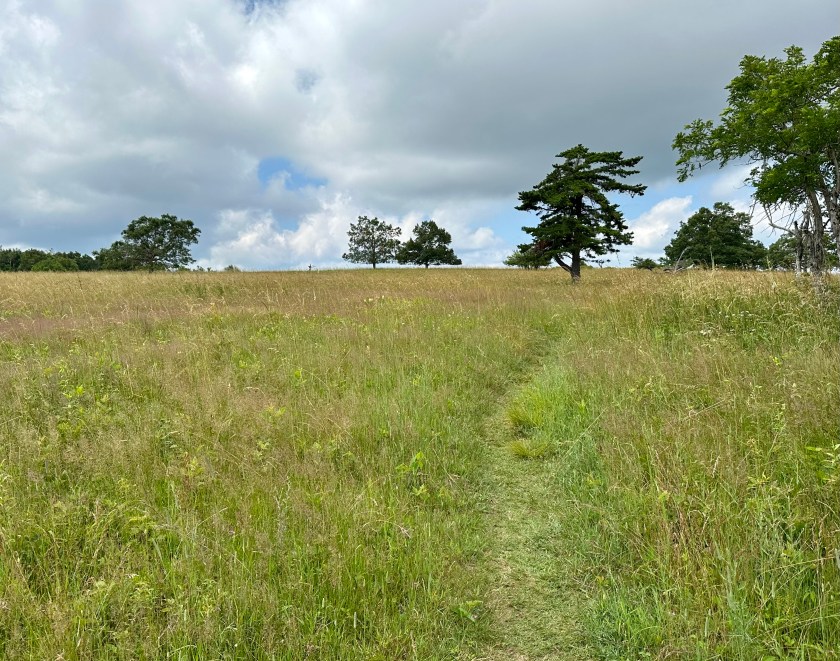
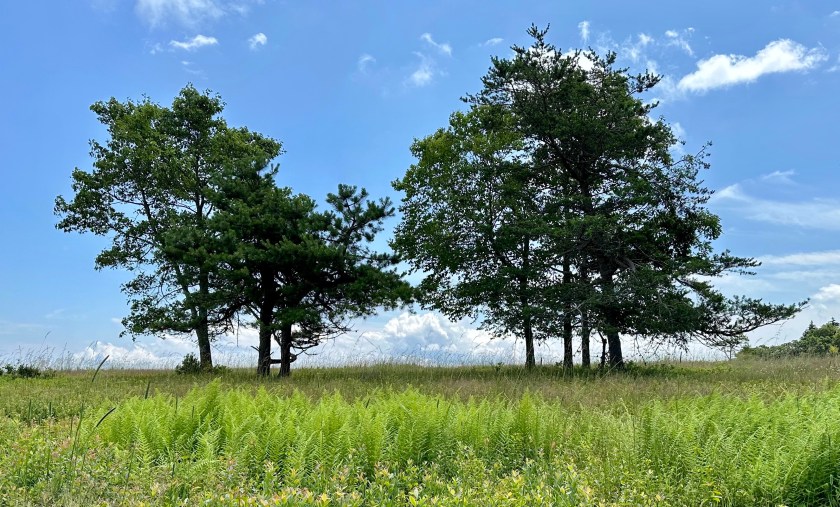
Then we got serious. We walked the southern parameter of the meadow. Its variety of habitats piqued their interest, from stands of trees to prairie grasses to artistic cairns. On the southernmost trail, the view of the Shenandoah Valley was spectacular.
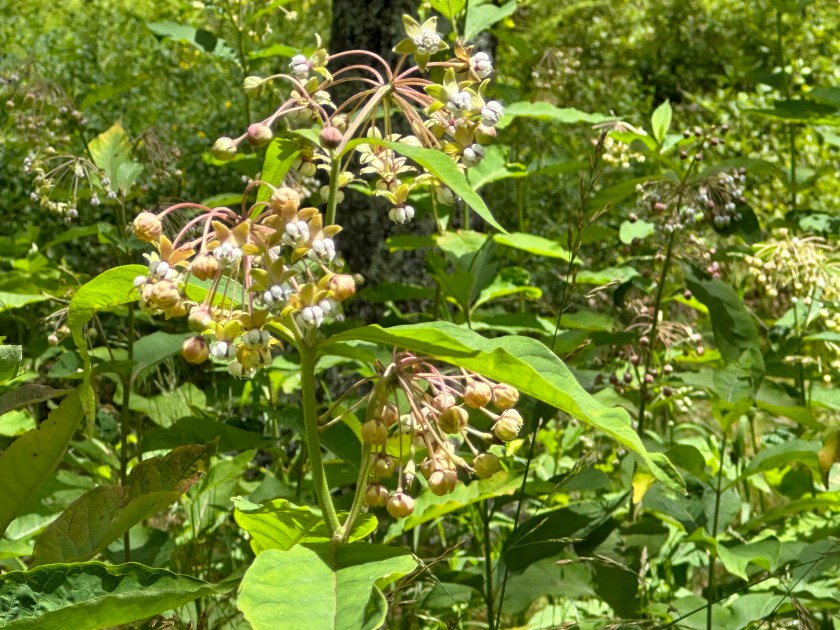
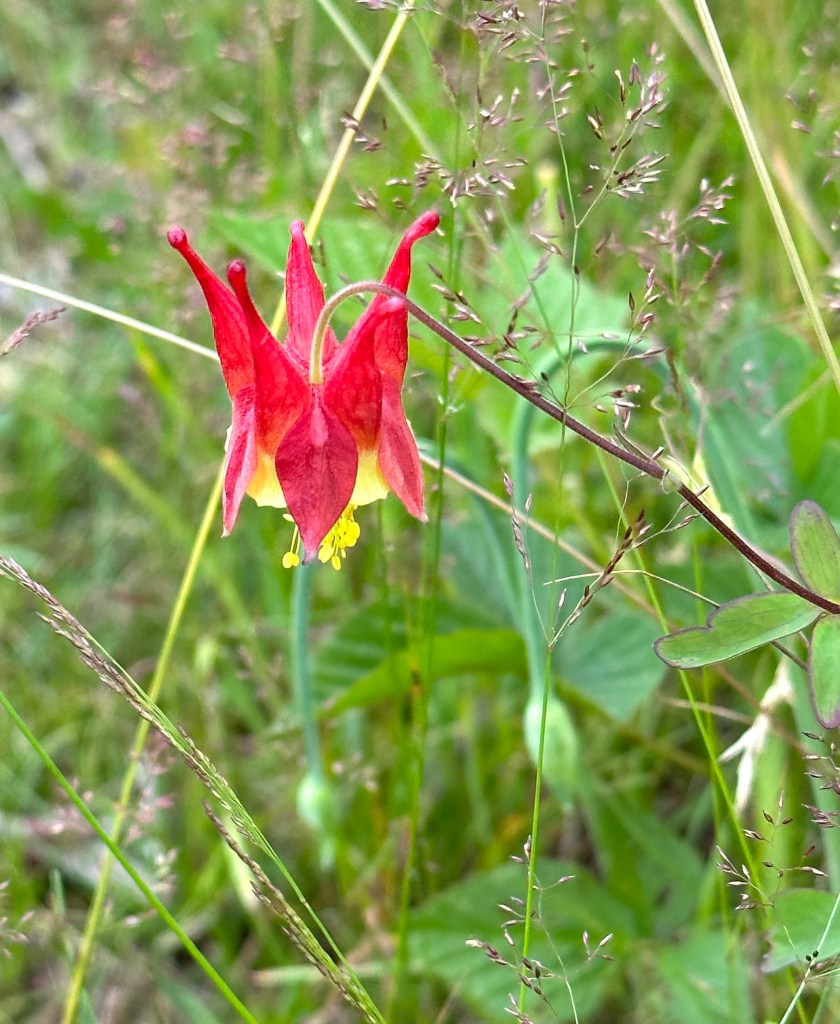
As we walked the cowpath-like trails, we encountered several bird species by sight and song and saw several butterflies that visited the wildflowers growing everywhere. Bright red wild columbines, vibrant woodland sunflowers, and common milkweed showed their colors and aired their fragrances.
Where the meadow met the forest, we spooked twin fawns. They only ran a short distance since they were foraging on shrub leaves. They seemed as intrigued with us as we were with them.
After a picnic lunch, we chose a short but magnificent trail. The Shenandoah Valley glimmered in the afternoon sunshine as we reached the summit and a massive rock outcropping. We basked in the comfortable, crisp 73 degrees of the Blue Ridge Mountains while the valley baked in the humid 80s.
It was good to commune with nature again, especially while sharing it with friends across generations. We breathed in cool, fresh air, were lulled by birdsong, enchanted by colorful flora and fauna, humbled by history, and energized by the needed exercise.
I was also glad we could personally verify the legitimacy of those extensive studies.
A memorial to those displaced when Shenandoah National Park was formed.
Big Meadows Wayside on the left and the Byrd Visitors Center on the right.
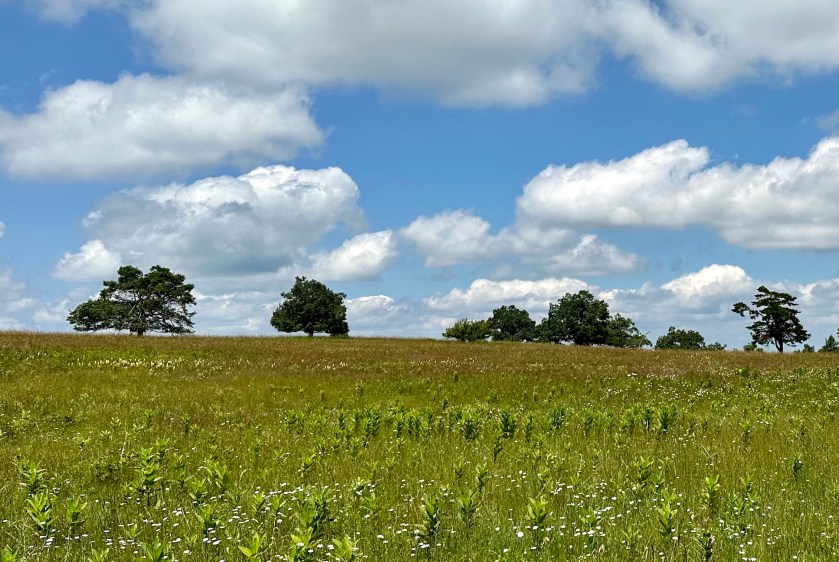
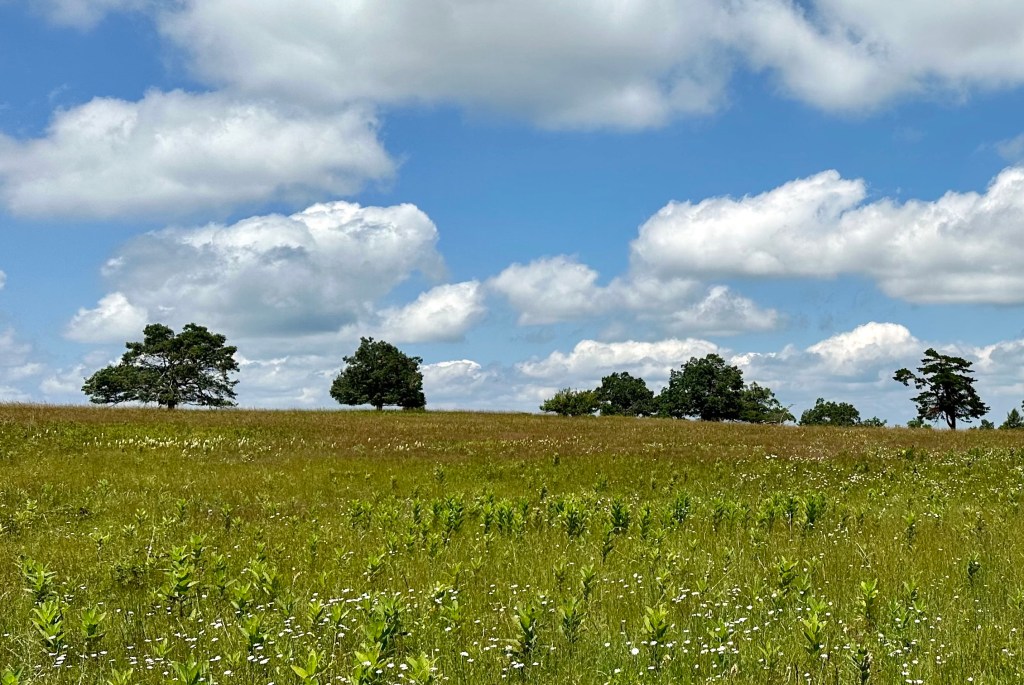
Big Meadows, an open, rolling, bowl-shaped landscape, features diverse plant, tree, and wildlife species. I consider it one of the most beautiful locations in Virginia’s Shenandoah National Park.
As evidence of its wonders, these photos from a recent visit exemplify its natural splendors.
Fawn at the meadow’s edge.Wild Columbine. Male Indigo Bunting.Woodland Sunflower.The land meets the sky.A ladybug on Fly Poison.
It’s celebration time for both Canada and the United States of America.
July 1 celebrates the anniversary of the Canadian Confederation, which occurred on this date in 1867. Next Tuesday, July 4, the U.S. celebrates the Declaration of Independence, adopted and signed in 1776.
In both countries, picnics, fireworks, parades, barbeques, carnivals, and concerts punctuate each national holiday. So, Happy Canada Day and Happy Fourth of July.
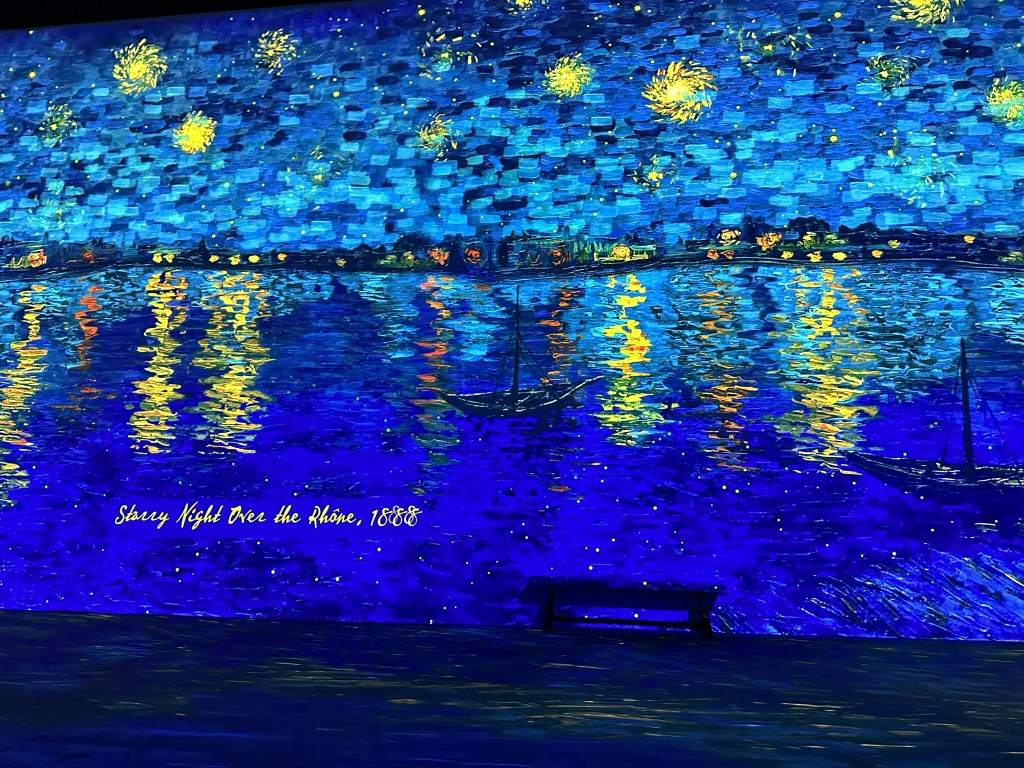
I gladly handed over my iPhone to the ticket-taker at the Van Gogh Immersive Experience in Washington, D.C. We had only just gathered everyone together at the entrance when she had offered to take our family photo, an image I dearly wanted.
It had been four years since the three families had all been together, and in that time, another grandchild had joined our ranks. Our two oldest grandsons had never met the youngest. I wanted this precious moment to be documented for perpetuity. As mobile as today’s societies are, especially the younger generations, I wasn’t taking any chances. I considered the family photograph as my personalized Father’s Day present.
As it turned out, this was the only photo of all of us together at the same place at the same time we got in the three-day gathering in our nation’s capital. The comings and goings of our active crew mirrored the busy lives of our adult children, their spouses, and teenagers. I certainly wasn’t disappointed.
I had my shot and could now relax into the follow-the-crowd mode. The other adults, our daughter, son, son-in-law, and daughter-in-law, would share the responsibility of setting the agenda for the Sunday through Tuesday reunion. I’m usually the one to suggest and plan trips. However, this time I silently relished my grandfatherly role. Though not surprised, I marveled at their skills in managing offspring, arranging transportation, and finding restaurants to suit everyone.
Of course, they consulted Nana and Poppy about places we wanted to go, do, visit, and tour. I was more than happy to go with the flow. Shoot. I would have been pleased if we had stayed in the hotel. A certain familial satisfaction overcame me.
The pandemic played a significant role in keeping us apart all this while. Our son, his wife, and the newest grandson, Teddy, live in upstate New York, a seven-hour drive from the lovely Shenandoah Valley, where my wife and I live. We moved there six years ago from our home of 38 years in Ohio’s Amish country to be close to our daughter and her family.
Teddy arrived over a year ago, complicating our Nana and Poppy roles. Our son and his wife have done an exceptional job keeping us informed of Teddy’s progress, and we travel north as we can.
But here we all were, assembled together. Everyone agreed to make the Van Gogh experience our initial group event. The New Yorkers intended to take the Metro from Dulles International Airport to the hotel. Due to track maintenance, that plan got derailed. It took them longer to get from the airport to the hotel than from Rochester to Dulles.
With air temperatures heating up, the Van Gogh Immersion became the perfect place to chill and smother Teddy with plenty of attention. To enhance the experience, lounge chairs, bean bags, small ottomans, and blankets were scattered around the gymnasium-sized, carpeted room. We all found our relaxation niche and enjoyed the show. Teddy loved showing off his newly found walking and running skills. The rest of us merely basked in the moments as they unfolded.
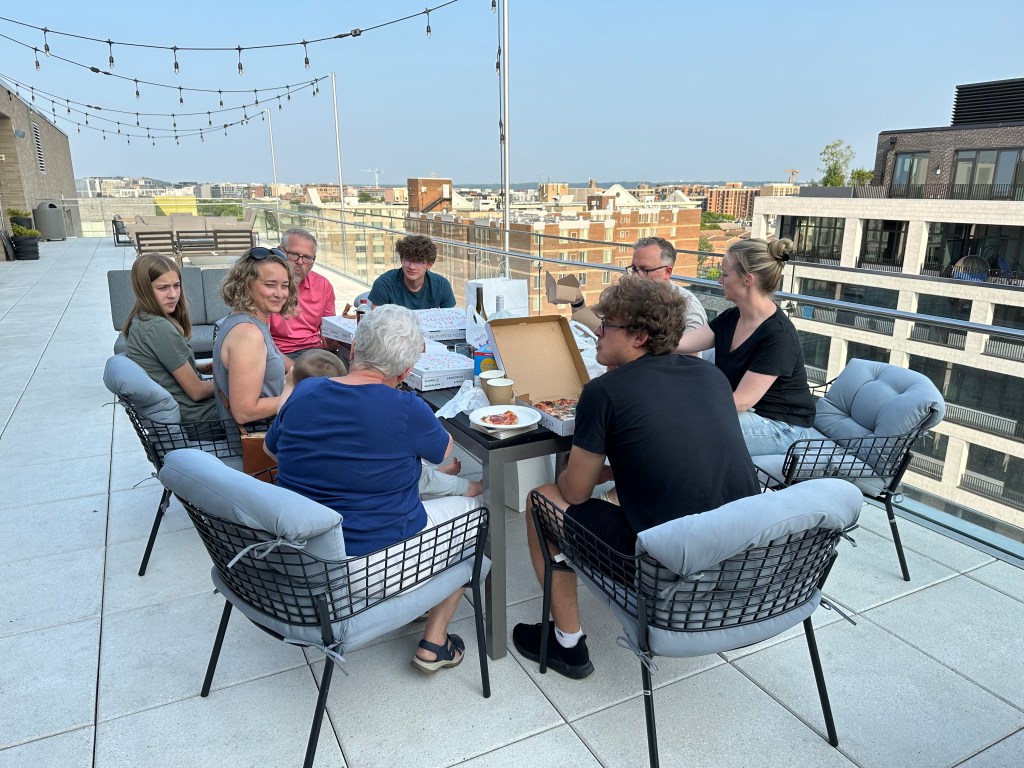
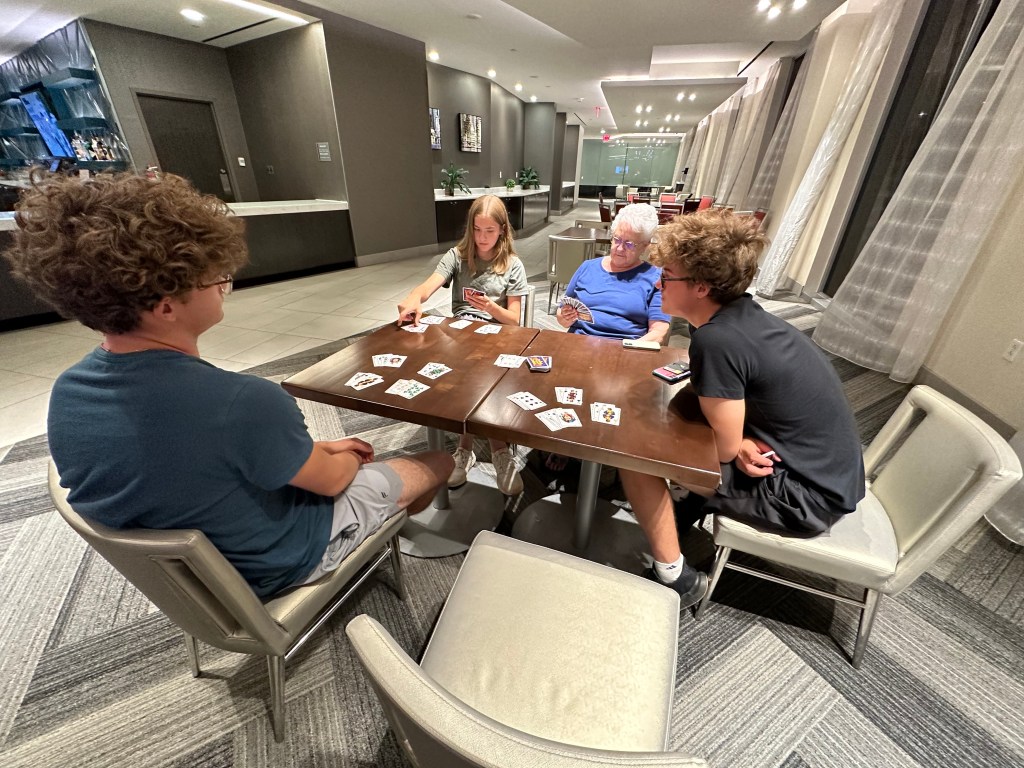
That was plenty for the first day. Returning to the hotel, we ordered dinner from a local pizzeria. We found the perfect place to hold a pizza party and enjoy each other’s company, the building’s rooftop. I relished the lively chatter, the food, and the cityscape views. We finished the day with gelato and a rousing game of cards with the teens. It was a balance we all needed to complete the day.
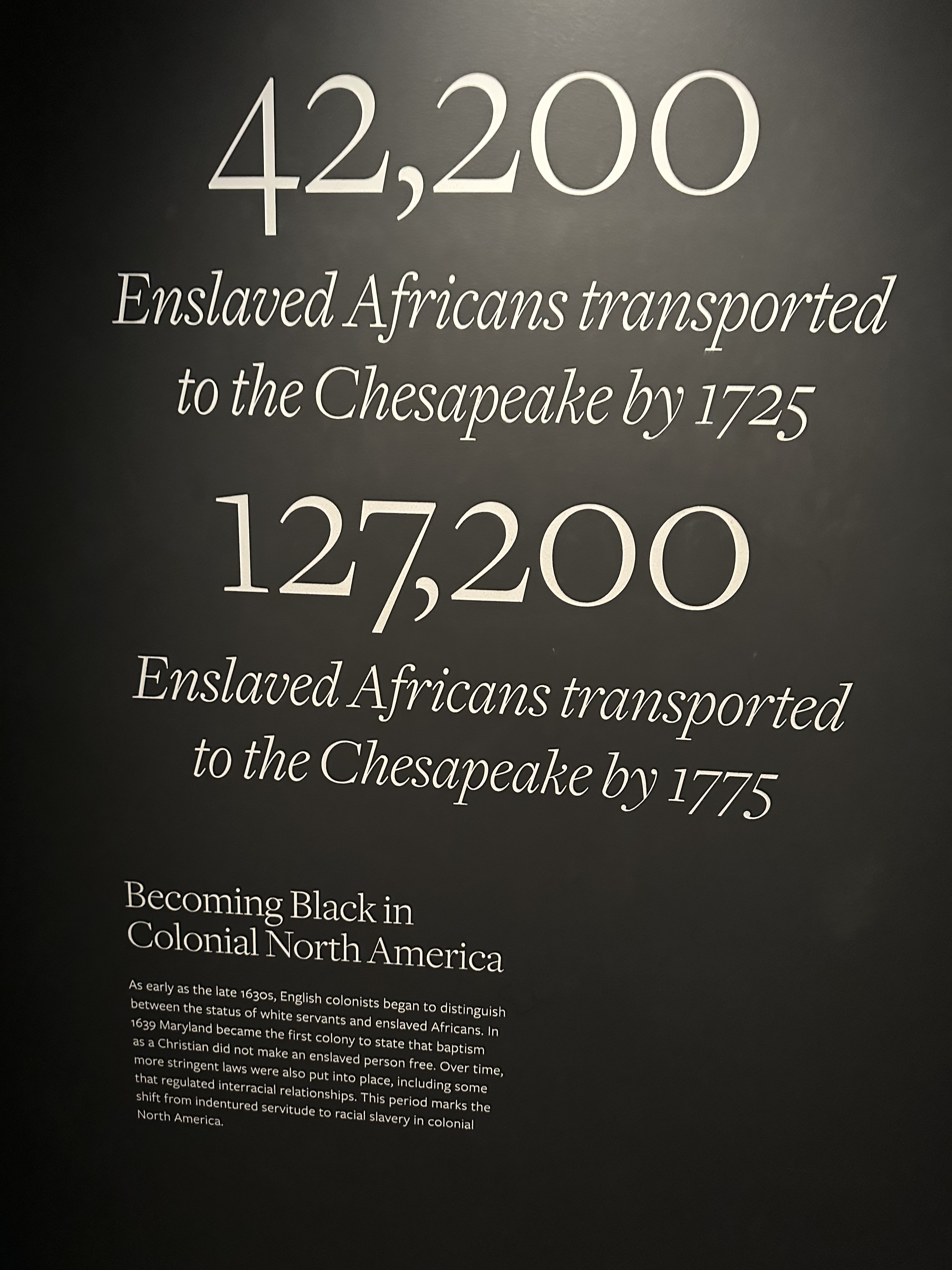
We walked a mile in the morning’s coolness the next day for a delicious breakfast spread. The portions were so large that only the teens cleaned their plates. We stayed so long that the day’s heat had already begun as we worked our way toward the National Mall. It was Juneteenth, and we had tickets for the National Museum of African American History and Culture. We wanted the youngsters to see first-hand the sad history of how African Americans arrived in this country and what they endured in slavery, the Jim Crow era, and the present. The chronology began on the lower floors, and we worked our way up in small groups. Is there another choice when you have a toddler and septuagenarians in the same family? We didn’t have time to do the outstanding museum justice.
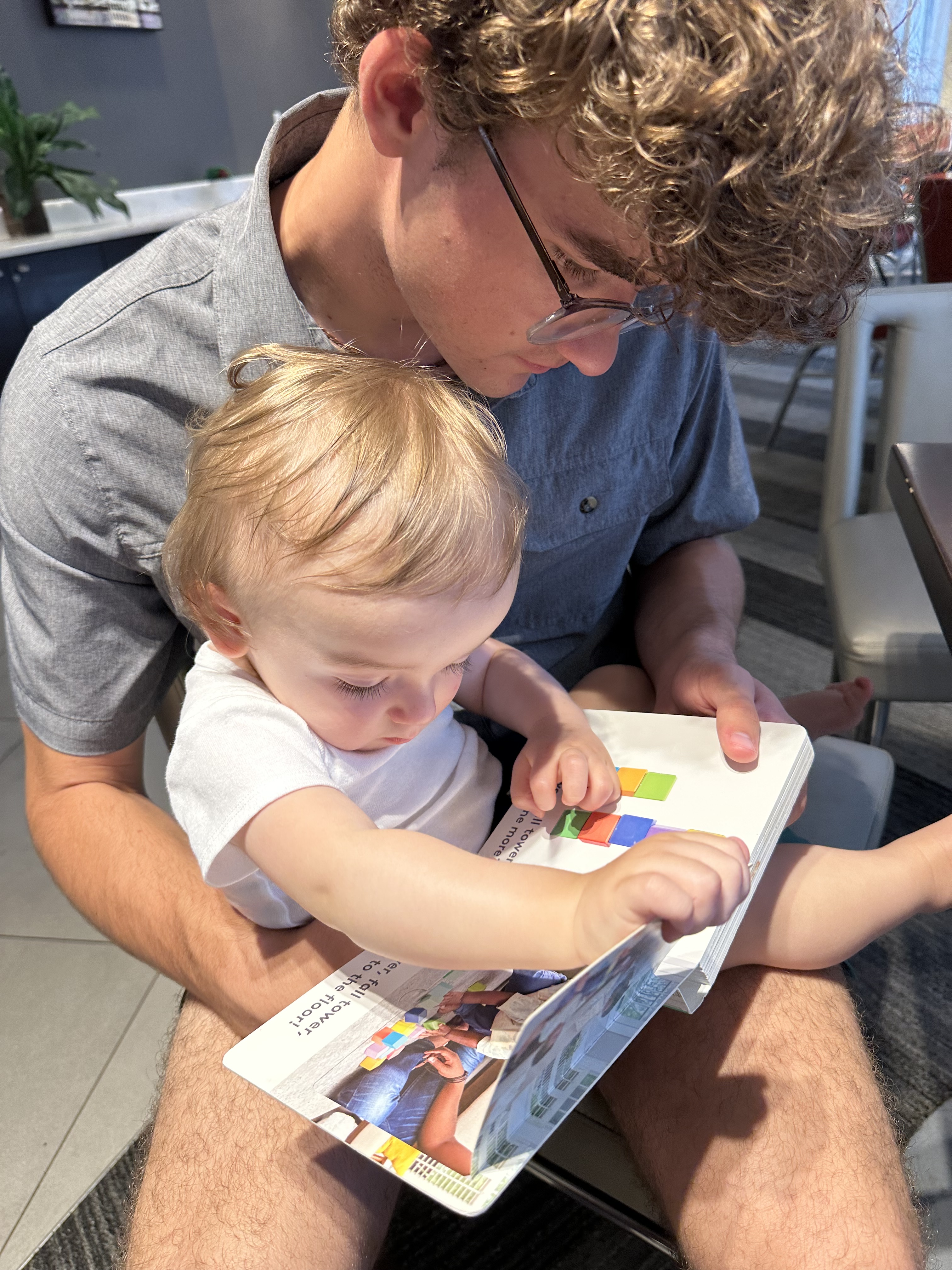
We exited into the early afternoon heat and humidity commonplace for D.C. summer days. Teddy’s parents found a refreshment truck parked near some massive shade trees, and the rest of us soon joined them for some shaved ice and smoothies. Nana was in her glory feeding Teddy some of her cool mango drink. Teddy’s eager reaction showed his gratitude.
Colorful murals were abundant.
Mural.
The Washington Monument from the Jefferson Memorial.
At the FDR Memorial.
Colorful canopy.
A short walk brought us to the World War II Memorial in the shadow of the Washington Monument and at the reflecting pool’s eastern end. I spied a group of Amish circling the memorial’s parameter and recognized the older leader. Unfortunately, I was too far away to say hello.
We continued walking west to the Lincoln Memorial for the older grandkids to experience. Before we left the area, we pointed out the impressive yet solemn Vietnam War Memorial from a distance.
By now, everyone was tired, and we headed back to the hotel via three modes of transportation. Some of us took an Uber, while two adventurous teens followed their father to the Metro. Since Teddy needed a nap, his parents chose to push the stroller three miles.
With the day’s heat and humidity, we were glad for the hotel’s air conditioning in which to rest. However, the teenagers all wanted to play cards, a vacation tradition since they were young. We ordered burgers from a local restaurant and reclaimed the hotel’s rooftop. The banter and passing around Teddy put a punctuation mark on a fulfilling day. The games played on, but we seniors called it a night, our hearts full.
As I settled in for the night, I reflected on the day’s interactions. Everyone we met, hotel, restaurant, museum staff, and Uber drivers, were engaging and courteous. They made this country boy feel right at home in the city.
The adults headed for a lighter breakfast than the previous day while the teens slept in. Afterward, they had to be awakened to say goodbye to Teddy and his parents, who had to leave for their return flight. We hugged and kissed and thanked them for making the trip, and then they were gone.
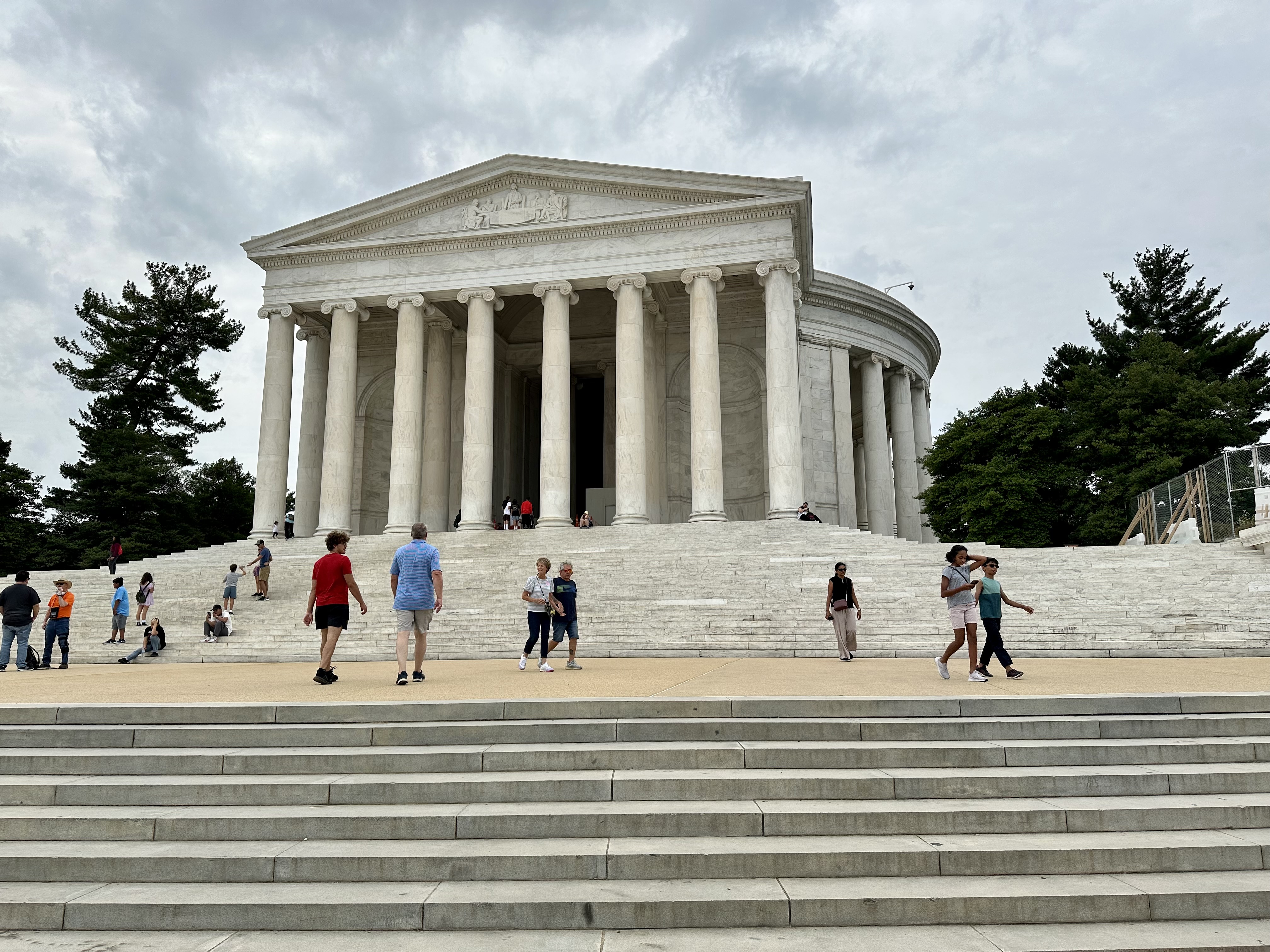
Those that remained returned to the monument area. Our first stop was the Jefferson Memorial. The day was warm again, but a steady east wind made it bearable.
Please click on the photos to enlarge them.
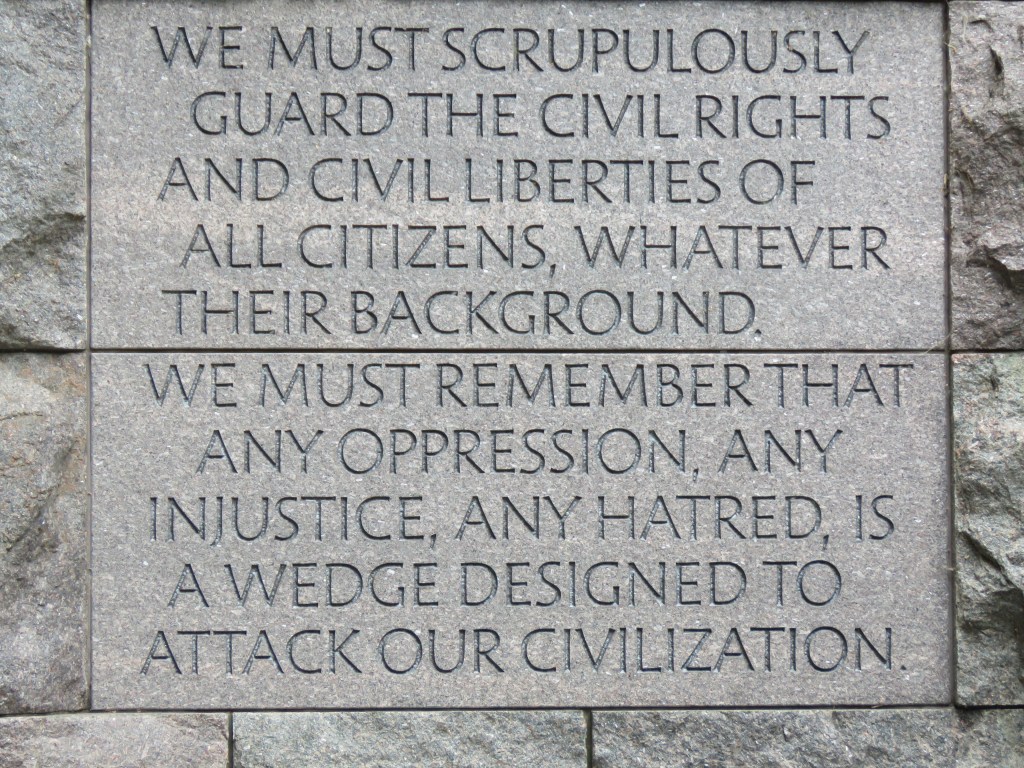
We walked to the Franklin Delano Roosevelt Memorial, which my late father truly enjoyed when I first visited it with him as part of an Honor Flight for World War II veterans. I told the grandkids how their great-grandfather, who used a wheelchair, nearly rose to his feet when he saw the statues of the longest-serving president. Dad even knew the name of Roosevelt’s dog, which also had an oversized bronze.
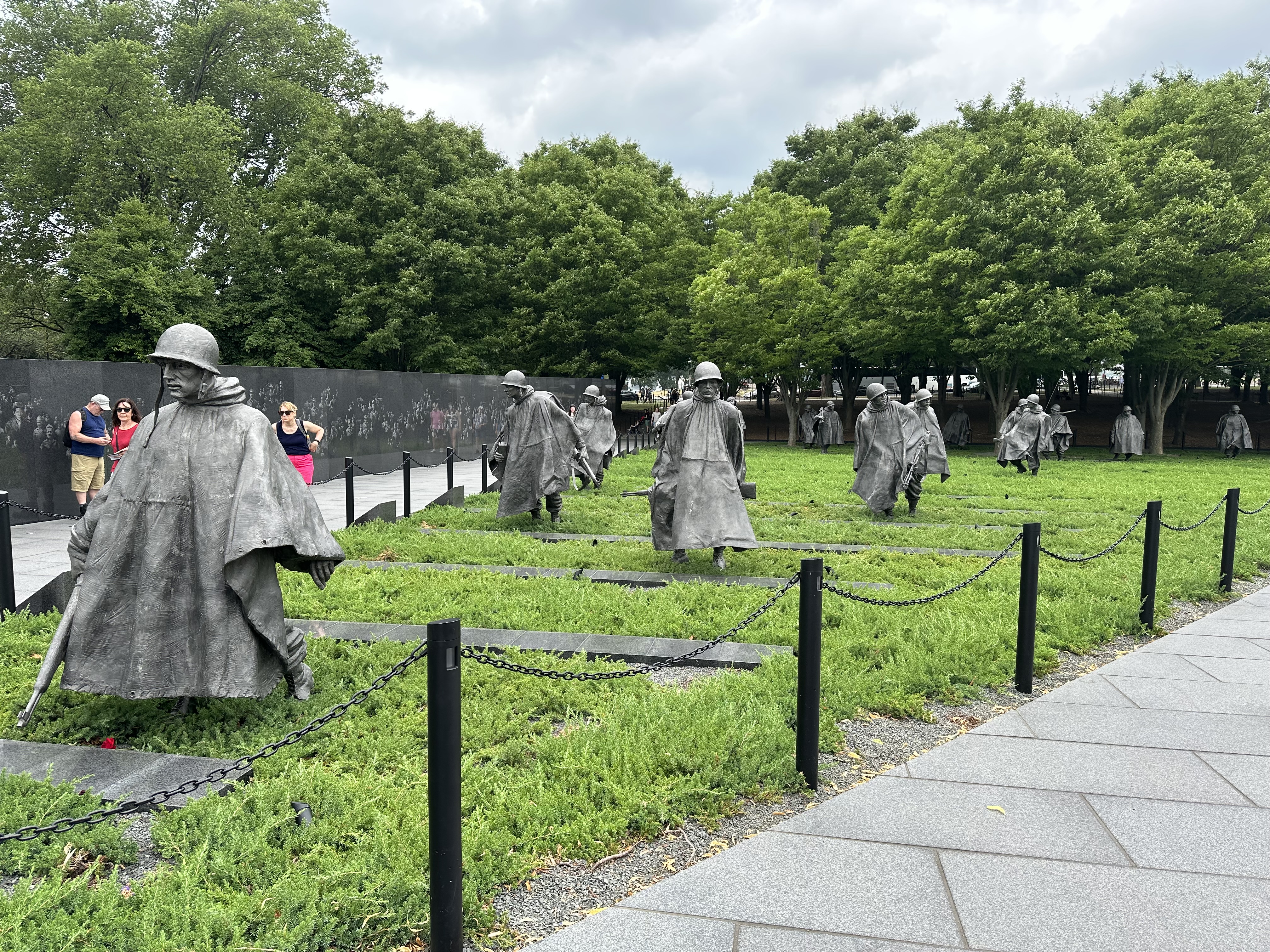
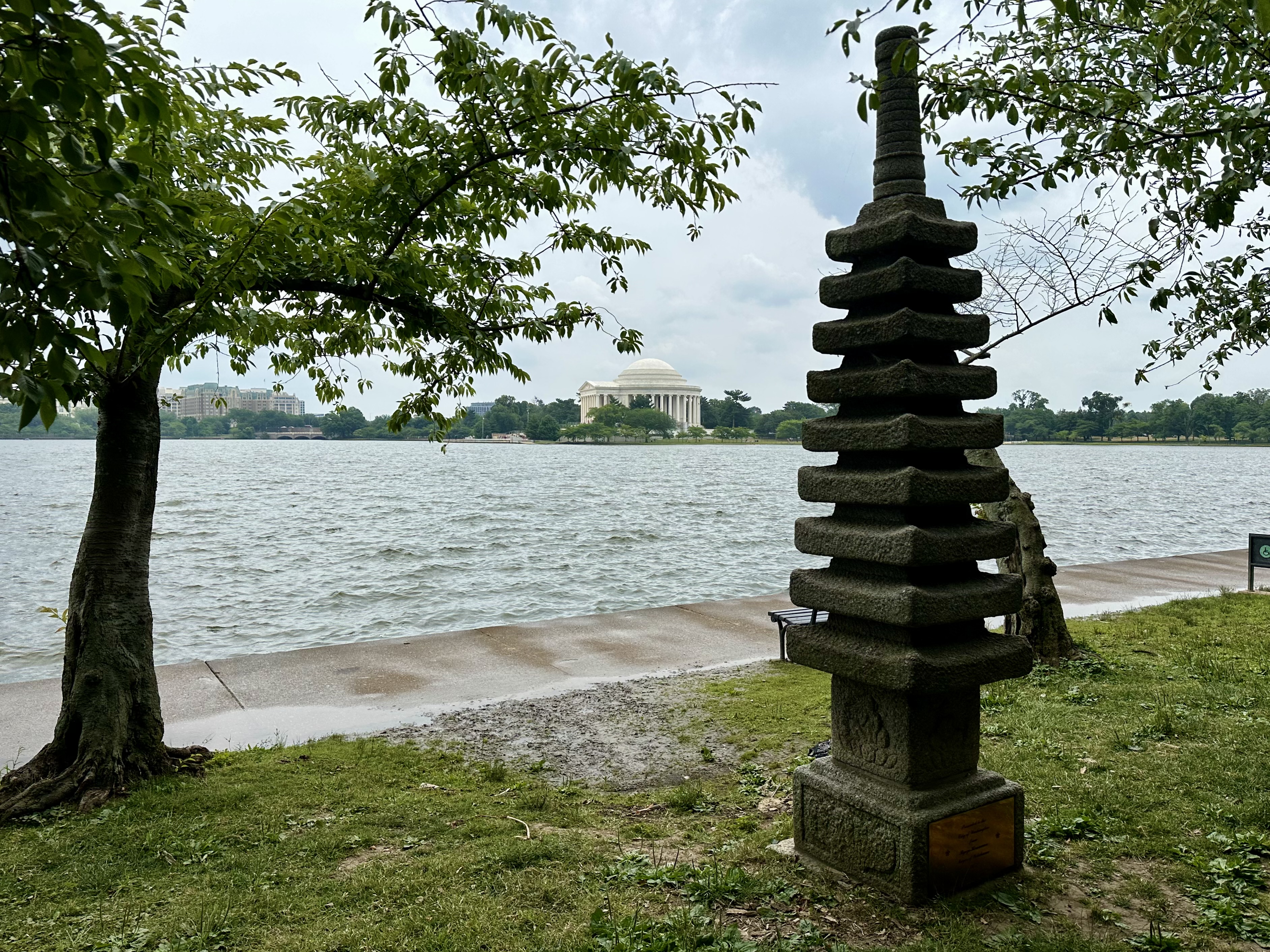
The Martin Luther King, Jr. Memorial stood a short walk away. We were a few months late for the blooming of the famous cherry trees along the path. The impressive King Memorial faced the Jefferson Memorial across the choppy basin. From there, we strolled to the Korean War Memorial. With its platoon of soldier statues, the setting gives you pause about the futility of war.
It was time to head home. We retraced our steps through the FDR Memorial and back to the van. As we rolled south down the interstate, I enjoyed the commotion of the card games with Nana and teenage grandchildren in the back seats. I was happy to have my son-in-law drive and most grateful for our joyous times together.
We had so much fun that we had already made tentative plans for next year’s get-together. In the meantime, I’ll bask in the joyous afterglow of our little family’s reunion.
Friendships mean a lot to me. I suppose most people feel that way. But as I edge into the last quarter of my life, relationships increase in value. One of the first things I do in the morning is check the obituaries. I see people much younger than me have passed away. Consequently, I sense the urgency of each remaining moment.
As a septuagenarian, I want my friendships to grow more meaningful as I age. That’s especially true for friends separated by geographic distance and borders. The global pandemic and the necessary travel restrictions delayed any notion of crossing into Canada.
Since my wife and I are well into retirement, we visit as many friends as time and money permit. Our time is only constrained by our commitments to gatherings with and transporting our grandchildren as needed and volunteering in church and community activities. We set aside funds for traveling near and far, whether for vacations or visiting friends. We often combine the two.
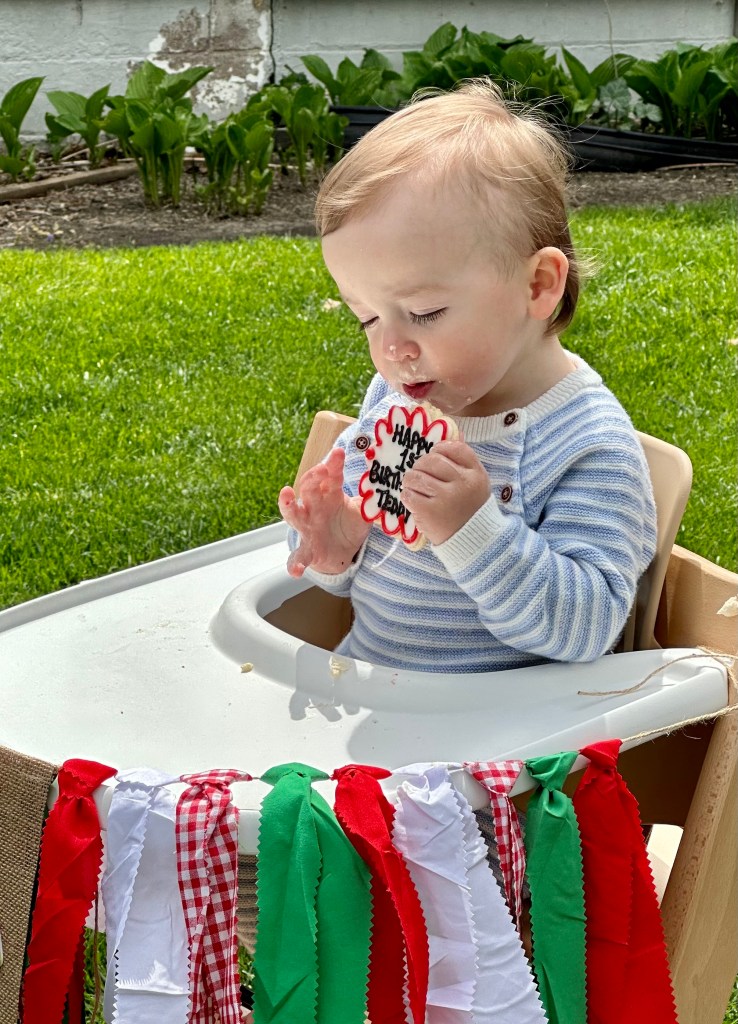
Grandson Teddy tastes sugar cookies for his first birthday.
Such was the case when our newest grandchild had his first birthday. Knowing we would be in upstate New York for that celebration, I checked the distances to friends in Kitchener/Waterloo, Ontario, Canada. I was happily surprised to learn that it was only three hours of travel time from Rochester, New York. If your friends can’t come to you, you go to them. So, we contacted the three families we know in those twin Ontario cities, and they were all available during the times we proposed.
I chose to drive west along the southern shore of Lake Ontario for multiple reasons. The first was less traffic. The second was opportunities to bird along the drive, and thirdly, my wife and I enjoy driving back roads and passing through small towns and communities. We even drove through a small Amish settlement in northwest New York.
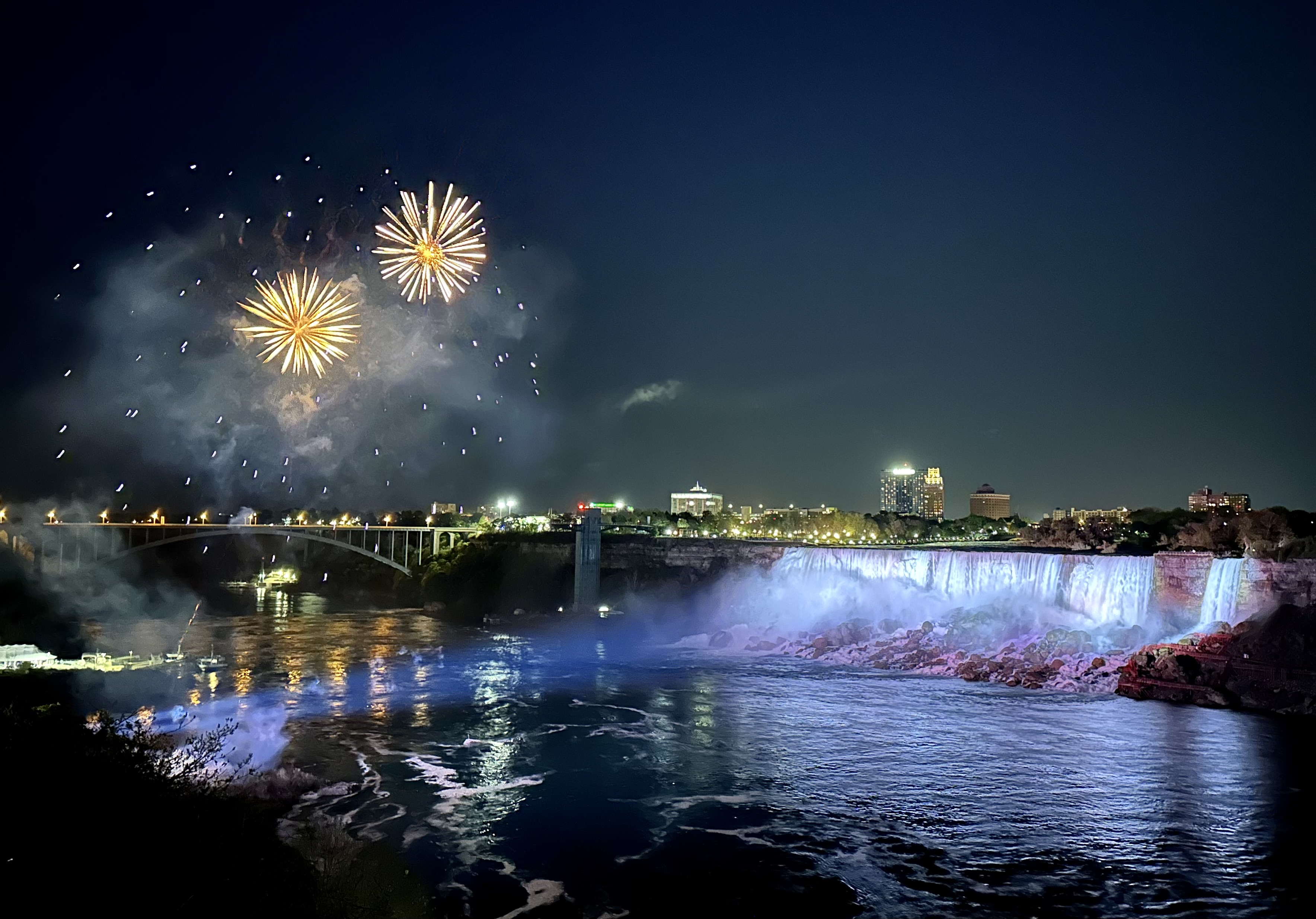
With nice weather, we did our birding, toured Old Fort Niagara, and spent a lovely evening in Niagara Falls, Ontario. The following day it was on to see our friends. We easily found our host’s home thanks to GPS. It was less than a mile from one of our other friends.
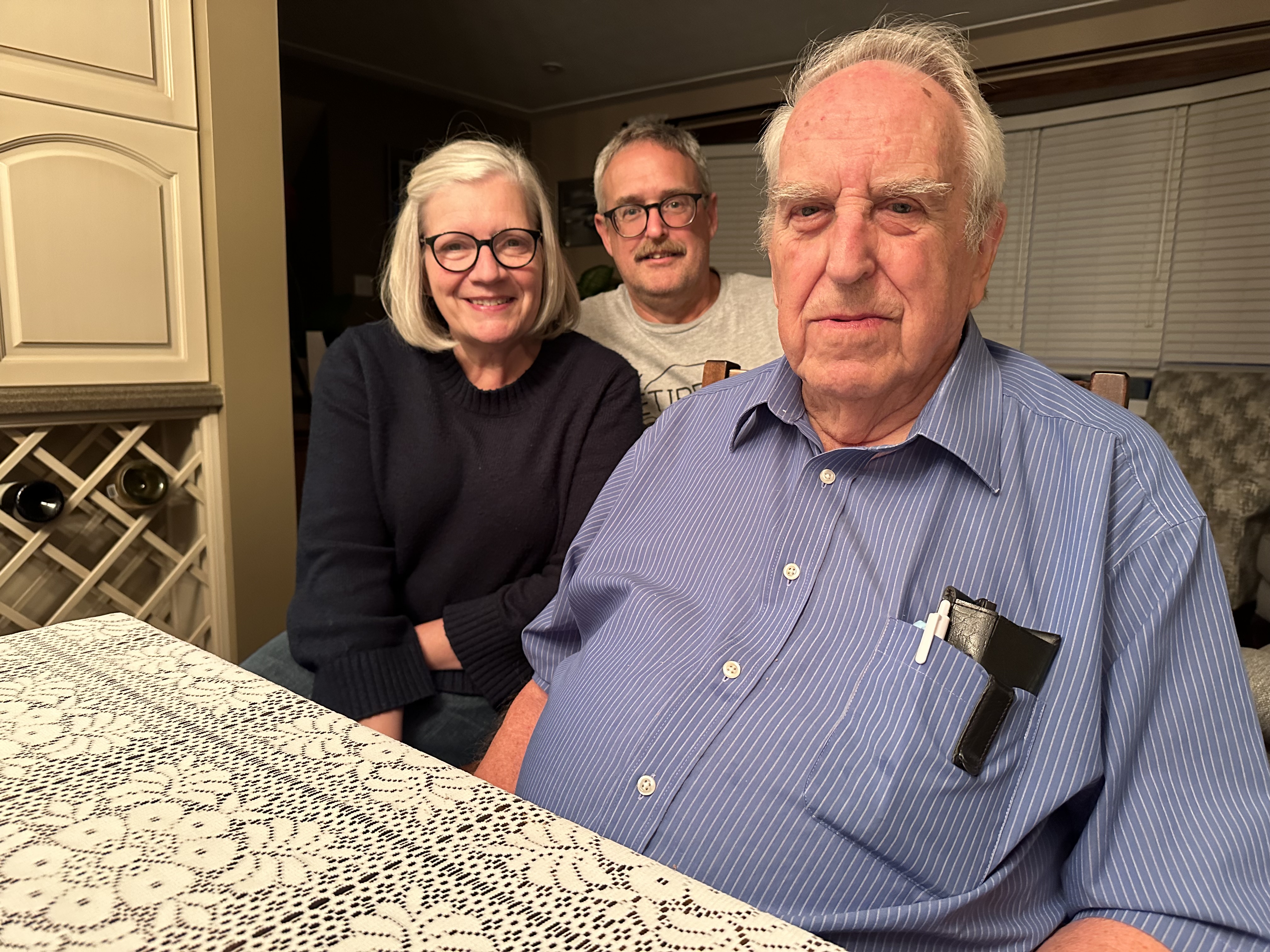
Eleanor, Mike, and Dave.
We accepted the invitation to stay with Mike and Eleanor, both retired from medical careers. We knew Mike as a teenager. He was in the church youth group where Neva and I were sponsors, though we were not much older than some of the teens. Mike’s father was our pastor for nearly a dozen years. Mike and Eleanor moved to Kitchener to be close to their only grandchild, daughter, and husband.
Our former pastor, Dave, also moved to an assisted living facility in that area. Dave came for supper that first night. He looked much the same as when he was pastor 45 years ago. Dave is now 93 and still has his dry humor. It was clear, though, that he dearly missed his late wife. We enjoyed our meal of shepherd’s pie and the brief visit with Dave. He and I served as co-editors of the church conference bi-monthly magazine all those years ago when “cut and paste” meant scissors and glue.
Dave and I would meet on a Friday afternoon after I finished my day job to assemble the magazine. We made a good team. He was a respected pastor, and I had a degree in journalism, even though I switched to being a teacher and then a school administrator.
We always took a break for dinner at his home. Dave’s gregarious wife, Mary, always fixed a simple but delicious meal. I enjoyed the lively conversations, too, when Mike and his brothers were there. After the meal, we’d head back to the church and work late into the night to finish laying out the magazine. Dave usually mailed it to the publisher the next day. Those were joyous memories.
The next day we went to the home of our long-time friends, Ken and Ruth. Neva had known Ruth in her youth. She stayed with Ruth and her family while attending a church youth conference in Kitchener when they were both teens. They have kept in touch ever since.
We had much in common, values, hobbies, friends, and travel. We visited them when our children were small. They visited us both in Ohio and Virginia. We even vacationed together in Arizona and Florida.
Ken and Ruth invited us over for lunch with the other couple we know in Waterloo, Don and Gail. They were neighbors across the street, and we joined the triangular friendship when we discovered Don and Gail wintered on the same Florida island we did. We’ve had some beautiful times together. Don and I especially hit it off since we were both volunteer firefighters. We’d swapped crazy fire stories while the wiser women went shopping. We all loved sunrises and sunsets. Those, too, are precious memories.
At the restaurant with Don, Ruth, Ken, and Gail.
None of us are getting younger, and we all have our individual medical issues to deal with and talk about. But most of all, it was pure joy to be together again, even for only a day. As it goes with old friends, the time ticked away too quickly. We toured Don and Gail’s modern condo in uptown Waterloo, then walked around the corner and raised a ruckus around a restaurant table.
All too soon, it was time to go. The combination of the goodbye hugs, kisses, and well wishes made the trip more than worthwhile.


















































 Roadkill Crossing
You must be logged in to post a comment.