Changing diets to live

Walking by Bruce Stambaugh
Bruce Stambaugh

Nearly five years ago, I was forced to change diets. That’s right. Forced.

During my annual physical exam at the doctor’s office, I happened to mention that I had recently had a couple of dizzy spells. With a family history of strokes and heart issues, the doctor ordered some tests, including a MRI.

On the return visit, I was told that I had cerebral arteriosclerosis, or hardening of the arteries of the brain. If I continued my regular lifestyle, including my normal, unrestricted diet, I would run a high risk of a stroke.

The doctor of course prescribed medication, encouraged me to increase my exercise routine, and to drastically change my diet. The “don’ts” of the new diet far out numbered the “dos.”

Fresh veggies by Bruce StambaughThe orders were no beef or pork, no processed food, no fried food, and only no-fat dairy products. Instead, my choices were grilled, roasted, baked or broiled fish, chicken or turkey. In addition, I needed to eat at least five to six servings of fruits and vegetables a day. Basically, I could eat anything with two legs or no legs.

My head was spinning. The doctor must have sensed my tension because he did something rather unusual. He pulled up his own medical chart on his laptop and showed me his blood work scores. He, too, had the same disease, and had been on the same diet for more than a year.

“You can do it,” he said.

My doctor was right. I could do it because I did. I have been eating that way every since and enjoying it greatly. In fact within a month of going meatless and eating lots of fruits and veggies, I felt much better.

Of course I had increased my exercise, walking for 30 minutes at least three times per week. I rode the exercise bicycle if the weather was bad.

My wife, the chief cook in our empty nest home, was diligent about preparing food that I could eat. Together we followed the same diet.

Heirloom tomatoes by Bruce Stambaugh

My change in diet came right when our heirloom tomatoes came ripe. That was both good and bad. The tomatoes were great to eat fresh off the vine or in a salad or salsa or soup, but I missed one of my favorite foods, bacon, tomato and lettuce sandwiches. Having the latter two without the bacon hardly qualified as a sandwich.

At my three-month checkup, I told the doctor about my BLT cravings. He said that it was all right to eat some meat once a month or so. I looked forward to my BLTs the next year, but kept to my no meat diet as best I could.

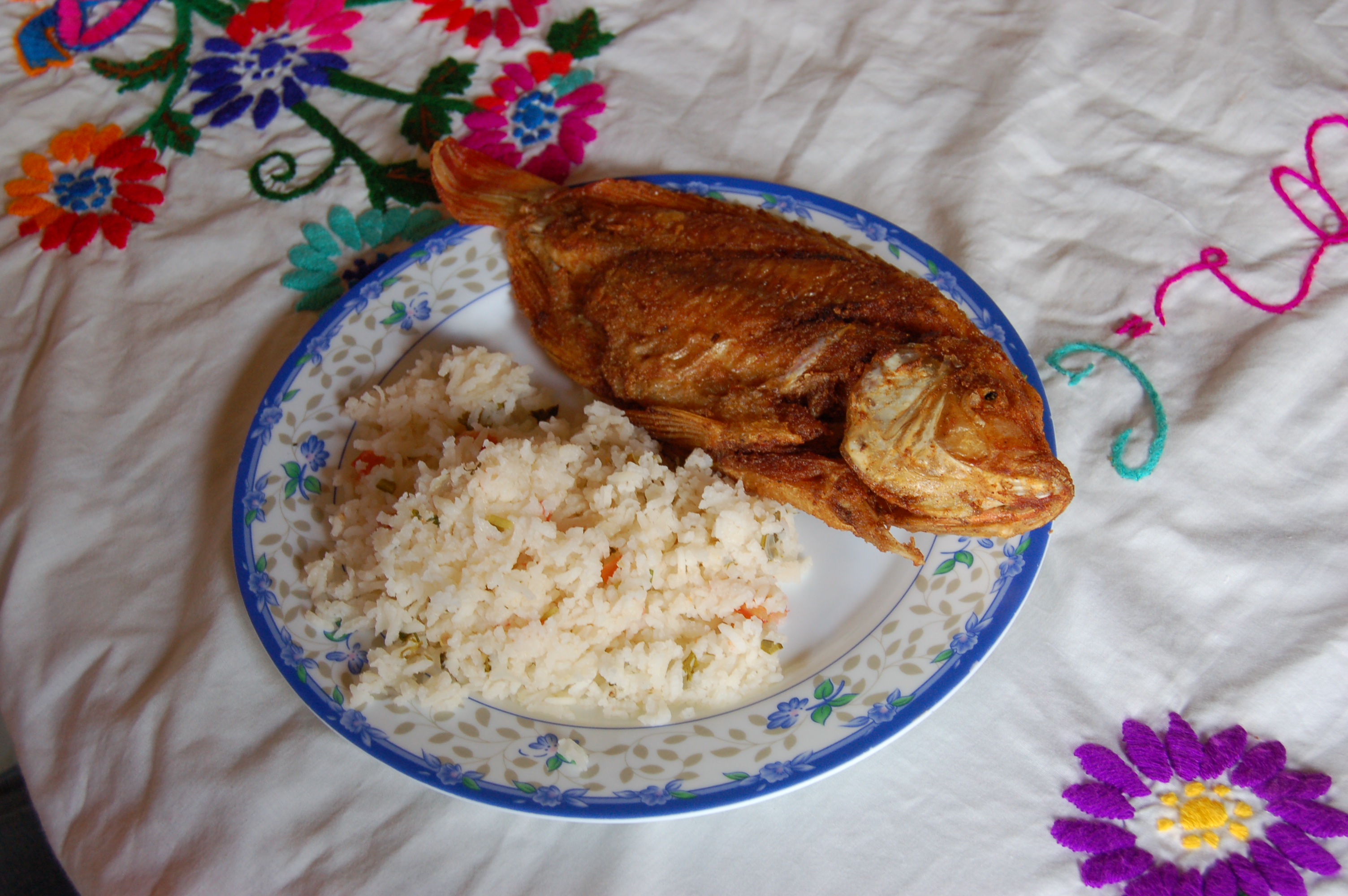
Fried tilapia by Bruce Stambaugh
Fried tilapia and rice served to me in a home in Honduras.
If I was served meat as a guest in someone’s home, I politely ate it, but only a small portion. While working in Honduras on a mission project with a group from our church, we were sometimes served beef or fried fish. Not wanting to be insulting, I ate what was prepared for me or furtively shared with another person.

A year after first going on my new diet I received the best news possible. My homocysteine levels, the important blood work scores, were below the danger threshold. The diet, exercise and medication were working.

My doctor was as pleased as I was. I told him that to celebrate I was going out to eat and have a steak. I didn’t of course. By then, the desire for meat had long faded. In fact, the greasy smell exhausted by restaurants makes me nauseous.

Even though the dizziness about which I had originally complained was unrelated to my disease, I was ever thankful that I had mentioned it. I feel better, less lethargic, and more vibrant. I have lost a few pounds, and enjoy my regular walks, which have the added bonus of communing with God and nature as I stroll along our rural roads.

Best of all, I am able to maintain my regular routines and enjoy not only the food I eat, but the life that God has given me one day at a time.

Country view by Bruce Stambaugh

This article appeared in the July 2012 edition of Purpose, Stories of Faith and Promise.

© Bruce Stambaugh 2012

A drought of a different kind

Miller farm by Bruce Stambaugh
The farm of my late in-laws, Wayne and Esther Miller, as painted by my recently deceased mother, Marian Stambaugh.

By Bruce Stambaugh

Our family has experienced a drought far beyond the on-going dryness that our area and much of the country is currently enduring. My mother died in April, and now my mother-in-law, Esther Miller, recently passed away. Both were 90.

The word drought is usually defined as a long period of dry weather. Wherever they live, Florida, Ohio, Pennsylvania or Virginia, all of Esther’s grandchildren have had to endure this drought. In some areas, the drought is considered moderate while in others it is much more serious.

Funeral flowers by Bruce StambaughThe second definition of drought encompasses a much wider, deeper meaning. Drought is a lengthy serious lack of something. When you lose your mother and your mother-in-law within three months of each other, one cannot help but sense a serious lack of something.

I know I do. My brothers and sisters do. Now my wife and her sister do as well. All of our parents are gone. We are now the elder generation. I’m not sure I’m ready for that distinction yet.

I also know the grandchildren, though they are scattered across the country pursuing their various careers, feel that certain dryness, too. They don’t have to say anything. I can see it in their eyes, their non-verbal sorrowful expressions.

Like my mother, Esther was a good, God-fearing person, dedicated to rearing her family the best way she knew how. She learned those loving skills from her mother, and perhaps her own grandparents.

Reality has set in for all of us. The torch has been passed. It is up to us to carry on what was modeled for us for all those years.

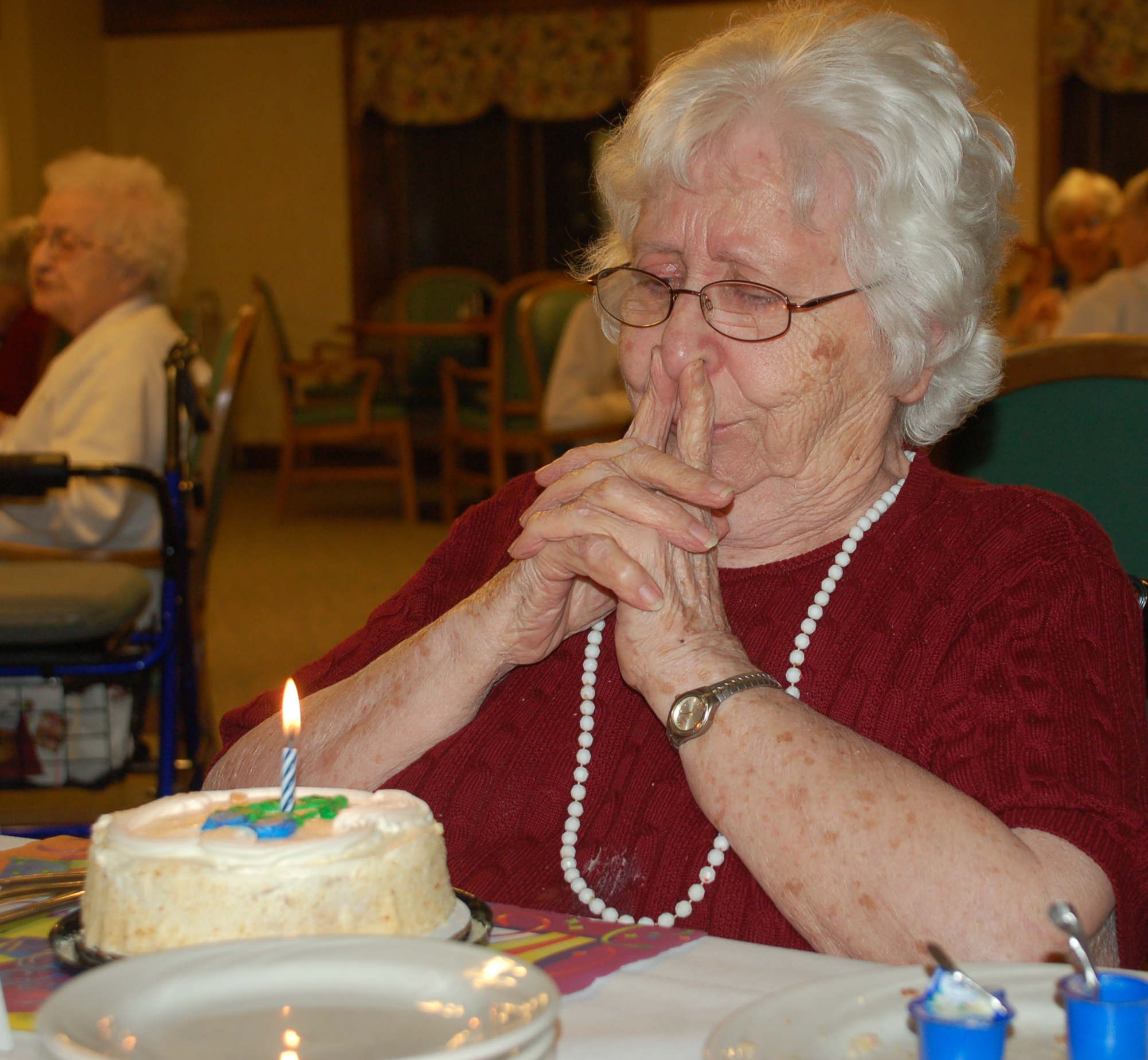
Esther Miller by Bruce Stambaugh
Emotion overcame Esther Miller at her 90th birthday celebration.
I remember the very first time I met my future in-laws at their 80-acre farm east of Louisville, Ohio. I hadn’t been there long when Neva’s father asked me if I wanted to see the pigs. How could I turn down that offer?

I not only got to see the pigs, but also the milk cows and the heifers, too, and the grain bins and hayloft and the tiny milkhouse. At the time I thought Wayne was just being nice. On the way home, Neva told me that she knew her father liked me because I got to see the pigs on the first visit. It took other suitors at least three visits.

Esther welcomed me with equal warmth. Excellent host that she was, she offered me a beverage and a delicious homemade snack. She could have written a book on being a homemaker. When Neva and I announced our engagement to her parents, Esther responded in a most amicable way.

“We are glad to have you in the family,” she said. “If we had had a son, we were going to name him ‘Bruce’.” I was at home away from home.

I remember hustling our young daughter and son into the Miller farmhouse one Christmas Eve in the teeth of a blizzard. Once inside, the warmth of the gracious hospitality far exceeded that of the comfortably heated home.

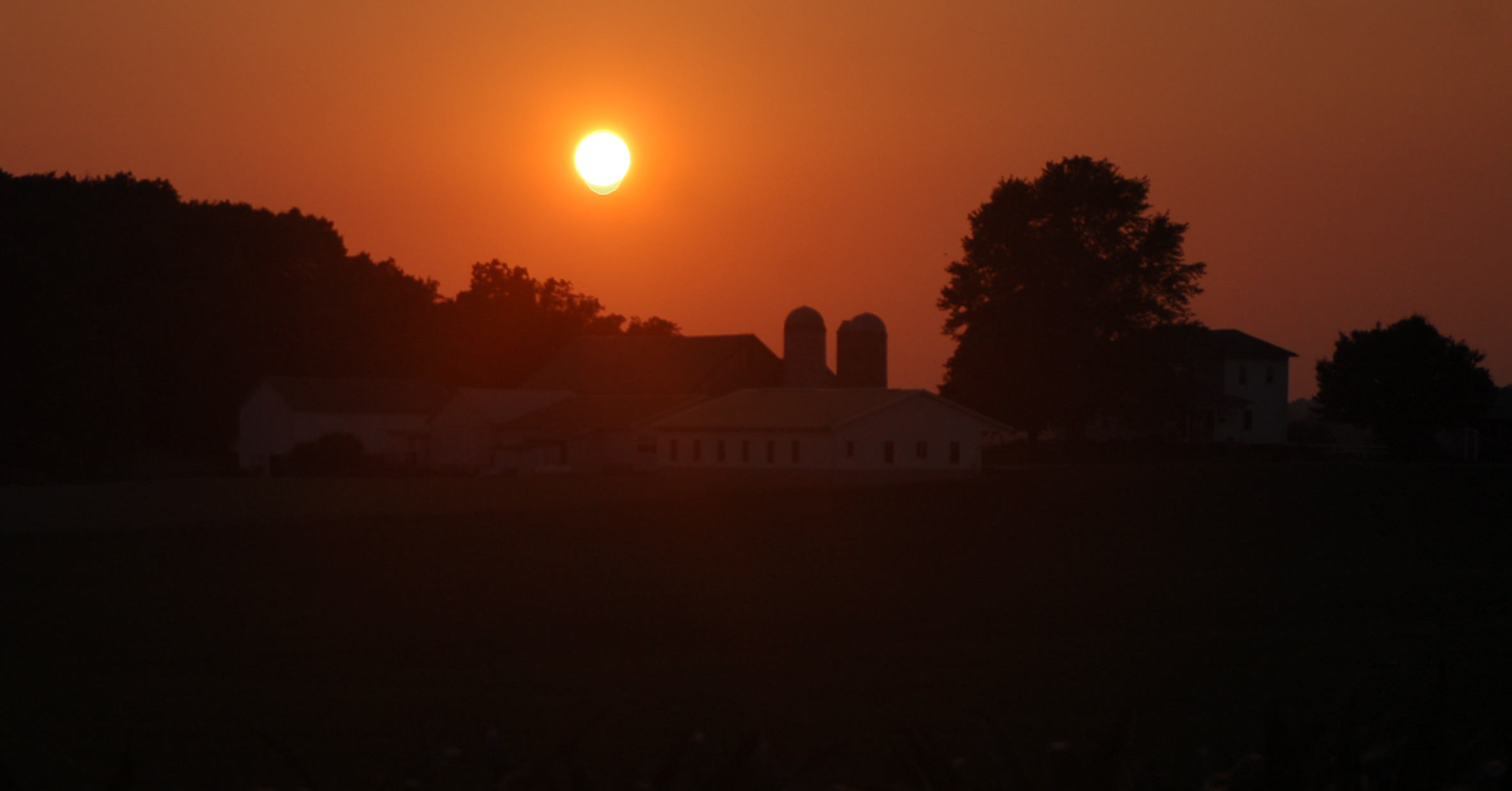
Farm sunset by Bruce Stambaugh

During our times of loss this year, we have experienced the kindness and thoughtfulness of many, many others. They each found their own ways to share in our mourning via food, flowers, cards, emails or calls. We felt blessed by those expressions of sympathy.

In addition, the family has found a wellspring of refreshing comfort despite our maternal losses. We rejoice that our parents enjoy an eternity that will never know any kind of drought whatsoever.

This column appeared in The Bargain Hunter, Millersburg, OH.

© Bruce Stambaugh 2012

Carl Maxwell leads a life worth living


By Bruce Stambaugh

Given his many maladies and his age, Carl Maxwell, 77, of Berlin, Ohio, would have every right to simply give up on life. Instead, he has done just the opposite, and many people are the beneficiaries.

The list of all the good Maxwell has done in his life far exceeds his list of illnesses. Kidney dialysis three times a week, congestive heart failure, diabetes, quadruple bypass surgery on his heart, suffering four heart attacks, staph infections and skin cancer head the list.

Maxwell hasn’t let any of that stop him. If anything, they serve as incentives to live life to the fullest everyday. He does so personally and through several community organizations for which he volunteers.

“I love life,” Maxwell said. “I want to do everything I possibly can while I can.”

Carl Maxwell by Bruce Stambaugh
Carl Maxwell
Maxwell has and is doing a lot by any measure. His accomplishments would be impressive for someone in excellent health.

Maxwell was a charter member of the East Holmes Lions Club and is a charter member of the newly established Berlin Lions Club. He served as president of the East Holmes club, and was recently presented the prestigious Melvin Jones Fellow award by Lions Club International.

“I’m especially interested in the sight aspect of Lions Club,” Maxwell said. Lions Clubs collect used eyeglasses and distribute them to needy people around the world.

Maxwell has served as either president or vice president of the East Holmes Fire and EMS District board since its inception in 2000. He is the at large member of the five-member board.

Maxwell, along with his wife of 53 years, Lorene, volunteer at Save and Serve Thrift Shop in Millersburg twice a week.

“On Tuesdays,” Maxwell said, “I cut rages with Paul Roth.” He and Lorene also help out as cashiers on Thursday evenings.

Maxwell has also taught Sunday school at several levels at Berlin Mennonite Church for many years.

“I like people,” Maxwell simply said.

If he did slow down, no one would question his decision. Maxwell goes for kidney dialysis three times a week in Wooster.

“Counting my time on the road,” he said, “each visit takes eight hours.” Maxwell is not complaining about that.

“I didn’t really want to do dialysis,” Maxwell said. “But I got out voted 5-1 on that.” His loving wife and four sons all wanted him to do the treatments. Maxwell drew the line there.

“I had an opportunity for a kidney transplant,” Maxwell said, “but I turned it down.” He said he felt someone younger than him should have a chance at the available kidney. “I couldn’t live with myself if I had taken a kidney that some 20-year old needed,” Maxwell said frankly.

Carl and car by Bruce Stambaugh
Carl Maxwell showed off his salmon and grey 1958 Buick.

Maxwell doesn’t spend all of his time volunteering. He also has some heart-felt hobbies in which he has invested much time and money. Maxwell, who once had 14 antique cars, now has three old cars and a 2002 Corvette, which he calls his “toy.” He occasionally drives it to his dialysis sessions.

At the peak of his car collecting days, Maxwell served for 16 years on the regional board of directors of the Antique Car Collectors of Canton. Maxwell also has the world’s largest collection of Sinclair Oil products and memorabilia, which was featured earlier this year in an international collection magazine. From old gas and oilcans to large advertising signs to refurbished gasoline pumps, Maxwell’s collection is clearly one-of-a-kind. He has gathered items from many states and even other countries.

That extensive collection stems from his life’s work.

Sinclair signs by Bruce Stambaugh
Carl Maxwell has two triple-check Sinclair Oil signs displayed at his barn. He said only a handful remain.

Maxwell worked 36 years for Holmes Oil, which originally distributed Sinclair products. He started as a truck driver, but after six years, he and Maynard Hummel became co-owners of the business. Maxwell sold his half interest in the business after 30 years.

“I have had an unbelievable life,” Maxwell readily shared. He credits two women for those experiences, his wife and his late mother, Edna Weaver Maxwell.

“I owe a lot to others, especially my wife,” he said. “She’s just been amazing.” He said Lorene has been an incredible help to him in his many times of need. Maxwell said he recognizes his physical limits and takes the time to rest so he can continue to keep his busy pace.

“I want to do everything I possibly can,” Maxwell said. “Life is still worth living, and it’s too short to be negative.”

Carl and pumps by Bruce Stambaugh
Carl Maxwell has collected Sinclair Oil signs, cans and even gas pumps.

This article appeared in the July 2, 2012 edition of the Bargain Hunter, Millersburg, OH.

© Bruce Stambaugh 2012

All abuzz about beekeeping

Bee hives by Bruce Stambaugh
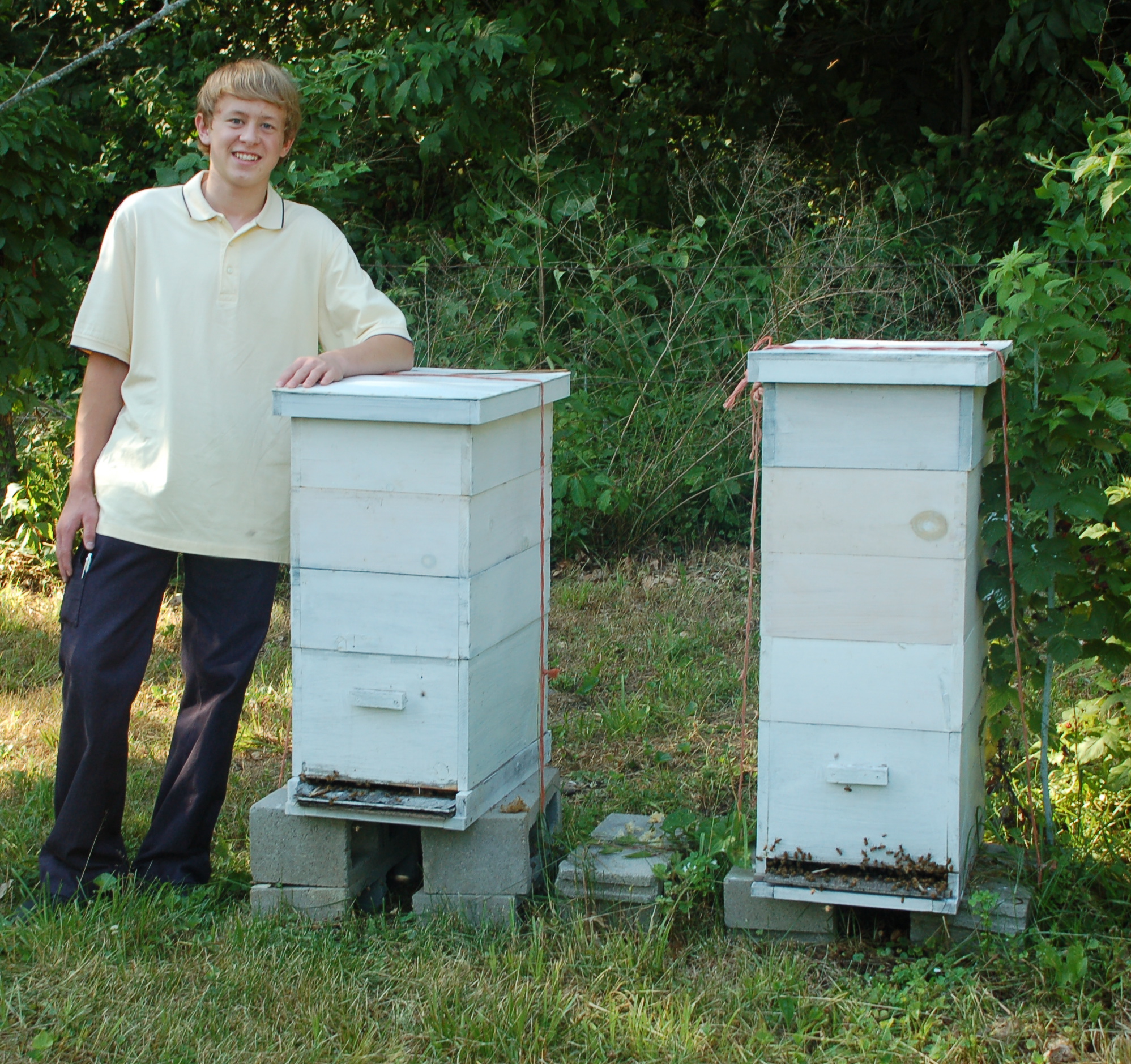
Brian Miller, 17, of Apple Creek, OH checked out some bee hives before a recent meeting on beekeeping held near Mt. Hope, OH.

By Bruce Stambaugh

Beekeeping is on the rise, according to Dr. Jim Tew, recently retired bee specialist at The Ohio State University Extension Services in Wooster, Ohio. He just doesn’t know why.

A meeting held recently at the residence of Mark Miller near Mt. Hope, Ohio seemed to be proof of that. Men, women and children, many of them Amish, nearly filled the several rows of church benches set up in Miller’s spacious outbuilding where the beekeeping meeting was held.

Miller said beekeepers’ meetings like this one are held three times per year. He said there are two such groups in Holmes County, Ohio. They are geographically split into northern and southern groups, with U.S. 62 being the dividing line.

The meetings are held to keep area beekeepers informed about the latest information on beehive maintenance and keeping the bees healthy. They also lean on the informal approach to allow for extensive question and answer times.

Bee keepers meeting by Bruce Stambaugh
Dr. Jim Tew shared his expertise on beekeeping to a group of beekeepers in Holmes County, Ohio. Many of those in attendance were Amish.

Tew was asked to share his expertise on beekeeping. The gregarious and modest Tew kept the group relaxed with personal stories of his more than 40 years of beekeeping. He retired from the OSU Extension after 35 years.

The Alabama native told the group that beekeeping is extremely popular right now.

“But I don’t know why,” he said. He suggested one explanation could be that honeybee husbandry fits into the popular universal interest in providing a dependable, wholesome food supply.

Busy bees by Bruce Stambaugh
Honeybees scurried in and out of a hive across from Mark Miller’s residence near Mt. Hope, OH.

Related to that sustainability idea, Miller told the group, “I like the concept of producing our own bees here in Ohio.” Normally, purchasing commercial kits and commercially raised queen bees, which are essential for hives to thrive, starts bee colonies.

“Having meetings like this,” Miller said, “will help us toward that goal.”

Indeed, Tew indicated that when the Varroa destructor mites began to invade honey beehives in 1987, the industry took a huge hit. The killer bee scare followed that, and bee husbandry began to wane.

Mite zapper by Bruce Stambaugh
Dr. Jim Tew showed the group a mite zapper that could help control destructive Varroa mites.

“It’s unnerving,” Tew said of the disease, officially called colony collapse syndrome. “Happily those initial dark days have gone away, and I no longer have any fear of all of my hives dying.”

He shared various ways beekeepers could help deter the mites and how to properly inspect hives for any possible problems. He said the most recent die off of bees made headlines because information spread rapidly on the Internet.

“This die off was not new,” Tew said, “though it may have a different cause.” He explained that there could be many causes for hives not thriving.

“Too many of us want to find one reason for a die off,” he said. “Each of you who keeps bees will have to talk amongst yourselves to determine what system to stop the mites works best.”

Miller said the meeting was not limited to those who live north of U.S. 62. In fact, 17-year-old Brian Miller came from Apple Creek to learn about bees. He just began keeping bees last year, and said his hives are thriving.
Bee on daisy by Bruce Stambaugh
The Tri-County Beekeepers Association in Wooster awarded Brian Miller a $500 scholarship for an essay he wrote on “Why I love beekeeping.” He said the money enabled him to purchase needed beekeeping supplies and equipment to maintain and expand his hives.

Mark Miller, who began beekeeping in 2009, said he also received an award to help him get started.

“I was honored to receive the Don Meyers East Ohio Apiculture Project prize of $75,” he said. That amount helped him buy two hives and equipment to operate them.

Though he retired from his OSU Extension position, Tew continues in the bee business both personally and professionally. Besides keeping bees himself, he also serves as a state beekeeping specialist for his home state of Alabama.

He kidded the crowd by saying that he now has a 900-mile commute to work. In actuality, he travels to Alabama five times a year to complete his beekeeping responsibilities.

© Bruce Stambaugh 2012

The real reason to celebrate July 4th

D.O.G. Street by Bruce Stambaugh
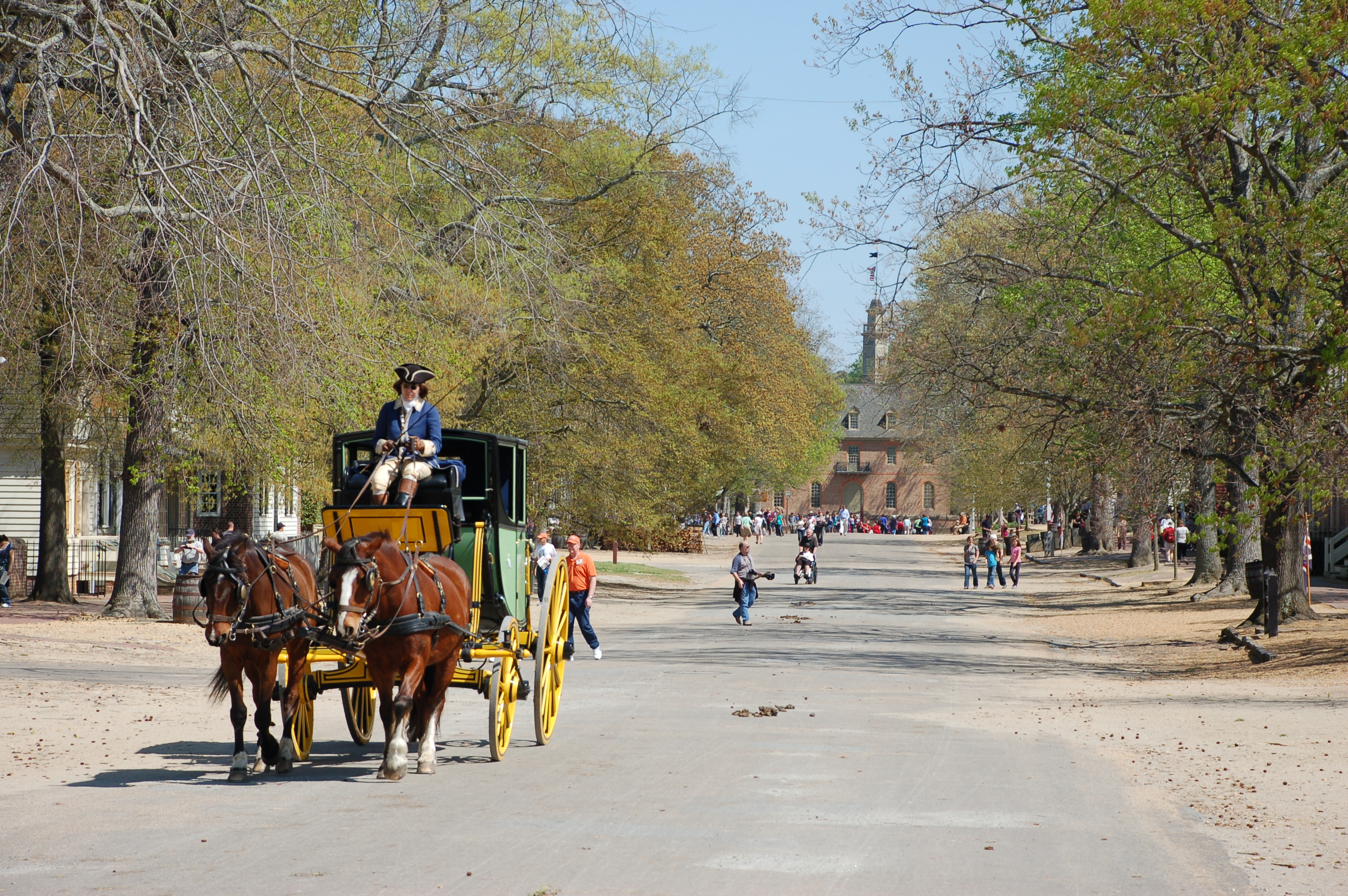
Many of the tenets of our democratic republic were formed in Williamsburg, VA along D.O.G. Street.

By Bruce Stambaugh

Watching starbursts of fireworks from five miles above the earth was an unexpected treat.

My family and I were flying back from vacation late on July 3, 1988. Our hour-long flight path took us along the southern shores of Lake Michigan and Lake Erie. Shortly after we were airborne, the sky began to pop with burst after colorful burst of fireworks.

Parade by Bruce Stambaugh
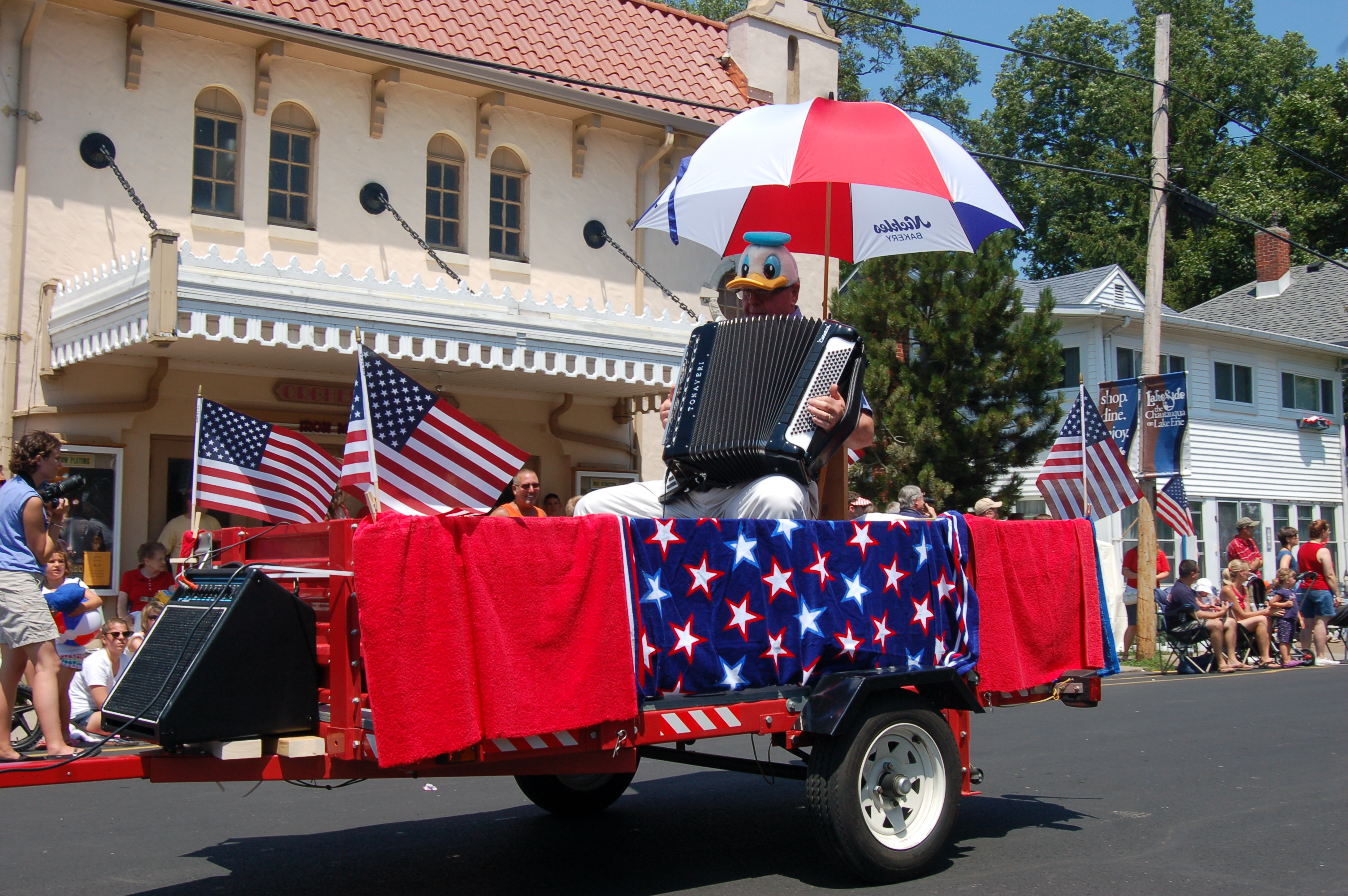
Parades are just part of the annual Fourth of July celebrations in the United States.
All along the route towns large and small expressed their jubilation for America’s Independence Day holiday with pyrotechnic displays. From high above I imagined the various sparkling bursts reflecting the broad diversity of folks that comprise this great country. Necks craned skyward, people from many cultures, races and religions in urban parks, county fairgrounds or on their own back porches had to also be admiring their local kaleidoscope of explosions.

As the last sparks flickered, I had to wonder then, as I wonder now, if the real meaning behind the celebratory fireworks is fully understood. As they picked up their chairs and folded their blankets to return home, what were they thinking? Was it just another fireworks display or did they truly comprehend the meaning of the day?

Those are questions that needed to be asked then just as they need to be asked today. Remembering our historic roots helps us to focus on where we are now and where it is we need to be going tomorrow.

Fourth of July decorations by Bruce Stambaugh
Homes like this one in Lakeside, OH will be decorated for the Fourth of July all across the U.S.

As we celebrate another Independence Day in the United States, here are a few historical facts that cannot be changed, though some have tried to distort the truth. The Continental Congress actually declared its independence from Great Britain on July 2, 1776. The revolutionary document, penned by Thomas Jefferson, was signed July 4, 1776, making the radical pronouncement official.

At great risk to their fame, fortune and reputations, these bold men, and they were all men, set down the groundwork of a new nation. That foundation was based on one essential notion, freedom.

A few years later that central idea wove its way into the heart of the U.S. Constitution in the form of the first 10 amendments commonly called the Bill of Rights. They itemized specific freedoms, including the freedom of religion, the freedom of speech, and the freedom to gather, among others.

British flag by Bruce StambaughThe people of the American colonies wanted to shake the hold of Great Britain’s rule and run their own lives. This great document announced a new form of government for all peoples. Without it, anarchy would have ruled.

Since its initial adoption the Constitution of the United States has been amended to appropriately represent rights and freedoms for all of the country’s peoples, regardless of gender, race or creed as the population and society’s mores have evolved. To be sure, that evolution has had its civil rough spots to say the least.

From our present perspective, it can be easy to think that some things always were. “In God We Trust,” for example, was added to our coins and currency in 1864 at the end of the Civil War. The phrase “under God” in the Pledge of Allegiance was not added until 1954 during the McCarthy communism scare era.

The altitude at which we enjoy the July 4th fireworks isn’t terribly important. The attitude of appreciation and a clear understanding and application of how and why our basic freedoms exist, however, are essential for appropriate social discourse.

As the fireworks explode in honor of this July 4th, what will you revere about Independence Day?

Amber waves of grain by Bruce Stambaugh
Religious freedom was the primary moving force for Amish immigrating to the United States, where their amber waves of grain still roll today.

© Bruce Stambaugh 2012

More delicious reasons to visit Ohio’s Amish country

Strawberry pie and ice cream by Bruce Stambaugh
The delicious homemade strawberry pie and ice cream will again be offered free to all those who attend Homestead Furniture’s Strawberry Summer Fest, June 14-16 at Mt. Hope, OH.

By Bruce Stambaugh

People visit the world’s largest Amish population for many reasons. Nostalgia for the way things used to be, the friendly, plain folks, the delicious, affordable food, and the neat, quilt-patch farm fields often top the list.

Free pie and ice cream by Bruce Stambaugh
This youngster was pretty pleased with his free homemade strawberry pie and ice cream.

On June 14, 15, and 16, two more reasons will emerge. Visitors can enjoy free homemade strawberry pie and ice cream made on the spot at Homestead Furniture in Mt. Hope, Ohio.

The expansive furniture store, which specializes in customizing hardwood and upholstered furniture, will hold its 12th annual Strawberry Summer Fest on those three days. On average, the store serves up 350 pies and 150 gallons of machine-cranked ice cream over the three-day gathering, which draws hundreds of people from several states.
Strawberry pie by Bruce Stambaugh
The Strawberry Summer Fest is held each year to help welcome in summer. According to Homestead Furniture’s sales manager Todd Reese, the store chose strawberry pie and ice cream as symbols of the season to share with customers old and new.

Cortona dining table by Bruce Stambaugh
The Cortona dining room table is just one example the exquisite furniture design and built by the craftsmen at Homestead Furniture.
Besides the free food, Homestead Furniture will also hold a drawing for gift cards to the store. Prizes total $1,750. Of course, Homestead Furniture will offer special sales prices on all of its hardwood, upholstered, and leather furniture, excluding custom orders. Their only other sale is in October.

In fact, the Mt. Hope merchant’s annual Sundown Sale will be held on Friday, June 15. Most businesses in town, from the hardware store to the fabric store, will be open until 8 p.m. The merchants also have a special drawing.

Homestead Furniture by Bruce Stambaugh
Homestead Furniture, Mt. Hope, OH is a busy place during its annual Strawberry Summer Fest.

Homestead Furniture will be open from 8:30 a.m. to 8 p.m. on June 14 and 15, and 8:30 a.m. to 5 p.m. on June 16. The store is located at 8233 SR 241, just north of Mt. Hope.

Mt. Hope is located 35 miles southwest of Canton, 50 miles south of Akron, and 75 miles south of Cleveland in the heart of Ohio’s Amish country.

Ice cream by Bruce Stambaugh
Employees at Homestead Furniture in Mt. Hope, OH make homemade ice cream five gallons at a time over the three day event.

© Bruce Stambaugh 2012

Humbly accepting the Illuminating Blogger Award

Sunset by Bruce Stambaugh
By Bruce Stambaugh

Illuminating? I am not sure that term has ever been applied to me until now, unless you count the glare off of my baldhead. To me, sunrises and sunsets are illuminating. That said, I am both humbled and honored that this blog has been nominated for the Illuminating Blogger Award.

Illuminating Blogger AwardI am also a bit surprised, mostly because the nomination came from a food blog, Food Stories. Kindly check out that blog and you will discover that it is more than about food. I am not a foodie, and but I do enjoy food, although I do have to follow a special diet. I have written about that on this blog, too.

As part of the condition of acceptance of the award, I have to reveal one random fact about myself. You may find this hard to believe, but when I was young I had long, blond, curly hair. Look at me now.

I also need to nominate five other worthy bloggers. With so many excellent bloggers in the blogging world, that is a daunting task. I recommend these five bloggers:

If you want to be personally illuminated, visit Carrie Craig’s blog. Without a doubt, her words will inspire you.

Even at her young age, Hannah Karena Jones sheds some light on the art of writing at her blog. Waiting is important for writers.

Niki Fulton illuminates life with artsy photography and to the point descriptors. You can find her blog here.

For serious writers, Anita Nolan has the inside track on both information and inspiration. If you write, her blog is a must.

Finally, I thought it only appropriate to nominate a well-written and illustrated food blog. The Gourmet Wino does both.

I’m sure you’ll find these bloggers even more worthy of this nice award than me. Nevertheless, I do appreciate the kind gesture. It’s nice to know others appreciate your creativity, whether it’s revealed through writing or photography.

Thanks, again, to the kind folks at Food Stories.
Foggy sunrise by Bruce Stambaugh
© Bruce Stambaugh 2012

Inspired to make a difference

Living Acts group by Bruce Stambaugh
By Bruce Stambaugh

Kids of all ages inspire me. I guess that had something to do with honing 30 years in public education.

It also motivates me to help award scholarships at the end of each school year for the Holmes County Education Foundation if I can. This year my schedule was free. Once again I found myself seated with several other presenters facing the 2012 graduating class of West Holmes High School, Millersburg, Ohio.

The look by Bruce StambaughLike the others who announced scholarship winners, my job was a simple one. I merely had to read off the names of the recipients of two different memorial scholarships of two of my very best friends in life. Prior to their deaths, Paul Sauerbrey and Helen Youngs had established the scholarships so that youngsters from future generations would be encouraged to further their education beyond high school. Over the years, the financial assistance has helped dozens and dozens of area students attend college or trade school.

I’m always impressed with how well behaved the graduating seniors are. For them, high school is over. They could be off celebrating. But on a beautiful late spring evening, most of the 179 seniors were on hand to accept a simple certificate awarding them their grant. In some cases, students earned more than one scholarship.

Unlike the caricatures too often portrayed about teens in the mainstream media, these young people are polite, thankful and eager to move forward with their lives wherever that may be. Sure, some of them wear flip-flops while others clop to the stage in high heels.

Flip flops by Bruce StambaughMore creative, free-spirited graduates don expressive attire. One kid once came dressed in pajamas. Nevertheless, the students understand the significance of the situation. In many cases, like my two friends, the money is given in the memory of someone. Several are memorial scholarships named for loved ones who died tragically or unexpectedly.

Prior to announcing the scholarship recipients, I take the opportunity to inform the students about Mr. Sauerbrey and Ms. Youngs. Perhaps this is my teacher instinct still coming out.

Mr. Sauerbrey and Ms. Youngs each were persons who made a huge difference in life, not just for me, but also for the entire the community. I wanted to put some flesh and bones and spirit with the names of the scholarships. The students listened attentively.

Both Mr. Sauerbrey and Ms. Youngs were instrumental in the daily activity of Killbuck, Ohio, the village in which they lived most of their lives. Mr. Sauerbrey taught at the elementary school for most of his 43-year teaching career.

Ms. Youngs worked at Killbuck Savings Bank for 55 years. She also served as the town treasurer for 43 years, and loved to play the organ and sing in the choir at Killbuck Church of Christ.
Youth volleyball by Bruce Stambaugh

Previous scholarship recipients have made a difference through their chosen careers. Some have become teachers, doctors, lawyers, bankers and mechanics while others operate their own businesses. Given the grace, respect and appreciation the 2012 graduates showed in accepting their scholarship awards, I expect they will succeed as well.

What really caught my attention though was the support and geniality that the graduating students showed to each other. They truly seemed to care for one another.

If that positive attitude persists in life, these graduates will likely make a difference whatever they do and wherever they land. Mr. Sauerbrey and Ms. Youngs would be very pleased indeed.

Baptism by Bruce Stambaugh
© Bruce Stambaugh 2012

Memorial Day is for remembering

Dad and Mom by Bruce Stambaugh
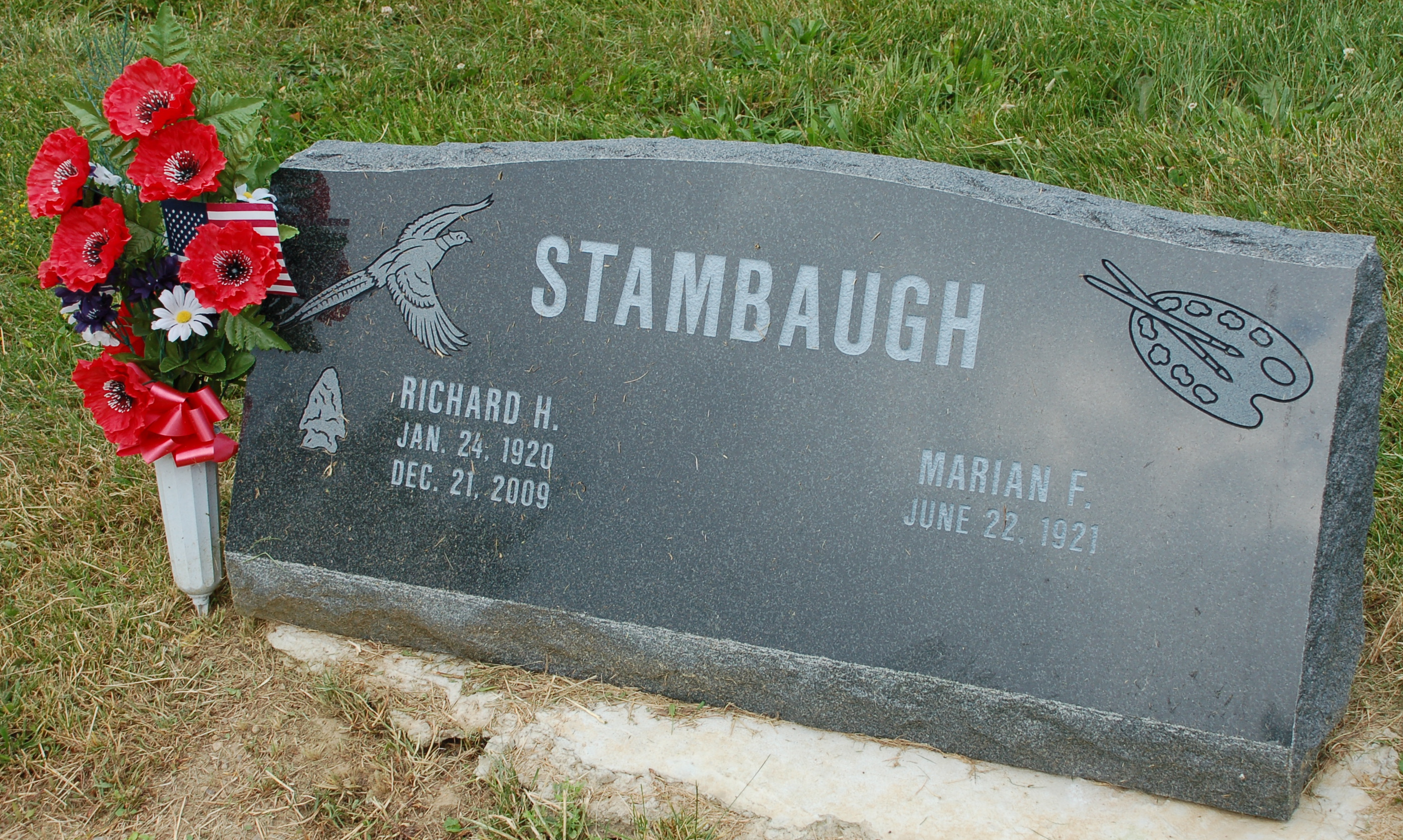
Our parents, the late Richard H. and Marian Stambaugh, at their 65th wedding anniversary celebration.

By Bruce Stambaugh

This Memorial Day will hold special significance for my four siblings and me. It will be the first that we will decorate both our father’s and mother’s gravesite.

Mom died April 23 at age 90. Dad passed away Dec. 21, 2009. He was 89.

The simple act of placing flowers at their graves will make it memorable. No matter their age, losing your parents is never easy, especially when they were parents that you loved a lifetime. Not everyone has that precious opportunity.

My brothers, sisters and I were very fortunate. Both Mom and Dad lived long, full and fulfilling lives. Through both their graciousness and their imperfections, they gave us many marvelous memories.

At the pinnacle of his professional engineering career, Dad’s life took an unexpected turn when my younger brother brought home an arrowhead that he had found on the school playground. Dad grew inquisitive. His desire to learn, something he instilled in all five of his children, grew intense.

Arrowheads by Bruce Stambaugh
Just one of the many mounts of artifacts that Dad collected over the years. Most of these are rare triangular points. Dad labeled where and when each was found.

From that initial find, Dad went on to develop an extensive artifact collection. He read, went to lectures, lead an archeology club, surface hunted, and dug his way to being a well-renowned amateur specialist on Native American culture. Of course, he dragged along several of his children to many of these events, especially walking field after field looking for the flinty points and stone tools.

Along with hunting and fishing, Dad’s archeological adventures consumed much of his retirement years. He gave lectures and was always a hit with school children.

Presentation by Bruce Stambaugh
Our father, Dick Stambaugh, continued sharing about Native American culture as long as he was able and as long as he had an audience. Here he gave a talk at Walnut Hills Retirement Home in Walnut Creek, Ohio, where he and our mother lived until their deaths.

Mom would often accompany Dad on his excursions. She would hunt for artifacts. Mostly though Mom would take along her easel, paints and brushes, find a nice scenic spot and sketch out the basics for what would become a vibrant watercolor.

Now and then, it would be the other way around. Dad would accompany Mom to an artists’ workshop, even to other states. While the instructor led his troupe in an all day art class, Dad would wander the countryside looking for likely spots to hunt arrowheads.

One time near Burnsville, N.C., Dad stopped at a farmhouse and asked permission to walk the farmer’s fields. Being the affable guy that he was, Dad quickly made friends. Before he could even set foot in the cornfield, the farmer brought out a box of artifacts he had collected over the years. Dad identified and classified each of the items for the grateful farmer.

In return, Dad was permitted to keep whatever he found. That evening, as the artists gathered to share what they had painted, the leader asked Dad to show what he had found. Though neither was certified, Mom and Dad were model teachers simply by how they lived their unpretentious, generous lives.

Laughing by Bruce Stambaugh
Our mother, Marian Stambaugh, shared a laugh with one of her nieces at the retirement home.

Typical for their generation, Mom and Dad were careful about showing affection to one another, especially when us kids were around. I never quite understood that. Yet, despite their differences and occasional arguments, I knew deep down that Mom and Dad loved one another.

Accordingly, their black granite headstone is engraved with symbols that most appropriately represented their lives. A pheasant and an arrowhead show Dad’s commitment to conservation and archeology. An artist’s paint palette symbolizes Mom’s talent for sharing the beauty she saw.

Gravestone by Bruce StambaughMom and Dad were wonderful parents. It’s only appropriate to honor them on Memorial Day to show our continued affection and appreciation for the charitable, instructive lives they lived as a couple and as individuals.

Memorial Day is for remembering.

© Bruce Stambaugh 2012

Employees gather for an evening of fun

Starting line by Bruce Stambaugh
Pine car racers were placed at the starting line for each heat of the pine car derby held at Homestead Furniture in Mt. Hope, OH.

By Bruce Stambaugh

The employees at Homestead Furniture in Mt. Hope, Ohio don’t just build incredible furniture. They know how to have fun together, too.

Their latest entertaining venture threw in a little competition. A pine car derby was held recently in the manufacturing building across the road from the retail store. Of course, they invited their families and had plenty of good food.

The congenial group enjoys the camaraderie of one another, along with some good, fun competition. When warehouse manager Dave Hostetler suggested a pine car derby, the race was on.

The track by Bruce Stambaugh
Dave Hostetler stands at the head of the pine car race track that he built for the event.
The contest was announced, and rules were distributed to whoever wanted to participate. In all, 22 employees bought a pine car kit and built their racer to the required specifications.

Each race car had to weigh no more than five ounces. The maximum length was seven inches and the rear width of the car was two and three-fourths inches. Contestants were encouraged to be creative with their car designs. Given the creativity of the staff at Homestead Furniture, that turned out to be a given.

The cars varied in style and color. One entrant, Noah Shetler, even entered two pink cars in honor of his wife’s battle with breast cancer. One car was numbered 08 for 2008 when his wife was diagnosed. Number 11 was for 2011 when his wife was declared cancer free after several rounds of chemotherapy treatments. One of the more original racer designs was a racer built in the shape of an outhouse.

Ada Marie Troyer dedicated her car, and her eventual winnings, to her niece who was recovering from critical injuries sustained in an automobile accident. Her car was named Best of Show.

Hostetler built the track 31 feet long, five feet high at the start. It was a two-slot track with a steep slope that the cars raced down to the finish line. Two cars raced per heat, with the winner going to the winner’s bracket, and the loser to the loser’s bracket. Once a racer lost twice, they were eliminated from the competition.

While the race went on, family members enjoyed homemade snacks that each family brought. Owners Ernest and Barbara Hershberger provided the hot dogs and beverages.

Finish line by Bruce Stambaugh
Todd Reese, Sales Manager at Homestead Furniture, closely watched the finish line at the pine care derby.
With the audience gathered around the black and yellow painted racetrack, judge Daniel Troyer watched over the finish line to declare the winner of each heat. In several races, only the nose of a race car determined the winner.

In the end, none of the other racers could match the sleek racer built by LaVern Hershberger. In fact, his car never lost a race.

Asked what his secret to winning was, LaVern said he baked his car prior to the race. Baking it reduced the moisture content, thus reducing the weight, he said. This allowed him to place weights where they were critical to making the car run smoothly.

winnerbybrucestambaugh
LaVern Hershberger, the eventual winner of the pine car derby, tweaked his racer before the first heat.
LaVern also said he waited until the last minute to lubricate the car’s tires with powdered graphite. He declined, however, to say how long he baked his car, citing proprietary secrets.

LaVern won $100. Shetler finished second, winning $75, which he donated to Sisterhood of Hope, a support group for breast cancer victims. Krissy Yoder finished third and won $50.

Ada Marie Troyer donated her $33 winnings to her niece to help cover medical expenses.

It was a fun evening overall, mingling teamwork with fellowship, always a winning combination.

Homestead Furniture is located in the heart of the world’s largest Amish population at 8233 State Route 241, Mt. Hope.

Pine car racers by Bruce Stambaugh
Just some of the original designed cars that participated in the pine car derby at Homestead Furniture in Mt. Hope, OH.

© Bruce Stambaugh 2012

Bay Photos by Donna

Wildlife Photos From The Chesapeake Bay Region

ROAD TO NARA

Culture and Communities at the Heart Of India

K Hertzler Art

Artist and nature journalist in the Shenandoah Valley of Virginia.

Maria Vincent Robinson

Photographer Of Life and moments

Gabriele Romano

Less Noise. More Meaning

Jennifer Murch

Art is the only way to run away without leaving home. -Twyla Tharp

Roadkill Crossing

Writing generated from the rural life

ANJOLI ROY

writer. teacher. podcast cohost.

Casa Alterna

El amor cruza fronteras / Love crosses borders