Christmastime is gathering time

christmastreebybrucestambaugh

By Bruce Stambaugh

Christmastime is gathering time. The very origins of the holiday make it so.

Though we may not think about it, those who gather in celebration replicate the inexplicable cast of characters that assembled for the first Christmas. Paying homage for this special birth, their lot represented a cross-section of social, political and religious backgrounds, not unlike today.

nativityscenebybrucestambaughTo be sure, they were a motley bunch, unassuming, even unaware of the tradition being created. Of course, we have no way of knowing the exact date or even time of year for the birth of the Christ child. We can only follow the story as it has been transcribed and translated for us.

Over time, the traditions of Christmas have been handed down and culturally adjusted to fit the changing times. There’s no documentation for tinseled evergreen trees or a jolly St. Nick in Bethlehem that ancient night.

An angelic troupe serenaded stunned shepherds huddled in a field, watching over their flocks. Astute individuals, long on the lookout for a messiah, offered praise and prayer. A ruler trembled. Later, wise kings traveled from afar to worship the boy, and offered precious gifts.

Mary and Joseph themselves were among the throngs reassembling in their hometowns on governmental orders of the day. Harsh as their journey may have been, they complied. History wouldn’t be the same if they had not.

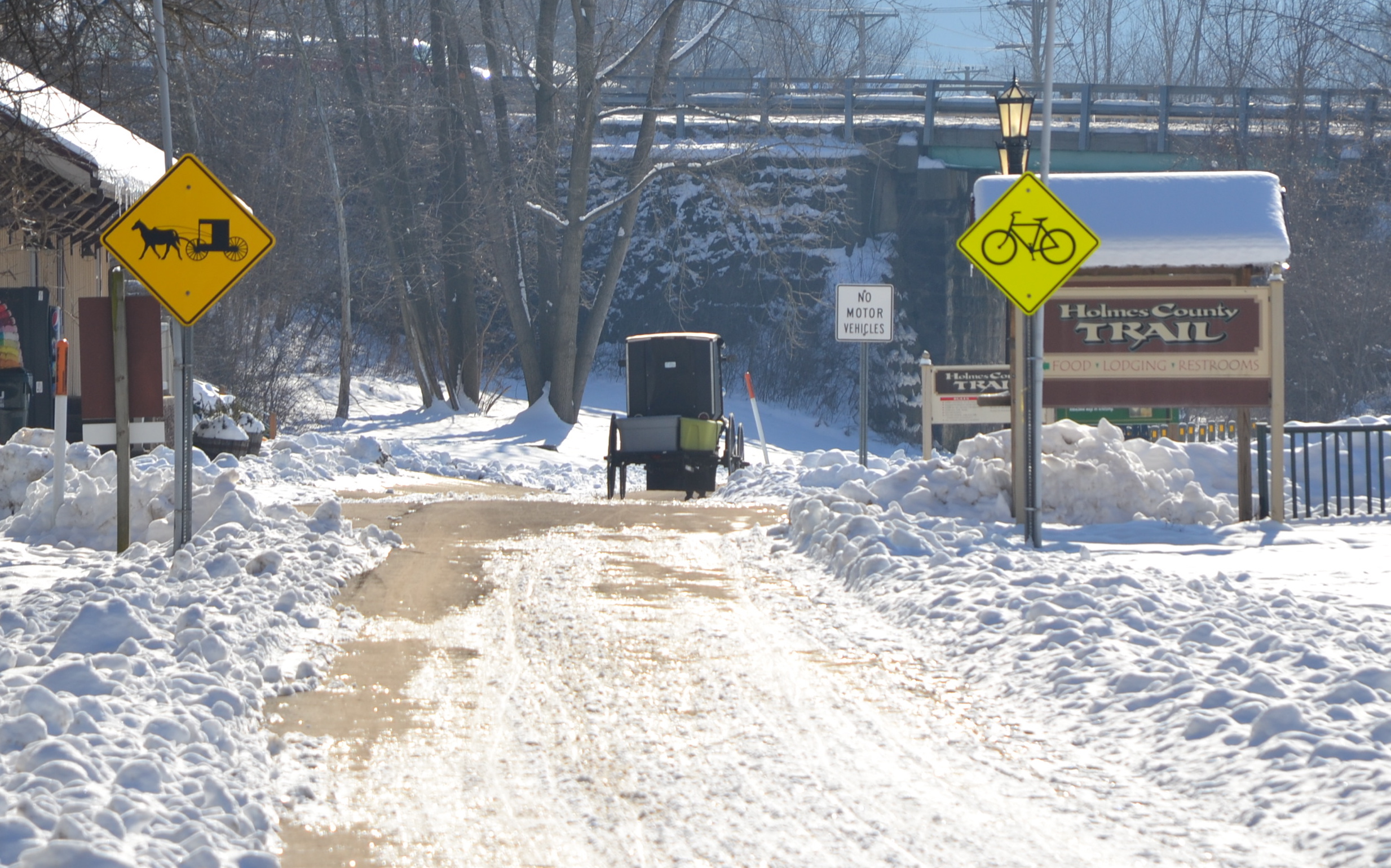
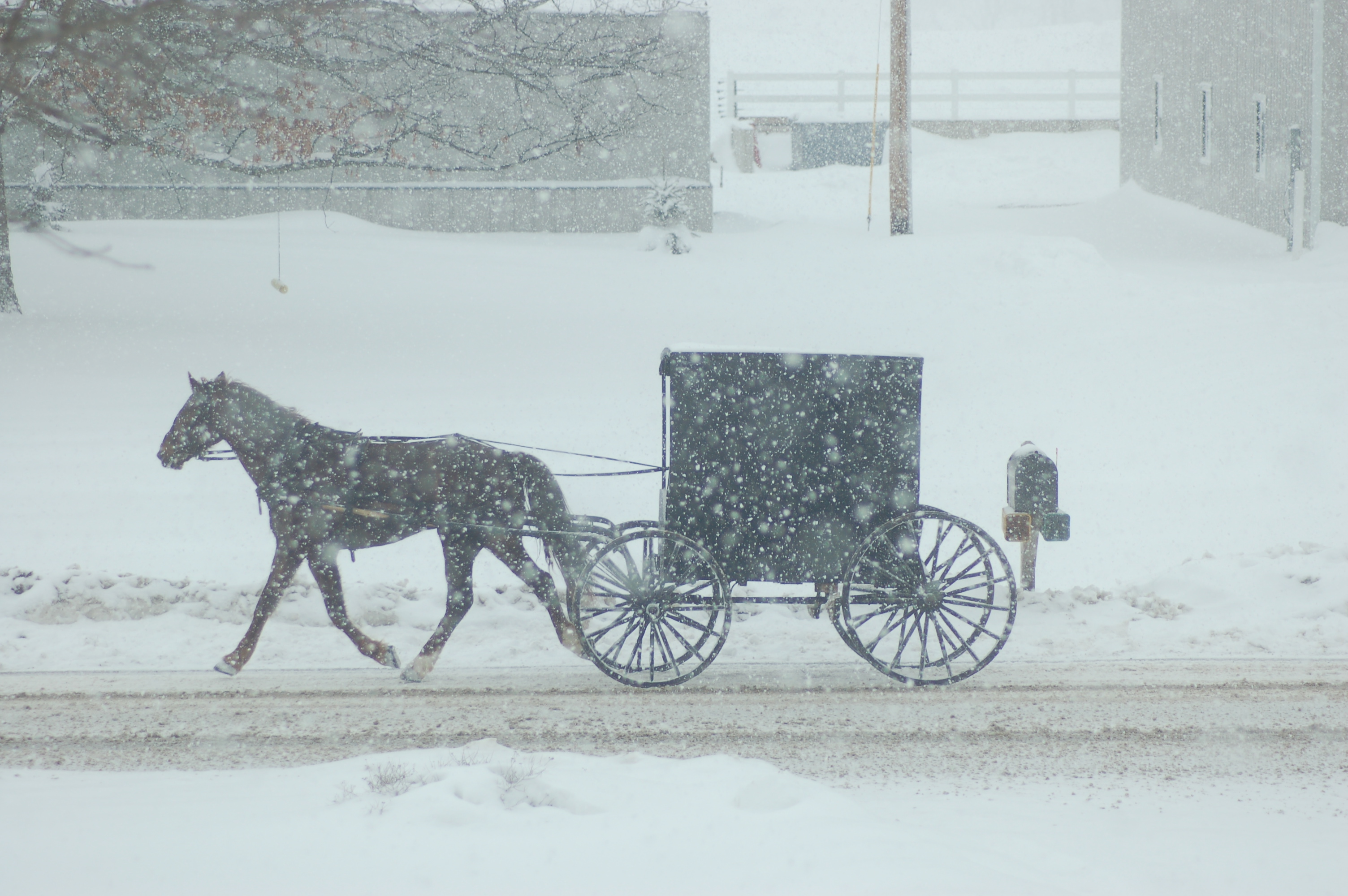
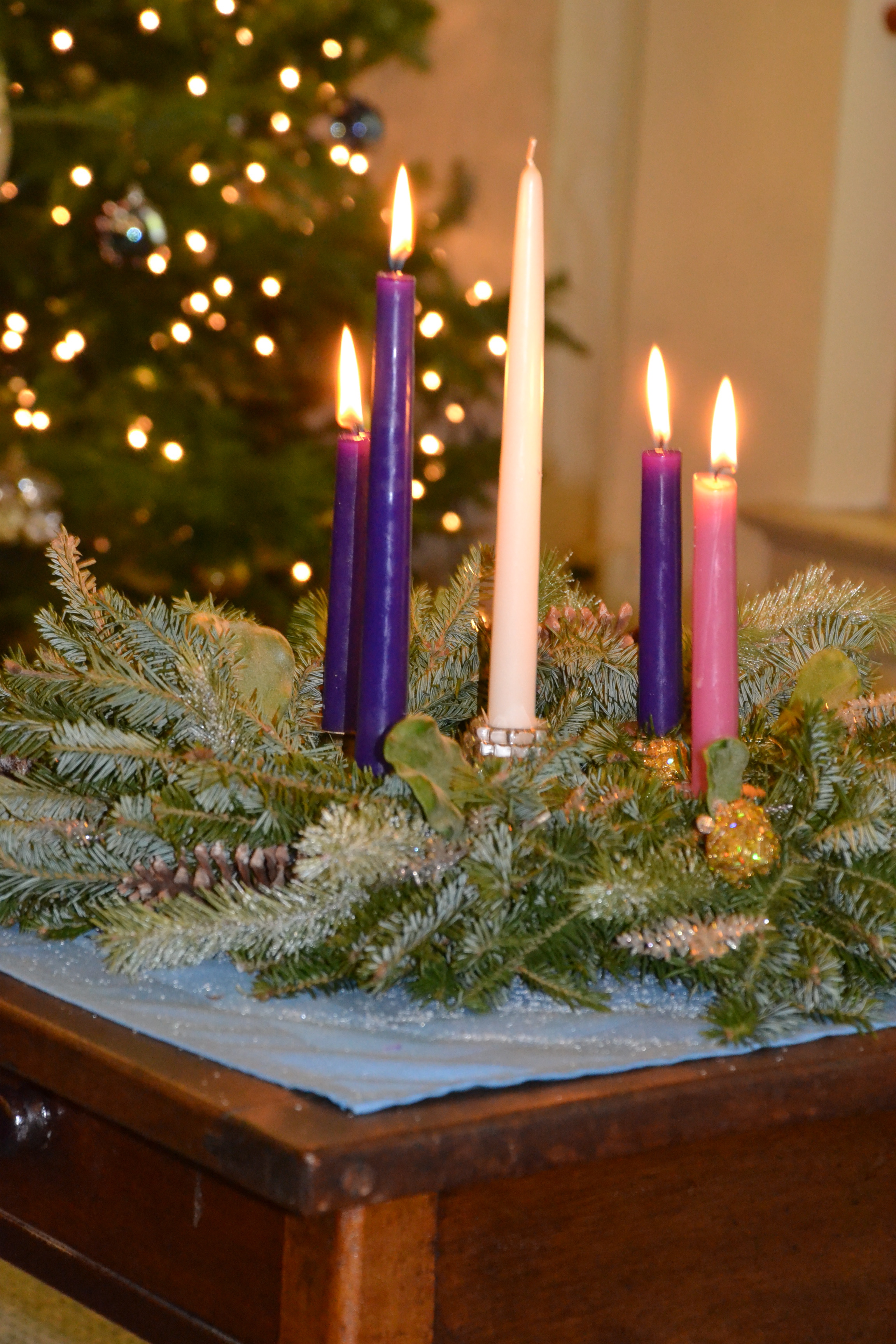
snowbuggybybrucestambaughCenturies later millions travel by modern means to celebrate Christmas, and not always on Dec. 25th either. That fits the Advent model as well. Perhaps, because of schedules or availability, you have already gathered for the holidays.

Here in the largest Amish population in the world, both traditional Christmas Day and the more reverent Old Christmas, always Jan. 6, will find families and friends gathering and sharing food, fellowship, and gifts. You might know Old Christmas as Epiphany or Three Kings Day.

Our own families will make merry on several occasions. Christmas Eve morning two kinships are blended into one for a festive breakfast, a holiday custom spanning three decades.

On Christmas Day, we’ll repeat the family ritual of enjoying a tasty holiday meal, and opening gifts. Those traditions have been toned down a bit from my childhood days when my good parents splurged beyond their means to make Christmas merry.

This slideshow requires JavaScript.


Some of us will eat tofu instead of turkey or ham, and the gift giving has been reigned in as well. We set a reasonable spending limit, pick a name out of a hat, and that’s that. Of course Santa still fills the stockings hanging from the fireplace mantel.

Later, the five Stambaugh siblings and any available family members will met at our little sister’s home to honor the season and our folks. After all, Mom and Dad instilled in us a fervent love for Christmas.

Myriads of global families will mirror my own, each in their own traditions and styles. Others have already gathered to bake cookies, or attended school programs, or a holiday concert. Still others packed food and clothing for the needy or served meals to too many homeless peoples around the world.

A curious collection of peoples was drawn to that original anointed Nativity scene. Once the event’s date was arbitrarily fixed as Dec. 25, families have been assembling ever since.

Centuries later, Christmas is still for gathering. The modes and means of doing so may have changed, but the reason has not.
In that, let us all rejoice and be glad that we can gather together indeed.

friendsgatherbybrucestambaugh

© Bruce Stambaugh 2013

Writing the dreaded annual Christmas letter, then and now

By Bruce Stambaugh

My wife and I gave up sending Christmas cards en masse several years ago. To keep up with the times, we transitioned into doing an annual Christmas letter instead.

We thought a personal synopsis more appropriate to keep friends apprized of what was happening in our family, and those of our adult children. Plus we saved the expense of the store-bought cards.

marianstambaughbybrucestambaugh
The late Marian Stambaugh.
With electronic communication now socially acceptable, most of our letters are sent via email to the chagrin of the U.S. Postal Service. Whenever I begin our annual letter, nostalgia appears like Marley’s ghost. Advent days long-passed flash before me.

I have fond memories of the Christmas cards our family received from friends and relatives, some near, some far. After she had opened the cards and read them, our kind mother would allow us kids to tape them to the inside of the wooden front door of the home where I grew up in suburban Canton, Ohio.

Some years Mom would cover the door with colorful paper wrapping, creating a festive background to the many season’s greetings we had posted. Mom taught us to apply the various sized and beautifully illustrated cards in an attractive, creative pattern.
Both hand-written and typed letters of greetings from friends and relatives who lived hundreds, even thousands of miles away were tucked into some of the cards. It was the way to communicate back then.

I think Mom had a higher purpose for the festooned door beyond being a welcoming holiday decoration. For our modest middle-class family, the patchwork of cards served as a symbol of how rich we really were, not in monetary wealth, but in valued, enduring relationships.

adventcandlesbybrucestambaugh
Advent candles.
Typical of many post-World War II families, Dad worked, first a blue-collar job, then a white-collar one. Mom efficiently ran the household on Dad’s meager income, and nurtured her five energetic darlings.

Our family sent out a host of our own Christmas cards. Our ever-thrifty mother would purchase the greeting cards during the post-Christmas sales of the previous year.

Mom addressed the envelopes with her easy, flowing handwriting while some of us kids helped seal and stamp the cards. I sweet-talked my younger siblings into licking that horrible tasting glue on the back of the postage stamps. I hope they’ve forgotten that.

That was a long time ago. Technology and progress, always a subjective word, have changed our lives forever.

Each year I enjoy authoring the one-page summary of the year’s top family happenings, though a couple of years ago I forgot to mention our 40th wedding anniversary. My wife is the letter’s chief editor, so all was forgiven.

I try to make the annual accounting as lighthearted and informative as possible. In recent years, when the aged bodies of parents, aunts and uncles have breathed their last, the letters tended to be more subdued.

I used to simply sit down and write the highlights from memory. Afterwards, I would double-check the calendar that chronicled

christmaswreathbybrucestambaugh
Christmas wreath.
all of our appointments, meetings, anniversaries, birthdays, vacations and other notable events.

Given my previous major omission, I now scour the calendar before I begin to write. Only instead of the daily ledger with scenic pictures, I click on my laptop’s calendar icon to scroll through the year month by month.

It’s time to write our family’s annual letter. It might make people laugh. It might make them cry. But I sincerely doubt it will end up on anyone’s front door.

© Bruce Stambaugh 2013

Heading down Route 66

grandcanyonbybrucestambaugh
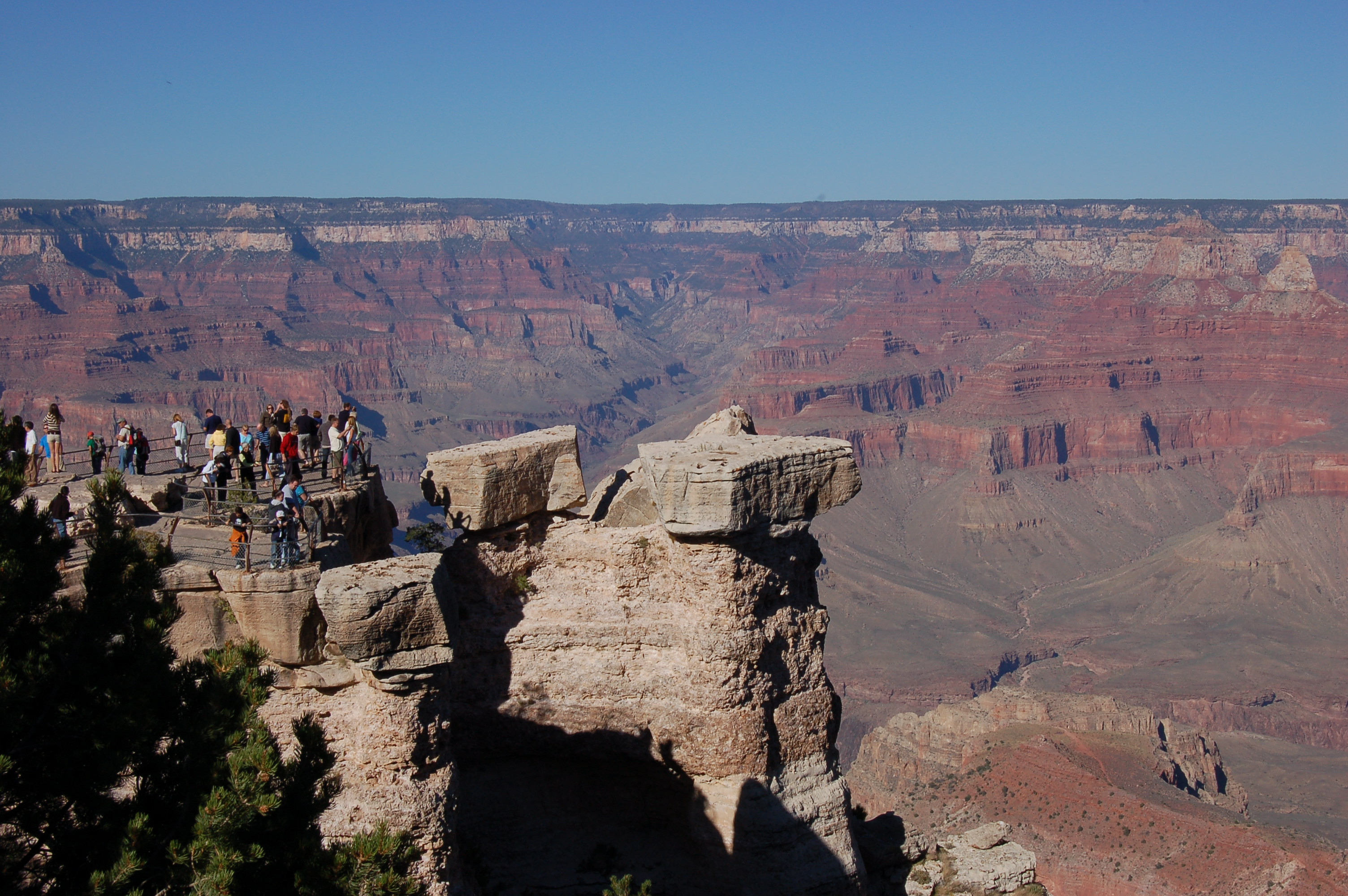
The Grand Canyon, one of the many destinations made more accessible by U.S. Route 66.

By Bruce Stambaugh

U.S. Route 66 is legendary. Built in 1926, the highway that connected Chicago with Los Angeles helped to open up the western United States, especially after World War II.

Officially tabbed “The Will Rogers Highway,” the concreted, two-lane road became so popular that it quickly took on another moniker, “the Mother Road.” The highway enabled many Americans to access locales they had only heard of or dreamed about.

Many took to the famous road to visit historic sites, national parks, or tickle their toes in the southern California surf. Hundreds of service oriented businesses, restaurants, gas stations, motels and the like, grew once sleepy towns into expanding cities.

After Bobby Troup took a trip from Pennsylvania to the west coast on the road, he penned a now iconic song about his experience. “Route 66” is still a familiar song.

Today tourists from around the world travel as much of the original route that remains, too. They want to relive what life was like before the road was decommissioned as a U.S. highway in 1985. The establishment of the Interstate Highway System spelled doom for the romanticized route and the cities and businesses through which U.S. 66 traversed. Radiator Springs, the fictional town in the movie “Cars,” is used as an example of how the Interstate Highway System affected so many small towns across the southwest.

I have traveled on only a few sections of the famous route. My late father, however, had a very personal and memorable connection to U.S. 66. It was the road he and two other sailors drove home following their discharge from the Navy at the close of World War II.

I remember Dad telling me about a restaurant owner in Texas who helped them out. As they drove east along U.S. 66, Dad and his traveling companions kept seeing billboards for a restaurant that advertised serving “the largest steak in Texas.”

Of course the trio decided to check out the claim. Still dressed in their Navy whites, they had little money. Glad for their service to country, business owners often gave them discounts or even free food at places where they stopped.

This restaurateur was no exception. Never one to be bashful, my father approached the restaurant’s owner, and told him they had seen his many billboards along the road. Dad point blank asked him if his largest steak claim was true.

Impressed with their enthusiasm and their military service, the owner gave all three men a free steak dinner. Dad said it was indeed the largest steak he had ever eaten.

So why am I telling you all this about a road that doesn’t exist anymore? I blatantly used this nostalgia to make a simple, metaphoric point. I’m beginning my own journey on 66. I’ll soon be that age. Our birthdays are important after all. We only have them once a year.

Since I was a kid, I have wistfully declared that I would live to be 100. I had no way of knowing that of course. It was just my way of saying I enjoy life, and want to live it as vibrantly, as long, as well, and as purposefully as possible.

I feel very fortunate indeed to have completed nearly two-thirds of the way to that century mark along life’s bumpy highway. I don’t know if I’ll reach that lofty milestone or not, but I am going to give it my all trying. I still have a lot of living to do.

This year I’ll travel down my own personal Route 66. For in the masterful words of the beloved American poet Robert Frost, “I have miles to go before I sleep.”

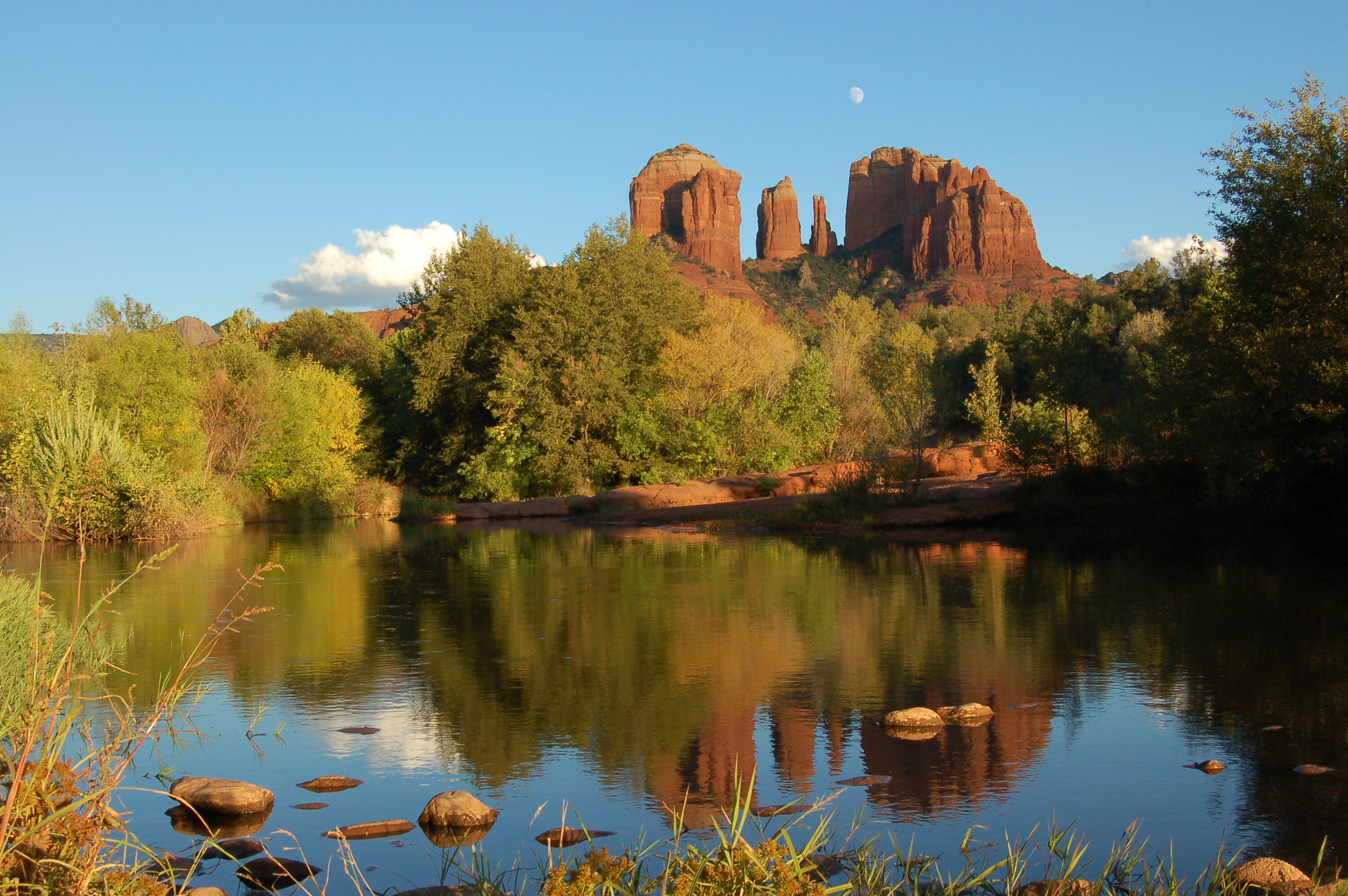
cathedralrockbybrucestambaugh
Cathedral Rock from Oak Creek Crossing, Sedona, AZ.

© Bruce Stambaugh 2013

Finding gratitude from on high

fromjeffersonrockbybrucestambaugh
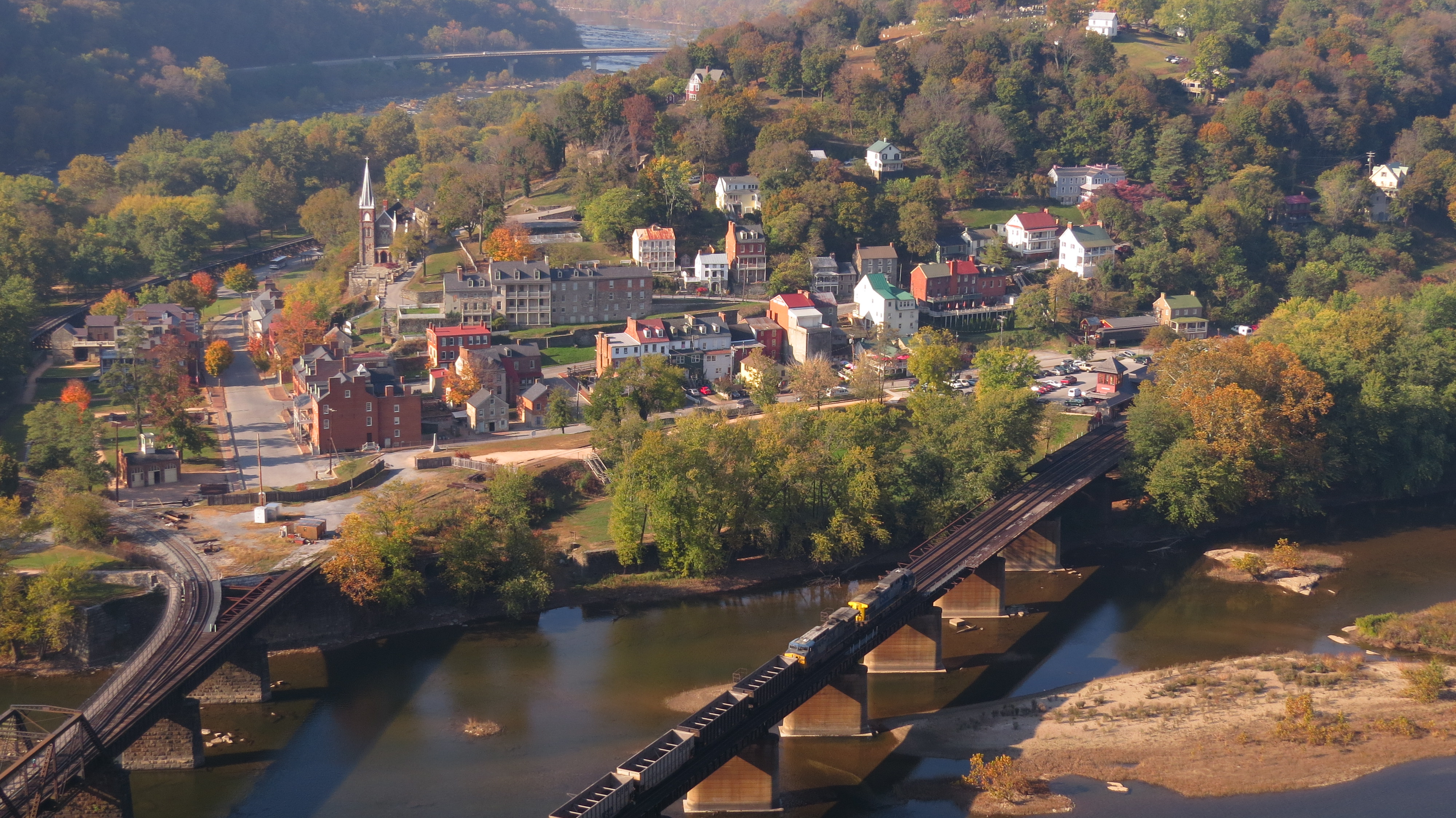
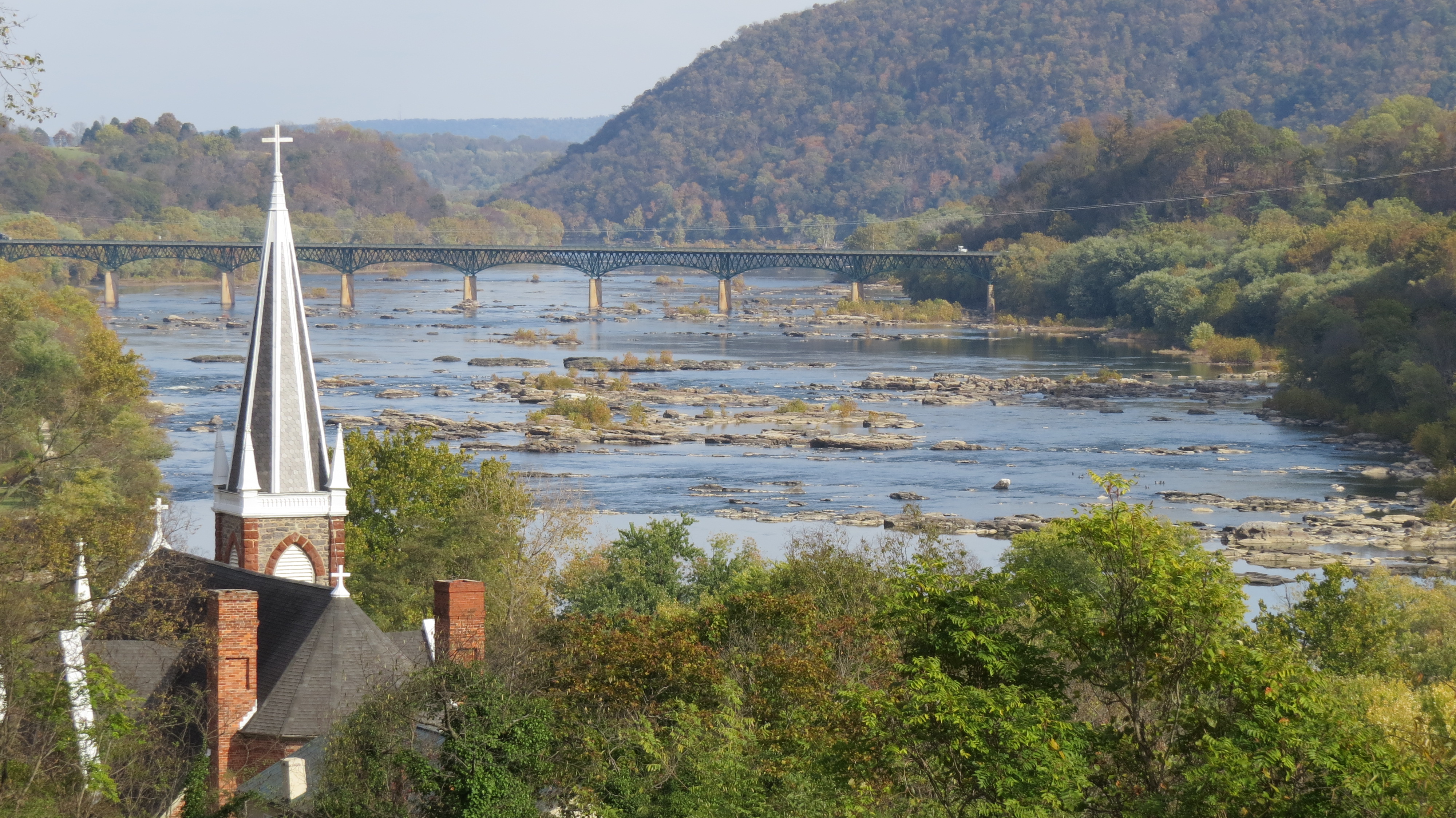
The view from Jefferson Rock of the confluence of the Shenandoah and Potomac rivers.

By Bruce Stambaugh

There are times when a life experience far exceeds our expectations.

I had just such an encounter recently on a junket my wife and I made to Harpers Ferry National Historic Park in extreme eastern West Virginia. This tiny, old town had played a small but important part in our country’s big history.

On a precipice 800 feet above the confluence of the Potomac and Shenandoah rivers, more flowed together for me than two charming waterways. I had previously seen scenic shots of historic Harpers Ferry from this vantage point in Maryland, and had fancied a few of my own. I departed with more than picturesque photos.

The beauty of the bright morning itself was stunning. I basked in the warmth of the morning sunshine looking down on history. The strengthening sun drenched the charming village in a golden wash. It was a map come alive where famous Americans had all made important imprints on our country’s checkered history.

confluencebybrucestambaugh
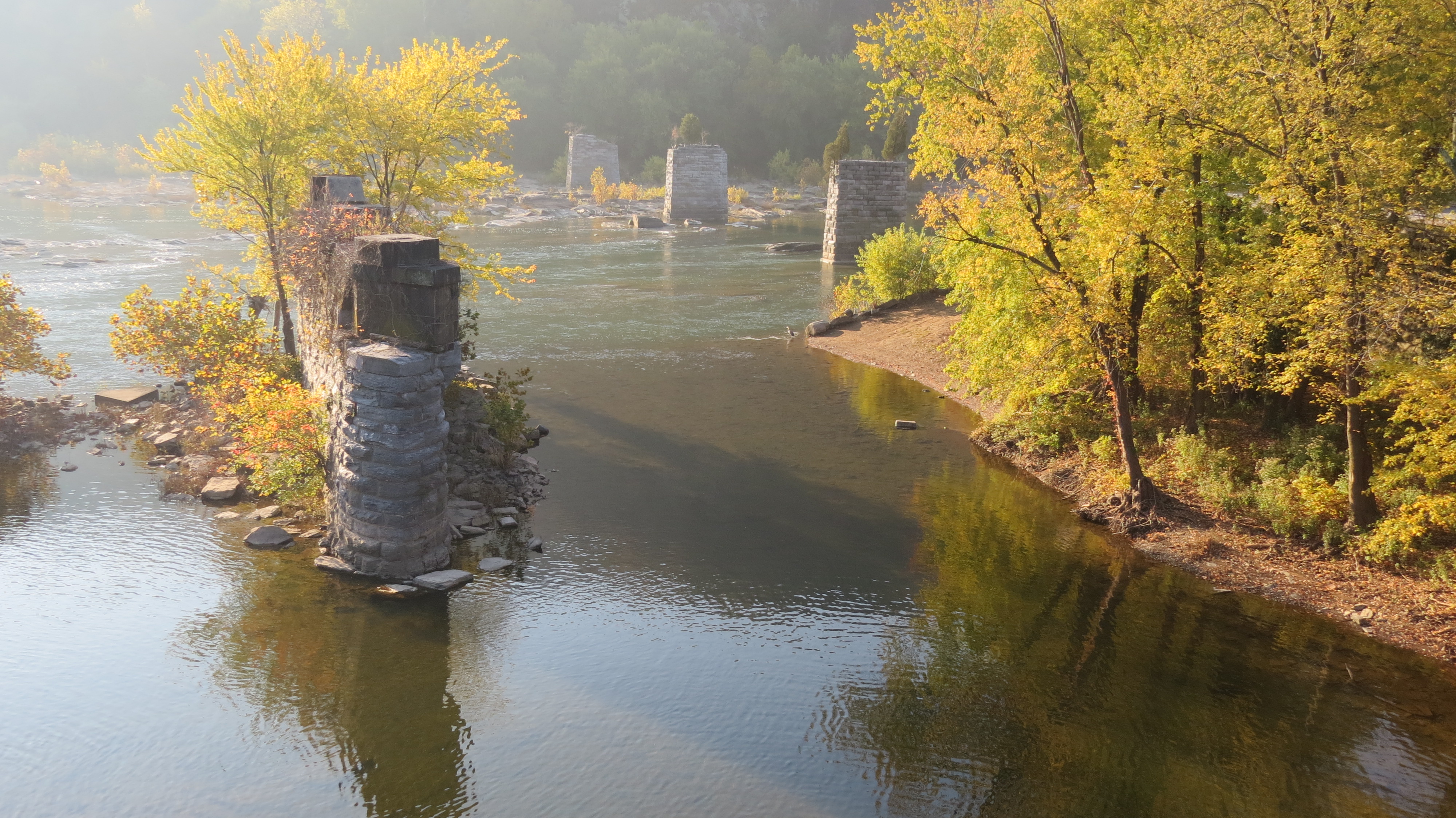
A Great Blue Heron preened in the morning light at the confluence of the Potomac and Shenandoah rivers.

The three-mile hike from Harpers Ferry to the overlook was exhilarating. A hint of haze hung above the surface of the churning rivers on the cool morning.

My goal was to arrive at the scenic overlook opposite the town as the day’s sun rose above the Appalachian foothills. I crossed the footbridge, a part of the Appalachian Trail, which paralleled the bridge of the railroad tracks. The tracks split at the town and followed the two majestic rivers, one south, the other west.

Once across the Potomac, its melodious rapids singing all the while, the Appalachian Trail followed the river and the old C & O Canal east. I walked west along the towpath to the trailhead that led up the rocky, forested hillside.

I couldn’t imagine how soldiers, Confederate and Union alike, had muscled heavy artillery up these steep slopes. Massive rock outcroppings protruded everywhere beneath the hardwood forest. The rich greens of mountain laurel and cedars complemented the coloring leaves of the mixed deciduous trees.

I arrived at the overlook in less than an hour. The view, as Thomas Jefferson once declared, “was perhaps one of the most stupendous scenes in Nature.”

As I sat on the cool rocks I looked down on the spot where John Brown had made his ill-fated raid in 1859. I envisioned Jefferson, George Washington, Robert E. Lee, Thomas “Stonewall” Jackson and all the others who had made their lasting marks there striding along the slanting, narrow streets.

Harpers Ferry was a strategic town in the Civil War since it housed the federal arsenal. Both armies occupied the town intermittently during the war. It was the sight of the largest surrender of United States troops in the Civil War.

Behind me birds of the forest searched for breakfast amid golden, backlit leaves. Carolina Wrens, chickadees, cardinals, robins, Tufted Titmice, White-breasted Nuthatches and Brown Creepers scavenged the forest floor and trees.

A Black Vulture sailed west above the Potomac just off of the cliff. A Red-shouldered Hawk, its black and white striped tail fanned out, glided east. Beneath me a freight train rumbled through the tunnel, across the bridge and whistled past the old station.

I had gone up to the sheer cliff for some pictures. I came down with a renewed spirit of gratitude for all that has transpired and will transpire in my life, in our lives.

Together we have a lot for which to be grateful this Thanksgiving.

harpersferrywvbybrucestambaugh
Harpers Ferry, WV from the Maryland Heights overlook.

© Bruce Stambaugh

The Kennedy assassination: Recollections of a 15-year old 50 years later

I was in junior English class in the early afternoon of November 22, 1963. Jean Wood Giltz, our teacher, was in the midst of projecting one of her mesmerizing English lessons when, without any announcement, the room’s loudspeaker came on. She stopped her lecture and stared at the brown box high on the wall by the classroom door.

The class, 30 or so pimpled pupils, sat attentively in straight rows of desks and chairs so common in that educational era. We seemed as mystified as our astute instructor, who had the largest vocabulary of anyone I had ever met.

It was clear that the voice coming across the public address system was being piped through a radio. The announcer was describing details of a scene that made no sense. The students looked around in dismay, not that we were irritated that the lesson had been interrupted. But this noise was annoying, not only to us, but to Mrs. Giltz as well.

After less than a minute of this rattling on by the reporter, Mrs. Giltz asked Jimmy, a student who usually slept through her class, to go to the office to have the speaker system turned off. She figured that someone in the principal’s office had hit the wrong switch.

As Jimmy reached the door, the announcer said, “And repeating, the president has been shot.” The class immediately went silent. Without being told, Jimmy made a slow U-turn, and returned to his seat. He listened to the report trying to piece the fragments of information together like the rest of us. Mrs. Giltz slumped to her chair behind her big wooden desk.

The announcer went on reporting this breaking news from Dallas. Someone had shot the president and that he had been taken to a hospital. Little else was known.

As abruptly as the broadcast had been turned on to every classroom in the school of 1,200 students, the live feed was suddenly stopped after about 20 minutes. The principal’s voice replaced the reporter’s.

I don’t remember his exact words, only the message. Because of the national tragedy, school was being dismissed early. We went to our lockers, and filed out quietly to our buses. No one said a word.

When I left the school, all I knew was that President Kennedy was critically injured. We boarded the buses and headed out. Because I lived less than a mile from the school, my stop was the first. I rushed into the house, a small brick bungalow in Canton, Ohio, and turned on the black and white television. I tuned to Channel 3 to watch Chet Huntley and David Brinkley. Our family watched them faithfully as if they were relatives to be respected.

In that short timespan from school to home, the announcement had been made that John Fitzgerald Kennedy, the 35th president of the United States of America, had died. Huntley and Brinkley were visibly moved, and I cried, too. I couldn’t fathom why anyone would want to kill the president. He had projected so much youth and hope for the future. He loved the press, and held frequent press conferences, which were more like classroom discussions. He laughed and smiled, and tossed the football with family members. He had two small children and a beautiful wife who was shyly gregarious, unassuming, but confident and classy in her demeanor and dress.

I was crushed. We all were, even my father, who didn’t vote for Kennedy because he was a Catholic. Our cousins were Catholic and we would gather with them for Thanksgiving the very next Thursday. Yet Dad didn’t like the president because he was Catholic. I never understood his thinking in that regard. Never.

Initially, I was home alone. The rest of the family filtered in, my younger brother and two sisters from school and Mom and finally Dad came home from work. My older brother was at college. We were glued to the TV for any breaking news, just the way we had been a year earlier. We had watched together as the young president described the Cuban Missile Crisis to the country.

As scary as that event was, this was much worse. With the death of the president, it was as if the life had been sucked out of all of us.

We watched as Air Force One landed in Washington, D.C. later that evening. The casket was awkwardly lowered from the plane to a waiting hearse. I remember how Jackie had to literally jump down to the tarmac from the truck lift that carried the body of her husband. I thought that so thoughtless of those who were responsible for watching over such a graceful and gracious woman.

The shock of the assassination wore on us all. Without the instant communication of today’s world, we were dependent on the trusted news people of the time to keep us informed. Details of the shooting, the capture of Lee Harvey Oswald, the accused assassin, and the funeral arrangements kept us in front of the TV. Commentators openly discussed how it was possible that Oswald could have done such a thing. Eyewitnesses declared there was a second shooter from the infamous grassy knoll. Everything was confusion.

The events of the next few days unfolded on the screen before us. A balm seemed to settle over the entire nation. Things got really complicated, confusing, suspicious, surreal, even though I didn’t know that word at the time. We watched live as Jack Ruby stepped right in front of the TV cameras and shot Oswald in the stomach as if it were a Hollywood movie. How did that happen? Why did that happen? How did Ruby get into the police station? Why did the police make Oswald so public, having him walk that gauntlet in the open?

The entire affair got more and more murky. What was going to happen next? I don’t remember being so much afraid as numbed by this ugly chain of events. Indeed, the lingering question was, “Were they connected?” I was a sad and confused young man.

Monday was a national day of mourning, with the funeral services, the walk to Arlington National Cemetery and the burial. Two images are forever fixed in my mind. One was little John-John, the president’s son, stepping forth and saluting the passing flag-draped casket pulled on a horse drawn caisson. The other was the line of world leaders walking along, heading the parade of mourners. I particularly remember Charles de Gaulle, the President of France, towering above the others.

Finally, it all got to me as an immature, naïve teenager. I couldn’t take the emotion of it all anymore. I called a few neighborhood friends, and soon we had a pickup game of touch football going in a neighbor’s field. It felt good to again feel good, to forget the troubles and trials of the world, and just play with kids your own age. The game meant nothing, and yet it meant everything. I don’t recall who won or what the score was. I just remember the relief of being young again with no cares in the world. And for the record, none of the dozen or so guys on the field with me even mentioned the events of the last few days.

Once the game was over, however, I dreaded going home. I knew it would be back to reality. The days of Camelot were over. It was a hard reality for a teenager to accept, and one I have endured but never forgotten for half a century.

Bruce Stambaugh
© 2013

Life lessons from Uncle Jack

bubblegumpetuniasbybrucestambaugh
From the front porch.

By Bruce Stambaugh

After lunch, I took a glass of my wife’s incredible lemonade and a fresh baked chocolate chip cookie out onto the front porch to warm myself in the noontime sun. It was one of those perfect September days, fluffy white clouds sailing in blue sky, driven by a steady, cool northwest wind.

In front of me bumblebees and honeybees and Clouded Sulphur butterflies worked the patch of Sweet Williams and splay of fragrant Bubblegum Petunias. Under such a spell, my mind wandered back to similar days, days of my youth when our grandfather would come calling.

Even if we weren’t outside, we knew Grandpa Merle had arrived. We could hear our Uncle Jack, who always accompanied our grandfather, long before they entered our brick bungalow in suburban Canton, Ohio.

brickhousebybrucestambaugh
The brick house where I was raised.

Jack’s speech was loud, unintelligible, and inarticulate. We knew though that Jack was a good soul stuck in a damaged body. Jack had suffered a traumatic, life-threatening head injury as a young child. He and my father, Jack’s only brother, were seriously injured in an automobile accident 90 years ago.

Their grandfather had taken them for an impromptu Sunday afternoon drive in 1923 in his brand new car on a lovely summer’s day, like the one I was enjoying. Just one block from returning home, a drunk driver hit their car, killing my great grandfather instantly. The other driver was uninjured, and never charged for causing the crash.

Both my father and Jack suffered serious injuries. Back then trauma medical treatment was limited. Fortunate to be alive, Jack’s injuries were permanent, leaving him mentally retarded. Our father was less injured, and recovered more quickly.

The accident devastated my father’s family. To say raising Jack became difficult wouldn’t do the situation justice. With no social or educational support available in those days, caring for Jack became tedious and demanding, and eventually frayed my grandparents’ relationship.

Less than a decade later, they were divorced, and grandpa spent the rest of his life discouraged, wrought with the pressure of raising Jack alone. He worked long and hard to make a go of life for them both.

His grandchildren were his safety net. He and Jack often visited us on Sunday afternoons. The five of us grandkids greeted them with a mix of eager anticipation and reverent reserve. Grandpa Merle usually brought candy, perhaps to sweeten the harsh reality of Jack’s presence.

unclejackbybrucestamaugh
Uncle Jack in 1990.
Because of his brain damage, Jack had some unique physical idiosyncrasies that could be construed to be bothersome. Besides his boisterous incoherence, Jack slapped himself frequently. When he sat, he generally crossed his legs, the top one wiggling nervously like an out of control metronome.

I don’t remember any of us ever being afraid or even ashamed of Jack. We managed to get the gist of what he was saying and knew he meant well.

I wish others had had the same view. Because of his quirky antics and loud manners, Grandpa Merle had to be careful where he took Jack. Out of fear and ignorance, some people were really mean to him.

As I look back on it, I realize that despite his social and mental limitations Uncle Jack had much to teach us. Tolerance toward others, acceptance of people as they are, and compassion for the less fortunate were just a few of the life lessons Jack imparted.

I also recall that Jack liked pink petunias and white, fluffy cloud days.

Enamored by names

I am honored to report that today I received the University of Akron’s Wayne College Regional Writers Award for non-fiction. Since I’m naturally too modest to say much about myself, friends and colleagues encouraged me to share this winning essay with you.

By Bruce Stambaugh

I have always been enamored by names.

By names, I mean the title affixed to something, someone or someplace that transcends the given moniker of the object, the person or the place.

When I moved to Holmes County, Ohio many moons ago, I immediately picked up on the custom of speaking in this sort of colloquial code that was neither an accent nor a dialect.

People spoke of names for places as if the entire world knew to what and where they were referring. Often times, most of those names could not be found on any official document, including a county map.

Still, people used the names as reference points, meeting places and settings for stories, imaginary and true. With apologies to Stephen Colbert, the “truthiness” of the tale didn’t really matter.

In my teaching days, my elementary students matter-of-factly offered up perfect examples of what I mean. When I asked the students where they lived, I got answers like “on French Ridge” or “next to Dingle Brown” or “ beside Blackbird Croskey.”

Once I caught on to this provincial name-dropping, I tried turning the tables on the kids through the lessons. They found it down right sacrilegious to learn that Glenmont had once been Napoleon and Killbuck was first Oxford.

Nor did they believe me when I told them that Fort Fizzle had really been a fort, and the cause of its rebellious caretakers actually did fizzle. It was an insignificant skirmish in the American Civil War. But it was our own.

The cute terminology wasn’t confined to the schoolhouse either. Once, when I reported to the fire station after the alarm had sounded, I found the first two trucks gone and the station empty. I checked the chalkboard where the type of run and its location were hastily scribbled. “Grassfire, Baddow Pass” was all it said.

I was stumped. I had no idea where that was, and had to wait until another volunteer showed up to find out which way we should go.

The name game even spilled over to church. When the youth group wanted to go on a hayride to Panther Hollow, I again had to ask about the exact location. When we got there, it was so spooky I thought it should be named Ghost Hollow. But I soon learned that was actually on the north side of the nudist camp. And no, I am not making up any of this.

When I moved to the eastern part of the county, I discovered the local names just as prolific, if not more so. Amid the Amish and Mennonite culture, several people have the same name. But there was only one Bicycle Dan and one Toothpick Andy.

We had our church picnic in Troyer’s Hollow. The Stink Plant sits on Weaver Ridge. Good friends live on Joe T. hill.

In the western, more Appalachian area of the county, the hills are steeper and the valleys are wider. In the east, with its more gently rolling hills, the tranquil valleys are referred to as bottoms.

A young woman was once talking with a small group of people about what each valley was called. She said she lived in Bulla (or Bull) Bottom, and that the valley on the north side of Walnut Creek was called Genza (or Goose) Bottom.

She promptly turned to a young man who lived over the next ridge, and innocently asked him, “And what is your bottom called?”

Like I said, I love these earthy, rural names rich in traditions and full of life, goodness and virtue.

© Bruce Stamabaugh 2013
Remembering a friend who loved and lived to teach

grandcanyonbybrucestambaugh
The Grand Canyon was just one of many places Paul Sauerbrey introduced me to on our trip “out west” in 1970.

By Bruce Stambaugh

My old friend, Paul Sauerbrey, introduced me to four of our most notable presidents. I met the much larger than life-size George Washington, Thomas Jefferson, Teddy Roosevelt, and Abraham Lincoln at Mount Rushmore in South Dakota.

That was July 1970. I was 22 years old and still wet behind the ears. I went with Sauerbrey, which is what he preferred to be called, and three students on what he termed his annual trip “out west.”

paulsauerbreybybrucestambaugh
Paul Sauerbrey
Prior to this, I hadn’t been west of Toledo, Ohio. Sauerbrey’s introductions on that journey certainly didn’t stop with presidential memorials. He opened my world to travel, whetted my appetite for geography, and showed me first hand just how big and marvelous this great country is.

I was one of the fortunate ones. For many years, Sauerbrey used to take summer excursions from Killbuck, Ohio to the West Coast. He would go with families, students, and other teachers like myself. Having already been to the same places, his main purpose was to teach us first hand about America’s extensive topography and the country’s many cultures.

Sauerbrey got as much pleasure out of observing our initial reactions to encountering the numerous noted locales as he did visiting the places himself. In the space of three weeks, we experienced a diversity of venues, from South Dakota’s Badlands to Southern California’s Disneyland, from Yellowstone National Park to the Grand Canyon.

The trip changed my life. It gave me a perspective on the vastness and beauty of our country that I may never have had if Sauerbrey hadn’t asked me to go along. I’ve been traveling ever since.

There was nothing pretentious or shallow about Paul Sauerbrey. He either liked you or he didn’t, and you definitely knew where he stood, too.

bighornsheepbybrucestambaugh
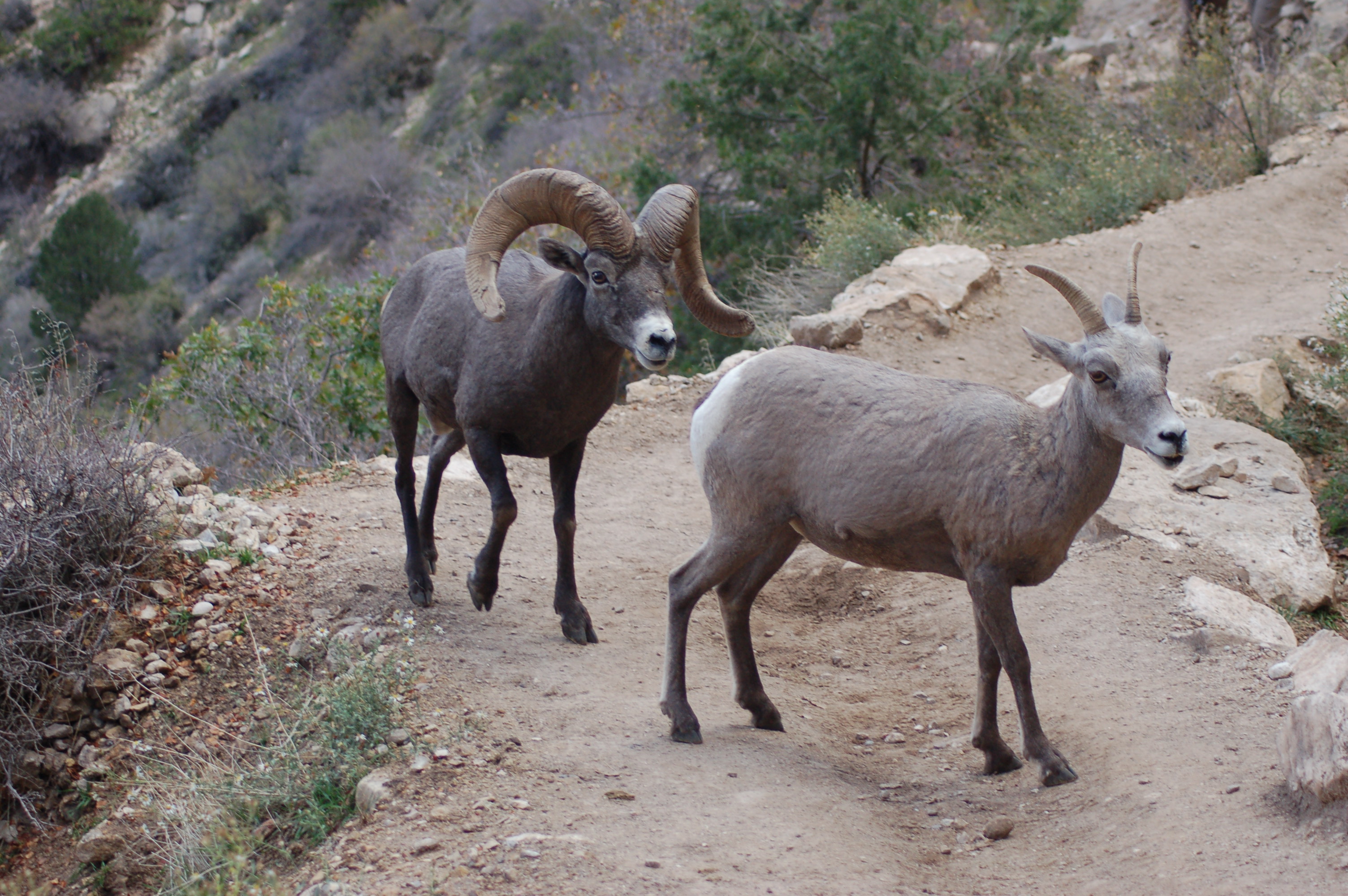
Paul Sauerbrey got as much excitement out of watching his travel companions making new discoveries, like these Big Horn Sheep, as he did seeing the scenery and wildlife himself.

Sauerbrey was a dedicated and respected teacher. He taught elementary school for 43 years without ever missing a full day of school.

Sauerbrey was an exacting teacher. He was especially particular when it came to English and math, two of his favorite subjects to teach. He could diagram a sentence with the best of them, and expected his students to do the same.

Some thought him a bit too strict of a teacher. As a friend and peer, he simply and rightfully had high standards. Students who could not meet those lofty requirements sometimes found themselves in the doghouse with Sauerbrey.

sauerbreyandkidsbybrucestambaugh
Paul Sauerbrey with our son, Nathan, and daughter, Carrie, when they were youngsters.
To be sure, Sauerbrey had his faults. Don’t we all? He loved to teach and lived to teach. That’s what really matters. In a way, he still is teaching.

Each year several high school graduates benefit from Sauerbrey’s generosity, foresight and commitment to education. He donated a majority of his estate to the Holmes County Education Foundation.

In the 20 years since his death on Feb. 13, 1993, scores of students have been awarded scholarships to assist in the cost of their college education. Sauerbrey saw the importance of having a college degree, especially for students from a rural area. Many students who have received a Sauerbrey Memorial Scholarship have been the first in their family to attend college. They have become doctors, directors, lawyers, educators and first-rate mechanics.

Knowing that fact alone would have made Paul Sauerbrey extremely happy. I can imagine the smile on his face. It’s just like the one he had while watching me recklessly scramble to the top of a rock formation to get a better view of four great stone-faced presidents.

© Bruce Stambaugh 2013

I’m glad this year is over

smilebybrucestambaugh

By Bruce Stambaugh

It’s funny how we humans are driven by our own artificial boundaries. Calendars are a prime example. It’s simply how civilization keeps track of life. We record daily events, and then summarize them at year’s end.

Given the happenings of 2012, I’m glad this year is over. A sampling of some of this year’s escapades might explain why.

Jan. 12 A judge in Millersburg, Ohio declared a mistrial when juror number nine wore the juror button upside down, making it a six.

lookingupbybrucestambaughFeb. 14 – The Newtown Wastewater Treatment Plant, Brooklyn, N.Y. offered tours for lovers on Valentine’s Day, and 100 people showed up.

Feb. 28 – Greenwood, a town of 700 in British Columbia, Canada, received the award for having the best tap water in the world.

March 8 – Wild Birds Unlimited reported that Americans spend $5.4 billion annually on seed, materials and accessories to feed and watch wildlife.

March 11 – Four Amish youths were charged with underage drinking when their horse and buggy crashed into a sheriff’s cruiser near Sherman, N.Y.

bugbookbybrucestambaughApril 19 – Starbucks announced that it would quit using crushed bugs to dye some of its colored drinks.

May 18 – Delta Airlines offered hockey fans a free flight across the Hudson River to attend the play-off game between the New York Rangers and the New Jersey Devils.

May 19 – A report showed that China had more students enrolled in U.S. colleges than any other foreign country.

June 14 – The youngest player to ever qualify, Andy Zhang, 14, teed off in the U.S. Open.

June 25 – A technology research group announced that for the first time ever in the U.S. e-books had outsold printed books.

July 16 – A 36-year old Bellville, Ill. woman was arrested after calling 911 six times because her boyfriend wouldn’t give her another beer.

August 2 – Two teams of badminton players were kicked out of the London Olympics for intentionally trying to lose in order to play easier teams in the next round.

August 26 – Besse Cooper, the world’s oldest person, turned 116, and credited her longevity to minding her own business and avoiding junk food.

Sept. 6 – A Canton, Ohio man was arrested for attacking his son’s mother by pouring a bottle of hot sauce on her.

Sept. 17 – In Dordogne, France, a dog shot his master in the hand when it jumped onto the man’s gun and accidentally stepped on the trigger, firing the shotgun.

Oct. 5 – After feeding on wastes at an M&M candy factory in northern France, bees were found to be producing blue and green honey.

christmastreebybrucestambaughOct. 10 – Radio station KYXE in Yakima, Washington began playing its all Christmas music format.

Nov. 10 – A 28-year-old pregnant Arizona woman was arrested when she allegedly drove over her husband with their SUV when she learned that he had failed to vote in the Nov. 6 election.

Nov. 14 – By first breathing pure oxygen, Stig Severinsen, a diving and breathing expert, held his breath under water for a record 22 minutes.

Dec. 4 – NASA announced that its Voyager 1 spacecraft, launched in 1977, had reached the end of the solar system.

Dec. 12 – Kiam Moriya of Birmingham, Ala. turned 12 at exactly 12:12 p.m.

These newsy tidbits demonstrate that 2012 was another crazy year, mostly thanks to the zaniness of the inhabitants of our incredible earth. Let’s hope that 2013 will ring in a better, saner, happier life for all of us.
threecrazykidsbybrucestambaugh

© Bruce Stambaugh 2012

Ready for the election to be over

Sunrise by Bruce Stambaugh

By Bruce Stambaugh

I don’t know about you, but I’m more than ready for this election to be over. Even if I were a hermit, I think I would have gotten robo phone calls and unsolicited political mail and email this year.

These elections, especially the ones with national implications, seem to be getting worse each round. The rhetoric, promises and character assassinations get sharper and sharper. As much as I love democracy, I am more than ready for this nonsensical noisiness to end. All the nasty, negative political ads, especially the ones on TV, make you yearn for the days of the Veg-O-Matic commercials.

It didn’t used to be that way. Back in the days of smoke filled rooms and paper ballots politics were politics. Elections were elections. We weren’t blasted at every turn with extreme commentary of distorted and misapplied sound bites or publically aired criticisms that border on slander.

I remember when my father took me along when he voted in the gym of the elementary school where my brothers and sisters and I attended. It was a simple ordeal. Dad signed in, was given a paper ballot, walked to a vacant voting booth draped with red and white striped curtains, and marked his ballot. After doing so, he folded it and placed it in a box or can at the exit.

The precinct workers didn’t blink at allowing me to tag along with Dad. That wouldn’t happen today. They understood his desire to show me first hand how the process worked, how to properly exercise his citizen’s right and duty to vote. His modeling worked. I have voted in every election I could since I registered at age 21, the legal Ohio voting age then.

Mom and Dad by Bruce Stambaugh
My late parents, Marian and Richard Stambaugh, both modeled what it meant to be an active citizen.

My parents also did their civic duty by working as precinct workers. Dad was a precinct committeeman. My wife’s parents also served as poll workers.

Dad actively campaigned for particular people he wanted in office. I even volunteered to post campaign signs for him. In recent years, both my wife and I have served as poll workers. In fact, my wife will be a precinct judge in the Nov. 6 election here in the world’s largest Amish population. And yes, many of the Amish vote, even for president.

As a teenager, a metropolitan newspaper hired me each election to check particular precinct tallies, which were simply posted on the door of the polling place. Long before the computer and Internet age, hand-tabulated results were phoned in from a phone booth to gauge trends and declare winners and losers.

Today, things are so much different and sometimes difficult.

Concerted efforts have been made to insure that voters are who they say they are, despite little evidence of past voter deception or fraud. Fortunately in most cases, those attempts have been overturned by the courts. Professional political pollsters churn out poll after poll, week after week to tell the public what they are thinking. Politicians and their teams of advisors live or die with every revelation. News media lead with the poll results.

Kettle of vultures by Bruce Stambaugh
I couldn’t help thinking about the negative politics being conducted in the current presidential campaign when I recently saw this kettle of Black and Turkey Vultures circling overhead.

Being inundated with constant slanted political rancor has its ugly consequences. Heated discussions transpire on social media, and the “conversations” can get ugly and are not very social at all.

That said I realize there is no going back in time. Heaven forbid we return to those days of smoke filled room decision-making. Instead of paper ballots and canvas curtains, we now have programed cards and touch screen voting. But still we vote.

I am extremely thankful for the exemplary lessons my folks provided in what it means to be a citizen in this great country. Each of us simply needs to do our part in making this convoluted world a better place. To do that, we must keep moving forward.

I hope that means in part that the mailed partisan circulars will greatly decrease and the annoying phone calls will soon cease.

This column appeared in The Bargain Hunter, Millersburg, OH.

© Bruce Stambaugh 2012

Bay Photos by Donna

Wildlife Photos From The Chesapeake Bay Region

ROAD TO NARA

Culture and Communities at the Heart Of India

K Hertzler Art

Artist and nature journalist in the Shenandoah Valley of Virginia.

Maria Vincent Robinson

Photographer Of Life and moments

Gabriele Romano

Personal Blog

Jennifer Murch

Art is the only way to run away without leaving home. -Twyla Tharp

Roadkill Crossing

Writing generated from the rural life

ANJOLI ROY

writer. teacher. podcast cohost.

Casa Alterna

El amor cruza fronteras / Love crosses borders