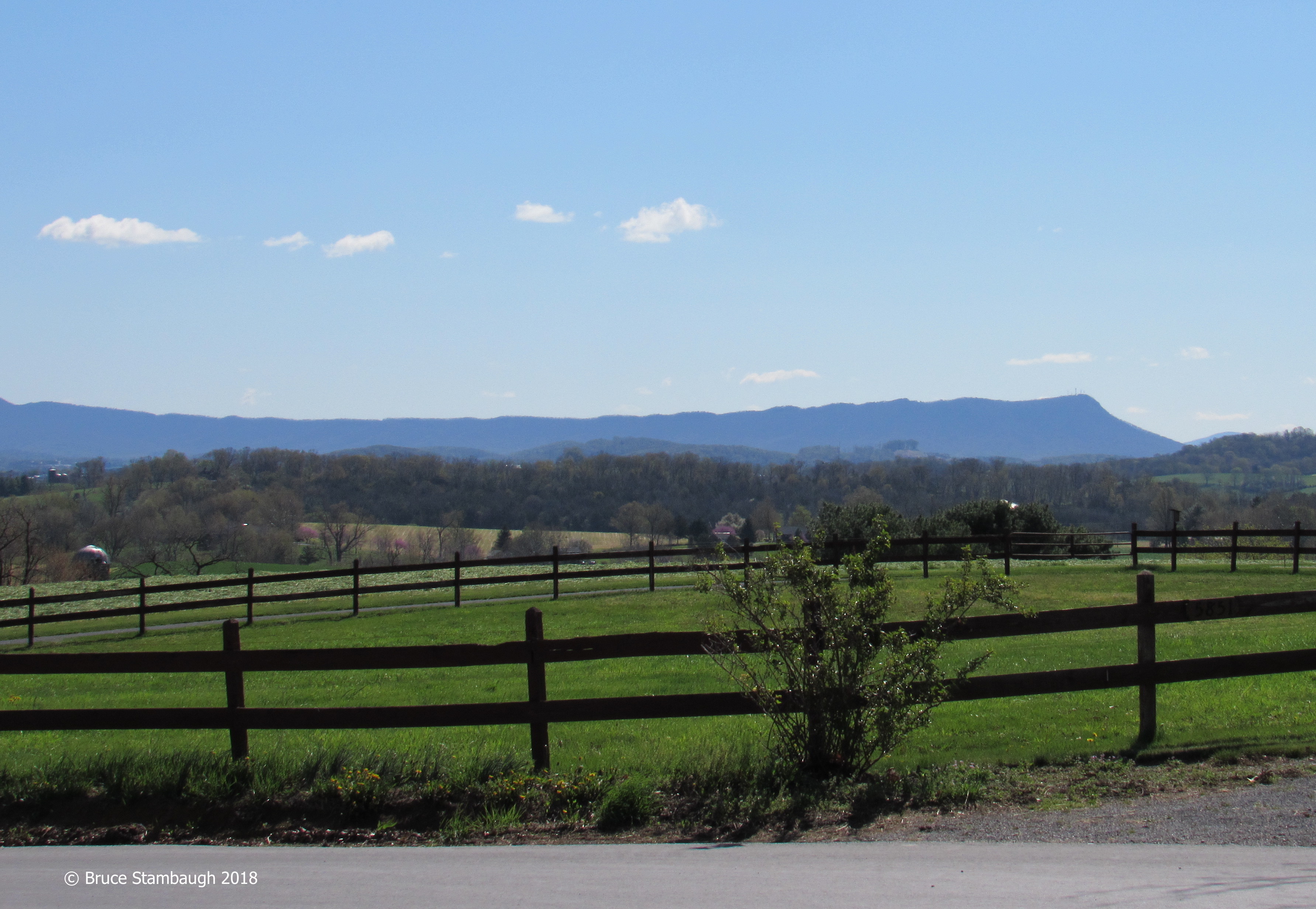
When is a chimney more than a chimney?

memorial chimney, Shenandoah NP
The memorial chimney at Elkton, VA.

By Bruce Stambaugh

When is a chimney more than a chimney? I know that sounds like a strange question. The answer, however, might even be more so.

A chimney is more than a chimney when it no longer serves as a chimney. Now, I know you must be really confused. I can gladly explain.

When the Shenandoah National Park was first being conceived decades ago, hundreds of folks lived and farmed the land along the mountain ridges where the park was to be formed. They would have to move to make the park a reality. That became an issue.

In most cases, the government compensated landowners within the designated park boundaries for their property and buildings according to market value in the 1930s. Others received less than they thought they should. However, tenants operated many of the farms and received no reimbursement.

This slideshow requires JavaScript.

Some of the displaced were resettled in nearby towns. Most were on their own, leaving behind fond, treasured memories and subsistent livelihoods.

Adding insult to injury, many of the abandoned homes, having been condemned, were either burned or demolished in developing the new national park. For those displaced folks, more than walls went up in smoke.

Year after year, families returned to where they used to live if only to view the ruins and pay their respects at nearby family cemeteries. In many cases, only the chimney of their former dwelling remained.

fireplace, Virginia
Where memories were made.
Memories of sitting by a warm fire in the dead of winter, of a mother preparing a family meal using the fireplace, and of looking up from working in the nearby garden and seeing smoke curling out of the chimney were all recalled. Together, the fireplace and the chimney served as the sources of survival.

Knowing that resentment still lingered in local families after all these years, grassroots efforts were begun to help quell that ire. Local non- profit organizations, community volunteers, college students, descendants of those who were displaced, city, and county officials worked collaboratively on a memorial project. They decided to establish monuments in honor of those removed from the parkland.

The chimney was chosen as the most logical symbol to memorialize those on the harsher side of the history of creating the park. To date, six memorials have been built. Two more are planned, which will complete the circuit of all eight counties that have land within the boundaries of Shenandoah National Park.

For its part, the National Park Service created an informative, inclusive and accurate exhibit of the history of Shenandoah National Park at the Byrd Visitors Center at Big Meadows. Chimneys play a prominent role in retelling that story.

The latest of the chimney memorials was just dedicated in Rockingham County’s town of Elkton at the foot of the Blue Ridge Mountains where the Skyline Drive snakes through the park. Volunteers built these chimney memorials using native limestone and granite rocks. I imagine a little blood, a lot of sweat, and tears of both sadness and joy flowed in the process.

With the remaining people who were displaced now in the 90s, the memorials were built to keep the story alive through education about the park’s history, including its dark side. In truth, these chimney memorials serve a more significant, more admirable purpose. These chimneys also help heal those long-held hurts of personal injustices.

When is a chimney more than a chimney? When it serves as both an emotional symbol of history’s good and evil that can’t be changed, only remembered and respected, and one that reconciles.

Ironically, this cabin, complete with a local stone chimney, was built by the National Park in 1936, after many of the original homes were destroyed.

© Bruce Stambaugh 2018
Putting lifelong learning into practice

Old Order Mennonites, Shenandoah Valley
Sunday morning at Pleasant View Old Order Mennonite Church.

By Bruce Stambaugh

Exploring has always been in my blood. Curiosity has coursed through my veins all of my life.

The move from Ohio to Virginia’s Shenandoah Valley merely whetted my appetite to become familiar with my new surroundings. A myriad of opportunities abound, either spontaneously or scheduled, to explore this beautiful, historic setting.

The view from Pleasant View Old Order Mennonite Church.
Many of my junkets have been self-started. A lazy afternoon’s drive around the rolling, scenic countryside brings new people and places into my life. The Shenandoah Valley region is rich in history, a personal favorite subject. I needed more.

I joined scores of other retirees who were also eager to still learn a few things in life. James Madison University, located in Harrisonburg, offers a Lifelong Learning Institute to that end.

I just completed my second class, an overview of Mennonites in the valley.
Phil Kniss, the pastor of Park View Mennonite Church in Harrisonburg, taught the class. He is an astute student of Mennonite history, so I knew I’d learn a lot.

The first session served as a historical survey of Mennonites, tracing their beginnings to the 16th century Reformation. Because of their steadfast beliefs, many Mennonites endured persecution to the point of martyrdom.

Consequently, many moved from their European homelands to the New World, where they hoped for a new chance to live peaceably. Unfortunately, conflicts followed them right into the 18th century as they settled in Virginia’s Shenandoah Valley. They tried to live in peace farming the fertile soil, but war found them again.

Armed with that information, class field trips sent us into the lives and history of the many sects of Mennonites in the valley. A small choir enthralled us with their magnificent singing at the local Mennonite high school that is celebrating its 100th year.

This slideshow requires JavaScript.

At the Old Order Mennonite elementary school, I flashed back to former Ohio days of living among the Amish with their own private schools. The horse and buggy Old Order Mennonites are spiritual cousins to the Amish.

At the unassuming Old Order Mennonite church, a devoted preacher succinctly explained the scriptural basis for their simple way of living. Like all other Old Order men, he was clean-shaven but spoke Pennsylvania Dutch, an anomaly among his people.

This slideshow requires JavaScript.

At the buggy shop, we laughed and learned through the wisdom of the father-son combo that so efficiently ran the business so necessary to the Old Order way of life. The elder’s humor kept us on our toes.

In an Old Order Mennonite home, we gave thanks and feasted on a scrumptious home-cooked meal. The sparkle in our host’s eyes twinkled her delight in our contentment.

This slideshow requires JavaScript.

At Bank Mennonite Church, we learned of an orchestrated church split with genuine intent to agreeably disagree on specific theological applications while continuing a parallel spiritual path. Congregates dressed and lived like Conservative Mennonites in Holmes County, Ohio with a notable exception. Again, the men had no beards.

At the final class at Crossroads Heritage Center, we explored a type of living museum. Guides explained pioneer life as we wound through original, relocated old houses and various other buildings.

It was a fitting location for the last class. From high on a hill, the valley played out below us. The city bustled beneath the hot morning sunshine. Yet, the farmland’s still earthy springtime fragrances enveloped us.

From that vantage point, I imagined the struggles, the heartache, the determination and the desire to live their lives in community together through productivity, and finding peace and satisfaction in weaving their daily lives together.

Strangely and marvelously, I felt right at home.

View of the valley from the garden at Crossroads.

© Bruce Stambaugh

Quilts: Works of art that tell stories

Virginia Quilt Museum
A wall of quilts.

By Bruce Stambaugh

Being career educators, my wife and I both enjoy new learning opportunities. In the year we have been residents of Virginia’s Shenandoah Valley, we have only put a dent in the many educational experiences that are available in the area.

Often times our discoveries are more by circumstance than planning. That makes it all the more fun and exciting.

We often seek out activities and places that pique the interests of friends and family that have come to visit. They frequently match those of our own.

Historic downtown Harrisonburg holds plenty of intriguing places to visit. The Virginia Quilt Museum is just one of them.

Located in an old but well-maintained mansion, the museum has rotating exhibits. When we recently visited there with friends, beautiful old and new quilts were on display.

The multiple galleries in the museum displayed quilts from both noted artists and early Virginia settlers. History, beauty, and even heartache awaited us on three different levels and around every corner of the museum. Each quilt told an aspect of a life we could only imagine.

Please click on the photos to enlarge them.

This slideshow requires JavaScript.

The quilters’ masterful workmanship and use of vibrant colors more than captivated us. They helped us understand cultures and lifestyles we never could have experienced. I was simultaneously intrigued and awestruck at the skill, the people, and the story each quilt whispered and sometimes shouted.

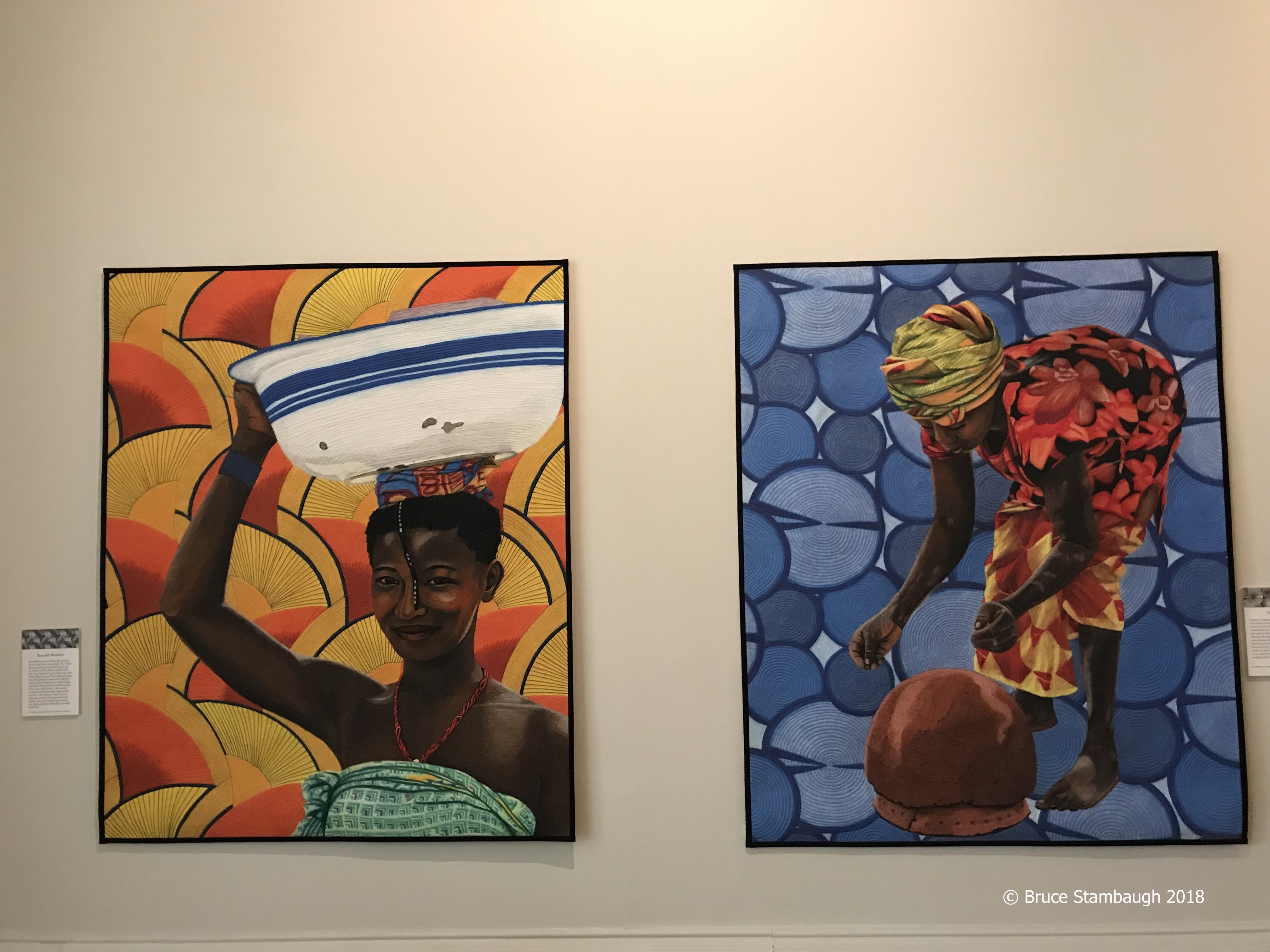
Using fabric and thread, the artists stitched together tales of the strength of families and community. The use of textiles in many of the quilts represented the importance of fabric in both ancient and current African cultures.

Many quilts glowed both intimacy and joy while others were more subdued, accented with rich browns and smooth cream colors that automatically captivated viewers. You couldn’t help but admire the craftsmanship and splendor.

The exhibits represented five different presentations, three from Africa and two from Virginia. The quilts were a mix of old and new, telling historical and contemporary stories in various patterns, vivid colors, and an assortment of textures.

Nelson Mandela.

This unexpected but pleasant surprise was as much a lesson in humanity as it was quilting. One quilter spent a dozen years in several villages in West Africa living with the peoples of the land, observing, studying, living in their culture and participating in their daily activities. Her quilts vividly shared snippets of valued community life.

The older quilts were just as moving, knowing that enslaved women pieced together textiles out of necessity and for practical purposes. The women applied the skills they brought with them from their mother countries. They used their knowledge of piecing, embroidery, applique, and weaving.

Other quilts displayed were from early pioneers who settled in the Shenandoah Valley decades ago. Some of those family names continue in the valley today.

Whether from Africa or Virginia, each represented a window into a new world for me, one of courage and devotion to family, appreciation for their lives and setting in which they lived and live. Artistic creativity expressed joy and perseverance, a turbulent history, and determined survival.

Through these magnificent works, we learned that art, beauty, history, purpose, medium, skill, and storytelling transcend culture, language, location, and race. This exhibit was more than a quilt display. It was a needed and thoughtful spotlight on the human condition.

Quilts reveal colors, fabric, delicate hand stitching, creativity, and craftsmanship. They also can tell compelling stories as well. These particular quilts indeed were tales in tapestry.

Virginia Quilt Museum
Quilts replicating African life.

(Photos used by permission of the artists.)

© Bruce Stambaugh 2018

Cootes Store

old general store, Rockingham Co. VA
Cootes Store.

It’s been nearly a year now that my wife and I moved from Holmes Co., Ohio to Virginia’s Rockingham Co. One way I’m learning about the area, its people, its topography, its history, its culture, is just by driving around. Of course, I usually have my camera with me to document what I see and find.

Before we moved from Ohio, we would pass through a small burg named Cootes Store on our way to visit our daughter and her family in Harrisonburg. It was hardly more than a crossroads in the northwestern part of the county. I found the name intriguing and just assumed that once upon a time a real “Cootes Store” must have existed there.

On one of my discovery runs, I found Cootes Store. Its personality jumped out at me through all of the old, eclectic merchandise visible inside and out. This likely isn’t the original building, but it is all that remains of what once must have been a thriving business to have a town named for it.

You can read more about the history of Cootes Store here. “Cootes Store” is my Photo of the Week.

© Bruce Stambaugh 2018

Good Friday Church

Good Friday, Amish, Amish church
Good Friday Church.

My wife and I had the privilege of living among the largest Amish population in the world for most of our adult lives in Holmes Co., Ohio. Scenes like this one were common. The Amish take their religious holidays seriously. Good Friday is one of the most solemn for them. They gather for church, often holding communion that would include foot-washing.

Amish churches are divided by districts and size. Since the Amish meet in homes or barns for their church services, the congregational size is usually kept at a manageable size for the hosting families. That is, each church group is about 100 to 120 people, including children.

Since the Amish rely on horse and buggy for their chief means of transportation, the distance to church is also an important consideration in forming each church district. As the buggies arrive at the home where the church is being held, Amish men will park the buggies, unhitch the horses, and put them in a pasture or barn depending on the weather. The service usually begins at 9 and lasts until 11:30 with a light lunch that follows.

“Good Friday Church” is my Photo of the Week.

© Bruce Stambaugh 2018
Patriotic Repurposing

WV farm, antique tractor, American Flag
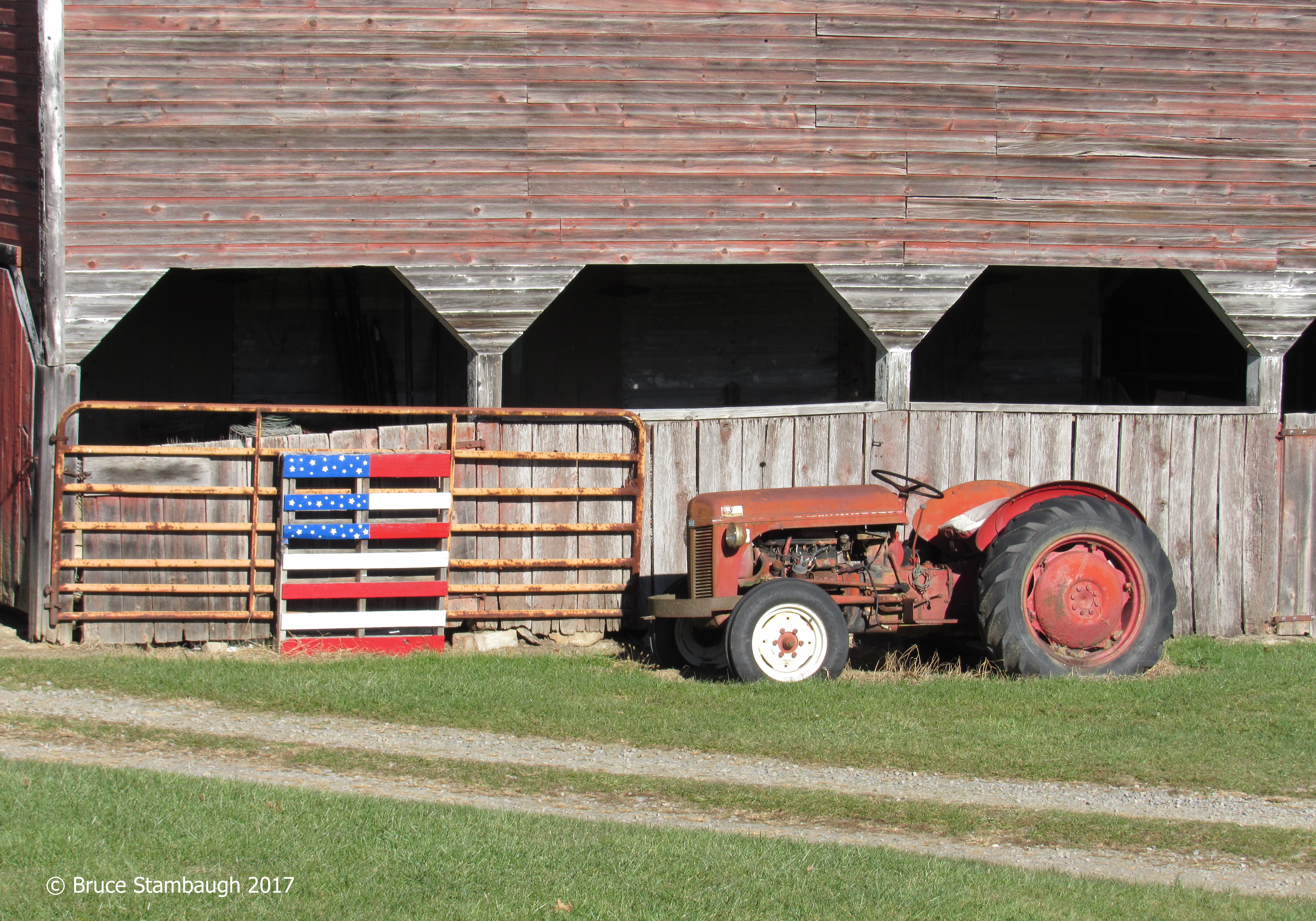
Patriotic Repurposing.

I spotted this scene while traveling along a West Virginia highway. I had to stop to get the photo. I loved all the textures, the various shades of red, and the lines in this shot. The farmer’s patriotism showed through by painting his version of the American flag on an old wooden pallet.

In honor of Presidents Day (Feb. 19), which combines Abraham Lincoln’s birthday (Feb. 12) and George Washington’s birthday (Feb. 22), “Patriotic Repurposing” is my Photo of the Week.

© Bruce Stambaugh 2018
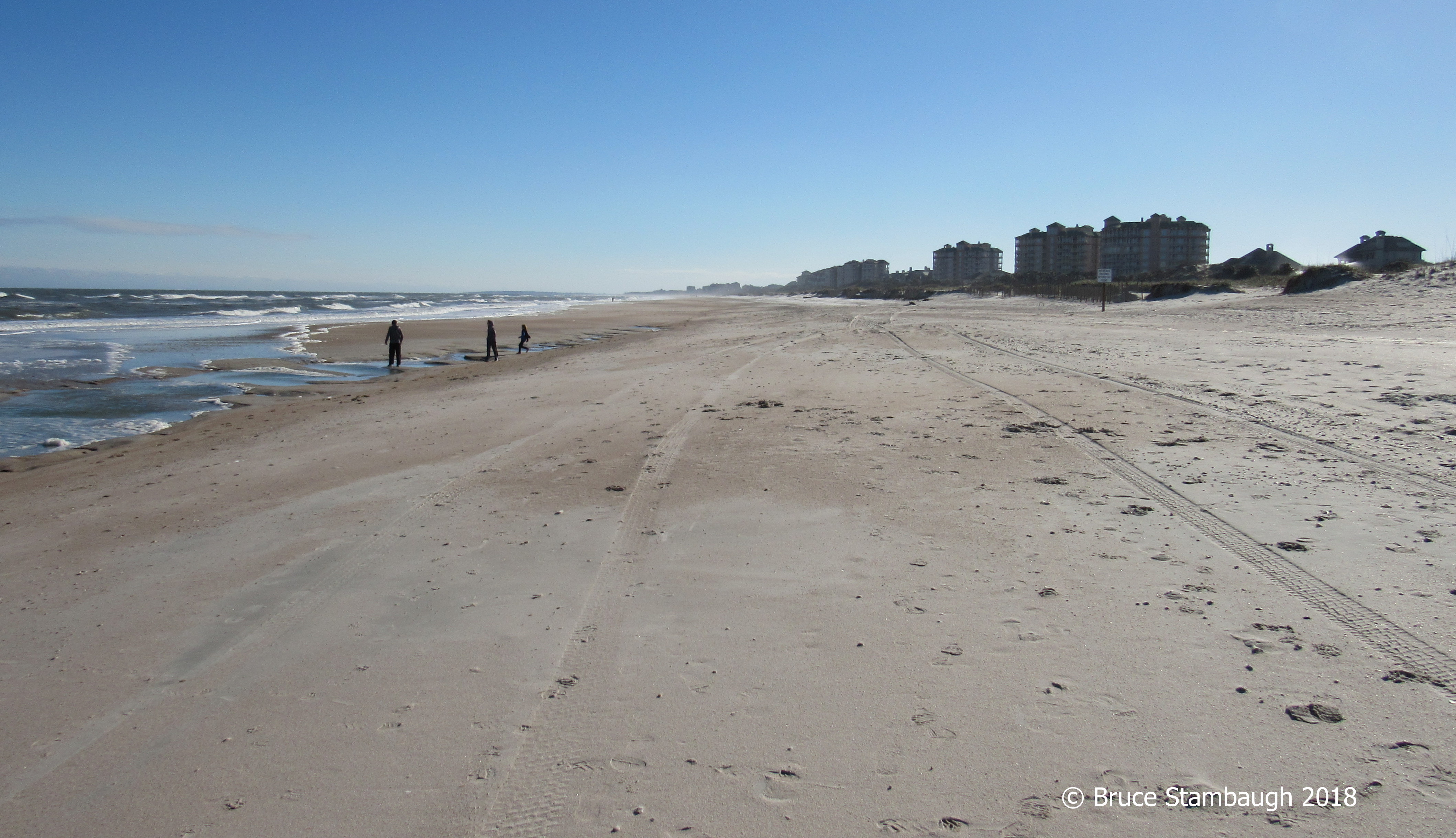
The Beach Lady’s lasting legacy

American Beach, Amelia Island FL
American Beach today.

By Bruce Stambaugh

In the United States, February has been designated as Black History Month for many years now. Some schools, libraries, and other institutions give the theme only cursory attention while others plan meaningful and memorable events, including art shows, lectures, and dramas.

When my wife and I discovered Amelia Island’s American Beach on one of our Florida snowbird retreats, our interest piqued. We quickly learned a lot about decades of injustices, discrimination, and intolerance of blacks in our society.

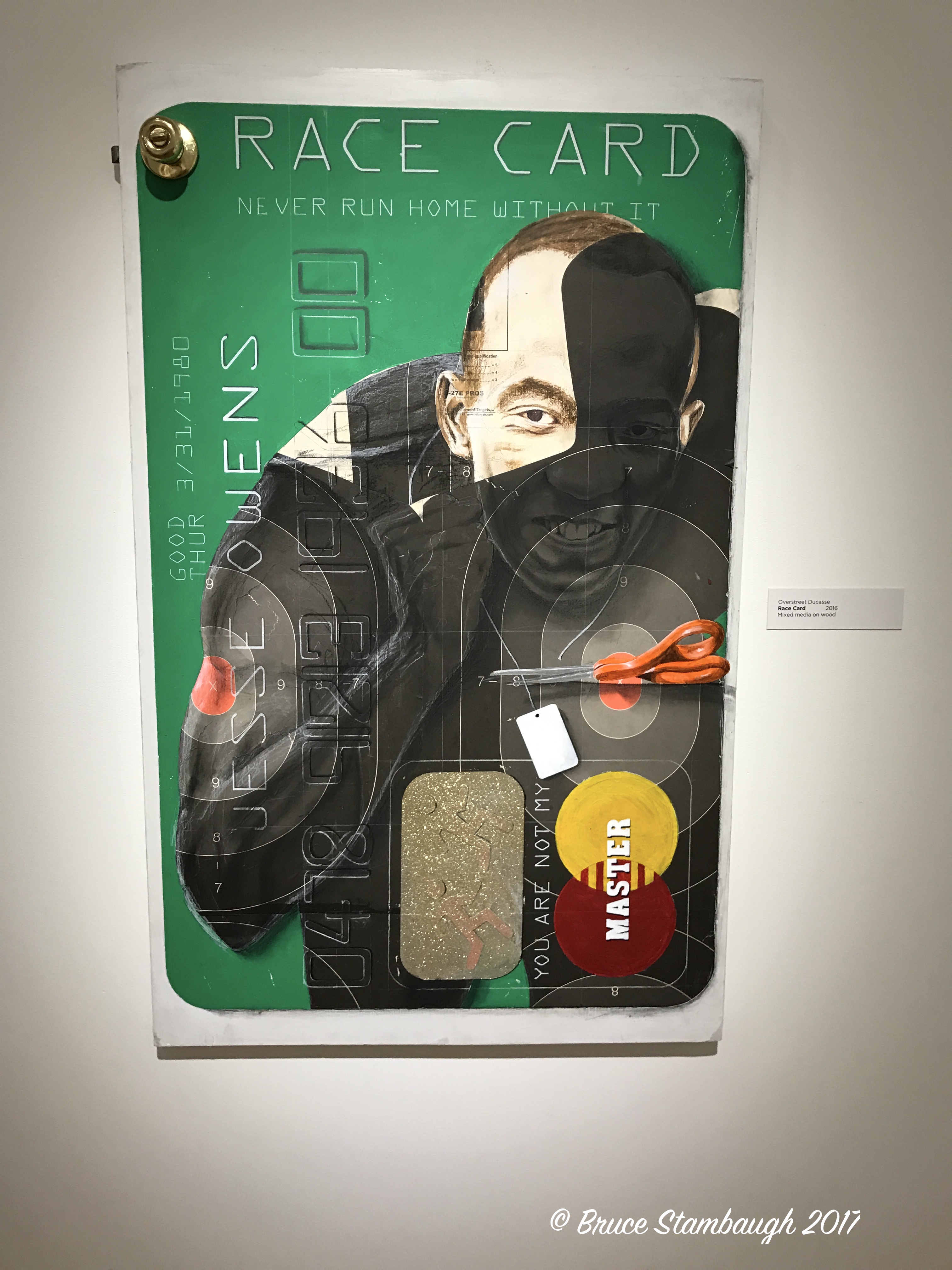
Black History Month art
Art for Black History Month.
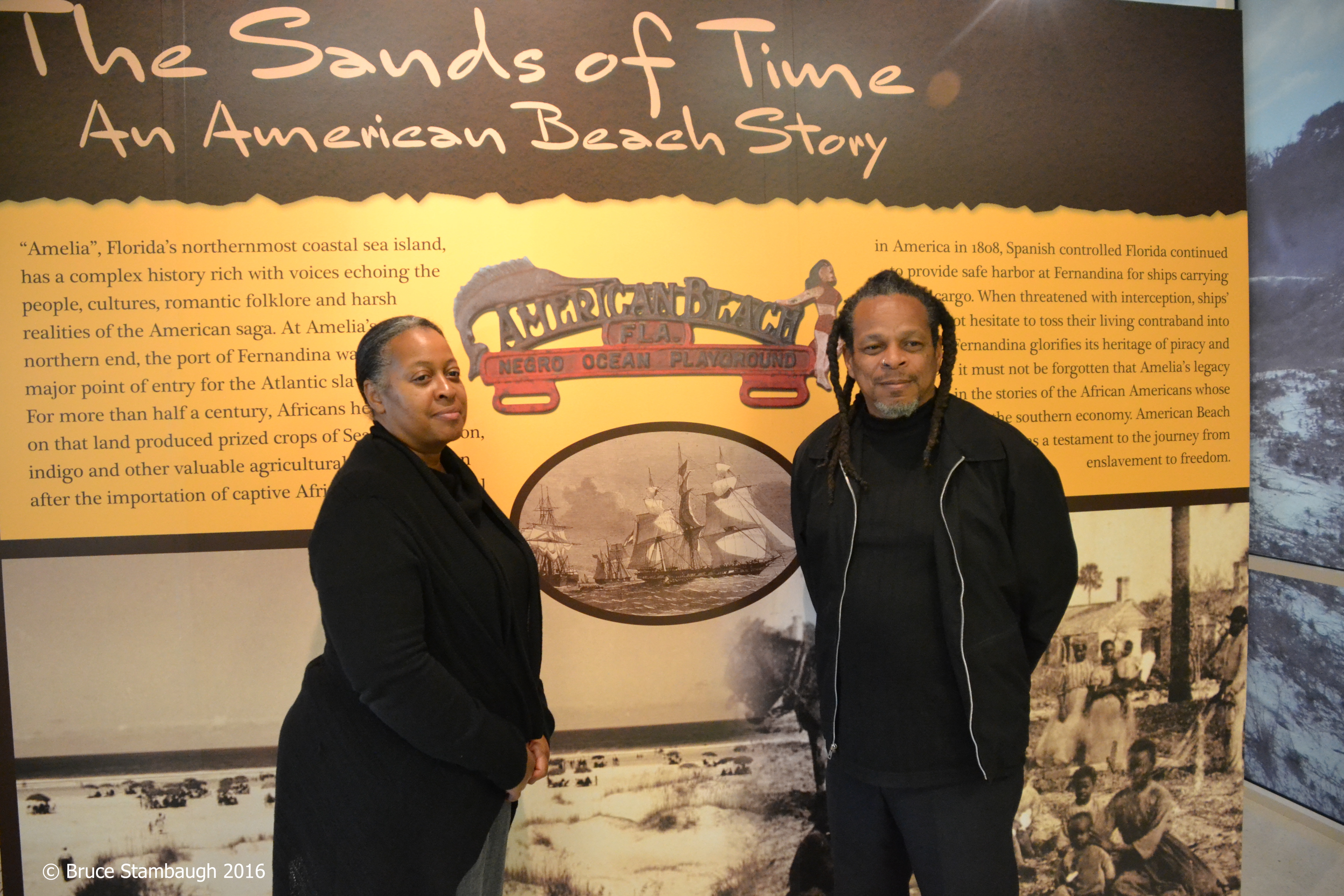
The American Beach Museum is a tidy, organized, and informative exhibition hall on Julia Street in a secluded historic district on the south end of this Atlantic Coast barrier island. The place may be tiny, but it is packed with facts, stories, relics, and photos that make your head spin trying to absorb it all. The volunteer guides are the most gracious people one would ever want to meet, and gladly help explain and amplify the historical information.

The short video featuring the Beach Lady, MaVynee Betsch, is the highlight of the tour. It makes you want to have been on that tour bus with her to hear her passionate stories of experiencing racism, discrimination, personal career success, her genuine love of nature, history, family, and the Creator who gave us the responsibility for caring for this marvelous earth.

In her case, the Beach Lady cut short a lucrative and professionally successful career as an opera singer in Europe to return to her beloved American Beach to ensure its preservation. She had her ups and downs in that endeavor. In the end, the Beach Lady’s efforts prevailed, even years after her death from cancer.

This slideshow requires JavaScript.

For her persistence and persuasive hard work, MaVynee left her mark everywhere around American Beach. The beach itself is the most obvious result. Its sand dunes are some of the highest in the state. The beach’s sands are white and smooth, much desired by island developers. However, due much in part to the Beach Lady, the National Park Service now supervises the 80 some acres of the area.

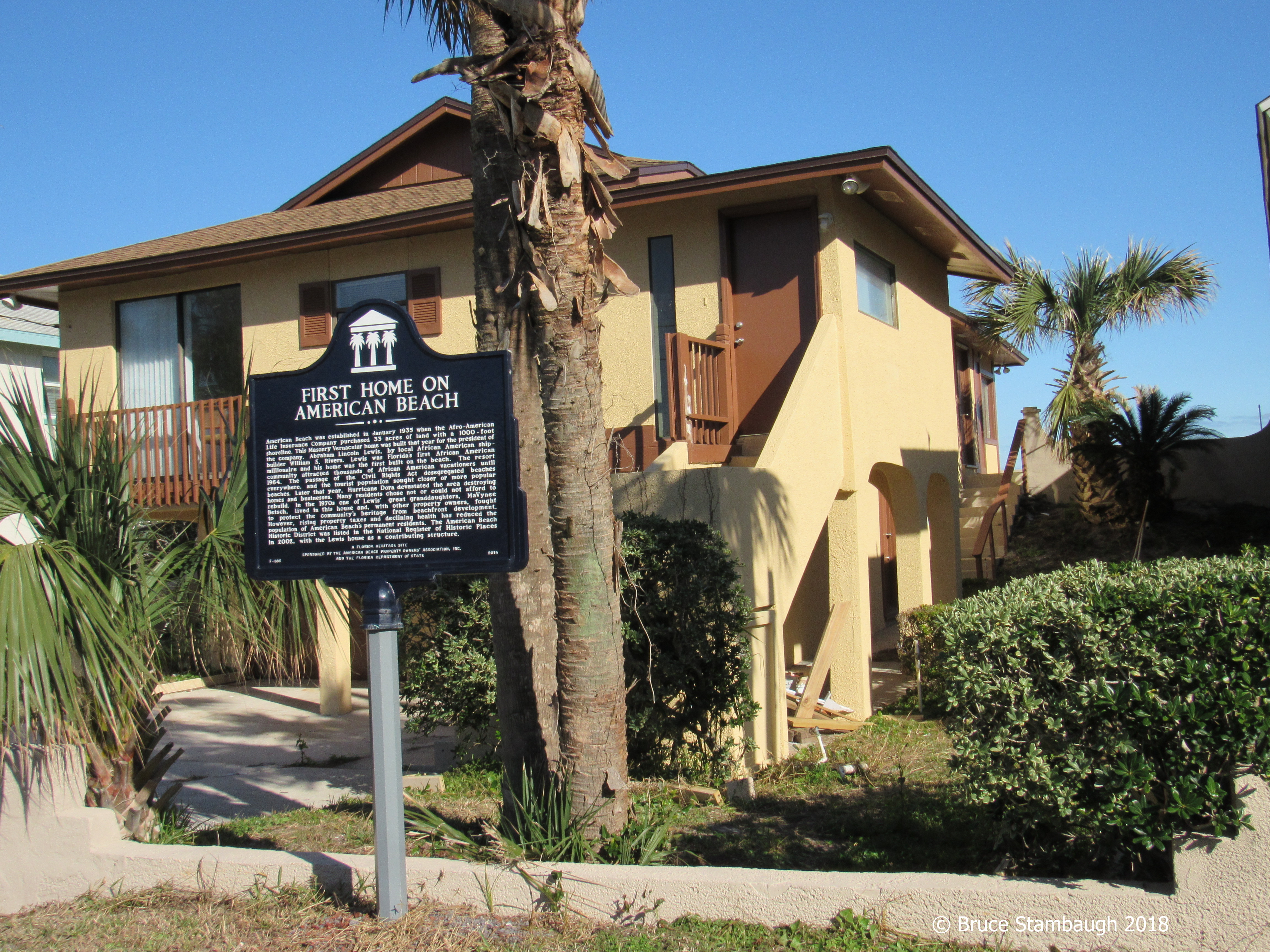
American Beach was the only one on which blacks were permitted on Amelia Island. That segregation lasted until 1970. American Beach was founded in 1935 by the Afro American Insurance Co. president A. L. Lewis, the Beach Lady’s grandfather. American Beach provided a place for recreation and relaxation without humiliation during the Jim Crow era. It offered a place of hope in a time of despair for dark-skinned people.

Ironically, the original 100 by 100 ft. plots of land were always integrated. Some of the original buildings still exist, though they are not in the best condition. Evan’s Hall, a gathering place for music and dance, is one of them. Today some of the beachfront houses are worth millions of dollars.

American Beach, Amelia Island FL
Historical marker.
The museum holds photographs, artifacts, and displays of the legacy of the Beach Lady, including her seven-foot length of hair. Some thought her eccentric. Others knew better. Her devotion to family, nature, and her beloved beach remains for all to see today.

Each winter, we always make a point of visiting the museum and American Beach itself. We do so as a personal reminder of segregation in this country, of those who worked so diligently to overcome it and the sacrifices they made in doing so. MaVynee, the museum, and American Beach are testaments to what was, is, and yet needs to be done to indeed guarantee equality for all in this great country of ours.

Amelia Island FL
Volunteer guides at the American Beach Museum.

© Bruce Stambaugh 2018
“The Post:” A personal review

I’ll begin with the disclaimers.

1. I am not a professional movie reviewer. In fact, this is my first ever written movie review. I didn’t read any of the reviews, professional or otherwise, about “The Post” before or after I saw it. I didn’t talk with anyone who had seen the movie before I saw it either. I went to “The Post” with only faint recollections of those days and the events that occurred decades ago in my formative years.

2. I have always had ink in my veins. Growing up in suburban blue-collar Canton, Ohio, a neighbor lady called me “The Beacon Journal” in honor of the respected Akron, Ohio daily. I took her title as a compliment. As a youngster, I was always the first to know what was going on in our busy neighborhood bursting with post-war children. When the siren at the volunteer fire station three blocks away sounded, I often was the first one to arrive, wanting to know what was burning. Careful to stay clear of the trucks, I’d follow them on my bike if I could or sneak a peek at the chalkboard inside the door to the firehouse where the info about the call was scribbled.

3. I majored in journalism at Kent State University, graduating a year before the infamous shooting. While there, I was both the campus stringer for The Plain Dealer, once the premier newspaper in Cleveland. I also was a student reporter for the Daily Kent Stater, a requirement for journalism majors. Kent State was a magnet for political activism in the tumultuous 1960s. It all swirled around me, a naïve, young student taking it all in one event at a time. I reported what I observed about student war protests and couriered photos and copy from Kent to Cleveland.

4. My first career spanned 30-years in public education in Holmes County, Ohio, filled with a dynamic mix of Appalachian and Amish/Mennonite cultures and their historical quirks. Still, I kept the ink in my veins flowing by serving as the information officer for local volunteer fire departments. I also continued to write feature stories for The Plain Dealer and local newspapers. I served as co-editor for 12 years for the magazine of the Ohio Conference of the Mennonite Church.

5. After retiring as a school administrator, I began using my journalism background full-time by serving as public relations/marketing coordinator for a local retirement community and as a marketing consultant for an Amish-owned furniture business. And I have been writing a weekly newspaper column since 1999.

All this is to say that I had a personal and professional vested interest in “The Post.”

Whether Steven Spielberg, the movie’s director, used creative license in the storyline of “The Post” is insignificant. I can’t know if Ben Bradlee schmoozed with Jack Kennedy or not, or whether Kay Graham and Robert McNamara really were good friends. I didn’t research it. I didn’t even Google it. All I know is this: With marvelous performances by Meryl Streep and Tom Hanks, “The Post” put the importance of our first amendment rights of a free press front and center. What was critical then is even more so today, especially given today’s tense political situation and a president who seems incapable of understanding or separating the roles and responsibilities of each branch of government and a free press to report to the citizenry.

Given my background, I know personally how important that Supreme Court ruling was. Justice Black’s words, speaking for the majority, reaffirmed my beliefs, my life as a tiny, trivial citizen in this fantastic country of ours. No president from Truman to Trump, no person or organization from Bannon to Breitbart, can silence the truth. If they do, our democracy is doomed. It’s that simple. To me, that was THE point. As the credits rolled at movie’s end, the memories were vivid, the emotions raw and real, and tears flowed.

After the movie, I sent a text to my son saying that “The Post” was the best movie I had ever seen. He thought that strong praise indeed. I explained by saying that it connected the dots of where we are today politically back to the Civil Rights/Vietnam era, the time that most formulated the person I am today. Watching those scenes, hearing those secret Nixon tapes, having all of those names come tumbling off the screen and into this 70-year-old brain somehow finally made it all make sense to me, brought me peace amid the chaos of where we are today. I felt fulfilled, closure, and hope all in one emotional release.

I have another disclaimer.

6. I was once mistaken for Spielberg in Phoenix Sky Harbor International Airport in Arizona. The person refused to believe my denial, and my companions couldn’t stop laughing.

Regardless of your politics, go see “The Post.” I hope it will set you free as it did me.

Bruce Stambaugh

A glimpse into the past, hope for the future

living history, old stone house, Granite Quarry NC
Living history.

By Bruce Stambaugh

I parked the van on the 21st Century side of the road and walked with my wife and our host couple across the two-lane highway back to 1766. The combination of the cold winter air and the smoke from several campfires immediately invigorated our senses and drew us in like kids to candy.

It was Christmas 18th Century style at the Old Stone House in the appropriately named village of Granite Quarry, North Carolina. The massive stones that formed the large, two-story house had been quarried a short distance away. A cast of volunteers decked out in period attire for their chosen character roles held me spellbound at every station.

The ladies at the beehive oven kept producing fresh-baked goodies for visitors to sample. The cornbread was pretty tasty. Members of the Mecklenburg Militia caroused around quietly spinning yarns that spanned generations. Still, they did their duty. To my knowledge, no one was arrested for pilfering sweet bread or inciting unrest.

This slideshow requires JavaScript.

The militia’s cotton tents appeared flimsy and insufficient to keep out the cold for their camp over. Indeed, a spy told me they all intended to sleep in the comfort of the little log cabin outbuilding that housed a book sale for the event. Given the bite in the late afternoon air, I couldn’t blame them.

The old granite house stood proud and impressive, having been restored 50 years earlier. Its 22-inch walls kept the interior warm in the winter and cool in the summer.

We stepped into the living room to time-appropriate music as our guide rattled off detail after detail of what life was like three centuries ago. Though this house was large and elegant even by today’s standards, life was demanding. The family and their indentured servants and slaves always had plenty to do merely to ensure day-to-day survival.

The children in our group weren’t too impressed with the straw ticking that served as the mattress on the old rope bed. “Sleep tight and don’t let the bedbugs bite” took on a practical meaning to them. The guide demonstrated the sizeable wooden key for tightening the ropes that served as slats to hold the mattress. The herb tansy was interspersed with the straw to keep most of the bugs away. We all laughed when a stinkbug crawled out onto the ticking.

Upstairs was plain and noticeably cooler since the only heat came from the first-floor fireplaces. A slave squeezed into a wall space behind the massive kitchen fireplace to keep the fire going overnight.

Since the builder of the house had migrated south from Lancaster, Pennsylvania, he modeled his home after the ones he knew. The spacious clapboard kitchen was attached to the main house, wherein that era the kitchen was a separate building at most southern homes.

Old Stone House, Granite Quarry NC
Will the door to the past help guide us into a better future?
The kitchen was the engine that ran the household. Here everything from cooking to spinning to laundry to bathing took place. Since the youngest in the family got the last bath using the same water as the others, you didn’t want to “throw the baby out with the bathwater.” The guide mused how we still use sayings without knowing their real origin.

In warmer weather, bathing took place in the stream that ran through the deciduous woods behind the house. Likely there was no lingering in that outdoor bathing arrangement.

I marvel at this kind of living history. It allows us to stand in the present, glimpse the past, and long for a better life for all future generations everywhere.

© Bruce Stambaugh 2018
Read all the news that wasn’t in 2017

windmills, WV, MD
Giant windmills line the crests of many mountain ridges in WV and MD.

By Bruce Stambaugh

Sometimes the truth is stranger than fiction. Stories that flew under the radar notably proved that maxim. Here are just a few factoids that escaped the 2017 headlines.

January 10 – Crested Butte Mountain ski resort in Colorado was forced to close because of too much snow.

January 13 – A report from the U.S. Dept. of Energy showed that solar energy employed more people than all of the gas, oil, and coal companies combined in 2016.

February 3 – March Tian Boedihardjo, an 18-year-old math prodigy, completed his Ph. D. and was hired as an associate professor at UCLA.

outdoor wedding, Blue Ridge Parkway
A lakeside wedding.
February 4 – A survey of 13,000 newlyweds who married in 2016 revealed the average cost of their wedding was $35,329.

March 9 – A report covering the years 1992 – 2012 showed that 84 percent of wildfires in the U.S. were human-caused.

March 21 – The rusty-patched bumblebee became the first bee species to be placed on the endangered species list.

April 6 – Scientists in Boston said in a study that the area’s cod population was at a historic low, 80 percent less than a decade ago.

April 9 – An eight-year-old East Palestine, Ohio boy drove his four-year-old sister to McDonald’s in their father’s work van because they both craved a cheeseburger.

April 22 – Police near the Australian mining town of Broken Hill stopped a sports utility vehicle driven by a 12-year-old boy who had been driving alone for 800 miles.

April 26 – Gift Ngoepe became the first player from Africa to play in a Major League Baseball game, and he singled in his first at-bat.

baby alligators,
“Did somebody say beer?”
May 28 – After posting photos on the social media Snapchat, two men in Ridgeland, South Carolina were arrested for forcing a baby alligator to drink a can of beer.

May 30 – Though ranked 12th in U.S. population, Virginia drivers claim 10 percent of the nation’s vanity license plates with more than 1.2 million personalized tags.

June 14 – A Eureka, California man was arrested after he used a flare gun to shoot another man with a shotgun shell stuffed with Rice Krispies.

June 25 – Ohio Highway Patrol Sgt. C.O. Smith halted a 10-mile chase of a driverless runaway Amish buggy by running alongside the horse and grabbing and pulling the dangling reins.

July 7 – Ray and Wilma Yoder of Goshen, Indiana, cut the ribbon of the new Cracker Barrel Restaurant in Lavonia, Georgia, giving them only one more location to visit of the chain’s 645 restaurants.

July 12 – A contractor working on an ATM machine in Corpus Christi, Texas became stuck in the device and was rescued after he passed a handwritten note through the receipt slot to a customer.

August 29 – Akron, Ohio’s Emily Mueller, who was due with her fourth child and is known as the Bee Whisperer, posed for photos with 20,000 honey bees swarming on her abdomen.

No Stupid People sign
No caption needed.
August 30 – A 24-year old Kenosha County, Wisconsin man was critically injured when he fell 25 feet onto an interstate highway after he had fled his crashed car in an attempt to elude police.

September 12 – The U.S. Census Bureau reported that the medium U.S. income reached a record $59,039 in 2016.

September 12 – A copperhead snake bit a woman customer in the foot as she sat down to eat dinner in a Longhorn Steakhouse in Fredericksburg, Virginia.

September 13 – A homeless man in Nashville, Tennessee was shot twice after he asked the driver of a Porsche SUV to move the vehicle so he could sleep on the sidewalk.

September 19 – Topless ladies from a Yuba County, California strip club raised $2,560 at a carwash for two sheriff’s deputies who were injured in a shooting at a marijuana farm.

October 23 – A Portsmouth, New Hampshire Salvation Army thrift store received a bronze urn donation that contained cremated remains.

October 25 – The City of Honolulu, Hawaii instituted a new law that banned texting while walking.

November 3 – A seven-month-old border collie in training herded nine sheep into its farmer’s home in Devon, England.

November 7 – As they left, robbers of a Houston, Texas donut shop handed out stolen donuts to terrified customers.

November 11 – To raise money for wounded veterans, Rob Jones, a 32-year-old Marine Corp vet who lost both legs in a landmine explosion in Afghanistan, completed his 31st marathon in 31 days in 31 different cities.

December 6 – A service dog belonging to an audience member attending the Broadway play, “Cats,” in New York City chased one of the actors dressed as a cat off stage during the opening musical number.

December 10 – A California cannabis grower teamed with a Los Angles-based florist to offer a Christmas wreath made with an ounce of sun-grown, artisanal marijuana.

December 17 – While watching “How the Grinch Stole Christmas,” five-year-old TyLon Pittman of Byram, Mississippi, called 911 to alert police to be on the lookout for “that little Grinch.”

Despite the 2017 shenanigans and light-hearted news notes, let’s hope 2018 is a better year for everyone. Happy New Year!

Despite the Grinch, Santa made it to town.

© Bruce Stambaugh 2017

Bay Photos by Donna

Wildlife Photos From The Chesapeake Bay Region

ROAD TO NARA

Culture and Communities at the Heart Of India

K Hertzler Art

Artist and nature journalist in the Shenandoah Valley of Virginia.

Maria Vincent Robinson

Photographer Of Life and moments

Gabriele Romano

Personal Blog

Jennifer Murch

Art is the only way to run away without leaving home. -Twyla Tharp

Roadkill Crossing

Writing generated from the rural life

ANJOLI ROY

writer. teacher. podcast cohost.

Casa Alterna

El amor cruza fronteras / Love crosses borders