Why the shortest month seems so long

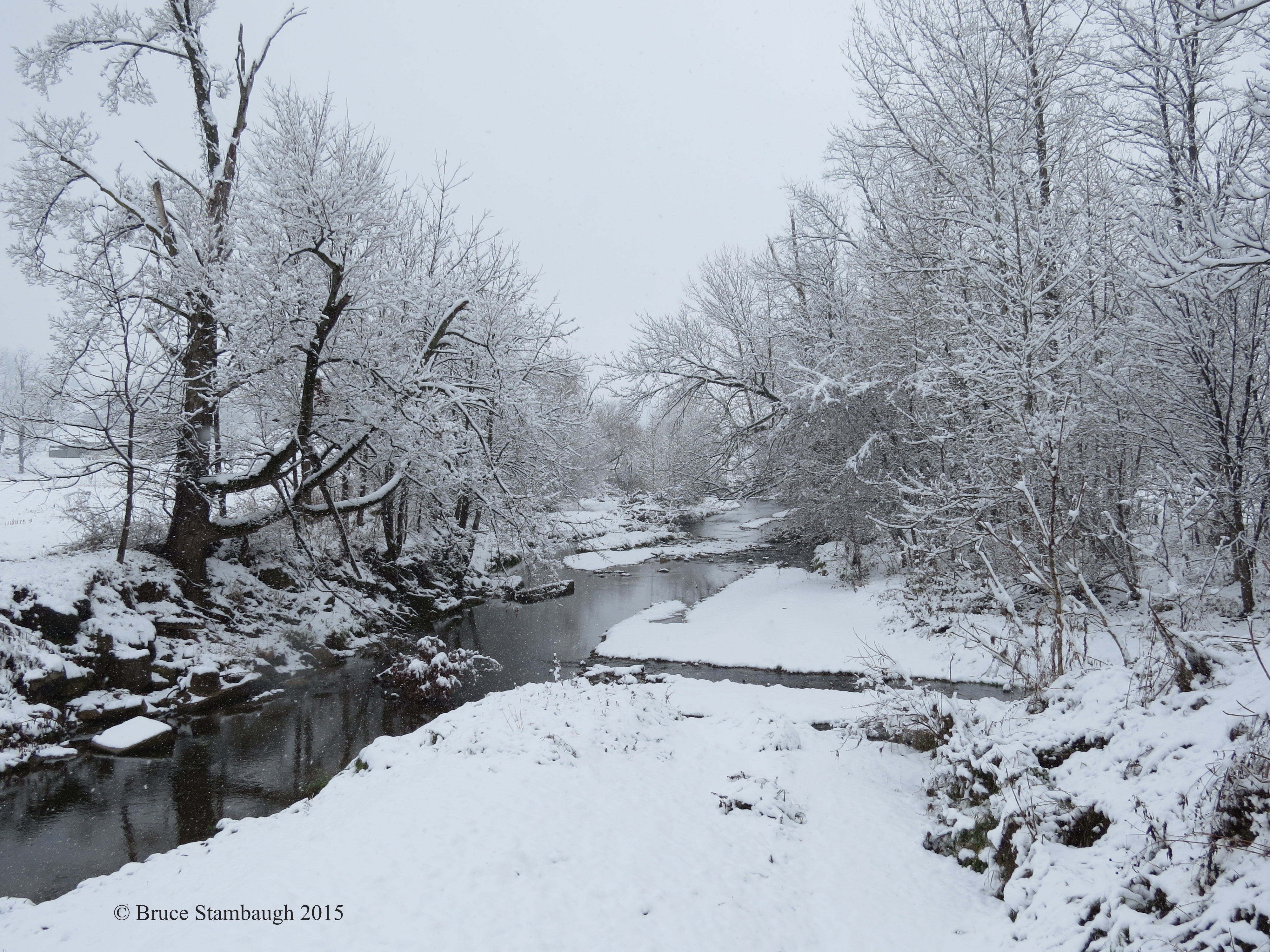
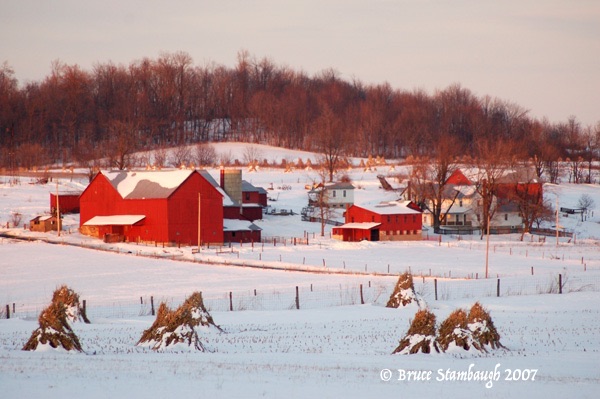
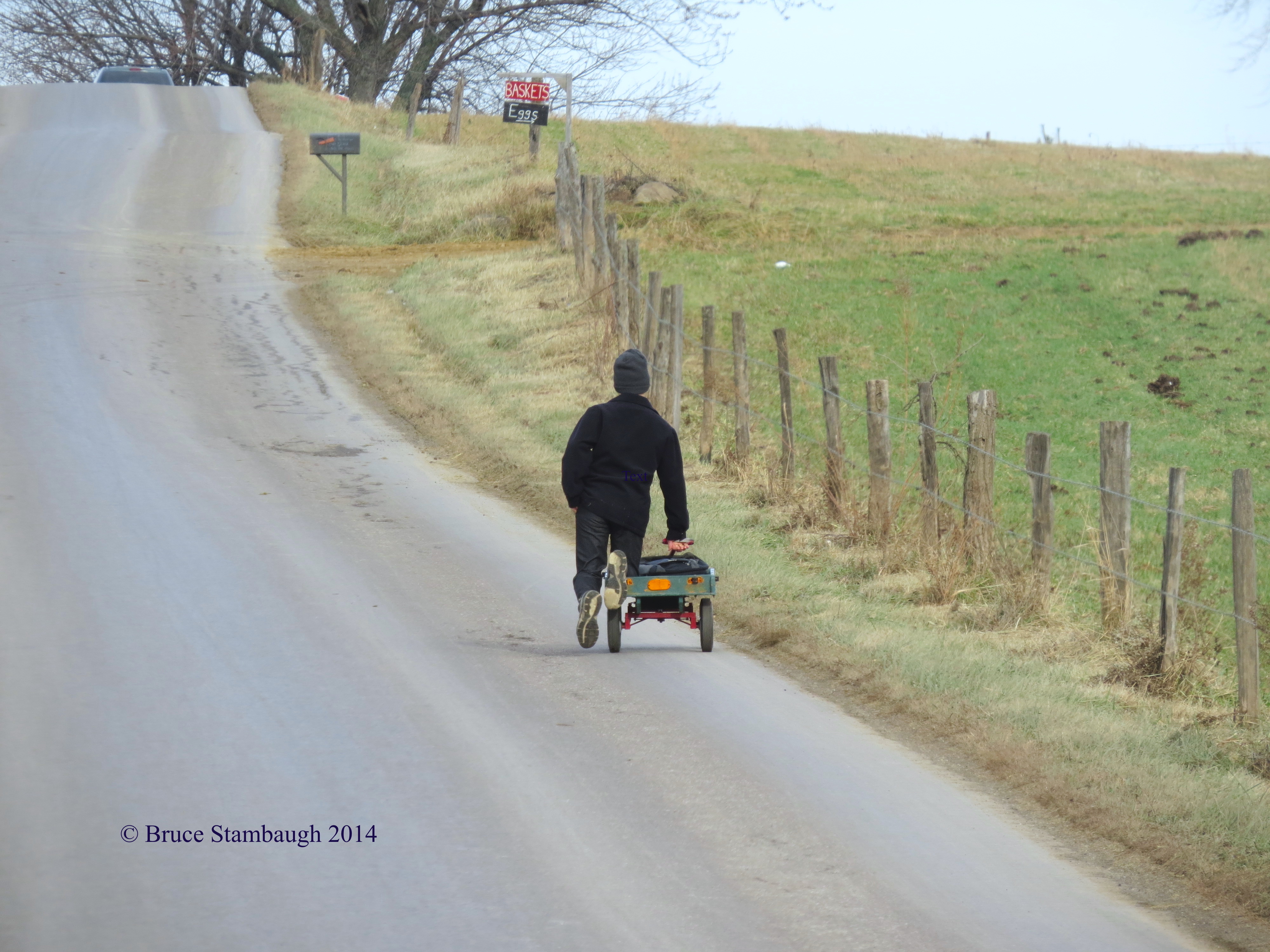
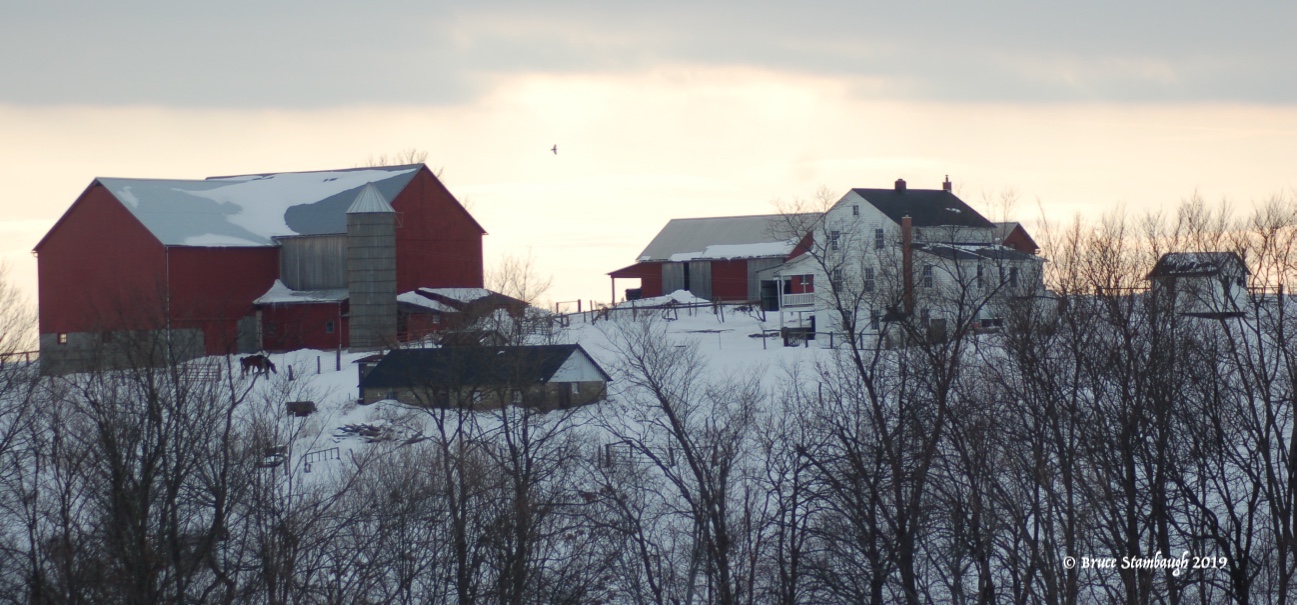
winter in Amish country, Holmes Co. OH
The harsh winter weather has made February seem like a long month.

Every year I get the same sensation. February, the calendar’s shortest month, seems like the longest. A wide range of reasons could account for this annual hunch.

Much of that perception may have to do with February’s unfortunate spot in the calendar birth order. As the year’s second son of 12 siblings, February is bound to have an inferiority complex. Even with an extra day in a leap year, February still can’t measure up.

It certainly doesn’t help to be sandwiched between January and March, each with the maximum 31 days every year. Nor does it help that February is the last full month of winter. By now, humans north of the equator have had it with winter, especially this year. They can’t wait for spring.

Is the shortest month merely clamoring for attention with its temper tantrums of weird and wild weather? To be sure, the weather all across the northern hemisphere has been wicked. A lot of complicated and interconnected reasons account for that. Still, February cannot solely be held responsible.

The polar vortex, which usually calls the Arctic region its winter base, ran away from home this year. It escaped in the waning days of January, and the frigid and frozen effects spilled into February, adding insult to injury.

weather warning map
The latest February weather warning map.
The vortex settled into the eastern U.S., forcing the ordinarily westerly jet stream to warp south around it. We all paid the consequences of that detour, including February.

Blustery winds sent wind chills into the danger zone for millions of citizens, making the environmental conditions all the more brutal. When people thought they couldn’t take it any longer, the vortex slunk away, and a warm front helped set the jet stream aright. Soon, vehicles were mired in muck from a rapid thaw.

About that time, weather officials confirmed an El Nino had developed in the Pacific off southern California. Wave after wave of rain and snowstorms blasted the entire west coast, incapacitating major metro areas.

Damaging floods, mudslides, and icy and snow-clogged roads inundated areas not used to extreme winter weather. Even Hawaii got snow.

More rain pelted down in California. Another snowstorm blasted the state of Washington. Additional freeze warnings plagued northern Florida. All this and February still isn’t over yet. How long does it take 28 days to pass?

It would indeed be unfair to lay all of the responsibility for the climatological miseries on poor February. It was merely an accessory to the crimes, guilty by association.

Ignore the weather, and February has a lot to offer for being the shortest month. It boasts about hosting more holidays per diem than any other month.

February’s progressive party includes Groundhog Day, Lincoln’s birthday, Valentines Day, Washington’s Birthday, and Presidents’ Day. Of course, all of those human conceived days have morphed into nothing more than flashy marketing ploys for a small town in Pennsylvania and retailers big and small nationwide.

I suppose, however, that much of our February malaise comes from nothing more than cabin fever. Never mind the occasional warm day when you could poke your head outside. As we all know, that was nothing but a February tease. It’s safest to stay inside until March.

Despite February’s chilly temperament, she does offer us at least one advantage besides being the briefest month. From beginning to end, we gain almost an hour of daylight in February.

Winter’s darkness is waning. In that, we find hope, rejoice, and offer February our heartfelt thanks.

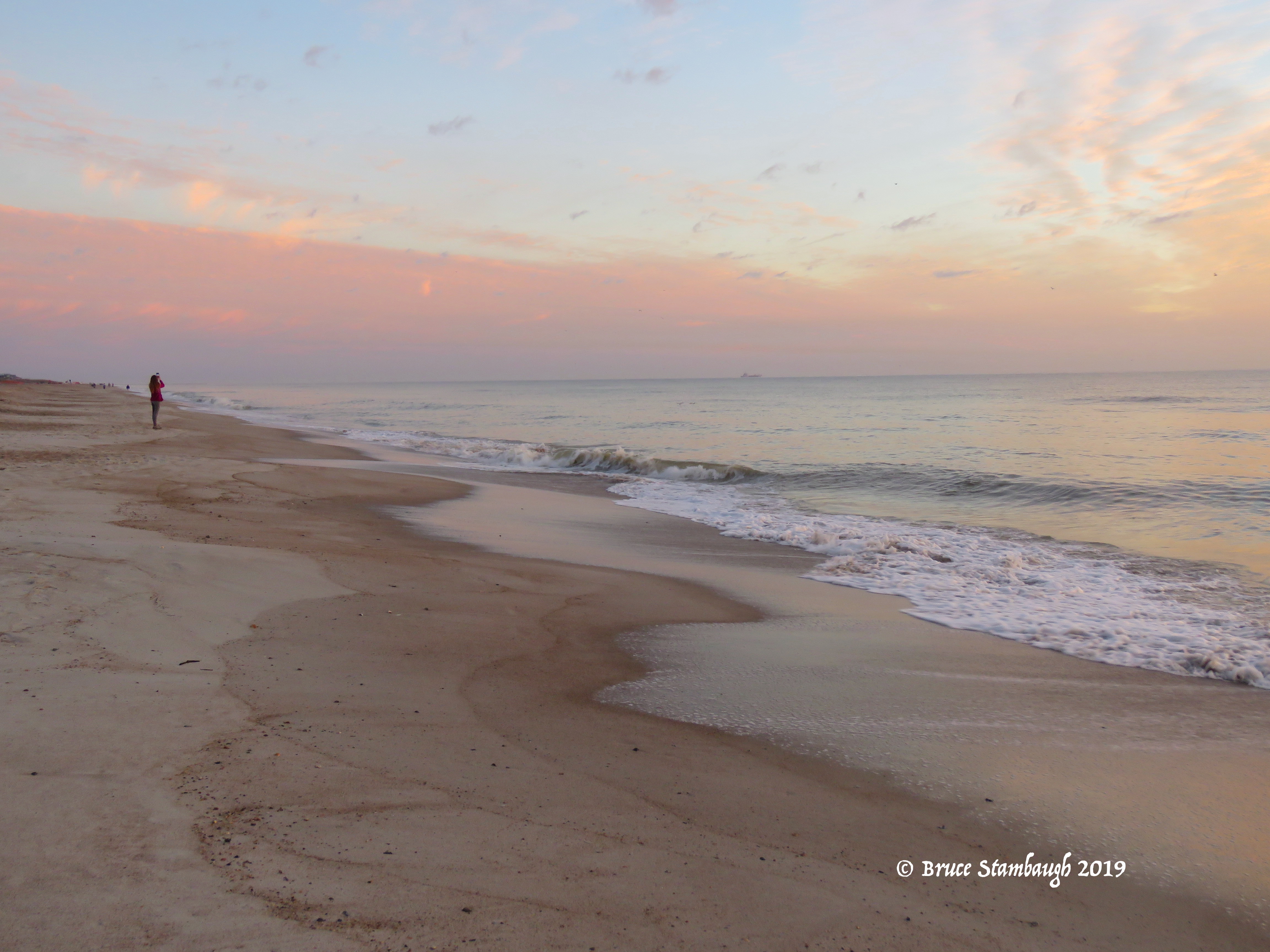
A snowy ride.

© Bruce Stambaugh 2019
How to stay warm in the winter

winter weather, Ohio's Amish country
In winter’s grasp.

The polar vortex has had its way with most of us in the U.S. again this winter. Once it sank south and east out of the Canadian Arctic area, record cold temperatures and wind chills were set all across the northern states and some far into the south.

My wife and I watched the TV news in sympathy with those freezing in the frigidness of blinding blizzards and well below zero wind chills. We even had freeze warnings in northeast Florida, where we have spent parts of the last few winters.

Thanks to the Arctic air, it was cold there, too, in relative terms of course. Amelia Island is as far north in the Sunshine State as you can get. So when massive cold fronts spawned by the polar vortex invade the eastern U.S., we often feel the effects, too.

Fernandina Beach FL, Amelia Island FL
Pretty but cold.
With an ocean breeze and air temperatures in the 30s, the beach is no place to be either. Neither is the middle of a blizzard. We watched with dismay as TV reports showed the severity of weather conditions from several different stricken areas. Unfortunately, several people died from exposure to the dangerous cold.

I always liked the winter, and mainly snow. But the blizzards of 1977 and 1978 taught me that winter’s punishing harshness better be respected. Staying warm is always paramount.

That’s a primary reason for becoming a snowbird. I’ve said it before. The older I get, the colder I get. Other senior citizens that we met in Florida concurred. It is a natural consequence of the aging process.

Living in the heart of Virginia’s Shenandoah Valley isn’t quite far enough south to avoid winter’s icy blasts. So we continued our snowbird trips after moving from northeast Ohio.

We enjoyed a month’s stay at a rented condo on Amelia Island and then headed to the far south of Florida. We visited the Florida Keys for the first time for a few days and soaked up perfectly warm weather.

With high temperatures in the 70s and 80s, it didn’t take us long to sport a tan. We spent the handful of days we had on the go. We greeted the morning sun and filled each day with as much adventure as possible until well after dark.

This slideshow requires JavaScript.

However, we seldom checked off all the items on our wish list of places to visit. Spontaneity overruled preparation. We took advantage of surprises and vistas we came upon, stopped to enjoy and do some birding, and moved on to the next spot.

We especially enjoyed visiting Biscayne National Park and Everglades National Park. Together they protect much of the delicate habitats of southern Florida, preserving a vast variety of wildlife, flora, fauna, and people, too.

I never thought I would ever venture out onto the open ocean waters in a pontoon boat. But we did in both beautiful parks. The combination of generous sunshine and the joy of adding new birds to my life list warmed me through and through.

However, it wasn’t until we returned home that I encountered genuine radiant warmth. The weather had nothing to do with that.

At Sunday dinner, we caught up on our oldest grandson’s basketball season. The middle grandchild chatted on about the books he read and his upcoming band concert, while the youngest seemed contented to merely enjoy her lunch. Our daughter and her husband filled in the happenings in their busy lives, too.

The Florida experiences warmed us physically. That warmth, however, paled in comparison to that of reconnecting with our family.

Everglades NP, sunset, photography
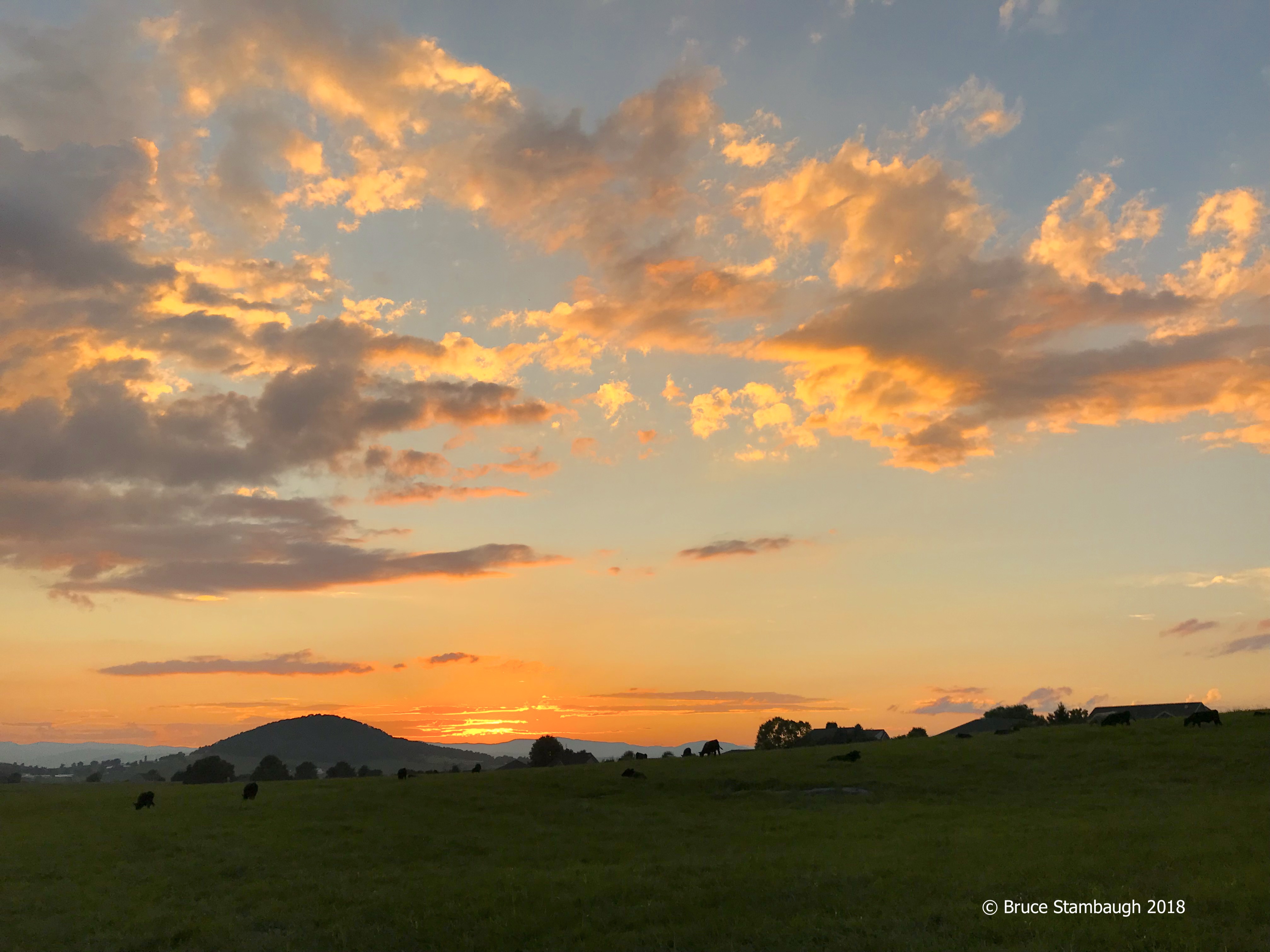
Sunset over Eco Pond, Everglades National Park, FL.

© Bruce Stambaugh 2019
When tragedy strikes, communities respond

Ohio's Amish country, Holmes Co. OH
Even a peaceful scene in Amish country can become tragic.

Tragedy. It’s bound to invade our lives, often when we least expect it. Too often, it happens more than once in our lifespan.

Unfortunately, we likely have all seen our fair share of tragedy. Calamity merely is part of life. That doesn’t make it any easier to accept.

I’ve seen and experienced a lot of tragic incidents in my life as a member of volunteer fire and rescue squads. Often I knew people involved in the emergency incidents. That’s not surprising when you live most of your life in a close-knit, rural community.

Sometimes tragic national news hits close to home, too. The recent fatal shooting of Dean Beachy and his son Steve is proof of that. Naturally, people were shocked and horrified at the senseless killings.

Their lives are a huge loss to the family and the many, many people they touched. My wife knew the family well, having taught Steve’s three older brothers.

Ohio's Amish country, Holmes Co. OH
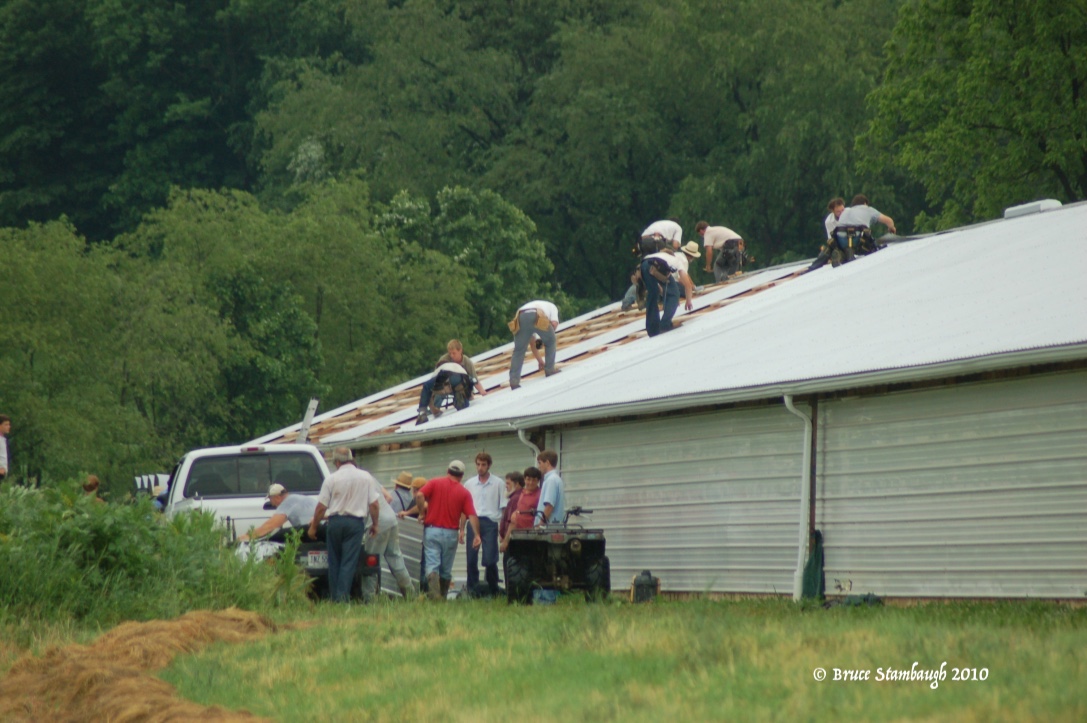
An hour after a tornado damaged this farm building, neighbors came to repair its roof.

Most likely, we each could create a long list of personal tragedies that have significantly impacted our lives. Mine would have to start even before I was born.

My great grandfather was killed in an auto accident involving a drunk driver. The crash critically injured my father and his only brother a block from their home. My uncle’s traumatic head injuries caused lifelong, family-wide ramifications.

My mother’s father was electrocuted six months before I was born. I am sure you have a comparable list of interpersonal human misfortune.

We learn life lessons from tragedies. One is when disaster strikes, people respond. That’s the way community works. What affects one family affects us all to varying degrees.

My wife and I experienced and witnessed positive responses many times over our four decades of living in Holmes County, Ohio. When bad things happen to good people, others want to help. So they do. They bring food, share tears, hugs, and sit quietly with the victims’ family.

Some tragedies happen suddenly, like the Beachy shootings, a traffic crash or a house fire. Others happen gradually and last over an extended time. Likely, we have all known someone diagnosed with a terminal illness.

In either situation, shock, denial, anger, fear, and blame all surface in the face of loss. Often those emotions occur at different times for different family members. Heartache knows no boundaries. To be there is what really matters to the hurting individuals.

Ohio's Amish country, Holmes Co. OH
Barn fire.

As an EMT, I once responded to a drowning call at an Amish farm. The toddler was dead by the time we arrived in the country setting. Still, all the first responders wanted to do something. We comforted the grieving family as best we could.

With the corner’s approval, I carried the youngster’s body to the ambulance where family, friends, and neighbors filed through saying their goodbyes. It was the Amish way, and the officials in charge wanted to respect that.

Regardless of the type of tragedy, whether sudden or lengthy, no one is immune. As human beings, we can choose to offer whatever we can or to ignore the situation.

Those who chose the former realize that in giving there is receiving. In caring, appreciation is returned. In listening, genuine sharing occurs. With your presence, acceptance and understanding slowly unfold.

Human beings have a responsibility to one another, to be kind, to be generous, to be available, to help, to be respectful. There is no better time to express those gifts than when tragedy strikes.

It’s not merely the way a community responds. It is the way a caring community thrives.

Ohio's Amish county, Holmes Co. OH
This Amish barn raising occurred less than a month after the farmer’s barn burned.

© Bruce Stambaugh 2019

Sunrises deserve our attention and praise

sunrise, Amish farm
A winter sunrise in Holmes Co., OH.

I’m a sunrise junkie. Spending most of my life in bucolic Holmes County, Ohio hooked me.

Sunsets can be gorgeous, too, but there is just something special about watching the blackness of night slowly transform into an explosion of shimmering radiance.

Sunrises usher in a new day, every day. No two are alike. Sunrises paint the horizon in majesty, no artificial coloring, chemicals, or preservatives added. Mornings can be brilliant, sometimes dull, and often obscured by clouds or our personal negligence. Nevertheless, sunrises persist.

Sunrises are free. They literally edify people, whether they realize it or not.

I’ll admit that I didn’t fully appreciate the power and gift of a peaceful, awe-inspiring sunrise. Living in pastoral Holmes County quickly instilled a resounding admiration for the daily occurrence. The rural settings east and west accounted for that.

Sunrises, however, enhanced those inspiring countryside scenes. I thrilled at watching a winter’s dawn filter through the little woods behind our Killbuck home. Yesterday’s snow morphed from white to pink to purple and back to fields of sparkling diamonds in a matter of minutes.

rural sunrise
Rural sunrise.

That silent, reverent beauty astounded me, readied me for the day ahead, and fortified me to proceed with whatever I encountered. Naturally, some days were better than others. If I remembered the sunrise, my burden often lightened enough to sustain me.

That existentialism increased along with my responsibilities when I became an administrator, and we moved to East Holmes. Our home was built on an Amish farm with incredible views east, north, and west. Spectacular sunrises made them more so.

I rose each day to arrive at school by 7 a.m. More often than not, a sunrise greeted me on my way. In the winter, the sun appeared as the young scholars arrived. The already rosy-cheeked faces became even more so.

Likely, I am romanticizing those long ago moments. No matter. Like the rising sun’s universal effect, the memories whitewash the darker times of anyone’s career that involves daily interacting with people of various ages, traditions, and beliefs. That doesn’t negate nor diminish the recollections.

For something so brief, sunrises serve as powerful reminders of what was, is, and can be. It’s up to the eye of the beholder to discern and employ the light’s soothing warmth with all those we encounter through justice, mercy, and humility. That’s the potential of a single sunrise.

I found it ironic then that all these ardent thoughts tumbled through my mind like crashing waves as dazzling daylight washed over the Atlantic Ocean. That’s the mysterious point of life’s cosmic magic, isn’t it?

This slideshow requires JavaScript.

At first, a hint of paleness divided the dark sky from the sea as billions of celestial jewels sparkled in the heavens above. Soon a thin orange line stretched clear across the distant horizon. Cottony clouds sprinkled high and low caught invisible rays and turned them into a surreal light show that out shown any Disney artificial production.

Black skimmers winged by, flying silhouettes scooping their fishy breakfast from the salt water surface. Forster’s terns hovered, dived, and plopped into the sea for theirs, briefly breaking the glassy waters.

Everything, the sand, the water, the sky turned some shade of purple, lavender, and then pink, orange, and red. I stood frozen and silent on the shore. Awed, I observed, appreciated, absorbed, and offered unspoken words of praise.

My school days have long since passed. Yet, another day was at hand. With each sunrise, I aspire to share the light with anyone anytime I can.

I hope sunrises do the same for you.

© Bruce Stambaugh 2019

Winter’s variable paint palette

Amish farm, Holmes Co. OH, Ohio's Amish country, snowscape

No matter where you live, winter offers a wide variety of colors across its changeable landscapes.

Often, the colors transform with the weather’s latest tantrum. Given the global climate’s bipolar dysfunctions, winter’s color palette has expanded far beyond its usual earth tones and neutral hues. Wetter and warmer winters convert lawns from frosted brown to April’s greens.

Living in Ohio for nearly seven decades, I intimately learned nature’s dormant color schemes. She usually painted under steely skies, which perhaps limited her range of color options.

burnished leaves laden with snow

Growing up in a blue-collar suburb in northeast Ohio, my memory is filled with a canvas of white on white. We sledded down steep hillside paths beneath stately evergreens laden with inches of snow.

Clumps of yellowy prairie grasses waved in the icy wind as we zoomed by shouting and laughing like the kids we were. Our wind-chapped cheeks and red noses were proof of our gold, silver, and bronze successes.

Besides the fun, we relished a good snow cover that blanketed the grit and grime that most winters brought. The fluffy whiteness enlivened the quiescent landscape, the leafless trees with their non-descript brown, gray, and black trunks and branches. The pure white snow on piney coniferous bows highlighted clusters of chestnut pinecones.

eastern bluebird in winter

Heavy wet snow provided a stark color contrast of white on black. That all shifted in a flash when a wicked winter wind whipped nature’s artwork into layered snowdrifts crusty enough for adventuresome children to walk on.

Ohio winter weather being what it is and always has been, not much changed as I grew into adulthood. Browns and whites alternated dominating the lay of the land with temperature playing the role of the artisan. A mundane scene became a Currier and Ives gem with four inches of overnight snow.

A January thaw altered all that in a hurry. The snow melted into a mushy, muddy mess, and brown soon became the primary color and texture, much to my mother’s chagrin. Usually, though, our inattentive father rightly got the blame for the sticky indoor tracks.

Amish farm, Wayne Co. OH, Ohio's Amish country

Dealing with both the gooeyness and the frozen precipitation as an adult tendered an entirely different perspective than as a youngster. I hated how everything wore the dirt and grime of winter. That was especially true of driving a filthy automobile. Wash it one day, and it was dirty again the next.

Warm, attractive colors in winter did and do exist of course. Think red holly berries against glossy green leaves powdered with fresh snow.

Each new day brings opportunity. Catch a showy sunrise that may last only a few seconds before succumbing to layers of gray clouds. Sunsets are equally stunning, especially if reflected by lakes and streams, which double the orange, yellow, red, and pink pleasure.

Amish, Holmes Co. OH, Ohio's Amish country

Bright colors come alive literally. Is there anything prettier than northern cardinals perched on evergreens waiting their turn at the bird feeders? If eastern bluebirds also arrive, the winter day becomes all the cheerier.

Moving to Virginia’s Shenandoah Valley has lessened some of the sting and bland of winter. We tend to have more sunny and warmer days than we did in Ohio. When it does snow, the aesthetic results are still the same. However, the white stuff doesn’t last as long.

Winter’s radiant sunshine enhances any locale just as it can brighten all human spirits.

January can be lackluster if you let it. Just look a little harder for any hint of color wherever you live. Like many TV commercial disclaimers, your results may vary.

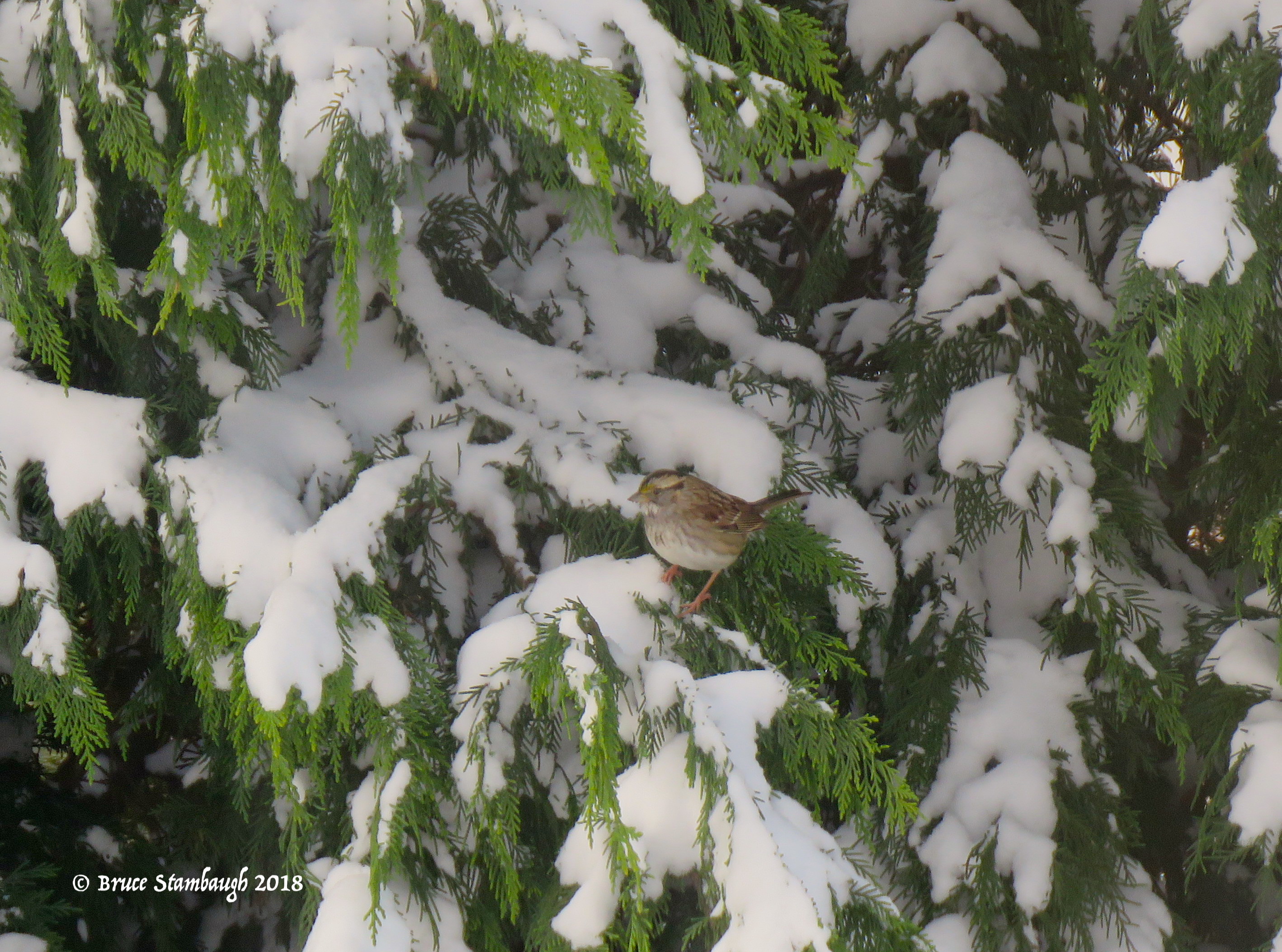
white-throated sparrow, Shenandoah Valley,

© Bruce Stambaugh 2019

Let’s make 2019 the Year of Kindness

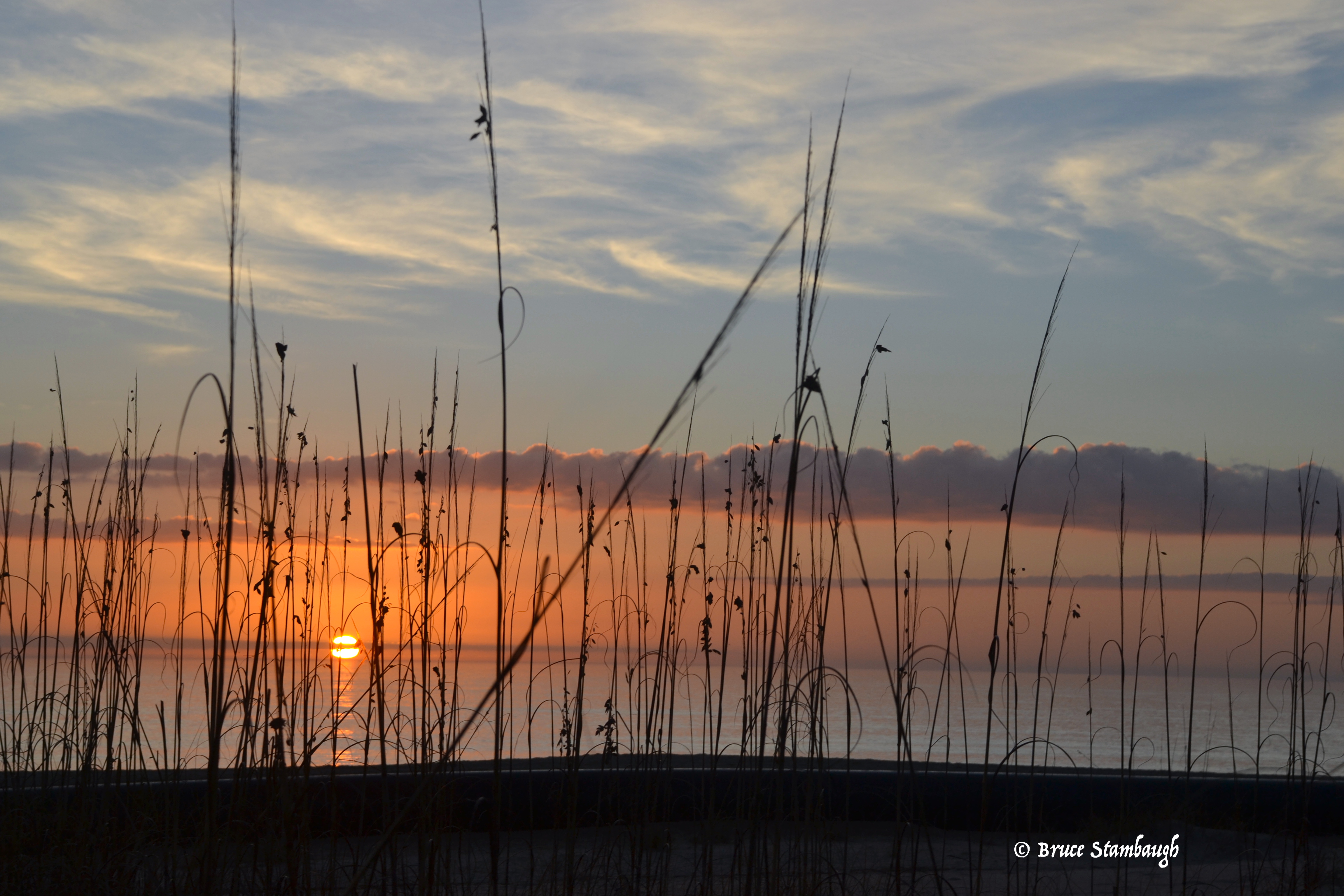
sunrise, sea oats
A new year, like a new day, has dawned.

A New Year has begun. 2019 is underway.

In many ways for many peoples, 2018 was an unpleasant year, a year not worth repeating. Both natural and human-induced catastrophes dominated the mainstream media. Tsunamis, wildfires, mass shootings, political turmoil, earthquakes, horrific hurricanes, snowstorms, and devastating wars filled every media source imaginable.

Among folks I know, 2018 brought too many illnesses, deaths, personal tragedies, and heartbreaks. Scores of others experienced the same devastating human ramifications with equally dire consequences. Human suffering seemed to know no end.

Regardless of the origin of the hurt, we can do something to help. Acts of kindness, random or intentional, help overcome the most feared, painful physical, mental, or climatological injuries we encounter as individuals or as members of the corporate global human race.

Psychological studies have long proven that being kind to another person helped the giver as much as the receiver. I am not talking NFL football here either. Besides providing for the other person, being kind or generous rewards you with a positive feeling.

I’m no psychologist, but it only makes sense to have a positive outlook on life to be observant and responsive to others in need, whether it’s a relatively minor deed or a significant commitment. So be kind to yourself so you can be kind to others.

The studies show that generosity is contagious. We are all touched when we see someone help another person. It encourages us also to do something altruistic.

That fact should energize us to be generous to others in any situation. And by others, I mean anyone, any race, nationality, or religion. After all, a founding principle of our country is that all people are created equal. Though injustices dot our history into the present, that entreaty has nevertheless stood the test of time. We, too, must make it last. We do so by being kind.

Our neighbors shoveled our driveway just because it needed to be cleared. They did other drives in the neighborhood as well.

Your generosity doesn’t have to be opulent either. Bigheartedness can take only a second, or you can spend quality time with others. You choose.

How can you help? If you encounter someone with a homemade sign asking for any assistance, please don’t ignore the individual. At the very least, offer the person a bottle of water. Know someone who has experienced trauma? Send them a card or a text message. Offer to sit with them. Hold their hand. Listen to their needs.

We all know someone who has suffered from depression, anxiety, loss of a loved one, or a terminal illness. The list could go on and on. Just knowing that you care can mean the world to that person or family.

I know personally that in such situations it’s no time to hesitate. As an example, I so appreciated unexpected visits from friends while in the hospital years ago.

In this fast-paced world of instant messaging, smartphones, social media apps, we become vulnerable. If someone hurts you, instead of revenge or avoidance, try a different approach, keeping your own personal safety paramount.

Ask questions. Listen thoughtfully. Be present in each moment. Keep your mind in the here and now instead of anticipating the absolute worst. Breathe deeply. Step back. Wait before responding angrily.

I don’t mean to trivialize deep physical or mental distress. Always keep yourself safe. But in a secure environment, perhaps with neutral, trusting people, reconciliation can reign.

If we all work together, our controllable behaviors can be transformed into tolerable and acceptable acts of kindness. It’s a New Year. Let us together make it a better, kinder one than 2018.

Let 2019 be the Year of Kindness.

rural scene, kindness
May your life’s path in 2019 be one that brings and receives kindness.

© Bruce Stambaugh 2018

News you may have missed in 2018

By Bruce Stambaugh

It’s been another strange year on Planet Earth. So much craziness filled the headlines that some serious faux pas got overshadowed. Never fear. I kept track for you.

Jan. 12 – A British butcher who got locked in a walk-in freezer used a frozen sausage to batter his way out at his store in Totnes, England.

Jan. 16 – Eyelashes froze when the temperature reached 88.6 degrees below zero in Russia’s remote region of Yakutia.

Feb. 9 – An Alliance, Ohio kindergarten student took a loaded handgun to school for show and tell, but had the gun confiscated by his school bus driver when the boy showed the weapon to the only other student on the bus.

Feb. 23 – A third-grade student fired a police officer’s revolver by reaching into the hostler and pulling the trigger during a safety demonstration at a Maplewood, Minnesota elementary school.

Feb. 27 – Entrepreneur.com reported that the three fastest growing franchises in the U.S. were Dunkin Donuts, 7-Eleven, and Planet Fitness.

March 13 – A study by Bar-Llan University showed that the trauma suffered by Holocaust survivors was transferred to their children and grandchildren.

March 14 – A Seaside, California gun safety teacher’s weapon accidentally fired in class, injuring a student.

March 23 – Orange snow fell on much of Europe due to the combination of sandstorm winds mixing with moisture in snowstorms.

April 5 – A report that studied the Sahara Desert from 1920 to 2013 revealed that the desert, defined by areas that receive four inches of rain or less annually, had expanded by 10 percent in that timeframe.

April 9 – Senator Tammy Duckworth of Illinois became the first sitting U.S. Senator to give birth while in office.

April 13 – A photographer in Madeira Beach, Florida captured a shot of an osprey in flight carrying a shark that was eating a fish.

May 2 – A new report indicated that Americans ages 18 to 22 were far more likely than senior citizens to report being lonely and being in ill health.

May 3 – According to federal research released, the rate of people infected by ticks and mosquitoes has tripled in the last 13 years.

May 9 – A new study by researchers at MIT indicated that fasting could dramatically boost stem cells to regenerate.

May 15 – A Gaylord, Michigan couple opened the hood of their car to discover a squirrel had stuffed 50 pounds of pinecones in their engine compartment.

June 7 – A study showed that seven out of 10 Americans were experiencing news fatigue.

June 25 – A kangaroo bounded onto a Canberra, Australia soccer field, interrupting the play between two professional women’s soccer teams for 32 minutes.

July 3 – Mark Hough of Altadena, California found a black bear bobbing in his backyard hot tub and that the bear had finished off the margarita Hough had left behind.

July 10 – Costa Rica became the first country to ban fossil fuels.

July 21 – After receiving a ticket for speeding, an Iowa woman sped away from police who clocked her at 142 m.p.h. and gave her another citation.

July 27 – A pawn shop in Somerville, Massachusetts bought a stolen violin for $50 and discovered from police that its real value was $250,000.

August 1 – A State of the Climate report indicated that 2017 was the third warmest on record globally after 2016 and 2015.

August 5 – Right-handed reliever Oliver Drake became the first Major League Baseball player to pitch for five different teams in the same season.

August 10 – A new scientific study reported that insect-eating birds consume about 400 million tons of insects each year.

September 10- The Smithsonian Migratory Bird Center reported that 600 million birds are killed annually in the U.S. by flying into buildings, most often at night when they are lured by illuminated office windows.

September 14 – New census data reported that Social Security, food stamps, and other government programs kept 44 million Americans out of poverty last year.

September 25 – A record 1,260 dogs attended the baseball game between the Cleveland Indians and the Chicago White Sox during Chicago’s promotional Dogs’ Night Out event.

September 26 – The United Nations Refugee Agency reported that an unprecedented 68.5 million people globally have been forced from their homes.

October 15 – A report by the University of Missouri indicated that honeybees stopped flying during the total solar eclipse of August 21, 2017.

October 31 – The journal Nature published a report that showed over the past quarter-century the Earth’s oceans have retained 60 percent more heat than previously believed.

November 6 – The World Health Organization listed depression as the leading cause of disability in the world, with the U.S. leading the way with 13 percent of its population on anti-depressants.

November 9 – The Center for Disease Control reported that smoking rates in the U.S. at an all-time low, with 14 percent of adults who smoke cigarettes.

November 25 – A Bank of America ATM machine in Houston, Texas dispensed $100 bill instead of $10, and the bank allowed customers to keep the extra money.

December 8 – A 29-year-old Summerville, South Carolina man was arrested for arson after he allegedly burned several of his neighbors’ outdoor Christmas displays.

December 12 – The CDC listed fentanyl as the deadliest drug in the U.S., causing 18,000 deaths from overdoes in 2016.

December 14 – Snopes.com reported that the busiest day of the year for Chinese restaurants in the U.S. is Christmas Day.

Here’s hoping 2019 is a better year for our planet and all its inhabitants.

Happy New Year!

Let’s let the sun set on 2018.

© Bruce Stambaugh 2018

Home for the holidays indeed

Ohio's Amish country, Holmes Co. OH
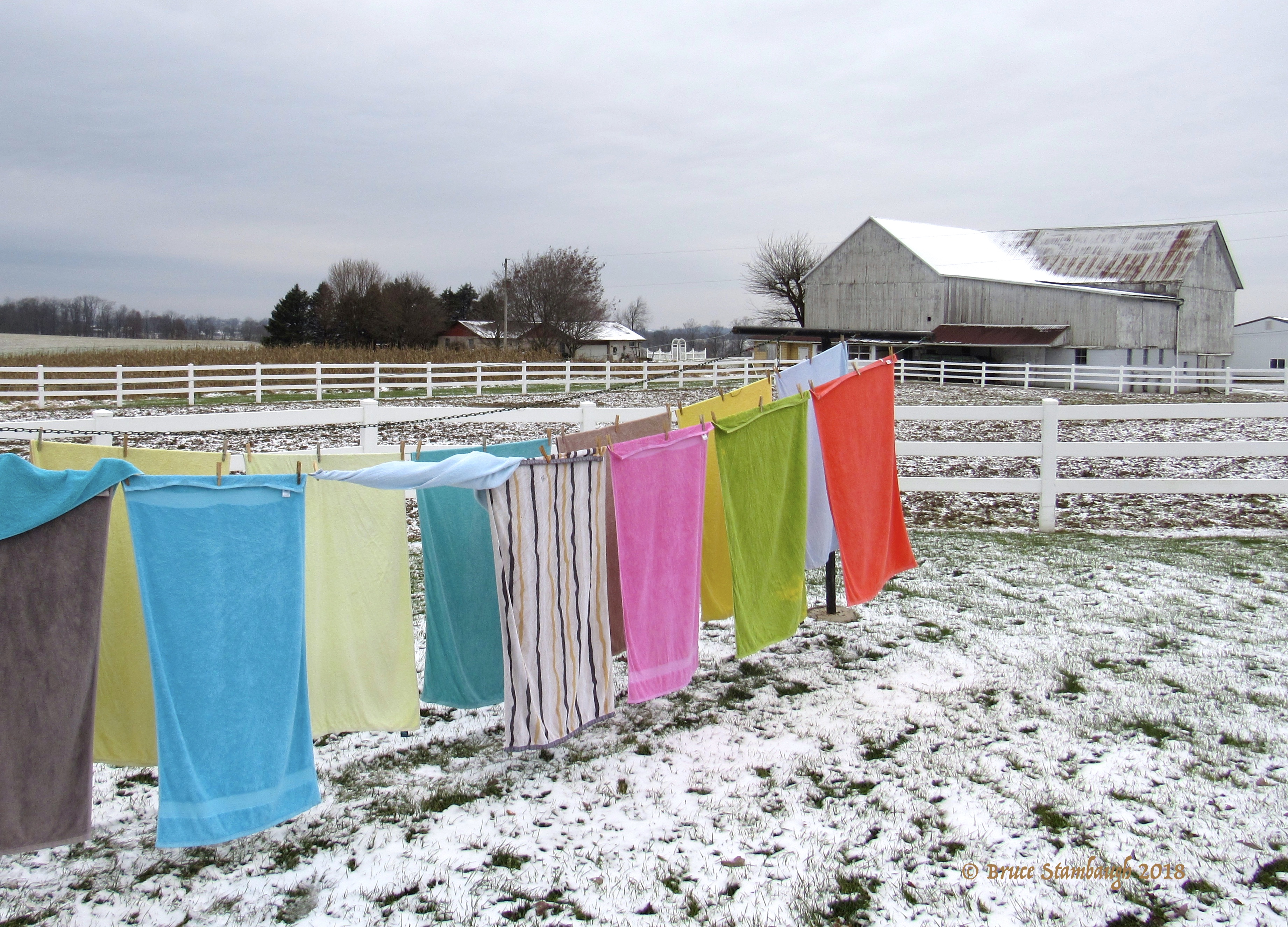
Martha’s wash line.

By Bruce Stambaugh

Last year at this time we were still settling into new surroundings, situations, and holiday opportunities as our relocation process to Virginia’s magical Shenandoah Valley continued. We had moved there to be close to our grandchildren. Celebrating the joyous season with them was paramount.

But this year was different. With Thanksgiving as early as it could be, we found an opening in our busy retirement schedules to return to our Ohio homeland.

An early winter snowstorm surprised us as we traversed roads in the higher elevations of West Virginia and Maryland. That couldn’t deter us, however. We arrived safely in the Buckeye State to celebrate personally with a few family members and friends, people we love and cherish. Some gatherings were planned while others were serendipitous.

Holmes Co. OH, Rebecca's Bistro
Fun with friends.
The frivolity began before we could even unpack our suitcases. That’s the kind of company we keep, and that is willing to host us. Our first evening meal and lively conversation with lots of laughter set the tone for our all too brief visit. We had so much fun we could have turned around and gone straight back to Virginia and been pleased with the trip. Of course, we didn’t.

The next morning we met old friends at a busy locally-owned bistro for breakfast. We discovered other friends there, too. We stayed so long it would have been more profitable if the proprietor had charged us per hour rather than per meal.

As we left for old haunts near Holmes County’s Mt. Hope, the van mysteriously pulled into the parking lot of a favorite chocolate shop. Affabile store owner Jason must sweeten his candy with his hospitality.

We made a beeline to the furniture store where I served as its chief marketer for 11 years in Mt. Hope to say hello to former fellow staff members. Fond hellos, fun memories, and new looks for the store inside and out greeted us. Their ability to create the latest styles in beautiful furniture boggles my mind.

After that enlightening encounter, we took a break at the charming Red Mug Coffee shop, an apt name if there ever was one. Of course, I drank my delicious brew from a red mug.

We hadn’t even ordered when a former student entered. Lonnie and our family go way back. He was born two hours before our daughter. Their cribs were side by side in the nursery at the hospital in Millersburg.

Then a high school friend of our son spied us and years of catching up ensued. Marlin proudly shared photos of his adopted children. Those kids couldn’t be in a more loving situation.

This slideshow requires JavaScript.

Laundry on the washline told us that Martha was home. After warm, welcoming hugs, we visited with her and her youngest child until we just had to leave. Our timing couldn’t have been better. I stopped to visit briefly with my friend Dan, who mows the roadsides in the township where I served as a trustee for 20 years.

We found our former across-the-road neighbors Paul and Mary as gracious and hospitable as ever. The time ticked away here much too quickly as well.

The visiting continued at Killbuck with the doctor who brought our daughter and son into this world. As always, his spry wife considered us family. We checked in with a couple of their children and spouses, too. Of course, “children” is a relative term since they all are grandparents.

The pace of our last day in Ohio was just the opposite. Neva went shopping with her sister, and sure enough, met even more friends. I ran some necessary errands before going birding. I was thankful for the exercise, the wildlife I encountered, and many photo opportunities. The sun finally burned through the haze by late afternoon. Still, the air’s temperature couldn’t come close to matching the warmth of fellowship we had experienced.

Holidays are for gathering, reminiscing, sharing. Through both our planned and spontaneous encounters, it was indeed a joy to be home for the holidays.

white-tailed deer, Norma Johnson Wildlife Center
A young buck white-tailed deer bounded across the trail far ahead of me.

Click the photo to enlarge it.

© Bruce Stambaugh 2018

Birds and trees signal inevitable change

ice storm, male cardinal
Icy red.

By Bruce Stambaugh

The annual migration of birds has been going on for some time now. Fall in the birding vernacular doesn’t equal calendar fall.

There is a logical reason for that. Different species of birds begin their migration at different times. Shorebirds and songbirds often lead the winged entourage to warmer climes. Others trail along alone or in giant flocks to the delight of avid birders. To account for these time travel variances in the birding world, fall is the most extended season, running from August through November.

backyard birds
At the suet feeder.

The same concept is valid for trees and deciduous plants. Some species begin their winter hibernation sooner than others. Their various changing colors can foretell this annual transition. Poison ivy leaves often turn bright red before September arrives, while the glossy leaves of shingle oaks fade from emerald to russet and hang on until early spring.

For me, I welcome these transitions, especially the birding varieties. As the leaves of the red maples in our yard began to fall, birds I had not seen before began to arrive.

Storms brought down many of the remaining leaves. They also blew in flocks of birds, some temporarily. Others seem here to stay.

Last fall, our first in the Shenandoah Valley, birds were scarce at the feeders. The numbers and variety of birds were well below my expectations. I longed for the many beautiful birds we had had in Ohio.

Optimist that I am, I hung the feeders again right after Labor Day and attracted a few regulars. I can always count on chatty house finches and boisterous blue jays. Once the weather cooled, the suet feeder went up in the backyard.

backyard birds
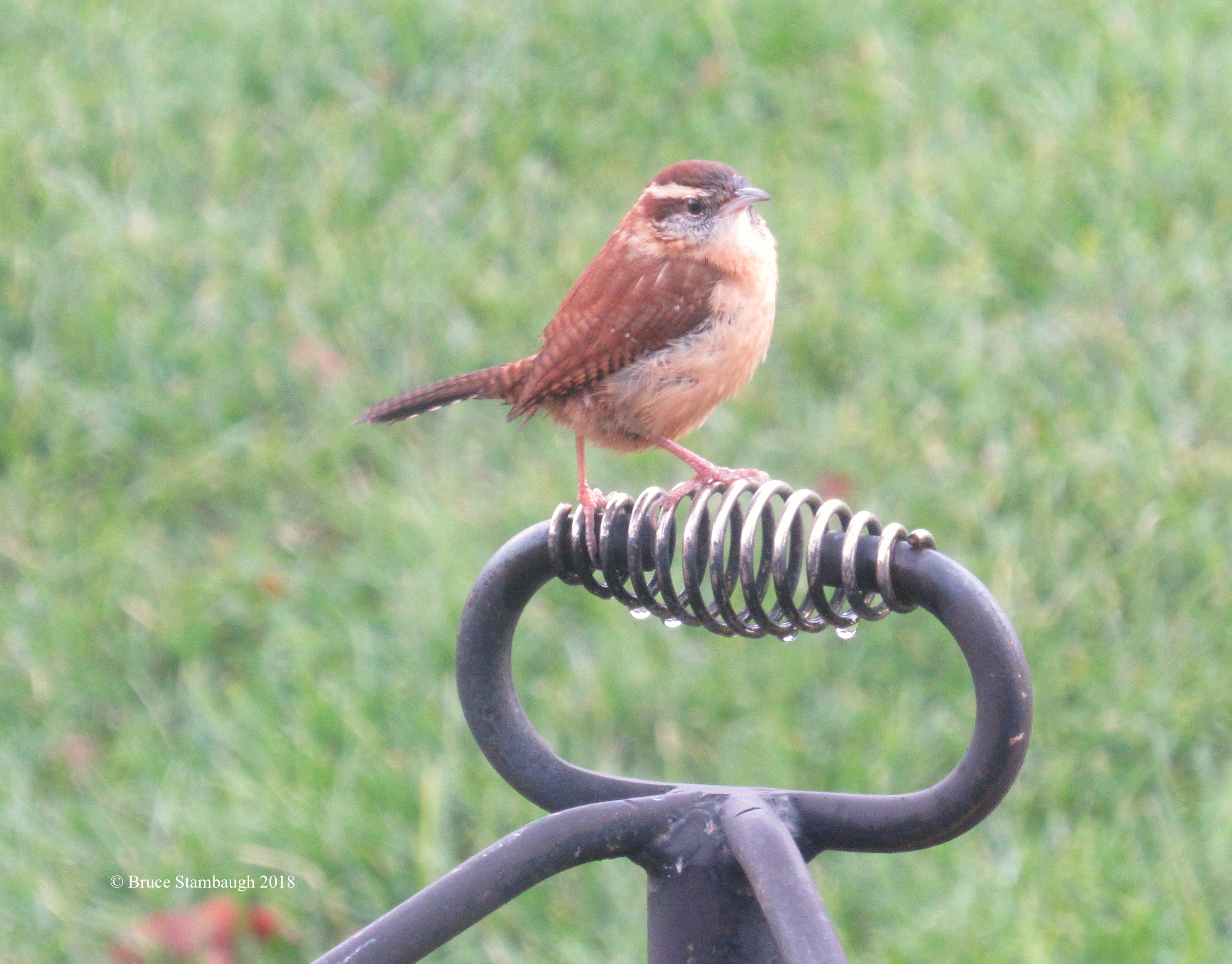
An inquisitive Carolina Wren.

I was contented with the usual suspects, happy that even the Carolina Wrens made regular appearances. But I could not have anticipated what happened next. About six weeks ago, I noticed some birds that resembled the numerous house finches that frequented our feeders. A closer inspection with the binoculars told me that we had a small flock of purple finches with a few pine siskins thrown in for good measure. I was ecstatic.

I had never had purple finches at the feeders and only had had passing pine siskins that took a break to refuel during migration. I hoped beyond hope that the birds would stay. So far they have.

These are gorgeous birds, each in their particular plumage. The reddish hues of the male purple finches appear iridescent, especially if the sun reflects off of their foreheads where the winter colors are the brightest. Though much duller and muted, the rich browns and creams of the females’ feathers are equally stunning.

backyard birds
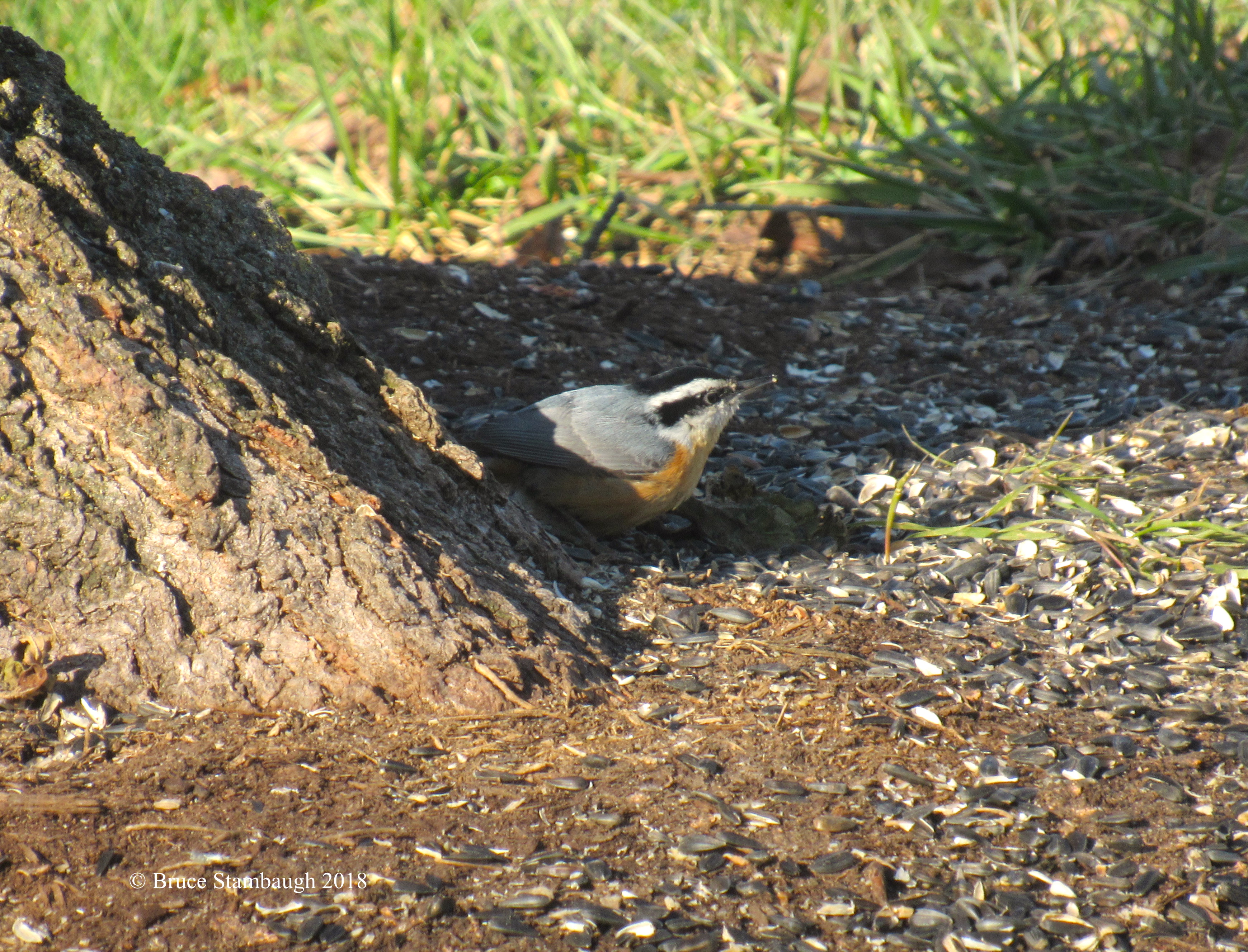
A rare visitor, a Red-breasted Nuthatch.

The more demur pine siskins tend to feed with the purple finches and the American goldfinches. Their brown stripes and flash of yellow at the wing tips make them striking birds as well.

The departure of the leaves and arrival of the birds mimic life. We can’t do anything about the past and try as we might, we can’t predict the future. Dull leaves and the arrival of purple finches are proof positive.

To be most productive, I strive to be present in each moment regardless of what change occurs. The mystery of it all sparks a spirit of gratitude.

I’m thankful the birds and trees keep reminding me that change is inevitable. If we pay attention, we can enrich our lives by embracing each subtle transformation, seasonal or otherwise.

For good or for ill, change happens. It is the way life is.

Purple Finches, Pine Siskins, House Finches, American Goldfinches
Finches feeding.

© Bruce Stambaugh 2018

Learning to be thankful for life itself

Lewis Falls, Shenandoah NP, hiking
Cascades above Lewis Falls.

By Bruce Stambaugh

The holiday season is here. Thanksgiving Day has come and gone. Christmas, Hanukah, and New Years will be here in the twinkling of an eye.

It’s easy to get caught up in all the excitement, hoopla, and glitz of the extended festivities. After all, the big box stores, TV, radio, online ads, and printed fliers have been pushing their holiday wares for weeks now.

I try not to pay too much attention to all that holiday hype. In my retirement, I have, instead, come to enjoy each moment, anticipate the day at hand, and celebrate the unfolding daily events.

I have also learned that that is much easier said than done, given the state of the world, the conniving of greedy people and corporations, the unsettling of Earthly events, natural and otherwise. Still, we must carry on. So I did, and I do.

This particular day I joined a senior citizens’ hiking group led by a retired banker, a most trustworthy man. Our destination was Lewis Falls in Shenandoah National Park.

Our group of nine wound its way down the trail through the shedding deciduous trees, brushing against mountain laurel whose berries the forest birds and bears had not yet devoured. We crisscrossed several small streams, all of them rushing to plummet the 83 feet of Lewis Falls.

These cascading ribbons join just as they tumble into the Shenandoah Valley. We stepped gingerly across the last of the wetted stones and finally made it to the shaded overlook of the falls themselves. We refueled at that lovely sight on the snacks we each had brought along.

This slideshow requires JavaScript.

I climbed over the protective stonewall to get a slightly better view of the falls. It nearly cost me my life. I pitched the last handful of peanut butter cracker crumbs into my mouth and tried to swallow. I couldn’t.

I tried to breathe in. No air made it to my lungs. I didn’t want to die this way.

My EMT training kicked into gear. I got the attention of the nearest person and pointed to my throat. She asked me if I was choking and I nodded my head frantically. She hollered for the others and started to jump the wall to help me.

In these 20 seconds or so, I continued to try to swallow. I couldn’t speak. I thumped my chest with my fist twice, made a growling sound, and attempted to swallow again. Just as this courageous woman was about to apply the Heimlich maneuver, I felt the mountain air tickle my lungs. I took a swig of water, waved off my would-be rescuer, and spoke a few raspy words of thanks.

The woman was heartily relieved, but not nearly as much as me. As we backtracked up the zigzag trail, everything looked brighter, the colors more vibrant, the air sweeter. The trek back to the cars seemed much shorter, easier even until someone noticed that Herb was missing.

The tallest member of our pack, Herb had headed back ahead of the rest of the group. But he wasn’t at the parking lot. The retired banker quickly formed a plan, and once again my firefighter/EMT training instinctively activated, only this time for a search and rescue effort.

Though frustrated for nearly two and a half hours, the search ended happily. Herb was found safe and sound. We all headed for home in thanksgiving and wonderment of creation and life itself.

In the midst of all the mundane marketing and holiday cheer, I have a suggestion. Let’s remember to be thankful for life itself.

The view of the Shenandoah Valley seemed even more pristine than usual despite the muted colors.

© Bruce Stambaugh 2018

Bay Photos by Donna

Wildlife Photos From The Chesapeake Bay Region

ROAD TO NARA

Culture and Communities at the Heart Of India

K Hertzler Art

Artist and nature journalist in the Shenandoah Valley of Virginia.

Maria Vincent Robinson

Photographer Of Life and moments

Gabriele Romano

Personal Blog

Jennifer Murch

Art is the only way to run away without leaving home. -Twyla Tharp

Roadkill Crossing

Writing generated from the rural life

ANJOLI ROY

writer. teacher. podcast cohost.

Casa Alterna

El amor cruza fronteras / Love crosses borders