Joyously enjoying another snowy owl irruption

snowy owl, Harrisonburg VA
Snowy Owl amid the chaos.

By Bruce Stambaugh

The bird was pure magnificence. It’s chosen perch, however, not so much.

Here was a snowy owl, far from its usual winter range, roosting on a light pole in a large industrial parking lot. I wondered if others saw the paradox of the beautiful bird and its chaotic, manufactured surroundings.

A post of a photo of the bird on a local business’ social media page alerted me to the rarity. The caption simply said, “He’s back!” Upon investigation, I learned that the photo was actually taken four years ago when the last snowy owl irruption occurred.

Ornithologists label such outbreaks of snowy owls as irruptions. Usually, this owl species winters in Canadian provinces and summers further north in Arctic tundra areas. For reasons still being studied, every so often snowy owls venture far beyond that territory to the universal pleasure of birders. During irruption years, the birds scatter far and wide, going as far south as Florida.

To be forthright, I had been a little envious of birders back home in Holmes County, Ohio. A snowy owl had been spotted nearly in the same location as one in the last irruption four years ago, and not far from our former Ohio home.

snowy owl, Holmes Co. OH
The Holmes Co. Snowy Owl. Photo courtesy of Dave Findley.
The Holmes County owl was very cooperative, affording excellent looks and lots of stunning photos of the bird. For many, it was a life bird, meaning it was the first time those individuals had seen a snowy owl. I was happy to hear that the Amish farmer of the land where the owl had settled was glad to host birders as long as they were respectful of his property and kept a proper distance so as not to spook the bird.

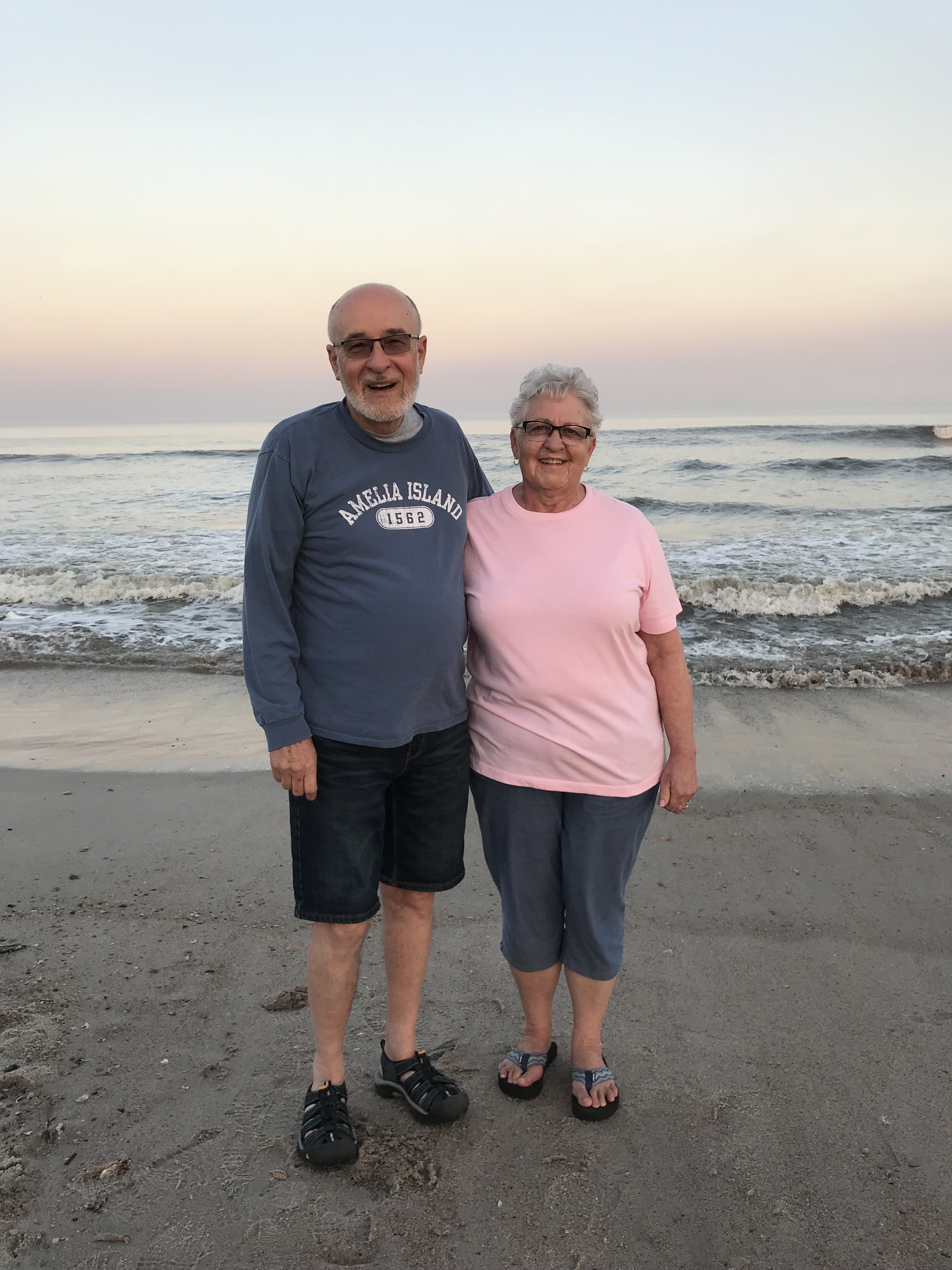
The snowy owl in Virginia wasn’t nearly as cooperative. The day my wife and I saw it, it was three football fields away from a farmer’s lane where we observed the bird. The industrial area where it alighted abutted the farm.

We squinted into the early morning sun to see the bird. Even through binoculars, it was hard to distinguish the bird’s more delicate details. A fellow birder, as fellow birders often do, offered us a look through her spotting scope.

I used the full length of my telephoto lens to capture imperfect images of this gorgeous bird sitting contentedly among power lines and steel light poles. I got a better shot through the scope by merely holding my smartphone to the eyepiece. Even then the glaring sun’s rays, defused by growing overcast clouds, gave the photo a black and white look.

digiscoped snowy owl
Through the spotting scope.
That was only appropriate since this snowy owl showed both colors. Layers of black barring covered the rounded owl’s back, indicating that this was either a female or young snowy. The feathers of mature males are almost entirely white.

With the sighting of this Virginia snowy owl, any lingering envy I had of the Ohio snowy melted away in the morning sun. I was contented.

Within days, other snowy owls began appearing south of the Canadian border. Several more found their way into northern Ohio and other states, too, including another one in Virginia.

It would have been too much to expect a snowy owl to appear in the Shenandoah Valley. And yet, here it was, an early Christmas gift perched on a light pole.

That’s just the way life is. When we least expect it, beauty appears in the most unlikely places, even a factory parking lot.

snowy owl, Rockingham Co. VA
The Snowy Owl later found more conducive habitat at another nearby farm away from all the industrialization.

© Bruce Stambaugh 2017

The Enforcer

Belted Kingfisher, Silver Lake Dayton VA,
The Enforcer.

I love birding. You just never know what you’re going to find or see. When I came upon this Belted Kingfisher sitting on this sign, I both chuckled and snapped a picture.

I think the content of the photo speaks for itself. “The Enforcer” is my Photo of the Week.

© Bruce Stambaugh 2017

Not the Loch Ness Monster

Silver Lake Dayton VA
Not the Loch Ness Monster.

Given all of the fake news that has made international headlines lately, I won’t deny the thought didn’t cross my mind. But this photo is not the infamous Loch Ness Monster. It does resemble the famous picture that purported the Nessie sighting.

No. This is the silhouette of a Pied-billed Grebe that I shot (with my camera) last evening at Silver Lake near Dayton, Virginia. I went there to photograph the reflection of the sunset but came away with this gem instead.

“Not the Loch Ness Monster” is my Photo of the Week.

© Bruce Stambaugh 2017

In awe of fall’s many murmurations

meadow, Eastern Mennonite University, Harrisonburg VA
The hilltop meadow.

By Bruce Stambaugh

Have you seen them? Fall’s murmurations are everywhere, or at least they were. They can be as fickle as fall weather. In fact, it’s autumn’s cooler temperatures and shorter daylight hours that often spur them on.

European starlings create the defining form of murmurations that are often caught on video. Massive, migrating flocks of starlings whirl, dance, gyrate, and swirl, darting high and low, turning seemingly indiscriminately in the sky. One minute they mimic a ballet dancer, the next a fearsome Halloween monster. Sometimes they perform over land, other times they maneuver above great bodies of water. Either way, their machinations mesmerize human observers.

Common Buckeye, honeybees,
Getting buzzed.
These starling murmurations, so prevalent in the fall, appear cloud-like, pulsating as if scripted to a choreographed symphony. They change direction and tempo, moving from Beethoven’s measure to Springsteen’s beat. I once saw a murmuration where thousands of starlings turned and twisted like a tornado, so much so that other drivers also pulled over to watch the show.

As magical as they are, the starlings cannot claim a patent on this fascinating phenomenon. Though not as showy or perhaps even as noticeable, other creatures great and small participate in their own migratory matinees.

A recent Sunday afternoon sabbatical on a hilltop brought me to that conclusion. October’s bright afternoon sun bathed the land in warmth and beauty. I couldn’t have been happier.

West Virginia, Virginia, Appalachian Mountains
The blue mountains.

To my west, the Allegheny Mountains stood eternal, the hazy blue boundary line between Virginia and West Virginia. To the east, the Massanutten Mountain held watch over the city of Harrisonburg, which hummed with its usual busyness.

As pleasant as that was, the setting became secondary to the murmuration activity in the lovely hillside meadow before me. In its last days of seasonal, colorful productivity, hundreds of butterflies flitted everywhere. Multiple species competed for the blooms they far outnumbered. Thousands of honeybees, bumble bees, and beetles also joined in the frenzy for the limited floral offerings.

Monarch butterflies, meadow, wildflowers
Blooms and butterflies.

Though they weren’t captivating clouds of whirling birds, each insect species had its own style. Butterflies chased butterflies. Bees buzzed butterflies, usually unsuccessfully. It wasn’t uncommon for a ladybug, honeybee, a Monarch, and a Painted Lady butterfly to all inhabit the same blooming wildflower plant, appropriating whatever they could for their journey or hibernation ahead.

Overhead, turkey vultures sailed on rising convection thermals, additional byproducts of the generous sunshine heating the cooler landscape. Beyond the urban trees and down the hill, a red-shouldered hawk shrieked its call in an attempt to flush songbirds from their protective cover.

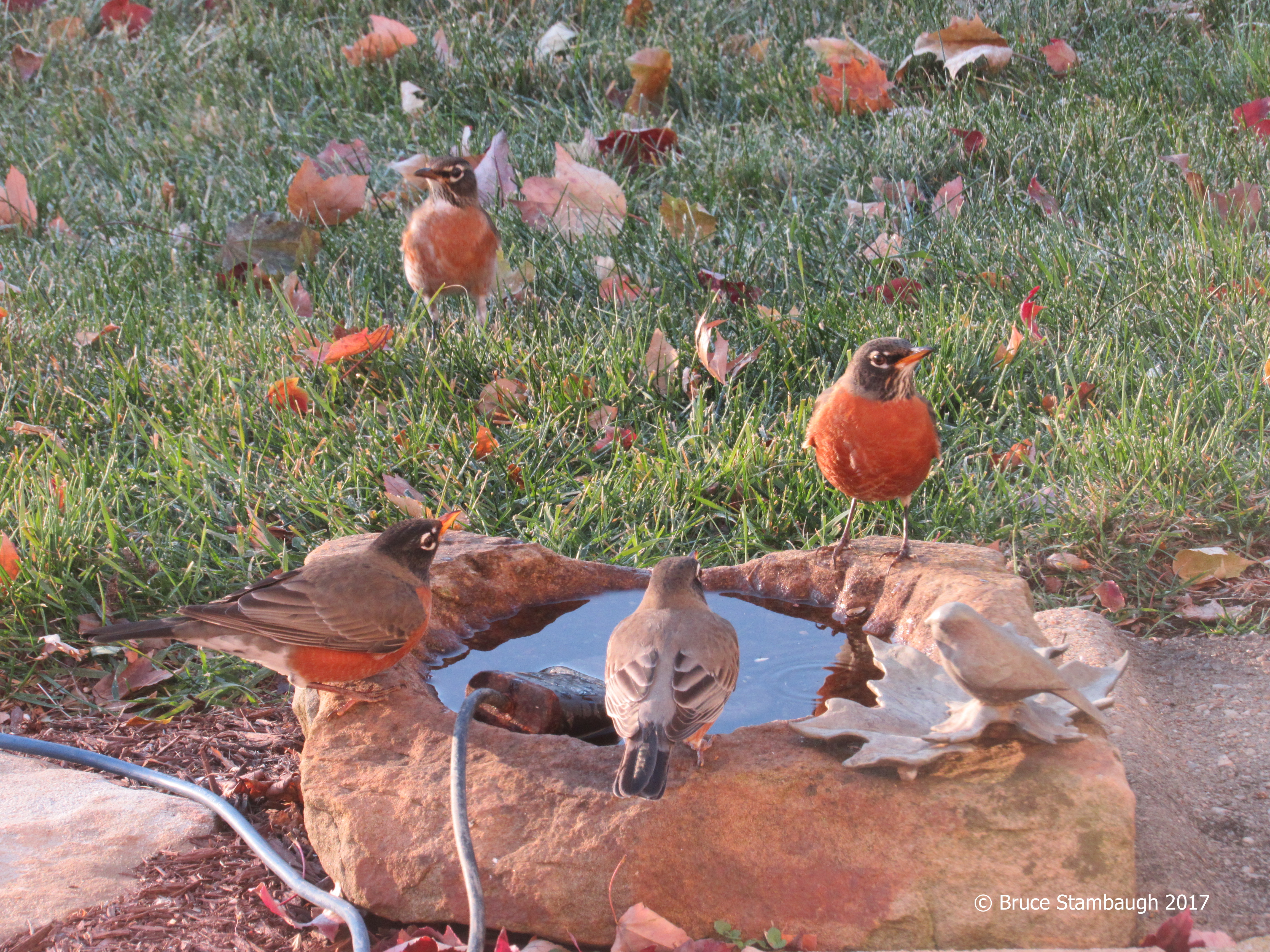
American robins appeared with only abbreviated chirpings. Silent and absent since their last summer nestings, robin congregations bobbed on yards and scavenged crabapple trees for any morsel of energy to wing their way to milder winter climes.

This slideshow requires JavaScript.

An eastern phoebe launched from a solitary dogwood tree loaded with bright red berries. The bird had no interest in them, however. Instead, it captured an unsuspecting damselfly, and returned to the same perch in the same tree, wagged its tail one more time and disappeared.

On the way home, a rather lopsided V winged across the last of the sunset’s orangey glow. Even with car windows closed, I could distinctly hear the geese honking as the darkening sky absorbed them. At day’s end, I was elated to have observed a few of the other forms of nature’s murmurations, each with their own flair, their own personal signature.

What murmurations of fall have you seen? Look sharp. They’ll soon be gone, replaced by the coming season’s institution of slumbering stillness.

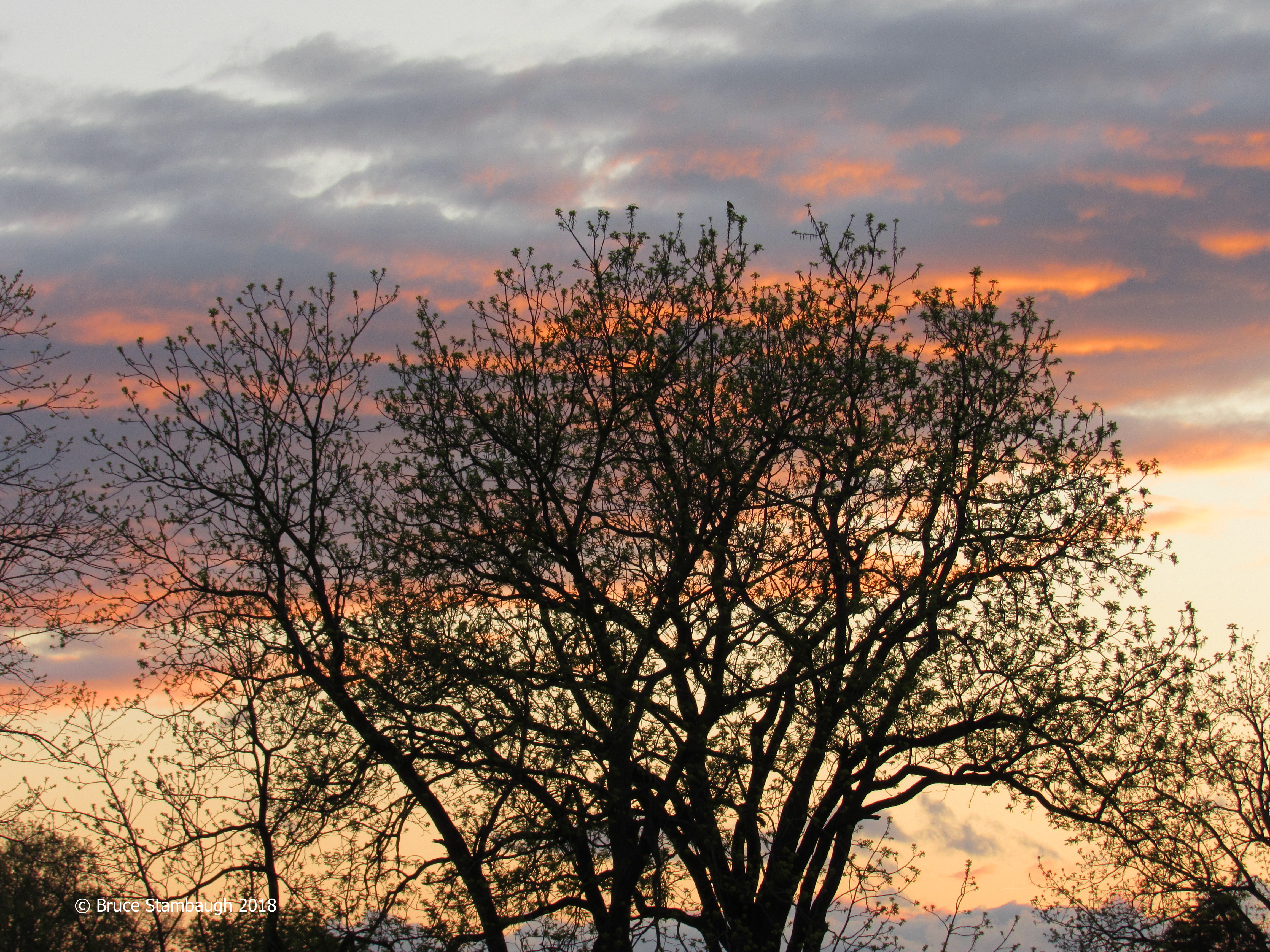
sunset, Shenandoah Valley
Waning sunset.

© Bruce Stambaugh 2017

Say goodbye to summer, hello to fall

Silver Lake, Dayton VA
On Silver Lake.

By Bruce Stambaugh

It’s another quiet morning in Virginia’s Shenandoah Valley. The warming sun has climbed high above Massanutten Mountain to begin evaporating the valley fog and mist wisp by wisp.

The leaves of the red maples in our yard have started their annual process of revealing their true colors and the reason for their designated nomenclature. Even before they fully blush, a few tumble one by one onto the still luscious grass beneath.

red maple tree, turning leaves
Green to red.
The school buses have already made their morning rounds. It’s quiet now, with only the sound of blue jays squawking in the distance. My wife is her busy self, the washing machine already spinning its first load. Still, I can hear the soft sound of the dry mop gliding over the oak floor. Neva is in her realm.

Orange and brown wreaths have replaced the sunny summer ones on neighbors’ front doors. Pumpkins and pots of yellow and scarlet mums beckon visitors from their sidewalk setting.

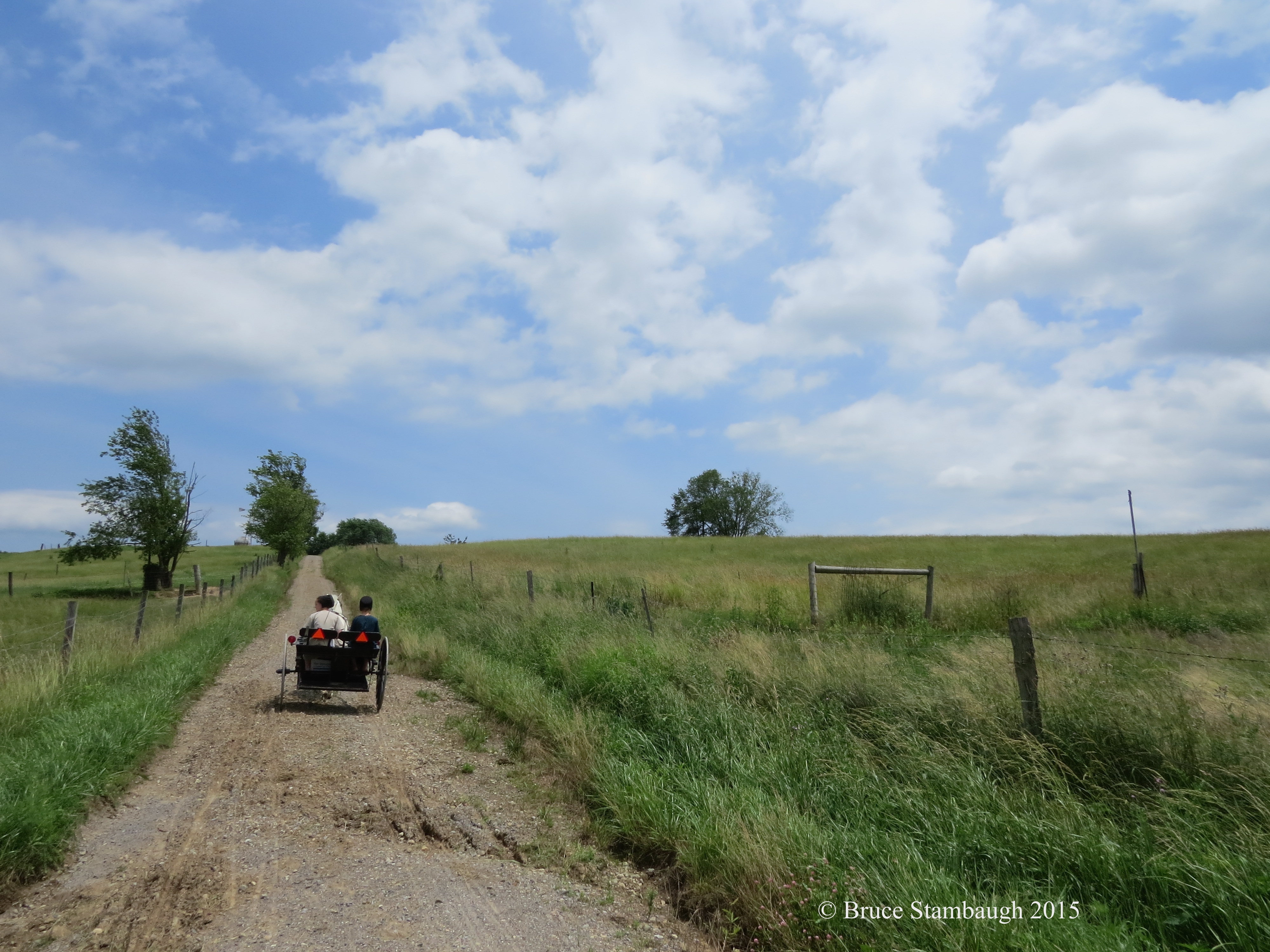
The signs of autumn’s arrival have been overlapping with those of summer’s waning for weeks now. The outer rows of massive cornfields have long been cut and chopped into harvest bins. The rest will soon follow until the silos are full. The Old Order Mennonites drive horse and buggies to church. They wheel huge tractors down narrow country roads into their sprawling farm fields with no thought of contradiction.

Shenandoah Valley farm, large farm equipment
Old Order Mennonite farm.

It was a pleasant summer, our first as residents of the Commonwealth of Virginia. Folks kept saying that this wasn’t a normal one for Virginia. With intense hurricanes brewing and massive wildfires sweeping the west, is there such a thing as normal weather anymore?

The chimney swifts that called our neighbor’s flue home for the summer disappeared days ago. Ohio friends have reported flocks of common nighthawks winging south. Shorebirds, some rather rare, made pit stops in the Funk Wildlife Area, Killbuck Marsh, and Beach City backwaters to the delight of novice and hardcore birders alike. Those, too, are sure signs of fall’s arrival.

Starlings, northern cardinals, and cedar waxwings have already obliterated the bright red dogwood berries even before the trees’ curling leaves have completely transitioned from green to crimson. The Carolina wrens provided the soundtrack to the feeding frenzies.

Old Order Mennonite horse and buggy, Dayton VA
Down the road.
Just as we did the summer, we anticipate with wonder whatever our first Virginia fall delivers. Neva will continue to play chief cook and bottle washer for our daughter’s household until the volleyball season subsides in early November. Just like all the other seasons, I’ll continue to do whatever I’m asked or told to do. Usually, it’s the latter.

Seasons come and seasons go. Life marches on. We embrace each moment of each day with joy no matter the silliness, pettiness, and egotistical disposition of those in more powerful positions than the rest of us.

That, my friends, is the way it is. We must keep on keeping on no matter the season, the situation, and the circumstances in which we find ourselves.

Rake leaves with a smile on your face. Stop and talk with your neighbors who are likely doing the same chore. Share your abundant tomato harvest or a freshly baked apple pie with others. The results will be delicious.

Enjoy the pleasant fall weather, the changing of the leaves, the foggy mornings, the brilliant sunrises, the stunning sunsets, and each moment in between. In the process, autumn will fall most graciously upon you and yours.

Rockingham Co. VA, sunset
September Shenandoah sunset.

© Bruce Stambaugh 2017

Under the spell of a majestic mountain

Mt. Rainier, White river
Love at first sight.

By Bruce Stambaugh

Once I saw the mountain I couldn’t stop looking at it. I pulled into nearly every scenic overlook along the circuitous route to Mt. Rainier to gaze at this beauty and take her photograph. She didn’t seem to mind in the least.

It was my first visit to Mt. Rainier National Park. Yet the majestic mountain drew me in like a long, lost friend. The mountain embraced me rather than the other way around. Still, our feelings toward one another were mutual.

Oregon Junco, Mt. Rainier NP
Oregon Junco.
I wasn’t the only one who felt that way. This was a nondiscriminatory attraction. Peoples of all races, religions, cultures, and ages shared the same awe. It showed in their various displays of excitement, photo ops, and quickened pace up well-marked trails.

The weather likely affected my initial reaction. From the time we left friends’ home north of Seattle, Washington, low, thick, gray clouds rolled through the sky. I had visions of not being able to see the peak at all.

As we approached the park’s boundaries, a meteorological switch appeared to have been flipped. The cloud blanket disappeared, and we drove through forests of tall evergreens crowned by clear blue skies.

The chalky waters of the rushing White River contrasted nicely with those greens and blues. The frothy river owed its origin to the melting snow of the magnetic mountain miles away. Its snow-capped peak glistened in the morning sunshine.

This slideshow requires JavaScript.

When we arrived at Paradise Lodge in the mid-afternoon, there was no room at the inn. No worries for us; we had reservations. I just couldn’t find a parking spot so many admirers had gathered at the mountain’s base.

With all this natural beauty, I wasn’t about to complain about such trifles. I explored the many trails that lead away from the visitor center and the lodge while my wife rested. The trails were easily traversed, paved even, at least until they grew steeper up the mountainside.

Consequently, the paths were packed with curious souls like myself. Young and old, pedestrians and those in wheelchairs, all inhaled the luxury surrounding us. Here in the higher altitude, the air was pure, crisp, fresh, delicious even, sweetened with the faint fragrance of blooming wildflowers. Birds chirped and headed for cover as the incredible mountain drew us closer.

Soon, however, the crowd clogged the trail, like a bear jam in Yellowstone National Park. To my surprise, that’s exactly what caused the delay. A young black bear grazed on ripe blueberries only 30 to 50 yards up the slope from the trail. We couldn’t believe our good fortune.

Satisfied with my observations, I moved on. Near a gurgling alpine brook, a gaggle of teenage girls seemed uncertain about what to do. When I told them about the bear, some screamed while others wanted to know where. I showed them, and I think all of their jaws dropped simultaneously.

That evening, I found an excellent spot to view the sunset and was not disappointed. Odd shapes of wispy clouds floated carefree over lower peaks to the west. The thin clouds reflected deep blues and warm pinks and oranges. Though the sun had long dipped below the horizon, it was as if time itself had stood still.

sunset, Mt. Rainier NP
Dance at sunset.

The next morning my wife and I had that same trail nearly all to ourselves. We stood in awe and admiration as the sun’s first rays planted a good morning kiss on the mountain’s peak.

In that cool, pristine, peaceful moment, we were in no hurry to leave. Who would be when under the spell of such a mother of a mountain?

Mt. Rainier at sunrise, Mt. Rainier National Park
First light at Myrtle Falls.

© Bruce Stambaugh 2017

Focus on the day at hand

Lakeside OH, Lakeside Chautauqua, vacation,
Sunrise from the walk.

By Bruce Stambaugh

When we vacation at our beloved Lakeside, Ohio, I try to start each day with a morning walk, weather permitting.

I usually rise before sunup. I quietly as possible open the door of our efficiency apartment so not to wake my still sleeping wife.

Each day is different. Some days, it’s like stepping into an oven. Others, I wear a jacket. Nevertheless, I always check the southern sky for any hint of what I might find at the lake.

Though the route is usually the same, I marvel at the newness of each walk that still surprises me even after all these years. I’ve learned to watch for it, inhale it, listen to it, and even taste it in the dense, moist air thick enough to cut with a knife.

I hope for those incredible pink and blue hues that dance at dawn. Often only the grayest gray greets meet. Undaunted, I head to the lake anyhow, past cute cottages, past overflowing garbage cans waiting to be emptied, past flowerbed after flowerbed, the blossoms bent with the weight of the overnight dew.

Despite the early signs of another blessed sunrise, this day a thick fog has painted shut the horizon. There is no deciphering sky from water. Only billowing clouds high above the fog bank give depth perception.

The lake is as placid as it could be. No boats. No birds. Only an occasional fish jumps rippling the surface like a drip in a bucket of water. The circles soon conform to the calm.

No breeze blows. From far across the smooth waters, the resonating horn of the first ferry to Put-In-Bay reverberates across the glassy surface.

I walk east hoping for a miracle from the sun. Other options peak my senses instead. House sparrows chirp their morning chatter. Robins merely chip and chortle now instead of issuing their luxurious morning spring and early summer concerts.

Besides those few birds, I am nearly alone. I walk along the paved path that stretches out ahead of me. Beds of black-eyed Susan’s and day lilies are the median between the walkway and the rocky riprap shoreline 10 feet below.

Clearly, today is not yesterday when a goose chased an eagle just overhead as the sky blushed every shade of pink. Today the air hangs heavy in the damp grayness.

Sure no flashy sunrise will emerge, I turn my attention to the walk itself. At my friend Dottie’s cottage, the only one in Lakeside with a four-digit house number, I head south on Poplar Street. It’s all up hill from here until I reach where Sixth Street ends at the new memorial park. The gurgling of a fountain is the only sound there.

A female redwing blackbird preens on the phone line above me. The bird’s daybreak hygiene continues as I walk by. A pair of scraggly squirrels saunters across the street in search of breakfast.

I head down Cedar Street but soon stop. The biggest skunk I have ever seen wattles across the blacktop, going house to house in search of any remaining morsels.

A jogger passes a speed walker ahead of me, the first two humans I have encountered. We smile, wave, and say good morning, exercising the Lakeside protocol.

So there it is. No two days are alike. What was yesterday is gone. What will be tomorrow is unknown. All that truly is, is today. Let’s embrace it as it unfolds!

sunrise, Lake Erie
Hope fulfilled.

© Bruce Stambaugh 2017

Long days and slow sunsets

summer sunset, Holmes Co. OH
Silo sunset.

By Bruce Stambaugh

Summertime. That luscious word rolls off my tongue just as smoothly as butter melting on a steaming ear of sweet corn.

Officially, summer only recently arrived. The summer solstice just slipped by, technically ushering in the season we’ve already been enjoying. In other words, the citizens of the Northern Hemisphere have entered the sacred stretch of long days and slow sunsets.

Geneva-on-the-Lake OH, Lake Erie, sunset
Fun by the lake.
The sunsets really do linger longer than those occurring in other months of the year. Around the solstices, the farther the sun sets from due west, the shallower the angle of the setting sun. We reap the positive consequences with slower, magically glowing sunsets. How much longer? A full, beautiful minute. The same is true at December’s solstice.

That extra minute of bliss is but one of the bonuses of summer. There are plenty of others.

School children have been celebrating summer’s arrival for days. Consequently, lifeguards at swimming pools have already worn out their pool whistles. Lawn mowing, weeding, and gardening are old hat to dedicated growers. The outdoor supply inventories at big box stores and local nurseries alike have dwindled, causing latecomers to scrounge elsewhere or wait until next year.

This slideshow requires JavaScript.

Big round bales, the regular rectangular ones, and even haymows prove first cutting successes. Row upon row of field corn stalks desperately tries to catch up to their sweet corn cousins. Tomato plants are simultaneously blooming and showing their first fruits in various shades of green, yellow, pink, and red.

Summer baseball, softball, and golf leagues have long been underway. Seasonal resorts are booming, welcoming newcomers and veterans alike. Multi-generations crowd miniature golf courses to enjoy the sunny days and exotic, extended evenings.

Is it just me or have the backyard bunnies multiplied exponentially this year? They’re everywhere in all sizes. I’ll let you explain that to the kids. Baby birds have long fledged, leaving the nest to begin life on their own. Several species are in the process of constructing their second nests.

It didn’t take me long to fully appreciate the shade produced by a fulsome crown of established maples in our Virginia yard. Either it’s hotter here, or the shade is thicker and cooler. Either way, I’m glad for the fully leafed trees.

scorpionfly, green raspberries
Scorpionfly on raspberries.
Lightning bugs by the billions light up lawns and fields and forests alike. It’s one of the treasures of summer to watch those signals flash while sipping the waning day’s last glass of iced tea. I’ll take decaf, please.

Folks who make their living outdoors, of course, love the summer weather. Road construction workers, farmers, carpenters, excavators, surveyors, delivery personnel, mail carriers, tree trimmers, garbage collectors, and landscapers bask in the sunshine. A rainy day or two gives them a break from the non-stop outside work that beckons to be completed before the fair days falter.

In the meantime, we all reap the benefits of those hazy, crazy days of summer. Fresh bouquets don our dinner tables, along with fresh fruit and vegetables. Shoot. There’s freshness all around.

Spaced somewhere in between all of these pleasantries are family vacations. Some go north to fish. Some go south to visit Minnie and Mickey. Others stand at the rim of the Grand Canyon and just gape.

Scientists, astronomers, and amateur sky gazers may mark these longest days of the year in mere minutes. But the rest of us know better. We count our blessings in buckets of laughter, bushels of berries, and baskets of blooms.

Summertime is here. Let’s enjoy these long days and slow sunsets while we can.

Rockingham Co. VA sunset, Shenandoah Valley VA
A majestic sunset on Majestic View Rd.

© Bruce Stambaugh 2017

Settling into our new home is settling

Mole Hill, Harrisonburg VA
Our new view.

By Bruce Stambaugh

Moving is said to be one of life’s most stressful events. It hasn’t turned out to be that way for my wife and me. Taking a year and a half to make the transition from Ohio to Virginia likely took some of the pressure off of us. We are so glad we took our time.

We love everything about our new home, our new setting, and our situation so far. Please don’t misunderstand. It wasn’t easy leaving home, community, church, relatives, and friends that we were so attached to for all of our adult lives. Tears were shed to be sure.

For now, Neva and I have been busy arranging our new household inside and out. It’s been both a chore and a joy. Others who had experience moving advised us to take our time.

moving day
Moving in.
Sort one box at a time they said. And for the most part, that’s about the pace we have gone. Our expert movers helped make that happen by carrying and setting up all of the weighty and cumbersome furniture.

Our daughter’s family visited us a lot, helping us to unpack and put things away. Our IT son-in-law got us up and running with the internet, email, and the new smart TV he so kindly purchased for us with our money of course. I’m sure he’ll be over often to ensure that it’s working.

Most of our close neighbors introduced themselves, too. They all are as friendly as can be. One even brought homemade rolls and the best strawberry jam I ever tasted. That alone almost made the move worthwhile.

Of course, we moved to be near our grandchildren. Besides visiting us several times already, we’ve jumped right into their activities, too, sometimes simultaneously. Like when we attended our granddaughter’s violin recital. Her big brother was playing baseball two hours away. We covertly watched the action in animation on a smartphone.

We arrived in time to help our daughter celebrate another birthday. That’s something we haven’t had a chance to do in a long, long time.

We kept the unpacked boxes in the garage so as not to clutter the house. And did I mention that we love our downsized, one-story retirement home? We do, very much.

new home, transplating
Help with transplanting.
In fact, neither Neva nor I can stop smiling we are so pleased with how everything seems to be fitting into place. We rightly purged our belongings before we left. We are also glad we made the physical changes to our place that we did. It’s still a work in progress, especially the landscaping.

Most importantly, our new house feels like home. I didn’t think I would say that this soon after the move. But I did, and it does.

The day after we moved in we took a break to attend a May Day event at the elementary school where the two younger grandkids are students. It was a fun time even if it was a bit chilly.

Our creative daughter helped arrange a design for our new landscaping. We had the old, overgrown shrubs pulled for more palatable, harmonious plants. Spring rains made them easier to plant in the thick, sticky Virginia clay they call topsoil.

After the house was nearly put together, I set up my bird feeders. It didn’t take long for the usual suspects to find the free food. Rose-breasted Grosbeaks, Northern Cardinals, House Finches, Mourning Doves, and the ubiquitous House Sparrows are some of the species so far.

Our feathered friends appear to be settling in much the way we are. It’s good to be at home this far away from home.

backyard birds, Virginia
Male Rose-breasted Grosbeak and Male House Finch.

© Bruce Stambaugh 2017

Contemplation

female rose-breasted grosbeak
Contemplation.

The Male Rose-breasted Grosbeak usually gets all of the attention for its stunning coloration. I think the female is attractive in her own right. The blended browns and creamy whites form an incredible pattern to help her hide from predators.

I captured this photo of a Female Rose-breasted Grosbeak as she appeared to contemplate when and how to approach the black oil sunflower feeder in the backyard of our new home in Virginia’s Shenandoah Valley. I was pleasantly surprised to have this species arrive at the feeder not long after I had hung it in the Mountain Maple tree.

“Contemplation” is my Photo of the Week.

© Bruce Stambaugh 2017

Bay Photos by Donna

Wildlife photos from the Chesapeake Bay region

ROAD TO NARA

Culture and Communities at the Heart Of India

K Hertzler Art

Artist and nature journalist in the Shenandoah Valley of Virginia.

Maria Vincent Robinson

Photographer Of Life and moments

Gabriele Romano

Personal Blog

Jennifer Murch

Art is the only way to run away without leaving home. -Twyla Tharp

Roadkill Crossing

Writing generated from the rural life

ANJOLI ROY

writer. teacher. podcast cohost.

Casa Alterna

El amor cruza fronteras / Love crosses borders