I am a writer, author, photographer, birder, walker, hiker, husband, father, grandfather, brother, Anabaptist, and community activist. My life is crammed with all things people and nature and wonder. My late father gave me this penchant for giving and getting the most out of life, my late mother the courtesy, kindness, and creativity to see the joy in life. They both taught me to cherish the people I am with. I try and fail and try again.
My lovely wife grows beautiful flowers. One of the side benefits of that is the flowers attract a variety of insects. I enjoy checking the flower gardens frequently, never knowing what I’ll find.
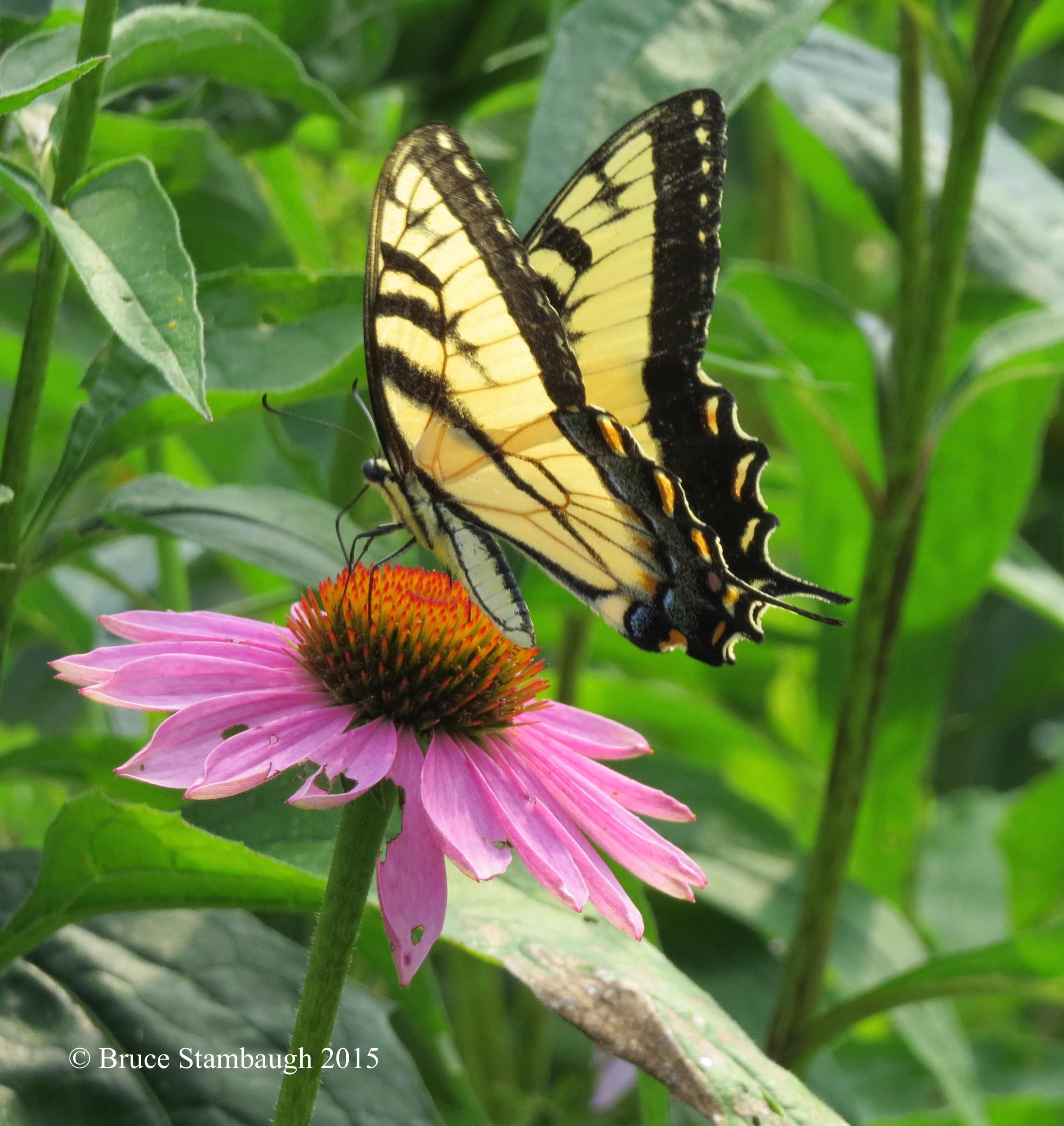
On one such foray, I spotted this incredible female Eastern Tiger Swallowtail butterfly flitting from coneflower to coneflower. Backlit by the morning sun, the colors radiated on this fresh, young butterfly.
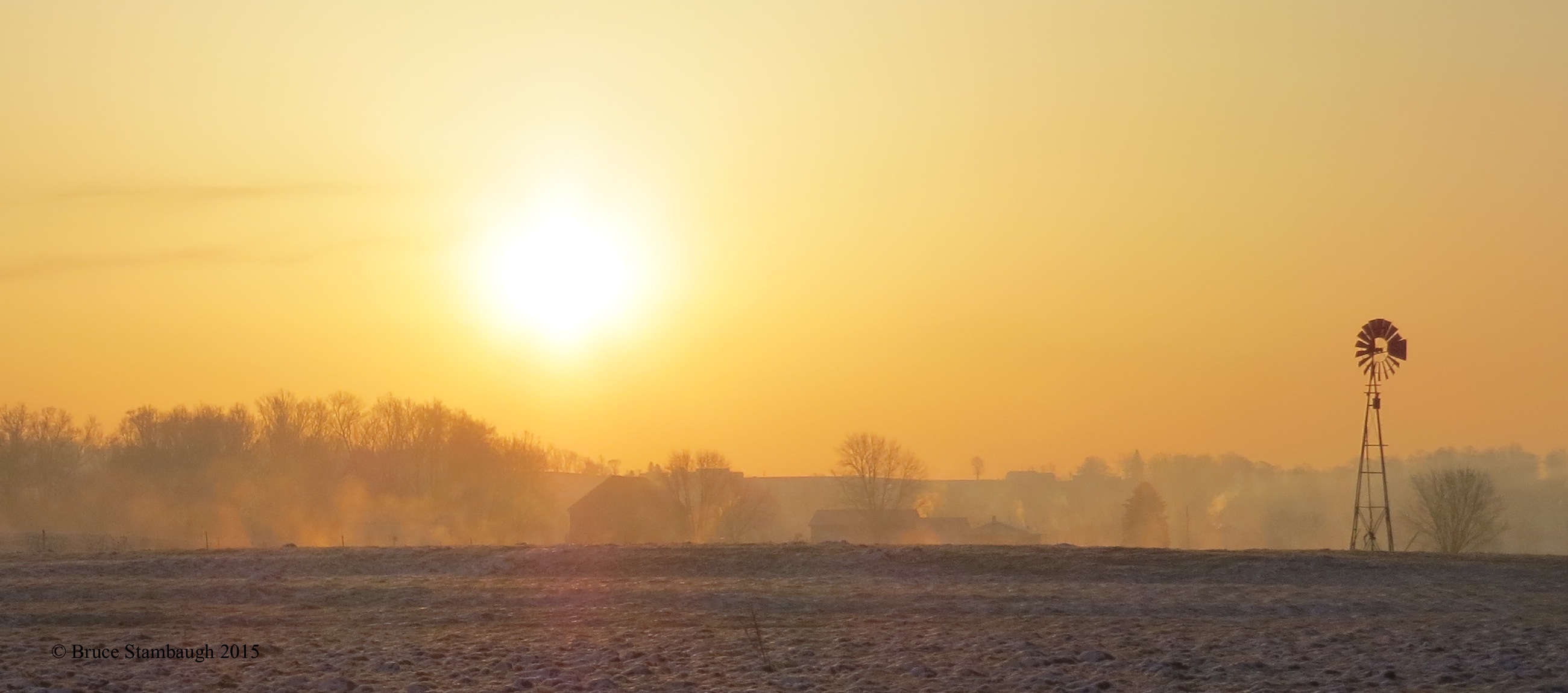
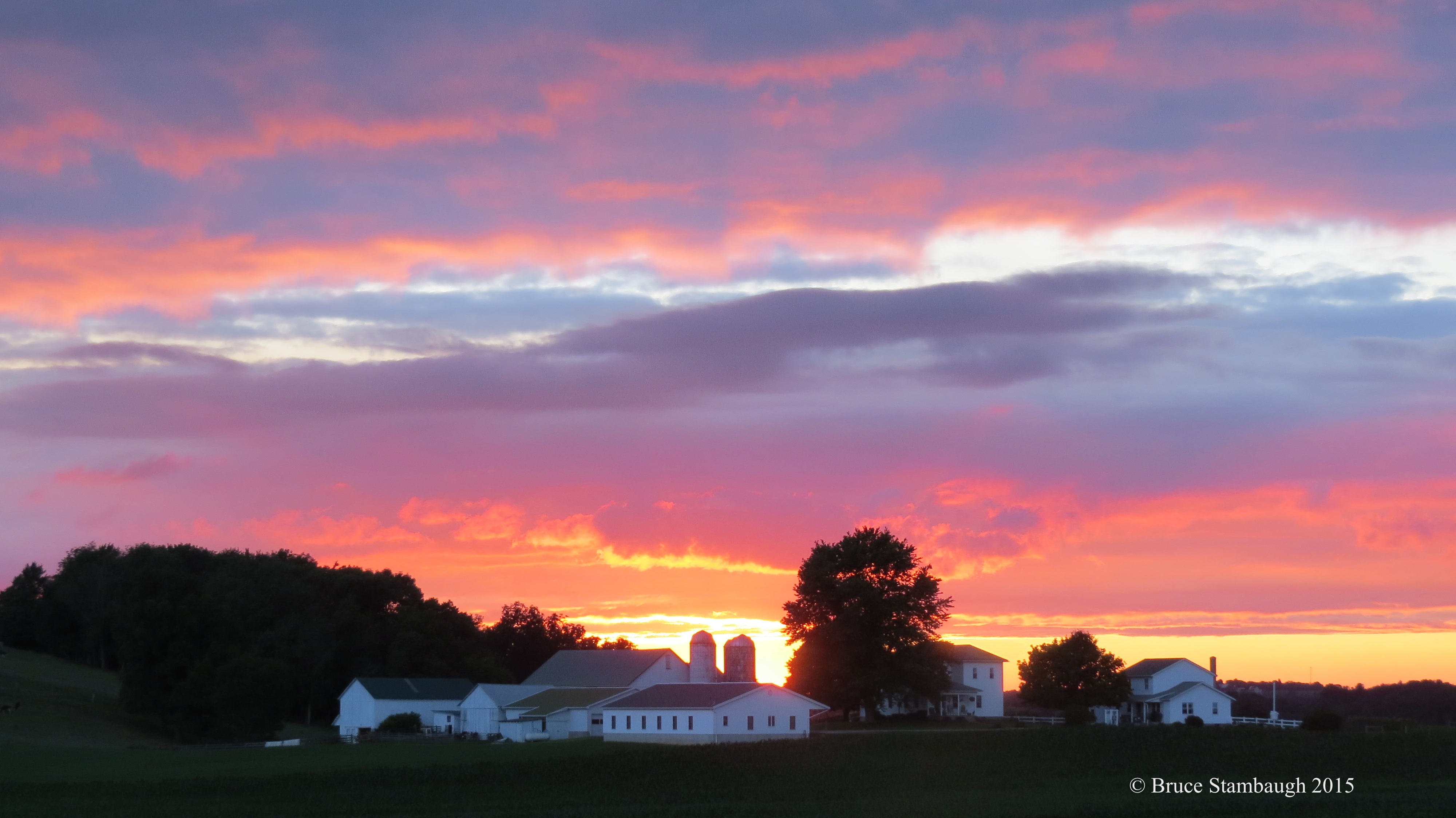
Rain or shine, stormy or clear, I love to watch the weather. From foggy sunrises to golden sunsets and any and all weather conditions in between, I’m on it like a tornado to a trailer park.
Yep. I’m stuck on the weather. I’ve always been fascinated by the variety of weather northeast Ohio has to offer spring, summer, fall and winter. I’m cool, however, with never having lived in Lake Erie’s snow belt.
My captivation with the climatological elements goes way back. When I was a kid and a thunderstorm roared I ran to the window, not the closet. The lightning and hail fascinated me the most.
I got a reality check, however, when I thought a 10-year old could outrun a thunderstorm for home. I couldn’t.
From then on, I took better notice of the weather and gave her all the respect she required. I took college classes that taught me much about climate and the weather.
Later, when I became a volunteer firefighter, I trained to be a severe weather observer. I’ve kept my spotter certification current.
One of the first things I do each morning is review the weather forecast. If severe weather is a possibility, I check the radar frequently for rapidly growing storms. For me, safety is a priority.
I remember the first tornado I ever saw. I was a skinny preteen. My father was driving the family car, and I spotted this white, spinning funnel cloud. I warned Dad, but he ignored me and drove right under it. When he heard the whirling noise and saw it pass overhead, Dad sheepishly said, “I guess you were right.”
With that, my amateur weather-watching career was born. When it rains, I record how much. When it snows, I measure the inches that fell. When it hails, I report the size and amount to the weather officials. The same goes for any wind-related damage.
This slideshow requires JavaScript.
There’s a purpose to my weather mania. I want others to be alerted so they too can be safe.
I’m not alone. Thousands of severe weather spotter volunteers are on call across the country. When the weather turns nasty, our adrenaline gets pumping.
Take the other day for example. As a severe thunderstorm moved over the county, weather radar indicated rotation in the storm.
Just as the National Weather Service issued the tornado warning, the power went out at our house. I scampered to be sure everything was secure, gathered my rain gear and camera, and out into the storm I went.
I hadn’t ventured down the road very far until I encountered flash flooding in several locations. I reported the flooding and kept an eye on the sky as best I could as I drove.
I followed the storm through torrential, swirling rain for 15 miles. I finally reached the back of the storm just as it exited into the next county. I relayed that no funnel was seen to the weather service and headed toward home, only to encounter even more flash flooding.
With muddy, debris-laden, bumper high water running rapidly across roadways, drivers still chose to risk it. Even a horse and buggy slogged through the floodwaters. The horse’s high leg kicks indicated that the horse was none too happy.
I’ve always said that if I believed in reincarnation, which I don’t, I probably would come back as either a chiropractor or a meteorologist. Given my penchant for the weather, you can probably guess which one I’d pick.
Having photographed yet another beautiful sunset over Lake Erie, I headed back to our vacation apartment in Lakeside, Ohio. well satisfied with the shots I had taken. Out of the corner of my eye, I caught the glow of another kind of light, not that dissimilar to the ever-changing hues in the evening sky.
The warm reds, yellows and oranges, accented by a few cool pastels mimicked the stunning sunset I had just witnessed. The white flowers on the steps invited passersby in past the posts and pillars to the festive porch.
I contemplated the circuitous route of just how I happened to be sitting beneath a party canopy in this Ontario, Canada couple’s backyard. It’s a long but enjoyable story.
It all started when my wife was 14-years-old. Of course, Neva wasn’t my wife then. We married young, but not that young.
Neva accompanied her youth group to a church conference in Kitchener, Ontario, Canada in 1964. With hundreds of teenagers from around the U.S. and Canada attending, with the teens assigned to sleep in homes of local folks.
That’s where Neva met Ruth. Ruth’s family hosted Neva. Neva and Ruth connected right away, and they kept in touch. Seven years later, Ruth and her husband, Ken, attended our wedding in northeast Ohio.
They returned to Ontario. We set up shop here. We all began our careers and started families. We visited Ken and Ruth once when our daughter was just two. Now her youngest child is five. Time melts away, doesn’t it?
With the internet, texting, email, and online chatting science fiction, correspondence via regular mail diminished over time. Life got in the way of our long distance friendship.
About 20 years ago, that unexpectedly changed. Neva saw an advertisement for a tour. She called the toll-free number and guess who answered? Ruth.
When Ruth learned that Neva and I had become snowbirds to Florida’s Amelia Island, she mentioned that their across the street neighbors also wintered there. That’s where our life circle began to expand.
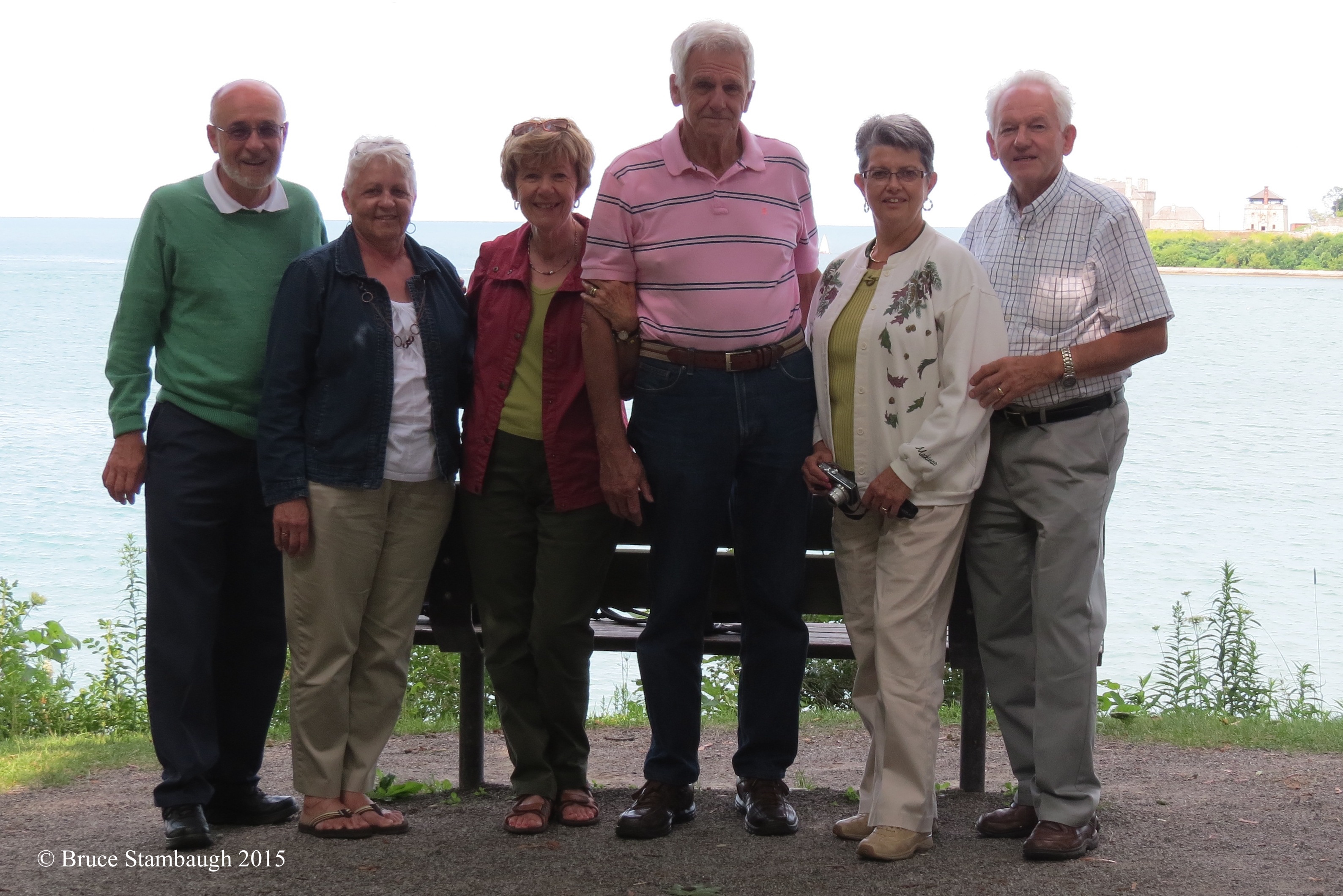
Ruth exchanged contact numbers with their neighbors and us, and the result was pure magic. In February 2014, we arranged to meet Don and Gail at a coffee shop in Fernandina Beach, the island’s only town.
Before the first sip of coffee, the four of us were yacking away as if we had been lifetime friends. Gail was born in England and still has that lovely disarming accent that is as genuine and gentle as she is. Don was from Bermuda and carries that notorious island swagger with him still, even though he’s been a Canadian now for years.
We chattered like teenagers at a soda shop. It didn’t take long to discover that both Don and I had been volunteer firefighters. As if that wasn’t enough to cement our friendship, photography and nature were also common hobbies.
Having been to Bermuda a couple of times ourselves, we knew many of the locales they mentioned. Don shared stories from his childhood until the present.
A carpenter by trade, Don was intrigued to learn that the wood industry was king in our county. Over the next month, we would take day trips together, go out to eat, or just play dominoes. That pattern repeated last winter.
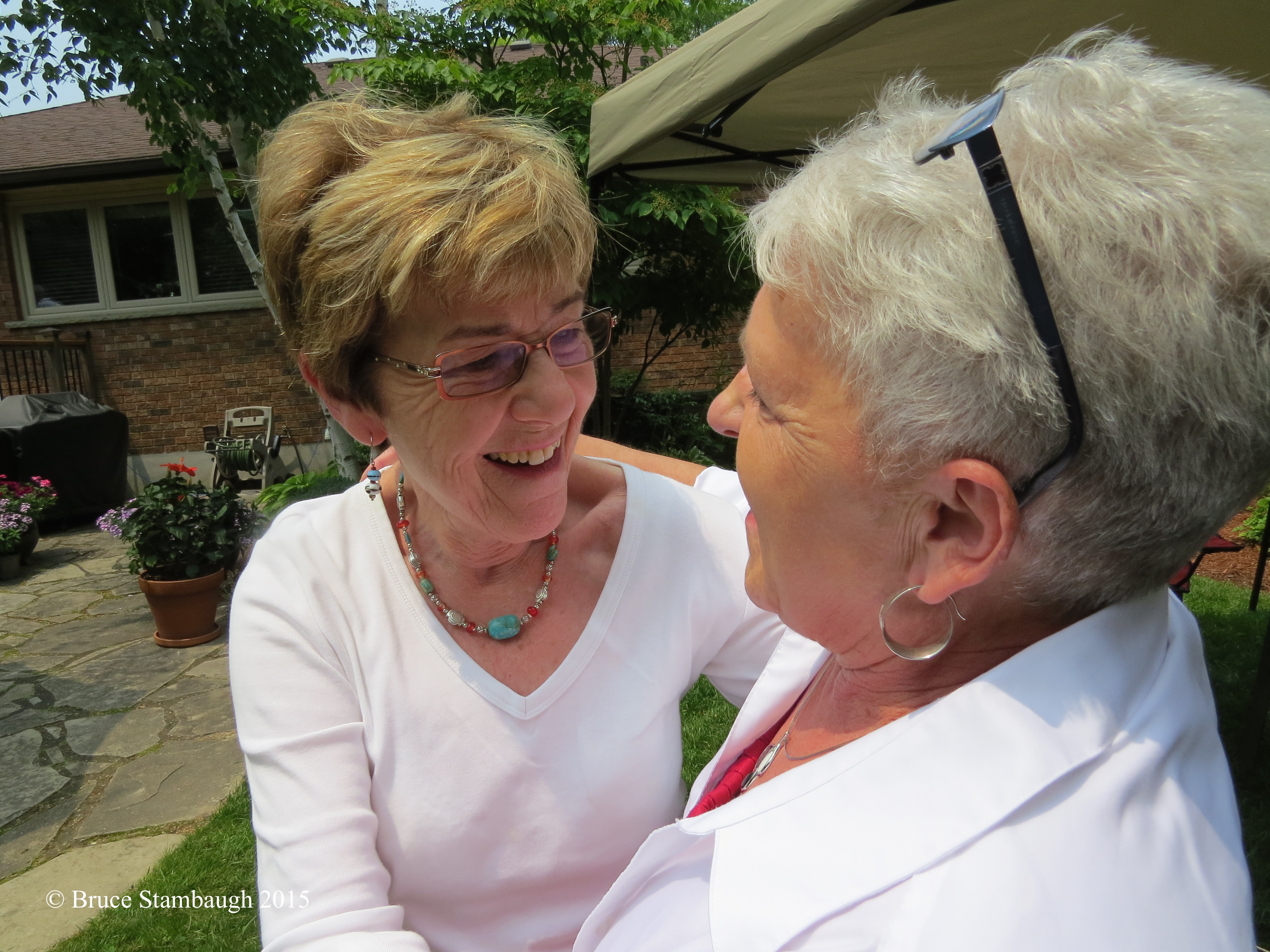
That brings me back to sitting under the canopy. We surprised both Don and Gail by crashing her surprise birthday party.
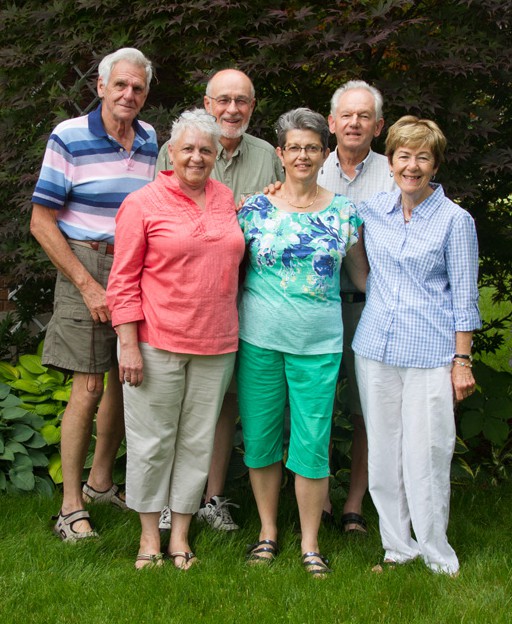
For that little coup, you can blame Ken and Ruth. That’s what lifelong friends do for one another. They help create other equally robust friendships.
That’s the thing about friendship circles. They enrich your life.
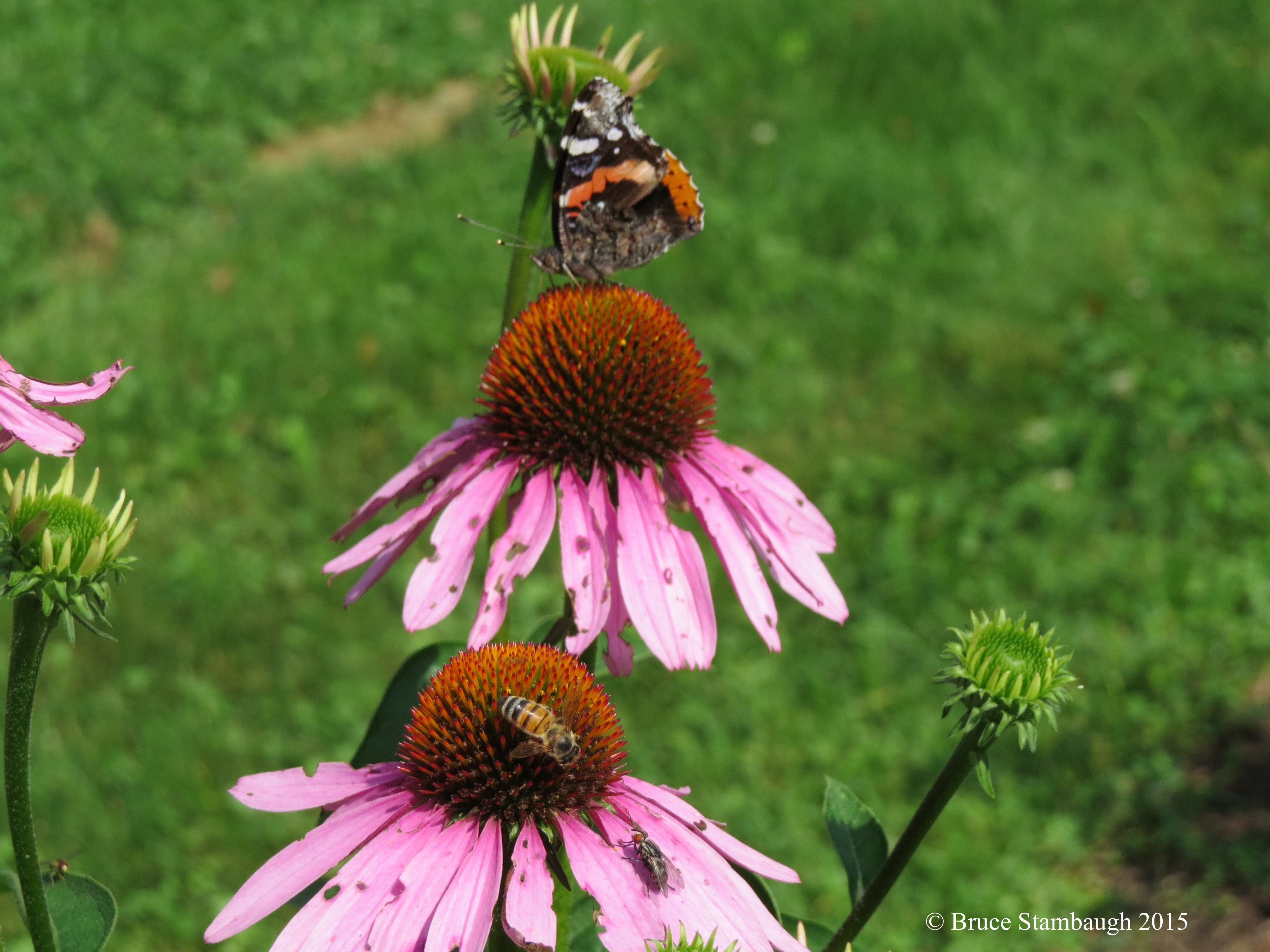
The mission was simple. I wanted to photograph a few of my wife’s beautiful flowers at their peak summer colors. I did and got so much more.
A Red Admiral butterfly sat upon the tallest coneflower. Just as I snapped the picture, a honey bee landed on a lower flower. It wasn’t until I downloaded the photos to my computer that I noticed the Platycheirus, a flower fly. It looks like it’s in a standoff with the bee.
We love our grandchildren. No headline news in that statement, I know.
But since the oldest of the three was born 11 years ago, Nana and Poppy have watched the trio, Evan, Davis and Maren, grow up from afar. All three of our grandchildren were born in Austin, Texas. Nana made sure she was on scene to help at each birth. Poppy arrived once the excitement had waned.
It wasn’t easy having your grandchildren 1,450 miles away. But we managed. We visited as often as we could.
We went for birthday parties at fire stations, helped carve pumpkins at Halloween, and any other time we could manage. The physical changes in the kids between visits were visible.
We visit as often as we can, and we still marvel at how all three change, even if it has only been a few weeks since we last saw them. A recent visit drove home that stark reality for me.
Evan is now nearly as tall as Nana. As you might guess, he is as active as any 11-year-old can be. He is a sports fanatic, with baseball his first love. That should be no surprise. From little on up, Evan enjoyed anything that would roll, or he could throw.
Davis is a very inquisitive youngster. You can tell he’s left-handed. Now nine, Davis has a gift to explore and imagine. He’s as happy playing with a stick as he is with an electronic game. How can you not like a boy like that?
At five, Maren is our pink tomboy. She is a girly girl if there ever was one. She enjoys helping Nana bake cookies. She hustles at soccer and baseball, too, even if her long, golden locks occasionally block her vision.
I remember as a youngster how much I loved being around grandparents. Though he had little, Grandpa Merle often brought us candy. Our dentist loved him, too.
I can still hear the hint of that soft, lovely southern Virginia accent in my Grandma Frith’s voice. My lips still smack at the tart taste of her made from scratch lemon meringue pies.
Nana and I want to create those same memories with and for our grandkids, too. It’s just a bit harder with all those old age mountains between us. Still we do what we can.
I’ve always played a guessing game with all three of them. I hide an object in one of my fists, and the kids have to find which hand it’s in. During a recent visit, Maren guessed with such accuracy that I encouraged her to go buy a lottery ticket. Her response? “What’s that?”
It’s been a joy to see each gain confidence. Davis fearlessly dove off a swimming pool diving board. He asks more questions than even I have answers. To me, it seems just yesterday that he was poking holes in Texas fire ant hills.
As the oldest, Evan strives to ensure that he is not usurped of that position as if that were even possible. Still, he’s one smart kid when it comes to mathematics and board games.
It’s nice to see our grandkids progress from diapers to where they are today. I just wish those eight mountain passes weren’t in the way.
When the farmer called me the other morning, I was away from home. He said he had two juvenile Barn Owls sleeping near his barn. My wife and I finally arrived at the Amish farm two miles from our home. The owls were still in the same place. Both were still sound asleep despite being only a few yards from a busy highway.
The owls had recently fledged from their nest box in the farmer’s barn. Rather than be disturbed by their younger siblings, still too young to fly, each owl found a personal, private spot to snooze. This one chose a silver maple tree in the farmer’s yard. The afternoon sun highlighted its breast feathers and some of the tree’s leaves.
After another wonderful summer day with partly sunny skies, pleasant temperatures, light breezes and little humidity, I’m watching the rain pour down.
It’s July. It’s Ohio. It’s the way weather happens here.
After the harsh winter and cool, damp spring, we were ready for an old-fashioned summertime. To be clear, that meant nothing but clear skies and warm sunny weather through September.
Of course, that never really has happened, never will. But we can dream can’t we?
The truth is we need to be honest with ourselves about summer weather in Ohio. We can have good days, better days, and then there’s the rest. Some of Ohio’s summer weather can be downright nasty, if not hazardous.
The consequential weather can be fearsome, and put a kink into your best-laid plans. A picture perfect day can morph into our worst nightmares. Tornadoes, hail storms, damaging thunderstorm winds are among the wicked weather menu options.
This slideshow requires JavaScript.
The July 1969 flood comes to mind. I didn’t live in Holmes County then. Still, the storm was widespread, and I saw damage and destruction. I was an intern reporter for The Plain Dealer in Cleveland. I headed to the Chautauqua Institution near Jamestown, New York for the holiday weekend.
I didn’t stay long. All the activities got rained out. On the way back to my apartment in a western Cleveland suburb, I passed several ConEdison power company trucks in New York heading west on the interstate.
I stopped at the newspaper on the way back and saw photos of boats being bashed against the rocky lakeshore. Power was out in much of the Cleveland area, including my neighborhood. In fact, one of those ConEdison trucks that I had passed was parked in front of my apartment.
Powerful winds drove the pouring rain right through the old, thick brick walls of our building. Huge trees snapped in a nearby park, and teenagers directed traffic at busy intersections.
Six weeks later I saw the damage done in Killbuck, my new home. Folks were still trying to recover from the devastating flood that touched nearly every building in the creekside town.
Weather is to be both appreciated and respected when it interrupts our human plans. When we hear thunder, we need to take cover. Avoid those treacherous floodwaters and find another way around.
As a weather buff, I cringe when I hear of people being struck by lightning playing golf or baseball, and when I learn of youngsters being swept away playing in swollen streams. Those are sad stories that need not have happened.
Weather is a lot like life, isn’t it? A wise Amish farmer once told me, “We just have to take whatever weather comes our way.” I think that philosophy applies to other aspects of our lives as well.
How do we respond when one of life’s happenings strikes us like a lightning bolt?
A surprise medical diagnosis by the doctor, an unexpected budget-breaking bill, a broken relationship, the death of a loved one can all wash over our emotions like a flash flood.
It’s summer in Ohio. Not every day will be sunny, nor will everything that happens to us be fair. We can’t change the weather, and sometimes can’t even alter our personal circumstances.
What we can do is keep on hoping for sunny summer days. It won’t be all cloudy and miserable forever.
It’s July. It’s Ohio. It’s the way weather and life happen here.
I was on another assignment when I saw this scene recently. I lowered the window of my vehicle and took the photo. It’s the iconic image of Amish gathering hay that most folks envision. The truth is, the way Amish farm has changed drastically in recent years. Most mainline Amish bale hay, either in rectangular bales or big round bales. Only the most conservative of the sect, the Swartzentrubers and those who belong to the Dan Church, continue to use the method pictured to gather hay.
I especially liked that the grandchildren were driving the team of horses while Grandpa properly balanced the huge stack of loose hay.
When I was a youngster growing up in a suburb of a blue-collar steel town in northeast Ohio in the 1950s and 60s, I loved summer nights.
Let me be clear that the foremost reason for my affection for summer was that school was out. But it was so much more than that, and still is.
Sure, summer days filled with warm temperatures, fluffy white clouds sailing by and gaggles of my peers running loose made for riotous times. We’d play ball, ride bikes, and explore for hours on end along the little creek that snaked through a woods down over the hill from our brick bungalow.
However, we knew when to come home for lunch and supper, or we wouldn’t eat. It was that simple.
It was a crazy, wonderful era to grow up. Times were changing. Right after supper, we watched the world unfold before us on the nightly news on black and white television. I had trouble reconciling what I saw then with what I had seen just before dinner on the Mickey Mouse Club.
Sputnik.That might have something to do with why I enjoyed and enjoy summer nights so much. Things got quieter after 10 p.m. or so. The noises of life subsided. I escaped into the refreshing darkness, unafraid, in awe of creation, and in search of anything that moved in the sparkling sky.
Since we were on summer vacation from school, my siblings and I were permitted to stay up later. I loved the evening’s coolness, a respite from the daytime heat and humidity. The nighttime air was our air conditioning.
I took full advantage of those cooler opportunities. I loved to view the night sky. Streetlights were scarce in our neighborhood then, allowing us actually to see the constellations and the countless stars.
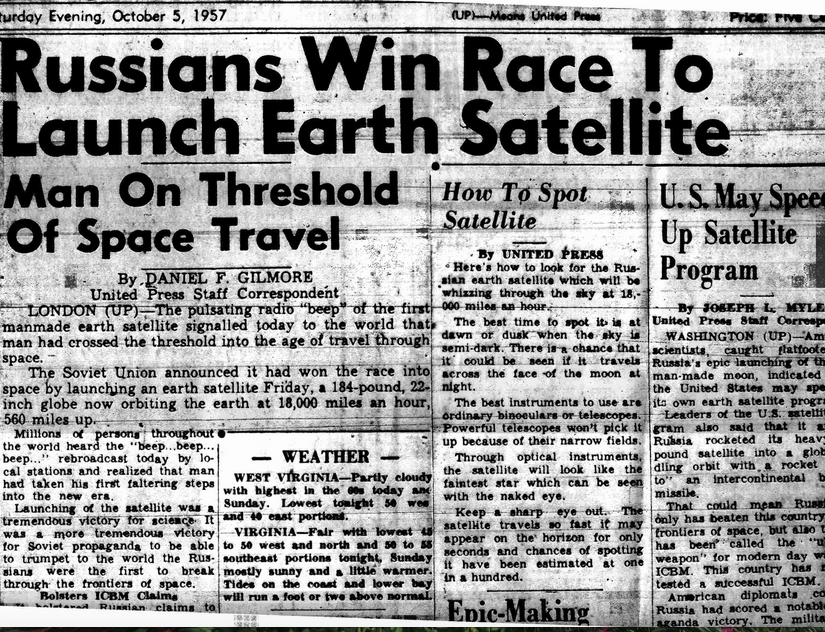
My folks must have noticed that interest, too. I got a telescope, and that allowed me to examine the heavenly hosts up close. It was the beginning of the space age, and once I even was able to follow Sputnik, the first-ever man-made satellite launched by the Soviet Union.
Headlines announcing Sputnik’s launch.Satellites were still so novel that newspapers published the time and flight path of their orbits. When I saw Sputnik, I couldn’t believe its simplicity, a round ball with four protruding antennae.
I liked simpler, natural things, too, like fireflies, the flash of heat lightning in distant storms, an owl hooting. Most of all, I embraced the solitude that summer nights afforded.
Here I am decades later, a grandfather instead of a grandson. I still love the quietness of early summer nights, before the crickets and katydids begin their concerts.
An American Robin will startle me awake long before dawn, perhaps herself startled from her nest. Was it a cat, a flying squirrel, an owl, or did one of her babies grow restless and try an early morning fledgling flight?
I still like the nights before the crickets start choir practice. I still prefer summer’s air conditioning to artificial. I am most appreciative that lightning bugs don’t crackle when they blink.








You must be logged in to post a comment.